



There are two levels for the challenge: Competitive and Novice. The athletes who are new to training may use but are not required the Novice weights and heights. Please consult your physician or make sure there are no medical conditions that would prevent you from taking the Fitness Challenge.
The number of CORRECTLY EXECUTED Goblet Squats performed in 1 minute touching briefly a bench 17” to 18.5” inches high carrying the prescribed weight below for age and gender. (Visit OKSeniorGames.com for video)
The number of CORRECTLY EXECUTED Push-Ups performed in 1 minute men’s chest to a 4” yoga block or for women to achieve a 45 degree arm bend at the prescribed bar height for their age
Athletes will hold a forearm plank for up to 3 minutes rewarded with points.
Athletes have 3 tries to balance on 1 leg up to 3 minutes.
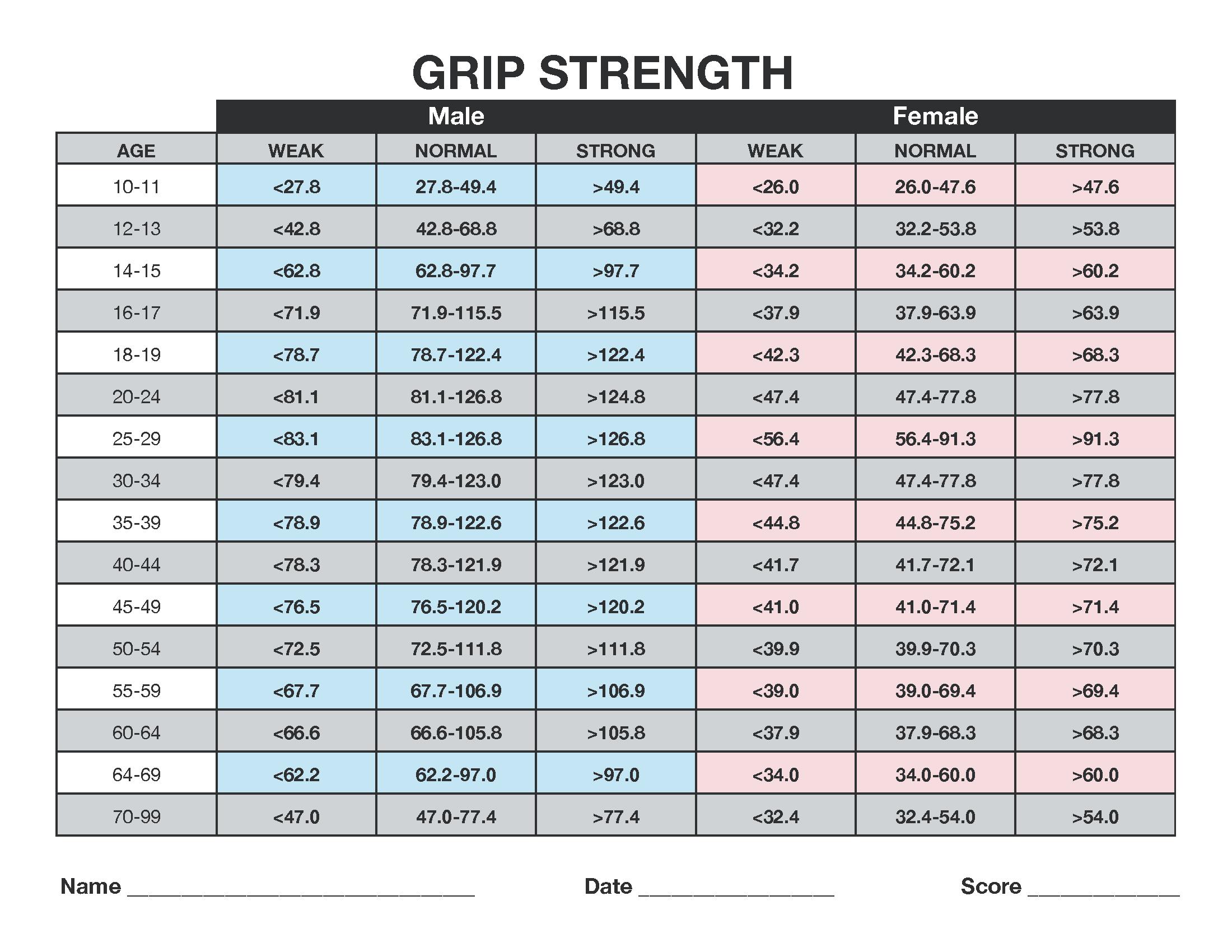
Measures grip strength using hand dynamometer.
5-10-5
The shuttle run test will measure agility, anaerobic, aerobic fitness, or some combination of these.
This test provides a submaximal measure of cardio-respiratory or endurance fitness.
These tests measure flexibility in different body parts.
• Back Scratch Test (shoulder flexibility)
• Seated Trunk Rotation Test (trunk flexibility
• Toe Touch Flexibility Test (hamstring, lower back, and hip flexibility
• Weight-Bearing Lunge Test (WBLT) (ankle flexibility)
Measures balance and stability
Measures athlete proficiency for lowering his/her body when stepping down from a curb or the like.
There are two levels for this part of the test: Competitive and Novice. The athletes who are new to training and 60 or over may use, but are not required, the Novice weights and heights.
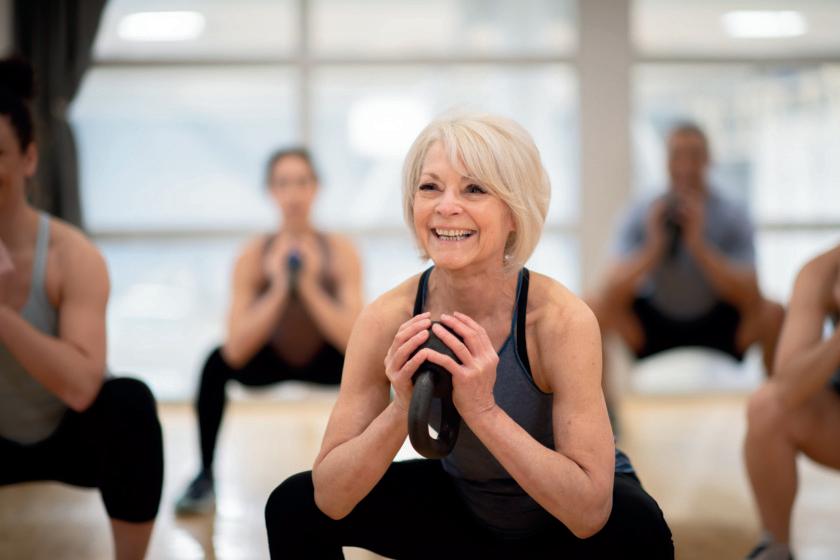
The number of CORRECTLY EXECUTED Goblet Squats performed in 1 minute touching briefly a bench 17” to 18.5” inches high carrying the prescribed weight below for age and gender. (Visit OKSeniorGames.com for video)
POINTS EARNED NOVICE
The number of CORRECTLY EXECUTED Push-Ups performed in 1 minute men’s chest to a 4” yoga block or for women to achieve a 45 degree arm bend at the prescribed bar height for their age.
POINTS EARNED COMPETITIVE
POINTS EARNED NOVICE
Athletes will hold a forearm plank for up to 3 minutes rewarded with points as below:
POINTS EARNED COMPETITIVE — MEN & WOMEN
POINTS EARNED NOVICE — MEN & WOMEN
The athlete has 3 tries to balance on 1 leg for up to 3 minutes. Time starts on the first try and stops when the foot touches the floor or the athlete loses his/her balance in any other way. Athletes may not jump around. The same procedure is followed for the 2 and 3 tries. The athlete’s score is the total of the balance times.
POINTS EARNED COMPETITIVE — MEN & WOMEN
POINTS EARNED NOVICE — MEN & WOMEN
The athlete holds the dynamometer in the hand to be tested at a right angle with the elbow touching the side of the body. The base of the dynamometer rests on the heel of the hand and the handle rests on the middle of the four fingers. On the signal GO the person squeezes the dynamometer with maximum strength for up to 5 minutes. No other body movement is allowed. Test 3 times with a 30 second rest between tries. Record the best of the 3 tries
POINTS EARNED COMPETITIVE & NOVICE — WOMEN
POINTS EARNED COMPETITIVE & NOVICE — MEN
The shuttle run test will measure agility, anaerobic, aerobic fitness, or some combination of these. The usual equipment required includes a non-slip surface, marker cones, measurement tape, and a stopwatch.
Pre-test: Explain the test procedures to the subject. Perform screening of health risks and obtain informed consent. Prepare forms. test conditions (indoor/outdoor, surface type).
Measure and mark out the test area. Perform an appropriate warm-up, including running at increasing speeds and incorporating turns.
Procedure: On the signal Go, the athlete runs first to the 5-yard line marker and back, then to the 10-yard line marker and back and last to the 5-yard line marker and over the finish line. The fastest time of 2 trials is recorded. Time is recorded to the 10th of a second.
POINTS EARNED COMPETITIVE — MEN
POINTS EARNED NOVICE— WOMEN
POINTS EARNED NOVICE— MEN

This step test provides a submaximal measure of endurance fitness. The test measures heart rate recovery after three minutes of stepping.
Equipment needed: 12” step (50-69); 6” step (70+); a stop watch that records seconds; a metronome or metronome app. Points are based upon and awarded on the resting heart rate after 3 minutes of stepping and an IMMEDIATE 60-second seated rest.
The Test: Face the step; listen to the cadence; when ready begin the 3 minutes of timed stepping: up, up, down, down. After 3 minutes of stepping, sit down immediately and Take your pulse for 60 seconds. This can be taken at either your wrist or neck.
Special instructions: Do NOT take your pulse for 15 seconds and multiply by 4. Avoid favoring one side of your body. You can try a tap-step which allows you to switch the lead leg while keeping up with the cadence. Make sure you can find your pulse prior to starting the test.
One point awarded if score is in the mean range on each of the following tests
NORMS FOR ADULTS 50+ (IN INCHES)
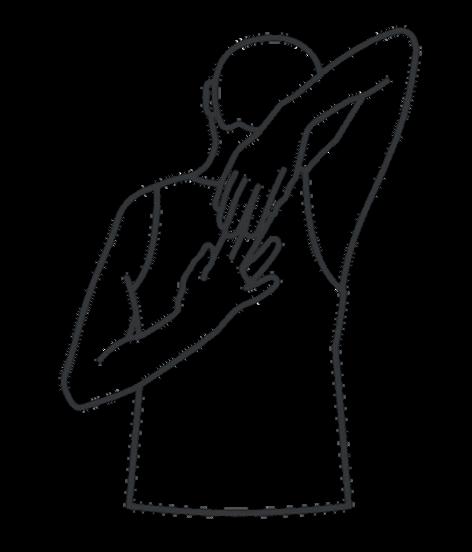
This test measures upper body flexibility by having participants reach one hand over the shoulder and the other behind the back, trying to touch their fingers. The score is measured in inches/cm (positive if fingers overlap, zero if they just touch, negative if they don't meet).
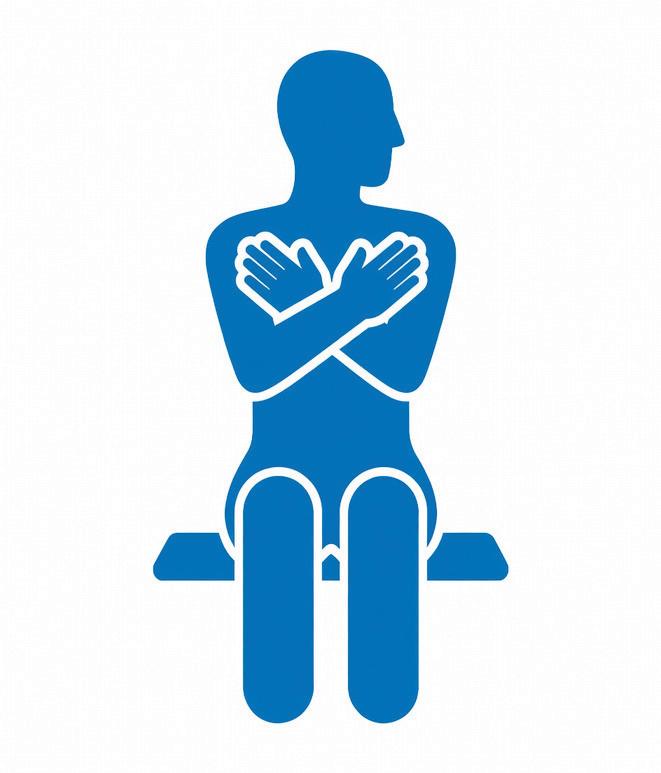
This test measures how far you can rotate your upper body while seated. It assesses spinal mobility.
PROCEDURE:
1. Sit on a chair with feet flat on the floor, back straight, and arms crossed over a dowel stick, golf club or the link.
2. Rotate the torso as far as possible to one side without moving the hips.
3. Hold the position.
4. The measure is the distance from the shoulder to a fixed point (e.g., a wall or measuring stick behind the person).
5. Repeat on the other side
NORMS FOR TRUNK ROTATION TEST (IN DEGREES)
NORMS FOR ADULTS 50+ (IN INCHES)
DESCRIPTION:
The Toe Touch Test is an assessment of hamstring, lower back, and hip flexibility. It helps evaluate an individual’s ability to bend forward at the hips while keeping the legs straight, which is important for mobility, posture, and injury prevention.
PROCEDURE:
1. Stand upright with feet together and knees straight.
2. Slowly bend forward at the hips, reaching down toward the toes. Keep the movement controlled without bouncing.
3. The final position is measured based on how far the fingertips reach in relation to the feet:
(Mean)
PROCEDURE:
1. Stand facing a wall with one foot forward and the other slightly behind. Keep the heel of the front foot flat on the ground and bend the knee toward the wall.
2. Move the foot back until the knee barely touches the wall without lifting the heel.
3. Measure the distance from the toe to the wall or use a goniometer to measure the angle.
NORM:10-12 CM (4-5 INCHES) FROM TOE TO WALL.
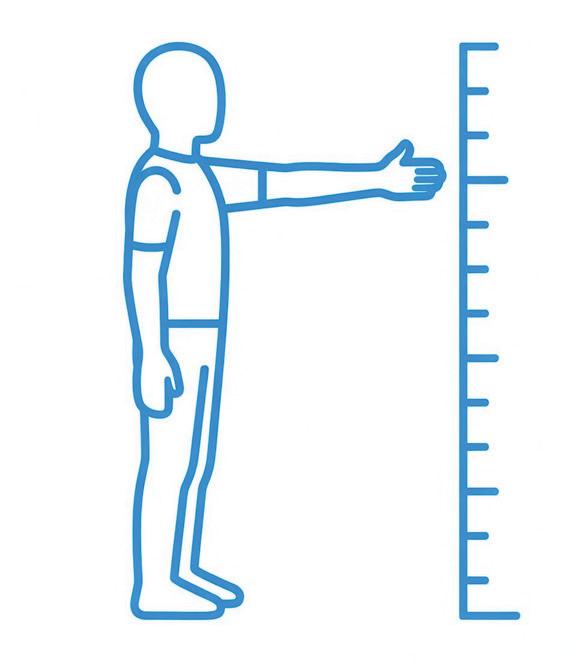
INTERPRETING THE SCORES
Greater than 10 inches → Low fall risk
6-10 inches → Moderate fall risk
Less than 6 inches → High fall risk
Measures balance and stability by assessing how far an individual can reach forward while maintaining a fixed base of support.
This test measured athlete proficiency for lowering his/her body when stepping down curbs and off other elevated surfaces. The award is 1 point or 0 points for scoring. The athlete performs this test immediately after completing the 1-minute pulse count after the 3-minute step test. This is when his/her legs are tired. The height is the same as it was for the 3-minute step test 12” for those 69 and under and 6” for athletes 70+.
The athlete steps up on the 12” or 6” platform and steps down on the other side, walks around and steps up then lowers again. The athlete lowers his/her body 3 times on each leg with control. There is no pace or speed measure to this test, only control. A touch bar must be available for the athlete to use to steady him or herself for safety. If it is used, no points are awarded. This test is failed if the athlete plops (loses control) or uses touch bar while lowering to the ground, even once.
Gold medal level between 33-41 total points Silver medal level between 25-32 total points Bronze medal level between 17-24 total points
Questions about or suggestions for the Oklahoma Senior Games Fitness Challenge contact: Kathleen Fitzgerald
kathleen.fitzgerald@OKSeniorGames.com • 727.776.1877
Aging is an inevitable part of life, but how we age can be significantly influenced by our physical strength. Maintaining and even building strength as we grow older is essential for overall health, independence, and quality of life. Strength training and physical activity play crucial roles in ensuring a longer, healthier, and active life.
Aswe age, muscle mass naturally declines, leading to decreased strength and mobility. This condition, known as sarcopenia, can make daily activities such as walking, lifting objects, or even standing up from a chair more challenging. By engaging in regular strength training exercises, older adults can retain their independence and continue performing everyday tasks with ease.
Fallsare one of the leading causes of injuryamong older adults. A lack of strength and poor balance significantly increase the risk of falling. Strength training enhances muscle coordination, balance, and flexibility, reducing the likelihood of falls and minimizing injury severity if they do occur. Stronger muscles also support joint stability, further decreasing the risk of fractures and mobility issues.
Aging also brings adecline in bone density, increasing the risk of osteoporosis and fractures. Weight-bearing exercises, such as resistance training and weightlifting, stimulate bone growth and help maintain bone density. This prevents fractures, particularly in older adults who are more susceptible to bone-related injuries.
Metabolismtends to slowdown with age, leading to weight gain and increased fat accumulation. Strength training helps counteract this by building lean muscle mass, which boosts metabolism and promotes healthier body composition. Maintaining a healthy weight reduces the risk of various chronic diseases, including diabetes, heart disease, and hypertension.
BOOSTING MENTAL WELL-BEING
Physical strength iscloselylinked to mental and emotional well-being. Engaging in regular exercise releases endorphins, which are natural mood boosters that help combat stress, anxiety, and depression. Strength training has also been shown to improve cognitive function, memory, and overall mental sharpness, reducing the risk of age-related cognitive decline.
Beingstrong allows older adults to continue engaging in hobbies, social activities, and recreational pursuits they enjoy. Whether it’s gardening, playing with grandchildren, traveling, or participating in sports, maintaining physical strength enables individuals to lead a fulfilling and active life without limitations.
Aging does not have to mean becoming frail or losing independence. Strength training and maintaining physical fitness are key components to living a longer, healthier, and more enjoyable life. By prioritizing strength as we age, we can enhance our mobility, prevent injuries, and improve both our physical and mental well-being. No matter what age, it is never too late to start buildingstrength and securing a healthier future.
As you age, not maintaining strength can have several significant implications for your health, independence, and overall well-being. Here are some key consequences:
1. Loss of Independence
Weak muscles make daily activities like climbing stairs, carrying groceries, or even standing up from a chair more difficult. This can lead to increased reliance on caregivers or assisted living.
2. Increased Risk of Falls & Injuries
Muscle weakness, especially in the legs and core, contributes to poor balance and coordination. Falls are a leading cause of fractures, particularly hip fractures, which can be lifethreatening for older adults.
3. Slower Metabolism & Weight Gain
Muscle mass naturally declines with age, which slows metabolism. This can lead to weight gain and increase the risk of obesity-related diseases like diabetes and heart disease.
4. Joint Pain & Poor Posture
Weak muscles provide less support to joints, increasing strain and pain, especially in the knees, hips, and back. Poor posture from weak core muscles can lead to spinal issues and chronic pain.
5. Higher Risk of Chronic Diseases
Strength training helps regulate blood sugar levels, reduce inflammation, and improve heart health. Weakness is linked to a greater risk of cardiovascular disease, osteoporosis, and even cognitive decline.
6. Reduced Mobility & Flexibility
Without strength, mobility decreases, leading to stiffness and difficulty moving around. This can create a cycle where less movement leads to even more muscle loss.
7. Mental & Emotional Impact
Weakness can contribute to depression and anxiety due to reduced independence and mobility. Exercise and strength training release endorphins that help improve mood and cognitive function.
It’s never too late to start strength training! Resistance exercises, bodyweight movements, and functional training can help maintain muscle mass and keep you strong as you age. Even small improvements in strength can lead to better quality of life.
For someone aged 50 or over who has not exercised before, it's important to start with a gentle and progressive approach. The goal is to build foundational strength, improve mobility, and prevent injury, all while promoting confidence in their ability to exercise. Here’s an adapted strength training program that focuses on ease into the routine, with emphasis on proper form and gradual progression.
1. Warm-Up (5-10 minutes)
A thorough warm-up is crucial to prepare the body for exercise, especially when you're new to it. Focus on gentle movements to get your heart rate up and increase circulation:
Marching in place or light walking (5-7 minutes)
Arm circles (10-15 seconds in each direction)
Hip circles (to warm up the lower body)
Leg swings (side to side, front to back)
2. Strength Training (2-3 times per week)
Start with 1-2 sets of 8-10 reps for each exercise. Use lighter weights or resistance bands to avoid overstraining the muscles. Ensure proper form throughout the exercises and progress at a slow pace to build strength.
Upper Body:
Wall Push-ups (Progress to knee push-ups as strength increases)
Seated Dumbbell Press (Use light dumbbells to press overhead while seated, ensuring back support)
Resistance Band Rows (Wrap a band around a sturdy object and gently pull towards you, squeezing your shoulder blades together)
Bicep Curls (Use light dumbbells or a resistance band to curl the arms up towards the shoulders)
Tricep Extensions (With a light dumbbell, extend your arm overhead and bend/elbow to lower the weight behind your head)
Lower Body:
Chair Squats (Stand in front of a sturdy chair and lower down to sit back, then rise back up. This helps with balance)
Step-ups (Use a low step or platform to step up one leg at a time. Start with 6-8 reps per leg)
Glute Bridges (Lie on your back with knees bent, feet flat on the floor, and lift your hips towards the ceiling, squeezing the glutes)
Calf Raises (Hold onto a chair or counter for balance, rise up onto your toes, and lower back down slowly)
Core:
Seated Marching (Sit on a chair and alternate lifting one knee at a time, working on core stability)
Standing Side Leg Raises (Hold onto a wall or chair for support and raise each leg out to the side slowly)
Bird Dogs (Kneel on all fours and extend one arm and the opposite leg, holding for a few seconds before switching sides)
3. Balance and Mobility (2-3 times per week)
Balance exercises will help prevent falls and improve overall stability:
Heel-to-toe walk (Walk in a straight line, placing the heel of one foot directly in front of the toes of the other foot. This helps with balance)
Standing on one leg (Hold onto a chair or wall for support and lift one leg, holding for 10-20 seconds, then switch legs)
Gentle stretches (Focus on stretching the major muscle groups, especially the hamstrings, back, and shoulders. Hold each stretch for 15-30 seconds)
4. Rest and Recovery
Rest days: Allow 1-2 rest days between strength workouts to give muscles time to recover.
Gentle stretching: Include 5-10 minutes of light stretching after each session to maintain flexibility.
5. Progression
As the person gains strength, they can gradually increase:
Weight or resistance: Use light dumbbells (start with 1-3 pounds) and gradually increase to 5-10 pounds as strength builds.
Sets and reps: Once the exercises feel easier, increase to 2-3 sets of 10-12 reps.
Difficulty: Once comfortable with the movements, increase the range of motion (e.g., deeper squats) or try more challenging variations.
6. Additional Considerations
Listen to the body: Start slow, and don't push too hard. If there’s any pain (beyond typical muscle soreness), stop and consult a doctor or physical therapist.
Hydration and nutrition: Stay well-hydrated and focus on a balanced diet with adequate protein to support muscle recovery.
This program can help someone over 50 ease into a safe and effective strength-building routine, focusing on longevity and gradual improvement
This program for increasing strength as you age should focuses on exercises that build muscle, enhance mobility, and improve joint health while also being mindful of any potential limitations due to age. Here’s a basic framework for a strength-building program that can be adapted based on your individual abilities and progress:
1. Warm-Up (5-10 minutes)
Before starting any workout, always do a gentle warm-up to prepare your body, increase circulation, and reduce the risk of injury: Light cardio (walking, cycling, or elliptical) to raise the heart rate. Dynamic stretching (leg swings, arm circles, shoulder rolls).
2. Strength Training (3-4 times a week)
Focus on full-body exercises that target all major muscle groups. Aim for 2-3 sets of 8-12 reps for each exercise. You can start with body weight exercises or light weights and gradually progress.
UPPER BODY EXERCISES:
Push-ups (can start with wall push-ups or knee push-ups)
Dumbbell chest press
Dumbbell rows or resistance band rows
Bicep curls
Tri-cep dips (using a bench or chair)
LOWER BODY EXERCISES:
Squats (body weight or with added resistance like dumbbells)
Lunges (forward or reverse lunges)
Step-ups (using a sturdy bench or step)
Glute bridges
Calf raises
CORE EXERCISES:
Planks (start with modified versions if needed)
Russian twists (with or without a weight)
Dead bugs (to work on stability)
Bird dogs
3. Balance and Mobility (2-3 times a week)
As we age, balance becomes increasingly important. Integrate some mobility work into your routine to keep joints healthy and prevent stiffness:
Standing on one leg (progress to doing it with your eyes closed or on a cushion)
Tai chi or yoga (great for flexibility and balance)
Hip openers and ankle mobility exercises
As your strength increases, gradually increase the intensity of your workouts: Increase weight (if you’re using dumbbells or resistance bands). Increase repetitions. Add more sets (e.g., going from 2 sets to 3 sets). Slow down the tempo (taking 3-5 seconds to lower the weight).
Get enough sleep: Recovery happens when you're resting, so prioritize good sleep. Allow rest days: Aim for at least 1-2 days per week of rest between strength workouts. Stretching: Gentle stretching post-workout can help improve flexibility and decrease muscle soreness.
6. Nutrition
To support muscle growth, make sure you’re eating enough protein and maintaining a balanced diet. Aim for 1.0-1.2 grams of protein per kilogram of body weight per day, and focus on whole foods like lean meats, legumes, nuts, and seeds.
As you age, maintaining good balance becomes increasingly important for several reasons:
Prevents Falls: One of the most significant risks as you age is the increased likelihood of falling. Falls can lead to serious injuries, such as fractures, sprains, and head injuries. Improving balance reduces the risk of falls and enhances stability in everyday activities.
Improved Mobility: Good balance allows for smoother movements and greater independence in daily tasks. Whether it's walking, climbing stairs, or getting in and out of a car, maintaining balance makes these activities easier and safer
Reduces Risk of Injuries: Poor balance can lead to missteps and falls, which can strain muscles, ligaments, and joints. Maintaining good balance helps prevent the physical stress and strain that could lead to injuries, particularly in the knees, hips, and lower back.
Better Posture: Balance training often works in conjunction with strengthening muscles, particularly the core. This can help you maintain better posture, which reduces strain on the spine and helps prevent back pain.
Enhances Confidence: Having good balance boosts your confidence in your ability to move freely and safely. This mental confidence can encourage you to engage in more physical activities, leading to a healthier and more active lifestyle.
Supports Functional Independence: Maintaining your balance ensures you can continue to perform daily tasks, like cooking, cleaning, and even getting up from a chair or bed without assistance.
Improves Brain Function: Balance exercises engage multiple areas of the brain, improving cognitive function. This may help with focus, concentration, and mental clarity.
Slows Muscle Decline: As you age, you lose muscle mass and strength, which can affect your balance. Engaging in balance exercises can help slow muscle decline and keep you more physically capable for longer.
Balance exercises like standing on one leg, walking heel-to-toe, or practicing tai chi or yoga are great ways to improve stability.
Not maintaining good balance as you age can have serious consequences for your safety, mobility, and independence. Balance is crucial for performing daily activities, preventing falls, and maintaining overall well-being. Here are the key implications of poor balance as you age:
1. Increased Risk of Falls and Injuries
Poor balance is a leading cause of falls, which can result in fractures (especially hip fractures), head injuries, and long-term mobility issues. Falls can lead to hospitalizations, lengthy recovery periods, and a loss of confidence in movement.
2. Loss of Independence
Difficulty standing, walking, or moving without assistance can make everyday tasks like dressing, cooking, and bathing more challenging. This may lead to greater dependence on caregivers or a need for assisted living.
3. Decreased Mobility and Strength
A lack of balance often leads to reduced physical activity, which accelerates muscle loss, joint stiffness, and overall weakness. This creates a cycle where less movement leads to even greater balance issues.
4. Increased Fear of Movement (Post-Fall Anxiety)
After experiencing a fall, many older adults develop a fear of falling again, leading to reduced movement and activity.
This can contribute to social withdrawal, depression, and a decline in overall health.
5. Greater Risk of Chronic Conditions Worsening
Poor balance is often linked to declining neuromuscular function, which can exacerbate conditions like arthritis, osteoporosis, and Parkinson’s disease. Balance issues may also indicate an underlying problem with vision, hearing, or circulation.
6. Impaired Posture and Coordination
Poor balance affects posture, leading to an increased risk of back and joint pain. It also affects coordination, making simple movements like turning, reaching, or stepping onto curbs more difficult.
How to Maintain and Improve Balance?
Improving balance is possible at any age with targeted exercises and lifestyle changes: Balance Exercises (e.g., standing on one leg, heel-to-toe walks)
Strength Training (especially for the legs and core, like squats and lunges)
Flexibility and Mobility Work (like yoga or Tai Chi)
Proprioception Training (e.g., walking on uneven surfaces, standing on balance discs) Regular Movement (avoiding a sedentary lifestyle to keep muscles and reflexes sharp)
Improving balance as you age is essential for maintaining independence and reducing the risk of falls. Here's a simple program that can be done at home to help improve balance for someone 50 or older who is new to exercising. This program includes a combination of strength, stability, and coordination exercises:
Warm-Up (5-10 minutes)
Start with some gentle movements to warm up the body: Marching in place: 1-2 minutes
Shoulder rolls: 10 forward and 10 backward
Gentle leg swings: 10 per leg
Ankle circles: 10 in each direction per ankle
Balance Exercises
Perform each exercise for 30 seconds to 1 minute, with a rest period in between. Aim for 2-3 rounds.
1. Standing on One Leg
Stand behind a chair or near a wall for support if needed. Lift one leg off the floor and hold for up to 3 minutes. Switch legs and repeat on the other leg.
Progression: Increase time as balance improves.
2. Heel-to-Toe Walk
Walk in a straight line, placing the heel of one foot directly in front of the toes of the other. Focus on maintaining your posture and control. Perform 10-15 steps in a straight line, then turn and repeat.
3. Side Leg Raises
Stand tall next to a wall or chair for support. Slowly lift one leg out to the side, keeping your body straight and avoiding leaning. Hold for 2 seconds, then slowly lower the leg down. Perform 10-12 repetitions on each side.
4. Chair Stand
Sit in a sturdy chair with your feet flat on the ground. Stand up slowly, using your legs to raise yourself up (without using your hands for support). Sit back down slowly, making sure your movements are controlled. Perform 10-12 repetitions.
5. Toe Raises
Stand with your feet hip-width apart. Slowly lift your heels off the floor, stand on your toes, and hold for 3-5 seconds before slowly lowering down. Perform 10-12 repetitions.
6. Tai Chi or Gentle Yoga
Incorporating Tai Chi or gentle yoga into your routine is a great way to improve balance, flexibility, and coordination. Consider enrolling in or following a beginner’s online class or online video.
Improving strength in the legs, core, and lower body is crucial for balance.
Starting Position: Stand with your feet shoulder-width apart or slightly wider, with your toes pointed forward or slightly outward.
Engage Your Core: Squeeze your core muscles to stabilize your body and protect your lower back.
Hinge at the Hips: Imagine sitting down into a chair, pushing your hips back and bending your knees and ankles.
Lower Down: Continue lowering your body until your thighs are parallel to the ground or slightly lower, keeping your back straight and chest up.
Return to Standing: Push through your heels to return to the starting position, squeezing your glutes and quads at the top.
Keep Your Knees Tracked: Ensure your knees stay aligned with your toes and don't collapse inward.
Maintain a Neutral Spine: Keep your back straight and your chest lifted throughout the movement. Perform 10-12 repetitions.
Stand tall and take a step forward with one foot, lowering the back knee toward the floor. Push back up to the starting position. Perform 10 repetitions on each leg.
Cool-Down (5 minutes)
Finish with gentle stretches to improve flexibility and reduce stiffness. See Program for Improving Flexibility for a description of the following cool-down exercises.
Standing Quad Stretch
Calf Stretch
Standing Hamstring Stretch
Hip Flexor Stretch
Consistency is key: Try to perform these exercises 2-3 times per week, gradually increasing difficulty.
Progress at your own pace: Don’t rush. Focus on controlled movements and maintaining good form.
Use support as needed: Don’t hesitate to hold onto a chair, countertop, or wall if needed for safety.
Stay safe: Ensure you have a clear space, free of obstacles, to perform balance exercises. This program is a great starting point for improving balance and coordination. Over time, as strength and confidence grow, more challenging exercises can be incorporated into the routine.
Being agile as you age is crucial for maintaining physical health, mental sharpness, and overall quality of life. Agility isn't just about physical movement—it also includes adaptability in thinking, learning, and social engagement. Here’s why it matters:
Physical Benefits
1. Prevents Injuries – Agility helps with balance, coordination, and reflexes, reducing the risk of falls and injuries.
2. Maintains Mobility – Staying active keeps joints flexible and muscles strong, making everyday activities easier.
3. Supports Longevity – Regular movement and exercise improve cardiovascular health and overall longevity.
Mental Benefits
1. Enhances Cognitive Function – Learning new skills, adapting to technology, and engaging in problemsolving keep the brain sharp.
2. Reduces Stress & Anxiety – Flexibility in thinking helps manage stress, accept changes, and build resilience.
3. Encourages Continuous Learning – Staying open to new ideas and experiences fosters mental agility and curiosity.
Emotional & Social Benefits
1. Improves Adaptability – Life changes, such as retirement or shifts in social circles, are easier to handle with a flexible mindset.
2. Boosts Confidence – The ability to adapt and stay active increases self-assurance in daily life.
3. Strengthens Social Connections – Engaging with different generations, trying new activities, and embracing change keeps relationships strong.
Exercise regularly (yoga, stretching, dance, or balance exercises)
Try new things (hobbies, travel, or learning a language)
Stay socially active (engage in conversations, join clubs, or volunteer)
Embrace technology (learn to use new devices and apps)
Practice mindfulness (stay present and adaptable to life's changes)
Being agile as you age isn’t just about movement—it’s about staying open, active, and engaged in all areas of life.
Not maintaining agility as you age can have several serious consequences for your mobility, independence, and overall well-being. Agility—the ability to move quickly and easily—is essential for responding to sudden changes in movement, maintaining balance, and preventing falls. Here are the key implications of losing agility as you age:
1. Increased Risk of Falls and Injuries
Agility helps you react quickly to obstacles, slippery surfaces, or sudden shifts in movement. A lack of agility can result in more frequent falls, leading to fractures, head injuries, or long-term mobility issues.
2. Reduced Balance and Coordination
Agility involves quick footwork and controlled body movements. Losing agility can lead to difficulty adjusting your posture, increasing instability and the likelihood of stumbles.
3. Slower Reflexes and Poor Reaction Time
If you can’t move quickly, you may struggle to recover from a misstep or react in time to avoid hazards. This can be dangerous when crossing the street, navigating crowded spaces, or even avoiding a falling object.
4. Limited Mobility and Stiffness
Poor agility often comes with joint stiffness and decreased flexibility, making movements slower and more effortful. This can make daily activities, like turning quickly, bending down, or stepping sideways, much harder.
5. Decline in Cognitive Function
Agility training involves both physical and mental engagement, as the brain must process movement patterns quickly. Studies suggest that losing agility is linked to cognitive decline and slower decision-making abilities.
6. Reduced Ability to Engage in Activities
Sports, dancing, playing with grandchildren, or even recreational walking require agility. Without it, you may avoid activities you once enjoyed, leading to a more sedentary lifestyle.
7. Increased Dependence on Others
Struggling with quick movements and adjustments can make everyday tasks harder. This can lead to a greater reliance on caregivers, family, or mobility aids.
How to Maintain Agility as You Age
It’s never too late to work on agility! Here are some simple ways to improve it:
Balance Exercises (e.g., standing on one leg, heel-to-toe walks)
Lateral Movements (e.g., side lunges, step exercises)
Coordination Drills (e.g., agility ladder drills, quick foot taps)
Yoga or Tai Chi (to improve flexibility and fluid movement)
Strength & Flexibility Workouts (to maintain joint health and mobility)
As we age, maintaining agility is crucial for overall mobility, balance, and reducing the risk of falls. Here’s a program that focuses on improving agility for someone over 50, especially if they’ve never exercised before. The key is to start slow, focus on form, and gradually increase intensity.
Agility Training Program for Seniors (Beginner Level)
Warm-up (5-10 minutes)
Gentle Marching
March in place, lifting knees high. Swing arms in coordination with legs. Duration: 2 minutes.
Shoulder Rolls & Arm Circles
Roll shoulders forward and backward in a smooth motion. Stretch arms out and make small, medium, and large circles.
Duration: 3 minutes.
Ankle Circles
Lift one leg and rotate the ankle in both directions. Switch legs. Duration: 2 minutes.
Agility Drills
Side Step Touches
Stand tall with feet together. Step to the side with one foot, then bring the other foot to meet it. Touch your toes down after each step. Keep a steady pace but focus on controlled movements.
Sets: 2 sets of 10-12 steps each direction.
Forward and Backward Walking
Take a step forward with your right foot, then step back with your left foot to the starting position. Repeat with the opposite foot. Try to stay light on your feet and avoid shuffling. Sets: 2 sets of 10 steps in each direction.
Cone Drills (or Markers)
Set up 3-5 cones (or objects like water bottles) in a straight line, about 3 feet apart. Practice walking quickly around each cone, turning in different directions (e.g., clockwise and counterclockwise). Focus on foot placement and smooth directional changes. Sets: 2 rounds of 5-6 cones.
Lateral Shuffles
Start with feet shoulder-width apart. Shuffle side to side as quickly as possible without crossing feet. Focus on maintaining a low center of gravity and keeping your balance. Sets: 2 sets of 5-6 shuffles each direction.
Standing Heel to Toe Walk
Walk forward in a straight line, placing the heel of one foot directly in front of the toes of the other. Try to focus on walking in a straight line without looking down. This exercise enhances coordination and balance. Sets: 2 sets of 10 steps.
Step-Ups (with or without assistance)
Using a sturdy step or platform, step up with one leg, followed by the other, then step down in reverse order. Focus on controlled movements. Sets: 2 sets of 10-12 reps
Cool Down (5 minutes)
Gentle Stretching Focus on stretching your calves, hamstrings, quadriceps, hip flexors, and back. Hold each stretch for 20-30 seconds.
Deep Breathing Practice deep breathing to relax the muscles. Inhale through the nose, hold for a few seconds, and exhale through the mouth.
Key Tips
Progress Gradually: Start with slower, smaller movements, and as you gain confidence and agility, increase the speed or complexity of the exercises.
Focus on Form: Prioritize maintaining good posture and balance throughout the exercises to prevent falls.
Consistency: Agility improves with practice, so aim for 2-3 times per week.
Stay Safe: Always do these exercises in a safe space, preferably near something sturdy to hold onto if needed, especially when you're just starting out. This program is designed to build both physical and mental agility, helping you stay more mobile and active as you age
Physical endurance plays a key role in maintaining overall health, energy levels, and independence as you age. Endurance refers to your body's ability to sustain physical activity over time, whether it’s walking, climbing stairs, or engaging in recreational activities. Here’s why it’s crucial:
1. Increases Energy and Stamina
Having good endurance helps you stay active longer without feeling fatigued. It allows you to complete daily tasks more easily, reducing reliance on others.
2. Supports Heart and Lung Health
Endurance exercises, such as walking, swimming, or cycling, strengthen the heart and improve circulation. A strong cardiovascular system reduces the risk of heart disease, stroke, and high blood pressure.
3. Helps Maintain a Healthy Weight
Regular endurance activities help burn calories and manage weight, which reduces stress on joints and organs. It also supports a healthy metabolism, which naturally slows down with age.
4. Improves Muscle and Joint Function
Endurance training helps keep muscles strong and joints flexible, reducing the risk of stiffness and pain. It also helps prevent conditions like osteoporosis and arthritis.
5. Enhances Mental Well-Being
Physical endurance exercises release endorphins, reducing stress, anxiety, and depression. Better stamina also improves cognitive function, keeping the brain sharp and focused.
6. Reduces Risk of Chronic Diseases
Regular endurance activities lower the risk of conditions such as diabetes, osteoporosis, and neurodegenerative diseases. They also boost immune function, helping the body fight infections more effectively.
7. Promotes Independence and Quality of Life
Good endurance enables older adults to stay active in hobbies, travel, and social activities without feeling exhausted. It fosters confidence in movement, reducing the risk of falls and injuries.
Engage in Aerobic Exercise: Walking, swimming, dancing, or cycling are great low-impact options. Build Strength: Strength training improves muscular endurance, making everyday movements easier. Stay Consistent: Aim for at least 150 minutes of moderate exercise per week. Prioritize Rest and Recovery: Proper sleep and hydration help the body recover and sustain endurance. Listen to Your Body: Gradually increase activity levels to avoid overexertion or injury.
Building and maintaining endurance is essential for staying active, independent, and healthy as you age. A strong body and heart contribute to a longer, more fulfilling life, allowing you to enjoy daily activities without limitations.
Not maintaining endurance as you age can have significant consequences for your overall health, mobility, and quality of life. Endurance refers to your body’s ability to sustain physical activity over time, which is essential for daily activities, cardiovascular health, and independence. Here are the key implications of poor endurance as you age:
1. Decreased Energy Levels & Fatigue
Low endurance leads to quicker exhaustion, making it harder to perform simple tasks like walking, climbing stairs, or carrying groceries. Everyday activities may feel more strenuous, leading to more frequent rest periods and inactivity.
2. Reduced Cardiovascular Health
Endurance is closely tied to heart and lung function. Poor endurance can increase the risk of heart disease, high blood pressure, and poor circulation. A lack of aerobic activity can lead to shortness of breath, even during light exertion.
3. Loss of Independence
Struggling with endurance can make it difficult to keep up with daily responsibilities, leading to a greater reliance on others. Tasks like cleaning, shopping, or simply walking around the neighborhood become more challenging.
4. Increased Risk of Chronic Illness
Poor endurance is linked to an increased risk of conditions like diabetes, obesity, and metabolic syndrome. It can also contribute to cognitive decline and a greater risk of dementia.
5. Weak Muscles and Poor Mobility
Lack of endurance can lead to muscle deconditioning, making movements slower and more effortful. This can lead to difficulty standing for long periods, climbing stairs, or walking long distances.
6. Reduced Social Engagement
Low endurance can make it harder to participate in social activities, such as outings with friends, family events, or travel. Over time, this can lead to social isolation, loneliness, and even depression.
7. Slower Recovery from Illness or Surgery
Poor endurance can weaken the immune system and slow healing, making it harder to recover from infections, injuries, or medical procedures. Hospital stays can be prolonged due to low physical resilience.
This is a simple endurance-building plan that’s easy to follow and can be adjusted to your fitness level. It focuses on improving cardiovascular health, muscle endurance, and stamina while being gentle on the joints.
Weekly Endurance Plan (30–45 min per session, 3–5 days per week)
1. Warm-Up (5–10 minutes)
— Gentle marching in place
— Arm circles and shoulder rolls
— Side steps with light arm movements
— Ankle rolls and toe touches
2. Cardio Endurance (15–30 minutes)
Beginner: Brisk walking, swimming, or cycling at an easy pace
Intermediate: Fast walking, incline treadmill, or low-impact aerobics
Advanced: Light jogging, stair climbing, or interval training (e.g., 30 sec fast, 1 min slow)
3. Strength + Muscle Endurance (10–15 minutes)
Bodyweight Squats (10–15 reps) – Builds leg endurance
Wall Push-Ups or Modified Push-Ups (10–15 reps) – Strengthens upper body
Seated or Standing Leg Lifts (10–15 reps per leg) – Improves stamina in legs
Step-Ups on a Low Step (10–15 reps per leg) – Boosts endurance and balance
4. Cool-Down & Stretching (5–10 minutes)
— Gentle stretching for legs, arms, and back
— Deep breathing exercises to relax muscles
Additional Tips for Improving Endurance
Increase Duration Gradually – Start with 15–20 minutes and build up over time.
Monitor Your Breathing – If you can talk but not sing, you’re at a good intensity.
Stay Hydrated & Eat Well – Proper nutrition fuels endurance gains.
Be Consistent – Aim for at least 3–5 sessions per week.
How to Improve Endurance?
Improving endurance is possible at any age with gradual and consistent effort:
Aerobic Exercise
(e.g., walking, swimming, cycling, or light jogging)
Strength Training
(to support muscle endurance and stamina)
Interval Training
(short bursts of activity to build endurance over time)
Healthy Diet & Hydration
(for energy and muscle recovery)
Consistent Activity
(avoiding long periods of inactivity to keep endurance levels up)
Cardiovascular health becomes hugely important as you age because your heart and blood vessels naturally go through changes over time — they stiffen a bit, your heart might not pump quite as efficiently, and risks for things like high blood pressure, heart disease, and stroke increase.
Keeping good cardiovascular health helps with:
Maintaining energy levels: A stronger heart pumps blood more efficiently, giving your muscles and organs the oxygen they need.
Lowering disease risk: It cuts down the chance of heart attacks, strokes, diabetes, kidney disease, and even some cognitive issues like dementia.
Supporting independence: Good circulation and stamina mean you can keep doing the activities you enjoy — traveling, playing with grandkids, gardening, etc.
Improving mood and mental sharpness: Exercise that benefits your heart also boosts brain health and reduces depression and anxiety. In short: protecting your heart means protecting your whole future.
Not maintaining good cardiovascular condition as you age can have serious consequences for your heart health, mobility, and overall quality of life. Cardiovascular fitness refers to how efficiently your heart, lungs, and blood vessels supply oxygen to your muscles during physical activity. Here are the key implications of poor cardiovascular health as you age:
1. Increased Risk of Heart Disease & Stroke
Poor cardiovascular fitness raises the risk of high blood pressure, heart attacks, and strokes. The heart becomes weaker and has to work harder to pump blood, increasing the risk of heart failure.
2. Shortness of Breath & Fatigue
Even simple tasks like climbing stairs, walking, or carrying groceries can leave you breathless and tired. A lack of cardiovascular endurance leads to low energy levels and reduced stamina for daily activities.
3. Poor Circulation & Increased Risk of Blood Clots
Weak circulation can cause cold hands and feet, swelling in the legs, and slower wound healing. Poor blood flow increases the risk of blood clots, which can lead to lifethreatening conditions like deep vein thrombosis (DVT) or pulmonary embolism.
4. Higher Risk of Chronic Diseases
Poor cardiovascular health contributes to diabetes, obesity, kidney disease, and cognitive decline. It can also lead to vascular dementia due to reduced blood flow to the brain.
5. Reduced Mobility & Loss of Independence
Weak cardiovascular health makes it difficult to stay active, leading to muscle loss, joint pain, and balance issues. Over time, this can lead to greater reliance on walking aids or caregivers.
6. Poor Sleep & Mental Health Issues
A weak cardiovascular system is linked to poor sleep quality, increased stress, anxiety, and depression. Exercise is essential for releasing feel-good hormones like endorphins, which help boost mood and brain function.
7. Slower Recovery from Illness or Surgery
A weak heart and lungs make it harder for your body to fight infections and recover from surgeries or illnesses. Poor cardiovascular health weakens the immune system, making you more vulnerable to colds, flu, and other illnesses
This customized cardiovascular workout plan is designed to improve heart health, endurance, and overall fitness. This plan is adaptable to different fitness levels and can be done 3–5 times per week.
Cardiovascular Workout Plan (30–45 Minutes per Session)
Warm-Up (5–10 Minutes)
Gentle marching in place (2 min)
Arm circles and shoulder rolls (1 min)
Side steps with arm swings (2 min)
Deep breathing exercises (1 min)
Cardio Workout (15–30 Minutes)
Beginner: (Low-Impact, Easy Pace)
Brisk walking (outdoors or treadmill) – 15–20 min
Seated or standing step taps – 10 min
Gentle cycling – 10–15 min
Water aerobics – 15 min
Intermediate: (Moderate Pace, Slightly Challenging)
Power walking or light jogging – 20 min
Cycling (moderate resistance) – 15–20 min
Dancing or aerobics – 15 min
Stair climbing – 10 min
Advanced: (Higher Intensity, Challenging)
Jogging or incline walking – 20–30 min
Interval training (30 sec fast, 1 min slow) – 15 min
Rowing machine or stair climber – 15–20 min
Jump rope – 5 min (short bursts)
Strength & Endurance Boost (10–15 Minutes)
Chair squats (10–15 reps) – Strengthens legs and heart
Wall push-ups (10 reps) – Builds upper body endurance
Seated or standing knee lifts (10 reps per leg) – Improves circulation
Step-ups on a low step (10 reps per leg) – Enhances leg stamina
Cool-Down & Stretching (5–10 Minutes)
Slow walking (2 min)
Leg and arm stretches (3–5 min)
Deep breathing exercises (1–2 min)
Extra Tips for Heart Health & Stamina:
Start slow and build up – Listen to your body and progress gradually.
Stay hydrated – Drink water before, during, and after exercise.
Monitor your intensity – You should be able to talk but not sing while exercising.
Be consistent – Aim for at least 3–5 sessions per week.
As we age, maintaining body flexibility is essential for overall health, mobility, and quality of life. Flexibility affects everything from posture and balance to the ability to perform daily activities without discomfort or injury. Here’s why it’s crucial:
1. Enhances Mobility and Independence
Flexible muscles and joints allow for a greater range of motion, making everyday tasks—such as reaching, bending, and walking—easier. It helps maintain independence by preventing stiffness that can limit movement and make routine activities more challenging.
2. Reduces Risk of Injury and Pain
Tight muscles and stiff joints increase the likelihood of strains, sprains, and falls. Stretching and flexibility exercises help reduce muscle tension, preventing chronic pain conditions like lower back pain and joint stiffness.
3. Improves Posture and Balance
Poor flexibility can lead to poor posture, increasing strain on the spine and joints. Better flexibility supports balance and coordination, reducing the risk of falls—a major concern for older adults.
4. Supports Joint Health and Reduces Arthritis Symptoms
Keeping joints and muscles flexible helps reduce inflammation and discomfort associated with arthritis. Stretching promotes circulation, which can help deliver nutrients to joints and keep them functioning properly.
5. Enhances Circulation and Recovery
Stretching increases blood flow to muscles, aiding in recovery from physical activity and reducing muscle soreness. Better circulation also benefits overall cardiovascular health and energy levels.
6. Promotes Relaxation and Mental Well-Being
Gentle stretching and flexibility exercises, like yoga or tai chi, help relieve stress and promote relaxation. They also improve sleep quality and overall mental well-being.
Daily Stretching: Focus on gentle, full-body stretches to keep muscles loose. Yoga or Tai Chi: These low-impact exercises improve flexibility, balance, and mental relaxation. Strength Training: Strong muscles support flexibility by keeping joints stable and functional. Hydration and Nutrition: Staying hydrated and eating anti-inflammatory foods helps keep muscles and joints healthy.
Maintaining flexibility isn’t just about physical movement—it’s about preserving independence, reducing pain, and enhancing overall well-being. Incorporating stretching and movement into daily life can lead to a more active, pain-free, and fulfilling aging process
Not maintaining flexibility as you age can have several negative consequences on your mobility, comfort, and overall well-being. Flexibility refers to the ability of your muscles and joints to move through their full range of motion and losing it can impact many aspects of daily life. Here are the key implications of poor flexibility as you age:
1. Reduced Mobility and Stiffness
Tight muscles and stiff joints make simple movements—like bending down, reaching overhead, or turning your head—more difficult. This can limit your ability to perform everyday tasks, such as tying your shoes or getting in and out of a car.
2. Increased Risk of Falls and Injuries
Poor flexibility can lead to decreased balance and coordination, making you more prone to tripping and falling. Stiff muscles are also more likely to tear or strain, leading to painful injuries.
3. Joint Pain and Poor Posture
Tight muscles pull on joints, contributing to discomfort, stiffness, and pain—especially in areas like the lower back, neck, and shoulders. Poor flexibility can also lead to poor posture, which increases the risk of chronic pain and spinal issues.
4. Loss of Independence
If you struggle with movement, you may become more reliant on others for basic tasks, such as dressing, cleaning, or carrying groceries. Over time, reduced flexibility can contribute to a decline in overall quality of life.
5. Decreased Circulation and Recovery Time
Poor flexibility can restrict blood flow to muscles and joints, slowing recovery from exercise or minor injuries. This can also increase muscle soreness and prolong healing after physical activity.
6. Reduced Ability to Engage in Physical Activities
Limited flexibility makes it harder to enjoy activities like walking, swimming, yoga, or even playing with grandchildren. Over time, this can lead to a more sedentary lifestyle, accelerating muscle loss and joint deterioration.
Flexibility can be improved at any age with consistent practice:
Stretching Exercises (e.g., hamstring stretches, shoulder rolls, neck stretches) Yoga or Tai Chi (to improve flexibility, balance, and relaxation)
Foam Rolling and Massage (to release tight muscles and improve circulation)
Active Movements (e.g., dynamic stretching, slow and controlled movements)
Hydration and Nutrition (to keep muscles and joints functioning optimally)
Improving flexibility as you age is crucial for maintaining mobility, reducing the risk of injury, and improving overall well-being. Here’s a simple program to help improve flexibility with age, combining stretches, strength exercises, and mindful movement.
Warm-up (5-10 minutes) Start with a light warm-up to get your blood flowing. This could be brisk walking, cycling, or gentle joint rotations.
1. Neck Stretch How to do it: Slowly tilt your head to the left, bringing your ear toward your shoulder. Hold for 15-20 seconds, then repeat on the right side.
Benefits: Relieves tension and improves range of motion in the neck.
2. Shoulder Rolls How to do it: Roll your shoulders forward in a circular motion for 10 reps, then reverse for 10 reps. Benefits: Releases tension in the shoulders and upper back.
3. Chest Stretch How to do it: Stand with your feet shoulder-width apart. Clasp your hands behind your back and gently lift them upwards. Hold for 20 seconds. Benefits: Opens up the chest and improves posture.
1. Standing Hamstring Stretch How to do it: Stand tall and place one foot on a low, stable surface (e.g., a chair). Keep your knee straight and gently lean forward. Hold for 20-30 seconds, then switch sides.
Benefits: Stretches the hamstrings and lower back.
2. Seated Forward Bend or Standing How to do it: Sit on the floor with your legs extended straight in front of you. Slowly reach forward toward your toes, keeping your back straight. Hold for 20-30 seconds.
Benefits: Stretches the hamstrings, calves, and lower back.
3. Cat-Cow Stretch (Spinal Flexion and Extension) How to do it: Get on your hands and knees. Inhale as you arch your back (cow), and exhale as you round your back (cat). Do this for 1-2 minutes.
Benefits: Improves flexibility in the spine and neck.
4. Hip Flexor Stretch How to do it: Lunge forward with one foot and drop the back knee to the floor. Push your hips forward and feel the stretch in the hip flexors. Hold for 20-30 seconds on each side.
Benefits: Opens up the hip area and improves mobility.
5. Standing Quad Stretch How to do it: Stand on one leg and bring your other foot behind you. Hold your ankle with your hand and gently pull it toward your glutes. Hold for 20 seconds, then switch legs. Benefits: Stretches the quads and improves balance.
6. Calf Stretch How to do it: Stand with one foot in front of the other, heel flat on the ground. Shift your weight onto the front leg, keeping the back leg straight and the heel pressed to the floor. Hold for 15-20 seconds.
7. Child's Pose How to do it: Start on your hands and knees, then sit back on your heels, stretching your arms forward. Hold for 30 seconds. Benefits: Stretches the back, hips, and shoulders. Strength and Mobility Routine — Cool-down (5-10 minutes)
8. Deep Breathing How to do it: Sit comfortably and focus on deep breathing. Inhale through the nose, filling your lungs, and exhale slowly through the mouth. Repeat for 2-3 minutes. Benefits: Helps to relax your body and mind after stretching.
Tips:
Consistency is key: Practice these stretches daily, but listen to your body. If a stretch causes pain, ease off. Breathing: Breathe deeply during each stretch. Never hold your breath while stretching. Stay hydrated: Drink plenty of water throughout the day to keep muscles supple.
As you age, staying consistent with a flexibility program like this will help you maintain a high quality of life, reduce stiffness, and keep your muscles and joints healthy.