



You open your front door and a package that was supposed to be there has been stolen by porch pirates. The delivery photo shows it sitting neatly on your welcome mat just an hour earlier. Or maybe you hear a knock, swing the door open and realize the mail carrier has already pushed it halfway inward while juggling envelopes. It’s a small moment. A harmless one. Still, it leaves you unsettled.
Groceries arrive. Friends stop by. Contractors come and go. And sometimes, strangers linger a little too long.
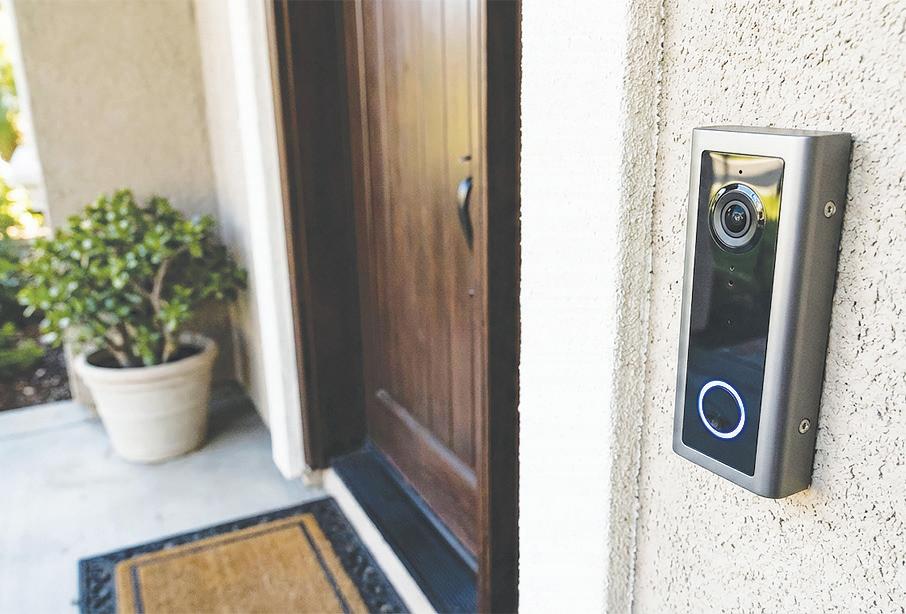
In recent years, video doorbells and home security camera systems have moved from luxury add-ons to everyday fixtures. Walk down almost any neighborhood street and you’ll see the small black lens mounted beside a doorframe or tucked under an eave. They promise peace of mind. For many homeowners, they deliver it. But like any upgrade, they come with tradeoffs worth considering.
A camera doorbell allows you to see who is at your door without opening it. Through a phone app, you can speak to a delivery driver from your office or check on a package while away on vacation. Motion alerts notify you when someone approaches. Recorded footage can help identify suspicious activity or resolve disputes about deliveries.
For families, there’s comfort in knowing children arrived home from school safely. For older homeowners, it offers a layer of screening before answering the door. In neighborhoods where package theft has increased, visible cameras can deter opportunistic crime. Sometimes the mere presence of a lens is enough to make someone think twice. There is also documentation. If a car clips your mailbox at night or someone damages property, recorded video provides clarity. Insurance claims and police reports move faster when there is evidence.
Yet convenience and security are only part of the story.
A camera pointed at your front walk may also capture neighbors, passersby and even activity across the street. While most systems allow you to adjust motion zones, homeowners still assume responsibility for how footage is stored and shared. Posting clips online can escalate minor incidents into neighborhood controversies.
Data security matters, too. Video doorbells connect to Wi-Fi networks and cloud storage. Weak passwords or outdated software can expose footage to hacking. Choosing reputable brands, enabling two-factor authentication and updating firmware regularly are essential steps. A camera is only as secure as the network behind it.
There is also the question of cost. Basic doorbell cameras are relatively affordable, but comprehensive systems with multiple cameras, professional monitoring and cloud storage subscriptions add up. Some require monthly fees. Others charge for extended video history. Over time, the investment can rival other major home improvements.
Installation ranges from simple to complex. Battery-operated doorbells are often straightforward. Hardwired systems or whole-home camera networks may require professional installation. Improper placement can create blind spots or glare, reducing effectiveness.
And then there’s the psychological factor.
Constant alerts can heighten anxiety rather than ease it. A squirrel triggers motion. A car door slams across the street. A neighbor walks their dog. Phones buzz repeatedly. Instead of reassurance, some homeowners feel tethered to notifications. Adjusting sensitivity settings helps, but it takes patience.
Community dynamics can shift as well. In some neighborhoods, shared
footage has helped solve crimes quickly. In others, it has led to suspicion and tension. A balance between vigilance and trust is important.
None of this means security cameras are a poor choice. For many, they provide real protection and genuine comfort. They are tools. Like locks, exterior lighting or alarm systems, their value depends on thoughtful use.
Before installing a system, homeowners should consider their goals. Is the primary concern package theft? General awareness? Full perimeter security? The answer shapes the type of equipment needed.
It’s also wise to review local laws regarding audio recording and camera placement. In some areas, recording conversations without consent carries legal restrictions.


















































The allure of the open road compels millions of people to get behind the wheel and set off in the direction of new horizons every year. A freedom of adventure is an inherent trait of road trips, and these excursions can be incredible ways to explore the sights. But vehicle preparation is important before taking to the open road.
Vehicle breakdowns can derail a road trip quite quickly. Breakdowns can be costly and are always inconvenient. According to AAA, tire-related issues consistently rank among the top reasons for roadside assistance calls. AAA data also shows batteryrelated issues account for a significant portion of roadside calls. Here are some key areas to address when preparing a vehicle for a road trip.
Incorrect tire pressure can affect fuel efficiency and handling. Ensure tires are inflated to the correct PSI as indicated in the driver’s side door jamb or in the vehicle’s owner’s manual. Inspect the tread depth on all tires to ensure it is adequate, and also look for any tire damage like cracks, embedded objects or bulges. While you’re check-



ing the tires, make sure the spare is inflated and in good condition.
Many automotive centers offer free battery testing. If the battery is between three and five years old, consider having it checked or replaced. Use a wire brush to clean battery terminals of corrosion.
If a road trip is close to the next oil change, do it before leaving. Ensure that all coolant levels are correct, and that the brake fluid isn’t low. Transmission fluid and power steering fluid also should be checked. Refill the wiper fluid reservoir to maintain visibility on the trip.
Inspect the belts for cracks and fraying. Check the hoses for leaks and bulges.
Brakes are the primary safety system. If the brakes squeal, grind or pulse when you are braking, they may need to be replaced. The same can be said if a visual brake pad inspection


indicates the pads are thinning.
Even with the best preparation, unexpected issues can happen on road trips. That’s why it’s a good idea to have a kit stocked with jumper cables, a portable air compressor to fill tires, first-aid kit, flashlight with extra batteries, basic tools, flares, water and non-perishable snacks. A blanket or warm clothing or reflective vest also is helpful.
Don’t leave home without a driver’s license, vehicle registration and proof of insurance. If you are part of a roadside assistance program, keep the contact information and member number handy. While GPS tools on phones and other devices are very efficient, they’re only as good as the cellular signal. Paper maps or printed directions are a backup for GPS.



BoB Audette Brattleboro Reformer
Green Mountain Solar was founded in 2017 to offer energy freedom to Vermonters via solar power, expanded from Granite State Solar, which has served New Hampshire since 2008. The companies offer home and commercial solar arrays and battery backup systems to increase energy resiliency.
“It’s about helping more people take control of their power,” said Annie Kluger, senior marketing specialist, who shared another way the solar installer hopes to meet the needs of their customers.
“We have expanded into the generator market by acquiring Vermont Generator Systems (VGS),” she said.
VGS is located in Hartford, founded in 2004 by David Carr, and the partnership is in response to a need expressed by customers concerned about losing power for an extended period.
“Battery storage isn’t the right solution for everybody and everyone’s home power needs are different,” said Kluger. “We have a full-fledged suite of energy solutions for our customers.”
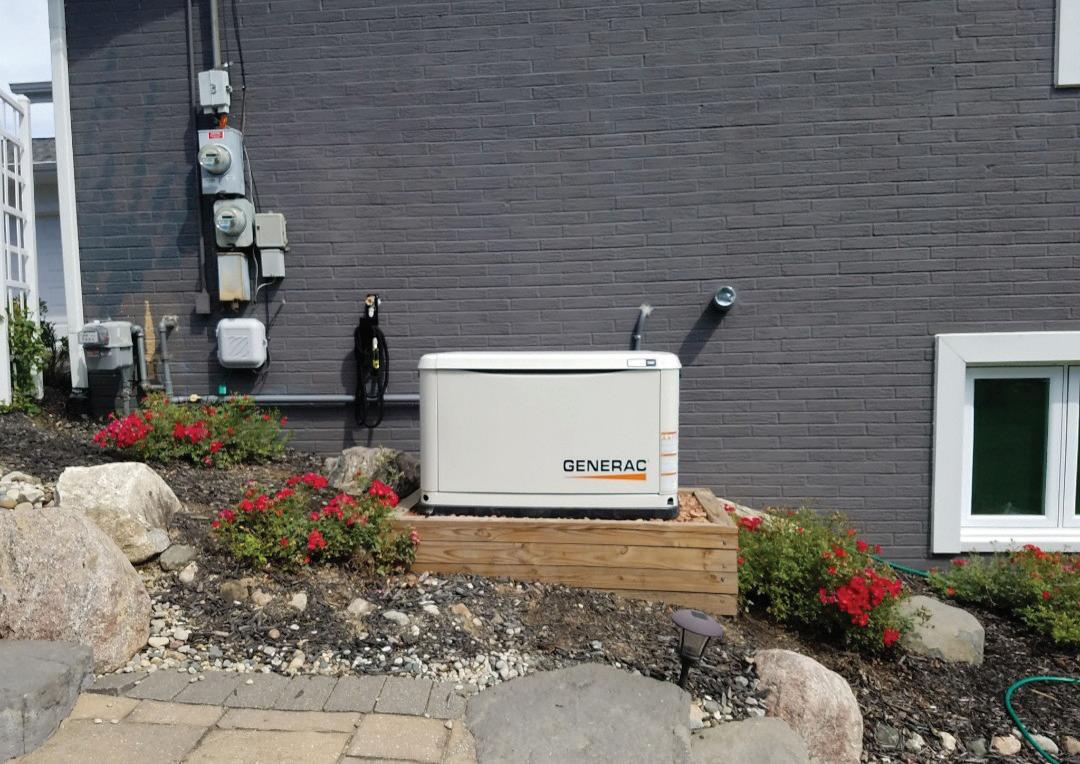
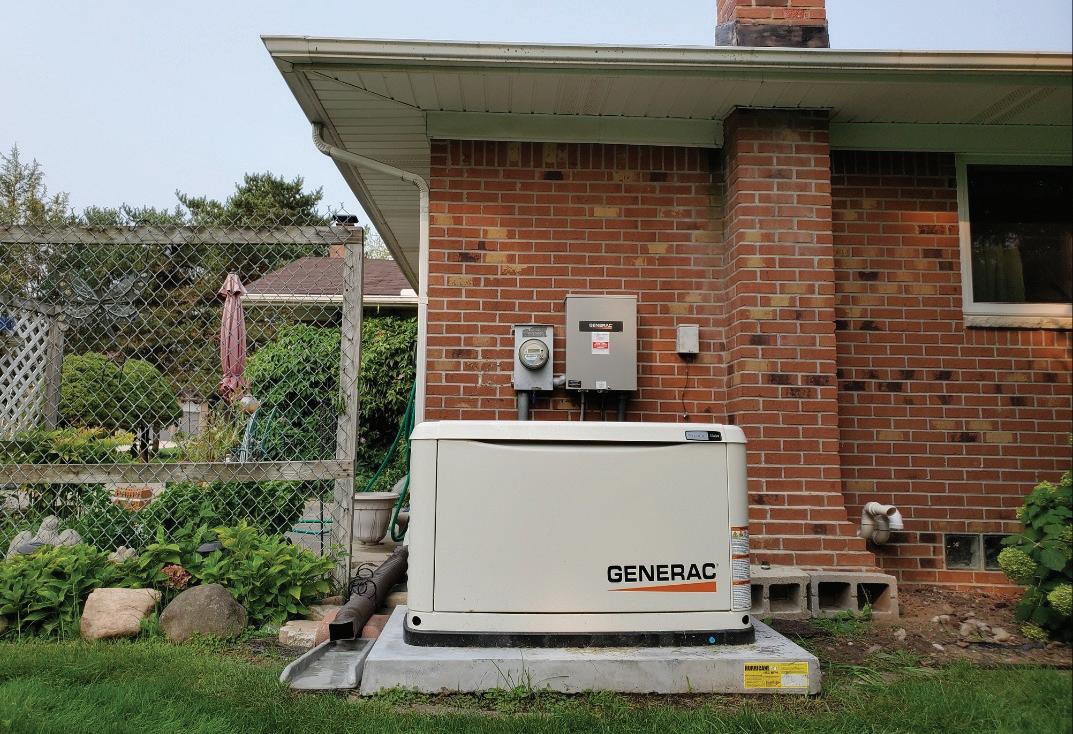
VGS offers Generac whole-home generators plus maintenance packages with expert installation based on 20 years of experience in the business. VGS also services Kohler systems.
“We pride ourselves on our exceptional customer service and our educational approach to energy solutions,” said Kluger. “We never pressure our customers into sales, but rather give them the information they need to make confident choices about their energy.”
VGS’s in-house team makes the process of getting a generator simple, walking customers through every stage to answer all their questions.
VGS also has a permitting team to assist homeowners in preparation for the installation.
“Our on-going service packages help ensure your generator runs smoothly and safely when you need it,” said Kluger. “This is particularly important with severe winter storms and increasing grid outage events across Vermont and New Hampshire.”
Vermont Generator Systems (VGS) is now serving central and southern Vermont and the western border of New Hampshire with backup power solutions.
To learn more information about VGS, visit vermontgenerator.com, email info@vermontgenerator.com or call us at 802-698-8125.
Additional info can be found at:
www.facebook.com/profile.php?id= 61583797477383
www.instagram.com/p/DTI8B5oDukm/ www.linkedin.com/company/vermontgenerator-systems/?viewAsMember=true

















In early spring, there’s a moment when the light changes.
The sun lingers a little longer over the hills. Snow recedes from rooflines. Icicles disappear. What felt sealed and frozen in January is suddenly exposed.
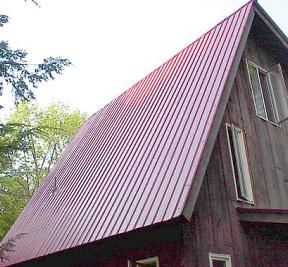
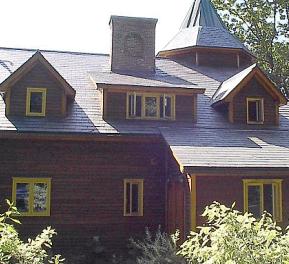
It’s often the first clear look homeowners get at the condition of their roofs.
From the ground, you might notice shingles that shifted during winter storms. A section of gutter pulling slightly away from the fascia. Flashing that doesn’t sit quite as tight as it once did. Inside, there may be a faint water mark in the attic or along a ceiling corner — small, but new.
For many homes in Southern Vermont, winter is a stress test. Snow load adds weight. Ice works into seams. Wind finds edges and lifts them. Even if there was no dramatic leak, months of freeze and thaw can shorten a roof’s lifespan.
That’s where a larger question sometimes enters the picture.
If the roof needs attention anyway, is this the time to think about solar?
Solar panels have moved from novelty to mainstream. Drive through almost any Massachusetts town and you’ll see them mounted on colonials, ranches and farmhouses alike. Incentives have made installation more attainable. Electric rates continue to rise. For many homeowners, the math begins to make sense.
Lower monthly bills. Predictable energy costs. A smaller reliance on the grid.
But solar panels depend entirely on the structure beneath them.
Before installation, most reputable solar companies require a roof evaluation. If shingles are nearing the end of their usable life, they will likely recommend replacement first. Installing panels over a roof that may need re-
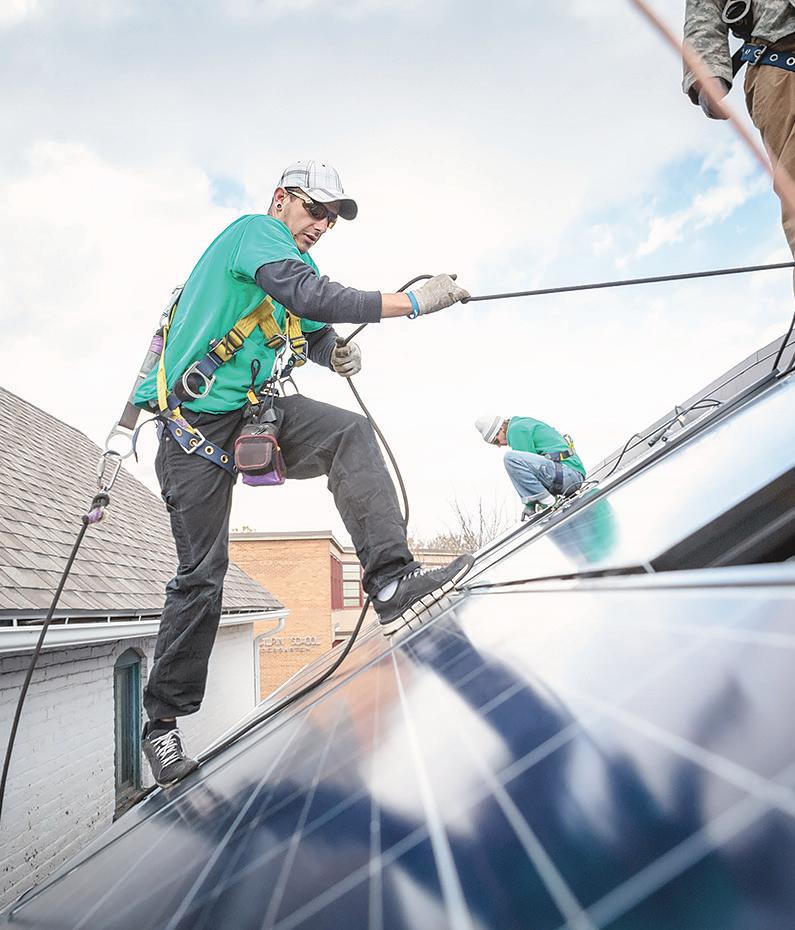
placement in five years creates an expensive problem later. Panels must be removed and reinstalled to complete the roofing work.
Combining a roof replacement with a solar installation can be efficient. Labor overlaps. Structural upgrades can be made at once. The result is a roof system designed to support panels for decades rather than years.
Still, solar is not automatic. It demands a clear look at your property.
Sun exposure is critical. Southern Vermont is known for mature trees
that frame homes beautifully. They also create shade. Even partial shading during peak daylight hours can reduce panel output significantly. Some homeowners choose to trim or remove select trees. Others decide the loss of shade and privacy outweighs the energy gain.
Roof orientation matters as well. South-facing slopes typically perform best. East and west can still produce strong results. North-facing roofs are often less effective.
Then there is the financial structure of the system itself.
Owning solar panels outright usually delivers the strongest long-term return. Homeowners benefit from available tax credits and any performance incentives. Over time, the reduction in electric bills offsets the initial investment. When owned, the system can also add value to the home.
Leasing or entering a power purchase agreement lowers the upfront barrier. A third-party company installs and maintains the system, and the homeowner pays for the electricity generated. Monthly costs may be lower than traditional utility rates, but the long-term savings are typically reduced. Selling a home with a leased system can require additional coordination with buyers and the solar provider.
Maintenance is often minimal, but it exists. Heavy snow may need to be cleared to restore production. Inverters have a finite lifespan. Roof penetrations must remain watertight. Choosing experienced installers with clear warranties is essential.
Solar can be a smart move. It can also be the wrong move if rushed.
Start with the basics. Schedule a professional roof inspection. Determine how many years of life remain.
Review your past electric bills to understand your actual usage. Consider how long you plan to stay in the home. Solar delivers the greatest benefit to homeowners who expect to remain long enough to see the return.
Energy independence is appealing. So is financial predictability. But both rest on a simple truth: everything begins with the roof.
Spring light has a way of revealing what winter concealed. Sometimes it highlights a few loose shingles. Sometimes it opens the door to a larger upgrade overhead.
Either way, the smartest decisions begin by looking up.
Vehicles continue to get more expensive. The automotive experts at Kelley Blue Book indicate the average American car buyer paid $50,080 for a new vehicle in September 2025, which was the first time the average price for a new car ever topped $50,000. More drivers are looking for ways to push their current vehicles past the 200,000-mile mark to save money.
According to S&P Global Mobility, the average age of a vehicle on the road hit a record high of 12.8 years in 2025. Although major mechanical failures concern drivers of older vehicles, it’s actually much smaller things that can affect vehicle longevity. There are small actions anyone can take to significantly extend a car’s life.
USE CAUTION ON COLD STARTS
When a vehicle sits, oil settles at the bottom of the engine. To help combat damage that can occur, drivers can wait about 30 seconds before shifting into gear, as this will allow the oil pump to circulate the lubricant to the upper valve train and help prevent extra wear on the engine. Modern fuel-injected engines warm up faster and more safely by being driven gently rather than sitting still, so it’s not necessary to idle for a long while with the vehicle in the driveway, says Smart Motors Toyota. In fact, long idles actually can strip away oil.
TREAT FLUIDS WISELY
According to EngineeringCivil. org, checking and replacing fluids is cheaper than replacing hardware. Recent data suggests that consistent
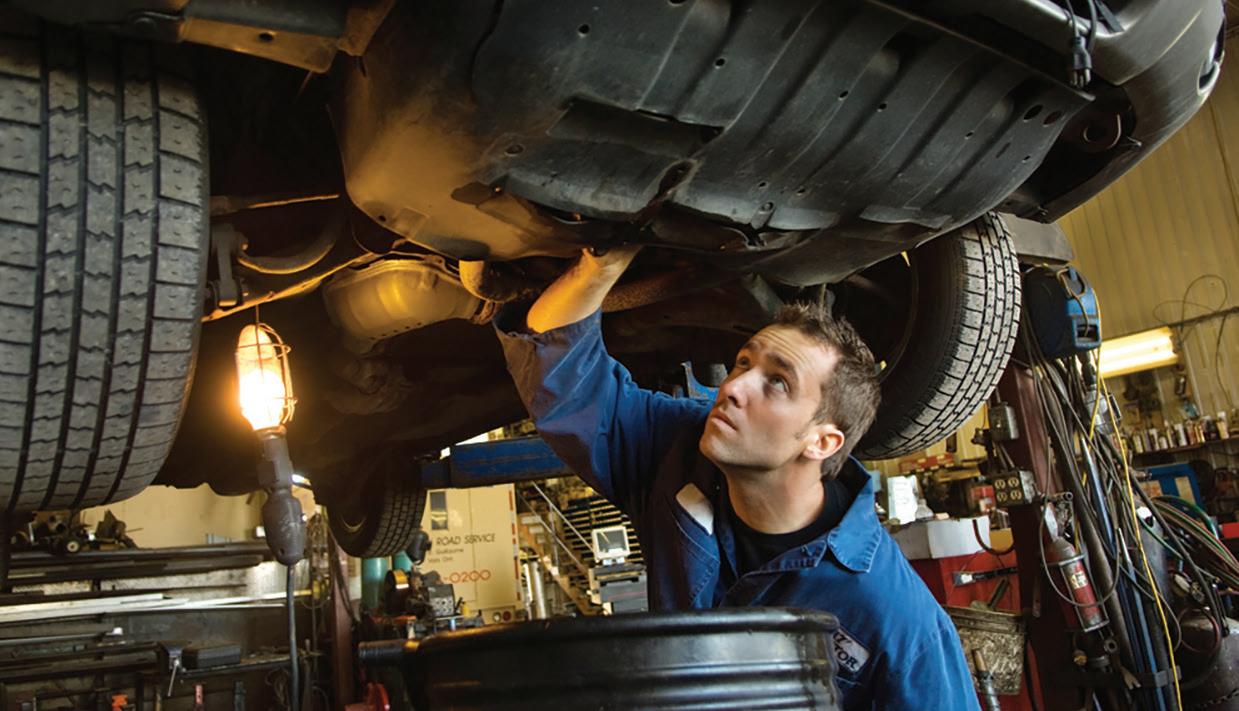
oil changes can add between 50,000 and 100,000 miles to an engine’s lifespan. It’s important to follow a vehicle’s manual for time-based intervals for fluid replacement, rather than just going by mileage.
DRIVE SMOOTHLY ON ROADS
Aggressive driving will not just burn more gas; such driving also creates heat, which can impact longevity. According to Kia, hard braking generates immense heat that can warp rotors and stress suspension bushings. Likewise, it’s key to ease into acceleration. Rapid acceleration forces the transmission to downshift abruptly, increasing wear. Reports from The Zebra, an

insurance shopping company, indicate that mindful driving can reduce mechanical strain by up to 30 percent.
DRIVE FASTER ON OCCASION
Oil will never get hot enough to evaporate internal condensation for those who primarily drive short distances under 10 miles. Once every few weeks, it’s important for drivers to drive at least 20 minutes at highway speeds to help get rid of contaminants.
FIGHT CORROSION
Rust can kill a car before the engine actually fails. People who live in areas where roads are treated
with salt in the winter should use a winter car wash that includes an undercarriage spray. Auto Recycling World says road salt can eat through brake lines and fuel lines. In addition, applying a coat of wax twice a year can prevent UV rays and other damage to the clear coat, which protects the metal body from the elements.
ADDRESS ENGINE LIGHTS PROMPTLY
CarMD says addressing a “check engine” light immediately is 20 percent cheaper than waiting until the vehicle has a driveability issue. For example, ignoring a $150 oxygen sensor can eventually destroy a $1,500 catalytic converter.
Homeowners know that the next home renovation project is always right around the corner. And that means finding ways to finance such undertakings.
When planning for renovations, the average homeowner underestimates their project cost by approximately 22 percent, according to the 2026 Remodeling Impact Report. Establishing a pre-project budget can help avoid such surprises.
A common mistake homeowners make is over-improving a home beyond the neighborhood value. A good rule of thumb is to employ the average percentage-of-home-value approach in an effort to stay within range of what’s acceptable. Budget a kitchen renovation or finished basement at 10 to 15 percent of the home value. A master bedroom will come in at 5 to 10 percent of home value, while a small bedroom or office falls between 1 and 3 percent of home value. These benchmarks are supported by the National Association of the Remodeling Industry and the National Association of Realtors. Historically, a functional, modern kitchen is the top driver of home value, says Remodeling Magazine.
Homeowners should understand that materials, fixtures, appliances and flooring, otherwise known as “hard costs,” will eat up 50 to 60 percent of their renovation budgets. Labor, permits and design fees will comprise the next largest chunk, typically coming in between 25 and 35 percent. Homeowners also should factor about 15 to 20 percent of a budget to a safety net to cover unforeseen expenses, like mold remediation or structural issues.
It’s important for homeowners to get several estimates before establishing a budget. Experts advise working with contractors that offer fixed-price contracts rather than those that list time and materials; otherwise, there may be a mid-project price hike that comes out of the blue. A person also can ask contractors for a line-item bid so it’s possible

to see where money can be trimmed through different material choices. With a list of desired items in hand, and acceptable substitutions if the cost comes in too high, homeowners can create a budget that works.
It’s important for homeowners to be realistic about their renovations. They can splurge on items that are seen or touched every day, like door handles, cabinet pulls and faucets. Other items, like lighting fixtures or backsplashes, can be replaced down the road. It may be better to direct funds to structural elements or those “invisible renovations” like upgrading insulation or smart systems that save on energy costs and improve efficiency.
Homeowners can determine the affordability if a proposed project ends up costing 20 percent more or takes a few months longer. If the answer is no, homeowners should scale back the project budget until they have that financial safety net. Alliant Credit Union says experts strongly recommend adding a 20 percent contingency cushion to a remodeling budget.

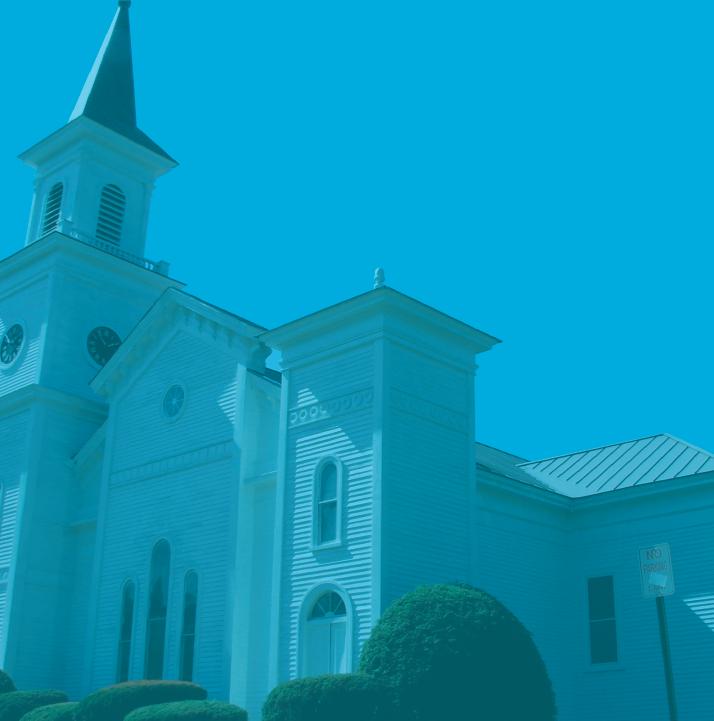

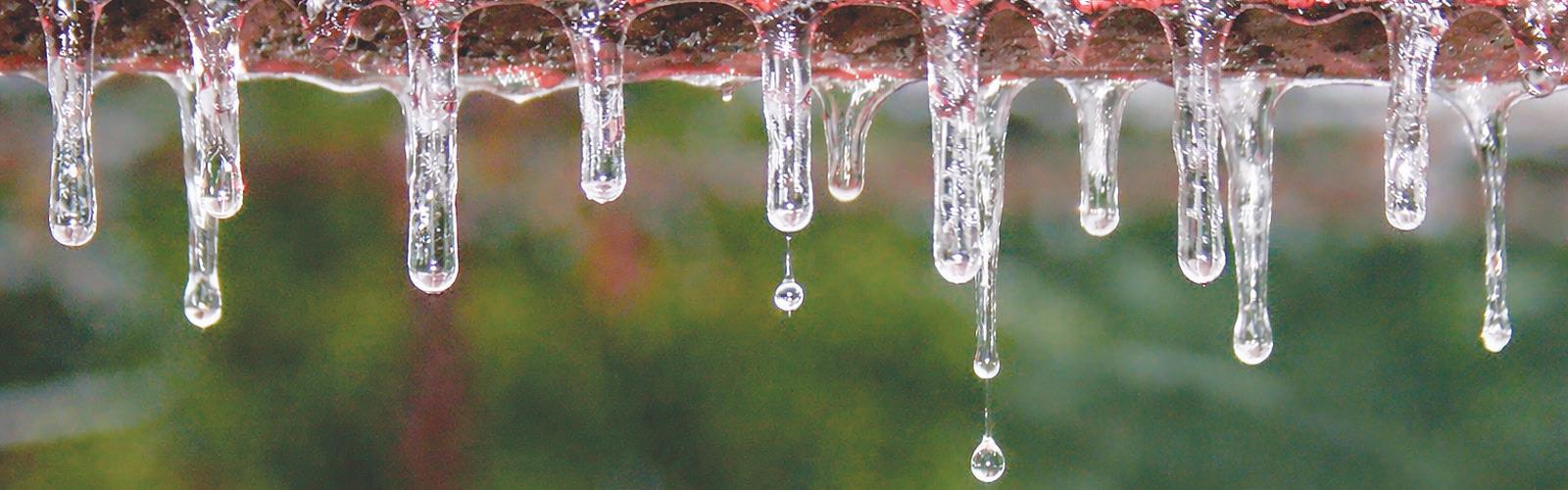
Across Southern Vermont, winter has a way of testing every surface, seam and system. Ice expands. Snow settles. Wind finds small openings and makes them larger. By the time spring arrives, small problems may already be waiting.
A careful walk around your property now can prevent expensive surprises later. Here’s where to look: ROOF
Start at the top. Winter places enormous strain on roofing systems, especially after heavy, repeated snowfalls.
Scan for missing or curled shingles. Look for sections that appear darker or uneven, which can signal trapped moisture. Check flashing around chimneys and vents. Ice dams may have forced water beneath shingles, even if you never saw a leak inside.
From the ground, also inspect gutters. Are they pulling away from the roofline? Sagging gutters often mean ice buildup stressed the fasteners. Clear out debris and confirm downspouts are directing water away from the foundation.
If you suspect damage, schedule a professional inspection. A small repair in spring can prevent interior water damage during summer storms.
Climb the ladder and bring a flashlight.
Your attic tells the truth about your roof. Look for damp insulation, staining on rafters or the faint outline of water trails along the sheathing. Even minor discoloration can
signal that melting snow found a path inside.
Check ventilation, too. Proper airflow keeps roof temperatures consistent, reducing the risk of future ice dams. Blocked soffit vents or compressed insulation can create uneven heat pockets that repeat the cycle next winter.
If insulation appears thin or uneven, consider adding more. It improves energy efficiency and protects the roof above it.
Now head down.
Winter frost can shift soil and stress foundations. As the ground thaws, water follows the path of least resistance. That path is often your basement.
Look closely at foundation walls for new cracks. Hairline cracks are common, but widening gaps or horizontal fractures deserve professional evaluation. Check the floor-wall joint for dampness. Inspect around windows and along sill plates.
Test your sump pump if you have one. Pour a bucket of water into the pit and confirm it activates properly. Spring rains arrive quickly, and a failed pump can mean inches of water in hours.
Also pay attention to musty smells. They often signal hidden moisture.
PIPES
Frozen pipes are dramatic when they burst. Less obvious damage can go unnoticed.
Examine exposed pipes in basements, crawl spaces and under sinks. Look for small splits, corro-
sion or slow drips around joints. Even a minor leak can waste water and damage framing over time.
Turn on outdoor spigots. Weak flow or interior dripping after shutoff may indicate a cracked line inside the wall.
If you insulated pipes before winter, check that insulation is still secure and dry.
SIDING AND EXTERIOR WALLS
Walk the perimeter of your home slowly.
Winter wind drives moisture into small openings. Look for loose or warped siding panels. Check caulking around windows and doors. Cracked or shrinking caulk invites water intrusion during spring rains.
Inspect painted surfaces for peeling or bubbling. That can mean moisture is trapped beneath.
Pay close attention to areas where snow piled high against the house. Extended contact with snow can stain siding and accelerate rot in wood trim.


Replacing a board or resealing a seam now protects the structure underneath.
LAWN AND LANDSCAPE
When the snow recedes, your lawn may look tired.
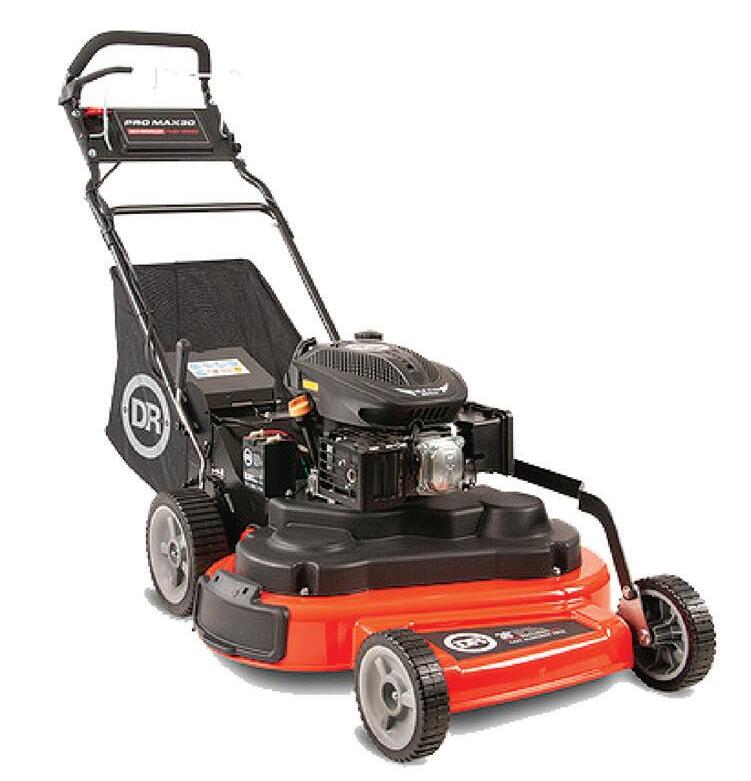
Brown patches near driveways often result from salt exposure. Rake those areas gently and flush with water to dilute lingering residue. Compacted spots from snow piles may need aeration once the soil dries.
Look for shallow trenches across the yard. Voles and other small rodents tunnel beneath snow cover and leave visible tracks behind. Light raking and reseeding typically restore the surface.
Inspect trees and shrubs for broken limbs. Winter storms can weaken branches that may fall later in spring winds.
Also check that grading still directs water away from your foundation. Frost heave can subtly shift soil slopes.







The sounds of spring include birds chirping and lawnmowers trimming away. But on the roadways, the arrival of warmer temperatures frequently brings motorcycle enthusiasts and their sometimes-noisy bikes out in full force. The National Highway Traffic Safety Administration says motorcycle riding is dangerous due to a lack of structural protection, low visibility and reduced stability. Riders are 28 times more likely to die in a crash than car occupants. In 2023, 6,335 motorcyclists were killed, accounting for 15 percent of all traffic fatalities.
Unlike cars, motorcycle engines are not enclosed by a sound-dampening cage. Motorcycle engines operate at higher speeds, creating faster and more frequent exhaust pulses. Some riders replace stock mufflers with louder, less restrictive systems to increase exhaust flow. These
factors can make motorcycles quite loud on the road, and that noise helps contribute to a safer environment. “Loud pipes saves lives” is a motto that has perpetuated among riding enthusiasts for generations. Apart from alerting others of a rider’s presence through noise, those on motorcycles can rev up safety in other ways.
WEAR A HELMET
Always wear a U.S. Department of Transportation-certified helmet to prevent fatal head injuries. In Canada, motorcycle riders and passengers are required to wear Snell-, ECE- or DOT-compliant helmets.
Wear leather or reinforced jackets and pants. Over-the-ankle boots and gloves also are advised.
VISIBLE
Wear bright, reflective clothing, especially at night. When riding in a lane, position yourself to where you are most visible to drivers. Avoid blind spots.
PRIORITIZE MAINTENANCE
The Motorcycle Safety Foundation advises routine pre-ride inspections on tires, brakes and lights to ensure safe operation.
BE ESPECIALLY CAUTIOUS AT INTERSECTIONS
Many accidents occur at intersections. Always exercise extreme caution at intersections, double-checking that all other traffic has stopped before proceeding.
WATCH WEAVING
Just because your bike can fit between cars stuck in traffic does not mean you should weave in and around vehicles to get ahead. Doing so is dangerous and may inspire road rage among fellow motorists.
ANTICIPATE ROAD DANGERS
Scan the road frequently for dangers, including holes, gravel, oil or water on the pavement. Keep an eye out for debris that wouldn’t be a concern for cars but can sideline a motorcycle.
RIDE SOLO
Don’t carry passengers until you have significant solo riding experience.
ENROLL IN A SAFETY COURSE
A Motorcycle Safety Foundation course can help you improve skills and it also may qualify you for insurance discounts.
STAY SOBER
Alcohol and riding do not mix. Never ride after consuming alcohol.