Life Planning 2021

Your guide to navigating life’s biggest decisions, from school to retirement and beyond
A special advertising publication of The Berkshire Eagle • Wednesday, February 24, 2021


Your guide to navigating life’s biggest decisions, from school to retirement and beyond
A special advertising publication of The Berkshire Eagle • Wednesday, February 24, 2021
Some people need help navigating the ropes of financial planning. Financial planners can help people from all backgrounds establish and achieve their financial goals.
Financial advisors can be invaluable resources for people who need help managing their money There’s an existing misconception that financial advisors are only for the rich, but anyone can benefit from some guidance in regard to their finances The key is finding a planner who understands your needs and is willing to work with you, no matter how big or small your financial dreams may be According to U.S. News and World Report, some financial advisors are no longer interested in working with people without substantial portfolios Certain firms have stopped paying commissions to brokers for accounts that are considered small, including customers with assets worth between $100,000 and $500,000. While that can make it difficult to find financial help, there are ways to receive assistance
Ask friends for recommendations.
If a financial advisor has worked with a colleague, friend or family member, he or she may also be able to provide services to you To find professionals with reputable credentials, look for someone who has a Certified Financial Planner or Personal Financial Specialist designation Those who are relying on investment advisors should work with one who has a Chartered Financial Analyst certificate. These credentials are indicative of proficiency in financial planning.
Look around online.
Various online resources, includ-

ing U S News & World Report, offer searchable databases The Garrett Planning Network at garrettplanningnetwork.com offers a map of the United States where users can find financial advisors in their areas who cater to the middle class
Contact a professional association
The National Association of Personal Financial Advisors can provide resources for finding local financial advisors. Visit www.napfa.org for a listing. Middle-income individuals can look at the Accredited Financial Counselor website at www afcpe org to find professionals Accredited financial counselors often focus on helping low- and middle-income people at affordable prices with relevant financial assistance.
Financial advisors may receive compensation in one of two ways: fee-only and non-fee-only A fee-only advisor typically charges an hourly fee or flat rate for services. A non-feeonly advisor may be compensated at a percentage of assets earned or may receive incentives and commissions from their companies based on preestablished sales goals or objectives There are no right and wrong answers to fee schedules, but find a situation that works for you.



BY ALLEN HARRIS
Businesses need to understand how customers will behave after the population receives its COVID-19 vaccinations. Even after the memory of the pandemic fades, the effects on consumer behavior may persist
Understanding habit formation, process and technology adoption and behavioral economics can help you be ready for what happens next.
History provides lessons in navigating a post-pandemic world. I tracked consumer behavior through and following recent pandemics (SARS in 2002, H1N1 in 2009) and epidemics (H7N9 in 2013) and, after World War II, the oil price shock of the 1970s and the 9/11 terrorist attacks.
After the 9/11 terrorist attacks of 2001, air travel was depressed for years There was a turnaround in
2004 By 2010, nearly a decade later, air travel was mostly embraced by travelers again
Over that time, many business travelers had developed new habits. Often an in-person introduction and the final pitch remained an integral part of corporate development efforts However, over that decade, many of those same travelers became accustomed to using telephone calls and emails to replace some of those other flights.
Following the 9/11 terrorist attacks, massive technology investments were made because of stricter security protocols, a boon for security system manufacturers But, not all the changes were as apparent to travelers. For instance, before passengers move through security, they must toss their beverages. The coffee shops located just outside of security had to
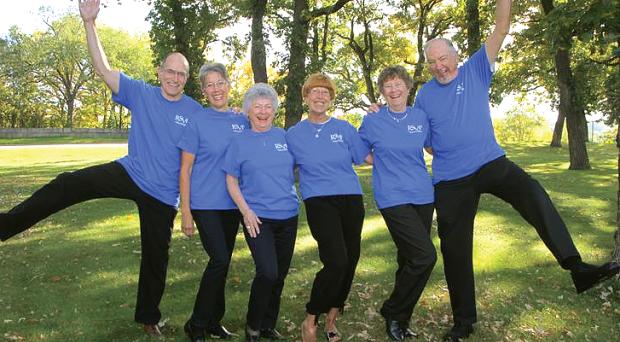
RSVPofBerkshireCountyisa program ofThe CityofPittsfield,whichsuppor ts communitiesbyempowering local,sustainableande icienteconomies.
RSVPis an AmeriCorpsSeniors program -Afederal agencythatsuppor ts volunteer programsworkingtoimprove lives,strengthencommunitiesandfoster civic engagement.
Ifyou are55yearsold,reside in BerkshireCountyandhavea desiretoser ve in avolunteer capacity,RSVPisfor YOU! Volunteers changethe world!!
RSVPVolunteer Benefits:
•Annual RecognitionLuncheon*
•Mileage Reimbursement or van transpor tation*toassignments
• CIMA InsuranceCoverage
•AnnualBigEBusTrip*
•Newsletter
•NetworkingandSocial Contacts
Bi-monthlyBirthday Celebration*
*whennotunderCOVIDrestrictions

shift their offerings, close, or relocate at a significant cost
Whether it’s a coffee shop, an airport or whatever, things are going to change again They already have
A coffee shop in Amherst did not have the luxury of a drive-thru option. Now it is winter, so, no one is enjoying a seat in the sun The baristas donned the role of “Happy Days”style carhops and took orders from customers in their cars, ran to place their order, then delivered the Joe to their window.
And several airlines have instituted pre-boarding rapid-test procedures for COVID-19 Those types of adaptations will go away More important to your business will be the consumer behaviors that persist
Businesses that require customers to feel comfortable and safe in their offices will have to invest in sanitization and ventilation Consumers have already started to change their behavior in response to hygiene concerns, and that trend will continue According to McKinsey & Co , even as economies reopen, “more than threequarters of consumers are waiting to see indicators beyond lifting restrictions before restarting out-of-home activities ”
Hygiene transparency is going to be essential, even after vaccinations If you don’t do this for your customers,
they will go somewhere else. The pandemic has proved that loyalty in customers doesn’t run as deep as many business owners believed
For years I have argued with a Williamstown clothier that his returning patrons relied less on his “quality customer service” and more on their own habits Personal habits require actions to be repeated as many as 60 times to form However, once a customer engages a business or a product as few as four times, that shopper is hooked Consumers are switching brands at unprecedented rates. According to McKinsey, in response to the pandemic, 75 percent of consumers have tried a new store, brand, or different shopping method Further, 36 percent of consumers tried a new product brand, and “of consumers who have tried different brands, 73% intend to continue to incorporate new brands into their routine ”
If your company is waiting for the pandemic to go away so that it can operate as it did in 2019, then you’re going to lose market share You must analyze the new customer behaviors of your industry and reinforce those new habits with new offerings
But, maybe that clothier is beginning to see the light He dropped off an outfit suggestion at my office to consider; he’s catching up with market trends.
After prior pandemics and shocks, consumer behavior changes that endured appeared to have been ongoing trends that predated the shocks These instances accelerated trends that already existed by forcing people to accept certain sunk costs. These costs were not just of the monetary variety, but also of time, effort and experimentation
Sunk costs changed things after the oil price shock of the 1970s In response to rising prices, U S politicians regulated energy conservation for vehicles. Mandating less-wasteful gasoline use didn’t happen before the shock, because doing so would have had its political costs
Additionally, the technology developed by car manufacturers to increase gasoline mileage for cars was their own sunk cost.
Many business owners believe that everything will go back to looking like it did a year ago But, history suggests otherwise, as does the future However, owners are reluctant to make changes They think they are immune to a changing world, even though some obvious things, like remote working trends, are occurring right before their eyes
In response to social distancing measures, companies were forced to pay the sunk cost of working from home. The surge in remote working
required the purchase of new hardware, the effort to learn new technologies, and the creation of corporate policies and workflows associated with remote employees The move to remote working was a gamble many companies would not have taken if they were not forced to.
While the gamble may have been involuntary, it paid off and has paid dividends in productivity
This pandemic is temporary, but it will last long enough that new behaviors will remain permanent. It’s not prudent for businesses to “wait it out” and hope that things will eventually look like they did pre-pandemic
Allen Harris is a Business Growth Advisor for 10,001 Hours He is also the Founder, Chief Investment Officer, and CEO of Berkshire Money Management in Dalton, MA, managing investments of more than $600 million
Allen is a dedicated business owner and consultant to other business owners, proudly holding the designations of Certified Exit Planning Advisor, Certified Value Growth Advisor, Certified Value Builder, and Certified Business Valuation Specialist He is also the author of Build It, Sell It, Profit –Taking Care of Business Today to Get Top Dollar When You Retire

Goals for the new year may include returning to school. Whether a person is completing a diploma program, finishing a degree or learning new skills, there’s no wrong time to continue your education.
Education opens many doors
Sometimes life throws a person a curveball and education gets put on the back burner. Even if school plans have been derailed for several years, one can explore how to return to school as an adult
Adult students are often described as nontraditional students, while traditional students are those who enroll in a college or university or go on to trade school immediately after graduating from high school. Nontraditional students are those who return to get their degrees as adult learners
According to a 2013 National Study of Prospective Adult Students by the higher education marketing group

STAMATS, students over the age of 25 are the fastest-growing segment in higher education
For those people resolving to return to school this year, these tips can help them confront any uncertainty they may have about cracking the books after a long layoff
Recognize you're never too old.
If you have the time and the means

to attend school, you can likely find a program that can benefit you regardless of how old you may be
Remember that education can help you get out of a rut.
No matter your age or experience, it's easy to get stuck in a rut. Going back to school can help a person get out of that rut and on a path to something new A return to school can help
professionals earn more money, update their skills or learn a new trade.
A sk for the suppor t of friends and family.
Students' success often depends on a strong support network Be sure to discuss plans to return to school with a spouse, family members or others who can lend a helping hand Schooling will take time out of a schedule and certain responsibilities you handled may have to be taken on by family members
E xplore accessibilit y.
Now more than ever schools are adapting to the changing times by offering an abundance of classes online. Remote learning became a necessity in the wake of the COVID-19 pandemic, but it may be an increasingly popular method of conducting classes in the future For adult learners who worry about juggling time inside of the actual classroom with work and home responsibilities, virtual programs can be the perfect fit
AsaCERTIFIEDFINANCIALPLANNERTM professional,Ihavehelped countlessindividualsandfamiliesdevelopand executetheirunique planforretirement.Eachsuccessful st rategy,likea greatpiece of art,combinesknowledge,skillsandsupplieswithvision,passionand commitment.Let me helpmakeyourfinancialpicturecome to life.
Contact me todayforacomplimentaryconsultation.
MatthewChester,CFP® SeniorVice President–FinancialAdvisor SeniorPortfolioManager–PortfolioFocus
50 CastleStreet,FirstFloor GreatBarrington, MA 01230 (413)236-8567
New Year's resolutions can serve as valuable motivational tools as people look to make positive changes in their lives Health-related goals like quitting smoking and losing weight annually appear at or near the top of lists documenting the most popular resolutions But many people also see New Year's resolutions as a great vehicle to kick-start positive changes in their professional lives
According to Statista, finding a new job was the eighth most popular New Year's resolution in 2019 And finding a new job figures to be an even more common resolution for 2021, as the global COVID-19 pandemic of 2020 has sparked a recession that saw millions of people across the globe lose their jobs
Professionals who want to switch careers in the near future may want to consider professions that are expected to experience significant growth in the years ahead According to the Bureau of Labor Statistics, demand for the following professionals is expected to grow considerably between now and 2029

Wind turbine ser vice technicians
Expected growth (between 2019 and 2029): 60 7 percent
Nurse practitioners
Expected growth: 52 4 percent
Solar photovoltaic installers
Expected growth: 50 5 percent
Occupational therapy assistants
Expected growth: 34 6 percent
Statisticians
Expected growth: 34 6 percent
Home health and personal care aides
Expected growth: 33 7 percent
Physical therapist assistants
Expected growth: 32 6 percent
Medical and health ser vices managers
Expected growth: 31 5 percent
Physician assistants
Expected growth: 31 3 percent
Information securit y analysts
Expected growth: 31 2 percent METRO CREATIVE CONNECTION
5ELM ST PITTSFIELD, MA 442-1733
521WESTMAINAND 74 MARSHALLSTS. NORTH ADAMS, MA 663-6523
RinaldoP.Dagnoli•Nicholas N Flynn•Donato B Dagnoli WWW.FLYNNDAGNOLIFUNERALHOMES.COM
Greylock Audiology and FYZICALTherapy and BalanceCenter combine unique ex per tise in both domains underone roof

• Diagnostic HearingEvaluations
• BalanceEvaluationsand Treatment

Hearing Specialist
• HearingAid Dispensing and Repairs
• TinnitusTreatment
• Custom HearingProtec tionand Musician’sFilters
Dr.AndrewJ. Puttick AuD, FAAA

LocallyOwned... NationallyKnown
• Specializing in thediagnosisand treatment of ver tigo.
• FallPreventionandvestibular rehabilitation.

Physical Therapist

• Or thopedic physicaltherapy services.
• CBD produc ts from Muscle MX
• Lightforce Laser Therapyavailable for pain managementand peripheral neuropathy.
Dr.TrevorMarcotte, PT DPT ClinicalDirector/Physical erapist
510NorthStreet,Suite 9, Pitts eld, MA 01201 P(413)443-4800 • F(413)442-9701 greylock@fyzical com
These are some of the ways that student loan debts can be repaid quickly, e ciently and creatively.
Students and families invest heavily in higher education Many students rely on student loans to finance their educations In fact, students amassed $1 56 trillion in student loan debt by 2020
According to Forbes, American student loan debt is now the second highest consumer debt category, exceeded only by mortgage debt The Institute for College Access and Success says the average student loan debt is $32,731, while the median student loan monthly payment is $222. Some students feel like paying off student loan debt is impossible. Many loan repayment schedules kick in shortly after graduation, and certain borrowers may not yet be making enough money to afford even the minimum payments on their student loans. Thankfully, there are ways to get out from under student loan pressure
IDR will lower student loan payments based on your income, and some plans even promise to forgive any remaining balance once the repayment period is up. That period can take between 20 and 25 years
Make a move.
The Rural Opportunity Zone program encourages Americans to move to rural Kansas to help discourage
population decline and to give others the benefits of a lower cost of living. Seventy-seven Kansas counties have been authorized to offer student loan payment incentives
A Public Service Loan Forgiveness program, or PLSF, enables student loan forgiveness in exchange for working for a nonprofit or working in government.
Graduates may not be aware that they can refinance their student loans at a lower rate or choose new loan terms, including variable or fixed rates Maturity dates can even be renegotiated in certain instances It s possible to save thousands of dollars in interest by refinancing, particularly if borrowers have a credit score of at least 650.
Financial advisor Dave Ramsey says making the minimum payments on student loans will not get them paid off fast, and the interest could pile up as well By paying more than the minimum payments, you can pay down the principal more quickly. Designate tax refunds and salary increases to pay down student loan debt.
Speak with your boss about whether he or she can help pay off student loans Some employers offer conditional student loan repayment to employees







Health care plans provide access to medical care and other necessities and reduce out-of-pocket healthrelated expenses. Each plan is different, and depending on where you live, your coverage may vary
People quickly find that many healthcare plans do not include provisions for long-term health care, such as paying for nursing facilities. Understanding how health plans work and learning about potential financial reviews for nursing home payment qualification is a good idea for anyone concerned about financing their future health care needs.
In the United States, health care is largely privately managed, with most employers of fering access to various health coverage plans. Government subsidized plans include Medicare, which is for retirementage individuals and younger people with disabilities Medicaid is a joint state- and federally-run government prog ram that provides health coverage to low-income individuals and families.
Wi th AMERICAN NATIONAL LifeInsurance, you’ll ge tcoverage that helps protect against life’suncer taintieswi th awide arrayof options that canbetailoredtoindividual or group ne e ds,including WholeLife, TermLife, andUniversalLifeinsurance.

Unless an individual meets low-income criteria, nursing home care is paid for by the resident; otherwise, people who qualify for Medicaid can have their nursing home expenditures payed for by that prog ram. To receive Medicaid assistance, applicants should expect a financial review, including a look-back period
The senior health, finance and lifestyle resource Senior Living advises that Medicaid is a "last resort" method of financing nursing home costs Individuals are expected to use other means of payment first and "spend down" their assets When financial resources dwindle, Medicaid will kick in to provide coverage. To ensure that individuals simply do not transfer money out of their accounts to avoid paying for nursing home care by their own means, Medicaid requires a look-back period into applicants finances to determine if there were any violations to rules re garding asset transfers. Most people engage in some sort of long-term planning to protect a portion of their assets so that they can be used to support spouses or children According to rules, an applicant is permitted to transfer certain monies to his or her spouse, provided the spouse isn't also applying for long-term care through Medicaid. Most money and tangible asset transfers (check with your state Medicaid of fice for the most cur rent rules) must have taken place 60 months (5 years) prior to application for Medicaid. Penalties will be instituted when rules are broken, namely gifts or asset transfers that take place within the look-back period This could delay Medicaid acceptance.

Many costs of living decrease af ter retirement. However, it is wise to take in the whole picture to understand how to budget for retirement.
Work is a major component of daily life, so much so that Andrew Naber, an industrial and organizational psychologist and an associate behavioral scientist at RAND Corp , determined that the average person spends 90,000 hours at work over the course of his or her lifetime According to a 2014 Gallup poll, the average American retires at age 62, but roughly 64 percent of professionals bid farewell to the workplace between ages 55 and 65
Retirees must make a number of
adjustments once they call it a career No such adjustment is as significant as the financial one Most people find their post-retirement income is considerably less than when they were working full-time. That is why financial planners often recommend saving and investing enough during working years to be able to replace 80 percent of preretirement income
Certain expenses get lower after retirement, but some will rise Here's a look at what to expect when the bills come due during retirement.
Food costs may go down in retirement because shopping and preparing meals for one or two people is much less costly than feeding a family of four or more However, dining out


may increase as you have more free time to visit local eateries
According to data from the U S Department of Transportation, the average commuter spends 25 8 minutes behind the wheel twice a day, and the average driver puts in 13,474 miles behind the wheel each year - with people between the ages of 35 and 54 clocking close to 15,000 miles Less time spent in the car means fewer gasoline fillups and longer durations between oil changes and other services In addition, based on the Internal Revenue Service reimbursement rate of 58 cents per mile, a typical commute of 20 to 30 miles a day costs $11 to $16 a day or $55 to $80 a week In a year, you could easily be spending $2,000 to $4,000 a year commuting if you live within 15 miles of your job. Without commuting, that cash stays in your pocket.
Many people can expect to be done paying federal income taxes when they are retired and no longer earning an income If the majority of re-
tirement savings were in Roth IRA accounts, contributions are available for withdrawal tax- and penalty-free at any age
Your mortgage may be paid off before or soon after retirement That eliminates the single largest expense in many people's budgets. If your home will not be paid off, it s possible to downsize to reduce monthly payments
While many other expenses can go down, travel is one expense that can shoot up during retirement But many people are happy to bear this cost. With more time for travel, retirees may allocate more funds toward vacations and other great escapes
Seniors often see their health care needs and costs go up after retirement It's important to understand what is covered by health plans, and it's equally important to set money aside for unforeseen medical expenses.


The timing of recessions is unpredictable, but they are inevitable. E ective financial planning can help anyone overcome the challenges posed by economic downturns.
"Financial planning" is an umbrella term that can be applied to various aspects of money management Many people associate financial planning with retirement However, effective financial planning can help people confront today's challenges just as much as it can help them prepare for their golden years.
The pandemic that spread across the globe throughout 2020 posed numerous challenges, including a recession sparked by widespread job loss and declines in economic activity The U.S. Bureau of Labor Statistics noted that the unemployment rate in the United States exceeded 10 percent in July 2020, while Statistics Canada reported the Canadian unemployment rate was just under 11 percent in that same month While each country has since witnessed declines in their respective unemployment rates, tens of millions of workers in both nations remain out of work
The sudden rise in unemployment and decline in global economic activity underscores the need to plan for recessions, even during those times when economies are thriving. Taking steps to recession-proof your finances is an important component of financial planning that can help people overcome the stress of living during a downturn
Debt, particularly high-interest debt, can compromise your ability to save. A 2019 survey from Bankrate. com found that 13 percent of Americans admitted that debt was preventing them from saving more money Pay down debt like credit cards and only make credit card purchases if you have the money to pay the bill in full when it's due.
Many financial planners recommend a 50-30-20 approach to money management Such an approach ad-
A recent poll from the Kaiser Family Foundation found that 45 percent of adults said their mental health had been negatively affected due to stress related to the virus That poll was conducted in March, shortly after lockdown measures were instituted and the term "social distancing" entered the North American lexicon. As the pandemic wore on through the summer, fall and into the winter, stress remained a big concern for many people Much of that stress stemmed from the economy, but one way to ease that stress is to have a substantial amount of money in savings. Each person's financial needs are different, but many planners recommend clients have at least six months' worth of expenses in their savings as a cushion to help them get through job loss

vises people to devote 50 percent of their earnings to needs, 30 percent to their wants and 20 percent to savings Spending more than 30 percent on wants can make it difficult to build up a savings account to levels that can protect you in the event of a recession.
The American economy was doing historically well as recently as January, only to have the bottom fall out during the pandemic If you want to recession-proof your finances, do not take your foot off the gas in regard to insulating yourself from the next recession. No matter how strongly the economy is performing, continue to expect the unexpected and prioritize saving so you have a soft landing awaiting you should the economy again take a sudden turn for the worse.

Professionals on the cusp of retirement are often excited about what lies ahead Some prospective retirees may look forward to traveling once they no longer have to go to work each day, while others may plan to return to school Regardless of how adults envision spending their retirement, they're going to need money when they're no longer being paid by their employers.
As retirement nears, some professionals may be concerned that they haven't saved enough There's no one-size-fits-all answer in regard to how much money people will need in retirement People who are worried they haven't saved enough can try various strategies to build up their account balances before they officially call it a career
Take advantage of catch-up contributions
Adults who are 50 or older are eligible to take advantage of catch-up contributions. These are designed to
help people over 50 contribute more to certain retirement accounts, such as a 401(k) or IRA, than statutory limits would otherwise allow. There are limits that govern the amount of money people can designate as catchup contributions, but taking advantage of this perk can help people save more as retirement draws closer
A recent study from the Employee Benefit Research Institute found that housing costs accounted for 49 percent of seniors' spending. Professionals nearing retirement who live in areas traditionally associated with a high cost of living can begin to rethink their long-term housing strategy Relocating to an area with a lower cost of living is one option, while those who prefer to remain in their current town or city can consider downsizing to a smaller home to reduce their property taxes and monthly utility bills

Conventional wisdom suggests moving away from investing in stocks the closer you get to retirement Though that's a sound strategy, professionals who are trying to build their retirement savings in the final years before
retiring could be missing out on significant growth by abandoning stocks entirely Speak with a financial advisor about stock-based investments and your risk tolerance Maintaining a diversified portfolio with a little risk can be a great way to grow your savings as retirement draws near.

The estate planningteam at Shatz, Schwar tz andFentin is experienced, compassionate, hereto listen andready tohelp you secureyour loved ones’ future andmeet your personal goals. Our lawyers striveto provide clients with a positive, inclusive andconstructiveexperience Please contact our team todayto scheduleyourconsultation.
With recognized exper ts in the eld, theteam at Shatz, Schwar tz andFentin is an af liate of the elder law associations ACTEC, NAEPC and NAELA.

BY EMILY LANGE
There are a number of energy efficiency incentive programs available to Massachusetts residents These programs help households cut monthly energy bill costs, make homes healthier and more comfortable, and reduce their carbon footprints
The energy efficiency process typically begins with a free virtual or inperson home energy assessment and installation of recommended instant savings products, including LED light bulbs, advanced power strips, lowflow showerheads, faucet aerators, and efficient thermostats The assessment also includes a custom home energy report with recommended efficiency upgrades, next steps, and
available incentives and rebates Energy efficiency opportunities may include one or more of the following:
• Free instant savings measures or products: Measures/products that immediately save energy upon installation (e.g., LED lightbulbs, advanced power strips, low-flow showerheads, faucet aerators, and efficient thermostats )
• Weatherization: Improvements to the building envelope to seal air leaks (e g , around doors, windows, or in the attic) or add insulation (e g wall or attic insulation )

t i t seemswe a r e h
i t a n ttoce l
CALL U S : 4 1 3 .445. 5 9
Pr o u d a f fil i a teofC a r r i a g e Serv i c e s J o h n W B r e s n a h a n
Currently available Mass Save incentive programs for households in 1-4 unit buildings include:
No income requirements, open to property owners or renter/tenants Includes:
• Equipment and appliances: Heating, ventilation, and air conditioning equipment as well as hot water equipment and other appliances (e g clothes washers, refrigerators, etc ) often use a significant amount of energy in a home Replacing inefficient equipment or appliances with more efficient options can save money and energy.
• Free home energy assessment and installation of instant savings measures
• Recommended weatherization actions will be offered at a 75% discount
• Rebates for high efficiency heating and cooling equipment, hot water systems lighting, appliances, and smart thermostats
Participants must be moderateincome (to determine eligibility, visit https://www masssave com/saving/ income-based-offers), open to property owners or renters/tenants Program Includes:
• free home energy assessment and installation of instant savings measures
• No cost recommended weatherization actions
• Rebates for high efficiency heating and cooling equipment, hot water systems, lighting, appliances, and smart thermostats
Participants must meet incomeeligibility requirements (households eligible for Fuel Assistance (LIHEAP)
automatically qualify, otherwise applicants can visit https://www masssave com/saving/income-basedoffers) The program is open to property owners or renter/tenants. Program Includes:
• free home energy assessment and installation of instant savings measures
• No cost recommended weatherization actions
• If recommended, no-cost installation is available for high efficiency heating and cooling equipment, hot water systems, lighting, appliances, and programmable thermostats
*If you live in a building with 5+ units you can receive an audit of just your unit or ask your landlord or property manager to apply for a fullbuilding assessment
To get started, contact Mass Save by taking a quick Online Home Energy Assessment at masssave com/ OHEA or calling 866-527-SAVE If you are income eligible call Berkshire Community Action Council at 1-866-216-6200.
If you’re not a Berkshire Gas customer, you can contact these Western Massachusetts based independent organizations for a Mass Save certified Home Energy Assessment to start your path to saving energy and money:
• Homeworks Energy: homeworksenergy.com, 781-305-3319
• Green Collar: greencollarma.com, 413-532-1817
• Energia: energiaus.com, 413-322-3111 Visit berkshireplanning.org/initiatives/clean-energy-programs or masssave com for more details and income eligibility requirements for each program
Emily Lange is an Energy and Environmental Planner at the Berkshire Re gional Planning Commission.