











The
You open your front door and discover a package has been stolen by porch pirates. The delivery photo shows it sitting on your welcome mat an hour earlier. Or you hear a knock, open the door, and realize the mail carrier has already pushed it halfway inside while juggling envelopes. It’s a small, harmless moment, yet it leaves you unsettled.
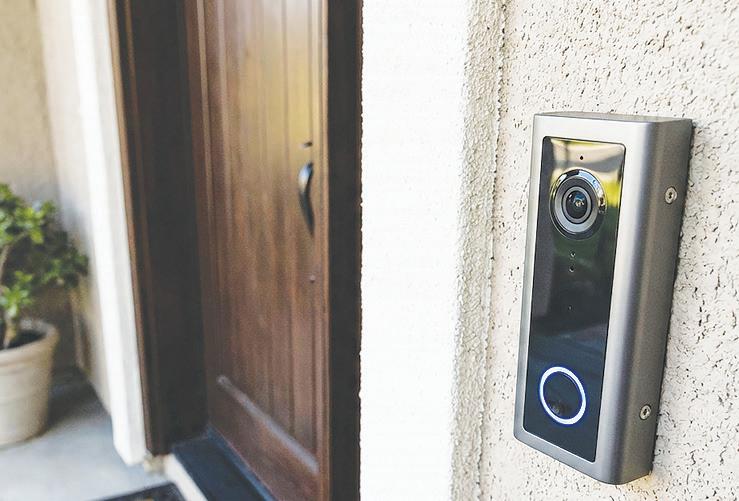
In recent years, video doorbells and home security cameras have shifted from luxury add-ons to everyday fixtures. Walk down almost any street and you’ll spot a small lens beside a doorframe or under an eave. They promise peace of mind, and for many homeowners they deliver. But like any upgrade, they come with tradeoffs worth considering.
The appeal is obvious. A camera doorbell lets you see who is there without opening the door. Through a phone app, you can speak to a delivery driver from your office or check a package while on vacation. Motion alerts notify you when someone approaches, and recorded footage can help

identify suspicious activity or resolve delivery disputes.
For families, there’s comfort in knowing children arrived home safely. For older homeowners, it adds a layer of screening before answering the door. In areas where package theft has increased, visible cameras can deter opportunistic crime. Sometimes the presence of a lens is enough to make someone think twice.
Yet convenience and security are only part of the story. Privacy is a common concern. A camera aimed at your front walk may also capture neighbors, passersby, and activity across the street. While most systems allow motion-zone adjustments, homeowners remain responsible for how footage is stored and shared. Posting clips online can escalate minor incidents into disputes.
Data security matters too. Video doorbells connect to Wi-Fi and cloud storage, and weak passwords or outdated software can expose footage to hacking. Choosing reputable brands, enabling two-factor authentication, and updating firmware regularly are essential. A camera
is only as secure as the network behind it.
Cost is another factor. Basic doorbell cameras are affordable, but full systems with multiple cameras and storage subscriptions add up. Some require monthly fees, others charge for extended history. Over time, the investment can rival other home improvements.
Installation ranges from simple to complex. Battery models are often straightforward, while hardwired systems may require professional help. Poor placement can create blind spots or glare, reducing effectiveness.
There is also a psychological dimension. Constant alerts can heighten anxiety rather than ease it. A squirrel triggers motion, a car door slams, a neighbor walks by. Phones buzz repeatedly, and instead of reassurance, some homeowners feel teth-
ered to notifications. Adjusting sensitivity helps, but it takes patience.
Community dynamics can shift as well. In some neighborhoods, shared footage helps solve crimes quickly. In others, it creates suspicion and tension. Balancing vigilance with trust matters. None of this means security cameras are a poor choice. For many, they provide real protection and comfort. They are tools, and like locks or alarms, their value depends on thoughtful use.
Before installing a system, homeowners should consider their goals. Is the concern package theft, general awareness, or perimeter security? The answer shapes the equipment needed. It is also wise to review local laws on audio recording and camera placement, since some areas restrict recording conversations without consent.













































































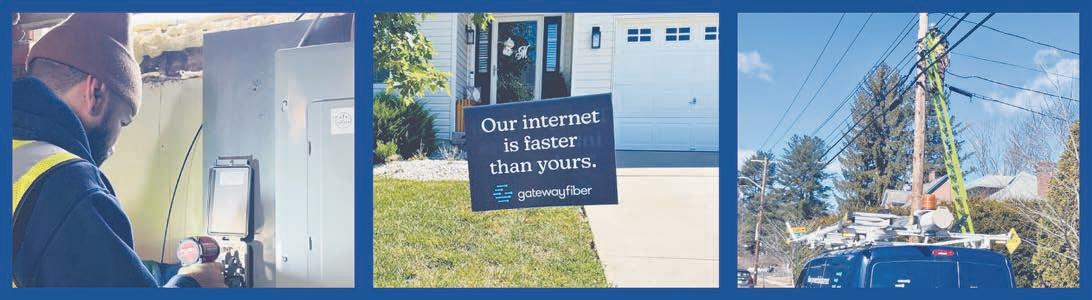
When most homeowners think about upgrades, they picture granite countertops, a new bathroom or maybe an outdoor living space. But there’s one powerful home improvement that often goes overlooked: installing fiber internet. In today’s hyper-connected world, a high-speed fiber connection isn’t just a nice-to-have; it’s an investment in the comfort, efficiency and value of your home.
Practically every aspect of daily life relies on a good, solid internet connection. Between remote work, streaming entertainment, online learning and smart home technology, households use more bandwidth than ever before. Streaming a single 4K movie can use more bandwidth than the entire household did just a few years ago.
Fiber internet easily handles all that demand without slowdowns. While older technologies like cable share bandwidth among neighbors, fiber-optic network delivers dedicated speeds directly to your home, ensuring consistent performance even during peak hours,
when everyone is online. That means no buffering, no lag and no frustration — just smooth, dependable service that keeps your modern household running.
Internet service used to be a luxury. Not anymore. Today’s homebuyers see fast, reliable internet as essential, often ranking it just below utilities like water and electricity. In fact, studies show that homes connected to fiber internet can increase in value by as much as 3%, instantly giving your property a competitive edge in the market.
Whether you’re planning to sell in the next few years or just want to stay ahead of the curve, fiber internet adds long-term appeal that buyers recognize and appreciate.
From voice assistants and smart thermostats to security systems and connected appliances, today’s homes depend on reliable internet to function at their best. Fiber delivers the bandwidth and low latency that keep these systems in sync.
Imagine your security cameras updating in real time, your lights adjusting automatically or your thermostat learning your patterns without drops or delays. With fiber internet’s symmetrical upload and download speeds, your home can easily handle dozens of connected devices at once, giving you convenience, comfort and complete control.
For professionals and families alike, working and learning from home have become permanent fixtures of daily life. A fiber connection ensures your video calls are crisp, your cloud files sync instantly and your online classrooms run smoothly without disruptions.
Gamers, streamers and content creators also gain a major advantage: near-zero latency and seamless uploads mean your gameplay and live streams operate flawlessly. Fiber isn’t just faster. It’s also smarter, more stable and perfectly suited to digital lifestyles.
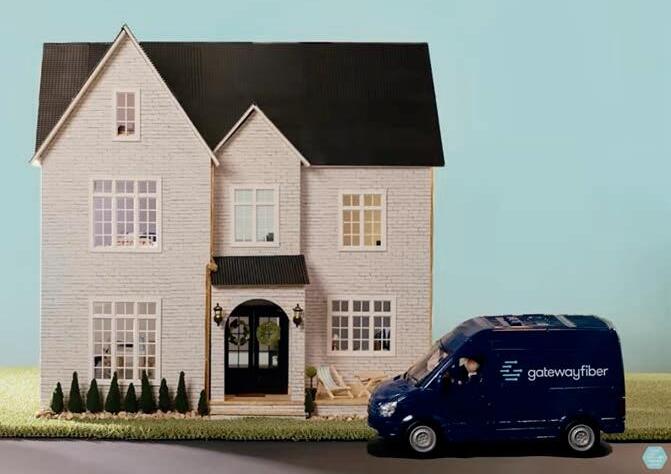
When you think about home improvement, look beyond paint colors and new fixtures. Think about what powers your home life every single day: your internet connection. Installing Gateway Fiber is the kind of upgrade that pays off immediately in comfort, performance and value.
Gateway Fiber combines cutting-edge technology with hometown service, offering straightforward, no-contract plans and local customer support that actually picks up the phone. The installation process is quick, clean and completely free, handled by technicians who treat your home with respect. Once installed, you’ll enjoy consistent speeds and unlimited data—so everyone can connect, create and stream without limits.
Visit GatewayFiber.com to see if your neighborhood is fiber-ready and take the next step toward a faster, smarter, more connected future.


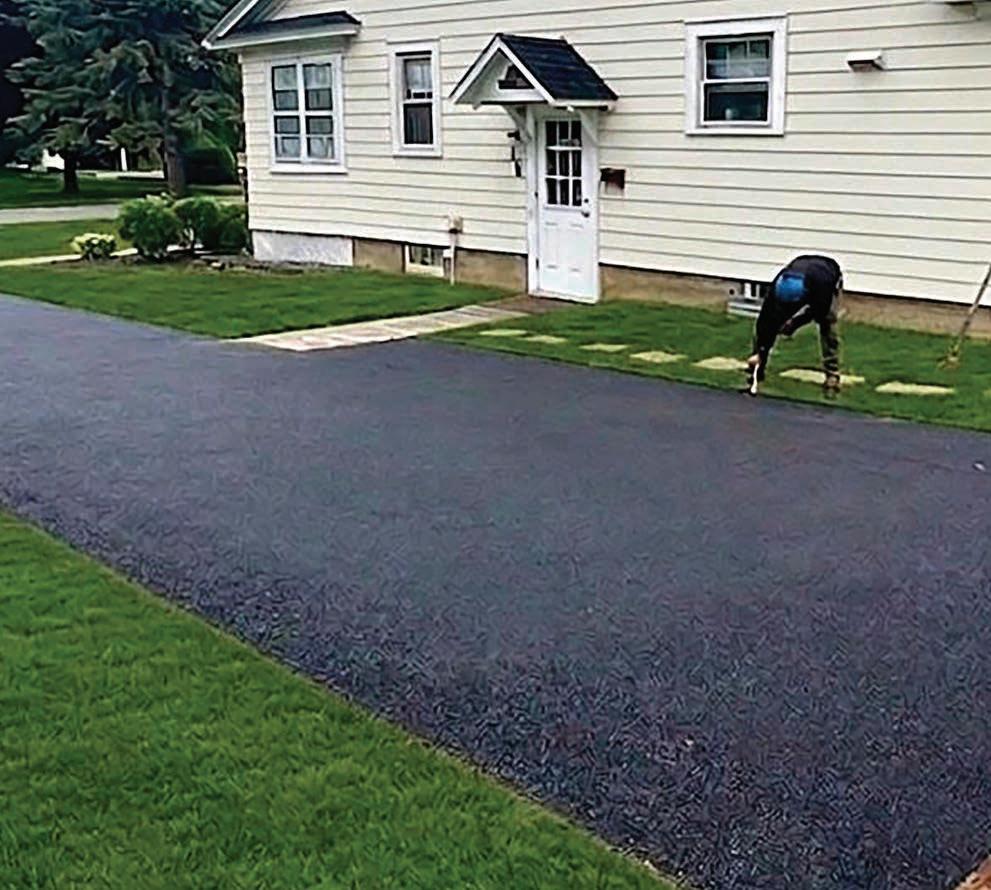
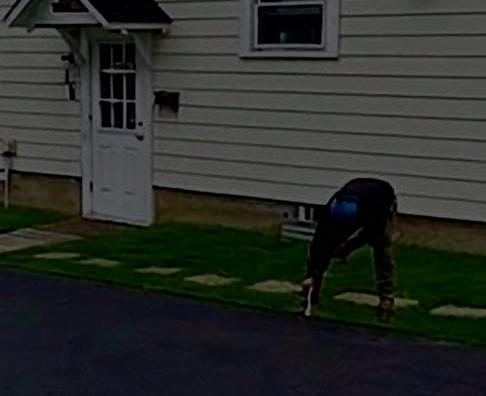

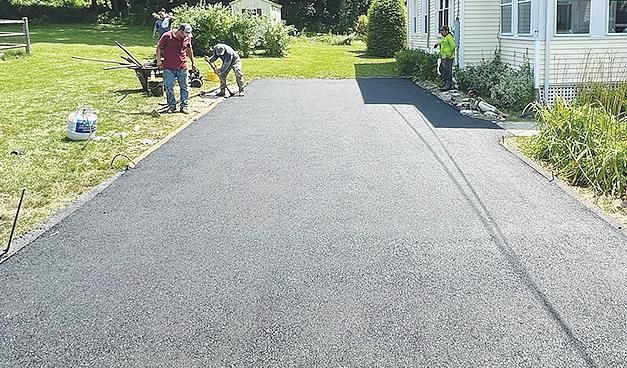


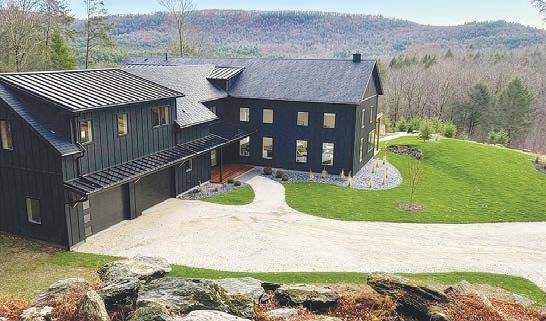
It’s the first thing people see. The last thing they drive over. The place where kids learn to ride a bike, where guests first arrive, where everyday life begins and ends. And it’s often the most overlooked part of the home.
For Pete Haven, that never made sense.
Born and raised in Pittsfield, Haven has spent most of his life building things. Long before Haven Driveways had a name, he was working with his hands, learning the trade, figuring out what lasts and what doesn’t. After high school, he served four years in the United States Navy, working on jet engines aboard an aircraft carrier.
When he returned home, he used the GI Bill to attend the Massachusetts College of Liberal Arts. But even in college, he wasn’t sitting still. He started a flooring business with a friend, managed rental properties and leaned deeper into construction and real estate. For a while, he stepped into a more traditional 40-hour workweek, working for others in the industry.
It didn’t last. Entrepreneurship runs in his family. In his 30s, Haven returned to it, starting small with gutter cleaning, painting and general maintenance. A one-man operation that didn’t stay small for long. As his reputation grew, so did the work. Larger projects. Property management. Clients who trusted him to
handle more. And somewhere along the way, he found himself pulled back to something familiar: driveways.
“I did paving back in high school,” he says. “It’s hard work. It’s hot. But I always liked being outside, working under the sun. It just stuck with me.”
Over time, that focus sharpened. What began as a broad construction business evolved into something more specific. Haven Driveways is the result.
In a region shaped by harsh winters and constant freezethaw cycles, driveways take a beating. Cracks form. Water gets in. Surfaces heave and shift. Left alone, small problems don’t stay small. Haven knows the pattern well. He’s seen it across Pittsfield and throughout Berkshire County. He’s also seen the frustration.
“You’d be surprised how many people say they called three companies and nobody showed up,” he says. “Or someone came out and never sent an estimate.”
That’s exactly the problem Haven set out to fix.
From the start, he built his business around respecting customers’ time. Fast responses. Clear communication. And, most importantly, quick, easy, same-day estimates. In many cases, homeowners can go from first call to a clear, on-site estimate within hours.
Most estimates are completed the same day as the initial inquiry, giving homeowners immediate clarity and the ability to move forward without delays. From there, the process continues just as efficiently. Removal of the existing driveway. Base layers. Installation. Most projects wrap in about two days, with a few extra days before the surface is ready for regular use.
It’s efficient. It’s straightforward. And for customers, it removes one of the biggest pain points in home improvement: waiting.
But the impact lasts much longer than the timeline. “You see how happy people are when it’s done,” Haven says. “Sometimes it really changes things for them.”
He recalls one homeowner whose husband had mobility challenges. A damaged driveway made getting in and out of the house difficult. When the new surface was finished, smooth and even, the difference was immediate. “She was overjoyed,” he says.
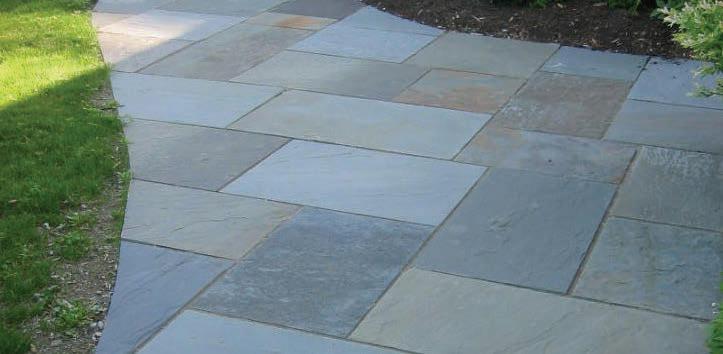
That kind of outcome is what drives the work forward. And it’s part of why Haven is pushing beyond traditional paving. While asphalt remains the most common choice, Haven Driveways offers a range of options. Gravel. Stone. Lighter-colored finishes that soften the look of long driveways. And increasingly, something newer to the region: resin-bound surfaces.
Widely used in Europe, resin driveways combine stone and binding materials to create a permeable surface. Water drains through instead of running off. The result is a cleaner look and better performance in changing weather conditions.
“It handles water much better,” Haven says. “And water is what destroys most driveways.”
It’s also part of a larger shift he’s seeing. More homeowners are asking about environmentally conscious options. Materials that work with the landscape instead of against it.
Haven is leaning into that demand while keeping his core promise intact: quality work at a fair price, delivered without wasting the customer’s time. His “best price guarantee” is straightforward. If a competitor offers a comparable quote, he’ll beat it. Every project also comes with a one-year warranty covering workmanship and materials under normal conditions.
At its core, Haven Driveways remains what it started as: a local, family-owned, veteran-run business built on experience and word of mouth — and on a commitment to showing up, following through, and making the process easy from the very first call.
Ready to upgrade your driveway? Call 413-553-1231 or visit havendriveways.com to get started.
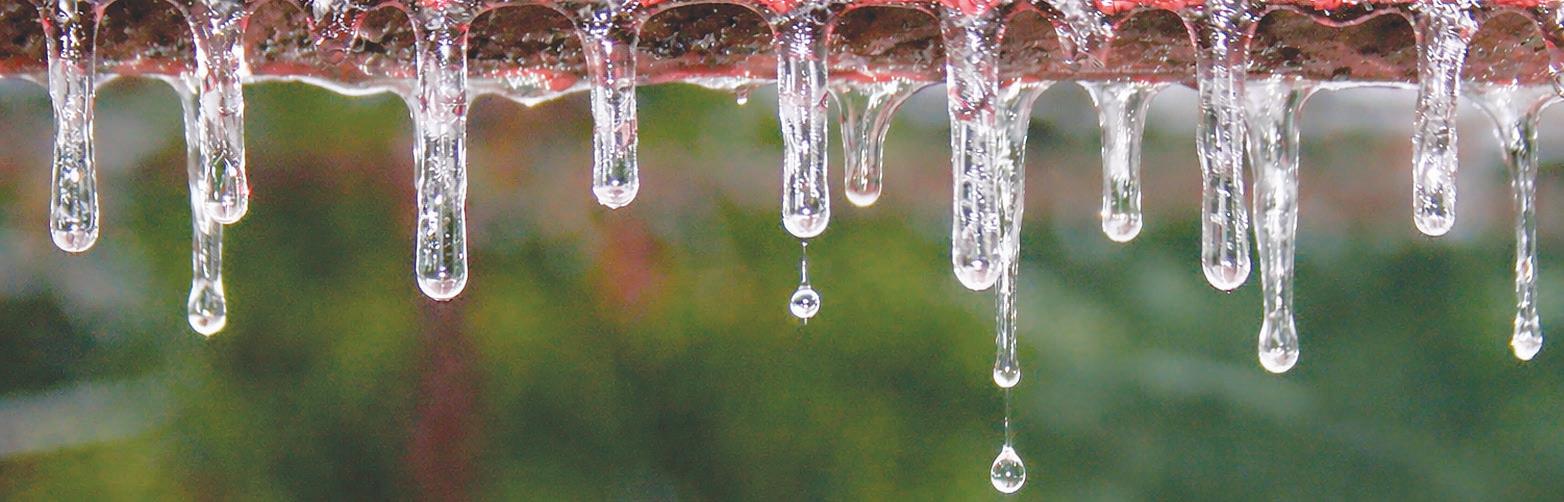
Across the Berkshires and throughout New England, winter has a way of testing every surface, seam and system. Ice expands. Snow settles. Wind finds small openings and makes them larger. By the time spring arrives, small problems may already be waiting.
Start at the top. Winter places enormous strain on roofing systems, especially after heavy, repeated snowfalls.
Scan for missing or curled shingles. Look for sections
A careful walk around your property now can prevent expensive surprises later. Here’s where to look:
that appear darker or uneven, which can signal trapped moisture. Check flashing around chimneys and vents. Ice dams may have forced water beneath shingles, even if you never saw a leak inside. From the ground, also inspect gutters. Are they pulling away from the roofline? Sagging gutters often mean
ice buildup stressed the fasteners. Clear out debris and confirm downspouts are directing water away from the foundation.
If you suspect damage, schedule a professional inspection. A small repair in spring can prevent interior water damage during summer storms.

Woulddefinitelyusethemagain!
Wehadastrictdeadlineandtheymadeithappen,actually wellaheadofthedesireddate! Ashleywasajoyto workwith: sheshowed goodjudgmentandgreat tasteinguidingustoanaestheticallypleasing result. Thebuildersthemselvesdidneatandbeautiful workandwenowhavearedesignedfirstfloorwiththe masterretreatofourdreams! (inadditiontopowder room,laundryarea,etc.)
SusanL. , Stoc kbrid g e, MA





ThehighestpraiseIcanshareisthat I’duse t hem again forany home renovat ionprojectw ithout hesit at ion . Fromworkingwiththeirdesignteam,to gettingspecificsironedoutandcontractedtoworkingwith theirteamalongtheproject,itwasallsimpleandclear. There were nodelays orotherissues. Whenitcame timetoworkthepunchlist,itswasasimpleexercisetoget everythingjusthowwewanted.Theydidamazingwork.


Michae lA.,Lee, MA

















Climb the ladder and bring a flashlight.
Your attic tells the truth about your roof. Look for damp insulation, staining on rafters or the faint outline of water trails along the sheathing. Even minor discoloration can signal that melting snow found a path inside.
Check ventilation, too. Proper airflow keeps roof temperatures consistent, reducing the risk of future ice dams. Blocked soffit vents or compressed insulation can create uneven heat pockets that repeat the cycle next winter.
If insulation appears thin or uneven, consider adding more. It improves energy efficiency and protects the roof above it.
Now head down.
Winter frost can shift soil and stress foundations. As the ground thaws, water follows the path of least resistance. That path is often your basement.
Look closely at foundation walls for new cracks. Hairline cracks are common, but widening gaps or horizontal fractures deserve professional evaluation. Check the floor-wall joint for dampness. Inspect around windows and along sill plates.
Test your sump pump if you have one. Pour a bucket of water into the pit and confirm it activates properly. Spring rains arrive quickly, and a failed pump can mean inches of water in hours.
Also pay attention to musty smells. They often signal hidden moisture.
Frozen pipes are dramatic when they burst. Less obvious damage can go unnoticed.
Examine exposed pipes in basements, crawl spaces and under sinks. Look for small splits, corrosion or slow drips around joints. Even a minor
leak can waste water and damage framing over time.
Turn on outdoor spigots. Weak flow or interior dripping after shutoff may indicate a cracked line inside the wall.
If you insulated pipes before winter, check that insulation is still secure and dry.
Walk the perimeter of your home slowly.
Winter wind drives moisture into small openings. Look for loose or warped siding panels. Check caulking around windows and doors. Cracked or shrinking caulk invites water intrusion during spring rains.
Inspect painted surfaces for peeling or bubbling. That can mean moisture is trapped beneath.
Pay close attention to areas where snow piled high against the house. Extended contact with snow can stain siding and accelerate rot in wood trim.
Replacing a board or resealing a seam now protects the structure underneath.
When the snow recedes, your lawn may look tired.
Brown patches near driveways often result from salt exposure. Rake those areas gently and flush with water to dilute lingering residue. Compacted spots from snow piles may need aeration once the soil dries.
Look for shallow trenches across the yard. Voles and other small rodents tunnel beneath snow cover and leave visible tracks behind. Light raking and reseeding typically restore the surface.
Inspect trees and shrubs for broken limbs. Winter storms can weaken branches that may fall later in spring winds. Also check that grading still directs water away from your foundation. Frost heave can subtly shift soil slopes.
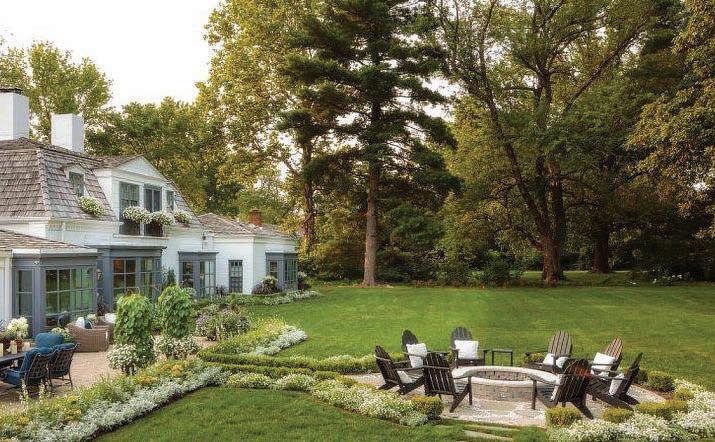


Weareafullyinsuredlandscaping services,weworktomeetyour landscapingneedsandweo era oneyearplantguaranteeonallplant materialthatweinstall.

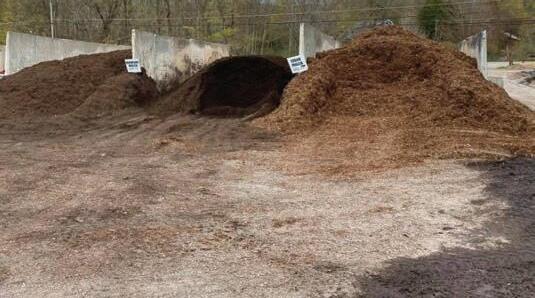
CHESHIRE&BERKSHIRECOUNTY

Youwillfindagreatselectionoflandscapesupplieshereat Whitney’sFarmMarket.Weo erdeliveryforallofourbulkyard products.Hoursof operation are 8am-5pm. Bulkorders(8am-6pm)









HAVEN DRIVEWAYS
413-553-1231
havendriveways.com
H.D. REYNOLDS
413-743-9512
reynoldslawnmower.com
GATEWAY FIBER
888-201-4339
gatewayfiber.com
RENEWAL BY ANDERSEN
774-200-0407
renewalbyandersen.com
1ST CUT CONSTRUCTION
413-316-0255
1stcutconstruction.net
ADAMS COMMUNITY BANK
413-338-7272
adamscommunity.com
BARNBROOK REALTY / BERKSHIRE HATHAWAY
Timothy Harrigan
413-429-7042
tim@barnbrookrealty.com
BARRINGTON OUTFITTERS
413-528-0021
barringtonoutfitters.net
BERKSHIRE BEST PLUMBING
413-961-9735
berkshiresbestplumbing.com
BETTER BUSINESS BUREAU
508-755-3340
bbb.org
DUDA DUMPS
413-441-7206
dudadumps.com
FALL RIVER SEAMLESS GUTTER SUPPLY
508-674-1431
fallriverseamless.com
FRESH START PAINTERS
413-329-3564
freshstartpaintersllc.com
HENRY’S ELECTRIC
413-243-0690
henryselectricinc.com
HERRINGTON’S
518-325-3131
herringtons.com
HOMESTEAD RENOVATIONS AND DESIGN
518-231-0879
homesteadma.com
IMPERIAL POOLS & SPAS BY LAFRANCE, INC.
413-499-2702
imperialpoolsandspas.com
MADSEN OVERHEAD DOORS
518-392-3883
madsenoverheaddoors.com
MORRISON’S HOME IMPROVEMENT
413-442-3001
morrisonshomeimprovement.com
NATIVE DESIGN CO.
413-329-0802
nativedesignco.com
REVISION ENERGY
413-884-1000
revisionenergy.com
ROCKLAND RESTORATION AND MASONRY
413-741-9131
rocklandmasonry.net
SHEDS N STUFF
413-743-9964
berkshiresheds.com
SHIRE ELECTRIC
413-344-9300
shireelectric.com
SODRINI ENTERPRISES
413-443-0219
sondrini.com
SOUTH SIDE SALES & SERVICE
413-664-7111
southsidesales.com
SUPERIOR SEALCOAT & ASPHALT REPAIR
413-344-6799
superior-sealcoat.com
THERMO EXPERT
413-443-2099
thermoexp.com
TRINITY TOTAL HOME
617-800-4555 trinitysolar.com
UPTOWN JUNK
413-441-8717 uptownjunkllc.com
VISTA HOME IMPROVEMENT
413-798-8124 vistahomeimprovement.com
WESTERN MASS POWER EQUIPMENT
413-wmape.com wmape.com
YANKEE HOME IMPROVEMENT
866-589-3782
yankeehomeimprovement.com


Contrary to what the name might suggest, there is someone on Nobodys Road in Cheshire. And if you follow it far enough, you’ll find a place that has been keeping Berkshire County running for nearly a century.
At H.D. Reynolds Sales & Service, the work is straightforward. Help people find the right equipment and keep it running.
That approach hasn’t changed much since 1937. What has changed is what they can offer, especially when it comes to commercial-grade mowing equipment.
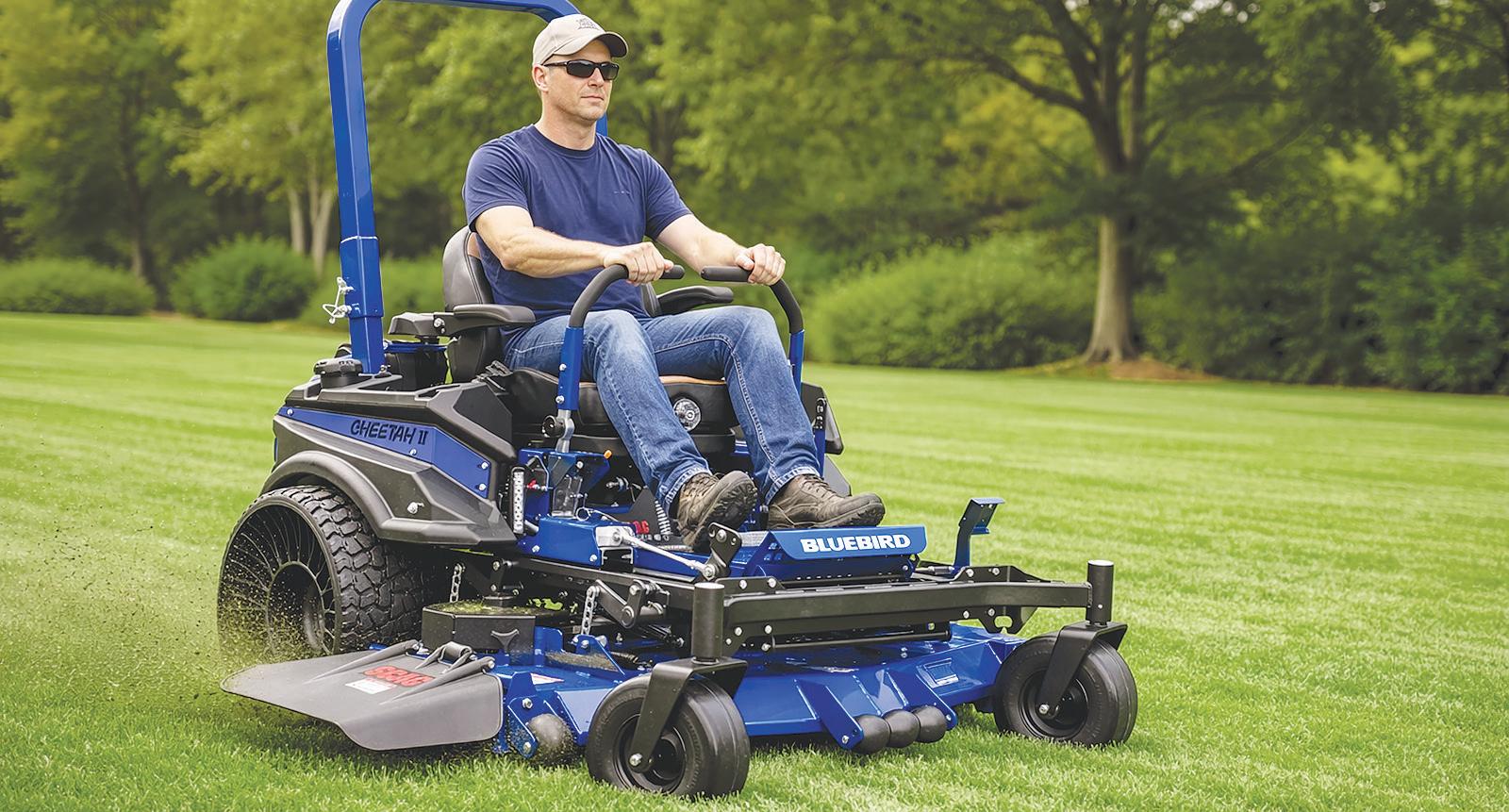
Step inside their space and you’ll find machines built for serious work. Among them are two standouts: the BlueBird V-Ride II and the BlueBird Cheetah II. At a glance, they’re both zero-turn mowers. In practice, they serve very different kinds of jobs.
The V-Ride II is compact, quick and built to move through tight spaces without slowing down. It’s a stand-on
mower, which means the operator rides on a platform behind the machine. That design gives better visibility and allows for constant movement on properties filled with obstacles like trees, fences and garden beds.
For landscapers moving from one yard to the next, that agility matters. The V-Ride II can fit through gates, navigate narrow sections and still deliver a clean, consistent cut. It’s the kind of machine that keeps pace with smaller, detail-heavy jobs.
The Cheetah II lives on the other end of the spectrum. It’s larger. Faster. Built for wideopen ground.
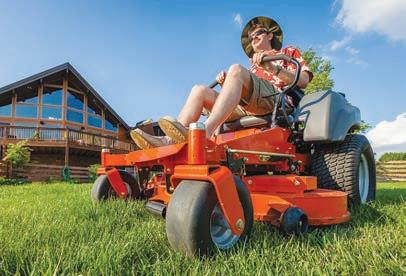
This is a seated, zero-turn mower designed for long stretches of uninterrupted mowing. Think large residential properties, campuses or commercial contracts where efficiency matters. With top speeds up to 16 miles per hour and a full suspension system beneath the seat, the Cheetah II allows operators to cover serious acreage without wearing themselves down.
There’s a noticeable difference when you sit in one. The ride is smooth. You can also settle in and keep moving.
Choosing the right mower is only the beginning. A machine like this is an investment. And like any investment, it needs care to perform the way it was built to.
In the back of the building is a full-service shop where equipment comes in worn or struggling and leaves ready for another season. The team handles everything from routine maintenance to complex engine work.
For mowers, that often starts with the basics. Blade sharpening. Oil changes. Belt checks. Those small services add up. A sharp blade cuts cleaner, which keeps grass healthier. Fresh oil protects the engine.
Then there are the larger repairs. Hydro systems, engine diagnostics, electrical issues. The kind of problems that can take a machine out of commission if they’re not handled correctly.
Seasonal service is another piece of it. In the Berkshires, mowing season comes fast. H.D. Reynolds helps customers stay ahead with pre-season tune-ups that get machines ready before the first cut.
For those running commercial equipment like the BlueBird lineup, downtime isn’t just inconvenient. It costs money. Getting a mower serviced quickly and properly can make the difference between staying on schedule or falling behind.
They also offer pickup and delivery. Not every customer has a trailer. Not every machine is easy to transport.
Out on Nobodys Road, there’s no flash to it. Just a shop. A team that knows the equipment. And machines built to handle whatever the Berkshires throws at them. For the people who rely on their mowers every day, that’s more than enough.
Visit H.D. Reynolds today at 37 Nobodys Road, Cheshire or learn more at reynoldslawnmower.com


(AllstagesofHomeRemodeling)
•Roo ng/Siding•Foundation&ChimneyRepair •Brick,Block,Stone&Pavers•RetainingWalls,AllTypesofConcreteWork
•Hauling/MaterialsDelivered-Gravel Driveways
• Decks/Porches-StructuralRepairs•PowerWashing,Staining •TileBathrooms/Backsplash














In early spring, there’s a moment when the light changes.
The sun lingers a little longer over the hills. Snow recedes from rooflines. Icicles disappear. What felt sealed and frozen in January is suddenly exposed.
It’s often the first clear look homeowners get at the condition of their roofs.
From the ground, you might notice shingles that shifted during winter storms. A section of gutter pulling slightly away from the fascia. Flashing that doesn’t sit quite as tight as it once did. Inside, there may be a faint water mark in the attic or along a ceiling corner — small, but new.
For many homes in the Berkshires and across New England, winter is a stress test. Snow load adds weight. Ice works into seams. Wind finds edges and lifts them. Even if there was no dramatic leak, months of freeze and thaw can shorten a roof’s lifespan.
That’s where a larger question sometimes enters the picture. If the roof needs attention anyway, is this the time to think about solar?
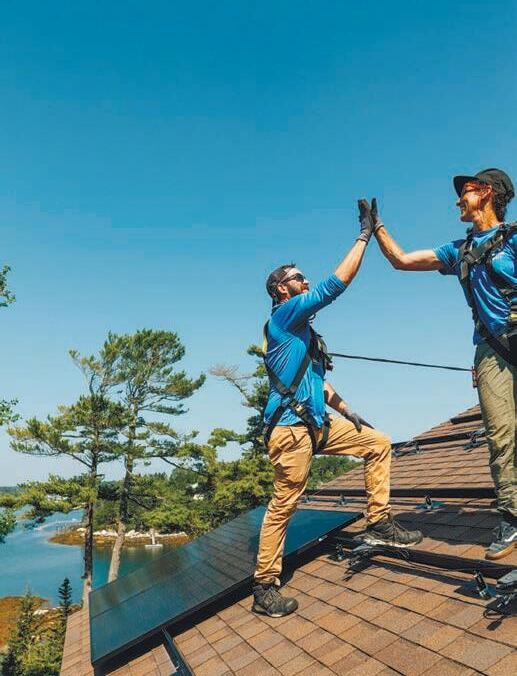
Solar panels have moved from novelty to mainstream. Drive through almost any Massachusetts town and you’ll see them mounted on colonials, ranches and farmhouses alike. Incentives have made installation more attainable. Electric rates continue to rise. For many homeowners, the math begins to make sense.
Lower monthly bills. Predictable energy costs. A smaller reliance on the grid.
But solar panels depend entirely on the structure beneath them.
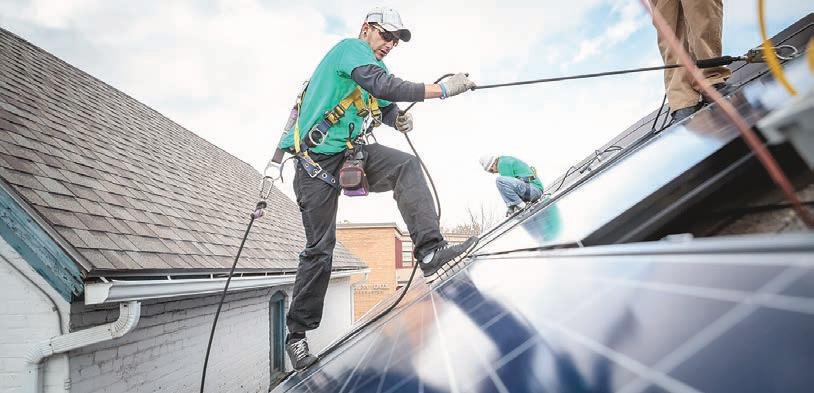
Before installation, most reputable solar companies require a roof evaluation. If shingles are nearing the end of their usable life, they will likely recommend replacement first. Installing panels over a roof that may need replacement in five years creates an expensive problem later. Panels must be removed and reinstalled to complete the roofing work.
Combining a roof replacement with a solar installation can be efficient. Labor overlaps. Structural upgrades can be made at once. The result is a roof system designed to support panels for decades rather than years.
Still, solar is not automatic. It demands a clear look at your property.
Sun exposure is critical. The Berkshires are known for mature trees that frame homes beautifully. They also create shade. Even partial shading during peak daylight hours can reduce panel output significantly. Some homeowners choose to trim or remove select trees. Others decide the loss of shade and privacy outweighs the energy gain.
Roof orientation matters as well. South-facing slopes typically perform best. East and west can still produce strong results. North-facing roofs are often less effective.
Then there is the financial structure of the system itself.
Owning solar panels outright usually delivers the strongest long-term return. Homeowners benefit from available tax credits and any performance incentives. Over time, the reduction in electric bills offsets the initial investment. When owned, the system can also add value to the home.
Leasing or entering a power purchase agreement lowers the upfront barrier. A third-party company installs and maintains the system, and the homeowner pays for the electricity generated. Monthly costs may be lower than traditional utility rates, but the long-term savings are typically reduced. Selling a home with a leased system can require additional coordination with buyers and the solar provider.
Maintenance is often minimal, but it exists. Heavy snow
may need to be cleared to restore production. Inverters have a finite lifespan. Roof penetrations must remain watertight. Choosing experienced installers with clear warranties is essential.
Solar can be a smart move. It can also be the wrong move if rushed.
Start with the basics. Schedule a professional roof inspection. Determine how many years of life remain. Review your past electric bills to understand your actual usage. Consider how long you plan to stay in the home. Solar delivers the greatest benefit to homeowners who expect to remain long enough to see the return.
Energy independence is appealing. So is financial predictability. But both rest on a simple truth: everything begins with the roof.
Spring light has a way of revealing what winter concealed. Sometimes it highlights a few loose shingles. Sometimes it opens the door to a larger upgrade overhead. Either way, the smartest decisions begin by looking up.














Worldwide, gardens are shaped less by trends and more by necessity. Climate. Space. Food. Ritual. Belief. What grows easily. What sustains a family. What cools a courtyard or conserves water.
The way people arrange their outdoor spaces often tells you as much about a place as its architecture does.
In Japan, gardens frequently embrace restraint. Tray landscapes known as “saikei” or “bonkei” compress mountains, forests and rivers into shallow dishes. A stone becomes a cliff. Moss suggests an ancient woodland. A single tree leans as if shaped by wind.
The reasoning is practical as well as philosophical. Dense cities require smallscale design. Limited space encourages precision. The garden becomes something to contemplate rather than conquer. Even a carefully composed planter can echo that principle: fewer elements, chosen with intention.
China’s tradition of “penjing” follows a similar miniature logic but often tells a fuller story. Rocks, twisted trees and small figurines create narrative scenes. Historically displayed by scholars, these living landscapes brought vast wilderness indoors. Nature was studied, shaped and reflected upon daily. Gardening became a conversation between human and environment.
Across Southeast Asia, the approach is almost the opposite: abundance. In humid climates where plants grow quickly and vertically, balconies and courtyards layer

greenery upward. Hanging orchids, trailing vines and potted palms stack in tiers. Dense foliage creates shade and helps cool surrounding air.
This is adaptation in action. When land is limited and temperatures run high, vertical gardening maximizes space and manages heat. A few hanging baskets or wall-mounted planters can bring that same layered effect to even the smallest patio.
In the Mediterranean, design responds to sun and drought. Whitewashed walls reflect light. Enclosed courtyards trap cool air. Terracotta pots can be shifted with the seasons. Grapevines stretch overhead to provide shade. Even a modest fountain lowers the temperature through evaporation.
The materials matter as much as the plants. Hard surfaces paired with drought-tol-
erant herbs and shrubs create beauty without demanding constant water. Flexibility — especially through containers — allows gardeners to adjust as conditions change.
In the English countryside, cottage gardens evolved from practicality rather than romance. Families planted herbs, vegetables and flowers side by side in tight quarters near the house. Dense planting reduced weeds and made efficient use of small plots. Pollinators moved easily between crops. What looks charmingly unruly today began as smart land management.
You can borrow that intermingling by mixing edibles and ornamentals instead of separating them into neat rows. Beauty and productivity don’t have to live apart.
In the Americas, many Indigenous communities practiced companion planting
long before the term existed. The “Three Sisters” — maize, climbing beans and squash — were grown together in the same mound. Corn provided a natural trellis for beans. Beans fixed nitrogen into the soil, enriching it. Squash spread across the ground, shading roots and suppressing weeds.
The system was ecological engineering. Each plant supported the others. Together, they produced more food, more efficiently, than if planted separately.
Elsewhere in the arid Southwest, Indigenous farmers built “waffle gardens” — small, sunken grids bordered by raised soil walls. The design captured scarce rainwater and directed it to plant roots. The layout itself became a water-management system.
Across cultures, the pattern is clear: gardens respond to place. Some shrink landscapes to fit a tabletop. Some climb walls to catch light. Some cluster crops together so each one strengthens the next. Some shape soil to hold every drop of rain.
Creative gardening isn’t about copying a style from another part of the world. It’s about asking the same questions those gardeners asked: What does this environment require? How can plants support one another? How can materials solve problems?
The most compelling gardens are not always the largest or the most elaborate. They are the ones designed with purpose — shaped by climate, guided by culture and rooted in understanding.
On a warm afternoon, the back door swings open. A dog bolts toward the grass, nose low, tail high. A cat follows more slowly, pausing at the threshold before slipping into a patch of sun. For them, this is freedom. For homeowners, it can be something more: a space designed with intention, where pets are safe, stimulated and genuinely happy.
Creating a pet-friendly home is not about indulgence. It’s about recognizing that animals experience their surroundings as fully as we do. The right changes can improve their physical health, reduce anxiety and prevent destructive behavior that often stems from boredom.
It starts with the yard.
A secure fence is the foundation. Dogs need room to run without the constant correction of a leash. Fencing should be tall enough to discourage jumping and buried deep enough to prevent digging. Gates should latch securely. Peace of mind allows pets to explore without risk, and it allows owners to relax.
Once the perimeter is safe, think in zones.
Open lawn space gives dogs room to sprint and play fetch. But variety matters. Consider adding a digging area filled with sand or loose soil. Many breeds have a natural instinct to burrow. Giving them a designated spot protects flower beds and satisfies that urge in a healthy way.
Shade is equally important. Trees, pergolas or shade sails offer relief on hot days. Fresh water stations placed outdoors encourage hydra-
tion during play. In warmer months, a shallow splash pad or small pet-safe pool can turn an ordinary yard into a summer retreat.
For cats, vertical space transforms everything. Outdoor cat enclosures, often called “catios,” provide fresh air without the dangers of roaming. Add shelves at varying heights. Install scratching posts made from
corner with a supportive bed away from heavy foot traffic. Cats often prefer secluded nooks or elevated perches. Window seats offer entertainment in the form of birds and passing activity. Mental stimulation reduces stress. A bored pet is more likely to chew, scratch or pace.
Storage deserves attention, too. Built-in cubbies for leashes, toys and food keep
example, can be harmful if ingested. Grass alternatives like clover or hardy groundcovers may hold up better to wear while remaining gentle on paws.
Exercise and enrichment should be built into the design. Agility features such as low jumps, balance beams or tunnels can be incorporated subtly into a yard. They do not need to look like a train-

natural wood. Cats feel secure when they can climb and observe from above. A simple structure attached to a window can expand their world safely.
Inside the home, small changes make a lasting difference.
Start with flooring. Durable, scratch-resistant surfaces such as luxury vinyl plank or sealed hardwood hold up better under paws. Area rugs with washable covers provide comfort while allowing for easy cleaning. Pets spend most of their time at ground level. Their comfort begins there.
Create defined rest areas. Dogs benefit from a quiet
essentials organized. Pullout feeding stations can be integrated into cabinetry. Elevated bowls improve posture for larger dogs and can ease strain on joints.
Lighting and sound matter more than many realize. Natural light regulates sleep cycles for animals as it does for humans. If pets are home alone during the day, consider leaving soft background noise. Silence can amplify anxiety. A calm environment supports calmer behavior.
Landscaping choices also play a role in safety. Avoid toxic plants such as lilies, azaleas and certain varieties of ivy. Choose pet-safe mulch. Cocoa mulch, for
ing course. Simple logs, stepping stones or raised platforms can challenge a dog physically and mentally.
Cats benefit from interactive elements indoors. Wall-mounted shelves arranged in a pathway create movement routes. Rotating toys keeps interest fresh. Even something as simple as a bird feeder positioned outside a favorite window can provide hours of engagement.
Open the door. Watch them run. In that moment, the investment feels simple. You didn’t just improve your property. You built a small piece of heaven for the ones who love you most.