
OUTDOOR Living
HAPPENED
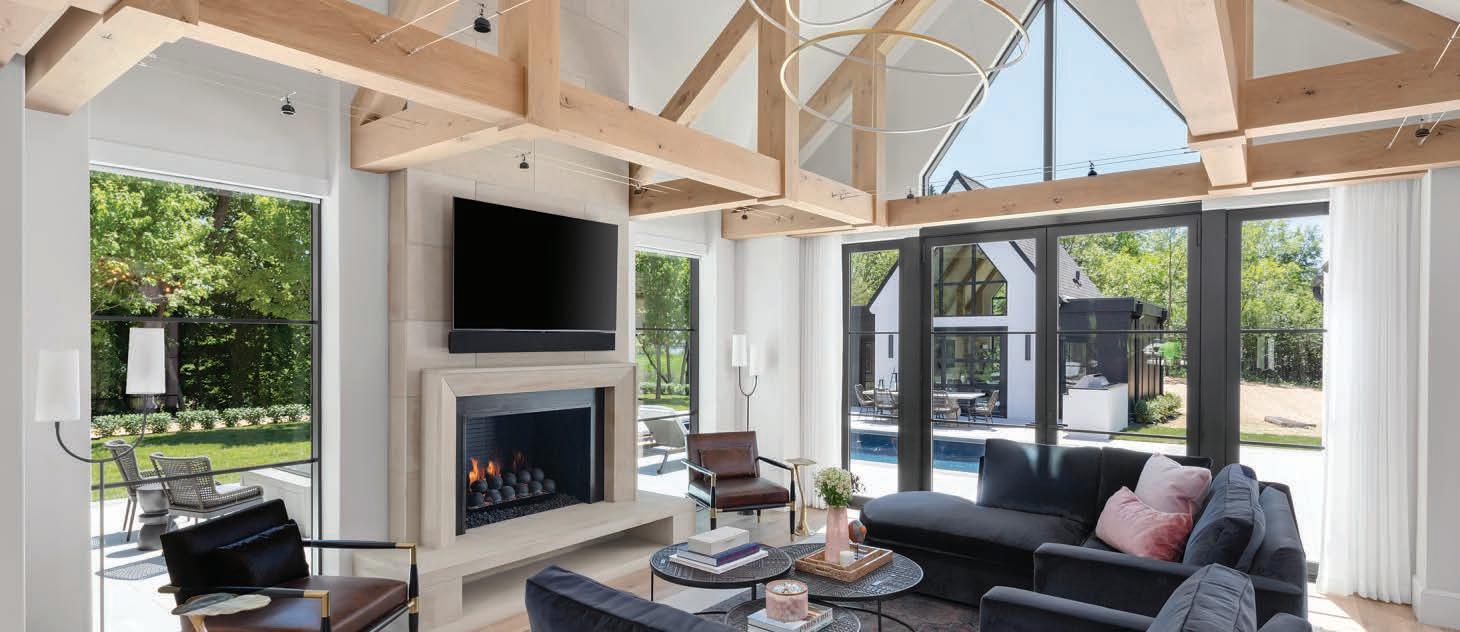
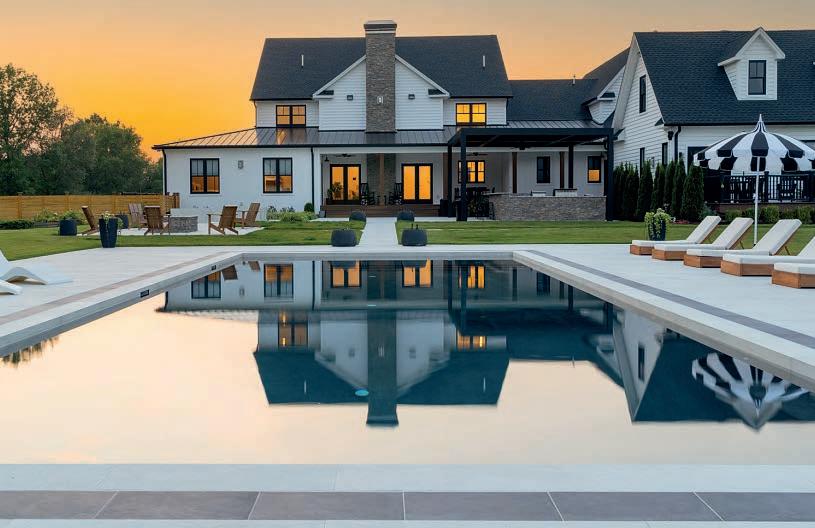
NTPaversis a leading marble, travertineandporcelainmanufacturer anddistributorforbothinterior andexterior areas.Offeringdifferenttypes ofnatural stoneandporcelainmaterial includingpavers,tiles,copings, veneer,ledger,mosaics,largeandmedium formatslabsandmuchmore!






















































































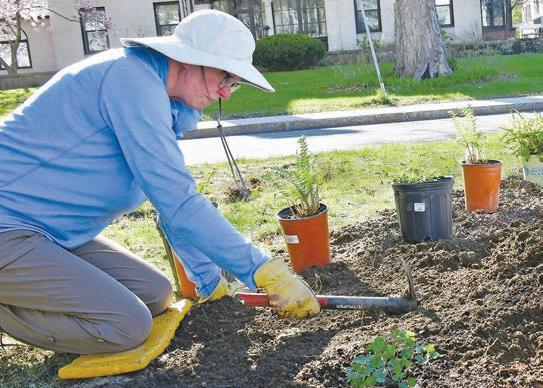
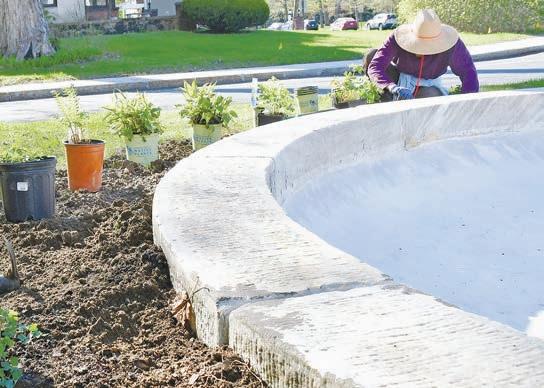
The landscaping projects worth tackling yourself, and the ones that aren’t
Every yard has that one spot.
Maybe it’s the patch of grass that refuses to grow. Maybe it’s the slope that turns into a muddy mess after every rainstorm. Maybe it’s the flower bed that looked beautiful when it was planted but now feels overcrowded, uneven and impossible to maintain.
Most landscaping projects begin the same way: A homeowner notices something that isn’t working and decides it’s finally time to fix it. Sometimes the solution is surprisingly simple. Other times, what appears to be a weekend project quickly turns into something much larger.Knowing the difference can save time, money and a great deal of frustration. Some of the most effective landscaping improvements are well within the reach of the average homeowner.
Refreshing garden beds is a good place to start. Removing weeds, trimming back overgrown plants and applying a fresh layer of mulch can dramatically improve a property’s appearance in just a day or two. Mulch also helps retain moisture and suppress weeds throughout the growing season, making future maintenance easier.
Lawns often benefit from a little attention as well. Bare spots can frequently be repaired with overseeding and proper watering. Areas that have become compacted over time may improve with aeration. Even something as simple as redefining the edges of planting beds can make a yard look cleaner and more intentional.
Planting is another project many homeowners enjoy tackling themselves. Native plants are especially popular throughout the Berkshires because they are well-adapted to local growing conditions and often require less maintenance once established. A thoughtfully planned mix of shrubs, perennials and ornamental grasses can provide color and texture from spring through fall.
The key word is thoughtfully. One of the most common landscaping mistakes is planting without considering how a landscape will look several years from now. That small shrub at the garden center may eventually grow large enough to block windows or crowd neighboring plants. Taking the time to understand mature sizes and growing habits can prevent future headaches.
There are also projects where professional expertise is often worth every penny. Drainage problems sit near the top of that list. A yard that remains soggy long after rainfall is usually a sign of a larger issue. Water pooling near foundations, washing away soil or collecting in low spots often requires more than simply adding seed or moving a few plants. Correcting drainage may involve regrading sections of the property, installing drainage systems or redesigning landscape features to direct water where it belongs.
Retaining walls present similar challenges. A small decorative wall may be manageable for an experienced do-ityourselfer, but larger walls must with-
stand significant pressure from soil and water. Improper construction can lead to shifting, cracking or complete failure. In sloped areas common throughout the Berkshires, professional installation is often the safest approach.
Tree work is another category where caution is essential. Removing small saplings is one thing. Removing mature trees or large damaged limbs is something entirely different. Falling branches, hidden decay and proximity to structures or utility lines can create serious hazards. Professional arborists have the training and equipment to handle these situations safely.
Time is another consideration homeowners often underestimate. Many landscaping projects appear straightforward on paper. Then excavation begins. Weather changes. Materials arrive late. A weekend project stretches into a month.
Professional landscapers have experience, equipment and efficiency that can make a significant difference, particularly on larger projects.
A well-designed landscape evolves over time through thoughtful decisions, regular maintenance and an understanding of what works best for the property. Some projects are perfect for a Saturday afternoon. Others are best left to the professionals. Knowing which is which is often the smartest landscaping decision a homeowner can make.
PHOTOS BY GILLIAN HECK — THE BERKSHIRE EAGLE
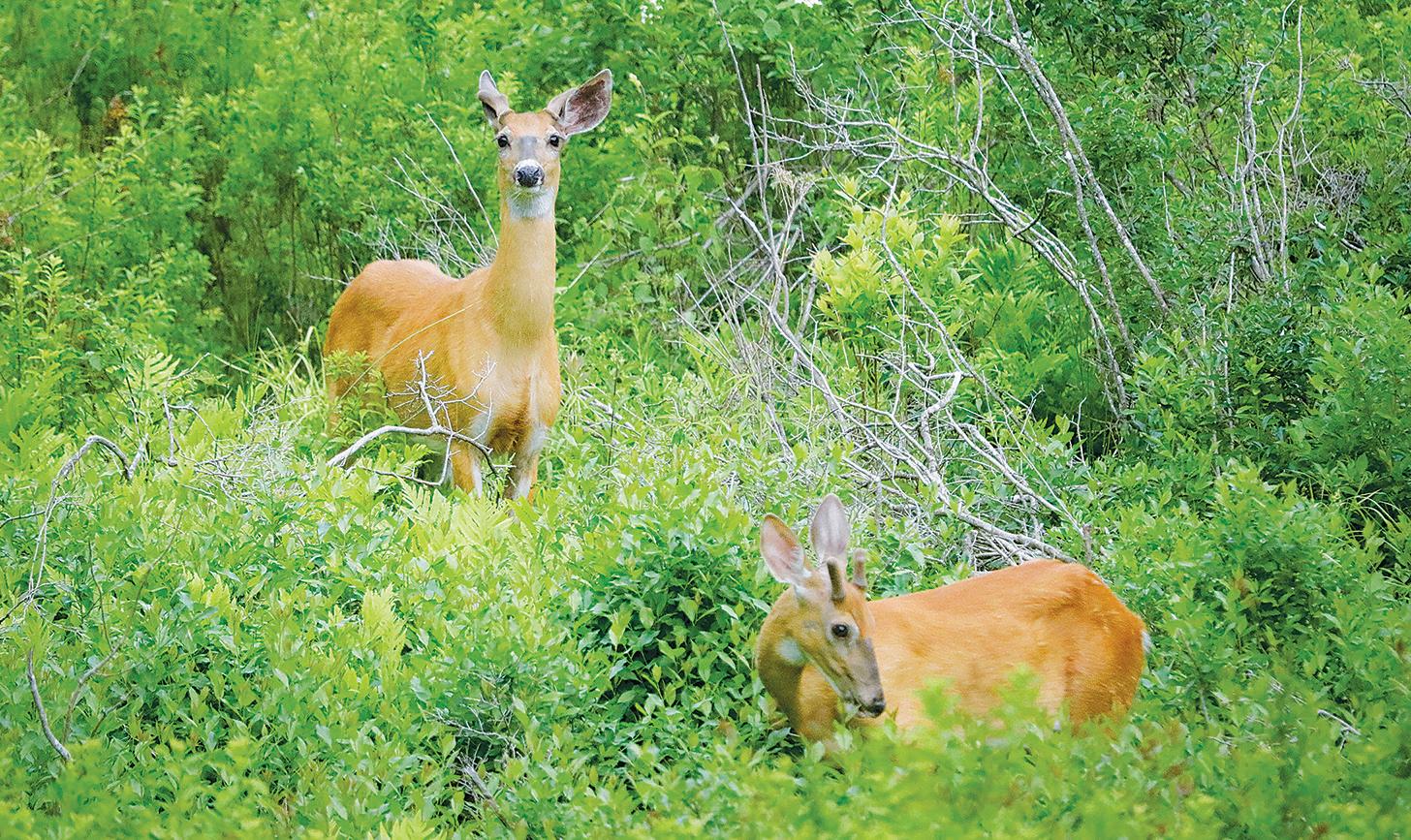
The wildlife you never knew was visiting your backyard
Most wildlife is invisible. Not because it isn’t there. Because it’s moving when you’re asleep.
While most Berkshire homeowners are settling in for the evening, a second shift is beginning outside. Bobcats follow stone walls through the darkness. Foxes trot across lawns. Flying squirrels glide between trees. Even neighborhoods that seem quiet during the day can become surprisingly active after sunset.
Many people never realize what’s visiting their property until they set up a wildlife camera.
The popularity of trail cameras has exploded in recent years, turning ordi-
nary backyards into frontrow seats for some remarkable encounters. A camera mounted to a tree or fence can reveal an entirely different side of a property, often capturing animals homeowners never knew were nearby.
The first step is creating a yard that wildlife wants to visit.
Native plants are among the best tools available. Berry-producing shrubs provide food for birds and small mammals. Native wildflowers attract pollinators. Dense plantings offer shelter and cover from predators. A property doesn’t need to be large to become attractive to wildlife. Even
a small corner dedicated to native plants can increase activity.
Water is another powerful attraction.
Birdbaths, small ponds and even shallow water features often become gathering spots for a surprising variety of animals. During dry periods, water can be even more valuable than food.
Some homeowners intentionally plant species known to attract certain animals. Catnip is a well-known example. While many people associate it with house cats, researchers and wildlife enthusiasts have long noted that larger feline species, including bobcats, may also show interest in it. Plant-
ing catnip is certainly no guarantee of a bobcat sighting, but it can add another point of curiosity to a wildlife-friendly landscape.
The goal, however, should never be feeding wildlife directly. Artificial feeding can alter natural behavior, increase conflicts between animals and people, and create health concerns. Creating habitat is far more beneficial than creating dependence.
Once wildlife begins visiting, camera placement becomes important.
Many first-time users mount cameras too high. In most situations, positioning a camera roughly knee- to waist-high produces better results. Wildlife tends
STEPHANIE ZOLLSHAN — THE BERKSHIRE EAGLE
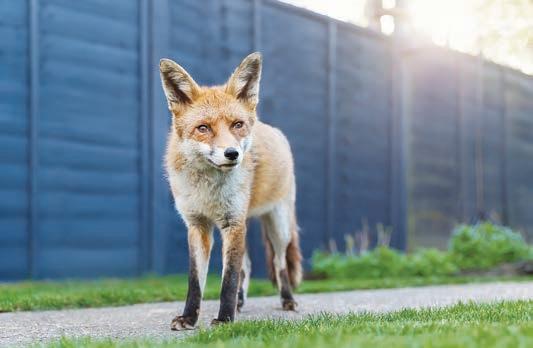
to travel along predictable routes: stone walls, game trails, fence lines and the edges where forests meet open spaces. Focusing on these natural travel corridors often produces far more activity than aiming a camera into the middle of a yard.
Patience also matters.
A camera placed in the perfect location may capture nothing for several nights before suddenly recording dozens of visits. Wildlife moves according to food availability, weather, breeding seasons and countless other factors that aren’t always obvious to human observers.
What appears on camera can be surprising.
Many Berkshire homeowners expect deer and raccoons. They don’t expect fishers. They don’t expect flying squirrels. They certainly don’t expect to discov-
er that a fox has been walking the same path behind their shed three nights a week for months.
Sometimes the most interesting discoveries aren’t rare animals at all. They’re familiar animals behaving in unfamiliar ways. A trail camera transforms a backyard into something closer to a nature documentary.
The footage can also create a deeper appreciation for the landscape itself. A brush pile becomes shelter. A patch of wildflowers becomes a food source. A narrow opening between trees becomes a wildlife highway used by dozens of species throughout the year.
The next time you look out your window, remember this: you’re only seeing one version of your backyard.
The more interesting version might not appear until after dark.
This summer,WoodlifeFarmMarket isyourdestination for livemusic,seasonal events,andfarm-freshdiningset across150acresofsceniccountryside. Enjoy chef-craftedmealsandhandcrafted drinks, rootedinlocal avorandthe bestofthe Berkshires.


ADOBE STOCK IMAGE

Whatever happened to COLOR?
Take a look at a photograph from the 1970s. Not the people, the whole world around them.
The cars were blue, green, yellow and red. Appliances came in avocado green, harvest gold and burnt orange. Houses were painted in colors that today might seem almost daring. Even everyday clothing often embraced patterns and palettes that would stand out in a modern crowd.
Now walk through a parking lot. White. Black. Gray. Silver. Repeat. Once you notice it, it’s difficult to stop noticing. The world hasn’t become colorless, of course. But many of the spaces we
build, buy and inhabit have become increasingly monochromatic. From cars and electronics to furniture, clothing and architecture, neutral colors have steadily gained ground over the past several decades.
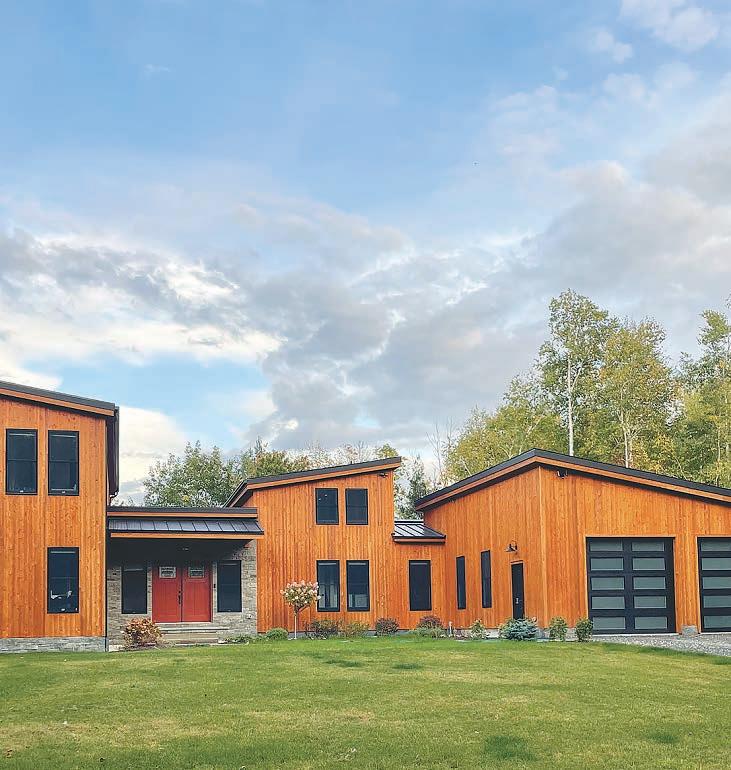
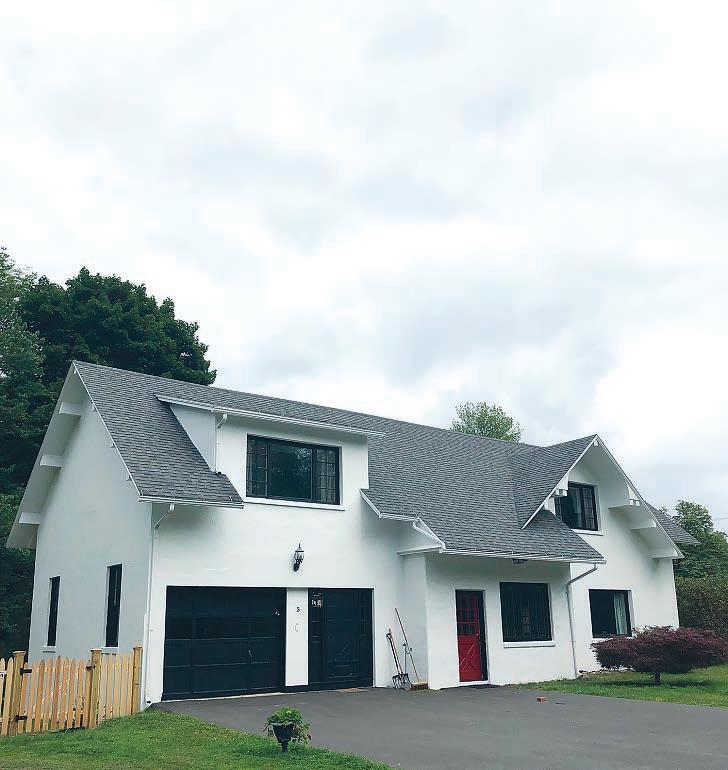
The trend is especially noticeable in housing. Drive through many newer developments and you’ll find a familiar palette: white siding, black trim, gray accents. The look is clean, modern and undeniably popular. In parts of Eastern Massachusetts and increasingly in Western Massachusetts, older homes filled with color are often being replaced by larger contemporary struc-
tures dominated by shades of black, white and charcoal gray.
The style didn’t emerge overnight. Many modern design movements emphasized simplicity, restraint and function. Mid-century modernism rejected excessive ornamentation. Brutalism embraced raw materials and stark forms. Later, minimalist and Scandinavian design philosophies championed clean lines and neutral palettes. In the technology sector, companies like Apple helped popularize a visual language built around white, silver, black and glass.
Over time, neutrality became associated with so-
phistication. Color became a risk. Neutral colors were easier to market. Easier to decorate around. Easier to sell. A gray house was unlikely to offend anyone. A bright yellow one might.
The result is a world that often feels more uniform than it once did. That matters because color influences how we experience spaces. Hospitals frequently use blues and greens because they’re associated with calmness and cleanliness. Fast-food chains have long favored reds and yellows, colors believed to stimulate attention and appetite. Warning signs rely on bright colors because they demand
STEPHANIE ZOLLSHAN — THE BERKSHIRE EAGLE
notice. Schools, retailers, sports teams and advertisers all use color strategically because they understand that people respond to it, even when they aren’t consciously aware of it.
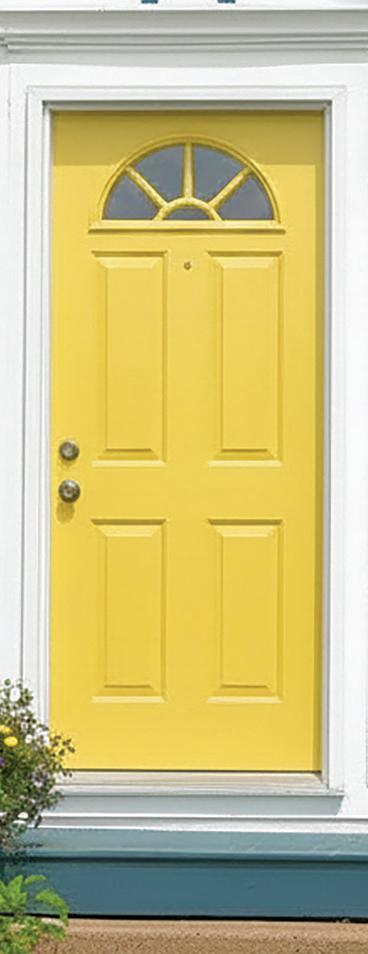
Color psychology isn’t an exact science. Human responses to color are shaped by culture, memory and personal experience. Yet few people would argue that a bright sunflower-yellow room feels the same as a charcoal-gray one. Color creates atmosphere. It affects mood. It shapes memory.
Think about some of the places people remember most fondly. A colorful fishing village. A vibrant downtown. A Victorian home painted in multiple hues. These places often stand out because they possess visual character. They feel distinct.
That doesn’t mean every house should be painted bright purple. But it may be worth asking whether we’ve become overly cautious. The good news is that homeowners have more influence than they realize.
Color doesn’t require a complete renovation. A bold front door can transform an otherwise neutral facade.
Window boxes overflowing with flowers can soften a monochromatic exterior.
Porch furniture, shutters and planters offer opportunities for personality without permanent commitment. Landscaping may be the most powerful tool of all. A flowering dogwood in spring. Black-eyed Susans in summer. The fiery reds and oranges of autumn maples. Native wildflowers that attract butterflies and pollinators. Unlike paint, living color changes throughout
the year, creating a landscape that evolves with the seasons. Inside the home, color can be introduced gradually through artwork, textiles, accent walls and furnishings. The goal isn’t necessarily more color, it’s meaningful color.
Perhaps the larger question isn’t whether modern design is good or bad. It’s whether we’ve confused neutrality with timelessness. The world is already full of gray roads, gray parking lots and gray winter skies. Home doesn’t have to be.
Color asks us to make a choice. To stand out a little. To reveal a bit of personality. Maybe that’s why colorful places are often the ones we remember. In a world that sometimes feels increasingly monochrome, that might be reason enough to bring a little color back.



ADOBE STOCK IMAGE














Withover13yearsofprofessional experience,Josh Salas has builtacompanyrooted inqualitycraftsmanship, reliability, andoutstandingcustomerservice.Hebegan learningthetradefromhis uncleatayoungage,gaining hands-onexperience andmasteringthedetailsthat separateagoodpaint jobfromagreatone.
In2023,Josh foundedFresh StartPainterswithoneclear mission:todelivertop-tierresidential paintingservices thathomeownerscan trust.His passionforprecision, clean nishes, andattentiontodetail shows in every project.Josh believes thatafresh coatofpaintdoes morethanimproveahome’s appearance ittransforms spacesandenhances thewaypeoplefeel in them.
Today,Fresh StartPainters is knownfordependable service,ef cientprojecttimelines, andconsistently awlessresults.Fromstartto nish,Joshandhis team arecommittedtobringingeachclient’svisionto life.








When did we stop seeing the stars?
A professor once made an observation that has stayed with me for years. The sky that inspired many of humanity’s greatest myths is not the sky most of us see today.
The constellations of ancient Greece. The celestial traditions of Indigenous peoples across North America. The sky watched by sailors, farmers, explorers and philosophers for thousands of years.
It wasn’t merely darker. It was overwhelming.
On a clear night, the Milky Way stretched across the heavens like a river of light. Thousands upon thousands of stars were visible. The night sky wasn’t an empty black canvas punctuated by a handful of bright points. It was crowded, textured and alive with detail.
In many places, that sky is gone. We didn’t lose it all at once. We illuminated it.
Streetlights. Parking lots. Security lights. Decorative landscape lighting. One bulb at a time, we pushed back the darkness. In the process, we pushed away something else.
Today, light pollution affects much of the world. In heavily populated areas, many people can see only a fraction of the stars their ancestors would have recognized instantly. For some children growing up in cities, the Milky Way is something they first encounter in photographs rather than in the sky itself.
The Berkshires remain fortunate compared to many parts of the country.
Drive a few miles beyond a town center and the stars still emerge in impressive numbers. Yet even here, the choices homeowners make can influence what the night sky looks like. Exterior lighting that shines upward or outward contributes to sky glow, reducing visibility not only on one property but throughout an entire neighborhood.
Most people install outdoor lighting for good reasons. Safety matters. Security matters. Nobody is suggesting that homes should be left in darkness.
The question is whether all that light is being used effectively. Many outdoor fixtures
send light where it serves little purpose. Floodlights often illuminate tree canopies, neighboring properties and the night sky itself. In some cases, excessive brightness creates glare that actually makes it harder to see.
Of course, not all light pollution comes from your own property. Many homeowners know the experience of stepping outside on a beautiful evening only to find that a neighbor’s backyard looks like a Broadway stage every night. A single bright fixture can overwhelm an otherwise dark landscape and make stargazing nearly impossible.
While a friendly conversation often resolves the issue, that’s not always possible or successful. In those situations, homeowners can sometimes reduce unwanted light through thoughtful landscaping. Evergreen trees, privacy hedges and strategically placed screens can help block intrusive light while adding beauty and privacy at the same time.
The reality is that darkness, much like noise, is something neighbors ultimately share. One person’s lighting choices often affect everyone.
Fortunately, small changes can make a surprising difference. Shielded fixtures direct light downward where it’s needed. Motion sensors provide security without leaving lights on all night. Warmer-colored bulbs produce less harsh illumination than bright white LEDs while still
lighting walkways, driveways & entrances effectively.
The stars aren’t the only things artificial light affects. Many species rely on darkness. Birds migrating at night can become disoriented by bright lighting. Moths and other pollinators are drawn away from their natural behaviors. Even fireflies, one of summer’s most familiar sights, struggle to communicate when competing against excessive artificial light.
Humans aren’t entirely immune either. For thousands of years, our lives were shaped by cycles of daylight and darkness. Researchers continue to study how nighttime light exposure affects sleep patterns and overall health. While modern lighting has undoubtedly improved our lives, it has also altered a relationship with darkness that remained largely unchanged throughout human history.
The encouraging part is that darkness can return surprisingly quickly. Unlike many environmental problems, light pollution doesn’t linger once the source is removed. A single shielded fixture. A motion sensor. A bulb with a warmer color temperature. Turning off a light that doesn’t need to be on.
For most of human history, people looked up and saw something extraordinary. The stories that shaped civilizations were written beneath those stars. They’re still there. We just have to let ourselves see them again.




Does every front yard need a lawn?
Nearly every neighborhood seems to have at least one nowadays: the house with the gravel front yard.
The first reaction is often confusion. What happened to the grass? The second reaction is usually some variation of, “What do they think this is, Arizona?”
Yet gravel gardens are becoming increasingly common, and for reasons that have less to do with desert landscapes than many people realize.
Across the country, homeowners are rethinking the traditional lawn. Some are shrinking their grass. Others are replacing sections of it entirely. In some cases, that means planting native wildflowers. In others, it means embracing a landscaping style that has been
quietly gaining popularity: gravel gardens.
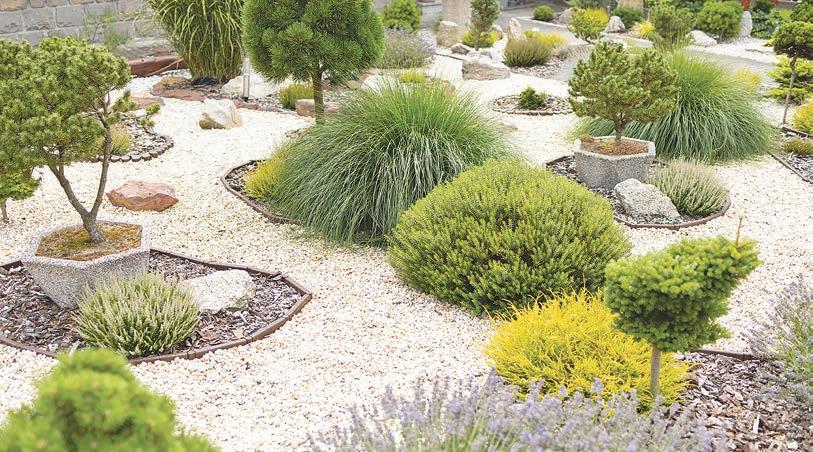
Gravel gardens have long been used in parts of Europe and in drier regions where water conservation is a necessity. Instead of maintaining a large expanse of turf grass, homeowners use gravel as the foundation of the landscape and incorporate carefully selected plants throughout the space.
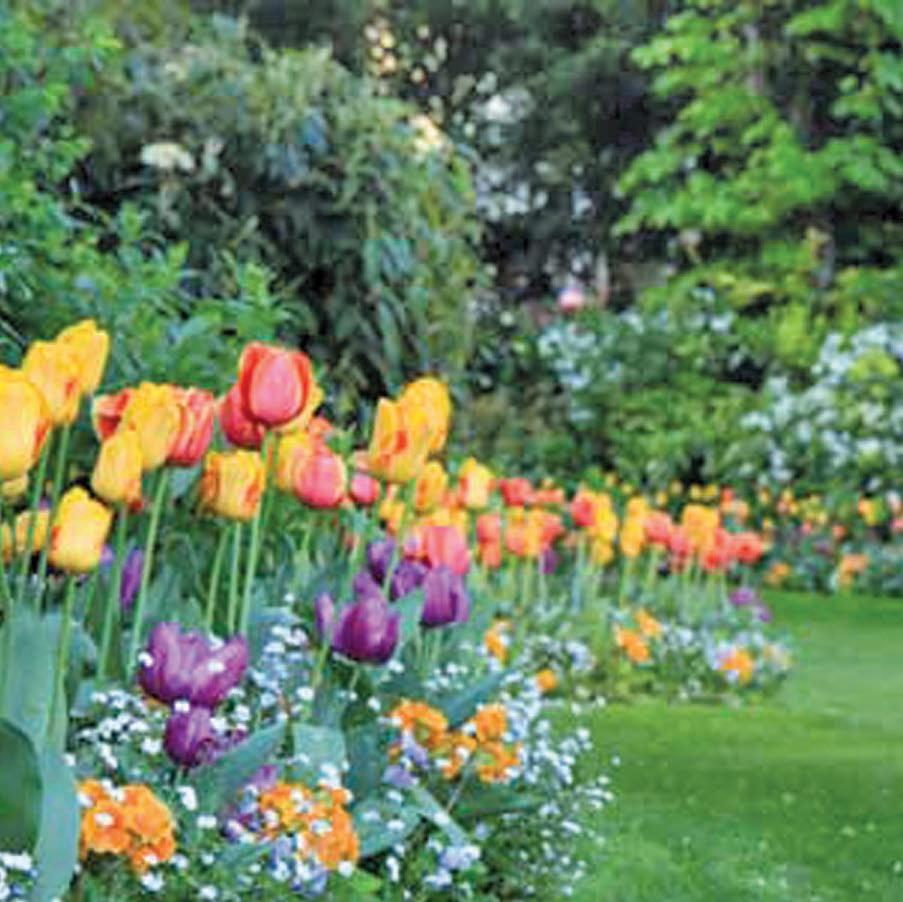
The result can look surprisingly elegant. Ornamental grasses sway in the wind. Perennials emerge between the stones. Shrubs add structure and color. The overall effect often feels clean, modern and intentional.
The appeal can be easy to understand. Lawns require attention. They need mowing, watering, fertilizing and occasional repair. Grav-
el gardens eliminate many of those demands. They can also provide excellent drainage and reduce muddy conditions in areas where grass struggles to thrive.
For homeowners looking to spend less time behind a lawn mower, the idea has obvious advantages, but gravel gardens aren’t maintenance-free. Weeds still find their way into gravel. Leaves need to be removed. Over time, some areas may require fresh stone or occasional reshaping. During the hottest parts of summer, gravel can also absorb and radiate heat, making certain areas noticeably warmer than a traditional lawn.
There is another consideration as well: wildlife. A gravel garden can be beautiful, but stone itself provides
relatively little habitat for pollinators. Bees, butterflies and other beneficial insects depend on flowering plants for food. Without enough plant diversity, a gravel landscape may look attractive while offering little support for local ecosystems. That’s one reason many homeowners are choosing a different approach. Instead of replacing grass with gravel, they’re replacing it with native plants.
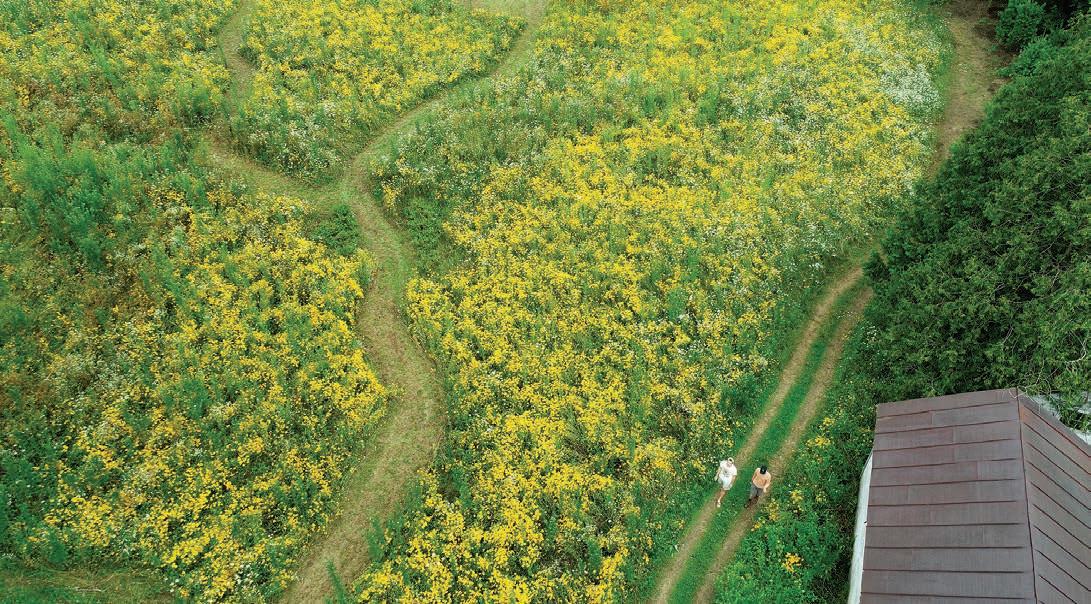
Native wildflower meadows have become increasingly popular throughout New England. Rather than maintaining a uniform lawn, homeowners allow portions of their property to become a mix of native flowers, grasses and other plants that naturally occur in the region.
BEN GARVER — THE BERKSHIRE EAGLE
The results can be dramatic. Spring brings one wave of blooms. Summer brings another. Bees move from flower to flower. Butterflies appear. Goldfinches feed on seed heads. What was once a patch of grass becomes one of the most active areas on the property.
Native plantings offer environmental benefits as well. Once established, many require less watering than traditional lawns. Deep root systems help improve soil health and reduce erosion. Pollinators gain valuable food sources at a time when many natural habitats continue to shrink.
Of course, meadows come with tradeoffs too. They can take several years to reach their full potential. Some neighbors may mistake them for neglected landscaping. Maintenance still exists, though it looks different than mowing a lawn. Invasive plants must be man-
aged, and periodic cutting remains part of the process. Neither option is perfect. A gravel garden offers a structured, low-maintenance appearance. A native meadow provides habitat, seasonal color and support for pollinators. Both challenge the
long-standing assumption that every front yard needs to be a carpet of green grass. And that’s perhaps the bigger story. The traditional lawn isn’t disappearing anytime soon. But more homeowners are asking whether it’s the only choice.
Increasingly, the answer is no. The next time you pass a gravel front yard, it may not be unfinished at all. It might be someone’s answer to a question more homeowners are beginning to ask: What if there’s a better use for all that grass?











Tips to incorporate nature into an outdoor living space

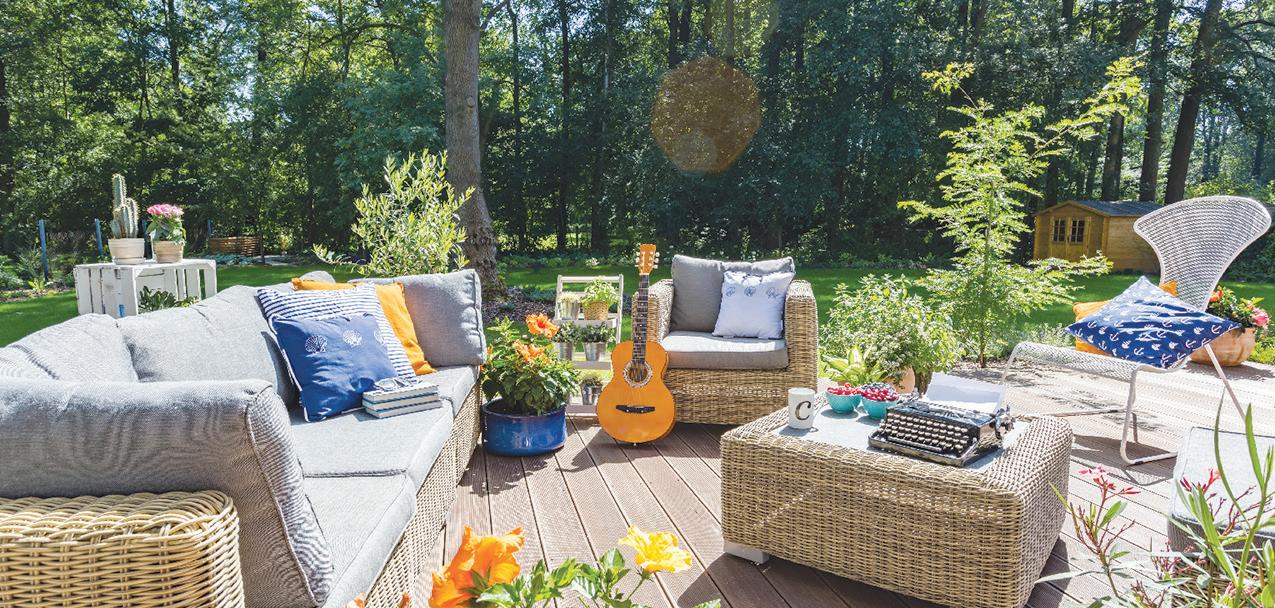
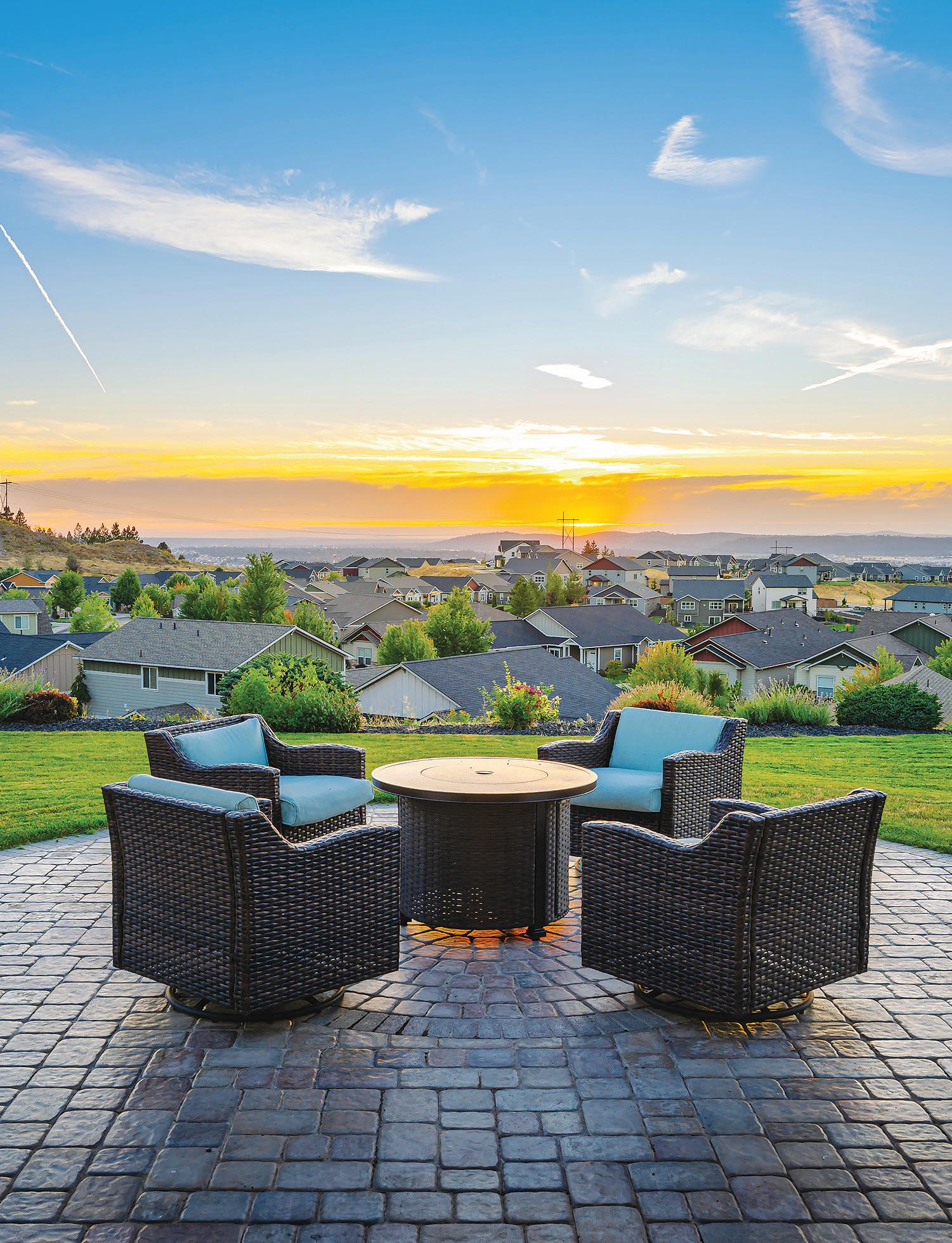
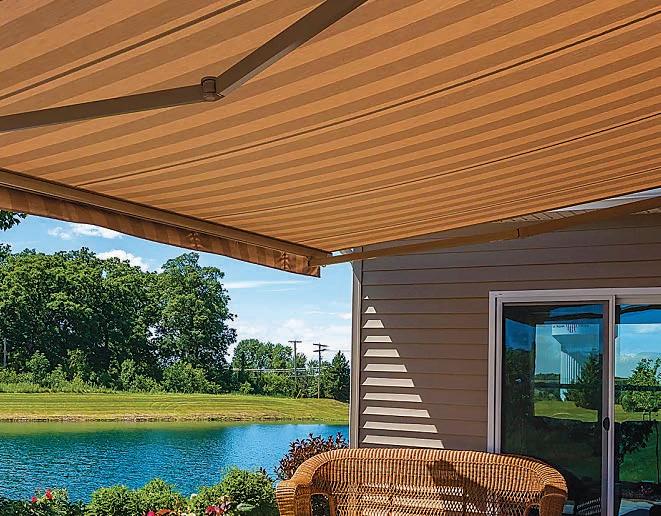
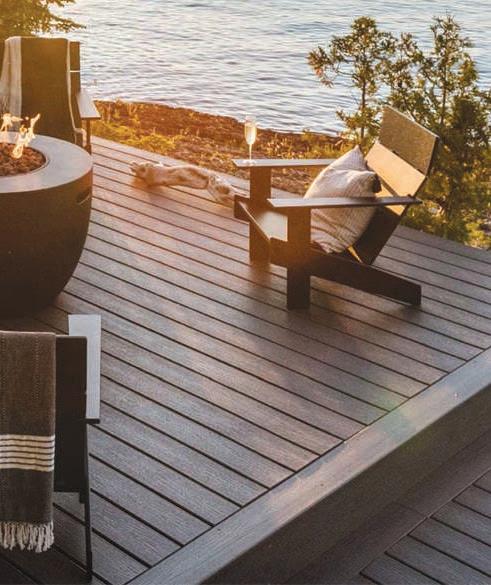
Outdoor living spaces provide a great way for people to spend more time outside. The chance to do just that is one of the variables that has driven the boom in outdoor living, which a recent survey from COGNITION Smart Data found is the most desired feature among nearly 23 percent of home buyers surveyed. The outdoor living boom is a testament to the allure of nature, and homeowners can incorporate the beauty of the great outdoors when designing outdoor living spaces.
CONSIDER THE SIGHTLINES WHEN LAYING OUT NEW SPACES
When determining where to position an outdoor kitchen, an outdoor living room and additional features of an exterior living space, consider existing landscape features. A vibrant and colorful garden that’s visible to residents and guests when they’re relaxing in the space can remind all of the beauty of nature. Home cooks routinely tasked with manning the grill would undoubtedly appreciate looking out onto a lush, green lawn while flipping burgers, so position the grill to facilitate such a view.
When setting up an outdoor living room where you intend to gather for outdoor movie nights, plant some colorful accent trees or plants around the perimeter of the space so viewers are reminded of the beautiful setting at all times.
UTILIZE NATURE TO CREATE PRIVACY
Fencing is many homeowners’ first thought when seeking to create privacy in an outdoor space. While fencing is undeniably effective as a privacy screen, it may not accommodate homeowners who desire an outdoor space that reminds residents and guests of the beauty of nature. Consider privacy trees when designing an outdoor living space. The right choice of tree depends on local climate and additional variables unique to a property, so work with a landscaping professional to identify the best options. Trees can even be planted in front of existing or newly installed fencing to create a more natural-looking perimeter.
PRIORITIZE YARD SPACE
It’s tempting to go big on hardscaping when designing an outdoor living space. However, the cost of hard-
scaping is among the expensive components of a deck or patio renovation project. Eliminating yard space also can make it hard to establish a nature-first vibe. When planning the space, resist any
temptation to expand the deck or patio at the expense of natural components like grass, plants, gardens & trees. Some grasses may need to be sacrificed, but be sure there’s a balance throughout the space.

METRO CREATIVE CONNECTION


LOUIS DITELLO PAINTING



Positionyourbrandinfrontofhomeownersactivelyplanningtheirnextproject.Our 2026HomeImprovementsitehasbeenredesignedtobettershowcaselocalservice providersanddrivehigh-qualityleadsdirectlytoourpartners.
Exploretheplatformandseehowwefeaturelocalexpertsat berkshireeagle.com/homeimprovement
WhyPartnerWithUs?
•TargetedExposure: Reachadedicatedaudienceoflocalhomeownersthroughourprint,digital, andsocialecosystem.
•CustomBusinessListings: Gainvisibilityonourspecializedplatformwithfullbusinessdetailsand directlinkstoyourownwebsite.
•ContentMarketing: Authenticstorytellingthroughsponsoredcontenthelpsbuildtrustand strongerrelationshipswithyourcustomers.
•StrategicDigitalAds: Utilizehigh-visibilitydisplayadsonbothourmainsiteandthededicated HomeImprovementsectiontostaytop-of-mindallyearlong.



For the birds . . . and everyone else
The best backyards aren’t always the neatest ones.
Sometimes they’re the ones filled with birdsong on a summer morning. Goldfinches work a feeder. Hummingbirds dart between flowers. A bluebird disappears into a nesting box while a cat watches the entire performance from a nearby window.
Creating that kind of environment doesn’t require a large property. It simply requires making room for wildlife.
More homeowners are discovering that a bird-friendly backyard can be surprisingly rewarding. A few thought-
ful additions — feeders, birdhouses, native plants and water sources — can transform an ordinary yard into a place that changes with the seasons and feels a little more alive.
Food is often the first step.
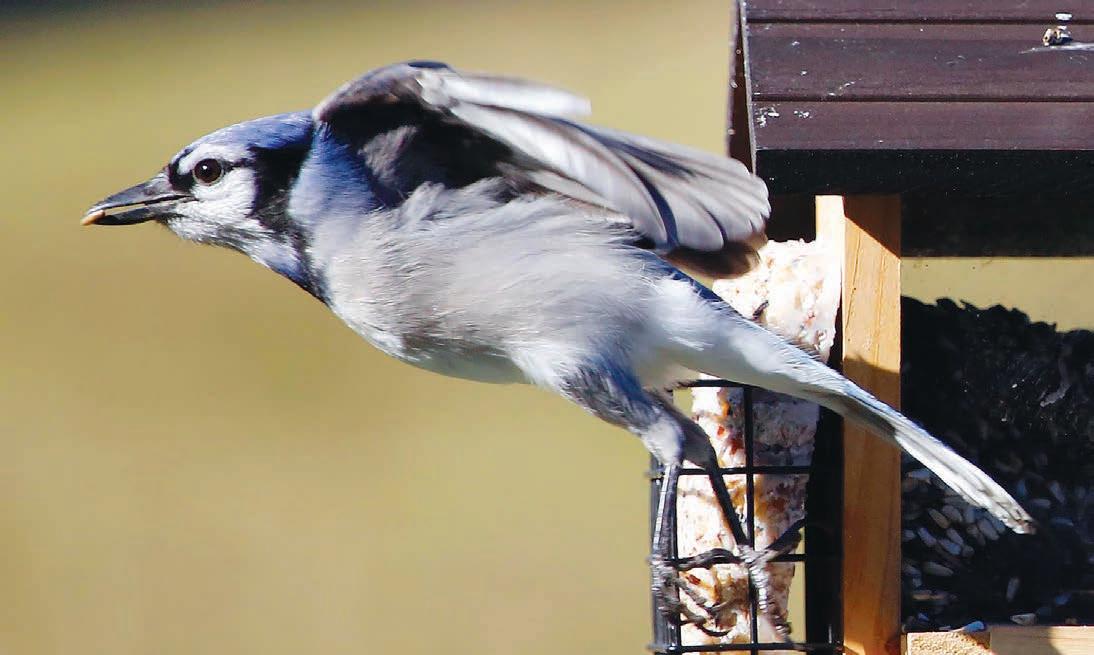
Bird feeders remain one of the easiest ways to attract a variety of species. Different feeders appeal to different birds. Tube feeders tend to attract finches and chickadees, while platform feeders often bring a wider mix of visitors. Suet feeders are particularly popular with woodpeckers, nuthatches and other insect-eating birds.
But food alone isn’t enough.
Water is one of the most valuable resources a backyard can provide. A simple birdbath often becomes one of the busiest locations on a property during the warmer months. Birds need water for drinking and bathing, and many species will visit a dependable water source even if they ignore nearby feeders.
Native plants can make an even bigger difference.
Flowering plants attract pollinators and insects that birds rely on for food. Berry-producing shrubs provide nourishment later in
the season. Evergreen trees and dense shrubs offer shelter from predators and protection during winter weather. Together, these features create habitat rather than simply a feeding station.
Birdhouses add another layer to the ecosystem.
Many species depend on cavities for nesting, but suitable natural locations can be difficult to find. Properly placed nesting boxes can provide homes for bluebirds, wrens, tree swallows and other birds throughout the breeding season. The size of the entrance hole, mounting height and location all influence which species decide to move in.
STEPHANIE ZOLLSHAN — THE BERKSHIRE EAGLE
The rewards go beyond the birds themselves. A backyard designed with wildlife in mind often becomes more enjoyable for people. Morning coffee comes with a view. Children become curious about the natural world. Everyday activities feel a little different when birds are constantly coming and going around the property.
For owners of indoor cats, bird - friendly landscaping can provide endless entertainment.
Many pet owners jokingly refer to it as “cat TV.” A feeder positioned near a favorite window can keep cats engaged for hours as birds visit throughout the day. The activity changes constantly, creating a front-row seat to the natural world without ever leaving the house.
Of course, attracting birds sometimes means attracting
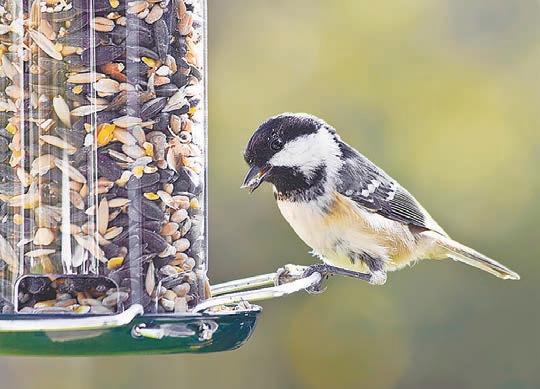
other wildlife as well.
Suet feeders are a good example. While birds love them, so do raccoons, squirrels and black bears. Many Berkshire residents have experienced the frustration of waking up to find a suet feeder missing, bent or scattered across the yard after a

nighttime visit from a hungry bear.
Bears emerging from hibernation are especially attracted to high-fat foods, making suet difficult to resist. For that reason, many experienced bird enthusiasts remove suet feeders during periods of increased
bear activity or bring them indoors at night if bears become regular visitors.
Maintenance is another consideration. Feeders should be cleaned regularly to help prevent the spread of disease. Birdhouses should be inspected and cleaned between nesting seasons. Seed that accumulates beneath feeders should be removed to discourage rodents and other unwanted visitors.
Still, most homeowners who create bird-friendly spaces find the rewards far outweigh the extra effort.
Birds have a way of drawing attention to things that often go unnoticed. The first hummingbird of the season. A nest full of hatchlings. The arrival of migrating species in spring and fall. They turn an ordinary backyard into something worth paying attention to.











Not every garden begins with a love of gardening.
Some begin with rising grocery prices. Some begin with a desire to eat healthier. Others start with a simple question: Could I grow some of this myself?
For millions of Americans during the First and Second World Wars, the answer was yes.
Those home gardens became known as Victory Gardens. The term originated during World War I, when Americans were encouraged to grow fruits and vegetables at home to reduce pressure on the nation’s food supply. The movement expanded dramatically during World War II. Lawns, schoolyards, parks and backyards were transformed into productive growing spaces. By the mid1940s, an estimated 20 million Victory Gardens were producing a substantial share of the vegetables consumed in the United States.
Today, the circumstances are different. Nobody is being asked to support a wartime food supply effort.
Victory Gardens

An American tradition worth revisiting

Yet the idea behind the Victory Garden has remained surprisingly relevant.
As the nation marks the 250th anniversary of the American Revolution, many people are reflecting on traditions of self-reliance, community involvement and stewardship. In a small way, growing food at home touches on each of those values.
A modern Victory Garden doesn’t need to be large. In fact, one of the biggest misconceptions is that vegetable
gardening requires a significant amount of land. A few raised beds, a sunny corner of the yard or even several containers on a patio can produce an impressive harvest. Tomatoes, peppers, lettuce, beans, cucumbers and herbs are often among the easiest crops for beginners.
The key is starting small. Every spring, ambitious gardeners sketch out plans for a backyard farm. By midsummer, many discover that
understanding of seasonal eating and where food comes from. For families with children, gardening can become a hands-on lesson in biology, responsibility and patience.
There can also be financial benefits, particularly for crops that produce heavily throughout the season. A few healthy tomato plants can yield far more fruit than many households expect.
The drawbacks deserve consideration as well.
Gardens require time. They require maintenance. Deer, rabbits, woodchucks and insects often discover vegetables before homeowners do. Weather can be unpredictable. A season that begins with high hopes can be challenged by drought, excessive rain or an early frost.
weeding, watering and harvesting require more time than expected. A modest garden that receives consistent attention will almost always outperform a larger one that becomes overwhelming.
There are clear advantages to growing your own food. Freshness tops the list. Vegetables harvested minutes before dinner simply taste different than produce that has traveled hundreds or thousands of miles. Home gardens also provide a better
There are also upfront costs. Soil, fencing, raised beds, tools and plants can add up quickly, especially during the first year. While gardening can save money over time, it is rarely a shortcut to free food.
That doesn’t mean it isn’t worthwhile. Many gardeners will tell you the harvest is only part of the reward. There is satisfaction in walking outside and gathering ingredients for a meal. There is something grounding about watching a seed become a plant and a plant become food.
Victory Gardens were originally promoted as a way for ordinary Americans to contribute to a larger effort. Decades later, their legacy remains less about necessity and more about connection: connection to the land, to the seasons and to a tradition that stretches back through generations.
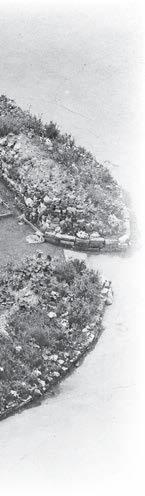
PUBLIC DOMAIN
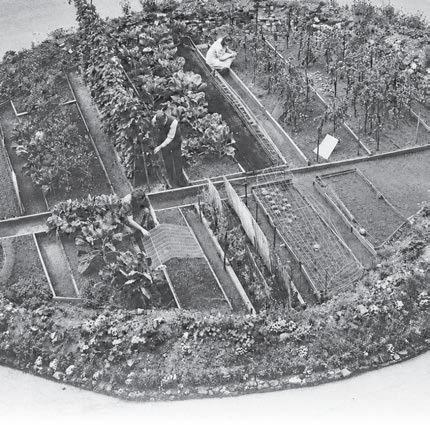
Where the Nazi’s sowed death, a Londoner and his wife have sown life-giving vegetables in a London Bomb crater.