
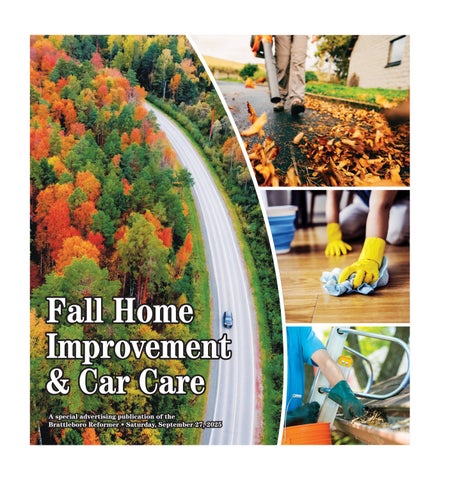
A special advertising publication of the Brattleboro Reformer • Saturday, September 27, 2025







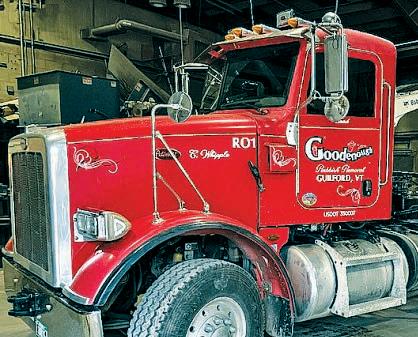
Driving puts a certain measure of wear and tear on a vehicle. Whether a vehicle is used primarily for commuting or as a vessel to take travelers to parts unknown, wear and tear is inevitable.
On the opposite end of the spectrum, individuals may not realize that failing to drive their vehicles regularly also can affect performance. Here’s a closer look at what can happen when vehicles sit idle for lengthy periods of time.
• Battery loses its charge. The battery in a vehicle is still being used even if the car isn’t running. Batteries power various components in a car, such as the vehicle computer, phone chargers and more. If the engine does not turn over and help to recharge the battery, the battery will eventually die. People who drive infrequently may want to consider a trickle charger that’s plugged in during periods of non-use.
• Tire rot can set in. Dry tire rot is deterioration that sets into the rubber. The material dries out and becomes brittle, causing splits and cracks to form. Driving with tire rot can cause tires to deflate.
• Rust and corrosion can occur. There is still plenty of metal in modern vehicles. A vehicle that has been exposed to salt or rain or one that is stored in a moist climate can be susceptible to undercarriage or engine rust. This may cause damage that’s not easily repaired.
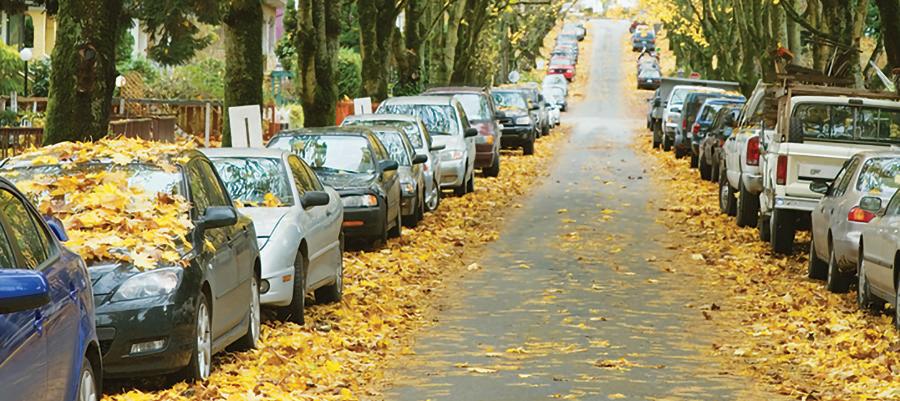
• Damage from sap or droppings. A vehicle parked in one location for a long time could be a target for bird droppings, fallen berries, sap, and other substances that are potentially harmful to the paint job. Leaving the car or truck out in the sun also means UV rays can cause clear coat over the paint to oxidize and begin to fail, which can produce blotchy or peeling spots.
• Poor brake performance. When vehicles are left to sit, corrosion could build up on the rotors and the brake pads may become less flexible. Moisture also may seep into brake lines, causing issues with pressurization of brake fluid. Each of these factors adds up to brakes that do not work properly – which is a big safety hazard.
• Formation of tire flat spots. When tires are not used, the weight of the car can continually put pressure on the same parts of the tires, leading to flat spots. Tires also can lose pressure if they sit too long.
• Oil and other fluids may lose efficacy. Various fluids can go stale in a vehicle if it isn’t regularly driven. Gasoline also may develop condensation, which can reduce efficiency and performance. Taking short trips helps avoid this issue.
Infrequent driving can cause damage to a car or truck. But many potential issues can be avoided by driving vehicles more often.
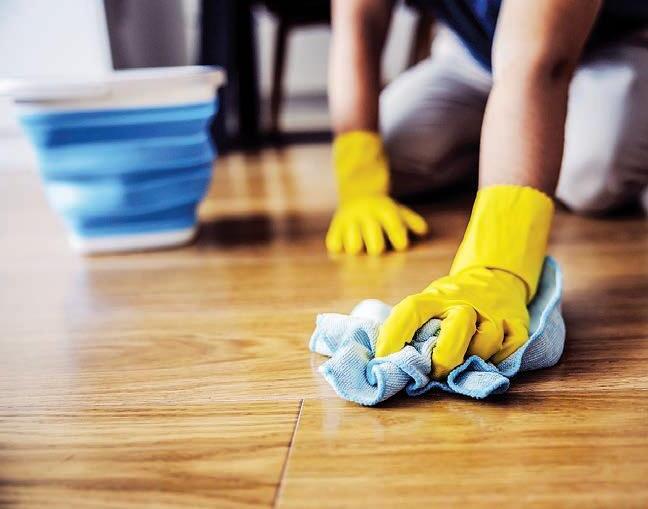
Hardwood floors are coveted features in many homes. The National Wood Flooring Association says wood floors are the most environmentally friendly flooring options available. In the United States, the hardwood forests that provide flooring products are growing twice as fast as they are being harvested. Furthermore, wood floors can last for many generations and require fewer raw materials to produce than other flooring options. That means less waste may end up in landfills.
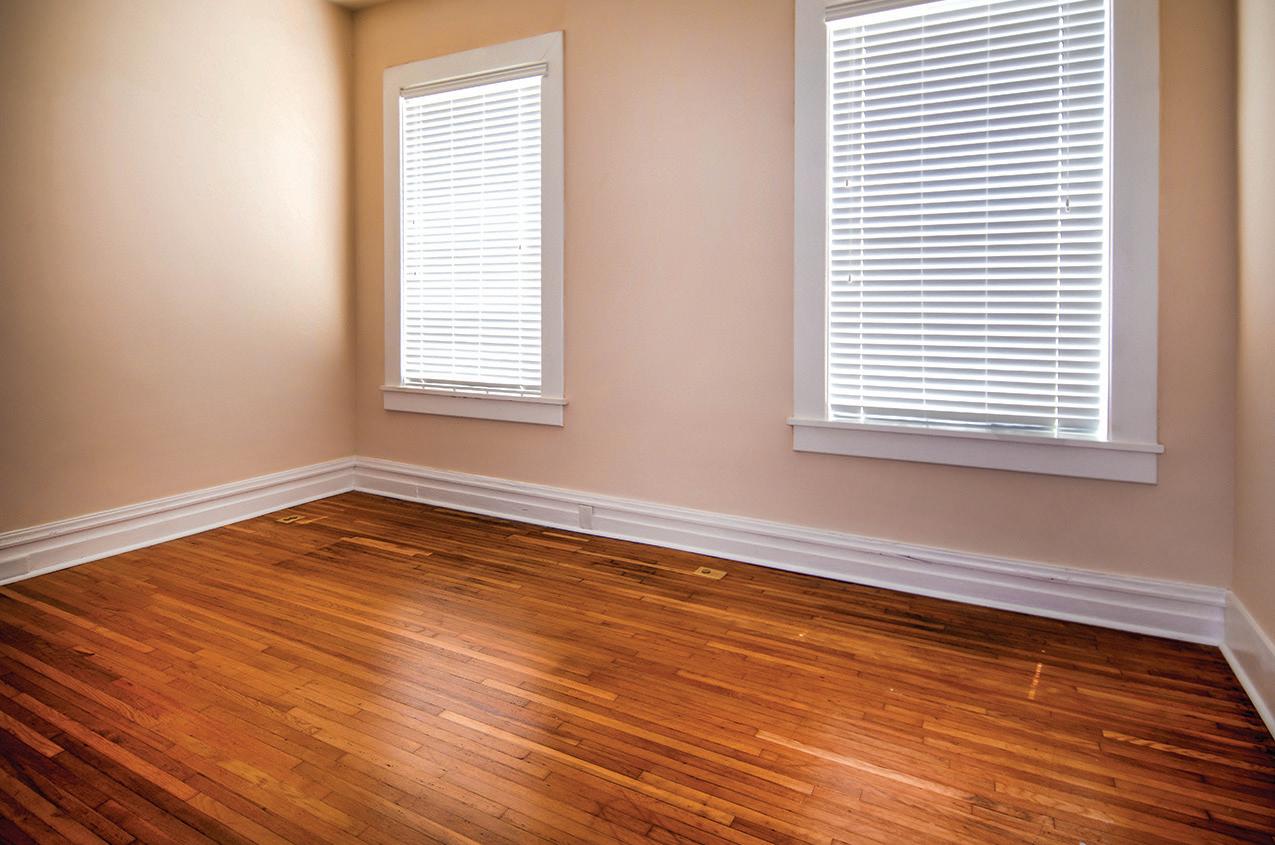
Hardwood floors can endure for decades in a home, but over time those same floors may need some tender loving care to keep them looking good and working as they should. Squeaky floors are a common nuisance that homeowners may experience. Squeaking is often caused by movement and friction between floorboards. Treating the problem involves identifying the underlying issue.
Squeaky floors may be due to the loosening of the hardware holding the floor in place, says The Home Depot. When nails or screws no longer are secured tightly, the boards can rub together. The noise heard is the sound produced by rubbing. Tightening or replacing the hardware can help reduce the squeaking.
This Old House says this kit method is a great way to fix squeaks without damaging the floor. Once the source of the squeak is located, drill a 3/32-inch pilot hole through the hardwood flooring. Then insert a screw through the kit’s depthcontrol fixture and into the pilot hole, and drive it until it automatically snaps off below the wood surface. Follow this up by filling the hole with wood putty that matches the floor color. Once the putty is dry, lightly sand the area to blend.
Sometimes the floor may squeak because of a gap between the joists and the subfloor. Filling the gap
with a small piece of wood called a shim can help alleviate the gap or gaps.
If a squeak is just in one spot, The Home Depot says that you may be able to drive short screws from below into the subfloor.
For small gaps between boards, sprinkle talcum powder or powdered graphite between squeaky boards to reduce friction. Wood filler applied with a putty knife also may work. For larger gaps, use a liquid filler designed for wood floors.
Homeowners also can visit their local home improvement center for other hardware solutions designed for underfloor repairs to remedy squeaks. Many work from underneath the floor and involve mounting plates or brackets to sure up the floor.
Squeaky floors can be problematic, but noises can be banished with some repair work.



The elements pose a unique challenge to motor vehicles, and that’s particularly notable when seasons change. Though the shift from spring to summer or even summer to fall may not be too significant, drivers who want to safeguard their vehicles would be wise to take certain measures to prepare their cars or trucks for winter weather.
Winterizing a car can be an important part of vehicle maintenance. That’s particularly true for vehicle owners who live in regions where winter is marked by especially cold temperatures and/or significant snowfall. As fall gives way to winter, drivers can take these steps to winterize their vehicles.
ADDRESS TIRE CONDITION AND CHECK TIRE PRESSURE
The experts at Kelley Blue Book note the danger of aging and/or poorly inflated tires, particularly in winter. Icy, wet and/or snowcovered roads can be dangerous to traverse, so it benefits drivers to examine their tires prior to winter. Worn down treads reduce traction and make it more difficult for vehicles to stop, which is already challenging on roads where ice is present. It’s equally important to keep tires properly inflated, as KBB reports each 10-degree dip in temperature can lead to a one-
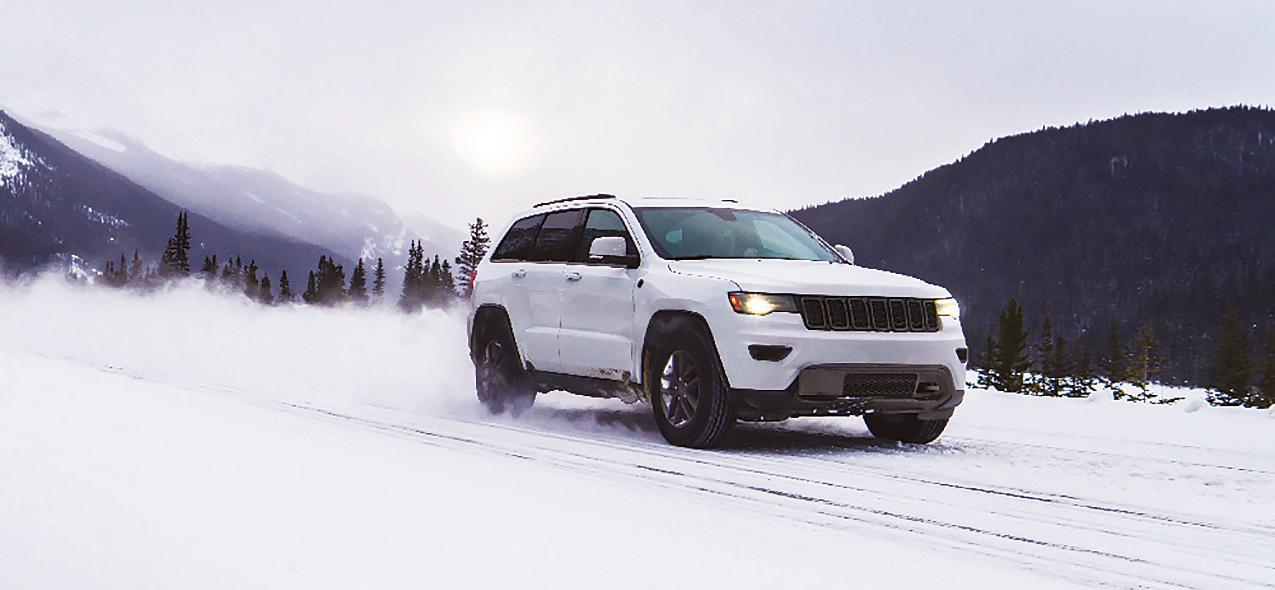
pound loss in air pressure. Poorly inflated tires can decrease performance and safety on the road.
CHECK THE BATTERY AND REPLACE IT, IF NECESSARY
Another step to winterize a car involves the battery that helps to keep the vehicle running. The automotive experts at Firestone note that sinking temperatures force the chemical reaction within vehicle batteries to slow, which reduces the amount of power the battery can generate. In fact, Firestone estimates a battery can lose as much as 60 percent of its strength in freezing temperatures. Firestone urges drivers to get a battery assessment test prior to winter to ensure the battery is healthy enough
to endure the coming months. If the assessment indicates the battery is weak, replace it prior to winter.
Routine vehicle maintenance at an auto body shop or car dealership typically involves checking and topping off fluid levels. Book such an appointment in advance of winter to ensure the vehicle has coolant, which KBB notes is formulated to resist freezing. Without sufficient coolant, a vehicle engine can suffer significant damage. Windshield washer fluid also should be filled to ensure the windshield can be sufficiently cleaned of salt during and after snowstorms. A pre-winter oil
change also can help the vehicle run smoothly throughout the colder months.
INSPECT BELTS AND HOSES
KBB notes cold weather weakens belts and hoses, which can become brittle and fail in low temperatures. Belts and hoses should be checked prior to winter. Engines can overheat, electrical system problems can emerge and power steering may be compromised if belts and hoses are allowed to fall into disrepair.
Winter can be a challenging time of year for cars and trucks. Various strategies to winterize a vehicle before the mercury drops can make it safer to be on the road when the weather turns cold.
Considerations for room additions or space modifications generally involve rooms that will add value or function to a home. Mudrooms certainly fit that description, as they can add aesthetic appeal in more ways than one.
As the name implies, mudrooms are entire rooms or areas near entryways of homes where muddy shoes and other items can be stored. By having a set space for messy shoes and coats, homeowners do not need to worry about dirt and other debris being tracked throughout the home. Mudrooms also can provide a welcoming space for guests.
Homeowners who have adequate space to add an entirely new room may have no difficulty putting in a mudroom. A mudroom addition is a job best left to a professional. Ideally, this new mudroom can be adjacent to an entry by the garage, or a side or back door. The footprint of the mudroom needn’t be too large, either. All it requires is a small amount of space to place a bench, coat hooks and shoe storage.
According to This Old House, homeowners also can convert a porch, create a mudroom by expanding into an adjacent room or closet, or even repurpose space in an attached garage. U.S. News and World Report indicates that a well planned and executed mudroom has the potential to increase a home’s value. Depending on the scope of the work, the average cost of a mudroom project ranges from $2,500 for a sim-
ple porch conversion to $30,000 when a new foundation is needed and the build-out is extensive.
Budget-conscious homeowners can create a mudroom in an existing foyer or another entryway. Adequate storage is essential for any mudroom, and should include coat racks, hooks, a bench to facilitate removing shoes safely, shoe storage, and additional considerations, like shopping bag storage or umbrella holders. Creating a door from the outside into an existing laundry room can enable homeowners to use the space as both a mudroom and laundry area with minimal changes necessary.
There are some extra considerations for mudrooms that homeowners should think about. The flooring, walls and furniture/ storage used in the mudroom should be durable and easily cleaned. As wet and dirty shoes and clothing will be in the space, it’s essential to make clean-up a breeze. Look for nonslip flooring so entering the mudroom safely is not an issue.
Although a mudroom is a utilitarian space, creature comforts can be added to integrate the space with the rest of the home. Cover a storage bench with indoor-outdoor fabric that coordinates to the colors used in a home. Add some decorative drawer pulls and cabinet hardware to elevate the space. Washable throw rugs also can add some design appeal to the room.
Mudrooms can be useful spaces that add function and value to homes.






Drivers need to be in possession of certain documentation in order to own and operate a motor vehicle legally. Naturally a driver’s license is necessary, as is a vehicle registration. However, drivers also need proof of automotive insurance to be able to operate their cars and trucks. Auto insurance helps protect a person’s finances by covering the cost of repair bills resulting from accidents or other incidents involving vehicles.
Navigating the basics of auto insurance can be a little tricky, but consumers can use this guide to gain a greater understanding of their policies and coverage.
Investopedia defines automotive insurance as a policy between a consumer and an insurance company that says the person will make payments, and in return, the insurance company agrees to cover the costs of medical bills, vehicle repairs and other property damage. Some types of automotive insurance are required by law, while others are optional.
Most states and provinces require drivers to have liability insurance. This is the most basic coverage to legally drive a car. The Insurance Information Institute says liability insurance pays the other driver’s medical, car repair and additional costs when the policyholder is at fault in an auto accident.
Bodily injury liability, which applies to injuries that the policyholder and family members listed on the policy cause to someone else, is included in liability insurance. Policyholders can purchase more than the minimum required.

Collision coverage pays for damage from a collision with another car, an object or a pothole or from flipping over, says the National Association of Insurance Commissioners.
This coverage will reimburse a policyholder for damage to the vehicle that’s not caused by a collision. This can include weather, fire, flooding and hitting an animal.
The III indicates this coverage pays for the treatment of injuries to the driver and passengers. PIP can cover medical payments, lost wages and the cost of replacing services normally performed by the person who was injured in the auto accident. PIP may cover funeral costs in some cases.
This coverage offers protection to policyholders who get in an accident with a driver who doesn’t have insurance or has insufficient coverage to fully cover the costs of the accident, says Investopedia.
A premium is the total amount paid for the policy. It is determined by the coverages, policy holder’s age and driving history, and a number of other factors.
Insurance policies typically have deductibles associated with them. This is the amount a policyholder has to pay out of pocket before the insurance kicks in and pays out. A higher deductible often means a lower premium.
Property damage liability pays for damage a driver may cause to someone else’s property, such as vehicles, lamp posts, fences, buildings or structures.
Insurance policy terms typically are six months in length and will auto-renew at the end of the term. Motorists can keep an eye out for policy changes and costs at this time and decide if they want to stick with their insurance company or shop around.
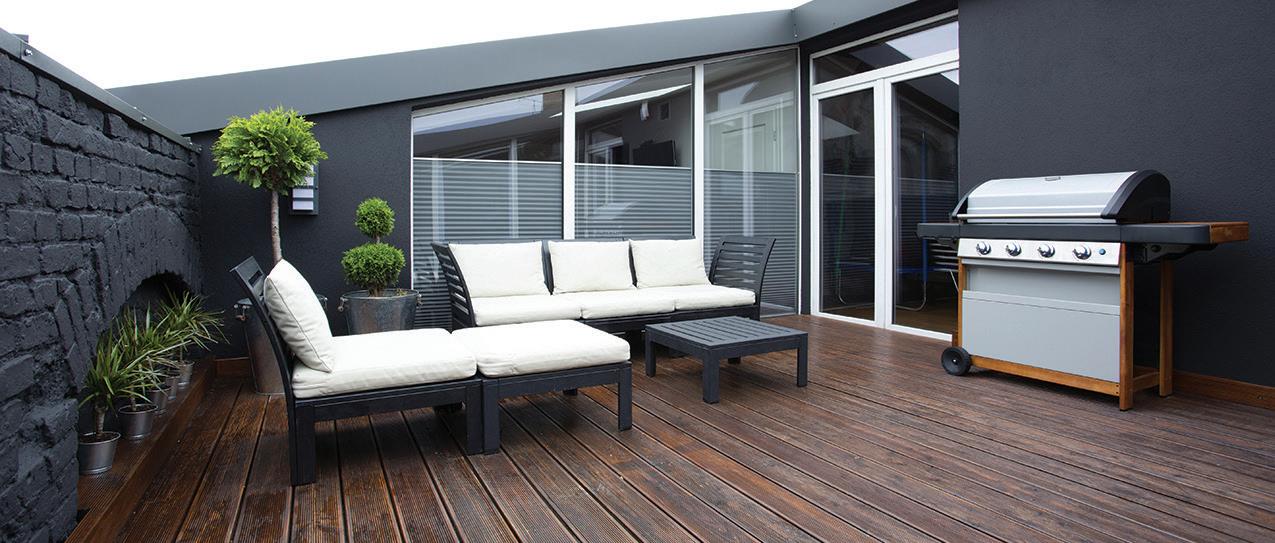
When the summer entertaining season draws to a close, homeowners need to ensure their outdoor living areas can handle weather that’s right around the corner. Although outdoor furniture and other items tend to be durable, the impact snow, wind and ice can have on them may lead to damage over time. That is why many homeowners take steps to winterize their outdoor spaces and protect their belongings. Here’s a look at how to prepare for the winter to come.
• Furniture: Cover or store furniture to protect it from the elements. Covering it with weatherproof covers can be adequate if storing items indoors is not possible.
• Deep clean: Items that will be covered or stored should be thoroughly cleaned prior to being removed from spaces for the season. Lingering dirt and moisture can cause damage.
• Insulate and drain: Don’t risk damage to pipes, which can freeze and crack in the cold. Shut off the water supply to exterior faucets and drain water lines to prevent pipes from freezing and bursting. Use foam pipe insulation to prevent freezing and cover any exposed pipes.
• Apply mulch: After cleaning up garden debris, think about ap-
plying mulch to garden beds and cover tender plants to protect them from the weather.
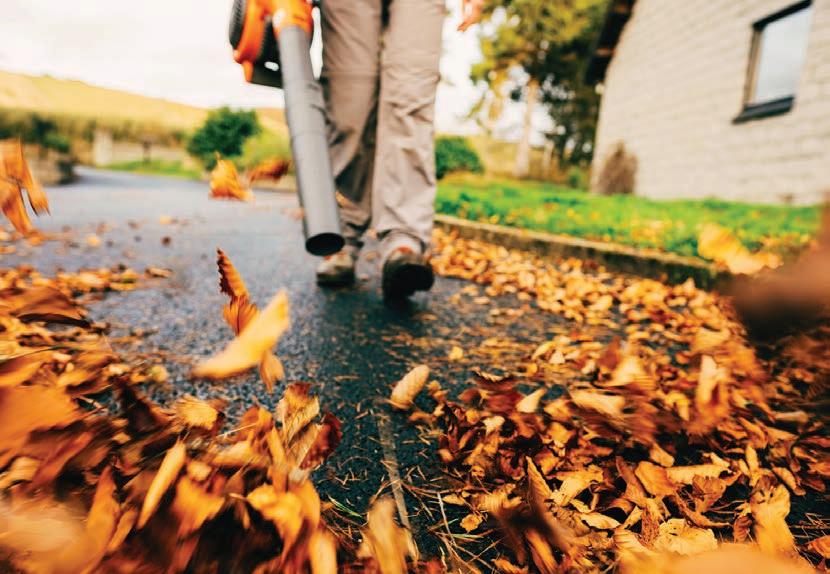
• Check gutters: Be sure that gutters and downspouts are clear of leaves and any additional debris. If gutters and downspouts are not cleaned, ice dams may form on the roof and cause water damage.
• Inspect and repair: Inspect walkways and driveways for any damage and make repairs now so water will not seep in and cause further issues with freeze-thaw cycles. Consider applying a sealant to protect surfaces from snow and ice.
• Pools and spas: It’s essential to follow the industry or manufacturer recommendations for closing down swimming pools

and spas for the season. While covers may not be essential in all climates, covering can help prevent leaves and other debris from getting in the water. Water should be expelled from pipes and tubing to prevent freezing and bursting. If space allows, consider moving
the pool pump indoors to prolong its longevity. Turn off the electricity to the outlet where the filter is plugged in. There may be additional, region-specific steps to winterize a property, but these pointers are a good starting point to protect outdoor spaces.