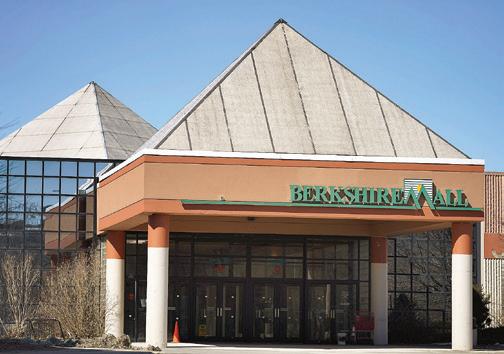
MALL TO MINI-FARMS: The Berkshire Mall’s new owner plans a center of cannabis cultivation, manufacturing and distribution. Page 2
EAGLE’S NEW NEST: Members of the public get a glimpse of The Eagle’s renovated Pittsfield o ce. Page 3
MALL TO MINI-FARMS: The Berkshire Mall’s new owner plans a center of cannabis cultivation, manufacturing and distribution. Page 2
EAGLE’S NEW NEST: Members of the public get a glimpse of The Eagle’s renovated Pittsfield o ce. Page 3
SEPTEMBER 2022 | VOL. 1, NO. 4








BY JOHN TOWNES
NORTH ADAMS — Greta Luf wants to work in education when she graduates from the University of Massachusetts Amherst two years from now, but teaching is not her goal.
The Stockbridge resident is interested in developing policy or representing educational institutions in legal matters. It’s not easy to break into these fields right out of college, because previous experience is a must. But Luf has found a way get that experience, and she’s been able to do it without leaving the Berkshires.
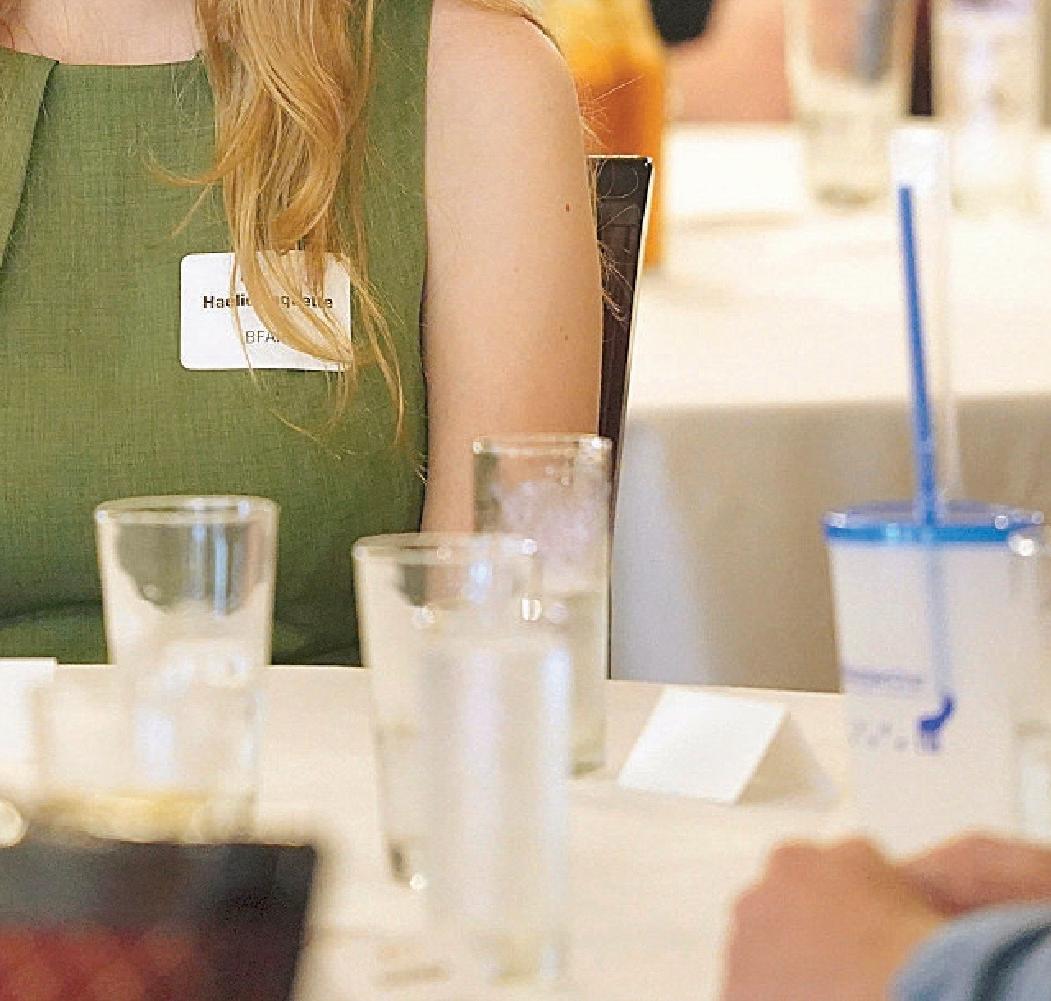
Luf spent the summer working as a project analyst for the Berkshire Taconic Community Foundation in Sheffield, a position she received through the Berkshire Interns program. Founded and sponsored by small business accelerator Lever Inc. of North Adams, Berkshire Interns places young people like Luf in positions with established firms that are looking for a hand.


“It was a tremendous experience,”
Luf said. “My supervisor was great, and I learned a lot and gained skills I’ll be using in my career.”
While employers, schools and students across the county have long arranged internships on their own, the Berkshire Interns program has emerged as a significant regional resource to support this aspect of career preparation and workforce development on a coordinated basis.
Since the program began in 2018, Berkshire Interns has placed 120 students like Luf at some 35 Berkshire employers, including 19 interns with 16 companies this year. Last year, 22 interns found positions with nine companies. This year’s employers included both large and small commercial businesses and nonprofit organizations. The program’s services are free for both employers and the students.
“We had fewer intern positions this year because a few employers had to reduce the number of them, but we

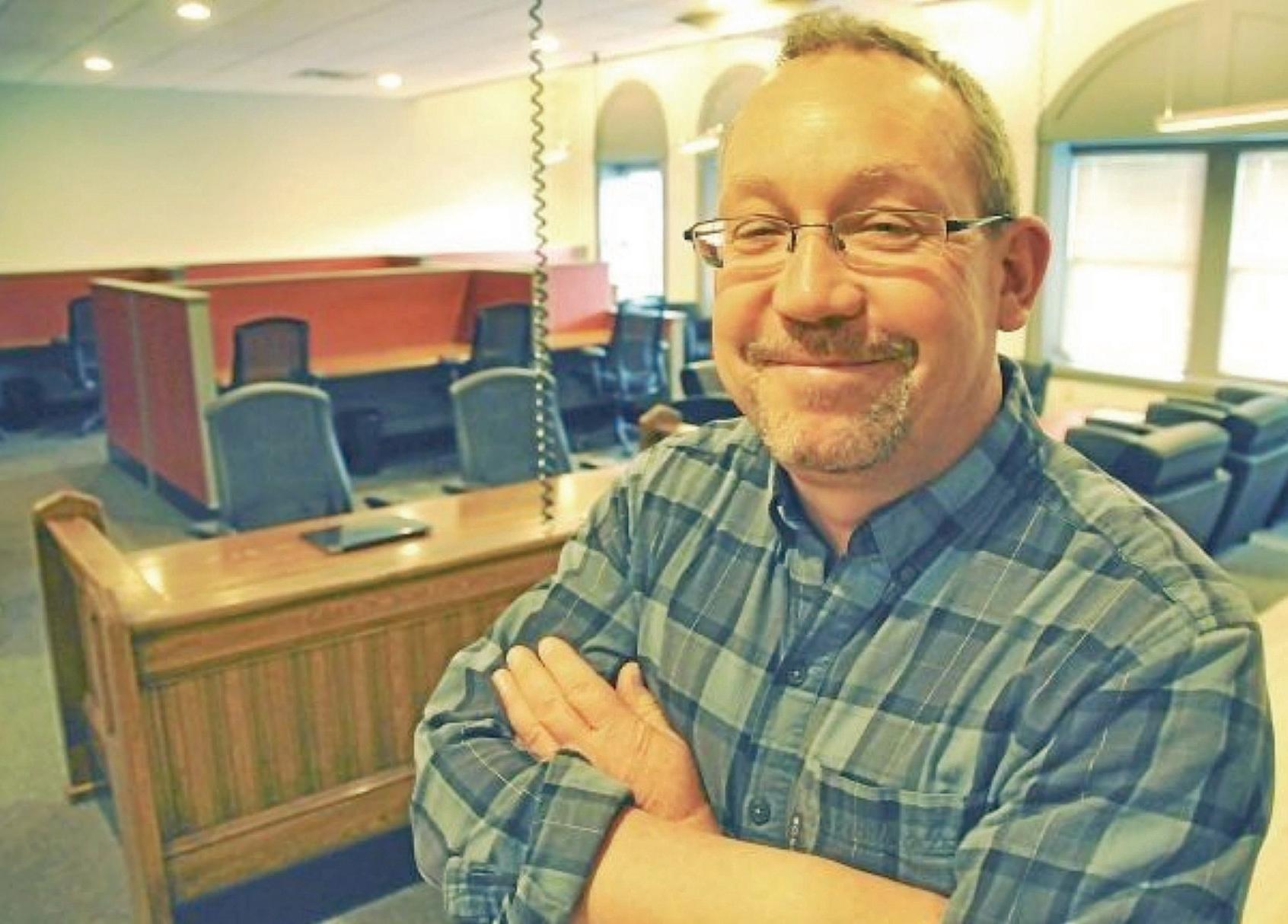
“Studies indicate that if we cannot retain our current younger population and attract other young people to move here, we face a serious population decline. Berkshire County is a great place to live, but young people also have to know that they can find good jobs here.”
JEFFREY THOMAS, Lever Inc. executive director
$8 million sale starts transition from dormant shopping center to cannabis complex
By A inA
LANESBOROUGH — A network of indoor cannabis farms is poised to replace long-gone commerce at former anchor stores at the Berkshire Mall.
The Lanesborough Select Board in July agreed to begin negotiations for a Host Community Agreement with JMJ Holdings Corp., a Massachusetts outfit that seeks to buy the shuttered mall and build out its former commercial spaces as cannabis farms.
Blake M. Mensing, the “M” in the corporation’s name, told officials in Lanesborough that he and partners are close to acquiring the mall. They plan to transform old stores into high-tech zones for cannabis cultivation by other parties attracted to a project that’s already obtained permits and licenses.
“You know, we’ve got the money lined up to close, we’re ready to close,” Mensing told the board. “If we’re fortunate enough to get a green light to negotiate an agreement, we’ll close in the relatively near future.”
A sale of the mall property for $8 million was recorded just days earlier. The seller was Durga Property Holdings Inc., which has owned the mall since 2019. The buyer is Mehran Namiri-Kalantari of Santa Monica, Calif., according to records filed with the Northern Berkshire Registry of Deeds.
It is not clear from available property records what the relationship is, if any, between Namiri-Kalantari and JMJ Holdings Corp.
Local officials said that residents of Lanesborough will have chances to comment on the project down the road, including at a required community outreach meeting that is not yet scheduled, as well as at public hearings during requested zoning reviews.
The board indicated that it had received and reviewed a copy of a purchase-andsale agreement between JMJ Holdings Corp. and the mall’s current owner.
When asked, Mensing confirmed that the agreement calls for the current owner to hold a mortgage for half of the sales price. He said that kind of financing was preferable to rates available elsewhere. Property records reviewed Friday by The Eagle show that a $4 million mortgage agreement was part of the transaction.
Mensing said the corporation plans to prepare space for cultivation, including the acquisition of licenses for manufacturing and distribution from the state Cannabis Control Commission.
“I am a pretty risk-averse guy by nature,” Mensing said. “I am very confident that we can get really responsible operators in there for the [spaces] we’re going to sell. I know myself. I know our team. We are committed we have industry experience, we have operational experience.”
The corporation’s president and treasurer is Steven Jones, according to records with the Secretary of State’s Office. Joseph Jones serves as a director, and Mensing as secretary. Mensing told Lanesborough officials his law practice focuses on the cannabis industry. He holds an ownership interest in a retail cannabis facility in Holyoke.
The group would seek to find a buyer or buyers for spaces within the mall, once they are staged for operation, and use proceeds from those deals to cover the cost of a continued buildout of the old retail space, particularly the former homes of Sears and Macy’s.
“I’ve helped buy and sell, I think, 16 licenses now. So it’s something that the state allows,” Mensing said.
“We would aim to sell the Sears and the Macy’s, with basically however much indoor cultivation canopy and
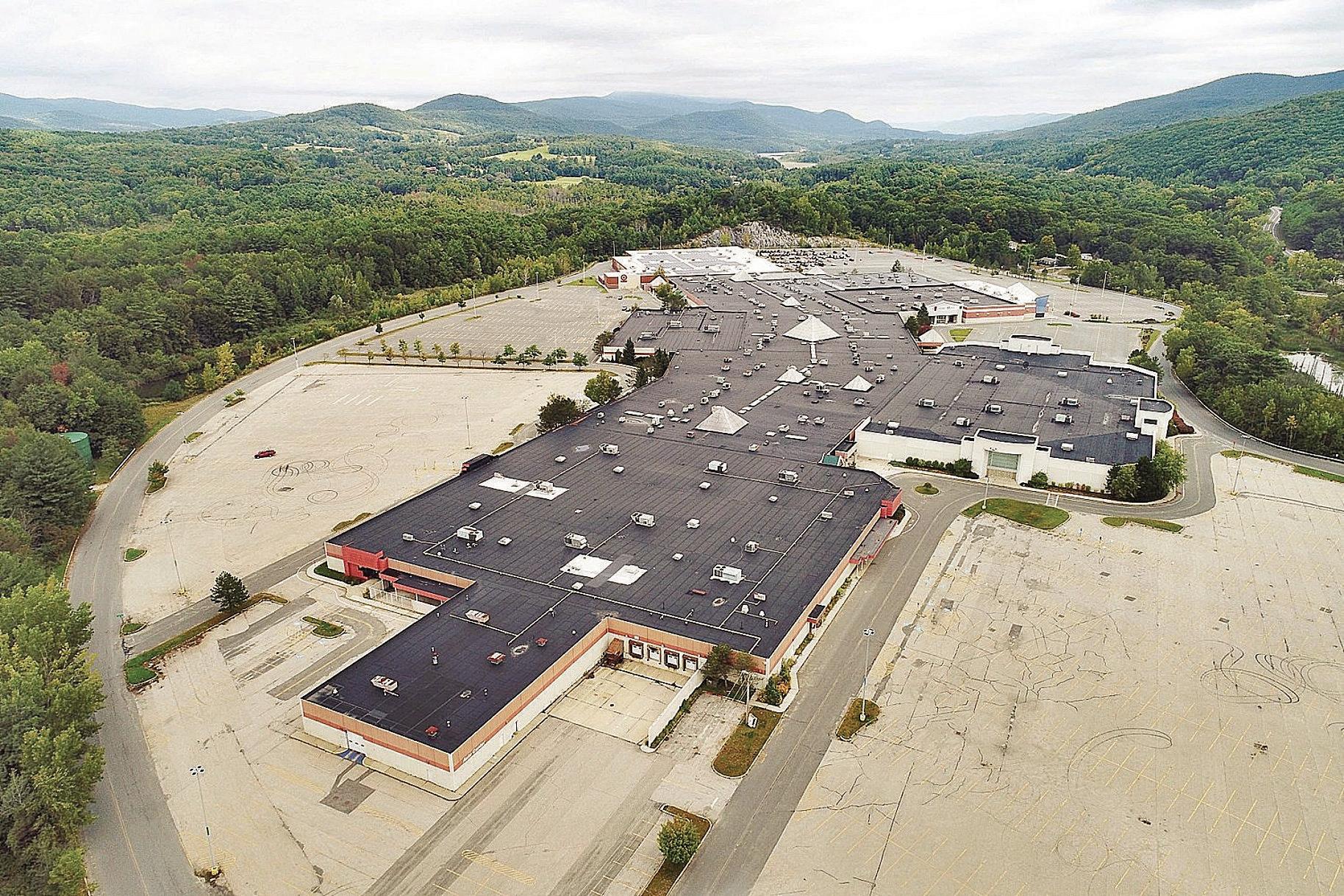
The Berkshire Mall, with 590,000 square feet of inside space, has been sold for $8 million. The new owner intends to devote as much as 300,000 square feet of that space for cannabis cultivation, manufacturing and distribution.
manufacturing space they could accommodate,” he said.
He said the outer appearance of the mall would not change dramatically after a conversion into cannabis farming. “It’s going to look largely the same, with a little bit of beautification. You know, probably take the Berkshire Mall sign down, just so we don’t get someone knocking on the door saying, ‘Hey, I want to go to wherever ...’”
The corporation would line up water supplies for cannabis cultivation and consider installing solar panels on the sprawling mall roof system, to supply power for energy-hungry indoor cultivation.
By seeking to acquire licenses for cannabis operations, the corporation would enable companies interested in entering the industry to save time. “It’s usually about 18 to 24 months to opening day,” Mensing said. “The value added is that we’d be saving them about 12 months towards their opening day.”
The company itself would not grow cannabis, at least at first. Mensing said it would apply for a transporter license, “essentially serving as a distributor, and then a manufacturing license.”
Built in 1988, the Berkshire Mall closed in 2019, though Target continues to operate on land it owns. Once Regal Cinemas closed in February, Target was the only business open in the 16.5-acre center off Cheshire Road.
A community outreach meeting is planned for August or September, followed by public hearings related to permitting for any new businesses proposed by the holding company.
Sears, for example, there’s room enough and the ceilings are high enough to put a modular system with insulated panels that have their own climate control,” Mensing said.
By locating the cultivation in the former Sears and Macy’s spaces, the facility would be distant from Target and “not step on anyone’s toes.”
Select Board member Tim Sorrell, the town’s former police chief, asked about security. Mensing said state requirements for cannabis facilities are strict. “These facilities are more secure than banks or pharmacies. They have to have redundant security systems,” he said.
“I have a client out in Arizona who got a letter from the sheriff saying, ‘Thank you for opening a store. Criminals in the vicinity know that block is a no-crime zone, because they’re going to get caught on that facility’s cameras,” Mensing said. “The only facilities that are more secure than these places are places that store uranium.”
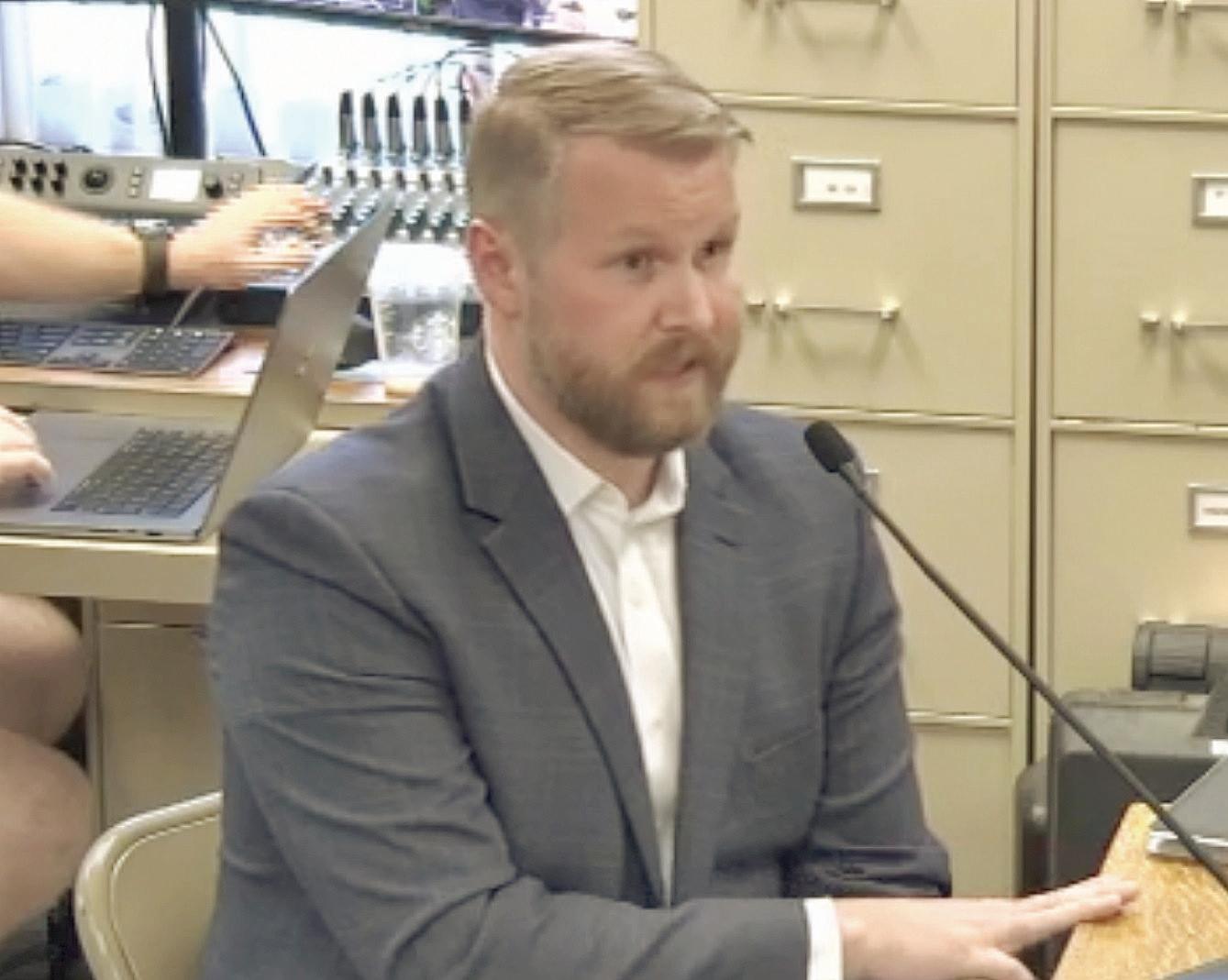
Blake Mensing describes his group’s business plan for the Berkshire Mall to members of the Lanesborough Select Board in July. “I am a pretty risk-averse guy by nature,” Mensing said. “I am very confident that we can get really responsible operators in there for the [spaces] we’re going to sell.”
SCREENSHOT
Mensing told Lanesborough officials the town would gain from the creation of 100 new jobs, with a local hiring preferred, along with revitalization of an underutilized property.
Select Board Chairman John W. Goerlach had several questions about the indoor growing, including odors. Mensing said activated charcoal filters are used to address odor issues. “The other mechanism that is in the grower’s best interest is to grow [the plants] in a room within a room,” said Mensing. For this practice, the mall’s design would be useful, he said.
“If odors get out, that means pests, pathogens, mold, etc., are getting in. In
One resident attending the town meeting felt that the process was being rushed and asked the board to hold off on a vote. The board considered delaying a decision, but Mensing said that could jeopardize the project.
Henry “Hank” Sayres, a former board member, commented that it could be hard to secure local support, saying Lanesborough residents are attached to the idea of reviving the mall.
“As town residents, you can’t buy [much] around here, you have to go to Albany, you have to go to Holyoke,” Sayres said.
Mensing, who lives in Holliston, described himself as a “true believer” of cannabis, which he argued did not deserve the stigma.
“I always tell folks, if you wonder what a stoner looks like, this is what a stoner looks like. I’ve smoked weed for 25 years, every day. I have three graduate degrees. I’ve started eight businesses in the last four years, and I have two lovely children,” he said.
Before securing the board’s agreement to negotiate a host agreement, Mensing said he is confident the project will advance.
“Really, what we’re asking for is just a chance to try. As I said, businesses fail and succeed. All the time. Nothing’s a guarantee,” he said. “I feel confident that we can be really successful in a compliant manner, to partner with the town to give back. ... We still have to go through the rest of the municipal process and state process and show that we know what we’re doing.”

Public gets first glimpse at renovated Pittsfield office space
By Tony DoBrowolski
PITTSFIELD
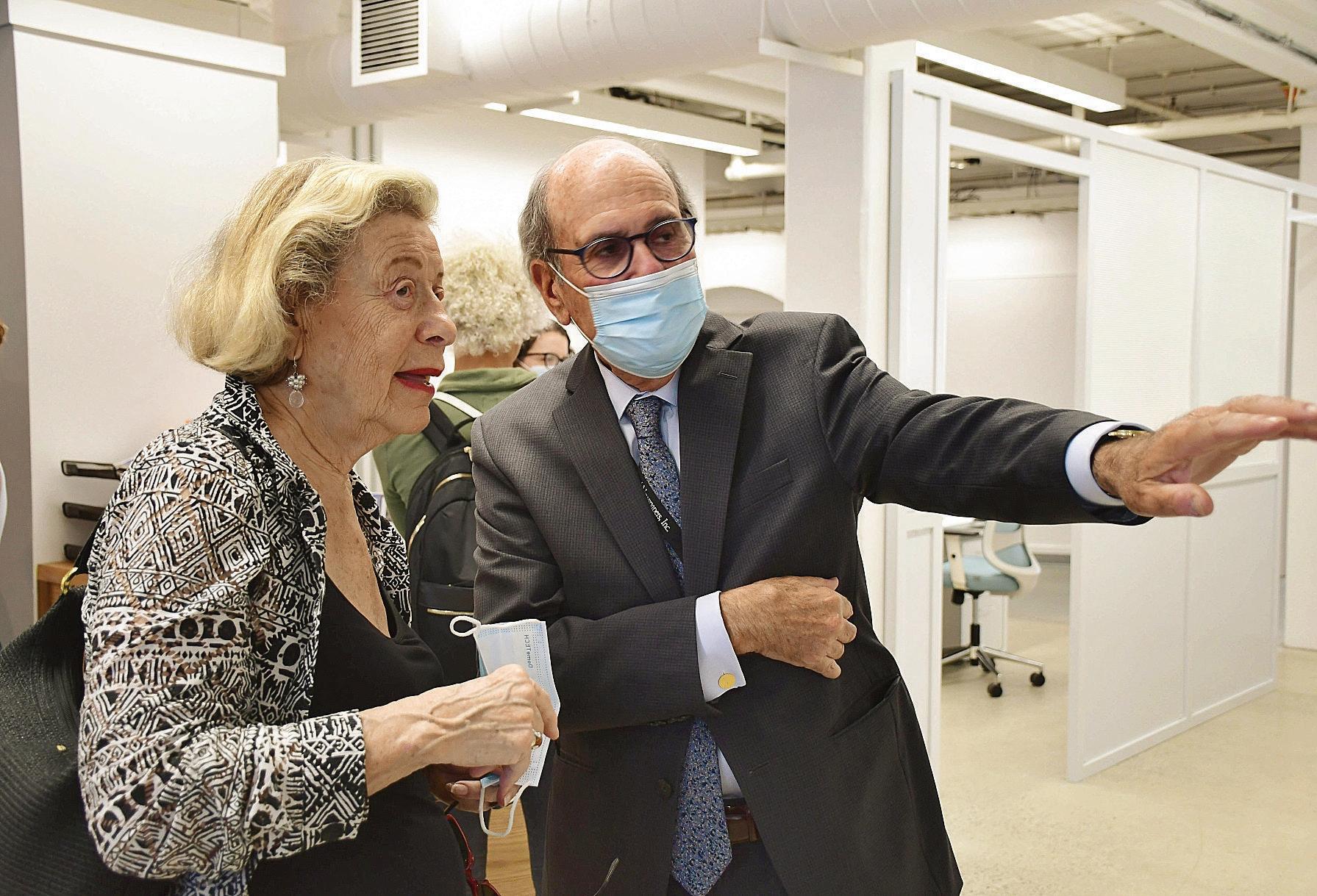
— Working in a 20th century newsroom located in a 19th century building was no longer practical for The Berkshire Eagle in 2022.
So with its lease at the Clock Tower Business Center set to expire in March, The Eagle’s management decided to give the area where most of the newspaper’s personnel are housed a completely modern facelift.
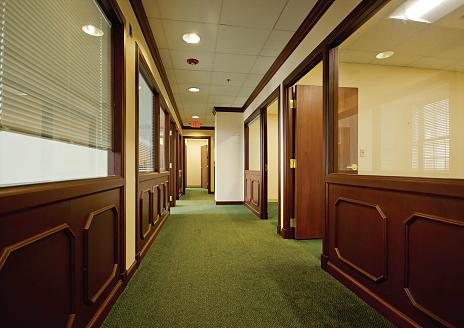
The result is an updated newsroom suitable for the 21st century that is located in the same space as the old one, which The Eagle has occupied since moving to the Clock Tower building in 1990.
“The goal was to give it a fresh, light, airy feel,” said designer Zack Sosne of Bramble Home, a design firm in Great Barrington.
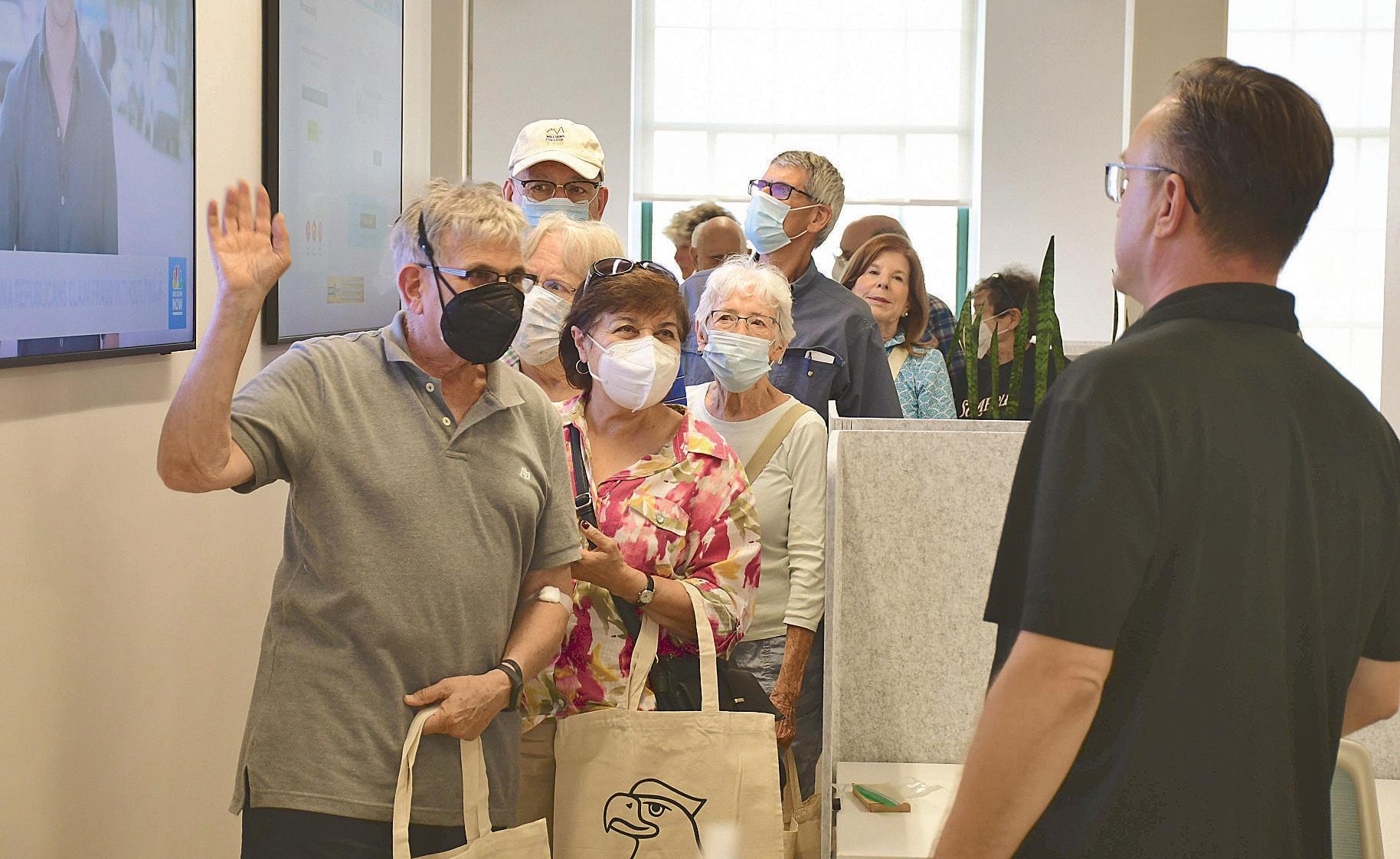
More than 200 people came to The Eagle last month to attend an open house designed to give the public their first look at the new space.
“I think they’re fantastic,” said Judy Storie, of Pittsfield, about the renovations. Storie was familiar with the old newsroom, having worked on The Eagle’s copy desk for 39 years before retiring in 2008.
“Everything is so open,” she said.
The project, which took about a year from conception to completion, is the first complete renovation of The Eagle’s newsroom since the newspaper moved to the Clock Tower building from the old Eagle building on Eagle Street, and the first major change since the late 1990s when the newsroom was remodeled to bring the advertising department down from the building’s second floor.
Gone are the vertical rows of metal cubicles that served as desks; the large, clunky filing cabinets that held all manner paper files and assorted bric-a-brac; and the worn-out carpet that had covered the floor since The Eagle had moved in 32 years ago.
In their places are roomy workspaces for reporters and editors and advertising representatives, a new conference room titled “The Shed” — so named because of its custom-made barn doors — a small break room, new office spaces, custom woodworking, plants and polished concrete floors.
The old, stained carpeting was difficult to remove in some places. “We had to use commercial strippers,” said contractor Eric Taylor of Restorations Inc. in Hinsdale. The concrete had been located underneath the carpeting and was polished by construction crews.
“The carpeting, obviously, had been there for 30 years,” said Berkshire Eagle President and Publisher Fredric D. Rutberg. “It was way past funky. Someone suggested polished concrete floors. It was

suggested as a design feature, and everyone said it would look great.”
The idea for renovating the newsroom coincided with the expiration of The Eagle’s lease with Clock Tower Partners LLC of North Adams, which owns the Clock Tower Business Center.
“Given all that’s happened in the world with offices, we don’t need all the storage space that we had before,” Rutberg said. “We don’t have miles and miles of files, all those things that are now stored electronically had been stored physically.”
“We realized that we could give back the office space, then take that money and throw it back into making the facelift which hadn’t been done in years,” said Rutberg, who declined to say how much the project cost.
“We believe, and I think accurately, that if we want to be a 21st century newspaper we have to look like one,” Rutberg said, “to make the current newsroom into something that is more functionally

Wednesday, September 21st (10am-2pm) Country Club of Pittsfield, 639 South Street
Access to hundreds of nonprofit prospects $100 tabling fee includes: (print & digital)
8’ table and two chairs
Listing in all promotional materials



conducive to the way people work today.
“That was really the driving force,” he said. “We put some social spaces in to let people move around a little bit more.”
Sixteen local firms worked on the project, and their work contributed to some of the newsroom’s unique features, Rutberg said. The work includes custom woodworking by New England Creations from Great Barrington, and custom metal archways by Whitco in Adams.
“We couldn’t have done it without a number of local contractors that we used, and some of the unique elements that we added,” said Gary Lavariere, The Eagle’s chief revenue officer.
“We’re really proud that we were able to do this for our employees, that we could bring them a much more modern and updated space.”
Sosne, whose younger brother, Ben, is the executive director of the Berkshire Innovation Center, is a graduate of the New York School of Interior Design. Sosne
Berkshire firms involved in The Eagle’s renovation Restorations, Inc.
Bramble Home
New England Creations
Gable Electric
Pariseau Heating & Cooling
Berkshire Products
Arrowhead Plumbing & Heating
St. Pierre Surface Refinishing
BBE Office Interiors
Independent Connections
CT Management Group
LP
Adams
Martino Glass
Henry’s Electric
The Plant Connector
Whitco
worked in New York City from 2005 to 2018 before returning to his native Great Barrington and opening his own firm with his wife, Alison. The renovation of The Eagle’s newsroom is his first major commercial project.
“The Eagle’s been in rough shape for a long time so we basically wanted to clear it out and then make it an open, airy environment,” he said. “We wanted to work with the elements that we had. One of the main things was getting rid of the old carpet and seeing what we could do with the concrete floor. The big part of that was polishing the concrete.”
Changing the work stations from a vertical to horizontal layout worked best with the space that was there.
“One of the big obstacles in that place is that columns are all over,” Sosne said. “Cubicles are kind of out of the picture now. We just did a lot of studying on how other companies are doing their layouts. Also, we were able to do it within our budget.”
All of these new features were on display during the open house, and they all received praise from those in attendance.
“It’s very updated and modern I would say,” said Lisa Turner, of Pittsfield. “I thought it was impressive.
“When I walked in, I said, ‘Whoa!’” said Ron Kujawski, The Eagle’s garden columnist, who was viewing the updated space for the first time.
Jack O’Brien, of Pittsfield, who worked in The Eagle press room for 40 years before retiring in 1995, said he “got lost” walking around in the new space. He liked The Eagle’s new press, which had been installed last winter.
“I’m impressed by the press, no pun intended,” he said.
He also liked the new newsroom.
“It’s great,” said O’Brien, who turns 86 this month. “Everybody seems to have their own little niche.”

Pittsfield company was known for its Fire Cider product
By tony DoBrowolskii
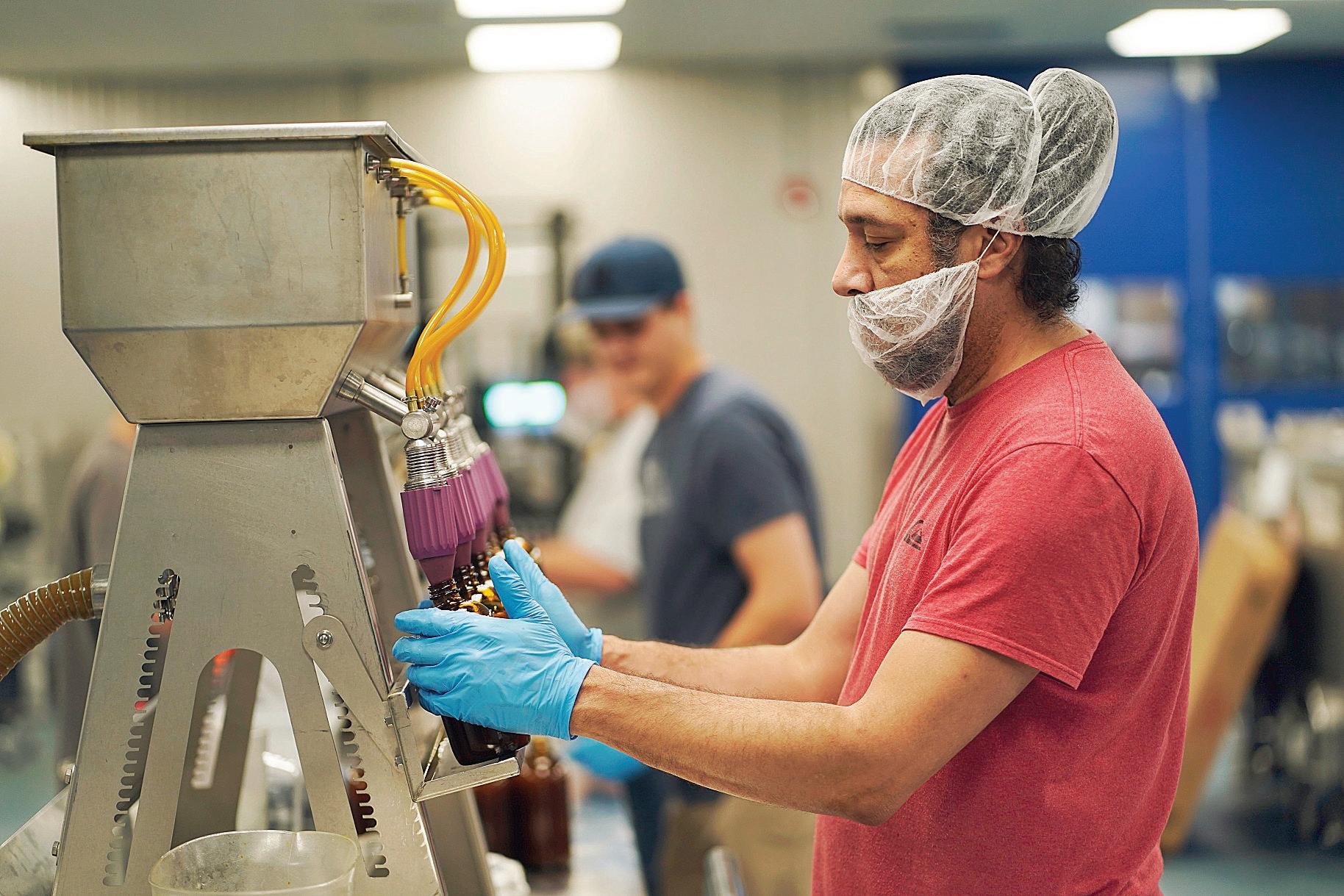
PITTSFIELD — Shire City Herbals, a manufacturer of vinegar-based tonics that lost a well-publicized federal court case over exclusive use of the phrase “fire cider,” has closed, according to its acting CEO.
The company, founded in 2011, posted on its Facebook page that it planned to close, stating the decision was made with “deep regret.”
The company’s three owners could not be reached for comment, but an employee, who declined to be identified, said “personal conflict” among the owners caused the firm to shut down. Two of Shire City Herbals’ three owners, Amy Heubner and Dana St. Pierre, who have been married for 12 years, separated in May before Heubner filed for divorce last month, according to documents filed in Berkshire Probate Court.
“The owners of Shire City Herbals, due to personal conflict, were unable to continue guiding and supporting the business,” the employee said by email. “As a result, and despite the staff’s best efforts, the business eventually ran out of funding and employees, and thus the business simply was unable to operate.”
The company’s third owner is Amy Heubner’s brother, Brian.
Acting CEO Derek Dubin declined to elaborate, but confirmed the company had closed.
Dubin referred further comments about the business to Shire City Herbals’ attorney, Ethan Klepetar of Great Barrington. Klepetar did not return a phone call or an email seeking comment.
Former CEO Kimberly Allardyce, who had served in that position since February 2021, left Shire City Herbals in May, according to her LinkedIn page. She could not be reached for comment.
Shire City Herbals had 11 employees last summer, but six when it closed last month, Dubin said. The six remaining workers were paid for their final week of work and told they will be eligible to collect unemployment benefits, the employee said.
“The business was performing well in the early fall and even rolling out new products,” the employee said. “Things looked good for us up until about December when supply chain issues caused huge delays and ran our stock out.”
In 2017, Shire City Herbals received a 10-year, $42,788 tax incentive package from the city of Pittsfield to help finance a $1.4 million expansion completed the following year. The company purchased a
former warehouse on Commercial Street for $412,500 and renovated it, adding the company’s first on-site commercial kitchen. The current status of that tax package was unavailable. Deanna Ruffer, the city’s former Community Development director, said Shire City Herbals had been struggling, but provided no further details.
“They’ve been going through a range of changes in the business in the last few years,” she said.
Despite losing the court case, which ended a four-year legal battle and prohibited Shire City Herbals from using the “fire cider” name on an exclusive basis, the company appeared to be on the upward trajectory. It grew 55 percent between 2011 and 2016. Last year, Amazon featured two Shire City tonics on the first day of its two-day Prime Day event and the products sold out in hours.
But the employee said supply-chain issues that have hit businesses across the country stymied Shire City Herbals’ growth beginning in December.
“These supply issues were affecting businesses all across the country at that point which, considering it was the holiday season, didn’t do us any favors,” the employee said. “As we progressed towards spring, it became apparent that even though the demand for our products was high, our ability to supply (especially considering the continued supply chain issues) was unable to match that demand.”
Shire City Herbal’s tonics were based on homemade remedies made by St. Pierre’s grandmother, who immigrated to the United States from Germany. The couple originally manufactured in the kitchen of a church located near their apartment in Pittsfield. The company then rented space in a commercial building at 703 West Housatonic St. in Pittsfield, before moving to the former warehouse on Commercial Street.
The company had trademarked the term “fire cider” with the U.S. Patent and Trademark Office in 2012. But herbalists around the country continued to sell products under the fire cider name, claiming it was a generic term that couldn’t be trademarked.
In 2015, Shire City Herbals filed a $100,000 lawsuit against three herbalists who lived in Rhode Island, Texas and Maine, to halt that practice.
Following a three-month jury-waived trial in U.S. District Court in Springfield, Judge Mark Mastroianni ruled in favor of the herbalists, who referred to themselves as the “Fire Cider 3.” Shire City Herbals and herbalists around the country have continued to sell products under the fire cider brand since then.
On Facebook, Shire City Herbals thanked its customers for their support. “Being able to bring health and wellness directly to your door has meant the world to us,” the post read.
By Greta Jochem
NORTH ADAMS — In the 1990s, Christopher Schroeder worked at Wizard’s Tower, a game store in southern New Hampshire.
The store has long since closed, and ever since Schroeder has wanted to open his own shop.
“It’s something I’ve wanted to do for more than 20 years,” he said.
That’s now happening. Schroeder, a city resident with a background in hospitality, has opened Berkshire Adventurers’ Guild at 40 Eagle St., where the shop will sell gaming wares like board games, card games and items for role-playing games likes Dungeons & Dragons.
Schroeder plans to have a space in the shop where people can play games they purchased or, for a fee, play a store game. “If you want to try before you buy it,” he said, “we can do that.”
He plans to have scheduled gaming events and tournaments, too. “Those are definitely on the horizon,” he said.
Role-playing games, ones in which players control fictional characters, will also be featured. The shop will have the popular role-playing game Dungeons & Dragons rule book and dice — the game often uses a 20-sided die, for example — and items some choose to use in the game like maps and player figurines, Schroeder said.
“People who get into the game never seem to have enough dice,” Schroeder said.
In the Netflix show “Stranger Things,” a group of boys playing the game in the 1980s are depicted as “total nerds,” Schroeder said. But now, Dungeons & Dragons has grown in popularity. “I think it’s been a societal shift,” he said.
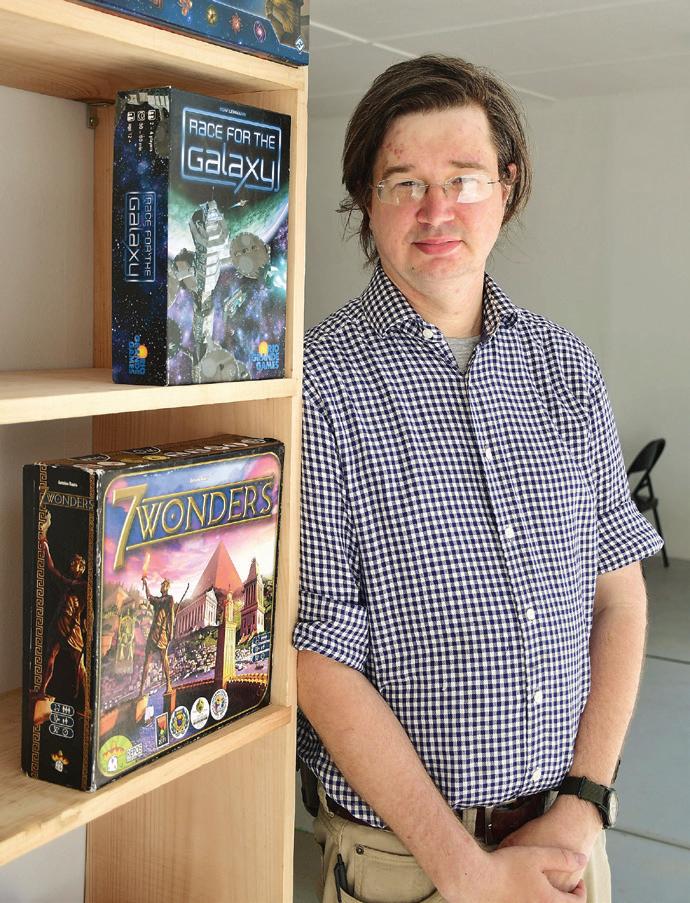
supplies for roleplay games like Dungeons & Dragons, and space for people to try out games.
Over the past two decades, he’s seen more people take an interest in board games, too, as the quality of games has increased and rules have become easier to learn through online tutorials on platforms like YouTube, he said. Schroeder’s personal favorite game? Twilight Imperium. “I’ve owned every version,” he said.
It’s maybe not for the casual game player: The fourth edition of the game, the most recent one released, takes between four to eight hours to complete, according to the company that makes it.

Pittsfield store provides ‘metaphysical’ retail offering and a community place
By tony DoBrowolski
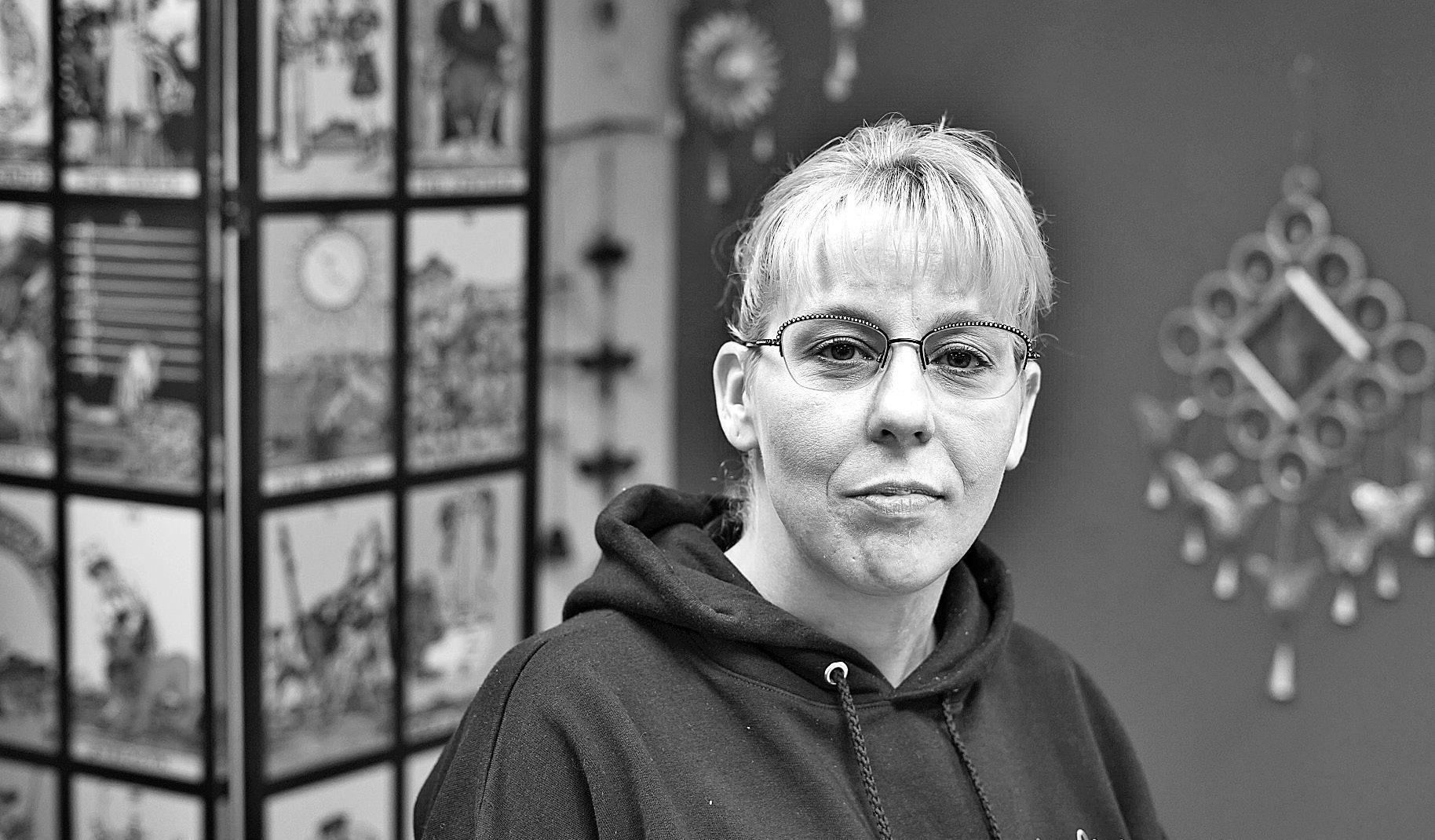
PITTSFIELD — Before we get into this, let’s note that Danielle Munn refers to herself as a witch.
But not what most people believe is a witch.
“That’s the problem,” said Munn, who has opened Witch Slapped, a business she refers to as a spiritual store, at 78 North St. in the space formerly occupied by United Personnel.
“People don’t understand what a witch is. When people think of a witch, they think of a pointy black hat and all evil and darkness and demons,” Munn said. “That’s so far from the truth. We practice with both light and darkness because the world is full of light and darkness.”
Munn, who grew up in an Italian Catholic family in the Boston area, sees her business as a meeting place for people who practice and follow different types of what might be called the spiritual arts. The business is described as a “metaphysical retail store” on Downtown Pittsfield Inc.’s website.
“The idea was to create a place that I always wanted to have, that the folks within my community don’t have,” Munn said. “In every other faith and religion, there are churches, there are temples, there are schools. There are community places to come together as groups as people who share the same faith. And we don’t have that because it’s always been taboo, and related to evil, when it’s absolutely the opposite.”
“It’s not just a store,” she said. “I’m trying to create a community.”
The store’s name is, of course, a take-
A free monthly publication by
The Berkshire Eagle
75 South Church Street, Pittsfield, MA 01201
Visit berkshirebusinessjournal.com for advertising information and to subscribe.
NEWS DEPARTMENT
TONY DOBROWOLSKI, Editor 413-496-6224
tdobrowolski@berkshireeagle.com
ADVERTISING DEPARTMENT
KATE TEUTSCH, Director of Ad Services 413-496-6324
kteutsch@berkshireeagle.com
CHERYL GAJEWSKI, Director of Ad Sales 413-841-6789, 413-496-6330
cmcclusky@berkshireeagle.com
Share your news with the Berkshire Business Journal. If you have a company promotion, a new business or a new venture, let the Berkshires know about it. Remember the 5 W’s and that briefer is better. Email text and photos to BBJ@newenglandnewspapers.com. Provide your expertise in the Berkshire Business Journal. Do you have the answer to a persistent question about business and the Berkshires? Do you have ideas and suggestions on how our business community can grow?
If you have a comment to make about doing business in the Berkshires or if you’re looking to raise an issue with the business community, this is the venue for that. We welcome letters up to 300 words and commentary up to 600 words. Send these to Tony Dobrowolski at tdobrowolski@berkshireeagle.com.
Berkshire Business Journal is published monthly by New England Newspapers Inc., 75 S. Church St., Pittsfield, MA 01201. Periodicals postage paid at Pittsfield, MA 01201. Berkshire Business Journal is delivered free to businesses in Berkshire County via third class mail. Additional distribution is made via dropoff at select area newsstands. The publisher reserves the right to edit, reject or cancel any advertisement at any time. Only publication of an advertisement shall constitute final acceptance of an advertiser’s order. All contents are copyrighted by New England Newspapers Inc.
off on the phrase “bitch slap,” a term perhaps most popular with millennials and Gen Xers. Bitch slap has several meanings, depending on the source, and can be translated into several languages, including Arabic, Croatian, Scottish Gaelic, Polish, Yiddish and Zulu. But the term basically refers to an open-handed slap to the face. Even Munn admits the phrase is “kind of naughty,” but not in the way she uses it.
“The idea of ‘witch slapped’ would be that you get addicted to the spiritual and metaphysical world,” she said.
Witch Slapped offers an apothecary from which Munn sells herbs, flowers and dried organic plants, along with candles, crystals, incense and wind chimes. Customers can purchase items to bring home, or use them in the store “to make spells or potions,” she said.
The front of the store offers a sitting room that’s meant to serve as a meeting place. A healing room is used by practitioners of reiki and massage therapy. Munn leads groups that create spiritual items like “witch balls” — ornaments filled with crystals and essential oils
based on a theme like love or compassion. The creations are used to help people heal or deal with anxiety.
Munn explains her path to this new venture from her Catholic childhood.
“I never really felt that it fit me,” Munn said. “Not that I have anything wrong with it. It just wasn’t my connection.”
“Through life, I’ve always questioned things and had massive curiosity,” she said. “I always had to break things down and figure things out. Things didn’t always make sense in the Bible. I never really followed. I always led in my own direction, danced to the beat of my own drum. As time has gone by I found myself much more connected to the pagan, witchcraft and spiritual world.”
And that world, for her, is about harmony and healing.
“Everything that the wiccans, the pagans and witchcraft do is based on harmony and grounding.” she said. “There is no demon. Those aren’t the traditional witches. That’s a completely different element in a completely different realm.”
Munn came to Pittsfield a few years ago after marrying her husband, who works in public safety information technology for the Pittsfield Police Department. Between them, the couple has eight children. Family members are the store’s only other employees.
“I was widowed with four children,” she said. “We came together and blended.”
The business was self-financed. Munn said it cost about $50,000 to set up the space.
Witch Slapped is open from 9 a.m. to 4 p.m. Mondays and Wednesdays, from 11 a.m. to 6 p.m. Tuesdays, Thursdays and Saturdays, and from 11 am. to 8 p.m. Fridays.
By Greta Jochem
NORTH ADAMS — A long vacant Eagle Street storefront has become home to a new business.
Beau Barela has opened Hearts Pace, a tea shop and healing arts lounge, 15 Eagle St.
“I really wanted a space for people to be able to come and hang out. And not necessarily a place where people need to go to drink,” Barela said. He envisions a casual hangout space with tea, coffee, and some sweets.
Two years ago, Barela moved to North Adams from New York City, where he worked as a creative director for a women’s wear brand. He had a friend in Greenfield who had long been telling him to move to Western Massachusetts, and when he was able to work remotely amid the pandemic, he decided to relocate.
“Coming to North Adams, I really didn’t feel like there was any place for me to go to write or read a book or just to get out of the house and decompress and chill without having to go to a restaurant that might expect me to order food,” he said shortly before opening last month. “I really value those places in New York and I felt like that there was opportunity for that here.”
At his shop, some tea will be served Gongfu style, a Chinese way of making tea. The tea is steeped multiple times, Barela said. “As you continue to steep the tea, the leaves open up each time in a way that allows more in different flavor profiles to be enjoyed.”
The shop will also offer tea served in a teapot, tea to-go, and coffee, he said. In the back of the shop, the space has a separate room where it will offer wellness treatment likes massages and reiki, a Japanese technique to reduce
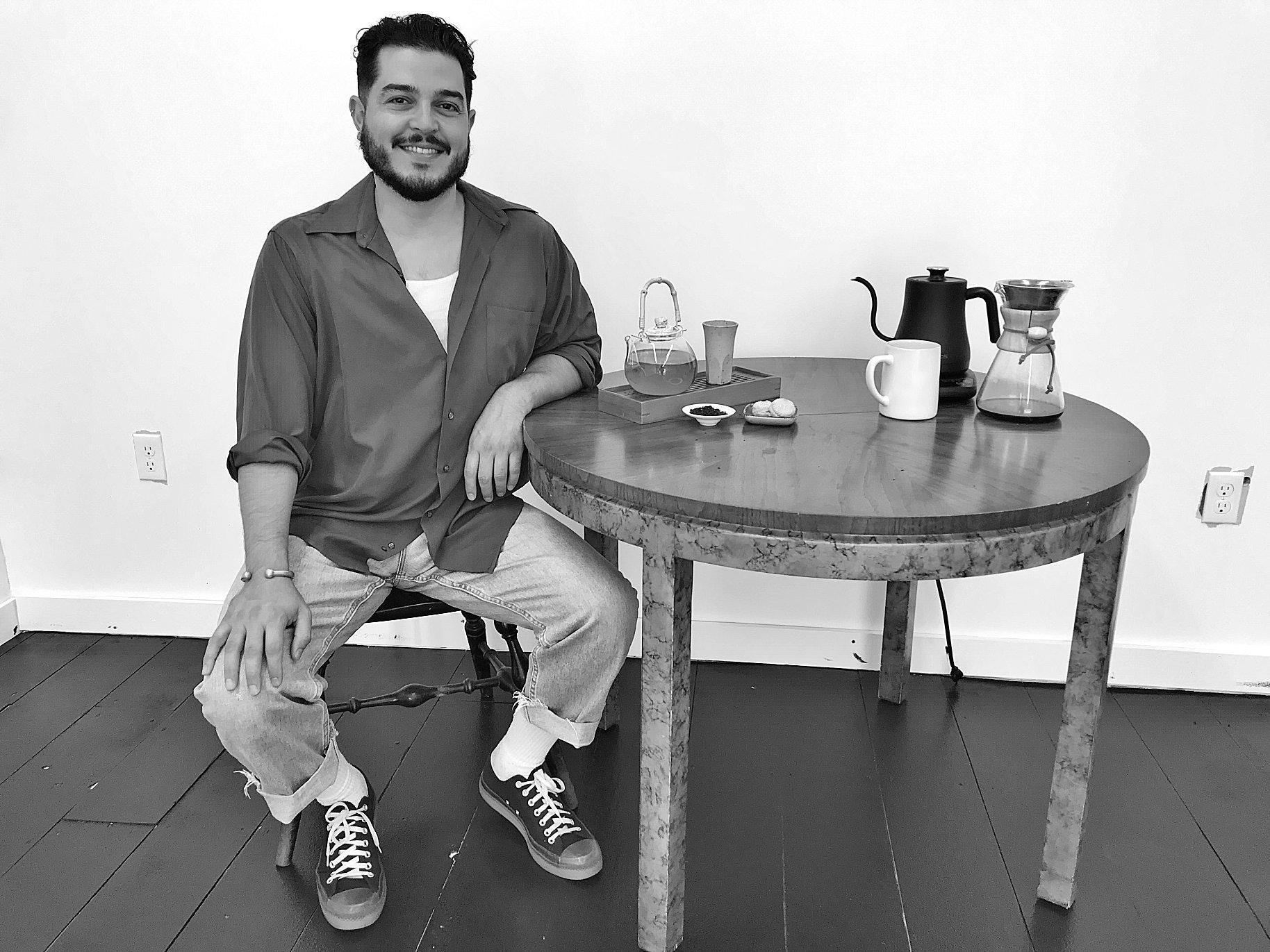
stress. Barela, a licensed massage therapist, will be giving massages, and he hired someone to do reiki.
Hearts Pace will also host events. Barela plans to feature performances like music and spoken word.
A shop with tea, art, massage and other wellness services is a fusion of Barela’s interests. “This is really all the things I hold closest to my heart, which is why I called it Hearts Pace,” Barela said. He added, “I wanted to focus on healing arts. And it’s like a healing art space. So it’s kind of a play on words.”
The business is opening in a space on Eagle Street that Persnickety Toys, a
longtime city toy store, previously occupied before it closed in 2019.
Though there are several empty storefronts on Eagle Street, Barela is excited about downtown North Adams.
“I see a ton of potential, and it’s exciting to see businesses like Jack’s and Clipper Kings and the Plant Connector all thriving and doing so well,” he said. “Having met some of the local building owners recently, it seems like there’s a lot of interest from people to open businesses downtown. I’m excited to see to see it evolve, but also be part of that evolution.”
Hot Harry’s Fresh Burritos has increased the percentage of donations that it offers to local schools, charities and non-profits who participate in the eatery’s “Dining to Donate” program.
The amount donated to registered schools and organizations through the program has been raised to 30 percent of the funds spent by customers from the participating charities. The fundraiser starts in September and will continue throughout the rest of the year.
The Dining to Donate program is only available through Hot Harry’s Fresh Burritos at the eatery’s stores at 37 North St. and 724 Tyler St. in Pittsfield. Application forms to register and book a date for the Dining to Donate program are available by emailing a request to info@hhburitos.com.
Berkshire Community College has received a $735,000 workforce training grant, part of a total of $15 million that the state has awarded to the commonwealth’s 15 community colleges.
About a third of funds will be allocated to increasing training programs for the health care industry, which is in high demand in the Berkshires and beyond. The funding was earmarked in a COVID recovery bill that Gov. Charlie Baker signed in December 2021.
Each college is allocated 75 seats for training courses, and additional funds will be made available from the grant’s remaining $3.45 million after a school expends the current allocation.
According to a press release issued by Gov. Charlie Baker, the grant supports “the creation and expansion of training programs in high-demand industries, such as healthcare, education, manufacturing, information technology and cybersecurity.”
Ocean State Job Lot, which has a store in North Adams, finished in first place in the enterprise business category at the inaugural Top 50 Inspiring Workplaces in North America Awards, which took place recently in New York City.
The Inspiring Workplaces Awards recognizes forward-thinking and people-first organizations. The companies that earned distinction were evaluated in six main categories: culture and purpose; leadership; well-being; inclusion; communication and experience.
The Rhode Island-company also finished first in culture and purpose, leadership and employee experience.
According to the Inspiring Workplace Awards judges, the company’s strongest award element was its inclusivity.
Eversource Energy has been hit with a $1.8 million fine by the Connecticut Attorney General’s office to settle allegations of deceptive marketing practices involving natural gas connections that took place over the last seven months, according to several Connecticut news outlets.
In a statement, Connecticut Attorney General William Tong said the public utility “misled homeowners into switching to natural gas.
“These high pressure tactics are unacceptable coming from any business, much less a regulated utility,” Tong said.
Eversource had already paid a $1.8 million civil penalty imposed by Connecticut’s Public Utilities Regulatory Authority.
Eversource will pay $1.6 million to Operation Fuel, which helps low-income ratepayers in Connecticut, and $200,000 to the attorney general’s office for consumer education and enforcement.
The Hilltown Community Development Corporation has begun revamping its business directory program for the digital age and creating its first cohesive tourism campaign.
The directory, which was first produced as a print booklet in the 1980s, will now shift its emphasis to the online entity, which has been streamlined to make it easier for Hilltown residents and visitors to find local businesses and attractions.
In conjunction, a series of brochures will be created to promote tourism —
2022 Fall Daytrips and 2023 Summer Daytrips — as well as guides to Health & Wellness, Hilltown Living (home, building, auto), and Business Services. Tourism related brochures — 25,000 of them — will be distributed in the Berkshires, the Pioneer Valley and throughout the hilltowns in public places such as restaurants, town halls, general stores and libraries.
Information: Joan Griswold, joang@ hilltowncdc.org or 413-296-4536, ext 102.
Price Chopper/Market 32 raised more than $180,000 to support World Central Kitchen’s relief efforts in Ukraine during a five week fundraising campaign that took place this summer.
World Central Kitchen is a nonprofit organization that is first to the frontlines, providing meals in response to humanitarian, climate and community crises, while working to build resilient food systems with locally led solutions.
Cashiers in 130 Price Chopper/Market 32 stores asked customers if they would like to round up the change in their transactions to the nearest dollar in support of World Central Kitchen’s efforts. Price Chopper/Market 32 provided a match of $25,000. Neil Golub, the company’s board chair emeritus, also contributed $25,000 to the effort.
Berkshire Consumer Services Program and the Berkshire Regional Housing Authority have both received funding from the state Attorney General’s Office for consumer mediation programs. More than $2 million in grants was awarded to programs across the state in this latest round of funding.
Berkshire Consumer Services Program received the funding as a local consumer program, and Berkshire County Regional Housing received the grant as a face-to-face mediation program, which support the resolution of consumer and landlord/tenant disputes.
Local consumer programs provide information concerning state and federal consumer protection laws, and also offer voluntary consumer advocacy and assistance services. Face-to-face mediation programs support the resolution of consumer and landlord/tenant disputes.
Southwestern Vermont Health Care has launched the public phase of its capital campaign after raising $24 million over the last four years during the campaign’s quiet phase.
The goal is to raise a total of $25 million for the Vision 2020, a Decade of Transformation Capital Campaign. The multiphased project will renovate and expand the emergency department and front entrance to the hospital, and construct a new Southwestern Vermont Regional Cancer Center on the health system’s main campus.
Nearly 300 gifts have been received during the quiet phase of the campaign, including several large donations and community foundation grants.
Information/donations: svhealthcare. org/Vision2020.
Health New England has formed a partnership with Mom’s Meals to provide home-delivered, heat-and-eat meals to all plan members on a self pay basis with no shipping fees included.
The nonprofit already works with Mom’s Meals to provide the refrigerated meals at no cost for its eligible Medicare Advantage plan members who are being discharged from an inpatient hospital or skilled nursing facility stay. Mom’s Meals is the leading provider of home-delivered meals nationwide.
Information: momsmeals.com/healthnewengland, 877-347-3438.
Ocean State Job Lot, which has a store in North Adams, has launched its “Building Brighter Futures” fundraising campaign to help children in need throughout the region.
During the campaign, the company will collect customer-donations at each of its stores’ checkout registers and on its website at oceanstatejoblot.com/ building-brighter-futures, to directly support local organizations that help
children in the Northeast struggling with food insecurity, barriers to resources like clothing, and a range of mental health and developmental challenges. One hundred percent of every dollar collected during the course of the campaign will go toward these efforts.
The Ocean State Job Lot Charitable Foundation partners with a network of community organizations to support as many children as possible.
Entrepreneurship for All Berkshire County has awarded $2,750 to the winners of its semi-annual All-Ideas Pitch Contest, which was held recently at St. Mark’s Church in Adams.
First prize of $1,000 went to Dana Grieb, of Pittsfield, for Bumblebee Pet Care, providing specialized care to cats and dogs, while offering equal pay and profit sharing to employees.
The second place prize of $750 went to Gwen Miller, of Lanesborough, for her concept for Berkshire Nature Daycare, a nature-based early education and day care program to support families and address the “day care desert” in the region.
The third place prize of $500 went to Pittsfield’s Sabrina Powell for her efforts to launch 413 Westside Rollers, a roller rink and entertainment center for Berkshire families. She was also the winner of the audience-voted “Fan Favorite” award, which earned her an additional $500 grant.
EforAll Berkshire County runs two to three pitch contests each year. The next one is slated for late fall in Dalton.
Robert Altman, the president and CEO of WMHT Public Media for the past 15 years, will step down from those positions in early 2023, according to a statement from board Chair Kathy Jimino.
Altman, a resident of Kinderhook, N.Y., has led the station’s evolution from a purely broadcast entity to a multiplatform, community-based digital media enterprise, according to the statement. He placed a special emphasis on the arts and education during his time at WMHT.
WMHT Public Media, located in New York’s Capital Region, serves eastern New York and western New England, providing entertainment, enrichment and engagement through television, radio, digital media and educational services, according to its website.
The WMHT board of trustees has retained Livingston Associates, a leading search firm in public media, to conduct a national search to find a successor. Livingston Associates was responsible for the search that originally brought Robert Altman to WMHT. Trustee Mary-Ellen Piche will lead the search committee for the board.
Kindred at Home‘s branch in Pittsfield has been recognized by the American Diabetes Association through its education recognition program.
The association’s Education Recognition Certificate assures that educational services meet the national standards for Diabetes Self-Management Education and Support. The standards were developed and tested under the auspices of the National Diabetes Advisory Board in 1983 and were revised by the diabetes community in 1994, 2000, 2007, 2012 and 2017.
The education recognition program promotes quality diabetes self-management education and support for people with diabetes by certifying that services adhere to the standards.
Kindred at Home is the nation’s largest provider of home care services with 775 locations in 40 states.
Berkshire Community College and Massachusetts College of Liberal Arts have created a joint “Associates to Bachelors” program intended to provide an efficient pathway to teacher licensure.
The program is specifically designed for paraprofessionals currently employed by pre-K through grade 12 schools in Berkshire County. Paraprofessionals support students under the supervision of a teacher.
The program allows paraprofessionals to earn an associate degree at BCC and continue to MCLA to earn a bachelor degree and teaching license. Students follow an early childhood education or elementary/secondary education pathway; eligible students may also apply for
credit for prior learning after enrolling at MCLA.
For more information about enrollment, specific pathways to licensure and details regarding tuition, timelines and financial assistance, please contact Barbara Kotelnicki, BCC”s associate professor of education at bkotelnicki@ berkshirecc.edu or Michelle Colvin, MCLA’s director of field education at michelle.colvin@mcla.edu.
The Massachusetts Life Sciences Center has launched the third round of its Angel Investor Tax Credit program to encourage investment in early-stage life science companies throughout the commonwealth.
The deadline to apply is noon Jan. 5 for submission of applications for qualifying investments made during the period between Jan. 1 and Dec. 31, 2022. Applications are accepted on a rolling basis.
The program provides a taxpayer investor a credit of 20 percent of the qualifying investment, or 30 percent if the business is located in a gateway municipality, in a business that has no more than $500,000 in gross revenues in the year prior to eligibility.
MLSC staff will be providing in-person and virtual informational sessions. More information on when will be announced at a later date. Information: masslifesciences.com.
Corn planted for all purposes in Massachusetts this year is estimated at 15,000 acres, a 7 percent increase from 2021, according to the U.S. Department of Agriculture’s National Agricultural Statistics Service.
State growers are also expected to harvest 55,000 acres of hay, the same as last year. Other hay is estimated at 50,000 acres, while alfalfa hay is estimated at 5,000 acres. Both those numbers are also unchanged from last year.
The USDA’s National Agricultural Statistics Service estimates that 178,000 acres of corn will be planted for all purposes in New England this year, a 6 percent increase from 2021.
The Southwestern Vermont Health Care Foundation raised more than $450,000 recently at its summer gala, the highest amount ever raised at an SVHC event. More than 400 people attended the gala, which is the organization’s signature fundraising event.
The funds raised will support the Vision 2020 project to renovate and expand the organization’s emergency department and regional cancer center.
A major highlight of the event included the presentation of the Vision Award for Physician Leadership to Dr. Michael Welther and the Sean L. Casey Distinguished Community Service Award to Tony and Jackie Marro.
National Alliance on Mental Illness Berkshire County will hold its annual meeting and awards dinner Sept. 27 at Hotel on North’s Shire Hall.
The event will celebrate NAMI BC’s 38 years of providing mental health support, education and advocacy throughout Berkshire County and recognize five award winners for their outstanding support of mental health.
The nonprofit is actively seeking nominations for two award categories: the Eunice E. Zorbo Citizen of the Year Award and the Silver Ribbon Award.
The Eunice E. Zorbo award recognizes someone who has shown an understanding of mental illnesses and advocates for improvement in treatment of those who live with mental illnesses and their caregivers. The Silver Ribbon Award recognizes an outstanding advocate in the mental health field.
Nominations are now being accepted at namibc.org/event/2022-annual-meeting/. Information: Executive Director Melissa Helm, at namibc@namibc.org or 413-445-1136.
Southwestern Vermont Medical Center has been named as an “Energy Leader” by Efficiency Vermont.
SVMC upgraded 50 percent of its control systems to achieve a greater command over ventilation, saving almost 500,000 kWh from the upgrade and building commissioning. SVMC has also taken steps to reduce its carbon footprint, recently completing a UPDATES, Page 7
By Tony D oB rowolski
MONTEREY — Ten months after closing the popular Roadside Store and Cafe on Route 23, Gould Farm is making headway on constructing its replacement.
A residential therapeutic and farming community that had run the town’s only eatery since 1978, Gould Farm recently entered the public phase of the capital campaign it began in November to raise the funds to build what it refers to as “Roadside Cafe 2.0.”
Gould Farm raised $440,000 for the project during the capital campaign’s private phase, and is looking to raise an additional $110,000 during the opening round of the public phase.
To move that process along, an anonymous donor and Gould Farm’s board last week announced a $55,000 matching gift challenge, meaning they will match all additional contributions received by Aug. 19 on a one-to-one basis. It was not clear whether that challenge had been met.
The entire project is expected to cost $1 million, but Brandston said $550,000 is enough to get the Roadside Cafe 2.0 project underway, and complete two-thirds of the construction. Once the campaign reaches that threshold, Gould Farm can begin planning for construction, which will consist of site and prep work, according to executive director Lisanne Finston.
Gould Farm has yet to hire a contractor, and the old building still needs to be demolished before site work on the new building can begin, but both Brandston and Finston said it’s possible that construction could start before the end of this year.
“I think that at this stage of the game every day moves us further away from that happening, but who knows?” Finston said. “Based on the weather and how much site work can be done at the end of the year, I hope we can at least get some demolition done.”
Once the $550,000 threshold is reached, Finston said Gould Farm will be able to move the project from the schematic design phase into the actual site and construction phase, which she expects will include the permitting process with the town of Monterey.
“The next step is really having more detailed plans and going to the town to move through our approval processes,” Finston said.
Finston said she expects the Conservation Commission will need to review the project and the new structure’s septic system will need to be reviewed before construction can start.
“I don’t think we’re going to need any zoning,” she said. “We’ll just go through the usual permit process.”
The new restaurant will be built on the site of the former cafe, which was housed in a 100-year-old building that had once served as a gas station. The eatery, which is staffed by residents of Gould Farm, became known for its food, its lack of space, and the employment opportunities that it gave to people dealing with mental health issues.
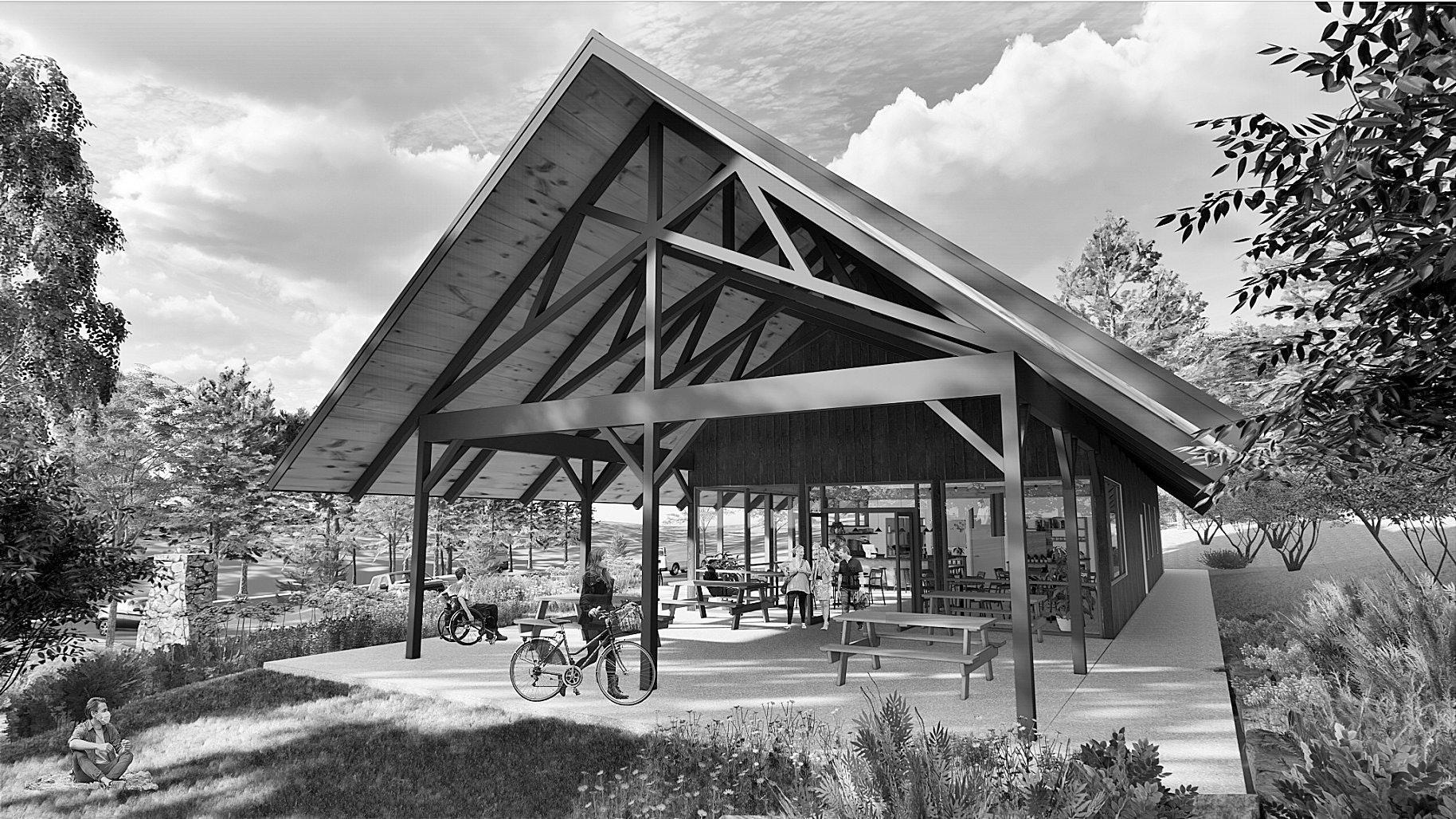
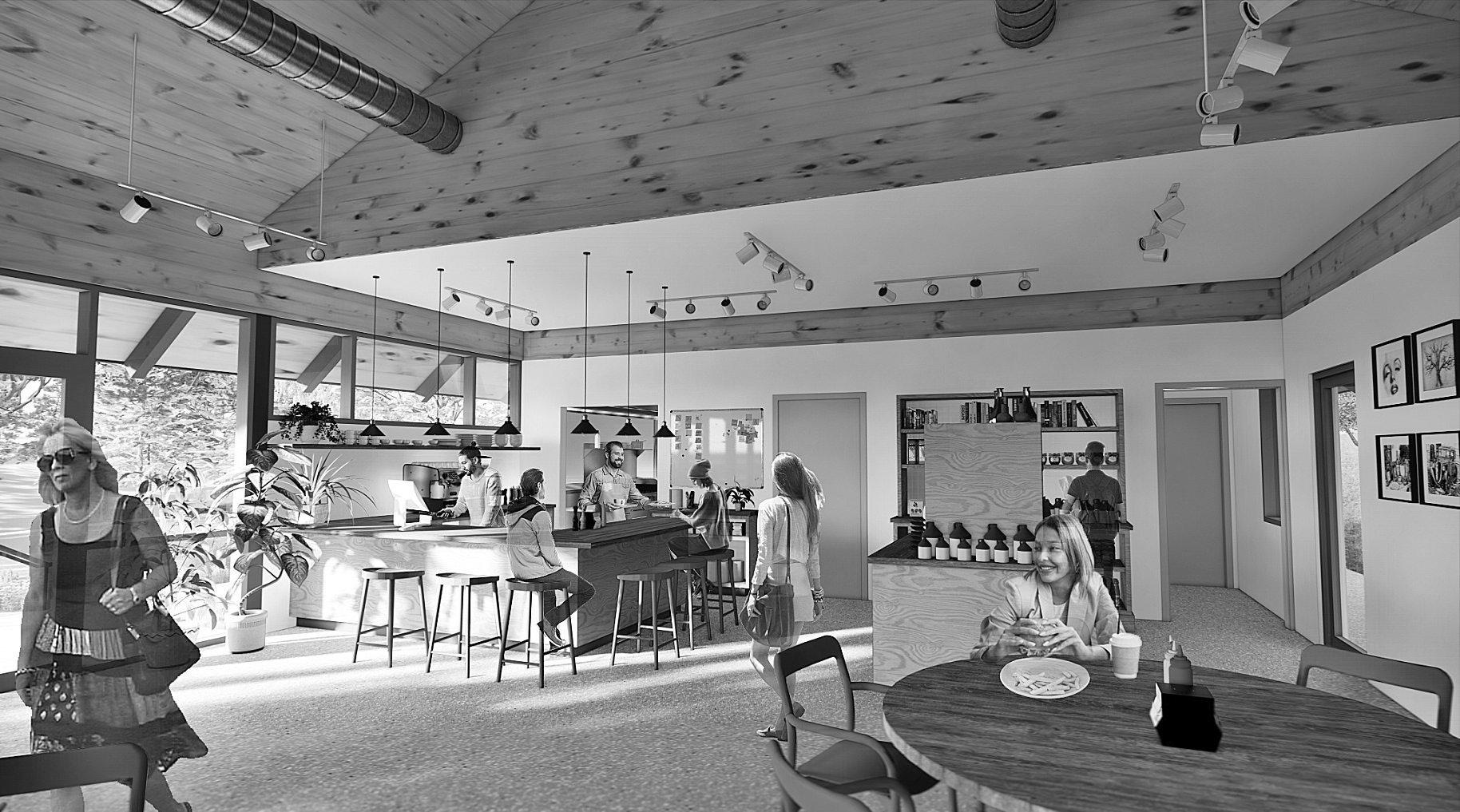
The new building will be 2,000 square feet, double the size of the old one. It will contain a commercial kitchen, retail area, bakery counter, dining area and three bathrooms.
Melanie Brandston, Gould Farm’s development director, said the new building will be 2,000 square feet, double the size of the old one. It will contain a commercial kitchen, retail area, bakery counter, dining area and three bathrooms. Deigned by Zac Culbreth Architecture of Great Barrington, the building will also be set farther back from Route 23 than the old one was and have a 400-square-foot patio for
customers to earn the award at the end of last year.
outdoor dining. Placing the new structure farther from the road will provide more parking for patrons, more room for green space and additional room for outside dining, Brandston said.
In a nod to the Roadside’s former use as a gas station, Brandston said the new structure could include an electric car charging station “if the possibility is there, but that’s getting way ahead“ of where the project is now.
The capital campaign started in mid-November, less than a month after the old Roadside closed on Oct. 30. According to Brandston, the board was prepared to chip in close to $200,000 during the capital campaign’s private phase, but Gould Farm wasn’t sure where additional funds would come from.
“We learned that probably 99 percent of the people who go to the Roadside as
and is higher than the national average in Massachusetts, according to AAA Northeast
customers do not give to Gould Farm in general,” she said. “So we had to do a lot of word of mouth, and events as best we could because of COVID letting people know we needed to raise money and that anyone who was interested in making an investment could call to let us know.”
The hard work paid off, but an additional boost may have come because of the town Gould Farm is located in.
During the fundraising process, Brandston said Gould Farm learned that the trustees of three major international foundations were Monterey residents, and their groups have all agreed to donate to the campaign.
Finston said the capital campaign will remain in the public phase until the $1M goal is reached.
“We’ll look to get as close to our goal as we can,” she said.
repairs and maintenance, elevated gas prices and higher taxes and fees.
FROM PAGE 6
comprehensive pipe insulation project and a steam trap audit and repair initiative. These efforts will result in a reduction of almost 575,000 pounds of carbon emissions per year.
The medical center was among seven large commercial and industrial
Efficiency Vermont is collaborating on many projects as the SVMC campus in Bennington undergoes a major expansion and renovation of the emergency department, main entrance and lobby.
Due to the increase in gas prices, the annual cost to own and operate a new vehicle has risen substantially this year
The average cost this year is $10,728, or $894 per month, a considerable increase from 2021, when the average yearly cost was $9,666, or $850 per month. In Massachusetts, the annual cost of vehicle ownership is about $250 higher than the national average. Bay Staters face more expensive finance charges, costlier
“Consumers are paying more attention when purchasing a new vehicle since everything is more expensive right now,” said AAA Northeast spokeswoman Mary Maguire. “With the recent increase in fuel prices, more and more people want to know the true costs of owning a car beyond their monthly payment.”
Small-business owners gathered at Dalton expo find networking, support
By Tony DoBrowolski
DALTON — Greg and Lisa Rose have run their own small business for 33 years. Elizabeth Heller’s small business is just getting started.
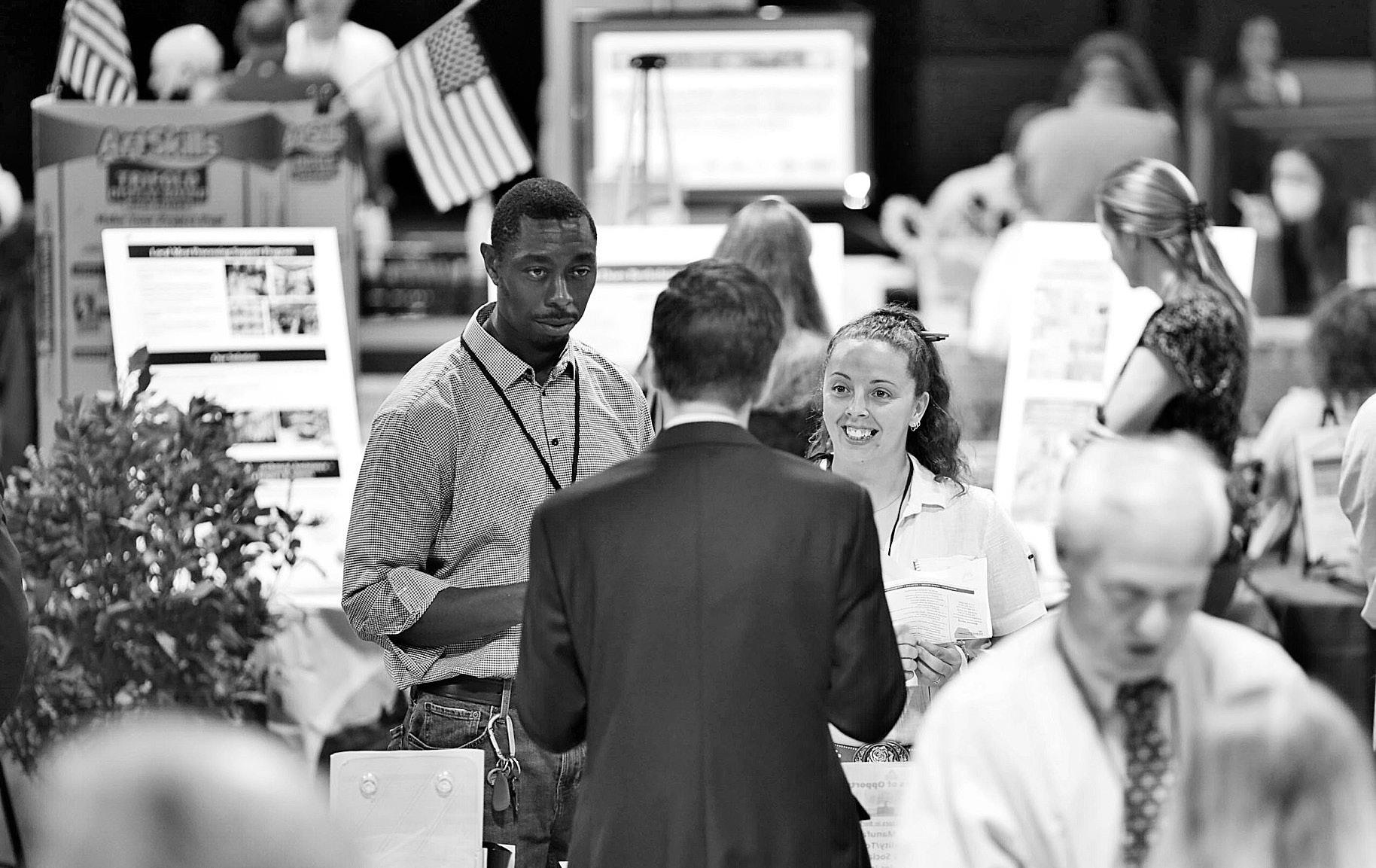
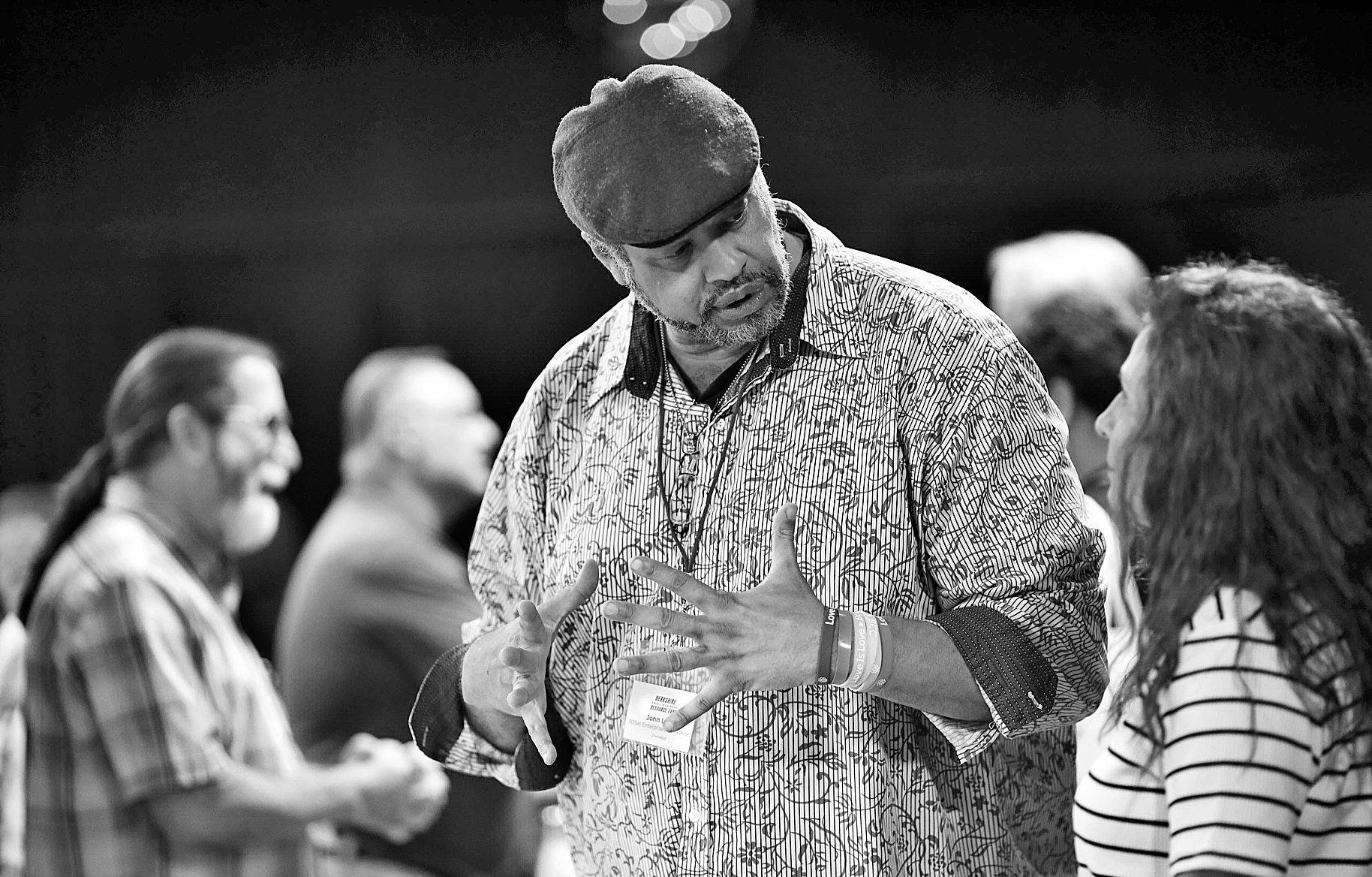
Their enterprises are in different places, but the needs are similar. They both need access to information about resources in the community to function efficiently. The Roses and Heller were among the over 200 participants who attended Tuesday’s first Berkshire Business Resource Expo, which took place at the Stationery Factory. The five-hour event, presented by five Berkshire-based business organizations, featured close to 60 exhibitors, and included three panel discussions on small business-related topics.
In addition to gathering information about available resources, the expo also allowed small-business owners to network and mingle, activities that have been rare since the COVID-19 pandemic had left many of them isolated.
“It can be lonely being an entrepreneur,” said Heller, a Pittsfield resident and a recent graduate of Entrepreneurship for All Berkshire County.
“I can meet the community and let them know what I’m doing,” said Heller, who runs her own company — and recently self-published her own book. “I can look around and see, ‘Wow, there’s all this help here,’”
The Roses operate Rennie & Rose of Dalton, which designs fabric for home decor products. Their customers include museums and boutiques.
“We wanted to see what there was for help with technical assistance with websites and social media, that type of thing,” Lisa Rose said.
Rennie & Rose, founded in 1989, has never had a physical location. The Roses, the firm’s only employees, sell most of their products directly to wholesalers, but also sell online.
“You have to get out and see what’s out there and and what other people are doing,” she said. “You don’t know what’s available until you go see.”
The selling point behind Tuesday’s event was attendees being able to access all the resources they need to both start or
maintain their enterprises in one central location.
“I think it’s a good idea,” Greg Rose said, “especially if you’re looking for funding if you’re just starting... . You get to meet all the banks and you get to meet the people who can bridge the gap for you.”
Besides banks and credit unions, event
exhibitors included two community development corporations, academic institutions, merchant organizations, and multiple chambers of commerce, including the Massachusetts LGBT Chamber.
“Small business is such a core part of the economics of the Berkshires,” said Dominica D’Avella, the operations
Small businesses and organizations gather for a day of networking, panel discussions, and information about resource opportunities during
PHOTOS BY STEPHANIE ZOLLSHAN
manager for Greylock Audiology of Pittsfield, who attended the event as a participant. “I think our success as a county is heavily tied to whether our small businesses cannot only survive but thrive.”
Like the Roses, D’Avella also liked having the ability to access multiple resources in one location.
“There are a lot of things in a small business that you don’t normally have in house, whether that’s accounting, legal or HR,” she said. “Those may be separate departments in a larger company, but in a small business you have to tend to all of it. So it’s critically important to be connected to the people around you and the people who are best at those other functions, so that you can take care of what you need to in your own business without devoting a disproportionate amount of time to things other than the core of what you do.”
By Tony DoBrowolski
GREAT BARRINGTON — Fairview Hospital returned to celebrating its summer fundraiser in-person this year, following two years of online galas due to COVID-19.
Fairview’s largest fundraiser of the year is expected to raise over $275,000 which will support investments in orthopedic technology as the hospital welcomes new orthopedic surgeons to the medical staff.
Over 300 supporters attended a festive cocktail party reception held outdoors on a sunny summer’s eve, overlooking the gardens and fields at Gedney Farm in New Marlborough. The event was hosted by 30 community volunteers who serve as the Gala Committee.
Highlighting the event, philanthropist Robert L.W. McGraw, known to many as “Robin,” received the C. Bernard and Irene Shea Community Service Award, which recognizes a community member who has shown consistent and generous support of Fairview Hospital and many other organizations.
Fairview’s Executive VP, Anthony Rinaldi, Jr., and Dr. Adrian Elliot, Medical Director, Hospital Services & Quality,
Fairview’s largest fundraiser of the year is expected to raise over $275,000 which will support investments in orthopedic technology.
joined Berkshire Health Systems Board of Trustees Chairman Bart Raser in presenting the award. “On behalf of the Board of Trustees, hospital leadership and as a community member whose family values the importance of excellence in healthcare, thank you for your leadership and commitment to the Berkshire community and to Fairview Hospital,” Raser said.
Accepting the award, Robin McGraw honored his mother’s example early in his life. “Our mother, Anne, was a driving force in many areas of her community, especially the creation of Cape Cod Medical Center and developing EMS Services during the 70s and 80s on the Cape,” McGraw recalled. “She said, ‘if you want top medical services where you live, you must convince your community of the real value of it and then get them to buy
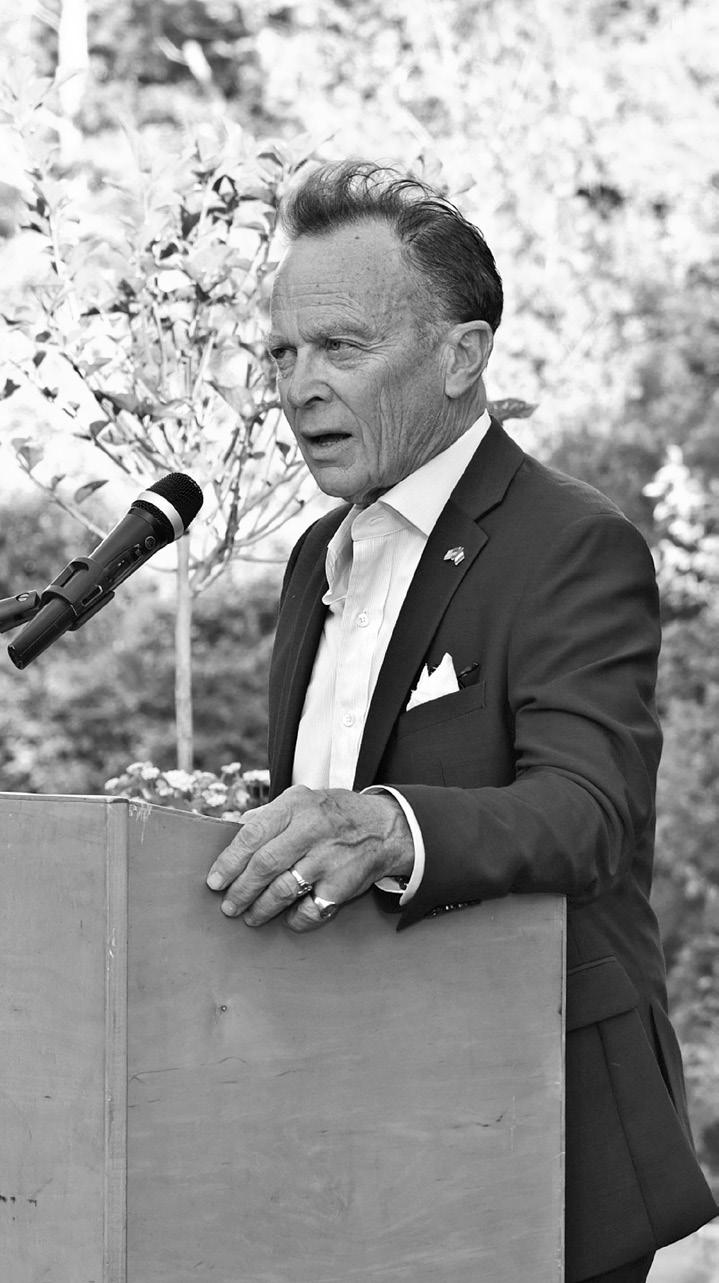
Philanthropist Robert L.W. McGraw speaks after receiving the C. Bernard and Irene Shea Community Service Award at Fairview Hospital’s first in-person summer gala in two years.
PHOTO BY STEPHEN G. DONALDSON
into it. That’s what we do!’”
“That’s what brings me here tonight,” he continued. “I am standing on the shoulders of those who have passed before me, particularly the Sheas. They identified a need in Fairview, unified their community and led by example with their time, energy, expertise, and unwavering financial generosity. We all benefit from a top-notch hospital in our community. Fairview Hospital is my hospital. It’s your hospital. It’s our hospital!”
The evening also marked the unveiling of Fairview Hospital’s “A Tradition of Care” exhibit, a 15-panel display sharing the story of Fairview Hospital’s history and the strong community partnerships, milestones and community leaders that have provided a strong foundation for over a century.
By Tony DoBrowolski
The Berkshire Eagle
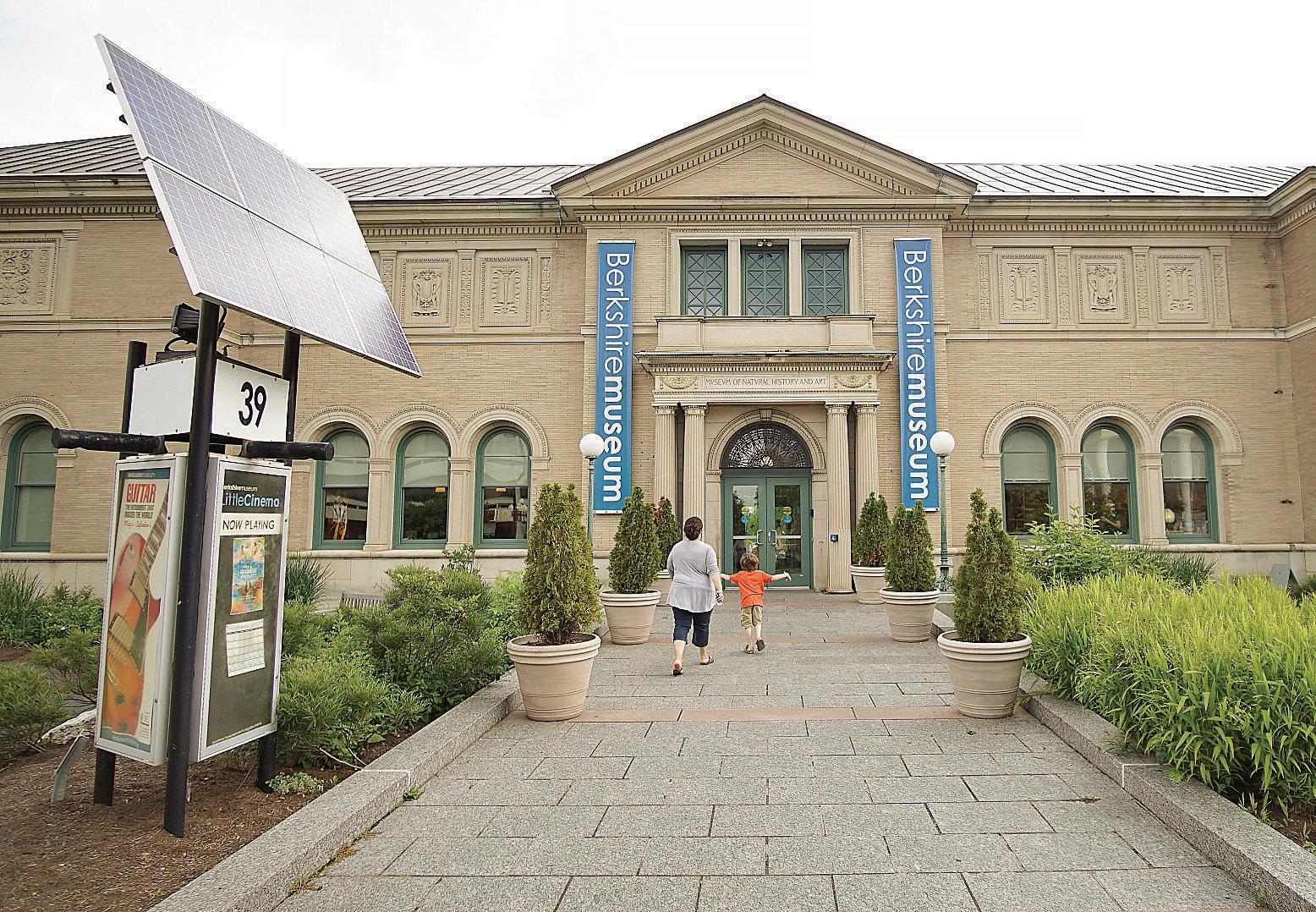
PITTSFIELD — The Berkshire Museum has gone west to hire a new leader with experience at museums in California and Texas.
Kimberley Bush Tomio was named the museum’s executive director by its board of trustees in July. Bush Tomio was to join the museum at the end of August.
She replaces Jeff Rodgers, who left abruptly last September after serving as the museum’s executive director for two and a half years, overseeing a $3.5 million renovation project.
Rodgers joined the museum in April 2019, the first permanent executive director after Van Shields, who left after leading the effort, announced in the summer of 2017, to sell key works from its fine arts collection as a means of expanding its endowment and plug recurring deficits.
That sale attracted national attention and criticism. The move was denounced by museum trade groups and by members of a citizens group, Save the Art-Save the Museum, but was unsuccessfully opposed in the courts.
In a statement, Bush Tomio said she looks forward to leading the 119-yearold museum on South Street.
“I am honored to have been selected to lead one of the most remarkable museums of its kind in the country,” Bush Tomio said. “I look forward to working in collaboration with the staff and board to meet the expectations of the
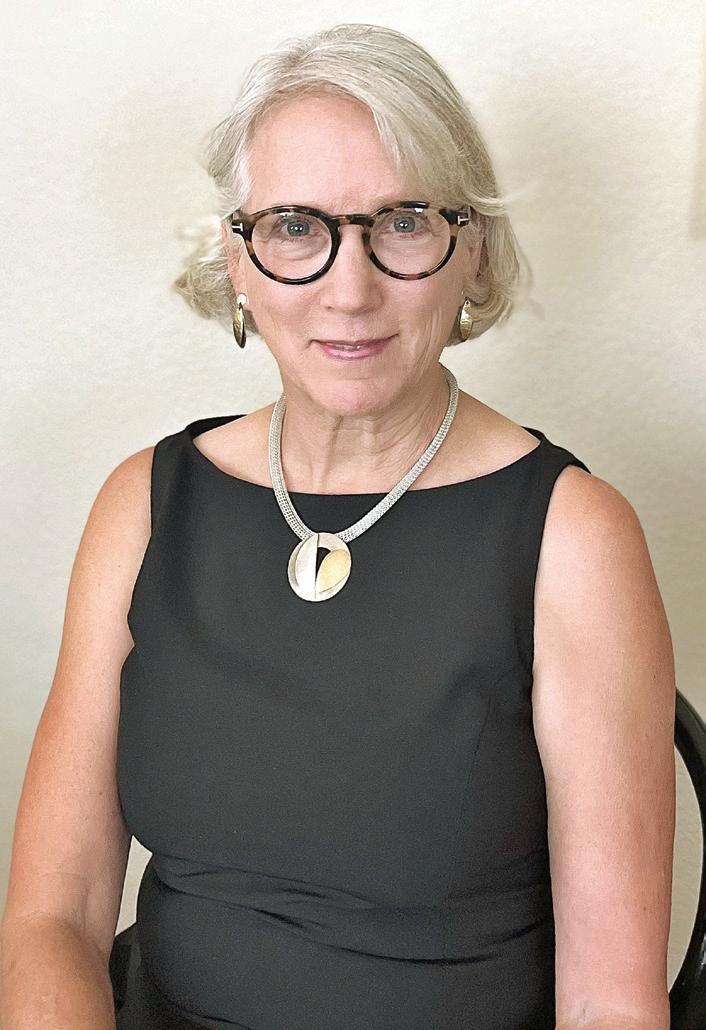
community in building upon its legacy of transformational educational and cultural experiences and anticipate with excitement what the future may bring.”
Until this month, Bush Tomio served for 10 years as director of museum services at the Asian Art Museum in San Francisco. Prior to her tenure at the Asian Art Museum, Bush Tomio spent 12 years as director of the Tyler Museum of Art in Tyler, Texas, where she was responsible for administration, programming and operations.
Before that, Bush Tomio spent a year and a half as director of the Crow Collection of Asian Art at the University of Texas at Dallas, following 11 years
at the Dallas Museum of Art where she served as registrar, collections manager and associate director of collections and museum operations.
According to a news release from the museum, Bush Tomio has managed hundreds of national, regional and international exhibitions.
The Asian Art Museum of San Francisco, founded in the 1960s by former International Olympic Committee Chairman Avery Brundage, has more than 18,000 works of art in its permanent collection, some dating back 6,000 years.
“Kim brings an amazing amount of experience, talent and passion to the museum, and an additional
perspective to the role of executive director,” Ethan Klepetar, president of the Berkshire Museum’s board, said in a statement.
“It’s clear from her past work, and from getting to know her during the search process, that she is an extremely talented and hardworking museum professional,” Klepetar said. “She is a proven leader who will continue to create exciting exhibitions and inclusive programs that welcome all audiences.”
Bush Tomio holds a bachelor of fine arts degree in painting from Texas A&M University at Commerce and a master of arts degree from Johns Hopkins University.

had more employers participating this year,” said Avril Levesque, Lever’s communications manager, who has gone through the Berkshire Interns program herself.
Lever is a nonprofit economic development organization whose stated mission is to build and grow innovation-driven enterprises, attract revenues to the region, and create jobs by expanding the “ecosystem for entrepreneurs, innovators, and young people,” according to its website.
Providing free summer jobs for college students in the Berkshires serves a dual purpose for Lever. Besides giving young people an employment opportunity, Berkshire Interns hopes that the students who come to work here in the summer will like the Berkshires so much that they will eventually return here to seek full-time employment.
“Studies indicate that if we cannot retain our current younger population and attract other young people to move here, we face a serious population decline,” said Lever’s Executive Director Jeffrey Thomas. “Berkshire County is a great place to live, but young people also have to know that they can find good jobs here.”
“Today’s students have grown up in a different era than most employers and have different expectations and concerns,” he said. “Internships offer an opportunity for employers to directly engage with them and get a better sense of what will attract and retain talent from this generation.”
According to Thomas, it was Heather Boulger, the executive director of the MassHire Workforce Board in Pittsfield, who suggested Lever form the Berkshire Interns program five years ago.
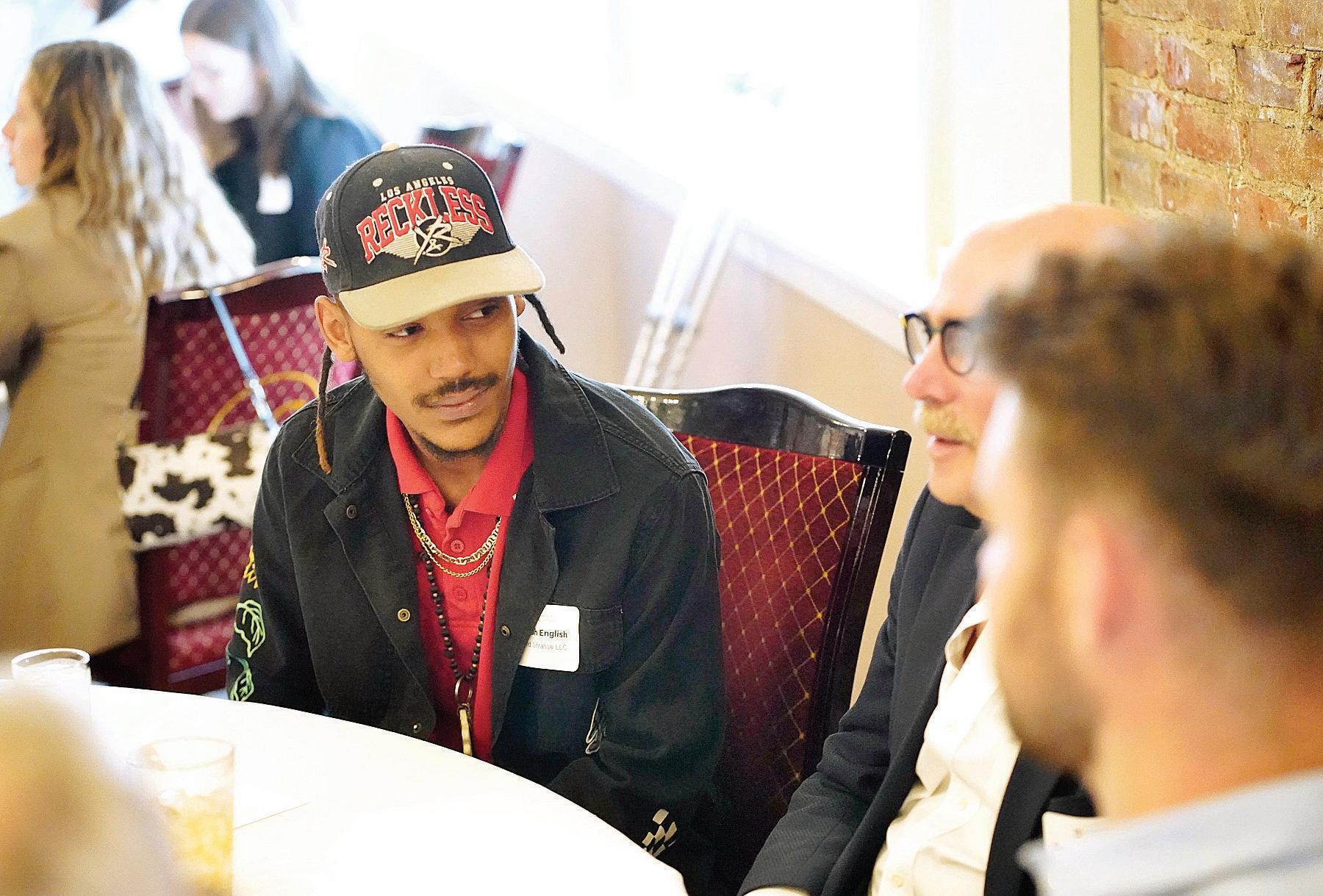
“We had successful experiences with interns and were fans of the concept,” Thomas said. “So when she proposed collaborating on a countywide college internship program, it made sense, as a way to contribute to economic and workforce development on another level.”
cy for career readiness programs. In doing so, it began receiving calls from college students who were seeking internships which the workforce board didn’t provide.
Heather Shogry-Williams, the workforce board’s youth program director, said her agency also partners with high schools to organize and support internships in its role as the lead regional agen-
“We frequently received calls from college students about internships,” Shogry-Williams said. “Since our forte for internships is high schools, we thought it would be great if another organization of-
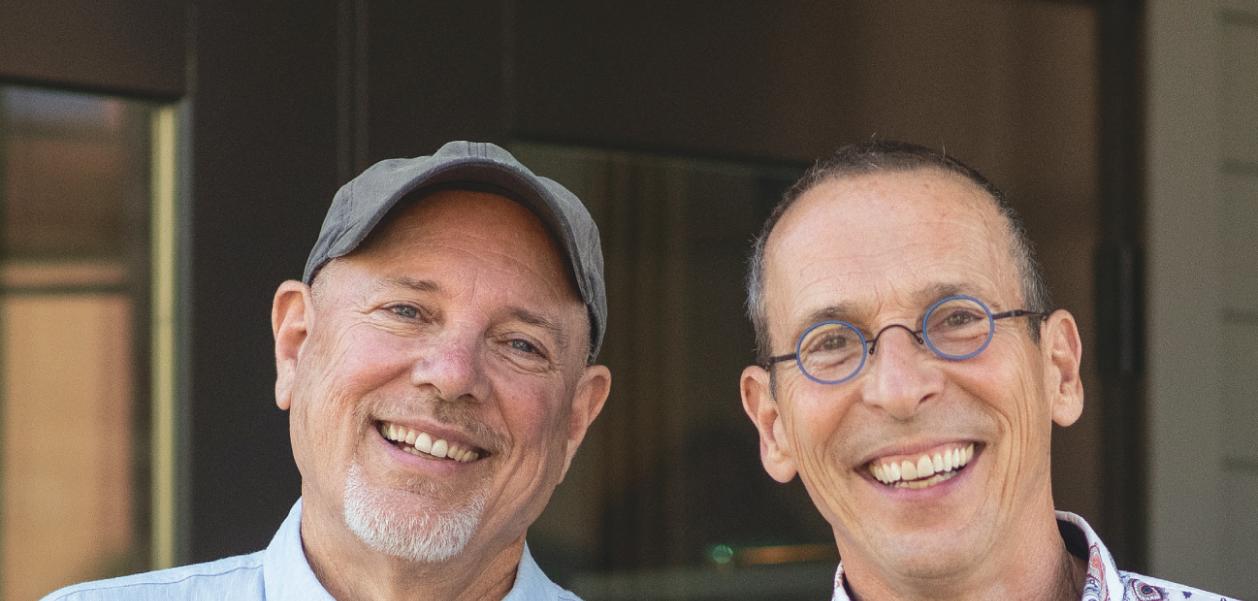

fered a program for college students that we could refer them to.”
Shogry-Williams believes that internships and other career-readiness programs such as workplace vocational training are becoming increasingly important.
“It’s great for the business community and for young people,” she said.



































company that lists employment opportunities for college students online. Handshake has become a primary resource for college placement programs.
“With one post, we can instantly promote an internship position at over 100 campuses, which greatly expands the pool of candidates a small employer would have otherwise,” Thomas noted.
Lever also provides a training program for the members of the employers’ staff who will be supervising the interns. “That provides guidance on how to manage interns and make the experience meaningful for the students and useful for the employers,” he said.
During the internships, the program holds workshops and offers other professional-development services to the students. It also sponsors social gatherings and other activities, including visits to cultural and recreational attractions.
“One of the goals is to show the students that Berkshire County is a great place to have both a rewarding career and a satisfying personal life,” Thomas said.
About two-thirds of the applicants for internships come from outside the Berkshires, while about two-thirds of those selected are live in the county.
“I think the fact that employers chose so many students from the Berkshires reflects well on the quality of talent here,” he said.
The Berkshire Intern program provides 10-week summer internships. It works with employers to create positions then refers them to students at colleges and universities both inside and outside the Berkshires. The applicants apply for the program through Lever, which then forwards the information to prospective
“For employers, it’s another way to fill their short-term needs, which is especially critical with the current labor shortage. It’s also vital for students to have experiences that help them gain an idea of what is involved in the workplace, and to consider what they want to do after they graduate.”
employers. It’s the employers who choose the candidates.
The program requires that employers pay interns minimum wage or higher for a 400-hour internship. Otherwise, the employers determine the specifics of the overall responsibilities and day-to-day management of the interns.
To publicize available internships, the program utilizes Handshake, a national
While the program is growing, the numbers per summer have fluctuated, due to the disruptions of the COVID-19 pandemic. “In the first year of the pandemic in 2020, we were on track to place 45 students that summer,” Thomas said. “But when workplaces were closed or changed to remote work, it was reduced to 12 internships.”
The internships have adapted to the changing role of remote work, which is at the discretion of employers. In 2021,
PITTSFIELD — Summer is almost over, and for me the end of each season leaves time for introspection. With that in mind, here are some thoughts and observations on various local business-related topics as we head toward fall.

As of mid-August, the Berkshire County unemployment rate was 4.1 percent, a drop of nearly 3 percentage points from the 6.9 registered 12 months ago, and more than 15 percentage points lower than it was 24 months ago, when it reached 19.9 percent during the beginning of the COVID-19 pandemic. That’s a big drop in one year, let alone two, given that COVID still hasn’t completely left us yet.
Yet, judging from the number of signs still posted in front of local businesses, a lot of Berkshire employers are still looking for help. Some businesses have provided incentives to get people in the door. Others have offered training. At least one restaurant has closed temporarily because it can’t find enough help.
Numbers don’t always tell the whole story. It’s good news that the unemployment rate has fallen so much in two years, but bad news that so many jobs are still vacant. The same thing is happening at the national level, too. I don’t know the answer to this one. Stay tuned.
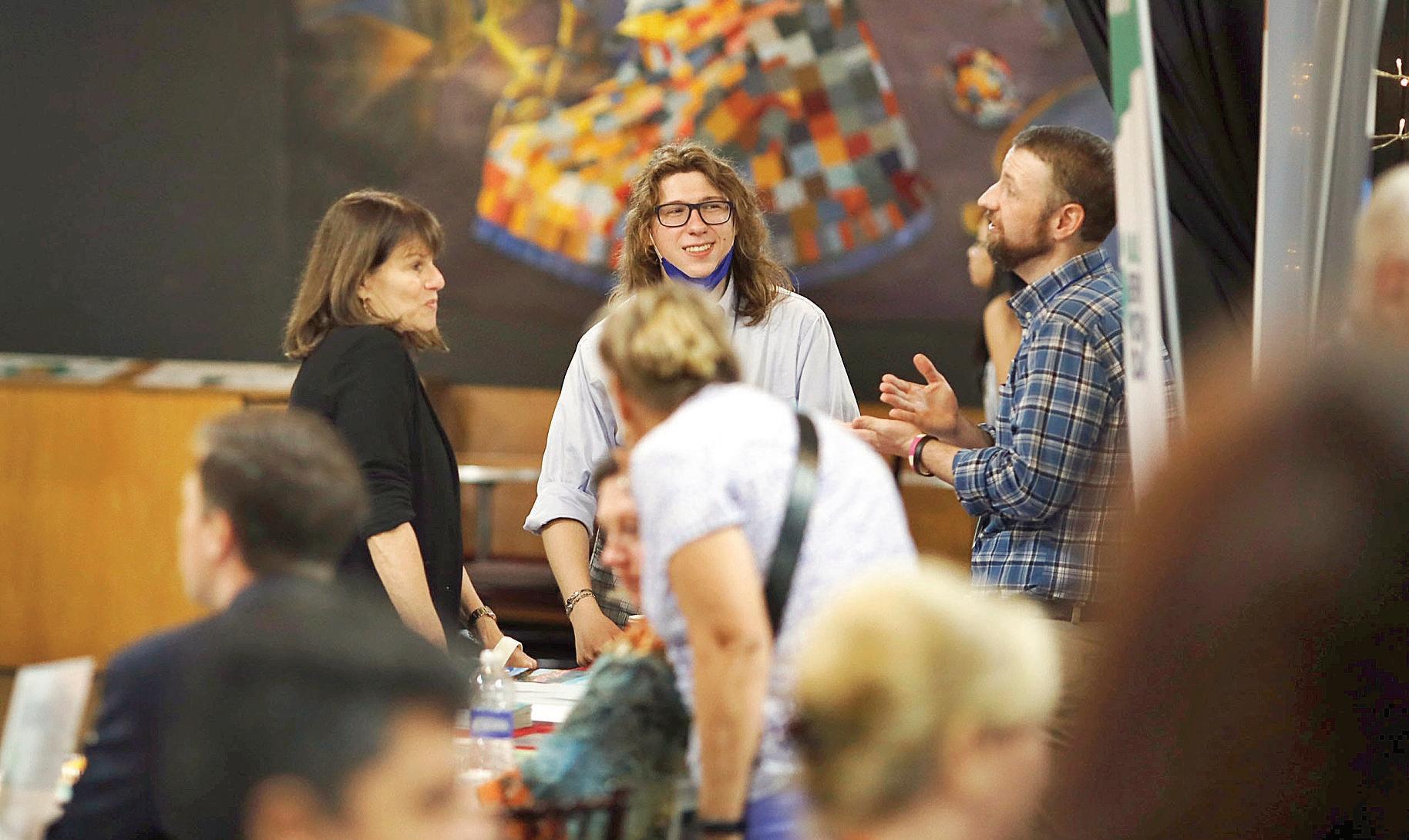
Another economic conundrum: Businesses may be closing in the Berkshires, and jobs have been left unfilled, but those reasons haven’t stopped local entrepreneurs from starting small businesses. Evidence of this trend was on display at the first Berkshire Business Resource Expo in Dalton on Aug. 9, which drew over 200 attendees and featured between 50 and 60 exhibitors.
The idea behind the event was to have all the agencies involved in developing small businesses in the Berkshires in the same place at the same time. The majority of the people that I spoke with at the event were either looking for information to help start a business, or hoping to learn more about something that could help them maintain an existing enterprise.
The takeaway, for me, at least, was that even in a time when job vacancies
remain prevalent, people aren’t afraid to strike out on their own, a stunning example of the American entreprenurial system at work. But maybe we shouldn’t be surprised. Massachusetts was recently ranked the sixth-best state in the country for entrepreneurs by Looka, which designs digital platforms for businesses.
The rankings are based on six factors: number of businesses with fewer than five employees; each state’s median household income; survival rate for business; cost of living; the annual payroll for businesses with fewer than five employees; and the percentage of new businesses started in 2020 and 2021.
In order, California, Texas, New Jersey, Illinois, and Georgia were the only states that were ranked higher than Massachusetts.
Another takeaway: Lots of people who attended the Expo told me they also came to both network and mingle with
now is working with interns.
about half of the program’s internships were hybrid combinations of remote and on-site work. This year, the majority have been on-site, with some hybrids.
“I think employers wanted to get back to a more normal situation of interns working on-site this year,” Thomas said. “We also encourage that, because personal interactions are particularly valuable in internships.”
Thomas noted that according to their follow-up surveys, almost all of the interns from previous years entered the workforce directly after college. Approximately 10 were hired directly from an internship, and another 10 went into jobs at other Berkshire employers following their stints.
“Many of the interns have been juniors with at least another year of school to complete, and we expect those numbers to increase as they enter the workforce,” Thomas said.
As a Berkshire Interns alumnus, Levesque has a unique viewpoint on how the program operates. She did her internship in the community engagement department at MountainOne Bank, which is where she first learned about her current position at Lever. One of her responsibilities as Lever’s communications manager
In that role, she now works with Kelli Kozak, her former supervisor at MountainOne, who serves as the bank’s vice president of community engagement.
“She was my supervisor, and now I’m providing her with interns to supervise,” Levesque chuckled.
Kozak describes Levesque as “one of our top-ranking interns ever.”
MountainOne has hosted internships for many years to support workforce development in the Berkshire region. The firm also offers internships outside of the summer months through collaborations with the Massachusetts College of Liberal Arts, Berkshire Arts and Technology Charter School in Adams and McCann Technical School in North Adams.
“We usually have two or three young people here,” Kozak said. “It’s very helpful having extra sets of hands. The interns also bring in new ways of thinking and have skills such as familiarity with new technologies. Our IT department and staff were developed primarily through internships and co-op education-work programs.”
Luf said her internship with the Berkshire Taconic Community Foundation provided her with valuable training and experience. It also helped her to refine her goals by clarifying her own inclinations and strengths.
their peers, something that has been rare in the Berkshires since COVID shut everything down two years ago. I detected a first-day-of-school vibe from some of the participants. It’s nice to be able to get out and about again.
On a sad note, Shire City Herbals of Pittsfield, which made vinegar-based health tonics under the “fire cider” name, recently closed. At one time Shire City was seen as an up and coming company. Five years ago, the city of Pittsfield gave Shire City, a 10-year, $42,788 tax incentive package from the city of Pittsfield to help finance a $1.4 million expansion that was completed the following year. It also survived after losing a well-publicized legal battle over the exclusive use of the fire cider name. That’s not easy to do.
These things happen sometimes in business, but they’re still sad to see.
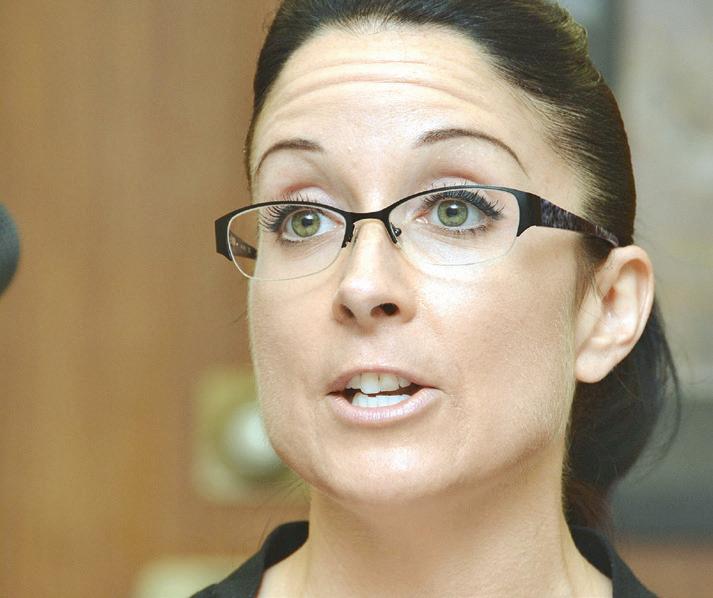
GILLIAN JONES
Heather Shogry-Williams, youth director of the Berkshire County Regional Employment Board, said internships and other career-readiness programs are becoming increasingly important. “It’s great for the business community and for young people,” she said.
“I really enjoyed the collaborative aspects, and interviewing people to collect qualitative data,” she said. “But I found that working with numbers to collect quantitative data was not something I want to emphasize.
“The foundation wanted an analysis of what has changed in education, to be able to tailor their programs to those changes,” she said.
In addition to Berkshire Interns,
One final note: Berkshire County has the highest stress inflation rate among the state’s 14 counties, according to MyBioSource.com. a biological products distribution company. The study was based on physical and mental distress data from County Health Rankings in counties across the state from 2017-21. Berkshire County had a 5 percent increase in total stress inflation rate over that time span, which included a 2 percent increase in physical stress and 3 percent jump in mental stress. The county with the lowest stress inflation rate in Massachusetts was Nantucket at 1 percent, which included a zero percent change in physical stress during that same time period. Make of this what you will.
Tony Dobrowolski is the editor of Berkshire Business Journal and has been The Berkshire Eagle’s main business writer since 2008.
Lever has added other programs related to youth workforce development. These include Berkshire Entry, a service that places recent college graduates in entry level positions by posting available positions at participating companies.
Lever has also launched the Inclusive Internship Preparation Program, or I2P2, which provides career preparation services to members of underrepresented communities to foster greater diversity and inclusiveness in the region. It delivers remote workshops to students at colleges who self-identify as members of underrepresented populations. The I2P2 program is open to students who are not participating in Berkshire Interns, but it also promotes the Berkshire Interns initiative.
Berkshire Interns surveys employers at the end of the summer to obtain general observations on how their internships went. Employers also fill out specific assessments for metrics of skills using the standardized Massachusetts Work-Based Learning Plan.
Levesque conducted the reviews this year.
“The response was overwhelmingly positive,” she said. “All of them enjoyed the interns and said they had been extremely helpful. The employers also expressed strong interest in participating next year.”
—
LEE
Think of the commonwealth as a multifaceted $52.7 billion enterprise.
What does the state budget mean to Berkshire County?
The budget passed by the Legislature and signed by the governor each year represents at once a practical plan for spending taxpayer dollars and a long-term strategic roadmap outlining the priorities and direction of the commonwealth.
Patricia Begrowicz
The budget is also where state government touches most directly the economy and well-being of regions like the Berkshires that sometimes feel isolated from Beacon Hill. State investments are essential to the region’s ability to educate our young people, ensure public safety and build the roads and bridges needed for economic growth.
Let’s acknowledge at the outset that budgets, whether for state government or for a private business like mine, can make your eyes glaze quickly. Parsing the state budget is always a challenge, particularly so this year since the blueprint for the fiscal year that began on July 1 has been closely intertwined with a little-known 1986 state law that may trigger a $3 billion rebate to individual taxpayers and an economic development bill that stalled at the end of the legislative session.
More on that later.
Massachusetts became the last state in the nation to enact a budget when Gov. Charlie Baker signed on July 28 a compromise $52.7 billion spending blueprint for fiscal 2023. The document represented a $5.1 billion, or 10.7 percent increase, over the $47.6 billion annual budget for the previous fiscal year.
The increase reflects the fact that the commonwealth finds itself flush with
The government affairs team at Associated Industries of Massachusetts, where I serve as board chair, has come up with some answers. ... The budget supports several key economic drivers in the Berkshires, including Berkshire Community College, the Berkshire Diverse Teacher Workforce Program at the Massachusetts College of Liberal Arts, the MassHire Berkshire computer system to assist job seekers; and the Berkshire Flyer seasonal train service between New York City and Pittsfield.
cash — Massachusetts posted a $4.6 billion budget surplus for the fiscal year that ended on June 30 and has several billion dollars more at its disposal in federal pandemic relief funds through the American Rescue Plan Act.
What does the state budget mean to Berkshire County? The government affairs team at Associated Industries of Massachusetts, where I serve as board chair, has come up with some answers.
The most important element for business is that the budget includes no new broad-based taxes on companies that are already struggling with inflation, supply chain disruptions and the possibility of recession.
The budget supports several key economic drivers in the Berkshires, including Berkshire Community College, the Berkshire Diverse Teacher Workforce Program at the Massachusetts College of Liberal Arts, the MassHire Berkshire computer system to assist job seekers; and the Berkshire Flyer seasonal train service between New York City and Pittsfield.
The surge in state revenues traces a remarkable recovery of the Massachusetts economy since the cataclysmic spring 2020 recession induced
by COVID and subsequent business shutdowns. Revenues that were billions behind plan two years ago are now at historic highs as employers have added more than 613,000 jobs since April 2020.
It’s that deluge of revenue that sets up the possibility that taxpayers may be in line to put more than $3 billion in their pockets under a 1986 voter-approved law that limits state tax revenue growth to the growth of total wages and salaries and turn the excess back over to taxpayers. The Legislature had proposed its own, $1 billion tax-relief plan as part of a larger economic development measure but put the brakes on that initiative because they were unsure the state could afford both the rebate and the legislative tax proposal.
The Legislature’s tax package would have provided rebate checks of $250 per person to income-eligible individuals to blunt the impacts of inflation on gas, groceries and other expenses. The bill would also have reformed the punitive estate tax that drives many entrepreneurs, small-business owners and retirees out of state.
The stalling of the economic development legislation was unfortunate because, like the budget, it addressed
critical issues for the business community both statewide and in Berkshire County. For example, the measure included $300 million to cover the cost of unemployment insurance payments mistakenly made to thousands of individuals during the chaotic early days of the COVID-19 pandemic.
It also contained funding for the William Stanley Business Park and the redevelopment of that park’s Site 9, which is overseen by the Pittsfield Economic Development Authority. Funding was also included for a high-speed wireless service program in downtown Lenox and for expansions to public safety infrastructure at Tanglewood.
Looming behind all of these issues is a potentially damaging constitutional amendment on the November ballot that would increase taxes for many business owners who sell their companies and citizens who sell their homes. The proposed amendment would cause significant harm to the locally owned businesses that form the backbone of the Berkshire County economy. Proponents maintain that the measure would raise $2 billion per year for education and transportation but results in other states suggest that outmigration of people to lower tax states would dilute that amount.
State budgets ultimately measure the willingness and ability of lawmakers to balance priorities like police, fire, education and infrastructure with a tax structure that encourages business growth and economic opportunity for all our fellow Berkshire County citizens. The Massachusetts Legislature and Gov. Baker passed that test with the fiscal 2023 budget. Let’s hope the voters do the same on election day.
Patricia Begrowicz, the president and coowner of Onyx Specialty Papers in Lee, is chair of the board of directors of Associated Industries of Massachusetts.

PITTSFIELD — In order to understand how the Berkshire County real estate market has fared over the first six months of 2022, it’s important to view those numbers in an historical context instead of comparing them only to last year.
This year’s numbers show that last year’s surge in Berkshire County real estate sales due to COVID has begun to taper off, but that the dollar volume transacted during the first two quarters of 2022 is at an extremely high level, according to figures compiled by the Berkshire County Board of Realtors. The board tracks only Realtor-assisted transactions.
Sales volume in all regions of the county and all property types dropped 8 percent across the Berkshires between January and June, and were down 12 percent compared to the same time period in 2021. But you get a different picture when you view the number of sales and the dollar volume from an historical perspective.
Consider that in 2018, the county hit $200 million in sales during the first two quarters of the year for the first time, according to the board’s figures. In 2022, the board tracked $352 million in sales during that same time period.
Many factors are impacting the market, including low inventory, higher mortgage rates, inflation, discussions of nationwide recession and overall, more cautious buyers than in 2021. But despite all that, with a total market of $352 million transacted this year through June 2022 is still shaping up to be a stellar real estate year for Berkshire County
The year-end prediction of a market correction rings true. With inventory remaining a challenge, high building costs, rising interest rates and inflation on the rise, sales are changing to a more
Key national trends that have impacted the Berkshire real estate market so far this year:
Vacation home sales: Buyers are showing greater interest in them this year, according to Lawrence Yun, the chief economist for the National Association of Realtors. As of mid-August, 8 percent of all transactions had been classified as vacation homes, when those sales would usually be at 4 or 5 percent. “A rise to 8 percent is a meaningful increase,” Yun said.
Inflation: Inflation is rising better than 4 percent from one year ago. Although they’ve dropped significantly since the middle of June, gasoline prices nationally are up 23 percent from one year ago and sit at a six-year high.
Many of these large pricing jumps impact home sale related services, Yun said, which are rising
balanced pace from the wild market of 2021. Now more than ever looking at specific property types, locations and price ranges is critical to understanding the buyers remaining in the market and where the housing gaps are that can be filled with the Berkshire’s current inventory. The inventory of Berkshire County residential homes on the market follows seasonal patterns each year. With huge demand, inventory levels fell to historic lows. While the market is correcting and Realtors report fewer bidding wars and more adjustments in listing prices and appraisal values, the board still notes an overall lack of inventory of homes available for our workforce.
Overall, the number of single-family home sales from January to June decreased 10 percent over the previous year. North County sales remained robust, South County sales retracted the most, and Central Berkshire reported fewer sales with higher transaction costs. Sales in 2021 broke every record, with a


much faster than broader consumer prices.
Cash sales: “Cash transactions are indeed picking up,” Yun said. “Last year only 13 percent of transactions were cash. Now in the latest data they were at 25 percent, essentially doubling. It could be due to the fact that given heated multiple-offer situations, some buyers want to present more attractive offers.”
Interest rates: Higher mortgage rates have added to the cost of buying a home, They rose sharply in May, but those big spikes may level off. Nadia Evangelou, the NAR’s senior economist and director of forecasting says rates should average around 5.7 percent by late 2022.
Mortgage rates: The Mortgage Bankers Association recently reported that a steep decrease in mortgage applications to buy and refinance “pushed the market index down to its lowest level in 22 years.” These higher costs are putting pressure on the housing market.
21 percent jump over the previous year with 659 sales countywide, and a dollar volume of $284 million in residential transactions. With a modest decrease in the number of homes sold between January and June this year, the dollar volume has also modestly decreased 5 percent over the previous years. Yet it remains historically high at $269 million through the first six months of 2022. Buyers are savvy to the shift in higher housing purchase costs, while sellers are just starting to adjust to a market that is balancing.
A look at sales in other property categories in the Berkshires during the first two quarters of 2022:
• Condominium sales in South County slowed considerably during the first two quarters of 2022 compared to last year. Northern and Central Berkshire reported opposite numbers with double-digit gains in both the number of units sold and the dollar volume transacted. Despite an overall decrease countywide, condominium sales sales are robust when looking at the
historical sales rates and volume.
• Multifamily home sales dipped slightly with a market slowdown in Northern and Southern Berkshire impacting countywide averages. Both regions had major growth last year, which slowed this year. Central Berkshire has the most multifamily units and continues to have strong activity in the multifamily market. Sales rose 6 percent in the number of properties sold in Central Berkshire, with a 30 percent increase in dollar volume. Pittsfield is the most dominant area in the Central Berkshire region.
• Last year’s land sales were hard to beat, as they surged in all parts of the county. This year, the board sees a slight retraction countywide, but sales are still very strong from an historical perspective. With building costs unknown going forward, it is important to maintain a close eye on permits and building opportunities to help alleviate some pent-up buyer demand for existing homes in popular price points. It remains incredibly hard to build needed workforce priced housing with current costs and codes. In May, 11 percent of builders dropped prices on newly constructed homes, according to building consultancy Zonda. An additional 70 percent kept them flat compared with May.
• Despite a commercial market heavily impacted by work-from-home and business closures, sales of commercial sales rose last year and yet have started to fall this year. Central Berkshire reported double-digit gains in the number of sales and the dollar volume of those transactions. North and South County saw declining commercial sales as reported to the MLS, yet not significantly different than historical averages.
A full historical report by property type, region and town can be found at berkshirerealtors.net/marketwatch.
Sandra J. Carroll is the chief executive officer of the the Berkshire County Board of Realtors and the Berkshire County Multiple Listing Service.

























FROM THE BIC
By Ben A rmstrong A nd Ben sosne
PITTSFIELD — For decades, regions across the United States have searched for ways to strengthen their economies and rebuild their manufacturing ecosystems. In some places, these efforts have produced results.
In Ames, Iowa, investments in technical assistance and university-industry partnerships have coincided with productivity and wage growth in manufacturing. Coordination between the business community and civic leaders in Columbus, Ind. has supported the attraction of new manufacturing businesses and an education infrastructure to support a pipeline of prepared workers. And just across the border in New York, state government investments in Albany’s Capitol Region helped support the growth of the local microelectronics industry, spurring large investments in training and infrastructure that now supports high-wage, high-technology jobs.
The challenge for policymakers, and for regions like the Berkshires, has been how can we learn from and build on these successes? Our response is the Berkshire Innovation Center’s Manufacturing Academy, a technology and training initiative based at the BIC that begins this fall. It was developed in partnership with the Massachusetts Institute of Technology and funding from the U.S. Department of Commerce.
The academy’s mission will be to address persistent challenges facing the manufacturing economy in the Berkshire region by closing the gap between local supply chain capabilities and the needs of larger manufacturers through ongoing education, training and technology assistance. It has been designed to complement the work that the MassHire Berkshire County Workforce Board, Berkshire Community College, and
The challenge for policymakers, and for regions like the Berkshires, has been how can we learn from and build on these successes? Our response is the Berkshire Innovation Center’s Manufacturing Academy, a technology and training initiative based at the BIC that begins this fall. It was developed in partnership with the Massachusetts Institute of Technology and funding from the U.S. Department of Commerce.
regional vocational and CTVE schools do to support advanced manufacturers.
MIT’s research confirms that firms improve their competitiveness by acquiring advanced technologies which improve processes and efficiencies, and then training their workers to operate and manage them. Following this model, the academy will support firms in understanding, acquiring and integrating new production technologies, and support the regional workforce by developing the foundational and advanced technology skills to meet employers’ needs.
The BIC will host and manage the academy, while MIT and the BIC’s local academic partners will develop curricula and provide training expertise. General Dynamics Advanced Mission Systems of Pittsfield, which plays such an integral role in the regional manufacturing ecosystem of Western Massachusetts, will be the lead industry partner. Although the academy has the potential to address many of the challenges General Dynamics faces as it continues to expand, it is aimed at supporting the growth and flexibility of the western Massachusetts manufacturing community as a whole.
CHALLENGES TO ADDRESS
Research on U.S. manufacturing and regional economic development has identified three challenges that a BIC Manufacturing Academy has the poten-
tial to address:
• A shrinking talent pool. U.S. manufacturers face a shrinking talent pool of experienced manufacturing technicians. To adapt, many firms report hiring entry-level workers with minimal skill or experience and providing years of onthe-job training to transform inexperienced workers into skilled machinists or multipurpose technicians. The training that firms offer is frequently informal and inefficient. This approach to training forces the most experienced technicians to balance time between doing their jobs and teaching their junior colleagues. Firms are frequently critical of their own training programs; after all, they are not education specialists, and if they invest heavily in training their workers, they then risk losing their investment to firms that poach their most skilled workers.
• Gaps in technology and skill levels. Gaps between large and small manufacturers in technology and skills hold the whole supply chain back. On average, small supplier firms in the U.S. are less technologically advanced than large OEMs. This creates problems for manufacturing supply chains, particularly those serving defense industries that must source materials domestically. The challenge is frequently that large firms want to improve the technological sophistication of their products, but
their domestic suppliers do not have the resources, production experience, or the capacity to keep up.
• Knowledge of modern manufacturing environments. Manufacturers consistently point out that the work they do is not “their grandparents’ manufacturing.” Factory jobs today are clean, technology-intensive, and more worker-friendly than the dirty and dangerous production work of the past. However, manufacturing executives lament that young people are largely uninterested in manufacturing careers.
MIT’s research has identified several promising examples of organizations and partnerships that have begun to address these challenges. We see these examples as models on which future programs can be built:
• The regional cooperative model. In northeast Ohio, the Alliance for Working Together was established as a cooperative venture between local firms facing similar workforce challenges. Together, a group of firms pooled resources to build an apprenticeship program for incumbent workers. Each participating firm selected promising technicians to become apprentices, attending a weekly class led by a local manufacturing executive with workers from other firms. Firms recognized that their workers learned more from one another in an environment that was more structured and collaborative than what they could provide as individual organizations.
• The technology commons model. The Fraunhofer Academy in Germany aims to provide expert-level training for leaders within manufacturing firms to update their knowledge and improve their firms’ capabilities. When new machining or robotic technologies are released, a foreman or cell leader might
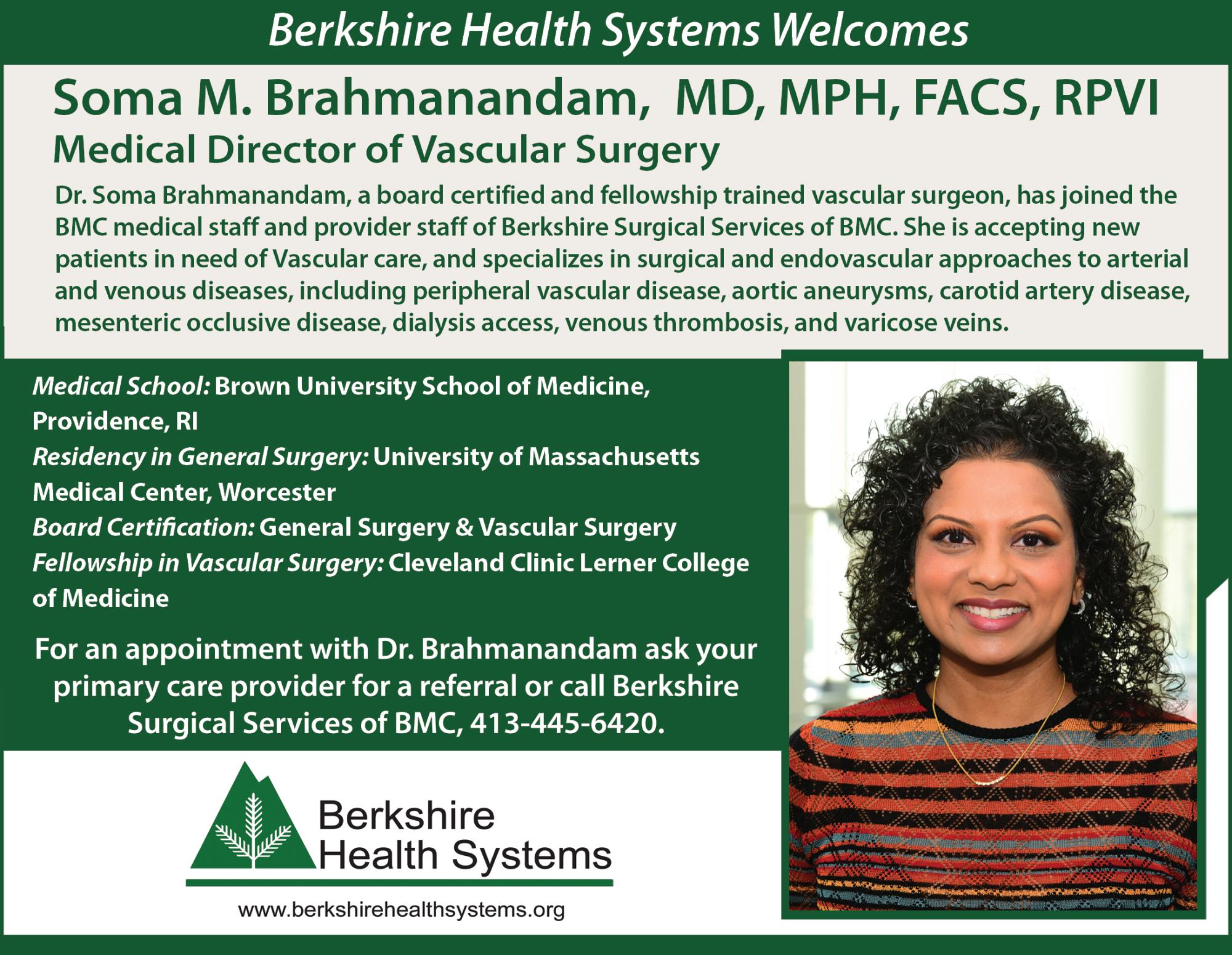





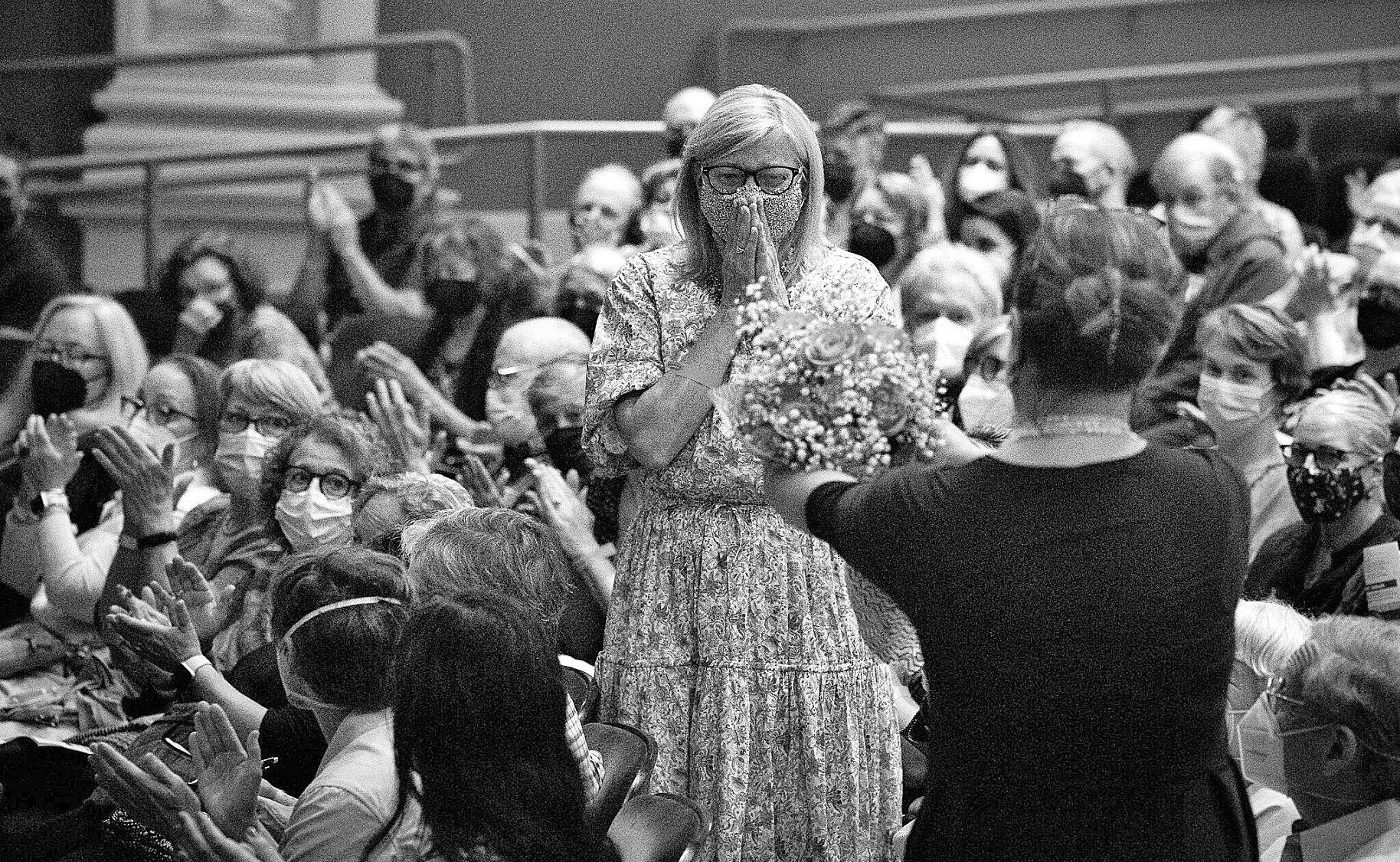
GREAT BARRINGTON — Good leadership is incredibly important in order for nonprofit organizations to operate sufficiently.
This month I’m turning my column over to two nonprofit leaders whose organizations have been hugely impacted by great board chairs: Kristin van Ginhoven, the founder and artistic director of WAM Theatre in Lenox, and Carolyn Valli, the executive director of Central Berkshire Habitat for Humanity in Pittsfield.

“To truly be a great nonprofit board chair requires having good character, a strong commitment to the cause, the gift of time, and a willingness to use personal and professional resources to advance the organization’s mission,” says Nick Price of Board Effect, a board portal and governance resource.
There aren’t enough spaces in the media where board stories are shared, but we in the nonprofit world have learned just how much one person can energize, uplift and propel an organization forward by reading through dozens of Berkshire Nonprofit Awards nominations in the board leadership category.
Having been a board chair myself, I imagine others have experienced similar challenges and growth in this on-the-job, leadership training ground. The job of a nonprofit board chair is not for the faint of heart. As a partner to the organization’s executive director, the board chair oversees meetings, works with all the committees, acts as an alternate spokesperson for the organization, assists other board members to maximize their impact, and evaluates the executive director and overall position of the organization. This is no ordinary volunteer position.
PAGE 15
pursue relevant continuing education at a Fraunhofer Academy. For example, the academy currently offers a cybersecurity training lab that offers background in IT security and its relevance for firms integrating digital manufacturing practices.
• The state support model. The commonwealth of Massachusetts through the Massachusetts Technology Collaborative has several programs aimed
Here, van Ginhoven and Valli reflect on the impact of their board chairs, describing their critical contributions, their management styles, and what good leadership looks like during times of crisis.
Van Ginhoven recently recognized board president, Wendy Healey, at a gala performance, presenting her with a bouquet of flowers and joining the audience in a round of applause for her outstanding leadership. Van Ginhoven writes, “Wendy Healey became president of the WAM Board of Directors in 2019. She has been an invaluable resource, especially during the pandemic. She spent countless hours helping create pandemic budget scenarios, offering advice around decisions that have to be made about staff, artists and programming, and being a compassionate, grounding voice of wisdom.
“In 2021, Wendy embraced a yearlong commitment to participate in the inclusive leadership cohort, facilitated by
to address challenges like these. The Massachusetts Manufacturing Innovation Initiative and the Massachusetts Manufacturing Accelerate Program provide cost-sharing grants that make it easier for firms and educational institutions to acquire new technology that can improve their productivity.
THE BIC ACADEMY PROGRAM
Drawing on these examples, and combining critical learnings from each of the models, programming at the BIC Manufacturing Academy will include: technology boot camps for manufactur-
BRIDGE. She also chaired WAM’s governance committee, which she spearheaded. That committee created a 360 Evaluation for our executive staff members, researched anti-racist board structures and recommended changes to the board at large; contributed to WAM’s pay equity research and spent hours strategizing, cultivating, and building relationships with potential WAM board members. Wendy ensures the board of directors complies with bylaws and all policies and procedures are updated and revised. She also mentors myself and the managing director. We have bi-weekly check-ins, and each year we work together on specific leadership goals to improve in areas that help the company and our team thrive to ensure effectiveness and sustainability. Wendy is the kind of person who brings each team member gifts at the holidays and calls to see how we are doing. Her service to WAM is immense, as is the service of all board presidents, and we couldn’t be more grateful.”
Valli reflects on the contributions of Mark Harris, who became board president of Central Berkshire Habitat for Humanity in 2019. “Mark has been my co-pilot navigating some really tumultuous times during the pandemic,” she wrote. “He has never faltered or given up hope that habitat could increase our care for our community. From a CEO
ing leaders to identify new opportunities for technology adoption; a regional apprenticeship program among participating companies based on curricula jointly developed with MIT; a shared pool of online training content; and deployment projects, which will allow participants to engage in applied manufacturing projects that incorporate new technologies.
The Berkshires has a long history of manufacturing innovation, and the BIC serves as a much-needed link between university research and development, startups and seasoned industry. By building on proven models and engaging
perspective, I could not have asked for a more supportive “in this together” board president. I was lucky to know that I was never alone in holding the organization together. He was always there to lend an ear, a hand and his heart and to instill those values to other board members.
“Mark’s personal experiences throughout his life connect with our mission, and his belief in service to community above self is remarkable,” Valli continued. “He excels at making sure each board member is engaged and contributing their talents and gifts. He nurtures and nudges the board when needed and models the behavior of a good board member. He doesn’t shy away from the tough work of board resource development.
Harris shared the following words at a recent house dedication: “I have gotten more out of my term of service than all of the time and effort I have contributed. Service is what makes us better humans.
“Mark is a fantastic human being,” Valli wrote.
For the rest of you board chairs out there, consider using Boardsource.org. It is a wonderful resource, complete with research, white papers, templates, best practices, checklists and educational programs. It is a great tool for nonprofit organizations.
Liana Toscanini is the executive director of the Nonprofit Center of the Berkshires in Great Barrington.
an experienced team, the BIC Manufacturing Academy is well positioned to help pioneer a new model of workforce development and technology adoption in manufacturing. We hope that this model can prove valuable to the people and businesses of Berkshire County, and inspire parallel efforts both in Massachusetts and the national level.
Ben Armstrong is the executive director of the Massachusetts Institute for Technology’s Industrial Performance Center, where he co-leads the Work of the Future initiative. Ben Sosne is the executive director of the Berkshire Innovation Center.
By Tony DoBrowolski
NORTH ADAMS — Anne Nemetz-Carlson, who expanded and diversified Child Care of the Berkshires during her 39year tenure, retired last month as president and CEO. A search for a new leader is underway.
Nemetz-Carlson has been a strong leader in promoting high-puality early education and care for young children and vulnerable parents since joining the organization in 1983. She has expanded the agency’s programming, and diversified its funding to create a more stable and sustainable agency that has a has a large and positive impact in the community.
She had previously spent five years as the director of the Williamstown Community Day Care.
“I have been fortunate and honored to work at such a dynamic, caring and effective agency, supported by a talented and dedicated group of employees who advance the organization’s mission every day,” Nemetz-Carlson said. “I will miss this work which I have enjoyed immensely and I am assured that the board will chose a leader who will maintain CCB’s significant and active role in the community.”
“Anne is a phenomenal leader and a wonderful person and has always had the best interest of the children, family, and employees of CCB in her sight,” said Anne Guest, the president of CCB’s board. “I wish her a well-earned and wonderful retirement, as does the whole board.”
Child Care of the Berkshires is a nonprofit human services corporation whose mission is to strengthen families through the provision of high-quality child care, education, support services and advocacy. It works primarily with low-income, high-risk populations.
CCB improves the social welfare of children and families through a variety of programs that include child care centers, a network of family child care providers, home visiting programs, and family engagement activities. It has between 75 and 90 full- and part-time

employees, and a $4.5 million budget.
Under Nemetz-Carlson’s leadership, CCB expanded its programming to provide additional family engagement opportunities and support. CCB also opened a family center that offers parent education and support to all parents, an early literacy home-visiting program for 2- and 3-year-olds, and a home-visiting parent support program for firsttime parents under 21.
One of CCB’s major accomplishment over the past several years is the coordination of the transformation of the former Haskins Elementary School in
North Adams, which now houses the Monument Square Early Childhood Center and many of its family support programs. Nemetz-Carlson worked to secure public and private funding and to create an up-to-date, accessible and welcoming environment for children and families.
“Through Anne’s leadership, CCB has grown to be the leader in community-based child care in Berkshire County and beyond,” said former North Adams Mayor Richard J. Alcombright. “Her passion for excellence in programming and care is only exceeded by the love she
has for those she serves — the children. Having my granddaughter at CCB for the past five years, I witnessed all she has built and watched my little girl embraced each day in the love and care that is provided at CCB. I wish Anne health and happiness in the many years ahead.”
Former board Chair Liz Costley said Nemetz-Carlson transformed Child Care of the Berkshires through visionary leadership, fierce commitment and wide-ranging advocacy. Future generations will continue to benefit from her leadership and passion in the years to come.
By H eaTH er Bellow
NEW MARLBOROUGH — When Suzanne Green moved to the Berkshires, she brought with her a desire to support people in need, the arts and animals.
She also brought access to money that could help. Yet she was quiet about it. Not many people knew of her impact here.
Green, 56, died on July 23 after a lifetime of various health problems, her friends say.
Those who knew her recalled a reclusive, shy and discerning decision-maker who directed more than $3 million to 20 different Berkshire County organizations over the course of about 15 years.
She was a trustee of The Green Foundation, founded in Los Angeles, Calif., to continue the vision of the arts- and community-centered philanthropy of her late father, the finance pioneer Leonard Green.
Until Suzanne Green moved, the foundation had mostly funded nonprofits in the LA area. In the years after Green moved from LA to the Berkshires for what her friends say was a need for a change, she began seeking out and funneling money to nonprofits like Railroad Street Youth Project, Volunteers in Medicine, and Barrington Stage Company, which will host her memorial service on Sept. 10. The memorial is open to the public. In the Berkshires, foundation money went to a range of groups that help the poor and the suffering, as well as immigrants, animals, children, museums and farmers.
Some recipients of the largest grants over the years were 18 Degrees, a family and child services nonprofit that received a total of $225,000; Barrington Stage, $375,000; Railroad Street, $385,000; and the Norman Rockwell Museum, $225,000.
Green didn’t talk much about her work. Even one of Green’s closest friends, who was like a mother to her, didn’t know how significant the endowment of the foundation was until after Green died. Green often gave her own money anonymously.
“Suzanne was one of the most self-deprecating people I knew,” said Vivian
“I enjoyed my conversations with her immensely because she asked such insightful questions. A life gone too soon but one that created a very very deep impact.”
laurie norTon MoffaTT, Norman Rockwell Museum executive director
Kimmelman, who met Green through an Kimmelman’s work for AnimalKind, Inc., an animal rescue nonprofit based in Hudson, N.Y. “She just couldn’t do enough.”
It was Kimmelman who helped convince Green to move to Great Barrington in the early 2000s. She would soon move to New Marlborough.
Green took her father’s legacy seriously, say those who worked with her on the foundation’s board.
“She looked at every single name that came through and had an opinion on everything, and really did her homework,” said Kathleen McCrimlisk, a fellow member of the foundation’s four-person board. “She was very pragmatic and empathetic at the same time. She would take a hard look at stuff. She was an excellent steward of the foundation’s money.”
McCrimlisk’s husband, George McCrimlisk, is president of the foundation and used to work with Leonard Green. He said Suzanne often was the driver behind getting the foundation involved with nonprofits outside LA. He said she also was the key to giving to groups including SECORE International, which aims to protect coral reefs and of which she was a board member; Dress for Success Worldwide; and the James Baldwin School in New York City.
The McCrimlisks said the foundation generally gives annual donations ranging from $10,000 and $55,000, but continues them year after year.
Michelle Clarkin grew close to Green while working at Barrington Stage, where she was formerly director of development. Clarkin saw the foundation, through Green, sustain giving there and to other nonprofits during hard economic times, and let organizations use money for operating costs, not just “a splash with a big initiative.”
Green loved the arts so much, Clarkin said, that she cried after they saw a show at Barrington Stage last summer featuring the songs of George Gershwin — her first show since the pandemic hit. She also was “one of those quiet, generous people who doesn’t flaunt it,” Clarkin said.
Laurie Norton Moffatt, executive director of the Norman Rockwell Museum, said she was impressed by Green’s astuteness as she worked with her on funding an education program connecting the museum and schools.
“I enjoyed my conversations with her immensely because she asked such insightful questions,” Moffatt said. “A life gone too soon but one that created a very, very deep impact. Still a bit of a shock.”
Real estate transactions in Berkshire County from July 4 through July 29:
ADAMS
Adams A.R. LLC sold property at 18 Grove Ave., Adams, to Monique M. Mielke, $170,000.
John P. and Ellen A. Richardson sold property at 57 Bellevue Ave., Adams, to Lydia Richardson, $150,000.
Laurie J. Sobon, personal rep. of Carol M. Kleiner, sold property at 21 Willow St., Adams, to Nathan M. and Amanda A. Sobon, $26,000.
Laurie Sobon and Norman W. Kleiner Jr. sold property at 21 Willow St., Adams, to Nathan M. and Amanda A. Sobon, $78,000.
David H. and Dianne Dabrowski, Carolyn Manning, Mary E. Farrell, and Kathryn Russiello sold property at 1 Daniels Court, Adams, to James M. and Jodie M. Pilot, $275,000.
East Hoosac Properties LLC sold property at 16 East Hoosac St., Adams, to Kayla Lynn Paulin, $145,000.
Ronald Zagata sold property at 62 Willow St., Adams, to Jace D. Krzeminski, $180,000.
William J. Greilich sold property at 14 Grandview Terrace, Adams, to Jonathan J. Moffat, $230,000.
Keith F. and Rebecca A. Michalski sold property at 9 Bobs Hill, Adams, to Stephanie Andrea Cloutier and Sandra Grace Wildman, $216,500.
Gary H. Herzog, executor of Lawrence J. Herzog, sold property at 1 Grant St., Adams, to Elizabeth Baldwin, $180,000.
David T. Ciepiela sold property at 0 Walling Road, Adams, to Thomas Tinney and Cynthia A. Bishop-Tinney, $35,000.
Spinning Mill LLC sold property at 7 Hoosac St., Adams, to Adams Spinning Partners LLC, $692,500.
Crystal A. Cooper, personal rep. of Bonnie Ann Andrews, sold property at 22 Glen St., Adams, to Peter A. and Regina A. Miner, $190,000.
Betty L. Wright, trustee of Wright Family Trust, sold property at 197 Green River Road, Alford, to Steven E. Shoyer & Deborah S. Horwitz, $1,550,000.
Michael T. and John B. Conboy, trustee of the Conboy RT, sold property at 2727 Jacobs Ladder Road, Becket, to Himalayan High LLC, $580,000.
Daniel K. Ferron and Victoria A. Lavalla sold property at 9 Needle Lane, Becket, to Lindsay Morena Webster, $315,000.
Ira B. and Linda A. Kurtzberg, trustees of the Linda A. Kurtzberg RVT Agreement, sold property at 201 Chippewa Drive, Becket, to Austin Consolati and Victoria Roy, $560,000.
Construct Inc. sold property at 2442 Main St., Becket, to Shasta May Montana Bona and Sean Michael Christopher Fusco, $250,000.
Robert J. and William B. Vanzandt sold property at Shore Road, Becket, to Richard J. Cole Jr., $25,000.
Thomas W. Rumbolt, trustee of the Cory Wishes NT, sold property at 609 Main St., Becket, to Becket on Main Holdings LLP, $238,500.
Teresa M. Strandberg sold property at Sir Walter Court, Becket, to Jose and Sheryl Torres, $9,000.
CHESHIRE
Sling LLC sold property at Jenks Road, Cheshire, to Tina L. Veneri, $52,000.
Richard J. and Dianna J. Pikul sold property at 415-419 North State Road, Cheshire, to Laura N. Harbin-Waters, $249,900.
Daniel E. and Julie K. Coe sold property at 213 Devonshire Drive, Cheshire, to Kelsey L. Kurowski, $329,023.
Deborah Dunlap sold property at 44 Richmond St., Cheshire, to Carrie Leigh Ramirez, $265,000.
Jay W. and Terri Piantoni Cooper sold property at 28 Furnace Hill Road, Cheshire, to Scott Edward and Laura Susan Walters, $349,000.
Harry and Josephine Lewis sold property at 221227 North St., Cheshire, to Reuterman Enterprises LLC, $318,000.
Harry and Josephine Lewis sold property at 239 North St., Cheshire, to Harry’s Auto LLC, $285,000.
DALTON
Maureen C. Wing, individually and as personal pep. of the Estate of Margaret C. Callahan, sold property at 72 Beverly St., Dalton, to Jennifer Louise White, $265,000.
Sharon M. Daley, formerly known as Sharon M. Scace, sold property at 916 South St., Dalton, to Andrew S. Cromartie and Janet L. Forest, $370,000.
Zachary M. Sondrini and Katie M. West sold property at 55 Bruce Drive, Dalton, to Ryan and Shannon McCasland, $446,000.
Brian S. Rice and Erika F. Prouty sold property at 61 Riverview Drive, Dalton, to Lawrence C. Brooker Jr., $326,500.
James W. Scott sold property at 86 Hemlock Hill, Dalton, to Nestor Riva and Alena Buka, $447,360.
Leslie S. Bird sold property at 458 East St., Dalton, to Angela Cady, $146,900.
Penelope P. Hudnut & Stephen R. Schoenfeld, trustees of Penelope P. Hudnut 2002 Revocable Trust, sold property at 29 Creamery Road, Egremont, to Abigail Solomon, $1,400,000.
Paul Landsman & Susan Kosoff sold property at 31 Creamery Road, Egremont, to Zander Oldendorp & Elizabeth Oldendorp, $705,000.
Michael C. Kammeyer & Elisa Garza Kammeyer sold property at 216 Egremont Plain Road, Egremont, to TNB Financial Services, trustee of Frances P. Bunnelle Trust, $681,000.
Alexandra H. Glover, trustee of CBL Nominee Trust, sold property at 183 Egremont Plain Road, Egremont, to Mark D. Smith, $470,000.
Thomas A. Nalen & Denise L. Nalen sold property at 7 Mearns Way, Egremont, to Robert Currie & Rebecca Lichtenfeld, $1,725,000.
Dennis Kostyk & Caroline Alexander sold property at 12 Prospect Lake Road, Egremont, to Paul Schnee & Amy H. Metsch, $782,000.
Great Barrington
James W. Martin & Jessica Holmes sold property at 1 Deer Trail Road, Great Barrington, to Shay Alster, Cristina Shapiro-Alster, Dror Price & Irit Price, $705,000.
William Golding & Laura Golding sold property at 233 North Plain Road, Great Barrington, to Daniel England & Jo Ann England, $825,000.
Kathleen A. Sinico sold property at 4 Cooper Road, Great Barrington, to Vrushank Patel & Shruti Patel, $408,000.
Frances A. Rothman, trustee of Frances A. Rothman Living Trust, sold property at 289 North Plain Road, Great Barrington, to SSZJR Berkshires LLC, $918,000.
Kevin P. O’Rourke & Juanita Hankey O’Rourke sold property at 4 Lake Buel Road, Great Barrington, to Jessica Bennett, $300,000.
Gregg O. Wellenkamp & Eric H. Wellenkamp sold property at North Plain Road, Great Barrington, to Little Brook Farm LLC, $310,000.
Thomas A. Kelly Jr. and Memrie J. Kelly sold property at 1045 Main St., Great Barrington, to Jessica Bennett and Peter Isop, $476,500.
Joan Griswold sold property at Barbieri Drive aka 275 Division St., Great Barrington, to Colin T. Kemble & Joanna R. Berliner, $125,000.
HANCOCK
Alyse F. Dvork sold property at 2631 Hancock Road, Hancock, to Cheryl Bianco, trustee of the Bianco NT, $230,000.
Doris E. Dusenbury, trustee of the Dusenbury FT, sold property at 700 Lebanon Mountain Road, Hancock, to John and Brenda Cadorette and Emily Ann Condry, $447,500.
HINSDALE
Perry D. Cetti and Barbara Metivier sold property at 905 Washington Road, Hinsdale, to Fred Davis III and Sharon M. Lynch-Davis, $460,000.
Wayne R. and Catherine R. Maloney sold property at 62 Holmes Road, Hinsdale, to Jennifer M. Kimball, $265,000.
Jennifer M. Kimball sold property at 1 Maple St., Hinsdale, to Stacey Michiko Macedo and Osvaldo Macedo, $148,000.
LANESBOROUGH
Victor A. and Brenda J. Olszewski sold property at 67 Meadow Lane, Lanesborough, to Maria and Brad Edward Melanson Sr., $205,000.
Christopher K. and Madeline Weldon sold property at 8 Ann Drive, Lanesborough, to Lynne Franchelle Derus, trustee of the Blythe F. Harris LT, $245,000.
David R. Mangiacotti and Cynthia Cohen-Mangiacotti sold property at 24 Sunrise St., Lanesborough, to Julie Clayton and Vera Farrell, $465,000.
Kimberly S. Morris sold property at 115 Ore Bed Road, Lanesborough, to David F. Manning and Judith M. Kelly, $275,000.
Christena M. and Delmont T. Keyes Jr. sold property at 226-228 Bailey Road, Lanesborough, to Justin M. and Sarah M. Dezess, $440,900.
John and Louann Jasinksi sold property at 31 Olsen Road, Lanesborough, to Charles E. and Elizabeth Moisan Forgey, $431,500.
Lance G. and Kathleen M. Hopkins sold property at 23 Stormview Road, Lanesborough, to Ellen Rivas, $82,500.
Robert R. Shaw sold property at 61 Gulf Road, Lanesborough, to Anthony W. Vallone, $187,500.
Durga Property Holdings Inc. sold property at 655 Cheshire Road, Lanesborough, to Mehran Namiri-Kalantari, $8,000,000.
Dawn Marie Fredette Cernik, trustee of the Main Road RT, sold property at 21 Franklin St., Lee, to Daniel and Nicole Fairfaux, $125,000.
IJN Equities LLC sold property at 345 East St., Lee, to HLP Realty Holdings LLC, $166,232.
Joseph Coates, trustee of the Taylor Family NT, sold property at 260 Mandalay Road, Lee, to Susan Ochs Kravitz, $435,000.
Casella Waste Management Inc. sold property at 1185 Pleasant St., Lee, to T&S Holdings LLC, $1,200,000.
Nancy B. Donovan sold property at 115 Old Pleasant St., Lee, to Erin Lis, $100,000.
Anthony C. Blair sold property at 410 Greylock St., Lee, to Nathan Joseph Peruta, $320,000.
Meghann E. Hawley sold property at 35 Laurel St., Lee, to Colin R. and Emily J. Mackichan, $425,000.
Deborah A. Hicks, conservator for Brian C. Hicks, sold property at 1 Pittsfield Road, Lenox, to Salvini Development Company LLC, $105,000.
TL745D Inc. sold property at 55 Pittsfield Road, Unit Retail Building 1, Lenox, to LC No. 1 Holdings LLC, $150,000.
HJB Holdings LLC sold property at 55 Pittsfield Road, Unit Retail Building 1, Lenox, to LC No. 1 Holdings LLC, $525,000.
Valley Mill Corp. sold property at 60 Willow Creek Road, Lenox, to Casella Waste Management Inc., $640,000.
Philip and Linda Halpern sold property at 15 Hawthorne St., Lenox, to Corcoran Lodging LLC, $1,012,241.
Wojtkowski Bros. Inc. sold property at 449 Pittsfield Road, Lenox, to Smegal Holdings LLC, $640,000.
Raymond Kushi, trustee of the Thomas R. Garrity & Barbara L. Garrity 2021 Irrevocable Trust, sold property at 64-68 Willow Creek Road, Lenox, to Casella Waste Management Inc., $710,000.
Carolyn R. Vandervort sold property at 45A Starwood Drive, Unit 5-9, Lenox, to Barbara J. Cohen, $310,000.
Lenox Landings Barrington Brook Holdings LLC sold property at 5 Golf View Drive, Lenox, to Carl A. and Claire Burke Draucker, $889,000.
Kristin L. Czelusniak, trustee of the Brownlow Joint Revocable Inter Marital Deduction Trust, sold property at 710 East St., Lenox, to Derek K. and Lynn E. Pinsonneault, $385,000.
Richard S. Jackson Jr. and Linda W. Jackson sold property at 4 Morgan Manor, Unit 6, Lenox, to Maureen Dayal, $199,000.
MTA Land LLC sold property at Route 23, Monterey, to Molly M. Amstead & Mitchell G. Hamilton, $15,000.
Alexandria D. Ramsey & Elizabeth Fulton Foley sold property at 200 Main Road, Monterey, to Rebecca H. Holder & Mary B. Holder, $850,000.
Joseph W. Putrino & Robert E. Lee, co-trustees of Joseph W. & Donna M. Putrino Revocable Living Trust, sold property at 17 Lime Rock Lane, Monterey, to Keith LePack & Alyssa Gelbard LePack, $800,000.
James S. Filkins & Virginia S. Filkins sold property at 419 East St., Mount Washington, to Jacob
Pelley, trustee of Bradley Pierce Brown Trust, $950,000.
Michael A. Sobol sold property at 1041 Canaan Southfield Road, New Marlborough, to William J. Palmadessa & Faith Palmadessa, $1,215,000.
John W. Field Jr. sold property at Canaan Valley Road, New Marlborough, to SFCVR LLC, $242,000.
NORTH ADAMS
John H. Choquette Jr., trustee of the 392-394 Union Street RT, sold property at 392-394 Union St., North Adams, to Wenninger Family LP, $275,000.
Nancy A. Anderson, personal rep. of Christine M. St. John, sold property at 34-36 Williams St., North Adams, to Stephen and Tara L. Warley, $230,000.
Kimberly Brown, personal rep. of Peter R. Ronan, sold property at 935 State Road, North Adams, to Centerville Sticks LLC, $199,000.
Donald D. Adler sold property at 330 Eagle St., North Adams, to Reid Andrew and Kayla Rebekah Solomon-Lane, $349,000.
MountainOne Bank sold property at 60 Chestnut St., North Adams, to Lyndsey M. and Chad D. DeGrenier, $145,000.
Cindy Elaine Florence and Paul Anthony Beaudette, trustees of the 11 Hathaway Trust, sold property at 11 Hathaway St., North Adams, to Michael P. Meaney, $62,000.
Carol J. McMahon sold property at 243 Union St, Unit 408, North Adams, to Noah William Haidle and Kelsey Ann Shultis, $450,000.
HLP Realty Holdings LLC sold property at 15 Hudson St., North Adams, to Tracy Rogowski and Jared M. Jolin, $174,900.
Henry G. Stanley sold property at 21-23 Montgomery St., North Adams, to James Pedro, $20,000.
Berkshire Hills Development Company LLC sold property at 133 Houghton St, North Adams, to Massachusetts Museum of Contemporary Art Foundation Inc., $14,200.
Thomas Manship sold property at 908 and 926 Mohawk Trail, North Adams, to MHBSD LLC, $445,000.
Pamela Ann Kidder sold property at 50 Williams St., North Adams, to Lindsay R. Brillon, $172,000. James Sklar and Alyssa Cooper sold property at 149 Bradley St., North Adams, to Rozalyn Crews and Spencer Bryne-Seres, $265,000.
Donna L. Vallieres sold property at West Shaft Road, North Adams, to Lee and Michele Vareschi, $25,500.
Rachel A. Doane sold property at 528 Barbour St., North Adams, to Matthew D. Sadlow and Kelly A. Gamache, $207,000.
Hugo and Elvia Cabrera sold property at 73 Franklin St., North Adams, to Kyle Cullinan, $290,000.
Kim S. Serrano sold property at 17 George Ave., North Adams, to Wayne L. and Lydia R. Kuzia, $290,000.
Carol Neumann, personal rep. of Richard Peter Pothier, sold property at 45 College Ave., North Adams, to Angela M. and Leonard M. Giroux Jr., $200,000.
Stephen P. and Airaceli M. Murray sold property at 1679 Massachusetts Ave., North Adams, to Hannah C. Rinehart and Ryan J. Mateyko, $405,000.
Amelia O’Neil sold property at 107 Liberty St., North Adams, to Nicole Willor, $115,000.
Lisa Leavitt sold property at 41 South Lake Ave., Otis, to Andrew L. and Jodi A. Bloom, $257,500.
Timothy S. and Myrna L. Carson sold property at 2017 Monterey Road, Otis, to Elan Merkel and Lydia Spevack, $950,000.
Louis R. Sweatland Jr. sold property at Reservoir Road, Otis, to Nancy S. Pigman, $11,500.
Catharine E. Marek sold property at 85 Gibbs Road, Otis, to Sandra P. and Barry T. Donahoe, $793,500.
Veronica O. Deyeso sold property at Stebbins Road, Otis, to Jason M. Harrington, $50,000. Steven R. Adams sold property at 333 Dimmock Road, Otis, to Vinay Prabhu and Rucha Abhay Desai, trustees of the 333 Dimmock Road Nominee RT, $615,000.
Barbara M. Calcasola sold property at Route 8, Otis, to Joseph F. Petrone, $80,000.
Marc Delgrande and Nancy M. Klose sold property at Lakeview Road, Peru, to John W. Kokosa, trustee of the John W. Kokosa NT, $4,000.
Wilmington Savings Fund Society, FSB, trustee, and Shawn O’Shea and Jean-Marie O’Shea, formerly known as Jean-Marie Smith, sold property at 141 Onota St., Pittsfield, to Wilmington Savings Fund Society, FSB, trustee, $123,800.
Greylock Federal Credit Union and Richard J. Barnes sold property at 224-226 Linden St., Pittsfield, to Greylock Federal Credit Union, $70,000.
Elaine C. Derboven sold property at 801 and 791 Holmes Road, Pittsfield, to Rose Marie Ryan, $29,000.
David S. and Carrie M. Dunn sold property at 36 Richardson St., Pittsfield, to Tucker C. Hartmann, $200,747.
Carl L. Ameen Jr. sold property at 39 Bushey Road, Pittsfield, to Nancy V. Serrano and Cain Serrano Ruiz, $223,000.
Simon D. Dembitzer sold property at 28-30 Bay State Road, Pittsfield, to Michelle Larabee and Aaron Sweet, $189,900.
Shannon A. Malloy, formerly known as Shannon A. Gratton, sold property at 109 Dodge Ave., Pittsfield, to Jillian M. St. John, $268,000.
U.S. Bank, N.A., trustee, and Christina A. Rosa sold property at 139-141 Robbins Ave., Pittsfield, to Richard Lampron, $70,000.
Beth Rachel Beckwith sold property at 155 Dawes Ave., Pittsfield, to William E. King and Daniella N. Murray, $700,000.
Sarah M. Dezess, formerly known as Sarah M. Langlais, sold property at 11 Swan St., Pittsfield, to Carol Passley, $452,000.
Matthew J. Barnes sold property at 142 California Ave., Pittsfield, to Nicholas J. Gallagher, $147,500.
Allyson N. Curley sold property at 37-39 Alcove St., Pittsfield, to Anthony M. Booth Sr., $195,000.
Ronald J. and Mary Jane Piazza, trustees of the Piazza Family RVT, sold property at 835 North St., Pittsfield, to 835 North LLC, $370,000.
Cheryl A. Bianco, trustee of the Bianco Landscaping NT, sold property at 1110 and 1120 Churchill St., Pittsfield, to BPM 1120 Churchill LLC, $1,585,000.
Jose F. Saldana sold property at 287 Second St., Pittsfield, to Deborah Salmon, $248,000.
Jacob Sweener and William Ellsworth sold property at 25 Meadow Ridge Drive, Pittsfield, to Pradeep Manoharan and Kannichamy Vaishnhavi, $700,000.
Pamela Jean Gauthier sold property at 501 Holmes Road, Pittsfield, to Morgan Jean Balentine, $567,000.
Kendra V. Smallwood and Tristan L. Greene sold property at 16 Adelaide Ave., Pittsfield, to Julia King, $293,000.
Jugpal Singh sold property at 253 Dewey Ave., Pittsfield, to Jahlone D. Pacheco, $155,000.
Elizabeth Moisan Forgey, formerly known as Elizabeth Moisan, sold property at 36 Louise St., Pittsfield, to Anni Anoushian, $300,000.
Daniel J. Light sold property at 130 Leona Drive, Pittsfield, to Mark F. Marzotto and Lena Beth Diller, $580,000.
Sergio and Katie Torres sold property at 112114 Bartlett Ave., Pittsfield, to Anita Saldana, $270,000.
Richard D. Sands sold property at 22 Cove St., Pittsfield, to Deanna and Bruce Gardom, $145,000.
Deepak Agarwal, trustee of the Deepak Agarwal MD RVT, sold property at 25 Alpine Trail, Unit 6-A, Pittsfield, to Giovanny Tintin and Mirian Del Rocio Moranda Galarza, $530,000.
Clint and Ashley Casella sold property at 56 Pine St., Pittsfield, to Tamara R. Tarjick-Hansen, $220,000.
Nicholas J. Garzone Sr. and Marjorie G. Garzone sold property at 163 Stearns Ave., Pittsfield, to LND Investments LLC, $110,000.
Jason T. Jones and Meagan E. Jones, formerly known as Meagan E. Holmes, sold property at 109 Euclid Ave., Pittsfield, to Michael and Heather Jefferson, $250,000.
Darren S. Corbett and Michelle L. Corbett, formerly known as Michelle L. Gallagher, sold property at 9 Gillette St., Pittsfield, to Roshni Patel, $375,000.
Pierino A. and Anna M. Besseghini sold property
at 46 Wealthy Ave., Pittsfield, to Karen E. Kondel, $272,500.
Freedom Mortgage Corp. and Thomas J. Sullivan III sold property at 44 Mohegan St., Pittsfield, to Ellies Holdings LLC, $99,000.
Lance G. and Kathleen M. Hopkins sold property at 6 Nottingham Drive, Pittsfield, to Steven and Rachel Stine, $440,000.
Rocibel Rios sold property at 258 Onota St., Pittsfield, to Jason T. Donnelly, $187,000.
Veronica C. Benson sold property at 61 Toronita Ave., Pittsfield, to Dylynn J. Hardee and Ryan W. Michalak, $60,000.
Tucker T. Blanchard and Emily M. Blanchard, formerly known as Emily M. Piecuch, sold property at 51 Vivian Ave., Pittsfield, to Edward C. Abderhalden III, $72,000.
Travis and Amanda M. DeGiorgis sold property at 24 Delancy Ave., Pittsfield, to Alicia Robert, $260,000.
Jillian L. Bamford sold property at 146 California Ave., Pittsfield, to Lauren M. McMahon, $174,000.
Linda E. Horomanski sold property at 71 Lebanon Ave., Pittsfield, to Dacian S. Forfa and Loretta L. Francoeur, $235,000.
Robert A. Connors sold property at 1193 West St., Pittsfield, to Robert J. and Catherine K. Ostellino, $209,000.
Philip N. and David I. Pomerantz and Deborah J. and Sarah B. Pomerantz sold property at 144 Williams St., Pittsfield, to Hillcrest Education Center Inc., $390,000.
Cavalier Dartmouth Properties LLC sold property at 51 Wellington Ave., Pittsfield, to Jason Wilder Gray, $169,000.
Sandra H. Wilson, trustee of the Sandra H. Wilson Living Trust, sold property at 1450 North St., Unit 309, Pittsfield, to RCK Realty LLC, $180,000.
Stephen L. Gomes, personal rep. of the Estate of Antoinette M. Gomes, sold property at 31 South Carolina Ave., Pittsfield, to Ellies Holdings LLC, $147,500.
Norman S. Smoller sold property at 29-31 Westminster St., Pittsfield, to Mary Hayes Keller, $159,900.
Cathleen S. Mulligan, formerly known as Cathleen S. Chittenden, sold property at 27 Warwick St., Pittsfield, to Scott R. and Grace M. LaChapelle, $365,000.
Patricia H. Elser, trustee of the Patricia H. Elser Trust — 2006 and the Donn C. Elser Jr. Trust — 2006, sold property at 14 Hull Ave., Pittsfield, to Scot Spring, $137,800.
Stephen P. and Rily P. Hosmer sold property at 94 Daniels Ave., Pittsfield, to Kevin Polidoro, $191,000.
Roberta A. and Christopher M. Bolotin sold property at 1404 North St., Pittsfield, to Fern Cliff Properties LLC, $100,000.
Catherine M. Anderson, trustee of the Catherine M. Anderson Trust, sold property at 9 Weston St., Pittsfield, to Dana Michele Bishop, $316,000.
Jessica Anne Boyce sold property at 59 Harris St., Pittsfield, to Hailey M. Wilson and Alaina M. Sanderson, $200,000.
Paula J. Ranzoni sold property at 25 Crane Ave., Pittsfield, to Dean J. Fresia, $260,000.
Kimberly A. Clark, trustee of the Daly Family 2018 Irrevocable Trust, sold property at 77 Bryant St., Pittsfield, to Peter S. Simmons Jr. and Donna Daly-Keen, $240,000.
Rebecca S. Adams, formerly known as Rebecca S. Brady, sold property at 4 Newton Ave., Pittsfield, to Brad J. Morawski, $342,537.
Norman A. and Colleen M. Leitch sold property at 64 Orlando Ave., Pittsfield, to Jennifer Storti, $361,000.
Justin M. Milette sold property at 22 Alden Ave., Pittsfield, to Lyndsey Wadsworth, $226,000.
Kaitlin A. Levesque sold property at 441 Lebanon Ave., Pittsfield, to Dylan and Janet Demers, $214,900.
Christine Savolis, Rosann D. Malossini, Daniel V. Orcutt, Donald T. Orcutt, and Terry R. Cardinal sold property at 40 Newell St., Pittsfield, to Ivon P. Rodriguez Hurtado, $174,000.
Bethany Frye sold property at 105 Madison Ave., Pittsfield, to Norberto Burgos Burgos and Sheila E. Rosa Soler, $123,000.
Cornelius O. Marshall, trustee of the 415 Peck’s Road NT, sold property at 415 Peck’s Road, Pittsfield, to Fin-Mar Holdings LLC, $100,000.
Robert Stracuzzi, Joanna M. Daly, Christine Vickery, and Kathleen Gingras sold property at 15 Davis St., Pittsfield, to Richard G. Dill and Joyce P. Bailey, $269,000.
Peter Colletta sold property at 94-96 Seymour
St., Pittsfield, to Berkshire Medical Center Inc., $160,800.
Jack E. Trainor and Elizabeth A. Calkins, formerly known as Elizabeth A. Trainor, sold property at 49 Elaine Drive, Pittsfield, to Elizabeth A. and James Calkins, $74,949.
Ronald J. Janis Sr. and Lynne M. Storie sold property at 136 Gale Ave., Pittsfield, to Dante P. and Beth Sangiovanni, $315,000.
Elliot L. and Laura F. Hyman sold property at 45 Walden Lane, Pittsfield, to Peter W. and Anne R. Shomphe, $415,000.
Ursula Ehret-Dichter sold property at 25 East New Lenox Road, Pittsfield, to Matthew P. and Susanna M. Lauro, $525,000.
Melanie Ann Rowe sold property at 49 Wealthy Ave., Pittsfield, to Paul M. and Carolyn M. Sheldon, $275,000.
Daniel Joseph Croce, personal rep. of the Estate of Helen E. Croce; and Noreen Anne Landry, Sheila Marie Croce Warner, William Daniel Croce, Daniel Joseph Croce, and Mark John Croce under the will of Helen E. Croce, sold property at 63 Bushey Road, Pittsfield, to Nicholas M. Wendell, $192,000.
Jennifer M. Zagby sold property at 255-257 Linden St., Pittsfield, to Idrissa Ali Johnson, $89,300.
Michael J. Rey and Gretchen L. Chase-Rey sold property at 870 East New Lenox Road, Pittsfield, to Justin Quimby and Kimberly and Joyce Emond, $330,000.
Robert M. Thistle and Ruth A. Cohen sold property at 15 Wellesley St., Pittsfield, to Taylor M. Goller and Corey S. Baldwin, $387,400.
Ruby Realty LLC sold property at 66 Third St., Pittsfield, to Emerald City Rentals LLC, $300,000.
Peter J. Radke sold property at 28 Worthington St., Pittsfield, to Sierra Conway and Jeffrey V. Williams, $198,000.
Timothy B. Nixon, trustee of the Patricia May Nixon FT, sold property at 89 Pine Grove Drive, Pittsfield, to Deborah Sue Anderson, $305,000.
Giuseppe M. Talora, trustee of the Plunkett Street Realty NT, sold property at 41-43 Plunkett St., Pittsfield, to Julissa M. Quintanilla Ramirez and Geovani Benito Arenas Bravo, $153,750.
Diplacon Investments LLC sold property at 51 Seymour St., Pittsfield, to Adam Bard, $264,000.
Rosana Holdings LLC sold property at 25-27 Elizabeth St., Pittsfield, to Jamie E. Downer, $210,000.
Aleksandra Boc aka Alexandra Boc sold property at 18-20 Grove St., Pittsfield, to Lourdes E. Venegas Salas, $200,000.
RICHMOND
Frederick W. Schubert Jr. and Anna G. Schubert, trustees of the Frederick W. Schubert Jr. 1994 Revocable Disclaimer Trust and the Anna G. Schubert 1994 Revocable Disclaimer Trust, sold property at 462 East Road, Richmond, to Scott A. and Krista M. St. George, $1,401,000.
SANDISFIELD
Victoria Vaughan sold property at 132 Sandisfield Road, Sandisfield, to Cynthia Argo, $345,000.
Maria Elizabeth Ghi & Lily Elizabeth Ghi sold property at West Street, Sandisfield, to Samuel S. Mercier, $25,000.
David J. Rosenberg & Maria M. Rosenberg sold property at 0 Bosworth Road, Sandisfield, to Matthew Paris & Nicole Paris, $66,000.
Alan G. Ransom sold property at 0 South Sandisfield Road, Sandisfield, to Chris Cotsapas, $159,000.
SAVOY
Derek K. and Lynn E. Pinsonneault sold property at 302 Old Main Road, Savoy, to Michael P. and Brittany K. Maloney, $405,000.
Peter A. and Regina A. Miner sold property at 45 Hawley Road, Savoy, to Justyn J. Tworig and Jennafer F. Segala, $300,000.
Keenan J. Phillips and Jennie F. Wolf sold property at 1304 Main Road, Savoy, to Keenan J. Phillips, $80,000.
SHEFFIELD
Matthew Farmer sold property at 0 Bunce Road, Sheffield, to Gregg Siter, $60,000.
Diane Bellizzi Lee & John A. Bellizzi Jr., co-personal representatives of the Estate of Teresa J. Bellizzi, sold property at 203 Berkshire School Road, Sheffield, to Berkshire School, $632,000. Janelle Greenhill sold property at 187 Berkshire School Road, Sheffield, to Stefanie DiLibero,
$495,000.
Jeffrey S. Rote & Angel S. Rote sold property at 158 Bunce Road, Sheffield, to Nicole Kotsos & Lukus McDonnell, $350,000.
Christos Christodoulou, formerly known as Christos Papachristodoulou, sold property at 20 Hillside Lane, Sheffield, to Shauna Llamas, $550,000.
Mildred A. Shmulsky Estate sold property at 44 Woodedge Lane, Sheffield, to Adegboyega Adefope & Jennifer H. Lee, $304,000.
STOCKBRIDGE
Ruth E. Maurillo sold property at 17 Christian Hill Road, Stockbridge, to Ellies Holdings LLC, $150,000.
James F., Stephen H. and Tom W. Perlmutter sold property at 22 Beachwood Drive, Stockbridge, to Stephen H. Perlmutter and 80 Norwood Delaware Associates LLC, $210,000.
Helen L. Hawkins sold property at 7 Willow St., Stockbridge, to Dominick A. Luchi III, $250,000.
TYRINGHAM
Mark S. Baran, trustee of the Phyllis T. Baran 2019 Trust, sold property at 42 Lakeside Drive, Tyringham, to Robert C. Kane Jr. and Kathleen O. Kane, $850,000.
WASHINGTON
Rachel Joshi, personal rep. of the Estate of Joseph Barry, sold property at Washington Mountain Road, Washington, to Michael T. Munger, $100,000.
Annie Guthrie sold property at 1411 South Washington State Road, Washington, to Shivadas and Courtney Guthrie, $200,000.
WEST STOCKBRIDGE
Roger Kavanagh & Karen Kavanagh sold property at 7 Cone Hill Road, West Stockbridge, to Mark S. Greenlaw & Melissa Greenlaw, $831,000.
Bradley M. Bloom sold property at 62 West Center Road, West Stockbridge, to Christopher M. Hix & Denise P. Hix, $3,275,000.
WILLIAMSTOWN
The President and Trustees of Williams College sold property at 730 Pine Cobble Road, Williamstown, to Robert J. and Reija M. Rawle, $523,730. Donna M. Leone sold property at 33 Hancock Road, Williamstown, to Elizabeth B. Mottur, $185,000.
Maura Taylor sold property at 1025 Simonds Road, Williamstown, to 1025 Simonds LLC, $165,000.
George E. and Mary Alcott Ferger sold property at 1191 Main St., Williamstown, to Samuel W. Smith, trustee of the Samuel W. Smith 2003 RVT, $616,000.
Brian Cain sold property at 781 Simonds Road, Williamstown, to Jarrett C. and Jennifer D. Bayliss, $49,000.
Dale A. Morrison sold property at 1205 North Hoosac Road, Williamstown, to 1205 North Hoosac LLC, $170,000.
Benjamin D. and Katherine J. Lee-Cohen sold property at 446 White Oaks Road, Williamstown, to Alastair Joseph and Mary Ray Wilkes, $670,000.
Stephen N. Nesterak Jr. and Lydia B. Ross sold property at 160 Forest Road, Williamstown, to Elizabeth R. Eberhardt and Anthony G. Massimiano Jr., $815,000.
Sonya K. Auer and Ronald D. Bassar sold property at 26 Cobble View Road, Williamstown, to Bonnie M. Protz, $295,000.
Mary Courtney and John M. Kennedy Jr. sold property at 782-784 North Hoosac Road, Williamstown, to Kevin J. Stant, $270,000.
Jane A. Shiyah sold property at 227 Sand Springs Road, Williamstown, to Miriam Pfisterer, $285,000.
WINDSOR
Kenneth C. and Lisa F. Estes sold property at Shaw Road and Savoy Hollow Road, Windsor, to The Trustees of Reservations, $250,000.
Big Y Foods has promoted four employees who live in the Berkshires.
Vito A. Guerino, of North Adams, has been promoted to night manager at Big Y’s North Adams store; Daniel J. Dufur, of Pittsfield, has been promoted to meat and seafood sales manager in the Pittsfield store; and Jonathan A. Hubbard, of Pittsfield, has been promoted to assistant store director in Great Barrington. Also, Ranaan K. Hartman, of Pittsfield, has been named district director at Big Y’s Springfield store. Based in Springfield, Big Y operates Berkshire markets in Great Barrington, Lee, North Adams and Pittsfield and gas/convenience store locations in Lee and Pittsfield.
Chief Information Officer
Kathy Luczynski has retired from Adams Community Bank, which has also promoted four members of its senior staff.
Luczynski’s planned retirement was effective June 30. Luczynski spent 15 years at the bank beginning in 2007 when she was named senior vice president with oversight of technology, security and deposit operations. In 2017, Luczynski assumed the additional responsibility of the bank’s compliance and bank secrecy departments; in 2021, she developed the bank’s fraud department.
Dawn Canales has been promoted to serve in Luczynski’s position as senior vice president, chief information officer. She joined Adams Community Bank in 2013 as an information systems analyst. Canales has a bachelor’s degree in business administration, an associate degree in computer information systems, and is a graduate of the New England School of Financial Studies.
Laurie Boudreau has been promoted to senior vice president, compliance and risk. She began her career with the bank in 1989 as a teller, and held positions in accounting and auditing before becoming compliance officer in 2008. Boudreau holds a bachelor’s degree in accounting from Massachusetts College of Liberal Arts.
Andre Charbonneau has been promoted to executive vice president. He joined Adams Community Bank in 2009 as treasurer and chief financial officer, before becoming chief operating officer in 2017. He holds a bachelor of science degree from Western New England University. Vice President of Accounting Tess Sorrentino has taken on the additional role of chief financial officer. She has previously held positions in the bank’s compliance and business development areas. Sorrentino holds a degree from Saint Anselm College and is a graduate of the New England School of Financial Studies.
Community College, has been recognized with a 2022 Courses of Distinction Award from Massachusetts Colleges Online. Cunningham earned his award in the category of “open education” for incorporating free online resources into his Music Theory I class. He is one of three faculty members at Holyoke Community College to be honored with this award in 2022.
MCO is a collaborative of public state higher education institutions involved in the design, delivery, management, and assessment of online, blended, and other technology-mediated learning formats. The Courses of Distinction Awards recognize faculty whose course designs and practices best exemplify online education’s potential to enhance teaching and learning.
Sherry Steiner and Roxanne McCaffrey have joined the board of directors of Community Television for the Southern Berkshires and will represent Great Barrington and Stockbridge, respectively.
Steiner is an artist and published writer of poetry who also creates musical performance pieces. An arts educator and ukulele enthusiast, Steiner has performed original pieces in Massachusetts, Connecticut and Vermont, and received numerous grants and awards.
McCaffrey served 11 years as an emergency medical technician on the Lee Volunteer Ambulance Squad, and also served a three-year term on the Stockbridge Board of Selectmen that expired in May. She was board chair when her term ended. McCaffrey currently serves on the Stockbridge PILOT Committee and the Stockbridge Bowl Stewardship Commission.
CTSB, which serves the towns of Great Barrington, Lee, Lenox, Sheffield and Stockbridge, provides the community with public, education and governmental broadcast channels.

Sophia Bletsos has been named human resources director for five South County towns: Great Barrington, New Marlborough, Monterey, Sheffield and West Stockbridge.
She will primarily be based at Great Barrington Town Hall. Her position has been funded by a state grant for the first year.
In her shared position, Bletsos will be responsible for establishing and refining best practices in all aspects of human resources management in the five towns.
Most recently a human resources generalist at Guido’s Fresh Marketplace in Pittsfield and Great Barrington, Bletsos has also worked in human resource positions with Advanced Impact Technologies in Pittsfield and for the town of Suffield, Conn.
Bletsos holds two degrees from Springfield College: a master’s degree in industrial and organizational psychology and a bachelor’s degree in business administration and management, with minors in art and environmental studies.
Ilana Steinhauer, the executive director of Volunteers in Medicine Berkshires, has received the sixth annual Robert Wood Johnson Foundation


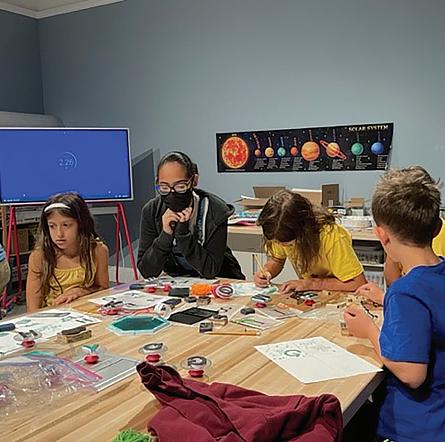
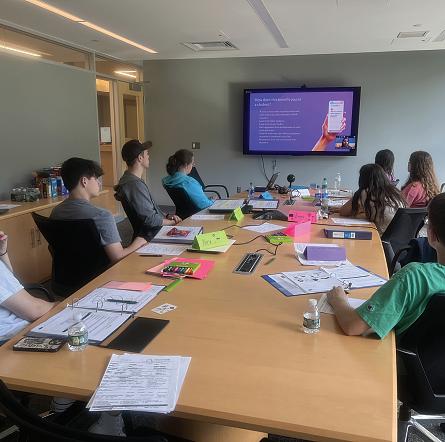
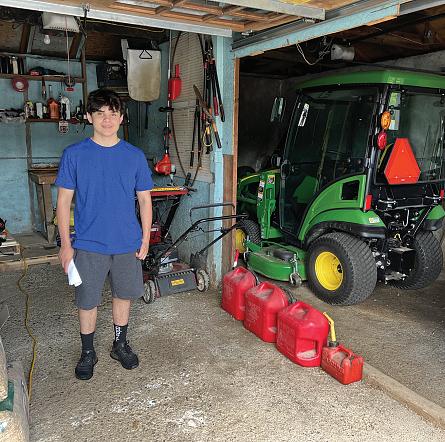
A HUGE THANK YOU TO PROGRAM SPONSORS:
ADAMS COMMUNITY BANK, SBM INSURANCE, BERKSHIRE TACONIC COMM. FOUNDATION, MOUNTAINONE BANK, MCLA, MASSHIRE BERKSHIRE CC, BERK12, FIRST CONGREGATIONAL CHURCH OF WILLIAMSTOWN/A BETTER COMMUNITY
Congratulations to program participants!
North County Youth Works: Elizabeth Bertolino
Matt Bertolino
Alex Boyer
Charlotte Coody
Jacinta Felix
Molly McLear
Emma Meczywor
Cody Stojda
Summer Arts-Cultural:
Jocelyn Fairfield
Paige Webster
Taina Figueroa
Maria Mendoza
Thank you host employers!
North County Youth Works: Williamstown Youth Center
Taconic Golf Club
Porches Inn
Brayton Elem. Summer Camp MCLA
Northern Berkshire EMS
Dalton CRA
Larabee Landscaping
Summer Arts-Cultural: Berkshire Art School (formerly IS183) Berkshire Museum
Award for Health Equity presented by the National Association of Free & Charitable Clinics.
The Robert Wood Johnson Foundation — the nation’s leading philanthropy on health and health care — developed this award program to find and honor people working for systemic change to address health inequities within their communities.
Steinhauer is not only the executive director of VIM Berkshires but also serves as clinical director and is an active nurse practitioner. The Massachusetts clinic provides care to about 1,300 patients, 80 percent of whom are minority immigrants, mainly from Latin America.
Steinhauer helped create a transportation program to get patients to and from appointments, eliminating a major barrier to care. This program provides almost 1,000 rides annually, which significantly increased patient visit attendance and, in turn, drove improved health outcomes.
The RWJF Awards for Health Equity have been presented to the NAFC and other organizations spanning sectors including public health, health care, social justice, civic leadership, education, community development, and philanthropy.
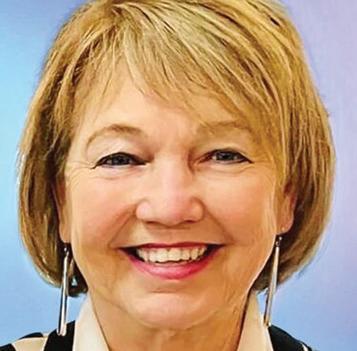
Deborah Leonczyk, the executive director of Berkshire Community Action Council, has been recognized by the Massachusetts Commission of Women as a Commonwealth Heroine. She was nominated for the honor by state Rep. Paul Mark, D-Peru.
Leonczyk was honored as part of the 2022 class of Commonwealth Heroines at the 19th annual Celebration of Commonwealth Heroines luncheon in Boston last month.
Mark nominated Leonczyk as a woman within his district who performs unheralded acts daily that make our homes, our neighborhoods, cities, and towns better places to live. BCAC is Berkshire County’s federally designated anti-poverty agency.
Leonczyk, who lives in Huntington, has led the agency since December 2011.
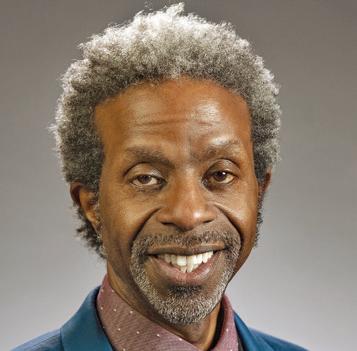
Bryan House has joined 18 Degrees, Family Services for Western Massachusetts as vice president of youth development.
In this role, House will lead Pittsfield Community Connection and North Adams’ West Main Connection, two service sites that provide pathways
to safer, healthier and more prosperous lives for young people. He will also oversee other programs within the agency that provide support and services for youth that provide opportunities for young people to reach their full potential. House most recently worked for the Berkshire District Attorney’s Office. He is a former deputy director at Berkshire Community Action Council, where he directed the agency’s Project Reconnect program, which provides Berkshire youth and young adults with job skill and development training, and holistic mentoring.
A Housatonic resident, House was a professional baseball player for seven years in the Chicago Cubs and Texas Rangers organizations, including a stint with the former Pittsfield Cubs. He is a member of several community boards.
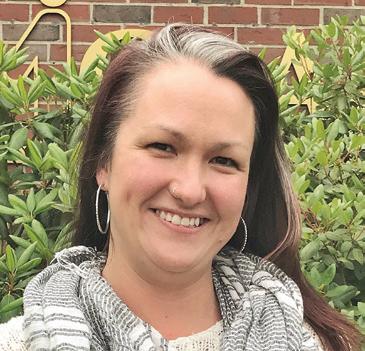
Allison Kennedy has joined Molari Employment and HealthCare Services as a health care supervisor.
In this position, Kennedy will serve as an integral member of Molari’s HealthCare Division. She will work with the company’s health care employees to provide quality in-home care to Berkshire County seniors and people with disabilities, enabling them to remain safely in their homes.
Kennedy has a variety of customer service, communication and organizational skills that she brings to her role at Molari, having worked in office, health care and retail settings throughout her career.
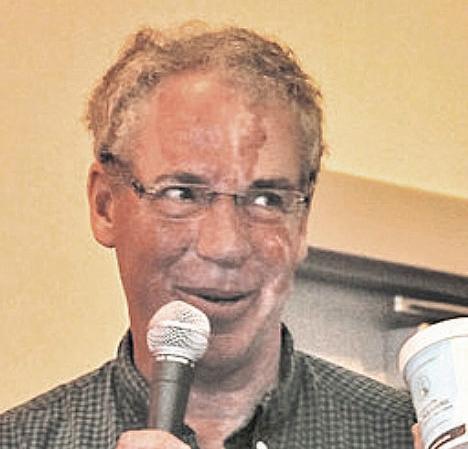
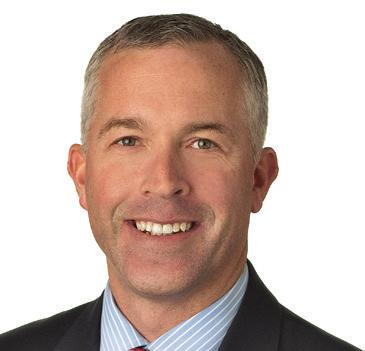
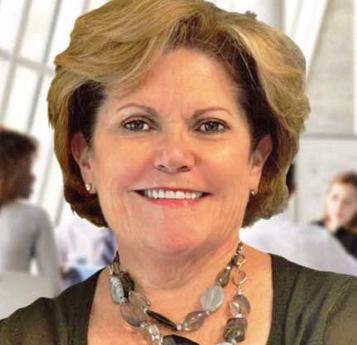
Erik Bruun has joined Community Health Programs’ board of directors. Brian Drake was elected president and Celia Clancy vice president in the board’s annual reorganization.
A Berkshire resident since 1984, Bruun is president of JPC Capital and owner/operator of the SoCo Creamery ice cream shop and factory in Great Barrington. He is also board president of the Berkshire Waldorf School in Great Barrington and serves on the board of Railroad Street Youth Project, of which he was the founding board president. He lives in Great Barrington.
Drake, who more recently served as vice president of the board, succeeds Christopher Phillips as president. He is


senior vice president of group benefits at MountainOne. He earned his MBA at the University of Massachusetts Lowell and received his bachelor’s degree from the University of Connecticut. He lives in Williamstown with his family.
Clancy’s professional background is in retail and consumer businesses. She served as president/CEO of the former Country Curtains in Stockbridge and as interim president of Berkshire Business and Professional Women. She holds a bachelor’s degree from Wellesley College and completed graduate coursework at Boston College’s Carroll School of Management
Allyson Holmes remains as board secretary. She is a partner at the Pittsfield law firm of Smith, Green & Holmes, specializing in estate planning, elder law and real estate. She is a graduate of Williams College and Suffolk University School of Law. She resides in Pittsfield. Chuck Leach continues as treasurer. He is president and CEO of Lee Bank, and previously worked for Berkshire Bank and TDBank throughout New York and New England. A resident of Lee, Leach earned his MBA from Claremont Graduate University’s School of Management, and he earned his bachelor’s degree in government at Colby College.
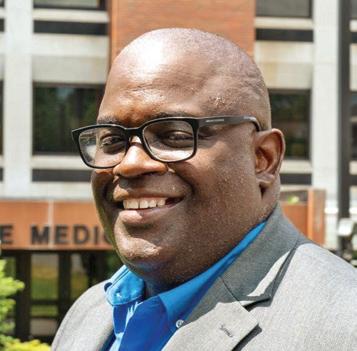
Berkshire Health Systems has appointed Charles Redd to the newly created position of diversity, equity and inclusion officer. He begins his new role on Monday.
Redd will serve in the organization’s first full-time role dedicated to proactively developing and implementing diversity, equity and inclusion initiatives that impact patients, employees and the community.
Redd will report directly to President and CEO Darlene Rodowicz and will work closely with leaders across the health system to advance its mission, identify and reduce health disparities, create welcoming environments for patients, and support a diverse workforce
A longtime resident of Berkshire County and a nurse for more than 27 years, Redd began his career as a nursing assistant in 1985. He has worked in nursing positions of increasing responsibility for nearly three decades, including at Baystate Medical Center as assistant manager of telemetry and ICU stepdown units, director of emergency and behavioral health services, and clinical documentation improvement lead. Most recently, Redd has served as the director of quality for Fairview Hospital.
Redd has been engaged in diversity, equity and inclusion work for more than 10 years, first as part of the Black Employees Connecting resource group at Baystate Health and then as a leadership fellow with Partnership Inc. in Boston.
Jeff Lowenstein has been promoted to deputy director and Michelle Sylvester to community programs manager at Berkshire Community Action Council.
Lowenstein has been working with BCAC for three years after serving for

several years as a community organizer in the Berkshires. At BCAC, his work is focused on initiatives and programming to help low income residents move toward self-sufficiency. He oversees BCAC’s agency lending programs and is responsible for the creation of the Saving Up Resources for Growth and Empowerment Matched Savings Program.
In Sylvester’s short tenure at BCAC, the agency says, her organizational skills and dedication to combat food insecurity in the Berkshires have been invaluable.
Before becoming BCAC’s food infrastructure coordinator, Sylvester was a community coordinator for Berkshire North WIC for 14 years.
Kelly Galvin has been appointed a program director at Community Access to the Arts.
She will join current staffers Jeff Gagnon and Kara Smith to create a new, three-person arts leadership team that will report to Executive Director Margaret Keller. Gagnon and Smith were recently promoted to the program director position.
The arts leadership team will work closely with Keller to seize opportunities and provide inclusive arts programs for people with disabilities across the Berkshires and Columbia County in New York.
Galvin will oversee performing arts programs for artists with disabilities and will direct performances showcasing the talents of CATA artists, including the nonprofit’s annual gala performance.
Galvin is an accomplished director, producer and teaching artist. She has been a company member with Shakespeare & Company since 2008 and served as the artistic associate at WAM Theatre in Lenox.
She is also the founder of the rig, an organization in Western Massachusetts that is working to create connections through the arts and to redistribute cultural resources to a larger portion of the community.

Williams College graduate Denise Littlefield Sobel was recently selected to serve as chair of the Clark Art Institute’s board of trustees, the first woman to serve in that position.

on the board since 2014 and is a philanthropist with a longstanding interest in the visual and performing arts. She has been a member of several board committees for The Clark and, most recently, served as vice chair from 2021–22. Sobel has also taken a leadership role in supporting a number of exhibitions at The Clark.
A native of San Francisco, Sobel is also an active supporter of a number of cultural venues across the nation, supporting exhibitions and programming at several museums across the country. She is an active supporter of Jacob’s Pillow Dance Festival in Becket, and has also served as the vice chair of the American Friends of Les Étés de la Danse, a Paris-based summer dance festival.
In 2019, the French government presented Sobel with the country’s highest civilian honor, naming her a Chevalier of the Légion d’honneur in recognition of her extraordinary contributions to French culture.

In 2013, Sobel created the Tikkun Olam Foundation, of which she serves as president, focusing on women’s health, gender justice and reproductive rights issues. She was among the first women to graduate from Williams in 1975 and has supported many projects at the college.
Caroline Eldred has been named director of nursing, while Kristen Myers has been promoted to supervisor of behavioral sciences at
Berkshire County Arc.
Eldred will oversee the nursing staff for all residential programs. She has worked at BCArc for six years, starting as a residential registered nurse before becoming nursing supervisor.
A native of Atlanta, Eldred is a graduate of Berkshire Community College. She has previously worked for the Brien Center and Spectrum Health Systems.
Meyers will assess, implement and monitor the individual behavioral supports needed across BCArc’s developmental/intellectual disability, autism and brain-injured adults. The Berkshire County native has been with BCArc for 12 years, and has experience in both day programs and residential services.
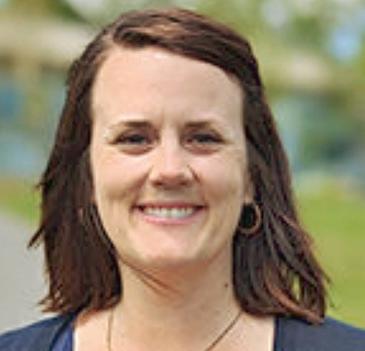
Before joining the clinical department full-time in 2018, Meyers was an education supervisor at Berkshire County Head Start. A certified grief counselor, she also serves as clinical liaison for BCArc’s Human Rights Committee. She holds an interdisciplinary degree in education and psychology from Massachusetts College of Liberal Arts, and is completing her master of science degree in applied behavior analysis at Bay Path University.
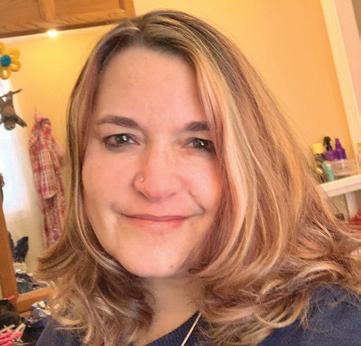

Meghan Callaghan, Jennifer Filippi, Erin Lynn, Matthew Palardy and Seth T. Tuper have all joined the staff at Berkshire Community College.
Callaghan has been named dean of teaching and learning, and will lead the
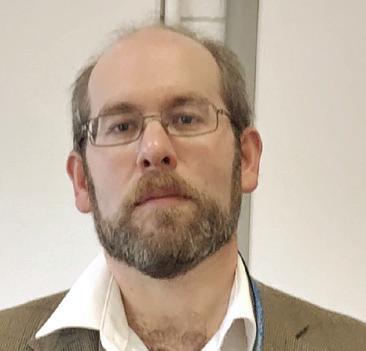

college’s division of teaching and learning innovation. Her responsibilities include coordinating the office of community engagement, and expanding outcome and assessment work into the co-curricular.
She comes from Bunker Hill Community College, where she held several positions over 13 years. Callaghan holds a master of arts degree in critical and creative thinking from University of Massachusetts Boston and a bachelor of arts degree in English literature from Whitworth College.
Filippi has been named accountant III in the business office. She most recently served as an assistant accountant for the town of Dalton, and has more than 10 years of accounting-related experience, including payroll, billing, accounts payable, bank reconciliations, collections, purchase orders and various reconciliations. She is completing her degree in business management at BCC and plans to pursue an accounting degree at Massachusetts College of Liberal Arts.
Lynn has been named director of academic operations. With nearly 18 years of experience in student affairs, she most recently served as an academic learning specialist at the New York College of Podiatric Medicine. She has served as an administrative assistant, academic adviser and student outreach coordinator at Arkansas State University, and as the director of retention and student success at LIM College.
Palardy will serve as a community tutor specializing in humanities and social sciences. The Richmond resident was named BCC’s Tutor of the Year in 2014 and has also worked as a private tutor



for students in high schools and in other colleges, for homeschooled students and taught English-language learners.
He is currently completing a master’s degree in philosophy through St. Bernard’s School of Theology and Ministry while regularizing a bachelor’s degree by testing equivalency through Excelsior College.
Tuper has been named institutional security officer. A lifelong resident of Berkshire County, he graduated from St. Joseph Central High School in Pittsfield in 2003 and attended Castleton State College from 2003–07. He continues to work on completing his bachelor’s degree in psychology.
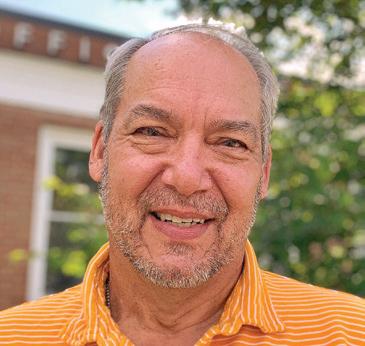
Joseph A. Aberdale, of Housatonic, has been named superintendent of Great Barrington’s public works department. He will oversee the town’s highway and wastewater operations, cemeteries, waste transfer facility and other town infrastructure.
As an engineer, Aberdale has worked in senior management positions with large construction and engineering firms serving the Northeast region. He most recently served as vice president of construction services at Unistress/Petricca Industries in Pittsfield, where he rose through the ranks after joining the company in 2007. He has also served a chief engineer with J.H. Maxymillian Technologies in Pittsfield, and has worked for Berkshire Gas.
Aberdale’s family established and operated the former Aberdale’s Market in Housatonic, and in 2006, he became the second-generation owner of the business. He sold the store last year, and it is now A&B Variety and Package.
A Monument Mountain Regional High School graduate, Aberdale graduated from Western New England College in 1987.