Berkshire Business Journal
JUNE 2026 | VOL. 5, NO. 6
Staking out space to grow
Mahaiwe Tent expands into a new site, adds showroom
By Talia lissauer
The Berkshire Eagle
SHEFFIELD — For nearly 40 years, the family behind Mahaiwe Tent has helped build weddings, galas and celebrations across the Berkshires one tent at a time.
Now, under the leadership of second-generation owner Lindsay Cavanaugh, the company is entering a new chapter — moving from its longtime home in Great Barrington to a much larger, custom-designed headquarters in the Sheffield Business Park.
“Weddings these days are becoming very intricate and specific and high-end, which is great for the Berkshires and great for business,” she said, “but you need to be able to rise to that level of client.”
Tom and Lauren Cavanaugh started Mahaiwe Tent in 1986 with just a few tents. Over the decades, the company grew into one of Berkshire County’s leading wedding and event rental businesses, serving clients throughout Western Massachusetts, Connecticut and New York.
Lindsay grew up as the business grew, too. She started working in marketing and operations in 2014 while in business school. She became owner and president in 2019.
She is running the business on the core values she learned from her parents while modernizing it according to the current demand. For starters, that meant a new location with enough space to house a business with so much inventory while still keeping the rural, small-business feel.
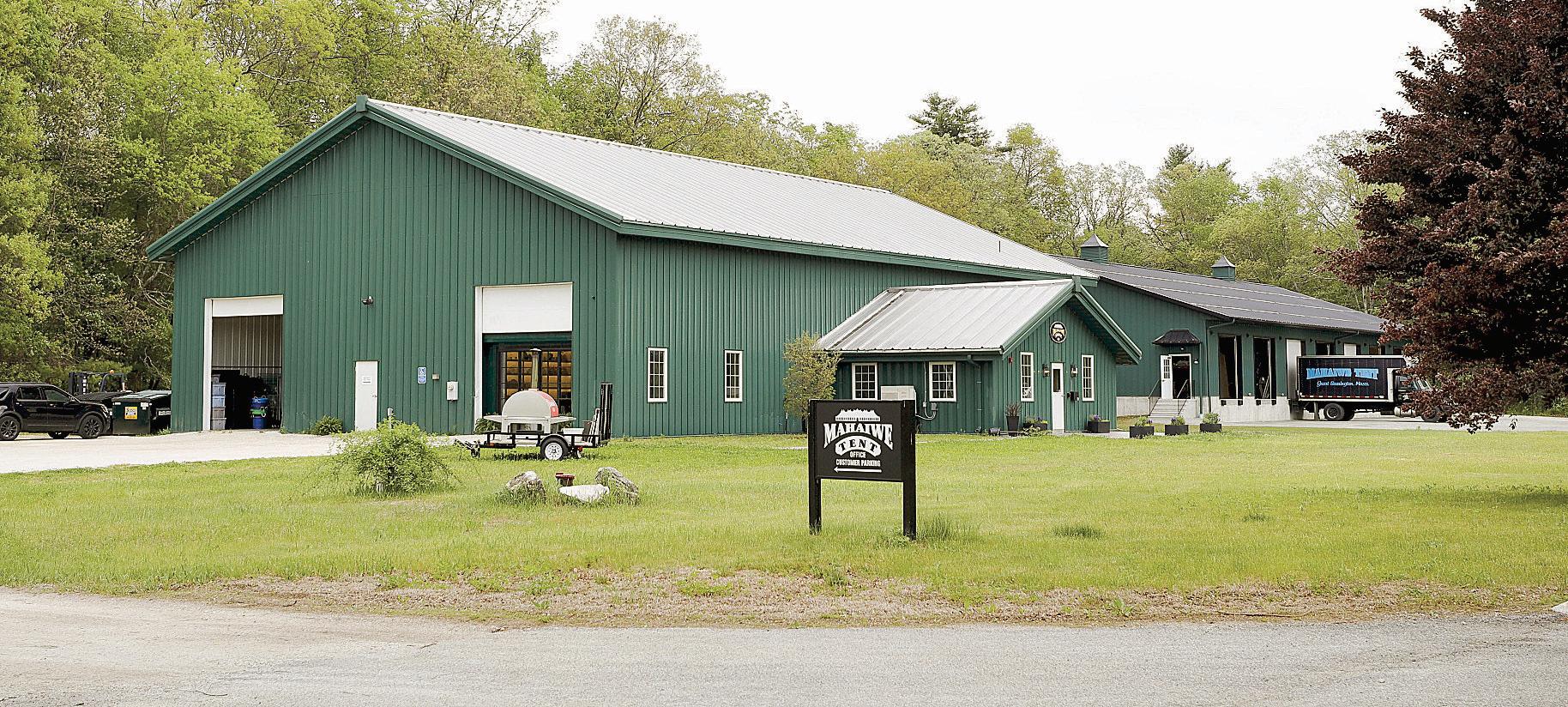
Mahaiwe Tent began moving into the Sheffield Business Park more than two years ago after outgrowing its Great Barrington location. While an existing building already stood on the property, the company invested roughly $2 million into renovations, additions and the move itself.
“It did the job for so long. It built the business, but I knew that we needed to rip the Bandaid and just move,” Lindsay said. “This move was a very large undertaking, and I signed my firstborn away.”
The company searched for options in Great Barrington but struggled to find a commercial space that was right. Ultimately, Mahaiwe settled on 5 acres in Sheffield, where there is room to expand and more flexibility
for a business that can handle 15 to 20 events in a single weekend during peak season.
“Storage is really the name of the game, and out here there is more land,” she said. “Out here we have land, and we have doors that are always open, music’s always blasting. So it might be
a little bit out of the way, but we love that accessibility to work in three states.”
Around 40 percent of Mahaiwe Tent’s clients are repeat customers, including nonprofits and organizations that host annual galas and events.
The new facility was designed
around the company’s workflow.
With about 20 employees, staff helped transform the property by adding a large warehouse onto the existing building and creating a fully customized showroom for clients.
The warehouse includes six bays for the company’s trucks,
along with a customer pickup area and organized inventory systems designed around efficiency.
“The warehouse is also great and functional and all the things that we need it to be,” Lindsay said. “There’s kind of a flow state that happens. Each bay has its designated truck that lines up with certain inventory, so there’s a process and a formula for everything.”
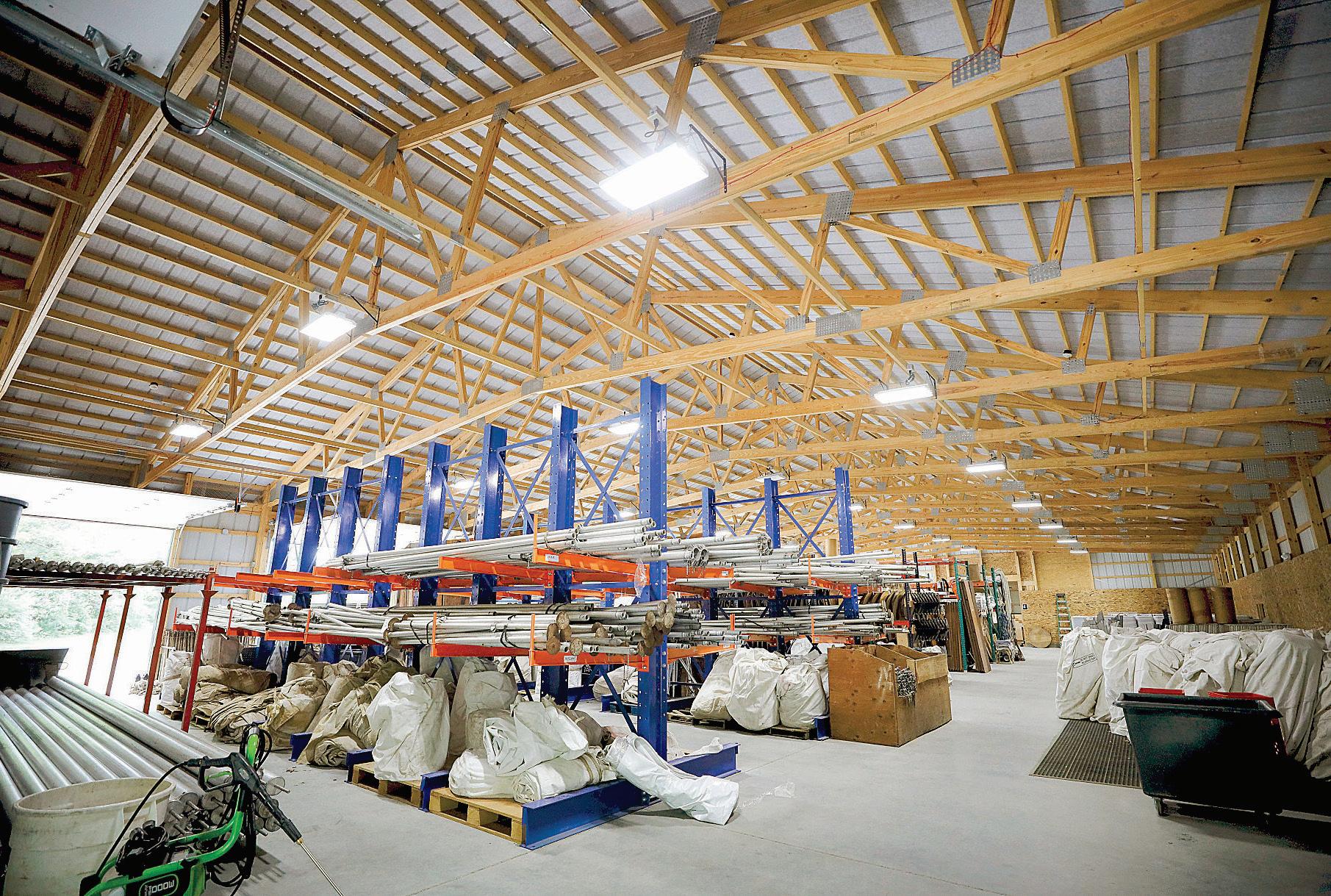
Inside the warehouse are rows of tent components, poles and support structures. Outside, there is space for crews to spread out and dry tents after rainy events — something that was difficult in the old facility.
But the showroom is the centerpiece of the new headquarters.
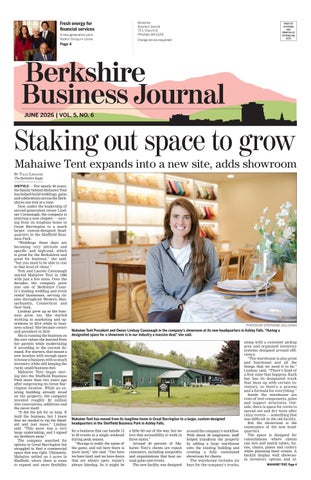
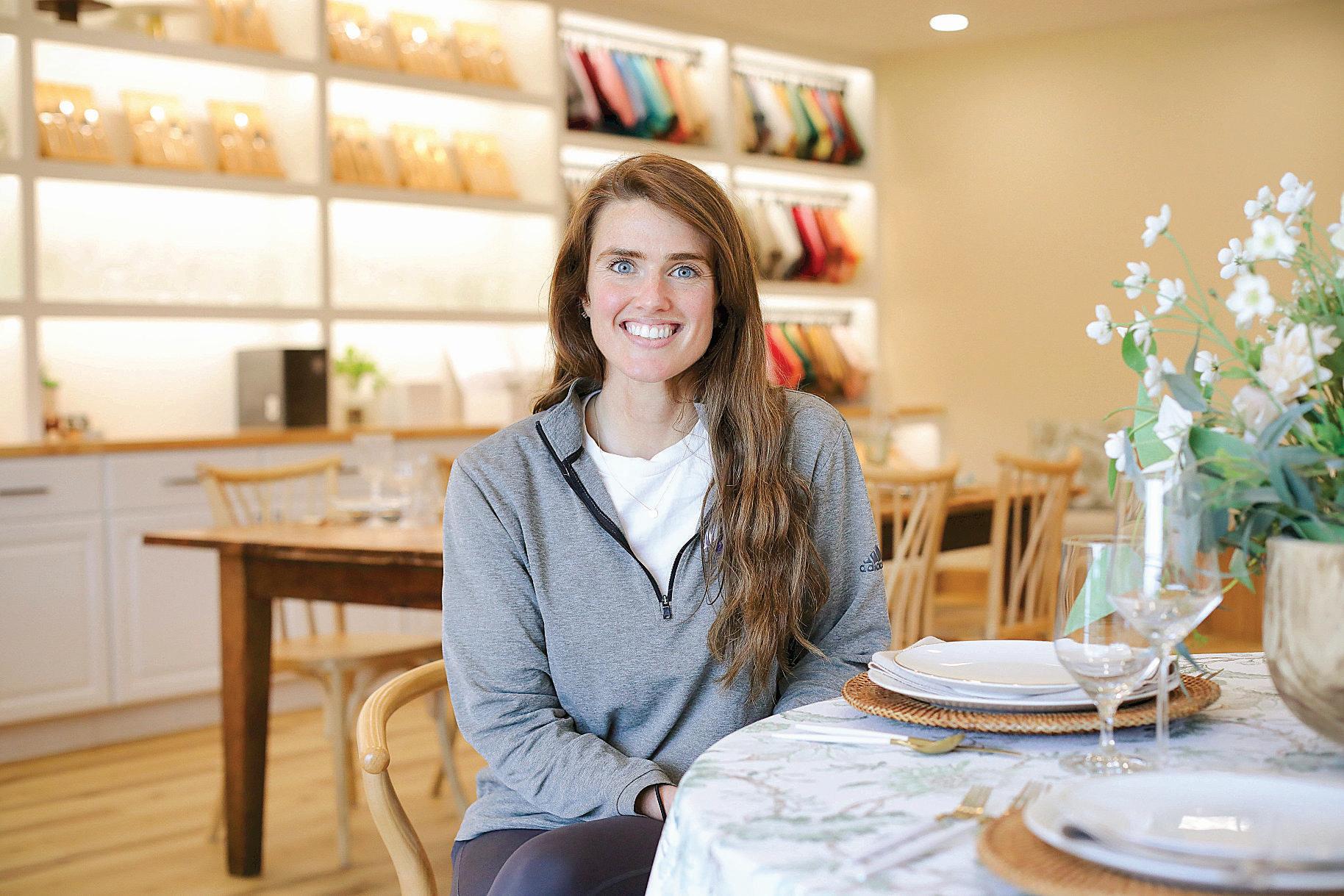
The space is designed for consultations where clients can mix and match tables, linens, chairs, plates and cutlery while planning their events. A backlit display wall showcases inventory options and al-
PHOTOS BY STEPHANIE ZOLLSHAN
Mahaiwe Tent President and Owner Lindsay Cavanaugh in the company’s showroom at its new headquarters in Ashley Falls. “Having a designated space for a showroom is in our industry a massive deal,” she said.
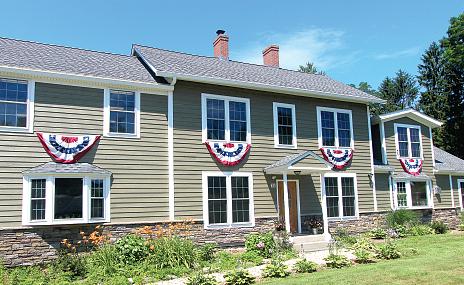
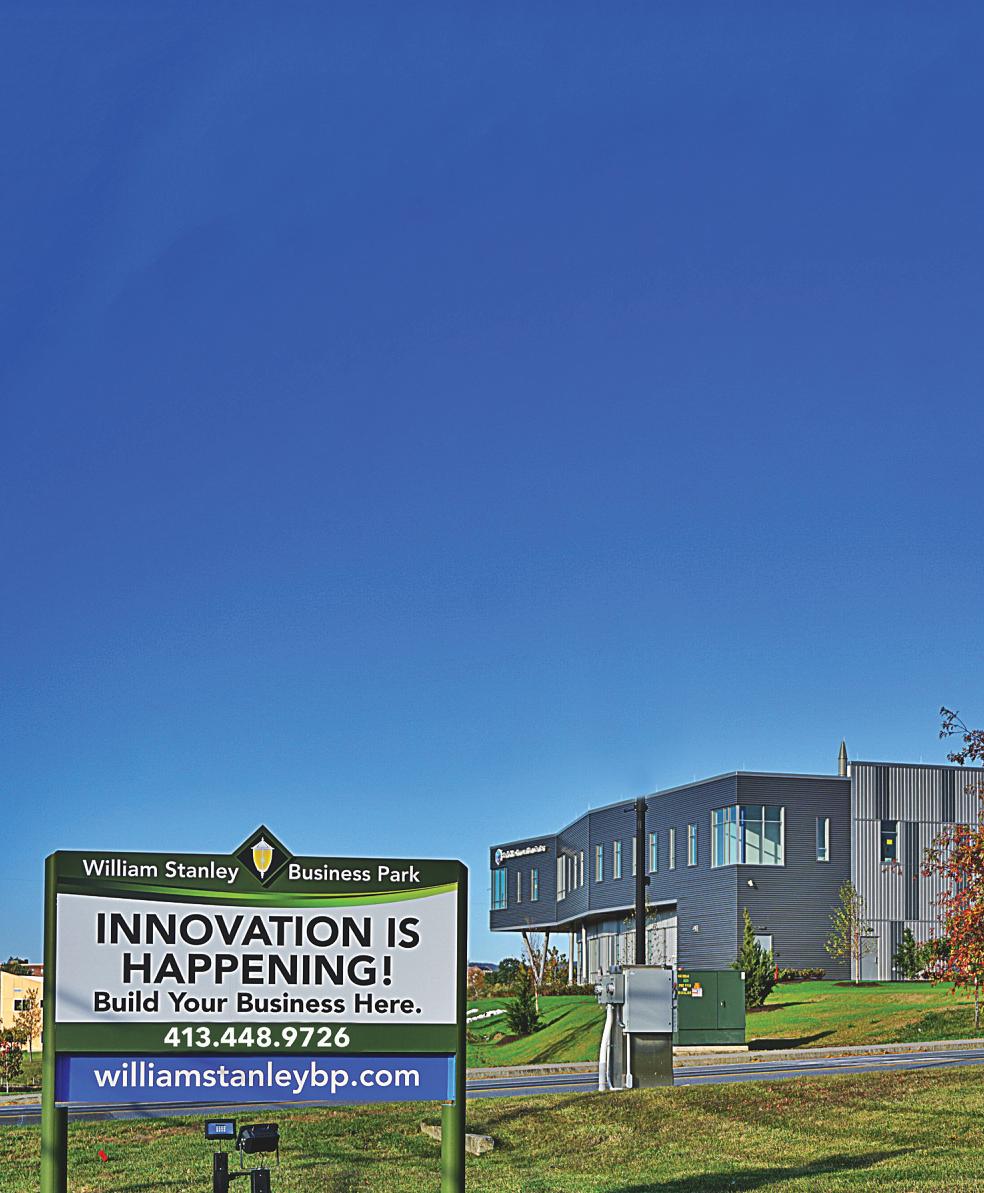
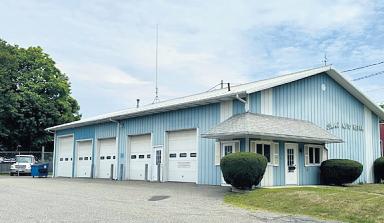
Mahaiwe Tent has moved from its longtime home in Great Barrington to a larger, custom-designed headquarters in the Sheffield Business Park in Ashley Falls.
Front pages
‘A
family working for families’
Keator Group brings a new generation of financial management
By C larenCe Fanto
LENOX
— Entering the elaborately renovated North Main Street offices of the Keator Group LLC, a family financial services firm with roots going back nearly 50 years, a visitor is ushered into a comfortable “living room.”
There, a prospective or current client can explain their need for professional wealth-management counseling in a nonthreatening environment — complete with a box of tissues in case there’s something to cry about.
Company founder Sheila Nesbit Keator, the youngest of 10 children in Pittsfield’s multigenerational Nesbit family, is now 88 and remains active as The Keator Group’s “ambassador” for the business.
The company, now holding $1.5 billion in client assets, operates as “a family working for families, and that’s truly who we are,” Sheila said. “It’s not about what stock or bond to buy; it’s more of enveloping the goals of the family with what we do best, by helping them make those decisions.”
The Keator Group’s client list currently includes about 300 families — about 25 percent in the Berkshires and the rest nationally, based on referrals as well as former area residents.
Sheila is fond of greeting new and longtime clients as she inspires and works with three of her five sons in the business — managing partners Frederick, David and Matthew (she had eight children with George Keator, who died in 2021).
“I’m the mother of this operation,” she pointed out. “I’m no longer the boss.”
Now a third generation of Keators — Daley Keator DiBias, 30, who handles client relations, and her brother Ehan, 28, who helps with investment management and financial planning — have joined the practice as vice presidents. They aim to fresh energy into the highly competitive world of financial management with a goal of attracting a new generation of clients.
Their father, Managing Partner David Keator, said that while the family business has been independent since 2005, in 2019 it chose the investment
bank company Raymond James Financial for holding clients’ assets, handling stock transactions, and compliance to ensure all security industry regulations are being followed.
The Keator Group offers advisory services and wealth management to their clients through the Raymond James platform.
Asked about the minimum amount of assets a potential client must hold, David emphasized that “because we’re a family business in a small community, we do not have a minimum. But we require that we be their sole financial adviser.”
Why?
“In this regulatory environment, it’s really too hard when someone has multiple financial relationships, because you don’t necessarily know what the other advisers are recommending,” he said.
“The clients really care about reaching their goals,” David added. “We’re very goal-centric. They care that their estate is in good shape, they’ve educated their children, they can vacation and retire. It’s a road map.”
Evaluating risk versus safety is another prime concern, Daley noted, especially for new clients.
It’s hard to reconcile the company as it exists today with its humble origins, since the first venture Sheila and George Keator started in 1968 — a printing business — went bankrupt following economic headwinds, especially high inflation, during and right after the Vietnam War.
To get out of debt, the couple started “The Shopper’s Chance,” a newspaper that they eventually sold to the North Adams Transcript.
Then, through an ad she saw in the Wall Street Journal, Sheila — “flat broke” as she acknowledged — landed a job with a debt collection systems firm, taking rolls of dimes to hotels in Albany, N.Y., to make phone booth sales calls to companies offering debt collection help, away from the hubbub of her large family with eight youngsters.
In 1979, she spotted an ad in The Berkshire Eagle from Kidder Peabody & Co.’s Springfield branch office seeking a stock


CLARENCE FANTO
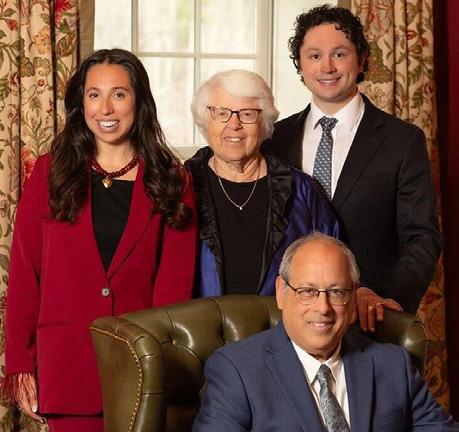
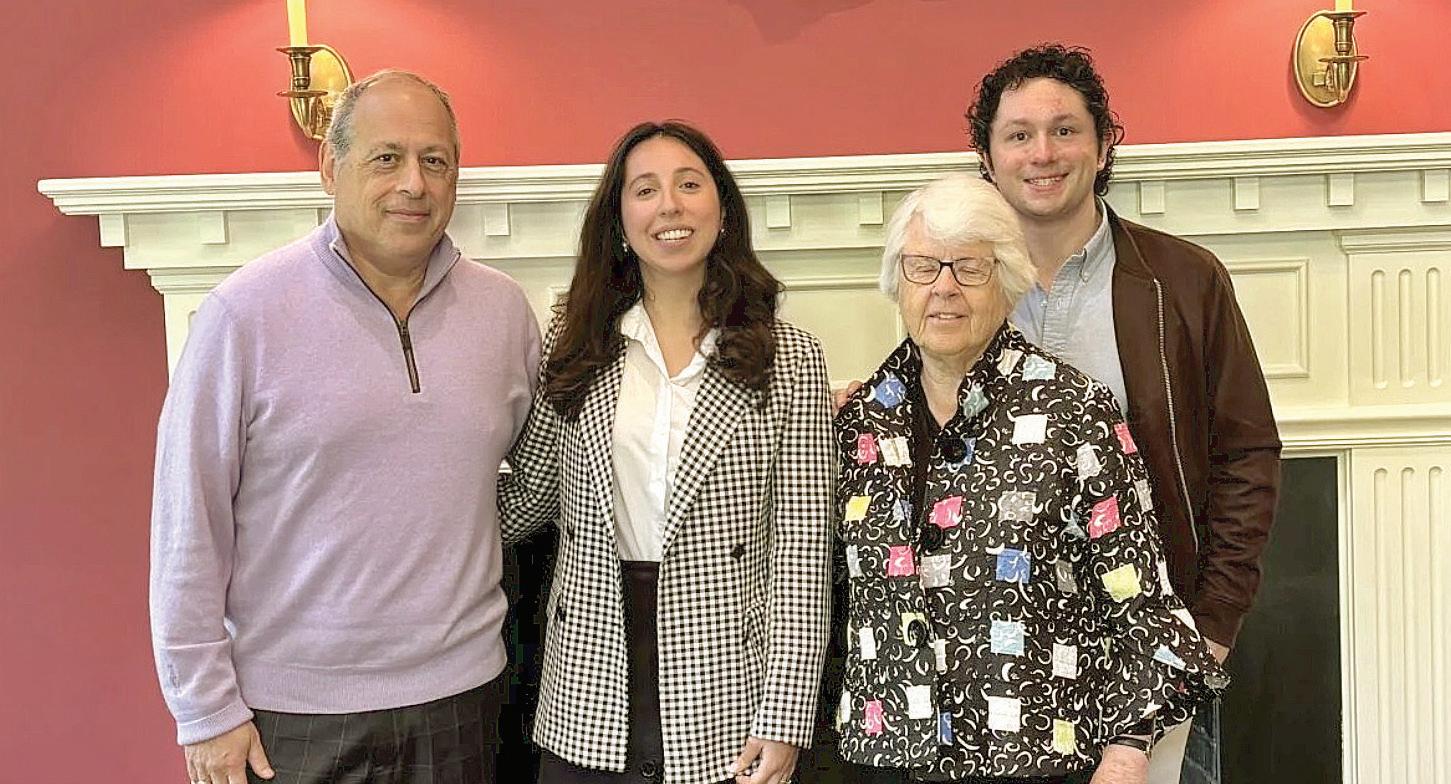
Members of the Keator Group, shown at their company offices in Lenox, aim to maintain their identity as “a family working for families. At left is Managing Partner David Keator, with his children Daley Keator DiBias and Ehan Keator, now vice presidents of the financial advisory firm, and Keator Group founder Sheila Nesbit Keator.
Keator Group
broker. Asked if she could make cold calls, she placed one of her rolls of dimes on the branch manager’s desk. “That’s how I got hired,” she laughed.
While raising the family, Sheila learned the ropes on the job. rising to vice president before Kidder Peabody was sold to General Electric Co. in 1986, then to PaineWebber in 1994.
Sheila was recruited by First Albany Corp. in 1988, accompanied by David. After Frederick joined the practice in 1994, it became the Keator Group.
In 2005, managing partners David, Frederick and Matthew purchased the business from Sheila, taking it independent from First Albany and transitioning her from owner to employee.
The Keator Group was based first at the Tierney building in Pittsfield before buying the Lenox 218 building on Main Street a year later after owner Jimmy DeMayo told David, Sheila and their architects over lunch at the restaurant that he would sell to them on the spot because he was ready to retire.
After 10 months renovating the former restaurant into a contemporary office headquarters, the Keator Group had to navigate the Great Recession that began in 2008.
By 2009, Barron’s Magazine anointed Sheila as one of the state’s top 25 financial advisers, an honor also accorded to Frederick.
In 2013, she earned a standing ovation as the keynote speaker for the Berkshire Chamber of Commerce’s 10th annual Women in Business luncheon,
where her niece, state Rep. Tricia-Farley Bouvier, D-Pittsfield, introduced her.
“I don’t think I was that much of a star,” Sheila said.
“It was because I was unique; there were very few women that were successful in this field when I started.”
The big change over the past 20 years, according to David, is that clients are more financially literate thanks to technology, “but still need some guidance to hit their marks.”
Or as Ehan put it, “they still rely on us as the guiding hand that gets them the last five yards so they get where they want to be.”
Asked how he would advise clients during the current turbulent era for the economy, David suggested that “our greatest help to people is cutting through the noise, sticking to basics, keeping people on track.”
The business model hasn’t changed, Daley pointed out. “We’re still family-centric but we’ve added more technology,” she said. “We’ve kept up with the times, adopting artificial intelligence and becoming more advanced, but the core values remain the same.”
“AI is definitely helpful, but because the financial industry is so regulated, our AI usage also has to be regulated,” she noted. “It has to run through a security system, but at the end of the day, it’s the human experience you’re really looking for, it just helps you work more efficiently.”
“I don’t see a world where AI will completely replace workers, but someone who’s using AI may replace someone who’s not using AI,” Daley said.
“If you’re using AI to be more efficient at your job, that
A history of the Keator Group
1979: Sheila Nesbit Keator joins Kidder Peabody & Co.’s regional office as a broker, working there until 1987.
1988: Sheila relocates to First Albany Corp, joined by her son David.
1994: Frederick Keator, another of her four sons, joins the Keator family company, after working as a trader for First Albany.
1998: David Keator, another son, joins Sheila and Frederick in the family’s expanding financial services business.
2000: Matthew Keator joins the family firm from an investment career with PaineWebber in Washington, D.C.
2005: The three sons become managing partners, buy out Sheila as she retires and becomes the company “ambassador,” and position Keator Group, LLC, as an independent financial business.
2008: Keator Group relocates from Pittsfield to their newly purchased building on North Main Street in Lenox, formerly the Lenox 218 Restaurant and before that, the Log Cabin steakhouse.
2009: Barron’s Magazine names Sheila Keator as one of the top 25 financial advisors in Massachusetts.
2018: Forbes Magazine cites Frederick Keator among the best Massachusetts wealth advisors.
2019: Keator Group affiliates with Raymond James Financial Services, which executes trades and handles securities transactions. 2023, 2024: Forbes recognizes Keator Group as one of the state’s best wealth management teams.
2025: David Keator cited by Forbes as a top wealth adviser in Massachusetts.
Sources: Eagle archives; www.keatorgroup.com
kind of adoption is beneficial for everyone,” Ehan said. “But if you rely on AI to do your work for you, you run the risk of being replaced.”
Looking ahead, “We take our goal of dream-making and problem-solving to heart,” David said. “We feel that resonates, it’s multigenerational. It’s important we have a generation here that matches the
next generation.”
And as Sheila emphasized, “It’s been a journey. I know what it is to lose everything, so I’m not about to go out and do stupid things with other people’s money. We really don’t have customers, we have relationships, and it’s very rewarding to read notes from people who were so touched by what we did for them.”

























CLARENCE FANTO
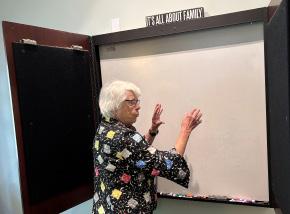
Sheila Keator, founder of the Keator Group financial advisory firm and at 88 still an “ambassador” for the company, illustrates her use of a whiteboard to list priorities for clients during meetings in the “living room” of company headquarters in Lenox.
lows customers to visualize combinations in one place.
“Having a designated space for a showroom is in our industry a massive deal,” Lindsay said. “If you’re gonna drop a lot of money, and you need to be able to be like, ‘Oh, I want this stuff together.’ This was a big deal.”
The company intentionally built the space around the needs of both staff and customers.
“Since we built a lot of this, we could customize the build of it, which was great,” Lindsay said.
The team had to work together to make sure the warehouse was completed in time for the grand opening celebration May 15.
“I think the coolest part about this whole thing is that a lot of my tent staff helped too, because it was definitely an all-hands-on-deck situation,” Lindsay said. “Everyone would stay after work and help put the floor down or sand, so they all feel like they had a part in it too, which is pretty cool, because it truly took a village and a lot of work.”
Lindsay said the investment reflects broader changes in the wedding industry, where clients increasingly expect highly personalized and luxury experiences.
“Weddings in general have become way more luxurious,” Lindsay said. “Even just from what you have to carry inventory-wise, you need all the options and the pretty things.”
As the business grew, it graduated to new inventory — and so it needed a facility that could reflect that.
“We have all these great venues that attract these clients that require a certain level of expectations,” Lindsay said. “We just need this to be a part of the experience to match the service and the product we have.”
Mahaiwe Tents is confident that it “produced great results” long before it had a showroom to showcase its inventory, but it hopes this can elevate the experience.
They may technically be a small family business in Sheffield Business Park, but Lindsay said she hopes people trust that they can provide the results people want.
“We really want it to be like a wow

from the start,” Lindsay said. “People come to us sometimes a year and a half out and they’re dropping a lot of money; we just want it to be like an impressive experience.”
Customers often begin planning weddings a year or more in advance. For unfamiliar venues, Mahaiwe staff
conduct site visits to assess layouts, tent sizing and logistics before working with couples through months of meetings and coordination. She said the Berkshires’ wedding industry remains unusually collaborative, with vendors regularly referring customers to one another when they can’t pro-
vide a service or product themselves.
“It’s a cool thing about the Berkshires,” Lindsay said. “The wedding industry in the Berkshires is a tight-knit crew, so we can easily spit off [the names of] five people that, if they don’t have something we can recommend, and that also helps the process, because we all know how each other works, so we can just bang it out and be like easy peasy.”
Since the “world is so option-heavy,” small businesses need to have an inventory that competes with a larger city company because it’s so easy for someone to see what a company doesn’t have.
For a wedding, the process can start around a year before the big day. If it’s a venue they haven’t worked with, they will do a site visit to see what will fit and other logistics, along with at least one meeting to look at inventory.
Then it’s communicating with all the parties until a month out, when they revisit everything and make sure it’s still what customers want. The higher-end the wedding is, the more vendors are involved and they have to communicate with.
“There’s a lengthy process to it,” Lindsay said. “It’s a production; it really is.”
Mahaiwe Tent is typically among the first vendors on-site for setup and returns after events for breakdown and cleanup.
“As a small business, people value work-life balance, because the caterers and the bar, all them like shutting down at like 2 a.m. and I couldn’t do it,” Lindsay said.
Even as Mahaiwe Tent grows, Cavanaugh said the company still sees itself as a small family business adapting to changing consumer expectations and an uncertain economy.
Several south Berkshire businesses have closed or announced closures over the past year, making growth feel both risky and necessary.
“It’s scary,” she said. “I’m hopeful that we’re good, but this move feels like it was so essential, and it’s one of those deals where if you don’t grow, then what you are you doing?”
Talia Lissauer can be reached at tlissauer@ berkshireeagle.com and 413-496-6378.
PHOTOS BY STEPHANIE ZOLLSHAN
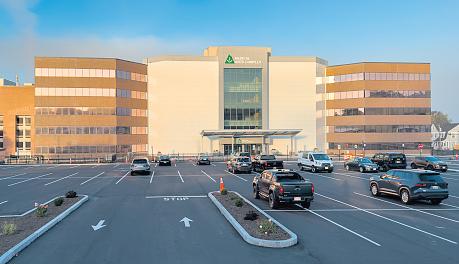
Two years after purchasing the property and constructing an additional large warehouse and showroom, Mahaiwe Tent’s new Ashley Falls headquarters is complete.
Different chair options are on display in the showroom at Mahaiwe Tent in Ashley Falls.
Mahaiwe Tent
Business updates
GREAT BARRINGTON
Fairview Hospital earns critical access recognition
Fairview Hospital has been named one of the top 20 critical access hospitals for overall performance in the country, according to Berkshire Health Systems. The rankings were recently announced by the National Rural Health Association. An awards ceremony will be held during NRHA’s Critical Access Hospital Conference in September in Kansas City, Mo.
The top 20 CAH designation is based on a composite rating across eight performance measures: inpatient market share, outpatient market share, quality, outcomes, patient perspective, cost, charge and finance. Recipients are also recognized for excellence in one of two key areas of performance: quality or patient perspective.
The top 20 CAHs were selected from the Chartis Center for Rural Health’s 2026 Top 100 Critical Access Hospital list, released earlier this year. Fairview Hospital has been recognized as a 2026 Top 100 Critical Access Hospital for the 14th consecutive year. The Top 100 program celebrates outstanding performance annually among the nation’s rural hospitals based on the results of the Chartis Rural Hospital Performance Index.
LENOX Carr Hardware manager earns industry recognition
Patti Parker, a store manager at Carr Hardware’s Lenox location, has been named a Top Woman in Hardware by the Hardware & Business Supply Dealer as part of its Top Women Profile Series.
Parker joined Carr Hardware in 2013 after spending more than 20 years in food service. She began as an associate in the rental department at the company’s Pittsfield flagship store and later expanded her responsibilities as event and party coordinator, rental manager, and in the commercial sales and paint divisions.
In 2021, Parker transferred to the Carr’s Lenox location, rising from key holder to assistant manager. Now, as store manager, she leads a team of 12 employees while overseeing daily operations, payroll, scheduling, and inventory.
Parker played a key role in developing Carr’s Ladies Night event, which began at its Pittsfield location and was paused during the COVID pandemic. Parker’s Lenox store now hosts Ladies Night each year in May.
Founded in 1928 by Sam Carr, Carr Hardware today has five locations in Massachusetts and another in Avon, Conn.
PITTSFIELD
Berkshire Theatre Group welcomes two to trustees
Alisa Lessing and Sarah Eustis have joined the Berkshire Theatre Group board of trustees.
Both bring deep professional experience and a strong commitment to the arts and community leadership, according to Kate Maguire, artistic director and CEO of the group.
Lessing is an arts advocate and theatre lover who divides her time between New York City and Hillsdale, N.Y. She is also the board chair of Ars Nova Theater, a nonprofit theatre in NYC dedicated to developing new and emerging artists in theatre, comedy and music, and is a member of the board of directors of the Colorectal Cancer Alliance, a nonprofit dedicated to ending colorectal cancer.
She currently a strategic adviser to Markup AI, an AI-native content guardian agent that helps organizations use automated content governance. She served for 30 years as a regulatory lawyer for global investment and asset management firms.
Eustis is the chief executive officer of Main Street Hospitality, a Stockbridge-based company that owns and
operates independent hotels across the United States, including the historic Red Lion Inn in Stockbridge. Her grandmother, Jane Fitzpatrick, was a longtime supporter and leader of Berkshire Theatre Group.
Prior to launching Main Street Hospitality, Eustis spent decades in senior leadership roles with global apparel companies. In 2012, Eustis returned to the Berkshires to lead the third generation of her family’s hospitality business.
Eustis has also been active in nonprofit and cultural organizations, serving as an adviser to the Boston Symphony Orchestra and as a board member of Jacob’s Pillow Dance Festival, Hancock Shaker Village and The Indian Mountain School. She currently serves on the advisory board of the UMass Isenberg School of Management Hospitality and Tourism Management program and is a member of the Young Presidents Organization, New England Gold Chapter.
“We are thrilled to welcome Alisa and Sarah to the Berkshire Theatre Group board of trustees,” Maguire said. “Both bring exceptional leadership experience and a deep appreciation for the arts and community. Their perspectives and expertise will be invaluable as we continue to grow our programming and advance important initiatives such as the restoration of the historic Stockbridge Playhouse.”
GREAT BARRINGTON
Triplex Cinema names slate of board officers
The Triplex Cinema announced its slate of officers for the coming year at its recent annual meeting.
Gail Lansky will continue as president, while John Valente will remain covice president alongside newly appointed co-Vice President Matthew Penn, who is serving his second year on the board.
Penn is an Emmy-nominated director known for his work in theater and television including directing shows such as “Law and Order,” “The Sopranos,” “NYPD Blue,” and others.
Current board members Mitch Smilowitz and Stephen Goodman will serve as treasurer and secretary, respectively. Leslie Chesloff and founding member Sam Handel will serve another term on the board.
The Triplex also welcomed Peter Tarshis to the board. Tarshis, who splits his time between New York City, Los Angeles and the Berkshires, has held executive roles in programming and production capacities for A+E Global Media and was a founding producer in its documentary unit. He received an Emmy for “Biography: The Google Boys.”
LEE
Bank foundation grants
$55K to local nonprofits
The Lee Bank Foundation has awarded $55,000 in its first grant cycle of 2026 to support 13 Berkshire-based nonprofit organizations, continuing Lee Bank’s long-standing commitment to community reinvestment.
Grant awards in this cycle ranged from $500 to $10,000 and support initiatives aligned with the Foundation’s core focus areas, including education, food security, economic development, health and human services, and workforce development.
The recipients include AdLib, Berkshire Community Diaper Project, Berkshire Film & Media Collaborative, Berkshire Humane Society, Berkshire Innovation Center, Hilltown Village, Lee Youth Association, Literacy Network of South Berkshire, Mahaiwe Performing Arts Center, Massachusetts Museum of Contemporary Arts, Momentum Ag, Railroad Street Youth Project, and The Mount.
Nonprofit organizations interested in applying for the next round of funding, due by June 1, can find application details in the Community Impact section at leebank.com.
AMHERST
1Berkshire, BAV earn grants for job creation
1Berkshire and Berkshire Agricultural Ventures are among nine organization receiving a share of $258,924 in federal Rural Business Development Grants supporting economic development and job creation in Massachusetts, Connecticut and Rhode Island.
The awards were announced by USDA Rural Development Southern New England State Director Christopher Lyon, in recognition of National Small Business week.
1Berkshire Strategic Alliance is receiving $35,000 to provide technical assistance for small/emerging businesses in Berkshire County. BAV is receiving $9,000 to provide technical assistance and relending support for rural small businesses in Connecticut and Massachusetts.
PITTSFIELD
Credit union programs offer aid to homeowners
Greylock Federal Credit Union has been approved to participate in Federal Home Loan Bank of Boston’s homeownership assistance programs: Equity Builder Program, Housing Our Workforce and Lift Up Homeownership.
All three programs help income-eligible homebuyers who are purchasing one- to four-family homes that will serve as their primary residence.
The Equity Builder Program offers grants for first-time homebuyers earning up to 80 percent of area median income, providing up to $32,099 for down payments, closing costs, counseling, and rehabilitation assistance.
Housing Our Workforce provides grants to support buyers earning 80 to 120 percent of area median income with up to $25,000 for down payments and closing costs.
Lift Up Homeownership assists first-generation buyers earning up to 120 percent of area median income and purchasing homes in New England with up to $40,000 for down payments and closing costs.
Greylock is eligible to reserve up to $320,000 through the EBP, up to $250,0000 through HOW, and up to $400,000 for Lift Up Homeownership depending on availability of funds in 2026.
To learn more, contact the Greylock mortgage department at 413-236-4125.
PITTSFIELD
New therapy practice to hold grand opening
Berkshire Heart & Mind Therapy will hold a grand opening and ribbon-cutting ceremony from 3 to 7 p.m. Thursday at its new office at 34 Depot St., Suite 303.
The event is open to the public and will include tours of the new therapy space, opportunities to meet founder and Executive Director Colleen Passetto, LICSW, and the team, and family-friendly activities. Light refreshments will be available.
The group private practice offers trauma-informed, inclusive mental health services for all ages with in-person services in Berkshire County and telehealth available statewide.
PITTSFIELD
Retro video game store
Pixel Vault opens downtown
Pixel Vault, a new destination for retro video gaming enthusiasts, held a grand opening last month at 71 Federal St.
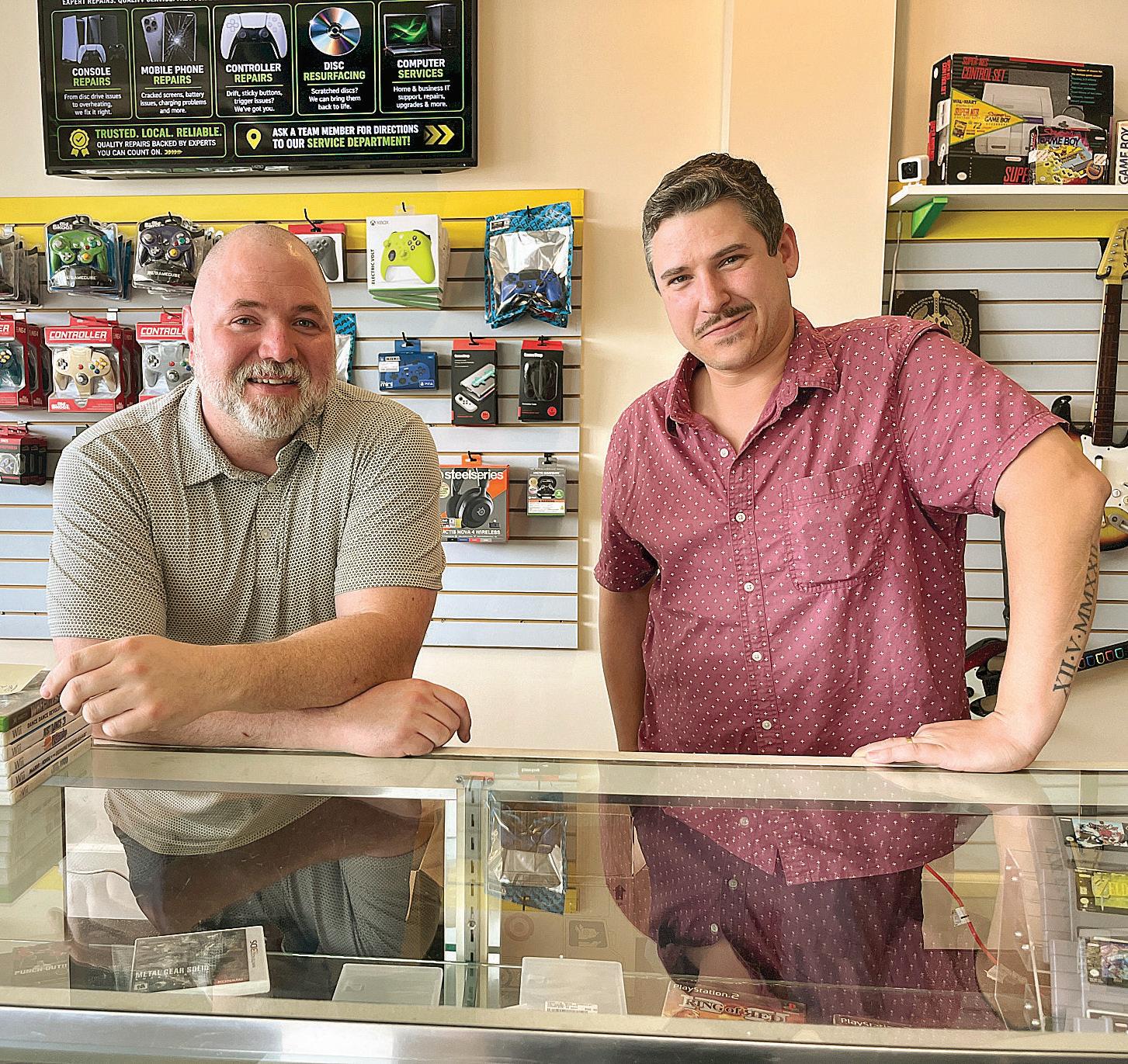
Co-owned by Nathan Delsignore and Tyler Alderman, Pixel Vault offers curated classic games, collectibles, and a wide range of services, including disc resurfacing, console repair, and mobile phone and computer repair. The store offers a welcoming space for collectors, casual players and anyone looking to revisit their favorite games.
Regular store hours are 10 a.m. to 6 p.m. Monday through Saturday. Information: pvggames.com.
SCHENECTADY, N.Y.
Market 32 customers donate 24K food bags
Market 32 and Price Chopper customers donated 24,299 bags of food to local pantries and hunger relief organizations across the Northeast through the company’s $10 food bag program, held March 15 to April 4.
Shoppers purchased prepacked bags containing PICS-brand essentials. Each store partnered with a nearby hunger relief organization, keeping support local.
Market 32/Price Chopper has stores in Great Barrington, Pittsfield and Lenox.
WORCESTER
Legal aid organization nets $30K in donations
Community Legal Aid, a nonprofit organization providing free legal services annually to over 9,000 low-income and senior residents of Central and Western Massachusetts, recently received funding from the Community Foundation of North Central Massachusetts and the Berkshire Taconic Community Foundation to support its work.
The funds of $20,000 and $10,000, respectively, originated with anonymous donors who wish to support the organization’s work, particularly amid federal and state funding cuts. CLA works to assure fairness for all in the justice system, protecting homes, livelihoods, health and families in North Central Massachusetts and Berkshire County. In Berkshire County, CLA has offices in Pittsfield and North Adams. For information, visit communitylegal.org.

A free monthly publication by The Berkshire Eagle 75 South Church Street, Pittsfield, MA 01201 Visit berkshirebusinessjournal.com for advertising information and to subscribe NEWS DEPARTMENT 413-447-7311 news@berkshireeagle com
ADVERTISING DEPARTMENT AMY FILIAULT Advertising Manager 413-496-6322 afiliault@berkshireeagle com
CHERYL GAJEWSKI, Director of Advertising Sales 413-841-6789 413-496-6330 cmcclusky@berkshireeagle com
Share your news with the Berkshire Business Journal. If you have a company promotion, a new business or a new venture, let the Berkshires know about it Remember the 5 Ws and that briefer is better Email text and photos to BBJ@newenglandnewspapers com. Provide your expertise in the Berkshire Business Journal. Do you have the answer to a persistent question about business and the Berkshires? Do you have ideas and suggestions on how our business community can grow? If you have a comment to make about doing business in the Berkshires or if you re looking to raise an issue with the business community this is the venue for that We welcome letters up to 300 words and commentary up to 600 words Send these to BBJ@newenglandnewspapers com
Berkshire Business Journal is published monthly by New England Newspapers Inc., 75 S Church St Pittsfield, MA 01201. Periodicals postage paid at Pittsfield, MA 01201. Berkshire Business Journal is delivered free to businesses in Berkshire County via third class mail. Additional distribution is made via drop-off at select area
Dulye leadership program ends run
By Mitchell chapMan
PITTSFIELD — After 18 years of retreats, networking sessions, workshops and community conversations, the free Berkshires-based Dulye Leadership Experience has come to an end.
“It’s bittersweet,” said Matthew Keator, principal of the Keator Group and a former DLE speaker and faculty member. “[Linda Dulye] spent a tremendous amount of her own personal time and money into this endeavor.”
Dulye, the program’s founder, said the closure comes amid a “change in commitment to show up” and the rise of artificial intelligence. The closure does not affect the operations of her Pittsfield-based consulting business. Dulye has underwritten the pro bono program since its inception in 2008 during the Great Recession in partnership with Syracuse University.
“The market was horrific,” she said. “There was no curriculum that helped near-term grads — juniors and seniors who are not going to grad school — transition into the workplace.”
So she created her own. It started as a three-day retreat for Syracuse students in the Berkshires — in the program’s early days, about 300 students would apply, and only 25 would be accepted. She recruited business leaders to serve as faculty and intentionally selected students from a wide range of courses of study.
“I wanted it to be competitive,” she said. “Representative of all majors at Syracuse. ... I wanted to be a magnet for talent.”
The retreats took place at venues like the former Cranwell resort and the Proprietor’s Lodge and mixed practical workplace lessons with networking and team-building exercises. Sessions covered everything from financial literacy — which Keator taught for the program’s first decade — to entrepreneurship and business dining etiquette.
“What happens when you’re invited to that first dinner with a client or dinner with your boss?” Dulye said. “What fork do you use? What plate do you use? What glass do you lift?”
In 2016, the program became independent of the university and Dulye retooled it to serve young people who lived in the Berkshires.
“We needed to get young people to come here, grow here and build careers here,” Dulye said.
DLE expanded to include weekly coffee meetups at Otto’s Kitchen & Comfort and Dottie’s Coffee Lounge. The organization also hosted culture chats, improv workshops, networking breakfasts and community forums with local officials.
Dulye stressed the importance of human connection.
“When you’re in college, everyone is pretty much the same age as you,” Dulye said. “Now you’re in a multigenerational workplace and you got to be friends — or at least make strong connections with these people that you didn’t pick that are on your work team.”
The Berkshires itself was initially an important teaching tool; Dulye said the unfamiliar setting was beneficial for Syracuse University students.
“The Berkshires offered to me an incredible venue,” she said. “Nobody had an upper hand here.”
Keator said that a handful of DLE Syracuse alums moved to
the Berkshires afterward, and several visit the region regularly.
For Lyndsey Wadsworth, a systems engineer for General Dynamics who moved to the Berkshires in 2019, those later DLE programs were a valuable networking tool. She attended the program in 2022, when it included weekly in-person meetings, and later volunteered to help organize them.
“It’s very difficult for young professional adults to network in the Berkshires for some reason,” she said. “It was a great opportunity to learn about other people’s experiences in their line of work.”
Wadsworth is one of 19 DLE alums to receive a 40 Under
Forty award in the Berkshires.
“I learned a lot,” Wadsworth said, including the fact that “not everyone is going to be tackling the same problem the same way.”
One of the goals of DLE, Dulye said, was to get people out of their comfort zones.
“You had to be involved in the conversation,” she said. “Showing up wasn’t enough — actively contributing an idea or insight was the standard.”
Anthony Telladira, a member of the Pittsfield High School class of 2022, has attended DLE events since 2021. It helped him secure a spot in a three-year training program at General Dynamics after he graduates from the University of Massachusetts in Amherst
this year.
“She made a real impact on the workplace,” he said. “It’s sad to see DLE go.”
Dulye learned the importance of networking early; she grew up in a newspaper family. Her parents Ann and Ray Dulye ran the Walden Printing Co. in New York, which printed a handful of weeklies her father oversaw as editor and publisher — including the Walden Citizen Herald.
She said COVID led to a surge of participation, with 75 to 80 people regularly tuning into its weekly meetings.
It started as a three-day retreat for Syracuse students in the Berkshires — in the program’s early days, about 300 students would apply, and only 25 would be accepted.
“I worked for my parents’ business from the time I was 8,” she said. “My dad, being an editor and publisher, was always talking to new kinds of people. I knew you always had to be meeting new people and growing that. And then it became a necessity for professional growth.”
After she graduated from Syracuse in 1977, she worked as a reporter at Philadelphia-area newspapers, including the Daily Local News and the Philadelphia Bulletin, which shuttered in 1982.
She pivoted to corporate communications after losing her job.
“I saw an enormous translation of my skills as a reporter,” she said. Through her practice of “constant learning, constant inquiry,” she said she feels like she’s “never stopped being a reporter” and understands that it takes “constant reinvention” to be successful.
DLE itself went through two major evolutions: first in 2016, and again during the COVID-19 pandemic, when it shifted to digital programming in a week.
“People were starved” for communication, she said. However, that enthusiasm tapered off in recent years, she said, with many people signing up for events but failing to attend.
“Fifty percent attrition is not unique,” she said. “What do you hear? ‘I’m really busy.’”
Dulye believes AI and on-demand digital learning are changing how people approach professional development.
“AI has created the ability for you to create a customized learning program geared specifically to something you want,” she said. “Now I’m not telling you the quality is good — and it’s going to be generic. But there’s something for getting on-demand access.”
Despite this, Wadsworth believes there will be a time when people will need DLE’s human-centered approach again.
“I hope someone is able to put something on like it again for the community,” Wadsworth said.
Dulye said she would support an effort to bring it back.
“Who knows? Maybe someone will want to revive it,” Dulye said. “And I’ll gladly help them in the wings.”
For now, the program’s legacy lives on through the people it connected and challenged over nearly two decades.
PHOTOS BY PROVIDED BY LINDA DULYE
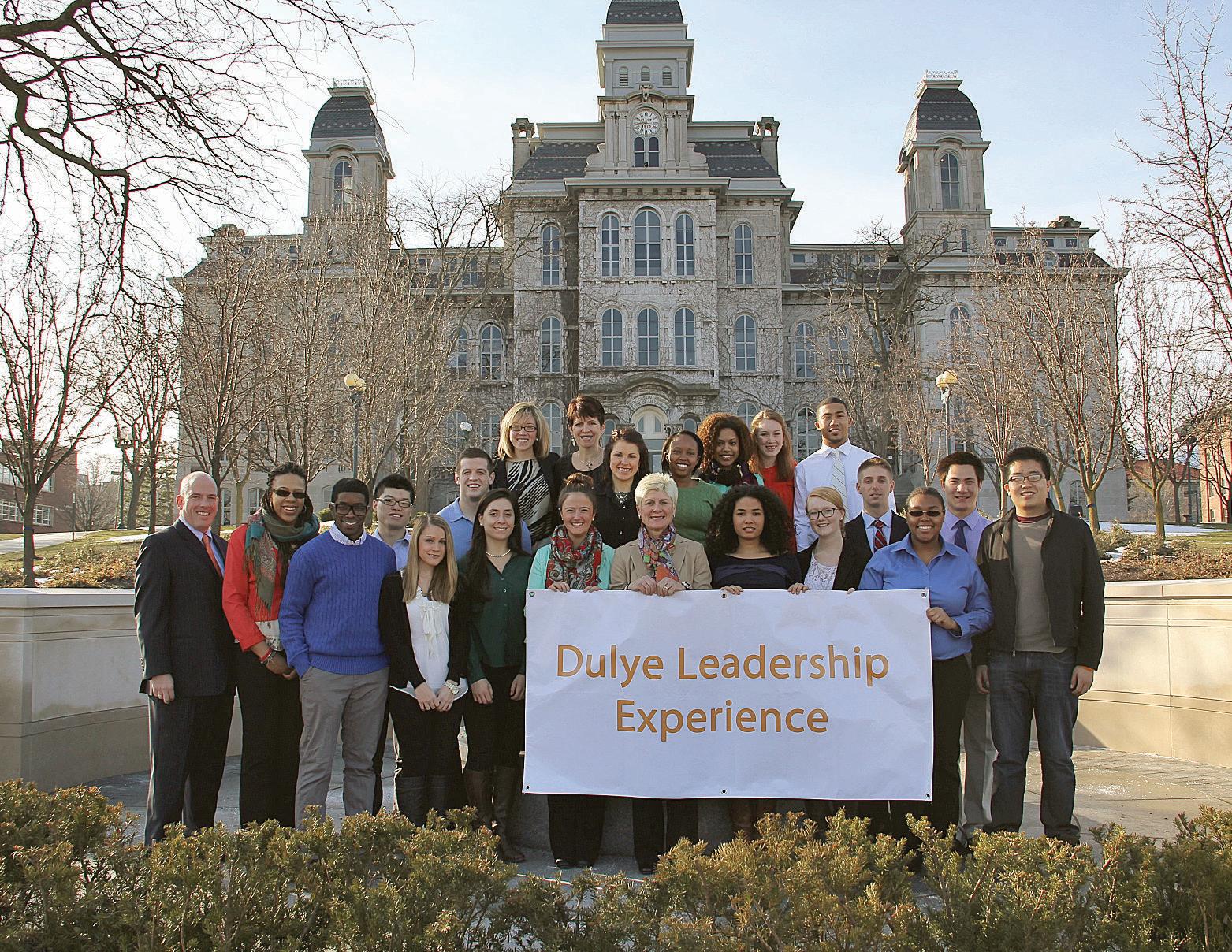
Participants celebrate the opening of the Dulye Leadership Experience at Syracuse University in 2008. Though it initially targeted Syracuse students, it organized a yearly retreat in the Berkshires.
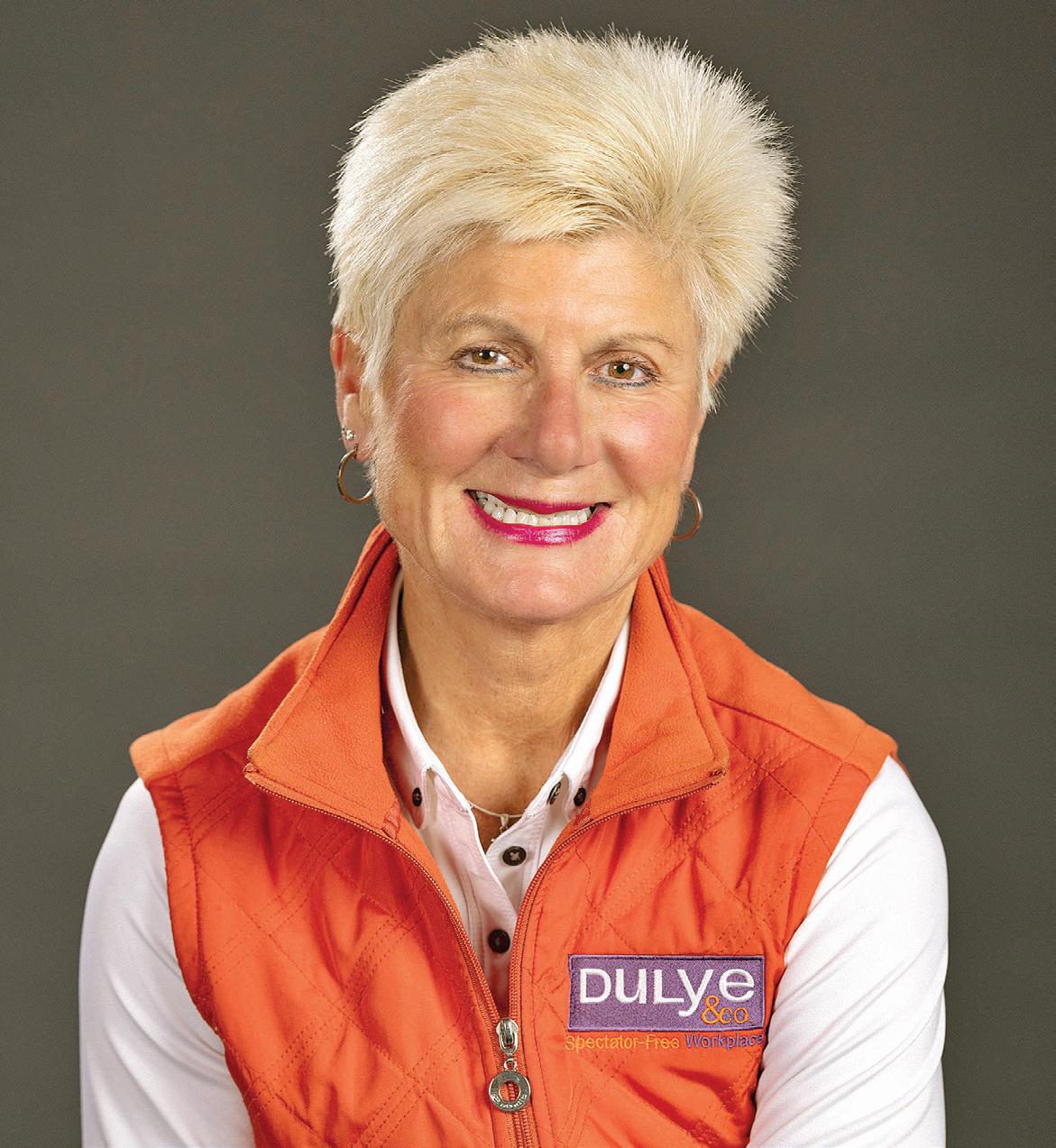
After 18 years, Linda Dulye has ended the Dulye Leadership Experience.
Images reopens renovated theater
By I zzy Bryars
WILLIAMSTOWN — Images Cinema recently reopened its big screen to the public with a two-week screening series and discounted tickets.
The 110-year-old single-screen theater on Spring Street closed in mid-2025 after embarking on a $2 million renovation, part of its Look Forward Capital Campaign to add a second screen and renovate its lounge space.
Last month, it welcomed the community back to see the renovations with First Look, a two-week series featuring some of the most acclaimed films of the last year, says Executive Director Dan Hudson.
The reopening series, which ran through June 4, was intended as a soft opening and thank-you to the community that supported the renovation.
It was within the last few weeks that the theater got the screen attached and the sound system balanced. Hudson said theater staff began by inviting curious passersby on the street to check out the new audio system
The theater’s lounge space, also renovated by the Look Forward Campaign, remained open during screen renovations and hosted some small screenings and events.
Images showed the reopening series in one theater, but the second theater was not quite ready. Hudson estimated the second screen would be open for business sometime in June, at which point Images will begin screening summer releases in both theaters.
The redesigned space now includes the 70-seat main theater with Dolby Atmos sound, an 18-seat second theater with surround sound, and the 15-seat lounge space for alternative programming. The theaters also have new seats.
“I’m especially excited that we’ll be presenting some of these films in Dolby Atmos, our new spatial audio sound system, unique in our region,” Hudson said. “Hearing films like ‘Sinners’ in Atmos is like seeing them for the first time.”
All public spaces and theaters are now fully ADA accessible, with traditional assisted listening devices available and new

Bluetooth technology that allows hearing aids to directly connect to the theater audio.
For the film nerds out there, Hudson said the theater will be screening using its new scope aspect ratio screen that allows it to screen the films in the ratio in which they were shot.
Summer releases
After its First Look series and when the second screen reopens, Images will begin screening anticipated summer releases including:
Boots Riley’s “I Love Boosters”
Steven Spielberg’s “Disclosure Day”
Christopher Nolan’s “The Odyssey”
Olivia Wilde’s “The Invite”
At the recent Williamstown annual town meeting, voters approved spending $20,000 of Community Preservation Act funds on renovations at Images. The money will help preserve the oldest remaining part of the theater, the lobby and box office area. Hudson said the majority of those funds will go toward a new heating and cooling system for the space, and that work will be done later this year.
Images has films programmed immediately after the series ends starting June 5. It will be showing multiple films off the new release calendar of summer blockbusters and indie favorites, including Boots Riley’s “I Love Boosters,” Steven Spielberg’s “Disclosure Day,” Christopher Nolan’s “The Odyssey” and
Invite.”
Without the clout of big-name corporations, acquiring movies from distributors as a small and independent theater can be challenging. Part of Images’ desire for the second screen was because it would help compete against its fellow cinemas but also television and the internet.
Hudson and Images have been working on adding a second screen since he started in 2022 — and even before then, there were years of planning and dreaming by the board and community to make it happen.
Hiram Walden converted the former Williams College fraternity house into a movie theater in 1916 and since then the screen has satisfied audience cravings for silent films, talkies, Westerns and onward.
“It’s all really happening, and it’s coming together beautifully,” Hudson said.
“The folks that we invited in to take a peek yesterday evening all were very enthusiastic, so we’re just excited to welcome the rest of the community very soon.”
Olivia Wilde’s “The
PHOTOS BY GILLIAN HECK
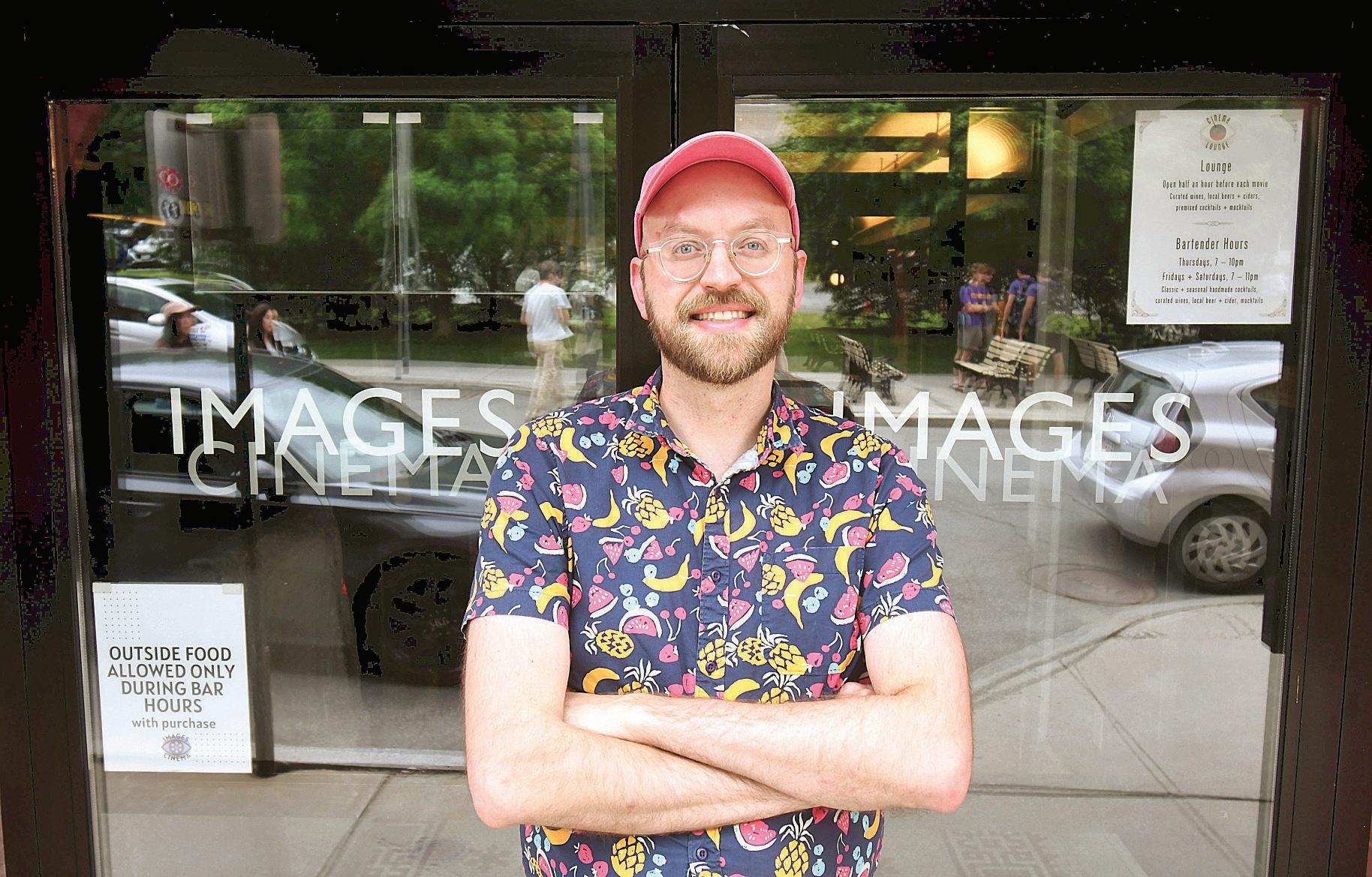
Executive Director Dan Hudson stands outside of Images Cinema on Spring Street in Williamstown. The cinema has opened its newly renovated theater after an eight-month renovation.
The 70-seat theater at Images Cinema in Williamstown features Dolby surround sound.
‘A critical training ground’
a
How farmers market vendors grew into North County staples
By I zzy Bryars
NORTH ADAMS — Jenny Klowden and Bryan “Swifty” Josephs thought they were building a sandwich business — until farmers market customers went crazy for their pierogies.
“It turns out we are a pierogi shop,” said Josephs, who opened the Eastern European-inspired Door Prize Restaurant on Main Street in June 2025 after two seasons at the market.
“Go into the market ready for customers to tell you who you are,” Klowden added.
Door Prize is one of four businesses that have opened storefronts in the last year after building customer bases at the North Adams Farmers Market, alongside Red Shirt Farm, Steeple City Social and Hexagon Bagels. Owners said the market, which officially opened for the season on Saturday, let them test ideas, find customers and learn food service with lower risk.
‘PEOPLE REALLY SHOW UP FOR IT’
For Andrew Fitch and Meghan Daly, whose A&M Bakery evolved into Steeple City Social on Eagle Street last year, the market’s steady local turnout helped them build connections in the community.
Fitch said people really show up for the markets, held every Saturday from now until Oct. 31.
“We chatted with a lot of people about what they were missing downtown, and what a lot of people wanted was a place they can hang out and an evening place where they can get a cocktail with a friend,” Fitch said.
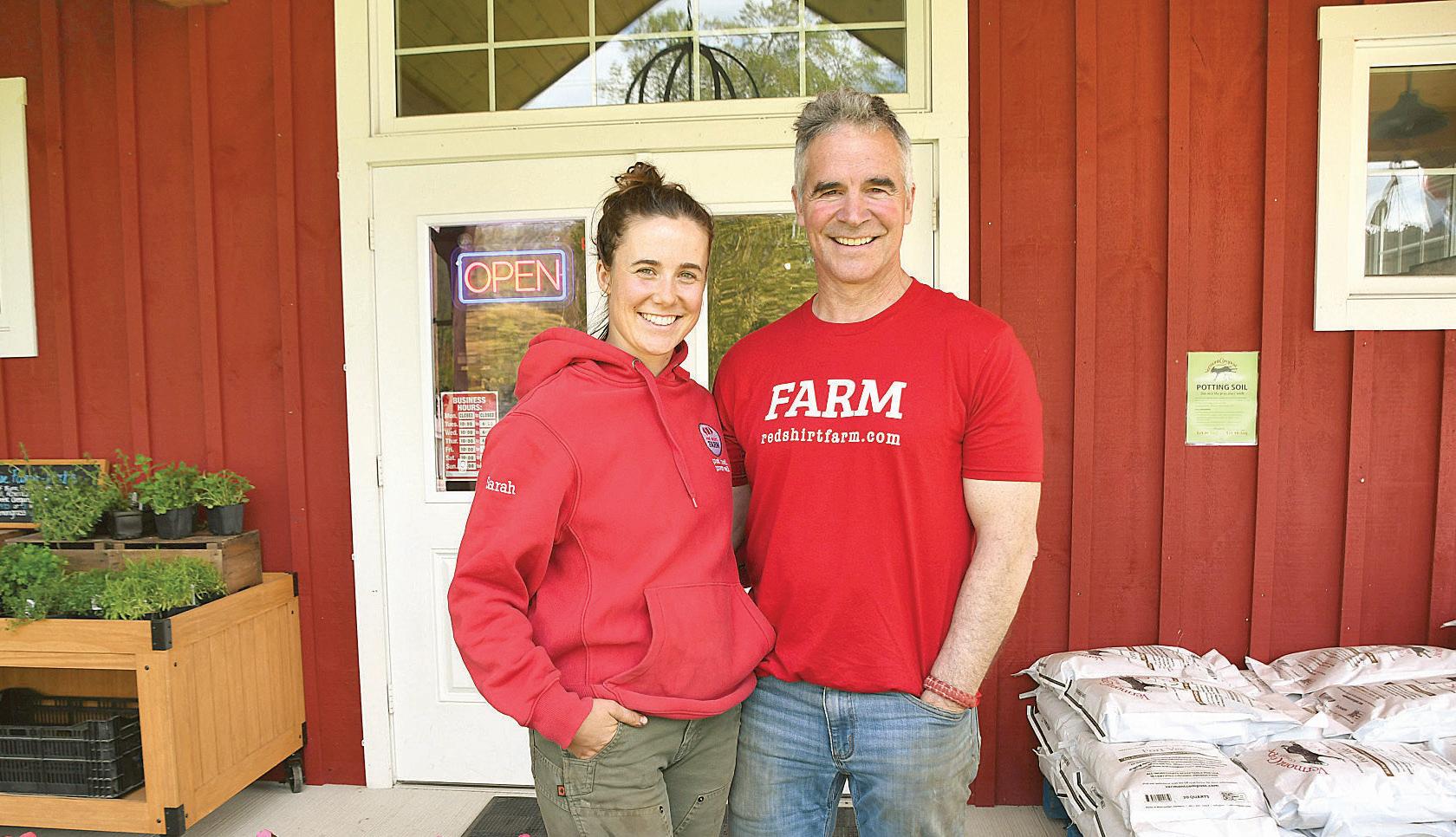
Red Shirt Farm has been selling its local vegetables at the market for years, which they attribute to helping build a loyal customer base. The farm’s newsletter boasts 1,500 subscribers.
Not only is the market’s customer base
loyal, they are honest, said Klowden, which helped her and Josephs ultimately refine their ideas for Door Prize.
‘CRITICAL TRAINING GROUND’
Business owners also said the market provided important food service experience that prepared them to ultimately
scale up to brick-and-mortar.
Hexagon Bagels’ Patrick Lang and Nicholas Rigger credit the business knowledge they gained selling their sourdough bagels at the market to their success opening their Main Street shop in November 2025.
“We had basically no food service expe-
rience so the market was a critical training ground for us,” Rigger said.
Selling at local markets helped Red Shirt founder Jim Schultz grow the farm’s community-supported agriculture program, providing reliable early-season revenue for the farm. On good days, the farm was
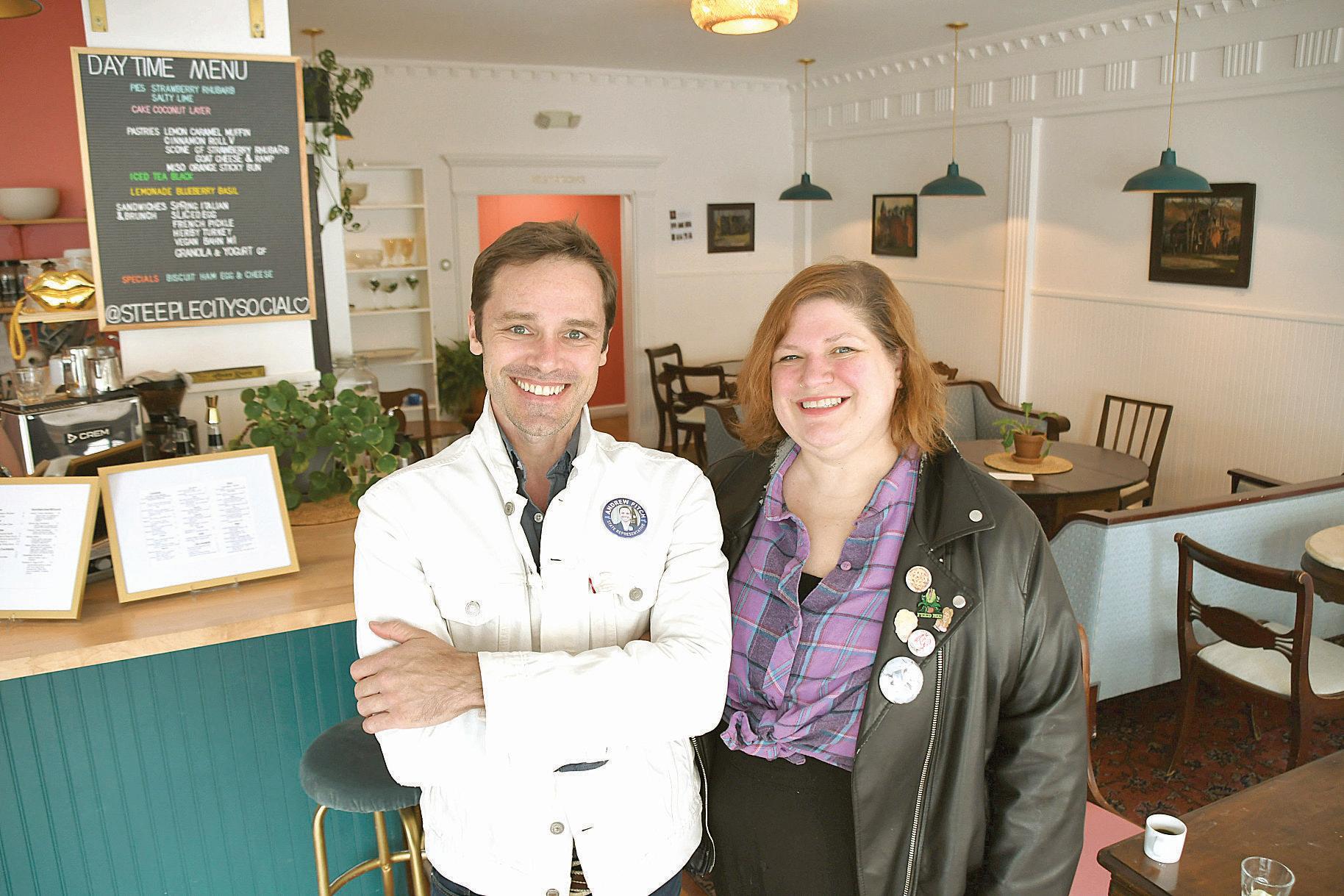
Andrew Fitch and Meghan Daly of Steeple City Social, a bakery and cocktail bar on Eagle Street in North Adams, say the North Adams Farmers Market helped them build a community of loyal customers.
PHOTOS BY GILLIAN HECK
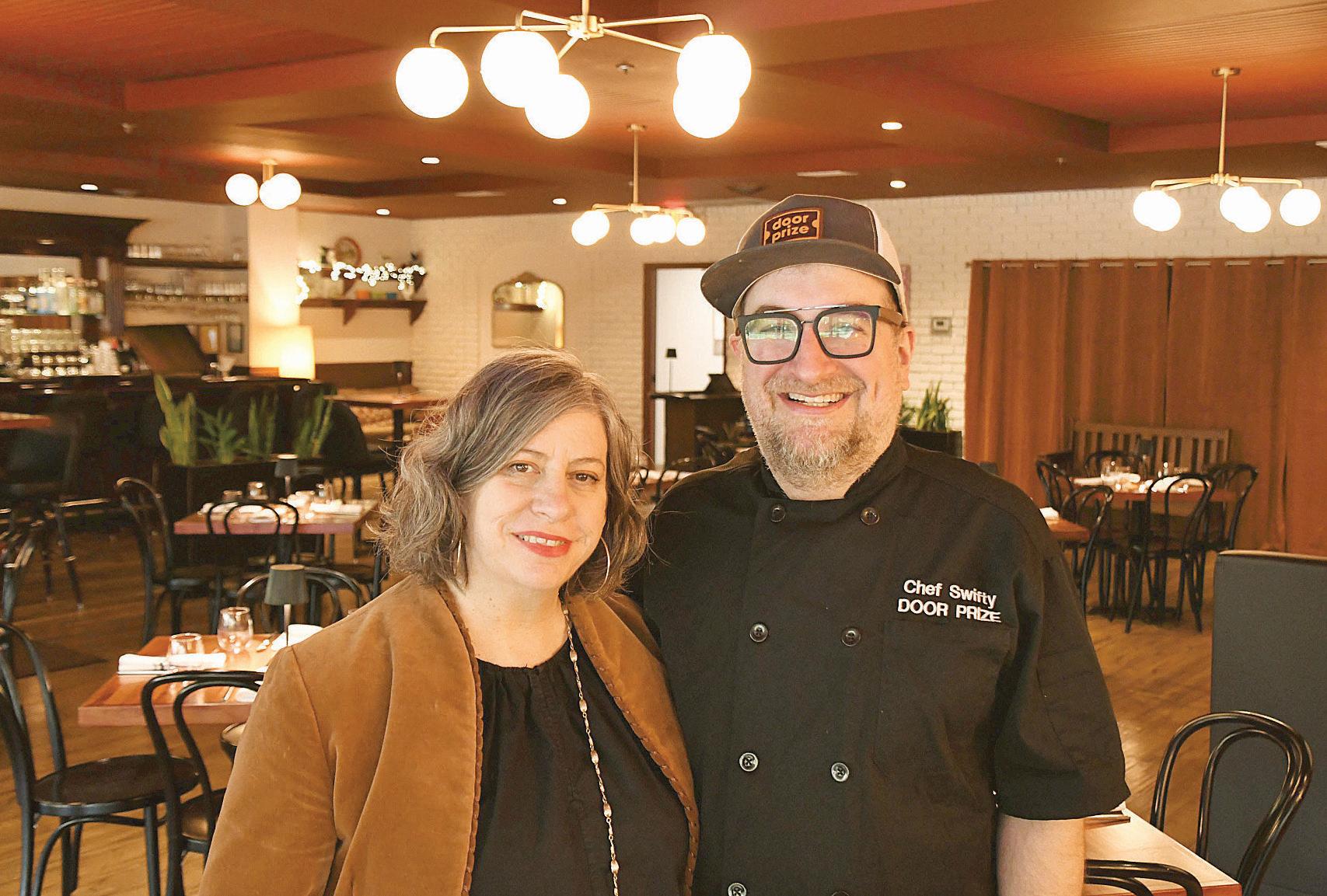
Jenny Klowden and Bryan “Swifty” Josephs of Door Prize, a restaurant in downtown North Adams. The owners had originally thought they would open
sandwich shop, but feedback from North Adams Farmers Market customers helped them realize they made great pierogis.
Farmers market
grossing $3,000 at the market.
“Over time, it became clear there was enough trust and demand to serve the same community more consistently, in a place we could keep the lights on year-round,” he said.
The farm has since expanded significantly, growing 40 crops and CSA memberships now making up about a quarter of its income.
MARKET MATCH WORKS
Owners agreed that the market’s downtown location and the Market Match program play a significant role in its
continued success.
Berkshire Agricultural Ventures’ Market Match program doubles funds from the Supplemental Nutrition Assistance Program at many Berkshire markets.
When they were still at the market, Jim Schultz said SNAP and the state’s Healthy Incentives Program customers were about 30 percent of their customer base.
He said the farm is working to attract more SNAP and HIP customers to Lanesborough.
Why might the North Adams Farmers Market, and generally Berkshire County markets, be an ideal place for local market research?
“We have an unusual agricultural economy here in the Berkshires, in that most of our
farmers … are mostly direct to consumers,” said Jake Levin, who oversees BAV’s market match program. “That is not your typical economic profile for a farmer, even a smallscale farmer.”
And even though Berkshire County is somewhat rural, Levin said it is also a “thriving tourist and second-home community” that creates an economic base to purchase and to support these farmers markets and these direct consumer sales.
A year out, the four businesses report success and the usual financial challenges that come with a storefront.
Door Prize owners say they have expanded their catering service, continue to host packed community events and were happy to report their pa-

tio would be booked for most summer weekends.
Hexagon Bagels is open four days a week and sells hundreds every day, according to its owners.
At Red Shirt, Schultz’s farm store is expanding offerings with its commercial kitchen and hosting food events and workshops.
‘A COMMUNITY EFFORT’
Steeple City Social hosts packed community events daily, from karaoke nights to community conversations to a recent Kentucky Derby-themed party.
“To make a brick-and-mortar location happen, we partnered with many other organizations and people,” Fitch said. “It helped our reach but also made us realize how much of a com-
munity effort every brick-andmortar small business is.”
The business owners also wanted to recognize the vendors whose long-term commitment gave the market the stability it needed to thrive.
“These transitions would not work without them,” Lang said.
Klowden encouraged aspiring vendors to give the market a shot.
“There is a lot of room to grow,” she said.
By fueling the city’s downtown economy, the market is helping change perceptions that downtown North Adams is stagnant or empty, Fitch said.
“There’s tons going on and it’s happening fast,” he said. “It’s about showing people over and over again until everyone gets it.”

Hexagon Bagels co-owners Nicholas Rigger and Patrick Lang and their employee Julie Catalano make bagels in the kitchen of their storefront on Main Street in North Adams. The store got its start by selling weekly at the North Adams Farmers Market.
PHOTOS BY GILLIAN HECK
Sarah and Jim Schultz of Red Shirt Farm in Lanesborough at their new store. Owner Jim Schultz said selling at farmers markets helped him grow his customer base.
Food Co-op seeks ‘return to its roots’
By Talia l issauer
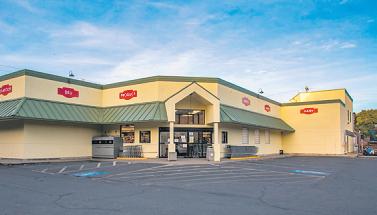
GREAT BARRINGTON — The Berkshire Food Co-op is working to “return to its roots” as it faces financial challenges, with sales declining faster than expenses since the pandemic.
“Between long-term debts and sales not quite meeting expectations, coupled with really high rent costs for this downtown spot, the co-op has not been able to get ahead of those debts,” General Manager Jessica Bosworth said.
Back in February, the Berkshire Food Co-op announced it was cutting employee hours and adjusting discounts to reduce expenses amid unsuitable finances.
While anyone can shop at the grocery store that specializes in local, healthy and sustainable products, being an owner opens up shoppers to discounts. Owners — there are currently about 6,000 — pay a one-time fee of $150.
The co-op first opened in 1981 in a small space on Rosseter Street before expanding in 1993. It then relocated to Bridge Street in 2003 before moving to a 14,000-square-foot neighboring space in 2019 — doubling its size, tripling its inventory and adding a cafe.
While there isn’t one reason the business is struggling, Bosworth points to sales growth not going as projected in the new space. The move, for which owners helped raise $1.4 million, also came with debt.
“There was a certain assumption that taking an existing footprint and doubling the size would then double or further expand sales to meet that,” Bosworth said in a recent conversation with The Eagle.
Shortly after the move, the pandemic hit, bringing an influx of people to the area and a rise in home cooking, which boosted sales at the co-op. As shopping patterns shifted, the co-op adjusted its offerings to meet demand.
“We started moving away from what makes the co-op unique and different,” Bosworth said.
When Bosworth became General Manager of the co-op in 2022, she said the expenses for the business were inflated to match the jump in sales. But expenses haven’t come down as quickly as the sales did.
“So we saw growth, growth, growth, growth, growth,” she said, “but then as everything started normalizing, and we

saw the sales levels come down to what we would consider our averages.”
She said the co-op wants to sustain itself without relying on fundraising and is looking at how to align expenses with current sales. This includes evaluating the store’s footprint, inventory and staffing, which management has been reviewing throughout the year.
“It’s a tough time, but we’re realigning and everybody’s working really hard to make it work,” Bosworth said.
Since announcing its financial challenges, the co-op has seen increased involvement from owners, in addition to financial support.
“We’ve got a large community of people who really care about this place,” Bosworth said. “The outpouring of support has just been tremendous. Those are the types of things that really give us the energy to push forward through challenges.”
The decision to go public
with its financial struggles stems from a desire to be transparent with the 6,000 stakeholders and the community that has supported the coop for 45 years. She added that transparency is a key part of the cooperative model.
“I think back to the small group of people that started their co-op back in 1981,” Bosworth said. “They came together to serve a need in this region, and that was to provide food for their families, and as a way to offset these corporations and big-box stores.”
Being transparent is about fairness and consideration for both the founders and those who have supported the co-op along the way.
“So although it wasn’t easy, and we certainly had some challenging communications at the outset,” she said, “I think it was important for folks to understand.”
The coop is operating in an oversaturated market, with two large grocery stores in a




five-mile radius.
“At the end of the day, really the future of this organization will be decided by the people that own it and the people that shop here,” Bosworth said.
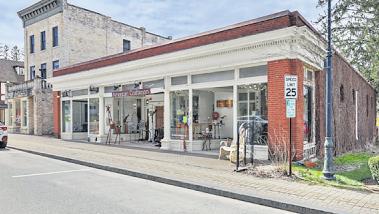
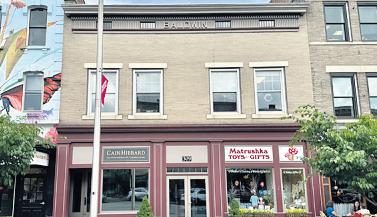
Multiple longtime businesses in downtown Great Barrington have closed over the last year, including Gorman and Norton and Eagle Shoe and Boot. A number of other staple businesses are under new leadership.
“Look at any of these small businesses that have shut down over the last year,” Bosworth said. “It’s scary. It’s really scary.”
Brand Manager Samanatha Parson said for her, it’s important to remember that local businesses are a place for the community to come together.
“People really need to think about what Great Barrington would look like without the co op. And if you feel sad when you think about that, that should be an inclination to come in and shop,” she said.
From here, the co-op is hoping to go back to its roots to be the type of store it used to be. Bosworth said she wants the co-op to work with other downtown businesses to support each other and “develop a close-knit community.”
“We started moving away from what makes the co-op unique and different,” Bosworth said. “And I think there was a certain level of attempt to be something that the co-op was never meant to be.”
Before starting with the coop, Bosworth worked at Guido’s Fresh Marketplace for nearly 20 years. Even then, she said she chose to come to the co-op because of the “feeling that it had.”
“I hope to bring that feeling, that old feeling, back to this location,” she said, “but also to work with other downtown businesses that have been around forever to create that sort of downtown homegrown feeling that used to exist.”

STEPHANIE ZOLLSHAN
Customers check out at the Berkshire Food Co-op market in Great Barrington. After an initial surge during the pandemic, the market has found itself strugging financially.
Pixel Vault retro gaming shop launches
By Tara MonasT esse
PITTSFIELD — It’s a lot easier to win a game when you have a player two.
That’s the logic that led Nathan Delsignore and Tyler Alderman, the co-owners of Pixel Vault in Pittsfield, to team up in pursuit of their shared dream: opening up a retro video game store where customers could rediscover the joys of their favorite old-school consoles, from Atari to the Super Nintendo Entertainment System.
Pixel Vault, at 71 Federal St., which held a soft opening in early April, will be celebrating its grand opening from noon to 9 p.m. Friday. The event will feature a giveaway for a PlayStation 5 Digital Edition, as well as free stickers while supplies last.
In addition to older consoles, the store also sells accessories, games and other merchandise, and offers console repairs to keep older models running at their best.
For the store’s owners, preserving the video games they grew up with is both a cherished hobby and a responsibility.
“It’s a huge part of history in general,” Delsignore said. “Just technology as a whole, and how the gaming industry kind of moved with that. And it’s so cool to see how things used to be.”
For Alderman, preserving video games has taken on a new importance in an era where direct downloads to consoles have made physical cartridges less prominent.
“There’s not a better time than now to kind of start something like this,” he said.
The idea to open a store together came together when the owners first met last winter. Alderman, a lifelong video game enthusiast, had been brainstorming ways to incorporate selling video game consoles alongside his own tech repair business, QuickFix Mobile Repair & More on North Street.
When he saw a Facebook Marketplace listing by Delsignore for a Playstation 3 console, Alderman reached out to ask if Delsignore would be interested in doing consignment within his repair shop. Delsignore, an IT worker, had been collecting consoles for years from tag sales and had amassed a wide inventory. He was game.
“We just became fast friends,” Del-

signore said. “So many things happened in such a short amount of time.”
From there, the business idea quickly came together and it became clear they would need a bigger space. Pixel Vault’s storefront now also serves as the new home for each owner’s existing business: QuickFix Mobile Repair & More, Alderman’s company, and Berkshire Nexus, Delsignore’s IT services compa-
ny. Both owners credit Downtown Pittsfield Inc. with providing the support they needed to get off the ground.
For the seasoned gaming enthusiast, there’s plenty of exciting finds in the display cases. For example: A copy of Silent Hill, the 1999 survival horror classic for the Playstation, still in its original case. Or Nintendo 64 and Nintendo GameCube consoles, each with controllers to boot.
Nick Powers, a former Gamestop employee, expressed his admiration for the store’s collection when he stopped in to browse the store with his son on Tuesday.
“Even though you’ve just opened, it’s an excellent vibe in here,” he told the new owners. As Powers spoke, his son played a retro Super Mario game on a Nintendo console hooked up to a boxy television.
For Alderman, a father, getting to pass on the games he loved to the next generation is a core appeal of his work.
“I started having children of my own and I remembered what I really liked and enjoyed growing up,” he said. “And I wanted to give them kind of a similar experience with some of the same games, and newer games that they might like.”
While consoles and games will remain the store’s bread and butter, Delsignore said there’s the possibility of expanding to trading card games and other items in the future. He’s also toying with the idea of introducing a rental system to allow customers to test out a game before committing to a full purchase.
For Delsignore, the best part of selling old consoles is seeing people light up when they recognize an old game system they once unwrapped on Christmas morning as a child.
“It just brings joy to people,” he said.











TARA MONASTESSE
Nathan Delsignore, left, and Tyler Alderman are the owners of Pixel Vault, a new retro video game store that recently opened at 71 Federal St. in downtown Pittsfield.
Berkshire voices
Connections are coming into focus
Early in our work around the Berkshire Innovation Center’s Advanced Optics TechHub initiative, someone told me that the optics and photonics community was unusually collaborative. Despite the complexity of the technology and the competitiveness of the industry, people in the field were remarkably open to sharing ideas, making introductions, and helping one another succeed.
At the time, I thought it was an interesting observation. I filed it away and moved on. Over the past year, I’ve started to see exactly what they meant.
One of the more energizing developments has been the growing relationship between the Berkshires and the optics and photonics ecosystem in Rochester, N.Y. — a region long recognized as one of the nation’s leading centers for imaging and optical technology.
When we first began exploring the possibility of building a stronger advanced optics presence here, I naturally assumed our strongest relationships would emerge within Massachusetts. That has certainly proven true. But what I did not fully anticipate was the genuine openness and enthusiasm we would encounter from leaders and organizations in Rochester.
Those relationships began through a series of introductions and conversations that gradually built on one another.
Ian Gauger, COO of Circle Optics and University of Rochester alumnus, gave our chief learning officer, Dennis Rebelo, a
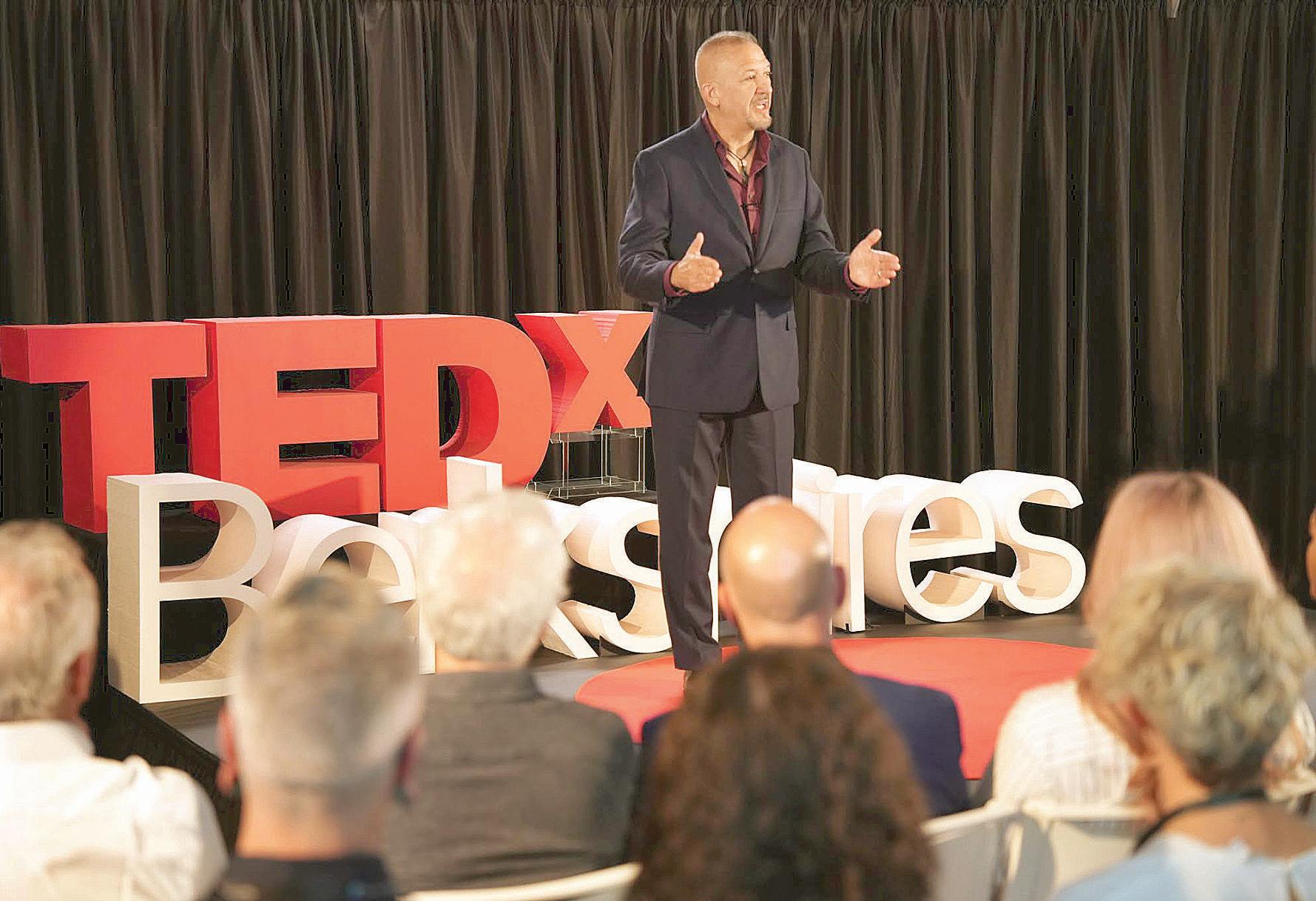
tour of Luminate — the world’s largest accelerator for optics, photonics, and imaging startups — where he introduced him to Damon Diehl. That introduction grew into an invitation for Damon to speak at TEDx Berkshires, where he addressed innovation, entrepreneurship, and the future of
imaging technologies. Those conversations, in turn, led Circle Optics — through Jennifer Seryl, the company’s SVP of Partnerships — to visit the BIC. One introduction led to another.
Circle Optics is exactly the kind of company we hope to engage through the TechHub initiative: technically ambi-
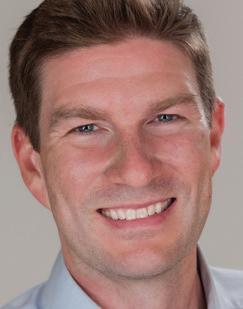
I just rectified a tax filing issue for two clients who missed out on tax deductions they were entitled to. Both clients had made IRA contributions for the prior tax year and used tax preparers to file their returns, but neither client received a deduction. It was not the fault of the tax preparers or the clients. It was a simple missed communication. The tax preparers simply didn’t know the IRA contributions had been made. I suspect these two clients are not alone.
THE TIMING ISSUE
When you contribute to an IRA, the custodian (such as Schwab or Fidelity) is required to report that contribution. The problem is that reporting is typically not issued until mid-May, after the April 15 tax filing deadline. The reason they report so late is that you’re allowed to make an IRA contribution up until April 15 (for example, you can make a calendar year 2026 contribution until April 2027). In practice, this means that your tax preparer won’t get a form to see your IRA contributions before filing your return. Unless you tell them that you made an IRA contribution, they have no way of knowing. The deduction may simply never get taken on your tax return.
That is exactly what happened to my two clients. In both cases, we had to go back and file an amended return to claim the deduction. It was an entirely avoidable hassle.
The fix is straightforward. Whenever you make an IRA contribution, also make a point of telling your tax preparer — and include both the exact amount and the intended tax year.
If you’re not sure whether deductions were properly included this year, check your tax return.
IRA TAX BENEFITS ADD UP
You don’t want to miss out on your IRA deductions. For 2026, the contribution limit for individuals under age 50 is $7,500, and $8,600 for those 50 and older. The tax savings on these amounts can be significant.
Here’s an example. Say you are a married couple filing jointly with a combined income of $120,000, placing you in the 22 percent federal tax bracket. If you each contributed $7,500 to a traditional IRA — a total of $15,000 — and both contributions are fully deductible, that translates to $3,300 in federal tax savings.
Keep in mind that deductibility is subject to income limits if you or your spouse are covered by a workplace retirement plan. Your tax preparer or financial advisor can help you determine whether your contribution is fully deductible, partially deductible, or non-deductible based on your situation. But in any case,
But what has impressed me most has not simply been the technology. It has been the mindset of the people behind it.
That mindset has been consistent across nearly every conversation we’ve had over the past
tious, commercially focused, and deeply collaborative. Their imaging technology captures seamless panoramic views in real time, eliminating the stitching and distortion challenges common in traditional multi-camera systems — opening new possibilities across autonomous systems, aerospace, defense and immersive training environments.
Were your IRA contributions deducted?
your tax preparer needs to know the contribution was made.
DON’T MISS BACKDOOR ROTH CONTRIBUTIONS
There is a related issue I want to flag for higher-income workers who have been doing what is known as a backdoor Roth. This is a completely legal strategy used by individuals who earn too much to contribute directly to a Roth IRA. The workaround involves making a non-deductible contribution to a traditional IRA and then converting that balance to a Roth IRA.
The mechanics are pretty simple, but again, the tax paperwork is where things can go sideways. When the conversion occurs, custodians issue a Form 1099R showing a distribution from the traditional IRA. If your tax preparer sees that 1099-R without the context of the original non-deductible contribution (documented on Form 8606) they may treat the entire conversion as a taxable event.
not be taxed twice.
Again, the solution is good communication. If you have made a backdoor Roth conversion, tell your tax preparer. Bring documentation of both the contribution and the conversion. Without it, you could end up paying tax on money you already paid tax on.
SPEAK UP FOR YOUR DEDUCTIONS
Whenever you make an IRA contribution, also make a point of telling your tax preparer — and include both the exact amount and the intended tax year.
But since you originally contributed after-tax dollars, only the earnings (typically a small amount, assuming the conversion happens quickly) should be taxable. The contribution itself should
Tax preparers are skilled professionals, but they can only work with the information in front of them. And during tax season, they’re deluged with information. IRA contributions don’t show up in the documents that flow automatically into a tax return. You have to point them out. Before your next tax appointment, take a few minutes to pull together your records. How much did you contribute to your IRAs? What kind of contributions did you make: Regular? Backdoor? Write down these contribution details and bring them with you. A few extra minutes of preparation could be worth thousands of dollars in tax refunds.
NIKKI O’NEIL
Damon Diehl, PhD, director of technology integration at the Luminate optics accelerator in Rochester N.Y., speaks at last year’s TEDx Berkshires event at the Berkshire Innovation Center. Diehl addressed innovation, entrepreneurship and the future of imaging technologies.
Luke Delorme Money Talk
Ben Sosne News from the BIC
Inflation everywhere but cannabis shelf
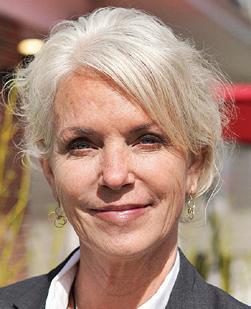
A customer walks into one of our stores after a long day of doing various types of math. And these days she’s understandably tired. After all, she paid more at the pump, more at the grocery store, her electric bill went up, her insurance went up, and her rent did not go down. It’s a snapshot of how everything around the customer costs more. And that of course extends to everything around the operator costing more as well. Cannabis, however, is the one shelf in the building where prices are still expected to fall. That feels like a win for the shopper, sure, but left unchecked it becomes a trust problem, a margin problem, and a survival problem for businesses in the legal Massachusetts market. And it’s worth looking at closely.
Start with the customer, because the pressure on her is real and worth respecting. People volunteer information that high prices are eroding their finances. These are not shoppers imagining hard times, these are shoppers living them, and they are walking into our stores having already made tough calls about gas, groceries and prescriptions before they ever reach our door. Thus, budgets for cannabis spending are ever tighter.
But a tight budget does not make someone a cheap customer. It makes them careful, ready to ask harder questions before purchasing something that customer trusts. The mistake operators make is hearing “money is tight” and reaching for the discount sticker, as if the only answer to a nervous economy is a lower number. Budget-conscious, notably, is not the same as value-blind.
Now look at the brand and operator side of the counter, because we do not get an exemption from any of this. We
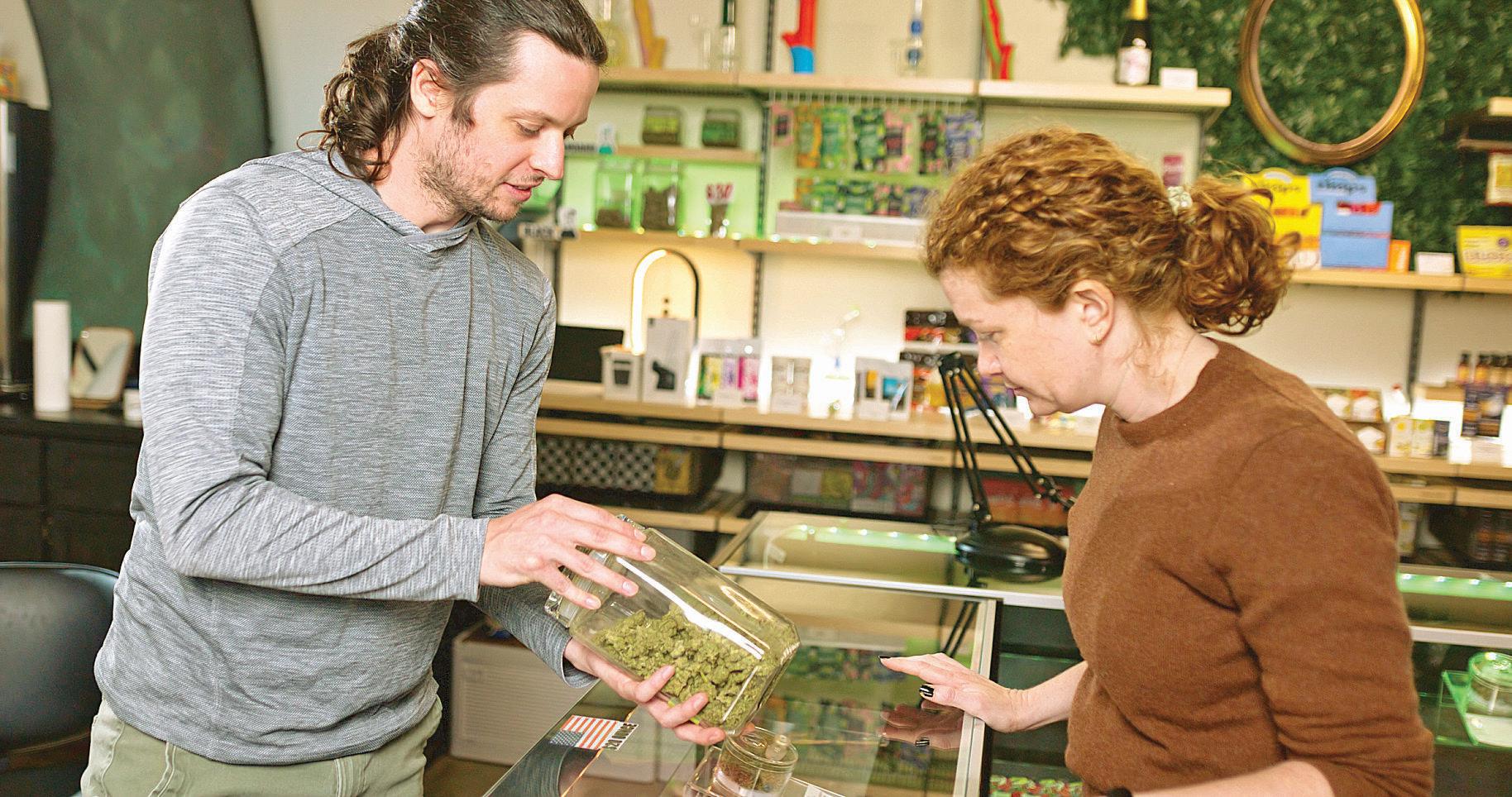
pay the same electric bill as the restaurant down the street. Our insurance climbs. Payroll taxes, packaging, testing, security, software, repairs, professional services, compliance that never sleeps. And because of 280E, we carry a tax structure that punishes us for the ordinary cost of doing business. Our operating model, as any cannabis business in the Berkshires will confirm, is more expensive than almost any retailer, and the regulatory backpack only gets heavier.
So this has meant our costs go up while our menu prices continue to go down in a marketwide compression. The trend across Massachusetts has been average per-item cannabis prices have kept slipping year over year while overall sales have held roughly steady. Read that carefully. When dollar volume stays put while per-unit prices keep falling, the only way to stand in the same place is to sell more units. More transactions, more labor, more inventory churn, thinner margins. That is not a healthier market but rather a treadmill set a little

faster every quarter.
The instinct for some retailers is to panic-discount. Brands panic-distribute. Panic can look like progress. More accounts, more placements, more promotions, more movement. But movement is not margin, and door count is not strategy.
Door count is ego, while sellthrough is truth. Paid invoices are oxygen to gasping small businesses already struggling for air. Putting product into an account that liquidates it and pays late is not growth. It is value erosion with a sales report attached. And that’s before the story plays out in public.
Tuesday, and acts surprised on Friday when the same product is $45 in one shop, $29 across town, and $19 next week. The customer, ever promiscuous from the options, buys the deal during tight times.
As a side effect, that customer also quietly learns that the posted price was never real, and that the story changes every time the number does. For brands, that means if your story changes with your price, the story was never strong enough to begin with. Customers, and the market at large, notice this.
None of this means we can fix the economy. We as cannabis businesses cannot. We do not control gas prices, interest rates, or what the shop down the road decides to do this weekend. What we control begins and ends at the four corners of the retail shelf. The shelf is where every piece of big strategy talk either becomes real or falls apart. It is the most expensive real estate in the store, and most operators treat it like a storage unit for whatever a vendor is pushing this month.
Treat it instead like the curated promise it is. That starts with knowing your own numbers, not the state’s.
The mistake operators make is hearing “money is tight” and reaching for the discount sticker, as if the only answer to a nervous economy is a lower number.
A brand calls itself premium on Monday, chases every possible door and aims to be found on every available shelf on
Store-level data tells you your immediate future.
The customer at our Lee or Pittsfield shop does not shop like the customer in a Boston suburb.
The summer visitor who wanders in off a Berkshires weekend needs different guidance than the regular who knows exactly what she wants. Every store is its own small economy, and the operator who merchandises off a spreadsheet from somewhere else is guessing. For brands, discipline means follow-





GETTY IMAGES
The trend across Massachusetts has been average per-item cannabis prices have kept slipping year over year while overall sales have held roughly steady.
Meg Sanders Cannabis Corner
Are you practicing healthy housing habits?
June is American Housing Month, a time to recognize the importance of safe, affordable housing and the role homeownership plays in building strong communities and long-term financial stability.
Whether you are buying your first home, planning a move, or simply looking to protect your investment, this month is a great opportunity to review healthy financial habits related to housing.
For many families, purchasing a home is one of the biggest financial decisions they will ever make. While the housing market continues to evolve, preparation and planning remain the keys to success.
One of the first steps for prospective homebuyers is understanding their budget. Before beginning the home search process, buyers should review their income, monthly expenses, debt obligations and credit score.
Mortgage lenders look closely at debtto-income ratios and credit history when determining loan eligibility and interest rates. Improving credit scores and paying down debt ahead of time can help buyers qualify for better financing terms.
Saving for a down payment and closing costs is also essential. While many people believe a 20 percent down payment is required, there are several loan programs available with lower down payment options. However, buyers should still prepare for additional costs such as inspections, insurance, taxes and maintenance expenses.
It is also important to avoid stretching beyond a comfortable budget. Just because a lender approves a certain loan amount does not necessarily mean it fits comfortably within a household’s long-term financial plan. Buyers should consider future expenses, emergency sav-

ings, and lifestyle goals when determining what they can realistically afford.
For current homeowners, American Housing Month is a good reminder to protect and maintain one of their most valuable assets. Routine home maintenance can help avoid larger, more expensive repairs later. Seasonal inspections of roofs, HVAC systems, plumbing, and foundations can extend the life of a home and protect property values.
Homeowners should also periodically review their homeowners insurance coverage to ensure it reflects current rebuilding costs and any major upgrades made to the property. In today’s environment, rising construction costs can leave some homeowners underinsured without realizing it.
Another important financial habit is building equity wisely. Making extra principal payments when possible or refinancing strategically can help homeowners reduce long-term interest costs and strengthen their financial position. Home

equity may also provide opportunities for future renovations, education expenses, or debt consolidation, but homeowners should borrow carefully and understand the risks involved.
Finally, consumers should stay alert for housing-related scams. Fraudsters often target buyers and homeowners through fake rental listings, wire fraud schemes, or fraudulent home repair offers. Always verify payment instructions directly with trusted professionals and work with reputable lenders, real estate agents and contractors.
Housing plays a vital role in financial wellness and community growth.
American Housing Month serves as a reminder that smart planning, informed decisions, and responsible financial habits can help individuals and families achieve lasting stability and success through homeownership.
Ray E. Smith is the senior vice president, marketing and communications at Pittsfield Cooperative Bank.
FROM PAGE 13
ing your product onto the shelf or on your menu. Have real visibility into where it sits, what it sits next to, how it is priced, and whether the staff can actually explain it.
For retailers, discipline means the shelf earns its keep. Fresh product, honest pricing, a menu that makes sense, and a team that can turn a careful customer into a confident one. Pull what does not move or what your people cannot stand behind.
I think about it the way I think about a good restaurant. You would not eat somewhere the chef refuses to eat. Our budtenders should never hand a customer something they would not recommend to a friend, and a shopper under real financial pressure should never have to gamble on whether the staff believes in what they are selling. That confidence is the product. The flower, edibles, vapes, etc are just what customers carry home.
In the Berkshires, this matters more than almost anywhere. Locals, tourists, wellness shoppers, first-timers, and longtime consumers all cross paths in the same room, and word travels fast in a place this size. We do not get to run a lazy retail operation and blame the economy when people do not come back. The shelf has to make sense to all of them, in season and out.
The consumer pressure is real. The price compression is real. The answer is not to shout “sale” the loudest, but rather know your numbers, train your people, price with a spine, and choose partners who protect value instead of torching it. The operators who make it through this next stretch will be the ones who understand that trust is built in small moments, repeated well. Cannabis does not need to solve the economy. It needs to solve the shelf. Meg Sanders is CEO and co-founder of Canna Provisions.
METRO CREATIVE CONNECTION
Seasonal inspections of roofs, HVAC systems, plumbing and foundations can extend the life of a home and protect property values.
Ray Smith Money Matters
Strong nonprofits good for business
A NEW CHAPTER AT NPC
There is a scene in “It’s a Wonderful Life” that has stayed with me for years, not for its sentimentality, but for its surprisingly sharp business logic.
George Bailey, making the case for why his family’s building and loan must survive to help the town’s working people, turns to face the ruthless Mr. Potter, and says: “You’re all businessmen here. Doesn’t it make them better citizens? Doesn’t it make them better customers?”
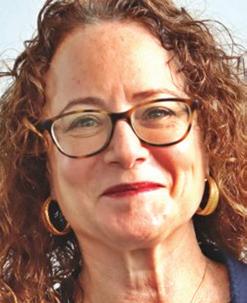
Bailey wasn’t just making a moral argument. He was making an economic one.
When working people have decent homes, stable lives and a community that invests in them, everyone benefits, including business.
That speech is over 80 years old, and yet I find myself returning to it now. It feels especially apt as I step into my new role as executive director of the Nonprofit Center of the Berkshires taking the baton from founder Liana Toscanini, who built this organization into a vital regional hub over the past decade. I’m honored to continue that work and eager to deepen NPC’s relationship with the business community in particular.
My husband and I moved full-time to the Berkshires five years ago and settled in West Stockbridge. What struck me first wasn’t just the landscape; it was the way people here show up for one another.
Neighbors rally around schools, arts organizations, health and human service agencies, and quiet grassroots efforts that keep this region humming. That’s an asset worth protecting. And it’s exactly the kind of community infrastructure that makes the Berkshires an attractive place not just to visit, but to locate a business, attract talent, and build a career.
My background spans three decades at the intersection of business, nonprofit management and philanthropy. I’ve founded business initiatives, worked at major foundations, and supported nonprofit organizations as they scale. I’ve seen what becomes possible when nonprofits are well-resourced and connected, and I’ve seen the cost, to communities and ultimately to local economies, when they aren’t.
WHAT NPC DOES AND WHY IT MATTERS TO YOU
The Nonprofit Center exists to make life easier and more effective for the more than 1,000 charitable organizations
Technology
several months. Leaders have offered introductions freely. Companies have expressed genuine interest in joint programming. People have been eager to visit the BIC, tour the region, and connect with companies and researchers already doing important work here.
Conversations that begin around technology often evolve quickly into broader discussions about workforce development, manufacturing partnerships, and what it might look like for organizations across the Northeast to support one another more intentionally. That spirit feels deeply familiar.
Since our founding, we have tried to build the BIC around a simple idea: “Do More Together.” We speak often about the power of collective wisdom — the belief that innovation accelerates when people from different backgrounds, disciplines and organizations come together around shared challenges. What I’m increasingly
that call Berkshire County home. Think of us as a backbone organization. We are not delivering services ourselves, but strengthening the capacity of those who do. We provide workshops and peer learning, operational support, fiscal sponsorship for emerging projects, expert referrals, and connection to partners, funders, and volunteers.
The nonprofit sector is not a charity case for the local economy. Nonprofits keep your workforce healthy, educate the children who will become your future employees, stabilize housing for your workers and neighbors, and sustain the cultural institutions and natural landscapes that make the Berkshires a place people want to move to.
I’ve seen what becomes possible when nonprofits are well-resourced and connected, and I’ve seen the cost, to communities and ultimately to local economies, when they aren’t.
All of these organizations are stronger because NPC is here.
The nonprofit sector is a significant contributor to the local economy employing 25 percent of Berkshire County residents and generating approximately 25 percent of the local GDP. With one nonprofit for every six residents, Berkshire
realizing is that this mindset isn’t just ours. It seems to be deeply embedded in the broader culture of the optics and photonics community itself. That alignment matters more than it might seem.
The Berkshires are not trying to become Boston. We are not trying to replicate Rochester. But we may have a meaningful role to play within a larger regional ecosystem stretching across the Northeast — one built not only on research and technology, but on manufacturing, commercialization, workforce development and the kind of trust that develops through real relationships and collaboration. We are beginning to see that ecosystem take shape around us.
In recent months, I’ve had inspiring conversations with leaders from the New England Section of Optica, a professional organization deeply embedded in the optics and photonics community in Greater Boston and Cambridge. Introduced through a BIC board member, those discussions moved quickly past pleasantries into active conver-
County ranks among the top 30 in the country for nonprofit density, a remarkable concentration of mission-driven organizations. They attract philanthropic investment in our communities from outside the region. They anchor neighborhoods, fuel tourism, and provide the social infrastructure that turns a beautiful place into a livable, thriving one.
THE GEORGE BAILEY
PRINCIPLE
When George Bailey asks Mr. Potter, “Doesn’t it make them better customers?”, he is articulating something that community development economists have spent decades documenting: stable, supported communities drive commerce. When people have access to healthcare, decent housing, mental health support, arts enrichment, and strong schools, they participate more fully in the local economy. They shop locally, they stay, they build.
The inverse is equally true. When those systems erode, when nonprofits are underfunded, understaffed and isolated,
sations about programming, partnerships, and how to better connect innovators across the region. I’ve already had the chance to introduce members of that network to companies like Myrias Optics and other emerging partners connected to the TechHub initiative.
At the same time, important regional assets continue to grow around us. UMass Amherst’s Institute for Applied Life Sciences is expanding applied research capabilities. New efforts focused on quantum and advanced manufacturing are emerging in Springfield. In Albany, the semiconductor and quantum ecosystem continues to accelerate, highlighted recently by a major IBM announcement related to America’s first purpose-built quantum foundry. These initiatives are distinct
The Northeast is becoming increasingly interconnected around advanced technologies, manufacturing and commercialization.
communities become fragile. Workforce pipelines thin. Talented people leave, and businesses feel it.
Bailey’s words, spoken in 1946 by a fictional small-town banker, could just as easily be said at a Berkshire County economic development meeting in 2026.
WHAT NPC IS BUILDING AND HOW YOU FIT IN
One of my first priorities as executive director of NPC is to lead a new Berkshire County State of the Nonprofit Sector report. The last such report was conducted in 2012, and this countywide research effort will give us fresh data on how nonprofits contribute to our regional economy, how community needs have shifted over the past decade, and where the most promising opportunities for collaboration lie.
It will be a practical tool for nonprofit leaders, and also for businesses, planners and civic partners who want to make informed decisions about where to invest, partner, and engage.
I want the business community to see this report, and NPC, as a resource, not just a cause to support. If you’re wondering where corporate giving will have the most leverage, we can help you find it. If you’re looking for board service opportunities that match your skills, we offer a matchmaking service to connect you with organizations where your expertise is genuinely needed. If you’re interested in workforce pipelines, early childhood, housing stability or arts vitality, we can connect you with the organizations doing that work now.
AN INVITATION
George Bailey’s building and loan was, at its core, a community infrastructure play. It wasn’t glamorous or profit-making, but it was essential. The Nonprofit Center of the Berkshires occupies a similar position in this region’s ecosystem. We are the connective tissue, the operational support, the strategic sounding board that helps more than 1,000 organizations do their work better.
This region works because people and businesses invest in it. NPC is here to help make that investment smarter, more connected, and more impactful. I look forward to meeting many of you at upcoming NPC events and around the county. If you’re curious about how your business can engage more strategically with the Berkshire nonprofit sector, I’d love to start that conversation.
Samantha Anderson is the executive director of the Nonprofit Center of the Berkshires. Reach her at samantha@npcberkshires.org | npcberkshires.org.
from the work happening at the BIC — but collectively, they point toward something larger. The Northeast is becoming increasingly interconnected around advanced technologies, manufacturing and commercialization. That creates real opportunity for regions like ours. And the Rochester connection keeps growing. We recently connected over Zoom with James Senall, president and CEO of NextCorps — the Rochester-based technology incubator that has been driving innovation since 2009 and is the very birthplace of Luminate. Damon Diehl joined that call as well, deepening the ties between our organizations and adding another strand to a web of relationships that continues to expand. Together, we are exploring
ways to support and collaborate — and the exciting part is that we are already beginning to see some of those connections take shape here in Pittsfield.
We spend a great deal of time at the BIC discussing construction schedules, equipment lists and plans for our future annex expansion. Those conversations are important and necessary. But alongside the physical infrastructure, something else is taking shape — a growing network of relationships, shared ideas and collaborative energy that extends well beyond the walls of any one building. It is still early. Many of these relationships are new. Much of the work remains exploratory. But that, perhaps, is exactly the point. The most consequential ecosystems don’t appear fully formed. They grow — one introduction at a time, one conversation at a time, one visit at a time.
And ultimately, that community may prove to be the most important thing we build.
Ben Sosne is executive director of the Berkshire Innovation Center.
WIKIMEDIA COMMONS
In Frank Capra’s 1946 film, “It’s a Wonderful Life,” James Stewart portrays George Bailey, whose family business and loan goes toe to toe with the ruthless Henry Potter’s corporate bank. Bailey’s stance — that stable, supported communities drive commerce — resonates some 80 years later.
Samantha Anderson Nonprofit Notes
Why AI won’t replace your Realtor
Artificial intelligence (AI) is rapidly changing the way consumers search for information, communicate, and make decisions. Real estate is no exception. As many begin to use AI in their daily lives, buyers and sellers are now asking AI platforms about market trends, mortgage estimates, neighborhoods, pricing strategies, contracts, staging ideas and even how to write listing descriptions.
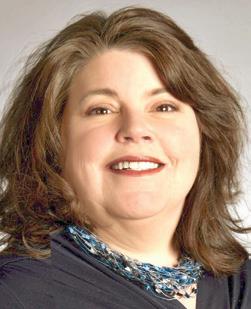
While this technology is easily accessible to all and an exciting new tool in the marketplace, AI also enhances the value and services of a Berkshire real estate professional, by empowering them in new ways. It is becoming another method that great agents can use to focus more time on developing the relationships, skills and local knowledge needed to better serve their clients.
AI reminds us that real estate is not simply an information business. It is a relationship business, a negotiation business and a problem-solving business built around one of the largest financial and emotional decisions people make in their life.
Local expertise also remains incredibly important when interpreting data because real estate is deeply personal and hyper-local. Use the data to educate yourself, but also make sure to consider the real-life factors the data doesn’t reveal.
Market conditions can vary dramatically from town to town and even neighborhood to neighborhood. AI tools rely heavily on online data that Realtors share with the public across many platforms, but that information often lacks the nuance that experienced local professionals develop over years of working in a community.
For example, when comparing properties to determine value, it matters why a property sold for a certain price. Did it sell low because of condition issues? Did it sell high because there were multiple offers the first weekend on the market? Was there an unusual circumstance that affected the transaction? AI may not know those details, but an experienced local agent often does.
A skilled Berkshire County Realtor, for example, understands far more than square footage and sales statistics. They understand school districts, seasonal market patterns, local zoning trends, septic and well considerations, rural property challenges, second-home buyer behavior, municipal permitting environments, and the subtle differences between communities that may look similar on paper but appeal to entirely different buyers.
Facts and data alone are not enough without someone skilled enough to interpret them through actual field experience. Consumers should also recognize that high-level real estate professionals bring together extensive networks and interconnected relationships that AI simply cannot replicate.
A Realtor often acts as the coordinator of a large group of professionals working together on behalf of the client. Successful transactions depend on collaboration among lenders, attorneys, inspectors, contractors, appraisers, insurance providers, photographers, movers, municipal officials, title companies, and other service professionals. Experienced agents know who is reliable, responsive, knowledgeable, and solution-oriented. Those connections become especially valuable when unexpected issues arise during a transaction.
When a home inspection uncovers a problem, an experienced agent often knows trusted professionals who can quickly evaluate the issue. When financing challenges emerge, strong lender relationships can help identify solutions. When timelines tighten, those professional networks help keep transactions moving forward. While AI can provide answers, professional agents provide the human connection and coordination needed to successfully bring all of these moving pieces together.
At the same time, many high-level professionals are already using AI behind the scenes to improve the consumer experience. AI can help agents analyze data faster, organize information more efficiently, generate marketing ideas, summarize documents, and improve responsiveness. That allows agents to spend less time on repetitive administrative work and more time focused on strategy, communication, and client service. Today’s best agents are not resisting technology. They are embracing it while continuing to focus on the areas where human expertise and professional judgment matter most.
As technology evolves, the fundamentals of a
home sale are unlikely to change anytime soon. Real estate has always been about more than property or data. It is about people, relationships, trust, and navigating important life decisions.
Are you still considering going into a real estate transaction with only your trusty AI sidekick? Before jumping in, it may be worth asking yourself a few questions about the realities of managing a transaction from start to finish:
• Do you have the time to coordinate calls, emails, showings, inspections, negotiations and deadlines throughout the transaction?
• Are you comfortable negotiating pricing, inspection issues, contingencies and timelines with someone who may have years of negotiation experience and training in the local market?
• Do you know how to properly evaluate comparable sales and interpret local market conditions?
• Can you recognize when a property sold high or low because of unusual circumstances that may not appear in online data?
• Are you familiar with local zoning requirements, tax rates, permitting issues, septic systems, wells, easements or title concerns common in your area?
• Do you already have trusted relationships with lenders, inspectors, attorneys, contractors, insurance providers and other service professionals?
• Do you know which professionals are experienced, responsive and reliable when unexpected issues arise?
• Do you have an attorney who can draft and review strong contract language designed to protect your interests?
• Are you comfortable managing multiple deadlines and contractual obligations at the same time?
• Do you know how to respond if financing issues, appraisal concerns, title problems or inspection issues threaten the transaction?
• Can you identify potential red flags that may not appear obvious in automated reports or online research?
• Are you prepared to advocate for yourself during difficult or emotional negotiations?
• If you are selling, do you know how to properly market a property to maximize exposure and buyer interest?
• Are you confident handling disclosure requirements and legal documentation correctly?
• If a problem arises days before closing, do you have the experience and professional network needed to quickly find solutions?
• Most importantly, do you want to manage every moving piece of the transaction yourself, or would you rather have an experienced professional coordinating the process on your behalf?
AI can help consumers gather information faster than ever before, but information alone is rarely what determines whether a transaction is smooth, protected and successful. Experience, relationships, local knowledge, negotiation skills and professional guidance still matter.
Sandra J. Carroll is the chief executive officer of the Berkshire County Board of Realtors and the Berkshire County Multiple Listing Service.
Sanda J. Carroll Real estate
Real estate transactions
ADAMS
Jan Christopher Rancatti sold property at 54 Orchard St., Adams, to Nathan Richards, $127,000. Mountain Stream LLC sold property at East Hoosac Street, Adams, to Daniel E. Carmel, $110,000.
OTW Ventures LLC sold property at 50 Summer St., Adams, to Andres Velez, $357,500.
Amber Chalmers, personal rep. of Bernice R. LaPlante, sold property at 34 Anthony St., Adams, to Sara Rondeau, $200,000.
Margaret Jo Brown sold property at 11 Melrose St., Adams, to Sophie Mann and Jack Mann III, $145,000.
Peggy C. Groves, trustee of Peggy C. Groves RVT, sold property at 6 Crandall St., Adams, to Michael Taber and Kathleen Grandchamp, $390,000.
Christopher P. and Alison B. Cuff sold property at 1 Park St., Adams, to Berkshire Road LLC, $110,000.
Mr Double A LLC sold property at 176 North Summer St., Adams, to Kevin J. Meehan and Monica E. Richard, $174,900.
Daniel J. and Carrie A. Tucker sold property at 8 Frederick Lane, Adams, to Sara Fitch, $257,500.
Thomas B. and Cheryl D. Whalen sold property at 1 East Road and Walling Road, Adams, to Daniel John Tucker and Carrie Ann Clement-Tucker, $425,000.
ALFORD
Denis Wong and Robin Wong sold property at 248 East Road, Alford, to Hyung Leona Kim-Schluger and Neil Schluger, $1,650,000.
BECKET
Lee Bank and Elizabeth A. Sharp sold property at 96 Shore Road, Becket, to Revive & Rise LLC. $220,500.
Harold L. McNamara Jr., personal rep. of the Estate of Elizabeth Ann McNamara, and Harold L. McNamara Jr., sold property at 158 Greenwater Drive, Becket, to Gary Matthew Levene and Amy Marie Hayes, trustees of the Hayes-Levene Trust, $150,000.
Sharen L. Beloin, personal rep. of the Estate of Claire E. Hayas, sold property at 10 Long Bow Lane East, Becket, to Cameron Van Buren, $15,000.
Steven A. Small and Nancy A. DesRoberts, trustees of the Steven A. Small and Nancy A. DesRoberts RVT, sold property at 55 Mallard Drive, Becket, to Joseph F. and Austin M. Bazydlo, $826,000.
Frank R. Melanson sold property at 26 & 36 Bowmans Lane, Becket, to Cornerstone Homebuying LLC, $40,000.
Caltera Land Group LLC sold property at Alan A Dale Drive, Becket, to Eve and Ciprian Droma, $7,000.
Natalie Marie Ward sold property at 973 Fred Snow Road, Becket, to Nicole M. Moore, $508,500.
Brent J. and Stephanie M. Delano sold property at 593 Woodmere Road, Becket, to Evan Lanoue, $547,500.
CHESHIRE
Terri L. Bird, personal rep. of David A. Bird Sr., sold property at 971 North State Road, Cheshire, to Leydet Properties LLC, $100,000.
CLARKSBURG
Kodey W. and Kathleen H. Bryce sold property at 501 North Eagle St., Clarksburg, to Charlie Nadler and Cary Kandel, $260,000.
Maria T. Gamari, Jessica L. Lincourt and Roberta T. Cimonetti sold property at 77 Carson Ave., Clarksburg, to Colleen Cwalinski, $139,900.
DALTON
Patricia D. Thompson-Freeman, trustee of the Thompson Family NT, Denise M. and Taylor H. Staubach, Kira A. Smith, and Rebekah M. Gomes sold property at 190 Fox Road, Dalton, to Noah Kelley and Juliane McBain, $150,000.
Stanley J. Kmon, trustee, Kmon FT, sold property at 205 Pleasant St., Dalton, to Daniel P. Kmon $175,000. Patricia DeAngelus, personal rep. of the Estate of Mark A. Reardon, and Patricia DeAngelus, Christina and Eric Reardon sold property at 1157 Main St., Dalton, to Timothy L. Lennon, $299,900.
Michelle C. Molineaux sold property at 60 Franklin St., Dalton, to Katherine, Steven and Hunter Thomas Phillips, $323,500.
Richard M. Haley III sold property at 18 Chestnut St., Dalton, to Caroline Schurman, $185,000.

Dana S. Jacobson sold property at 188 North St., Dalton, to Luis Orlando Duque, Maria Eugenia Grisales Garcia, and Sebastian Duque Grisales, $299,000.
Thomas E. Balardini Jr., trustee of the Veronica J. Balardini RVT of 2009, and Thomas E. Balardini Jr., trustee of the Thomas E. Balardini RVT of 2009, sold property at 65 Judith Drive, Dalton, to Nicholas D. Batanglo, $300,000.
Ryan G. and Mehgan O’Donnell sold property at 490 Kirchner Road, Dalton, to Daniel John Bischof and Katherine Alison Curtin-Bischof, $508,000.
EGREMONT
Nelson Randall Motes n/k/a Elizabeth Ann Motes and Julie A. Motes sold property at 67 Blunt Road, Egremont, to 67 Blunt Road LLC and 67 Blunt Road II LLC, $860,000.
Michael Lebowitz and Marilyn Lebowitz, trustees of Michael Lebowitz and Marilyn Lebowitz Living Trust, sold property at 9 Bott Hill Road, Egremont, to Laurel Elizabeth Davis, trustee of Laurel Elizabeth Davis 2013 Living Trust, and Dana Leigh Robinson, trustee of Dana Leigh Robinson 2013 Living Trust, $1,260,000.
FLORIDA
Kenneth L. and Marchelle Renee Cote sold property at Moores Road, Florida, to Mark R. Sleath, Isaiah A. Sleath and Timothy J. Shonio, $35,000.
Josephine Hart, trustee of the Josephine Hart RVT, sold property at 5 Tilda Hill Road, Florida, to Haily Piccinin-Laferriere, $168,310.50.
GREAT BARRINGTON
East Coast Commercial Real Estate LLC sold property at 123 Main St., Great Barrington, to Rich Patina LLC, $485,000.
Henry Fulford and Marc Owen Tinnes sold property at 6 Lake Ave., Great Barrington, to Kenneth Berlack and Kathryn Coleman, $625,000.
Kimberly M. Hamilton, trustee of the Fredericks Family Irrevocable Trust dated Jan. 19, 2021, sold property at 17 Hemlock Lane, Hinsdale, to Cornerstone Homebuying LLC, $175,000.
LANESBOROUGH
Christopher K. and Madeline Weldon sold property at 171 Bull Hill Road, Lanesborough, to James E. Clayton and Linda E. Rigali, $1,256,500.
LEE
Hurricane Properties LLC sold property at 131 Center St., Lee, to LiCoMo Center LLC, $455,000.
Edwin M. Ramirez sold property at 31 School St., Lee, to Ericedis Olaverria, $240,000.
Sophia Constantopoulos sold property at 140 Theresa Terrace, Lee, to Julio Cesar Lopes De Assis and Ingrid Andrade Moreira, $475,000.
Ashley Shepardson sold property at 290 East Center St., Lee, to Grant Wesley Everage, $460,000.
Arthur I. Gilbert, trustee of the Declaration of Trust Dated April 28, 1986 by Arthur I. Gilbert, sold property at 82 Stockbridge Terrace, Lee, to Barry Anthony Hume and Miguel Angel Rodriguez, $1,162,500.
Shane F. Emerson, trustee of the Sheila K. Wood FT, sold property at 1020 Fairview St., Lee, to Albert and Diana Wellington, Harrison Lee Brown and Avalon Colvin, $370,000.
LENOX
Thomas R. Kiley III and Caitlin C. Helfrich sold property at 220 Kemble St., Lenox, to Lawrence Emil Zeidner and Kirsten Joy Fuchs, $1,085,000.
Shaylor Farm LLC sold property at 2 Shaylor Hill Road, Lenox, to Steven and Lindsay Parker, $425,000.
Lawrence C. and Gwendolen D. Hurst sold property at 39 St. Ann’s Ave., Lenox, to Michael A. and Debora B. Pignatelli, $638,000.
Kenneth G. Hinman, personal rep. of the Estate of Steven Barkley Hinman, and Paul S. and Marcella A. Hinman sold property at 249 Pittsfield Road, Lenox, to 249 Wahconah Place LLC, $120,000.
John L. Plotkin, trustee of the John L. Plotkin RVT, sold property at 30 Clifden Court, Lenox, to Laura E. Lo and Nan K. Lin, $465,000.
NORTH ADAMS
Lawrence DeMarco sold property at 164-166 Houghton St., North Adams, to 164-166 Houghton Street LLC, $130,000.
Peter R. Trabold Jr. sold property at 228 Greylock Ave., North Adams, to Ernest C. Perry, $28,000. Breck Baker sold property at 19 Johnson St., North Adams, to Jamie N. Liporace, $200,000.
Pamela J. Niarchos, personal rep. of Florence A. Lefebvre, sold property at 505 Barbour St., North Adams, to Patrick Klammer, $235,000.
Rachel Ann and Wendy Lee Spacek Kessler sold property at 83 Williams St., North Adams, to Gabriel Blue Cira, $292,000.
Brittney M. Pellon sold property at 6 Overlook Terrace, North Adams, to Kodey W. and Kathleen H. Bryce, $375,000.
John E. Troop Jr., Diane L. Golrick and Laurie J. Boudreau sold property at 36 George Ave., North Adams, to Matthew J. Troop, $265,000.
Lori M. Gaetani sold property at 222 Eagle St., North Adams, to Anthony Davenport and Kaylee Schilling, $260,000.
BERKSHIRE REAL ESTATE TRANSACTIONS FOR APRIL 6-MAY 1 REAL ESTATE, Page 18
Natalie Max Narotzky and Harry Desmond sold property at 6 Locust St., Great Barrington, to Mackenzie Corcoran, $495,000.
Lana Israel, trustee of Lana Israel Revocable Trust-2006, sold property at 54 Egremont Plain Road, Great Barrington, to Andrew Carter and Kyra Bloom, $595,000.
Estate of Donald Otto Goranson and Melissa J. Goranson, trustee of Trust Under Will of Natalie W. Goranson, sold property at 81 Castle Hill Ave., Great Barrington, to Neal Harrison and Amy Harrison, $700,000.
David P. Kay sold property at 789 Main St., Unit A, Great Barrington, to MNV Capital LLC, $500,000.
Barrington Properties LLC sold property at 260 Stockbridge Road, Great Barrington, to White Properties LLC, $595,000.
HANCOCK
Frederick R. and Ellyn Aronson sold property at Corey Road, Hancock, to James Meusel and Stephanie Mastroianni, $245,000.
Jason M. and John J. Wall III sold property at 213 Brodie Mountain Road, Hancock, to TCI Holdings LLC, $200,000.
HINSDALE
Andy McMeekin and Robert Roy Jr. sold property at 874 East St., Lenox, to Steven A. Small and Nancy DesRoberts, trustees of the Steven A. Small and Nancy A. DesRoberts RVT, $522,000.
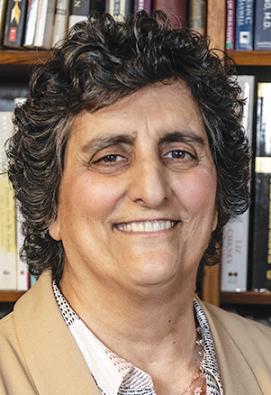
Nicholas and Keith Abuisi sold property at 17 North Church St., North Adams, to Amy Bird, $107,000. Cheryl Buckholt Coppens sold property at 66 Lyman St., North Adams, to David P. Cote, $222,500. Charity Kwartengmaah sold property at 62-64
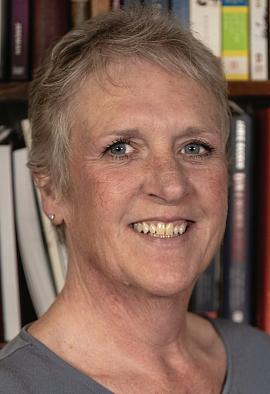

Real estate
Chase Ave., North Adams, to EG&SCHASE LLC, $135,000.
Wish Tree LLC sold property at 437 West Main St., North Adams, to CMC Real Estate Holdings LLC, $252,000.
Colleen D. Cwalinski sold property at 243 Walker St., North Adams, to Justin Cwalinski, $215,000.
Jessica Ahern sold property at 56-58 Bracewell Ave., North Adams, to Hassle Free LLC, $78,744.62. 20 Gregory Farm LLC sold property at 33-35 Hall St., North Adams, to Teresia M. Marino, $279,900.
OTIS
Judith Toby Karpen, trustee of the Karpen Family Nominee RT, sold property at 119 Hayes Pond Road, Otis, to Markus and Stacey Marty, $1,050,000.
Michael and Zena Lapidus sold property at West Center Road, Otis, to Casey Wilson, $63,000.
Michael and Zena Lapidus sold property at West Center Road, Otis, to Casey Wilson, $63,000. Jonathan J. Davey, personal rep. of the Estate of Raymond Farrin, sold property at 103 Algerie Road, Otis, to Stephen Powell and Holly Herrera, $53,000.
PERU
Jennifer Cook-Hanssen, personal rep. of the Estate of Shelley E. Cook; Jennifer Cook-Hanssen, individually, and Jennifer Cook-Hanssen, trustee of the Shelley Cook Testamentary Trust F/B/O Sara Cook, sold property at Kreutzer Road, Peru, to Jeffrey A. and Robyn M. Bolduc, $20,000.
PITTSFIELD
Christian and Tamara Whitney sold property at 8 Applewood Lane, Pittsfield, to Bruder Sohl Ventures LLC, $393,000.
Penny S. Gaffney sold property at 351 Benedict Road, Pittsfield, to James F. Gaffney, $85,000.
U.S. Bank Trust NA, trustee, and William J. and Sheryll L. Mahoney sold property at 37 Broadview Terrace, Pittsfield, to 3 Greeks LLC, $149,000. Ideal City Developers LLC sold property at 279 Onota St., Pittsfield, to Melendez Realty LLC, $1,400,000. Hurricane Properties LLC sold property at 41-43 Reed St., Pittsfield, to Jaswant and Neeru Banga, $325,000.
Michael E. Boulerice Jr. and Diane B. Boulerice sold property at 728 West Housatonic St., Pittsfield, to Bartola I. Bernabel, $105,000.
Ryan and Kimberly Jackson sold property at 121 Elberon Ave., Pittsfield, to Faith Wagner and Grace West, $338,000.
Joseph E. Aleshevich sold property at 41 Jayne Ave., Pittsfield, to Hannah Marie and Jennifer Lea Dargi, $274,900.
U.S. Bank Trust National Association, trustee, sold property at 86-88 Madison Ave., Pittsfield, to Anthony Felix, $60,000.
Thomas Flatley, personal rep. of the Estate of Shawn M. McDonough, sold property at 44 Strong Ave., Pittsfield, to Von Deneb Helera Vitto and Jeffrey Schilling, $362,000.
Michael J. Nichols sold property at 60 Churchill Crest, Pittsfield, to Jonathan S. Appelbaum and William D. Morowski, trustees of the Appelbaum-Morowski RVT, $254,000.
Brandon A. Rochelo sold property at 149 Kittredge Road, Pittsfield, to Amos Chevalier, $450,000.
Lisa M. Ali, trustee of the Lisa M. Ali Living Trust, and Faisal I. Ali sold property at 89 Delancy Ave., Pittsfield, to Felix Ayala Morales, $344,000.
195 Francis Avenue LLC sold property at 195 Francis Ave., Pittsfield, to Eudes Goveia Jr., $420,000.
Marian D. Kirby sold property at 24 Dan Ave., Pittsfield, to Elizabeth Kirby, $100,000.
3 Greeks LLC sold property at 1990 East St., Pittsfield, to Jorge Eduardo Rivadeneyra Arevalo and Paloma Giovana Velasquez Chumacero, $299,900.
Jane R. Strong sold property at 20 Crystal St., Pittsfield, to Kevin DeBenedetto, $199,900.
Mark C. Murphy, trustee of the Mark C. Murphy 2016 FT, Theodore B. and David Hiser, Darline Daniels, Mary F. and Mark Welch sold property at 52-54 Orchard St., Pittsfield, to Jason A. Daniels and Courtney M. Francoeur, $260,000.
Alan J. Righi, commissioner for Alden Holt, sold property at 16 Leona Drive, Pittsfield, to John T. Ireland, $285,000.
TCI Holdings LLC sold property at 121 Edward Ave., Pittsfield, to Javier Walteros Caballero and Zaira Rodriguez Martinez, $285,000.
Joseph M. Jacques sold property at 36 Beacon Ave., Pittsfield, to Maria D. Liccardi, $99,000.
Richard G. Boucher and Candace A. Thayer sold property at 215 Partridge Road, Pittsfield, to Jacinto Parducci Ramirez and Carmen Duran De Parducci, $349,000.
Mary Ellen Devanny sold property at Churchill Crest, Pittsfield, to Alberto and Brenda Suarez, $225,000.
Farouk Abdul-Wahid sold property at 106 Nancy Ave., Pittsfield, to Austin and Mary O’Neill, $520,000.
Brandon Williams sold property at 92 Turner Ave., Pittsfield, to Erica Williams, $80,000.
Berkshire Property Partners LLC sold property at 16-18 Dartmouth St., Pittsfield, to Juan Cotes, $425,000.
Berkshire Property Partners LLC sold property at 10-12 Cherry St., Pittsfield, to Rhuan Goulart De Mello, $315,000.
Berkshire Property Partners LLC sold property at 20-22 Dartmouth St., Pittsfield, to Carlos D. Jorge, $425,000.
Julianna Roy, individually and as personal rep. of the Estate of Jill Ann Griffith, sold property at 71 Dickinson Ave., Pittsfield, to 71 Dickinson STR LLC, $183,000.
Maria V. Brun sold property at 221 Holmes Road,
Fort River Real Estate LLC sold property at 1288 North St., Pittsfield, to Jacob Arthur Friederick, $80,000.
Mikko Tagole sold property at 67 Reuter Ave., Pittsfield, to Richard and Deborah White, $245,000.
Dennis P. and Madison Astore sold property at 68 Howe Road, Pittsfield, to Ever E. Ramirez Hernandez, $375,000.
Yarmosky Realty Company Inc. sold property at 200 Elm St., Pittsfield, to 200 Elm HC LLC, $1,285,000.
The Pittsfield Cooperative Bank sold property at 70 South St., Pittsfield, to CT Equities 300 LLC, $800,000.
Jordan T. Barber sold property at 25 Grand Ave., Pittsfield, to Michael and Samantha Maloy, $300,000.
James R. Acor and Christina D. Parkington sold property at 12 Bushey Road, Pittsfield, to John Parkington Jr., $215,000.
Ellen R. Frank, trustee of the Ellen Roberts Frank RVT, sold property at 17 Fieldstone Drive, Pittsfield, to Shaun and Tracy Cusson, $559,000.
Dakota Lyn Turney sold property at 18 Meadow Lane, Pittsfield, to Brandi L. Touponce and Christopher E. Rathbun, $244,000.
Conghui Zheng and Hongliang Shen sold property at 127 Oak Hill Road, Pittsfield, to Aaron C. Fosser, $350,000.
Duane A. and Sheila R. Kerber, trustees of the D&S Kerber FT, sold property at 17-19 Linden St., Pittsfield, to Helena Herman, $320,000.
RICHMOND
Melvin J. Marion sold property at 1772 Swamp Road, Richmond, to Alexandra C. Dubois, $579,000.
Anthony and Lauren E. Quinto sold property at 601 Sleepy Hollow Road, Richmond, to Mary Quinto, $275,000.
SANDISFIELD
Bethany R. Perry and William R. Perry sold property at 96 New Hartford Road, Sandisfield, to Kyle Sands and Dianna Sands, $385,000.
Allan Polak and Deborah Zipkin sold property at 343 Lakeshore Drive, Sandisfield, to Scott Friedman and Abigail Sarah Friedman, $751,000.
Dennis Joseph Brighenti and Tracy E. Callahan, trustees of Brighenti Nominee Trust, sold property Off 159 North Main St., Sandisfield, to Commonwealth of Massachusetts Department of Conservation & Recreation, $520,000.
SHEFFIELD
Robert E. Cohen and Amy L. Damers sold property at 1592 County Road, Sheffield, to Sarah Mather Pollock, $340,000.
David J. LeBeau and Phyllis LeBeau sold property at 119 South Main St., Sheffield, to Kevin Charlton, $450,000.
Stockbridge
55 Main LLC sold property at 55 Main St., Stockbridge, to Charles J. Johnson, trustee of the 55 Main Street NT, $3,200,000.
Gloria and Harris Riordan, trustees of the Gloria Riordan RVT, sold property at 10A Lake Drive, Stockbridge to Harris Riordan, $1,128,000. F. Robert Gerber, personal rep. of the Estate of Frank B. Gerber, sold property at Mahkeenac Road, Stockbridge, to Noneya LLC, $5,000.
WASHINGTON
Melissa Lynn Simmons Campbell sold property at 159 Simmons Road, Washington, to Brandon and Lauren Rochelo, $460,000.
WEST STOCKBRIDGE
Faith Divecchio sold property at 26 Lenox Road, West Stockbridge, to Natania Hume, $375,000. Gary Sacon and Helen Sacon sold property at 17 Iron Mine Road, West Stockbridge, to Neelan Tougias and Samantha Tougias, $755,000.
WILLIAMSTOWN
Sue B. Warner sold property at 204 Longview Terrace, Williamstown, to Kayte Miller, $760,000. Seth Alden sold property at Holly Lane, Williamstown, to Riad G. Maher, $90,000.
Donald R. Walters and Mary V. Benisek sold property at 424 North Hemlock Lane, Unit 424, Williamstown, to Judi F. Kutner and Michele H. Lifland, $675,000.
Jesse Olshever Fowle sold property at 189 Stratton Road, Unit 3 H-1, Williamstown, to Anthony F. Decarlo, $220,000.
160 Water LLC sold property at 160 Water St., Unit 209, Williamstown, to Nancy Rose Hunt, $495,000. John E. and Andrea Dupras sold property at 910 North Hoosac Road, Williamstown, to Kim Herrington and Emily Manahan O’Brien, $365,000.
FT — Family Trust
LLC — Limited Partnership
LT — Life Trust
NT — Nominee Trust
RET — Real Estate Trust
RT — Realty Trust
RVT — Revocable Trust
The real estate transactions are provided by the Middle Berkshire, North Berkshire and South Berkshire Registry of Deeds offices.
Pittsfield, to Thomas Justin Patriarca and Donna Marie Lamontagne, $430,000.
Bump’s Brewery LLC sold property at 65 Silver St., Sheffield, to KG Real Estate Holdings LLC, $795,000.
James D. Waldman sold property at 1427 Hewins St., Sheffield, to Maria Brun, $750,000.
METRO CREATIVE CONNECTION
People in the Berkshires
Greylock Federal Credit Union has promoted longtime employee Tara McCluskey to senior vice president, lending officer.
McCluskey will be accountable for enterprise‑wide lending strategy and growth plans, portfolio performance, regulatory compliance and leadership development across mortgage lending, consumer lending, asset quality and community development. She will bal ance growth, risk man agement, operational excellence and mission delivery while fostering collaboration, account ability and innovation.
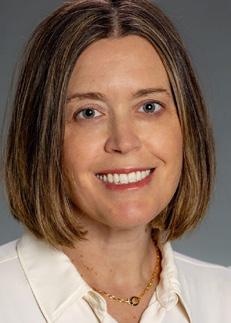
During her nearly three decades at Grey lock, McCluskey has de veloped deep experience in housing and community develop ment, with a focus on expanding access to affordable homeownership. She has led the creation of multiple commu nity development loan programs that remove barriers for low and moder ate income households and for Black and African American borrowers, and she spearheaded Greylock’s accessory dwelling unit lending program to help increase local housing supply and sup port stable neighborhoods.
McCluskey serves on the board of directors for Elder Services of Berk shire County.
as deputy director for operations and art services.
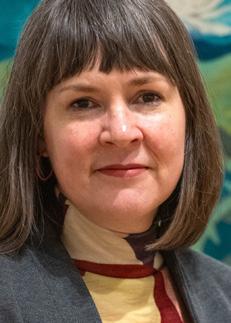
Nowlin came to Williams College in 2023 as the museum project manager of the new WCMA building, currently under construction and scheduled to open in the fall of 2027. Before that, she was collection manager and museum renovation coordinator at the Amon Carter Mu seum of American Art in Fort Worth, Texas.
This new role at WCMA brings together in one division, under Nowlin’s leadership, the col lections and exhibitions management team, operations, security and visitor services, and facilities and events.
“Devon Nowlin brings a unique combination of detailed knowledge of the new WCMA design and deep experience with the complex oper ations of art museums, and will be essential to realizing the full oppor tunity of our new state of the art, purpose built building,” said Pamela Franks, the Class of 1956 director of WCMA. “Every aspect of the museum building project advances WCMA’s teaching mission, and Devon is ideally positioned to translate that potential into practice.”
President and CEO Paul Perrault and leads all aspects of the brand strate gy, marketing, communications, and public affairs for the company.

In this role, Levante is responsible for ad vancing the company’s strategic goals by estab lishing Beacon’s new brand, deepening client engagement and deliv ering integrated mar keting and communications programs. He will work closely with other mem bers of the leadership team and board to strengthen the brand and deepen Beacon’s connection to its employees, clients and broader communities.
Most recently, Levante served as chief communication and sustainabili ty officer of Berkshire Bank, which he joined in 2010.
“Gary’s extensive subject matter expertise, ability to drive business growth, navigate complex topics, build high performing teams, and deep understanding of our business, clients and communities make him the ideal choice for this critical executive role,” Perrault said.
ing officer and chief financial officer across health care, life sciences and financial services organizations. He brings extensive expertise in organi zational leadership, operations and governance within complex, highly regulated environments.
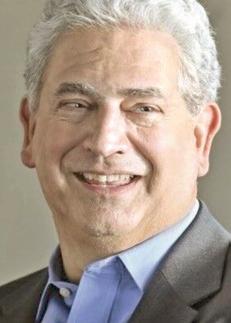
“The board of directors is pleased to welcome Keith Kendall as interim president and CEO,” said Linda Febles, chair of the board of The Brien Center, in a news release. “His experience leading complex organizations and commitment to mission driven work will support The Brien Center as it continues its important work across Berkshire County.”
Most recently, Kendall has served in interim executive leadership roles for mission driven organizations, with a focus on strengthening operations, en hancing quality systems, and support ing effective service delivery.
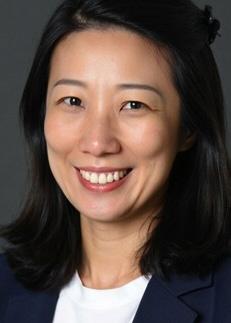
Berkshire Community College has hired Shuang “Shirley” Liu as an administrative assistant I in the One Stop Center. Liu brings more than 10 years of experience in the education field, including work with EF Education First and other educational organizations, where she supported students and families with college planning and transfer pathways.
Originally from Bei jing, China, Liu spent a decade living and working in the Boston area before moving to Pittsfield three years ago with her family. She most recently worked as a legal assistant in the business law and estate planning department at a law firm.
In her free time, she enjoys yoga, ski ing, hiking, and other outdoor activities. She lives in Pittsfield with her husband, their daughter Athena, and their cat.
Greylock Federal Credit Union has promoted Jodi Rathbun-Briggs to chief growth officer.
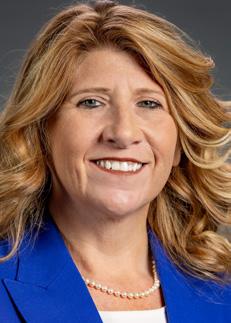
In her new role Rathbun Briggs will serve as executive leader for enter prise growth strategy, helping to drive growth, revenue expansion, and market penetration across lending, deposit, retail, branch and digital chan nels, according to a news release from the credit union. She will oversee business banking, con sumer and residential mortgage lending, retail services, digital expe rience, branch network performance, loan servicing, facilities and community development portfolios.
“Jodi is respected across the country for building transformational com munity development programs,” said John Bissell, Greylock’s president and CEO, in the release. “With her deep experience in lending and risk manage ment, she is the perfect person to guide Greylock in providing a best in class Member experience and keep the credit union on a path of sustainable growth.” Rathbun Briggs began her career with Greylock in 2010. She currently serves as treasurer for Common Cap ital, a community development finan cial institution (CDFI) that provides access to loans, and on the 1Berkshire Foundation board of directors.
Devon Nowlin has joined the team at the Williams College Museum of Art
Also an artist, Nowlin holds an MFA in painting from Texas Christian University and worked in the field of public art in Texas for 20 years as a commissioned artist and contract proj ect manager to help realize the public works of other artists.
Attorney Paul J. Caccaviello, a longtime prosecutor and former district attorney, has joined Barry & Kinzer LLP as a senior counsel.
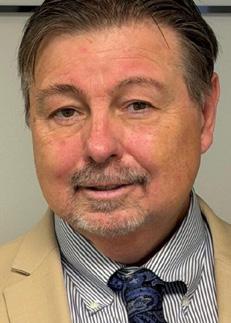
Caccaviello, of Dal ton, brings 36 years of experience in criminal law along with a strong commitment to serving clients with integrity, compassion and skill.
After receiving his law degree from Western New England School of Law, Caccaviello worked in the Berkshire District Attorney’s Of fice for 29 years, prosecuting cases in District and Superior Court. He served as assistant district attorney, first district attorney, and was appointed DA in 2018.
He later went to work in the Hamp den District Attorney’s Office for seven years, where he exclusively tried murder cases.
In recognition of his accomplish ments, Caccaviello was named Prose cutor of the Year in 2008 and received recognition from the New York Vic tims’ Rights Organization in 2012.
Outside of the courtroom, he has been deeply engaged in both profes sional and community organizations, committees and boards. This includes serving on the advisory committee of the Massachusetts Supreme Judicial Court, as vice president of the Berk shire Community College board of trustees, and on the St. Agnes School Committee.
In addition to Caccaviello, Janice Filpi has joined the firm as a parale gal. She has over 35 years of paralegal experience specializing in real estate transactions, particularly in the pur chase and sale of homes, commercial real estate, and land purchases. Filpi also brings a wealth of experience to the firm’s estate panning practice. Barry and Kinzer, with offices at 75 North St., Suite 340, specializes in crimi nal defense, residential/commercial real estate transactions, estate and probate work, and landlords in eviction matters.
Beacon Financial Corp., the hold ing company for Beacon Bank, has announced the appointment of Gary Levante as chief marketing officer.
As a member of the Executive Man agement Committee, Levante reports to
A native of Pittsfield, Levante is committed to giving back to his com munities, including as chairperson for the national nonprofit America’s Char ities, a member of the Massachusetts Bankers Association State Legislative & Regulatory Affairs Committee; trust ee with the bank’s foundation; board member of Berkshire Omega; and vice chair of the Pittsfield Community Development Board.
Headquartered in Boston, Beacon Financial Corp. has $23.2 billion in assets and more than 145 branches throughout New England and New York. Information: BeaconFinancial Corporation.com.
MountainOne has appointed Nick Darrow as assistant vice president, human resources officer. He is based in the com pany’s North Adams corporate office.
In his role, Darrow leads recruit ment and onboarding initiatives while supporting professional development, employee engagement and recogni tion efforts across the organization. He also contributes to a wide range of HR programs and operations, helping to strengthen the overall employee experience.
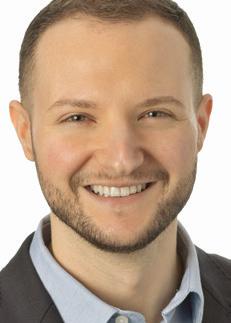
Darrow holds a professional in human resources certification from the Human Resource Certifica tion Institute. Prior to joining Moun tainOne, he served as a human re sources generalist at Greylock Federal Credit Union.
A resident of Dalton, Darrow serves on the executive board of the Berkshire County affiliate of the National Alli ance on Mental Illness.
“I am thrilled to welcome Nick to the HR team and to the MountainOne family,” said Beth Petropulos, senior vice president, senior HR and SAFE Act officer at MountainOne. “He brings a thoughtful, people centered approach to his work. Nick’s energy, genuine enthu siasm and professionalism will strength en our efforts and the impact we have in supporting our people and helping them build meaningful careers with us.”
Headquartered in North Adams, MountainOne is the mutual holding company of MountainOne Bank and offers a full range of financial services through MountainOne Bank, Moun tainOne Insurance and MountainOne Investments.
The Brien Center, the largest pro vider of mental health and substance use services in Berkshire County, has appointed Keith Kendall as interim president and chief executive officer. Kendall is a seasoned executive with more than two decades of leadership experience as a CEO, chief operat
Previously, he was CEO of Aques tive Therapeutics, where he led the company’s growth into a global pharmaceutical technology leader, including FDA product approvals and international expansion.
Earlier in his career, he held senior executive roles at Hewlett Packard/ Compaq Financial Services and AT&T Capital, overseeing large scale port folios, integrations and enterprise growth initiatives.
Stone House Properties, a real estate agency serving clients across the Berkshires and Columbia County, N.Y., has welcomed Timothy Wighton to its team as a licensed real estate professional. He brings a combination of deep local heritage and extensive global leader ship experience.
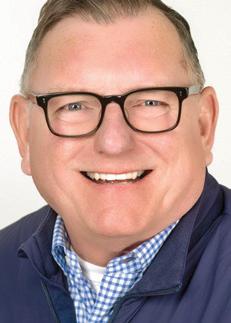
Raised in the heart of Southern Berkshire County, Wighton’s roots in the region run generations deep, with family history grounded in South Egremont, Great Barrington and Mill River.
After a distinguished 35 year inter national career in clinical research and strategic leadership — which took him to major hubs like London, Brussels, Seattle and San Francisco — Wighton returned home to the Berk shires in 2023. He has since dedicated himself to the restoration of his 1766 home in Otis.
Wighton’s background in high stakes project management and nego tiation allows him to navigate complex real estate decisions with disciplined execution and clarity. His lifelong passion for property is evidenced by his hands on experience in home re habilitation projects across the United States and Europe.
“After returning to the Berkshires a few years ago, I’m proud to be part of Stone House Properties,” he said. “I bring an in depth knowledge of what makes the Berkshires so special — from its unique communities and rich character to its natural beauty. While I have a lifelong passion for restoring and reimagining older homes, I’m ded icated to helping every client uncover the potential to make a property truly their own, whether they are looking at modern builds, historic gems, or a piece of land.”
Stone House Properties has offices in Great Barrington, West Stockbridge and Chatham, N.Y. Buyers or sellers can connect with Wighton and the Stone House Properties team by visiting stonehouseproperties.com, or reaching Wighton directly at 410 693 1638 or tim. wighton@stonehouseproperties.com.
McCluskey
Nowlin
Levante
Kendall
Rathbun-Briggs
Liu
Caccaviello
Wighton
Darrow