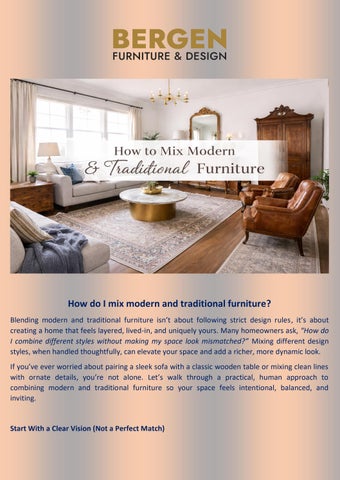

How do I mix modern and traditional furniture?
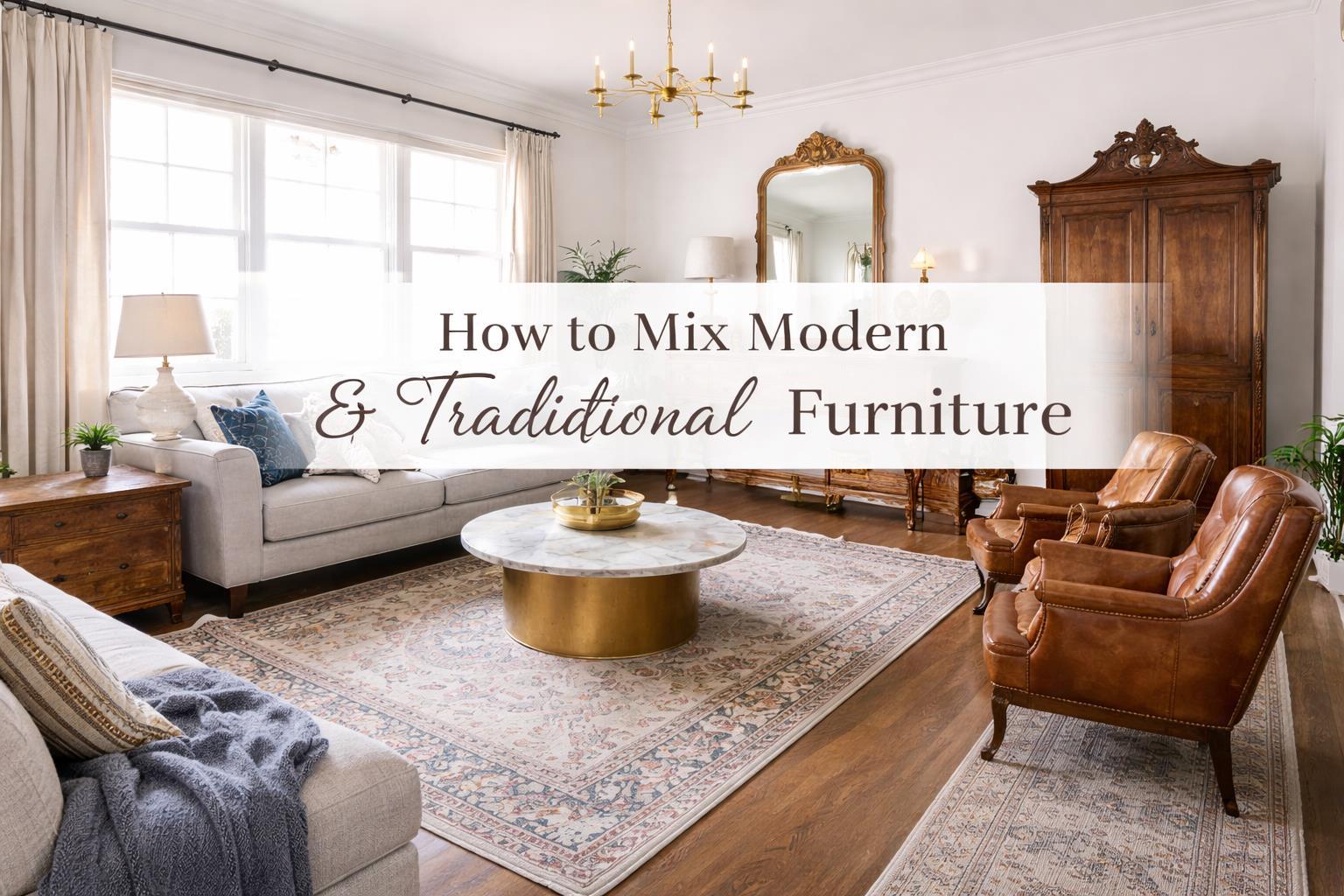
Blending modern and traditional furniture isn’t about following strict design rules, it’s about creating a home that feels layered, lived-in, and uniquely yours. Many homeowners ask, “How do I combine different styles without making my space look mismatched?” Mixing different design styles, when handled thoughtfully, can elevate your space and add a richer, more dynamic look.
If you’ve ever worried about pairing a sleek sofa with a classic wooden table or mixing clean lines with ornate details, you’re not alone. Let’s walk through a practical, human approach to combining modern and traditional furniture so your space feels intentional, balanced, and inviting.
Start With a Clear Vision (Not a Perfect Match)
The biggest misconception is that everything in a room needs to match. It doesn’t. What you need instead is a clear direction.
Ask yourself:
Do I want my space to feel more modern or more traditional overall?
Which pieces do I already love and want to keep?
Think of one style as your base and the other as your accent. For example, you might have a mostly modern room with a few traditional touches, or the other way around. This keeps the design from feeling chaotic.
Use a Consistent Color Palette
Color is your secret weapon when mixing styles. Even if your furniture pieces come from completely different design eras, a consistent color palette can tie everything together effortlessly.
Try this approach:
Choose 2–3 main colors for the room
Repeat those colors across furniture, rugs, and decor
Use neutrals (like white, beige, gray, or black) to create balance
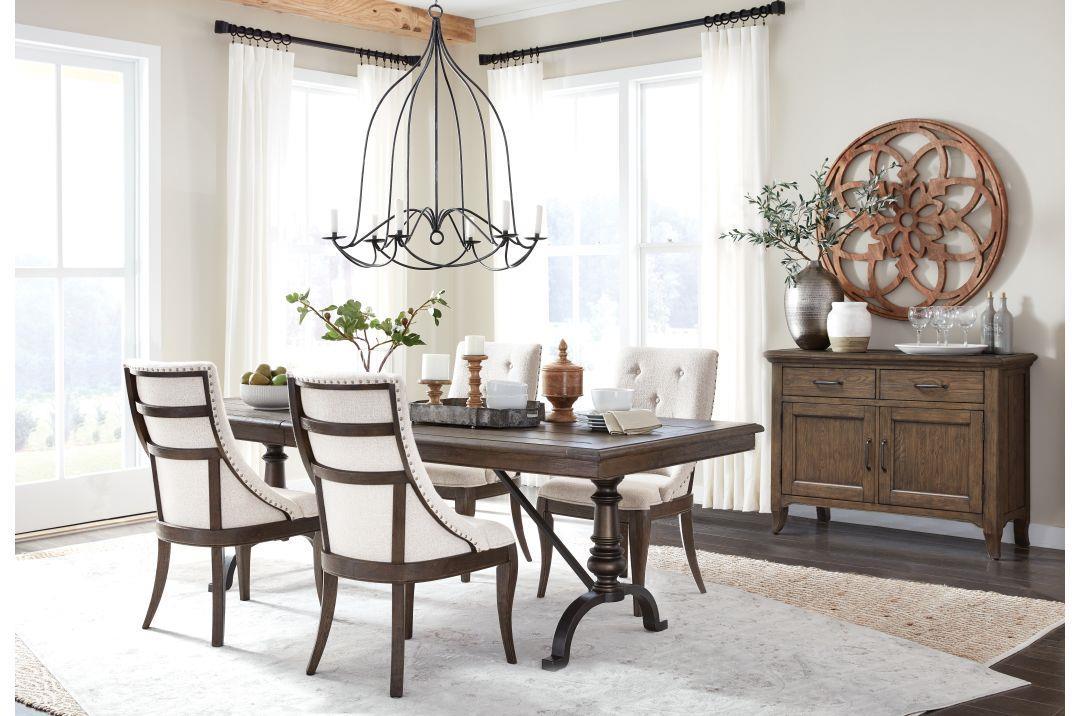
For example, a traditional wooden dining table can look perfectly at home next to modern chairs if they share similar tones or complementary colors.
Balance Old and New (Avoid Overloading One Side)
A room that’s too modern can feel cold. Too traditional? It might feel heavy. The magic happens when you strike a balance.
Here’s a simple guideline:
Pair one statement traditional piece with modern surroundings
Or place a modern focal point in a classic setting
For instance:
A vintage-style cabinet can anchor a room filled with clean-lined furniture
A sleek coffee table can lighten a room filled with classic upholstered seating
The key is contrast with intention, not randomness.
Pay Attention to Scale and Proportion
Mixing styles doesn’t mean ignoring size and proportion. Even the most beautiful pieces won’t work together if their scale is off.
Keep these tips in mind:
Make sure furniture heights align visually
Avoid pairing overly bulky items with extremely delicate ones
Keep spacing consistent so the room feels breathable
When proportions are balanced, your mix of styles will feel natural instead of forced.
Blend Materials for a Cohesive Look
Modern furniture often features materials like glass, metal, and smooth finishes, while traditional pieces lean toward wood, fabric, and detailed craftsmanship.
Instead of choosing one over the other, combine them thoughtfully:
Pair wood with metal for contrast
Mix soft fabrics with sleek surfaces
Add texture through rugs, cushions, or curtains
This layering of materials adds depth and prevents your space from looking flat or onedimensional.
Use Transitional Pieces as a Bridge
If you’re struggling to connect two very different styles, transitional pieces can help bridge the gap.
What are transitional pieces?
They’re designs that sit somewhere between modern and traditional, simple, but not too minimal; detailed, but not overly ornate.
Examples include:
Upholstered chairs with clean lines
Wooden tables with subtle detailing
Neutral sofas with classic shapes
These pieces act as a visual “middle ground,” helping your room feel cohesive.
Keep Patterns and Details Under Control
Traditional furniture often includes intricate patterns and decorative details, while modern design tends to favor simplicity.
To avoid visual clutter:
Limit the number of bold patterns in one space
Let one or two pieces stand out instead of everything competing
Balance detailed items with simpler ones
For example, if you have a patterned traditional rug, pair it with solid-colored modern furniture to keep the room grounded.
Create Focal Points That Anchor the Room
Every well-designed room needs a focal point something that immediately draws attention and sets the tone.
This could be:
A statement sofa
A unique coffee table
A standout piece of wall art
Once you choose your focal point, build the rest of the room around it by mixing complementary modern and traditional elements.
Don’t Forget About Lighting
Lighting plays a bigger role than most people realize when blending styles.
Modern lighting fixtures can instantly update a traditional room
Classic-style lamps can soften a modern space
Layer your lighting:
Overhead lighting for function
Table or floor lamps for warmth
Accent lighting for mood
The right lighting helps unify the overall design.
Add Personal Touches to Make It Feel Real
A perfectly styled room can still feel lifeless if it lacks personality. Mixing modern and traditional furniture works best when it reflects you.
Include:
Personal decor items
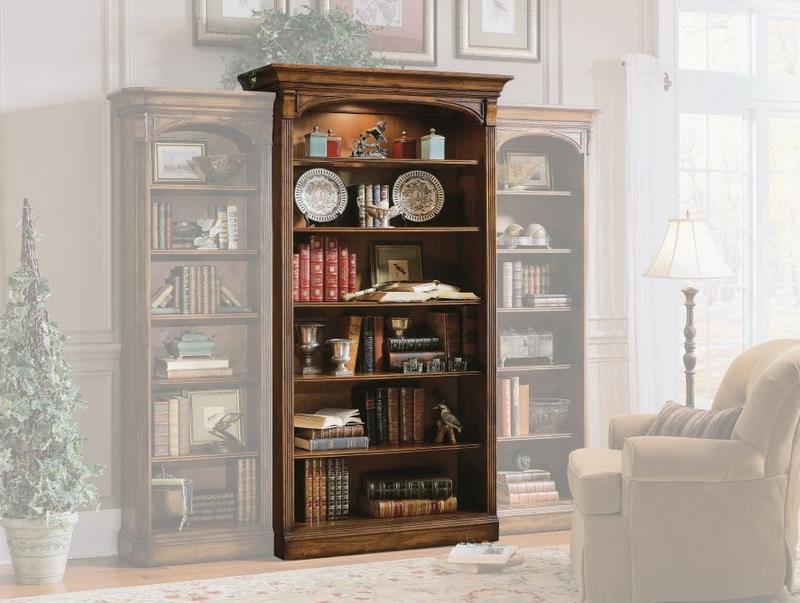
Bookcases, artwork, or collectibles
Pieces with sentimental value
These elements make your space feel authentic rather than staged.
Common Mistakes to Avoid
Even when you have a clear plan, it’s surprisingly easy to make choices that don’t quite come together as expected. Here are a few pitfalls to watch out for:
Overmixing styles: Too many competing elements can feel chaotic
Ignoring flow: Each room should connect visually to the next
Forcing trends: Stick to what you genuinely like, not just what’s popular
Neglecting comfort: Style matters, but usability matters more
Aim for Harmony, Not Perfection
Mixing modern and traditional furniture isn’t about getting everything “just right.” It’s about creating a space that feels balanced, comfortable, and visually engaging.
When you:
Stick to a cohesive color palette
Balance proportions and materials
Combine styles with intention
You end up with a home that feels both timeless and fresh.
The best part? There’s no single “correct” way to do it. Your home should tell your story, whether that means pairing sleek modern pieces with classic heirlooms or blending subtle elements from both styles throughout your space.
In the end, if your room feels welcoming and reflects your taste, you’ve already done it right.
��Visit Us or Shop Online
Bergen Furniture and Design
Your Trusted Furniture Destination
�� www.bergenfurnitureanddesign.com
��Visit Our Showroom
23 Bergenline Ave, Westwood, NJ 07675
�� Open 6 Days a Week
Phone: 201-358-1556
Email: info@bergenfurniturenj.com