













20 DECEMBER 2025 — 28 JANUARY 2026
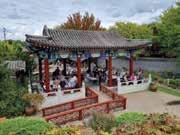
‘Summer at the Museum’ is a program of workshops, tours, talks and lots more running in the beautiful Yi Yuan Gradens until 28 January. Details on the website and tickets via Eventbrite.
20 DECEMBER 2025 — 28 JANUARY 2026
‘Summer at the Museum’ is a program of workshops, tours, talks and lots more running in the beautiful Yi Yuan Gradens until 28 January. Details on the website and tickets via Eventbrite.
5 DECEMBER 2025 – 8 MARCH 2026
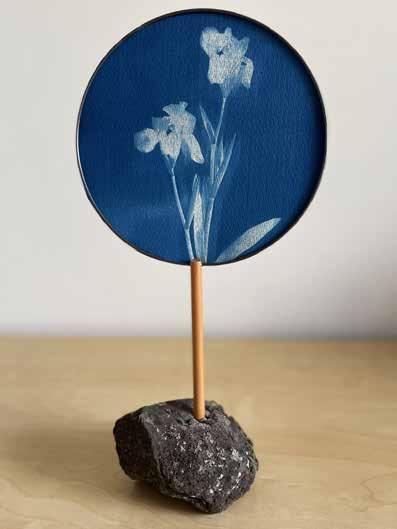
Aleshia Ng is one of the artists running workshops in ‘Summer at the Museum.’ Current in the Museum’s temporary exhibitions gallery is Aleshia’s wonderful exhibition ‘The Way of the Flower’. Closes 8 March.
Aleshia Ng is one of the artists running workshops in ‘Summer at the Museum.’ Current in the Museum’s temporary exhibitions gallery is Aleshia’s wonderful exhibition ‘The Way of the Flower’. Closes 8 March.



Ph: (03) 5441 5044 www.goldendragonmuseum.org
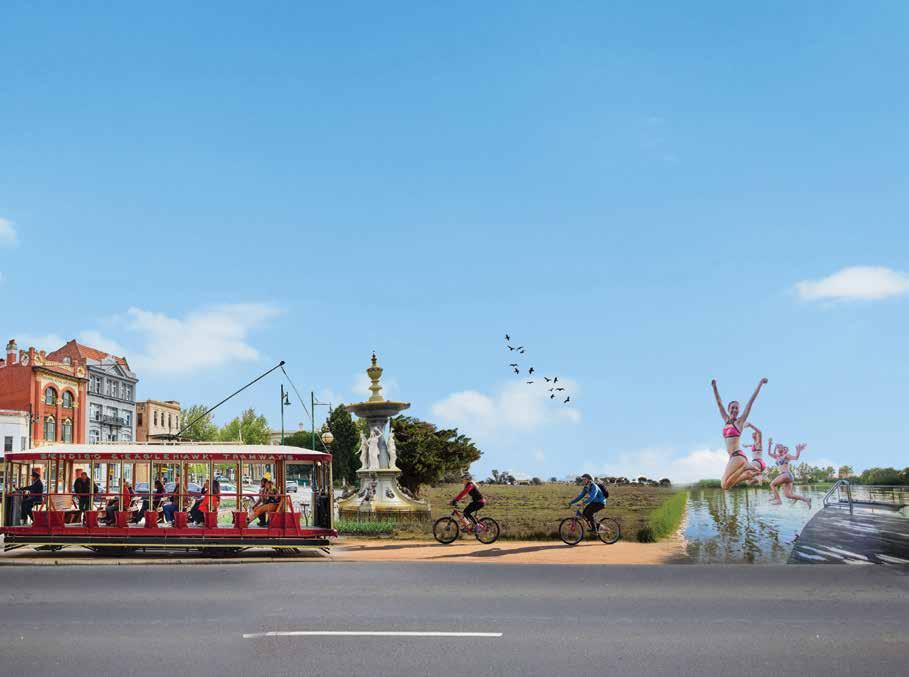
Summer in Bendigo has a way of drawing us outward into parks and precincts, galleries and gatherings, warm nights and shared moments and this issue reflects that unmistakable seasonal energy. Across these pages, you’ll find stories shaped by creativity, community and quiet dedication, from artists deeply connected to Country, to musicians whose journeys began locally and now resonate far beyond our region.
We celebrate hands-on knowledge being passed down through heritage crafts, education and care for the natural world, alongside voices challenging old narratives and working toward a more equitable future. There are moments of joy and spectacle too, with festivals, exhibitions and events that remind us how vibrant Bendigo feels when the days stretch long and the city comes alive after dark.
As always, this magazine is an invitation to slow down, read deeply and reconnect with the people and places that make Central Victoria what it is, best enjoyed offline in the warmth of summer.
The Bendigo Magazine Team

MANAGING EDITOR
Dustin Schilling
PHOTOGRAPHERS
Leon Schoots, AJ Taylor, Daniel Soncin, Bryanna Colliver, Olivia Johnson and Tyler O’Keefe WRITERS
Geoff Hocking, Marianne McNamara, Lauren Mitchell, Raelee Tuckerman and Marina Williams
CONTRIBUTORS
Beau Cook, Jennie Mellberg
PRINT MANAGER
Nigel Quirk
ADVERTISING advertising@bendigomagazine.com.au
PO Box 5003
Bendigo, VIC 3550 Phone: 0438 393 198
Bendigo Magazine takes all care but accepts no responsibility for unsolicited materials. Bendigo Magazine holds copyright to all content unless otherwise stated. ISSN 1833-1289. While every effort has been made to ensure the accuracy of the information in this publication, the publisher accepts no responsibility or liability for any errors, omissions or resultant consequences including any loss or damage arising from reliance on information in this publication. The views expressed are not necessarily endorsed by the editor or the publisher.
16 Grounded in creative practice
- Troy Firebrace
32 Brushstrokes of - Peter Sheehan
40 Passion for brass - Louisa Trewartha 54 Goldfields legacy lives - Gold-era streetscapes 60 Drive by heart - Wayne Mayes
Pop goes the


Dry conditions and increasing demand for water means water storages in our region are at their lowest level since 2018.
When it doesn’t rain, storage levels can shift from ‘healthy’ to ‘under pressure’ quickly. That’s why we all need to work together to use our water wisely, every day.
You can learn more about where our water comes from, Permanent Water Saving Rules, and other smart ‘drip saving tips’ at coliban.com.au.
Did you know, five Permanent Water Saving Rules apply in Bendigo, and across Victoria, throughout the year?
These common-sense rules help us all reduce unnecessary water use, so we can use this precious resource responsibly.
So, next time you turn on your tap, remember these rules:




1 2 3 4 5

Use a leak-free, hand-held hose with a trigger nozzle at any time.
Only use watering systems on residential or commercial gardens or lawns between 6pm and 10am. A bucket or watering can may be used at any time.
Only use watering systems with a rain or soil moisture sensor on public gardens, lawns, and playing surfaces between 6pm and 10am. A hand-held hose, bucket, or watering can may be used at any time.
Only use fountains or water features that recirculate water.
Only use a high-pressure hose, hand-held hose, or bucket to clean hard surfaces during construction, renovations, or to remove a hazard (or once every three months if staining develops).

Djaa Djuwima is a dedicated and permanent First Nations gallery on Dja Dja Wurrung Country that signifies an important cultural step towards reconciliation.
Djaa Djuwima means to ‘show, share Country’ in Dja Dja Wurrung language.
51-67 Pall Mall, Bendigo
Open daily from 9am to 4.30pm (except Christmas day)
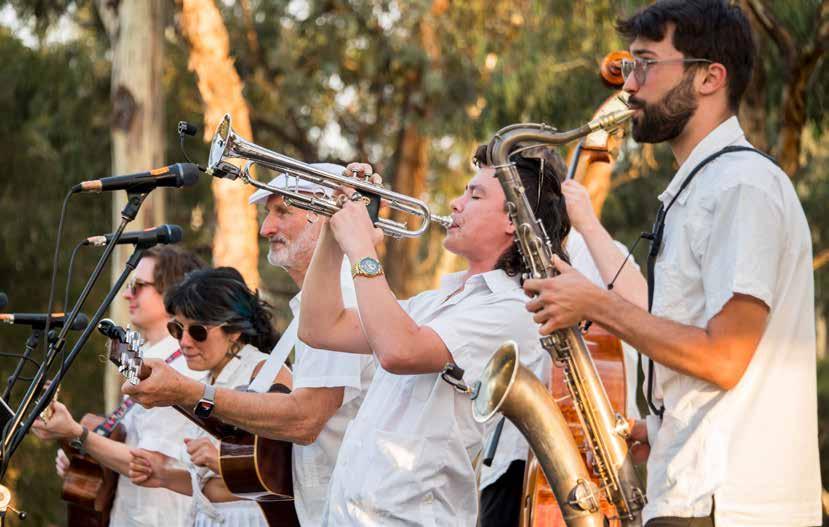
From outdoor concerts and festivals to chamber music, exhibitions and family fun, Bendigo’s summer program celebrates creativity, community and warm nights across parks, galleries and stages throughout the city together.
Bendigo comes alive during the warmer months with Summer in the Parks, a program of free events that bring music, movies and community together under the open sky. Throughout January, February and March, local parks and outdoor spaces transform into vibrant gathering places, inviting people of all ages to relax, connect and enjoy the best of summer.
The program features a diverse mix of live music performances, family-friendly entertainment and outdoor cinema experiences, showcasing talented local and visiting artists. From energetic bands and laid-back acoustic sets to classic films enjoyed on picnic rugs, there is something to suit every taste and every summer mood.
January and February is the perfect time to make the most of the balmy evenings. Pack a picnic, bring along a chair or blanket, and settle in as the sun sets and the atmosphere builds. Many events are designed with families in mind, making them ideal for school holiday catch-ups or easy outings that do not require planning or tickets.
Summer in the Parks is also a celebration of Bendigo’s beautiful green spaces, encouraging the community to experience familiar parks in new ways. The relaxed setting creates a welcoming environment where neighbours meet, friendships grow and shared memories are made.
Whether you are chasing live music, a movie night under the stars, or simply an excuse to get outdoors and unwind, Summer in the Parks offers the perfect soundtrack to summer in Bendigo.
Summer in the Parks runs throughout January, February and March at various locations across Bendigo. Full event details, dates and locations can be found at bendigosummerintheparks.com

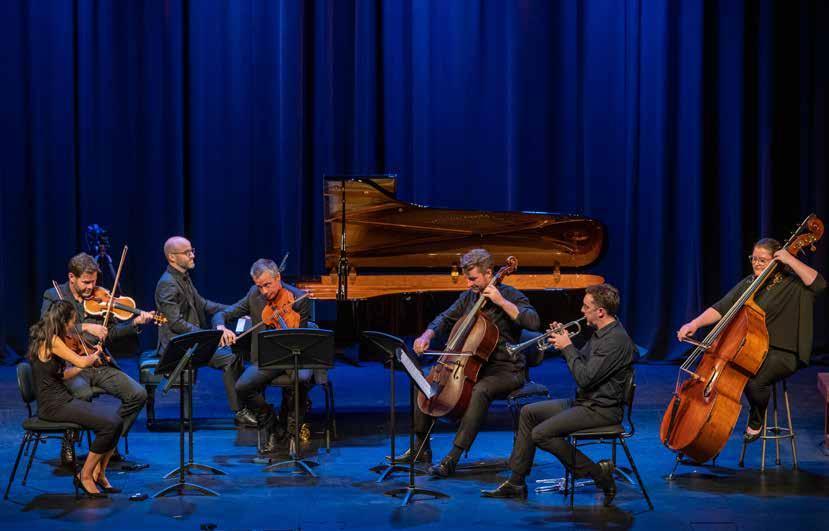
Some of Bendigo’s most beautiful and historic venues will resonate with exquisite sound as the Bendigo Chamber Music Festival returns in 2026. Now in its seventh year, the festival has become a highlight of the city’s cultural calendar, drawing music lovers together for an inspiring celebration of chamber music and community.
Across five days, audiences will be treated to performances by some of Australia’s finest established and emerging musicians, joined by outstanding performers from London’s prestigious Young Concert Artists Trust. Together, they present a thoughtfully curated program that balances popular masterpieces with exciting discoveries.
The repertoire spans centuries and styles, from iconic works by Beethoven, Brahms, Bach and Haydn, to rarely heard gems by composers such as Smyth, Novák, Martinů and Villa-Lobos, alongside leading Australian voices. Two highlights of the 2026 program include new arrangements of a Prokofiev sonata and a Chopin concerto, offering fresh perspectives on beloved works.
A key part of the festival’s charm is its connection to the community, with events designed to be welcoming, intimate and accessible. From showcasing rising stars to the much-loved Community Concert, the festival celebrates musical excellence while fostering connection and shared experience.
The 2026 Bendigo Chamber Music Festival will be held from February 4 to 8 at various venues across Bendigo. Further information and ticket details can be found at bendigochambermusicfestival.com.au
Get ready for a spectacular family-friendly experience as CURIOSITY: Building Breakthroughs in LEGO® Bricks arrives in Bendigo for much of 2026. Presented by Bendigo Art Gallery in collaboration with the Discovery Science & Technology Centre, this engaging exhibition invites visitors of all ages to explore science, technology, engineering and maths through the playful and imaginative world of LEGO bricks.
Opening on March 3 and running until November 29 at the Discovery Science & Technology Centre, CURIOSITY blends spectacular LEGO creations with interactive elements designed to inspire and educate. The exhibition showcases detailed builds that interpret key scientific concepts and technological breakthroughs. Visitors will discover engineering feats, mathematical wonders and imaginative recreations of iconic inventions, all constructed from the iconic bricks.
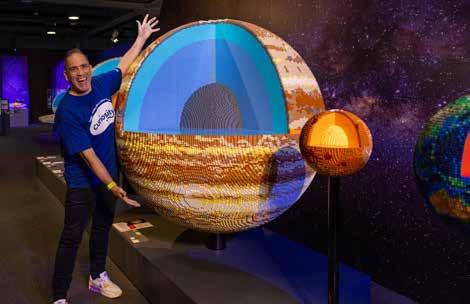
Created by Ryan “Brickman” McNaught, one of the world’s leading LEGO brick artists and the only LEGO Certified Professional in the Southern Hemisphere, the exhibition encourages hands-on exploration and creative thinking. Whether you are marveling at large-scale models or having a go at building challenges, CURIOSITY turns learning into a joyful adventure that appeals to kids, adults and lifelong LEGO fans alike.
CURIOSITY: Building Breakthroughs in LEGO® Bricks runs from March 3 to November 29 at the Discovery Science & Technology Centre, 7 Railway Place, Bendigo. Tickets and visitor information are available at discovery.asn.au
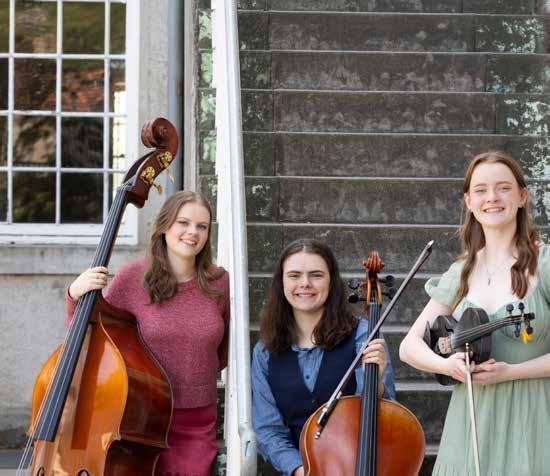
The spirit of St Patrick’s Day comes to Bendigo with the Melbourne Celtic Festival On Tour, delivering an unforgettable night of music, rhythm and celebration. Bringing the colour and excitement of a full festival into one vibrant evening, this special event is set to fill The Capital with the sounds of Celtic tradition and contemporary folk.
Leading the lineup is Ghosts of Erin, direct from Dublin, whose powerful folk-rock style brings gritty Irish ballads and fast-paced traditional tunes to life. They are joined by Australian Folk Band of the Year winners Austral, returning as crowd favourites with their unmistakable high-energy fusion of Celtic dance music. Expect a thrilling mix of didgeridoo, fiddles, pipes and percussion that keeps the energy high from the first note to the last.
Completing the program is Melbourne’s all-female trio Apolline, winners of Australian Youth Folk Artists of the Year. Their performances feature close harmony vocals alongside fiddle, cello and double bass, delivering fresh and intricate arrangements of Celtic songs and original compositions inspired by Scottish and Irish traditions.
With reels, jigs and foot-stomping tunes throughout the night, the Melbourne Celtic Festival On Tour promises a joyful and immersive celebration of Celtic culture. Wear green, bring your friends and be ready to dance.
Melbourne Celtic Festival On Tour takes place on March 22 at The Capital. Tickets and further information are available via the venue.
The Golden Dragon Museum is the perfect destination this summer, inviting visitors of all ages to immerse themselves in a season filled with colour, creativity and discovery. With exhibitions, workshops, activities and talks running throughout the Victorian summer school holidays, there is something happening every day, making it easy to enjoy a relaxed and enriching outing in the heart of Bendigo.
At the centre of the summer program is The Way of the Flower, a captivating exhibition by Australian artist Aleshia Ng, on display until March 8. Drawing on her Chinese heritage, Ng’s works are inspired by traditional Chinese iconography and symbolism, and are executed in a refined palette referencing ink painting and blue-and-white porcelain traditions. The exhibition invites viewers to experience nature as a visual language through which culture, memory and emotion are expressed, offering a quiet yet powerful reflection on the relevance of traditional forms in contemporary art. Immediately appealing, the layered symbolism encourages deeper reflection for visitors of all ages, particularly those with an interest in nature and art.
Complementing the exhibition is Summer at the Museum, presented by the Chinese Cultural Centre of Australia, running until January 28. This lively program features a wide range of workshops, activities and talks designed to make the holidays fun and engaging for the whole family. From colouring sessions for kids and Mah Jong for beginners, to fan painting and insights into the tranquil Guan Yin Temple, there is something for every interest and skill level. Many activities take place outdoors in the beautiful Yi Yuan Gardens, with a mix of free and ticketed sessions available.
A Summer of Flowers and Fun runs throughout the Victorian summer school holidays at the Golden Dragon Museum. Visit goldendragonmuseum.org for full details and bookings.
Innovation, generosity and leadership shine across Bendigo, with local organisations making meaningful contributions through education, business excellence, community partnerships and passionate regional advocacy.
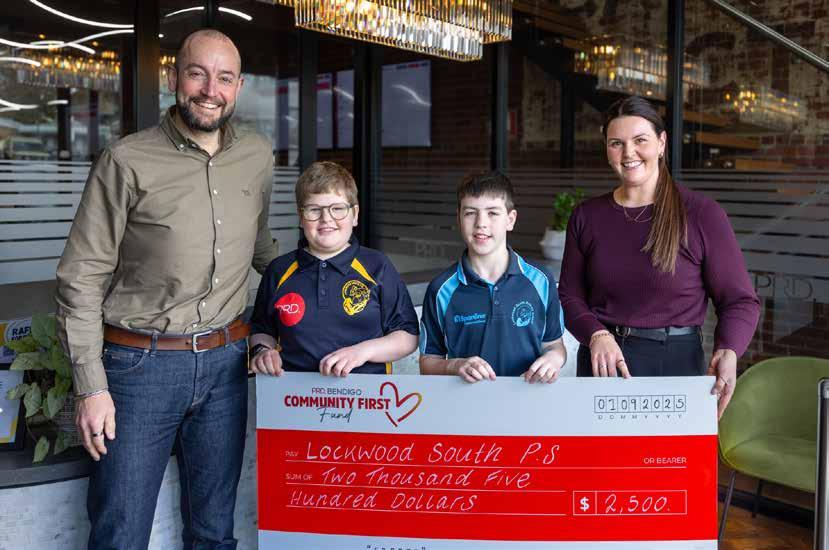
PRD Bendigo demonstrates its strong commitment to community connection through meaningful partnerships and hands-on support for local organisations making a real difference. Through the PRD Bendigo Community First Fund, more than $80,000 has been reinvested into the Bendigo community, supporting initiatives that strengthen lives and bring people together.
One of last year’s most impactful partnerships was with Southern Cross Kids Camp, a not-for-profit charity that runs week-long camps for children who have experienced neglect or trauma. With the support of PRD Bendigo, 18 children attended an unforgettable camp in Creswick, enjoying a week filled with fun, encouragement and support. For many, the experience becomes a turning point, with some returning in later years as volunteers to help keep the initiative thriving.
PRD Bendigo also partnered with Let’s Chat Park Community, a local initiative providing free community dinners and a welcoming space where people can connect. Alongside financial support, PRD team members volunteered their time over several months, helping to serve meals each week and support the dedicated volunteers behind the program.
Support for Sunshine Bendigo continued throughout the year, with recent donations including 10 car seats to assist families during times of need. PRD Bendigo also proudly supported Lockwood South Primary School, making a significant donation to its Energy Breakthrough racing team and helping students gain the opportunity to compete.
These partnerships reflect PRD Bendigo’s ongoing commitment to creating positive and lasting impact across the Bendigo community.
For more information, visit www.prdbendigo.com.au
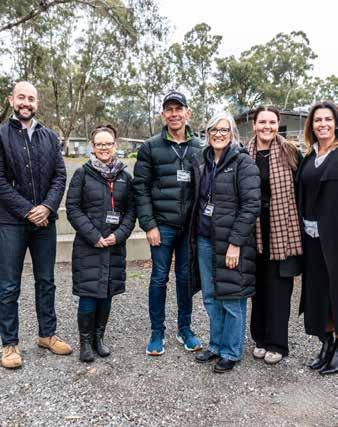
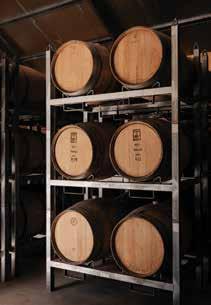
Set among rolling vines in Mandurang, Vin du Van Estate is quietly building a reputation as a must-visit destination for wine lovers and weekend wanderers alike. With a focus on small-batch, quality-driven wines and warm country hospitality, the vineyard offers an experience that is both refined and welcoming.
Producing Sparkling, Pinot Gris, Rosé, Shiraz and a Cabernet Shiraz blend from fruit grown entirely on site, Vin du Van Estate celebrates the unique character of its vineyard. This commitment to quality was recently recognised at the Australian Small Winemakers Show, where the winery was awarded a silver medal for its Pinot Gris, alongside bronze medals for both its Shiraz and Cabernet Shiraz blend.
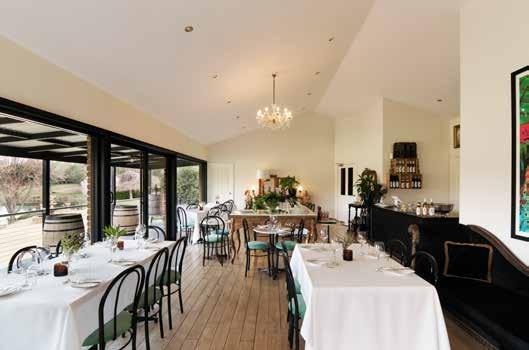
Owner Blake says the accolades reflect years of care and attention in the vineyard and winery, combined with a fresh approach since taking ownership five years ago. While the vineyard itself is more than 25 years old, Vin du Van Estate has embraced a renewed focus on approachable, memorable winery experiences.
The cellar door and on-site bistro are open every Saturday and Sunday from 11am to 5pm, offering wine tastings and relaxed lunches overlooking the vines. Guests are encouraged to linger, enjoy the view and sample wines where they are grown.
Vin du Van Estate is also a popular venue for celebrations, catering for weddings, baby showers, hens and bucks days, milestone birthdays and anniversaries. Events are hosted on a private covered outdoor deck with sweeping vineyard views, creating a memorable setting for gatherings both large and small.
For more information, visit www.vinduvanestate.com
Weeroona College Bendigo has proven itself a force to be reckoned with, delivering an outstanding performance at the 2025 Energy Breakthrough in Maryborough.
Competing against 98 teams from across Victoria, including VCElevel entries, the college’s Energy Breakthrough team dominated the event, achieving the highest overall score.
Leading the charge was the vehicle Intimidator, which claimed the overall title, while Banshee and Boomerang secured first and fifth place respectively in their divisions. It was an extraordinary result that reflected months of dedication, collaboration and ingenuity from students, staff and the wider school community.
First held in 1991, the Energy Breakthrough brings students, teachers, parents and local industry together to design and construct vehicles, machines or technological innovations that represent meaningful advances in energy efficiency. At Weeroona College Bendigo, students worked throughout the year to design, build and rigorously test their machines within detailed specifications, while also considering environmental impact and real-world applications.
Jack McIntosh says the achievement highlights the strength of the school’s learning culture and community support. “This result showcases what can be achieved when students are empowered to think creatively, work collaboratively and apply their learning beyond the classroom.”
With more than 120 dedicated staff, Weeroona College Bendigo continues to offer hands-on, future-focused opportunities that extend well beyond traditional education.
For more information, visit www.weeroona.vic.edu.au

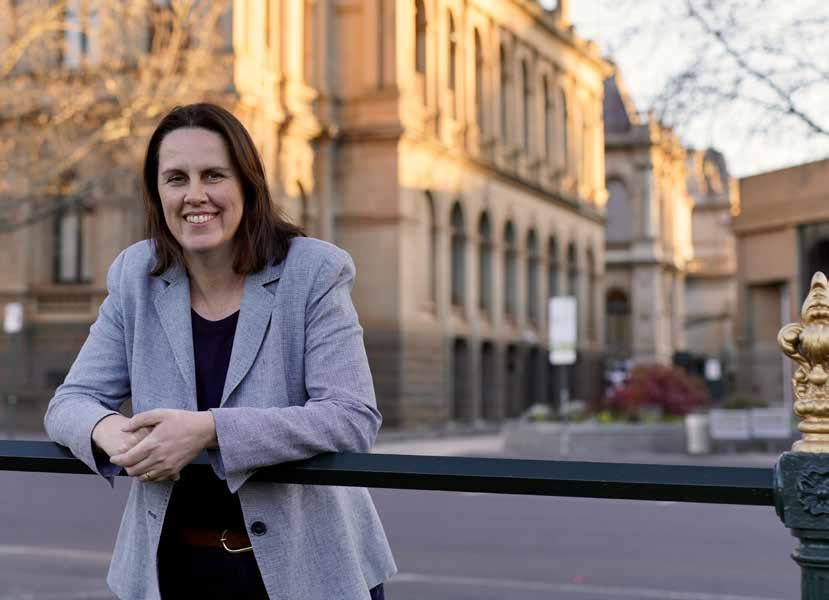
Bendigo Magazine contributors Geoff Hocking and Lauren Mitchell are celebrating the international distribution of their Bendigo story.
Copies of their children’s book ‘Go Bendy Go’ are now in around 100 UK primary schools, thanks to it catching the attention of Nottingham charity The Bendigo Heritage Project.
Go Bendy Go tells the little-known tale of how Bendigo came to be named after 19th century Nottingham boxer, William ‘Bendigo’ Thompson.
Geoff and Lauren say they’re thrilled it caught the attention of the Nottingham philanthropic group, which has ensured it’s now available to tens of thousands of children in the birthplace of Bendigo the boxer.
Bendigo Heritage Project member Jevon Patrick says Bendigo is a unique name for a unique man who has featured in books, films and theatre.
“He is still talked about and written about,” Jevon said. “When we learned of this book, we knew we needed to give Nottingham’s children a chance to read it.”
It’s been so well received, a campaign is now in full swing to provide every school in England with a copy of this little Bendigobook-that-could.
Locally, it can be found at Bookish in Hargreaves Street.
Proudly calling the Bendigo region home for more than 20 years, Gaelle Broad says her strong connection to the area continues to shape her commitment to the people, communities and towns that make it such a special place to live.
Having raised her family locally, the Member for Northern Victoria understands both the challenges and opportunities facing the region, from Bendigo’s growing urban centre to the smaller rural communities that form the backbone of country Victoria.
Gaelle says many residents share concerns about community safety, the condition of local roads, access to quality health services, the cost of living and the long-term impact of state debt on future generations. She believes these issues affect families, businesses and communities every day.
“These are matters that deserve strong representation,” Gaelle says. “I am committed to raising these issues in Parliament and advocating for practical solutions that make a real difference.”
She also emphasises the importance of listening to the community and values hearing directly from residents about the issues that matter most to them.
“Together, we can make sure the Bendigo region continues to thrive,” Gaelle says. “Please do not hesitate to get in touch with me or my team. We are here to help.”
Gaelle and her team are based at 30 Queen Street, Bendigo. For more information, call 1300 423 553 or visit www.gaellebroad.com.au



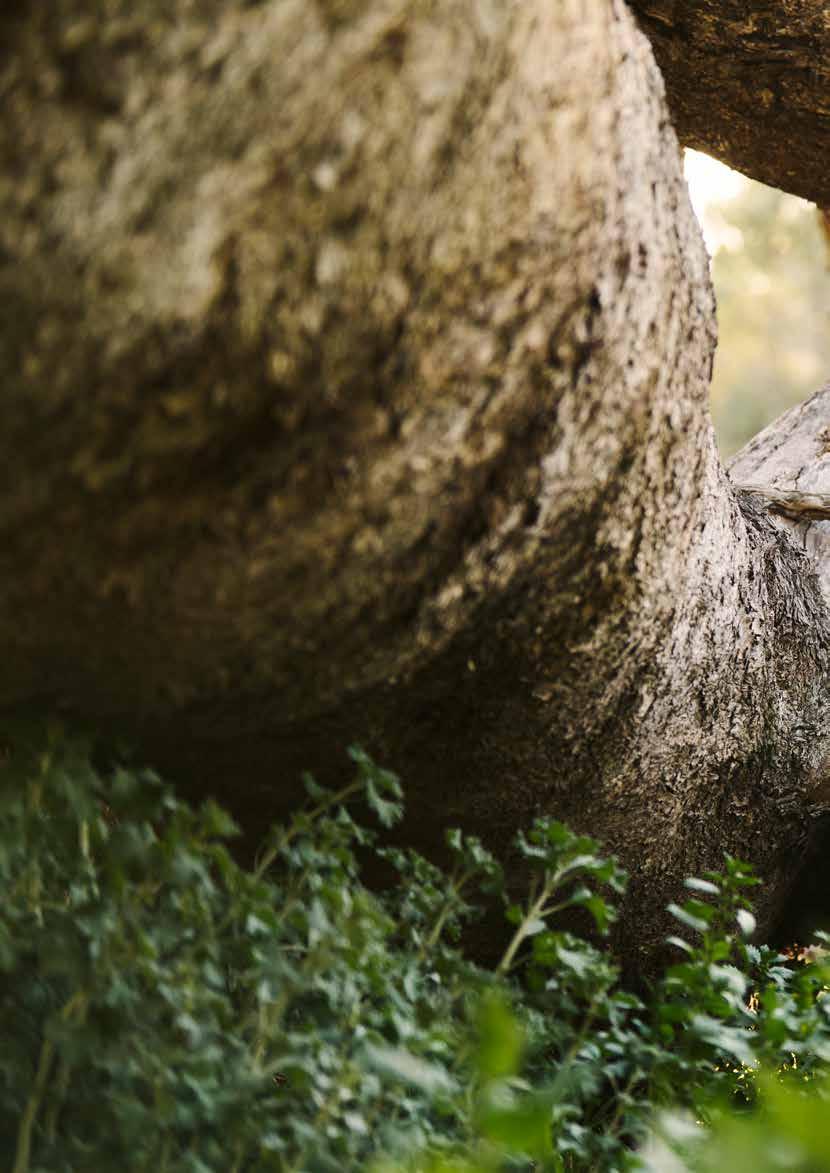
Artist and educator TROY FIREBRACE reflects on identity, Country and community, tracing a creative journey shaped by learning, connection and purpose in regional Victoria.
Photography by Leon Schoots
There is a quiet certainty to the way Troy speaks about his work, not as a destination reached but as a practice that continues to unfold. His creative life is not defined by a single medium, exhibition or commission, but by an ongoing relationship with learning, Country, community and self. It is a practice shaped as much by reflection as by making, and one that continues to evolve.
“Art was simply something I did because I loved it and I never saw it as a career, just an outlet,” Troy says.
For much of his early schooling, art sat quietly alongside more practical plans. In Year 10, Troy’s focus was on physiotherapy, with drawing
and design remaining a private outlet rather than a formal pursuit.
Sketching, drawing and designing tattoo concepts were instinctive acts, something he returned to naturally, without yet imagining art as a viable future.
During Year 11 exam season, a maths teacher noticed the sketches filling the margins of Troy’s workbook and paused to ask a question that would linger long after the classroom conversation ended.
“He asked me, ‘Are you choosing subjects for a career you love, or just a career you’ve chosen?’, and that question really stayed with me.”
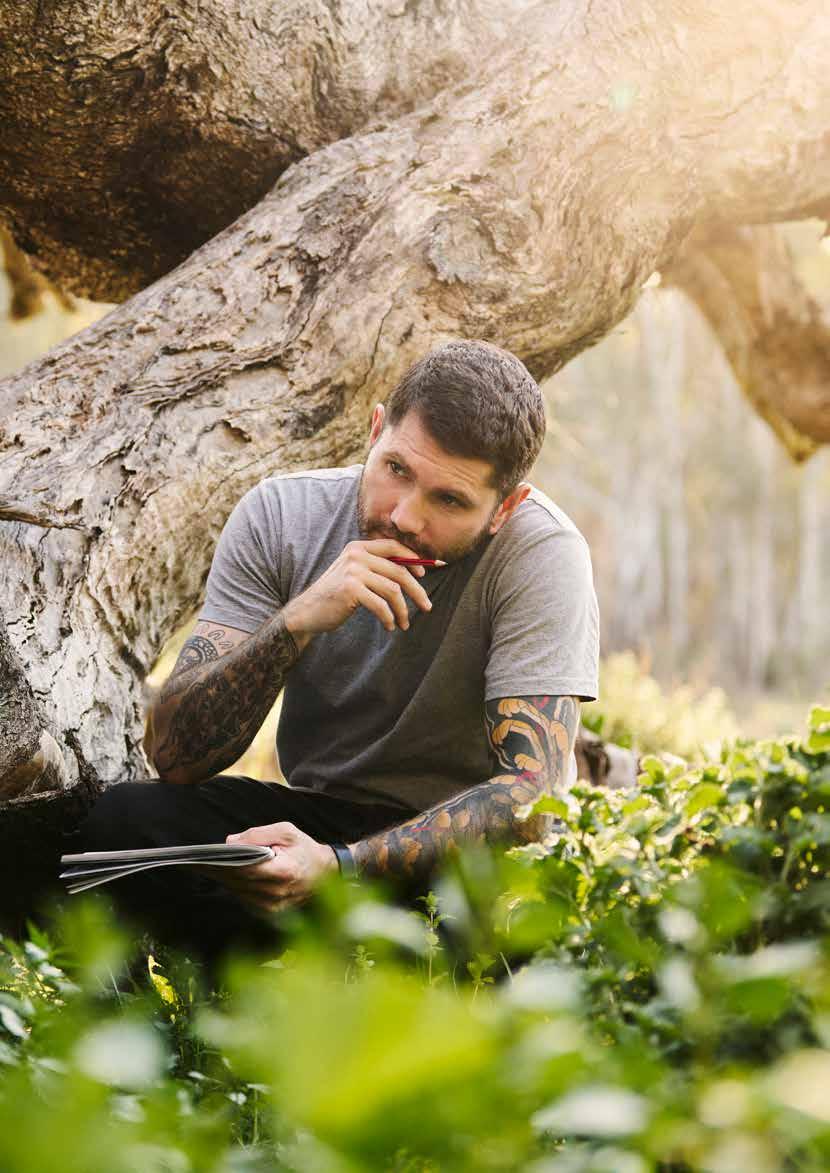
The exchange prompted more than reflection. It became a turning point, arriving at the same time Troy was beginning to question his own identity and sense of belonging.
“He suggested I take an art subject in Year 12 and at the same time I was grappling with my identity as an Aboriginal person and hadn’t yet explored Aboriginal art or found my own creative voice.”
Graduating with an ATAR that fell short of his original physiotherapy plans, Troy reassessed what success and stability might look like.
Unsure how a future in art could be shaped, he enrolled in a Sport and Recreation Diploma at TAFE, with education offering a practical and sustainable pathway forward. Teaching art felt like a way to remain connected to creativity while maintaining security.
“At the time, teaching art felt like the most stable option that still allowed me to stay connected to creativity.”
It was during these studies that a deeper connection to education emerged. Working with young people revealed the power of creativity as both a learning tool and a means of self-expression.
“I discovered a real passion for education and working with young people and that really strengthened my desire to teach art.”
When La Trobe University offered two pathways, Troy was faced with a decision that would shape the direction of his life. Rather than choosing certainty, he followed instinct.
“I followed the mantra of do what you love and chose visual arts,” he says.
Those three years became formative. Immersed in studio practice, Troy began to understand not only his artistic voice, but who he was becoming beyond the classroom. The experience shifted his ambitions from teaching art to living it.
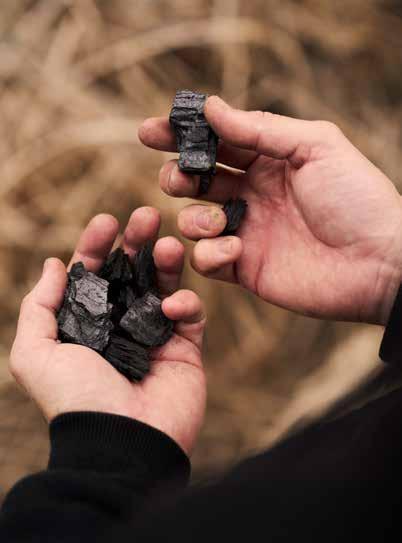
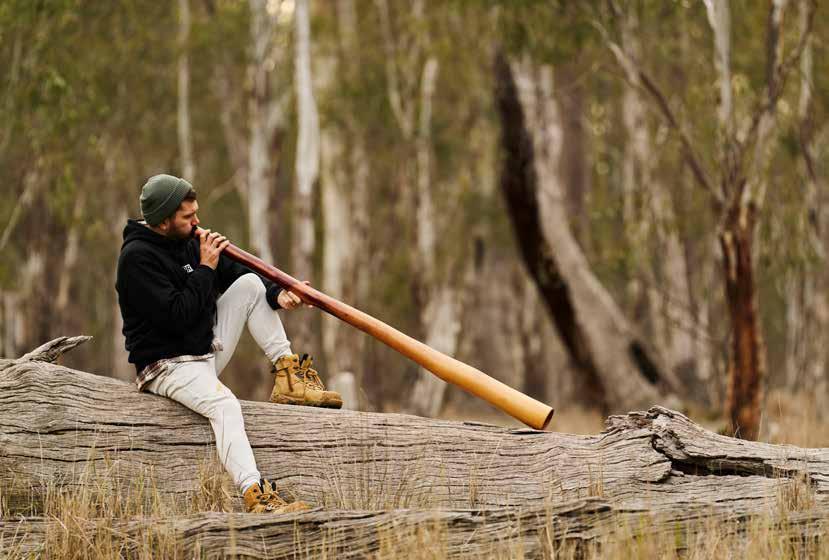
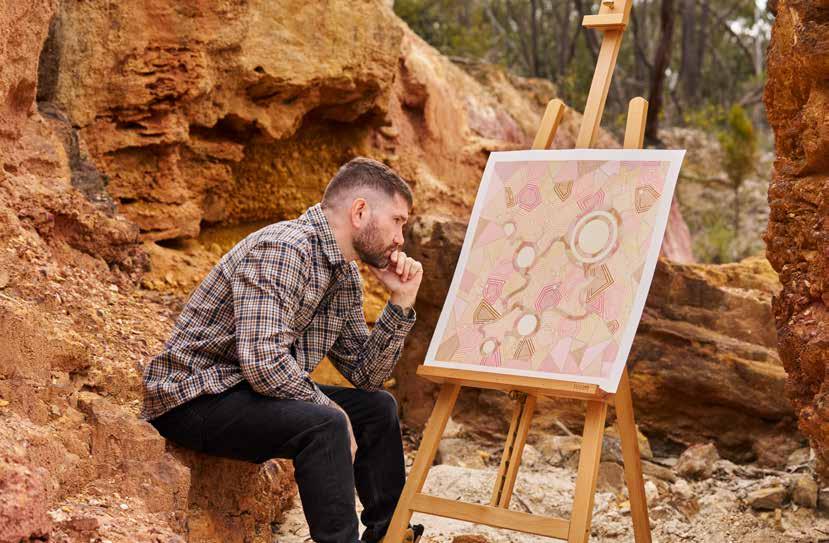
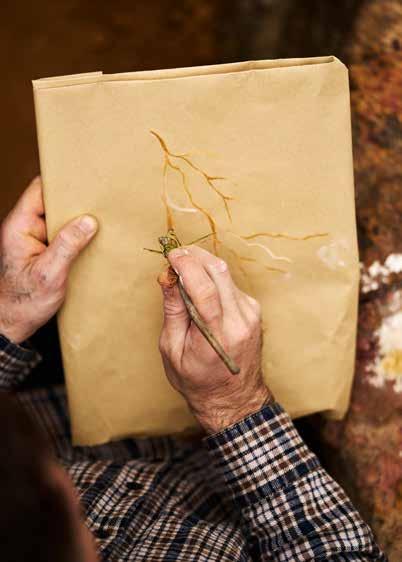
“Those years allowed me to hone my style and understand who I was in my practice and that’s when my goal shifted from being an art teacher to being an artist in practice.”
Three moments now stand out as pivotal. The first came through teaching itself. Running his first art workshop at Bendigo South East College confirmed his connection to education, while also revealing the realities of sustaining a creative practice.
“It confirmed my love for education but also introduced me to the realities of running a creative business with enquiries coming in from schools and teachers across different year levels,” says Troy.
The second moment came through conversation rather than curriculum. A discussion with Reece Hendy from Nacho Station shifted Troy’s practice beyond canvas and into the public realm.
“That conversation… led to my first major mural for Bendigo Bank, which opened the door to large-scale works, sculpture and collaborations.”
Alongside this creative expansion, Troy continued working as Aboriginal education officer at Catholic Education Sandhurst. Over time, the role prompted deeper reflection on the purpose and responsibility of his practice.
“Working in Catholic Education for many years led me to start questioning my practice and its purpose.”
The third moment was quieter and more grounding. During a professional development camp with Kaiela Arts, time spent on the Murray River with aunties and uncles reshaped how Troy understood his work and his relationship to Country.
“Spending that time on Country grounded my practice and it was there that I began questioning the purpose of my work and how it connects to land, Country and who I am as a Yorta Yorta and Dja Dja Wurrung man,” he explains.
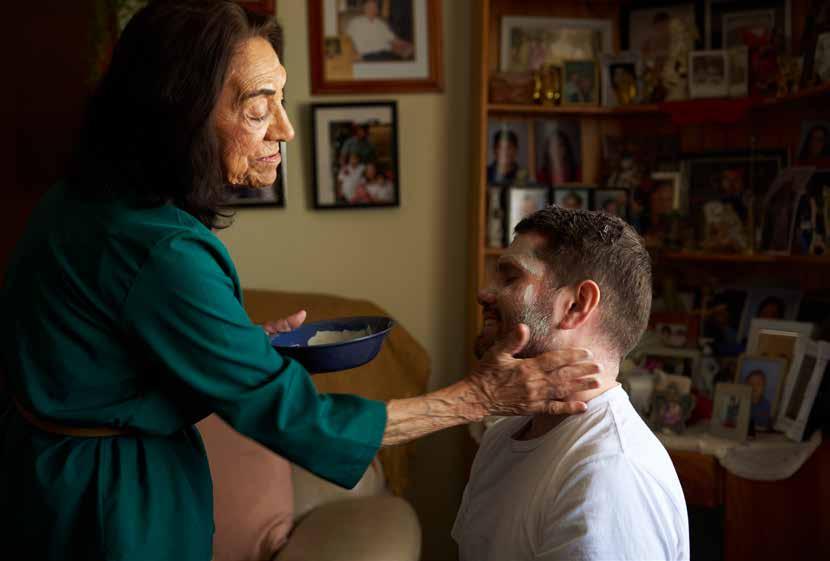
That question now sits at the centre of his research and creative practice.
Living and working in Bendigo has provided both foundation and reach. The city has offered access to education, strong creative networks and meaningful engagement with community, allowing Troy to grow while remaining grounded.
“Bendigo has provided me with opportunities such as access to education at La Trobe, a strong arts network and meaningful community engagement through working with Djaara and local schools.”
From Bendigo, Troy’s practice extends back to his birthplace of Shepparton, along the Murray River, to Echuca and across wider Victoria, with learning gathered elsewhere brought back and refined here.
“Bendigo became my central hub and allowed me to extend my practice back to my birthplace, while bringing what I learned on Country elsewhere back here to refine my work.”
For Troy, culture, identity and Country are not themes layered onto artworks. They are the foundation of the work itself.
“My artwork is a practice of my culture and that practice stems from my identity and my identity is nourished by my connection to Country,” he says.
He describes these elements as existing within a living and continuous circle of relationships, where making art becomes a way of existing within that space.
“Creating art allows me to breathe within that circle and my identity is reflected in waterways, the grain of wood and hillscapes, which are translated into patterns, materials and purpose within my work.”
Community remains central to how Troy works and collaborates, guided by respect and cultural protocol.
“Working within community requires respect and adherence to cultural protocols,” he says. “And while I cannot speak on behalf of community, I can be part of the conversation with community by respecting process, understanding my role and contributing in a purposeful and collective way.”
His practice moves fluidly between art, education and co-design, shaped by a belief in creative freedom.
“I don’t see myself as just a painter, I see myself as a creative and that might look like painting, choreographing a dance, creating a lesson plan or simply cooking at home.”
That openness continues to guide him.
“Being a creative means being free in your practice and that freedom allows me to discover new forms of expression and new passions.”
One project that brings these strands together is Djaara Lights, developed with high school students using augmented reality to share stories and learning with the wider community.
“The project allowed me to experiment with light as a medium while learning fabrication, digital art, print and virtual reality and its purpose was to educate and share story with the wider community.”
Troy’s creative process resists linear structure, unfolding over time through research, experience and presence.
“My creative process is non-linear and it’s a continuum that often begins with research driven by self-discovery, feeling or a desire for knowledge that comes from books, conversations or Country.”
Challenges have come, particularly around scale and distance, but working regionally has also revealed unique strengths.
“Working regionally has taught me the power of relationships, networks and long-term connections and how knowing people’s stories becomes a real strength.”
Looking ahead, Troy is excited by deeper research that brings together identity, education, psychology and art.
“That direction excites me because it gives a clearer purpose to creativity by giving back to community and Country while generating knowledge that can inspire artists and inform education systems.”
In Troy’s practice, creativity is not separate from life. It is identity, relationship and responsibility, grounded in place, shaped by community and always in motion.
For more information on Tory and his work visit, www.firebracecreative.com.au
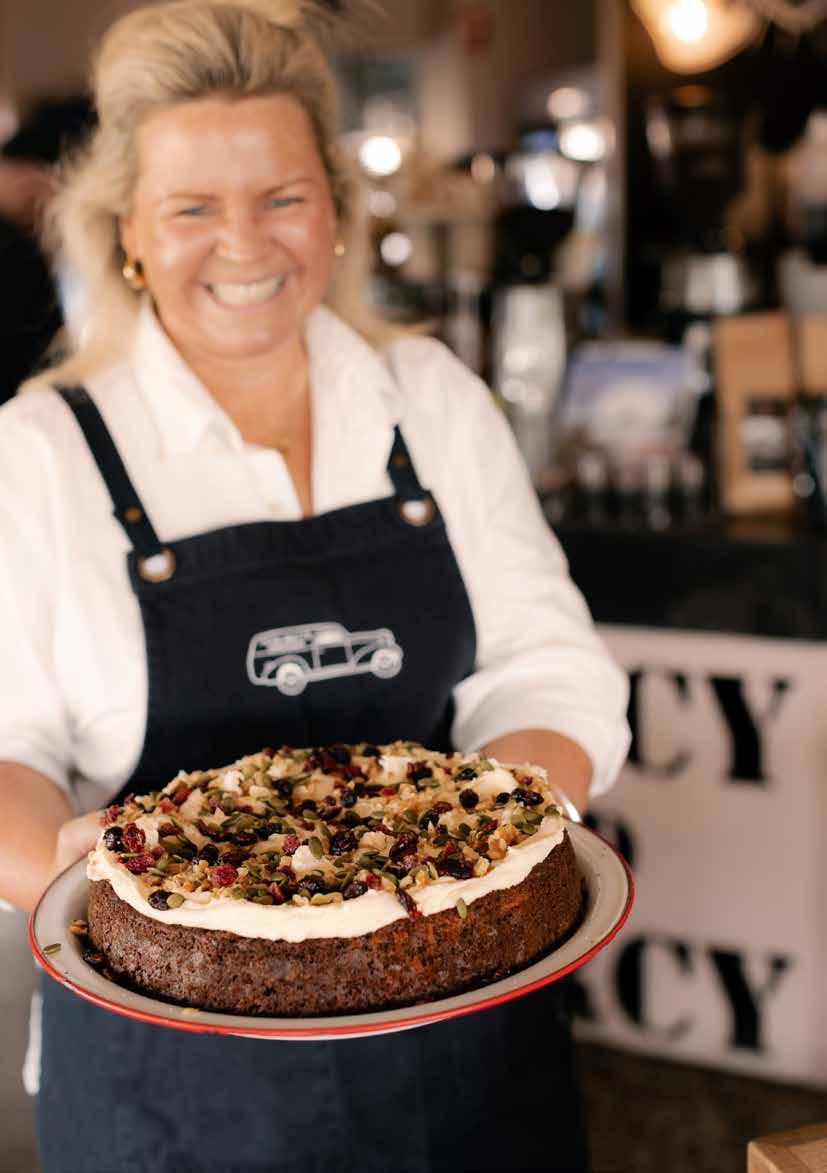
Monday to Friday 7am-3pm Saturday 8am-3pm Closed Sunday Breakfast all day and lunch from 12pm-2.30pm
Excitement and elegance returned to the track as the Bendigo Cup took centre stage in 2025.
Crowds gathered at the Bendigo Jockey Club for a full day of racing, fashion and festivities, with the Ladbrokes Bendigo Cup headlining a vibrant program that included live entertainment, hospitality marquees and the ever-popular Fashions on the Field.







Open 7 Days 8 am to 4 pm
Public Holidays 9am - 4pm
We look forward to welcoming you seven days a week with our traditional opening hours. The Das Kaffeehaus & Coffee Basics Team







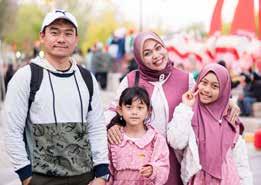
Warmth and culture filled Bendigo’s Dai Gum San Precinct as families and friends gathered for the annual Harvest Moon Festival.
Hosted by the Bendigo Chinese Association on the Grand Final public holiday, the free community celebration offered lion dances and cultural performances, mooncakes and multicultural food, celebrating gratitude, reunion and prosperity beneath the glow of the spring moon.

4.30-7pm, Wednesday 1 April Coolock Campus, Junortoun
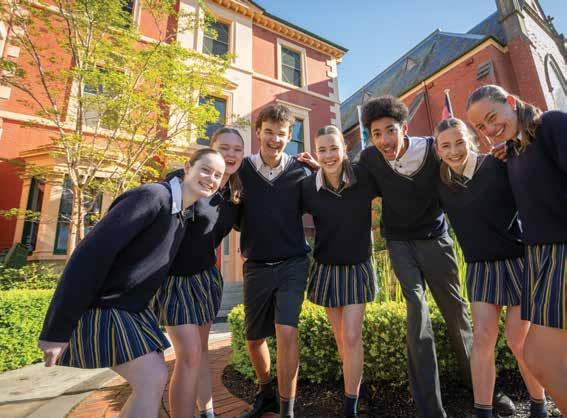
Join our passionate school community – 150 years in the making – and discover what makes our College unique and inspiring.
Why Attend?
• Explore our innovative educational facilities
• Stroll through our spacious grounds
• Learn about our extensive academic, creative arts, and sporting programs



We

A local
coalition
mobilises for a Bendigo where all genders are treated with respect and have equal opportunities, writes LAUREN MITCHELL.
Photography by AJ Taylor
What better place to help rewrite an age-old story than a library. You’ll know the narrative in question; it’s basically that one about boys being tough and girls being soft. Research shows it’s a tale that’s shaped a society no longer serving us, says the passionate Gender Equity Coalition Greater Bendigo.
Thanks to its part in the coalition, Goldfields Libraries took a deep dive into the gender divide at its branches and discovered some interesting statistics it’s now addressing. CEO Mark Hands says, firstly, they found 67 per cent of members were female, “and it made me wonder, what it was about libraries that meant men stopped using the library as much at a certain point in time”.
“All our statistics on storytime sessions and children’s events indicate there is a much more balanced mix of boys and girls attending these programs. At some point, the engagement of males drops off.”
The team also researched gender roles in popular children’s books. “Our main question was, do children see themselves represented in different ways in the books we have,” says Mark.
“In children’s books, we found mums are almost twice as likely as dads to appear on their own and be more caring, active at parenting and serious or adult-like as opposed to the more easy-going, less engaged and sillier portrayal of dads.
“Whether we like it or not, it’s backed up in our membership stats –mum is the member, not so much dad.”
They also found the top 100 best-selling children’s books overwhelmingly reinforced a view that females are mostly gentle, quiet, small and don’t really lead much.
Our library service is therefore considering ways it can influence this disparity, from the books it chooses to highlight, to the events it hosts, to the training it offers staff.
“It’s important and challenging to consider aspects of the way your business works through a gender framework,” Mark says. “To ask, what bias is built into the structures that we create and apply without much consideration?
“The good thing is, it doesn’t take much effort to peel back a layer and take a look. The harder bit – but far from impossible – is then shifting the system to provide more equitable outcomes.”
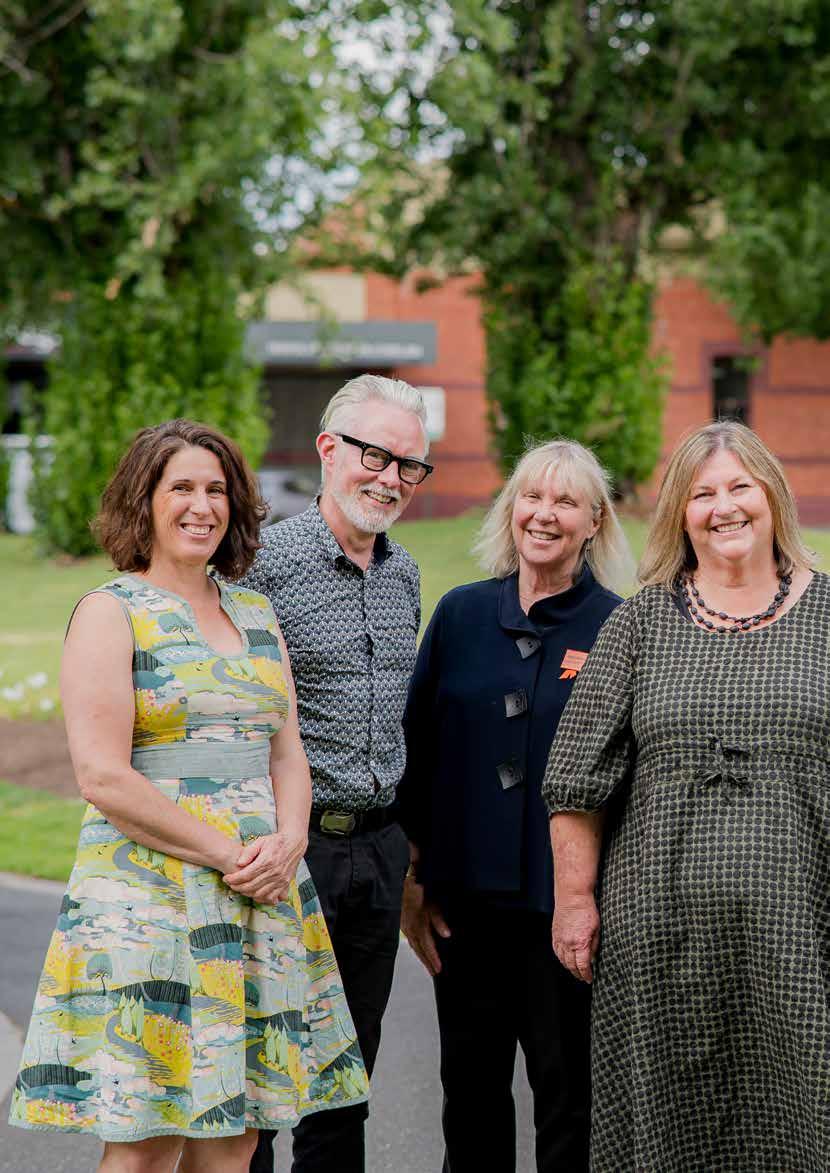
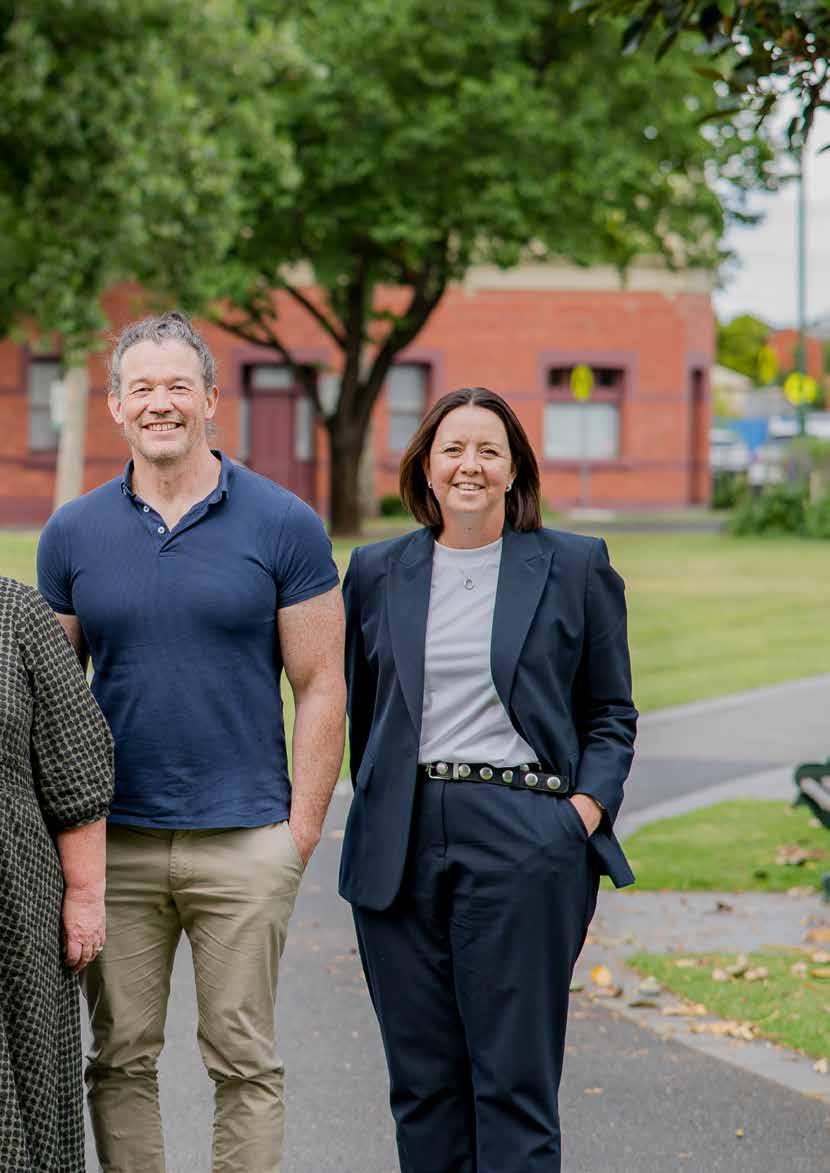
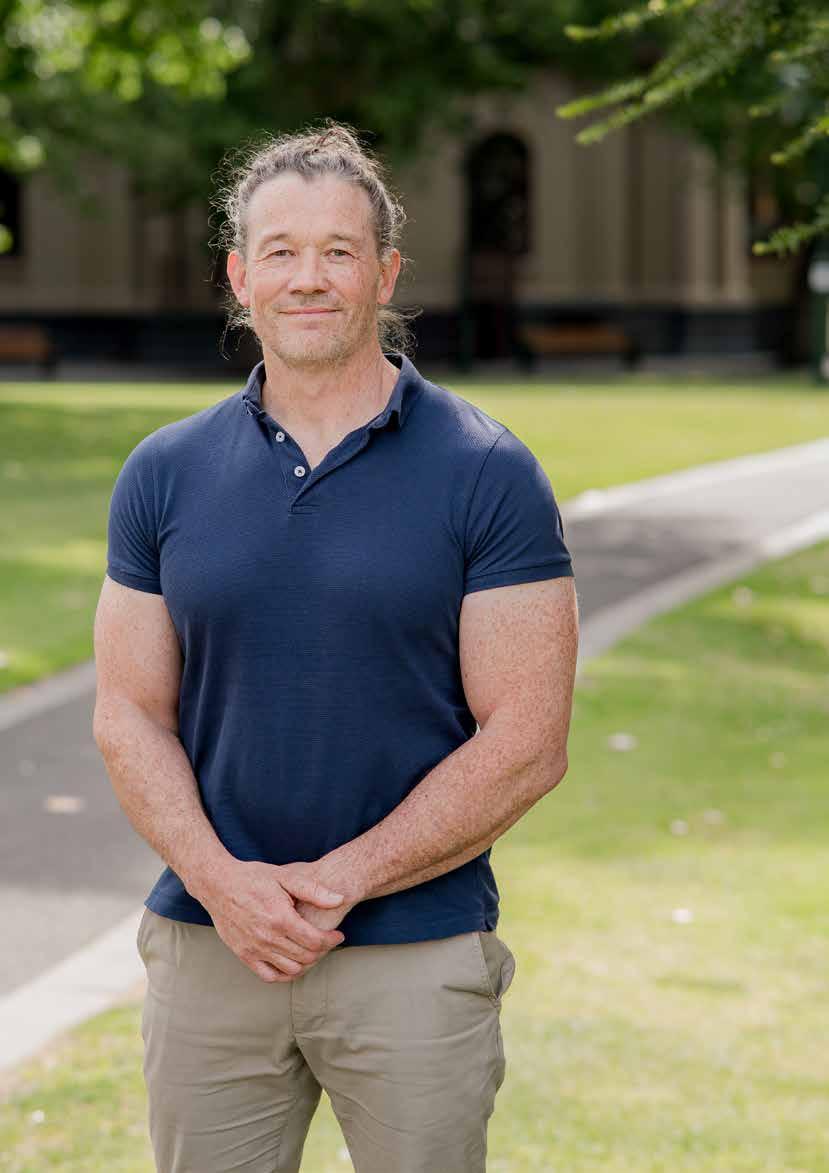
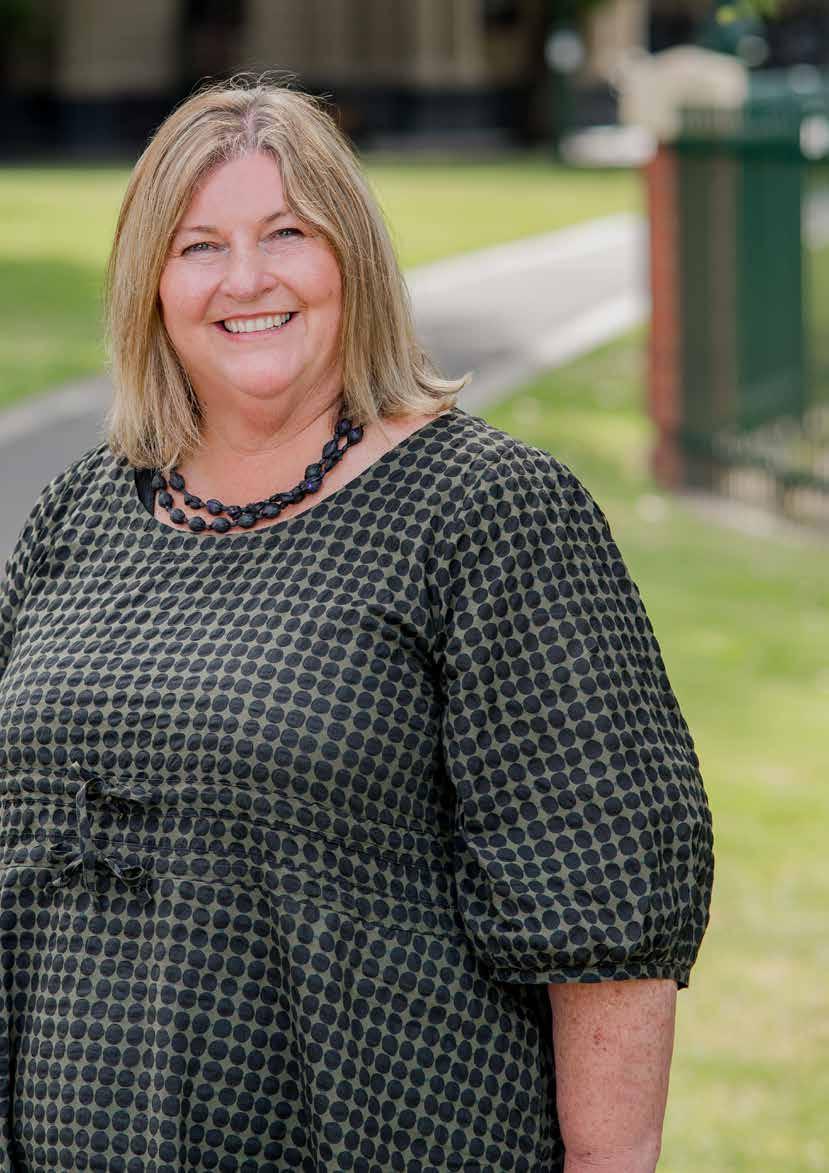
This is the overall aim of the Gender Equity Coalition; a group that formed in 2018, comprising businesses, schools, individuals, community groups and more, led by a committee of 12 people in leadership positions – six of them feature in the main group photograph.
The coalition is working to balance opportunities for and visibility of all genders, across sport, education, employment, business, civic, family and social life, according to skills, interests and aspirations, rather than tired old tropes.
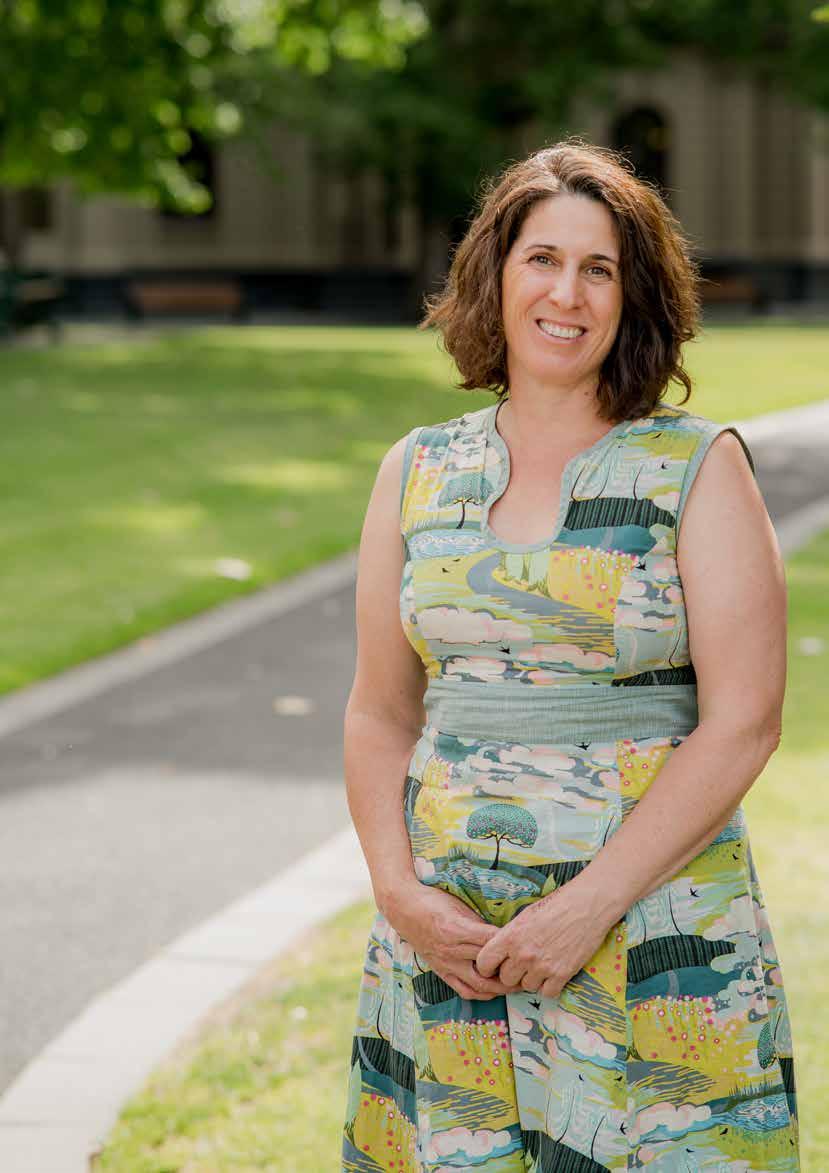
Coalition project worker Alice Henderson says the higher purpose is to respond to research showing that inequity between genders is a major driver of violence against women. And, she says, those instances of violence are higher in regional and rural areas.
“The coalition provides a real opportunity to work alongside what’s already happening in this space in Bendigo, and to engage community in new initiatives,” Alice says.
Her arrival at the coalition in late 2025 is the result of the city amping up its efforts in this space. She says it’s unique, firstly for a city like Bendigo to have a gender equity coalition, and secondly, for the group to have a paid employee to mobilise its efforts. Alice’s role is auspiced by Bendigo Community Health Services and funded equally between BCHS, the City of Greater Bendigo and Goldfields Libraries.
Alice has a background in violence prevention and is motivated by the opportunity to progress her work at a community level.
She can easily list many areas in which society needs to improve; the gender pay gap shows women in general earn 21 per cent less than men, despite more women having tertiary qualifications; the fastestgrowing group of people experiencing homelessness are women over 60; women are still grossly under-represented in STEM roles; and men are under-represented in caring positions and in taking up parenting and paternity leave opportunities.
“Gender equity is not about someone missing out – it’s about bringing everyone up to the same level,” Alice says.
Newly appointed coalition chair Mandy Hutchinson says Bendigo is just the place to make an impact.
“I’ve seen the way the community can come together and tackle wicked problems,” Mandy says. “And I’m excited about the potential of this work. I think there’s leadership everywhere in this space in Bendigo. People are interested in this space. They want to do something. We can support that and create a movement towards making a difference here.”
Mandy is also the CEO of Bendigo Community Health Services. She says the two roles complement each other, as a more genderequitable community would be a healthier, safer one for all in Bendigo.
“We are all about health, equity and social justice,” Mandy says. “So, the coalition aligns with us in all those ways. We hear from people in our community who experience gender inequity, and it could be because they’ve unfortunately been through a family violence situation, but it could be other things as well.
“We feel like we’re standing up for those voices. And we’re giving people in Bendigo ideas, skills and things that they can do to try and redress the current gender imbalance, because a more gender equitable community here in Bendigo would improve lives… and I think it’s something that we can all do something about.”
Alice will be driving the coalition’s initiatives for 12 months. She says achievements over 2026 could include empowering sporting clubs to ensure girls and women have the same access as men and boys to well-lit ovals, safe changerooms and even competition levels. It could include helping kindergartens audit their books and toys to have less of a gender lean. It could include hosting education sessions on bystander reactions to witnessing someone being gendered in a negative way.
Alice is also determined to grow the coalition base, via community engagement sessions, action groups and a regular newsletter.
“The more people we have on board the better,” she says. “And it might only be someone just getting the newsletter, learning about successes and how to improve things, and sharing a story with someone else of what’s going on in the community.”
Mark says he’d particularly like to see more men take part in the local movement. “Being part of the coalition has made me question what’s a healthy definition of masculinity – when I was growing up in the ‘80s, it was all James Bond and Arnold Schwarzenegger movies, and we’re stepping away from that,” he says. “Boys and men need to feel comfortable in defining themselves in different ways as well. It’s just as important.
“I feel really comfortable being part of the equity coalition with my L plates on, and I would say to any person or organisation, feel free to also come along with your L plates and be willing to learn in a really safe environment.”
Find out more at bchs.com.au/gender-equity-coalition or attend an information session at the Bendigo Library on March 3 at 12.30pm or March 12 at 5.30pm.











Music lovers soaked up the atmosphere as the Bendigo Blues & Roots Weekend returned in 2025.
Spilling across multiple venues, the festival showcased a rich mix of blues, roots and soul performances from local and touring artists, inviting audiences to wander the city and enjoy a weekend of live music, good company and unmistakable Bendigo vibes.

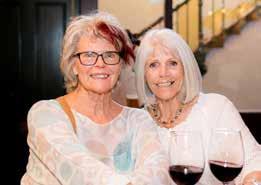


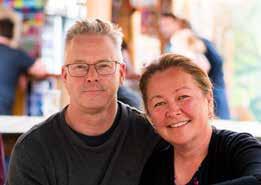




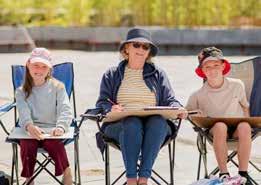
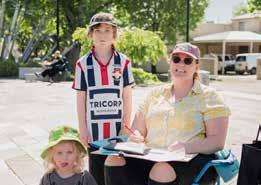

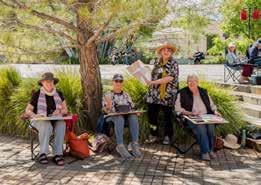
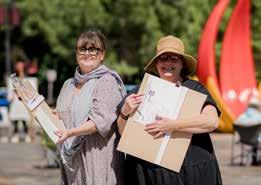
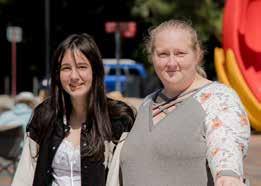
Colour, culture and celebration filled the Golden Dragon Museum precinct during the Lotus & Lions event.
Visitors enjoyed a lively program featuring traditional lion dancing, cultural performances and family-friendly activities, with classic and contemporary vehicles on display adding a unique twist. The event offered a joyful celebration of community, heritage and shared experiences in the heart of Bendigo.
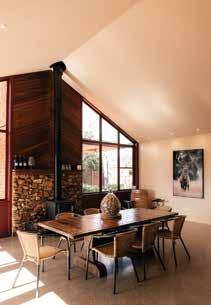

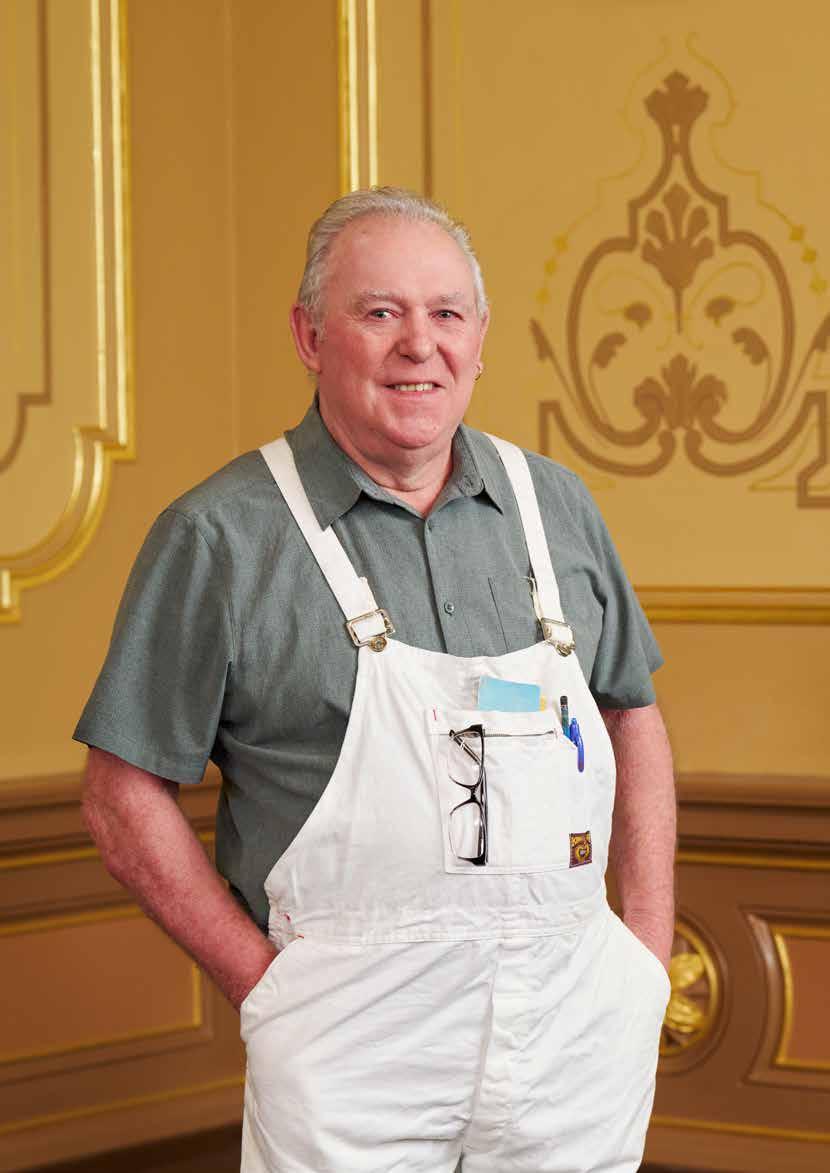

For more than 50 years, artisan painter Peter Sheehan has helped preserve Bendigo’s heritage. Now, he’s searching for someone willing to carry the craft forward.
By Marina Williams - Photography by Leon Schoots
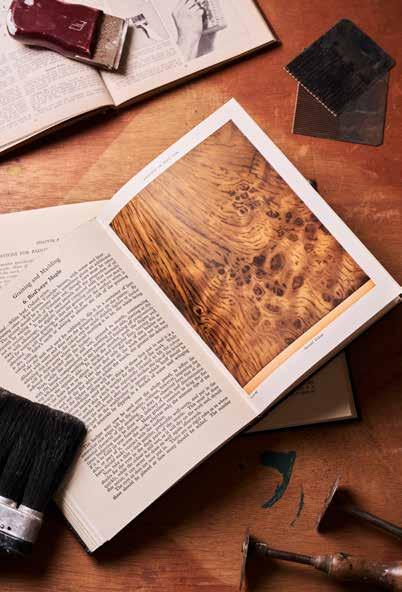
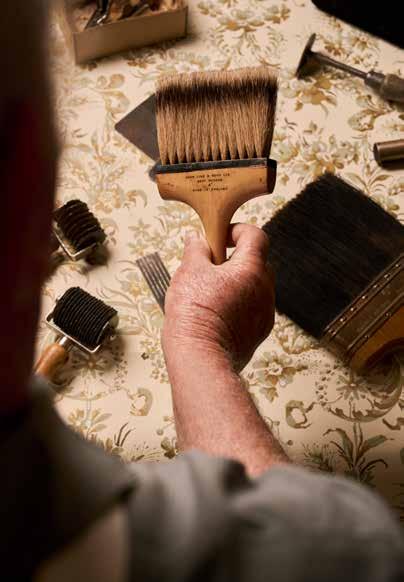
In the quiet of his Bendigo workshop, Peter Sheehan lifts a longhandled brush with soft, striped bristles. It’s a badger-hair softener, a specialist brush used in traditional wood graining and marbling. The tool is imported – badgers aren’t found in Australia – and although he can still find these brushes online from England or France, the quality and availability have changed over time.
It is just one of dozens of brushes and tools that fill Peter’s workspace. Each holds stories from five decades of painting and decorating across Central Victoria, Melbourne and London. Some were bought, some restored, some hunted for in long-vanished paint shops, and some were passed down by the mentor who first showed him the artistic side of the trade.
Peter was 16 when he began his apprenticeship with a building firm in Castlemaine. Halfway through, the business folded and he transferred to trade school in Bendigo, completing his apprenticeship at the Alexander Home and Hospital for the Aged, now Castlemaine Health. It was an unexpected turn that changed everything.
At the then-Bendigo Technical College, he met teacher John Metcalf, who recognised Peter’s curiosity about more decorative techniques.
“Wood graining, marbling, specialist finishes, John encouraged me into areas the other kids weren’t so interested in,” he says.
Two decades after Peter finished his apprenticeship, his mentor invited him to afternoon tea. When Peter arrived, he was handed a box.
“He says, ‘right, I’m giving you all my stuff’,” Peter recalls. Inside were rare brushes designed for specific movements and effects – tools no longer manufactured. Peter still treasures them, not as relics but as working instruments tied to a lineage.
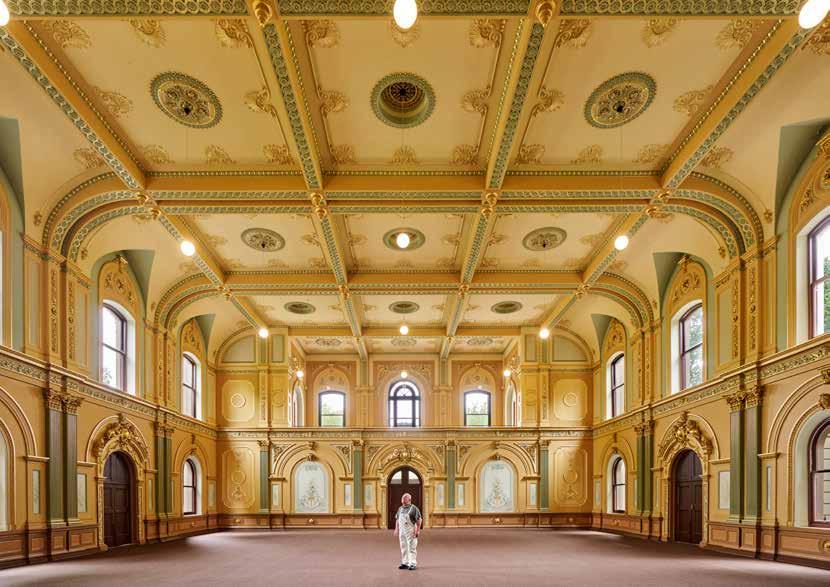
Across Bendigo and Melbourne, pieces of Peter’s work are visible. Working with Period Building Conservation, a Beechworth-based firm specialising in heritage work, he helped restore the Eaglehawk Town
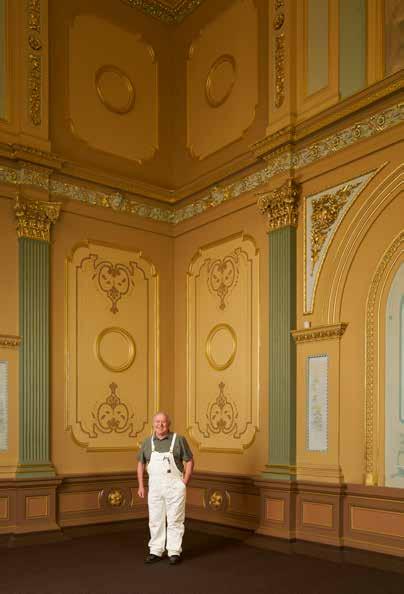
The work has always been physically demanding. with long hours on ladders, awkward angles under cornices, careful handwork that can strain the neck and back.
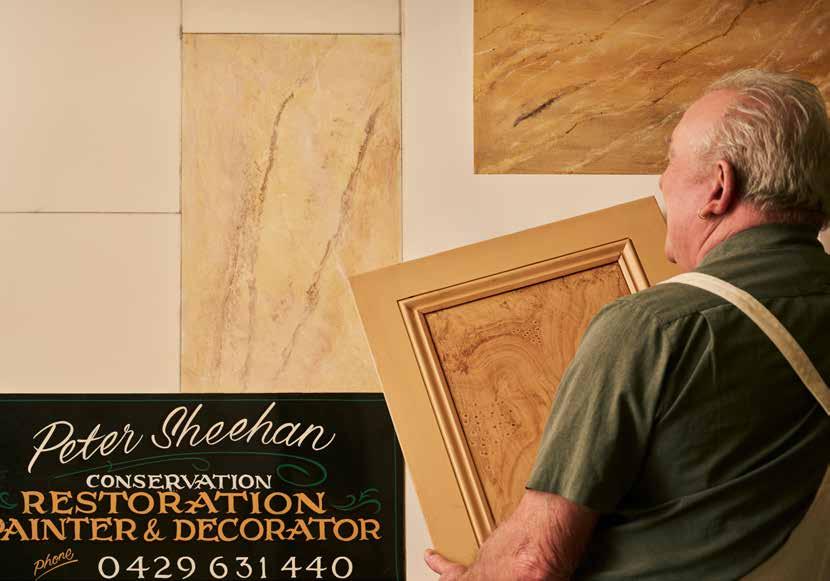
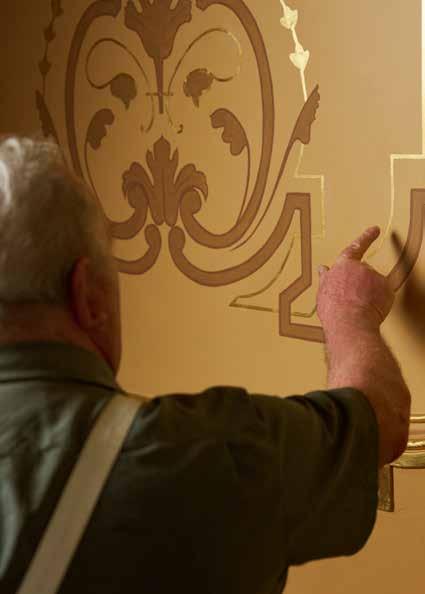
Another seemingly simple tool, his stencil-cutting knife, holds memories from one of his most demanding projects: repairing water-damaged decorative stencilling inside the Bendigo Town Hall in 2016.
To restore the walls, he had to reproduce original motifs from surviving sections. That meant copying the designs by hand, cutting new stencils and matching colours and gilding so the repaired areas were indistinguishable from the originals.
“It was pretty exacting work,” he says. He partnered with another painter, but the detailed stencil reproduction was his responsibility. The work required accuracy, patience and an understanding of how 19th-century decorators layered their paints.
The Town Hall walls now carry both the work of past artisans and Peter’s careful hand.
On another shelf sits a broad wallpaper brush, the kind used for hanging traditional hand-printed Victorian designs. Peter smiles when he picks it up.
Older houses, he explains, are rarely square, and Victorian schemes often involved multiple layers: frieze, fill, dado and borders. Everything had to visually align even when the structural lines behind it did not.
Wallpapers arrived in enormous lengths at 33 feet, or just over 10 metres. “You had to paste them yourself, sometimes they would be nearly 14 feet long,” he says. Once wet, they stretched, forcing the installer to work quickly and confidently.
For a time, Peter was the preferred applicator for a Melbourne firm that produced its own Victorian wallpapers. It is the sort of work many modern painters never encounter, but it remains one of the trades that shaped his reputation.
Some tools in Peter’s workshop still carry the memory of travel. In the mid-1980s, restless and wanting to grow, he “bought a ticket and went to London”.
He worked in a luxury hotel, travelled through Europe “with wide eyes” and completed short courses in decorative painting. Those experiences expanded his technique and deepened his appreciation of historic interiors.
That broadened skillset later proved invaluable when working on some of Melbourne’s most significant heritage interiors.
On returning to Australia, he worked with specialist restoration firms in Melbourne, contributing to major projects including the Melbourne Town Hall, Hawthorn Town Hall, the historic Italianate mansion Raheen, and Collins Street interiors. Eventually, he returned home to Central Victoria.
“It was just breathtaking to walk around,” says Peter of Raheen, not only for the intricacy of the interiors, but for the building’s political and social history.
Today, the biggest obstacles in heritage painting are not the techniques, but the materials. Many pigments and oils once used for graining or limewash effects are no longer produced. Tools such as badger-hair softening brushes must be ordered from overseas.
“A lot of the younger painters haven’t even seen the tools,” he says.
Colour-matching century-old surfaces requires tracking down specialist suppliers or improvising with modern paints.
Science and restoration skills, once taught as part of the trade, have largely vanished from mainstream training.
“A lot of apprentices don’t even go to trade school now – they’re assessed on the job,” he says.
Today, many of Peter’s tools leave the workshop only to appear on display at the Lost Trades Fair, where visitors gather around his stand filled with unusual brushes, combs, pigments and graining implements.
“I’ve always had this passion… to keep this sort of thing alive,” he says. His involvement with the Hand Tool Preservation Association and the Lost Trades community strengthen his belief that these skills, and the tools that make them possible, should be shared.
Some of the tools he demonstrates belonged to his former trade teacher. Others he collected over decades. All represent techniques that risk fading as apprenticeship pathways shift and on-site assessment replaces trade school learning. Many young painters, he notes, no longer encounter the traditional decorative methods he was taught.
Peter would like to give back and mentor someone with an artistic eye and the patience required for specialised work. He knows of bursaries that support overseas training and would gladly guide the right person toward those opportunities.
For now, he keeps working. He still points out past projects to his children, still notices the details others miss, and still climbs a scaffold when needed. But he also knows the future of traditional painting in Bendigo depends on someone choosing to learn it.
“It’s labour-intensive, and you’re charging for your knowledge,” he says. “But if we don’t pass it on, it’s gone.”
Peter doesn’t claim to be the only person doing this work, nor the best, but his tools trace a rare continuity of a life spent learning, adapting and preserving skills that shape the way historic buildings feel.
He looks over the old brushes and tools that have travelled with him through five decades of work.
“I want to be able to hand it on to somebody else. I’ve done my bit now.”


Christmas cheer sparkled in the city as Bendigo gathered to light the iconic Christmas tree.
Families and friends filled the View Point precinct to enjoy festive entertainment, carols and a special countdown moment, with the towering tree glowing bright to officially usher in the holiday season and spread a sense of joy and togetherness across Bendigo.
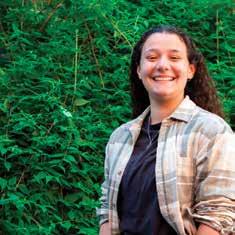
JIN TURPIE
“I am so grateful for the opportunities this college has given me.”


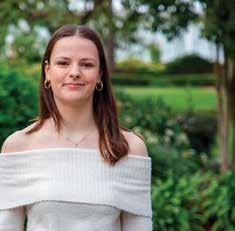
KIRSTEN HOLLAND
“I absolutely recommend this college to my friends.”
MIKAYLA ROBERTSWHITE
“The staff here are so inclusive.”
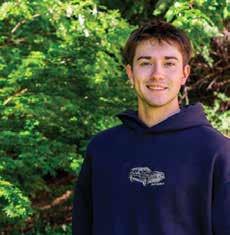
COOPER ELLIS
“I will never forget my time at BSSC.”



BSSC offers the greatest choice of subjects for senior secondary students in Victoria. With a wide range of flexible learning options, BSSC is designed to create an environment that supports learners at every level.
Like to find out more?
Phone: 5443 1222 Email: admin@bssc.edu.au
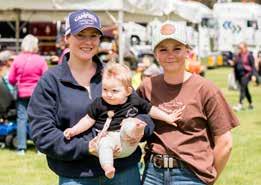



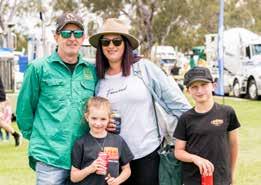

Engines roared and chrome gleamed when Shamick’s Castlemaine Rotary Truck Show rolled into town.
Truck enthusiasts and families alike admired an impressive lineup of classic and modern rigs, with food stalls, live entertainment and a strong community atmosphere rounding out the day. Proceeds supported Rotary projects, making it a celebration with heart as well as horsepower.


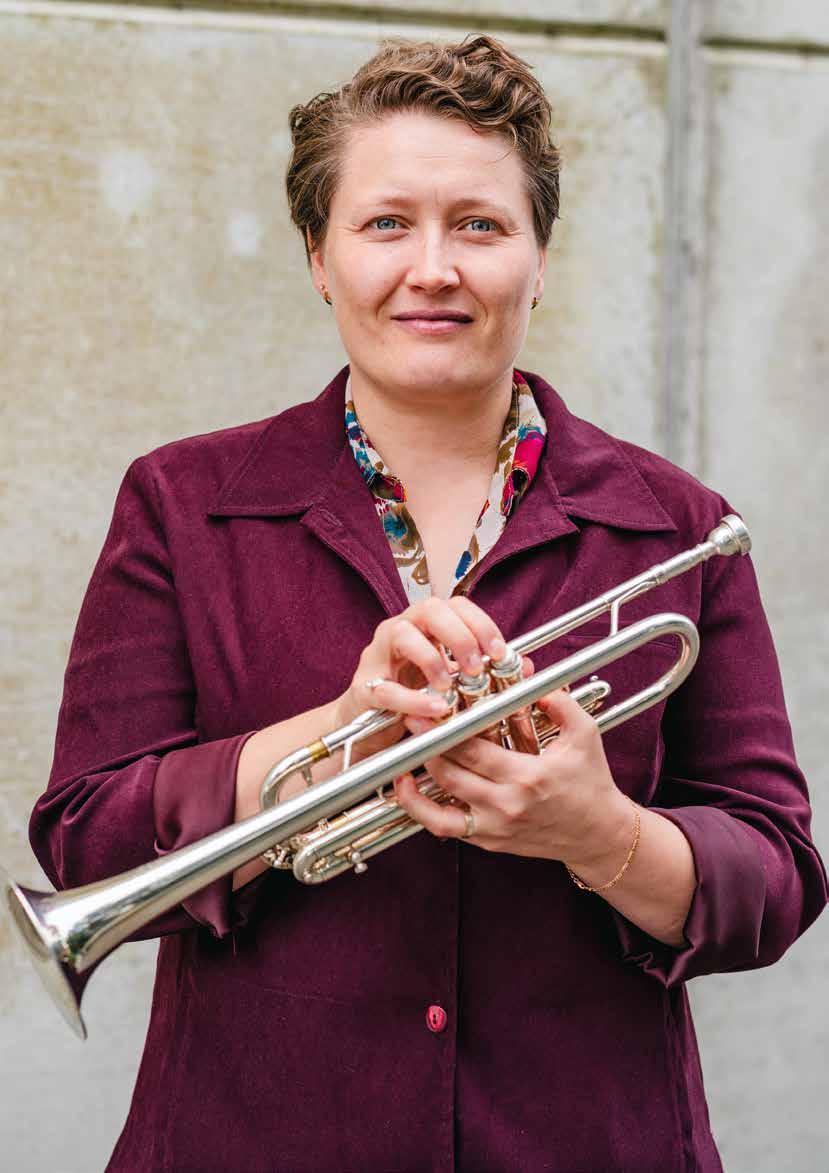
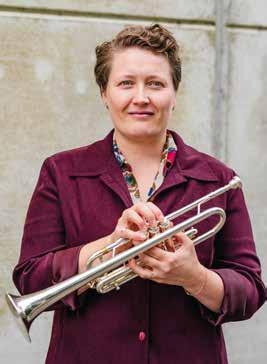
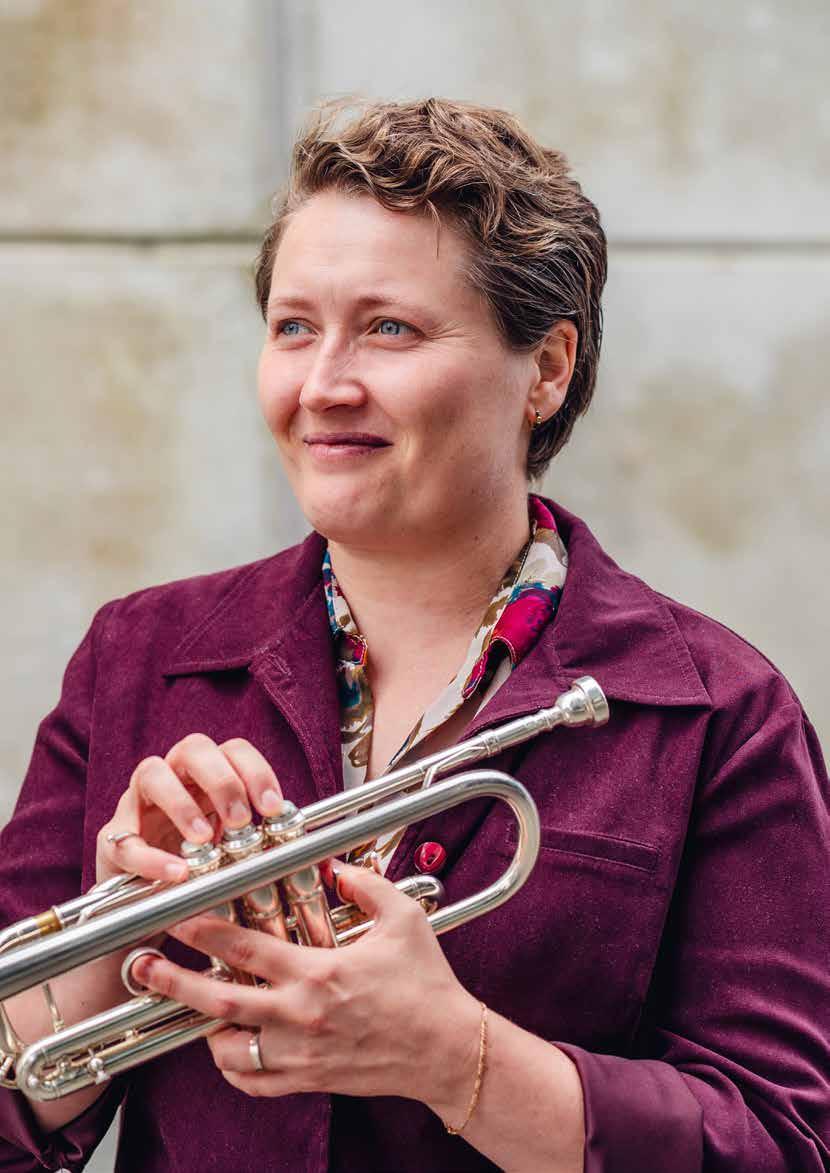
From junior brass band beginnings to international stages, Bendigo-raised trumpeter Louisa Trewartha reflects on community, confidence and finding joy in a life shaped by music.
By Jennie Mellberg - Photography by Lydia Sewell
Growing up in a music-rich family involved with City of Greater Bendigo Brass Band, it was probably not a question of ‘if’ Louisa Trewartha would take up an instrument, but which one.
Louisa studied violin throughout primary school, but seeds of connection to the trumpet were planted when, aged six, she picked up her dad’s cornet and worked out a scale by ear.
Recognising natural aptitude, her parents encouraged her involvement with the junior brass band, conducted by her dad, Trevor.
“My first competition with the brass band was when I was seven,” Louisa remembers. “I was not up to competition standard, but they needed the numbers, so I had to mime.”
School bands kept Louisa progressing musically – and fostered unexpected skills.
“When I was in Grade 6, I played in a state-wide combined concert band at Robert Blackwood Hall and was asked to speak to the audience.
“I had prepared a few things, but when I got up all I could see were bright stage lights, and all I could manage to say was, ‘It was good’.”
Now, often speaking publicly as an adjudicator, Louisa is glad embarrassing childhood experiences are a thing of the past.
Secondary college provided plenty of opportunities for Louisa to extend her ability on the trumpet and experiment with other instruments.
Studying VCE at Bendigo Senior Secondary College allowed her to bring music to the centre of her final years of schooling. Louisa took two music subjects – Styles and Performance.
“My private trumpet teacher, Jacqui Vine, continued as an important part of my development, and my Year 11 music teacher, Diane Chapman, and Year 12 music teacher, Sue Lyons, went above and beyond, pushing us to our highest level.
“I played The Last Post at a BSSC Anzac Day ceremony, and there was a trip to see the opera La Traviata in the State Theatre – which I did not fully appreciate at the time. I have now performed in over 40 seasons of opera, ballet, and musicals with that same orchestra.”
After completing VCE, Louisa was included in Top Class and Top Acts. This program brings together graduating Year 12 students from across Victoria who have excelled in an area of the arts.
Again, with maturity, hindsight, and her own experiences as an educator, Louisa knows this opportunity was more significant than she realised at the time.
“I think music, and trumpet in particular, felt so relatively effortless that every experience I had, and each step I took, seemed so natural I just kept going, not fully appreciating the progress I was making or the importance of the opportunities that were coming my way.”
She was deep into her music studies before she grasped just how much she wanted music to be a core aspect of her life. More recently, COVID lockdowns reinforced music’s centrality for her.
A Bachelor of Music at Melbourne University was Louisa’s first tertiary degree and she subsequently studied at the Australian National Academy of Music, later completing a Masters in Scoring for Film and Visual Media in 2016 at Pulse College, Dublin.
Add in her daily practice, musical collaborations at home and across the world, and Louisa’s dedication as a musician, composer and conductor cannot be questioned.
She plays trumpet Bb/C, piccolo trumpet, baroque trumpet, cornet and flugelhorn.
In 2022, she became a Yamaha Artist – a privilege reserved for those with well-established careers at the top of their game.
“Being a musician means my life is constantly changing,” Louisa says.
“But this flexibility keeps life fresh and makes me very happy.”
While a professional commitment to music is akin to the fitness needed for elite sports, she plans to sustain a long and healthy career by working hard, yet not becoming obsessive.
“Along the way, I’ve learnt the hopes and dreams of others cannot be the basis for mine.”
Louisa meets and works with many inspiring people, and says music has always been tied to community.
“Making music with others is what I have always loved best. It’s important to maintain high standards, but it’s also important to be kind. Trumpet players need a lot of confidence to do what we do, but ego has to be something you can control and tone down when it’s not needed.
“The best way to ensure further opportunities is to demonstrate your capacity to work cooperatively with others because everyone puts so much into their careers, and maintaining their ability and standard. This motivates me to work hard, too. I feel privileged to be part of what we do and so grateful for their support.”
Looking back, Louisa can see that even in her free time she was usually doing music. And these days, there is rarely a moment when music is not playing through her mind.
Paradoxically, taking this pressure off herself has allowed Louisa to “get on with it” and more easily achieve the meditative ‘flow’ state essential to improving as a musician.
“Since COVID, I’m truly picking up my instrument out of joy, not just to pay the bills.”
Her most recent musical adventure involved travel to New Zealand for a three-month contract playing trumpet with Auckland Philharmonia.
Louisa’s website lists some of the larger ensemble works she’s been commissioned to compose – and yet a recent favourite is a short solo work named Telegram.

Inspired by the early process of sending urgent messages using morse code, Louisa worked out how to make a morse-code sound on the trumpet.
“Audiences just love it.”
Despite always being grateful for her loving, supportive, and musical family – and the opportunities she was given – Louisa remembers her adolescent years as challenging.
“I was often depressed because, back then, homophobia was normalised and growing up queer in a regional area was isolating.”
It was a huge relief to gradually come out to family and friends after Year 12 – and later to meet and marry her wife, who is an enduring source of support and encouragement.
Extensive international performing and music studies overseas have not convinced the couple to settle elsewhere, and Louisa and her wife have made Central Victoria their home, loving the surrounding bushland and having family nearby.
Playing the trumpet, being part of a band or ensemble, composing, conducting and ultimately being able to make music her career, as well as her passion, has brought Louisa a joy she could not have imagined back in those days, when life sometimes looked incredibly daunting. Despite all she has achieved, Louisa has never lost her down-to-earth natural warmth, nor her willingness to be involved in local events.
She recently adjudicated Musician of the Year at Bendigo Senior Secondary College and continues to play with City of Greater Bendigo Brass Band when they need her.
Her advice to aspiring musicians is this:
“Surround yourself with people whose opinions you trust and learn from them – this is true for life in general, too – and do the things you’re scared of!
“It’s also great to cultivate a positive headspace, because your mind needs to be as healthy as possible if you want to be able to truly achieve all you’re capable of.”
The Great Stupa of Universal Compassion glowed with festive colour as Christmas Enlighten returned for a magical evening.
Visitors explored illuminated installations and projections set against the striking backdrop of the Stupa, enjoying a peaceful yet joyful celebration that blended light, creativity and Christmas spirit in one of Bendigo’s most iconic settings.

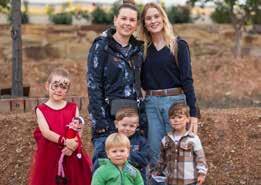


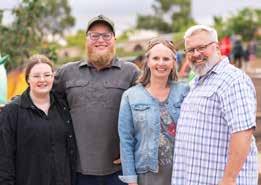

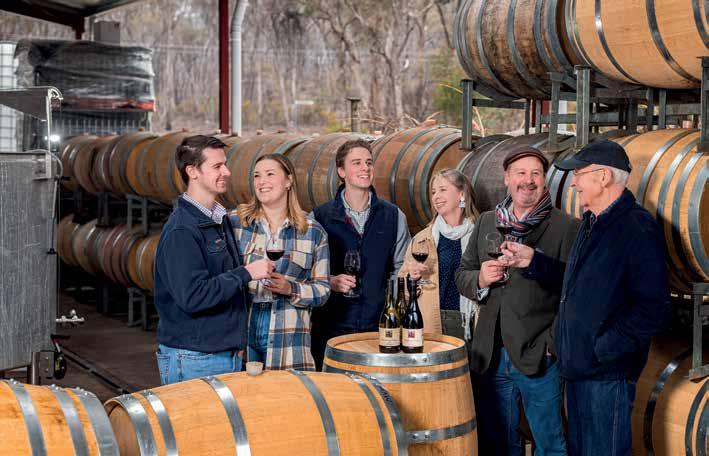
Just 9km from Bendigo, Mandurang Valley Wines is a family-owned winery run by three generations of the Vine family. Focused on varietal authenticity, custom-crafted wines, contract winemaking, in-house bottling and trusted export services.
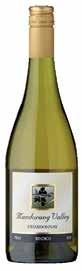


Experience more than just wine at our cellar door — home to the Italian Test Kitchen, where chef Paul Sommerville prepares delicious meals using fresh regional ingredients. Pair his food with our award-winning wines and enjoy the best of Bendigo. Visit Mandurang Valley Wines to experience genuine family winemaking, exceptional food, and a legacy that continues to evolve.



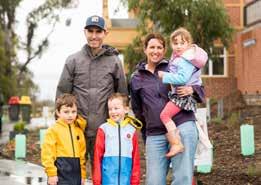
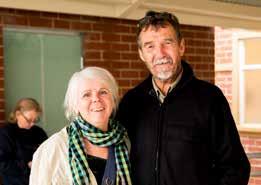



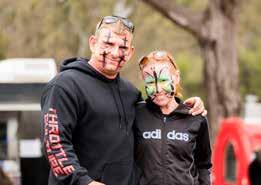


A decade of dedication was celebrated as the Victorian Miniature Railway officially opened to the public in Harcourt.
Built entirely by volunteers, the 2.7km miniature railway welcomed visitors for its grand opening weekend with scenic train rides, live music, food stalls and family-friendly entertainment, offering sweeping views across Harcourt and Mount Alexander.





Snakes have personalities: some are grumpy, others are shy, or they’re docile and relaxed, according to this Bendigo snake catcher. MARIANNE MCNAMARA meets a woman thriving in a male-dominated industry.

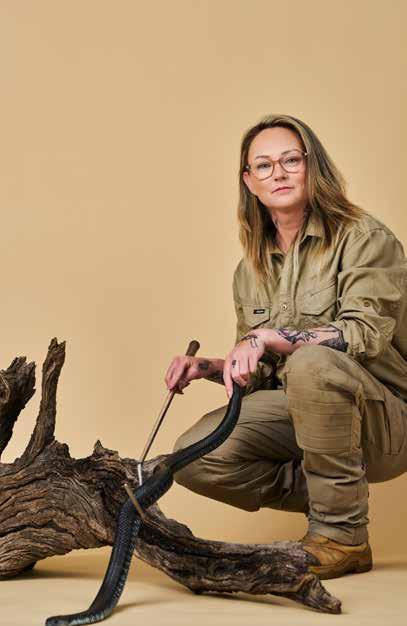
There was a time when Tameeka Stevens felt lost and misunderstood. She’d dropped out of school at Year 7, having failed spectacularly at East Loddon P-12 College. She just didn’t fit in. Her father died the same year.
Venomous snakes saved her.
Like her father, Tameeka once believed the only good snake was a dead one. Her father had killed plenty where she grew up in the northern Victorian town of Mitiamo. But when she began to study them and have contact with them through wildlife rescue activities, she changed her mind.
She realised she had something in common with them. They were misinterpreted too, especially the venomous ones. “They’re given a hard time, and I’ve experienced that, too,” she says.
Eventually Tameeka came to understand why she was different. Neurodiversity played a role: dyslexia and ADHD, plus a dose of consequential anxiety. Now, at 37, she has found her place in the world as one of few women snake catchers, operating Greater Bendigo Snake Control.
“It’s a male-dominated industry and there’s some strong personalities,” she says. “Some people are in it for the adrenaline rush and the attention. But it has been said women make great snake catchers because they are more careful, they don’t tend to take risks. They have more empathy and they can also be better at relating to people.”
Tameeka always knew she wanted to work with animals and she dreamed of being a zoo keeper. She studied wildlife rescue online with Victoria University and volunteered in the field. She noticed some of her peers specialised, leaning towards kangaroos or birds, and she eventually found her passion with reptiles.
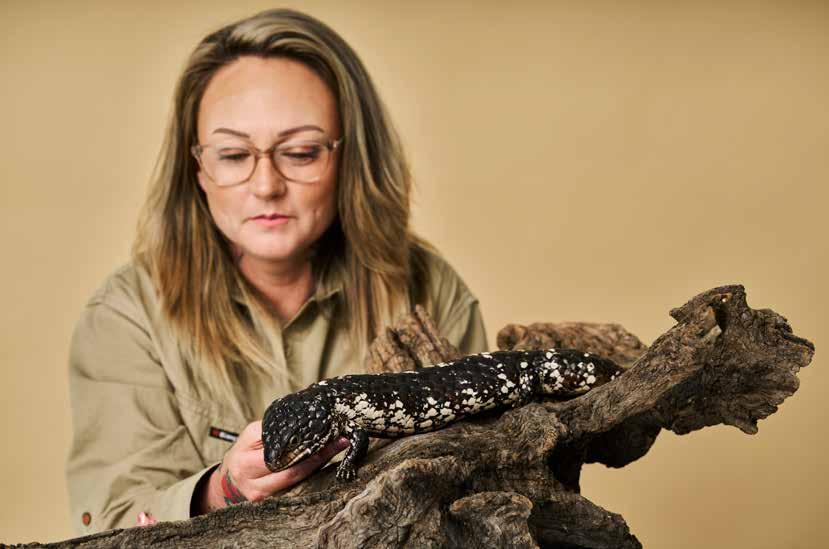
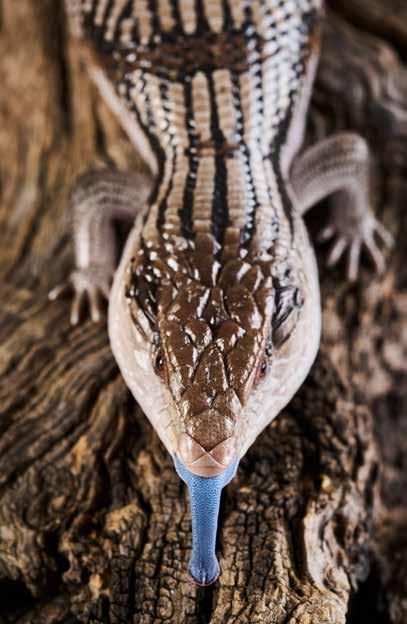
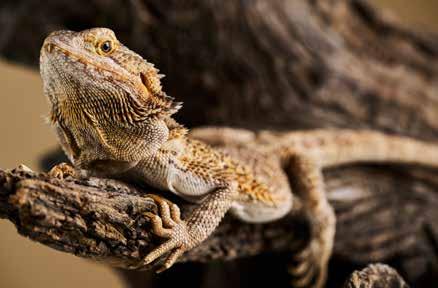
She acquired two pet blue-tongue lizards, Beavis and Butt-head, and undertook more online training. Tameeka began connecting with people who had private zoos and sanctuaries and soon her home collection of rehomed and rescued reptiles and other animals expanded. Today, she has blue-tongue and shingleback lizards, bearded dragons, venomous snakes, a crocodile, an Indian ringneck parakeet (who is bonded to Tameeka and hates her partner) and a rabbit.
Asked if reptiles display sentient behaviour, she reflects on her bluetongue lizards: “I think they have something similar (to feelings), but it’s different to us. They express fear, excitement, aggression; they can sense safety and security. Beavis, he’ll come to the door of his enclosure when he sees me, he’ll engage with me.
“I think snakes see people as people. Lizards seem more able to recognise and respond to us in a minimal way. Some reptiles, like the lace monitor lizards, they’re highly intelligent and have good memories. But the crocodile and the venomous snakes just see me as the chef and the housekeeper. They don’t have a relationship with me.”
Since she launched her business in 2021, Tameeka has had her fair share of unusual call-outs, such as removing snakes from a multilevel car park, inside a real estate agency, or from the basement of a pharmacy, all in central Bendigo.
The vocation does come with unexpected hazards. She might never have been bitten by a venomous snake (Tameeka takes precautions by wearing PPE and using the right equipment), but she has been at risk of nasty infections.
“You can catch zoonotic diseases from snakes,” she says. “If I handle a snake with faeces on it, I could catch salmonella or an E. coli infection. They can carry mites or other parasitic bugs that live on their skins. I have to be mindful, and clean their enclosures and keep the reptiles clean, too.”
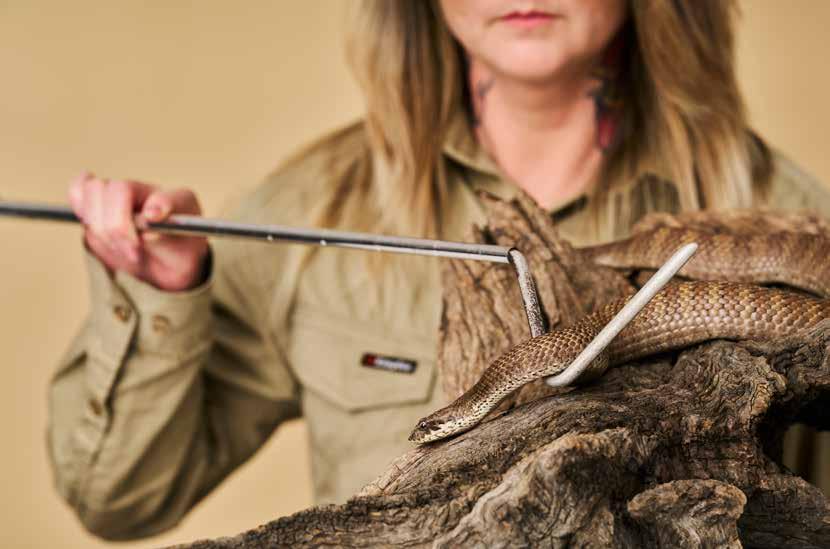

How does she bathe a brown snake?
“I put lukewarm water in a bin with a lid, lower the snake into it, and let it swim about for a bit. That helps them get clean, shed their skins and hydrate.”
When it comes to a snake found too close to humans, Tameeka follows guidelines that dictate relocating the reptile within a 3km range.
“Relocation can be harmful,” she explains. “They have to be able to find food, water and shelter in a new environment. After relocation, they can lose weight and be predated upon by a bird of prey, all while they’re trying to find shelter.”
Tameeka can’t see herself catching snakes forever. But she does see herself continuing to educate people about snakes. People over-react about snake bites, she says. Many more humans die on the road than die from snake bites.
She advises that in most cases, simply staying still or slowly backing away from a snake will help people stay safe. That way, snakes and humans can live to tell the tale.
Tameeka can be contacted on 0481 587 637 if you have a slithery visitor you’d like relocated.
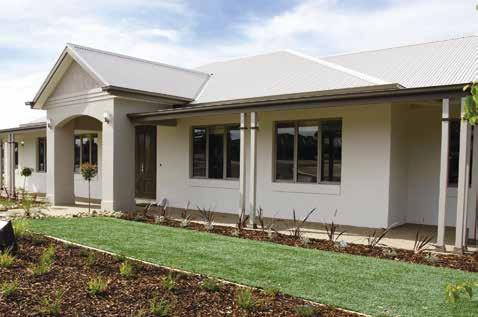
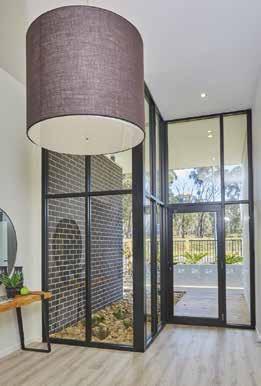




Paul Gray Builders has been building homes in Bendigo and surrounding areas for over 25 years with a focus on design and quality.
In selecting Paul Gray Builders you benefit from the knowledge and expertise of a respected local builder, receiving a complete building experience.
Costumes, collectibles and creativity took over Bendigo as the Pop Culture Expo returned with a full day of fandom fun.
Held at the Bendigo Showgrounds, the event brought together pop culture fans of all ages to enjoy cosplay, artists and makers, special guests, gaming and interactive activities, celebrating everything from comics and movies to anime and gaming culture.






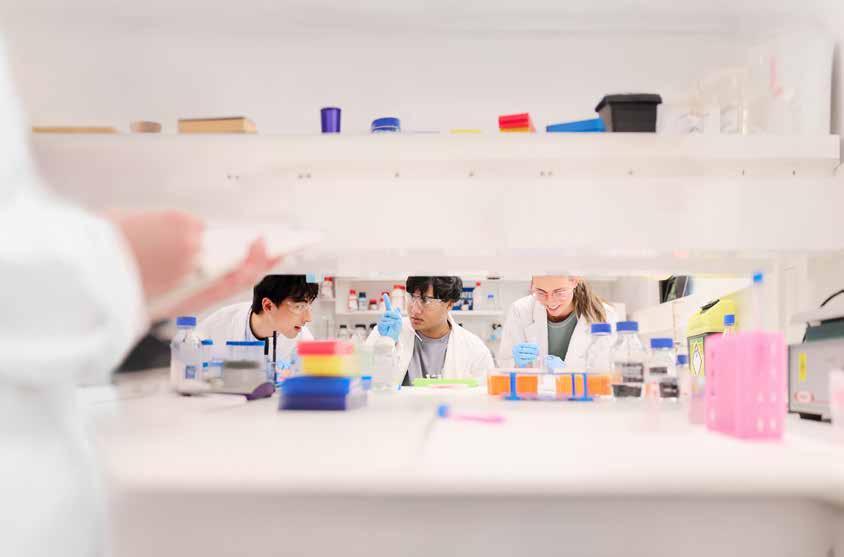
‘JUST THERE TO PASS’

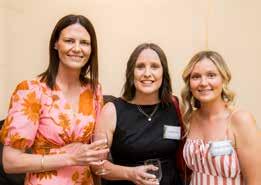
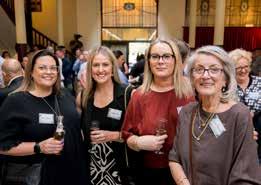

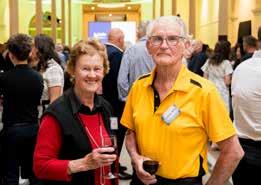
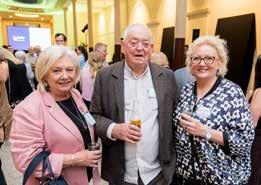
Colleagues, clients and supporters gathered at the Beehive Building at the Bendigo Mining Exchange to mark the merger of DCK and Bendigo Real Estate.
The launch celebrated the history and people behind the businesses, while officially unveiling the new Bendigo Real Estate brand and looking ahead to an exciting future serving the local community.






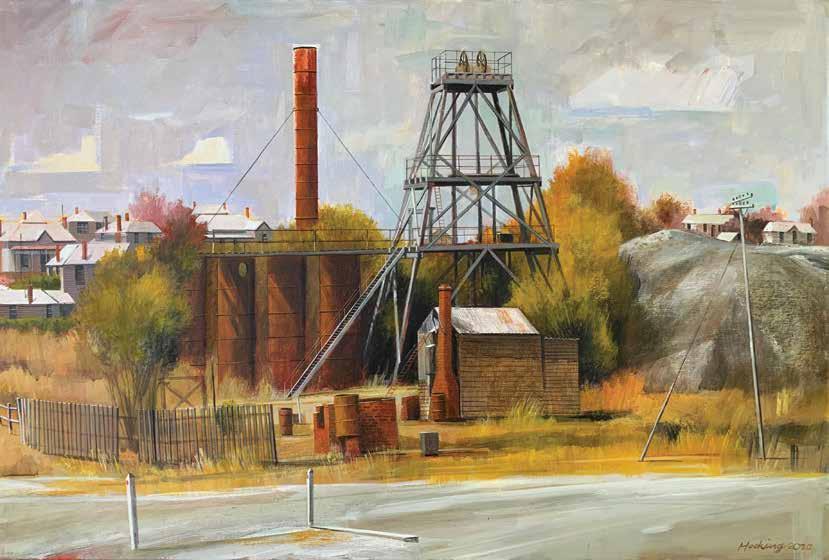
From Bendigo’s poppet heads to grand gold-era streetscapes, a renewed World Heritage push celebrates a living landscape built for posterity and worthy of global recognition.
Words and Illustrations by Geoff
Hocking
In opening remarks at the Alchemy of Gold conference held in Castlemaine in May 2025, former Victorian premier John Brumby AO, spoke of the government’s efforts working towards obtaining World Heritage listing for the Victorian Goldfields in its entirety.
This means all the goldfields from the north-east – Beechworth, Chiltern, to Woods Point, Walhalla – and the diggings in the high country, the central diggings from McIvor through Bendigo, Castlemaine, Maldon, Ballarat and beyond, to the fields around Creswick and Daylesford, Clunes and more.
These Victorian goldfields are uniquely, and surprisingly, intact.
As these substantial towns grew rapidly on the early diggings, colonial centres were developed within a few short years after the first sod had been
turned; bank buildings, hotels, public offices and many grand residences were built almost as soon as the first nuggets were traded for cash.
It seems that the first diggers were inclined to remain where their fortune was made. They built for posterity, and these same buildings remain lining our neighbourhood streets and our city centres as a testament to their founding story.
Recognition of this remarkable heritage through the achievement of World Heritage listing would be a boon to our region. There are people all over the world who travel far and wide to experience such places –and not all listed sites are simply places of natural beauty. While there are places offering spectacular scenery, national parks, unique and ancient historical places, there are very few in Victoria.
The Budj Bim Cultural Landscape, on Guditjmara Country in south-west Victoria, which was also included on the National Heritage list in 2004, is but one.
Mass immigration from European and Chinese gold seekers swarmed across the colony and took for themselves whatever they could. Their footprints remain today in the townships and farmhouses, in remnants of mining activity surrounded by piles of broken earth, stone and sand. It is this legacy that excites the imagination of those seeking to have the region listed and to afford protection to our collective build heritage.
It is fair to acknowledge that the gold rush to the Victorian diggings did little to advance the interests of Indigenous Australians who lived on country where gold was found. Prior occupation across the whole region is recognised today, although there are few references to the Indigenous on the diggings themselves – apart from records of dislocation and removal from Country.
Of all the old goldfields towns, Bendigo is unique as the only city that can boast several mining frames (poppet heads) still in existence, and most are accessible to the public.
The Central Deborah Mine in High Street is one of Bendigo’s major tourist attractions, offering visitors an opportunity to descend by miner’s cage into the depths of the underground shafts. The relocated Minehead at One Tree Hill is today a CFA lookout tower, but visitors can climb the steps for a panoramic view of the forest surrounding Greater Bendigo, just as the head of the Garden Gully Mine is now a lookout tower on the high ground in Rosalind Park and can offer a great view over the city.
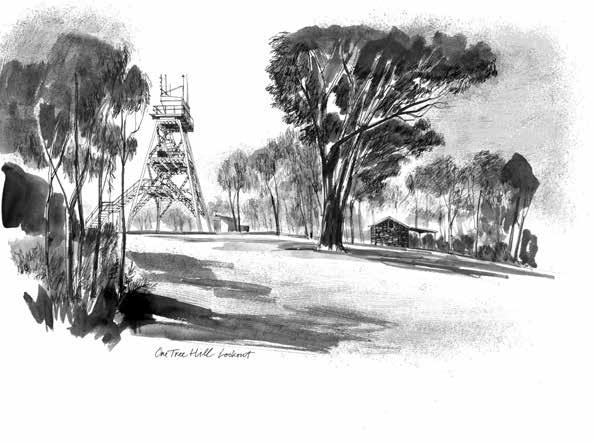
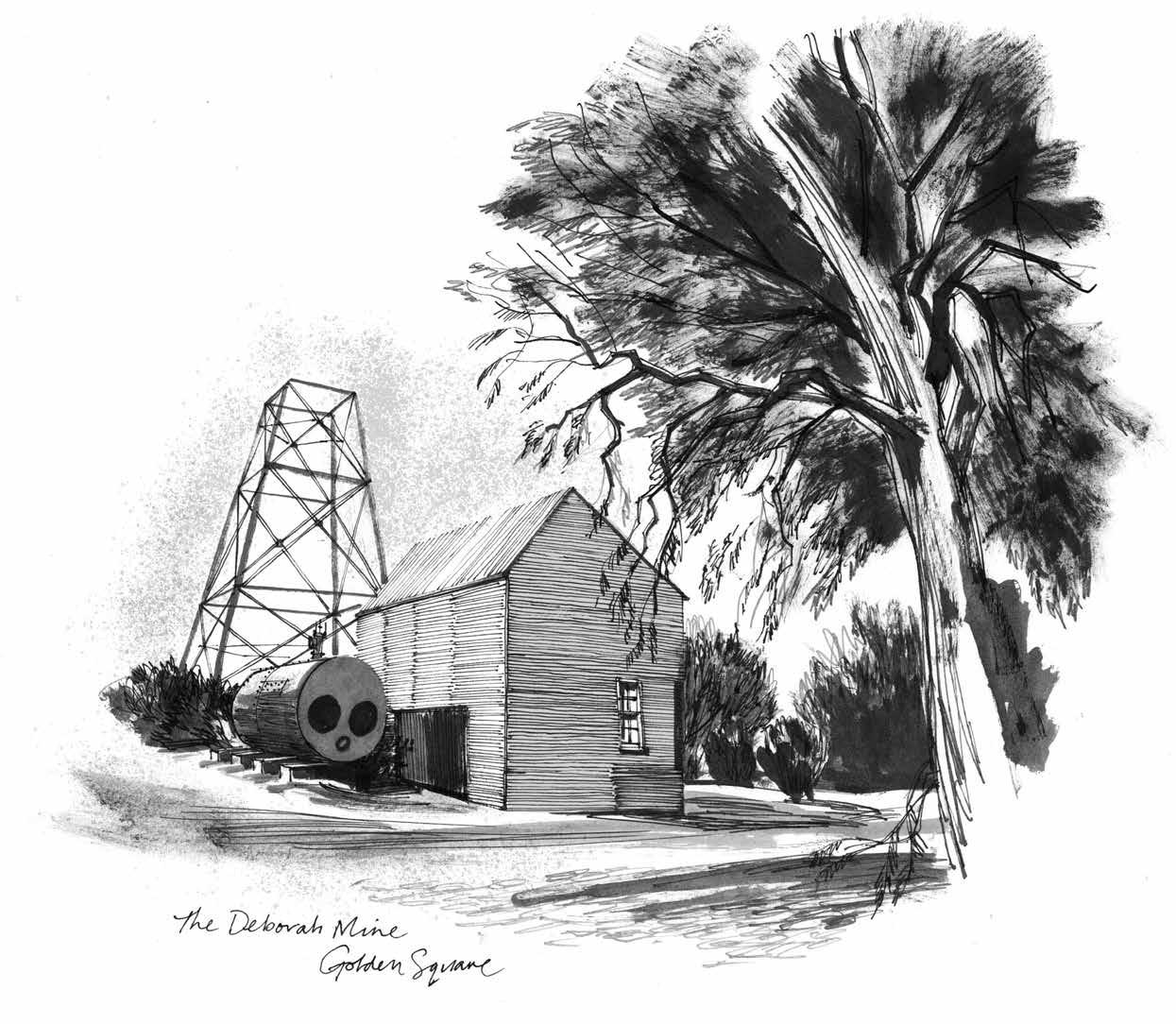
Other poppet legs of the Deborah and North Deborah still stand in the aptly named Deborah Triangle, and two more – the Victoria Hill and Central Nell Gwynne – remain among broken ground and machinery remnants opposite the Gold Mines Hotel on Marong Road.
Most poppet legs that were once strung out across the Bendigo landscape – from Sailors Gully and Eaglehawk to Golden Gully, in lines that crossed the entire breadth of Golden Square and west of the centre of Bendigo – have long gone. Even though it was well beyond the turn of the century, one large mine, Hustler’s Royal Reserve No.2, was still sending billowing smoke from its wood-fired steam engine in Pall Mall up until 1912, on ground now occupied by the Soldiers Memorial Hall.
In the ‘50s, there were still scores of towering tin sheds and winding gear and crushing stampers standing quiet across the old fields, waiting for men with chainsaws to cut through massive timber beams and reclaim metal for scrap. So much of Bendigo’s mining heritage was torn down, burnt and bulldozed in the days before heritage became a catchcry.
In our region, there is one other headframe at nearby Chewton. The Wattle Gully Gold Mine, which was still operational up until the 1960s. After its closure, although protected by chainlink fencing, it suffered from the interests of both vandals and ‘souvenir hunters’. A large circular depth gauge was recently removed, but through the efforts of a group of dedicated volunteers it has since been recovered and restored to its rightful place.
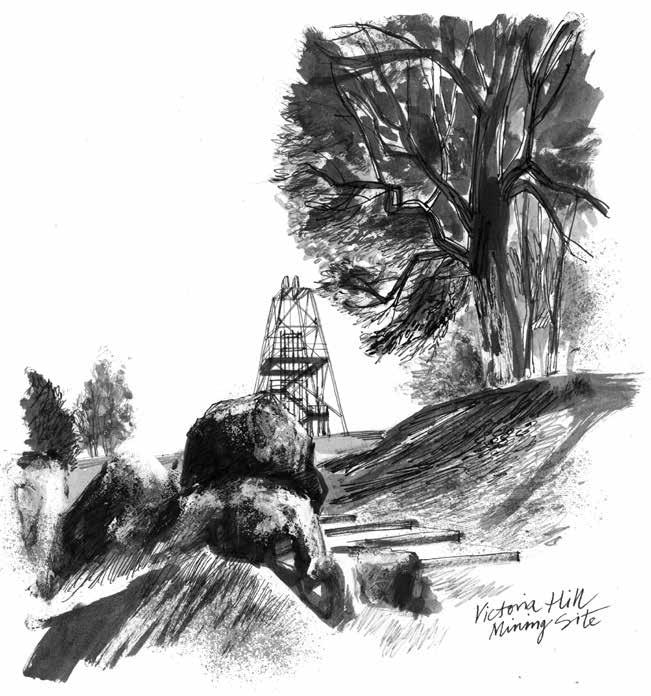
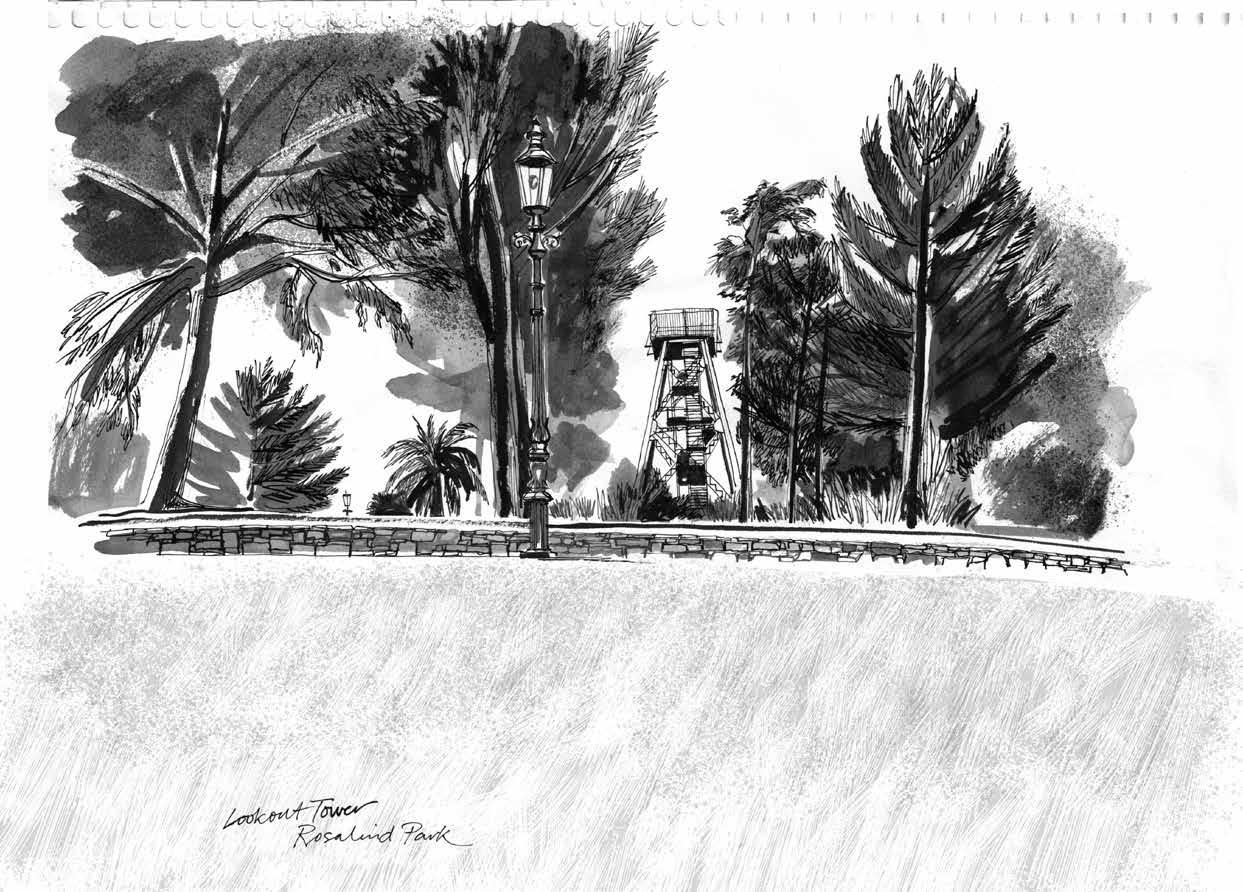
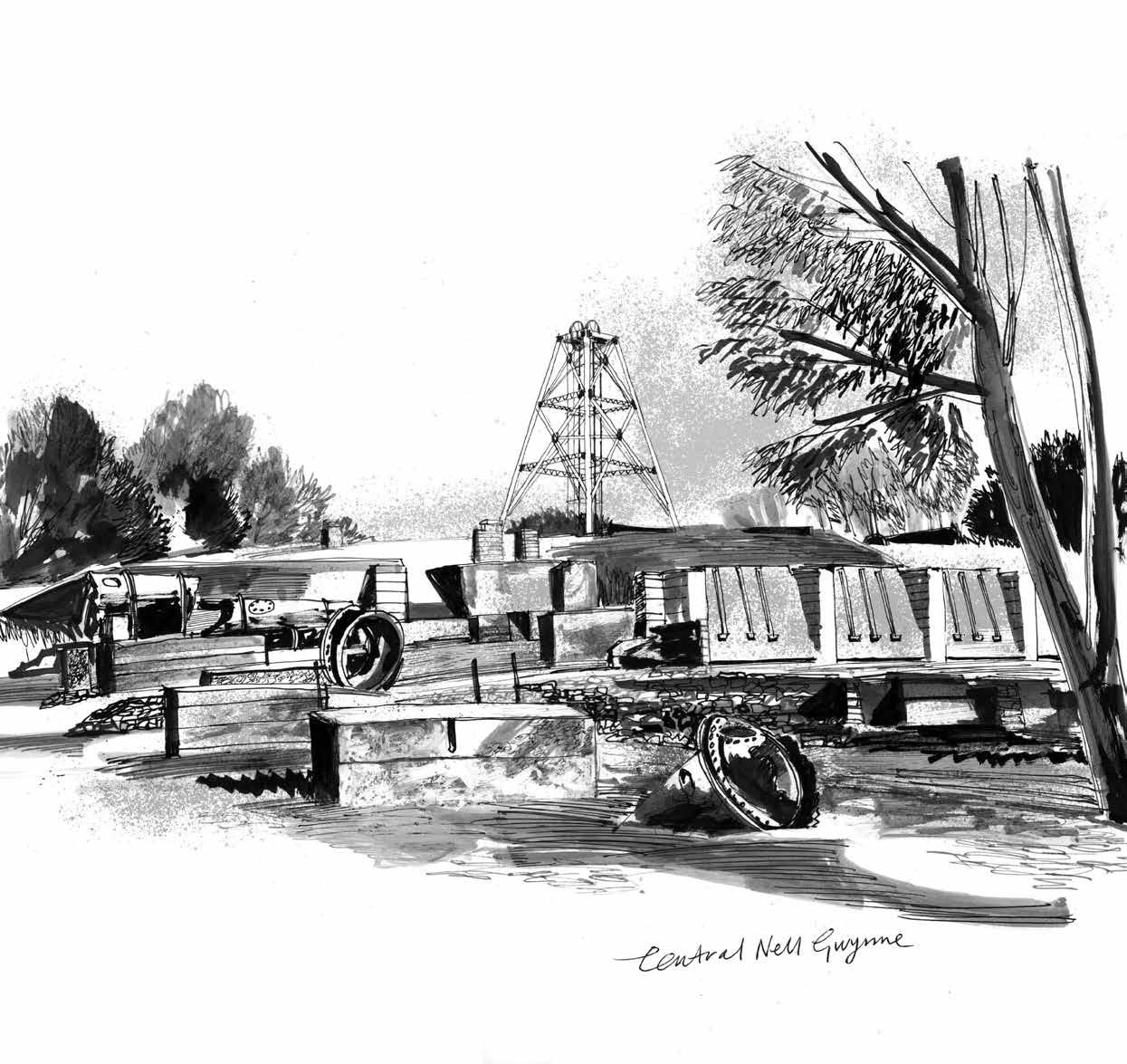
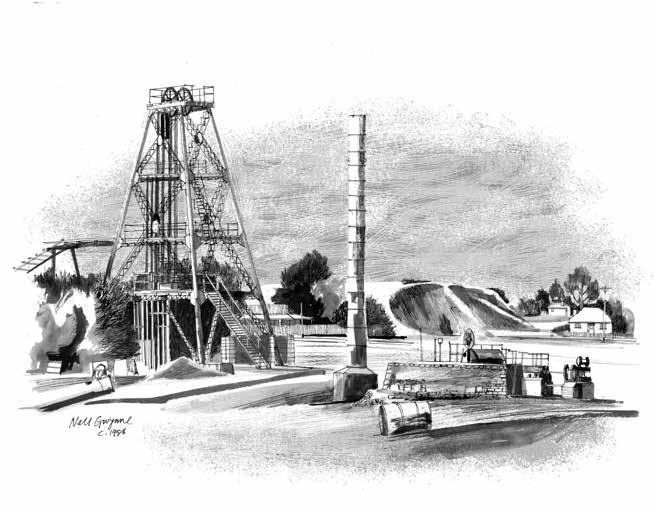
There is another headframe at Sovereign Hill in Ballarat, but I believe this wooden frame was carted over from Eaglehawk and re-erected under the supervision of Eaglehawk’s former mayor, Albert Roy.
Thirty kilometres west of Bendigo, the heritage-listed township of Maldon has one poppet head standing tall on Mt Tarrengower. The steel tower of Lansell’s Comet Mine, formerly on the Hustler’s Line of Reef, was transported by train, carried up the mount by horse-drawn jinker and re-erected to open in 1924. This tower also functions as a fire-watch lookout, where visitors can ascend the stairs to gain a splendid panoramic view of the region, from Pyramid Hill to Mt Franklin and beyond.
Our city streets remain largely intact, the beautiful iron-lace-clad hotels, saved from the wrecker’s ball or the mandated cantilever veranda era, have kept the original vision of our forebears alive. The Post Office, the Shamrock, the old School of Mines, the old Town Hall, bank buildings and View Street verandas, the Gold Mines Hotel and the charm of untouched Eaglehawk, all intermingled with many magnificent homes built on the profits of gold, and the small cottages, churches and corner shops that remain to bear testament to our rich and internationally unique gold-era heritage.
Isn’t this worth showing to, and sharing with, the world?
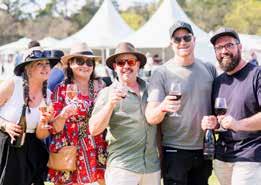
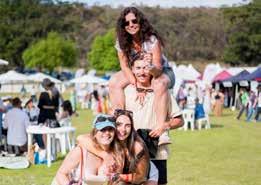
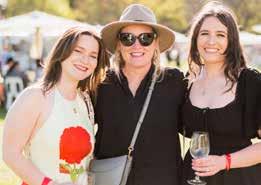
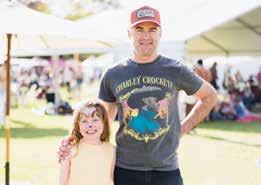
Food and wine lovers gathered for the return of the Heathcote Wine & Food Festival.
Set in the heart of town, the popular celebration showcased the region’s renowned wines alongside local produce, live music and relaxed outdoor dining, inviting visitors to savour Heathcote’s vibrant flavours while enjoying a welcoming festival atmosphere.





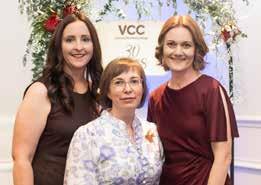
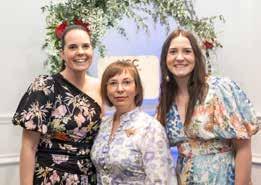
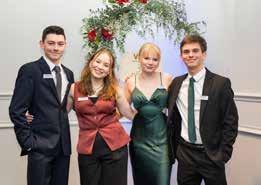

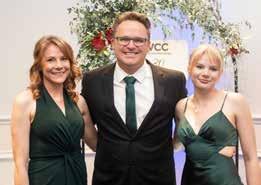
Community, faith and reflection came together when Victory Christian College marked its 30th anniversary with a gala dinner celebration.
Past and present families, staff and supporters gathered to honour three decades of education, sharing stories, memories and gratitude while looking ahead to the future of the college and its ongoing impact in the region.




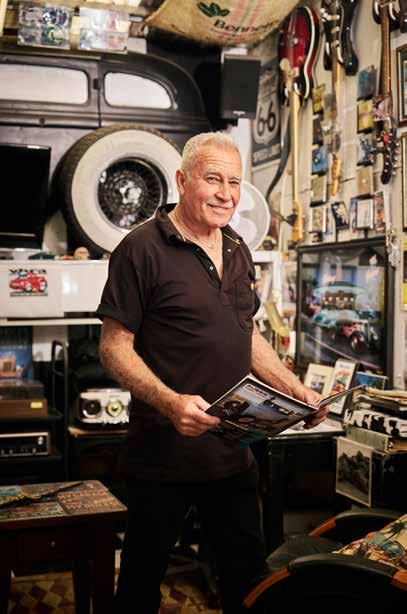
For this Bendigo custom car maker, more than 40 builds reflect a life shaped by creativity, community and a partnership with his wife that fuels his imagination.
By Marina Williams - Photography by Leon Schoots
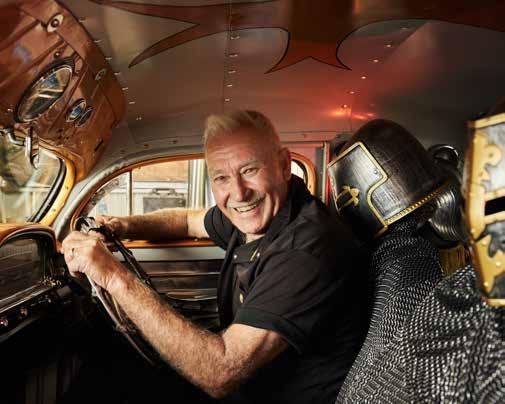
In the back shed of his East Bendigo home, where music plays at whatever tempo suits the task at hand, Wayne Mayes is shaping another car that began, if lucky, as little more than a rusty shell or most likely as disparate parts.
It is where he has spent more than five decades bending steel, creating hot rods that are part nostalgia, part sculpture and unmistakably his.
“I’m not really a restorer,” Wayne says. “I’m a modifier. I want a car to look the way I want it to look.”
That inventive, hands-on approach has long defined his place in Bendigo’s hot-rod community.
The spark came unexpectedly. Nearly 17 and travelling home alone from Sydney, Wayne spotted a magazine on an empty train seat: Custom Rodder.
“Here were these guys picking up an old car and doing wondrous things, chopping them up and creating something amazing,” he recalls. “I loved it.”

Soon after, in 1973, he brought home his first real project: a 1939 Ford Sloper, discovered under a tree. It was seven weeks before the first Australian Street Rod Nationals in Narrandera. Wayne worked day and night, cutting rust, fabricating panels and learning as he went. He registered the car an hour before departure and drove to the nationals that night.
“I just had to be there,” he says.
More than 50 years later, he still owns that car.
Wayne says he learned most things by watching. Reading was difficult at school, so he sought out any trade he could learn by observation: bricklaying, plastering, concreting.
“I would watch how people use their hands. I wasn’t scared to have a go,” he says. “If I can build a barbecue, I can build a shed. If I can build a shed, I can build a house. It’s just confidence.”
That confidence eventually became a way of life. He has now worked on about 45 vehicles, including 25 to 30 early-model cars that could be registered, if desired, under the Australian Street Rod Federation.
But while Wayne’s name is on the builds, the heartbeat of the operation is shared: his wife Evie is there for every late-night session, every road trip, and every new project taking shape in their shed.
“I married a hot-rodder,” she says. “So I knew he’d always be working on a car.”
Adds Wayne: “We’d finish our day job at four, put the music on, maybe have a glass of wine, and she’d be cleaning down the front end while I welded something. That was fun, our time.”
Evie’s patience, he adds, is legendary and has been a constant through it all.


“She knows where I am. And she knows I keep track of every dollar, so I don’t lose money on the builds. I might be on $5 an hour, but the passion is what counts.”
Custom creations with personality are his specialty.
Many builders prefer tidy, factory-faithful restorations – “resto-rods”, as Wayne calls them – but he finds that limiting.
“I find it hard to do the same body Henry Ford put out and just paint it. After 53 years, that’s a bit boring,” he says.
Driving these older machines is part of the appeal.
“You’ve actually got to drive them,” Wayne says. “Most have no power steering, no creature comforts. You feel everything the car’s doing and you get a real sense of the road.”
He laughs that the response is almost instinctive now. “If I hear a V8 go, I’ve got to turn around to have a look at what that V8 is.”
He says individuality is part of the addiction: every car rides differently, sounds different and carries its own quirks.
“They’ve all got character. You learn each one, how it wants to be driven.”
Beyond the mechanicals, the small visual details make each build unmistakably his.
“A little paint detail, a stripe, something quirky… that’s what makes people remember a car,” Wayne says. “Two cars might be the same

model, but they’re never the same when I’m done.”
Each build is the product of long hours at the bench, where precision and persistence matter as much as creativity.
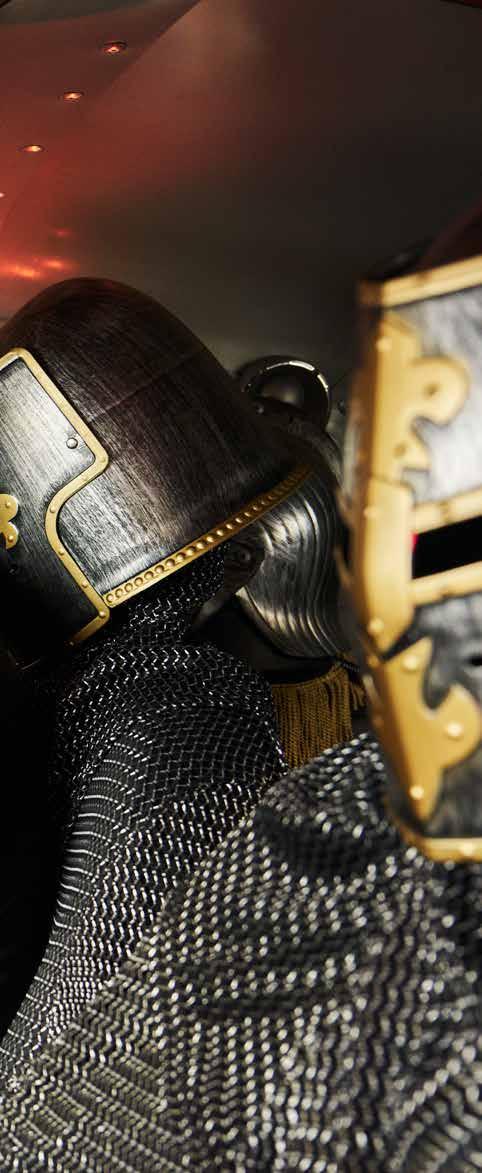
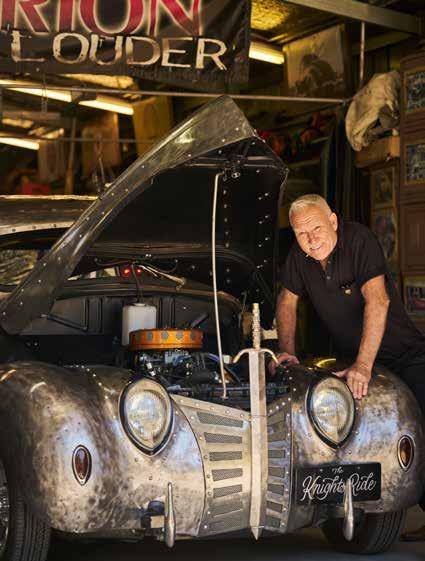
One favourite, Short Fuse, features a bold wolf illustration across the boot. Another, The Knight’s Ride, began during COVID-19 from a pile of mismatched panels. Wayne even grafted a curved roof from a friend’s unused chook pen.
The result is a medieval knight in full armour riding in the back behind custom “dungeon doors”, ready for children to climb in with plastic helmets and swords.
“I wanted to inspire little ones, show them they can build whatever they want,” he says. “Kids might not know what a knight in shining armour is anymore, but they love climbing in.”
Bendigo’s network of rodders, tinkerers and shed mechanics remains central to the hobby. Wayne has never advertised.
“It’s all grapevine stuff. People find me because I do the work others won’t, like cutting rust out.”
He says Bendigo is also fortunate to have a strong network of suppliers and talented tradespeople who understand early cars and the work they require. From steel to machining, paint to fabrication, the local community shares knowledge freely and takes pride in doing the job properly – a culture Wayne says has helped keep the craft alive for decades.

“There’s my go-to places, because you can rely on them and they have the knowledge; lovely people to deal with.”
People and community are important to him. Three years ago, he started a Friday meet-up for local hot-rodders. Usually between 16 and 20 men arrive at a café, shiny cars parked in a line.
The gathering has become equal parts show-and-shine, support circle, and social anchor.
“It gets us out of the shed and talking. A little soft spot, a little banter, and we all feel better,” Wayne says.
The idea came after he realised how many men, newly retired, were spending long stretches at home with little social connection.
“I said, ‘Come on. Let’s get you out. Have a laugh. Talk cars. Talk life’.”
The meetups have since become a standing ritual, giving retirees and like-minded people purpose and camaraderie at the end of each week.
“You don’t have to say whether you are coming or not, just bring your car. That’s it.”
Wayne’s shed remains busy: a 1964 Chevy wagon he is turning into a ‘Woody’, a modified 1939 Willys ute, The Knight’s Ride, the 1933 Ford Roadster, his everyday 1935 Ford ute in soft blue with white trim, and the original 1939 Sloper.
“I’m not a ‘one day I’ll do it’ person,” he says. “Every car I’ve brought home, I’ve done, with a couple still to undertake.”
And the joy isn’t just in the finished product. “I still wake up and think, ‘Oh, I could do this today’. It’s the buzz. The next idea.”
In Bendigo’s long-running car culture, where early-model Fords, Chevs and handmade creations still roll out for weekend meets, Wayne and Evie are driven by something simpler: they love the ride. The novelty has not faded, not after decades of builds or countless kilometres of cruising.
“It is a partnership that has carried each project from bare shell to open road,” says Wayne. “We love what we do, seeing our friends, having people admire the cars and genuinely enjoy life.”


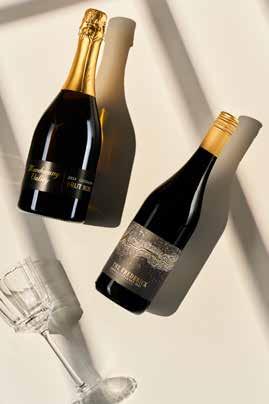
Single Vineyard, Premium Wines from the Goldfields Region of Victoria
Single Vineyard, Premium Wines from the Goldfields Region of Victoria
Single Vineyard, Premium Wines from the on o



“Perfect in springtime along with any seafood dish”




“Surely this is Bendigo’s best aged red wine?”
Enjoy the Summer months with a chilled glass of Turners Crossing’s delicious Viognier or Rosé
Enjoy the Summer months with a chilled glass of Turners Crossing’s delicious Viognier or Rosé
Enjoy the Summer months with a chilled glass of Turners Crossing’s delicious Viognier or Rosé
Enjoy the Summer months with a chilled glass of Turners Crossing’s delicious Viognier or Rosé

LOCALS SUPPORTING LOCALS
Available now at your favourite Bendigo restaurant, wine store or online at:
Available in selected restaurants, cafes, hotels and bottle shops in and around the Bendigo region
Available now at your favourite Bendigo restaurant, wine store or online at: www.turnerscrossing.com.au
Available now at your favourite Bendigo restaurant, wine store or online at: www.turnerscrossing.com.au
Available now at your favourite Bendigo restaurant, wine store or online at:
www.turnerscrossing.com.au
www.turnerscrossing.com.au

James Park in Harcourt came alive for Gather Harcourt Christmas, a free familyfriendly celebration of the season.
The event featured live entertainment from acapella group Vevila and The Apple Dumplings, delicious food and beverage stalls, local makers’ gifts, children’s activities and plenty of chances to meet neighbours while enjoying festive fun together.

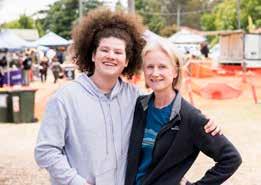

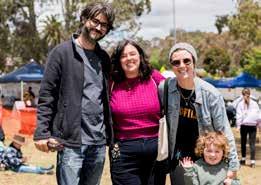
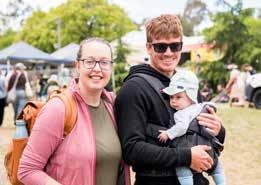



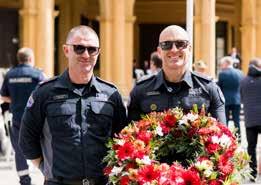
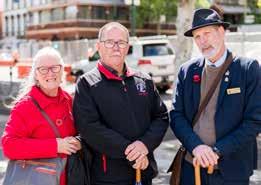
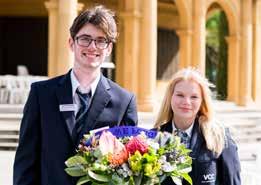

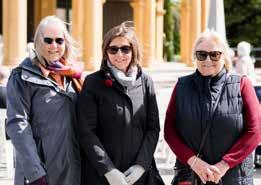



The Bendigo community gathered at the Soldiers Memorial Institute forecourt in Pall Mall to mark Remembrance Day.
Hosted by Bendigo District RSL, the service provided a moment for quiet reflection and respect, honouring the service and sacrifice of Australian men and women who have served the nation in times of war and peace.

GEOFF HOCKING reflects on a Bendigo childhood and awakening curiosity, tracing how books expanded his world beyond Chum Street and shaped a love of reading.
Words & Illustrations by Geoff Hocking
I was born in the first half of last century. It was a glorious time.
The war was over. Robert Menzies was prime minister, and it looked as if he was going to be PM forever. Elizabeth got married to her handsome duke and had the crown of England, and all its dominions, placed on her head.
Policemen were dressed in blue pants and pale blue shirts and wore ‘bobby’ helmets. They were always so much older than me; and polite, and helpful.
Horses and carts still rattled through the streets and the dunny man came once a week – as did the bloke selling rabbits, which were strung up along the sides of his cart, fur still on, ready for skinning and the cooking pot. Grandpa had a set of wire frames on which he would dry and stretch the skins, then sell them to be made into Akubra hats.
Veggie gardens, fruit trees and chickens filled our back yards, and wood was piled up in a little shed, or an old gal tank lying on its side, ready for chopping for the kitchen stove.
We walked to school: long lines of kids from the neighbourhood, walking together through the scrub and coffee bush, up to our little two-roomed primary school. We drank from taps in the yard, sat in the shelter shed at lunch, but rarely wore a hat, even when the sun was scorching.
On Sundays, we went to church. We were let out before the sermon to attend Sunday School and were told that ‘Jesus loves me’. I was content to believe that because ‘the Bible told me so’.
Apart from that, I learnt very little at all. I knew how to feed chooks and collect eggs. I knew how to clamber up a tree and fill a bucket with blood plums. I did the apricots and the apples (not the ones with the coddling moths, they were left on the tree) and stripped the almonds before the cockies got to them, but that was about all I knew.
Obviously, I had learnt to read and write and I had my own library card, but to my mother’s dismay, I only borrowed picture books, even when I was well past the age when I should have begun to read chapter books. I was only interested in looking at the illustrations.
As reading was not an important part of the curriculum at the old Bendigo Technical School – where we focused on bashing bits of tin with a hammer, cutting wood with a little tenon saw, soldering stuff,
making knurled-handled screwdrivers on a lathe and running around in our shorts and plimsolls pretending to enjoy competitive sports – I had hardly read a book until I went to the big school.
As a result, I knew very little at all.
Oh, we did algebra, and square root things, and technical drawing, drafting pictures of funnels attached to cylinders in both plan and elevation, but there was very little information delivered that was of much use in later life.
Sure, I can cut a piece of sheetmetal now and shape it. And I know how to cut wood perfectly with my cordless Makita. I emphasise this as woodwork was the only thing I ever failed at school. I was not all that interested in cutting things straight or at the proper angles, I usually went for ‘the vibe’, but there were just so many things out there in the world that I had no idea about at all.
There were many things that both confused and astonished me.
I was always amazed at depictions of Americans using the telephone in the movies, because the cord was just a straight length of rubbercoated wire, not a lovely curly-spirally thing like we had at home.
When the Beatles album Abbey Road came out, I did not know that some British street names were attached to brick fences using tiles. I just thought it was a lazy way of writing the album title.
I had no knowledge of geography. I knew the difference between America and Europe, Asia and Africa, but had no real idea where Germany was on the map until I drove across France and got to it. Then I went up through Holland and into Belgium and was astonished to discover that I had covered the entire theatre of the Western Front in a few days.
That was something else I knew very little about, except that we stood still on Anzac Day and Armistice Day and remembered all those blokes we didn’t know who still laid buried there, killed fighting for a King they would never meet and a country that would later deny its colonial offspring.
I used to read Popular Mechanics and try to make some of those remarkable items that filled its pages with highly detailed construction diagrams. I once attempted a weather station, but that failed. I tried my hand at wiring an electric coil. Useless. I tried a little windmill

that doubled as a bird-scarer. The vanes fell off. I was enormously frustrated by my inability to find any of the little screws and turnbuckles and other mounting devices that seemed to be readily available to any aspiring child mechanic in the US of A. All I had was chicken wire. I gave up. I started reading.
Aged 12 or so, I was awarded a Sunday School book prize. Even today I think it was a curious choice to give such a book to such a young lad as it was about the SAS in North Africa during WWII. Titled The Phantom Major, this book is the template for the televised series Rogue Heroes. Almost word for word. I read it again recently. I read Alistair MacClean’s war-time stories. I read, and recently re-read, Man Shy by Frank Dalby Davidson, the only book I remember from Tech – a book that our English teacher Frank Cusack read to us week after week in his class, and it was a joy to read again.
In all of this, I discovered a world that lay far beyond the comfortable confines of house, home and hearth in Chum Street; larger than my grandfather’s vegetable garden and more enlightening than the fire and brimstone of the old Methodist pulpit.
As time went by, I read books my mother would not have approved of: Lord of The Flies, Animal Farm, Catcher in The Rye, 1984, Brave New World, Lady Chatterley’s Lover, Portnoy’s Complaint. The last two were quite hard to get hold of but dog-eared copies were passed, surreptitiously, from hand to furtive hand. All changed my perception of the world, of home, of family, of religion, of politics.
A young female uni student suggested a reading list to a mate of mine. She thought he didn’t know enough stuff, so she handed him a list that may have been the first-year recommended reading for the study of English Literature. My mate thought it would be a good idea if I read the same. We churned through the great works, giving ourselves an ‘Oxford’ education: the Brontes, and some Dickens, Tolstoy, Kafka, Orwell, Huxley et. al. I enjoyed Graham Greene and was sidetracked by John Steinbeck and then Kerouac.
Stepping away from the classics, I soon searched for Australian stories. I loved George Johnston and read Clean Straw for Nothing on my way to Athens. I read Charmaine Clift on our way to the Greek islands. I sought the Australian voice and those who dissected the Australian character: Frank Hardy and Power Without Glory, Alan Marshall jumping puddles, Nino Culotta coming to terms with a weird mob, Ruth Park’s Poor Man’s Orange and Darcy Niland’s classic The Shiralee. All have political undercurrents that can be easily missed, and with all this I began to understand the world beyond my lived experience and all that bubbles along making it the challenging place it truly is.
Maybe it was better to not have been told what to read as schoolwork, as I have come to the vast world of books when I most needed to, and have read for both information and for pleasure: Archer, Cleeves, Courtney, Dapin, Galbraith, McDermid, Miller; even the late R.G. Barrett has a lesson on offer, albeit hidden beneath his ribald tales of bad behaviour in a perpetually seedy Kings Cross.
It is a wide world out there between the covers and it is well worth opening that door to disappear inside for a while.
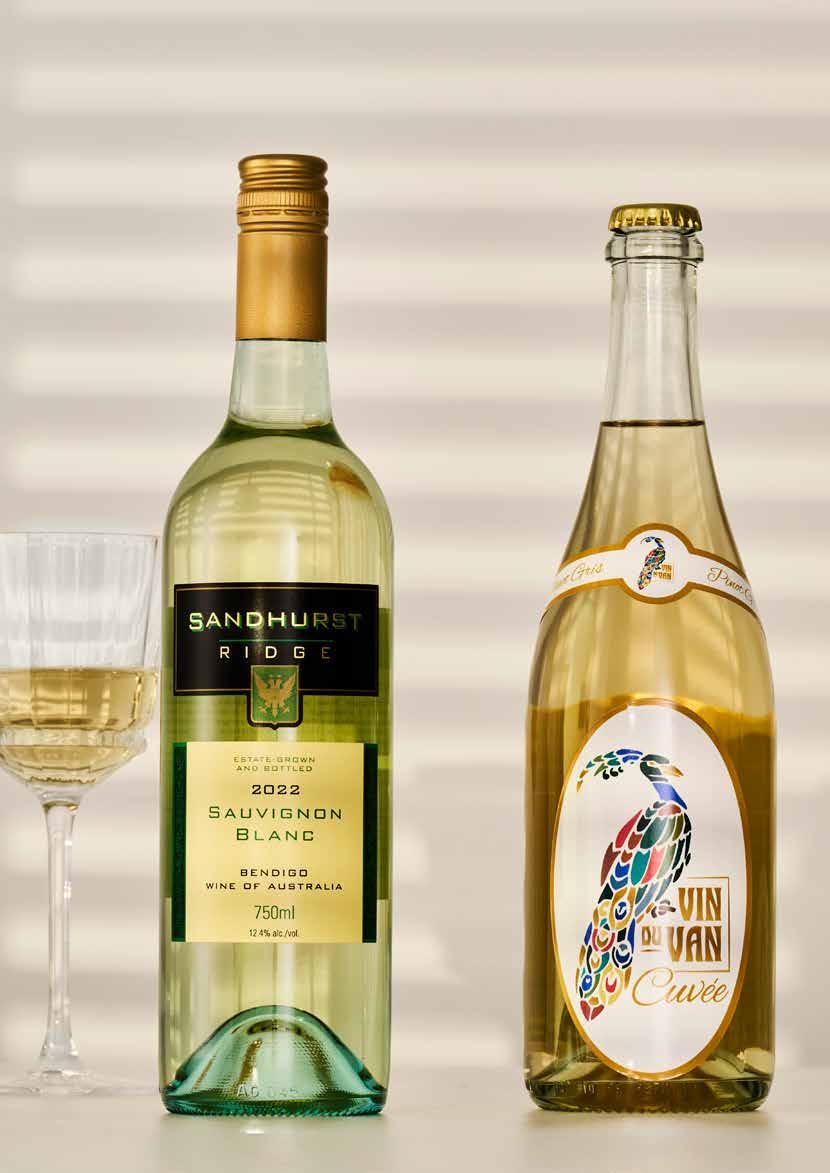

Farewell the year that was and toast to a bright new 2026 with a bottle of Bendigo wine and those you love this summer.
Photography by Leon Schoots
Join the owners of Sandhurst Ridge in striving for a quieter life, a connection to the land, and stronger family bonds in 2026, by slowing down and sharing in a bottle from the Marong vineyard. Their 2022 Sauvignon Blanc was hand-picked from grapevines on the forest-edge estate. The ripe fruit is balanced with a zingy acidity and spicy complexity thanks to traditional barrel fermentation. A rich and full-flavoured wine with a firm sense of place and a big Bendigo-region heart.
This Wine Noter farewelled 2025 as a Francophile, thanks to Vin Du Van’s celebratory Curvèe, a piled-high charcuterie board and a bread stick à la Baker’s Delight.
A quick Google showed us Curvèe is a French word meaning vat or tank. The name also indicates quality, artistry and meticulous crafting. This lovely example is a European-style wine, traditionally made in the bottle. It has a spritzy sparkle and a dry, delicate finish, making for an easy, enjoyable experience, either at home with friends, or at its source, overlooking the Mandurang Valley, the Sheepwash Creek, and one of the region’s prettiest vineyards.
This gorgeous sparkling wine from the Vine family of Mandurang Valley is the colour of a subtle summer sunset, and just as welcome after a long, hot Bendigo day.
In Strathdale, it was poured on the cusp of Christmas, serving as a light antidote to an emotionally charged silly season. Energetic bubbles, the slight sweetness of rosy berries, and the pretty pink hue are perfect to unite the guests of any gathering over the warmer months ahead.

They’re a sentimental lot out by the Loddon River near Serpentine. This vineyard was named for the original farmer to leave his bootprints in the soil. And this Shiraz Cabernet blend was blessed with a nod to Fred – winery founder Phil Bennett’s grandfather. It may likewise become legendary at your table.
The deep red drop has aromas of blackberry, violet and clove, and flavours of cherry, liquorice and dark chocolate. It’s smooth, silky and satisfying. Wait for a cooler evening to open and enjoy with a rich beef dish, or wait for the next 10 years and be even more rewarded – gosh, what will we be doing in 2036?!

AUTHENTIC THAI FOOD | DINE IN | TAKEAWAY
Bringing fresh and delicious Thai food to Bendigo’s CBD with Thai chefs and table service in an amazing Gold Rush Architectural masterpiece. Fully licensed and open for lunch Mon-Fri and dinner from 5pm Mon-Sat. bunja.com.au

Situated in the heart of the CBD, our new boutique offering provides holiday and business travellers a luxurious, modern and ambient getaway set against a grand heritage backdrop. Complimentary off-street parking. 100m from the Art Gallery. hotelbendigo.com.au STAY | DINE | SHOP | EXPLORE

VIENNESE COFFEE HOUSE | BREAKFAST | LUNCH
Let our baristas entice you with our freshly roasted coffee, sip on the local and Austrian beers and wines, feast on good, old-fashioned hearty meals and stay for the extensive range of cakes and pastries all made in haus daily! coffeebasics.com





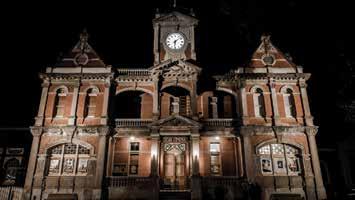
BOUTIQUE CINEMA
Plush couches, a licensed bar and an amazing programme

&
Watch the world go by from the courtyard or settle inside amongst a cosy setting of wooden tables and low pan lighting. Our coffee is reason alone to make a visit - but after a peek at the menu, you won’t be able to resist staying longer. percyandpercy.com.au COFFEE | BREAKFAST | LUNCH | CATERING
From a chance meeting in Bendigo to a proposal deep in the Grand Canyon, Kira and Scott’s wedding was a joyful celebration of love, family and meaningful details.
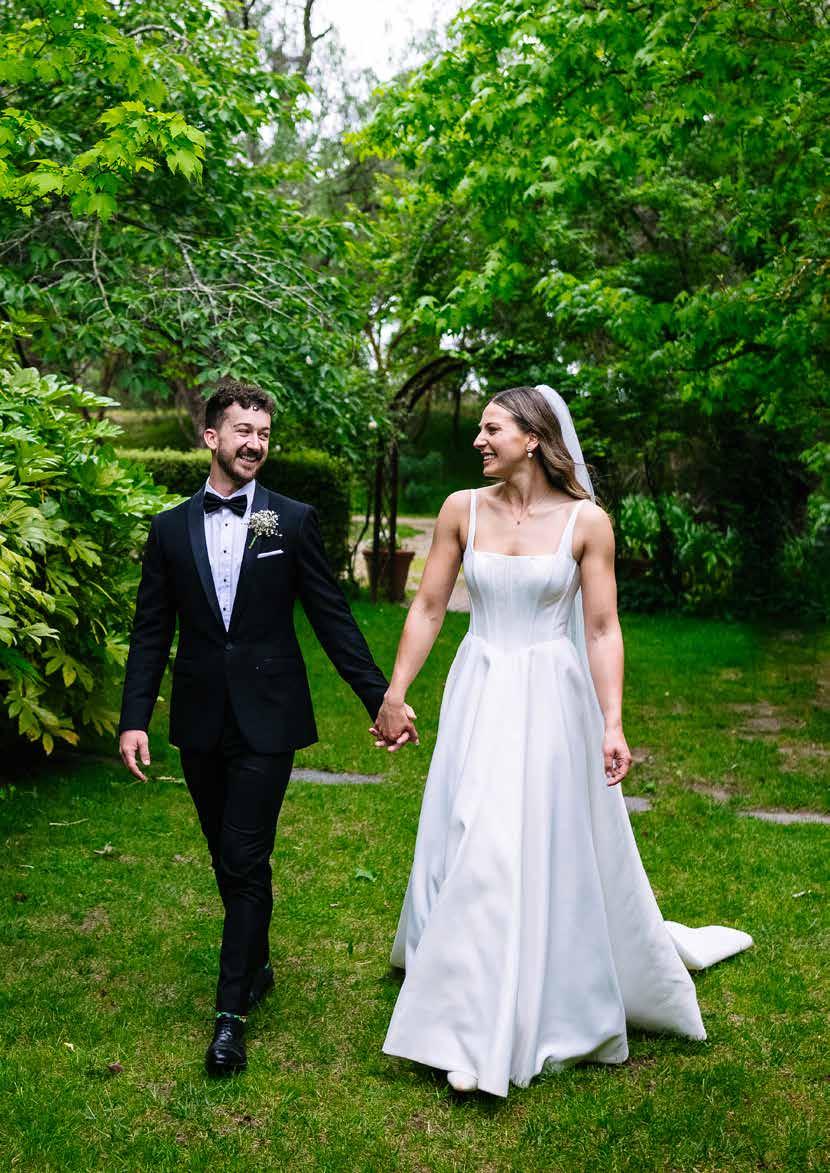
Kira and Scott met in 2019 through shared connections at the gym and La Trobe University in Bendigo. What began as a natural connection soon grew into something deeper, grounded in shared values and a love of spending time together.
Scott proposed on January 6, 2023, during the couple’s first international trip together. Five cities into their USA adventure, they were spending a few nights in Las Vegas when Scott surprised Kira with a helicopter ride over the Grand Canyon.
“Landing in the canyon and seeing Scott get down on one knee was overwhelming in the best way. I was so happy and very teary, and of course I said yes,” says Kira.
The proposal was followed by a picnic and champagne in the Grand Canyon, a moment that perfectly reflected their love of travel and shared experiences.
Kira and Scott married on November 7, 2025, at Chateau Dore in Mandurang. The day brought together elegant styling, incredible food and a strong focus on local vendors. Kira wore a gown from Luv Bridal, while Scott chose a suit from Joe Paul Menswear. Their rings were crafted by J.M. Leech Jewellers.
“We were so lucky to already have relationships with some of our vendors. Having Jim, Alli, Jaz and Ashley be part of the day made it feel even more special,” says Kira.
Photography was captured by Weddings by Jim, with videography by Twentyfour.18. Alli Watts officiated the ceremony, while Josh from Paper Hearts provided music throughout the day. Guests enjoyed nibbles by Gather Grace and a memorable dinner by Armstrong BBQ, serving smoked meats that paid homage to the couple’s love of American barbecue.


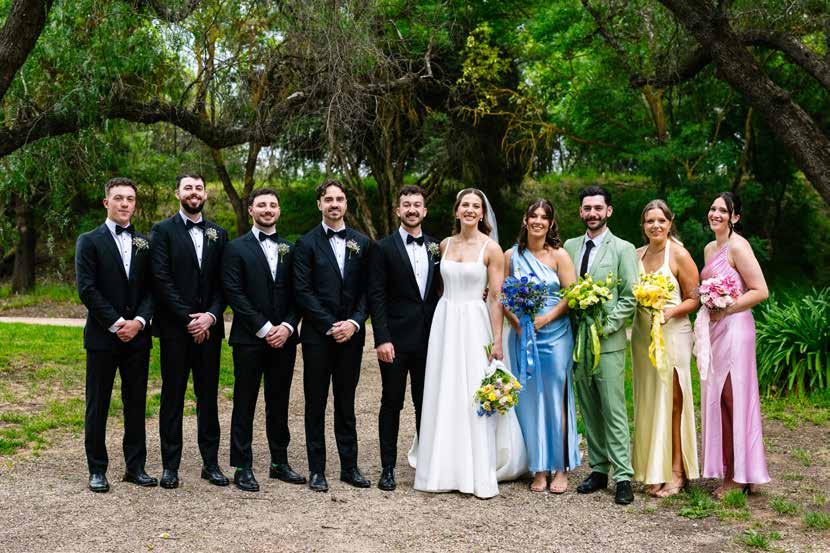
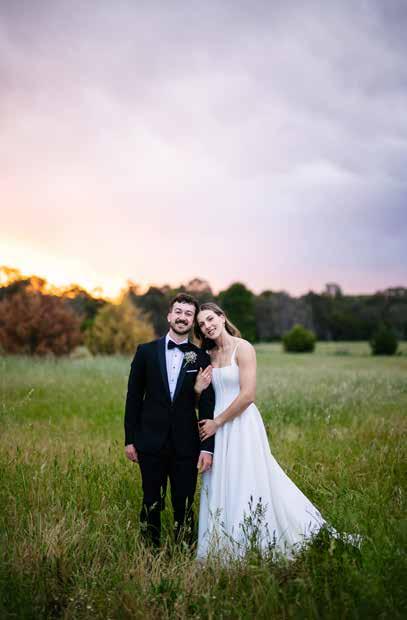
“The food was a huge highlight for us. After travelling to America and having family friends from Texas, it meant so much that even our Texan guests gave it their tick of approval,” says Kira.
Instead of a traditional cake, the couple opted for donuts from Walkers Donuts, keeping things fun and true to their tastes. Flowers by Ivy and Bloom brought a bright and colourful spring palette to life, with guests encouraged to add a pop of colour to their outfits.
One of the most meaningful moments of the ceremony came when Kira walked down the aisle. She walked part of the way with her dad Bill before Scott’s grandad surprised everyone by stepping in as ring bearer.
“Seeing Scott from the end of the aisle and sharing that moment in front of everyone we love is something I will never forget,” says Kira.
The couple’s first dance was another standout moment, followed by a packed dance floor filled with family and friends celebrating late into the night. Speeches from parents, bridesmaids and groomsmen added heartfelt emotion to the day.
“There was so much love in the room. You could feel it during the vows and the speeches and on the dance floor,” says Kira.
Choosing a Friday wedding was an intentional decision, allowing the celebrations to continue with a recovery day at their home the following day.
“We loved having that extra time with our guests. It made the whole weekend feel relaxed and connected,” says Kira.
The newlyweds spent their honeymoon close to home, enjoying a week away that included a farm stay in Daylesford with their dog Bruce, followed by time in Melbourne for a Rufus Du Sol concert, great food and cocktails.
Married life now feels much the same, just with an added layer of joy. “It feels just as perfect as it always has,” says Kira.
Her advice to other couples planning their wedding is simple and heartfelt. “Be organised and have a clear vision. Ask questions and trust your vendors. The day goes so fast, so make sure you soak it all in and take a few quiet moments together,” says Kira.
Crackling pork meets fresh herbs, pickled carrot and creamy peanut sauce in this crowd-pleasing banh mi, which is perfect for sharing platters and relaxed gatherings.
By Beau Cook - Photography by Leon Schoots
Serves 8
Ingredients:
8 bahn mi rolls
• 1.5kg pork belly, scored
• 2 Lebanese cucumbers, cut into sticks
• 2 long red chillies, finely chopped
2 bunches of fresh coriander
Peanut Sauce
• 100g red curry paste
• ½ cup of unsalted crunchy peanut butter
270ml coconut milk
1 tbl. sugar
1 tbl. ketjap manis
• Juice of ½ lime
Pickled Carrot
• 2 large carrots, finely julienned
½ cup rice wine vinegar
½ cup boiling water
• 2 tbl. sugar
• 1 tbl. salt flakes

Method:
1. For the best crackle, salt the pork belly skin the day before and place into the fridge uncovered. This will dry the skin out for a better result.
2. For the pickle, place sugar, salt and hot water into a bowl, stir until dissolved. Add vinegar and carrot, stir to combine, then place into the fridge until ready to serve
3. Preheat oven to 220C. Pat pork skin dry then season pork generously all over with salt. Lightly oil skin, then place onto roasting tray skin side up.
4. Roast for 30 min then decrease heat to 160C and roast for a further 60 min. Rest for 15 min before slicing.
5. If crackling hasn’t formed, place under a grill for approx. 5min until bubbly all over.
6. For the sauce, fry paste in a small pot over medium heat for 5 min, then add peanut butter, coconut milk, sugar, ketjap manis and lime juice and stir until combined. Add some water to loosen sauce if required and season to taste. Gently simmer for 10 min then take off heat, cover and set aside
7. To serve, spread some peanut sauce on both halves of the rolls, layer in some pork, pickled carrot, cucumber, chilli and coriander.

Comedy fans turned out in force as the Bendigo Comedy Festival brought weeks of laughter to local stages.
Hosted across popular venues including the Engine Room and Bendigo Library, the program showcased a diverse lineup of Australian comedians, complemented by gala performances, open mic nights and inclusive events designed to entertain audiences of all ages.










Inspiration flowed at the inaugural McKean McGregor Building and Living Expo, as locals explored the latest in home building, renovation and lifestyle trends.
Held in Bendigo, the event brought together builders, designers and suppliers under one roof, giving visitors the chance to gather ideas, seek expert advice and connect with local businesses shaping the future of regional living.
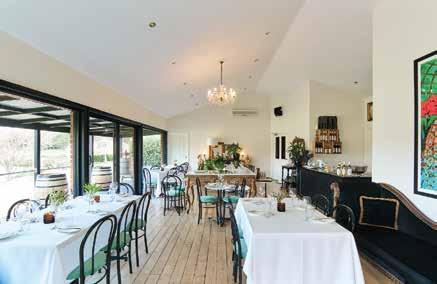
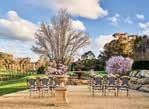



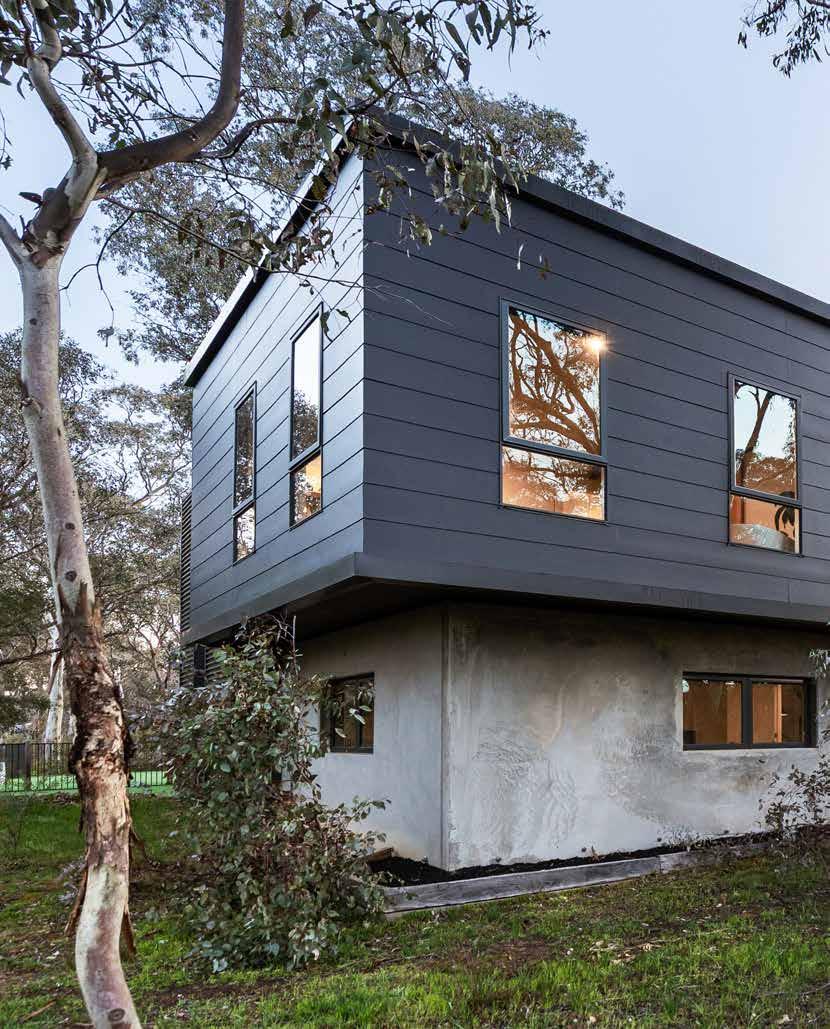
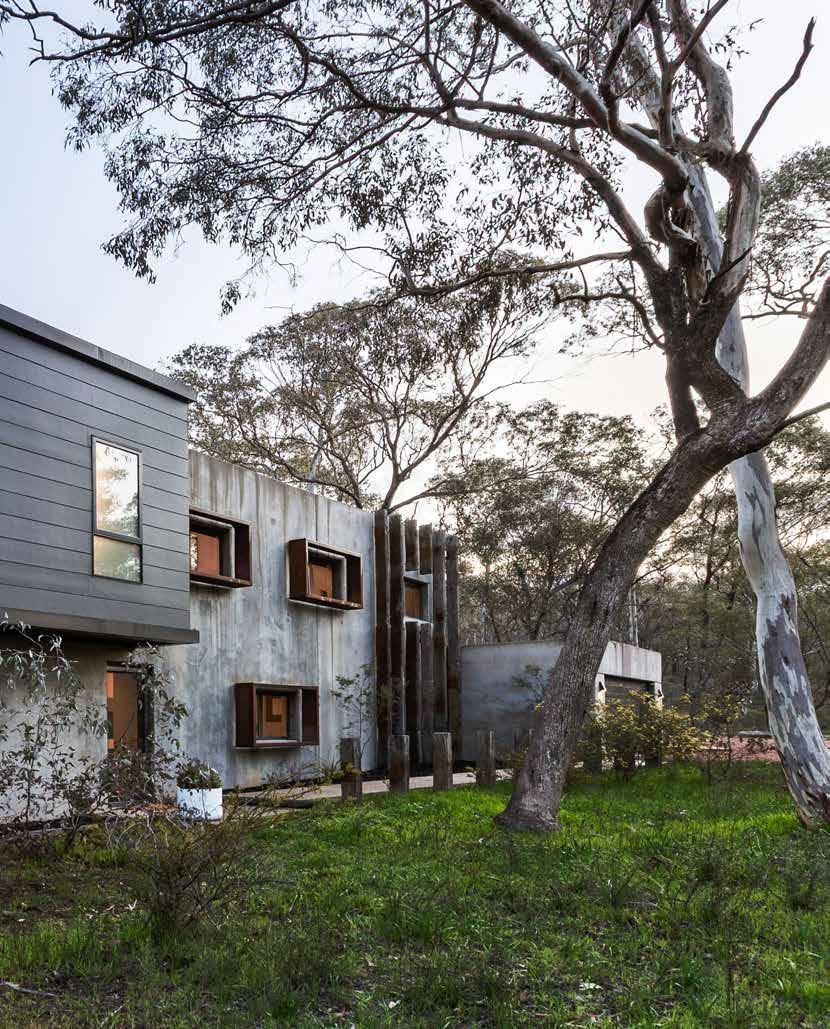
In Strathfieldsaye, Dustin and Erica Dempster’s concrete-and-steel home blends industrial scale with softness, creating a generous family retreat shaped by timber, sunlight and the ever-changing landscape.
By Marina Williams
Twelve years ago, while working full-time as a builder and drawing on more than two decades of domestic and commercial experience, Dustin constructed the home he and Erica now share with their two boys.
He drew on experience gained across both domestic and commercial construction – years with Todd Newman Builders and with Stateform, where he refined his understanding of steel, concrete and large-scale detailing.
Building is also a family craft, with Dustin learning many of his earliest skills from his father Keith, a local builder who taught him the value of doing things properly and with intention.
“Dad is a real salt-of-the-earth builder from Redesdale and helped with the build,” Dustin proudly says.
From the outset, the vision for the Dempster family home was uncompromising.
“Industrially inspired,” he says – a home defined by steel, timber, concrete and robust commercial-style detailing. “We wanted something with raw steel and raw concrete.” Over time, they softened the edges with curtains and texture, but the backbone remains proudly brutalist.
What makes the home striking is not just its material strength but its warmth. Timber accents, wool carpets and sheer curtains diffuse the industrial palette, creating a fusion of strength and softness that has allowed the house to evolve alongside the family, while still feeling unmistakably current.
The five-acre block came first. With bushland stretching in every direction, Dustin designed the home outwards toward the trees.
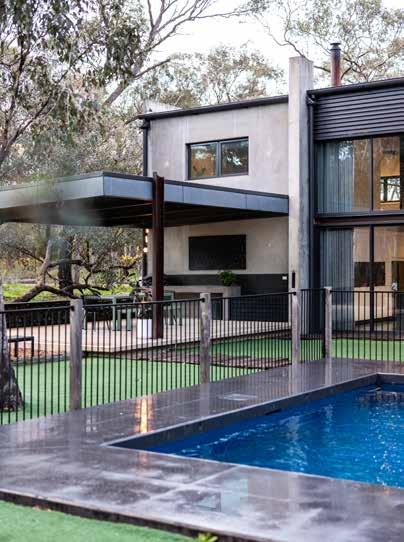
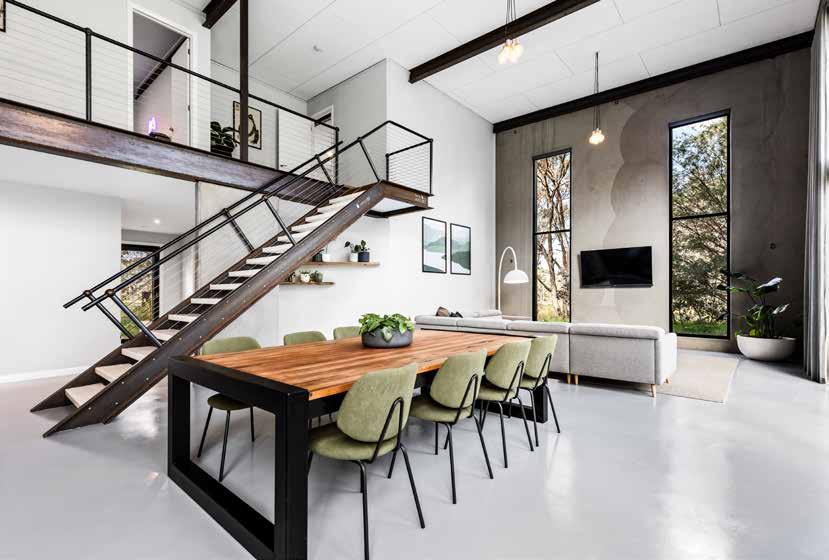
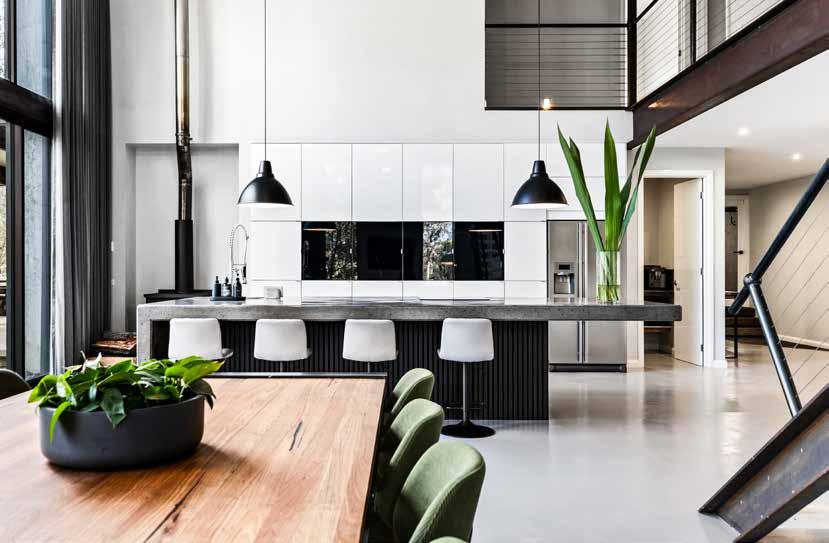
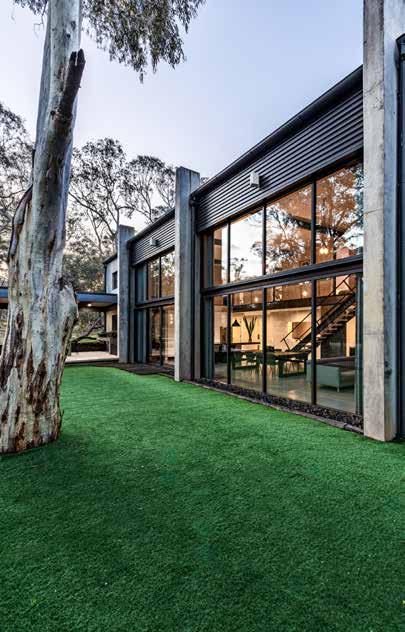
“We built it around the bush, so we had views from each window,” he says. But the home’s unusual height and volume were inspired by something far simpler: the shed already on the property.
“Being deadly honest with you, the scale and size came from the shed. I liked the shed and didn’t want to go any smaller.” Its generous proportions, including the height, set the benchmark for the main living space and the mezzanine that looks across it.
Because Dustin built the home himself after hours and on weekends, adding space didn’t come with the usual budget pressures. He had worked on countless homes through his career and always admired those that felt open and unrestrained.
“The houses I enjoyed working on and admired were the ones that didn’t skimp on space,” he says. Today, the family enjoys four large bedrooms and multiple living zones that have adapted effortlessly as the boys, now 10 and eight, have grown.
Working with steel brought challenges. “Standard houses go together the way they do for a reason,” Dustin says. “When you do something like this, you’re always thinking on your feet – making gutters work, finishing plaster around steel.”
But the result is dramatic: oversized windows frame the treetops, and the ceiling lifts far higher than typical residential proportions.
“You’ve constantly got a view,” he says. “I really like that height, and you can see the treetops.”
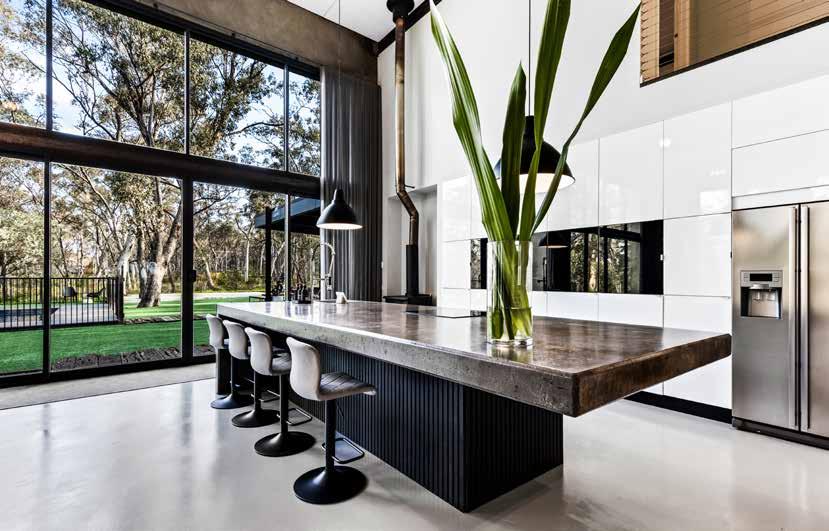
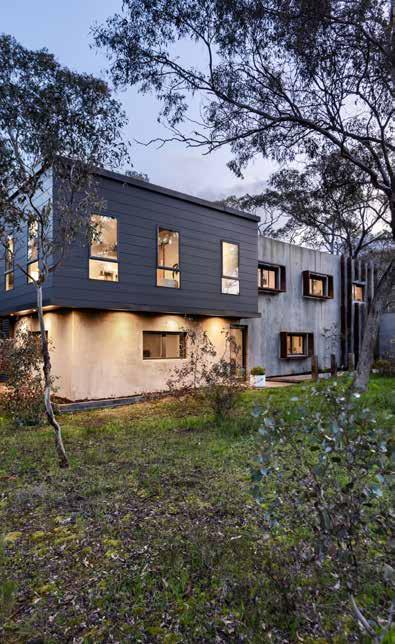
The front façade is anchored by a distinctive cube that once wore a shade far brighter than intended. “It used to be bright orange,” Dustin says. It has since been repainted in a more subdued colour that better settles into the landscape.
Inside, the industrial palette is anchored by natural materials: red-gum sleepers appear throughout the home, including the bathroom vanities, adding richness and grounding the concrete. “I really like them about the house,” Dustin says.
The kitchen centres on a thick concrete island bench that Dustin poured himself, a nod to the years he spent creating concrete furniture. “Something big and thick, a standout,” he says. “Kids can sit up there and have breakfast, and you don’t feel like you’re cramped.” It seats up to seven people and has become the natural gathering point for family and guests.
Hydronic heating runs through the concrete slab, fed by a compact timber furnace.
“It does a really good job of bringing heat through the floor and up,” Dustin says. “We really enjoy it.”
Ducted heating and cooling complement the system, while the slab’s thermal mass helps regulate temperature year-round. Solar powers most of the home’s energy needs, and although town water would be convenient, Dustin is content with the autonomy. “It’d be handy,” he says, “but we also don’t have the bills.”
Outdoors, the landscape changes dramatically throughout the year, something the family loves.
“Two months ago, everything was green and lush,” Dustin says. “Then summer hits and it looks like a box of Redheads. Then it all comes back.” Each year brings new native flowers and shifting birdlife, a constantly moving backdrop viewed through expansive glazing.
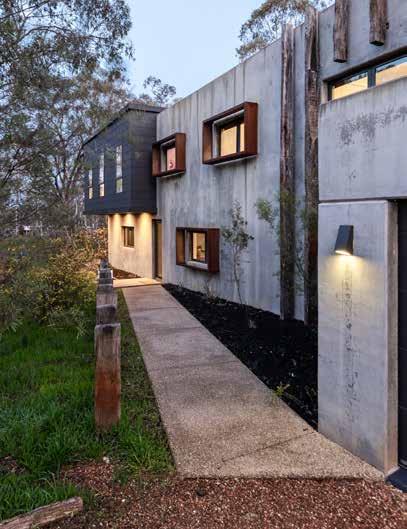
The home was deliberately designed to be low maintenance, especially given the family’s love of travel. Early attempts at lawn gave way to more durable surfaces.
“No mud, no mess. The kids can use every bit of it,” Dustin says. The pool has become a hub for school-holiday gatherings. “As soon as you’ve got a pool, they gather,” he jokes.
Despite the seclusion, town is only minutes away. “You do feel away from it all. You can definitely yell at the kids without the neighbours knowing,” he laughs.
After 12 years, the couple finds little they would change. Small refinements come and go, such as sheer curtains, a new splashback, shifting colours, but the home remains true to their original vision.
“There’s not a lot we’d change,” Dustin says. “We just tend to change it as we go.”
The surrounding bush, ever shifting in colour and texture, completes the picture. The house in the bush has settled into a warm, grounded family sanctuary that is as bold, functional and deeply connected to its land as the day it was built.
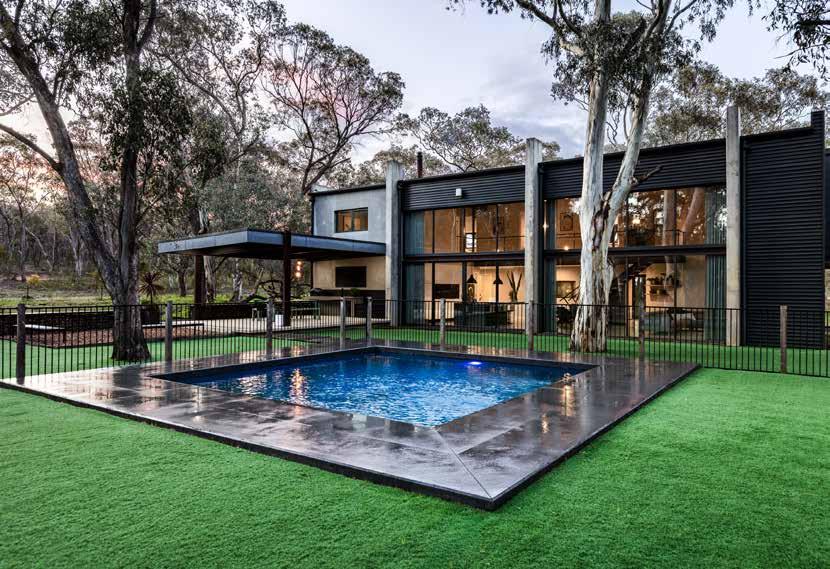
Hargreaves Mall and Williamson Street buzzed with energy as FunLoong Fun Day brought families together for a lively afternoon of free entertainment.
Running from late morning to early afternoon, the event featured hands-on activities, animals and reptiles, laser tag, face painting, jumping castles and cultural experiences, creating a colourful celebration in the heart of the city.





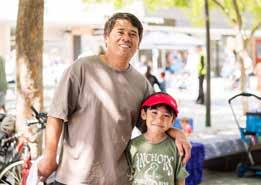


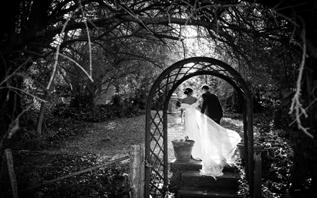



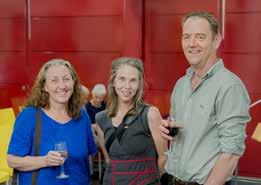
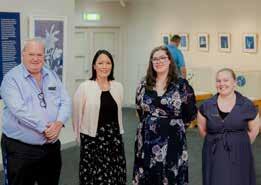
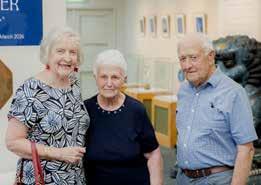

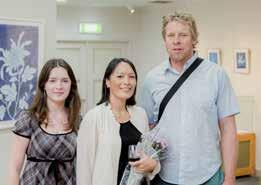
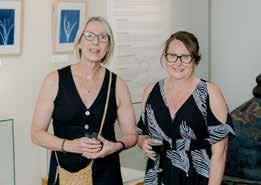
Guests gathered at the Golden Dragon Museum to celebrate the opening of Summer at the Museum, launching a season of art, culture and creativity.
The evening marked the launch of The Way of the Flower, by Aleshia Ng, with attendees enjoying the exhibition’s beauty and symbolism while looking ahead to a summer filled with workshops, talks and family-friendly activities.
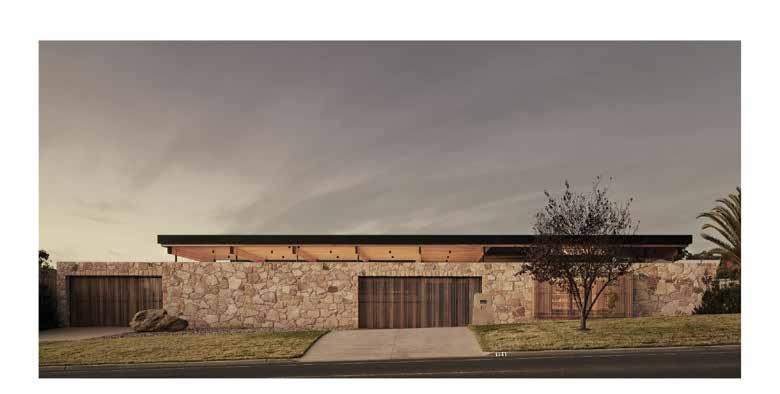
She grew up in a talented basketball family that includes an NBA veteran and an Olympic gold medallist. But Bendigo Spirit’s new American import is here making her own name in the game.
By Raelee Tuckerman

Prove. Them. Wrong. Those three simple words on Megan McConnell’s phone lock screen are what drives her on the basketball court and as a person. They’re the same words her oldest brother, Indiana Pacers point guard TJ McConnell, had on his phone during his college career.
“It’s basically a reminder every day when I wake up to just keep going,” says the 24-year-old, who comes to Bendigo Spirit from Phoenix Mercury, after a knee injury cut short her debut WNBA season in June, just 13 minutes into her first game.
“From a young age, I’ve been fuelled by people doubting me, and my brother was the same. We’re small (she’s 170cm; he’s 185cm), we don’t really fit the basketball athlete profile and there’s always people who say you’re not good enough. But no matter the obstacles or what anyone says, I’m going to let my game do the talking and prove them wrong.”
Ironically, it was the broken patella that helped bring her Down Under, courtesy of her Mercury teammate and former Spirit star Sami Whitcomb, who helped Bendigo win last season’s WNBL title.
“Sami really took me under her wing at Phoenix. We were talking one day and she brought up Bendigo Spirit and coach Kennedy Kereama,” says Meg. “She was really selling it to me, what a great town, the people care about you, and from a basketball aspect, you would fit perfectly there and they would love to get on a phone call with you.
“The only worrisome thing was the distance. It’s literally the farthest place I could pick from my family. But the people here have made it feel like a second home to me now and I’m so grateful.
“I’ve found my spark and my purpose in Bendigo. When I fractured my knee, in the blink of an eye I realised how fast basketball can be taken away from you. Taking it to the WNBA was one of the biggest dreams I’d had since I was a kid and then it was stripped away so quickly…




“But I’m a big believer that everything happens for a reason, and being here has reminded me why I love basketball so much. The people are amazing and it has brought me back to being the fun player I am, with a smile always on my face. I’ve fallen in love with basketball again and I want to grow, be pushed and get even better and I know that coming here, I’ll do that.”
Meg was raised in Pittsburgh, Pennsylvania, and became a star point guard at Chartiers Valley High School and nearby Duquesne University (pronounced Doo-Kayn). She also played softball, soccer and danced competitively, but when it came time to choose, there was never any doubt basketball would come up trumps.
“It was the first thing I fell in love with as a kid. My core memories as a little girl are of playing basketball outside with my two older brothers –and they never took it easy on me. They’d block my shots. I’d start crying and Mum would tell me to stay inside and Dad would tell me I had to toughen up!”
Father Tim is a successful high school coach; second brother Matty played throughout college; and aunt Suzie McConnell-Serio won gold at the Seoul Olympics, coached WNBA and is a Women’s Basketball Hall of Fame inductee.
“Mum (Shelly) is the odd-ball of the family as the only one who didn’t play basketball,” jokes Meg. “She’s a nurse. And she’s my rock. She came out here with me and when she had to go back to America, that was my hardest goodbye.”
Meg has adjusted well to life in Australia: mastering driving on the opposite side of the road; embracing Freddo Frogs, Tim Tams and even Vegemite; and coming to terms with our slang (“reckon” instead of suppose, “trackies” instead of sweatpants, “thongs” instead of flip-flops).
But it’s the local pronunciation of her name that has her head spinning. “When they first met me, all my teammates were saying Mee-gan
(instead of Meg-an),” she laughs. “In America, no one has ever pronounced it that way, and I come out here and get it so much! So here, we’re just gonna go with ‘Meg’.”
By the numbers, Meg’s resume is impressive. A 57-0 win-loss record with her dad as coach during her final two years of high school included two regional titles, one state title (the second attempt ended by COVID just two games shy of the final), and first-team all-state selection. She holds her college record for all-time steals, assists, games played, games started and triple-doubles and has been described by Duquesne head Dan Burt as the best he’s ever coached.
Contrast this feisty, focused athlete to the relaxed, light-hearted young lady who sits down with Bendigo Magazine over a coffee. “People tell me all the time I’m a completely different person on and off the court. I’m very competitive and I love to win in whatever I do so I’m just in a zone when I’m playing basketball. But off the court, I’m super upbeat, like a good laugh, bit of a ditz.
“One thing I’ve been trying to figure out, what’s my identity outside of basketball and I feel like this is a good time for me to do that. So, I’ve been doing puzzles, going on walks, and going shopping. I really love to shop. And I love to binge watch rom-com TV shows.”
Meg studied education, holds a master’s degree in leadership, and hopes to pursue the coaching pathway when her playing days are done. But her immediate goals are to bring the heat for Bendigo Spirit, make it back to the WNBA, and become the best she can possibly be.
“Basketball has taught me so much about myself individually and within a team… and I’ve built friendships and connections all around the world.
“This orange ball has taken me to places I could have never imagined. To play professionally was always a dream of mine. And I feel thankful and blessed that I’m able to live that dream.”