
ANNUAL
A MESSAGE FROM THE CHILDRESS KLEIN CENTER FOR REAL ESTATE DIRECTOR
At the Childress Klein Center for Real Estate, we know that where and how people learn shapes how they lead. Our annual report reflects the many ways our students, faculty, alumni and partners are growing the talent and knowledge needed to address the opportunities the rapid growth in the Charlotte region brings.
This past year, nearly every graduate of our Master of Science in Real Estate program secured a position in industry. Students in the other graduate offerings also thrived. Our students managed a real estate investment fund with active projects across the region and studied abroad to gain a global perspective. They engaged directly with industry leaders through site visits, classroom sessions and seminars. Their real-world learning prepared them to lead in an industry that is critical to the region’s economic vitality.
Enrollment among undergraduates in real estate education was robust, with more than 110 students pursuing the real estate concentration in the finance major. In response to strong demand, we began exploring a real estate undergraduate degree.
More than 100 undergraduates joined the Commercial Real Estate Society at UNC Charlotte, while undergraduates in an asset and property management class pursued a semester-long project focused on affordable housing. A team from the class won the Innovation Award from Canopy Housing Foundation, the charitable arm of Canopy Realtor® Association and earned $5,000 in scholarships.
The MSRE Seminar Series attracted hundreds of attendees in 2024-25, prompting dialogue among students and industry leaders. The #CREfuture series convened nearly 100 students, alumni and other professionals for forward-looking discussion, with athletes turned investors Brandt Bronico ’17 and Tesho Akindele sharing their stories.
Our faculty produced research that influences policy and business decisions locally and globally. The State of Housing in Charlotte annual report is just one example of the useful knowledge we are creating, much of which is published in leading journals at a rate that rivals or surpasses other real estate centers.
None of this would be possible without the generosity of our alumni, corporate partners and other friends. Your support fuels scholarships and hands-on learning opportunities that ensure the next generation of leaders can thrive. I hope that you see what I experience every day: a leading real estate center that is uniquely positioned to connect education, research and industry in Charlotte in ways that transform lives and communities.
As we celebrate our 20th anniversary in the 2025-26 year, we thank you for your faithful support.
YONGQIANG CHU
Director, Childress Klein Center for Real Estate Childress Klein Distinguished Professor of Real Estate and Urban Economics
ABOUT THE CHILDRESS KLEIN CENTER FOR REAL ESTATE
The Childress Klein Center for Real Estate at UNC Charlotte was established in 2005 with support from the real estate industry and program alumni. Their financial contributions have supported course development, scholarships for graduate students, special events, distinguished professorships and community outreach activities.
The Childress Klein Center for Real Estate administers and supports:
• The Master of Science in Real Estate
• The MBA Real Estate Concentration
• The Bachelor of Science in Business Administration real estate concentration in the finance major
• The Graduate Certificate in Real Estate Finance and Development
The center also manages programming and engagement with alumni, industry, community members and the Childress Klein Center for Real Estate Advisory Board.
MISSION AND KEY GOALS
Our mission is to advance knowledge in real estate, public policy and urban economics through graduate education, applied research and industry community collaboration. Primary goals are focused on:
• Interdisciplinary Real Estate Education: To recruit and attract top real estate students seeking comprehensive and interdisciplinary education in commercial real estate studies, using faculty and practitioners to combine academic theory with industry best practices.
• Innovative Research in Real Estate and Urban Economics: To provide academic research and expertise that guides decision-making and offe rs solutions for urban development, land use, real estate investment and capital market issues; and to foster innovative real estate theory, policy and practice.
• Strategic Collaborations With Industry: To become a critical link between academics and industry, students and the community, and public and private sectors, including partnering with key trade organizations, an advisory board of real estate professionals and other affiliated groups to provide community outreach on current real estate issues; to collaborate on applied research; and to enrich professional networks for our students and alumni.
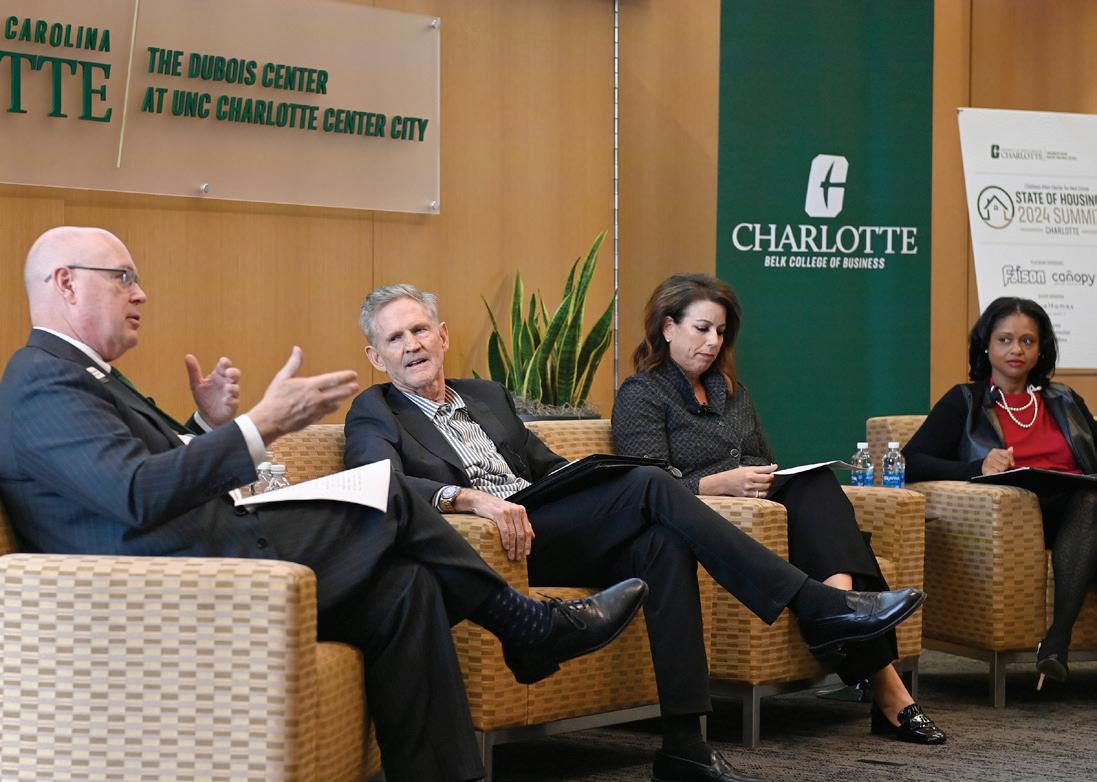
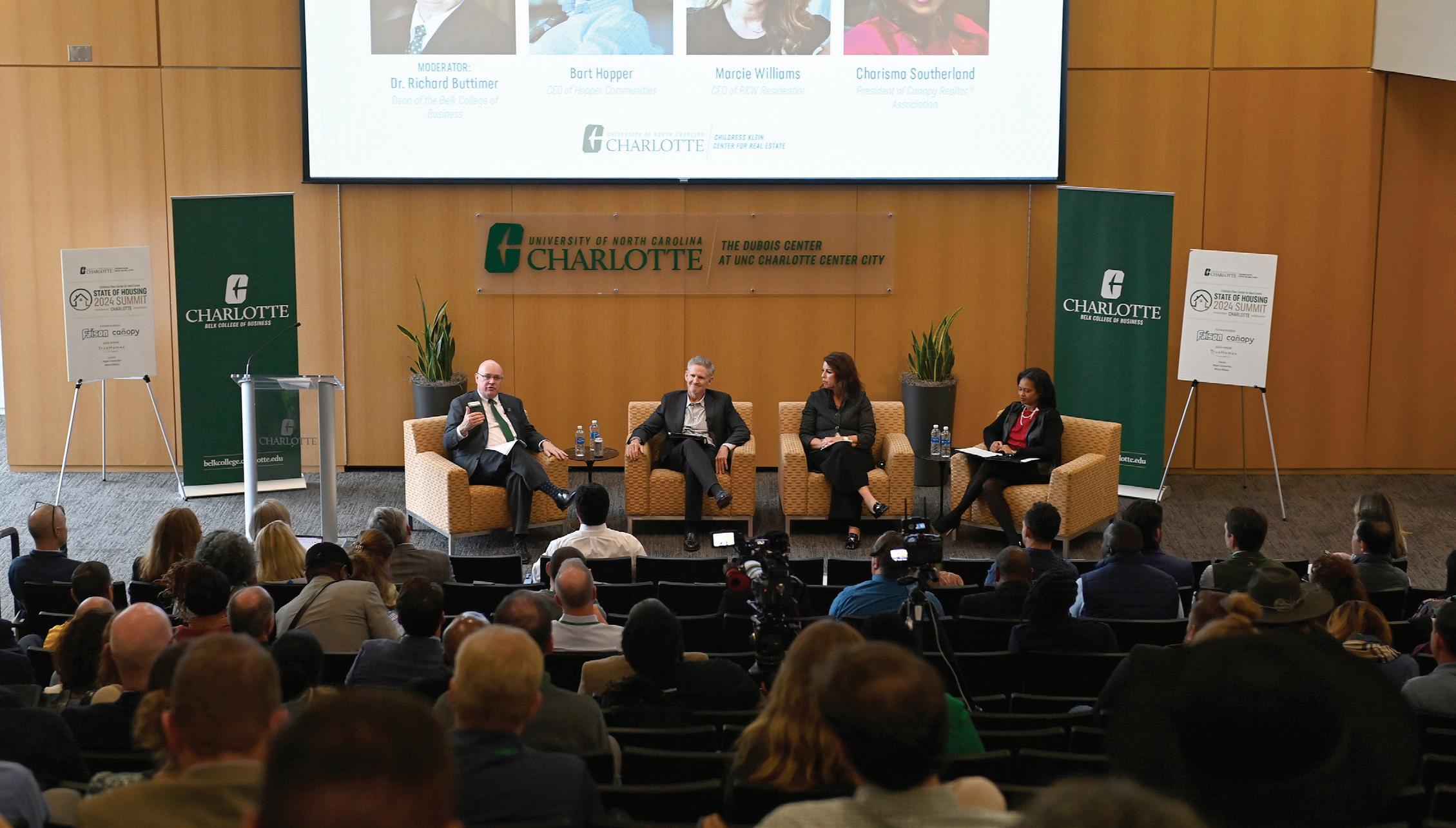
Fall 2024 State of Housing Summit panel featuring (from left) Richard Buttimer, Bart Hopper, and Charisma Southerland.
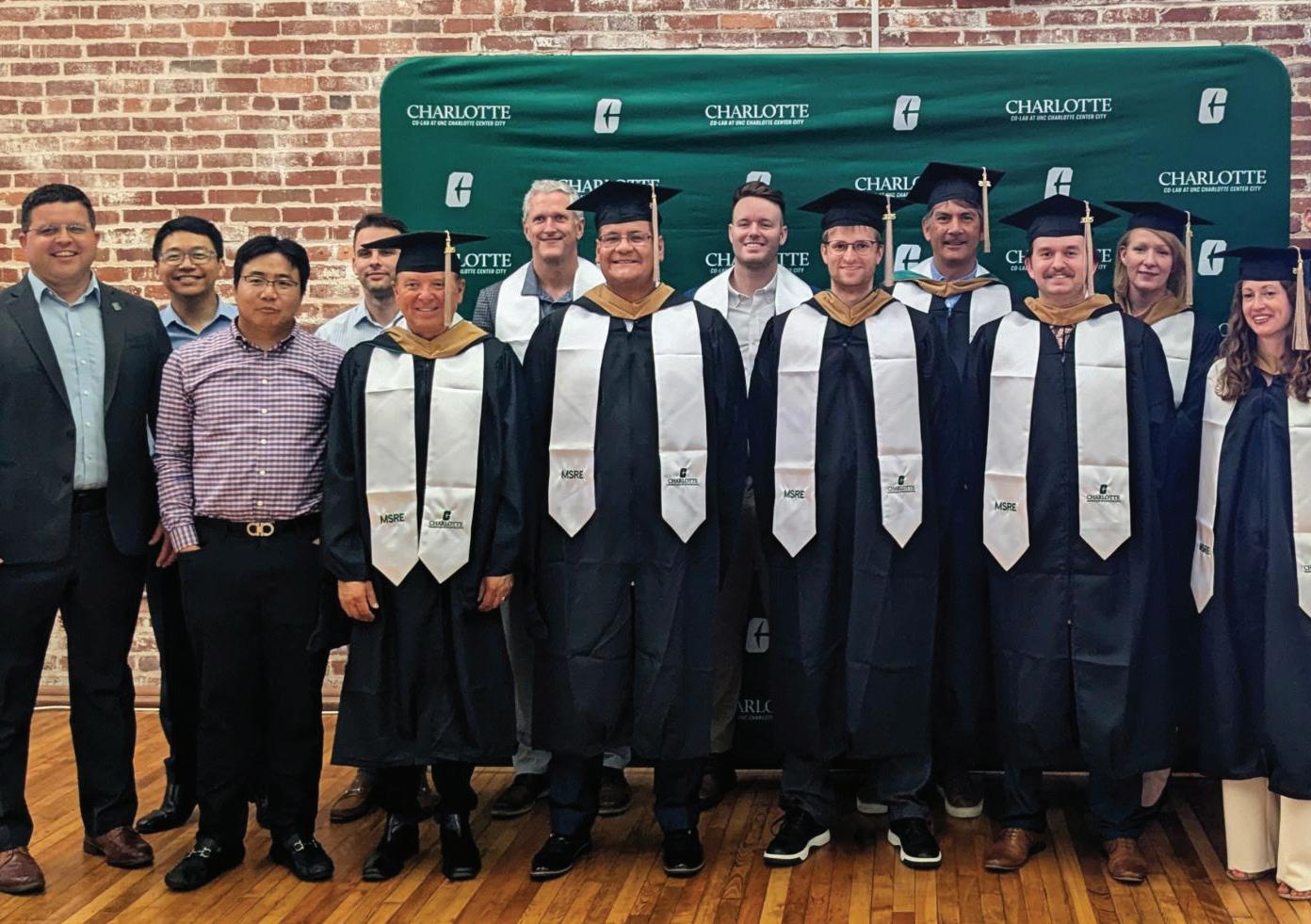
May 2024 Master of Science in Real Estate graduates celebrate with center associate director Daniel Wright and center director Yongqiang Chu.
CENTER LEADERSHIP
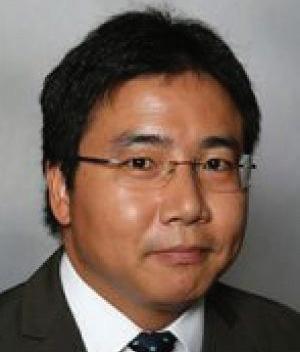
DR. YONGQIANG CHU
Childress Klein Center for Real Estate Director, Childress Klein Distinguished Professor of Real Estate and Urban Economics
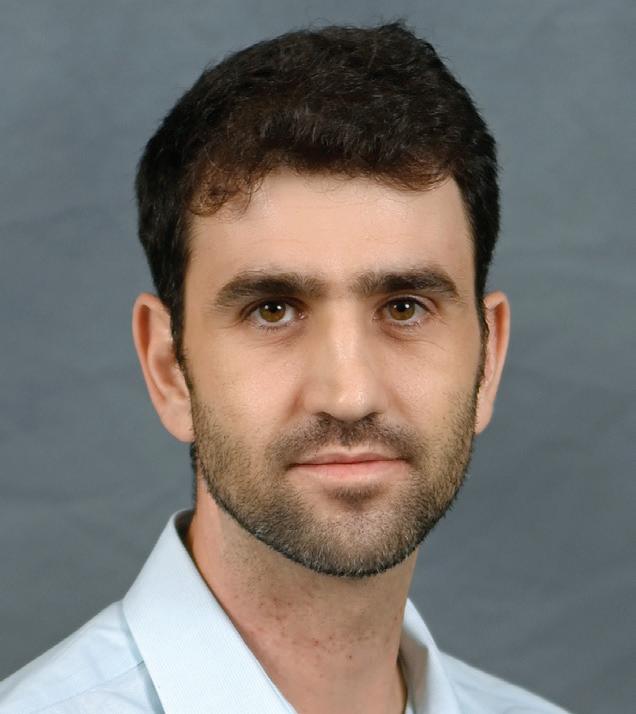
DR. CHANDLER LUTZ
Associate Professor of Finance and Steven Ott Distinguished Scholar in Real Estate
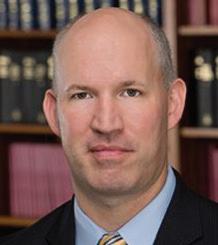
DR. KIPLAN WOMACK
Associate Professor of Real Estate
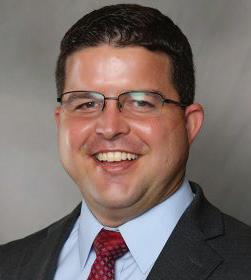
DANIEL WRIGHT
Childress Klein Center for Real Estate Associate Director, Senior Lecturer, Finance
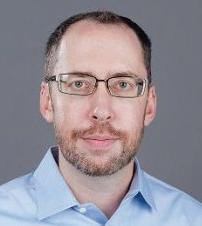
DR. PATRICK SMITH
M.S. In Real Estate Program Director, Associate Professor, John Crosland, Sr. Distinguished Scholar in Real Estate and Development
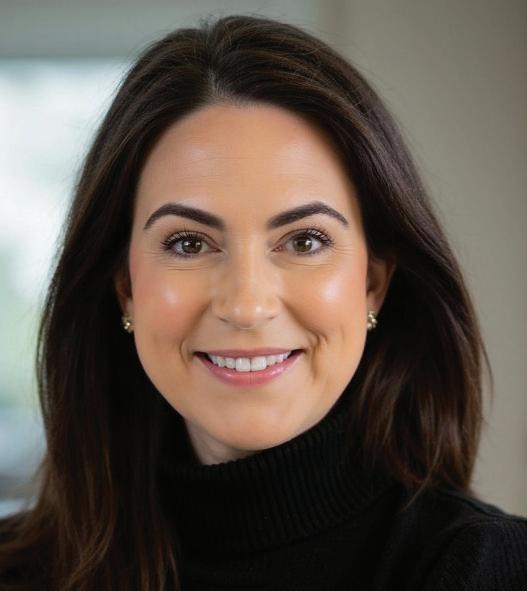
MEAGAN CONLEY
Executive Director, Corporate Engagement & Strategic Partnerships
CENTER ADVISORY BOARD
The Childress Klein Center for Real Estate Advisory Board is a core support group for the center. Members provide advice and are active contributors as guest lecturers and mentors. As senior executives, board members represent an array of functional areas related to real estate, financial services and urban development.
EXECUTIVE COMMITTEE
Kris Fetter, Chair, Faison Properties
Bradley Smith, Vice Chair, Bank of America Merrill Lynch
Fred Klein, Childress Klein Properties
Amy Klein Aznar, Childress Klein Properties
Landon Wyatt, Childress Klein Properties
Peter Fioretti, Mountain Real Estate Capital
Richard Buttimer, Belk College of Business
MEMBERS
Henry Atkins, Atkins Properties
H.C. “Smoky” Bissell, The Bissell Companies, Inc.
Robert Brinkley, Womble Carlyle Sandridge & Rice, LLC
Bryan Brooks, Medalist Capital, Inc.
Jefferson Brown, Moore & Van Allen
Shippen Browne, Bellwether
John Caruso, Rock Consulting Group, LLC
Walker Collier, Trinity Capital Advisors
Alyson Craig, City of Charlotte
John Culbertson, Cardinal Real Estate Partners, LLC
Geoffrey Curme, MECA Commercial Real Estate
Anne Marie DeCatsye, Canopy Realtor Association
Darryl Dewberry, The Spectrum Companies
Fred Dodson, Dreamkey Partners
Tracy Dodson, Charlotte Regional Business Alliance
Jubal A. Early, First & Early Partners
Kris Fetter, Faison Properties
Peter Fioretti, Mountain Real Estate Capital
Walter D. Fisher Jr., Troutman Pepper
Paisley Gordon, CPG Real Estate
Krista Hunter, Truist
Doug Irmscher, Beacon Partners
Leslie Johnson, Mecklenburg County Government
Shawn Kennedy, Kennedy Properties and Development
Shawn Kimble, Miller Street Capital LLC
Fred Klein, Childress Klein Properties
Kevin Lambert, Crescent Communities
Daniel Levine, Levine Properties
Ken Loeber, Eagle Rock Partners, LLC
George Maloomian, Cambridge Properties, Inc.
Charles Lindsey McAlpine, CitiSculpt
Fulton Meachem Jr., INLIVIAN
Brent Milgrom Jr., Parker Poe Adams & Bernstein LLP
Chase Monroe, JLL
Rob Nanfelt, REBIC
Dionne Nelson, Laurel Street
Compie Newman, CBRE
John Ockerbloom, Barings
Keith Poettker, Poettker Construction Company Curt
Rigney, Batson-Cook Company
Pat Rodgers, Rodgers Builders Inc.
Ed Rose, Shelco, LLC
Arthur Samet, Samet Corporation
James Scruggs, Kingdom Development Partners Tim
Sittema, Crosland Southeast
Bradley Smith, Bank of America Merrill Lynch
Shannon Smith, Abundant Power
Marcie Williams, The Bainbridge Companies
Todd Williams, Grubb Properties
Jane Wu, Panorama Holdings
Landon Wyatt, Childress Klein Properties
THE POWER OF GIVING
Alumni, corporate partners, and friends have played a crucial role in advancing the mission of the Childress Klein Center for Real Estate. Your continued partnership and investment are invaluable to us, and we are deeply grateful for your commitment to advancing real estate education. Together, we are making a significant impact in the field, empowering the next generation of leaders and innovators.
SCHOLARSHIPS
($46,100.00)
FY 25 TOTAL GIFTS & PLEDGES*
$90,825.00
*UNC Charlotte’s fiscal year is July 1 – June 30
FY 25 CASH TO ENDOWMENT
$13,725
FY 25 CASH TO SPENDING $77,100
RESEARCH
($42,000.00)
UNRESTRICTED ENDOWMENT 3% ($2,725.00)
SCHOLARSHIPS AND FELLOWSHIPS
The commitment from real estate industry professionals and Master of Science in Real Estate program alumni to supporting the center’s goal of attracting top real estate students has led to the development of Childress Klein Center for Real Estate scholarships. Financial contributions from alumni and other benefactors have funded scholarships for students in the program, who as a result benefit from a comprehensive and interdisciplinary graduate education in commercial real estate studies. In the 2024-25 academic year, nine students received 19 awards of financial support.
Batson-Cook Scholarship - James Lee
Bissell Scholarship - Amy Albright
Bunker Land Group, LLC Endowed Real Estate Scholarship - Whitney Nilsen
Charlotte Regional Commercial Board of REALTORS (CRCBR) Scholarship in Real Estate - Noah Rainbow-Douglas
Charlotte Regional Commercial Board of REALTORS (CRCBR) Scholarship in Real Estate - Nathan White
CRCBR Scholarship in Memory of Garth Dunklin -Austin Weakland
Childress Klein Scholarship - Joshua Martin
CREW Graduate Scholarship - Jacquelynn Wells
Crosland Scholarship - Rhonda Brown-Lawrence
Empire Communities Scholarship - Amy Albright
Empire Communities Scholarship - William Steele
Faison Scholarship - Kenneth Cooke
Institute of Real Estate Management (IREM) Scholarship - Jacquelynn Wells
MSRE (Ambassador) Scholarship - Kenneth Cooke
NAIOP Charlotte Scholarship - Austin Weakland
NC REALTORS Education Foundation Endowed Scholarship - Noah Rainbow-Douglas
Panorama Holdings Graduate Scholarship - Rhonda Brown-Lawrence
Real Estate Alumni Association (REAA) Communications Ambassador Scholarship - Joshua Martin
SIOR Carolinas Chapter and SIOR Foundation Scholarship - James Lee
In 2024, the UNC Charlotte Master of Science in Real Estate program celebrated the remarkable success of its graduates. Since the program’s inception, nearly 100% of its graduates have secured employment in the real estate industry. Daniel Wright, Childress Klein Center for Real Estate associate director and senior lecturer, attributes this success to the exceptional support from the region’s real estate community.
In fall 2025, the Childress Klein Center for Real Estate will celebrate its 20th year of shaping the real estate industry. What began as a vision has become a hub where research, industry leadership and student opportunity intersect in ways that set UNC Charlotte apart. The center’s influence continues to elevate the Belk College’s real estate program, giving students access to experiences and connections they simply won’t find anywhere else.
$80,833 100%
ENGAGEMENT THROUGH EXPERIENCES
Engaged learning opportunities expand students’ ability to immerse themselves in topics they are learning and to connect with industry experts. Students in the Belk College of Business program participate in investment site visits, tour sites, meet with industry leaders and participate in presentations. They find an array of opportunities to explore new ways to consider and apply real estate concepts.
STUDENT MANAGED REAL ESTATE INVESTMENT FUND
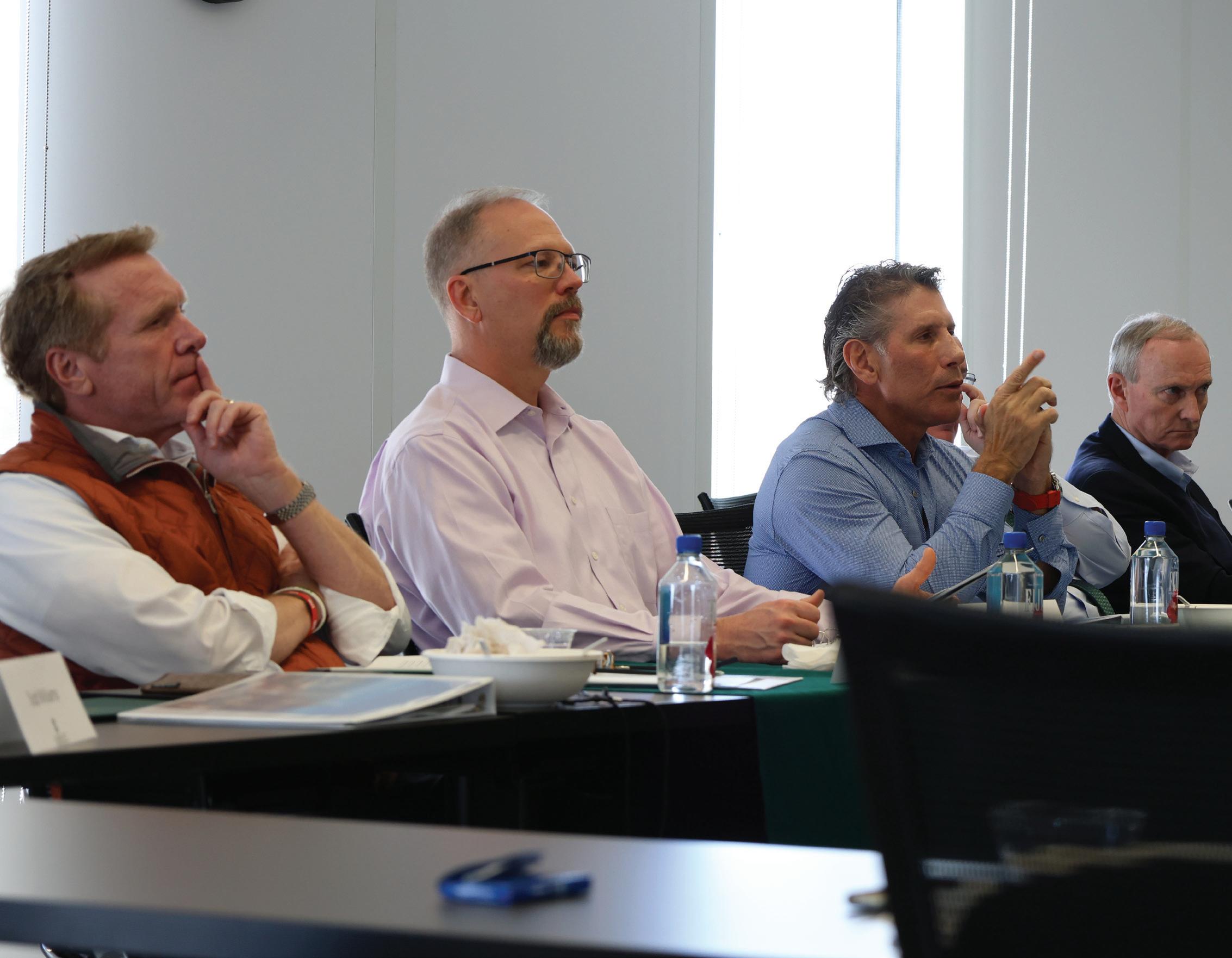
The Fioretti Real Estate Fund provides students with real-world experience in the analysis, investment and management of private and public real estate securities. The fund, one of fewer than 20 in the country, permits students to gain in-depth experience by actively participating in private real estate deals. Working closely with real estate faculty and industry mentors, students identify and evaluate real estate investment opportunities. The students then present the investments’ performance to a committee composed of faculty and real estate investment professionals.
FIORETTI REAL ESTATE FUND STATUS
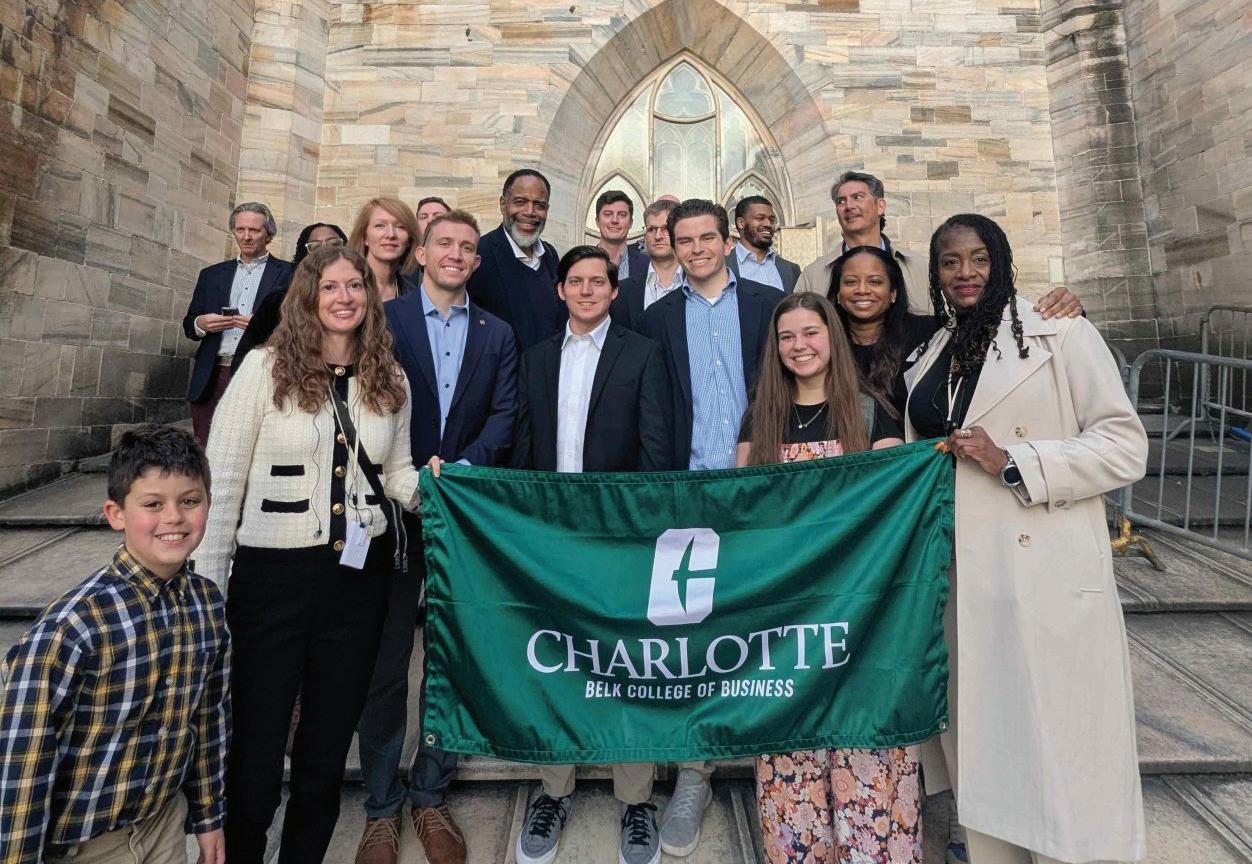
Since 2016, the Fioretti Real Estate Fund has committed $487,333 in 14 investments. In spring ‘25, the fund had $325,000 placed in seven investments. The following charts indicate the Fund’s diversification, the sponsors of the investments and the asset dispersion of current investments.
SPRING ‘25 SPONSOR DIVERSIFICATION
SPRING ‘25 ASSET DIVERSIFICATION
EXPANDING UNDERSTANDING, KNOWLEDGE
MSRE SEMINAR SERIES
To further its focus on expanding industry and community collaboration to educate and develop real estate professionals, the Childress Klein Center for Real Estate created a seminar series to facilitate regular discussions on relevant topics. These invitation-only seminars occur on Friday afternoons and include time for networking, Q&A and lunch in addition to a robust discussion on the featured topic. The sessions feature expert speakers from across the real estate industry and set aside time for stimulating discussion of the topics featured. The five seminars in the 2024-25 series attracted more than 200 attendees to learn from a wide range of talks by diverse speakers from industry.
STUDY ABROAD
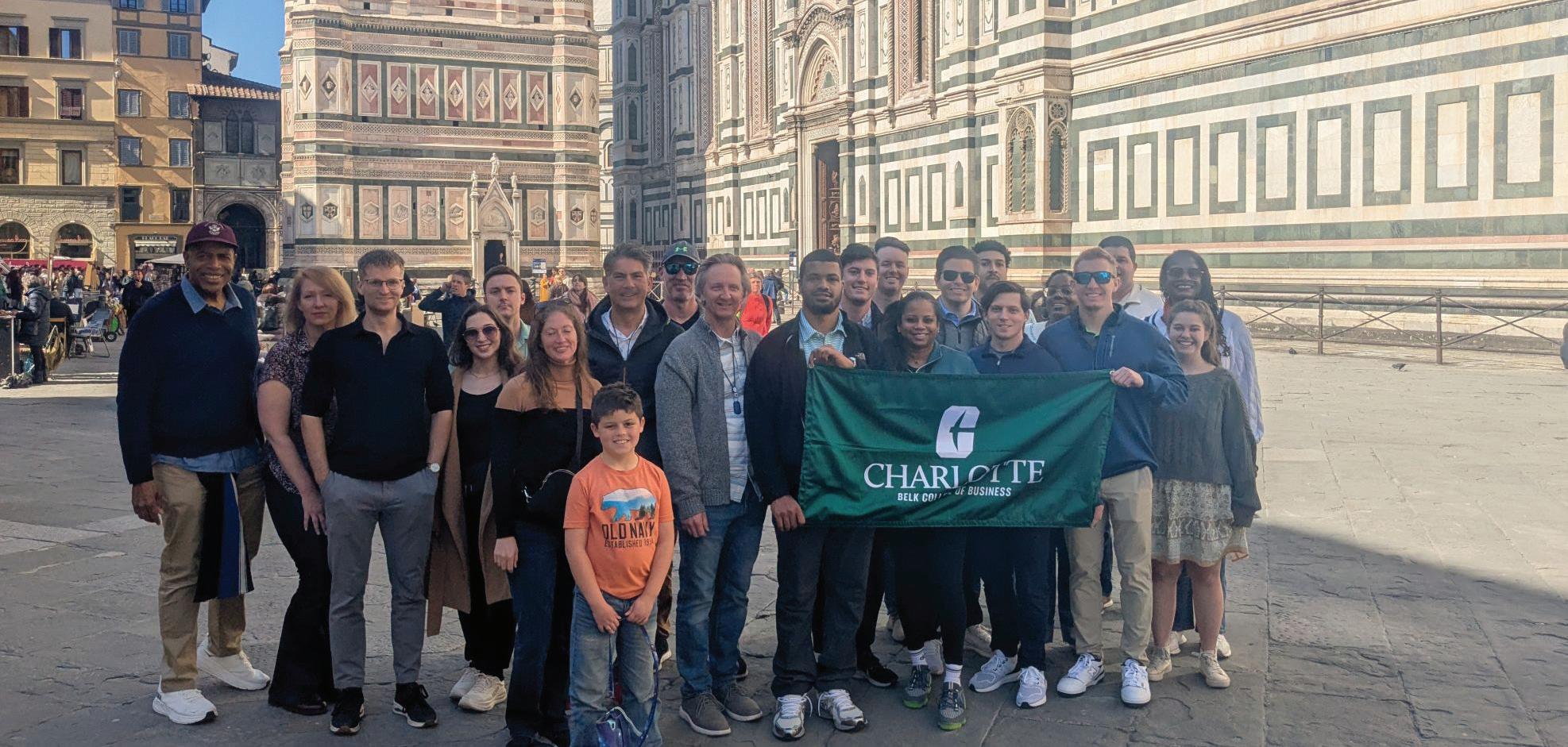
Students in the MSRE program also have the opportunity to study and travel abroad to broaden their understanding of other cultures and real estate sectors in other countries. Most recently, students and faculty traveled to Italy, where they met with real estate and development experts who provided a global perspective.
#CREFUTURE
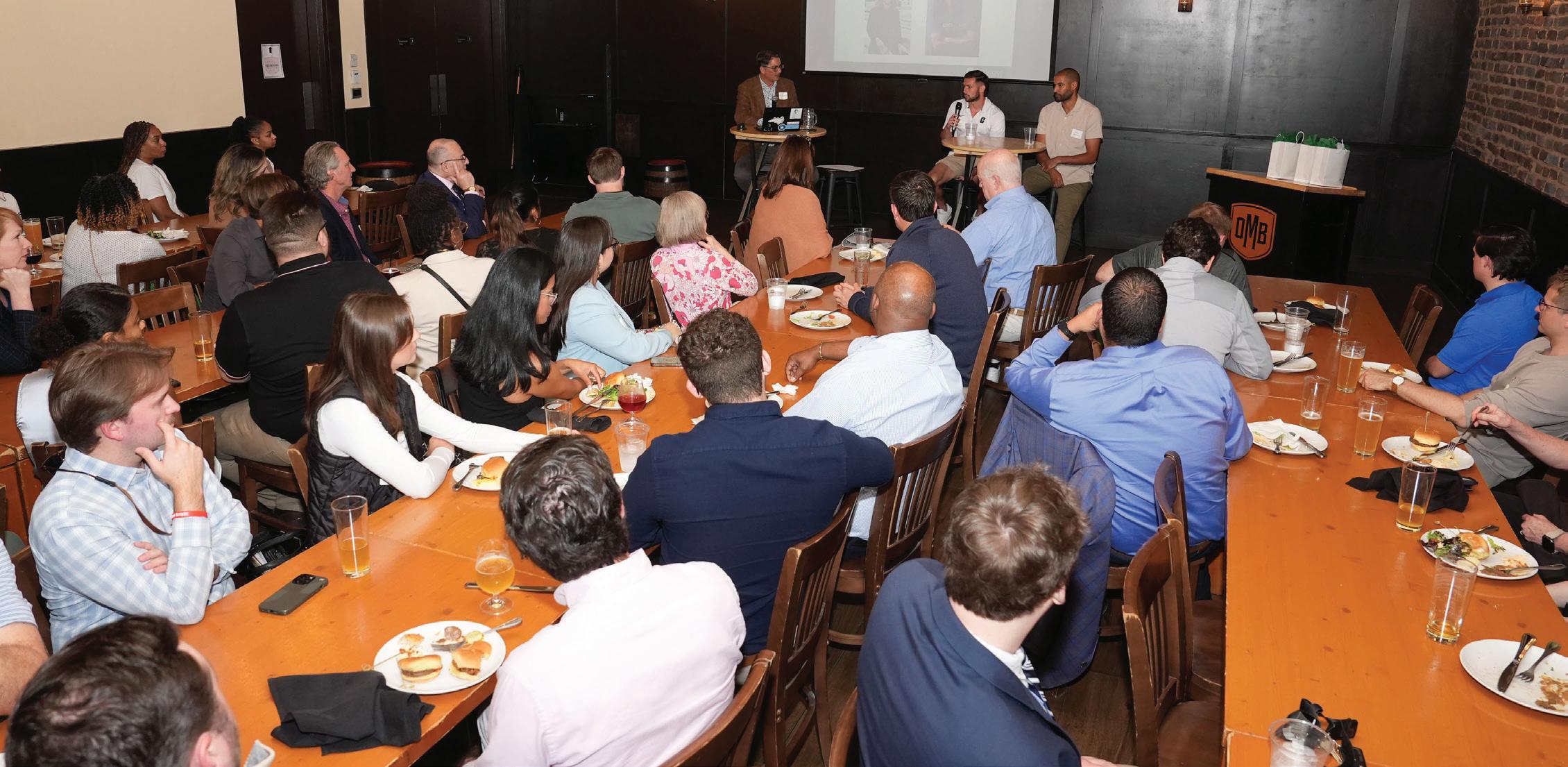
#CREfuture features a panel discussion on forward-thinking topics in commercial real estate for future real estate leaders. New professionals in commercial real estate provide an insider perspective on their career paths, current projects making waves in the market and their experiences as emerging leaders in commercial real estate. The event brings together current students, new alumni and friends of the Childress Klein Center for Real Estate to network and connect on engaging topics impacting the real estate market.
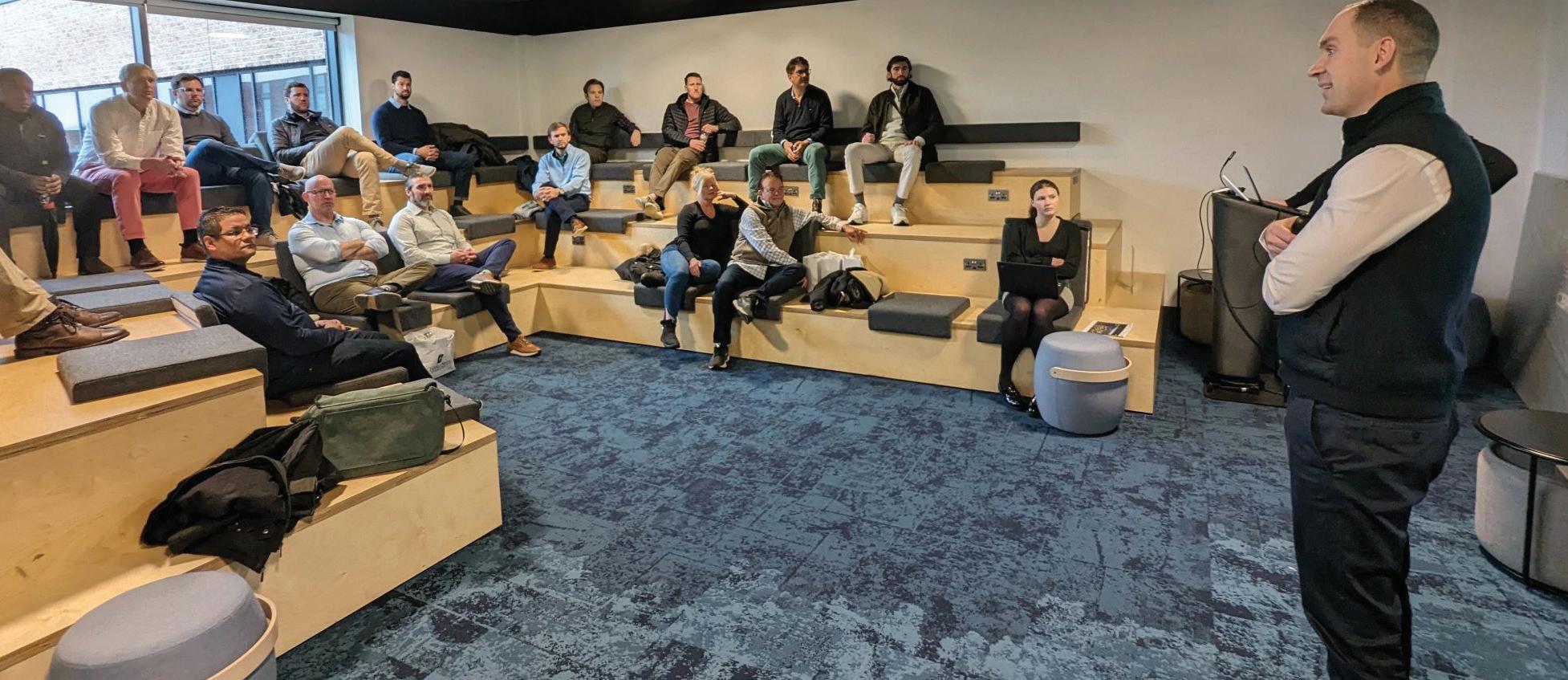
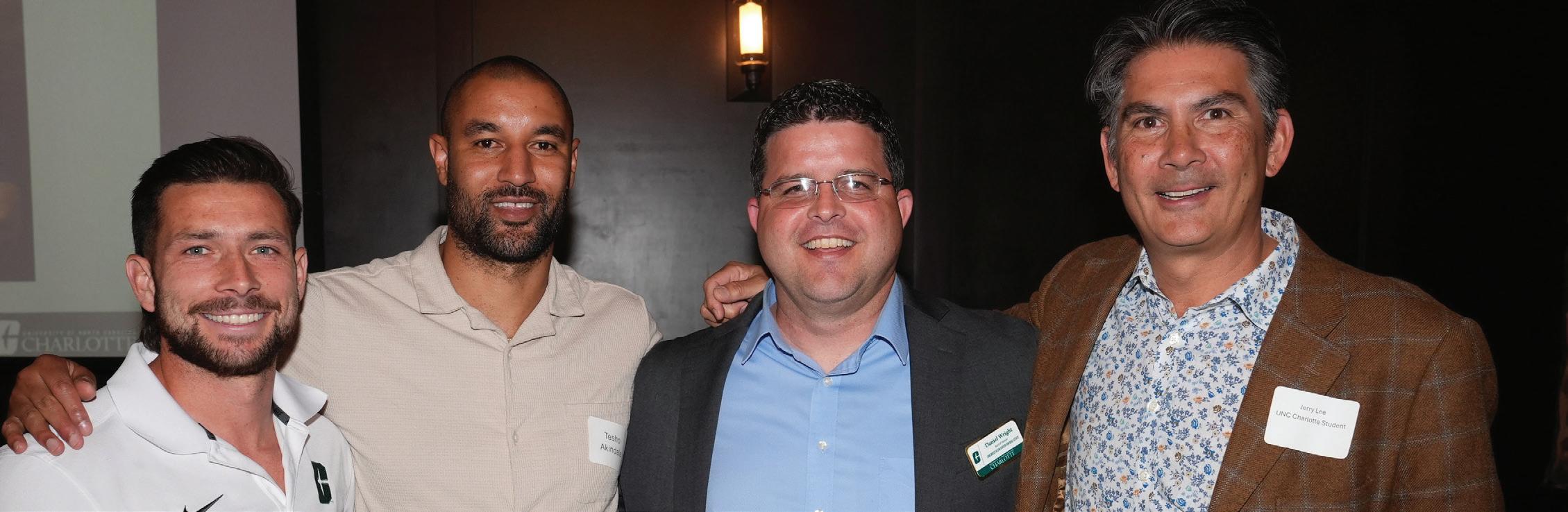
This spring, students, alumni and industry professionals gathered for the latest installment in the #CREfuture series, featuring a dynamic conversation at the intersection of professional sports and real estate. Moderator Jerry Lee, a current MSRE student, led a panel exploring the balance between pursuing a professional sports career and managing real estate portfolios. The discussion highlighted the challenges of self-managing properties, insights from playing careers and concluded with an engaging audience Q&A. Panelists were Tesho Akindele, former Orlando City SC and Canadian National Team star and current development analyst at Camp North End, and Brandt Bronico ‘17, midfielder for Charlotte FC, who has established a big precense in the Charlotte real estate market.
CHILDRESS KLEIN CENTER FOR REAL ESTATE RESEARCHERS
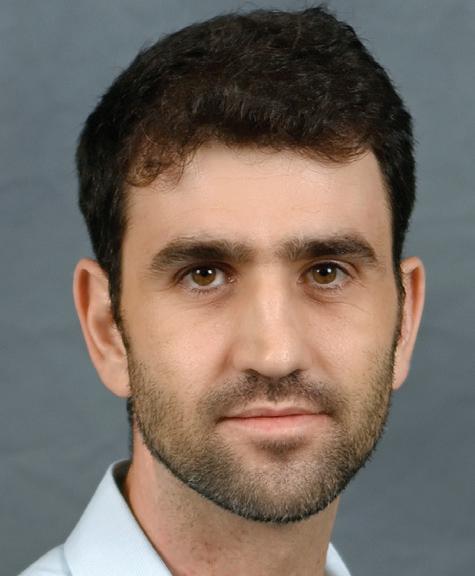
YONGQIANG CHU is director of the Childress Klein Center for Real Estate, Childress Klein Distinguished Professor of Real Estate and Urban Economics and professor of finance. Chu is the primary author of the State of Housing in Charlotte report and conducts research in real estate, corporate finance and banking. His research has appeared in top finance, real estate and economics journals, including Review of Financial Studies, Journal of Financial Economics, Management Science, Journal of Financial and Quantitative Analysis, Review of Economic Dynamics and Real Estate Economics
CHANDLER LUTZ is an associate professor of finance and Steven Ott Distinguished Scholar in Real Estate who joined the center in fall 2024. He uses econometric, statistical, and machine learning methods to study housing markets, labor economics, and monetary policy. His research has been published in the ReviewofFinancialStudies , the Journal of Labor Economics, and the Journal of Urban Economics, among other outlets. He has developed new datasets that measure the amount of land unavailable for housing construction across the United States.
PATRICK SMITH is director of the M.S. in Real Estate Program, associate professor and John Crosland, Sr. Distinguished Scholar in Real Estate and Development. Previously, he worked in industry for nearly a decade, holding various positions of increasing importance in corporate finance and business analytics. His research interests include real estate finance and urban economics. His current research uses housing transaction and mortgage data to inform public policy. He uses large datasets to analyze how market dynamics and policy changes impact homeowners and communities.
KIPLAN S. WOMACK is an associate professor of real estate in the Department of Finance. His research focuses on applying the principles of financial option pricing to the valuation of real estate (real options), land values, development, redevelopment, as well as corporate finance issues — particularly mergers and acquisitions — faced by Real Estate Investment Trusts. Womack earned a doctorate in real estate from University of Georgia and an MBA from The University of Alabama at Birmingham and has over ten years of professional experience in corporate finance and real estate.
RESEARCH BY REAL ESTATE CENTER FACULTY ADVANCES SOLUTIONS FOR CHARLOTTE REGION AND BEYOND
“Adverse Selection in Mortgage Markets: Evidence from Ginnie Mae Early Buyouts” In a research paper that has been accepted for publication in the Journal of Financial and Quantitative Analysis, Patrick S. Smith and co-authors have considered whether Ginnie Mae issuers engage in adverse selection when deciding to execute an early buyout of seriously delinquent loans from mortgage-backed security pools. The authors find that issuers disproportionately buy out loans with higher interest rate spreads that are more likely to return to current payment status. The paper details how issuers use information collected during the loan servicing process to predict reperformance likelihood. The authors estimate that this practice led to billions in additional revenue for issuers from 2015 through 2021 and that the risk may not be explicitly priced by investors at the pool level.returns. Analyses using failed merger bids as an exogenous shock show that post-merger, analyst forecasts become more accurate and environmental-related, and overall environmental, social and governance scores improve.
“The Impact of Crisis-Period Interest Rate Declines on Distressed Borrowers”: A paper by Chandler Lutz and colleagues investigates the impact of reduced benchmark interest rates on distressed borrowers, using subprime adjustable-rate mortgages from the 2000s crisis as a laboratory. The study found that larger benchmark rate declines significantly increased debt-renegotiation probabilities and reduced monthly debt-service payments. These modifications reduced foreclosures and benefited distressed borrowers, particularly owner-occupiers and real estate investors. Yet, long-run benefits were limited because some borrowers lingered in delinquency. This suggests that financial easing alone may not be enough.
“Mortgage innovation and house price booms”: Chandler Lutz and a colleague researched how mortgage innovation can cause a housing boom even within a robust regulatory framework and strictly enforced recourse borrowing. They found that the 2003 introduction of interest-only mortgages in Denmark ignited a housing boom that boosted house prices 36 percent. In line with interest-only loans lowering debt-service payments and relaxing payment-to-income constraints, results show higher interest-only loan uptake and house price growth in areas with greater ex-ante benefits of such mortgages. The results are relevant for the many countries where interest-only loans play a sizable role in mortgage finance.
“The effect of the anti corruption campaign in China: Evidence from housing transactions”: A paper by Yongqiang Chu and co-authors has contributed to the global literature on governance, economic policy and the effectiveness of anti-corruption strategies. They investigate the impact of an anti-corruption campaign on government officials in China, focusing specifically on the housing market in Beijing. They looked at price discounts government officials receive when buying new housing units in China as a reliable measure of corruption. The researchers found that price discounts decreased sharply after the campaign began, suggesting that the top-down initiative was effective in curbing corruption.

UNC CHARLOTTE REGIONAL HOUSING REPORT GUIDES BUSINESSES, POLICY LEADERS
The brisk pace of growth of the Charlotte region — combined with a shortage of available housing and high interest rates — creates a shortfall of housing that people with low and moderate incomes can afford, according to the State of Housing in Charlotte 2024 Report.
Published by the Childress Klein Center for Real Estate in the Belk College of Business, the Charlotte-centered research takes a close look at issues related to housing. In its sixth year, the report was released Nov. 20, 2024 at the annual State of Housing in Charlotte Summit at The Dubois Center at UNC Charlotte Center City.
“House prices have increased very quickly in Charlotte in recent years, making Charlotte housing increasingly unaffordable,” said Childress Klein Distinguished Professor of Real Estate and Urban Economics Yongqiang Chu, the study’s primary author. “The significant slowdown in construction during the last two years and the easing monetary policy will put significant upward pressure on house prices going forward. Much needs to be done to achieve housing affordability.”
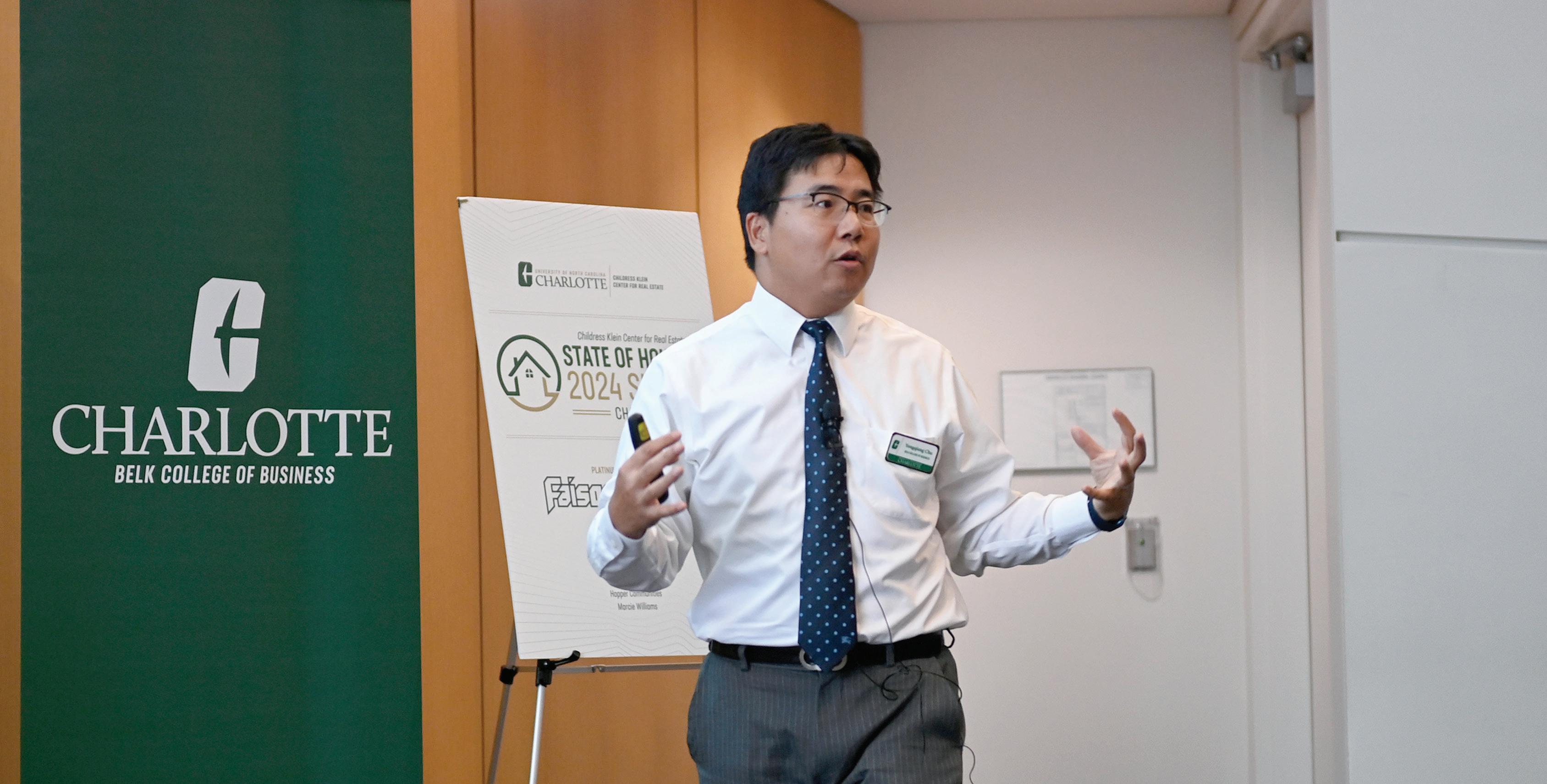
The report draws upon six data sources and considers owner-occupied, rental and subsidized housing in an eight-county area of Mecklenburg, Cabarrus, Gaston, Iredell, Lincoln and Union counties in North Carolina and Lancaster and York counties in South Carolina. Those providing financial support for the 2024 report included Canopy Realtor® Association, Faison, True Homes, Hopper Communities and Marcie Williams. The Canopy Realtor® Association provided substantial data contribution from its Multiple Listing Service.
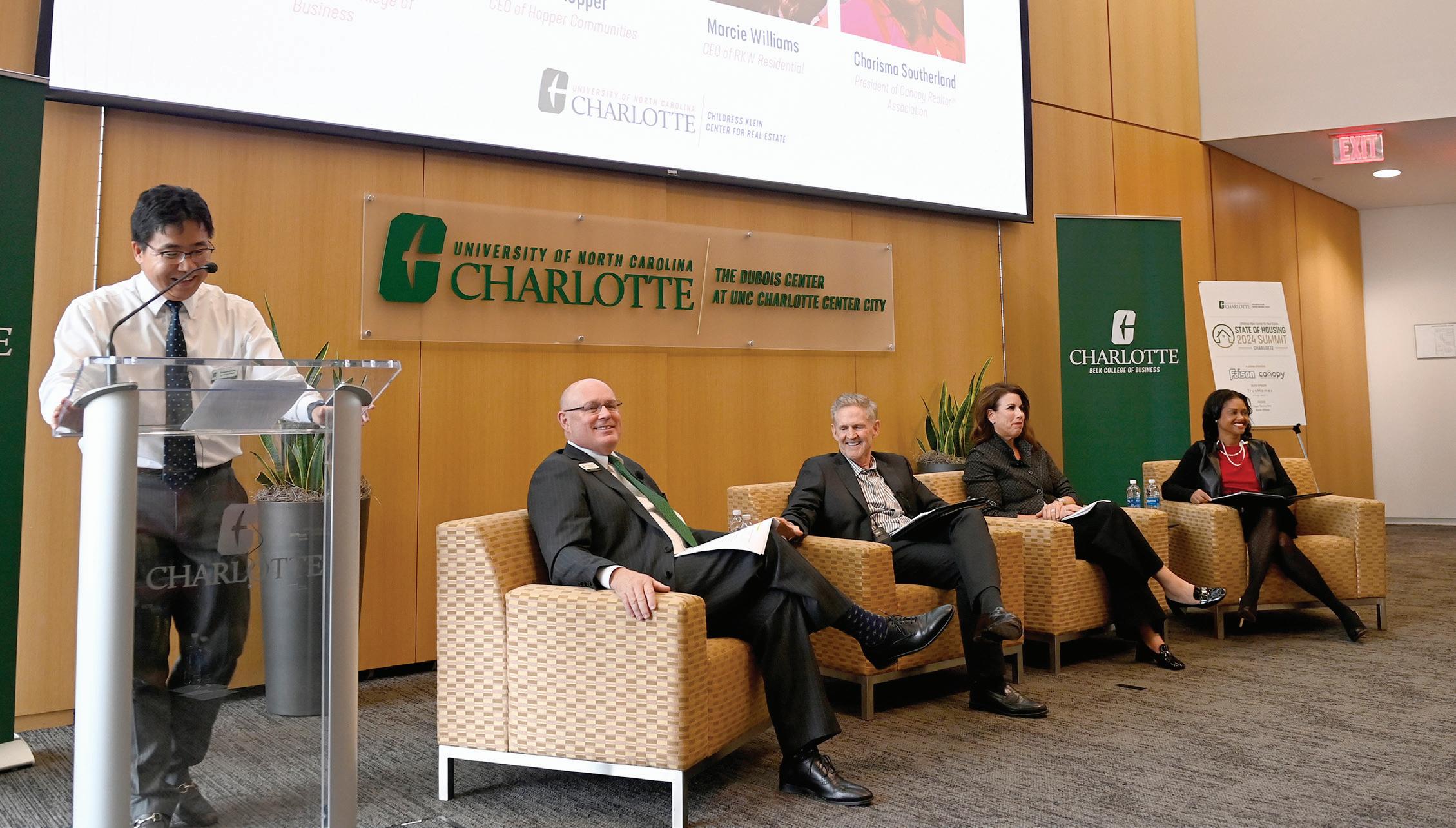
INDUSTRY PANEL PROVIDES INSIGHTS
A conversation with industry experts followed Chu’s talk, moderated by Belk College of Business Dean Richard Buttimer, with Charisma Southerland ’94, the 2024 president of Canopy Realtor® Association and Canopy MLS; Bart Hopper, founder and CEO of Hopper Communities, a leader in residential homebuilding and land development; and Marcie Williams, a multi-family strategic advisor with RKW, a multifamily property management firm headquartered in Charlotte.
“In the past 12 months, there have actually been 15,478 units that have been delivered, and over 12,600 of those have been absorbed, so you have the demand, and you have that absorption,” Williams said.
The pace of selling and buying of homes can hinge on interest rates, Southerland said. With a continued seller’s market, people need to be flexible and informed on location, financing and other matters, she said. “When you go into the 6% range, buyers will get mobilized, and so will sellers. Interest rates are very important.”
Southerland also discussed Canopy’s Down Payment® Resource, a tool to provide resources for homebuyers and real estate professionals.
Developers deal with complex government requirements, such as Charlotte’s Unified Development Ordinance and varied regulations in surrounding communities, Hopper said. “We’ve got to work together to come up with solutions,” he said.
REPORT REVEALS KEY ACTIONABLE INSIGHTS
• House price growth had stabilized at a lower rate than during the COVID-19 years; however, the rate was still growing. The median home prices in the Charlotte market increased from $414,360 in September 2023 to $429,945 in September 2024.
• While the supply side was catching up in the Charlotte Metropolitan Statistical Area, with a surplus of 5,000 units in 2023,, significant challenges still existed.
• The median days-on-the-market number was still less than 20 days at the time of the report.
• Houses with affordable prices had become extremely difficult to find. Only 2% of houses sold for under $150,000, and only about 19% of houses sold for under $300,000 in 2024.
• Housing affordability was slightly better than in the previous report because of the declining interest rate. It would take a family income of $138,000 to afford a median-priced house in 2024. That compared to the 2023 State of Housing number, which was $152,000.
• Rents were decreasing in 2023 and 2024, as a result of the significant increase in multifamily apartment deliveries in the last several years.
THOUGHT LEADERSHIP ON CRITICAL COMMUNITY ISSUES INFLUENCES LEADERS, CITIZENS
Faculty with the Childress Kline Center for Real Estate provide thought leadership to guide and inform solutions in urban development, land use, investment and capital market issues while influencing theory, policy and practice. The center routinely takes its research into the broader community, particularly in the Charlotte region. Audiences range from business leaders and owners to economic developers and policymakers to citizens.
FACULTY PROVIDE GUIDANCE THROUGH NEWS MEDIA
By contributing expertise for news media articles, the center’s faculty inform policymakers and Charlotte area businesses and consumers on issues related to the economy, the housing market, commercial real estate and related topics. Media outlets turning to the center for expertise in the 2024-2025 year included The Wall Street Journal, Charlotte Business Journal, WFAE, The Charlotte Post, WCNC, The Independent Tribune, Queen City Nerve, WJZY, Yahoo! News, MSN, Carolina Public Press and CLT Today.
The State of Housing in Charlotte 2024 report drove significant news coverage, both immediately after the Nov. 20 summit, when the report was unveiled, and throughout the year. Media in the Charlotte region and throughout North Carolina see the research report as a trusted source of data and expert analysis. Other timely media commentary this year looked at housing issues in Western North Carolina following Hurricane Helene and considered proposed federal legislation on housing.
PUBLIC SESSIONS GROW COMMUNITY KNOWLEDGE
In addition to more formal opportunities, faculty presented research and informed commentary at industry and community sessions throughout the year. Notable among the talks were those given to local organizations critical to the local real estate market, including a talk on affordable housing to the Charlotte Professional Women in Building, sponsored by the Home Builders Association.