BEAMS EXPO 2026:
ART FOR OTHERS
A BELEN ALUMNI COLLECTION
Ignatian Center for the Arts
Belen Jesuit Preparatory School
January 9th, 2025 February 12th, 2026
Olga M. & Carlos A. Saladrigas Art Gallery
BEAMS EXPO 2026:
ART FOR OTHERS
A BELEN ALUMNI COLLECTION
BEAMS EXPO 2026: ART FOR OTHERS A BELEN ALUMNI COLLECTION
January 9th, 2025 - February 12th, 2026
Olga M. & Carlos A. Saladrigas Art Gallery
Ignatian Center for the Arts
Belen Jesuit Preparatory School
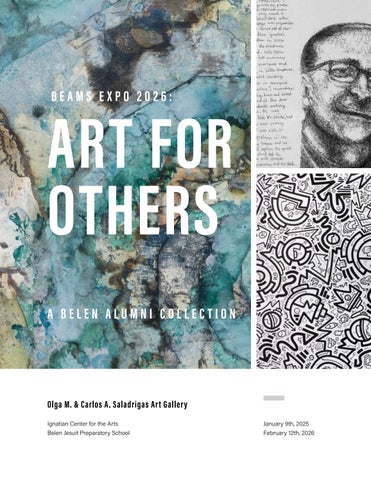
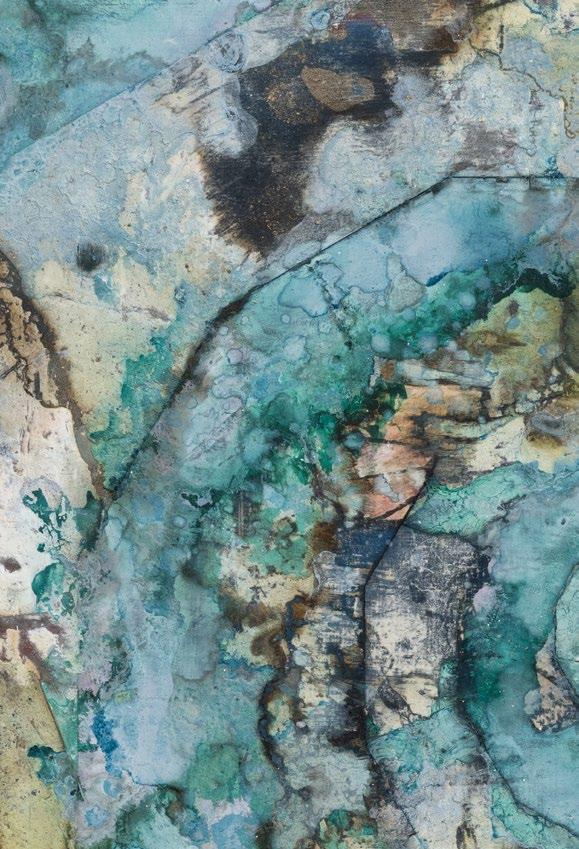
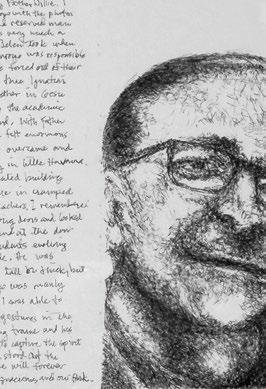
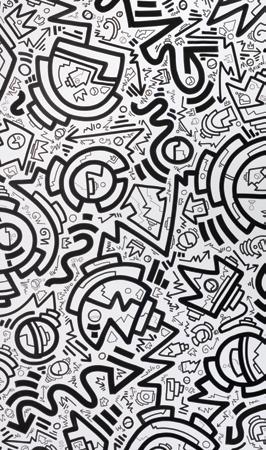
Front Cover Images:
Spiral (Detail)
Paula Pino ‘07
Acrylic ink, watercolor on plywood
18” x 12”
2022
Building Lungs (Detail)
John R. Medina ‘77
Printed images from a sketchbook
pressed onto 1/4” foam-core and covered with 1/8” glass and attached with stainless steel binder clips
40” x 225”
2019-2021
Untitled (Vertical Script) (Detail)
Adrian Lorenzo ‘07
Paint marker on cotton canvas
36 × 72 × 1.5 in 2024
Back Cover Images:
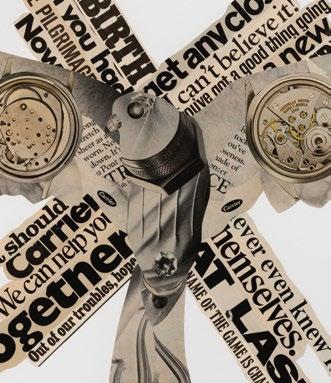
Carrier of Hope & Love (Detail)
Ernie Rodriguez ‘91
Collage on paper
22” x 30” (framed 26’ x 36”) 2024
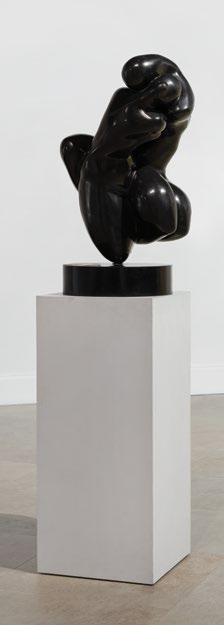
Abrazo
Manuel Carbonell
Class of 1936
Bronze with patina finish
26” x 19” x 16” 2005
Courtesy of Carbonell Sculptures L.T.D. & Mr. and Mrs. Ricardo J. Gonzalez
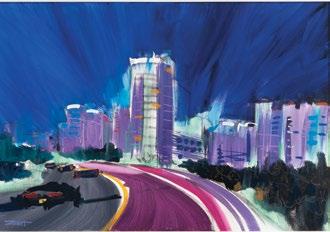
Northbound (Detail)
Henry “Zart” Zaragozi ’78
Acrylic on canvas
29” x 41” 2020
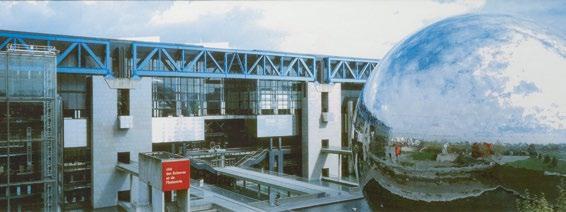
Untitled - Charles de Gaulle Airport (Detail)
Miguel Font ‘55
Color photograph
13” x 27”
Courtesy of the Font Family
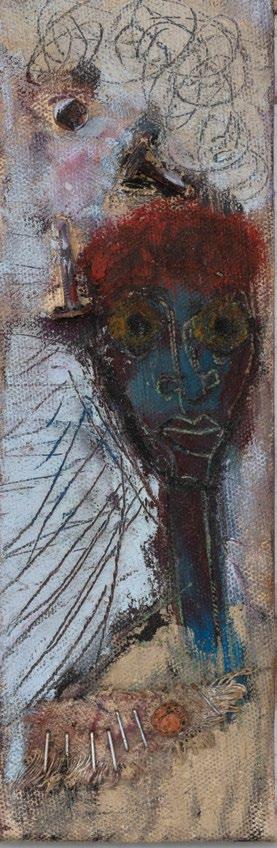
Untitled (Detail)
Osiel Gonzalez
Class of 2014
Mixed media on canvas stretched on wood
9” x 2-3/4” 2019
ACKNOWLEDGMENTS
Belen Jesuit Preparatory School President: Father Guillermo M. García-Tuñón, S.J. ‘87
Belen Jesuit Preparatory School Administration: Jose E. Roca ‘84, Olivia Zarraluqui, Patricia Bustamante
Olga M. & Carlos A. Saladrigas Gallery Director: Ignacio “Iggy” Font
Ignatian Center for the Arts Administrative Assistant: Roberto Gonzalez
Exhibition Curator: Ignacio “Iggy” Font
Exhibition Preparators: Leandro Vazquez, Phillip Karp
Catalogue Writers: Joaquin Fernando Salvade ‘26, Juan Francisco Lam ‘18, Oscar Ignacio Bustillo ‘84, Ignacio “Iggy” Font
Catalogue Editor Ignacio “Iggy” Font
Photography: Phillip Karp (artwork photography), Carlos Eduardo Cristobal ‘16 (opening night photography)
Communications: Teresa Martinez, Carlos CJ Cristobal
Finance: Idanet Gonzalez, Damarys Martinez, Daniela Peña Oduardo
Facilities: Ricardo Echeverria, Carmen Callejas, Orlando Garcia, Ariel Nuñez, Maria Victoria Ruiz, and the Belen Facilities Team
Catering: Richard Moncada, Betty Fuentes, and the Sage Dining Team
Music at the Opening Reception: Diana Rada (harpist)
Catalogue Design: Charlie Calderin ‘90
Publication: Robert Ley
Special Thanks to Carlos Bravo, the Belen Jesuit Alumni Society and the BEAMS Board Members
BEAMS EXPO 2026: ART FOR OTHERS A BELEN ALUMNI COLLECTION
Olga M. & Carlos A. Saladrigas Art Gallery
Ignatian Center for the Arts
Belen Jesuit Preparatory School
January 9th - February 12th, 2026
Before I start, let me just say thank you. The responses, visits, encouragement, and genuine interest people have shown - along with the support for my new role in the gallery - has been overwhelming in the best way. I’m humbled by how many folks have stepped forward to lend a hand, and I’m especially grateful to the people I admire who have shared advice, guidance, and a whole lot of generosity. I’m deeply indebted to the community that’s already here - and to the one we’re continuing to grow together.
For those who may not know how the Saladrigas Gallery operates, we follow the academic year (August through June) and present four exhibitions each season. This exhibition is a collaboration between the Saladrigas Gallery and the Belen Alumni Society, brought to life through the BEAMS Executive Committee—BEAMS being the Belen Entertainment Arts and Music Section. It’s built by graduates who have continued their lives in and around the arts and who return with ideas, energy, and a real desire to showcase alumni creativity. Sharing that love for the arts makes the gallery a place where the connections formed in their youth feel alive again.
This year’s exhibition, BELEN Expo 2026: Art for Others / A Collection of Belen Alumni, is on view January 9 - February 12. We’re showcasing 20 alumni, ranging from the Class of 1936 through the Class of 2021. Some are actively practicing and building careers in the arts; some made art for a time and then life took them elsewhere; some have made careers in creative fields. All of them have relied on imagination and making as a steady part of their lives.
A few of the alumni in the exhibition are no longer with us, but their presence is still felt through the work they created. Having several of my former students - now alumni - along with my father, Miguel Font ‘55, in this exhibition has made the experience especially meaningful for me. Every exhibition brings gifts to those who work it and as this exhibition came together; I reconnected with a friend from my younger years and was reminded by several alumni of the trajectory of being an artist in Miami in the 1980s through today. It was great to share our stories.
I have the good fortune to know quite a few artists, and no matter where life has taken each of them, the common thread is passion - and the drive to keep creating. For some, art is a hobby; for others, it’s more than that. Either way, they keep making. When you sit and talk with them, you feel it: the need to build, paint, draw, and shape what matters to them - and then share it with others.
It’s truly an honor to work with BEAMS and the BEAMS Executive Committee to bring this exhibition together - led by Oscar Bustillo ’86 (Executive Chair), alongside Arturo F. Mosquera ’71, Luis Zabala ’89, Johannes Quiles ’02, Alberto Flamini ’05, Íñigo Abaroa ’08, and Oscar Berlanga ’17. I am proud of what we’ve built, and even prouder of why we’re doing it: for the greater good, our school, our students, and the community we serve.
Ignacio Font, MFA Director, Olga M. & Carlos A. Saladrigas Art Gallery
BEAMS EXPO 2026: ART FOR OTHERS A BELEN ALUMNI COLLECTION
Olga M. & Carlos A. Saladrigas Art Gallery
Ignatian Center for the Arts Belen Jesuit Preparatory School
January 9th - February 12th, 2026
Dear Belen Community and Honored Guests,
It is my distinct privilege to welcome all of you to the Belen Month of the Belen Entertainment, Arts and Media Section (BEAMS) of the Alumni Association 2025-2026 art exhibition and cultural activities. This special exhibit is dedicated to Belen alumni artists who have created art over a period of years and share the power of Belen’s lasting artistic legacy.
BEAMS is proud of our collaboration with Ignacio Font, the new Director of the Saladrigas Gallery, who is curating this benchmark exhibition. Additionally, I would like to extend my gratitude to our Belen BEAMS Month Director, Dr. Arturo F. Mosquera, and our esteemed Board of Directors for their steadfast support from the early stages and throughout the planning and execution of the exhibition.
I would also like to acknowledge the original impetus for this exhibition to Stephanie Hurst, the former Director of the Saladrigas Gallery, and Charlie Calderin, one of our exceptional BEAMS members and designer who is participating with his own art practice, for their vision related to this unique exhibit.
The dedication to the arts at Belen stems from our heritage in Havana, and in present-day Miami the emphasis on the arts continues to grow. We are deeply grateful for Fr. Willie’s constant support of the arts at Belen. The Saladrigas Gallery, the ROCA Theater, and the music department, directed by Dr. Marlene Urbay bless our community immeasurably.
BEAMS is also thankful to the Belen Alumni Association, as well as the dedicated Belen staff members who elevate Belen’s cultural gem at the Ignatian Arts Center to world-class status.
With thanks for your presence on behalf of BEAMS, Oscar Bustillo Chairman, BEAMS
AN INQUIRY INTO THE UNMADE
By Joaquin F. Salvade ‘26
In a world obsessed with practicality, creativity is, more often than not, seen as a luxury. Works of art and brilliant stories are admired from afar once completed, yet the artists and poets who imagine them are discouraged from doing so. Children are told to “follow their dreams” and pursue their wildest imaginations, and yet countless young artists are told to “get realistic” and appeal to a more conservative career. Society nowadays slaps a label on the aspiring painters, dancers, poets and playwrights and calls them “unrealistic.” As such, the world itself may have been robbed of imaginative and beautiful art that never had the opportunity to be born.
The problem, however, runs deeper than simple discouragement from guidance figures. Art is often seen as valuable only by its creator in its infancy, and, comparative to other forms of expression, rarely gets the opportunity to shine in the public eye. Art is applauded and celebrated when it trends. Movies receive awards, singers rise to fame, and painters auction their masterpieces to the highest bidder. Talent is celebrated only after it survives the harrowing gauntlet of doubt, competition, and perfection. In this hierarchy of a warped, hostile realm of doubt, both those who constrain creativity, and the artists who fall prey to the toxic clutches of insecurity forget that the entire role and purpose of a dreamer is to refuse to accept the borders, walls, and limitations instilled by “reality.”
One might find it easy to forget that, because of how fragile the life of a creative is, it shouldn’t be treated as a temporary “phase”. Art is offered to the talented as an optional opportunity to showcase their ability, not one that should ever take priority in their life. The artist who focuses more on his passion than on a stable career is seen as naive and delusional. Creativity is not a fragile, temporary hustle, however. It is defiant. Creativity is the force that has carried humanity from cave imagery of various primitive animals to
jaw-dropping cathedrals which blow the minds of civilizations far later than the ones present for its construction. From myths whispered around fires to novels potent enough to change the course of the future. Every painting, every song, and every story is a rebellion against the now. Against the idea that people should accept our current standard as “okay.”
“It all depends on what is the true reason for making art? If you do it for yourself there is no reason to have doubt. If you do this for someone else’s approval or praise I don’t believe you are making art. I make things because I want to. I like when people like it but that does not drive my idea or inspiration. Mostly I try to make things I’m interested in and make me happy.“
- Charlie Calderin ‘90
Unfortunately, an immeasurable amount of talent is flushed away by young artists who internalize the message that dreaming, and therefore, creating, is dangerous. They bury their sketchbooks in their closets, refuse to publish their stories, and hide away their passions for the fear that, somewhere in the future, reality will sap away their dreams and ideas, and leave them for dead in a cruel and unforgiving world. The real tragedy is not that the world has lost true talent, but instead that the endless talent it already has is not given permission to expand upon itself.
To understand the true state of creativity, one must look beyond the best sellers, expensive murals and musical trends. One must look for those who create in spite of their situation. The dancers who practice in parking lots, mirroring their idols to a non-existent audience. To the painters who forge beautiful scenes only to collect dust in their garages. The writers who jot down endless stories in their notebooks on their way to a job they would give anything to leave. One must ask them why they still create, even though their dreams will never reach the eyes and ears of the world. They won’t say fame or money, but instead say how a story or a melody or a painting might claw at their ribs until it is released. Creativity is not a talent, but an instinct. It is a specific instinct dotted around
the world. It is the instinct to remain, no matter how many times it is threatened to vanish.
That is where the beauty of art lies. No matter how many voices attempt to shut it down, there is another to lift it.
“For me, it wasn’t a person but a set of circumstances. The COVID shutdown created an unexpected pause— one that gave me the space to fully explore my creative abilities. Accustomed to frequent travel for my day job, I suddenly found myself, like many others, with time to slow down and reflect. That stillness allowed me to reconnect with something I had always felt inside but never fully pursued. It reinforced an important lesson for me: that even in difficult moments, there is opportunity—and that it’s never too late to embrace a new passion or turn adversity into something meaningful.” - Ernesto Rodriguez ‘91
The voice of the teacher who stays after class to admire the doodles of dragons in the margins of a classwork assignment. The voices of entire communities which join together and celebrate the unseen works of a small video game company which failed to capture the attention of the overall public. The voices of a school which loudly commemorates an artist for designing a t-shirt concept.
That is the greatest strength of creativity. It spreads. Every piece of art ever made is an invitation for someone else to dream harder. It calls for the next great artist to surpass and outperform the original. Just like how the first ever car incited a worldwide challenge to create another, faster car, art sparks innovation from those willing to dream. Stories inspire movies, art inspires poetry, music inspires dance, and a world without any art, any imagination, or any creativity would crash to a devastating halt.
“My ‘$ymbolz’—the recurring lines, shapes, and patterns that run through my murals, canvases, products, and branding—still feel mysterious in the way they keep arriving ahead of my own understanding of them. They behave less like a style choice and more
like a living system or language that keeps expanding on its own, finding new ways to plug into different spaces while somehow holding the same emotional temperature and identity. Most of the time it feels like they’re one step ahead of me, and I’m just catching up to a vocabulary I’ve already been writing, which makes it hard to tell whether I’m directing the work or something quieter and deeper is working itself out through these marks.” - Adrian Lorenzo ‘07
A “realistic” future is, more often than not, a narrow one. Practicality can indeed keep one safe, put food on the table, and clothes in the closet, but creativity is what truly keeps the world spinning faster. The world desperately needs those who see it differently, and those who refuse to accept that what is, is. Every great thing in this world springs from change, and change always comes from someone who dares to imagine.
ARTISTS, DISCERNING. MYSTERY, MAKING, MEANING
By Juan F. Lam ‘18
At its very best, art is a mystery. It’s a mystery for us, the beholders, who are confronted with myriad elements to puzzle over at first glance: forms, colors, materials, textures. Then, should we be intrigued, we may uncover even more to learn. The art’s context, its provenance, its story, and if we find it truly striking, if we are moved, we might even go so far as to divine in it some personal meaning.
Art is no less mysterious to its curators. Those who collect, categorize, conserve, and champion art. Those who decide: how should this be presented? In what light? Occupying what space? What piece shall this piece neighbor? What arrangement of work might create some harmony? Those who answer question upon question until, miraculously, a final composition is reached and the result is a space like this year’s BEAMS Exhibition (and its corresponding catalog, which you might be reading this on). A place where we may experience a collection of delightful little mysteries.
Art is a mystery chiefly to the artist for whom each piece is a foray into new territory and who must always confront the unknown. There are very few artists who set out on a new piece with an exact model in mind for their desired outcome, and even those who do must still grapple with the realities of process. After all, something is always lost – though perhaps gained – in translation from mind to matter. Every artist’s process is different and I’d even put forth that there might be more ways and reasons to make art in the world than there is yet art. This exhibition alone is testament to the diversity of forms, movements, meanings, and reasons for being that art might take.
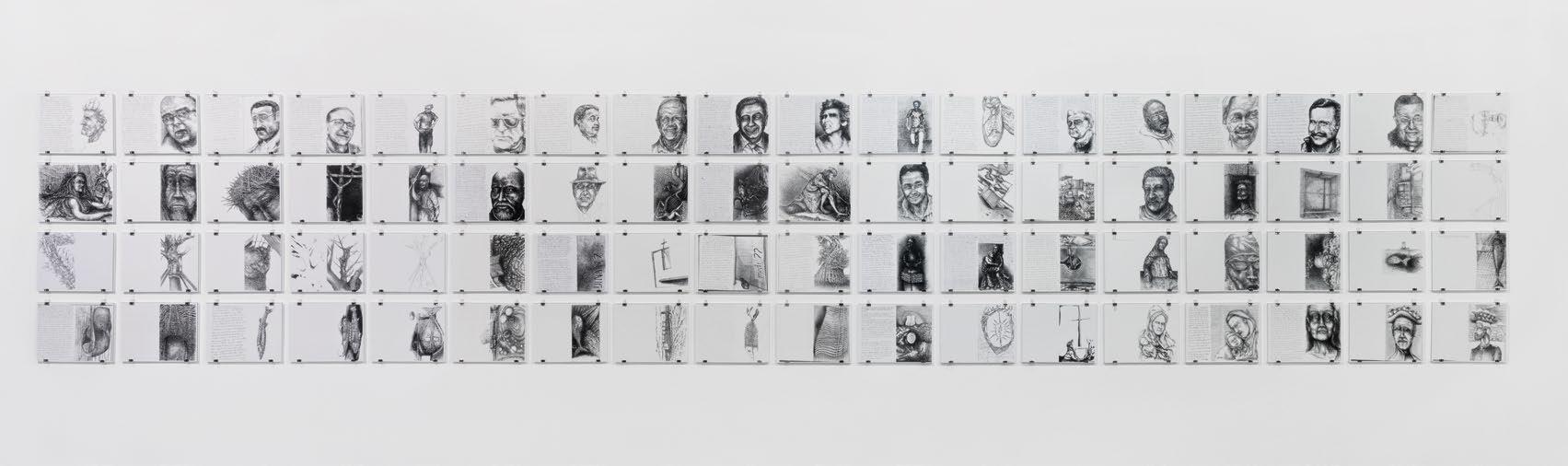
Explore the long wall patterned with pages from the sketchbook of John Medina, chronicling something valuable – the heart whispers of a veteran artist. “It has been a few weeks of me drawing the impression
[of the Virgin Mary] in this book… May this sketch be a mom that purifies the observer.”
See the dichotomy at the heart of the work of Manuel Carbonell, hefty statues – monuments of pure form that bear the lightness of dewdrops. People in repose or embrace or contemplation. Bronze bodies with the fluid, flowing aqueousness of consciousness itself. Carbonell’s work is the result of more than eight decades of artistry. Can you feel that mastery in each easy curve and turn in his sculptures?
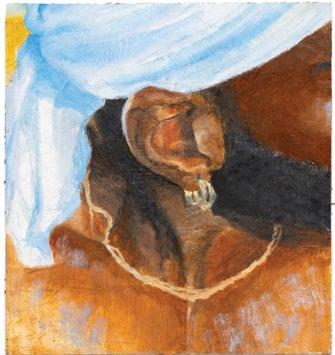
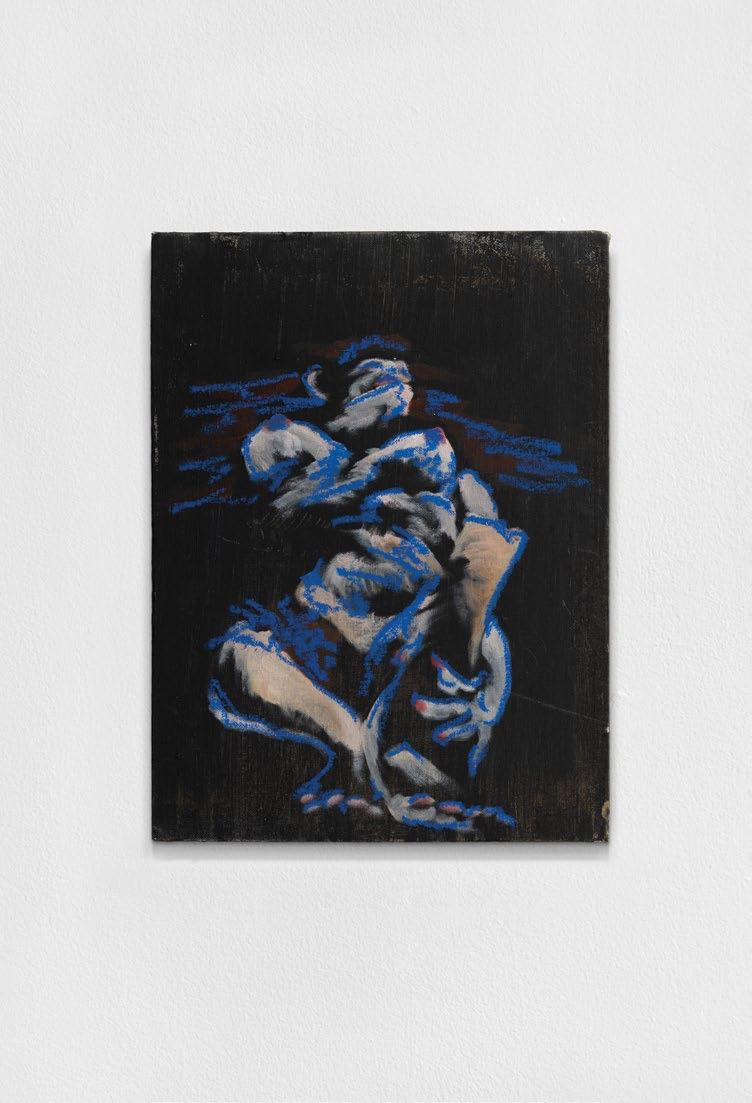
When I asked Gabriel Cobas about his dark oil on canvas piece depicting a reclining nude woman among inky shadows, he said this of his process: “I tried to focus on more grotesque elements, leaning into harsher corners and into linework because I’m more confident there. I usually don’t focus on purposely exaggerating my subjects, but I’m trying to unlearn this hyper-perfectionism and search for ‘beauty’. I looked at the works of Egon Schiele mostly to try to get out of my headspace but also have been going to a few interpretive dance shows to get an idea for pushing space while using one color.”
When I see the piece now, I see what I couldn’t see before, what I took for granted, what I had been blind to. The piece is exploration, a young artist at play with form and manner and method. Learning, experimenting! The real stuff. Asking questions.
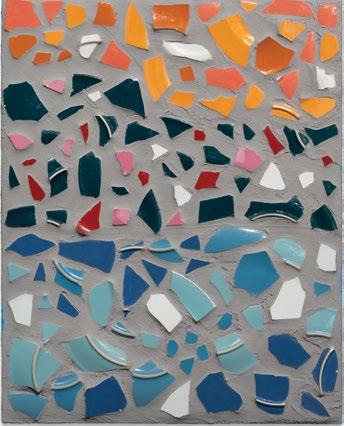
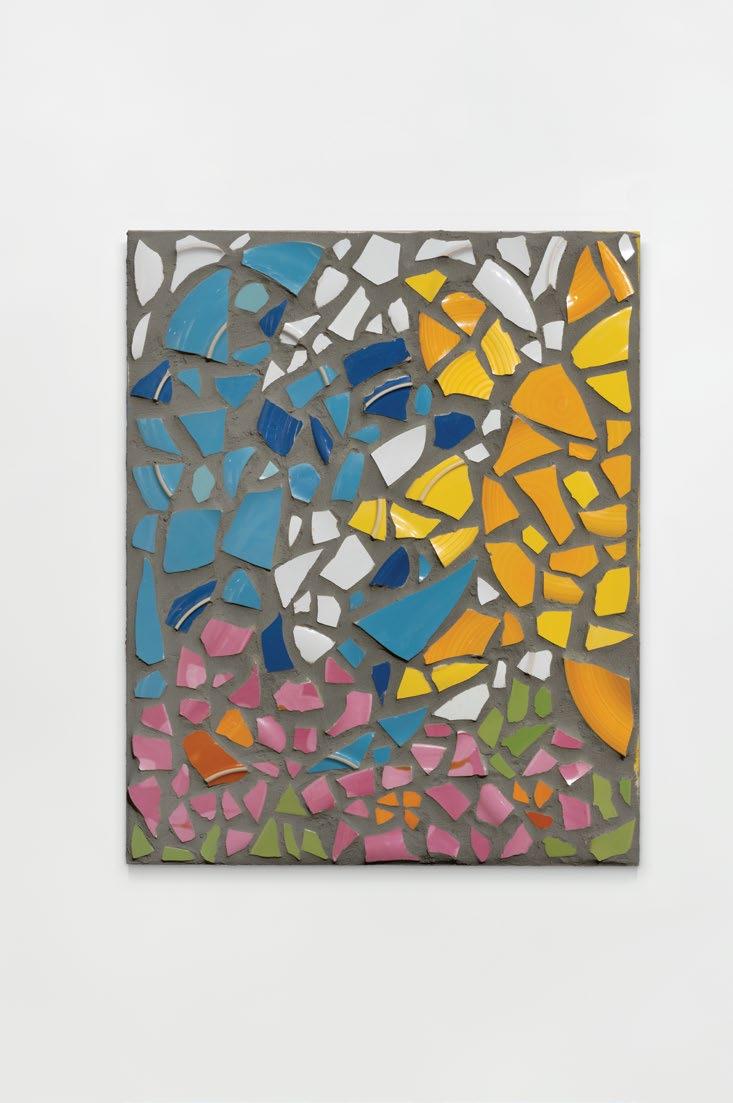
While exploring the offerings of the exhibition, or its corresponding catalog, I invite you to engage in a game of imagination. As you look at each work in turn, imagine the artist mid-action, the artist at work. Picture the decisive moment. What is it like when the final brushstroke is placed? What’s it like when the artist takes their first step from the precipice of ideas and falls into the deep valley of actuation? Suppose you are Carlos Machado laying out an arrangement of colorful shards of broken ceramic plates. What does it feel like to hold each piece in hand, running your finger over the gritty jagged edges, doing your best to intuit which way is just right to place this piece?
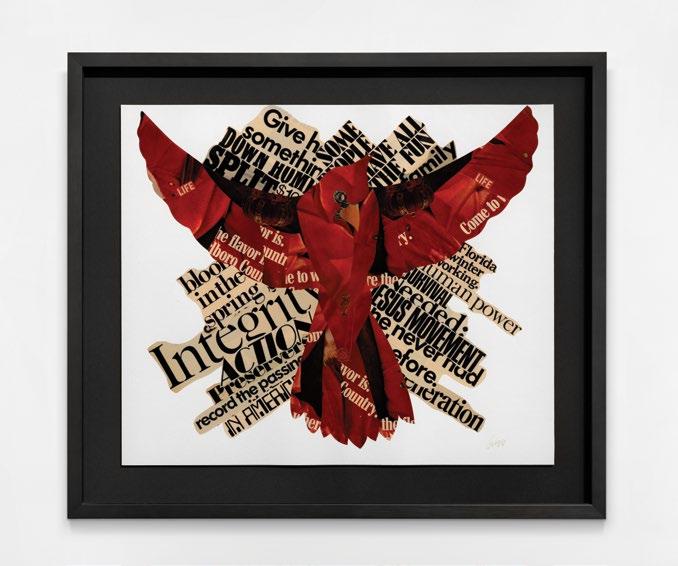
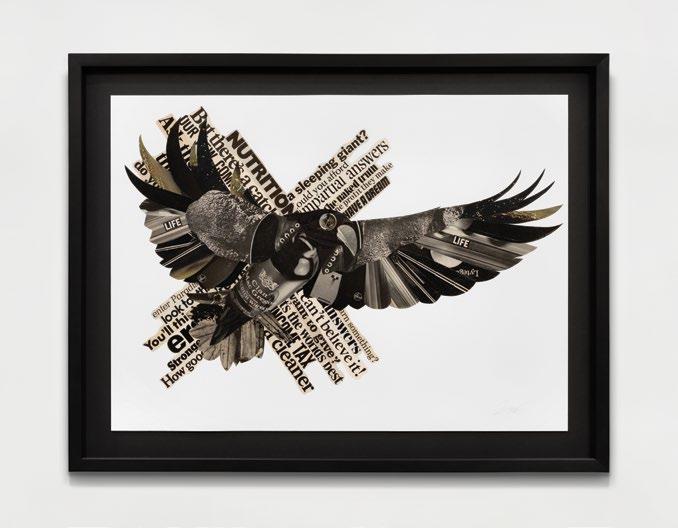
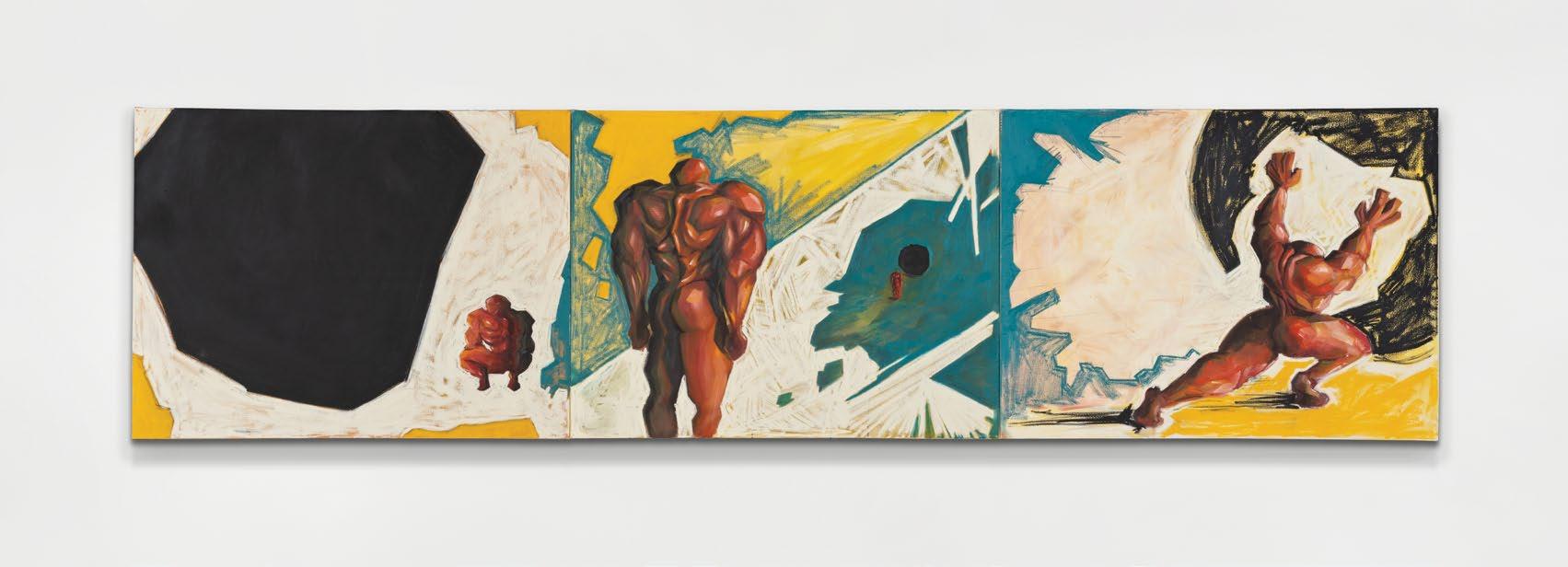
Suppose you are Ernie Rodriguez wearing white latex gloves, standing at a white table, holding a silver X-Acto knife. How would you pry what will soon be a long bird’s feather out of a blue dress in a fashion magazine? If you are Mateo Garcia standing before a 3 foot by 4 foot canvas with a palette of oil paint and only the inkling of an idea of how to tackle the work, how would you make “Unequivocal Force”? How would you fill the next two blank canvases nearby? How would you make “No Rollers”? How would you make “The Hill”?
Here’s another mystery: what drives all these artists? Why do they make art? Many of the artists in this gallery do not work as artists in a professional capacity. They are students or workers, engineers and architects and financiers and managers and businessowners. Some are in the thriving Miami art culture as committed community members. Some have left the world of art altogether. Some of these artists make their work quietly, privately. Almost in secret. What drives them?
Art is effort, no matter how enjoyable it might be. Art asks something of the artist. It asks for time, it asks for attention, it asks for thoughtfulness and rumination and innovation and, most of all, the work of your hands. We live in a world that is excessively accommodating for an idle mind. We are, all of us, being a little smothered by comforts. Modernity is very hospitable, but it is a minefield for the mind. For the artist, the world is more hostile than it’s ever been; what the world is asking of us is to do less, when what art calls for is more and more and more again. Every name in this gallery is a person who has answered that call. They are artists. They make work in stolen hours. Early in the morning, late into the night, among responsibilities and duties professional, familial, and spiritual alike. They have carved out time among countless little obstacles and distractions and tangents to make the work of the gallery. Not for us to enjoy, though that is always a happy thing, but for themselves, because they must.
Some artists might create as a pure outlet, some as therapy, some for fun. Most artists claim they do not know why at all. They just make art, they say, and that is that. But I believe that deep in their hearts, beyond the reach of what consciousness may admit, all artists are true discerners. Art is visceral, it’s automatic. It is metabolic. It happens deep in the body. All art, in my eyes, is proof of the process of discernment at work within its maker.
Discernment is a powerful and apt word here. This gallery is hosted at an Ignatian school, a Jesuit school. Every student who passes through the halls of Belen is familiar with the word discernment because it is a deeply Ignatian value. To discern is to make sense of one’s actions and thoughts, to get at the heart of the matters of one’s interior life. The artist at work is discerning. The artist metabolizes their interior world and the exterior world around them through the practice of creating.
Art is something all of us have within us and that I beseech you not to deny. Would you deny yourself sustenance in hunger, or water in thirst, sleep when you are weary? The artist is a person just as you are, who is perhaps more sensitive to this interior need, who heeds the call. Art-making for the artist is like crying or stretching or yawning. Pay attention to your body. You don’t know how much you might need to stretch until you finally do. You might not know how much you need to make art until you dare to make it. You should make art for the same reasons as you should exercise: to see what you are made of. To see what your body and mind can do, how much you can persevere. To push the limits and to exult in the joy of embodied living. Make art and see what your soul is made of. Persevere, as these artists have, through doubt and uncertainty and the mystery of the empty canvas, the empty page, the open question of that which is yet to be. Make art to explore the greatest mystery of all: who are you really?
The artist is an intrepid prospector who leaves no stone unturned. Many of the artists in this gallery have
been working for many years. Decades. Imagine for yourself a whole lifetime of creating and discerning and reaching. The artist is enriched in profound ways. We should admire these veterans and seek to emulate them, to follow their lead.
There’s a reason why art is so ceaselessly enriching and generous to its practitioners: the acolytes of the mysteries. The artist makes art from what they see of the world and what they feel, and in making art they see the world anew. The photographer begins to see visual dramatics everywhere. The painter sees a cornucopia of shadows and forms and textures around them. And as the artist sees the world in this new way they make more art in response. And in making more art see it all anew again, and again, and again.
Make art because as you do, you will be changed. And for all of us, we the beholders, our lives will be enriched by new ways of seeing. Our world will be made all the better by your art and you will be better, too. Consider this my personal invitation to jump into the life that all of the artists in this exhibition share. It is a rich life, a life of mystery and of infinite delights. I invite you to be an artist, discerning.
Exhibition proposals for the Carlos and Olga Saladrigas Gallery should be emailed to exhibitions@belenjesuit.org and contain the following material in PDF:
• Artist(s) Curriculum Vitae
• Artist(s) Statement
• Artist(s) website, including work samples
• Proposal Summary, including concept or theme, checklist (including titles, media, dimensions), exhibition layout, prospective timeline, prospective lenders and stakeholders, and a rationale explaining how the proposal aligns with the mission and audience of the Ignatian Center for Arts
• Proposals are reviewed periodically by the Ignatian Center for the Arts Programming Committee.
• Incomplete proposals will not be considered.
MANUEL CARBONELL ‘36
MIGUEL FONT ‘55
EMILIO FALERO ‘66
JOHN R. MEDINA ‘77
JORGE L. VALLINA ‘78
HENRY “ZART” ZARAGOZÍ ‘78
CHARLIE CALDERIN ‘90
ERNIE RODRIGUEZ ‘91
ARTURO E. MOSQUERA ‘00
LUIS ANGULO ‘02
DANIEL BRAVO ‘04
MARIO PINO ‘04
ADRIAN LORENZO ‘07
PAULA PINO ‘07
JAVIER DEL RIO ‘08
ALEX VALDES ‘08
OSIEL GONZALEZ ‘14
CARLOS MACHADO ‘17
GABRIEL COBAS ‘18
MATEO GARCIA ‘21
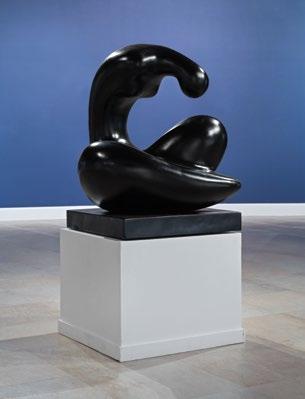
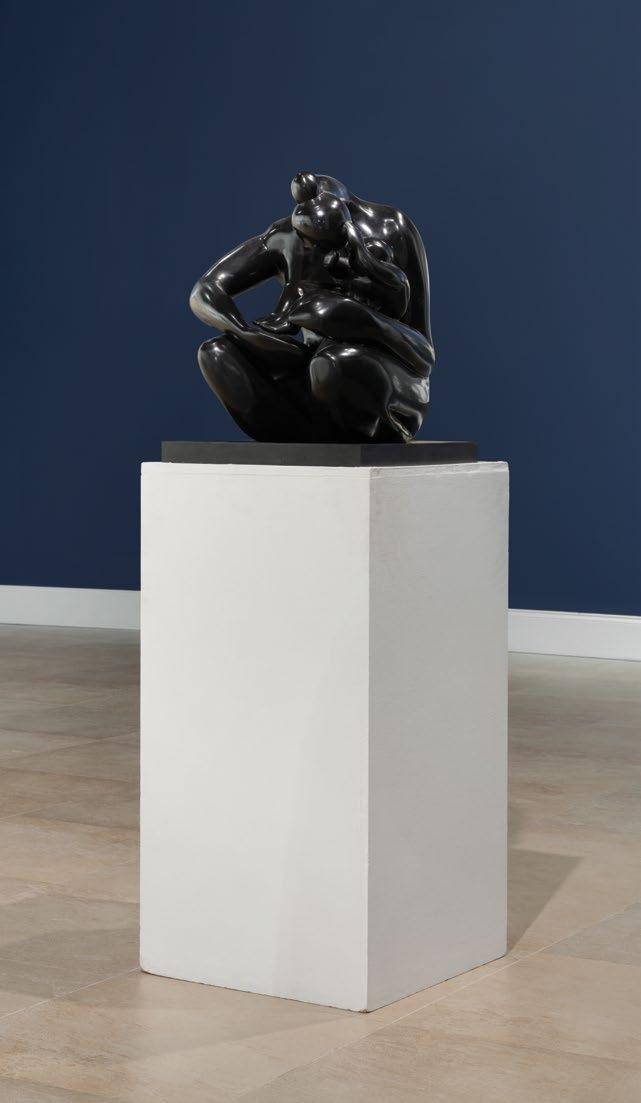
MANUEL CARBONELL
CLASS OF 1936
In Carbonell’s modern works, viewers experience echoes of Moore’s monumentality and the simplicity found in Brancusi, Archipenko, and Arp. Yet, Carbonell’s sculptures are unmistakably his own—marked by a highly distinctive and personal style that makes his work instantly recognizable and lends it a sense of permanence and transcendence in the art world. His artistic expression is rooted in searching for the essence of form and the absence of detail, while still empowering each sculpture with a sense of monumentality.
Carbonell himself notes, “If my sculptures are photographed against the infinite sky, then you feel that they were created to be made on a monumental scale, because monumentality gives me the sensation of eternity which I chase after in my life.” For Carbonell, monumentality is not about excess or glorification, but about capturing a lasting sense of meaning and essence. He believes that simply enlarging a form does not elevate it; instead, true monumentality lies in the artist’s ability to distill and empower the form itself.
MIGUEL FONT
CLASS OF 1955
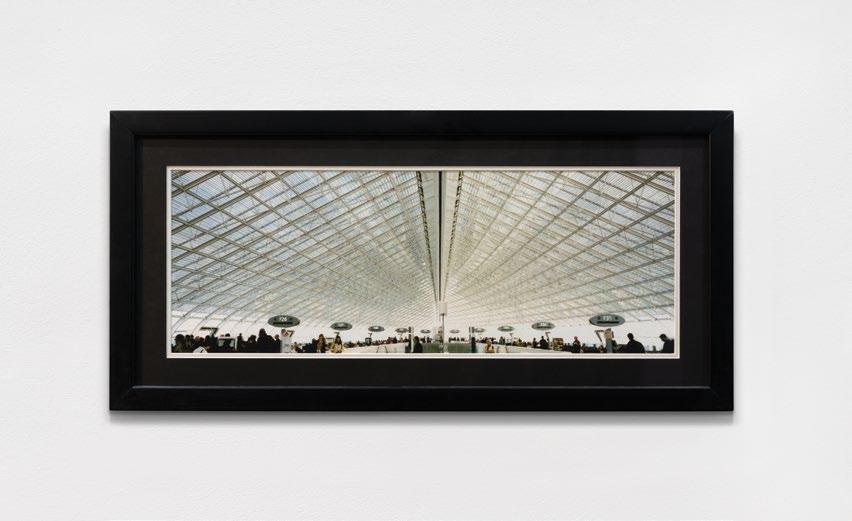
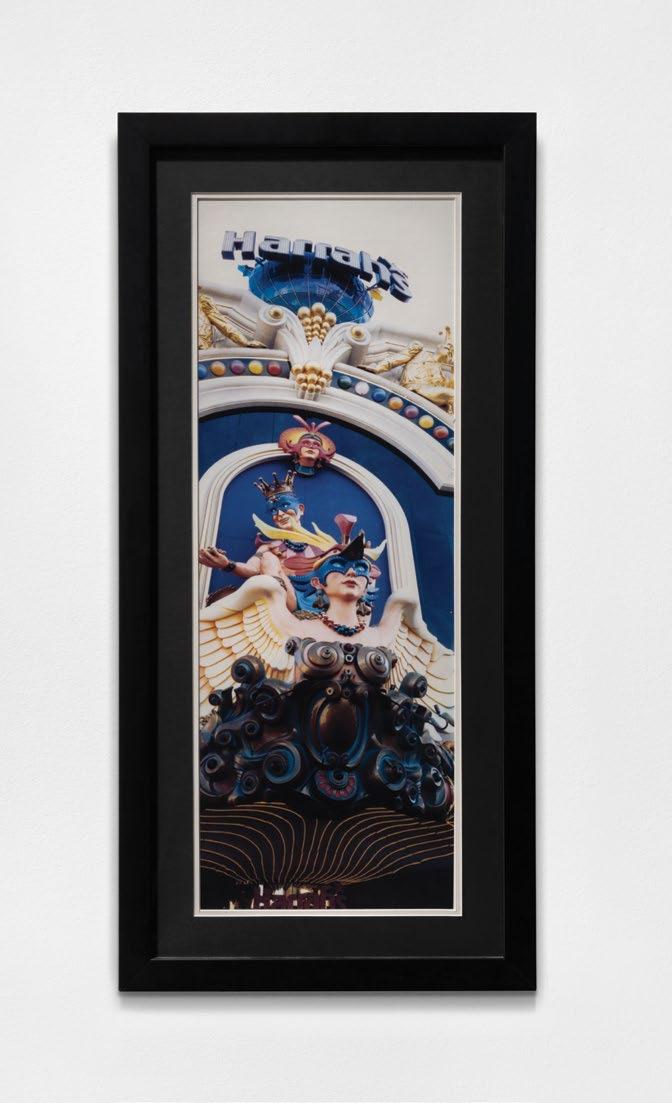
Miguel Font began his creative life through photography, drawing, and architecturealways driven by curiosity and experimentation. After leaving Cuba in the early 1960s and making his way to Puerto Rico, then Miami, he continued to see the world through space, structure, and perspective. He experimented with medium-format cameras and enjoyed working with panoramic cameras, creating images that stretch perspective and invite the viewer to linger.
Because of his architectural background, Miguel was especially drawn to iconic buildings and monuments. He photographed structures that caught his eye as an architect - paying attention to form, proportion, and the way a façade or interior holds space. Miguel’s drawings have been shown at the Green Library at FIU, and his work reflects a lifelong way of seeing - shaped by craft, memory, and his personal journey.
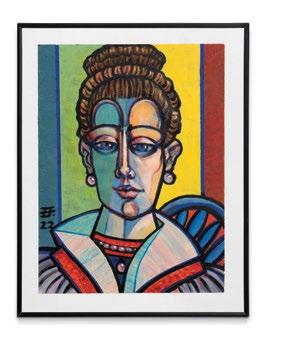
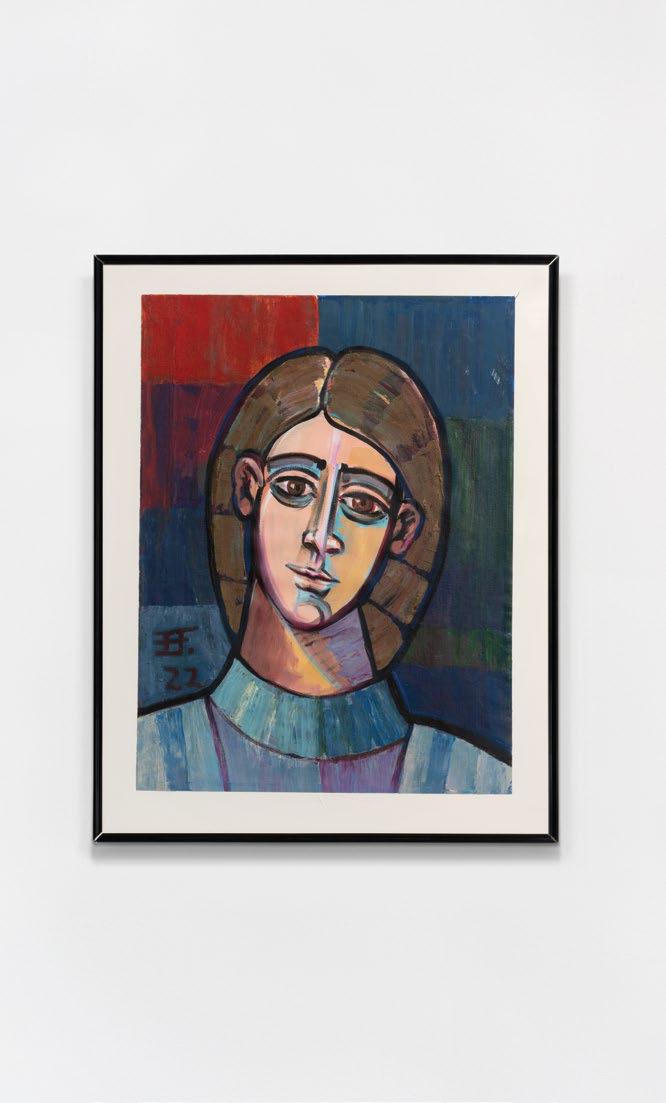
EMILIO FALERO CLASS OF 1966
Emilio Falero was born in Sagua la Grande, Cuba in 1947 and has lived in Miami, Florida since 1962. Deeply influenced by the Spanish masters, Falero often quotes their work in his large-scale paintings, blending art historical references with his own vision. He studied at Miami-Dade Community College and Barry University, and his technical mastery is shaped by years of training with notable artists. Falero is a recipient of the Ziuta and Joseph James Akston Foundation Award and a Cintas Foundation Fellowship.
He has exhibited at the Museum of Art in Fort Lauderdale, the Museum of Modern Art of Latin America in Washington, D.C., and participated
in major shows such as Outside Cuba, the Miami Generation, and Cuba-USA: The First Generation. Falero’s work is included in the permanent collections of the Lowe Art Museum at the University of Miami, the Miami Dade Public Library System, and others. His paintings are known for “playing tricks with reality,” as critic Giulio V. Blanc observed, weaving together imagery from Velázquez, Vermeer, Picasso, and Segal to reveal both harmony and contrast between artistic traditions. By taking art out of context and combining it in unexpected ways, Falero invites viewers to see familiar works—and the human condition—with fresh eyes.
JOHN RICHARD MEDINA CLASS
OF 1977
John Richard Medina is a painter, sculptor, and architect who has practiced in Florida for over 32 years. A proud Belen alumnus and Hall of Fame inductee, John’s creative journey blends art, faith, and memory. The drawings in this exhibit are duplicates from his personal diary, created during the design and construction of the Zumpano Aquatic Center, Arroyo Quad, and Gonzaga Pit. These works, along with accompanying stories, reflect the spiritual symbolism and formative memories—of Jesus,
Mary Queen of Knights, saints, priests, and significant events—that have shaped his life and practice.
Mr. Medina sculpted the Bust of Father Arroyo
S.J. and the Ticker Tape at the pedestal at the entry of his central park, which cites “We stand on the shoulders of giants.” He designed the Quad to rise up gradually, reaching its highest elevation at the steps of the statue of St. Ignatius of Loyola. John also created a
memorial sculpture for the Jesuit priests who gave their last measure to raising students at Belen; the puzzle is affixed to an imperfect cornerstone—originally cast out for its flaws— which now serves as a reflection of St. Ignatius.
womb. He is honored to share his personal reflections as part of the exhibition and remains deeply connected to the Belen community that shaped him.
Additionally, he designed the swimmers cross and baptistry doors of the aquatic center and fashioned the Gonzaga Pit, based on the conversation that Christ has with Nikodemus from the Bible about returning to a mother’s
JORGE LUIS VALLINA CLASS
OF 1978
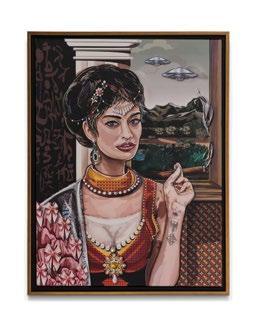
Jorge Luis Vallina, born in Havana, Cuba in 1959, is a Miami-based artist whose career spans more than three decades. With a Bachelor of Fine Arts in Graphic Design and Illustration and a minor in Psychology from the University of Miami, Jorge’s expressive style fuses technical skill, emotional depth, and cultural reflection.
Throughout his career, Vallina has explored a wide range of media and styles. His versatility allows him to move fluidly between traditional and digital forms, using airbrush, pencil, collage, acrylics, oils, and advanced digital imaging techniques. His art reflects a Composite / Eclectic style that merges human culture, historical perspective, and imagination.
Drawing inspiration from everyday life, Vallina’s work explores identity shaped by both social and environmental personal experiences. Each piece tries to capture and tell a story about his fascination with the complexities of human emotion and the beauty of creative expression.
In addition to his success as a professional artist, Vallina has shared his passion through teaching at the University of Miami and Miami Dade Community College, as well as workshops for artists of all ages. He believes art is both a means of personal expression and a powerful tool for connection and inspiration, encouraging students to explore and create without boundaries.
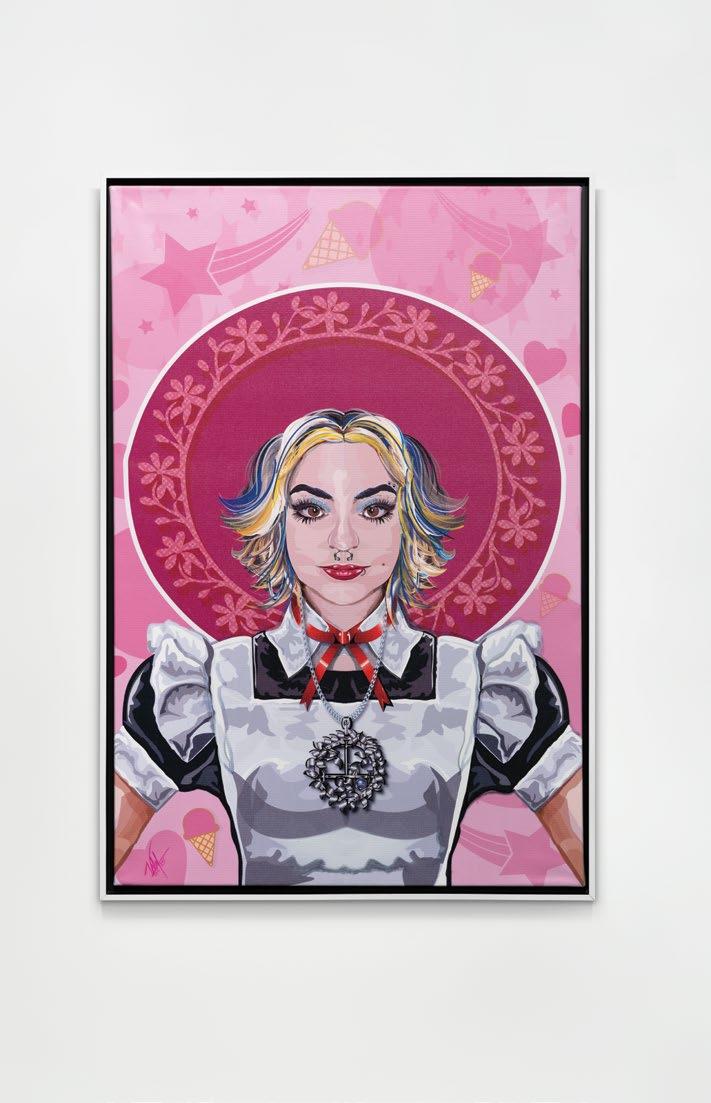
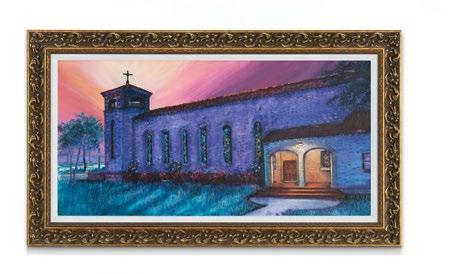
HENRY “ZART” ZARAGOZÍ
CLASS OF 1978
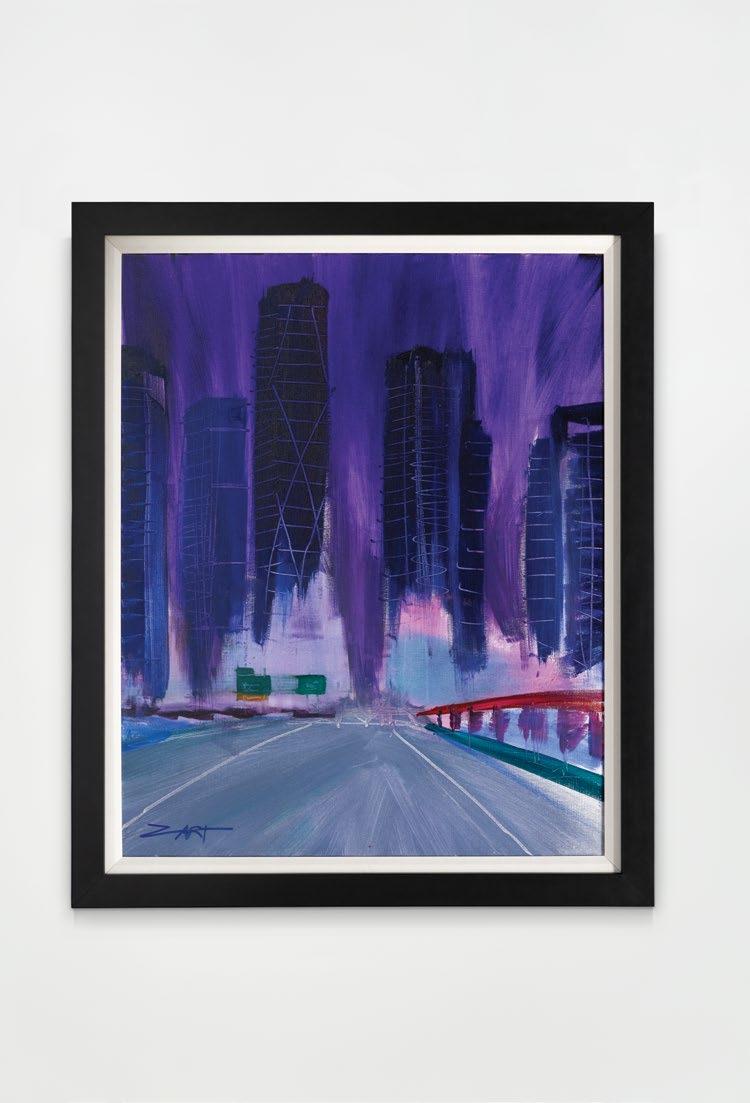
Henry “Zart” Zaragozí is a Miami-based artist whose work channels the vibrant pulse of urban life through charcoal, acrylic, and oil. Known for his urban nocturnal themes and multichromatic palette, Zart’s paintings are described by curator Cristina Coronel as “raw emotion— layering bold strokes, city textures, and vibrant energy to reflect the pulse of urban life.” His contemporary Expressionism, with a streetinspired edge, captures the unfiltered spirit of Miami and beyond, making each canvas a visceral snapshot of emotion and place.
Alongside van Gogh, artists like Claude Monet, John Singer Sargent, Diego Velázquez, and Edward Hopper have shaped Zart’s creative journey. His passion for art began in childhood, earning national recognition for his drawing
“The Welcoming Alien” in fourth grade. After graduating from Belen Jesuit in 1978 and studying at the University of Miami’s School of Fine Arts, Zart established studios in Wynwood and Coconut Grove, producing two sold-out solo exhibitions: UrbanScapes and A Little Miami.
Zart’s artistic vision draws deeply from the Old Masters, especially Vincent van Gogh, whose words—“I often think that the night is more alive and more richly colored than the day”—serve as a guiding inspiration for his own exploration of color and atmosphere.
Now painting from his studio in Spring Garden, overlooking downtown Miami, Zart continues to be inspired by the city’s energy, memory, and his own Miami roots. Rooted in place, gratitude, and the encouragement of his family, Zart flourishes in his God-given talent, always chasing the vibrant life and color found in the night.
CHARLIE CALDERÍN CLASS
OF 1990
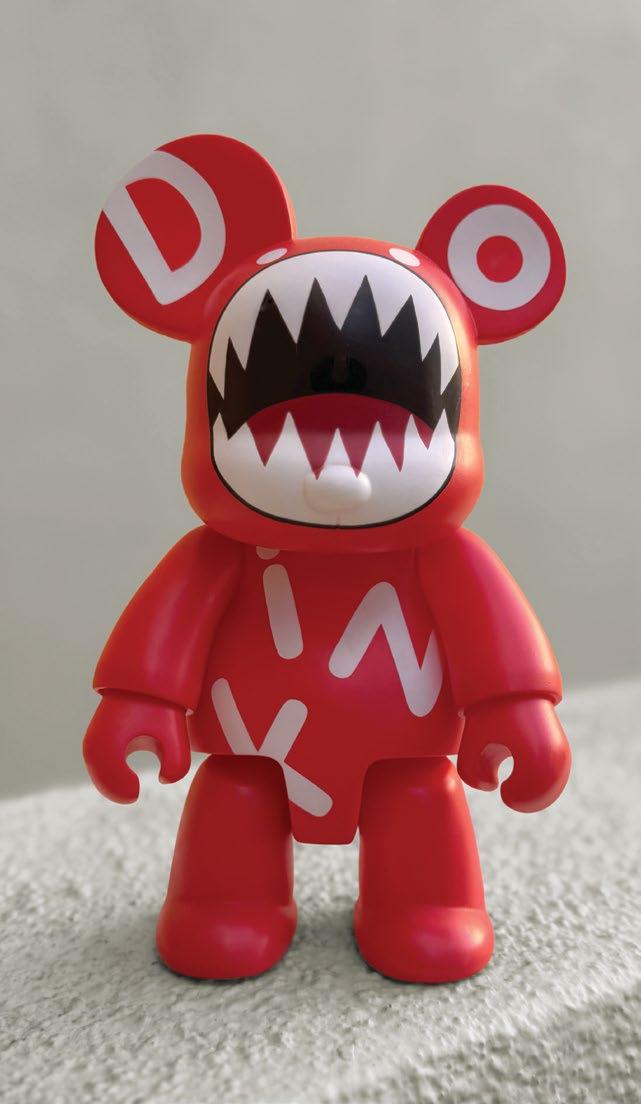
Charlie Calderin is a Miami-based designer and artist whose career spans more than 30 years across branding, illustration, and visual communication. He is President of Doink, Inc., a creative design agency known for a fun approach to serious design, and his work reflects deep expertise across logos, branding systems, publications, menus, packaging, event graphics, signage, and advertising. Calderin earned a BFA in Graphic Design from the Rhode Island School of Design (RISD) and is proud of his Cuban heritage and Belen Jesuit education.
Beyond client work, Calderin’s creative life is fueled by a wide-ranging studio practice and personal interests—illustration, photography,
and toy design among them—always with the goal of integrating craft, clarity, and play. Over the years, he has contributed to projects for national and international brands including Universal Studios, Chartpak, Pelikan, KOH-INOOR, Burger King, and MINI USA, alongside many South Florida businesses. His toy designs live in personal collections and have been featured in publications and shows in the U.S., Europe, and Asia. Whether designing for a global brand or building something purely for the joy of it, Calderin’s work is defined by strong ideas, sharp execution, and an unmistakable sense of personality.
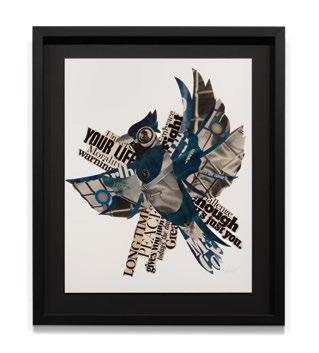
ERNIE RODRIGUEZ
CLASS OF 1991
Ernie Rodriguez is a self-taught artist who discovered his ability to create later in life, during the pause of the Covid pandemic - a time that allowed him to dive fully into a lifelong passion. The process of hand-cut collage has since become a meditative practice for himone that allows him to extract all outside noise and enter a place of focus and peace. Working slowly and deliberately, he explores themes of transformation, balance, and the relationship between the organic and the constructed. Each piece evolves organically, guided by instinct, patience, and trust in the process. The values of discipline, reflection, and perseverance from his Belen Jesuit education continue to shape both his art and his approach to life.
His ongoing series, “Read All About It,” features hand-cut collages made from vintage newspaper headlines and imagery from the 1960s and 1970s. These fragments of history are reimagined as echoes - inviting reflection rather than simply delivering news. Birds serve as spiritual anchors throughout the series, with the raven representing introspection, the dove for hope, the cardinal as a guardian, the hummingbird for joy, and the blue jay for truth. By assembling these collages, Ernie invites viewers into a quiet, contemplative space where meaning unfolds slowly and each encounter becomes a personal meditation.
ARTURO E. MOSQUERA CLASS
OF 2000
Arturo E. Mosquera was born in Memphis, Tennessee in 1982 and is an alumnus of Belen Jesuit Preparatory School in Miami, where his early interest in art was nurtured. Fascinated by graffiti language in his teens and later concentrating in printmaking at Manchester College, Connecticut, Mosquera’s creative journey is shaped by “echoes that stay with me—books, films, histories, and moments that refuse to disappear.” He was one of the founders of BEAMS (Belen Arts, Entertainment, and Media Professional Section) and served as a board director in 2022.
FLAG PROJECT (Bridge Red and under the bridge art space, North Miami, 2024);
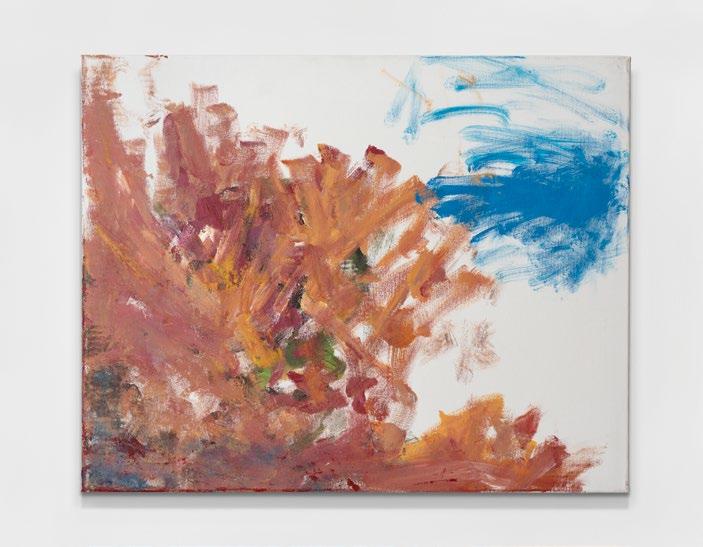
Mosquera’s work has been featured in numerous exhibitions, including THE BIG BANG (The Center at Hollywood Art & Culture, Hollywood, FL, 2025); I AM NOT A POET (Saladrigas Gallery, Miami, 2024); Chance,
AIM Biennial (South Florida, 2023 & 2020); Analogon Skin (Millenium Film Workshop, Brooklyn, NY, 2023); This could be Heaven or this could be Hell (Farside Gallery, Miami, 2022); VIDA Y OBRA DE UNA IDEA: Miami’s Art@Work and Farside Gallery in Buenos Aires (Colectivo Periferia, Buenos Aires, Argentina, 2019); Sistine Chapel Walls (Farside Gallery, Miami, 2017); transphysics: istwa, landscapes, paisajes (Hollywood Art and Culture Center, Hollywood, FL, 2016); and Like it or Not (Farside Gallery, Miami, 2016). His art blends personal history with broader cultural narratives, continually exploring the boundaries of memory, place, and artistic expression.
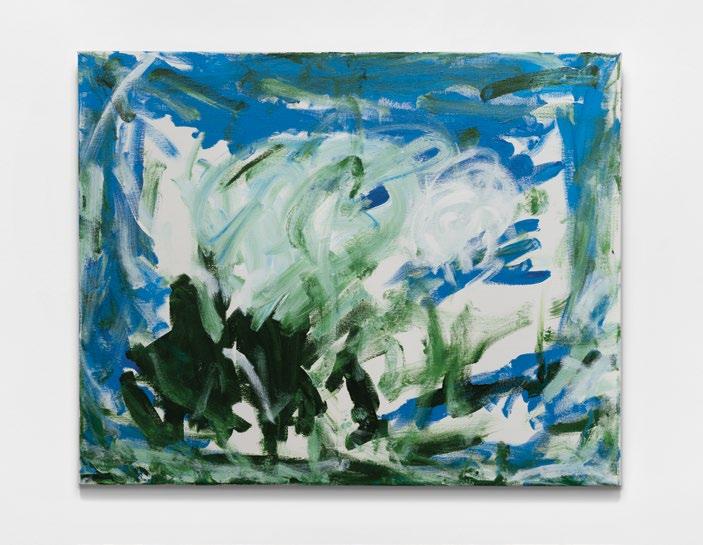
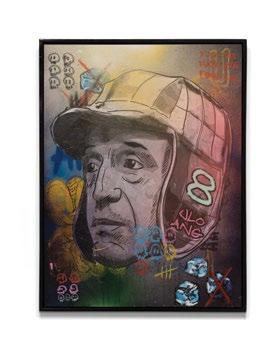
LUIS “ULOANG” ANGULO
CLASS OF 2002
Luis “ULOANG” Angulo is a Venezuelan-born visual artist and muralist based in Austin, Texas. Born in Caracas, he emigrated to the United States at age eleven without speaking English—an experience that became central to how he explores identity, belonging, and what it means to live between cultures. Politics, social issues, and pop culture surface throughout his practice, often layered with humor, edge, and directness. His work frequently blends Latin imagery with contemporary icons and current events, using recognizable figures as a way to spark personal memory and meaning for each viewer; as he’s noted, pop images can be “striking and evocative,” creating another way of interacting with people.
Working primarily through murals and street art, Angulo is committed to making art accessible - “art for the masses” - so it can be experienced outside of galleries and openings, by anyone and everyone. Though trained with traditional materials like oil paint and charcoal, spray paint has become his primary tool for its immediacy and impact in public space.
He is a co-owner and founder of Something Cool Studios, an artist collective that provides studio space, a gallery, and workshops, and he has used opportunities like the Spratx Ignite residency to push beyond commissioned work and develop more personal projects. Working between the street and the gallery, ULOANG creates images that meet people where they are and invite them to look again.
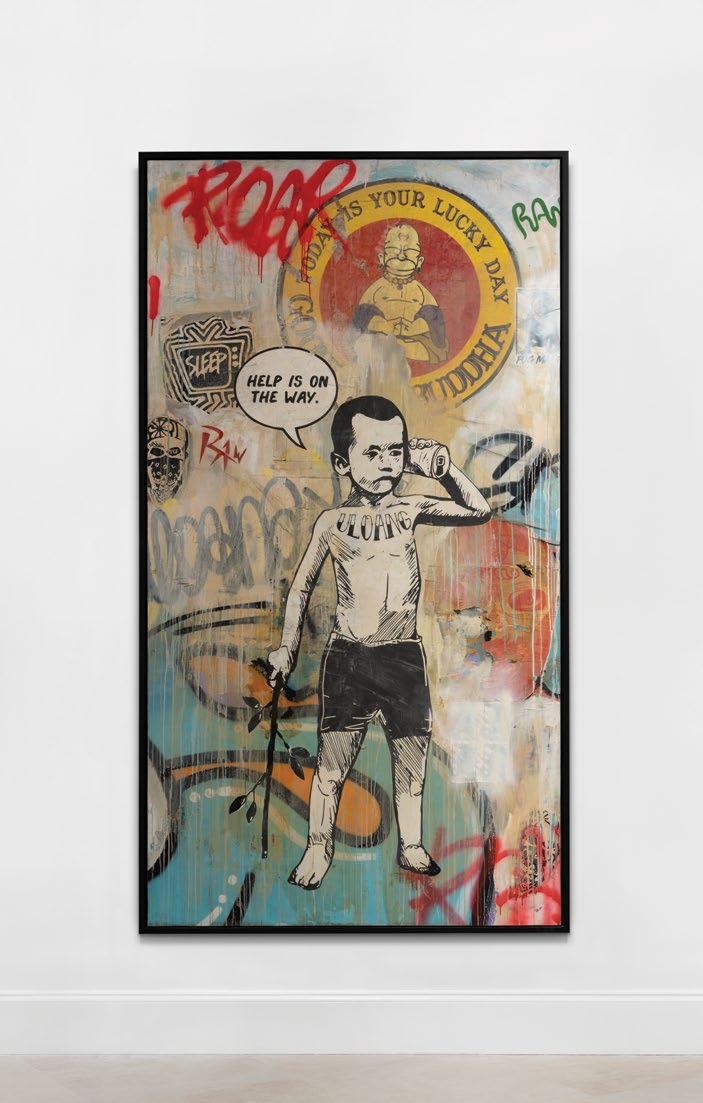
DANIEL BRAVO CLASS
OF 2004
Art was always a way for Daniel Bravo to express his vibrant, multi-layered personality - full of color, intricacy, and dimension. In his twenties, Daniel explored painting in his studio and beneath the Florida sun, sometimes even creating live on stage with local bands. These years were marked by experimentation, as he played with new techniques and materials, always willing to revisit and transform his work - paintings might hang on his wall for months before being completely reimagined, reflecting his creative spirit.
Daniel’s journey took an unexpected turn in his thirties when he faced a life-altering battle with appendiceal cancer. After weeks in the ICU and a long road through rehabilitation, he had to
relearn basic tasks and navigate the emotional weight of confronting his own mortality at a young age. Recovery was slow and challenging, but Daniel’s creativity persisted. What began as squeezing therapy sponges to regain hand
strength soon evolved into a new artistic outlet—he asked for more sponges and tools, and gradually, his spark returned. His postillness work took on new forms, using ink, acrylics, and glow-in-the-dark paints. These pieces, layered and dynamic, shift and reveal new secrets as the light changes, echoing
Daniel’s enduring belief: “I’m still here.” Though he passed away on September 29, 2024, Daniel’s spirit and vision continue to live on in the art he created.
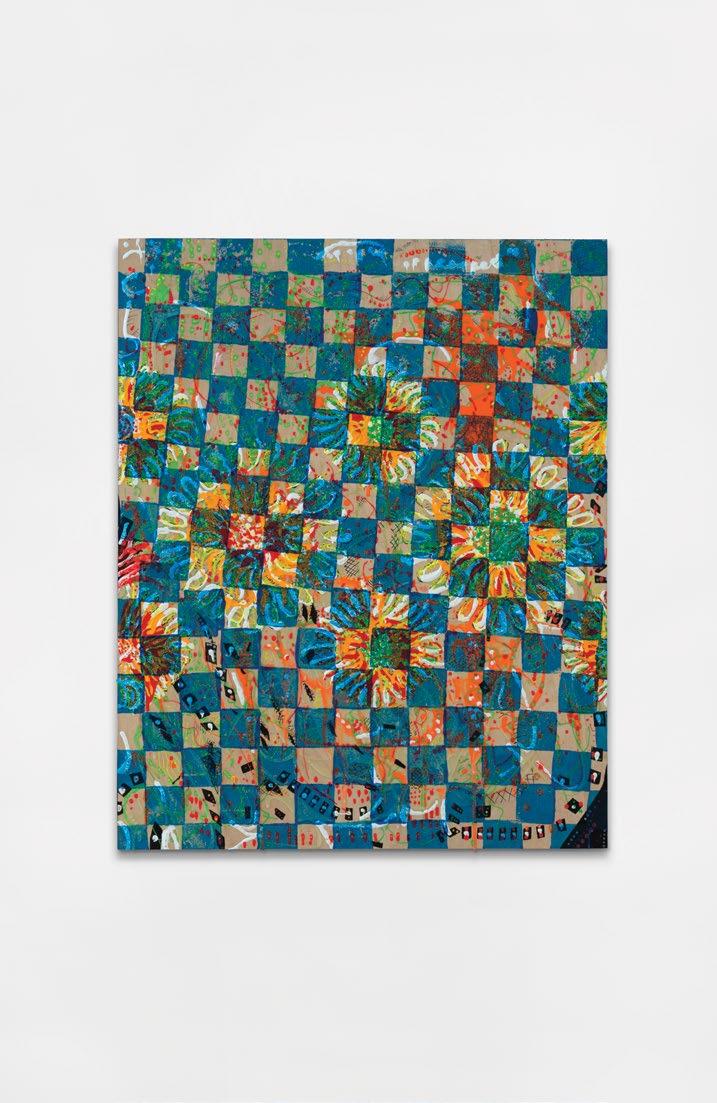
MARIO PINO
CLASS OF 2004
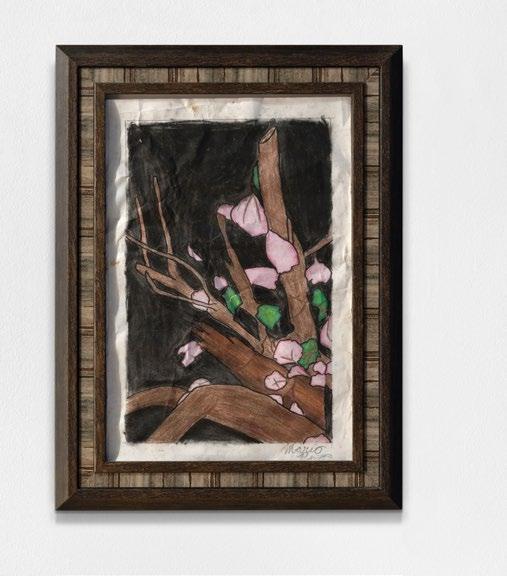
Mario Pino’s curious mind helped him see the world with a creative and unique perspective. His artwork reflected that curiosity through a joyful use of bright, vibrant color—spanning the full spectrum of the rainbow. He approached each piece with patience and care, pouring over projects for hours at a time until he was fully satisfied, letting the work evolve through attention, persistence, and love for the process.
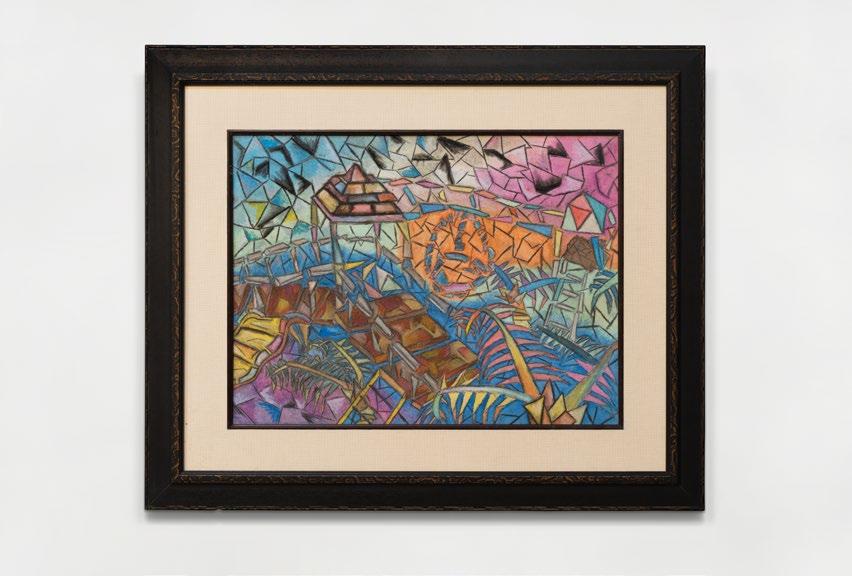
Untitled (Playground), Oil pastel on paper, 28” x 34”, 2002. Courtesy of Maria Garcia-Otero & Bernard Pino
Untitled
(Cherry Blossoms), Charcoal, colored pencil on paper, 23” x 17” (framed), 2002. Courtesy of Maria Garcia-Otero & Bernard Pino
ADRIAN LORENZO
CLASS OF 2007
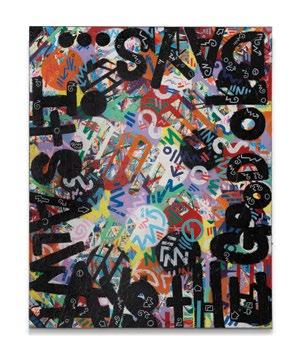
Adrian Lorenzo’s work is built around what he calls his $ymbolz—recurring lines, shapes, and patterns that move through his murals, canvases, products, and branding. Even for him, they remain “mysterious,” arriving ahead of his own understanding and behaving less like a style choice than a living system or language— one that keeps expanding while holding the same emotional temperature and identity. He describes the process as catching up to a vocabulary he’s already been writing, guided by something “quieter and deeper” working itself out through the marks.
A Miami-born Cuban-American artist, Lorenzo works across murals, painting, digital art, and
design through his studio practice, Design by Adrian Lorenzo (est. 2022). He moves between two signature approaches—$ymbolz and $wish-n-Dr¡p—while experimenting with materials that include acrylics, spray paint, wood carving, vinyl, collage, up-cycling, and action painting. Creating almost daily as a form of stress management and expression, his work is instinctive and often spiritual, translating emotion into abstract “modernday hieroglyphics.” Whether on a wall, canvas, or object, Lorenzo’s practice is rooted in experimentation, creative freedom, and a commitment to community, education, and making work that connects.
PAULA PINO
CLASS OF 2007
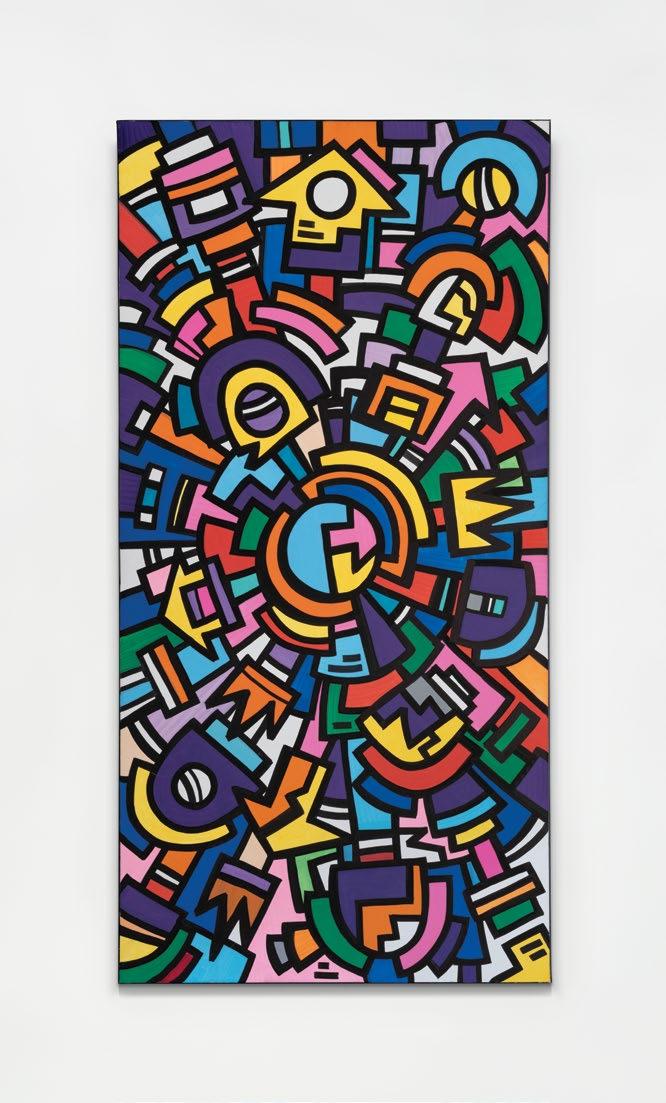
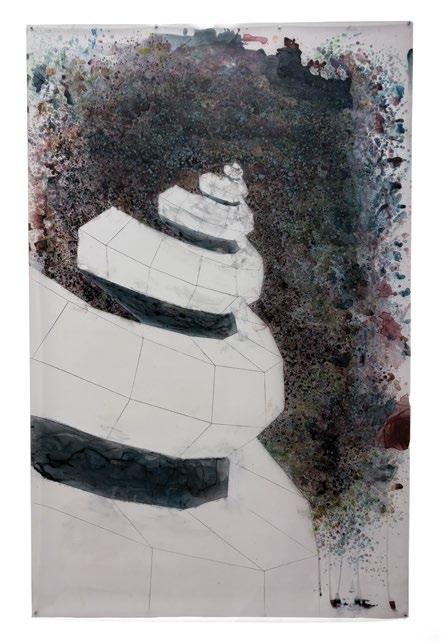
Paula Pino’s work is inspired by the natural world—animal forms, mathematical patterns, and especially spiral shells. For him, making art comes from a fun, primal place: a space where his inner child can play with complex ideas, exploring and synthesizing something new through the act of creating.
JAVIER DEL RIO CLASS OF
2008
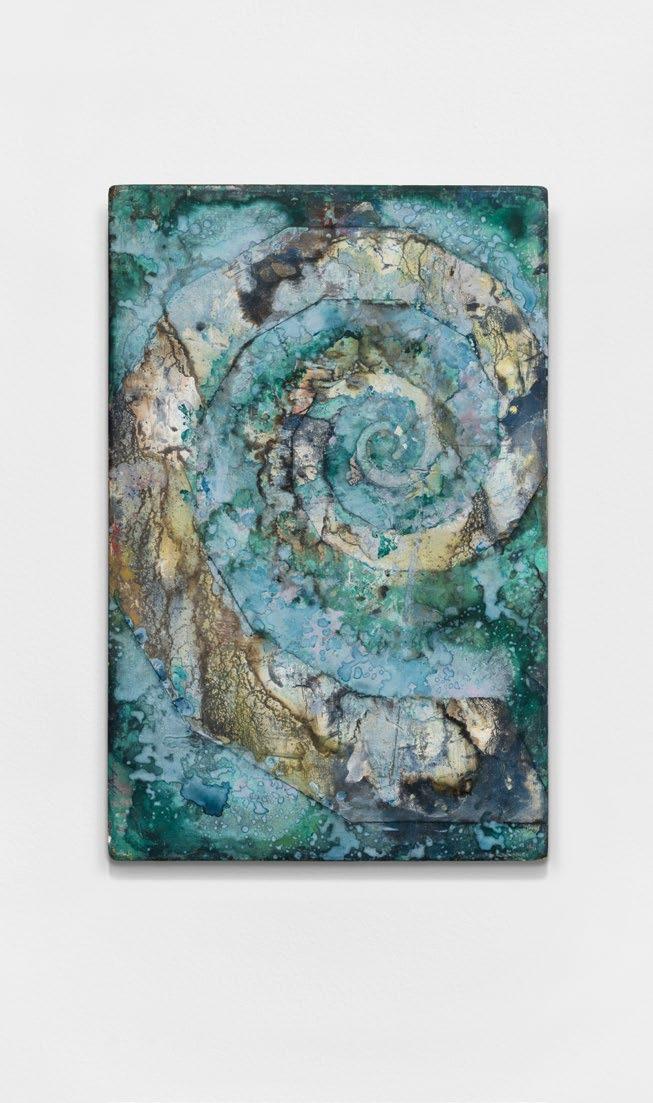
Javier Del Rio is a Miami-born painter and the owner of a model, miniature, and heirloom restoration studio in Olympia Heights. Raised by Cuban immigrant parents who came to the U.S. as political exiles, Javier’s relationship with art began early - one of his first core memories is drawing a semi-trailer truck at age four. Largely self-directed, his creative path has been shaped by curiosity, spirituality, and a steady commitment to learning. He credits Ignacio Font, his AP Studio Art teacher, as a formative influence - guiding him through close looking, technical growth, and the balance of humility and confidence that comes from studying other artists.
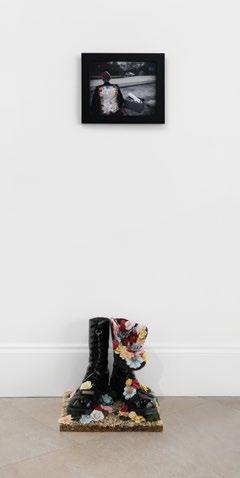
After high school, Javier served for over nine years across two branches of the U.S. military, including a deployment to Afghanistan. During his service, he was often asked to create logos, emblems, and murals - work that sharpened his craft and carried into his later practice. Today, his heart is in physical, three-dimensional making: scale models, tabletop miniatures, busts, and dioramas where preparation, assembly, alteration, priming, and environmental storytelling are as essential as paint. He brings that same precision and care into heirloom restoration - repairing and repainting objects that hold meaning, from antique keepsakes and beloved toys to religious effigies - helping families preserve memory and pass stories forward. His practice also extends into digital art, including tattoo stencils, logos, album art, and hybrid works that bridge digital design and traditional modeling.
ALEX VALDÉS
CLASS OF 2008
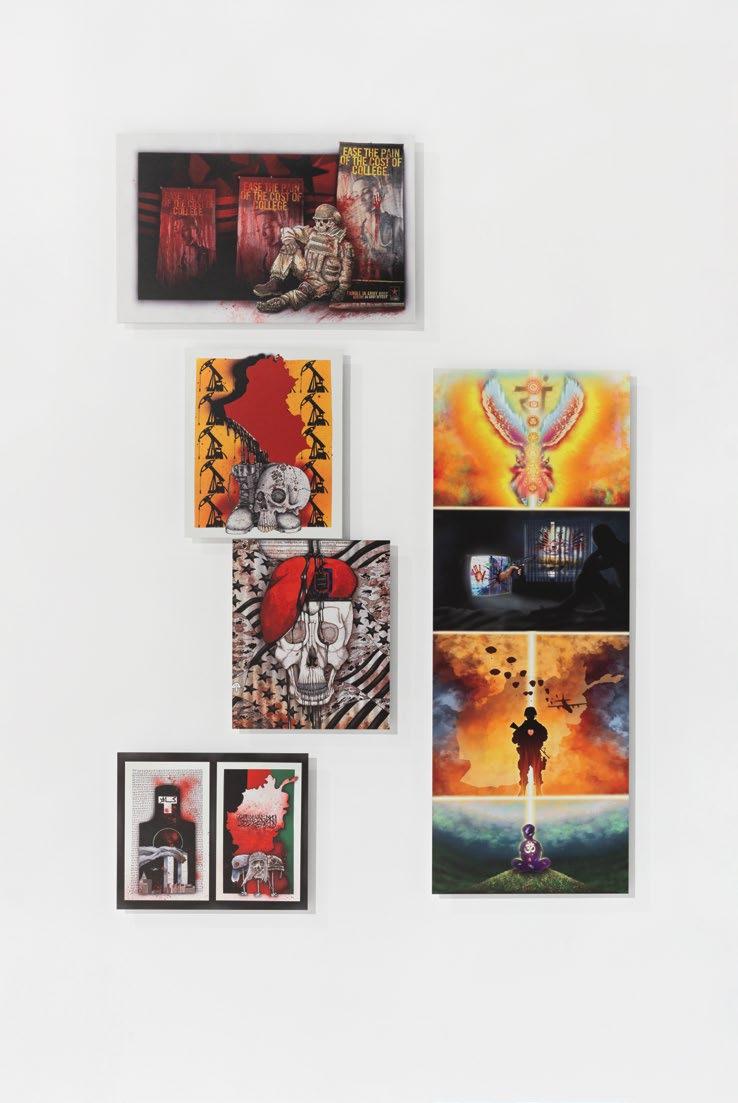
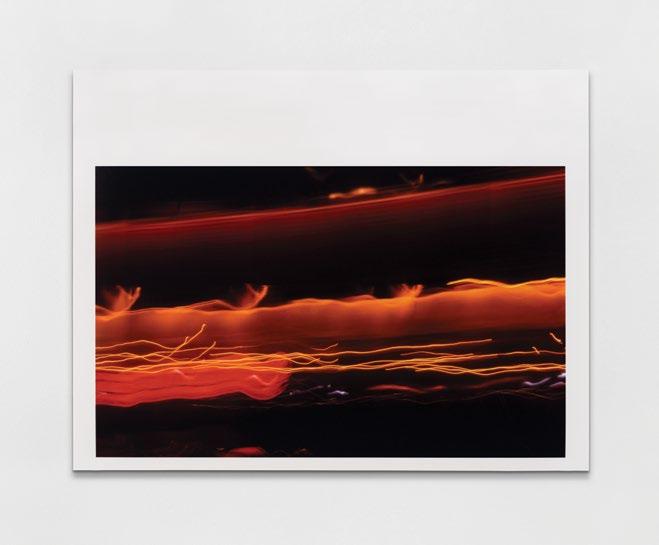
Alex Valdés approaches photography as both image and object, moving beyond traditional, representational uses of the medium. Instead, he favors forging his own lingua franca - a visual language built from meditations on abstraction, manipulations of available light, and a fascination with off-beat, irregular perspectives. For Valdés, photography isn’t about literal depiction but about capturing fleeting moments: drifting along interstates, pausing at truck stop parking lots, and wandering unfamiliar city centers under faded neon and towering fast-food signs. These scenes, often overlooked, become the
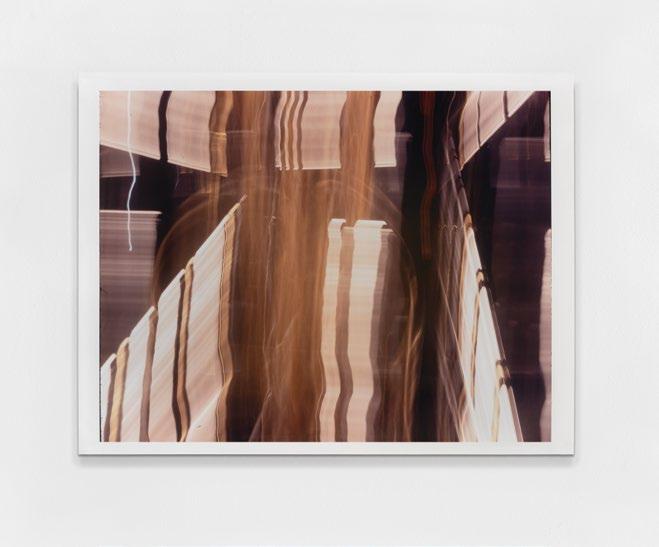
raw material for his work, which transforms movement and perception into tangible presence.
Valdés’s practice resists hierarchy and narrative closure, opting instead for a restless, fragmented retelling of the world’s overlooked corners. His mantra is to seek out opportunities where others might not look - embracing sentence fragments, self-reflection, and the realities of contemporary consumer life. Living between Miami and the open road, Valdés invites viewers to join him in finding meaning in the transient, the mundane, and the unexpected.
OSIEL GONZALEZ
CLASS OF 2014
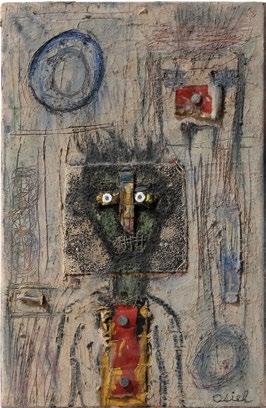
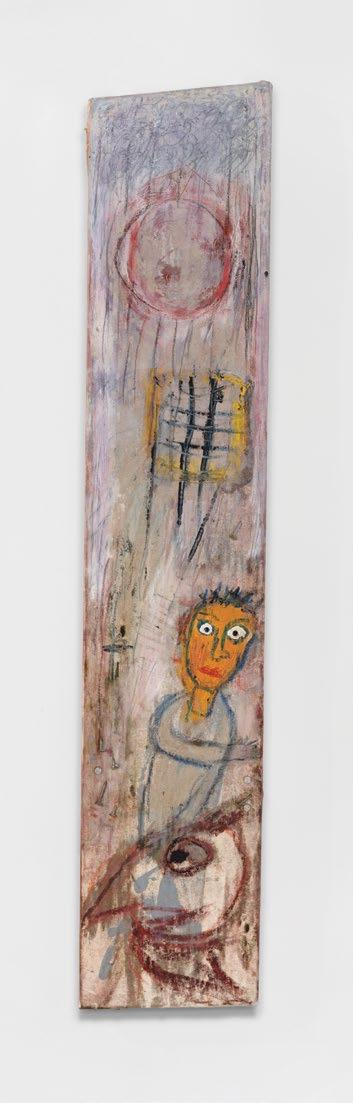
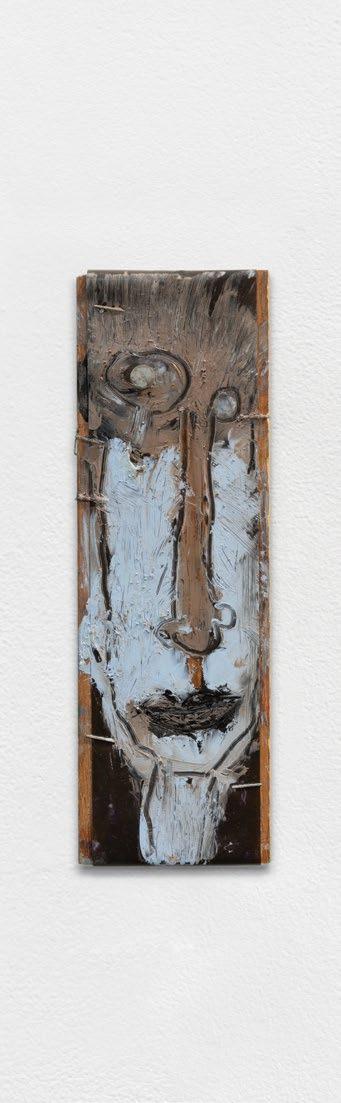
Osiel Gonzalez’s four paintings in this exhibition were created in 2019, soon after graduating from film school. Each piece is built on reclaimed wood found in ditches or wherever materials could be gathered, a reflection of resourcefulness born from having little money but a deep desire to paint. The canvas was gifted by an artist friend, and the hardware was collected from whatever happened to come his way. For Osiel, these works embody living life with “thrust”—trusting his gut and meeting life as an active, reciprocal force.
For Osiel, making art is not about fulfilling requests, but about necessity. “Art is necessary to my existence,” he says, describing creative expression as a vital, human impulse—one sparked by curiosity and the question “what if?” Even when no one’s asking, expression is the life-force that gives meaning to everything, allowing us to reimagine the world and ourselves. Through his work, Osiel invites viewers to reconnect with that essential, expressive spark that fuels both growth and meaning.
CARLOS MACHADO CLASS
OF 2017
Carlos Machado is a Miami-born CubanAmerican artist whose work grew from early experiments with graffiti and collage into a freer, more abstract visual language. He began painting seriously in high school, drawn to large-scale canvases and the challenge of building images that felt personal and
immediate. His first major piece—a 48-by-60inch work reflecting his grandmother’s return to Cuba—combined printed photographs, stenciling, and symbolism inspired by José Martí’s “Cultivo una Rosa Blanca,” setting the tone for an art practice rooted in memory, identity, and lived experience.
GABRIEL COBAS
CLASS OF 2018
Gabriel Cobas has explored the world around him through visual art since childhood. While much of his work through high school and university lived in a “hobby-like” space—often limited by other responsibilities—he has recently returned to making with renewed intention. The pieces in this exhibition reflect personal growth in both his mentality and approach to creation, rooted in a rediscovered passion for craft.
Working in oil paint, a medium he rarely used while studying, Cobas embraced the challenge of building a new baseline—something both
“frightening and freeing.” Letting go of the self-judgment and perfectionism he often brings to his charcoal work, he approached these paintings as experiments and as a way to begin again. Looking beyond painting, he has also been learning from dancers and choreographers, drawing on movement, linearity, and cohesion, and melding those principles with the illustrative linework he naturally gravitates toward. For Cobas, these works are explorations—reapplying ideas from other art forms while combining his own artistic instincts in a new and personally uncharted way.
MATEO GARCIA CLASS
OF 2021
Mateo Garcia is a Colombian-American multidisciplinary designer and artist specializing in graphic, motion, and experience design across the fashion and entertainment worlds. A child of Colombian immigrants, born and raised in Miami and now based in Los Angeles, Mateo brings a fine-art foundation and a ceaseless desire to tell stories—drawing from modernist painting, filmmaking, fashion subcultures, and the immersive worlds of contemporary video games.
Olga M. & Carlos A. Saladrigas Art Gallery
Ignatian Center for the Arts
Belen Jesuit Preparatory School