


Dear reader,
Bel&Bo is a family owned and run business. As a family we want to pass on the company to the generations to come. The transgenerational transfer from the 2nd to the 3rd generation has just taken place. My father, Michel Delfosse passed the torch to me and I am proud to be the new CEO of our wonderful company Bel&Bo. My biggest dream is to be able to pass on the company to the next generation to come
So sustainability is in our DNA: we think and act long term. We incorporate our family values such as respect, involvement, honesty, education, entrepreneurship and responsibility into the company Other unwritten family rules such as who screams the loudest, gets the most food we prefer to keep outside the company walls
We want every employee of Bel&Bo to be part of our big and loud family: be proud of their work and stimulate each other to be the best and happiest version of themselves. Team spirit and a pleasant, convivial atmosphere are extremely important, both at our headquarters and in our shops. We also want Bel&Bo to continue for many generations, so we need to look beyond and consider our responsibility for society and environment.
We embarked on a remarkable journey, and here are our achievements: We became the first Belgian retailer to join Fair Wear, won the CSR Award POM, ranked 2nd in the Great Place to Work 2022, became a Close The Loop ambassador, joined Amfori, signed the Transparency Pledge, endorsed the call for Due Diligence, and participated in the European SCIRT project.
We engage with different stakeholders to help us move forward: challenging but rewarding. Sometimes we take small pragmatical steps, sometimes we take a leap. The most important thing is that we keep moving forward together to a colorful and fair world.
We are grateful you have found your way to this social report Let’s do this together!

For 30 years, everyone has been finding their own style at Bel&Bo. And here within the Bel&Bo family, we couldn’t be more thrilled! From our roots in Deerlijk, West Flanders, our company quietly grew into the renowned fashion brand for all Belgians. Today, we’re a team of 600 colleagues, all passionate about fashion and keeping a close eye on trends. Each season, we bring you the most beautiful, timeless, everyday, and surprising collections Comfortable in fabric, and even more so in price. Our year at a glance
Come visit one of our 96 stores Amidst the fleeting moments of everyday life, at Bel&Bo, you’ll find that special boutique experience. How about some authentic advice and occasional warm compliments? Together, we’ll discover the outfit that truly reflects you. So when you leave, you’ll have a renewed enthusiasm for the rest of the day. Wearing something new, you’ll be ready to take on the world!

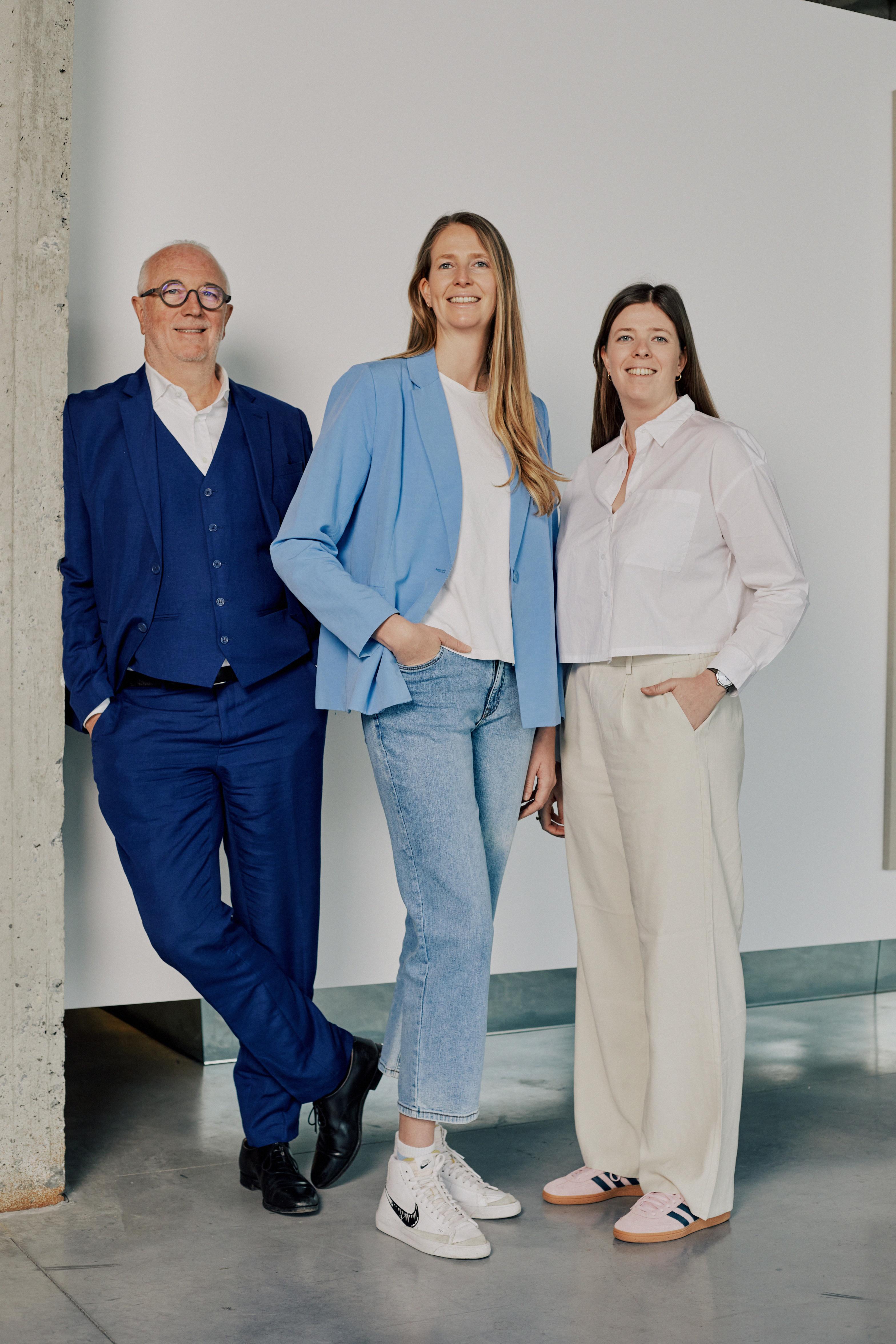
At Bel&Bo, we’re more than just a business – we’re a family. And like any family, we’re thinking about the future Our dream? To pass on a fashion legacy that’s as welcoming as it is stylish, to our kids, grandkids, and beyond Our clothes? They’re not just threads – they’re expressions of joy, confidence, and individuality And we believe everyone should have access to that feeling, without breaking the bank
Bel&Bo is organised based on 3 pilars: sourcing, sales and logistics. These 3 pilars are linked with each other through planning, marketing, transport and technical support Everyday we work hard to make this circle run as smoothly as possible With the support of our supporting departments (such as CSR, HR, IT and finance) this operating model is lifted to a higher and more sustainable level.
We have been on a sustainability journey for over a decade now, and along the way, we’ve learned that it takes more than just a dedicated CSR team - everyone needs to be on board
But hey, looking good shouldn’t come at the expense of our planet, right? That’s why we’re all about finding ways to make a difference, from our sourcing practices to our eco-friendly designs. Because at Bel&Bo, we’re not just about outfits – we’re about spreading warmth, inside and out.
How do we do this? We have dedicated project teams that span different departments for every important subject (Fair Wear team, CSRD team, GPTW team, ) Next to this, we upped the amount of CSR strategy meetings with top management from two times a year to four times a year. Lastly, our CSR manager has a weekly meeting with our CEO, so we can stay on top of new developments and make quick decisions
The Sustainable Development Goals (SDGs) are a universal call to action to end poverty, protect the planet, and ensure prosperity for all by 2030. These 17 interconnected goals address pressing global challenges such as poverty, inequality, climate change, environmental degradation, peace, and justice From eradicating hunger to promoting gender equality and clean energy, the SDGs serve as a blueprint for a more sustainable and equitable world At Bel&Bo we contribute by focussing on the following SDGs:

3:
Bel&Bo we try our absolute best to keep our employees happy and healthy By offering training sessions and workout classes we try to keep our employees’ minds and bodies healthy. Read more on page 15.
SDG 3 is about health and well-being for everyone. At 8:
We have been focussing on improving the working conditions
at our suppliers for a long time We do this by creating long lasting relationships with our suppliers where we collaborate and communicate as equals. This is a long-term job, where we try to do better year after year Read more on page 18.
12:
We want to be a business that can last generations, and that
starts with treating our planet with care and respect. We are increasing our usage of more sustainable materials, like organic cotton. Moreover, we’re passionate about empowering our customers to make sustainable choices. That’s why we offer convenient options like our take-back system, repair services, and a helpful care guide. Read more on page 36.
13:
To help fight climate change, we’re also exploring ways to be
more sustainable closer to home. We buy green energy, have started mapping our CO 2 footprint and invested in solar panels We are constantly looking at ways to save more energy: lowering our heating temperature, investing in motion detectors and domotics systems. Read more on page 42.
17:
We cannot reach all these goals alone, which is why we have part-
nered up with several organizations such as Fair Wear, International Accord for Health and Safety in the Garment and Textile Industry and Amfori. Together we work on improving safe and fair working conditions and reducing our climate impact. Read more on page 19.
First steps of social responsibility are taken. We draw up a first Code of Conduct and start carrying out independent audits with our largest suppliers via Bureau Veritas
Bel&Bo has a study done by Ernst&Young: how to buy sustainably.
In our last Brand Performance Check we were ranked as: “Needs improvement” . We join the Fair Wear Academy pilot project to learn how we can improve. 4 6 9 8 3 2 5 7 1
Official admission to the Accord on Fire and Building Safety in Bangladesh.

Bel&Bo joins the European SCIRT project
2023
Our new name is launched: Bel&Bo
We become a Fair Wear member and have our first Brand Performance Check. We score in the category “Good”
Bel&Bo becomes a member of Amfori The Amfori Sustainability platform allows us to follow up on BSCI audits of our production partners
We sign the Transparancy Pledge. From now on we will publish on a regular basis a list naming all sites that manufacture our products (tier 1).
2024 10

We publish all our suppliers on Open Supply Hub. Making collaboration with other brands easier.


Of which women:
68%
Of which women:
59%
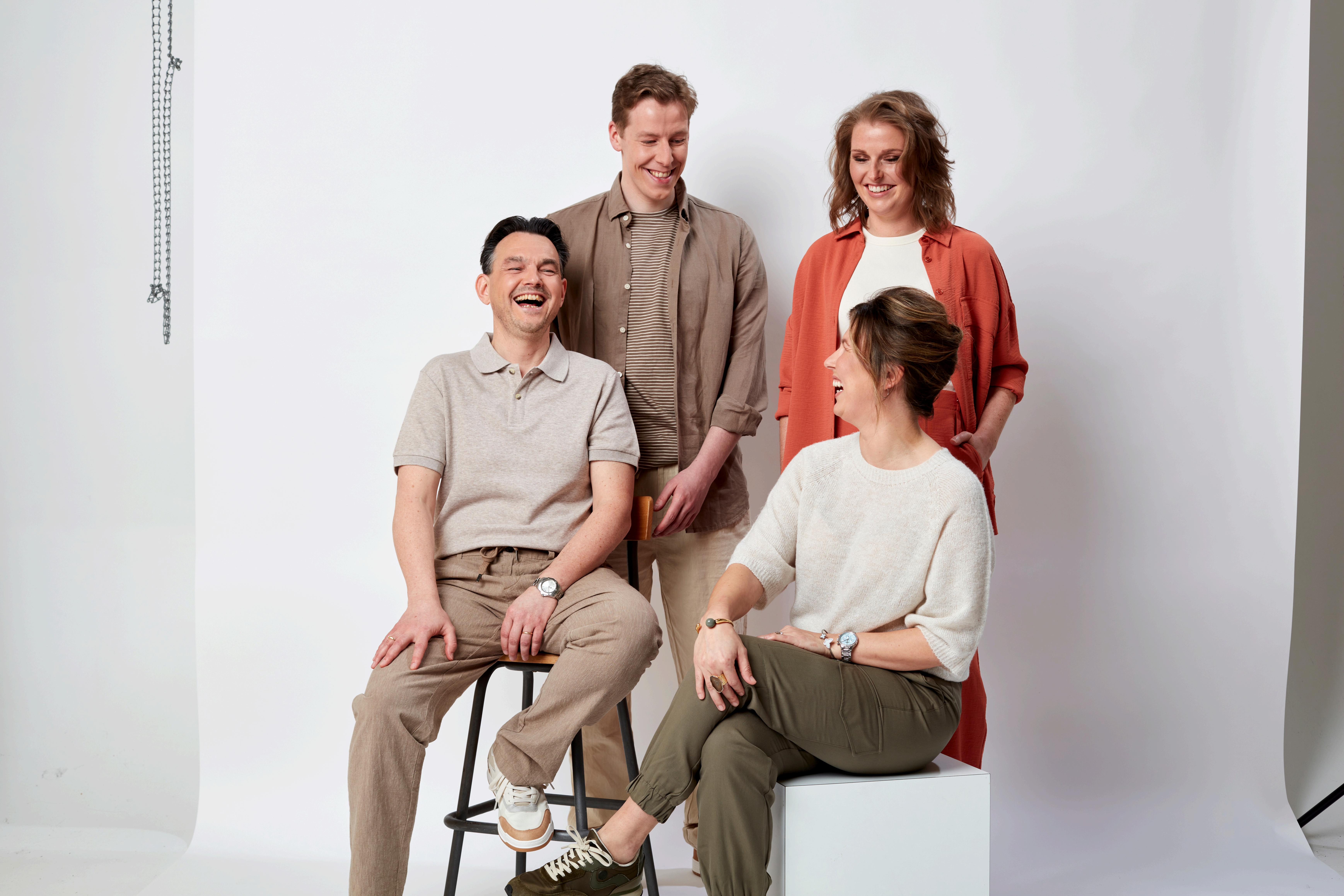
In 2023 we became second(!) on the prestigious Great Place To work list of large companies in Belgium. A Great Workplace is a working environment in which you trust the people you work for, you are proud of what you do and you enjoy being on the work floor Through an anonymous questionnaire, our employees evaluate management, corporate culture and whether the company creates an atmosphere of trust
Bel&Bo achieved a very high score in each of these areas. Despite the physical distance between the various employees, we succeed in creating a great sense of together- ness. By offering training sessions and work- out classes, we try to keep our employees’ minds and bodies healthy.
At Bel&Bo, social responsibility isn’t just a checkbox – it’s in our DNA. We’re a family business and we genuinely believe that the well-being of everyone connected to Bel&Bo, whether directly or indirectly, is absolutely vital Joining forces with Fair Wear in 2014 wasn’t just a decision; it was a promise to uphold the highest social standards
Our journey took a significant step in 2016 with our first Brand Performance Check, where we proudly achieved a commendable rating in the “Good” category. This positive momentum continued over the subsequent years, maintaining our standing until 2022.
However, the challenges brought about by the COVID-19 crisis in 2022 hindered our ability to effectively monitor and support our suppliers, leading to a temporary downgrade to the “Needs improvement” category
Despite facing setbacks, we remained determined to progress. In 2023, we enthusiastically participated in the Fair Wear Academy pilot project to deepen our understanding of Human Rights Due Diligence (HRDD). This initiative provided us with valuable insights, and allowed us to skip one year of the Brand Performance Check as we worked to enhance our practices.
In 2024, we took part in a new Brand Performance Check and scored 40%: not enough to pass. It was a tough moment, but also a turning point Together with Fair Wear, we reviewed our progress and made one clear decision: we won’t give up. We’re now rethinking our entire sustainability strategy, aiming for stronger impact and lasting improvement.
Our goal? To try again in 2026 and come back better prepared
Because progress takes time, but we’re in it for the long run.
Fair Wear is a Multi Stakeholder Initiative (MSI) with 130 members. As an NGO, Fair Wear promotes good working conditions in the clothing industry Fair Wear conducts an audit, the ‘Brand Performance Check’, of its members, to make sure they comply with Fair Wear standards. Bel&Bo has been a Fair Wear member since 2014.







The eight social standards of the CoLP are based on internationally acknowledged standards such as the ILO convention for international labour rights and the United Nations’ Universal Declaration of Human Rights. These labour practices form the basis of our Code of Conduct and our monitoring and remediation processes.
1 Employment is freely chosen 6. Reasonable hours of work 2 Freedom of association
No discrimination
No child labour
5. Payment of living wage
Safe and healthy working conditions
Legally binding employment
Communicate how impacts are adressed


Identify & asses risks and negative impacts

Provide access to remedy
implemenation an Preventing and reducing negative impacts
In 2023 we started on defining our HRDD (Human Rights Due Diligence) strategy We created our new supplier Code of Conduct and new policies around Responsible Business Conduct, consolidation and unauthorized subcontracting We conducted a first broad risk assessment of our operating countries and all our production partners Afterwards we put new systems in place for the monitoring and remediation of our production partners These new systems also include clear guidelines to track the progress of our efforts. 5 Principles for responsible business conduct 1 3 2 6
Now we’re taking things a step further We're expanding our risk assessment to include product categories, our business model and other key areas. A first exercise with our buying team is almost complete We'll review the results together with our suppliers and set up a clear system to define priorities. That way, we can focus our efforts where it matters most; on reducing risks and taking meaningful action where needed.
We have created several
sustainability related policies, these policies form the basis of all our business decisions
The Executive Board, which includes all department heads and our CEO, is responsible for HRDD. The Executive Board is assisted by our sustainability team. This team consists out of our CEO, our buying manager, our CSR manager and someone from the finances team. They are responsible for the overall execution of our due diligence policies and procedures. They meet regularly and are supported by topical experts from our other departments.
To strengthen our HRDD process we work together with several partners. They help us with monitoring suppliers, assisting in remediation, collecting grievances,...
Amfori: We are a member of Amfori, which helps us monitor our supply chain and transforming insights into actions Most of our supply chain has had BSCI audits
Fair Wear: Fair Wear is a non-profit organization that works with brands, factories, trade unions, and NGOs to improve working conditions in the garment and textile industry. They focus on implementing codes of conduct and providing training to ensure fair labour practices and promote transparency throughout the supply chain.
Accord: The Accord on Fire and Building Safety in Bangladesh is a legally binding agreement between global brands, retailers, and trade unions to ensure safer working conditions in Bangladesh’s garment industry. It was established in response to the 2013 Rana Plaza building collapse and focuses on improving building and fire safety through inspections, remediation, and worker training programs.
At the heart of identifying social and environmental risks within our supply chain lies transparency. Our supply chains, going from raw material origins to the final product, weave through a complex web of stakeholders including farmers, producers, intermediaries, and distributors. Currently, we have insight into the primary manufacturers of our clothing, as well as their subcontractors. In March 2022 we signed the Transparency pledge, which we signed to underscore our commitment to accountability and openness in our operations Next to this we also publish our manufacturers on Open Supply Hub, making collaborations between brands that share factories easier.
We recently developed a new risk analysis tool that helps us assess and prioritise our suppliers more effectively It combines social supply chain risks with commercial relevance. By scoring key factors such as country risk, business model, leverage, and commercial dependency, we can assign a clear risk profile to each manufacturer.
This allows us to identify where to focus our efforts Suppliers with both high social risk and high commercial importance are prioritised for deeper engagement and support.
One of the key parameters we consider in our risk assessment is the factory audit score. This score gives us insight into how well a factory performs on key social compliance indicators such as working conditions, health and safety, and management practices.
Currently, the majority of our factories (63%) hold a C score While this indicates that basic standards are being met, it also shows there is significant room for improvement
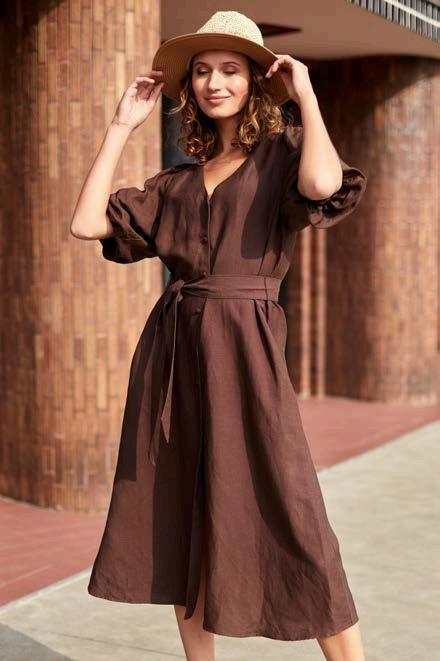
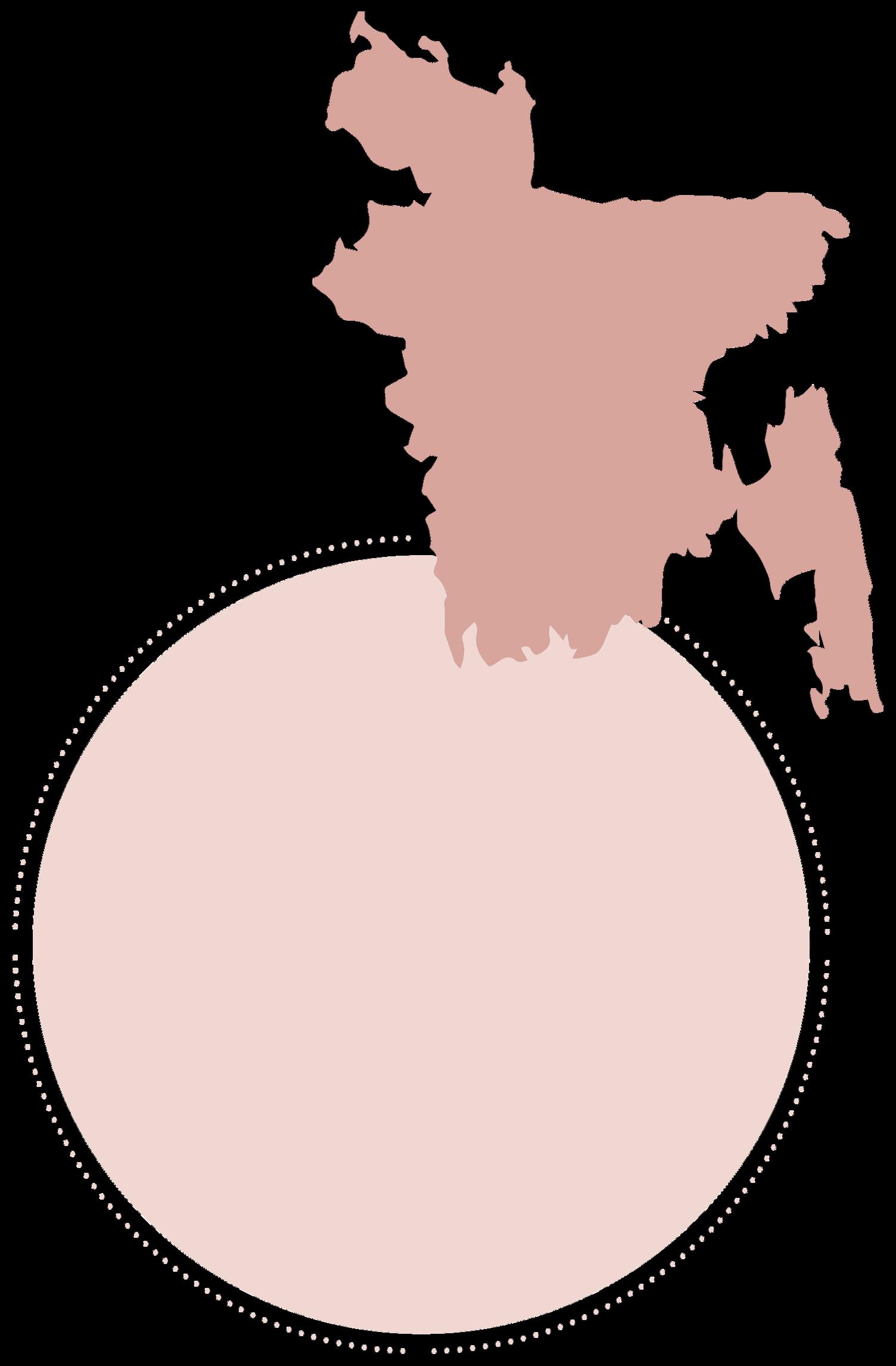
Most of our basics are produced in Bangladesh. With our primary jeans supplier based there and a significant portion of our sweaters also crafted in Bangladesh, our partnerships thrive on quality and reliability. We visit our production partners in Bangladesh two times a year, to keep a good dialogue and conduct a check of the facilities
Meet the Maker:
India holds the title as our top supplier for Basic T-shirts and tops. Our collaboration with our Indian suppliers has spanned many years, forming a relationship built on trust and mutual respect. We visit our Indian partners at least once a year to check in with them and have a look at the factories.
Meet the Maker: Headcount
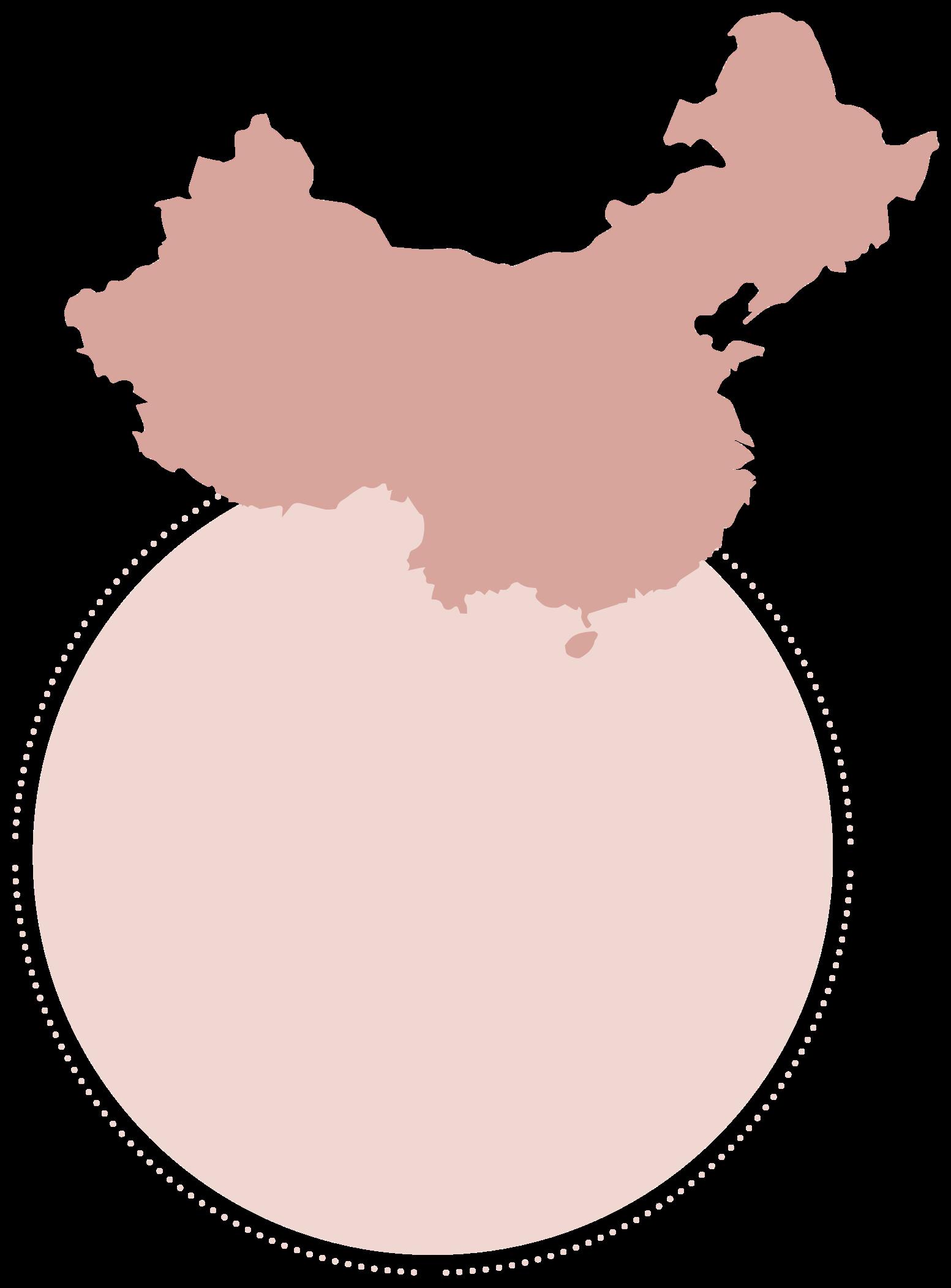
Our production partners in China are responsible for a diverse array of categories, spanning from a wide selection of women’s pieces to the majority of our accessories and nightwear. We make sure to visit China once every two years, but China’s size makes it challenging to visit every factory ourselves. So, we rely on our agents to help and conduct checks in the factories.
Our production in Tunisia benefits from shorter lead times, ensuring quicker delivery to our markets. We have been collaborating with a trusted production partner there for over 10 years. This long-standing relationship guarantees consistency and reliability in our products.
Womenswear
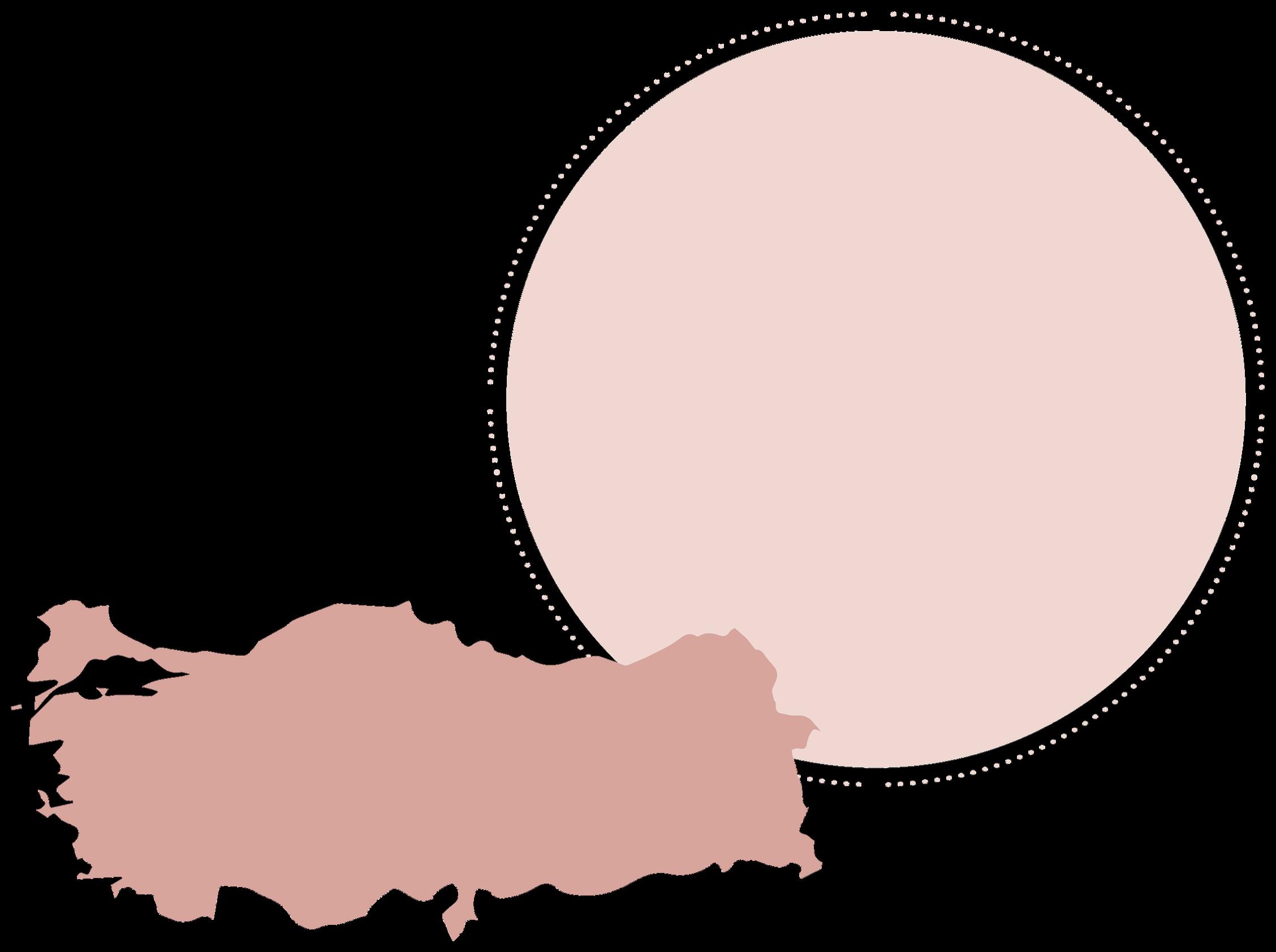
In Turkey, we specialize in producing embellished pullovers, adding a unique touch to our knitwear. The shorter lead times from our Turkish partners ensure timely deliveries. Additionally, we source high-quality yarns to create beautiful, durable knitwear.
Meet the Maker: Headcount
We’re fully committed to ethical practices across our supply chain and operations. Acknowledging our responsibility, we’re dedicated to stopping, preventing, and alleviating any identified adverse impacts. Recognizing the necessity of collective action for complex global challenges, we prioritize strong partnerships with suppliers and collaborators.
The Bel&Bo monitoring process starts when a new potential production partner is found. To be accepted as a new supplier for Bel&Bo, the following documents need to be submitted:
• Self-assesment questionnaire
• Recent audit report (except for low risk countries)
• Proof that the Workerinformation sheet has been posted inside the factory.
• Agree with our Code of Conduct
Only if these documents have been reviewed by the CSR department, a first order can be placed with the new factory After this first monitoring stage, the factory risk assesment is executed A new audit report is requested when the old one has expired, and all documents are renewed after 3 years.
Our remediation process demonstrates our commitment to addressing social and environmental issues within our supply chain With a commitment to accountability and transparency, we swiftly resolve any identified issues. Through close collaboration with our suppliers and partners, we foster sustainable solutions, ensuring ethical practices throughout our operations
Since we have a pretty extensive supply chain, we have chosen to focus our remediation efforts on our manufacturers with a high social supply chain risk and a high commercial relevance for us.
Prevention plan
A prevention plan is put in place if we find violations on the audit report that could be pre- vented in the future For example by finding the root cause of this violation, or by giving training to the workers on certain topics like health & safety. When there are instances of overtime found, we will always ask if Bel&Bo plays a part in the overtime and if we can help prevent this.
Action plan
An action plan is put into place to remediate findings of the audit report. For example when there is a missing fire exit sign, or there were missing safety needle guards on the knitting machines. We will ask the factory to solve these problems in a certain time period.
During an audit at one of our partner factories, it was noted that several workers in the sewing and cutting section wore the dust mask below the nose, which was provided by the facility. We included the finding in an action plan and asked the factory to reinforce proper PPE use immediately. They acted fast: a short safety briefing was organised on the spot, and supervisors were instructed to follow up daily.
To prevent the issue from recurring, we worked with the factory to understand why the masks weren’t being used. It turned out that workers found them uncomfortable and weren’t fully aware of the health risks. In response, we supported a training session for both workers and supervisors on the importance of protective equipment
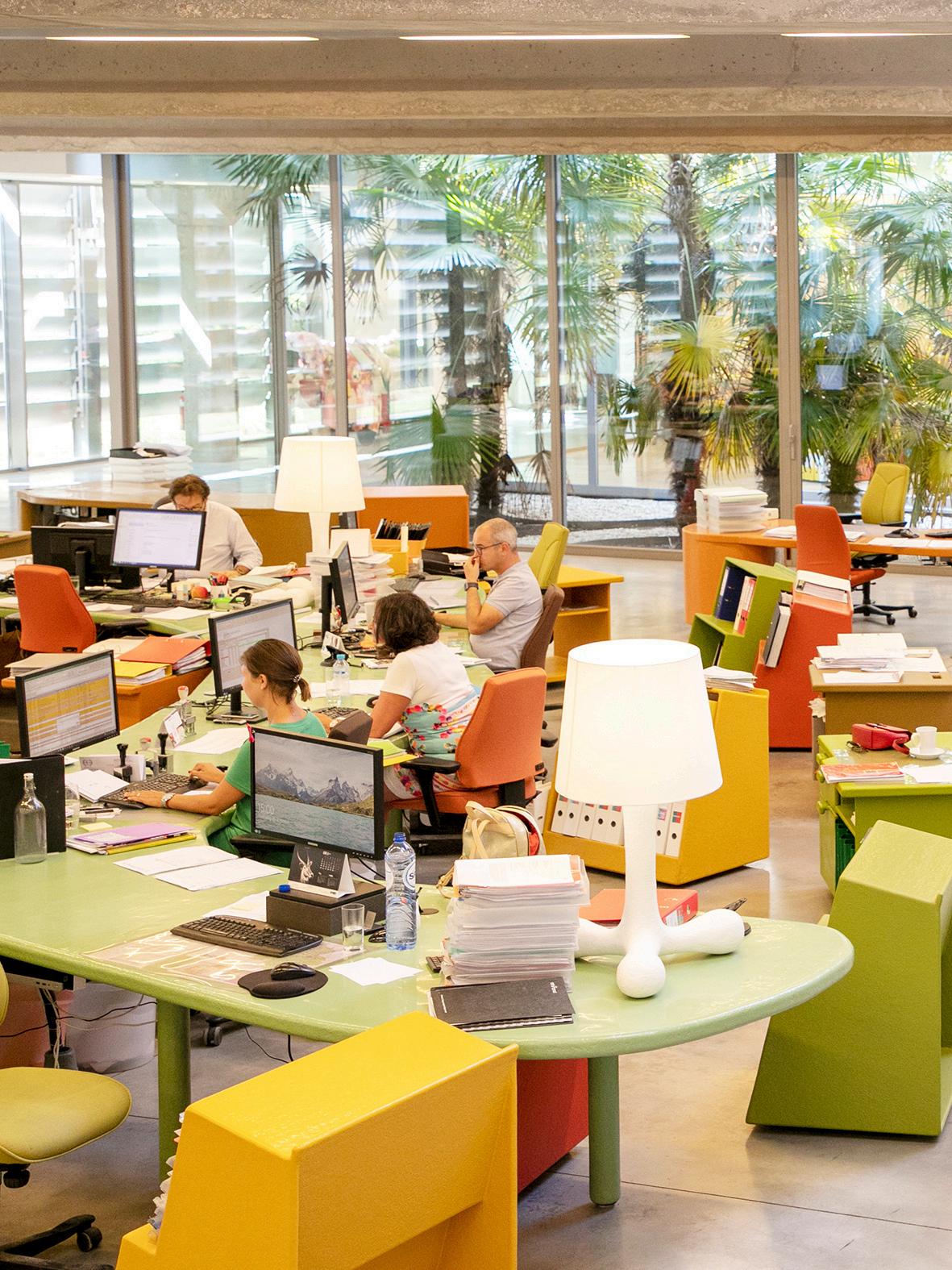
At Bel&Bo, our Supplier Code of Conduct serves as a cornerstone, outlining the essential standards we require our suppliers to adhere to regarding human and labor rights We uphold these standards through a robust monitoring system, which includes regular third-party audits and on-site visits to verify compliance Moreover, we have established comprehen- sive systems to continuously track the progress of our remediation efforts, ensuring that any identified issues are promptly addressed. Reg- ular evaluations of all our suppliers allow us to maintain accountability and drive continuous improvement throughout our supply chain.
As we navigate the process of due diligence, we view it as an ongoing learning experience, appreciating the importance of openly sharing our progress, challenges, and successes with our stakeholders Our commitment extends to transparently communicating about our due diligence efforts and the practical implementation of our policies Social
Annually on our website
Annually on our website
All our policies can be found on our website
Our social report provides a comprehensive insight into our sustainable business practices, offering detailed explanations of our internal operations and ethical conduct.
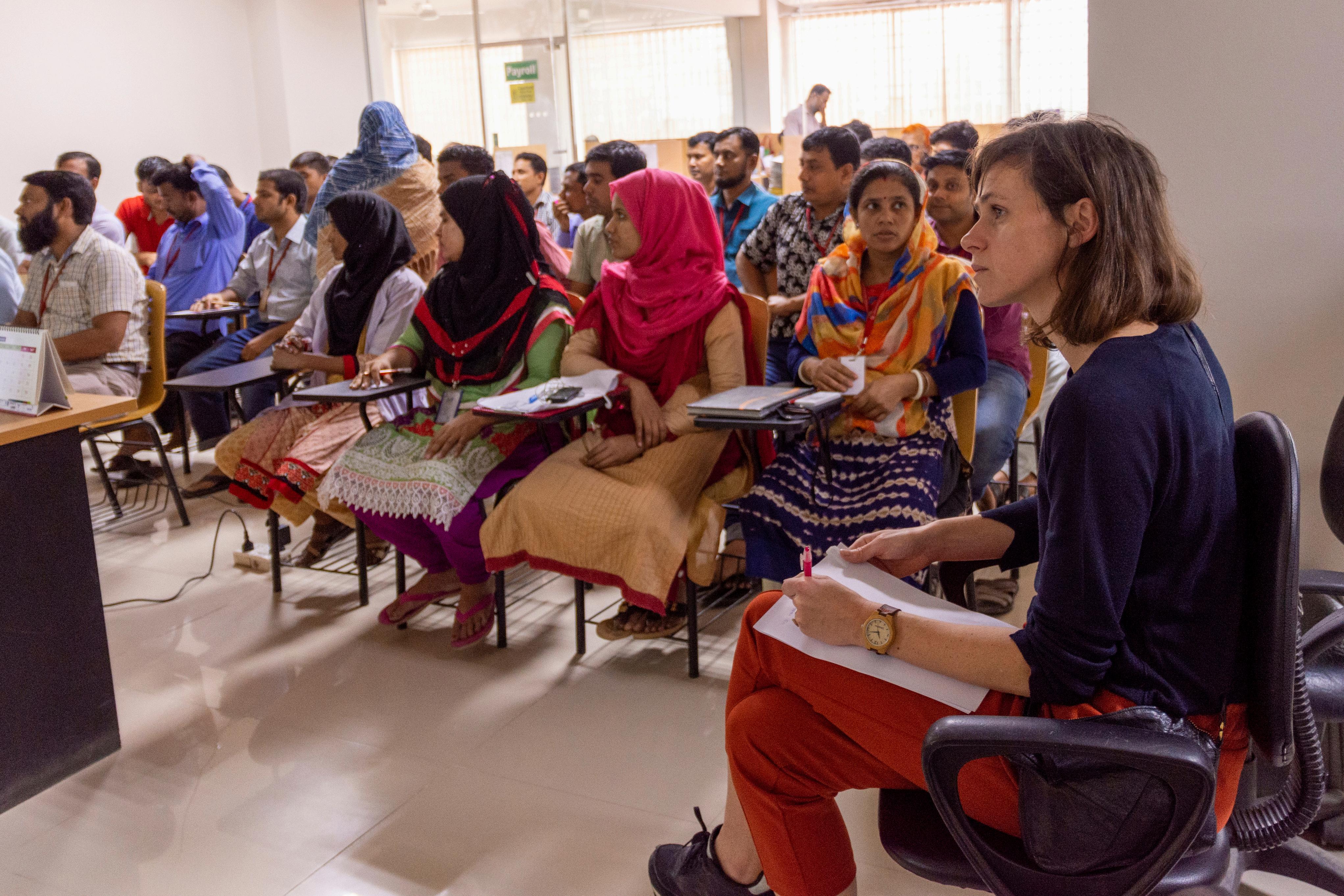
The Fair Wear grievance mechanism begins with all suppliers displaying a Worker Info Sheet inside their factories, providing employees access to the Fair Wear helpline. Individuals or groups can then voice their concerns through this helpline. Fair Wear collaborates closely with all parties to investigate and resolve issues, fostering open communication throughout. This collaborative effort aims to uphold fairness and dignity in the garment industry.
The buying department is one of the biggest departments at Bel&Bo They are responsible for negotiating the right price and decide where our order is placed This means that they have a big impact on our sustainability efforts This is why our buying department works closely together with the CSR department, and regular meetings are held. Our buyers have the flexibility to decide where to place orders, but always with a focus on responsible choices.
To support that, we recently kicked off a brand-new risk assessment, this time together with the entire buying team. It gave us a clearer picture of where the biggest risks lie, across countries, suppliers, and now also product categories and business models.
And we’re not stopping there. Our buyers are also receiving targeted training to help them better understand human rights risks, responsible sourcing, and how their decisions can make a difference, on the ground and in the long run.
Twice a year, as each new season approaches, our sourcing strategy comes together. This detailed plan maps out order and delivery dates, order quantities, budgets, colors, and designs It’s a joint effort, with input from every department, ensuring that we’re all in sync and ready to bring our vision to life. Transparent production planning, including shipment and delivery dates, is communicated with suppliers to keep them informed. Throughout production, updates are received to facilitate proactive responses to any delays.
To enhance clarity for suppliers, several manuals are provided to minimize confusion. These include a general supplier manual outlining instructions for delivery, labeling, and packaging. Additionally, there is a Quality Control manual offering guidance on sampling, quality control processes, and measurement tables Standardized tech packs are utilized to ensure clear communication and avoid ambiguity.
At the close of each season, we gather for a meeting to explore potential action points for all our suppliers. We discuss various aspects including planning, design, communication, CSR, quality, and pricing. Suppliers with fewer action points will be prioritized This ensures that we continue to foster strong partnerships built on mutual collaboration and shared goals for success.