LAND PLANNING
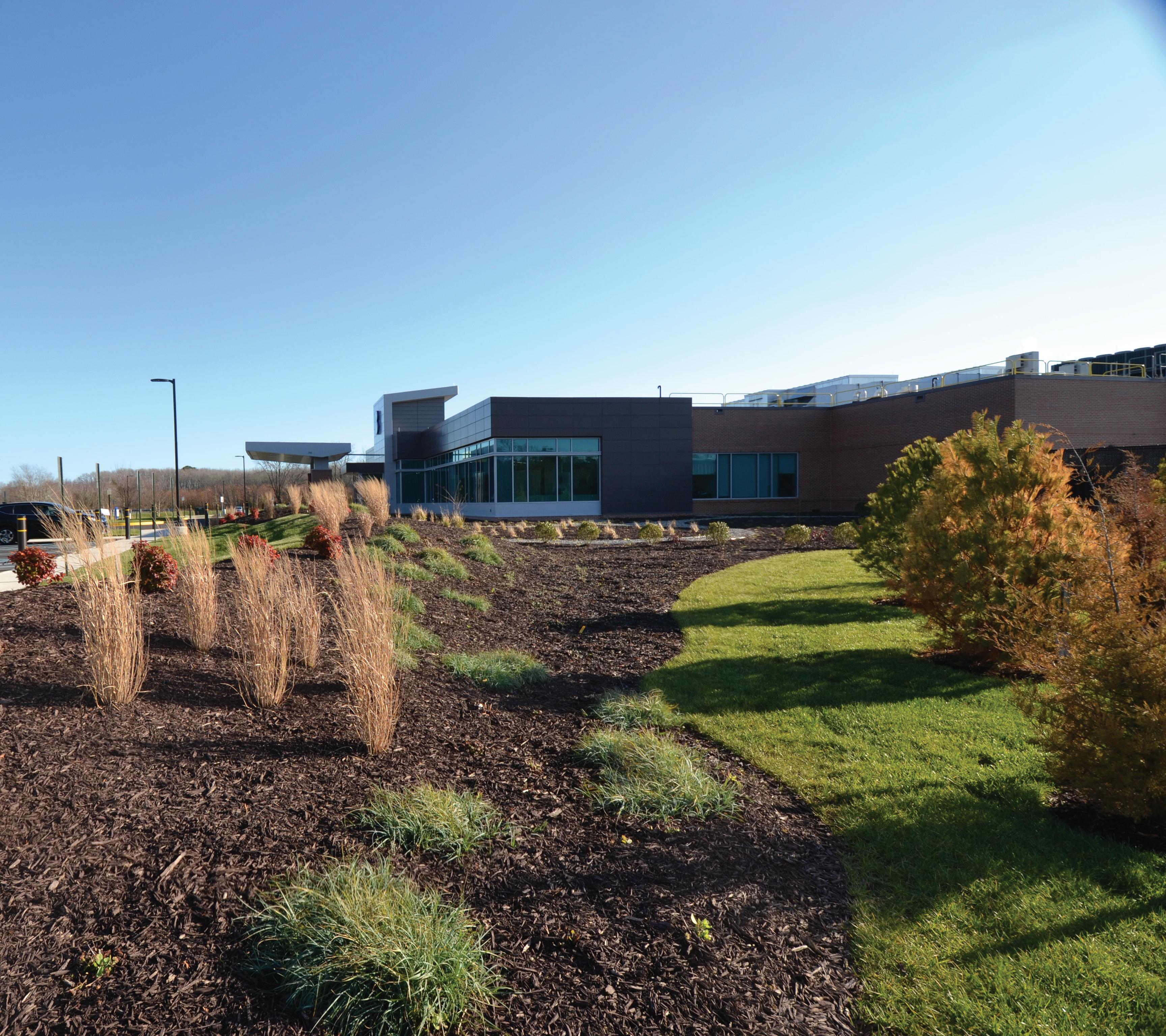
As we think about how to design and build more responsibly, using native plants in our landscapes is a simple but powerful step. When thoughtfully designed, native landscapes do more than meet sustainability goals; they create places that feel intentional, resilient, and deeply connected to their surroundings. Across the Eastern Seaboard, where environmental conditions can be both dynamic and demanding, native plants offer a proven, site-responsive solution.
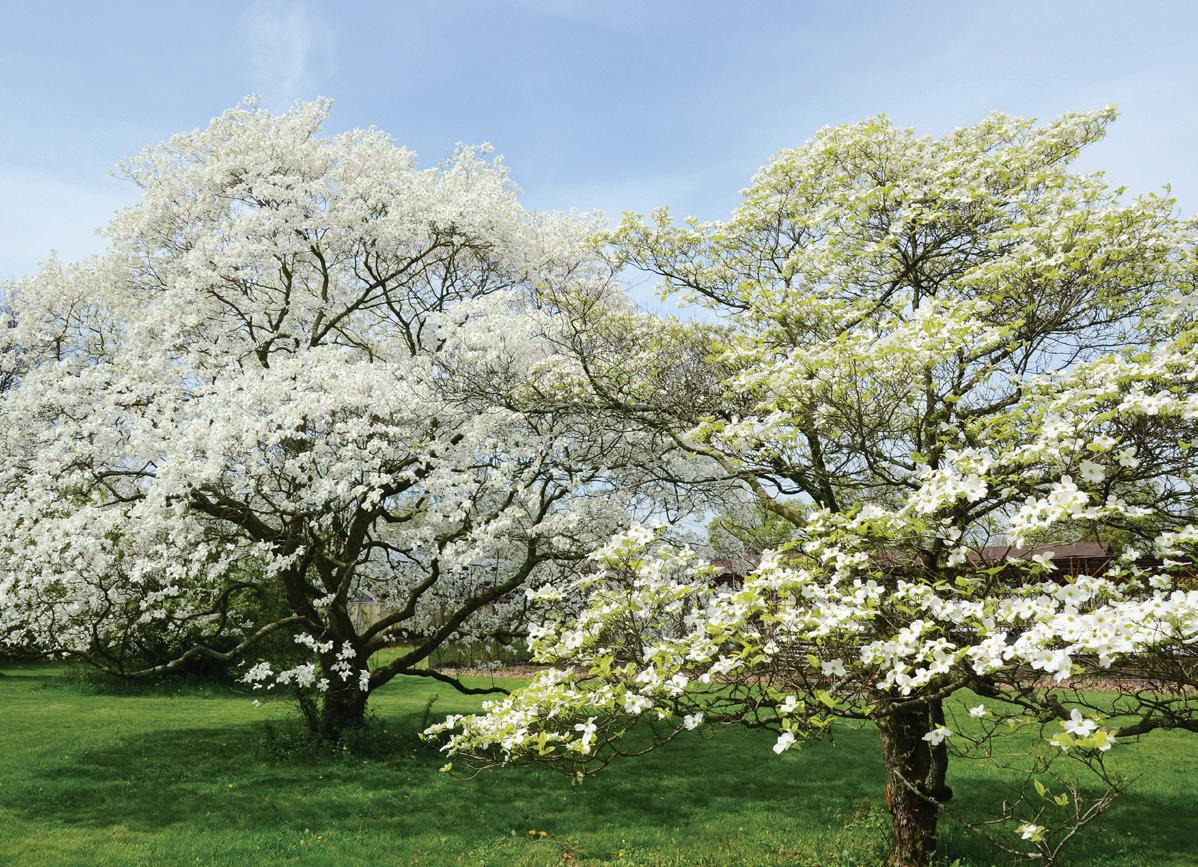
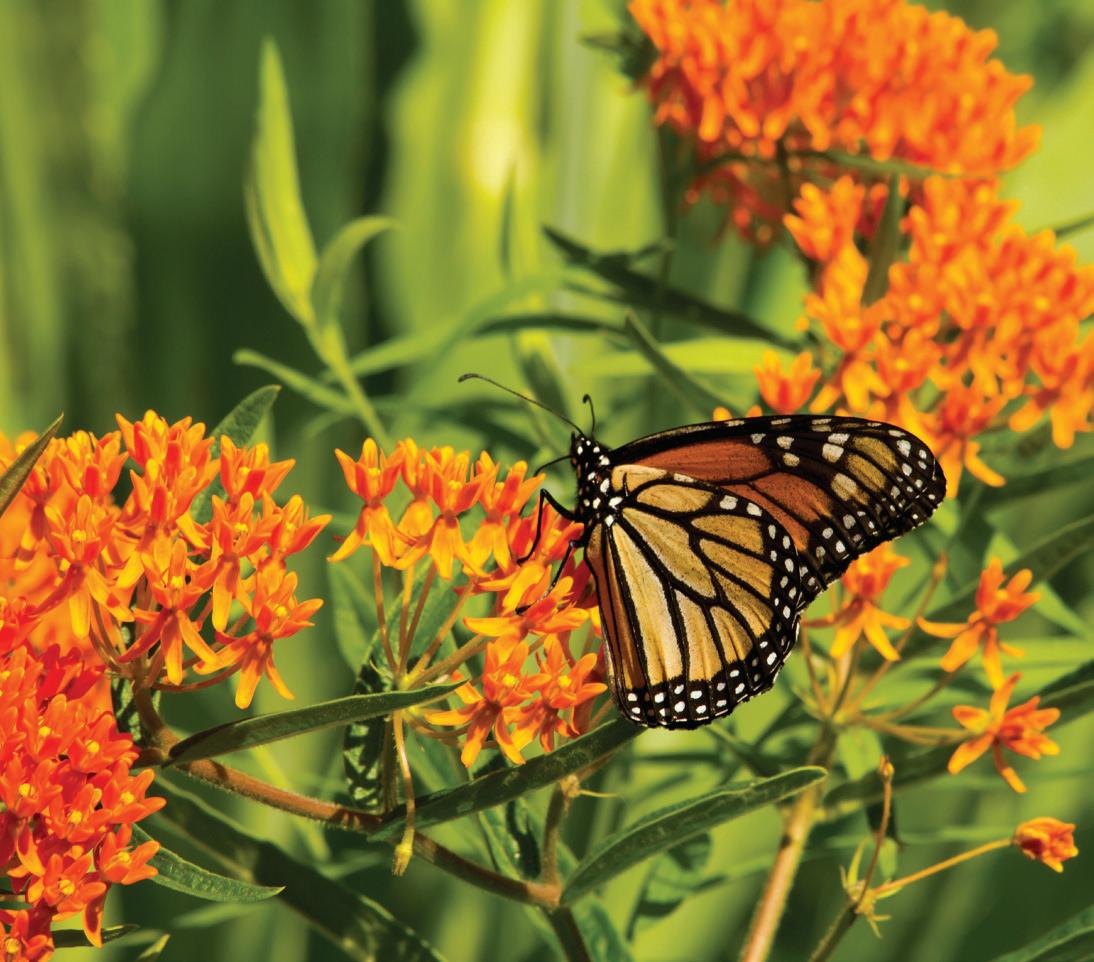
Native plant communities form the backbone of healthy landscapes. Having evolved alongside local wildlife, they provide essential habitat and food for birds, pollinators, and beneficial insects. Native trees, shrubs, and perennials support robust pollinator populations and help reestablish balanced ecosystems, transforming open spaces into living environments that contribute to regional ecological health rather than undermine it.
From a performance standpoint, native plantings offer clear economic advantages. Because they are adapted to local soils and climate, they require less irrigation, fewer chemical inputs, and less ongoing intervention than non-native alternatives. Over time, this translates into lower maintenance costs, more predictable budgets, and stronger lifecycle returns, turning the landscape into a long-term asset rather than an operational burden.
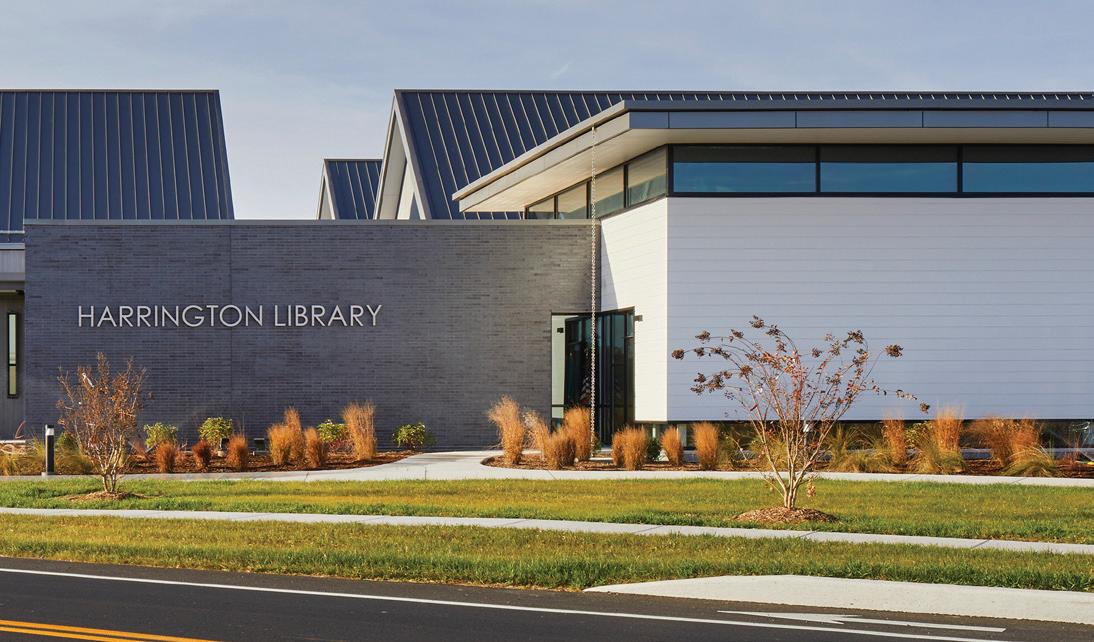
Native landscapes also play a critical role in stormwater management and regulatory compliance throughout the Eastern Seaboard. Many jurisdictions now require or strongly encourage the use of native plantings to meet environmental and stormwater standards. Integrated systems such as bioswales, rain gardens, and naturalized buffers help slow runoff, improve infiltration, and enhance water quality, often reducing reliance on more expensive engineered solutions. When planned early, these strategies can streamline approvals, reduce entitlement risk, and keep projects on schedule.
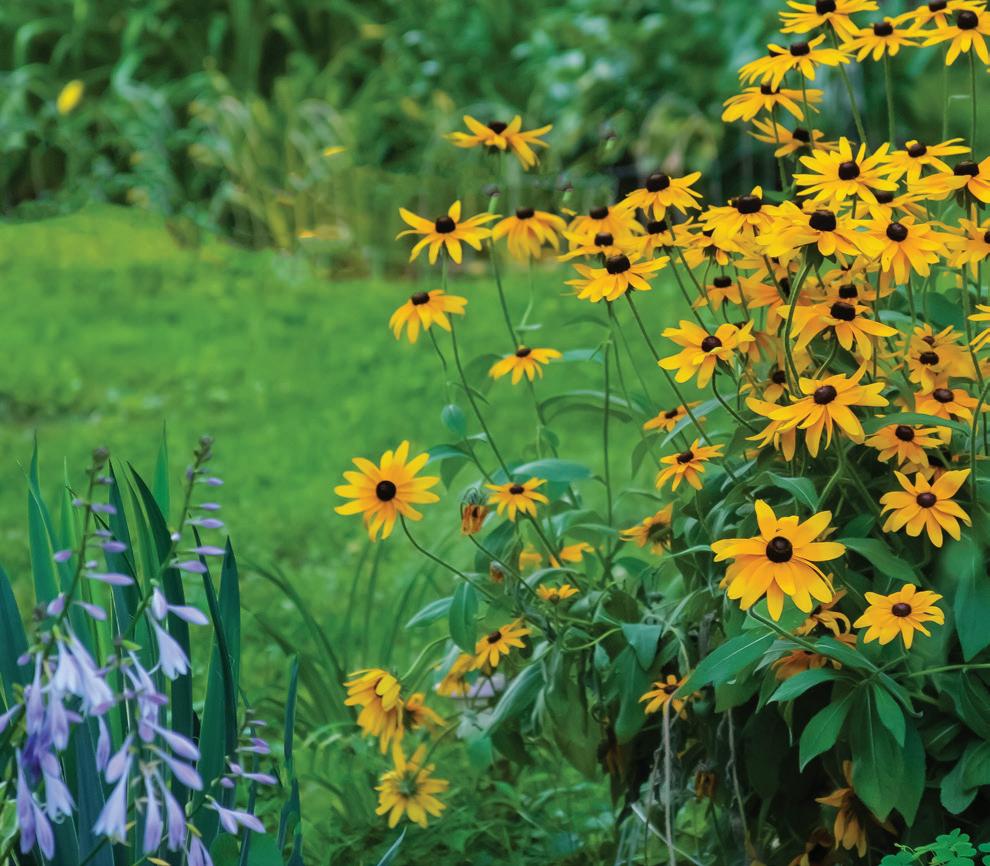
How to utilize native plants in your projects:
The involvement of a landscape architect is key to unlocking the full value of a native landscape. Through careful site analysis, plant selection, and spatial composition, a landscape architect ensures that native plantings are not only sustainable but also cohesive and visually refined. The result is a landscape that matures gracefully, performs consistently, and retains its intended character over time, protecting the initial investment while elevating the overall user experience.
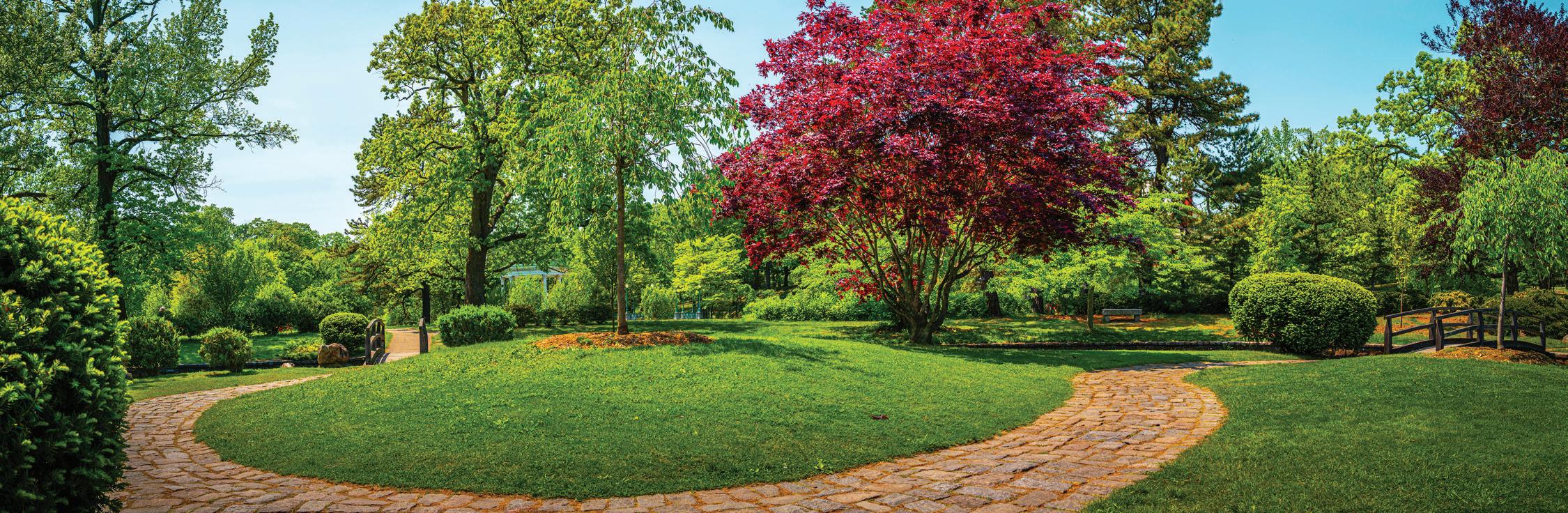
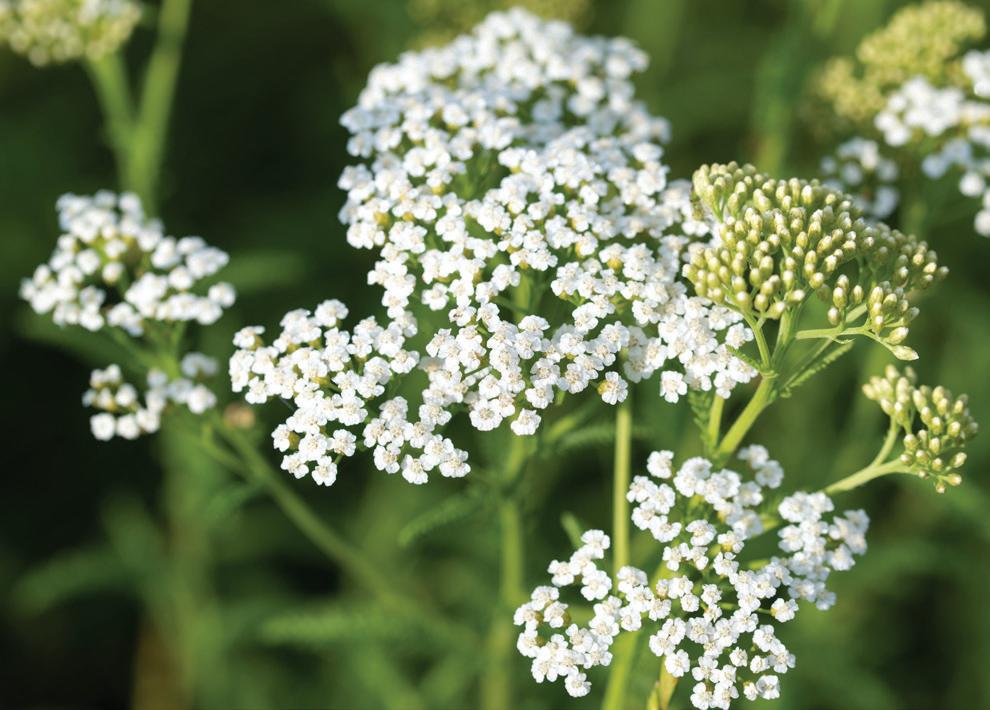
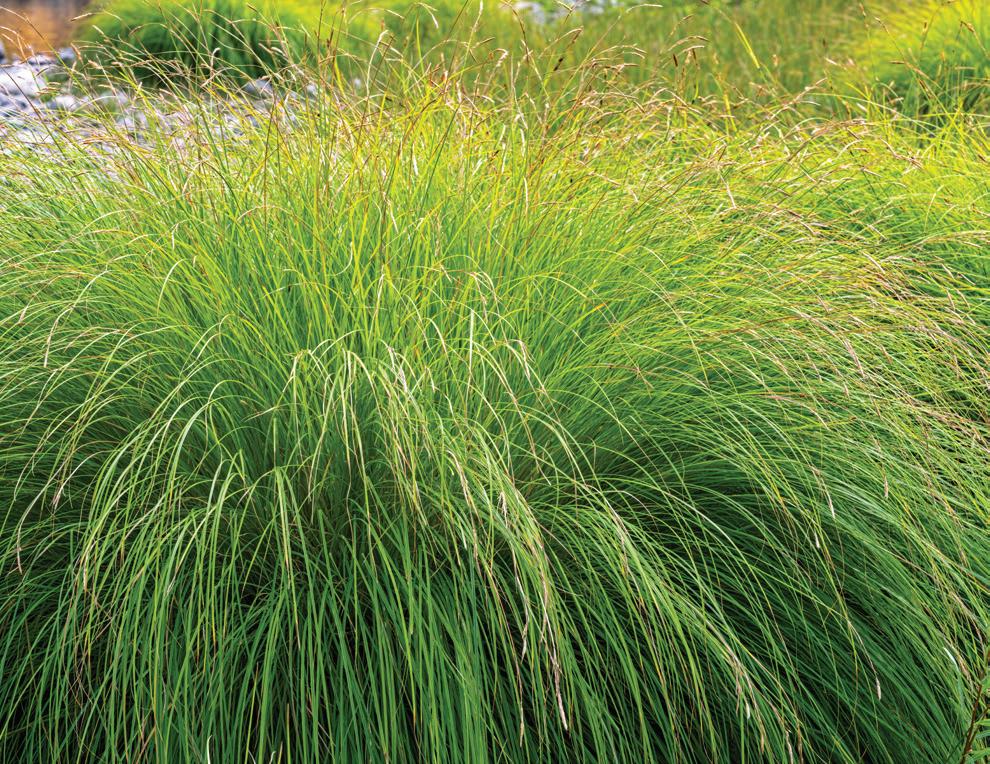
Importantly, native plantings offer exceptional aesthetic versatility. A well-designed native landscape can be rich, layered, and visually compelling, drawing on a diverse palette of herbaceous flowering ornamentals and durable woody plants. Seasonal blooms, textured foliage, and year-round structure create dynamic landscapes that evolve, delivering beauty without sacrificing performance.
When guided by professional design, native landscapes achieve the ideal balance of form and function. They meet regulatory requirements, reduce long-term costs, enhance ecological performance, and create outdoor spaces that feel authentic and enduring.
Incorporating native plants into architectural and engineering projects is an investment in resilience, efficiency, and quality. With a landscape architect’s expertise, native plantings become high-performing landscape systems; beautiful, compliant, and built to last the test of time.