Digital Marketing: The Complete Guide to Growing Your Business Online
In today’s fast-paced, technology-driven world, digital marketing has become the backbone of modern business growth. Whether you run a small local shop, an e-commerce brand, or a multinational corporation, your audience is online and that’s where your marketing efforts must be as well.
Digital marketing is no longer optional. Consumers research products online, compare brands on social media, read reviews before buying, and expect personalized experiences across platforms. Businesses that fail to adapt risk falling behind competitors who are already leveraging digital channels to attract, engage, and convert customers.
This comprehensive guide explores what digital marketing is, why it matters, its core components, effective strategies, current trends, and how businesses can use it to achieve longterm success.
What Is Digital Marketing?
Digital marketing refers to all marketing activities that use digital channels, platforms, or technologies to promote products or services. Unlike traditional marketing such as print ads, billboards, or TV commercials digital marketing allows businesses to reach targeted audiences in real time and measure results with precision.
Common digital channels include:
• Search engines (Google, Bing)
• Social media platforms (Facebook, Instagram, LinkedIn, TikTok)
• Websites and blogs
• Mobile apps
• Online advertising networks
The primary goal of digital marketing is to connect with customers where they spend most of their time: online
Why Digital Marketing Is Important
Digital marketing has transformed how businesses communicate with customers. Here’s why it plays such a crucial role today:
1. Global Reach
Digital marketing removes geographical barriers. A small business can reach customers across cities, countries, or even continents with minimal investment.
2. Cost-Effectiveness
Compared to traditional marketing, digital marketing is often more affordable and offers better ROI. Even with a limited budget, businesses can run highly targeted campaigns.
3. Measurable Results
One of digital marketing’s biggest advantages is data. Tools like Google Analytics and social media insights allow marketers to track traffic, engagement, conversions, and revenue.
4. Targeted Audience
Digital platforms enable precise targeting based on demographics, interests, behavior, location, and more ensuring your message reaches the right people.
5. Improved Customer Engagement
Two-way communication through social media, live chat, and email builds trust and long-term relationships with customers.
Core Components of Digital Marketing
Digital marketing is not a single tactic it’s an ecosystem of strategies working together. Below are the main components every marketer should understand.
1. Search Engine Optimization (SEO)
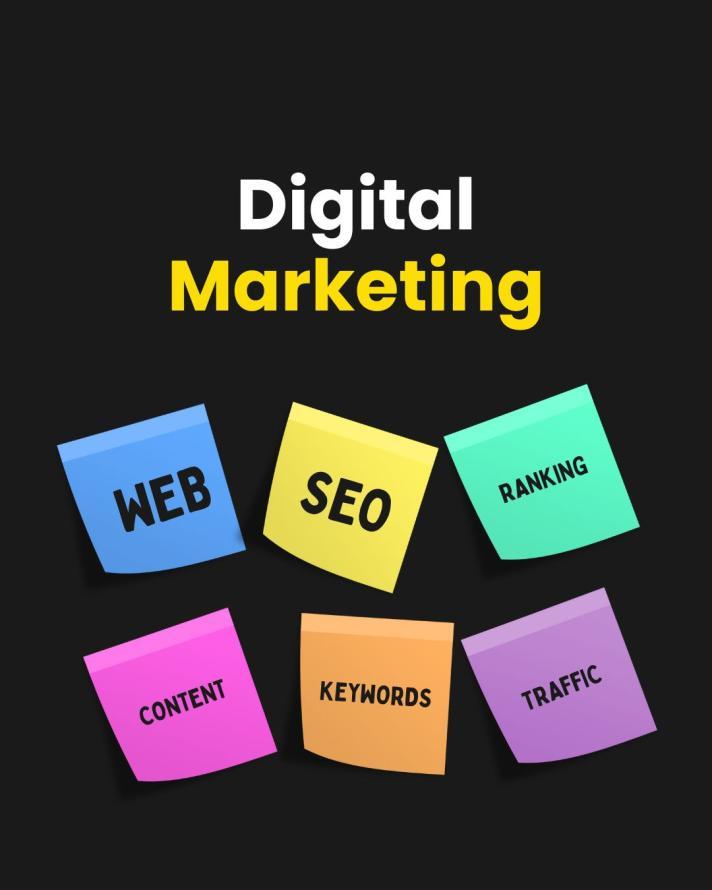
SEO is the process of optimizing your website to rank higher on search engine results pages (SERPs). Higher rankings lead to increased visibility, traffic, and credibility.
Key Elements of SEO:
• Keyword Research: Identifying search terms your audience uses
• On-Page SEO: Optimizing titles, meta descriptions, headings, and content
• Technical SEO: Improving site speed, mobile responsiveness, and indexing
• Off-Page SEO: Building backlinks and brand authority
SEO is a long-term strategy, but it delivers sustainable, high-quality traffic.
2. Content Marketing
Content marketing focuses on creating valuable, relevant, and consistent content to attract and retain a clearly defined audience.
Common Content Types:
• Blog posts
• Videos
• Infographics
• Ebooks and whitepapers
• Podcasts
• Case studies
Instead of directly selling, content marketing educates and builds trust making customers more likely to choose your brand when they’re ready to buy.
3. Social Media Marketing
Social media marketing involves promoting content and engaging with users on platforms like Facebook, Instagram, LinkedIn, Twitter (X), and TikTok.
Benefits of Social Media Marketing:
• Brand awareness
• Direct interaction with customers
• Community building
• Lead generation
• Customer support
A strong social media presence humanizes your brand and helps build loyalty.
4. Pay-Per-Click Advertising (PPC)
PPC advertising allows businesses to display ads on search engines or social platforms and pay only when someone clicks on the ad.
Popular PPC Platforms:
• Google Ads
• Facebook Ads
• Instagram Ads
• LinkedIn Ads
• YouTube Ads
PPC delivers immediate results and is ideal for product launches, promotions, or highly competitive markets.
5. Email Marketing
Email marketing remains one of the highest-ROI digital marketing channels. It involves sending targeted messages to subscribers to nurture leads and retain customers.
Common Email Campaigns:
• Newsletters
• Promotional emails
• Welcome sequences
• Abandoned cart reminders
• Product updates
Personalized and well-timed emails can significantly boost conversions.
6. Affiliate Marketing
Affiliate marketing allows businesses to partner with individuals or companies who promote their products in exchange for a commission.
This performance-based model reduces risk and expands reach through trusted third-party promoters.
7. Influencer Marketing
Influencer marketing leverages individuals with large or niche followings to promote products authentically. Micro-influencers, in particular, often deliver higher engagement rates than celebrities.
Creating an Effective Digital Marketing Strategy
A successful digital marketing strategy requires careful planning and execution. Here are the essential steps:
1. Define Clear Goals
Set measurable objectives such as:
• Increasing website traffic
• Generating leads
• Boosting sales
• Growing social media followers
2. Know Your Target Audience
Understand your audience’s demographics, interests, pain points, and online behavior.
3. Choose the Right Channels
Not every platform is suitable for every business. Focus on channels where your audience is most active.
4. Create High-Quality Content
Content should be informative, engaging, and aligned with your brand voice.
5. Track and Optimize
Use analytics tools to measure performance and continuously improve campaigns.
Digital Marketing Trends Shaping the Future
The digital marketing landscape evolves rapidly. Staying updated with trends is critical for longterm success.
1. Artificial Intelligence (AI)
AI powers chatbots, personalization, predictive analytics, and automated ad optimization.
2. Voice Search Optimization
With smart speakers and voice assistants on the rise, optimizing content for voice search is increasingly important.
3. Video Marketing Dominance
Short-form and long-form video content continues to outperform other formats in engagement and conversions.
4. Personalization
Consumers expect tailored experiences based on their preferences and behavior.
5. Data Privacy and Transparency
With stricter data regulations, ethical data usage and transparency are becoming priorities.
Common Digital Marketing Mistakes to Avoid
Even experienced marketers can make mistakes. Here are some common pitfalls:
• Ignoring mobile optimization
• Focusing on quantity over quality
• Neglecting analytics
• Using outdated SEO tactics
• Being inconsistent with branding
Avoiding these mistakes can save time, money, and resources.
Benefits of Digital Marketing for Businesses
Digital marketing offers numerous advantages, including:
• Increased brand visibility
• Higher conversion rates
• Better customer insights
• Improved customer retention
• Scalable growth opportunities
When executed correctly, digital marketing becomes a powerful engine for sustainable business growth.
Conclusion
Digital marketing is no longer just a trend it’s an essential component of modern business strategy. From SEO and content marketing to social media and paid advertising, digital marketing provides businesses with the tools to connect with customers, build relationships, and drive measurable results.
Success in digital marketing requires a combination of creativity, data-driven decision-making, and continuous adaptation to new technologies and consumer behaviors. Businesses that invest in learning and implementing effective digital marketing strategies will not only survive in the digital age but thrive.
Whether you’re just starting out or looking to refine your existing efforts, embracing digital marketing is one of the smartest decisions you can make for long-term success.