


By City News Service
The Board of Supervisors signed off on a report Tuesday showing that the Riverside County government's unfunded pension liabilities are now close to $4 billion, up more than a halfbillion dollars in the last two years, though projections are for the pension gap to narrow over the coming decade.
According to the 2025 Pension Advisory Review Committee report, the county's retirement apparatus is now 75% funded, compared to 75.3% previously. The key metric reflective of a sound pension system is considered 80% funded status.
The county's total unfunded pension gap is $3.94 billion, compared to $3.67 billion estimated in the 2024 report, PARC officials said. The figures are based on calculations ending in fiscal year 2022-23 — the most recent period for which confirmed data is available via the California Public Employees' Retirement System.
"Based upon several factors, the long-term pension outlook remains favorable, with increases projected to peak early in the next decade," the report
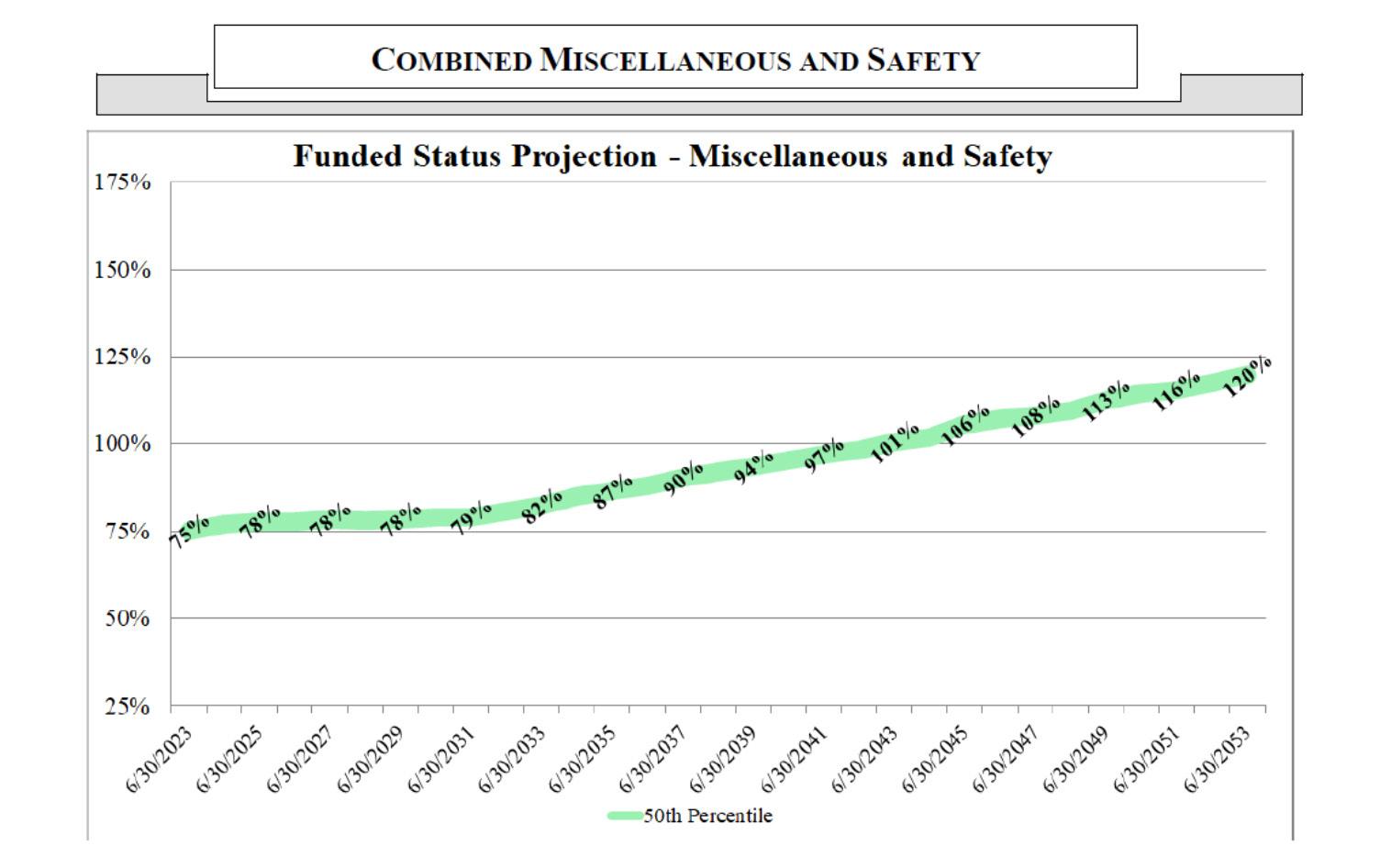
stated. "The funded status is anticipated to be more than 80% within ten years, which has suffered a setback due to the negative investment returns experienced in fiscal year 2021-22. Projections will be tempered by year-to- year financial market performance."
The county's current asset base supporting the pension system is $11.82 billion. The "actuarial accrued liability" is $15.76 billion.
"You're never going to meet the minimum standard," Roy Bleckert of Moreno Valley told the board. "No matter how hard you
try to pedal that bicycle, the expenses just keep outpacing income. We've been hearing for decades about how you're moving money. But it's like trying to grab the last deck chair on the Titanic before it slips underwater. You never get to the point where you're above water."
There are two main categories in the local pension system — safety and miscellaneous. The safety category covers sheriff's deputies, District Attorney's Office investigators,probation agents and others, while the
Pension gap Page 16
miscellaneous rolls cover clerks, custodians, nurses, social workers, technicians and remaining employees not involved in any law enforcement function.
The amounts available to fund workers' nest eggs in CalPERS fluctuate with the pension system's investment performance. The most recent estimate tentatively showed a 9.3% rate of return for last year. The assumed rate of return going forward is 6.8%. In 2021-22, the investment portfolio ran a negative 6% return.
TDiscretionary revenue rising, but higher costs on horizon, says county CEO
By City News Service
he Board of Supervisors on Tuesday made several budget adjustments based on a Riverside County Executive Office report indicating that, at the halfway point for the 2024-25 fiscal year, reserves are growing above previously estimated levels despite "escalating costs" weighing on the economy and the balance sheet of county government.
The 35-page midyear budget report showed a 3% increase in discretionary revenue compared to what Executive Office staff earlier predicted would be available by this juncture.
The county's reserve pool is now projected to reach $731 million, rather than $720 million, in the current fiscal year,
Riverside County sheriff speaks in favor of 'sanctuary city' overhaul bill
By City News Service
Calling it essential for public safety, the state Senate minority leader and other advocates, including Riverside County Sheriff Chad Bianco, unveiled a proposed overhaul of California's "sanctuary state" law Friday.
Speaking at a news conference in downtown San Diego, Sen. Brian Jones, R-San Diego, said Senate Bill 554 would do two things — protect the public from "violent, felony criminal illegal immigrants," and mandate cooperation by local authorities in cases involving specific violent crimes.
Jones' proposal is a response to state Senate Bill 54, passed in 2017, which limits local and state law enforcement agencies' involvement in federal immigration enforcement.






Poly High School of Riverside will represent Riverside County in the California Mock Trial Competition next month after prevailing in the countylevel contest for the 21st time.
Poly High topped Riverside's Notre Dame High on Feb. 18 to take the championship title in the 43rd annual Riverside County Mock Trial Competition.
The Poly High team will go on to the state meet, slated for March 14-16 in Los Angeles.

"Congratulations to the student competitors ... who all have a very bright future ahead of them — whether that is in the legal field, in higher education, or in their professional pursuits," county Superintendent of Schools Edwin Gomez said. "I look forward to seeing Poly High School once again represent Riverside County at the state competition."
Notre Dame High was awarded the second place trophy, while Murrieta Valley High and Temecula High shared third prize after the semifinal and final rounds

concluded on Tuesday.
The Office of Education, in partnership with the Constitutional Rights Foundation, Riverside County Bar Association and the Superior Court, sponsor the competitions annually. They generally draw more than 400 participants. The county began holding student-level mock trials in 1983. More than 14,000 youths have participated since then, organizers said.
This year's contest challenged students to successfully argue the fictitious case of People v. Gold, involving an alleged kidnapping amid a heated
local political race in the make-believe community of Emerald Bend, California.
The defendant, Logan Gold, was accused of abducting his wife's rival candidate in a city council election to prevent the victim from appearing for a scheduled debate.
Students were tasked with analyzing forensic evidence, admissibility of statements, possible due process infringements and other matters during the trials.
Teams consisting of eight to 25 students played the parts of deputy district attorneys, defense attorneys, bailiffs, witnesses,
clerks and investigators. Contestants were given an allotted time, generally four to six minutes, at each stage of a proceeding, including opening statements, closing arguments and cross-examinations.
Practicing attorneys and judges assessed students' performance, awarding points in accordance with criteria established for the contest.
Students from public and private high schools are permitted to take part.
Poly High also won the county's 2024 contest. Its teams consistently make it into the semifinals.

Sixhazardoushiking areas were open Monday following approval from the Riverside County Board of Supervisors, according to county Fire Chief Bill Weiser.
Recent rainfall has created a decreased wildfire risk and improved moisture levels resulting in more favorable conditions to open hiking areas.


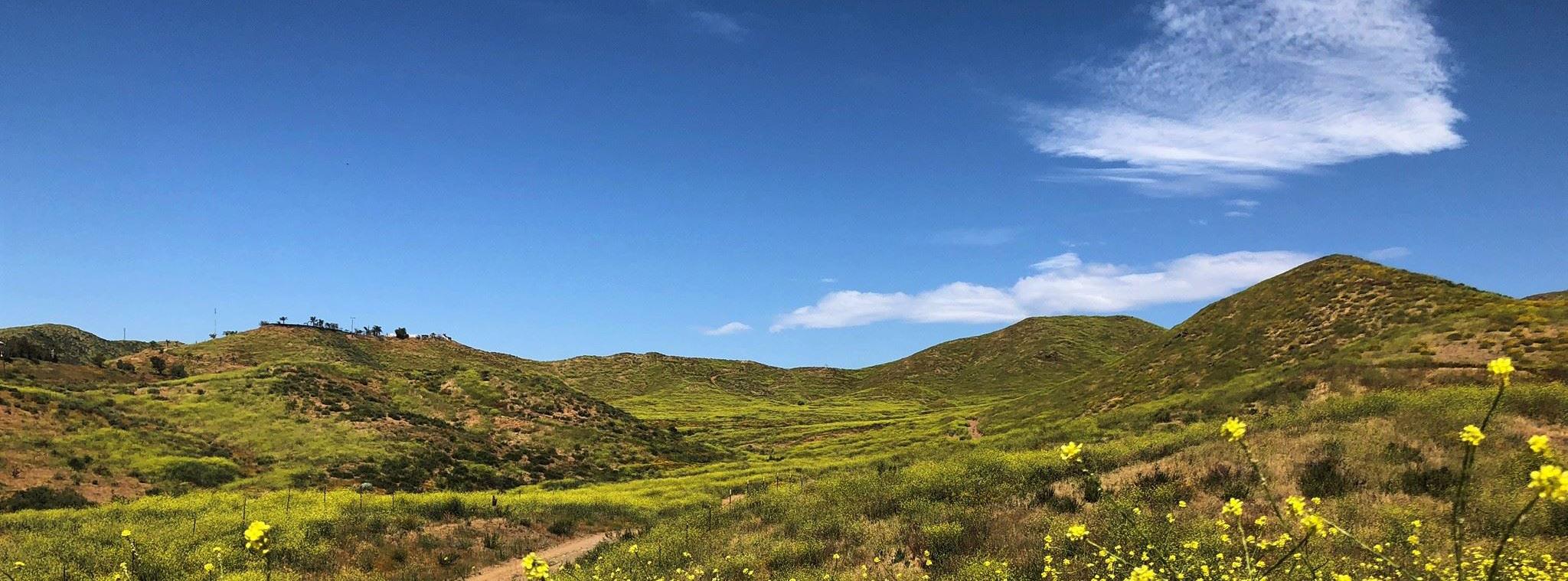
The six areas are:
-- Eagle Canyon/Tin Mine (east of Corona)
-- Steel Peak (north of Lake Elsinore)
-- Bautista Canyon (southeast of Hemet)
-- North Mountain (south of Banning, north of San Jacinto)
-- Whitewater Canyon (east of Cabazon)
-- Ramona Bowl (south of Hemet)
"It's great to welcome visitors back to Riverside County's beautiful outdoor
spaces with unrestricted access. However, we remind everyone to remain cautious and fire-aware while enjoying these areas," said Weiser, who is also the Cal Fire Riverside Unit Chief.
Weather conditions, fuel
moisture and increased fire threat could lead to future closures.
For additional information on closed areas, contact the Public Affairs and Community Education Bureau at 951-9406985.

Summer is a time for adventure, growth, and unforgettable experiences! Our Summer Schools, Camps, and Activities Guide is here to help families navigate the many opportunities available to keep kids engaged, learning, and having fun all season long. Summer camps and school programs offer more than just a way to fill the break—they provide invaluable experiences that shape a child’s development. From building social skills and teamwork to exploring new hobbies and academic enrichment, these programs create lasting memories and foster independence. Whether your child is interested in outdoor adventures, arts, science, or sports, there’s something for everyone. Browse through our guide to find the perfect fit for your child’s summer journey. Let’s make this summer one to remember!
Start planning now - many programs fill up by April!
Directory of local Summer School Programs and Summer Camps:
Lavner Education Summer Tech Camp lavnercampsandprograms.com
San Gabriel Christian Summer Program sangabrielchristian.org
Camp Adventurewood campadventurewood.com
Encore Music and Performing Arts encoremusicsouthpasadena.com
Art / Work / Place myartworkplace.com
Tiffany Music Academy tiffanymusicacademy.com
Childtime of Alhambra childtime.com
Kids Klub San Gabriel/Rosemead kidsklubcdc.com
Spark Academy sparkacademycorp.com
Global Art Academy
A Child’s Garden School achildsgardenschool.org
Magikid Robotics Lab magikidlab.com
Asian Arts Talent foundation aatf.us
A+ Learning Center a-pluslearningcenter.com
Galileo Camps galileo-camps.com
California School of the Arts sgv.csarts.net
San Gabriel Mission High sgmhs.org
Steve and Kate’s Camp steveandkatescamp.com
- Consider Your Child’s Interests: Do they love sports, arts, science, or adventure?

- Day Camp vs. Overnight Camp: Younger kids may prefer day camps, while older kids may enjoy the independence of sleepaway programs.
-Budget & Financial Aid: Many programs offer scholarships—check eligibility early!
- Location & Schedule: Factor in commute time and daily schedules.
Pasadena Ice Skating Camp pasadenaskatecamp.com
Flintridge Secret Heart Academy fsha.org
Caltech Center for Diversity caltech.edu

Creative & Performing Arts Camps
• SOCAPA Los Angeles (School of Creative & Performing Arts) – Film, acting, photography, and dance programs. (Ages 13-18, Occidental College Campus)
• Colburn Summer Music Academy – Classical music training for young musicians. Offering nine different summer music camps, intensives, and workshops for musicians (Ages 8 and up, Downtown LA - June and July)
• Theatricum Botanicum Youth Drama Camp – Outdoor Shakespeare and theater camp. (Ages 6-18, Topanga Canyon - July 1 – July 20)
Sports & Outdoor Adventure Camps
• Pali Adventures Camp – Unique adventure sports and leadership training. (Ages 8-16, Running Springs, CA –Sleepaway)
• Nike Sports Camps – Offering sports camps focused on basketball, baseball, gymnastics, soccer, tennis, and many more. (Ages 7-17, Multiple LA locations)
• BeachSports Surf & Beach Camp – Surfing, skateboarding, Jr. lifeguard, and other beach activities. (Ages 4 and up, Manhattan Beach & Santa Monica)
STEM & Tech Camps
• ID Tech Camps at UCLA – Coding, game development, and robotics. (Ages 7-17, UCLA Campus)
• Two Bit Circus Foundation Camp – Hands-on engineering, robotics, and VR. (Ages 6-14, Los Angeles)
• PlanetBravo Techno-Tainment Camp – Minecraft modding, 3D printing, and animation. (Ages 7-14, Various LA locations)
Nature & Science Camps
• Griffith Park Boys & Girls Camp – Outdoor adventures, hiking, and nature exploration. (Ages 6-17, Griffith Park)
• LA Zoo Camp – Animal care, conservation, and wildlife science. (Ages 4-12, Los Angeles Zoo)
• Star Eco Station Summer Camp – Hands-on environmental science with rescued animals. (Ages 6-14, Culver City)

Summer camp can be a fun, enriching experience for kids, but safety should be a top priority. Here are some tips to help you evaluate a camp before enrolling your child:
1. Check the Camp’s Reputation – Research its history, policies, and any past complaints. Ensure staff undergo background checks.
2. Verify Accreditation – Look for accreditation from the American Camp Association (ACA) to confirm health and safety standards.
3. Review Safety Protocols – Staff should be trained to recognize and report abuse, and the camp should have clear safety policies.
4. Confirm Communication Plans – Ensure there’s an easy way for you and your child to stay in touch, especially in emergencies.
5. Ask for References – Speak with other parents about their experiences and inquire about any past safety concerns.
6. Check Staff Certifications – Ensure staff are trained in CPR and first aid to handle emergencies.
A great camp balances fun with safety. By doing your research, you can find a camp that gives your child a memorable and safe summer experience.
" Conclave" and "Shogun" are the big winners at the 31st annual Screen Actors Guild Awards taking home top honors at the prestigious Hollywood event.
The papal thriller "Conclave" captured the glamour award for Performance by a Cast in a Motion Picture at Sunday's SAG Awards — while "Shogun," the FX drama set in 17th century Japan, won four trophies out of its leading five nominations, including Ensemble in a Drama Series, to dominate the television categories.
The SAG Awards — the final undercard event of the Hollywood awards season before next week's Academy Awards, and a historically strong predictor of success on Oscar night — also delivered "Actor" trophies to Timothée Chalamet for Male Actor in a Leading Role in a Motion Picture for his role in the Bob Dylan biopic "A Complete Unknown," and to Demi Moore for Female Actor in a Leading Role in a Motion Picture for her star turn in the often startling horror-drama "The Substance."
The award for cast performance is the SAG Awards' equivalent of the Oscars' Best Picture.
Supporting actor awards in the movie categories Sunday went to Kieran Culkin for "A Real Pain" and Zoe Saldaña for "Emilia Pérez."
Meanwhile, "Wicked," an adaptation of the Broadway musical based on the Wicked Witch of the West from "The Wizard of Oz," brought a leading five movie nominations into the evening — but was shut out.
"Conclave," which details the intrigue of papal succession amid the secretive machinations of the Vatican, was a surprise winner in the best cast category — besting "Wicked"; "A Complete Unknown"; "Anora," a comedy- drama about a sex worker who marries a Russian oligarch; and "Emila
By City News Service

Pérez," a gender-bending crime musical about a drug cartel leader who hires a lawyer to help fake her death so she can transition to a woman.
"Conclave" was coming off a Best Picture win at last week's BAFTA Awards, and could have momentum going into next Sunday's Academy Awards, to which it brings eight nominations, including Best Picture.
Moore, 62, was again an awards-show storyline on Sunday, continuing her comeback with her best actress win following her victory in that category at the Golden Globes. She's also nominated for an Oscar next week for her role as a fading actress who discovers a black-market drug that restores youth — with all manner of unexpected side-effects both physical and emotional.
"This is extraordinary and so deeply meaningful," Moore said during an emotional acceptance speech in which she recalled her career start in 1978 as "a kid on my own who had no blueprint for life."
Then, addressing her fellow actors in the audience, she added, "I knew nothing about acting, but I watched and I listened and I learned from all of you. You have all been my greatest teachers. I am so grateful that I have contin-
ued over these so many years to be able to try and sometimes succeed and sometimes fail and to be able to keep going."
Moore's competition Sunday was Pamela Anderson in "The Last Showgirl," Cynthia Erivo in "Wicked," Mikey Madison in "Anora" and Karla Sofía Gascón in "Emilia Pérez." All but Anderson are also nominated for Best Actress Oscars.
Gascón's loss Sunday was not unexpected, as it came in the wake of a scandal in which old social-media posts surfaced in which she denigrated Islam and George Floyd, among other objectionable comments.
Gascón has since apologized for the now-deleted posts, but the scandal is widely believed to have torpedoed her chances for award-season recognition. Her Best Actress nomination is one of a record 13 that "Emila Pérez" will bring to the Oscars.
Chalamet, playing the young Dylan in "A Complete Unknown," became, at age 29, the youngest actor to capture a SAG best actor award — beating Nicholas Cage, who was 32 when he won for "Leaving Las Vegas" in 1996.
Chalamet is also up for an Oscar next week and could also become the youngest Academy Award-
winning best actor — a title now held by Adrien Brody, who will compete with Chalamet next week as a nominee for "The Brutalist."
"I was not expecting this at all," Chalamet said during his Sunday acceptance. "I poured everything I had into playing this incomparable artist, Mr. Bob Dylan, a true American hero, and it was the honor of a lifetime playing him."
On the TV side Sunday, "Shogun," besides winning for TV drama ensemble, brought wins to Hiroyuki Sanada for Male Actor in a Drama Series; Anna Sawai for Female Actor in a Drama Series; and Stunt Ensemble in a Television Series.
"Only Murders in the Building," long a bridesmaid during awards shows, took
the award for Ensemble in a Comedy Series, while one of its co-stars Martin Short won for Male Actor in a Comedy Series — making "Only Murders ..." the only other multiple winner of the night.
Jane Fonda, 87, received the SAG Life Achievement Award on Sunday and drew a lengthy standing ovation. She noted that "I'm not done," and quipped "probably in my 90s I'll be doing my own stunts in an action movie."
But then she turned serious in commenting on the current U.S. political situation, urging activism and saying, "A whole lot of people are going to be really hurt by what is happening, what is coming our way."
"Even if they're of a
different political persuasion, we need to call upon our empathy and not judge, but listen from our hearts and welcome them into our tent, because we are going to need a big tent to resist, successfully, what's coming at us," said the longtime activist.
Kristen Bell, herself a nominee Sunday (she lost out to Jean Smart of "Hacks" for Female Actor in a Comedy Series) hosted the ceremonies, which were at the Shrine Auditorium and were streamed live on Netflix.
During her opening monologue, Bell noted a group of Los Angeles Fire Department firefighters sitting at a front table in the Shrine ballroom and said, "The most attractive table, I need to point out, is right over there" — gesturing toward the uniformed firefighters who battled the recent Los Angeles wildfires.
The SAGs are considered the most cherished Hollywood honors among performers because they are voted upon exclusively by other actors. Actors also make up the majority of Oscar voters.
In all, 15 regular awards were given out Sunday night — six in movie categories and nine in television — along with Fonda's Life Achievement Award.
A complete list of winners is online at sagaftra. org.

Meryl is the kind of dog who steals hearts wherever she goes. At seven years old, this gentle pit bull mix has mastered the perfect balance of sweet affection and easygoing charm. On a recent outing with Pasadena Humane’s Wiggle Waggle Wagon, she greeted every passerby with a wagging tail and a hopeful gaze, soaking up all the attention she could get. Of course, she loved all pets and cuddles, too! One of Meryl’s favorite things in the world is making new friends—both human and canine. She quickly bonded with another dog during a recent outing, and the two became inseparable for the day, happily walking side by side and enjoying each other's company. Meryl might thrive in a home with another friendly, medium-sized dog who can be her buddy. She has a wonderful, adaptable energy—excited for walks and new adventures but just as content to stretch out on the grass and relax. Meryl already knows some basic commands, like "sit," and takes treats gently, proving she’s not just loving but well-mannered too. She’s the kind of dog who will make a house feel like a home, bringing warmth, companionship, and a little bit of fun. If you're looking for a devoted and affectionate pup who will always be by your side, Meryl is ready to be your new best friend.
Tyrone is a handsome 3-year-old pit bull mix with a heart as big as his smile! This affectionate and playful guy is as sweet as they come. Whether he’s rolling over with his toys or gently placing his head in your lap for some love, Tyrone is all about spreading joy. He knows commands like “sit,” “stay,” and “shake,” and he takes treats ever so gently. Tyrone is also a social butterfly! He loves meeting new people—men, women, and kids alike—and always greets them with a wagging tail and a friendly demeanor. At a recent event, he spent time with a 12-year-old boy, soaking up all the attention and even attempting to sneak in a kiss! He’s working on his leash manners, though he might get excited if something catches his eye. With a little continued training, he’ll be an excellent adventure companion. While Tyrone enjoys his playtime, he also has a wonderfully calm and snuggly side. Throughout a full day of meeting people and exploring new places, he remained relaxed, never barking even when other dogs were vocal. He’s eager to please, incredibly gentle, and has so much love to give. If you’re looking for a sweet, fun-loving, and affectionate companion, Tyrone just might be your perfect match!
The adoption fee for dogs is $150. All dog adoptions include spay or neuter, microchip, and age-appropriate vaccines. Walk-in adoptions are available every day from 2:00 – 5:00. For those who prefer, adoption appointments are available daily from 10:30 – 1:30 and can be scheduled online. View photos of adoptable pets at pasadenahumane.org. New adopters will receive a complimentary health-and-wellness exam from VCA Animal Hospitals, as well as a goody bag filled with information about how to care for your pet. Pets may not be available for adoption and cannot be held for potential adopters by phone calls or email.
Eliminate gutter cleaning forever! LeafFilter, the most advanced debris-blocking gutter protection. Schedule a FREE LeafFilter estimate today. 20% off Entire Purchase. 10% Senior & Military Discounts. Call 1-855424-7581 (Cal-SCAN)
DONATE YOUR VEHICLE to fund the SEARCH FOR MISSING CHILDREN. FAST FREE PICKUP. 24 hour response. Running or not. Maximum Tax Deduction and No Emission Test Required! Call 24/7: 1-877-434-6852 (Cal-SCAN)
GOT AN UNWANTED CAR??? DONATE IT TO PATRIOTIC HEARTS. Fast free pick up. All 50 States. Patriotic Hearts’ programs help veterans find work or start their own business. Call 24/7: 1-855408-6546 (Cal-SCAN)
Tiene un vehiculo no deseado? Donelo a Patriotic Hearts! Recogida rápida y gratuita en los 50 estados. Patriotic Hearts ofrece programas para ayudar a los veteranos a encontrar trabajo o iniciar su propio negocio. Llama ahora: 1-855-4087368 (24/7) (Cal-SCAN)
Get a break on your taxes! Donate your car, truck, or SUV to assist the blind and visually impaired. Arrange a swift, no-cost vehicle pickup and secure a generous tax credit for 2025. Call Heritage for the Blind Today at 1-844-4912884 today! (Cal-SCAN)
Struggling with debt? If you have over $10,000 in debt we help you be debt free in as little as 24-48 months. Pay nothing to enroll. Call Now: 1-877-435-4860 (Cal-SCAN)
Attention: VIAGRA and CIALIS
USERS! A cheaper alternative to high drugstore prices! 50 Pill Special - Only $99! 100% guaranteed. CALL NOW: 1-888-256-9155 (CalSCAN_
Jacuzzi Bath Remodel can install a new, custom bath or shower in as little as one day. For a limited time, waiving ALL installation costs! (Additional terms apply.) Subject to change and vary by dealer. (Offer ends 3/30/25.) Call 1-833-985-4766
Safe Step. North America's #1 Walk-In Tub. Comprehensive lifetime warranty. Top-ofthe-line installation and service. Now featuring our FREE shower package and $1600 Off for a limited time! Call today! Financing available. Call Safe Step 1-888-989-5749 (CalSCAN)
DENTAL INSURANCE from Physicians Mutual Insurance Company. Coverage for 400 plus procedures. Real dental insurance - NOT just a discount plan. Do not wait! Call now! Get your FREE Dental Information Kit with all the details! 1-844-2032677 www.dental50plus.com/ calnews #6258 (Cal-SCAN)
Consumer Cellular - the same reliable, nationwide coverage as the largest carriers. No longterm contract, no hidden fees and activation is free. All plans feature unlimited talk and text, starting at just $20/month. For more information, call 1-844908-0605 (Cal-SCAN)
The difference in winning and losing market share is how businesses use their advertising dollars. CNPA’s Advertising Services’ power to connect to nearly 13 million of the state’s readers who are an engaged
audience, makes our services an indispensable marketing solution. For more info call Cecelia @ (916) 288-6011 or cecelia@cnpa.com
DID YOU KNOW Newspapergenerated content is so valuable it’s taken and repeated, condensed, broadcast, tweeted, discussed, posted, copied, edited, and emailed countless times throughout the day by others? Discover the Power of Newspaper Advertising. For a free brochure call 916-288-6011 or email cecelia@cnpa.com (Cal-SCAN)
RETIRED COUPLE $$$$ for business purpose Real Estate loans. Credit unimportant. V.I.P. Trust Deed Company www.viploan.com Call 1-818-248-0000. Broker-principal DRE 01041073. No consumer loans. (Cal-SCAN)
BATH & SHOWER UPDATES in as little as ONE DAY! Affordable prices - No payments for 18 months! Lifetime warranty & professional installs. Senior & Military Discounts available. Call: 1-877-252-9868 (CalSCAN)
Don't Pay For Covered Home Repairs Again! Our home warranty covers ALL MAJOR SYSTEMS AND APPLIANCES. We stand by our service and if we can't fix it, we'll replace it! Pick the plan that fits your budget! Call:1-855-411-1731 (Cal-SCAN)
WATER DAMAGE CLEANUP & RESTORATION: A small amount of water can lead to major damage in your home. Our trusted professionals do complete repairs to protect your family and your home's value! Call 24/7: 1-888-2480815. Have zip code of service location ready when you call! (Cal-SCAN)

Feb. 13
At 8:53 a.m., officers were dispatched to the area of Duarte and Myrtle regarding a male subject causing a disturbance. Officers arrived and located the subject yelling at people. It was determined he was too intoxicated to care for himself. He was arrested and transported to the MPD jail to be held for a sobering period.
At 2:38 p.m., a caller in the area of Mayflower and Duarte reported their vehicle stolen. Officers arrived and located the stolen vehicle nearby. This investigation is continuing.
At 8:48 p.m., a residential burglary in progress was reported in the 200 block of East Greystone. The resident heard someone inside her home and screamed when she detected movement near her bedroom. Officers arrived and made contact with the resident. Officers located a shattered window, but no subjects were located inside. This investigation is continuing.
At 10:30 p.m., officers were dispatched to the 200 block of West Huntington regarding a theft. The reporting party stated that a male on a bicycle entered the store, was concealing merchandise, and threw the items at an employee after they were confronted outside the store. Officers arrived and located the subject. He was arrested and taken into custody.
Feb. 14
At 2:02 a.m., while patrolling the 1300 block of South
Mayflower an officer saw a vehicle commit a traffic violation. A traffic stop was conducted and the driver was contacted. The driver displayed symptoms of being under the influence. A DUI investigation confirmed the driver was under the influence. He was arrested and transported to the MPD jail to be held for a sobering period.
At 4:56 p.m., officers were dispatched to the 200 block of West Foothill regarding a subject loitering. Officers arrived and made contact with the subject who was intoxicated and uncooperative. After a struggle with officers, he was arrested and taken into custody.
At 5:11 p.m., a caller in the 1700 block of Encino reported that her brother had battered her. Officers arrived and made contact with the parties involved. The brother was arrested and taken into custody.
Feb. 15
At 1:55 a.m., while patrolling the 1400 block of South Mountain, an officer conducted a pedestrian stop on a suspicious male subject. An investigation revealed the subject was in possession of a controlled substance. He was arrested and taken into custody.
At 4:04 a.m., an officer patrolling the 700 block of West Huntington saw two suspicious subjects near a closed business. A computer search revealed one of the subjects had a warrant for his arrest. A further investigation revealed the subject was in possession of controlled
substances and a stun gun. He was arrested and taken into custody.
At 11:20 p.m., a caller in the 600 block of West Huntington reported a male subject inside a business. Officers arrived and made contact with the subject. An investigation revealed he was in possession of drug paraphernalia. He was arrested, cited, and released at the scene.
Feb. 16
At 12:53 a.m., an officer patrolling the 400 block of West Duarte saw a female subject tampering with a coin machine and made contact with her. An investigation revealed she was in possession of drug paraphernalia. She was arrested and taken into custody.
At 9:26 a.m., a caller in the 400 block of West Foothill reported that her business had been burglarized. Officers arrived and determined that the suspects tampered with the front door and made entry. No loss was reported. This investigation is continuing.
At 3:24 p.m., officers were dispatched to the 1600 block of South Mountain regarding a shoplifting in progress. Officers arrived and located the suspect outside the store. The stolen property was recovered, the suspect was arrested and taken into custody.
Feb. 17
At 7:56 a.m., a victim in the 500 block of East Maple reported her vehicle stolen. The vehicle was located in San Bernardino County. This investigation is continuing.

At 8:10 a.m., a resident in the 1000 block of East Huntington reported her vehicle was broken into. An investigation revealed the steering column had been tampered with in an attempt to steal the vehicle. This investigation is continuing.
At 5:16 p.m., in the 600 block of West Duarte, a vehicle was trying to park at the location and others were trying to exit the small private parking lot. Drivers of the vehicles trying to exit asked the one driver who was trying to park to back up so they could leave, then she could park. As the one driver started to back up, she went forward and struck the female in the parking lot. The female had a complaint of pain to her hand as a result.
At 6:22 p.m., in the area of Mayflower and Huntington, a caller reported being involved in a minor traffic collision. According to the caller, the other party refused to exchange information and subsequently fled the scene without providing any contact or insurance details. This investigation is continuing.
At 10:55 p.m., a theft was reported in a business in the 600 block of West Huntington. Officers arrived and made contact with a female subject matching the suspect’s description. She was positively identified. She was arrested and taken into custody.
Arcadia
Feb. 9
At approximately 2:22 p.m., an officer responded to 99 Ranch Market, located
at 1300 S. Golden West Ave., regarding a robbery investigation. The victim stated the suspect smashed the front passenger window of her car to steal her purse. The victim tried to hold onto her purse but the suspect was able to break the purse free and flee to an awaiting sedan. The suspect is described as a male in a black hooded sweatshirt with a blue surgical mask.
Feb. 10
At approximately 8:59 p.m., an officer responded to a residence in the 1000 block of West Huntington Drive regarding a battery report. The officer discovered a domestic dispute turned violent when the female suspect hit the male victim. The 34-year-old woman from Arcadia was arrested and transported to the Arcadia City Jail for booking.
Feb. 11
At approximately 1:53 a.m., an officer responded to the area of Second Avenue and Colorado Boulevard regarding an aggravated assault incident. An investigation revealed a known acquaintance assaulted the victim after a brief disagreement. The suspect fled and was not located during an area search. The victim was transported to Huntington Memorial Hospital for treatment.
Feb. 12
At approximately 1:40 p.m., an officer responded to the front counter of the Arcadia Police Department regarding a fraud report. The victim, Elite Auto Connection,
located at 805 W. Duarte Road, discovered one of their mailed checks had been altered. The suspect changed the name and amount. The mailbox did not appear damaged, so the victim is not sure how the suspect stole the piece of mail.
Feb. 13
At approximately 1:53 a.m., an officer responded to 1020 S. Baldwin Ave. regarding a welfare check of a driver asleep behind the wheel of a running vehicle. Upon contacting the driver, the officer detected a strong odor of alcohol emitting from his breath. The driver was unable to perform the field sobriety tests and received a .14% blood alcohol content level during the preliminary alcohol screening test. The 40-year-old male from Ontario was arrested and transported to the Arcadia City Jail for booking.
Feb. 14
At approximately 2:43 a.m., an officer responded to a traffic collision in the 300 block of Chelsea Road. An investigation revealed the suspect’s vehicle collided into a number of trees, a stop sign, a light pole, then a parked vehicle. The parked vehicle then hit a nearby tree. Through a series of tests, the driver was determined to be under the influence of alcohol with a blood alcohol content of .19%. The driver and passenger were transported to USC Arcadia Hospital for evaluation. The 42-year-old driver from Glendora was then arrested and transported to the Arcadia City Jail for booking.

Duarte community garden to be developed at Tzeitel Paras-Caracci Park
Duarte residents will soon have a new space to grow fresh produce, connect with neighbors, and enjoy the outdoors. At its regular meeting on Feb. 11, the Duarte City Council approved the development of the Duarte Community Garden at Tzeitel Paras-Caracci Park (2701 Royal Oaks Drive). The goal of the Duarte Community Garden is to increase food sovereignty by creating garden plots for community members to grow healthy food, cultivate agricultural literacy with educational programs, gather community by creating a welcoming and accessible garden space, and perform ecosystem services by removing grass, installing a sustainable drip irrigation system, building a native habitat garden, and collecting compost. The garden will feature 20 plots and two ADAaccessible raised beds, available for rent at $5 per month. Community members can plant edible (excluding smokable) plants and flowers for personal, noncommercial use. It will include a storage shed with garden tools, an irrigation system promoting sustainable practices, and ADA-accessible decomposed granite pathways.
Long Beach to host Family Days in Nature event series
The City of Long Beach
Office of Climate Action and Sustainability will host its Fourth Annual Family Days in Nature spring event series. These free events will take place at Willow Springs Park (2745 Orange Ave.). Family Days in Nature will include the Monarch Day of Action, taking place from 9 a.m. to noon on Saturday, March 15, and City Nature Challenge, taking place from 9 a.m. to noon on Saturday, April 26. Monarch Day of Action will offer attendees opportunities to plant Narrowleaf Milkweed and other native plants to support pollinator populations, learn more about monarch butterflies and other native pollinators and support native habitat restoration. The event will feature music, crafts, restoration and planting activities, and opportunities to engage with local community organizations that will share sustainability offerings and limited Milkweed plant giveaways for attendees to take home, while supplies last. Those interested in attending can learn more and register at lbcity.info/ monarch. The City Nature Challenge will feature guided walks, a scavenger hunt and activities with local partners. Those interested in attending can learn more and register at lbcity.info/ cnc.
Glendale
Glendale to host Clothing Swap & Repair Café
The City of Glendale’s Office of Sustainability and Glendale Library, Arts, & Culture have announced the return of the Clothing
Swap & Repair Café. At the Clothing Swap, participants can bring gently used clothing to exchange with others. The Repair Café connects residents with skilled volunteers who help fix lamps, toasters, bicycles, clothing, and more, teaching hands-on repair skills in the process.The Clothing & Art Supply Swap is scheduled for Saturday from 11 a.m. to 1p.m. at Brand Library. The Repair Cafe is scheduled for March 8 from 10 a.m. to 1 p.m. at Brand Library. The first Clothing Swap of the year, scheduled for Saturday, will feature an Art Supplies Swap, offering more ways to give items a second life. For more information on these events, visit GlendaleCA. gov/ClothingSwap and GlendaleCA.gov/RepairCafe.
Jessica Witt appointed OC COO
Interim Orange County Executive Officer (CEO) Michelle Aguirre announced that Jessica Witt is the new Chief Operating Officer (COO). Witt assumed her role on Friday, Feb. 7. Witt’s most recent role at the county was serving as the Director of CEO Government & Community Relations, where she lead the county’s legislative, communication, and CEO’s administrative efforts including the county’s Service Center Information Desk. Witt joined the county in 2003 and over her 20 years of service to the county served as deputy chief of staff to a member of the Board of Supervisors, manager of
strategic planning & legislation for OC Public Works, and deputy chief operating officer in the County Executive Office.
Anaheim
AI K12 Deeper Learning Summit to be held in Anaheim
Digital Promise, the Anaheim Union High School District (AUHSD), aiEDU: The AI Education Project, and the University of California, Irvine School of Education, have announced the AI K12 Deeper Learning Summit, taking place from Thursday to Saturday, at the Westin Hotel in Anaheim. Participants, primarily teachers and principals, will explore best practices for responsible AI use and learn how to advocate for technology justice policies in their schools and communities. The summit aims to help shape the future of AI in education and society. For more information, visit https://tinyurl. com/2d9a6fnj,
Riverside County
Riverside County Supervisor Perez honors 12 scholarship winners
High school seniors from across Riverside County gathered to accept their $2,000 scholarships awarded at the Riverside County Fair and National Date Festival. The following students were named as the 2025 Date Festival Scholarship recipients: Grace Buley –Beaumont High School, Julian Cansino – Indio High School, Ayden Chavez –Indio High School, Kaylee Cuevas – Indio High School, Lyle Dela Luna –Palm Desert High School, Jessica Guillen – Cathedral City High School, Jazmine Leos – Cathedral City High School, Kiley Long –Hemet High School, Natalia Lopez – Coachella High School, Parshv Patel –West Valley High School, Savannah Vela – Shadow Hills High School, and Ashlee Wilson – La Quinta High School.
City of Riverside
Riverside Public Library brings book lockers to 7 locations
Picking up a book from the Riverside Public Library has never been easier with the creation of book lockers at seven locations around the city. A ribbon-cutting ceremony to celebrate this new option is scheduled for 10:30 a.m. Thursday at the Main Library, 3900 Mission Inn Ave.Simply select a book from the online catalog. Select a locker at the facility where you want to pick up the book. Wait for an email or text that your book is ready for pick-up. Use your library card number to retrieve your book from the locker. Lockers are available at the Main Library, Stratton Community Center at Bordwell Park, Orange Terrace Community Park, Marcy Library, La Sierra Senior Center at La Sierra Park, Arlanza Community Center at Bryant Park, and Renck Community Center at Hunt Park.
Corona
Park updates coming to Corona in 2025
Big things are happening in Corona’s parks this year. Starting in March, Border Park & Fairview Park Playgrounds are getting a glow-up. Border Park will feature a river nature theme, while Fairview Park is launching a space-themed playground. Mountain Gate Park Phase II is also on the way. The city is adding a brand-new playground for little adventurers (ages 2-5) with slides, swings, and even an adorable baby brontosaurus. Victoria Park’s splash pad is ready to make waves this summer with a Grand Road Race theme.
Sheridan Park is getting a galactic-themed playground this fall, complete with its own rover—because every explorer needs a cool ride as they reach for the stars and beyond. Griffin Park is in for some much-needed TLC, including new restrooms, a designated walking loop, and outdoor exercise equipment—set for completion by early 2026. City Park is getting a whole new look. Officials are still in the design phase but construction kicks off in Spring 2026.
San Bernardino County
San Bernardino County Library now offering County Museum pass
San Bernardino County Library cardholders can now visit their local library branch location and check out a free admission pass to the San Bernardino County Museum system. Museum passes admit up to two adults and three children to either the San Bernardino County Museum in Redlands or the Victor Valley Museum in Apple Valley (good for one-day admission only). In addition, patrons can access hundreds of animal books at the library then journey to the museum to appreciate the natural history exhibits. For more information about the San Bernardino County Library, visit library.sbcounty. gov or call 909-387-2220.
Friends of the San Bernardino Public Library hold book sale
The City of San Bernardino’s Norman F. Feldheym Library will be holding its next Book Sale on Saturday, March 1 and Saturday, March 8 from 10 a.m. until 4 p.m. The sale is organized by the Friends of the San Bernardino Public Library (SBPL) and proceeds from the event enable the Friends of SBPL to sponsor programs at all four city libraries, including the popular Student Reading Program. Books, magazines and other reading materials, as well as DVDs, music and more will be available for purchase at discounted prices. Most hardback books sell for one dollar each; paperbacks and children’s books start at $.25 or five for one dollar; and most DVDs are only one dollar. On Saturday, March 8, the sale will feature a special “fill the bag” promotion where patrons can fill a bag with books for only $3. The Feldheym Central Library is located 555 W. Sixth St. in San Bernardino. The Book Sale room is on the south side of the Library, with a separate entrance from the main library. All sales are cash only and denominations of $20 or less will be accepted.
By Cassidy Grom, Spokeo via Stacker
Cars are such an indelible part of society that they've engendered a few stereotypes: the driver of that Chrysler Pacifica minivan inching along in the right lane is probably a soccer mom, and the driver of the Tesla Model 3 speeding past might be a tech bro with enough disposable income for a home charging port. But how accurate are these assumptions?
Since the introduction of Ford's first Model T, companies have competed for consumer pocketbooks with new designs, features and colors. In turn, buyers have used these vehicles as status symbols and a way to display their personalities on the road. For better or for worse, society has attached attributes to drivers of various makes and models.
According to insurance data, a few of these stereotypes bear out. Some car models tend to attract the worst — or most reckless — drivers. Spokeo examined incident rates across 30 popular car brands using data from loan marketplace LendingTree from November 2022 to November 2023. The LendingTree report used insurance data to identify which cars were involved in the most accidents, DUI incidents, speeding incidents and citations.
Based on the data, Ram has the riskiest drivers — they racked up more speeding incidents than all other brands, with 32.9 incidents per 1,000 drivers. Ram drivers were also the second-most likely to be involved in an accident or a DUI and came in fifth in the citation category.
Their need for speed may have attracted those drivers to the Ram brand in the first place; J.D. Power lists the Ram 1500 as among the fastest pickup trucks on the market, able to go from 0 to 60 mph in as little as 7.4 seconds.
Not far behind Ram, Tesla drivers landed in second

place, with more than 30 incidents per 1,000 drivers and the highest number of accidents — 23.54 per 1,000 drivers — during the study's period. LendingTree published its report before Tesla's voluntary recall, which aimed to update the Autosteer feature in several models.
After Tesla drivers, Ram and Subaru were the only other brands with accident rates higher than 20 per 1,000. The safest drivers, those with the lowest likelihood of an incident occurring, operated Pontiacs, Mercurys and Saturns, according to the report.
Some car owners take more risks Subaru came in third in driving incidents and led the way as the brand with the most incidents overall in four states: California, Minnesota, Missouri and Montana.
Nationwide, Subaru, Volkswagen, and Mazda drivers also placed in the top five when counting driving incidents per 1,000 drivers, despite appearing in the Insurance Institute for Highway Safety's list of best vehicles for safety in 2024. However, when one zooms into the category of driving under the influence, BMW significantly outpaces other brands. BMW drivers received DUIs at a rate of 3.13 per 1,000, while Ram drivers, who came in second in the DUI category, had a rate of almost half that at 1.72, according to LendingTree.
Though the vast majority of all car accidents do not lead to fatalities, in the first nine months of 2024, about 29,000 people died in car accidents in the U.S. That's down 4.4% from the same period in 2023, according to the Department of Transportation.
Several factors impact a driver's chances of being in a crash, including gender, age, driving experience, and, of course, the vehicle — and insurance companies are paying attention to that data.
In a company blog post, LendingTree noted that insurance companies look at a particular model's crash rate to help determine how risky it would be to insure. However, DUIs, tickets and accidents on a driver's record typically may hold more weight — and they could all lead to higher car insurance rates.
So whether you are eyeing a trusty Mercury or Pontiac, ranked among the least-risky brands surveyed, or the new 2025 Ram truck, safe driving habits can make all the difference.
Data work by Elena Cox. Story editing by Carren Jao. Additional editing by Elisa Huang. Copy editing by Kristen Wegrzyn.
This story originally appeared on Spokeo and was produced and distributed in partnership with Stacker Studio. The article was copy edited and retitled from its original version. Republished with CC BY-NC 4.0 license.




By City News Service
Former Vice President Kamala Harris
used her first major televised appearance since leaving office — accepting the Chairman's Award during the 56th NAACP Image Awards — to urge vigilance as the man who ended her bid for president in November continues revamping the U.S. government.
"Eternal vigilance is the price of liberty," Harris told the audience during Saturday's ceremony at the Pasadena Civic Auditorium."While we have no illusions about what we are up against in this chapter of our American story, this chapter will be written not simply by whoever occupies the Oval Office — nor by the wealthiest among us. The American story will be written by you, written by us — by We the People."
Harris, who was greeted with a standing ovation, was
frequently interrupted by applause during her roughly 41/2 minute acceptance speech.
"This organization came into being at a moment when our country struggled with greed, bitterness and hatred. And those who forged the NAACP, those who carried its legacy forward, had no illusions about the forces they were up against — no illusions about how stony the road would be. But some look at this moment and rightly feel the weight of history. Some see the ... the shadows gathering over our democracy, and ask, ‘What do we do now?' But we know exactly what to do, because we have done it before, and we will do it again."
The ceremony also put a spotlight on the firedevastated, historically black Altadena community during a presentation by actor Morris Chestnut.
"Homes were lost, stores destroyed, countless lives shattered and over two dozen souls gone forever," Chestnut said, surrounded by 22 Altadena residents who lost their homes in January's wildfires. "What was not lost is the spirit of our community and our resilience, especially that of our brothers and sisters who live just a short distance from here in Altadena. It is in times like these that we show the world our strength."
Apart from the special presentations, the Netflix film "The Six Triple Eight," which tells the story of an all-Black, all-female battalion during World War II, emerged as one of the night's big winners, taking home five awards, including Outstanding Motion Picture.
The Image Awards, hosted this year by actorcomedian Deon Cole, honors
It’s that time of year, folks! Hard to tell what time of year it is, truth be told. It’s still winter, but it’s 90 degrees today. Beautiful! But definitely a wee bit warm for February. Anyway, I digress. It’s the time of year that we all sip, shop and support the many wonderful businesses in our Old Town district.
Tickets are on sale now at Eventbrite for the 8th Annual Monrovia Wine Walk. Pre-sale tickets are $50, day-of tickets are $65. You don’t want to miss this fun night, strolling through our beautiful, picture-perfect Old Town Monrovia. You will be able to visit each participating business, sample some delicious wines, snack on
some tasty bites, while you peruse the many wonderful businesses we have in Old Town. We have all been in a few, but this is a great opportunity to visit a newto-you business, meet your local merchants and get to know them and enjoy some community fellowship with others from your community and its surrounding areas.
This event is for those that are 21 and older and runs from 6 to 9 p.m. Check in is at Library Park, where IDs will be checked prior to you receiving your souvenir tasting glass, a map of all participating locations, and 12 tasting tickets. There will even be a few musical delights along the way just to bring that much

outstanding achievements and performances by people of color in multiple catego-
ries including film, television, music, literature and podcasts.
By Shawn Spencer shawn@girlfridaysolutions.net
more pizzazz to an already lovely evening. You can also purchase your tickets at the Monrovia Community Center or Charlie’s House. This event sells out, so don’t dilly dally.
This is a fantastic opportunity to support our Old Town businesses and have a blast while doing it.
As a proud MOTAB member, I’m proud to tell you that this event is brought to you by the Monrovia Old Town Old Town Advisory Board, Old Town Merchants and wouldn’t be possible without the City of Monrovia staff, who are essential and do way too much to list.
I have mentioned in other media sources that we have some new busi-
nesses coming to Old Town. I will list them here, as well, just in case you missed it.
We have a new vintage store coming to the 500 block soon. Is that an oxymoron? “New Vintage.” Lol.
Saint Aesthetix, which is reported to be a beauty wellness spa and hair washing & scalp studio, should be open any day now. They are also located in the 500 block of Myrtle.
Saint Aesthetix wanted to open at the end of 2024 but seems to be having some unfortunate delays.
Also in the 500 block, Republik Coffee is working hard to remodel the old Sundays Old Town Bistro. I believe they already have
a location in Pasadena, if you want to check out their website, menu and photos.
BBQ Blues has had its soft opening, but I’m not sure when they will be open to the public. Taking the place of 38 Degrees, I’m looking forward to some authentic BBQ and Blues!
Coffee anyone? San Fernando Coffee is opening in the location formally known as Mooyah. I haven’t heard of them, but cheers to them.
A full list of award recipients is available at naacpimageawards.net.
More coffee? Ok… Hideout Coffee, located on Lime Ave, just across from Library Park, is a true gem. They brew Lavazza coffee, which is my all time fave. They often have a line, so bring your patience, but not your laptop. You walk up to the Speakeasy-ish Dutch door, order your desired brew, they make it, pass it to you and you then leave. There is no seating. I am also waiting for more info from Sourdough & Co. They are coming soon to Foothill Park Plaza and will be serving handcrafted sandwiches, salads and soups. I am SO excited for this. A store not only dedicated to carbs, but sourdough carbs? Be still my heart!
Lots of things are coming our way. Let’s not forget to get out there and support these amazing merchants who make our Old Town District so over-the-top special. I’m looking forward to seeing you around town.

NOTICE IS HEREBY GIVEN that the Planning Commission will hold a public hearing and forward a recommendation to the City Council on the following project.
A. Categorical Exemption from CEQA Pursuant to Section 15061(b)(3) of the CEQA Guidelines as it can be seen with certainty that the Text Amendment will have no impact on the environment; and
B. Text Amendment No. TA 25-01 (Ordinance No. 2402)
574-5415
W. Huntington Drive P.O.
Project Description: Text Amendment No. 25-01 to consider adding a new section 9103.16 to Article IX, Chapter 1 (Development Code) of the Arcadia Municipal Code pertaining to an Inclusionary Housing Ordinance and Associated In-Lieu Development Fee
Applicant: City of Arcadia
Hearing Date and Time: Tuesday, March 11, 2025 at 7:00 p.m.
Place of Hearing: Arcadia City Council Chambers, 240 W. Huntington Drive, Arcadia, CA
很想知道这里讲的是什么吗?我们也希望你们了解这些信息。阿凯迪亚市向公众免费提供文件翻译服务。
请致电 (626) 574-5455,向市书记官办公室了解详情。
Publish February 27, 2025
ARCADIA WEEKLY
Public Hearing Notice: This item will not be considered by the City Council at this time – Text Amendment No. TA 24-01
Project Location: Citywide
Contact Information:
Project Planner: Fiona Graham Planning Services Manager fgraham@ArcadiaCA.gov (626) 574-5442
City of Arcadia Planning Services 240 W. Huntington Drive P.O. Box 60021 Arcadia, CA 91066
NOTICE IS HEREBY GIVEN that the City Council will NOT consider this item at its March 4, 2025 meeting, as published in the Arcadia Weekly on February 20, 2025
A. Categorical Exemption from CEQA Pursuant to Section 15061(b)(3) of the CEQA Guidelines as it can be seen with certainty that the Text Amendment will have no impact on the environment; and
B. Text Amendment No. TA 24-01 (Ordinance No. 2401)
Project Description: Text Amendment No. 24-01 proposes revisions to several sections of the Arcadia Development Code, focusing on regulations for Accessory Dwelling Units (ADUs), the ADU Objective Design Standards, updates to the Residential Flex (RF) Overlay, as well as various minor amendments and changes throughout the Code.
Applicant: City of Arcadia
Published on February 27,2025
NOTICE IS HEREBY GIVEN to Bidders that the City of Monrovia, California (“City”) invites sealed Bids for the Project. The City will receive such Bids at the City Clerk’s office, City Hall, 415 South Ivy Avenue, Monrovia, California 91016 up to 2:00 p.m. on March 26, 2025, at which time they will be publicly opened and read aloud
All Bids must be made on the form furnished by the City. Each Bid must be submitted in a sealed envelope addressed to the City Clerk with the Project name and identification number typed or clearly printed on the lower left corner of the envelope. Bids must remain valid and shall not be subject to withdrawal for sixty (60) Days after the Bid opening date.
INCORPORATION OF STANDARD SPECIFICATIONS - The 2021 edition of “Standard Specifications for Public Works Construction” (“Standard Specifications”), as amended by the Contract Documents, is incorporated into the Contract Documents by reference SCOPE OF WORK - The Project includes, without limitation, fur-
nishing all necessary labor, materials, equipment, and other incidental and appurtenant Work necessary to satisfactorily complete the Project, as more specifically described in the Contract Documents. This Work will be performed in strict conformance with the Contract Documents, permits from regulatory agencies with jurisdiction, and applicable regulations. The quantity of Work to be performed and materials to be furnished are approximations only, being given as a basis for the comparison of Bids. Actual quantities of Work to be performed may vary at the discretion of the City Engineer.
The Project Includes:
Demolition of saw-cut and removal of existing: clear and grub, existing tree, concrete curb, saw-cut and removal of existing: AC pavement, cinder block wall and footing, shrubs, storm drain, concrete gutter, irrigation control valve, bollard, and existing signs.
Construction of: AC pavement, concrete pavement, concrete thickened edge, stabilized decomposed granite, antique cobble pavers, ADA picnic table, steel tables, steel benches, serpentine bicycle rack, trash receptacles, tube steel gates, tubular steel fence, split face block wall and footing, concrete mow curb, playground rubber surfacing, drinking fountain, drinking fountain sump, landscape boulders, dog-i-pot pet station, monument sign, information signs, concrete curb, ADA truncated domes, accessible parking sign, concrete curb ramp, ADA accessible parking stalls, concrete wheel
stops, pedestrian crosswalk, landscape irrigation, landscape planting, electrical service, park walkway lights and light pole bases, rough and fine grading, storm drain, striping and signage, SWPPP and erosion control implementation, construction staging and traffic control, public notification, protect in place existing structures, mobilization, demobilization, bond, and insurance.
The Engineer’s Estimate for this project is $ 978,608.00
OBTAINING BID DOCUMENTS - Project Bid Documents, will be available on “Box” and can be accessed by invitation only. Interested bidders are to contact James Merrell at james.merrell@merrelljohnson.com and request access to the project documents. The interested bidder must provide the name of the company, the company address, the contractor’s license number, and name of contact person and email address of contact person. The bidder will then be invited and given access to the bid documents. Bid documents may be viewed and downloaded to the bidder’s email site.
MANDATORY PRE-BID MEETING AND SITE VISIT - A mandatory pre-bid meeting will be held on Thursday March 6, 2025, at 11:00 a.m. at City of Monrovia Public Works Building at 600 South Mountain Ave. Every potential Bidder is required to attend the prebid meeting and project site visit. Failure of a Bidder to attend will render that Bidder’s Bid non-responsive. No allowances for cost adjustments will be made if a Bidder fails to adequately examine the Project site before submitting a Bid.
TRENCHES AND OPEN EXCAVATIONS. Pursuant to Labor Code Section 6707, if this Project involves construction of a pipeline, sewer, sewage disposal system, boring and jacking pits, or similar trenches or open excavations, which are five feet or deeper, each bid submitted in response hereto shall contain, as a bid item, adequate sheeting, shoring, and bracing, or equivalent method, for the protection of life or limb, which shall conform to applicable safety orders.
REGISTRATION WITH THE DEPARTMENT OF INDUSTRIAL RELATIONS - In accordance with Labor Code Sections 1725.5 and 1771.1, no contractor or subcontractor shall be qualified to bid on, be listed in a bid proposal, subject to the requirements of Section 4104 of the Public Contract Code, or engage in the performance of any contract for public work, unless currently registered and qualified to perform public work pursuant to Section 1725.5 [with limited exceptions for bid purposes only under Labor Code Section 1771.1(a)].
PREVAILING WAGES - In accordance with Labor Code Section 1770 et seq., the Project is a “public work”. The selected Bidder (Contractor) and any Subcontractors shall pay wages in accordance with the determination of the Director of the Department of Industrial Relations (“DIR”) regarding the prevailing rate of per diem wages. Copies of those rates are on file with the Director of Public Works and are available to any interested party upon request. The Contractor shall post a copy of the DIR’s determination of the prevailing rate of per diem wages at each job site. This Project is subject to compliance monitoring and enforcement by the DIR.
BONDS - Each Bid must be accompanied by a cash deposit, cashier’s check, certified check, or Bidder’s Bond issued by a Surety insurer, made payable to the City and in an amount not less than ten percent (10%) of the total Bid submitted. Personal or company checks are not acceptable. Upon Contract award, the Contractor shall provide faithful performance and payment Bonds, each in a sum equal to the Contract Price. All Bonds must be issued by a California admitted Surety insurer using the forms set forth in the Contract Documents, or in any other form approved by the City Attorney. Failure to enter into the Contract with the City, including the submission of all required Bonds and insurance coverage, within fifteen (15) Days after the date of the mailing of written notice of contract award to the Bidder, shall subject the Bid security to forfeiture to the extent provided by law.
LICENSES - Each Bidder shall possess a valid Class “A” (General Engineering), or “B” Building Contractor, or “C-27 Landscaping Contractor’s license or any combination of licenses stated, issued by the California State Contractors License Board at the time of the Bid submission. The successful Contractor will be required to obtain a current City business license.
RETENTION SUBSTITUTION - Five percent (5%) of any progress payment will be withheld as retention. In accordance with Public Contract Code Section 22300, and at the request and expense of the Contractor, securities equivalent to the amount withheld may be deposited with the City or with a State or federally chartered bank as escrow agent, which shall then pay such money to the Contractor. Upon satisfactory completion of the Project, the securities shall be returned to the Contractor. Alternatively, the Contractor may request that the City make payments of earned retentions directly to an escrow agent at the Contractor’s expense. No such substitutions shall be accepted until all related documents are approved by the City Attorney.
LIQUIDATED DAMAGES - Liquidated damages shall accrue in the amount of $2,500.00 for each Day that Work remains incomplete beyond the Project completion deadline specified in the Contract Documents.
BIDDING PROCESS - The City reserves the right to reject any Bid or all Bids, and to waive any irregularities or informalities in any Bid or in the bidding, as deemed to be in its best interest.
/s/ Alice D. Atkins, MMC, City Clerk
Publish February 20 & 27, 2025 MONROVIA WEEKLY
This Notice is to inform you of a public hearing to determine whether or not the following project should be granted under Title 16 and/or 17 of the Monrovia Municipal Code:
APPLICATION: Conditional Use Permit Amendment (CUP2016-04 Amendment)
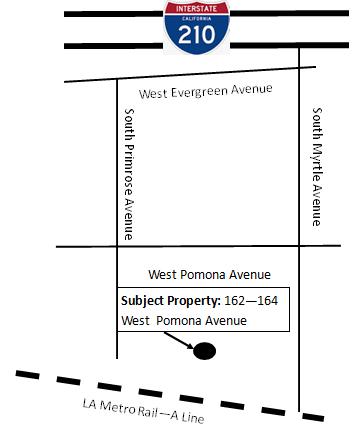
REQUEST: Applicant is requesting an amendment to Conditional Use Permit CUP2016-04 to expand their existing Micro-Brewery, Hop Secret Brewing Company, into a portion of an adjacent commercial unit (164 W. Pomona Ave.) and modify its hours of operation. The proposed expansion includes a 748-square-foot increase in the manufacturing area and a 187-square-foot expansion of the taproom, totaling 935 square feet. The property is located in the PD-12 (Planned Development—Area 12) zone.
NOTICE OF PUBLIC HEARING MONROVIA PLANNING COMMISSION
If you challenge this application in court, you may be limited to raising only those issues you or someone else raised at the public hearing described in this notice, or in written correspondence delivered to the Planning Division at, or prior to, the public hearing. This application will not alter the zoning status of your property. For further information regarding this application, please contact the Planning Division at (626) 932-5565, or by email at planning@monroviaca. gov.
The Staff Report pertaining to this item will be available on online after 4:00 PM on Thursday, March 6, 2025 at the following hyperlink: https://www.monroviaca.gov/your-government/boards-and-commissions/planning-commission/agendas-minutes
Este aviso es para informarle sobre una junta pública acerca de la propiedad indicada más arriba. Si necesita información adicional en español, favor de ponerse en contacto con el Departamento de Planificación al número (626) 932-5565.
Austin Arnold, Assistant Planner
PLEASE PUBLISH ON FEBRUARY 27, 2025 MONROVIA WEEKLY
is to inform you of a public hearing to determine whether or not the following project should be under Title 16 and/or 17 of the Monrovia Municipal Code:
Persons wishing to comment on the environmental documentation or proposed application may do so in in writing prior to the meeting date and must be received by 3:00 p.m., the day of the meeting. Public Comments of no more than 3-minutes shall be read into the record. Written comments shall be sent to Whitney Weisberg; El Monte City Hall West; 11333 Valley Boulevard; El Monte, CA 91731 or at wweisberg@elmonteca.gov. If you challenge the decision of the City Zoning Review Committee, in court, you may be limited to raising only those issues you or someone else raised at the public hearing described in this notice, or in written correspondence delivered to the City Zoning Review Committee at, or prior to, the public hearing.
For further information regarding this application please contact Whitney Weisberg at (626) 258-8808. Monday through Thursday, except legal holidays, between the hours of 7:00 a.m. and 5:30 p.m.
PUBLISHED DATE: Thursday, February 27, 2025, by Laura MacMorran, AICP, Zoning Review Committee Secretary
Publish Febraury 27, 2025 EL MONTE EXAMINER
Public Notice: City Of San Gabriel Notice of Public Hearing Before the Design Review Commission
APPLICATION: Conditional Use Permit Amendment (CUP2016-04 Amendment)
ENVIRONMENTAL DETERMINATION:
ENVIRONMENTAL
Additional information regarding this request may be found on the City’s website at https://www.monroviaca. gov/projectsunderreview
Hablamos Español favor de hablar con Jeni Colon (626) 258-8626
TO: All Interested Parties
Applicant is requesting an amendment to Conditional Use Permit CUP2007-20 to expand their existing Micro-Brewery, Hop Secret Brewing Company, into a portion of an adjacent commercial unit (164 W. Pomona Ave.) and modify its hours of operation. The proposed expansion includes a 748-square-foot increase in the manufacturing area and a 187-squarefoot expansion of the taproom, totaling 935 square feet. The property is located in the PD-12 (Planned Development Area 12) zone.
FROM: City of El Monte Planning Division
PROJECT LOCATION: 4440 Richwood Avenue / APN: 8548-003003
APPLICATION: Minor Use Permit (MUP) No. 10-2024
Additional information regarding this request may be found on the City’s website at https://www.monroviaca.gov/projectsunderreview
DETERMINATION: This project has been determined to be Categorically Exempt from environmental review pursuant to the guidelines of the California Environmental Quality Act (CEQA) §15301 (Class 1, Existing Facilities).
REQUEST: The Applicant is requesting approval to construct a 407 square foot residential addition to an existing 828 square foot dwelling. There are two (2) existing detached single-family dwellings. The subject site is deemed legal nonconforming due to density. The subject property is 7,225 square feet in size and is located within the R-1B (One Family Dwelling) zone. The MUP request is made pursuant to the El Monte Municipal Code (EMMC) Chapter 17.123 (Conditional and Minor Use Permits) and Chapter 17.16 (Nonconforming Provisions).
This section specifically applies to the operation, repair, maintenance, permitting, leasing, licensing, or minor alteration of existing public or private structures, facilities, mechanical equipment, or topographical features, involving negligible or no expansion of existing or former use.
This project has been determined to be Categorically Exempt from environmental review pursuant to the guidelines of the California Environmental Quality Act (CEQA) §15301 (Class 1, Existing Facilities). This section specifically applies to the operation, repair, maintenance, permitting, leasing, licensing, or minor alteration of existing public or private structures, facilities, mechanical equipment, or topographical features, involving negligible or no expansion of existing or former use. The sale and consumption of alcohol in conjunction with the operation of a microbrewery is a negligible expansion of use.
PROPERTY OWNER: Thanh Lam
APPLICANT: KWAJ Properties LLC
The sale and consumption of alcohol in conjunction with the operation of a micro-brewery is a negligible expansion of use.
APPLICANT: Hop Secret Brewing Co. (Christopher Thomas)
APPLICANT: Hop Secret Brewing Co. (Christopher Thomas)
PROJECT ADDRESS: 162-164 West Pomona Avenue
ADDRESS: 162-164 West Pomona Avenue

HEARING DATE AND TIME: Wednesday, March 12, 2025 at 7:30 PM
DATE AND TIME: Wednesday March 12, 2025 at 7:30 PM
HEARING LOCATION: Monrovia City Hall (Council Chambers), 415 South Ivy Avenue, Monrovia, California 91016
PUBLIC COMMENTS: Public comments regarding this item may be stated in person at the meeting, or submitted in writing. To ensure that Planning Commissioners have time to review, written comments must be submitted by 5:00 PM on March 12, 2025.
ENVIRONMENTAL DOCUMENTATION: Article 19. Categorical Exemptions – Class 1, Section 15301 (Existing Facilities) in accordance with the requirements of the California Environmental Quality Act (CEQA) of 1970 and the CEQA Guidelines, as amended.
PLACE OF HEARING: Pursuant to State Law, the Zoning Review Committee will hold a public hearing to receive testimony, orally and in writing, on the proposed project. The public hearing is scheduled for:
Date: Tuesday, March 11, 2025
Time: 6:00 p.m.
Place: El Monte City Hall City Hall East – Council Chambers 11333 Valley Boulevard El Monte, CA 91731
Members of the public wishing to observe the meeting may do so by attending the meeting in person at the City’s Council Chambers.
Members of the public wishing to make public comment may do so in one of the following ways:
(1) In person by attending the public hearing at the date, time, and place specified above; or
(2) E-mail – All interested parties can submit questions/comments in advance to the Planning Division’s general e-mail address: planning@elmonteca.gov. All questions/comments must be received by the Planning Division no later than 3:00 pm on March 11, 2025.
The staff report on this matter will be available on or about March 6, 2025, on the City of El Monte website, which may be accessed at https://www.ci.el-monte.ca.us/276/Zoning-Review-Comimittee or by e-mailing wweisberg@elmonteca.gov.
Americans With Disabilities Act: In compliance with Section 202 of the Americans with Disabilities Act of 1990 (42 U.S.C. Sec. 12132) and the federal rules and regulations adopted in implementation thereof, the Agenda will be made available in appropriate alternative formats to persons with a disability. Should you need special assistance to participate in this meeting, please contact the City Clerk’s Office by calling (626) 580-2016. Notification 48 hours prior to the meeting will enable the City to make reasonable arrangements to ensure accessibility to this meeting.
You are invited to participate in a public hearing before the City’s Design Review Commission. Members of the public may submit public comments by U.S. Mail addressed to Community Development Department, Attn: Public Hearing Comment, 425 S. Mission Drive, San Gabriel, CA 91776, which must be received by the hearing date, or electronically using the online public comment form at http://sangabrielcity.com/DRComment, by 5:00 p.m. of the hearing date to be considered by the Design Review Commission. The meeting will be broadcast on the City of San Gabriel’s YouTube channel at the link shown below:
Hearing Date: Monday, March 10, 2025 TIME: 6:30 p.m.
Location Of Hearing: Council Chambers located on the second floor of San Gabriel City Hall (425 South Mission Drive, San Gabriel, CA 91776) The meeting can be viewed live at: https://www.youtube. com/CityofSanGabriel
Project Address: 708 W. Las Tunas Drive, San Gabriel, CA 91776
Project Description: The application, Project No. MSP25-001, is for a Master Sign Program Amendment for an existing commercial plaza in the Mission District Village zone within the Mission District Specific Plan (VBSP) area.
Questions: For additional information or to review the application, please contact Samantha Tewasart, Acting Community Development Director at (626) 308-2806 ext. 4623 or stewasart@sgch.org.
Environmental Review: The project was reviewed for compliance with the California Environmental Quality Act (CEQA). This project is exempt from the requirements of CEQA, per Guidelines Section 15301 Class 1 (Existing Facilities).
Project Address: 140 W. Valley Boulevard, San Gabriel, CA 91776
Project Description: The application, Project No. MSP21-006, is for an updated Master Sign Program for an existing commercial plaza in the MU-T (Mixed Use Transit Oriented Development) zone within the Valley Boulevard Specific Plan (VBSP) area.
Questions: For additional information or to review the application, please contact Samantha Tewasart, Acting Community Development Director at (626) 308-2806 ext. 4623 or stewasart@sgch.org.
Environmental Review: The project was reviewed for compliance with the California Environmental Quality Act (CEQA). This project is exempt from the requirements of CEQA, per Guidelines Section 15301 Class 1 (Existing Facilities).
Per Government Code Section 65009, if you challenge the nature of the proposed actions in court, you may be limited to only raising those issues you or someone else raised at the public hearing described in this notice, or in written correspondence delivered to the Planning Division at or prior to the public hearing.
By Samantha Tewasart, Acting Community Development Director
Published February 27, 2025
SAN GABRIEL SUN
NOTICE OF PETITION TO ADMINISTER ESTATE OF WILLIAM FRANK PERRON Case No. 25STPB01321
To all heirs, beneficiaries, creditors, contingent creditors, and persons who may otherwise be interested in the will or estate, or both, of WILLIAM FRANK PERRON A PETITION FOR PROBATE has been filed by Ray LaCroix in the Superior Court of California, County of LOS ANGELES. THE PETITION FOR PRO-
BATE requests that Ray LaCroix be appointed as personal representative to administer the estate of the decedent. THE PETITION requests authority to administer the estate under the Independent Administration of Estates Act. (This authority will allow the personal representative to take many actions without obtaining court approval. Before taking certain very important actions, however, the personal representative will be required to give notice to interested persons unless they have waived notice or consented to the proposed action.) The independent administration authority will be granted unless an in-
terested person files an objection to the petition and shows good cause why the court should not grant the authority.
A HEARING on the petition will be held on March 10, 2025 at 8:30 AM in Dept. No. 9 located at 111 N. Hill St., Los Angeles, CA 90012.
IF YOU OBJECT to the granting of the petition, you should appear at the hearing and state your objections or file written objections with the court before the hearing. Your appearance may be in person or by your attorney.
IF YOU ARE A CREDITOR or a contingent creditor of the decedent, you must file your claim with the court and mail a copy to the personal representative appointed by the court within the later of either (1) four months from the date of first issuance of letters to a general personal representative, as defined in section 58(b) of the California Probate Code, or (2) 60 days from the date of mailing or personal delivery to you of a notice under section 9052 of the California Probate Code. Other California statutes and legal authority may affect your rights as a creditor. You may want to consult with an attorney knowledgeable in California law.
YOU MAY EXAMINE the file kept by the court. If you are a person interested in the estate, you may file with the court a Request for Special Notice (form DE-154) of the filing of an inventory and appraisal of estate assets or of any petition or account as provided in Probate Code section 1250. A Request for Special Notice form is available from the court clerk. Attorney for petitioner:
ALAN L ROSEN ESQ SBN 67328 ROSEN & LOEB 5743 CORSA AVE STE 110 WESTLAKE VILLAGE CA 91362 CN114188 PERRON Feb 20,24,27, 2025
EL MONTE EXAMINER
NOTICE OF PETITION TO ADMINISTER ESTATE OF YENTING YANG
Case No. 23STPB13561
To all heirs, beneficiaries, creditors, contingent creditors, and persons who may otherwise be interested in the will or estate, or both, of YENTING YANG
A PETITION FOR PROBATE has been filed by Arthur Yang in the Superior Court of California, County of LOS ANGELES.
THE PETITION FOR PROBATE requests that Danielle Brinkman be appointed as personal representative to administer the estate of the decedent.
THE PETITION requests authority to administer the estate under the Independent Administration of Estates Act. (This authority will allow the personal representative to take many actions without obtaining court approval. Before taking certain very important actions, however, the personal representative will be required to give notice to interested persons unless they have waived notice or consented to the proposed action.)
The independent administration authority will be granted unless an interested person files an objection to the petition and shows good cause why the court should not grant the authority.
A HEARING on the petition will be held on April 29, 2025 at 8:30 AM in Dept. No. 5 located at 111 N. Hill St., Los Angeles, CA 90012.
IF YOU OBJECT to the granting of the petition, you should appear at the hearing and state your objections or file written objections with the court before the hearing. Your appearance may be in person or by your attorney.
IF YOU ARE A CREDITOR or a contingent creditor of the decedent, you must file your claim with the court and mail a copy to the personal representative appointed by the court within the later of either (1) four months from the date of first issuance of letters to a general personal representative, as defined in section 58(b) of the California Probate Code, or (2) 60 days from the date of mailing or personal delivery to you of a notice under section 9052 of the California Probate Code. Other California statutes and legal authority may affect your rights as a creditor. You may want to consult with an attorney knowledgeable in California law.
YOU MAY EXAMINE the file kept by the court. If you are a person
interested in the estate, you may file with the court a Request for Special Notice (form DE-154) of the filing of an inventory and appraisal of estate assets or of any petition or account as provided in Probate Code section 1250. A Request for Special Notice form is available from the court clerk.
Attorney for petitioner: JOEL F PIPES ESQ SBN 220323
JOEL F PIPES & ASSOCIATES 14751 PLAZA DR STE P TUSTIN CA 92780 CN114229 YANG
Feb 24,27, May 3, 2025
ARCADIA WEEKLY
NOTICE OF PETITION TO ADMINISTER ESTATE OF GUY WAYNE WEIMER
Case No. 25STPB01714
To all heirs, beneficiaries, creditors, contingent creditors, and persons who may otherwise be interested in the will or estate, or both, of GUY WAYNE WEIMER A PETITION FOR PROBATE has been filed by Richard Mabry in the Superior Court of California, County of LOS ANGELES.
THE PETITION FOR PROBATE requests that Richard Mabry be appointed as personal representative to administer the estate of the decedent.
THE PETITION requests authority to administer the estate under the Independent Administration of Estates Act. (This authority will allow the personal representative to take many actions without obtaining court approval. Before taking certain very important actions, however, the personal representative will be required to give notice to interested persons unless they have waived notice or consented to the proposed action.)
The independent administration authority will be granted unless an interested person files an objection to the petition and shows good cause why the court should not grant the authority.
A HEARING on the petition will be held on March 18, 2025 at 8:30 AM in Dept. No. 11 located at 111 N. Hill St., Los Angeles, CA 90012.
IF YOU OBJECT to the granting of the petition, you should appear at the hearing and state your objections or file written objections with the court before the hearing. Your appearance may be in person or by your attorney.
IF YOU ARE A CREDITOR or a contingent creditor of the decedent, you must file your claim with the court and mail a copy to the personal representative appointed by the court within the later of either (1) four months from the date of first issuance of letters to a general personal representative, as defined in section 58(b) of the California Probate Code, or (2) 60 days from the date of mailing or personal delivery to you of a notice under section 9052 of the California Probate Code.
Other California statutes and legal authority may affect your rights as a creditor. You may want to consult with an attorney knowledgeable in California law.
YOU MAY EXAMINE the file kept by the court. If you are a person interested in the estate, you may file with the court a Request for Special Notice (form DE-154) of the filing of an inventory and appraisal of estate assets or of any petition or account as provided in Probate Code section 1250. A Request for Special Notice form is available from the court clerk.
Attorney for petitioner: ALICE A SALVO ESQ SBN 103796 LAW OFFICES OF ALICE A SALVO 20350 VENTURA BLVD STE 110 WOODLAND HILLS CA 913642452
CN114238 WEIMER
Feb 24,27, Mar 3, 2025
ARCADIA WEEKLY
NOTICE OF PETITION TO ADMINISTER ESTATE OF: PETER ROBIN ESTES CASE NO. 25STPB01907
To all heirs, beneficiaries, creditors, contingent creditors, and persons who may otherwise be interested in the WILL or estate, or both of PETER ROBIN ESTES.
A PETITION FOR PROBATE has been filed by MARK D. ESTES in the Superior Court of California, County of LOS ANGELES. THE PETITION FOR PROBATE
requests that MARK D. ESTES be appointed as personal representative to administer the estate of the decedent.
THE PETITION requests authority to administer the estate under the Independent Administration of Estates Act. (This authority will allow the personal representative to take many actions without obtaining court approval. Before taking certain very important actions, however, the personal representative will be required to give notice to interested persons unless they have waived notice or consented to the proposed action.) The independent administration authority will be granted unless an interested person files an objection to the petition and shows good cause why the court should not grant the authority.
A HEARING on the petition will be held in this court as follows: 03/28/25 at 8:30AM in Dept. 5 located at 111 N. HILL ST., LOS ANGELES, CA 90012
IF YOU OBJECT to the granting of the petition, you should appear at the hearing and state your objections or file written objections with the court before the hearing. Your appearance may be in person or by your attorney.
IF YOU ARE A CREDITOR or a contingent creditor of the decedent, you must file your claim with the court and mail a copy to the personal representative appointed by the court within the later of either (1) four months from the date of first issuance of letters to a general personal representative, as defined in section 58(b) of the California Probate Code, or (2) 60 days from the date of mailing or personal delivery to you of a notice under section 9052 of the California Probate Code. Other California statutes and legal authority may affect your rights as a creditor. You may want to consult with an attorney knowledgeable in California law.
YOU MAY EXAMINE the file kept by the court. If you are a person interested in the estate, you may file with the court a Request for Special Notice (form DE-154) of the filing of an inventory and appraisal of estate assets or of any petition or account as provided in Probate Code section 1250. A Request for Special Notice form is available from the court clerk. Attorney for Petitioner TALINE PANOSSIAN, ESQ. - SBN 331654
LAW OFFICES OF TALINE PANOSSIAN, APC
301 E. COLORADO BLVD., SUITE 510 PASADENA CA 91101
Telephone (626) 628-8117
2/24, 2/27, 3/3/25
CNS-3898517# MONROVIA WEEKLY
NOTICE OF PETITION TO ADMINISTER ESTATE OF: SANTOS VICTOR ZUNIGA CASE NO. 24STPB01496
To all heirs, beneficiaries, creditors, contingent creditors, and persons who may otherwise be interested in the WILL or estate, or both of SANTOS VICTOR ZUNIGA.
A PETITION FOR PROBATE has been filed by MARTIN SANTOS HERNANDEZ in the Superior Court of California, County of LOS ANGELES. THE PETITION FOR PROBATE requests that MARTIN SANTOS HERNANDEZ be appointed as personal representative to administer the estate of the decedent.
THE PETITION requests authority to administer the estate under the Independent Administration of Estates Act with limited authority. (This authority will allow the personal representative to take many actions without obtaining court approval. Before taking certain very important actions, however, the personal representative will be required to give notice to interested persons unless they have waived notice or consented to the proposed action.) The independent administration authority will be granted unless an interested person files an objection to the petition and shows good cause why the court should not grant the authority.
A HEARING on the petition will be held in this court as follows: 03/24/25 at 8:30AM in Dept. 99 located at 111 N. HILL ST., LOS ANGELES, CA 90012
IF YOU OBJECT to the granting of the petition, you should appear at the hearing and state your objections or file written objections with the court before the hearing. Your appearance may be in person or by your attorney.
IF YOU ARE A CREDITOR or a contingent creditor of the decedent, you must file your claim with the court and mail a copy to the personal representative appointed by the court within the later of either (1) four months from the date of first issuance of letters to a general personal representative, as defined in section 58(b) of the California Probate Code, or (2) 60 days from the date of mailing or personal delivery to you of a notice under section 9052 of the California Probate Code. Other California statutes and legal authority may affect your rights as a creditor. You may want to consult with an attorney knowledgeable in California law.
YOU MAY EXAMINE the file kept by the court. If you are a person interested in the estate, you may file with the court a Request for Special Notice (form DE-154) of the filing of an inventory and appraisal of estate assets or of any petition or account as provided in Probate Code section 1250. A Request for Special Notice form is available from the court clerk. Attorney for Petitioner
MATTHEW SHEASBY - SBN 197617
SHEASBY AND ASSOCIATES 3110 GUASTI RD STE 550 ONTARIO CA 91761
Telephone (909) 922-2543
BSC 226438 2/24, 2/27, 3/3/25 CNS-3898635# SAN GABRIEL SUN
die
Superior Court of California, County of Los Angeles 400 Civic Center Plaza (South Tower) Room 101 , Pomona, Ca
TO ALL
1. Petitioner Rhodie Janelle Flores filed a petition with this court for a decree changing names as follows: Present name a. OF Rhodie Janelle Flores to Proposed name Janelle Rhodie Flores 2. THE COURT ORDERS that all persons interested in this matter shall appear before this court at the hearing indicated below to show cause, if any, why the petition for change of name should not be granted. Any person objecting to the name changes described above must file a written objection that includes the reason for the objection at least two court days before the matter is scheduled to be heard and must appear at the hearing to show cause why the petition should not be granted. If no written objection is timely filed, the court may grant the petition without a hearing NOTICE OF HEARING a. Date: 03/21/2025 Time: 8:30AM Dept: H.
Other: 3rd Floor The address of the court is same as noted above. 3. a. A copy of this Order to Show Cause shall be published at least once each week for four successive weeks prior to the day set for hearing on the petition in the following newspaper of general circulation, printed in this county: Azusa Beacon DATED: January 28, 2025 Allison L. Westfahl Kong JUDGE OF THE SUPERIOR COURT Pub. February 6, 13, 20, 27, 2025 AZUSA BEACON
NOTICE OF LIEN SALE
DRY DOCK STORAGE 3131 SOUTH PECK ROAD MONROVIA, CA 91016
The contents of the storage units below consists mainly of household and or office goods. The contents of: Lisa Housman MS67 Ken Scott MS168 Geoffrey Carol MS126, MS152 will be sold on Friday March 07, 2025 at 10:00 am
For additional information contact Dry Dock Storage at the above address or call (626) 445-8762 9am-5pm daily
Publish February 20, 2025 & February 27, 2025 Publish in THE MONROVIA WEEKLY
NOTICE OF LIEN SALE
Notice is given that pursuant to sections 21700-21713 of the Business and Professions Code, Section 2328 of the Commercial Code, Section 535 of the Penal Code, that El Monte Mini Warehouse Associates, LP, at 10212 East Valley Blvd, El Monte CA 91731 will sell by competitive bidding, on or after March 20, 2025 at 9:15am, property belonging to those listed below. Auction is to be held at the above address. Property to be sold as follows: Household, office & business goods, furniture, appliances, personal items, clothing, electronics, tools, duffle bags/suit cases, electronics, sporting and exercise equipment, miscellaneous boxes, containers & bags with unknown contents belonging to the following:
Ramirez, Irene
Ortega, Brenda BRIONESRAMIREZ, MARIA STANGELO, RICHARD HUDSON, DAVID
May, David VILLALOBOS, MARK ZAVALA, GEORGE
MARTINEZ, EDWIN
Publish February 27, 2025 & March 6, 2025 IN THE EL MONTE EXAMINER
NOTICE OF LIEN SALE
Notice is given that pursuant to sections 21700-21713 of the Business and Professions Code, Section 2328 of the Commercial Code, Section 535 of the Penal Code, that Foothill Mini Storage of Arcadia, at 431 N. Second Ave, Arcadia, Ca. 91006 will sell by competitive bidding, on or after March 20, 2025 at 11:00am, property belonging to those listed below. Auction is to be held at the above address. Property to be sold as follows: Household, office & business goods, furniture, appliances, personal items, clothing, electronics, tools, duffle bags/suit cases, electronics, sporting and exercise equipment, miscellane-ous boxes, containers & bags with unknown contents belonging to the following: Kouzin, Vadim Guy, Roshanda Butler, Lindsey Adams, Dave Janacua, Rosa Montanez, Ronald
Publish February 27, 2025 & March 6, 2025 in THE ARCADIA WEEKLY
NOTICE TO CREDITORS OF BULK SALE AND OF INTENTION TO TRANSFER ALCOHOLIC BEVERAGE LICENSE(S) (U.C.C. 6105 et seq. and B & P 24073 et seq.) Escrow No. 55448-LM
Notice is hereby given that a bulk sale of assets and a transfer of alcoholic beverage license(s) is about to be made. The name(s) and business address(es) of the Seller(s)/Licensee(s) are: ROCKY BOULEVARD INC., 469 E. ARROW HWY. A1 & B2 AZUSA, CA 97102
Doing Business as: BOULEVARD LIQUOR
All other business name(s) and address(es) used by the Seller(s)/Licensee(s) within the past three years, as stated by the Seller(s)/ Licensee(s), is/are: None
The name(s) and address(es) of the Buyer(s)/Applicant(s) are: SOMI LIQUOR, LLC, 469 E. ARROW HWY, A, AZUSA, CA 97102
The assets being sold are generally described as: FURNITURE, FIXTURES, EQUIPMENT, INVENTORY, BUSINESS, LEASEHOLD, LEASEHOLD IMPROVEMENTS, GOODWILL, COVENANT NOT TO COMPETE, TRADE NAME, PHONE NUMBERS, DOMAIN NAME AND WEBSITE and is/are located at: 469 E. ARROW HWY. A1 & B2 AZUSA, CA 97102
The type of license(s) and license no(s) to be transferred is/are: OFF-SALE GENERAL 21-584646and are now issued for the premises located at: The bulk sale and transfer of alcoholic beverage license(s) is/are intended to be consummated at the office of PENN ESCROW, INC., 1818 W. BEVERLY BLVD., SUITE 103 MONTEBELLO, CA 90640 and the anticipated date of sale/transfer is 03/17/25.
The purchase price or consideration in connection with the sale of the business and transfer of the license, is the sum of $145,000.00, including inventory, estimated at $30,000.00, which consists of the following: CASH $145,000.00
It has been agreed between the Seller(s)/ Licensee(s) and the intended Buyer/ Applicant(s), as required by Sec. 24073 of the Business and Professions Code, that the consideration for the transfer of the business and license is to be paid only after the transfer has been approved by the Department of Alcoholic Beverage Control.
Dated: 2/9/25
Buyer(s)/Applicant(s) Somi Liquor, LLC
By:/S/ ROHIT KUMAR, MANAGING MEMBER By:/S/ HARPREET KAUR DHALIWAL, MANAGING MEMBER Seller(s)/Licensee(s) Rocky Boulevard Inc. By:/S/ TONY DALOUL, VICE PRESIDENT/SECRETARY
By:/S/ FAWWAZ BARRKOUDI, PRESIDENT/CEO By:/S/ RIM MSES, CFO 2/27/25 CNS-3899967# AZUSA BEACON
NOTICE TO CREDITORS OF BULK SALE
(Notice pursuant to UCC Sec. 6105) Escrow No. 16524
NOTICE IS HEREBY GIVEN that a bulk sale is about to be made. The name(s) and business address of the Seller are: WELLCOME PHARMACY GROUP INC, A CALIFORNIA CORPORATION BY: HUNGTIN LUK, C.E.O., 828 E. VALLEY BLVD., STE. B, SAN GABRIEL, CA 91776 Doing Business as: WELLCOME PHARMACY
All other business name(s) and address(es) used by the Seller(s) within the past three years, as stated by the Seller(s), are: NONE
The location of the chief executive office of the seller is: WELLCOME PHARMACY GROUP INC, A CALIFORNIA CORPORATION BY: HUNGTIN LUK, C.E.O., 828 E. VALLEY BLVD., STE. B, SAN GABRIEL, CA 91776
The name(s) and address of the Buyer(s) are: SAN GABRIEL PHARMACY INC, A CALIFORNIA PROFESSIONAL CORPO-
RATION BY: YANG BAI, C.E.O., 276 W. CAMINO REAL AVENUE, ARCADIA, CA 91007
The assets being sold are generally described as: INVENTORY, FURNITURE, FIXTURES, TRADE FIXTURES, EQUIPMENT, CONTRACT RIGHTS, MATERIAL CONTRACTS, TELEPHONE NUMBERS
T.S. No.: 2024-01478-CA
A.P.N.:5833-030-005
Property Address: 246 EAST LOMA ALTA DRIVE, ALTADENA, CA 91001 NOTICE OF TRUSTEE'S SALE PURSUANT TO CIVIL CODE § 2923.3(a) and (d), THE SUMMARY OF INFORMATION REFERRED TO BELOW IS NOT ATTACHED TO THE RECORDED COPY OF THIS DOCUMENT BUT ONLY TO THE COPIES PROVIDED TO THE TRUSTOR. NOTE: THERE IS A SUMMARY OF THE INFORMATION IN THIS DOCUMENT ATTACHED 注:本文件包含一
according to the report.
"Reserves are in a better position than what they have been in the past, but I want to caution that's not enough," county Chief Executive Officer Jeff Van Wagenen said. "We need to have two months' General Fund operating reserves, or $775 million (to meet baseline budgetary recommendations from public sector accountants). We're approaching that number, but we're certainly not there yet."
Van Wagenen pointed out that sales tax revenue receipts are sagging, and higher interest rates from which the county has benefited due to inflationary pressures are projected to slide lower, impacting operating income.
"We've got to maintain our service levels as best we can," he told the board.
The Executive Office statement introducing the budget report noted ongoing concerns tied to "escalating costs related to maintaining service levels, labor cost increases and addressing the critical need to repair or replace aging facilities."
One of the largest increases in near-term costs was connected to the Medical Retiree Health Insurance Fund, operated by the Department of Human Resources. The outgo was estimated at $9.75 million for the current fiscal year. Only $5 million had been budgeted. The board authorized tapping a reserve account to cover the obligations.
Public safety agencies were generally holding inside spending thresholds. However, the Department of Animal Services needed a $750,000 augmentation to its budget stemming from
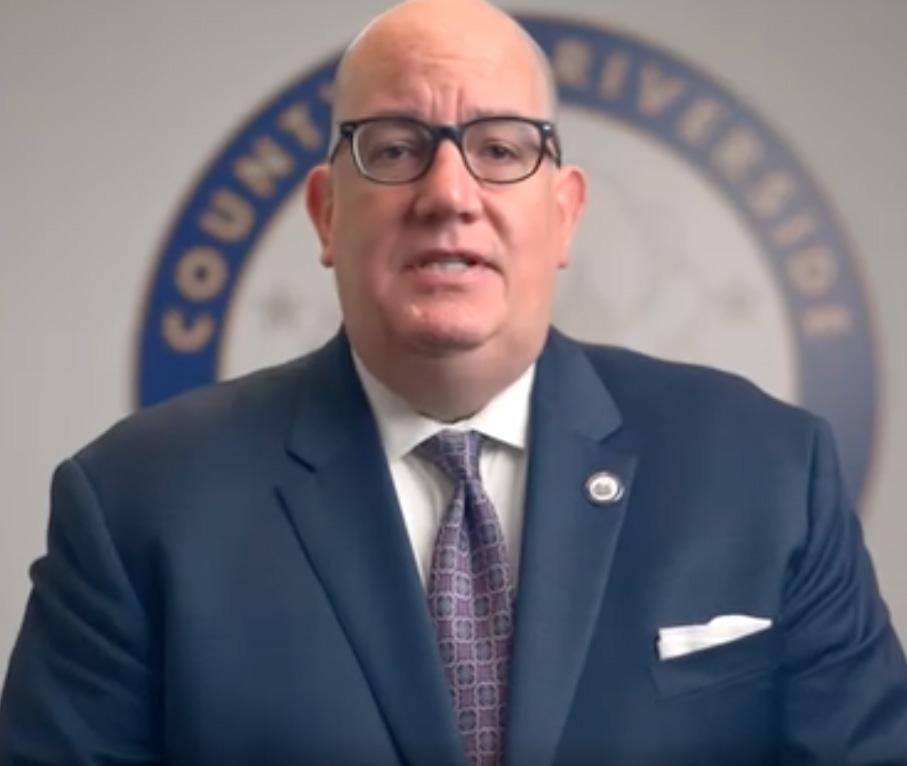
"greater medical needs for animals in its care."
The agency has been operating at maximum capacity at all four county shelters for at least the last two years. The board approved clearing the revenue deficiency by drawing on savings netted from available funds left over due to departmental positions remaining unfilled.
The largest tax revenue shortfall detected to date was in Proposition 172 Pubic Safety Sales Tax receipts, which were projected to slip by $9.2 million in 2024-25. Other income streams were expected to offset the loss, resulting from decreased consumer spending.
The budget for 2024-25, approved by the board in June, contained $9.2 billion in appropriations, representing an 11% increase over the 2023-24 spending blueprint.
Van Wagenen confirmed at the start of the fiscal year there were 2021 American Rescue Plan Act funds still in the county treasury. They were, by law, supposed to be spent by Dec. 31. The county received $480
million in ARPA allocations and another $500 million in 2020 Coronavirus Aid, Relief & Economic Security Act money. The federal infusions have been applied to "budget stabilization," community development, infrastructure projects and related programs.
Under the current budget, $2.6 billion is going to the Riverside University Health System, the largest set-aside in the spending plan, at 27% of total expenditures. The outgo translated to a 5.6% increase in healthcare- oriented obligations.
Public safety agencies are next, with $2.2 billion in expenditures, 8.5% more than last year's outlays and 23% of the composite budget, while the social services portfolio is receiving $2.1 billion in General Fund receipts, also representing an 8.5% increase compared to 2023-24 and comprising 21.4% of the budget.
The next budget update will be the third-quarter report on May 20. Hearings on the proposed 2025-26 budget are tentatively slated for June 9-10.
By Joe Taglieri joet@beaconmedianews.com
William Gallardo is San Bernardino's new interim city manager, the city announced Friday.
Mayor Helen Tran and the City Council are searching for the next permanent city manager, and the appointment of the interim post marks a key step in that process, officials said.
On Friday the council unanimously approved a resolution appointing Gallardo, a San Bernardino resident who recently retired from his position as city manager of Brea.
“Bringing Bill Gallardo on board will ensure a smooth transition while the council and I take the next steps to find our next city manager,” Tran said in a statement.
Gallardo was expected to assume his new role this week.
As a recently retired employee under the California Public Employee Retirement System, he must receive approval from the retirement system before working for another CalPERS agency, officials said.
Gallardo will receive $161 hourly with an annual 960-hour limit, documents show.
Acting City Manager Tanya Romo will return to her deputy city manager position when CalPERS approves Gallardo’s return to work.
“I am honored and excited to take on the role of interim city manager,” Gallardo said in a statement. “I will work diligently to become a valuable resource for the mayor, city council and
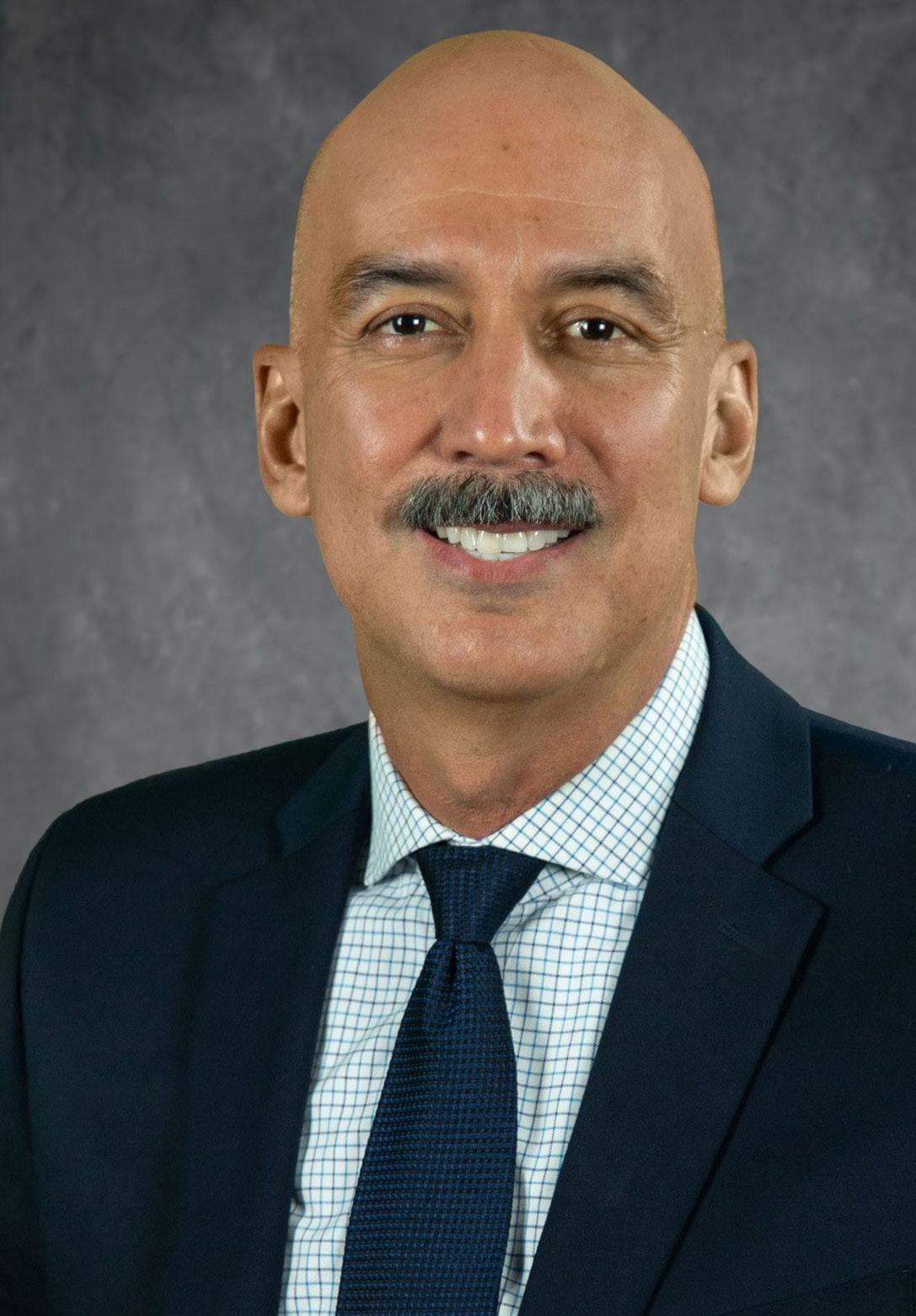
staff and, just as importantly, maintain crucial relationships between City Hall, the community, and agency partners during this time of transition as we search for a permanent city manager.”
Gallardo retired in December after 35 years with Brea, where he was city manager since 2015. Prior posts included assistant city manager/administrative services director, finance manager and revenue manager for the northern Orange County city.
He holds a degree in business from California State Polytechnic University, Pomona.
Rob Field, who left in
2023, was the last permanent city manager. In September 2023, Steve Carrigan withdrew from consideration for the position after information about his candidacy was leaked. Carrigan then filed a lawsuit against the city later that year.
After that, the council appointed Charles Montoya, who subsequently was fired after questions arose about his alleged lack of professionalism and acts of retaliation against employees.
The city has retained the executive search firm Ralph Anderson to help with the recruitment process for the next city manager.


Poor investment returns going back to the Great Recession have required the county to pay higher amounts to CalPERS to cover loses in the safety and miscellaneous categories.
The aggregate contribution rates in the next fiscal year will be the equivalent of 51.1% of payroll for the safety category, and the equivalent of 27.2% of payroll for the miscellaneous category, according to the report.
Employees across the spectrum in county government generally contribute less than 10% of gross earnings toward their defined-benefit plans with CalPERS.
General fund allocations to support the retirement system will steadily rise over the next decade, approaching $900 million in support by the mid 2030s, according to PARC.
Despite the big outlays, Supervisor Chuck Washington said the county continues "to be assertive in shoring up our finances," to which board
Chairman Manuel Perez added, "We're in a better position now than we were before."
The county gained some near-term relief from higher pension costs by selling $716 million in bonds at low interest rates in May 2020 and applying the proceeds to pension debt reduction, or what then-Supervisor Kevin Jeffries compared at the time to "using a credit card to pay off a credit card."
The 2020 bond debt was added to similar issuances in 2005 that were also intended to pare down long-term pension obligations, relying on advantageous interest rates. The county will be able to repay the IOUs before 2040.
In the past, Jeffries and other supervisors had expressed a desire for the county to phase out some defined-benefit plans in favor of defined-contribution plans, in line with most private sector retirement guarantees. Executive Office staff described the process as riddled with hurdles because
of requirements in state law. Under pre-2012 plans negotiated with collective bargaining units, safety workers accrued retirement earnings according to a "3% at 50" formula, fixing compensation at 3% of the average of the three highestpaid years of an employee's career, multiplied by the number of years on the job. An employee could begin collecting full retirement at age 50.
Miscellaneous workers received benefits based on a "3% at 60" formula.
Beginning in September 2012, new hires in the safety category began accruing retirement benefits under a 2% at 50 formula, while newly hired miscellaneous workers began accruing benefits under a 2% at 60 formula.
Legislation signed into law soon afterward added another category for public sector employees hired after Jan. 1, 2013. The lower benefit formula is 2% at 62 for miscellaneous and 2.7% at 57 for safety workers.


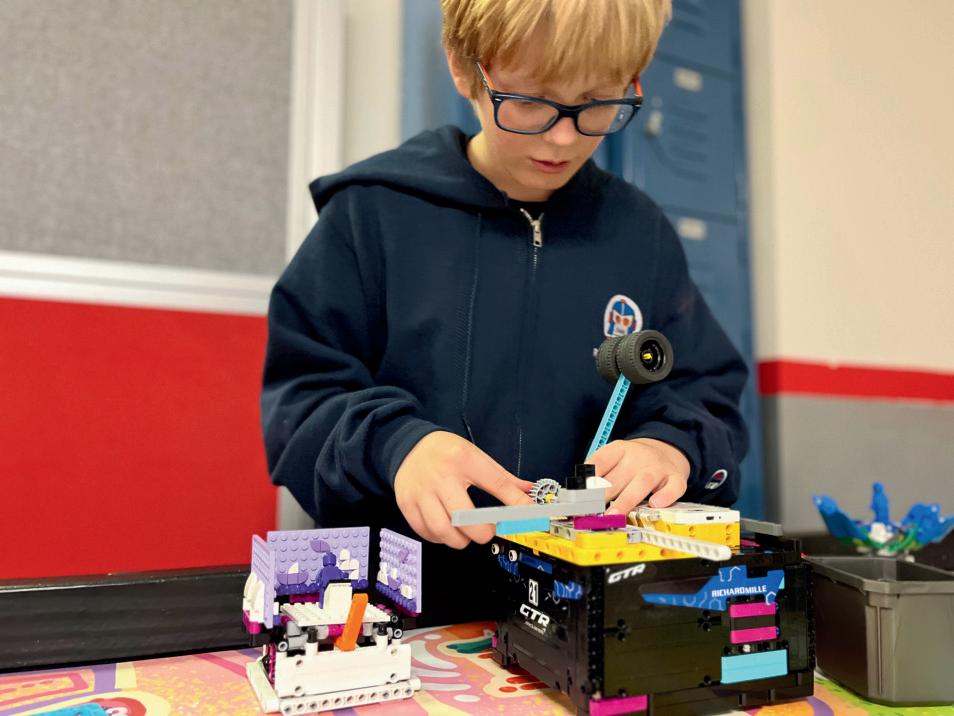



FICTITIOUS BUSINESS NAME STATEMENT FILE NO. 2024 52324
NEW FILING.
The following person(s) is (are) doing business as (1). Catalyst – Pomona (2). Catalyst Cannabis Co – Pomona (3). Catalyst Cannabis – Pomona (4). Catalyst Pomona (5). Catalyst Cannabis Dispensary Pomona , 456 E Holt Ave, Pomona, CA 91767. This business is conducted by a limited liability company (llc). Registrant commenced to transact business under the fictitious business name or names listed herein on December 2024. Signed: EEL – POMONA LLC (CA-201922710518, 401 Pine Ave, Long Beach, Ca 90802; Elliot Lewis, MEMBER. The statement was filed with the County Clerk of Los Angeles on December 12, 2024. NOTICE: This fictitious business name statement expires five years from the date it was filed in the office of the County Clerk. A new fictitious business name statement must be filed prior to that date. The filing of this statement does not of itself authorize the use in this state of a fictitious business name in violation of the rights of another under federal, state or common law (See Section 14400 et seq., Business and Professional Code). Pub. Monrovia Weekly 12/26/2024, 01/02/2025, 01/09/2025, 01/16/2025
FICTITIOUS BUSINESS NAME STATEMENT FILE NO. 2025021718 NEW FILING.
The following person(s) is (are) doing business as STEM AND STORY FLORAL, 9637 Wendover Drive, Beverly Hills, CA 90210. This business is conducted by a individual. Registrant commenced to transact business under the fictitious business name or names listed herein on January 2025. Signed: FARNOOSH BANAFSHEHA, 9637 Wendover Drive, Beverly Hills, CA 90210 (Owner). The statement was filed with the County Clerk of Los Angeles on February 3, 2025.
NOTICE: This fictitious business name statement expires five years from the date it was filed in the office of the County Clerk. A new fictitious business name statement must be filed prior to that date. The filing of this statement does not of itself authorize the use in this state of a fictitious business name in violation of the rights of another under federal, state or common law (See Section 14400 et seq., Business and Professional Code).
Pub. Monrovia Weekly 02/06/2025, 02/13/2025, 02/20/2025, 02/27/2025
FICTITIOUS BUSINESS NAME STATEMENT FILE NO. 2025001940 NEW FILING.
The following person(s) is (are) doing business as Weba Solutions, 1191 Huntington Dr #151, Duarte, CA 91010. This business is conducted by a individual. Registrant commenced to transact business under the fictitious business name or names listed herein on August 2018. Signed: Frederick Organo, 1191 Huntington Dr #151, Duarte, CA 91010 (Owner). The statement was filed with the County Clerk of Los Angeles on January 6, 2025.
NOTICE: This fictitious business name statement expires five years from the date it was filed in the office of the County Clerk. A new fictitious business name statement must be filed prior to that date. The filing of this statement does not of itself authorize the use in this state of a fictitious business name in violation of the rights of another under federal, state or common law (See Section 14400 et seq., Business and Professional Code).
Pub. Monrovia Weekly 02/06/2025, 02/13/2025, 02/20/2025, 02/27/2025
FICTITIOUS BUSINESS NAME STATEMENT FILE NO. 2025013822 NEW FILING.
The following person(s) is (are) doing business as Golden Management Services, 4900 Santa Anita Ave #2C, El Monte, CA 91731. This business is conducted by a corporation. Registrant commenced to transact business under the fictitious business name or names listed herein on January 2020. Signed: Golden Management Services XLIX, Inc. (NV-4282270, 155 N Lake Ave #700, Pasadena, ca 91101; Michael Brown, CEO. The statement was filed with the County Clerk of Los Angeles on January 22, 2025. NOTICE: This fictitious business name statement expires five years from the date it was filed in the office of the County Clerk. A new fictitious business name statement must be filed prior to that date. The filing of this statement does not of itself authorize the use in this state of a fictitious business name in violation of the rights of another
under federal, state or common law (See Section 14400 et seq., Business and Professional Code). Pub. Monrovia Weekly 02/06/2025, 02/13/2025, 02/20/2025, 02/27/2025
FICTITIOUS BUSINESS NAME STATEMENT FILE NO. 2025013826 NEW FILING.
The following person(s) is (are) doing business as Bridge Management, 1334 E Palmdale Blvd #B, Palmdale, CA 93550. This business is conducted by a corporation. Registrant commenced to transact business under the fictitious business name or names listed herein on January 2020. Signed: Bridge Management XIII (NV-4282269, 155 N Lake Ave #700, Pasadena, Ca 91101; Michael Brown, CEO. The statement was filed with the County Clerk of Los Angeles on January 22, 2025. NOTICE: This fictitious business name statement expires five years from the date it was filed in the office of the County Clerk. A new fictitious business name statement must be filed prior to that date. The filing of this statement does not of itself authorize the use in this state of a fictitious business name in violation of the rights of another under federal, state or common law (See Section 14400 et seq., Business and Professional Code).
Pub. Monrovia Weekly 02/06/2025, 02/13/2025, 02/20/2025, 02/27/2025
FICTITIOUS BUSINESS NAME STATEMENT FILE NO. 2025021533 NEW FILING.
The following person(s) is (are) doing business as Clever Productions, 1512 S Garfield Ave, Alhambra, CA 91801. This business is conducted by a individual. Registrant commenced to transact business under the fictitious business name or names listed herein on January 2025. Signed: Sergio M Sanchez, 1512 S Garfield Ave, Alhambra, CA 91801 (Owner). The statement was filed with the County Clerk of Los Angeles on February 3, 2025. NOTICE: This fictitious business name statement expires five years from the date it was filed in the office of the County Clerk. A new fictitious business name statement must be filed prior to that date. The filing of this statement does not of itself authorize the use in this state of a fictitious business name in violation of the rights of another under federal, state or common law (See Section 14400 et seq., Business and Professional Code).
Pub. Monrovia Weekly 02/06/2025, 02/13/2025, 02/20/2025, 02/27/2025
FICTITIOUS BUSINESS NAME STATEMENT FILE NO. 2025017312 NEW FILING.
The following person(s) is (are) doing business as G.S & Son’s drain service, 1310 E Ocean Blvd Unit 1204, Long Beach, CA 90802. This business is conducted by a individual. Registrant has not yet begun to transact business under the fictitious business name or names listed herein. Signed: Grant Michael Simonian, 1310 E Ocean Blvd Unit 1204, Long Beach, CA 90802 (Owner). The statement was filed with the County Clerk of Los Angeles on January 27, 2025. NOTICE: This fictitious business name statement expires five years from the date it was filed in the office of the County Clerk. A new fictitious business name statement must be filed prior to that date. The filing of this statement does not of itself authorize the use in this state of a fictitious business name in violation of the rights of another under federal, state or common law (See Section 14400 et seq., Business and Professional Code). Pub. Monrovia Weekly 02/06/2025, 02/13/2025, 02/20/2025, 02/27/2025
FICTITIOUS BUSINESS NAME STATEMENT FILE NO. 2025022318 NEW FILING.
The following person(s) is (are) doing business as QuickMenu, 1965 Rodney Dr Apt 101, Los Angeles, CA 90027. This business is conducted by a individual. Registrant has not yet begun to transact business under the fictitious business name or names listed herein. Signed: Satine Hovyan, 1965 Rodney Dr 101, Los Angeles, CA 90027 (Owner). The statement was filed with the County Clerk of Los Angeles on February 3, 2025. NOTICE: This fictitious business name statement expires five years from the date it was filed in the office of the County Clerk. A new fictitious business name statement must be filed prior to that date. The filing of this statement does not of itself authorize the use in this state of a fictitious business name in violation of the rights of another under federal, state or common law (See Section 14400 et seq., Business and Professional Code). Pub. Monrovia Weekly 02/06/2025, 02/13/2025, 02/20/2025, 02/27/2025
FICTITIOUS BUSINESS NAME STATEMENT FILE NO. 2025005132
NEW FILING. The following person(s) is (are) doing business as prius hybrid repair shop, 9237 Lower azusa Rd suit L, temple city, CA 91780. This business is conducted by a limited liability company (llc). Registrant commenced to transact business under the fictitious business name or names listed herein on January 2025. Signed: Prius Hybrid Repair Shop, LLC (CA-201805310219, 9237 Lower azusa Rd suit K, temple city, CA 91780; Felix Calles, president. The statement was filed with the County Clerk of Los Angeles on January 10, 2025. NOTICE: This fictitious business name statement expires five years from the date it was filed in the office of the County Clerk. A new fictitious business name statement must be filed prior to that date. The filing of this statement does not of itself authorize the use in this state of a fictitious business name in violation of the rights of another under federal, state or common law (See Section 14400 et seq., Business and Professional Code). Pub. Monrovia Weekly 02/06/2025, 02/13/2025, 02/20/2025, 02/27/2025
FICTITIOUS BUSINESS NAME STATEMENT FILE NO. 2025005013 NEW FILING. The following person(s) is (are) doing business as Holy Mo’s Kitchen, 206 S Glendora Ave, West Covina, CA 91790. This business is conducted by a limited liability company (llc). Registrant commenced to transact business under the fictitious business name or names listed herein on September 2024. Signed: Mopegen (CA202463110776, 206 S Glendora Ave, West Covina, CA 91790; Muimoana Lafo Liva II, member. The statement was filed with the County Clerk of Los Angeles on January 22, 2025. NOTICE: This fictitious business name statement expires five years from the date it was filed in the office of the County Clerk. A new fictitious business name statement must be filed prior to that date. The filing of this statement does not of itself authorize the use in this state of a fictitious business name in violation of the rights of another under federal, state or common law (See Section 14400 et seq., Business and Professional Code).
Pub. Monrovia Weekly 02/06/2025, 02/13/2025, 02/20/2025, 02/27/2025
FICTITIOUS BUSINESS NAME STATEMENT FILE NO. 2025010655 NEW FILING.
The following person(s) is (are) doing business as Family Shop, 2650 Rosemead Blvd, South El Monte, CA 91733. This business is conducted by a individual. Registrant commenced to transact business under the fictitious business name or names listed herein on January 2025. Signed: Wendy Duong, 4041 Biscayne St, Chino, Ca 91710 (Owner). The statement was filed with the County Clerk of Los Angeles on January 17, 2025. NOTICE: This fictitious business name statement expires five years from the date it was filed in the office of the County Clerk. A new fictitious business name statement must be filed prior to that date. The filing of this statement does not of itself authorize the use in this state of a fictitious business name in violation of the rights of another under federal, state or common law (See Section 14400 et seq., Business and Professional Code).
Pub. Monrovia Weekly 02/06/2025, 02/13/2025, 02/20/2025, 02/27/2025
FICTITIOUS BUSINESS NAME STATEMENT FILE NO. 2025005792 NEW FILING.
The following person(s) is (are) doing business as In Progress, 1155 S Grand Ave # 305, Los Angeles, CA 90015. This business is conducted by a corporation. Registrant commenced to transact business under the fictitious business name or names listed herein on January 2025. Signed: IAMSOUND Inc. (CA3476480, 1155 S Grand Ave # 305, Los Angeles, CA 90015; Paul Tao, CEO. The statement was filed with the County Clerk of Los Angeles on January 10, 2025. NOTICE: This fictitious business name statement expires five years from the date it was filed in the office of the County Clerk. A new fictitious business name statement must be filed prior to that date. The filing of this statement does not of itself authorize the use in this state of a fictitious business name in violation of the rights of another under federal, state or common law (See Section 14400 et seq., Business and Professional Code).
Pub. Monrovia Weekly 02/06/2025, 02/13/2025, 02/20/2025, 02/27/2025
FICTITIOUS BUSINESS NAME STATEMENT FILE NO. 2025 020312 FIRST FILING.
The following person(s) is (are) doing business as Hip Bee, 681 E Elizabeth St, Pasadena, CA 91104.
This business is conducted by a individual. Registrant commenced to transact business under the fictitious business name or names listed herein on December 2024. Signed: Melissa Paz Bugarin, 681 E Elizabeth St, Pasadena, CA 91104 (Owner). The statement was filed with the County Clerk of Los Angeles on January 30, 2025. NOTICE: This fictitious business name statement expires five years from the date it was filed in the office of the County Clerk. A new fictitious business name statement must be filed prior to that date. The filing of this statement does not of itself authorize the use in this state of a fictitious business name in violation of the rights of another under federal, state or common law (See Section 14400 et seq., Business and Professional Code).
Pub. Monrovia Weekly 02/06/2025, 02/13/2025, 02/20/2025, 02/27/2025
FICTITIOUS BUSINESS NAME STATEMENT FILE NO. 2025016447 NEW FILING.
The following person(s) is (are) doing business as Shalabi Enterprises Partners, 13985 e live oak avenue, irwindale, CA 91706. This business is conducted by a general partnership. Registrant commenced to transact business under the fictitious business name or names listed herein on March 2001.
Signed: (1). Jose Othman Shalabi, 13985 e live oak avenue, irwindale, CA 91706 (2). Walid Othman Shalabi, 13985 e live oak avenue, irwindale, CA 91706 (3). Farid Shalabi, 13985 e live oak avenue, irwindale, CA 91706 (General Partner). The statement was filed with the County Clerk of Los Angeles on January 27, 2025.
NOTICE: This fictitious business name statement expires five years from the date it was filed in the office of the County Clerk. A new fictitious business name statement must be filed prior to that date. The filing of this statement does not of itself authorize the use in this state of a fictitious business name in violation of the rights of another under federal, state or common law (See Section 14400 et seq., Business and Professional Code).
Pub. Monrovia Weekly 02/06/2025, 02/13/2025, 02/20/2025, 02/27/2025
FICTITIOUS BUSINESS NAME STATEMENT FILE NO. 2025016447 NEW FILING.
The following person(s) is (are) doing business as Shalabi Enterprises Partners, 13985 e live oak avenue, irwindale, CA 91706. This business is conducted by a general partnership. Registrant commenced to transact business under the fictitious business name or names listed herein on March 2001. Signed: (1). Jose Othman Shalabi, 13985 e live oak avenue, irwindale, CA 91706 (2). Walid Othman Shalabi, 13985 e live oak avenue, irwindale, CA 91706 (3). Farid Shalabi, 13985 e live oak avenue, irwindale, CA 91706 (General Partner). The statement was filed with the County Clerk of Los Angeles on January 27, 2025.
NOTICE: This fictitious business name statement expires five years from the date it was filed in the office of the County Clerk. A new fictitious business name statement must be filed prior to that date. The filing of this statement does not of itself authorize the use in this state of a fictitious business name in violation of the rights of another under federal, state or common law (See Section 14400 et seq., Business and Professional Code). Pub. Monrovia Weekly 02/06/2025, 02/13/2025, 02/20/2025, 02/27/2025
FICTITIOUS BUSINESS NAME STATEMENT FILE NO. 2024260117 NEW FILING.
The following person(s) is (are) doing business as Chads Flags, 14507 blue sky road, Hacienda heights, CA 91745. This business is conducted by a individual. Registrant commenced to transact business under the fictitious business name or names listed herein on December 2024. Signed: Chad M. Gonnella, 14507 blue sky road, Hacienda heights, CA 91745 (Owner). The statement was filed with the County Clerk of Los Angeles on December 26, 2024.
NOTICE: This fictitious business name statement expires five years from the date it was filed in the office of the County Clerk. A new fictitious business name statement must be filed prior to that date. The filing of this statement does not of itself authorize the use in this state of a fictitious business name in violation of the rights of another under federal, state or common law (See Section 14400 et seq., Business and Professional Code). Pub. Monrovia Weekly 02/06/2025, 02/13/2025, 02/20/2025, 02/27/2025
FICTITIOUS BUSINESS NAME STATEMENT FILE NO. 2025016656 NEW FILING.
The following person(s) is (are) doing business as Xeasalt Studio,
270 E Bellbrook St, Covina, CA 91722. This business is conducted by a individual. Registrant has not yet begun to transact business under the fictitious business name or names listed herein. Signed: Tricia Vo, 270 E Bellbrook St, Covina, CA 91722 (Owner). The statement was filed with the County Clerk of Los Angeles on January 27, 2025. NOTICE: This fictitious business name statement expires five years from the date it was filed in the office of the County Clerk. A new fictitious business name statement must be filed prior to that date. The filing of this statement does not of itself authorize the use in this state of a fictitious business name in violation of the rights of another under federal, state or common law (See Section 14400 et seq., Business and Professional Code).
Pub. Monrovia Weekly 02/06/2025, 02/13/2025, 02/20/2025, 02/27/2025
FICTITIOUS BUSINESS NAME STATEMENT FILE NO. 2025021178
NEW FILING.
The following person(s) is (are) doing business as Technology Consulting Group, 4140 Workman Mill Rd. Unit 245, Whittier, CA 90601. This business is conducted by a individual. Registrant commenced to transact business under the fictitious business name or names listed herein on August 2004. Signed: Jorge Armando Bonilla, 4140 Workman Mill Rd. Unit 245, Whittier, CA 90601 (Owner). The statement was filed with the County Clerk of Los Angeles on January 31, 2025. NOTICE: This fictitious business name statement expires five years from the date it was filed in the office of the County Clerk. A new fictitious business name statement must be filed prior to that date. The filing of this statement does not of itself authorize the use in this state of a fictitious business name in violation of the rights of another under federal, state or common law (See Section 14400 et seq., Business and Professional Code).
Pub. Monrovia Weekly 02/06/2025, 02/13/2025, 02/20/2025, 02/27/2025
STATEMENT OF ABANDONMENT OF USE OF FICTITIOUS BUSINESS NAME 2025018979.
The following person(s) have abandoned the use of the fictitious business name: Heng Tong Immigration Services, 33 E Valley Blvd Unit 201, Alhambra, CA 91801. The fictitious business name referred to above was filed on: February 9, 2023 in the County of Los Angeles. Original File No. 2023031118. Signed: Shiyao Wang, 33 E Valley Blvd Unit 201, Alhambra, CA 91801 (Owner). This business is conducted by: a individual. This statement was filed with the Los Angeles County Registrar-Recorder on January 29, 2025. Pub. Monrovia Weekly 02/06/2025, 02/13/2025, 02/20/2025, 02/27/2025
FICTITIOUS BUSINESS NAME STATEMENT FILE NO. 2025020727
NEW FILING.
The following person(s) is (are) doing business as OCEAN MASSAGE SPA, 711 Lincoln Blvd, Venice, CA 90291. This business is conducted by a corporation. Registrant has not yet begun to transact business under the fictitious business name or names listed herein. Signed: Yanshan Gong (CA-202356514341, 711 Lincoln Blvd, Venice, CA 90291; Lavender Massage Spa LLC, CEO. The statement was filed with the County Clerk of Los Angeles on January 31, 2025. NOTICE: This fictitious business name statement expires five years from the date it was filed in the office of the County Clerk. A new fictitious business name statement must be filed prior to that date. The filing of this statement does not of itself authorize the use in this state of a fictitious business name in violation of the rights of another under federal, state or common law (See Section 14400 et seq., Business and Professional Code).
Pub. Monrovia Weekly 02/06/2025, 02/13/2025, 02/20/2025, 02/27/2025
FICTITIOUS BUSINESS NAME STATEMENT FILE NO. 2025020977
NEW FILING.
The following person(s) is (are) doing business as R2 design studio, inc., 3125 E. Sunset Hill Drive, West Covina, CA 91791. This business is conducted by a corporation. Registrant commenced to transact business under the fictitious business name or names listed herein on January 2025. Signed: R2 design group, inc. (CA6528485, 3125 E. Sunset Hill Drive, West Covina, CA 91791; Ricardo Rordriguez, CEO. The statement was filed with the County Clerk of Los Angeles on January 31, 2025.
NOTICE: This fictitious business name statement expires five years from the date it was filed in the office of the County Clerk. A new fictitious business name statement must be filed prior to that date. The
filing of this statement does not of itself authorize the use in this state of a fictitious business name in violation of the rights of another under federal, state or common law (See Section 14400 et seq., Business and Professional Code). Pub. Monrovia Weekly 02/06/2025, 02/13/2025, 02/20/2025, 02/27/2025
FICTITIOUS BUSINESS NAME STATEMENT FILE NO. 2025017272 NEW FILING. The following person(s) is (are) doing business as Vintage Junktion, 4436 Worth Street, Los Angeles, CA 90063. This business is conducted by a individual. Registrant has not yet begun to transact business under the fictitious business name or names listed herein. Signed: Bruce Davis, 4436 Worth Street, Los Angeles, CA 90063 (Owner). The statement was filed with the County Clerk of Los Angeles on January 27, 2025. NOTICE: This fictitious business name statement expires five years from the date it was filed in the office of the County Clerk. A new fictitious business name statement must be filed prior to that date. The filing of this statement does not of itself authorize the use in this state of a fictitious business name in violation of the rights of another under federal, state or common law (See Section 14400 et seq., Business and Professional Code). Pub. Monrovia Weekly 02/06/2025, 02/13/2025, 02/20/2025, 02/27/2025
FICTITIOUS BUSINESS NAME STATEMENT FILE NO. 2025017203 NEW FILING. The following person(s) is (are) doing business as Vintage Junktion LA, 4436 Worth Street, Los Angeles, CA 90063. This business is conducted by a individual. Registrant has not yet begun to transact business under the fictitious business name or names listed herein. Signed: Bruce Davis, 4436 Worth Street, Los Angeles, CA 90063 (Owner). The statement was filed with the County Clerk of Los Angeles on January 27, 2025. NOTICE: This fictitious business name statement expires five years from the date it was filed in the office of the County Clerk. A new fictitious business name statement must be filed prior to that date. The filing of this statement does not of itself authorize the use in this state of a fictitious business name in violation of the rights of another under federal, state or common law (See Section 14400 et seq., Business and Professional Code). Pub. Monrovia Weekly 02/06/2025, 02/13/2025, 02/20/2025, 02/27/2025
FICTITIOUS BUSINESS NAME STATEMENT FILE NO. 2025020441 NEW FILING. The following person(s) is (are) doing business as Wild Heart Counseling, 126 Prospect St Suite 210, Pawtucket, RI 02860. This business is conducted by a corporation. Registrant commenced to transact business under the fictitious business name or names listed herein on January 2025. Signed: Wild Heart Marriage & Family Counseling Inc. (RI-6545164, 126 Prospect St Suite 210, Pawtucket, RI 02860; Dejuan Evans, CEO. The statement was filed with the County Clerk of Rhode Island on January 30, 2025. NOTICE: This fictitious business name statement expires five years from the date it was filed in the office of the County Clerk. A new fictitious business name statement must be filed prior to that date. The filing of this statement does not of itself authorize the use in this state of a fictitious business name in violation of the rights of another under federal, state or common law (See Section 14400 et seq., Business and Professional Code). Pub. Monrovia Weekly 02/03/2025, 02/10/2025, 02/17/2025, 02/24/2025 FICTITIOUS BUSINESS NAME STATEMENT FILE NO. 2025019127 NEW FILING. The following person(s) is (are) doing business as Alchemy Mobile Detailing, 12601 VAN NUYS BLVD UNIT 134, PACOIMA, CA 913311330. This business is conducted by a individual. Registrant has not yet begun to transact business under the fictitious business name or names listed herein. Signed: Moises Eliud Cabrejo, 12601 VAN NUYS BLVD UNIT 134, PACOIMA, CA 91331-1330 (Owner). The statement was filed with the County Clerk of Los Angeles on January 29, 2025. NOTICE: This fictitious business name statement expires five years from the date it was filed in the office of the County Clerk. A new fictitious business name statement must be filed prior to that date. The filing of this statement does not of itself authorize the use in this state of a fictitious business name in violation of the rights of another under federal, state or common law (See Section 14400 et seq., Business and Professional Code). Pub. Monrovia Weekly 02/03/2025, 02/10/2025, 02/17/2025, 02/24/2025
FICTITIOUS BUSINESS NAME STATEMENT FILE NO. 2025 015503 NEW FILING.
The following person(s) is (are) doing business as Armadillo Enterprises, 11637 Spy Glass Dr, Porter Ranch, CA 91326. This business is conducted by a individual. Registrant commenced to transact business under the fictitious business name or names listed herein on August 2010. Signed: Bobbi Leigh Zito, 11637 Spy Glass Dr, Porter Ranch, CA 91326 (Owner). The statement was filed with the County Clerk of Los Angeles on January 24, 2025.
NOTICE: This fictitious business name statement expires five years from the date it was filed in the office of the County Clerk. A new fictitious business name statement must be filed prior to that date. The filing of this statement does not of itself authorize the use in this state of a fictitious business name in violation of the rights of another under federal, state or common law (See Section 14400 et seq., Business and Professional Code).
Pub. Monrovia Weekly 02/13/2025, 02/20/2025, 02/27/2025, 03/06/2025
sc FICTITIOUS BUSINESS NAME STATEMENT FILE NO. 2025 015507 NEW FILING.
The following person(s) is (are)
doing business as (1). Bread and Butterflies (2). Bread and Butterfies , 340 23rd St, Santa monica, CA 90402. This business is conducted by a individual. Registrant commenced to transact business under the fictitious business name or names listed herein on February 2006. Signed: Caitlin McMaffrey, 340 23rd St, Santa monica, CA 90402 (Owner). The statement was filed with the County Clerk of Los Angeles on January 24, 2025. NOTICE: This fictitious business name statement expires five years from the date it was filed in the office of the County Clerk. A new fictitious business name statement must be filed prior to that date. The filing of this statement does not of itself authorize the use in this state of a fictitious business name in violation of the rights of another under federal, state or common law (See Section 14400 et seq., Business and Professional Code).
Pub. Monrovia Weekly 02/13/2025, 02/20/2025, 02/27/2025, 03/06/2025
sc
FICTITIOUS BUSINESS NAME STATEMENT FILE NO. 2025 015499 NEW FILING.
The following person(s) is (are) doing business as Jagqa Productions, 1517 9th St Apt D, Santa Monica, CA 90401. This business is conducted by a individual. Registrant commenced to transact business under the fictitious business name or names listed herein on August 2014. Signed: John Joseph Gil Azpilicueta, 1517 9th St Apt D, Santa Monica, CA 90401 (Owner). The statement was filed with the County Clerk of Los Angeles on January 24, 2025. NOTICE: This fictitious business name statement expires five years from the date it was filed in the office of the County Clerk. A new fictitious business name statement must be filed prior to that date. The filing of this statement does not of itself authorize the use in this state of a fictitious business name in violation of the rights of another under federal, state or common law (See Section 14400 et seq., Business and Professional Code).
Pub. Monrovia Weekly 02/13/2025, 02/20/2025, 02/27/2025, 03/06/2025
sc
FICTITIOUS BUSINESS NAME STATEMENT FILE NO. 2025 015505 NEW FILING. The following person(s) is (are) doing business as MCH Enterprises, 16846 Mckeever St, Granada Hills, CA 91344. This business is conducted by a individual. Registrant commenced to transact business under the fictitious business name or names listed herein on June 2010. Signed: Mark C Hyun, 16846 Mckeever St, Granada Hills, CA 91344 (Owner). The statement was filed with the County Clerk of Los Angeles on January 24, 2025. NOTICE: This fictitious business name statement expires five years from the date it was filed in the office of the County Clerk. A new fictitious business name statement must be filed prior to that date. The filing of this statement does not of itself authorize the use in this state of a fictitious business name in violation of the rights of another under federal, state or common law (See Section 14400 et seq., Business and Professional Code).
Pub. Monrovia Weekly 02/13/2025, 02/20/2025, 02/27/2025, 03/06/2025 sc
FICTITIOUS BUSINESS NAME STATEMENT FILE NO. 2025 015497 NEW FILING. The following person(s) is (are) doing business as Ontrack USA, 585 W Duarte Rd Unit 18, Arcadia, CA 91007. This business is conducted by a individual. Registrant commenced to transact business under the fictitious business name or names listed herein on May 2019. Signed: Jerry J Gao, 585 W Duarte Rd Unit 18, Arcadia, CA 91007 (Owner). The statement was filed with the County Clerk of Los Angeles on January 24, 2025. NOTICE: This fictitious business name statement expires five years from the date it was filed in the office of the County Clerk. A new fictitious business name statement must be filed prior to that date. The filing of this statement does not of itself authorize the use in this state of a fictitious business name in violation of the rights of another under federal, state or common law (See Section 14400 et seq., Business and Professional Code).
Pub. Monrovia Weekly 02/13/2025, 02/20/2025, 02/27/2025, 03/06/2025 sc
FICTITIOUS BUSINESS NAME STATEMENT FILE NO. 2025 015491 NEW FILING.
The following person(s) is (are) doing business as South Beauty Salon, 12139 South St, Artesia, CA 90701. This business is conducted by a individual. Registrant commenced to transact business under the fictitious business name or names listed herein on June 2006. Signed: Hee Jung Sok, 12139 South St, Artesia, CA 90701 (Owner). The statement was filed with the County Clerk of Los Angeles on January 24, 2025. NOTICE: This fictitious business name statement expires five years from the date it was filed in the office of the County Clerk. A new fictitious business name statement must be filed prior to that date. The filing of this statement does not of itself authorize the use in this state of a fictitious business name in violation of the rights of another under federal, state or common law (See Section 14400 et seq., Business and Professional Code).
Pub. Monrovia Weekly 02/13/2025, 02/20/2025, 02/27/2025, 03/06/2025 sc
FICTITIOUS BUSINESS NAME STATEMENT FILE NO. 2025 015495
NEW FILING.
The following person(s) is (are) doing business as Telepage, 14510 1/2 Nordhoff St, Panorama City, CA 91402. This business is conducted by a individual. Registrant commenced to transact business under the fictitious business name or names listed herein on August 2020. Signed: Jose Juan Estrada, 14510 1/2 Nordhoff St, Panorama City, CA 91402 (Owner). The statement was filed with the County Clerk of Los Angeles on January 24, 2025. NOTICE: This fictitious business name statement expires five years from the date it was filed in the office of the County Clerk. A new fictitious business name statement must be filed prior to that date. The filing of this statement does not of itself authorize the use in this state of a fictitious business name in violation of the rights of another under federal, state or common law (See Section 14400 et seq., Business and Professional Code). Pub. Monrovia Weekly 02/13/2025, 02/20/2025, 02/27/2025, 03/06/2025 sc
FICTITIOUS BUSINESS NAME STATEMENT FILE NO. 2025 015493 NEW FILING.
The following person(s) is (are) doing business as Tsai Hsing Alumni Association of So Cal, 17800 Castleton St Ste 168, Rowland Heighs, CA 91748. This business is conducted by a individual. Registrant commenced to transact business under the fictitious business name or names listed herein on May 2017. Signed: Shirley Show Ying Wu, 17800 Castleton St Ste 168, Rowland Heighs, CA 91748 (Owner). The statement was filed with the County Clerk of Los Angeles on January 24, 2025. NOTICE: This fictitious business name statement expires five years from the date it was filed in the office of the County Clerk. A new fictitious business name statement must be filed prior to that date. The filing of this statement does not of itself authorize the use in this state of a fictitious business name in violation of the rights of another under federal, state or common law (See Section 14400 et seq., Business and Professional Code). Pub. Monrovia Weekly 02/13/2025, 02/20/2025, 02/27/2025, 03/06/2025 sc
FICTITIOUS BUSINESS NAME STATEMENT FILE NO. 2025 031498 NEW FILING.
The following person(s) is (are) doing business as PAT'S COCKTAIL
LOUNGE, 12121 Riverside Drive, Valley Village, CA 91607. This business is conducted by a individual. Registrant commenced to transact business under the fictitious business name or names listed herein on January 1975. Signed: Raymond T Cerulli, 12121 Riverside Drive, Valley Village, CA 91607 (Owner). The statement was filed with the County Clerk of Los Angeles on February 14, 2025. NOTICE: This fictitious business name statement expires five years from the date it was filed in the office of the County Clerk. A new fictitious business name statement must be filed prior to that date. The filing of this statement does not of itself authorize the use in this state of a fictitious business name in violation of the rights of another under federal, state or common law (See Section 14400 et seq., Business and Professional Code). Pub. Monrovia Weekly 02/20/2025, 02/27/2025, 03/06/2025, 03/13/2025 SC
FICTITIOUS BUSINESS NAME STATEMENT FILE NO. 2025026186
NEW FILING.
The following person(s) is (are) doing business as Foundation Ready Mix, 282 Live Oak Ave, Irwindale, CA 91706. This business is conducted by a individual. Registrant has not yet begun to transact business under the fictitious business name or names listed herein. Signed: Adrian Francisco Ruiz, 282 Live Oak Ave, Irwindale, CA 91706 (Owner). The statement was filed with the County Clerk of Los Angeles on February 7, 2025. NOTICE: This fictitious business name statement expires five years from the date it was filed in the office of the County Clerk. A new fictitious business name statement must be filed prior to that date. The filing of this statement does not of itself authorize the use in this state of a fictitious business name in violation of the rights of another under federal, state or common law (See Section 14400 et seq., Business and Professional Code).
Pub. Monrovia Weekly 02/13/2025, 02/20/2025, 02/27/2025, 03/06/2025
FICTITIOUS BUSINESS NAME STATEMENT FILE NO. 2025017800 NEW FILING.
The following person(s) is (are) doing business as AMI, 7009 Larkvale Dr, Rancho Palos Verdes, CA 90275. This business is conducted by a limited liability company (llc). Registrant commenced to transact business under the fictitious business name or names listed herein on January 2025. Signed: America Makes Ice Cream LLC (CA202565414862, 7009 Larkvale Dr, Rancho Palos Verdes, CA 90275; Kseniia Hladka, President. The statement was filed with the County Clerk of Los Angeles on January 28, 2025. NOTICE: This fictitious business name statement expires five years from the date it was filed in the office of the County Clerk. A new fictitious business name statement must be filed prior to that date. The filing of this statement does not of itself authorize the use in this state of a fictitious business name in violation of the rights of another under federal, state or common law (See Section 14400 et seq., Business and Professional Code).
Pub. Monrovia Weekly 02/13/2025, 02/20/2025, 02/27/2025, 03/06/2025
FICTITIOUS BUSINESS NAME STATEMENT FILE NO. 2025002857 NEW FILING.
The following person(s) is (are) doing business as Lucky Castle Art Studio, 5316 N Figueroa St, Los Angeles, CA 90042. This business is conducted by a married couple. Registrant commenced to transact business under the fictitious business name or names listed herein on January 2025. Signed: (1). Isabella Castle, 5316 N Figueroa St, Los Angeles, CA 90042 (2). Chad Castle, 5316 N Figueroa St, Los Angeles, CA 90042 (Co-Owner). The statement was filed with the County Clerk of Los Angeles on January 6, 2025. NOTICE: This fictitious business name statement expires five years from the date it was filed in the office of the County Clerk. A new fictitious business name statement must be filed prior to that date. The filing of this statement does not of itself authorize the use in this state of a fictitious business name in violation of the rights of another under federal, state or common law (See Section 14400 et seq., Business and Professional Code).
Pub. Monrovia Weekly 02/13/2025, 02/20/2025, 02/27/2025, 03/06/2025
FICTITIOUS BUSINESS NAME STATEMENT FILE NO. 2025021134
NEW FILING. The following person(s) is (are) doing business as Making A Difference JC, 7394 Skyline Dr, San Diego, CA 92114. This business is conducted by a corporation. Registrant
commenced to transact business under the fictitious business name or names listed herein on November 2007. Signed: Jesus is the Answer, Inc (CA-C2993244, 7394 Skyline Dr, San Diego, CA 92114; Monica Baez, Secretary. The statement was filed with the County Clerk of San Diego on January 31, 2025. NOTICE: This fictitious business name statement expires five years from the date it was filed in the office of the County Clerk. A new fictitious business name statement must be filed prior to that date. The filing of this statement does not of itself authorize the use in this state of a fictitious business name in violation of the rights of another under federal, state or common law (See Section 14400 et seq., Business and Professional Code).
Pub. Monrovia Weekly 02/13/2025, 02/20/2025, 02/27/2025, 03/06/2025
FICTITIOUS BUSINESS NAME STATEMENT FILE NO. 2025024644 NEW FILING.
The following person(s) is (are) doing business as Maxland Construction, 3333 S Brea Canyon Road 118, Diamond Bar, CA 91765. This business is conducted by a individual. Registrant has not yet begun to transact business under the fictitious business name or names listed herein. Signed: Meng Te Wang, 3333 S Brea Canyon Road 118, Diamond Bar, CA 91765 (Owner). The statement was filed with the County Clerk of Los Angeles on February 6, 2025. NOTICE: This fictitious business name statement expires five years from the date it was filed in the office of the County Clerk. A new fictitious business name statement must be filed prior to that date. The filing of this statement does not of itself authorize the use in this state of a fictitious business name in violation of the rights of another under federal, state or common law (See Section 14400 et seq., Business and Professional Code).
Pub. Monrovia Weekly 02/13/2025, 02/20/2025, 02/27/2025, 03/06/2025
FICTITIOUS BUSINESS NAME STATEMENT FILE NO. 2024262508 NEW FILING.
The following person(s) is (are) doing business as TOURNEY NAILS, 25345 WAYNE MILLS PLACE, VALENCIA, CA 91355. This business is conducted by a limited liability company (llc). Registrant commenced to transact business under the fictitious business name or names listed herein on December 2024. Signed: LILLIAM AND THOMAS LLC (CA-, 25345 WAYNE MILLS PLACE, VALENCIA, CA 91355; THOMAS PHAM, CEO. The statement was filed with the County Clerk of Los Angeles on December 31, 2024. NOTICE: This fictitious business name statement expires five years from the date it was filed in the office of the County Clerk. A new fictitious business name statement must be filed prior to that date. The filing of this statement does not of itself authorize the use in this state of a fictitious business name in violation of the rights of another under federal, state or common law (See Section 14400 et seq., Business and Professional Code). Pub. Monrovia Weekly 02/13/2025, 02/20/2025, 02/27/2025, 03/06/2025
FICTITIOUS BUSINESS NAME STATEMENT FILE NO. 2025022266 NEW FILING. The following person(s) is (are) doing business as HEIDY VIP NAIL AND SPA, 13311 Artesia Blvd, Cerritos, CA 90703. This business is conducted by a limited liability company (llc). Registrant commenced to transact business under the fictitious business name or names listed herein on January 2025. Signed: HEIDY VIP NAIL AND SPA LLC (CA-202465013628, 13311 Artesia Blvd, Cerritos, CA 90703; THI THUY LOAN DANG, MANAGER. The statement was filed with the County Clerk of Los Angeles on February 3, 2025. NOTICE: This fictitious business name statement expires five years from the date it was filed in the office of the County Clerk. A new fictitious business name statement must be filed prior to that date. The filing of this statement does not of itself authorize the use in this state of a fictitious business name in violation of the rights of another under federal, state or common law (See Section 14400 et seq., Business and Professional Code).
Pub. Monrovia Weekly 02/13/2025, 02/20/2025, 02/27/2025, 03/06/2025
FICTITIOUS BUSINESS NAME STATEMENT FILE NO. 20025018786 NEW FILING. The following person(s) is (are) doing business as Your Reliable Handyman, 213 Pso De Suenos, Redondo Beach, CA 90277. This business is conducted by a limited liability company (llc). Registrant has not yet begun to transact business under the fictitious business name or names listed herein. Signed:
Modern Business Creative LLC (CA201613110031, 213 Pso De Suenos, Redondo Beach, CA 90277; Robert Lee Mosquera, CEO. The statement was filed with the County Clerk of Los Angeles on January 29, 2025.
NOTICE: This fictitious business name statement expires five years from the date it was filed in the office of the County Clerk. A new fictitious business name statement must be filed prior to that date. The filing of this statement does not of itself authorize the use in this state of a fictitious business name in violation of the rights of another under federal, state or common law (See Section 14400 et seq., Business and Professional Code).
Pub. Monrovia Weekly 02/13/2025, 02/20/2025, 02/27/2025, 03/06/2025
FICTITIOUS BUSINESS NAME STATEMENT FILE NO. 2025024960
NEW FILING.
The following person(s) is (are) doing business as The Howe Building, 180 S Lake Ave Suite 235, Pasadena, CA 91101. This business is conducted by a trust. Registrant commenced to transact business under the fictitious business name or names listed herein on February 2025. Signed: John B Howe Trustee of The Mitchell B & Lucille Horton Howe Trust, 180 S Lake Ave Suite 235, Pasadena, CA 91101 (Trustee). The statement was filed with the County Clerk of Los Angeles on February 6, 2025. NOTICE: This fictitious business name statement expires five years from the date it was filed in the office of the County Clerk. A new fictitious business name statement must be filed prior to that date. The filing of this statement does not of itself authorize the use in this state of a fictitious business name in violation of the rights of another under federal, state or common law (See Section 14400 et seq., Business and Professional Code).
Pub. Monrovia Weekly 02/13/2025, 02/20/2025, 02/27/2025, 03/06/2025
FICTITIOUS BUSINESS NAME STATEMENT FILE NO. 2025022847
NEW FILING.
The following person(s) is (are) doing business as Freckled Beauty, 319 Genoa St unit 10, Monrovia, CA 91016. This business is conducted by a individual. Registrant has not yet begun to transact business under the fictitious business name or names listed herein. Signed: Emily Hoyt, 319 Genoa St unit 10, Monrovia, CA 91016 (Owner). The statement was filed with the County Clerk of Los Angeles on February 4, 2025. NOTICE: This fictitious business name statement expires five years from the date it was filed in the office of the County Clerk. A new fictitious business name statement must be filed prior to that date. The filing of this statement does not of itself authorize the use in this state of a fictitious business name in violation of the rights of another under federal, state or common law (See Section 14400 et seq., Business and Professional Code).
Pub. Monrovia Weekly 02/13/2025, 02/20/2025, 02/27/2025, 03/06/2025
FICTITIOUS BUSINESS NAME STATEMENT FILE NO. 2025027168
NEW FILING.
The following person(s) is (are) doing business as D.M. TECHNOLOGY, 3019 KIMBERLY DR, WEST COVINA, CA 91792. This business is conducted by a individual. Registrant commenced to transact business under the fictitious business name or names listed herein on March 2020. Signed: HONGHUI MAI, 3019 KIMBERLY DR, WEST COVINA, CA 91792 (Owner). The statement was filed with the County Clerk of Los Angeles on February 10, 2025. NOTICE: This fictitious business name statement expires five years from the date it was filed in the office of the County Clerk. A new fictitious business name statement must be filed prior to that date. The filing of this statement does not of itself authorize the use in this state of a fictitious business name in violation of the rights of another under federal, state or common law (See Section 14400 et seq., Business and Professional Code).
Pub. Monrovia Weekly 02/13/2025, 02/20/2025, 02/27/2025, 03/06/2025
FICTITIOUS BUSINESS NAME STATEMENT FILE NO. 2025026787
NEW FILING.
The following person(s) is (are) doing business as Ecowaste Junk Removal & Dumpster Rental, 1812 W Burbank Blvd #1018, Burbank, CA 91506. This business is conducted by a corporation. Registrant commenced to transact business under the fictitious business name or names listed herein on February 2025. Signed: Ecowaste Services, Inc (CA-3883165, 1812 W Burbank Blvd #1018, Burbank, CA 91506; Arman Zeytounyan, CEO. The statement was filed with the County Clerk of Los Angeles on February
10, 2025. NOTICE: This fictitious business name statement expires five years from the date it was filed in the office of the County Clerk. A new fictitious business name statement must be filed prior to that date. The filing of this statement does not of itself authorize the use in this state of a fictitious business name in violation of the rights of another under federal, state or common law (See Section 14400 et seq., Business and Professional Code). Pub. Monrovia Weekly 02/13/2025, 02/20/2025, 02/27/2025, 03/06/2025
FICTITIOUS BUSINESS NAME STATEMENT FILE NO. 2025026113 NEW FILING. The following person(s) is (are) doing business as Dollar green store plus, 1750 S Grand Ave, Glendora, CA 91740. This business is conducted by a limited liability company (llc). Registrant commenced to transact business under the fictitious business name or names listed herein on February 2025. Signed: All nissan rental LLC (CA-202462114172, 1750 S Grand Ave, Glendora, CA 91740; Rami Dyar bakarly, CEO. The statement was filed with the County Clerk of Los Angeles on February 7, 2025. NOTICE: This fictitious business name statement expires five years from the date it was filed in the office of the County Clerk. A new fictitious business name statement must be filed prior to that date. The filing of this statement does not of itself authorize the use in this state of a
Angeles, CA 90008. This business is conducted by a limited liability company (llc). Registrant commenced to transact business under the fictitious business name or names listed herein on January 2018. Signed: DWINKFIELD ENTERPRISES LLC (CA202024410598, 3847 Crenshaw Blvd, Los Angeles, CA 90008; DEJANEE WINKFIELD, CEO. The statement was filed with the County Clerk of Los Angeles on January 29, 2025. NOTICE: This fictitious business name statement expires five years from the date it was filed in the office of the County Clerk. A new fictitious business name statement must be filed prior to that date. The filing of this statement does not of itself authorize the use in this state of a fictitious business name in violation of the rights of another under federal, state or common law (See Section 14400 et seq., Business and Professional Code). Pub. Monrovia Weekly 02/13/2025, 02/20/2025, 02/27/2025, 03/06/2025
FICTITIOUS BUSINESS NAME STATEMENT FILE NO. 2025 006127 NEW FILING. The following person(s) is (are) doing business as SCB Consulting, 930 S 5th Avenue #144, Monrovia, CA 91016. This business is conducted by a individual. Registrant commenced to transact business under the fictitious business name or names listed herein on September 2005. Signed: Sonara Carter Barber, 930 S 5th Avenue
filed prior to that date. The filing of this statement does not of itself authorize the use in this state of a fictitious business name in violation of the rights of another under federal, state or common law (See Section 14400 et seq., Business and Professional Code).
Pub. Monrovia Weekly 02/20/2025, 02/27/2025, 03/06/2025, 03/13/2025
FICTITIOUS BUSINESS NAME STATEMENT FILE NO. 2025032786 NEW FILING.
The following person(s) is (are) doing business as AIDICOM AC/ DC, 719 Orange Grove Ave Apt 105, Glendale, CA 91205. This business is conducted by a individual. Registrant has not yet begun to transact business under the fictitious business name or names listed herein. Signed: Aidar Shafikov, 719 Orange Grove Ave Apt 105, Glendale, CA 91205 (Owner). The statement was filed with the County Clerk of Los Angeles on February 18, 2025. NOTICE: This fictitious business name statement expires five years from the date it was filed in the office of the County Clerk. A new fictitious business name statement must be filed prior to that date. The filing of this statement does not of itself authorize the use in this state of a fictitious business name in violation of the rights of another under federal, state or common law (See Section 14400 et seq., Business and Professional Code).
Pub. Monrovia Weekly 02/20/2025, 02/27/2025, 03/06/2025, 03/13/2025
FICTITIOUS BUSINESS NAME STATEMENT FILE NO. 2025032229 NEW FILING.
The following person(s) is (are) doing business as (1). Active Electrical (2). Active Electrical Service (3). Active Electrical Services (4). Active Electrical Company (5). Active Electrical Co. (6). Active Electric (7). Active Electric Service (8). Active Electric Services (9). Active Electric Company (10). Active Electric Co. , 9843 Somerset Blvd, Bellflower, CA 90706. This business is conducted by a corporation. Registrant commenced to transact business under the fictitious business name or names listed herein on September 2020. Signed: Active Construction Inc (CA-4636640, PO Box 241, Bellflower, Ca 90707; Erika V Aguilar, Owner. The statement was filed with the County Clerk of Los Angeles on February 14, 2025.
NOTICE: This fictitious business name statement expires five years from the date it was filed in the office of the County Clerk. A new fictitious business name statement must be filed prior to that date. The filing of this statement does not of itself authorize the use in this state of a fictitious business name in violation of the rights of another under federal, state or common law (See Section 14400 et seq., Business and Professional Code).
Pub. Monrovia Weekly 02/20/2025, 02/27/2025, 03/06/2025, 03/13/2025
FICTITIOUS BUSINESS NAME
STATEMENT FILE NO. 2025031577
NEW FILING.
The following person(s) is (are) doing business as OOH WEE BAKERY, 2308 W 115TH ST, HAWTHORNE, CA 90250. This business is conducted by a individual. Registrant has not yet begun to transact business under the fictitious business name or names listed herein. Signed: Jamilah Watson, 2308 W 115TH ST, HAWTHORNE, CA 90250 (Owner). The statement was filed with the County Clerk of Los Angeles on February 14, 2025. NOTICE: This fictitious business name statement expires five years from the date it was filed in the office of the County Clerk. A new fictitious business name statement must be filed prior to that date. The filing of this statement does not of itself authorize the use in this state of a fictitious business name in violation of the rights of another under federal, state or common law (See Section 14400 et seq., Business and Professional Code).
Pub. Arcadia Weekly 02/20/2025, 02/27/2025, 03/06/2025, 03/13/2025
FICTITIOUS BUSINESS NAME STATEMENT FILE NO. 2025030219 NEW FILING. The following person(s) is (are) doing business as UnBolt, 24023 Meadow Falls Dr, Diamond Bar, CA 91765. This business is conducted by a limited liability company (llc). Registrant commenced to transact business under the fictitious business name or names listed herein on February 2025. Signed: Unbolt LLC (CA-202565811283, 24023 Meadow Falls Dr, Diamond Bar, CA 91765; Fernando Parra Jr, CEO. The statement was filed with the County Clerk of Los Angeles on February 13, 2025. NOTICE: This fictitious business name statement expires five years from the date it was filed in the office of the County Clerk. A new fictitious
business name statement must be filed prior to that date. The filing of this statement does not of itself authorize the use in this state of a fictitious business name in violation of the rights of another under federal, state or common law (See Section 14400 et seq., Business and Professional Code). Pub. Monrovia Weekly 02/20/2025, 02/27/2025, 03/06/2025, 03/13/2025
FICTITIOUS BUSINESS NAME STATEMENT FILE NO. 2025032155 NEW FILING.
The following person(s) is (are) doing business as Elite Marketing Guru, 22748 Ventura Blvd, Woodland Hills, CA 91367. This business is conducted by a corporation. Registrant commenced to transact business under the fictitious business name or names listed herein on February 2025. Signed: Elite Wellness and Beauty Consulting INC (CA-5536326, 22748 Ventura Blvd, Woodland Hills, CA 91367; Ani Abramyan, Ceo. The statement was filed with the County Clerk of Los Angeles on February 14, 2025. NOTICE: This fictitious business name statement expires five years from the date it was filed in the office of the County Clerk. A new fictitious business name statement must be filed prior to that date. The filing of this statement does not of itself authorize the use in this state of a fictitious business name in violation of the rights of another under federal, state or common law (See Section 14400 et seq., Business and Professional Code). Pub. Monrovia Weekly 02/20/2025, 02/27/2025, 03/06/2025, 03/13/2025
FICTITIOUS BUSINESS NAME STATEMENT FILE NO. 2025026252
NEW FILING.
The following person(s) is (are) doing business as The Prep Station, 119 La Porte St Suite C, Arcadia, CA 91006. This business is conducted by a corporation. Registrant commenced to transact business under the fictitious business name or names listed herein on January 2025. Signed: Diagnos-Techs Inc (CA-3493982, 119 La Porte St Suite C, Arcadia, CA 91006; Mourad Demirjian, President. The statement was filed with the County Clerk of Los Angeles on February 7, 2025. NOTICE: This fictitious business name statement expires five years from the date it was filed in the office of the County Clerk. A new fictitious business name statement must be filed prior to that date. The filing of this statement does not of itself authorize the use in this state of a fictitious business name in violation of the rights of another under federal, state or common law (See Section 14400 et seq., Business and Professional Code). Pub. Monrovia Weekly 02/20/2025, 02/27/2025, 03/06/2025, 03/13/2025
FICTITIOUS BUSINESS NAME STATEMENT FILE NO. 2025007114
NEW FILING. The following person(s) is (are) doing business as MAD KAKES, 37951 47th St E A-15, Palmdale, CA 93552. This business is conducted by a individual. Registrant commenced to transact business under the fictitious business name or names listed herein on January 2025. Signed: Ania Bueso Mendoza, 38285 Pioneer Dr, Palmdale, Ca 93552 (Owner). The statement was filed with the County Clerk of Los Angeles on January 13, 2025. NOTICE: This fictitious business name statement expires five years from the date it was filed in the office of the County Clerk. A new fictitious business name statement must be filed prior to that date. The filing of this statement does not of itself authorize the use in this state of a fictitious business name in violation of the rights of another under federal, state or common law (See Section 14400 et seq., Business and Professional Code). Pub. Monrovia Weekly 02/20/2025, 02/27/2025, 03/06/2025, 03/13/2025
FICTITIOUS BUSINESS NAME STATEMENT FILE NO. 2025031197 NEW FILING. The following person(s) is (are) doing business as Accounting for nothing, 5007 Sultana Ave, Temple City, CA 91780. This business is conducted by a individual. Registrant commenced to transact business under the fictitious business name or names listed herein on January 2025. Signed: Daniel Cuactemoc Martinez, 5007 Sultana Ave, Temple City, CA 91780 (Owner). The statement was filed with the County Clerk of Los Angeles on February 13, 2025. NOTICE: This fictitious business name statement expires five years from the date it was filed in the office of the County Clerk. A new fictitious business name statement must be filed prior to that date. The filing of this statement does not of itself authorize the use in this state of a fictitious business name in violation of the rights of another
under federal, state or common law (See Section 14400 et seq., Business and Professional Code).
Pub. Monrovia Weekly 02/20/2025, 02/27/2025, 03/06/2025, 03/13/2025
FICTITIOUS BUSINESS NAME STATEMENT FILE NO. 2025031696
NEW FILING.
The following person(s) is (are) doing business as Racanelli Builders Company, 2633 Altura Ave, La Crescenta, CA 91214. This business is conducted by a individual. Registrant has not yet begun to transact business under the fictitious business name or names listed herein. Signed: Vincent Racanelli, 2633 Altura Ave, La Crescenta, CA 91214 (Owner). The statement was filed with the County Clerk of Los Angeles on February 14, 2025. NOTICE: This fictitious business name statement expires five years from the date it was filed in the office of the County Clerk. A new fictitious business name statement must be filed prior to that date. The filing of this statement does not of itself authorize the use in this state of a fictitious business name in violation of the rights of another under federal, state or common law (See Section 14400 et seq., Business and Professional Code).
Pub. Monrovia Weekly 02/20/2025, 02/27/2025, 03/06/2025, 03/13/2025
FICTITIOUS BUSINESS NAME
STATEMENT FILE NO. 2025 027587 FIRST FILING.
The following person(s) is (are) doing business as Lucas Construction, 1170 Browning Blvd., Los Angeles, CA 90037. This business is conducted by a individual. Registrant has not yet begun to transact business under the fictitious business name or names listed herein. Signed: Ismael Arevalo Ramos, 1170 Browning Blvd., Los Angeles, CA 90037 (Owner). The statement was filed with the County Clerk of Los Angeles on February 11, 2025. NOTICE: This fictitious business name statement expires five years from the date it was filed in the office of the County Clerk. A new fictitious business name statement must be filed prior to that date. The filing of this statement does not of itself authorize the use in this state of a fictitious business name in violation of the rights of another under federal, state or common law (See Section 14400 et seq., Business and Professional Code).
Pub. Monrovia Weekly 02/20/2025, 02/27/2025, 03/06/2025, 03/13/2025
FICTITIOUS BUSINESS NAME STATEMENT FILE NO. 2025017611 NEW FILING. The following person(s) is (are) doing business as Mendoza Janitorial Solution, 747 North Azusa Ave Apt 28, West Covina, CA 91791. This business is conducted by a individual. Registrant commenced to transact business under the fictitious business name or names listed herein on January 2025. Signed: Alma Mendoza, 747 North Azusa Ave Apt 28, West Covina, CA 91791 (Owner). The statement was filed with the County Clerk of Los Angeles on January 28, 2025.
NOTICE: This fictitious business name statement expires five years from the date it was filed in the office of the County Clerk. A new fictitious business name statement must be filed prior to that date. The filing of this statement does not of itself authorize the use in this state of a fictitious business name in violation of the rights of another under federal, state or common law (See Section 14400 et seq., Business and Professional Code). Pub. Monrovia Weekly 02/20/2025, 02/27/2025, 03/06/2025, 03/13/2025
FICTITIOUS BUSINESS NAME STATEMENT FILE NO. 2025026551 NEW FILING. The following person(s) is (are) doing business as M&M AIRFLOW PROS, 14402 Hawes Street, Whittier, CA 90604. This business is conducted by a individual. Registrant commenced to transact business under the fictitious business name or names listed herein on February 2025. Signed: Jordi Martinez, 14402 Hawes Street, Whittier, CA 90604 (Owner). The statement was filed with the County Clerk of Los Angeles on February 10, 2025. NOTICE: This fictitious business name statement expires five years from the date it was filed in the office of the County Clerk. A new fictitious business name statement must be filed prior to that date. The filing of this statement does not of itself authorize the use in this state of a fictitious business name in violation of the rights of another under federal, state or common law (See Section 14400 et seq., Business and Professional Code). Pub. Monrovia Weekly 02/20/2025, 02/27/2025, 03/06/2025, 03/13/2025
FICTITIOUS BUSINESS NAME STATEMENT FILE NO. 2025022421
NEW FILING.
The following person(s) is (are) doing business as Skyrise Builders, 10903 Parise Dr, Whittier, CA 90604. This business is conducted by a individual. Registrant commenced to transact business under the fictitious business name or names listed herein on January 2014. Signed: Gabriel Fierros Jr, 10903 Parise Dr, Whittier, CA 90604 (Owner). The statement was filed with the County Clerk of Los Angeles on February 3, 2025. NOTICE: This fictitious business name statement expires five years from the date it was filed in the office of the County Clerk. A new fictitious business name statement must be filed prior to that date. The filing of this statement does not of itself authorize the use in this state of a fictitious business name in violation of the rights of another under federal, state or common law (See Section 14400 et seq., Business and Professional Code).
Pub. Monrovia Weekly 02/20/2025, 02/27/2025, 03/06/2025, 03/13/2025
FICTITIOUS BUSINESS NAME STATEMENT FILE NO. 2025019244 NEW FILING.
The following person(s) is (are) doing business as H. VEGA TRUCKING, 12402 Bromwich Street, PACOIMA, CA 91331. This business is conducted by a individual. Registrant commenced to transact business under the fictitious business name or names listed herein on June 2019. Signed: HUMBERTO VEGA LARA, 12402 Bromwich Street, PACOIMA, CA 91331 (Owner). The statement was filed with the County Clerk of Los Angeles on January 29, 2025.
NOTICE: This fictitious business name statement expires five years from the date it was filed in the office of the County Clerk. A new fictitious business name statement must be filed prior to that date. The filing of this statement does not of itself authorize the use in this state of a fictitious business name in violation of the rights of another under federal, state or common law (See Section 14400 et seq., Business and Professional Code).
Pub. Monrovia Weekly 02/20/2025, 02/27/2025, 03/06/2025, 03/13/2025
FICTITIOUS BUSINESS NAME STATEMENT FILE NO. 2025013636 NEW FILING.
The following person(s) is (are) doing business as Norbert’s Rug Gallery, 43 W Del Mar Blvd, Pasadena, CA 91105. This business is conducted by a individual. Registrant commenced to transact business under the fictitious business name or names listed herein on January 2025. Signed: Alfredo Veliz, 43 W Del Mar Blvd, Pasadena, CA 91105 (Owner). The statement was filed with the County Clerk of Los Angeles on January 22, 2025. NOTICE: This fictitious business name statement expires five years from the date it was filed in the office of the County Clerk. A new fictitious business name statement must be filed prior to that date. The filing of this statement does not of itself authorize the use in this state of a fictitious business name in violation of the rights of another under federal, state or common law (See Section 14400 et seq., Business and Professional Code).
Pub. Monrovia Weekly 02/20/2025, 02/27/2025, 03/06/2025, 03/13/2025
FICTITIOUS BUSINESS NAME STATEMENT FILE NO. 2025030295 NEW FILING.
The following person(s) is (are) doing business as Lynnwood’s Barbershop & Salon, 18840 Sherman Way, Reseda, CA 91335. This business is conducted by a individual. Registrant has not yet begun to transact business under the fictitious business name or names listed herein. Signed: Jorge Moreno Jr., 18840 Sherman Way Unit A, Reseda, CA 91335 (Owner). The statement was filed with the County Clerk of Los Angeles on February 13, 2025. NOTICE: This fictitious business name statement expires five years from the date it was filed in the office of the County Clerk. A new fictitious business name statement must be filed prior to that date. The filing of this statement does not of itself authorize the use in this state of a fictitious business name in violation of the rights of another under federal, state or common law
(See Section 14400 et seq., Business and Professional Code).
Pub. Monrovia Weekly 02/20/2025, 02/27/2025, 03/06/2025, 03/13/2025
FICTITIOUS BUSINESS NAME STATEMENT FILE NO. 2025034254
NEW FILING. The following person(s) is (are) doing business as Alejandra’s Party Balloon’s And More, 4513 Clara St 6, Cudahy, CA 90201. This business is conducted by a
individual. Registrant commenced to transact business under the fictitious business name or names listed herein on July 2024. Signed: Alejandra Hermosillo, 4513 Clara St 6, Cudahy, CA 90201 (Owner). The statement was filed with the County Clerk of Los Angeles on February 19, 2025. NOTICE: This fictitious business name statement expires five years from the date it was filed in the office of the County Clerk. A new fictitious business name statement must be filed prior to that date. The filing of this statement does not of itself authorize the use in this state of a fictitious business name in violation of the rights of another under federal, state or common law (See Section 14400 et seq., Business and Professional Code).
Pub. Monrovia Weekly 02/27/2025, 03/06/2025, 03/13/2025, 03/20/2025
FICTITIOUS BUSINESS NAME STATEMENT FILE NO. 2025037276
NEW FILING.
The following person(s) is (are) doing business as Mattress by Appointment Santa Clarita, 21515 Soledad Canyon Rd 110, Santa Clarita, CA 91350. This business is conducted by a limited liability company (llc). Registrant has not yet begun to transact business under the fictitious business name or names listed herein. Signed: Matt’s Mattress LLC (CA-202565312223, 21515 Soledad Canyon Rd 110, Santa Clarita, CA 91350; Matthew Fox, Member. The statement was filed with the County Clerk of Los Angeles on February 24, 2025. NOTICE: This fictitious business name statement expires five years from the date it was filed in the office of the County Clerk. A new fictitious business name statement must be filed prior to that date. The filing of this statement does not of itself authorize the use in this state of a fictitious business name in violation of the rights of another under federal, state or common law (See Section 14400 et seq., Business and Professional Code).
Pub. Monrovia Weekly 02/27/2025, 03/06/2025, 03/13/2025, 03/20/2025
FICTITIOUS BUSINESS NAME STATEMENT FILE NO. 2025037250
NEW FILING.
The following person(s) is (are) doing business as Butterfly Birthcare, 3544 Gundry Ave, Long Beach, CA 90807. This business is conducted by a individual. Registrant has not yet begun to transact business under the fictitious business name or names listed herein. Signed: Onjelai Thiemens, 3544 Gundry Ave, Long Beach, CA 90807 (Owner). The statement was filed with the County Clerk of Los Angeles on February 24, 2025. NOTICE: This fictitious business name statement expires five years from the date it was filed in the office of the County Clerk. A new fictitious business name statement must be filed prior to that date. The filing of this statement does not of itself authorize the use in this state of a fictitious business name in violation of the rights of another under federal, state or common law (See Section 14400 et seq., Business and Professional Code). Pub. Monrovia Weekly 02/27/2025, 03/06/2025, 03/13/2025, 03/20/2025
FICTITIOUS BUSINESS NAME STATEMENT FILE NO. 2025037619 NEW FILING.
The following person(s) is (are) doing business as Chu Preloved Shop, 11252 North Mission Heights Dr, Mission Hills, CA 91345. This business is conducted by a individual. Registrant has not yet begun to transact business under the fictitious business name or names listed herein. Signed: Devin Ngy, 11252 North Mission Heights Dr, Mission Hills, CA 91345 (Owner). The statement was filed with the County Clerk of Los Angeles on February 24, 2025. NOTICE: This fictitious business name statement expires five years from the date it was filed in the office of the County Clerk. A new fictitious business name statement must be filed prior to that date. The filing of this statement does not of itself authorize the use in this state of a fictitious business name in violation of the rights of another under federal, state or common law (See Section 14400 et seq., Business and Professional Code).
Pub. Monrovia Weekly 02/27/2025, 03/06/2025, 03/13/2025, 03/20/2025
FICTITIOUS BUSINESS NAME STATEMENT FILE NO. 2025030181
NEW FILING.
The following person(s) is (are) doing business as (1). Art House Pasadena (2). Art House (3). Art House Los Angeles (4). LA CADA Art House (5). L.A. CADA Art House (6). 12-Step Institute (7). Pride = Health at the ATC (8). Zonr (9). L.A. CADA Art House Santa Fe Springs , 1646 N Fair Oaks Ave, Pasadena, CA 911031615. This business is conducted by a corporation. Registrant commenced to transact business
under the fictitious business name or names listed herein on June 2011. Signed: Universal Stress Free Zones (CA-303902l2, 1646 N Fair Oaks Ave, Pasadena, CA 91103-1615; Korey Wyatt, President. The statement was filed with the County Clerk of Los Angeles on February 13, 2025. NOTICE: This fictitious business name statement expires five years from the date it was filed in the office of the County Clerk. A new fictitious business name statement must be filed prior to that date. The filing of this statement does not of itself authorize the use in this state of a fictitious business name in violation of the rights of another under federal, state or common law (See Section 14400 et seq., Business and Professional Code). Pub. Monrovia Weekly 02/27/2025, 03/06/2025, 03/13/2025, 03/20/2025
FICTITIOUS BUSINESS NAME STATEMENT FILE NO. 2025032316 NEW FILING. The following person(s) is (are) doing business as Chris Galdamez Photography, 1125 E Broadway #838, Glendale, CA 91205. This business is conducted by a individual. Registrant commenced to transact business under the fictitious business name or names listed herein on February 2025. Signed: Christopher Galdamez, 1125 E Broadway #838, Glendale, CA 91205 (Owner). The statement was filed with the County Clerk of Los Angeles on February 18, 2025. NOTICE: This fictitious business name statement expires five years from the date it was filed in the office of the County Clerk. A new fictitious business name statement must be filed prior to that date. The filing of this statement does not of itself authorize the use in this state of a fictitious business name in violation of the rights of another under federal, state or common law (See Section 14400 et seq., Business and Professional Code). Pub. Monrovia Weekly 02/27/2025, 03/06/2025, 03/13/2025, 03/20/2025
FICTITIOUS BUSINESS NAME STATEMENT FILE NO. 2025037231 NEW FILING.
The following person(s) is (are) doing business as Travis Robinson Photography, 2671 Santa Anita Avenue, Altadena, CA 91001. This business is conducted by a limited liability company (llc). Registrant has not yet begun to transact business under the fictitious business name or names listed herein. Signed: Two Poodles Studios, LLC (CA202360215828, 2671 Santa Anita Avenue, Altadena, CA 91001; Travis Robinson, Managing member. The statement was filed with the County Clerk of Los Angeles on February 24, 2025. NOTICE: This fictitious business name statement expires five years from the date it was filed in the office of the County Clerk. A new fictitious business name statement must be filed prior to that date. The filing of this statement does not of itself authorize the use in this state of a fictitious business name in violation of the rights of another under federal, state or common law (See Section 14400 et seq., Business and Professional Code). Pub. Monrovia Weekly 02/27/2025, 03/06/2025, 03/13/2025, 03/20/2025
FICTITIOUS BUSINESS NAME STATEMENT FILE NO. 2025008075 NEW FILING.
The following person(s) is (are) doing business as SNACK Presents, 8903 Calmada Avenue, Whittier, CA 90605. This business is conducted by a individual. Registrant commenced to transact business under the fictitious business name or names listed herein on January 2025. Signed: Mark Alan Lachar, 8903 Calmada Avenue, Whittier, CA 90605 (Owner). The statement was filed with the County Clerk of Los Angeles on January 14, 2025. NOTICE: This fictitious business name statement expires five years from the date it was filed in the office of the County Clerk. A new fictitious business name statement must be filed prior to that date. The filing of this statement does not of itself authorize the use in this state of a fictitious business name in violation of the rights of another under federal, state or common law (See Section 14400 et seq., Business and Professional Code). Pub. Monrovia Weekly 02/27/2025, 03/06/2025, 03/13/2025, 03/20/2025
FICTITIOUS BUSINESS NAME STATEMENT FILE NO. 2025032296 NEW FILING. The following person(s) is (are) doing business as Country Liquor & Mart, 18922 Soledad Canyon Rd, Santa Clarita, CA 91351. This business is conducted by a corporation. Registrant has not yet begun to transact business under the fictitious business name or names listed herein. Signed: Vivaan Management Inc (CA-6462225, 18922 Soledad Canyon Rd, Santa Clarita, CA 91351; Bhavinkumar R
Prajapati, President. The statement was filed with the County Clerk of Los Angeles on February 14, 2025.
NOTICE: This fictitious business name statement expires five years from the date it was filed in the office of the County Clerk. A new fictitious business name statement must be filed prior to that date. The filing of this statement does not of itself authorize the use in this state of a fictitious business name in violation of the rights of another under federal, state or common law (See Section 14400 et seq., Business and Professional Code).
Pub. Monrovia Weekly 02/27/2025, 03/06/2025, 03/13/2025, 03/20/2025
FICTITIOUS BUSINESS NAME
STATEMENT FILE NO. 2025009171
NEW FILING.
The following person(s) is (are) doing business as (1). Notion Link (2). Notion Link Strategies (3). NotionLink , 7119 West Sunset Boulevard No. 195, Los Angeles, CA 90046. This business is conducted by a limited liability company (llc). Registrant has not yet begun to transact business under the fictitious business name or names listed herein. Signed: RDJ Strategic Advisors, LLC (CA-3851823, 7119 West Sunset Boulevard No. 195, Los Angeles, CA 90046; Richard Jacobs, President. The statement was filed with the County Clerk of Los Angeles on January 15, 2025.
NOTICE: This fictitious business name statement expires five years from the date it was filed in the office of the County Clerk. A new fictitious business name statement must be filed prior to that date. The filing of this statement does not of itself authorize the use in this state of a fictitious business name in violation of the rights of another under federal, state or common law (See Section 14400 et seq., Business and Professional Code).
Pub. Monrovia Weekly 02/27/2025, 03/06/2025, 03/13/2025, 03/20/2025
FICTITIOUS BUSINESS NAME STATEMENT FILE NO. 2025036383 NEW FILING. The following person(s) is (are) doing business as (1). Cocoa and Cream (2). Cocoa + Cream (3). Cocoa and Cream LA (4). Cocoa + Cream LA , 10139 Riverside Drive, Toluca Lake, CA 91602. This business is conducted by a copartners. Registrant commenced to transact business under the fictitious business name or names listed herein on February 2025. Signed: (1). Nicholas Grutzeck, 10139 Riverside Drive, Toluca Lake, CA 91602 (2). Tianna Hope, 10139 Riverside Drive, Toluca Lake, CA 91602 (3). Spencer Hope, 10139 Riverside Drive, Toluca Lake, CA 91602 (General Partner). The statement was filed with the County Clerk of Los Angeles on February 21, 2025. NOTICE: This fictitious business name statement expires five years from the date it was filed in the office of the County Clerk. A new fictitious business name statement must be filed prior to that date. The filing of this statement does not of itself authorize the use in this state of a fictitious business name in violation of the rights of another under federal, state or common law (See Section 14400 et seq., Business and Professional Code). Pub. Monrovia Weekly 02/27/2025, 03/06/2025, 03/13/2025, 03/20/2025
FICTITIOUS BUSINESS NAME STATEMENT FILE NO. 2025035775 NEW FILING. The following person(s) is (are) doing business as Titan E-Lending, 407 N Maple Dr Suite GRD 1, Beverly Hills, CA 90210. This business is conducted by a limited liability company (llc). Registrant has not yet begun to transact business under the fictitious business name or names listed herein. Signed: Titan Financial Solutions LLC (CA-202464417794, 407 N Maple Dr Suite GRD 1, Beverly Hills, CA 90210; Vincent Wang, Manager. The statement was filed with the County Clerk of Los Angeles on February 20, 2025. NOTICE: This fictitious business name statement expires five years from the date it was filed in the office of the County Clerk. A new fictitious business name statement must be filed prior to that date. The filing of this statement does not of itself authorize the use in this state of a fictitious business name in violation of the rights of another under federal, state or common law (See Section 14400 et seq., Business and Professional Code). Pub. Monrovia Weekly 02/27/2025, 03/06/2025, 03/13/2025, 03/20/2025
FICTITIOUS BUSINESS NAME STATEMENT FILE NO. 2025036482 NEW FILING. The following person(s) is (are) doing business as NARRATAIVE, 10926 Bluffside Dr unit 35, Studio City, CA 91604. This business is conducted by a limited liability
company (llc). Registrant has not yet begun to transact business under the fictitious business name or names listed herein. Signed: FINCON CONSULTING LC (CA202464317870, 10926 Bluffside Dr unit 35, Studio City, CA 91604; Connor Meechan, CEO. The statement was filed with the County Clerk of Los Angeles on February 21, 2025. NOTICE: This fictitious business name statement expires five years from the date it was filed in the office of the County Clerk. A new fictitious business name statement must be filed prior to that date. The filing of this statement does not of itself authorize the use in this state of a fictitious business name in violation of the rights of another under federal, state or common law (See Section 14400 et seq., Business and Professional Code). Pub. Monrovia Weekly 02/27/2025, 03/06/2025, 03/13/2025, 03/20/2025
FICTITIOUS BUSINESS NAME STATEMENT FILE NO. 2025035945 NEW FILING. The following person(s) is (are) doing business as Moncha Cafe, 8547 Valley Blvd Unit B, Rosemead, CA 91770. This business is conducted by a corporation. Registrant has not yet begun to transact business under the fictitious business name or names listed herein. Signed: 626 Car Tea Inc (CA-4062869, 10136 Fern St, South El Monte, Ca 91733; Khesayc Chu Yang, CEO. The statement was filed with the County Clerk of Los Angeles on February 21, 2025. NOTICE: This fictitious business name statement expires five years from the date it was filed in the office of the County Clerk. A new fictitious business name statement must be filed prior to that date. The filing of this statement does not of itself authorize the use in this state of a fictitious business name in violation of the rights of another under federal, state or common law (See Section 14400 et seq., Business and Professional Code). Pub. Monrovia Weekly 02/27/2025, 03/06/2025, 03/13/2025, 03/20/2025
FICTITIOUS BUSINESS NAME STATEMENT FILE NO. 2025035982 NEW FILING.
The following person(s) is (are) doing business as One Stop Shop Tires and Services, 13860 Ramona Blvd Apt 8, Baldwin Park, CA 91706. This business is conducted by a individual. Registrant has not yet begun to transact business under the fictitious business name or names listed herein. Signed: Carlos Zizo, 13860 Ramona Blvd Apt 8, Baldwin Park, CA 91706 (Owner). The statement was filed with the County Clerk of Los Angeles on February 21, 2025. NOTICE: This fictitious business name statement expires five years from the date it was filed in the office of the County Clerk. A new fictitious business name statement must be filed prior to that date. The filing of this statement does not of itself authorize the use in this state of a fictitious business name in violation of the rights of another under federal, state or common law (See Section 14400 et seq., Business and Professional Code). Pub. Monrovia Weekly 02/27/2025, 03/06/2025, 03/13/2025, 03/20/2025
FICTITIOUS BUSINESS NAME STATEMENT FILE NO. 2025 036190 FIRST FILING. The following person(s) is (are) doing business as Mira Vista Apartments BLI, 2314-2318 3/4 Mira Vista Ave., Montrose, CA 91020. Mailing Address, 1708 Fletcher Ave., South Pasadena, CA 91030. This business is conducted by a limited liability company (llc). Registrant commenced to transact business under the fictitious business name or names listed herein on December 2004. Signed: R & L APARTMENTS, LLC (CA-200435710064, 1708 Fletcher Ave, South Pasadena, CA 91030; Deborah Lutz, member. The statement was filed with the County Clerk of Los Angeles on February 21, 2025. NOTICE: This fictitious business name statement expires five years from the date it was filed in the office of the County Clerk. A new fictitious business name statement must be filed prior to that date. The filing of this statement does not of itself authorize the use in this state of a fictitious business name in violation of the rights of another under federal, state or common law (See Section 14400 et seq., Business and Professional Code). Pub. Monrovia Weekly 02/27/2025, 03/06/2025, 03/13/2025, 03/20/2025
FICTITIOUS BUSINESS NAME STATEMENT FILE NO. 2025 036325 FIRST FILING. The following person(s) is (are) doing business as (1). La Brea Collective (2). Dr. Greenthumb’s Mid City , 5057 W Pico Blvd, Los Angeles, CA 90019. This business is conducted by a limited liability company (llc). Registrant
commenced to transact business under the fictitious business name or names listed herein on January 2024. Signed: Peace and Joy LLC (CA-202252316348, 4807 Glenalbyn Dr, Los Angeles, CA 90065; Daniel Sosa, Manager. The statement was filed with the County Clerk of Los Angeles on February 21, 2025. NOTICE: This fictitious business name statement expires five years from the date it was filed in the office of the County Clerk. A new fictitious business name statement must be filed prior to that date. The filing of this statement does not of itself authorize the use in this state of a fictitious business name in violation of the rights of another under federal, state or common law (See Section 14400 et seq., Business and Professional Code). Pub. Monrovia Weekly 02/27/2025, 03/06/2025, 03/13/2025, 03/20/2025
FICTITIOUS BUSINESS NAME STATEMENT FILE NO. 2025038027 NEW FILING. The following person(s) is (are) doing business as Imperial Health ADHC, 1175 N Lake Ave, Pasadena, CA 91104. This business is conducted by a limited liability company (llc). Registrant commenced to transact business under the fictitious business name or names listed herein on February 2025. Signed: AA Brothers, LLC (CA-201731210312, 1175 N Lake Ave, Pasadena, CA 91104; Armenak Ter-Petrosyan, CEO. The statement was filed with the County Clerk of Los Angeles on February 24, 2025.
NOTICE: This fictitious business name statement expires five years from the date it was filed in the office of the County Clerk. A new fictitious business name statement must be filed prior to that date. The filing of this statement does not of itself authorize the use in this state of a fictitious business name in violation of the rights of another under federal, state or common law (See Section 14400 et seq., Business and Professional Code).
Pub. Monrovia Weekly 02/27/2025, 03/06/2025, 03/13/2025, 03/20/2025
FICTITIOUS BUSINESS NAME STATEMENT FILE NO. 2025037985 NEW FILING. The following person(s) is (are) doing business as Responsive Real Estate, 855 N Lark Ellen Ave Suite H, West Covina, CA 91791. This business is conducted by a corporation. Registrant has not yet begun to transact business under the fictitious business name or names listed herein. Signed: BOS Commercial, Inc. (CA-3278978, 855 N Lark Ellen Ave Suite H, West Covina, CA 91791; Frank Rizzi, president. The statement was filed with the County Clerk of Los Angeles on February 24, 2025. NOTICE: This fictitious business name statement expires five years from the date it was filed in the office of the County Clerk. A new fictitious business name statement must be filed prior to that date. The filing of this statement does not of itself authorize the use in this state of a fictitious business name in violation of the rights of another under federal, state or common law (See Section 14400 et seq., Business and Professional Code).
Pub. Monrovia Weekly 02/27/2025, 03/06/2025, 03/13/2025, 03/20/2025
FICTITIOUS BUSINESS NAME STATEMENT FILE NO. 2025038375 NEW FILING. The following person(s) is (are) doing business as (1). Rancho La Seda Mobile Home Community (2). Walnut Hills Mobile Home Community , 650 La Seda Rd, 3745 Valley Blvd, La Puente, CA 91744. This business is conducted by a trust. Registrant has not yet begun to transact business under the fictitious business name or names listed herein. Signed: (1). Mark Telesz, 1601 N Sepulveda Blvd #629, Manhattan Beach, Ca 90266 (2). Joseph Sherman Administrative Trust, 650 La Seda Rd, 1601 N Sepulveda Blvd #629, Manhattan Beach, Ca 90266 (Trustee). The statement was filed with the County Clerk of Los Angeles on February 24, 2025. NOTICE: This fictitious business name statement expires five years from the date it was filed in the office of the County Clerk. A new fictitious business name statement must be filed prior to that date. The filing of this statement does not of itself authorize the use in this state of a fictitious business name in violation of the rights of another under federal, state or common law (See Section 14400 et seq., Business and Professional Code). Pub. Monrovia Weekly 02/27/2025, 03/06/2025, 03/13/2025, 03/20/2025
FICTITIOUS BUSINESS NAME STATEMENT FILE NO. 2025021574 NEW FILING. The following person(s) is (are)
doing business as Deep Steam Carpet Cleaning, 18046 Annes Circle Unit 205, Canyon Country, CA 91387. This business is conducted by a individual. Registrant has not yet begun to transact business under the fictitious business name or names listed herein. Signed: Murvyn John Cato, 18046 Annes Circle Unit 205, Canyon Country, CA 91387 (Owner). The statement was filed with the County Clerk of Los Angeles on February 3, 2025. NOTICE: This fictitious business name statement expires five years from the date it was filed in the office of the County Clerk. A new fictitious business name statement must be filed prior to that date. The filing of this statement does not of itself authorize the use in this state of a fictitious business name in violation of the rights of another under federal, state or common law (See Section 14400 et seq., Business and Professional Code).
Pub. Monrovia Weekly 02/27/2025, 03/06/2025, 03/13/2025, 03/20/2025
FICTITIOUS BUSINESS NAME STATEMENT FILE NO. 2025021272 NEW FILING.
The following person(s) is (are) doing business as (1). Ground Zero Flooring (2). Ground Zero Contractors , 212 N. Catalina Ave Unit C, Redondo Beach, CA 90277. This business is conducted by a limited liability company (llc). Registrant has not yet begun to transact business under the fictitious business name or names listed herein. Signed: Ground Zero Flooring Contractors, LLC (CA202565511802, 212 N. Catalina Ave Unit C, Redondo Beach, CA 90277; Cinthia Chavez Guzman, CEO. The statement was filed with the County Clerk of Los Angeles on January 31, 2025. NOTICE: This fictitious business name statement expires five years from the date it was filed in the office of the County Clerk. A new fictitious business name statement must be filed prior to that date. The filing of this statement does not of itself authorize the use in this state of a fictitious business name in violation of the rights of another under federal, state or common law (See Section 14400 et seq., Business and Professional Code).
Pub. Monrovia Weekly 02/27/2025, 03/06/2025, 03/13/2025, 03/20/2025
FICTITIOUS BUSINESS NAME STATEMENT FILE NO. 2025028678 NEW FILING. The following person(s) is (are) doing business as Cosmic Links, 768 N Glendora Ave, COVINA, CA 91724. This business is conducted by a individual. Registrant commenced to transact business under the fictitious business name or names listed herein on February 2025. Signed: Gabriela Duran, 768 N Glendora Ave, COVINA, CA 91724 (Owner). The statement was filed with the County Clerk of Los Angeles on February 12, 2025. NOTICE: This fictitious business name statement expires five years from the date it was filed in the office of the County Clerk. A new fictitious business name statement must be filed prior to that date. The filing of this statement does not of itself authorize the use in this state of a fictitious business name in violation of the rights of another under federal, state or common law (See Section 14400 et seq., Business and Professional Code).
Pub. Monrovia Weekly 02/27/2025, 03/06/2025, 03/13/2025, 03/20/2025
FICTITIOUS BUSINESS NAME STATEMENT FILE NO. 2025037174
NEW FILING.
The following person(s) is (are) doing business as Hard Pressed Graphics, 177 N Hudson Avenue Unit E313, Pasadena, CA 91101. This business is conducted by a general partnership. Registrant commenced to transact business under the fictitious business name or names listed herein on February 2025. Signed: (1). Rajaee Jackson, 177 N Hudson Avenue Unit E313, Pasadena, CA 91101 (2). Rasheeda Dove, 177 N Hudson Avenue Unit E313, Pasadena, CA 91101 (General Partner). The statement was filed with the County Clerk of Los Angeles on February 24, 2025. NOTICE: This fictitious business name statement expires five years from the date it was filed in the office of the County Clerk. A new fictitious business name statement must be filed prior to that date. The filing of this statement does not of itself authorize the use in this state5 of a fictitious business name in violation of the rights of another under federal, state or common law (See Section 14400 et seq., Business and Professional Code). Pub. Monrovia Weekly 02/27/2025, 03/06/2025, 03/13/2025, 03/20/2025
FICTITIOUS BUSINESS NAME STATEMENT FILE NO. 2025027145
NEW FILING.
The following person(s) is (are) doing business as Academy Salon and Barber, 27 N. Catalina Ave., Pasadena, CA 91106. This business is conducted by a individual. Registrant commenced to transact business under the fictitious business name or names listed herein on March 2015. Signed: Inez Mira, 27 N. Catalina Ave., Pasadena, CA 91106 (Owner). The statement was filed with the County Clerk of Los Angeles on February 10, 2025. NOTICE: This fictitious business name statement expires five years from the date it was filed in the office of the County Clerk. A new fictitious business name statement must be filed prior to that date. The filing of this statement does not of itself authorize the use in this state of a fictitious business name in violation of the rights of another under federal, state or common law (See Section 14400 et seq., Business and Professional Code).
Pub. Monrovia Weekly 02/27/2025, 03/06/2025, 03/13/2025, 03/20/2025
FICTITIOUS BUSINESS NAME STATEMENT FILE NO. 2025038301
NEW FILING. The following person(s) is (are) doing business as Monemus Construction Management Advisors, 9531 S Santa Monica Blvd #410, Beverly Hills, CA 90210. This business is conducted by a corporation. Registrant commenced to transact business under the fictitious business name or names listed herein on February 2025. Signed: AGKC Associates Inc (CA-6586435, 9531 S Santa Monica Blvd #410, Beverly Hills, CA 90210; Armando Granillo, CEO. The statement was filed with the County Clerk of Los Angeles on February 24, 2025. NOTICE: This fictitious business name statement expires five years from the date it was filed in the office of the County Clerk. A new fictitious business name statement must be filed prior to that date. The filing of this statement does not of itself authorize the use in this state of a fictitious business name in violation of the rights of another under federal, state or common law (See Section 14400 et seq., Business and Professional Code).
Pub. Monrovia Weekly 02/27/2025, 03/06/2025, 03/13/2025, 03/20/2025
FICTITIOUS BUSINESS NAME STATEMENT FILE NO. 2025033208
NEW FILING.
The following person(s) is (are) doing business as THE BESIDE YOU COMPANY, 1304 S Briargate Ln, Glendora, CA 91740. This business is conducted by a limited liability company (llc). Registrant commenced to transact business under the fictitious business name or names listed herein on February 2025. Signed: F & R GROUP LLC (CA-202206410450, 1304 S Briargate Ln, Glendora, CA 91740; ALEXIS RAMOS ROMERO, PRESIDENT. The statement was filed with the County Clerk of Los Angeles on February 18, 2025. NOTICE: This fictitious business name statement expires five years from the date it was filed in the office of the County Clerk. A new fictitious business name statement must be filed prior to that date. The filing of this statement does not of itself authorize the use in this state of a fictitious business name in violation of the rights of another under federal, state or common law (See Section 14400 et seq., Business and Professional Code).
Pub. Monrovia Weekly 02/27/2025, 03/06/2025, 03/13/2025, 03/20/2025
FICTITIOUS BUSINESS NAME STATEMENT FILE NO. 2025038869 NEW FILING.
The following person(s) is (are) doing business as Modern Property Management, 6320 Canoga Ave. 15th floor, Woodland Hills, CA 91367. This business is conducted by a corporation. Registrant has not yet begun to transact business under the fictitious business name or names listed herein. Signed: Conbrad Corp (CA-3559392, 10551 Melvin Ave, Northridge, Ca 91326; Suheil cerino, CEO. The statement was filed with the County Clerk of Los Angeles on February 25, 2025.
NOTICE: This fictitious business name statement expires five years from the date it was filed in the office of the County Clerk. A new fictitious business name statement must be filed prior to that date. The filing of this statement does not of itself authorize the use in this state of a fictitious business name in violation of the rights of another under federal, state or common law (See Section 14400 et seq., Business and Professional Code). Pub. Monrovia Weekly 02/27/2025, 03/06/2025, 03/13/2025, 03/20/2025
FICTITIOUS BUSINESS NAME STATEMENT FILE NO. 2925033304 NEW FILING. The following person(s) is (are) doing business as A & M Upholstery,
2711 Merced Ave, El Monte, CA 91733. This business is conducted by a corporation. Registrant commenced to transact business under the fictitious business name or names listed herein on February 2025. Signed: A & M Upholstery Inc (CA-6235778, 2711 Merced Ave, El Monte, CA 91733; Ana Martinez, President. The statement was filed with the County Clerk of Los Angeles on February 18, 2025. NOTICE: This fictitious business name statement expires five years from the date it was filed in the office of the County Clerk. A new fictitious business name statement must be filed prior to that date. The filing of this statement does not of itself authorize the use in this state of a fictitious business name in violation of the rights of another under federal, state or common law (See Section 14400 et seq., Business and Professional Code). Pub. Monrovia Weekly 02/27/2025, 03/06/2025, 03/13/2025, 03/20/2025
FICTITIOUS BUSINESS NAME STATEMENT FILE NO. 2025039052 NEW FILING. The following person(s) is (are) doing business as (1). # 1 Dumpling (2). Long Xing Ji , 1628 Puente Ave, Baldwin Park, CA 91706. This business is conducted by a corporation. Registrant commenced to transact business under the fictitious business name or names listed herein on February 2025. Signed: Qin Huai Nutrition, Inc (CA-6109820, 1628 Puente Ave, Baldwin Park, CA 91706; Jessica Chen, President. The statement was filed with the County Clerk of Los Angeles on February 25, 2025. NOTICE: This fictitious business name statement expires five years from the date it was filed in the office of the County Clerk. A new fictitious business name statement must be filed prior to that date. The filing of this statement does not of itself authorize the use in this state of a fictitious business name in violation of the rights of another under federal, state or common law (See Section 14400 et seq., Business and Professional Code). Pub. Monrovia Weekly 02/27/2025, 03/06/2025, 03/13/2025, 03/20/2025
FICTITIOUS BUSINESS NAME STATEMENT FILE NO. 2025038918 NEW FILING. The following person(s) is (are) doing business as Fabric Tiger, 288 E LIVE OAK AVE TE 177, ARCADIA, CA 91006. This business is conducted by a corporation. Registrant commenced to transact business under the fictitious business name or names listed herein on February 2025. Signed: WOOD WOOD INC (CA-4789845, 288 E LIVE OAK AVE TE 177, ARCADIA, CA 91006; PO WA FUNG, PRESIDENT. The statement was filed with the County Clerk of Los Angeles on February 25, 2025. NOTICE: This fictitious business name statement expires five years from the date it was filed in the office of the County Clerk. A new fictitious business name statement must be filed prior to that date. The filing of this statement does not of itself authorize the use in this state of a fictitious business name in violation of the rights of another under federal, state or common law (See Section 14400 et seq., Business and Professional Code). Pub. Monrovia Weekly 02/27/2025, 03/06/2025, 03/13/2025, 03/20/2025 FICTITIOUS BUSINESS NAME STATEMENT FILE NO. 2025038968 NEW FILING. The following person(s) is (are) doing business as AA24, 288 E LIVE OAK AVE STE 177, ARCADIA, CA 91006. This business is conducted by a corporation. Registrant commenced to transact business under the fictitious business name or names listed herein on February 2025. Signed: WOOD WOOD INC (CA-4789845, 288 E LIVE OAK AVE STE 177, ARCADIA, CA 91006; PO WU FUNG, PRESIDENT. The statement was filed with the County Clerk of Los Angeles on February 25, 2025. NOTICE: This fictitious business name statement expires five years from the date it was filed in the office of the County Clerk. A new fictitious business name statement must be filed prior to that date. The filing of this statement does not of itself authorize the use in this state of a fictitious business name in violation of the rights of another under federal, state or common law (See Section 14400 et seq., Business and Professional Code). Pub. Monrovia Weekly 02/27/2025, 03/06/2025, 03/13/2025, 03/20/2025
NOTICE is hereby given that the City of Glendale (“City”) will receive Proposals until the deadline established below for the following project:
Official Police Tow Services Request for Proposals
Proposal Submittal Deadline: Submit before 4:00 p.m. on March 24, 2025
Proposal Submittal Location: 131 N. Isabel St. Glendale, CA. 91206
A prospective Proposer may receive this RFP by mail, e-mail, in person or online at: https://www.glendaleca.gov/government/departments/finance/purchasing/rfp-rfq-bid-page
Distribution of the RFP in no way represents the City’s acceptance of a Proposer’s qualifications, reputation, or ability to perform the Services.
NO LATE PROPOSALS WILL BE ACCEPTED. City of Glendale Contact Person for RFP Process:
Tina Hartoonian Parking and Police Services Administrator Email: THartoonian@GlendaleCA.gov. No phone calls please
Project Description:
The City of Glendale contracts with independent tow companies to provide official tow and storage services as directed by the Police Department. In 2015, the City issued a Request for Proposal (RFP) for tow and storage services and on August 1, 2016, entered into contracts with three tow companies to provide services in three districts. The contracts were for five (5) years with an option for two, two (2) year extensions. The current contracts expire on July 31, 2025.
In anticipation of the expiration of the contracts, the City seeks to release a RFP for Official Police Tow Services for two tow districts.
A potential Proposer should read this document in its entirety before preparing and submitting a Proposal.
Dated this ______ day of _____________, 2025, City of Glendale, California.
Suzie Abajian, Ph.D., City Clerk of the City of Glendale.
Publish February 24, 27, 2025
GLENDALE INDEPENDENT
NOTICE INVITING BIDS
NOTICE is hereby given that the City of Glendale (“City”) will receive sealed Bids, before the Bid Deadline established below for the following work of improvement:
WEST GLENDALE ADA CURB RAMP INSTALLATION AND SIDEWALK REPAIR PROGRAM PHASE 1 SPECIFICATION NO. 4006
Bid Deadline: Submit before 2:00 p.m. on Wednesday, March 19, 2025 (“the Bid Deadline”)
Original Bid to be submitted to: Office of City Clerk 613 E. Broadway, Room 110 Glendale, CA 91206
Bid Opening: 2:00 p.m. on Wednesday, March 19, 2025 613 E. Broadway, 2nd Floor Glendale, CA 91206
NO LATE BIDS WILL BE ACCEPTED.
Bidding Documents Available: Bidding documents are available to view and download online at: https://www.glendaleca.gov/government/departments/finance/purchasing/rfp-rfq-bid-page
Additional Bid Document 1. Bid America (951) 677-4819
Procurement Locations: 2. Construct Connect (877) 422-8665
3. Dodge Construction Network (844) 326-3826 x 9110
4. CMD Group (877) 794-6051
5. BidNet Direct (800) 835-4603 Option 2
City of Glendale Contact Person: Huang Zheng, Project Manager Phone: 818-548-3945 Fax: 818-242-7087 E-mail: hzheng@glendaleca.gov
Mandatory Qualifications for Bidder and Designated Subcontractors:
A Bid may be rejected as non-responsive if the Bid fails to document that Bidder meets the essential requirements for qualification. As part of the Bidder’s Statement of Qualifications, each Bid must provide satisfactory evidence that:
Bidder satisfactorily completed prevailing wage public contracts in California, comparable in scope and scale to this Project, within five (5) years prior to the Bid Deadline and with a dollar value in excess of the Bid submitted for this Project.
General Scope of Work:
Contractor shall furnish labor, materials, equipment, services, and specialized skills to perform work involved in the Project. The Work included in the Bid is defined in accordance with Specifications No. 4006 and Plan No. 1-3137. The work generally includes: selective removal and replacement of deteriorated Portland cement concrete pavement; grading and preparation of sub grade; selective removal, repair, and reconstruction of damaged curbs, gutters, sidewalks, driveways, cross gutters, and alley aprons; remodeling of roof drains; curb ramp modification and reconstruction to meet ADA requirements; disposal of all construction debris, including disposal of asphalt and Portland cement concrete pavements, as shown on the project plans and specifications, Standard Plans for Public Works Construction (SPPWC 2021 Edition), and the Standard Specifications for Public Works Construction (2021 Edition), including all supplements thereto issued prior to bid opening date.
Other Bidding Information:
Number of Contract Working Days: 100 Working Days
Amount of Liquidated Damages: $6,700 per Calendar Day
Other Bidding Information:
1. Bidding Documents. Bids must be made on the Bidder’s Proposal form contained herein. Bidding Documents may be obtained in the Public Works Engineering Department, 633 E. Broadway, Room 205, Glendale, CA 91206 where they may be examined. Electronic copy of bidding documents can be obtained at no cost from: https:// www.glendaleca.gov/government/departments/finance/purchasing/rfp-rfq-bid-page. Future addendums, if any will be available for download on the same page as the bidding documents. The city will not mail/deliver the addendums to the prospective bidders. It is the bidders’ sole responsibility to check the website to obtain future addendums to this bid documents. 2. Engineer’s Estimate. The preliminary cost of construction of this Work has
been prepared. The estimate is in the range of $5,500,000 to $6,000,000.
3. Completion. This Work must be completed within one-hundred (100) Working days from the Date of Commencement as established by the City’s written Notice to Proceed.
4. Acceptance or Rejection of Bids. The City reserves the right to reject any and all Bids, to award all or any individual part/item of the Bid, and to waive any informalities, irregularities or technical defects in such Bids and determine the lowest responsible Bidder, whichever may be in the best interests of the City. No late Bids will be accepted, nor will any oral, facsimile or electronic Bids be accepted by the City.
5. Contractor License. At the time of the Bid Deadline and at all times during performance of the Work, including full completion of all corrective work during the Correction Period, the Contractor must possess a California contractor license or licenses, current and active, of the classification required for the Work, in accordance with the provisions of Chapter 9, Division 3, Section 7000 et seq. of the Business and Professions Code. In compliance with Public Contract Code Section 3300, the City has determined that the Bidder must possess the following license(s):
• a. Pursuant to Section 3300, of the Public Contract Code, the classification of the bidder’s Contractor’s License shall be “Class A”. Failure of a bidder to obtain adequate licensing at the time the contract is awarded shall constitute a failure to execute the Contract and shall result in the forfeiture of the Bidder ’s Bond.
The successful Bidder will not receive a Contract award if the successful Bidder is unlicensed, does not have all of the required licenses, or one or more of the licenses are not current and active. If the City discovers after the Contract’s award that the Contractor is unlicensed, does not have all of the required licenses, or one or more of the licenses are not current and active, the City may cancel the award, reject the Bid, declare the Bid Bond as forfeited, keep the Bid Bond’s proceeds, and exercise any one or more of the remedies in the Contract Documents.
6. Subcontractors’ Licenses and Listing. At the time of the Bid Deadline and at all times during performance of the Work, each listed Subcontractor must possess a current and active California contractor license or licenses appropriate for the portion of the Work listed for such Subcontractor and shall hold all specialty certifications required for such Work. When the Bidder submits its Bid to the City, the Bidder must list each Subcontractor whom the Bidder must disclose under Public Contract Code Section 4104 (Subcontractor Listing Law), and the Bidder must provide all of the Subcontractor information that Section 4104 requires (name, the location (address) of the Subcontractor’s place of business, California Contractor license number, California Department of Industrial Relations contractor registration number, and portion of the Work). In addition, the City requires that the Bidder list the dollar value of each Subcontractor’s labor or services. The City’s disqualification of a Subcontractor does not disqualify a Bidder. However, prior to and as a condition to award of the Contract, the successful Bidder shall substitute a properly licensed and qualified Subcontractor— without an adjustment of the Bid Amount.
7. Permits, Inspections, Plan Checks, Governmental Approvals, Utility Fees and Similar Authorizations: The City has applied and paid for the following Governmental Approvals and Utility Fees: NONE
All other Governmental Approvals and Utility Fees shall be obtained and paid for by Contractor and will be reimbursed based on Contractor’s actual direct cost without markup. See Instructions to Bidders Paragraph 14, and General Conditions Paragraph 1.01 for definitions and Paragraph 1.03 for Contractor responsibilities.
8. Bid Forms and Bid Security: Each Bid must be made on the Bid Forms obtainable from the City’s Bidding website listed in the paragraph 1 above. Each Bid shall be accompanied by a cashier’s check or certified check drawn on a solvent bank, payable to “City of Glendale,” for an amount equal to ten percent (10%) of the total maximum amount of the Bid. Alternatively, a satisfactory corporate surety Bid Bond for an amount equal to ten percent (10%) of the total maximum amount of the Bid may accompany the Bid. Said security shall serve as a guarantee that the successful Bidder, within fourteen (14) calendar days after the City’s Notice of Award of the Contract, will enter into a valid contract with the City for said Work in accordance with the Contract Documents.
9. Bid Irrevocability. Bids shall remain open and valid for ninety (90) calendar days after the Bid Deadline.
10. Substitution of Securities. Pursuant to California Public Contract Code Section 22300, substitution of securities for withheld funds is permitted in accordance therewith.
11. Prevailing Wage Resolution. Bidders are hereby notified that in accordance with the provisions of the Labor Code of the State of California, the City Council of the City has ascertained and determined by Resolution No. 18,626 (as amended), the general prevailing rate of per diem wages of a similar character in the locality in which the Work is performed and the general prevailing rate for legal holiday and overtime Work for each craft or type of worker needed in the execution of agreements with the City. Said resolution is on file in the Office of the City Clerk and is hereby incorporated and made a part hereof by the same as though fully set forth herein. Copies of said resolution may be obtained at the Office of the City Clerk.
12. Prevailing Wages. This Project is subject to the provisions of California Labor Code Section 1720. Contractor awarded this Contract and all Subcontractors of any tier shall not pay less than the minimum prevailing rate of per diem wages for each craft, classification, or type of worker needed to perform the Work. The Director of Industrial Relations of the State of California, pursuant to the California Labor Code, and the United States Secretary of Labor, pursuant to the Davis-Bacon Act, have determined the general prevailing rates of wages in the locality in which the Work is to be performed. The rates determined by the California Director of Industrial Relations are available online at www.dir.ca.gov/DLSR/PWD/. Davis-Bacon wage rates are available online at www.wdol.gov/. To the extent that there are any differences in the federal and state prevailing wage rates for similar classifications of labor, Contractor and its Subcontractors shall pay the highest wage rate.
13. California Department of Industrial Relations ― Public Works Contractor Registration.
Beginning July 1, 2014, under the Public Works Contractor Registration Law (California Senate Bill No. 854 - See Labor Code Section 1725.5), contractors must register and meet requirements using the online application https://efiling.dir.ca.gov/PWCR/ActionServlet?actio n=displayPWCRegistrationForm before bidding on public works contracts in California. The application also provides agencies that administer public works programs with a searchable database of qualified contractors. Application and renewal are completed online with a nonrefundable fee of $300. More information is available at the following links: http://www.dir.ca.gov/DLSE/PublicWorks/SB854FactSheet_6.30.14.pdf http://www.dir.ca.gov/Public-Works/PublicWorks.html
Beginning April 1, 2015, the City must award public works projects only to contractors and subcontractors who comply with the Public Works Contractor Registration Law. Notice to Bidders and Subcontractors: No contractor or subcontractor may be listed on a Bid proposal for a public works project (submitted on or after March 1, 2015) unless registered with the Department of Industrial Relations pursuant to Labor Code Section 1725.5 [with limited exceptions from this requirement for bid purposes only under Labor Code Section 1771.1(a)].
• No contractor or subcontractor may be awarded a contract for public work on a public works project (awarded on or after April 1, 2015) unless registered with the Department of Industrial Relations pursuant to Labor Code Section 1725.5.
• This Project is subject to compliance monitoring and enforcement by the Department of Industrial Relations. The prime contractor must post job site notices prescribed by regulation. (See 8 Calif. Code Reg. Section 16451(d) for the notice that previously was required for projects monitored by the DIR Compliance Monitoring Unit.)
Furnishing of Electronic Certified Payroll Records to Labor Commissioner. For all new projects awarded on or after April 1, 2015, contractors and subcontractors must furnish electronic certified payroll records directly to the Labor Commissioner (aka Division of Labor Standards Enforcement).
Dated this ____ day of _______, 20___, City of Glendale, California. Dr. Suzie Abajian, PhD, City Clerk of the City of Glendale Publish February 24 & 27, 2025 GLENDALE IDEPENDENT
TAKE NOTICE that, on March 19, 2025, the Monterey Park City Council will conduct a Public Hearing to consider adopting an ordinance approving a Zoning Code Amendment (ZCA-25-01) and Zone Change (ZA-25-01). The proposed changes apply City-wide and amend Title 21 of the Monterey Park Municipal Code (“MPMC”) to implement the City’s adopted Housing Element and comply with State law, including, without limitation, updating regulations for Accessory Dwelling Units (“ADUs”), aligning the Inclusionary Housing requirements to ensure rental projects automatically qualify for State Density Bonus, establishing regulations for replacement housing, technical modifications to the MPMC for internal consistency, and creating a new zone to facilitate a “by-right” approval process for qualified housing developments on certain real properties.
WHEN: Wednesday, March 19, 2025, at 6:30 p.m. or soon thereafter as the matter may be heard
WHERE: City Hall Council Chambers - 320 West Newmark Avenue
PURSUANT to the California Environmental Quality Act (Public Resources Code §§ 21000, et seq. “CEQA”) and the regulations promulgated thereunder (14 Cal. Code of Regs. §§ 15000, et seq., the “CEQA Guidelines”), the City reviewed the environmental impacts of the proposed Ordinance. CEQA Guideline § 15168 provides that a Program EIR may be prepared to consider the environmental impacts of a series of actions that can be characterized as one large project that are related as logical parts in a chain of contemplated actions. The proposed Ordinance is within the scope of the City’s Focused General Plan Update to the Land Use and Urban Design Element which was evaluated under a Final Environmental Impact Report (“FEIR”) (SCH No. 2001-01-1074). The FEIR adequately describes and considers the proposed Ordinance for CEQA purposes. Accordingly, the Ordinance is not subject to further environmental review.
DOCUMENTS, including copies of the proposed ordinance, is on file with the City Clerk’s office located at Monterey Park City Hall, 320 West Newmark Avenue. The staff report on this matter will be available in the City Clerk’s office on or about March 13, 2025, and available on the City’s website at http://www.montereypark.ca.gov/ AgendaCenter. Copies may be obtained at cost. For additional information, please call (626) 307-1359 or e-mail mpclerk@montereypark.ca.gov.
PERSONS INTERESTED IN THIS MATTER are invited to attend this hearing to express their opinion on the above matter. If you challenge the proposed action in court, you may be limited to raising only those issues you or someone else raised at the public hearing described in this notice, or in written correspondence delivered to the City Council at, or prior to the public hearing. You may mail or deliver comments to 320 West Newmark Ave, Monterey Park, CA, attention City Clerk’s office.
Maychelle Yee
City Clerk, City of Monterey Park
POSTED: February 27, 2025
PUBLISHED: February 27, 2025
MONTEREY PARK PRESS
NOTICE OF PETITION TO ADMINISTER ESTATE OF: RICHARD A. COX
CASE NO. 24STPB12308
To all heirs, beneficiaries, creditors, contingent creditors, and persons who may otherwise be interested in the WILL or estate, or both of RICHARD A. COX.
A PETITION FOR PROBATE has been filed by ALICE COX in the Superior Court of California, County of LOS ANGELES.
THE PETITION FOR PROBATE requests that ALICE MCGRATH COX be appointed as personal representative to administer the estate of the decedent.
THE PETITION requests authority to administer the estate under the Independent Administration of Estates Act. (This authority will allow the personal representative to take many actions without obtaining court approval. Before taking certain very important actions, however, the personal representative will be required to give notice to interested persons unless they have waived notice or consented to the proposed action.) The independent administration authority will be granted unless an interested person files an objection to the petition and shows good cause why the court should not grant the authority.
A HEARING on the petition will be held in this court as follows: 03/13/25 at 8:30AM in Dept. 67 located at 111 N. HILL ST., LOS ANGELES, CA 90012
IF YOU OBJECT to the granting of the petition, you should appear at the hearing and state your objections or file written objections with the court before the hearing. Your appearance may be in person or by your attorney.
IF YOU ARE A CREDITOR or a contingent creditor of the decedent, you must file your claim with the court and mail a copy to the personal representative appointed by the court within the later of either (1) four months from the date of first issuance of letters to a general personal representative, as defined in section 58(b) of the California Probate Code, or (2) 60 days from the date of mailing or personal delivery to you of a notice under section 9052 of the California Probate Code. Other California statutes and legal authority may affect your rights as a creditor. You may want to consult with an attorney knowledgeable in California law. YOU MAY EXAMINE the file kept by the court. If you are a person interested in the estate, you may file with the court a Request for Special Notice (form DE-154) of the filing of an inventory and appraisal of estate assets or of any petition or account as provided in Probate Code section 1250. A Request for Special Notice form is available from the court clerk.
Attorney for Petitioner MARC JACOBS
NOTICE OF PETITION TO ADMINISTER ESTATE OF DAVID LAURENCE SHAW
Case No. 25STPB01425
To all heirs, beneficiaries, creditors, contingent creditors, and persons who may otherwise be interested in the will or estate, or both, of DAVID LAURENCE SHAW
A PETITION FOR PROBATE has been filed by Jane Dutton in the Superior Court of California, County of LOS ANGELES.
THE PETITION FOR PROBATE requests that Jane Dutton be appointed as personal representative to administer the estate of the dece-dent.
THE PETITION requests authority to administer the estate under the Independent Administration of Estates Act. (This authority will allow the personal representative to take many actions without obtaining court approval. Before taking certain very important actions, however, the personal representative will be required to give notice to interested persons unless they have waived notice or consented to the proposed action.) The independent administration authority will be granted unless an interested person files an objection to the petition and shows good cause why the court should not grant the authority.
A HEARING on the petition will be held on March 11, 2025 at 8:30 AM in Dept. No. 29 located at 111 N. Hill St., Los Angeles, CA 90012.
IF YOU OBJECT to the granting of the petition, you should appear at the hearing and state your objections or file written objections with the court before the hearing. Your appearance may be in person or by your attorney.
IF YOU ARE A CREDITOR or a contingent creditor of the decedent, you must file your claim with the court and mail a copy to the personal representative appointed by the court within the later of either (1) four months from the date of first issu-ance of letters to a general personal representative, as defined in section 58(b) of the California Probate Code, or (2) 60 days from the date of mailing or personal delivery to you of a notice under section 9052 of the California Probate Code. Other California statutes and legal authority may affect your rights as a creditor. You may want to consult with an attorney knowledgeable in California law.
YOU MAY EXAMINE the file kept by the court. If you are a person interested in the estate, you may file with the court a Request for Special Notice (form DE-154) of the filing of an inventory and appraisal of estate assets or of any petition or account as provided in Probate Code section 1250. A Request for Special Notice form is available from the court clerk. Attorney for petitioner:
LARSEN E ENSBERG ESQ SBN 308757
ENSBERG LAW GROUP 1609 W GARVEY AVE N WEST COVINA CA 91790 CN114199 SHAW Feb 20,24,27, 2025 WEST COVINA PRESS
NOTICE OF PETITION TO ADMINISTER ESTATE OF COREY MARTIN KAGAN
Case No. 25STPB01421
To all heirs, beneficiaries, creditors, contingent creditors, and persons who may otherwise be interested in the will or estate, or both, of COREY MARTIN KAGAN
A PETITION FOR PROBATE has been filed by Evelyn Kagan in the Superior Court of California, County of LOS ANGELES.
THE PETITION FOR PROBATE requests that Evelyn Kagan be appointed as special administrator to administer the estate of the dece-dent.
A HEARING on the petition will be held on March 10, 2025 at 8:30 AM in Dept. No. 62 located at 111 N. Hill St., Los Angeles, CA 90012.
IF YOU OBJECT to the granting of the petition, you should appear at the hearing and state your objections or file written objections with the court before the hearing. Your appearance may be in person or by your attorney.
IF YOU ARE A CREDITOR or a contingent creditor of the decedent, you must file your claim with the court and mail a copy to the personal representative appointed by the court within the later of either (1) four months from the date of first issu-ance of letters to a general personal representative, as defined in section 58(b) of the California Probate Code, or (2) 60 days from the date of mailing or personal delivery
to you of a notice under section 9052 of the California Probate Code. Other California statutes and legal authority may affect your rights as a creditor. You may want to consult with an attorney knowledgeable in California law.
YOU MAY EXAMINE the file kept by the court. If you are a person interested in the estate, you may file with the court a Request for Special Notice (form DE-154) of the filing of an inventory and appraisal of estate assets or of any petition or account as provided in Probate Code section 1250. A Request for Special Notice form is available from the court clerk.
Attorney for petitioner: RICHARD T MILLER ESQ SBN 155522
THE LAW OFFICES OF RICHARD T MILLER 7120 HAYVENHURST AVE STE 108 VAN NUYS CA 91406
CN114225 KAGAN Feb 20,24,27, 2025
GLENDALE INDEPENDENT
NOTICE OF PETITION TO ADMINISTER ESTATE OF Kerry K. Killian, Kerry Katherine Killian, Kerry Killian CASE NO. 30-2024-01426872-PR-LA-CMC
To all heirs, beneficiaries, creditors, contingent creditors, and persons who may otherwise be interested in the will or estate, or both, of: Kerry K. Killian, Kerry Katherine Killian, Kerry Killian
A PETITION FOR PROBATE has been filed by Jessica Lea Killian in the Superior Court of California, County of Orange.
THE PETITION FOR PROBATE requests that Jessica Lea Killian be appointed as personal representative to administer the estate of the decedent.
THE PETITION requests authority to administer the estate under the Independent Administration of Estates Act with limited authority . (This authority will allow the personal representative to take many actions without obtaining court approval. Before taking certain very important actions, however, the personal representative will be required to give notice to interested persons unless they have waived notice or consented to the proposed action.) The independent administration authority will be granted unless an interested person files an objec-tion to the petition and shows good cause why the court should not grant the authority.
A HEARING on the petition will be held on 04/10/2025 at 1:30 in Dept. CM07 located at 3390 HARBOR BLVD COSTA MESA CA 92626 COSTA MESA JUSTICE CENTER. NOTICE IN PROBATE CASES
The court is providing the convenience to appear for hearing by video using the court's designated video platform. This is a no cost service to the public. Go to the Court's website at The Superior Court of California - County of Orange (occourts.org) to appear remotely for Probate hearings and for remote hearing instructions. If you have difficulty connecting or are unable to connect to your remote hearing, call 657-6228278 for assistance. If you prefer to appear inperson, you can appear in the department on the day/time set for your hearing.
IF YOU OBJECT to the granting of the petition, you should appear at the hearing and state your objections or file written objections with the court before the hearing. Your appearance may be in person or by your attorney.
IF YOU ARE A CREDITOR or a contingent creditor of the decedent, you must file your claim with the court and mail a copy to the personal representative appointed by the court within the later of either (1) four months from the date of first issuance of letters to a general personal representative, as defined in section 58(b) of the California Probate Code, or (2) 60 days from the date of mailing or personal delivery to you of a notice under section 9052 of the California Probate Code. Other California statutes and legal authority may affect your rights as a creditor. You may want to consult with an attorney knowledgeable in California law.
YOU MAY EXAMINE the file kept by the court. If you are a person interested in the estate, you may file with the court a Request for Special Notice (DE-154) of the filing of an inventory and appraisal of estate assets or of any petition or account as provided in Probate Code section 1250. A Request for Special Notice form is available from the court clerk.
Petitioner In
Telephone: 619-995-5100
2/24, 2/27, 3/3/25
CNS-3868333# ANAHEIM PRESS
NOTICE OF PETITION TO ADMINISTER ESTATE OF: STACEY E. DARDEN
CASE NO. 25STPB01810
To all heirs, beneficiaries, creditors, contingent creditors, and persons who may otherwise be interested in the WILL or estate, or both of STACEY E. DARDEN.
A PETITION FOR PROBATE has been filed by GERRY M. DARDEN in the Superior Court of California, County of LOS ANGELES.
THE PETITION FOR PROBATE requests that GERRY M. DARDEN be appointed as personal representative to administer the estate of the decedent.
THE PETITION requests authority to administer the estate under the Independent Administration of Estates Act. (This authority will allow the personal representative to take many actions without obtaining court approval. Before taking certain very important actions, however, the personal representative will be required to give notice to interested persons unless they have waived notice or consented to the proposed action.) The independent administration authority will be granted unless an interested person files an objection to the petition and shows good cause why the court should not grant the authority.
A HEARING on the petition will be held in this court as follows: 03/21/25 at 8:30AM in Dept. 9 located at 111 N. HILL ST., LOS ANGELES, CA 90012
IF YOU OBJECT to the granting of the petition, you should appear at the hearing and state your objections or file written objections with the court before the hearing. Your appearance may be in person or by your attorney.
IF YOU ARE A CREDITOR or a contingent creditor of the decedent, you must file your claim with the court and mail a copy to the personal representative appointed by the court within the later of either (1) four months from the date of first issuance of letters to a general personal representative, as defined in section 58(b) of the California Probate Code, or (2) 60 days from the date of mailing or personal delivery to you of a notice under section 9052 of the California Probate Code.
Other California statutes and legal authority may affect your rights as a creditor. You may want to consult with an attorney knowledgeable in California law.
YOU MAY EXAMINE the file kept by the court. If you are a person interested in the estate, you may file with the court a Request for Special Notice (form DE-154) of the filing of an inventory and appraisal of estate assets or of any petition or account as provided in Probate Code section 1250. A Request for Special Notice form is available from the court clerk.
Attorney for Petitioner
GREG LAWRENCE, ESQ. - SBN 82243
GREG LAWRENCE, ATTORNEY AT LAW 9854 NATIONAL BLVD., #216 LOS ANGELES CA 90034
Telephone (310) 839-8352 2/24, 2/27, 3/3/25 CNS-3898091# PASADENA PRESS
NOTICE OF PETITION TO ADMINISTER ESTATE OF:
LARRY KEITH KLEINBERG AKA LARRY K. KLEINBERG CASE NO. 25STPB01827
To all heirs, beneficiaries, creditors, contingent creditors, and persons who may otherwise be interested in the WILL or estate, or both of LARRY KEITH KLEINBERG AKA LARRY K. KLEINBERG.
A PETITION FOR PROBATE has been filed by E. PAUL BRODSKY in the Superior Court of California, County of LOS ANGELES. THE PETITION FOR PROBATE requests that E. PAUL BRODSKY be appointed as personal representative to administer the estate of the decedent. THE PETITION requests the decedent's WILL and codicils, if any, be admitted to probate. The WILL and any codicils are available for examination in the file kept by the court. THE PETITION requests authority to administer the estate under the Independent Administration of Estates Act. (This authority will allow the personal representative to take many actions without obtaining court approval. Before taking certain very important
actions, however, the personal representative will be required to give notice to interested persons unless they have waived notice or consented to the proposed action.) The independent administration authority will be granted unless an interested person files an objection to the petition and shows good cause why the court should not grant the authority.
A HEARING on the petition will be held in this court as follows: 03/20/25 at 8:30AM in Dept. 4 located at 111 N. HILL ST., LOS ANGELES, CA 90012
IF YOU OBJECT to the granting of the petition, you should appear at the hearing and state your objections or file written objections with the court before the hearing. Your appearance may be in person or by your attorney.
IF YOU ARE A CREDITOR or a contingent creditor of the decedent, you must file your claim with the court and mail a copy to the personal representative appointed by the court within the later of either (1) four months from the date of first issuance of letters to a general personal representative, as defined in section 58(b) of the California Probate Code, or (2) 60 days from the date of mailing or personal delivery to you of a notice under section 9052 of the California Probate Code. Other California statutes and legal authority may affect your rights as a creditor. You may want to consult with an attorney knowledgeable in California law.
YOU MAY EXAMINE the file kept by the court. If you are a person interested in the estate, you may file with the court a Request for Special Notice (form DE-154) of the filing of an inventory and appraisal of estate assets or of any petition or account as provided in Probate Code section 1250. A Request for Special Notice form is available from the court clerk.
Attorney for Petitioner JONATHAN A. KARP, ESQ. - SBN 71423
THOMPSON COBURN LLP 10100 SANTA MONICA BLVD., SUITE 500 LOS ANGELES CA 90067
Telephone (310) 282-2500 2/24, 2/27, 3/3/25 CNS-3898784# BURBANK INDEPENDENT
NOTICE OF PETITION TO ADMINISTER ESTATE OF: SUSAN CAROL CHANDLER AKA SOOZIN KAROL CHANDLER
CASE NO. 25STPB01942
To all heirs, beneficiaries, creditors, contingent creditors, and persons who may otherwise be interested in the WILL or estate, or both of SUSAN CAROL CHANDLER AKA SOOZIN KAROL CHANDLER.
A PETITION FOR PROBATE has been filed by SHARON ELAINE ENGELHARDT in the Superior Court of California, County of LOS ANGELES. THE PETITION FOR PROBATE requests that SHARON ELAINE ENGELHARDT be appointed as personal representative to administer the estate of the decedent.
THE PETITION requests authority to administer the estate under the Independent Administration of Estates Act. (This authority will allow the personal representative to take many actions without obtaining court approval. Before taking certain very important actions, however, the personal representative will be required to give notice to interested persons unless they have waived notice or consented to the proposed action.) The independent administration authority will be granted unless an interested person files an objection to the petition and shows good cause why the court should not grant the authority.
A HEARING on the petition will be held in this court as follows: 03/28/25 at 8:30AM in Dept. 99 located at 111 N. HILL ST., LOS ANGELES, CA 90012
IF YOU OBJECT to the granting of the petition, you should appear at the hearing and state your objections or file written objections with the court before the hearing. Your appearance may be in person or by your attorney.
IF YOU ARE A CREDITOR or a contingent creditor of the decedent, you must file your claim with the court and mail a copy to the personal representative appointed by the court within the later of either (1) four months from the date of first issuance of letters to a general personal representative, as defined in section 58(b) of the California Probate Code, or (2) 60 days from the date of mailing or personal delivery to you of a notice under section 9052 of the California Probate Code. Other California statutes and legal authority may affect your rights as a creditor. You may want to consult
with an attorney knowledgeable in California law.
YOU MAY EXAMINE the file kept by the court. If you are a person interested in the estate, you may file with the court a Request for Special Notice (form DE-154) of the filing of an inventory and appraisal of estate assets or of any petition or account as provided in Probate Code section 1250. A Request for Special Notice form is available from the court clerk.
In Pro Per Petitioner
SHARON ELAINE ENGELHARDT 615 HAMPSHIRE RD. APT. 351 WESTLAKE VILLAGE CA 91361
2/27, 3/3, 3/6/25 CNS-3899194# BURBANK INDEPENDENT
NOTICE OF PETITION TO ADMINISTER ESTATE OF WILLIAM R. SANCHEZ
Case No. 25STPB01801
To all heirs, beneficiaries, creditors, contingent creditors, and persons who may otherwise be interested in the will or estate, or both, of WILLIAM R. SANCHEZ
A PETITION FOR PROBATE has been filed by Daniel William Sanchez in the Superior Court of California, County of LOS ANGELES.
THE PETITION FOR PROBATE requests that Daniel William Sanchez be appointed as personal representative to administer the estate of the decedent.
THE PETITION requests the decedent's will and codicils, if any, be admitted to probate. The will and any codicils are available for examination in the file kept by the court.
THE PETITION requests authority to administer the estate under the Independent Administration of Estates Act. (This authority will allow the personal representative to take many actions without obtaining court approval. Before taking certain very important actions, however, the personal representative will be required to give notice to interested persons unless they have waived notice or consented to the proposed action.) The independent administration authority will be granted unless an interested person files an objection to the petition and shows good cause why the court should not grant the authority.
A HEARING on the petition will be held on March 20, 2025 at 8:30 AM in Dept. No. 11 located at 111 N. Hill St., Los Angeles, CA 90012.
IF YOU OBJECT to the granting of the petition, you should appear at the hearing and state your objections or file written objections with the court before the hearing. Your appearance may be in person or by your attorney.
IF YOU ARE A CREDITOR or a contingent creditor of the decedent, you must file your claim with the court and mail a copy to the personal representative appointed by the court within the later of either (1) four months from the date of first issuance of letters to a general personal representative, as defined in section 58(b) of the California Probate Code, or (2) 60 days from the date of mailing or personal delivery to you of a notice under section 9052 of the California Probate Code.
Other California statutes and legal authority may affect your rights as a creditor. You may want to consult with an attorney knowledgeable in California law.
YOU MAY EXAMINE the file kept by the court. If you are a person interested in the estate, you may file with the court a Request for Special Notice (form DE-154) of the filing of an inventory and appraisal of estate assets or of any petition or account as provided in Probate Code section 1250. A Request for Special Notice form is available from the court clerk. Attorney for petitioner: JEFFREY D CAVIN ESQ SBN 164872
LAW OFFICES OF JEFFREY D CAVIN 251 E IMPERIAL HIGHWAY STE 471 FULLERTON CA 92835 CN114452 SANCHEZ Feb 27, Mar 3,6, 2025 MONTEREY PARK PRESS
NOTICE OF PETITION TO ADMINISTER ESTATE OF ED-DIE LEZAMA RUBIO aka MA-NUEL LEZAMA GOMEZ Case No. 25STPB02001
To all heirs, beneficiaries, creditors, contingent creditors, and persons who may otherwise be interested in the will or estate, or both, of EDDIE LEZAMA RUBIO aka MANUEL LEZAMA GOMEZ A PETITION FOR PROBATE has
been filed by G. Mark Santa Anna in the Superior Court of California, County of LOS ANGELES.
THE PETITION FOR PROBATE requests that G. Mark Santa Anna be appointed as personal representative to administer the estate of the decedent.
THE PETITION requests authority to administer the estate under the Independent Administration of Estates Act. (This authority will allow the personal representative to take many actions without obtaining court ap-proval. Before taking certain very important actions, however, the personal representative will be required to give notice to interested persons unless they have waived notice or consented to the proposed action.) The independent administration authority will be granted unless an interested person files an objection to the petition and shows good cause why the court should not grant the authority.
A HEARING on the petition will be held on April 2, 2025 at 8:30 AM in Dept. No. 5 located at 111 N. Hill St., Los Angeles, CA 90012.
IF YOU OBJECT to the granting of the petition, you should appear at the hearing and state your objections or file written objections with the court before the hearing. Your appearance may be in person or by your attorney. IF YOU ARE A CREDITOR or a contingent creditor of the decedent, you must file your claim with the court and mail a copy to the personal rep-resentative appointed by the court within the later of either (1) four months from the date of first issuance of letters to a general personal representative, as defined in section 58(b) of the California Probate Code, or (2) 60 days from the date of mailing or personal delivery to you of a notice under section 9052 of the California Probate Code. Other California statutes and legal authority may affect your rights as a creditor. You may want to consult with an attorney knowledgeable in California law.
YOU MAY EXAMINE the file kept by the court. If you are a person interested in the estate, you may file with the court a Request for Special Notice (form DE-154) of the filing of an inventory and appraisal of estate assets or of any petition or account as provided in Probate Code section 1250. A Request for Special Notice form is available from the court clerk.
Attorney for petitioner:
KRISTINE M BORGIA ESQ SBN276777
KRISTINE M BORGIA LAW CORP 3963 11TH ST STE 202 RIVERSIDE CA 92501
PH: (951) 823-5138
FAX: (760) 304-8735
CN114457 RUBIO Feb 27, Mar 3,6, 2025 ALHAMBRA PRESS
NOTICE OF PETITION TO ADMINISTER ESTATE OF: DAVID LEWIS MASSEY CASE NO. 25STPB01679 To all heirs, beneficiaries, creditors, contingent creditors, and persons who may otherwise be interested in the WILL or estate, or both of DAVID LEWIS MASSEY.
A PETITION FOR PROBATE has been filed by VIRGINIA MAE BELL in the Superior Court of California, County of LOS ANGELES.
THE PETITION FOR PROBATE requests that VIRGINIA MAE BELL be appointed as personal representative to administer the estate of the decedent.
THE PETITION requests authority to administer the estate under the Independent Administration of Estates Act. (This authority will allow the personal representative to take many actions without obtaining court approval. Before taking certain very important actions, however, the personal representative will be required to give notice to interested persons unless they have waived notice or consented to the proposed action.) The independent administration authority will be granted unless an interested person files an objection to the petition and shows good cause why the court should not grant the authority.
A HEARING on the petition will be held in this court as follows: 03/17/25 at 8:30AM in Dept. 9 located at 111 N. HILL ST., LOS ANGELES, CA 90012
IF YOU OBJECT to the granting of the petition, you should appear at the hearing and state your objections or file written objections with the court before the hearing. Your appearance may be in person or by your attorney. IF YOU ARE A CREDITOR or a contingent creditor of the decedent, you must file your claim with the court and mail a copy to the personal representative
Code, that the registrant knows to be false, is guilty of a misdemeanor punishable by a fine not to exceed one thousands dollars ($1000).)
s. Jim Dagher Statement filed with the County of Riverside on January 28, 2025
NOTICE: In accordance with subdivision (a) of section 17920, a fictitious name statement generally expires at the end of the five years from the date on which it was filed in the office of the county clerk, except, as provided in subdivision (b) of section 17920, where it expires 40 days after any changes in the facts set forth in the statement pursuant to section 17913 other than a change in the residence address of a registered owner. A new Fictitious Business Name Statement must be filed before the expiration. The filing of this statement does not of itself authorize the use this state of a fictitious business name in violation of the rights of another under federal, state, or common law (see Section 14411 Et Seq., business and professions code). I hereby certify that this copy is a correct copy of the original statement on file in my office. Peter Aldana, County, Clerk File# R-202501322 Pub. 02/06/2025, 02/13/2025, 02/20/2025, 02/27/2025 Riverside Independent
The following person(s) is (are) doing business as Life Naturalee Enterprises 960 Randall Ranch Rd Corona, CA 92881 Riverside County Agnes Lee, 960 Randall Ranch Rd, Corona, CA 92881 Riverside County
This business is conducted by: a individual. Registrant commenced to transact business under the fictitious business name or names listed herein on December 18, 2024. I declare that all the information in this statement is true and correct. (A registrant who declares as true any material matter pursuant to Section 17913 of the Business and Professions Code, that the registrant knows to be false, is guilty of a misdemeanor punishable by a fine not to exceed one thousands dollars ($1000).)
s. Agnes Lee
Statement filed with the County of Riverside on January 28, 2025 NOTICE: In accordance with subdivision (a) of section 17920, a fictitious name statement generally expires at the end of the five years from the date on which it was filed in the office of the county clerk, except, as provided in subdivision (b) of section 17920, where it expires 40 days after any changes in the facts set forth in the statement pursuant to section 17913 other than a change in the residence address of a registered owner. A new Fictitious Business Name Statement must be filed before the expiration. The filing of this statement does not of itself authorize the use this state of a fictitious business name in violation of the rights of another under federal, state, or common law (see Section 14411 Et Seq., business and professions code). I hereby certify that this copy is a correct copy of the original statement on file in my office. Peter Aldana, County, Clerk File# 202501290 Pub. 02/06/2025, 02/13/2025, 02/20/2025, 02/27/2025 Riverside Independent
FICTITIOUS BUSINESS NAME STATEMENT File No. FBN20250000989
The following persons are doing business as: TRAPPED ACTOR, 1804 Cave St, Redlands, CA 92374. Mailing Address, 1804 Cave St, Redlands, CA 92374. Smaran Harihar, 1804 Cave St, Redlands, CA 92374. County of Principal Place of Business: San Bernardino This business is conducted by: a individual. Registrant commenced to transact business under the fictitious business name or names listed herein on January 25, 2017. By signing below, I declare that I have read and understand the reverse side of this form and that all information in this statement is true and correct. A registrant who declares as true any material matter pursuant to Section 17913 of the Business and Professions Code that the registrant knows to be false is guilty of a misdemeanor punishable by a fine not to exceed one thousand dollars ($1,000). I am also aware that all information on this statement becomes Public Record upon filing pursuant to the California Public Records Act (Government Code Sections 6250- 6277). /s/ Smaran Harihar. This statement was filed with the County Clerk of San Bernardino on February 3, 2025 Notice- In accordance with subdivision (a) of Section 17920. A Fictitious Name Statement generally expires at the end of five years from the date on which it was filed in the office of the County Clerk, except, as provided in subdivision (b) of Section 17920, where it expires 40 days after any change in the facts set forth in the statement pursuant to Section 17913 other than a change in the residence address of a registered owner. A new Fictitious Business Name Statement must be filed before the expiration. The filing of this statement does not of itself authorize the use in this state of a fictitious business name in violation of the rights of another under federal, state, or
common law (see Section 14411 et seq., Business and Professions Code) File#: FBN20250000989 Pub: 02/06/2025, 02/13/2025, 02/20/2025, 02/27/2025 San Bernardino Press
FICTITIOUS BUSINESS NAME STATEMENT
File No. FBN20250000603
The following persons are doing business as: Snowbound Espresso, 1390-CA-2, WRIGHTWOOD, CA 92397. Mailing Address, 847 15th St 5, Santa Monica, CA 90403. Dawson The Cook LLC (CA -202463114237, 8605 Santa Monica #824761, West Hollywood, CA 90069; David Dawson, CEO. County of Principal Place of Business: San Bernardino This business is conducted by: a limited liability company (llc). Registrant has not yet begun to transact business under the fictitious business name or names listed herein. By signing below, I declare that I have read and understand the reverse side of this form and that all information in this statement is true and correct. A registrant who declares as true any material matter pursuant to Section 17913 of the Business and Professions Code that the registrant knows to be false is guilty of a misdemeanor punishable by a fine not to exceed one thousand dollars ($1,000). I am also aware that all information on this statement becomes Public Record upon filing pursuant to the California Public Records Act (Government Code Sections 62506277). /s/ David Dawson, CEO. This statement was filed with the County Clerk of San Bernardino on January 22, 2025 Notice- In accordance with subdivision (a) of Section 17920. A Fictitious Name Statement generally expires at the end of five years from the date on which it was filed in the office of the County Clerk, except, as provided in subdivision (b) of Section 17920, where it expires 40 days after any change in the facts set forth in the statement pursuant to Section 17913 other than a change in the residence address of a registered owner. A new Fictitious Business Name Statement must be filed before the expiration. The filing of this statement does not of itself authorize the use in this state of a fictitious business name in violation of the rights of another under federal, state, or common law (see Section 14411 et seq., Business and Professions Code) File#: FBN20250000603 Pub: 02/06/2025, 02/13/2025, 02/20/2025, 02/27/2025 San Bernardino Press
FICTITIOUS BUSINESS NAME STATEMENT File No. FBN20250000793
The following persons are doing business as: Cherry Truck Sales, 14267 Valley Blvd, Fontana, CA 92335. Mailing Address, 14267 Valley Blvd, Fontana, CA 92335. Amir Group Trading, Inc (CA-C2357405, 14267 Valley Blvd, Fontana, CA 92335; Ayman Harb, CEO. County of Principal Place of Business: San Bernardino This business is conducted by: a corporation. Registrant commenced to transact business under the fictitious business name or names listed herein on January 27, 2005. By signing below, I declare that I have read and understand the reverse side of this form and that all information in this statement is true and correct. A registrant who declares as true any material matter pursuant to Section 17913 of the Business and Professions Code that the registrant knows to be false is guilty of a misdemeanor punishable by a fine not to exceed one thousand dollars ($1,000). I am also aware that all information on this statement becomes Public Record upon filing pursuant to the California Public Records Act (Government Code Sections 6250- 6277). /s/ Ayman Harb, CEO. This statement was filed with the County Clerk of San Bernardino on January 28, 2025 Notice- In accordance with subdivision (a) of Section 17920. A Fictitious Name Statement generally expires at the end of five years from the date on which it was filed in the office of the County Clerk, except, as provided in subdivision (b) of Section 17920, where it expires 40 days after any change in the facts set forth in the statement pursuant to Section 17913 other than a change in the residence address of a registered owner. A new Fictitious Business Name Statement must be filed before the expiration. The filing of this statement does not of itself authorize the use in this state of a fictitious business name in violation of the rights of another under federal, state, or common law (see Section 14411 et seq., Business and Professions Code) File#: FBN20250000793 Pub: 02/06/2025, 02/13/2025, 02/20/2025, 02/27/2025 San Bernardino Press
FICTITIOUS BUSINESS NAME STATEMENT File No. FBN20250000546
The following persons are doing business as: SINCLAIR, 1425 E 4th Street, Ontario, CA 91764. I-10 Gas, Inc. (CA-4795558, 1425 E 4th St, Ontario, CA 91764; Haitham H. MIkha, CEO. County of Principal Place of Business: San Bernardino
This business is conducted by: a corporation. Registrant commenced to transact business under the fictitious business name or names listed herein on January 16, 2025. By signing below, I declare that I have read and
understand the reverse side of this form and that all information in this statement is true and correct. A registrant who declares as true any material matter pursuant to Section 17913 of the Business and Professions Code that the registrant knows to be false is guilty of a misdemeanor punishable by a fine not to exceed one thousand dollars ($1,000). I am also aware that all information on this statement becomes Public Record upon filing pursuant to the California Public Records Act (Government Code Sections 6250- 6277). /s/ Haitham H. MIkha, President. This statement was filed with the County Clerk of San Bernardino on January 21, 2025 Notice- In accordance with subdivision (a) of Section 17920. A Fictitious Name Statement generally expires at the end of five years from the date on which it was filed in the office of the County Clerk, except, as provided in subdivision (b) of Section 17920, where it expires 40 days after any change in the facts set forth in the statement pursuant to Section 17913 other than a change in the residence address of a registered owner. A new Fictitious Business Name Statement must be filed before the expiration. The filing of this statement does not of itself authorize the use in this state of a fictitious business name in violation of the rights of another under federal, state, or common law (see Section 14411 et seq., Business and Professions Code) File#: FBN20250000546 Pub: 02/06/2025, 02/13/2025, 02/20/2025, 02/27/2025 San Bernardino Press
FICTITIOUS BUSINESS NAME STATEMENT 20256708610. The following person(s) is (are) doing business as: BluePeak Home Services, 5319 University Dr #10017, Irvine, CA 92612. Full Name of Registrant(s) Trending Ventures INC (CA, 5319 University Dr #10017, Irvine, CA 92612. This business is conducted by a corporation. Registrant has not yet begun to transact business under the fictitious business name or names listed herein. BluePeak Home Services. /S/ A. Osborne, CEO (CHIEF EXECUTIVE OFFICER). This statement was filed with the County Clerk of Orange County on February 4, 2025. Publish: Anaheim Press 02/13/2025, 02/20/2025, 02/27/2025, 03/06/2025
FICTITIOUS BUSINESS NAME STATEMENT File No. FBN20250001633
The following persons are doing business as: INSPIRING JOURNEYS TRAVEL, 16862 Olympic Ct, Fontana, CA 92336. Mailing Address, 16862 OLYMPLIC CT, FONTANA, CA 92336. CHARISE OLIVA, 16862 OLYMPLIC CT, FONTANA, CA 92336. County of Principal Place of Business: San Bernardino This business is conducted by: a individual. Registrant commenced to transact business under the fictitious business name or names listed herein on February 7, 2025. By signing below, I declare that I have read and understand the reverse side of this form and that all information in this statement is true and correct. A registrant who declares as true any material matter pursuant to Section 17913 of the Business and Professions Code that the registrant knows to be false is guilty of a misdemeanor punishable by a fine not to exceed one thousand dollars ($1,000).
I am also aware that all information on this statement becomes Public Record upon filing pursuant to the California Public Records Act (Government Code Sections 6250- 6277). /s/ CHARISE L OLIVA, Owner. This statement was filed with the County Clerk of San Bernardino on February 18, 2025 Notice- In accordance with subdivision (a) of Section 17920. A Fictitious Name Statement generally expires at the end of five years from the date on which it was filed in the office of the County Clerk, except, as provided in subdivision (b) of Section 17920, where it expires 40 days after any change in the facts set forth in the statement pursuant to Section 17913 other than a change in the residence address of a registered owner. A new Fictitious Business Name Statement must be filed before the expiration. The filing of this statement does not of itself authorize the use in this state of a fictitious business name in violation of the rights of another under federal, state, or common law (see Section 14411 et seq., Business and Professions Code) File#: FBN20250001633 Pub: 02/20/2025, 02/27/2025, 03/06/2025, 03/13/2025 San Bernardino Press
FICTITIOUS BUSINESS
NAME STATEMENT
File No. FBN20250001320
The following persons are doing business as: Hope Apartments, 1541 N Hope Street, ONTARIO, CA 91764. Mailing Address, PO Box 1919, Rancho Cucamonga, CA 91729. VMA Apartments 1, LLC (CA 201629210207, 3595 Inland Empire Blvd Bldg 2, #2100, Ontario, CA 91764; Victor M Martinez, Managing Member. County of Principal Place of Business: San Bernardino
This business is conducted by: a limited liability company (llc). Registrant commenced to transact business under
the fictitious business name or names listed herein on February 3, 2025. By signing below, I declare that I have read and understand the reverse side of this form and that all information in this statement is true and correct. A registrant who declares as true any material matter pursuant to Section 17913 of the Business and Professions Code that the registrant knows to be false is guilty of a misdemeanor punishable by a fine not to exceed one thousand dollars ($1,000). I am also aware that all information on this statement becomes Public Record upon filing pursuant to the California Public Records Act (Government Code Sections 6250- 6277). /s/ Victor M Martinez, Managing Member. This statement was filed with the County Clerk of San Bernardino on February 7, 2025 Notice- In accordance with subdivision (a) of Section 17920. A Fictitious Name Statement generally expires at the end of five years from the date on which it was filed in the office of the County Clerk, except, as provided in subdivision (b) of Section 17920, where it expires 40 days after any change in the facts set forth in the statement pursuant to Section 17913 other than a change in the residence address of a registered owner. A new Fictitious Business Name Statement must be filed before the expiration. The filing of this statement does not of itself authorize the use in this state of a fictitious business name in violation of the rights of another under federal, state, or common law (see Section 14411 et seq., Business and Professions Code) File#: FBN20250001320 Pub: 02/20/2025, 02/27/2025, 03/06/2025, 03/13/2025 San Bernardino Press
FICTITIOUS BUSINESS
NAME STATEMENT File No. FBN20250001475
The following persons are doing business as: LIMITLESS TRUCKING, 9431 Haven Ave STE 100, Rancho Cucamonga, CA 91730. Mailing Address, 9431 HAVEN AVE STE 100, Fontana, CA 92336. TERRENCE K BRANCH, 9431 HAVEN AVE STE 100, Fontana, CA 92336. County of Principal Place of Business: San Bernardino This business is conducted by: a individual. Registrant commenced to transact business under the fictitious business name or names listed herein on March 31, 2024. By signing below, I declare that I have read and understand the reverse side of this form and that all information in this statement is true and correct. A registrant who declares as true any material matter pursuant to Section 17913 of the Business and Professions Code that the registrant knows to be false is guilty of a misdemeanor punishable by a fine not to exceed one thousand dollars ($1,000). I am also aware that all information on this statement becomes Public Record upon filing pursuant to the California Public Records Act (Government Code Sections 62506277). /s/ TERRENCE K BRANCH. This statement was filed with the County Clerk of San Bernardino on February 11, 2025 Notice- In accordance with subdivision (a) of Section 17920. A Fictitious Name Statement generally expires at the end of five years from the date on which it was filed in the office of the County Clerk, except, as provided in subdivision (b) of Section 17920, where it expires 40 days after any change in the facts set forth in the statement pursuant to Section 17913 other than a change in the residence address of a registered owner. A new Fictitious Business Name Statement must be filed before the expiration. The filing of this statement does not of itself authorize the use in this state of a fictitious business name in violation of the rights of another under federal, state, or common law (see Section 14411 et seq., Business and Professions Code) File#: FBN20250001475 Pub: 02/20/2025, 02/27/2025, 03/06/2025, 03/13/2025 San Bernardino Press
The following person(s) is (are) doing business as Leo Masonry 81820 Shadow Palm Ave #59 Indio, CA 92201
Riverside County Leobardo Ramirez Navor, 81820 Shadow Palm Ave Indio, CA 92201 Riverside County
This business is conducted by: a individual. Registrant has not yet begun to transact business under the fictitious business name or names listed herein. I declare that all the information in this statement is true and correct. (A registrant who declares as true any material matter pursuant to Section 17913 of the Business and Professions Code, that the registrant knows to be false, is guilty of a misdemeanor punishable by a fine not to exceed one thousands dollars ($1000).)
s. Leobardo Ramirez Navor
Statement filed with the County of Riverside on February 25, 2025 NOTICE: In accordance with subdivision (a) of section 17920, a fictitious name statement generally expires at the end of the five years from the date on which it was filed in the office of the county clerk, except, as provided in subdivision (b) of section 17920, where it expires 40 days after any changes in the facts
set forth in the statement pursuant to section 17913 other than a change in the residence address of a registered owner. A new Fictitious Business Name Statement must be filed before the expiration. The filing of this statement does not of itself authorize the use this state of a fictitious business name in violation of the rights of another under federal, state, or common law (see Section 14411 Et Seq., business and professions code). I hereby certify that this copy is a correct copy of the original statement on file in my office.
Peter Aldana, County, Clerk File# R-202502512
Pub. 02/27/2025, 03/06/2025, 03/13/2025, 03/20/2025
Riverside Independent
The following person(s) is (are) doing business as Rock Creek Insurance Services 11801 Pierce Street Suite 200 Riverside, CA 92505 Riverside County Romeo Sebastian Muresan, 11801 Pierce St Suite 200, Riverside, CA 92505 Riverside County This business is conducted by: a individual. Registrant has not yet begun to transact business under the fictitious business name or names listed herein.
I declare that all the information in this statement is true and correct. (A registrant who declares as true any material matter pursuant to Section 17913 of the Business and Professions Code, that the registrant knows to be false, is guilty of a misdemeanor punishable by a fine not to exceed one thousands dollars ($1000).) s. Romeo Sebastian Muresan Statement filed with the County of Riverside on February 20, 2025 NOTICE: In accordance with subdivision (a) of section 17920, a fictitious name statement generally expires at the end of the five years from the date on which it was filed in the office of the county clerk, except, as provided in subdivision (b) of section 17920, where it expires 40 days after any changes in the facts set forth in the statement pursuant to section 17913 other than a change in the residence address of a registered owner. A new Fictitious Business Name Statement must be filed before the expiration. The filing of this statement does not of itself authorize the use this state of a fictitious business name in violation of the rights of another under federal, state, or common law (see Section 14411 Et Seq., business and professions code). I hereby certify that this copy is a correct copy of the original statement on file in my office.
Peter Aldana, County, Clerk File# R-202502395 Pub. 02/27/2025, 03/06/2025, 03/13/2025, 03/20/2025 Riverside Independent
FICTITIOUS BUSINESS NAME STATEMENT File No. FBN20250001763
The following persons are doing business as: MB Collision Redlands, 335 Iowa St, Redlands, CA 92373. Mailing Address, 335 Iowa St, Redlands, CA 92373. I10 Collision Center 2 (CA, 335 Iowa St, Redlands, CA 92373; Michael Oh, CFO. County of Principal Place of Business: San Bernardino
This business is conducted by: a corporation. Registrant commenced to transact business under the fictitious business name or names listed herein on February 21, 2025. By signing below, I declare that I have read and understand the reverse side of this form and that all information in this statement is true and correct. A registrant who declares as true any material matter pursuant to Section 17913 of the Business and Professions Code that the registrant knows to be false is guilty of a misdemeanor punishable by a fine not to exceed one thousand dollars ($1,000). I am also aware that all information on this statement becomes Public Record upon filing pursuant to the California Public Records Act (Government Code Sections 62506277). /s/ Michael Oh, CFO. This statement was filed with the County Clerk of San Bernardino on February 21, 2025 Notice- In accordance with subdivision (a) of Section 17920. A Fictitious Name Statement generally expires at the end of five years from the date on which it was filed in the office of the County Clerk, except, as provided in subdivision (b) of Section 17920, where it expires 40 days after any change in the facts set forth in the statement pursuant to Section 17913 other than a change in the residence address of a registered owner. A new Fictitious Business Name Statement must be filed before the expiration. The filing of this statement does not of itself authorize the use in this state of a fictitious business name in violation of the rights of another under federal, state, or common law (see Section 14411 et seq., Business and Professions Code) File#: fbn20250001763 Pub: 02/27/2025, 03/06/2025, 03/13/2025, 03/20/2025 San Bernardino Press
By City News Service

Two Riverside Police Department officers are facing misdemeanor vandalism charges for damage to a resident's skateboard last month, Police Chief Larry Gonzalez said.
"Last month, a video surfaced showing one of my officers damaging a skateboard in what appeared to be a deliberate act," Gonzalez said in a statement Saturday.
"I understand the concerns this has raised and appreciate our community's patience as we have been conducting both a criminal and internal investigation. The Riverside County
District Attorney decided to file charges against two of the officers related to the misdemeanor vandalism," the chief continued.
"One officer has six years of service, and the other has five. Let me be clear: This behavior is unacceptable and does not reflect the standards of the Riverside Police Department. I expect every officer to uphold the integrity and professionalism that our community deserves. Our internal investigation remains ongoing, and once complete, I will take an appropriate course of action."
In video, which has over 559,000 views on YouTube.
com, six officers can be seen in the patio area of a residence. It is unclear what the officers were doing at the residence or who they were looking for.
After getting no answer from the residents, one of the officers starts playing with a skateboard trying to do an ollie trick while the others watch. Four of the officers are then seen leaving the property while two officers stay behind and one of them breaks the skateboard in two while the other takes a picture of the damaged skateboard before walking away.
The officers have not been identified.
By City News Service
A24-year-oldman who assaulted and abducted his ex-girlfriend in Perris pleaded guilty Monday to assault resulting in great bodily injury and assault with intent to commit rape.
Jaden I. Ross of Riverside admitted the felony charges under a plea agreement with the Riverside County District Attorney's Office. In exchange for his admissions, prosecutors agreed to drop two related counts.
The deal was announced as Ross' case was called for a preliminary hearing at the Riverside Hall of Justice. Superior Court Judge Francisco Navarro scheduled a sentencing hearing for March 18. The prospective term of imprisonment was not immediately known.
Ross is being held on $1 million bail at the Byrd Detention Center in Murrieta.
According to sheriff's Sgt. Chad Thompson, the abduction occurred in the predawn hours of last May 27. Thompson said deputies were called to a residence in the 29000 block of Placentia

Avenue, near Eureka Street, to investigate reports of a person in distress.
Deputies encountered the victim, identified in court documents only as "S.B.," and she said Ross had forcibly taken her from one location to another.
"The victim was able to escape the ... captor and, with the help of a citizen, call 911," the sergeant said.
"The suspect had already fled the scene."
Over the ensuing days, detectives gathered sufficient evidence to obtain an
arrest warrant for Ross, and the defendant was tracked to a property on Magnolia Avenue in Riverside, where he was taken into custody without incident on the afternoon of June 5. Details concerning how long the victim and defendant had been involved were not disclosed. She has since obtained a criminal protective order, barring him from having any contact with her, court records show. Ross had no documented prior felony convictions in Riverside County.
By City News Service
Aresource center for entrepreneurs at Cal State San Bernardino's Palm Desert campus is getting a major expansion, officials said Tuesday.
The Palm Desert Entrepreneurial Resource Center, a rebranded expansion of the Palm Desert iHub, will promote business establishment and growth in the region, according to the Inland Empire Center for Entrepreneurship and School of Entrepreneurship.
The organizations partnered with city officials and the Riverside County Office of Economic Development for the new building.
An open house celebration for the expanded resource is scheduled for March 5 at 4 p.m.
"This is a regional hub where all aspiring and existing entrepreneurs in the Coachella Valley can find the support they need to launch and grow a diverse range of businesses," said professor Mike Stull, director of the IECE and the CSUSB School of Entrepreneurship.
Officials said the ERC will compile various entrepreneurial support groups to supply training, technical assistance and resource access for local small business owners in the area. ERC space can also be
occupied for co-working areas, conference rooms, meeting zones and offices by users such as startups, remote workers and businesses seeking to relocate to the area without having secured a permanent commercial space, among others.
"The launch of the Palm Desert Entrepreneurial Resource Center is a significant milestone in our city's commitment to fostering innovation, economic growth and small business success," Palm Desert Mayor Pro Tem Evan Trubee said. "This expansion reflects the power of collaboration between the City of
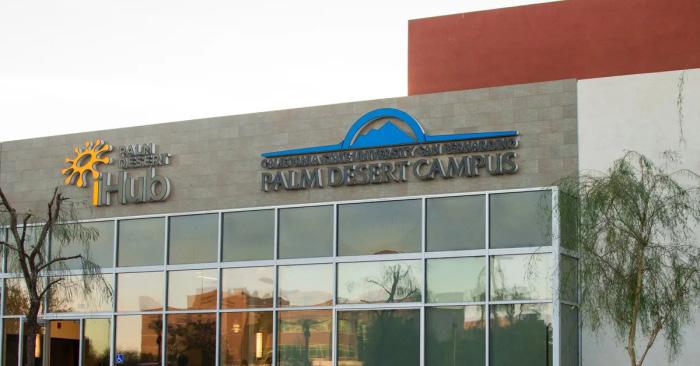
Palm Desert, CSUSB and Riverside County to create a hub where entrepreneurs can access the resources, mentorship and space they need to thrive." The Inland Empire Center for Entrepreneurship operates similar multipurpose centers in
By City News Service
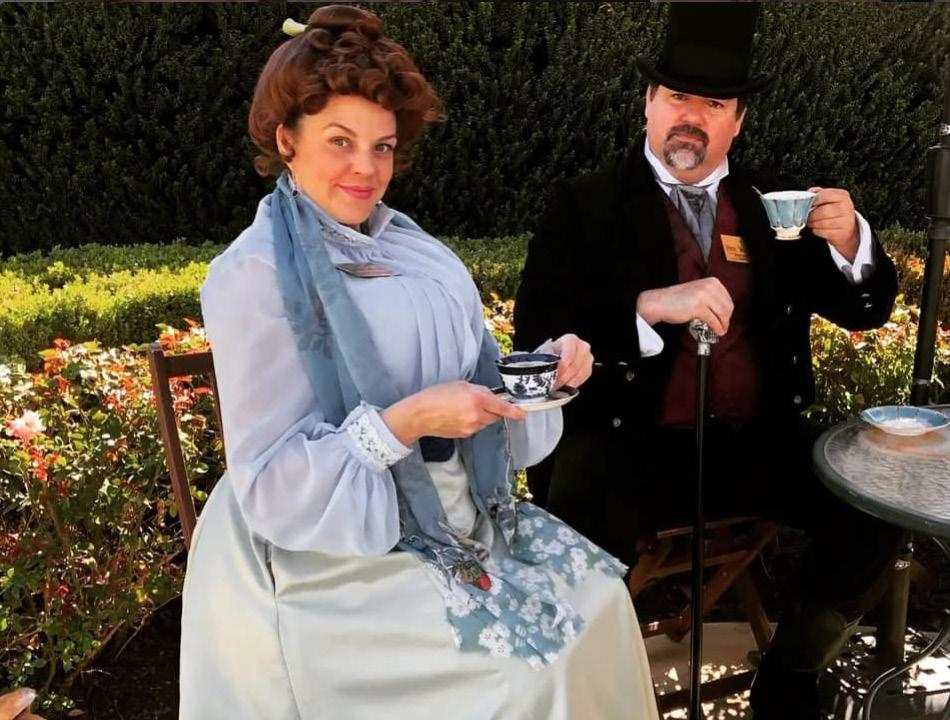
The celebrated Riverside Dickens Festival wrapped up Sunday with an afternoon tea reminiscent of Victorian-era London during the life and times of author Charles Dickens.
The 1 p.m. event, dubbed "Royal Victorian Tea Room and Music Hall," was held at First Congregational Church, 3504 Mission Inn Ave., and included a mockup of a London bazaar, characters from Charles Dickens' classics on parade, literary readings, an original musical, a series of skit performances and high tea with homemade treats.
Most of the 32nd annual fest's activities took place Saturday in White Park,
offering visitors a chance to "step back in time" with "immersivehistorical re-enactments, captivating performances, literary discussions and interactive workshops that celebrate Victorian life here and in England," organizers said. The event also included an "Authors' Salon," featuring the works of Dickens contemporaries Jane Austen, Edgar Allan Poe, Oscar Wilde, Sir Richard Burton and others performed by actors; parades, live music and who-dun-it mysteries.
In February 2024, the event was hosted at the Jensen Alvarado Historic Ranch & Museum, near Flabob Airport, in Jurupa Valley. The decision
to relocate from its traditional place along the Main Street pedestrian mall was costdriven.
Organizers said setting up security barriers and cordoning off streets required paying ever-escalating municipal fees that the fest couldn't afford. White Park offered a more economical option.
The fest was nearly nixed completely in February 2021 amid the COVID lockdowns, but organizers managed to throw together a virtual presentation featuring profiles of Dickens' stories online.
In-person activities returned in February 2022.
More information is available at dickensfest.com.
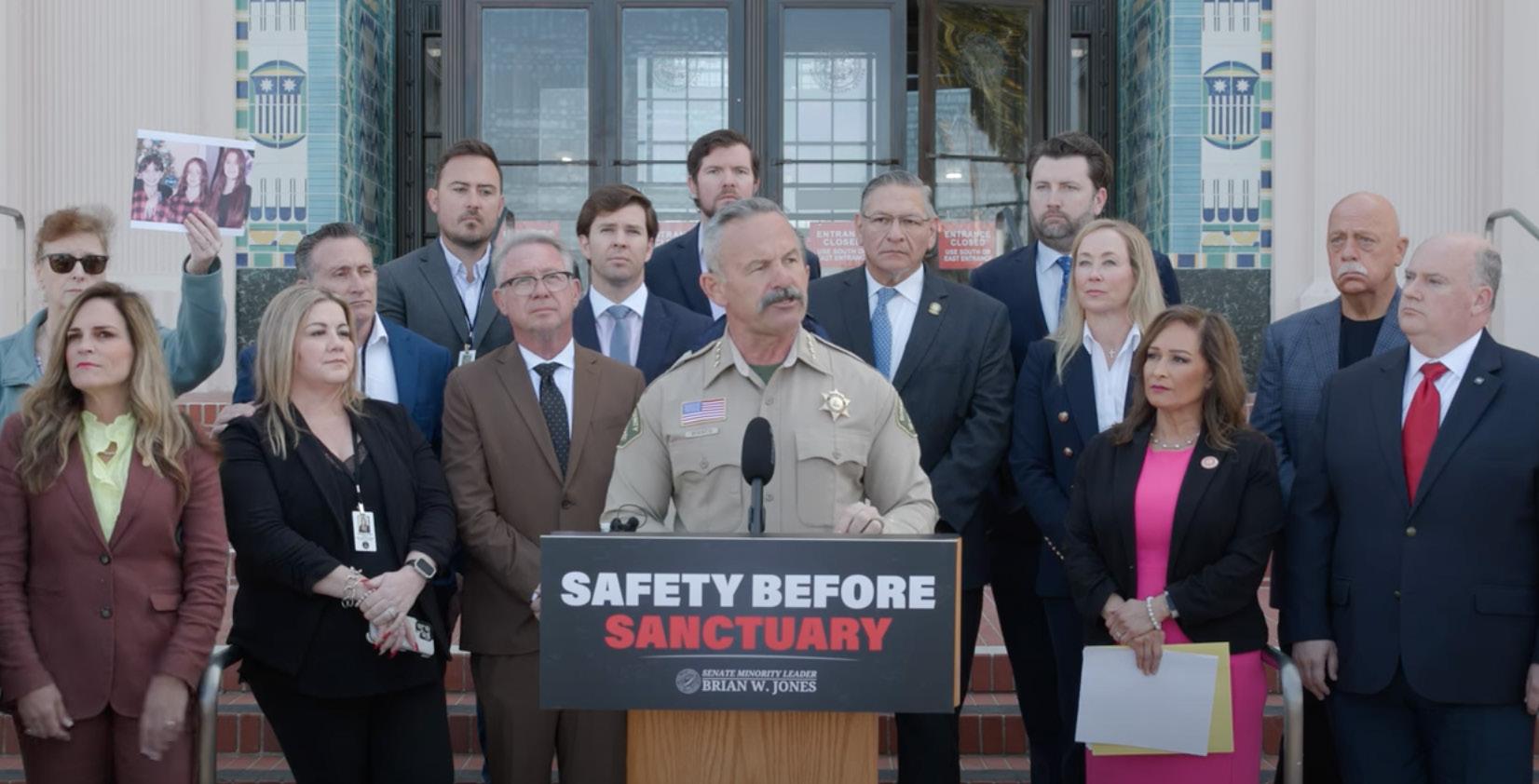
According to Jones' office, SB 554 "prevents local jurisdictions from further restricting cooperation with federal immigration enforcement beyond what SB 54 already prescribes. It also mandates that local law enforcement cooperate with (U.S. Immigration and Customs Enforcement) in cases where SB 54 simply allows it, ensuring violent offenders are not shielded from federal immigration authorities."
Bianco, who announced his candidacy for governor earlier this week, said his job as the bill progresses in the Legislature will be "to impose some common-sense, some reason and some truth to what we are experiencing here in California, particularly because of the failures of SB 54."
That law "and let me make this perfectly clear, does absolutely nothing but harm the people they say they are protecting," Bianco said.
Bianco said when SB 54 first passed, "we told the Legislature of the consequences that were going to happen because of this."
SB 554 will absolutely allow law enforcement "to make sure that we are able to prevent child molesters, rapists, murderers, robbers who victimize us, who victimize them, from being released into our communities," Bianco said.
The sheriff said SB 54 proponents have demonized local law enforcement, which "has never been involved with immigration reform — that is the job of the federal government."
Bianco said that it lacks any reason "for any person
in California to say that we must release those people back into our community to molest our children again, to rape our women again, to murder other people again."
He asked supporters to be as loud as they possibly can in Sacramento "to these tonedeaf people in that building that do not care about the safety and security of their constituents."
As he stood outside the San Diego County Administration Center before a podium with a sign reading "Safety Before Sanctuary," Jones said a group of protesters who gathered at the event and other critics hadn't read his bill.
Those protesting could be heard shouting, "When we fight, we win."
Jones said that several months ago, "the radical Democrats on the (San Diego County) Board of Supervisors passed an ordinance describing the county as a super-sanctuary county, to protect the most dangerous illegal immigrants in the county from deportation."
Last December, supervisors voted 3-1 to restrict the use of county resources for federal immigration enforcement.
Former board Chairwoman Nora Vargas said the policy "is designed to ensure local resources are focused on addressing the county's most urgent needs, while protecting families and promoting community trust."
Jones said the policy effectively prohibited law enforcement from handling criminal offenses by undocumented migrants, making it easier for them to return to the county and "continue
their crime spree, regardless of how many felony convictions they have."
Jones represents the 40th District, which includes numerous cities and communities in San Diego County.
Sen. Rosilicie Ochoa Bogh, R-Yucaipa, said everyone should feel secure, regardless of their background and that neighborhoods should be "the sanctuaries for families."
Ochoa Bogh, co-author of SB 554, said the bill would create a safer environment "including (for) undocumented families who deserve protection from those who wish to harm them."
Ochoa Bogh said many people believe sanctuary policies were created with noble intentions to protect law-abiding, hardworking undocumented immigrants. However, when those policies extend protections to undocumented violent criminals, "they undermine public trust and safety for all residents, including those they are meant to protect," she added.
"Communities lose faith in the system when they see offenders back into the streets," which leads to a reluctance to report crimes or cooperate with law enforcement officers, Ochoa Bogh said.
She added that SB 554 "is a compassionate and necessary response" to the challenges posed by sanctuary policies.
"By refining these laws, we honor the original intent of protecting vulnerable communities, while ensuring those who commit violent crimes are held accountable," she said. "Together, we can create a California where safety and justice prevails for everyone."