
LA County board requests report on efforts to tackle street takeovers
LA County board requests report on efforts to tackle street takeovers
By Nicole
Foryearsbeforethe Supreme Court upended Roev.Wade,the landmark precedent protecting abortion access, a network of conservative Christians was slowly and methodically stacking the courts through political means. “What Trump and his Republican allies had done was to change the country by leveraging political force to conquer the courts,” Elizabeth Dias and Lisa Lerer wrote in their recent recounting of the network’s maneuvering for The New York Times Magazine.
“Their policy arms churned out legal arguments and medical studies. Their lawyers argued their cases, and their judges ruled on them,” Dias and Lerer explained.
This strategy helps to decode the ever-changing post-Roe legal landscape. With Roe out of the way, and with many courts stacked in their favor, conservative state legislatures have continued to pass increasingly restrictive and punitive abortion laws.
At least 14 states have banned abortion with limited exceptions since the Dobbs v. Jackson Women’s Health Organization decision ended Roe in 2022. Another seven states have banned the procedure before 18 weeks, according to the Guttmacher Institute, a research organization that advocates for reproductive rights, including abortion.
Nearly two years after Dobbs, the legality of abortion in the United States is still being debated in court.
A total of 40 cases have challenged abortion bans in 23 states as of January, according to the think tank Brennan Center for Justice
The Marshall Project has been tracking the ripple effects of these laws

and lawsuits, particularly in Southern states in which most pregnancy-related prosecutions are concentrated. We wanted to understand how reproductive rights lawyers, advocacy groups, abortion providers and their patients are responding to this new legal reality and what new risks they face. Over the course of several weeks, we heard from seven organizations in Alabama, Mississippi, North Carolina and South Carolina.
The end of Roe ushered in a climate of fear and confusion, many of the organizations told us. New laws and novel prosecutorial tactics have raised critical questions about free speech, interstate travel, telemedicine and more. All while the reproductive rights legal community has scrambled to keep up.
Here are other important takeaways:
Abortion laws are a free-speech issue
A set of lawsuits in Alabama, where abortion is
banned, illustrates the new dynamics.StateAttorney GeneralSteveMarshall threatenedtoprosecute anyone helping residents get an out-of-state abortion. The threat extends to organizations, such as Yellowhammer Fund, that provide information about where to go and what to consider when seeking an abortion in a state where the procedure is legal.
Yellowhammer Fund and another organization filed suit, questioning the constitutionality of the state ban. Such prosecutions would violate Alabamians’ right to free speech, they argued.
Marshall “has threatened to criminalize in a way calculated to chill the speech, expressive conduct, and association of helpers, and to isolate pregnant people — a known tactic of abusers — to make it more difficult for them to travel
and access needed medical care,” lawyers for the case explained in their initial complaint.
Marshall moved to dismiss the lawsuit, arguing the state could prosecute people using its anti-conspiracy laws. But earlier this month a federal judge ruled the lawsuit can proceed.
Many of the reproductive rights organizations we spoke to across the South said they’ve also struggled with what information they can legally share. Most lawyers won’t give them guidance, one group told us, saying the laws are too untested and too risky.
Many new laws have little legal precedent
Many of the recent state laws take aim at people helping someone seeking an abortion or those looking to leave a state where abortion is illegal. Several states have focused on aid to minors.
By City News Service
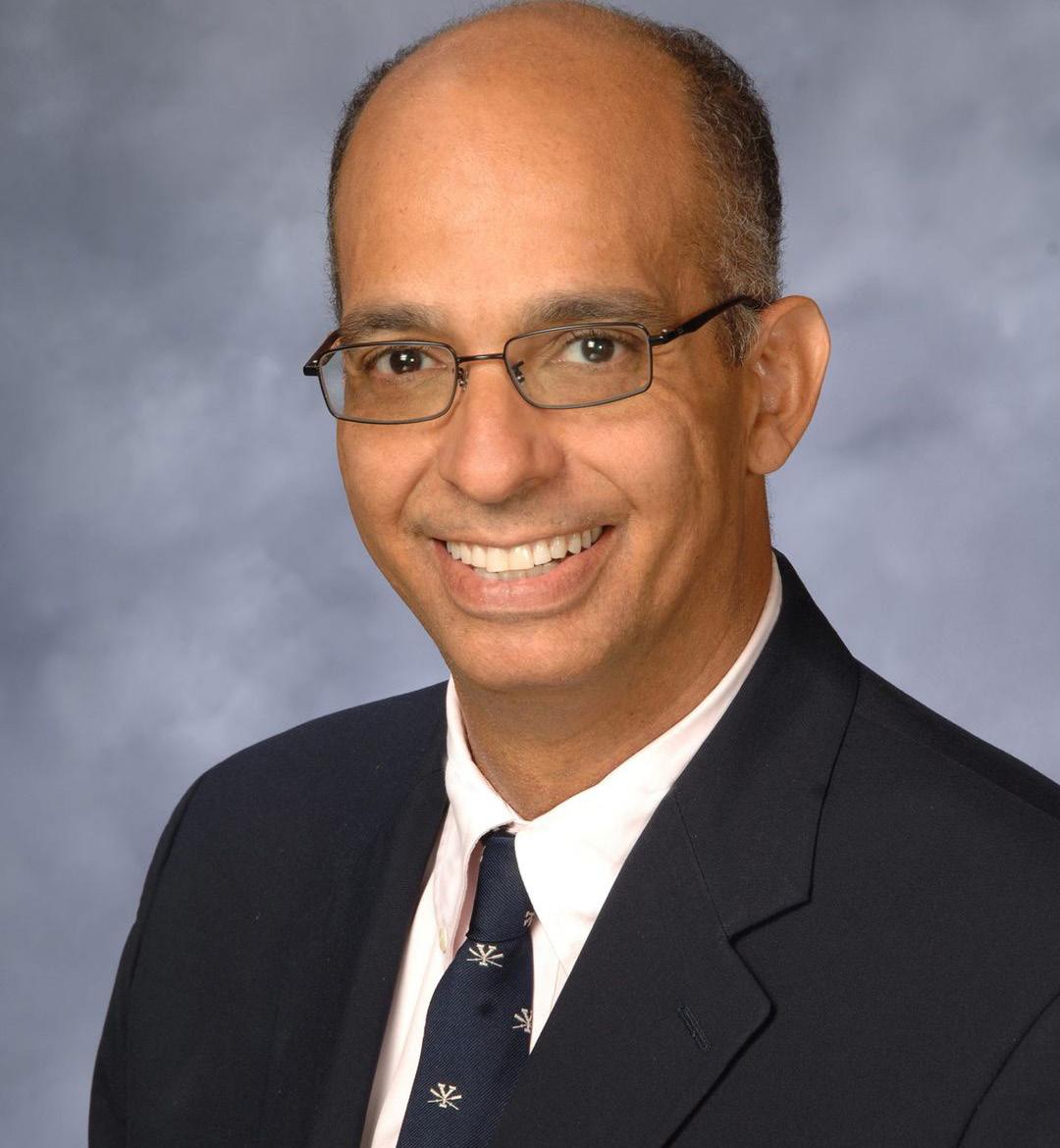
Aformer Los Angeles Department of Water and Power board member linked to an alleged bribery scheme was facing State Bar of California disciplinary charges Wednesday for allegedly soliciting and receiving more than $31,000 in free legal services from an attorney connected to the 2017 LADWP billing scandal.
The State Bar alleges that in the summer of 2017, attorney Bill Funderburk was set to vote as a DWP Board Commissioner on a $30 million no-bid contract for a business created by lawyer Paul Paradis — a cooperating witness in the billing scandal — to provide consulting services to the utility.
At the time, Paradis was covertly assisting in the settlement of a class action suit brought on behalf of DWP ratepayers against the city of Los Angeles following the disastrous rollout of a new DWP billing system overseen by PricewaterhouseCoopers, in which some ratepayers were drastically overcharged, while others were undercharged. Paradis and attorney Paul Kiesel were working for the city in its litigation against PWC at the same time Paradis was working covertly with class counsel to arrange a settlement of the ratepayer class action on terms favorable to the city.
According to the disciplinary notice, Funderburk was initially supportive of granting the contract to the business. In the weeks before the DWP’s June 2017 vote, however, Funderburk let the utility’s officials know that he was reluctant to support the contract.
Around the same time, Funderburk began sending text messages to Paradis to request and receive free legal services valued at more than $31,000 for an unrelated litigation
By HeyWire AI
The Port of Los Angeles has completed a $73 million rail expansion project in San Pedro, aimed at enhancing cargo flow, cutting down emissions, and improving roadway safety. Officials announced on Wednesday that the project is expected to significantly increase the efficiency of the port’s Pier 400 on-dock rail yard and benefit all terminal operators.
“This $73 million rail project will increase cargo efficiency while reducing emissions—a cornerstone of the port’s blueprint for sustainable growth,” said Gene Seroka, executive director of the Port of Los Angeles, in a statement.
The newly completed construction commenced in 2021 and has added 31,000 linear feet of track, five
new railroad storage tracks, a lit concrete rail bridge, an asphalt roadway, new crossovers and turnouts, and improvements to a compressed air system. The project also involved the relocation of a section of the lead track onto Port of Los Angeles property, the realignment of a track connection to the rail storage yard, alterations to Reeves Avenue, and the relocation of a crossing from Nimitz Avenue to Reeves Avenue, officials said.
The Port of Los Angeles was awarded a grant of $21.6 million by the California Trade Corridor Enhancement Program to support the project, with the remaining $51.6 million covered by the port itself.
The expansion is
intended to act as an essential connection between the San Pedro Bay port complex and the Alameda Corridora vital artery that handles approximately 10% of all waterborne containers entering and exiting the United States. The port anticipates rail demand to increase with the project, potentially eliminating approximately 1,200 truck trips per day by 2040, thereby alleviating road congestion and reducing air pollution.
“Thanks to the port’s significant investment in rail infrastructure, APM Terminals will be able to handle increased volumes of intermodal cargo with greater efficiency across a wider variety of inland locations,” said Jon Poelma, managing director of APM
LADWP union alleges ‘double dipping’ in new lawsuit
By City News Service

The union representing Los Angeles Department of Water and Power employees filed a legal action against the city Tuesday, saying it wants to bar the practice of “double dipping” that the union claims threatens the solvency of the employee retirement system.
The Los Angeles Superior Court petition filed by the International Brotherhood of Electrical Workers Local 18 also alleges the practice creates extra burdens on both the tax and utility payments made by residents.
According to the petition, the city charter prohibits people who have retired from city service and who are receiving a pension from being paid a municipal salary at the same time.
“This plain charter language was affirmed by the City Attorney’s Office in 2005,” the union said in a statement. “Suddenly, and without explanation, in late 2023 the city attorney opined that the charter’s definition of `city’ does not apply to LADWP” when it comes to the practice.
A representative for the City Attorney’s Office did not immediately reply to a request for comment.
“LADWP and the Water and Power Employees Retirement System were both established by the city charter, so it’s just plain nuts for city officials to allow the city attorney to say that LADWP jobs are not city jobs,” Local 18 Business Manager Gus Corona said in a statement. “It will be Los Angeles resi-

Los Angeles Pier 400, in a statement. “This strategic upgrade enhances
the
owners who rely on fast, efficient, and well-connected supply chains to serve their customers.”
Union officials representing 14,000 workers at Disneyland said Tuesday that they have authorized a vote on whether to go on strike.
The unions represent workers ranging from custodians and ride operators to candy makers and merchandise clerks at Disneyland, Disney California Adventure, Downtown Disney and the Disney hotels.
dents who pay the price for this bizarre decision through their tax dollars and utility payments.”
Additionally, the labor agreement between the city and the union “clearly requires that this action, which has deep implications for the department’s employees and their pension system, must be addressed through collective bargaining,” according to the union statement.
“The city’s actions in this matter clearly violate the contract between the union and the city and show a disregard and disrespect for basic worker rights,” Corona said. “The taxpayers and ratepayers of Los Angeles are the same people and they will pay the price if this decision is allowed to stand.”
Union officials said their contract for the Anaheim theme park expired June 16 for some employees and Sept. 30 for others, and they have been negotiating with the company since April 24.
A vote will take place this week on whether to go on strike, officials said.
The unions have also filed complaints of unfair labor practices.
“Our goal for negotiations has always been to reach an agreement with Disney -- one that provides cast members with wages they need to live in Southern California, the respect they deserve for the years they’ve dedicated to the company and an attendance policy that works for everyone while keeping park guests safe,” the union leaders said in a statement.
The unions said the company has instead “engaged in multiple instances of conduct we allege are unfair labor practices, including unlawful discipline and

intimidation and surveillance of union members exercising their right to wear union buttons at work.”
Disneyland officials issued the following statement:
“We respect and value our cast members and recognize the important role they play in creating happiness for our guests. With the next
meeting scheduled for July 22, we remain committed to continuing discussions and to reaching an agreement with the Master Services Council that focuses on what matters most to our current cast members, helps us attract new cast, and positions Disneyland Resort for growth and the creation of more jobs.”
Editorial editorial@beaconmedianews.com
editor@hlrmedia.com
Graphics/Production production@beaconmedianews.com production@hlrmedia.com
Advertising advertising@beaconmedianews.com advertising@hlrmedia.com
Legal Advertising legals@beaconmedianews.com legals@hlrmedia.com
Business accounting@beaconmedianews.com accounting@hlrmedia.com
BEACON MEDIA ADDRESS: 820 S. Myrtle Ave. Monrovia, CA 91016
PHONE: (626) 301-1010
WEBSITE www.beaconmedianews.com
HLR MEDIA ADDRESS: 820 S. Myrtle Ave. Monrovia, CA 91016
PHONE: (626) 301-1010
www.HLRmedia.com
PRESS
editor@beaconmedianews.com editor@hlrmedia.com







JThe Duarte Dispatchhas been adjudicated as a newspaper of general circulation in court case number GS 013893 City of Duarte, County of Los Angeles, State of California. The Rosemead Readerhas been adjudicated as a newspaper of general circulation in court case number GS 048894 City of Rosemead, County of Los Angeles, State of California.
The Alhambra Press has been adjudicated as a newspaper of general circulation in court case number ES016581 City of Alhambra, County of Los Angeles, State of California.
The Baldwin Park Press has been adjudicated as a newspaper of general circulation in court case number KS017174 City of Baldwin Park, County of Los Angeles, State of California.
The Burbank Independent has been adjudicated as a newspaper of general circulation in court case number ES016728 City of Burbank, County of Los Angeles, State of California.
The Glendale Independent has been adjudicated as a newspaper of general circulation in court case number ES016579 City of Glendale, County of Los Angeles, State of California.
The Monterey Park Press has been adjudicated as a newspaper of general circulation in court case number ES016580 City of Monterey Park, County of Los Angeles, State of California.







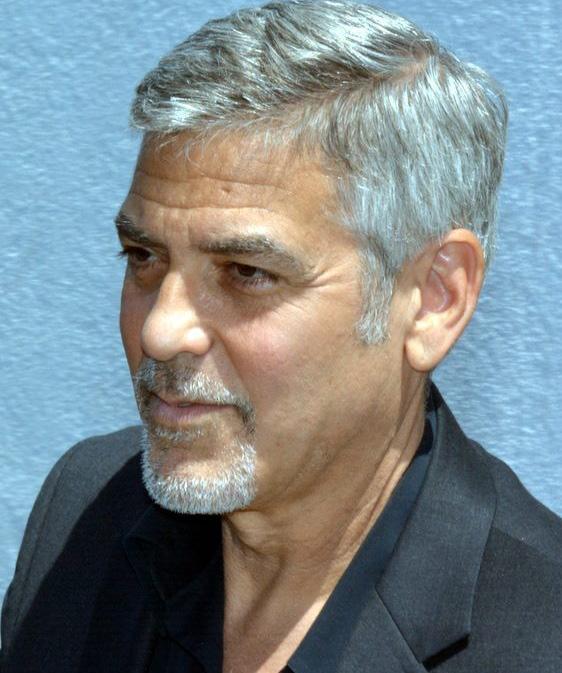
ust weeks after co-hostingarecord-setting downtown Los Angeles fundraiser for Joe Biden’s reelection campaign, actor and major Democratic Party donor George Clooney said Wednesday the president needs to step aside amid concerns about his age and ability to run the country.
“I love Joe Biden,” Clooney wrote in an essay published Wednesday in The New York Times. “As a senator. As a vice president and as president. I consider him a friend, and I believe in him. Believe in his character. Believe in his morals. In the last four years, he’s won many of the battles he’s faced.
“But the one battle he cannot win is the fight against time. None of us can. It’s devastating to say it, but the Joe Biden I was with three weeks ago at the fund-raiser was not the Joe big F-ing deal Biden of 2010. He wasn’t even the Joe Biden of 2020. He was the same man we all witnessed at the debate.”
On June 15, Clooney co-hosted a star-studded fundraiser for Biden at the Peacock Theater in downtown Los Angeles. The Biden campaign said the event raised a record-setting $28 million. In addition to Clooney, actress Julia Roberts was on hand for the event, along with Jack Black, Sheryl Lee Ralph, Jason Bateman and Kathryn Hahn. Jimmy Kimmel moderated a discussion between Biden and former President Barack Obama.
Elected officials in attendance included Gov. Gavin Newsom, Los Angeles Mayor Karen Bass, and Reps. Nanette Barragán, D-San Pedro; Tony Cárdenas, D-Pacoima, Robert Garcia, D-Long Beach, Ted Lieu, D-Torrance, Grace Napolitano, D-Norwalk, and Maxine Waters, D-Los Angeles.
There was no immediate reply to emails sent to the Biden-Harris campaign seeking a response to Clooney’s comments. But reporter Annie Karn, the New York Times’ congressional correspondent, cited an anonymous source familiar with the fundraiser’s planning who told her, “The president stayed for over three hours, while Clooney took a photo quickly and left.”
Barragán, who chairs the Congressional Hispanic Caucus, issued a statement Tuesday with Deputy Chair Adriano Espaillat, D-New York, which said “We stand with President Biden and Vice President Kamala
By City News Service

Questions about Biden’s stamina and presidential credentials have heightened following his woeful performance in a CNN debate against presumptive Republican candidate Donald Trump. Biden has worked in the days since the debate to reassure Democrats and voters about his commitment and ability to run the country.
Bass, a longtime Biden supporter, issued a brief statement Wednesday reiterating her backing of the president.
“I was on a call with the president and mayors from across the country last night,” Bass wrote on X. “I’m supporting our nominee, President Joe Biden.”
Newsom, whose name often surfaces as a potential presidential candidate, has continued to steadfastly support Biden. Newsom was in New Hampshire earlier this week on the Biden campaign trail, insisting that Biden “is going to be our nominee.”
According to The Hill, Newsom spoke to Biden’s campaign staff on a phone call this week, pumping up Biden’s reelection bid.
“Every single event we had, every single stop we had, we exceeded expectations in terms of the number of people that showed up,” Newsom said, according to The Hill. “They’re not giving into the cynicism. They’re not giving into the fear. They’re not giving into the anxiety. They’re showing up because they care. They care about the work you’re doing. They care about this president.”
Clooney wrote in his essay that he remains unconvinced about Biden’s stamina.
“Was he tired? Yes. A cold? Maybe. But our party leaders need to stop telling us that 51 million people didn’t see what we just saw.
We’re all so terrified by the prospect of a second Trump term that we’ve opted to ignore every warning sign.
The George Stephanopoulos interview only reinforced what we saw the week before. As Democrats, we collectively hold our breath or turn down the volume whenever we see the president, who we respect, walk off Air Force One or walk back to a mic to answer an unscripted question. ...
“This is about age. Nothing more. But also nothing that can be reversed. We are not going to win in November with this president. On top of that, we won’t win the House, and we’re going to lose the Senate. This isn’t only my opinion; this is the opinion of every senator and Congress member and governor that I’ve spoken with in private. Every single one, irrespective of what he or she is saying publicly.”
Clooney did not offer an opinion on who should replace Biden as the Democratic candidate, but said there should be a process for potential candidates to make a case for themselves.
“Let’s hear from Wes Moore and Kamala Harris and Gretchen Whitmer and Gavin Newsom and Andy Beshear and J.B. Pritzker and others,” Clooney wrote.
“Let’s agree that the candidates not attack one another but, in the short time we have, focus on what will make this country soar. Then we could go into the Democratic convention next month and figure it out.”
Actor Rob Reiner, another major Democratic Party supporter, called on Biden to step aside over the weekend. In response to Clooney’s essay, Reiner wrote on X, “My friend George Clooney has clearly expressed what many of us have been saying. We
love and respect Joe Bide. We acknowledge all he has done for our country. But Democracy is facing an existential threat. We need someone younger to fight back. Joe Biden must step aside.”
Another major figure in the party, former House Speaker Nancy Pelosi, D-California, appeared on MSNBC’s “Morning Joe” program Wednesday, suggesting that Biden — despite his insistence about remaining in the race — could still reconsider.
“It’s up to the president to decide if he’s going to run,” she said. “We’re all encouraging him to make that decision because time is running short.”
Pelosi declined on the show to explicitly endorse Biden, but called on other congressional members to “hold off” on making public statements about the incumbent.
“Whatever you’re thinking, either tell somebody privately, but you don’t have to put that out on the table until we see how we go this week,” Pelosi said.
Another prominent Southland Democrat, Los Angeles County Supervisor Janice Hahn, told KNX News Wednesday morning she’s still behind Biden.
“I’m supporting him. I’m going to vote for him,” Hahn said. “I think Democrats should line up and say we’re voting for Joe Biden. Just like the Republicans are lining up and saying we’re voting for a convicted felon.
“I do think Joe Biden does need to own being old, and I think he needs to say, `We’re both old.’ President Trump and President Biden are both older, and there’s nothing wrong with that,” she said.
Biden is scheduled to attend a fundraiser in Laguna Beach on July 26.
By Elizabeth Hewitt for Reasons to be Cheerful.
Broadcast version by Suzanne
Potter
for California News Service reporting for the Solutions Journalism Network-Public News Service Collaboration
MarinelUbaldo freezes when she hears heavy rain or intense wind.
My brain just cannot function," says Ubaldo, a climate activist who is studying for her master's degree in environmental management at Duke University in North Carolina. "It triggers my trauma, and all the memories from the past just come rushing to me."
A decade ago, when Ubaldo was in her last year of high school, her village in the Philippines was hit by Super Typhoon Haiyan. The community on the Pacific-facing shore had experienced many typhoons. Through Ubaldo's childhood, prepping her family's oceanfront home for storms was a regular part of life. As Haiyan approached, Ubaldo expected the same storm routine. But this typhoon with winds that reached 195 mph was equivalent to a Category 5 hurricane - much stronger than the storms the community was used to.
From an evacuation center in the building where she'd attended day care, she watched the storm devastate the town. The gymnasium roof floated in the wind like paper, she recalls. A wave washed a baby from the mother's arms. Her family's home was destroyed. And in the days after, before outside aid reached them, she and other members of her community just tried to survive.
For Ubaldo, the storm didn't just leave her with traumatic memories. It also deepened her anxiety about the impacts of climate change, a feeling she says is common among her peers. "It's overwhelming that you don't know if you have a future," Ubaldo says. "You don't know if your family will still be there next month ... because our future is so unpredictable because of climate change."
As the Earth's climate alters, regions around the world are facing more intense storms, wildfires, floods, extreme heat, and other phenomena. Less visibly, the multilayered effects of the climate crisis have huge implications for mental health. In a number of surveys, people say climate change causes them stress, worry, or fear. And many, like Ubaldo, are already dealing with anxious feelings and trauma from its impacts today.
Decades of research on the effects of the changing climate have most often
focused on the environment. But in 2022, for the first time, an assessment report published by the United Nations' climate change science arm highlighted the impact of environmental changes on mental health and well-being. These impacts come with a significant price. Researchers estimate that mental health effects related to climate change will have a total societal cost of $23 billion in 2030, and rise to $245 billion by 2050. "Fundamentally we need to make sure the costs of climate change on mental health are accounted for, and the benefits of climate action to mental health are accounted for and responded to," says Emma Lawrance, who leads the Climate Cares Centre at the Institute of Global Health Innovation at Imperial College London. Climate change affects mental health in a range of ways, according to Lawrance, who is helping to lead a global research project, Connecting Climate Minds, that has involved more than 500 people across some 80 countries. Natural disasters can directly affect people's well-being, as can longerterm shifts like rising sea levels, changing weather patterns, coastal erosion and salinization. These phenomena can lead to loss of livelihoods, migration from home communities, food and water insecurity, and the deaths of loved ones, Lawrance explains. "Understandably, that can be a trauma and an ongoing stress that can lead to, sadly, more cases of anxiety, depression, posttraumatic stress disorder, substance misuse and even death by suicide," she says. Research is finding links between these climaterelated changes and people's mental well-being, particularly with extreme heat. A study found that for every one degree Celsius rise in monthly average temperature, suicide rates increased by 0.7 percent in U.S. counties and 2.1 percent in Mexican municipalities. The researchers estimate that by 2050, rising temperatures could lead to between 9,000 and 40,000 additional suicides in the two countries. High temperatures also may raise risks for people who already have mental health challenges. During a 2021 heat wave in British Columbia, eight percent of people who died had been diagnosed with schizophre-
nia, while only one percent of the province's general population had the condition.
There are physical effects of climate change, too, which in turn can have implications for mental well-being. During his career in cardiology, Bob Dewey saw more patients with chronic lung disease come into his office in New Hampshire in warm months when pollen counts were high. Over recent decades, climate change has resulted in longer pollen allergy seasons. These underlying health conditions are connected to mental wellbeing, says Dewey. "When you have trouble breathing it's very easy to panic," he says. "It's just an extremely scary thing to know that you're vulnerable to this kind of situation."
In general, environmental changes are compounding issues faced by people who are more vulnerable. "Climate change is essentially a risk multiplier," Lawrance says.
Meanwhile, stress and anxiety about the climateoften called eco-anxiety or climate distress - are taking a toll on some. In a study that surveyed 10,000 young people in 10 countries, 45 percent said that feelings about climate change "negatively affected their daily life and functioning." According to Google, English-language searches related to "climate anxiety" were 27 times higher in the first 10 months of 2023 compared with the same period six years earlier.
Distress about the environment and climate is not necessarily a mental health condition on its own, according to Lawrance. "But it can be an ongoing stressor that without support can worsen people's mental well-being, disrupt their sleep, disrupt their daily life."
Finn Does used to feel paralyzed by bad news about the climate crisis. The San Francisco Bay Area 18-yearold says he often read headlines and saw social media posts about environmental disasters and alarming studies. "I was caught in this whirlpool of all this news about climate change and the climate crisis," he says.
For Does, anxiety around climate change led to feelings of despair, guilt, grief, hopelessness and fear. Then one day, as wildfires blazed in California, the sky in the Bay Area turned orange. The scene was "apocalyptic," he

recalls. He describes that day as a wake-up call that spurred him to take action. "I was just thinking about, 'Wow, I have a whole life ahead of me,'" Does says. "If this is happening right now at such a young age, what's going to be happening to me 10, 20, 30, 40 years from now?"
Now a senior in high school, Does is co-chair of the Bay Area Youth Climate Summit, an environmental justice activism network. He's also involved in a project researching emotions related to climate change among young people across California. Through his research and conversations with other young people, his impression is that those who aren't involved in climate work seem to feel more isolated and pessimistic. Meanwhile, people who participate in climate action seem to feel a sense of community and connection. "They have an extreme amount of awareness about climate, which gives them a lot of fear and a lot of anxiety," Does says. "At the same time, they have way more optimism and way more hope than those folks that aren't involved in climate work."
Along those lines, taking part in collective action related to the climate may help relieve eco-anxiety, suggests a study led by the Yale School of Public Health published in 2022. Robert Feder, a retired psychiatrist and member of the Climate Psychiatry
Alliance and NH Healthcare Workers for Climate Action, says that for mental health professionals, treating ecoanxiety involves trying to help people strengthen their responses to stress. Alongside general tools for resilience - like eating well, exercising and mindfulness techniques - building up social connections is important, he says. Getting involved with climate work can help people find social supports and address stress linked to climate change. "Not just sitting and worrying about it and feeling distressed about it, but doing something about it is really the most helpful thing to deal with the anxiety that it causes," says Feder.
Experts say climate action can take many different forms. Some people might enjoy demonstrating in the streets, but others may find environmentally minded groups that suit their particular interests.
When the Rotary Club of Orléans, Ontario, launched a project in 2023 to work with high school students to plant 1,000 trees outside of Ottawa, part of the goal was to create an opportunity for young people to address feelings of ecoanxiety by engaging with the environment, according to Phil McNeely, who chairs the club's environmental sustainability committee. One rainy day in May 2023,
70 teenagers came out to plant trees on farmland. Based on this initiative, the club is now working with other local Rotary clubs to create the Ottawa Rotary Youth Forest, a reforestation project that will involve students from area schools in planting and caring for trees. "They'll get an outlet, I think, for their frustrations about climate change," says McNeely.
There are also groups that convene specifically with the aim of talking about emotions related to the climate crisis. Does, for instance, has led "climate cafes." These facilitated conversations create an opening for people to discuss their feelings about climate change's threats to the world, says Wendy Greenspun, a New York City-based psychologist and a member of the Climate Psychology Alliance North America, who leads climate cafe trainings. "People often feel quite isolated. It's not a topic that we often think of bringing up at a dinner party," Greenspun says. "So creating a space that's outside of our usual hustle and bustle and ways of being social in itself already provides something." For some people, group discussions may not be enough support - Greenspun and other psychologists also treat people who benefit from individual therapy. But for many, she says, the group
setting provides an avenue to air negative emotions. Through the process people begin to feel validated and less alone. "I call it composting our emotions," says Greenspun. "New feelings can start to emerge and grow, like a sense of excitement that 'maybe I can do something,' a sense of deep meaning and connection with others, a sense of solidarity, a sense of courage."
Approaches to help people, particularly young people, cope with climate distress are growing around the world. For instance, SustyVibes, an organization based in Nigeria, is creating online and in-person opportunities to discuss ecoanxiety among Africans. The Good Grief Network, based in the US, focuses on building resilience. The UK-based Resilience Project trains leaders of "resilience circles" where peers can support each other. The Climate Cares Centre, which Lawrance leads, launched a guided journal to help young people manage eco-anxiety and transform negative feelings into positive actions. But climate action doesn't completely address the mental health burden. Among young activists, there's a risk of burnout.
And while young people are increasingly discussing these climate-related emotions among themselves, there's also a need for older people to support young people experiencing eco-anxiety, Lawrance says. "We see a big need to equip teachers and parents and train medical professionals and mental health professionals so they're validating these experiences of distress," she says.
Meanwhile, many communities are already dealing with the effects of climate change - including on mental health.
In the Philippines, Ubaldo sees the influence it has on her peers, many of whom worry for the safety of themselves and their families and question whether they want to have children because of the changing environment. The Philippines is among the countries most vulnerable to climate change. In a survey of young people in 10 countries, Filipinos reported the highest levels of climate anxiety.
Reducing stigma around mental health and increasing access to services is important to support communities hurt by climate disasters, Ubaldo says. Incorporating mental health into disaster response could help people talk about their feelings and
move forward. "We have to ensure that these experiences are processed or addressed before we experience another super typhoon, because it really adds to our capacity if we know that what we are experiencing or what we are feeling is valid," she says.
Ubaldo is a registered social worker in the Philippines, and as a volunteer, she's worked with people who have experienced disasters. But she says there's a need for government support of such relief services and for more capacity to manage the mental health effects of a climate-related disaster. "I know that there is a great need from the conversations that I have with the community members whenever I'm doing a debriefing after a disaster," Ubaldo says.
Around the world, initiatives are working to build up mental health treatment services in regions that are particularly vulnerable to climate change. Rotary members in southeastern Australia, for example, helped start Trauma Recovery Network Australia to train health care professionals in rural areas so that communities are better positioned to counter possible mental

health harms of disasters. "For mental health, you need people there, and continuously," says Pam Brown, a psychologist and a member of the Rotary Club of Gisborne who led the creation of the network.
The initiative, which began in 2020, holds workshops in regions hit by wildfires. Often areas that are vulnerable to fires are also susceptible to other climate change impacts, like coastal erosion or weather changes that affect farming. In rural areas, mental health professionals may have fewer opportunities for trauma treatment training, and community members don't have easy access to local support, Brown explains.
After bushfires in 2019 and 2020, the Australian network began training groups of social workers, psychologists, counselors, and other mental health experts on how to treat people using a technique called eye movement desensitization and reprocessing. In the treatment, people bring up a traumatic memory while simultaneously engaging in "bilateral stimulation," something like shifting their eyes from one side to the other or tapping their hands in an alternating pattern. The approach
has been endorsed as a treatment for trauma by the World Health Organization, the American Psychological Association, and the Australian Psychological Society, among others. Studies find that the treatment reduces symptoms of PTSD and other distress among survivors of disasters including earthquakes, hurricanes and floods.
Meanwhile, the mental health reverberations of Australia's bushfires linger.
A survey of people affected by the fires 12 to 18 months later found high levels of distress, including anxiety and depression. Over 60 percent of the nearly 100 mental health professionals who participated in the Trauma Recovery Network Australia trainings have completed the requirements needed to join the national association for practitioners of eye movement desensitization and reprocessing, and even more have used the treatment in their practice, Brown says. "It's helping therapists not feel so helpless," she says.
Supporting mental health in the face of climate change is not only about responding. Building psychological resilience can also be incorporated into
climate adaptation efforts, Lawrance says. Strengthening social connections and being prepared for climate events can buffer against mental health strains. "We know that when a disaster hits, the communities that have stronger social bonds tend to be the ones who are less affected psychologically and more able to respond practically than those that have weaker social ties," Lawrance says.
As the connection between mental health and climate comes into the spotlight, one of the challenges is understanding the full extent of this intersection. Data is hard to gather because there are so many ways that climate could intertwine with well-being. But research is growing, as are approaches to supporting mental health against climate change stressors. "There are these vicious cycles of compounding challenges, but it also means that there are compounding opportunities when we take action," Lawrance says. "There is a brighter future to be working toward that is better for the climate and also better for our minds." Elizabeth Hewitt wrote this article for Reasons to be Cheerful.


AnthonyJarretthas workedforPublic InterestResearch Centre, a Wales-based charity where he oversees finance, governance and IT, since 2009. He is also, despite his 30 years of experience, the lowest-paid member of staff.
That's because of PIRC's "socially just pay policy," designed to "recognize different needs and backgrounds." Every employee gets the same core salary, with additional "uplifts" available to those who have financial dependents or live in a city (since the COVID-19 pandemic, staff can work remotely). Even more unusually, PIRC offers uplifts to staff members who have experienced marginalization, discrimination or oppression — no requirement to explain specifics, they simply make the request. Money is also available to help cover housing or health care emergencies.
As Reasons to be Cheerful reports, PIRC is among a growing number of organizations challenging conventional ways of paying workers. Implementing such changes requires unusual levels of trust, patience and wholehearted commitment from all involved. But many of those calling for a more equal society see it as a no-brainer — and some mainstream employers may soon be following their lead. Reversed norms
For many years every worker at PIRC, which helps social, environmental and climate justice movements, got the same salary. But, as issues of racial, gender and other inequalities became more apparent, that flat structure no longer felt right.
The new policy, implemented in 2022, has "totally reversed" gender pay norms,
By Anna Patton, Reasons to Be Cheerful via Stacker
Jarrett says. He's fine with that, as long as his pay doesn't decrease — in fact, it has gone up, as the charity has been gradually increasing core rates. He also gets a little extra because he has a young daughter.
PIRC did want to reward experience, but not if it caused significant age disparity. Under initial plans, Jarrett — as "a straight, white male," he notes, "I'm not marginalized in any way" — would have been the best-paid by far. "This was not what this was about," he says. That uplift has been reduced, for now, to just one percent a year, capped after five years.
PIRC's policy is based on one used for many years by another charity, Platform, but with simplifications. For example, rather than calculating a reduction for employees with inherited wealth, PIRC simply expects that they would decline any increments available. (The aim is to "uplift, not penalize.")
With just six staff currently, PIRC's policy hasn't been fully tested. It doesn't yet address disability justice, and other elements may be revisited in future, says Jarrett. In the meantime he faces one practical challenge when budgeting for a new position: a candidate's pay could end up, say, 30 percent higher for someone living in London, with children and facing marginalization. That complicates budget forecasts.
Overall the policy has been good for individuals, he says. It also sends a strong signal to potential employees, and it may have contributed to a more diverse workforce. A few years ago applicants tended to be middle-class

graduates. "That's definitely changed," Jarrett says. Now, more people with experience of marginalization are applying for jobs.
Happiness Greaterthan, a collective of around 20 independent facilitators, consultants, coaches and others, also has an unconventional approach to pay. At the end of a joint project, fees are not distributed solely on hours worked or value produced — even if looking beyond those felt "really uncomfortable" at first, says Francesca Pick, a Spain-based founding partner of Greaterthan.
Instead, they use the "Happy Money Story" method, adapted from an idea developed by the coach Charles Davies. First, each person shares reflections on the project and on their and others' contributions and needs. Then they go away and individually set out how they would split the money. Proposals are shared and discussed until the group agrees on one that makes everyone happy.
The whole process might take several meetings, or,

ways Employers often keep salary information confidential, paying one person more than another for the same job simply because they negotiate better. Pick argues that this favors people "who already have high self-worth," while those who see themselves as less worthy — "a signal that society gives to a lot of people," like women or ethnic minorities — lose out.
co-founder of UK-based RadHR, which helps organizations to implement "radical" HR processes and policies.
when people are more used to it, just 10 minutes. Factors considered might include personal needs, such as temporary upheavals at home, or individual experiences of the project — one may have found it energizing, while another found it draining. But it completely depends on the situation and those involved, says Pick, and a group could also decide to distribute fees in a more conventional way.
That flexibility is "really liberating," says Pick, who has been through at least 40 Happy Money Stories, making up her entire income, over the past two years. Another benefit: It's "a powerful tool" for a healthy team relationship — any tensions arising during the project are surfaced, and participants must consider everyone, not just themselves. Someone who tends to undervalue themselves might even be encouraged by co-workers to ask for more money.
Perhaps surprisingly, Pick says this payment model makes her feel more, not less, secure. It's a relief, she says, to know that "whatever happens, we will have a conversation, and we will figure out what's going to work. All I need to do is trust the capacity we built as a group. That's something no one can take away from us."
Pick acknowledges that a Happy Money Story is "pretty out there." It wouldn't work for salaried positions — although Greaterthan, whose work focuses on supporting other "purpose-driven" organizations, has helped one client to test it for allocating bonuses. What's important, she says, is not necessarily that everyone adopts a similar approach, but that workers can design a model that meets their needs.
Unlearning harmful
Berlin-based social entrepreneur Lisa Jaspers agrees. "The way we compensate now usually means that the people who are most privileged earn the most money," she says. That happens even among organizations that exist to tackle social problems.
To address this, Jaspers and four co-workers within the Unlearn Business Lab, a group that aims to "prototype a just economy that is regenerative, redistributive and collective," undertook a year-long experiment. Through this "compensation lab," they developed a framework that factors in an individual's privilege, the number of hours they can comfortably work (accounting for health issues or caring responsibilities, for example), wealth and other needs. The framework is now used for distributing pay for projects undertaken by Unlearn Business Lab.
For Jaspers it is a question of values — she finds it "really important" to know that she is not contributing to higher inequality. More pragmatically, pay that meets individuals' needs also means that Unlearn Business Lab can retain team members from less privileged backgrounds, whose insights, she notes, are "super-essential to what we do," and who may otherwise need to find more stable and lucrative work elsewhere.
Not so radical
Doing pay differently isn't confined to the fringes. In 2015, credit card processing company Gravity Payments set a $70,000 minimum salary for all 120 staff. Social media firm Buffer is among those to adopt transparent salaries. Other companies allow employees to set their own salaries. But many feel these efforts don't go far enough. Self-set salaries often come from a more libertarian worldview and can end up reinforcing existing inequality unless there's also "deeper work on power — who has what kinds of it, and who doesn't," says Liam Barrington-Bush,
Privilege or needs-based compensation may yet enter the mainstream. In the past couple of years, Pick says, "new pay" has emerged as a term that people are writing and talking about. Germany's New Pay Collective was formed in 2021 to bring together interested organizations and academics, and more recently a New Pay Community was formed in Switzerland. Significantly, one well-known German commercial company has recently approached Unlearn Business Lab and is considering elements of privilege-based compensation, says Jaspers. She will soon host a "compensation lab" for other interested organizations. Considering employee needs isn't actually controversial, Jarrett suggests. A business won't do well if staff are preoccupied by money worries. And few would disagree that raising children adds financial pressure. Many would argue childcare and health care support are a government's responsibility. New pay advocates agree — but point out that governments aren't providing it. As for paying certain demographic groups more than others?
"I don't see why not," Jarrett says. After all, employers "have been happy to pay men more than women for 50 years."
Still, discussing needs and privileges "is a hell of a can of worms," warns Barrington-Bush. Talking about pay "taps into our insecurities, our fears — whatever version of money scarcity or class position we grew up with." Even among groups pursuing non-hierarchy and transparency, he says, money is usually last to be tackled.
It's easier within smaller organizations, and when trust is already high. Even then, it takes care and patience. "You need to create an atmosphere where everybody feels safe to share certain things," says Jaspers. "You're opening a box that a lot of people, especially if privileged, don't want to open."
This story was produced by Reasons to be Cheerful and reviewed and distributed by Stacker Media. The article was retitled and copy edited from its original version. Republished pursuant to a CC BY-NC 4.0 license.
By City News Service
Actress Shelley Duvall, who was a frequent collaboratorof director Robert Altman and who played the tormented wife of Jack Nicholson’s ax-wielding character in “The Shining,” died Thursday at 75.
Duvall died in Blanco, Texas, due to complications from diabetes, her partner Dan Gilroy told news outlets.
“My dear, sweet, wonderful life partner and friend left us,” Gilroy told The Hollywood Reporter. “Too much suffering lately, now she’s free. Fly away, beautiful Shelley.”
Duvall won the Cannes Film Festival Award for Best Actress for her work in Altman’s “3 Women,” a role that also earned her a BAFTA award nomination.
She had roles in Woody
Allen’s “Annie Hall” and “Popeye” — opposite Robin Williams — but is best known for her role in “The Shining,” directed by Stanley Kubrick and based on the Stephen King novel. Duvall played Wendy Torrance, the wife of Nicholson’s character Jack, who devolves into madness and tries to kill his wife and son while working as a winter caretaker at an exclusive Colorado hotel.
During the making of “The Shining,” Duvall was tested by the notoriously demanding Kubrick. Some of the scenes required more than 100 takes. The film’s baseball-bat sequence is in the Guinness Book of World Records for the most takes of a scene with dialogue, according to Variety. She worked with Altman
on several projects. She appeared in “Brewster McCloud” as her first screen role. She went on to appear in his films “McCabe & Mrs. Miller” and “Thieves Like Us” before starring as part of the ensemble cast of “Nashville” in 1975. Following her part in “Nashville,” Duvall was cast in Altman’s “Buffalo Bill and the Indians” then “3 Women” in 1977.
She was Olive Oyl in Altman’s “Popeye” in 1980, playing opposite Williams in the title role before landing the role in Kubrick’s “The Shining.”
She told The Hollywood Reporter years later about how difficult it was to make “The Shining.”
“After a while, your body rebels. It says: `Stop doing this to me. I don’t want to cry
every day.’ And sometimes just that thought alone would make me cry. To wake up on a Monday morning, so early, and realize that you had to cry all day because it was scheduled — I would just start crying. I’d be like, ‘Oh no, I can’t, I can’t.’ And yet I did it. I don’t know how I did it. Jack said that to me, too. He said, ‘I don’t know how you do it.’”
Among her other roles were Terry Gilliam’s “Time Bandits” and the comedy “Roxanne” with Steve Martin.
She largely abandoned Hollywood in the 1990s, opting to live in her native Texas, but returned to acting years later, appearing in the limited- release indie horror movie “The Forest Hills” in 2023.
She is survived by Gilroy, her partner and musician.

Former ‘Bob’s Burgers’ actor pleads guilty to role in Capitol Breach
By City News Service
An actor and comedian who voiced a character on “Bob’s Burgers” and had roles on “Better Call Saul” and “Mr. Show with Bob and David” pleaded guilty last week to federal charges connected to the attack on the U.S. Capitol on Jan. 6, 2021.
Jay Johnston, 55, of Los Angeles, pleaded guilty July 8 to one felony count of civil disorder, according to documents filed in federal court in the District of Columbia. Johnston’s sentencing was set for Oct. 7, when he will face up to five years behind bars.
According to prosecutors, Johnston was near the front of the mob illegally amassed in the West Plaza of the Capitol building on Jan. 6, 2021.
After police officers in the area were forced to retreat, Johnston, along with others, pursued the police to the Lower West Terrace and into a tunnel that leads into the Capitol. At about 3:05 p.m., he entered the tunnel, documents state.
While inside the tunnel, Johnston was handed a stolen U.S. Capitol police riot shield by other rioters. He then participated with other rioters in a group push effort against the police in the tunnel, evidence showed.
Federal prosecutors said Johnston then walked back toward the entrance of the tunnel before turning around and again participating in another group push effort, during which the crowd called, “HEAVE! HO!” as it
pushed against the police. Johnston left the tunnel at 3:13 p.m. carrying another stolen U.S. Capitol Police riot shield, which he handed to another rioter as he exited the tunnel, according to prosecutors.
Johnston had voiced the character of pizzeria owner Jimmy Pesto Sr. in episodes of “Bob’s Burgers” during the Fox cartoon’s first 11 seasons. He was let go from the show in 2021 after it came to light that he’d participated in the Capitol riot, according to published reports.
Like all Capitol breach arrests, the case is being handled in the District of Columbia.
In the 42 months since Jan. 6, 2021, more than 1,450 individuals have

been charged in nearly all 50 states for crimes related to the breach of
the U.S. Capitol, including more than 500 individuals charged with assaulting or impeding law enforcement, a felony. The investigation remains ongoing.
NOTICE OF PETITION TO ADMINISTER ESTATE OF PATRICIA M. LOPEZ
Case No. 24STPB07241
To all heirs, beneficiaries, cred-itors, contingent creditors, and persons who may otherwise be interested in the will or estate, or both, of PATRICIA M. LOPEZ
A PETITION FOR PROBATE has been filed by Bryan Lopez in the Superior Court of California, County of LOS ANGELES.
THE PETITION FOR PROBATE requests that Bryan Lopez be ap-pointed as personal representative to administer the estate of the dece-dent.
THE PETITION requests authority to administer the estate under the Independent Administration of Estates Act. (This authority will allow the personal representative to take many actions without obtaining court approval. Before taking certain very important actions, however, the personal representative will be required to give notice to interested persons unless they have waived notice or consented to the proposed action.) The independent administra-tion authority will be granted unless an interested person files an objec-tion to the petition and shows good cause why the court should not grant the authority.
A HEARING on the petition will be held on July 26, 2024 at 8:30 AM in Dept. No. 29 located at 111 N. Hill St., Los Angeles, CA 90012.
IF YOU OBJECT to the granting of the petition, you should appear at the hearing and state your objections or file written objections with the court before the hearing. Your ap-pearance may be in person or by your attorney.
IF YOU ARE A CREDITOR or a contingent creditor of the decedent, you must file your claim with the court and mail a copy to the personal representative appointed by the court within the later of either (1) four months from the date of first issu-ance of letters to a general personal representative, as defined in section 58(b) of the California Probate Code, or (2) 60 days from the date of mailing or personal delivery to you of a notice under section 9052 of the California Probate Code.
Other California statutes and legal authority may affect your rights as a creditor. You may want to consult with an attorney knowledgeable in California law.
YOU MAY EXAMINE the file kept by the court. If you are a person interested in the estate, you may file with the court a Request for Special Notice (form DE-154) of the filing of an inventory and appraisal of estate assets or of any petition or account as provided in Probate Code section 1250. A Request for Special Notice form is available from the court clerk.
Attorney for petitioner:
DARIN W BARBER ESQ SBN 189008 LAW OFFICE OF DARIN W BARBER 16163 WHITTIER BLVD WHITTIER CA 90603 CN107975 LOPEZ Jul 8,11,15, 2024 EL MONTE EXAMINER
NOTICE OF PETITION TO ADMINISTER ESTATE OF ALFRED FLORES, JR. Case No. 24STPB04896
To all heirs, beneficiaries, cred-itors, contingent creditors, and persons who may otherwise be interested in the will or estate, or both, of ALFRED FLORES, JR.
A PETITION FOR PROBATE has been filed by Gloria M. Bernal in the Superior Court of California, County of LOS ANGELES.
THE PETITION FOR PROBATE requests that Gloria M. Bernal be appointed as personal representative to administer the estate of the decedent.
THE PETITION requests the decedent’s will and codicils, if any, be admitted to probate. The will and any codicils are available for examination in the file kept by the court.
THE PETITION requests authority to administer the estate under the Independent Administration of Estates Act. (This authority will allow the personal representative to take many actions without obtaining court approval. Before taking
certain very important actions, however, the personal representative will be required to give notice to interested persons unless they have waived notice or consented to the proposed action.) The independent administra-tion authority will be granted unless an interested person files an objec-tion to the petition and shows good cause why the court should not grant the authority.
A HEARING on the petition will be held on August 14, 2024 at 8:30 AM in Dept. No. 2D located at 111 N. Hill St., Los Angeles, CA 90012.
IF YOU OBJECT to the granting of the petition, you should appear at the hearing and state your objections or file written objections with the court before the hearing. Your ap-pearance may be in person or by your attorney.
IF YOU ARE A CREDITOR or a contingent creditor of the decedent, you must file your claim with the court and mail a copy to the personal representative appointed by the court within the later of either (1) four months from the date of first issu-ance of letters to a general personal representative, as defined in section 58(b) of the California Probate Code, or (2) 60 days from the date of mailing or personal delivery to you of a notice under section 9052 of the California Probate Code.
Other California statutes and legal authority may affect your rights as a creditor. You may want to consult with an attorney knowledgeable in California law.
YOU MAY EXAMINE the file kept by the court. If you are a person interested in the estate, you may file with the court a Request for Special Notice (form DE-154) of the filing of an inventory and appraisal of estate assets or of any petition or account as provided in Probate Code section 1250. A Request for Special Notice form is available from the court clerk.
Attorney for petitioner: NIGEL BURNS ESQ SBN 202576
SAMUEL R BROWN ESQ SBN 327497
THE LAW OFFICES OF NIGEL BURNS
800 W 1ST ST STE 401-12 LOS ANGELES CA 90012 CN107976 FLORES Jul 8,11,15, 2024 SAN GABRIEL SUN
NOTICE OF PETITION TO ADMINISTER ESTATE OF: JESSE EDWIN LACKEY CASE NO. 24STPB07320
To all heirs, beneficiaries, creditors, contingent creditors, and persons who may otherwise be interested in the WILL or estate, or both of JESSE EDWIN LACKEY.
A PETITION FOR PROBATE has been filed by DAVID C. LACKEY in the Superior Court of California, County of LOS ANGELES.
THE PETITION FOR PROBATE requests that DAVID C. LACKEY be appointed as personal representative to administer the estate of the decedent.
THE PETITION requests the decedent’s WILL and codicils, if any, be admitted to probate. The WILL and any codicils are available for examination in the file kept by the court. THE PETITION requests authority to administer the estate under the Independent Administration of Estates Act. (This authority will allow the personal representative to take many actions without obtaining court approval. Before taking certain very important actions, however, the personal representative will be required to give notice to interested persons unless they have waived notice or consented to the proposed action.) The independent administration authority will be granted unless an interested person files an objection to the petition and shows good cause why the court should not grant the authority.
A HEARING on the petition will be held in this court as follows: 08/09/24 at 8:30AM in Dept. 79 located at 111 N. HILL ST., LOS ANGELES, CA 90012
IF YOU OBJECT to the granting of the petition, you should appear at the hearing and state your objections or file written objections with the court before the hearing. Your appearance may be in person or by your attorney.
IF YOU ARE A CREDITOR or a contingent creditor of the decedent, you must file your claim with the court and mail a copy to the personal representative appointed by
the court within the later of either (1) four months from the date of first issuance of letters to a general personal representative, as defined in section 58(b) of the California Probate Code, or (2) 60 days from the date of mailing or personal delivery to you of a notice under section 9052 of the California Probate Code. Other California statutes and legal authority may affect your rights as a creditor. You may want to consult with an attorney knowledgeable in California law.
YOU MAY EXAMINE the file kept by the court. If you are a person interested in the estate, you may file with the court a Request for Special Notice (form DE-154) of the filing of an inventory and appraisal of estate assets or of any petition or account as provided in Probate Code section 1250. A Request for Special Notice form is available from the court clerk.
Attorney for Petitioner D. WAYNE LEECH, ESQ. - SBN 97676
LAW OFFICE OF D. WAYNE LEECH, A P.C. 11001 MAIN STREET, SUITE 200 EL MONTE CA 91731
Telephone (626) 443-0061 7/8, 7/11, 7/15/24
CNS-3829683# EL MONTE EXAMINER
NOTICE OF PETITION TO ADMINISTER ESTATE OF WAYNE RICHARD JENKINS
Case No. 24STPB07333
To all heirs, beneficiaries, cred-itors, contingent creditors, and persons who may otherwise be interested in the will or estate, or both, of WAYNE RICHARD JENKINS
A PETITION FOR PROBATE has been filed by Monica Jenkins & Brenda Morrow in the Superior Court of California, County of LOS AN-GELES.
THE PETITION FOR PROBATE requests that Monica Jenkins & Brenda Morrow be appointed as personal representative to administer the estate of the decedent.
THE PETITION requests authority to administer the estate under the Independent Administration of Estates Act. (This authority will allow the personal representative to take many actions without obtaining court approval. Before taking certain very important actions, however, the personal representative will be required to give notice to interested persons unless they have waived notice or consented to the proposed action.) The independent administra-tion authority will be granted unless an interested person files an objec-tion to the petition and shows good cause why the court should not grant the authority.
A HEARING on the petition will be held on August 9, 2024 at 8:30 AM in Dept. No. 79 located at 111 N. Hill St., Los Angeles, CA 90012.
IF YOU OBJECT to the granting of the petition, you should appear at the hearing and state your objections or file written objections with the court before the hearing. Your ap-pearance may be in person or by your attorney.
IF YOU ARE A CREDITOR or a contingent creditor of the decedent, you must file your claim with the court and mail a copy to the personal representative appointed by the court within the later of either (1) four months from the date of first issu-ance of letters to a general personal representative, as defined in section 58(b) of the California Probate Code, or (2) 60 days from the date of mailing or personal delivery to you of a notice under section 9052 of the California Probate Code.
Other California statutes and legal authority may affect your rights as a creditor. You may want to consult with an attorney knowledgeable in California law.
YOU MAY EXAMINE the file kept by the court. If you are a person interested in the estate, you may file with the court a Request for Special Notice (form DE-154) of the filing of an inventory and appraisal of estate assets or of any petition or account as provided in Probate Code section 1250. A Request for Special Notice form is available from the court clerk.
Attorney for petitioner:
RICHARD A LUFTMAN ESQ SBN 222363
ALPERSTEIN SIMON FARKAS
GILLIN AND SCOTT LLP 15760 VENTURA BLVD
STE 1520
ENCINO CA 91436 CN107989 JENKINS Jul 11,15,18, 2024 DUARTE DISPATCH
NOTICE OF PETITION TO ADMINISTER ESTATE OF: EDWARD L. BUTTERWORTH, JR. CASE NO. 24STPB07316
To all heirs, beneficiaries, creditors, contingent creditors, and persons who may otherwise be interested in the WILL or estate, or both of EDWARD L. BUTTERWORTH, JR..
A PETITION FOR PROBATE has been filed by DAVID R. BUTTERWORTH in the Superior Court of California, County of LOS ANGELES. THE PETITION FOR PROBATE requests that DAVID BUTTERWORTH be appointed as personal representative to administer the estate of the decedent.
THE PETITION requests authority to administer the estate under the Independent Administration of Estates Act. (This authority will allow the personal representative to take many actions without obtaining court approval. Before taking certain very important actions, however, the personal representative will be required to give notice to interested persons unless they have waived notice or consented to the proposed action.) The independent administration authority will be granted unless an interested person files an objection to the petition and shows good cause why the court should not grant the authority.
A HEARING on the petition will be held in this court as follows: 07/30/24 at 8:30AM in Dept. 2D located at 111 N. HILL ST., LOS ANGELES, CA 90012
IF YOU OBJECT to the granting of the petition, you should appear at the hearing and state your objections or file written objections with the court before the hearing. Your appearance may be in person or by your attorney.
IF YOU ARE A CREDITOR or a contingent creditor of the decedent, you must file your claim with the court and mail a copy to the personal representative appointed by the court within the later of either (1) four months from the date of first issuance of letters to a general personal representative, as defined in section 58(b) of the California Probate Code, or (2) 60 days from the date of mailing or personal delivery to you of a notice under section 9052 of the California Probate Code. Other California statutes and legal authority may affect your rights as a creditor. You may want to consult with an attorney knowledgeable in California law.
YOU MAY EXAMINE the file kept by the court. If you are a person interested in the estate, you may file with the court a Request for Special Notice (form DE-154) of the filing of an inventory and appraisal of estate assets or of any petition or account as provided in Probate Code section 1250. A Request for Special Notice form is available from the court clerk.
Attorney for Petitioner
JENNIFER I. RISSIER, ESQ. - SBN 198336 SMITH, GAMBRELL AND & RUSSELL, LLP 444 SOUTH FLOWER ST #1700
LOS ANGELES CA 90071
Telephone (213) 358-7200 7/11, 7/15, 7/18/24 CNS-3831061# ARCADIA WEEKLY
NOTICE OF PETITION TO ADMINISTER ESTATE OF ANN NA WANG
Case No. 24STPB04340
To all heirs, beneficiaries, cred-itors, contingent creditors, and persons who may otherwise be interested in the will or estate, or both, of ANN NA WANG
A PETITION FOR PROBATE has been filed by Greg Hwang in the Superior Court of California, County of LOS ANGELES.
THE PETITION FOR PROBATE requests that Greg Hwang be ap-pointed as personal representative to administer the estate of the dece-dent.
THE PETITION requests the decedent’s lost will and codicils, if any, be admitted to probate. Copies of the lost will and any codicils are available for examination in the file
kept by the court. THE PETITION requests authority to administer the estate under the Independent Administration of Estates Act. (This authority will allow the personal representative to take many actions without obtaining court approval. Before taking certain very important actions, however, the personal representative will be required to give notice to interested persons unless they have waived notice or consented to the proposed action.) The independent administra-tion authority will be granted unless an interested person files an objec-tion to the petition and shows good cause why the court should not grant the authority.
A HEARING on the petition will be held on August 6, 2024 at 8:30 AM in Dept. No. 29 located at 111 N. Hill St., Los Angeles, CA 90012.
IF YOU OBJECT to the granting of the petition, you should appear at the hearing and state your objections or file written objections with the court before the hearing. Your ap-pearance may be in person or by your attorney.
IF YOU ARE A CREDITOR or a contingent creditor of the decedent, you must file your claim with the court and mail a copy to the personal representative appointed by the court within the later of either (1) four months from the date of first issu-ance of letters to a general personal representative, as defined in section 58(b) of the California Probate Code, or (2) 60 days from the date of mailing or personal delivery to you of a notice under section 9052 of the California Probate Code.
Other California statutes and legal authority may affect your rights as a creditor. You may want to consult with an attorney knowledgeable in California law. YOU MAY EXAMINE the file kept by the court. If you are a person interested in the estate, you may file with the court a Request for Special Notice (form DE-154) of the filing of an inventory and appraisal of estate assets or of any petition or account as provided in Probate Code section 1250. A Request for Special Notice form is available from the court clerk.
Attorney for petitioner:
DAVID A SHAPIRO ESQ SBN 213175
DAVID A SHAPIRO PC 5757 WILSHIRE BLVD PH 3 LOS ANGELES CA 90036
CN108361 WANG Jul 15,18,22, 2024 TEMPLE CITY TRIBUNE
NOTICE OF PETITION TO ADMINISTER ESTATE OF: IVY WEISS
CASE NO. 24STPB07406
To all heirs, beneficiaries, creditors, contingent creditors, and persons who may otherwise be interested in the WILL or estate, or both of IVY WEISS.
A PETITION FOR PROBATE has been filed by LORRAINE LINDBERG in the Superior Court of California, County of LOS ANGELES. THE PETITION FOR PROBATE requests that LORRAINE LINDBERG be appointed as personal representative to administer the estate of the decedent.
THE PETITION requests the decedent’s WILL and codicils, if any, be admitted to probate. The WILL and any codicils are available for examination in the file kept by the court.
THE PETITION requests authority to administer the estate under the Independent Administration of Estates Act. (This authority will allow the personal representative to take many actions without obtaining court approval. Before taking certain very important actions, however, the personal representative will be required to give notice to interested persons unless they have waived notice or consented to the proposed action.) The independent administration authority will be granted unless an interested person files an objection to the petition and shows good cause why the court should not grant the authority.
A HEARING on the petition will be held in this court as follows: 08/14/24 at 8:30AM in Dept. 5 located at 111 N. HILL ST., LOS ANGELES, CA 90012
IF YOU OBJECT to the granting of the petition, you should appear at the hearing and state your objections or file written objections with the court before the hearing. Your appearance may be in person or by your attorney.
IF YOU ARE A CREDITOR or a contingent creditor of the decedent, you must file your claim with the court and mail a copy to the personal representative appointed by the court within the later of either (1) four months from the date of first issuance of letters to a general personal representative, as defined in section 58(b) of the California Probate Code, or (2) 60 days from the date of mailing or personal delivery to you of a notice under section 9052 of the California Probate Code.
Other California statutes and legal authority may affect your rights as a creditor. You may want to consult with an attorney knowledgeable in California law.
YOU MAY EXAMINE the file kept by the court. If you are a person interested in the estate, you may file with the court a Request for Special Notice (form DE-154) of the filing of an inventory and appraisal of estate assets or of any petition or account as provided in Probate Code section 1250. A Request for Special Notice form is available from the court clerk.
Attorney for Petitioner
ROBERT J. WAECHTER - SBN 58549
LAW OFFICE OF ROBERT J. WAECHTER
1875 W. REDONDO BEACH BLVD. STE 301 GARDENA CA 90247
Telephone (310) 316-8244 7/11, 7/15, 7/18/24 CNS-3830852# DUARTE DISPATCH
NOTICE OF PETITION TO ADMINISTER ESTATE OF: NADA MCPHERSON AKA NADA C. MCPHERSON AKA MRS. GALEN MCPHERSON CASE NO. 24STPB07523
To all heirs, beneficiaries, creditors, contingent creditors, and persons who may otherwise be interested in the WILL or estate, or both of NADA MCPHERSON AKA NADA C. MCPHERSON AKA MRS. GALEN MCPHERSON. A PETITION FOR PROBATE has been filed by ROY JOHN ARNETT AND LESLIE ANN ARNETT in the Superior Court of California, County of LOS ANGELES. THE PETITION FOR PROBATE requests that ROY JOHN ARNETT AND LESLIE ANN ARNETT be appointed as personal representative to administer the estate of the decedent.
THE PETITION requests the decedent’s WILL and codicils, if any, be admitted to probate. The WILL and any codicils are available for examination in the file kept by the court. THE PETITION requests authority to administer the estate under the Independent Administration of Estates Act with limited authority. (This authority will allow the personal representative to take many actions without obtaining court approval. Before taking certain very important actions, however, the personal representative will be required to give notice to interested persons unless they have waived notice or consented to the proposed action.) The independent administration authority will be granted unless an interested person files an objection to the petition and shows good cause why the court should not grant the authority.
A HEARING on the petition will be held in this court as follows: 08/13/24 at 8:30AM in Dept. 79 located at 111 N. HILL ST., LOS ANGELES, CA 90012
IF YOU OBJECT to the granting of the petition, you should appear at the hearing and state your objections or file written objections with the court before the hearing. Your appearance may be in person or by your attorney.
IF YOU ARE A CREDITOR or a contingent creditor of the decedent, you must file your claim with the court and mail a copy to the personal representative appointed by the court within the later of either (1) four months from the date of first issuance of letters to a general personal representative, as defined in section 58(b) of the California Probate Code, or (2) 60 days from the date of mailing or personal delivery to you of a notice under section 9052 of the California Probate Code. Other California statutes and legal authority may affect your rights as a creditor. You may want to consult with an attorney knowledgeable in California law.
date. The filing of this statement does not of itself authorize the use in this state of a fictitious business name in violation of the rights of another under federal, state or common law (See Section 14400 et seq., Business and Professional Code).
Pub. Monrovia Weekly 07/15/2024, 07/22/2024, 07/29/2024, 08/05/2024
FICTITIOUS BUSINESS NAME STATEMENT FILE NO. 2024133454 NEW FILING.
The following person(s) is (are) doing business as BAYSIDE APTS, 616 Lagoon Ave, Wilmington, CA 90744. Mailing Address, 610 N Santa Anita Ave Second Floor, Arcadia, CA 91006. This business is conducted by a limited liability company (llc). Registrant commenced to transact business under the fictitious business name or names listed herein on October 2014. Signed: PI Properties NO. 61, LLC (CA-201411310089, 616 Lagoon Ave, Wilmington, CA 90744; Rao R Yalamanchili, Manager. The statement was filed with the County Clerk of Los Angeles on June 21, 2024. NOTICE:
of the County Clerk. A new fictitious business name statement must be filed prior to that date. The filing of this statement does not of itself authorize the use in this state of a fictitious business name in violation of the rights of another under federal, state or common law (See Section 14400 et seq., Business and Professional Code). Pub.
doing business as ARCADIA TRIPLEX, 48 E Colorado Blvd, Arcadia, CA 91006. Mailing Address, 610 N Santa Anita Ave Second Floor, Arcadia, CA 91006. This business is conducted by a limited
company (llc). Registrant commenced to transact
under the
or names listed
on February 2017. Signed: PI Properties NO. 63, LLC (CA-201411310084, 48 E Colorado Blvd, Arcadia, CA 91006; Rao R Yalamanchili, Manager. The statement was filed with the County Clerk of Los Angeles on June 21, 2024. NOTICE: This fictitious business name statement expires five years from the date it was filed in the office of the County Clerk. A new fictitious business name statement must be filed prior to that date. The filing of this statement does not of itself authorize the use in this state of a fictitious business name in violation of the rights of another under federal, state or common law (See Section 14400 et seq., Business and Professional Code). Pub. Monrovia Weekly 07/15/2024, 07/22/2024, 07/29/2024, 08/05/2024 FICTITIOUS BUSINESS NAME STATEMENT FILE NO. 2024133496 NEW FILING. The following person(s) is (are) doing business as COLIMA TERRACE APTS, 1740 S Otterbein Ave, Rowland Heights, CA 91748. Mailing Address, 610 N Santa Anita Ave Second Floor, Arcadia, CA 91006. This business is conducted by a limited liability company (llc). Registrant commenced to transact business under the fictitious business name or names listed herein on March 2022.
Signed: PI Properties NO. 66, LLC (CA-201419510275, 1740 S Otterbein Ave, Rowland Heights, CA 91748; Rao R Yalamanchili, Manager. The
statement was filed with the County Clerk of Los Angeles on June 21, 2024. NOTICE: This fictitious business name statement expires five years from the date it was filed in the office of the County Clerk. A new fictitious business name statement must be filed prior to that date. The filing of this statement does not of itself authorize the use in this state of a fictitious business name in violation of the rights of another under federal, state or common law (See Section 14400 et seq., Business and Professional Code). Pub. Monrovia Weekly 07/15/2024, 07/22/2024, 07/29/2024, 08/05/2024
FICTITIOUS BUSINESS NAME STATEMENT FILE NO. 2024133501 NEW FILING. The following person(s) is (are) doing business as NORTHVIEW TERRACE, 821 N Wilcox Ave, Montebello, CA 90640. Mailing Address, 610 N Santa Anita Ave Second Floor, Arcadia, CA 91006. This business is conducted by a limited liability company (llc). Registrant commenced to transact business under the fictitious business name or names listed herein on March 2022. Signed: PI Properties NO. 66, LLC (CA-201419510275, 821 N Wilcox Ave, Montebello, CA 90640; Rao R Yalamanchili, Manager. The statement was filed with the County Clerk of Los Angeles on June 21, 2024. NOTICE: This fictitious business name statement expires five years from the date it was filed in the office of the County Clerk. A new fictitious business name statement must be filed prior to that date. The filing of this statement does not of itself authorize the use in this state of a fictitious business name in violation of the rights of another under federal, state or common law (See Section 14400 et seq., Business and Professional Code).
Pub. Monrovia Weekly 07/15/2024, 07/22/2024, 07/29/2024, 08/05/2024
FICTITIOUS BUSINESS NAME STATEMENT FILE NO. 2024133506
NEW FILING. The following person(s) is (are) doing business as SHERWOOD APTS –TUJUNGA, 10304 Tujunga Canyon Blvd, Tujunga, CA 91042. Mailing Address, 610 N Santa Anita Ave Second Floor, Arcadia, CA 91006. This business is conducted by a limited liability company (llc). Registrant commenced to transact business under the fictitious business name or names listed herein on January 2022. Signed: PI Properties NO. 67, LLC (CA-201419610124, 10304 Tujunga Canyon Blvd, Tujunga, CA 91042; Rao R Yalamanchili, Manager. The statement was filed with the County Clerk of Los Angeles on June 21, 2024. NOTICE: This fictitious business name statement expires five years from the date it was filed in the office of the County Clerk. A new fictitious business name statement must be filed prior to that date. The filing of this statement does not of itself authorize the use in this state of a fictitious business name in violation of the rights of another under federal, state or common law (See Section 14400 et seq., Business and Professional Code). Pub. Monrovia Weekly 07/15/2024, 07/22/2024, 07/29/2024, 08/05/2024
FICTITIOUS BUSINESS NAME STATEMENT FILE NO. 2024133515 NEW FILING. The following person(s) is (are) doing business as LIVE OAKS APTS, 4038 Live Oak St, Cudahy, CA 90201. Mailing Address, 610 N Santa Anita Ave Second Floor, Arcadia, CA 91006. This business is conducted
by a limited liability company (llc). Registrant commenced to transact business under the fictitious business name or names listed herein on May 2018. Signed: PI Properties NO. 69, LLC (CA-201419510417, 4038 Live Oak St, Cudahy, CA 90201; Rao R Yalamanchili, Manager. The statement was filed with the County Clerk of Los Angeles on June 21, 2024.
NOTICE: This fictitious business name statement expires five years from the date it was filed in the office of the County Clerk. A new fictitious business name statement must be filed prior to that date. The filing of this statement does not of itself authorize the use in this state of a fictitious business name in violation of the rights of another under federal, state or common law (See Section 14400 et seq., Business and Professional Code). Pub. Monrovia Weekly 07/15/2024, 07/22/2024, 07/29/2024, 08/05/2024
FICTITIOUS BUSINESS NAME STATEMENT FILE NO. 2024133523 NEW FILING.
The following person(s) is (are) doing business as ARMINTA APTS, 11134 Arminta St, Sun Valley, CA 91352. Mailing Address, 610 N Santa Anita Ave Second Floor, Arcadia, CA 91006. This business is conducted by a limited liability company (llc). Registrant commenced to transact business under the fictitious business name or names listed herein on June 2017. Signed: PI Properties NO. 70, LLC (CA201420310237, 11134 Arminta St, Sun Valley, CA 91352; Rao R Yalamanchili, Manager. The statement was filed with the County Clerk of Los Angeles on June 21, 2024. NOTICE: This fictitious business name statement expires five years from the date it was filed in the office of the County Clerk. A new fictitious business name statement must be filed prior to that date. The filing of this statement does not of itself authorize the use in this state of a fictitious business name in violation of the rights of another under federal, state or common law (See Section 14400 et seq., Business and Professional Code). Pub. Monrovia Weekly 07/15/2024, 07/22/2024, 07/29/2024, 08/05/2024
FICTITIOUS BUSINESS NAME STATEMENT FILE NO. 2024133532
NEW FILING. The following person(s) is (are) doing business as EL SERENO APTS, 3719 Rosemead Ave, Los Angeles, CA 90032. Mailing Address, 610 N Santa Anita Ave Second Floor, Arcadia, CA 91006. This business is conducted by a limited liability company (llc). Registrant commenced to transact business under the fictitious business name or names listed herein on December 2017. Signed: PI Properties NO. 73, LLC (CA-201421310198, 3719 Rosemead Ave, Los Angeles, CA 90032; Rao R Yalamanchili, Manager. The statement was filed with the County Clerk of Los Angeles on June 21, 2024. NOTICE: This fictitious business name statement expires five years from the date it was filed in the office of the County Clerk. A new fictitious business name statement must be filed prior to that date. The filing of this statement does not of itself authorize the use in this state of a fictitious business name in violation of the rights of another under federal, state or common law (See Section 14400 et seq., Business and Professional Code). Pub. Monrovia Weekly 07/15/2024, 07/22/2024, 07/29/2024, 08/05/2024
FICTITIOUS BUSINESS NAME STATEMENT FILE NO. 2024133540
NEW FILING.
The following person(s) is (are) doing business as MAGNOLIA APTS, 1745 Magnolia Ave, Los Angeles, CA 90006. Mailing Address, 610 N Santa Anita Ave Second Floor, Arcadia, CA 91006. This business is conducted by a limited liability company (llc). Registrant commenced to transact business under the fictitious business name or names listed herein on December 2017. Signed: PI Properties NO. 73. LLC (CA-201421310198, 1745 Magnolia Ave, Los Angeles, CA 90006; Rao R Yalamanchili, Manager. The statement was filed with the County Clerk of Los Angeles on June 21, 2024. NOTICE: This fictitious business name statement expires five years from the date it was filed in the office of the County Clerk. A new fictitious business name statement must be filed prior to that date. The filing of this statement does not of itself authorize the use in this state of a fictitious business name in violation of the rights of another under federal, state or common law (See Section 14400 et seq., Business and Professional Code). Pub. Monrovia Weekly 07/15/2024, 07/22/2024, 07/29/2024, 08/05/2024
FICTITIOUS BUSINESS NAME STATEMENT FILE NO. 2024133553 NEW FILING.
The following person(s) is (are) doing business as ATLANTIC APTS, 1214 S Atlantic Dr, Compton, CA 90221. Mailing Address, 610 N Santa Anita Ave Floor 2, Arcadia, CA 91006. This business is conducted by a limited liability company (llc). Registrant commenced to transact business under the fictitious business name or names listed herein on September 2014. Signed: PI Properties NO. 77, LLC (CA-201423110100, 1214 S Atlantic Dr, Compton, CA 90221; Rao Yalamanchili, Manager. The statement was filed with the County Clerk of Los Angeles on June 21, 2024. NOTICE: This fictitious business name statement expires five years from the date it was filed in the office of the County Clerk. A new fictitious business name statement must be filed prior to that date. The filing of this statement does not of itself authorize the use in this state of a fictitious business name in violation of the rights of another under federal, state or common law (See Section 14400 et seq., Business and Professional Code).
Pub. Monrovia Weekly 07/15/2024, 07/22/2024, 07/29/2024, 08/05/2024
FICTITIOUS BUSINESS NAME STATEMENT FILE NO. 2024133560 NEW FILING. The following person(s) is (are) doing business as 7243 VINELAND APTS, 7243 Vineland Ave, Sun Valley, CA 91352. Mailing Address, 610 N Santa Anita Ave Second Floor, Arcadia, CA 91006. This business is conducted by a limited liability company (llc). Registrant commenced to transact business under the fictitious business name or names listed herein on January 2020. Signed: PI Properties NO. 79, LLC (CA-201423110143, 7243 Vineland Ave, Sun Valley, CA 91352; Rao R Yalamanchili, Manager. The statement was filed with the County Clerk of Los Angeles on June 21, 2024. NOTICE: This fictitious business name statement expires five years from the date it was filed in the office of the County Clerk. A new fictitious business name statement must be filed prior to that date. The filing of this statement does not of itself authorize the use in this state of a fictitious business name in violation of the
rights of another under federal, state or common law (See Section 14400 et seq., Business and Professional Code).
Pub. Monrovia Weekly 07/15/2024, 07/22/2024, 07/29/2024, 08/05/2024
FICTITIOUS BUSINESS NAME STATEMENT FILE NO. 2024123419 NEW FILING. The following person(s) is (are) doing business as MONARCA MEXICAN GRILL 2, 16912 Parthenia St, northridge, CA 91343. This business is conducted by a individual. Registrant commenced to transact business under the fictitious business name or names listed herein on June 2024. Signed: german hernandez, 16912 Parthenia St, northridge, CA 91343 (Owner). The statement was filed with the County Clerk of Los Angeles on June 10, 2024. NOTICE: This fictitious business name statement expires five years from the date it was filed in the office of the County Clerk. A new fictitious business name statement must be filed prior to that date. The filing of this statement does not of itself authorize the use in this state of a fictitious business name in violation of the rights of another under federal, state or common law (See Section 14400 et seq., Business and Professional Code). Pub. Monrovia Weekly 07/15/2024, 07/22/2024, 07/29/2024, 08/05/2024
FICTITIOUS BUSINESS NAME STATEMENT FILE NO. 2024142475 NEW FILING. The following person(s) is (are) doing business as M_L SWEETS, 15111 Sandstone St, Baldwin Park, CA 91706. This business is conducted by a general partnership. Registrant commenced to transact business under the fictitious business name or names listed herein on July 2024. Signed: (1). Magdalena Melchor, 15111 Sandstone St, Baldwin Park, CA 91706 (2). Leeana Gonzalez, 15111 Sandstone St, Baldwin Park, CA 91706 (General Partner). The statement was filed with the County Clerk of Los Angeles on July 3, 2024. NOTICE: This fictitious business name statement expires five years from the date it was filed in the office of the County Clerk. A new fictitious business name statement must be filed prior to that date. The filing of this statement does not of itself authorize the use in this state of a fictitious business name in violation of the rights of another under federal, state or common law (See Section 14400 et seq., Business and Professional Code). Pub. Monrovia Weekly 07/11/2024, 07/18/2024, 07/25/2024, 08/01/2024
FICTITIOUS BUSINESS NAME STATEMENT FILE NO. 2024134805 NEW FILING.
The following person(s) is (are) doing business as (1). SPERRY-SEGAI CRE (2). SEGAI CRE , 1370 Valley Vista Dr., Suite 208, Diamond Bar, CA 91765. This business is conducted by a corporation. Registrant has not yet begun to transact business under the fictitious business name or names listed herein. Signed: SEGAI, INC. (CA-4111223, 1370 Valley Vista Dr., Suite 208, Diamond Bar, CA 91765; Ya-Hui Hsieh, President. The statement was filed with the County Clerk of Los Angeles on June 24, 2024. NOTICE: This fictitious business name statement expires five years from the date it was filed in the office of the County Clerk. A new fictitious business name statement must be filed prior to that date. The filing of this statement does not of
NOTICE OF PETITION TO ADMINISTER ESTATE OF MARY LOU MARTIN
Case No. 24STPB07166
To all heirs, beneficiaries, creditors, contingent creditors, and persons who may otherwise be interested in the will or estate, or both, of MARY LOU MARTIN
A PETITION FOR PROBATE has been filed by Alyssa Sheppard in the Superior Court of California, County of LOS ANGELES.
THE PETITION FOR PROBATE requests that Alyssa Sheppard be appointed as personal representative to administer the estate of the decedent.
THE PETITION requests authority to administer the estate under the Independent Administration of Estates Act. (This authority will allow the personal representative to take many actions without obtaining court approval. Before taking certain very important actions, however, the personal representative will be required to give notice to interested persons unless they have waived notice or consented to the proposed action.) The independent administration authority will be granted unless an interested person files an objection to the petition and shows good cause why the court should not grant the authority.
A HEARING on the petition will be held on July 26, 2024 at 8:30 AM in Dept. No. 29 located at 111 N. Hill St., Los Angeles, CA 90012.
IF YOU OBJECT to the granting of the petition, you should appear at the hearing and state your objections or file written objections with the court before the hearing. Your appearance may be in person or by your attorney.
IF YOU ARE A CREDITOR or a contingent creditor of the decedent, you must file your claim with the court and mail a copy to the personal representative appointed by the court within the later of either (1) four months from the date of first issuance of letters to a general personal representative, as defined in section 58(b) of the California Probate Code, or (2) 60 days from the date of mailing or personal delivery to you of a notice under section 9052 of the California Probate Code.
Other California statutes and legal authority may affect your rights as a creditor. You may want to consult with an attorney knowledgeable in California law.
YOU MAY EXAMINE the file kept by the court. If you are a person interested in the estate, you may file with the court a Request for Special Notice (form DE-154) of the filing of an inventory and appraisal of estate assets or of any petition or account as provided in Probate Code section 1250. A Request for Special Notice form is available from the court clerk.
Attorney for petitioner: ANJA M REINKE ESQ SBN 146385 LAW OFFICE OF ANJA M REINKE 4000 W MAGNOLIA BLVD STE L BURBANK CA 91505
CN107258 MARTIN
Jul 8,11,15, 2024
BURBANK INDEPENDENT
NOTICE OF AMENDED PETITION TO ADMINISTER ESTATE OF KAREN E. HELMS aka KAREN
ELIZABETH HELMS and KAREN HELMS
Case No. 22STPB08729
To all heirs, beneficiaries, creditors, contingent creditors, and persons who may otherwise be interested in the will or estate, or both, of KAREN E. HELMS aka KAREN ELIZABETH HELMS and KAREN HELMS
AN AMENDED PETITION FOR PROBATE has been filed by County of Los Angeles Public Ad-
ministrator in the Superior Court of California, County of LOS ANGELES.
THE AMENDED PETITION FOR PROBATE requests that County of Los Angeles Public Administrator be appointed as personal representative to administer the estate of the decedent.
THE AMENDED PETITION re-quests the decedent’s will and codicils, if any, be admitted to probate. The will and any codicils are available for examination in the file kept by the court.
THE AMENDED PETITION requests authority to administer the estate under the Independent Administration of Estates Act. (This authority will allow the personal representative to take many actions without obtaining court approval. Before taking certain very important actions, however, the personal representative will be required to give notice to interested persons unless they have waived notice or consented to the proposed action.) The independent administration authority will be granted unless an interested person files an objection to the petition and shows good cause why the court should not grant the authority.
A HEARING on the amended petition will be held on August 14, 2024 at 8:30 AM in Dept. No. 5 located at 111 N. Hill St., Los Angeles, CA 90012.
IF YOU OBJECT to the granting of the petition, you should appear at the hearing and state your objections or file written objections with the court before the hearing. Your appearance may be in person or by your attorney.
IF YOU ARE A CREDITOR or a contingent creditor of the decedent, you must file your claim with the court and mail a copy to the personal representative appointed by the court within the later of either (1) four months from the date of first issuance of letters to a general personal representative, as defined in section 58(b) of the California Probate Code, or (2) 60 days from the date of mailing or personal delivery to you of a notice under section 9052 of the California Probate Code.
Other California statutes and legal authority may affect your rights as a creditor. You may want to consult with an attorney knowledgeable in California law.
YOU MAY EXAMINE the file kept by the court. If you are a person interested in the estate, you may file with the court a Request for Special Notice (form DE-154) of the filing of an inventory and appraisal of estate assets or of any petition or account as provided in Probate Code section 1250. A Request for Special Notice form is available from the court clerk. Attorney for petitioner: SUSAN LONG PR DEP CO COUNSEL SBN 163000 DAWYN HARRISON OFFICE OF COUNTY OUNSEL 500 WEST TEMPLE ST STE 648 LOS ANGELES CA 90012 CN107977 HELMS Jul 8,11,15, 2024 ALHAMBRA PRESS
NOTICE OF PETITION TO ADMINISTER ESTATE OF:
ANTHONY WAYNE ROBINSON
CASE NO. 24STPB07269
To all heirs, beneficiaries, creditors, contingent creditors, and persons who may otherwise be interested in the WILL or estate, or both of ANTHONY WAYNE ROBINSON.
A PETITION FOR PROBATE has been filed by MICHIKO E. ROBINSON in the Superior Court of California, County of LOS ANGELES. THE PETITION FOR PROBATE requests that MICHIKO E. ROBINSON be appointed as personal representative to administer the estate of the decedent.
THE PETITION requests the decedent’s WILL and codicils, if any, be admitted to probate. The WILL and
any codicils are available for examination in the file kept by the court. THE PETITION requests authority to administer the estate under the Independent Administration of Estates Act. (This authority will allow the personal representative to take many actions without obtaining court approval. Before taking certain very important actions, however, the personal representative will be required to give notice to interested persons unless they have waived notice or consented to the proposed action.) The independent administration authority will be granted unless an interested person files an objection to the petition and shows good cause why the court should not grant the authority.
A HEARING on the petition will be held in this court as follows: 07/30/24 at 8:30AM in Dept. 29 located at 111 N. HILL ST., LOS ANGELES, CA 90012
IF YOU OBJECT to the granting of the petition, you should appear at the hearing and state your objections or file written objections with the court before the hearing. Your appearance may be in person or by your attorney.
IF YOU ARE A CREDITOR or a contingent creditor of the decedent, you must file your claim with the court and mail a copy to the personal representative appointed by the court within the later of either (1) four months from the date of first issuance of letters to a general personal representative, as defined in section 58(b) of the California Probate Code, or (2) 60 days from the date of mailing or personal delivery to you of a notice under section 9052 of the California Probate Code. Other California statutes and legal authority may affect your rights as a creditor. You may want to consult with an attorney knowledgeable in California law.
YOU MAY EXAMINE the file kept by the court. If you are a person interested in the estate, you may file with the court a Request for Special Notice (form DE-154) of the filing of an inventory and appraisal of estate assets or of any petition or account as provided in Probate Code section 1250. A Request for Special Notice form is available from the court clerk.
Attorney for Petitioner
MATTHEW C. YU, ESQ. - SBN 256235
THE LAW OFFICE OF MATTHEW C. YU
3620 PACIFIC COAST HWY., STE. 200 TORRANCE CA 90505
Telephone (310) 891-0016 7/8, 7/11, 7/15/24
CNS-3829169# WEST COVINA PRESS
NOTICE OF PETITION TO ADMINISTER ESTATE OF SONG GO SIA
Case No. 24STPB07386
To all heirs, beneficiaries, creditors, contingent creditors, and persons who may otherwise be interested in the will or estate, or both, of SONG GO SIA
A PETITION FOR PROBATE has been filed by Emily Luu in the Superior Court of California, County of LOS ANGELES.
THE PETITION FOR PROBATE requests that Emily Luu be appointed as personal representative to admin-ister the estate of the decedent.
THE PETITION requests authority to administer the estate under the Independent Administration of Estates Act. (This authority will allow the personal representative to take many actions without obtaining court ap-proval. Before taking certain very important actions, however, the per-sonal representative will be required to give notice to interested persons unless they have waived notice or consented to the proposed action.) The independent administration authority will be granted unless an interested person files an objection to the petition and shows good cause why the court should not grant the authority.
A HEARING on the petition will be held on August 14, 2024 at 8:30 AM in Dept. No. 5 located at 111 N. Hill St., Los Angeles, CA 90012.
IF YOU OBJECT to the granting of the petition, you should appear at the hearing and state your objections or file written objections with the court before the hearing. Your appearance may be in person
or by your attorney.
IF YOU ARE A CREDITOR or a contingent creditor of the decedent, you must file your claim with the court and mail a copy to the personal rep-resentative appointed by the court within the later of either (1) four months from the date of first issuance of letters to a general personal representative, as defined in section 58(b) of the California Probate Code, or (2) 60 days from the date of mailing or personal delivery to you of a notice under section 9052 of the California Probate Code.
Other California statutes and legal authority may affect your rights as a creditor. You may want to consult with an attorney knowledgeable in California law.
YOU MAY EXAMINE the file kept by the court. If you are a person interested in the estate, you may file with the court a Request for Special Notice (form DE-154) of the filing of an inventory and appraisal of estate assets or of any petition or account as provided in Probate Code section 1250. A Request for Special Notice form is available from the court clerk.
Attorney for petitioner: PAUL HORN ESQ SBN 243227
PAUL HORN LAW GROUP PC 11404 SOUTH STREET CERRITOS CA 90703 CN108324 SIA Jul 11,15,18, 2024 ALHAMBRA PRESS
NOTICE OF AMENDED PE-TITION TO ADMINISTER ESTATE OF NERCESS EDWARD BABAYAN
Case No. 24STPB01673
To all heirs, beneficiaries, cred-itors, contingent creditors, and persons who may otherwise be interested in the will or estate, or both, of NERCESS EDWARD BABAYAN
AN AMENDED PETITION FOR PROBATE has been filed by Her-mineh K. Babayan; Edward N. Babayan; Tallin H. Babayan in the Superior Court of California, County of LOS ANGELES.
THE AMENDED PETITION FOR PROBATE requests that Hermineh K. Babayan be appointed as personal representative to administer the estate of the decedent.
THE AMENDED PETITION requests authority to administer the estate under the Independent Administration of Estates Act. (This authority will allow the personal representative to take many actions without obtaining court approval. Before taking certain very important actions, however, the personal representative will be required to give notice to interested persons unless they have waived notice or con-sented to the proposed action.)
The independent administration authority will be granted unless an interested person files an objection to the petition and shows good cause why the court should not grant the au-thority.
A HEARING on the amended petition will be held on Sept. 17, 2024 at 8:30 AM in Dept. No. 99 located at 111 N. Hill St., Los Angeles, CA 90012.
IF YOU OBJECT to the granting of the petition, you should appear at the hearing and state your objections or file written objections with the court before the hearing. Your ap-pearance may be in person or by your attorney.
IF YOU ARE A CREDITOR or a contingent creditor of the decedent, you must file your claim with the court and mail a copy to the personal representative appointed by the court within the later of either (1) four months from the date of first issu-ance of letters to a general personal representative, as defined in section 58(b) of the California Probate Code, or (2) 60 days from the date of mailing or personal delivery to you of a notice under section 9052 of the California Probate Code.
Other California statutes and legal authority may affect your rights as a creditor. You may want to consult with an attorney knowledgeable in California law.
YOU MAY EXAMINE the file kept by the court. If you are a person interested in the estate, you may file with the court a Request for Special Notice (form DE-154) of the filing of an inventory and appraisal of estate assets or of any petition or account as provided in Probate
Code section 1250. A Request for Special Notice form is available from the court clerk.
Attorney for petitioner: ROUPEN AVSHARIAN ESQ SBN 182647
AVSHARIAN & ASSOCIATES 450 N BRAND BLVD STE 600 GLENDALE CA 91203
CN108364 BABAYAN Jul 15,18,22, 2024 GLENDALE INDEPENDENT
NOTICE OF PETITION TO ADMINISTER ESTATE OF: LARRY LEDUC AKA LARRY D. LEDUC AKA LARRY DONALD LEDUC CASE NO. 24STPB03178
To all heirs, beneficiaries, creditors, contingent creditors, and persons who may otherwise be interested in the WILL or estate, or both of LARRY LEDUC AKA LARRY D. LEDUC AKA LARRY DONALD LEDUC.
A PETITION FOR PROBATE has been filed by DANIELLE LEDUC in the Superior Court of California, County of LOS ANGELES.
THE PETITION FOR PROBATE requests that DANIELLE LEDUC be appointed as personal representative to administer the estate of the decedent.
THE PETITION requests authority to administer the estate under the Independent Administration of Estates Act. (This authority will allow the personal representative to take many actions without obtaining court approval. Before taking certain very important actions, however, the personal representative will be required to give notice to interested persons unless they have waived notice or consented to the proposed action.) The independent administration authority will be granted unless an interested person files an objection to the petition and shows good cause why the court should not grant the authority.
A HEARING on the petition will be held in this court as follows: 08/15/24 at 8:30AM in Dept. 9 located at 111 N. HILL ST., LOS ANGELES, CA 90012
IF YOU OBJECT to the granting of the petition, you should appear at the hearing and state your objections or file written objections with the court before the hearing. Your appearance may be in person or by your attorney.
IF YOU ARE A CREDITOR or a contingent creditor of the decedent, you must file your claim with the court and mail a copy to the personal representative appointed by the court within the later of either (1) four months from the date of first issuance of letters to a general personal representative, as defined in section 58(b) of the California Probate Code, or (2) 60 days from the date of mailing or personal delivery to you of a notice under section 9052 of the California Probate Code.
Other California statutes and legal authority may affect your rights as a creditor. You may want to consult with an attorney knowledgeable in California law.
YOU MAY EXAMINE the file kept by the court. If you are a person interested in the estate, you may file with the court a Request for Special Notice (form DE-154) of the filing of an inventory and appraisal of estate assets or of any petition or account as provided in Probate Code section 1250. A Request for Special Notice form is available from the court clerk.
Attorney for Petitioner
STEPHEN L. SNOW - SBN 116250
SNOW LAW CORPORATION
28212 KELLY JOHNSON PKWY., STE. 195 VALENCIA CA 91355
Telephone (661) 259-9443
7/11, 7/15, 7/18/24
CNS-3830940# BURBANK INDEPENDENT
BUSH in the Superior Court of California, County of LOS ANGELES. THE PETITION FOR PROBATE requests that DESIREE GULOY BUSH be appointed as personal representative to administer the estate of the decedent. THE PETITION requests authority to administer the estate under the Independent Administration of Estates Act. (This authority will allow the personal representative to take many actions without obtaining court approval. Before taking certain very important actions, however, the personal representative will be required to give notice to interested persons unless they have waived notice or consented to the proposed action.) The independent administration authority will be granted unless an interested person files an objection to the petition and shows good cause why the court should not grant the authority.
A HEARING on the petition will be held in this court as follows: 08/16/24 at 8:30AM in Dept. 99 located at 111 N. HILL ST., LOS ANGELES, CA 90012
IF YOU OBJECT to the granting of the petition, you should appear at the hearing and state your objections or file written objections with the court before the hearing. Your appearance may be in person or by your attorney.
IF YOU ARE A CREDITOR or a contingent creditor of the decedent, you must file your claim with the court and mail a copy to the personal representative appointed by the court within the later of either (1) four months from the date of first issuance of letters to a general personal representative, as defined in section 58(b) of the California Probate Code, or (2) 60 days from the date of mailing or personal delivery to you of a notice under section 9052 of the California Probate Code. Other California statutes and legal authority may affect your rights as a creditor. You may want to consult with an attorney knowledgeable in California law.
YOU MAY EXAMINE the file kept by the court. If you are a person interested in the estate, you may file with the court a Request for Special Notice (form DE-154) of the filing of an inventory and appraisal of estate assets or of any petition or account as provided in Probate Code section 1250. A Request for Special Notice form is available from the court clerk.
Attorney for Petitioner
DANIEL C. HALES, ESQ. - SBN 146564 CITADEL LAW CORPORATION 2372 MORSE AVE IRVINE CA 92614
Telephone (949) 852-8181 BSC 225415 7/11, 7/15, 7/18/24 CNS-3831057# WEST COVINA PRESS
NOTICE OF PETITION TO ADMINISTER ESTATE OF: EMIKO FUKUHARA CASE NO. 30-2024-01410295-PR-LACMC
To all heirs, beneficiaries, creditors, contingent creditors, and persons who may otherwise be interested in the WILL or estate, or both of EMIKO FUKUHARA.
NOTICE OF PETITION TO ADMINISTER ESTATE OF: JOHN E. BUSH CASE NO. 24STPB07538
To all heirs, beneficiaries, creditors, contingent creditors, and persons who may otherwise be interested in the WILL or estate, or both of JOHN E. BUSH.
A PETITION FOR PROBATE has been filed by DESIREE GULOY
A PETITION FOR PROBATE has been filed by LILLIAN FUKUHARA in the Superior Court of California, County of ORANGE. THE PETITION FOR PROBATE requests that LILLIAN FUKUHARA be appointed as personal representative to administer the estate of the decedent. THE PETITION requests authority to administer the estate under the Independent Administration of Estates Act. (This authority will allow the personal representative to take many actions without obtaining court approval. Before taking certain very important actions, however, the personal representative will be required to give notice to interested persons unless they have waived notice or consented to the proposed action.) The independent administration authority will be granted unless an interested person files an objection to the petition and shows good cause why the court should not grant the authority. A HEARING on the petition will be held in this court as follows: 09/05/24 at 1:30PM in Dept. CM07 located at 3390 HARBOR BLVD, COSTA MESA, CA 92626
NOTICE IN PROBATE CASES
The court is providing the convenience to appear for hearing by video using the court’s designated video platform. This is a no cost service to the public. Go to the Court’s website at The Superior Court of California - County of Orange (occourts.org) to appear remotely for Probate hearings and for remote hearing instructions. If you have difficulty connecting or are unable to connect to your remote hearing, call 657-622-8278 for assistance. If you prefer to appear in-person, you can appear in the department on the day/time set for your hearing.
IF YOU OBJECT to the granting of the petition, you should appear at the hearing and state your objections or file written objections with the court before the hearing. Your appearance may be in person or by your attorney.
IF YOU ARE A CREDITOR or a contingent creditor of the decedent, you must file your claim with the court and mail a copy to the personal representative appointed by the court within the later of either (1) four months from the date of first issuance of letters to a general personal representative, as defined in section 58(b) of the California Probate Code, or (2) 60 days from the date of mailing or personal delivery to you of a notice under section 9052 of the California Probate Code. Other California statutes and legal authority may affect your rights as a creditor. You may want to consult with an attorney knowledgeable in California law.
YOU MAY EXAMINE the file kept by the court. If you are a person interested in the estate, you may file with the court a Request for Special Notice (form DE-154) of the filing of an inventory and appraisal of estate assets or of any petition or account as provided in Probate Code section 1250. A Request for Special Notice form is available from the court clerk.
Attorney for Petitioner
DIANE KAWATA WATANABESBN 73076
WATANABE & SUEMORI, LLP 17592 IRVINE BLVD STE 202 TUSTIN CA 92780
Telephone (714) 838-8755
7/11, 7/15, 7/18/24
CNS-3831148# ANAHEIM PRESS
NOTICE OF PETITION TO ADMINISTER ESTATE OF: DUANE MICHAEL HABERMEHL CASE NO.
30-2024-01410246-PR-PWCMC
To all heirs, beneficiaries, creditors, contingent creditors, and persons who may otherwise be interested in the WILL or estate, or both of DUANE MICHAEL HABERMEHL.
A PETITION FOR PROBATE has been filed by JAMES RAYMOND HASTINGS in the Superior Court of California, County of ORANGE.
THE PETITION FOR PROBATE requests that JAMES RAYMOND HASTINGS be appointed as personal representative to administer the estate of the decedent.
THE PETITION requests the decedent’s WILL and codicils, if any, be admitted to probate. The WILL and any codicils are available for examination in the file kept by the court.
THE PETITION requests authority to administer the estate under the Independent Administration of Estates Act. (This authority will allow the personal representative to take many actions without obtaining court approval. Before taking certain very important actions, however, the personal representative will be required to give notice to interested persons unless they have waived notice or consented to the proposed action.) The independent administration authority will be granted unless an interested person files an objection to the petition and shows good cause why the court should not grant the authority.
A HEARING on the petition will be held in this court as follows: 08/29/24 at 1:30PM in Dept. CM07 located at 3390 HARBOR BLVD, COSTA MESA, CA 92626 NOTICE IN PROBATE CASES
The court is providing the convenience to appear for hearing by video using the court’s designated video platform. This is a no cost service to the public. Go to the Court’s website at The Superior Court of California - County of Orange (occourts.org) to appear remotely for
Probate hearings and for remote hearing instructions. If you have difficulty connecting or are unable to connect to your remote hearing, call 657-622-8278 for assistance. If you prefer to appear in-person, you can appear in the department on the day/time set for your hearing.
IF YOU OBJECT to the granting of the petition, you should appear at the hearing and state your objections or file written objections with the court before the hearing. Your appearance may be in person or by your attorney.
IF YOU ARE A CREDITOR or a contingent creditor of the decedent, you must file your claim with the court and mail a copy to the personal representative appointed by the court within the later of either (1) four months from the date of first issuance of letters to a general personal representative, as defined in section 58(b) of the California Probate Code, or (2) 60 days from the date of mailing or personal delivery to you of a notice under section 9052 of the California Probate Code. Other California statutes and legal authority may affect your rights as a creditor. You may want to consult with an attorney knowledgeable in California law.
YOU MAY EXAMINE the file kept by the court. If you are a person interested in the estate, you may file with the court a Request for Special Notice (form DE-154) of the filing of an inventory and appraisal of estate assets or of any petition or account as provided in Probate Code section 1250. A Request for Special Notice form is available from the court clerk.
In Pro Per Petitioner JAMES RAYMOND HASTINGS 3735 HWY 101 N YACHATS OR 97498 7/15, 7/18, 7/22/24 CNS-3832204# ANAHEIM PRESS
NOTICE OF PETITION TO ADMINISTER ESTATE OF: PAUL MICHAEL GUYER CASE NO. 24STPB07644
To all heirs, beneficiaries, creditors, contingent creditors, and persons who may otherwise be interested in the WILL or estate, or both of PAUL MICHAEL GUYER.
A PETITION FOR PROBATE has been filed by CHRISTOPHER MICHAEL GUYER in the Superior Court of California, County of LOS ANGELES.
THE PETITION FOR PROBATE requests that CHRISTOPHER MICHAEL GUYER be appointed as personal representative to administer the estate of the decedent.
THE PETITION requests the decedent’s WILL and codicils, if any, be admitted to probate. The WILL and any codicils are available for examination in the file kept by the court.
THE PETITION requests authority to administer the estate under the Independent Administration of Estates Act. (This authority will allow the personal representative to take many actions without obtaining court approval. Before taking certain very important actions, however, the personal representative will be required to give notice to interested persons unless they have waived notice or consented to the proposed action.) The independent administration authority will be granted unless an interested person files an objection to the petition and shows good cause why the court should not grant the authority.
A HEARING on the petition will be held in this court as follows: 08/15/24 at 8:30AM in Dept. 5 located at 111 N. HILL ST., LOS ANGELES, CA 90012
IF YOU OBJECT to the granting of the petition, you should appear at the hearing and state your objections or file written objections with the court before the hearing. Your appearance may be in person or by your attorney.
IF YOU ARE A CREDITOR or a contingent creditor of the decedent, you must file your claim with the court and mail a copy to the personal representative appointed by the court within the later of either (1) four months from the date of first issuance of letters to a general personal representative, as defined in section 58(b) of the California Probate Code, or (2) 60 days from the date of mailing or personal delivery to you of a notice under section 9052 of the California Probate Code.
Other California statutes and legal
authority may affect your rights as a creditor. You may want to consult with an attorney knowledgeable in California law.
YOU MAY EXAMINE the file kept by the court. If you are a person interested in the estate, you may file with the court a Request for Special Notice (form DE-154) of the filing of an inventory and appraisal of estate assets or of any petition or account as provided in Probate Code section 1250. A Request for Special Notice form is available from the court clerk.
Attorney for Petitioner
HENRY H. DEARING - SBN
060946
GIFFORD, DEARING & ABERNATHY, LLP
515 S. FIGUEROA ST. STE 2060
LOS ANGELES CA 90071
Telephone (213) 626-4481
7/15, 7/18, 7/22/24
CNS-3832208#
GLENDALE INDEPENDENT
NOTICE OF PETITION TO ADMINISTER ESTATE OF:
LARRY EUGENE WISEMAN, SR.
CASE NO. 24STPB07581
To all heirs, beneficiaries, creditors, contingent creditors, and persons who may otherwise be interested in the WILL or estate, or both of LARRY EUGENE WISEMAN, SR..
A PETITION FOR PROBATE has been filed by ROBERT SHELLY in the Superior Court of California, County of LOS ANGELES.
THE PETITION FOR PROBATE requests that ROBERT SHELLY be appointed as personal representative to administer the estate of the decedent.
THE PETITION requests authority to administer the estate under the Independent Administration of Estates Act. (This authority will allow the personal representative to take many actions without obtaining court approval. Before taking certain very important actions, however, the personal representative will be required to give notice to interested persons unless they have waived notice or consented to the proposed action.) The independent administration authority will be granted unless an interested person files an objection to the petition and shows good cause why the court should not grant the authority.
A HEARING on the petition will be held in this court as follows: 08/05/24 at 8:30AM in Dept. 62 located at 111 N. HILL ST., LOS ANGELES, CA 90012
IF YOU OBJECT to the granting of the petition, you should appear at the hearing and state your objections or file written objections with the court before the hearing. Your appearance may be in person or by your attorney.
IF YOU ARE A CREDITOR or a contingent creditor of the decedent, you must file your claim with the court and mail a copy to the personal representative appointed by the court within the later of either (1) four months from the date of first issuance of letters to a general personal representative, as defined in section 58(b) of the California Probate Code, or (2) 60 days from the date of mailing or personal delivery to you of a notice under section 9052 of the California Probate Code.
Other California statutes and legal authority may affect your rights as a creditor. You may want to consult with an attorney knowledgeable in California law.
YOU MAY EXAMINE the file kept by the court. If you are a person interested in the estate, you may file with the court a Request for Special Notice (form DE-154) of the filing of an inventory and appraisal of estate assets or of any petition or account as provided in Probate Code section 1250. A Request for Special Notice form is available from the court clerk.
Attorney for Petitioner
RICHARD T. LEBHERZSBN316037
KAMINSKI LAW GROUP, APC
140 DIAMOND CREEK PLACE SUITE 165 ROSEVILLE CA 95747
Telephone (916) 540-7618
7/15, 7/18, 7/22/24 CNS-3832778# BELMONT BEACON
Public Notices
ORDER TO SHOW CAUSE FOR
CHANGE OF NAME PETITION OF Benaiah Evan Tripp, Isabel Virginia Tripp by Cameron Tripp FOR CHANGE OF NAME CASE NUMBER: 24TRCP00234 Superior Court of California, County of Los Angeles 625 Maple Avenue, Room 100, Torrance, Ca 90503, Southwest Judicial District TO ALL INTERESTED PERSONS: 1. Petitioner Benaiah Evan Tripp, Isabel Virginia Tripp by Cameron Tripp filed a petition with this court for a decree changing names as follows: Present name a. OF Benaiah Evan Tripp to Proposed name Benaiah David Tripp ; Present name b. OF Isabel Virginia Tripp to Proposed name Isabel Joy Virginia Tripp 2. THE COURT ORDERS that all persons interested in this matter shall appear before this court at the hearing indicated below to show cause, if any, why the petition for change of name should not be granted. Any person objecting to the name changes described above must file a written objection that includes the reason for the objection at least two court days before the matter is scheduled to be heard and must appear at the hearing to show cause why the petition should not be granted. If no written objection is timely filed, the court may grant the petition without a hearing NOTICE OF HEARING a. Date: 08/02/2024 Time: 8:30AM Dept: P. The address of the court is same as noted above. 3. a. A copy of this Order to Show Cause shall be published at least once each week for four successive weeks prior to the day set for hearing on the petition in the following newspaper of general circulation, printed in this county: West Covina Press DATED: June 12, 2024 David K. Reinert JUDGE OF THE SUPERIOR COURT Pub. June 17, 24, July 1, 8, 2024 WEST COVINA PRESS
ORDER TO SHOW CAUSE FOR CHANGE OF NAME PETITION OF Dolores Johanna Smales FOR CHANGE OF NAME CASE NUMBER: 24NNCP00232 Superior Court of California, County of Los Angeles 150 West Commonwealth, Alhambra, Ca 91801, Northeast Judicial District TO ALL INTERESTED PERSONS: 1. Petitioner Dolores Johanna Smales filed a petition with this court for a decree changing names as follows: Present name a. OF Dolores Johanna Smales to Proposed name Dolores Johanna Michaels 2. THE COURT ORDERS that all persons interested in this matter shall appear before this court at the hearing indicated below to show cause, if any, why the petition for change of name should not be granted. Any person objecting to the name changes described above must file a written objection that includes the reason for the objection at least two court days before the matter is scheduled to be heard and must appear at the hearing to show cause why the petition should not be granted. If no written objection is timely filed, the court may grant the petition without a hearing NOTICE OF HEARING a. Date: 08/07/2024 Time: 8:30AM Dept: 3. The address of the court is same as noted above. 3. a. A copy of this Order to Show Cause shall be published at least once each week for four successive weeks prior to the day set for hearing on the petition in the following newspaper of general circulation, printed in this county: Pasadena Press DATED: May 24, 2024 Robin Miller Sloan JUDGE OF THE SUPERIOR COURT Pub. June 24, July 1, 8, 15, 2024 PASADENA PRESS
Order To Show Cause For Change of Name Case No. 24FL000548 To All Interested Persons: Thien Thanh Ngoc Truong filed a petition with this court for a decree changing names as follows: PRESENT NAME Thien Thanh Ngoc Truong PROPOSED NAME Tiffany Thien Choi . The Court Orders that all persons interested in this matter shall appear before this court at the hearing indicated below to show cause, if any, why the petition for change of name should not be granted. Any person objecting to the name changes described above must file a written objection that includes the reasons for the objection at least two court days before the matter is scheduled to be heard and must appear at the hearing to show cause why the petition should not be granted. If no written objection is timely filed, the court may grant the petition without a hearing. Notice Of Hearing Date: 09/26/2024 Time: 8:30am Dept. L74 REMOTE HEARING The address of the court is Lamoreaux Justice Center, 341 The City Dr S, Orange CA 92863. A copy of this Order to Show Cause shall be published at least once each week for four successive weeks prior to the date set for hearing on the petition in the following newspaper of general circulation, printed in this county: Anaheim Press Date: May 17, 2024 Mary Kreber-Varipepa Judge of the Superior Court Pub Dates: June 24, July 1, 8, 15, 2024 ANAHEIM PRESS
NOTICE OF LIEN SALE
StorQuest –Diamond Bar
Notice is hereby given, StorQuest Self Storage – 21320 Golden Springs Dr. Diamond Bar, CA 91789 will sell at public sale by competitive bidding the personal property of: Roselene Curry. Property to be sold: Misc. household goods, furniture, tools, clothes, boxes, & personal contents. Auctioneer Company: www.storagetreasures.com. The Sale will conclude at 11am on July 18th, 2024. Goods must be paid in CASH and removed at time of sale. Sale is subject to cancellation in the event of settlement between owner and obligated party.
Publish July 8 & 15, 2024 in the WEST COVINA PRESS
Notice of Public Lien Sale
NOTICE IS GIVEN that STORBOX PASADENA Self Storage dba The Wine Grotto, intends to sell the personal property described below to enforce a lien imposed on said property pursuant to Sections 2170021716 of the Business & Professions Code, Section 2328 of the UCC, Section 535 of the Penal Code and provisions of the Civil Code.
The undersigned will sell at public sale by competitive bidding ending on the 19th of July 2024 after 11:00 A.M at Spectrum Wine Auctions
Said property has been stored on the premises located at STORBOX Self Storage & The Wine Grotto, 2233 E. Foothill Blvd, Pasadena, CA, County of Los Angeles, State of California, the following tenant’s units will be sold: NAME ON ACCOUNT: Khalid Jones
The storage space consists of approximately 20 to 30 cases of wine, including BUT NOT limited to assorted, Reds, Whites, and Sparkling Wine Purchases must be paid for at the time of purchase in cash only. All purchased items are sold as is, where is, and must be removed within 24 hours of sale. Sales are subject to cancellation in the event of settlement between owner and obligated party. The company reserves the right to refuse any online bids. The Auction will list and be advertised at Spectrum Wine Auctions 1641 E Sait Andrews Pl, Santa Ana, Ca 92705. Auctioneer’s Telephone # (949) 748-4845 x 2 Auctioneer # 26335915
Newspaper Name: Pasadena Press Publish Dates: July 8th & July 18th 2024 in The PASADENA PRESS
ORDER TO SHOW CAUSE FOR CHANGE OF NAME PETITION OF Jason Tadao Cua FOR CHANGE OF NAME CASE NUMBER: 24NNCP00282 Superior Court of California, County of Los Angeles 150 West Commonwealth Ave, Alhambra, Ca 91801, Northeast Judicial District TO ALL INTERESTED PERSONS: 1. Petitioner Jason Tadao Cua filed a petition with this court for a decree changing names as follows: Present name a. OF Jason Tadao Cua to Proposed name Jason Tadao Sakuma 2. THE COURT ORDERS that all persons interested in this matter shall appear before this court at the hearing indicated below to show cause, if any, why the petition for change of name should not be granted. Any person objecting to the name changes described above must file a written objection that includes the reason for the objection at least two court days before the matter is scheduled to be heard and must appear at the hearing to show cause why the petition should not be granted. If no written objection is timely filed, the court may grant the petition without a hearing NOTICE OF HEARING a. Date: 08/23/2024 Time: 8:30AM Dept: V. The address of the court is same as noted above. 3. a. A copy of this Order to Show Cause shall be published at least once each week for four successive weeks prior to the day set for hearing on the petition in the following newspaper of general circulation, printed in this county: Monterey Park Press DATED: June 12, 2024 Robin Miller Sloan, JUDGE OF THE SUPERIOR COURT Pub. July 8, 15, 22, 29, 2024 MONTEREY PARK PRESS
NOTICE TO CREDITORS OF BULK SALE
(Division 6 of the Commercial Code) Escrow No. 043556-ST
(1) Notice is hereby given to creditors of the within named Seller(s) that a bulk sale is about to be made on personal property hereinafter described.
(2) The name and business addresses of the seller are: TRANS WORLD TECHNOLOGIES, INC., 2178 E. VILLA STREET SUITE A, PASADENA, CA 91107
(3) The location in California of the chief executive office of the Seller is: 2178 E. VILLA STREET SUITE A, PASADENA, CA 91107
(4) The names and business address of the Buyer(s) are: TWIN PEAKS ONLINE CORPORATION, 16192 COASTAL HGIHWAY, LEWES, DE 19958
(5) The location and general description of the assets to be sold are all stock in trade, furniture, fixtures and equipment, intangible assets and goodwill of that certain business located at: 2178 E. VILLA STREET SUITE A, PASADENA, CA 91107
(6) The business name used by the seller(s) at that location is: TWINPEAKS ONLINE.
(7) The anticipated date of the bulk sale is JULY 31, 2024 at the office of All Brokers Escrow Inc., 2924 W. Magnolia Blvd. Burbank, CA 91505, Escrow No. 043556-ST, Escrow Officer: STEPHANIE TOTH.
(8) Claims may be filed with Same as “7” above.
(9) The last date for filing claims is JULY 30, 2024.
(10) This Bulk Sale IS subject to Section 6106.2 of the Uniform Commercial Code.
(11) As listed by the Seller, all other business names and addresses used by the Seller within three years before the date such list was sent or delivered to the Buyer are: NONE
Dated: JULY 9, 2024
Transferees: Twin Peaks Online Corporation, a Delaware Corporation
By:/S/ Scott Rassatt, Chief Executive Officer
By:/S/ Daniel Viiver, Secretary/Chief Financial Officer 7/15/24
CNS-3832222# PASADENA PRESS
NOTICE TO CREDITORS OF BULK SALE AND OF INTENTION TO TRANSFER ALCOHOLIC BEVERAGE LICENSE(S) (UCC Sec. 6101 et seq. and B & P Sec. 24074 et seq.)
Escrow No. 010604-SH Notice is hereby given that a bulk sale of assets and a transfer of alcoholic beverage license is about to be made. The names, Social Security or Federal Tax Numbers, and address of the Seller/ Licensee are: MAX FORTUNE GROUP LLC, 9451 FOOTHILL BLVD, RANCHO CUCAMONGA, CA 91730 The business is known as: TACO HUT The names, Social Security or Federal Tax Numbers, and addresses of the Buyer/ Transferee are: TACO RANCHO LLC, 9451 FOOTHILL BLVD, RANCHO CUCAMONGA, CA 91730 As listed by the Seller/Licensee, all other business names and addresses used by the Seller/Licensee within three years before the date such list was sent or delivered to the Buyer/Transferee are: NONE The assets to be sold are described in general as: LEASEHOLD INTEREST AND IMPROVEMENTS, FURNITURE, FIXTURES, AND EQUIPMENT, TRADE NAME, GOODWILL, ABC LICENSE, AND COVENANT NOT TO COMPETE and are located at: 9451 FOOTHILL BLVD, RANCHO CUCAMONGA, CA 91730 The kind of license to be transferred is: ON-SALE BEER AND WINE-EATING PLACE Now issued for the premises located at: 9451 FOOTHILL BLVD, RANCHO CUCAMONGA, CA 91730 The anticipated date of the sale/transfer is JULY 31, 2024 at the office of: SUPREME ESCROW, INC., 3701 WILSHIRE BLVD., #535 LOS ANGELES, CA 90010 The amount of the purchase price or consideration in connection with the transfer of the license and business, including the estimated inventory, is the sum of $150,000.00 which consists of the following: Description/Amount CASH
Escrow
010602-SH Notice is
The
and
is
of
or
and address of the
Licensee are: MAX FORTUNE GROUP LLC, 1150 E. PHILADELPHIA ST., SUITE 106, ONTARIO, CA 91761 The business is known as: TACO HUT The names, Social Security or Federal Tax Numbers, and addresses of the Buyer/ Transferee are: TACO ONTARIO LLC, 1150 E. PHILADELPHIA ST., SUITE 106, ONTARIO, CA 91761 As listed by the Seller/Licensee, all other business names and addresses used by the Seller/Licensee within three years before the date such list was sent or delivered to the Buyer/Transferee are: NONE The assets to be sold are described in general as: LEASEHOLD INTEREST AND IMPROVEMENTS, FURNITURE, FIXTURES, AND EQUIPMENT, TRADE NAME, GOODWILL, ABC LICENSE, AND COVENANT NOT TO COMPETE and are located at: 1150 E. PHILADELPHIA ST., SUITE 106, ONTARIO, CA 91761 The kind of license to be transferred is: ON-SALE BEER AND WINE-EATING PLACE Now issued for the premises located at: 1150 E. PHILADELPHIA ST., SUITE 106, ONTARIO, CA 91761 The anticipated date of the sale/transfer is JULY 31, 2024 at the office of: SUPREME ESCROW, INC., 3701 WILSHIRE BLVD., #535 LOS ANGELES, CA 90010 The amount of the purchase price or consideration in connection with the transfer of the license and business, including the estimated inventory, is
the address of the trustee. Second, you must send a written notice of intent to place a bid so that the trustee receives it no more than 15 days after the trustee’s sale. Third, you must submit a bid so that the trustee receives it no more than 45 days after the trustee’s sale. If you think you may qualify as an “eligible tenant buyer” or “eligible bidder,” you should consider contacting an attorney or appropriate real estate professional immediately for advice regarding this potential right to purchase. A-FN4820324 07/08/2024, 07/15/2024, 07/22/2024 BURBANK INDEPENDENT NOTICE OF TRUSTEE’S SALE TS No. CA-24-986384-SH Order No.: 2343938CAD YOU ARE IN DEFAULT UNDER A DEED OF TRUST DATED 7/15/2015. UNLESS YOU TAKE
to be set forth below. The amount may be greater on the day of sale. BENEFICIARY MAY ELECT TO BID LESS THAN THE TOTAL AMOUNT DUE. Trustor(s): RUBBEN KHODADADI, A MARRIED MAN, AS HIS SOLE AND SEPARATE PROPERTY Recorded: 7/23/2015 as Instrument No. 20150898396 of Official Records in the office of the Recorder of LOS ANGELES County, California; Date of Sale: 8/6/2024 at 10:00 AM Place of Sale: Behind the fountain located in Civic Center Plaza, located at 400 Civic Center Plaza, Pomona CA 91766 Amount of unpaid balance and other charges: $613,155.05 The purported property address is: 921 KILMARY LN, GLENDALE, CA 91207 Assessor’s Parcel
No.: 5649-035-002 NOTICE TO POTENTIAL BIDDERS: If you are considering bidding on this property lien, you should understand that there are risks involved in bidding at a trustee auction. You will be bidding on a lien, not on the property itself. Placing the highest bid at a trustee auction does not automatically entitle you to free and clear ownership of the property. You should also be aware that the lien being auctioned off may be a junior lien. If you are the highest bidder at the auction, you are or may be responsible for paying off all liens senior to the lien being auctioned off, before you can receive clear title to the property. You are encouraged to investigate the existence, priority, and size of outstanding liens that may exist on this property by contacting the county recorder’s office or a title insurance company, either of which may charge you a fee for this information. If you consult either of these resources, you should be aware that the same lender may hold more than one mortgage or deed of trust on the property. NOTICE TO PROPERTY OWNER: The sale date shown on this notice of sale may be postponed one or more times by the mortgagee, beneficiary, trustee, or a court, pursuant to Section 2924g of the California Civil Code. The law requires that information about trustee sale postponements be made available to you and to the public, as a courtesy to those not present at the sale. If you wish to learn whether your sale date has been postponed, and, if applicable, the rescheduled time and date for the sale of this property, you may call 916939-0772 for information regarding the trustee’s sale or visit this internet website http://www.qualityloan.com, using the file number assigned to this foreclosure by the Trustee: CA-24-986384-SH. Information about postponements that are very short in duration or that occur close in time to the scheduled sale may not immediately be reflected in the telephone information or on the internet website. The best way to verify postponement information is to attend the scheduled sale. NOTICE TO TENANT: You may have a right to purchase this property after the trustee auction pursuant to Section 2924m of the California Civil Code. If you are an “eligible tenant buyer,” you can purchase the property if you match the last and highest bid placed at the trustee auction. If you are an “eligible bidder,” you may be able to purchase the property if you exceed the last and highest bid placed at the trustee auction. There are three steps to exercising this right of purchase. First, 48 hours after the date of the trustee sale, you can call 916-939-0772, or visit this internet website http://www.qualityloan.
com, using the file number assigned to this foreclosure by the Trustee: CA-24986384-SH to find the date on which the trustee’s sale was held, the amount of the last and highest bid, and the address of the trustee. Second, you must send a written notice of intent to place a bid so that the trustee receives it no more than 15 days after the trustee’s sale. Third, you must submit a bid so that the trustee receives it no more than 45 days after the trustee’s sale. If you think you may qualify as an “eligible tenant buyer” or “eligible bidder,” you should consider contacting an attorney or appropriate real estate professional immediately for advice regarding this potential right to purchase. NOTICE TO PROSPECTIVE OWNER-OCCUPANT: Any prospective owner-occupant as defined in Section 2924m of the California Civil Code who is the last and highest bidder at the trustee’s sale shall provide the required affidavit or declaration of eligibility to the auctioneer at the trustee’s sale or shall have it delivered to QUALITY LOAN SERVICE CORPORATION by 5 p.m. on the next business day following the trustee’s sale at the address set forth in the below signature block. The undersigned Trustee disclaims any liability for any incorrectness of the property address or other common designation, if any, shown herein. If no street address or other common designation is shown, directions to the location of the property may be obtained by sending a written request to the beneficiary within 10 days of the date of first publication of this Notice of Sale. If the sale is set aside for any reason, including if the Trustee is unable to convey title, the Purchaser at the sale shall be entitled only to a return of the monies paid to the Trustee. This shall be the Purchaser’s sole and exclusive remedy. The purchaser shall have no further recourse against the Trustor, the Trustee, the Beneficiary, the Beneficiary’s Agent, or the Beneficiary’s Attorney. If you have previously been discharged through bankruptcy, you may have been released of personal liability for this loan in which case this letter is intended to exercise the note holders right’s against the real property only. Date: QUALITY LOAN SERVICE CORPORATION 2763 Camino Del Rio S San Diego, CA 92108 619-645-7711 For NON SALE information only Sale Line: 916-939-0772 Or Login to: http://www.qualityloan.com Reinstatement Line: (866) 645-7711 Ext 5318 QUALITY LOAN SERVICE CORPORATION . TS No.: CA-24-986384-SH IDSPub #0203068 7/15/2024 7/22/2024 7/29/2024 GLENDALE INDEPENDENT
FICTITIOUS BUSINESS
NAME STATEMENT
File No. FBN20240005755
The following persons are doing business as: Golden bear Plaza LLC, 41609 & 41619 Big Bear Blvd, Big bear Lake, CA 92315. Mailing Address, Po Box 660266, Arcadia, CA 91066. Golden Bear Plaza LLC (CA, 41609 & 41619 Big Bear Blvd, Big bear Lake, CA 92315; Jonathan Mu, Chief Executive Officer (CEO). County of Principal Place of Business: San Bernardino This business is conducted by: a individual. Registrant commenced to transact business under the fictitious business name or names listed herein on November 22, 2022. By signing below, I declare that I have read and understand the reverse side of this form and that all information in this statement is true and correct. A registrant who declares as true any material matter pursuant to Section 17913 of the Business and Professions Code that the registrant knows to be false is guilty of a misdemeanor punishable by a fine not to exceed one thousand dollars ($1,000). I am also aware that all information on this statement becomes Public Record upon filing pursuant to the California Public Records Act (Government Code Sections 6250- 6277). /s/ Jonathan Mu, Chief Executive Officer (CEO). This statement was filed with the County Clerk of San Bernardino on June 25, 2024 NoticeIn accordance with subdivision (a) of Section 17920. A Fictitious Name Statement generally expires at the end of five years from the date on which it was filed in the office of the County Clerk, except, as provided in subdivision (b) of Section 17920, where it expires 40 days after any change in the facts set forth in the statement pursuant to Section 17913 other than a change in the resi-
dence address of a registered owner. A new Fictitious Business Name Statement must be filed before the expiration. The filing of this statement does not of itself authorize the use in this state of a fictitious business name in violation of the rights of another under federal, state, or common law (see Section 14411 et seq., Business and Professions Code) File#: FBN20240005755 Pub: 07/01/2024, 07/08/2024, 07/15/2024, 07/22/2024 San Bernardino Press
FICTITIOUS BUSINESS NAME STATEMENT 20246693484. The following person(s) is (are) doing business as: Cordes Photography, 22511 Auburn Dales Drive, Lake Forest, CA 92630. Full Name of Registrant(s) Candra Lynn Jacks-Cordes, 22511 Auburn Dales Drive, Lake Forest, AL 92630. This business is conducted by a individual. Registrant commenced to transact business under the fictitious business name or names listed herein on June 7, 1996. /S/ Candra Lynn Jacks-Cordes. This statement was filed with the County Clerk of Orange County on June 28, 2024. Publish: Anaheim Press 07/15/2024, 07/22/2024, 07/29/2024, 08/05/2024
FICTITIOUS BUSINESS NAME STATEMENT File No. FBN20240005645
The following persons are doing business as: Valley Alder Family Dentistry, 17644 Valley Blvd Unit #1, Bloomington, CA 92316. Mailing Address, 17644 Valley Blvd Unit #1, Bloomington, CA 92316. Alpesh Patel DDS, Inc. (CA, 17644 Valley Blvd Unit #1, Bloomington, CA 92316; Alpesh Patel, President. County of Principal Place of Business: San Bernardino This business is conducted by: a corporation. Registrant commenced to transact business under the fictitious business name or names listed
herein on June 1, 2009. By signing below, I declare that I have read and understand the reverse side of this form and that all information in this statement is true and correct. A registrant who declares as true any material matter pursuant to Section 17913 of the Business and Professions Code that the registrant knows to be false is guilty of a misdemeanor punishable by a fine not to exceed one thousand dollars ($1,000). I am also aware that all information on this statement becomes Public Record upon filing pursuant to the California Public Records Act (Government Code Sections 6250- 6277). /s/ Alpesh Patel, President. This statement was filed with the County Clerk of San Bernardino on June 21, 2024 Notice- In accordance with subdivision (a) of Section 17920. A Fictitious Name Statement generally expires at the end of five years from the date on which it was filed in the office of the County Clerk, except, as provided in subdivision (b) of Section 17920, where it expires 40 days after any change in the facts set forth in the statement pursuant to Section 17913 other than a change in the residence address of a registered owner. A new Fictitious Business Name Statement must be filed before the expiration. The filing of this statement

By City News Service

The Board of Supervisors Tuesday called for the development of a process requiring that vendors looking to sell firearms to the county certify under penalty of perjury that they are in compliance with all federal, state and local firearm regulations and have not been cited for repeated or serious violations.
The county’s Internal Services Department and other relevant agencies were instructed to report back to the board in 90 days with a proposal for implementing the requirement.
“Research shows a correlation between (a Federal Firearm Licensee’s) violation of firearms laws and the likelihood that a gun purchased from that vendor is recovered in a crime,” according to the motion by Supervisors Janice Hahn and Hilda Solis. “Of the gun dealers that supplied almost 60% of crime guns nationwide, 75% had violated federal law.
The motion states that the county should have high standards for prospective firearm contractors.
“The board can and should develop and implement a countywide process that ensures that county departments only purchase firearms from licensed firearm vendors who are in compliance with all applicable laws and regulations and have not been cited with ongoing or serious violations,” according to the motion.
By City News Service
Hoping to crack down on illegal street takeovers, side shows and street races in Los Angeles, the Board of Supervisors called on the sheriff’s department and other relevant agencies to present a verbal report on July 30 about specific actions being taken to combat the crimes.
“In the last couple of years, the streets of the city of Los Angeles and the County of Los Angeles have been overwhelmed with dangerous and illegal street takeovers that cause damage to roadways, vandalism, arson, and place participants and spectators at high risk for serious injuries and even death,” according to a motion by Supervisors Holly Mitchell and Hilda Solis.
The county’s existing street racing ordinance, which makes it a misdemeanor to be a spectator at such events, includes penalties including fines of up to $500, imprisonment of no more than six months in jail, or both.
The motion noted efforts by the Los Angeles Police Department, which created a pilot program in which

officers are deployed to designated hot spots. But enforcement actions such as vehicle impounding, citations and even installing physical barriers and other obstructions have largely proved ineffective in deterring illegal street takeovers, the motion states.
The July 30 presentation is expected to include measures
By Paul Anderson, City News Service
Orange County CEO Frank Kim, who officially stepped down from his post Thursday amid tributes from colleagues, spent his last days on the job typically worrying about all the loose ends that he still needed to tie up.
“I’ve always worked,” Kim said, recalling how his family emigrated from South Korea to Philadelphia when he was 4. From there, the Kims moved to Koreatown, he said.
His mother had less than $1,000 to her name at the time.
“We were poor,” Kim told City News Service. “So ever since I could, I’ve worked. Since I was 15 I worked part-time jobs ... You want your own agency. I worked because I wanted to buy things.”
Kim said he has fielded many calls from friends and supporters offering him opportunities, but he said he is in no hurry to decide what to do with the rest of his life.
“I want to be thoughtful about it. And I don’t have the space right now to do that ... I don’t feel calm yet. I don’t want to make a decision on my future until I’m calm and thoughtful. But I am happy to move on,” he said.
Former Orange County Supervisor John Moorlach often used the word “calm” to describe Kim as he reminisced about the longesttenured CEO in the county’s history.
“He didn’t have all the drama (former CEO) Tom Mauk had,” Moorlach told CNS.
“It was a good, calming influence,” Moorlach said of Kim’s stints as budget director and then CEO. “He didn’t have that drama. He’s just a professional.”
Former Orange County Supervisor Lisa Bartlett also praised Kim’s tenure.

worked with him.”
The county’s chief financial officer, Michelle Aguirre, will fill in while Board of Supervisors continues looking for Kim’s permanent replacement. Kim said the two were hired about the same time and grew up in the county together professionally.
Emerging from the infamous county bankruptcy in the 1990s, Kim said he sought to bolster the county’s reserves when he was the county’s CFO.
“We were both children of the bankruptcy,” Kim said of his working relationship with Aguirre. “So we were always conservative. I felt we were very responsible.”
Kim said there were times Orange County had to borrow money from other departments to make payroll and other necessary expenses.
“That’s not the best way to run a county,” he said. “So we focused with the board in setting milestones. Benchmarks.”
in government would not worsen.
“I think people believe in the work we do,” he said. “They just don’t know we’re doing it.”
Kim has also been credited for his leadership on the homelessness crisis, working with homeless advocates and U.S. District Judge David Carter. The county built homeless shelters, and ensured that encampments were cleared out while a new system of care was put in place to get at the roots of homelessness.
Kim said he planned to take six months off before deciding what’s next. He wants to spend more time with his wife and aging parents to better care for them. Eventually he would like to do more volunteer work to keep serving the public.
currently in place and recommendations for additional efforts to combat takeovers.
The board also directed the Department of Youth Development to present a report on how to deter youth and young adults from participating in illegal street takeovers, as well as potential parental engagement and education.
“I very much enjoyed working with Frank Kim in his capacity as the Orange County CEO,” Bartlett said. “Frank’s experience working in a multitude of county departments before taking on the CEO role enabled him to really help guide the Board of Supervisors in key decision-making over the years. His leadership, ability to think and react quickly and positive demeanor will definitely leave big shoes to fill. Frank’s significant impact through his many years at the county presents a rich legacy and I am grateful for the opportunity to have
Moorlach said one of Kim’s greatest accomplishments was helping steer the county through the Great Recession of 2008-09.
“He and I met every Monday,” Moorlach said.
Kim said he was grateful for the federal government bailout money that helped the county muddle through the COVID-19 pandemic.
“If we didn’t get the COVID relief we’d be in a world of hurt,” Kim said. “Those funds were urgently needed.”
Kim said the county’s frugal culture is strong and will carry on without him. He was also confident that public erosion of trust
He signed up for a halfmarathon and bought some running shoes as part of his goal to improve his health. He was so worried about tying up loose ends, he said, “I think it will take two more weeks to relax.”
He has a stack of books gifted to him from friends that he can’t wait to tackle, and he said scuba diving is another passion. But he’ll have to wait for his friends, who are still working, to go on vacation to join him for that.
Kim spent his final days on the job visiting all the departments he oversaw.
“To me that’s more meaningful than charging everyone 50 bucks for a party,” he said. “I’ve been to all of those parties. It’s great for those who like that but I don’t want that.”
Take, for example, a soon-to-be-enacted law in Tennessee that would punish adults for taking minors across state lines to end a pregnancy. A law in Idaho that did the same has been temporarily put on hold by a federal court. These laws are copycats of Texas’ S.B. 8, which allows anyone to sue people aiding or abetting an abortion.
In her ruling blocking the Idaho law from taking effect, U.S. District Magistrate Debora K. Grasham wrote that the case was about much more than abortion.
“Namely, long-standing and well recognized fundamental rights of freedom of speech, expression, due process, and parental rights,” she wrote.
“These are not competing rights, nor are they at odds.”
Challenging these laws legally is complex because there is limited legal precedent. Last year, the Department of Justice sought to clarify the constitutionality of the travel bans. “The right to travel from one state to another is firmly embedded in the Supreme Court’s juris-
prudence and the Constitution,” the department noted.
Reproductive care deserts set new legal challenges
Even before the Dobbs decision, labor and delivery wards in rural hospitals were shutting down, citing costs and financial uncertainty. By 2020, half of rural community hospitals stopped providing obstetrics care, according to the American Hospital Association. About 60 million, or 1 in 5, Americans live in rural areas.
Adding to the strain, rural hospitals are also experiencing a “brain drain.” Some doctors, wary of restrictive abortion laws, are leaving in droves. That has created maternity care deserts — where access to reproductive health care, including abortions, is nearly impossible. Women in these regions often have to travel hundreds of miles to find care, if they can afford to do so at all.
For people in states with abortion restrictions, and where health care is scarce, access to telehealth medicine is also up for legal debate.
Six Los Angeles-area eateries are enjoying some newfound attention Friday thanks to their addition this week to the Michelin Guide, joining the respected publication’s list of recommended restaurants.
“From Portuguese bites like crispy and tender bacalhau fritters at Barra Santos to boat noodles at Mae Malai Thai House of Noodles, those in Los Angeles are in for a delicious treat with six new additions,” Michelin Guide officials pronounced as they named the newest additions.
A total of 13 California
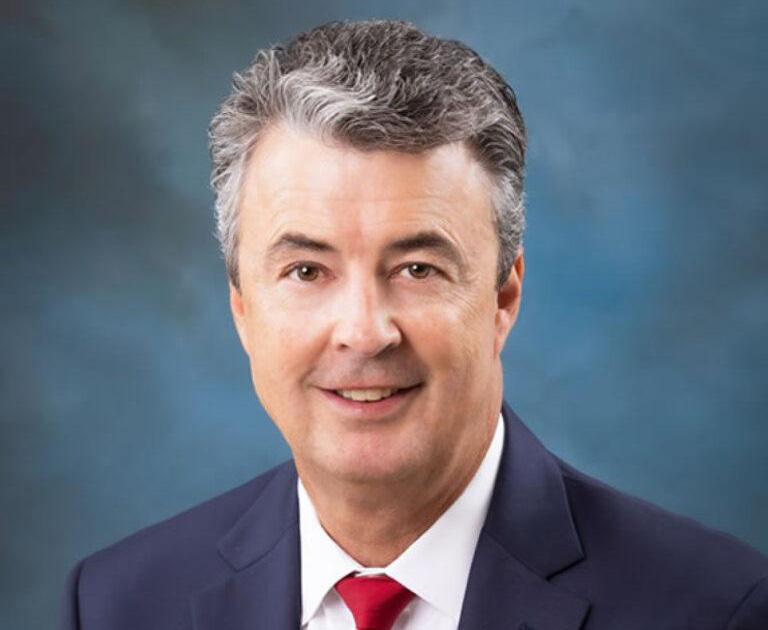
In Ohio, the ACLU and Planned Parenthood are suing the state Department of Health because of laws that make it hard to get abortion medications using telehealth services. A court there previously recognized telehealth medication abortion services as a safe and effective option. Now, the fight has grown bigger as the ACLU and Planned Parenthood challenge more Ohio laws, including those that prevent certain
health care professionals, like nurse practitioners, from providing medication abortions.
The case extends beyond Ohio; it shows how people in rural areas, already facing limited health care, are hit hardest by these restrictions. This is even more true for low-income women, who are six times more likely to have an abortion and twice as likely to lack health insurance compared to higher-income
women, per a Guttmacher Institute study.
The sheer scale of confusion required new legal tactics
“So many people across the country had questions,” said Clara Spera, senior counsel at the National Women’s Law Center, where she helps lead the Abortion Access Legal Defense Fund. “What can I do? What can I not do? What’s different today than it was yesterday? There was just a real need to navigate the chaos.”
The laws are not only changing rapidly — so that legal guidance that is relevant today could be out-of-date only weeks later — but these laws often change locally.
For example, in Texas last year, Lubbock County passed an ordinance that would bar pregnant people from driving through Lubbock County to get an abortion in another state. Meanwhile, the city council of neighboring Amarillo has yet to approve the travel ban.
To solve this issue — and provide legal expertise to attorneys navigating the
eateries were added to the guide for July. The guide makes additions occasionally throughout the year. In August, it will announce recipients of its cherished stars for the top places to dine.
The Los Angeles eateries added to the list for July are: -- Barra Santos in Cypress Park. “The focused menu is Portuguese and even features some family recipes,” according to the guide. “Plenty of items are designed for sharing, including their crispy and tender bacalhau fritters with salt cod, potato, and
matter. Soon after, Funderburk said he would vote in favor of Paradis’ contract, according to the State Bar. In a brief conversation outside the meeting room before voting to approve his contract, Funderburk allegedly told Paradis, “You take care of me, I take care of you.”
State Bar Chief Trial Counsel George Cardona said in a statement issued Wednesday, “As a steward of the City of Los Angeles’
Department of Water and Power overseeing an annual budget of $5.5 billion, Mr. Funderburk had an ethical and legal obligation to ensure that he did not take actions that might appear to be influenced by any conflicts of interest or gifts that he received. The disciplinary charges are based on his failure to comply with these obligations.”
Funderburk also faces disciplinary charges related to allegedly asking Paradis
By City News Service
caramelized onion, or charred cabbage over a bed of white beans studded with Iberico pork and garlic butter sauce.”
-- Danbi in Koreatown. “Chef Lareine Ko’s streamlined menu pops with large, shareable plates,” the guide raved. “The hit list includes mushroom bibimbap with fresh vegetables, as well as a crispy scallop pancake accompanied by a creamy mentaiko sauce. Wagyu Zabuton, cooked over charcoal and served on a hot cast iron skillet over a bed of grilled onions, is a solid winner.”
-- Grá in Echo Park. Guide authors hailed the pizza eatery as a “hip spot where the focus is on natural fermentation with sourdough pizza, seasonal pickled vegetables, and fermented drinks such as tepache. ... Classics like pepperoni will always rule, but hard hitters like stracciatella and prosciutto with basil and a drizzle of coffee-infused honey are worth noting.”
-- Leopardo in the former La Brea Bakery building. The guide hailed chef Joshua Skenes’ eatery as “a likeable spot with a laidback feel
to make a $2,700 donation to an unnamed U.S. Senator’s campaign during a time that such a donation would not be allowed given Funderburk’s city oversight of a business agreement with Paradis within the previous 12 months, according to Cardona.
“Bill now joins a long list of lawyers accused of misconduct by the architect of a massive scheme to defraud the city. Paul Paradis named Bill and as
many as 18 other attorneys in an ultimately unsuccessful attempt to save himself from prison,” JL Handzlik of Handzlik & Associates, who represents Funderburk in the State Bar matter, said in a statement provided to City News Service on Wednesday.
“Bill did nothing wrong. He did not seek or receive legal services from Paradis. Bill also did not solicit a $2700 contribution from Paradis. He sent out a
uncertainty — nonprofit legal organizations have banded together to form coalitions. One such example is the Abortion Defense Network, launched last year by several organizations, including the Lawyering Project, the ACLU and the National Women’s Law Center.
“The Abortion Defense Network leverages the resources and expertise of six leading reproductive rights organizations, and a number of very well respected nationwide law firms, to provide legal help, assistance and support to those who provide abortion care, those who help people obtain abortion care, or want to do one of those things,” Spera explained. This story was produced by The Marshall Project, a nonpartisan, nonprofit news organization that seeks to create and sustain a sense of national urgency about the U.S. criminal justice system, and reviewed and distributed by Stacker Media. The article was copy edited from its original version. Republished pursuant to a CC BY-NC 4.0 license.
where the menu leans on seafood with a few pizzas thrown in for good measure. Come with a group to sample a variety, beginning with crispy red flint waffles with bordier butter and maple syrup, and splurge by adding Ossetra caviar aged for six months with country bacon salt.”
-- Mae Malai Thai House of Noodles in East Hollywood.
“As the name suggests, their specialty is noodles, particularly boat noodles with a thick, intense broth and your choice of pork or beef, noodle type, and spice level,” accord-
ing to the guide. “Fret not if you can’t decide, as the bowls are small and ordering two or more varieties might just be the perfect compromise.” -- Stella in West Hollywood. The Italian eatery was hailed by the guide in part of its “lardo di Colonanta, a dish of thinly sliced and meltingly soft lardo paired with strawberries, razor-thin caciocavello cheese, and a balsamic amaro. Su Filindeu is an impressive pasta dish with hand- stretched noodles cooked in bone broth accompanied by braised lamb neck and pecorino dolce.”
commonplace mailer about a fundraising event for a U.S. senator from New York to numerous individuals. Among other things, it was unrelated to LADWP or the city. Once the full story is known, we feel confident Bill will be exonerated,” Handzlik continued.
Thomas Peters, a former senior lawyer for the LA City Attorney’s Office, was summarily disbarred in February following his felony conviction related
to the DWP billing scandal. Peters was sentenced to nine months of home detention last year after pleading guilty to a federal extortion charge and agreeing to cooperate in the probe into the city’s handling of the botched launch of the DWP billing system.
State Bar disciplinary proceedings on charges against attorney Michael Libman for his role in the matter are ongoing, the agency said.