
PG 02
MONDAY, APRIL 01- APRIL 07, 2024
PG 02
MONDAY, APRIL 01- APRIL 07, 2024

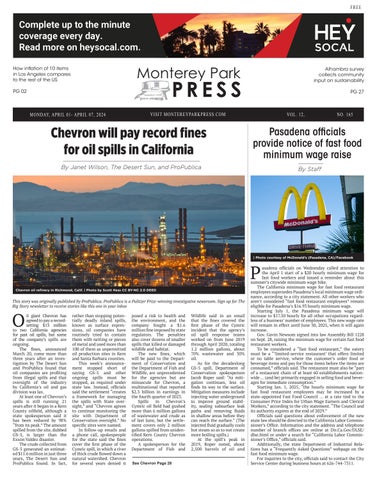
Oil giant Chevron has agreed to pay a recordsetting $13 million to two California agencies for past oil spills, but some of the company’s spills are ongoing.
The fines, announced March 20, come more than three years after an investigation by The Desert Sun and ProPublica found that oil companies are profiting from illegal spills and that oversight of the industry by California’s oil and gas division was lax.
At least one of Chevron’s spills is still running 21 years after it began in a Kern County oilfield, although a state spokesperson said it has been reduced by 98% “from its peak.” The amount spilled from the site, dubbed GS-5, is larger than the Exxon Valdez disaster.
The crude collected from GS-5 generated an estimated $11.6 million in just three years, The Desert Sun and ProPublica found. In fact,
rather than stopping potentially deadly inland spills, known as surface expressions, oil companies have routinely tried to contain them with netting or pieces of metal and used more than 100 of them as unpermitted oil production sites in Kern and Santa Barbara counties.
This week’s announcement stopped short of saying GS-5 and other ongoing spills must be stopped, as required under state law. Instead, officials said the settlement “creates a framework for managing the spills with State oversight,” and “Chevron agrees to continue monitoring the site with Department of Conservation oversight.” No specific sites were named.
In follow-up emails and a phone call, spokespeople for the state said the fines cover the first phase of the Cymric spill, in which a river of thick crude flowed down a natural watershed. Chevron for several years denied it
posed a risk to health and the environment, and the company fought a $1.6 million fine imposed by state regulators. The penalties also cover dozens of smaller spills that killed or damaged wildlife and habitat.
The new fines, which will be paid to the Department of Conservation and the Department of Fish and Wildlife, are unprecedented for the agencies but are minuscule for Chevron, a multinational that reported $2.3 billion in earnings in the fourth quarter of 2023.
Spills in Chevron’s Cymric oil field had gushed more than 6 million gallons of wastewater and crude as of last June, but the settlement covers only 2 million gallons spilled from unidentified Kern County Chevron operations.
A spokesperson for the Department of Fish and
Wildlife said in an email that the fines covered the first phase of the Cymric incident that the agency’s oil spill response teams worked on from June 2019 through April 2020, totaling 1.2 million gallons, about 70% wastewater and 30% oil.
As for the decadeslong GS-5 spill, Department of Conservation spokesperson Jacob Roper said: “As mitigation continues, less oil finds its way to the surface. Mitigation measures include injecting water underground to improve ground stability, sealing subsurface leak paths and removing fluids in shallow areas before they can reach the surface.” (The injected fluid gradually cools hot steam so as to not create more boiling spills.)
At the spill’s peak in 2019, Roper noted, about 2,500 barrels of oil and
PG 27

Pasadena officials on Wednesday called attention to the April 1 start of a $20 hourly minimum wage for fast food workers and issued a reminder about this summer’s citywide minimum wage hike.
The California minimum wage for fast food restaurant employees supersedes Pasadena’s local minimum wage ordinance, according to a city statement. All other workers who aren’t considered “fast food restaurant employees” remain eligible for Pasadena’s $16.93 hourly minimum wage.
Starting July 1, the Pasadena minimum wage will increase to $17.50 hourly for all other occupations regardless of a business’ number of employees. This new wage rate will remain in effect until June 30, 2025, when it will again increase.
Gov. Gavin Newsom signed into law Assembly Bill 1228 on Sept. 28, raising the minimum wage for certain fast food restaurant workers.
To be considered a “fast food restaurant,” the eatery must be a “’limited-service restaurant’ that offers limited or no table service, where the customer’s order food or beverage items and pay for those items before the items are consumed,” officials said. The restaurant must also be “part of a restaurant chain of at least 60 establishments nationwide ... (and be) primarily engaged in selling food and beverages for immediate consumption.”
Starting Jan. 1, 2025, “the hourly minimum wage for fast food restaurant employees may be increased by a state-appointed Fast Food Council ... at a rate tied to the Consumer Price Index for Urban Wage Earners and Clerical Workers,” according to the city statement. “The Council and its authority expires at the end of 2029.”
Officials said questions about enforcement of the new state law should be directed to the California Labor Commissioner’s Office. Information and the address and telephone number of branch offices are online at Dir.Ca.Gov/DLSE/ dlse.html or under a search for “California Labor Commissioner’s Office,” officials said.
Additionally, the state Department of Industrial Relations has a “Frequently Asked Questions” webpage on the fast food minimum wage.
For inquiries to the city, officials said to contact the City Service Center during business hours at 626-744-7311.
The Arcadia Recreation & Community Services Departmenthas declared Joanna Ling the city’s 2023 senior of the year, officials announced Tuesday.
A frequent volunteer and active member of a variety of community organizations, Ling was chosen as the 2023 honoree after the department fielded nominations of Arcadia residents 55 and over who have “contributed to better the Arcadia community,” according to the city’s announcement. The Arcadia senior commissioners vote on the nominations.
Since the mid-1990s Ling has served as a volunteer board member to as well as president of many Arcadia organizations, city officials said. Groups she’s been involved with include the Arcadia Unified School District Booster Club, Mentor Mom, Arcadia Chinese Association, Arcadia Library English Conversation Class Chair, Arcadia Library Foundation Board of Trustees, the Gilb Museum of Arcadia Heritage, Las Alas, Arcadia Women’s Club and quite a
How inflation of 10 items in Los Angeles compares to the rest of theBy Stacker By Staff

few more.
“The City of Arcadia would like to congratulate Joanna for her efforts for going above and beyond on her many contributions and accolades within the community,” officials said in a statement.
Ling is set to receive honors at the 2024 Older
American Recognition Lunch. The event will be hosted by the Los Angeles County Commission for Older Adults and the county Aging & Disabilities Department on May 16 at the Dorothy Chandler Pavilion in downtown LA.
Ling is also scheduled be honored at the Arcadia City Council meeting on May 21.


The past two years of inflation have hit home for all Americans, but it hasn’t hit the same everywhere.
Inflation typically moves in unison across regions, and the same has been true for the rampant inflation recently. However, there are slight differences in price changes across regional economies, which become more pronounced at the metro level.
In Los Angeles, annual inflation was 3.4% in February, compared to 3.2% nationally.
Changes in housing prices often drive differences in inflation in various parts of the country. The U.S. West and South have grown their populations most in recent years, creating more demand for housing and, in turn, higher increases in the cost of housing and of goods overall, according to an analysis by the Federal Reserve Bank of Chicago.
Some other goods aren’t easy to transport or can be more susceptible to supply chain disruptions for certain regions. For instance, when gas prices go up, transporting out-of-season produce to metros with colder temperatures becomes more expensive. In contrast, metros in warmer climates may be able to continue growing that produce locally and wouldn’t see the same price escalations.
Electricity costs can vary widely, too, depending on the primary energy sources used in different metros and the global and environmental influences they face.
To get a better sense of these differences, Stacker used Bureau of Labor Statistics data to compare the change in cost of 10 commodities in Los Angeles to national price changes for the same items in February, the latest data available. Some metros only provide data for certain items every other month; in those cases, January data was used, and only annual inflation figures were available.
Read on to see how inflation of various commodities compares.
Apparel
- Annual change in cost in Los Angeles: No change
--- Nationwide: No change
- One-month change in cost in Los Angeles: -5.3%
--- Nationwide: +3.2%
Cereals and bakery products
- Annual change in cost in Los Angeles: +0.5%
--- Nationwide: +1.7%
- One-month change in cost in Los Angeles: +0.7%
--- Nationwide: +0.6%
Meats, poultry, fish, and eggs
- Annual change in cost in Los Angeles: +3.9%
--- Nationwide: -0.5%
- One-month change in cost in Los Angeles: +1.2%
--- Nationwide: +0.1%
Fruits and vegetables
- Annual change in cost in Los Angeles: No change
--- Nationwide: +0.8%
- One-month change in cost in Los Angeles: -0.9%
--- Nationwide: -0.2%
Nonalcoholic beverages and beverage materials
- Annual change in cost in Los Angeles: +0.6%
--- Nationwide: +2.3%
- One-month change in cost in Los Angeles: -1.6%
--- Nationwide: +0.2%
Housing
- Annual change in cost in Los Angeles: +4.4%
--- Nationwide: +4.5%
- One-month change in cost in Los Angeles: +0.4%
--- Nationwide: +0.5%
Dairy and related products
- Annual change in cost in Los Angeles: -3.6%
--- Nationwide: -1.8%
- One-month change in cost in Los Angeles: -2.2%
--- Nationwide: -0.6%
Electricity
- Annual change in cost in Los Angeles: +5.1%
--- Nationwide: +3.6%
- One-month change in cost in Los Angeles: No change
--- Nationwide: -0.1%
Utility gas
- Annual change in cost in Los Angeles: -24.4%
--- Nationwide: -8.8%
- One-month change in cost in Los Angeles: +3.0%
--- Nationwide: +0.7%
Gasoline
- Annual change in cost in Los Angeles: +0.9%
--- Nationwide: -3.9%
- One-month change in cost in Los Angeles: +3.1%
--- Nationwide: +4.3%
This story features data reporting and writing by Paxtyn Merten and is part of a series utilizing data automation across 23 metros.
Republished pursuant to a CC BY-NC 4.0 license. This article was retitled and copy edited from its original version.
HLRMedia coM
Editorial editorial@beaconmedianews.com editor@hlrmedia.com
Graphics/Production production@beaconmedianews.com production@hlrmedia.com
Advertising advertising@beaconmedianews.com advertising@hlrmedia.com
Legal Advertising legals@beaconmedianews.com legals@hlrmedia.com
Business accounting@beaconmedianews.com accounting@hlrmedia.com
BEACON MEDIA ADDRESS: 820 S. Myrtle Ave. Monrovia, CA 91016
PHONE: (626) 301-1010
WEBSITE www.beaconmedianews.com
HLR MEDIA ADDRESS: 820 S. Myrtle Ave. Monrovia, CA 91016 PHONE: (626) 301-1010 www.HLRmedia.com
PRESS RELEASE SUBMISSIONS editor@beaconmedianews.com editor@hlrmedia.com




AThe

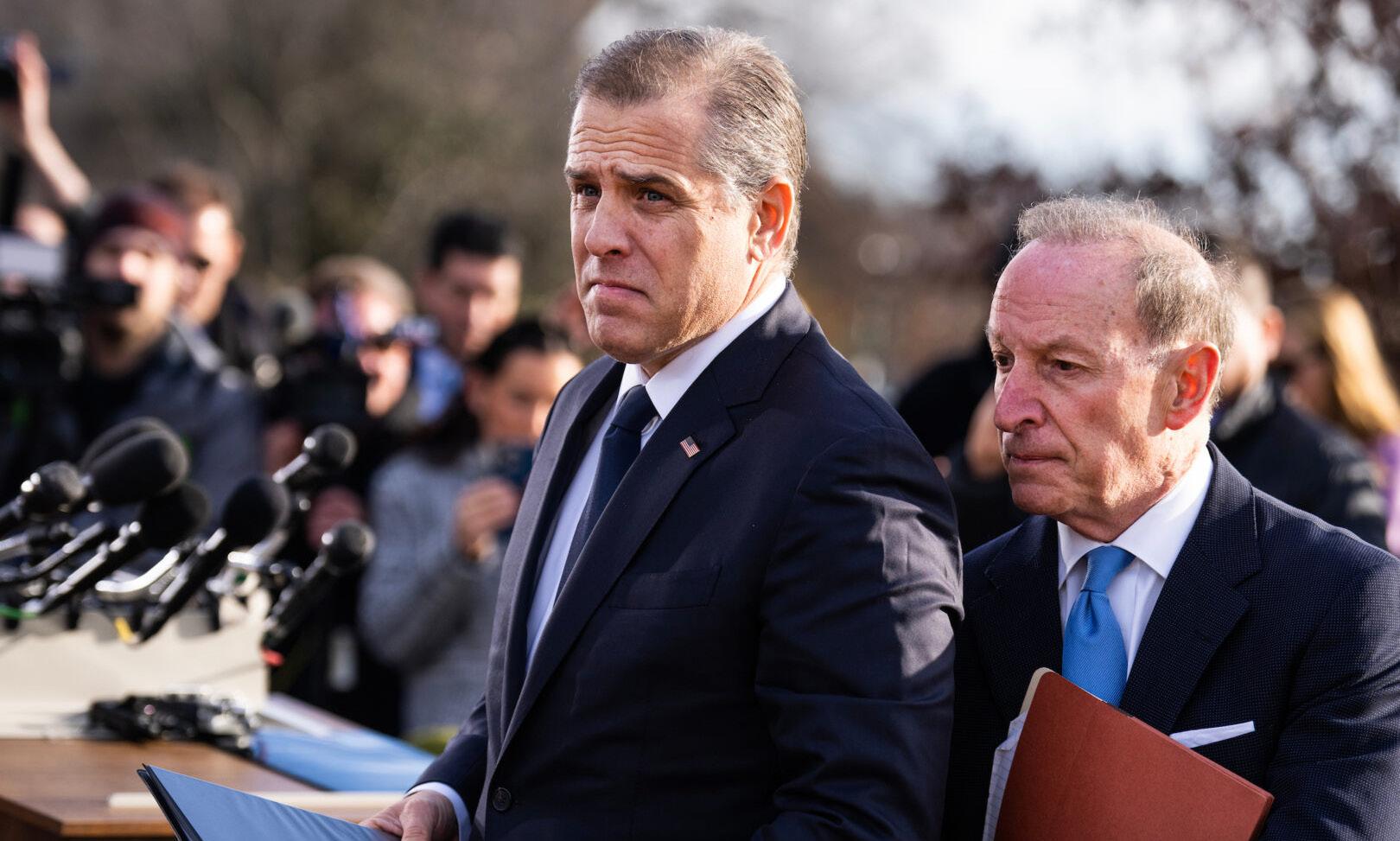
Los Angeles federal judge heard arguments Wednesday but made no decision in Hunter Biden’s bid for dismissal of charges in his tax case.
The president’s son did not attend the hearing in downtown Los Angeles.
Biden alleges prosecutors gave in to pressure from Republican lawmakers, who launched an impeachment inquiry into his father, President Joe Biden, after an earlier plea deal in Delaware in a different case fell through.
U.S. District Judge Mark Scarsi did not indicate when he would rule on defense motions to toss the tax case.
“This case follows a nearly six-year record of (the Justice Department) changing its charging decisions and upping the ante on Mr. Biden in direct response to political pressure and its own self-interests,” Hunter Biden’s lawyers wrote in legal filings.
The president’s son was charged in an indict-
ment returned Dec. 7 in Los Angeles on nine federal tax charges for allegedly refusing to pay his taxes.
Biden, 54, of Malibu, “spent millions of dollars on an extravagant lifestyle rather than paying his tax bills,” the indictment alleges. He entered a not guilty plea in January on the tax charges and a June 20 trial date was set. In October, the president’s son pleaded not guilty in Wilmington, Delaware, to three counts related to lying on a federal form to acquire a Colt Cobra handgun in 2018 and for being an illegal drug user in possession of the gun.
Regarding the tax charges, the 56-page indictment says that, between 2016 and Oct. 15, 2020, “the defendant spent this money on drugs, escorts and girlfriends, luxury hotels and rental properties, exotic cars, clothing, and other items of a personal nature, in short, everything but his taxes.”
Hunter Biden faces three felony counts, including
tax evasion, and six misdemeanor counts of failure to pay taxes.
The Delaware case alleges that Hunter Biden broke laws against drug users having guns in 2018. In July, he had agreed to plead guilty there to two misdemeanor tax counts and acknowledge a firearms violation without a conviction, receiving no jail time. But the deal collapsed when the judge questioned its terms and refused to sign off on it.
His attorney, Abbe Lowell, said in a statement when the tax charges were announced that “based on the facts and the law, if Hunter’s last name was anything other than Biden, the (previously announced firearms) charges in Delaware, and now California, would not have been brought.”
Lowell said, “Now, after five years of investigating with no new evidence -- and two years after Hunter paid his taxes in full -- the U.S. Attorney has piled on nine new charges when he had
agreed just months ago to resolve this matter with a pair of misdemeanors.”
Described in the indictment as a Georgetown- and Yale-educated lawyer, lobbyist, consultant and businessperson, Hunter Biden served on the board of a Ukrainian industrial conglomerate and a Chinese private equity fund during the time of the tax allegations.
“He negotiated and executed contracts and agreements for business and legal services that paid millions of dollars of compensation to him and/ or his domestic corporations, Owasco PC and Owasco LLC,” according to the indictment.
In addition to his business interests, the defendant was an employee of a multinational law firm, the document states.
At the time of the now-defunct plea deal in Delaware, Biden said he had forgotten to pay his taxes during a period when he was in the grip of drug addiction.


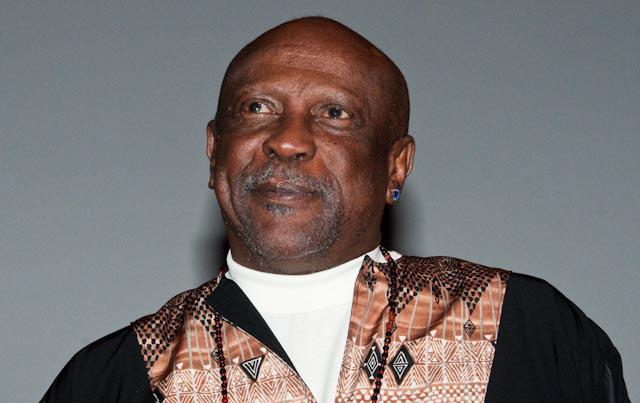
Louis Gossett Jr., a groundbreaking actor who won an Oscar and an Emmy for his roles, has died in Santa Monica, according to media reports Friday. He was 87.
Gossett was the first Black man to win an Oscar for best supporting actor and won an Emmy Award for his role in the television miniseries “Roots.” He died Thursday and no cause of death was reported.
He won an Academy
Award for his role in the movie “An Officer and a Gentleman.”
Gossett attended New York University on a basketball and drama scholarship and made appearances on TV shows hosted by David Susskind, Ed Sullivan, Red Buttons, Merv Griffin, Jack Paar and Steve Allen.
He went to Hollywood in 1961 to make the movie version of “A Raisin in the Sun.” He returned to Hollywood in 1968 to make an
NBC made-for-TV movie, “Companions in Nightmare.”
He made guest appearances on TV shows, “Bonanza,” “The Rockford Files,” “The Mod Squad,” “McCloud” and “The Partridge Family” during his acting career.
Gossett was born on May 27, 1936, in Coney Island in Brooklyn.
He was the third Black actor nominated for an Oscar in a supporting role in 1983. He played an intimi-
dating Marine drill sergeant opposite Richard Gere in “An Officer and a Gentleman” with Debra Winger. He also won the Golden Globe for the same role.
He is survived by sons Satie, a producer and director, and Sharron, a chef who he adopted.
He was married three times. The first time was to Hattie Glascoe, the second to Christina Mangosing and the third to actor Cyndi James-Reese.
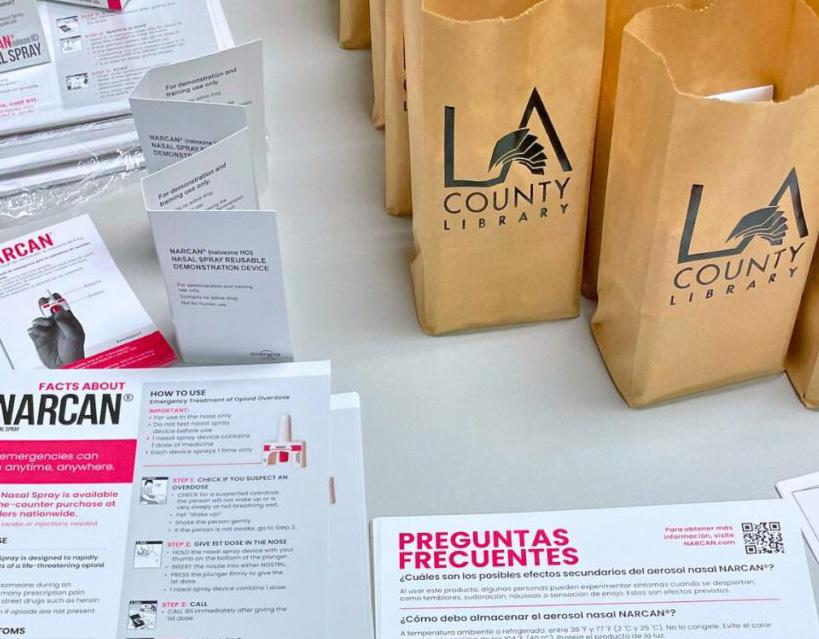
California’sNaloxone DistributionProject
now includes fentanyl test strips in overdose prevention kits distributed statewide, officials announced Thursday.
Gov. Gavin Newsom’s plan for combatting the opioid crisis allotted $6 million to add the fentanyl-detection strips to overdose prevention kits that have naloxone, a drug that can reverse an overdose commonly known as Narcan or Evzio.
The kits have reversed more than 249,000 reported opioid overdoses since the California Department of Health Care Services Department launched the naloxone project in 2018, according to the DHCS. More than 3.9 million overdose prevention kits have been distributed to municipalities and community organizations.
More than 550,000 fentanyl test strips have been distributed within the effort’s first week, according to the governor’s office.
“California is committed to combatting the opioid and fentanyl crisis,” DHCS Director Michelle Baass said in a statement.
“Fentanyl test strips are a powerful tool for effective opioid-related overdose prevention. We urge our community partners to apply for this additional
tool to help us tackle this crisis.”
Some eligible organizations are first responders including paramedics, firefighters, law enforcement authorities; courts and criminal justice organizations; community organizations including libraries, veterans groups and religious organizations; “harm reductions organizations”; schools and universities; organizations that serve the homeless population; hospitals and medical facilities; addiction recovery and therapy facilities; county public health or behavioral health agencies; city agencies; and tribal entities , according to the state.
“Harm reduction programs like this one are a huge part of how we better protect people, how we get them into treatment,” California Health and Human Services Secretary Mark Ghaly said in a statement. “This work is time tested. Shame isn’t a solution; support and science-driven policy is.”
LA County libraries expand naloxone clinics
On Wednesday, Los Angeles County health officials announced the addition of naloxone clinics at 10 libraries.
The clinics will operate Wednesdays from noon to
4 p.m. through June 26 at these locations: A C Bilbrew Library, East Los Angeles Library, El Monte Library, Lancaster Library, Leland R. Weaver Library, Lennox Library, Norwalk Library, San Fernando Library, Temple City Library and West Hollywood Library.
Staff at the clinics will provide naloxone kits and offer training to visitors on how to administer the overdose prevention drug.
“Libraries are trusted community spaces where people seek information and resources. Through our Naloxone clinics, we’re extending our reach to contribute to the health and wellbeing of our neighbors,” Los Angeles County Library Director Skye Patrick said in a statement.
Naloxone is a nasal spray that can swiftly stop the effects of opioid overdoses. Officials hope the clinics will stem the rising number of overdose deaths, especially those tied to fentanyl, which is the leading cause of overdose deaths in the county.
Fentanyl earned deadliest-drug-in-the-region status when the opioid caused about 59% of the alcohol and drug overdose deaths in 2022, surpassing methamphetamine deaths, according to the
LA County Department of Public Health’s Bureau of Substance Abuse Prevention and Control.
The bureau also logged a 1,652% increase in accidental fentanyl overdose fatalities between 2016 and 2022, skyrocketing from 109 to 1,910 deaths.
“In the worst overdose crisis in local history, the Los Angeles County
Department of Public Health welcomes L.A. County Library’s leadership to promote universal access to Naloxone,” agency Director Barbara Ferrer said in a statement. “Naloxone is a lifesaving medicine that quickly reverses an opioid overdose. Community access means more lives can be saved.”
More information on the overdose prevention clinics is online at lacountylibrary. org/naloxone.
The state recently launched opioids.ca.gov, a hub for overdose prevention and treatment resources that also has information “on how California is working to hold Big Pharma and drug-traffickers accountable in this crisis,” officials said.

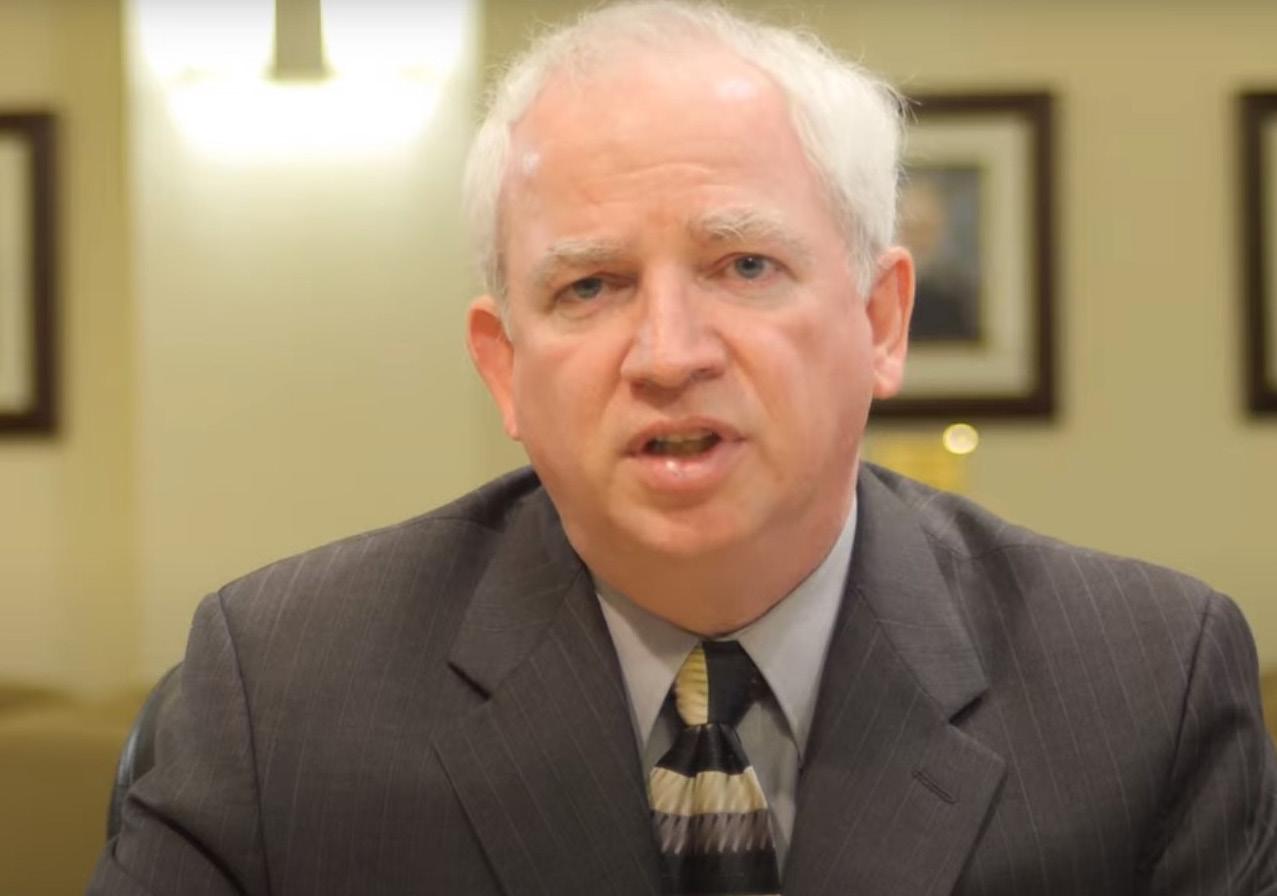
ACaliforniaState Barhearingjudge Wednesdayrecommendeddisbarmentfor one-time Chapman University law school dean John Eastman for his role as former President Donald Trump’s attorney in attempts to delay or block the certification of the election of President Joe Biden.
The hearing judge, Yvette D. Roland, also recommended Eastman, who was admitted to the State Bar in 1997, pay $10,000. Half of the $10,000 fine is for filing lawsuits “seeking to mislead the courts,” and the other half is for “making numerous false and misleading statements” regarding the 2020 election and certification of the vote.
It will now be up to the state Supreme Court to make a final ruling on the recommended disbarment.
Eastman’s attorney, Randall Miller, issued a statement saying, “we are confident the review court will swiftly provide a remedy.”
In her ruling, Roland rejected Eastman’s arguments that he was acting in good faith on behalf of a client — Trump.
She noted that, “Even if Eastman honestly believed he acted in good faith, it was not objectively reasonable for him to have such belief,” she wrote.
She also faulted him for not comprehending the allegations against him
“Despite the compelling evidence against him ... Eastman remains defiant, refusing to acknowledge any impropriety whatsoever in his actions surrounding his efforts to dispute the 2020 presidential election results,” Roland wrote in her opinion. “His lack of insight into the wrongfulness of his misconduct is deeply troubling.”
She added: “Eastman’s complete denial of wrongdoing, coupled with his attempts to discredit legitimate disciplinary proceedings are concerning. While Eastman is entitled to defend himself, his conduct goes beyond this, revealing a complete failure to understand the wrongfulness of his actions.”
Eastman began making national headlines when he addressed the crowd of Trump supporters in Washington, D.C., before the Jan. 6, 2021, attack on the U.S. Capitol aimed at halting the certification of President Joseph Biden’s election.

It set off a firestorm at Chapman University, where some faculty and students pushed for the ouster of Eastman, who had been its law school dean from 2007-10. Eastman agreed to retire in January 2021.
A year later, Eastman sued the congressional Jan. 6 committee seeking to block lawmakers from accessing his Chapman emails. That litigation ultimately led U.S. District Judge David O. Carter to turn over some emails that would normally be kept private by law because Carter concluded there was evidence a crime was committed in efforts to overturn the election results.
Eastman then faced discipline from the State Bar, which sought to disbar the constitutional scholar. Eastman and his attorneys sparred with the Bar’s lawyers for 35 days of trial that included 23 witnesses.
During the trial, Eastman was indicted in Georgia with multiple other defendants, including the ex-president, on election fraud charges.
Miller noted the criminal case in Georgia, arguing it was unfair to strip his client of his law license as he prepares to defend himself.
“Any reasonable person can see the inherent unfairness of prohibiting a presumed-innocent defendant from being able to earn the funds needed to pay for the enormous expenses required to defend himself, in the profession in which he has long been licensed,” Miller said. “That is not justice and serves no legitimate purpose to protect the public.”
Eastman was accused by the State Bar of conspir-
ing with Trump “to develop and implement a strategy to obstruct the counting of electoral votes on January 6, 2021, and to illegally disrupt the peaceful transfer of power to President-elect Joseph Biden, knowing that there was no plausible evidence, and no good faith theory or argument, to lawfully undo or delay the January 6 electoral count,” State Bar attorney Duncan Carling argued in his closing brief.
In her ruling, Roland disagreed with the Bar’s prosecutors that Eastman’s “misconduct contributed to the violent attack on the Capitol on Jan. 6, 2021,” citing a lack of “specific evidence” of that.
“Here, the connection between Eastman’s actions and the alleged harm remains speculative,” Roland wrote.
Roland said there was no previous case history that was “directly on point” regarding the allegations presented in Eastman’s case, but she agreed with prosecutors that the most closely aligned precedent involved former President Richard Nixon campaign supporter Don Segretti.
“The scale and egregiousness of Eastman’s unethical actions far surpasses the misconduct at issue in Segretti,” Roland said. “Unlike Segretti, whose offenses occurred outside his role as an attorney, Eastman’s wrongdoing was committed directly in the course and scope of his representation of President Trump and the Trump campaign. This is an important factor, as it constitutes a fundamental breach of an attorney’s core
ethical duties.”
Segretti, she noted, was 30 at the time and was remorseful.
“To the contrary, Eastman has exhibited an unwillingness to acknowledge any ethical lapses regarding his actions, demonstrating an apparent inability to accept responsibility,” Roland said. “This lack of remorse and accountability presents a significant risk that Eastman may engage in further unethical conduct, compounding the threat to the public.”
Carling, the Bar prosecutor, noted in his closing brief that by mid-December 2020, courts in seven key states where election challenges had been made were “uniformly rejected.” The Trump administration’s Justice and Homeland Security Departments had also rebuked Trump’s claims of widespread fraud, Carling added.
The governors in the seven states, including
some who were Republicans with legislative majorities, had certified Biden’s election. The Electoral College had also certified the results.
“By the time (Eastman) wrote his Dec. 23 and Jan. 3 memoranda, therefore, he knew that there could be no true dispute about who had won the election,” Carling said.
Still, Eastman pressed then-Vice President Mike Pence to reject the slates of electors in the seven states or send them back to the state legislatures for continued investigation of the debunked fraud claims, Carling said. That move would violate the Electoral Count Act, which has been in place for more than a century, Carling said.
He added, “it would effectively make Pence the sole and final super- judge of the lawfulness of state
elections — and, indeed, of his own election — contrary to the Framers’ intent, established principles of federalism and separation of powers, and any notion of checks and balances.”
Carling also criticized Eastman’s speech at the Ellipse before mobs of Trump supporters marched over to the Capitol, with many rioting and breaking into the buildings to disrupt Congress from certifying Biden’s victory. Eastman continued making the case to Pence’s attorney even as the violence was unfolding, Carling added.
Eastman relied on and “purposely parroted the misguided opinions and narratives of demonstrably unqualified, unvetted, and unreliable ‘experts,’” Carling said.
Carling pointed out that even Eastman’s own expert, John Yoo, acknowledged that Biden won “fair and square” in his testimony. Carling added that Yoo himself capitulated when then-U.S. Attorney General Bill Barr declared there was no evidence of widespread fraud in the election.
Eastman’s “misconduct is much more egregious and has a direct correlation to the Jan. 6 riot, which caused serious physical harm,” Carling said.
Eastman’s attorney, Miller, however, argued that the “renowned constitutional scholar, professor, and former dean” did nothing wrong and was “zealously” advocating for his client as he pursued a legal theory.
Eastman “based on thorough research and his extensive knowledge

(gained during decades of scholarly study) of core separation of powers principles codified in the Constitution, Dr. Eastman determined that another viable remedy was for the President of the Senate (the vice president of the United States) to accede to requests from state legislators for a brief delay in the electoral college proceedings, in order to allow for additional time for state legislatures to exercise their constitutional power of determining whether illegality in the election had affected the outcome,” Miller wrote in his closing brief.
Miller contended that it was still an “open question” how much authority the vice president has in the counting of electoral votes.
“Crafting such legal arguments, grounded in a good-faith interpretation of the historical record and not foreclosed by precedent, is precisely what is demanded of attorneys in our adversarial system,” Miller said.
Miller further argued that Eastman was “fully protected by the First Amendment” in his statements about election fraud.
Former Vice President Mike Pence’s attorney, Greg Jacob, testified during the disbarment hearing that all his former boss was tasked with doing was opening the envelopes from the electors and recording the results. Jacob said Pence lacked any authority to delay the proceedings or reject any of the electors who sided with Biden.
Jacob said there is nothing in the U.S. Constitution that spells out anything about the role of the vice president — as president of the U.S. Senate — in certifying the electoral college results other than opening them. It is a “ministerial” role, he said.
Roland noted in her ruling that Eastman’s testimony in the trial “seemed evasive and inconsistent at times and there is limited clear and convincing evidence to establish that Eastman was dishonest in his testimony.”
Roland did acknowledge Eastman presented 14 written testimonials and five live witnesses during the trial to testify to his good character.
“Despite their awareness of the pending charges, the witnesses consistently and uniformly attested to Eastman’s positive character traits, such as his professionalism, integrity, honesty, fairness and respect,” Roland said.

California State University has been awarded $1.5 million from the Mellon Foundation to help bolster existing ethnic studies programs and support the development of new courses, it was announced Thursday.
CSU is among five public universities receiving select larger grants as part of the foundation’s Affirming Multivocal Humanities initiative. In all, the foundation is awarding more than $18 million to 95 curricular programs across the nation.
“The CSU is grateful to the Mellon Foundation for this generous funding, which is an important step to expand pathways and enhance classroom experiences in ways that intentionally link race and ethnicity and gender and sexuality concepts into the course content,” Laura Massa, interim associate vice chancellor of Academic and Faculty Programs at the CSU Chancellor’s Office, said in a statement.
“These disciplines

are critical for creating a shared language and understanding of our students’ diverse histories, backgrounds and experiences — and ultimately a more equitable society.”
Support for existing programs could include adding new degree concentrations, establishing transfer pathways and
creating blended bachelor’s-master’s degree programs.
The CSU Chancellor’s Office said it also plans to host a convening of ethnic studies and gender and sexuality studies faculty from across the system to gather collective input, which will inform grant distribution.

Subject: The City of Pasadena proposes to change Morton Avenue from Hammond Street to Mountain Street to “Troop Way”, as one of two options. The other option is Dayton Street between Fair Oaks Avenue and Raymond Avenue.
Environmental: This project has been determined to be Categorically exempt from the California Environmental Quality Act (CEQA) under Section 15061(b)(3), common sense exemption that CEQA only applies to projects that have the potential for causing a significant effect on the environment; as well as under Section 15301 as a minor alteration of an existing facility with no change in capacity.
NOTICE IS HEREBY GIVEN that the City Council will hold a public hearing on the proposed street name change. The hearing is scheduled for:
Date: April 15, 2024
Time: 5:30 pm.
Place: City Hall Council Chambers 100 N. Garfield Avenue Pasadena, CA 91101
Public Information: Any interested party or their representative may appear at the hearing and comment on the project. Written comments may also be mailed to the Department of Public Works by April 5, 2024.
For more information about the street name change:
Contact Person: Yannie Wu-Bowman, P.E.
Phone: (626) 744-3762 E-mail: ywu-bowman@cityofpasadena.net
Mailing Address: Department of Public Works, Engineering Services Section, 175 North Garfield Avenue, 2nd Floor, Pasadena, CA 91101.
Pursuant to the requirements of Chapter 2 of Division 2, Section 970.5 of the California Streets and Highways Code, this notice is posted to provide a 10-day notification of the proposed street name change.
ADA: In compliance with the Americans with Disabilities Act (ADA) of 1990, assistive listening devices are available at all Pasadena City Council Meetings. Assistive listening headphones and neck loops can be checked out at the desk of the sergeant-at-arms, located inside the City Council Chambers. Language translation services are available for this meeting by calling (626) 744-4124 at least 24 hours in advance.
Date of Notice: March 26, 2024
Publish April 1, 2024
NOTICE OF PUBLIC HEARING
Notice of Public Hearing for Proposed Street Name Change
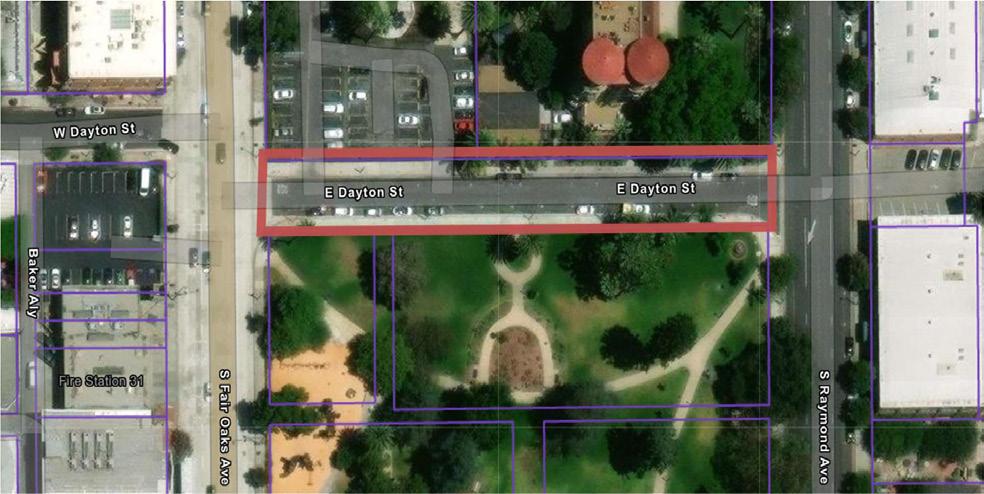
Subject: The City of Pasadena proposes to change Dayton Street between Fair Oaks Avenue and Raymond Avenue to “Troop Way”, as one of two options. The other option is Morton Avenue from Hammond Street to Mountain Street.
Environmental: This project has been determined to be Categori-
cally exempt from the California Environmental Quality Act (CEQA) under Section 15061(b)(3), common sense exemption that CEQA only applies to projects that have the potential for causing a significant effect on the environment; as well as under Section 15301 as a minor alteration of an existing facility with no change in capacity.
Date: April 15, 2024
Time: 5:30 pm.
Subject: The City of Pasadena proposes to change Dayton Street between Fair Oaks Avenue and Raymond Avenue to “Troop Way”, as one of two options. The other option is Morton Avenue from Hammond Street to Mountain Street.
Place: City Hall Council Chambers 100 N. Garfield Avenue Pasadena, CA 91101
NOTICE IS HEREBY GIVEN that the City Council will hold a public hearing on the proposed street name change. The hearing is scheduled for:
Environmental: This project has been determined to be Categorically exempt from the California Environmental Quality Act (CEQA) under Section 15061(b)(3), common sense exemption that CEQA only applies to projects that have the potential for causing a significant effect on the environment; as well as under Section 15301 as a minor alteration of an existing facility with no change in capacity.
NOTICE IS HEREBY GIVEN that the City Council will hold a public hearing on the proposed street name change. The hearing is scheduled for:
No person shall, on the grounds of race, religious creed, color, national origin, ancestry, sex, age, or disability be excluded from participation in or be subject to discrimination in any program or activity funded, in whole or in part, by public funds. If you challenge the matter in Court, you may be limited to raising those issues you or someone else raised at the public hearing, or in written correspondence sent to the Council or the case planner at, or prior to, the public hearing.
ADA: To request a disability-related modification or accommodation necessary to facilitate meeting participation, please contact the City Clerk’s Office as soon as possible at (626) 744-4124 or cityclerk@ cityofpasadena.net. Providing at least 72 hours advance notice will help ensure availability.
Public Information: Any interested party or their representative may appear at the hearing and comment on the project. Written comments may also be mailed to the Department of Public Works by April 5, 2024.
For more information about the street name change:
Contact Person: Yannie Wu-Bowman, P.E.
Publish Date: Mark Jomsky
Publication Names: Pasadena Press City Clerk
Publish April 1, 2024
PASADENA PRESS
Date: April 15, 2024 Time: 5:30 pm. Place: City Hall Council Chambers 100 N. Garfield Avenue Pasadena, CA 91101
Phone: (626) 744-3762 E-mail: ywu-bowman@cityofpasadena.net
Mailing Address: Department of Public Works, Engineering Services Section, 175 North Garfield Avenue, 2nd Floor, Pasadena, CA 91101.
Public Information: Any interested party or their representative may appear at the hearing and comment on the project. Written comments may also be mailed to the Department of Public Works by April 5, 2024.
For more information about the street name change:
Contact Person: Yannie Wu-Bowman, P.E.
Phone: (626) 744-3762 E-mail: ywu-bowman@cityofpasadena.net
Mailing Address: Department of Public Works, Engineering Services Section, 175 North Garfield Avenue, 2nd Floor, Pasadena, CA 91101.
Pursuant to the requirements of Chapter 2 of Division 2,
Pursuant to the requirements of Chapter 2 of Division 2, Section 970.5 of the California Streets and Highways Code, this notice is posted to provide a 10-day notification of the proposed street name change.
ADA: In compliance with the Americans with Disabilities Act (ADA) of 1990, assistive listening devices are available at all Pasadena City Council Meetings. Assistive listening headphones and neck loops can be checked out at the desk of the sergeant-at-arms, located inside the City Council Chambers. Language translation services are available for this meeting by calling (626) 744-4124 at least 24 hours in advance.
Date of Notice: March 26, 2024
Publish April 1, 2024 PASADENA PRESS
In accordance with Section 903 of the City Charter, notice is hereby given that the City Council of the City of Pasadena will hold a public hearing on the Recommended Capital Improvement Program component of the proposed budget for the City of Pasadena for Fiscal Years 2025 – 2029, which will be held at the time and place listed below:
DATE: April 15, 2024
TIME: 5:30 P.M.
PLACE: City Council Meeting City Hall Council Chambers, Room S249 100 North Garfield Avenue Pasadena, CA 91101
The Capital Improvement Program comprises Fiscal Years 2025 through 2029 and contains proposed projects which include municipal buildings and facilities; streets and streetscapes; street lighting; street lighting and electrical system undergrounding; parking; transportation; sewers and storm drains; Rose Bowl improvements; parks and landscaping; Arroyo projects; Pasadena Center improvements; water system; electric system; and technology projects.
Public Information: All interested persons may submit written correspondence to correspondence@cityofpasadena.net prior to the start of the City Council meeting. Written correspondence can also be mailed to the City Clerk at the City Clerk’s Office, 2nd Floor, 100 North Garfield Avenue, Pasadena, California, 91109. During the meeting and prior to the close of the public hearing, members of the public may provide live public comment. Please refer to the City Council agenda when posted for instructions on how to participate in the meeting and provide live public comment.
A copy of the Recommended FY 2025 through 2029 Capital Improvement Program Budget will be available for public inspection after April 1, 2024 at the City Clerk’s Office. Electronic versions will also be available after April 1, 2024 on the City’s website at https:// www.cityofpasadena.net/public-works/engineering-and-construction/capital-improvement-program. Attachment A
If you applied to the City of Pasadena Section 8 waiting list in 2002, 2008, or 2014 and received an email or postcard from the City of Pasadena Housing Department telling you that the waiting list expired and your application was removed, this Public Notice affects your rights. You must act within 45 days of the published date of this notice.
In November 2022, the City of Pasadena Housing Department notified applicants who applied for Section 8 rental assistance in 2002, 2008, or 2014 and were on the waiting list that the waiting list had expired, and their application was removed from the waiting list. The policy that removed these applications has been reversed.
If you were informed that your application was removed from the City of Pasadena Section 8 waiting list due to the waiting list expiration policy, follow the instructions below to have your application returned to the waiting list with the original date and time of the application reinstated and any applicable preferences given.
To reinstate your application on the City of Pasadena Section 8 waiting list, within 45 days of the date of this notice, go to https://section8waitlist.cityofpasadena.net/ and follow the instructions to verify your family information and your current address. The online form is available in English, Spanish, and Armenian. If you need a reasonable accommodation, language assistance, or any other assistance to complete the online form or to be reinstated, please contact the City of Pasadena Citizen Service Center at 626 744-7311 (TDD 800 855-7100 or by dialing 711 from any phone) Monday-Friday 7:30 a.m.-5:00 p.m.
Applications are selected from the waiting list based on preference. Preference is given to households that live or work in Pasadena, have a head of household with a disability or who is a veteran, or are experiencing homelessness.
Once your application is reinstated, the City of Pasadena Housing Department will contact you periodically to verify that you are still interested in remaining on the waiting list. The City of Pasadena Housing Department will also contact you once your application is reached on the waiting list. You will need to respond to these notices within the timeframe stated on the notice.
ՀԱՍԱՐԱԿԱԿԱՆ ԾԱՆՈՒՑՈՒՄ՝ ՓԱՍԱԴԵՆԱ ՔԱՂԱՔԻ ՍԵՔՇՆ 8-Ի ՀԵՐԹԱՑՈՒՑԱԿԻ ԺԱՄԿԵՏԻ ԼՐԱՑՄԱՆ ՔԱՂԱՔԱԿԱՆՈՒԹՅՈՒՆ ՎԵՐԱՑՈՒՄԻ ՄԱՍԻՆ, ԵՎ ՏԵՂԵԿԱՆՔ՝ ԻՆՉՊԵՍ ԽՆԴՐԵԼ ԴՐԱ ՎԵՐԱԿԱՆԳՆՈՒՄԸ
Եթե դուք դիմել եք Փասադենա Քաղաքի Սեքշն 8-ի հերթացուցակին 2002, 2008 կամ 2014 թվականներին և ստացել իմեյլ կամ բացիկ Փասադենայի Քաղաքի Բնակարանային Բաժանմունքից, ուր ասվում է, որ սպասման ցուցակը սպառվել է, և ձեր դիմումը հանվել է, այս հանրային ծանուցումը կազդի ձեր իրավունքները։ Դուք պետք է քայլ վերցնեք այս ծանուցման հրապարակումից հաջորդող 45 օրերի ընթացքում: 2022 թվականի Նոյեմբերին, Փասադենայի Քաղաքի Բնակարանային Վարչությունը տեղեկացրել է այն դիմորդներին, ովքեր դիմել էին Սեքշն 8-ի վարձակալության աջակցության 2002, 2008 կամ 2014 թվականներին ու հերթագրվել, որ հերթացուցակի ժամկետը լրացել է, և նրանց դիմումը հանվել է հերթացուցակից: Այս դիմորդներին հեռացնելու քաղաքականությունը փոխվել է: Եթե դուք տեղեկացվել եք, որ ձեր դիմումը հեռացվել է Փասադենայի Քաղաքի Սեքշն 8-ի հերթացուցակից՝ հերթացուցակի ժամկետի լրանալու քաղաքականության պատճառով, հետևեք ներքևում նշված հրահանգներին,
have waived notice or consented to the proposed action.) The independent administration authority will be granted unless an interested person files an objection to the petition and shows good cause why the court should not grant the authority.
A HEARING on the petition will be held in this court as follows:
04/19/24 at 8:30AM in Dept. 5 located at 111 N. HILL ST., LOS ANGELES, CA 90012
IF YOU OBJECT to the granting of the petition, you should appear at the hearing and state your objections or file written objections with the court before the hearing. Your appearance may be in person or by your attorney.
IF YOU ARE A CREDITOR or a contingent creditor of the decedent, you must file your claim with the court and mail a copy to the personal representative appointed by the court within the later of either (1) four months from the date of first issuance of letters to a general personal representative, as defined in section 58(b) of the California Probate Code, or (2) 60 days from the date of mailing or personal delivery to you of a notice under section 9052 of the California Probate Code. Other California statutes and legal authority may affect your rights as a creditor. You may want to consult with an attorney knowledgeable in California law.
YOU MAY EXAMINE the file kept by the court. If you are a person interested in the estate, you may file with the court a Request for Special Notice (form DE-154) of the filing of an inventory and appraisal of estate assets or of any petition or account as provided in Probate Code section 1250. A Request for Special Notice form is available from the court clerk.
Attorney for Petitioner
JOHN L. SHAW - SBN 58283
LAW OFFICE OF JOHN L. SHAW 5816 TEMPLE CITY BLVD. TEMPLE CITY CA 91780
Telephone (626) 286-3710 3/25, 3/28, 4/1/24 CNS-3796516# BURBANK INDEPENDENT
NOTICE OF PETITION TO ADMINISTER ESTATE OF RICHARD UNO aka RICHARD M. UNO, RICHARD MASAO UNO, MASAO UNO
Case No. 24STPB00584
To all heirs, beneficiaries, cred-itors, contingent creditors, and persons who may otherwise be interested in the will or estate, or both, of RICHARD UNO aka RICHARD M. UNO, RICHARD MASAO UNO, MASAO UNO
A PETITION FOR PROBATE has been filed by County of Los Angeles Public Administrator in the Superior Court of California, County of LOS ANGELES.
THE PETITION FOR PROBATE requests that County of Los Angeles Public Administrator be appointed as personal representative to administer the estate of the decedent.
THE PETITION requests authority to administer the estate under the Independent Administration of Estates Act. (This authority will allow the personal representative to take many actions without obtaining court approval. Before taking certain very important actions, however, the personal representative will be required to give notice to interested persons unless they have waived notice or consented to the proposed action.) The independent administra-tion authority will be granted unless an interested person files an objec-tion to the petition and shows good cause why the court should not grant the authority.
A HEARING on the petition will be held on April 19, 2024 at 8:30 AM in Dept. No. 67 located at 111 N. Hill St., Los Angeles, CA 90012.
IF YOU OBJECT to the granting of the petition, you should appear at the hearing and state your objections or file written objections with the court before the hearing. Your ap-pearance may be in person or by your attorney.
IF YOU ARE A CREDITOR or a contingent creditor of the decedent, you must file your claim with the court and mail a copy to the personal representative appointed by the court within the later of either (1) four months from the date of first issu-ance of letters to a general personal representative, as defined in section 58(b) of the California Probate Code, or (2) 60 days from
the date of mailing or personal delivery to you of a notice under section 9052 of the California Probate Code. Other California statutes and legal authority may affect your rights as a creditor. You may want to consult with an attorney knowledgeable in California law. YOU MAY EXAMINE the file kept by the court. If you are a person interested in the estate, you may file with the court a Request for Special Notice (form DE-154) of the filing of an inventory and appraisal of estate assets or of any petition or account as provided in Probate Code section 1250. A Request for Special Notice form is available from the court clerk.
Attorney for petitioner:
DEBORAH P MOGIL
PRIN DEP COUNTY COUNSEL SBN 199609
DAWYN HARRISON
OFFICE OF COUNTY COUNSEL
500 WEST TEMPLE ST STE 648 LOS ANGELES CA 90012
CN105463 UNO Mar 28, Apr 1,4, 2024
GLENDALE INDEPENDENT
NOTICE OF PETITION TO ADMINISTER ESTATE OF RAYMOND W. ROGERS aka RAYMOND WARD ROGERS
Case No. 24STPB03208
To all heirs, beneficiaries, cred-itors, contingent creditors, and persons who may otherwise be interested in the will or estate, or both, of RAYMOND W. ROGERS aka RAYMOND WARD ROGERS
A PETITION FOR PROBATE has been filed by Adam Raymond Rogers in the Superior Court of California, County of LOS ANGELES.
THE PETITION FOR PROBATE requests that Adam Raymond Rog-ers be appointed as personal repre-sentative to administer the estate of the decedent.
THE PETITION requests authority to administer the estate under the Independent Administration of Estates Act. (This authority will allow the personal representative to take many actions without obtaining court approval. Before taking certain very important actions, however, the personal representative will be required to give notice to interested persons unless they have waived notice or consented to the proposed action.) The independent administra-tion authority will be granted unless an interested person files an objec-tion to the petition and shows good cause why the court should not grant the authority.
A HEARING on the petition will be held on April 26, 2024 at 8:30 AM in Dept. No. 4 located at 111 N. Hill St., Los Angeles, CA 90012.
IF YOU OBJECT to the granting of the petition, you should appear at the hearing and state your objections or file written objections with the court before the hearing. Your ap-pearance may be in person or by your attorney.
IF YOU ARE A CREDITOR or a contingent creditor of the decedent, you must file your claim with the court and mail a copy to the personal representative appointed by the court within the later of either (1) four months from the date of first issu-ance of letters to a general personal representative, as defined in section 58(b) of the California Probate Code, or (2) 60 days from the date of mailing or personal delivery to you of a notice under section 9052 of the California Probate Code. Other California statutes and legal authority may affect your rights as a creditor. You may want to consult with an attorney knowledgeable in California law.
YOU MAY EXAMINE the file kept by the court. If you are a person interested in the estate, you may file with the court a Request for Special Notice (form DE-154) of the filing of an inventory and appraisal of estate assets or of any petition or account as provided in Probate Code section 1250. A Request for Special Notice form is available from the court clerk.
Attorney for petitioner: PAUL HORN ESQ SBN 243227
PAUL HORN LAW GROUP PC 11404 SOUTH STREET CERRITOS CA 90703
CN105467 ROGERS
Mar 28, Apr 1,4, 2024 WEST COVINA PRESS
NOTICE OF PETITION TO ADMINISTER ESTATE OF LORENZA RODRIGUEZ
Case No. 24STPB02871
To all heirs, beneficiaries, cred-itors, contingent creditors, and persons who may otherwise be interested in the will or estate, or both, of LORENZA RODRIGUEZ A PETITION FOR PROBATE has been filed by Rosty Rodriguez in the Superior Court of California, County of LOS ANGELES.
THE PETITION FOR PROBATE requests that Rosty Rodriguez be appointed as personal representative to administer the estate of the decedent.
THE PETITION requests the decedent’s will and codicils, if any, be admitted to probate. The will and any codicils are available for examination in the file kept by the court.
THE PETITION requests authority to administer the estate under the Independent Administration of Estates Act. (This authority will allow the personal representative to take many actions without obtaining court approval. Before taking certain very important actions, however, the personal representative will be required to give notice to interested persons unless they have waived notice or consented to the proposed action.) The independent administra-tion authority will be granted unless an interested person files an objec-tion to the petition and shows good cause why the court should not grant the authority.
A HEARING on the petition will be held on April 16, 2024 at 8:30 AM in Dept. No. 11 located at 111 N. Hill St., Los Angeles, CA 90012.
IF YOU OBJECT to the granting of the petition, you should appear at the hearing and state your objections or file written objections with the court before the hearing.
Your ap-pearance may be in person or by your attorney.
IF YOU ARE A CREDITOR or a contingent creditor of the decedent, you must file your claim with the court and mail a copy to the personal representative appointed by the court within the later of either (1) four months from the date of first issu-ance of letters to a general personal representative, as defined in section 58(b) of the California Probate Code, or (2) 60 days from the date of mailing or personal delivery to you of a notice under section 9052 of the California Probate Code.
Other California statutes and legal authority may affect your rights as a creditor. You may want to consult with an attorney knowledgeable in California law.
YOU MAY EXAMINE the file kept by the court. If you are a person interested in the estate, you may file with the court a Request for Special Notice (form DE-154) of the filing of an inventory and appraisal of estate assets or of any petition or account as provided in Probate Code section 1250. A Request for Special Notice form is available from the court clerk.
Attorney for petitioner:
RAIMUND FREIHUBE ESQ
SBN 128401
BARBARO CHIEN
PITZER & DUKE LLP
301 E COLORADO BLVD
STE 700
PASADENA CA 91101
CN105191 RODRIGUEZ Mar 28, Apr 1,4, 2024
WEST COVINA PRESS
NOTICE OF PETITION TO
ADMINISTER ESTATE OF JAMES R. SCARDONE
Case No. 24STPB02898
To all heirs, beneficiaries, cred-itors, contingent creditors, and persons who may otherwise be interested in the will or estate, or both, of JAMES R. SCARDONE A PETITION FOR PROBATE has been filed by Amber Sadler in the Superior Court of California, County of LOS ANGELES.
THE PETITION FOR PROBATE requests that Amber Sadler be appointed as personal representative to administer the estate of the decedent.
THE PETITION requests authority to administer the estate under the Independent Administration of Estates Act. (This authority will allow the personal representative to take many actions without obtaining court approval. Before taking certain very important actions, however, the personal representative will be required to give notice to in-
terested persons unless they have waived notice or consented to the proposed action.) The independent administra-tion authority will be granted unless an interested person files an objec-tion to the petition and shows good cause why the court should not grant the authority.
A HEARING on the petition will be held on April 15, 2024 at 8:30 AM in Dept. No. 62 located at 111 N. Hill St., Los Angeles, CA 90012.
IF YOU OBJECT to the granting of the petition, you should appear at the hearing and state your objections or file written objections with the court before the hearing. Your ap-pearance may be in person or by your attorney.
IF YOU ARE A CREDITOR or a contingent creditor of the decedent, you must file your claim with the court and mail a copy to the personal representative appointed by the court within the later of either (1) four months from the date of first issu-ance of letters to a general personal representative, as defined in section 58(b) of the California Probate Code, or (2) 60 days from the date of mailing or personal delivery to you of a notice under section 9052 of the California Probate Code. Other California statutes and legal authority may affect your rights as a creditor. You may want to consult with an attorney knowledgeable in California law.
YOU MAY EXAMINE the file kept by the court. If you are a person interested in the estate, you may file with the court a Request for Special Notice (form DE-154) of the filing of an inventory and appraisal of estate assets or of any petition or account as provided in Probate Code section 1250. A Request for Special Notice form is available from the court clerk.
Attorney for petitioner:
DAVID R SCHNEIDER ESQ SBN 204578
LAW OFFICES OF
DAVID R SCHNEIDER APC
325 E HILLCREST DR
STE 195
THOUSAND OAKS CA 91360
CN105469 SCARDONE
Mar 28, Apr 1,4, 2024 BURBANK INDEPENDENT
NOTICE OF AMENDED PETITION TO ADMINISTER
ESTATE OF:
HENRY FRAIJO HERRERA
AKA HENRY F. HERRERA
CASE NO. 23STPB14000
To all heirs, beneficiaries, creditors, contingent creditors, and persons who may otherwise be interested in the lost WILL or estate, or both of HENRY FRAIJO HERRERA AKA HENRY F. HERRERA.
AN AMENDED PETITION FOR PROBATE has been filed by ALFRED R. HERRERA in the Superior Court of California, County of LOS ANGELES.
THE AMENDED PETITION FOR PROBATE requests that ALFRED R. HERRERA be appointed as personal representative to administer the estate of the decedent.
THE AMENDED PETITION requests the decedent’s lost WILL and codicils, if any, be admitted to probate. The lost WILL and any codicils are available for examination in the file kept by the court.
THE AMENDED PETITION requests authority to administer the estate under the Independent Administration of Estates Act with limited authority. (This authority will allow the personal representative to take many actions without obtaining court approval. Before taking certain very important actions, however, the personal representative will be required to give notice to interested persons unless they have waived notice or consented to the proposed action.) The independent administration authority will be granted unless an interested person files an objection to the petition and shows good cause why the court should not grant the authority.
A HEARING on the petition will be held in this court as follows: 05/21/24 at 8:30AM in Dept. 29 located at 111 N. HILL ST., LOS ANGELES, CA 90012
IF YOU OBJECT to the granting of the petition, you should appear at the hearing and state your objections or file written objections with the court before the hearing. Your appearance may be in person or by your attorney.
IF YOU ARE A CREDITOR or a contingent creditor of the decedent, you must file your claim with the
court and mail a copy to the personal representative appointed by the court within the later of either (1) four months from the date of first issuance of letters to a general personal representative, as defined in section 58(b) of the California Probate Code, or (2) 60 days from the date of mailing or personal delivery to you of a notice under section 9052 of the California Probate Code.
Other California statutes and legal authority may affect your rights as a creditor. You may want to consult with an attorney knowledgeable in California law.
YOU MAY EXAMINE the file kept by the court. If you are a person interested in the estate, you may file with the court a Request for Special Notice (form DE-154) of the filing of an inventory and appraisal of estate assets or of any petition or account as provided in Probate Code section 1250. A Request for Special Notice form is available from the court clerk.
Attorney for Petitioner
GREG LAWRENCE, ESQ. - SBN 82243
GREG LAWRENCE, ATTORNEY
AT LAW
9854 NATIONAL BLVD., #216
LOS ANGELES CA 90034
Telephone (310) 839-8352
3/28, 4/1, 4/4/24
CNS-3794334# BALDWIN PARK PRESS
NOTICE OF PETITION TO ADMINISTER ESTATE OF: PAULA M. SMITH
CASE NO. 24STPB03213
To all heirs, beneficiaries, creditors, contingent creditors, and persons who may otherwise be interested in the WILL or estate, or both of PAULA M. SMITH.
A PETITION FOR PROBATE has been filed by BARBARA H. SMITH in the Superior Court of California, County of LOS ANGELES.
THE PETITION FOR PROBATE requests that BARBARA H. SMITH be appointed as personal representative to administer the estate of the decedent.
THE PETITION requests the decedent’s WILL and codicils, if any, be admitted to probate. The WILL and any codicils are available for examination in the file kept by the court.
THE PETITION requests authority to administer the estate under the Independent Administration of Estates Act. (This authority will allow the personal representative to take many actions without obtaining court approval. Before taking certain very important actions, however, the personal representative will be required to give notice to interested persons unless they have waived notice or consented to the proposed action.) The independent administration authority will be granted unless an interested person files an objection to the petition and shows good cause why the court should not grant the authority.
A HEARING on the petition will be held in this court as follows:
04/30/24 at 8:30AM in Dept. 44 located at 111 N. HILL ST., LOS ANGELES, CA 90012
IF YOU OBJECT to the granting of the petition, you should appear at the hearing and state your objections or file written objections with the court before the hearing. Your appearance may be in person or by your attorney.
IF YOU ARE A CREDITOR or a contingent creditor of the decedent, you must file your claim with the court and mail a copy to the personal representative appointed by the court within the later of either
(1) four months from the date of first issuance of letters to a general personal representative, as defined in section 58(b) of the California Probate Code, or (2) 60 days from the date of mailing or personal delivery to you of a notice under section 9052 of the California Probate Code.
Other California statutes and legal authority may affect your rights as a creditor. You may want to consult with an attorney knowledgeable in California law.
YOU MAY EXAMINE the file kept by the court. If you are a person interested in the estate, you may file with the court a Request for Special Notice (form DE-154) of the filing of an inventory and appraisal of estate assets or of any petition or account as provided in Probate Code section 1250. A Request for Special Notice form is available from the court clerk.
Attorney for Petitioner
RICHARD L. CHINEN
SBN 105407
BARBARO, CHINEN, PITZER & DUKE LLP
301 E. COLORADO BLVD., STE. 700
PASADENA CA 91101
Telephone (626) 793-5196 3/28, 4/1, 4/4/24
CNS-3797463#
PASADENA PRESS
NOTICE OF PETITION TO
ADMINISTER ESTATE OF:
RICHARD NICHOLAS BONA
CASE NO. 24STPB03261
To all heirs, beneficiaries, creditors, contingent creditors, and persons who may otherwise be interested in the WILL or estate, or both of RICHARD NICHOLAS BONA.
A PETITION FOR PROBATE has been filed by DONNA BROWN AND LINDA BROWN-STEIGLEIDER in the Superior Court of California, County of LOS ANGELES.
THE PETITION FOR PROBATE requests that DONNA BROWN AND LINDA BROWN-STEIGLEIDER be appointed as personal representative to administer the estate of the decedent.
THE PETITION requests the decedent’s WILL and codicils, if any, be admitted to probate. The WILL and any codicils are available for examination in the file kept by the court.
THE PETITION requests authority to administer the estate under the Independent Administration of Estates Act. (This authority will allow the personal representative to take many actions without obtaining court approval. Before taking certain very important actions, however, the personal representative will be required to give notice to interested persons unless they have waived notice or consented to the proposed action.) The independent administration authority will be granted unless an interested person files an objection to the petition and shows good cause why the court should not grant the authority.
A HEARING on the petition will be held in this court as follows: 04/26/24 at 8:30AM in Dept. 4 located at 111 N. HILL ST., LOS ANGELES, CA 90012
IF YOU OBJECT to the granting of the petition, you should appear at the hearing and state your objections or file written objections with the court before the hearing. Your appearance may be in person or by your attorney.
IF YOU ARE A CREDITOR or a contingent creditor of the decedent, you must file your claim with the court and mail a copy to the personal representative appointed by the court within the later of either (1) four months from the date of first issuance of letters to a general personal representative, as defined in section 58(b) of the California Probate Code, or (2) 60 days from the date of mailing or personal delivery to you of a notice under section 9052 of the California Probate Code. Other California statutes and legal authority may affect your rights as a creditor. You may want to consult with an attorney knowledgeable in California law.
YOU MAY EXAMINE the file kept by the court. If you are a person interested in the estate, you may file with the court a Request for Special Notice (form DE-154) of the filing of an inventory and appraisal of estate assets or of any petition or account as provided in Probate Code section 1250. A Request for Special Notice form is available from the court clerk.
Name
(A registrant who declares as true any material matter pursuant to Section 17913 of the Business and Professions Code that the registrant knows to be false is guilty of a misdemeanor punishable by a fine not to exceed one thousand dollars ($1,000).) I am also aware that all information on this statement becomes public record upon filing pursuant to the California Public Records Act (Government Code Sections 62506277).
/s/ BERNARD KO, MANAGER
This statement was filed with the County Clerk of RIVERSIDE County on 02/13/2024
Publish 02/22/2024, 02/29/2024, 03/07/2024, 03/14/2024 San Bernardino Press
FICTITIOUS BUSINESS NAME STATEMENT
File No. FBN20240002093
The following persons are doing business as: (1). MINI LASHES (2). MINI LASH , 312 N Mountain Ave, Upland, CA 91786. Mailing Address, 312 N Mountain Ave, Upland, CA 91786. MINI LASHES INC (CA, 5467 Moreno St UNIT C, Montclair, CA 91763; QIANLEI HUA, PRESIDENT. County of Principal Place of Business: San Bernardino This business is conducted by: a corporation. Registrant has not yet begun to transact business under the fictitious business name or names listed herein. By signing below, I declare that I have read and understand the reverse side of this form and that all information in this statement is true and correct. A registrant who declares as true any material matter pursuant to Section 17913 of the Business and Professions Code that the registrant knows to be false is guilty of a misdemeanor punishable by a fine not to exceed one thousand dollars ($1,000). I am also aware that all information on this statement becomes Public Record upon filing pursuant to the California Public Records Act (Government Code Sections 6250- 6277). /s/ QIANLEI HUA, PRESIDENT. This statement was filed with the County Clerk of San Bernardino on March 1, 2024 Notice- In accordance with subdivision (a) of Section 17920. A Fictitious Name Statement generally expires at the end of five years from the date on which it was filed in the office of the County Clerk, except, as provided in subdivision (b) of Section 17920, where it expires 40 days after any change in the facts set forth in the statement pursuant to Section 17913 other than a change in the residence address of a registered owner. A new Fictitious Business Name Statement must be filed before the expiration.
The filing of this statement does not of itself authorize the use in this state of a fictitious business name in violation of the rights of another under federal, state, or common law (see Section 14411 et seq., Business and Professions Code) File#: FBN20240002093
Pub: 03/11/2024, 03/18/2024, 03/25/2024, 04/01/2024 San Bernardino Press
The following person(s) is (are) doing business as CarStock Wholesalers 598 Calhoun Circle Corona, CA 92879 Riverside County Ramiz Ahmed Khan, 598 Calhoun Circle, Corona, CA 92879
Riverside County
This business is conducted by: a individual. Registrant has not yet begun to transact business under the fictitious business name or names listed herein. I declare that all the information in this statement is true and correct. (A registrant who declares as true any material matter pursuant to Section 17913 of the Business and Professions Code, that the registrant knows to be false, is guilty of a misdemeanor punishable by a fine not to exceed one thousands dollars ($1000).)
s. Ramiz Ahmed Khan Statement filed with the County of Riverside on March 6, 2024
NOTICE: In accordance with subdivision (a) of section 17920, a fictitious name statement generally expires at the end of the five years from the date on which it was filed in the office of the county clerk, except, as provided in subdivision (b) of section 17920, where it expires 40 days after any changes in the facts set forth in the statement pursuant to section 17913 other than a change in the residence address
of a registered owner. A new Fictitious Business Name Statement must be filed before the expiration. The filing of this statement does not of itself authorize the use this state of a fictitious business name in violation of the rights of another under federal, state, or common law (see Section 14411 Et Seq., business and professions code). I hereby certify that this copy is a correct copy of the original statement on file in my office.
Peter Aldana, County, Clerk
File# R-202403011
Pub. 03/11/2024, 03/18/2024, 03/25/2024, 04/01/2024
Riverside Independent
The following person(s) is (are) doing business as Isabella Transport, Inc. 16852 Katie Dr Riverside, CA 92504
Mailing Address, 17130 Van Buren Blvd, 419, Riverside, CA 92504.
Riverside County Isabella Transportation, Inc. (CA, 16852 Katie Dr, Riverside, CA 92504
Riverside County
This business is conducted by: a corporation. Registrant commenced to transact business under the fictitious business name or names listed herein on October 1, 2023. I declare that all the information in this statement is true and correct. (A registrant who declares as true any material matter pursuant to Section 17913 of the Business and Professions Code, that the registrant knows to be false, is guilty of a misdemeanor punishable by a fine not to exceed one thousands dollars ($1000).)
s. David R Alvarez, Vice President Statement filed with the County of Riverside on March 6, 2024
NOTICE: In accordance with subdivision (a) of section 17920, a fictitious name statement generally expires at the end of the five years from the date on which it was filed in the office of the county clerk, except, as provided in subdivision (b) of section 17920, where it expires 40 days after any changes in the facts set forth in the statement pursuant to section 17913 other than a change in the residence address of a registered owner. A new Fictitious Business Name Statement must be filed before the expiration.
The filing of this statement does not of itself authorize the use this state of a fictitious business name in violation of the rights of another under federal, state, or common law (see Section 14411 Et Seq., business and professions code).
I hereby certify that this copy is a correct copy of the original statement on file in my office.
Peter Aldana, County, Clerk File# R-202402968
Pub. 03/11/2024, 03/18/2024, 03/25/2024, 04/01/2024 Riverside Independent
FICTITIOUS BUSINESS
NAME STATEMENT
File No. FBN20240002006
The following persons are doing business as: THEORY OF ME, 3654 Hyche Ave, Ontario, CA 91761. Mailing Address, 3654 Hyche Ave, Ontario, CA 91761. Pyo consulting LLC (CA, 3654 Hyche Ave, Ontario, CA 91761; Po Chang, Manager.
FICTITIOUS
under the fictitious business name or names listed herein. By signing below, I declare that I have read and understand the reverse side of this form and that all information in this statement is true and correct. A registrant who declares as true any material matter pursuant to Section 17913 of the Business and Professions Code that the registrant knows to be false is guilty of a misdemeanor punishable by a fine not to exceed one thousand dollars ($1,000). I am also aware that all information on this statement becomes Public Record upon filing pursuant to the California Public Records Act (Government Code Sections 6250- 6277).
/s/ VIVIAN XU, OWNER. This statement was filed with the County Clerk of San Bernardino on March 12, 2024 Notice- In accordance with subdivision (a) of Section 17920. A Fictitious Name Statement generally expires at the end of five years from the date on which it was filed in the office of the County Clerk, except, as provided in subdivision (b) of Section 17920, where it expires 40 days after any change in the facts set forth in the statement pursuant to Section 17913 other than a change in the residence address of a registered owner. A new Fictitious Business Name Statement must be filed before the expiration. The filing of this statement does not of itself authorize the use in this state of a fictitious business name in violation of the rights of another under federal, state, or common law (see Section 14411 et seq., Business and Professions Code) File#: FBN20240002457 Pub: 03/18/2024, 03/25/2024, 04/01/2024, 04/08/2024
San Bernardino Press
The following person(s) is (are) doing business as THE BIN STORE 1183 Magnolia Ave Corona, CA 92879
Riverside County DAILY DEALS LIQUIDATION INC (CA, 1183 Magnolia Ave, Corona, CA 92879
Riverside County
This business is conducted by: a corporation. Registrant commenced to transact business under the fictitious business name or names listed herein on January 29, 2024. I declare that all the information in this statement is true and correct. (A registrant who declares as true any material matter pursu-
ment on file in my office.
Peter Aldana, County, Clerk File# R-202403336
Pub. 03/18/2024, 03/25/2024, 04/01/2024, 04/08/2024 Riverside Independent
The following person(s) is (are) doing business as SA BUY WHOLESALE
2021 3rd St Suite C Riverside, CA 92507
Riverside County Mailing Address, 2021 3rd St Suite C, Riverside, CA 92507.
Riverside County
SH DISTRIBUTING CO LLC (CA, 2021 3rd St Suite C, Riverside, CA 92507
Riverside County
This business is conducted by: a limited liability company (llc). Registrant commenced to transact business under the fictitious business name or names listed herein on January 1, 2024. I declare that all the information in this statement is true and correct. (A registrant who declares as true any material matter pursuant to Section 17913 of the Business and Professions Code, that the registrant knows to be false, is guilty of a misdemeanor punishable by a fine not to exceed one thousands dollars ($1000).)
s. SAYYID AHMED JAWWAD HASANI, CEO /PRESIDENT Statement filed with the County of Riverside on March 13, 2024
NOTICE: In accordance with subdivision (a) of section 17920, a fictitious name statement generally expires at the end of the five years from the date on which it was filed in the office of the county clerk, except, as provided in subdivision (b) of section 17920, where it expires 40 days after any changes in the facts set forth in the statement pursuant to section 17913 other than a change in the residence address of a registered owner. A new Fictitious Business Name Statement must be filed before the expiration.
The filing of this statement does not of itself authorize the use this state of a fictitious business name in violation of the rights of another under federal, state, or common law (see Section 14411 Et Seq., business and professions code). I hereby certify that this copy is a correct copy of the original statement on file in my office.
Peter Aldana, County, Clerk File# R-202403348
Pub. 03/18/2024, 03/25/2024, 04/01/2024, 04/08/2024 Riverside Independent
The following person(s) is (are) doing business as Besmani 40800 Sunflower Rd Murrieta, CA 92562
Riverside County Mehdi Besharatloo, 40800 Sunflower Rd. B2, Murrieta, CA 92562
Riverside County
This business is conducted by: a individual. Registrant has not yet begun to transact business under the fictitious business name or names listed herein. I declare that all the information in this statement is true and correct. (A registrant who declares as true any material matter pursuant to Section 17913 of the Business and Professions Code, that the registrant knows to be false, is guilty of a misdemeanor punishable by a fine not to exceed one thousands dollars ($1000).)
s. Mehdi Besharatloo Statement filed with the County of Riverside on March 12, 2024
NOTICE: In accordance with subdivision (a) of section 17920, a fictitious name statement generally expires at the end of the five years from the date on which it was filed in the office of the county clerk, except, as provided in subdivision (b) of section 17920, where it expires 40 days after any changes in the facts set forth in the statement pursuant to section 17913 other than a change in the residence address of a registered owner. A new Fictitious Business Name Statement must be filed before the expiration. The filing of this statement does not of itself authorize the use this state of a fictitious business name in violation of the rights of another under federal, state, or common law (see Section 14411 Et Seq., business and professions code).
I hereby certify that this copy is a correct copy of the original statement on file in my office.
Peter Aldana, County, Clerk File# R-202403315
Pub.
The following person(s) is (are) do-
Hapaly
40800 Sunflower Rd
Murrieta, CA 92562
Riverside County
Mehdi Besharatloo, 40800 Sunflower Rd. B2, Murrieta, CA 92562
Riverside County
This business is conducted by: a individual. Registrant has not yet begun to transact business under the fictitious business name or names listed herein. I declare that all the information in this statement is true and correct. (A registrant who declares as true any material matter pursuant to Section 17913 of the Business and Professions Code, that the registrant knows to be false, is guilty of a misdemeanor punishable by a fine not to exceed one thousands dollars ($1000).) s. Mehdi Besharatloo
Statement filed with the County of Riverside on March 12, 2024
NOTICE: In accordance with subdivision (a) of section 17920, a fictitious name statement generally expires at the end of the five years from the date on which it was filed in the office of the county clerk, except, as provided in subdivision (b) of section 17920, where it expires 40 days after any changes in the facts set forth in the statement pursuant to section 17913 other than a change in the residence address of a registered owner. A new Fictitious Business Name Statement must be filed before the expiration. The filing of this statement does not of itself authorize the use this state of a fictitious business name in violation of the rights of another under federal, state, or common law (see Section 14411 Et Seq., business and professions code).
I hereby certify that this copy is a correct copy of the original statement on file in my office.
Peter Aldana, County, Clerk File# R-202403316 Pub. 03/18/2024, 03/25/2024, 04/01/2024, 04/08/2024 Riverside Independent
FICTITIOUS BUSINESS
NAME STATEMENT
File No. FBN20240002549
The following persons are doingbusiness as: UPLAND SMOG CENTER, 360 N Central Ave, Upland, CA 91786. Mailing Address, 360 N CENTRAL AVE, upland, CA 91786.
STEPHEN TOBER, 360 N CENTRAL AVE, upland, CA 91786. County of Principal Place of Business: San Bernardino This business is conducted by: a individual. Registrant has not yet begun to transact business under the fictitious business name or names listed herein. By signing below, I declare that I have read and understand the reverse side of this form and that all information in this statement is true and correct. A registrant who declares as true any material matter pursuant to Section 17913 of the Business and Professions Code that the registrant knows to be false is guilty of a misdemeanor punishable by a fine not to exceed one thousand dollars ($1,000). I am also aware that all information on this statement becomes Public Record upon filing pursuant to the California Public Records Act (Government Code Sections 6250- 6277). /s/ STEPHEN TOBER. This statement was filed with the County Clerk of San Bernardino on March 14, 2024 Notice- In accordance with subdivision (a) of Section 17920. A Fictitious Name Statement generally expires at the end of five years from the date on which it was filed in the office of the County Clerk, except, as provided in subdivision (b) of Section 17920, where it expires 40 days after any change in the facts set forth in the statement pursuant to Section 17913 other than a change in the residence address of a registered owner. A new Fictitious Business Name Statement must be filed before the expiration. The filing of this statement does not of itself authorize the use in this state of a fictitious business name in violation of the rights of another under federal, state, or common law (see Section 14411 et seq., Business and Professions Code) File#: FBN20240002549 Pub: 03/25/2024, 04/01/2024, 04/08/2024, 04/15/2024 San Bernardino Press
The following person(s) is (are) doing business as
Pub: 03/25/2024, 04/01/2024, 04/08/2024, 04/15/2024
San Bernardino Press
STATEMENT OF ABANDONMENT OF USE OF FICTITIOUS BUSINESS NAME
The following fictitious business name Hamner Fuel and Wash 3198 Hamner Ave Norco, CA 92860, County: Riverside; Business Address: 3198 Hamner Ave Norco, CA 92860, Riverside County. Riverside County, has been abandoned by the following persons: Kaykel Investment Properties Inc (CA, 4350 Green River Rd, Corona, CA 92880. This business is conducted by an corporation. The fictitious business name referred to above was filed in Riverside County on August 21, 2019. I declare that all the information in this statement is true and correct. (A registrant who declares as true, information which he or she knows to be false is guilty of a crime.)
Signed: Ronald Reger, President Statement filed with the County Clerk of Riverside County on March 19, 2024.
FILE NO.: R-201911587 Pub. : 03/25/2024, 04/01/2024, 04/08/2024, 04/15/2024 Riverside Independent
FICTITIOUS BUSINESS
NAME STATEMENT
File No. FBN20240002827
The following persons are doing business as: Beto’s Backflow Solutions, 15712 San Roque Rd, Fontana, CA 92337. Mailing Address, 15712 San Roque Rd, Fontana, CA 92337. Roberto Ochoa, 15712 San Roque Rd, Fontana, CA 92337.
County of Principal Place of Business: San Bernardino This business is conducted by: a individual. Registrant commenced to transact business under the fictitious business name or names listed herein on March 15, 2024. By signing below, I declare that I have read and understand the reverse side of this form and that all information in this statement is true and correct.
A registrant who declares as true any material matter pursuant to Section 17913 of the Business and Professions Code that the registrant knows to be false is guilty of a misdemeanor punishable by a fine not to exceed one thousand dollars ($1,000). I am also aware that all information on this statement becomes Public Record upon filing pursuant to the California Public Records Act (Government Code
Sections 6250- 6277). /s/ Roberto Ochoa. This statement was filed with the County Clerk of San Bernardino on March 21, 2024 NoticeIn accordance with subdivision (a) of Section 17920. A Fictitious Name Statement generally expires at the end of five years from the date on which it was filed in the office of the County Clerk, except, as provided in subdivision (b) of Section 17920, where it expires 40 days after any change in the facts set forth in the statement pursuant to Section 17913 other than a change in the residence address of a registered owner. A new Fictitious Business Name Statement must be filed before the expiration. The filing of this statement does not of itself authorize the use in this state of a fictitious business name in violation of the rights of another under federal, state, or common law (see Section 14411 et seq., Business and Professions Code) File#: FBN20240002827 Pub: 03/25/2024,
ally expires at the end of five years from the date on which it was filed in the office of the County Clerk, except, as provided in subdivision (b) of Section 17920, where it expires 40 days after any change in the facts set forth in the statement pursuant to Section 17913 other than a change in the residence address of a registered owner. A new Fictitious Business Name Statement must be filed before the expiration. The filing of this statement does not of itself authorize the use in this state of a fictitious business name in violation of the rights of another under federal, state, or common law (see Section 14411 et seq., Business and Professions Code) File#: FBN20240002549 Pub: 03/25/2024, 04/01/2024, 04/08/2024, 04/15/2024
San Bernardino Pres
The following person(s) is (are) doing business as Gannett Mechanical Services 3303 Willow Park Circle Corona, CA 92881 Mailing Address, 3303 Willow Park Circle, Corona, CA 92881.
Riverside County Edward Courtney Gannett, 3303 Willow Park Circle, Corona, CA 92881
Riverside County
This business is conducted by: a individual. Registrant has not yet begun to transact business under the fictitious business name or names listed herein. I declare that all the information in this statement is true and correct. (A registrant who declares as true any material matter pursuant to Section 17913 of the Business and Professions Code, that the registrant knows to be false, is guilty of a misdemeanor punishable by a fine not to exceed one thousands dollars ($1000).)
Business: San Bernardino This business is conducted by: a individual. Registrant has not yet begun to transact business under the fictitious business name or names listed herein. By signing below, I declare that I have read and understand the reverse side of this form and that all information in this statement is true and correct. A registrant who declares as true any material matter pursuant to Section 17913 of the Business and Professions Code that the registrant knows to be false is guilty of a misdemeanor punishable by a fine not to exceed one thousand dollars ($1,000). I am also aware that all information on this statement becomes Public Record upon filing pursuant to the California Public Records Act (Government Code Sections 6250- 6277). /s/ STEPHEN TOBER. This statement was filed with the County Clerk of San Bernardino on March 14, 2024 Notice- In accordance with subdivision (a) of Section 17920. A Fictitious Name Statement gener-
s. Edward Courtney Gannett Statement filed with the County of Riverside on March 18, 2024 NOTICE: In accordance with subdivision (a) of section 17920, a fictitious name statement generally expires at the end of the five years from the date on which it was filed in the office of the county clerk, except, as provided in subdivision (b) of section 17920, where it expires 40 days after any changes in the facts set forth in the statement pursuant to section 17913 other than a change in the residence address of a registered owner. A new Fictitious Business Name Statement must be filed before the expiration. The filing of this statement does not of itself authorize the use this state of a fictitious business name in violation of the rights of another under federal, state, or common law (see Section 14411 Et Seq., business and professions code).
I hereby certify that this copy is a correct copy of the original statement on file in my office.
Peter Aldana, County, Clerk
File# R-202403536
Pub. 03/25/2024, 04/01/2024, 04/08/2024, 04/15/2024
information
this statement is true and correct. A registrant who declares as true any material matter pursuant to Section 17913 of the Business and Professions Code that the registrant knows to be false is guilty of a misdemeanor punishable by a fine not to exceed one thousand dollars ($1,000). I am also aware that all information on this statement becomes Public Record upon filing pursuant to the California Public Records Act (Government Code Sections 62506277). /s/ MARIA FERNANDA TRUJILLO, MANAGER. This statement was filed with the County Clerk of San Bernardino on March 19, 2024 Notice- In accordance with subdivision (a) of Section 17920. A Fictitious Name Statement generally expires at the end of five years from the date on which it was filed in the office of the County Clerk, except, as provided in subdivision (b) of Section 17920, where it expires 40 days after any change in the facts set forth in the statement pursuant to Section 17913 other than a change in the residence address of a registered owner. A new Fictitious Business Name Statement must be filed before the expiration. The filing of this statement does not of itself authorize the use in this state of a fictitious business name in violation of the rights of another under federal, state, or common law (see Section 14411 et seq., Business and Professions Code) File#: FBN20240002685 Pub: 03/25/2024, 04/01/2024, 04/08/2024, 04/15/2024 San Bernardino Press
STATEMENT OF ABANDONMENT OF USE OF FICTITIOUS BUSINESS NAME
The following fictitious business name Hamner Fuel and Wash 3198 Hamner Ave Norco, CA 92860, County: Riverside;
Ronald Reger, President Statement filed with the County Clerk of Riverside County on March 19, 2024. FILE NO.: R-201911587
Pub. : 03/25/2024, 04/01/2024, 04/08/2024, 04/15/2024
Riverside Independent
FICTITIOUS BUSINESS NAME STATEMENT
File No. FBN20240002827
The following persons are doing business as: Beto’s Backflow Solutions, 15712 San Roque Rd, Fontana, CA 92337. Mailing Address, 15712 San Roque Rd, Fontana, CA 92337. Roberto Ochoa, 15712 San Roque Rd, Fontana, CA 92337. County of Principal Place of Business: San Bernardino This business is conducted by: a individual. Registrant commenced to transact business under the fictitious business name or names listed herein on March 15, 2024. By signing below, I declare that I have read and understand the reverse side of this form and that all information in this statement is true and correct. A registrant who declares as true any material matter pursuant to Section 17913 of the Business and Professions Code that the registrant knows to be false is guilty of a misdemeanor punishable by a fine not to exceed one thousand dollars ($1,000). I am also aware that all information on this statement becomes Public Record upon filing pursuant to the California Public Records Act (Government Code Sections 6250- 6277). /s/ Roberto Ochoa. This statement was filed with the County Clerk of San Bernardino on March 21, 2024 NoticeIn accordance with subdivision (a) of Section 17920. A Fictitious Name Statement
Metro has implemented a permanent fare change, raising the price from $1 to $2.50 per ride, for its Metro Micro Pilot Program, an on-demand rideshare service, transit officials announced.
The fare increase kicked in March 24, but the agency also added program discounts to help lowincome individuals, seniors, people with disabilities and students. Agency officials said the fare increase makes the program more financially sustainable.
Metro’s Board of Directors approved the change in February. Metro Micro provides transportation in areas that are “hard to serve” with conventional bus services, according to the agency.
The program offers improved first/last mile connections, and it is aimed at addressing disparities in access to affordable transportation options in communities of color and areas with lower median incomes. More than 1.7 million riders have used Metro Micro since it first began in 2020.
Metro Micro provides services to eight zones
in L.A. County -- Watts/ Compton; LAX/Inglewood; El Monte; North Hollywood/Burbank; Highland Park/Eagle Rock/Glendale; Altadena/Pasadena/Sierra Madre; Northwest San Fernando Valley; and UCLA/ Westwood/Veterans Affairs Medical Center.
Participants in the LowIncome Fare is Easy (LIFE) program, which provides reduced fares for lowincome L.A. County residents, seniors and people with disabilities, can now use their 20 free rides to take Metro Micro. After 20 free rides, LIFE Program participants pay the permanent base fare of $2.50.
Participants in the
GoPass program, students enrolled in participating K-12 schools and community colleges within the LA Metro service area, will still be able to use the service for $1. Seniors and people with disabilities can also ride for $1.
Additionally, users of the EZ Transit Pass, which is a monthly pass for local travel on several public transit carriers throughout L.A. County, can ride Metro Micro for 75 cents. EZ Transit Pass Zone 1 or higher riders can ride at no additional charge. Transfers from partner agencies to Metro Micro (interagency transfers) will pay only $1.25 (50 cents transfer fee plus 75 cents).
AnOrangeCoast College officials are appealing Wednesday to the person or people who walked off with the college’s Andy Warhol print of Mao Zedong to drop it off at a police station, saying no questions will be asked.
“If someone has it and returns it we won’t ask a whole lot of questions,” Doug Bennett, executive director of the college’s foundation, said. “If it shows up on the doorstep of the police station, that’s fine.”
The print, which was 187 out of 215, was noticed missing on March 13, when the acting director of the
college’s art gallery was doing a routine inventory, Bennett said. The influential 20th Century artist signed the print in ballpoint pen, Bennett added.
The disappearance prompted a round of “internal inquiries” to see if someone had moved it or something else happened with it, Bennett said.
The foundation reported the print missing to police on March 20, he said.
The print was locked up in a vault that only a handful of people had a key card for, Bennett said.
“I’m the executive director of the foundation and I don’t have a key card
to the vault, or saw a reason to have one,” Bennett said.
The print was donated to the college in September of 2020, Bennett said. At that time it was appraised at $50,000, he said.
The donor who gave it to the foundation acquired it in 1974, Bennett said.
“It wasn’t widely known that we had it,” Bennett said. “But people did talk about it.”
Foundation officials wanted to alert the public about the missing print in the hopes that whoever has it might just bring it back to the college or drop it off at the police station, Bennett said.
Alhambra officials have launched an online survey to help them develop the city’s first plan to boost environmental sustainability.
The questions range from addressing climate change to methods of education and outreach, as well as one that asks what residents are currently doing to promote a healthy local environment.
“The City ... is developing a Comprehensive Environmental Sustainability Plan, which is called Sustainable Alhambra,” according to the initiative’s online hub. “This plan will look at many factors that affect our environment and lives, and it will identify projects and programs to enhance the sustainability of Alhambra for current and future generations.”
Residents who take the seven-question survey are eligible to win one of four $25 gift cards.
In recent weeks the city
has hosted three workshops to gather public feedback on environmental concerns and sustainability. The city commissioned a December 2023 “existing conditions assessment” by consulting firm Environmental Science Associates that outlined areas of focus for developing Alhambra’s sustainability plan. The report provided these areas of focus:
Preservation and maintenance of parks and open spaces, featuring collaborative programs with local schools and organizations;
Updating of the tree ordinance to increase protections for existing and mature trees, while promoting the planting of drought-tolerant and native species; Transportation improvements to interchanges, bicycle and pedestrian infrastructure, public transit stations and reducing cutthrough traffic in residential areas;
Expanding Alhambra’s electric vehicle fleet and planning for more electric vehicle charging stations “in partnership with the Southern California Regional Energy Network (SoCalREN) to serve City parks and disadvantaged or high-need areas,” according to the city;
Promoting energy efficiency citywide through enrollment in the Clean Power Alliance for renewable energy source, plus efficiency upgrades to street lighting and participation in regional energy programs available through Southern California Edison and the San Gabriel Valley Council of Governments;
“Conservation pricing” for water usage that provides a cost-saving incentive for customers who consume less;
Ongoing improvements and new projects related to the stormwater system that help with water capture and
filtration and aim to reduce the amounts of harmful pollutants discharged into the city’s and regional waterways;
On the economic front, attention to “regular, strategic planning and positioning for future growth of retail, restaurant, and office industries that will enhance market conditions,” officials said;
Quantifying the amount of greenhouse gas in the community greenhouse gas to assess where emissions are greatest — mainly within the energy sector — “and identifying targets aligned with state policies”;
Local laws to reduce organic waste and single-use plastic containers, encourage and enable food recovery and increase cost-savings for local restaurants.
More information on “Sustainable Alhambra” is online at https://www.cityofalhambra.org/726/Sustainable-Alhambra.
San Bernardino County, in line with the state, will likely see slower economic growth this year, officials reported to the Board of Supervisors last week.
However, CEO Luther Snoke and Chief Financial Officer Matthew Erickson’s fiscal update emphasized that the “county’s decades-long tradition of conservative and cautious spending will serve county residents well during what could be a 2024-25 budget season fraught with risk and uncertainty at the state and national levels,” according to a county statement.
Inflation data for the Inland Empire presented to the board on Tuesday showed the rate was 2.9% in January, a near return to its January 2021 rate of 2.2% following a 10% peak a year ago.
The Federal Reserve responded to the spike in inflation by raising interest rates, officials said. Erickson told supervisors that the longer interest rates remain high, the county could

face revenue shortfalls as a result of reduced home sales and a slow-down in consumer spending.
Still, “these economic headwinds have not stopped California home prices, which are well above the pre-pandemic peak in February 2020,” according to Snoke and Erickson’s presentation. “As of October 2023, seasonally adjusted
existing single family home sales had declined for 26 consecutive months, and rapidly rising mortgage rates have further exacerbated California’s chronic housing shortage.”
Officials also warned of other risks to the county’s financial wellbeing that include a state budget deficit between $38 billion and $73 billion, a
possible federal government shutdown, a recession if interest rates stay high and unforeseen natural calamities or other public safety emergencies.
Despite these looming challenges, “the Board of Supervisors has been prudent in preparing for any fiscal rainy day by taking a slow and measured approach to budgeting
water came to the surface each day. At the start of 2024, that had fallen to 80, and it has since dropped to 68.
In an email, Chevron North America spokesperson Sean Comey said the settlements “demonstrate our continuing commitment to take action to address issues and prevent similar incidents in the future. Throughout our operations we work collaboratively with government agencies to protect people and the environment and maintain safe and reliable operations.”
He added: “We always strive to meet or exceed our environmental obligations. When we do not achieve that goal, we take responsibility and appropriate action. We are pleased to put this matter behind us in a way that benefits our community so we can continue to focus on providing the affordable, reliable, and ever cleaner energy California needs.”
The California agencies’ announcement received qualified praise from an environmental attorney who monitors the state laws and policies on oil and gas production and spills.
“It’s great to see one of the state’s most prolific
polluters fined for its destruction to the environment,” said Hollin Kretzmann, an attorney at the Center for Biological Diversity’s Climate Law Institute. “But it’s outrageous that Chevron earned more than $11 million off selling the oil collected from one surface spill — almost equal to the amount of this historic fine.”
He added: “The Desert Sun-ProPublica investigation that turned up that information was vital, and we need more of that type of scrutiny of oil producers from the state. To protect Californians from oil industry pollution, oil regulators need to step up oversight to minimize the damage this deadly industry does on its way out the door.”
The $5.6 million Chevron will pay the Department of Conservation will be used to plug old, dangerous wells abandoned by other owners without proper cleanup.
“This agreement is a significant demonstration of California’s commitment to transition away from fossil fuels while holding oil companies accountable when they don’t comply with the state’s regulations and environmental protec-
tions,” the department’s director, David Shabazian, said. “Every penny collected here will go toward plugging old, orphan wells in order to protect the environment and people of California.”
California’s oil wells could cost $9 billion to plug, according to a 2020 report, and companies have set aside only a fraction of those costs, though the state and federal governments are gradually stepping up funding and requirements.
Conservation staff previously identified 378 wells across six counties to begin working on under the state’s well abandonment program, which permanently seals orphan wells and remediates sites, officials noted in this week’s announcement. Work in Santa Barbara and Los Angeles counties began late last year — thanks to $125 million in state and federal funding to address old and aging oil infrastructure.
California is also eligible for an additional $140 million in federal funding to plug more wells, the news release said, and the Department of Conservation is working to claw back funding from oil companies that “sold
volatile tax revenues and strategically investing ongoing funding in reserves and one-time capital needs,” according to the county statement.
For fiscal year 2024-25, the county plans to stay its conservative course by assuming property tax growth will be 3% “despite average annual assessed valuation growth of 6.6% in
the last 10 years.” Officials also are counting on ongoing savings totaling $44.5 million in retirement costs that is largely the yield from the county’s pension obligation bond payoff this year.
“This board over a long period of time has been fiscally conservative in our projections,” 4th District Supervisor Curt Hagman said in a statement. “When we had upticks in revenues we didn’t go off and spend it the way the state and federal government does, spending everything they have every year and then suddenly not having it and finding they have problems. We have been trying to put money aside to last long past our service time to provide steady services to our residents.”
The executives’ annual financial briefing sets the stage for the May 7 budget workshop and the June 22 budget hearing, officials said. The recommended county budget’s expected release is May 21.

off idle, orphan, deserted, or unplugged wells.”
The Department of Fish and Wildlife agreement with Chevron places $6.8 million in the agency’s Environmental Enhancement Fund, which provides grants for projects that acquire habitat or improve habitat quality and ecosystem function. An additional $500,000 will go to the Oiled Wildlife Care Network at the UC Davis School of Veterinary Medicine to maintain facilities in Kern County that care for animals affected
by spills and to support regional wildlife response. And $200,000 will be available to respond to future spills.
Officials pledged to tighten regulation of oil company violations, including potential criminal penalties under AB 631, a law that went into effect in January that gives regulators more authority to fine oil companies that cause major spills or other hazards. In 2020, a spokesperson for the state’s oil regulator, the California Geologic Energy Manage -
ment Division, told The Desert Sun and ProPublica that the agency had issued $191,669 in civil penalties and collected nothing. The then-head of CalGEM pledged more public transparency, including more details on enforcement information. As of Thursday, the agency has issued 13 orders to pay civil penalties in 2024, but it was impossible to determine online if they have been paid.
Republished with Creative Commons License (CC BY-NC-ND 3.0).