Women in Trucking
BY EMILY BAER

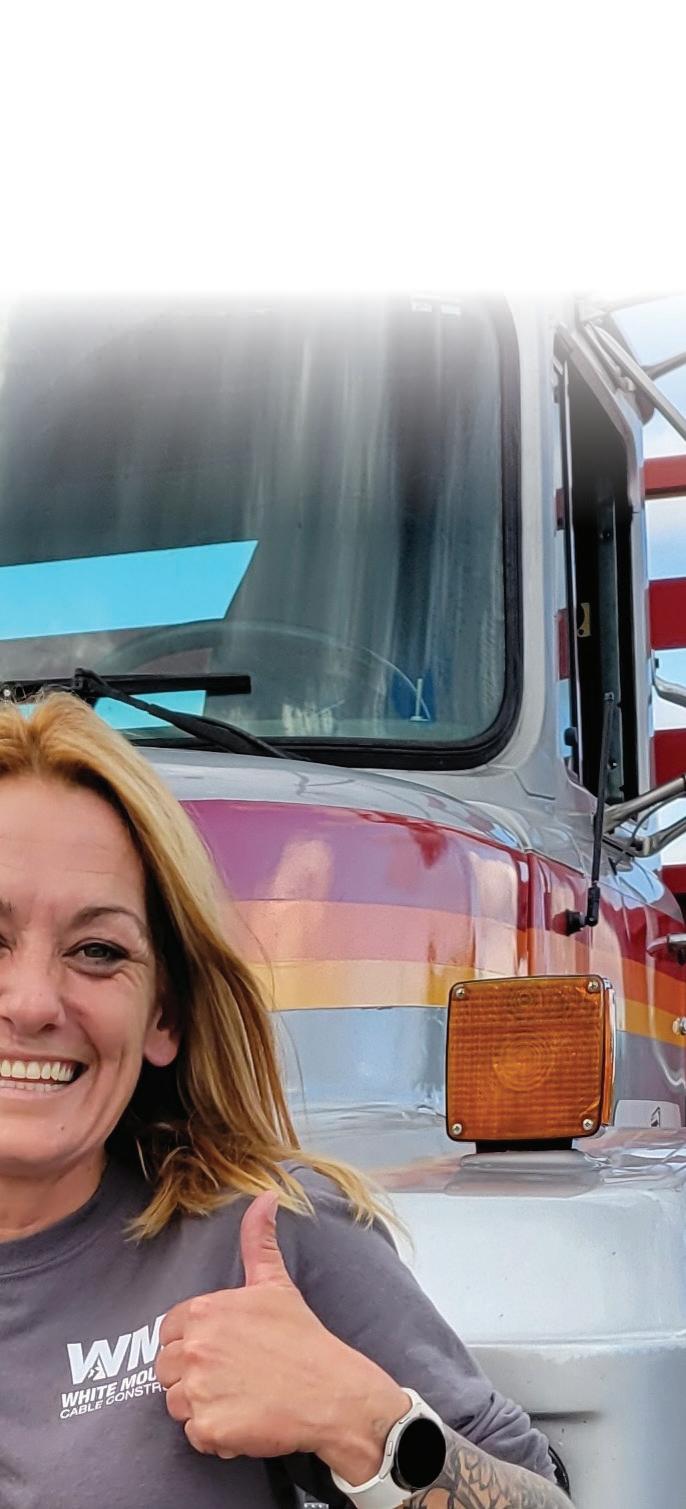

Trucking is the backbone of the modern supply chain, quietly moving goods to keep everyday life running.
Traditionally, the industry has been male-dominated, but that’s beginning to shift. In recent years, the number of women entering the field has gradually increased, driven by new training opportunities, changing workforce demands, and targeted efforts to open doors in a field long dominated by men.
In Maine, that shift has been amplified by a nearly $100,000 Women in Trucking grant to Maranacook Adult & Community Education from the Maine Department of Labor and the Maine Department of Transportation, aimed at commercial driver’s license training for women.









“We were extremely fortunate to receive the grant,” MACE Director Steve Vose said. The funding provides scholarships to help more women afford the training required to get their licenses.
Vose and his colleagues have long recognized the need for driver training programs in Maine and have worked to adapt their course offerings to the changing demands of the industry. Recruiting women drivers is part of that.
With two female instructors, Nancy Frost and Patti Springer, leading the charge, the Readfield-based program has created an environment where women won’t feel like outsiders in the classroom.
Instead, they train alongside peers under the guidance of industry professionals who reflect their presence in the field.
Historically, MACE’s CDL program enrolled three or four women annually. But once word of the grant spread, all 16 spots were filled within two weeks.
“I thought we’d have a hard time attracting women,” Vose said. “But the class filled really quickly, and now I’ve got nearly twice as many waiting.”
The timing couldn’t be more critical. Nearly everything in daily life — food, fuel, consumer goods, construction materials — relies on drivers, but the trucking industry hasn’t kept pace with demand.
“There’s a real driver shortage right now, and it’s critical,” Vose said. “Everything we rely on is delivered by trucks, so when there aren’t enough drivers, you feel it everywhere.”
Part of MACE’s success is that it offers a clear, practical pathway into a stable, well-paying career. And it’s fast.
“In about four months, we can take a student with a high school diploma and have them out driving trucks, earning a good living,” Vose said.
But just because it’s fast doesn’t mean the program is easy. Students must complete federally required classroom hours, master manual transmissions, and learn to maneuver massive vehicles with precision. They practice for hours on closed courses before ever hitting the road.
“These trucks are massive vehicles,” Vose said. “We want our students to be safe behind the wheel. That’s the most important thing.”
The work is rigorous, technical, and increasingly in demand.
Women have worked in freight for decades, but the number of female drivers has lagged behind men. In 2025, Women in Trucking, a national organization dedicated to promoting the employment of women in the trucking industry, reported that women still account for only 9.5% of professional drivers in the United States.
Anecdotally, that number appears to be driven more by a lack of training opportunities geared toward women than by a lack of enthusiasm for the profession.
“There is far more demand than I ever expected,” Vose said. “And the interest keeps growing. It just hasn’t stopped.”
In addition to the Women in Trucking grant from the state, Vose draws on a patchwork of grants and partnerships — including support from the Harold Alfond Foundation — to help meet students where they are.






“Our goal is to make this training accessible to students of all ages and backgrounds and to use every resource we can to keep that pathway open,” he said.
Looking ahead, there’s a sense that the Women in Trucking cohort is just the beginning. With additional funding on the horizon and growing interest from women across the region, Vose hopes to expand the program.
“We’ve filled the program for now, but we have all this interest, and I don’t want to turn anybody away,” Vose said. “Trucking isn’t just one kind of job. It offers so many different paths depending on lifestyle, experience, and what drivers want from their careers.”
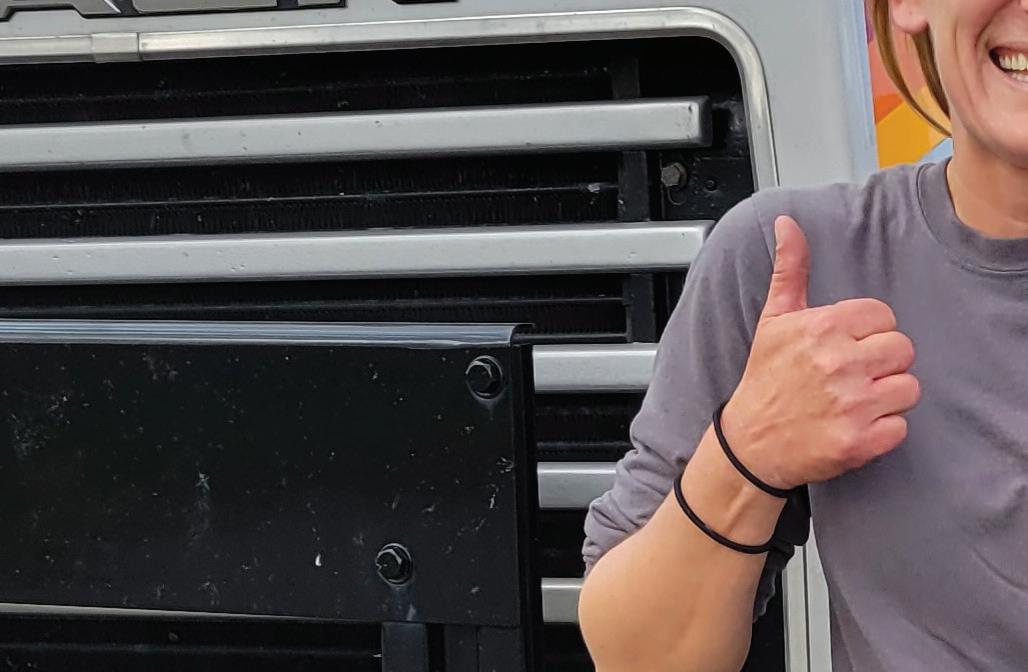
MACE graduate Angela Mantha.
PHOTO COURTESY OF MARANACOOK ADULT & COMMUNITY EDUCATION


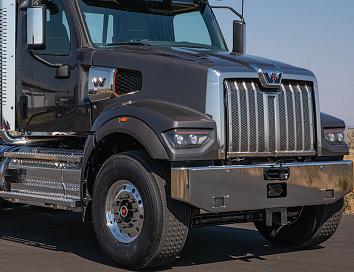
FREIGHTLINER OF MAINE




COURTESY OF FREIGHTLINER OF MAINE


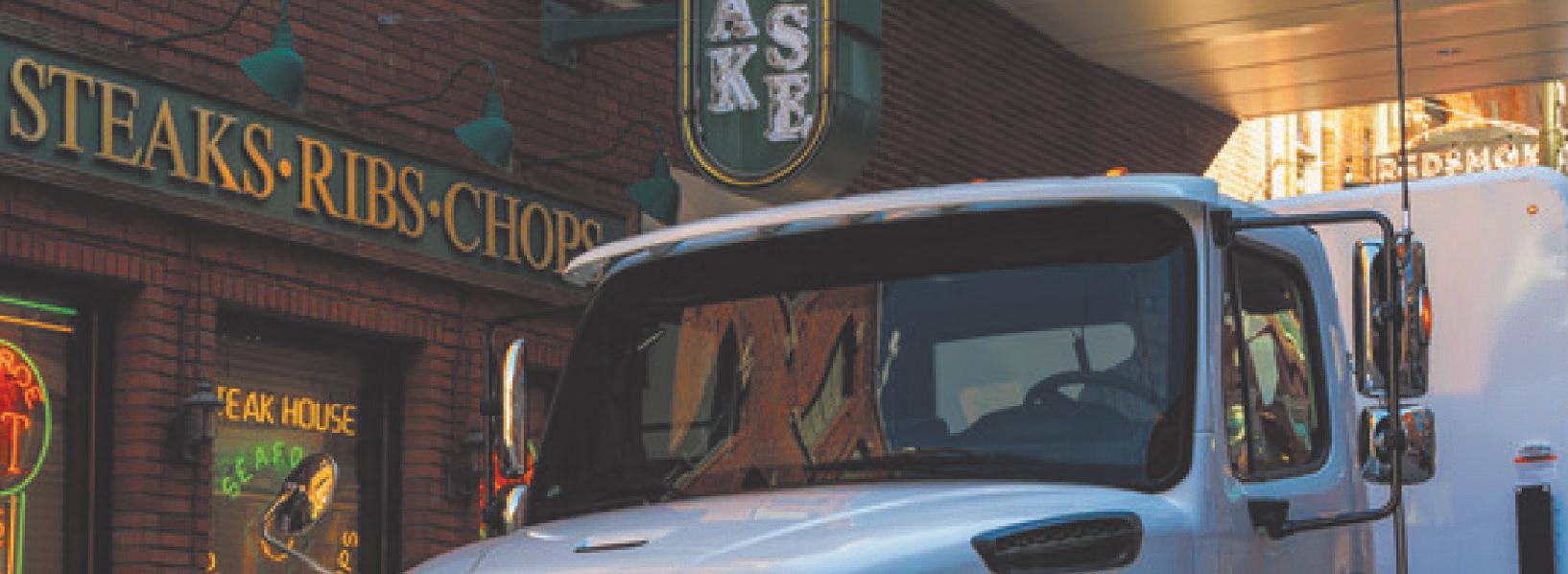
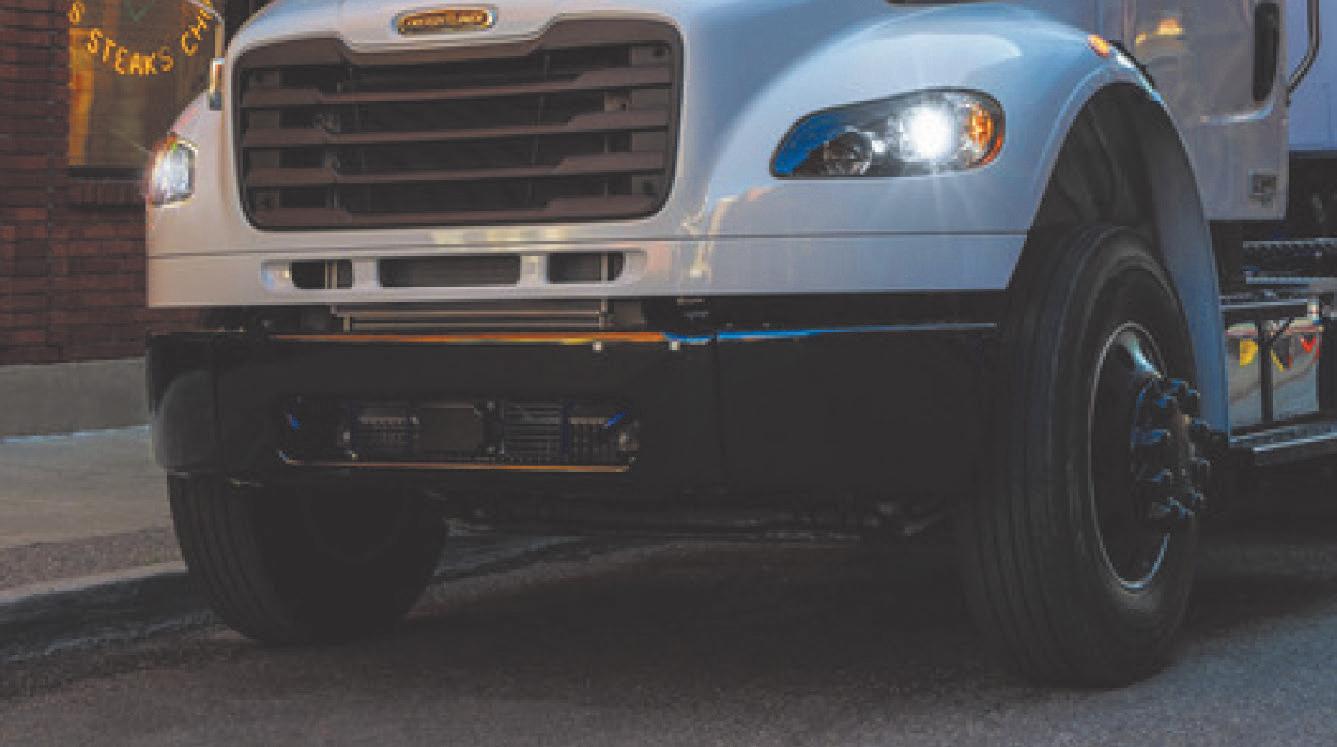
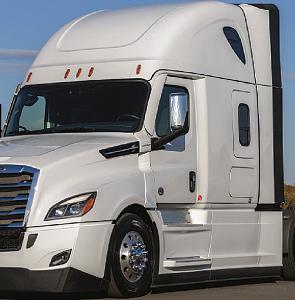
Freightliner Western Star of Maine continues to grow. Since opening our 6th location in Fort Kent in July 2022, we haven’t slowed down. We’ve opened a brand new full service and parts location in Fairfield in 2025, replacing our previous parts-only store in Waterville to better support our customers with complete service capabilities.
In addition, we expanded our footprint by purchasing the Western Star brand from O’Connor Trucks. This strengthens our ability to support Western Star customers statewide with improved coverage, parts availability, and service capacity.
At Freightliner Western Star of Maine, we truly are your one stop.



















Freight Fraud Is an Invisible Problem for Maine Trucking
BY SARAH COTTRELL
You may have laughed when news broke of the great Kit Kat heist, when 12 tons of the beloved candy bars were stolen from a truck between Poland and Italy. After all, in the age of hyper-surveillance, it feels impossible for a truck to simply disappear. But it turns out freight fraud is a massive, global problem that directly impacts everyone, even Mainers. Freight fraud is a broad term covering schemes like double-brokering, carrier impersonation, and fictitious pickups, and it has become one of the most damaging forces in American trucking. The annual cost of freight fraud to the U.S. transportation industry is estimated at $6.6 billion, according to the American Transportation Research Institute. In Maine, 84.4% of communities rely exclusively on trucking to ensure access to goods, amounting to 52,650 tons per day, according to the Maine Motor Transportation Association. That means freight fraud isn’t an abstraction; it is a serious threat to local economies.



The mechanics of modern freight fraud are surprisingly simple. First, a criminal outfit creates a shell company to hide its identity and money. Next, it steals or illegally purchases a legitimate carrier’s identification and then poses as that carrier to a shipper or broker. The load gets picked up. And then it’s gone. But this is where the fallout happens: The legitimate carrier’s reputation takes a hit. The shipper absorbs the loss. And the broker, caught in the middle, faces lawsuits and insurance nightmares. The final insult is that consumers ultimately pay the price.
Logistics service providers, an important sector in the trucking industry, are particularly vulnerable. According to Trucking Dive, research suggests that more than 62% of theft incidents they experience are tied to fraudulent activity. That’s a staggering figure for a state like Maine, where many freight operations are small, family-owned businesses.
The problem is compounded by the fact that fraud thrives in the gaps, such as rushed onboarding, sloppy carrier verification, and the increasing sophistication of bad actors who now use generative AI to fabricate documents and mimic legitimate companies with striking accuracy.
The national industry has taken notice. The National Motor Freight Traffic Association Inc. launched its Freight Fraud Prevention Hub in early March, creating a centralized online platform for educational content, carrier verification tools, and fraud-prevention best practices aimed at carriers, shippers, and third-party logistics providers across the country. The launch coincides with the association’s new SCAC Verified initiative, which adds an additional layer of identity confirmation for carriers registering or renewing their Standard Carrier Alpha Codes, a mandatory identifier that tracks and documents truck movement.
“Most people don’t realize it, but the products we rely on every day — from the food in our fridge to the packages on our doorsteps — depend on a system that’s increasingly being targeted by criminals,” said Joe Ohr, chief operations and technical officer at NMFTA. “Freight fraud is one of those invisible issues that quietly drives up prices and disrupts supply.”
So what can the Maine trucking industry do to stop criminals from hurting wallets? Start with doubling down on basic cybersecurity, such as using strong passwords and two-factor authentication.
“One thing that is important to highlight is that many of the tactics these criminals are using are the same as those employed by traditional cybercriminals: theft of credentials, social engineering, digital impersonation, and spoofed (fake) websites that look like legitimate load boards or other trucking-related sites,” said Ben Wilkens, CISSP, CCSP, CISM, cybersecurity principal engineer at NMFTA. “To protect against these threats, it is vital to take a holistic approach and double down on ensuring good operational security through verification processes and multilayered checks on any high-risk actions — such as changing account details or modifying destinations on shipments in progress — as well as ensuring good cyber hygiene. Controls like multifactor authentication on all accounts, targeted social engineering training, and regular patching and update schedules for all software and systems go a long way toward lowering your risk from cyber-enabled cargo theft.”
While headlines about the Kit Kat heist may have read like a funny punchline, no one is laughing when invisible criminals threaten the Maine economy. To learn more about the Maine trucking industry, including how to get started, visit the Maine Motor Transport Association at mmta.com. To learn more about cargo crimes and how to prevent them, see the NMFTA Cybersecurity Cargo Crime Reduction Framework at info.nmfta.org.
Moving Maine for 99 Years
COURTESY OF HEWS COMPANY
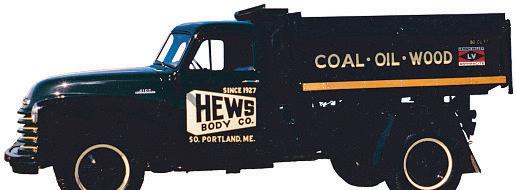
Hews Company has been manufacturing and distributing quality truck-mounted equipment to transport Maine products and services since 1927, when Roland Hews moved his family from Aroostook County to Portland with the intent of building horse-drawn wagons. As motorized vehicles quickly became the standard, Roland pivoted to converting motorcars and early Ford trucks into motorized wagons and delivery vans from his workshop on Portland’s West End.
Now based in South Portland, with a branch in Bow, NH, Hews Company has expanded its reach throughout the Northeast and into the Mid-Atlantic, partnering with leading truck body and equipment manufacturers and suppliers across the industry. The company will celebrate its 100th anniversary as a family-owned business in May 2027.
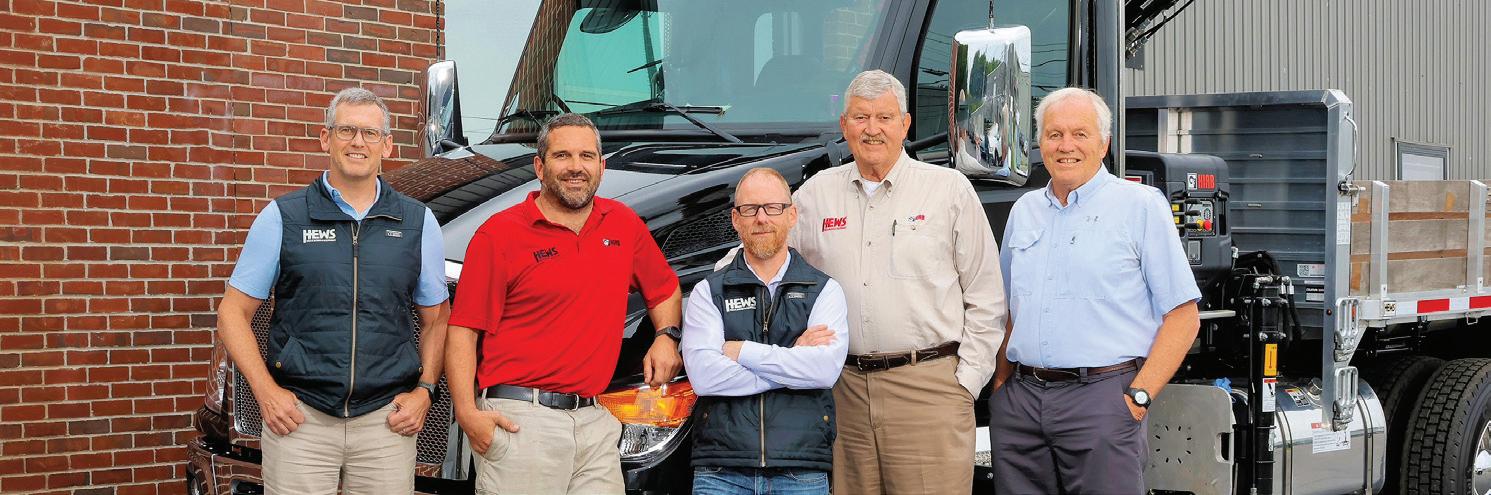
Bob and Charlie Hews, representing the third generation, began working for the company in the early 1970s. Under their leadership, Hews expanded both its product offerings and geographic footprint, becoming one of the largest builders and distributors of truck bodies and equipment in Northern New England. Today, the fourth generation is proudly leading the business, with Jim Hews serving as Chief Executive Officer and Drew Hews as Chief Technology Officer, alongside Chief Operations Officer Reggie Gagnier.
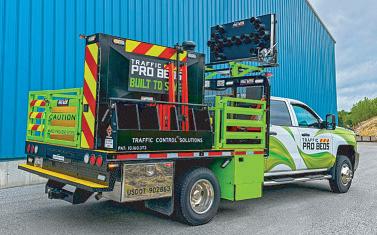
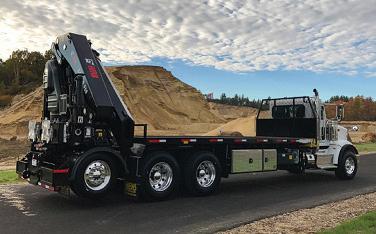
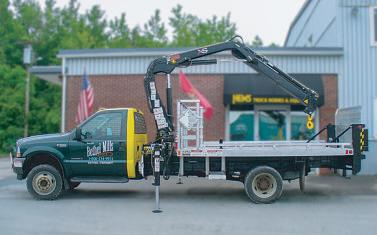
A major component of Hews Company’s business continues to be “upfitting” Class 3 through 8 work trucks used to move products and services across the Northeast for industries such as building supply, transportation, energy, marine, and forestry. The company represents premium truck body and equipment manufacturers to offer a full lineup including service and mechanic bodies, dump bodies, platform bodies, van bodies, lube bodies, and energy/propane bodies, as well as cranes, liftgates, forklifts,
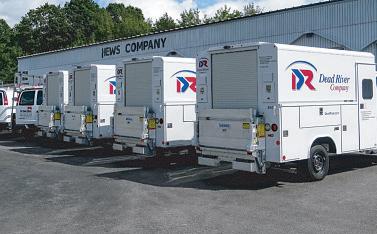
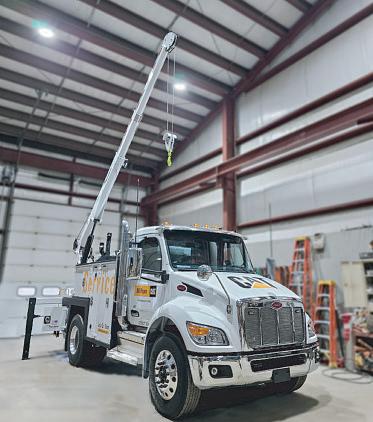
and suspension systems. Throughout the region, Hews is known for its built-to-spec Hews Custom Bodies, including the Taskmaster Platform Body, which carries a lifetime structural warranty and is utilized across a wide range of applications.
The company’s full-service shops in South Portland and Bow support customers with the installation of specialized equipment such as dump inserts, hook lifts, lube skids, truck-mounted cranes and forklifts, and traffic control solutions designed to prioritize crew safety and efficiency in road work zones. Hews also supplies and services a wide range of work truck parts and accessories, from power take-offs (PTOs) and hydraulic systems to lighting, storage, and trailer equipment.
Hews Company attributes its 99 years of success to the strong relationships it has built with customers, suppliers, vendor partners, and employees, supported by the quality of the equipment it manufactures and distributes. Upfitting trucks is specialized work that requires a highly skilled workforce and Hews has been fortunate to attract and retain good workers with remarkable tenure. With continued growth in recent years, the company is always looking to add skilled welders, fabricators, truck equipment technicians, and parts specialists to its team.




Pictured left to right: Jim Hews, Drew Hews, Reggie Gagnier, Bob Hews, and Charlie Hews.