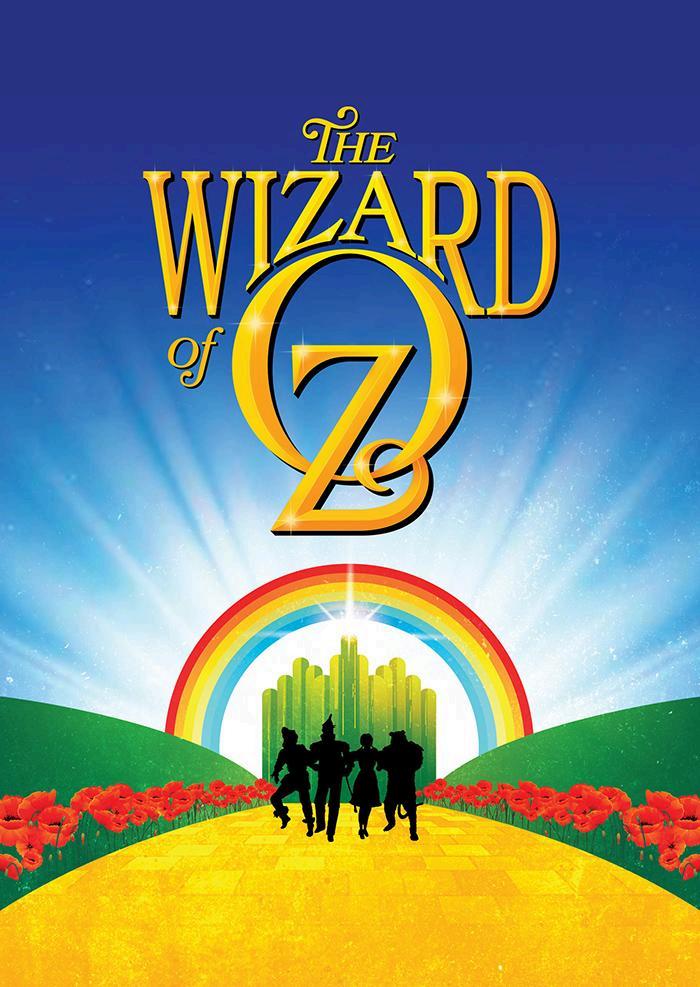
Welcome to Oz
CHARLESTON STAGE Content Guide
CHARLESTON STAGE Content Guide
Thank you for joining us at Charleston Stage for The Wizard of Oz! This guide is designed for parents, caregivers, and educators preparing children for the performance Inside, you'll find content advisories, information about the show's creators and history, fun facts to share on the ride to the theatre, and at-home activities to extend the experience after the curtain falls
The RSC version of The Wizard of Oz is a stage adaptation that closely follows the beloved 1939 MGM film. Audiences can expect the songs, characters, and dialogue they know and love, along with a few delightful surprises restored from the original screenplay.
The Wizard of Oz is rated G in spirit, but live theatre is a powerful and immersive experience Effects that read as charming on screen can feel much bigger when they happen ten feet away We recommend the show for ages 5 and up Please review the advisories below to help young or sensitive audience members enjoy the show with confidence
This production uses theatrical fog and atmospheric haze throughout the performance, including:
• The tornado sequence in Kansas
• Glinda's and the Wicked Witch's entrances and exits ('puff' effects)
• The Wizard's throne-room scenes in the Emerald City
• The Witch's castle and the melting sequence
The fog is non-toxic, water-based, and safe to breathe. Patrons with asthma or respiratory sensitivities may wish to be aware.
Strobe and rapid flashing-light effects are used during:
• The Kansas tornado / cyclone sequence
• Miss Gulch's transformation into the Wicked Witch
• The Wizard's throne-room reveal (fireballs and flashes of light)
• Lightning effects in the Haunted Forest
Guests with photosensitive epilepsy or sensory sensitivities should take note House staff can help you identify the best moments to step out if needed
• Tornado wind and thunder effects in Act One
• The crash landing of Dorothy's house
• Cackling, crashes, and explosive sound cues during the Witch's scenes
• Amplified music, including a full orchestral score
Earplugs are available at the box office for younger or noise-sensitive guests upon request.
• Flash effects (simulated fireballs) used by the Wicked Witch and the Wizard
• The Witch's broomstick smoke trail
• 'Melting' effect using stage lighting and trap-door staging
• Flying effects for the Wicked Witch and Winged Monkeys (where staged) All effects are designed and operated to professional safety standards.
The story is a classic adventure with light peril. The following moments may be intense for very young or sensitive children:
• The Wicked Witch of the West is a frightening character with green skin, a cackling laugh, and threats of violence toward Dorothy and Toto.
• Miss Gulch tries to take Toto away from Dorothy, which can be upsetting for animal-loving children.
• Winged Monkeys swoop in and capture Dorothy and her friends, their entrance is dramatic and loud.
• The Witch threatens to set the Scarecrow on fire and traps Dorothy in an hourglass.
• The Witch is defeated by water and 'melts' on stage The moment is theatrical, not graphic
• References to the Wicked Witch of the East being killed when Dorothy's house lands on her (presented humorously)
• Brief mild language: 'rats,' 'dang,' and a few exclamations of 'darn it '
The show runs approximately 2 hours and 15 minutes, including one 15-minute intermission. Restrooms are located in the lobby. We encourage families with young children to take any needed break, our ushers are happy to help you re-enter at an appropriate moment.
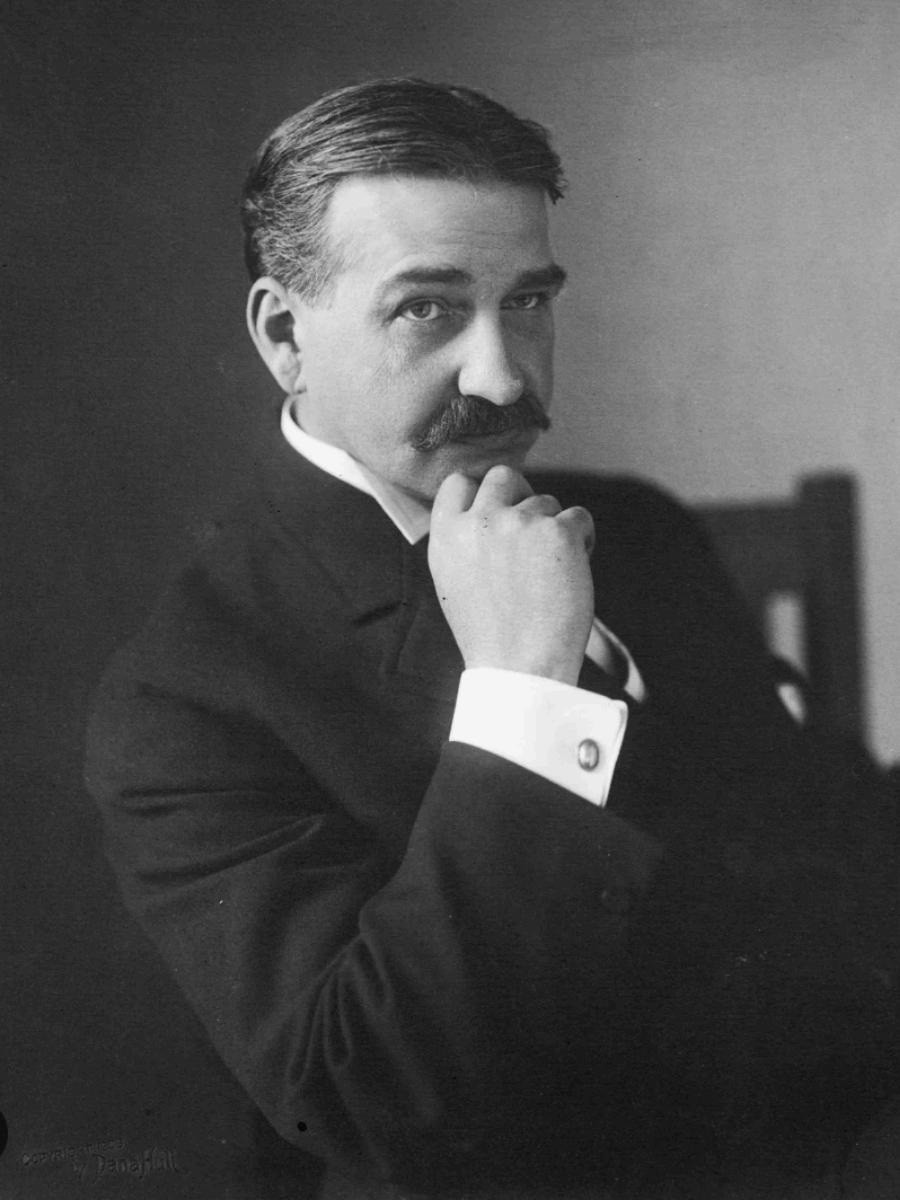
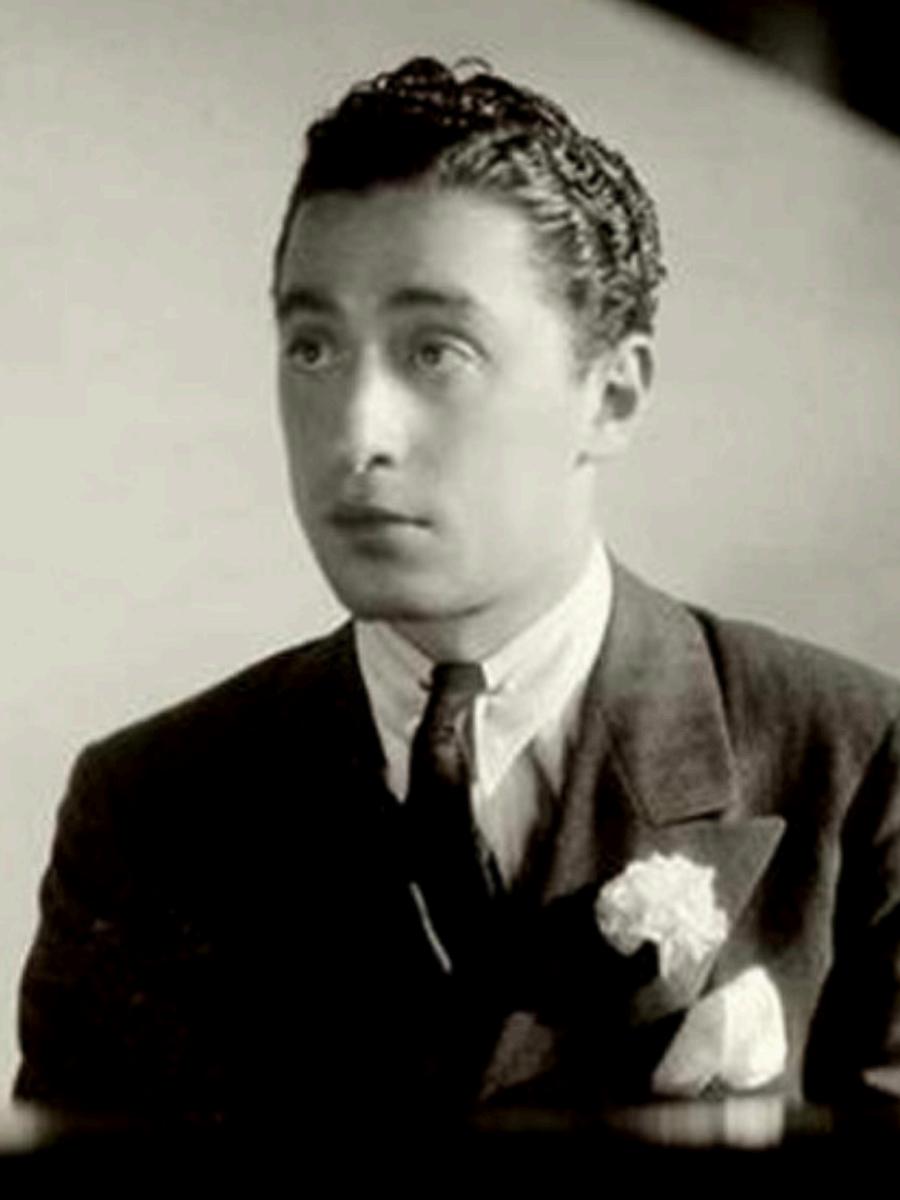
Lyman Frank Baum published The Wonderful Wizard of Oz in 1900 He went on to write thirteen sequels set in the Land of Oz, plus dozens of other children's books. Baum imagined Oz as an American fairyland, distinct from the European fairy tales of his childhood, and his stories have inspired stage and screen adaptations for more than a century.
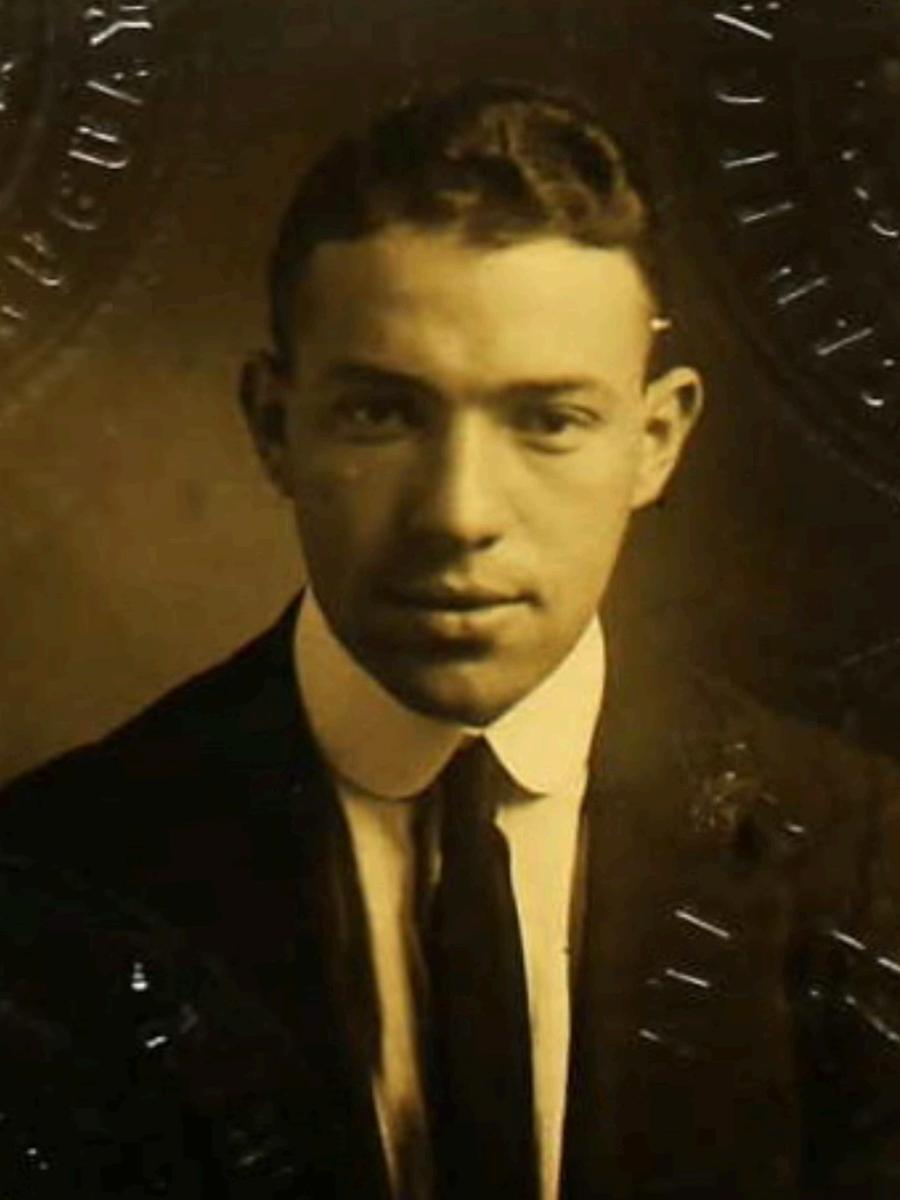
Born Hyman Arluck in Buffalo, New York, Harold Arlen was the son of a Jewish cantor and learned piano as a boy. He composed more than 500 songs over his career, including 'Stormy Weather,' 'Get Happy,' and 'Come Rain or Come Shine.' For The Wizard of Oz, his collaboration with lyricist E. Y. Harburg produced 'Over the Rainbow' a song nearly cut from the film, and later voted the #1 song of the 20th century by the Recording Industry Association of America.
Edgar Yipsel Harburg, known as 'Yip,' grew up in poverty on Manhattan's Lower East Side and became one of Broadway's most beloved lyricists often called 'Broadway's social conscience.' He wrote lyrics to more than 600 songs, including 'Brother, Can You Spare a Dime?' For The Wizard of Oz, he wrote every lyric in the film and even contributed uncredited dialogue most famously, the Wizard's speeches to the Scarecrow, Tin Man, and Cowardly Lion about brains, heart, and courage. Arlen and Harburg won the 1939 Academy Award for Best Original Song for 'Over the Rainbow.'
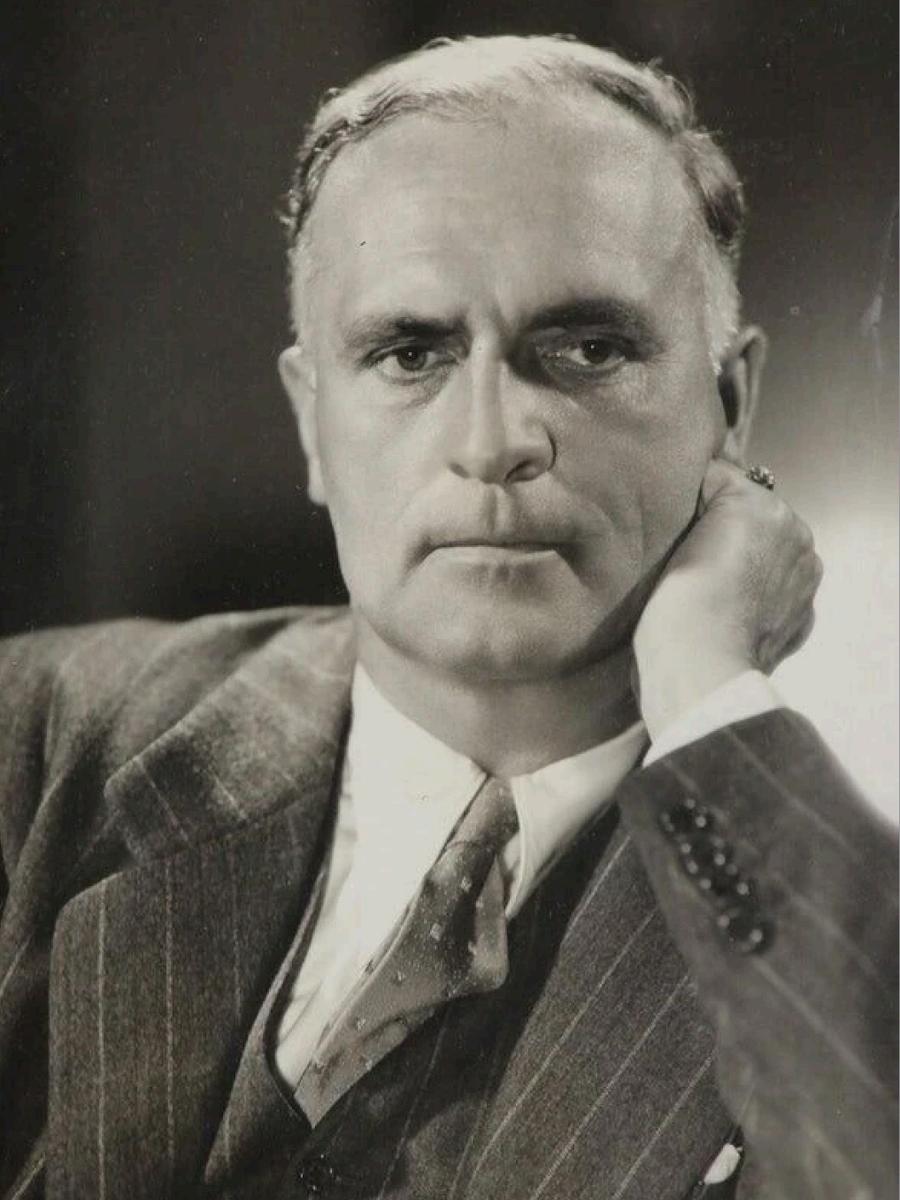
Herbert Stothart composed the underscoring and incidental music for the 1939 film and won an Academy Award for Best Original Score His themes still weave through the RSC stage version today, creating the lush orchestral world of Oz
In 1986, the Royal Shakespeare Company's artistic director Terry Hands commissioned a holiday show that could be revived every Christmas season. Actor and writer John Kane best known to Shakespeare fans for playing Puck in Peter Brook's legendary A Midsummer Night's Dream was asked to adapt the 1939 screenplay for the stage. His script preserves the beloved film's dialogue almost word for word, while restoring material that was cut from the movie.
The Wizard of Oz has had a remarkable journey from novel to stage to screen and back to the stage again.
L. Frank Baum publishes The Wonderful Wizard of Oz. It is an immediate bestseller.
1902 — Broadway Bound
A musical extravaganza version of Baum's novel runs on Broadway, with a script Baum himself helped shape
1939 — The MGM Film
MGM releases the Technicolor film starring 16-year-old Judy Garland. Despite mixed reviews and a modest box office, it became a beloved classic after television broadcasts began in 1956.
1987 — The RSC Stage Adaptation
The Royal Shakespeare Company premieres John Kane's adaptation at the Barbican Theatre in London The production is designed to be revived as an annual Christmas show and faithfully recreates the film for the stage
Today A Beloved Family Favorite
The RSC version has been produced thousands of times across the world, in venues ranging from elementary schools to major regional theatres. Charleston Stage is proud to bring it to the Lowcountry.
• 'Over the Rainbow' was almost cut from the 1939 film. Executives thought it slowed down the opening. Associate producer Arthur Freed fought to keep it in, and it won the Oscar.
• MGM paid $75,000 for the rights to Baum's novel in 1938.
• The film required 14 writers and 5 directors before it was finished.
• Judy Garland was only 16 when she played Dorothy.
• The original Tin Man, Buddy Ebsen, had a severe allergic reaction to the aluminum dust in his makeup and had to leave the production. Jack Haley replaced him and the makeup formula was changed.
• The Tin Man's 'oil' was actually chocolate syrup.
• Toto was played by a Cairn Terrier named Terry, who earned $125 a week, more than many of the human Munchkin actors.
• The tornado was created by spinning a 35-foot-long muslin stocking filled with dust.
• The horses in the Emerald City were sponged with Jell-O to create their 'horse of a different color' look. They kept licking it off, so scenes had to be filmed quickly.
• The RSC version restores 'The Jitterbug', a six-minute song-and-dance number that took five weeks and $80,000 to film for the movie before being cut for length
• An extra verse of 'Over the Rainbow,' originally written by Yip Harburg, is also restored in the RSC version
• 'The Jitterbug' was originally about a magical insect whose bite makes everyone dance uncontrollably, the Witch sends it to ambush Dorothy and her friends in the haunted forest
• In Baum's original novel, Dorothy's slippers are silver, not ruby The film changed them to ruby red to take advantage of Technicolor.
Bring Oz home! Here are activities for families and classrooms to extend the experience before or after the show.
• Rainbow Hunt On a walk around your neighborhood, see how many things you can spot in each color of the rainbow Bonus points for finding something in every color of Oz: gray Kansas, yellow brick road, emerald green, ruby red
• Dress-Up Day Pick your favorite character and create a costume from things around the house Throw a mini-parade for the family
• Drawing Oz Draw what you imagine the Emerald City, the Yellow Brick Road, or your own magical land would look like What would yours be made of? Cotton candy? Books? Lego?
• Click-Your-Heels Race Set up two 'homes' on opposite sides of the room Click your heels three times and skip from one to the other There's no place like home!
• Make a Storyboard Fold paper into six panels and draw the six biggest moments of the show in order. Which scene was your favorite?
• Brains, Heart, or Courage? Write a short letter to the Wizard. Which gift would you ask for, and why? What would you do with it?
• Build a Yellow Brick Road Use cardboard, painter's tape, and yellow paint or markers to lay a Yellow Brick Road through your living room or backyard. What does it lead to?
• Backyard Tornado In a clear bottle, swirl water with a drop of dish soap to make a mini-tornado. Discuss: how did the movie and stage versions make a tornado?
• Songs of Oz Listen to the soundtrack and pick a favorite song. Why does that one stick with you? Try changing the lyrics to be about your own town.
• Read the Original Pick up a copy of L. Frank Baum's The Wonderful Wizard of Oz. What's different from the play? Which version do you prefer and why?
• Compare and Contrast Watch the 1939 MGM film at home Discuss what changed for the stage: costumes, effects, songs, jokes Why did the director and designers make those choices?
• Behind the Magic Research one piece of stage technology: fog machines, fly systems, trap doors, or strobe lighting How does it work? How is it kept safe?
• Symbolism Hunt Some scholars read The Wizard of Oz as a story about American politics and economics in the 1890s Others see it as a coming-of-age story What do you think Dorothy's journey is really about?
• Write Your Own Oz If you woke up in a magical land tomorrow, what three companions would you want with you, and what would each of them be looking for?
• Which character did you connect with the most? Why?
• If you could ask the Wizard for one thing, what would it be?
• Dorothy says, 'There's no place like home.' What does 'home' mean to you?
• Was the Wicked Witch scary? What made her scary, her costume, her voice, the music?
• What did the Scarecrow, Tin Man, and Cowardly Lion already have inside themselves before the Wizard gave them anything?
• How is watching live theatre different from watching a movie?
Thank you for bringing your family to Charleston Stage Live theatre is at its very best when shared with the people we love, and we're honored you've chosen to share Oz with us Whether this is your child's very first show or one of many, we hope they leave humming a tune and dreaming of somewhere over the rainbow
For accessibility accommodations, or additional educator resources, please contact the Charleston Stage Education Department.