


Thank you for joining us at Charleston Stage for Little Women: The Broadway Musical! This guide is designed for parents, caregivers, and educators preparing audiences for the performance. Inside, you'll find content advisories, information about the show's creators and history, fun facts to share before curtain, and at-home activities to deepen the experience afterward.
Little Women is a heartfelt, character-driven musical with a sweeping score and almost no theatrical effects. There are no fog or haze machines, no strobe lights, no pyrotechnics, and no flying. The 'magic' of this show lives in its music, its language, and the four sisters at its heart. That makes it an excellent choice for first-time theatregoers and sensory-sensitive audience members.
Little Women is generally appropriate for ages 8 and up. The story is gentle, but it does engage honestly with grief, illness, and Civil War-era hardship. We recommend reviewing the topics below so you can prepare younger or more sensitive audience members.
This production does not use any of the following:
• Fog, haze, or smoke effects
• Strobe or rapid-flashing lighting effects
• Pyrotechnics, flash pots, or flame effects
• Loud bangs, gunshot effects, or startling sound cues
• Flying or aerial work
Stage lighting transitions are gentle The soundscape is acoustic and orchestral, with the music providing the emotional weight of every scene
The most significant content note for Little Women is the death of Beth, the second-youngest March sister Audiences who don't know the story should be aware that:
• Beth becomes seriously ill (with scarlet fever and its long aftereffects) and her health declines slowly over the second act.
• Beth and Jo share a deeply tender duet, 'Some Things Are Meant to Be,' as Beth prepares to say goodbye.
• Beth's death happens offstage, but the grief is shown openly. It is one of the most emotional moments in the show.
This material can be especially poignant for audiences who have experienced the loss of a loved one. It is handled with great care, but tears are likely and welcome.
• Mr March is away serving as a Union Army chaplain He is wounded and falls ill, and Marmee leaves home to nurse him
• The family's financial worries and wartime hardships are recurring themes
• References to the war are present but not graphic; there is no onstage violence
• Several romantic storylines: Meg and John Brooke, Jo and Laurie (unrequited), Jo and Professor Bhaer, and Amy and Laurie Affection is shown through kissing and embraces, nothing more
• Heartbreak: Laurie proposes to Jo and she refuses him, which is sad but not frightening
• Sibling conflict: Amy burns Jo's manuscript in a fit of jealousy, and Jo struggles to forgive her Soon after, Amy falls through thin ice and is rescued, a tense scene that resolves quickly
• Aunt March is sharp-tongued and disapproving, especially of Jo's writing ambitions Her bluster is comedic but can feel harsh.
• The musical is set in the 1860s and reflects the era's expectations for young women, marriage, domesticity, and limits on what girls were 'supposed' to want. Jo's pushback against these expectations is a central engine of the story.
• There is no offensive language. A few mild exclamations ('Christopher Columbus!', 'Jiminy crickets!').
The show runs approximately 2 hours and 30 minutes, including one 15-minute intermission. Tissues are recommended! Restrooms are in the lobby, and our ushers are happy to help families re-enter at appropriate moments.
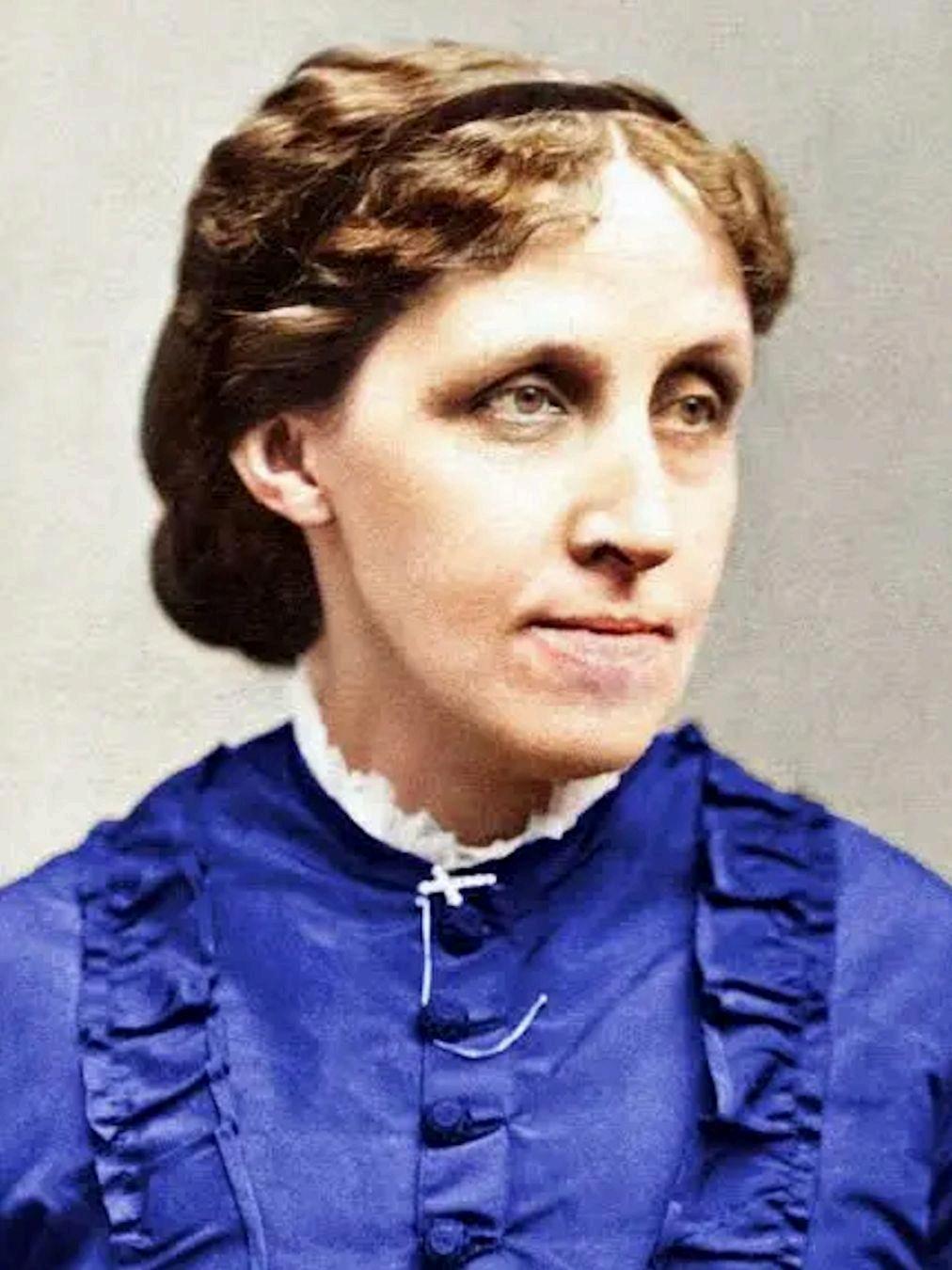

Louisa May Alcott grew up in Concord, Massachusetts, raised by Transcendentalist parents alongside neighbors like Ralph Waldo Emerson, Nathaniel Hawthorne, and Henry David Thoreau. She was an abolitionist, suffragist, and Civil War nurse who contracted typhoid fever during her service. When her publisher, Thomas Niles, asked her to write 'a book for girls,' Alcott was reluctant but she sat down anyway and produced the first half of Little Women, more than 400 pages, in less than six weeks. The novel was an instant success and has since sold an estimated 10 million copies in roughly 50 languages
Allan Knee is an American playwright and screenwriter whose other works include the play The Man Who Was Peter Pan, which became the basis for the 2004 film Finding Neverland. His book for Little Women distills Alcott's sprawling novel into a focused, emotional theatrical structure built around Jo as narrator and storyteller.
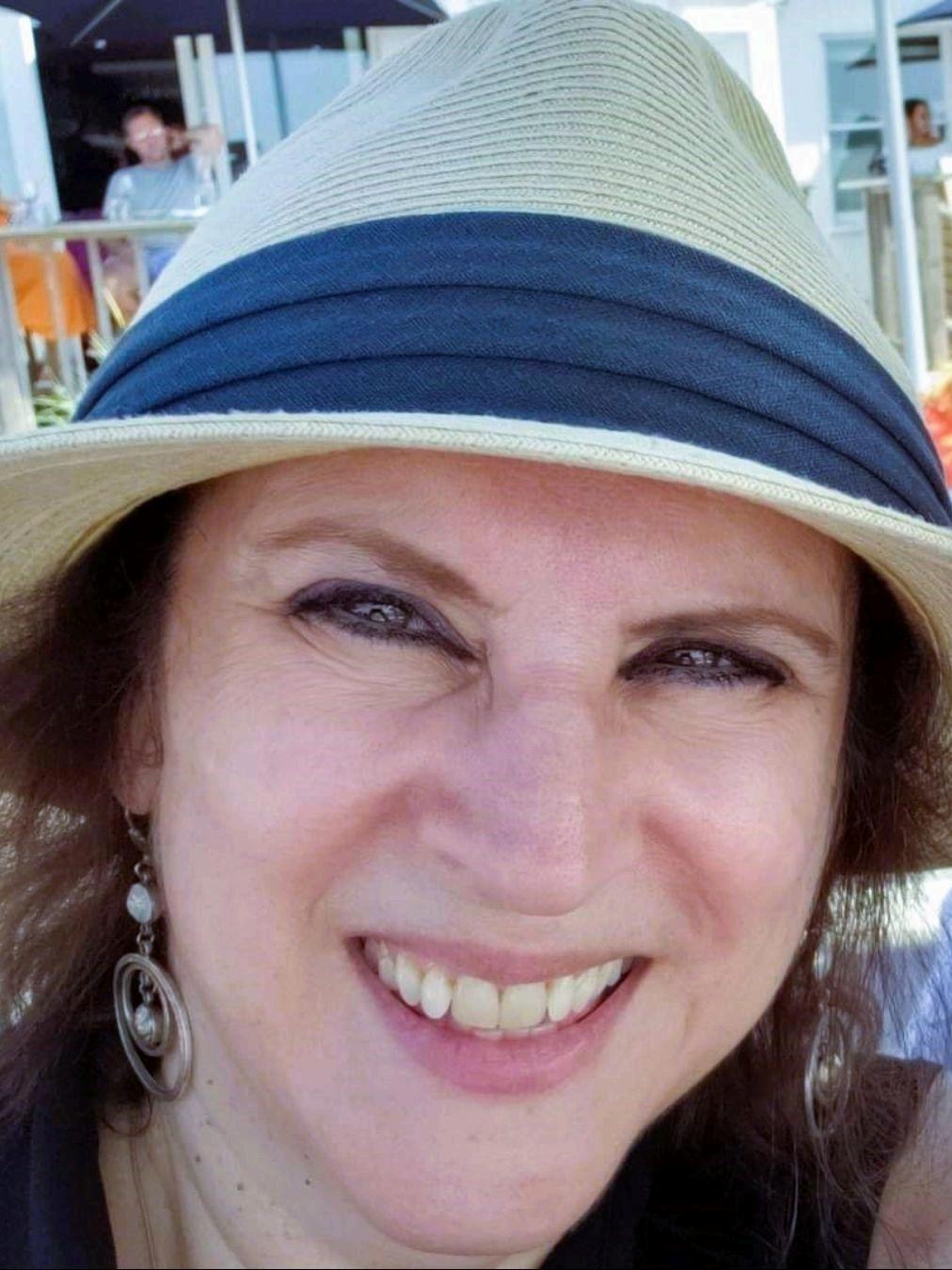

Mindi Dickstein is a lyricist, librettist, and educator who teaches musical theatre writing at NYU's Tisch School of the Arts Her lyrics for Little Women blend 19th-century language with contemporary emotional honesty, nowhere more powerfully than in 'Astonishing,' the act-one closer that became Jo's anthem of self-discovery
Jason Howland is a Tony-, Grammy-, and Emmy-nominated composer, music director, and producer. Before composing Little Women, he served as music director and conductor on the Broadway productions of Les Misérables and Jekyll & Hyde. His score for Little Women is sweeping and cinematic, with soaring melodies designed to spotlight powerhouse voices.
1868–1869 — The Novel
Louisa May Alcott publishes Little Women in two volumes Loosely autobiographical, the book mirrors her own family: Meg is based on her older sister Anna, Beth on her sister Elizabeth (who died young), and Amy on her younger sister May (an anagram of Amy)
The novel has spawned more than a dozen film and television adaptations, an opera, and multiple stage plays since its publication
2000–2004 — Development
Composer Jason Howland, lyricist Mindi Dickstein, and bookwriter Allan Knee develop the musical through workshops at Duke University and elsewhere over four years
Little Women opened at the Virginia Theatre (now the August Wilson Theatre) on January 23, 2005, with Sutton Foster as Jo and Maureen McGovern as Marmee. Sutton Foster earns a Tony nomination for Best Actress in a Musical for her performance. Although the Broadway run is brief (137 performances), the score finds devoted fans through its original cast recording.
Little Women has gone on to be produced by hundreds of regional, school, and community theatres across the country. Charleston Stage is proud to share this beloved story with the Lowcountry.
• Louisa May Alcott wrote the first half of Little Women, more than 400 pages, in under six weeks.
• Alcott didn't actually want to write a 'book for girls.' Her publisher had to talk her into it. She later wrote, 'It reads better than I expected '
• Before Little Women, Alcott wrote sensational 'blood and thunder' thrillers under the pen name A M Barnard Jo's pulp stories in the musical are a wink at Alcott's own writing career
• The character of Jo is largely autobiographical Like Jo, Alcott was a tomboy, a writer, and the second of four sisters
• Beth was based on Louisa's real sister Elizabeth, who died of complications from scarlet fever in 1858 at age 22
• 'Amy' is an anagram of 'May' the name of Louisa's youngest sister, who became a professional artist and exhibited at the Paris Salon
• Sutton Foster's performance as Jo was so admired that her act-one closer, 'Astonishing,' has become a staple audition song for sopranos and mezzos auditioning for Broadway
• Composer Jason Howland was the music director of Les Misérables on Broadway before writing Little Women
• Maureen McGovern, who originated the role of Marmee, was best known to many audiences as the Grammy-winning singer of 'The Morning After' from The Poseidon Adventure
• In the novel, Jo eventually opens a school for boys called Plumfield The musical hints at this future in its closing scenes
• Louisa May Alcott served as a Union Army nurse during the Civil War and wrote a memoir about it called Hospital Sketches the same era in which Little Women is set
• Alcott never married She once said, 'I'd rather be a free spinster and paddle my own canoe '
Bring the March family home with you! Here are activities for families and classrooms to extend the experience before or after the show.
• Sister Portraits Draw all four March sisters What does each one wear? What is each one holding (a manuscript, a doll, a paintbrush, a piano key)? What three words would you put under each picture?
• Attic Theatricals The Marches put on plays in their attic Pull together costumes from a closet and put on a short scene of your own invention Charge family members a 'ticket' (a smile)
• Write Your Own Pulp Story Jo writes thrilling, melodramatic tales Pick a title like 'The Curse of the Crimson Castle' or 'The Pirate's Daughter' and write the opening paragraph
• Marmee's Christmas In the show, the March sisters give their Christmas breakfast to a hungry neighbor family Talk together: what could your family give away or share this season?
• Read a Chapter Pick up Little Women and read the opening chapter, 'Playing Pilgrims.' How does Alcott introduce each sister in the first few pages?
• Astonishing Goals Jo sings 'I will be astonishing!' as her dream. Write your own 'astonishing' list: three things you'd love to do, make, or become.
• Time-Travel Letter Write a letter from one of the March sisters to a friend today. What would they think of cell phones? School? Modern clothes?
• Civil War Snapshot Research what daily life was like for families on the Northern home front in 1864 What would have been on the dinner table? What chores would children have done?
• Score Study Listen to 'Astonishing' and 'Some Things Are Meant to Be' back to back. What does the music do differently in each one to match the emotion?
• Compare Adaptations Watch one of the Little Women films (1933, 1949, 1994, or 2019) and discuss what each adaptation chose to keep, cut, or change.
• Jo's Choice Why does Jo refuse Laurie? Was she right? What does she really want from her life that he can't give her?
• Alcott's Compromise Louisa May Alcott originally wanted Jo to remain unmarried, but her publisher pushed her to give Jo a husband. She invented Professor Bhaer in protest. Discuss: how does that creative compromise shape the story we know?
• Letter to Your Future Self Like Jo writing her future biography, write a letter to yourself ten years from now. What do you hope you've done? What kind of person do you hope you've become?
• Sister Comparison If you had to be one of the March sisters, which would you be? Which one are you actually most like, and which one would you most want to be like? They aren't always the same answer.
• Which sister did you connect with the most? Why?
• Jo wants to be a writer in a time when most women weren't encouraged to have careers What dream do you have that other people might not understand?
• Marmee tells her daughters that the most important things in life can't be bought Do you agree? What are some of those things for your family?
• How did the music help tell the story? Was there a song that surprised you with how it made you feel?
• If you could change one thing about how the story ends, what would it be and why?
Little Women has captured hearts for more than 150 years because it tells the truth about families, the joy, the squabbles, the heartbreaks, and the love that holds it all together. We're so glad you've chosen to share this story with us.
For accessibility accommodations or additional educator resources, please contact the Charleston Stage Education Department.