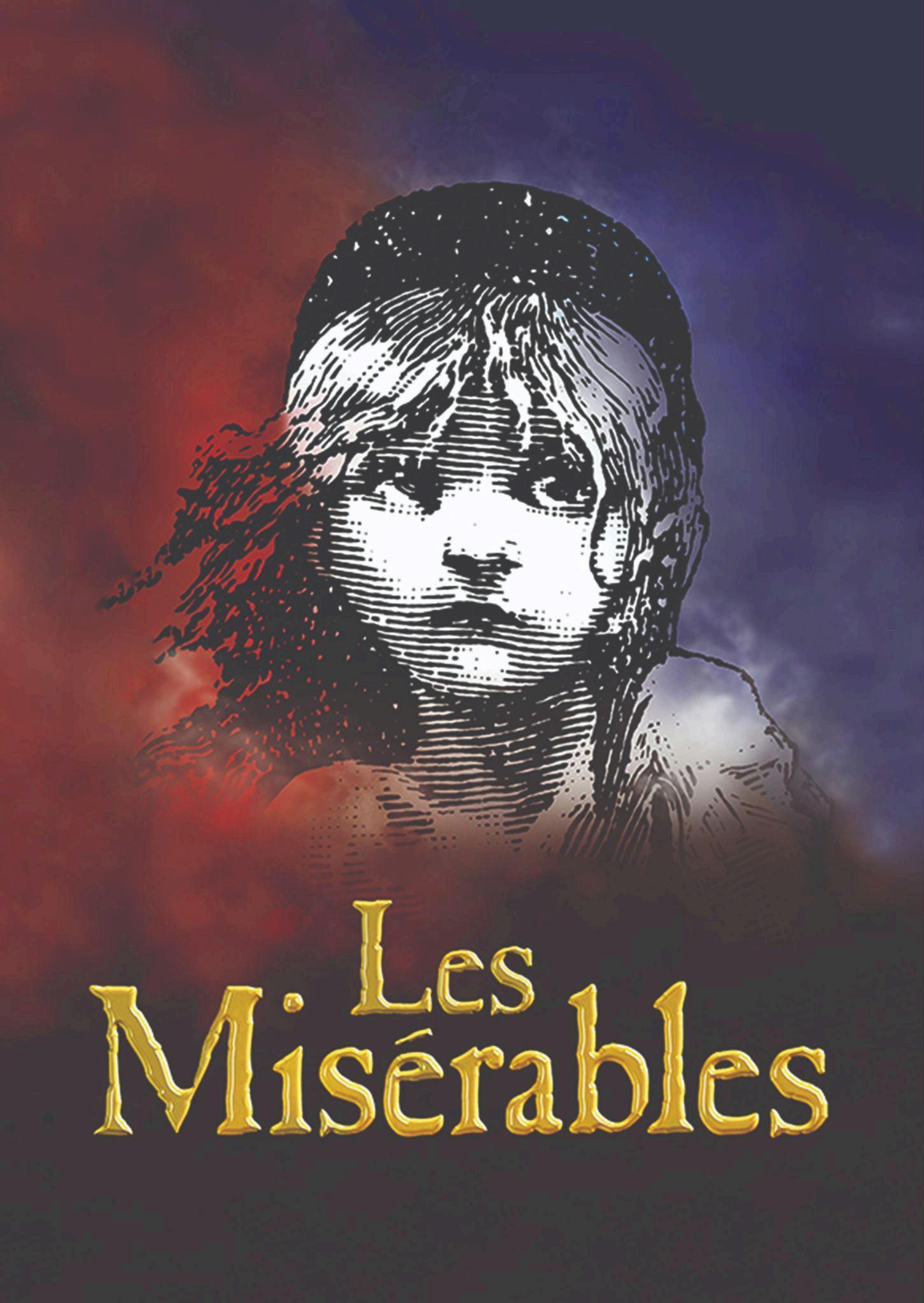

Thank you for joining us at Charleston Stage for Les Misérables! This guide is designed for parents, caregivers, and educators preparing audiences for the performance. Inside, you'll find content advisories, information about the show's creators and history, fun facts to share before the overture, and at-home activities to extend the experience after the show.
Les Misérables is one of the most celebrated and emotionally powerful musicals ever written Based on Victor Hugo's 1862 novel, it tells an epic story of justice, mercy, sacrifice, and revolution It is also a long and intense theatrical experience that engages directly with mature themes We recommend the show for ages 10 and up, with the advisories below to help you decide
Les Misérables is rated PG-13 in spirit, a sweeping musical drama that does not shy away from the realities of poverty, oppression, revolution, and death Please review the advisories below carefully before bringing younger or sensitive audience members
This production uses theatrical fog and atmospheric haze throughout the performance, including:
• The opening 'Look Down' chain-gang sequence
• The factory and Lovely Ladies scenes
• The sewers of Paris
• Heavy battle smoke throughout the Act Two barricade scenes
The fog is non-toxic, water-based, and safe to breathe. Patrons with asthma or respiratory sensitivities may wish to be aware.
Strobe and rapid flashing-light effects are used during:
• The battle at the barricade in Act Two
• Gunfire and cannon-blast sequences
• Javert's suicide ('Javert's Soliloquy')
Guests with photosensitive epilepsy or sensory sensitivities should take note.
This is a very loud show Audiences should expect:
• Live or amplified gunshot effects, including approximately three close-range gunshots during the Act Two barricade battle
• Cannon-blast sound effects
• A full pit orchestra at full volume during 'One Day More,' 'Do You Hear the People Sing?,' and the finale
• Crowd scenes with shouting, screaming, and the sounds of revolution
Earplugs are available at the box office for younger or noise-sensitive guests upon request.
• Open-flame torches and candles may be used onstage during the chain-gang opening, the inn, and the barricade scenes
• Pyrotechnic flash effects accompany gunshots and cannon blasts during the battle
All flame effects are designed and operated to professional safety standards.
Les Misérables is a war story as much as a love story Audiences should be prepared for:
• Onstage gun violence during the barricade battle soldiers and student revolutionaries die
• Multiple named, beloved characters are killed (we will not spoil who but it is many of them)
• Javert dies by suicide, throwing himself off a bridge into the Seine. The moment is staged theatrically, not graphically, but it is unambiguous.
• Fantine dies of illness; Éponine and Gavroche are shot during the battle; Valjean dies peacefully at the end
• Brief physical violence: a slap (Madame Thénardier), threats with weapons, beating of a prisoner
None of the violence is gratuitous, but it is sustained and emotionally heavy.
Javert's suicide is depicted onstage during 'Javert's Soliloquy ' Educators and group leaders bringing young audiences who may be vulnerable to discussions of suicide should be especially aware of this moment and consider preparing them in advance The Charleston Stage staff is happy to provide additional context or post-show resources on request
The 'Lovely Ladies' sequence in Act One depicts prostitution in 1820s Paris, including:
• Women in suggestive period costumes (corsets, undergarments)
• Fantine cutting her hair and selling a tooth, then being forced into prostitution to provide for her daughter
• Implied (not depicted) sexual transactions; brief crude language and innuendo from sailors and customers
• An assault on Fantine that she fights back against, leading to her arrest Nothing graphic is staged, but the scene is unflinching about what poverty forces Fantine into.
• Young Cosette is shown working as a child laborer for the Thénardiers, who treat her cruelly. She sings 'Castle on a Cloud' alone, lonely and afraid.
• Gavroche, a young street child, is one of the play's beloved characters and he is killed during the barricade battle.
• The Thénardier children are neglected and exploited.
The play is unblinking about the way 19th-century French society treated children of the poor.
Les Misérables contains language appropriate to its setting:
• Sailor and customer language during 'Lovely Ladies' includes some crude and sexual references
• Mild profanity throughout: 'damn,' 'hell,' 'God damn'
• Inn-scene drinking song ('Master of the House') contains many sexual double-entendres and insults
• The story is deeply rooted in Catholic and broader Christian themes: grace, mercy, redemption, prayer, forgiveness
• Major moments invoke God directly ('Bring Him Home,' the finale)
• Religious imagery (crucifix, candlesticks, the Bishop of Digne) appears throughout The treatment is reverent rather than evangelistic, but families should know that faith is central to the story.
The show runs approximately 2 hours and 50 minutes, including one 15-minute intermission. This is a long show, please plan accordingly. Restrooms are in the lobby. We encourage families with young children to take any needed breaks; our ushers will help you re-enter at appropriate moments.
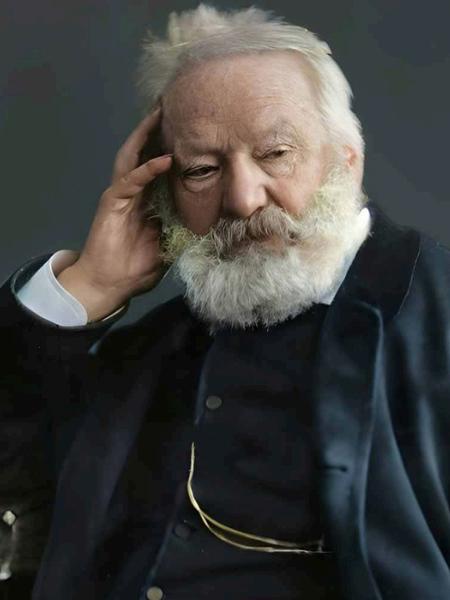
Victor Hugo was one of the most influential French writers of the 19th century a novelist, poet, playwright, and political activist whose work helped define French Romanticism. He published The Hunchback of Notre-Dame in 1831 and Les Misérables in 1862, after nearly two decades of writing and revising. Hugo was a passionate advocate for the poor, opposed the death penalty his whole life, and was forced into political exile from 1851 to 1870 for opposing Napoleon III. He returned to France a national hero, and when he died in 1885, more than two million people lined the streets of Paris for his funeral procession.
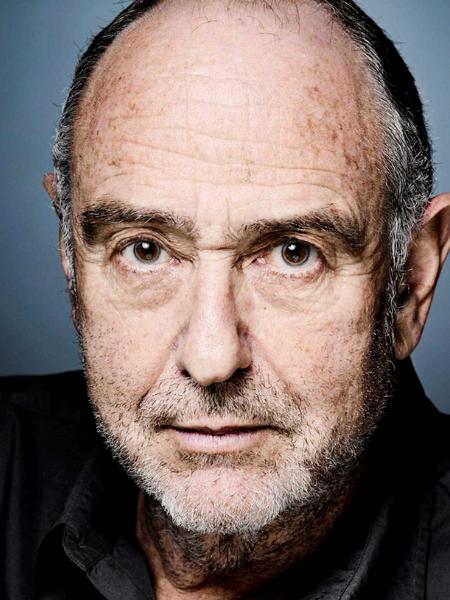
Born in 1944 in Vannes, France, Claude-Michel Schönberg is a French composer, librettist, and producer. He first worked as a pop singer and record producer in the 1960s before turning to musical theatre. With his longtime collaborator Alain Boublil, he composed Les Misérables (1980) and Miss Saigon (1989) two of the most successful musicals ever written
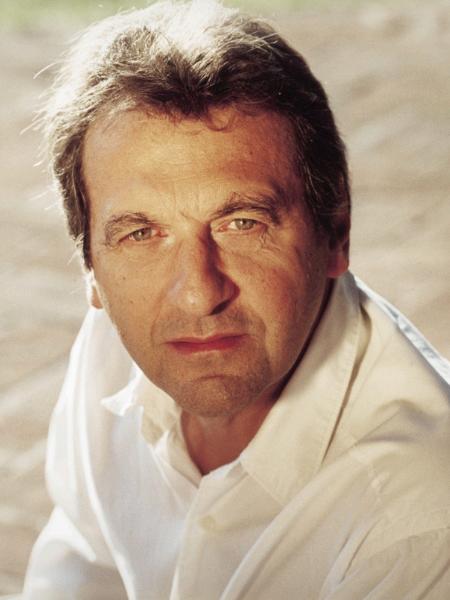
Alain Boublil is a French lyricist and librettist born in Tunis, Tunisia, in 1941. He met Claude-Michel Schönberg in the early 1970s and conceived of Les Misérables after watching a London production of Oliver! in 1978, imagining how Hugo's epic could become a sung-through musical. He has continued to collaborate with Schönberg for more than five decades
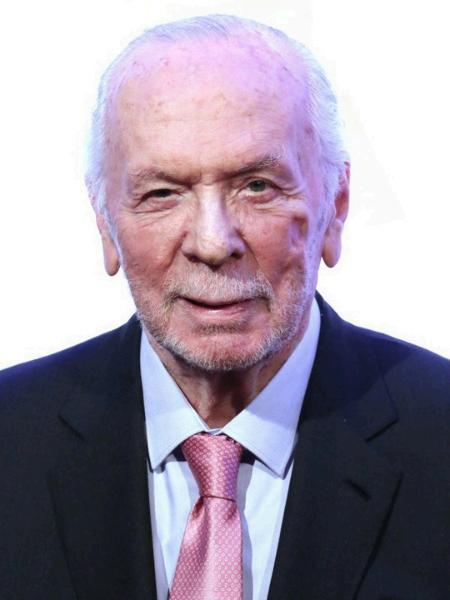
Herbert Kretzmer was a South African-born British journalist, lyricist, and theatre critic. When Cameron Mackintosh decided to bring Les Misérables to English-speaking audiences in 1985, he asked Kretzmer to adapt the lyrics. Kretzmer did not consider his work a translation he wrote roughly one-third loosely translated from the French, one-third adapted, and one-third entirely new material The result is a lyric structure many fans consider equal or superior to the French original
1862 — The Novel
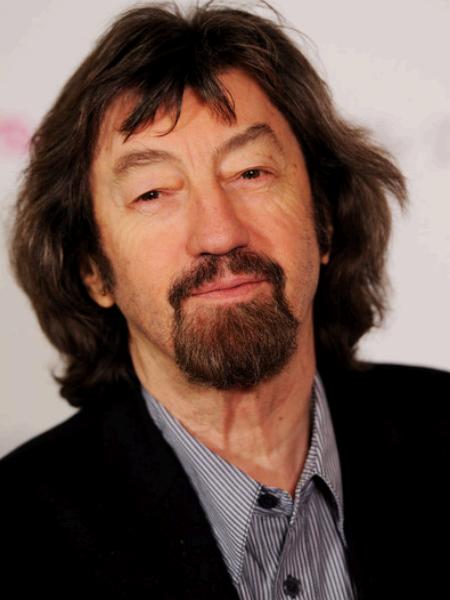
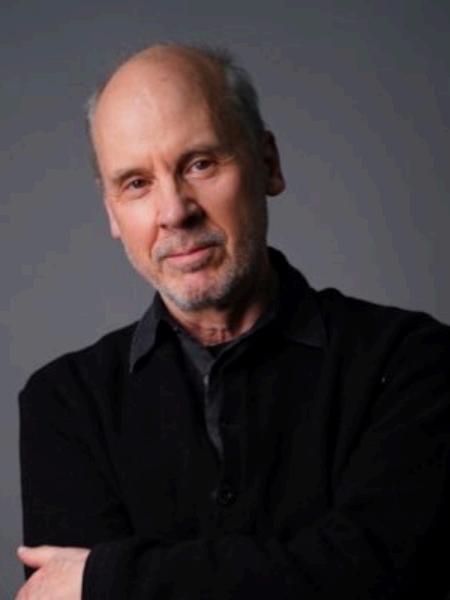
Trevor Nunn (then Artistic Director of the Royal Shakespeare Company) and John Caird co-adapted and co-directed the English-language version of Les Misérables for the RSC Their stagecraft, particularly the iconic turntable barricade and the use of Shakespearean ensemble storytelling techniques, shaped the visual identity that the show still carries today
Victor Hugo publishes Les Misérables It is an immediate international sensation reportedly selling out in Paris within days Library reading rooms rent it by the hour to readers desperate for the next chapter
Claude-Michel Schönberg and Alain Boublil release a concept album of Les Misérables in France, which is then staged at the Palais des Sports in Paris under director Robert Hossein It runs for three months
Producer Cameron Mackintosh teams with the Royal Shakespeare Company to produce a new English-language version, directed by Trevor Nunn and John Caird, with English lyrics by Herbert Kretzmer. It opens at the Barbican on October 8, 1985. Critics initially pan it; audiences fall in love. The show transfers to the Palace Theatre, where it runs until 2004, then moves to the Queen's Theatre. It has been running in London ever since, the longest-running musical in West End history.
Les Misérables opens at the Broadway Theatre on March 12, 1987, and wins eight Tony Awards including Best Musical It runs for 6,680 performances over 16 years before closing in 2003 A revival opens in 2006 and another in 2014
The film adaptation, directed by Tom Hooper and starring Hugh Jackman, Anne Hathaway, Russell Crowe, and Eddie Redmayne, is released. Hathaway wins the Academy Award for Best Supporting Actress for her devastating performance of 'I Dreamed a Dream.'
Les Misérables has been seen by more than 130 million people in 53 countries and 22 languages It has been performed in venues from Broadway to school stages around the world
• Les Misérables is the longest-running musical in West End history It has been running continuously in London since October 1985
• Victor Hugo took 17 years to write the novel
• Hugo allegedly sent his publisher a telegram consisting only of '?' to ask how the book was selling His publisher reportedly replied with only '!' It is now legendary as the shortest correspondence in publishing history
• The opening reviews for the London premiere were mostly negative The Sunday Telegraph called it 'The Glums ' Audiences disagreed, and have continued to disagree for forty years
• The original French concept album was released in 1980 with no spoken dialogue a fully sung-through structure that became one of the show's signatures
• Cameron Mackintosh got the idea to produce an English version after his assistant slipped him the French concept album
• The iconic turntable used to rotate the barricade onstage was one of the first major uses of a revolving stage in a Broadway musical of its era.
• 'I Dreamed a Dream' was popularized for a new generation by Susan Boyle's 2009 Britain's Got Talent audition, which has been viewed over 250 million times on YouTube.
• 'Bring Him Home,' sung by Valjean at the barricade, was written specifically for the original London Valjean, Colm Wilkinson, who had an extraordinary tenor range.
• Composer Claude-Michel Schönberg sang the role of Marius on the original 1980 French concept album.
• The Thénardiers, the comic-villain couple, were partly invented to provide audiences with relief from the relentless seriousness of the rest of the story.
• Gavroche, the brave young street child, is based on a real character in Hugo's novel and is named after a French slang term for a street urchin that came into use after the novel was published.
• The June Rebellion of 1832, depicted in Act Two, was a real failed uprising in Paris. It lasted two days and resulted in approximately 800 casualties.
• Les Misérables has been translated into 22 languages and produced in 53 countries.
Bring the world of Les Misérables home with you. Here are activities for families, students, and classrooms before or after the show.
• Character Map Draw a map of the show's characters and their relationships. Who is connected to whom by family, love, friendship, or enmity?
• Castle on a Cloud Cosette imagines a perfect place where she is safe and loved. Draw or describe your own 'castle on a cloud.' What is in it?
• Two Sides of the Barricade The story has students on one side, soldiers on the other. Imagine a soldier and a student who go to school together as friends What would they say to each other on the night before the battle?
• Listen and Learn Listen to 'Do You Hear the People Sing?' What feeling does the music create? How does the song want to make you feel?
• Read the Source Read the opening chapters of Hugo's novel (or a strong abridgement) What does Hugo include that the musical leaves out?
• History Dive Research the June Rebellion of 1832 Who were the real students and revolutionaries? Why did they fight, and why did they lose?
• Mercy vs Justice The Bishop's act of mercy changes Valjean's entire life Javert believes in justice with no exceptions Which value matters more to you and where do you draw the line?
• Translate a Lyric Find the original French lyrics for one song you love (try 'A la volonté du peuple' for 'Do You Hear the People Sing?') How is it different from the English? What changes in feeling?
• Adaptation Compare Watch the 2012 film and a clip from the 25th Anniversary concert at the O2 Which version brings the story most to life for you, and why?
• Stage Tech Research the famous Les Mis turntable Why was this technology revolutionary in 1985? How do today's productions use it?
• Which character did you connect with most? Why?
• Valjean and Javert see the same world completely differently What is each of them really after?
• 'To love another person is to see the face of God.' What do you think this means at the end of the play?
• The students fight and die for what they believe in. Were they right to fight? Were they right to die?
• Which song will you be humming for the next week?
• Where in our world today do you see the same struggles Hugo wrote about: poverty, injustice, second chances, and the people who refuse to give up on each other?
Les Misérables is one of the great theatrical experiences of the modern era. It is grand, demanding, devastating, and, at the end, deeply hopeful. We are honored that you've chosen to share this evening with us. Please give yourselves time after the show to talk, to breathe, and to let it land. Some stories deserve that.