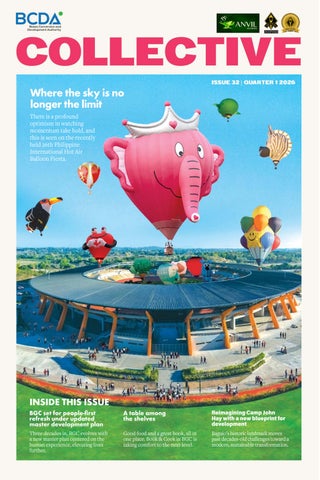
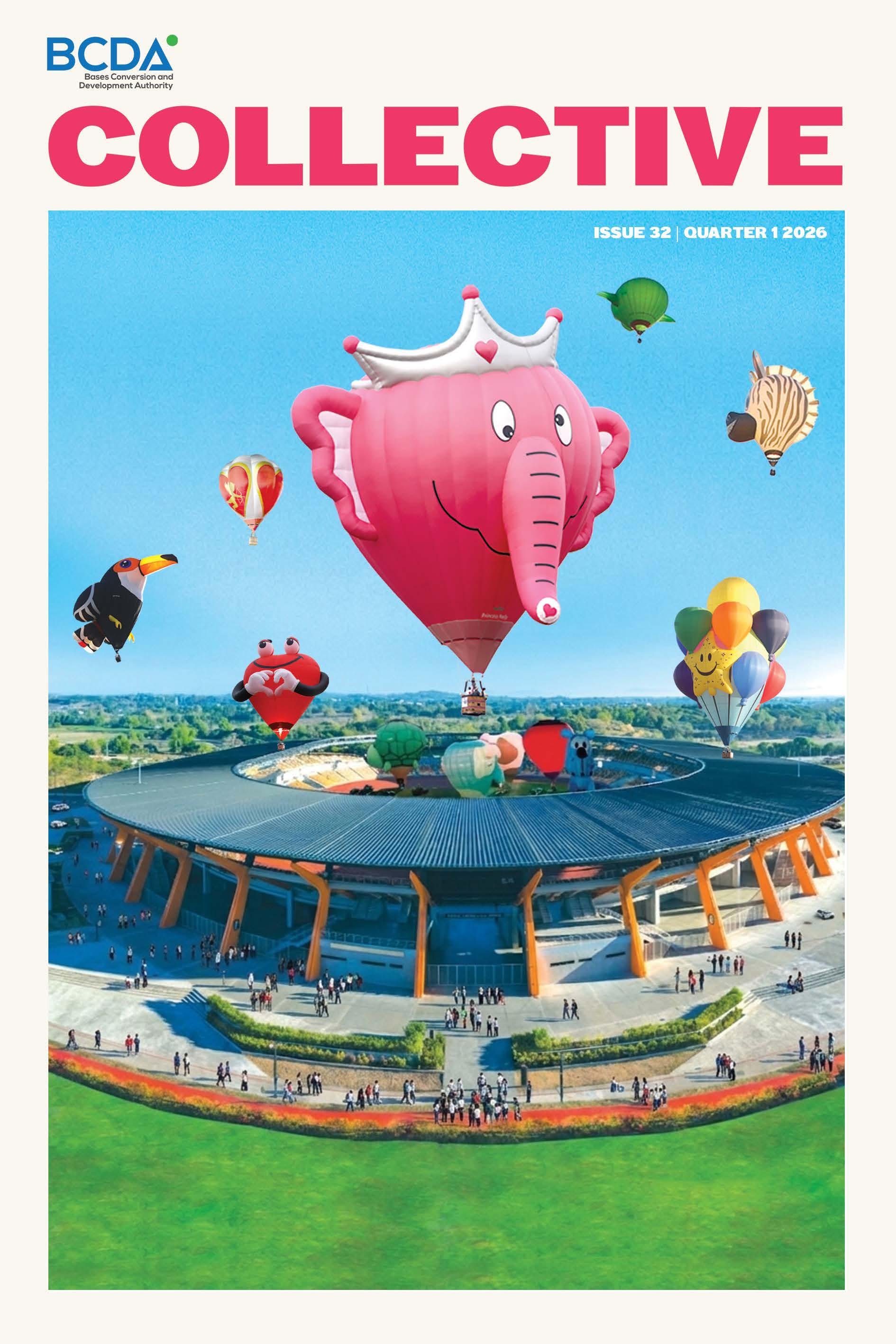
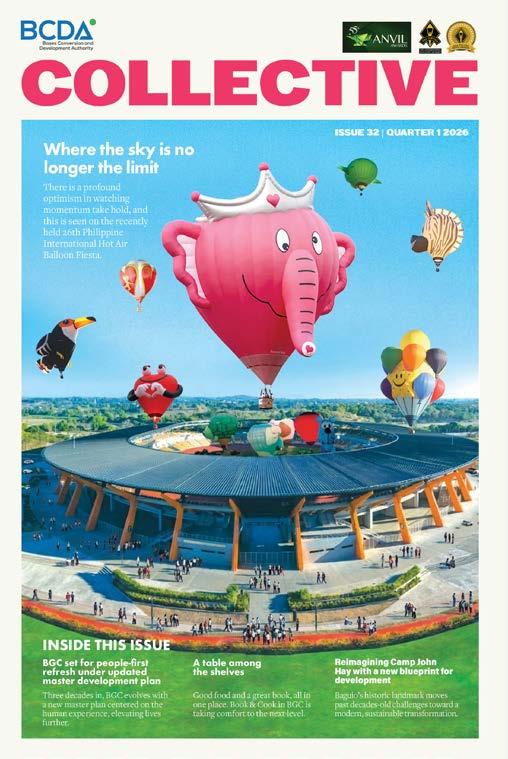
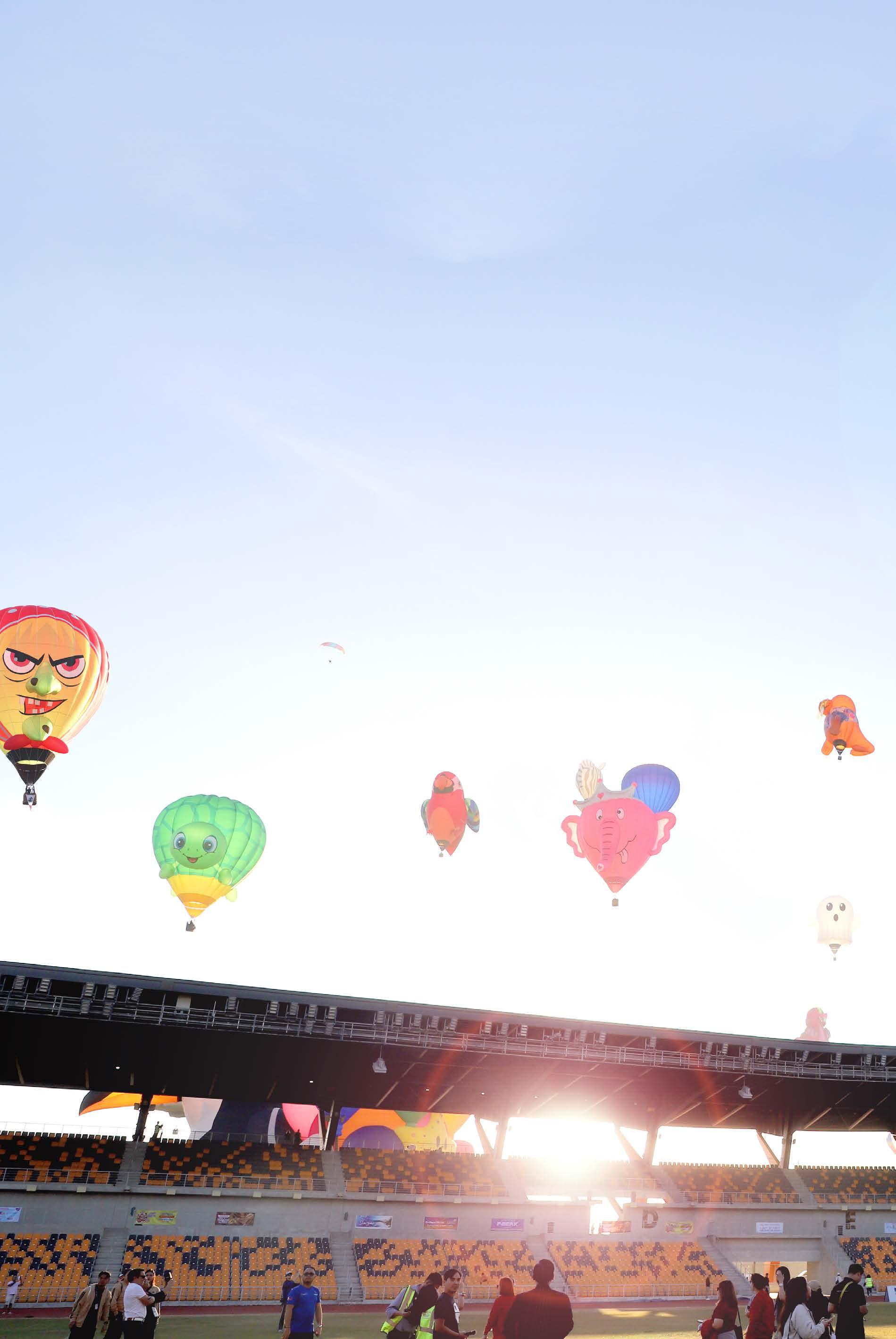
There is a profound optimism in watching momentum take hold, and this is seen on the recently held 26th Philippine International Hot Air Balloon Fiesta.
INSIDE THIS ISSUE
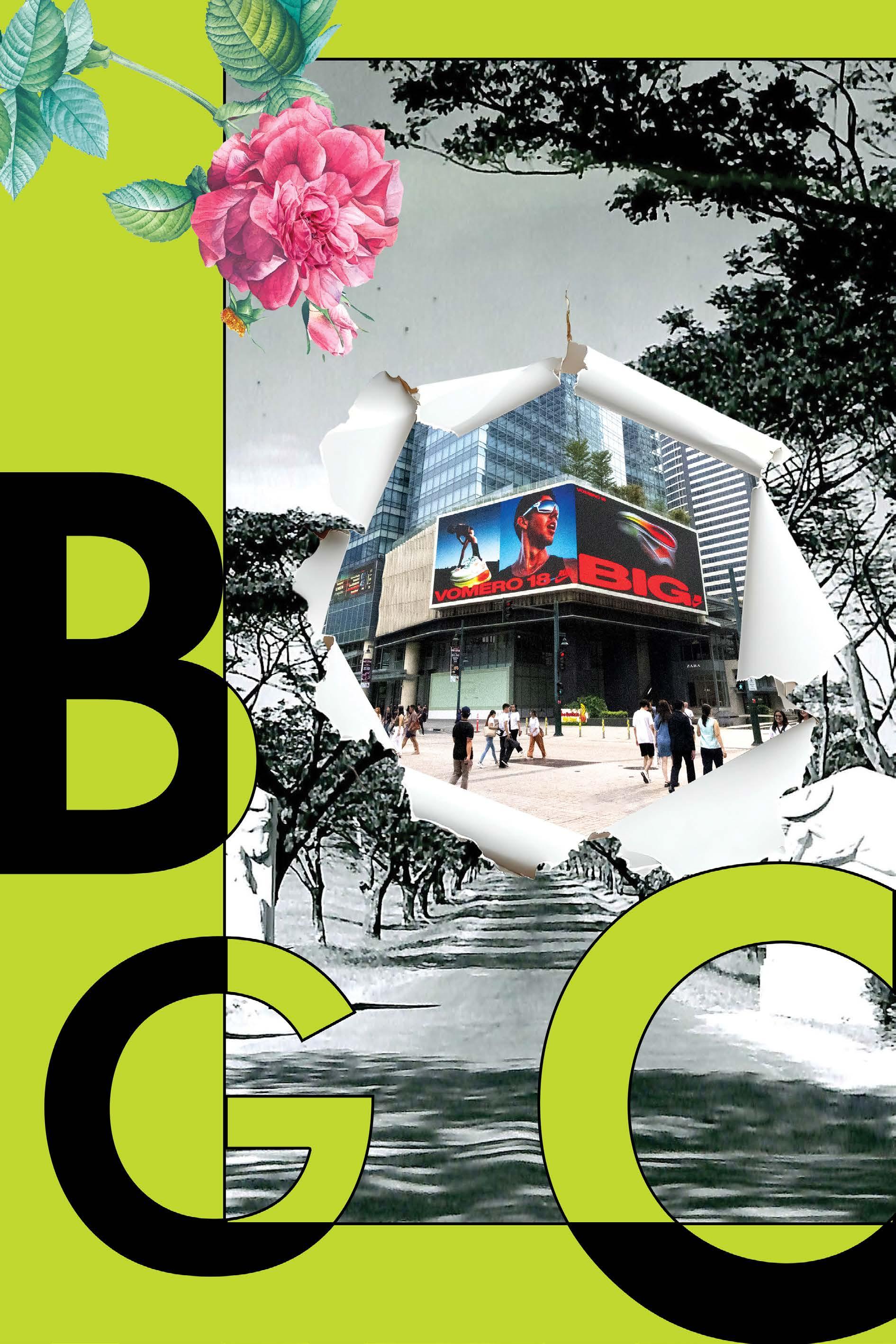
BGC set for people-first refresh under updated master development plan
Three decades in, BGC evolves with a new master plan centered on the human experience, elevating lives further.
A table among the shelves
Good food and a great book, all in one place. Book & Cook in BGC is taking comfort to the next level.
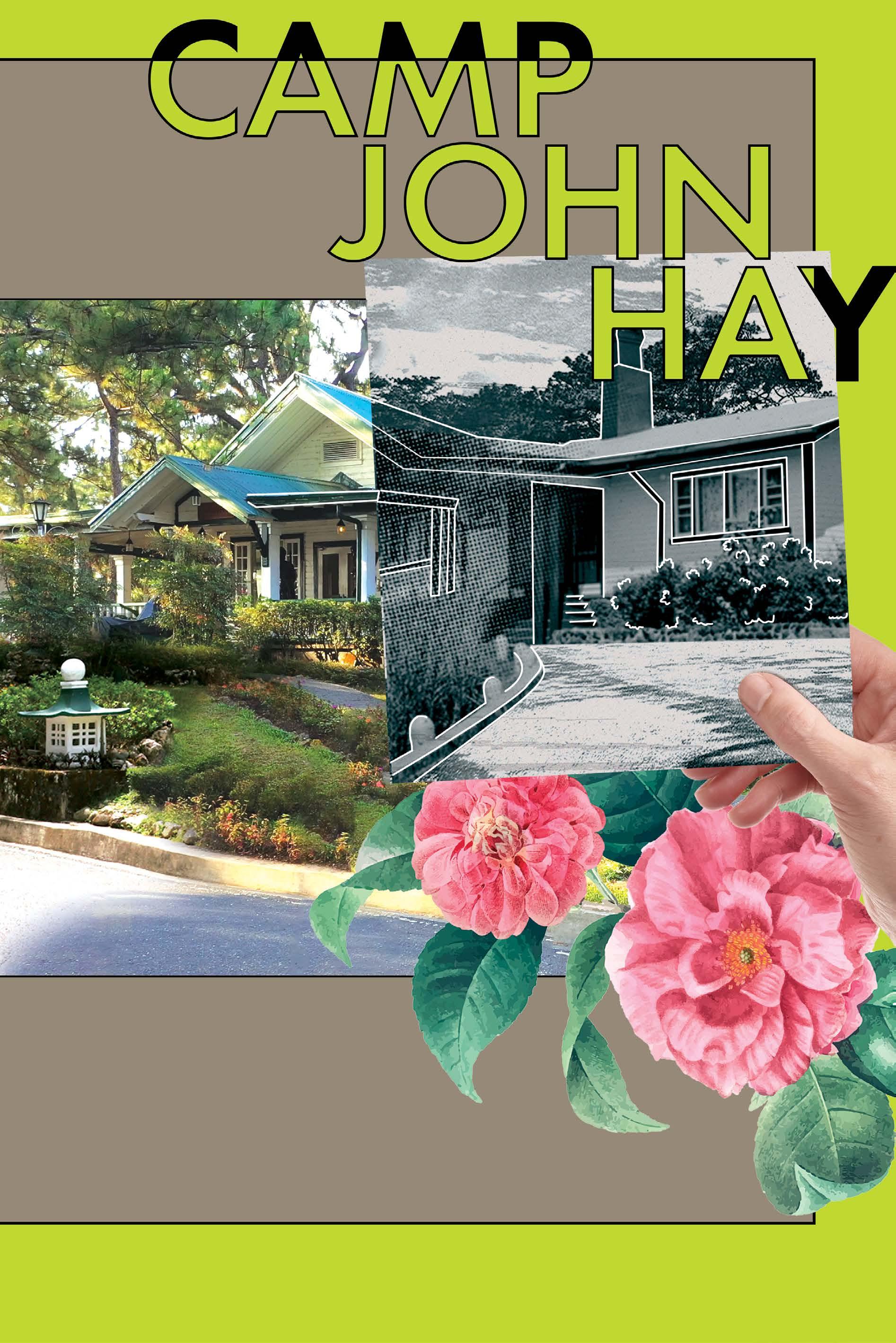
Reimagining Camp John Hay with a new blueprint for development
Baguio’s historic landmark moves past decades-old challenges toward a modern, sustainable transformation.
COLLECTIVE
is a quarterly publication of the Bases Conversion and Development Authority.
TABLE OF CONTENTS
A gateway that earned its place
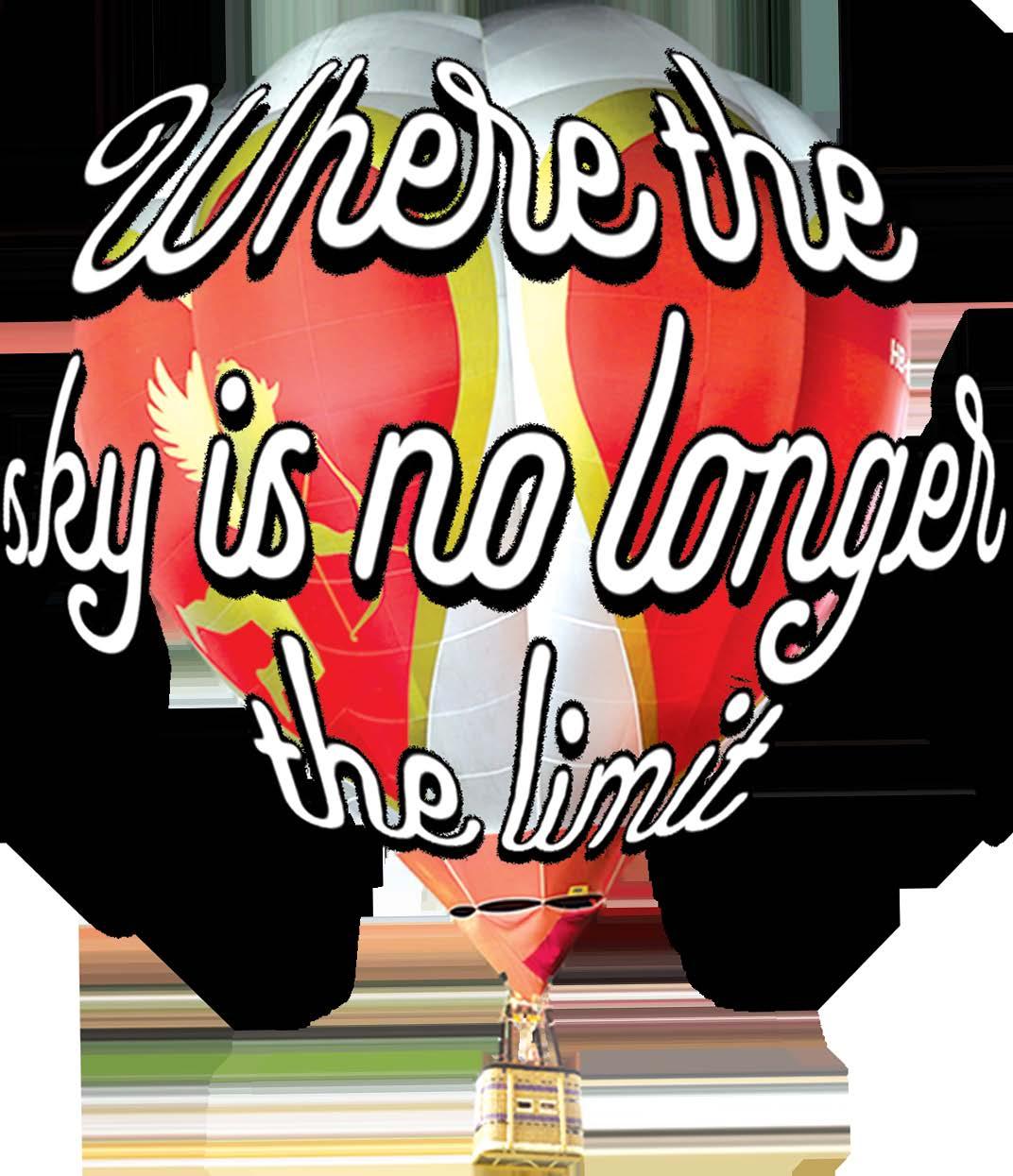
Where the sky is no longer the limit
Blueprinting dreams: How New Clark City is building the future
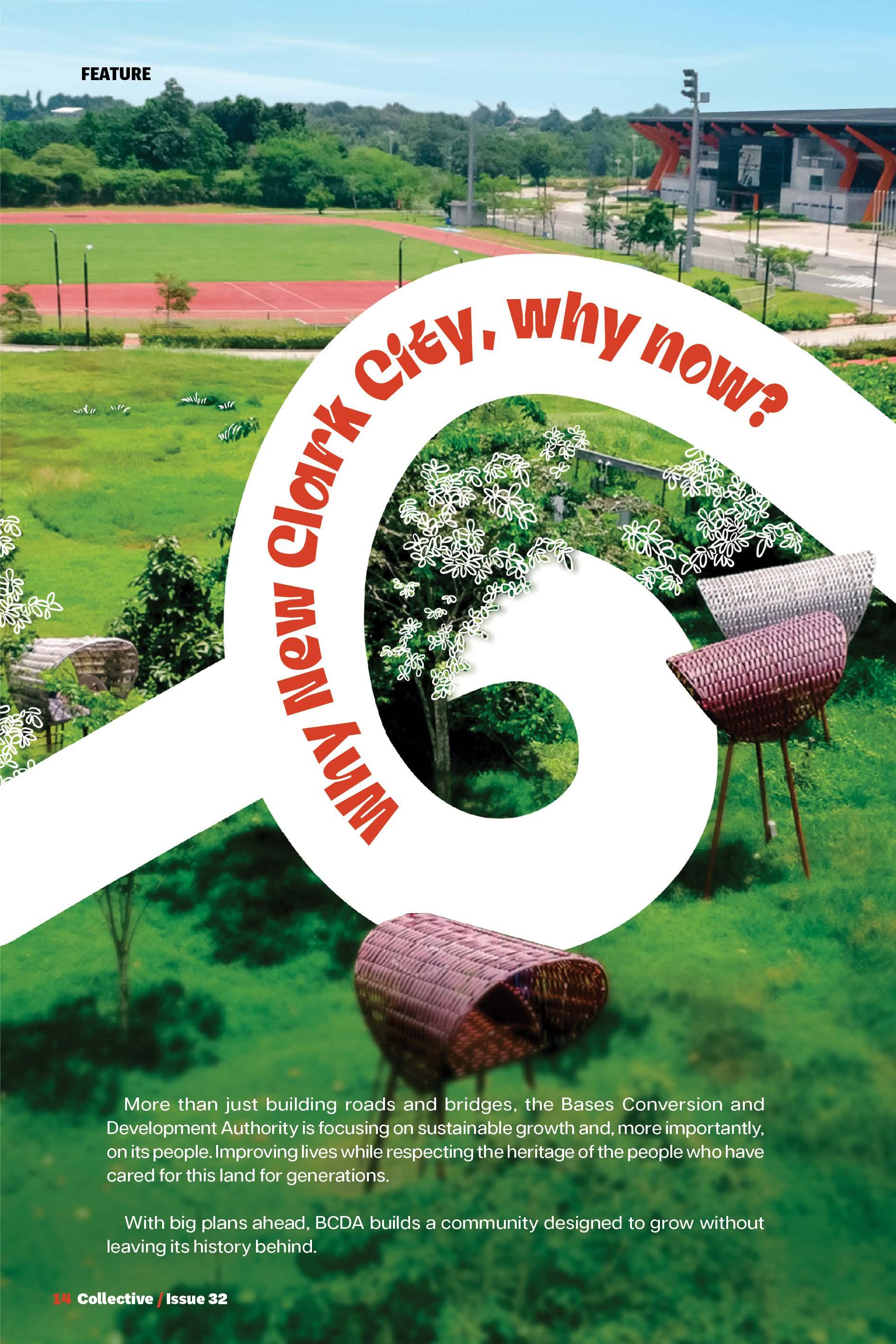
Why New Clark City, why now?
From ancestral roots to modern harvest
After the landfill: A new facility in New Clark City asks whether the country is finally ready to think differently about its garbage
A giant window across boarder: How a public installation connects Filipino to the world
BGC set for people-first refresh under updated master development
A table among the shelves
An ode to BGC’s metamorphosis
Reimagining Camp John Hay with a new blueprint for development
A camp that offers more
A safer space for families: PPMC enhances Children's Park at Poro Point Baywalk
Then and now: Celebrating women behind progress
Atty. Hilario B. Paredes CHAIRPERSON
Engr. Joshua M. Bingcang PRESIDENT AND CEO
EDITOR-IN-CHIEF Leilani Barlongay-Macasaet
EXECUTIVE EDITOR Denver A. Moreno
MANAGING EDITOR Janine Alexis P. Miguel
CREATIVE DIRECTOR Zilpah I. Tabanera
CONTRIBUTORS Alyza Joyce Y. Alvarez, January Guia Caringal, Mariedel Irish U. Catilogo, Garry A. Cativo, Zyrelle A. Del Prado, Mary Grace Padin, Michelle Anne P. Soliman, Marriane Mae Valdrez
PHOTOS John Emil C. Flores, Samuel Luke M. Galivo, John Hay Management Corporation, Mode Matrix Manila, Inc., Manila Portal
ABOUT BCDA
BCDA is a development corporation vested with corporate powers under Republic Act (RA) 7227 or Bases Conversion and Development Act of 1992. The BCDA Charter was amended by RA 7917 in 1995, and further amended by RA 9400 in 2007. Mandated to help strengthen the Armed Forces while building great cities, BCDA remains as a major force in creating economic opportunities in the country through its establishment of integrated developments, dynamic business centers and vibrant communities.
ON THE COVER
Gracing the issue’s cover is the 26th Philippine International Hot Air Balloon Fiesta, a spectacle that has long been defined by the theme: “A weekend of everything that flies.” This year’s edition painted the skies of New Clark City, a venue that perfectly mirrors the event's limitless spirit.
EDITORIAL ADDRESS
BCDA Corporate Center 2/F, Bonifacio Technology Center 31st Street cor. 2nd Ave. Bonifacio Global City Taguig City, Philippines
CONTACT NO. (632) 8575-1700
FAX (632) 8816-0996
Balloons lift over New Clark City. Clark International Airport lifts its reputation to world class. Camp John Hay and Bonifacio Global City lift cities to their next version.
The Bases Conversion and Development Authority carries this momentum forward, permanently and upward. The momentum is noticeable, a Festival of Innovation playing out across what were once silent corridors, now transformed into vibrant places of commerce and community, reimagined intentionally.
The horizon is no longer a limit, but an invitation and the view from the top is only just beginning to take shape. It’s active and optimistic, drawing people into the ascent, not just watching things rise, but being part of what’s lifting. New places, big plans, and 35,000 reasons to look up.
earned that A gateway its lace p
By Marriane Mae Valdrez
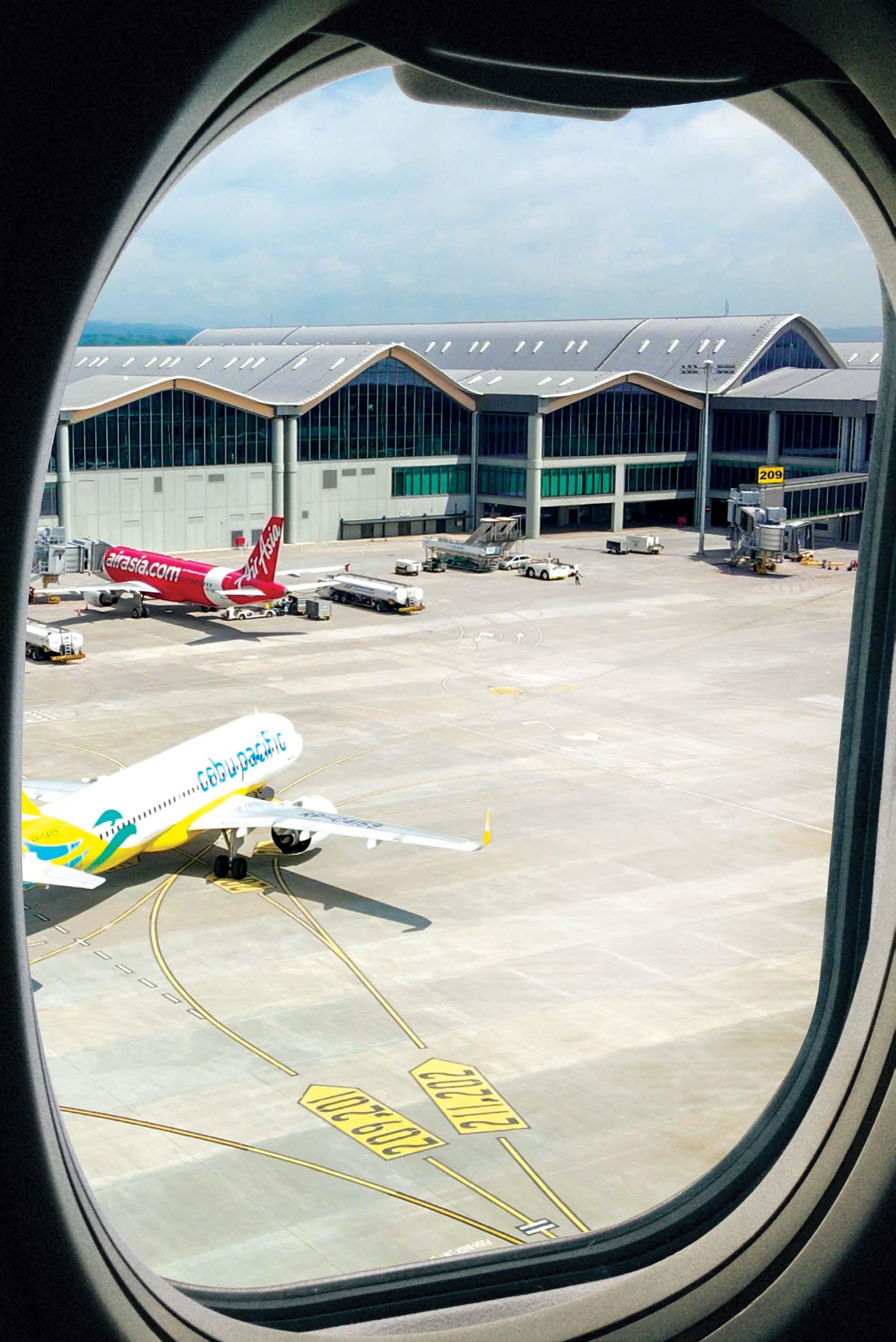
There is a moment every traveler knows well: the plane touches down, seatbelts click open, and the doors of the overhead bins swing upward as passengers prepare to step into a new place. After hours in the air, the next chapter can either ease the journey or make it feel longer. For those arriving at Clark International Airport (CRK), that chapter often unfolds with a quiet sense of ease.
2025 BEST AIRPORT AT ARRIVAL
Airports around the world promise efficiency and comfort, but the real test begins after landing, when passengers move through immigration, retrieve their luggage, and step into an unfamiliar city. It is during these moments that an airport reveals whether its design truly works. In Clark, the difference becomes clear almost immediately.
A design that breathes
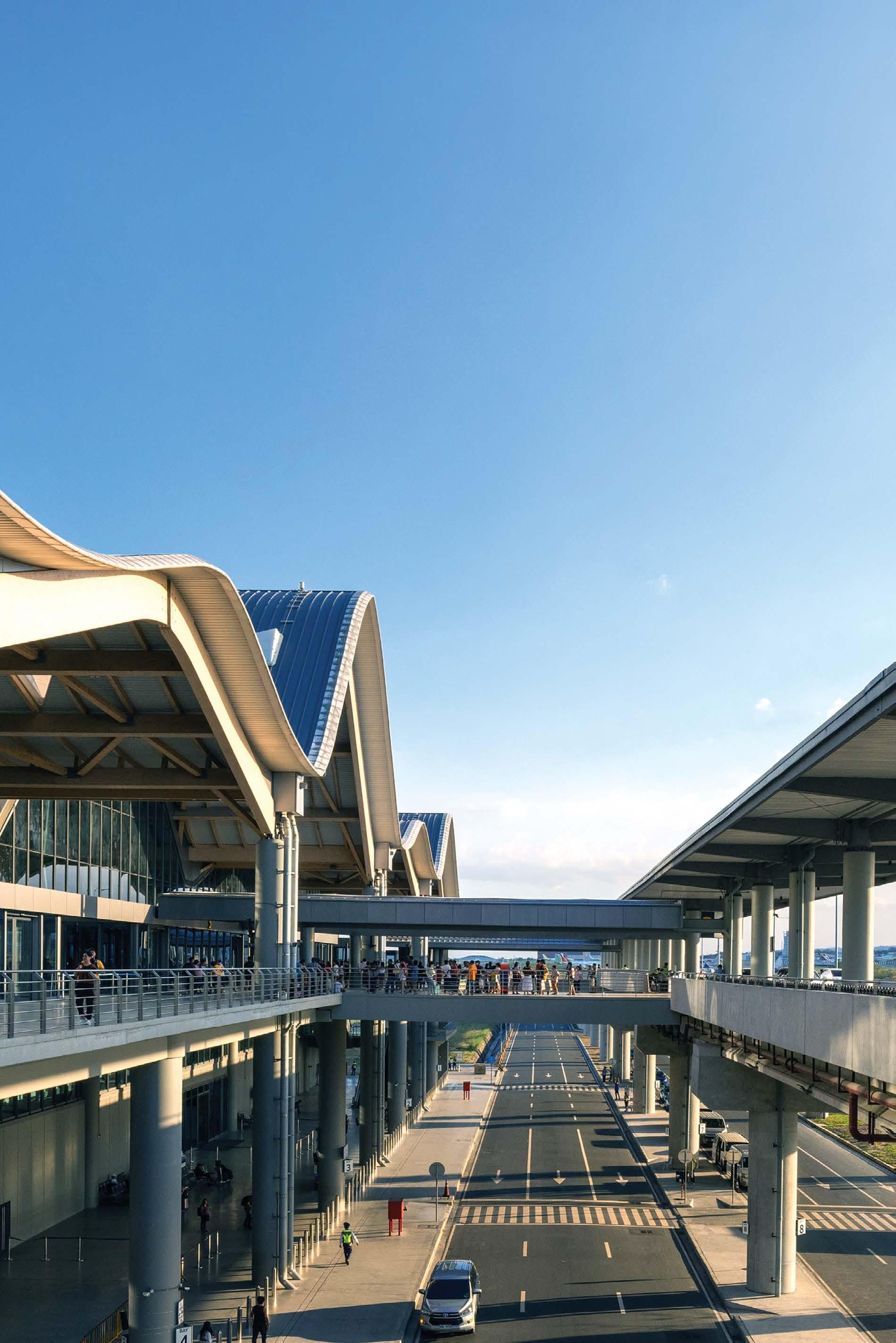
The airport sits within the Clark Aviation Complex, an area known for its infrastructure and open landscape. The terminal itself reflects thoughtful design rooted in local identity. Inspired by the jagged peaks of Mt. Arayat and the festive curves of traditional Filipino lanterns, the airport invites natural light to pour in through wide glass panels, allowing passengers to notice the space surrounding the airport.
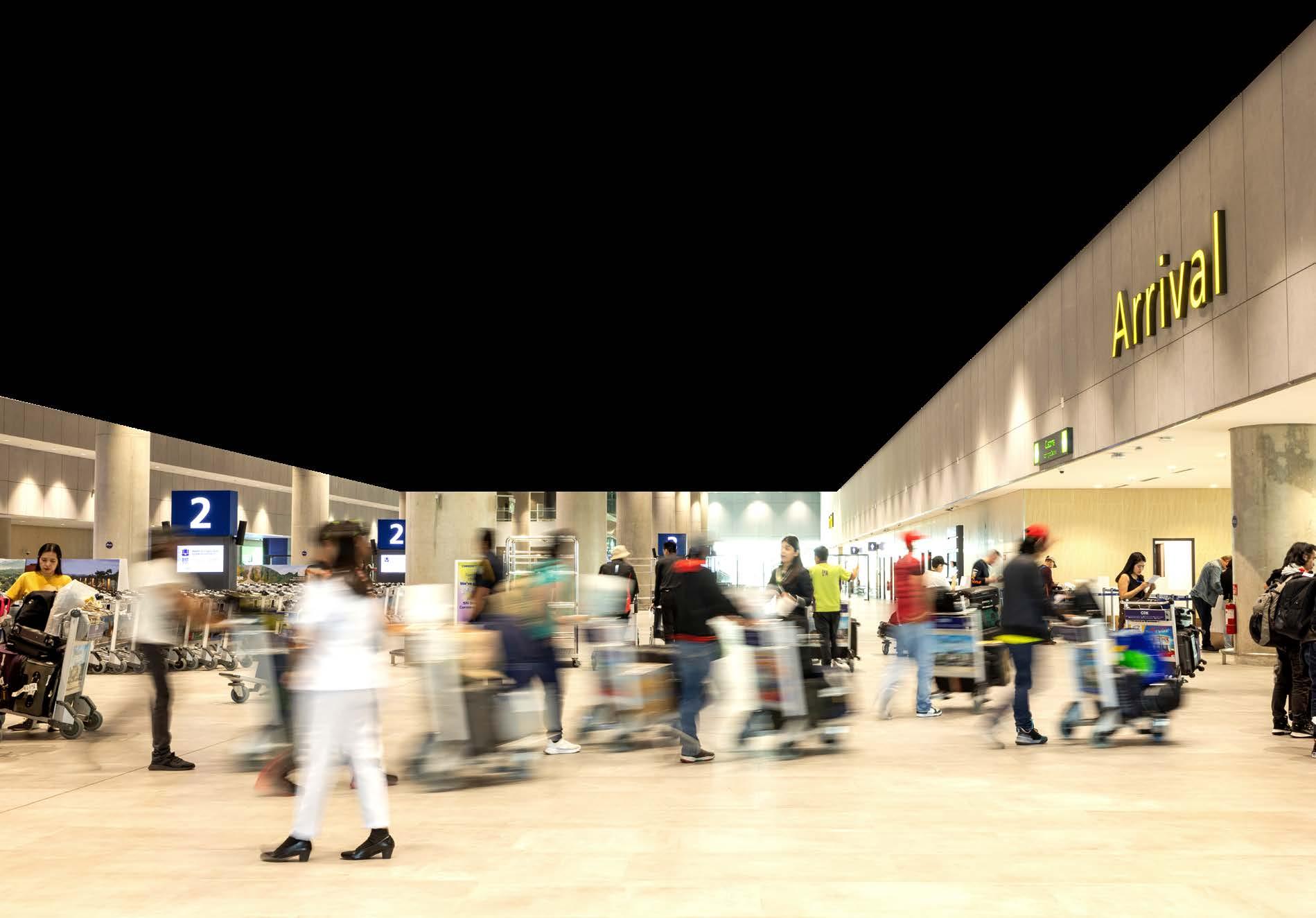
CRK gives travelers what they need most: room to breathe. Inside the passenger terminal, the atmosphere feels calm rather than overwhelming. Wide corridors guide travelers toward immigration without confusion, a subtle signal that the arrival experience ahead has been planned carefully.
The luxury of efficiency
But design is nothing without movement. The true strength of CRK lies in its invisible systems. Immigration, often the most unpredictable part of international travel, moves steadily at this airport. The layout is intuitive; signages are positioned exactly where a traveler instinctively looks.
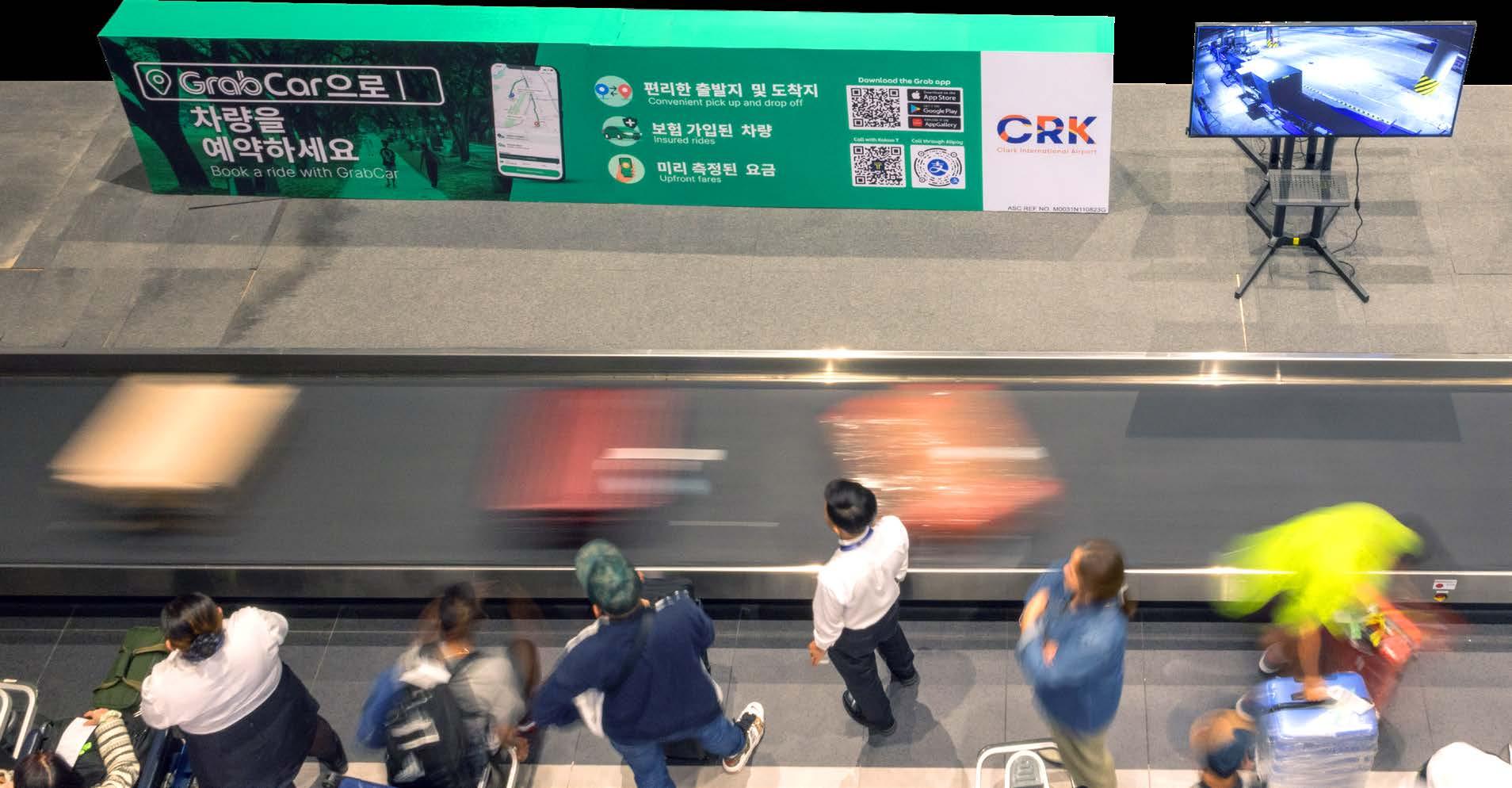
Travelers are assisted through organized counters that prevent long bottlenecks. After immigration, passengers enter a baggage claim hall designed with the same attention to space and clarity. Conveyor belts are positioned with enough distance between them to avoid crowding. Digital screens clearly indicate flight information, and passengers can move comfortably while waiting for their luggage. The experience feels smooth, not rushed.
A gateway to Filipino hospitality
For many, the journey is only half-complete until it becomes personal. A returning passenger described a moment this way: “The flight ends when the plane lands, but the feeling of being home starts when you walk into the arrival hall.”
“You can tell when an airport is built with passengers in mind.”
"You don’t realize how stressful airports can be until you arrive at one that actually works.”
- Severus Shem Bol-anon Traveler
Whether it is a quick smile from a member of the staff or the warmth of a familiar face waiting in the lobby, the transition feels less like a process and more like a welcome.
A seamless transition
Outside the terminal, the airport’s strategic location becomes even more evident. Clark connects directly to major highways such as the Subic–Clark–Tarlac Expressway and the North Luzon Expressway, allowing travelers to continue their journey without the heavy congestion. Within minutes of leaving the terminal, vehicles are already moving toward Pampanga, Central Luzon, or Metro Manila. The transition from air to road feels almost effortless.
CRK’s evolution into a modern international gateway is supported by the Clark International Airport Corporation’s continued focus on serving the needs of both global travelers and regional communities.
A proven reputation
Over time, the results have become visible not only to travelers but also to international aviation observers. CRK’s arrival experience has gained recognition in global airport service assessments, a distinction that reflects the everyday reality experienced by passengers passing through its halls. However, the recognition is never granted lightly. Airports earn that level of acknowledgment only when the experience consistently matches the reputation. CRK has managed to do exactly that.
This airport focuses on what truly matters to travelers: a clear process, a comfortable environment, and an arrival that feels organized from beginning to end. The result is an airport that quietly redefines expectations.
More than a terminal
For international visitors, Clark becomes the first encounter with the Philippines. The experience suggests a country that values efficiency, hospitality, and thoughtful design. For returning Filipinos, it becomes something even more meaningful. The moment they step through the arrival doors and see familiar faces waiting, the airport becomes part of the emotional journey home.
These are the moments no award can manufacture. They happen only when the entire arrival experience works exactly as it should. That is why the airport’s growing reputation carries real weight. If the arrival experience were anything less than exceptional, the recognition would never follow. Travelers would notice. Aviation observers would notice. But the experience holds up. Plane after plane lands. Passenger after passenger walks through the terminal. And the journey continues smoothly. At CRK, that feeling is clear. The arrival works. The welcome feels genuine. And the experience proves that this gateway didn’t just earn its reputation by chance. It earned its place, one passenger at a time.
Theyusedtosaythesky isthelimit;adefinitive ceilingonhowhighwecould reach and how far we could dream. But as the sun broke over the horizon of Tarlac thisFebruary,thatlimit disappeared.
By Janine Alexis P. Miguel
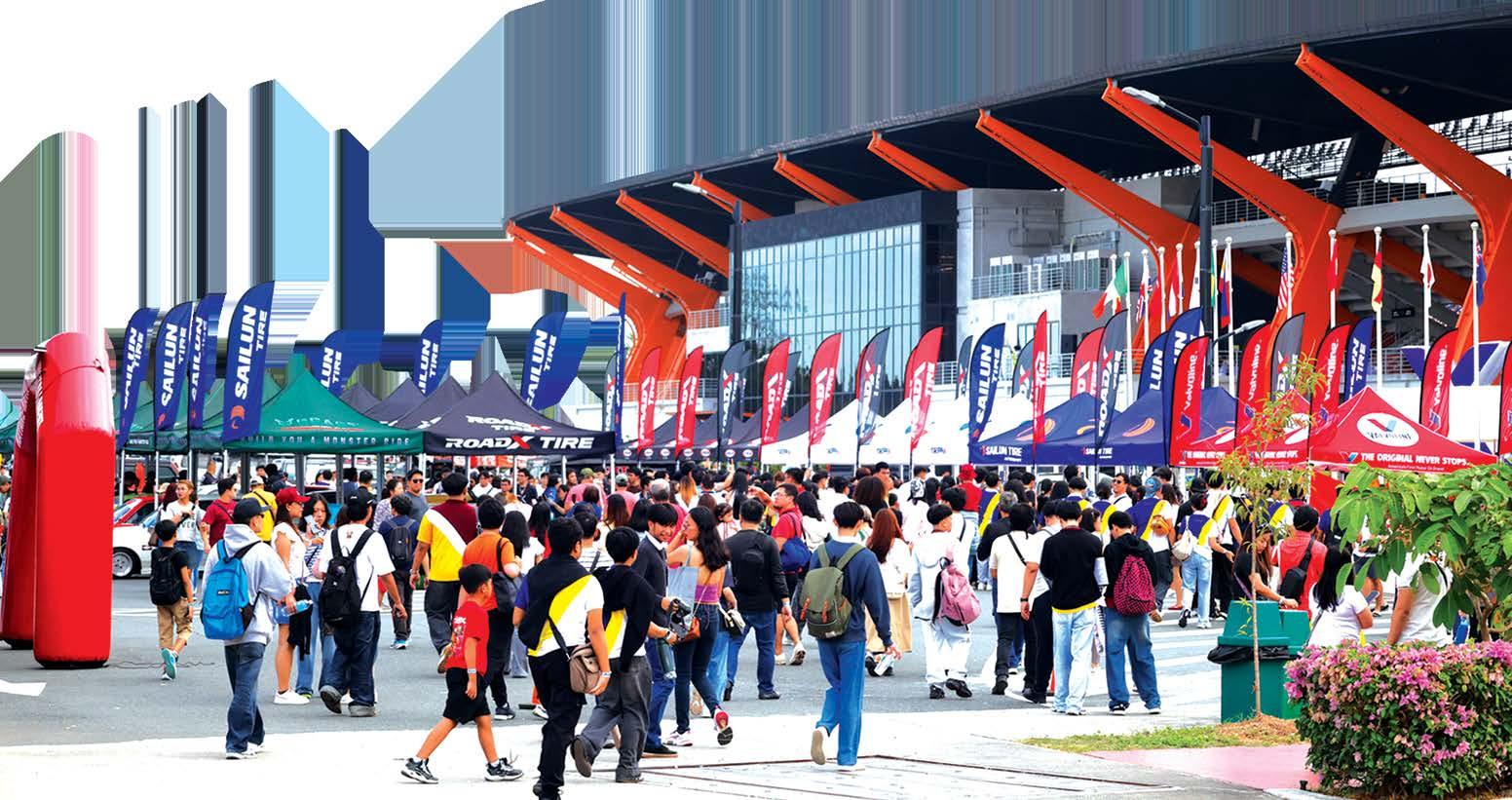
High above the 9,450-hectare expanse of New Clark City, the 26th Philippine International Hot Air Balloon Fiesta (PIHABF) painted the atmosphere with a burst of color. For three days, 35,000 visitors stood with tilted heads, captivated by a spectacle that has long been defined by the theme: “A weekend of everything that flies.”
This year’s edition, coinciding with Valentine’s Day, served as a backdrop for the season of love, offering a profound, shared experience that transcended the aviation displays themselves.
The ascent
What began in 1994 as a bold effort to uplift the economy of Central Luzon in the aftermath of the Mount Pinatubo eruption has evolved into the longest-running sports aviation event in Asia. At the time, former Tourism Secretary Mina Gabor–supported by international partners–launched the fiesta to help the region recover from devastation, serving as a catalyst of hope from the very beginning.
The goal was ambitious: to establish hot air ballooning as a premier aviation sport and place the region on the map as a top-tier destination in the Asia-Pacific. From its modest start with 21 balloons from 10 countries, including a single entry from the Philippines by the only registered balloon pilot at that time Captain Joy Roa, the festival has faced its share of turbulence, including cancellation in 1999 due to budget constraints.
Yet, like any flight that refuses to stay grounded, PIHABF found its wings again in 2000. It returned with a new, permanent tradition that continues to lift the morale of the community to this day.
The perfect stage
Today, the festival goes beyond balloons to showcase incredible human talent. It also found its way back home in New Clark City, a venue that perfectly mirrors the event's own spirit.
Much like the festival’s history, where it refused to stay grounded after facing its own challenges, New Clark City has exceeded its own limitations, rising from former air base grounds to become a modern, worldclass hub. This shared narrative of resilience and ascent makes the pairing profound: the city provides the perfect stage, and the festival provides the inspiration.
For those standing on the ground of this rising metropolis, the true flight wasn't just in the air. Under the stewardship of the Bases Conversion and Development Authority (BCDA), New Clark City has moved past the phase of mere potential. It has broken through the ceiling of conventional urban planning to become a world-class stage for international tourism and sustainable innovation.
Like a festival that draws thousands to look up, New Clark City draws people in.
Not just for a moment, but for what it promises ahead. Families, enthusiasts, and tourists moved through a city designed not just to host but to engage. Every detail, from open spaces to modern facilities, spoke of intentional planning. Every element reinforced a simple truth: this is a city built for both people and possibility.
Like every successful flight, New Clark City’s rise is grounded in preparation and precision.
Much like the seamless rhythm of aerial displays, New Clark City’s growth is steady, purposeful, and built to last. The festival’s theme could not have been more fitting. Because in this city, flight is not limited to what fills the sky.
Like a coordinated spectacle, New Clark City unitesinfrastructure,communities,andindustries.
It is reflected in ideas taking shape, in infrastructure rising from the ground, and in communities gaining new opportunities. The festival may have been the highlight, but it was only the beginning.
Like every great event that leaves a lasting impact, New Clark City ensures progress is felt long after the moment has passed.
Because beneath the spectacle lies a deeper narrative; one of momentum that does not fade when the weekend ends. In this city, upward isn't just a direction for balloons, it is the only trajectory for its people. If the sky was once the limit, New Clark City has proven that the sky is now just the beginning. The balloons were the invitation to look up, but the city itself is the reason to stay.
As the final displays concluded and the crowds dispersed, New Clark City remained what it has steadily become: a place where progress continues to rise, long after the skies have cleared.
While the balloons offered a breathtaking display of grace and precision, they served as a vibrant metaphor for the city beneath them. The dusty remnants of the former Clark Air Base have not just been cleared; they have been reimagined. New Clark City remained what it has steadily become: a place where progress continues to rise, long after the skies have cleared.
In the grand scheme of things, everything that flies eventually descends back to the ground or can’t be seen anymore but the trajectory of New Clark City remains firmly upward.
Blueprinting dreams: How New Clark City is building the future
By Janine Alexis P. Miguel
The true measure of a city's rise isn't found in the height of its cranes or the sleekness of its glass facades. It is felt in the classrooms, the communities, and the lives of the people who call it home.
While the Bases Conversion and Development Authority (BCDA) has earned a reputation for master-planning grand, future-ready infrastructure, its most critical blueprint lies on human potential. In New Clark City, the future is not only being built through roads, buildings, and investments, it is also being shaped through people.
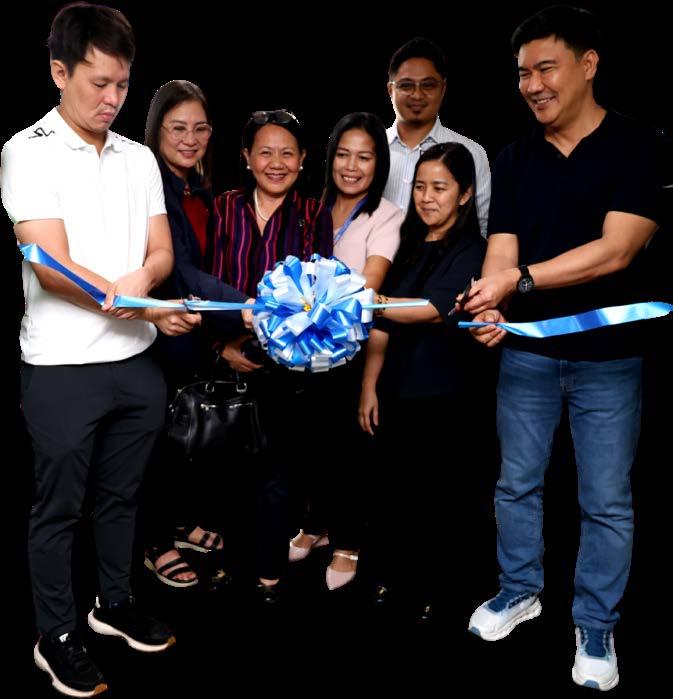
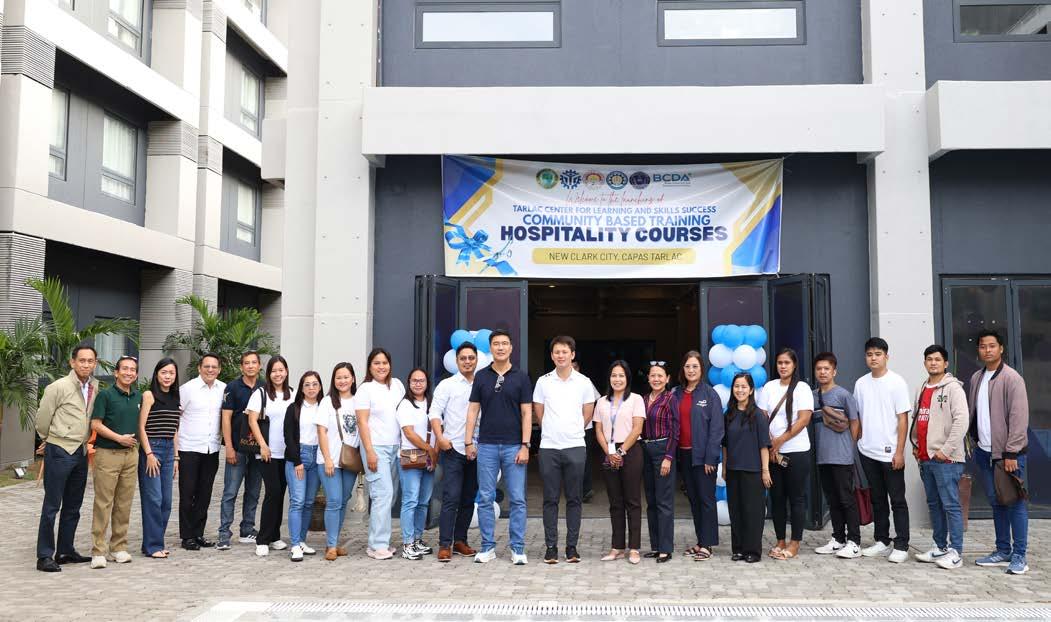
A new chapter in workforce development opened recently as BCDA and the Provincial Government of Tarlac inaugurated the Off-Campus Training Center for the Tarlac Center for Learning and Skills Success (TCLASS) program.
Located within the Athletes’ Village in New Clark City, the facility will provide free, industry-driven skills training through Technical Education and Skills Development Authority (TESDA)-accredited programs. The initiative comes at a time as New Clark City continues to expand and attract investments, creating growing demand for skilled workers across various sectors, particularly hospitality and services.
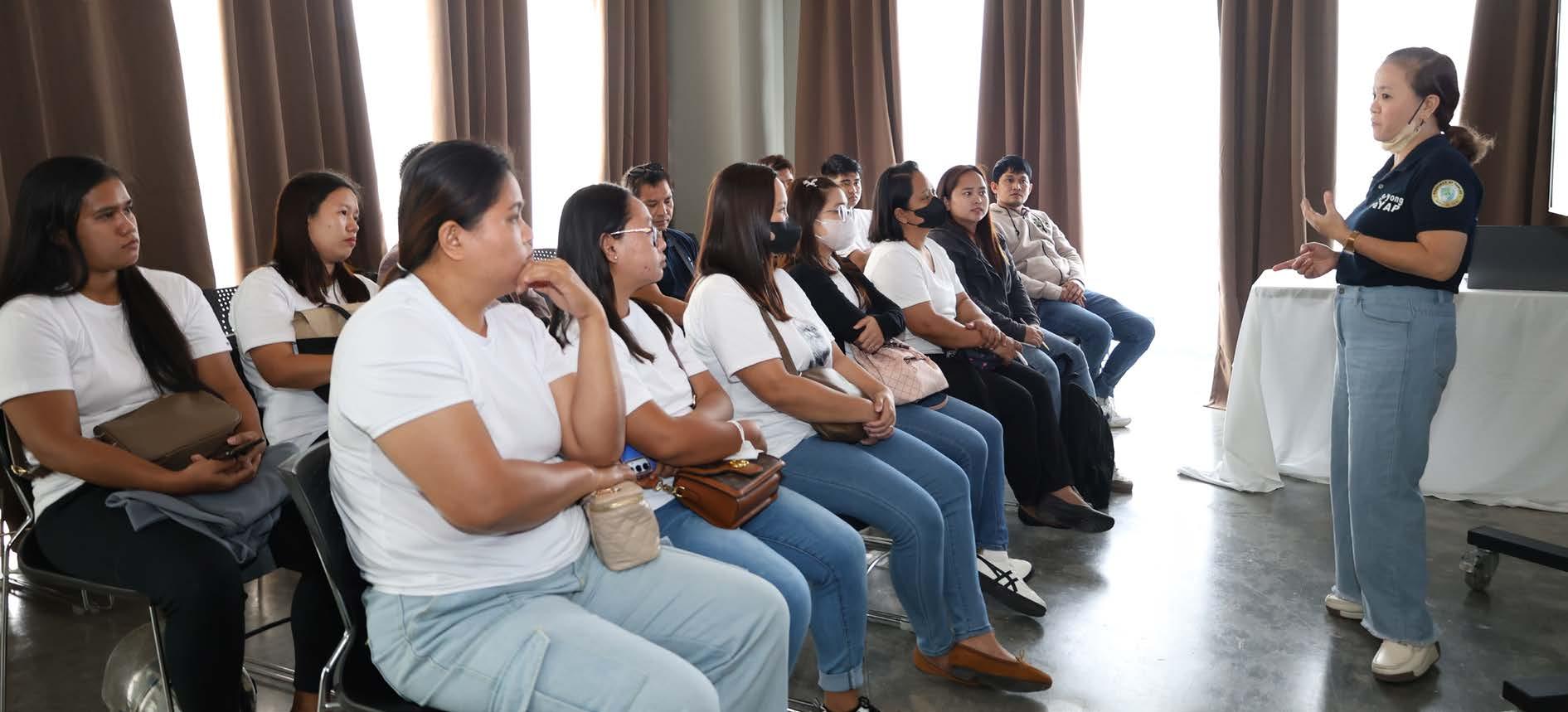
The center is designed to deliver industry-relevant Technical and Vocational Education and Training (TVET) programs using existing facilities at Athletes’ Village Building B, including meeting rooms, mock-up guest rooms, and front desk areas. These spaces will allow trainees to develop practical skills through simulation-based instruction, ensuring they are prepared for real-world work environments.
For residents of Tarlac, access to quality technical and vocational education can be a stepping stone toward stable employment and upward mobility. “This TESDA-accredited Off-Campus Training Center is key in strengthening our workforce in Tarlac. We are investing directly in people by giving them access to highquality, and industry-driven training that leads to employment opportunities,” said Tarlac Governor Christian Tell Yap.
By bringing training closer to host communities, the program aims to bridge the gap between workforce needs and employment opportunities.
BCDA President and CEO Engr. Joshua M. Bingcang said the training center is a strategic response to the opportunities emerging within New Clark City. “As infrastructure and investments continue to expand in New Clark City, the demand for skilled labor will also grow. Providing a dedicated training venue here ensures that local communities are prepared to participate in and contribute to this development. Our partnership with the Provincial Government of Tarlac demonstrates how public sector collaboration can create meaningful impact,” Bingcang said.
All courses will comply with the Unified TVET Program Registration and Accreditation System (UTPRAS), ensuring that training meets national standards and remains relevant to industry requirements. The initiative also supports the national government’s workforce development agenda under the 10-year Trabaho Para sa Bayan
Plan 2025-2034, which seeks to generate quality jobs and strengthen the country’s labor force.
The first batch of 25 trainees is set to begin a 20day training program this month, marking the start of a broader effort to cultivate a skilled local workforce. Within its first year, TCLASS aims to train 10 batches of students, creating a pipeline of job-ready workers.
The Municipality of Capas, through its Public Employment Service Office (PESO), will shoulder the TESDA assessment fees of graduates. This assistance will enable trainees to obtain their National Certificates, credentials that can strengthen their competitiveness in the labor market and improve their employment prospects within New Clark City and nearby areas.
As New Clark City continues its transformation into a major growth center, initiatives such as the TCLASS Off-Campus Training Center highlight an equally important aspect of development: ensuring that communities grow alongside the infrastructure around them.
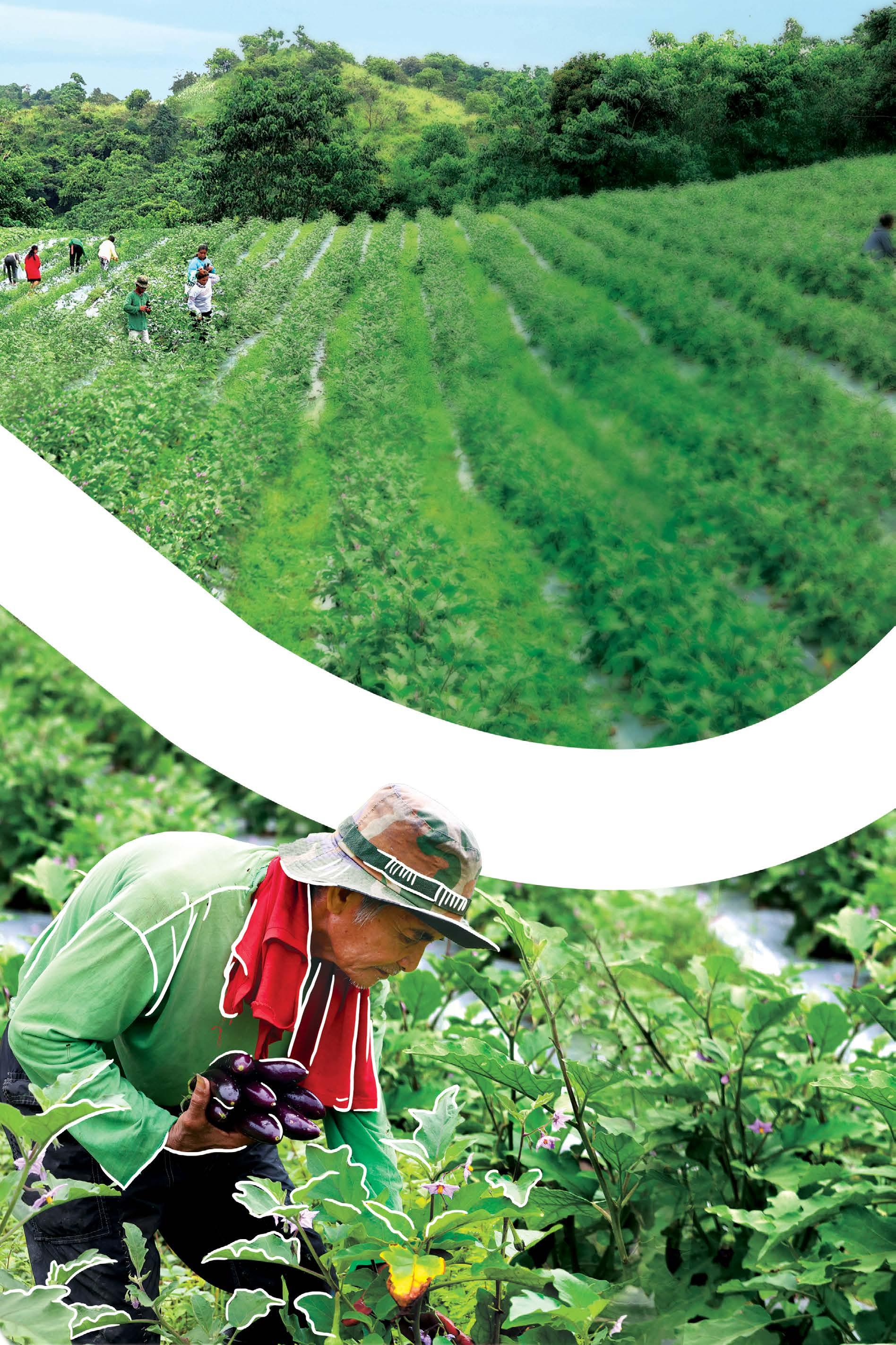
In Capas, Tarlac, a different kind of future begins to take root, shaped quietly and with clear purpose. The 10-hectare Ayta Ethno Botanical Center (AEBC) shows that innovation can move forward while keeping identity intact.
For decades, farming in this ancestral land was a matter of intuition and tradition, often vulnerable to the whims of nature. But now, Aeta farmers are learning better ways to cultivate their land. What’s emerging is a shared effort where tradition becomes stronger through modern practice, giving a community once shaped by uncertainty a steadier sense of direction.
Fromancestralroots to modern harvest
By Garry A Cativo
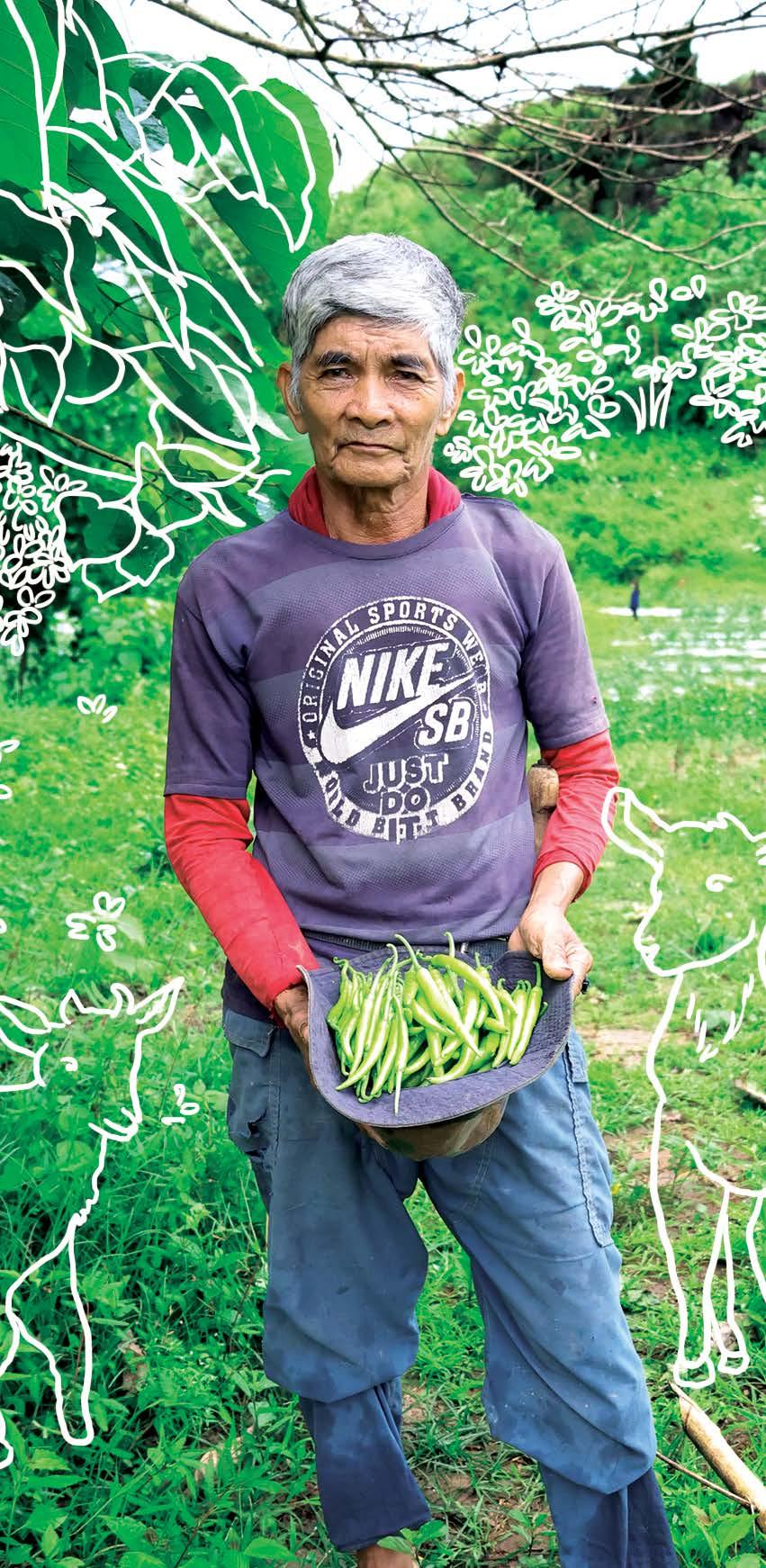
MangErnesto
Ernesto Macale, a farmer from Sitio Binyayan, notes that while they have always tilled this land, the introduction of structured training from the Department of Agriculture and Pampanga State Agricultural University has been a big help.
“Ngayon pa lang po nangyari sa’min na dumating sa amin itong mga organisasyon na ito… dahil sa BCDA nagkakilala-kilala kami nang DA [Department of Agriculture], ang Hann Foundation, malaking tulong po sa’min ito, hindi lang sa’min kundi sa aming mga pamilya, at sa iba’t-iba pang lugar.” “Yung sa’min po parang bara-bara lang yung pag-aabono, yung pagha-harvest, saka yung pagtatanim. Iba po yung sa kanila na natutunan namin,” he said.
This shift from "random" methods to ones with precision is already bearing fruit. Through the support of BCDA and Hann Foundation, Ernesto is already looking beyond his own plot: "Pwede po namin ibahagi sa mga ibang sitio pa [ang mga natutunan namin], para makinabang [ang lahat] na pareparehas ang mga tao."
The landscape is changing physically as well. Where harvests were once unpredictable, food forests now offer consistency. While rice was once the primary staple, the community is diversifying into high-value crops.
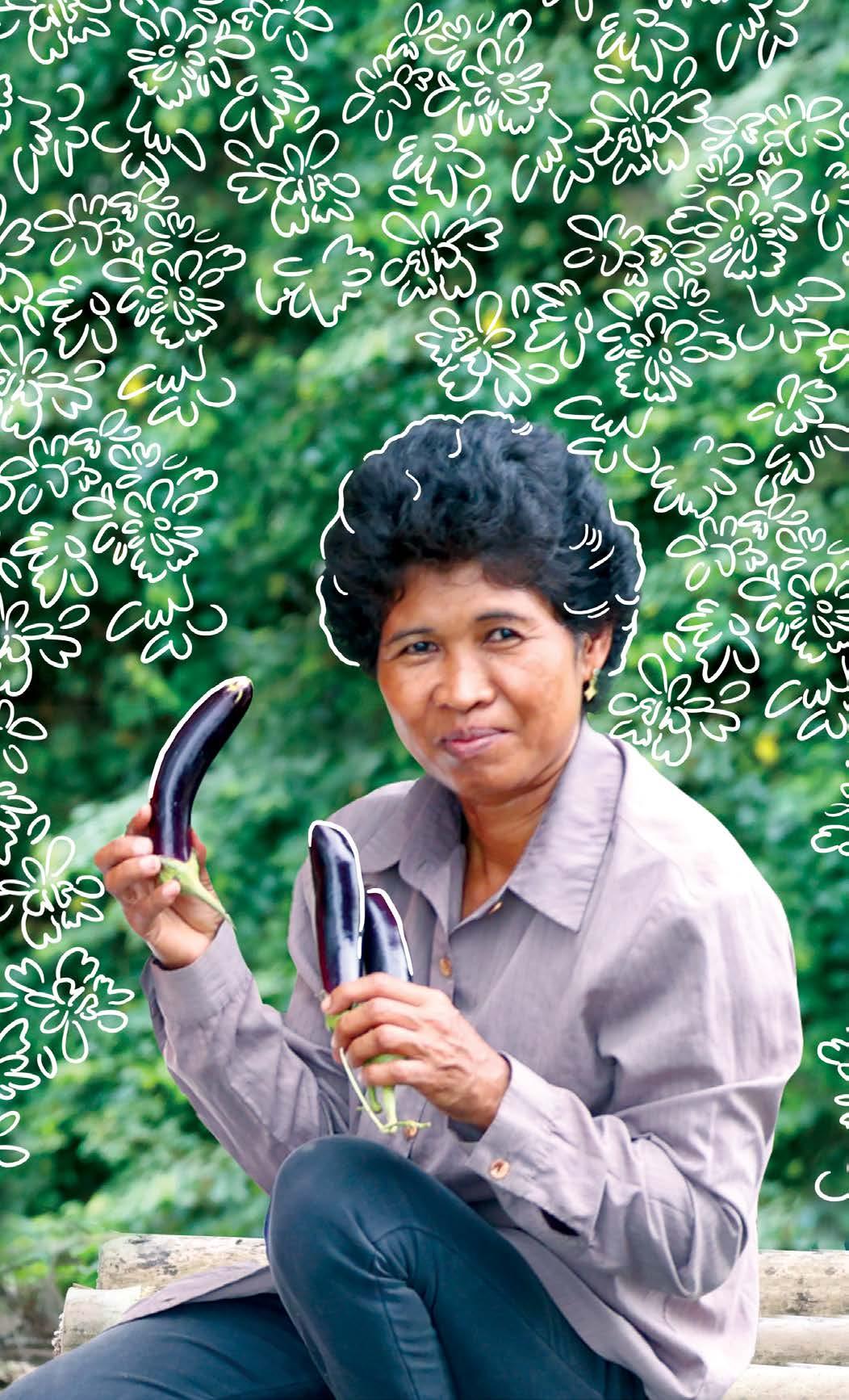
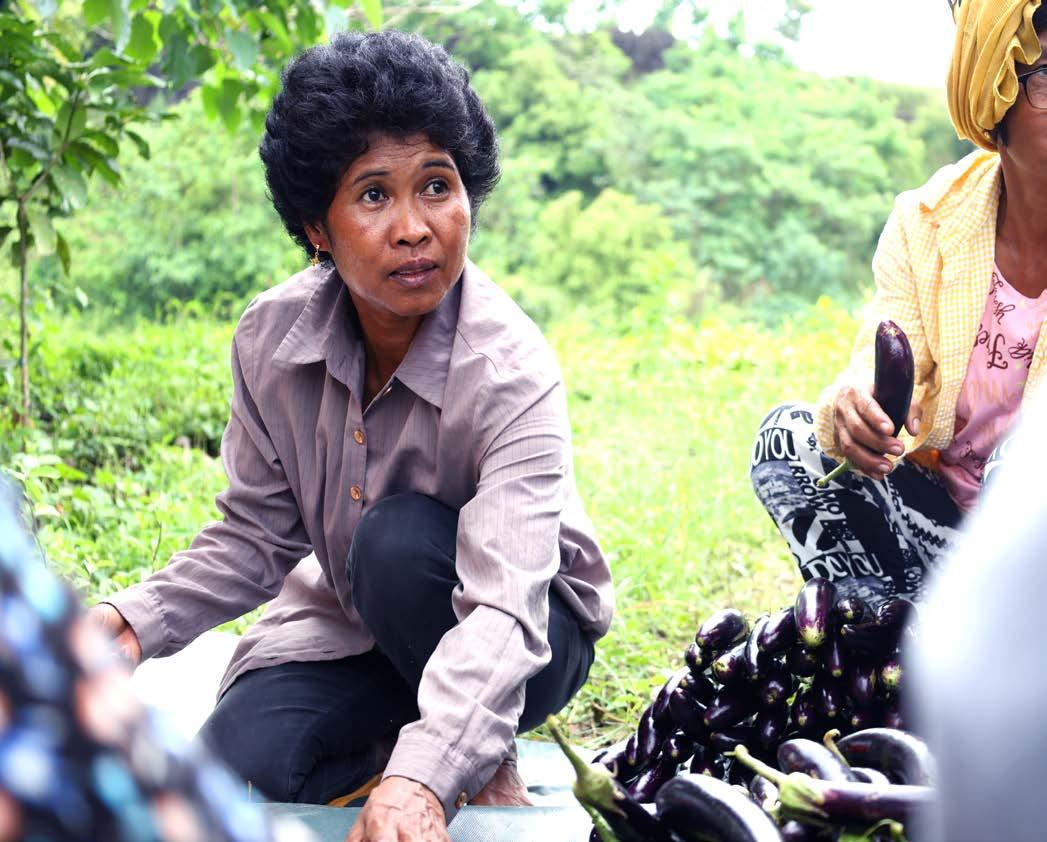
ManangJosie
Josie Yamson, also from Sitio Binyayan, highlights the practical innovations that have changed their daily labor. For Josie, the transition to planting eggplant, chili, okra, and tomatoes represents a significant change.
“Ngayon lang po kami nagtanim ng ganito po,” noting that they used to only plant rice.
The Aeta farmers are building a brighter future by blending their traditional knowledge with new farming techniques. By growing reliable, profitable crops, they’ve turned unpredictable harvests into a steady source of income.
“Sa ngayon po, tyaga tyaga po hangga’t wala pang bunga, kapag may bunga na po, doon po makakabawi at makatulong na po nang malaki.”
Years from now, AEBC won’t just be remembered as a successful development. It will be seen as a turning point, a place where a community didn’t just adapt to the changing times, but took control of it.
With new markets and training programs on the way, the community is gaining real economic independence. Most importantly, they are doing this without losing their identity, using their roots as a strong foundation to take control of their own future.
After the landfill
A new facility in New Clark City asks whether the country is finally ready to think differently about its garbage
By Mariedel Irish U. Catilogo
The Philippines generates an estimated 40,000 metric tons of solid waste every day. For decades, managing that volume has meant one thing. That means more landfills, more pressure on already strained infrastructure, and a widening gap between the demands of a growing urban population and the systems meant to serve them.
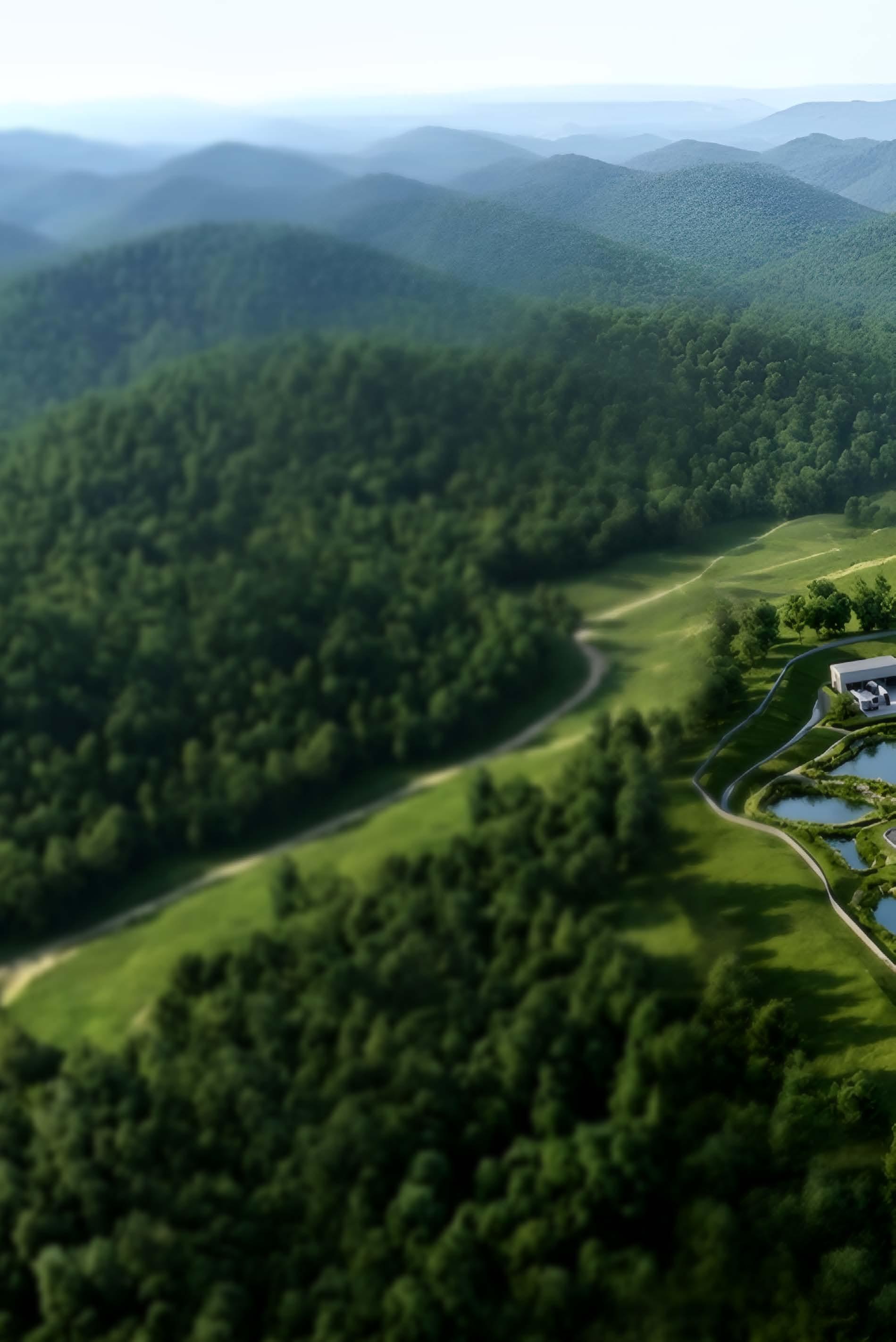
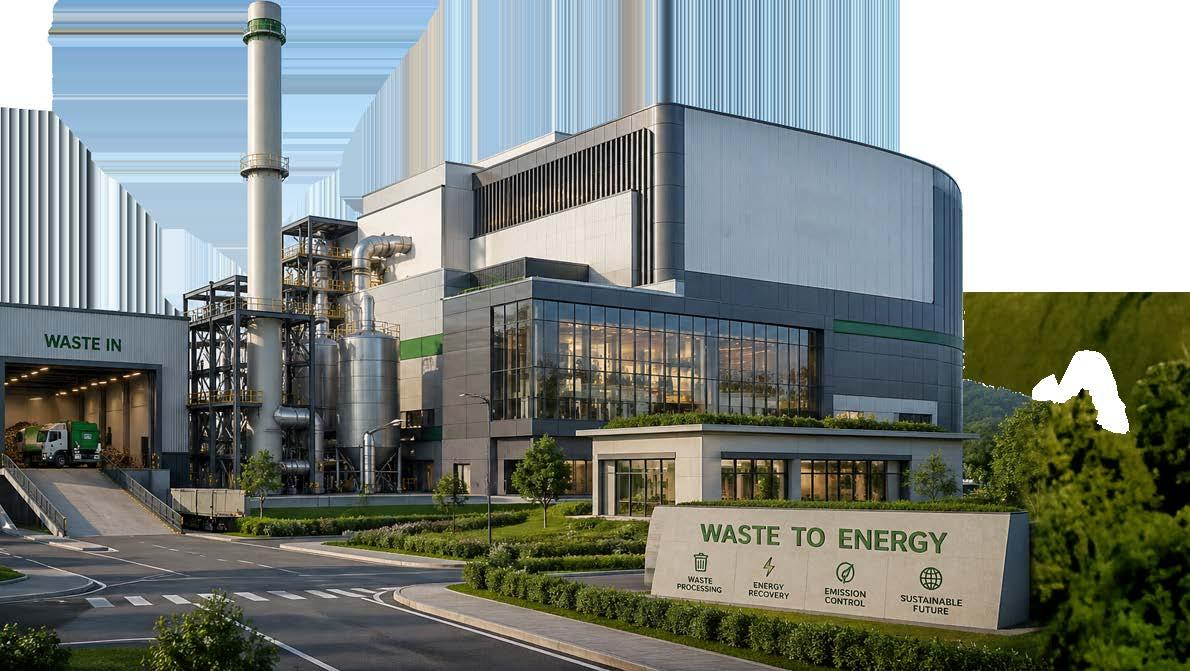
Photo reference only for the proposed waste-to-energy facility in New Clark City
Alawreachingitspotential
Republic Act 9003, the Ecological Solid Waste Management Act, set an ambitious vision when it was signed in 2001. A nationwide system for proper solid waste disposal, anchored in material recovery, sanitary landfills, and the responsible stewardship of the country's land and communities. Twenty-five years later, the policy architecture is well established. What has been missing is the infrastructure to match it.
The national conversation around waste-toenergy (WTE) technology has grown in pace and seriousness. The Department of Environment and Natural Resources (DENR) has recognized WTE as a "cleaner and more suitable alternative" to traditional landfill disposal. The Department of Energy has issued circulars promoting biomass WTE facilities. A House Bill is pending that would formalize the regulatory framework for WTE plants, requiring facilities to meet environmental and health standards jointly certified by the DENR and the Department of Health.
Indeed, the policy momentum is real and, for the first time in a long time, so is the on-the-ground progress.
WhatBCDAisbuilding
The Bases Conversion and Development Authority (BCDA), together with a FilipinoIndian consortium composed of ATD Waste to Energy Corporation, Global Heavy Equipment and Construction Corporation, and Indiabased Uttamenergy Limited, is developing the country's first large-scale WTE plant within New Clark City in Tarlac. In November 2025, the parties formalized a lease contract for a fourhectare property within the ecozone, marking a decisive step from concept to construction. The facility represents a total investment of Php4 billion. At full capacity, it will convert 600 metric tons of waste per day into 12 megawatts of electricity–enough clean energy to power more than 10,000 homes in Clark and surrounding communities. Beyond energy generation, the plant is designed to reduce incoming waste volume by 80 to 90 percent through controlled thermal treatment, dramatically easing the burden on landfills serving the region and offering local government units a structured, environmentally managed alternative. The technology underpinning the facility draws
Photo reference for the proposed waste-to-energy facility in New Clark City
from a body of WTE practice spanning more than 70 years of operational history across Japan, Sweden, Germany, China, and Singapore–among the world's most rigorous regulatory environments for environmental compliance. The New Clark City plant will be equipped with advanced air pollution control and flue gas treatment systems designed to meet international environmental standards.
WhatdoesitmeantoFilipinos?
The significance of this project represents a new model for how infrastructure can be planned and delivered in the Philippines. One that treats waste not as a liability to be managed, but as a resource to be converted.
"This project directly contributes to the national agenda by strengthening environmental protection, supporting energy security, and introducing modern waste management systems," said BCDA President and CEO Joshua Bingcang. "It demonstrates how infrastructure development can deliver long-term environmental and economic value for the country."
For BCDA, the WTE facility is a natural extension of its core mandate– transforming former military bases into productive, sustainable economic zones. New Clark City, conceived from the ground up as a planned urban center, is designed to avoid the infrastructure deficits that have constrained older cities. A domestic WTE facility embedded within the ecozone ensures that waste management is not an afterthought, but an integrated part of how the city functions and grows.
The environmental dividend is equally significant. By diverting waste from landfills, the plant reduces the methane emissions associated with decomposing organic matter–one of the more potent sources of greenhouse gas from municipal operations. Combined with clean electricity generation, the facility offers a measurable contribution to the country's climate commitments.
Atemplateforthecountry
The deeper promise of what BCDA is building in New Clark City is its potential as a replicable model. The interagency coordination, international-standard engineering, and long-term planning discipline that went into this facility offer a blueprint for what responsible WTE development looks like. BCDA hopes that other public institutions, local government units, and private investors can study, adapt, and scale.
The Philippines has the feedstock. It has a policy framework. What New Clark City demonstrates is that it also has the institutional capacity to execute. The garbage will keep accumulating. The question has always been whether the country's infrastructure would rise to meet it. But in New Clark City, the answer is being built.
A GIANT WINDOW ACROSS BORDERS
HOW A PUBLIC INSTALLATION CONNECTS FILIPINOS TO THE WORLD
By Michelle Anne P. Soliman
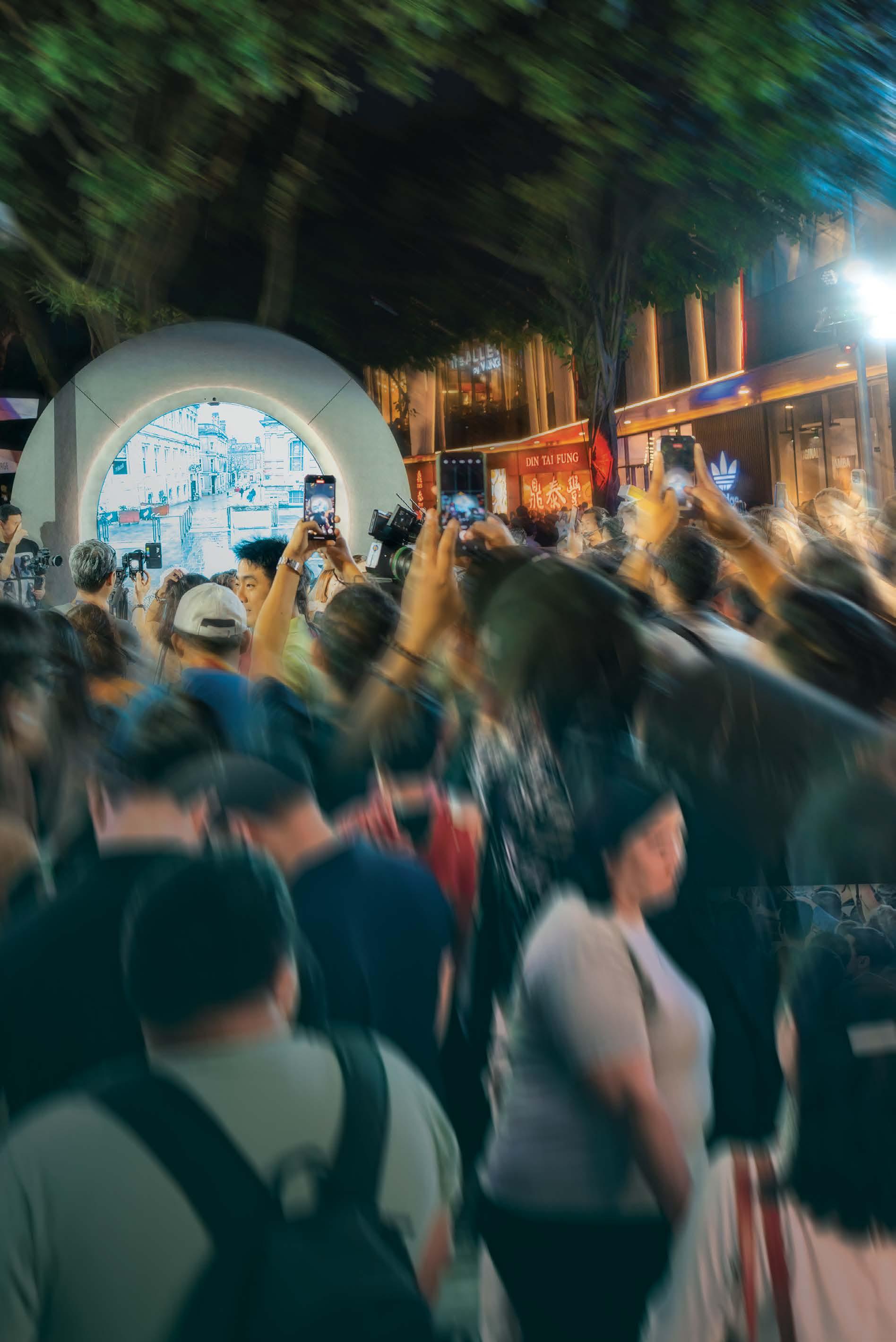
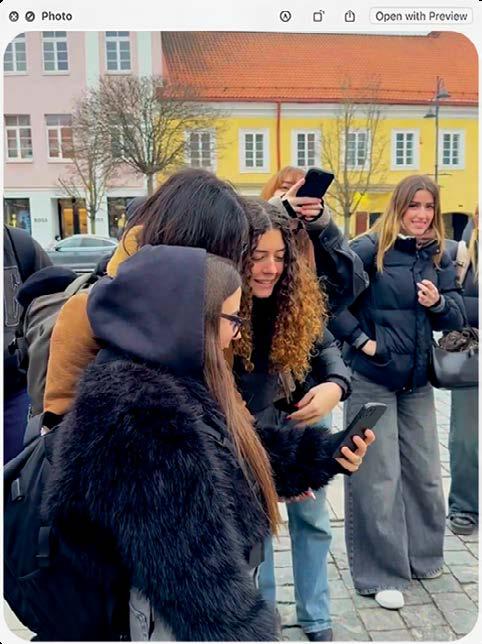
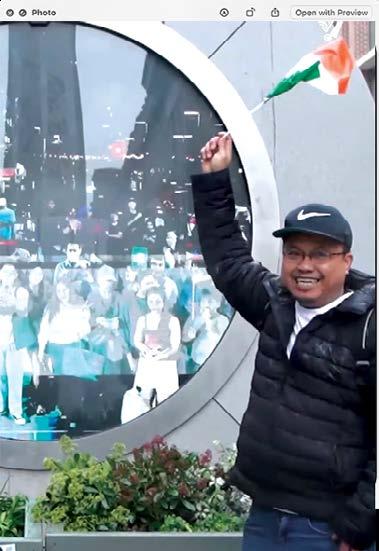
Ona busy stretch of 5th Avenue in Bonifacio Global City (BGC), a cardboard sign reading “Video call?” led to a meaningful exchange between content creator Rose Barroga and Nini, a woman calling from Lithuania. “I love people,” Nini said, capturing the simple curiosity behind the moment. Barroga later described the interaction as “wholesome and magical,” highlighting how technology can connect people living completely different lives. The encounter is part of her ongoing project, “365 Strangers in 365 Days,” which she began in January 2026.
The interaction happened through the Portal, an installation that enables live video connections across countries. Though brief, it left a strong impression on both sides. Nini called it “really nice and really cool,” showing how even short conversations can create genuine connections between strangers.
The Portal has also reunited loved ones. In Dublin, Mara Merza unexpectedly saw her sister waving from Manila, while nurse Jenise Palenzuela shared how
seeing her brother onscreen felt as if he were right in front of her. These quiet, fleeting moments often leave a deeper impact than typical social media interactions.
The Portal
Unveiled in January 2026, the Portal located in BGC is the first-ever Portal in Asia. It is the 6th sculpture in the global network of identical Portal sculptures following cities in Lithuania (Vilnius), Ireland (Dublin), Poland (Lublin), USA (Philadelphia), and the United Kingdom (Ipswich).
The Portals offer a real-time, unfiltered livestream that invites people from different countries to meet and interact beyond borders and differences.
Behind the installation is Lithuanian artist and entrepreneur Benediktas Gylys who is also the founder and CEO of the Portals Organization. The idea began as a personal search for meaning.
In 2016, Mr. Gylys described undergoing a spiritual experience that left him feeling deeply connected to humanity. The Portal, he said, was his attempt to recreate that sensation in the physical
world. The Portal, according to the artist, works “automagically.” It is made with more than 100 components—many tailored to each location’s climate—and a custom-made software that runs 24/7.
Yet Mr. Gylys is quick to point out that imperfection is part of its essence. “It’s imperfect,” he told Collective, “but that also makes it more authentic and human.”
Why the Philippines?
The choice to install the first Asian Portal in the Philippines was no accident. According to Mr. Gylys, the country has one of the largest communities of online supporters of the project.
Beyond numbers, there is something cultural at play. “BGC is full of expressive, sincere people. They bring authenticity and joy,” he noted.
In a nation known for its social media presence, the Portal has become a stage for spontaneous creativity. “Everyone is co-creating it by producing genuine moments of friendship, funny memes, and even questioning the purpose or calling it a giant Zoom call,” Mr. Gylys said.
Emotions in the silence
One of the innovative installation’s striking features is its absence of sound. It is in the silence where the unexpected happens.
“People are fascinated by words, but where we really meet is in the silence between them,” Mr. Gylys said. It’s naive to think that reality and our essence can be passed through a few types of sounds our mouths can make—that’s only a small part of communication.”
With that, the Portal invites people to meet above barriers including language.
For Ms. Barroga, the Portal has also reshaped her understanding of connection itself, noting how social media apps constantly promise access to connections. The paradox she suggests lies in its convienece.
Approaching a stranger, even through a screen, requires vulnerability. There is uncertainty, the possibility of rejection, even a hint of embarrassment. It is in the discomfort where Ms. Barroga embraces making that connection.
“The rewards of being able to relate to another human being and feeling that raw connection where you feel judgement just disappears,” she said, stating that knowing a stranger's profile may lead to assumptions about them. “Hence, you gain a friend.”
At first glance, the Portal may look like a giant silent video call. But people who’ve experienced it say it’s more than that. “It allows you to not think about all the labels that further divide us. It just presents to you that they are humans from the other side of the world,” Ms. Barroga said.
“We all want to be seen, to be loved, to live in peace, and to reach happiness for ourselves and our families. And hopefully Portals help us get there, one wave, one smile, or one 67 meme at a time.” Mr. Gylys said.
Photo courtesy of Rose Barroga
G GC C B B
setfor people-first refresh under updated master developmentplan
By Mary Grace Padin and Michelle Soliman
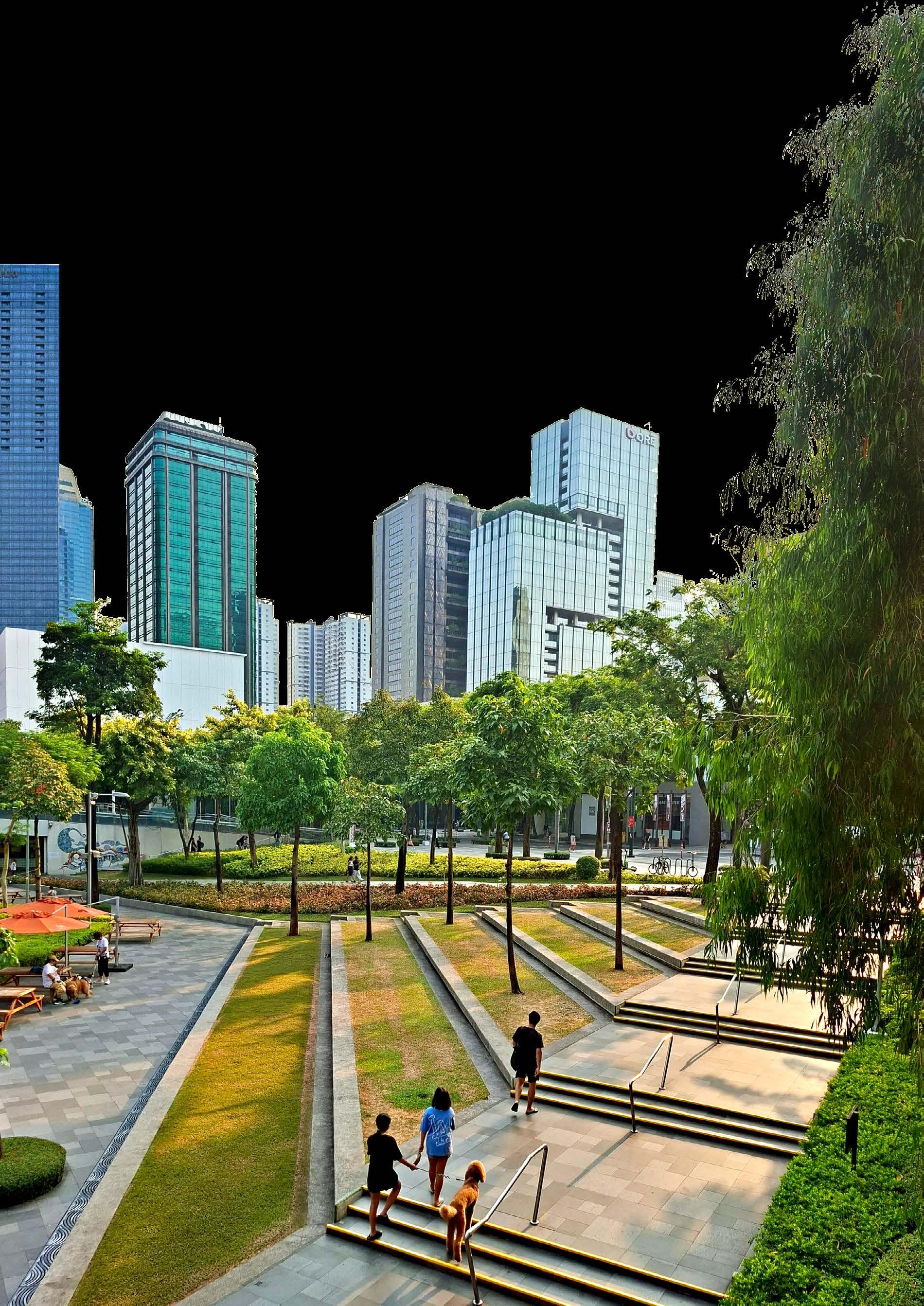
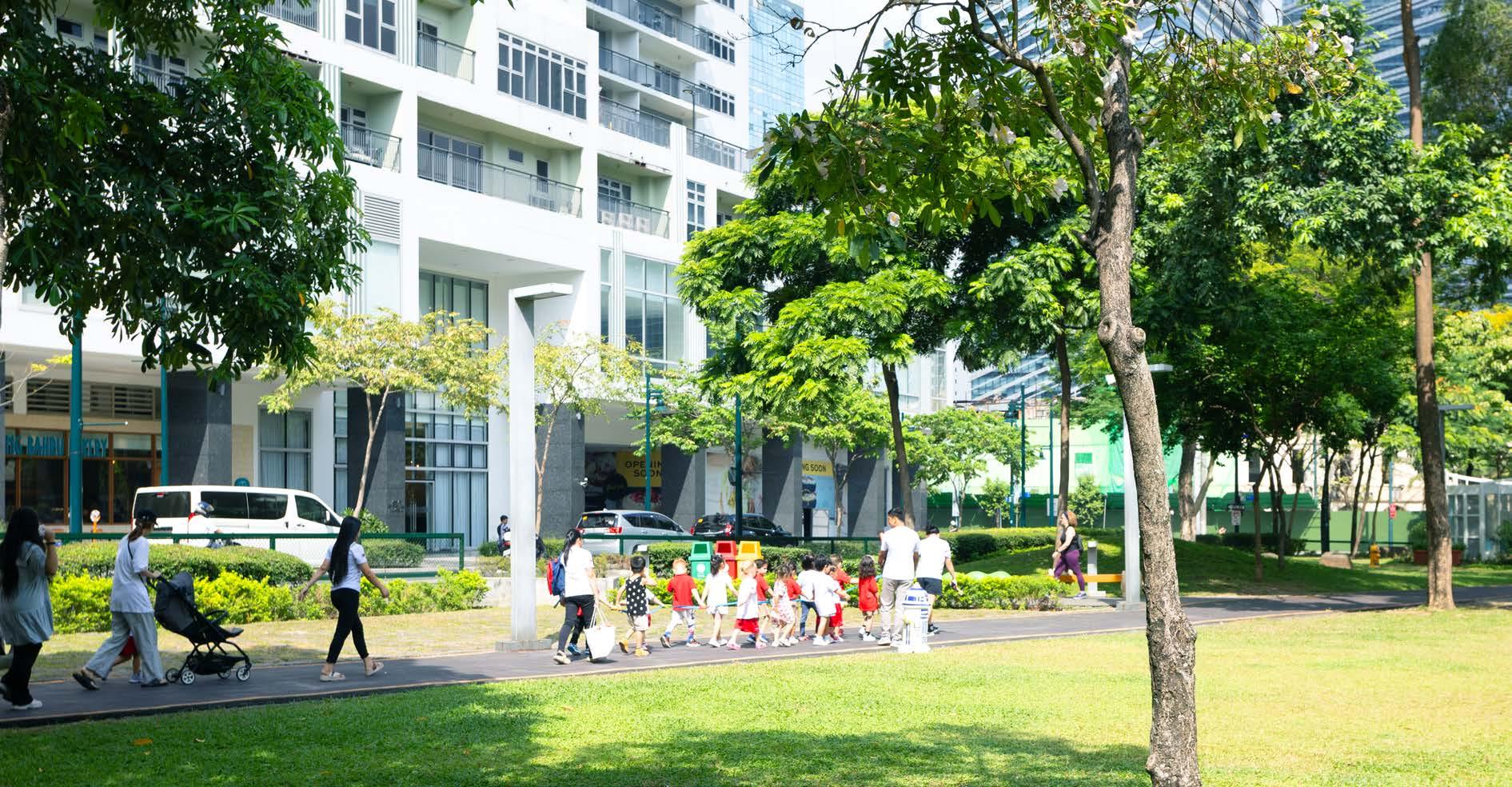
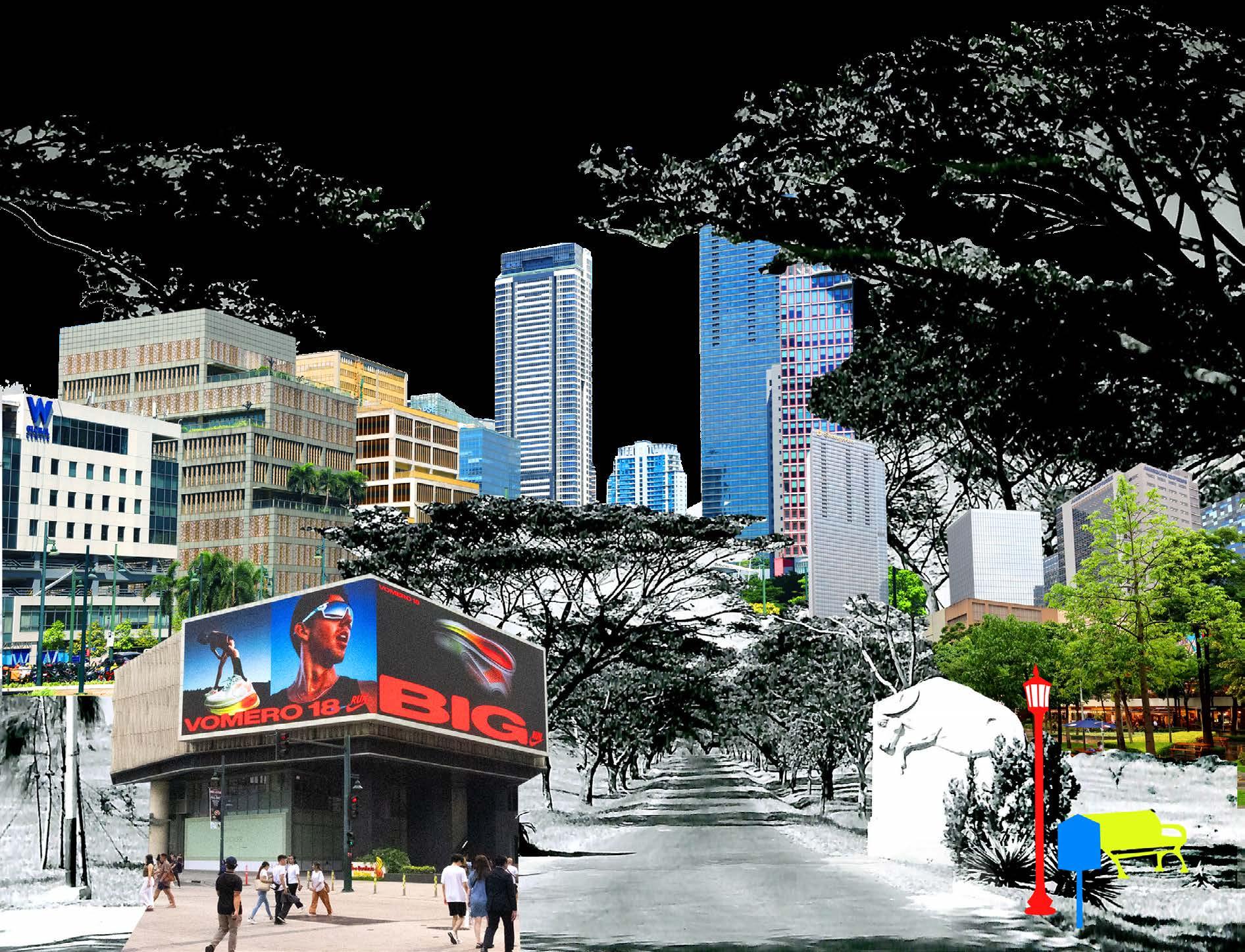
Huge, imposing skyscrapers rise into the skyline. The hurried footsteps of workers echo across the sidewalks. Families stroll through parks with their pets, while cars and buses hum steadily along the streets. This is the picture of Bonifacio Global City (BGC) today.
Three decades since its development began, BGC has emerged into one of the best urban centers in the country, one that can even compete on par with other cities around the globe. It is proof that living and working in a world-class city is not just a distant dream for Filipinos. It is achievable.
“We want to make sure that BGC continues to become more people-centric, with greater focus on open spaces, mobility, and transportation. Moving forward, we want BGC to be more open and accessible to all sectors of society,” BCDA President and CEO Engr. Joshua M. Bingcang said.
He said the master plan update is necessary to address emerging challenges such as traffic congestion, infrastructure constraints, climate risks, and the need for more inclusive and accessible mobility in a maturing central business district. Once completed, the updated BGC plan is expected to support long-term investments, generate employment, and improve mobility and accessibility for workers, residents, and visitors. This initiative is aligned with the administration’s socioeconomic agenda by advancing sustainable urban development, efficient land use, and investment-driven growth.
THREE PILLARS OF DEVELOPMENT
To guide this next phase, BCDA and its partner will anchor the updated master plan on three key principles.
First, the plan will be people-centered, ensuring that every space and structure is designed with the needs of people in mind. Central to this is inclusivity, with plans to expand and enhance public spaces that can be enjoyed by people of all ages and backgrounds.
Second, the masterplan will prioritize transit-oriented development by organizing the city around accessible transport hubs to make destinations easier to reach. A key component of this is the upcoming Metro Manila Subway Project, along with initiatives to promote active mobility like dedicated bike lanes, safe pedestrian paths, and improved walkways.
Third, the master plan will focus on sustainability. This will ensure that BGC remains resilient, green, and livable long into the future. In line with this, the plan will prioritize clean and sustainable solutions across the city. Electric vehicles will be encouraged, while renewable energy sources will be integrated into future developments.
Together, these principles aim to shape BGC into a more connected, inclusive, and future-ready urban district.
On a busy stretch of 5th Avenue in Bonifacio Global City, a simple cardboard sign reading “Video call?” became an invitation to something more profound than a passing interaction. Rose Barroga, a content creator known on Instagram as Humanity in Travel, held the sign and opposite from where she stood, a woman pulled out her phone to contact her through Ms. Barroga’s social media. Upon taking the call, Ms. Barroga greeted her and asked, “Why did you take the call?” Nini, who was calling from Lithuania,
“With this updated master development plan, we are confident we can elevate BGC to new heights,” Bingcang said. “By bringing together bright minds, we can shape a city that reimagines how we approach urban development and build a city that Filipinos can truly be proud of.”
A TA LE A ONG THE SHELV S B E M
By Mariedel Irish U. Catilogo
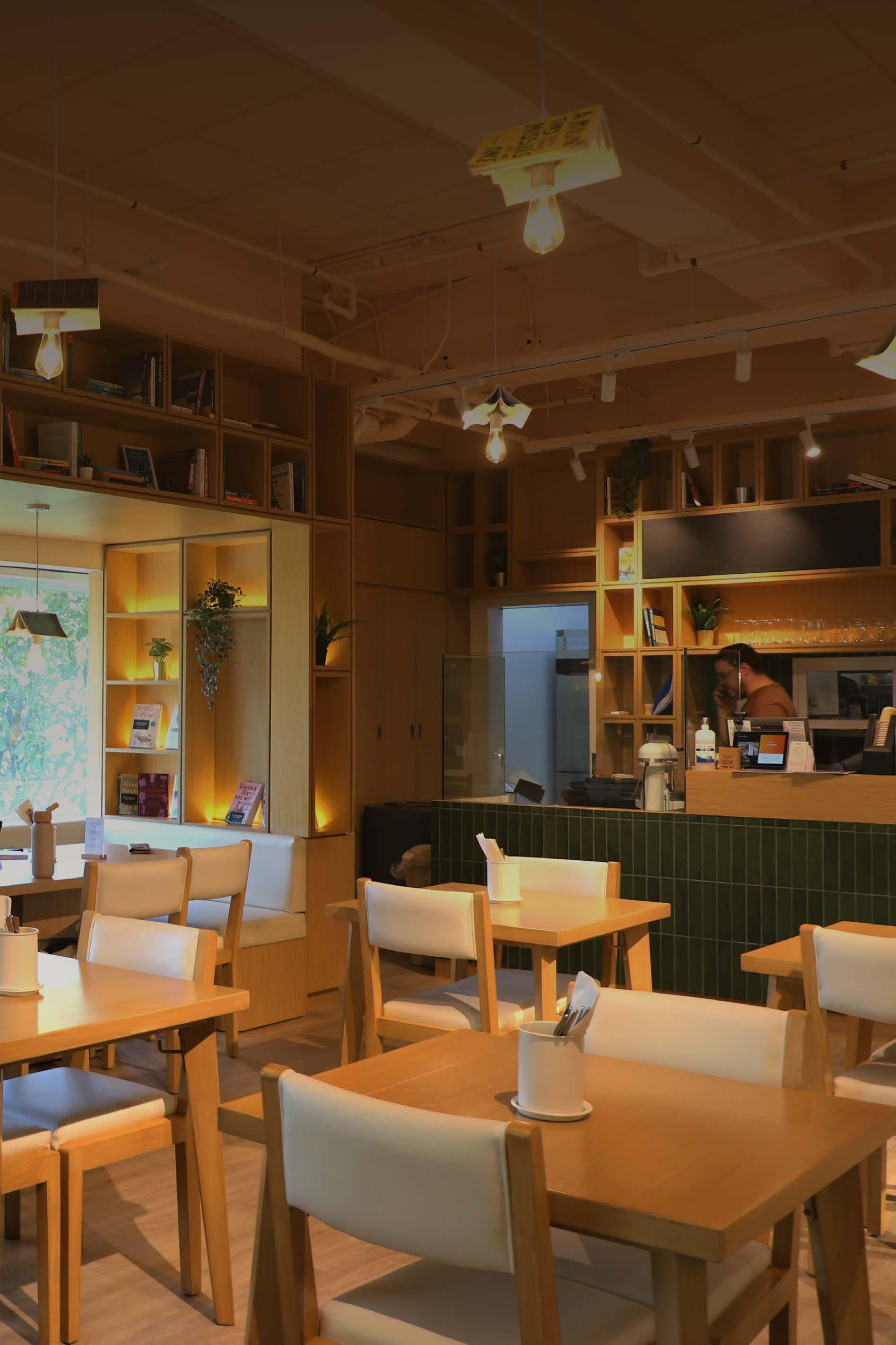
Bonifacio High Street is a kilometer boulevard in Bonifacio Global City (BGC). Here, you'll find shopping complexes, murals, and restaurants which best characterize one of the most vibrant and economically significant urban centers in the country. It is also, if you know where to look, a place where someone has had the quiet audacity to ask a genuinely interesting question: what happens when you feed a person a good meal and a good book at the same time? The answer, it turns out, is Book & Cook.
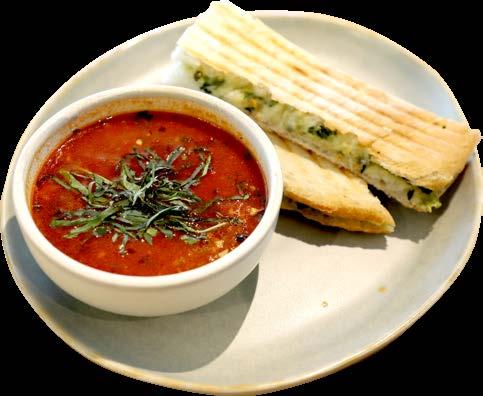
The menu at Book & Cook is tight and intentional, focused on single-serving plates that offer a modern, slightly upscale take on ItalianAmerican and Continental comfort. It provides the sort of familiarity friends gravitate toward, perhaps without even meaning to. Beyond just grabbing a bucket of beer, who really heads to a Chinese or Shawarma resto for a date expecting to drop their weariness at the door?
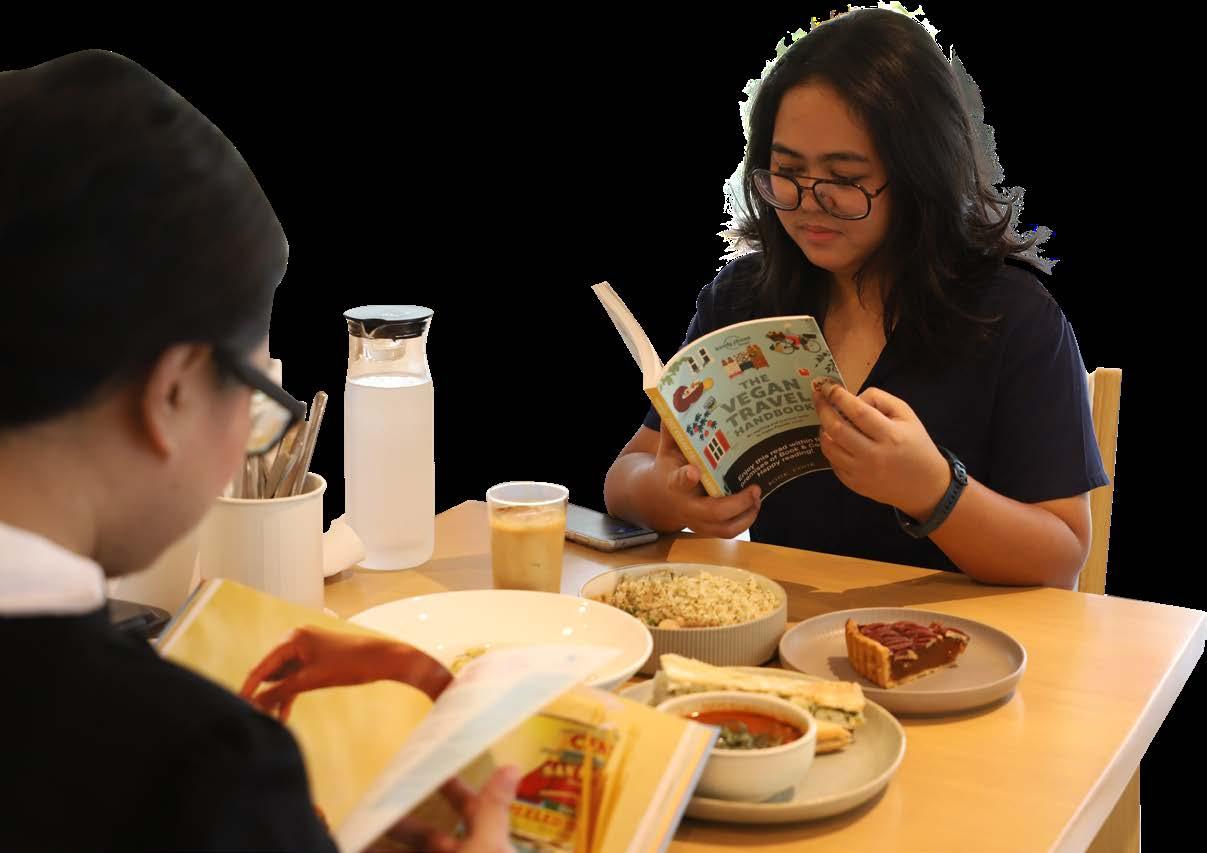
The tone of the place is pure bookstoreserenity. Set within the crowd’s favorite Fully Booked, the space includes a few cozy tables surrounded by shelves celebrating the love for food being read by interesting-looking people, mostly women of passion, and wearing blunt bobs and knitwear. Inside, you’ll find a wide spectrum of titles in every nook, ranging from culinary comics,
Book & Cook
Book & Cook
bookandcookph
3rd Level, Fully Booked, Bonifacio High Street, BGC, Taguig City
food travel guides to practical kitchen how-to’s.
The lighting is the particular amber of a place that has made peace with slowness. No one here seems to be in a hurry to be anywhere else, which in a city as relentlessly kinetic as Metro Manila, constitutes something close to a minor miracle.
The relationship between a restaurant inside a bookstore is, at first glance, a marriage of convenience, the kind arranged by a landlord or a retail strategist. But spend an afternoon at Book & Cook and it begins to feel like something closer to a genuine intellectual proposition. The take, ultimately, is a reimagination of how we use urban spaces to feed both the body and the mind simultaneously.
In most cities, the café attached to the bookstore is an afterthought–a place to park your bag, to nurse a flat white while you decide whether the hardcover is worth the price. Here, the relationship is inverted, or perhaps more accurately, equalized. The kitchen and the shelves regard each other as equals. You are dining within it, which is an entirely different sensation, and one that BGC, for all its gleaming ambition, has rarely offered with this much sincerity.
It is, in the end, a modest place doing an immodest thing. Insisting, gently but firmly, that nourishment has never really been a single-channel experience.
L a
Pecan Pie
Truffe Cream Pasta
BGC's n ode to A metamorphosis
By Alyza Joyce Y. Alvarez
Something changed.Butdo youremember what it used to be?
Before it became a jungleofconcrete andanepicenterof businesses, it was something elseentirely.
It began with a simple question posted in a Facebook community, called Memories of Old Manila: What did Bonifacio Global City (BGC) look like before it became what it is today? What followed was a long thread of replies. It became an archive of lived experience, a gathering of voices reaching back to a time many feared had already faded. Through stories shared by those who once ran through its fields, prayed in its chapels, and grew up within its quiet boundaries, a different BGC began to emerge.
Not the district we know today, but a place remembered in fragments. There was a time when BGC was known as Fort William McKinley, later Fort Bonifacio. It was calm and alive in ways no master plan could ever recreate.
Long before the cafés and towering establishments, acacia trees lined the roads, their massive trunks painted white at the base. Asphalt roads cut through the greenery, but nature always softens the edges. “Bago maging BGC, helera ang malalaking punong acacia na hindi kayang yakapin ng dalawang tao. May pinturang puti ang ilalim ng mga puno. Aspaltado ang mga kalye, at sa likod ng mga bungalow na bahay sa McArthur Avenue ay mataas ang talahib,” Martin Misa remembered.
From certain hills, you could see Pateros and Taguig stretching into the distance. Church bells rang across the fields, uninterrupted by traffic or towering buildings. Near what is now C5 Road, caves once served as playgrounds, where daring adventures unfolded. The American Cemetery stood nearby, not as a tourist destination, but as a quiet and familiar presence.
For many, childhood in the camp during the 1960s and 1970s felt endless. Some remember collecting spiders among the trees, or gathering empty bullet shells from target ranges to use as makeshift firecrackers during New Year celebrations. “D’yankamikumukuhangGagamba pag uso…diyan din kami kumukuha ng basyo ng bala sa target range gamit namin sa paputok pag newyear..early70s,” Dennil Gonzales commented.
History was woven into the land. Old bayonets, helmets, and military relics would sometimes emerge from the soil, as if the earth itself refused to forget. Even an abandoned hospital, built in 1912, stood nearby, mysterious and imposing, both feared and irresistible to curious minds.
By the 1970s, fences began to rise like there’s something good to look forward to. Something innovative. Something exciting to be uncovered. But still, life went on.
Days were spent by the streams, where carefree laughter echoed from the St. Michael’s Chapel grounds to the edges of the American Cemetery. “Masarap magsimbang Gabi sa St. Michael may puto’t dinuguan after ng Simbang Gabi,” shared by Louie Tullao.
Even in the late 1990s, the land was still more field than city. Cogon grass swayed beneath the sun. Barracks stood where students would later attend Reserve Officers’ Training Corps. People simply called it The Fort. “Damuhan at mga barracks pa. Diyan din kami nag ROTC. My least favorite year incollege,” Arthur Doctolero fondly remembered.
Then, quietly, it began to transform, not just into a center of progress, but into a space that brought new energy, opportunity, and life into the city. What was once open land slowly became a place where communities gathered, businesses grew, and everyday moments found a new kind of setting.
In the early 2000s, the first buildings rose. The Fort Strip offered a glimpse of what was to come. Roads connected the area more closely to Makati, and development gathered momentum. By 2011, High Street, Serendra, and Market! Market! had become part of the landscape. Fun runs filled the streets, and a new chapter had begun. “BGC 2011, we had High Street, Fort Strip, Serendra, and Market! Market! Di pa gaanong developed yung BGC Central at Uptown noon. May mga fun runs din sa BGC kada buwan. Fun times!” Arthur Doctolero reminisced.
Today, BGC has blossomed into the most vibrant corner of Metro Manila, a place that is constantly glowing with energy and life. Even with all the new pavement and the beautiful parks, you can still feel the warmth of the old days.
While the skyline is stunning, BGC has not lost its soul for those who grew up on these grounds. It is more than just a modern city center now. It is a place that grew up beautifully, moving toward the future while never forgetting that it started as a home.
Photo courtesy of US National Archives
Old Photo of The Fort Bonifacio
Photo courtesy of US National Archives
Old Photo of Camp John Hay
Camp John ReimaginingHay
WITH A NEW BLUEPRINT FOR DEVELOPMENT
By Janine Alexis P. Miguel
For generations, Camp John Hay has defined the charm of Baguio City; pine trees, cool air, and green spaces. Now, this historic site is undergoing a transformation with a new master plan aimed to turn the former military camp into a model of sustainable, inclusive living for every Filipino.
But how do you transform a place built for soldiers into a home for the public, all while keeping the magic of Baguio intact? The answer lies in a master plan that values heritage as much as it values the future.
When the Bases Conversion and Development Authority (BCDA) recovered the property, it was looking at a complex site with a long history. Originally established in 1903 as an American hill station, the land came with "invisible" challenges: aging utility pipes, fragmented zones, and steep, forested slopes.
“Big things are coming after our successful
recovery of Camp John Hay. Here, we aim to replicate our successes in Bonifacio Global City and Clark by implementing infrastructure projects that will empower the local community and by bringing in high-impact investments that will enable us to contribute more to the state coffers,” said BCDA President and Chief Executive Officer Joshua M. Bingcang.
“To achieve this, we will determine areas that need improvement and explore new opportunities for development, all while ensuring the preservation of Baguio’s natural and cultural heritage,” he added.
Rather than trying to flatten the land and start from scratch, the new master plan respects the site's bones. Instead of tearing down old, historical buildings, the plan focuses on adaptive reuse. Mapping out decades-old water and electrical lines is a tedious, necessary process that ensures the site doesn't just look good on the surface, but actually works for everyone who visits.
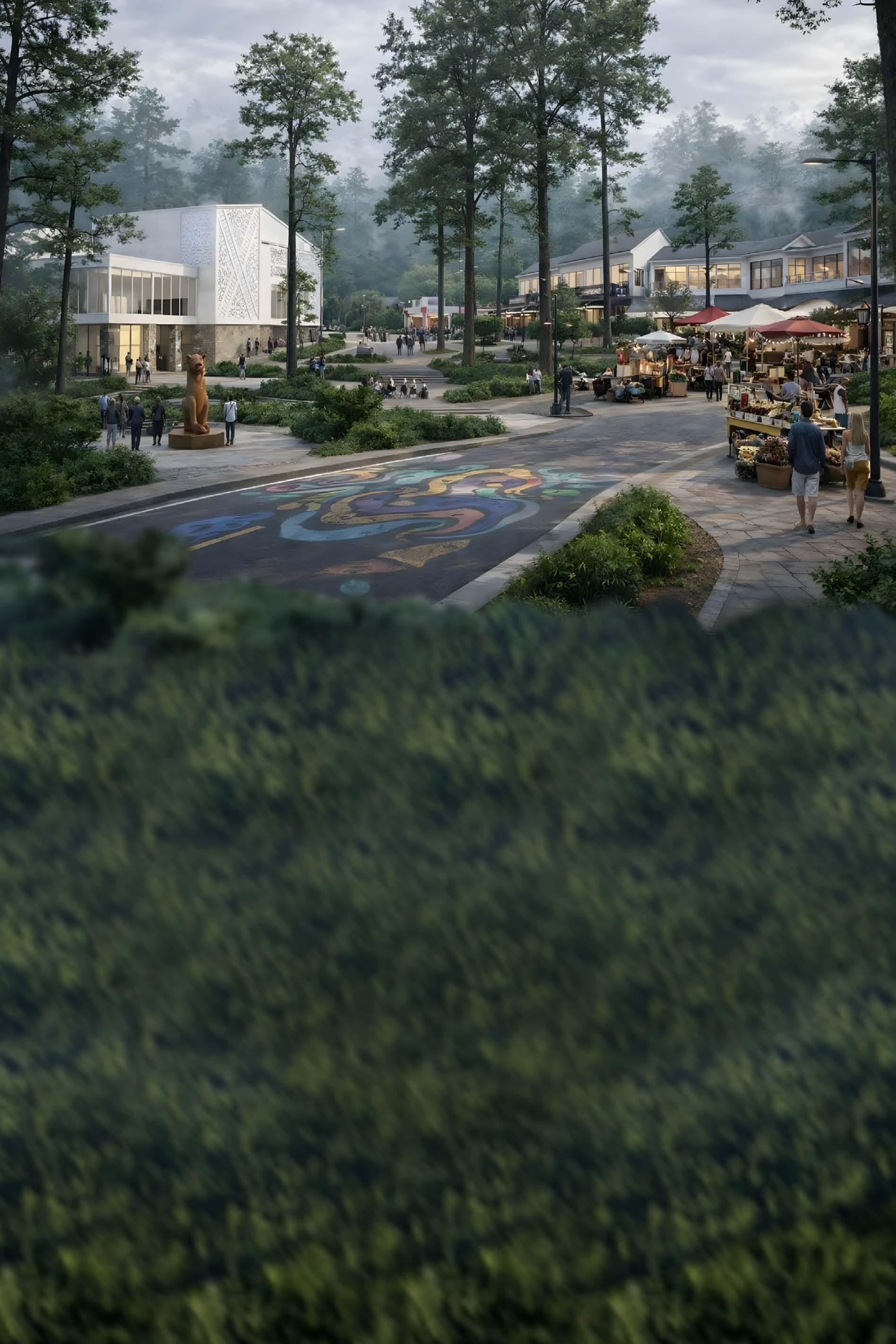
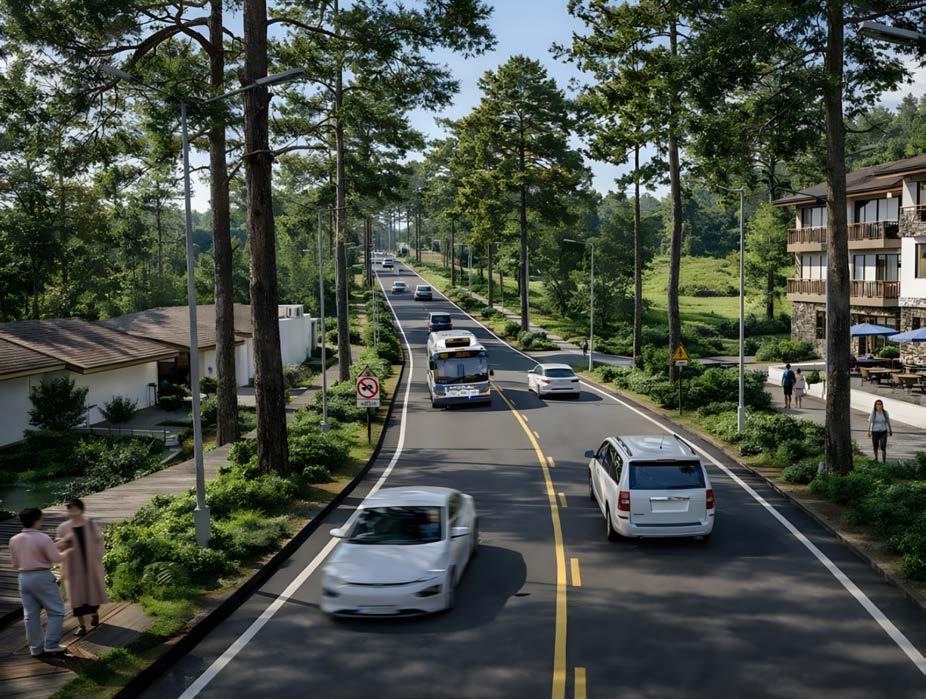
Artist's render of Camp John Hay
Defining a "livable" space
We often hear the word "livable" in city planning, but what does it mean for us? For a family visiting for the weekend or a local living in the area? At Camp John Hay, it translates to simple and human-centered goals.
This starts with balanced density. The plan creates a vibrant mix of shops, culture, and hangout spaces that feels lively and engaging. It also focuses on accessible nature, prioritizing forest trails and parks.
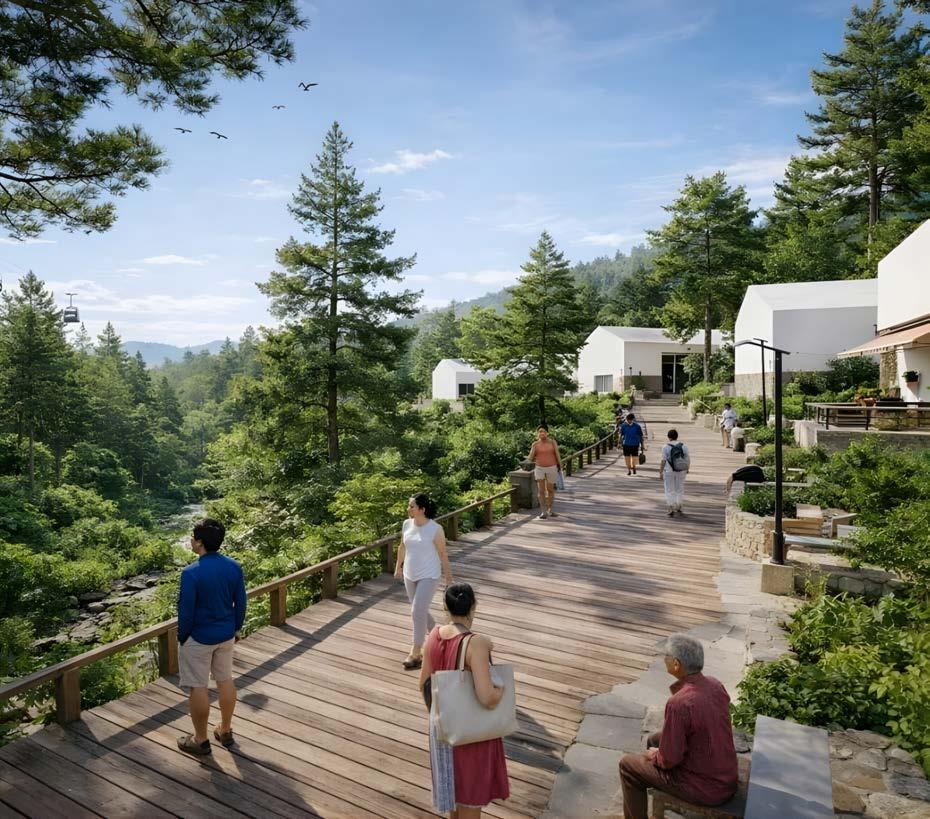
Mobility serves as a critical piece of the puzzle. The vision focuses on interconnected sidewalks and boardwalks to streamline pedestrian exploration. The plan also prioritizes mixeduse convenience, such as clustering work, retail, and leisure hubs, eliminates long commutes and grants residents more time to enjoy life.
The balancing act: tourism versus nature
Every popular destination faces worries over congestion. How do you allow people to visit and businesses to thrive without destroying the very forest they came to see?
The master plan answers this through its pillars of sustainability. First, it mandates environmental preservation, ensuring that the whole biodiversity surrounding the camp remains untouched. Second, it targets economic viability by planning commercial activities that support local livelihoods without relying on over-exploitation of natural resources. Third, it emphasizes community benefit, creating public amenities that serve the people of Baguio, not just tourists. Finally, it highlights heritage and culture, treating the history of the site as an asset to be celebrated, integrating heritage conservation into tourism and commercial development.
Baguio is beautiful but fragile. To keep it that way, the master plan will use a compact development strategy. The logic is simple: build smart, not wide.
The plan leaves untouched forests and sensitive watersheds strictly alone. This is reinforced by "no-build" zones, strict buffer areas, and nature-based solutions, like restoring waterways and creating green corridors that ensure the city grows with the landscape.
A roadmap for the future
To ensure these promises turn into reality, the BCDA has established a clear set of sustainability benchmarks. The plan covers the green basics and climate-resilient infrastructure designed to handle the mountain terrain. Using digital mapping and real-time monitoring systems, this can track environmental health and visitor traffic, ensuring that decisions are made based on data.
As Camp John Hay evolves, it is setting a new standard, proving that we do not have to choose between progress and nature if we are willing to plan with care, foresight, and a deep respect for the land we share.
Artist's render of Camp John Hay
A camp that offers more
By Zyrelle A. Del Prado
For decades, the fairways of John Hay Golf were an exclusive experience. It stood as a quiet symbol of prestige amid the simple and natural charm of Baguio City.
The sight of its lush, green fields used to make me wonder if a distinguished guest was playing. A celebrity, perhaps? A business tycoon, maybe.
But that air of exclusivity is already changing. Today, inclusion is taking flight here, as people from all walks of life are now sharing the same open, public space.
Under government stewardship, John Hay Golf is now open to everyone. This shift is anchored on one commitment: that every space government manages must serve the public first.
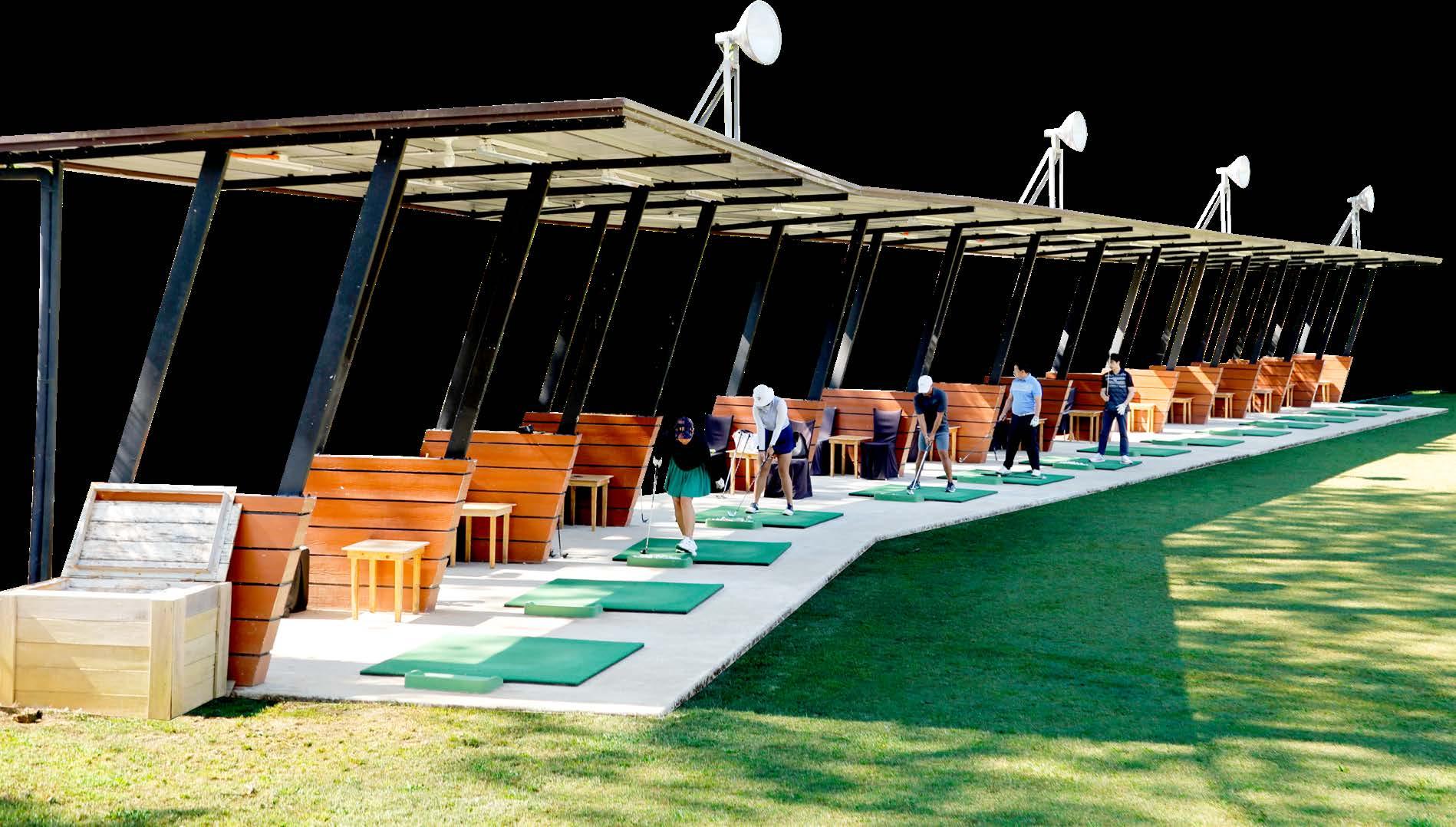
But this transformation is not happening at John Hay Golf alone. The same spirit of inclusion is spreading across Camp John Hay as it opens its doors to grassroots and professional athletes. Through collaboration, the Bases Conversion and Development Authority and John Hay Management Corporation are taking concrete steps to enhance public access and broaden the use of Camp John Hay’s facilities.
Both have partnered with the Philippine Sports Commission for the development of the John Hay Sports Center, a 600-squaremeter, high-altitude training facility.
Envisioned to be world-class yet deeply rooted in community spirit, it will be a space where athletes from every corner of society train side by side, and where every game—from futsal and floorball to netball, handball, volleyball, basketball, and bowling—is given space to thrive.
This will be a place dedicated to nurturing homegrown talent and future champions.
I realize now: when government institutions share a common mandate, public assets are optimized for public use. The golf course, once an exclusive facility, now welcomes families, students, and weekend players. Nearby, the sports center will soon host athletes of all levels, proving that world-class facilities can belong to everyone. This is more than infrastructure or shared objectives. It is stewardship with heart. It is about honoring the legacy of Camp John Hay while ensuring its evolution remains anchored in service to the people. Because progress means no one is left behind.
Today, the fairways hum with laughter, the courts echo with cheers, and the city pulses with pride. Camp John Hay is forging its own narrative, one shaped by collaboration and care. This reminds us that when we build with the public in mind, we can provide spaces that serve and include everyone.
A SAFER SPACE FOR FAMILIES
PPMC Enhances Children’s Park at Poro Point Baywalk
By January Guia Caringal
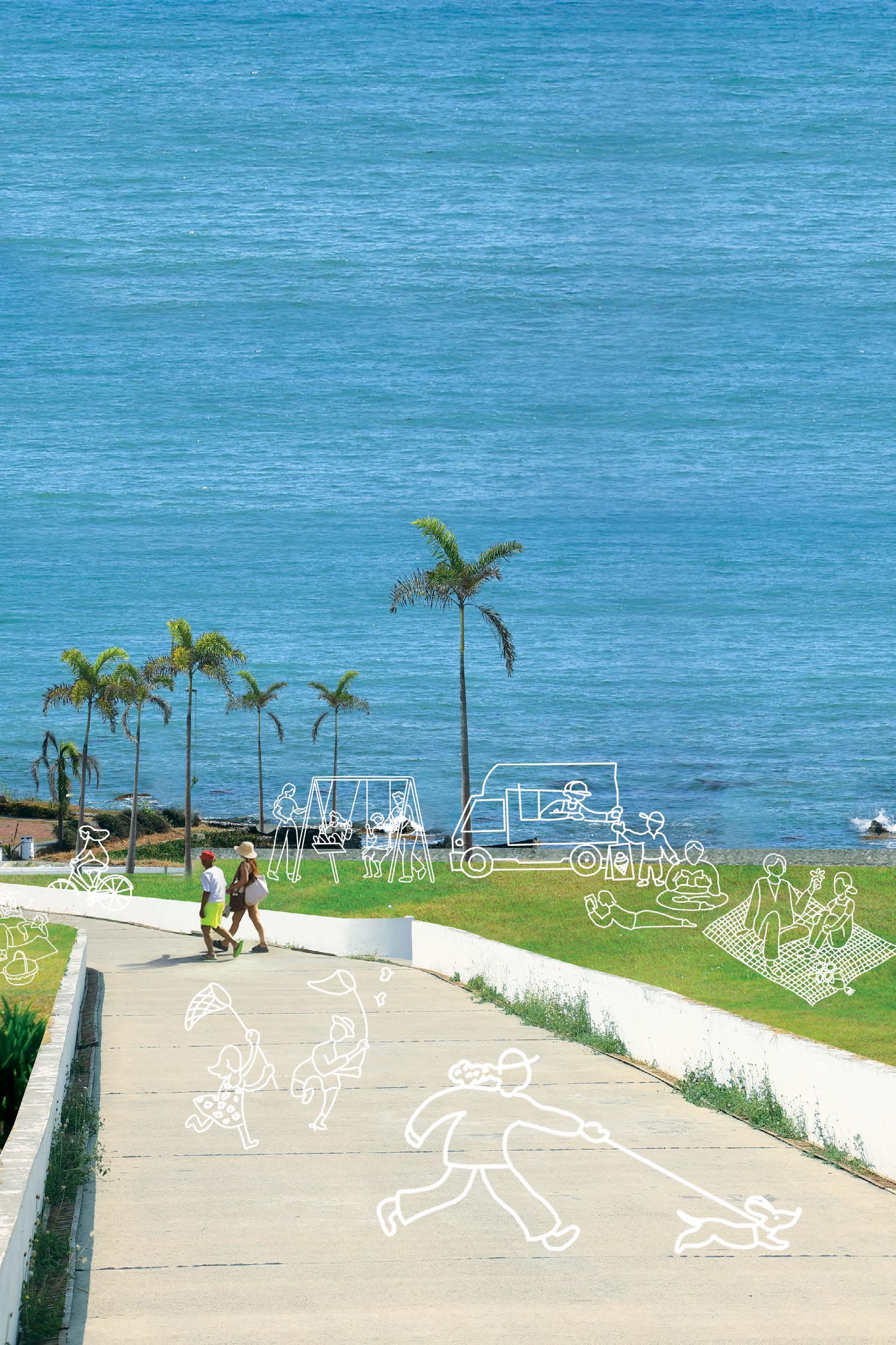
Public spaces play a vital role in shaping community life, especially in areas that draw both locals and tourists. In recent years, the Poro Point Baywalk—located within the Poro Point Freeport Zone in the City of San Fernando, La Union—has seen a steady rise in foot traffic. Recognizing the growing need for a safe, well-maintained, and inclusive recreational hub, the Poro Point Management Corporation (PPMC) has launched a significant upgrade to the existing Children’s Park, which will be now called Sillag Park.
From Playground to Multi-Functional Space
The Children’s Park served as a primary destination within the Poro Point Baywalk, thus, PPMC has prioritized the installation and upgrading of the children’s playground that meets current safety standards and provides a more engaging environment for young users. These improvements aim to support physical activities while encouraging social interaction in a controlled setting. More than just a simple upgrade, the development represents a shift toward creating a more structured and multi-functional space.
Wellness for All Ages
The project expands its reach by introducing wellness equipment for adults and older visitors. This integration of fitness and play transforms Sillag Park into a shared space, effectively serving a more diverse community.
Safety and Security as a Priority
Prioritizing safety, the project includes a perimeter fence to define the boundaries of Sillag Park. This feature manages access and reduces the risk of accidents. It is especially vital in high-traffic areas, where clear spatial boundaries create a more secure environment for children and allow parents and guardians to supervise more effectively.
Building a Better Freeport Experience
This initiative reflects PPMC’s mission to maintain public spaces that offer practical benefits to the community. Merging safer
Poro Point Baywalk as a Venue for Community and Events
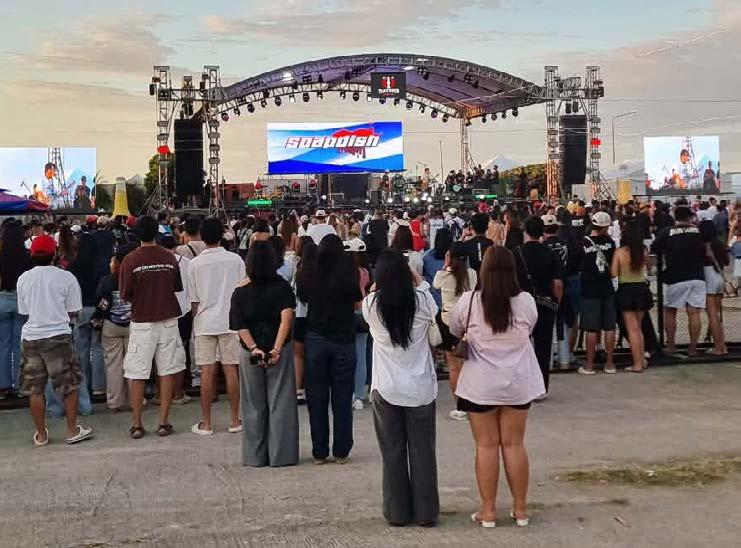
Poro Point Baywalk hosted roughly 7,000 fans for the Take Over Beach Music Festival on January 24, 2026. Organized by Takeover Global Inc., the event showcased national icons and local DJs, proving the venue can seamlessly handle massive crowds. This successful turnout cements the Baywalk’s reputation as a versatile destination, perfect for both quiet daily leisure and high-energy public gatherings.
play areas, clear boundaries, and inclusive wellness facilities ensures the Poro Point Freeport remains a top destination for families. Construction on Sillag Park began January 6, 2026, with an expected completion date of May 5, 2026. As work progresses, the park stands to become a functional landmark that enriches daily life for residents and enhances the experience for visitors at the Poro Point Baywalk.
Then and now:
Celebrating women behind progress
By Janine Alexis P. Miguel
In the pre-colonial Philippines, leadership didn't wear a three-piece suit or sit in a corner office. It wore the robes of the Babaylan, women who served as the community’s healers, spiritual guides, and chief strategists. They were the first pillars of society, holding seats of immense power long before history tried to rewrite their roles.
This National Women’s Month, the Bases Conversion and Development Authority joins the world to celebrate the strength and determination of every woman in breaking barriers and redefining what can be achieved, adding a splash of purple to its daily corporate grind. Grounded in the theme “Lead Like the Babaylans, Filipinas!”, the BCDA’s Gender and Development Focal Point System (GFPS) rolled out a monthlong celebration of National Women’s Month.
The call to the decision-making table
The celebration kicked off on March 6, with the BCDA GFPS joining over 4,000 fellow “GADvocates” at the Rizal Memorial Coliseum. The celebration was officially brought home on March 9 at the BCDA’s own kickoff event.
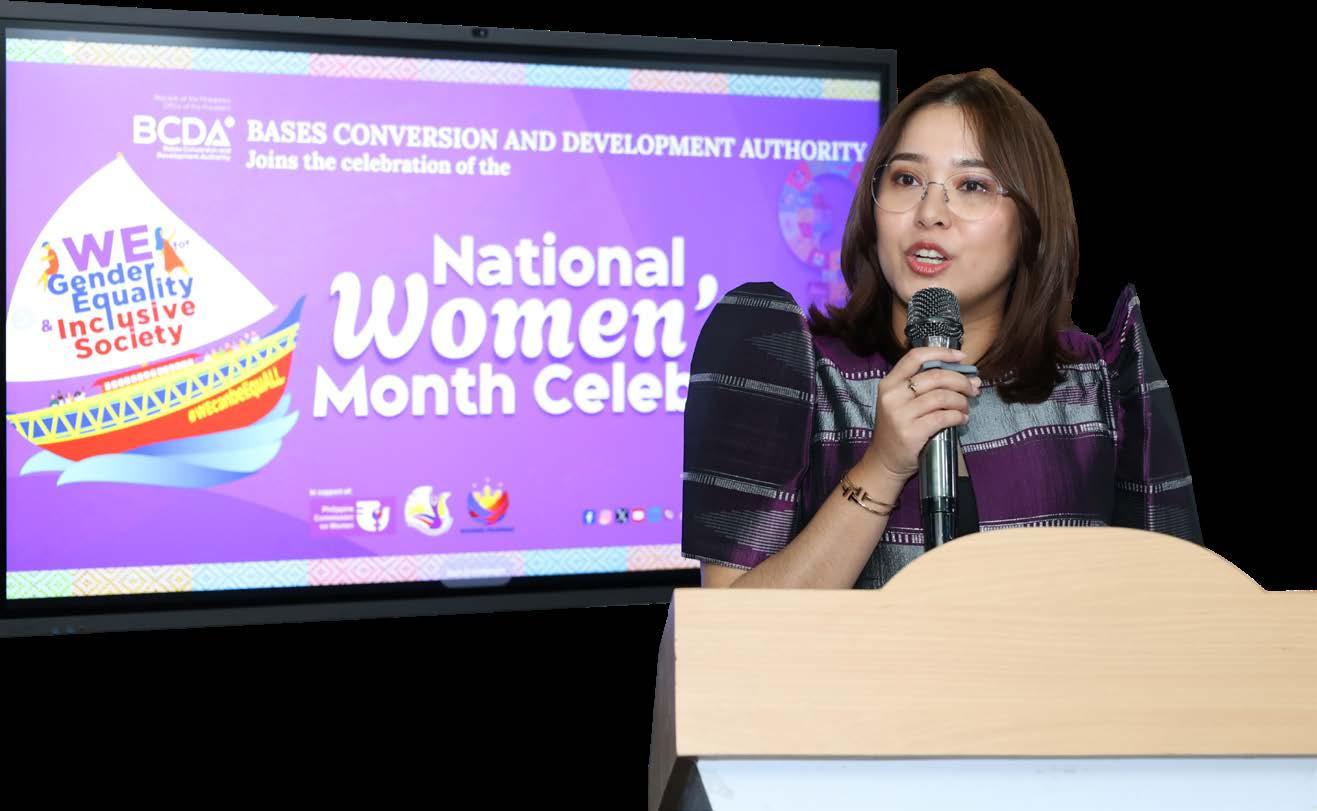
Atty. Camille Sue Mae L. Ting delivers her keynote address during the BCDA National Women’s Month celebration kickoff.
BCDA brought in a modern-day trailblazer to set the tone: Atty. Camille Sue Mae L. Ting, the first female spokesperson of the Supreme Court.
In a powerful keynote address, Atty. Ting challenged the modern Filipina to reclaim her seat at the decision-making table. Her message to the BCDA community was clear: That a woman’s multifaceted roles should never be a barrier to her potential.
To mirror that Babaylan spirit, defined by empathy, innovation, and leadership, employees engaged in a lively game of Human Bingo. The event also marked the official relaunch of the Sexual Harassment Electronic (SHE) Box, a digital initiative reinforcing BCDA’s commitment to a safe, gender-responsive, and inclusive workplace.
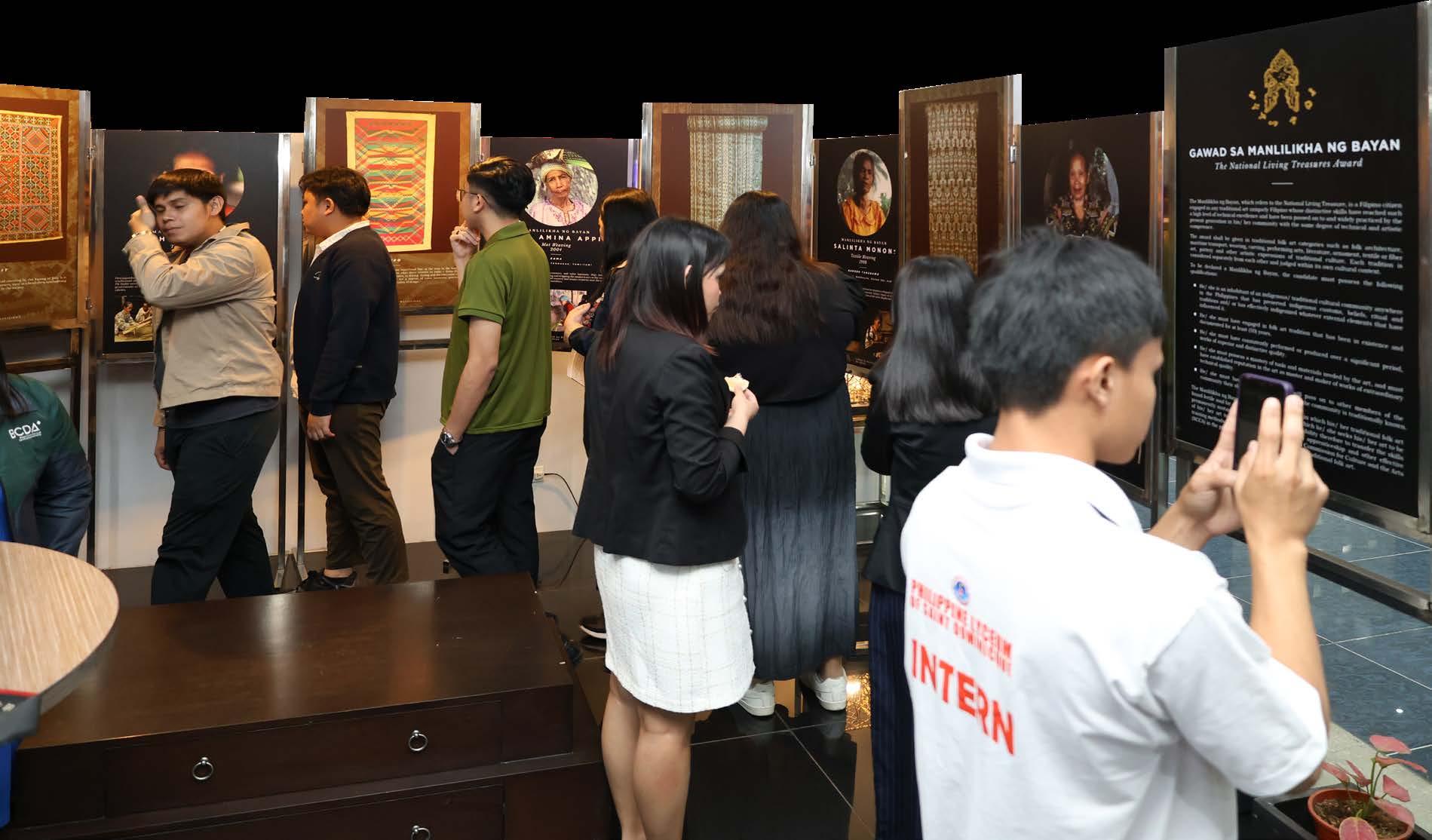
From March 16 to 27, in partnership with the National Commission for Culture and the Arts, the BCDA hosted the “Honoring Women in Culture (Gawad sa Manlilikha ng Bayan)” exhibit. The exhibit served as a clear reminder: as the country builds forward-looking, modern infrastructure, it must remain deeply rooted in the legacies of the women who shaped its past.
The BCDA GFPS committee also hit the
road on March 18 for the Tollway Industry’s 10th Advocacy Caravan for Gender Equality and Women Empowerment. Here, the BCDA helped formalize the tollway industry’s GAD Collaborative Agenda by signing a landmark memorandum of agreement. They also distributed 500 plantable pencils to motorists, a small, sustainable token representing seeds of advocacy planted on the highway.
Wednesdays at the BCDA office also became #PurpleWednesdays, transforming the corporate landscape into a visual wave of solidarity. To keep the momentum alive even online, GFPS launched the #GADToKnow Trivia Quiz via email.
The digital challenge turned inbox-checking into a high-stakes race. Employees scrambled to test their knowledge on GAD history and mandates, showcasing their quick wits.
By bridging ancestral legacy with modernday corporate policy, the BCDA proved that honoring women is an active, everyday practice of building a more inclusive future. The event also served as a blueprint for reclaiming space, building safety, and weaving culture into the very concrete of national progress.
FOR MORE COLLECTIVE ISSUES
QR CODE
In full bloom
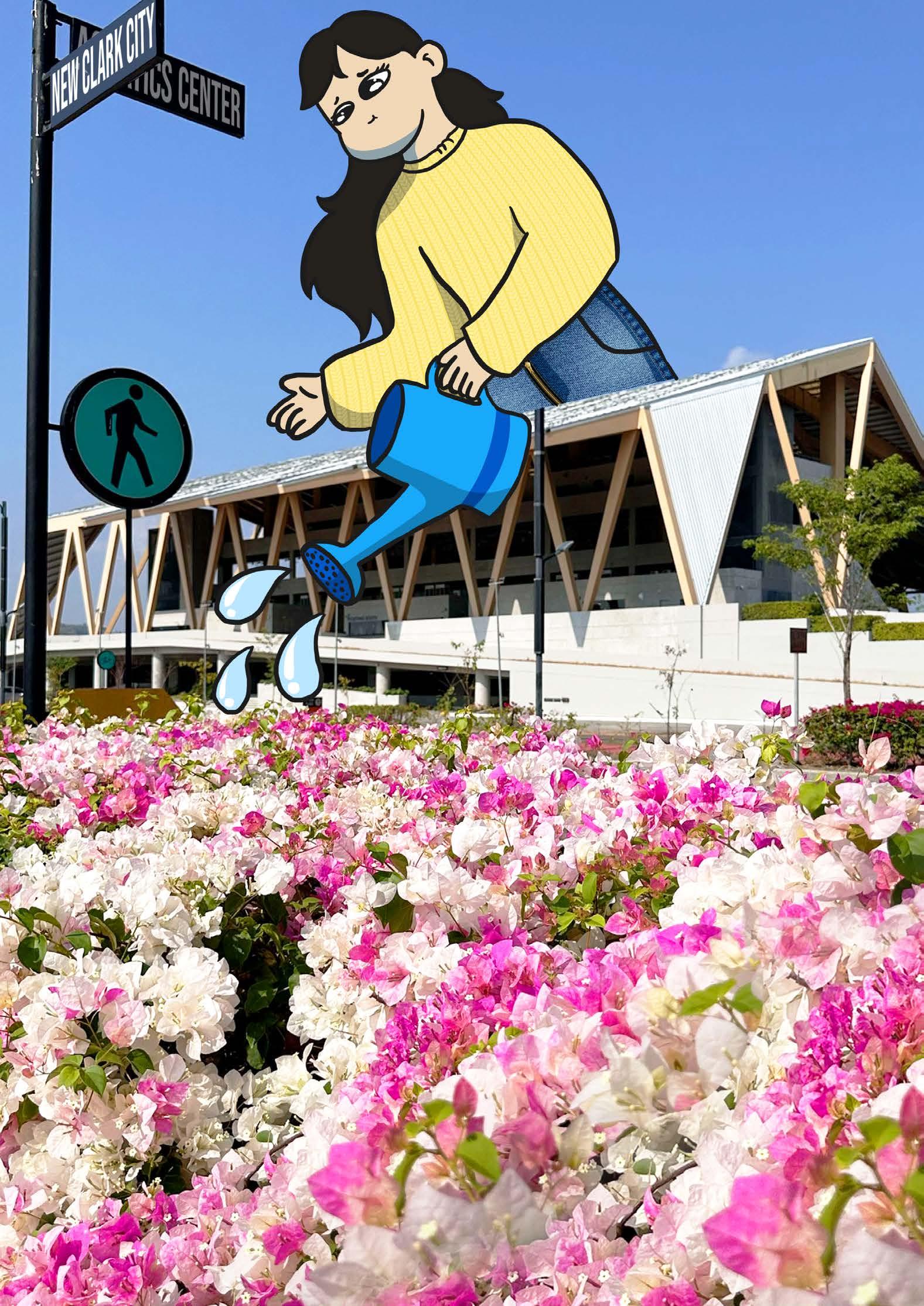
Vibrant colors are taking over New Clark City as the bougainvillea flowers surrounding the Aquatics Center blooms. This metropolis is home to around 156 native species of flora, a proof that modern progress can thrive in harmony with nature.