Page 3
‘It’s About Excellence’
Two major alumni gifts enrich the University
Page 4
Giving Time and Energy
Page 12
Magnifica Humanitas
encyclical
Page 3
‘It’s About Excellence’
Two major alumni gifts enrich the University
Page 4
Page 12
Magnifica Humanitas
encyclical
BY JACK DUNN ASSOCIATE VICE PRESIDENT FOR UNIVERSITY COMMUNICATIONS
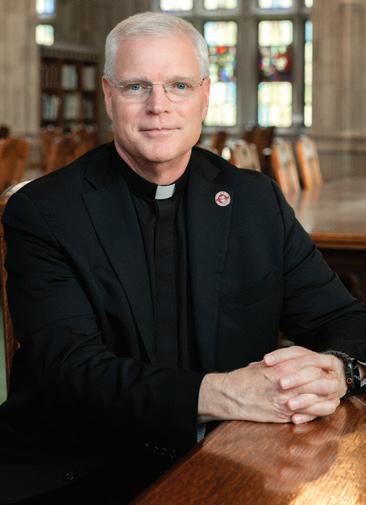
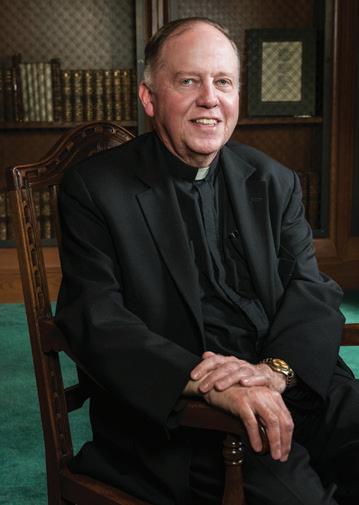
Seventeen months after being named the 26th president of Boston College, John T. “Jack” Butler, S.J., will officially assume the University presidency on July 31, the Feast Day of the founder of the Society of Jesus, St. Ignatius of Loyola.
Fr. Butler has used the time since his election to prepare for the role by visiting with university presidents across the country and shadowing retiring University President William P. Leahy, S.J., to learn from them the intricacies of a college presidency as he formulates his vision for Boston College’s future.
“My time with other presidents, and in particular Fr. Leahy, has shown me that there is a complexity to being a president of a university that demands humility and both trusting and consulting the team that surrounds you while serving the university at large,” said Fr. Butler. “I look forward to
Trustees Chair Travis Rhodes describes Fr. Butler as “a visionary, gifted communicator, and proven problem solver, who will devote everything he has to enhancing the University and its distinctive strengths among the nation’s best schools.”
the opportunity that awaits me.”
Board of Trustees Chair Travis Rhodes ’93 said Fr. Butler is well prepared for the position given the role he played in advancing the University’s strategic priorities in formative education, curriculum renewal, and student wellness, and his service as a senior administrator since 2010.
“Fr. Butler is a unique and special person,” said Rhodes. “He connects with oth-
ers in a way that is truly exceptional and brings to the position an inimitable knowledge and understanding of Boston College, given his leadership experiences during the past 20 years.
“He is a visionary, gifted communicator, and proven problem solver, who will devote everything he has to enhancing the University and its distinctive strengths among the nation’s best schools. This is an exciting time for Boston College.”
Prior to his election as president, Fr. Butler served as Haub Vice President for University Mission and Ministry since 2010. In addition to his administrative and pastoral responsibilities as vice president, he was a key architect of Boston College’s formative education efforts and worked closely with institutional leaders and faculty to oversee the renewal of BC’s Core Curriculum. He also served on the search committees for all senior administrative positions during the past 15 years.
In addition, Fr. Butler has directly assisted undergraduate and graduate students, providing counseling and guidance on personal issues and career goals, and engaged
When John T. “Jack” Butler, S.J., assumes the presidency of Boston College on July 31, the administration of William P. Leahy, S.J—the longest and most significant in University history—will come to a close.
In the three decades under Fr. Leahy— whom the Board of Trustees honored this summer with the title President Emeritus—Boston College experienced an unparalleled transformation in American higher education, rising from an emergent national university to an internationally respected Jesuit, Catholic, liberal arts, research university consistently ranked among the nation’s best schools.
Within those 30 years, Boston College steadily enhanced its academic reputation, enabling the University to compete for the nation’s best and most accomplished high school students. Between 1996 and 2026, the number of applicants increased from
In 30 years under Fr. Leahy, Boston College experienced an unparalleled transformation, becoming an internationally respected Jesuit, Catholic, liberal arts, research university consistently ranked among the nation’s best schools.
16,500 to nearly 42,000 while the percentage of accepted BC students fell from 41 percent to approximately 13 percent today. The average SAT scores increased steadily from 1248 to 1471, and AHANA student enrollment at the University rose from 17 percent to 38 percent.
At the same time, Boston College expanded its full-time faculty by more than 350 to its present total of 932. BC faculty—whose ranks include a Nobel laureate
and two MacArthur “Genius” Fellowship recipients—have earned multiple Fulbright and Beckman fellowships and National Institutes of Health and National Science Foundation grants reflecting BC’s burgeoning research acumen.
Among other highlights of Fr. Leahy’s presidency:
•The University was named an RI research institution by the Carnegie Foundation in 2016, the highest research designation in higher education, leading the way for the establishment of the Schiller Institute for Integrated Science and Society, which features academic programs in integrated science and design thinking, data analytics, and public health. BC broke new ground by launching an Engineering Department in the Morrissey College of Arts and Sciences, offering undergraduate students a degree in human-centered engineering. To meet its growing needs, BC unveiled 245 Beacon Street, a facility for integrated science, entrepreneurship, innovation, and engineering, in 2021 to complement a renovated Higgins Hall for biology and physics that opened in 2001,
BY ED HAYWARD STAFF WRITER
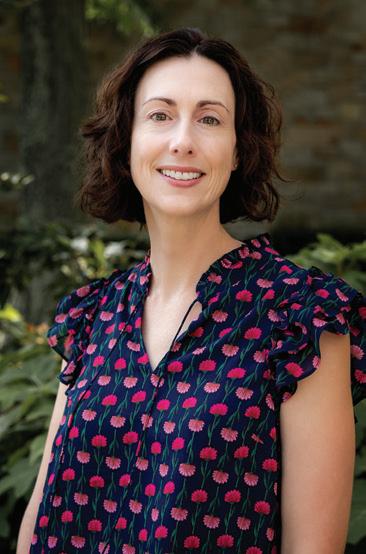
Boston College School of Social Work Professor Summer Hawkins has been named the new director of the Program for Global Public Health and the Common Good, which she helped to create and where she has served as associate director.
Hawkins succeeds Professor of Biology Philip Landrigan, M.D., who has headed the program since it was launched in 2018. In that time, the program has seen exponential growth, launched as a minor in 2019—and consistently among BC’s top 10 most-enrolled minors since then—and offered as a major beginning in 2023. Student interest remains high, with roughly 3.5 applications for every seat in the major.
“I am excited to continue this work with my faculty colleagues, our current students, and those who will discover a passion for public health at Boston College,” said Hawkins, who was instrumental in starting the University’s public health academic program in 2014, working with faculty from the School of Social Work, Connell School of Nursing, and the Lynch School of Education and Human Development.
“Our interdisciplinary program prepares students to address today’s most pressing public health challenges—locally and globally—through a commitment to social justice, research, and community engagement,” she said. “I look forward to building on the program’s strong foundation by expanding opportunities for students to
develop the knowledge and skills needed to improve population health.”
Landrigan will remain the director of the Global Observatory on Planetary Health, a research hub that tracks the impacts of planetary degradation—such as climate change, pollution, and hazardous chemicals—on human health and develops science-based solutions.
“I am grateful for Phil’s leadership of the program these past eight years and look forward to his continued contributions
to public health on campus and beyond,” Hawkins said. “His vision has helped establish Boston College as a leader in global public health, and I am excited to build on the momentum he has created. I have no doubt that Phil will continue to have a profound impact on policy, science, and the training of future public health leaders.”
Hawkins, who joined BC in 2012, is a social epidemiologist with an interest in addressing policy-relevant research questions in women’s and children’s health. Her research examines the impact of policies on health disparities in parents and children, particularly using methodology that integrates epidemiology and economics. Hawkins has published in prominent peer-reviewed public health journals on the topics of tobacco and cannabis use, maternal morbidity and mortality, infant feeding practices, and preventive health services as well as the impact of state policies on disparities in these health behaviors and outcomes.
Australia, and beyond to advance the “Lancet Countdown on Health and Plastics.” The program, co-led by Landrigan and Heidelberg University’s Joacim Rocklöv, launched a year ago to develop researchbased approaches to reducing the use of plastics and curbing plastic pollution.
A social epidemiologist, Hawkins succeeds Philip Landrigan, M.D., the program’s inaugural director and co-founder.
“We put together a roadmap about how bad the plastic problem is so we can begin to go about fixing it,” said Landrigan.
The project, funded by Australia’s Minderoo Foundation and the Scientific Center of Monaco, will publish updates in The Lancet every 12 to 24 months, he said. These reports will track metrics such as plastic production, chemical levels in human bodies, and the environmental accumulation of microplastics.
Landrigan recently convened an international meeting at Boston College Ireland in Dublin to address the growing global health crisis caused by plastic production and pollution, a focus of the work by Landrigan and the Observatory.
The three-day summit brought together experts from Europe, the United Kingdom,
Plastics have increasingly become a public health concern as microplastic particles and associated chemicals infiltrate food and water supplies. Research has linked chemicals like bisphenols to liver issues and heart disease, while flame retardants have been shown to reduce IQ.
“Nobody has mapped how many deaths each year are caused by plastics,” Landrigan noted, emphasizing the need for comprehensive data on plastic waste from production to disposal.
For more on the program, go to bit.ly/BCGlobal-Public-Health
“Our focus has always been on applied skills that translate directly to the labor market,” says Associate Dean Aleksandar Tomic, “and a No. 1 ranking in post-graduate earnings is the clearest evidence that this approach is working.”
The Boston College M.S. in Applied Economics degree program, offered through the Woods College of Advancing Studies, is ranked third among the top 10 online master’s programs in economics, according to a new survey by consumer education site Forbes Advisor.
BC’s program, which was second only to those offered by Johns Hopkins and Purdue universities, has the second-highest graduation rate (91 percent) among the top private and public university offerings listed, as well as the highest median annual earnings among alumni 10 years after graduation ($103,937).
“This ranking reflects the dedication of
ASSOCIATE VICE PRESIDENT FOR UNIVERSITY COMMUNICATIONS
Jack Dunn
SENIOR DIRECTOR FOR UNIVERSITY COMMUNICATIONS
Patricia Delaney
EDITOR
Sean Smith
our entire community—faculty, students, and alumni,” said Aleksandar Tomic, senior program director for the MSAE and associate dean for strategy, innovation, and technology at Woods. “We have taken considerable care to translate quality education to the online format and are happy to see our efforts recognized on the national scale.
“Our focus has always been on applied skills that translate directly to the labor market, and a No. 1 ranking in post-graduate earnings is the clearest evidence that this approach is working,” Tomic said. “I could not be prouder of our MSAE team and community.”
Offered full- or part-time, the Woods
CONTRIBUTING STAFF
Phil Gloudemans
Ed Hayward
Audrey Loyack
Rosanne Pellegrini
Kathleen Sullivan
PHOTOGRAPHERS
Caitlin Cunningham
Matthew Healey
College program prepares students to evaluate policies and programs, develop forecasts, understand consumer behavior, and analyze market efforts, all with an emphasis on ethical decision making. Its challenging curriculum includes core requirements that provide a solid foundation in the theoretical and quantitative tools of economic analysis, as well as five electives in subjects like big data, health care economics, marketing research, and economic development, taught by a faculty of accomplished scholars and industry practitioners.
The program also offers a fifth-year option for Boston College undergraduates majoring or minoring in economics in the
Morrissey College of Arts and Sciences or taking an economics concentration in the Carroll School of Management. The option awards them advanced standing for two courses, allowing them accelerated completion of the MSAE.
The Forbes Advisor ranking methodology, according to its website, is based on data from the National Center for Education Statistics, education providers, and reputable educational and professional organizations, with review by an advisory board of educators and other subject matter experts. For more, see forbes.com/advisor/education/science/best-online-masters-in-economics.
—University Communications
The Boston College Chronicle (USPS 009491), the internal newspaper for faculty and staff, is published biweekly from September to May by Boston College, with editorial offices at the Office of University Communications, 3 Lake Street, Brighton, MA 02135 (617)552-3350.
Distributed free to faculty and staff offices and other locations on campus.
Periodicals postage paid at Boston, MA and additional mailing offices.
POSTMASTER: send address changes to The Boston College Chronicle, Office of University Communications, 3 Lake Street, Brighton, MA 02135.
A flipbook edition of Chronicle is available via e-mail.
Send requests to chronicle@bc.edu.
BY JACK DUNN
ASSOCIATE VICE PRESIDENT FOR UNIVERSITY COMMUNICATIONS
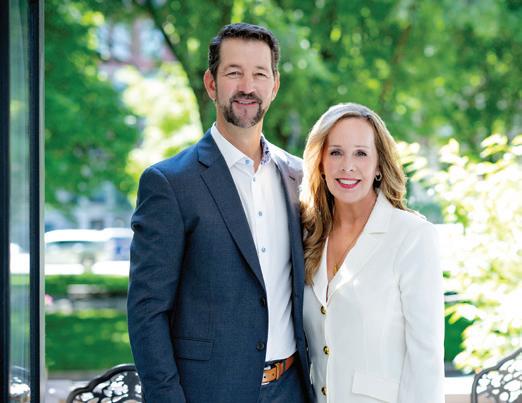
Boston College will leverage its formative and ethical strengths as a Jesuit, Catholic university to explore the opportunities, implications, and dangers of artificial intelligence through a transformative gift from University Trustee Jason Krantz ’95, P’23 and his wife, Keely (Fitzgerald) Krantz ’95, P’23.
The gift will establish the Krantz Institute for Artificial Intelligence, Ethics, and Humanity, which will utilize BC faculty, visiting scholars, and industry partners to examine AI’s long-term opportunities and impact from a humanistic perspective, while instilling BC students with the judgement, wisdom, and critical thinking necessary to help them become ethical leaders in its deployment.
The Krantz Institute will draw from the University’s academic programs in liberal arts, business, education, nursing, law, social work, and theology and ethics to achieve three primary goals. First, the Krantz Institute will convene global thought leaders at Boston College for conferences and symposia to discuss AI and its potential impact on humanity. Second, it will provide fellowships, internships, and experiential learning opportunities for BC students that will enable them to lead conversations that will shape the future of AI, wherever they take place. Third, the Krantz Institute will advance curricular innovation and integration at BC, enhance campus-wide AI-related programs and projects, and award internal seed grants to fund emerging initiatives.
Robert L. and Judith T. Winston Provost and Dean of Faculties David Quigley said the gift represents an opportunity for Boston College to respond to the potential and limitations of AI in ways that serve not only BC students, faculty, and researchers, but the global community.
“The establishment of the Krantz Institute for Artificial Intelligence, Ethics, and Humanity emerges from a shared sense of urgency—with our donors and among University leaders—that the world needs Boston College to bring the richness of its Jesuit, Catholic heritage and values into a lively engagement with the promise and per-
ils of generative artificial intelligence,” said Quigley.
“Jason and Keely Krantz believe that the University is particularly suited to provide ethical decision-making and humanistic leadership and thinking amid our age of accelerating technological change. I am grateful for their remarkable generosity and look forward to launching the institute that will make clear, across campus and well beyond, that AI’s ongoing revolutions require precisely those enduring strengths and resources which lie at the heart of BC’s mission-driven approach to formative education.”
The Krantzes said they were inspired to fund the institute to address the humanistic component of AI to ensure that this rapidly evolving technology benefits humanity and the common good.
“AI represents one of the most consequential technological transformations in human history,” said Jason Krantz, founder and executive chairman of Definitive Healthcare and founder of Breachway Capital.
“Given Boston College’s commitment to formative education and the Jesuit principles of ethical discernment, BC, in our mind, is uniquely positioned to lead the conversation about the consequences of AI, what the technology means for humanity, and how it might be best leveraged in service to others.”
Added Keely Krantz, president and founder of the O’Dell Women’s Center in Springfield, Mass., “We want to see values and ethics as foundational components in how the world approaches AI and AI education. Additionally, we want BC students to use their formative education and discernment skills to help lead and improve the application of AI in the future.”
Quigley said the Krantz Institute will be led by an executive director, whom he hopes to hire during the coming academic year, and new faculty and staff who will support the ongoing interdisciplinary work of BC faculty and researchers.
The institute will involve all nine of BC’s schools, with interim leadership assistance from Morrissey College of Arts and Sciences Dean Gregory Kalscheur, S.J., and Carroll School of Management John and Linda Powers Family Dean Andrew Boynton.
For the full version of this story, go to https://bit.ly/BC-Krantz-Institute
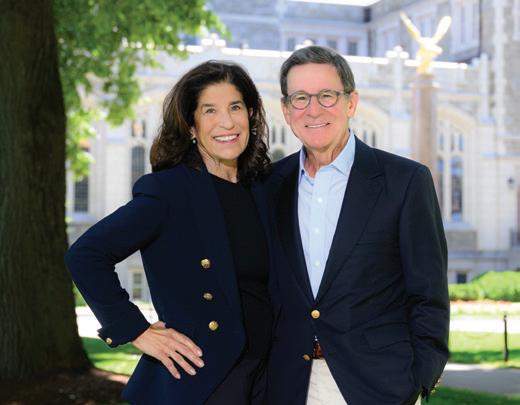
Boston College alumni Beth V. ’76 and Trustee Carmine A. Martignetti ’76 have made a transformative commitment to the University. The gift, which comes as the couple celebrates 50 years since their graduation, will provide unrestricted support to BC, allowing the University and its leadership to address its most urgent needs.
In grateful recognition of this gift, Boston College will name the residence hall located at 90 St. Thomas More Drive Martignetti Hall. Located on Lower Campus just steps from the Corcoran Commons, the current “Ninety” Hall houses 380 students—mainly sophomores—in 60 suites.
The Martignettis— who first met at the Eagle’s Nest while they were students—are longtime BC benefactors, having supported a variety of areas and initiatives over nearly five decades, including financial aid, athletics, the Connell School of Nursing, and Pops on the Heights. They are proud of the ways in which BC has grown, but also how it has stayed the same.
ing University President William P. Leahy, S.J.
In recognition of the Martignettis’ gift, Boston College will name the residence hall located at 90 St. Thomas More Drive Martignetti Hall.
“We have so much respect for Fr. Leahy and all that he has done for Boston College, which is now among the best Universities in the country thanks to his leadership,” said Beth Martignetti. “Our appreciation doesn’t end there—we’re so delighted for the transition to [incoming University President] Jack Butler, S.J., and the continuity that he will bring. It means a lot to us—Boston College is worthy of this kind of giving.” Since they graduated, the Martignettis “have demonstrated the Jesuit exhortation to be ‘men and women for others,’ giving back extensively to their community and in particular to Boston College,” said Senior Vice President for University Advancement Andrew Davidson.
“Their generosity has been widespread, and their latest gift demonstrates their faith in BC’s leadership. We are incredibly grateful for their support.”
“It’s about excellence in so many things—the quality of the students is better than ever,” said Carmine Martignetti, explaining what motivated the family to give back. “The school is so much more diverse, including geographically. But really, above all else, it has remained true to its Jesuit values and the idea of formation, which continues to contribute so meaningfully to the BC experience.”
The couple also offered praise for retir-
A graduate of the Connell School of Nursing, Beth (Verre) Martignetti worked for many years at Brigham and Women’s Hospital in Boston, primarily as a surgical nurse, including in cardiothoracic surgery. Carmine Martignetti, who joined the BC Board of Trustees in 2015, is president and co-owner of Martignetti Companies, a leading distributor of wine, spirits, and malt beverages in the United States. The Martignettis have three sons: Freddie, Philip, and Michael.
—University Advancement
Boston College Chronicle will begin its biweekly publication schedule for the 2026-2027 academic year on September 3.
BY ROSANNE PELLEGRINI STAFF WRITER
Though his two sons have aged out of the Milton American Baseball league, Boston College administrator Steve Novak continues to lead the organization and work tirelessly to ensure its vitality for young athletes, according to BC Vice President for Governmental and Community Affairs Thomas J. Keady Jr.
Now in his sixth year as league president following a year as vice president, Novak— senior philanthropic advisor for principal giving in Development—has been involved with the organization “from the groundup,” Keady said: as a parent (his sons each began in the league at age four), a volunteer, and a coach.
For Novak’s commitment and leadership, Keady presented him with the 2026 Boston College Community Service Award on June 10. Since 1986, outstanding contributions of Boston College employees— whose generosity exemplifies the Jesuit ideals of social justice and community service—have been recognized annually.
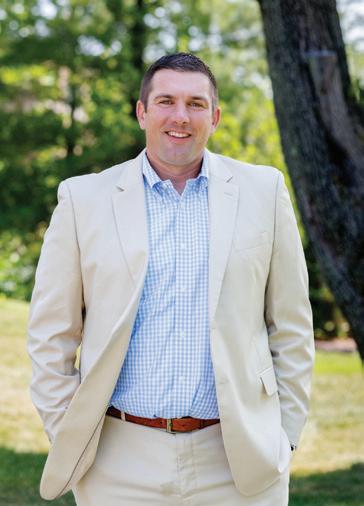
“Steve is being recognized by his peers as a ‘man for others’ for his dedication, outstanding leadership, and steadfast contributions on behalf of youth and their families,” Keady said in his presentation remarks, noting that the Milton league is one of the state’s largest youth baseball organizations.
photo by matthew healey
Under Novak’s stewardship, the league—with more than 450 participants—has flourished and become a community cornerstone. It ensures children ages four to 12 access to high-quality programming which builds skills, instills teamwork and sportsmanship, and provides
comradery in a fun environment. Thanks to Novak’s leadership, the program is wellorganized, financially sound, and growing, according to Keady.
“He has built and maintained a strong development pipeline that introduces young athletes to the game through Tee Ball, builds confidence and supports them as a number go on to become high-achieving high school players competing at the state championship level.”
“While he may not seek recognition, his impact is evident in the vitality of the program, the enthusiasm of its participants, and the pride it brings to the community,” wrote Katie Dalton, director of BC’s Women’s Center and Student Engagement Initiatives, in nominating him for the award. “His work exemplifies the very best of community service: sustained, collaborative, and focused on creating opportunities for others. Steve is a true person for others.”
“It has been a privilege to serve the young players of Milton,” Novak said. “What began as a personal passion for sports has grown into a meaningful expression of the Jesuit values that have shaped my life. Through this role, I have been able to bring together the lessons I learned working at Boston College with my love of baseball and commitment to our community.
“Each day, I am inspired by the op-
portunity to contribute to something larger than myself—to help create an environment where young people can grow as athletes, teammates, and individuals,” he added. “Guided by the Jesuit ideal of magis, I am continually motivated to seek ways to make our league better, always striving for the greater good of our players and families.”
Beyond his responsibilities as president, Novak is literally “hands on” in his unflagging support and promotion of the league: mowing the grass, raking the field, painting lines, checking drainage, putting up league sponsorship signs, and coordinating fundraisers.
“What sets Steve apart is his dedication to the players who are just learning the game or are developing skills,” according to Clough School of Theology and Ministry Associate Professor Daniel Daly, who with his wife, Kate Daly, director of BC’s Volunteer and Service Learning Center, also nominated him for the award. “He gives as much time and attention to the experience of those players as he does the ‘A’-level players.”
“I remain deeply grateful and humbled to play a small part in a community that gives so much to its young people,” said Novak, “and I am thankful for the chance to serve alongside so many dedicated volunteers, coaches, and families.”
BY PHIL GLOUDEMANS STAFF WRITER
The Mary E. Walsh Center for Thriving Children, a hub for integrated student-support science and innovation housed within the Lynch School of Education and Human Development, has been awarded a two-year, $1 million grant from the Heising-Simons Foundation to launch the “Promoting the Power of Pediatrics for Early Learning (ProPPEL) Network.”
ProPPEL is a group of researchers from pediatrics, developmental psychology, and education who are collaborating with leaders of national early education programs to improve pre-K learning through pediatric practice.
“It’s very exciting to launch this network,” said Walsh Center Executive Director Eric Dearing, a professor in the Counseling, Development & Educational Psychology department. “ProPPEL is part of an exciting new line of scholar initiatives through which we are bringing researchers and practitioners together to improve a child’s chances of thriving.”
Network innovation strategies include the installation of playful learning landscapes in pediatric clinics; technology for pediatricians that allows them to share early-learning tips with families; family coaching as part of wellness visits; and preschool-community health collaborations, he said.
“ProPPEL will establish Boston College, the Lynch School, and the center as a national leader for research-practice partnerships that leverage pediatric medicine for early education and learning.
Because nearly all American children attend ‘well child visits’ with a pediatrician whom their family trusts, the ProPPEL Network has a unique opportunity to improve whole child development and life success chances.”
Dearing noted that ProPPEL will complement City Connects, the center’s longstanding research-practice partnership that provides integrated support to thousands of students.
ProPPEL members include pediatricians from Stanford University School of Medicine, Oregon Health and Science University Medical School, and Tufts Medical School as well as early-learning and development researchers at BC and the University of California-Irvine.
Among the network member national organizations focused on delivering additional early-learning opportunities within pediatric medicine are “Count Play Explore,” providers of professional learning resources to promote early math, science, and computer science; MathTalk, which converts stories, public art, and augmented reality experiences into products and activities that assist math learning; The Basics, a community-level public health strategy that works within and across organizations to embed evidence-based
practices for promoting early childhood development into routine family engagement efforts; “Too Small to Fail,” an early childhood initiative of the Clinton Foundation that surrounds families with early language and learning opportunities; and Zero to Three, an organization that offers early childhood training sessions and resources to address the most critical issues impacting infants and toddlers.
“Eric Dearing has been conducting
high-quality, impactful work facilitating early childhood learning and development for many years,” said Stanton E.F. Wortham, the Charles F. Donovan, S.J., Dean of the Lynch School. “It’s great to see this continued support for a new project that builds on earlier successes, and I’m particularly pleased to see the expansion of such promising researchpractice partnerships that the foundation will now generously fund.”
Boston College’s annual Red Bandanna Football Game, which honors 9/11 hero Welles Crowther ’99, will take place in Alumni Stadium at 7:30 p.m. on September 11—the 25th anniversary of the terrorist attacks on the World Trade Center.
This year’s Red Bandanna Game, featuring a BC-Rutgers match-up, will include appearances by members of Crowther’s family and an array of special events and ceremonies. The game will be televised on ESPN. Further details will be announced at a later date. Crowther, who had played lacrosse for the Eagles, was working in the South Tower of the World Trade Center on September 11, 2001. Trained as a volunteer firefighter, Crowther became known
as “The Man in the Red Bandanna” for the handkerchief he wore as a protective mask while guiding survivors down the building’s stairwells to safety. He was credited with saving as many as 18 people before perishing when the tower collapsed.
Earlier this year, President Trump announced that Crowther would be awarded the Presidential Medal of Freedom.
The Red Bandanna Game has become one of the BC community’s most cherished campus traditions since it first began in 2011, then held each year beginning in 2014. Over time, other BC athletic teams have introduced their own Red Bandanna games.
—University Communications
Continued from page 1
and Stokes Hall, a humanities building which opened in 2012.
•With the support of a committed alumni base, Boston College completed two successful capital campaigns during this three-decade period—raising $441 million and $1.605 billion, respectively—and set ambitious strategic goals that included the University becoming a national leader in the liberal arts and formative education, and the world’s leading Catholic university and theological center. In September of 2023, BC announced Soaring Higher, a $3 billion campaign to support academics, financial aid, and student life, which to date has raised $2.25 billion.
•Annual contributions to Boston College increased significantly during the past 30 years, from $24 million in 1996 to more than $260 million in 2026, and the University’s endowment has grown from $590 million to more than $5 billion today. In addition, annual sponsored research has risen from $18 million to more than $84 million, and undergraduate need-based financial aid has more than tripled from $47 million to $197 million annually; BC is one of approximately two dozen private universities in the United States that are need-blind in admission and meet the full demonstrated need of all accepted domestic undergraduate students. Boston College has also established nearly 200 endowed faculty funds, currently valued at $320 million, in support of more than 400 named faculty positions.
•The caliber of students also rose steadily during Fr. Leahy’s presidency, with BC students winning hundreds of prestigious academic awards, including Rhodes, Marshall, Goldwater, and Churchill scholarships, and Fulbright grants. In 2020, in recognition of its academic reputation and its commitment to meeting the financial need of its

students, Boston College was invited to join QuestBridge, a select, non-profit program that helps high-achieving, low-income students gain admission and full scholarships to 55 of the nation’s best colleges and universities.
•The BC campus greatly expanded during the past 30 years, with the University acquiring 65 acres across Commonwealth Avenue from the Archdiocese of Boston in what is now the Brighton Campus; 79 acres in Dover for the Connors Retreat Center; and eight acres at 300 Hammond Pond Parkway in Chestnut Hill for administrative office space. In recent years, BC added 50 acres through an integration with Pine Manor College to create what is now the Brookline Campus and also purchased the 24-acre site of the former Mt. Alvernia High School campus in Newton, which in 2027 will become the home of the BC School of Social Work on what is now called the Newton East Campus.
•The University also reaffirmed its commitment to its Jesuit, Catholic heritage through the 2002 establishment of the Church in the 21st Century Center, which

has hosted more than 700 events and attracted a global audience of more than one million followers, and the Clough School of Theology and Ministry, an internationally respected school and theological center.
•BC has consistently been recognized for its national leadership in formative education, which seeks to integrate the intellectual, social, and spiritual dimensions of students’ lives and encourages them to develop their gifts and talents to use in the service of others. Based in part on this commitment, BC students are among the nation’s most active volunteers in non-profit organizations, with approximately 8,000 BC students and employees contributing 770,000 volunteer hours that serve more than 52,000 people annually in the local community. BC students also continue to report among the highest levels of student satisfaction in national surveys of graduating college seniors.
•To expand access to a Boston College education to more low-income, first-generation students, in 2021 the University established the Pine Manor Institute for Student Success, a $100 million initiative that includes a cost-free summer enrichment program for Massachusetts students in grades 8-12 called the Academy, and an associate’s degree-granting two-year residential pro-
Continued from page 1
with student-athletes, serving as chaplain to the Boston College football program. A gifted speaker and homilist, he has inspired many BC students to find their calling, with the ultimate formative goal of helping them to lead lives of meaning and purpose. He is frequently invited to address students, staff, alumni, and parents at lectures, discussions, retreats, and reunions, and to serve as a University ambassador, speaking at high schools, colleges, and universities throughout the country.
Several weeks ago, Fr. Butler began moving into the President’s Office in Botolph House in anticipation of his July 31 start date. Fr. Leahy, who was given the honorific President Emeritus by the Board of Trustees, will take an office on College
gram called Messina College, which opened in 2024 on the Brookline Campus and currently serves more than 200 students.
•Fulfilling its commitment to intercollegiate athletics, in 2003 Boston College joined the Atlantic Coast Conference—one of the premier Autonomy Four conferences in NCAA sports—and has maintained 31 varsity sports for its 750 varsity studentathletes. Between 2017 and 2023, BC constructed more than $300 million in campus athletics facilities, including an indoor football practice facility, the Fish Field House; baseball, softball, and intramural fields in the Harrington Athletics Village; the Pete Frates Center for indoor baseball and softball; and the Hoag Pavilion practice facility for men’s and women’s basketball.
•This summer will see the opening of the Catholic Religious Archives on the Brighton Campus to assist in the collection, preservation, and study of institutional records and documents belonging to Catholic religious orders and congregations in the United States and Canada. Recently, BC announced a record-breaking $125 million commitment that will help enable the renovation of Carney Hall to become a hub of the social sciences—including the departments of psychology, sociology, political science, and economics—and home to the Office of Campus Ministry, solidifying the University’s commitment to a Jesuit, Catholic, liberal arts education.
In recognition of Fr. Leahy’s service, the Board of Trustees voted unanimously to honor him with the title President Emeritus, the first such designation in University history. Moving forward, he will serve Boston College as an assistant to Fr. Butler as needed.
For more information on Fr. Leahy’s presidency, see bc.edu/content/bc-web/sites/leahypresidency.html
To read a Q&A with Fr. Leahy, go to bit. ly/Father-Leahy-QandA-2026
Road, where he will serve as an assistant to Fr. Butler, however needed.
Boston College will host Fr. Butler’s inauguration during October 15-17 with a three-day celebration that will include academic symposia, a Mass in Conte Forum, an inauguration ceremony, and football game festivities.
“As I begin my new role and ministry at Boston College, I have been overwhelmed by the enthusiasm and support I have received,” said Fr. Butler.
“My hope is to take that love and support and to continue to deepen the momentum, stability, and continuity that I am receiving from Fr. Leahy’s last 30 years. A furthering of that hope is that we all share in a sense of pride in and commitment to an institution we all have a role in and truly understand that we are a BC family.”
BY SEAN SMITH CHRONICLE EDITOR
Palliative care—which focuses on providing seriously ill persons with relief from symptoms, pain, and illness-related stress— is already a desperately needed resource in the United States, and experts at Boston College and elsewhere say that’s not going to change anytime soon.
Some 12 million adults and 400,000 children need, or could benefit from, palliative care, according to the Center to Advance Palliative Care, which notes that those numbers are likely to double by 2050. Because this type of care involves a holistic approach, the need for professionals who can provide it—not only doctors but nurses, social workers, and spiritual care professionals/chaplains—will be critical.
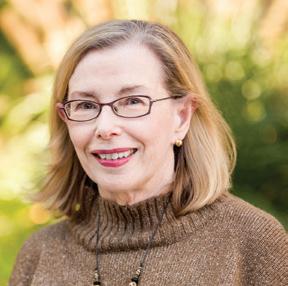
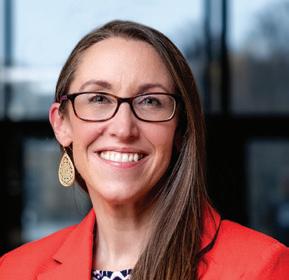
A pilot course offered last spring at Boston College could be a model for fostering the interdisciplinary and interprofessional collaboration which animates palliative care. Titled the Interprofessional Palliative Care Learning Community, the 15-week noncredit, masters-level course was designed by faculty and graduate students in the Connell School of Nursing, BC School of Social Work, and Clough School of Theology and Ministry, combining asynchronous online modules with three synchronous/live sessions via Zoom.
“Palliative care is more important than ever, but there’s often a misunderstanding of what it is and how it works,” said BCSSW Associate Professor Christina Matz, a co-leader of the pilot. “Our goal is to help social work, nursing, and theology and ministry students understand the philosophy of palliative care, and how we can use our respective skills and backgrounds in concert with one another to support patients and their loved ones.”
The Learning Community curriculum integrated case studies, reflective practice, and peer learning to support culturally responsive team-based care, with an emphasis on collaborative communication, ethical decision making, and person-centered approaches to serious illness. Among the topics covered were Advance Care Planning; Pain and Symptom Management; Spiritual and
Cultural Care; Care Near the End of Life; Ethical, Legal, and Financial Issues; Pregnancy and Infant Loss; and Dementia and Pediatric Palliative Care.
Matz said the level of interest the course generated—51 applicants from across the three schools—and the commitment shown by the participating students was impressive.
“The core group of about 20 were fully engaged, just as if it was a three-credit
solely due to taking this class,” wrote the student in an evaluation. “I received offers at all the hospitals I applied to, which was evidence that this class is comprehensive.”
One key facet of the course involved simulated cases on which students worked in teams: Each member received an individual briefing on the fictional patient that accorded with his or her discipline, then met with the other members to discuss the
“Our goal is to help students understand the philosophy of palliative care, and how we can use our respective skills and backgrounds in concert with one another to support patients and their loved ones.”
—Christina Matz
“You must learn not to try to be the wisest person in the room who has all the answers.”
—Patricia Tabloski
photos by caitlin
course, and provided us with some excellent feedback and observations,” said Matz, who partnered with Connell School Associate Professor Patricia Tabloski and Innessa Manning, BCSSW project manager for the Interdisciplinary Palliative Care Initiative; Melissa Kelley, an associate professor of pastoral care and counseling at the Clough School, also contributed to the initiative. Initial development of the course was funded by the Spier Family Foundation.
Even though the Learning Community was non-credit, one BCSSW student participant found it valuable in applying for medical social work roles: “I was able to demonstrate an understanding for the role
case and what steps should be taken.
“You can’t do anything in palliative care without a team,” said Tabloski, who has had extensive nursing experience working in palliative care. “You must learn not to try to be the wisest person in the room who has all the answers, because sometimes we must rely on our team for the needed support and guidance to move forward to meet patients’ goals of care.”
Learning Community participants found this to be overwhelmingly true.
“Working on the care plan with the team was so useful because I realized that I had information about the patient from the [briefing] that they did not,” reported one
student. “It made me realize how important it is to communicate and collaborate with the team and not assume that they know the same information that I do as a social worker.”
A student tasked with spiritual care for the patient had a similar experience from the opposite perspective: “[It] was very realistic and eye opening to talk with people from other disciplines who had information that I didn’t receive. It was good practice to communicate well and advocate for the patient’s needs that we observed.”
Tabloski calls this the “two-plus-two equals five effect: You say your piece, I say mine, and someone else says ‘Wait a minute, did you think about this?’” In fact, one of the case study videos used for the Learning Community showed a former student of Tabloski disagreeing with her about the care options for a patient.
“I remember for a second I was taken aback,” said Tabloski, “but then my training and education kicked in and I said, ‘You know, you’re right. I never considered your point of view. But now that you said that, it makes a lot of sense.’ It’s important to have this behavioral model of people who can listen critically and respectfully disagree.”
Tabloski emphasized the importance of palliative care’s interdisciplinary approach, not least its spiritual dimension. “I have had so many patients ask, ‘Why is God punishing me? I did everything right. I raised my kids in the religion. I gave money to the church. Why can’t God punish someone else?’ At first, I was terrified because I was so afraid to say the wrong thing. But having a priest, a minister, rabbi, shaman, and so on as part of the team helps you be honest with your patient, and to say, ‘I can’t answer that question, but it sounds like you really need to have a conversation with someone who knows more about this than I do.’”
Matz said that the student evaluations will help provide a basis for modifying elements of the course in anticipation of offering it again in the spring, perhaps this time for credit; CSON plans to develop an on-line continuing education offering for practicing nurses. Discussions among the three participating schools about administering the class will continue, she added.
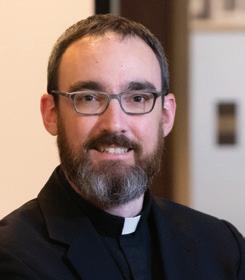
Associate Professor of Theology Michael C. Magree, S.J., has been awarded the Best First Book Prize by the North American Patristics Society for his publication The Interpretation of Kenosis from Origen to Cyril of Alexandria: Dimensions of Self-Emptying in the Reception of Philippians 2:7. Twenty books were nominated for the award.
“I am grateful and deeply honored that, among many other excellent candidates, this committee of my fellow scholars regarded my book worthy of this award,” said Fr. Magree, who specializes in early Christian interpretation of the Bible.
The Interpretation of Kenosis from Origen to Cyril of Alexandria brings the insights of Greek Christianity in the years
200-450 to the understanding of kenosis—a Greek term to describe Christ’s self-emptying through his humbly making human nature his own—to illustrate that new dimensions of the topic open up when it is examined in the historical era of early Christianity.
The jury statement from the award committee reads, in part: “To promise a full account of the reception and interpretation of a single New Testament verse in the early Church would be suggestive of a narrow, technical discussion. But in his first monograph, [Fr. Magree]
unlocks the small portal of Philippians 2:7 and leads us into an expansive, vibrant world.”
It concludes with: “[Fr. Magree] addresses multiple disciplines: New Testament studies, systematic theology, patristic theology, and the history of interpretation. He makes original contributions in each field and creates missing bridges across them. Writing in a style both compelling and mature, [Fr. Magree] persuades those of us who are outside these specialties to care about the problem of kenosis, and to think about the solutions.”
The award was presented at NAPS’s annual meeting, which was held in May in Chicago. At the conference, Fr. Magree chaired a session on “Agency and Spiritual Maturity in Early Christian Ascetical Writers,” where he presented a paper on “The Rhetoric of Agency: Cyril of Alexandria and Self-Denial’s Role in Spiritual Progress.”
Fr. Magree is the second Jesuit priest from Boston College to earn Best First Book Prize honors from NAPS: In 2018, Clough School of Theology and Ministry Associate Professor of Historical Theology Brian Dunkle, S.J., was recognized for his book, Enchantment and Creed in the Hymns of Ambrose of Milan. —Kathleen Sullivan
BY ROSANNE PELLEGRINI STAFF WRITER
Associate Professor of Chemistry Alexis Grimaud, a leading researcher in battery materials chemistry whose work is significant to the field of energy applications, has been awarded a five-year, nearly $600,000 National Science Foundation CAREER Award.
The award will further his research on battery materials, which focuses on finding ways to enable the use of materials previously deemed too unstable in the battery environment, and designing novel liquid electrolytes with tunable chemical properties. It also will strengthen the pipeline of future researchers in the field, as Grimaud will use his data to offer educational initiatives for students on campus.
A signature initiative to support early-career scientists, the CAREER Award is NSF’s most prestigious honor for young faculty who have the potential to serve as academic role models in research and education and to lead advances in their fields.
“I am excited about this project because it opens new avenues to get an exquisite control of the electronic and structural properties of this vastly unexplored family of materials, with applications not only in batteries but also in electronics and quantum technologies,” Grimaud said. “With several groups at BC making strides on these topics, it is an exciting time to explore such materials.”
Grimaud, who joined the Boston College faculty in 2022, is principal investigator of the project “Controlling dimen-
sionality and ligand connectivity to tune intercalation properties in transition metal oxychlorides.” He leads the Grimaud Research Group, which explores fundamental mechanisms at electrochemical interfaces.
His project is significant to the field of energy applications because to date, materials for rechargeable Li- and Na-ion batteries—technologies ubiquitous to modern life—suffer from geographical sourcing constraints, he said. A goal is to improve rechargeable Li- and Na-ion battery technologies by enhancing their energy density and their scalability, and to inform the development of lithium and sodium battery materials.
“The same battery material may succeed or fail depending on the electrolyte surrounding it,” Grimaud explained. “We have demonstrated that complex materials can be used as battery materials, opening
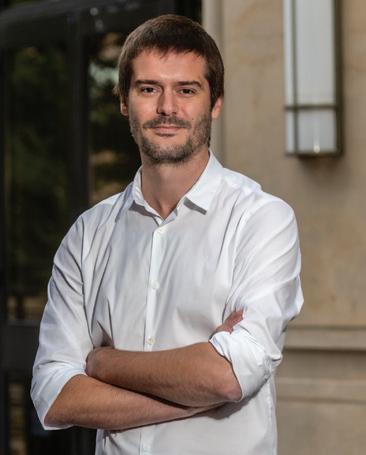
Alexis Grimaud says his research in battery materials chemistry “opens new avenues to get an exquisite control of the electronic and structural properties of this vastly unexplored family of materials, with applications not only in batteries but also in electronics and quantum technologies.”
this material and investigate Li and Na intercalation as a way to fine tune the properties of other oxychloride materials with potential application in electronics,” he said.
“Professor Grimaud is a leading researcher in battery materials chemistry and an exceptional educator who teaches physical chemistry and solid-state materials,” said Chemistry Professor and Chair Jianmin Gao. “We are absolutely delighted to see him recognized with the prestigious NSF CAREER award. This honor will provide a tremendous boost as he continues to expand his cutting-edge research and innovative educational initiatives here at Boston College.”
an entirely new family of battery electrode materials.”
His team established that a material made of only iron, oxygen, and chloride, all abundant and inexpensive, can deliver energy density and performance on par with current state-of-the-art material made of iron and phosphate—the latter associated with geographical sourcing/refining constraints, and in competition with the agricultural industry.
With support from the NSF’s Solid State and Materials Chemistry Program, his team “will explore the chemical and physical properties of mixed anion materials, composed of oxygen and chloride, upon intercalation [the reversible insertion of ions or molecules into a host structure] with Li or Na.” Having recently achieved reversible Li intercalation in several of these oxychloride materials, they will “develop and improve
Grimaud underscored the importance of sharing his data with future scientists: both BC students and first-generation Bostonarea students in the University’s Pine Manor Institute for Student Success. The youths in grades 8-12 are participants in The Academy, a cost-free summer enrichment program with year-round support.
“I am excited to engage with students participating in the Pine Manor Institute to introduce, including with laboratory activities, the concept of batteries and raise their awareness of materials sourcing, refining, and overall societal impact,” Grimaud said.
“With battery technologies rapidly changing the world, the field is at a turning point in which materials design must be approached with their socio-ecological consequences in mind. I look forward to introducing undergraduate and graduate students to these concepts through class content and seminars.”
BY ED HAYWARD STAFF WRITER
In environmental, health, and technology crises, Americans are more persuaded to act by scientists and public consensus than by leaders in government and industry, according to a study by researchers at Boston College and Princeton University.
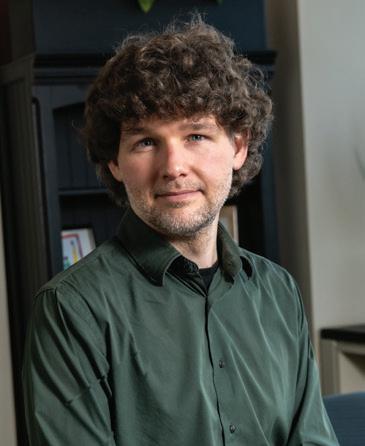
Across four studies involving roughly 55,000 individuals, Americans revealed they were especially influenced when both scientists and ordinary citizens supported a solution, said BC Assistant Professor of Psychology and Neuroscience Gregg Sparkman, senior author of the study.
“What surprised us was how consistently the combined voice of scientists and ordinary citizens mattered across issues and partisans, even when governments and companies opposed action,” said Sparkman. “Americans were still encouraged to act when scientists and ordinary citizens jointly expressed support for solutions.”
“This work suggests that institutional failure does not have to lead to public paralysis,” remarked Anandita Sabherwal, a joint post-doctoral researcher at Boston College and Princeton University who is the publication’s lead author. “Even when leadership from the top is missing, agree-
ment between experts and citizens can still help create momentum.”
When people learned that these two groups were aligned, they were more likely to support policies, choose products, donate money, and engage online, according to Sabherwal and Sparkman.
This pattern appeared across several kinds of issues, including climate policy, electric vehicles, sustainable proteins, vaccines, AI policy, misinformation, and data privacy, the study found.
This trust held even in the face of opposition from government bodies and private companies.
“Opposition from powerful institutions did not necessarily make people give up,” said Sabherwal. “When people saw that scientists and ordinary citizens endorsed solutions, they were still willing to act on that joint advice—including by donating money to a nonprofit and engaging with real content on social media.”
The researchers wanted to find out what kinds of organizations or groups were the most influential to people as they decided whether to take action on an issue of national importance, Sparkman said.
Across four experiments, the researchers tested whether people were more likely to act when they learned that a solution
was supported by scientists, fellow citizens, government bodies, or private companies. Actions included examples such as supporting a policy, choosing a product, donating money, or engaging with a message online.
Specifically, they studied whether Americans adopt solutions to national health-, environment-, and technology-related crises based on information about who supports or opposes those solutions.
In two online experiments, people chose between different policies or products, such as climate policies, electric vehicles, sustainable proteins, vaccines, and AI-related policies. The options differed in one key facet: which groups supported or opposed them.
Sparkman said the team then tested the same idea in two real-world settings: a donation decision, where people could give part of their bonus to a data privacy nonprofit, and a Facebook ad test about energy-saving appliances.
“When it comes to solving the big issues facing society today, we might expect people to look most to governments and big companies, because these groups often have the power, money, and infrastructure to make large-scale change happen,” said Sparkman. “When they fail to act, it can make people feel that their own efforts will not matter. But we found that people’s voice still matters in mobilizing change.”
The project’s next steps include testing the issue in countries where people have different levels of trust in government, scientists, and fellow citizens, Sabherwal said. Ultimately, the researchers hope to determine whether scientists and citizens are consistently influential, or whether the most persuasive group is simply the group people trust most in that society.
photos by caitlin cunningham and matthew healey
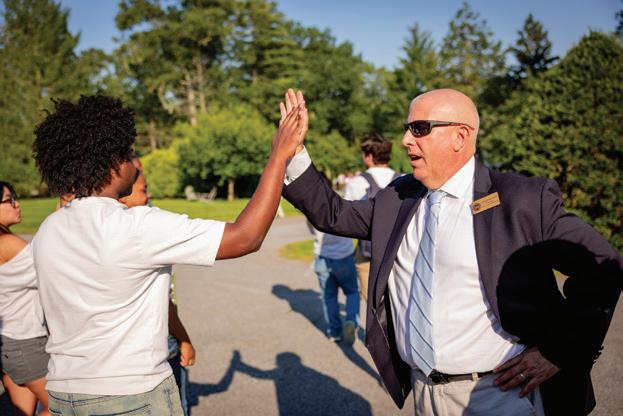

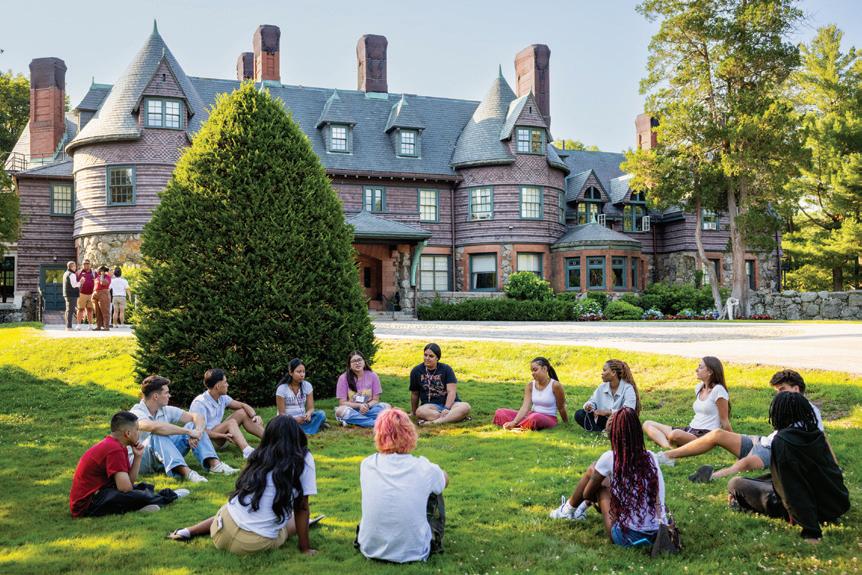
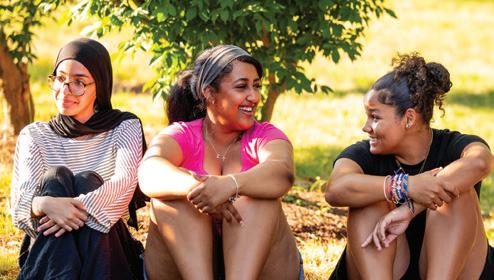
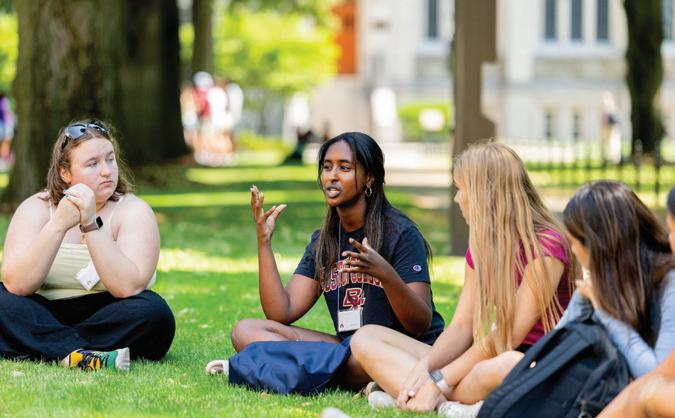
Boston College’s newest undergraduates received their official welcome to the University at orientation sessions that started in June. Top left, First Year Experience Director Chris Darcy high-fived members of the Class of 2028 at Messina College—BC’s two-year associate’s degree program—as they prepared to take part in small-group conversations and other activities (top and middle right) at the Brookline Campus. Above left, maroon-shirted First Year Experience student staff whooped it up with Class of 2030 members in Robsham Theater before adjourning to locations across campus, where they shared thoughts about beginning college life (bottom right). The 2026-2027 academic year starts August 31.
Boston College faculty members were among the winners of this year’s Catholic Media Association Book Awards, which honor authors, publishers, and editors who have made significant contributions to the Catholic literary landscape.
University Historian James M. O’Toole, Clough Millennium Professor in History Emeritus, was honored with a first-place award in the category of Sacraments for his book For I Have Sinned: The Rise and Fall of Catholic Confession in America (Harvard University Press). The book details how confession became a defining rite for American Catholics—and then, beginning in the 1970s, all but disappeared.
Professor of Philosophy Peter Kreeft’s Socrates Meets (Word on Fire) received first-place honors in the category of Philosophical Studies and second-place hon-

ors in Religious Book Series. Kreeft’s eightvolume book series pits Socrates against history’s most influential thinkers, including Machiavelli, Kierkegaard, Marx, and Freud.
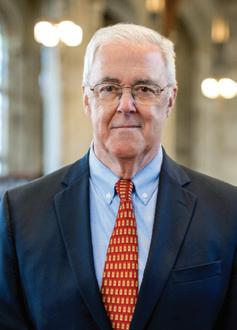
Clough School of Theology and Ministry Professor of Systematic Theology and Professor Ordinarius Richard Lennan and co-editor Peter Joseph Fritz received an honorable mention for their book Karl Rahner: Spiritual Theology (Paulist Press) in the category of Spirituality Classical. Their volume, part of the publisher’s Classics of Western Spirituality series, makes Rahner’s profound
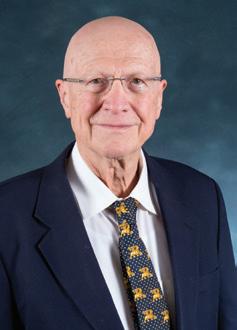
spiritual writings more accessible and shows how Rahner’s theology and spirituality are deeply interconnected.
Assistant Professor of Theology Jos Moons, S.J., and co-author Kristin M. Colberg received an honorable mention in the category of The Future of the Church for their book The Future of Synodality: How We Move Forward from Here (Liturgical Press). The book explores the historical and theological roots of a synodal church and where the path of a new, inclusive listening church leads. The Future of Synodality was also hon-
ored by the Association of Catholic Publishers in their 2026 Excellence in Publishing Awards. The book was bestowed with a first-place award in the Theology category.
A number of Boston College alumni also were honored with CMA Book Awards, including Christine Marie Eberle ’92 (Finding God Along the Way); Angela Franks Ph.D.’06 (Body and Identity: A History of the Empty Self); Maureen H. O’Connell Ph.D.’06 (Empowering People through Encounter); Jim Sano ’79 (Joline); Lindsay Schlegel ’08 (God’s Little Flowers); and David Farina Turnbloom Ph.D.’15 (Liturgy in the Shadows of Trauma: Reckoning with the Roman Catholic Sex Abuse Crisis).
The CMA Book Awards are presented by the Catholic Media Association, a professional network of Catholic media and communications professionals across North America and beyond. The award winners were announced June 19 at the Catholic Media Association’s conference in Atlantic City.
—Kathleen Sullivan
BY ED HAYWARD STAFF WRITER
With the support of a donor exchange system developed by Boston College Economics Professors Tayfun Sönmez and Utku Ünver, Turkey’s İnönü University recently performed the largest liver transplant exchange in history.
The so-called eight-way liver exchange involved surgeons at İnönü’s medical school performing 16 operations simultaneously, involving eight recipients and eight donors. The procedures were performed on June 12 and took 22 hours.
With the historic multi-party exchange, the Banu Bedestenci Sönmez Liver Paired Exchange Program—named in honor of Sönmez’s late wife—has performed 414 liver exchange transplants since the program’s inception in 2022, surpassing within four years the worldwide historical total of fewer than 250 that have taken place in the prior two decades. In 2025 alone, the system facilitated 155 liver transplants, accounting for nearly half of liver transplants done at the Institute.
The program’s ability to conduct multiway exchanges has revolutionized liver transplantation. These complex procedures overcome the challenges of matching donors and recipients, providing lifesaving transplants to patients who would otherwise not receive them. Among other factors, the program developed by Sönmez and Ünver helps to maintain transplant opportunities for multiple patients by ensuring blood-type compatibility and compatibility in the size of the liver grafts.
“[The program] has established itself as the global leader in both the scale and complexity of liver exchange,” said Sönmez. “More importantly, it has demonstrated how the careful economic design
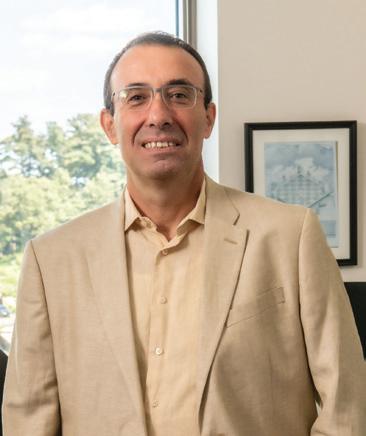
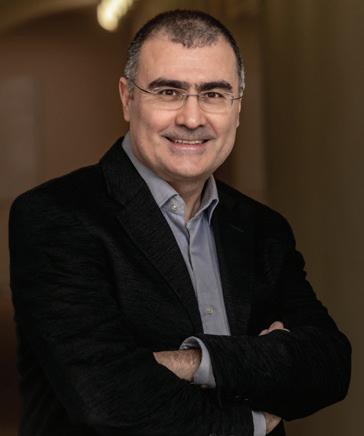
of an exchange system can dramatically increase access to transplantation.
“Our objective is not to set records,” he added. “It is to maximize the benefit to patients and to society by facilitating as many high-quality transplants as possible, while using the smallest and least logistically demanding exchanges needed to achieve that objective.”
Ünver recalled the excitement of learning that a new group of patients had received treatment.
“Naturally, messages went back and forth between the medical team and us throughout that day as we waited for news—that is routine on surgery days,” said Ünver. “After 22 hours, word came that all of the operations had succeeded. What made it even more striking for Tayfun and me is that we were both traveling at the time, working in time zones far from our usual ones, when we identified the eight-way cycle and the operations were carried out. [İnönü Professor] Yilmaz
Professor of Earth and Environmental Sciences Hanqin Tian has received a research award totaling 80,000 Euros (approximately $91,000) from Germany’s Alexander von Humboldt Foundation.
The Humboldt Research Award is conferred upon internationally accomplished researchers in recognition of their career-long scholarly contributions. The award was presented at the Alexander von Humboldt Foundation’s Annual Meeting in Berlin on June 24, followed by a reception hosted by Frank-Walter Steinmeier, president of the Federal Republic of Germany.
Award winners are invited to carry out research projects of their own choice in cooperation with specialist colleagues in Germany.
Tian is the director of the Center for Earth System Science and Global Sustainability and an Institute Professor in the Schiller Institute for Integrated Science and Society. He also directs
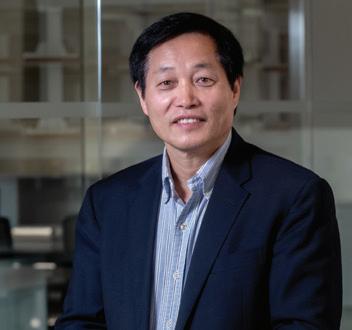
the newly established Global Carbon Project’s Boston Office (GCP-Boston), which fosters international collaboration on global carbon and nitrogen cycles, the food-energy-water nexus, and sustainable food systems—providing actionable insights for global sustainability.
—Ed Hayward
Yilmaz and his team are extraordinarily experienced—they have performed more than 4,000 liver transplants over the past decade-and-a-half—so however anxious or complicated any given day may be, there
Currently, in comparison with the 414 transplants performed at the Turkish medical center, only one other center in the world has passed 100 liver exchange transplants. The U.S. total last year was about 30 transplants from such exchanges.
“Multi-way exchanges overcome the difficulty in matching by serving more patients—some of them in critical condition, who would not otherwise receive immediate transplants—and by providing others with better transplants than they would get in smaller exchanges or directly from their own compatible donors,” said Ünver.
“However, approximately 60-70 percent of the outcomes achieved by our system could have been achieved using two-way exchanges alone,” added Sönmez. “This shows that the potential benefits of liver exchange are much broader than the ability to conduct exceptionally large exchanges. The eight-way exchange is a major medical and logistical accomplishment, but it represents only one dimension of the system’s success.”
“Our objective is not to set records,” says Sönmez. “It is to maximize the benefit to patients and to society by facilitating as many high-quality transplants as possible, while using the smallest and least logistically demanding exchanges needed to achieve that objective.”
is always a reassuring confidence in the back of our minds.”
Sönmez and Ünver, both natives of Turkey, are recognized world-leading experts and developers of matching mechanisms, particularly in kidney and liver exchange and transplantation. Their work in “matching markets” has also focused on how to improve K-12 school choice algorithms and the assignment of cadets to military specialties in the United States Army.
“The İnönü Institute’s ability to field large surgical teams is what makes exchanges bigger than two-way possible, but we use that capacity only when it is needed. In 2025, exchange accounted for nearly half of all liver transplants at the Institute; at the leading Asian centers, it has traditionally contributed only a few percent,” said Ünver.
“The program has set new standards by performing the world’s first four-way liver exchange in June 2022, the first five-way liver exchange in October 2023, the first six-way liver exchange in January 2024, and the first seven-way liver exchange in July 2024,” said Sönmez.
Some of these groundbreaking procedures were documented by the economists in two papers in the American Journal of Transplantation, the premier scholarly outlet for the field. In recognition of their contributions, İnönü University honored Ünver and Sönmez with honorary doctorates in 2024.
The economists continue to upgrade the mechanisms of their matching process.
“A great deal has changed, though the core matching algorithm has stayed the same, and what Tayfun and I contribute goes well beyond providing software,” said Ünver. “Most of the changes aim to improve recruitment of patient–donor pairs, so that the pool is structured to produce the best possible results, and we have steadily enriched the software we use to take advantage of the matches the pool makes possible.”
“The institute team can now conduct up to 10-way exchanges, simultaneously utilizing 20 surgery rooms and more than 160 medical personnel,” up from sevenway exchanges a few years ago, said Ünver. “This capacity is instrumental in conducting larger exchanges. Similar capabilities do not exist in any other single center.”
The economists are active partners with the medical team when the transplant procedures are in the planning and assignment stage.
“Both Tayfun and I take part in running the system day to day, and we propose the best available set of matches to the physicians,” said Ünver. “We give them a broad menu of options, and the surgeons make the final choice.”
Medical centers in India and Pakistan are in discussions with Sönmez and Ünver to put their program in place in transplant centers located in those countries.
Boston College School of Social Work
Louise McMahon Ahearn Endowed Professor Karen Bullock recently began her three-year term as president of the National Association of Social Workers, the nation’s largest membership organization of professional social workers.
Bullock, who has held leadership roles within NASW for more than 35 years, said she’s assuming the presidency at a pivotal moment for social work, as the need for social workers grows and the profession works to reaffirm its role in addressing society’s most pressing challenges.
As president, she plans to use her leadership position to bolster the social work workforce, reinforce professional standards, and expand member engagement. She also wants to help social workers strengthen their collective voice as they confront increasingly complex problems facing individuals, families, and communities.
“We need social workers now, more than ever, to go where others refuse to go, which is usually on the frontlines,” said Bullock, whose scholarship and practice have focused on advancing equitable hospice and palliative care for older adults and individuals with serious illnesses. “We need to go equipped with knowledge, skills, and the understanding of what sets us apart from other disciplines.”
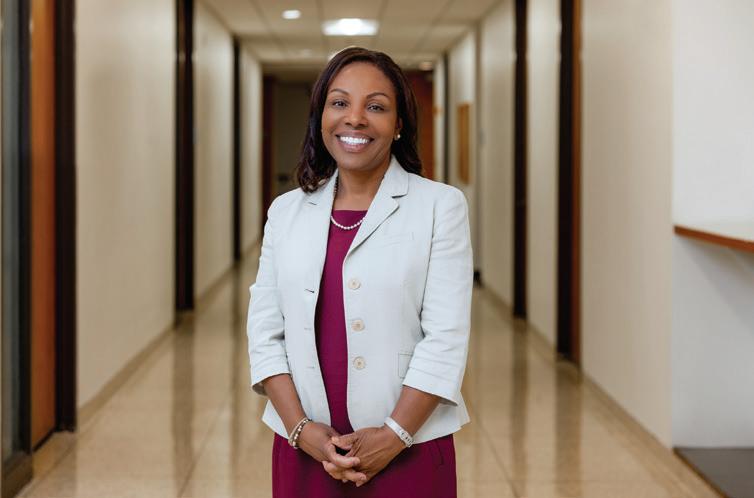
Her argument reflects social work’s broad reach. Social workers are the nation’s largest group of mental health service providers, according to NASW, outnumbering psychiatrists, psychologists, and psychiatric nurses combined.
“I hope my leadership will be the change that moves NASW forward as a resource for all social workers, whether they are micro-, mezzo-, or macro-level practitioners,” said Bullock. “My goal is to find common ground and create space for us to show up authentically, with passion and purpose to lead in the struggle to continue promoting social justice and human dignity as core values of our profession.”
Beyond supporting individual practitioners, Bullock sees NASW as social work’s chief advocate. The organization represents its members as well as the broader social work community, working to uphold professional standards, amplify social workers’ voices, and promote policies that support the communities they serve, she said.
Bullock wants to ensure social workers have the support and resources they need to tackle the biggest challenges facing communities today. She aims to advance the profession by supporting social workers at every stage of their careers while reinforcing the standards and ethics that guide
practice.
NASW can help social workers “reclaim their power and purpose,” she said, by highlighting the profession’s unique contributions to health and well-being through its person-in-environment approach.
“If I do not have a seat at the table, I cannot be the change I want to see. I must work from the inside out, joining the forces that impact change.”
Jason Kornwitz, Boston College School of Social Work
Read the full article at bit.ly/BCSSWBullock-NASW-president
Boston College’s Roche Center for Catholic Education hosted the third annual Global Researchers Advancing Catholic Education (GRACE) international colloquium from June 28-30, bringing nearly 200 Catholic leaders, educators, and community partners from 16 countries to collaborate on an analysis of the challenges and opportunities facing Catholic schools globally.
GRACE is a collaboration between Boston College, Mary Immaculate College (Ireland) Saint Mary’s University (England), University of Glasgow (Scotland), Australian Catholic University, and Australia’s University of Notre Dame and Edith Cowan University.
“Cultivating Hearts & Minds: Formative Education in Catholic Schools” focused on the vital role of holistic, formative education within Catholic educational institutions. The event offered numerous workshops and breakout sessions, featuring some 30 faculty and staff from the Lynch School of Education and Human Development and the Clough School of Theology and Ministry.
Executive Director Melodie Wyttenbach in her welcoming remarks. “Having long been recognized for their commitment to the holistic development of students academically, physically, spiritually, morally, and socially, Catholic schools offer a truly distinct approach to education.”
In his greeting, Stanton E.F. Wortham, the Charles F. Donovan, S.J., Dean of the Lynch School, said the purpose of K-12 education had become overly focused on content and lost sight of students’ struggles with various developmental challenges: ethical, spiritual, emotional, and other dimensions.
“Cultivating Hearts & Minds: Formative Education in Catholic Schools” focused on the vital role of holistic, formative education within Catholic educational institutions.
“Catholic schools, however, never forgot this lesson,” he said. “All along, they have been educating the whole person— head, heart, and hands—so I think it’s a great time for Catholic education; we have the expertise that the world really needs now.”
Other speakers included University of MassachusettsBoston Chancellor Marcelo Suárez-Orozco, who spoke on the theme “Education for a Global Common Home,” a reference to the United States Conference of Catholic Bishops’ socially responsible investment guidelines for the planet.
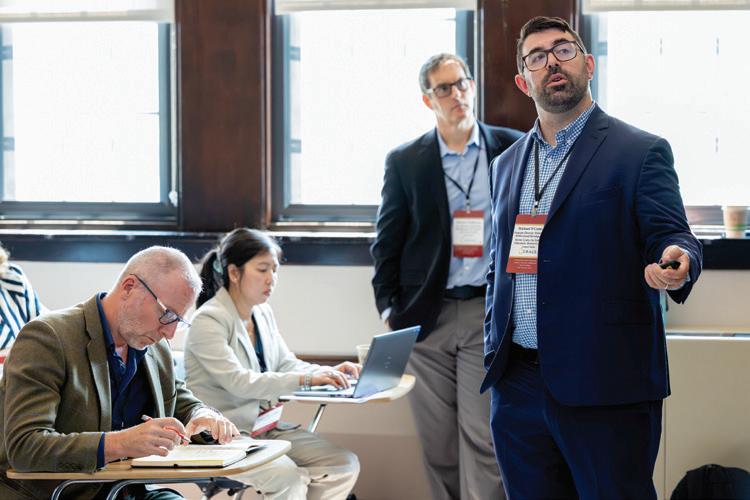
“In recent years—in response to a narrow overemphasis on subject matter and vocational training—educators, policymakers, and parents around the world have come to realize that a holistic, formative approach is needed,” said Roche Center
“In the era of mass displacements, unchecked climate change, the lingering social fragmentation of the COVID era, and the emergence of AI in nearly every sector of the economy and society, the mission of Catholic education has shifted, requiring
urgent transformation,” said Suárez-Orozco. “By elevating the distinctive strengths of Catholic education and sharing Catholic expertise in cura personalis—care for the whole person—we can help prepare students to become compassionate architects of a more sustainable and humane global common home and serve as a vital resource for education systems worldwide.”
Another keynoter, Brother David Hall, F.M.S., shared a personal anecdote regarding formation that characterized the distinction between a vocation and a job.
“When I’ve been sick in the hospital bed, I know when I’ve been nursed by someone for which nursing is their passion,” said Brother Hall, dean of the Australian Catholic University La Salle Academy for Faith Formation and Religious Education. “And I know when I’ve been nursed by someone for which it’s simply a technical profession. The same is true for us in education. We know when we’ve been taught by someone who doesn’t have the passion.”
—Phil Gloudemans
BY KATHLEEN SULLIVAN STAFF WRITER
Professor of History Sarah Gwyneth Ross, an expert in Renaissance Europe, especially Italy, was invited in April to deliver the annual Henriette Hertz Lecture at the Bibliotheca Hertziana–Max Planck Institute for Art History in Rome.
The Bibliotheca Hertziana promotes scientific research in the field of Italian and global history of art and architecture and is considered one of the world’s most renowned research institutes for art history. Each year, the institute invites an outstanding scholar to share insights drawn from his or her current research; the lecture is named for its founder, Henriette Hertz (1846–1913).
Ross’s lecture, “Ut pictura comoedia: The Andreini Family and the Arts in Renaissance and Baroque Italy,” is based on her current book project, which is centered on four generations of the Andreini family, a mercurial lineage of creatives spanning the late Renaissance and Baroque eras who were variously comic actors, poets, monk-alchemists, soldiers, nuns, and painters. Her presentation focused on the ways the performing and visual arts intersected—and sometimes competed—within this particular family as well as in the larger cultural world the Andreini inhabited.
Ross’s most recent book, Everyday Renaissances: The Quest for Cultural Legitimacy in Venice, drew on some of the same types of original unpublished sources that inform her current research—wills, diaries, household inventories, account books, and other miscellany—to reconstruct the lives of more than 100 artisans, merchants, and others on the middle rung of Venetian society who embraced literature and learning.
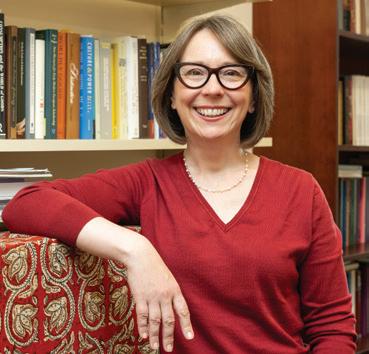
Prof. of the Practice Geoffrey Sanzenbacher (Economics), a research fellow at the Center for Retirement Research, discussed challenges facing older Americans as the cost of living rises in interviews with “PBS Newshour” and The New York Times.
Thucydides’ The Peloponnesian War offers insights that can help readers better understand contemporary international relations, wrote Giffuni Professor of Political Science and International Relations Jonathan Kirshner in a piece for Foreign Affairs.
“It was an extraordinary honor to be invited to deliver the annual Henriette Hertz Lecture at the Bibliotheca Hertziana,” said Ross. “And I mean ‘extraordinary’ in all senses of the term: I was both delighted and honestly a little perplexed at first to receive the invitation from this institute. I know that the Hertziana nurtures the kind of interdisciplinary passions that its founder Henriette Hertz exemplified, but even so it does center on art history, and I›m not an art historian. My research typically brings together a wide range of source materials, from literary texts to economic and legal records and, yes, the occasional work of art, too; but I considered myself a historian-historian.
“I went to Rome hoping above all else to learn from this amazing community of scholars who know a lot more about the art world per se than I do,” added Ross, who teaches courses on women in Renaissance culture with BC art historian Stephanie Leone. “I’m delighted to report that’s exactly what happened.”
Jeremiah Fisher Jefferson, associate director of the University’s Montserrat Program, died on July 6. He was 46.
Mr. Jefferson worked at BC for nearly 15 years, starting in the Office of Financial of Aid and then moving on to Montserrat, which supports students at the highest level of financial need.
At Montserrat, “he found his true calling supporting first-generation and high financial need students,” according to an obituary posted by the family. “Jeremiah poured his heart into mentoring young people, ensuring they felt seen, valued, and capable of achieving their dreams. Helping others was not just part of his work—it was the core of who he was.”
Mr. Jefferson is survived by his wife, Michele; children, Matteo Peter and Angelina Marie; his parents, Richard and Helen; brother, Ashley; sister-in-law, Emilie; and nephew, Calvin.
A funeral service was held for Mr. Jefferson on July 18 at Myrtle Baptist Church in Newton.
To read the obituary, see burkefuneralhomes.com/obituaries/jeremiah-jefferson.
Alfred N. Dionne Jr., a principal applications developer for Information Technology Services, died on June 7. He was 60.
Mr. Dionne was a computer programmer at Bradlee’s before joining ITS, “where his dedication, leadership, and brilliance left an enduring mark,” according to an obituary posted by the family.
“Beyond his professional achievements, Al was a gentle, kind, and reserved soul. He was always incredibly generous with his expertise, constantly stepping up to help family and friends solve whatever technology problems or computer glitches came their way.”
Mr. Dionne is survived by his father, Alfred; his sisters, Catherine Dionne Doherty (wife of Frederick) and Michele Dionne Small (wife of David); and his nieces and nephew, Michele Doherty Rome, Sarah Doherty, and Daniel Small.
A memorial Mass was held for Mr. Dionne on July 23 in the Simboli Hall Chapel.
To read the obituary, see obits.barilefuneral.com/alfred-dionne-jr. —University Communications
Susan Gennaro, who served as CSON dean from 2008 to 2021, was bestowed with honors in Italy in recognition for her contributions to scientific research and the nursing profession. In May, she was awarded the Bronze Lion by Mario Marino, the mayor of Scicli, a town in the Italian region of Sicily. The Bronze Lion is a symbol of the municipality and its highest civic honor. She is the first woman and first nurse to be recognized with the award. A few days prior, Gennaro was made an honorary citizen of Calatafimi, the municipality in Sicily where her grandparents were born. Honorary citizenship is granted to a person who has made a significant contribution globally in the arts or sciences and who has ties
The following are among the recent positions posted by the Department of Human Resources. For more information on employment opportunities at Boston College, see www.bc.edu/jobs or scan the QR code at right.
Senior Associate Dean, Faculty & Academic Affairs, Woods College
Director of Advancement Communications and Marketing
Director of Counseling Practicum Experience
Liaison Librarian, Theology and Ministry Library
Teacher Assistant
Assistant/Associate Director, Schools & Programs
Gift Processing Specialist
Waitstaff
Assistant Director of Corporate Sponsorships
Senior Performance Engineer
Network Engineer
Curriculum Development Specialist, So I Send You
Storage Systems Administrator
Applications Developer
First Cook, Corcoran Commons
The overprescribing crisis is real, but the current debate overlooks the most vulnerable patients, according to Asst. Prof. Victor Petreca (CSON), who wrote about the issue for WBUR “Cognoscenti.”
Pressures ranging from tariffs to higher energy prices have pushed some small businesses to the brink, noted Carroll School of Management Accenture Professor of Finance Edith Hotchkiss in a comment for The New York Times.
to the city. [More details available at bit. ly/CSON-Gennaro-honored-in-Italy]
Seidner Department of Finance faculty in the Carroll School of Management made their mark in the prestigious Journal of Finance during 2025. Boston College ranked among the top five institutions contributing to the peer-reviewed academic journal, published by WileyBlackwell on behalf of the American Finance Association. BC ranked fifth after Harvard University, New York University, University of Pennsylvania, and the Federal Reserve Board. The remainder of the top 10 included Ohio State, Yale, Stanford, Bank of Canada, and the University of Southern California.

Associate General Counsel, Real Estate
Patrol Officer
Director, Marketing & Communications
Laboratory Manager
Senior Research Associate (Immunology)
Campus Minister
Dishwasher
Director, Procurement Services
Administrative & Program Specialist, Engineering Department
Resource Management Librarian
Director of Research Finance
Assistant Supervisor, Carpentry Operations
Cashier/Line
Boston College faculty members reacted to Pope Leo XIV’s first encyclical, Magnifica Humanitas (Magnificent Humanity), which addresses artificial intelligence and the protection of human dignity. Released in May, the document voices a profound interest in aligning Catholic social teaching with the AI era, including warning against the dangers of substituting genuine human relationships with artificial ones, and uncritically relying on AI as an electronic seer.
(These remarks have been edited for length; see the full version at bit.ly/BCfaculty-discuss-AI-papal-encyclical)
•“We now have a road map for the use and development of this technology from a Catholic point of view. Since the beginning of his pontificate, Pope Leo has made AI a priority, and he specifies how important it will be to place human beings at the center and that (it should) be used for the benefit of all. The document gives us the opportunity to think deeply about this vital and highly relevant technology.”
-Professor of the Practice Fr. Philip Larrey, Philosophy
•“I’m happy to see that Magnifica Humanitas has done what other leaders and institutions have thus far largely failed to do—provide moral clarity about the status of generative AI and a call to action to mitigate its potentially dehumanizing effects. The encyclical charges all educators at every level to take responsibility for student formation in what is now an entirely transformed educational environment. We need to do more to educate students about AI and to make it more difficult for them to yield to the powerful temptation to hand over their thinking, their voices, and their humanity to a machine.”
-Thomas F. Rattigan Professor of English Mary Crane
•“Empowered by this vision of the world and of human agency, Pope Leo critically assesses the risk of developing and implementing the tool of artificial intelligence in ways that would increase inequities and social injustice. To avoid fostering an inhuman ‘culture of power,’ he
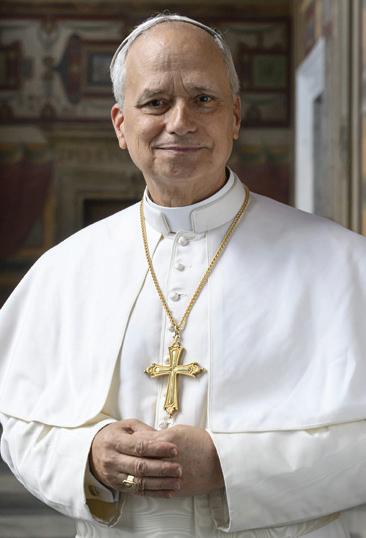
AI as such. Instead, Pope Leo focuses on the ways new technologies can diminish our capacity as humans to build up a world based on a vision of the ‘common good.’ He certainly spells out the risks, and one of the common goods most vulnerable is truth itself. Rather than condemning AI, however, he urges individuals and communities to use it in creating a ‘civilization of love.’
He clearly recognizes the challenges. Yet I, for one, am grateful for a credible, positive voice that carries a moral authority and urges hopefulness.”
-Clough School of Theology and Ministry Dean Michael C. McCarthy, S.J.
agree on safety principles face commercial pressure to defect, and someone always does. It’s a prisoner’s dilemma, and failures with potential extinction consequences don’t give you a second try.”
-Professor of Business Analytics Sam Ransbotham, the David J. Mastrocola Dean’s Faculty Fellow, Carroll School of Management
stressed the need to build a ‘civilization of love’ that rejects war and promotes peace, eliminates trafficking, fosters integral ecology, promotes the dignity of work in the ongoing digital transition, and confesses the Church’s troubled history with slavery, abuse, and colonial power while asking for pardon. Inspired by Pope Leo XIV and by Catholic social doctrine, the challenges that humankind faces in the era of artificial intelligence could become a further opportunity to foster social justice and promote an inclusive and comprehensive common good.”
-Theology Department Chair Andrea Vicini, S.J., Michael P. Walsh Professor of Bioethics and Professor Ordinarius
•“What is most striking to me about the encyclical is how little there is about
•“The encyclical elevates discourse of ‘AI as tool’—what technology does for humanity—to ‘AI as civilizational threshold’—what it does to humanity. In my reading, it treats artificial intelligence as a philosophical rupture that demands institution-building and governance equal to the task. It positions us at the beginning of the beginning, posing questions we should think about and discuss, clear-eyed, about AI’s increasing capabilities. Its all-too-rare compound vision names multiple realities and holds them in tension, refusing any single deterministic narrative advanced by techno-optimists or pessimists alike, which is likely why it landed so well among serious thinkers across the political spectrum.”
-Professor of the Practice Chris Glass, Lynch School of Education and Human Development
•“Human dignity that’s built in rather than earned, the common good, the universal destination of goods, subsidiarity, solidarity, social justice—none of this should require restating in 2026, but needing to is what’s going wrong. A small number of AI firms now hold unprecedented power. The basic research that universities once cultivated in the open—as a public good—now lives inside the handful of corporate labs that can afford the computing power. That shift turns shared knowledge into private property. The systems themselves are grown more than built, and inside those labs, market incentives take over. Even firms that
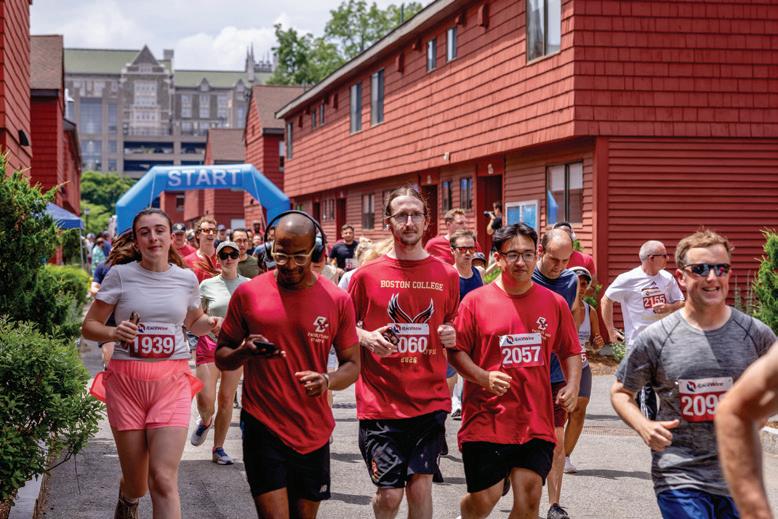
•“For me, the two strongest messages are: It takes fostering human connection and in-person community building to overcome the dystopian prospects of the AI revolution; and secondly, the constant reminder that machines cannot render moral judgment or emotional connection, emphasized in the very clear statement, ‘No computational system, however sophisticated, can create a heart that gives itself, or a conscience that discerns good from evil.’”
-Woods College of Advancing Studies Associate Dean for Strategy, Innovation, and Technology Aleksandar Tomic
•In addition, Clough School Associate Professor of Moral Theology Daniel Daly offered his views on Magnifica Humanitas at a congressional briefing in Washington, D.C., on June 17. The briefing focused on how to navigate artificial intelligence in a way that centers the person, and how core principles such as the fundamental, inherent right of every person to be valued, respected, and treated as an end in themselves, and finding the common good, can shape smarter, more responsible AI policy.
“Pope Leo’s intervention here is important, as some AI developers claim that work will be ‘optional’ in the coming decades,” he said. “For Leo—because labor is a necessary part of a flourishing life—a world without work is not a utopia; it is a nightmare. He also rejects ‘reverse adaptation’—the idea that human workers should adapt to AI and that AI dictates work and robs persons of agency in their work.”
For more on the congressional briefing, see https://bit.ly/Fr-Daly-discusses-AI-papalencyclical
—Phil Gloudemans
On June 12, Boston College’s Department of Human Resources and Campus Recreation hosted the third annual BC
and