INSIDE
4 Looking forward Woods College announces five-year strategic plan.
5 Global challenge
BCSSW researchers part of international call to aid children in conflict.

4 Looking forward Woods College announces five-year strategic plan.
5 Global challenge
BCSSW researchers part of international call to aid children in conflict.
of Messina College’s first graduating class look back—and ahead
BY ED HAYWARD STAFF WRITER
8 End of the line O’Kane nears end of his long association with BC.
Bernard O’Kane nears end of his long association with BC.
BY KATHLEEN SULLIVAN STAFF WRITER
David Buckley, associate professor of political science and the Paul Weber Endowed Chair in Politics, Science, and Religion at the University of Louisville, has been named director of Boston College’s Boisi Center for Religion and American Public Life effective this summer, announced Morrissey College of Arts and Sciences Dean Gregory Kalscheur, S.J. Buckley succeeds Theology Professor Mark Massa, S.J., who is stepping down as director at the end of this academic year after leading the Boisi Center since 2017.
Established in 1999 with an endowment from Geoffrey T. Boisi ’69 and his wife Rene (Isacco) Boisi ’69, the Boisi Center for Religion and American Public Life creates opportunities where a community of scholars, policy makers, media, and religious leaders can connect in conversation and scholarly reflection around issues at the intersection of religion and American public life. The hope is that such conversations can clarify the moral consequences of public policies in ways that help to maintain the common good while respecting America’s increasing religious diversity.
A faculty member at Louisville since 2013, Buckley is the director of the Center for Asian Democracy, which promotes research, student opportunities, and community engagement that advances the understanding of democracy in Central,
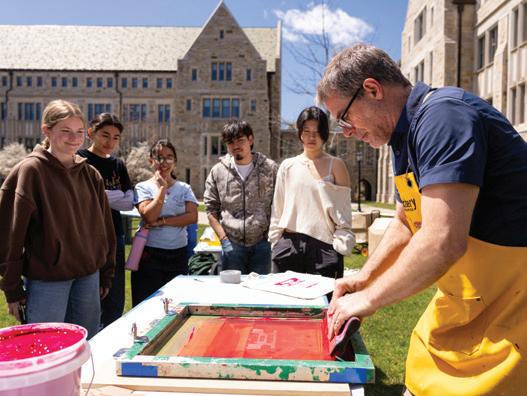
In less than two weeks, the nearly 100 students who make up Messina College’s inaugural class will become the first to graduate from the University’s two-year, residential associate’s degree program.
They arrived in the summer of 2024 after graduating predominantly from high schools in Boston and other Massachusetts cities to begin the first associate’s degree program ever offered by Boston College. Messina College is a cornerstone of the University’s $100 million Pine Manor Institute for Student Success initiative to enhance educational opportunity for underrepresented, first-generation students.
Looking at the college and the class today, Patti and Jonathan Kraft Family Dean Erick Berrelleza, S.J., said the first two years have been marked by growth in both the program and the students themselves—
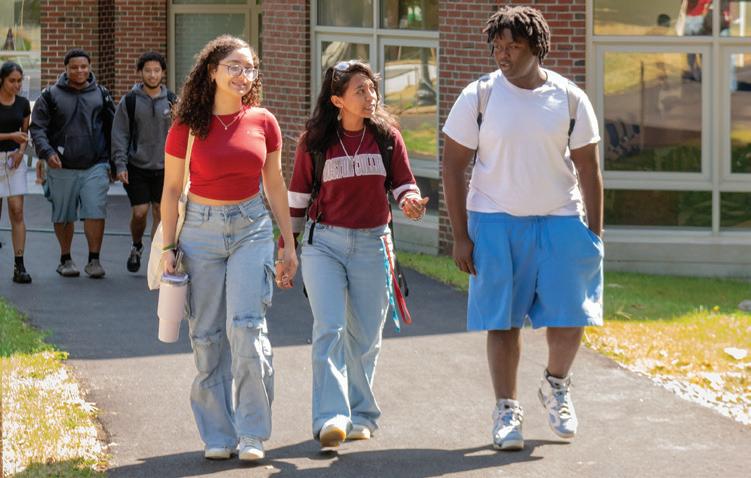
whom he calls “co-creators” of their own academic and social experiences—helping to direct and refine the program within BC’s Jesuit-Catholic tradition.
“It’s been so exciting to watch—through
the students’ efforts, through the work of our faculty and staff here supporting them—all the successes and to see the expectations we had two years ago blown
Continued on page 6
BY JACK DUNN
ASSOCIATE VICE PRESIDENT
FOR UNIVERSITY COMMUNICATIONS
David Nelson, a psychology major on the pre-med track with a film studies minor in the Morrissey College of Arts and Sciences, has been named a recipient of the 2026 Harry S. Truman Scholarship, one of just 55 winners nationwide from an applicant pool of 781 candidates.
The prestigious Truman Scholarship, established by Congress in 1975 to honor the memory of the 33rd president, is considered the premier graduate scholarship for aspiring public service leaders. It recognizes students who demonstrate outstanding leadership potential, a commitment to a career in government or the nonprofit sector, and academic excellence. Truman Scholars receive up to $30,000 in funding for graduate studies along with leadership training, career counseling, and special internship opportunities within the federal government.
Nelson, a junior from Birmingham, Ala., is concurrently enrolled in the 4+1 program at Tufts University School of
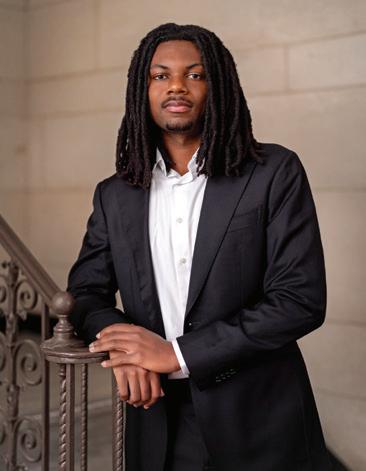
Medicine, where he is pursuing a master of public health degree in epidemiology and biostatistics.
Upon completing the degree, he plans to pursue a joint medical and master of arts in public policy degree at the University of Chicago’s Pritzker School of Medicine and Harris School of Public Policy in preparation for a career as a physician-policy
“There is something very special about Boston College,” says David Nelson ’27. “Here we are taught to use our gifts to serve others, and that is what I want to do with my career. It was a perfect match for me.”
photo by caitlin cunningham
maker focused on improving mental health outcomes in Black communities and addressing the growing issue of youth suicide.
“Winning the Truman Scholarship was a great honor for me and my family,” said Nelson. “It meant a lot to me personally given what I have experienced growing up in Birmingham and losing so many peers to gang violence and my uncle to suicide. Grief has been the ignition behind much of what I do. I want to dedicate my life to addressing the critical issues of mental health and suicide because I do not want anyone else to know the pain my family
BY AUDREY LOYACK STAFF WRITER
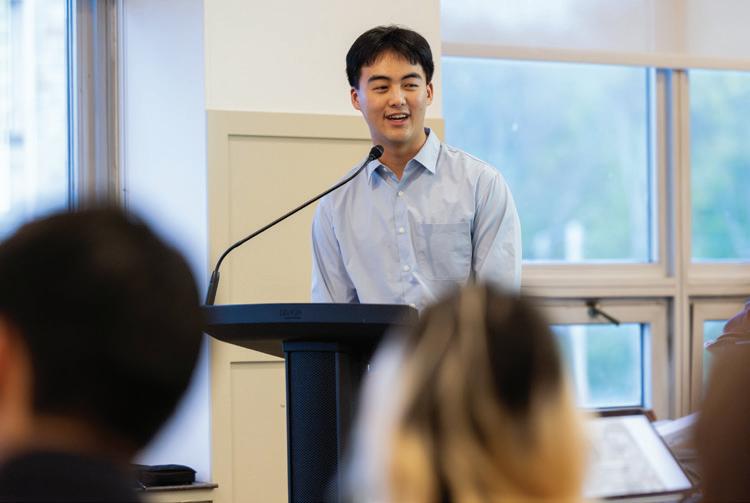
From Beijing to Boston, Morrissey College of Arts and Sciences junior Eugene Yuan’s service in areas such as animal welfare and nonprofit leadership has fueled his commitment to civic engagement and future career aspirations—and, in doing so, earned him one of Boston College’s most prestigious undergraduate honors.
On April 28, University President William P. Leahy, S.J., presented Yuan, a biochemistry major with a minor in computer science, with the 30th Benigno and Corazon Aquino Scholarship award, which honors a junior who demonstrates a strong academic record, engages actively with Asian American issues, and provides service to the Asian American community both on and off campus. Yuan was one of five finalists selected for the scholarship and will receive a $25,000 scholarship toward his senior year tuition and a $1,000 gift card to the BC Bookstore.
Yuan’s journey to the Aquino Scholarship began as a student at Beijing’s Keystone Academy when, as his school’s service council president, he raised nearly $30,000 for more than 15 charities active in causes such as migrant education and social welfare.
Yuan developed a deep connection to animal welfare as a campaign coordinator for the nonprofit Adopt Don’t Shop and later worked with the International Fund for Animal Welfare to design a three-month conservation program for a Boy Scouts troop in Beijing to work with animals of prey. Yuan has since held several assistantships in veterinary medicine, including
bilingual Korean/English surgical settings which involved caring for small, large, and exotic animals.
As a cadet in the University’s army ROTC program, Yuan hopes to capitalize on his extensive experience with animal care to become a veterinary pathologist in the Army Veterinary Corps.
“This scholarship resonates so deeply with me because of the fight for democracy both Corazon and Benigno Aquino laid their lives down to serve,” said Yuan in an email last week. “It’s important to know that the Aquinos had status, power, and privilege that they used for the benefit of the people. And as an American citizen, I would like to do the same.”
Also attending the ceremony was 2025 Aquino Scholarship recipient Jadon Lee, who reminded the five finalists that they are not only stepping into the legacy shaped by Benigno and Corazon Aquino, but also inheriting and shaping it into something new and impactful for the Asian American community.
Keynote speaker Shaina Lu, a Taiwanese American artist and educator, emphasized the role of giving, and told the Aquino finalists that they bear an active responsibility within the scholarship’s legacy: “I hope that you look at your communities and think, ‘What gifts can I give them?’”
Other finalists for the Aquino Scholarship were:
Rachel Buhay, Castle Rock, Col. Majors: Economics and Mathematics Captain of the fencing team with 100 career wins as an Eagle; STAR Scholarship Recipient of the Philanthropic Educational Organization and All-ACC Academic; incoming 2026 investment banking summer analyst at UBS (Union Bank of Switzerland).
Alexander Favorito, San Ramon, Calif. Major: Human-Centered Engineering Research assistant at the Biomedical Imaging & Instrumentation Lab; provides student support as a course assistant in Engineering Computation and Programming; registered EMT and Medical Career Exploration Program member at Brigham and Women’s Hospital; formerly served as a course assistant for Engineering Foundations Studio II and as a department tutor.
Mary Jeong, Durham, NH Majors: Marketing and Entrepreneurship Founder and illustrator of custom pet portrait business Louie and Co Designs; illustrated her first children’s book last year; marketing intern for Boston College Dining Services; member of the Boston College Symphony Orchestra and Asian Caucus; former media chair for the Korean Student Association.
Andrew Ren, Winchester, Mass.
Majors: Computer Science and Mathematics Minor: Philosophy Effective Altruism AI Fellow; Stride Mentor; member of the Alpha Sigma Nu Honor Society and Computer Science Society; a teaching assistant for Logic and Computation and vice president of the Board and Trading Card Game Club; selected as a Fellow at MIT Schwarzman College of Computing Break Through Tech AI program.
Continued from page 1
and I have felt.”
During his years at Boston College, Nelson has been actively engaged in campus research, extracurricular, and volunteer activities, such as working as a research assistant in the Psychology and Neuroscience Department Self, Health, Identity, and Culture Lab, serving as president of the Psychology AXON Mentorship Program, and as a student mentor and president of the Photography Club in the BC Art, Art History, and Film Department.
Outside of Boston College, he has volunteered with the American Foundation for Suicide Prevention, the Massachusetts Department of Public Health, and the
ASSOCIATE VICE PRESIDENT FOR UNIVERSITY COMMUNICATIONS
Jack Dunn
SENIOR DIRECTOR FOR UNIVERSITY COMMUNICATIONS
Patricia Delaney
EDITOR
Sean Smith
Massachusetts Department of Youth Services detention unit in Dorchester, where he tutors incarcerated youth. He is also a certified EMT who works part-time for Brewster Ambulance, and a competitive runner who is training for the Chicago Marathon in October.
“Dave is an immensely capable, deeply focused student with a fierce commitment to social justice and public service,” said Andrea Heberlein, distinguished senior lecturer and director of undergraduate studies in the Psychology and Neuroscience Department.
“He is committed to improving the lives of people in every community he is a
CONTRIBUTING STAFF
Phil Gloudemans
Ed Hayward
Audrey Loyack
Rosanne Pellegrini
Kathleen Sullivan
PHOTOGRAPHERS
Caitlin Cunningham
Matthew Healey
part of writ large and small. I cannot think of a more deserving student.”
Added Mathematics Associate Professor of the Practice Ellen Goldstein, “Dave’s leadership and initiative displayed in my class are indicative of his character. He is determined to be on the cutting edge of supporting people in need, particularly focusing on suicide prevention and access to mental health resources for traditionally underserved communities. He is the best type of leader: one who also inspires and supports others to achieve as much as he does. He thoroughly deserves this honor.”
Nelson becomes the 23rd BC student to win a Truman Scholarship. Upon graduat-
ing next year, he hopes to participate in the Truman Foundation’s Washington Summer Institute and work in the United States Department of Health and Human Services to advance its National Strategy for Suicide Prevention, before continuing his graduate studies.
“Everyone at BC has been here for me since I arrived in 2023,” said Nelson. “I am so grateful to have been surrounded by such caring and supportive people and faculty mentors. There is something very special about Boston College. Here we are taught to use our gifts to serve others, and that is what I want to do with my career. It was a perfect match for me.”
The Boston College Chronicle (USPS 009491), the internal newspaper for faculty and staff, is published biweekly from September to May by Boston College, with editorial offices at the Office of University Communications, 3 Lake Street, Brighton, MA 02135 (617)552-3350.
Distributed free to faculty and staff offices and other locations on campus.
Periodicals postage paid at Boston, MA and additional mailing offices.
POSTMASTER: send address changes to The Boston College Chronicle, Office of University Communications, 3 Lake Street, Brighton, MA 02135.
A flipbook edition of Chronicle is available via e-mail.
Send requests to chronicle@bc.edu.
BY SEAN SMITH CHRONICLE EDITOR
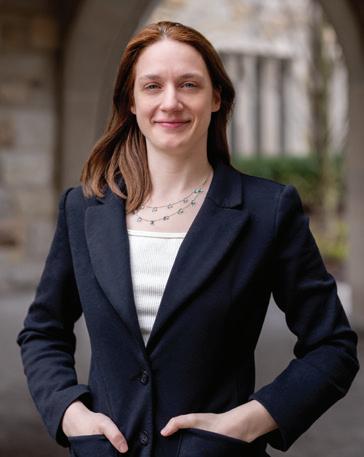
Assistant Professor of Political Science Kristin Lunz Trujillo, whose research and teaching encompasses such subjects as political behavior, political psychology, and urban-rural division, has been named a 2026 Andrew Carnegie Fellow.
The Carnegie Fellows Program supports “high-caliber scholarship and research in the social sciences and humanities that address important and enduring issues confronting our society.” Fellows were chosen based on the originality and potential impact of their proposals as well as the capacity to communicate the findings to a broad audience. Lunz Trujillo enters the program as it continues building a body of research focused on political polarization, having committed up to $18 million to this effort over a three-year period.
“I’m deeply honored to have been chosen for this award,” said Lunz Trujillo, who joined the Boston College faculty last year after having taught at the University of South Carolina since 2023. “My research looks at how and why rural areas are politically distinct from other places, and personally it means a lot to me—as someone who grew up in rural Minnesota—that the research community is interested in this.
BY ROSANNE PELLEGRINI STAFF WRITER
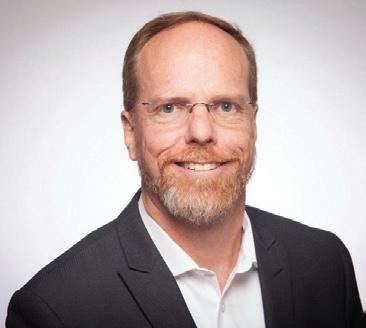
Fordham University Provost and Senior Vice President for Academic Affairs Dennis C. Jacobs will lead the New England Commission of Higher Education (NECHE) committee that will visit Boston College next year as part of the University’s reaccreditation process.
The NECHE delegation—which will include educators and administrators from peer institutions—will visit the campus March 14-17, 2027, following completion of the University’s self-study in January of that year. The visiting team will review the self-study, speak with members of the BC community, and examine supporting documents before issuing a report. Both the selfstudy and the visiting committee report will be integral to the decision on BC’s accreditation status. Good standing in a regional accreditation association is a requirement for participation in federal programs that support higher education.
“It’s hard to believe almost 10 years have passed since Donna Shalala led the 2017 NECHE visiting team to campus,” said Robert L. and Judith T. Winston Provost and Dean of Faculties David Quigley. “Drafting our self-study provides a valuable opportunity to take stock of the various significant developments on campus over the
Understanding how place impacts politics is something I think many people didn’t really recognize or have much interest in until fairly recently, even though it’s something my family always recognized and talked about growing up.
“This award will help me continue this line of work, and I plan to start researching how urban-rural animosity can be reduced while also respecting how people from different places might think and act differently. It also means a lot that I’m able to represent Boston College as an institution. I’m extremely grateful for the support I’ve had here at BC.”
Lunz Trujillo describes the current American political climate as one of increased affective polarization, where the two political sides increasingly dislike or even hate each other. Although polarization and division are not inherently bad for society— “differences in opinion are a fact of life and democracies actually can thrive in situations with very different perspectives and interests”—the situation becomes problematic if one side sees the other as “an enemy too far gone for us to understand or compromise with, even if that’s not actually true.” The risk of violence and gridlock, among other ills, can increase.
Such division is hardly unprecedented in the United States, she said, but the con-
past decade, and next spring’s visit will bring leaders from peer universities to campus. I look forward to this moment of institutional reflection and discernment.”
Jacobs, whose career in Catholic education spans almost four decades, will serve as the primary bridge between NECHE, the visiting team, and University President-designate John T. “Jack” Butler, S.J., who will succeed current President William P. Leahy, S.J., this summer.
In addition to drafting the visiting team’s report, which is the official peer-review document used by NECHE to make the final accreditation decision, Jacobs will deliver an oral report to Fr. Butler on the final day of the visit, which outlines the team’s preliminary findings and major recommendations.
Preparation for the self-study has been underway since last fall, led by a committee which includes Associate Vice Provost for Assessment and Accreditation Jessica Greene; Vice President for Institutional Research and Planning Mara Hermano; Spe-
temporary polarization has some unique features.
“We live in a high-choice, alwaysavailable media environment that allows us to select echo chambers that reinforce our existing views, while algorithms further encourage this. The constant information stream also means that there’s fierce competition for our engagement, so shocking or anger-inducing content often gets the most attention, and the result is that people stop seeing complexity or looking for details and nuance.
“Further, the online environment removes face-to-face interactions, which es-
cial Assistant to the Executive Vice President Carrie Klemovitch; Special Assistant to the President Peter G. Martin, and University Libraries Associate Director for Academic Programs and Special Projects Seth Meehan.
The committee is working directly with stakeholders, as well as an advisory group representing each of BC’s schools and vicepresidential divisions, such as Facilities Management, Human Resources, and University Mission and Ministry.
Prior to joining Fordham in 2019, Jacobs was provost and vice president for academic affairs at Santa Clara University from 2011 to 2019. From 2004 to 2011, he served as the University of Notre Dame’s vice president and associate provost for undergraduate studies and international studies. From 2004 to 2011, he was vice president and associate provost for undergraduate studies and international studies at Notre Dame, where as a chemistry professor from 1988 to 2011, he taught thousands of undergraduate and graduate students, with much of his laboratory research study focused on reactions relevant to semiconductor processing in the microelectronics industry.
Jacobs, who will retire from Fordham at the end of the 2025-2026 academic year, was named United States Professor of the Year for Doctoral and Research Universities by the Council for Advancement and Support of Education and the Carnegie Foundation for the Advancement of Teaching in 2002. He earned bachelor’s degrees in chemistry and physics from the University of California at Irvine in 1982 and a doctorate in chemistry from Stanford University in 1988.
sentializes people and their perspectives into anonymous blurbs of information. Political leadership worsens and exploits this divisiveness caused by our media environment.”
Lunz Trujillo also cites smaller institutional changes, notably the homogenization of the two parties across the country, thus limiting flexibility and adaptability to local variations and concerns, thereby contributing to partisan stereotyping and polarization. It also hinders representation, which can cause general frustration and disillusionment with government.
“But I think there are opportunities for us to dampen this animosity. I’ll have the chance to explore this more, particularly looking at political division along geographic lines, thanks to the fellowship.”
Lunz Trujillo also has a large body of work on health attitudes and behaviors such as those relating to vaccines, misinformation, and trust, that has won several awards and has been sponsored by a National Science Foundation grant.
Her research has been published in academic outlets such as Nature Human Behavior, Scientific Data, Political Behavior, Public Opinion Quarterly, Political Geography, and JAMA Network Open. Her work has been featured in numerous news outlets, including The New York Times, The Washington Post, Time, Newsweek, U.S. News and World Report, and “John Oliver’s Last Week Tonight,” among others, and has also been used in official guidelines for the Centers for Disease Control and Prevention.
The Board of Trustees has set undergraduate tuition for the 2026-2027 academic year at $75,070 as part of a 3.76 percent increase in tuition, fees, room, and board, bringing the overall annual cost of attendance at Boston College to $95,258.
To help offset the increased costs, the trustees voted to enhance need-based undergraduate financial aid by 4 percent, or $7.6 million, to a total of $197.7 million. Boston College meets 100 percent of demonstrated need for all domestic students, and the average need-based financial aid package is projected to exceed $65,000 in 2026-2027. Overall, more than 67 percent of Boston College undergraduates receive financial aid.
In addition, the Board of Trustees set tuition for graduate programs for the 2026-2027 academic year, including Boston College Law ($75,280), and the full-time M.B.A. program in the Carroll School of Management ($70,390).
Boston College is ranked 54th in the “Best Value” category among national universities by U.S. News & World Report and 36th overall in the national universities ranking.
—Jack Dunn
BY PATRICIA DELANEY SENIOR DIRECTOR FOR UNIVERSITY COMMUNICATIONS
As it approaches the 100th anniversary of its founding in 1929, the Woods College of Advancing Studies is anticipating its second century with the launch of a fiveyear strategic plan designed to enhance its distinctive role within Boston College and set a course for its future.
The plan was celebrated at an event held recently at the McMullen Museum of Art, bringing together administrators, faculty, staff, students, alumni, and special guests, including Woods College benefactor Robert M. Devlin, whose 2002 gift resulted in the naming of the school after long-time dean James A. Woods, S.J.
Titled “Charting a Course for the Century Ahead,” the strategic plan seeks to ensure that nontraditional students of varying backgrounds have access to a formative educational experience in the University’s Jesuit, Catholic tradition, that its alumni remain engaged with the school after graduation, and that the Woods College continues to contribute to the mission of the University on campus and in the broader society.
In support of those objectives, the plan outlines four strategic directions that aim to: strengthen the Jesuit, Catholic dimensions of the Woods College as a school and learning community; foster personal, communal, and professional connections at the school, particularly among students, faculty, and alumni; enhance curriculum, teaching, and student success; and implement a mission-driven recruitment and
enrollment strategy.
“One of the immediate needs I heard articulated when I began as dean was for a sense of direction and a deepening of our mission,” Woods College Dean David Goodman said in an interview following the event. “It became apparent that while Woods is well-established, we needed to set our priorities and develop a shared and aligned vision for its future. Woods will be 100 years old in 2029; it’s an exciting moment in our history, and one that calls for reflection, renewal, and bold action. The higher education landscape is shifting rapidly, and continuing and professional education schools are redefining their relationships with their institutions, the lives of their students, and the broader world.
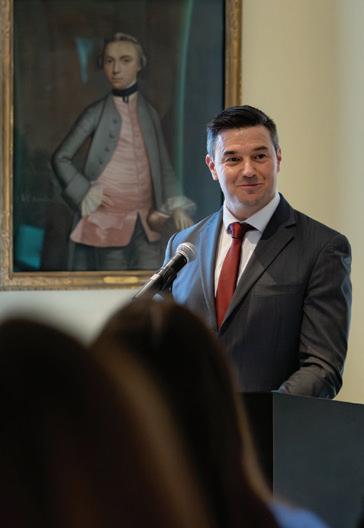
Woods College of Advancing Studies Dean David Goodman outlined a five-year strategic plan for the school at gala held last month at the McMullen Museum of Art.
There was a clear need for a focused and forward-thinking strategic plan.”
Launched with a retreat in January 2025, an 11-month strategic planning process aimed to establish a feeling of shared ownership among all stakeholders and participants, Goodman said, and to incorporate the priorities and voices of staff, faculty, alumni, community partners, and students. A comprehensive data collection period included focus groups, surveys, and environmental scanning of peer institutions. The findings were reviewed and refined through additional discussions and a second retreat, resulting in the development of the plan’s strategic directions.
During his address at the April 8 gathering, University President William P. Leahy, S.J., noted that the event was an opportunity to give thanks for Woods’ achievements, impact, and renewed commitment to its mission, as well as to remember and reflect on the origins of both Boston College and the Woods College, each rooted in the desire to meet educational needs in changing circumstances.
Goodman echoed that sentiment in his remarks. “The Woods College is an extraordinary ongoing extension of the original mission of Boston College,” he said. “It lives and breathes in such powerful ways in the lives of so many people.”
The event’s keynote speaker was Martin J. Walsh, who overcame a number of challenges, including childhood cancer, before earning a bachelor’s degree in political science from the Woods College, at age 42.
A son of Irish immigrants, Walsh was born and raised in Boston. He attended the Woods College while he represented his Dorchester neighborhood in the Massachusetts House of Representatives, where he served as an advocate for organized labor, public transportation, workforce development, and education.
He later became the first undergraduate alumnus of Boston College to serve as mayor of Boston, was appointed United States Secretary of Labor during the Biden administration, and now serves as executive director of the National Hockey League Players Association.
Walsh, who received the school’s Distinguished Alumni Award at a ceremony in 2014, cited his gratitude to the supportive faculty and staff at Woods College, particularly Fr. Woods, who led the school for 44 years until his retirement in 2012.
Also at the event, recent graduates Aisling Walsh ’23 and Milton Rodriguez ’22 spoke about what the Woods College has meant to their personal and professional development.
Read the full piece at https://bit.ly/BCWoods-College-strategic-plan
Continued from page 1
Southern, Southeast and East Asia. Under his leadership, the center has engaged in successful scholar-practitioner partnerships with organizations such as the International Foundation for Electoral Systems and the United States Institute of Peace. He served as a senior advisor for the U.S. Department of State’s Office of Religion and Global Affairs, a role that connected him with a wide variety of leaders from diverse religious traditions and religious policy advocates with an interest in strengthening global democracy, addressing climate change, and responding to immigration and refugee resettlement.
Buckley’s research is focused on the relationship between religion and democratic backsliding and the shifting place of religion in American politics. His most recent book is Blessing America First: Religion, Populism, and Foreign Policy in the Trump Administration, which documents the impact of populist politics on religion’s role in U.S. foreign policy bureaucracy. His first book, Faithful to Secularism: The Religious Politics of Democracy in Ireland, Senegal and the Philippines, analyzed the emergence of secular democracy in cases with politically active religious majorities. Each book received the International Studies
Association’s Book Award for Religion and International Relations (in 2026 and 2018, respectively). His forthcoming book, coauthored with Steven Brooke, is Protection at the Margins: How the Catholic Church Shielded Communities from Populist Violence in the Philippine Drug War
“David Buckley brings to Boston College a strong record as a scholar of religion and politics, experience as a successful center director, and a grounding in policy through his work at the U.S. State Department and the program on faith and politics at the Center for American Progress,” said Fr. Kalscheur. “With a research agenda centered in the relationship between religion and maintaining healthy democracies, and having been formed by his own experience of Jesuit education, Professor Buckley will be a great addition to the BC community and a tremendous leader for the Boisi Center at this moment in our national life.”
“I’m thrilled with the opportunity to lead the Boisi Center in this crucial period for American democracy, and to join the Boston College community,” said Buckley, who will also be a Political Science faculty member. “Religion has no doubt played a part in the challenges facing democracy today, in the United States and around the
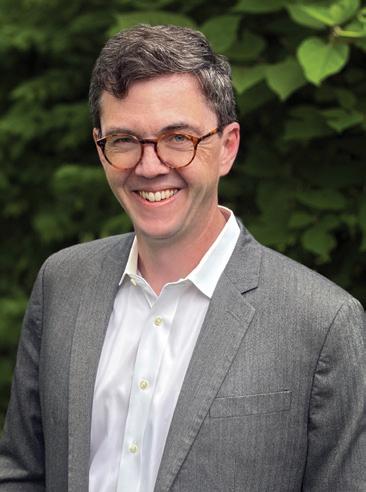
world. However, from Minneapolis to Manila, we see that religious leaders, networks, and ideas retain a crucial role in strengthening democratic institutions to serve the common good. I’m excited to build on the multidisciplinary community of scholars, students, and practitioners around the Boi-
si Center who take up these urgent topics.” Buckley holds a doctorate in government from Georgetown University, a master’s degree from Queens University Belfast in Northern Ireland, and a bachelor’s degree from the University of Virginia.
He is past chair of the American Political Science Association’s Religion and Politics Section, where he oversaw the convening of a workshop on religion and democratic fragility with scholars of American and comparative politics. Buckley’s scholarship and writings have appeared in outlets such as the New York Times, Washington Post, Wall Street Journal, America, and Commonweal.
“The Political Science Department is excited that David Buckley will join Boston College as the next Boisi Center director,” said Political Science Professor and Department Chair Gerald Easter. “He is already established as one of the country’s leading scholars of religion and politics. He will no doubt bring dynamism and vision to the Boisi post. In addition, Buckley will bolster the ranks of the comparative politics faculty and enhance our department’s reputation as a national leader in the study of religion and politics.”
International group says help must go beyond the short term, focus on mental health needs
BY SEAN SMITH CHRONICLE EDITOR
Two Boston College School of Social Work faculty members and a BCSSW doctoral student are among an international group of experts calling for renewed global commitments and funding mechanisms to help protect children affected by armed conflict.
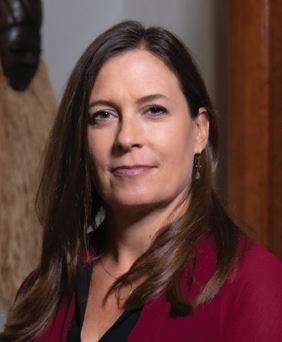
Salem Professor in Global Practice Theresa Betancourt, who is director of the Research Program on Children and Adversity (RPCA), Assistant Professor William Byansi, and doctoral student Maria Guitiérrez Torres were co-authors of one of three recent articles in the BMJ—formerly known as the British Medical Journal penned by members of the World Innovation Summit for Health (WISH), whose affiliations include the Centre for Global Child Health, Center for Violence and Injury Prevention, International Pediatric Association, and Institute for Global Health and Development.
According to WISH, it is estimated that more than 473 million children—one in five—are living in active conflict zones (not including the numbers in post-conflict settings such as Sierra Leone or Rwanda). Assistance for these children must move beyond initial, event-based responses to investment in mental health and social services systems that can provide support along the life course for families recovering from cumulative and intergenerational adversity, say the authors. WISH advocates integrating mental health and psychosocial supports (MHPSS) across health, education, and social protection platforms.
An internationally recognized expert in war-related childhood trauma, Betancourt has conducted a two-decade study of children who were pulled into Sierra Leone’s bloody 11-year civil war. That work has been cited as the most extensive examination of post-war intergenerational relationships since studies of Holocaust survivors. Last year, she published the book Shadows Into Light: A Generation of Former Child Soldiers Comes of Age, offering a fresh perspective on the project, including narratives of several of the young people in the study told in their own words. Many of these children are now adults and starting
families, even though the experiences of trauma and loss can unfold over the course of a lifetime.”
Among the other countries in which Betancourt and RPCA have undertaken projects is Rwanda, where many years of collaboration led to the development of the Sugira Muryango family home visiting and violence prevention program. Studies have shown that families receiving the intervention demonstrated improvement in parent-child relations, play, father engagement, health and hygiene practices, caregiver mental health, as well as reduced intimate partner violence and less harsh
“Once
peace accords and some modicum of safety have been put in place, there’s
often lack of attention to the long-term mental health needs of war-affected children, youth, and families.”
—Theresa Betancourt
scores collaboration among governments, civil society, researchers, humanitarian actors, and donors as crucial.
Moving beyond short-term emergency responses, governments and humanitarian actors must support integration of MHPSS into long-term policy and financing frameworks, the WISH authors wrote.
Workforce capacity building, quality assurance, and local ownership are key to ensuring lasting impact as well as systems that are strengthened for the long haul.
“One of the most important shifts highlighted in this collection of articles is moving from asking what works to asking how we deliver what works to everyone who needs it,” said Byansi. “Task sharing and implementation science are central to that shift by bridging the gap between evidence and real-world impact and expanding the mental health workforce in humanitarian settings where specialists are scarce.”
their own families while navigating life in a country grappling with significant adversity from poverty to challenges due to climate change and health epidemics.
“One of the problems in responding to war-affected children, youth, and families is that a lot of attention has been paid to immediate needs for food, shelter, housing safety, and so on—but mental health needs are often overlooked even in those immediate crisis responses,” said Betancourt in a recent interview. “Once peace accords and some modicum of safety have been put in place, there’s often lack of attention to the long-term mental health needs of war-affected children, youth, and
discipline of children.
Rwanda thus offers a template for the evidence-based MPHSS interventions that reflect the paradigm shift WISH calls for in its trio of BMJ articles. But most of these interventions, the authors note, fail to reach enough people in need and are insufficiently integrated into national systems, thus becoming poorly coordinated short-term projects. Building scalable and sustainable MHPSS systems requires integrating interventions into health, education, and social protection platforms, with genuine engagement of conflict-affected communities in design and delivery, according to the co-authors, which under-
Added Gutiérrez Torres, “As a physician from Colombia, I have seen how the mental health needs of children and families affected by armed conflict unfold over years and even generations, long after the immediate emergency response ends. These series of BMJ papers argue for what these communities have been telling us for decades: Mental health and psychosocial support cannot be an afterthought to humanitarian aid. It must be built into how we rebuild health systems, schools, and social protection from the very beginning.
“The encouraging part is that we now have real evidence that locally led, familycentered interventions can reach scale when researchers, governments, and communities work in genuine partnership.”
For more about Shadows Into Light included among Science News Top 25 Reads of 2025 go to www.hup.harvard.edu/ books/9780674251052
out of the water,” Fr. Berrelleza said. “There is energy behind this from the students, their professors, the BC community, and BC alumni. It has all been overwhelmingly positive.”
Aligned with BC’s Undergraduate Core Curriculum, Messina offers the majors of applied data science, applied psychology and human development, general business, and health sciences. With their Messina degrees, students can apply to earn their bachelor’s degrees at BC or other four-year colleges and universities or go on to other programs focused on specialized skills, ca-
relleza said.
“We’re seeing with our student advising process that most are looking to continue into a bachelor’s degree program,” he said. “We have our agreements with both public and private institutions. And they are committed to working with first-generation students. I will say that these students are competitive applicants because they will have completed a two-year degree. They are already very different students than they were when they arrived. And these institutions see them as very different students because they have completed a degree.”
reers, or public service.
Approximately 40 students achieved a 3.4 GPA to earn acceptance to BC, Fr. Berrelleza said. A second direct pathway to completion of a bachelor’s degree is open to students. By meeting admission requirements, students can transfer to six institutions with direct articulation agreements with Messina: Bryant College (RI), Endicott College, Regis College, the University of Massachusetts-Boston, Worcester State University, and Albertus Magnus College (Conn.).
The exact pathways students choose won’t be known for a few weeks, Fr. Ber-
Darian Alao, a data science major who grew up in Boston’s West Roxbury neighborhood, has been accepted to BC. He said his experience at Messina College has been life changing.
“I feel amazing being in the first group of students to go through the program,” Alao said. “We are history in the making. It has been a great experience. I’ve made friends and connections both at our campus and on the main campus. I love Messina College.”
While he has been accepted to BC, Alao has applied to other institutions such as Stanford University, Northeastern University, and the Rochester Institute of Technology.
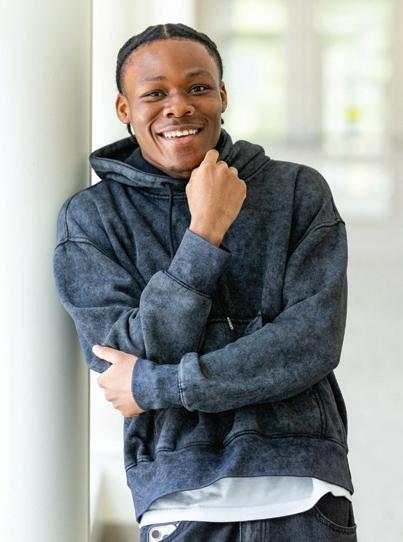
Second-year student Edmond Dotse, a health sciences major from Worcester, has been accepted by BC as well as Williams College.
“It’s been a great experience,” said
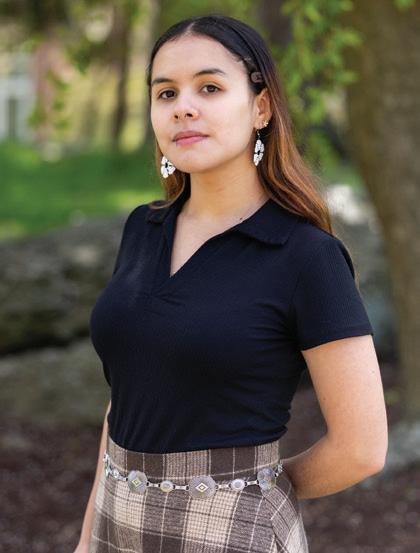
Leidy Rodriguez Gomez felt “lost and scared” early on until she talked with a faculty member: “Having that conversation, which was so easy, and his understanding me, was so important. It really helped me as I was adjusting to life on campus.”
photos
Dotse, who emigrated from Ghana with his family four years ago. “[Messina] is very diverse. It just feels like home. I like the opportunities I’ve had here. I was a teaching assistant in Anatomy and Physiology this year. I don’t think that is an opportunity typically open to a sophomore.”
Students arrived on campus in July of 2024 for a six-week program that introduced them to the curriculum, demands,
particularly the work of Genevieve Green, associate director for student success at Messina.
When Paul was injured in a car accident
and rhythms of college life and included the First-Year Discovery Seminar.
In all, students took 20 required classes. During their first summer break, they participated in for-credit service learning opportunities with community-based organizations. In the fall semester of their second year, they took part in internships or clinical rotations centered on their major fields of study and worked with a BC Career Center coach.
Second-year students pointed to the faculty and staff who made the biggest impact on their lives.
Yrvicca Paul, an applied psychology and human development major from Boston’s Hyde Park neighborhood, has been accepted to BC. She praised the academic support services provided to Messina students,
Edmond Dotse said his two years at Messina have been “a great experience. It is very diverse. It just feels like home. I like the opportunities I’ve had here.”
and away from campus while rehabilitating her injuries, Green collected her personal items and books and delivered them to Paul’s home. She kept her updated on the class and helped her finish the assignments she could.
“She has supported me since the beginning,” said Paul. “I’m a quiet person. So, when she passes by, she always stops to ask how I’m doing.”
Leidy Rodriguez Gomez, an applied psychology and human development major from Boston’s Brighton neighborhood, said First Year Writing Instructor Brian Zimmerman helped alleviate some of her concerns in the first days she was on campus.
“I went to his office hours and told him I just felt lost and scared,” Rodriguez Gomez said. “He let that all come out and listened to me. He asked me what made me think that. And we talked through that. Having that conversation, which was so easy, and his understanding me, was so important. It really helped me as I was adjusting to life on campus.”
As she prepares for the next step in her academic career, Paul—who hopes to one day attend medical school—offered advice to the next freshman class at Messina: “As much as you are involved in clubs or other organizations outside academics, try to put as much time into academics as you can. If you want to go to BC, your GPA matters. Try to be disciplined and stay on top of everything. Life does happen, so just do your best. Take the initiative to do your work on time and succeed in class.”
The Barbara and Patrick Roche Center for Catholic Education received the Dr. Karen M. Ristau Innovations Award at the 2026 National Catholic Educational Association (NCEA) Convention in Minneapolis on April 6, an annual honor that recognizes an individual, school, or initiative that has advanced the mission of Catholic education through an inventive approach or program.
The Lynch School of Education and Human Development-based Roche Center builds on more than a half-century of research, teaching, and outreach to develop vibrant and revitalized models for the future of Catholic pre-K to 12 education.
“The dynamic Roche Center team, in-
spired by the Jesuit tradition of the magis, bridges the gap between academic research and classroom practice,” according to NCEA. “By fostering a global network of scholars and practitioners, the team ensures that Catholic education remains a vibrant apostolate of hope in a changing world.”
NCEA is the world’s largest, private professional education association. With over 140,000 educators serving 1.6 million Catholic education students, NCEA supports the ongoing faith formation and the teaching mission of the Catholic Church.
The Ristau Innovations Award is named for NCEA’s former president, who had devoted her entire career to generating fresh insights and creative advances in Catholic
schooling.
NCEA Executive Director Steve Cheesman “shared that his team unanimously felt the center deserved this recognition,” said Roche Center Executive Director Melodie Wyttenbach. “We are humbled to receive this award, as it’s a testament to the shared passion of our entire staff, and it honors both the individual dedication and the collective spirit poured into our mission every day.”
The center translates its purpose into action by conducting high-impact research, and executing an expansive set of programs designed for leaders and teachers, including a suite of initiatives focused on strengthening the pipeline of executives for
the Catholic school system. Its Two-Way Immersion Network for Catholic Schools, a national initiative that assists schools transitioning to dual-language immersion models, supports students in becoming bilingual, biliterate, and bicultural.
“We are thrilled that the Roche Center for Catholic Education was recognized with the Ristau Innovations Award,” said Stanton E.F. Wortham, the Charles F. Donovan, S.J., Dean of the Lynch School. “The center is doing outstanding work supporting Catholic schools across the country and internationally. It’s great to see NCEA recognize the creativity, energy, and impact that the center’s team delivers.”
—Phil Gloudemans
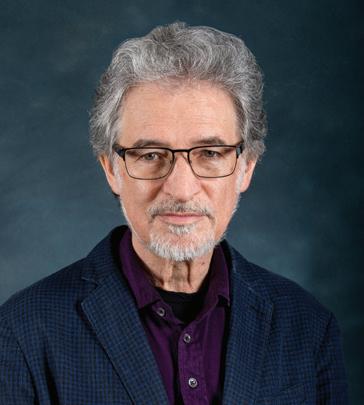
Kevin Bedell, the John H. Rourke Professor of Physics emeritus who led the ascension of the Physics Department to national prominence during his 10 years as chair, died on April 17 after a brief illness. He was 77. (Funeral and wake information was not available at press time).
Dr. Bedell came to Boston College from Los Alamos National Laboratory in New Mexico with an international reputation and noted expertise in materials and hightemperature superconductivity. Under his leadership, Physics gained status as one of the nation’s best small departments, attracting leading scholars and top-notch students to Chestnut Hill.
He was named the first recipient of the Rourke Professorship in 1999 when the University received a $3 million bequest from the estates of siblings John and Mary Rourke, longtime owners of Rourke’s Pharmacy in Brighton. He held the professorship until his retirement in 2025.
Dr. Bedell, who grew up in a selfdescribed poor and dysfunctional family in Queens, NY, and was the only one of his 12 siblings to attend college, told Boston College Chronicle in a 1999 interview that the Rourke professorship was the fulfillment of a lifelong belief in the transformative power of education.
“I am particularly honored to be named to an endowed chair born out of the hard work of an Irish American family in a melting-pot city neighborhood,” said Dr. Bedell. “I look forward to honoring the Rourkes’ memory through the work of this department.”
In 2006 Dr. Bedell was named BC’s first vice provost for research, a position he held until 2010.
During his career, he was named a Fellow of the American Physical Society and served as editor for Advances in Physics from 1995 to 2015. In addition to nearly 100 published papers and multiple conference lectures, he
co-authored two books: High Temperature Superconductivity and Strongly Correlated Electronic Materials.
“Kevin put scientific research on the ‘radar’ at Boston College and led the effort to secure additional resources for research infrastructure,” said Vice Provost for Research Thomas Chiles. “He helped shape the Physics Department during a critical time in its maturation and led it to become a nationally and internationally recognized research department.”
Added current Rourke Professor and Physics Department Chair Kenneth Burch, “Kevin joined our department to transform it into its modern form, with a focus on materials. His vision and leadership set the foundation for making the Boston College Physics Department an internationally recognized department for research and scholarship.”
Dr. Bedell earned a bachelor’s degree in physics from Dowling College in Oakdale, NY, and a master’s degree in applied mathematics and a doctorate in physics from the State University of New York at Stony Brook.
“Kevin was a wonderful colleague and person, whom I’ve had the pleasure of knowing since 1982,” said Evelyn J. and Robert A. Ferris Professor of Physics Michael Naughton. “He loved teaching quantum physics and the theory of superconductivity and had a wonderful sense of humor and joie de vivre.
Kevin was also a great convener of minds, including a time or two at an Irish public house. He will be greatly missed.”
—Jack Dunn
Retired Associate Professor of Psychology Joseph J. Tecce, whose expertise on the significance of body language, eye blinks, and other facets of human behavior was acknowledged well beyond the academic sphere, died on April 16. He was 92.
A funeral Mass was celebrated for Dr. Tecce on May 1 at St. John the Evangelist Church, Wellesley Hills.
Dr. Tecce, who began teaching part-time at Boston College in 1971 and joined the faculty full-time in 1983, was greatly interested in hedonics, the branch of psychology which deals with pleasant and unpleasant conscious states and how they relate to organic life. He taught such classes as Psychobiology of Mental Disorders, Health Psychology, and Stress and Behavior. He published or co-published some 99 articles and contributions to journals and books, and gave numerous presentations to students, academic communities, and the public.
Professor Emeritus of Psychology and Neuroscience Hiram Brownell noted that Dr. Tecce had already cultivated a distinguished career by the time he became a full-time BC faculty member, having taught at Tufts University, Boston University, Harvard University, and Massachusetts General Hospital, with a specialty in electroencephalogram (EEG) measurement of human brain activity corresponding to, for example, changes in attention.
“His work was important in establishing how to distinguish EEG traces reflecting cognition from those associated with other sources such as eye movements. He was a major contributor at the formative stages of what continues today as an active field of investigation in cognitive neuroscience.”
Media outlets were impressed by Dr. Tecce’s scientific acumen and engaging manner and often sought his observations and analysis, especially pertaining to body language and the relationship between stress and eyeblink rates; he gave an estimated 694 inter-
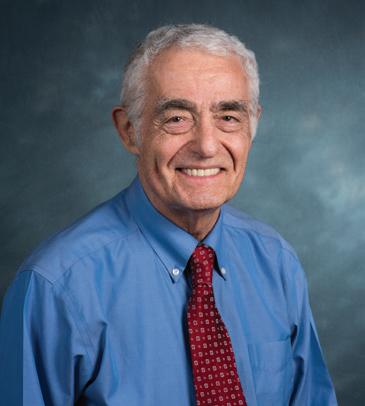
views on radio and television alone.
Dr. Tecce’s scientific talents and interests proved useful in many other ways. He was among a trio of faculty members, including the late Egan Professor of Computer Science James Gips and Carroll School of Management Associate Professor Peter Olivieri, who developed an adaptive technology, EagleEyes, enabling paralyzed or nonverbal individuals to play games, type words, and express feelings by using their eyes to move a computer cursor.
“Joe was an extremely kind and generous man who was always interested in his students and genuinely cared about his colleagues,” said Associate Professor of Psychology and Neuroscience Karen Rosen. “He was passionate about sharing his ideas about the brain’s role in regulating attention and about how the mind affects the body during times of stress. He also loved talking about vitamins and nutrition and the importance of exercise. He taught hundreds of students to meditate and was at the forefront of current work on wellness and the mind-body connection.”
Brownell said that Dr. Tecce would be remembered “for his sociability, his breadth of knowledge that spanned clinical, neuroscientific, and health domains, and for his intellectual tenacity.”
—Sean Smith
Read the full obituary at bit.ly/BC-obituaryJoseph-Tecce
Boston College Police Officer Hamilton Sergio Araujo died on April 15 after battling cancer. He was 39.
A native of Angola who at age 10 moved with his sister and grandfather to Portugal and subsequently to Boston, Officer Araujo entered the Boston Police Academy in 2018 and after his graduation joined the BC Police Department.
“Officer Araujo served this department with honor, compassion, and unwavering dedication,” the department announced in a statement posted online. “Throughout his career, and even during his illness, Officer Araujo carried himself with grace, strength, and a genuine kindness that touched everyone around him.
“Known to many as ‘Hammy,’ he showed up every day with a smile and a
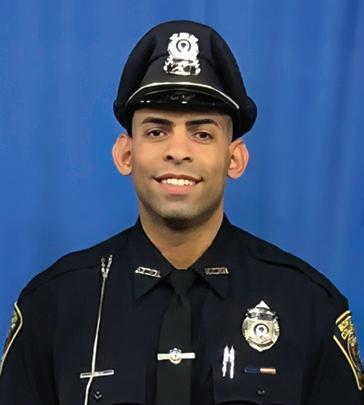
positive spirit, no matter the challenges he faced. He was not only an outstanding officer, but a true friend and brother to all who served alongside him. His legacy of resilience, positivity, and service will never be forgotten. We extend our deepest condolences to his family, loved ones, and all
who are mourning this tremendous loss.”
Officer Araujo graduated from Burke High School and worked as a security guard to help support his mother prior to entering the Boston Police Academy. An obituary posted by the family described him as having “a passion for traveling, cherishing the opportunity to meet new people and experience different cultures, which added depth and joy to his life.”
He is survived by his mother, Helena Teixeira Gomes; his father, Andre Araujo; sisters Gabriela Araujo, Andréia Araujo, and Luísa Dos Reis; his brother, Marcos Araujo; his nephews, Anthony, Kiluanji, Hunter; his niece, Eleena; and many other extended family members and friends.
“Hamilton Araujo’s journey is a testament to resilience, dedication, and a love for life that touched all who knew him,” the obituary read. “He will be remembered for his adventurous spirit and the warmth he brought to those around him.”
—University Communications
The following are among the recent positions posted by the Department of Human Resources. For more information on employment opportunities at Boston College, see www.bc.edu/jobs.
Research Systems Administrator
Third Cook
Waitstaff
Development Assistant, Parent Development and Women’s Philanthropy
Executive Director of Corporate & Foundation Relations
Teacher Assistant
Senior Research Compliance Specialist
Gift Processing Specialist
Credit and Collections Specialist
Vice President for Student Affairs
Utility Worker
Senior Associate Director, Annual Giving Direct Marketing
After more than five decades at the Heights (including the four he spent as an undergrad), O’Kane prepares to say goodbye
BY PHIL GLOUDEMANS STAFF WRITER
He was the first in his immediate family to attend college, but once he arrived at the Heights, he never left, and Boston College is the beneficiary.
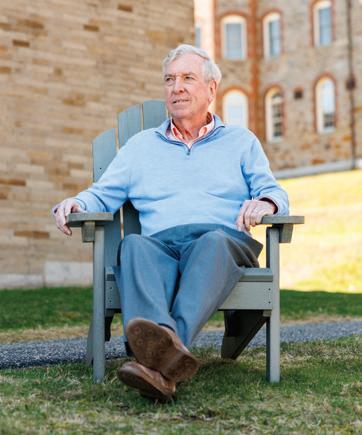
Bernard R. “Bernie” O’Kane ’70, M.Ed. ’72, M.A. ’05, the youngest of three children whose father died when he was an infant, was raised with few resources by his mother, grandmother, and a great aunt, all of whom lived in the same house in Chestnut Hill.
The unlikely journey that began with such a humble and challenging start will reach the finish line this summer when O’Kane, the director of employee development in BC’s Human Resources division, and an advisor and colleague to many administrators, faculty, and staff, will retire after a 55-year career at Boston College.
“I viewed my work as a vocation,” he said. “Early in my career I didn’t want to be known as simply ‘kind’ but as someone who got things done and done well. I eventually came to realize that how you do your work and how you treat others is as important. If I can feel that I truly gave it my all and fully collaborated with others toward making this the best educational experience for our students, then I’ve done my job.”
“Bernie O’Kane is one of the finest examples of what it means to be a member of the BC community,” said Vice President of Human Resources David P. Trainor. “He has dedicated his professional life to the University—as an administrator, mentor, and friend to all. BC is a better place
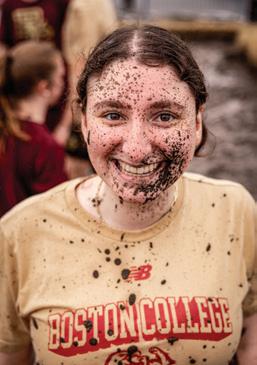
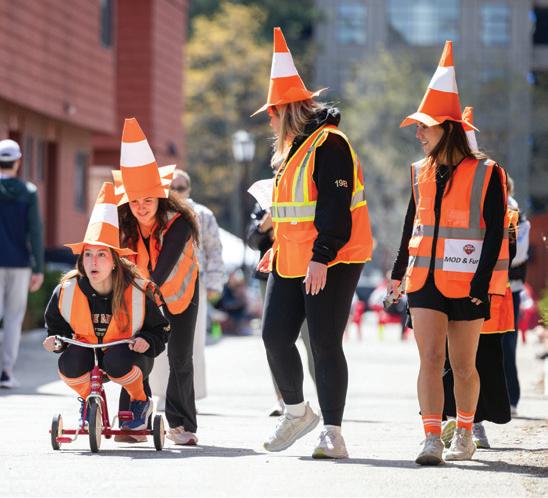
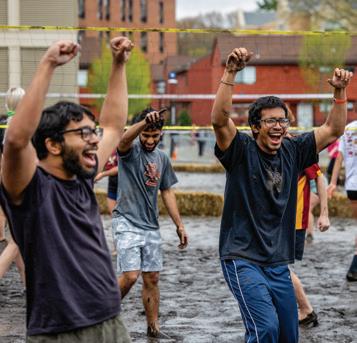
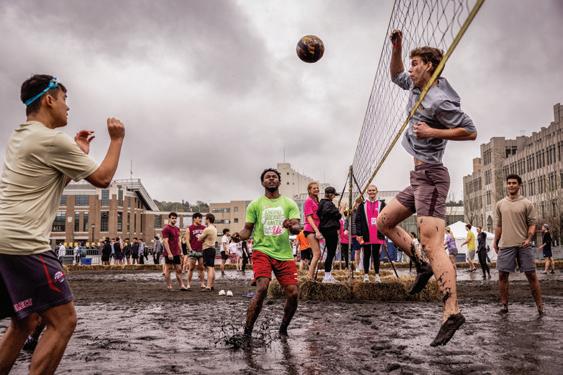
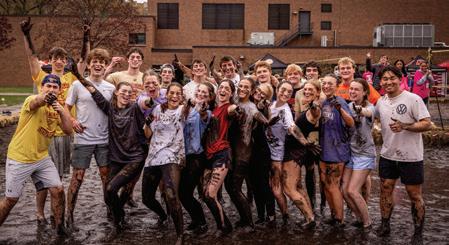
By the Time We Got to Mudstock
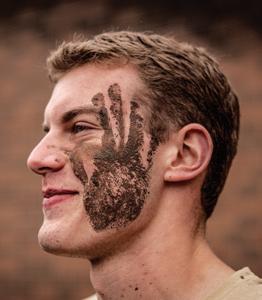
Undergraduates celebrated the last day of classes on April 30 with the annual Mudstock volleyball tournament, featuring displays of athleticism, teamwork, fellowship, and, well, mud.
because of his many contributions, and it mattered that Bernie was a sustaining member of this community. He will forever be a BC Eagle.”
“Bernie personifies empathy, kindness, and reliability,” said BC Law School Associate Dean for Library and Technology Services Filippa Anzalone. “Bernie is the perfect person for Human Resources. He balances employee support with Jesuit charism, particularly the three ‘be’s of Je-
suit education: be attentive, be reflective, and be loving. He is a living example of these qualities; he listens, he seeks to understand, and he lets people know he has heard them. He’s the personification of a trusted and safe space—a wise and nonjudgmental colleague and friend. When I think of the embodiment of BC’s motto of ‘men and women for others,’ I think of Bernie’s quiet and soothing presence. He is one in a million; I cannot imagine BC without him.”
“Bernie is the beatific vision of a friend and colleague at Boston College,” said Church in the 21st Century Center Director Karen Kiefer, who’s known him for 40 years. “He is kind, generous, and wise.
Good friends make us better; Bernie makes everyone better.”
Initially hired as assistant director of financial aid in 1971, O’Kane was promoted to associate director in 1974. In 1976, he moved to the Office of Vice President for Student Affairs where he served as administrative officer for 18 years. He then joined Human Resources as employment manager and was promoted to director of employment and employee development, a post
“Interacting with so many intelligent, good and caring people every day has been a blessing,” says Bernard “Bernie” O’Kane of his time at BC. “Exceptional individuals come to study and work here. Supporting their growth both personally and professionally has been very rewarding.”
2015. She died in 2017. They were married for 41 years.
All three of their sons attended BC. Conor ’00, ’07, is a customer services manager at PeopleGrove, a higher education technology company that connects students with alumni, staff, and mentors for networking, career guidance, and experiential learning. Drew ’03 is an individual giving officer at Coast Guard Mutual Assistance, while Greg ’08 is a web strategist at TIAA, a financial services organization and retirement provider.
“The 12 cumulative years that our boys attended BC was a special time,” said O’Kane. “We co-hosted family tailgates after football games with as many as 80 guests, including friends, parents, and grandparents.”
he held for seven years. In 2001, he was named director of employee development.
O’Kane’s initial impression of BC as an undergraduate, however, was not promising, as he recounted in a 2020 Boston College Magazine interview: “I felt everybody was smarter, wealthier, and better looking. First-generation students harbor incredible self-doubt, but at BC, I was given the opportunity to use my intelligence, judgment, and skills for the first time.”
O’Kane met his late wife, Patricia ’78, while she attended BC. She served as assistant director of BC’s Pre-Medical Advising Office and graduate admissions coordinator for the Lynch School of Education and Human Development before retiring in
“For Bernie, there are three important touchstones in his life: his family, his Catholic faith, and Boston College,” said Michael G. Boughton, S.J., ’70, M.A. ’72, M.Div. ’79, former director of BC’s Center of Ignatian Spirituality, who befriended O’Kane during their senior year at BC. “Bernie and his beloved Patty made a great and indefatigable team in everything they did. Their devotion to their three sons was extraordinary. I have heard Bernie speak many times to new employees and to more seasoned administrators and faculty about his life and career at BC, and his knowledge of and love for the University is inspiring.”
O’Kane is unequivocal as to what he’ll miss about BC: the vibrancy and energy of campus life.
“Interacting with so many intelligent, good and caring people every day has been a blessing,” said O’Kane. “Exceptional individuals come to study and work here. Supporting their growth both personally and professionally has been very rewarding. I hope that in a small way my efforts to support that development enabled them to continue learning, and growing throughout their entire lives.”