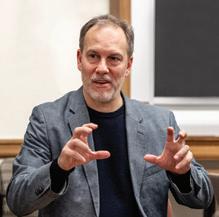
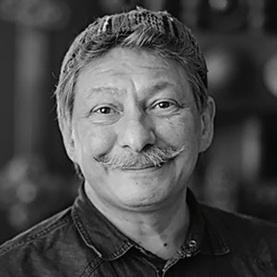
3 Veterans Day Cybersecurity program director Kevin Powers is guest speaker.
x Headline xxx.
5 Burns Scholar
Patricia Palmer to speak on Ireland’s “Poetics of Property.”
x Headline xxxxx.
6 ‘Undeclared’ Christopher Higgins’ book touts value of formative education.
“Our focus is to develop in students an understanding not only of how appropriate economic policies can support and sustain a country’s economic growth but also of how the gains from economic progress are not shared equally across societies.”
—Economics Chair Robert Murphy
Inequality a Major Focus for Economics Dept.
BY PHIL GLOUDEMANS STAFF WRITER
The message from William M. Rodgers III, vice president and director of the Institute for Economic Equity at the Federal Reserve Bank of St. Louis, was stark.
“For a growing number of United States households, financial stability is nothing more than a pipe dream, no matter how hard their members work,” Rodgers told the audience at last month’s Boston College Economics Symposium, “Pathways to Innovation, Sustainable Productivity & Equitable Growth.”
Rodgers’ talk centered on the approximately 42 percent of the U.S. population categorized by the United Way as “ALICE”—an acronym for Asset Limited, Income Constrained, Employed—who “exist on a survival budget, including firefighters, teachers, police officers, and college graduates unable to land a job in their major.”
While these families may not meet the federal benchmark of poverty, he said, they struggle “to afford basic expenses, are
forced to make impossible choices each day.” Even with a “continuous period of strength, labor market opportunity and amazing prosperity and growth, persistent and widespread wealth inequities remain, particularly within this group. Increases in child care—even prior to the pandemic— and health care are driving up the costs.
“In every state, at least one-third of U.S. households are below the ALICE threshold.”
The symposium at which Rodgers spoke, organized by part-time faculty member Brian Bethune, is one example of the Economics Department’s focus on both domestic and global inequality. BC is by no means the only academic institution to examine inequality, but Economics faculty
believe the University’s approach—notably from a Jesuit, Catholic standpoint—offers students a multifaceted understanding of the issue, and how to address it.
“Our focus in both the graduate and undergraduate curricula is to develop in students an understanding not only of how appropriate economic policies can support and sustain a country’s economic growth but also of how the gains from economic progress are not shared equally across societies,” said department chair Professor Robert Murphy, who noted that Macroeconomic Theory—which primarily covers models of external and internal growth and development—is a required course not only at the undergraduate level
Continued on page 5
QUOTE
There’s a strong sense of intellectual excellence, and a firm commitment to the betterment of others—a deeper moral compass today—that’s not seen in all institutions of higher education.
Murphy Is Choice to Lead MCAS Grad School
BY SEAN SMITH CHRONICLE EDITOR
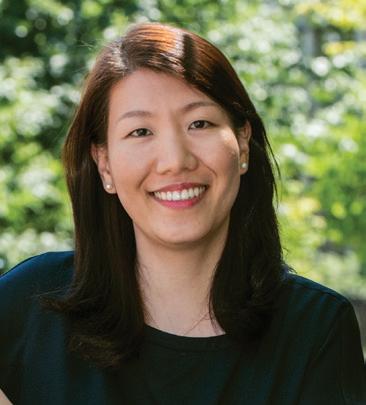
Christine Murphy, an accomplished researcher in chemistry who has held senior administrative positions for graduate education at Harvard and Princeton universities, recently joined Boston College as associate dean for academic affairs in the Graduate School of the Morrissey College of Arts and Sciences (MCGS).
As associate dean, Murphy oversees the instructional, advising, research, and other academic-related aspects of MCGS, which offers doctor of philosophy, master of arts, and master of science degrees through 16 programs in the humanities, social sciences, and natural sciences—ranging from biology, chemistry, and physics to English, clas-
Christine Murphy
sical studies and theology, as well as economics and mathematics. She also provides leadership in areas such as financial aid, lab and library facilities, and student life.
Even as she trains her focus on MCGS, noted Murphy, she keeps an eye on trends and issues in the wider landscape of graduate education, and above all, is mindful of its universal mission.
“To me, it’s critical that graduate students’ contributions to teaching and research are recognized and supported,” said
photo by lee pellegrini
photo by lee pellegrini
Eagles football fans filled Alumni Stadium on October 25 to see BC take on Louisville as part of Homecoming Week, a series of events and activities organized to foster a sense of community and pride at the University.
PHOTO BY CAITLIN CUNNINGHAM
Around Campus
BC Faculty/Staff Group Helps Each Other Learn to Talk the Talk
Faculty and staff looking for an opportunity to improve their public speaking, communication, and leadership skills by way of a personal and professional development journey can do so through Boston College’s chapter of Toastmasters International.
A toastmaster is generally defined as a person who presides at social events, introducing speakers and making other formal announcements. Members of Toastmasters International—which is celebrating its centennial—prepare and present a toast or a speech, typically anywhere from five to seven minutes long.
Boston College Toastmasters President Jeffrey DeVaughn describes the club as a supportive, safe, and encouraging environment that not only strengthens leadership skills but fosters self-confidence.
“One day that presentation is going to pop up on your calendar, or you might want to talk to somebody about something and don’t know how to go about it,” said DeVaughn, associate director of athletics for major giving. “We have the group for that right here on campus.”
Toastmasters International, which numbers more than 14,000 clubs in 150 countries, has changed a handful of lives within the BC community since the chapter was chartered in 2018.
Wei Qiu, senior scientific computational consultant for Informational Technology Services and an immigrant from China, regards her professional and personal development journey through Toastmasters as one of the most “beautiful memories” of her life.
“I’d never in my life talked for more than
ian,” who introduces a word for the day which members must try to incorporate into their speeches; “Evaluator,” who times speeches and analyzes behaviors such as body language; “Ah-Counter,” who counts filler sounds such as “ah”s, “um”s, “like”s, “but”s, and “so”s; and “General Evaluator,” who facilitates the end of the meeting.
Depending on where a group member is on his or her pathway, a toastmaster can present any topic they are passionate about for up to 20 minutes. Lavette Scott-Smith, vice president of media relations and former club president, recently presented a 20-minute toastmaster speech she called “The Dark Side of the Music Industry,” where she explored the idea that musical artists “are not really allowed to be who they are due to pressures to conform” to the ever-changing images and concepts of the industry.
seven or eight minutes, especially in English. I still remember the day when I first stood there. I forgot everything I wrote. Someone told me, ‘You’re okay, you’re going to be okay,’ and then I turned back and began to talk. Now I teach classes and I do lectures for graduate students.”
New members of Toastmasters prepare a speech called the “Ice Breaker,” a four- to six-minute-long address which is a self-introduction to the group. Qiu enjoys this exercise particularly for the insight it offers into her peers’ lives. “I really like doing the Ice Breaker talks because you get to learn people’s backgrounds. I shared my story and ex-
perience of immigrating to the United States and how I never knew I would be American. I love hearing those personal stories.”
Another club favorite is “table topics,” an impromptu speaking activity that challenges members to react to rapid-fire questions in one- to two-minute responses. “It’s a highenergy activity that is really fun because you’re trying to capture the floor and capture the audience within a brief time span,” said DeVaughn.
Members are encouraged to cycle through the club roles as they work toward becoming a meeting toastmaster: “Timer,” who tracks the time of the meeting; “Grammar-
Jack Dunn SENIOR
Patricia Delaney
EDITOR
Sean Smith
“The deeper you get into the Toastmasters path, the speech time increases because it becomes more of a project and test of all the knowledge you’ve gained and all that you’ve learned since the very beginning,” said ScottSmith, a training and events specialist for Information Technology Services.
The BC Toastmasters meet in room 119 of the 2150 St. Thomas More Apartments on the first and third Thursday of every month from noon to 1 p.m. A “love your speech”-themed open house will be held on February 6 for those interested in joining or learning more about the group. For more information, see bctoastmasters.toastmastersclubs.org or email bc-toastmasters-ggroup@ bc.edu
—Audrey
Loyack
Phil Gloudemans Ed Hayward
Audrey Loyack
Rosanne Pellegrini Kathleen Sullivan
Caitlin Cunningham Lee Pellegrini
BC Scenes
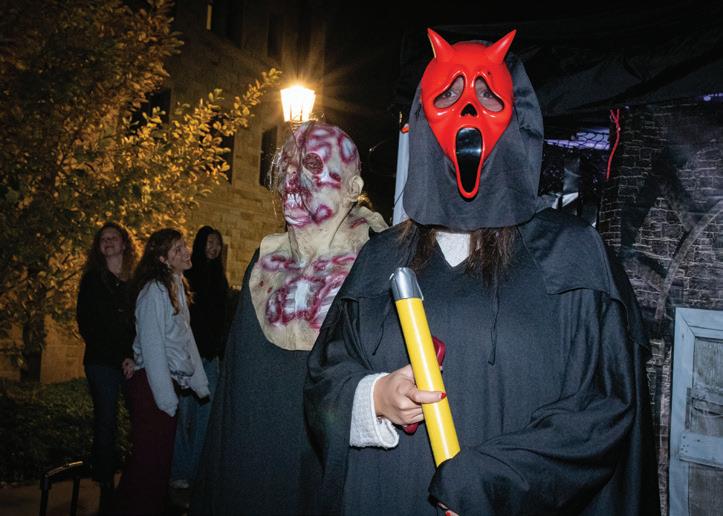
The Horror, The Horror
To help put the Heights in a Halloween state of mind, Student Affairs hosted a “Haunted Lawn” event October 29 at the Stokes Amphitheater.
photos by seho lee
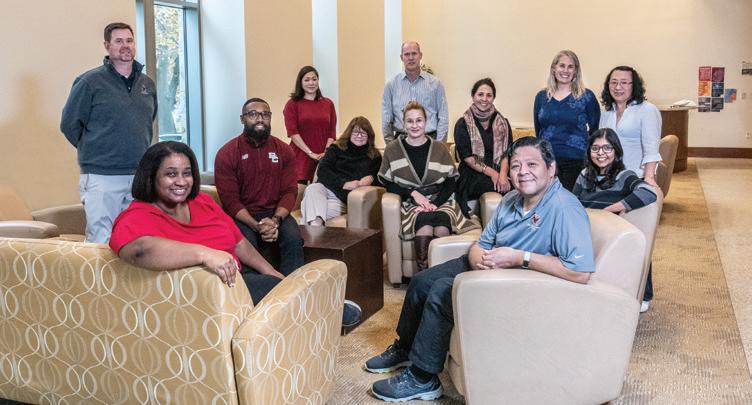
The Boston College chapter of Toastmasters International: (L-R) Matthew Emanuelson, Lavette Scott-Smith, Jeffrey DeVaughn, Rumiko Taira, Carole Hughes, Scott Britton (standing), Viktoriya Babicheva, Abby Walsh, Elizabeth Webster, Wei Qiu, Sailajah Gukathasan, Jose Ascencio (seated in front)
photo by lee pellegrini
Boston College Veterans Day Event Is Friday
BY ED HAYWARD STAFF WRITER
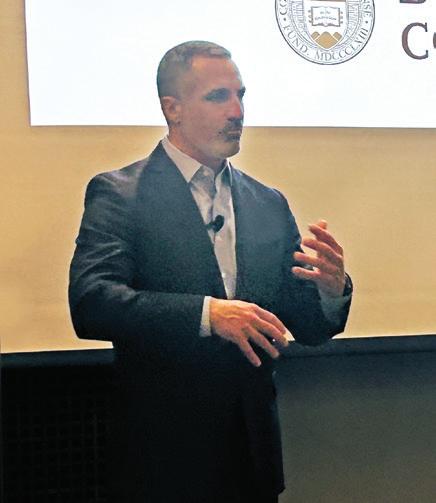
Kevin R. Powers, founding director for the Boston College Master of Science in Cybersecurity Policy and Governance program and a lecturer in management and law, will deliver the keynote remarks tomorrow at the University’s 24th annual Veterans Mass and Remembrance Ceremony on the Burns Library Lawn.
The Mass takes place at 9:30 a.m. in St. Mary’s Chapel, with the ceremony beginning at 11 a.m.
The remembrance ceremony, which includes a reading of the names of the 211 Boston College alumni veterans killed during the nation’s wars dating back to World War I, takes place just steps from the Boston College Veterans Memorial, where those names are inscribed [bc.edu/bc-web/ sites/veterans-memorial.html].
Powers spent six years in active service with the United States Navy and another 18 years in reserve service as a defense at-
torney, prosecutor, legal advisor, and lecturer. His assignments included Naval Legal Service Office Northwest, the U.S. Naval Academy, and the Department of Defense Convening Authority in Washington, D.C., and Guantanamo Bay, Cuba.
With more than 25 years of combined cybersecurity, data privacy, business, law enforcement, military, national security, higher education, and teaching experience, Powers has additionally worked as an analyst and an attorney for the U.S. Department of Justice, and law firms in Boston and Washington.
In 2015, Powers became director of the M.S. in Cybersecurity Policy and Governance program at the Woods College of Advancing Studies; the program will become the Master of Legal Studies in Cybersecurity, Risk, and Governance program at BC Law School with the first cohort of students entering next fall. Along with his teaching at Boston College, Powers is a Cybersecurity Research Affiliate at the MIT Sloan School of Management and
a lecturer for Sloan’s Executive Education Program.
The Veterans Day event is sponsored by the Boston College Alumni Association, Boston College Veterans Alumni Network, Army ROTC at Boston College, the Office of the Executive Vice President, and the Office of Campus Ministry.
The ceremony is significant for the approximately 150 student veterans currently enrolled at BC—including 35 undergraduates—and more than 80 employees who served in the armed forces, said Director of Military and Veteran Support Mike Lorenz.
Additional veterans-focused events include the BC Veteran Tailgate and the Military Appreciation Game on Saturday. On Monday, November 11, Lorenz’s office and the Political Science Department will co-sponsor a program featuring Christopher Izant ’10, author of Final Engagement: A Marine’s Last Mission and the Surrender of Afghanistan, who will discuss his experiences in Afghanistan.
Murphy: ‘Holistic Support’ of Grad Students a Priority
Continued from page 1
Murphy. “Boston College is a great environment for that, and I am excited to play a role in helping the Morrissey College of Arts and Sciences maintain its excellence in graduate education.”
“I am delighted that Christine Murphy has joined us as associate dean for academic affairs in the Morrissey College Graduate School,” said Morrissey College Dean Gregory Kalscheur, S.J. “Her commitment to excellence in academic programs and to supporting graduate students as whole people are a great fit for our distinctive mission at BC. Christine brings to campus deep experience with graduate program leadership that will be critical to enhancing our commitment to outstanding graduate education. I am very much looking forward to working with her in the years ahead.”
As a first-generation student with children, Murphy developed a passion for creating graduate learning environments where all students are able to thrive. After serving as assistant academic dean for STEM fields at Arcadia University College of Global Studies, Murphy joined the Princeton Graduate School in 2013 as assistant dean for academic affairs, becoming associate dean in 2020. During the past year, she was director of special projects for the Office of Equity, Diversity, Inclusion, and Belonging at Harvard’s Graduate School of Arts and Sciences.
Murphy said she sees many important similarities between BC and Princeton. “BC, like Princeton, is well known for its stature as a liberal arts university. Also, BC, like Princeton, is an R1 institution—the highest Carnegie classification for research activity. So it’s vital that we showcase BC’s strengths across the spectrum of teaching and research, and the Morrissey College stands as a prime example.”
With her Catholic upbringing—her first paying job was working in a church rectory—Murphy finds the Jesuit, Catholic mission of BC and MCGS resonates with her.
“A Boston College education is a mission-driven one,” she said. “You are taught to find value in thinking how your work affects the greater good and the wider world. This is true for both the graduate and undergraduate experience: We want BC students to see the bigger picture in what they’re doing because research helps drive positive change.”
Financial support for students continues to be among the major areas of focus for MCGS, which seeks to offer benefits and stipends at a level similar to peer institutions, along with policies on health and wellness, sick/vacation time, and parental leave, among others, according to Murphy.
“We appreciate, and want to reciprocate, the investment and commitment these students have made to BC,” she said. “Graduate students use the tuition remission and stipend they receive from BC to support themselves, and in some cases their families. We want very much to enable them to live locally during their time at Morrissey College. BC values in-person learning and scholarship since it helps students complete their degrees in a timely fashion and also builds fellowship and connection for our students.”
In addition, said Murphy, MCGS is committed to providing “more holistic support” of its students in ways that consider their academic, financial, and social needs and prepares them to use their degrees in a wide variety of careers.
“Academic advising is an important component of graduate education. It’s also essential that students have access to
mentors both inside and outside the academy who can support them as they think about their next steps after grad school and envision a career path. We also need to provide graduate students with resources that support them as learners, teachers, and scholars who are often balancing classroom learning and teaching with independent research.
“The graduate student experience is a little different than that of undergraduates, but they want to feel a connection to the wider campus community—to know how to find resources but also fellowship. We’re fortunate in that BC has Murray House and MCGS to lend support and enrich-
ment to graduate student life.” Murphy earned a bachelor’s degree in chemistry with honors from Ursinus College. She did her doctoral work in chemistry with Professors Thomas J. Meyer and Holden Thorp at the University of North Carolina-Chapel Hill, where she was a Graduate Assistance in Areas of National Need (GAANN) Fellow and a Frank Porter Graham Honors Society member. She completed a postdoctoral fellowship in biochemistry at Duke University. She is a highly regarded speaker in higher education and a member of several prominent national organizations.
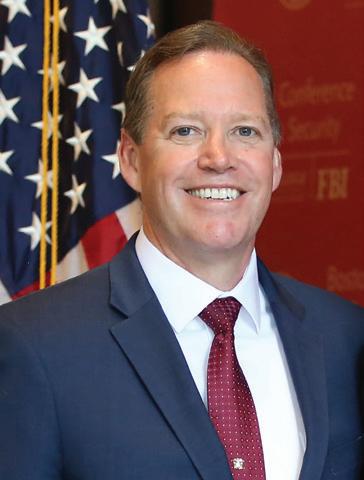
Kevin Powers, founding director of the Master of Science in Cybersecurity Policy and Governance, will be the guest speaker at tomorrow’s annual Veterans Day Mass and Remembrance Ceremony.
photo by reba saldanha
photo by lee pellegrini
Snapshot Pinnacle Lecture
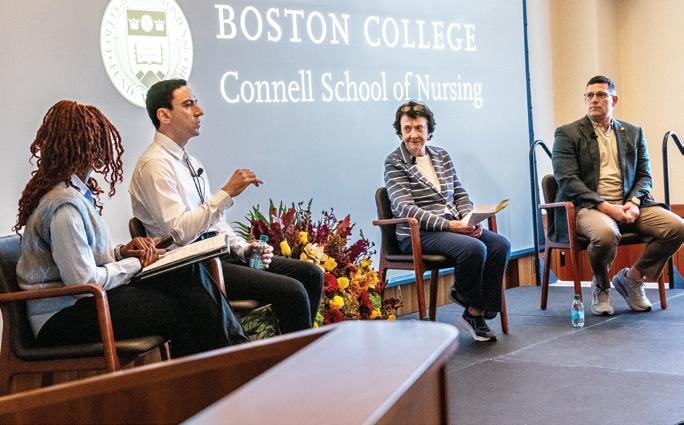
The October 28 Connell School of Nursing Pinnacle Lecture featured the panel discussion “Psychiatric/Mental Health Nursing and Its Effect on the Law, Forensics, and Patient Care” with (L-R) Johany Jeune ’25, Connell School faculty members Victor Petreca and Ann Burgess, and retired personal security specialist Jeff Wood.
Grant Enables BC Trio to Expand Reach of STEM
BY PHIL GLOUDEMANS STAFF WRITER
A cross-disciplinary team including faculty from the Lynch School of Education and Human Development and the Engineering Department has been awarded a three-year, $1.6 million grant from the National Science Foundation—part of a larger $3 million collaborative project—that will sustain its efforts in bringing STEM education to marginalized youth.
The award comes on the heels of a three-year, $600,000 NSF grant to the same BC collaborators to prepare high school STEM instructors to teach engineering in public school systems.
The new project, which includes partners from the University of South Alabama and the non-profit Maine Mathematics and Science Alliance, is based on research that suggests that transdisciplinary learning experiences which integrate knowledge across STEM disciplines—in this case, engineering, computer science, and horticulture—will successfully engage both teachers and students.
The BC researchers include principal investigator G. Michael Barnett, a professor of science education and technology in the Lynch School Teaching, Curriculum, and Society Department; co-principal investigator Avneet Hira, an assistant professor of engineering and the Sabet Family Dean’s Faculty Fellow; and co-principal investiga-
Morrocco Joins BC Trustees
BY ROSANNE PELLEGRINI STAFF WRITER
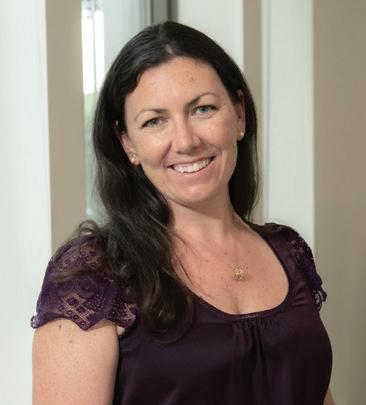
Deborah Mancini Morrocco ’81, P’10, ’14, a principal at The Mancini Companies and an active alumna and Boston College benefactor, was elected to the University’s Board of Trustees at its September 27 meeting.
Morrocco is a third-generation leader of her West Greenwich, RI,-based family company, which has a long history of operating flooring and beverage distribution businesses, particularly in the Northeast. Today, its distribution footprint extends through New Jersey, New York, and New England. The firm also makes strategic investments in commercial real estate and emerging businesses that align with its operating company models.
After graduating from Boston College with a bachelor’s degree in marketing and human resources, she joined Mancini Beverage. Morrocco currently heads the Mancini Family Office, which manages real estate and investment business units as well as a shared services component for her families’ firms in beverage and flooring distribution.
Morrocco also chairs the Mancini Family Foundation Board of Trustees, and views the foundation as an opportunity to work together as a family around its philan-
photo by caitlin cunningham
for Integrated Science and Society for their incubation funding, and to the National Science Foundation for supporting our team’s efforts to continue our work to implement instructional approaches that motivate and reinforce youth to learn STEM,” said Barnett.
Zhang said the grant will aid the team’s efforts to “boost the capacity and confidence of middle and high school teachers to engage students in integrated STEM.”
“It’s exciting to receive support for work that pushes the boundaries of traditional education practices that often separate learning into disciplinary silos,” said Hira. “Along with our partners, we hope to learn more about how we can create authentic transdisciplinary learning experiences.”
tor Helen Zhang, a Lynch School research associate professor.
A total of 60 teachers and nearly 600 high school students will be recruited from historically excluded, low-income, and underrepresented populations from both rural and urban settings in Massachusetts, Maine, and Alabama. The teachers will participate in summer institutes and two years of professional development activities that immerse them in the same transdisciplinary learning experiences that their
thropic values of giving and sharing. “Our family believes that education is critical to personal achievement, and that it is a fundamental precondition to strong communities,” states the company website. “Through our foundation, we support educational programs and research that creates value for individuals, and that makes our world a better place to live, work and enjoy.”
The Mancinis have a long legacy of philanthropy at Boston College, including decades as generous benefactors in support of financial aid. Their philanthropic outreach led them to establish an expanded initiative, the Mancini Family Rhode Island
students will eventually undergo. Teachers will then co-design their curriculum with the project team for use in their respective local contexts.
Teachers and students will design smart, desktop greenhouses by connecting electronic sensors that can detect light or other environmental data to microcontrollers that activate devices for watering plants and regulating environmental factors such as temperature or illumination.
“We are grateful to the Schiller Institute
Scholars Program.
“The family’s decision to create this scholarship program stems from their motivation to both reduce the financial burden of Rhode Islanders seeking higher education, and also to build a community for this group of BC scholars,” noted the Office of University Advancement’s publication Beacon in 2020. “It reflects the Mancinis’ love for both Boston College and Rhode Island, recognizing the significant financial need of many students from their home state.”
Prior to joining the BC Board of Trustees, Morrocco served as a member of BC’s
Collaborators from the University of South Alabama include Shenghua Zha, an associate professor in the Department of Counseling and Instructional Sciences, Instructional Design and Development, Educational Media, and Educational Technology; and Na Gong, the Warren Nicholson Professor of Electrical and Computer Engineering.
Also involved is Ruth Kermish-Allen, executive director of the Maine Mathematics and Science Alliance, which seeks to expand equitable access to STEM education and empower educators as they teach K-12 science, technology, engineering, and math.
Board of Regents. She also serves on the Council for Women of Boston College and has been part of several alumni committees for the Office of University Advancement. The Mancinis engage with students on campus at sporting events, scholarship dinners, and at Pops on the Heights: The Barbara and Jim Cleary Scholarship Gala, for which they are generous patrons.
Morrocco lives with her husband, Gary, in Cranston, RI. The couple’s children are Derek ’10, Matthew, Kristina ’14, and Elizabeth; they are the grandparents of Rory and Riley.
Deborah Mancini Morrocco
photo by james p jones
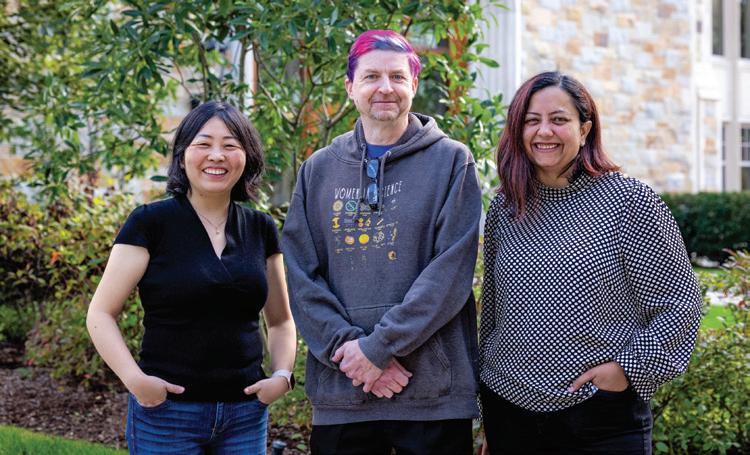
With funding from the National Science Foundation, (L-R) Helen Zhang, G. Michael Barnett, and Avneet Hira will prepare instructors to teach STEM to marginalized youth.
New members of Boston College student dance groups had a chance to strut their stuff at the “Rookie Showcase” on October 26 in the Connell Recreation Complex. photo by seho lee
Burns Scholar to Speak on ‘Poetics of Property’
BY SEAN SMITH CHRONICLE EDITOR
Something extraordinary was happening in early modern Ireland, according to Patricia Palmer, a professor of English at Maynooth University in Ireland who is the Burns Visiting Scholar in Irish Studies for the fall semester.
In those years of violence, confiscation, and plantation, Ireland became a laboratory for practices that would later be exported to America, says Palmer—and those practices would transform a relationship with the Earth itself. At the heart of the experiment was the transformation of Irish community-held land into private property and similar subsequent undertakings elsewhere in the world.
Palmer will discuss what she calls “the invention of property,” and the logic of exploitation which flowed from that, at the Burns Scholar Lecture on November 13 “The Poetics of Property: The Ground Possessed and Dispossessed in Early Modern Ireland” will take place at 6 p.m. in the Burns Library Thompson Room, and is free and open to the public (a 5 p.m. reception will precede the lecture).
Palmer, who holds a master’s degree from University College Cork and a doctorate in English literature from the University of Oxford, was a senior lecturer at the University of York and a reader in King’s College London before taking the chair of Renaissance Literature at
Maynooth in 2017. She was awarded an Advanced Laureate by the Irish Research Council in 2019. Her publications include Language and Conquest in Early Modern Ireland: English Renaissance Literature and Elizabeth Imperial Expansion, The Severed Head and the Grafted Tongue: Translating Violence in Early Modern Ireland, Early Modern Criticism in a Time of Crisis (coedited with David Baker), and articles in English Literary Renaissance, Translation Studies, Renaissance Quarterly, and Irish
Historical Studies, among others.
At BC, Palmer is teaching the course Reading the Past in an Uncertain Present: The Lessons of Early Modern Ireland and the MACMORRIS Digital Humanities Project. The four-year project—its acronym stands for “Mapping Actors and Contexts: Modelling Research in Renaissance Ireland in the Sixteenth and Seventeenth Century”—of which she was principal investigator, maps the full range of cultural activity, across languages and ethnic groups, in early modern Ireland [macmorris.maynoothuniversity.ie].
At the heart of Palmer’s scholarship is the depiction of Renaissance-era Ireland as a rich, vibrant place where a number of cultural traditions and languages flourished, rather than the barbarous outpost which it suited its English congress to portray. Among its many qualities, early modern Irish inhabitants regarded land as a place of enchantment and, most importantly, as a community-held resource.
In her Burns Scholar Lecture, Palmer will explore how 16th- and 17th-century English colonists deployed Common Law and ruses like “surrender and re-grant,” introduced by King Henry VIII.
“‘Surrender and re-grant’ helps turn community-held land into the private property of the single individual through common-law title,” said Palmer. “This ‘invention’ of property transforms our engagement with the land: Rather than seeing it as something more than a human
domain, we come to view land as a personal possession, something to be exploited.
“This strategy was essentially field-tested in Ireland and used later in places like the Caribbean and North America, and became a staple of the modern state,” she added. “We’ve seen the consequences of this land-as-property mindset play out in crises of socioeconomic equality and biodiversity. What I want to explore in the lecture is whether recovering the older—such as the pre-colonization Gaelic—ways of engaging with the land as a place of enchantment rather than possession has anything to say to the present.”
During her stint as Burns Scholar, Palmer has been utilizing the resources of Burns Library in continuing to work on a book project that seeks to uncover worldviews pushed out of history by conquest. Bardic poetry, for example, offers ways of thinking about the land as nature, Palmer said, that speak with new urgency amid a climate crisis that arises directly from actions and ideologies pioneered in early modern colonial laboratories, like Ireland.
A collaboration between the Irish Studies Program and University Libraries, the Burns Scholar program brings outstanding academics, writers, journalists, librarians, and other notable figures to the University to teach courses, offer public lectures, and work with the resources of the Burns Library in their ongoing research, writing, and creative endeavors related to Irish history, art, and culture.
Economics Faculty Assess Causes and Effects of Inequality
Continued from page 1
for economics majors and minors, but also for all econ doctoral students.
“Both Jesuit teaching and economic inquiry urge us to take a broad, world-wide perspective, not limited to a single country,” said Professor Susanto Basu, pointing out that economics is perennially among the most popular majors at BC—last year it was second with 1,278, and for more than a decade was the top-enrolled major.
“I strongly believe that we have so many majors not just because economics is viewed as a stepping stone to good jobs, but because students understand that we teach them how to think rigorously about important, socially relevant issues.”
On the undergraduate level, Basu—coauthor of a 2022 article in the Journal of the European Economic Association, “Productivity and the Welfare of Nations”— pointed to the popular course, Economics of Inequality. Taught during the fall semester by Associate Professor of the Practice Geoffrey Sanzenbacher, the class is designed to outline the structural economic factors that result in or lead to inequality in financial outcomes and opportunity. Of particular importance is understanding the distinction between opportunity inequality and outcome inequality, as well as the current domestic policies and those suggested to alleviate these disparities.
Additionally, Sanzenbacher co-teaches two Core Curriculum courses: The Ameri-
can Divide: The Economics of Inequality, with Philosophy Professor of the Practice Cherie McGill, which examines the meaning, causes, and consequences of inequality from the economic perspective; and Real Estate and Urban Action, a look at the economics of housing policy that includes an exercise in which students present a plan for redeveloping a neighborhood to a simulated city council. The latter is cotaught by Neil McCullagh of BC’s Urban Action Lab, who concentrates on the history of housing policy.
Sanzenbacher’s work includes the articles “Rising Inequality in Life Expectancy by Socioeconomic Status,” in the North American Actuarial Journal, and “Measuring Racial/Ethnic Retirement Wealth Inequality,” for BC’s Center for Retirement Research.
Relevant and related courses are the Economics of Aging, taught by Associate Professor of the Practice Matthew S. Rutledge—who, along with Sanzenbacher, is a Research Fellow at BC’s Center for Retirement Research—and Public Policy in an Aging Society, taught by Rutledge and Professor Joseph Quinn, which both examine the inequality of wealth across generations, Basu added.
A course set to debut next spring, The Economics of Discrimination, will cover such topics as the now banned practice of “redlining”—the refusal by banks to
“I strongly believe that we have so many majors not just because economics is viewed as a stepping stone to good jobs,” says Economics Professor Susanto Basu, “but because students understand that we teach them how to think rigorously about important, socially relevant issues.”
photo by peter julian
authorize mortgages or loans to an individual because they live in a neighborhood deemed to be a poor financial risk—that significantly reduced the ability of minorities, particularly African Americans, to accumulate wealth in the form of real estate, said Basu.
Looking internationally, Basu said, “we
offer courses on the economics of developing countries and the deep sources of growth and technological changes over hundreds of years, and why outcomes have differed across nations.”
These include Impact Evaluation in Developing Countries—led by Professor of the Practice Paul L. Cichello—and From Stone Tools to Robots: Economic Growth and Development, a course taught by Professor Pablo A. Guerron-Quintana which explores economic growth over the past millennia, and why economic results have varied by continent.
As William Rodgers underscored at the October symposium, the concept of ALICE—a term he coined and helped develop on behalf of United Way, and has since been adopted by more than 25 branches— the concept is most useful to help people begin to see how we are connected with one another, a theme clearly echoed by the BC Economics Department’s mission to train students to apply their knowledge of economic theory and use the tools of calculus to analyze economic problems and interpret public policy alternatives.
“If folks in this category don’t have good housing, or substandard or no child care, there’s a social and economic impact for everyone in the surrounding community,” Rodgers said. “When ALICE is having difficulty, there’s a spillover effect on overall productivity and economic growth.”
Patricia Palmer is the Burns Visiting Scholar in Irish Studies this fall.
photo by lee pellegrini
Higgins Touts Learning That Is ‘Uncoerced, Unscripted’
BY PHIL GLOUDEMANS STAFF WRITER
For Lynch School of Education and Human Development Associate Professor Christopher Higgins, it was a conversation that changed the trajectory of his career, and launched a book.
Some years ago, before he came to Boston College, Higgins met with an undergraduate who had recently, and reluctantly, dropped his computer science major. Describing his situation to Higgins, the sophomore could barely bring himself to say that he was “undeclared,” a status he clearly considered shameful.
This moment crystallized for Higgins how society had lost sight of one of the essential purposes of higher education: the open-ended search for self-understanding. At that moment, he resolved to write a book that would help young people embrace this spirit of discovery, proudly declaring their “undeclaredness.”
“I don’t know how moments like this still manage to surprise me,” said Higgins, the founding chair of the Lynch School’s Formative Education Department. “I am well aware of the stigma. In the modern multi-university, ‘gen ed’ is just a toll booth on the credential highway. Students get the message, loud and clear: Pick a lane and step on the gas.”
Higgins’ reminiscence of this encounter forms the prologue to his recently published book, Undeclared: A Philosophy of Formative Education, which comprises three lengthy essays and three shorter pieces that discuss the need to promote a form of learning that is “uncoerced and unscripted.
“I hope Undeclared might speak to other students who are anxious because they have not yet managed to package themselves for the job market,” said Higgins. “And for those whose undergraduate days are behind them, the book offers an invitation to get reacquainted with your inner sophomore.”
To Higgins, the distressed student exemplified what he calls “the efficiency of our miseducation. Here he was, beginning his sophomore year, and he was already mis-categorizing the virtue of the quest as
ing ideals that have been shoved aside or replaced by counterfeits,” he said. “The interludes intervene where we are prone to lapse into romanticization.”
Ultimately, Undeclared addresses the question of how to prepare people to think of their work as a vehicle for their own ongoing development, said Higgins, who discussed the issue at a recent educational forum: “Vocational formation continues beyond just undergraduate preparation for it,” he said at the event. “We hope our students continue to learn not only for their jobs, but through their work. And we need to help them reflect on the goods served by their calling and to recognize when their work has become an ethical or existential dead end.”
Joining BC in 2019 not only helped Higgins complete the book, but afforded him opportunities to begin enacting its ideas.
“I jumped at the chance to come to BC because it’s a place that truly believes that undergraduate education should be formative. Here it is understood that questions of meaning, value, and purpose are central to the educational conversation. If you’re not considering those questions, then it might be instruction, socialization, or training, but it’s not education.”
the vice of indecision. He had come to the university hoping for something different from his earlier schooling. Instead, he found himself caught up in what was just a more advanced version of the same old game of ‘studenting’—grinding from exam to exam and from pre-req to pre-req.”
In writing the book, Higgins drew on the variety of educational environments that he’s experienced, as student or teacher, from middle school through college.
The initial essay, “Soul Action: The Search for Integrity in General Education,” addresses what it would mean to take holistic education earnestly. “Wide Awake: Aesthetic Education at Black Mountain College” describes one of the great experiments in the history of higher education: North Carolina’s Black Mountain College, which during its 24 years of opera-
tion (the college closed in 1957) explored democratic self-governance and a form of holistic, general education rooted in the arts. “Job Prospects: Vocational Formation as Humane Learning” traces the lines of formation from the university into the work world.
Higgins calls the shorter pieces “interludes”—an allusion to shorter musical passages punctuating a longer composition. “Campus Tour” provides a survey of the distortions of the university when it’s transformed into a business, while “New Student Orientation” addresses the formidable drive to instrumentalize learning. “Public Hearing” outlines how the defunding of public universities corresponds with the deterioration of the arts and humanities.
“The three essays work to expand the higher educational imagination, recover-
Recently he has begun working with the division of Student Affairs to explore and enhance the formative dimensions of residential life at BC.
“At many universities, there is a real divide between living and learning,” Higgins said. “At BC we make sure the quest for meaning and purpose extends beyond the classroom, creating spaces where students can engage in intellectual exploration and personal growth throughout the campus.
“BC is obviously very different than Black Mountain College,” said Higgins. “What the two institutions share is the idea of college as a community of personsin-process, supporting each other’s efforts to make sense of ourselves, to clarify what matters, to carve out meaningful projects, and to organize our talents in the service of something worthwhile.”
Approved Settlement Ends ERISA Class Action Lawsuit
A federal judge has approved a $330,000 settlement agreement in a class action lawsuit brought against the Investment Committee for Boston College’s 401(k) plans and the University by two former employees who claimed that the committee’s actions with respect to the plans had violated the Employee Retirement Income Security Act (ERISA).
The case, one of many ERISA class action suits brought against universities nationwide, was filed in June of 2022 by the two plaintiffs, who had participated in BC retirement plans offered through TIAA CREF and Fidelity Investments.
In a statement, Boston College said it entered into the settlement solely to elimi-
nate the burden, expense, and distraction of further litigation, despite its clear contention that the lawsuit was baseless.
“Boston College believes that the lawsuit was without merit and that the University’s management of its retirement plans fully complies with the Employee Retirement Income Security Act. BC also believes that had the case proceeded to trial, the University would have prevailed and defeated the plaintiffs’ claims. The University takes pride in the generous benefit plans it offers to its employees, which include retirement benefits that are provided at a low cost and with exceptional levels of customer service, and which have consistently helped BC employees to achieve
their retirement goals.”
Attorney James Fleckner of Goodwin Procter, LLP, which represented the University, said BC believes strongly that it and its Investment Committee met their fiduciary responsibilities.
“BC and the Investment Committee had a robust and prudent process for evaluating the investments made available under its retirement plans,” said Fleckner. “Among other things, the committee engaged in regular negotiations to lower fees and monitored the retirement plans’ investments and fees with the assistance of its independent advisor’s regular, industrystandard benchmarking, to continually provide BC faculty and staff with reason-
ably priced investments and services to best allow them to prepare for retirement.”
United States District Court Judge William G. Young’s April 11 ruling granted Boston College summary judgment on many of the plaintiffs’ claims but allowed the case to proceed on two discrete issues. The settlement was approved by Young in August.
The settlement proceeds, after fees and costs, will be distributed in accordance with the terms of the settlement agreement to class members in amounts proportional to assets they had in the 401(k) plans between January 2019 and June 2024. Settlement notices were mailed on October 25. —University Communications
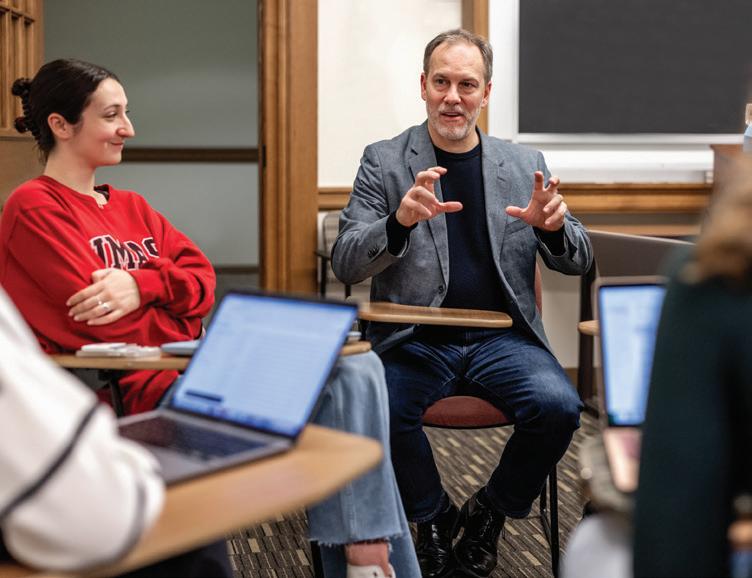
“In the modern multi-university, ‘gen ed’ is just a toll booth on the credential highway. Students get the message, loud and clear: Pick a lane and step on the gas,” says Christopher Higgins (above), founding chair of the Lynch School of Education and Human Development’s Formative Education Department and author of the recently published book Undeclared: A Philosophy of Formative Education.
photo by caitlin cunningham
Two Connell School Faculty Earn Professional Honor
Connell School of Nursing faculty members Jinhee Park and Brittney van de Water have been inducted into the American Academy of Nursing (AAN), an organization of the field’s most accomplished leaders in policy, research, administration, practice, and academia.
Park, an associate professor whose background is as a neonatal nurse, conducts research to improve the understanding of feeding problems among infants and young children. Her goal is to support their health and developmental outcomes while also helping the families manage their complex feeding needs. Her current project is a National Institutes of Health-funded clinical trial testing the biobehavioral efficacy of the semi-elevated side-lying position for feeding preterm infants.
She is a founding member of Feeding Flock, an interdisciplinary research team with a mission of improving the lives of infants and young children with pediatric feeding disorders. Park has been honored with an Award of Excellence in Research from the Association of Women’s Health, Obstetric and Neonatal Nurses and a Mentorship Award from CSON’s Keys to Inclusive Leadership Program.
A pediatric nurse practitioner, van de Water is an assistant professor whose research is focused on improving tuberculosis
interventions and outcomes for high-risk populations, such as children, pregnant women, and people living with HIV. She is conducting an NIH-funded study of TB prevention in rural South Africa.
She is also a recipient of a Child Health Research Award from the Charles H. Hood Foundation, which supports her research on post-TB lung function among children in South Africa. As the associate director for pediatric nursing at Seed Global Health, van de Water supports nurse educators and partnerships with universities in Uganda, Malawi, Zambia, and Sierra Leone.
“Induction into the academy represents the highest honor in nursing,” said AAN President Linda D. Scott. “Earning the Fellow of the American Academy of Nursing credential is a significant recognition of one’s accomplishments and signifies the future impact they will make in collaboration with their colleagues in the academy. With exceptional subject matter expertise, each new Fellow will be vital to achieve the academy’s mission of improving health and achieving health equity by impacting policy through nursing leadership, innovation, and science.”
Park and van de Water were recognized along with the other 2024 fellows at AAN’s annual health policy conference in Washington, D.C., October 31-November 2.
—Kathleen Sullivan
BC in the Media
Prof. Thomas Groome (CSTM) explained his voting choice in light of his faith in an essay for National Catholic Reporter
Prof. Gustavo Morello, S.J. (Sociology), spoke with “The World” public radio show about Gustavo Gutiérrez, the Peruvian priest known as the “father of liberation theology,” who died in October.
The Signal held a Q&A with Assoc. Prof. David A. Hopkins (Political Science), who also published an essay adapted from his new book in Governing Daily.
Carroll School of Management Drucker
Professor Alicia Munnell, who has announced plans to step down as director of the Center for Retirement Research, discussed her past decisions, and what she would change, in a Q&A with The Wall
Nota Bene
Arthur Lewbel, the inaugural Barbara A. and Patrick E. Roche Professor of Economics, was awarded an honorary doctorate from the University of Southern Denmark (Odense) on October 25. Lewbel was recognized for his work in econometrics, the use of statistical and mathematical methods to analyze economic data and convert theoretical economic models into policymaking tools.
Before the ceremony, Lewbel and the three other honorary degree recipients participated in a panel titled “Research Excellence and New Standards of Assessment,” hosted by the Danish Institute for Advanced Study, an interdisciplinary
Jobs
The following are among the recent positions posted by the Department of Human Resources. For more information on employment opportunities at Boston College, see www. bc.edu/jobs or scan the QR code at right.
Director of Assessment and Accreditation, Lynch School of Education and Human Development
Joseph Bonavalonta, who was a special agent in charge for the Federal Bureau of Investigation’s Boston division, presented “Cybersecurity Lessons from a Former FBI Executive” on October 30 in the Heights Room of Corcoran Commons. The event was sponsored by Boston College Information Technology Services.
Estate Planning Fellow, ILH&PR
Development Assistant
Classroom Technology Specialist
Vice President for Facilities Management
Credit & Collection Associate
Middleware Systems Administrator
Temporary Office Pool
Physical Security Technician
Campus Minister for Liturgical Arts
Director, Center for Isotope Geochemistry
Associate Director, Campus Ministry
Senior Research Associate, Child & Behavioral Health Research Innovations (CABHRI) lab
Liaison Librarian for Nursing and
Street Journal.
Prof. Elizabeth Kensinger (Psychology and Neuroscience), co-author of Why We Forget and How to Remember Better: The Science Behind Memory, was interviewed by Boston Globe Magazine for a story on how people in their 30s and 40s are reporting unusual levels of memory problems.
Woods College of Advancing Studies Associate Dean Aleksandar Tomic, director of the master’s programs in applied economics and applied analytics, discussed issues related to credit cards in a WalletHub Q&A.
Dean of Undergraduate Admission and Financial Aid Grant Gosselin provided insights into the Early Decision option in the college application process for a story by U.S. News and World Report.
research center affiliated with the University of Southern Denmark.
Lewbel, who joined the BC Economics Department in 1998 and was named the Roche Professor in 2005, is a co-editor of Econometric Theory, the former co-editor of the Journal of Business and Economic Statistics and Economic Letters, and an elected fellow of the Econometric Society and the Journal of Econometrics. A past recipient of the Econometric Theory Multa Scripsit award, he is ranked 30th on the list of the world’s top economists based on citations, as compiled by Research Papers in Economics.
Health Science
Concessions
Proposal Development Specialist
Custodian III, Monday-Friday
Assistant Director, Member Services & Operations
Vocal Director
Fiscal and Grant Specialist
Football Recruiting Specialist
Director, Research Information Systems & Education
Lead Catering Staff
Jinhee Park, left, and Brittney van de Water
photos by lee pellegrini
photo by information technology services
Heartfelt Homecoming for Accomplished Alumnus
BY PHIL GLOUDEMANS STAFF WRITER
John W. Kozarich ’71, who has served as chair, CEO, or director of seven companies during his distinguished 47-year career in academia and the biopharmaceutical industry, and who endowed Boston College’s Department of Engineering Chair in 2021, returned to the Heights in late October for a three-day visit that included student and faculty meetings, a chemistry lecture, a football game, and some ruminating about the University, past and present.
A major item on his itinerary was a series of meetings with the seven current Kozarich Summer Undergraduate Research Fellows—the result of the bioscience executive’s initial program funding in 1999 that provides fellowships for chemistry majors to work in BC research labs—and with Glenn R. Gaudette, the inaugural holder of the John W. Kozarich ’71 Chair, as well as the students in the program that launched in 2021.
“I’m very proud of BC’s Engineering Department and its Human-Centered Engineering major,” said Kozarich, a New Jersey native. “I tend to do things at the interface—that place where independent systems meet and connect—and engineering is a dream interface.
“I’ve been very impressed with Glenn’s innovative approaches, and in particular, the student trips he has led to villages in foreign countries where they have solved important local health problems through engineering methods that truly reflect its service focus.”
Kozarich noted that his funding for
BC Hosts Acclaimed Director, Puppeteer, and Playwright
Award-winning Circassian-Russian director, playwright, puppeteer, and stage designer Evgeny Ibragimov will be at Boston College November 11-16 for a creative residency, which will include a puppet play, a presentation, and a performance showcase—the culmination of a four-day student workshop.
Ibragimov’s productions have been recognized internationally for their innovative, immersive staging, in which puppets perform with actors, objects, and shadows. Originally from the Republic of Karachaevo-Cherkessia in Russia’s North Caucasus region, Ibragimov has been based in the Czech Republic since 2014, and is now unable to work in Russia due to his opposition to the Putin regime and Russia’s war against Ukraine.
“During Evgeny Ibragimov’s creative residency, the Boston College and greater Boston community will have an opportunity to hear the voice of one of the nations who suffered the full force of Russian imperialistic expansion yet managed to survive, albeit mainly in diaspora,” said residency organizer Curt Woolhiser, a lecturer
the summer fellowships was motivated by both his inability to afford to work for free during summers as an undergraduate, and as a tribute to his undergraduate research experience in BC’s Chemistry Department, which he credits with planting the seeds for his own remarkable career in academic and pharmaceutical research.
“BC has changed for the better since my time on campus,” said Kozarich, who attended BC on scholarship. “There’s a strong sense of intellectual excellence, and a firm commitment to the betterment of others— a deeper moral compass today—that’s not seen in all institutions of higher education.
“The Chemistry Department is terrific, there’s more funding, and I was especially pleased to see so many women in science who are making a difference.”
in the Eastern, Slavic, and German Studies Department.
Ibragimov, also known by the name Shaoukh Ibragim, is an ethnic Cherkes (Circassian/Adyge), one of the hundreds of indigenous non-Slavic minorities of the Russian Federation, according to Woolhiser. “His people, the Circassians (Adyge) of the northwest Caucasus region, put up fierce resistance to Russian expansion from the late 18th century to 1864, when they were subjected to mass ethnic cleansing and genocide (known in Circassian as the Tsitsekun) at the hands of the Russian army and Russian Cossack units,” he said. “As a result, the vast majority of Circassians—more than 85 percent—now live outside the borders of their homeland, with over four million Circassians in Turkey, Syria, Lebanon, Jordan, Egypt, and Israel, and other countries.”
On November 14 from noon to 1 p.m. in McElroy Commons 237, Ibragimov will give a presentation on the history and cultural traditions of the Circassians and other indigenous peoples of the North Caucasus region. His presentation will be in Russian, with English translation by Polina Dubovikova, a Boston-based actress, singer, and translator.
An area of Ibragimov’s expertise is traditional Circassian puppetry, an art form associated with the dzheguako—Circassian master of ceremonies, storyteller, bard, folk
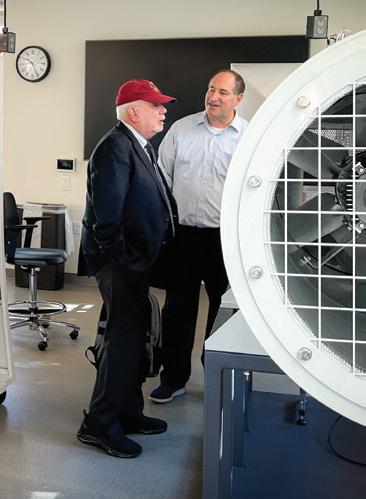
Glenn Gaudette (right), holder of the Kozarich Chair in Engineering, chatted with its namesake and benefactor, John Kozarich ’71, who visited campus recently.
Kozarich, internationally known for his work on enzyme mechanisms and on the chemistry of DNA-cleaving antitumor drugs, received his bachelor’s degree in chemistry summa cum laude, was selected as a Phi Beta Kappa honoree, and named a Scholar of the College while at BC. He then earned a doctorate in biological chemistry from MIT, where he was a National Science Foundation Predoctoral Fellow.
Following two years as a National Institutes of Health Postdoctoral Fellow at Harvard University, Kozarich joined Yale University’s School of Medicine as an assistant professor of pharmacology, and after rising to the rank of full professor, moved to the University of Maryland-College Park in 1984, where he served as a professor of chemistry and biochemistry for 11 years. He is now an adjunct professor of chemical biology and medicinal chemistry at the University of Texas at Austin’s College of Pharmacy, where he has an active role in teaching graduate students focused on case studies in drug discovery.
His lengthy resume includes serving as vice president of research at Alkermes, a Waltham, Mass.-based global biopharmaceutical company developing innovative medicines in the field of neuroscience; vice president of biochemistry at Merck Research Laboratories, where he led drug development programs and strategic collaborations
satirist, magician, and soothsayer. On November 15, he will present his Circassian puppet play, “An Old Tale: The Legend of Happiness.” In the work, based on folkloric sources, he recreates the atmosphere of the traditional Circassian dzhegu, or carnival. The puppets featured in the performance are based on traditional Circassian puppets preserved in the Museum of Anthropology and Ethnology in St. Petersburg.
The event—in Robsham Theater Arts Center’s Bonn Studio Theater from 7-9 p.m.—will be in Russian and Circassian, with English translation by Dubovikova.
with other pharmaceutical and bioscience companies; and chair and president of ActivX Biosciences Inc., a biopharmaceutical company that used its unique technology to identify drug candidates in the protein kinase and protease families with a focus on hematology, oncology, metabolic, and inflammatory diseases.
Since 2003, Kozarich has served on the board, and currently is the chair, of Ligand Pharmaceuticals, which enables scientific advancement through support of the clinical development of high-value medicines. He also chairs the therapeutics company Curza Global, LLC, of which he is a former CEO.
In 2007, BC presented Kozarich with an Alumni Achievement Award for his excellence in both professional and academic disciplines. A 2009 recipient of an American Cancer Society Faculty Research Award, and the 1988 Pfizer Award in Enzyme Chemistry from the Division of Biological Chemistry of the American Chemical Society (ACS), Kozarich was also recognized with the Distinguished Scientist Award of the San Diego Section of the ACS for his work to identify protein kinase and protease targets for screening drug candidates.
During his campus visit, Kozarich noted that one of his most treasured personal and business friendships is with fellow 1971 alumnus John LaMattina, a trustee associate who supports BC’s graduate program through fellowships to doctoral students in synthetic organic chemistry.
“When I was at BC, there were eight chemistry majors, and four went on to graduate school,” said Kozarich. “We did all right.”
shop, “Animating the Inanimate.” With a focus on various aspects of stage movement, ensemble acting, and storytelling through the creation and manipulation of unique and everyday objects, participants will engage in a collaborative effort, sharing ideas and visions as they work together to create a unique, original performance. The result of these creative explorations will be presented in a showcase performance on November 16 from 7-9 p.m. in the Bonn Studio Theater.
These events “will be of interest to multiple constituencies at BC and beyond, bringing together students and faculty from a broad range of humanities disciplines including theater arts, Russian and Eastern European studies, Middle Eastern and Islamic studies, and anthropology,” Woolhiser noted. Ibragimov’s art expands our understanding of Russia as a multi-ethnic country, home to more than 190 distinct ethnic groups, he added.
Fifteen students involved in performing arts, theater, puppetry, acting, directing, and set design, will participate in his work-
“The opportunity for students to participate in a puppetry workshop will be particularly valuable for our theater students,” Woolhiser noted. “The workshop will also give participants a unique opportunity to learn more about the rich theatrical and puppetry traditions of Eastern Europe.”
The residency is co-sponsored by the Eastern, Slavic, and German Studies and Theatre departments, with funding from the Institute for the Liberal Arts. For further information, see https://tinyurl.com/ yx4pnka7.
—Rosanne Pellegrini
Evgeny Ibragimov will be in residency on campus next week.