
















































































































































































CTE InSight’s advanced statistical analysis provides timely monitoring systems, predictive modeling and interactive dashboards to analyze data, giving the tools to innovate and optimize. Lean on CTE’s team of experts to develop data-informed strategies that align with your plant goals. Your actionable advantage



President & Editor Tom Bryan tbryan@bbiinternational.com
Senior News Editor Erin Voegele evoegele@bbiinternational.com
Contributions Editor Katie Schroeder katie.schroeder@bbiinternational.com
Features Editor Lisa Gibson lisa.gibson@sageandstonestrategies.com
Vice President of Production & Design Jaci Satterlund jsatterlund@bbiinternational.com
Senior Graphic Designer Raquel Boushee rboushee@bbiinternational.com
CEO Joe Bryan jbryan@bbiinternational.com
Chief Operating Officer John Nelson jnelson@bbiinternational.com
Senior Account Manager Chip Shereck cshereck@bbiinternational.com
Senior Account Manager Bob Brown bbrown@bbiinternational.com
Senior Marketing & Advertising Manager Marla DeFoe mdefoe@bbiinternational.com
Customer Service Coordinator Brandon McGarry brandon.mcgarry@bbiinternational.com
Ringneck Energy Walter Wendland Commonwealth Agri-Energy Mick Henderson Western Plains Energy Derek Peine Front Range Energy Dan Sanders Jr.
St. Louis, MO (866) 746-8385 | www.fuelethanolworkshop.com
Now in its 42nd year, the FEW provides the ethanol industry with cutting-edge content and unparalleled networking opportunities in a dynamic business-to-business environment. As the largest, longest running ethanol conference in the world, the FEW is renowned for its superb programming—powered by Ethanol Producer Magazine —that maintains a strong focus on commercialscale ethanol production, new technology, and near-term research and development. The event draws more than 2,300 people from over 31 countries and from nearly every ethanol plant in the United States and Canada.
St. Louis, MO (866) 746-8385 | www.sustainablefuelssummit.com
The Sustainable Fuels Summit: SAF, Renewable Diesel, and Biodiesel is a premier forum designed for producers of biodiesel, renewable diesel, and sustainable aviation fuel (SAF) to learn about cutting-edge process technologies, innovative techniques, and equipment to optimize existing production. Attendees will discover efficiencies that save money while increasing throughput and fuel quality. Produced by Biodiesel Magazine and SAF Magazine, this world-class event features premium content from technology providers, equipment vendors, consultants, engineers, and producers to advance discussions and foster an environment of collaboration and networking. Through engaging presentations, fruitful discussions, and compelling exhibitions, the summit aims to push the biomass-based diesel sector beyond its current limitations. Co-located with the International Fuel Ethanol Workshop & Expo, the Sustainable Fuels Summit conveniently harnesses the full potential of the integrated biofuels industries while providing a laser-like focus on processing methods that deliver tangible advantages to producers. Registration is free of charge for all employees of current biodiesel, renewable diesel, and SAF production facilities, from operators and maintenance personnel to board members and executives.
St. Louis, MO (866) 746-8385 | www.carboncapturestoragesummit.com
Customer Service Please call 1-866-746-8385 or email service@bbiinternational.com. Subscriptions Subscriptions to Ethanol Producer Magazine are free of charge with the exception of a shipping and handling United States. To subscribe, visit www.EthanolProducer.com/Subscribe, send an email to subscriptions@bbiinternational.com or call 866-746-8385. Back Issues, Reprints and Permissions Select back issues are available for $3.95 each, plus shipping. Article reprints are also available for a fee. For more information, contact us at 866-746-8385 or service@bbiinternational.com. Advertising Ethanol Producer Magazine provides a specific topic delivered to a highly targeted audience. We are committed to editorial excellence and high-quality print production. To find out more about Ethanol Producer Magazine advertising opportunities, please contact us at 866-746-8385 or service@bbiinternational.com. Letters to the Editor We welcome letters to the editor. Send to: Ethanol Producer Magazine Letters to the Editor, 308 2nd Ave. N., Suite 304, Grand Forks, ND, 58203, or editor@bbiinternational.com. Please include contact information. Letters may be edited for clarity or space.
Please recycle this magazine and remove inserts or samples before recycling
Capturing and storing carbon dioxide in underground wells has the potential to become the most consequential technological deployment in the history of the broader biofuels industry. Deploying effective carbon capture and storage at biofuels plants will cement ethanol and biodiesel as the lowest carbon liquid fuels commercially available in the marketplace. The Carbon Capture & Storage Summit will offer attendees a comprehensive look at the economics of carbon capture and storage, the infrastructure required to make it possible and the financial and marketplace impacts to participating producers.
As we send this issue of Ethanol Producer Magazine off to print, we are in the midst of ample corn supplies, growing global demand for low-carbon biofuels in the face of rising petroleum prices, and record export volumes. Alongside all this, though, is the usual policy uncertainty our industry has grown to tolerate.
That’s fine. In fact, sometimes we more than tolerate it—we thrive despite it. Producers across the country are investing in upgrades, expansions and enhancements to gain a competitive edge and suit the moods of the markets. In our cover feature, starting on page 18, we share updates on a few of the largest ongoing projects, collectively boosting our industry’s capacity by about 200 MMgy. POET Shelbyville, in fact, is doubling its 96 MMgy capacity. Along with POET, you’ll see some of the other large and/or well-known producers continuously pushing their businesses to be bigger, better and more efficient.
We also put a line out to producers, asking about corn kernel fiber (CKF) ethanol production. Via an Ethanol Producer Magazine survey, we learned some of the details surrounding one of the most promising areas of growth in ethanol production. CKF generates a more profitable D3 RIN, requires slight to moderate process adaptation and, in some cases, even boosts yields of other coproducts like corn oil. Find out how much CKF ethanol is being produced, what the largest barriers are to successful production, and more, starting on page 24.
Ethanol’s wave of record exports year after year has come without the China market. China exports stopped abruptly in 2022, but a U.S. Trade Representative investigation could jumpstart them again, in a bid to ensure China follows through on previously agreed upon trade volumes. We detail the scenario in the feature starting on page 32, but we also delve into the other strong markets that have pushed our exports to highs every year.
And we would like to introduce you to Praveen Vadlani, the new executive director of the National Cornto-Ethanol Research Center. Vadlani says he focuses on a new reality for ethanol: All products coming from fermentation have value. NCERC shares his vision for a modern research center that bioprocessing industries will want to work with to add value to their own operations. Read more about Vadlani, his experience and his vision, starting on page 38.
Last, we profile the ethanol market in Japan. Long a buyer of U.S. ethanol for ETBE, the country will begin direct blending ethanol into its transportation fuel in 2030. Producing one gallon of ETBE requires 0.47 gallons of ethanol, so the result could be a larger market for U.S. ethanol, potentially up to 1 billion gallons, experts say. It starts on page 46.
In the balance of headwinds and tailwinds, we always strive to help ethanol producers read the moods of the markets.
We hope you gain some insight from it.
-The Editors


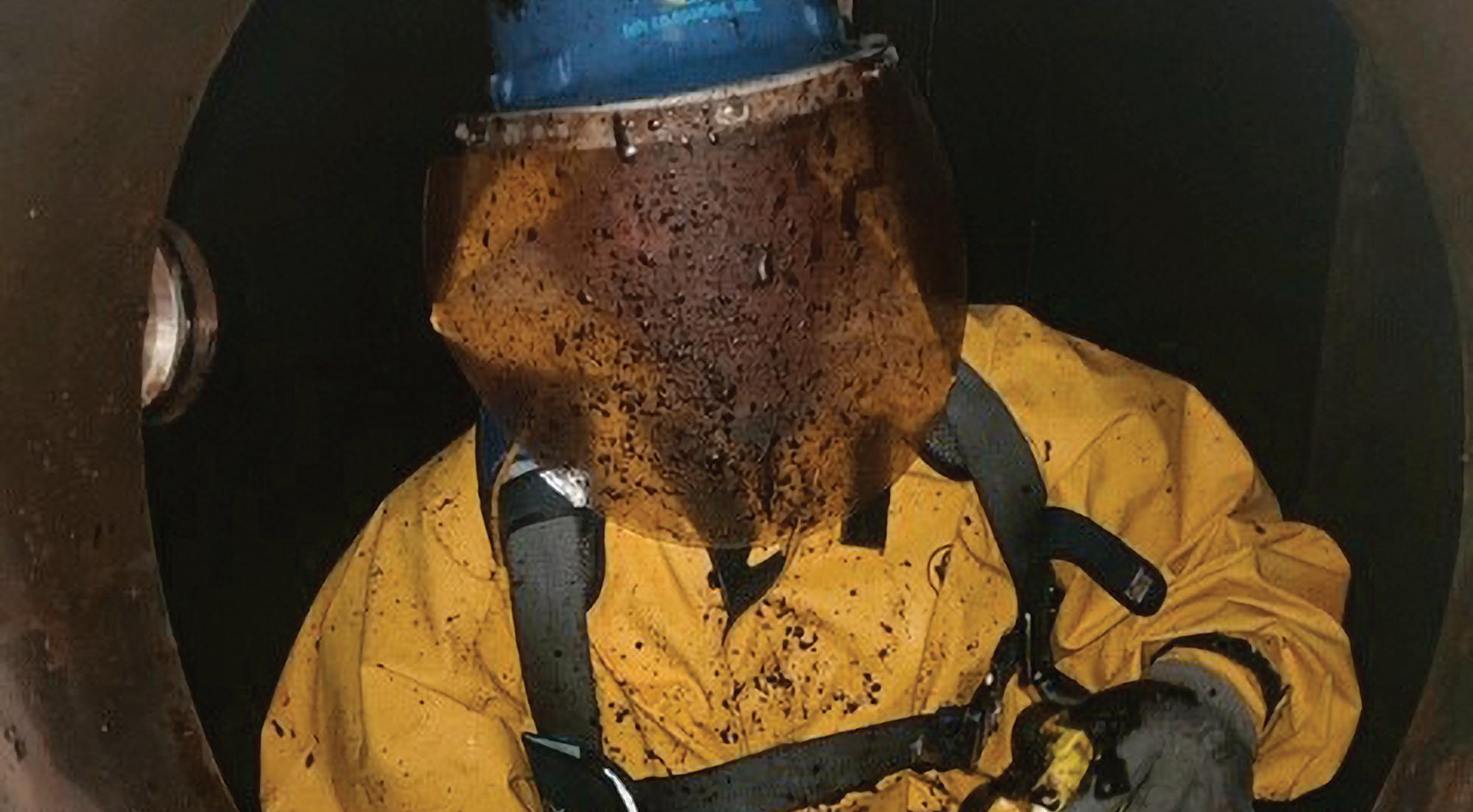
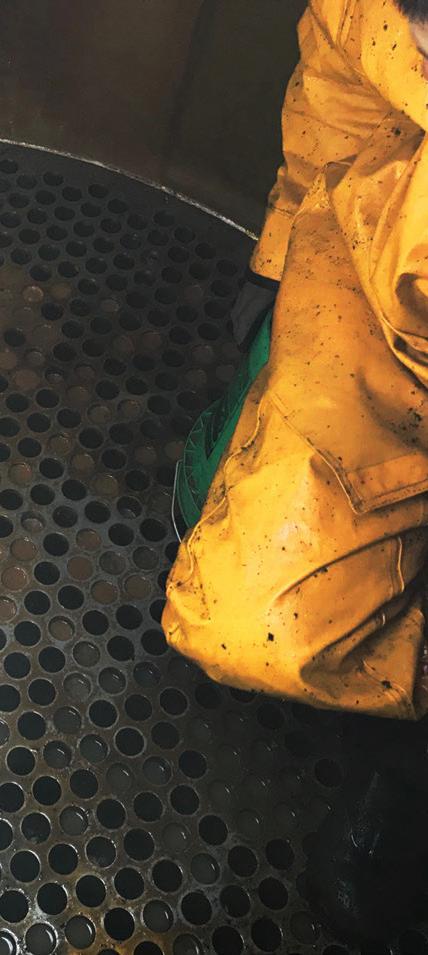
Traditional cleaning methods expose your team to serious risks like injuries and heatstroke in hot, confined spaces. Automated tube cleaning keeps operators safe, using dual-direction high-pressure cleaning for better performance and heat transfer. Operators can remotely control the cleaning speed, ensuring consistent, thorough results. Protect your team and improve e ciency—contact NLB today to transform your operations!

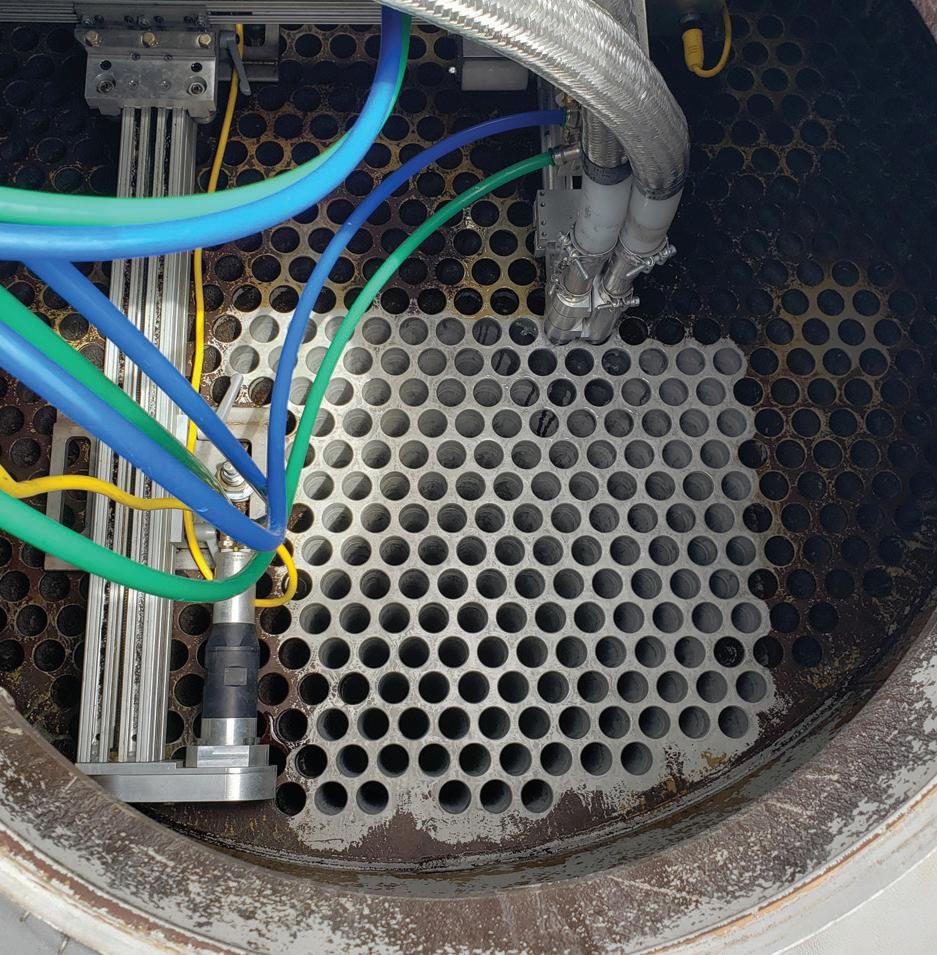






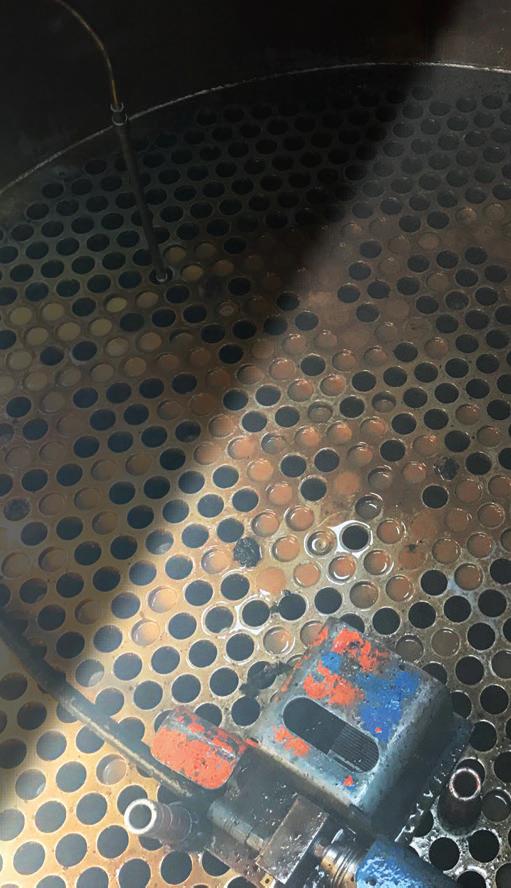




Remove the operator from the blast zone. Increase tube heat transfer.
Enhanced operator control produces better results.



Zoltán Szabó Secretary General Climate Ethanol Alliance
The global maritime sector is massive. Its annual fuel consumption is roughly three times larger than global ethanol production. But today, virtually no renewable fuels are used in maritime.
That could change if the International Maritime Organization (IMO) adopts its proposed Net Zero Framework later this year. The global policy would require marine shippers to use lower-carbon fuels to reduce emissions. The U.S. ethanol industry would benefit immensely from such a program, given ethanol’s low cost, low carbon intensity and strong competitive edge. Other sectors, such as biodiesel and bio-LNG (biomethane), would also benefit. The IMO’s Net Zero Framework (NZF) would not be bad for fossil LNG either, because it has a lower carbon intensity than traditional bunker fuels.
Imagine what the opening of such a massive market would mean for ethanol demand: Several billion gallons of additional demand within the next three to five years and growing thereafter. Given ample feedstock supplies and production capacity, ethanol could easily meet this increased demand. New demand would add value to ethanol and feedstocks worldwide, improving the bottom line for the global industry— including the U.S., Brazil, Europe and beyond.
However, this opportunity could be slipping away. U.S. policymakers opposed adoption of the IMO framework last year and pressured other countries to vote “no.” Unless U.S. opposition is reversed, many in the industry may never know what has been lost. Without U.S. support, adoption of the framework this year seems unlikely.
Marine shippers want the IMO deal to be completed. They see decarbonization coming; all they are asking for is a level playing field and a clear regulatory framework. With modest modifications, the IMO NZF provides exactly that.
The alternative is a hodgepodge of regional regulatory regimes, led by the misguided European FuelEU Maritime regulations, which incorrectly treat crop-based biofuels the same as fossil fuels.
This outcome would be bad not only for the global ethanol industry, but also for shippers worldwide— causing the climate to suffer as well.
From a U.S. perspective, the IMO deal should be viewed as a massive trade deal that sits on the table. The domestic industry would benefit enormously. If U.S. producers were to capture just 5% of the global maritime fuel market, ethanol demand could increase by roughly 4 billion to 5 billion gallons per year. This is a simple message; it just needs to reach the right ears. Yes, year-round E15 is necessary in the short term, but the industry needs more than that to continue expanding, and maritime ethanol fuel markets are critical for the industry’s future.
But time is running out. We are just months away from the IMO framework being reconsidered for adoption. The main mission of the Climate Ethanol Alliance in 2026 is to keep alive the prospect of getting a deal done to approve the NZF program. The vote is scheduled for November 2026. The countdown has begun. We need all hands on deck.









“The sky is the limit,” a fitting phrase for the ethanol industry today. Global production reached record highs in 2025, and U.S. exports shattered the previous record, with 2.13 million gallons shipped around the world in marketing year 2024-’25. As demand for renewable products and energy security rises globally, ethanol is finding a home in on-road transportation, sustainable aviation fuel, clean chemicals, household energy and maritime fuels—the latter with a significant increase in interest from both the biofuels and shipping industries. This growth is propelling the industry with clear benefits along the entire supply chain, starting with the American farmer and impacting consumers.
The market expansion of 2025 is cascading into 2026, fortified by new blend mandates, tariff reductions and reciprocal trade agreements. The near-term growth markets of Vietnam, Guatemala and Indonesia demonstrate documented policy shifts the U.S. ethanol industry is ready to support.
Vietnam has trialed E10 in major cities since August 2025. The tariff rate on ethanol imports decreased from 10% to 5% with continued efforts to see full tariff removal. In June 2026, Vietnam will include ethanol in on-road transportation through a policy pathway that adds 10% ethanol to the primary gasoline blend (RON95) in 2026, with a goal to incorporate 10% blending into its secondary gasoline grade (RON92) by 2031.
Guatemala is in the process of updating a 1985 biofuel policy that includes a nationwide E10 blend mandate beginning in July 2026. This will support the local industry, and it provides a market for U.S. ethanol exports that allows Guatemala to achieve its GHG emissions reduction goals. This is a success story for both countries. With zero tariffs, U.S. ethanol is entering the country under a proposed purchase agreement of 50 million gallons annually.
Indonesia is looking to incorporate 31% renewable energy by 2050 to meet its targets. The country has blended small volumes of ethanol in the past, with domestic production fulfilling volume requirements. Recently, Indonesia introduced E5 blended gasoline in more than 150 retail stations. In a recent trade deal between Indonesia and the U.S., the country has agreed to lift the 30% tariff rate, remove U.S. ethanol participation restrictions, and implement nationwide E5 by 2028 and E10 by 2030, with long-term plans for E20.
Canada and Mexico should also be mentioned. Canada remains a steady partner as the largest market for U.S. ethanol, with more than 35% of exports heading across the border. The country’s dedication to using available solutions like ethanol at increasing blend rates to meet its Clean Fuel Regulations requirements has cemented demand for its vehicle fleet. Mexico also presents nearly a billion-gallon demand with the desire to implement biofuels for economic prosperity, rural development and environmental benefits.
With dozens of countries using ethanol to shore up energy security and meet climate targets, this list is far from exhaustive. As demand grows, U.S. farmers and ethanol producers have excelled at producing the volumes required globally and have aligned with global trends for low carbon-intensity products and compliance requirements to meet the diverse needs of global customers.
The industry eyes the future with anticipation. U.S. ethanol exports are up 7.2% over the last year. Markets recognize the economic and social benefit of ethanol with existing markets expanding and new markets committing to cleaner options. The sky is no longer the limit. With ethanol integrating into use on land, in the sky, at sea, within homes, inside consumer products and more, markets have limitless options.

A new day is dawning for ethanol production. Our industry-leading lineup of yeasts, yeast nutrition, & enzymes are pushing the limits of fermentation and reaching levels of performance never achieved before. Paired with our renowned educational programs and expert services, we’re setting a course for even greater yields and performance.
With LBDS, THE FUTURE OF FERMENTATION IS BRIGHT AND THE POSSIBILITIES ARE ENDLESS.
agribusiness solutions
For over 20 years, Beyond has been the innovative and trusted experts in selling, implementing and suppor ting grain processing ERP software solutions.






We provide tailored expertise and innovative technology to plants across North America 80+ Ethanol Plants





10,000+ Transactions
We process more than 10,000 digital transactions per daymore than any competitor



BASF has introduced Circalo: Low Carbon Intensity Crops, a comprehensive, unified platform designed to connect farmers, agronomists and ethanol producers with the tools needed to help operationalize agricultural carbon intensity (CI) under evolving regulatory frameworks, including the Clean Fuel Production Credit (Section 45Z1). By utilizing Xarvio Field Manager and Xarvio Bioenergy, Circalo: Low Carbon Intensity Crops helps transform on-farm data into verifiable, auditable inputs that can be used by biorefineries to support low-CI fuel production strategies.
As the U.S. ethanol industry prepares for implementation of Section 45Z, biorefineries face a clear reality: The CI of agricultural feedstocks will increasingly determine competitiveness, margin and long-term market access. While many growers are already using conservation and efficiency practices that lower CI, ethanol producers need scalable, verifiable systems to document those practices and translate them into measurable CI reductions at the plant level.


From advanced grain processing to strategic financial tools, we provide comprehensive solutions tailored to your needs Tailored Solutions





Gevo Inc. has announced plans to expand capacity at its North Dakota ethanol plant to 75 MMgy. The company also plans to make a final investment decision on the development of an adjacent sustainable aviation fuel (SAF) project later this year. Gevo, in February 2025, acquired the existing North Dakota facility from Red Trail Energy LLC. The 67 MMgy ethanol plant has operational carbon capture and storage capabilities.
Paul Bloom, who served as president of Gevo and transitioned into the role of
CEO on April 1, explained that production at Gevo North Dakota exceeded nameplate capacity last year, reaching approximately 69 MMgy. The company also captured and sequestered 173,000 metric tons of carbon dioxide. The facility achieved a yield of nearly 3 gallons per bushel. Production included approximately 2 MMgy of cellulosic ethanol produced from corn kernel fiber feedstock.
Celtic Renewables, the breakthrough Scottish green chemicals firm, has secured $21.6 million in public and private funding to scale its production of highdemand green chemicals. The funding comprises $6.7 million in new investment from Scottish Enterprise, Scotland’s national economic development agency, and $6.7 million from Celtic’s existing private investors, alongside $8.3 million from the Grangemouth Just Transition Fund that was awarded by the Scottish Government in December.
The latest investment was announced by Scotland’s Secretary for Climate Action
Clariant, a Switzerland-based specialty chemical company, has announced a strategic collaboration with Vertimass LLC aiming to accelerate the development and commercialization of advanced zeolite catalysts for the catalytic conversion of biobased alcohols via Vertimass’ Consolidated Alcohols Deoxygenation and Oligomerization process. The envisaged project combines Vertimass’ novel technology with Clariant’s six decades of expertise in zeolite catalyst development to advance sustainable processing.

and Energy Gillian Martin on a visit to Celtic Renewables’ biorefinery at Grangemouth on March 4. Celtic Renewables will use the fresh investment to fund the planning and development of a new $160 million industrial-scale biorefinery at Grangemouth with 10 times the production capacity of the company’s current facility. Celtic currently operates a commercial demonstrator biorefinery at Grangemouth. It uses acetone-butanol-ethanol fermentation to produce bio-acetone, bio-butanol and bioethanol from locally sourced waste and byproducts including pot ale from whisky distillation and rejected potatoes.

Under the collaboration, Clariant intends to provide comprehensive technical support to scale Vertimass’ technology to commercial production. This encompasses zeolite catalyst development expertise, industrial scale-up guidance, catalyst sample provision for development and testing, detailed characterization services to evaluate catalyst properties and performance, and ongoing technical consultation from Clariant’s zeolite experts.


More ethanol · More corn oil · More opportunity
Novonesis Fiberex® maximizes feedstock value creation with the industry’s leading fiber-degrading enzyme technology.
Diversify revenue. Improve efficiency. Strengthen margins.
Badger State
Ethanol
found collaboration with IFF critical in discovering solutions for DCO process problems.
By Katie Schroeder
For many ethanol producers, collaboration with vendors becomes a delicate dance— say just enough to find the information you need, all while being careful to withhold process data. Badger State Ethanol, a 100 MMgy plant located in Monroe, Wisconsin, often takes a different approach by going all in on their relationships. A perfect example of this was with their IFF relationship. Starting in 2017, the facility ran into a problem. Distillers corn oil (DCO) yields dropped, then flatlined. While not terrible, they were not where Badger State Ethanol strives to be. Doug Friedrich, operations manager at Badger State Ethanol says so many things were off with DCO recovery, that the fitting question became “What isn’t wrong?”
He and his team tried every obvious solution, including significant capital investment in equipment, thinking that perhaps the system was unable to recover DCO due to throughput volume. “While Badger State Ethanol saw incremental benefits in its equipment spend, it did not help on oil production,” says Friedrich. Even consulting the “who’s who” of the ethanol industry brought no answers.
Stephanie Schmidt, process analyst and plant chemist at Badger State Ethanol, heard about IFF’s Optimash® DCO+—a thermostable protease—from a fellow ethanol producer. Excited about the forecasted DCO yield increase, Badger State Ethanol ran a trial of the protease, only to find their entire fermenter emulsified. The team brought the issue to John Buns, senior sales account manager with IFF. “We’re using this high temperature protease, and we’re using this enzymatic antifoam. So, John points out, ‘Well, it’s one of the two,’” Schmidt says. “We were like, no kidding!” She and the rest of the Badger State Ethanol team didn’t see how the enzymatic antifoam could be the problem as there was one gallon of it in the 730,000-gallon fermenter.
“We isolated the protease and things went fine, and then we isolated just one gallon of antifoam in the ferm and lost all of our oil,” she says. “So, it was the enzymatic antifoam; one gallon of it, was enough to emulsify pretty much everything in the ferm.”
The breakthrough for Friedrich and his team occurred after contacting Buns about the trial’s result. Buns shared a white paper outlining the possibility of causing an unbreakable emulsion when certain types of antifoam are combined with an emulsion breaker and the wax naturally found in corn. This email caused Friedrich to take a closer look at when their DCO problems began. He noticed the increased implementation over several years of a new clean-in-place chemical suite correlated with the drop in DCO yields. “When we look at the spin tubes from our oil from back then, we would have 3 cc to 5 cc of emulsion, which we thought, at the time, was normal,” Friedrich says. “We didn’t know what that emulsion layer looked like in other plants.”
Badger State Ethanol’s team then put their cleaning products under a microscope and discovered emulsifiers among the ingredients for some of them. Again, doubling down with another trusted partner Badger State Ethanol swapped out those ingredients, eliminating emulsion almost entirely, reducing it to less than 1 cc. IFF’s technical expertise gave Friedrich the missing puzzle piece, solving the problem that baffled experts for eight years. [KS1.1] After making some adjustments and swapping out process inputs, Friedrich saw DCO yields increase by 25%.
Entrusting IFF with the details of their process and problem yielded great results, Schmidt explains. Their efforts to build a strong relationship rather than look for the next sale built trust with her and others at Badger State Ethanol. She appreciates how the IFF team studies process diagrams, educating themselves
on the plant’s unique process. “They’re actively trying to understand it, trying to get in front of it and trying to help predict what’s going to happen when we run a trial or a new product with them,” she says.
Clear communication and active collaboration made all the difference in bringing about the best outcome, Buns explains. He appreciates that the Badger State Ethanol team gave IFF a chance to help solve the problem, in spite of the initial trial’s bad result. “It’s important to be open with your suppliers as certain ingredients or process conditions may not be compatible. If you experience a negative result but you can work together and be collaborative, the outcome can really be worth it,” Buns says.
Taking that leap of faith to share process information with a trustworthy vendor is worth it, Schmidt shares. Now trust has been built on solving one problem, Badger State Ethanol can move on to solving the next one and open the door to trying new products. The plant works hard to stay on the cutting edge of the ethanol industry, searching for new products and strategies to improve production. That type of innovation may require an expert opinion to get the best result. “Our approach to vendors is, ‘Hey, I’m not going to withhold information from you, because we want your help in trying to figure out this problem,’” Friedrich says.
Although Friedrich and his operations team have a deep bench of expertise—150 years of experience between them—knowing when it’s time to ask for help is critical. “We can’t know everything here,” he says. “Don’t be afraid to rely on the experts in the industry when you need their help.”
By Erin Krueger and Katie Schroeder
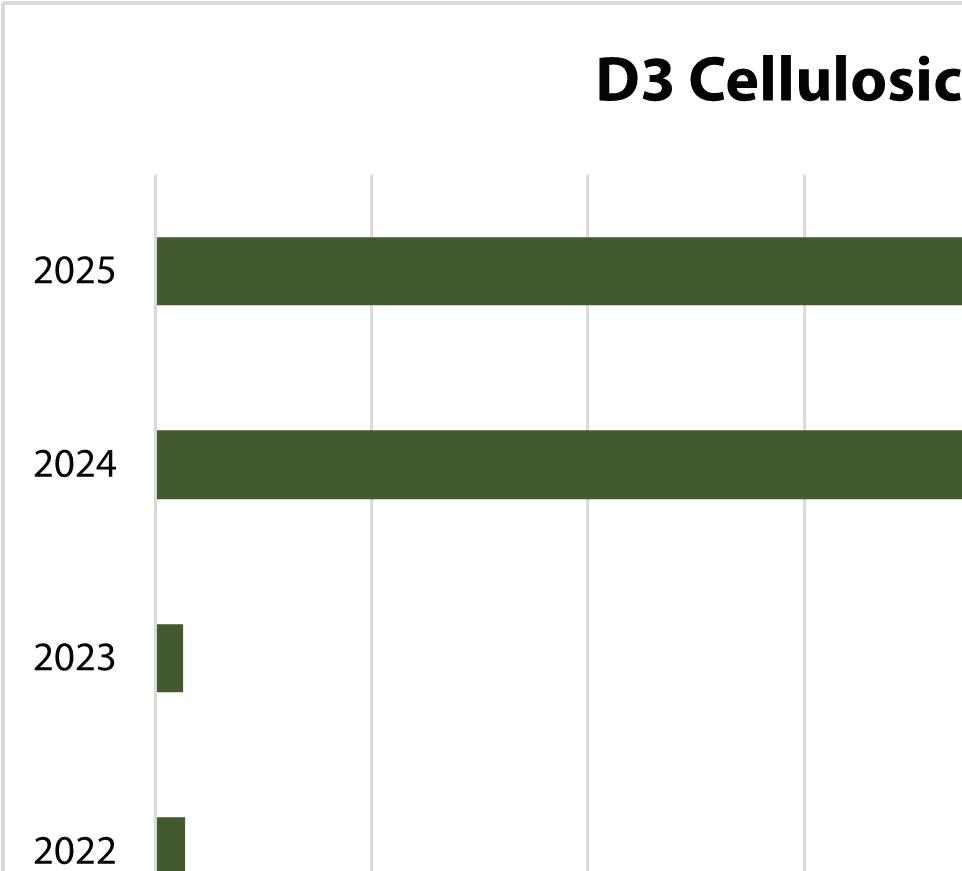
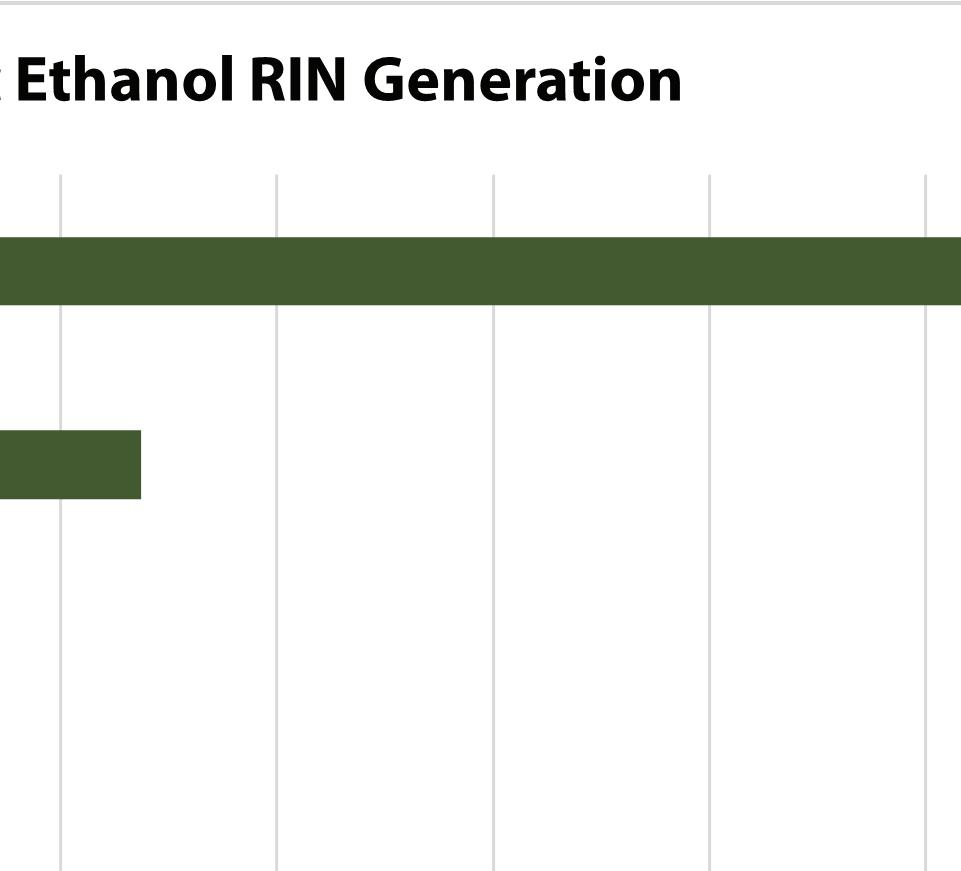
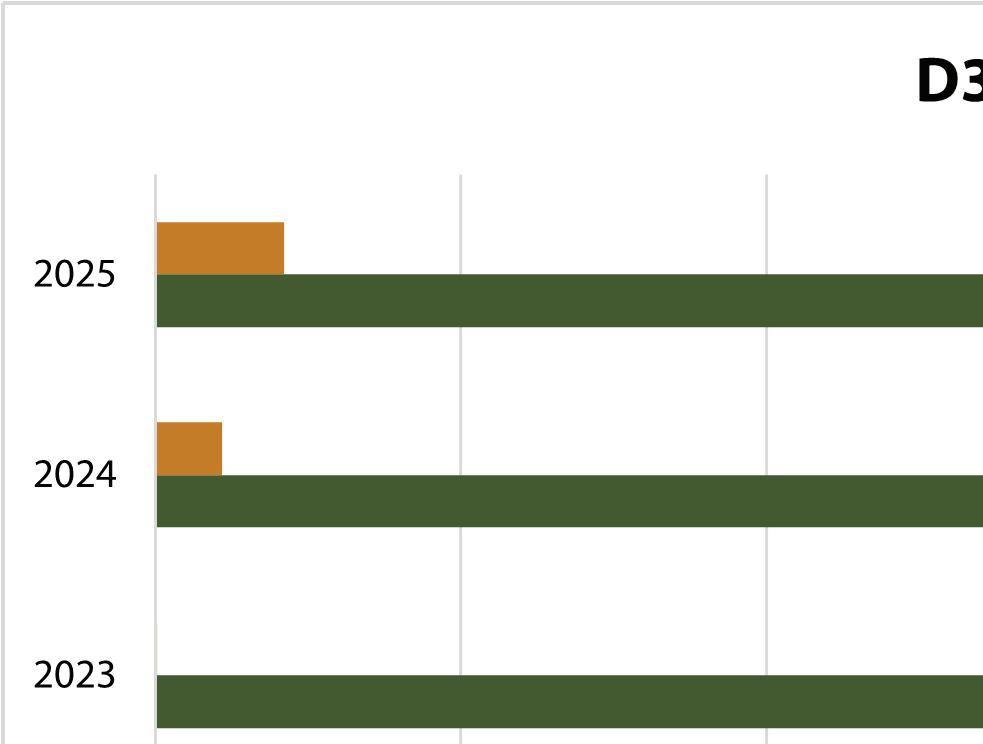
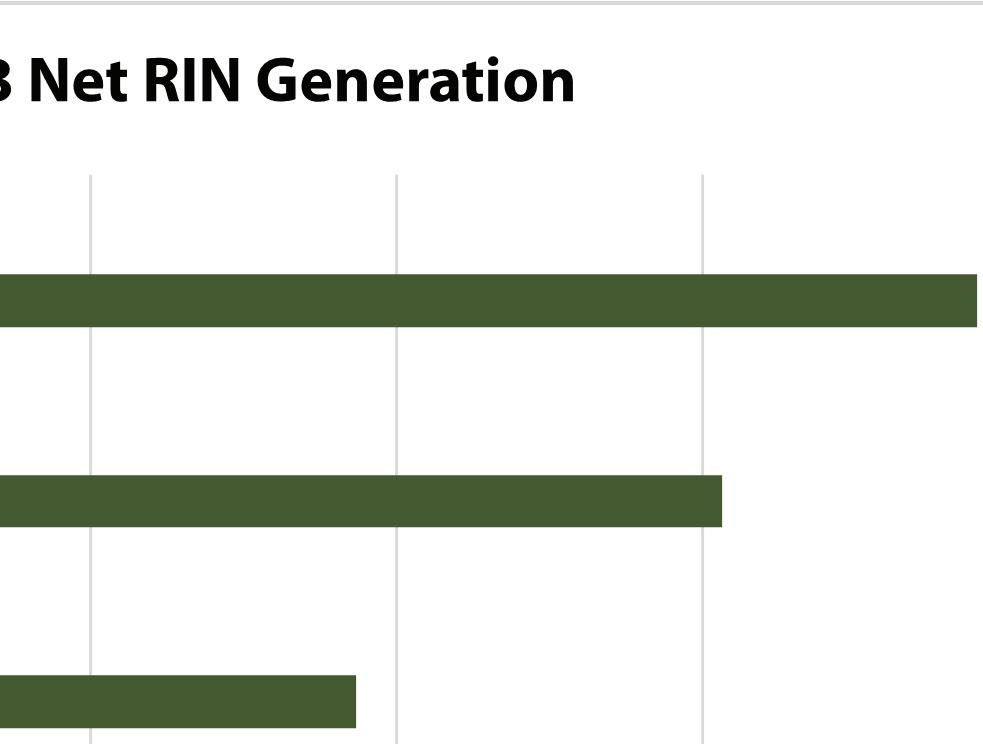
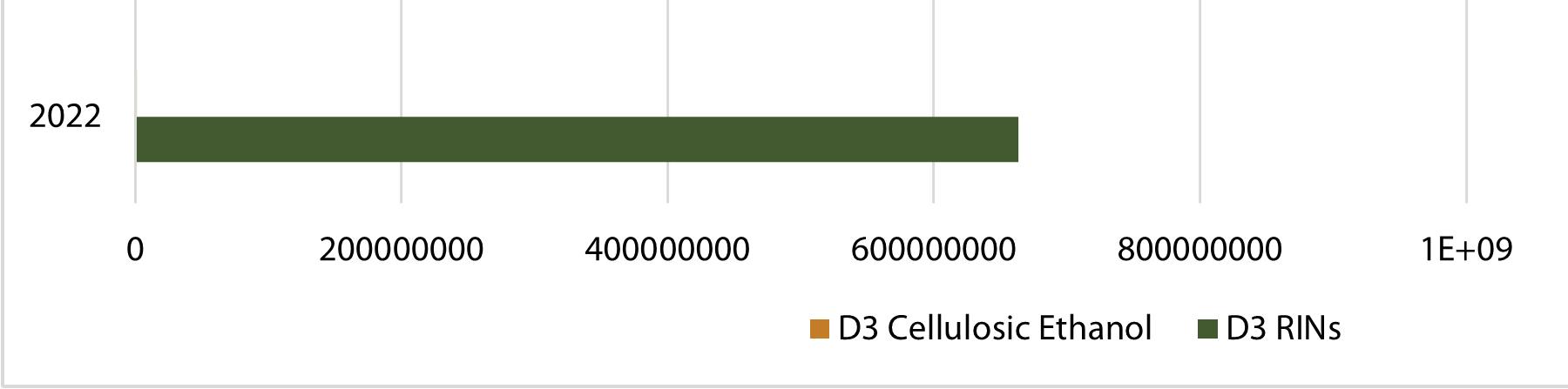
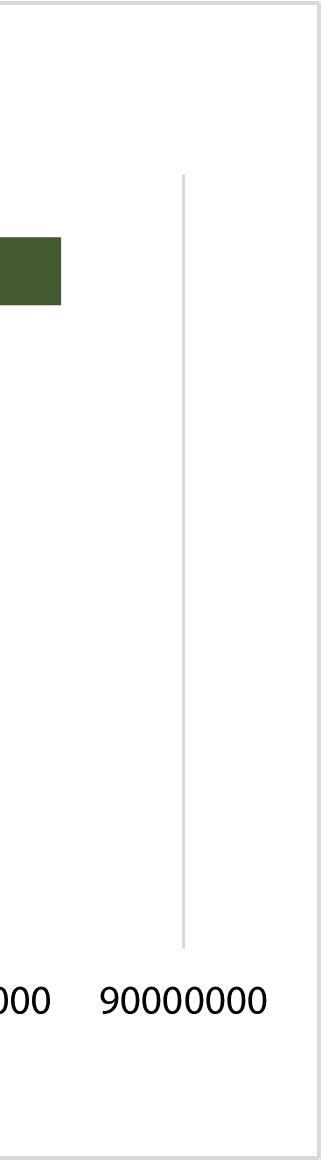
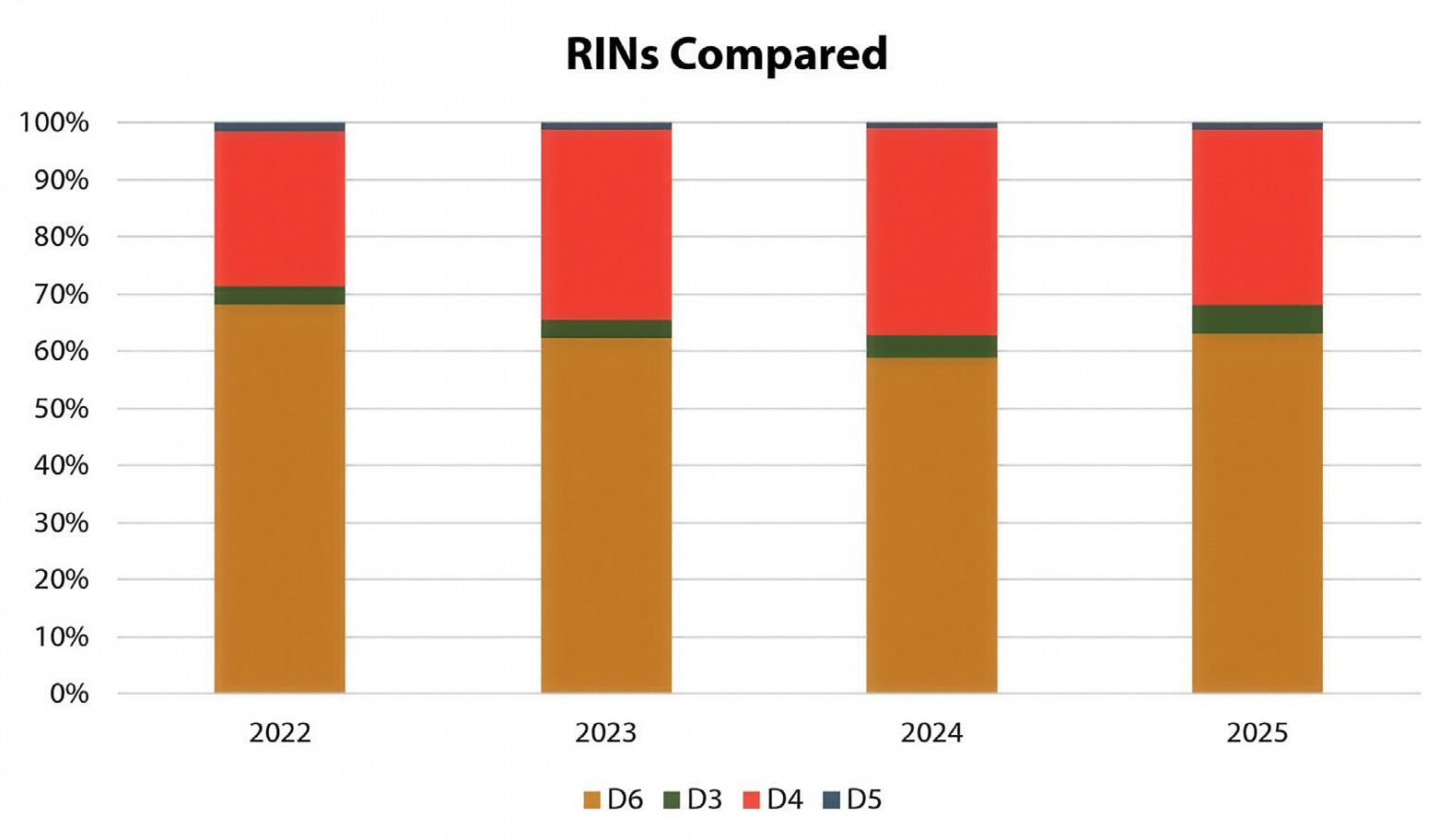
2025 RIN Breakdown
Total RINS Compared to Ethanol RINs
In 2025, 23.25 billion renewable identification numbers (RINs) were distributed under the Renewable Fuels Standard.
One standout data point included a significant increase in D3 RINs coming from cellulosic ethanol—93% over the 2024 total— likely originating from in situ corn kernel fiber production through-
Ethanol RINs Total Non-Ethanol RINs
out the ethanol industry. Noncellulosic ethanol RINs dropped by 1% compared to 2024, standing at 14.71 billion. Shifts are also evident in the other renewable fuels. Renewable
diesel generated 5.03 billion RINs in 2025, while biodiesel generated around 1.71 billion RINs. RINs for renewable diesel and biodiesel dropped by roughly 16% and 45% respectively when compared to 2024. The RINs generated from imported biodiesel and renewable diesel decreased by roughly 92% and 82% each. Biogas’ domestic presence increased, with over 1.1 billion biogas-based fuel RINs in 2025, 96% originating from domestic producers. Overall, biogas-based fuel RINs increased 13% compared to 2024.
These charts display ethanol’s standing compared to other biofuels under the RFS and highlight recent production shifts throughout the biofuels space.
In 2024, new ASTM testing standards were introduced, allowing ethanol producers to measure in situ corn kernel fiber ethanol production. Subsequently, the industry has significantly increased the volume of cellulosic ethanol it produces.
The number of D3 cellulosic ethanol RINs generated for 2025 stood at 84.36 million. However, most of the D3 RIN pool—1.06 billion—goes to domestically produced renewable natural gas (RNG).



D3 - Cellulosic Biofuel
D4 - Biobased Diesel
D5 - Advanced Biofuel
D6 - Renewable Fuel

By Susanne Retka Schill
Even as domestic consumption remains level, U.S. ethanol capacity continues to steadily expand thanks to plentiful corn, record exports and the anticipation of year-round E15, all while the industry keeps supply and demand relatively well balanced.
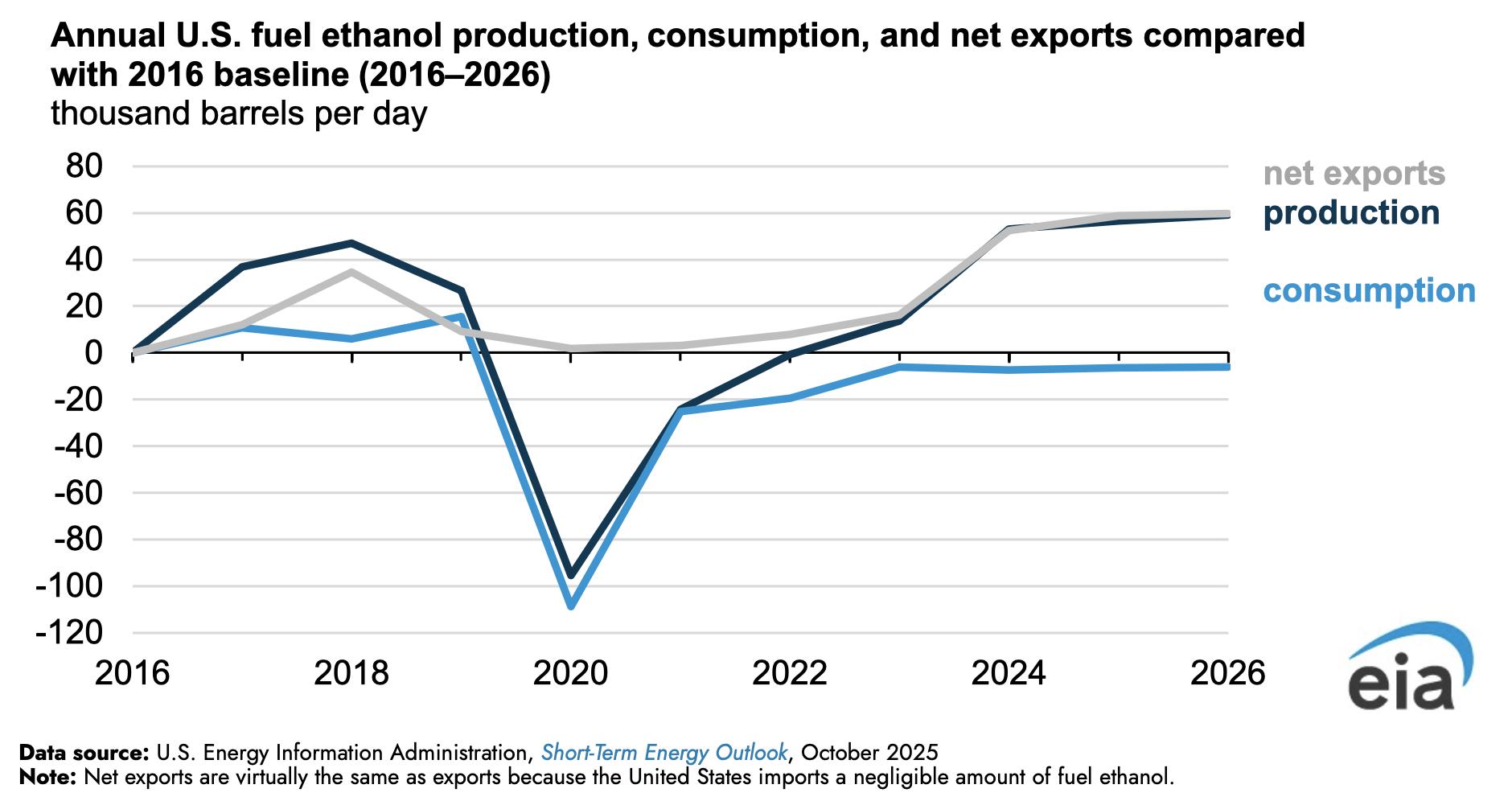
Production and use were well matched in 2024, according to U.S. Energy Information Administration data. Production topped 16.225 billion gallons while total use came in at 16.187 billion gallons, including 1.941 billion in exports. EIA reports steady capacity growth, with Jan. 1, 2023, capacity up 280 million gallons from the previous year, 2024 up 350 million gallons and 2025 up 470 million gallons from the previous year.
The growth is driven by exports rather than domestic use, the EIA reports in an Oct. 22 In-Brief Analysis. “The expansion of the fuel ethanol export market has led to a proportional increase in U.S. fuel ethanol production. This growth has pushed domestic production beyond the pre-pandemic peak in 2018, despite lower domestic consumption.”
The report cites the most recent Short-term Energy Outlook to forecast “ethanol net exports and production to remain near record highs in 2026 due to expected record corn production, in addition to the same factors driving production and exports this year. We forecast consumption to remain below pre-pandemic levels as motor gasoline consumption remains flat.”
It’s not surprising, then, that expansion and upgrades continue. Ethanol Producer Magazine checked in for progress updates on six projects reported upon in recent months that will collectively rep-
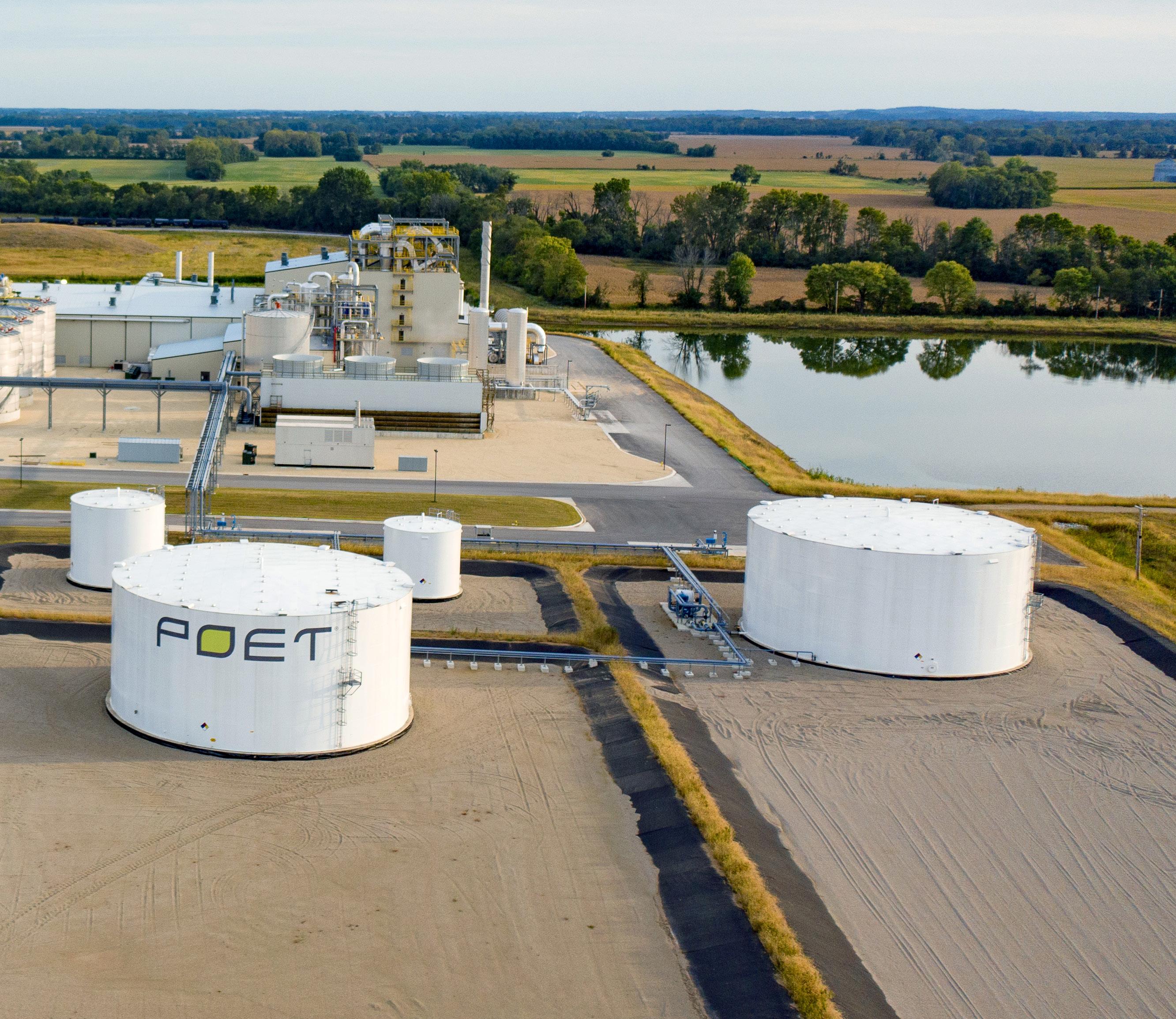
Bioprocessing-Shelbyville in Indiana is one of six plants undergoing large expansions. Its capacity doubling, to 193 MMgy, contributes to the industry expansion sum of about 200 MMgy over the next couple of years.
resent capacity expansion of approximately 200 MMgy over the next couple of years.
POET is investing $203 million to double the capacity of its facility in Shelbyville, Indiana. Construction began in March with a projected completion date of late 2027. Built just eight years ago as an 80 MMgy facility, the plant has been operating at 98 MMgy.
A POET spokesperson says, to double production to 193 MMgy, the company will be adding new process equipment and expanding key areas of the facility to handle greater volumes.
“Shelbyville is well-suited for an expansion of this size and the Shelbyville community has been supportive of the facility,” according to the spokesperson. When completed, the facility will add 20 team members and purchase 32 million additional bushels of corn,
bringing the total to 67 million bushels purchased annually from local farmers.
REX American Resources’ plant at Gibson City, Illinois, is nearing completion of its expansion project begun in 2024. “We’re currently running at 150 MMgy, progressing to 200 MMgy,” says President and CEO Steve Kelly. Two fermenters were added for a total of 11, along with additional evaporation, distillation, oil separation and drying capacities.
One Earth Energy’s carbon capture and storage (CCS) project is in the technical stage, Kelly reports, soon to move into drafting the Class VI permit. OEE’s economic analysis foresees a 44% increase in annual operations, with a projected impact to Illinois and the region through 2030—direct and indirect—of $7.2 billion in
additional economic activity, thousands of new jobs, $1.6 billion in labor income and $668 million in new tax revenues.
The Andersons announced expansion plans for its Clymers, Indiana, facility during its December 2025 investor call. The $60 million investment to expand capacity from 140 MMgy to 170 MMgy is scheduled for completion by mid-2027.
In covering the investor call, Ethanol Producer Magazine reported the company spokesperson explained that the decision to invest in the Clymers expansion project aligns with the favorable demand the company is seeing for ethanol in the U.S. and beyond. “The Andersons Clymers facility has several strategic advantages that make it ideal for an increase in capacity, including access to consistent high-quality corn,
the availability of two class I railroads, its proximity to the Chicago export market for dried distiller grains (DDGs), a nutrientrich coproduct of the ethanol production process that serves the global feed markets,” the spokesperson said. The Andersons also discussed plans to add CCS capabilities, with a Class VI well permit for a completed test progressing through the U.S. EPA’s process.
Agri-Energy LLC in Luverne, Minnesota, was on track to restart in late February. “We have hired the majority of our employees, but are still looking for two licensed boiler operators,” says David Kolsrud, principal of AE Innovation. With the purchase of the 18 MMgy plant from Gevo completed in November, AE Innovation successfully adopted the original name for the plant. The plant was idled in 2020 and
the new owners modernized the controls and DCS in preparation for restart.
“Innovation is our forte,” Kolsrud says, reporting they are evaluating four potential innovation partners. “We’re a smaller plant and can’t compete on volume, but we do have advanced capabilities, thanks to the R&D work Gevo conducted here. We have a lot of specialized equipment and are small enough that we can afford to innovate.”
When Gevo finalized the acquisition of the 67 MMgy Red Trail Energy plant in Richardton, North Dakota, in February 2025, they began looking at how to grow the business, says Gevo President and COO Chris Ryan. “It’s a great plant and is well cared for by the team. And so, it’s a natural thing to look at how to do more of it, when an operation is running really well.”
















With a goal of boosting production by 8 MMgy to 75 MMgy, the Richardton team has been optimizing the process. “Our operations crew has started going through all of the different steps in the process to identify how to push a little bit more out the plant, and they’re already making progress,” Ryan reports. Engineers are also evaluating potential capital projects to further debottleneck operations, with final plans to be announced mid-year.
Future expansion beyond the debottlenecking project is also on the table for discussion, Ryan adds. “Farmers are very supportive of our plant and are all ears when we ask if they can grow more corn. The response is very positive.” He reports farmers also are supportive of Gevo’s feedstock carbon tracking program, Verity. “We’re starting it small, adding growers as we get comfortable that the information collection and processing is working well.”
SOURCE: US ENERGY INFORMATION ADMINISTRATION



'Farmers are very supportive of our plant and are all ears when we ask if they can grow more corn. The response is very positive.'
- Chris Ryan President and COO, Gevo
Expanding carbon sequestration is another possibility for Gevo North Dakota, Ryan reports. The Richardton facility began CCS in 2022. “Experts estimate we could sequester much more CO2 than we are today,” Ryan says. “We’re talking to third parties about potentially sequestering their CO2.”
Project development continues on Gevo’s planned 30 MMgy alcohol-to-jet facility at Richardton, dubbed Project Northstar. “We expect to have the engineering advanced enough to have a really good sense of what the capital costs will be by mid-year,” Ryan
says. “Then we’ll go out for financing. Our target is to have this project financed by the end of 2026.”
In a recent investor call, the company said it expects the ATJ30 installed capital investment to total just over $500 million, for which it is pursuing U.S. Department of Energy and project-level financing. Gevo also announced that founder Patrick Gruber would move to the executive chair in April with President Paul Bloom assuming the CEO position.
Acquiring South Bend Ethanol in mid-2023, Verbio North America announced plans for a $230 million project to integrate RNG production. Verbio received approval for its expansion plan from the City of South Bend in April 2024 and broke ground the following month on the foundations for eight anaerobic digesters.
Commercial production of RNG was initially projected to begin in 2026, but a company spokesperson says the commissioning of the combined production has been postponed. When completed, the conversion project will enable the biorefinery to produce 2.8 billion cubic feet of RNG alongside 85 MMgy of corn ethanol annually.
In its 2024-’25 annual report, Verbio said the company is continuing to invest in the South Bend facility on a progressive basis. “The process of converting the plant to a combined ethanol and biomethane production plant has begun, and will be implemented
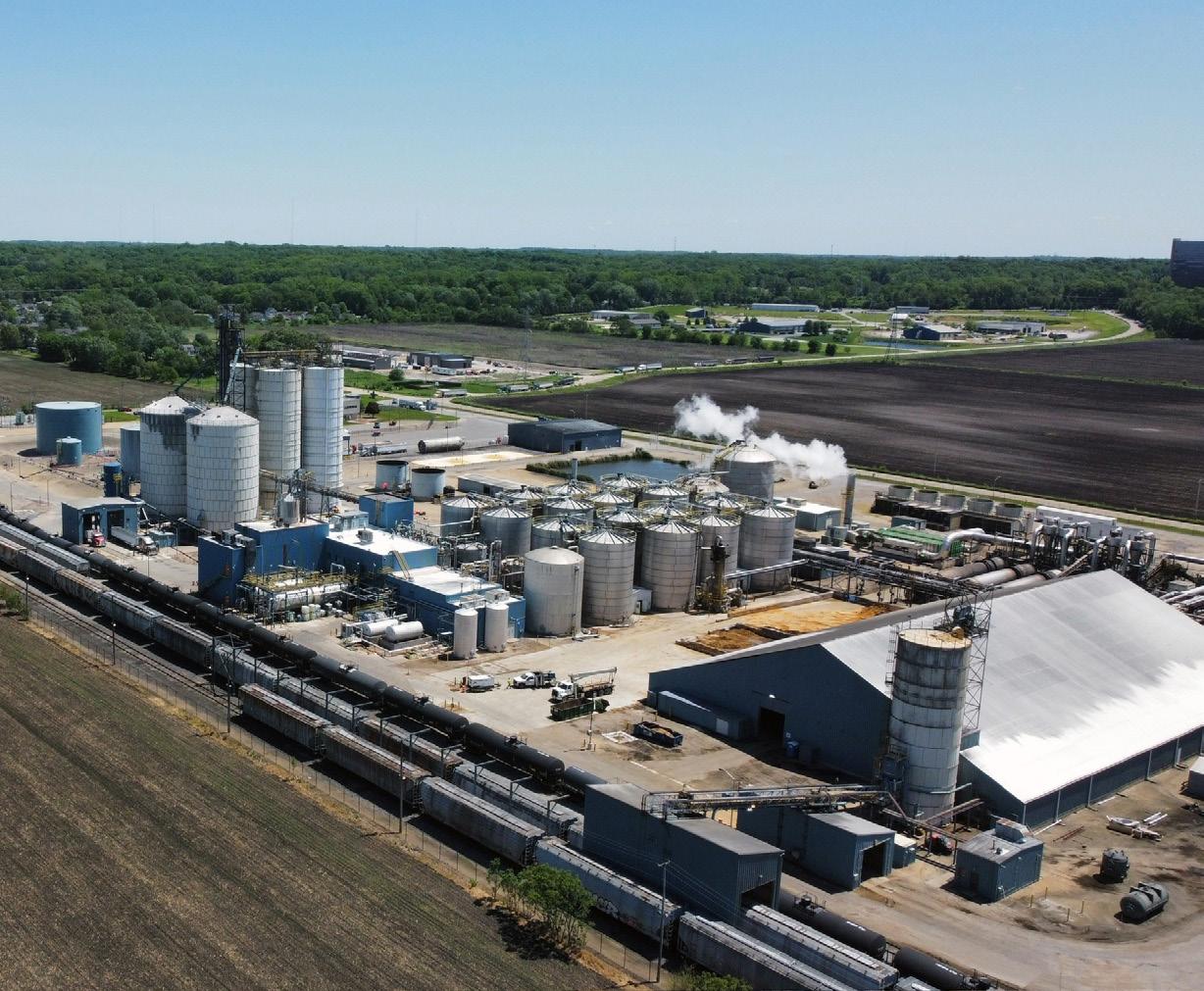
AROUND THE BEND: South Bend Ethanol, owned by Verbio North America, has been upgraded and expanded multiple times since it was originally built in the 1980s. An RNG element scheduled for operation in 2026 has been postponed.
PHOTO: VERBIO NORTH AMERICA
on a step-by-step basis,” Verbio said in its report. “In the mediumterm, this will not only result in an increase in production capacity, but will also make it possible to achieve synergy effects and efficiency gains.”
According to its website, “Verbio has developed the technology to produce RNG from pure cellulosic material, such as the agricultural feedstocks of corn stover or wheat straw.” The RNG is purified and injected into the natural gas distribution grid on site.
The integrated process also generates humus and organic fertilizers as coproducts. Verbio has developed “a unique technology to convert thin stillage, a byproduct of bioethanol production into biomethane and a residual ammonium sulfate fertilizer solution.”
As previously covered in depth by Ethanol Producer Magazine, Verbio began producing both ethanol and RNG at its Nevada, Iowa, plant nearly two years ago. The Nevada facility has a 60 MMgy capacity for corn ethanol, along with 2.3 MMbtu of renewable natural gas, consuming up to 100,000 tons of unused corn stover locally. “Verbio is now offering two liquid fertilizers (ASL and NPK) for retail as well as stover and ethanol humus products.”
Author: Susanne Retka Schill writer@bbiinternational.com







Babies cry when something’s wrong. Loudly
But how can your yeast get attention?
Say it’s not got the right nutrition? Or there’s an infection starting? How long before you know?
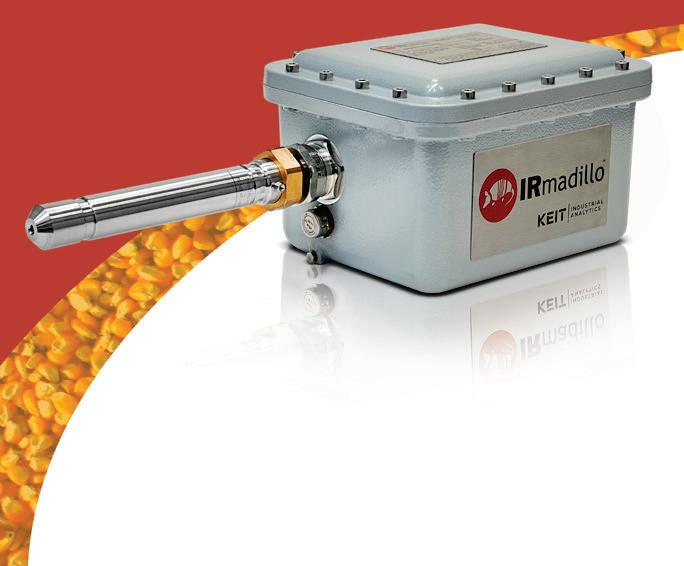
Well now yeast can trust in the IRmadillo™ IRmadillo measures the concentrations of multiple chemicals. Simultaneously. In real time. Sugars, acids, oxygen, FAN, PAN and more.
And if you always know exactly what’s going on in the ferm, out goes the guesswork.
And in comes immediate action to make your yeast happy again.
If only there was something similar for babies.
Scan the QR code to find out more.



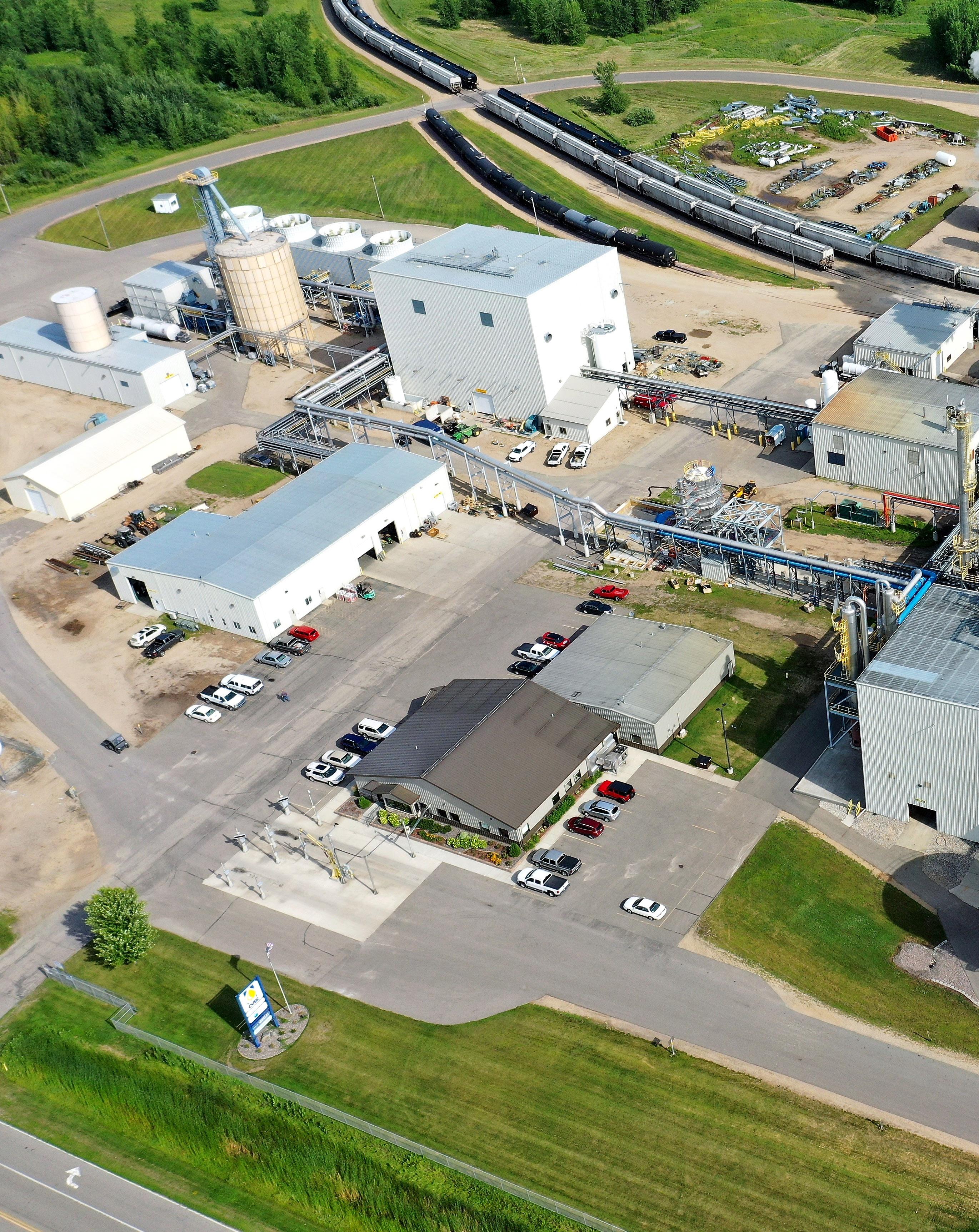
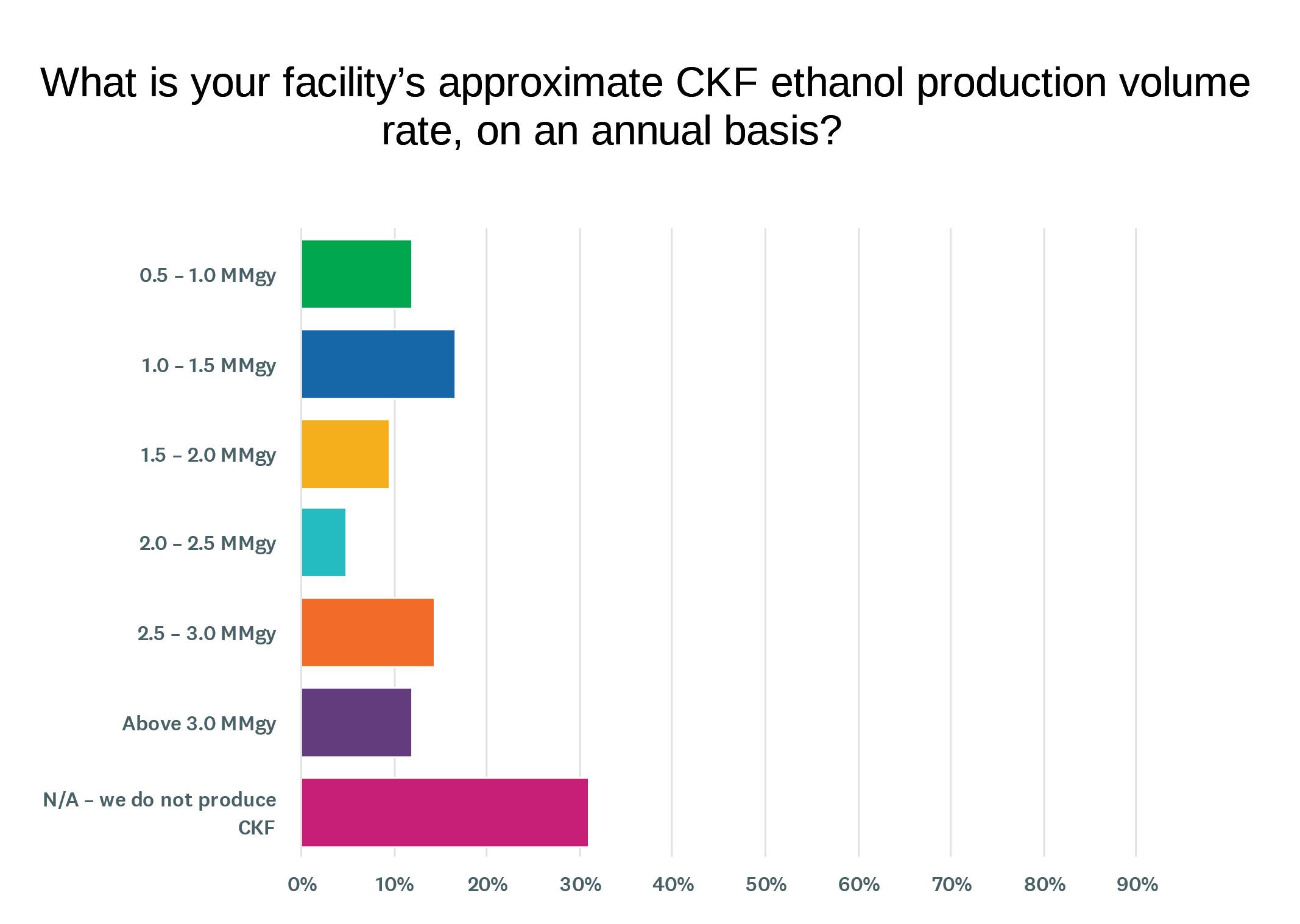
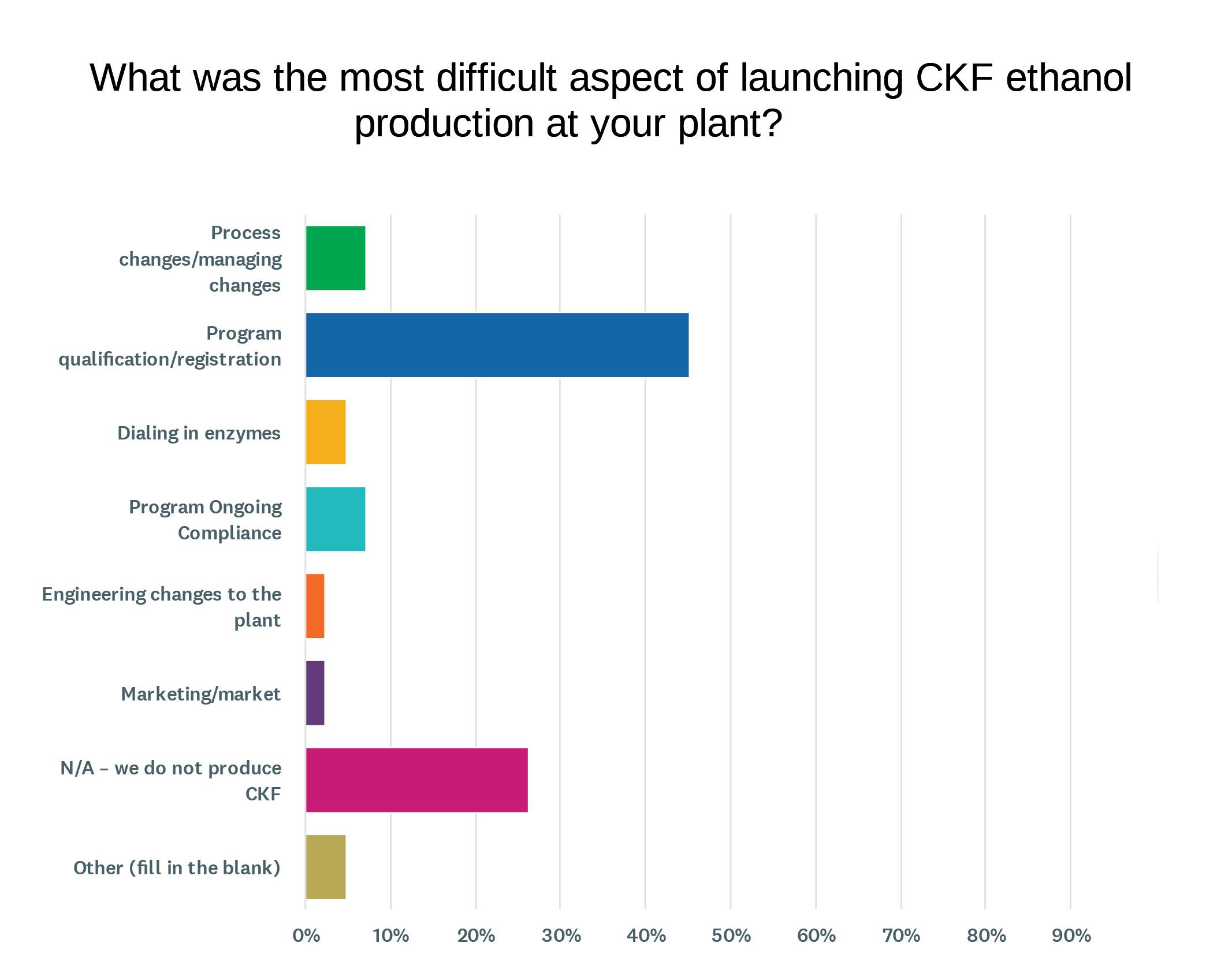
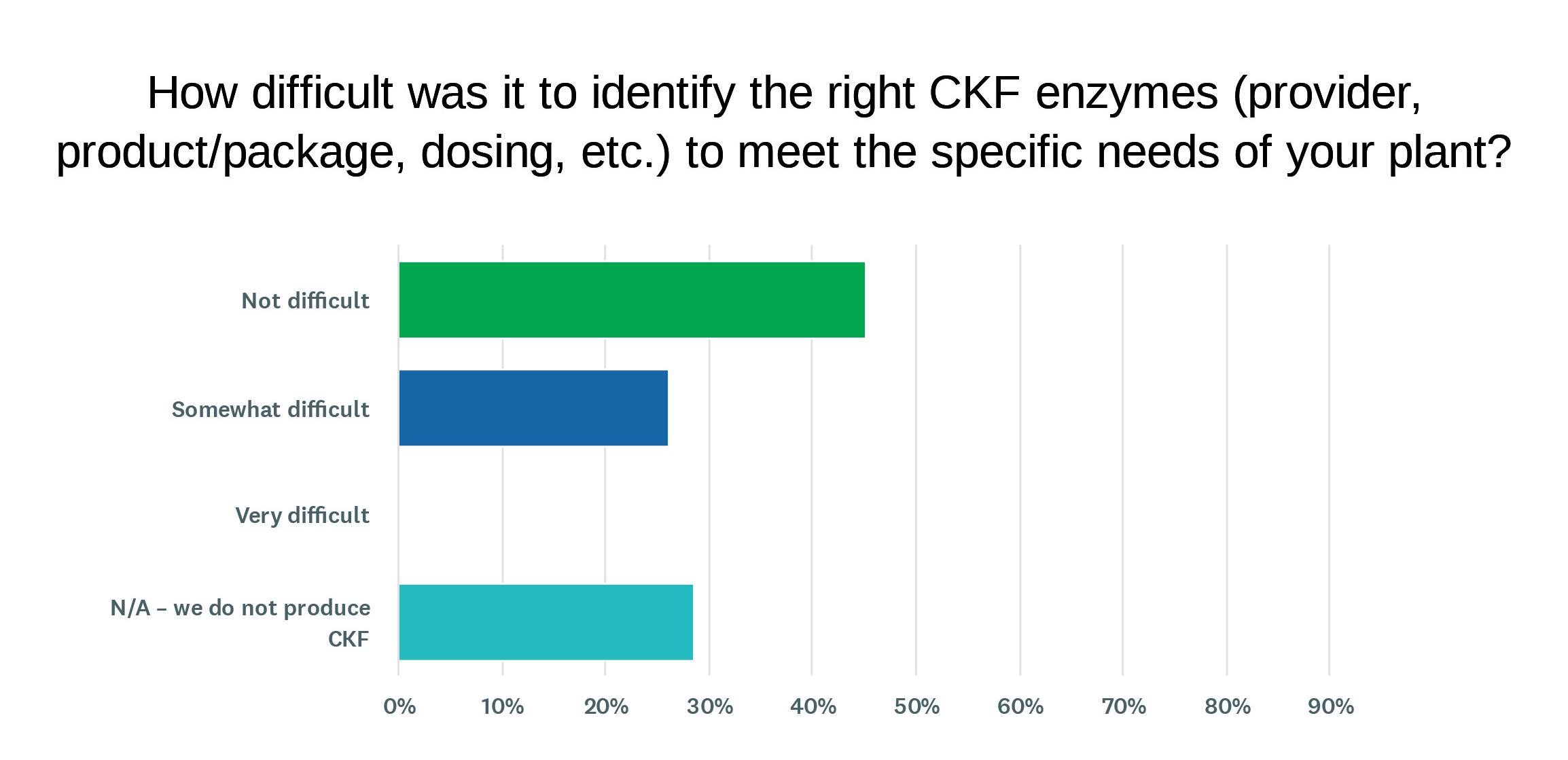
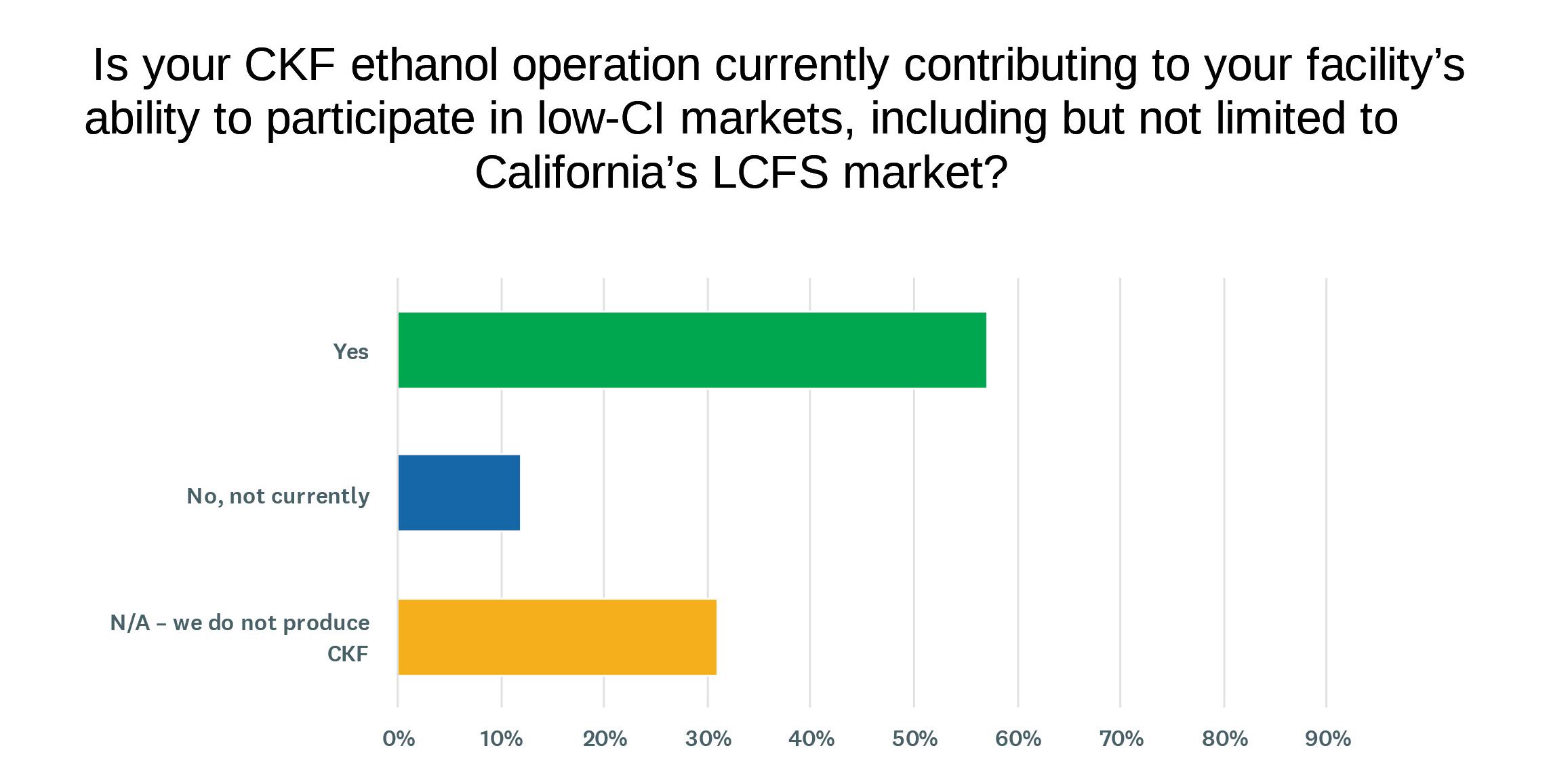
A recent industry survey provides a snapshot of the corn kernel fiber production segment, including factors in decision-making, operational details, production volumes and more.
By Lisa Gibson
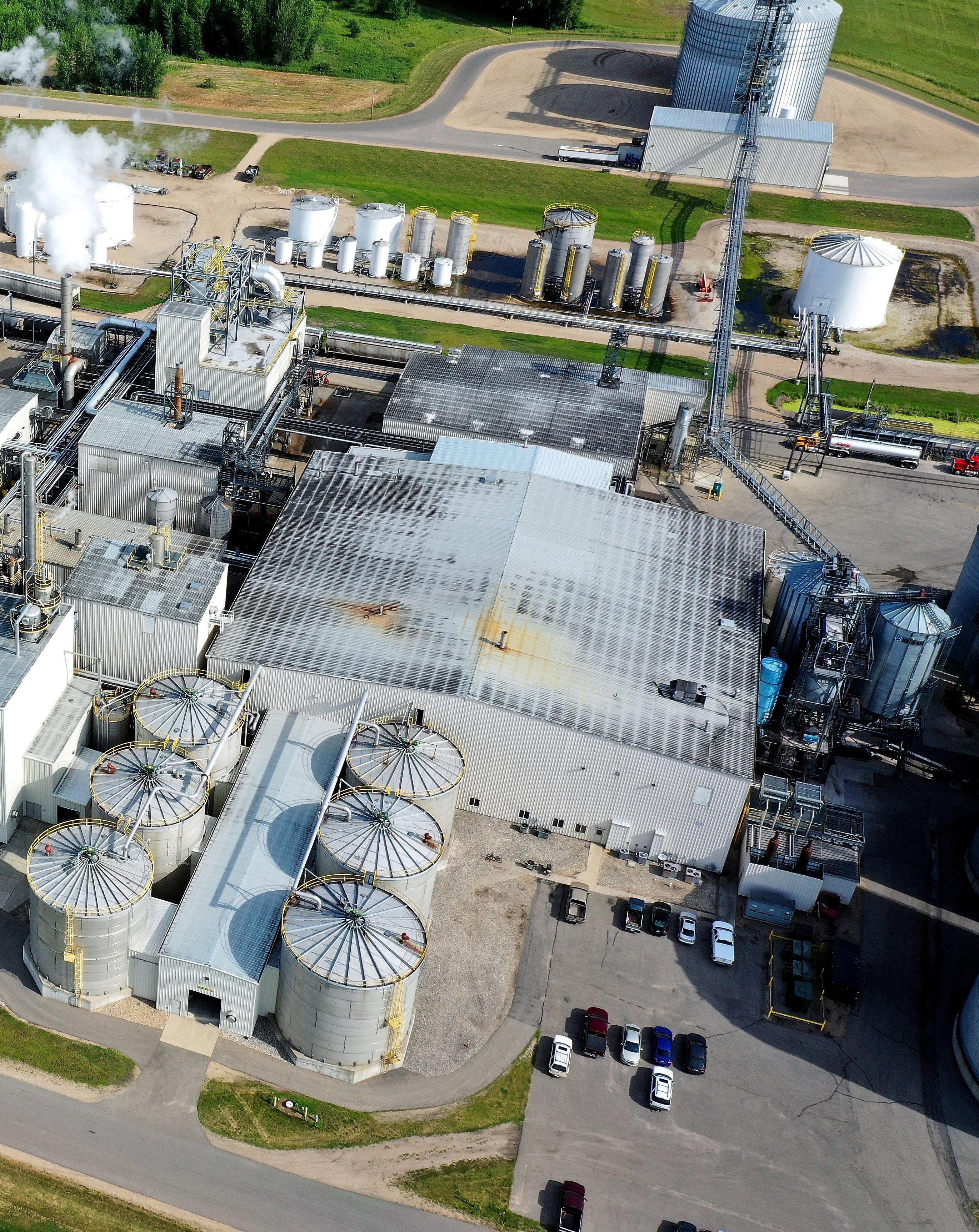

Adequate RIN prices, better market economics and rising demand for low-CI biofuel are driving the increased production of cellulosic ethanol from corn kernel fiber among U.S. ethanol producers, according to an industry survey launched by Ethanol Producer Magazine earlier this year.
The survey netted 42 respondents, 29 of which are producing ethanol from CKF and 24 currently generating D3 RINs. Four more respondents say they are actively working to establish CKF ethanol production.
As CKF grows in popularity, U.S. producers are paying attention. The D3 RIN prices in March were around $2.45, compared with corn ethanol D6 RINs at $0.70. The fuel also generates a lower CI score, as CKF is considered a non-starch component of corn. And that lower CI score provides favorability in low-CI markets, like in California, under the state’s Low Carbon Fuel Standard.
Most CKF ethanol producers (16 of 29) began—and often suspended— production years ago (2023 or earlier); 9 started in 2024 and 4 began in 2025. Thirteen say adding CKF ethanol production required no plant alterations, 11 say very few alterations and 5 say moderate alterations. No respondents reported that CKF ethanol production required significant alterations to their plants.
While production incentives and market economics led the original charge to produce CKF ethanol, the latest surge is directly linked to new test methods for measuring CKF volumes. Producers also cite the following factors: coproduct benefits, improved enzymes, third-party lab and engineering support, and engagement in sustainable aviation fuel markets.
Fourteen producers report higher extractable oil potential, and 10 report a beneficial glucose and starch ethanol bump.
Of those not producing CKF ethanol, reasons include: policy uncertainty (4 of 13); cost of enzymes (3 of 13); downstream process and coproduct changes (3 of 13); and two or fewer respondents cite inability to meet EPA requirements, burden of registration, burden of compliance, complexity of markets or feedstock issues. One respondent writes, “We were never able to demonstrate in the lab or in the plant the extra ethanol quantity that was produced with these enzymes. Also, the syrup viscosity increase was too high to be manageable without energy penalty.”
Of the 42 respondents, 24 say they are evaluating new products and technologies to boost CKF output. Four of those are not producing CKF ethanol currently. These insights provide a snapshot of a production segment garnering positive attention despite policy uncertainty.
'Fourteen producers report higher extractable oil potential, and 10 report a beneficial glucose and starch ethanol bump.'
Fluid Quip Mechanical (FQM) delivers full mechanical support for ethanol plants, from field service to preventative maintenance planning.
99% uptime from our reliability team’s operations managers. 24/7 service from Fluid Quip–trained technicians and skilled tradespeople. Always ready to keep you online
Midwest-based warehouse stocked with OEM parts and next-day delivery*. When downtime occurs, we respond quickly
*In most cases
Your partner in plant uptime.

















From work to reconnect with China to new export destinations around the world, the global opportunity for U.S. ethanol and DDGS is unlike ever before.
By Luke Geiver
A new investigation led by the Office of the U.S. Trade Representative could validate appeals for the resumption of U.S. ethanol and DDGS exports to China.
The USTR is under the leadership of the White House Administration and negotiates directly with foreign governments to create trade agreements or resolve disputes. In October 2025, USTR officials announced plans to begin examining a 2019 agreement between the U.S. and China formed under the Trump Administration. The agreement, known as the China Phase One Agreement, required China to purchase roughly $200 billion in U.S. goods over 2017 levels by 2021. To date, China has not fulfilled its Phase One agreement obligations.

Following the USTR’s initial announcement of its investigation into China’s failure to comply with the Phase One Agreement metrics, a hearing was held to gather input from organizations, businesses and industries impacted by the non-realization of Phase One. Ethanol is included in the impacted industries.
Geoff Cooper, Renewable Fuels Association President and CEO, represented the ethanol industry at the USTR hearing in December 2025. Cooper outlined the impact on the ethanol industry of China’s reluctance to meet the Phase One numbers. He also provided a clear context of China’s role in U.S. ethanol and DDGS exports for several years before 2022, when the country essentially stopped all U.S. ethanol and DDGS imports.
“China’s failure to fully implement the Phase One Agreement has resulted in lost market opportunities and significant financial losses for U.S. ethanol producers, and the farmers who supply grain to our member companies,” Cooper told the USTR committee in December 2025.
China had agreed to buy an added $32 billion of agricultural products in 2020 and 2021, while also making changes to policies (such as tariffs) that were stopping U.S. products from accessing the Chinese market, Cooper explained. Both ethanol and DDGS were included as products that could be used to fulfill those added purchase requirements in the Phase One Agreement.
As Cooper told the USTR committee, China was once the top export market for U.S. distillers grains and among the top destina-
tions for U.S. ethanol. In 2016, for example, China imported nearly 200 million gallons of ethanol at a value of $313 million. By raising tariff rates from 5% to 30% on U.S. fuel the following year, export volumes of U.S. ethanol dropped by more than 70%. In 2020 and 2021 combined, Cooper said, China only imported 84 million gallons of ethanol.
To sum up the state of U.S. ethanol and DDGS export opportunities to China, Cooper described the current scenario bluntly. “What was once a 200-million-gallon-per-year market, and growing and showing promise, has now become a shuttered market with no prospects for future opportunity, all because China has abandoned its commitments under the Phase One Agreement.”
The USTR has said it can use the testimony provided for its investigation into China’s Phase One Agreement shortcomings as a basis to take action. It’s unclear what those actions might be. At press time, the USTR had not moved to act or offered solutions to kickstart Phase One. Subsequent phases two and three are stalled. Industry representatives speculated that action could include reciprocal tariffs or trade hurdles on products that China imports to the U.S. Some of those products included lithium.
Meanwhile, China has also failed to implement a countrywide E10 mandate first announced almost 10 years ago. In 2020, the USDA Foreign Agriculture Service issued an update report stating that China had unofficially abandoned plans to mandate E10 use across the country. Since then, little has changed. An updated USDA

'What was once a 200-million-gallonper-year market, and growing and showing promise, has now become a shuttered market with no prospects for future opportunity...'
- Goeff Cooper President and CEO, Renewable Fuels Association
FAS report from 2025 shows that 15 provinces have mandated E10. The same report shows that China is currently producing and using roughly 1.1 billion gallons of ethanol per year.
China’s stance on ethanol is now also linked to what the USDA FAS states could be a longer-term plan of energy use that is pivoting more toward electrification. That plan may also be based little on ethanol’s
ability to play a role in decarbonization and more on other factors more closely connected to political rationale.
The first real sign that China is interested in importing ethanol from any country in the past few years came on May 13, 2025. China signed an ethanol cooperation agreement with Brazil to expand Brazilian imports into China. The agreement, between Brazil’s Energy Minister and China’s

National Energy Administration, also extends beyond traditional ethanol fuel and goes into SAF, marine alternatives and bioplastics.
Although the market opportunity for U.S. ethanol and DDGS producers serving China is large but still unclear, export options around the globe are at record levels.
Chris Bliley, senior vice president of regulatory affairs for Growth Energy, says ethanol exports in 2025 reached record levels. “The U.S. exported roughly 2.18 billion gallons at a value of nearly $5 billion,” he says.
The numbers over consecutive years continue to show how strong exports have been and the opportunity the rest of the world, outside of China, represents.
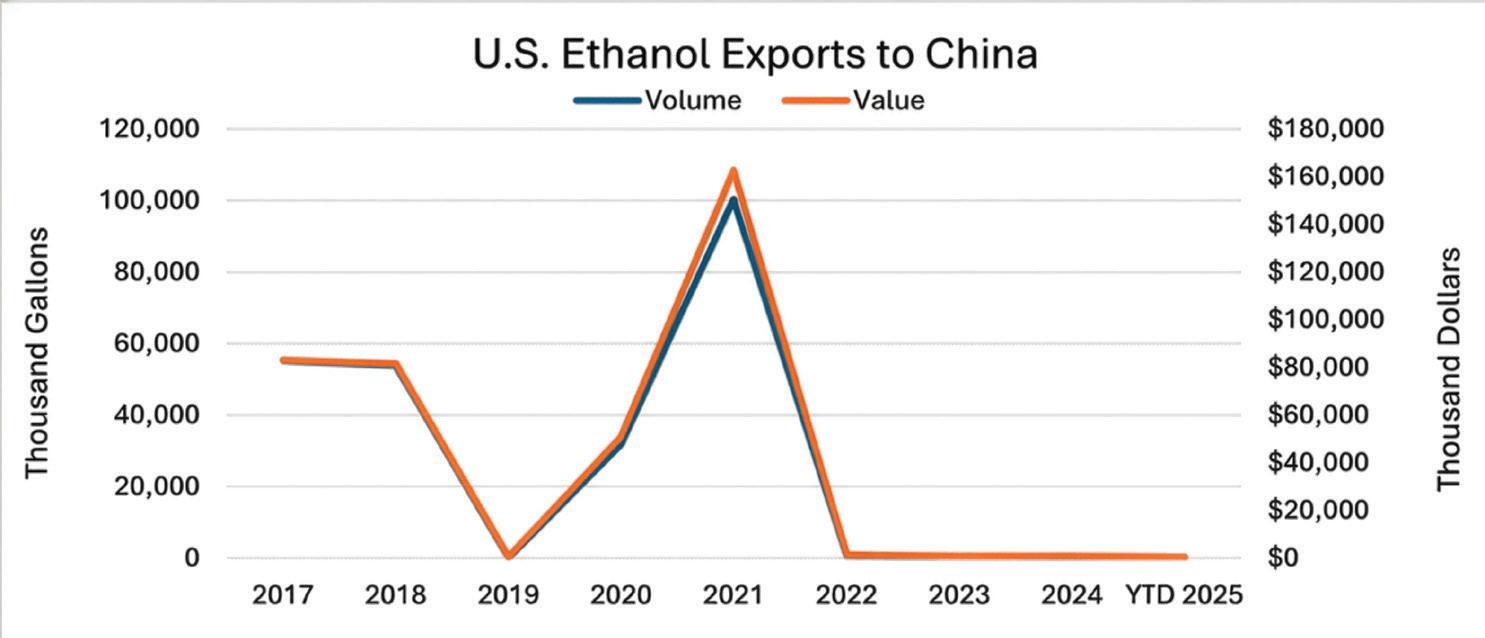
SOURCE: RENEWABLE FUELS ASSOCIATION
“The thing that has helped ethanol is that a lot of countries are looking for a solution on consumer savings and air quality and also broadening or diversifying their energy supply,” Bliley says.
Alicia Koch, director of global ethanol export development for the U.S. Grains &

BioProducts Council, says ethanol exports are up 7.3% from the previous year and positive tailwinds are pushing numbers in 2026.
One of the biggest factors driving export volumes is carbon intensity, Koch says. “There is a significant number of countries
BCI equipment is built to last, one piece at a time, by a team that still believes quality matters.
From custom design, to fabrication, to service & support...
BCI is Elevating Conveying Standards
• Chain Conveyors
• Bucket Elevators
• Parts & Accessories for all makes/models of conveying equipment
Over 200 Years of Combined Experience. Made in the USA.

that value CI score and will pay a premium for fuel that delivers a lower CI score,” she says.
Bliley and Growth Energy have another major thing in common with Koch and her team at USGBC: they travel the globe promoting ethanol. Last year, Bliley was instrumental in establishing an ethanol export framework with the United Kingdom. The USGBC has offices around the world to maintain a presence, understand the pulse surrounding ethanol and help promote its use.
The main importers of U.S. ethanol continue to be Canada, the European Union, India, the UK and Colombia. But Bliley is particularly enthused with opportunities in new countries. “We are seeing announcements being made in markets now that we haven’t even talked about in years past,” he says.
Bliley cites Vietnam, Indonesia and the UK as examples. In the UK, Growth Energy helped create a tariff rate quota for ethanol allowing 370 million gallons of ethanol

imported from the U.S. into the UK tariff free, he explains.
Koch cites several examples of countries that have upped their imports thanks to the work of USGBC. Nigeria is up
70% year over year. In Vietnam, large E10 blending facilities came online this year and helped increase the need for imports. In Guatemala, E10 has been used countrywide since June 2025 and, according to Koch, the
country is going to purchase a minimum of 50 million gallons of ethanol per year moving forward. Other Latin America countries are also increasing ethanol exports, including Honduras and Colombia.
A lot of the increase is linked to climate targets, she says.
Guatemala actually produces and exports ethanol to other markets, but imports U.S. ethanol to backfill its own internal needs.
Japan has announced a plan to implement E10 by 2030, creating a 1.2-billiongallon market. By 2040, Japan also intends to mandate an E20 blend. USGBC has an office there and will remain instrumental in the country’s ethanol future.
Exports are also rising as a result of new interest around the globe in sustainable aviation fuel and maritime fuel.
Despite China’s absence from the list of ethanol export destinations for U.S. producers, Bliley and Koch both say they see several countries, from Canada to Japan to Indonesia and into Latin America, talking about using higher ethanol blends.
Bliley says the role for his team and others linked to the success of American ethanol is as clear as ever. “We need to make sure other countries get their rules right and that the way they measure ethanol is fair and accurate,” he says.
Koch is extremely positive about the current state of ethanol exports. “We are going to continue to see a lot of big things come online,” she adds. “Sometimes it takes years to get programs online and the work

of long-term relationships to bear out, but in the end it is worth it.”
Bliley says the success of the U.S. in expanding export volumes is primed to continue as well, regardless of China’s appetite. “Our producers continue to be the most competitive in the world,” he says. “We can compete in a lot of markets.”
Author: Luke Geiver writer@bbiinternational.com
Revolu onizing yeast fermenta on in the ethanol industry


Environmentally friendly chlorine dioxide technology propelling ethanol produc on towards unmatched efficiency.

With a vision of bacteria control challenges gone for good, S ngerTM Gel offers a proven, safer, highly effec ve, and an bio c-free solu on to control bacteria in yeast fermenta on while addressing the issues of current chlorine dioxide products. That means safe, stable, and high-performing ethanol produc on.
• Gel is easy to spot if leaked or spilled
• Very long drying me, minimizing cleanup and safety concerns
• Superior performance over an bio cs
• Faster fermenta on rate (counts, budding, viability)
• Lower CI Score

The National Corn-to-Ethanol Research Center has appointed Praveen Vadlani to lead it into a new era.
By Luke Geiver
The National Corn-to-Ethanol Research Center has named a new executive director: Praveen Vadlani, an accomplished bio-expert with research and commercialization experience across biofuels, biomanufacturing and sustainable chemicals.
“I’m excited to be part of NCERC’s vision to enable the dawn of the new sustainable bioeconomy,” Vadlani says.
NCERC—a 23-year-old innovation research hub operated by Southern Illinois University Edwardsville—has a vision it shares with Vadlani, rooted in the new reality of ethanol. “The industry today is very unique because all of the products that come out of the fermenter have value now,” he says.
The combination of artificial intelligence with ongoing improvements in fermentation, distillation, yeast and enzyme strains, along with other major areas crucial to ethanol production, means NCERC’s role in the future of ethanol has never been more important, Vadlani says.
Vadlani’s career experience reads more like a highlight reel than a resume. It also backs up his belief that he’s tailor-made to help
maintain or expand the success of NCERC in the new world of ethanol.
To date, he’s spent time as a chemical engineer, worked in the pharmaceutical industry and held research officer roles. He’s worked on and around biofermenters and developed products from various biomass feedstocks. At Kansas State University, Vadlani focused on grain science, renewable energy and bioprocessing systems. His areas of interest while in Kansas centered on the development of value-added products from DDGS, evaluating cereal grains for ethanol production, bioprocessing optimizations and more.
At Texas A&M University, he worked in the department of chemical engineering and spent time helping run a biomass pilot plant. He’s authored more than 100 scholarly pieces on biofuels and bioproducts research. Vadlani has been on review panels for the USDA. He currently holds a PhD and his MBA proves that he has business and industrial experience outside the lab.
With ethanol producers like Abengoa, Vadlani has helped improve multiple operational strategies. With start-ups, he’s done nearly everything. “At my time with a start-up previously, one day I would clean glassware and the next I might be presenting to the board,” he says.

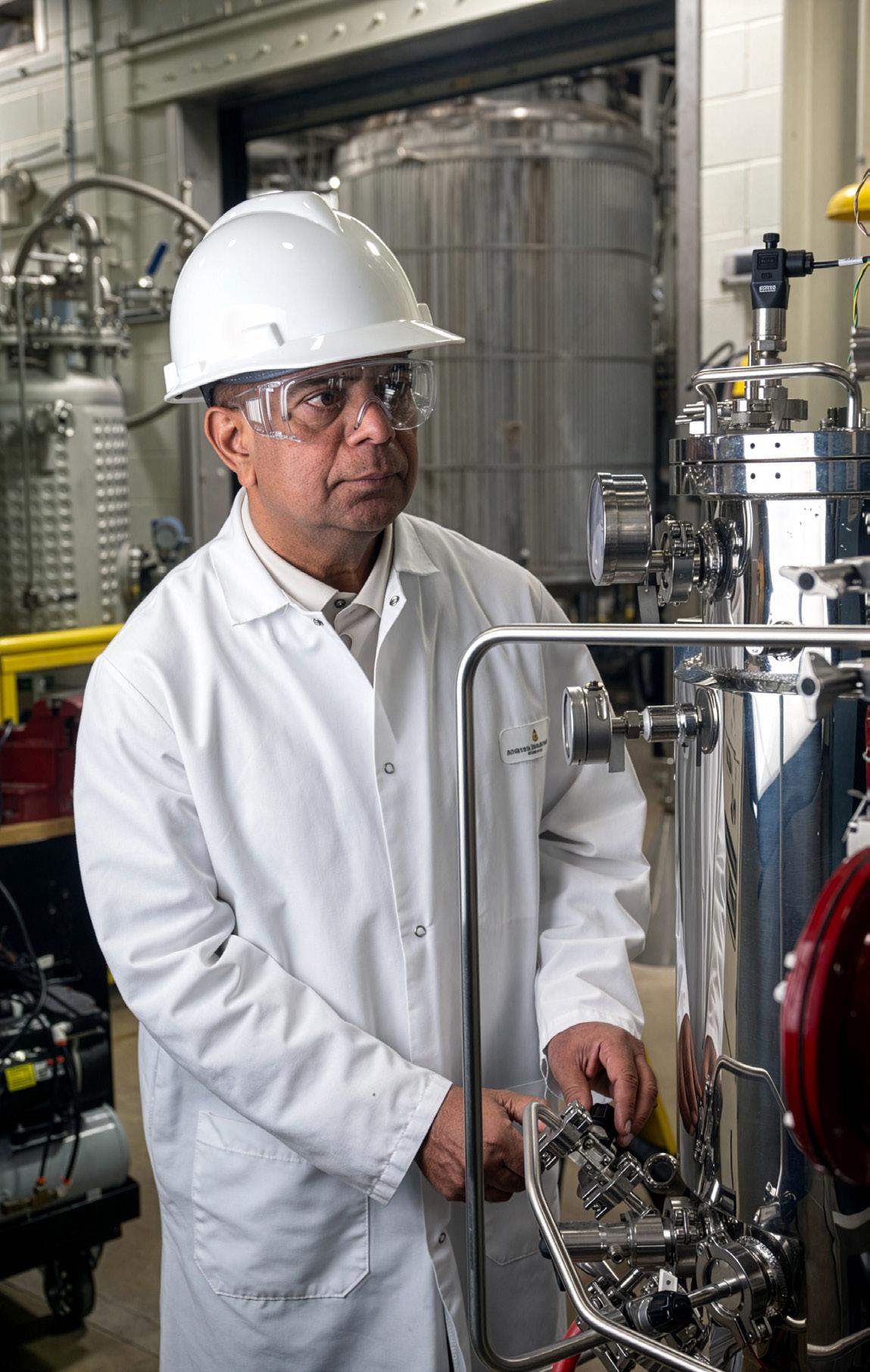

While discussing his work experience and unique qualifications to lead NCERC, Vadlani never comes across as boastful. Instead, a true sense of passion comes through in the way he talks about past projects. He’s always smiling. It’s difficult not to get caught up in his excitement for the future of ethanol and NCERC. His new role is “a great convergence of experience,” he says.
“I understand how it can all work together to help producers and other NCERC partners.”
The greater Southern Illinois University Edwardsville team says Vadlani’s vision for NCERC aligns well with the current ethanol enterprise landscape. The industry is pushing toward integrated bioprocessing, technology-enabled manufacturing and diversification of higher-value bioproducts.
“His agenda emphasizes development of cost-effective manufacturing equipment, bioreactor engineering and automation and AI-enabled process control capabilities that support NCERC’s role as an innovation engine for industry partners, and of course, continuing the work of cornto-ethanol specifically,” said SIUE in its January announcement of Vad
lani’s appointment.
According to Vadlani, NCERC will continue to be the prominent research center for corn-to-ethanol work, expanding its scope to meet the value-added opportunities in fermentation.



'We want to do everything we can to be the team in the ethanol industry or other large bioprocessing industries that people want to work with.'
- Praveen Vadlani Executive Director, National Corn-to-Ethanol Research Center
Despite the fact that ethanol fermentation improvements seem to exist in small, incremental improvement percentages in today’s production environment, Vadlani will never stop exploring and executing new fermentation strategies, he says.
“The industry is really mature in fermentation, but any fermentation is a strong function of the microbial system you use,” Vadlani says. “There are whole pathways that are being redesigned.

We can help fine-tune the whole process. There is still a lot of improvement [with fermentation] to be made.”
Working with Siemens, an industrial fermentation sponsor of NCERC, the team has already begun developing AI-enabled process control set-ups that will illustrate how NCERC is expanding precision fermentation and biomanufacturing optionality. The research center is also installing a new fermentation suite that can be used to test and make new dedicated bioproducts.
Vadlani also wants to work with partners to evaluate separation strategies. NCERC is already set up to help partners tweak enzymes or yeast strains and conduct some strain engineering. Validation work on fermentation or separations will also continue to be a staple service of NCERC. Plants that need pilot-scale research can continue to rely on Vadlani’s team of veteran engineers, operators and scientists, he says.
Vadlani says NCERC can help clients explore common materials and chemicals built from ethanol or the production process. “We can look at the health care industry, animal industries, vaccines,” he says. “A whole lot of portfolios could open up.” NCERC could also evaluate ethanol for jet engines or maritime markets, he adds.
Downstream processing should also be optimized, Vadlani says, starting with distillation. “We take it for granted that distillation is all fine. We can and should look into that.”
The team can also evaluate heat exchangers and other options for increasing efficiency. And of course, decarbonization strategies can be researched or verified at NCERC.
NCERC will continue working with industry through its con-









tractual research services. The center will still offer a wide spectrum of work spanning lab, pilot and demonstration scales.
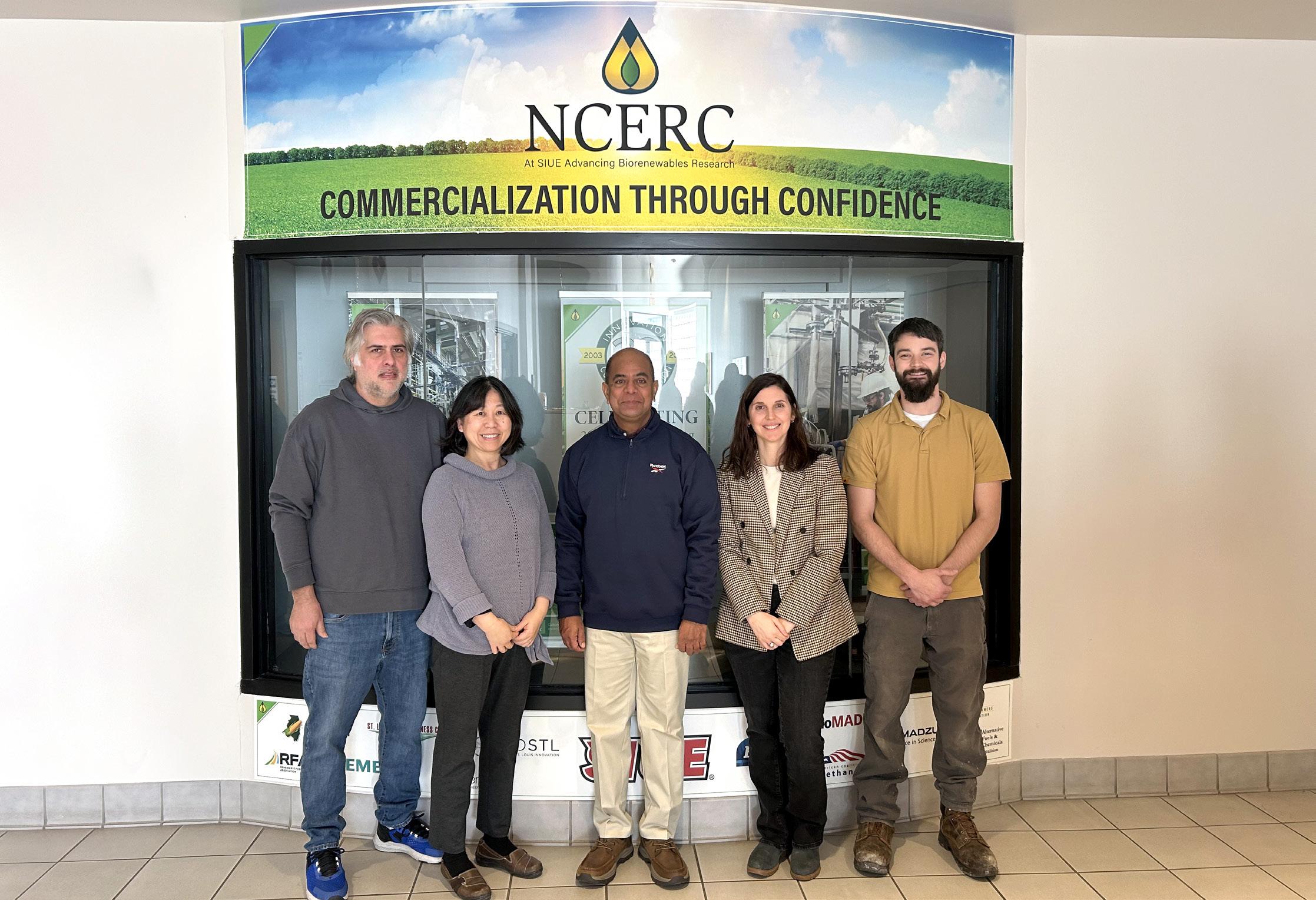
Since first stepping into his new role, Vadlani says the support from SIUE has been strong. When talking about his existing team, he once again displays that smile. Yanhong Zhang, director of research and interim director prior to Vadlani, is wellknown and established in the industry as a go-to expert, he says. As are Steve Ward, project management engineer, and Sol Martinez, an associate research director.
Under Vadlani’s leadership, NCERC will also continue to help train the next generation of ethanol experts, he says, regardless of whether they stay on the NCERC team or join the greater ethanol workforce. NCERC has a long and successful track re-
cord of hosting visiting research fellows for up to two years.
In the new era of NCERC, the team will still validate, but it will also provide insight. Many of the clients work on multiyear projects. Some are focused on production efforts in Europe, others at existing facilities in the U.S. In 2024 alone, the team worked on testing cellulosic ethanol as a feedstock for SAF, as well as evaluating sorghum to lower the CI score of cellulosic ethanol. For an international client, the team helped scale up a process to make an industrial chemical in addition to producing ethanol from corn. Through consulting work, the NCERC team also looked at a new technology designed to lower corn ethanol’s CI score. A separate lab study was also performed to evaluate a new corn hybrid that could be used for higher corn oil production.


“We want to do everything we can to be the team in the ethanol industry or other large bioprocessing industries that people want to work with,” Vadlani says. “We will continue to add economic value to the processes we work with because we know it’s not always just about yield or titer efficiency. It’s also about economic value and outcomes.
“We want to be a hub for ethanol. We will take our bioprocessing knowledge and help ethanol plants with that as they navigate a new era,” Vadlani adds. “We are not only cost effective here at NCERC. We have a great track record with a vision that will only continue that.”
Author: Luke Geiver writer@bbiinternational.com

















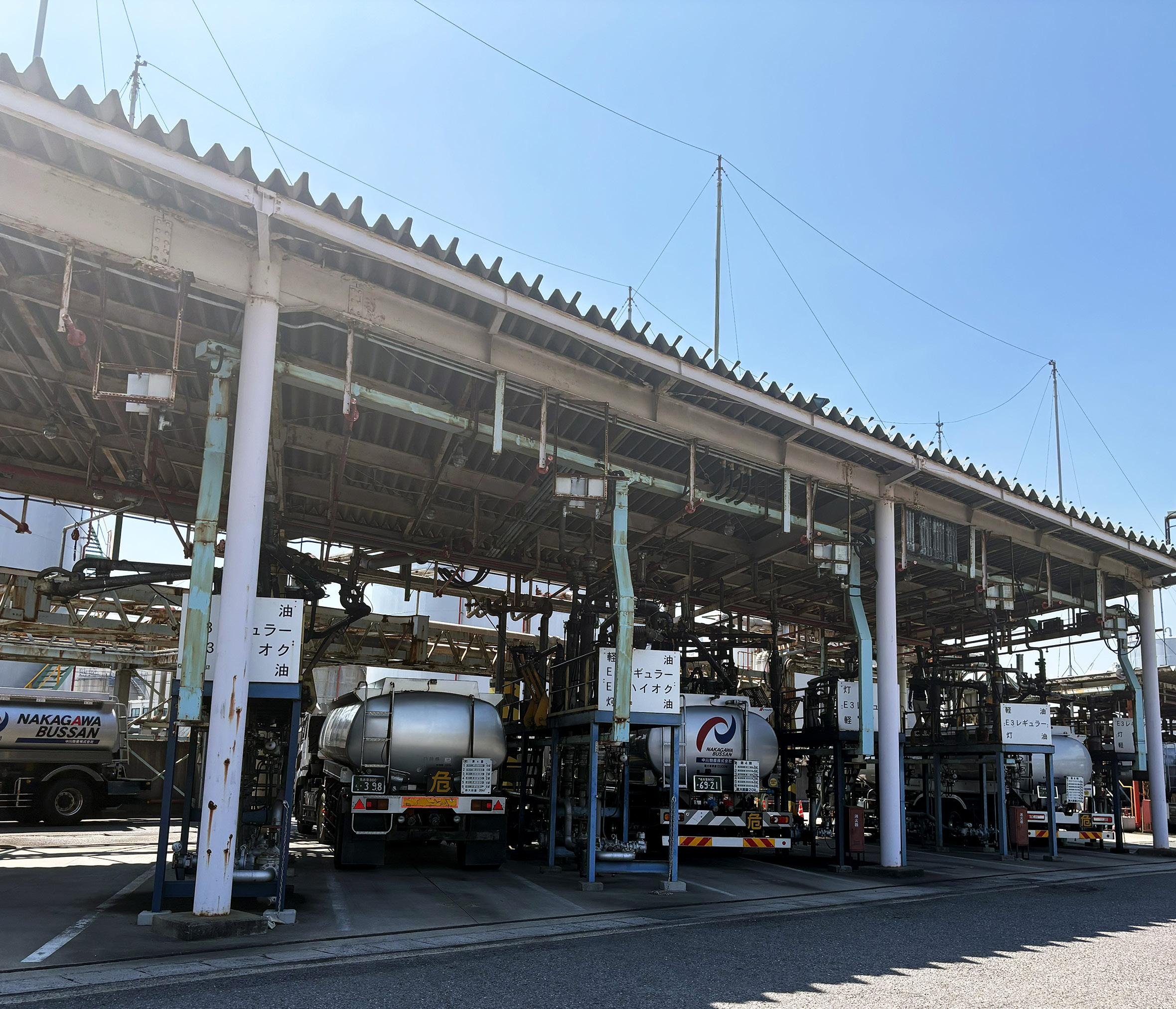
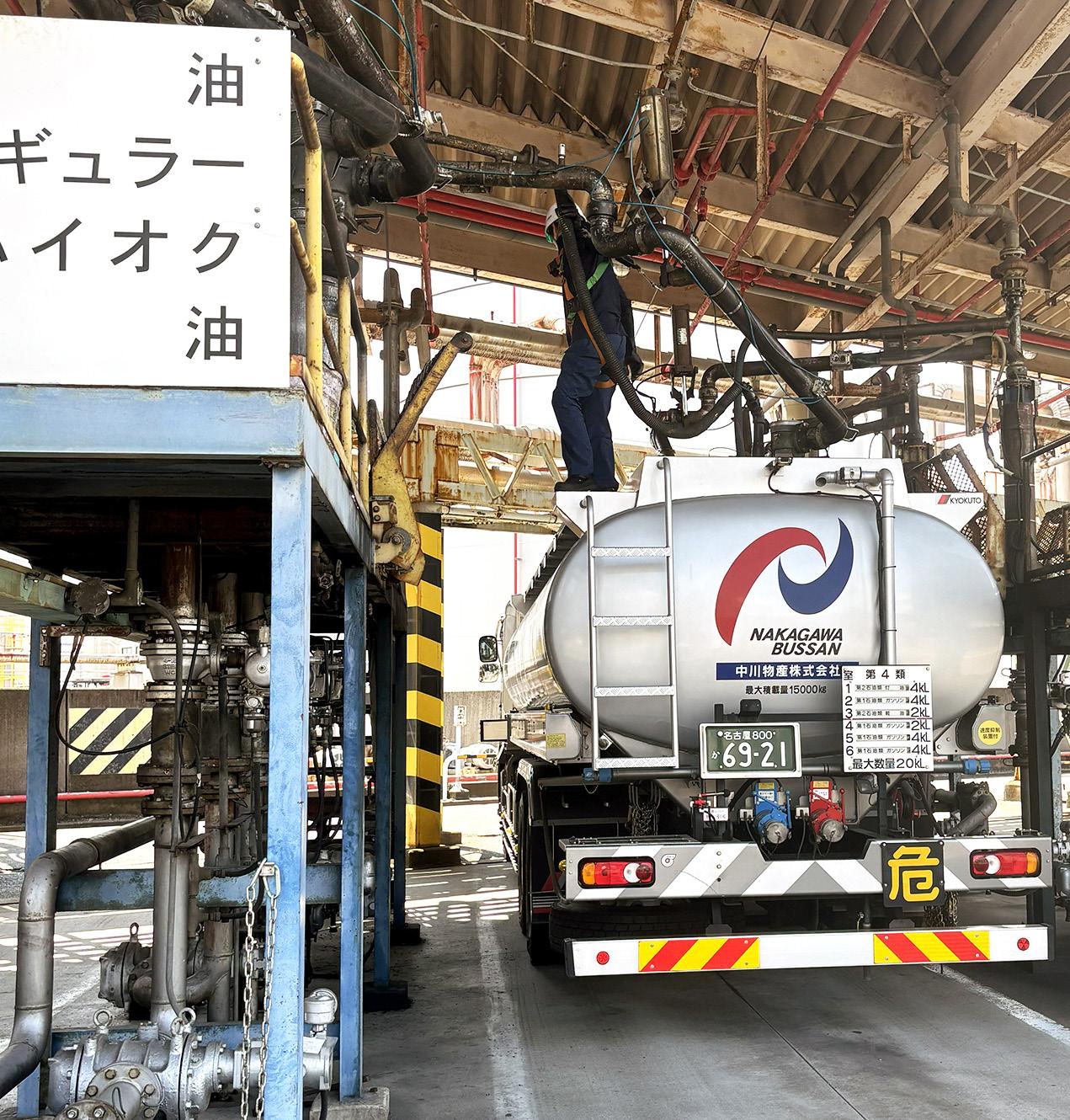
TARGETING SUSTAINABILITY: This station
U.S. ethanol is crossing the Pacific to Japan, its low carbon intensity, affordable cost and abundant supply driving it to outpace Brazilian ethanol imports into the country.
By Katie Schroeder
In marketing year 2024-’25, more U.S. ethanol left the country for markets abroad than ever before—a total of 2.18 billion gallons. Fuel marketers and industry advocates are continuously evaluating promising destinations for competitive U.S. ethanol, and Japan stands out as it plans to move toward direct blending instead of ethyl tert-butyl ether (ETBE).
Japan’s history demonstrates a strong commitment to sustainability. The country participated in the Kyoto Protocol in 1997, committing to reducing greenhouse gas (GHG) emissions, alongside 191 other parties. After the treaty came into effect in 2005, Japan explored ethanol production in 2007 as an option under the Biomass Nippon project, which had been approved by the Cabinet of Japan in 2002. The ethanol production project yielded ethanol in 2009, but was discontinued in March 2015, explains Tommy Hamamoto, country director for Japan with the U.S. Grains & BioProducts Council (USGBC). Since then, Japan has focused entirely on imports for its ethanol.
Japan’s refiners organization, Japan Biofuels Supply LLP, complies with sustainability goals using ETBE. JBSL began importing ETBE in 2007 from Lyondell Basell in Houston, Texas, all of which came from Brazilian sugarcane ethanol at the time.
Now, the dynamic has shifted, and U.S. corn-based ethanol is imported as ETBE alongside Brazilian ethanol. Japan has a goal of blending 217 million gallons of ethanol into transportation fuel as ETBE each year. “The vast majority of the ETBE that goes to Japan is processed in the U.S. from either U.S. or Brazilian ethanol,” says Hagan Rose, vice president of global trade with Eco Energy
LLC. Alicia Koch, director of global ethanol export development with the USGBC, explains that in 2025, the U.S. sent approximately 140 million gallons of ethanol to Japan in the form of ETBE. Derived from ethanol, fuel additive ETBE boosts octane, improves engine efficiency and reduces GHG emissions. Koch explains that 0.47 gallons of ethanol are needed to make one gallon of ETBE. Japan intends to implement direct blending with ethanol, a more efficient process to achieve E10. “The advantage of doing direct blending with ethanol is that you can utilize ethanol as a drop-in fuel,” she says. “In order to achieve an E10 equivalent with ETBE, you need approximately 22% ETBE addition rather than just a straight 10%.”
Currently, Japan blends roughly 1.85% ethanol into its gasoline, on average, as ETBE. The refineries landed on ETBE as a more environmentally friendly fuel additive, likely because it is a drop-in with gasoline and does not require different tanks for storage or transport, Rose explains. “It was easier to import a product that didn’t require special handling to go into the same tanks as the gasoline, could be piped the same as gasoline, rather than ethanol that is handled a bit differently day-to-day,” he says.
Rose views Japan’s market with optimism moving forward as direct blending with ethanol becomes available and targets increase. The sheer scale of Japan’s fuel market makes it an attractive opportunity for U.S. ethanol, he explains. Canada, the largest importer of U.S. ethanol, received around 757 million gallons in marketing year 2024-’25, but under an E10 mandate and additional demand for sustainable aviation fuel (SAF) feedstocks, Japan could require 1 billion gallons of ethanol. “Japan could become our biggest market,” Rose says.
Japan aims to reduce GHG emissions by 46% in 2030 and 100% in 2050, compared to a 2013 baseline. As a part of the reduction measures, Japan announced goals for E10 in 2030 and E20 in 2040, which could be met using ETBE or direct blending. “They are looking toward the future of blending with higher volumes of ethanol and that will require direct blending, so they are moving toward that,” Koch says. “Japan is diligently working to ensure they have the right policies and standards in place to support their ambitions.”
Starting in 2028, a pilot for E10 direct blending will run in Okinawa, a Japanese island that produced ethanol from sugarcane years ago, according to Hamamoto. “It’s [about] … compatibility, testing a variety of vehicles with it, making sure the infrastructure works and that logistics are ironed out; and then, of course, consumer awareness,” Koch adds.
SAF also serves as a key component of the country’s sustainability strategy, and a strong demand driver for ethanol, although projected volumes are uncertain. “[Japan] anticipate[s] that they’re going to need around 450 million gallons of SAF per year by 2030 and estimates approximately half of that will be fulfilled through alcohol-to-jet (ATJ) pathways, so it’s a significant demand just for Japan,” she says.
Koch explains that Japan will implement a 10% SAF mandate in 2030 to meet its goal of 5% reduction in aviation GHG emissions. Another outlet for ethanol is under development in Okinawa; Taiyo Oil Co. will utilize Honeywell’s Ethanol to Jet technology to produce 58 MMgy of SAF, with operations expected to begin in 2029.
Koch adds that the Taiyo project is not alone—two other SAF facilities are also under development by Idemitsu, one using the hydrotreated esters and fatty acids (HEFA) process and another using an ATJ process. Idemitsu’s Chiba complex will use the ATJ production process, with the goal of producing 26 MMgy of SAF, starting in 2028. In 2025, Cosmo Oil Co. and Mitsui & Co. announced a collaborative study to explore SAF production using LanzaJet’s ATJ technology process.
Although some fuel refineries are exploring the HEFA pathway, Hamamoto explains that the industry recognizes that feed-

stocks for that process, such as used cooking oil, have a limited supply, and view ethanol as a future feedstock.
In 2010, the only ethanol approved for use in Japan as a component of ETBE was sugarcane ethanol from Brazil or domestically produced ethanol. The country’s GHG modeling gave sugarcane ethanol a low score, making it an attractive option for decarbonization. Brazilian ethanol would be shipped to an ETBE producer, usually located in Texas, turned into ETBE and shipped to Japan, according to Rose.
The USGBC (then named the U.S. Grains Council) began promoting U.S. corn-based ethanol in Japan in 2015, Hamamoto explains. “[USGBC] worked with the government to revise their CI scores for U.S. ethanol, taking into consideration all the technological advancement and farming technology advancement that lowered the CI value,” he adds.
In 2018, through the efforts of ethanol advocates such as the USGBC, the sustainability scores for corn-based U.S. ethanol were reevaluated, giving U.S. ethanol producers access to the Japanese market. The emissions reduction requirements for ETBE were raised from 50% to 55%, and corn-based ethanol from the U.S. was determined to meet these increased standards combined with
SUSTAINABILITY AIM: Japan aims to reduce GHG emissions by 46% in 2030 and 100% in 2050, compared to a 2013 baseline. As a part of the reduction measures, Japan announced goals for E10 in 2030 and E20 in 2040, which could be met using ETBE or direct blending.

sugarcane-based ethanol from Brazil, as USGBC reported in 2018. At the time, Japan only allowed U.S. ethanol to constitute 44% of the ethanol used to make ETBE.
In 2023, trade negotiations and new legislation allowed American ethanol to gain 100% access to Japan’s on-road ethanol market. However, Rose explains that the reality is more like 90%, since refiners in the country find some percentage of Brazil’s sugarcane ethanol necessary to meet GHG reduction goals. USGBC learned that Japan revised GHG reduction requirements to 60%, making the maximum U.S. market share 91%, Hamamoto adds. Carbon capture and sequestration may change that paradigm, Rose says, but the Japanese market is methodical and has a long trading relationship with Brazil, so it’s likely Brazilian ethanol imports will continue. A vast majority, 90%, of Japan’s ETBE is produced in Houston, according to Hamamoto, but a small amount, less than 5%, is made in Japan from imported ethanol.
Rose also emphasizes that as the GHG emissions reductions coming from corn-based ethanol are better understood, price becomes the deciding factor for Japan’s ETBE industry. Koch adds a similar sentiment, “We’re very cost competitive,” she says. “We’re the world’s largest ethanol producer. We obviously have available supply and consistent supply. And then we also have a very competitive carbon intensity score and that’s continuing to improve from the farm level up through the production process with efficiencies, with technology improvements. I think all of those aspects combined have made us very attractive for the Japanese market.”
The window of opportunity to speak into the Japanese market before direct blending comes online in 2030 makes Rose optimistic about the ease of entry. U.S. ethanol representatives can help inform the fuel specifications in a way that would improve American producers’ access, benefiting both the destination and origination market, according to Rose.
Established markets around the world—including the EU, Brazil and the Philippines—have adopted cautious ethanol specifications, such as requiring lower water content than the U.S. standard, making it more complicated for ethanol producers to sell into those markets. “It makes … the producer [have] to change things, the trader … who wants to build bulk on the coast has to set very specific product tanks,” he says.
Rose explains that some countries had concerns about ethanol’s hydrophilic nature and were worried that its water content would damage engines, requiring a “dryer” ethanol. The U.S. standard is 1% water by volume, but some countries like Peru require 0.25% water content by mass. “If you’re using a fungible material, it becomes much easier and typically cheaper to supply,” Rose adds. “So, benefit to the destination market and to the producer market that Asian markets in general seem to be adopting. Japan and Vietnam are both at least pointing toward standardized specs that are in line with U.S. domestic specs.”
Any challenges facing the growth of U.S. exports to Japan are better characterized as “speed bumps” than roadblocks, according to Rose. Few factors stand in the way of steady market growth in the country. Koch shares a similar sentiment, saying that USGBC hasn’t identified many obstacles.
However, Rose cites a few potential speed bumps that may hinder or delay growth. One example is the uncertainty within Japan surrounding ethanol’s engine compatibility with kei cars, vehicles commonly utilized in rural areas. “I find it hard to believe that India has gone to an E30, and they’re worried about engine compatibility in Japan at an E10, but that is a concern,” he says.
Another potential concern is Japan’s specifications for ethanol used in direct blending. Japan’s Ministry of Economy, Trade and Industry plans to release this information sometime in 2027, according to Rose. “That uncertainty makes it a little difficult to plan,” he adds. “But … I don’t see it as an impediment or a roadblock. Once again, I’d say speed bumps.” That would leave over two years for U.S. producers to make necessary adjustments to meet the specifications before direct blending begins in 2030.
Between the consistency and reliability demonstrated by the country in its policy approach, along with the volume potential of-
fered by the country as a customer, Rose sees a strong business case for Japan as a trading partner. “I think that we’re really confident that we’ll continue to have a fruitful partnership with Japan,” Koch adds. “We’ll be able to participate by providing clean, renewable fuel without supply constraints; American farmers will rise to meet the challenge of growing ethanol demand around the world. It also looks like Japan is setting up productive policy that will help them to achieve their goals.”
As the U.S. ethanol industry increases production and federal policy at home struggles to keep pace, exports become more critical than ever before. The incredible crop yields in recent years demonstrate a need for ever more markets for American corn products. Increased efficiency on the farm and in ethanol facilities continues to drive down carbon intensity scores, further opening new opportunities.
“We exported 2.13 billion gallons last [marketing year], which was a record, and we think that we can continue to break those records as more countries around the world recognize how valuable ethanol can be as an immediate solution for clean fuels,” Koch says.
Author: Katie Schroeder katie.schroeder@bbiinternational.com







By Tessa Schmitz
It’s easy to remain focused on cellulose in this industry; for decades, it has dominated discussions around cellulosic content conversion and ethanol yield. Phrases like “cellulosic conversion” and “cellulosic content” make it hard not to notice cellulose’s integral role, both as a structural carbohydrate in plant material and in analytical and regulatory frameworks. By contrast, hemicellulose has often been treated as a secondary component: acknowledged and estimated, but rarely measured and considered with the same rigor and consistency as cellulose.
As the ethanol industry continues to push toward higher yields, improved fiber conversion, and advanced yeast and enzyme options, hemicellulose’s potential is becoming harder to ignore. Hemicellulose represents a significant portion of fermentable carbon, nearly double the potential of cellulose, yet practical methods for quantifying it have been limited until recently.
A newly approved ASTM test method, E3503 “Determination of Hemicellulose in Herbaceous Biomass by High Performance Liquid Chromatography,” aims to address this gap by providing a reproducible, accessible approach to hemicellulose measurement— one tailored to fit within the operational realities of the ethanol industry.
Hemicellulose is a branched carbohydrate composed of both five- and six-carbon sugars. Those sugars—xylose, arabinose, galactose and mannose—are arranged in shorter, more complex structures than the long, linear chains of glucose present in cellulose. These structural differences make hemicellulose easier to hydrolyze but more challenging to characterize analytically.
From the producer perspective, hemicellulose influences several key areas. It affects fermentation efficiency, as hemicellulose-derived sugars can influence not only yeast performance and nutrient demand, but also overall conversion behavior. It also contributes to a more complete view of fiber conversion inside a facility. This

enhanced view allows more accurate reporting of cellulosic content for state and federal regulatory programs such as California’s Low Carbon Fuel Standard and the Renewable Fuel Standard.
Finally, hemicellulose content can vary significantly by crop year, variety, growing methods and storage practices, making it as critical to track as other typical feedstock metrics such as protein, fat, starch and cellulose. An accurate view of these key metrics means that ethanol producers have more information available to help optimize storage, fermentation and coproduct generation.
Despite its importance, hemicellulose is often inferred from literature values or measured as an afterthought in methods designed to aggressively break down and analyze cellulose. These traditional
CONTRIBUTION: The claims and statements made in this article belong exclusively to the author(s) and do not necessarily reflect the views of Ethanol Producer Magazine or its advertisers. All questions pertaining to this article should be directed to the author(s).
carbohydrate analysis methods rely on severe hydrolysis conditions involving high temperatures and pressures. While these conditions are effective for breaking down linear cellulose chains, they can damage and degrade hemicellulose structures, necessitating the use of sugar recovery standards to estimate losses during analysis.
The classic acid hydrolysis methods present several challenges for routine and commercial use. The procedures are complex and time-consuming for laboratories and technicians, often spanning multiple days. The steps required to correct sugar degradation caused by the harsh conditions can create increased analytical uncertainty. The use of these sugar recovery standards also raises complex scientific questions about degradation kinetics and about the realities of what all saccharides from biomass experience in industrial liquefaction processes. Not all laboratories are equipped with the technology and staff necessary to perform these complex hydrolysis methods, which leads to limited accessibility and application in industry.
For ethanol producers seeking actionable and repeatable information, these limitations have historically made routine hemicellulose measurement impractical.
The newly approved ASTM method was developed specifically to address hemicellulose measurement under conditions optimized for hemicellulose rather than cellulose. The method still employs a classic dual-stage acid hydrolysis technique, but the temperature and concentrations of acid are strong enough to ensure hemicellulose conversion while being gentle enough to minimize sugar degradation.
The procedure uses a low-temperature, high-acid incubation followed by a warm, dilute-acid step. These conditions hydrolyze hemicellulose structures without subjecting the sugars to unnecessary severity, such as the high temperature and pressure required in the classic cellulose methods. The new method relies on standard laboratory equipment, including water baths, centrifuges and HPLC systems, all commonly available in most industry laboratories. Sugar recovery standards or post-analysis correction factors of the sugars are not required due to the optimized conditions. Following hydrolysis, sugars are quantified using HPLC with refractive index detection. The method reports hemicellulose as the sum of arabinose and the co-quantified sugars: xylose, galactose and mannose. The co-quantification of the sugars allows the use of an acid compatible chromatography column, which provides robust, reproducible measurements of hemicellulose sugars. The method does not include a de-starching step, so glucose is not included in the final hemicellulose value.
Method validation was performed using National Institute of Standards and Technology reference materials and compositional
carbohydrate data generated by the National Laboratory of the Rockies. These comparison studies demonstrated recoveries ranging from approximately 88% to 102% across a variety of herbaceous biomass samples, including corn kernel fiber, wheat straw, sorghum, and sugarcane bagasse. The validated feedstock materials contained between 1% and 44% hemicellulose, which is reflected in the scope of the method and aligns with the variability encountered in commercial ethanol feedstocks.
The validation results indicate that the method can reliably track hemicellulose content across diverse materials without requiring specialized instrumentation or complex correction schemes.
For ethanol producers, the value of hemicellulose measurement lies less in absolute numbers and more in how those numbers are used. The method provides a consistent metric that can support several operational and strategic decisions.
Tracking hemicellulose content by crop year, supplier or storage condition can help identify trends that influence fermentation performance. Pre- and post-fermentation measurements can be used to evaluate whether hemicellulose is being converted at its highest potential, or if shifts in yeast strain and enzyme dosage could increase production. Consistent carbohydrate data can also strengthen documentation related to fiber conversion pathways and cellulosic content reporting.
Hemicellulose has long been recognized as a component of biomass, but its potential impact and practical tools for accurate measurement have lagged behind those developed for cellulose. The availability of a standardized, industry-accessible method represents an important step toward more complete carbohydrate characterization.
As ethanol producers look toward a future where low carbon scores are the entry fee to new and emerging markets, maximizing the utilization of the carbon already in fermenters will become paramount. Optimized and robust test methods, such as ASTM E3503, allow that utilization to be quantified, leading to lower CI scores and better access into markets, such as marine and jet fuel. Standardized measurements enable clearer comparisons, improved benchmarking and more informed decisions—whether the goal is incremental yield improvement today or readiness for yeast and enzyme strains in the future.
Hemicellulose measurement is not a departure from established practice, but a natural extension of the industry’s ongoing effort to better understand and utilize the full carbohydrate potential of biomass.
Author: Tessa Schmitz, Director of Quality Assurance, Soliton tessa@sciencemadebrilliant.com

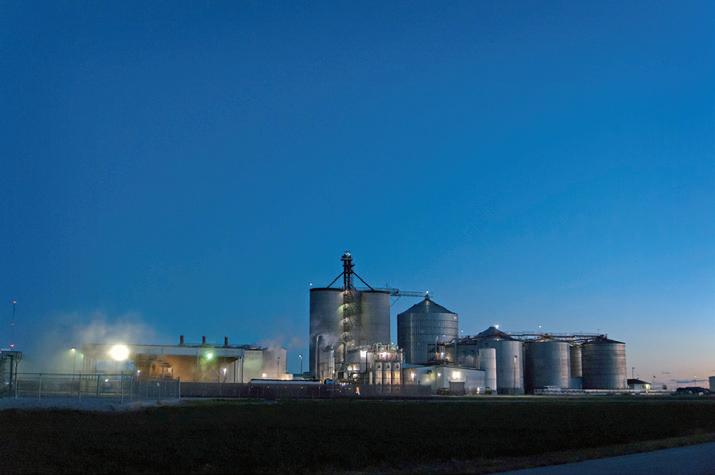













































































Our elite port folio of antimicr obial solu t ions helps pr ev en t harmful ba ct er ia fr om in fecting your oper at ion. As your part ner Phibro Ethanol of fers: A Range of Op tions for Imme diat e Suppression to Long -t erm Stabilizatio n Ex pert Implemen tation Ex
Access to 100% Ac tive Virg iniamycin and Penicillin 0% Vi iniamyci