








For over 20 years, Beyond has been the innovative and trusted experts in selling, implementing and suppor ting grain processing ERP software solutions.

Partnering with Beyond provides access to a respected legacy of industry experience, vital connections, and cutting-edge leadership.
Beyond’s unique relationships in agriculture and the software community, allows our clients to capitalize on operational efficiency, simplifying decision-making, and ensuring accuracy.




We provide tailored expertise and innovative technology to plants across North America
80+ Ethanol Plants 10,000+ Transactions
We process more than 10,000 digital transactions per daymore than any competitor
From advanced grain processing to strategic financial tools, we provide comprehensive solutions tailored to your needs







45Z Proposed Rule
Requirements for Energy Attribute Certificates
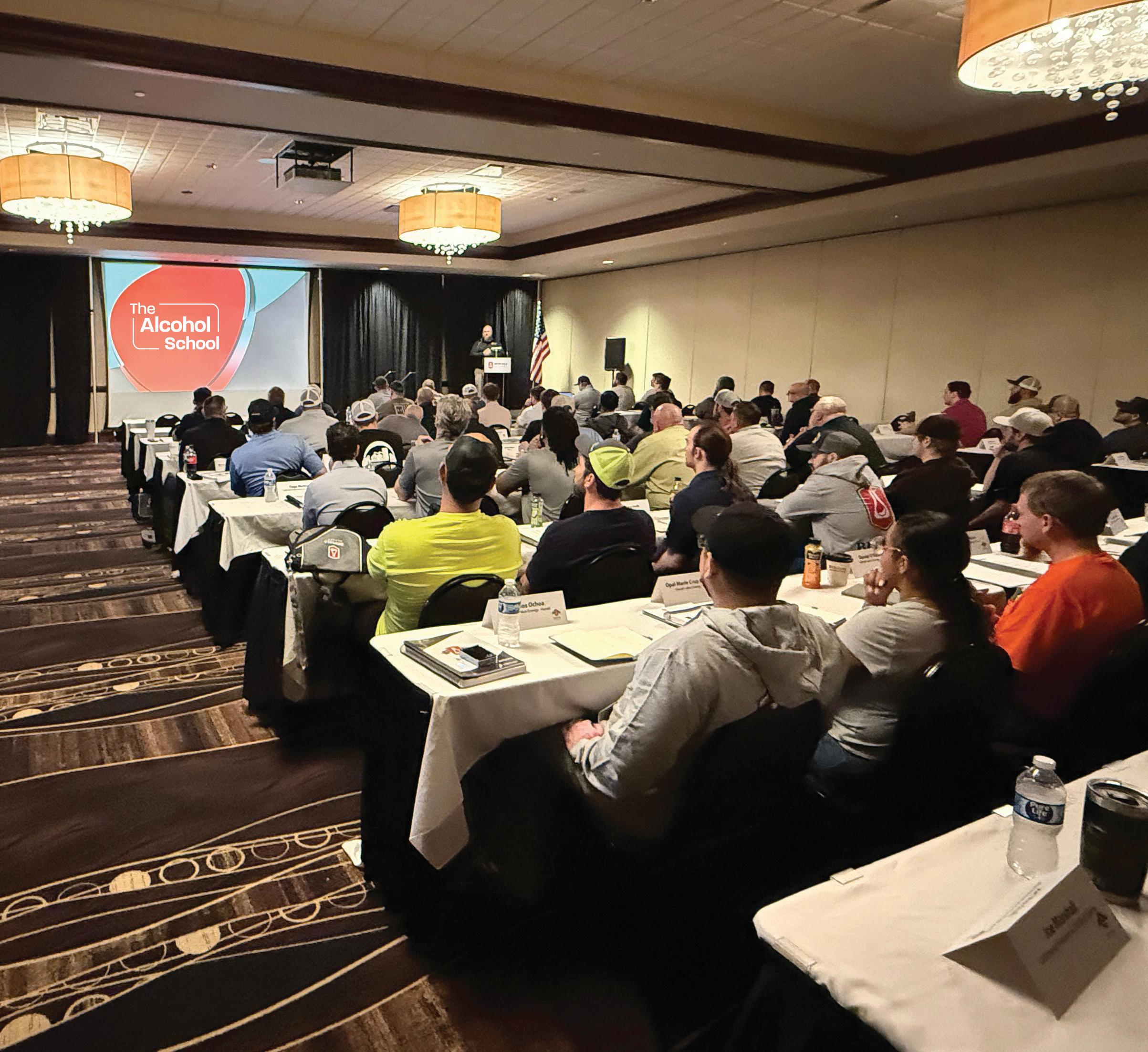
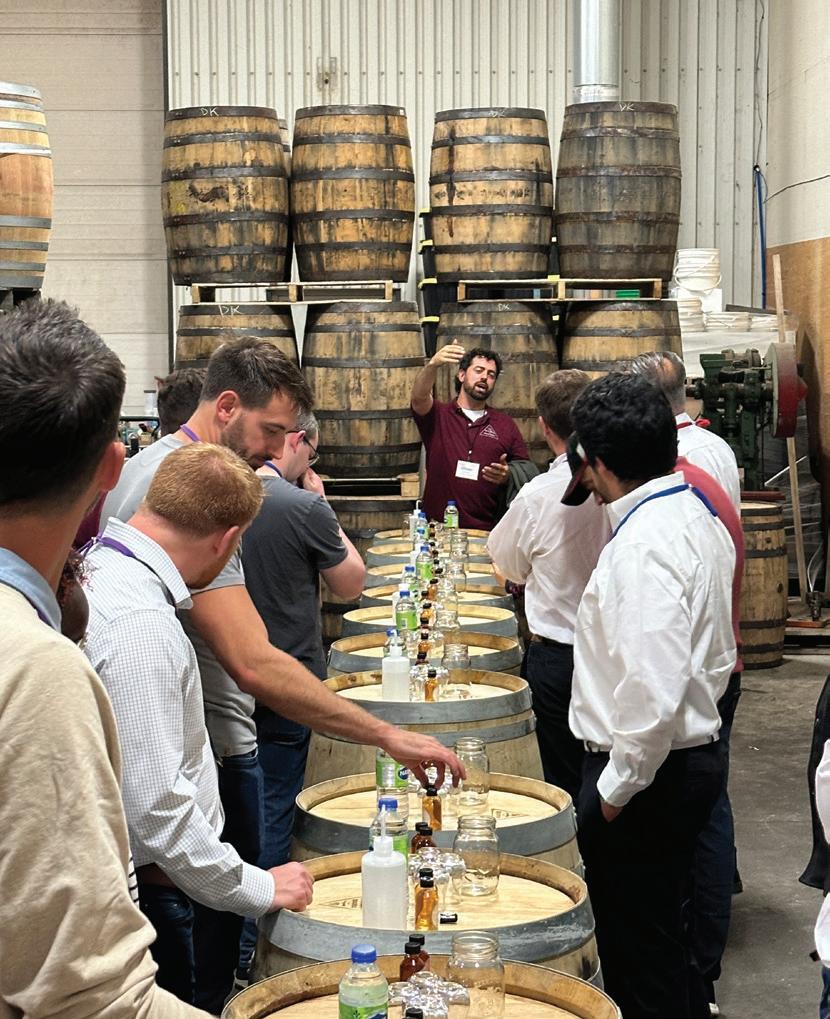
Alcohol School: Education Evolved
Lallemand Biofuels & Distilled Spirits
Millions
President & Editor Tom Bryan tbryan@bbiinternational.com
Senior News Editor Erin Voegele evoegele@bbiinternational.com
Contributions Editor Katie Schroeder katie.schroeder@bbiinternational.com
Features Editor Lisa Gibson lisa.gibson@sageandstonestrategies.com
Vice President of Production & Design Jaci Satterlund jsatterlund@bbiinternational.com
Senior Graphic Designer Raquel Boushee rboushee@bbiinternational.com
CEO Joe Bryan jbryan@bbiinternational.com
Chief Operating Officer John Nelson jnelson@bbiinternational.com
Senior Account Manager Chip Shereck cshereck@bbiinternational.com
Senior Account Manager Bob Brown bbrown@bbiinternational.com
Senior Marketing & Advertising Manager Marla DeFoe mdefoe@bbiinternational.com
Customer Service Coordinator Brandon McGarry brandon.mcgarry@bbiinternational.com
Ringneck Energy Walter Wendland Commonwealth Agri-Energy Mick Henderson Western Plains Energy Derek Peine Front Range Energy Dan Sanders Jr.
Customer Service Please call 1-866-746-8385 or email service@bbiinternational.com. Subscriptions Subscriptions to Ethanol Producer Magazine are free of charge with the exception of a shipping and handling United States. To subscribe, visit www.EthanolProducer.com/Subscribe, send an email to subscriptions@bbiinternational.com or call 866746-8385. Back Issues, Reprints and Permissions Select back issues are available for $3.95 each, plus shipping. Article reprints are also available for a fee. For more information, contact us at 866-746-8385 or service@bbiinternational.com.
Advertising Ethanol Producer Magazine provides a specific topic delivered to a highly targeted audience. We are committed to editorial excellence and high-quality print production. To find out more about Ethanol Producer Magazine advertising opportunities, please contact us at 866-746-8385 or service@bbiinternational.com. Letters to the Editor We welcome letters to the editor. Send to: Ethanol Producer Magazine Letters to the Editor, 308 2nd Ave. N., Suite 304, Grand Forks, ND, 58203, or editor@bbiinternational.com. Please include contact information. Letters may be edited for clarity or space.
St. Louis, MO (866) 746-8385 | www.fuelethanolworkshop.com
Now in its 42nd year, the FEW provides the ethanol industry with cutting-edge content and unparalleled networking opportunities in a dynamic business-to-business environment. As the largest, longest running ethanol conference in the world, the FEW is renowned for its superb programming—powered by Ethanol Producer Magazine —that maintains a strong focus on commercialscale ethanol production, new technology, and near-term research and development. The event draws more than 2,300 people from over 31 countries and from nearly every ethanol plant in the United States and Canada.
St. Louis, MO (866) 746-8385 | www.sustainablefuelssummit.com
The Sustainable Fuels Summit: SAF, Renewable Diesel, and Biodiesel is a premier forum designed for producers of biodiesel, renewable diesel, and sustainable aviation fuel (SAF) to learn about cutting-edge process technologies, innovative techniques, and equipment to optimize existing production. Attendees will discover efficiencies that save money while increasing throughput and fuel quality. Produced by Biodiesel Magazine and SAF Magazine, this world-class event features premium content from technology providers, equipment vendors, consultants, engineers, and producers to advance discussions and foster an environment of collaboration and networking. Through engaging presentations, fruitful discussions, and compelling exhibitions, the summit aims to push the biomass-based diesel sector beyond its current limitations. Co-located with the International Fuel Ethanol Workshop & Expo, the Sustainable Fuels Summit conveniently harnesses the full potential of the integrated biofuels industries while providing a laser-like focus on processing methods that deliver tangible advantages to producers. Registration is free of charge for all employees of current biodiesel, renewable diesel, and SAF production facilities, from operators and maintenance personnel to board members and executives.
St. Louis, MO
(866) 746-8385 | www.carboncapturestoragesummit.com
Capturing and storing carbon dioxide in underground wells has the potential to become the most consequential technological deployment in the history of the broader biofuels industry. Deploying effective carbon capture and storage at biofuels plants will cement ethanol and biodiesel as the lowest carbon liquid fuels commercially available in the marketplace. The Carbon Capture & Storage Summit will offer attendees a comprehensive look at the economics of carbon capture and storage, the infrastructure required to make it possible and the financial and marketplace impacts to participating producers.
June is always our largest issue of the year. It is featured prominently at the annual International Fuel Ethanol Workshop & Expo, so it’s packed with advertisements from companies seeking access to their target market at the world’s largest ethanol conference.
As the page count expands to accommodate all the ads, our editorial team works to fill those pages with relevant, interesting and impactful news and trends, boosting our standard numbers of features, contributions and spotlights, sometimes to twice our usual count.
Sure, it means more research, writing, editing and layouts, but it also means more of the industry coverage we enjoy producing. And this June issue is no exception.
This robust collection of features starts with our cover story: Carbon Concepts. In it, we categorize and simplify each of the decarbonization options producers are currently sorting through to determine the best strategy for their unique needs. Our industry is exploring methods today that we would have thought uneconomical and downright unfeasible a few short years ago. We can transport carbon by pipeline or train for underground storage or enhanced oil recovery; we can sell it to the tried-and-true beverage and dry ice industries; we can produce new green chemicals with innovative technologies ready for implementation. There is truly no shortage of opportunities to monetize carbon while reducing CI scores. See the full list, starting on page 18.
We also break down the much-anticipated final RFS Set 2. Record-high volumes with delayed implementation of foreign fuels penalties, reallocation of small refinery exemptions and the elimination of electricity provisions. Facts, figures and industry responses start on page 28.
New Mexico implemented its Clean Fuels Transportation Program on April 1, with a goal of 20% carbon reduction by 2030. Unique to the state’s process was a court proceeding held before the New Mexico Environmental Improvement Board, complete with witness testimony and cross examination. Learn more about the process details and the policy itself on page 36.
While corn is king in the U.S ethanol industry, a handful of producers are seeing success with other feedstocks. Proposed projects across the country would produce ethanol from sugar beet tailings, potato waste and milk. California’s proposed Sugar Valley Energy would work with a network of farmers to produce sugarcane ethanol using existing technology common in Brazil. Find out more on page 44.
In our data feature on page 54, we explore a collaboration between CIBO Technologies and Verity Holdings that provides a solution for on-farm carbon tracking and verification. It pulls together data for multiple compliance programs and incentives into one program for audit-ready ease of management. The technology providers explain their services, as well as how biofuels producers are preparing for the expected climate-smart ag components of 45Z.
Finally, we delve into cutting-edge water technologies from the biggest names in the sector, on page 62. Energy efficiency in water management has never been so easy.
Our Ethanol Producer Magazine team is proud to present this substantial issue of the magazine. Thank you, to our ad sales team, our editorial team, our layout and design team, and to you, our readers.
We hope you enjoy reading this issue as much as we enjoyed putting it together for you.
-The Editors




As industry leaders and champions gather for the 42nd annual International Fuel Ethanol Workshop & Expo (FEW), there’s one policy priority that is commanding the full attention of farm and biofuel stakeholders across the nation: year-round E15.
From Growth Energy to the National Corn Growers Association and everywhere in between, the fuel ethanol supply chain stands united behind an urgent push to protect consumer access to savings at the pump with American-made ethanol.
In March, the Trump administration announced a decision to grant emergency waivers allowing summer sales of lower-cost E15, which can be used in 96% of cars on the road today.
Unfortunately, a temporary waiver cannot offer the long-term certainty that retailers need to bring E15 to new markets and more consumers—saving drivers up to 30 cents per gallon on average. That requires legislators to make law.
Our champions in Congress are working hard on a solution, and members of the E15 Rural Domestic Energy Council—formed after the House failed to act in January—are making progress. Congress cannot afford to delay this any longer.
With the conflict in the Middle East still roiling markets, E15 represents a practical solution to shield U.S. consumers from volatility in the global oil marketplace.
At the same time, U.S. farmers are struggling amid a record crop surplus and declining commodity prices. Chapter 12 bankruptcy filings increased by 46% in 2025 from a year earlier, with farmers in the Southeast and Midwest hit hardest. With E15, we can close the gap between supply and demand for our farmers and fuel America’s energy leadership.
President Trump understands that farmers want reliable markets—not government checks. And he reiterated his support for an immediate fix at the White House’s National Ag Week celebration on March 27, calling on Congress to send year-round E15 legislation to his desk without delay.
Yet, a tiny handful of influential oil refiners continue to hold E15 hostage in order to pad already surging profits at the expense of American farmers, biofuel producers and American motorists.
To overcome these obstacles, we urge readers to help us remind lawmakers why E15 is an urgent priority—for rural America and drivers everywhere. Readers can visit GrowthEnergy.com/E15Now to send an email directly to their representatives in Congress.
For an even more powerful impact, we’ve also created a video comment portal, where visitors can use their phone to record and transmit a message that will be seen and heard on Capitol Hill. Need extra help? Stop by Growth Energy’s booth at FEW—number 1119. Our team is ready to help share your voice with leaders in Washington, D.C.
It’s time to pull out all the stops and finally get E15 over the finish line. Please take advantage of your time on the ground in St. Louis to remind House and Senate leaders that the path to the gavel runs through the heartland, and we’re watching.






























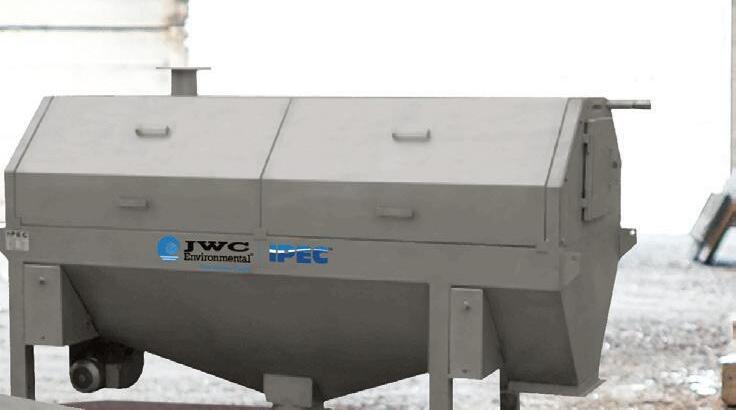
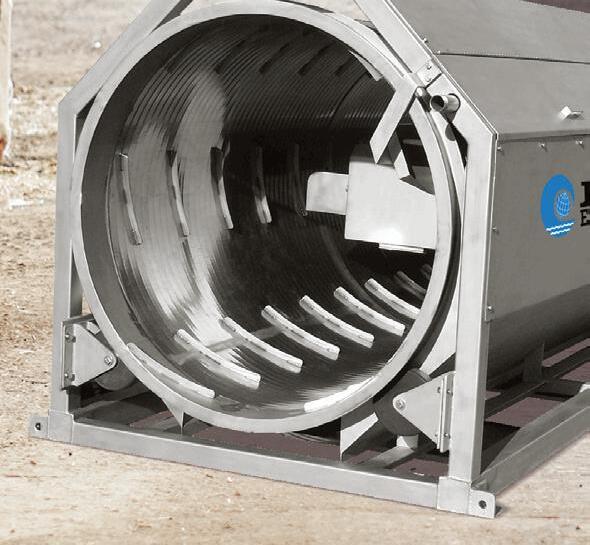
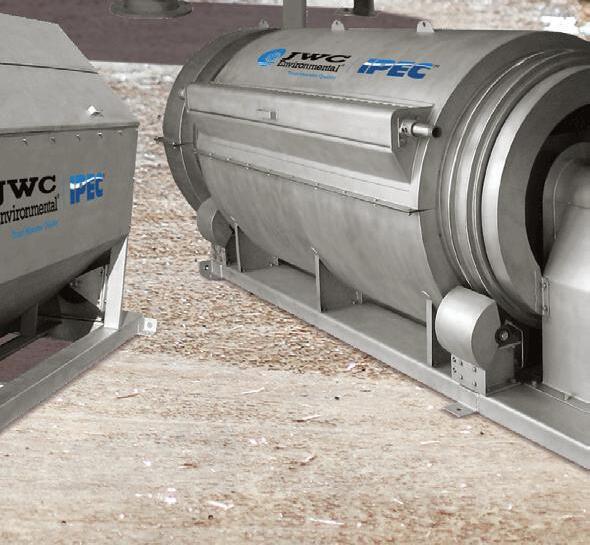



Crea te va lue in yo ur wa ste stre am with JW C Environmental’s line of IP EC ® In te rnally Fe d Rota ry Drum Screens. Distiller s gr ains ca n be captur ed an d co nver te d in to reve nue as fe ed for li ve stock. Our Internally Fe d Rota ry Drum Screens pr ov ide yo u with the oppo rt unit y to collect yo ur by produc t an d create a reve nu e- generating asset.
Re ly on JWC to optimize yo ur solids recove ry needs.
SOLIDS RECOVE RY FROM WASTE STRE AM S Sales | Service Needs 800.331.2277
jwce.com/products/inter nally-fed-rotary-drum-screens/ Visit us at FEW

Canada just came through a remarkable series of floor crossings and by-elections that gave Mark Carney something no prime minister has achieved before—a working majority from a minority government without returning to the polls. A first in Canadian Parliamentary history.
Yet, in Canada’s most affordability-focused election cycle in a generation, ethanol’s role in reducing fuel costs barely came up.
That omission is worth reflecting on because ethanol has been quietly supporting Canada’s rural economy and lowering fuel costs for years. But across the most recent political cycles, parties of all stripes stopped talking about it. Stopped quantifying it. Ethanol’s value has become an unsung workhorse—in the fuel tank and federal policy alike.
The case for paying attention starts with simple math. On March 6, ethanol was selling at the wholesale level for USD $0.84 per gallon less than gasoline, a 31% discount. In the U.S., that gap shows up on a sign at the gas station. E15, a 15% ethanol blend available at thousands of stations, runs 10 to 30 cents per gallon below regular unleaded. Drivers see it and politicians applaud it. President Trump made year-round E15 a day-one energy priority and locked in the highest renewable fuel blending mandate in U.S. history; not as a climate pledge, but because affordable domestic fuel matters at the ballot box as much as at the pump.
Canada has the same fuel. The same economics apply. Yet there is little consumer visibility between ethanol in the fuel tank and what’s on the sales receipt.
Ethanol is cheaper than gasoline at the distribution rack and delivers octane that would otherwise require more expensive refining. But because Canadian blending happens further upstream, consumers never see a sign that ethanol is saving them money. The difference is simple: when the savings aren’t visible, ethanol gets overlooked.
Canada’s Clean Fuel Regulations were designed, in part, to grow domestic ethanol demand, and they have. Canada’s ethanol blending is up. Canadian gasoline’s carbon intensity is down. But the political conversation still treats affordability and clean fuel as opposing forces, when ethanol has been delivering both simultaneously for years without anyone in Ottawa speaking up.
Carney’s majority is historic precisely because he assembled it deliberately, seat by seat. His Liberal Party campaign platform acknowledged biofuels, but now his affordability agenda needs workhorses. Ethanol is one that is already delivering.
Meanwhile, Conservatives built Canada’s modern biofuels industry and have yet to step forward to defend it. As Official Opposition, rebuilding a clean fuel framework anchored in pragmatism can return Canadian agriculture to the energy agenda and make ethanol visible to the drivers it already serves.
Affordability is on every Canadian’s mind. Ethanol should be too.
The question for this Parliament isn’t why ethanol is in the fuel supply. It’s why it’s still not on anyone’s agenda.



Gevo Inc. has announced the appointment of Joan Cetera as vice president of communications and public relations, further supporting Gevo’s broader leadership transition.
Joan brings extensive experience leading enterprise communications for publicly traded companies, with expertise spanning executive communications, reputational management and communications strategy during
periods of organizational change. Over her more than 20-year career, she has partnered closely with senior leadership teams to align external perception with business strategy and stakeholder priorities.
In her role at Gevo, Joan will oversee corporate communications and public relations, supporting internal communications, media engagement and external messaging as the company continues to advance its
GEA has launched a new three-phase decanter centrifuge specifically for distillers corn oil (DCO) extraction in corn-based ethanol production. The system separates oil, liquid and solids in a single step at the front of the process. The de-oiled stillage is then sent to a standard stillage decanter.
In U.S. ethanol plants, stillage composition varies due to differences in corn qual-
ity, seasonal effects and upstream processing conditions, making it difficult to operate decanters at optimal separation efficiency. These fluctuations affect the internal separation zone of a decanter, which directly influences oil yield.
The new three-phase decanter incorporates Varipond C, an application-specific pond-depth control system developed for

strategy across renewable fuels, carbon solutions and sustainability-driven markets.
“Clear, credible communications are critical as Gevo continues to execute on its strategy,” said Gevo Chief of Staff Kimberly Bowron. “Joan’s experience and leadership will help ensure our communications reflect the substance of our work and support our engagement with employees, investors, partners and other stakeholders.”

these conditions. Varipond C allows operators to adjust pond depth continuously and automatically during operation, enabling the machine to respond immediately to varying feed characteristics without mechanical changes or interruptions.

Honeywell has announced that Petrobras has selected Honeywell UOP’s ethanolto-jet (ETJ) process technology for project development at its Replan refinery in São Paulo, Brazil. Once approved, the project will deliver up to 10,000 barrels per day of sustainable aviation fuel (SAF), representing the first large-scale ETJ initiative in Latin America.
Honeywell UOP’s ETJ process technology uses ethanol as a widely available, renew-
able feedstock, providing an economically viable pathway to quickly scale SAF production. Petrobras’ use of ethanol as a feedstock further underscores its commitment to advancing sustainable energy solutions and reducing carbon emissions in aviation.
Petrobras and Honeywell share a long-standing relationship spanning refining technology, natural gas processing and advanced automation systems, including the deployment of Honeywell’s Experion PKS
SAFFiRE Renewables has selected Andritz to supply key refining technology for its new pilot plant in Liberal, Kansas, that will convert agricultural residues into cellulosic ethanol.
The project supports the scale-up of low-carbon fuel production for some of the hardest sectors to decarbonize, such as on-
road, heavy duty, rail, marine and air transport, and reflects Andritz’s strategic focus on engineering solutions that enable the green transition.
The pilot plant will serve as a demonstration site for SAFFiRE’s innovative approach to producing ethanol from corn stover and other biomass feedstocks. This

across Petrobras facilities. In recent years, the collaboration has expanded into renewable fuels, including Petrobras’s 2024 decision to license Honeywell UOP hydroprocessed esters and fatty acids (HEFA) process technology to produce SAF and renewable diesel at the Presidente Bernardes Refinery in Cubatão, using feedstocks such as soybean oil and beef tallow.

cellulosic ethanol can be an ultra low-carbon alternative in existing markets or be further upgraded to products like sustainable aviation fuel, biomaterials or biochemicals. Andritz will supply two refiners to mechanically pretreat the biomass for conversion into ethanol.




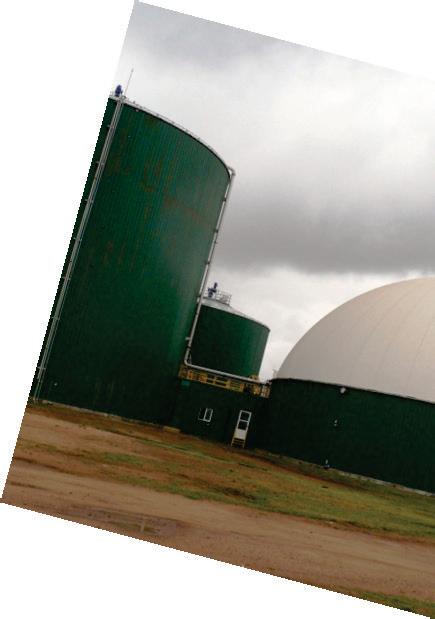
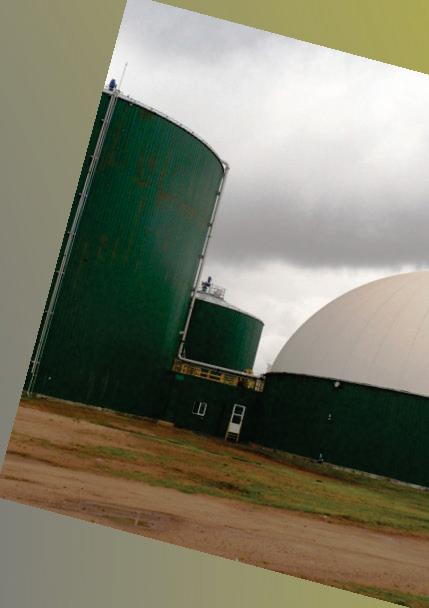



Vault 44.01 Ltd., a market leader in the development of carbon capture and sequestration (CCS) projects, has announced that the U.S. EPA Region 5 has issued a final Underground Injection Control (UIC) Class VI permit for the One Carbon Partnership CCS project near Union City, Indiana. One Carbon Partnership is a joint venture between Cardinal Ethanol and Vault.
The OCP project represents a capital investment of more than $60 million in
Randolph County, supporting more than 30 local jobs during construction. It will also bolster the local agricultural economy by providing corn growers with access to the growing low-carbon ethanol market. Once operational, the OCP project will capture and permanently store up to 450,000 metric tons of CO2 annually, with sufficient pore space to safely inject approximately 13.5 million metric tons over 30 years.
Vale and Shandong Shipping Corp. have concluded an agreement for new ethanol-powered Guaibamax vessels, which are scheduled for delivery starting in 2029. The agreement marks an unprecedented milestone for global iron ore transport: This is the first time in the maritime industry that ethanol will be used as the primary fuel on an ocean-going vessel. With the potential to reduce carbon emissions by around 90% compared to the use of heavy fuel oil, commonly used in shipping, the initiative reinforces Vale’s commitment to reducing its carbon emissions across the

value chain and promoting decarbonization in the maritime sector, in line with ongoing discussions at the International Maritime Organization.
The agreement between Vale and Shandong includes 25-year contracts for the construction of two vessels, with an option for additional ships. The adoption of these second-generation Guaibamax vessels, which are 340 meters long and have a capacity of 325,000 metric tons, is part of the Brazilian mining company’s multi-fuel strategy.
The Minnesota Bio-Fuels Association is encouraging fuel retailers to apply for new grant funding from the Minnesota Department of Agriculture’s Agricultural Growth, Research and Innovation BioFuels Infrastructure Program to expand access to E15, also known as Unleaded 88.
MDA announced $4.7 million in grant funding to support fuel retailers in upgrading infrastructure to offer higher blends of ethanol. The program is funded through a legislative appropriation and Minnesota Corn.

Eligible retailers may apply for grants ranging from $5,000 to $199,000 per project to support equipment, installation, and related infrastructure upgrades. Applicants must operate in Minnesota, have no more than 20 retail locations and provide a minimum 35% cash match.
A recent study found Minnesota drivers saved $24.7 million in 2024 alone by choosing Unleaded 88, with $79.5 million in cumulative savings since 2013.
In April, the U.S. Grains and Bioproducts Council reported that U.S. ethanol exports were up 13% through the first six months of marketing year 2025-’26, based on U.S. Department of Agriculture data.
Ethanol exports occurring between Sept. 1 and Feb. 28 totaled more than 1 billion gallons, on pace to surpass last year’s record of 2.1 billion gallons.
Canada continues to be a leading partner for the U.S. ethanol industry, importing 432 million gallons through the first half

of the marketing year, up nearly 17% from last year. Higher blends of ethanol—up to 15% in some provinces—are fortifying expanded demand well ahead of mandated timelines.
The EU also experienced a significant jump in its purchases of U.S. ethanol in the marketing year’s first half, almost doubling its imports to 252 million gallons as member states attempt to meet the obligation of 14% renewable share in transport by 2030.
Fluid Quip Mechanical (FQM) delivers full mechanical support for ethanol plants, from field service to preventative maintenance planning.
99% uptime from our reliability team’s operations managers. 24/7 service from Fluid Quip–trained technicians and skilled tradespeople. Always ready to keep you online
Midwest-based warehouse stocked with OEM parts and next-day delivery*. When downtime occurs, we respond quickly
*In most cases
Your partner in plant uptime.
By Veolia
Every ethanol producer knows that corrosion isn’t just a maintenance issue—it’s a threat to profitability. Degraded tanks, compromised pipelines, and failed fuel quality tests can derail operations, inflate costs and jeopardize contracts. Traditional corrosion inhibitors add another layer of frustration: unstable tracers, excessive dosing and constant retesting, just to stay ahead of the problem.
Ethanol producers want to ensure their product is properly inhibited for end users, but the issue lies in the caveats from traditional corrosion inhibitors. Many conventional inhibitors rely on brightly colored fluorescent
• Risk of overdosing, which can cause ethanol to fail the “clear and bright” fuel standard.
• Increased labor and costs from constant monitoring and adjustments.
Veolia’s Spec-Aid BIO changes the game. With decades of experience in petroleum fuel additives, the company brings proven science and reliability to the ethanol industry. SpecAid BIO is tested in Veolia’s state-of-the-art labs, where experts can analyze your specific fuel system to optimize performance. The program includes a regular NACE testing to ensure optimal performance and quality are
rates by as much as 40%, while eliminating tracer-related headaches, and adjusts pH effectively without the need of supplemental additives—all while delivering A-rated protection backed by decades of fuel additive expertise.
“Producers often don’t realize how much time and money they’re losing on inhibitor maintenance,” says Brad Thompson, biofuels subject matter expert at Veolia. “If your tracer is unstable, you’re essentially operating blind— guessing at dosages and hoping for the best.”
Spec-Aid BIO isn’t just better—it’s smarter. By combining tracer stability, ultra-low dosing, and effective pH control, your corrosion management issues can be a thing of the past as you bring your focus back on producing






Once relegated to food, beverage and dry ice markets, opportunities to monetize biogenic CO2 from ethanol plants are on the rise, and producers can take their pick.
By Lisa Gibson
Carbon is top of mind for ethanol producers, in light of moving markets and lucrative incentives to lower CI scores. While some producers have engaged in reuse contracts for decades, others are just starting their search for the best decarbonization option for their specific needs.
And there is no shortage of choices.
From beverage or dry ice production to long-term sequestration and even biochemical production, the decarbonization sector is teeming with innovation, and technology providers are ready to share their expertise.
Both the 45Q Carbon Capture Credit and the 45Z Clean Fuel Production Credit
offer financial incentives for ethanol producers to capture their CO2, but the two cannot be used together.
Ethanol Producer Magazine has gathered input from producers and project developers on the options available, but benefits and feasibility will vary for each plant.
Commonwealth Agri Energy in Hopkinsville, Kentucky, has contracted with a local manufacturer of beverage-quality CO2 and dry ice for more than 20 years, one of many producers contributing carbon to those industries. Ethanol Producer Magazine data shows 51 plants in the U.S. and Canada are utilizing their carbon for such markets.
“Since our inception, before we even started, I knew the location of this business
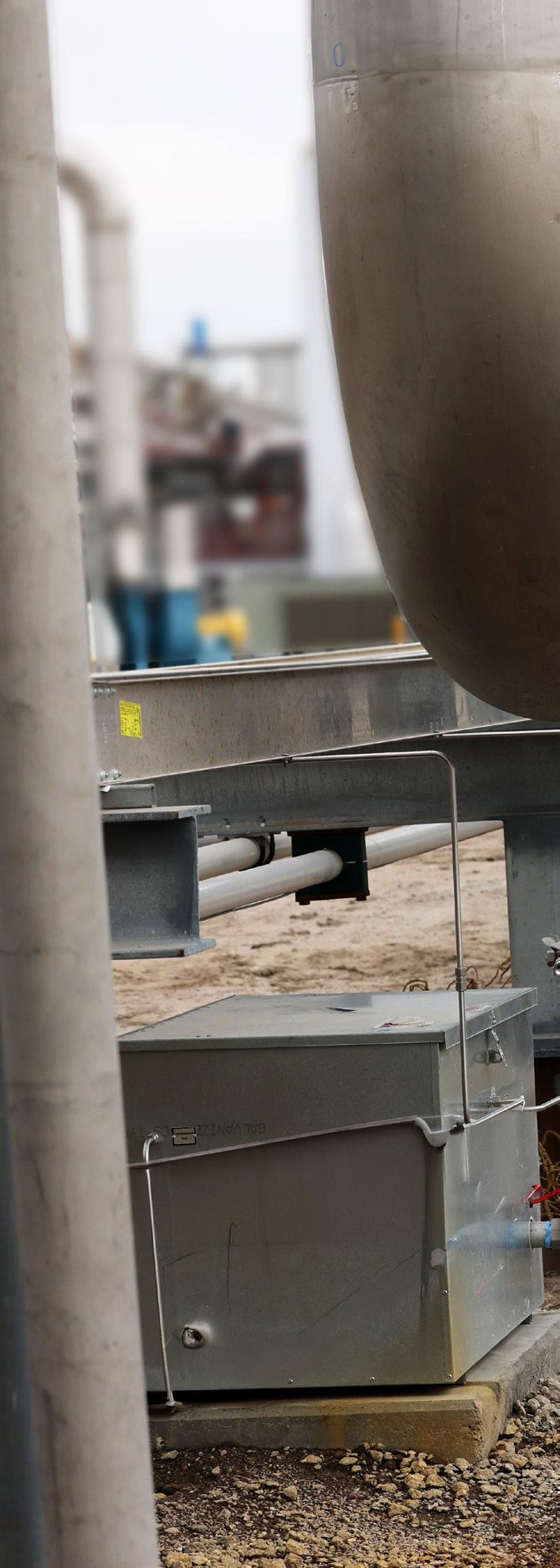
in the southeast Corn Belt, western Kentucky, was closer to potential customers for capturing for the carbonated beverage market,” says Commonwealth Agri Energy General Manager Mick Henderson. “In the 22 years we’ve been in operation, all but the first six months has been with a CO2 plant just next door taking our off-gas and making two or three different marketable products with our CO2, maybe even four.”
Initially the contract was with Pain Enterprises, but the CO2 facility has changed hands and is now owned by Airgas, Henderson says. Commonwealth uses a water scrubber to clean the stack gas, then provides 75% of its carbon to Airgas, tapped directly off the scrubber. Airgas then pushes the CO2 to blowers directed into its CO2 plant for cryogenic treatment and production of liquid CO2 and dry ice.

Initial capital cost was around $20,000, Henderson says, and the partnership has brought in about $1 million per year. “There’s not a lot of operating costs so it’s pretty much bottom-line profits, and $1 million in some years is all your profits,” he says. “It’s really just been a profit function for us, with the revenue just going straight to the bottom line.”
Conestoga Energy’s Arkalon Energy near Liberal, Kansas, has been capturing CO2 for enhanced oil recovery for about 15 years, as part of a program operated by CapturePoint LLC in Kansas and Oklahoma. The Arkalon facility has the capacity to capture 250,000 metric tons of CO2 annually. CapturePoint transports the CO2 through its 170-mile regional network of dedicated
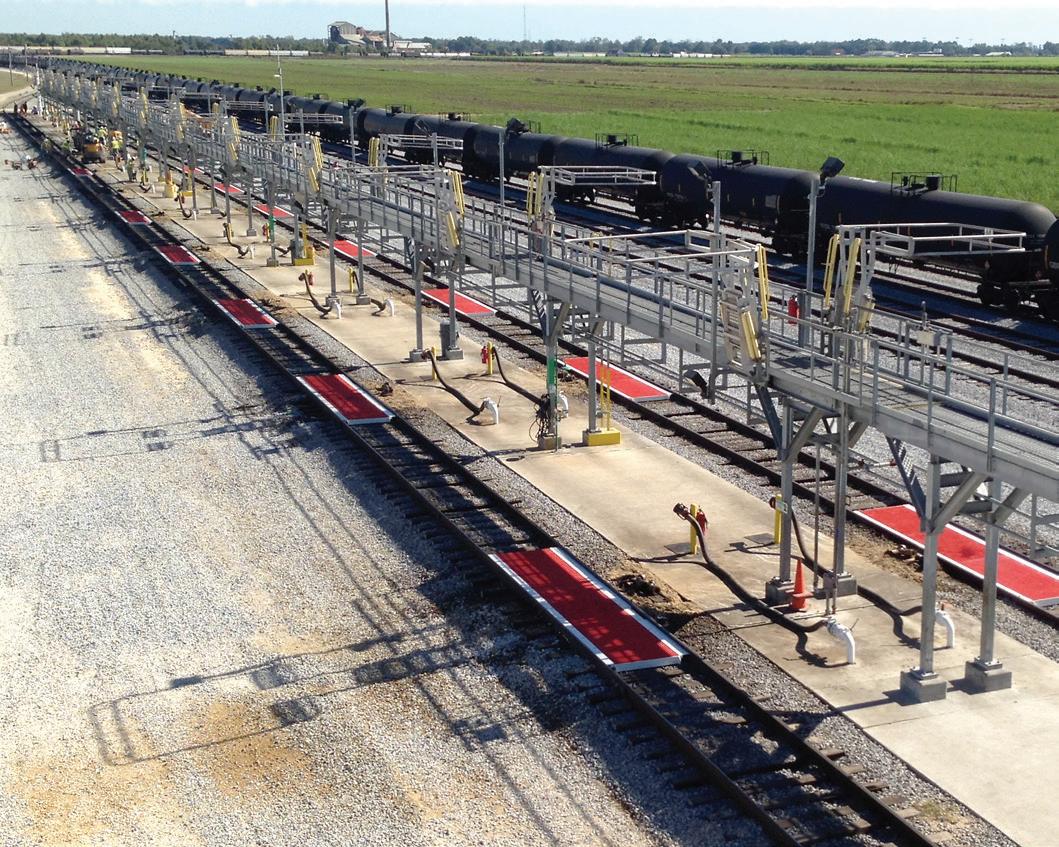
pipelines to over 75 active injection wells the company uses for EOR. Once EOR operations cease, the CO2 is permanently stored underground.
Bonanza BioEnergy, also in Kansas, is paired up with Gary Climate Solutions, which is using the plant’s 150,000 metric tons of annual CO2 output for EOR in an oil field in southwest Kansas.
Tallgrass Energy’s Trailblazer pipeline project winds from Nebraska, through Colorado and into Wyoming. The pipeline is already transporting and storing carbon.
Several plants are signed on to the project, including Mid America Agri Products/ Wheatland in Madrid, Nebraska; POET Bioprocessing in Fairmont, Nebraska; ADM in Columbus, Nebraska; KAAPA Ethanol
Holdings in Aurora and Ravenna, both in Nebraska; Chief Ethanol in Hastings, Nebraska; and Green Plains’ facilities in Central City, Wood River and York, all in Nebraska.
Ann Reis, Green Plains CFO, says the three plants on the Trailblazer pipeline each see a CI score reduction of 30 to 35 points. “Having three facilities on the pipeline is an important opportunity for the company. Particularly, it expands our ability to sell into the low-carbon markets.”
Green Plains is receiving 45Z tax credits, a major benefit from a net income perspective and for shareholders, she says. In February, Green Plains announced 45Z generated $27.7 million for the company during the fourth quarter of 2025, net of discounts.
“These tax credits incentivize innovation,” Reis says, adding the current 45Z sunsets in 2029, shortening the runway for
new developments getting off the ground. “A longer horizon would drive even more innovation.”
Trailblazer has reshaped the ethanol industry in Nebraska and was the first of three announced pipeline sequestration projects to become operational. Ben Rhodes, executive director of the Nebraska Ethanol Board, was quoted by Ethanol Producer Magazine earlier this year, saying, “There has never been a better time than now to be a Nebraska ethanol producer.”
“There is a clear Nebraska advantage,” Reis says. “Being located along the Trailblazer pipeline creates real benefits, and we’re fortunate to take advantage of it.”
The Navigator CO2 Ventures LLC pipeline project, proposed to run through five midwestern states with permanent sequestration in Illinois, was announced in March 2021 and canceled in October of 2023, after insurmountable permitting issues. Summit Carbon Solutions, a proposed pipeline project that would inject CO2 into
Class VI wells in North Dakota, has faced multiple delays and rerouted its path around permitting issues, but the company maintains the project is still viable. In March, a North Dakota court voided Summit’s permits for underground CO2 storage in the state, ruling the North Dakota Industrial Commissions’ approval of the permits violated the state constitution.
“We are reviewing the court’s decision and evaluating next steps,” a Summit spokesperson said in a statement after the court’s ruling. “Summit has already leased a significant amount of pore space in the project area and will continue working to ensure we can access our permitted storage. This project remains critically important to strengthening markets for ethanol and corn producers while supporting long-term energy security.”
Because many facilities are still waiting on the fate of Summit Carbon Solutions’ pipeline, the largest overall category of CCUS activity remains pipeline-related
carbon capture and storage (PCCS), with 67 facilities across the U.S. and Canada, according to Ethanol Producer Magazine data. Fifty of those are committed to the Summit pipeline.
Three related PCCS projects are planned by Carbon America in northeastern Colorado and western Nebraska.
But pipelines aren’t the only way to transport CO2, Steven Lowenthal points out. Lowenthal is Co-CEO of Frontier Infrastructure Holdings, which is working with existing rail lines and liquefaction infrastructure to capture CO2 across the Midwest and transport it to Wyoming for permanent sequestration in Class VI wells. The project, Frontier Carbon Solutions, is backed by Tailwater Capital.
“As we saw delays and cancellations of pipelines, we saw the opportunity to do rail,” Lowenthal says.


Frontier owns Sweetwater Carbon Storage Hub in Wyoming and controls 100,000 acres of pore space, Lowenthal says. In 2025, the company drilled one Class VI injector well and one Class VI monitor well.
Union Pacific and Norfolk Southern rail lines have already signed on to the project. “The railroads view this as a really unique way to find a new business line—CO2 for sequestration that leverages existing customers, existing track, existing infrastructure,” Lowenthal says, adding that the U.S. already moves more than 1 million tons of CO2 by rail each year. “There’s a lot to build off of versus starting from scratch.”
Gevo and its subsidiary, Verity, are serving as advisors to the Frontier Holdings project. Gevo already utilizes underground storage at its 67 MMgy ethanol plant in Richardton, North Dakota. “The Gevo and the Verity folks bring institutional familiarity and understanding and expertise in the ag part of the business,” Lowenthal says. “And I think that’s a really compelling service offering for ethanol plants.”

Lowenthal says the simplest strategy is a fee-for-service model, but the company is open to other options that best fit each producer. He adds that the upfront cost of carbon-by-rail is lower than that for a pipeline, but the strategy does incur ongoing operating expenses.
With construction of a CO2 transload facility coming soon, Lowenthal says Frontier Carbon Solutions will be ready to take CO2 volumes from ethanol plants in the second half of 2027. He is in discussions with four producers, but any plants west of the Mississippi are good candidates for the project.
“They didn’t want to talk rail 2.5 years ago, but now they’re recognizing that we’re going to need to do things that we didn’t think were possible and feasible or made sense,” Lowenthal says.
For ethanol producers with favorable



3D MODELING: Predictive modeling and continual monitoring of underground carbon storage sites ensure the carbon dioxide plume behaves as expected during sequestration. The technology has been used in the oil and gas industry for decades.




















geology, on-site storage via Class VI injection wells might be the best fit. Like carbonby-rail, the strategy has been used in other industries for decades.
“It’s not a technology that ethanol producers are used to managing because it’s not their bread and butter,” says Sylvain Riba, president and CEO of Geostock Sandia. “But it’s something that’s not complicated for other industries, and they leverage their logistics, stakeholder engagement and commodity trading strengths. You really apply and leverage decades of experience in the oil and gas industry into CO2 management.”
Ethanol Producer Magazine data shows 18 plants involved in, or actively planning, onsite carbon capture and sequestration., three operational—Blue Flint Ethanol and Gevo in North Dakota, along with Archer Daniels Midland-Decatur in Illinois. Cardinal Ethanol in Union City, Indiana, secured its Class VI permit for CO2 sequestration on

















March 3. Through its CCS subsidiary, Purefield Ingredients, an ethanol plant in Russell, Kansas. secured its EPA Class VI permit in April.
The strategy is a long-term solution, Riba says, providing low CI scores for upwards of 50 years. Geostock Sandia drilled the well and handled the process for Blue Flint Ethanol.
The process begins with a stratigraphic test well, then permitting, which is differ-

ent in states with Class VI well primacy like Wyoming and North Dakota. In states without primacy, the applications go through the U.S. EPA.
“The first six months in your journey will be about preparing your stratigraphic test well to measure the underground rock properties to make sure that you have potential to drill and store CO2,” Riba says.
EPA applications will require validation for two major components: protection of
Revolu onizing yeast fermenta on in the ethanol industry


Environmentally friendly chlorine dioxide technology propelling ethanol produc on towards unmatched efficiency.

With a vision of bacteria control challenges gone for good, S ngerTM Gel offers a proven, safer, highly effec ve, and an bio c-free solu on to control bacteria in yeast fermenta on while addressing the issues of current chlorine dioxide products. That means safe, stable, and high-performing ethanol produc on.
• Gel is easy to spot if leaked or spilled
• Very long drying me, minimizing cleanup and safety concerns
• Superior performance over an bio cs
• Faster fermenta on rate (counts, budding, viability)
• Lower CI Score

underground storage of drinkable water; and confirmation that there will be no induced seismicity.
The EPA permit process takes about two years, then injector wells can be drilled, Riba says. “Those injectors would be drilled in less than six months. So, all in all, you’re talking about three years, up to four years sometimes, depending on timing and duration of the approval. It’s a lengthy process, but it’s quite robust and validates the investment is sound.”
During injection and operation, continuous monitoring will be required to measure the lateral plume extension, ensure there are no leaks, no corrosion, or interaction between the CO2, wells, and the formation. These can be accomplished through detailed 3D numerical models already in use in the oil and gas industry, Riba says.
On-site underground storage is the low-hanging fruit of CCS for those who can accomplish it. “That process is in fact one of the easiest and least expensive, thanks to the fact that the CO2 produced by an ethanol plant is pretty pure,” Riba says. “You only need dehydration and compression to provide the proper pressure to inject it.
“It is a longer-term investment that upgrades your plant for decades,” he adds. “You have to be patient, but it’s worth it.”
CapCO2 Solutions is developing a green methanol facility at an idled ethanol plant in Luverne, Minnesota. Through a collaboration among CapCO2 Solutions, AgriEnergy Innovations and Methylennium Energy, the 18 MMgy facility is in a detailed design phase with startup expected in 2027.
CapCO2’s modularized green methanol conversion process uses a Bosch waterbased electrolyzer that produces hydrogen for combination with CO2 in CapCO2’s patented synthesis process to produce green methanol. The company says its technology can reduce ethanol CI scores by about 25 points.
Adkins Energy in Lena, Illinois, and Red River Energy in Rosholt, South Dakota, are also exploring concepts that relate to green methanol.
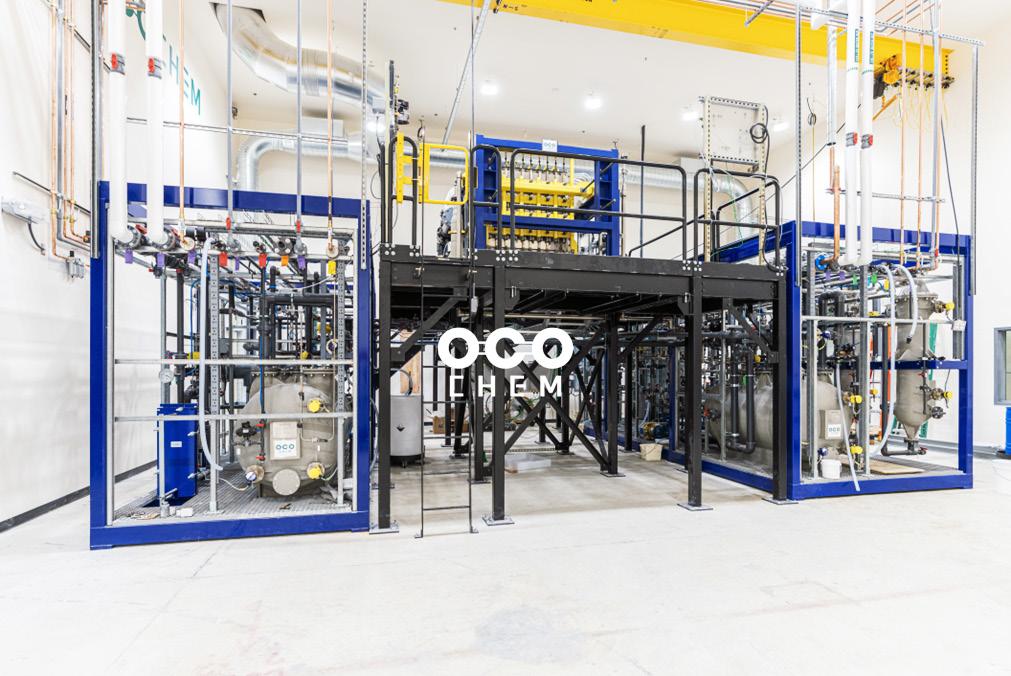
OCOchem, meanwhile, is working on its first commercial plant to demonstrate its electrolyzer technology, alongside ADM’s ethanol facility in Decatur, Illinois. The system produces formate, as well as oxygen and hydrogen.
“Formate is the most cost-effective molecule you can make with CO2 and we can make it at a comparable cost to the existing fossil-based process for making that,” says Todd Brix, CEO and co-founder of OCOchem. “When we talk to ethanol companies, there are a lot of options they’re considering and we generally think we’re a pretty good solution for producers that don’t have on-site sequestration options, that don’t have CO2 pipelines.”
Brix says the value proposition for OCOchem’s technology for ethanol producers is four-fold: lower CI score and access to tax credits; formic acid that can be used as a biocide and source of hydrogen to preserve distillers grains; oxygen that can be used in natural gas or other combustion fossil fuel areas to improve fuel efficiency; and potential to combine ethanol and formic acid to create ethyl formate, a fumigant with a global market of $22 billion.
“This is an additional opportunity for additional revenue streams for the ethanol producer, especially in market environments where ethanol demand is a little more slack,” he says. “We can use that same ethanol, combine it with formic acid and produce this value-added product.”
The business strategy can vary, with as much involvement from producers as they prefer, but at the very least, producers could expend no capital, contribute CO2 to OCOchem and collect 45Q tax credits, Brix says. “We just build next to plant and we get CO2, they get 45Q and lower CI. Everybody is happy.”
The facility at ADM is expected to start up in the first half of 2027. The project benefitted from existing infrastructure, shortening construction time.
“Technically, they don’t need our type of facility there because they already have sequestration,” Brix explains. “They’re literally not burying thousands of tons (of carbon) a year in order to give it to us to use. But they’re doing this because they have additional plants that don’t have sequestration as an option.”
Other ethanol producers have expressed interest, but none have partnered yet, Brix says, adding that plants between 40 and 80 MMgy are the perfect size for the technology.
“We think once this site is completed, it will be a showcase that other people can visit, see it working and see the economics in action and then make decisions on whether or not this type of approach would make sense for them and their facility.”
Author: Lisa Gibson lisa.gibson@sageandstonestrategies.com

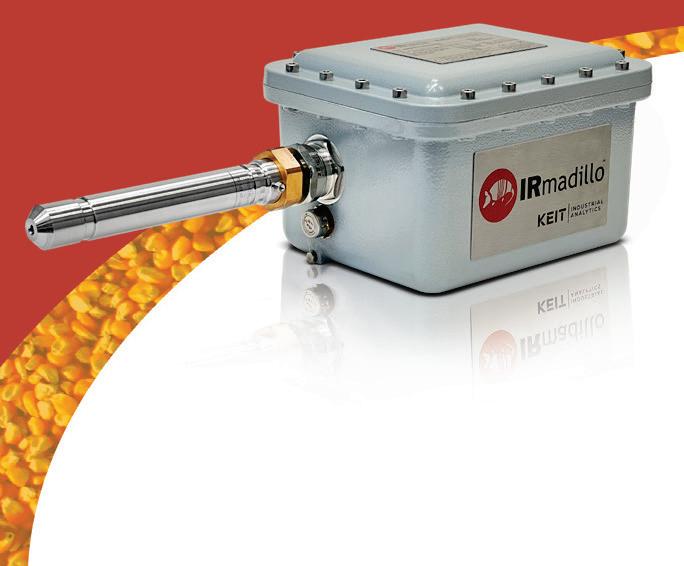
Pray he’s looking after your ferm

Let’s face it, lab results from the HPLC are subject to significant human error.
People get tired, distracted, bored. Some of the measurements are just hard to do In tests, we’ve found significant variations between di erent operators... and even from the same operator, on the same day, testing the same sample
Human error is NOT something you ever get from the IRmadillo™. Just continuous lab-grade data, 24/7. And automatic warnings, the moment anything starts to go wrong.
It all reminds us of the famous line from the movie, The Terminator: “It can’t be bargained with, it can’t be reasoned with, it doesn’t feel pity or remorse or fear. And it absolutely will not stop… EVER.”
Hasta la vista, failed batches.





RSB certification is a trusted standard for compliance across global markets. We’re one of the few approved to deliver it.
Developed through a rigorous, multi-stakeholder process, Roundtable on Sustainable Biomaterials (RSB) certification satisfies compliance requirements under the European Union Renewable Energy Directive (RED), the UK Renewable Transport Fuel Obligation (RTFO), and the Carbon Offsetting and Reduction Scheme for International Aviation (CORSIA) for sustainable aviation fuel (SAF), while also verifying social and environmental integrity across your entire supply chain.
To get RSB certification, you need the right verifier.
EcoEngineers and LRQA’s global team of experts provides independent audits, certification services, compliance verification, and gap analyses with regulated and non-regulated sustainability standards. We have conducted life-cycle analyses for more than 1,000 fuel pathways and related products and performed over 1,500 audits supporting biofuel and GHG claims.
Our teams provide practical, market-ready guidance throughout the certification process, supporting efficient audits, complex supply chains, and multisite operations while maintaining credibility with regulators and fuel buyers.
Whether you’re pursuing certification for the first time or switching from another system, it ’s easier than ever when you work with us.
Partner with EcoEngineers and LRQA to unlock new market opportunities.
Ready to export? Let’s get you certified.
Talk to our RSB assurance team: clientservices@ecoengineers.us



































Renewable Volume Obligations for 2026 and 2027 were finalized in March, with higher volumes than proposed in June 2025, and reallocation of 70% of small refinery exemptions.
By Erin Krueger
The U.S. EPA on March 27 finalized the 2026 and 2027 Renewable Fuel Standard renewable volume obligations (RVOs) at levels higher than originally proposed. The increase, however, is primarily attributed to delayed implementation of provisions that penalize foreign produced fuels and feedstocks until at least 2028. The rule also reallocates 70% of volumes waived through small refinery exemptions (SREs) and eliminates electricity from the RFS program.
The RVO for renewable fuels is 25.82 billion RINs in 2026 and 25.98 billion RINs in 2027, up from the respective volumes of 24.02 billion RINs and 24.46 billion RINs included in the proposed rule released in June 2025.
The June 2025 notice of proposed rulemaking also included provisions aiming to incentivize the use of domestic feedstocks and domestically produced biofuel by reducing the quantity of renewable identification numbers (RIN) generated for foreign fuels and fuels made from imported feedstocks by 50%, referred to by the agency as its “import RIN reduction” (IRR) policy. A supplemental notice of proposed rulemaking released in September sought public input on the potential reallocation of waived SRE volumes. In its RVO announcement on March 27, the EPA took final action on both proposals, which the agency refers to as the “Set 2” rulemaking.
For 2026, the nested RVOs include 1.36 billion cellulosic RINs and 8.86 billion biomass-based diesel RINs embedded within 10.82 billion advanced biofuel RINs. The nested RVOs for 2027 increase to 1.43 billion cellulosic RINs and 8.95 billion biomassbased diesel RINs inside of 10.98 billion advanced biofuel RINs. The implied RVO for corn-based etha-
nol was maintained at 15 billion gallons for both years.

Growth Energy celebrated the latest RVOs. “With this rulemaking, EPA and the administration are reinforcing their unwavering support for Americanmade biofuels and sending a strong signal about the continued role biofuels like ethanol will play in delivering American energy dominance and greater prosperity to the heartland,” said Emily Skor, CEO of Growth Energy. “We commend President Trump, EPA Administrator [Lee] Zeldin, and USDA Secretary [Brooke] Rollins for working together to finalize this historic, growth-oriented proposal, which opens the market for more than 15 billion gallons of conventional biofuel in 2026 and 2027.”
Skor said the U.S. Department of Agriculture also deserves praise for helping to ensure that the final RVOs reflected the Trump administration’s agenda for unleashing American energy and restoring prosperity to rural areas of the country. “With so many farm families struggling to make ends meet, we must take every opportunity to build reliable, domestic markets for American agriculture.
The Renewable Fuels Association also welcomed the new RVOs. “At a time when

American consumers are looking for relief at the pump and hard-hit farmers are looking for new demand opportunities, we commend [the Trump administration] for delivering robust RFS volume requirements for 2026 and 2027,” said Geoff Cooper, president and CEO of the RFA. “The final rule locks in the highest-ever renewable fuel volume obligations and provides clarity for farmers, ethanol producers, oil refiners and fuel distributors alike. Today’s action by EPA and the White House will boost the farm economy, strengthen American energy security and reduce fuel prices for hardworking families. We applaud the Trump administration for recognizing the important role renewable fuels and agriculture can play in meeting our nation’s energy dominance objectives.”
The American Coalition for Ethanol praised the final rule, too. “Congress intended year-to-year renewable fuel blending to increase under the RFS, and today’s announcement with the highest-ever volume obligations helps fulfill their intention,” said Brian Jennings, CEO of ACE.
The EPA is also finalizing a 70% par-

tial reallocation of the 2023, 2024 and 2025 RVOs waived via the SRE program for 2026 and 2027. “This approach will balance a number of factors that come into play when considering volume requirements and the impacts of SREs, including protecting biofuel demand while maintaining a stable and functioning credit market,” the agency said in a statement.
The SRE reallocation volume for 2026 has been set at approximately 990 million RINs, including 280 million advanced biofuel RINs and 210 million biomass-based diesel RINs. For 2027, the SRE reallocation volume has been finalized at 1.04 billion RINs, including 340 million advanced biofuel RINs and 250 million biomass-based diesel RINs.
As a result, the total applicable RVO for 2026 is 26.81 billion RINs, with nested volumes of 11.1 billion advanced biofuel RINs, including 9.07 billion biomass-based diesel RINs and 1.36 billion cellulosic RINs. For 2028, the total applicable RVO has been finalized at 27.02 billion RINs, with nested volumes of 11.32 billion advanced biofuel RINs including 9.2 billion biomass-based diesel RINs and 1.43 billion cellulosic biofuel RINs.
The EPA also finalized a proposal to reduce the 2025 cellulosic RVO, but at a lesser rate than proposed last June. The agency in mid-2023 finalized the 2025 cellulosic RVO at 1.38 billion RINs and in June 2025 proposed to reduce the 2025 cellulosic RVO to 1.19 billion RINs. The agency, however, has finalized the reduction at 1.21 billion RINs.
In response to the SRE allocations, Jennings said the integrity of the RFS depends on ensuring volume obligations “translate into real-world demand.” He said any gap between required volumes and actual blending undermines the program and creates uncertainty for ethanol producers, farmers and rural communities.
“We’ve consistently advocated for strong final blending obligations for 2026 and 2027, reflecting the full potential of the RFS and ensuring small refinery exemptions do not erode demand for renewable fuels,” he said. “It is critical that EPA set blending requirements at levels that fully account for any SREs granted. Failing to do so risks undermining the intent of the RFS by allowing obligated parties to rely on surplus [RINs], rather than driving actual blending and use of renewable fuels.”
Jennings also noted that the EPA has authority to set volumes that require more than 15 billion gallons of conventional biofuels annually. “We would encourage EPA to seriously consider higher volumes next year to account for any negative impact from SRE gallons not being fully reallocated and for potential E15 increases.”
Growth Energy also weighed in on SREs. Skor applauded the EPA for the 70% reallocation. “This provides clarity and predictability across the liquid fuel supply chain, while guaranteeing that the new markets promised to American farmers and biofuel producers as part of the RVOs are not destroyed by costly exemptions,” she said.

















Within the final rule, the EPA explains it has elected not to finalize the IRR policy as part of the Set 2 rule, citing the need for more time to “successfully establish and implement IRR provisions.” Specifically, the EPA said commenters indicated the proposed IRR provisions “could result in significant changes to the supply of the renewable fuels and feedstocks to U.S. markets, and these changes could be disruptive without sufficient lead time for the market to prepare and make necessary adjustments—including leading to increases in gasoline and diesel prices.”
The agency said it intends to “establish IRR provisions that will take effect beginning in the 2028 compliance year or shortly thereafter.” According to the rule, the EPA is currently considering the next steps associated with the IRR proposal and will communicate with stakeholders as it considers its plans.
The EPA followed through with a proposal to strip electricity, or eRINs, from the RFS. The agency had taken steps in recent













years to roll electricity into the RFS program but ultimately failed to approve a single eRIN pathway. The final rule formally removes “renewable electricity” from the RFS program.
The final rule also includes a variety of other regulatory changes, including specifying new equivalence values for renewable diesel, naphtha and jet fuel; updating RIN generation and assignment provisions; clarifying that RINs cannot be generated for renewable fuel that is used for process heat or electricity generation; changing the percentage standards equations, including specifying the biobased diesel standard in RINs rather than physical gallons; updating existing renewable fuel pathways and adding new ones; adding definitions for terms used throughout the regulations and updating other definitions; adding a joint and several liability provision applicable to importers of renewable fuel; revising compliance and registration provisions, including clarifying
that small refineries that receive an exemption from their RFS obligations must still submit an annual compliance report; clarifying certain requirements for biodiesel and renewable diesel; and other minor changes and technical corrections.
For biogas specifically, the rule includes language clarifying what constitutes a batch of renewable natural gas (RNG); clarifying the requirements for the generation, assignment and separation of RINs for RNG; clarifying registration requirements for biogas producers, RNG producers and RNG RIN separators; and numerous clarifications, corrections and consistency edits to the biogas regulations.
Clean Fuels Alliance America said the final rule provides much-needed certainty for biodiesel and renewable diesel producers. “The entire U.S. clean fuel industry—

from farmers and feedstock providers to fuel customers—is grateful to see this rule finalized,” said Kurt Kovarik, vice president of federal affairs at Clean Fuels. “U.S. biodiesel, renewable diesel and SAF producers are eager to get to work and bring the 7 billion gallons of existing production capacity up to speed to meet 10% or more of America’s demand for diesel fuel.”
“The robust biomass-based diesel volumes set in this rule support America’s farmers and consumers,” Kovarik continued. “Biodiesel and renewable diesel represent 10% of the value of every bushel of U.S.-grown soybeans, contributing to Presi-

dent Trump’s desire for American energy dominance and domestic market demand for agriculture commodities. American farmers and other feedstock providers are eager for the growing domestic clean fuel market to drive value in agriculture, along with economic growth and job creation in rural communities. American consumers are desperate for secure, affordable domestic energy. Today’s rule is a clear win for the nation’s energy security.”
The RNG Coalition praised the EPA’s decision to finalize the cellulosic RVOs at levels higher than originally proposed. “The final rule is certainly an improvement over the agency’s Set 2 proposal,” said Johannes Escudero, founder and CEO of the RNG Coalition. “The RNG Coalition will continue to urge EPA to administer a growth-oriented program as envisioned by Congress.
“The RNG industry in the U.S. has grown substantially over the last decade due

in part to a strong RFS,” he added. “The program is critical to supporting significant investment across American communities and growing volumes of clean fuel. The current instability in global energy markets means the RFS has a key role to play in buttressing U.S. fuel supply and energy security.
“With hundreds of facilities under construction, we stand ready to continue supplying increasing volumes of American alternative fuels through the horizon of Set 2.0 and beyond,” Escudero continued.
The American Biogas Council was less enthused. The group said the rule constrains domestic fuel production, undercuts opportunities for farmers and fails to represent real-world biogas growth, which will constrain markets. “The action especially undercuts opportunities for livestock farmers, impeding one of the most reliable ways farmers can keep pace in a low-margin agriculture industry, and contribute to America’s energy




dominance,” said Patrick Serfass, executive director of the ABC.
“In this set of fuel targets for 2026 and 2027, the agency diverged from longstanding methods and abandoned statutory guidelines when they estimated D3 RIN volumes on projected [RNG] end-use constraints rather than what the U.S. biogas industry can produce—and even with this new approach, the agency has also significantly underestimated real-world demand,” Serfass continued. “This approach looks to constrain domestic, renewable fuel production, a foundation of RFS goals, instead of supporting U.S. fuel industries which recycle organic residues, and more fully utilize American crops.”
Author: Erin Krueger ekrueger@bbiinternational.com








Badger State Ethanol found collaboration with IFF critical in discovering solutions for DCO process problems.
By Katie Schroeder
For many ethanol producers, collaboration with vendors becomes a delicate dance—say just enough to find the information you need, all while being careful to withhold process data. Badger State Ethanol, a 100 MMgy plant located in Monroe, Wisconsin, often takes a different approach by going all in on their relationships. A perfect example of this was with their IFF relationship. Starting in 2017, the facility ran into a problem. Distillers corn oil (DCO) yields dropped, then flatlined. While not terrible, they were not at levels plant management wanted. Doug Friedrich, operations manager at Badger State Ethanol, says the list of issues with DCO recovery was so long that the fitting question became “What isn’t wrong?”
He and his team tried every obvious solution, including significant capital investment in equipment, exploring the possibility that the system was unable to recover DCO due to throughput volume. “While Badger State Ethanol saw incremental benefits in its equipment spend, it did not help on oil production,” says Friedrich.
Stephanie Schmidt, process analyst and plant chemist at Badger State Ethanol, heard about IFF’s Optimash® DCO+—a thermostable protease—from a fellow ethanol producer. Excited about the forecasted DCO yield increase, Badger State Ethanol ran a trial of the protease, only to find its entire fermenter emulsified. The team brought the issue to John Buns, senior sales account manager with IFF, who highlighted that it was either the protease or the enzymatic antifoam. While Schmidt and her colleagues didn’t rush to assume the protease caused the emulsification, they found it hard to believe the other possible culprit—one gallon of enzymatic antifoam in a 730,000-gallon fermenter—could cause such a problem.
“We isolated the protease and things went fine, and then we isolated just one gallon of antifoam in the ferm and lost all of our oil,” she says. “So, it was the enzymatic antifoam; one gallon of it was enough to emulsify pretty much everything in the ferm.”
The breakthrough for Friedrich and his team occurred after contacting Buns about the trial’s result. Buns shared a white paper outlining the possibility of causing an unbreakable emulsion when certain types of antifoam are combined with an emulsion breaker and the wax naturally found in corn. With that information in hand, Friedrich took a closer look at when Badger State Ethanol’s DCO problems began. He noticed the increased implementation over several years of a new clean-in-place chemical suite correlated with the drop in DCO yields. “When we look at the spin tubes from our oil from back then, we would have 3 cc to 5 cc of emulsion, which we thought, at the time, was normal,” Friedrich says. “We didn’t know what that emulsion layer looked like in other plants.”
Badger State Ethanol then put its cleaning products under a microscope and discovered emulsifiers among some of the ingredients. Again, doubling down with another trusted partner, Badger State Ethanol swapped out those ingredients, eliminating emulsion almost entirely, to less than 1 cc. IFF’s technical expertise gave Friedrich the missing puzzle piece, solving the problem that baffled experts for eight years. After making some adjustments and swapping out process inputs, Friedrich says DCO yields increasd by 25%.
Entrusting IFF with the details of the process and problem yielded great results, Schmidt explains. IFF’s efforts to build a strong relationship rather than look for the
next sale built trust with Badger State Ethanol. She appreciates how the IFF team studied process diagrams, educating themselves on the plant’s unique process. “They’re actively trying to understand it, trying to get in front of it and trying to help predict what’s going to happen when we run a trial or a new product with them,” she says.
Clear communication and active collaboration made all the difference in bringing about the best outcome, Buns explains. He appreciates that the Badger State Ethanol team gave IFF a chance to help solve the problem, in spite of the initial trial’s bad result. “It’s important to be open with your suppliers, as certain ingredients or process conditions may not be compatible,” he says. “If you experience a negative result, but you can work together and be collaborative, the outcome can really be worth it.”
Establishing strong trust through openness and collaborative problem solving, Badger State Ethanol can move on to its next challenge, staying receptive to trying new products. The plant works hard to stay on the cutting edge of the ethanol industry, searching for new products and strategies to improve production. That type of innovation may require an expert opinion to get the best result. “Our approach to vendors is, ‘Hey, I’m not going to withhold information from you, because we want your help in trying to figure out this problem,’” Friedrich says.
Although Friedrich and his operations team have a deep bench of expertise—with a collective 150 years among them—knowing when it’s time to ask for help is critical. “We can’t know everything here,” he says. “Don’t be afraid to rely on the experts in the industry when you need their help.”































Low-carbon fuel standards provide ethanol producers with key markets willing to pay for ethanol’s lower greenhouse gas emissions. In the U.S., California led the way, establishing the country’s first LCFS in 2009, which went into effect in 2011. Other Pacific Coast states followed suit: Oregon implemented a Clean Fuels Program in 2016, and Washington implemented its Clean Fuel Standard in 2023. Not to be outdone, New Mexico became the first state in the Southwest with its own standards, the Clean Fuel Transportation Program, which passed in the legislature in March 2024. After two years of deliberations, the finalized regulations went into effect on April 1, 2026.
Graham Noyes, managing attorney at Noyes Law Corporation, has been deeply involved in making New Mexico’s Clean Fuel Trans-
portation Program a reality. Back when he served as executive director of the Low Carbon Fuels Coalition in 2020, Noyes was approached by Adelante Consulting with a recommendation to develop a clean fuels program in the state to help mitigate fire risk caused by excess woody biomass.
“[One county had] asked that Adelante look at policy structures, and Adelante had looked at policy structures and said, ‘Well, we think a clean fuel program would be the best way to create demand for woody biomass. That would be the best sort of long-term policy solution,’” Noyes recalls. “And so, Adelante reached out … to me at the coalition to say, ‘You know, we’d really like to get the conversation started about a clean-fuel program in New Mexico.’”
The Low Carbon Fuels Coalition joined the movement. The first bill was introduced in 2021, and subsequent bills came out in 2022

Clean fuel regulations are in effect in The Land of Enchantment, offering carbon credits for ethanol and other low-carbon fuels.
By Katie Schroeder
and 2023, all of them supported by LCFC. Years later, in March 2024, New Mexico codified its Clean Fuel Transportation Program within the state’s Environmental Improvement Act.
Although the fuel market in the state is far smaller than California’s, the CFTP sets aggressive goals for carbon reduction compared to other programs, giving fuel producers access to high-value credits, Noyes explains. The program sets the target of 20% carbon reduction by 2030 compared to the 2018 baseline. This goal had a longer runway back when the legislation was first introduced in 2022, but now the state has four years to meet the first goal. “We’re in 2026, and we have a 20% reduction by 2030 out of the gate,” Noyes says. “And typically, out of the gate, the programs have been, sometimes just reporting only … 0.5% or 1%.”
The 2018 baseline CI for gasoline and gasoline substitutes is listed at 95.61, while the baseline for diesel and diesel substitutes is 95.53. The reduction planned for gasoline and gasoline substitutes, as well as diesel and diesel substitutes for 2027 stands at 3.3%, 6% for 2028 and 11% for 2029. After 2030, the goal increases by 1% each year until it reaches 30% in 2040.
New Mexico’s separation from the West Coast states is evident in more than location alone. Noyes cites the state’s smaller population (compared to California and Washington), close economic ties to the oil industry and unique regulation process. Located atop the Permian Basin, the most productive oil field in the U.S., New Mexico is the nation’s second-largest producer of oil and gas. Noyes estimates that
30% of the state’s economy depends on fossil fuels. However, one key factor connects the state with the West Coast: “New Mexico has a very determined and deliberate greenhouse gas reduction policy structure that’s already established and very ambitious in reduction goals,” Noyes says.
Unique to New Mexico’s process is a court proceeding held before New Mexico’s Environment Improvement Board, according to Noyes. The state’s Environment Department comes before the board as the petitioner in the proceeding. “The petitioner brings forward the regulations and essentially puts on a case to say, ‘These are good regulations, they follow the statute, they make sense for all of these reasons,’” he explains. The petitioner’s case is subject to cross examination, and conflicting witnesses, Noyes adds. Throughout this process, the regulations were amended multiple times by the petitioner based on “how the hearing officer or the board was reacting, and even some

Graham Noyes Managing Attorney Noyes Law Corporation
negotiations between the parties,” Noyes says. He represented three clients in the rule-making process: Verde Clean Fuels, a methanol-to-gasoline project developer; Infinium, an electro fuel producer; and three sustainable aviation fuel producers, Gevo, Next Clean Fuels and World Energy. Working with New Mexico co-counsel Anne Minard of Minard Law, Noyes Law Corporation filed written testimony and exhibits on behalf of all clients as well as Statements of Reasons and Closing Arguments. Sean Newsum of Airlines for America and Jane Sadler of RMI testified in person as witnesses on behalf of
the SAF producers at the Santa Fe hearing. David Zaziski of Infinium testified on behalf of Infinium in person in Santa Fe.
The proceeding included nine days of direct testimony, followed by another three of rebuttals, Noyes says.
While the process is time- and resourceintensive, Noyes sees some key benefits to the publicity of the proceeding. “One of the good things about that is we do see situations where people make, frankly, claims … asserting that biofuels are bad and doing all of these terrible things,” he says. “And you don’t really have a chance to challenge the person and say, ‘What’s your evidence to support this? What do you know?’ And here we did. So, I think that that was really a positive aspect.”
The resulting regulations held some strong benefits compared to California’s regulations, such as a technology-neutral approach and no “onerous” requirements for sustainability tracking and verification, ac-







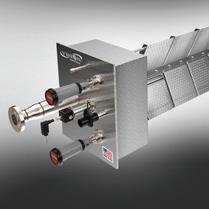
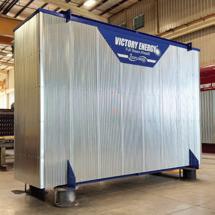
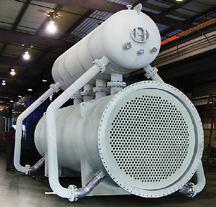
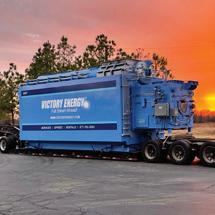




MAKING HISTORY: New Mexico’s Clean Fuel Transportation Program was signed into law by Governor Michelle Lujan Grisham (pictured in the center) in March 2024. PHOTO:
cording to Danielle Anderson, senior government policy and advocacy manager with Christianson PLLP. Revisions to California’s LCFS require producers to gather specified source feedstock attestation letters, an ex-
pensive burden to shoulder. “For right now, it truly honors the mission of being … technology neutral, which the other state programs, they had that mission and we kind of see them moving away from that,” Anderson
says. “And so, we feel that New Mexico is truly, at least for the moment, honoring that technology-neutral position.”
Growth Energy also provided testimony, advocating for ethanol industry priorities, such as the inclusion of carbon capture and sequestration (CCS) within the emissions framework—allowing sequestration to generate credits—and championing accurate accounting for ethanol’s CI score, according to Chris Bliley, senior vice president of regulatory affairs with Growth Energy.
According to the U.S. Energy Information Administration, New Mexico utilized 2.28 million barrels of ethanol in 2024, blending with gasoline at a rate of 10%. According to the Alternative Fuels Data Center run by the U.S. Department of Energy, 148,600 flex fuel vehicles were registered in New Mexico in 2024. The ethanol market for higher blends is not oversaturated in Noyes’







view. “To the extent we see high-value LCFS credits out there, then E85 could be a real winner, particularly with oil prices,” he says. “If they keep going north, the way they’re going now, or even stay high, that would be an immediate opportunity. That’s credit generating as of April here.”
points higher than Argonne National Laboratory’s R&D GREET model.
Growth Energy advocated for New Mexico’s model to better reflect the advancements made regarding the scientific understanding of ILUC, which continues to trend lower—some models even have zero or negative ILUC numbers for ethanol— however, the state decided to use California’s number. “We weighed in extensively on that,” Bliley says. “But we will continue to work and … hope to see continued opportunities for ethanol going forward because as we said, we know ethanol is a low-carbon fuel. It just needs to be recognized as that with the modeling and … credit generation.”


Geoff Cooper, CEO of the Renewable Fuels Association, says New Mexico’s CFTP is a good opportunity for the ethanol industry, but has concerns around the CI score given to corn-based ethanol and the penalty given for indirect land use change (ILUC), which are similar to the scores in California. “Overall, … we believe that if a state LCFS program is properly structured, it can really help drive demand and create new market opportunities and create more value for the ethanol that our members are producing,” Cooper says.


LCFS credit prices fluctuate via supply and demand, explains Bliley. New Mexico’s market could relieve some pressure on preexisting LCFS markets by offering another outlet for that fuel. The amount of supply entering California’s market in recent years caused credit prices to drop, leading the regulating body to add more stringent CI requirements, according to Bliley. “It’s a different region so you might have different players,” Anderson says. “It opens up a new market for people that were farther away from the California market. Some of those other facilities that their CI would have been too high to go to Washington, Oregon and California could now go into and get a premium for going into New Mexico.”
Under New Mexico’s CFTP, corn starch-based ethanol receives a CI score of 75 and sorghum ethanol a score of 65. Within those values, ILUC accounts for 19.8 g/MJ for corn ethanol, 19.4 g/MJ for sorghum ethanol and 11.8 g/MJ for sugarcane ethanol. These ILUC scores are the same as those given under California’s GREET model, according to Anderson. California ILUC value assigned to ethanol is 10 to 12


Since 45Z offers ethanol producers credits based on CI, the industry responded with innovations aimed at reducing ethanol’s CI, but those efforts have less of an impact on a plant’s score when clean fuels programs, like California and New Mexico, use an “unnecessarily high” value for ILUC, Bliley says. “Ethanol is a low-carbon fuel, but if you use the wrong measuring stick, it can really hamper its ability to help the state achieve its goals.”
The inclusion of CCS in the regulations is a bright spot for the ethanol industry, differentiating New Mexico’s program from others, according to Bliley, as California has yet to issue credits based on the practice. Continued education around ethanol production and its low-carbon benefits serves a key role, Bliley adds, helping the state’s regulators and residents better understand what an accurate CI score for ethanol looks like.
“There’s a tremendous amount of benefits by using higher ethanol blends,” Bliley says. “We’re hopeful that they get the details right and, as the program gets off the ground, they recognize the important contributions of ethanol and higher ethanol blends.”
Author: Katie Schroeder katie.schroeder@bbiinternational.com


















































Fluid Quip Technologies' experts break down the critical role engineering plays in reducing energy use.
By Greg Faith, Engineering Manager, Fluid Quip Technologies
In ethanol production, you don’t pay for energy once, you pay for it every day, for decades. And the decisions that determine those costs are often made long before the first gallon is produced. While policy incentives come and go, the reality is far less forgiving: plants either operate from a position of energy advantage, or they spend years trying to overcome it.
Ethanol plants are long-lived assets. The choices made during design, expansion or retrofit don’t just influence near-term performance, they define operating cost structures, reliability and flexibility for decades. While incentives and market signals may influence timing, the fundamental value of reducing energy demand endures.
Energy sets the foundation for everything that follows, from operating margins and up-time to carbon intensity and the cost of future upgrades. Plants with lower baseline energy demand start from a position of strength. Those that don’t often find themselves forced into reactive investments later, typically at a higher cost and with greater complexity. Think about the various traditional designs in the marketplace that have been around for nearly 20 years. Decisions to buy one over the other were driven mainly by time to market. The current energy upgrade market has those traditional plants paying up to be on par with the current industry averages.
For producers focused beyond the next credit cycle, low energy design is not a shortterm response. It’s a long-term competitive strategy.
Energy systems are built for permanence. Policy incentives are not.
Programs such as the 45Q Carbon Capture Tax Credit and the 45Z Clean Fuel Production Credit can accelerate investment decisions, but they operate within defined windows. Ethanol plants, by contrast, are expected to perform for decades. That mismatch is where energy strategy either proves durable or becomes a constraint.
When baseline energy demand is high, every future initiative becomes more expensive. Carbon capture systems must be scaled larger. Electrification requires more infrastructure. Carbon intensity (CI) reductions may demand more capital to achieve meaningful impact. Progress remains possible, but it comes at a premium.
Lower-energy plants operate differently. Reduced steam demand, improved thermal efficiency and electrified processes shorten the path between current performance and future requirements. Incentives may enhance project economics, but the underlying value exists regardless of policy.
Low-energy design is not a reaction to incentives or short-term economics; it is a deliberate strategy to future-proof a plant against uncertainty. Distillation choices are a clear example. Just as no one would design a traditional 20-year-old system today, given their high energy demands, traditional distillation approaches that rely heavily on direct-injection steam and high thermal inputs are increasingly misaligned with modern performance expectations. Fluid Quip Technologies applies low-energy smart design principles across multiple distillation solutions, each focused on rethinking how heat is applied, recovered and reused to reduce unnecessary phase changes and overall steam dependency. Among these options, low-energy distillation potentially combined with membrane separation represents the lowest-energy approach available today. Beyond reduced energy consumption, these designs deliver a wider operating window, improved stability, higher uptime, and greater operational flexibility—benefits that compound over the life of the plant.
CI is often treated as a target to be achieved. In practice, it is an outcome of how a plant is engineered from the beginning.
Facilities with lower CI typically didn’t arrive there through incremental fixes. They achieved it through stepped decisions that
reduced energy demand, improved process efficiency and avoided unnecessary complexity. Technologies like FQT’s LED™, which lower steam usage while improving overall system efficiency, exemplify this approach, delivering both economic and environmental value without tradeoffs.

When energy efficiency is built into the process, CI improvements follow naturally, rather than being forced through bolt-on solutions.
Ethanol plants are designed to operate for decades. The most successful facilities are engineered not only for startup performance, but for how they perform years into operation.
Low-energy distillation, electrification and integrated energy strategies enable plants to adapt over time rather than resist change. They reduce the need for continuous correction and to make future upgrades, whether driven by market conditions, emerging technologies or regulatory shifts, and are more straightforward and cost-effective to implement. At Fluid Quip Technologies, low-energy solutions are designed to deliver value with or without incentives, year after year, through lower operating costs, improved reliability, and greater flexibility for future carbon and fuel markets. Credits may come and go, but efficient plants remain competitive.
The result is not just improved efficiency but long-term durability. That’s why low-energy design isn’t just a long-term business advantage, it’s just good FQT engineering.





A long-proposed California ethanol plant would source sugarcane from the surrounding area, one of several plants in the U.S. exploring alternatives to corn.
By Luke Geiver
After many years, California Ethanol + Power LLC is still working to build a new ethanol plant in a region where corn isn’t king.
Through its project company Sugar Valley Energy LLC, CE+P is in the midst of a multi-year effort to finance and build an ecosystem of growers, technology and fuel ethanol production all centered on a feedstock perfect for southeastern California’s irrigated Imperial Valley: sugarcane.
Sugar Valley Energy isn’t the only U.S. ethanol plant working toward or currently producing liquid fuel from non-corn feedstock. Throughout the country, producers are using wheat byproducts, milo and waste streams. Others are fine-tuning their own processes to use—or attempt to use—sugar beet tailings, potato waste and even dairy milk.
“We are excited about all of the future opportunities from this,” says Dave Rubenstein, CEO and founder of CE+P. Based on the company’s projections for carbon intensity scores, potential revenue streams

and access to markets for multiple byproducts, Sugar Valley Energy’s commitment to a non-corn feedstock could earn it a crown of its own, while putting more non-traditional feedstock plants on the U.S. map.
Once operational, Sugar Valley Energy is expected to produce 76 million gallons per year of sugarcane-based ethanol. The leftover bagasse biomass material created from sugar extraction will be used to produce 42 MW of baseload electricity. The wastewater from the fermentation and dis-

tillation processes will create 1.4 MMBtu of pipeline-quality biogas.
The 160-acre site for the future plant is next to the Mesquite Lake Enterprise Zone, easy to access via trucks serving the California and Arizona ethanol markets. Excess power produced at the plant will be sent on to its power purchaser through interconnection lines. The sugarcane feedstock will be purpose-grown for the plant in the area.
“The project is fully developed at this point,” Rubenstein says. Hoffman Construction Co. of California (one of the largest contractors in the U.S.) has agreed
to be the engineering, procurement and construction (EPC) partner for the build.
Harder Mechanical and Dynalectric San Diego, along with other major equipment suppliers, will also work on the project. Stantec is the engineer on record. Most of the sugarcane-specific technology is already available, given it’s used commonly in Brazil.
Black & Veatch completed an independent engineering report on the plant in February, confirming the design, contracting structure and development approach.
According to the report, the 36-month EPC schedule is reasonable and achiev-
able, environmental and permitting statuses are aligned with major approvals already secured, and financial model assumptions for capital and operating costs are consistent with comparable bioenergy facilities. Current financial projections for the build and completion of Sugar Valley Energy are roughly $1.2 billion.
“The community is behind the project,” Rubenstein says. “Years ago, farmers actually brought the idea to us and asked why they couldn’t grow sugarcane. They wanted a long-term opportunity.”
Last year, the Spreckels Sugar plant located near the Imperial Valley community of Brawley, California, and owned by the Southern Minnesota Beet Sugar Cooperative, was shut down as a result of high operating costs and an aging facility.
The concept of Sugar Valley Energy was born in 2009 and predates any recent sugar challenges in the Valley, Rubenstein says. In conjunction with the interest of farmers, investors were trying to answer a simple question back then: how to grow an efficient feedstock for ethanol that can supply the L.A. market. Rubenstein helped connect growers of Imperial Valley to the opportunity many saw for California-based ethanol production. The two locations are only 200 miles apart.
Steve Benson, a third-generation farmer, is among those committed to the idea of testing, growing and supplying a future ethanol plant with sugarcane. Today, Ben-


son is the chief agricultural officer at CE+P and led the efforts to test the growing and harvesting procedures that will one day be used at Sugar Valley Energy.
The 500,000-acre Imperial Valley irrigates with water from the Colorado River. Agriculture is allotted a high percentage of the total volume of water available to the region every year. Though alfalfa is a common crop there, sugarcane has also been grown in the region for decades, mostly used for traditional purposes.
To help determine the validity of sugarcane grown for energy production, the University of California Riverside and the Desert Research & Extension Center have already evaluated 22 commercially grown varieties of sugarcane. Certain varieties used today can yield 47 tons of millable cane per acre. Sugar Valley Energy will need 48,000 acres of sugarcane to meet its yearly production goals.


At the heart of the sugarcane operation will be long-term grower contracts. CE+P will propagate its own seed sugarcane from proven varieties and contract out the growing, according to the company. Sugar Valley Energy will pay all growing costs, rent and profits to the contracted growers, similar to sugar beet operations of the Red River Valley in North Dakota and Minnesota.
A new sugarcane field uses sections of a sugarcane stalk known as billets. The billets, usually between 18 and 24 inches in length, are planted in groups of three rows spaced 60 inches apart.
In nine months, the billets grow to heights between 11 and 15 feet. A new round of billets can be taken from each mature acre of sugarcane, to produce another six acres of new sugarcane growth, according to Sugar Valley Energy. When the plant needs sugarcane stalks for fermentation, the tall stalks (known as ratoons) are















Improve your bottom line by preventing unplanned downtime.








Why risk contamination or unnecessary downtime caused by ine ective tank cleaning? Cloud-Sellers® 360 fluid-driven tank cleaners are high-impact machines, built with the ethanol industry in mind. Combined with our Preventati ve Maintenance Program, your operations will run at peak performance. We under stand that idle tanks are costing you money
Make every drop count ™




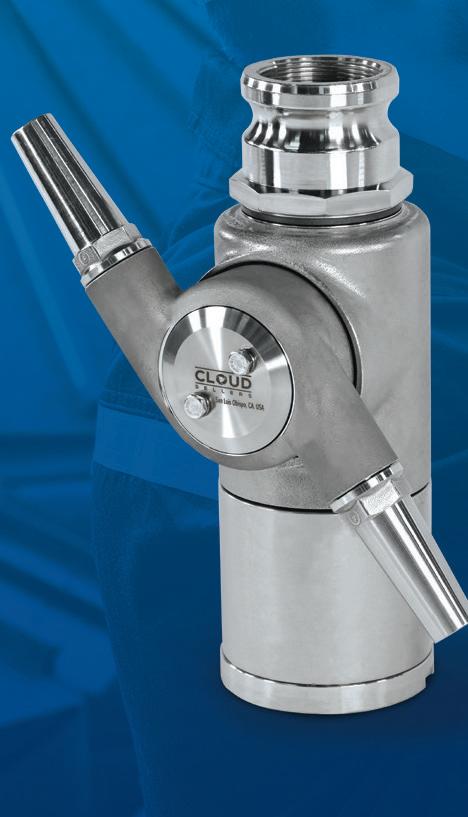











cut an inch or two above the roots right in the field. The remaining ratoon will regrow and reach maturity in another nine months, at which point the crop can be harvested again.
Each planted sugarcane stand in the Imperial Valley should remain productive for five ratoons, according to Sugar Valley Energy. The stands will only need to be replanted twice a decade, at most.
“We can harvest year around,” Rubenstein says. “In Brazil, they have a rainy season and they can only harvest cane four to six months out of the year. But with our year-around option, we can essentially store our feedstock in the field.”
To harvest the cane, the stalks are cut and distributed to trucks. Upon arrival at the SVE campus, the trucks will deliver the cane to diffusers that shred the sugarcane and open the juice-containing cells. Steam









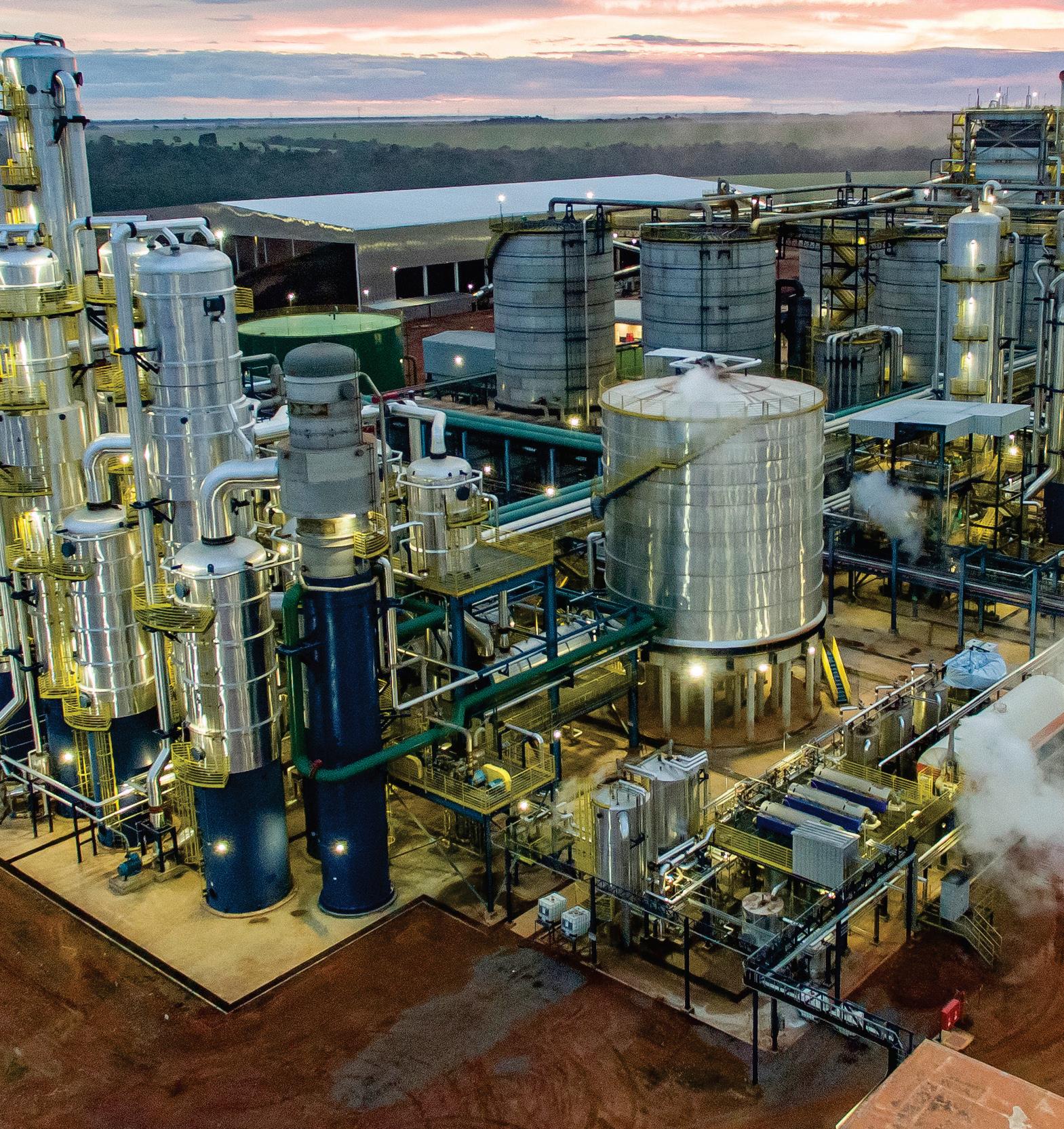








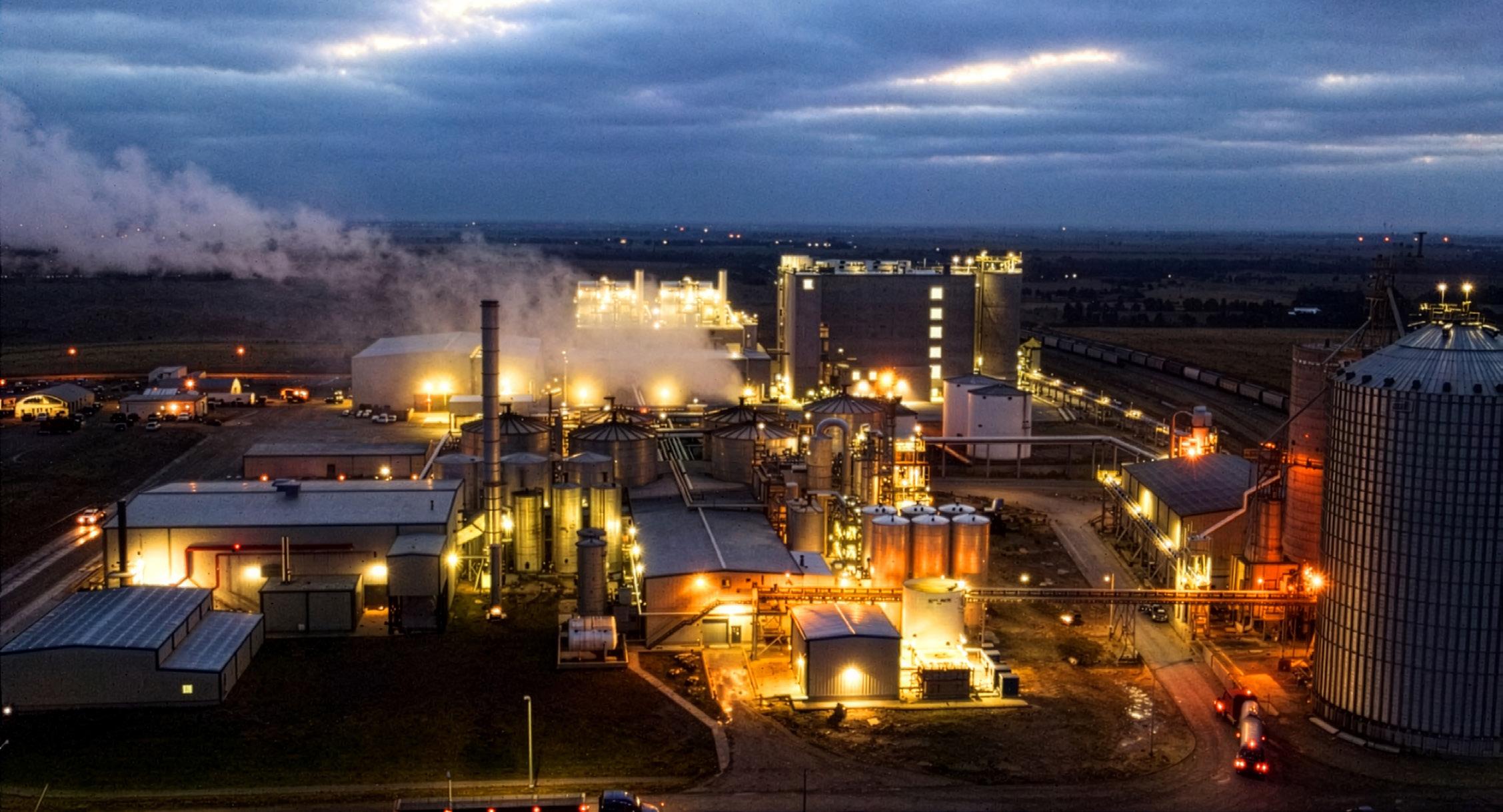
boilers, fermenters, juice treatment technology, evaporators and distillation columns turn the sugar juices into ethanol.
Based on studies performed by Booker Tate, an international sugar and agribusiness consultant, the conditions present in the Imperial Valley combined with the Sugar Valley Energy process produce a 40% better yield per acre than most plants achieve in Brazil, Rubenstein says, adding that the hot sun, dry zone and on-demand irrigation produce more juice in the California sugarcane.
Although the main products at Sugar Valley Energy will be sugarcane-based ethanol and the Low Carbon Fuel Standard credits it will create, the process will yield additional byproducts. Excess green power production will be sent back to the grid. Biogas produced from an anaerobic digester connected to the wastewater treatment plant will produce renewable natural gas. The RNG will be used to fuel the trucks sent out into the field to collect the freshcut stalks.
Multiple companies are also looking at setting up on the massive campus, including potential CO2 reuse, and biomass-based re-
newable chemicals from bagasse. With the California Air Resources Board’s current policy and framework in place for calculating CI scores, Rubenstein says the ethanol produced there will generate a CI score of 11. Should limits to the land-use change framework be incorporated into CARB’s CI score calculations in the future, the ethanol product could earn a CI score near or even below zero, he says.
The timeline of the plant’s progress can be misleading, Rubenstein says. In 2009 when the team first pitched the idea to investors, the interest came quickly, along with financial backing. The bank of Brazil was originally behind the plant, but the 2008-’09 recession curtailed that possibility. Along with a restart of the financing, the team also had to secure another EPC after the initial builder incurred issues of its own midway through the process.
Today, RBC is the banker working to finance the project. Rubenstein says RBC believes there is a market for the debt and a lot of opportunities for preferred equity. Currently, the team is looking to raise roughly $250 million of common equity.
“The returns to common equity in a conservative modeling scenario is in the mid to high 20s,” he says. “The secret sauce
to our product is simple. We’ll be physically very close to the fourth-largest economy in the world,” he adds, speaking of California and the surrounding cities.
While the CE+P team moves to complete their Imperial Valley vision, others across the U.S. have already found success producing ethanol from non-corn feedstocks. In 2023, Amber Wave made its own splash by starting up production of a 50 MMgy advanced ethanol facility using wheat-based feedstock.
Amber Wave’s story started with an investment aimed at serving the wheat protein market. Summit Agricultural Group, through its affiliate, Summit Ag Investors, acquired the former Prairie Horizon AgriEnergy LLC plant in Phillipsburg, Kansas, in mid-2021. After retrofitting the former corn ethanol plant to produce ethanol from wheat starch, Amber Wave is now one of the more prominent U.S. ethanol producers that doesn’t rely on corn. The facility was also modified via new construction to produce wheat protein.
As first reported in 2023 by Ethanol Producer Magazine, the original plant was

Dave Rubenstein CEO, Founder California Ethanol + Power LLC
'In the Imperial Valley, we have an opportunity to have home-grown fuel made in a way that helps the region, the farmers and the community.'
- Dave Rubenstein, California Ethanol + Power LLC
chosen by Summit Agricultural Group after looking at new-build sites in Montana and other existing locations in the U.S. Today, most of the wheat feedstock needed for production is sourced regionally. To switch from corn to wheat-based feedstock, the plant had to make changes to the evaporators and beer wells. The facility also had to add water handling capabilities and remove corn oil production infrastructure.
In Grand Forks, North Dakota, the revitalization of the 16 MMgy BI Biorefinery is also underway. Last year, the ethanol facility was awarded $205,000 from the North Dakota Agricultural Products Utilization Commission. The funding was given to help revitalize the plant by upgrading its wastewater management technology. Originally, the plant was built to process sugar beet tailings and potato waste into fuel ethanol. Following the funding, the BI Biorefinery team says it will focus on pharmaceutical-grade ethanol, animal feed and RNG while it continues to explore various feedstock options at its plant.
After breaking ground in 2024 on a dairy permeate ethanol plant, a joint venture between Dairy Distillery and the Michigan Milk Producers Association is closer to showcasing another feedstock option
for ethanol that isn’t corn. In operation, the Michigan plant will produce roughly 2.2 million gallons per year of ethanol made from milk permeate, a dairy byproduct that is typically discarded or used as animal feed for pigs.
According to Rubenstein, corn-alternative feedstocks for fuel ethanol production used in southeastern California or other places across the country aren’t just about revenue creation. “In the Imperial Valley, we have an opportunity to have home-grown fuel made in a way that helps the region, the farmers and the community.”
Author: Luke Geiver writer@bbiinternational.com


With the E15 waiver in place, consumers can unlock billions in fuel savings this summer.
Emerging process technologies support reductions in energy use and carbon intensity across the ethanol production process.
By ICM
As ethanol producers continue to prioritize lower carbon intensity (CI) and improved energy efficiency, attention is increasingly focused on areas of the process with the greatest impact. Thermal energy demand, particularly across distillation, dehydration and evaporation, represents a significant share of both operating costs and CI, making it a key lever for improvement.
Through strategic collaborations, ICM is advancing solutions that directly address these challenges. This includes its partnership with Mitsubishi Heavy Industries Ltd on membrane-based dehydration, which reduces reliance on steam-intensive separation, as well as its collaboration with Energy Integration Inc. LLC to deploy EII’s mechanical vapor recompression (MVR) system. The system recovers and reuses energy within the distillation, dehydration and evaporation processes.
ICM’s collaboration with MHI reflects a deliberate effort to bring forward nextgeneration solutions for ethanol dehydration, one of the most energy-intensive steps in the process.
MHI, a global engineering and manufacturing company with more than 140 years of experience, has developed its membrane dehydration technology, MMDS™, over nearly two decades. The technology builds on MHI’s expertise in separation systems, process engineering, advanced materials, and large-scale plant design.
“Unlike conventional molecular sieve systems, which rely on vapor-phase adsorption and regeneration cycles, MMDS performs dehydration in the liquid phase,” says Takuro Onuki, Manager at MHI.
Ethanol is introduced to a porous ceramic membrane under controlled temperature and pressure, while a vacuum on the permeate side drives selective water removal.
“By shifting dehydration to the liquid phase, the process eliminates the need for ethanol vaporization and simplifies the separation process,” Onuki adds.
The technology has been validated through extensive pilot testing at MHI’s Nagasaki District Research & Innovation Center in Japan. The pilot system utilized commercial-scale, monolith-type ceramic membranes and was designed to reflect plant operating conditions. Testing evaluated key variables, including ethanol concentration, temperature, flow rate and pressure conditions. The results confirmed performance across a range of scenarios and supported scale-up modeling.
“We’ve seen consistent performance across a range of operating conditions, which gives us confidence in the technology’s scalability and long-term reliability,” Onuki says.
That confidence is supported by pilot results showing stable operation and consistent production of fuel-grade ethanol at approximately 99.6 vol% purity.
From an operational standpoint, this approach reduces the load on upstream distillation and streamlines overall system operation. The use of ceramic membranes provides durability under thermal and chemical stress, while maintaining strong water permeability and selectivity. Together, these characteristics support consistent performance and a differentiated approach to ethanol dehydration.
The system’s modular design supports flexible integration, particularly for plants evaluating retrofit opportunities and enhancements to ethanol production. It provides a practical option for improving efficiency without major disruption.
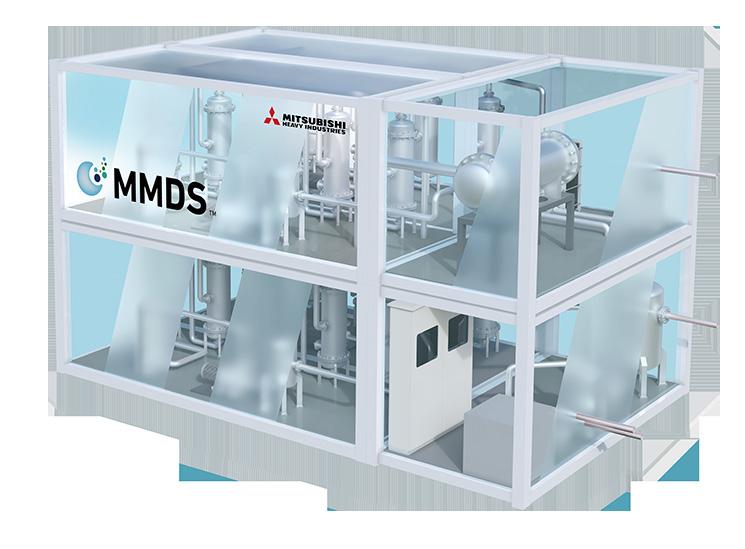
As the technology moves toward commercial deployment, ICM and MHI are advancing two key validation programs at a commercial facility: a fouling test and a demonstration trial.
“The fouling test is focused on understanding how the membrane performs in the presence of impurities in the ethanol stream,” says Chuck Gallop, director of innovation at ICM. “It ensures durability and stable operation over time. The demonstration trial then builds on that by validating full-scale performance in a production environment. This includes efficiency, reliability, and how the system integrates within the overall plant.”
“We take a very deliberate and rigorous approach to commercialization,” Gallop adds. “We validate performance under real operat-
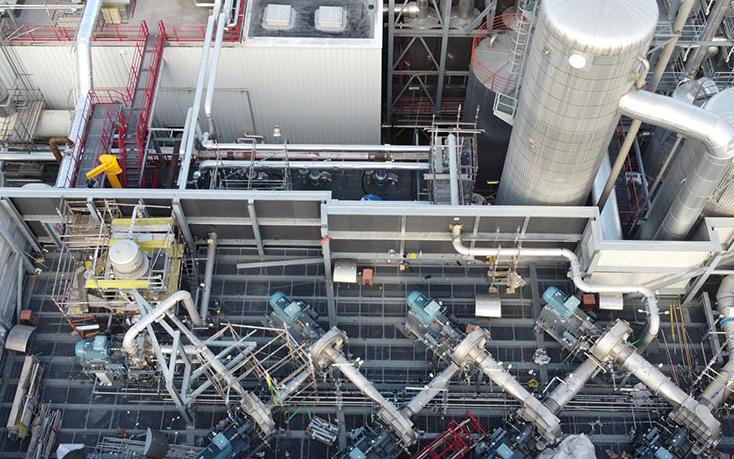
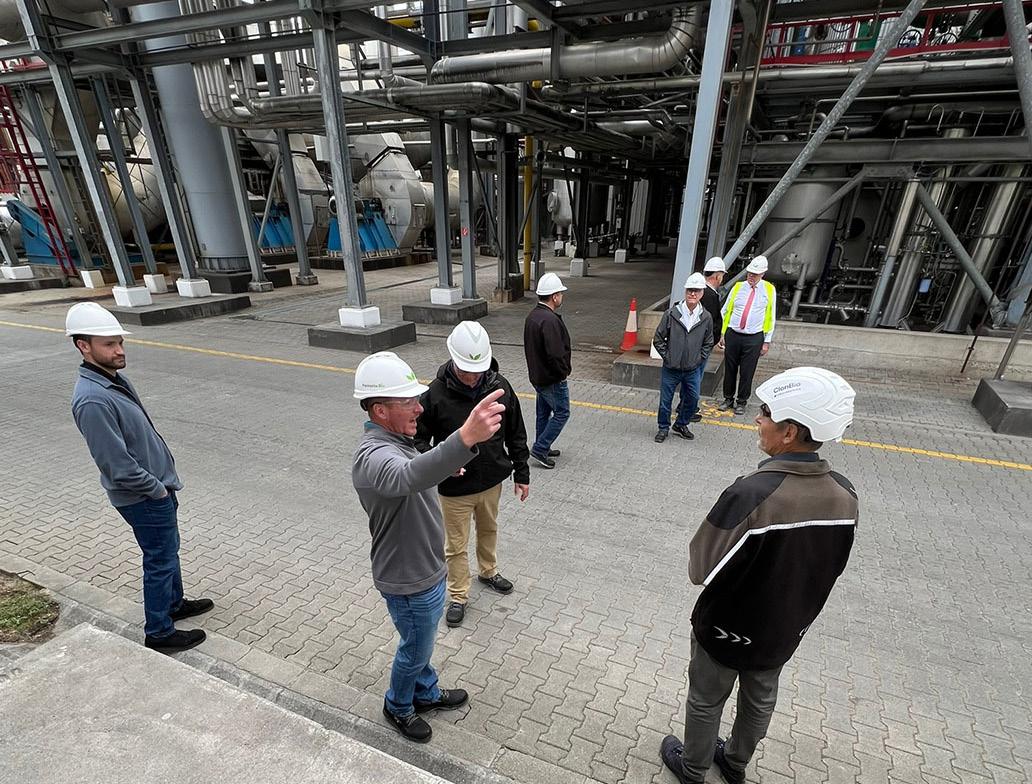
COLLABORATION:
ing conditions, make sure the system integrates seamlessly, and ultimately give customers confidence that it will deliver consistent, reliable results.”
ICM’s newly announced partnership with EII offers a complementary approach to improving plant efficiency, focusing on reducing overall plant energy demand through EII’s patented Doublr™ mechanical vapor recompression (MVR) technology.
At its core, MVR addresses one of the largest sources of inefficiency in a typical ethanol plant—the loss of thermal energy through cooling systems.
“In a conventional plant, you’re putting a tremendous amount of energy into creating steam,” says Bill Schafer, CEO of EII. “But at the end of the process, that energy is essentially lost when the vapor is condensed and rejected through the cooling system.”
MVR captures and reuses that energy. Instead of condensing and discarding heat from low-temperature vapor, the system compresses the vapor, raising its pressure and temperature, so it can be reused within the process.
“This technology is essentially an industrial-scale heat pump,” Schafer says. “We’re taking energy that would otherwise be lost and putting it back to work inside the plant.”
Recycling thermal energy internally can significantly reduce the amount of external energy required to operate the plant. Report-
ed performance varies based on plant design, coproduct strategy and power source, but the technology has demonstrated the ability to deliver substantial reductions in overall energy use, along with significant improvements in CI. Schafer notes that a conservative estimate is a six-point reduction in CI under average grid power conditions, with much greater reductions possible when paired with lower-carbon electricity sources.
In addition to energy savings, MVR can change how the plant operates. Reduced reliance on cooling systems and lower steam demand can free up capacity and create additional operational flexibility across key process areas. For plants limited by either boiler steam generation or cooling tower capacity, investments in additional boilers or cooling tower expansions can be avoided, creating additional production capacity.
In many cases, installation of an MVR can also reduce process water consumption by reducing cooling tower losses and boiler feedwater makeup.
“There are a lot of technical ways to explain it,” Schafer says. “But at a high level, we’re reducing energy losses and lowering the total energy required to run the plant.”
The Doublr technology has been demonstrated at commercial scale, including at the Pannonia Bio facility in Hungary, an ICMdesigned plant where MVR has been operating successfully for several years. This project was developed in collaboration with the plant team, EII, and Piller Blowers and Compressors, and earned the 2021 IChemE Energy Award from the Institution of Chemical Engineers recognizing innovation and excellence in energy efficiency.
The collaboration between ICM and EII is central to expanding that application. While MVR systems can be implemented within existing plant configurations, ICM’s experience in plant design and process integration enables a more comprehensive approach by identifying where additional efficiency gains can be achieved across the system.
“When we work with ICM, we suddenly have a lot more knobs to turn,” Schafer says. “We’re not just fitting into the plant—we’re improving how the plant operates.”
Looking ahead, the combination of MVR with lower-carbon electricity sources presents an even stronger pathway to reducing CI. Programs that enable plants to access lower-carbon power have the potential to further enhance CI reductions when paired with MVR—in some cases significantly expanding the overall impact.
For ethanol producers, the takeaway is straightforward: Improving efficiency and lowering carbon intensity do not have to be separate objectives. With the right approach, both can be addressed at the same time—and that approach is increasingly shaping how plants evaluate future investments.
Together, these collaborations reflect a practical approach to plant-wide optimization, where targeted upgrades can be combined to deliver improvements in energy efficiency and CI over time.
“Our partnerships with MHI and EII are very intentional,” says Shaun Hubler, director of technology commercialization at ICM. “We focus on bringing forward solutions that make sense for our customers. Technologies that deliver real impact, integrate effectively into the plant and support where the industry is going.”
Technologies like MMDS membrane dehydration and Doublr MVR can be evaluated individually or as part of a broader strategy, depending on a plant’s specific configuration and goals. Focusing on areas where energy use is highest creates opportunities to drive incremental improvements that build over time.
ICM brings these technologies together with a focus on execution. The goal is to integrate them into the plant in a way that maximizes performance and long-term value. The result is more efficient energy use, improved operational flexibility and a pathway to more competitive plant operations over time.
“It’s a clear step forward—next-level efficiency with real value behind it,” Hubler says.

From
Don’t


Two MRV providers have teamed up to offer full-service date collection and verification for 45Z and other market compliance programs.
By Lisa Gibson

CIBO Technologies Inc., an agricultural data and analytics platform, and Gevo-owned Verity Holdings LLC, a digital measurement, reporting and verification (MRV) platform and system of record for carbon accounting, have partnered to provide an endto-end farm data collection and CI score verification system for ethanol producers. It’s an audit-ready solution to monetize climate-smart agriculture practices via the 45Z Clean Fuel Production Credit, but also to provide traceability for other compliance programs or even to assess the most economical markets.
“It’s about, ‘How do we make this easy for you to visualize your plant data and farm data into one system so that you can make commercial decisions on the best market for your business?’” says Jenn Bond, director, customer success with Verity.
Verity’s platform is designed not only to aggregate and verify data, but to translate that data into actionable insights for producers.
“Working with the supply chain is critical,” says Justin Mease, director, commercial for Verity. “Commercial partners can help source low-CI grain that may not exist in [their] current supply shed, unlocking additional value.”
The strategic partnership was announced in March and Mease says the solution already has a few biofuel customers, mostly collecting data for compliance programs, but interest in 45Z is robust.
CIBO Technologies has served the ag industry for more than 10 years, offering MRV services and engaging with growers to enroll them in data collection programs. Crucial to its success is a team of advisors spread across about 100 million acres in the Corn Belt, consisting of ag retailers, agronomists, and others with direct access and interaction with growers, according to Michael Browne, vice president
of business development with CIBO. Those advisors help educate farmers in their areas about the data collection program and assess its feasibility on their farms.
“Accurate, robust, thorough data collection is key to this process,” Browne says. “So having those advisers with that frontline interface with the growers is absolutely critical.
“The CIBO platform is the best-in-class for that engagement and data collection, bar none.”
Once Verity receives the data from CIBO, the collaboration assesses the best possible product markets. “What products have value if there is traceability to them?” Bond says.
CIBO data can be standalone, tied to compliance, a voluntary market, a grant, etc., and each of those programs operates differently. “How do you take all these rules, stack them together and manage them in one software, as opposed to 10 or 20 different spreadsheets, which is how the industry is doing it today,” Bond says.





“That means every time we work with a plant, it’s a customization for them: ‘What do you care about and what is your growth strategy?” she adds. “This is the data we need from this farm. So it becomes a very personal relationship between the three companies.”
Verity’s platform also enables producers to track performance over time, quantify improvements in CI, and maintain a consistent, verifiable record that can be used across multiple compliance and voluntary markets.
Navigating varying programs is timeand energy-intensive, and most ethanol producers do not have a dedicated compliance staff, Bond points out. Team members pulling “double duty” ultimately leads to missed opportunities.
“When we talk about pulling all this data together, it’s to make those people’s lives easier and allow them to access the markets that they didn’t have the resources internally to be able to take advantage of,” she says. “So they might have known about it, but they were logistically disadvantaged or they just didn’t have the capacity within staff to grow in that area, or they didn’t have the relationships or the tracking tools at the farm level to be able to access that market.”
Some programs require operationsbased data on measurables like indirect landuse change, no or reduced tillage, cover crops, invasive species prevention, and adherence to local laws and regulations, Bond explains. Whereas others, such as International Sustainability and Carbon Certification, include more social justice components such as child welfare protections and safeguards against forced labor. “Each has its own unique twist.
“What I like about CIBO is they’re prepared to do all of it. I can literally tell [a team member], ‘It’s this program, [so we need to capture] this type of data.’”
Mease adds that the ability to assess the capabilities of a supply chain is crucial. “CIBO has best-in-class technology as it relates to understanding the supply shed.” Browne adds, “That’s right. With CIBO’s remote sensing, AI-enhanced computer vision and modeling, we are able to complete a supply shed analysis
to make an initial determination of potential CI impacts from smart ag practices, and where to focus those resources.”
CIBO and Verity also emphasize robust communication between ethanol producers and farmers, around value creation and what practices might impact that value. “Transparency will be a key component to not only incentivize growers to participate and provide data, but for the ethanol plant to help growers understand what matters and what doesn’t,”
Mease says. “Some ethanol plants, their CI score might not be impacted by low-CI corn, and it’s important for growers to know that, and not assume the producer is taking all the value.
“We try to help the ethanol plant with the tools to have those transparent discussions in their supply chain.”
While 45Z has been in effect for more















than a year, the U.S. Department of Treasury and IRS have not yet finalized regulations to provide biofuel producers with full guidance on credit implementation, including climatesmart ag.
In April, the USDA delivered its final rule on regenerative agricultural biofuel feedstocks to the White House Office of Management and Budget, an important step toward reducing uncertainty among growers, Browne says.
“That moved people that were a little bit more on the fence to some [ambition] to start moving,” Mease adds.
The rule outlines regenerative agricultural practices that could reduce GHG emissions or sequester carbon for corn, sorghum and soy, including reduced till and no-till; cover cropping; and nutrient management practices, such as the use of nitrification inhibitors.
As of press time, the OMB had not yet scheduled any stakeholder meetings with regard to its review of the final rule.
Meanwhile, a comment period for 45Z ended April 6. Ethanol groups and others weighed in on the rule and, among other points, pushed for regenerative ag feedstock guidelines and inclusion of on-farm practices in the credit calculation. Also top of mind for ethanol producers is an updated GREET model that excludes ILUC.
Despite the uncertainty, Mease says early adopters are still aligning verification programs to prepare. “But they also have compliance markets to prepare for, so it made sense to start with things we know and stack on the things we think are to come,” he adds.
Beyond compliance and market access, the strategic and integrated collection of data through the Verity/CIBO partnership will also have ancillary benefits, Mease says. “A byproduct of traceability is going to be a story that we have robust data around that tells our story even better.”
Existing data is high-level and can be (and is) debated by opponents, but this data will show the incredible work farmers and biofuel producers are already doing, he adds.
“We do an amazing job of farming in the U.S. Liquid renewable fuels add to that in so many substantial ways, reducing carbon, providing energy assurance. There are just so many industries and people working today because of liquid renewable fuels and it is glossed over and taken advantage of every single day.
“This data will also help us tell our story and elevate what we do,” Mease says. “Yes, it looks like pain, but it’s an opportunity to really tell our story.”
Author: Lisa Gibson lisa.gibson@sageandstonestrategies.com
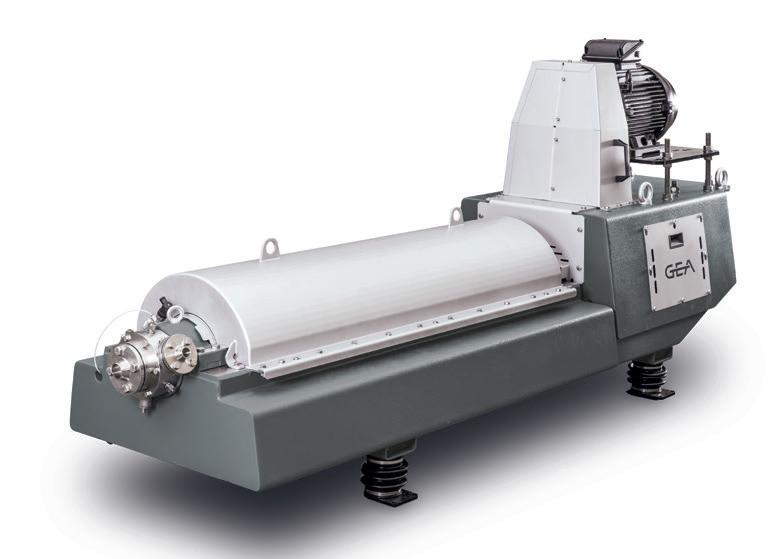
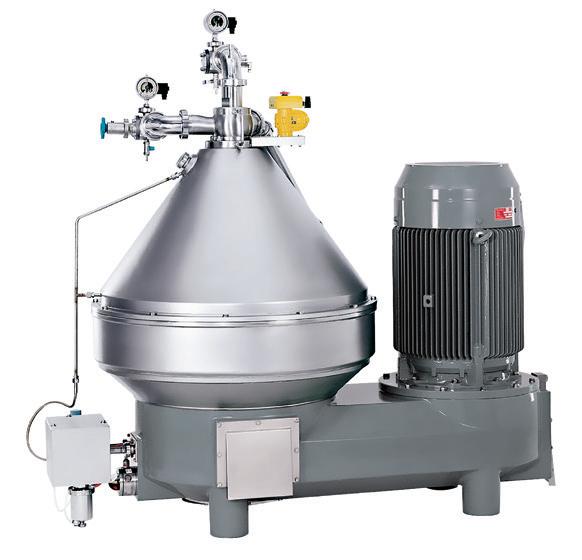

New chemistry, advanced monitoring, AI and more dominate process water services among providers in 2026.
By Luke Geiver

Water management practices throughout the industry remain fluid—in a positive way.
New solutions enter the market every year, evolving continuously thanks to the work of service providers who unveil new strategies to optimize functions around the ever-present molecule crucial to a profitable and sustainable biorefinery.
Some focus on new chemistries, while others are helping deploy digital analytics and real-time solutions, including 24/7 monitoring, AI, or new non-hazardous chemicals. Most have established protocols
for managing a plant’s long-term water usage and treatment, but all are dedicated to maximizing the efficiency and efficacy of the overall approach to water.
Nalco Water, an Ecolab Company, one of the leading water-focused service providers in the ethanol industry, has waterbased solutions for nearly every part of an ethanol plant: distillation, cooling water, heat exchangers, fermentation, boiler systems, pretreatment, evaporators, corn oil separation, thin stillage and even ethanol storage. The only areas of a modern etha-
nol plant Nalco does not serve are liquefaction, milling and delivery.
For cooling water towers, Nalco offers a system to detect variability and determine the appropriate action. The trademarked 3D Trasar tech reduces energy through scale and fouling prevention. With 24/7 monitoring and customized applications, the technology provides water savings with increased cycles of concentration, according to the company. Around the globe, more than 50,000 industrial water users rely on 3D Trasar. Nalco says the system has saved more than 215 billion gallons.
Mast train heat exchanger cleaning programs from Nalco help eliminate acid cleaning, improve heat transfer and aid with infection control. The cleaning program can also help a plant become compliant with the U.S. Food Safety Modernization Act.
To help with cleaning challenges that occur during fermentation, Nalco has the Trimenta alternative pH CIP program, designed to decrease glycerol, sodium and process organics, as well as reduce unintended foam overs. According to the company, the process reduces operating pressures, increases beer feed rates, reduces
downtime, eliminates hydroblasting and improves safety.
Nalco’s 3D Trasar technology comes with a variation for boilers. Through realtime monitoring combined with FDA-approved oxygen scavengers, internal treatment and condensate corrosion inhibitors, the system can help save water and energy costs, according to the company.
At the pretreatment stage, Nalco’s trademarked PermaCare is built to solve normal reverse osmosis problems for less cost than an ion exchange system. For evaporators, the company has its own proprietary CIP program in partnership with
Aquatech International that can actually enable the expansion of an evaporator’s capacity.
Nalco also has its own thin stillage clarification process. For the actual corn oil separation, the Nalco program effectively cleans tricanters and disc stacks, which reduces system vibration and cleaning time requirements. According to the company, the system increases yield and quality. And, for ethanol storage, the EC5624A Plus ethanol corrosion inhibitor is well-suited for cold weather handling and eliminates the need for heated storage.

Veolia, another global water service provider well-established in the ethanol sector, also has a robust service offering including a system to measure, automate and manage the optimization of cooling water systems. The strategy combines three functions into one: direct monitoring of critical water chemistries; better instrumentation for better offline testing; and a data management system that always looks for ways to lower costs.
For distillation, Veolia’s go-to product is the trademarked ScaleTrol, a scale inhibitor that the company says creates fewer interruptions for the plant. In fermentation, Biomate and FoodPro FBC are the main microbiological control agents. In one case study, Veolia reports that with the use of its defoamers and dispersants program, an ethanol plant was able to reduce its process costs by roughly $260,000.
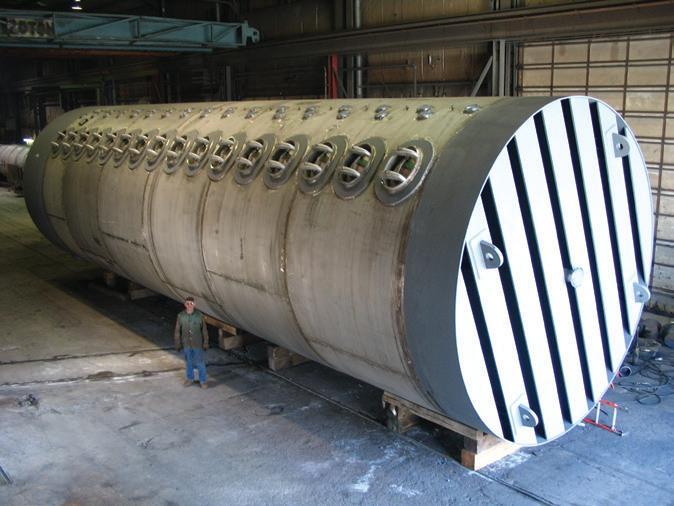
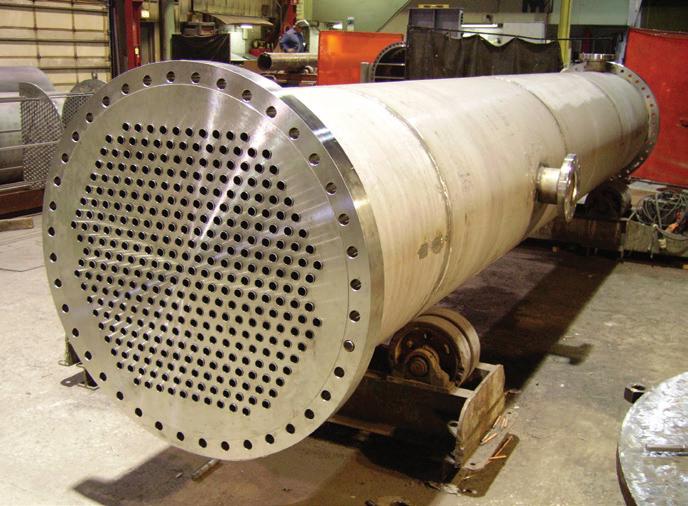
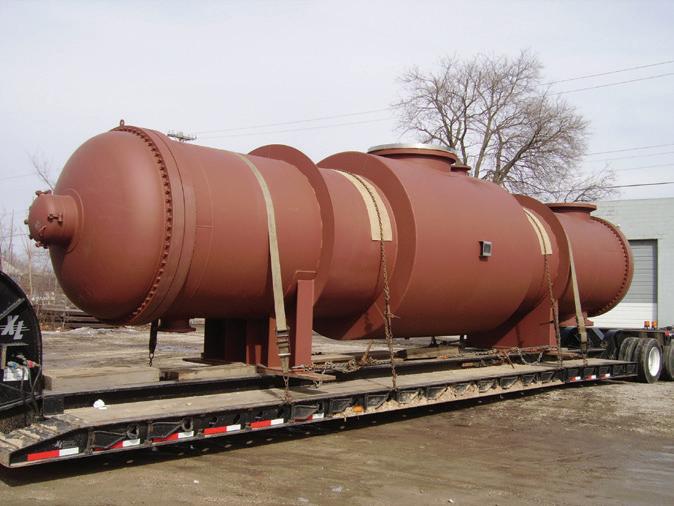
To help with transport, the trademarked EndCor is another corrosion inhibitor. In total, Veolia offers biocides, coagulators, flocculants, anti-scaling agents, offline cleaners, viscosity-reducing agents, defoamers and ethanol neutralizers.
Veolia’s MemChem line helps with the performance of pure water equipment including cartridge and multimedia filters, carbon, microand ultra-filtration, nanofiltration and reverse osmosis.
'This collaboration will significantly enhance our existing
business that helps customers achieve sustainability goals.'
Through a collaboration with Kurita Group, Solugen, a biobased chemical maker, will help provide carbon-negative biobased substitutes for the common phosphorus and petroleum-based products used in industrial water treatment.

- Mike Mowbray Kurita America
Kurita and Solugen have already developed the Tower NG series of products for cooling towers, using Solugen’s proprietary
biodegradable corrosion inhibitor, which can replace most of the traditional water treatment chemicals, according to Kurita.
“By leveraging innovative biobased solutions, the Tower NG series eliminates the dependence on traditional organophosphates while providing equivalent or better results for deposit and corrosion control,” Kurita says.
Mike Mowbray, senior vice president of marketing and technology for Kurita America, says the work with Solugen falls in line with its efforts to challenge traditional water treatment programs.
“This collaboration will significantly enhance our existing Creating Shared Value business that helps customers achieve sustainability goals,” according to Mowbray.

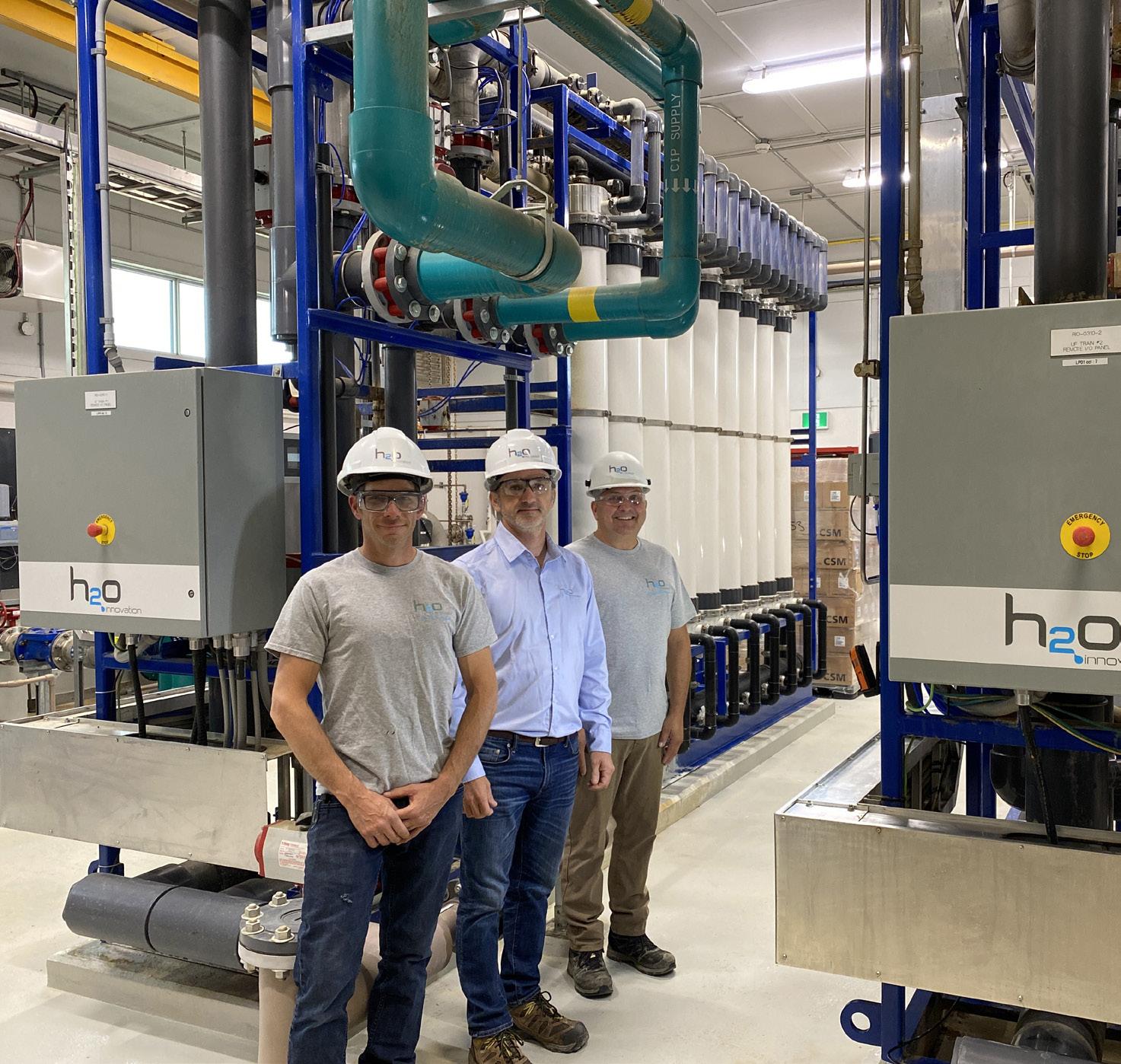


Kurita’s CSV business is one of its fastest growing. The business focuses on products, tech and business models that save water or reduce CO2 emissions.
H2O Innovation, a supplier of water treatment equipment, chemicals, parts and services, has also been recognized for its work to help ethanol plants turn USP-grade ethanol into hand sanitizer. To date, H2O Innovation has installed systems at more than 80 ethanol plants. The company relies on five main technologies: reverse osmosis and nanofiltration; ultrafiltration and microfiltration; ceramic membrane systems; multimedia or green sand filters; and the trademarked SILO technology, a simplified approach to membrane bioreactor treatments.
H2O Innovation provided a reverse osmosis and green sand filter equipment package for Southwest Iowa Renewable Energy. At another Iowa ethanol plant, the equipment package included a ceramic membrane system and ultrafiltration. At Lincolnway Energy, H2O Innovation provided multimedia and greensand filters.



Like most other service providers, H2O Innovation offers a remote monitoring and early detection system—Intelogx Connect. With its most robust package, Intelogx Plus+, H2O Innovation engineers will review and analyze plant data on a routine basis and provide custom reports on membrane health.
Columbia Water Technology, a Washington-based provider, serves customers in the U.S. ethanol market along with other sectors around the world. The company focuses primarily on pretreatment equipment, specifically the boiler and cooling chemistry. All products provided by the company are manufactured in Vancouver, Washington. The company performs special water studies for plants looking for facility efficiency improvements.
Valley Process Technologies LLC considers itself a next-gen CIP solutions provider. The North Dakota company was formed after research and development in biofuels and sugar industries led to a proprietary, non-hazardous chemistry used to attack scaling at the molecular level. VPT offers defoamers, scale control, deposit control and antibiotics specifically to the biofuels industry, along with several other non-hazardous CIP chemistries such as caustic or acid replacements that can also be used in sugar processing.
VPT’s defoamers are effective for enzyme and yeast compatible formulations, low treatment rates and most fermentation conditions. The company’s scale control options help keep heat transfer at peak efficiency by inhibiting calcium, magnesium or struvite scale on heat exchanger surfaces, evaporator tubes or beer columns. If a plant needs a custom formulation of any kind, the company will collaborate to help overcome scaling issues. Plant trial formulations are also available.
VPT also offers chemical dosing and injection systems available on skid. They include high-precision metering pumps, dosing control, chemical-resistant materials, inline static mixers and multi-point injection optionality.
According to VPT, the company implemented its own series of chemicals through an automated dosing system at a 100 MMgy plant that was losing 12 hours of production weekly to prolonged fermenter CIP cycles because of standard caustics and oxidizers. The result was a reduction in CIP time by 20%, the oxidizer use was eliminated entirely and the plant saw an annual savings of $180,000.
Author: Luke Geiver writer@bbiinternational.com


More than 35 years of tackling the most dif cult silo cleanout projects in 30+ countries worldwide.
Professional service technicians are MSHA and OSHA-certi ed and adhere to a rigorous continuing education program.
We conquer the most dif cult cleanout projects in the world with our proprietary silo cleaning technology.

By Danielle Anderson
Most fuel producers are now familiar with the Section 45Z Clean Fuel Production Tax Credit, which provides a significant financial incentive for facilities able to achieve a carbon intensity (CI) score below 50 kg CO2e/MMBtu. For many producers, reaching that threshold—or lowering CI scores enough to move into the next credit tier—may depend on the use of energy attribute certificates (EACs), also commonly
referred to as renewable energy certificates (RECs). However, the U.S. Department of the Treasury’s February 2026 proposed rule introduced an important change to the eligibility requirements for EACs that producers need to understand as they plan for the first years of the 45Z program.
The 45Z tax credit allows transportation fuel producers to offset electricityrelated emissions by purchasing EACs associated with qualifying renewable electricity generation. When applied appropriately, EACs can meaningfully lower a
facility’s CI score, helping producers either qualify for the credit or increase the value of the credit they receive.
However, strict eligibility requirements apply to the use of EACs. In February 2026, the IRS and Treasury released a proposed rule for 45Z that revises how one of the key eligibility criteria, the incrementality requirement, is determined.
Under the proposed rule, the incrementality requirement now ties the eligibility of
CONTRIBUTION: The claims and statements made in this article belong exclusively to the author(s) and do not necessarily reflect the views of Ethanol Producer Magazine or its advertisers. All questions pertaining to this article should be directed to the author(s).
EACs to the first year a facility produces qualifying transportation fuel. Specifically, a fuel production facility is treated as “placed in service” in the first taxable year it produces transportation fuel, defined as fuel with a CI score below 50.
This begged the question: can producers continue to utilize EACs to achieve a CI score below 50?
Through discussions with the IRS, it was clarified that EACs may be employed by transportation fuel producers to initially qualify their products as “under-50” CI transportation fuel. EACs thankfully remain a viable option for lowering a facility’s CI score beneath the qualifying threshold, allowing the fuel to be categorized as transportation fuel for credit purposes.
Under the revised incrementality rule, the electricity generation facility associated with an EAC must have a commercial operations date no more than 36 months before the first day of the taxable year in which the fuel production facility first produces qualifying transportation fuel.
For many producers, that first year will be 2025. As a result, eligible EACs would generally need to originate from electric generation facilities that commenced operations in January 2022 or thereafter. If a producer can demonstrate a CI score below 50 in an earlier year, that earlier year would instead establish the starting point for the 36-month lookback period.
This approach differs from the earlier incrementality framework outlined in the 45ZCF-GREET User Manual. Previously, the requirement was tied to the original placed-in-service date of the fuel production facility.
For example, a facility that began operations in January 2010 could source EACs from generation facilities with a placed-in-service date up to 36 months older than the fuel facility itself. Under the

proposed rule, however, eligibility is instead linked to the year the facility first produces qualifying transportation fuel.
The intent behind this change is to encourage the development of new clean electricity generation capacity rather than subsidizing existing renewable generation facilities.
While the revised requirement effectively limits eligible EACs to newer electricity generation sources, the market currently appears to have an overall oversupply of EACs. As a result, the requirement may only modestly increase costs for facilities that must now source EACs from 2022 or newer generation.
It is also worth noting that producers that purchased and retired EACs under the January 2025 Notice of Intent to Propose guidance may still rely on the original incrementality rule for the 2025 tax year, provided their tax returns are filed before final regulations are issued. Final regulations are currently expected as early as summer 2026.
While the incrementality requirement received significant attention in the February proposed rule, the remaining EAC eligibility criteria remain unchanged.
Only wind, solar and hydroelectric generation qualify. Producers may not source

EACs from other generation sources, including gas-based EACs. The 45ZCFGREET User Manual notes that future guidance may allow the use of gas energy attribute certificates—such as RNG bookand-claim mechanisms—under certain conditions if approved by the Secretary of the Treasury. Until such guidance is issued, gas EACs and book-and-claim mechanisms are not permitted.
EACs must originate from the same geographic region as the fuel production facility. This requirement is satisfied if both the electricity generation source and the fuel production facility are electrically interconnected to balancing authorities located within the same region. The Department of Energy has mapped U.S. balancing authorities to regions defined in its Needs Study, which is referenced within the 45ZCFGREET User Manual.
Annual matching is required, meaning the EACs used must be generated in the same calendar year as the electricity consumption they are intended to offset.
All EAC transactions must also occur through a qualifying registry to prevent double counting of environmental attributes. Each EAC carries a unique identification number that verifies ownership and ensures the environmental attributes are claimed and retired only once. For example, the same EAC cannot be used to satisfy both the 45Z tax credit and California’s Low Carbon Fuel Standard.
Most transportation fuel producers opt to purchase EACs through a broker rather than establishing their own registry account. Current guidance allows brokers to retire EACs on behalf of the transportation fuel producer.

For many facilities, EACs will play an important role in determining whether they qualify for the credit, or how much they ultimately receive. Under the proposed framework for non-sustainable aviation fuel (non-SAF) pathways, with the 5x multiplier applied for meeting prevailing wage and apprenticeship requirements, the value of the 45Z credit increases in 10-cent increments as a facility’s CI score declines. CI scores are evaluated to the hundredth place, meaning even relatively small reductions in CI can translate into meaningful increases in credit value.
Because of this tiered structure, EACs provide a way for some producers to lower their CI score just enough to qualify for the credit or increase the value of the credit they receive.
BCI equipment is built to last, one piece at a time, by a team that still believes quality matters.
From custom design, to fabrication, to service & support...
BCI is Elevating Conveying Standards
• Chain Conveyors
• Bucket Elevators
• Parts & Accessories for all makes/models of conveying equipment
Over 200 Years of Combined Experience. Made in the USA.

7.50 – 12.49
2.50 –
CREDIT BREAKDOWN: The credit structure for non-SAF fuel meeting PWA requirements is shown above.
SOURCE: CHRISTIANSON PLLP
'When applied appropriately, EACs can meaningfully lower a facility’s CI score, helping producers either qualify for the credit or increase the value of the credit they receive.'
- Danielle Anderson, Christianson PLLP
EACs may be particularly valuable in the 2025 tax year. The indirect land use change (ILUC) penalty remains in the CI calculation for that reporting period and is not scheduled to be removed until the 2026 reporting year. As a result, EACs provide an important means for producers seeking to bring CI scores below the 50 threshold or move into a more favorable credit tier.
The proposed changes to the incrementality requirement reinforce Treasury’s intent to ensure EAC use supports the development of new clean electricity generation. While the change may reduce the pool
of eligible EACs, the mechanism remains an important tool for fuel producers seeking to lower CI scores under 45Z. As producers evaluate their tax strategies, understanding how and when EACs can be used will be critical to determining eligibility for the credit and maximizing its value.
Author: Danielle Anderson, Senior Government Policy and Advocacy Manager, Christianson PLLP danderson@christiansoncpa.com


By Lallemand Biofuels & Distilled Spirits
CONTRIBUTION: The claims and statements made in this article belong exclusively to the author(s) and do not necessarily reflect the views of Ethanol Producer Magazine or its advertisers. All questions pertaining to this article should be directed to the author(s).

For more than 45 years, The Alcohol School has educated ethanol and distilled spirits plant staff of all levels and job descriptions on the technical details of their processes—an academic-level understanding of how a plant works.
Attendees at the Louisville, Kentucky, event Aug. 24-28, however, will experience the first iteration of a revamped, refocused agenda featuring subject matter that has evolved with the needs of its audience.
“We have always focused on a higherlevel education for The Alcohol School,
'We want to collaborate and provide resources for industries, even for producers who aren’t our customers. Educating our industry is one of the many ways we can support our current and potential customers.'
- Craig Pilgrim, Lallemand Biofuels & Distilled Spirits

aiming to help producers thoroughly understand the nuances of how the alcohol production process works,” says Craig Pilgrim, Lallemand Biofuels & Distilled Spirits vice president of marketing. “Now, we have decided to make a shift. We want to refresh and touch the subjects that are more important and more prevalent to producers.
“The whole goal is to help them make money as efficiently as possible,” Pilgrim says. “With the increasing complexity of the production processes and environment, the time has come for a refresh.”
The first Alcohol School was held by Alltech in 1980, a small forum that started to
grow with the fuel alcohol industry. In 2004, Lallemand Ethanol Technology, a business unit of Lallemand Inc., assumed management of the event under its educational arm, Ethanol Technology Institute. The event has grown in attendance and popularity, known for its technical expertise and valuable networking opportunities.
LBDS now hosts two to three Alcohol Schools around the world each year, educating fuel ethanol and distilled spirits producers in the multidisciplinary sciences of alcohol production, tailored to the feedstocks in each region. Sessions are formatted in lectures, lab visits and demonstrations, complemented by distillery tours.
Historically, the most crucial topics in the ethanol industry have related to process innovations that would allow higher yield. “We really focused on operations and general chemistry: How does yeast work? How does an enzyme work?” Pilgrim says. “But producers know very well how their plants function now. So, the time is right to evolve our curriculum. What’s new in the industry? What helps them go the extra mile?”
The 2026 Alcohol School, held at Louisville’s Hotel Distil, will showcase a new curriculum to an expected audience of about 100. The questions on producers’ minds now revolve around diversification, carbon intensity, tax credits, AI modeling, emerging technologies, innovations in yeast and enzymes, etc. “It’s more about encompassing the things that were generally outside of the realm before. But now, it’s all part of running a plant,” Pilgrim says.
The new focus targets general managers and production managers. “It’s the decisionmakers who have a lot more options on their
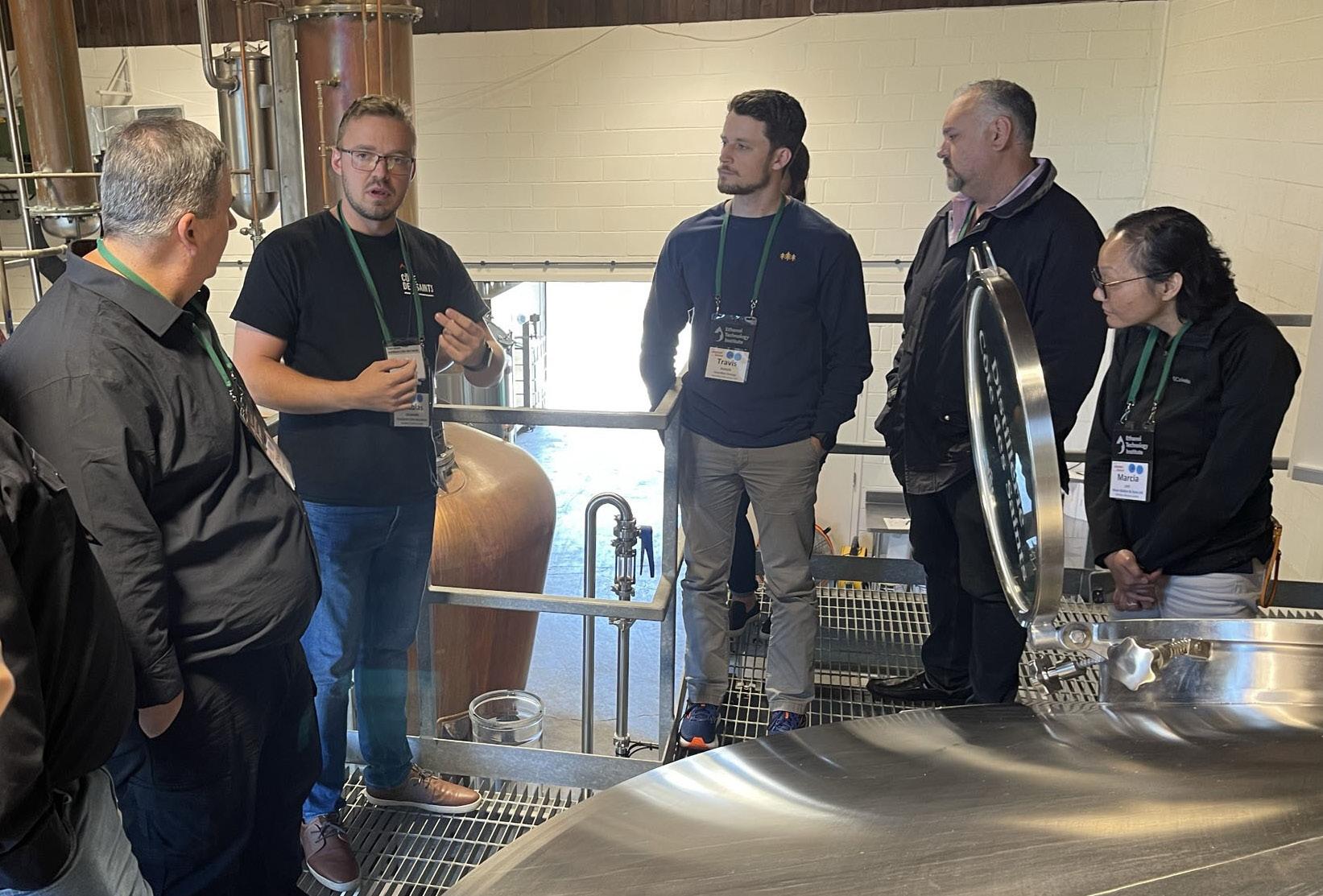

plate now,” Pilgrim says, adding that the low employee turnover in those leadership roles lends even more reason for a content shift.
Operations and production staff will not be excluded from valuable educational opportunities, though. LBDS’ Biofuels Academy offers a practical workshop for the ethanol workforce once per year, featuring lab and functional demonstrations, as well as case studies and troubleshooting to help produce ethanol as effectively and efficiently as possible. This year’s event was held in late March in Des Moines, Iowa.
The new Alcohol School agenda will continue to feature the industry’s top experts in each focus area, with no changes to the caliber of presenters for which the event is known. Sessions are split between fuel and beverage, but combine when the topics are relevant to both.
“There is plenty of crossover between the two industries, and they can learn a lot from each other,” Pilgrim says.
Evolution in the ethanol industry has prompted production of higher-quality alcohols for consumption, neutral spirits and hand sanitizers, in addition to the pull of higher grades and purities to be used in chemicals or SAF.
“These industries overlap significantly today, and our Alcohol School curriculum helps show them that, while different, there are enough similarities to work together,” Pilgrim says.
The Alcohol School will also feature its legendary tasting event, which provides networking opportunities and further demonstrates the similarities between the two industries.
Networking, in fact, is a crucial part of the Alcohol School, providing ample opportunity for the attendees to share their experiences, problems, solutions and meet new colleagues with similar interests.
While LBDS is known as the global
leader in biotechnology for alcohol production, its deep-seated innovative spirit prompts a passion for education alongside its services.
“For our customers to thrive, we need the entire industry to thrive,” Pilgrim says. “It’s not just about selling a product or service and then moving on to the next customer. We want to collaborate and provide resources for industries, even for producers who aren’t our customers. Educating our industry is one of the many ways we can support our current and potential customers. It’s about all of us working together.”
After Louisville in August, the next Alcohol School will take place in Europe in the spring of 2027. Find the agenda and more information at lbds.com, under the Education tab.
Author: Lallemand Biofuels & Distilled Spirits Cpilgrim@lallemand.com (815) 721-6165


How High-Oil E+ Technology Is Transforming Agriculture and Energy
By Charlie Brown
For more than a century, innovation in agriculture has driven productivity, efficiency and economic growth. Brownseed Genetics, a third-generation seed genetics company founded in 1911 with over 114 years of experience in developing valueadded traits in corn, is now leading a major shift in how agricultural value is defined through its trademarked E+ (Energy Plus) corn program.
This innovation represents more than a new seed—it introduces a fundamentally different way of thinking about crop production, profitability and sustainability.
Historically, agriculture has been centered on maximizing yield—producing as many bushels per acre as possible. While this approach has driven tremendous gains
in food production, it often overlooks an equally important factor—the value of what is inside each bushel.
Brownseed Genetics challenges this traditional mindset by focusing on composition rather than just quantity. Instead of asking how much corn can be grown, the company asks how much value each bushel can deliver.
This philosophy is embodied in E+ corn. Conventional corn typically contains about 3% to 4% oil, while E+ corn in-
CONTRIBUTION: The claims and statements made in this article belong exclusively to the author(s) and do not necessarily reflect the views of Ethanol Producer Magazine or its advertisers. All questions pertaining to this article should be directed to the author(s).
creases that range to approximately 5.5% to 6.5%, with some advanced hybrids reaching even higher levels. This increase may seem modest at first glance, but it dramatically enhances the economic and functional value of the crop.
Increasing oil content in corn is one of the most difficult challenges in plant breeding. Oil is less dense than starch, meaning that boosting oil levels often reduces total kernel weight and yield. This phenomenon, known as yield drag, has historically prevented high-oil corn from achieving widespread adoption.
Brownseed Genetics has addressed this challenge through more than a decade of focused research and development. Using advanced techniques such as selective hybridization, dominant trait genetics and marker-assisted selection, the company has developed hybrids that maintain competitive yields while significantly increasing oil content.
In addition, innovative production systems like the trademarked “Sidekick” approach allow high-oil traits to be blended with traditional hybrids, giving farmers flexibility to optimize both yield and composition depending on their specific needs. Since E+ uses only regulated and fullyapproved germplasm and traits, there are no restrictions that would prohibit exporting E+ grain, DDGS and distillers corn oil (DCO) to major importing markets.
The result is a new generation of corn that delivers both performance in the field and enhanced value after harvest.
One of the most compelling aspects of E+ corn is its ability to generate value at every stage of the agricultural ecosystem— from farmers to processors to end users.

FEED BENEFITS: E+ corn enhances feed efficiency by incorporating higher fat content directly into the grain and improving protein quality.
PHOTO: STOCK
The ethanol industry relies heavily on coproducts such as DCO and protein to remain economically viable. E+ corn significantly enhances these outputs by increasing the amount of extractable oil per bushel.
This additional oil is particularly valuable because it serves as a key feedstock for renewable diesel and sustainable aviation fuel (SAF), two rapidly growing sectors within the energy industry. As demand for these fuels increases, the need for lowcarbon, sustainable oil sources continues to exceed supply.
E+ corn helps bridge this gap by providing more oil from the same amount of corn, enabling ethanol plants to increase revenue without increasing production volume.
In livestock production, feed costs represent a major portion of total expenses. Lipids, or fats, are among the most expensive components in animal diets. E+ corn offers a natural solution by incorporating higher fat content directly into the grain.
Additionally, E+ corn provides improved protein quality, including higher lev-
els of essential amino acids such as lysine and methionine. These nutrients are critical for animal growth and are often added separately as supplements.
By combining energy and protein benefits in a single ingredient, E+ corn improves feed efficiency while reducing reliance on external additives.
The global push toward renewable energy has created unprecedented demand for vegetable oils. Renewable diesel and SAF production capacity has expanded rapidly, placing pressure on traditional oil sources such as soybeans.
Corn oil derived from ethanol production offers a lower carbon footprint, making it particularly attractive in sustainabilityfocused markets. E+ corn enhances this advantage by increasing oil yield without requiring additional farmland.
This means more renewable energy can be produced using the same agricultural footprint—a key factor in balancing economic growth with environmental responsibility.
Field trials conducted across multiple years and geographic regions demonstrate consistent improvements in E+ corn performance. While earlier versions experienced yield reductions, ongoing advancements have closed the gap between E+ hybrids and standard high-yield corn. Several ethanol plant process integrations have confirmed the value proposition with the plants creating E+ corn origination programs to procure a larger inclusion rate year over year.
At the same time, the increased oil and protein content generates additional value that often outweighs any remaining yield differences. In many cases, E+ corn delivers higher overall profitability per acre.
Estimates suggest that E+ corn can generate additional value ranging from approximately $0.15 to over $1.25 per bushel, depending on market conditions and application. These gains are driven by technology rather than commodity price fluctuations, providing a more stable and predictable source of revenue for farmers and processors.
To accelerate adoption, Brownseed Genetics has partnered with ethanol plants, agricultural producers, and technology companies. These collaborations enable real-world testing, data validation and refinement of production systems.




One key innovation is the development of on-farm production programs, where growers contract directly with ethanol facilities. This model creates shared value across the supply chain, aligning incentives and reducing risk.
As adoption grows, E+ corn is moving from early-stage trials to broader commercialization. With increasing demand for renewable fuels and high-value feedstocks, the technology is well positioned for rapid expansion.
E+ corn represents a broader transformation in agriculture—from a system focused solely on yield to one that prioritizes value, efficiency and sustainability.
By enhancing the composition of crops, farmers can produce more valuable outputs without increasing inputs. This approach aligns with global trends toward resource optimization, environmental stewardship and integrated supply chains.
In this context, E+ corn is not just an incremental improvement—it is a platform for future innovation. As the worlds of agriculture and energy continue to converge, technologies like E+ corn will play a critical role in shaping the future. Brownseed Genetics has demonstrated that it is possible to overcome longstanding biological challenges and create new opportunities for value creation.
Through innovation, collaboration and a clear vision, E+ corn offers a pathway to higher profitability, greater sustainability and a more resilient agricultural system. The future of corn is no longer just about how much we grow—it’s about how much value we can unlock.
Author: Charlie Brown, President, Brownseed Genetics Cbrown@brownseed.com

We employ all available analytical methods for corn kernel fiber conversion pathways
New! ASTM Hemicellulose Method approved by EPA for RFS D3 RINs
NREL cellulose method approved by EPA for RFS D3 RINs
Our Proprietar y Fiber Methods have been approved by CARB for LCFS low CI fuel
All methods suitable for use for any blend of corn and sorghum
Simplified sampling process
You collect, freeze, and ship – we do the rest

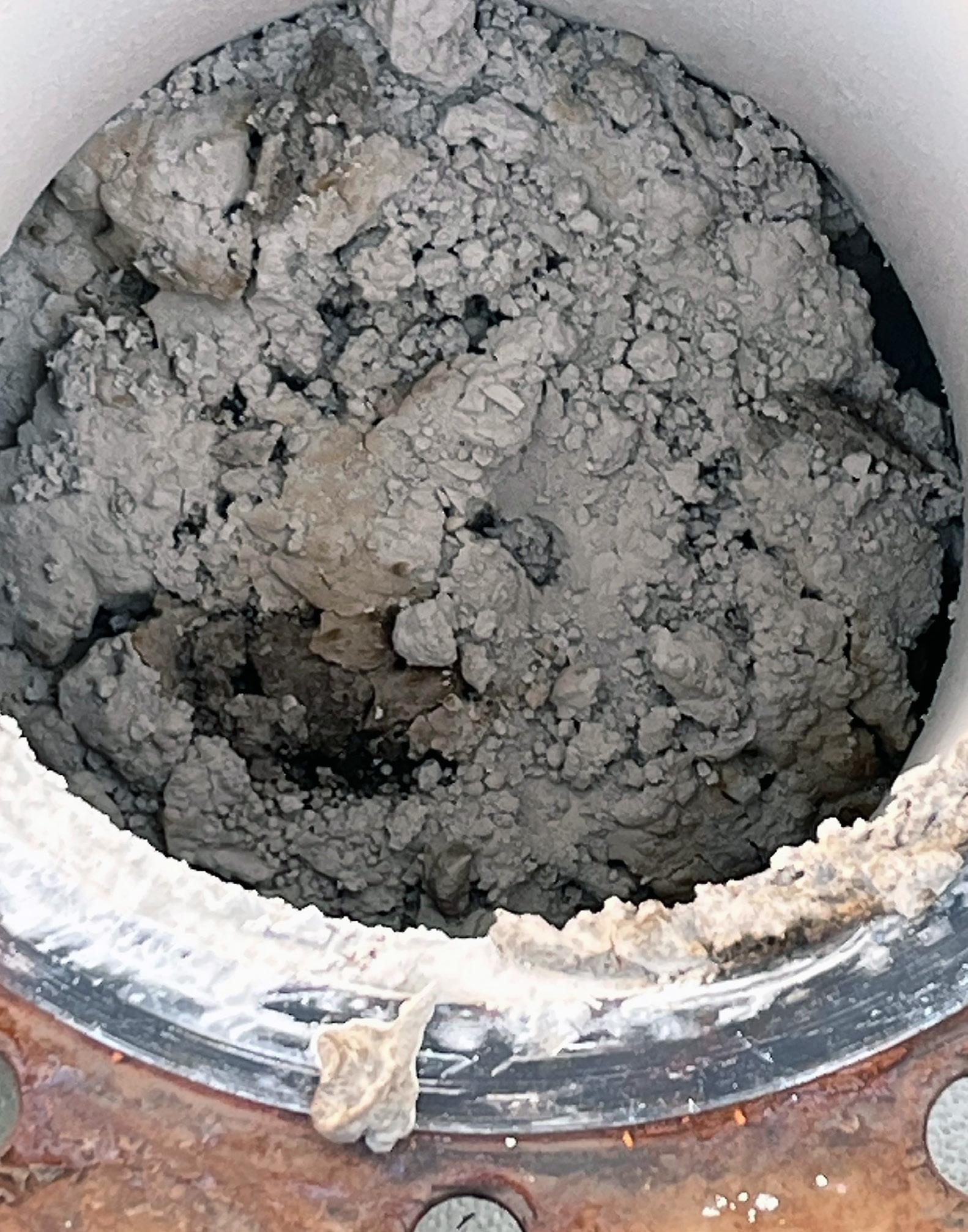
By Mark Binns
In most ethanol plants, dehydration is considered a solved problem. The system runs, product specifications are met, and operations continue without much scrutiny.
But there is a critical distinction that often goes unexamined: “Running” is not the same as “running efficiently.” Across the industry, many dehydration units operate in a stable state, all the while quietly eroding profitability every single day.
At its core, ethanol dehydration relies on molecular sieves to selectively adsorb water while allowing ethanol to pass. However, in reality, this separation is never perfect.
A phenomenon known as co-adsorption—the unintended adsorption of ethanol along with water—exists in nearly every system. While it rarely triggers alarms, its impact is continuous, leading to reduced working capacity per cycle, ethanol loss during regeneration and increased energy consumption due to repeated processing.
Individually, these losses may seem small. But over time, they compound. Even minor inefficiencies—just a few gallons per minute—can result in hundreds of thousands to millions of gallons lost annually in a continuous operation. At that scale, coadsorption is no longer a minor technical issue—it is a direct driver of plant economics.
One reason co-adsorption often goes unaddressed is simple: it is rarely measured. Key indicators—such as ethanol concentration in the regeneration stream or actual loss per cycle—are often not tracked in detail. The system appears stable. Product specs are met. But consistency can be misleading—when inefficiencies are constant, they become invisible.
Operators often attempt to improve performance through adjustments in temperature, pressure, or cycle timing. These changes can yield incremental gains—typically 5% to 10%.
However, they rarely address the root cause. In many cases, the limitation is not how the system is operated, but how it is fundamentally configured.
Not all molecular sieves perform equally. Material quality impacts sieve performance. Variations in manufacturing—such as incomplete ion exchange or residual crystal structures—can allow ethanol molecules into the pore system.
This reduces selectivity and diverts capacity away from water removal. In simple terms: part of your sieve is doing the wrong job.
The mass transfer zone (MTZ) defines where adsorption actively occurs. If the MTZ is extended due to poor vapor distribution or flow dynamics, breakthrough happens prematurely.
As a result, a significant portion of the bed is never fully utilized. Only a fraction of your installed media is actually working.
Internal product recycling can also occur. Co-adsorbed ethanol is carried into the regeneration stream and reintroduced into the system, creating a hidden loop in which ethanol is produced and reprocessed, then energy is consumed to recover it again. This increases energy consumption without increasing net output.
Traditionally, the molecular sieve has been treated as a consumable to be selected based on price or availability. That perspective is changing. Today, the molecular sieve is increasingly recognized as a performance-
critical component that directly impacts throughput capacity, energy efficiency, product recovery and overall profitability.
Small improvements in selectivity or working capacity can produce disproportionately large gains at the plant level.
To quantify the opportunity, consider a mid-size ethanol plant operating at 200 gallons per minute. A seemingly small 3% inefficiency results in:
• 6 gallons per minute lost
• 360 gallons per hour
• 8,640 gallons per day
• Over 3 million gallons annually (assuming ~350 operating days)
Even partial recovery of this loss represents a major financial opportunity. This is not just optimization—it is unrealized production capacity.
A U.S. ethanol facility operating with stable, but suboptimal, dehydration performance conducted a detailed system evaluation. Findings included elevated ethanol levels in the regeneration stream and an extended MTZ.
After implementing a targeted material upgrade and process optimization, the plant reduced co-adsorption to improve separation efficiency and unlocked over 3 MMgy

COMPONENT MANUFACTURE: Beads are a critical part of a molecular sieve, a dehydration process that directly impacts efficiency.
in additional production. Also, the facility generated approximately $6 million in new annual revenue (based on a $2.01 per gallon selling price) and lowered energy consumption per gallon of ethanol produced.
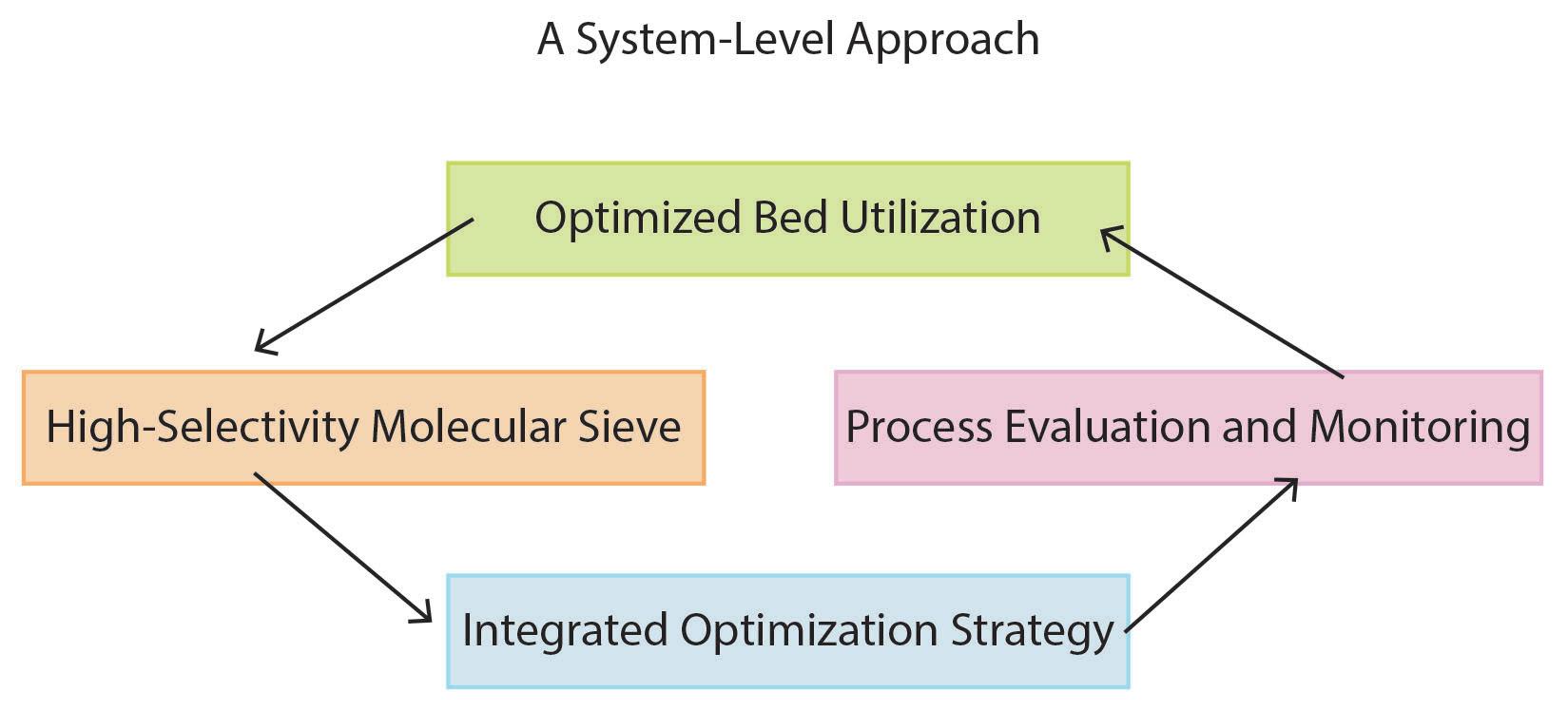
SYSTEMATIC STRATEGY: Hengye utilizes a system-level approach to maximize molecular sieve efficiency.
PHOTO: HENGYE


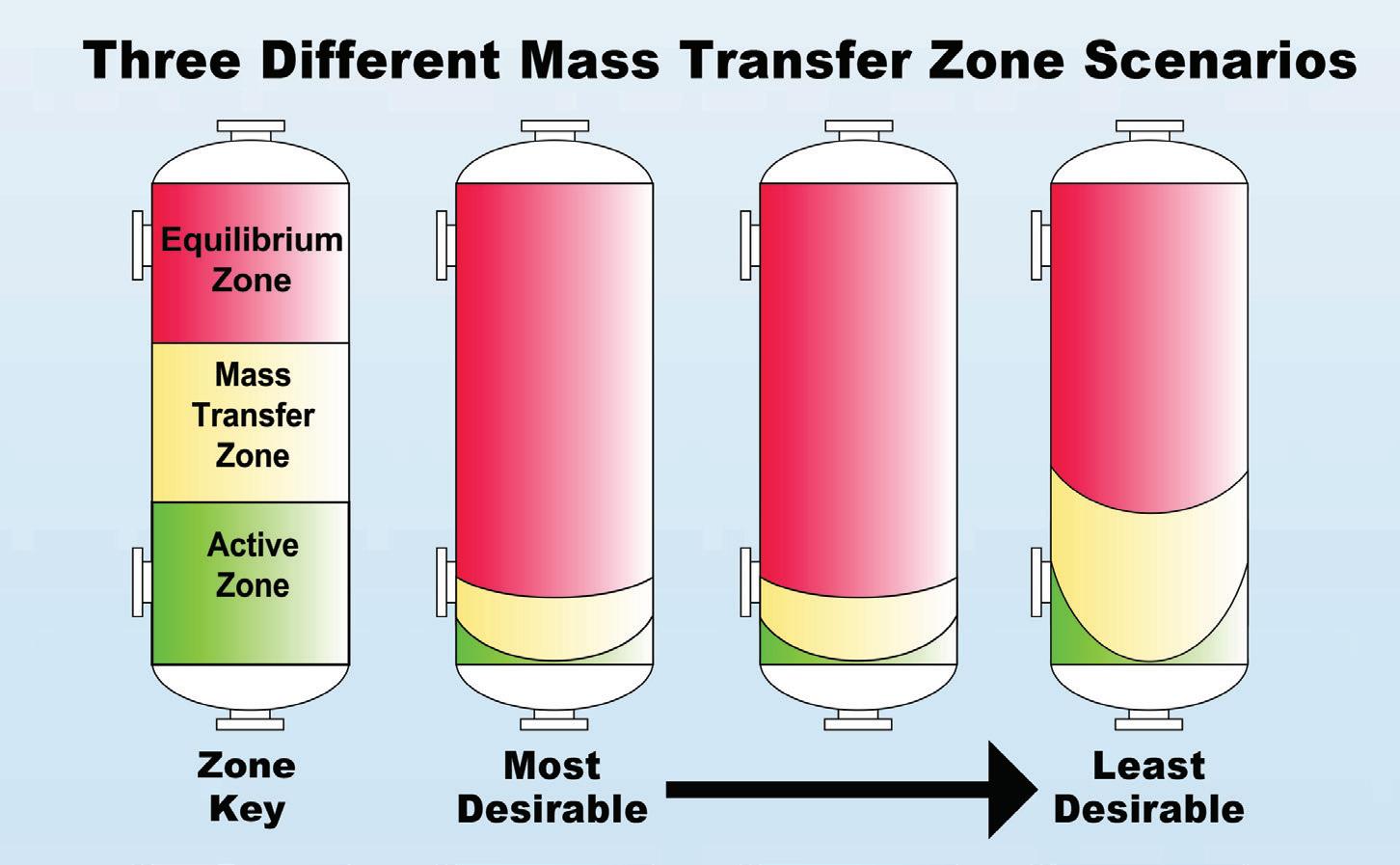
These upgrades gave the producer a fast payback. Although the producer spent approximately $500,000 in total investment (media, labor and downtime), they achieved a full return on investment in about 30 days.
“We have observed a significant improvement in bed performance, with an increase of around 10,000 [gallons] in daily production,” says Frank Givens of Alto Columbia in Oregon. “I am confident we are not yet at our peak.”
It is common to see similar plants achieve vastly different results—sometimes 10% to 20% differences in effective output. These gaps are rarely due to operator effort alone.
They are typically driven by lower co-adsorption rates, better MTZ control, improved vapor distribution, and more selective and durable sieve materials.
Performance is not just about operation—it is about the interaction between material and system design.
Modern solutions such as the trade-
marked EthaDry 3A molecular sieve are engineered to address these inefficiencies directly. With improved selectivity and structural stability, they are designed to minimize co-adsorption, maximize working capacity and maintain consistent longterm performance
However, material alone is not enough. The greatest gains are achieved through an integrated approach that includes evaluating and optimizing the process, and analyzing bed utilization, accompanied by ongoing technical support.
This approach reflects a broader shift in the industry’s mindset away from simply purchasing materials and towards optimizing system performance.
A smoothly running dehydration system is not always optimized. It may be operating with consistent, but unexamined, inefficiencies.
The more useful question is not: “Is the system working?” But instead: “How much value could be improved through optimization?”
Author: Mark Binns, Technical Director, Americas Hengye Inc. mbinns@hengyeinc.com







Contac t your
What star ted as a single pr oduc t and a belief in sust ainable biof uels has gr own in to some thing we’r e in cr edibly pr oud of — a port folio of solu t ions, a team of expert s and part nerships with pr oducer s across the globe. And the best is still ahead.
of s and