The heartfelt story about a family turning a dream into a successful eco-friendly practice.
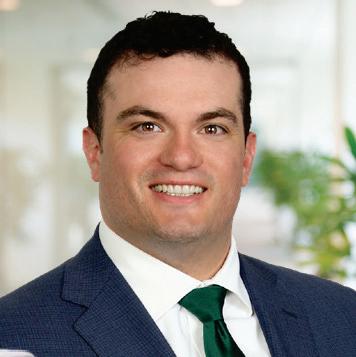
Jack Sandvig
By Danielle Piekarski
A look at the resilience, reinvention and community behind one of Grand Forks’ favorite spots as it moves downtown.
By Chloe Piekkola
By Emma Auch
Did you miss us?
For five years, GRAND Lifestyle Magazine promoted the finest people, places and stories of the Greater Grand Forks region. When the pandemic hit the world in 2020, it impacted everyone. The unsung heroes were the small businesses that fought tooth and nail to get through it. GRAND made the decision to halt operations as local businesses needed to dedicate their advertising budgets to more crucial areas. Our community overcame its challenges and rose to be better than ever through grit, collaboration and innovation. Now it’s 2026, and never has there been a more perfect time for GRAND return!
Look at how much growth and development Greater Grand Forks has experienced recently. We have a booming aerospace industry, a growing population, a university exceeding higher education norms, and a thriving local business environment. There are so many new businesses, expansions and initiatives that are led by the trailblazers who have always supported this community. Greater Grand Forks stands tall today because of the exceptional people that live here. Our team at BBI International takes pride in this community. We have developed and produced industry-leading content and events across the country for over two decades. We desire to bring our passion and proven abilities towards the place we live with this magazine.
In this issue, we celebrate the people and initiatives that make up the excellence of this region. We cover The Pasture – a dream fulfilled by Wayne and Becca Baumbach’s hard-earned work in Cummings, ND. Next, we spotlight the resilience and tenacity of the Spud Jr. – a restaurant that goes the extra mile to give back to its community while overcoming every challenge thrown its way. We then move to the efforts of our Public Arts Commission, and their actions to promote the art that has brought character to Greater Grand Forks. After that, we bring you the story of how the Olive Ann Hotel has advanced the splendor of downtown Grand Forks while exceeding every expectation. Lastly, we cover the support for the next generation entering the workforce in the newly developed Career Impact Academy.
We love where we live and wish to spread that admiration with this issue. These narratives may showcase very different aspects of our region, but together, they give you the perfect picture of what makes our community so GRAND!
JACK SANDVIG MANAGING EDITOR GRAND Lifestyle magazine
GRAND LIFESTYLE TEAM
Vice President, Production & Design Jaci Satterlund
Content Manager, Writer & Account Manager Jack Sandvig
Select back issues are available for $3.95 each, plus shipping. Article reprints are also available for a fee. For more information, contact us at 866-746-8385 or service@bbiinternational.com.
LETTERS TO THE EDITOR
We welcome letters to the editor. If you write us, please include your name, address and phone number. Letters may be edited for clarity and/or space. Send to GRAND Lifestyle magazine/Letters, 308 Second Ave. N., Suite 304, Grand Forks, ND 58203 or email to service@bbiinternational.com.
Out at the PASTURE
By Chloe Piekkola
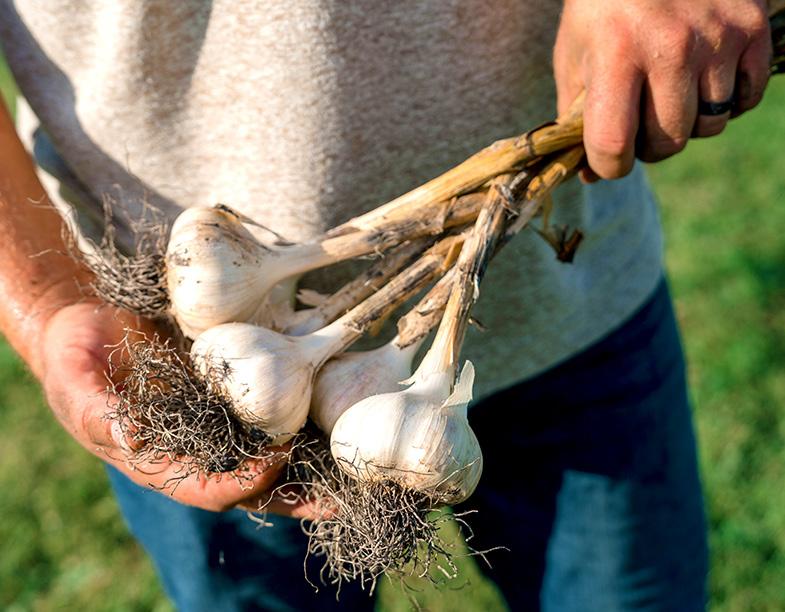
Each summer, making its way up through the dirt, produce is pulled from the ground. In North Dakota, that kind of return isn’t always guaranteed, shaped by the seasons and the work behind it. Calloused hands, early mornings and long hours past sunset, tough seasons. What surfaces from the ground isn’t just produce, it’s time, effort and care.
Just outside of Hillsboro, The Pasture sits on land that has been worked for generations. Set on a property first homesteaded in 1873, the site was once operated as a dairy farm. Now, it’s something different, thoughtfully cared for by the hands of Wayne and Becca Baumbach.
For the couple, coming back to North Dakota meant stepping into a new rhythm. The farm came with its own history and challenges. What began as a desire to expand their land shifted after they realized that the need for fresh food wasn’t readily available to them. The idea became less about having more land and more about what they could do with it.
“We realized we could produce ingredients ourselves, and still enjoy good food, but we had to do a little work to get there,” Wayne said.
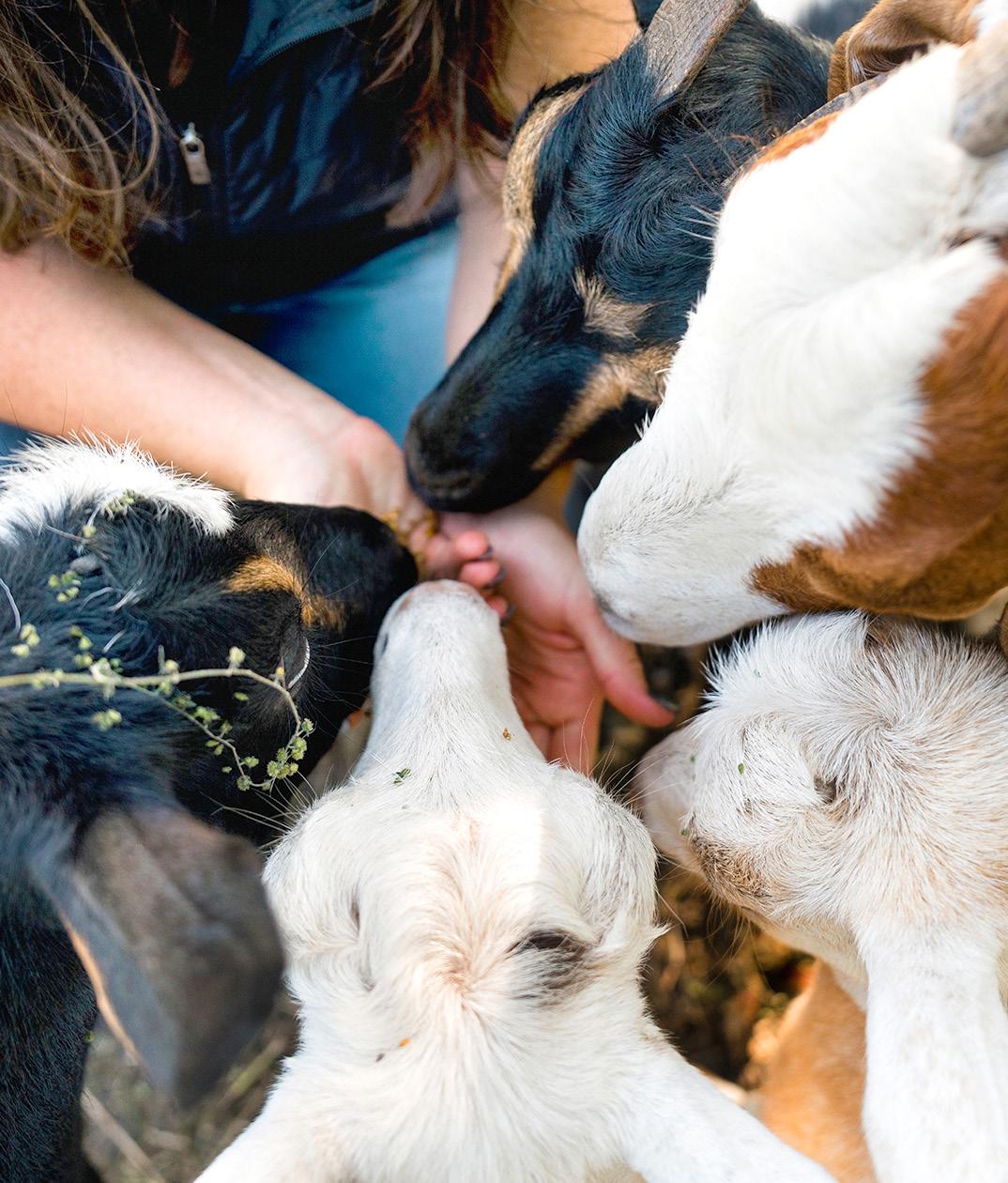
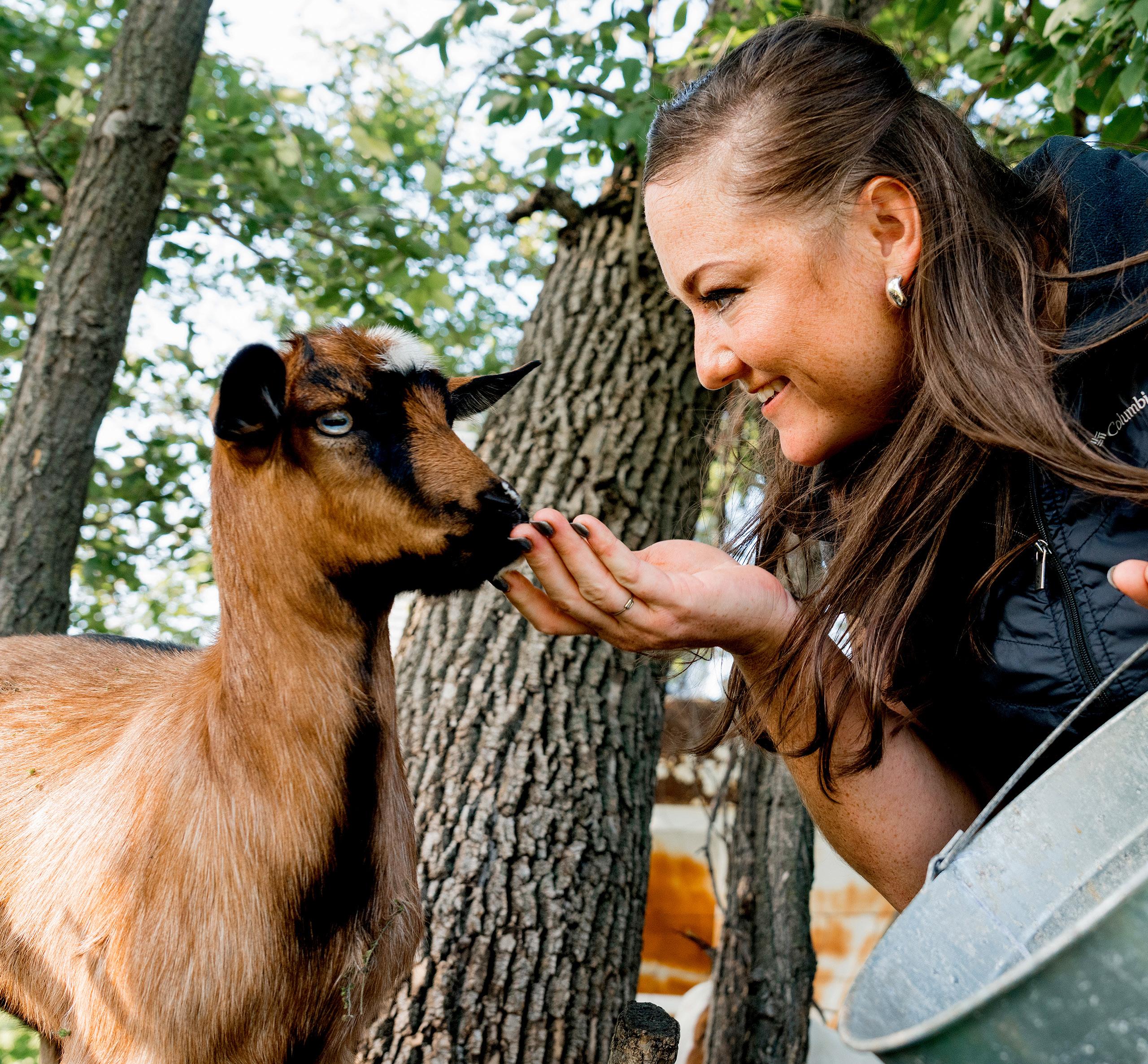
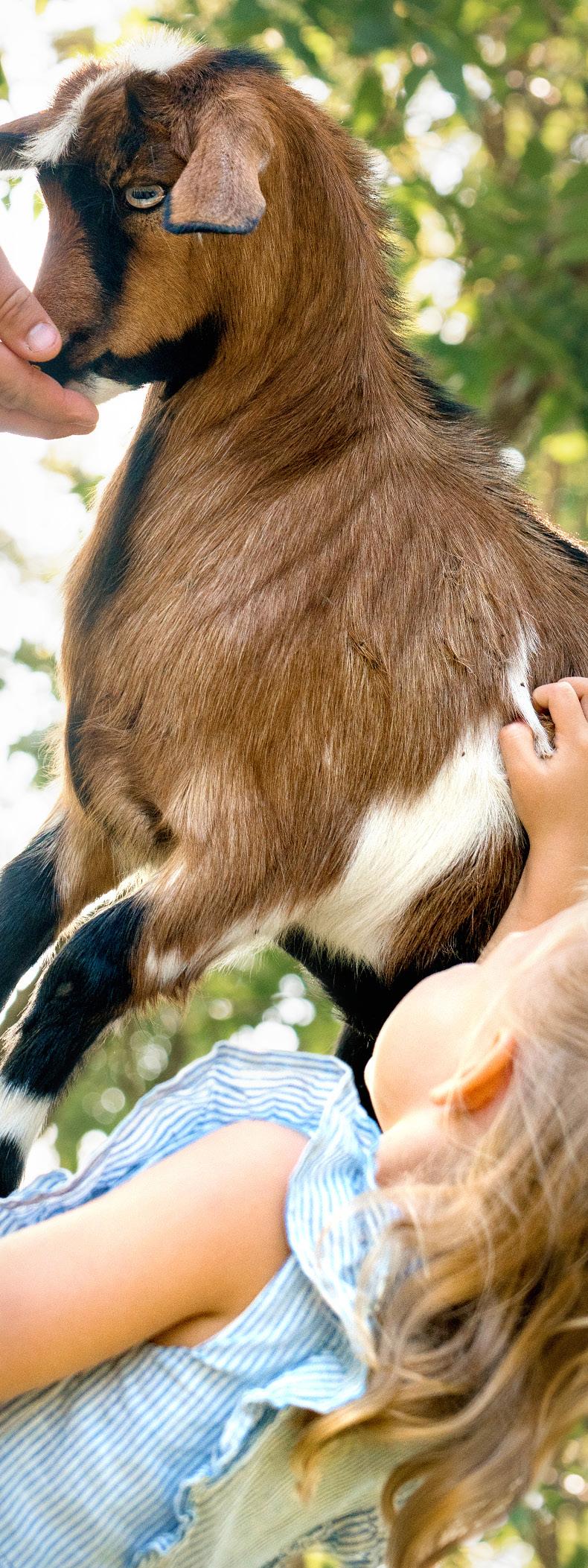
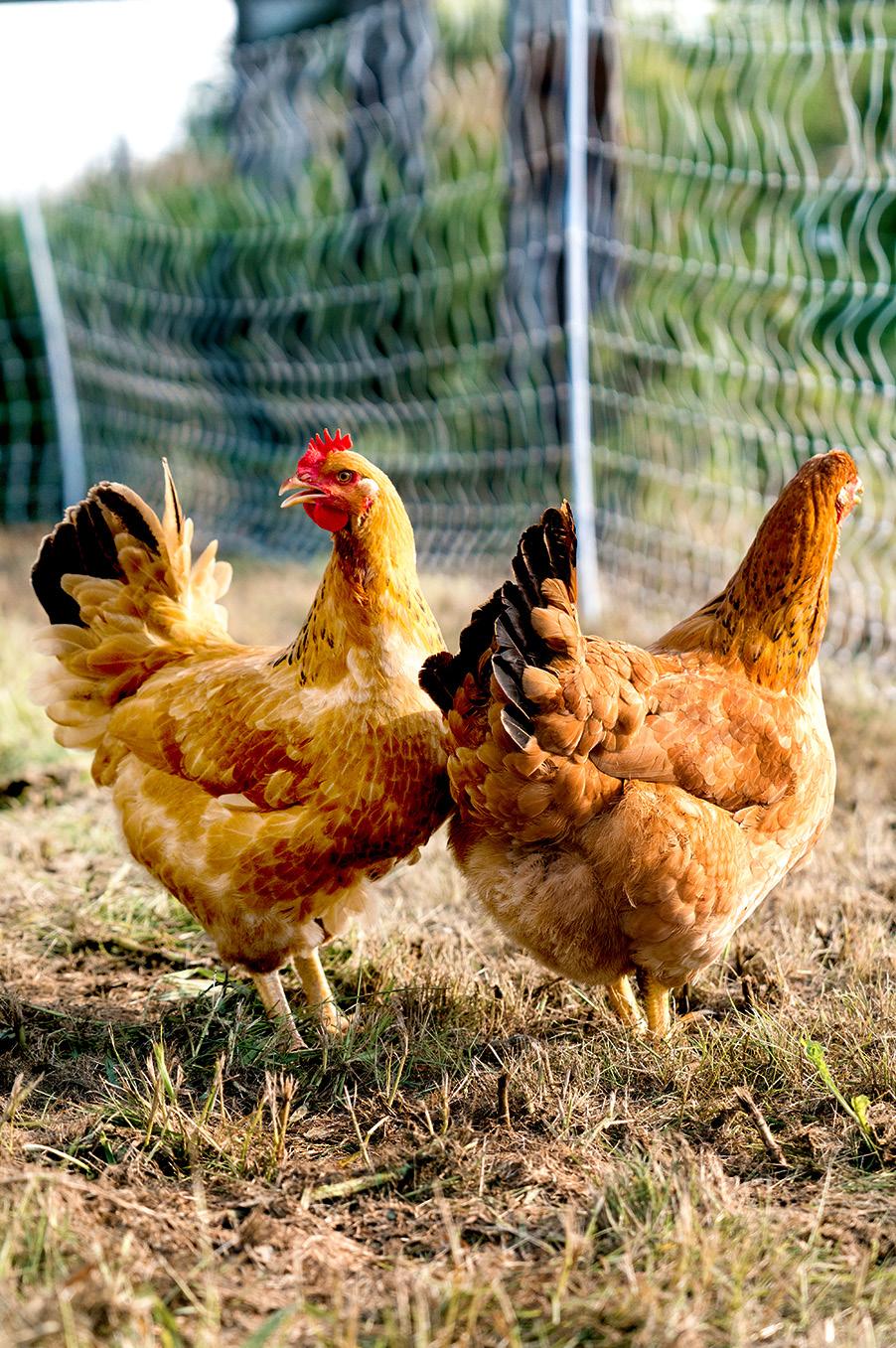
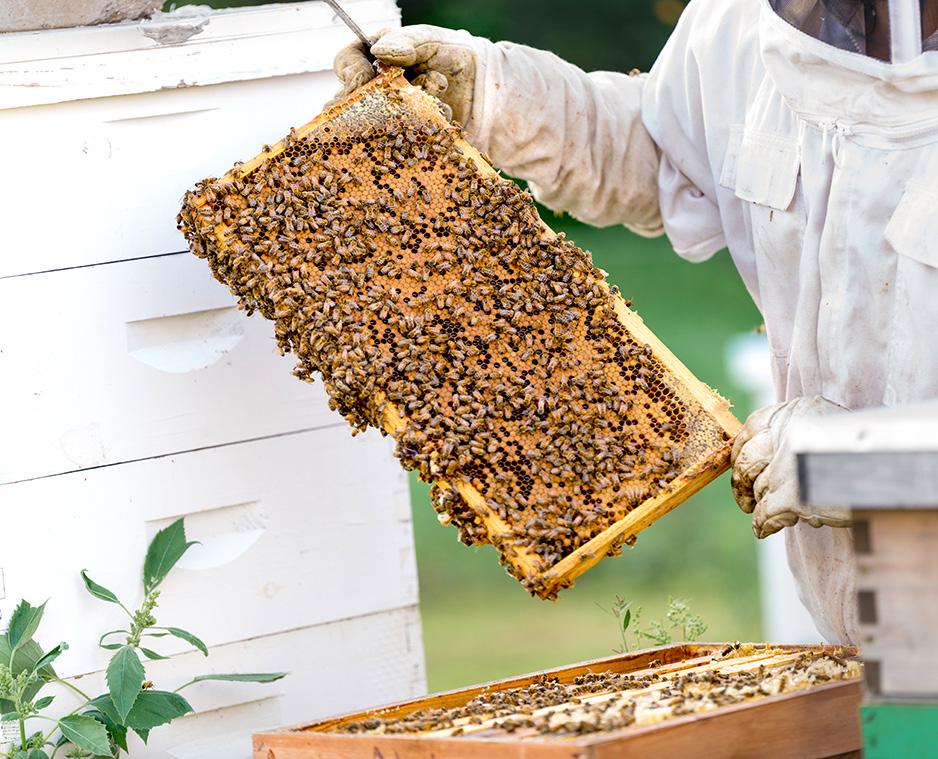
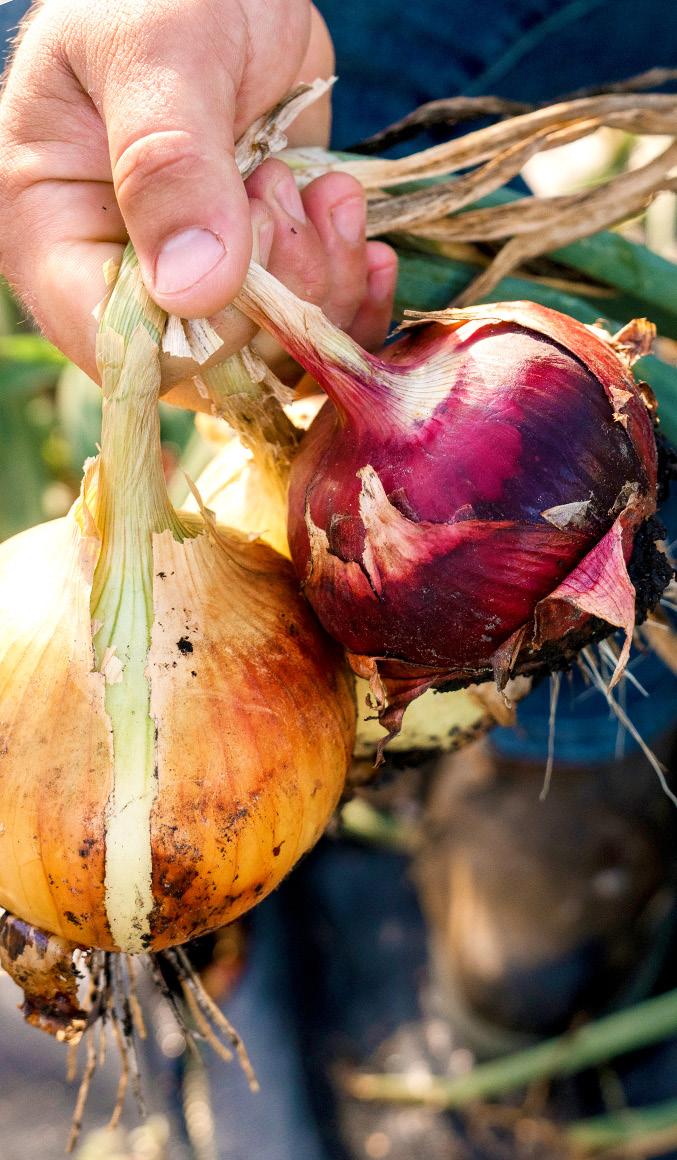
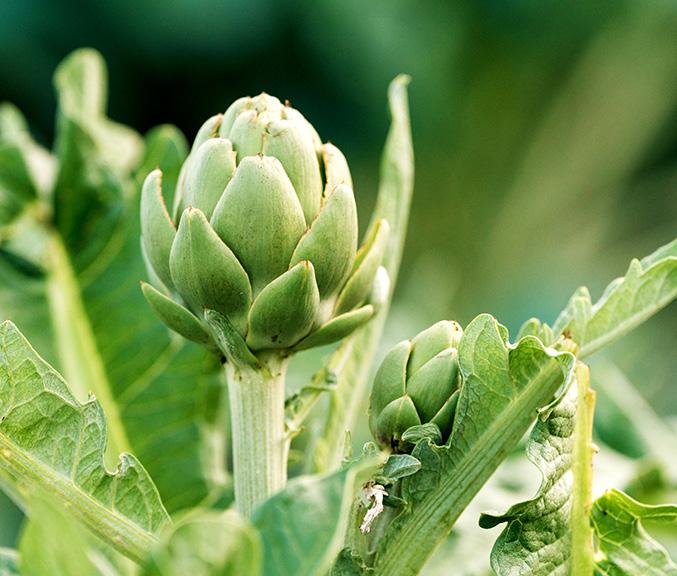
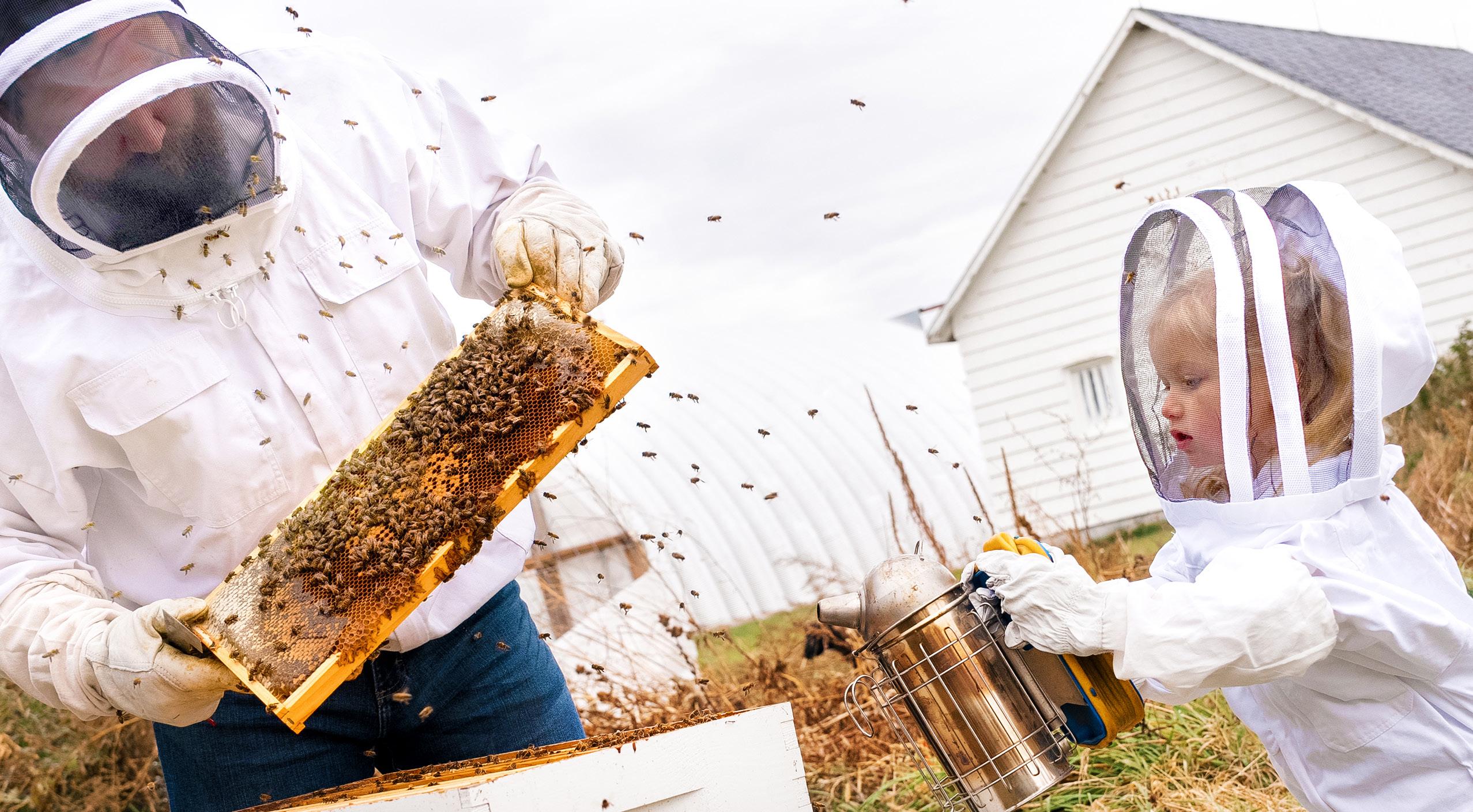
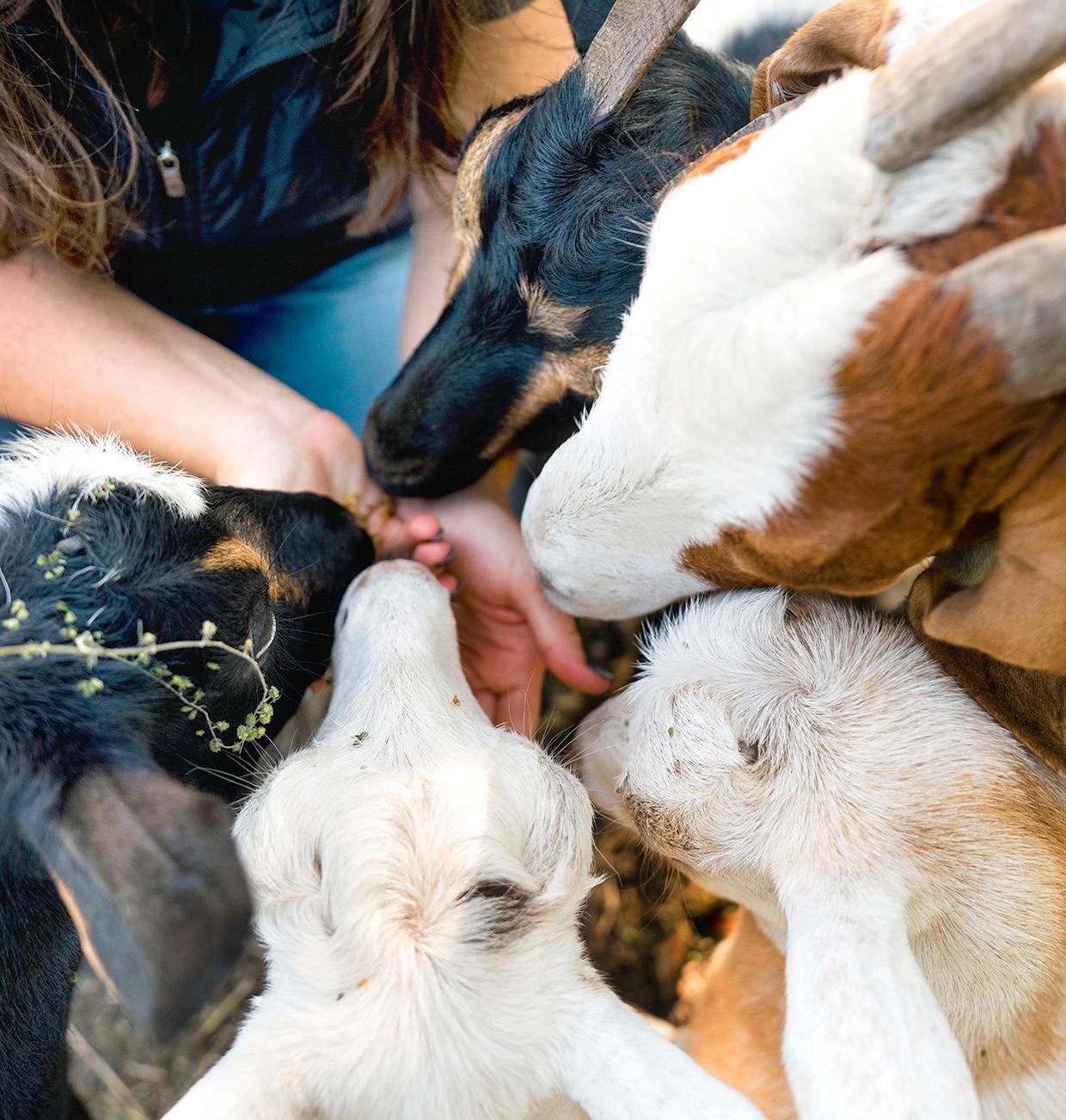
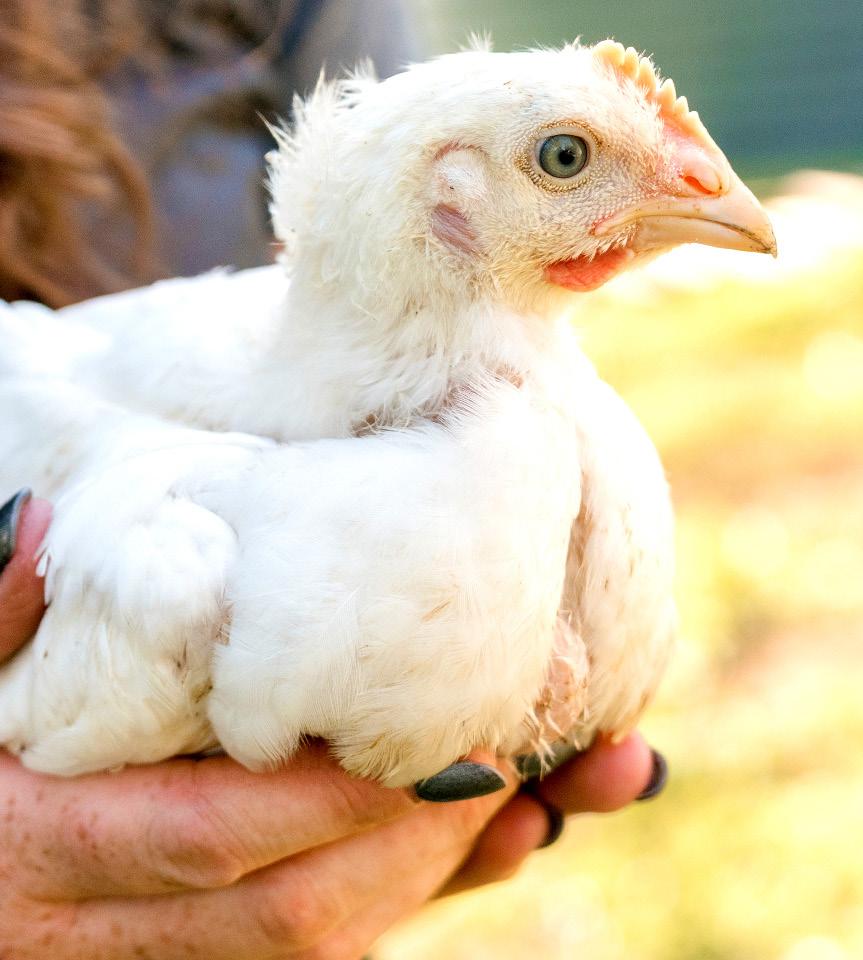
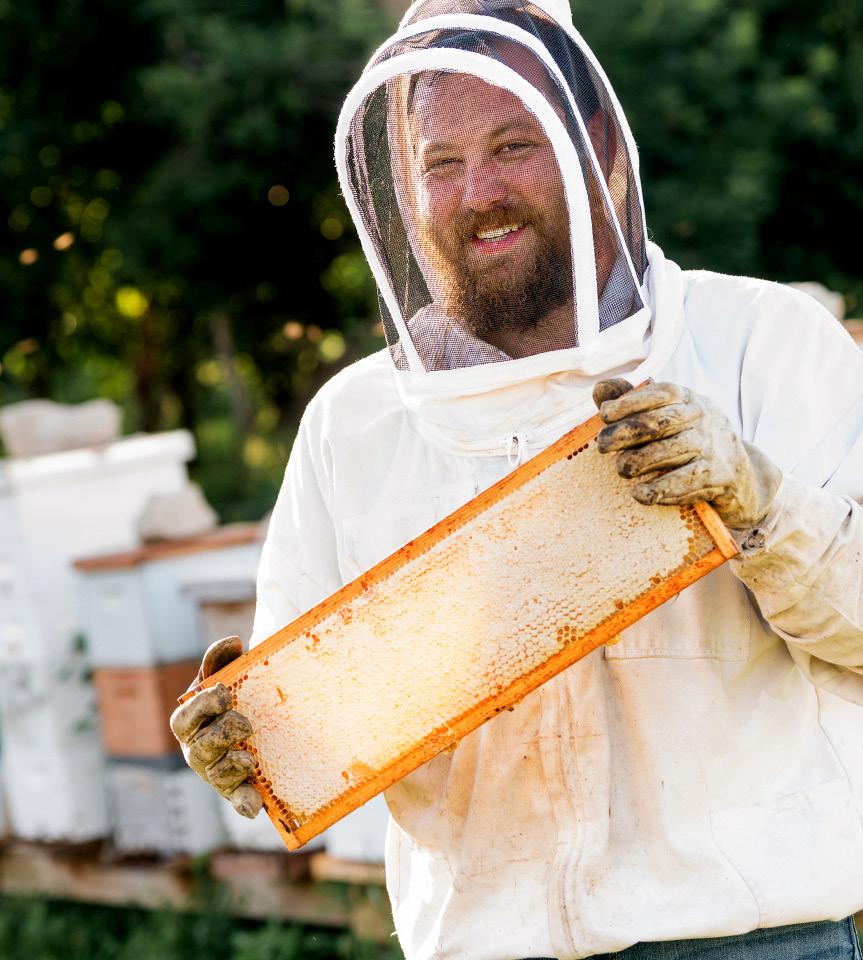
And work they did. When they began transforming the farm into something of their own, there was no shortage of it. Fencing needed to be replaced, trees had to be planted, and the land itself needed attention after years of dormancy. But where there were obstacles, there were ways to work with the land. What the Baumbachs built wasn’t just a working farm; it reflected how they wanted to live. Gardens for food, bees for honey, and livestock bring the pasture back to life.
“The business parts came later. They weren't even part of the original plan at all,” Becca said.
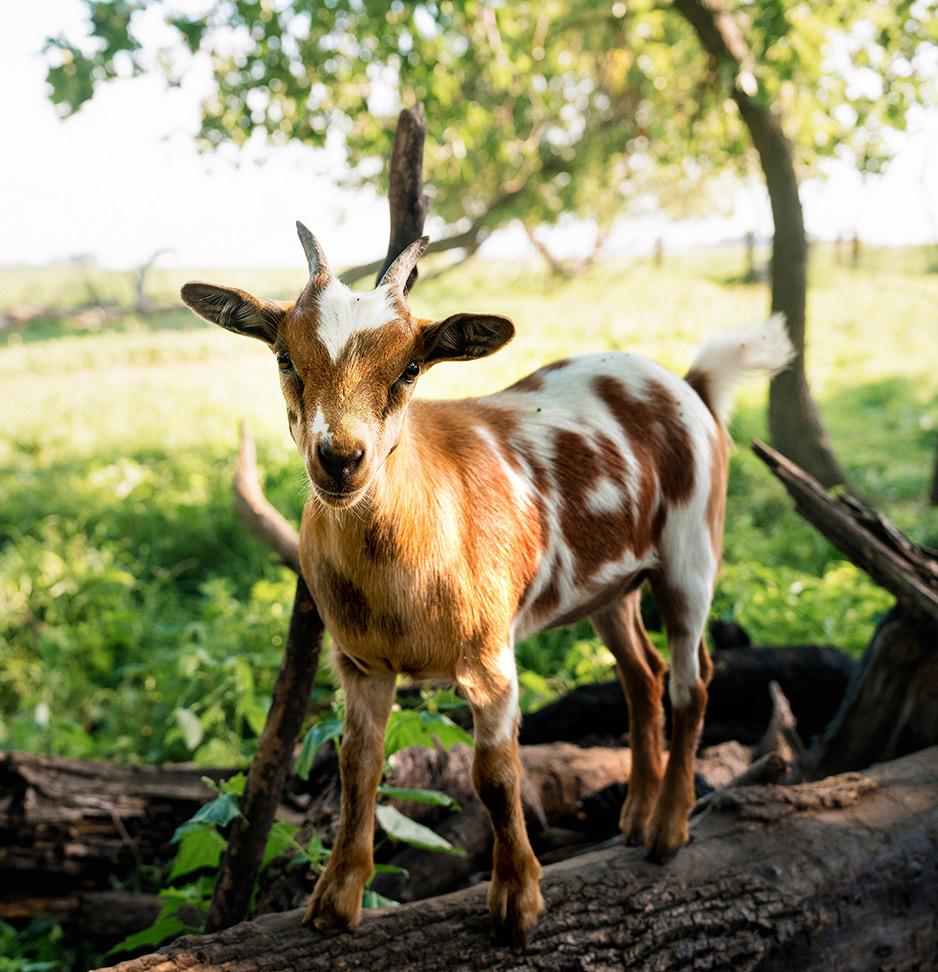
No two days look the same as seasons shift. Summers are spent moving between farmer’s markets, herding goats, harvesting greens from the garden and tending to the honeybees. But the work doesn’t stop at the edge of The Pasture. Their corporate workday continues right alongside it, moving in and out of the same rhythm. Working from home gives the Baumbachs the
flexibility to move between responsibilities, whether it’s stepping outside over a lunch break to check on animals or pluck tomatoes from the garden.
“I love living here because we can be full-time professionals, but we can also have something like The Pasture,” Wayne said.
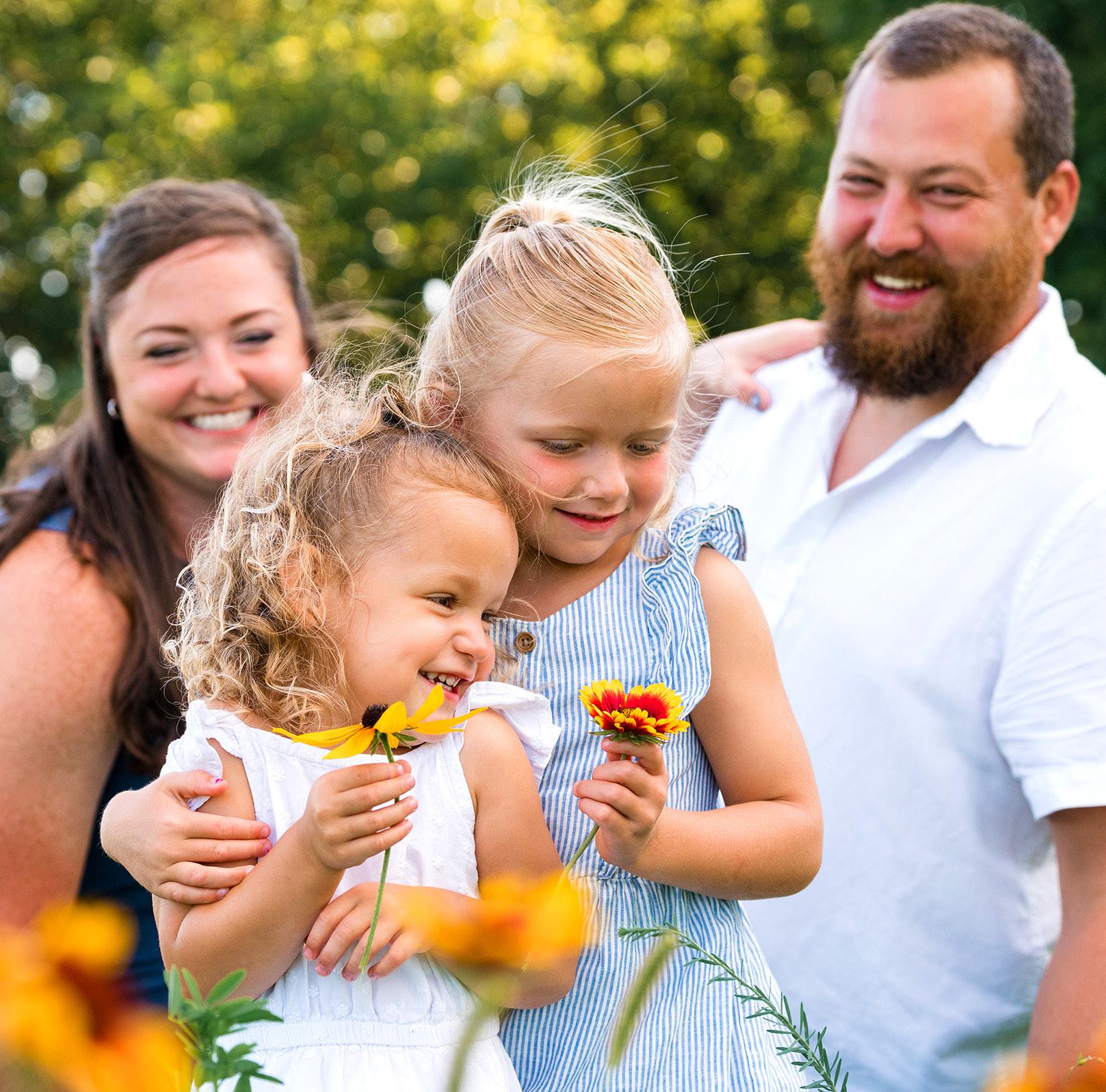
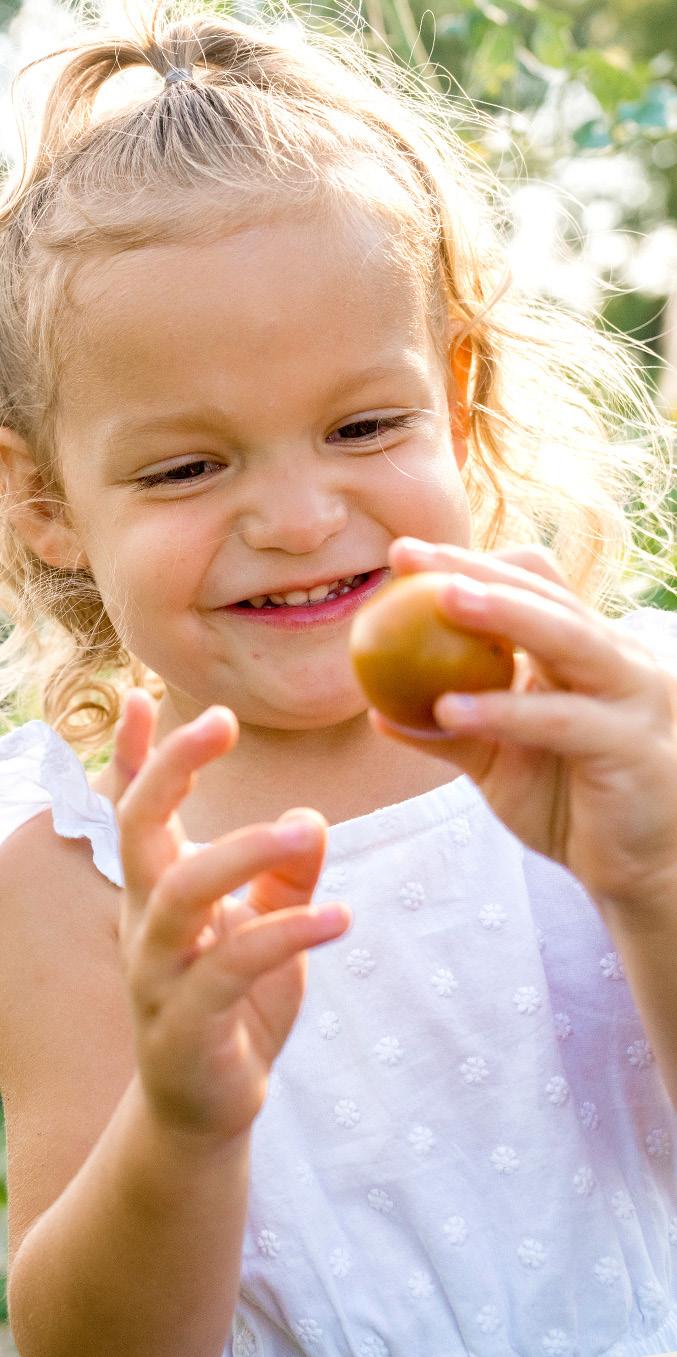
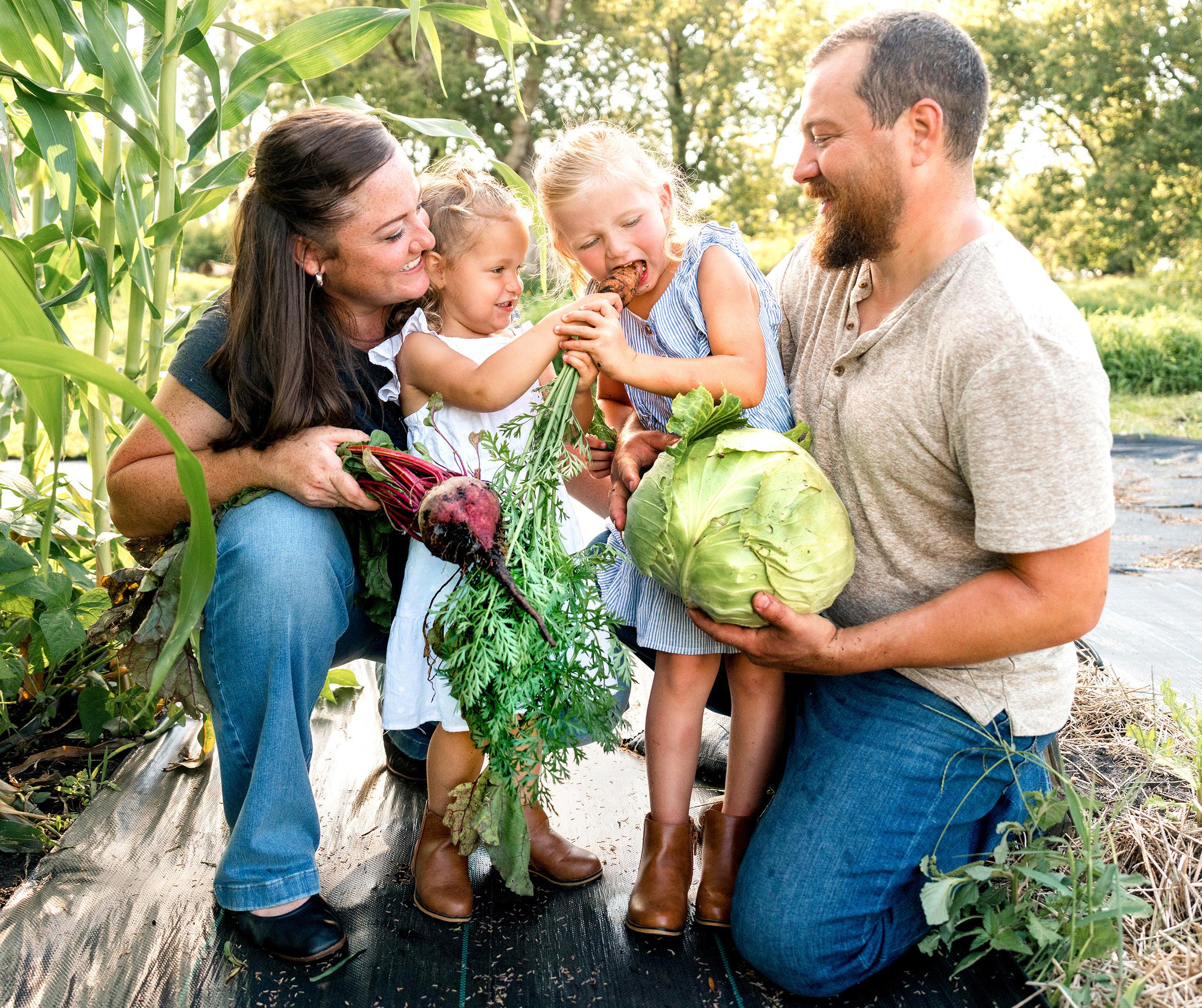
The work involved doesn’t just belong to one person. The whole family is plays a role, with Wayne and Becca's two girls stepping in wherever they can. Knowledge becomes a foundation for what they build, showing up in the routines and responsibilities that come with caring for animals and tending to the garden. “We get the girls involved. They love the garden and being a part of it,” Becca said. “They love to help, although they're not very good at picking only what's ripe.”
To the Baumbachs work is something they’re learning together, gaining a deeper understanding for life in ways
that don’t come from a typical classroom. For Becca, that hands-on experience ties directly back to something deeper with their daughters. “Having our kids understand the lifecycle piece requires both patience and a lot of learning along the way ... everything we've had to learn ourselves, we’re teaching them, too.”
For Wayne, this understanding reveals itself in the work and care towards food. “Knowing where your food comes from and what goes into producing that is important,” he says. “Most people just get their meat from a store and don't even think about it, but you can taste a difference.”
In places like North Dakota, good intentions move through neighborhoods, toward markets and into conversations. It quickly becomes more than a product and part of a system of people showing up for each other and supporting what’s being built close to home.
“There’s a person behind the food,
too. You’re not just buying something; you’re supporting a whole community and keeping dollars local,” Wayne continued.
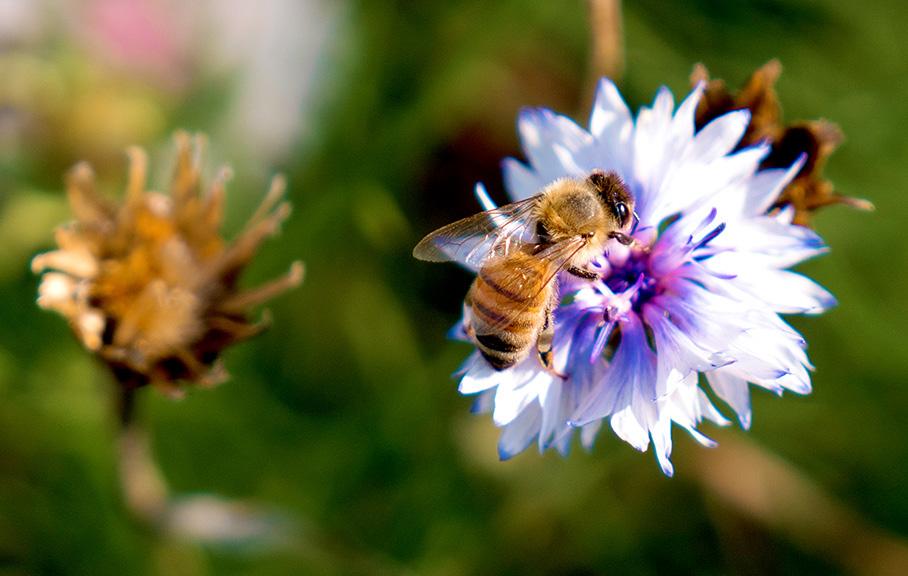
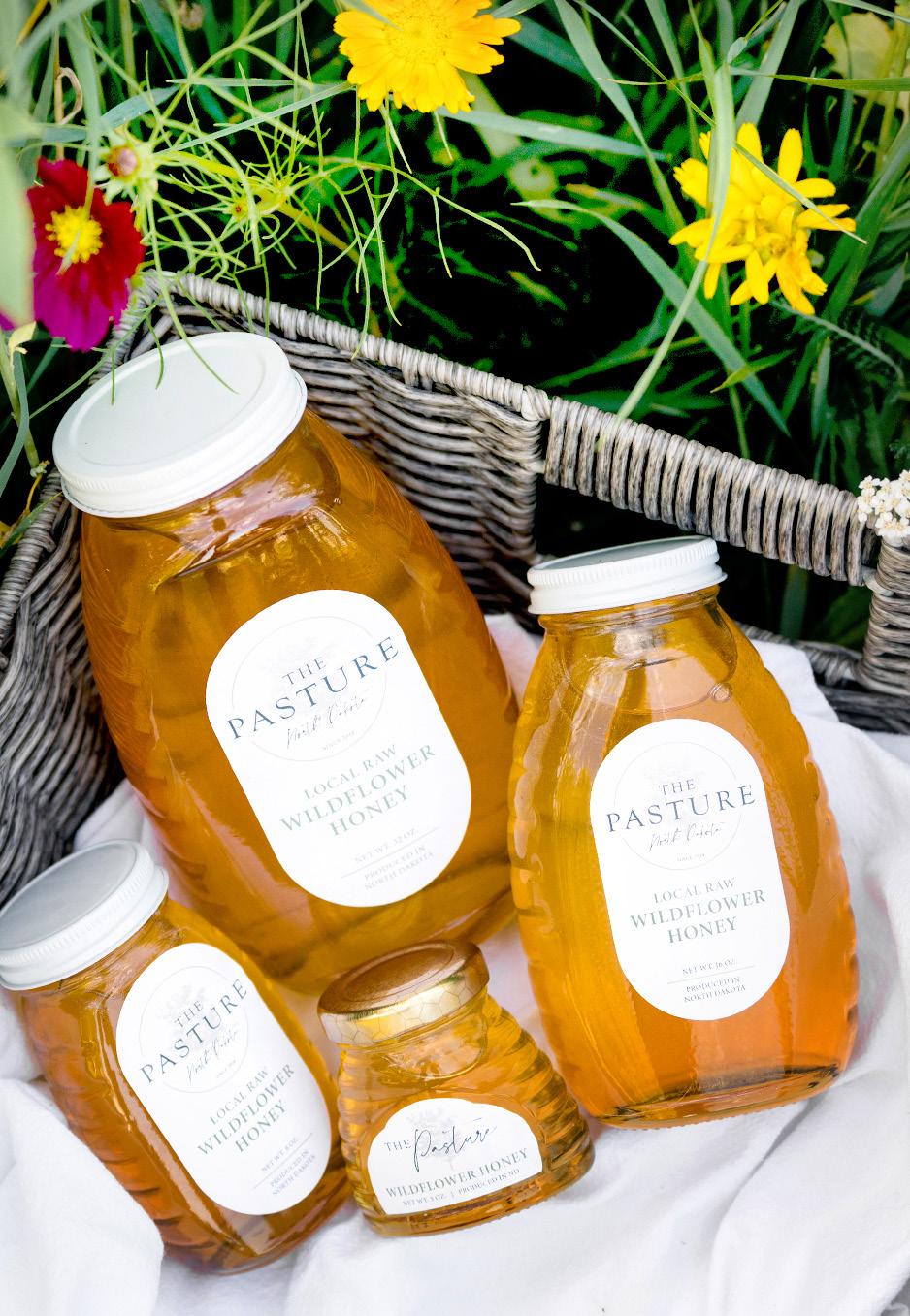
That connection to community shaped the way The Pasture expanded. It wasn’t built with the intention of becoming a business, but it grew that way through the people around it. Honeybees are a good example; they gave them to help pollinate the wildflower meadows. As they began giving some honey away, people came back asking for more. So, they added hives. What started as something small turned into something they could share with their community.
“It’s seeing a need in the community and saying, it’s a little more work, but
we could do that. Those relationships really grew the business,” Becca said.
Over time, The Pasture became wildlife certified. As the land slowly filled back in, bees, gardens and animals began to find their place again through the care of their land. As Becca explained, “It was about paying attention to what was already working and leaning into it.”
What the Baumbachs are growing isn’t just food, but a way of living that makes sense for their family. A life their daughters have stepped into, hands in the dirt, learning alongside them. Watching animals move through the pasture or seeing dirt under their fingernails, “It’s a tangible result of the work being put in. Something you can point to. Something that, in a lot of ways, feels more fulfilling than a paycheck” Wayne said.
An endeavor that, much like the land itself, takes time, but when it comes to the surface, you can see exactly what it was all working toward.
“Something bigger than what you set out to do,” Becca said. “It’s not about immediate return,” Wayne added. “It’s about being part of something bigger than yourself.” G
A Second Serving
By Danielle Piekarski
We’ve all had a casual conversation with friends that turns into a half-serious brainstorming session. “What ifs” are tossed around in jest. In the moment, it sparks curiosity, and most of the time, that’s where it ends. Every once on a while, however, a idea doesn't fade. It lingers, slowly growing into something within reach. For Justin LaRocque, one of those moments refused to fade.
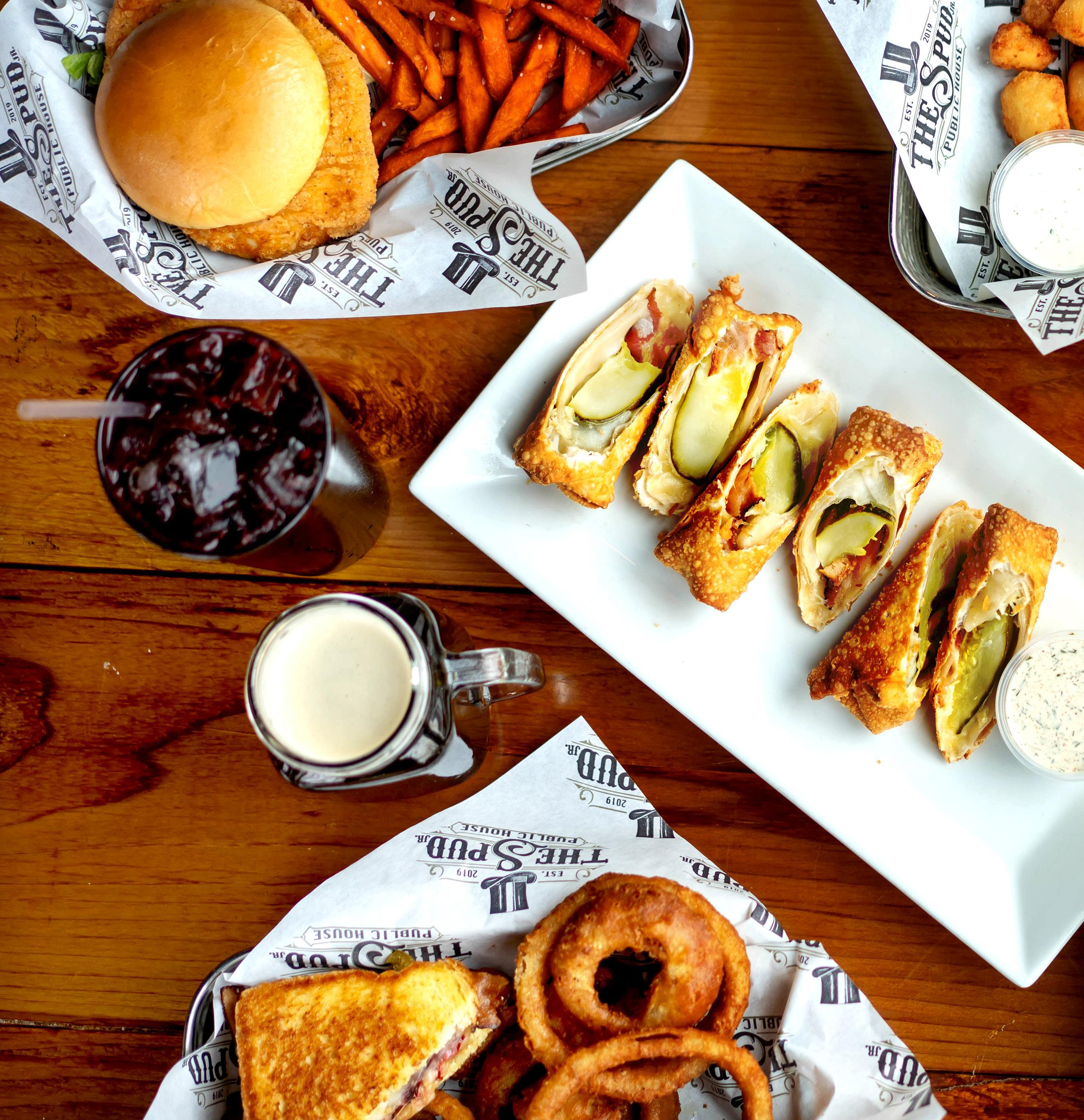
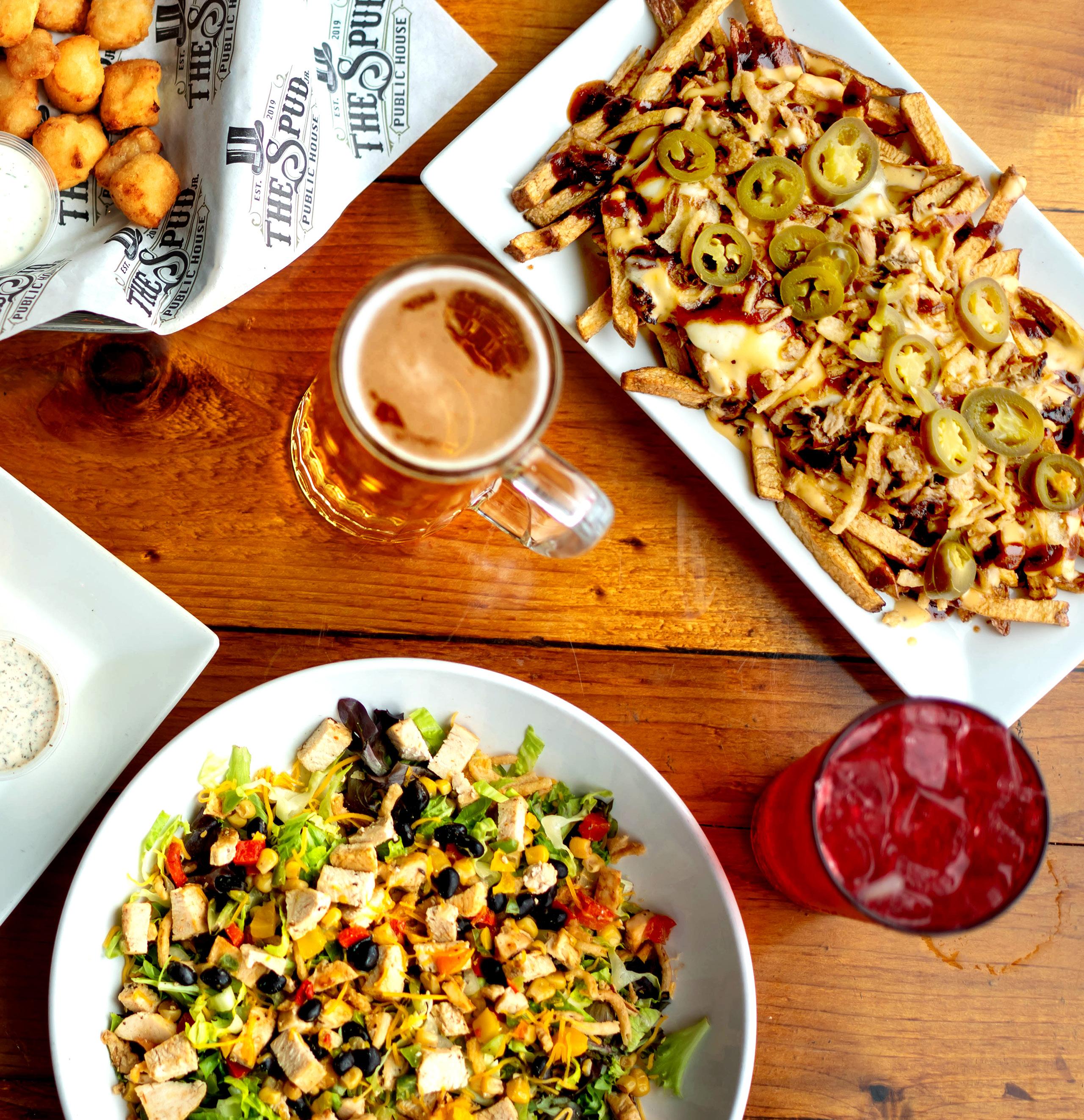
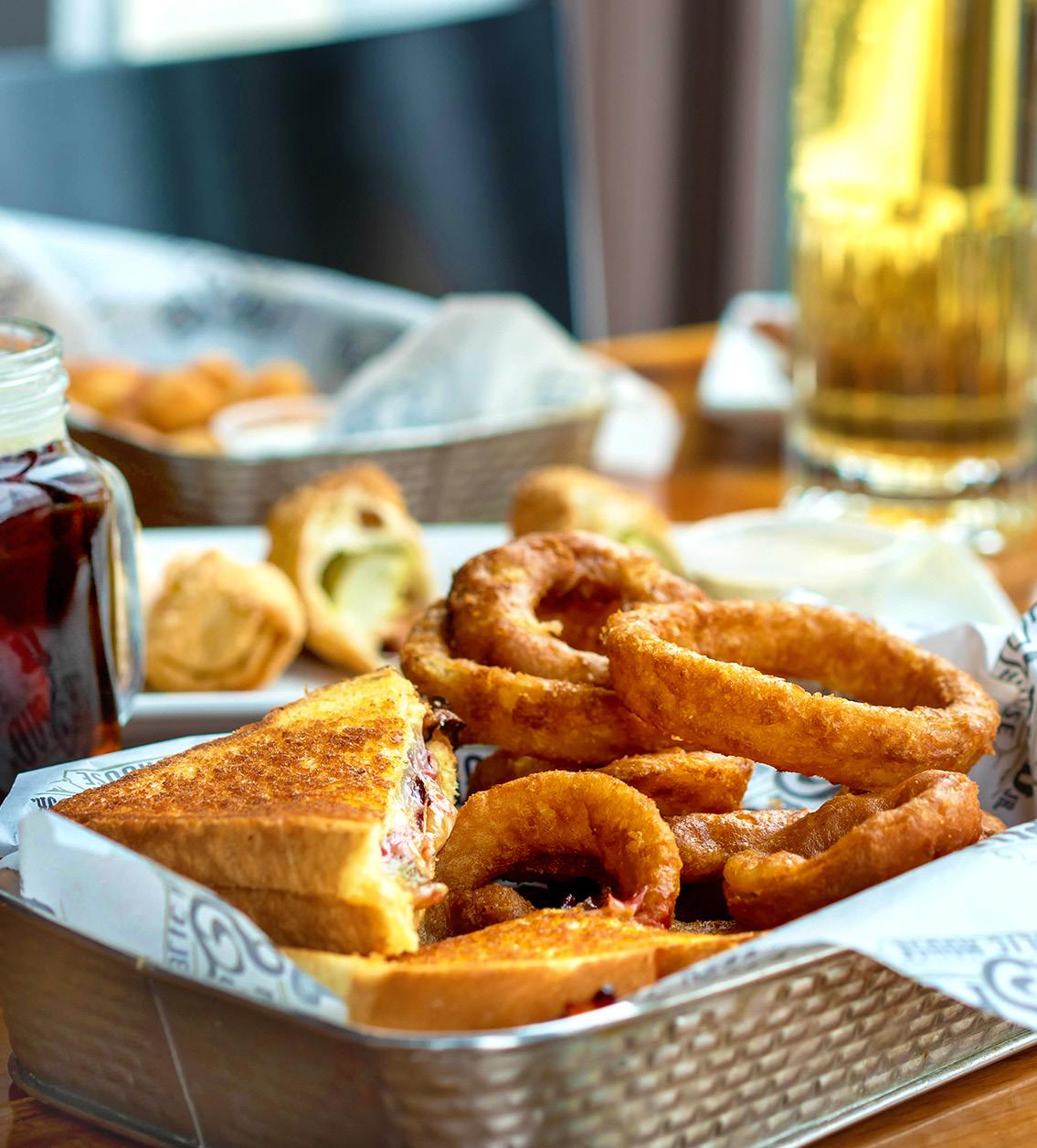
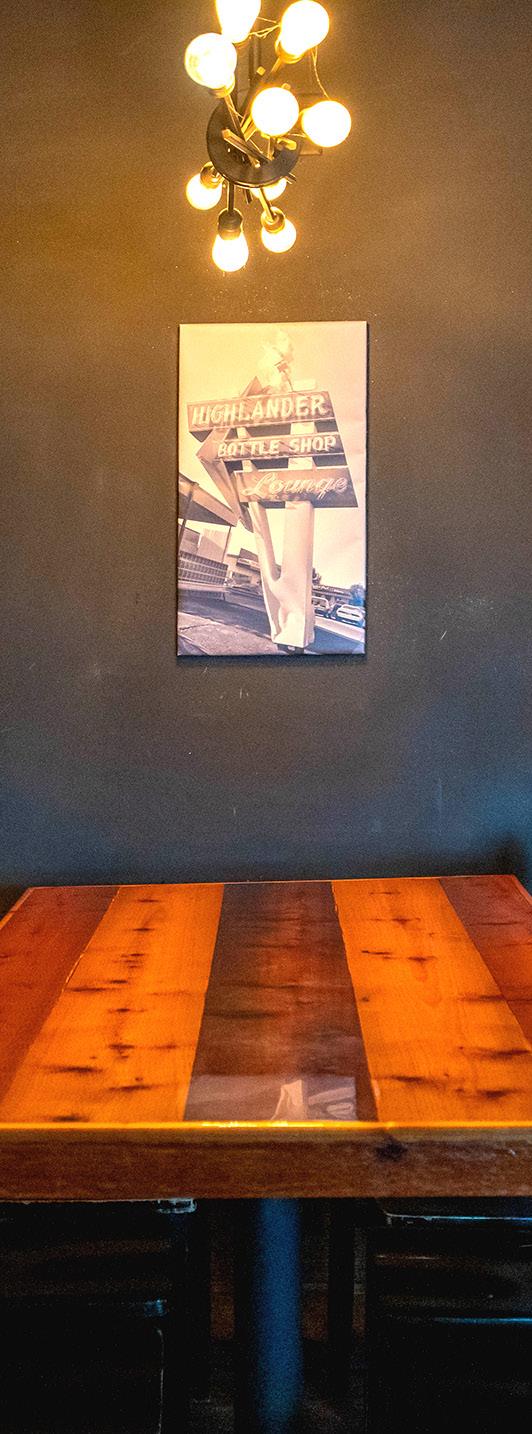
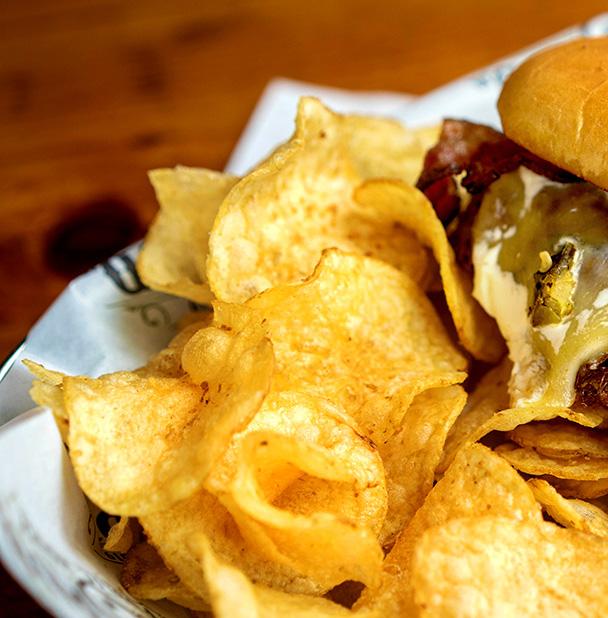
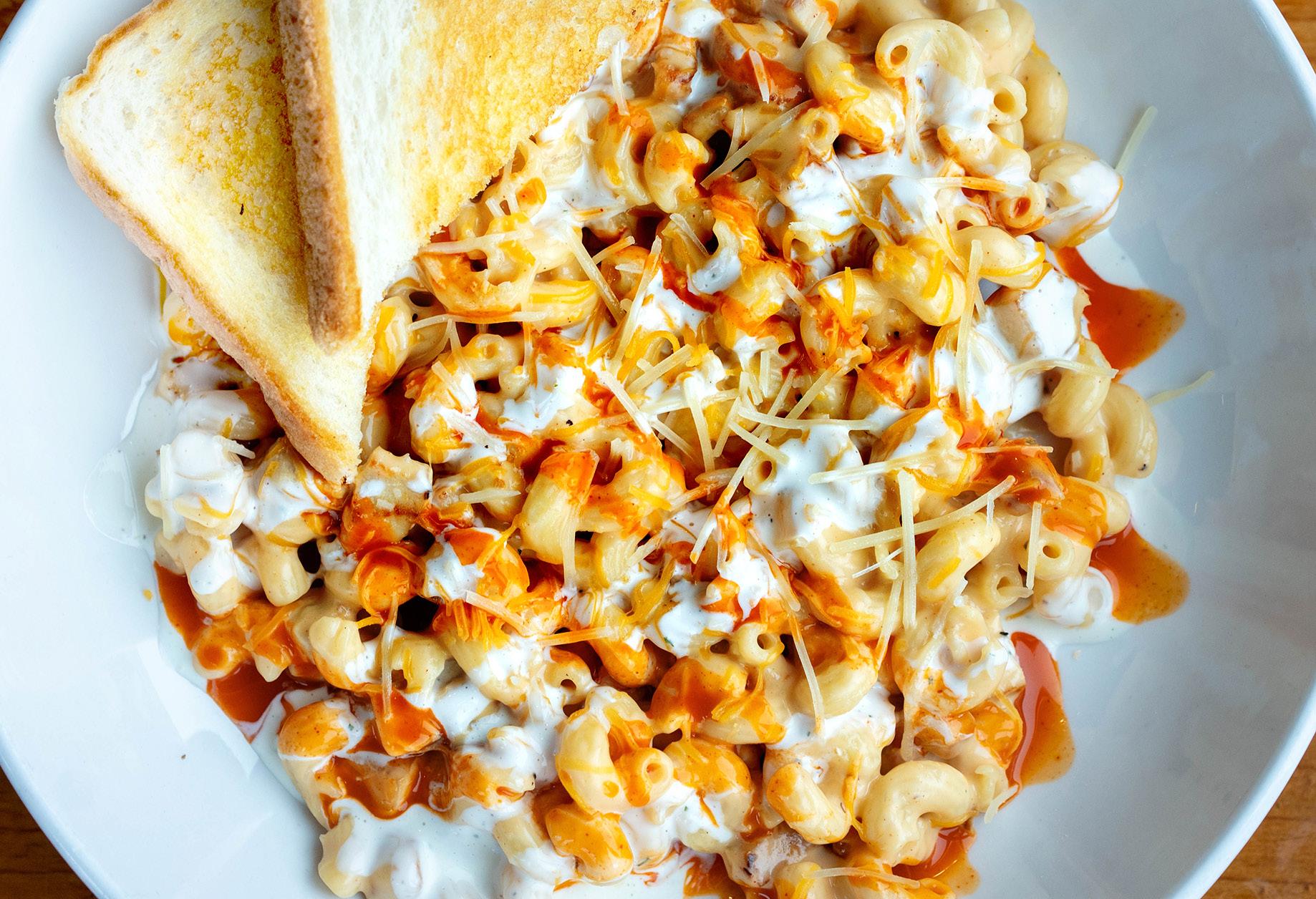
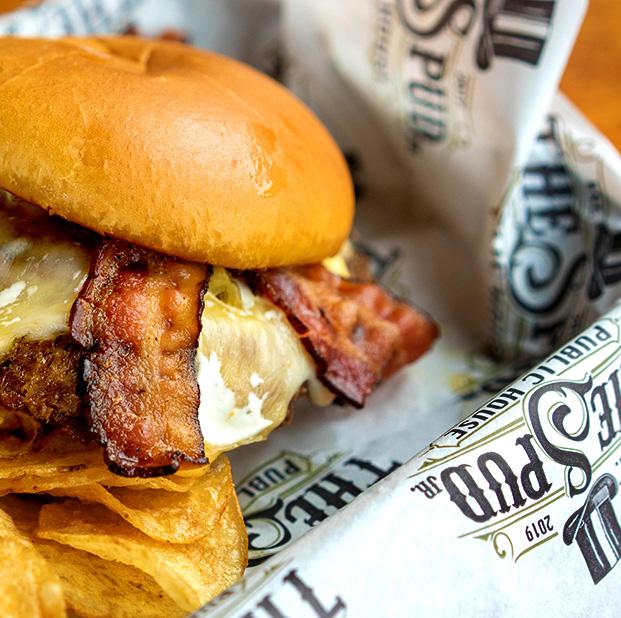
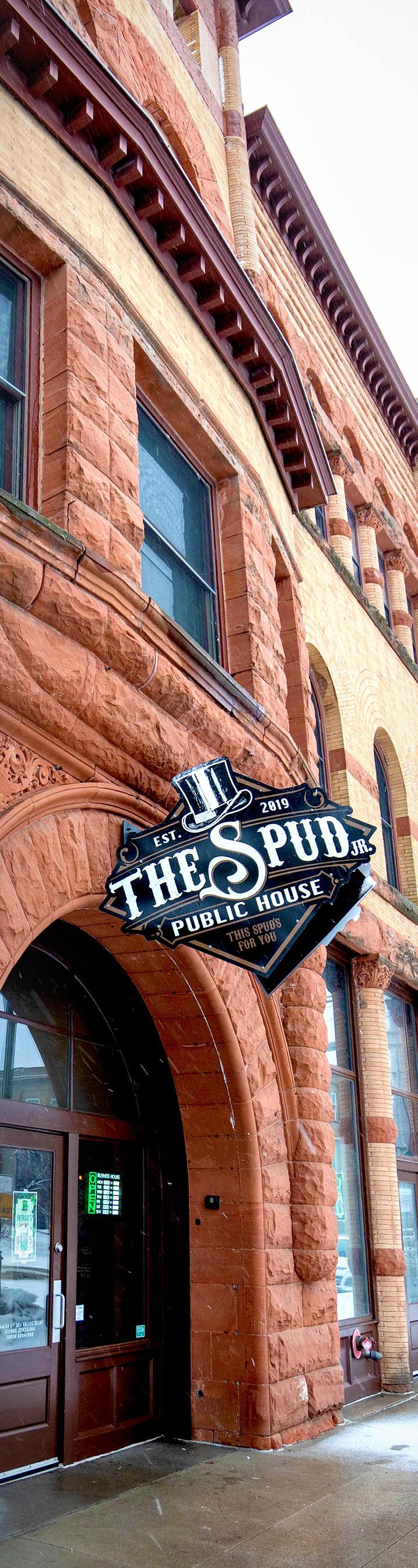
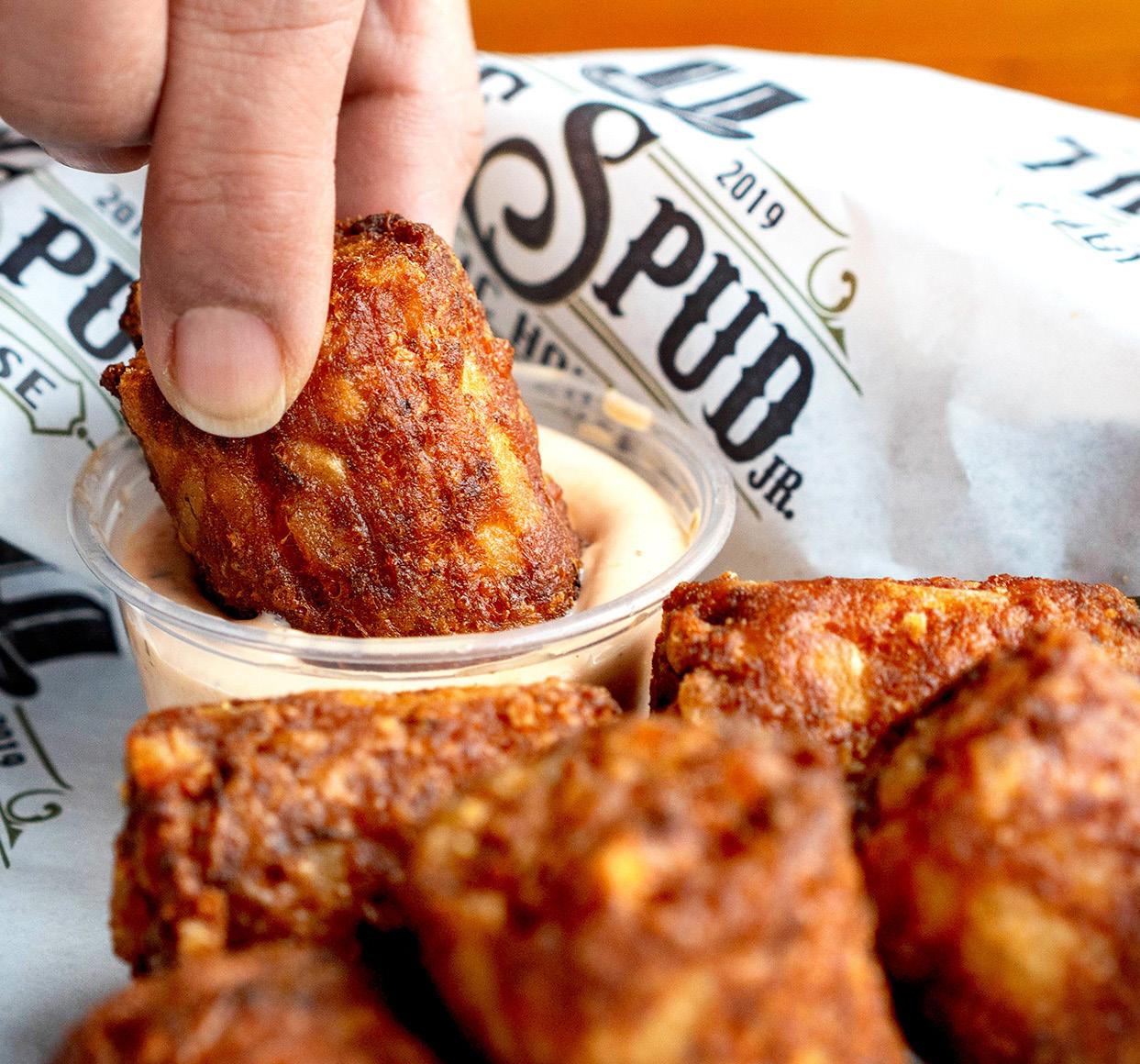
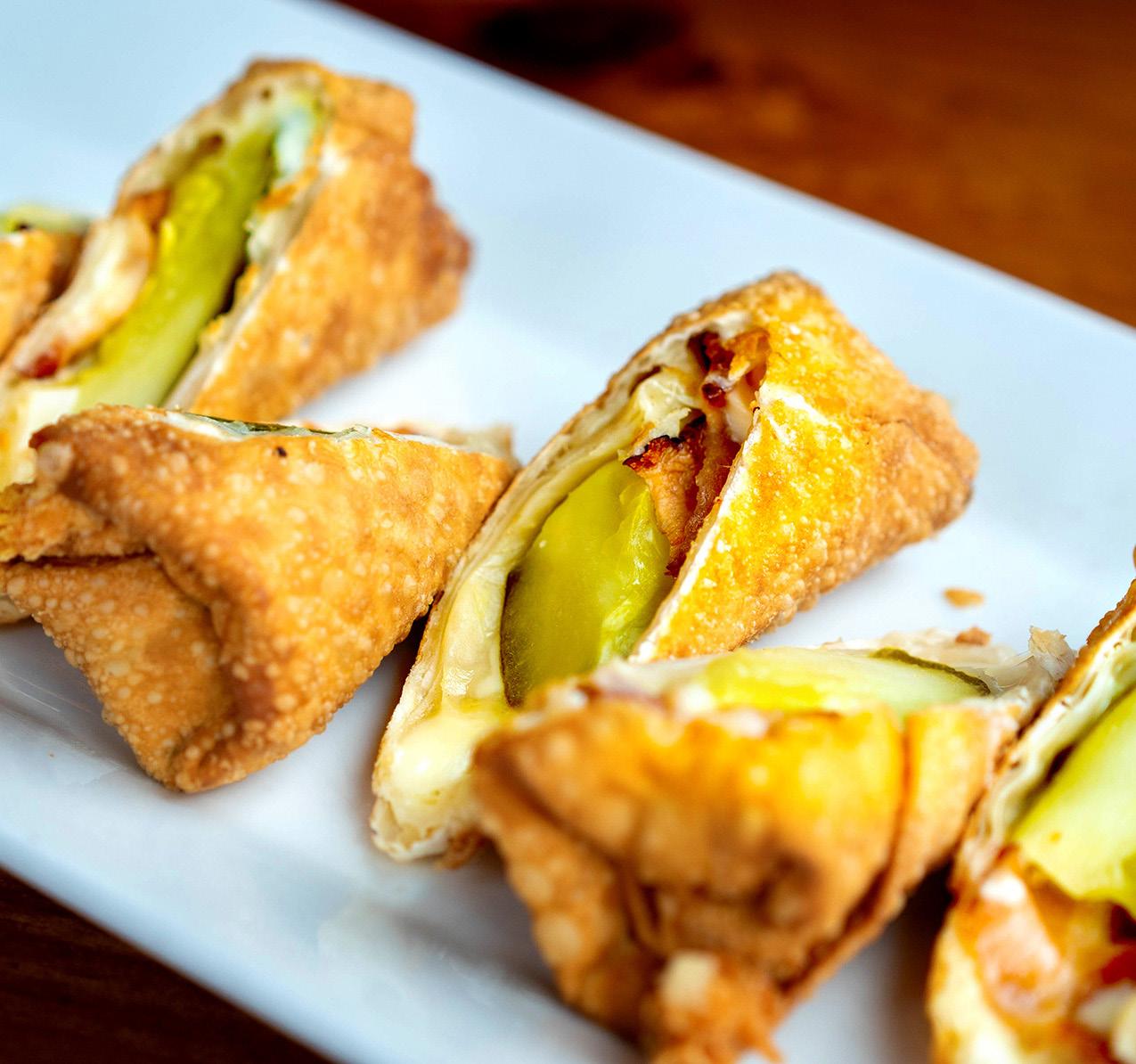
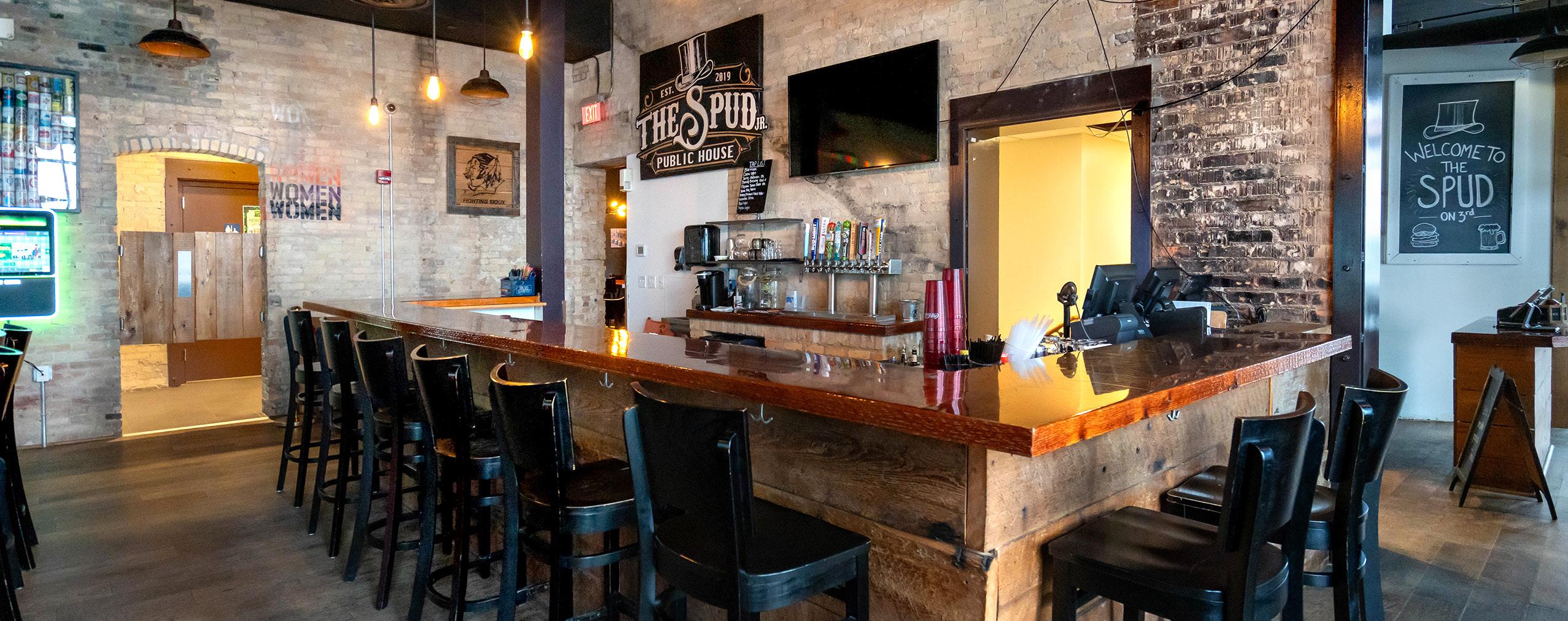
LaRocque’s friend owned a business next to the old Spud Bar, which had become a vacant space sitting unused. The original Spud was remembered for its divey atmosphere and 1980s, “good times” energy. The two joked about bringing it back to life — renovating the space into “The Spud Jr.” and serving up a menu built on classic bar food staples. LaRocque kept returning to the concept, continuing to build out the concept in his mind. About a year and a half later, he found himself walking through that same building, newly inspired. With the opportunity at his feet and a fully formed idea already taking shape, he couldn’t help but wonder, why not? What began as a joke came full circle, evolving into a concept rooted in nostalgia and a tribute to a Grand Forks relic.
The Spud Jr. opened its doors in January 2020 and boasted a promising debut. But within weeks, the world shut down. Like most, LaRocque initially believed the disruption would be temporary. The weeks stretched into months, and uncertainty became the new reality.
The stress didn’t hit all at once; it built slowly as it became clear that nothing about the situation was predictable. LaRocque and his team adopted a survival mindset. They operated in fight-or-flight mode.
“Every day we asked, ‘What can we do today?’” That question drove a constant stream of new ideas. Some were practical, some unconventional, but all intended to keep The Spud Jr. visible and viable.
'I don’t know how much was skill and how much was luck, ... But we’re still here.'
Justin LaRocque, Owner of The Spud Jr.
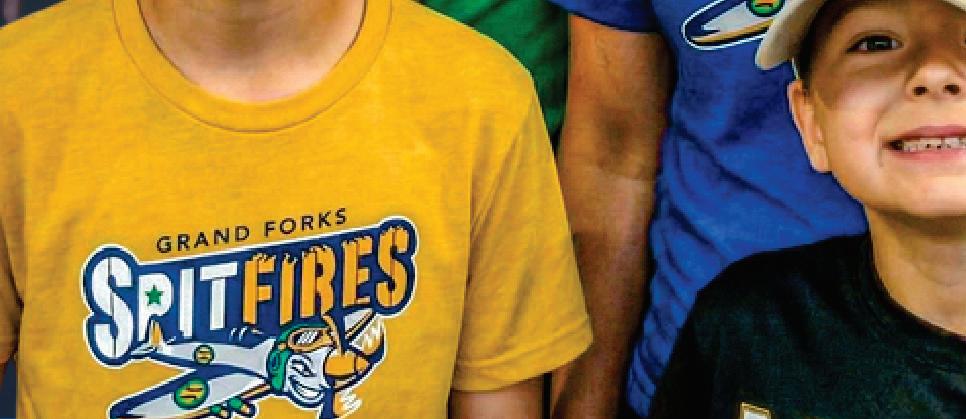
Creativity became the most valuable tool in their arsenal. Nothing was off the table. They tested a grocery-style delivery model. Icehouses were used as an outdoor dining option. With people confined to screens, they leaned into social media. They didn’t shy away from a gimmick. During the early days of the pandemic, The Spud Jr. began including a roll of toilet paper with each takeout order. This gained traction and even earned LaRocque an interview with the Wall Street Journal.
The most impactful decision, though, wasn't a marketing strategy, but rather, an act of goodwill. With food banks strained and excess inventory on hand, LaRocque started offering free meals for children.
Before long, the program expanded to anyone in need. The Spud Jr. averaged 200 to 300 free meals per day. To sustain the program, they partnered with U.S. Foods, purchasing near-expiration inventory at a discounted rate. The arrangement reduced waste and allowed the restaurant to continue feeding the community while staying afloat. LaRocque speaks about the effort modestly, but its impact on the community is hard to overlook. Over time, an estimated 50,000 meals were distributed.
As the world returned to business as usual, The Spud Jr. continued to foster a spirit of generosity. A more formal, “pay what you can” model was established and called the Unity Kitchen menu. Customers who could afford to pay did, with some leaving donations to cover meals for others. Like many pandemic-era adaptations, the model became more difficult to maintain over time. As costs increased, support naturally tapered off and the program had to be scaled back. The Spud Jr. continues to carry that philosophy forward through initiatives like free Thanksgiving meals.
The Spud Jr. staff appreciated stability, while recognizing that “normal” is a relative term in the restaurant world. That is, until LaRocque received notice that the building The Spud Jr. had called home for years could be up for sale. With a monthto-month lease and the possibility of a quick move-out, the team was left on uncertain footing. The options were much
clearer: say goodbye to the business or uproot from the historic space that had put them on the map. With a narrow window of time to act, they chose to move. In many ways, the relocation proved more stressful than the pandemic. This challenge was unique and personal to LaRocque, and it commanded immediate logistical action. Still, the team continued to show up. Staff stayed through the transition and played a critical role in making the move successful. For LaRocque, that loyalty stood out more than any business milestone. “It said a lot about the culture,” he said.
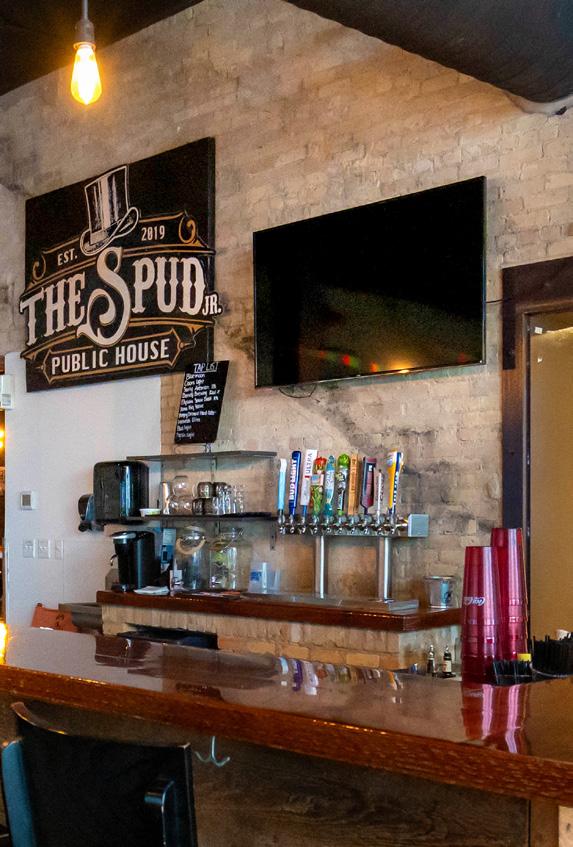
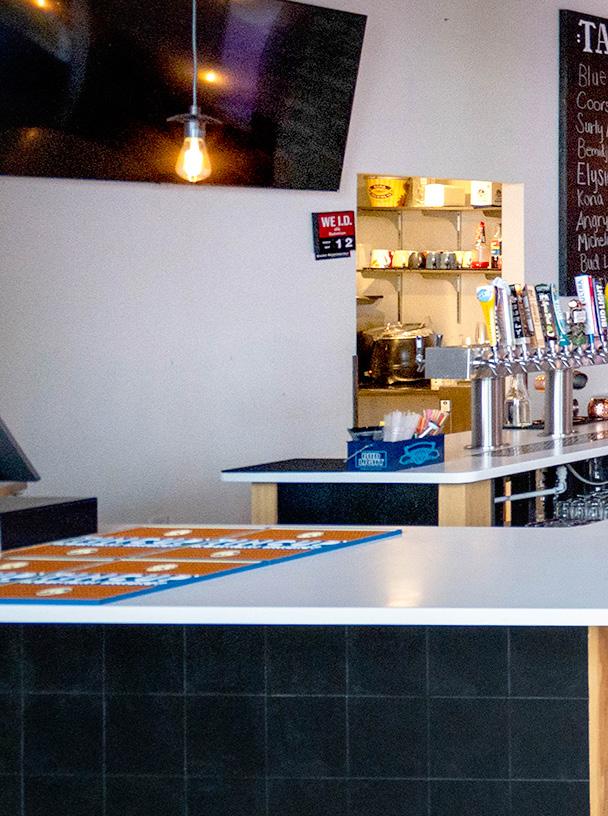
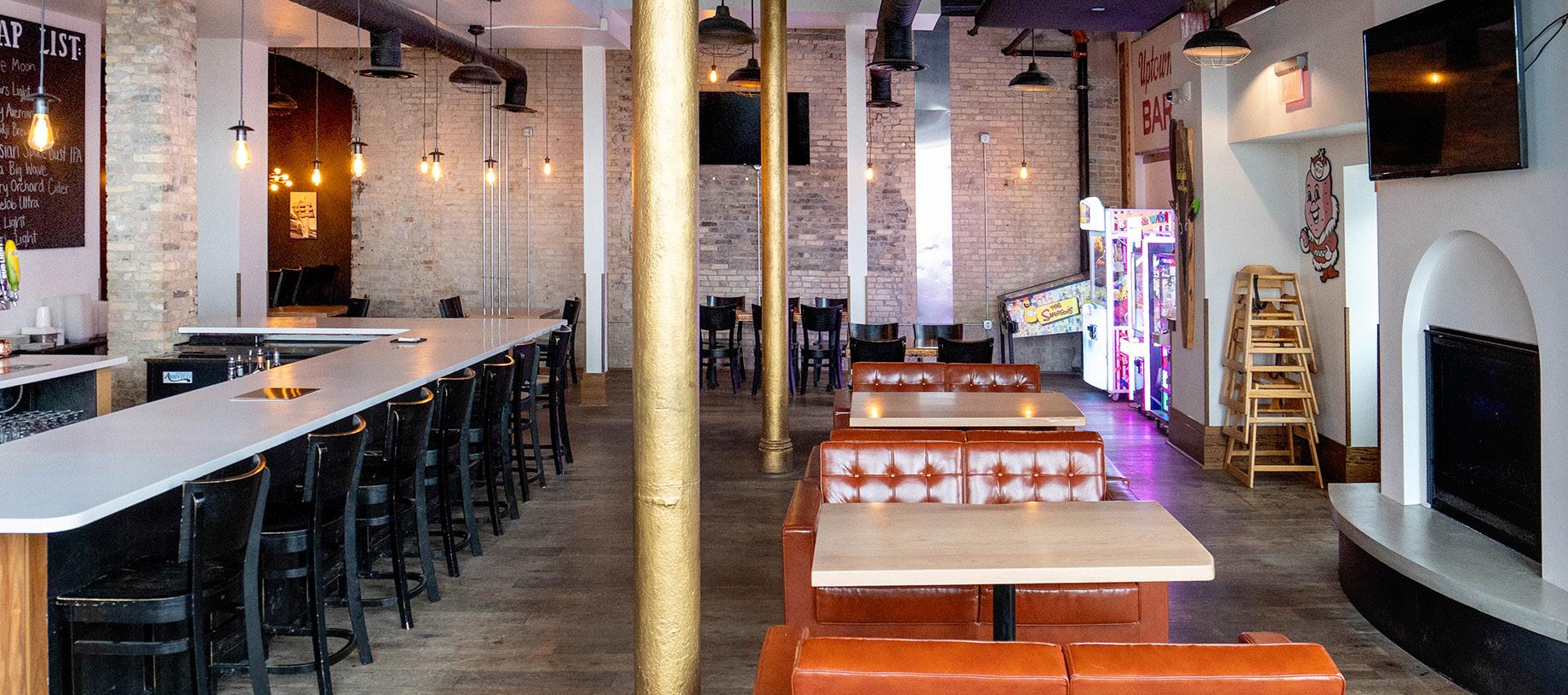
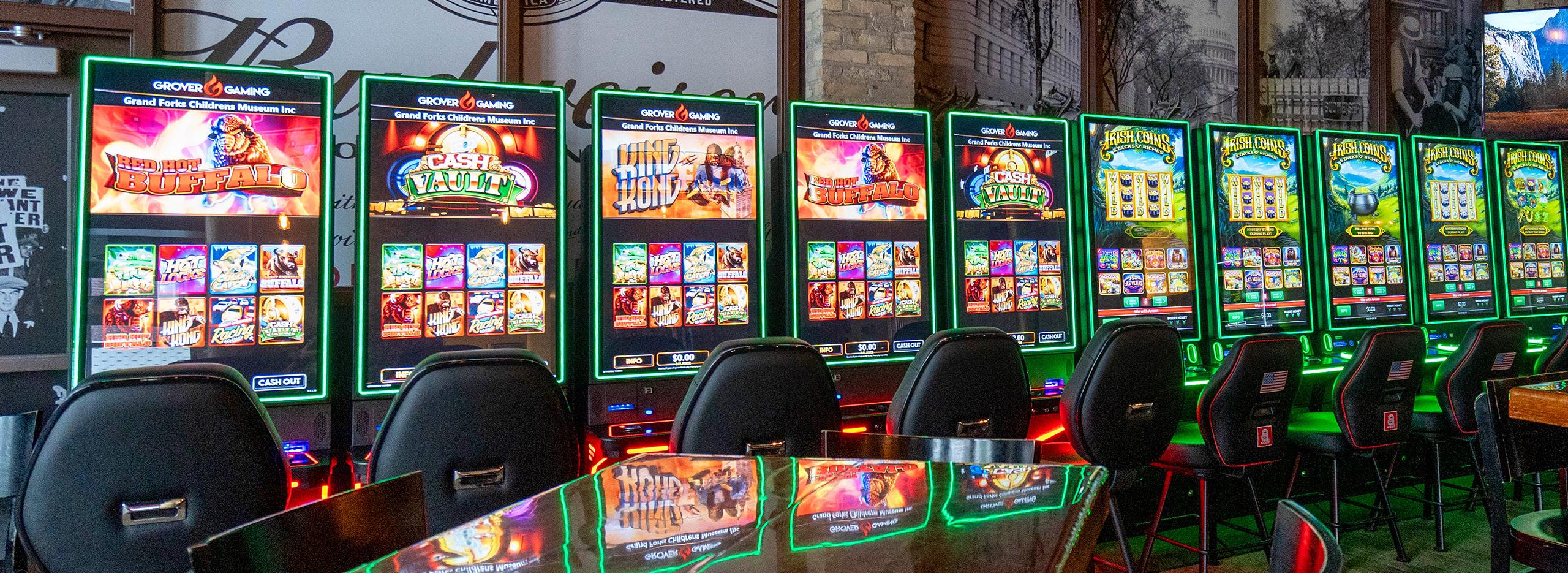
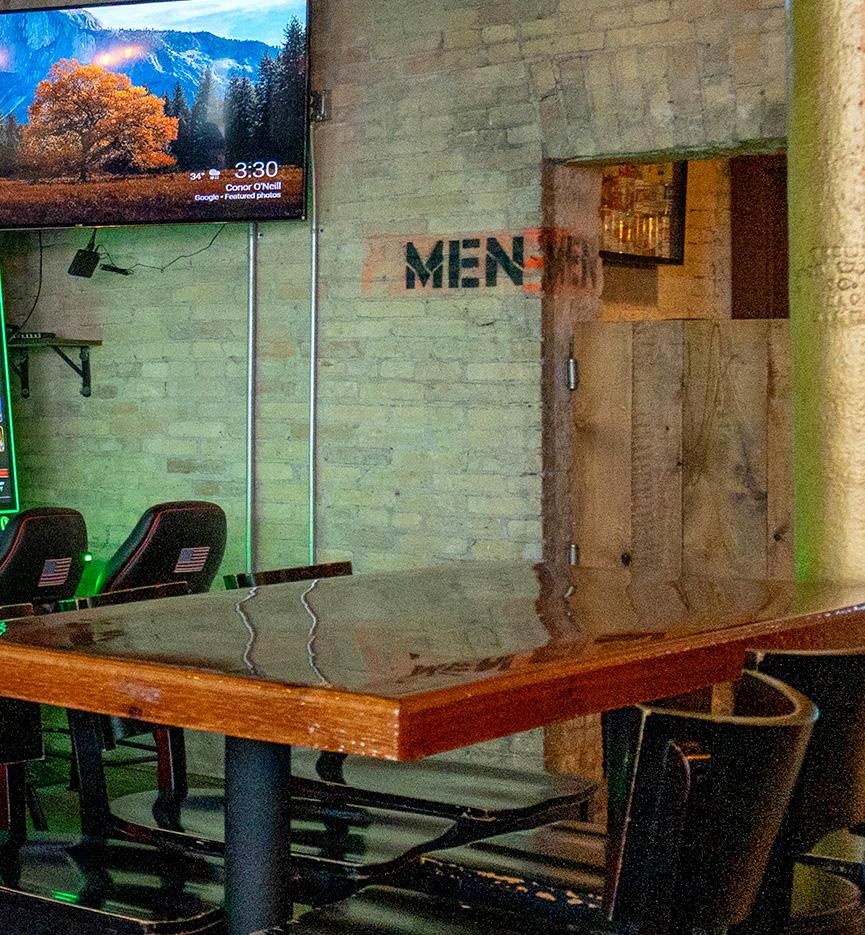
Now settled into the new space across the river, LaRocque and his team are thoughtfully balancing opportunity with restraint. The restaurant’s new home in the Opera House building carries forward the same appreciation for older architecture that drew LaRocque to the first location. With increased seating and kitchen space, the team felt especially ambitious. However, LaRocque was intentional about avoiding a full overhaul and led the team through a more measured approach. “We didn’t want to overload the staff or drop the ball on customer service,” he said. The focus now is on refining what’s already known and loved the menu, aesthetic and culture. Changes are being introduced gradually, pulling inspiration from LaRocque's second restaurant in Warroad, Minnesota. A second concept, the 1881 Eatery, pays homage to the city’s historic establishment, while creating a clear distinction within the space, offering both a family-friendly dining area and a 21-plus section. The dual-concept design provides flexibility while maintaining the core identity of the brand. LaRocque sees it not as a reinvention, but as a deliberate evolution of a concept that’s already proven itself.
This evolution is in alignment with broader demographic shifts. Alcohol con-
sumption is declining, particularly among younger generations. More people are prioritizing health-conscious choices and family-friendly environments. Hence the decision to create two separate spaces, which increases accessibility and welcomes a wider audience. The downtown location also supports this vision. The new space offers increased foot traffic, walkability and proximity to other downtown attractions. The Spud Jr. is now part of a more community-oriented downtown experience. LaRocque sees this as less of a trend and more of a long-term direction for the industry. “We want to be a place where people can come downtown and feel comfortable bringing everyone,” he said.
At every stage of the Spud Jr.’s journey, community support stands out as constant. From pandemic-era support to the continued patronage, those connections have been central to the restaurant’s survival. Without it, LaRocque is certain the Spud Jr. would not be where it is today. “We wouldn’t have made it past the first hurdle,” he said. That understanding continues to shape the business, as it grows in the foundational values of accessibility, inclusivity and community engagement.
Looking back, LaRocque doesn’t point to a single defining achievement as his proudest moment as a restauranteur. Instead, he credits endurance. The business survived a global pandemic, navigated a sudden relocation, and emerged stronger each time. “I don’t know how much was skill and how much was luck,” he said. “But we’re still here.” From a concept that began as a joke, that may be the most meaningful outcome. With a new space, a refined vision and a second opportunity to build momentum, the Spud Jr. is ready for whatever comes next. G
A Guide Through The Grand Forks Public Art Registry
By Emma Auch
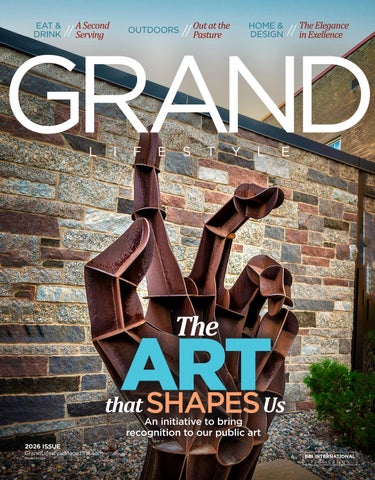
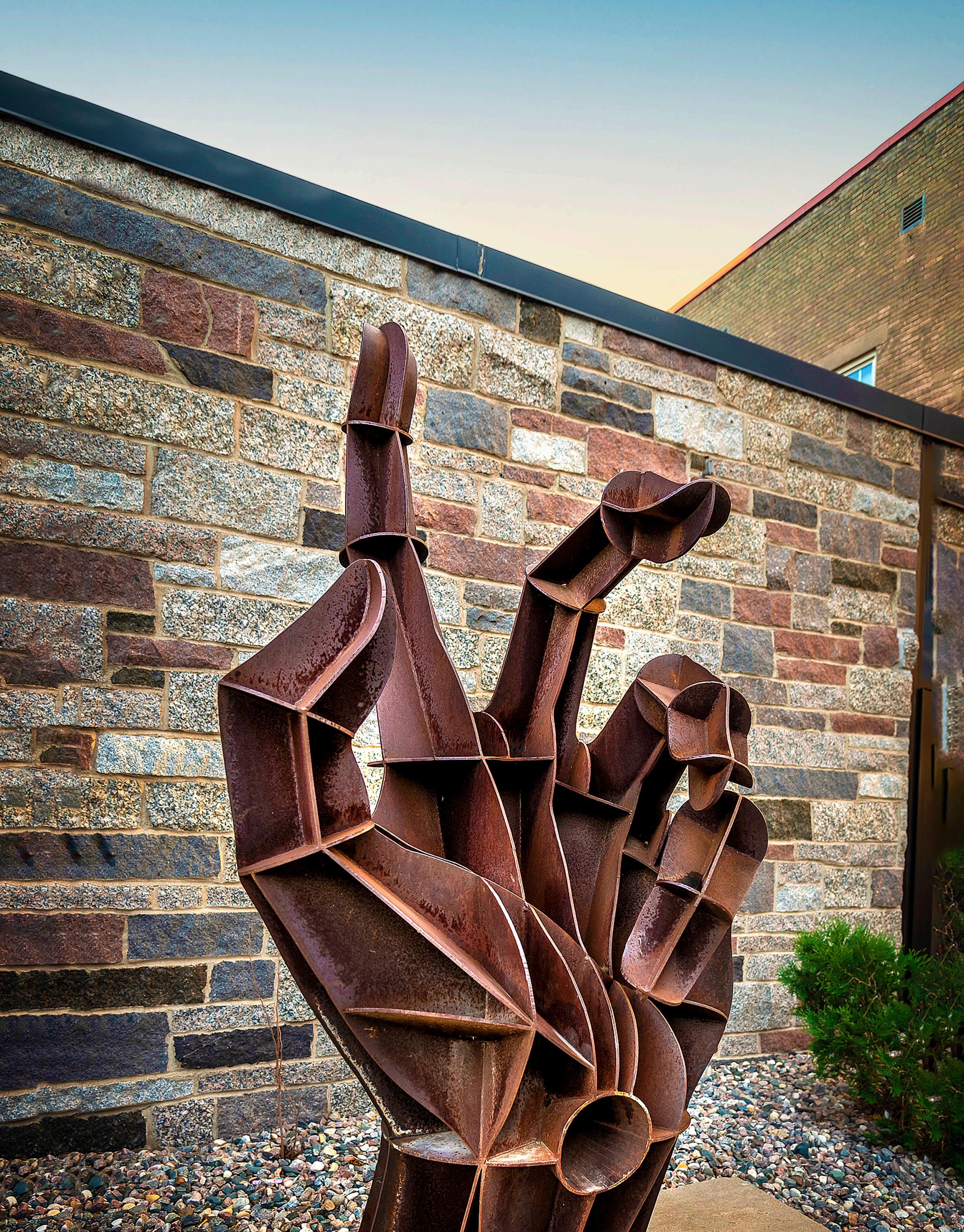
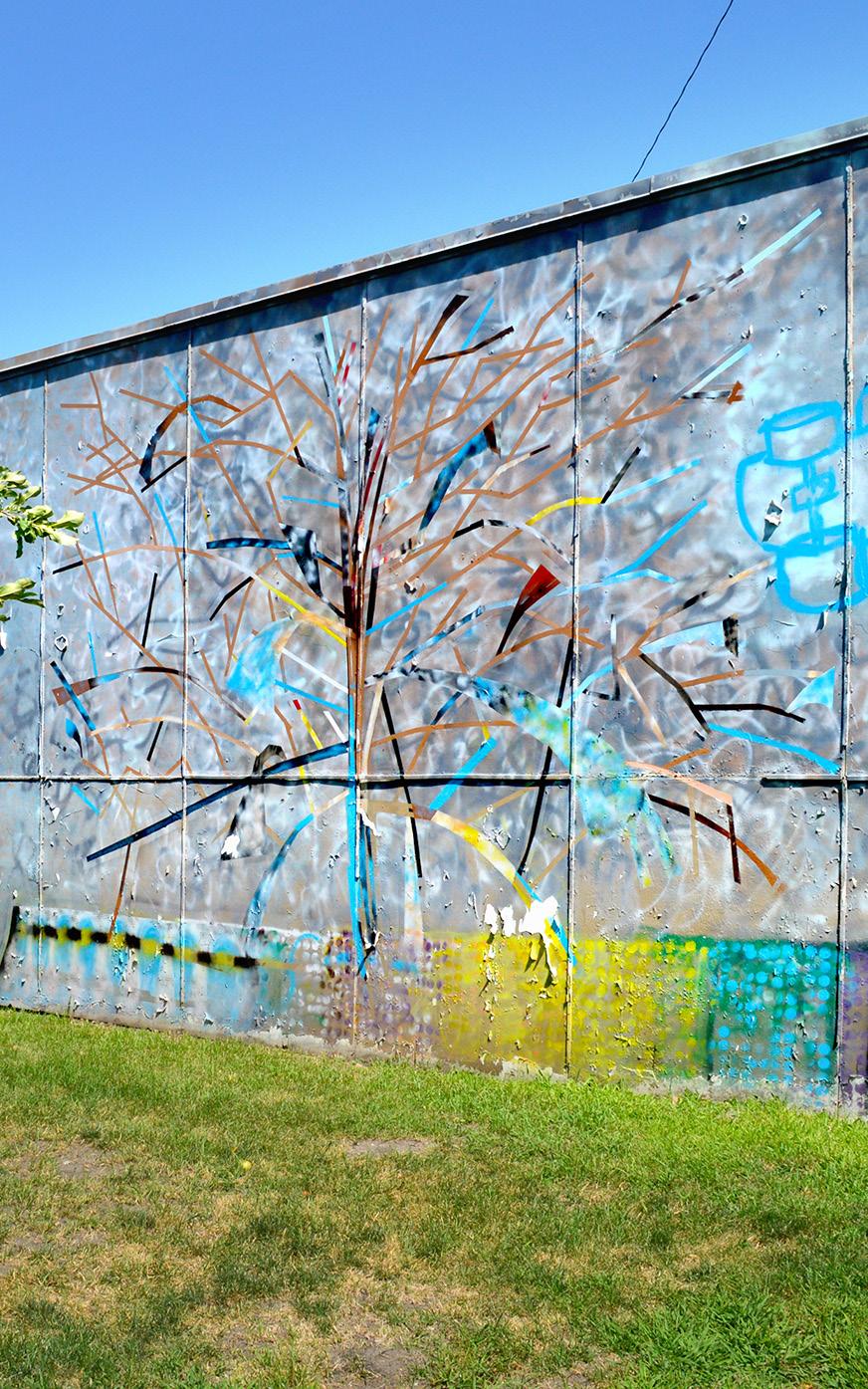
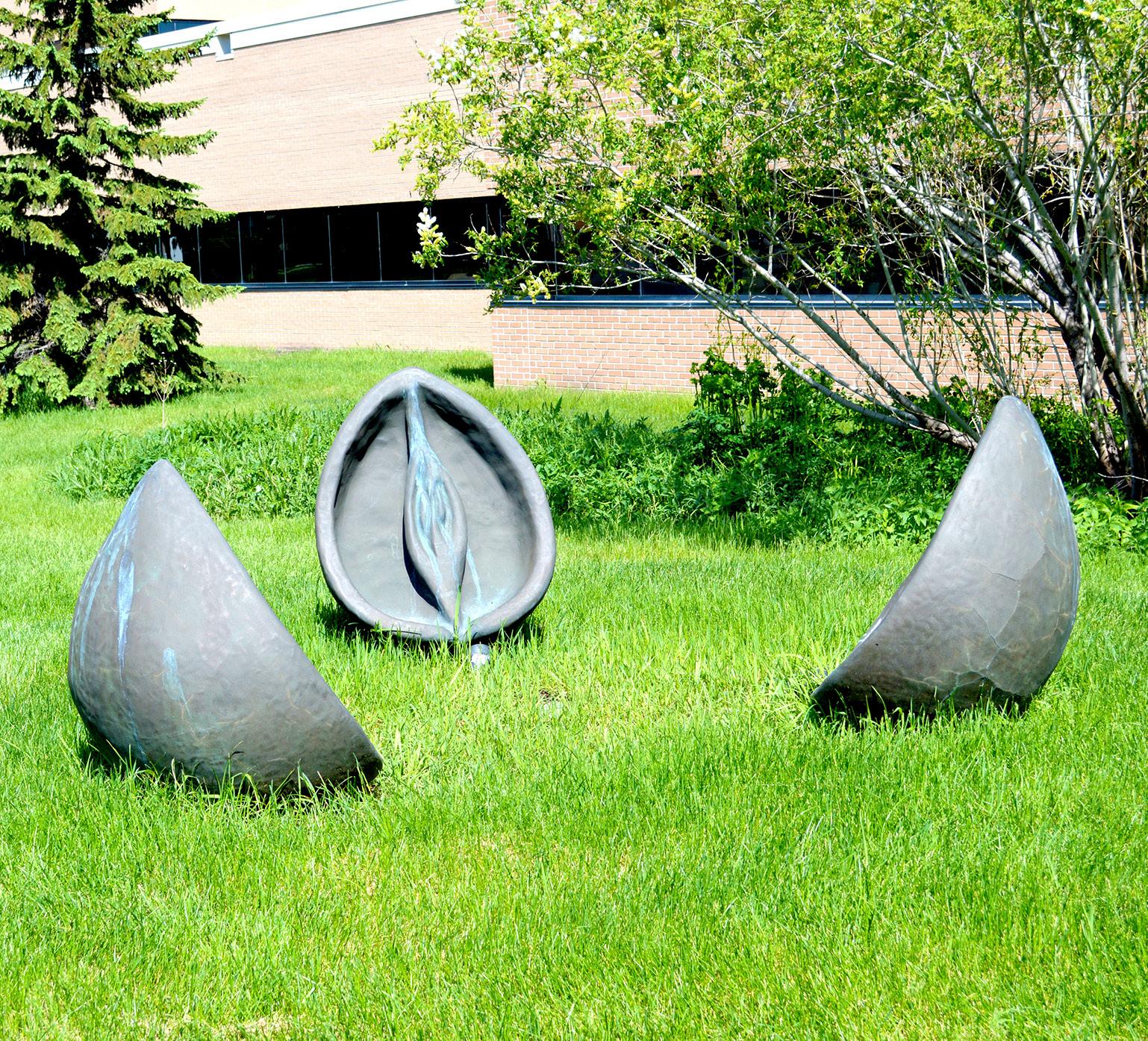
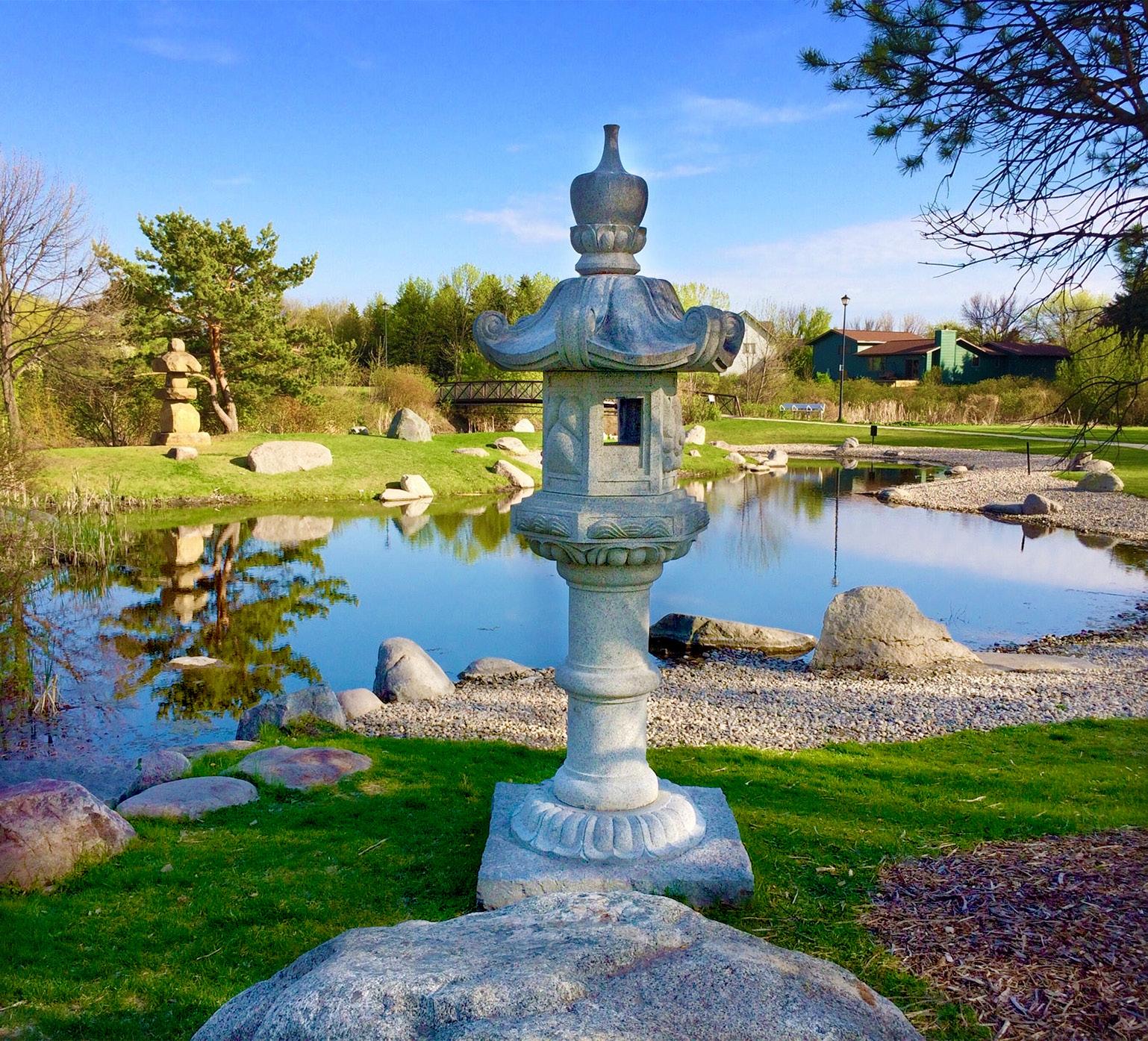
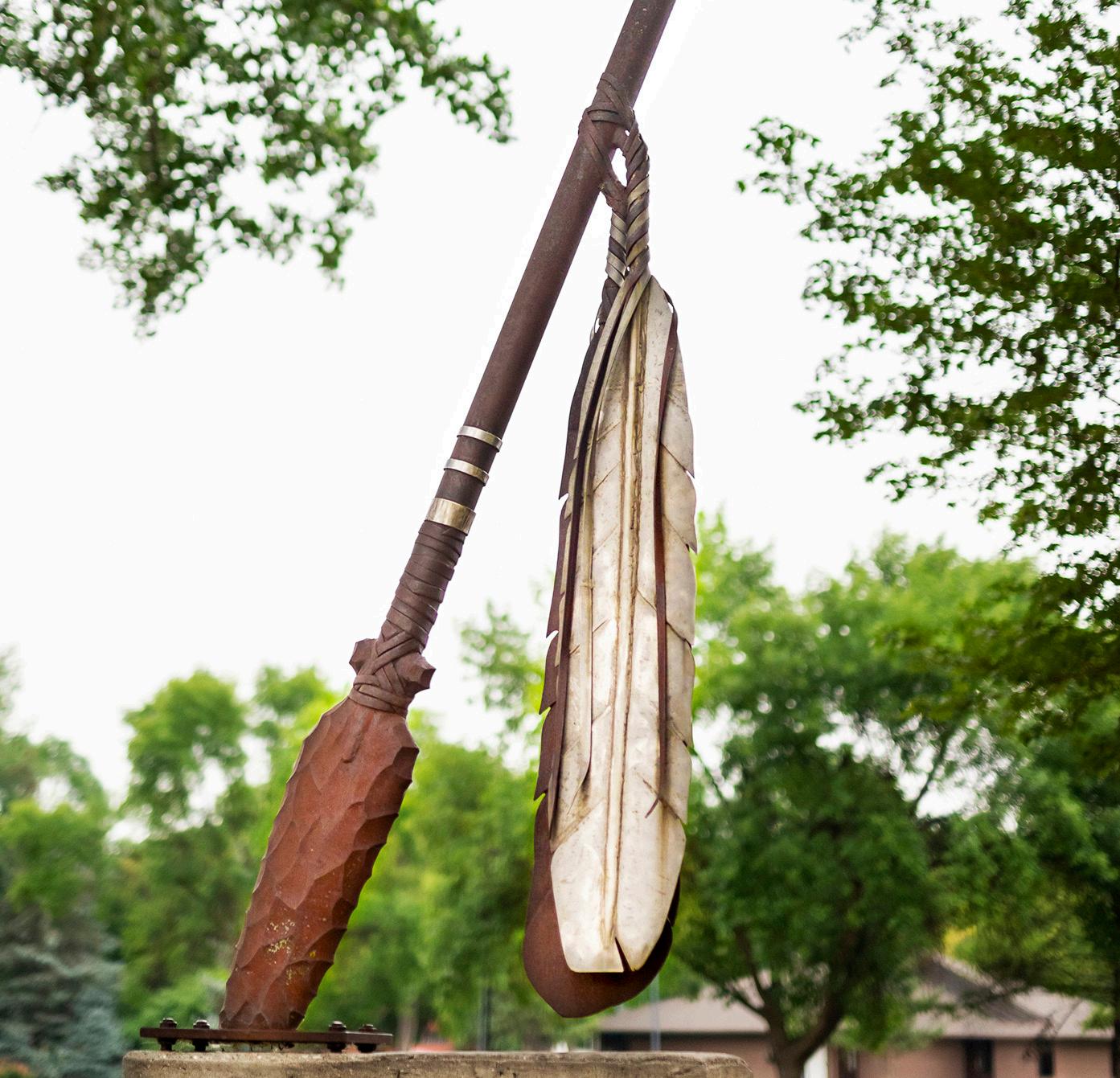
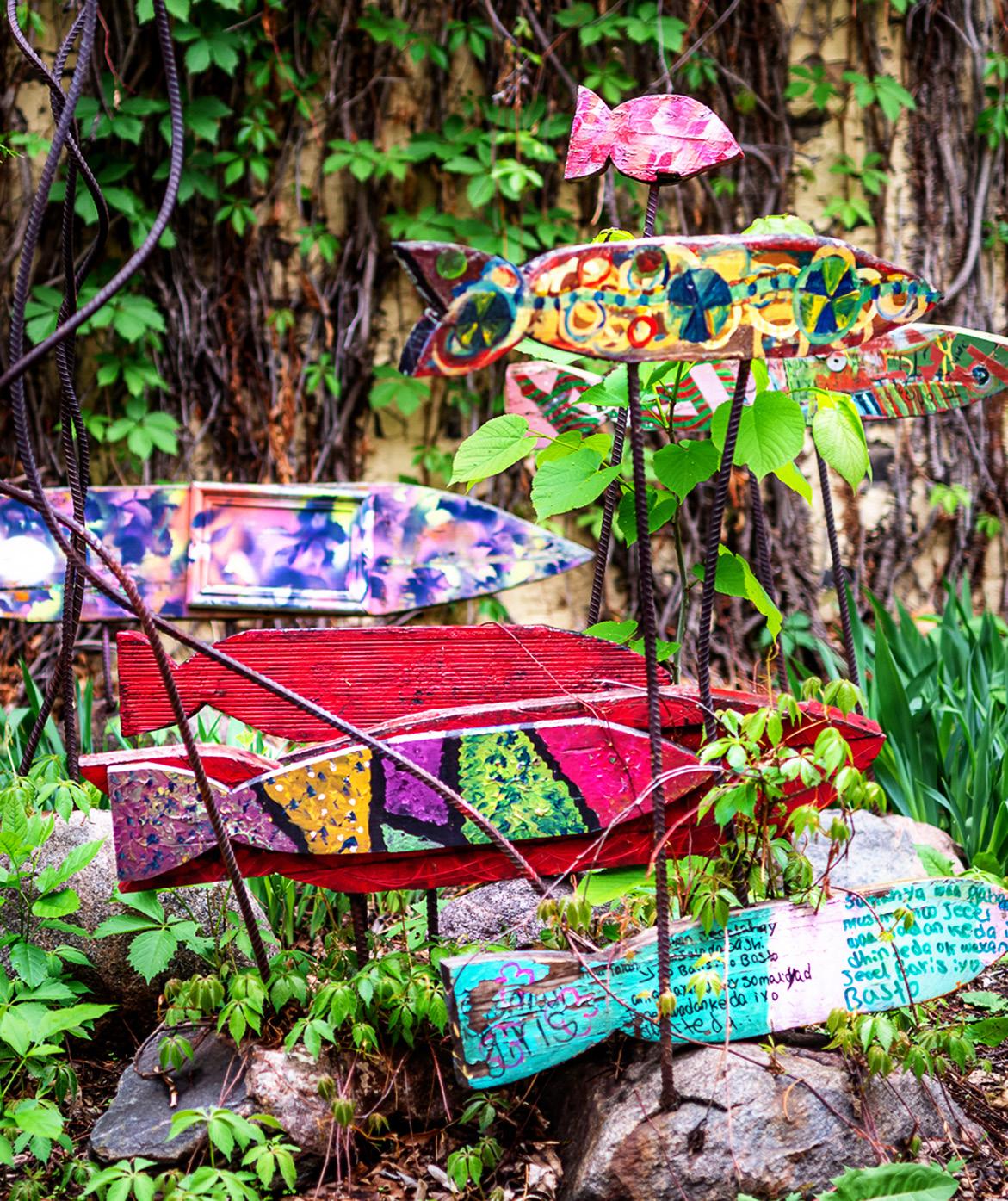
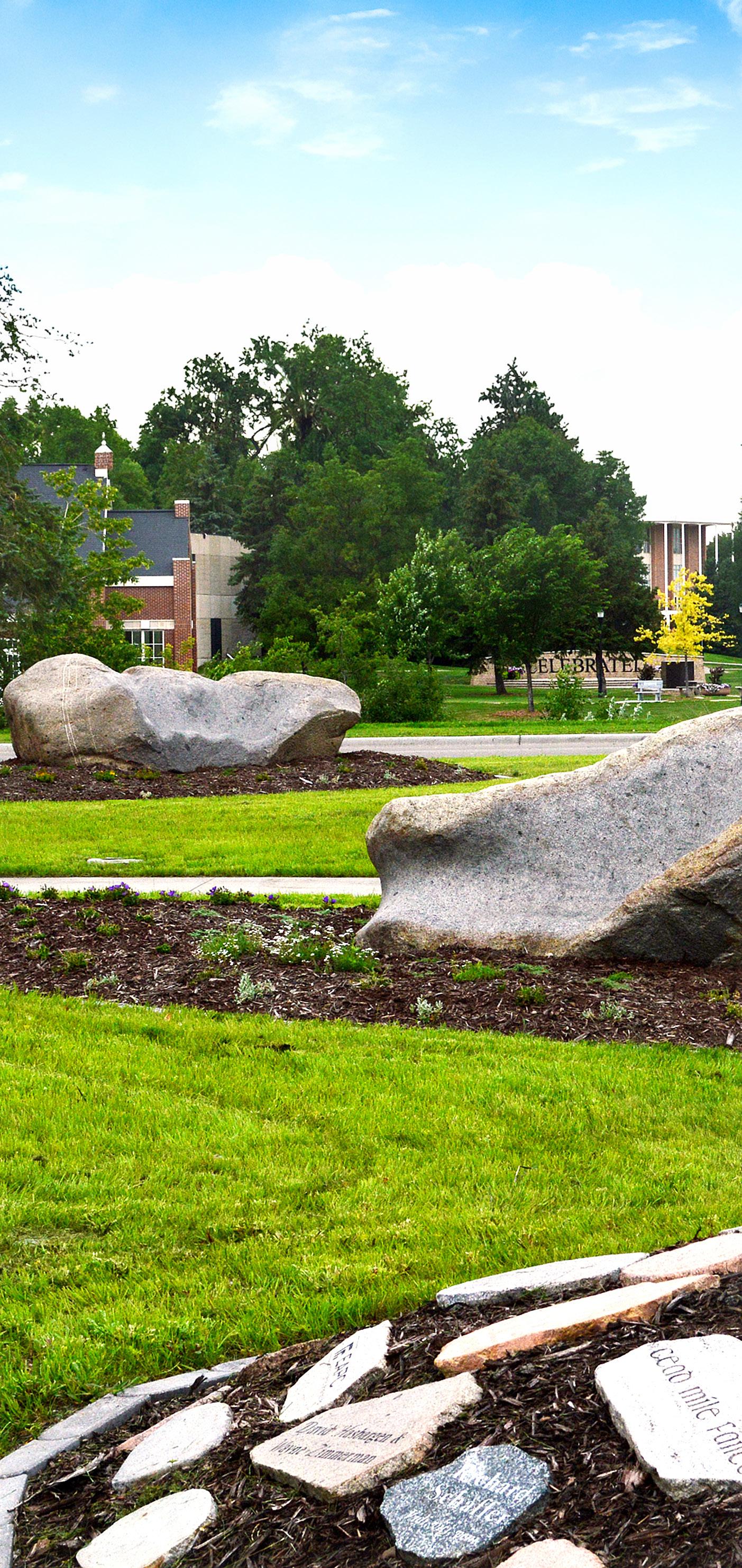
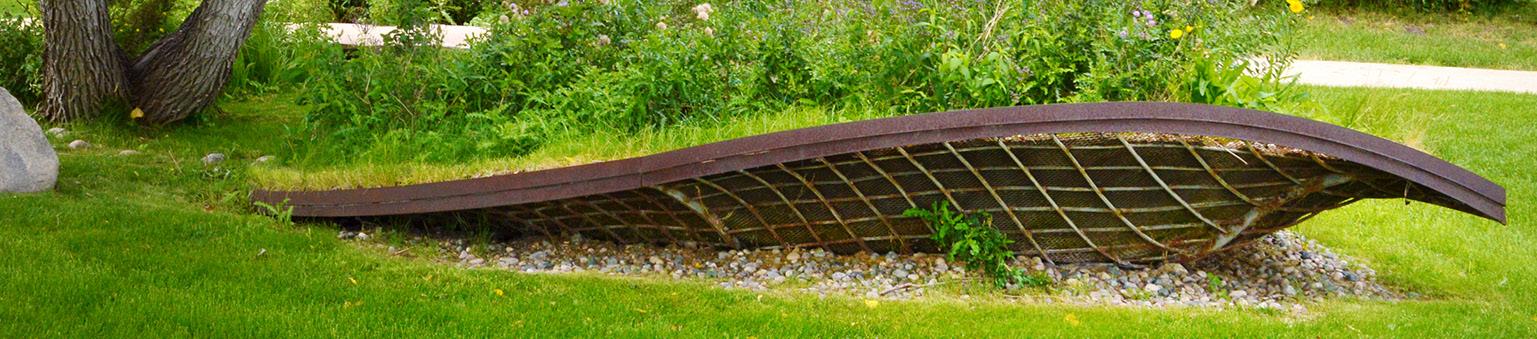
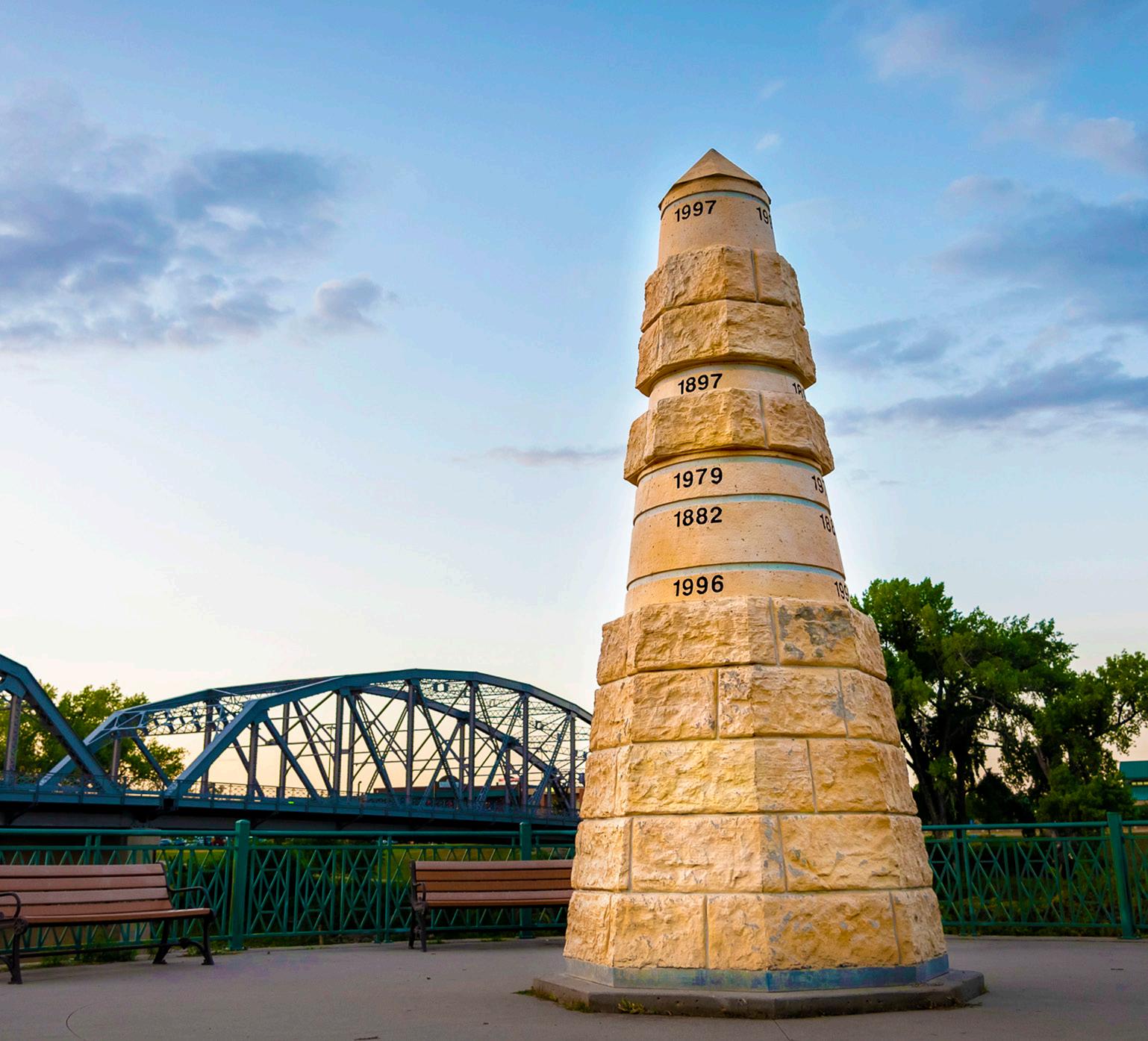
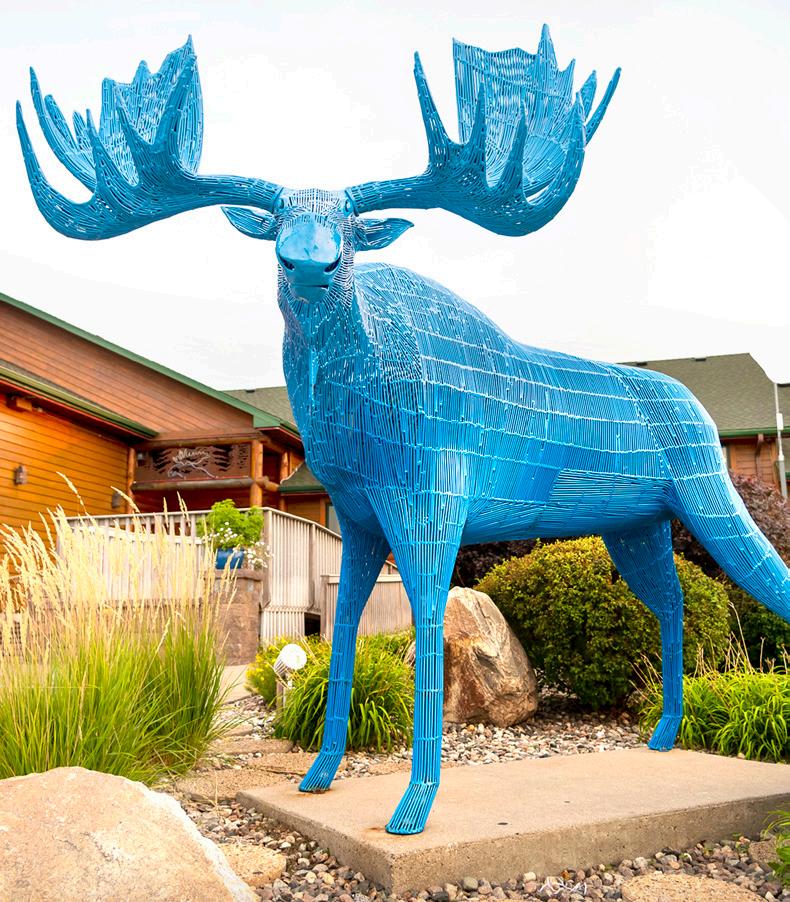
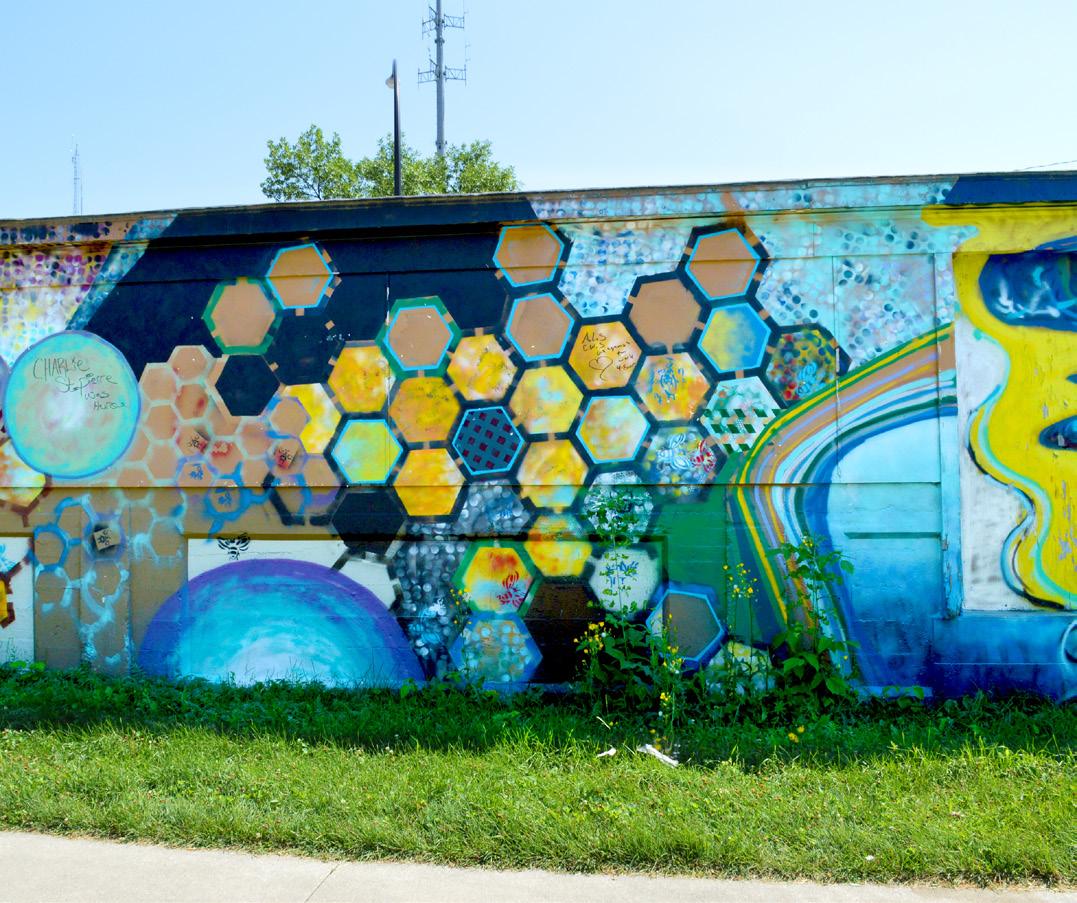
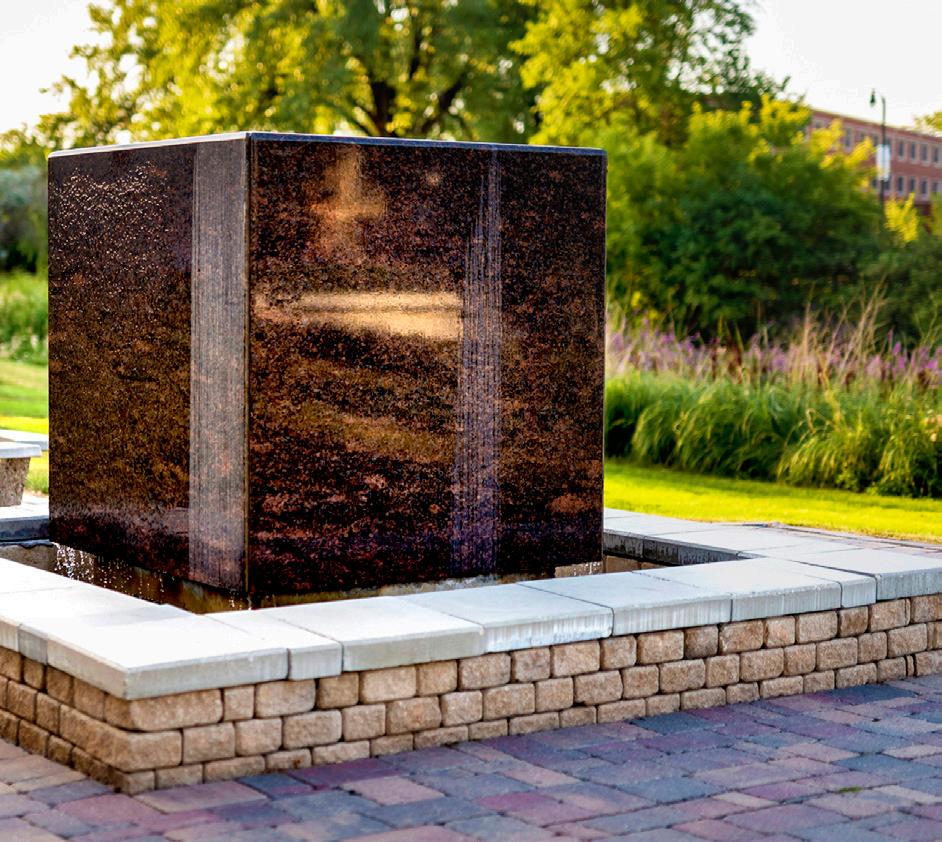
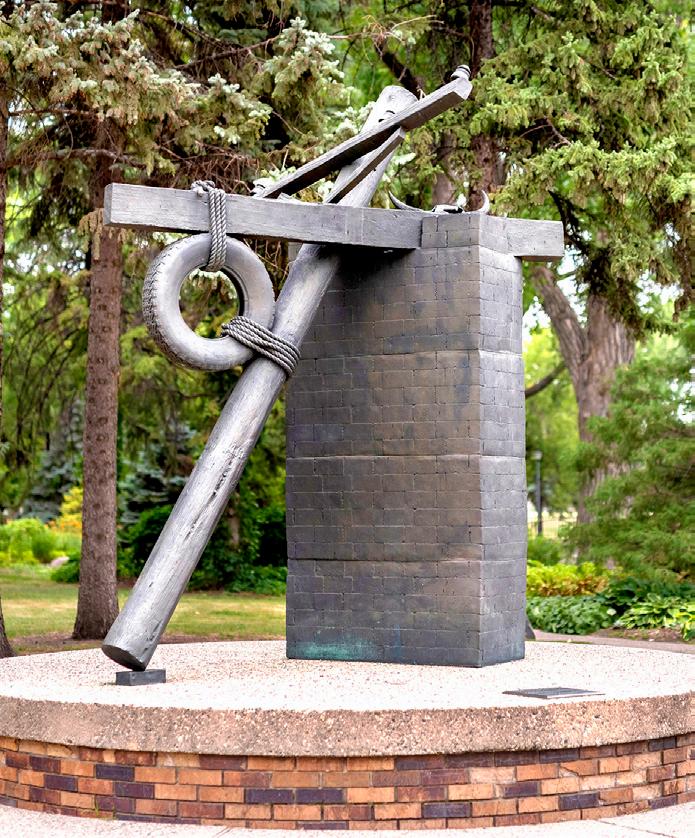
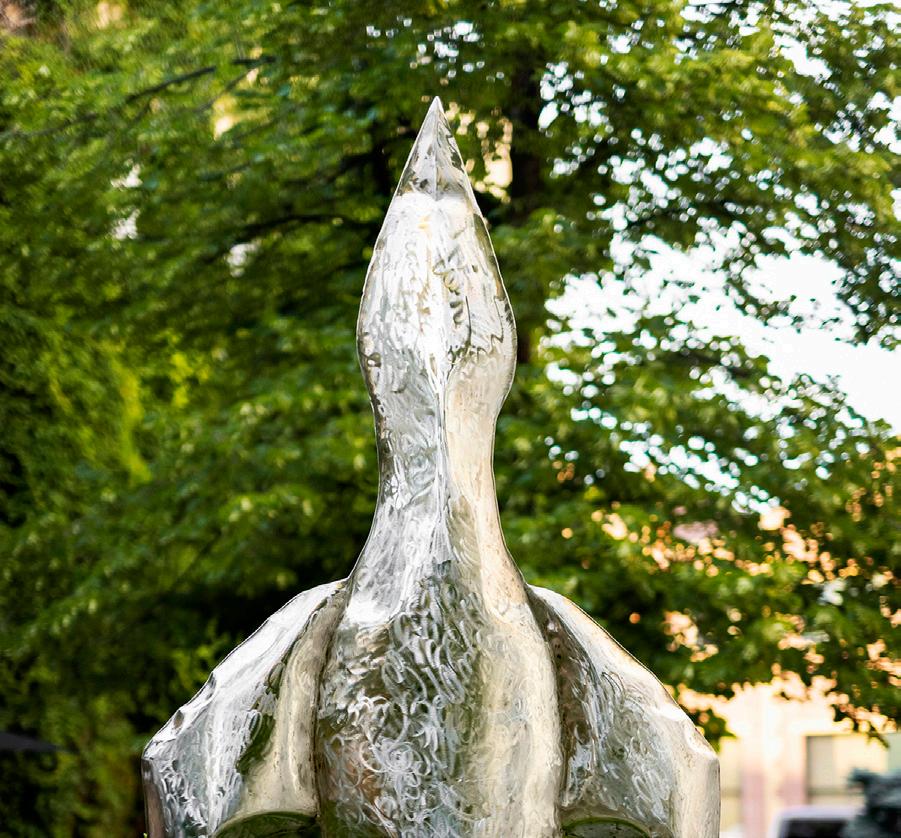
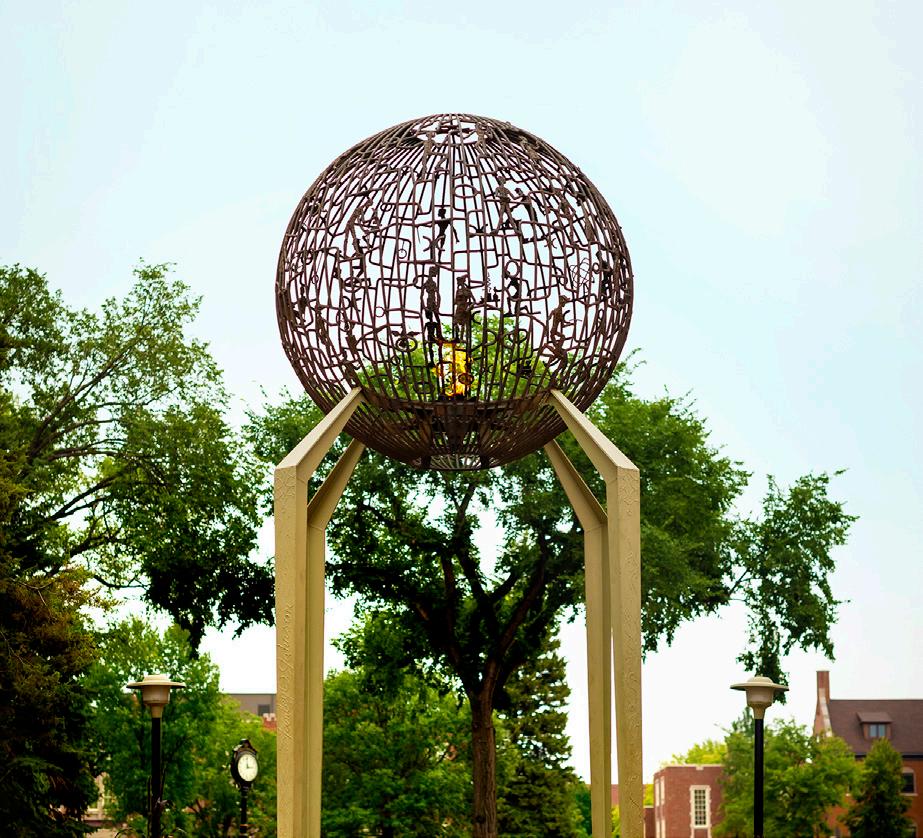
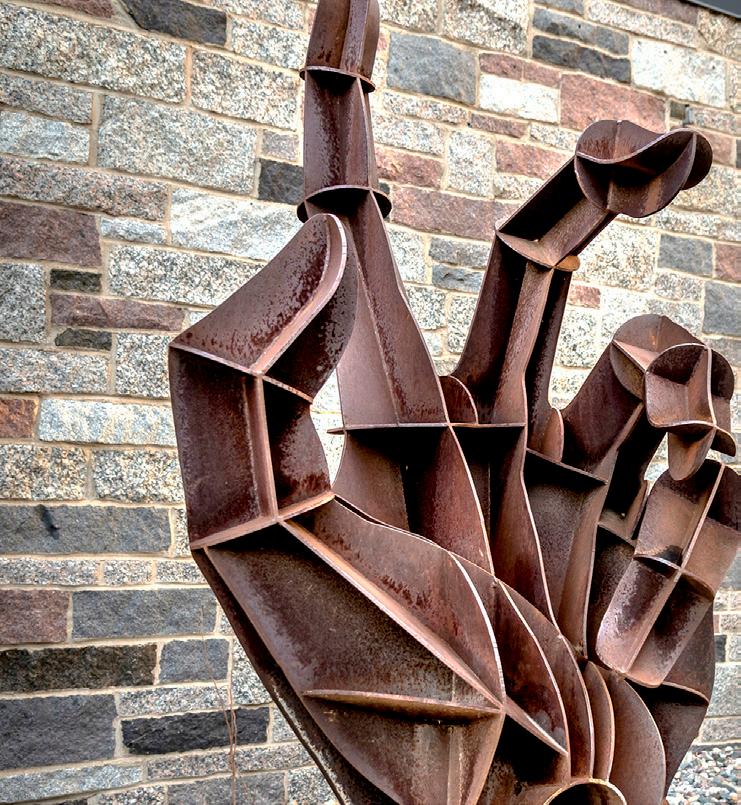
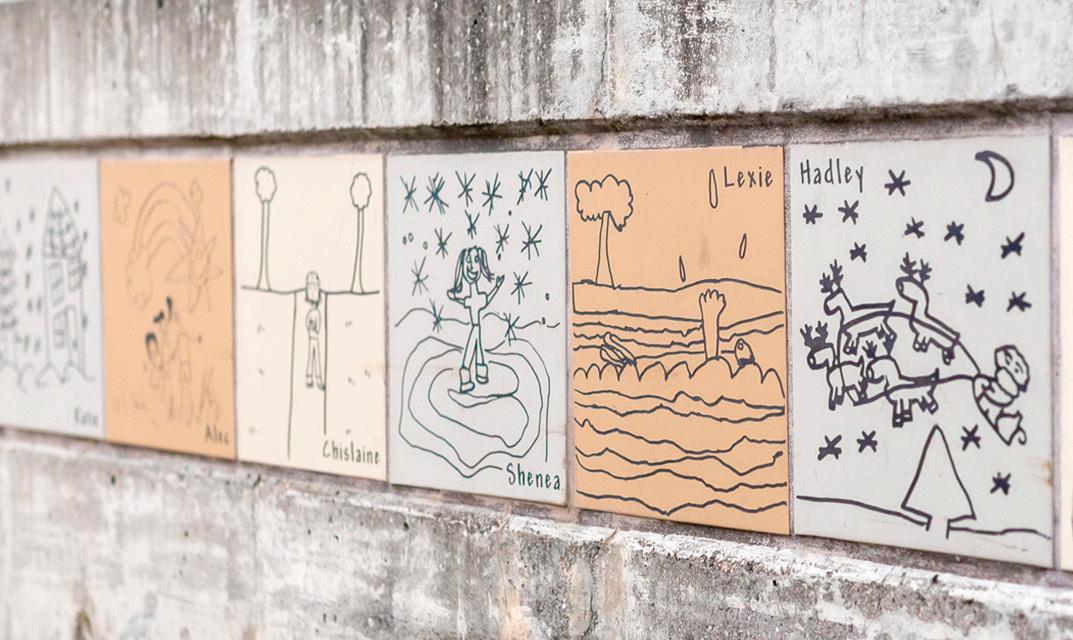
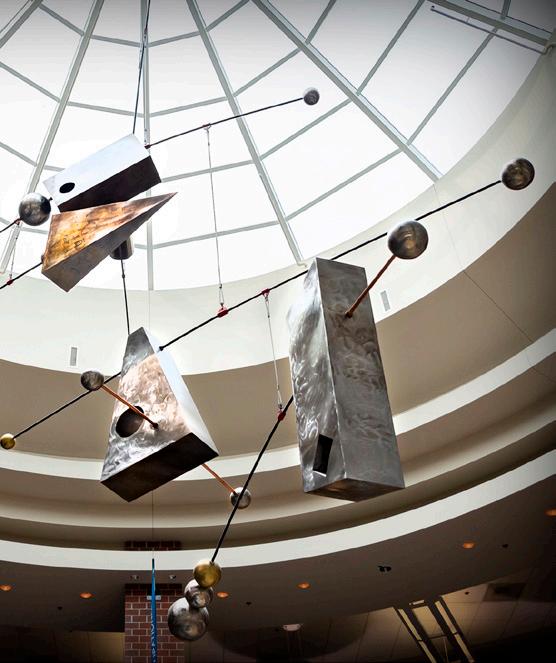
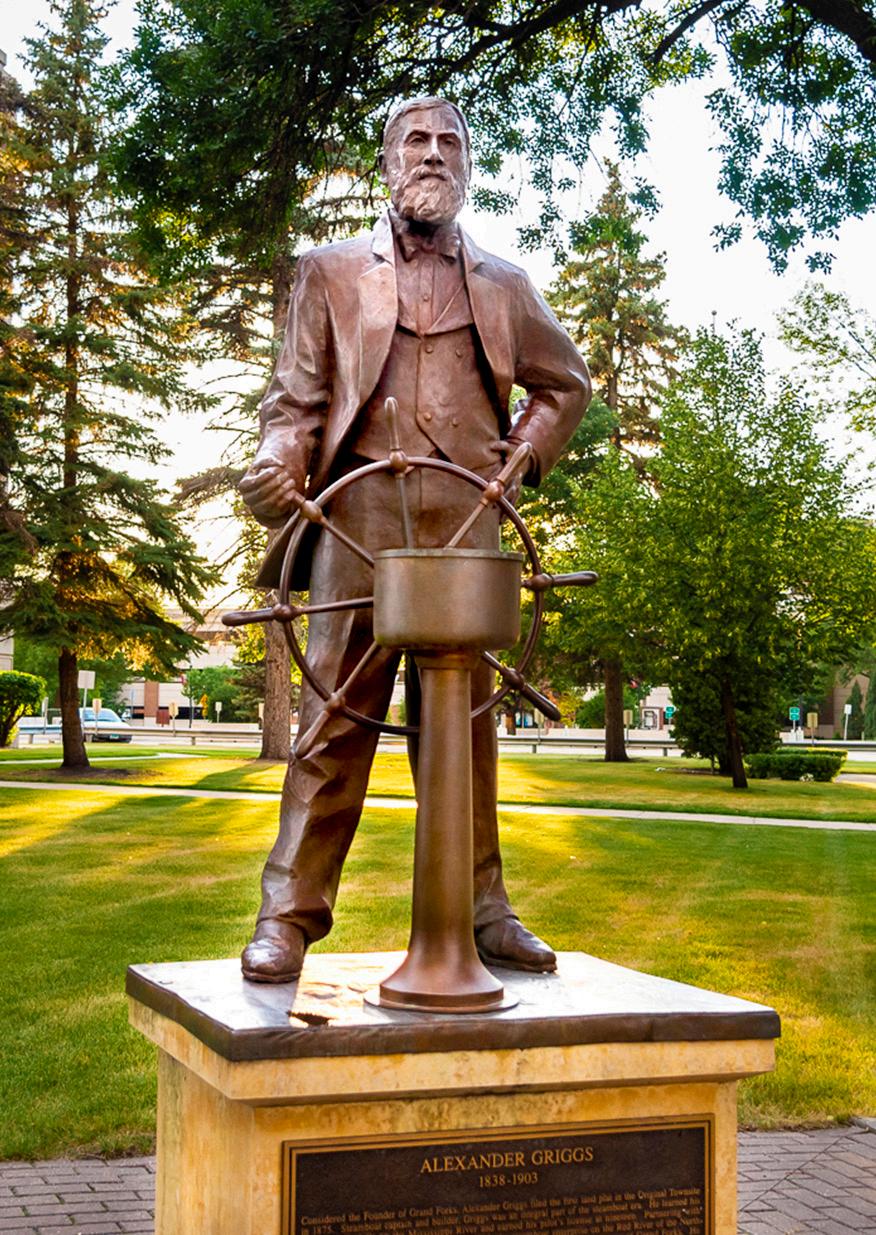
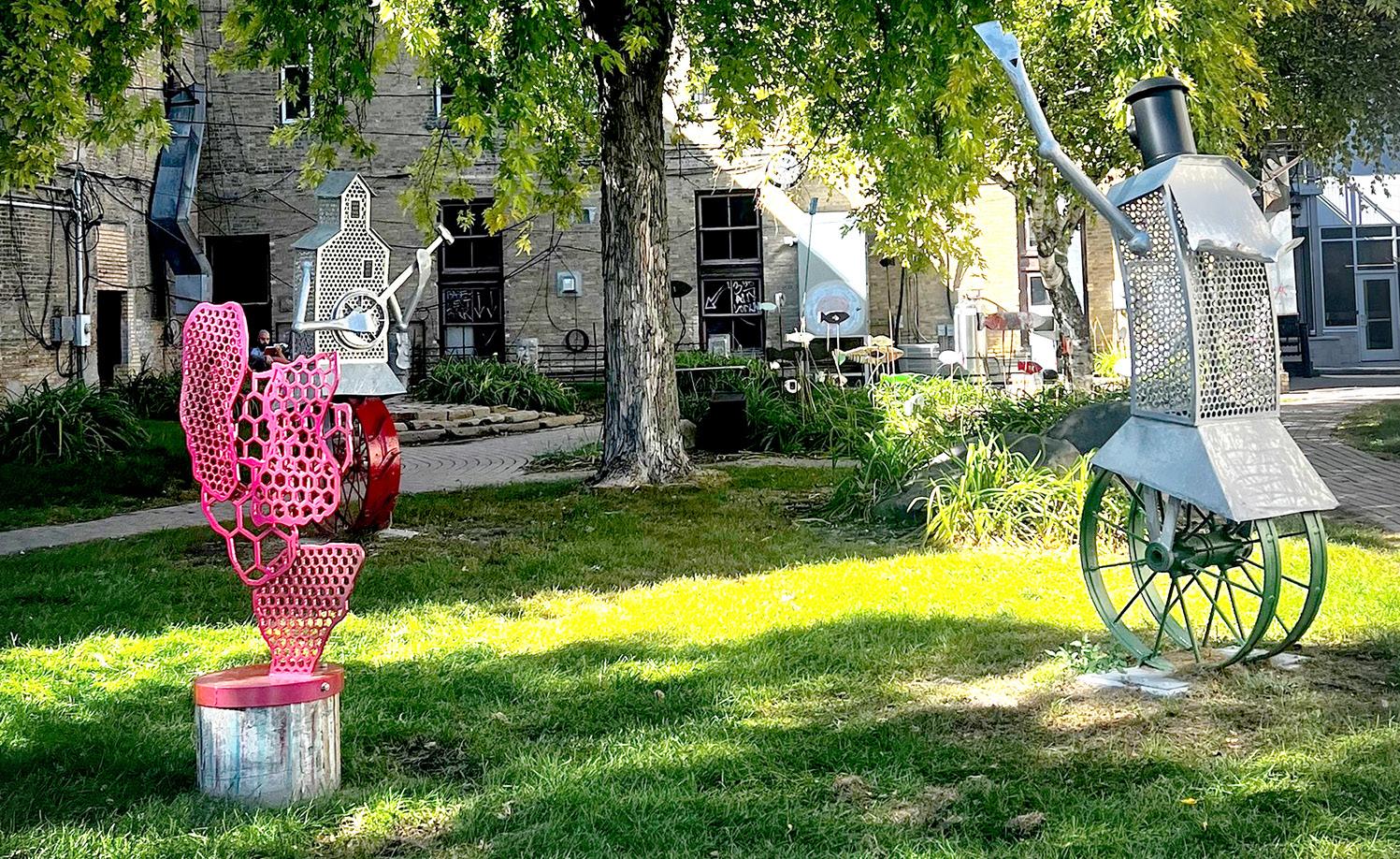
Take a walk through downtown Grand Forks on any given afternoon and you may pass a mural without stopping, or glance at a sculpture you visit every week without ever knowing its story. The art has always been there; it just needed something to help people see it. That is the objective behind the Grand Forks Public Art Registry, a project years in the making that now lives on the Visit Greater Grand Forks website. The registry is filled with graphics and information about hundreds of public art pieces located across the city and surrounding area. It is part resource, and part love letter to a community that has quietly built something remarkable.
A Conversation That Flourished into More
For years, the Public Arts Commission had been discussing how to best document and showcase Grand Forks’ growing collection of public art. The goal was to make art more visible and accessible to everyone while honoring the local artists, commissioning entities and history behind each piece. The initial concept of the registry was a tangible book for residents and visitors to flip through. However, as the conversations progressed, a physical publication began to feel increasingly limiting. "We came to the realization that the second we print the registry, it would be inaccurate, because art is always evolving. If the registry was hosted online, it could expand as more public art is added to our community," said Jill Nelson, president of the Public Arts Commission, who became one of the driving forces behind this project. The goal was never just to document art that existed; it was to create something that could grow.
After many conversations with city staff over multiple years, in 2022, the Public Arts Commission formally requested a one-time funding of $50,000 for the project. Once approved by Grand Forks City Council, the team faced an onerous decision about where the registry should live. “If our goal was to reach all residents and visitors, we needed to think beyond our own website. Collaborating with another organization with the capacity to impact more people visiting Grand Forks just made more sense.”
That led them to Julie Rygg, executive director at Visit Greater Grand Forks. Her organization was already in the middle of redesigning its website, and when Jill reached out about a potential partnership, the timing could not have been better.
"Our mission is to bring visitors to town and help them enjoy their time while they're here," Julie said. "So, we want to make sure they know all of the offerings." Incorporating the registry into this site came at no additional cost, and in doing so, the project found its perfect home.
The Long Haul to Capture Public Art
The registry’s clean, detailed layout belies the amount of effort that went into building it. The documentation process stretched what the team had hoped would be a two-year project into four years due to the extensive research needed for each piece.
The Public Arts Commission hired local artist Greg Vettel to lead the documentation team, tasked with determining what qualified as public art and guiding the documentation with a practiced eye. Local photographers shot in the winter and summer to capture pieces in their best light. Both the Smithsonian Museum
Art Collections Registry and University of North Dakota's art collection team contributed both images and records for different works.
Julie handled data entry herself and admits the process surprised her. "Even going through that list, there were so many I had no idea about," she said. "And it was really fun to learn about those things." She had lived in Grand Forks most of her life, yet the registry introduced her to corners of her own community she had never explored.
That spirit of discovery continued even after the registry went live. When one artist contacted the team to correct some details about her work, the con-
versation opened into something richer. More photographs of her piece came in, and a fuller backstory emerged. It was a reminder that a digital registry like this is never really finished.
Connecting the Digital World to Physical Experiences
There is something intentional about
Let’s celebrate our colorful community through #Gra #GrandArt!
Scattered about town is a wide variety of awesomely eclectic public art works that represents the region’s diverse culture and history.
Through collaboration with the City of Grand Forks and Visit Greater Grand Forks, the Public Arts Commission created a public art registry with background information on over 165 art pieces and where to nd them.
Scan the QR code to view the registry online.
As you visit the public art found in the directory, or discover the other amazing art around town, share your #GrandArt sel es with us!
the way the registry was designed to point people outward — away from their screens and toward the actual city. QR codes that directly link to the registry are installed on pieces throughout Grand Forks, so that anyone who doesn't know of a project can be pulled into it. From there, they can learn the story behind what they are looking at, and discover other works nearby.
Jill is astute about what the registry can and cannot do on its own. "You can see things on a screen," she said, "but it really doesn't match the experience of being there in person, the environment that the piece lives in, and the emotional response you have seeing it up close."
The website is the invitation, and the art itself is the destination.
Julie thinks about it from the visitor's perspective, too. "So much of it is right outside," she said. "You don't have to pay to go anywhere. You don't have to worry about set hours."
Public art belongs to everyone; the registry just makes it easier to find.
What Public Art Does for a Community
Ask either of these women what the registry is about and the answer goes
deeper than tourism metrics or digital advertising. It is about what art does to a community over time. Art brings character to a place and makes it feel inhabited.
"It adds color and personality to spaces that might otherwise feel dull," Jill said. "Art draws people in and personalizes our community. It enhances life on so many different levels."
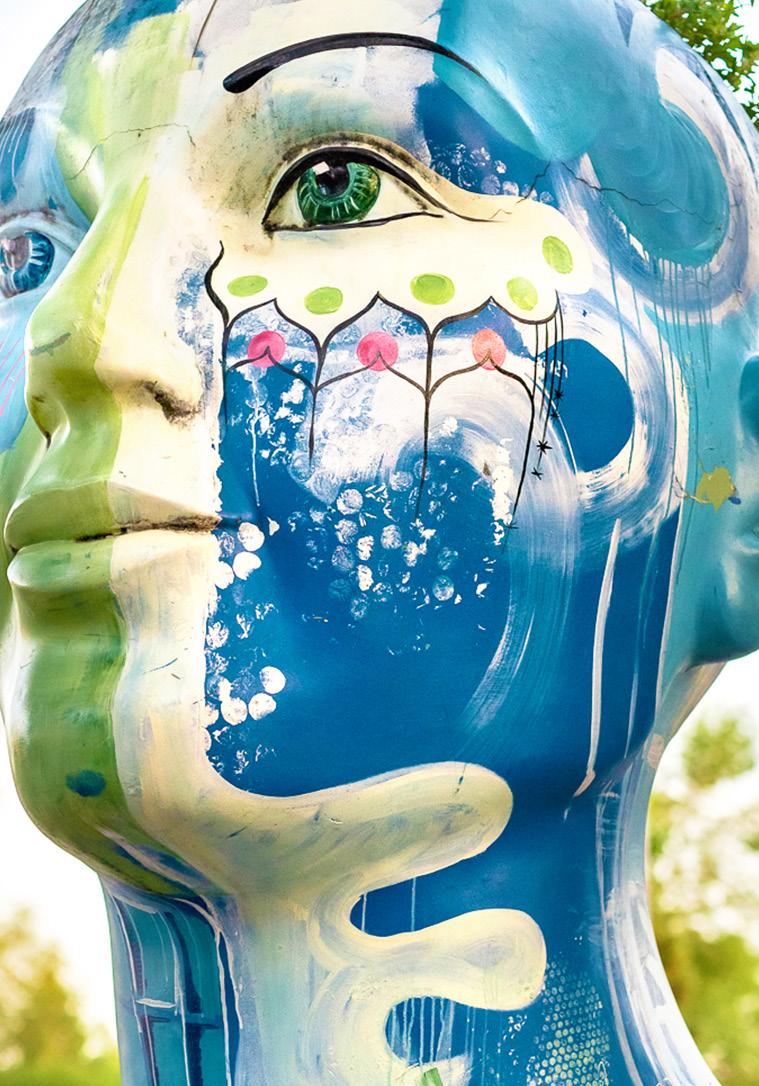
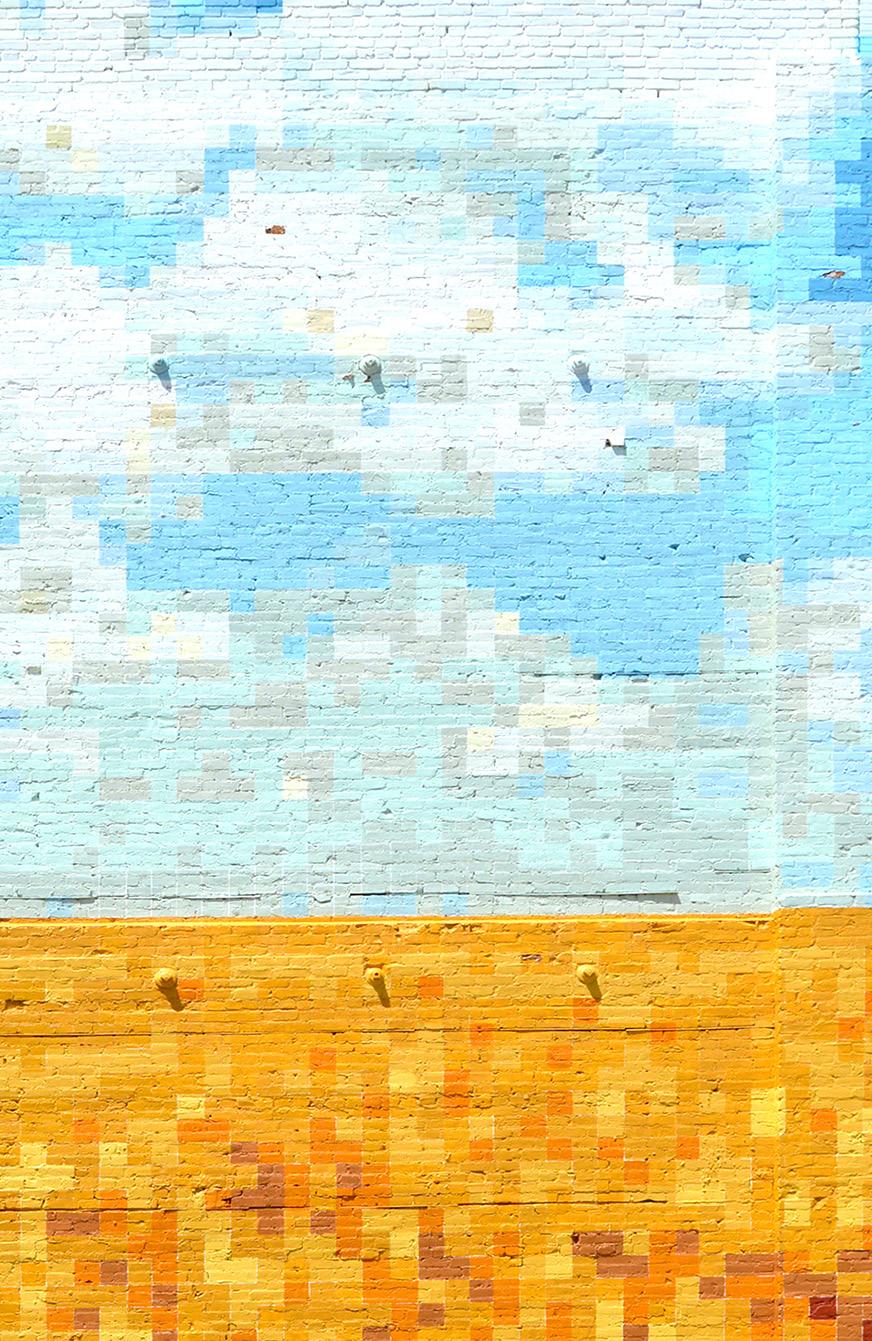
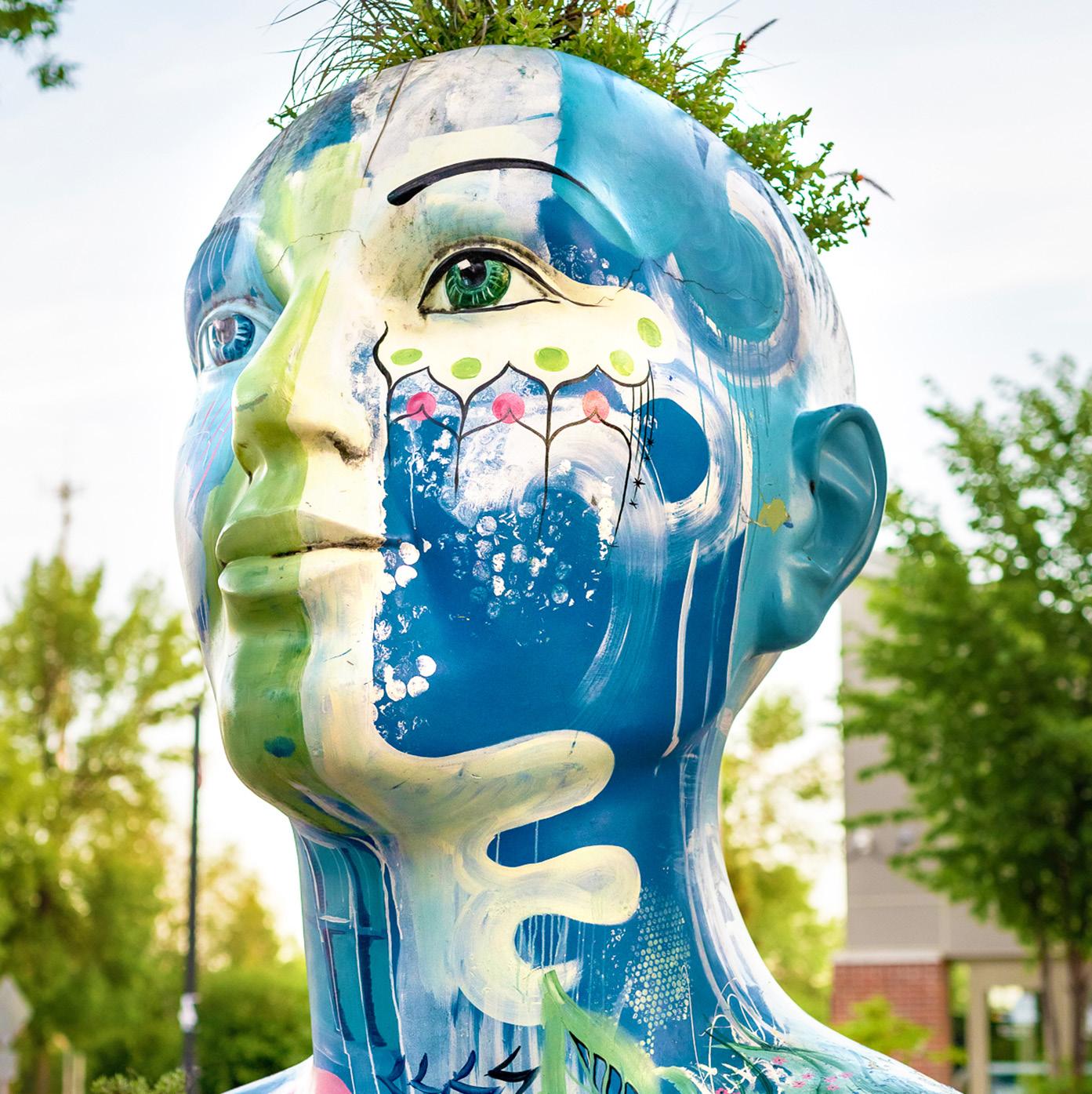
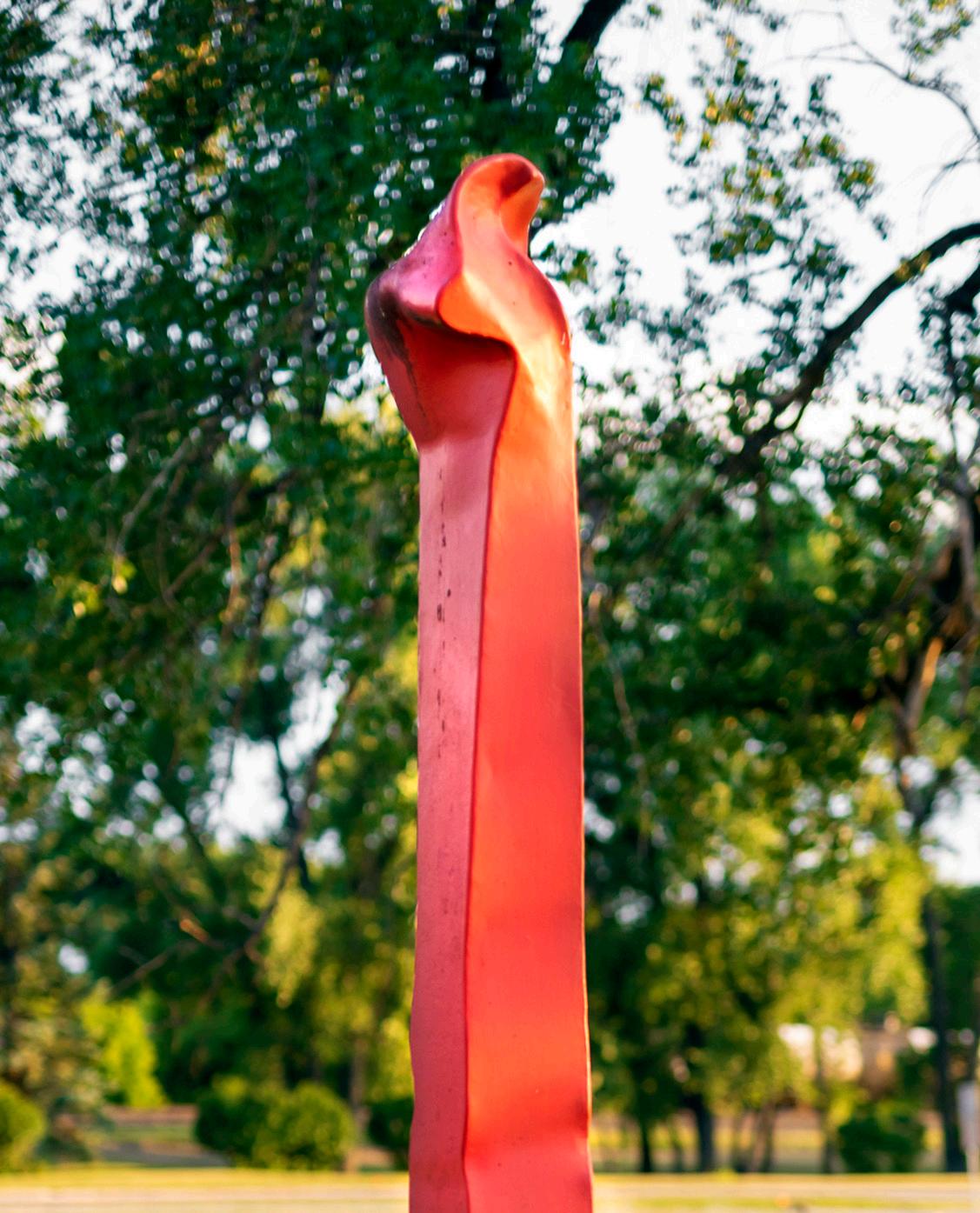
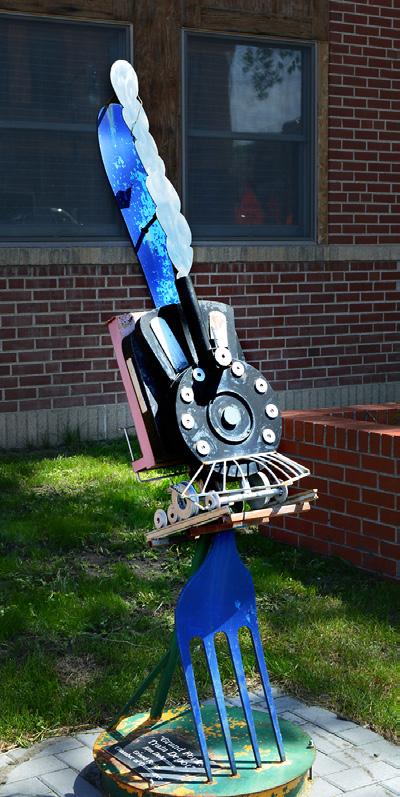
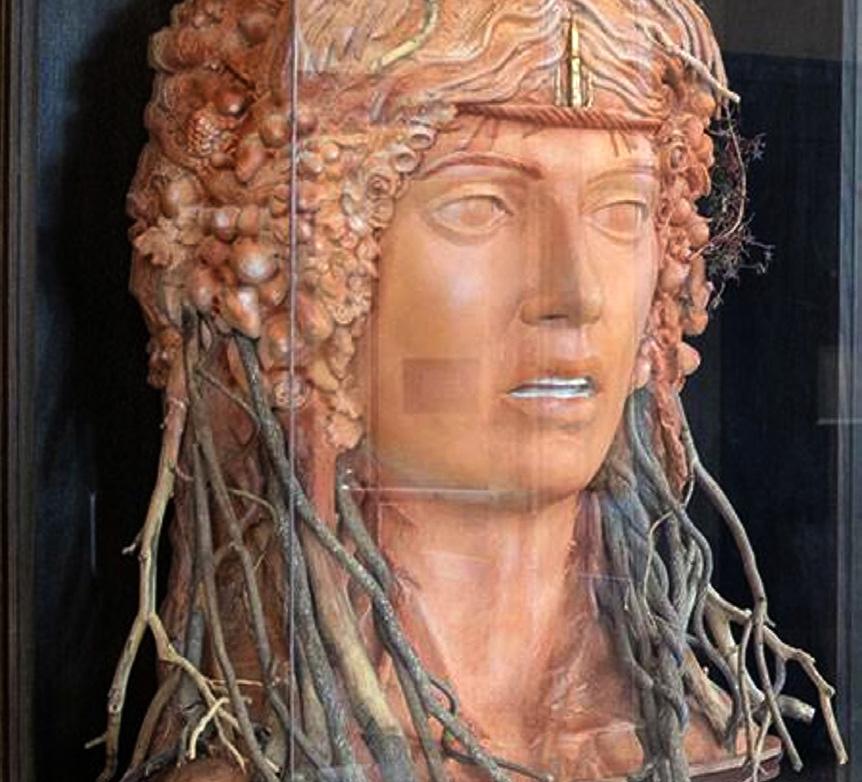
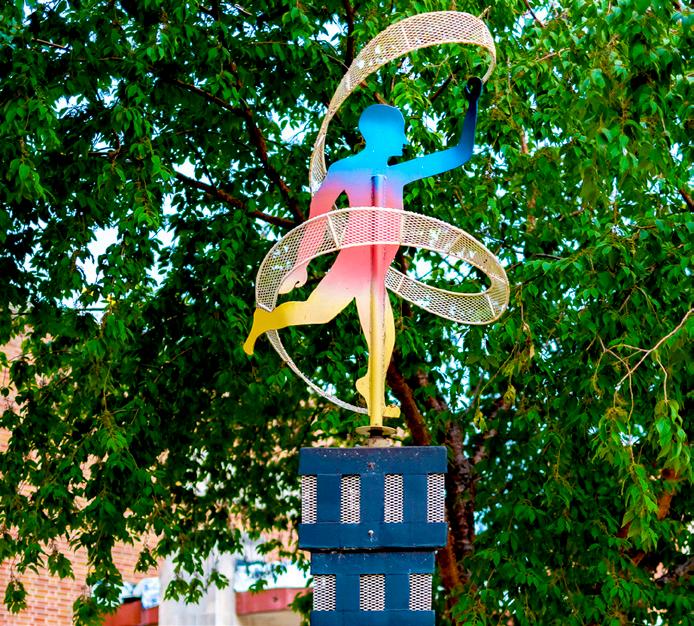
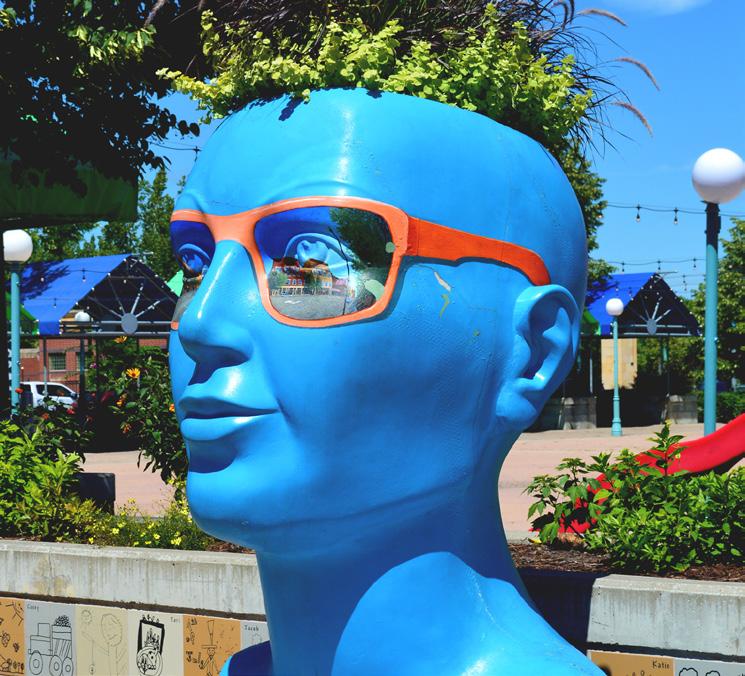
For Julie, the piece that means the most to her is one that sits outside the Visit Greater Grand Forks building. It is a sculpture known informally as the “Blue Head,” painted some years ago and then, when the weather had its way with it, repainted by the family of staff member Alicia Van Eps. With no prior experience, Van Eps took on the project with her mother, Carol Egeland, and her aunt, Linda Conneran.
What they created, a piece now called "Amber Waves of Grain,", reflects the agricultural landscape that has shaped this region for generations.
"To me, that means so much," Julie said. "It's part of our team, and it really contributes to the culture of the Greater Grand Forks area."
That is, in the end, what the registry is trying to hold onto and pass forward. Not just a record of objects, but a record
of history, creativity and the quiet ways this community expresses itself. Now, there is a place to find it. G
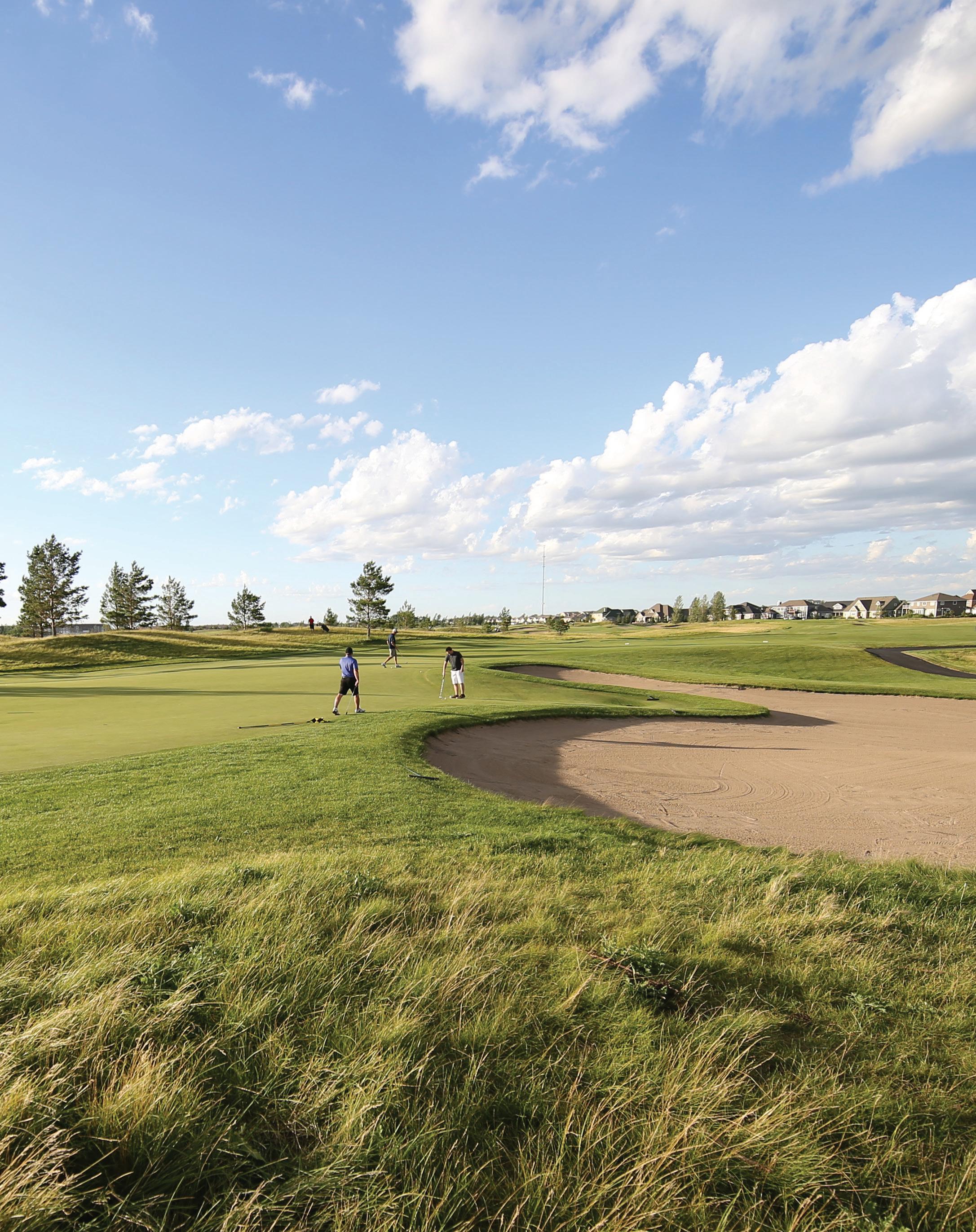
Book a Tee Time!
The
Excellence Elegance in
By Jack Sandvig
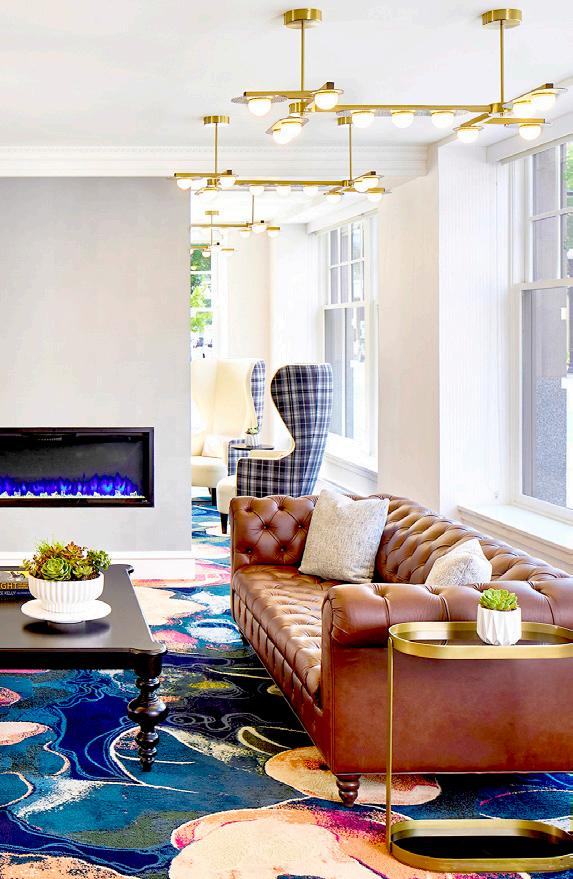
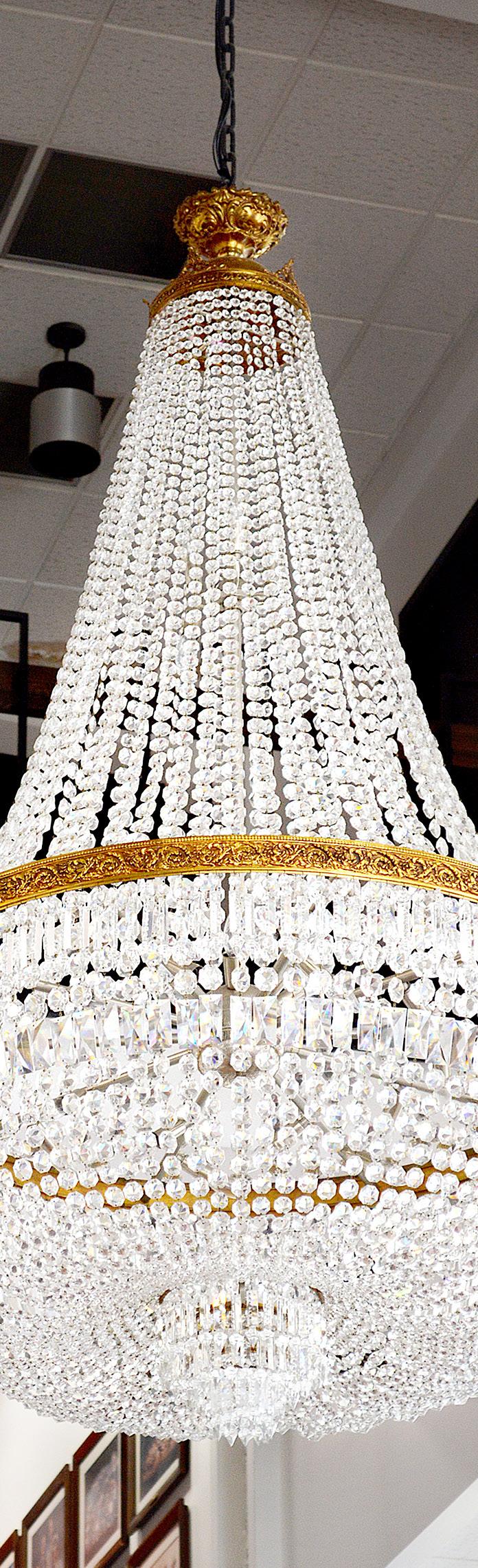
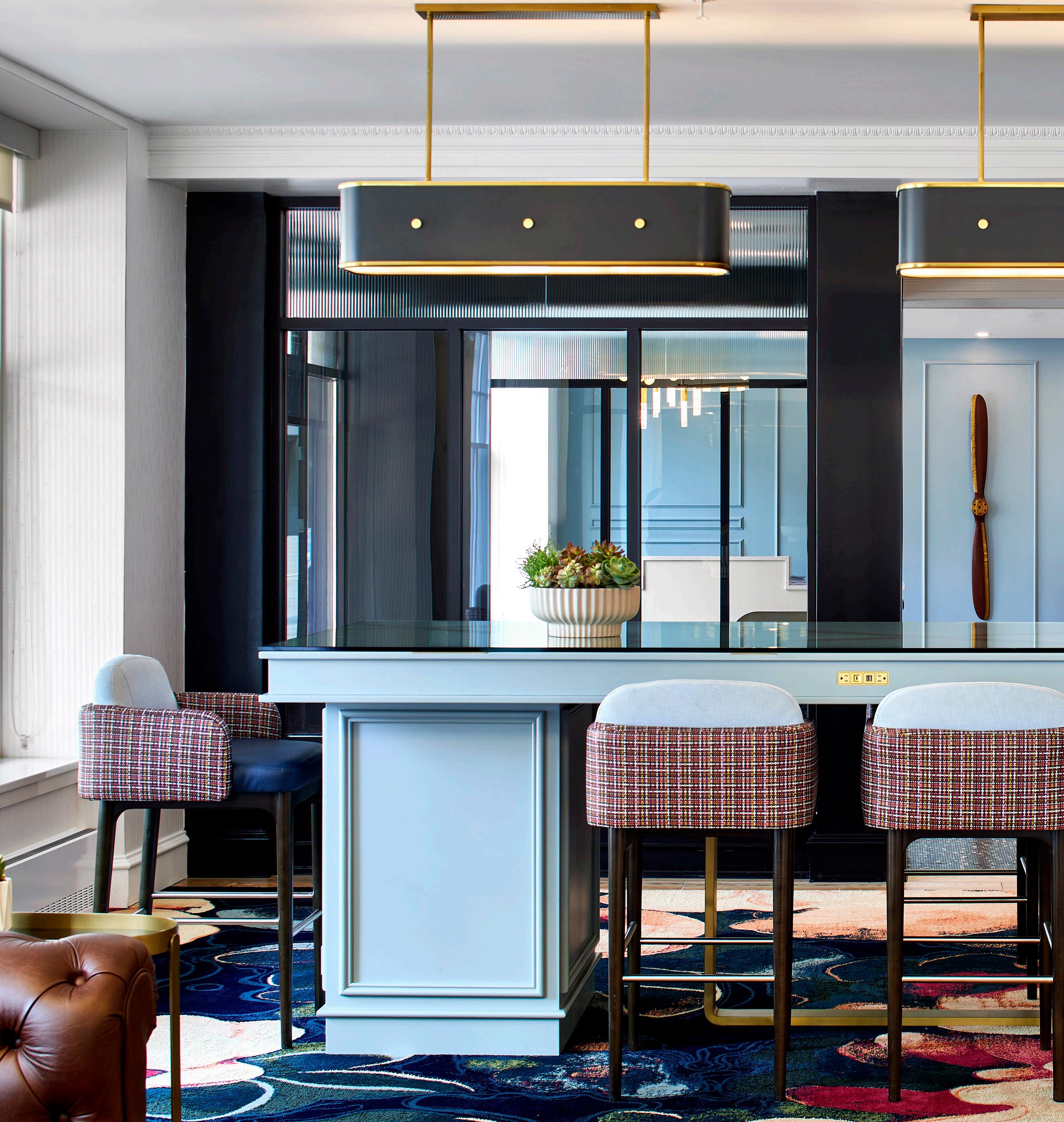
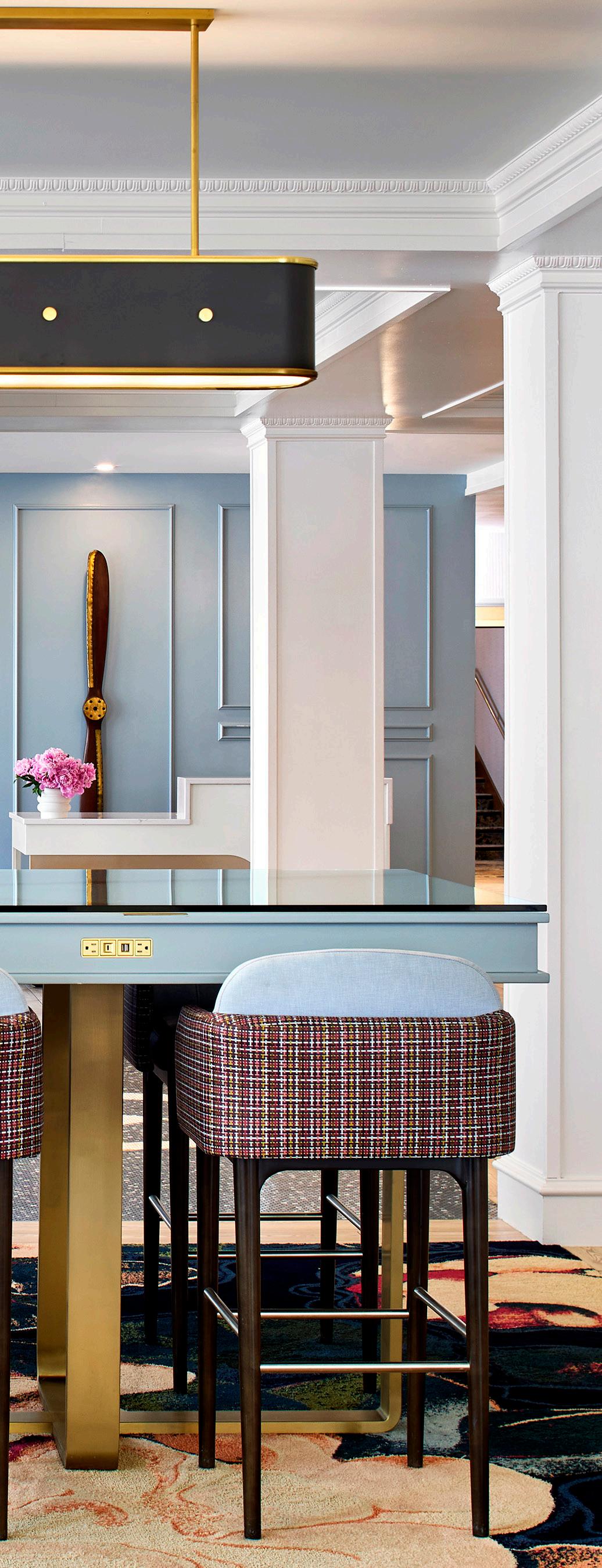
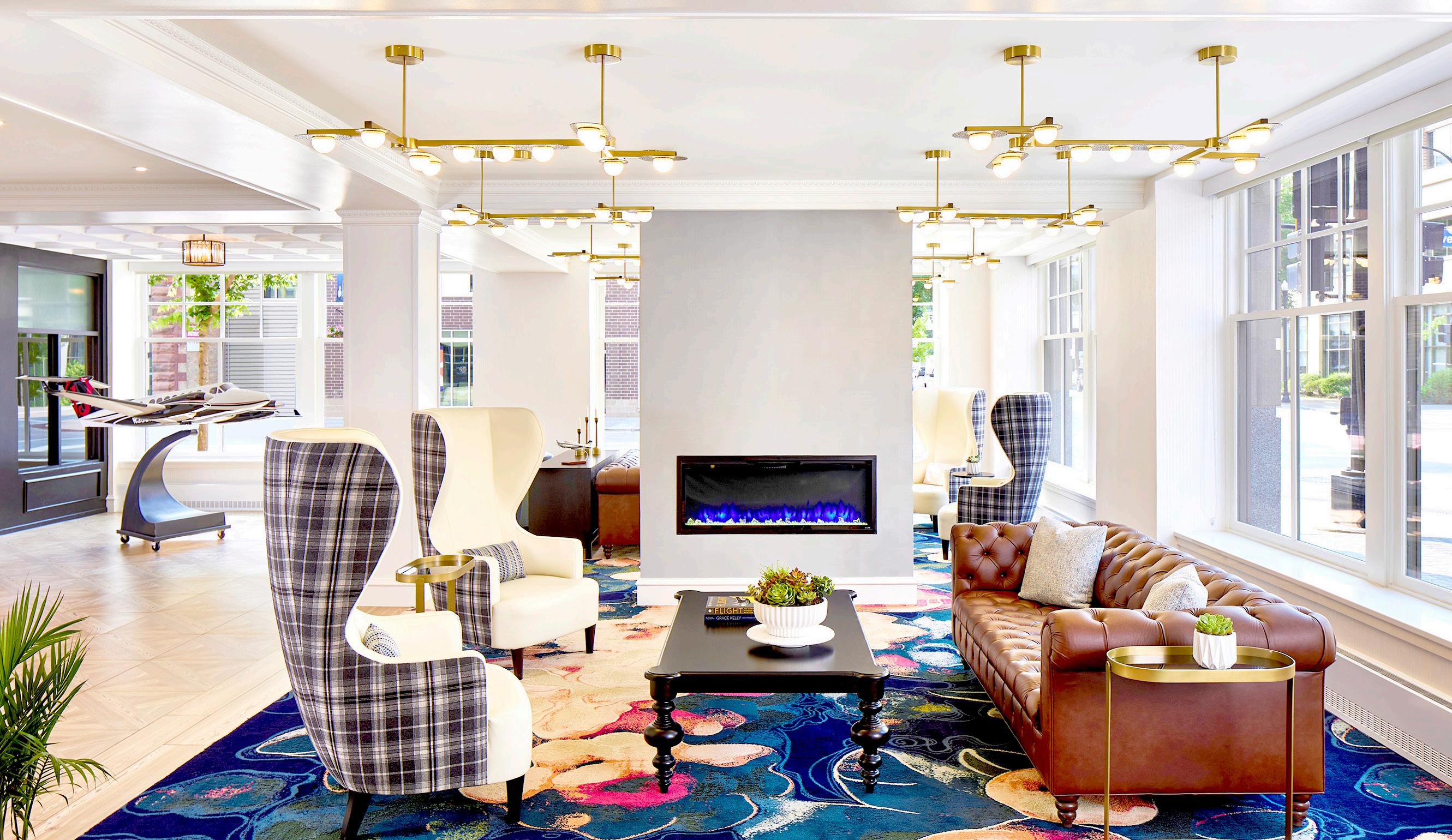
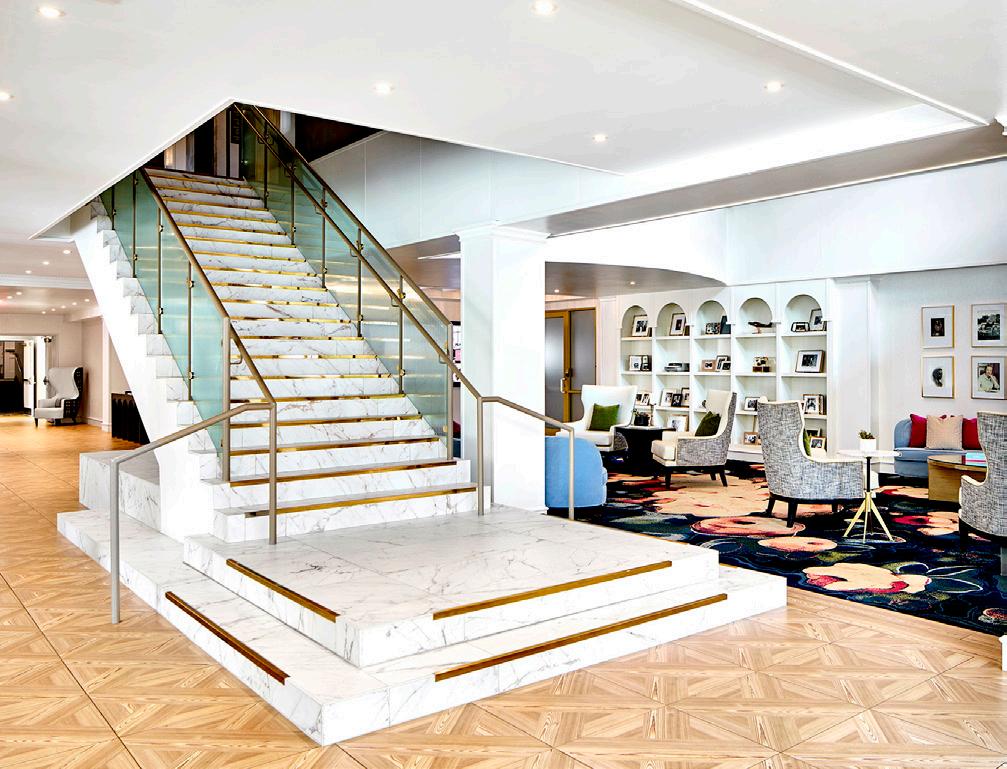
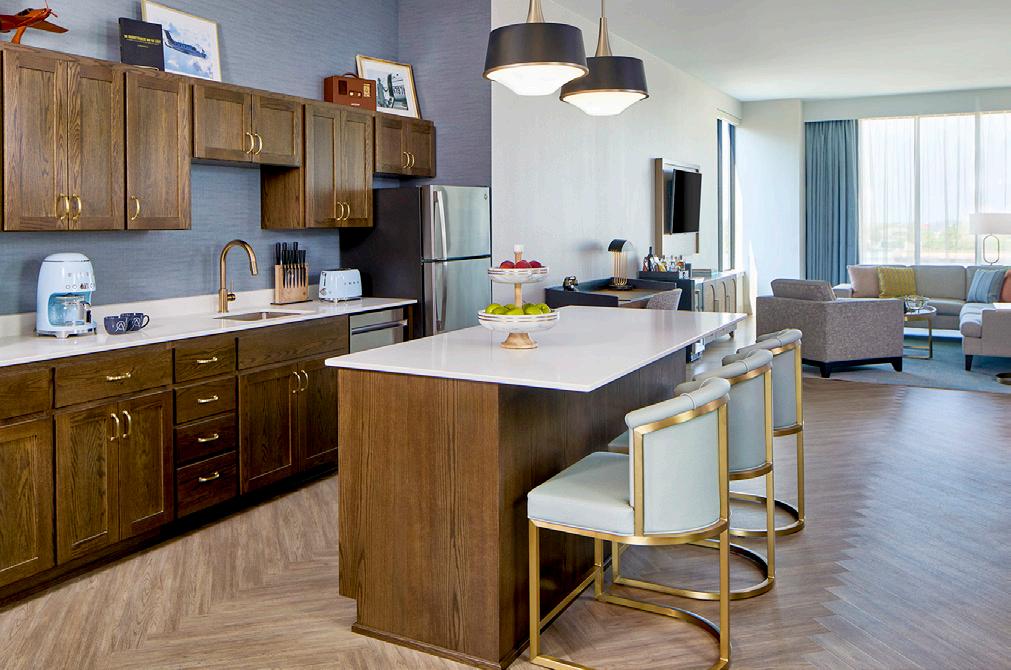
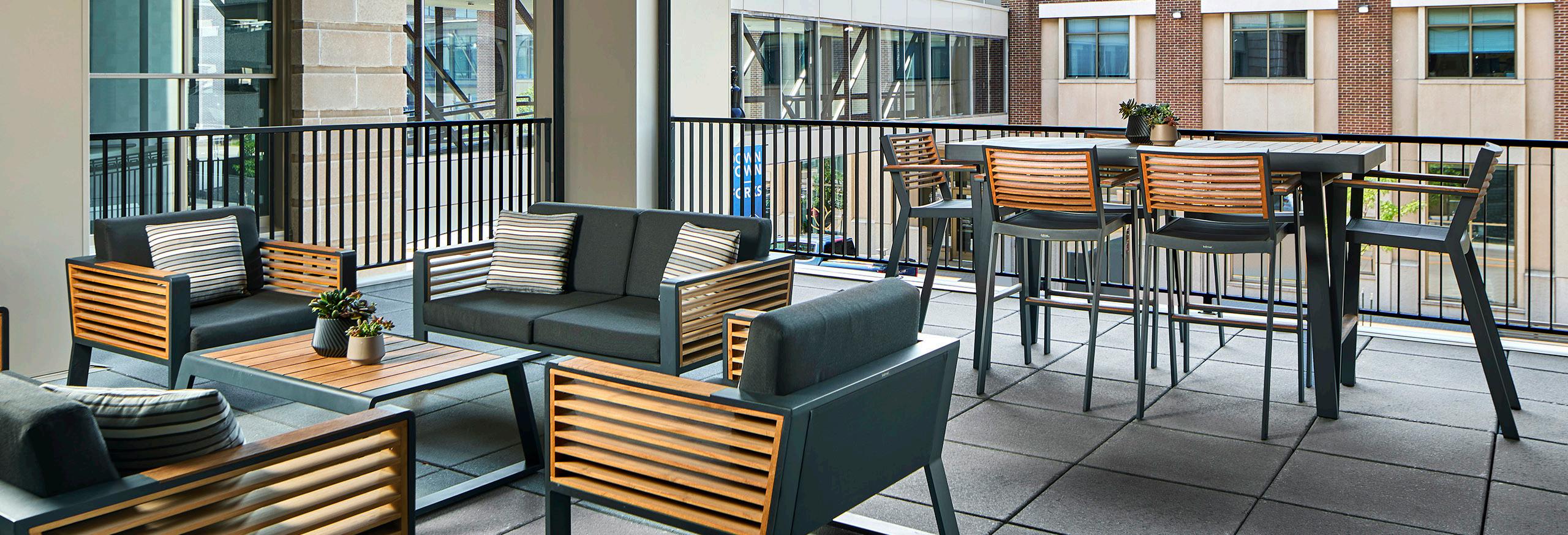
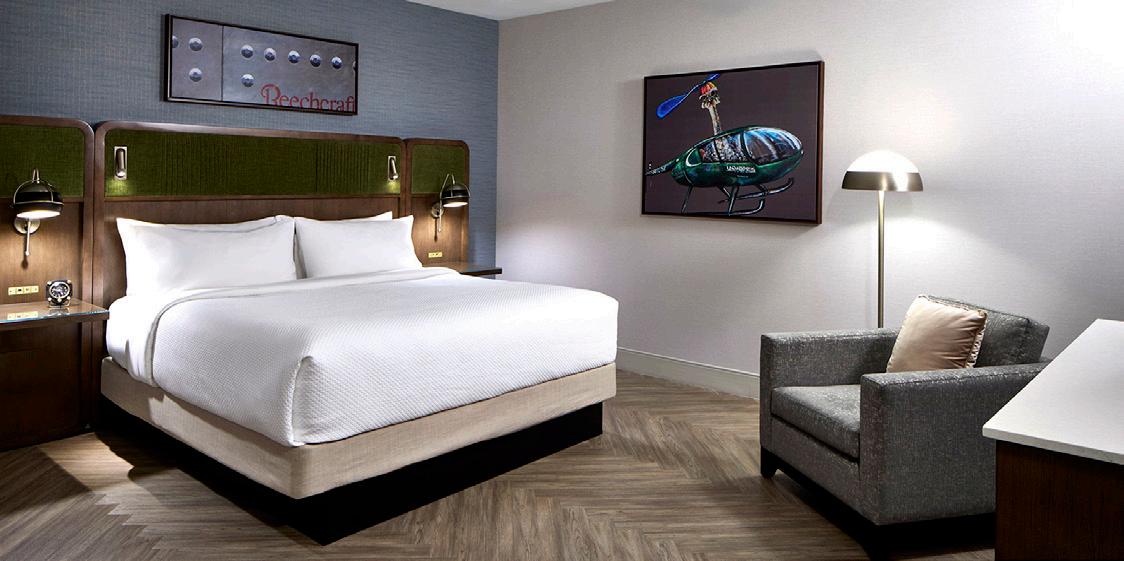
Golden accents, personalized service, exquisite food and drink, and the most grandiose views of downtown Grand Forks. It is hard to believe that the Olive Ann Hotel is just over two years old with how natural it fits into the community. From an early ambitious vision to becoming the No. 1 hotel in the Marriott Tribute Portfolio, this is the story of how a group dedicated to Grand Forks developed a premium hospitality experience.
A Beginning of Excellence
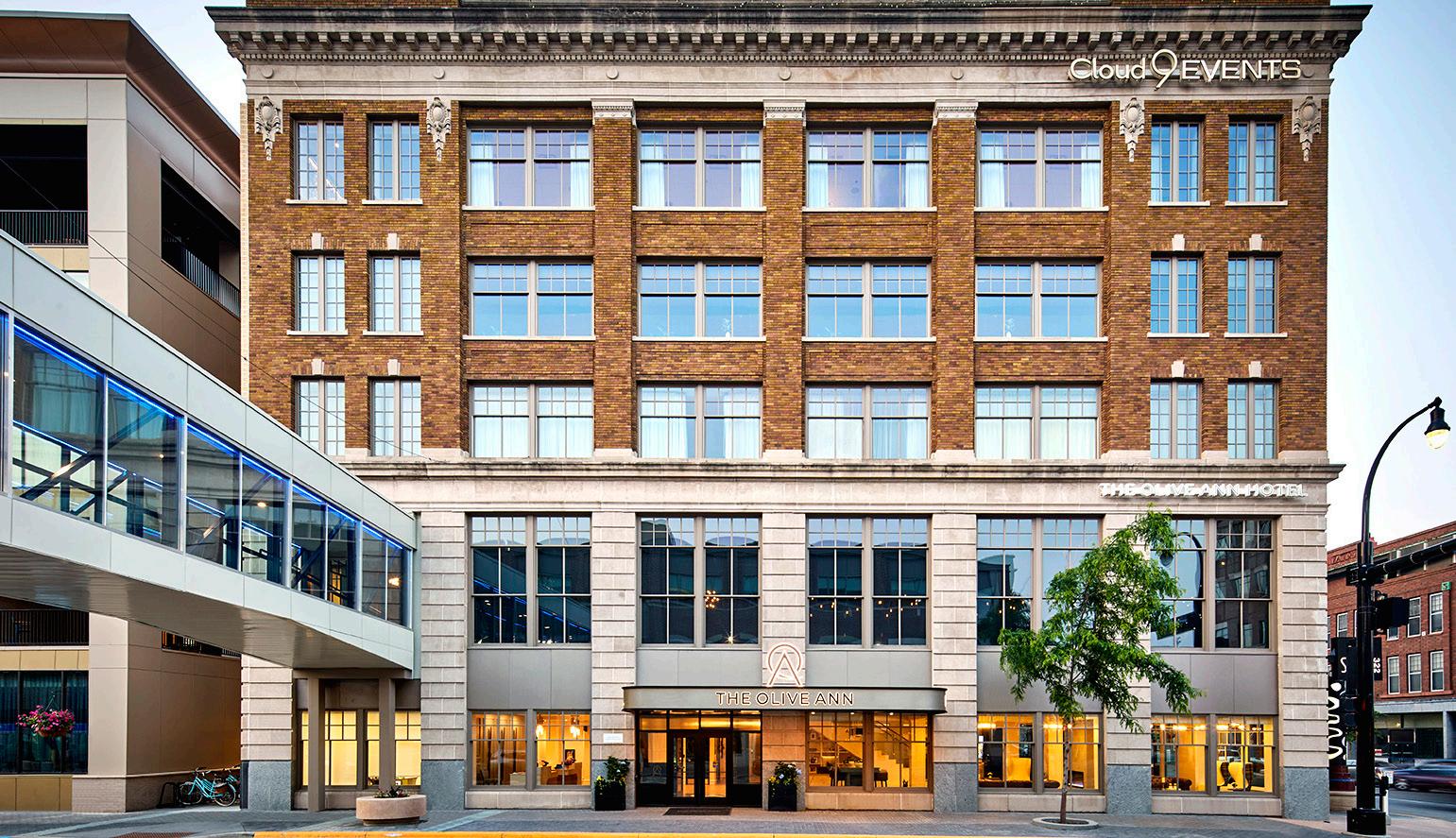
In 2022, the creative leadership team at 322 Hospitality Group set out on a mission to bring to fruition something that no one had seen before in this region. They wanted a hospitality experience that had old-school New York-style elegance, while maintaining a deep connection with the community of Greater Grand Forks. Their vision led them to the historic 14th North 4th Street building. The building was once a bank that had withstood fire and flood, never faltering in its 100-plus years. The former bank was clearly the epicenter of all things downtown Grand Forks, considering its location.
To further connect with the community, the team decided to dedicate its hotel to Olive Ann Beech, the First Lady of Aviation. Olive Ann Beech led a life innovating the aviation industry from its early days to the end of the 20th century. Her legacy was one of determination and elegance, which Grand Forks’ aerospace environment mirrors. After developing the 14th North 4th Street building to emulate Olive Ann Beech’s grandeur, the Olive Ann Hotel debuted to the public on Dec. 13, 2023.
From the very beginning, the Olive Ann Hotel had its work cut out for it. Breaking into the hospitality industry is no small feat – particularly for an independent hotel competing in a market saturated with well-established national hotel chains. The only way to grow the vision and brand was to get people to experience the hotel for themselves. Through determination, focus and local collaboration, the Olive Ann Hotel exceeded its debut expectations by the end of the first year. They had received the 2024 Best New Lodging Award by Midwest Living and the 2024 & 2025 Best Hotel in Greater Grand Forks Award
by the community of Grand Forks. The hotel had earned its success, but knew innovation was necessary to maintain it. The team behind the Olive Ann Hotel realized the dominance of the hospitality market was business and government travel. Business travelers often seek to build points with a larger platform, which set the Olive Ann Hotel toward a new horizon.
A New Direction
After 322 Hospitality Group performed a long and detailed review of how to meet business travel demand, they decided to partner with Marriott. On December 19, 2024 – a full year after their grand opening – the Olive Ann Hotel joined the Marriott Tribute Collection. The Marriott Tribute Collection was a perfect fit as its portfolio provides destinations with creative design and unique experiences tied to the communities they belong to. In the hotel’s first year with Marriott, occupancy rates soared beyond projected forecasts. The Olive Ann Hotel earned the No. 1 spot over 250plus other hotels in the Tribute Portfolio Collection. Once again, the Olive Ann Hotel superseded expectations in its second year of operation. It had proven to be the best at what it does; however, its continued success has created new challenges. The more the hotel achieves, the higher the bar for success is set. It is harder to stay No. 1 than it is to reach No. 1.
The Secret to Success
As with every exceptional business, the Olive Ann Hotel attributes its accomplishments to their culture. Employees at all levels display a “people first” mentality. Every decision is made empathetically to best enhance the guest experience. No task is too big or too small when looking out for guests. Staff do not point out directions; they accompany visitors
“This is the best hotel I have ever stayed at! I travel 180 nights per year and I always look forward to staying here.”
- Mr. Jacobson
“I recently stayed at The Olive Ann Hotel, and it was truly a ve-star experience. From the moment I arrived, the service was unparalleled – a special shoutout to the front desk for making me feel welcomed. Our room was immaculate, offering exceptional amenities! The Olive Ann Hotel was the highlight of our trip. If you are looking for a luxurious, seamless stay, this is the place. I cannot wait to return!”
– Amanda
“My 3 kids and I came to Grand Forks for the Cinderella ballet. I typically try to stay in the middle of downtown for the experience and ease of walking to restaurants and shopping when we travel. I was so impressed with the Olive Ann! The restaurant served fantastic brunch items over the weekend. And dinner was also good. The room itself was one of the most beautiful rooms I’ve ever stayed in We stayed in a studio double queen. It had a full kitchen, toaster oven and glass cook top. The coffee was excellent. The queen’s beds were in their own separate room. The walk-in shower was huge and phenomenal with two shower heads (one detachable) and the bathroom very large. Last thing I’ll mention is that the gym was awesome! Actually, had weights, machines and cardio equipment. Not just a couple of treadmills. Over all 10/10 stay!”
- Sarah
to their next destination. Valet parking services are not just for hotel guests; they serve event attendees and Skies 322 customers, too. Even Vice President Cory Blegen has been known to chauffer guests with the hotel shuttle when needed.
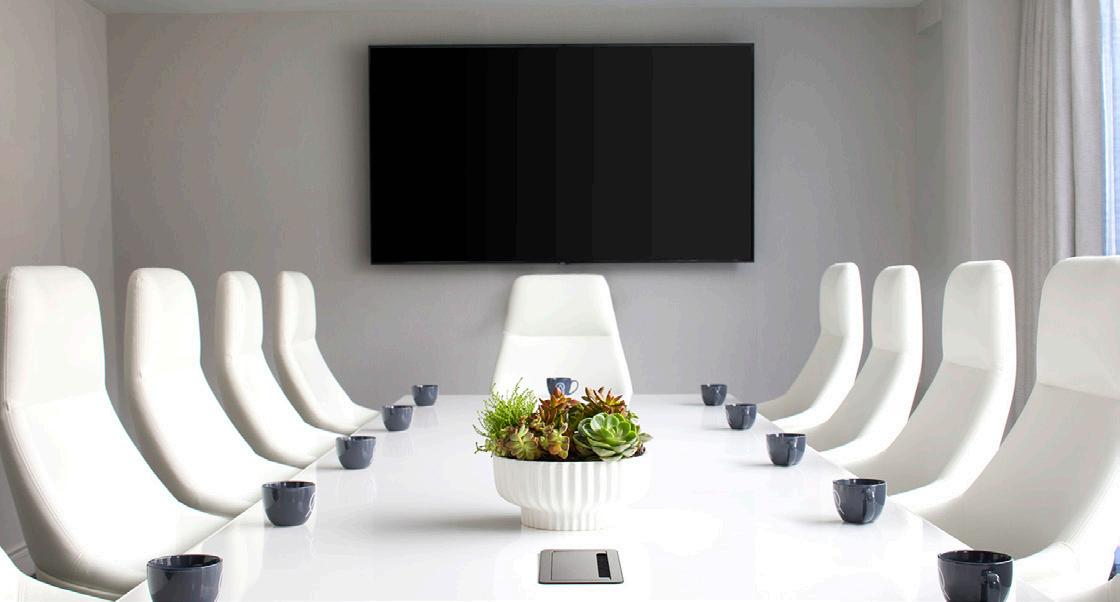
The Olive Ann Hotel team constantly asks, “How can we make sure it is not just a hotel stay?” Through this commitment, they create a seamless experience between the variety of entities in the building. Skies 322, Sweetwaters Coffee & Tea, and Olive Ann Events and Catering all serve different functions to the community, yet they collaborate to serve as one under the Olive Ann Hotel. A one-team mentality makes certain that the success of each entity is the success of all. The combined synergy leaves guests set on only staying at the Olive Ann Hotel when visiting Grand Forks.
The Next Steps
Through all its growth and success, the Olive Ann Hotel
shows no signs of slowing down. Last December, the hotel's management decided to relocate their office space on the fourth floor to develop nine more rooms. The new addition is substantial, as the hotel currently holds 79 guest rooms. This project is focused on meeting business travel demand by increasing the number of king rooms and luxury suites in the hotel.
Beyond its current developments, the Olive Ann Hotel has the goal of creating additional rooms with another tower. This would allow the hotel to break the threshold of 101-plus rooms – a standard often regarded as the highest tier of the hospitality industry. The planning, strategy and logistics for another tower are in development, and the goal is certainly ambitious. However, the Olive Ann Hotel has proven that it can achieve anything through its elegance, empathy and determination to elevate every guest's stay. G
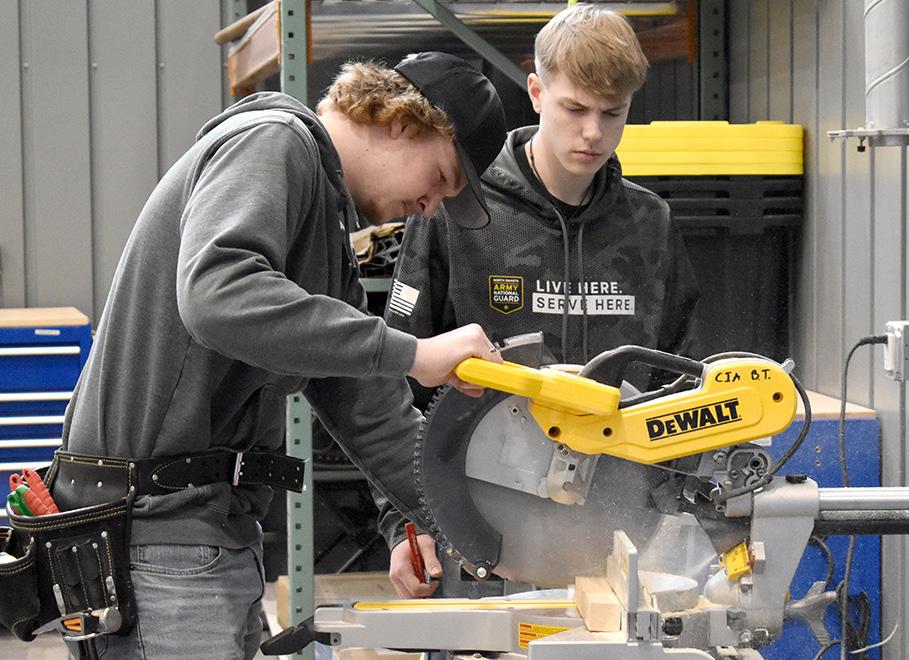
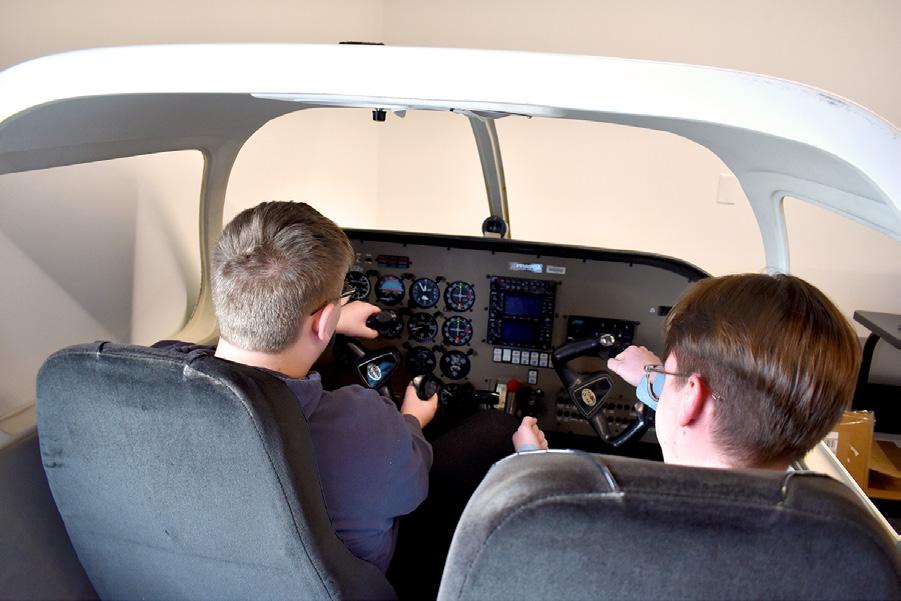
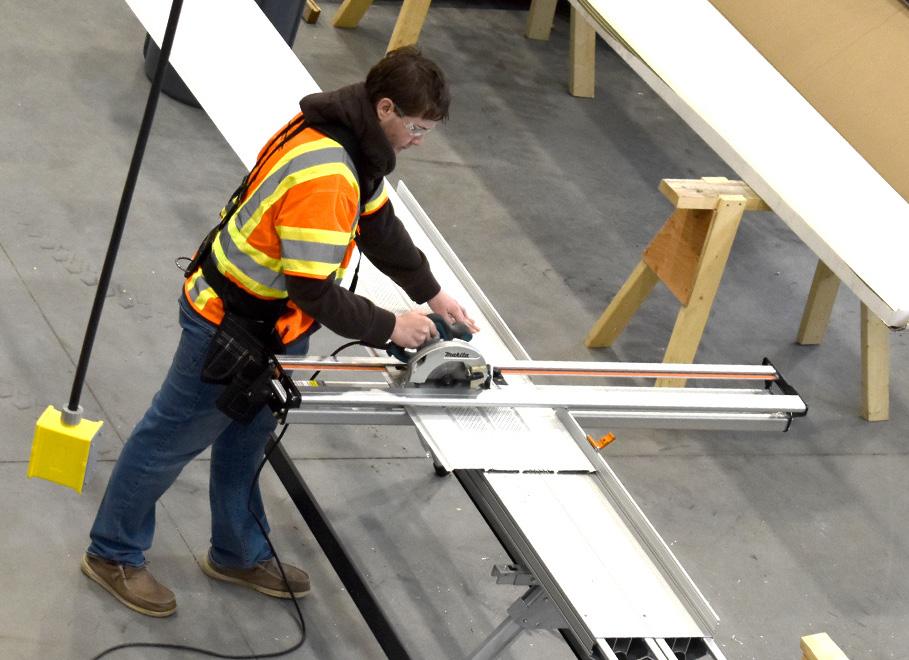
Photos by Career Impact Academy & Mark Maliskey
BUILDING THE NEXT STEP
By Chloe Piekkola
Most of us can still picture it. Sitting across from a guidance counselor, brochure in hand, and a question hanging in the air: "What do you want to do with your life?" At 18, we did our best to answer it. Some of us chose well. Some of us changed course more than once. Nearly all of us wished we'd had a little more time and a little more exposure to figure it out.
Eric Ripley, executive director of the Career Impact Academy, has spent his entire career inside Career and Technical Education, and after years of watching students freeze under the weight of one question, he decided to change his approach. Instead of the stomach-turning "What are you going to do with your career," Ripley offers something far more digestible to high school students across the Red River Valley: "What is your next step?"
That question became the foundation for something bigger. Planning for this facility didn’t happen overnight; it was nearly 12 years in the making. It started as a collaboration amongst seven surrounding schools to bring CTE courses to students in Larimore and surrounding communities that had no previous access to these kinds of classes. But as with any technology, online classes began to meet their limits.
“What we realized, in order to do this the right way, there needed to be a central facility, with the right equipment, with the right labs, with the right hands-on experiences,” Ripley said.
The launching point came during the pandemic, when the North Dakota State Legislature made a significant investment in expanding CTE across the state. The Department of Career and Technical Education responded with a challenge grant, inviting communities to propose facilities that could expand access across the state. The catch was a required local match. Something that felt daunting at first, but ultimately became the first step in making the Career Impact Academy a reality.
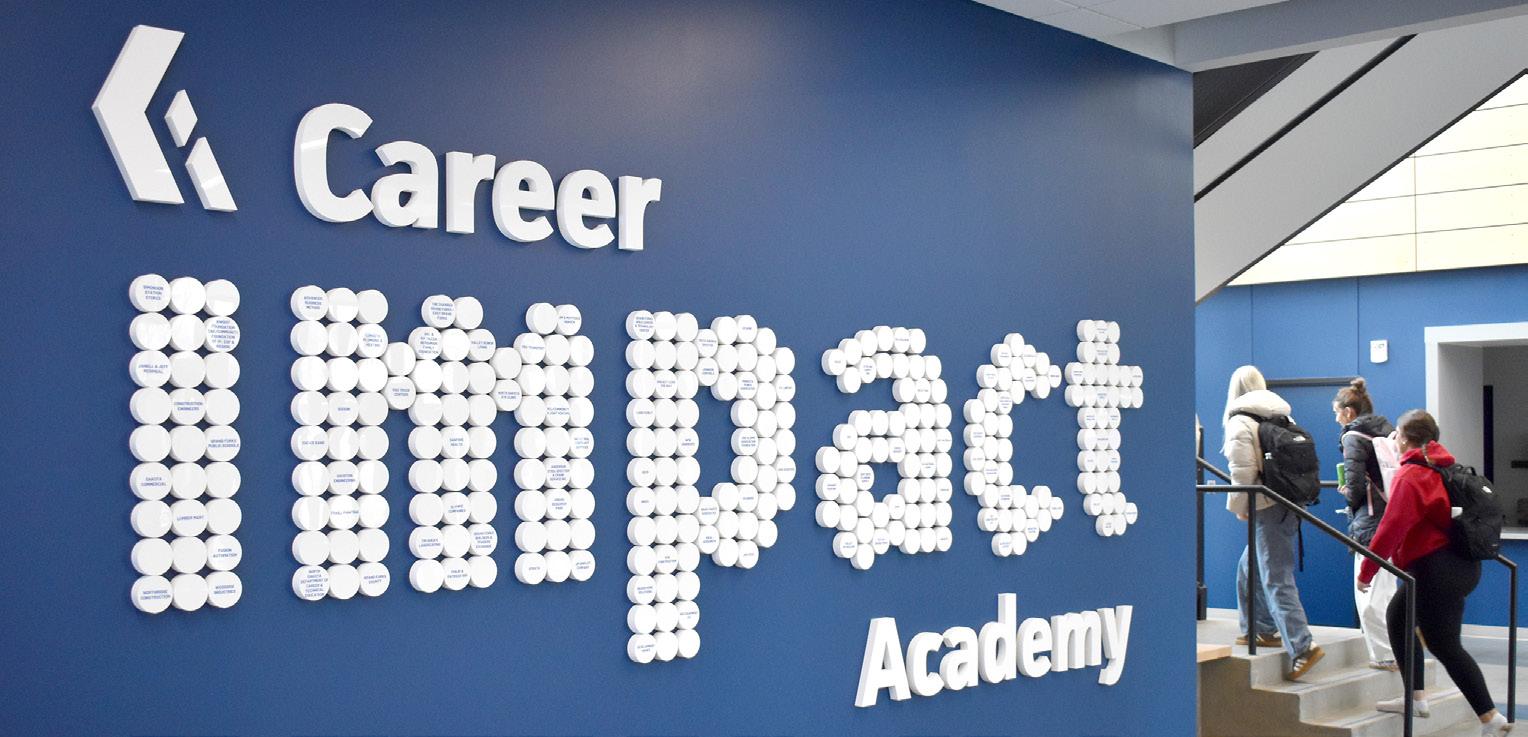
The Economic Development Corporation was key in rallying behind fundraising efforts, which ultimately led to 99 industry partners financially supporting this facility. The Chamber of Commerce, JLG Engineers, city leaders and so many others are woven into the building's story. They have committed to investing in communities and future generations of workforces far beyond them.
“It came at a time when it seemed like a perfect storm, industries looking to try and develop their next work force pipeline, availability of funds, and a growing need from education.”
When it came time to design the facility, the team knew they needed more than the voices of industry partners and coordinators; they needed the ones that would utilize the space for years to come: the students.
“You can point to specific items within the facility that the students requested, such as the visibility,” Ripley said.
That visibility is felt through floor-to-ceiling windows that flood the space with light. Classrooms and hallways feel open, with sightlines that allow students to peer in from different angles. Students wanted an
environment where learning felt visible, even from the outside.
“They pointed out they didn’t want this to look or feel like their high school. They craved a space that not only felt post-secondary but looked like it as well,” Ripley noted
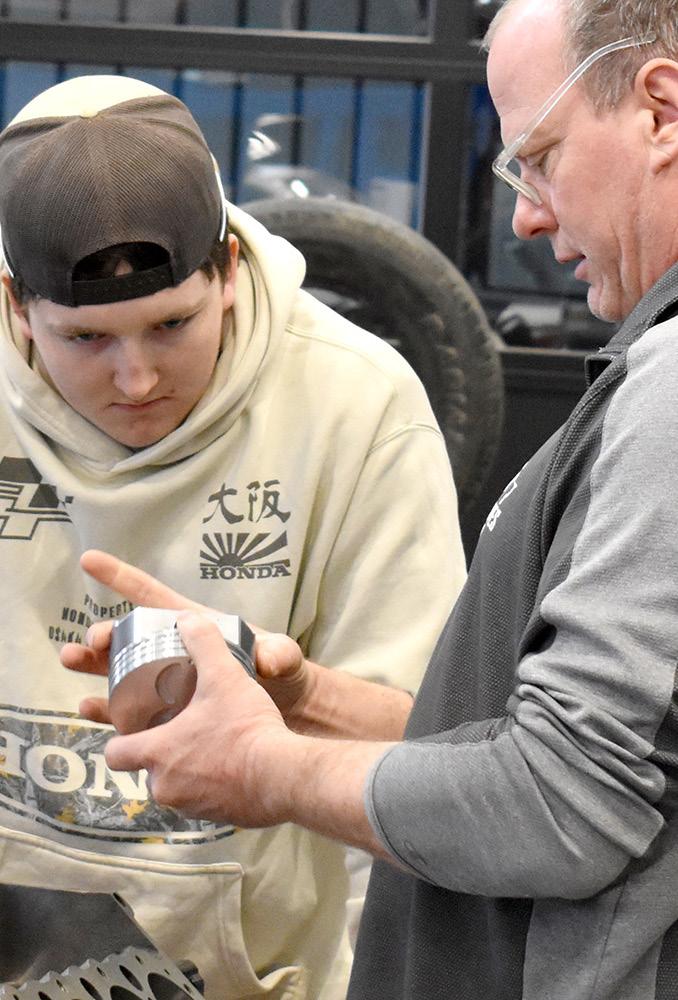
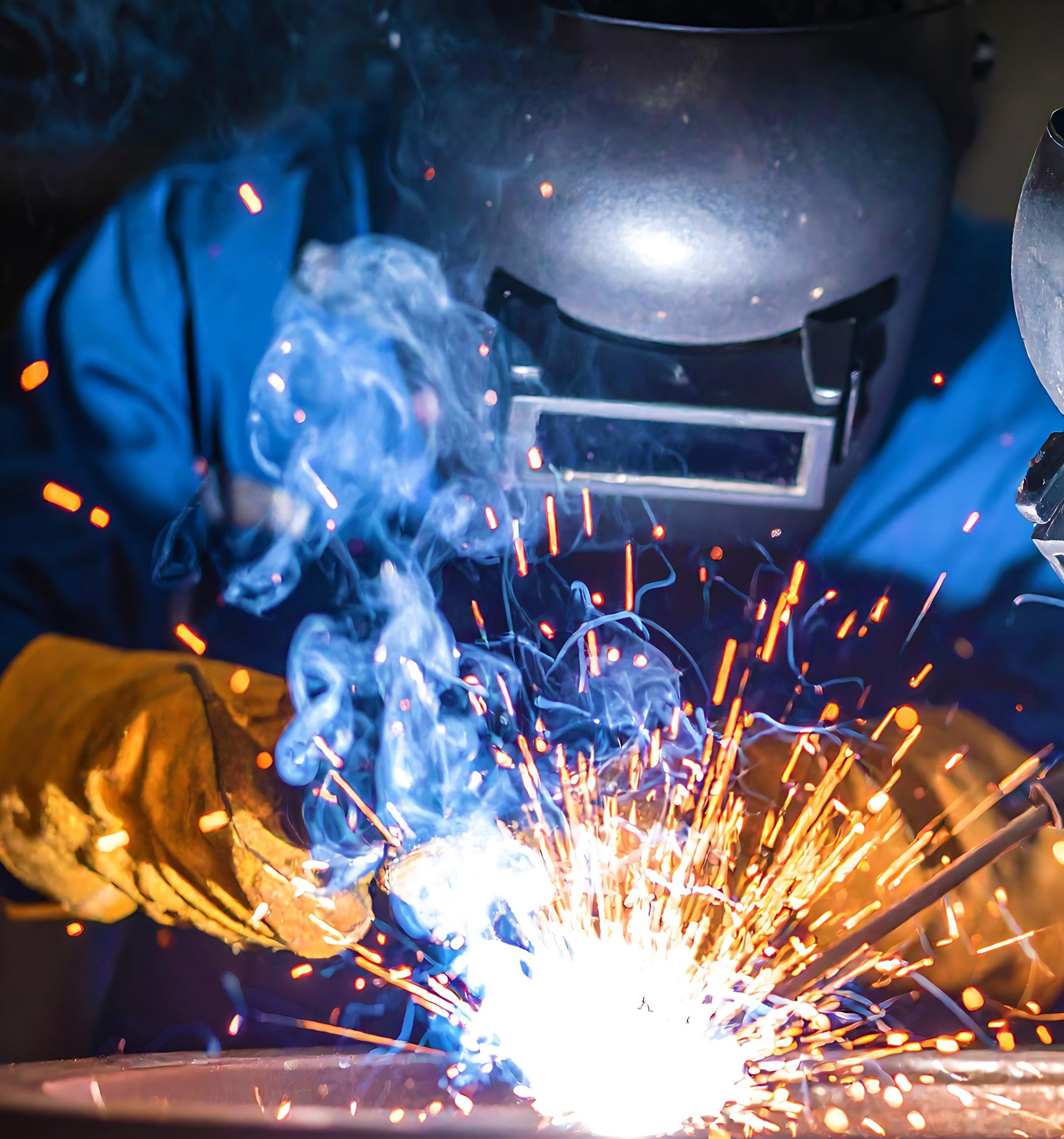
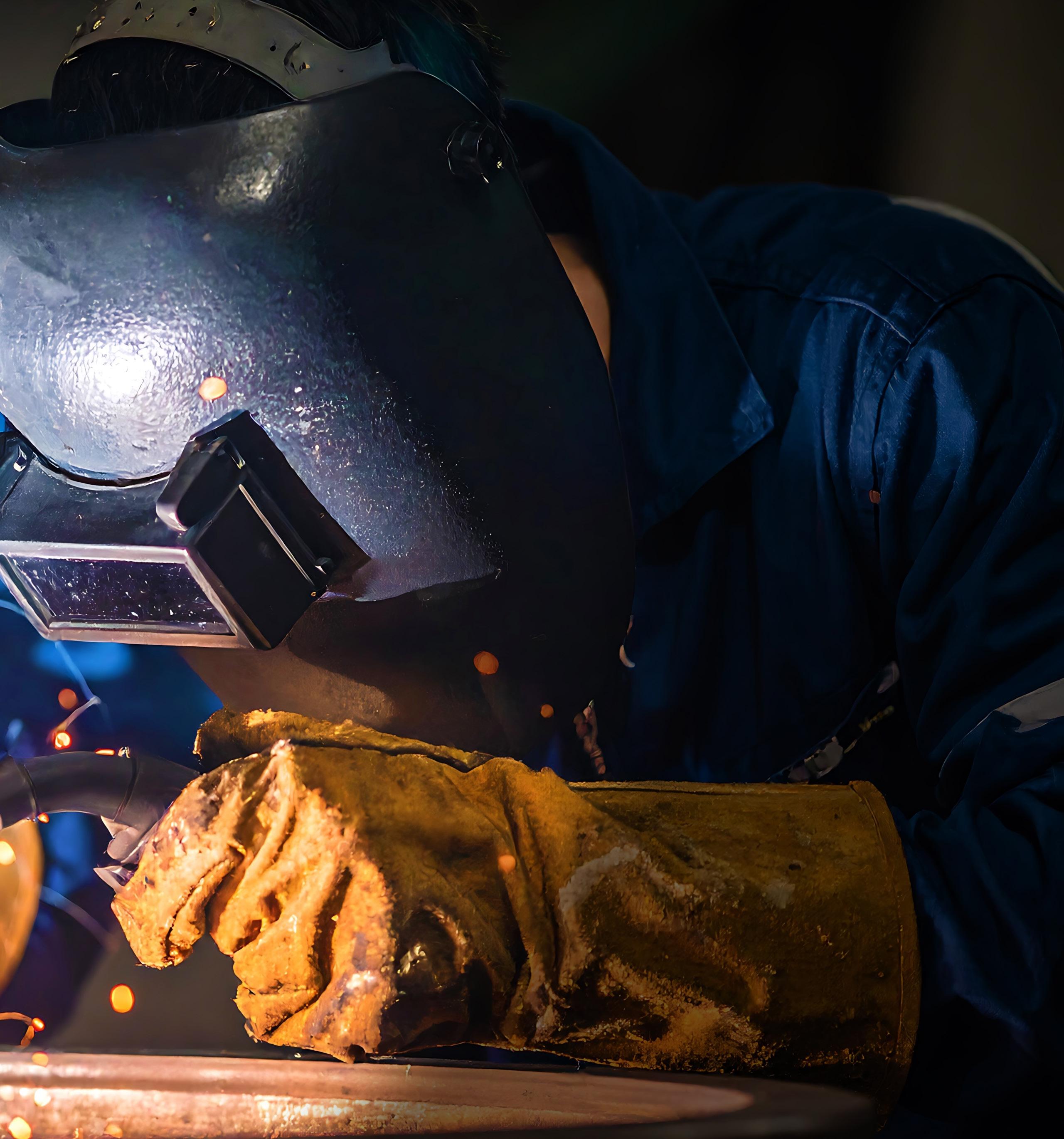
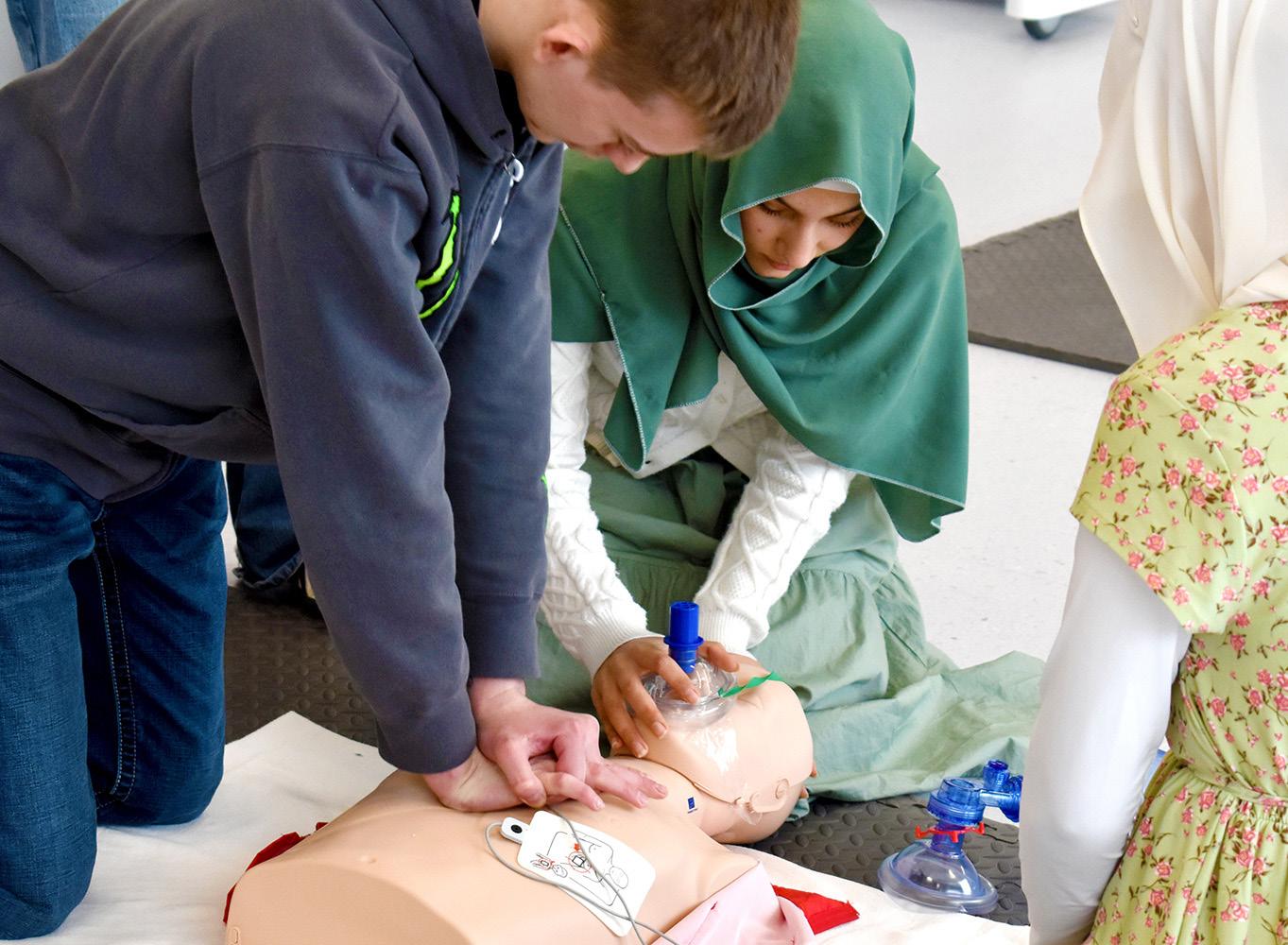
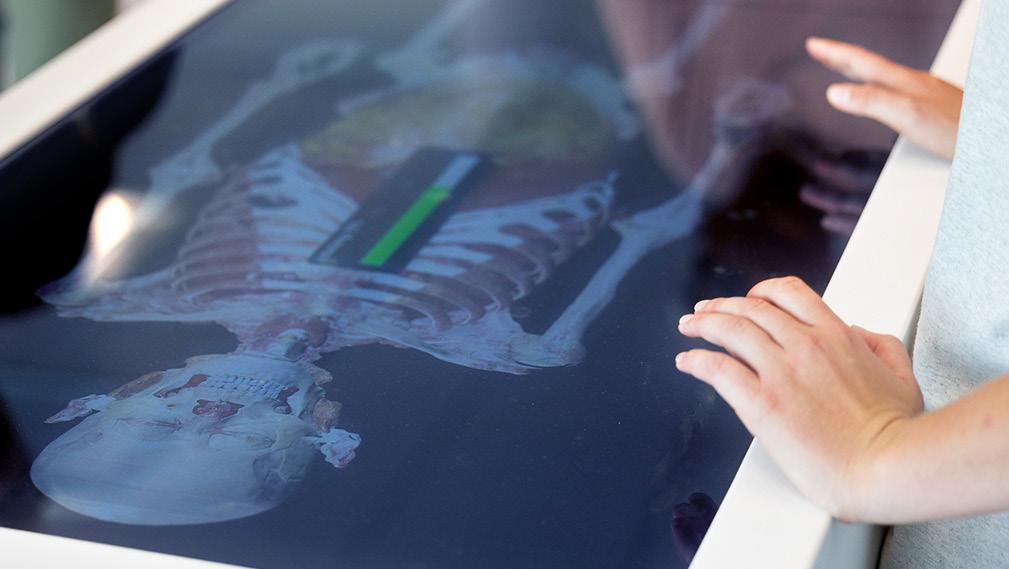
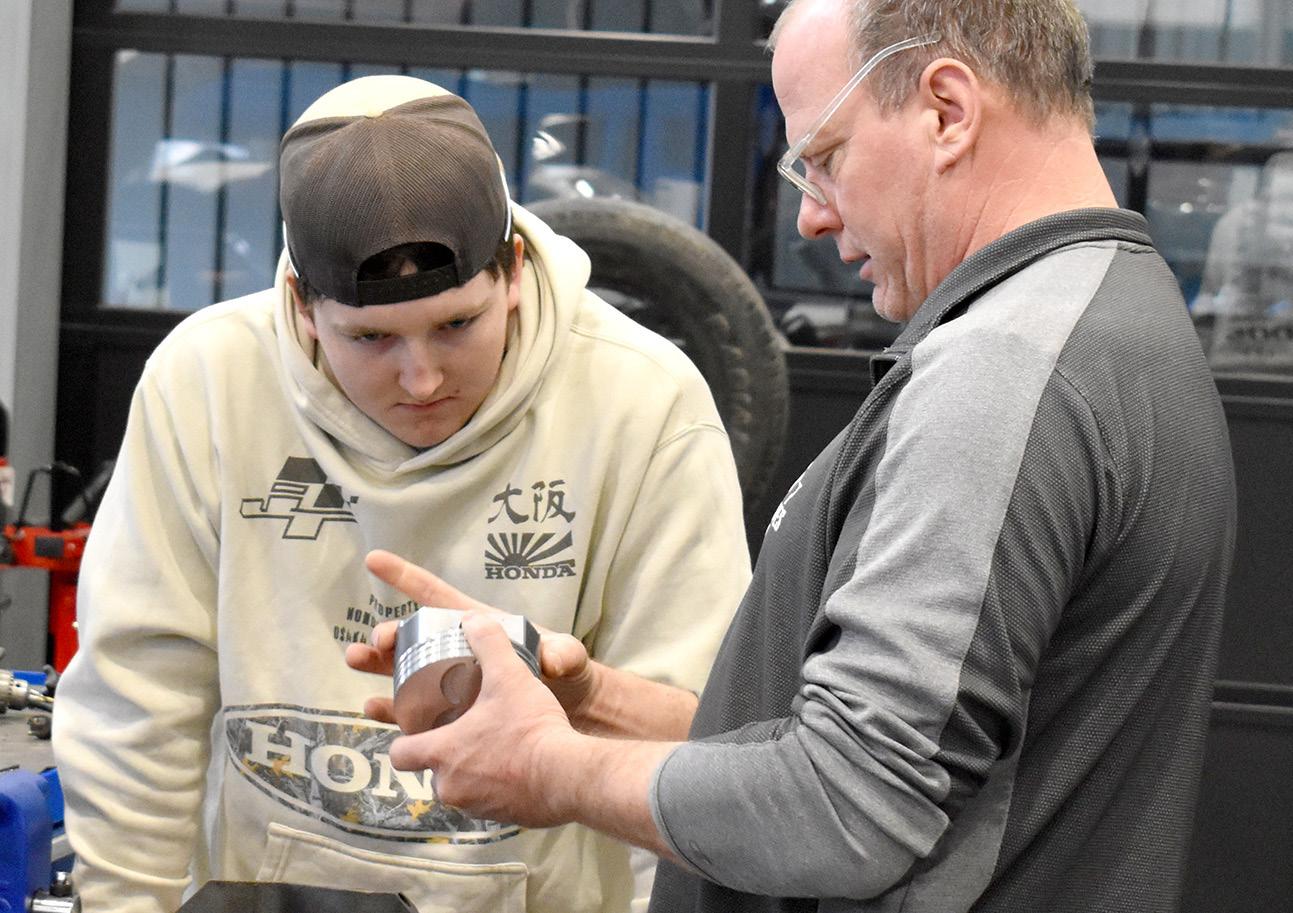
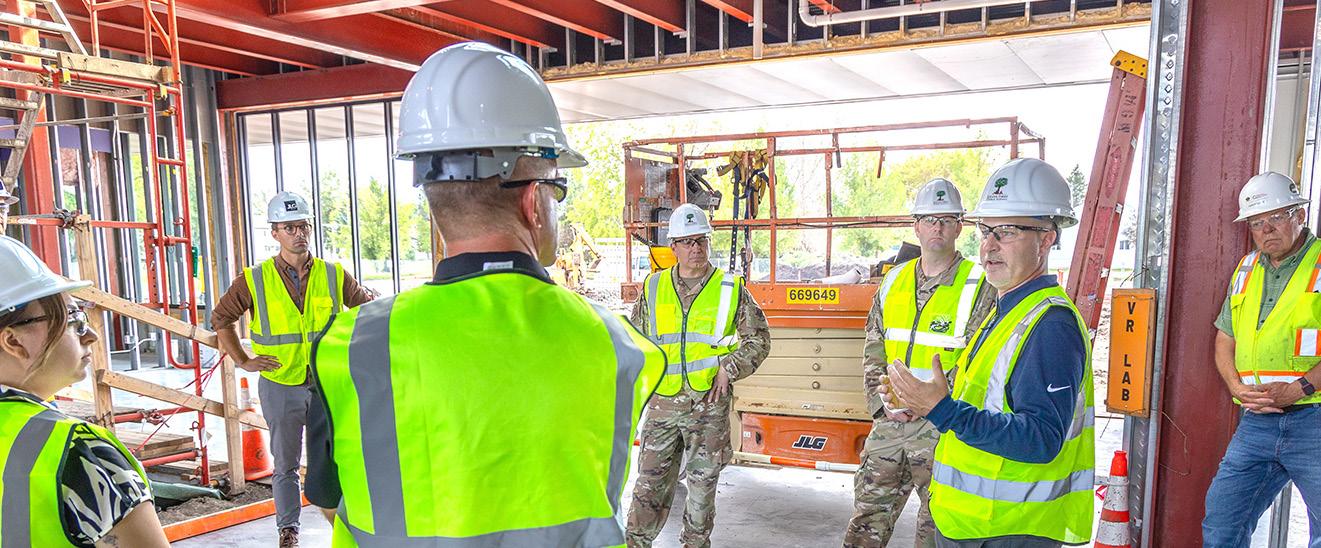
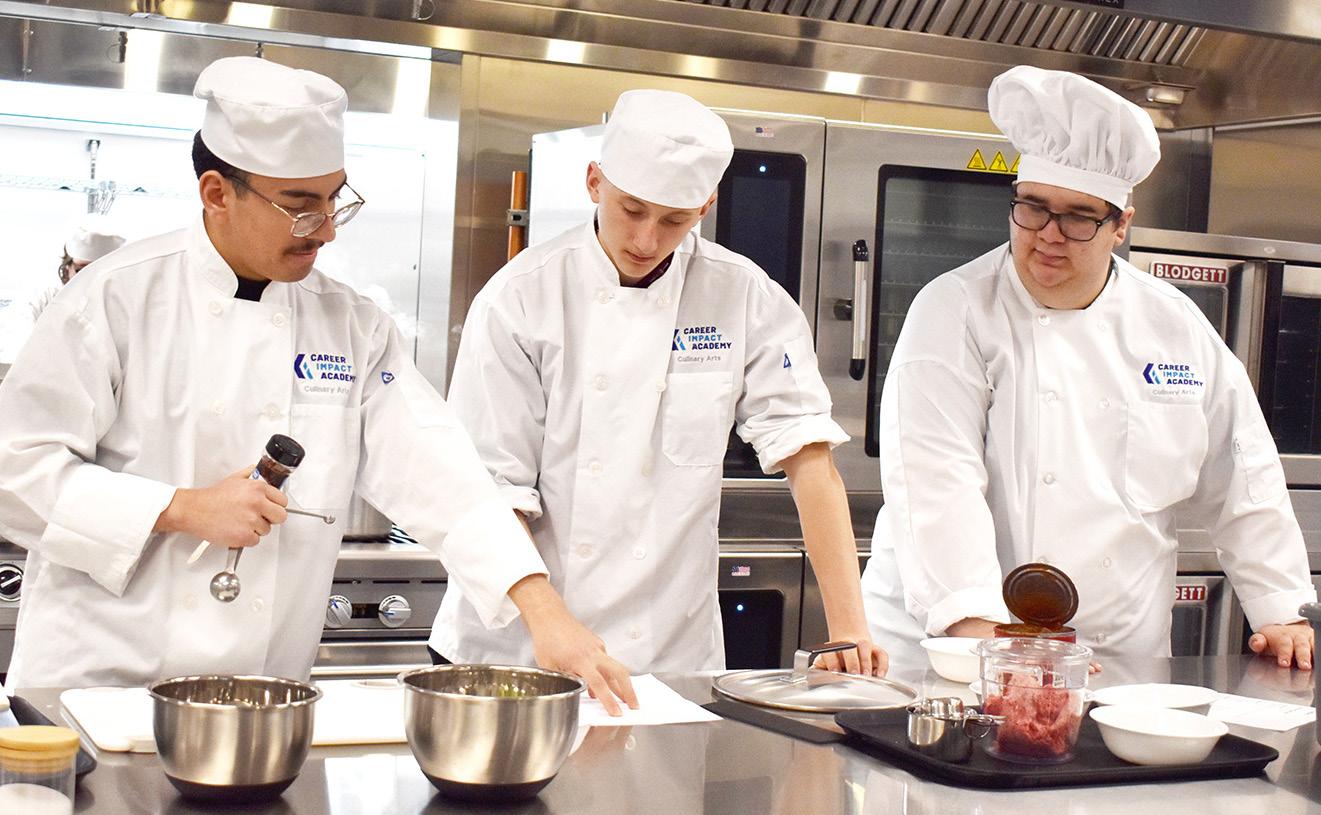
Walking through the building, it becomes clear that request was taken seriously. Each space reflects the environment students are preparing to enter. In building trades, power drops from the ceiling like it would on a job site, with sawdust, beams and tools always within reach. In automotive, machines adjust to different heights, surrounded by grease and parts that make the space feel more like a working garage than a classroom. The culinary kitchen is fully equipped for professional cooking, with plans to open a student-run café at the entrance next year. Upstairs, the nursing lab mirrors a care facility, complete with adjustable beds, real linens and interactive dummies for CPR and CNA training.
"These programs need to be responsive to the changes within the industry,” Ripley said. That responsiveness is built into the very bones of the facility, and it is equally alive in
PHOTO: MARK MALISKEY
the people who show up every day to teach inside it.
Theresa Ostgarden, CTE Coordinator, works closely with instructors to build programs rooted in real-world experience. Many of the teachers bring years of industry knowledge into the classroom, shaping lessons with insight that goes far beyond a textbook. “We have so many years of experience coming into this building every day,” Ostgarden said. “When teachers are able to give that real-world experience, it means the world to them.”
Students understand what a privilege this space is, and rise to meet it. Walk into any classroom and the energy is focused and purposeful. “When they are here, they are in their classrooms, committed to their ninety-minute block,” Ostgarden said. “In some cases, it is what brings the kids to school every day.”
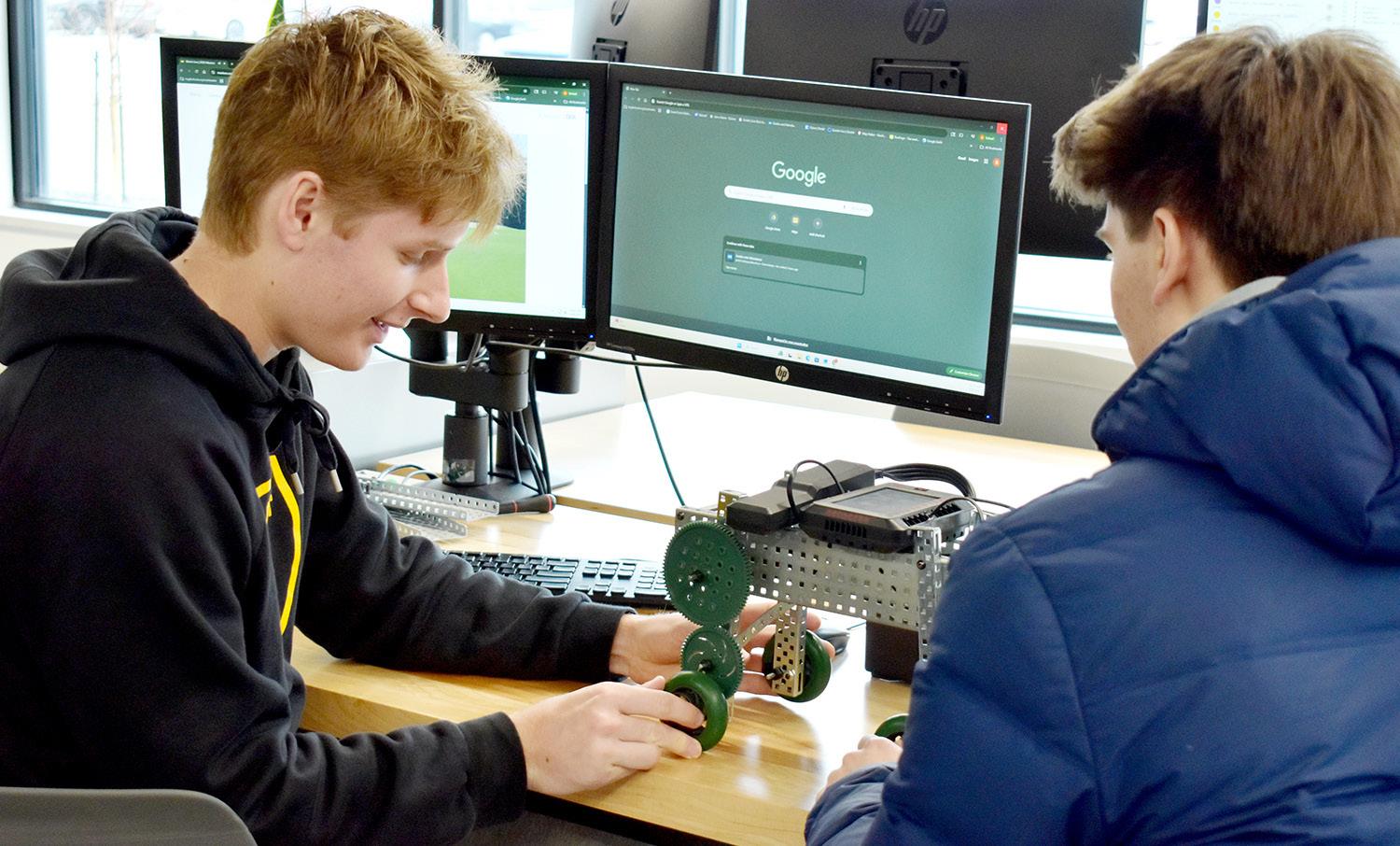
The Career Impact Academy’s reach doesn’t stop at the classroom door. Through job shadowing and paid internships, students step directly into the industries they are exploring, earning real wages and high school credit in the process. It creates a steady bridge between
what students learn inside the Academy and what the working world asks of them. Businesses gain motivated young talent, and students gain something harder to teach: real experience and the confidence that comes with it.
"There is a big difference between a student's engagement in classes they have to take versus classes they want to take,” Ripley said. "They see the relevance in it, they are intrinsically motivated to do well, and that is the difference we see here at the Career Impact Academy."
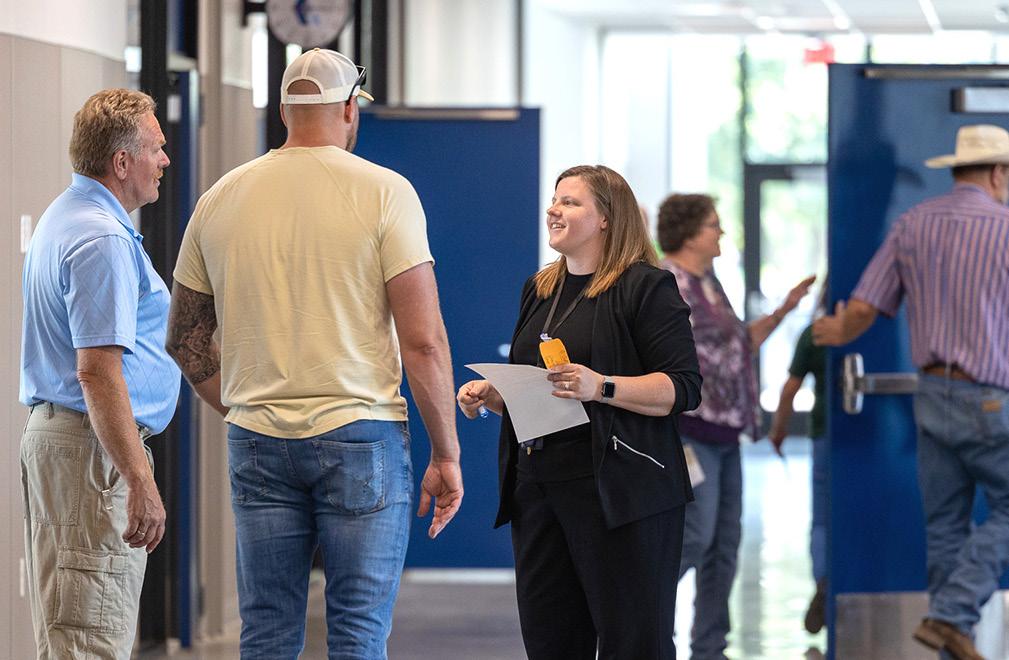
Between the classrooms and workshops, something else is forming. From Larimore to Thompson to Hillsboro, students who would never have crossed paths are finding each other here and taking those friendships well beyond these walls. Weekend plans are being made across city lines, and faculty are noticing that for many students, the social draw of the Career Impact Academy is just as compelling as the career one. For a generation whose social years were upended by COVID, that sense of connection and belonging is no small thing.
“It's nice to see that community
PHOTO: MARK MALISKEY
of kids who don't care if they are from Thompson or Hillsboro,” Ostgarden said. “They connect with each other over shared experiences.”
What the Career Impact Academy represents goes far beyond the building. It is the result of industry partners, school districts, city leaders and a region that chose to invest in something larger than itself. The return on that investment walks through the doors every day. Students who are not just preparing for careers, but discovering pieces of who they are.
“We talked about this project as a legacy project for this region – it will far outlast us,” Ripley said.
The Career Impact Academy doesn't hand students the answer. It gives them the space, the tools, and the people to discover it themselves.
“The impact on these kids is hard to grasp, even the depth this will mean to them. It’s a ripple effect,” Ripley reflected. "The next chapter is just beginning." G
PHOTO: MARK MALISKEY
MARKETPLACE //
Shanna Field, Wintrust Mortgage
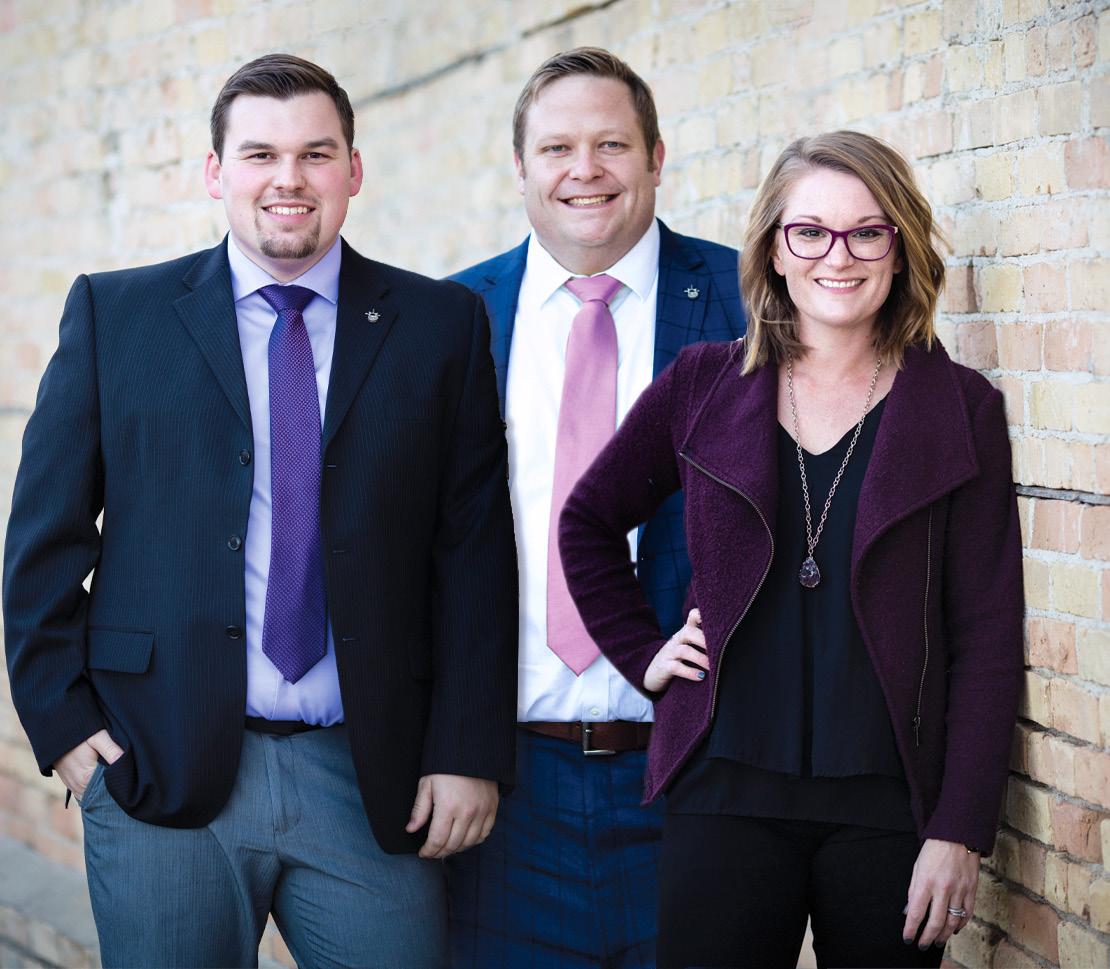
Purchasing a home is one of the largest financial decisions the majority of people make. I find great joy in making borrowers’ dreams a reality. Whether you’re purchasing your first home, refinancing your vacation home, or financing an investment home, my team and I are happy to help! We’re local to Grand Forks, but offer lending in all 50 states!
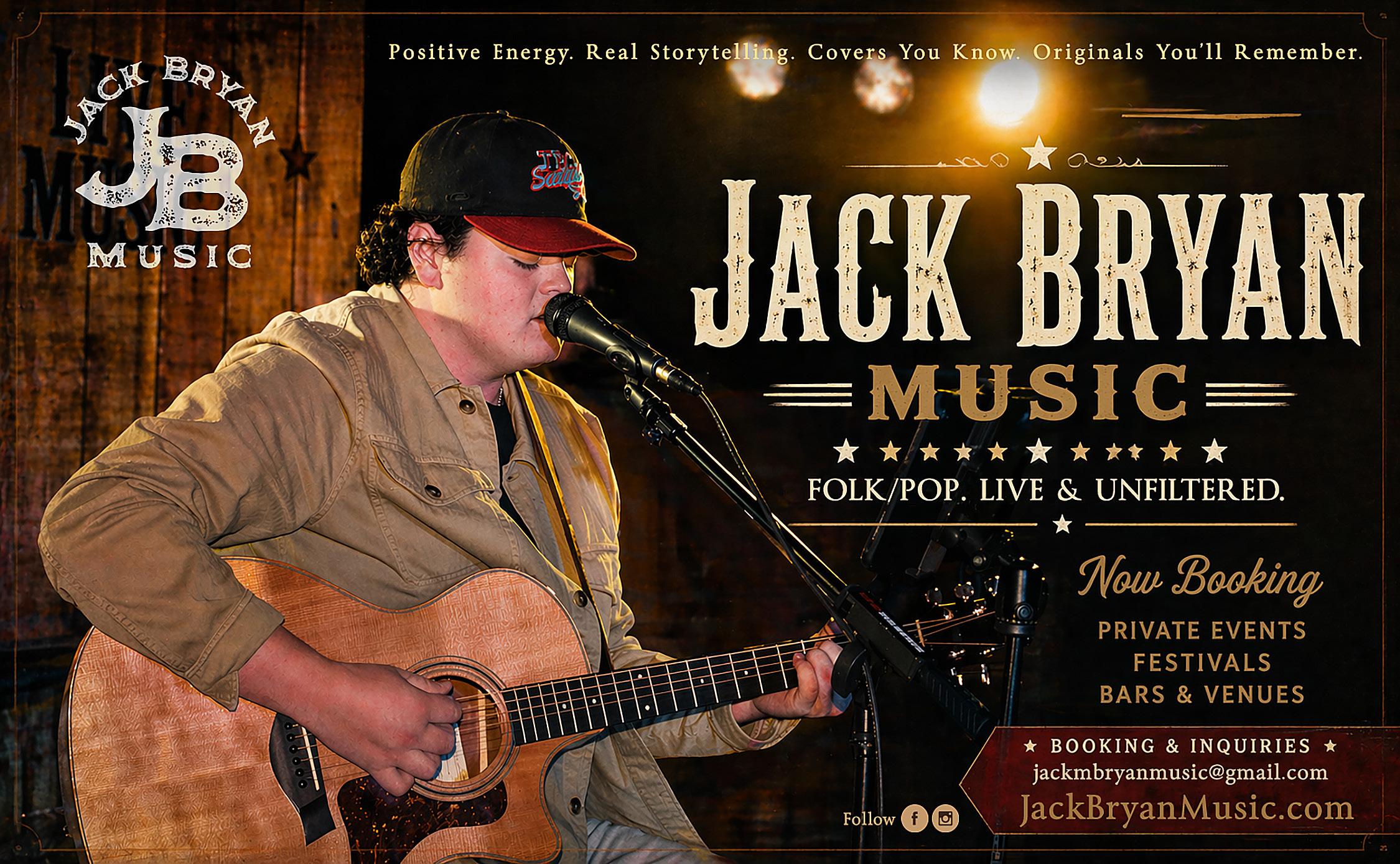
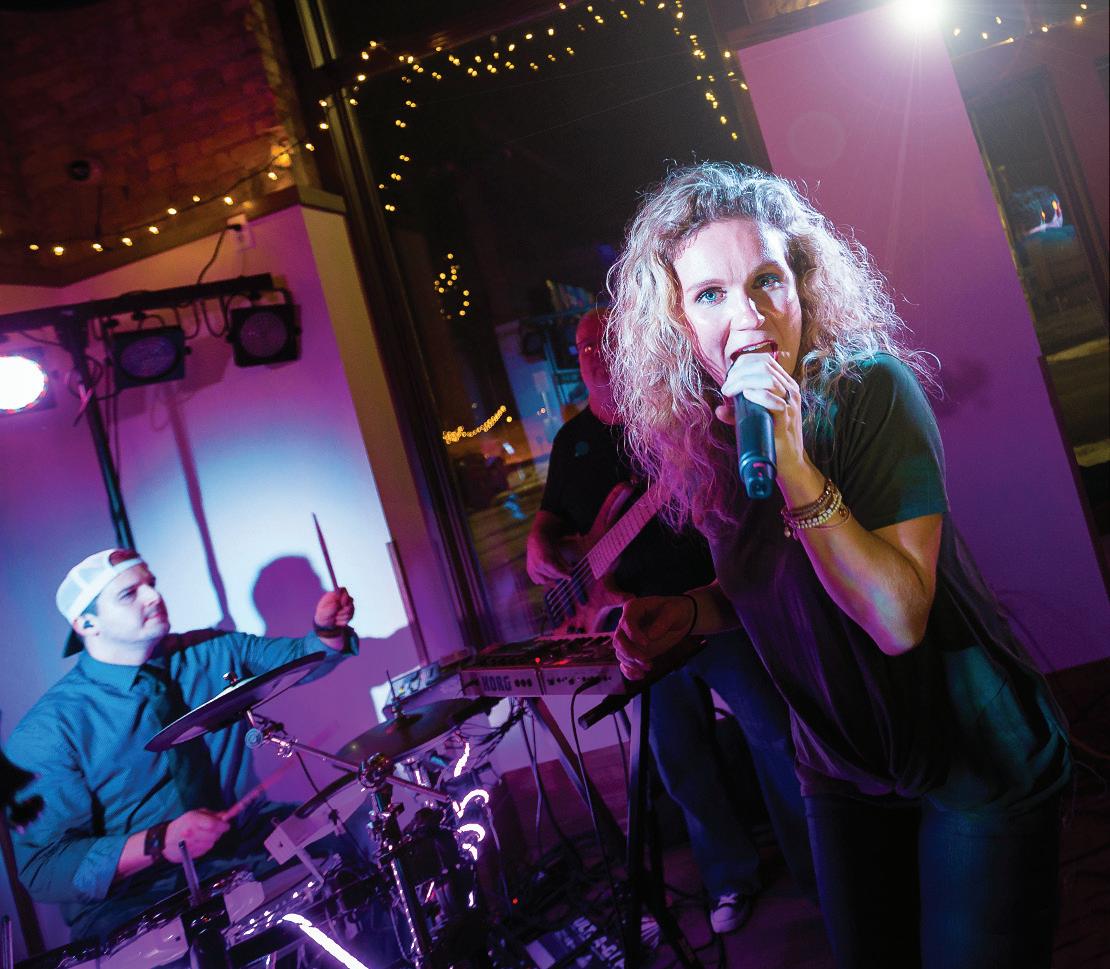
These days it’s hard to find a band that can play songs that everyone can agree on for weddings, corporate events and outdoor festivals. But, guys and gals today know where to find it and the band Paint the Town is “for real.” Based out of Grand Forks, Paint the Town can bring your event to the next level and be a crowd pleaser for all ages –playing All Hits.
Follow us on Facebook: paintthetowngf
paintthetowngf@gmail.com
Bears Home Solutions
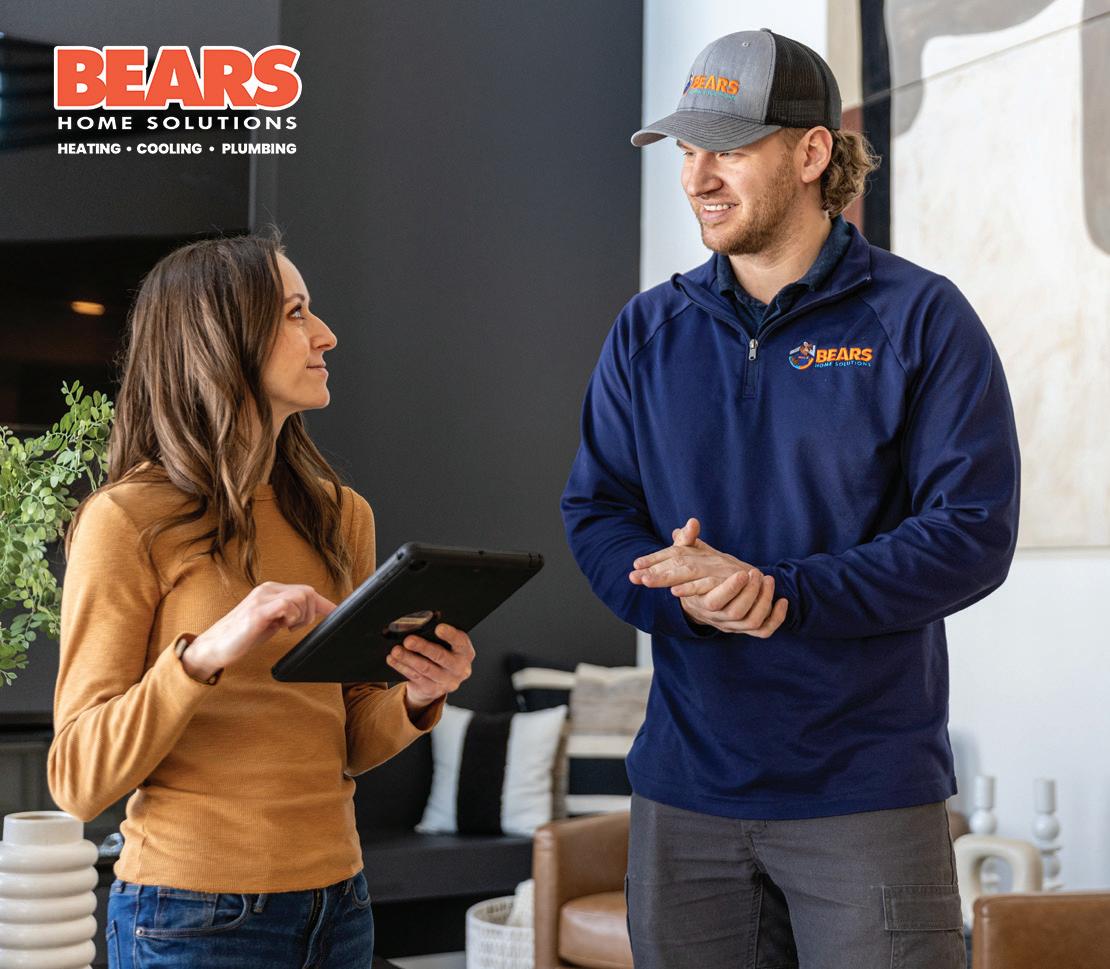
Heating, cooling, plumbing, and fireplaces are what we do. Since 1978, we've put our customers first, delivering top-notch service to everyone that trusts us with their home's comfort. Whether we're repairing a furnace, fixing a pipe, or installing an air purification system, our goal is always to provide exceptional solutions that best fit your unique home.
5510 1st Ave N Grand Forks, ND 701.775.5522
BearsHomeSolutions.com
Plains Chiropractic & Acupuncture
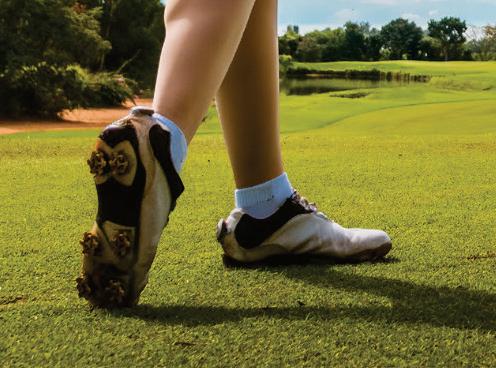
Rooted in Grand Forks. Dedicated to your wellness. Experience personalized wellness at Plains Chiropractic & Acupuncture. From infants to seniors, our integrated approach combines personalized chiropractic care, acupuncture, and rehabilitation to address your unique needs. We’ve been dedicated to helping our community thrive since 2009— visit us to start your journey toward a more active, pain-free life today.
3750 32nd Ave. South Suite #103 Grand Forks, ND 58201