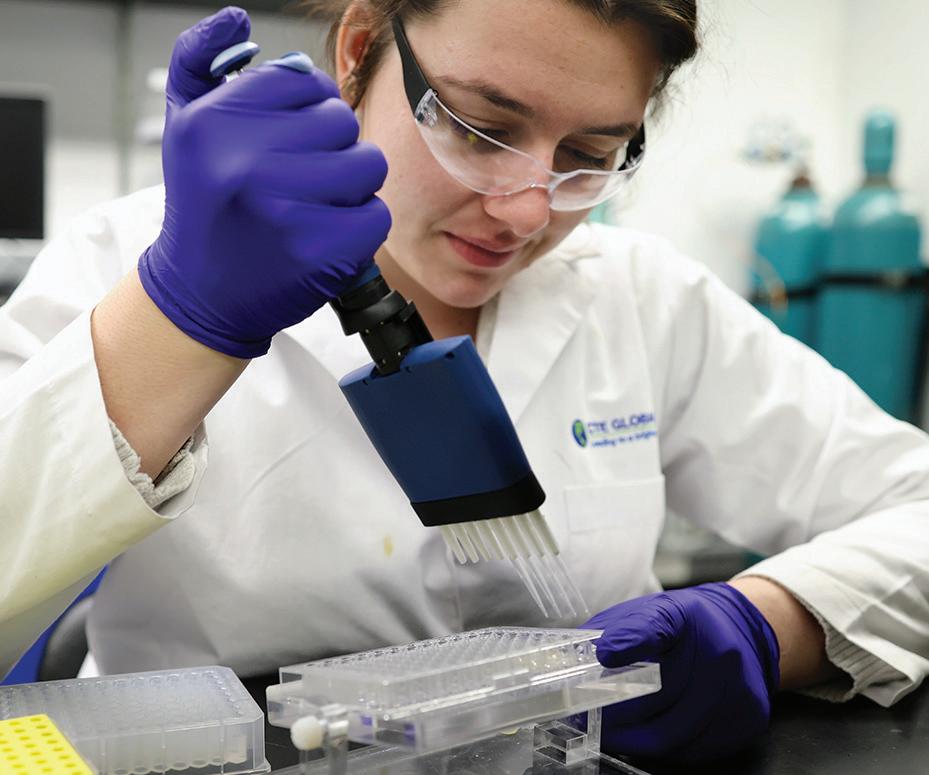
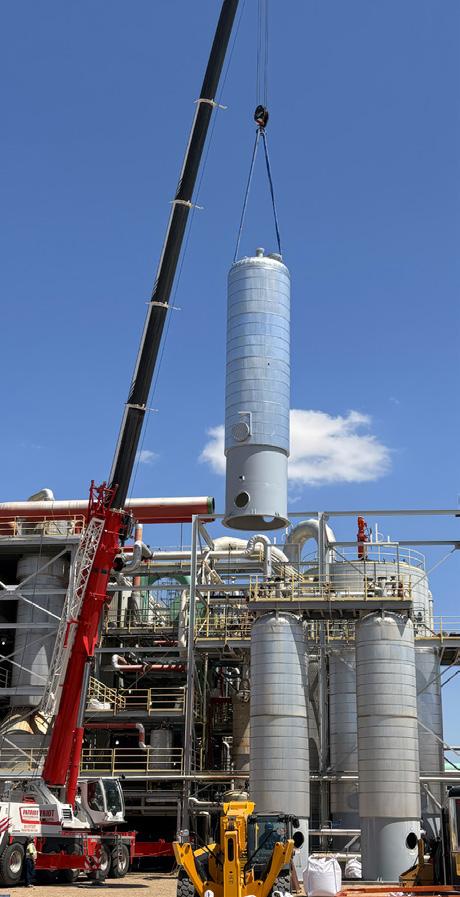
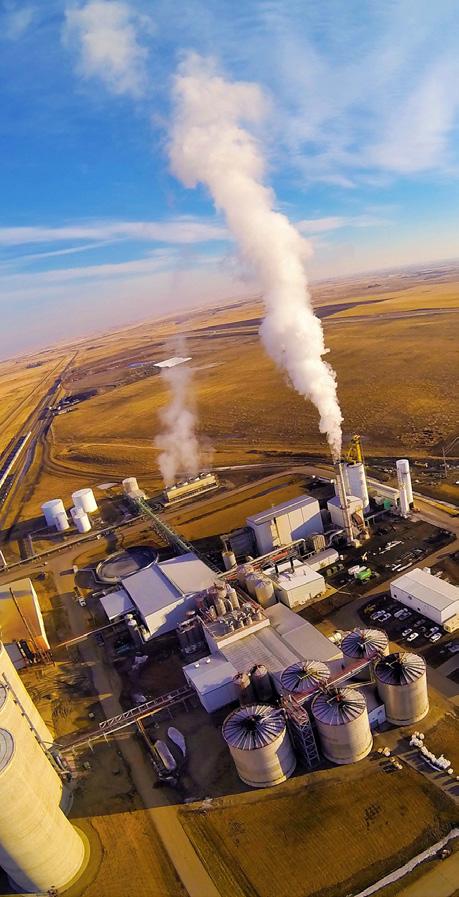
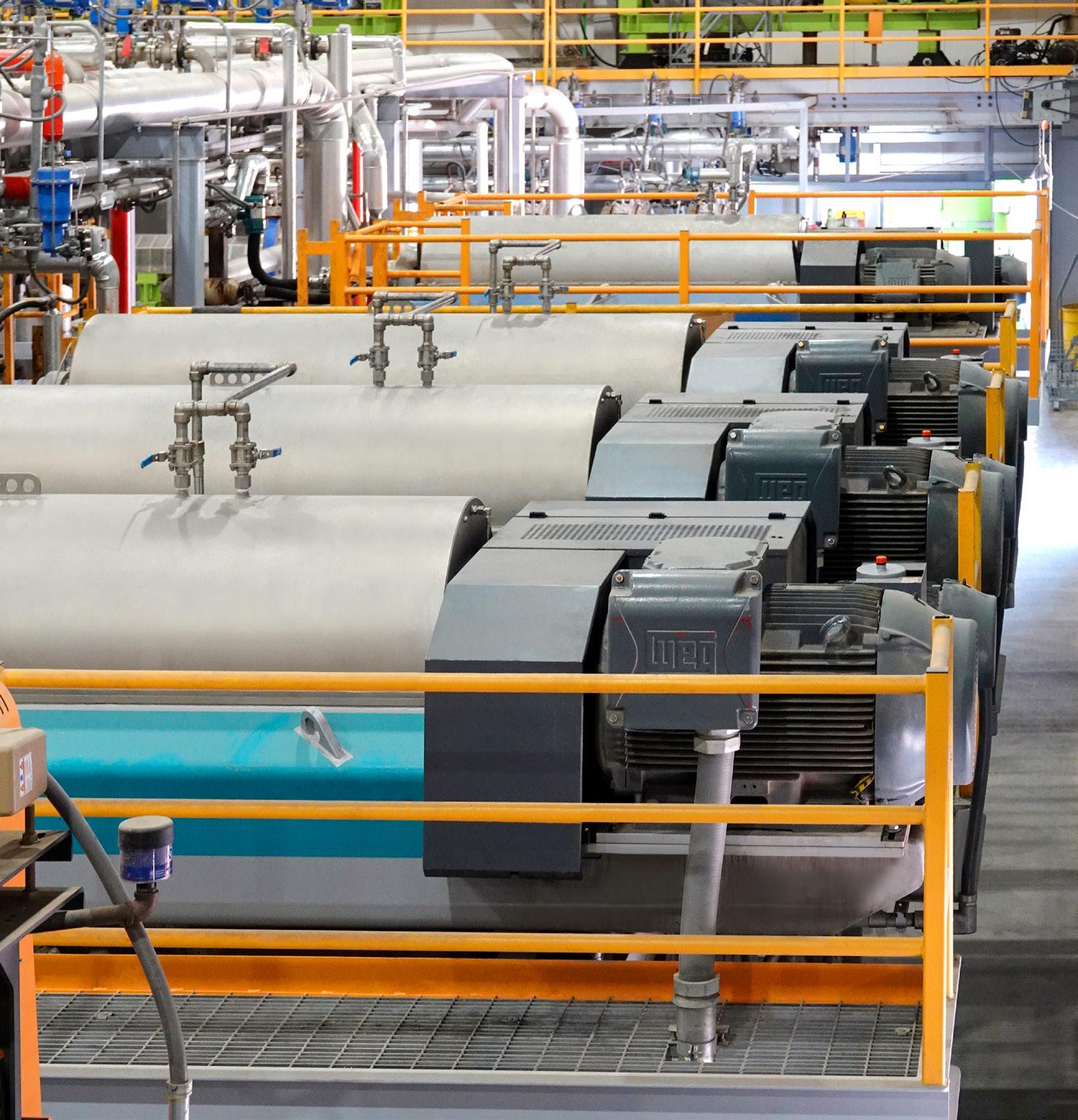
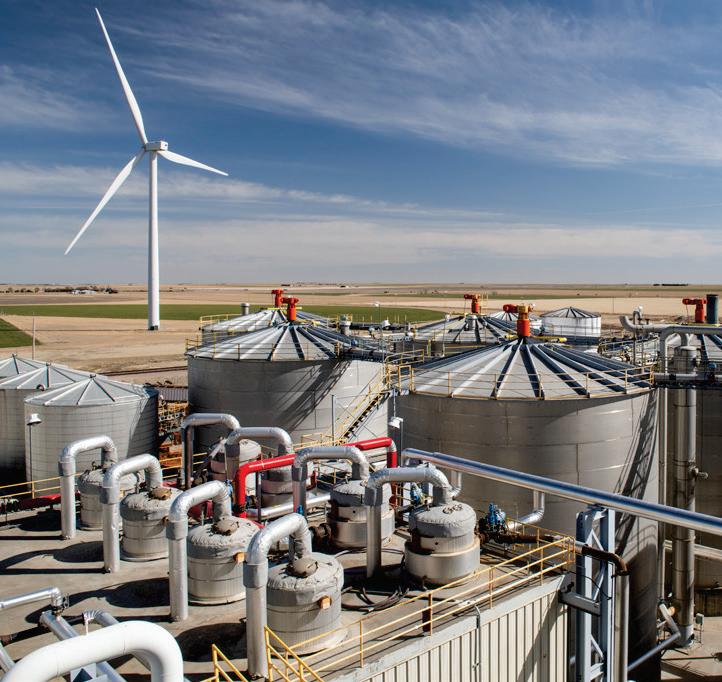
Every step of the journey, CTE Global is by your side. The Technology Center delivers the most innovative products and Technical Services helps optimize your outcomes. Operational Support provides guidance for the entire plant, while CTE InSight ties it all together utilizing your data. Wherever it matters, we’re here to help.
Automate Your Tube Cleaning
with NLB’s high-pressure water jetting systems.
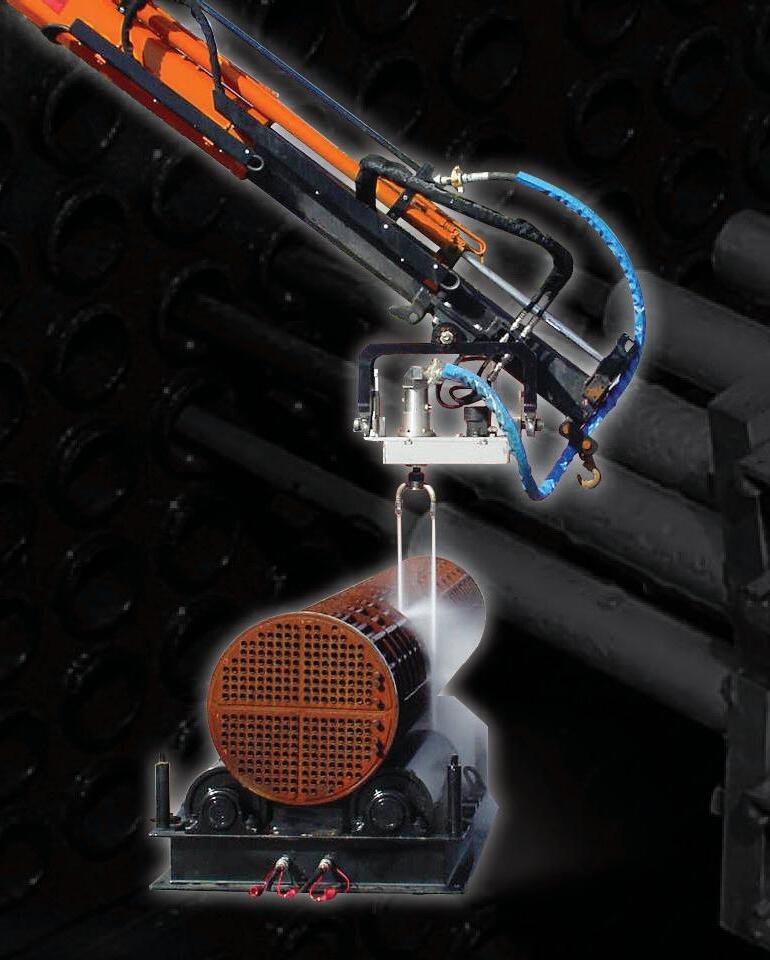
Automated and semi-automated tube lancers and shellside cleaners clean tubes faster, safer, and more consistently than manual methods
Climate-controlled operator station removes operator from blast zone
Portable and easy to set up
Clean up to 5 tube ID’s at once
Protect your team and improve e ciency—contact NLB today!
Advertiser Index
EDITORIAL
President & Editor Tom Bryan tbryan@bbiinternational.com
Customer Service Coordinator Brandon McGarry brandon.mcgarry@bbiinternational.com
EDITORIAL BOARD
Ringneck Energy Aaron Riedell Commonwealth Agri-Energy Mick Henderson Western Plains Energy Derek Peine Front Range Energy Dan Sanders
Customer Service Please call 1-866-746-8385 or email service@bbiinternational.com. Subscriptions Subscriptions to Ethanol Producer Magazine are free of charge with the exception of a shipping and handling United States. To subscribe, visit www.EthanolProducer.com/Subscribe, send an email to subscriptions@bbiinternational.com or call 866746-8385. Back Issues, Reprints and Permissions Select back issues are available for $3.95 each, plus shipping. Article reprints are also available for a fee. For more information, contact us at 866-746-8385 or service@bbiinternational.com.
Advertising Ethanol Producer Magazine provides a specific topic delivered to a highly targeted audience. We are committed to editorial excellence and high-quality print production. To find out more about Ethanol Producer Magazine advertising opportunities, please contact us at 866-746-8385 or service@bbiinternational.com. Letters to the Editor We welcome letters to the editor. Send to: Ethanol Producer Magazine Letters to the Editor, 308 2nd Ave. N., Suite 304, Grand Forks, ND, 58203, or editor@bbiinternational.com. Please include contact information. Letters may be edited for clarity or space.
Upcoming Events
2026 North American SAF Conference & Expo August 25-27, 2026
Greater Tacoma Convention Center | Tacoma, Washington (866) 746-8385 | www.SAFConference.com
Taking place August 25-27, 2026 in Tacoma, Washington, the North American SAF Conference & Expo, produced by SAF Magazine, in collaboration with the Commercial Aviation Alternative Fuels Initiative (CAAFI) will showcase the latest strategies for aviation fuel decarbonization, solutions for key industry challenges, and highlight the current opportunities for airlines, corporations and fuel producers. The North American SAF Conference & Expo is designed to promote the development and adoption of practical solutions to produce SAF and decarbonize the aviation sector. Exhibitors will connect with attendees and showcase the latest technologies and services currently offered within the industry. During two days of live sessions, attendees will learn from industry experts and gain knowledge to become better informed to guide business decisions as the SAF industry continues to expand.
2027 International Biomass Conference & Expo
March 2-4, 2027
Cobb Convention Center | Atlanta, Georgia (866) 746-8385 | www.BiomassConference.com
Now in its 20th year, the International Biomass Conference & Expo is expected to bring together more than 1000 attendees, 180 exhibitors and 100 speakers from more than 25 countries. It is the largest gathering of biomass professionals and academics in the world. The conference provides relevant content and unparalleled networking opportunities in a dynamic businessto-business environment. In addition to abundant networking opportunities, the largest biomass conference in the world is renowned for its outstanding programming—powered by Biomass Magazine–that maintains a strong focus on commercial-scale biomass production, new technology, and near-term research and development. Join us at the International Biomass Conference & Expo as we enter this new and exciting era in biomass energy.
2027 International Fuel Ethanol Workshop & Expo
June 14-16, 2027
CHI Health Center | Omaha, Nebraska (866) 746-8385 | www.FuelEthanolWorkshop.com
Now in its 43rd year, the FEW provides the ethanol industry with cutting-edge content and unparalleled networking opportunities in a dynamic business-to-business environment. As the largest, longest running ethanol conference in the world, the FEW is renowned for its superb programming—powered by Ethanol Producer Magazine —that maintains a strong focus on commercialscale ethanol production, new technology, and near-term research and development. The event draws more than 2,500 people from over 31 countries and from nearly every ethanol plant in the United States and Canada.
Past, Present and Future
Between 2004 and 2011, the U.S. ethanol industry experienced its largest and most rapid period of growth. The phase-out of MTBE, the Renewable Fuel Standard, and oil price spikes all contributed to the boom, nearly quadrupling production from about 3.4 billion gallons to nearly 14 billion gallons.
It was a great time to be in ethanol.
Now, critical components in those production facilities are nearing and surpassing their expected life spans, and producers are managing those aging assets with repairs and often full system replacements. Starting on page 18, our cover story explores the areas producers should monitor in plants that are more than 20 years old, from front end to back end. Molecular sieves, decanters and more need extra attention in aging ethanol facilities.
And as our industry has evolved since its largest development boom, we have diversified in feedstock and coproducts—distillers corn oil and dried distillers grains are priorities in production. Now, interest in corn kernel fiber conversion to boost yields and generate the lucrative D3 Renewable Identification Number has been at an all-time high. To help in that conversion, the USDA Agricultural Research Service completed a study evaluating a carbon-based pretreatment. It is a use for fermentation CO2, as well as a strategy to increase yield with existing feedstocks, and it starts on page 26.
While the ethanol industry might presently be on the cusp of another, perhaps smaller, industry boom with petroleum supply and pricing issues amid global conflict, we have been affected by the supply shortages in one crucial area—nitrogen. Both ethanol and agriculture need nitrogen for their processes, and the supply issues are leaving an impact. Find out more on page 34.
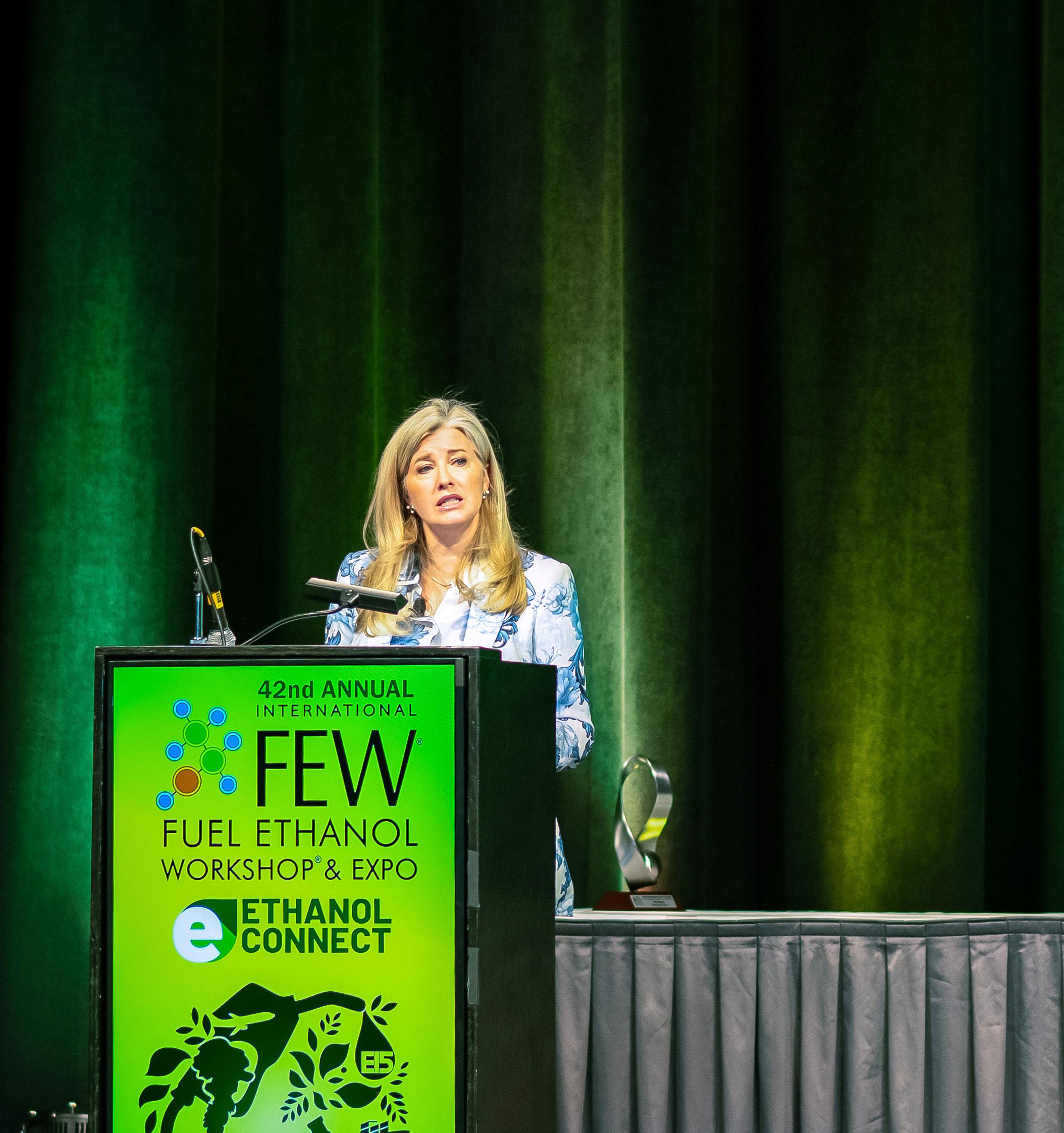
Effects of the global conflict, as well as policy such as the 45Z Clean Fuel Production Credit and the push for nationwide E15, took center stage at the 42nd Annual International Fuel Ethanol Workshop & Expo June 2-4 in St. Louis. The event kicked off with the awards ceremony and traditional policy roundtable. This year, three co-located events ran simultaneously with the FEW, and attendees spent their free time taking in the exhibits on the trade show floor. Check out the highlights of the event on page 40.
And as we look to the future of the ethanol industry, cybersecurity becomes a vital component of production. As plants increasingly prioritize connectivity and data sharing, risks of ransomware and other threats increase. The U.S., in particular, is a prime target for scammers and hackers, with its economic activity and sheer volume of large corporations. The experts review key security strategies, starting on page 50.
Our coverage in this issue of Ethanol Producer Magazine offers a walk through ethanol’s past, present and future.
Enjoy.
-The Editors
Improve Your Bottom Line.
Dear E85 Retailer: Come On, Man…
I don’t want to be that guy…
We both know what you’re paying for E85—at the rack—with freight and taxes. And we can all see what you’re selling it for…
I’ve never wanted to be that guy—so much that in past years, when E85 was ridiculously cheap, I’ve shocked retailers by encouraging them not to lower their E85 price just because they could—because it put the E85 price so far below regular E10 that it could create unrealistic future expectations in their customers’ heads. “If widening the spread between E10 and E85 doesn’t increase E85 volume, don’t do it,” I’d say. But when you’re making that extra margin, put it in the bank, so when the gap between the wholesale price of E10 and E85 tightens, you can keep the spread where it needs to be to keep E85 sales volumes up.
We’ve preached hard that the delta—the price gap between fuels—is the key to grabbing and holding customers and increasing volumes of higher ethanol blended fuels. Retailers have done a good job of setting and maintaining a gap between E10 and E15, even though the wholesale cost differential is rarely the same as the spread on the price sign. So, we may be somewhat to blame for what we’re seeing as overpriced flex fuels, if they’re the result of E85 retailers sticking with the “delta” they’ve adopted and maintained over the years.
But come on, man…
I get all the excuses reasoning for higher E85 margins—the equipment costs more (assuming you didn’t get any of the billion free dollars the feds and others gave away over the last decade), and you’ve got fewer flex-fuel vehicles pulling up. That makes sense to a point. Premium and E0 aren’t selling big volumes either and imagine how much less big they’d be if you tried to get four or five times the E10 margin—$2 to $2.50 markup, like we’ve seen recently with some retail E85 pricing.
Damn. Now I’m being that guy… and I’d rather light a candle (away from your fuel islands, of course) than curse your darkness. From the sidelines, I see a huge, missed opportunity. All of today’s available flex fuel margin could be earning retailers bigger profits if they treated E85 less like a niche product and more like a traffic driver. Price it aggressively. Make it obvious. There are still 20 million FFVs on the road in the U.S., and probably 15 million of their drivers don’t know it. Give drivers a reason to check.
E85 doesn’t need to be a side option sitting quietly on the island. It could be a differentiator. It could be the reason someone chooses your station over the one down the road. Even if they can’t use flex fuels—the price gets everyone’s attention. And that gets cars on the lot and people in the store. And it starts with pricing that invites people in.
Ron Lamberty Sr. VP/CMO American Coalition for Ethanol
COMMERCIAL BINS
• 165’ Diameter Bins (up to 2.25 Mil. Bu.)
• Up to 21’ Peak Decks & 150K lbs. Rating
•Patented Double End Stud Bol t
•Patented Laminated Splice Plates TM
COMMERCIAL SWEEPS
•Paddle Sweeps
•Capacities up to 12K BPH
•Patented Pivot Point
•Industrial Grade Pushers
COMMERCIAL DRYERS
•Tower Dryers (up to 12K BPH)
• QuadraTouch Pro Controls
• Remote Web Access
• Balanced Moisture Content TM
The New Global SAF-Scape
Recently, the International Civil Aviation Organization—a specialized United Nations agency and key global entity within the aviation space—celebrated ICAO Aviation Climate Week in Montreal, Canada. The event featured international aviation policymakers, regulators, industry leaders and technical experts to advance the aviation sector’s transition toward net-zero emissions. Discussions centered around policy for sustainable aviation fuel (SAF), its implementation and scaling pathways under ICAO sustainability framework models, including the Carbon Offsetting and Reduction Scheme for International Aviation (CORSIA).
CORSIA serves as a benchmark for aviation-emission standards. Last year, ICAO released its update to the CORSIA default life cycle emissions values for CORSIA Eligible Fuels (CEFs), resulting in a favorable revision for U.S. corn alcohol-to-jet (AtJ) SAF. This subset of CEFs is free from categorical feedstock exclusions and already includes crop-based SAF pathways. The update represents a significant improvement in carbon intensity, and with CORSIA’s recognition of carbon capture and storage (CCS) as an approved decarbonization pathway, values for U.S. corn AtJ will continue to move lower if a certified CCS reduction is applied.
Against this backdrop, the International Air Transport Association projects that in 2026, SAF production will reach 2.4 million metric tons, equivalent to a mere 0.8% of total jet fuel consumption; this is far from the estimated 500 million needed by 2050 to meet ICAO’s net-zero target. This apparent disconnect reflects a deeper divide between varying degrees of policy ambition and the concomitant development of scalable, near-term feedstock pathways. In simpler terms, SAF policy is outpacing the rate of supply.
One viable option to address this widening gap is the adoption of U.S. ethanol as a feedstock for AtJ. It provides a globally available, scalable and increasingly low-carbon solution that complements other SAF commercialization pathways. Annually, the U.S. produces approximately 16 billion to 17 billion gallons (61 billion to 64 billion liters) of grain-based ethanol. Last year, U.S. ethanol production reached 16.5 billion gallons (62.5 billion liters), which led to a record-setting year for ethanol exports of 2.1 billion gallons (7.9 billion liters). Importantly, these numbers reflect the scale, export capability and infrastructure already in place for U.S. ethanol, which bolsters our position as a potential supplier of AtJ SAF domestically and internationally.
Although AtJ is the fastest-scaling pathway, significant public and private investments are still needed. SAF has taken longer to implement than initially anticipated and has experienced a series of recent unexpected setbacks. Going forward, unwaning policy support is needed to ensure technology development can deliver on policy ambition. As other markets around the world contemplate their own SAF roadmaps, bio-SAF is poised to play a pivotal role in decarbonizing the aviation sector as part of a broader global energy transition. Diversification of SAF pathways will reduce reliance on finite supplies while serving as a bridge to more technology development and commercial readiness.
Indeed, accelerating SAF deployment will require multiple feedstock pathways, including ethanolderived SAF and AtJ technologies. To meet the carbon abatement challenges in the aviation sector, technology-neutral policies, performance-based frameworks and regulatory consistency will be essential, especially for fostering the innovation and investment needed to achieve the ambitious net-zero target by 2050. Additionally, supporting international engagement and coalition building around the world will be crucial, along with multisectoral collaboration across aviation, fuel, agricultural and policy stakeholders.
Fasten your seat belts. The new global SAF-scape is taking flight!
Stephanie Larson
U.S. Grains & BioProducts Council, Regional Ethanol Manager for the EU, UK and Canada
BUSINESS BRIEFS
PEOPLE, PARTNERSHIPS & PROJECTS
POET Bioprocessing–Shelbyville Breaks Ground on Expansion
On June 16, POET, the world’s largest producer of biofuels, held a groundbreaking ceremony for its planned expansion of POET BioprocessingShelbyville, Indiana. The expansion will double the facility’s ethanol production capacity from 98 MMgy to 193 MMgy.
With construction already underway, POET hosted a celebration at the facility that included area farmers and community members, as well as city and state officials. The program featured remarks from U.S. Rep. Jefferson Shreve, R-Ind.,
Shelbyville Mayor Scott Furgeson and POET executive leaders from the company’s headquarters in Sioux Falls, South Dakota.
When complete, the upgraded facility will also double its dried distillers grains and corn oil output and add 25 new full-time team members.
Construction began in March 2026 and is expected to be completed in Q4 2027.
Aemetis Receives Essential Equipment for MVR at Keyes Ethanol Plant
Aemetis Inc., a diversified biofuels production company, has announced that it has received key equipment for its $40 million mechanical vapor recompression (MVR) system at its ethanol plant in Keyes, California, including high efficiency turbofans and other components.
In addition to 65 MMgy of ethanol, Aemetis produces about 2 million pounds per day of animal feed for 80 dairies in California’s Central Valley to feed more than 100,000 dairy cows.
The MVR installation will include six 3,500-horsepower electric turbofans that heat alcohol vapors to generate steam without using natural gas. The MVR system is under construction and expected to be operational by the end of 2026. The project has received approximately $19.7 million in grants and tax credits from the California Energy Commission, Pacific Gas & Electric, and the U.S. Internal Revenue Service via Section 48C investment tax credits.
Carbon Direct Releases Criteria for High-Quality Low Carbon Fuels for Voluntary Market Buyers
Carbon Direct has released the Criteria for High-Quality Low Carbon Fuels— a globally applicable, consolidated set of standards for premium low-carbon fuels procurement on the voluntary market. The report serves as a guide for voluntary market buyers, consolidating six core principles spanning social and environmental integrity, carbon accounting, additionality, feedstock sourcing and leakage into a single set of criteria, and helps buyers identify where additional diligence may still be needed.
Although existing certifications provide ongoing value, no single framework helps voluntary buyers navigate all of them. The new guide helps fill that gap, giving buyers a clear reference to assess their op-
Novonesis Partners to Advance Ethanol Production in Vietnam
Novonesis and Nhà Xanh, Vietnam’s leading biofuel producer, have signed a memorandum of understanding (MOU) to boost domestic biofuels production and strengthen Vietnam’s long-term energy security.
The agreement, signed at the Embassy of Denmark in Hanoi and witnessed by Ambassador Nicolai Prytz on June 17, marks a new step in Danish-Vietnamese cooperation on sustainable energy solutions. The partnership brings together Danish biosolutions expertise and Vietnamese production capacity to support more efficient and competitive domestic biofuel production.
tions, make informed decisions and identify what their procurement actually covers.
“The voluntary low-carbon fuels market is complex, crowded and moving fast,” said Rohan Raman, senior hybrid decarbonization engineer, Carbon Direct. “[This guide gives] buyers something no single existing certification provides: a unified, easily accessible, comprehensive set of quality principles that can be used to assess the sustainability of their procurement,” said Rohan Raman, senior hybrid decarbonization engineer, Carbon Direct. “The choices made by early voluntary buyers will shape whether the low-carbon fuels market develops the credibility and rigor needed to deliver real climate impact at scale.”
As Vietnam advances its energy transition and expands the use of ethanol-blended fuels (E10), improving the efficiency and cost-competitiveness of domestic biofuel production has become increasingly important.
The MOU will enable Novonesis and Nhà Xanh Vietnam to explore opportunities to improve ethanol yields, lower production costs and enhance the competitiveness of domestic biofuels by leveraging Novonesis’ technical expertise in corn and cassava-based biofuels production.
Fluid Quip Mechanical (FQM) delivers full mechanical support for ethanol plants, from field service to preventative maintenance planning.
99% uptime from our reliability team’s operations managers. 24/7 service from Fluid Quip–trained technicians and skilled tradespeople. Always ready to keep you online
Midwest-based warehouse stocked with OEM parts and next-day delivery*. When downtime occurs, we respond quickly
*In most cases
Your partner in plant uptime.
Upgrading for Efficiency: A Simple Change with Big Impact
By Sulzer Pumps
As ethanol producers work to lower carbon intensity (CI) scores and control operating costs, efficiency upgrades are a top priority. While many improvements require significant capital, one of the simplest opportunities lies in a straightforward equipment upgrade: replacing older process pumps with modern, high-efficiency designs.
“Producers want to maximize what they already have,” says Cory Holder, Accounts Manager at Sulzer. “A pump upgrade is one of the easiest ways to improve efficiency without redesigning the plant.”
A Drop-In Solution
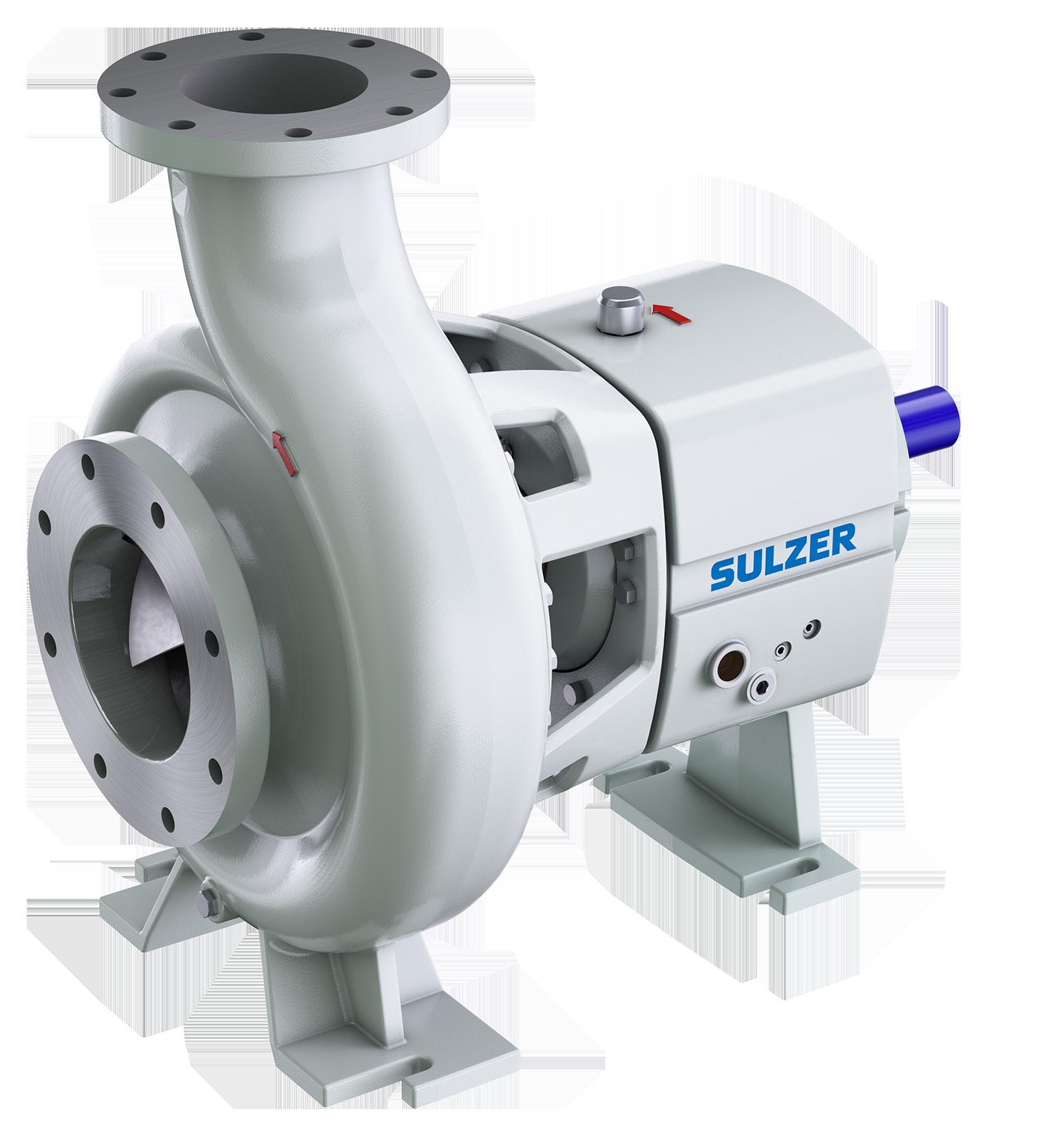
Sulzer’s legacy CPT ANSI pump has been widely used across ethanol and process industries for decades. In the 2010s, Sulzer introduced the next-generation CPE ANSI pump, engineered to deliver higher efficiency while maintaining the same external footprint. The new design was created to minimize total cost of ownership (TCO) through reduced energy consumption and high standardization to reduce maintenance and operating costs.
Although the pumps look similar from the outside, the internal hydraulic redesign significantly improves performance. As a benefit of both the CPT and CPE models meeting ANSI standards, plants can swap pumps without modifying piping or infrastructure, making it a low-disruption upgrade.
Lower Energy, Higher Throughput
The CPE’s improved hydraulic design reduces the energy required to move the same, or greater, volume of liquid. The CPE provides new features including an optional closed impeller resulting in low net positive suction head (NPSHr) for high efficiency. For ethanol plants, that directly translates into lower power consumption and improved throughput.
In a modeled 100 MMgy ethanol facility, replacing 35 pumps reduced energy demand by approximately 207 horsepower. That level of improvement can generate tens of thousands of dollars in annual energy savings, with a relatively short payback period.
“The investment pays for itself quickly,” Holder says. “After that, it’s ongoing savings and a lower CI score.”
Built On A Legacy of Engineering
Founded in 1834 in Winterthur, Switzerland, Sulzer has more than 190 years of engineering experience in fluid handling and industrial processes. From early steam engines to modern pumping and separation technologies, Sulzer has continually advanced solutions that improve efficiency and reliability across industries.
That expertise extends to the ethanol and biofuels sector, where Sulzer provides pumps, mixing systems, and distillation technologies
essential to production. Sulzer’s integrated solutions support key steps from fermentation through separation, helping plants operate more efficiently while reducing energy usage. Wherever there are fluids, Sulzer can meet the needs for treatment, pumping and mixing within your process.
Small Change, Big Results
As the ethanol industry evolves toward lower-carbon fuels, incremental improvements can deliver significant value. A pump upgrade may be a small change, but it can have a powerful and substantial impact on energy use, operating costs, and CI scores. In addition to reducing CI, other innovative Sulzer solutions can help plants achieve zero liquid discharge by optimizing wastewater for reuse.
“There has never been a greater opportunity to gain from efficiency,” Holder says. “Transitioning from the CPT ANSI pump to the CPE ANSI pump is one of the simplest ways to do it.”
For more information, contact: Cory Holder Sulzer Accounts Manager Cory.Holder@sulzer.com
Sulzer’s next-generation CPE ANSI pump, pictured here, is engineered to deliver higher efficiency while maintaining the same external footprint as its predecessor CPT ANSI pump.
PHOTO: SULZER
Since Sulzer’s beginning in 1834, we have taken pride in driving efficiencies and transformative progress for a more sustainable future. Sulzer is your reliable partner for wherever fluids are pumped. Our CPE ANSI pump provides high levels of efficiency resulting in cost savings of energy consumption and lower CI scores. The Sulzer CPE is built to exceed environmental regulations, is easy to install and includes our trouble-free mechanical seals.
Trusted pump solutions: go.sulzer.com/cpeansi
Cleaning with Urgency
Ready to spring into action, Premium Plant Services answers producers’ calls for emergency cleaning and maintenance.
By Katie Schroeder
Premium Plant Services meets ethanol producers’ maintenance needs, whether planned or unplanned. Utilizing vacuum trucks, hydroblasting, grit blasting, sponge blasting, dry ice blasting, cosmetic cleaning and robotic dry ice cleaning, Premium Plant Services efficiently and effectively addresses producers’ needs throughout the year, explains Dan Rice, vice president of operations with Premium Plant Services.
Murphy’s Law, the old saying: “Anything that can go wrong, will go wrong,” often proves itself true in ethanol plants. Syrup lines get clogged, liquid spills, grain bin sweeps get stuck, and pipes freeze, regardless of when a shutdown is scheduled, Rice explains. Premium Plant Services plans
for these events, ready to assemble a team, jump in a truck and drive to whatever ethanol facility needs assistance. Preparing to answer those urgent calls requires strategic scheduling and distributing resources across a wide area, enabling a quick response. With sites located across Minnesota, Wisconsin and Iowa, Premium Plant Services sends teams to service facilities in North Dakota, South Dakota, Illinois, Colorado, Nebraska, Missouri and Indiana.
“When they’re experiencing a problem, they probably need it the same day or overnight a lot of the time,” Rice explains. Once the call comes in, the operations crew communicates with the producer, making sure that the team being sent has the per-
sonnel, equipment and safety precautions needed to address the problem. In preparation, the team also plans for the unknown, taking along equipment that may not seem necessary.
“There may always be something unexpected that arises as we arrive,” Rice says. “Often, in a quick emergency response situation, the customer may not even know the full extent of what needs to be performed, but they know the starting point, and we can offer the right resources to make sure we get to the finish point.”
Maximizing Value with an Integrated Grain and Coproduct Marketing Partner
From grain supply to coproducts offtake, Scoular helps ethanol producers source reliably, unlock new revenue streams and simplify marketing execution.
By Scoular
How do plants effectively manage risk and optimize revenue in dynamic markets? Often, the answer comes by layering on the strengths and footprint of a connected agribusiness partner, providing access to broader origination footprints, more end-users for coproducts of production and deep market intelligence.
Scoular, an independent grain company, provides ethanol producers with reliable grain supply while consistently marketing key coproducts like distillers corn oil (DCO) and DDGS.
As demand for low-carbon feedstocks grows, DCO has become an increasingly valuable part of the ethanol value stream. Scoular provides connections to more market opportunities across feed, chemical, biodiesel, renewable diesel and sustainable aviation fuel channels, and monitors broader trade-flow dynamics to help plants maximize returns.
“In today’s DCO market, staying ahead means understanding more than just price,” says Jason Cave, head of trading within Animal Fats & Oils at Scoular. “Evolving trade flows, renewable fuel mandates and tariffs are continually changing the competitive landscape between domestic and imported feedstocks. Market intelligence and active risk management are more important than ever.”
Integrated supply chain partners like Scoular play a critical role in helping ethanol producers move product efficiently and capture coproduct value. By leveraging internal economics and market expertise in feed and energy, Scoular helps producers unlock revenue for product streams and navigate market shifts with greater clarity.
Teams across Scoular’s Grain and Feed Ingredients groups work together to ensure
reliable execution from inbound corn procurement to outbound offtake. Backed by strong origination network and logistics expertise, they provide customized end-to-end support aligned to volume, schedule requirements and financial goals.
“Very few companies can bring together corn procurement, DDGS and corn oil marketing under one roof,” says Mike Hartquist, senior commercial manager. “We help ethanol producers make first-class commercial decisions by leveraging our market relationships, truck and rail capabilities, and economic research.”
Headquartered in Omaha, Nebraska, Scoular is an employee-owned company that has been serving the industry since 1892. For more information, email info@scoular.com.
MANAGING MOLE SIEVES: No longer repairable after 20-some years, molecular sieve bottles are being replaced at aging ethanol plants. The industry is at a point where aging assets need close monitoring and, often, replacing.
PHOTO: ICM
MANAGING AGING ASSETS
Diagnostic tools are evolving, tapping into experience and data to ensure reliability.
By Susanne Retka Schill
As most ethanol plants reach the 20-year mark, long-life components are nearing the end of their expected lifespan. Big components. Expensive components. Critical components. Improved diagnostic tools are helping plant management teams identify and prioritize needed repairs and replacements.
The industry should be planning for these, says James Weber, ICM reliability manager. “We’ve been talking about this for two years now to anybody that’ll listen when we’re at plant manager meetings, maintenance manager meetings, FEWs.”
The list of components needing attention covers the front and back ends of a plant.
In distillation, three pieces of equipment that have been pushed hard are experiencing metal fatigue, says Adam Anderson, ICM sales manager. “That’s where the industry is at with molecular sieves. The metal fatigue is to the point where they’re not repairable anymore. You can’t weld up cracks because there’s not enough good metal to hold everything together. So they’re starting to replace sieve bottles. The same thing with 190 condensers. With sieve vaporizers, it’s metal erosion, tube failure. Their design life cycle is well past.”
One thing to remember with code vessels, such as sieve bottles, Weber says, is they need to be approved by an independent authorized inspector. “They can say ‘You’re done. That bottle can’t go back in service.’ We haven’t had that happen yet, but we had one that got close.”
At the back end of the plant, the ICM team advises looking closely at whole stillage decanters. “Every facility maintains these on their own scheduling, doing bearing changeouts, bowl changeouts,” Anderson says. “The rotating assemblies are changed out on a regular basis. But, again, you come up against the end of life of even that being viable.” In some cases, the associated software and hardware is no longer supported by the manufacturers.
Another system on the back end starting to see metal fatigue is the cooling drum drop boxes after the DDG dryers. “We’re seeing full replacements that have to be done,” Weber says.
Smaller assets like pumps and heat exchangers also need attentive ongoing maintenance. Most plants hire contractors who come in during shutdowns to clean heat exchangers, check bearings on conveyers, replace gaskets, Weber says. “But we are starting to see more involved maintenance and replacing troughs and things like that.”
“Those pieces of equipment that see a lot of liquid flow, airflow, and particulate flow see it eat away at the metal over time,” Anderson says, adding boilers, economizers and thermal oxidizers to the list of assets to monitor closely.
“The most painful part is these are investments that don’t have an obvious ROI,” Anderson continues. “And for some of these items, you need to up the maintenance budget pretty significantly to factor them in. We do want to work with customers, and if there is an opportunity for an upgrade that increases capacity or improves efficiency, we’ll work that in as well.”
The good news is most of these major replacements/repairs can be done during normal shutdowns, Weber says. “We might ask for an extra day, since some replacements stretch into five days. A lot require working 24 hours a day to get them done.”
The bad news is ordering replacements requires long lead times—often a year, and sometimes longer. Anderson recommends following performance trends, inspecting for visible deterioration, and using tools such as infrared scans or metal testing to identify and prioritize equipment replacements. He also recommends looking for recurring work tickets. “And beyond that, consider the age of the equipment and have
a [reasonable] expectation of what is a true design service life. Then, factor in the original design versus the rate and the capacity that the plant actually puts that piece of equipment through.”
Anderson outlined the ICM reliability team’s experience with aging assets in a panel at the recent International Fuel Ethanol Workshop & Expo in St. Louis. Two other speakers added their insights on some of the tools used to evaluate equipment health.
Monitoring Tools
The use of vibration analysis on rotating equipment and bearings has been around for a long time, says Dennis Uhl, reliability specialist with Novaspect Inc. While older technology mostly tested within narrow, expected ranges, flagging out-of-bounds equipment, today’s vibration analyses take in a band of frequencies from low to high. When trending the life of
motors, pumps and gearboxes, he explains, low-frequency data can go beyond flagging out-of-bound frequencies, and help identify possible causes, such as misalignment, looseness or imbalances. When looking at bearings, high frequencies provide a peak view that helps identify things such as lubrication issues.
In one maintenance approach, technicians walk through a plant with an analyzer, collecting vibration data and generating a report, Uhl says. A new approach being adopted across the industry includes installation of sensors out in the field to continuously monitor asset health.
Wireless technology facilitates that equipment monitoring, Uhl continues. Once a base hub is installed, wireless sensors can be mounted on various pieces of equipment, facilitating data-driven maintenance. “Some people call it a crash cart,” Uhl adds. “They’re going to put the sen-
sors on Pump 101 because data is showing this may be failing.” A variety of options exist, including a subscription model with data reported on a website interface, color coded to indicate normal and abnormal readings. At the other end of the spectrum, some companies make the capital investment to buy the equipment and integrate it into their data system.
“And now, they’re using all kinds of different analytics, monitoring flow and pressure and temperature, the level of oil,” Uhl says. “So why not throw in some vibration data? It just gives you a better picture of what’s all going on.
“The nice thing about doing datadriven activity is now I can take that information and say, ‘Hey, Mr. Vibe Analyst, would you go over and look at this fan?’” Novaspect also offers services to help interpret the sensor data and develop efficient monitoring plans.
“We’ll do diagnostics for customers, since most of these plants do not have a vibe analyst that can interpret the data,” Uhl says. “We tell them that what we’re seeing could be a lubrication issue or a bearing defect. It could be an imbalance, misalignment, those types of things.”
Analyzing Data
Kelly Whittenberg, O&M data analytics lead engineer at Black & Veatch Corp., says there was a lot of chatter about AI at the most recent FEW. “What do you think about it? What are you doing with it?”
Echoing Uhl’s experience with vibration analysis, Whittenberg says the machine learning aspect of AI has been around for a long time. “Twenty-five years ago in the power industry, people were using neural networks, or pattern recognition models, for narrowly specific purposes. One customer had really sophisticated computer
DECADES IN SERVICE: Though regularly maintained, many whole stillage decanters installed in legacy U.S. ethanol plants are reaching the end of their expected lifespan at 20-plus years.
PHOTO: ICM
programs that sat on site. They could basically point to it and say, ‘Help me hit a target for emissions.’”
Moving from the power industry and now working with ethanol producers for the past five years, Uhl is focused on helping plants manage their rivers of data. “We’re bringing in more than 5,000 data points from the plant. We have the software build models—here’s the data I want you to use. It’s continuously updating and verifying—‘Is this process, this parameter staying within the boundaries that I expect?’”
When using the AI models in operations, the analyses go beyond what’s generally achieved through the plant’s distributed control system (DCS) where alarms flash when parameters for elements such as temperature or pressure are breached. Whittenberg describes them as “crude alarms” compared to the new analytic tools that look at historical data and track trajectories,
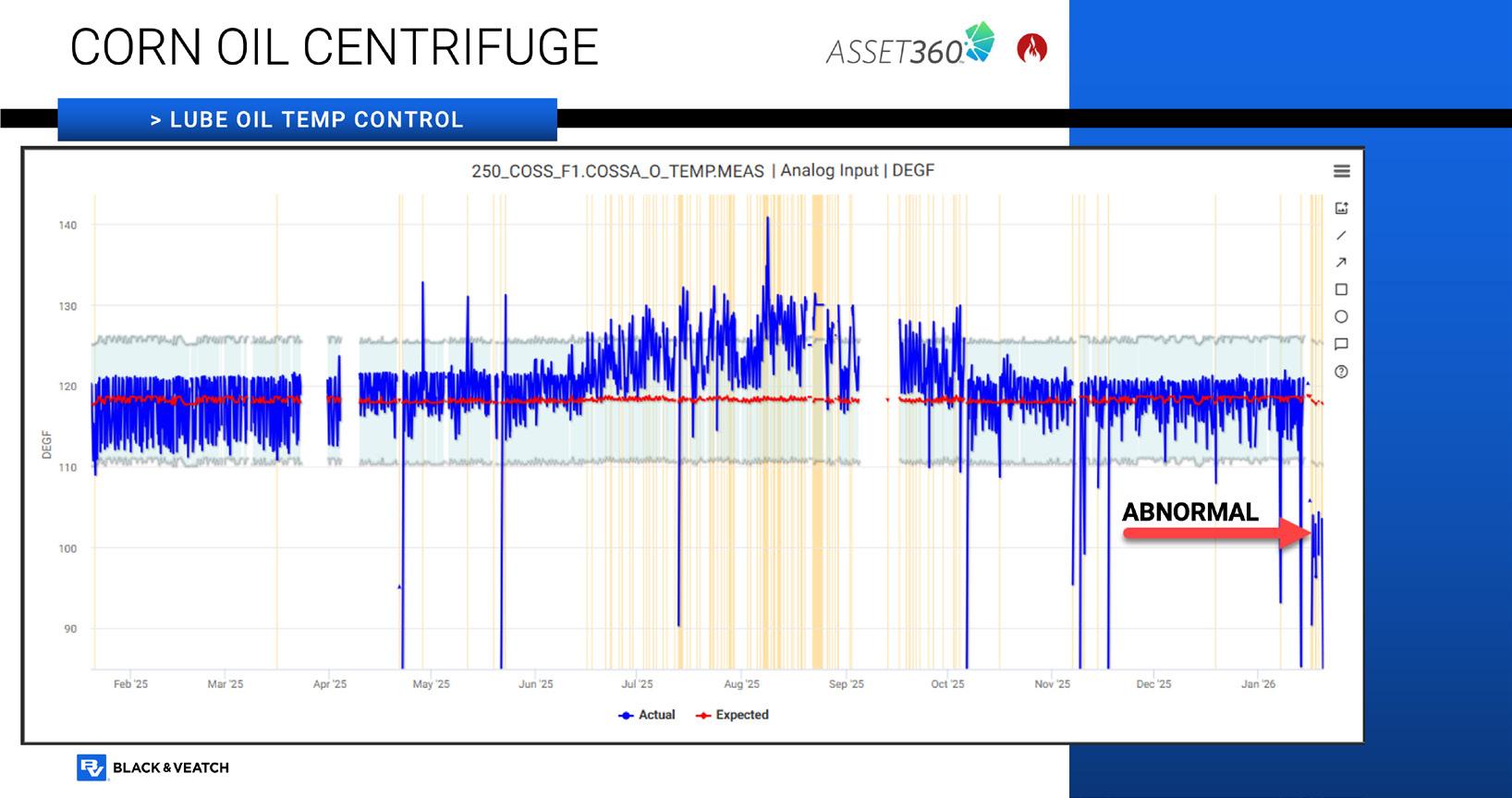
SHARP SIGHT: Distributed control system alarms flag rising lube oil temperatures, but in this case, AI analytics flagged lower-than-normal corn oil centrifuge temperatures.
SOURCE: BLACK AND VEATCH
at both the high and low sides of boundaries, and flag anything unusual.
The AI model can identify changes much faster and earlier than operators or
the DCS can. Plus, he points out, for an operator focused on ensuring the process is in control, less critical elements related to maintenance issues can remain in the background. “These types of tools bring things out of the back and put them in front of people, so they see them earlier.”
The new analytics also give greater insights than DCS provides by tracking trends. Whittenberg cites a molecular sieve where data analysis showed the pressure on the regen cycle beginning to drift up, reducing the efficiency of regenerating the beads inside the sieve. “Now we’re talking small numbers, 2 PSI. It’s really low pressure, but it matters.” Tipped off on the change, the maintenance team investigated further to find the temperature was too high, and replaced a heat exchanger, Whittenberg says, “They got their operations back to where they were supposed to be.”
In another example, Whittenberg says Black & Veatch set up a model showing winter and summer values, using one year’s worth of oil temperature data taken every minute on a corn oil centrifuge. The centrifuge has monitors and controls the temperature on the lube oil, he explains, and operates in a very small, consistent range. “Then, this winter, it made a step change lower and was no longer controlling. This is a small thing for the plant. No one’s going to even see this. They might have an alarm on the high side in the DSC if the temperature goes high, but they would never see an alarm on the low side. When you employ this type of technology, it can say, ‘Hey, this is the normal behavior and something has just changed.’
“We’ve actually seen this more than once, and the failure has been different things,” Whittenberg adds, citing a solenoid valve that failed, allowing a continuous
flow of cooling water. “It’s supposed to be a small amount of water, inconsequential. But when this thing fails, it’s sending water into their syrup.” Doing the math, the extra two to three gallons per minute would ultimately have to be processed out, decreasing efficiency.
“So it’s little things like this,” Whittenberg says. “With aging assets, things break, and they show up in small places. These types of AI or pattern recognition, machine learning tools, can give you much better eyes, making it much easier to find things in a river of data.”
MORE USES FOR CO2: Research from USDA's Agricultural Research Service explored
potential of a carbon-based pretreatment for corn kernel fiber in dry-grind ethanol production
PHOTO: RED TRAIL ENERGY
OPTIMIZING CKF CONVERSION
New USDA research shows the potential of fermentation CO2 in corn kernel fiber pretreatment.
By Luke Geiver
Valerie García-Negrón, a research chemical engineer with the Sustainable Biofuels and Coproducts Research Unit run by the USDA’s Agricultural Research Service, has a key message for dry-grind ethanol producers “Although the dry-grind process is mature, it is far from fully optimized,” she says.
Working out of the USDA ARS’ Eastern Regional Research Center in Wyndmoor, Pennsylvania, García-Negrón has the results to back up her statement. She recently published the results of her work exploring the possibility of sugar and ethanol conversion of recovered whole and degermed corn kernel fibers (CKF) pretreated with sodium carbonate.
Valerie García-Negrón Research Chemical Engineer
USDA Agricultural Research Service
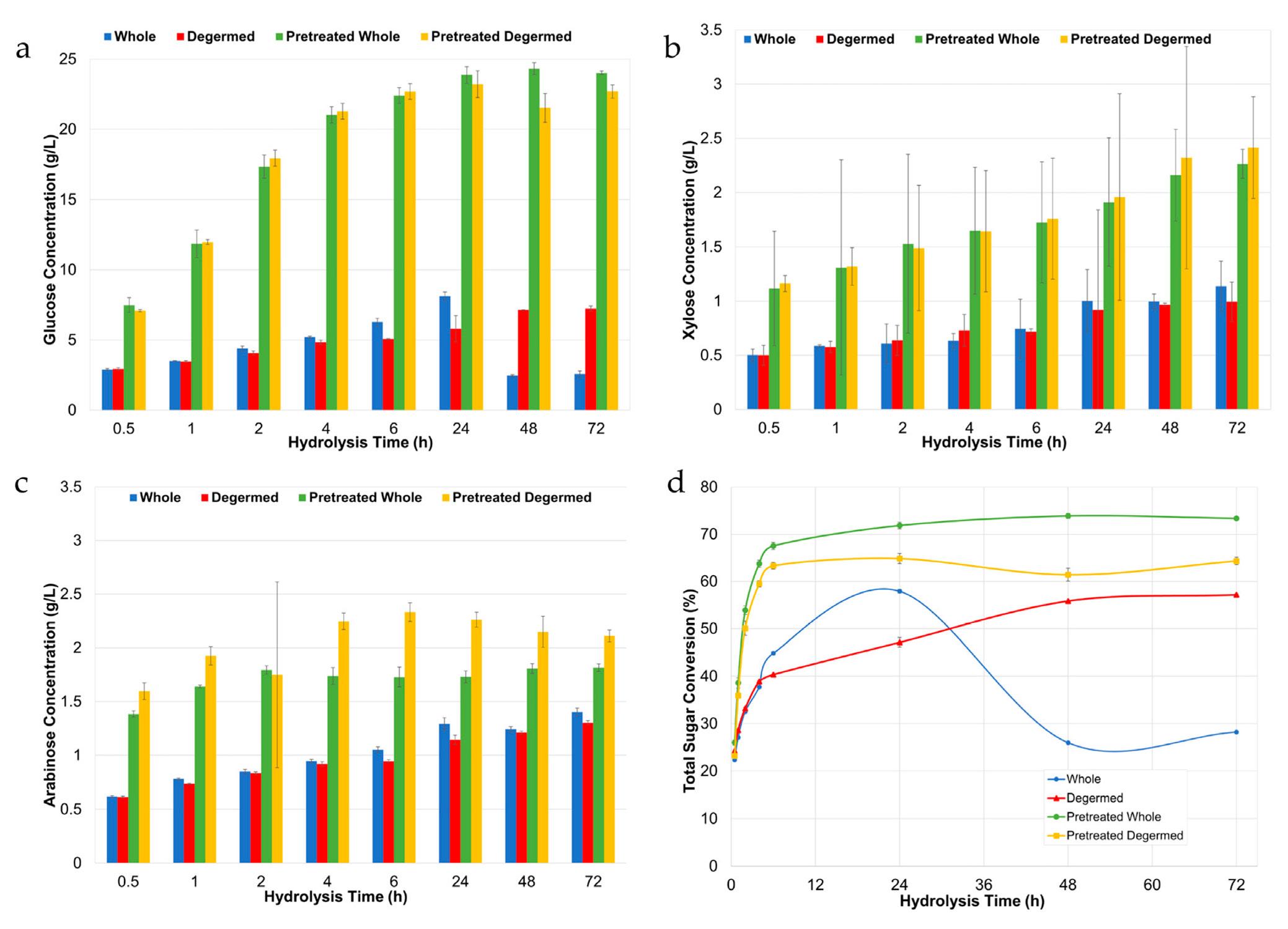
The sodium carbonate used in her research trials was made with CO2 produced during fermentation at a standard ethanol plant. Results show the pretreatment significantly improved saccharification, achieving over 70% total sugar conversion for whole corn fiber during enzymatic hydrolysis. In co-fermentation trials, 10% and 20% corn solid loadings increased ethanol yields. Ultimately, the USDA reports, the research shows that a single recovery and pretreatment approach could work across multiple corn processing streams.
“The concept creates a circular system,” García-Negrón says. “Instead of venting CO2, the plant recycles it to support fiber pretreatment, reduces the need for fresh chemicals and potentially improves sustainability and economics.”
Origins of the Work
García-Negrón and her team had a specific interest in exploring ways to use CKF to supplement and enhance current ethanol production. Her research unit consists of multiple scientists working on innovation related to combustion-reduction integrated pyrolysis systems, biochar, composite materials, absorbents, industrial carbon from biomass, packaging films, ag-derived thermally stable lubricants, biopolymer composite materials, and fermentation of crop residues for fuels and chemicals.
While processes that integrate corn fiber sugars with corn starch-derived sugars have already been implemented in dry-grind ethanol plants, similar technologies for integrating sugars from other biomass sources, such as corn stover and switchgrass, do not yet exist, she says.
Several biobased product companies use fermented CO2 or other gases in their processes. LanzaTech uses carbon emissions and syngas to enhance special microbes created to produce ethanol or
Pray he’s looking after your ferm
Let’s face it, lab results from the HPLC are subject to significant human error.
People get tired, distracted, bored. Some of the measurements are just hard to do In tests, we’ve found significant variations between di erent operators... and even from the same operator, on the same day, testing the same sample
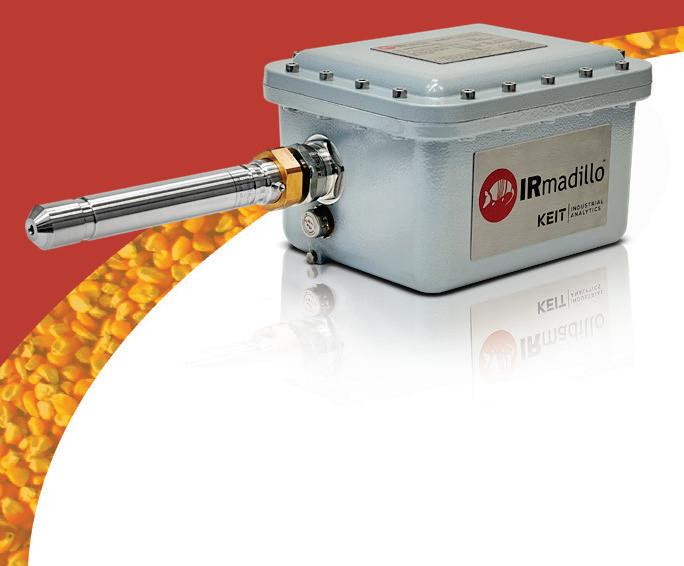
Human error is NOT something you ever get from the IRmadillo™. Just continuous lab-grade data, 24/7. And automatic warnings, the moment anything starts to go wrong.
It all reminds us of the famous line from the movie, The Terminator: “It can’t be bargained with, it can’t be reasoned with, it doesn’t feel pity or remorse or fear. And it absolutely will not stop… EVER.”
Hasta la vista, failed batches.
Feedstock
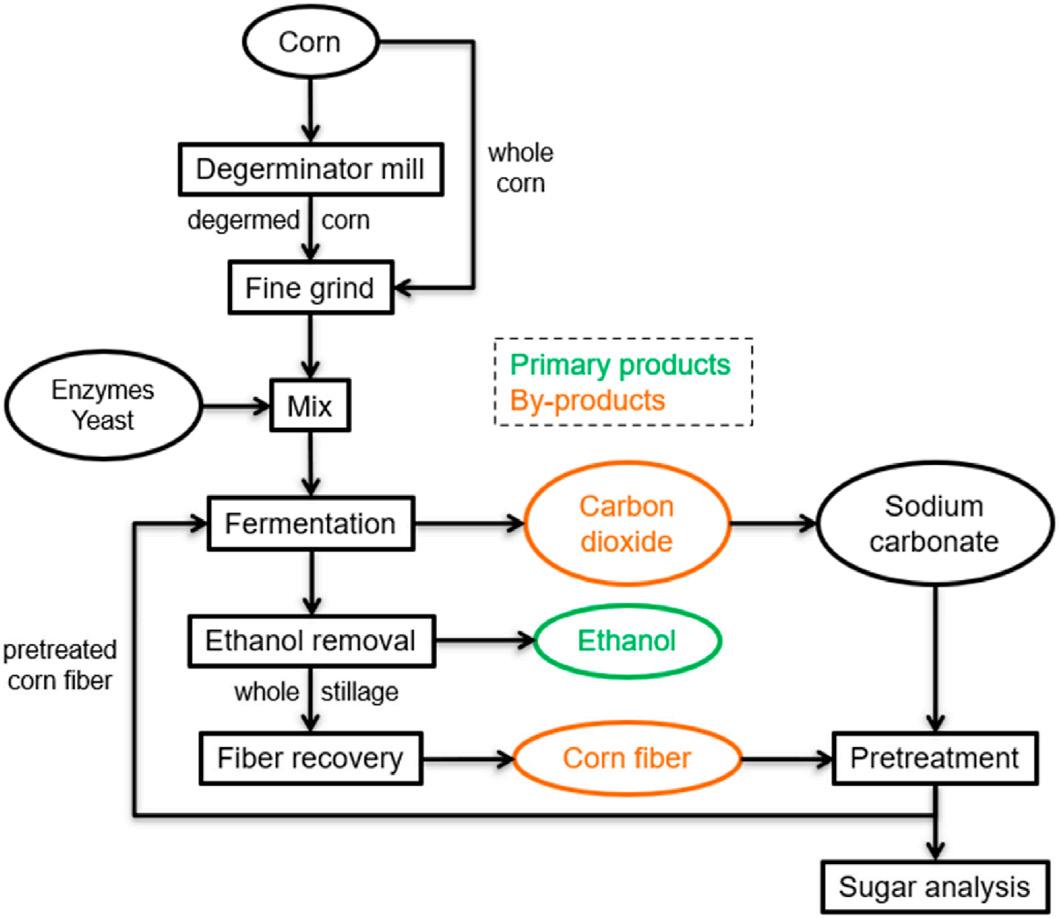
CKF PRETREATMENT SUCCESS: Captured CO2 could be used to create a pretreatment solution that increases corn kernel fiber-to-sugar conversions, according to recent USDA Agricultural Research Service research.
SOURCE: USDA AGRICULTURAL RESEARCH SERVICE
other chemicals. At Kansas Ethanol and Adkins Energy, a company known as Twelve upgrades waste CO2 into low-carbon fuels and biobased products. And CapCO2 Solutions utilizes CO2 captured from ethanol production to produce green methanol and other products.
“Developing such an integrated process [with CKF] was one of the key motivations for our recent work,” García-Negrón says.
Overall, she says the goal was to find a way to reuse and reintegrate pretreated biomass to maximize feedstock utilization and expand a plant’s economic potential.
Why CO2?
The researchers dedicated time to CO2 because, above all else, fermentation plants produce high-purity, readily available quantities of it. That CO2 stream can be captured and reacted with a sodium hydroxide solution to generate sodium carbonate on site. Using CO2 that is already available within the plant allows producers to create a low-cost, renewable pretreatment reagent internally, rather than relying on external chemical supplies.
Producing sodium carbonate in-house and then reusing for pretreatment of CKF could also directly help reduce operating costs, support a more sustainable chemical cycle and make better use of resources, the research team says. Some biomass plants already use CO2 in their pretreatment process, García-Negrón adds, but there are common challenges, including fraction separations, high-yield production and processing costs.
How It Works
The CO2 used for the research was captured from fermentation and dissolved into a sodium hydroxide (NaOH) solution. When CO2 reacts with NaOH, it forms sodium carbonate or bicarbonate
compounds that create a controlled, milder alkaline environment, García-Negrón says. This alkaline mixture can then be used as the pretreatment solution to help open up the structure of the CKF and release more fermentable sugars, breaking down the corn fiber structure without causing excessive degradation of sugars. The pretreatment process increases fiber digestibility, making the cellulose and hemicellulose more accessible to enzymes during hydrolysis.
Sodium carbonate is also less corrosive, safer to handle (compared to other chemicals), has a lower environmental impact and is easier to neutralize or recycle after use.
“This sustainable approach enhances sugar release from corn fibers while improving the economic viability of integrated biorefinery operations,” she says.
In the published research report, the team notes that the composition analysis confirms the alkaline pretreatment was effective at promoting enzymatic conversion, tripling the glucan concentration. The whole corn fibers released more glucan and attained a higher total sugar conversion compared to degermed fiber, as a result of low levels of lignocellulosic material during the degerm step, they say. Sugar analysis indicated that a greater release of sugars for cofermentation could be attained by adjusting operating conditions or using a mixture of yeasts to improve simultaneous conversion of glucose, xylose and arabinose to ethanol.
The researchers incorporated the pretreatment mixture by adjusting the base corn mash concentration to 10% and 20% weight and then introduced 1% to 5% weight of pretreated whole CKF directly into fermentation. That step allowed the team to evaluate how the treated fiber interacted with the fermentation matrix and observe how the treated fiber would behave in a typical ethanol fermentation.
Favorable Results
The team looked at a few key variables early on to confirm that the pretreatment step was effective. They noticed an increase in released sugars after enzymatic hydrolysis, which meant that the fiber structure was opening up. They also saw higher ethanol production during fermentation when the pretreatment fiber was added. Conversion efficiency was improved, meaning more of the fiber was being turned into usable sugars rather than remaining as unconverted solids.
“In my opinion, the biggest indicator was that we were able to get more value out of the CKF itself,” García-Negrón says. “Seeing that pretreatment helped boost ethanol production showed the process can work. And, the fact that CO2 can be used as part of pretreatment is an exciting area of study, one that could inspire new approaches and add value to existing ethanol operations.”
Research to Reality
In a modern ethanol plant, this approach would scale by routing the pretreated fiber from a dedicated pretreatment system in the main fermentation or slurry preparation stage, García-Negrón explains. Using automated metering pumps and inline mixing, opera-
RA ISIN G TH E BAR IN GR AIN SILO CLEA NOUT
Experience
More than 35 years of tackling the most dif cult silo cleanout projects in 30+ countries worldwide.
Safety
Professional service technicians are MSHA and OSHA-certi ed and adhere to a rigorous continuing education program.
Capability
We conquer the most dif cult cleanout projects in the world with our proprietary silo cleaning technology.
READING RESULTS: Using CO2 to create a sodium carbonate pretreatment for CKF mixtures proved to increase sugar conversion.
SOURCE: USDA AGRICULTURAL RESEARCH SERVICE
ENGINEERING POSSIBILITIES.
tors could accurately blend a controlled percentage of the pretreated fiber back into the mash stream. That would then be integrated into the existing process steps such as slurry preparation, liquefaction or direct fermenter feed equipment already common in today’s drygrind plants.
The research team says the system would look like a continuous, closed-loop addition where pretreatment output is proportionally added back into the fermentation process without disrupting normal plant operation. Further study needs to take place in order to determine how much CO2 volume could or would need to be used in the CKF pretreatment process.
The essential first step to integration into a commercial-scale ethanol plant is to establish clear objectives for how a specific plant might utilize the process. Some plants might want to increase ethanol yield while others could be looking at enhanced fiber utilization, reduced energy consumption or simply developing CO2-based pretreatment strategies even further.
If pursued at pilot scale, the next steps would involve establishing specific performance metrics, preparing pilot-scale pretreatment conditions, characterizing the pretreated fiber, incorporating the material into pilot-scale fermentation, monitoring fermentation performance, evaluating impacts on process integration and collecting detailed cost and energy data.
The plant would need equipment to capture and route CO2 from fermentation, which most facilities do not currently have. Handling and dosing NaOH at larger volumes requires careful attention
to safety, storage and material compatibility. The chemistry between CO2 and NaOH must also be carefully controlled, García-Negrón says. Too much or too little CO2 changes the carbonate/bicarbonate balance and can reduce pretreatment effectiveness. Equipment exposed to alkaline carbonate solutions may need upgrades for durability. If not managed properly, the introduction of carbonate/biocarbonate into the process stream could impact downstream fermentation, pH control and stillage characteristics.
“In short, using fermentation CO2 with sodium hydroxide to create a pretreatment solution is technically feasible and promising, but it also requires thoughtful engineering, chemistry control and economic assessment before full-scale adoption,” she says.
Despite challenges or precautions to the research, García-Negrón conveys noticeable enthusiasm when explaining her work. All hurdles aside, she is excited to see how ethanol producers might scale-up and apply what the research has revealed.
“I think this work demonstrates that even well-established cornto-ethanol processes continue to offer meaningful opportunities for innovation. By re-evaluating how CKF can be utilized and exploring concepts such as CO2-enhanced alkaline pretreatment, we identified practical pathways to improve efficiency, reduce waste and add value within existing plant infrastructure.”
Author: Luke Geiver writer@bbiinternational.com
DOWNTIME EQUALS DOLLARS
Improve your bottom line by preventing unplanned downtime.
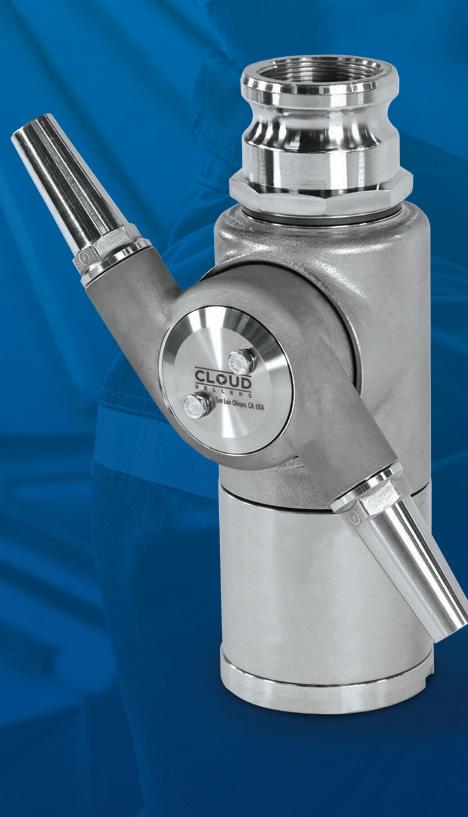
Why risk contamination or unnecessary downtime caused by ine ective tank cleaning? Cloud-Sellers® 360 fluid-driven tank cleaners are high-impact machines, built with the ethanol industry in mind. Combined with our Preventati ve Maintenance Program, your operations will run at peak performance. We under stand that idle tanks are costing you money Make every drop count
BUILD CREDIBILITY & TRUST IN THE ETHANOL INDUSTRY
REACH PRODUCERS
Book Your Ad AD SPOTS LIMITED
Winter 2027 Map
Ad Deadline: August 26, 2026
Mailed with the January 2027 Issue of EPM
REACH 8,000 PROFESSIONALS
All Ethanol Producer Magazine subscribers
All Ethanol Production Facilities
All major Ethanol related events
- Int'l Biomass Conference & Expo
- Iowa Renewable Fuels Summit
- National Ethanol Conference
- Growth Energy Executive Leadership Conference
PURCHASE A SPOT ON THE ETHANOL PLANT MAP
Receive 6 Months FREE Online Advertising!
Advertise now on Ethanol Producer Magazine’s U.S. & Canada Ethanol Plant Map. It is the easiest and most cost-effective way to get your name, product and/or service in front of ethanol producers and ethanol industry professionals for 6 months at a time.
THE NITROGEN PROBLEM
Ammonia and urea price spikes are giving corn growers and ethanol producers cause for concern. Enzyme vendors have a solution for ethanol plants, but farm-level relief will be harder to resolve.
By Katie Schroeder
From corn fields to fermentation vessels, farmers and ethanol producers are feeling the impact of price spikes in ammonia and urea. In February 2026, the U.S. and Israel launched an attack on Iran, triggering the start of a war that stretched from weeks into months. Due to Iran’s standing as one of the world’s top oil suppliers, and its location along the Strait of Hormuz, a critical shipping route for much of the world’s oil, the conflict triggered supply chain disruptions for a variety of petroleum-based products. For farmers and ethanol producers, nitrogen additives ammonia and urea became a concern as prices shot up after the conflict broke out.
Tad Hepner, vice president of strategy and innovation at the Renewable Fuels Association, explains that the shortage comes from the logistical disruption caused by conflicts limiting passage through the strait, leading ships to take the longer route rather than risk entering a conflict zone. “We’re just really seeing a generalized kind of breakdown, and not just fertilizer, but all kinds of products, so of course it results in prices going up,” he says.
For farmers, the spike exacerbates an existing problem. The math for purchasing fertilizer has become increasingly challenging since 2021, explains Lance Lillibridge, farmer and past president of the Iowa Corn Growers Association. Last fall, the ratio between the price per bushel of corn and the price for a ton of
fertilizer just didn’t make financial sense for Lillibridge and many other farmers.
“We have a problem where in the last couple of years, we’ve had record corn carryout, and we’ve also had some political and trade issues that have somewhat tamped down the amount of export of various products, and obviously corn being one of those,” Hepner says. Lillibridge bought most of his fertilizer on Feb. 13, days before the war began in Iran. After it had started, he saw anhydrous ammonia prices from his supplier jump from $850 per ton up to $1,150 per ton, and urea prices per ton go from $515 to $930. Phosphorous also increased in price, moving from $395 to $980 per ton. Due to high prices, he chose not to apply any phosphorous to his fields this year. “This will be the first year I’ve never applied phosphorus,” he says. “And I’m not the only one; there [are] a lot of guys that didn’t.”
Ethanol producers are feeling the effects of higher prices as well. Most producers use urea or ammonia as a source of nitrogen, fueling and enhancing the yeast’s conversion of corn into ethanol. Urea, either in a liquid or dry form, is typically chosen over ammonia as a nitrogen source for fermentation as gaseous ammonia is more hazardous to handle and may make maintenance more challenging, Hepner explains. Nitrogen additives are not the most expensive input cost for ethanol production— feedstock and energy costs hold that place in the budget—but any increase in input costs can end up eating away at margins.
Fueling Growth
Nitrogen is critical in the development of both corn and yeast, explains Matthew Ban, director of technical services with CTE Global. “With the corn, you’re growing a plant, and with yeast you’re growing fungi,” he explains. “And so, in that growth, those yeast cells take in nitrogen, and they transform it into what they need. They use it as the building blocks for proteins and many other cell factors that they need for growth, robustness and tolerance to the environment that they’re in, which can be stressful in a production environment.” Even though modern yeast products are designed to handle the stress present in industrial fermentation, nitrogen plays an important role in maintaining robustness and health. A nitrogen deficiency in fermentation will slow the sugar conversion, delaying the fermentation’s completion.
The amount of urea or ammonia added is not consistent from plant to plant, Ban explains. Producers will tailor their fermentation recipe depending on the facility’s goals, typically adding the same amount of nitrogen to each batch. However, plants also use nitrogen as a “safety net,” he explains, and will add more nitrogen in circumstances that increase yeast stress—such as operating on a hot, humid summer day. A nitrogen source helps yeast handle the heat, a vital role, particularly if the plant has limited cooling capacity.
Not all sources of nitrogen are created equal for the yeast’s purposes; ammonia is its first choice, followed by amino acids, explains
FARMER PERSPECTIVE: Lance Lillibridge, past president of the Iowa Corn Growers Association, says that while the economics of corn farming are fickle, it is unlikely that farmers would abandon or abruptly rotate away from the crop when prices are tight. The conflict in Iran has significantly impacted nitrogen prices, forcing farmers and ethanol producers alike to consider using lower volumes of ammonia and urea.
PHOTO: LANCE LILLIBRIDGE
Jim Miers, nutrient category manager with Lallemand Biofuels & Distilled Spirits. Those amino acids help improve the yeast’s health before it goes into fermentation and competes with bacteria for the sugars present. Amino acids and peptides also serve as a source of nutrition for the yeast that doesn’t vanish once fermentation is over and the cells begin to deteriorate. When the process ends, those peptides remain and are sent to start the process in liquefaction all over again.
Several factors beyond price and safety considerations have led some ethanol producers to reconsider ammonia use. For example, ammonia can have an undesirable impact on the pH of the process, driving it up. “The other thing is that the yeast will take in ammonia very quickly,” Ban says. “And enough ammonia is actually a stressor for the yeast. It will typically increase glycerol, which the yeast cell is making to protect itself.”
Ethanol plants are now searching for ways to maintain fermentation results and maximize margins while partially or completely replacing ammonia and urea use in their systems. One solution is the implementation of protease, an enzyme that releases the amino acids yeast need to thrive. Thermostable or fermentation proteases provide bioavailable nitrogen to the yeast by breaking down proteins, explains Hepner.
An ethanol producer Miers spoke with decided to implement thermostable protease in light of ammonia and urea prices going
“through the roof.” When the conflict started in Iran, urea prices for ethanol producers doubled from $358 per metric ton to $720 per metric ton in a three-day period, according to Miers. “The impact to a plant is huge when you’re trying to be profitable,” he adds.
Phibro Ethanol is also delivering protease enzymes to U.S. ethanol producers. It’s trademarked NitriPhi product liberates free amino nitrogen (FAN) for yeast needs, reducing the need for commodity nitrogen. Phibro has reportedly received requests from customers to help displace urea and/or ammonia through increased dose rates of NitriPhi. The company says there are many potential advantages to protease enzymes, including improved control over input costs, liberating additional components of corn kernel fiber and creating enhanced potential for both ethanol and corn oil yield increases. Liberating FAN also improves yeast health, measured by glycerol reduction, increased yeast cell counts, and increased yeast viability.
Creating Bioavailable Nitrogen
Using thermostable or fermentation protease as a nitrogen supplier is not a novel concept. Before distillers corn oil became valuable to ethanol producers, the enzyme’s initial selling point was its ability to yield better fermentation results by providing more nitrogen, Ban explains.
Producers are able to replace 50% to 100% of the urea and ammonia with thermostable and fermentation protease, depending on how the facility is running, he adds. Some facilities prefer to have diverse sources of nitrogen and intentionally want to avoid relying on any one source too heavily, so they may keep using urea or ammonia, too. Because protease also increases the amount of oil released by the corn kernel, the fat [specification] that some ethanol producers have on their DDGs makes it challenging to increase the amount of protease used. “Aside from that, it would be more related to potentially how long of fermentation they’re running,” Ban says. “Some urea in there helps get things kicked off. But then the proteases can be there to continuously produce that nitrogen.”
The ultimate goal of these additives is to ensure a healthy and productive yeast. “Proteases going into fermentation are huge to me,” Miers says. “Any kind of a nutrient that you can add that’s got either a protease or an amino acid already added into it—where you’re not waiting for that conversion to take place— that’s a big part of yeast health, cell mass growth and effecient fermentation.”
Fertilizer Challenges
Most producers can navigate higher nitrogen prices through some problem solving, but as margins and markets shrink for farmers, finding a solution for their nitrogen needs is becoming even more challenging.
Miers expresses concern that supply chain disruptions for fertilizer—such as anhydrous ammonia, urea and phosphorous—could impact the health of corn plants if farmers are unable to apply the normal amount. “If we don’t give nutrients to our fields, we’re not going to have a healthy crop,” he says. “We definitely want to make sure that we’re in good shape with our starch and our protein [in] our corn.”
Crop yield is also a concern for Lillibridge as he forgoes using phosphorous and plans to reduce the amount of nitrogen fertilizer he applies this year due to price increases. The extent to which reduced nitrogen application across U.S. corn farming will impact yield and overall bushels remains to be seen.
U.S. farmers are unlikely to rotate out of corn in huge, unexpected numbers, but it is conceivable that the ethanol industry’s future feedstock supply could be interrupted by deepened financial distress in farming. “I don’t think we’re going to choose another crop, but I certainly would be concerned about the economic viability of farmers right now, because if we have an upheaval of [significance], that will disrupt the supply chain,” Lillibridge says.
Lillibridge expressed frustration with U.S. Department of Agriculture Secretary Brook Rollins saying that 80% of farmers purchased fertilizer last fall and were unaffected by these price spikes. The American Farm Bureau Federation called this number into question, as a
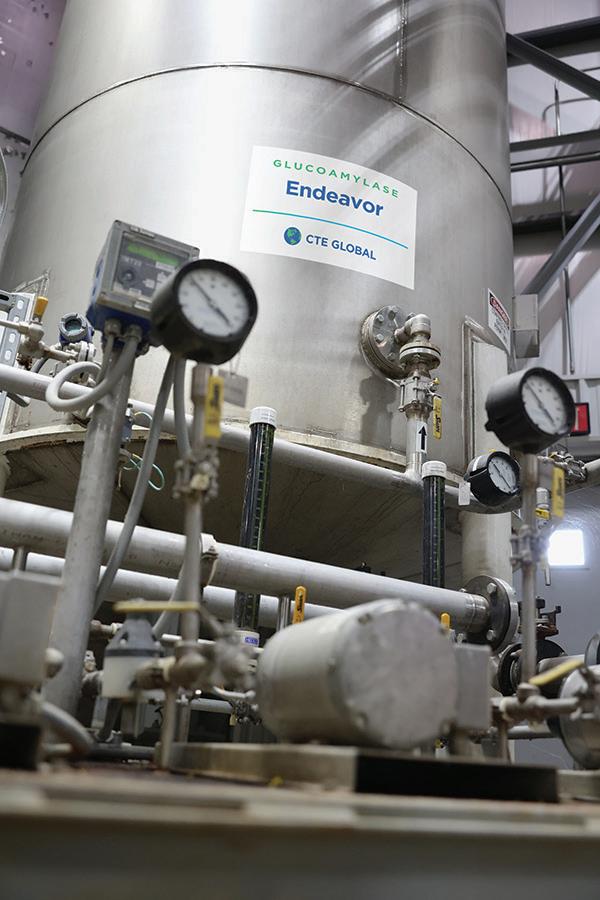
ENZYME UTILIZATION: CTE Global assists ethanol producers by applying protease enzymes to replace, in full or in part, nitrogen addition via urea or ammonia.
REPLACEMENT OPTIONS: According to CTE Global, producers are able to replace 50% to 100% of the urea and ammonia with thermostable and fermentation protease, depending on how the facility is running.
PHOTO: CTE GLOBAL
survey executed in April showed that only 67% of farmers in the Midwest had prebooked fertilizer purchases in the fall. Even with that number, not all of the farmers had prebooked all of their fertilizer needs. Farm Bureau says one in three reported entering the season lacking some amount of fertilizer.
Unfortunately, the fertilizer problem is not a new one, Lillibridge says. “The farmer … is the eternal optimist,” he explains. “[They’ll say,] ‘Yeah, fertilizer’s high this year, … well, we’re just gonna have to get it paid for, figure it out. Maybe it’ll be better next year. Hopefully be better next year.’ Well, that [isn’t] happening, and unfortunately, we’ve got guys out here that are filing bankruptcy … because it [isn’t] working anymore.”
Building Markets
Corn farmers have been in a difficult position in recent years due to limited exports and a bumper crop; demand has not kept pace with supply. “I think farmers traditionally would rather have markets than checks,” Hepner says. “And I think that’s kind of what we’re all hoping for.” Added ethanol demand would help reduce the economic stress on ethanol producers and farmers alike.
Hepner identifies three potential solutions to the market problem: improved export markets, passage of year-round E15 and developing the maritime ethanol market. Gaining certainty on E15 access year-round
could help motivate more convenience stores to build the required infrastructure to sell E15, driving increased demand and higher production potential for ethanol overall.
The International Maritime Organization is undergoing a process to implement a standard that would enable ethanol to be utilized as a maritime fuel. “If we can participate in that, … it can create some demand that will, of course, help farmers have a stable, profitable price for corn as well,” Hepner says.
Lillibridge also emphasizes the potential for expanded use of ethanol beyond the light duty transportation sector, citing its use in a new John Deere tractor, which was tested at his farm and runs on 98% ethanol, and in ClearFlame’s semi tractors.
“The potential to use ethanol is huge,” Lillibridge says. “So, we need to continue going down that path. And it’s a renewable resource. It’s good for our land, it’s good for our air, it’s good for our environment, … it’s less expensive. I mean, there’s just not a downfall to it.”
STRONG YIELDS: After last year’s bumper corn crop, prices have dropped, making it difficult for farmers to afford fertilizer. Pictured here are Lance Lillibridge, left, and his son, Ty Lillibridge.
PHOTO: LANCE LILLIBRIDGE
ETHANOL TAKES THE STAGE
The 42nd annual International Fuel Ethanol Workshop & Expo brought back its familiar topics and faces, with some new elements and co-located events.
By Lisa Gibson
Photos by BBI International/EPNAC
POLICY POINTS: The general session policy roundtable at the 42nd annual International Fuel Ethanol Workshop & Expo featured, from left: Ben Rhodes, executive director of the Nebraska Ethanol Board; Brian Jennings, CEO of the American Coalition for Ethanol; John Fuher, vice president of government affairs for Growth Energy; and Troy Bredenkamp, senior vice president of government affairs for the Renewable Fuels Association.
The largest fuel ethanol event in the world once again lived up to its name this year, drawing almost 2,400 attendees to St. Louis, including 575 producers from around the globe, representing 167 of the 187 operating ethanol plants in the U.S., or about 91% of the nation's total production capacity.
The 42nd annual International Fuel Ethanol Workshop & Expo was held June 2-4, featuring a full agenda, three co-located events (Ethanol 101, the Carbon Capture & Storage Summit and the Sustainable Fuels Summit), the legendary golf outing and more.
Nearly 340 exhibitors set up booths on the trade show floor, many reporting increased foot traffic from previous years and more new customer leads.
The agenda featured the relevant topics, high-impact roundtables and big industry names FEW attendees have come to expect.
Awards and Keynote
Jenny Forbes, vice president of sales and service at Phibro Ethanol, was filled with emotion as she accepted the fourth annual Women In Ethanol Award. Forbes shared that she was “beyond touched.”
Forbes was recognized for her more than 20 years of leadership, expertise and dedication to ethanol producers.
HONOREE:
AWARD
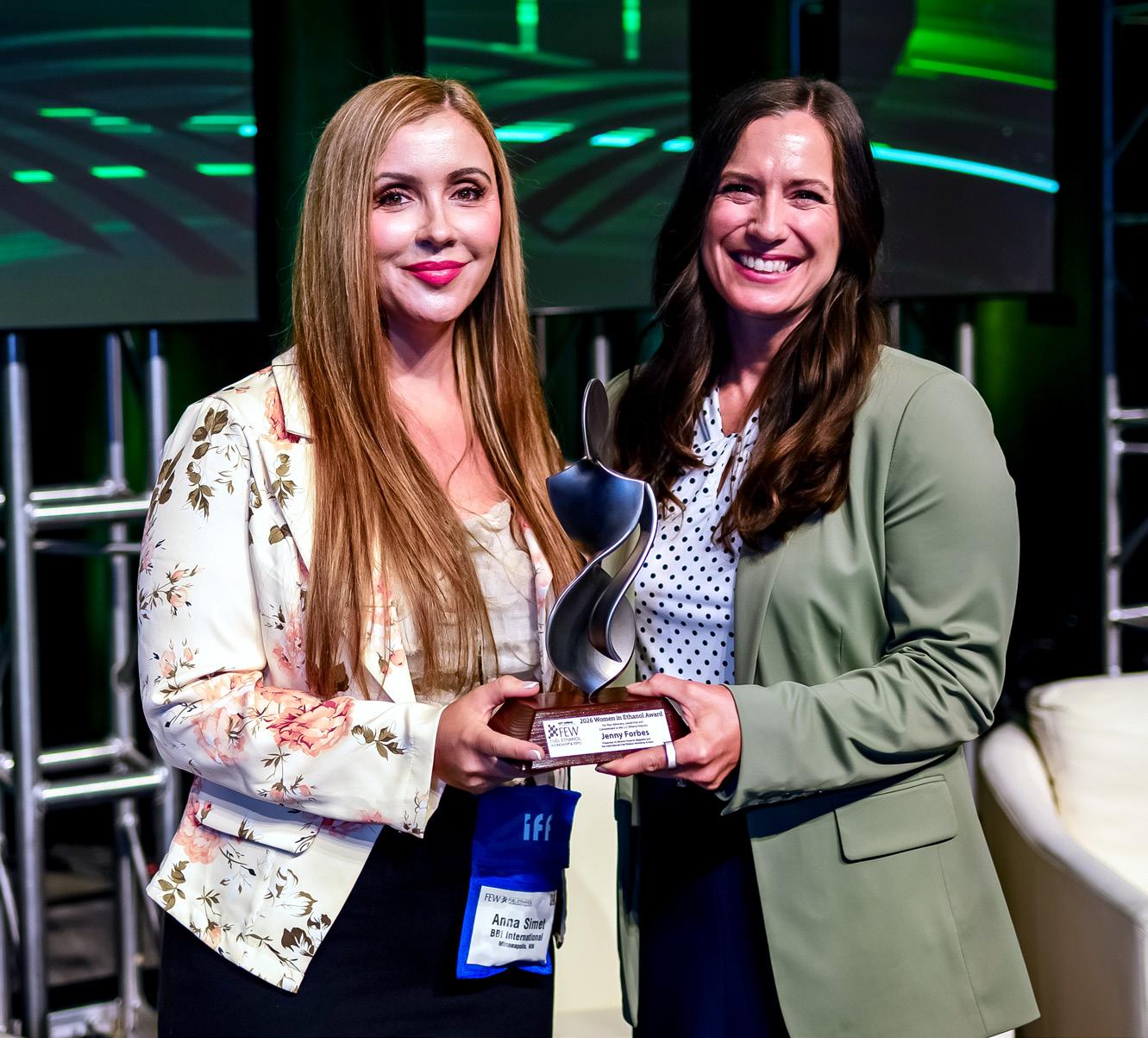
Jenny Forbes (right), vice president of sales and service at Phibro Ethanol, received the fourth annual Women In Ethanol Award. Forbes is pictured here with BBI International Director of Content Anna Simet.
“Jenny has built a reputation as a trusted technical expert, a collaborative leader and a dedicated mentor,” said Anna Simet, director of content at BBI International. “Her impact on producers and on the people around her makes her exceptionally deserving of this recognition.”
Other honorees of the FEW’s trademark annual awards include:
• Pauline Teunissen, global application director for grain processing at IFF, received the Award of Excellence for her longstanding contributions to innovation in ethanol production.
• Jim Ramm, P.E., co-founder and former vice president of U.S. biofuels at EcoEngineers, received the Distinguished Service Award for his pioneering work in low-carbon fuel compliance and carbon markets.
• Chuck Woodside, CEO of KAAPA Ethanol LLC, received the High Octane
FULL HOUSE: The 42nd annual FEW brought nearly 2,400 attendees to St. Louis to learn and network.
Award for his decades of leadership and service to the ethanol industry.
This year’s keynote address was delivered by Emily Skor, CEO of Growth Energy, emphasizing the policy environment boosting ethanol’s potential globally, as well as the many markets ripe for its use.
“We have to introduce our molecule to completely new engines,” she said. “Long gone are the days when people thought of ethanol as just for cars and trucks. Now, we get to discuss and debate what brand new sector ethanol is going to dominate first— air travel, sea transport or heavy machinery. This is exciting. And it isn’t hypothetical. It’s happening. These sectors have made investments. They need more energy, and cleaner energy, and they need it fast.”
Policy Roundtable
The event’s traditional policy discussion, held the morning of June 3, featured Brian Jennings, CEO of the American Coalition for Ethanol; John Fuher, vice president of government affairs for Growth Energy; and Troy Bredenkamp, senior vice president of government affairs for the Renewable Fuels Association. The panel was moderated by Ben Rhodes, executive director of the Nebraska Ethanol Board.
Close on the heels of the passage of year-round E15 legislation in the U.S. House of Representatives, the discussion included insight into the road ahead for passage in the Senate. Panelists agreed that the Senate will show more opposition to the bill than the House did. It will take “a little more work and creative thinking in the Senate,” Fuher said.
WELCOME RECEPTION: Justin van Rooyen, president and general manager of Lallemand Biofuels & Distilled Spirits, cuts the ribbon to officially open the welcome reception the afternoon of June 2. LBDS was the official reception sponsor.
KEYNOTE SPEAKER: Growth Energy CEO Emily Skor focused on policy and potential in her keynote address.
KNOWN TO NETWORK: The FEW has a reputation not just of offering industry education and insight, but also of being a great place to network.
ATTENTIVE AUDIENCE: FEW’s many panel discussions spanning three days and multiple co-located events and tracks offer a broad array of topics for attendees to take in.
Jennings thanked the industry for continuing to fight for E15 over the past 15 years, with “no fatigue in advocacy.”
The panelists also addressed the recordhigh renewable volume obligations in the RFS Set 2 and enthusiasm for maritime market opportunities.
The 45Z Clean Fuel Production Credit also was discussed, highlighting the need for guidance from USDA, U.S. DOE and the U.S. Department of the Treasury. Bredenkamp echoed a shared sentiment when he said he hoped all the components will be issued “sooner than later.”
The DOE released the 45ZCF-GREET model on June 12, pleasing the ethanol industry with its removal of indirect land use change impacts in carbon intensity calculations.
But with ethanol on the national stage in so many policy discussions that could boost the entire industry, Jennings cautioned that criticism will get stronger.
“Success breeds opposition, and I think we’ll see a lot of opposition coming out of the woodwork.”
Author: Lisa Gibson writer@bbiinternational.com
ON THE AIR: BBI International Director of Content Anna Simet interviews Neal Jakel, president of Fluid Quip Technologies, during one of many podcasts held on the trade show floor throughout the FEW.
MAKING CONNECTIONS: Ben Parsley (center), with Southwest Iowa Renewable Energy, is one of the FEW attendees this year who collectively represented 91% of the U.S. ethanol industry.
AMID PLANT CONNECTIVITY CYBERSECURITY
As the ethanol industry adopts internet-connected plant technology, cyber threats will follow.
By Luke Geiver
Ethanol plants in the U.S. can be prime targets for ransomware and other threats, says Carson Merkwan, director of business development at Direct Companies. Based in Sioux Falls, South Dakota, Direct Companies works with ethanol producers and other industrial clients on tailored solutions for operational technology (OT) and IT.
Merkwan explains that since ethanol plants produce large amounts of fuel critical to the country’s well-being, they are now viewed as critical infrastructure by those who support biofuel production and those who want to exploit it.
Enhanced connectivity across plants, combined with ethanol’s place in the critical infrastructure landscape, puts cybersecurity at the top of the to-do list for optimal plant reliability and safety.
“Producers need to know that OT/IT convergence has dramatically increased the attack surface,” Merkwan says.
The Risks
Ranswomware.live, a free and independent threat intelligence platform that tracks ransomware attacks worldwide, has already reported two attacks on U.S. ethanol plants this year.
When ransomware attacks hit, the culprits often find and threaten to release confidential documents, client data, financials, non-disclosure agreements, commercial contracts, technical drawings, engineering files and other important data related to a competitive position.
The Food and Agriculture - Information Sharing and Analysis Center (AgISAC), is a national entity that shares threat intelligence, analysis and effective security practices to the food and agriculture community. Founding members include Cargill and Corteva Agrisciences.
According to an AgISAC report released in February, roughly 6,377 ransomware incidents took place across multiple sectors in 2025, “representing an 82% increase from the 3,508 incidents recorded in 2024.” According to the report, critical manufacturing saw the highest number of attacks (1,440, accounting for 22.7% of all incidents). Commercial facility attacks were second, with 1,107 incidents.
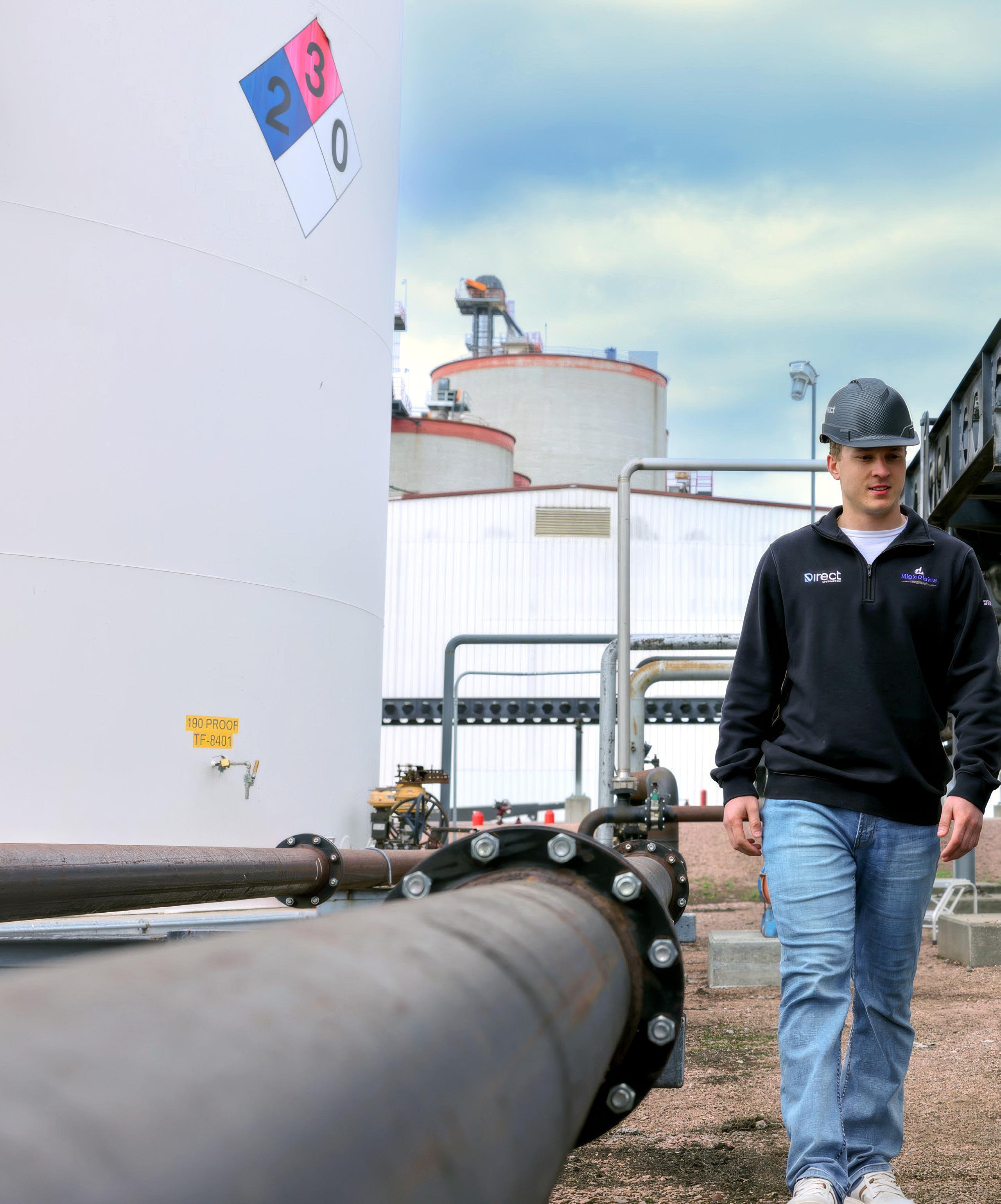
OVERALL IMPACT: Cybersecurity threats are growing as the ethanol industry modernizes connectivity throughout plants. Direct Companies says the convergence of information technology and operational technology has increased attack occurrences.
PHOTO: DIRECT COMPANIES
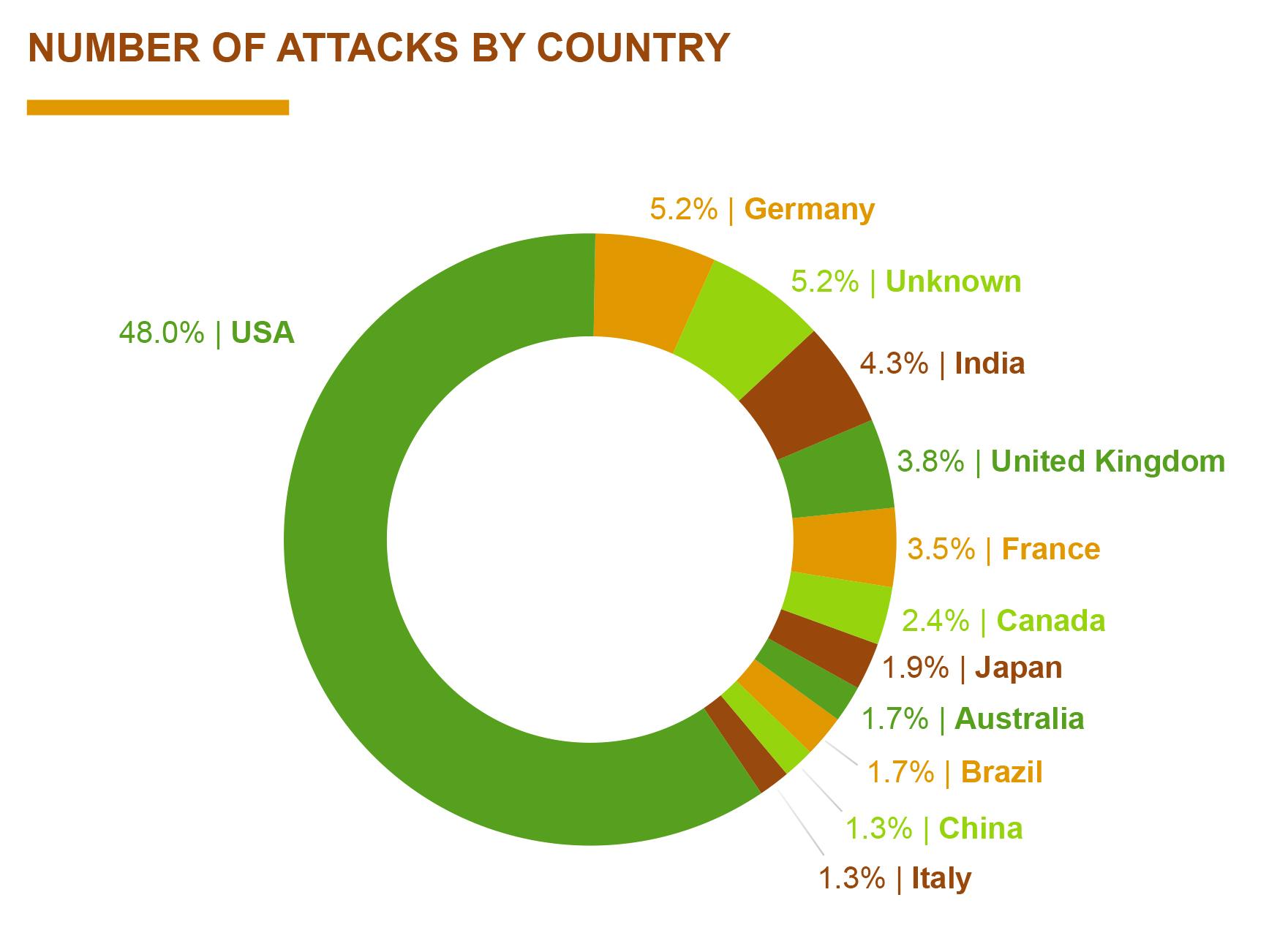
The U.S. is the main mark, representing nearly half of all the attacks tracked by the AgISAC around the world.
“The U.S. remains a top-tier target for ransomware due to its economic scale and the critical nature of its corporate and public infrastructure,” the AgISAC report notes. “For threat actors, the country offers a highreward environment where they can pursue both lucrative payouts and large-scale chaos.”
After the U.S. (48% of all attacks), Germany experiences the second-largest percentage of global ransomware attacks at 5.2%.
Of the attacks that took place last year, the methods used ranged widely. Initial access methods included exploiting system and software vulnerabilities, employing social engineering tactics to deceive individuals into granting unauthorized access, and deploying malware to infiltrate and compromise victim networks.
According to Merkwan, the biggest shifts in cybersecurity have happened through the explosive growth in Industrial Internet of Things (IIoT) connectivity, remote operations post-pandemic, sophisticated ransomware targeting industrial control systems, and stricter regulatory expectations around data integrity and cybersecurity.
“Legacy set-it-and-forget-it systems simply aren’t safe or efficient anymore,” he says. “They weren’t designed to self-authenticate, and running patches is risky for people unaware of the proper process. Connectivity is now well-adopted, but some of the older hardware wasn’t designed for it.”
Brandon Bohle and Matt Hansen, operational technology expert and senior systems analyst, respectively, for Interstates, offer insight on what OT modernization often looks like for industrial plants in a video titled, “Crawl, Walk, Run: Progressing to a Modernized Facility.”
Bohle explains that the challenge with updating OT at a plant to meet the demands of cybersecurity-related issues isn’t always about understanding why modernization matters, but rather knowing where to start when a plant is already balancing production
US ATTACKS: The volume of cyber attacks in the U.S. (nearly half of all worldwide), shows the economic and technological attractiveness of the U.S. versus other countries.
SOURCE: FOOD AND AGRICULTURE
demands, limited budgets and aging systems that still work.
To make changes, plants should first crawl, then walk, then run, Bohle says. In the “crawl,” stage, a plant should seek clarity in their systems and capabilities. In the walk stage, plants should upgrade outdated or high-risk systems. The goal is to gain momentum, but avoid trying to accomplish everything at once. And in the run stage, plants should expect to see the value of modern systems and how they can unlock more advanced capabilities in accessing and analyzing plant data.
Joe Breeden, director of OT cybersecurity at Interstates, says internet-connected programmable logic controllers, devices that provide remote access capabilities to technology across an industrial site, are always a concern, as anything reachable from the internet can be found, scanned and targeted.
According to Breeden, the bigger concern in many cases is not the hardware, but the conditions during which it was connected to the internet. Sometimes network settings were applied on only a temporary basis. In some instances, equipment is installed, but never fully reviewed after com-
missioning.
Many of these situations are not the result of bad intent, the Interstates team says. More often, they occur because a project had priority and no one checked to ensure the hardware was cyber secure.
The Strategies
Merkwan’s Workplace by Direct team delivers managed cybersecurity specifically built for industrial environments that include firewalls, endpoint protection, secure remote access and proactive threat hunting that protects both the business system and the automation network.
Ethanol producers need to focus on several key areas of cybersecurity: OT and IT networks need to be segmented; controls need to be cyber secure; hardware needs to be up to date; continuous monitoring and zero-trust principles need to be adopted. Zero trust principles enforce a “never trust, always verify,” approach. Regular vulnerability assessments and incident responses should be planned and scheduled. And, Merkwan says, if you have an internal team, back them up with a managed service provider like Direct Companies to ensure best
ANALYSIS CENTER
practices, electricity use management and risk aversion to turnover.
Direct Companies integrates cybersecurity best practices into every automation it performs so security is never an afterthought. According to Merkwan, their service agreements are a flat rate, so the monthly fee would get a client as many hours as needed to operate in scope.
The AgISAC also has a list of 10 best practices for cybersecurity:
1: Access Control - Not everyone is a VIP: Limit your master keys and all-access passes.
2: Backup, Restore and Recover - Test the process: Backups are only as good as the last time you tried to restore them.
3: Behavioral Monitoring - The uninvited guest: Custom malware is on the rise and AI is fueling it.
4: Continuous Monitoring - Keep an eye out for trouble: Some adversaries don’t break down the door. They slip in and stay awhile.
5: Phishing - Spot the hook: Smell something phishy? Trust your gut.
6: Employee Awareness and TrainingEducate before it's too late: Give your team the power to prevent security incidents in their tracks.
7: Disruption and Availability: Disruptive attacks aren’t just an inconvenience— they can cause production stoppages.
8: Patch and Software Management: Unpatched equals unprotected. The fix is usually free, but the delay is what costs you.
9: Third Party and Vendor Risk Management - Supply chain pain: Attacks don’t stop at the source, they spread, causing cascading impacts to the entire sector.
10: Multi-Factor Authentication (MFA) and Credential Security: Require more than just a password and always enable multifactor authentication for maximum account security.
Direct Solutions
Direct Companies brings a full suite of tailored solutions to its ethanol clients. In 2026, the main offerings are direct automation, direct data management, IT and cybersecurity and design or fabrication. For many ethanol producers, the company provides all four of its services.
A plant looking to upgrade its cybersecurity and capabilities through Direct Companies would work with Merkwan, along with a handful of others in the automation, data management or IT/cybersecurity divisions.
A typical engagement will include five steps, starting with a discovery and assessment period that could last roughly one to two weeks. That phase would include a plant tour, discovery meetings, reviews of existing systems and the mapping of pain points.
Next, Direct Companies would design a solution and propose an integrated, tailored roadmap.
Then, the implementation phase begins, followed by training and a go-live period to give hands-on operator training with full documentation of processes. An ongoing partnership with Direct Companies would include 24/7 support, quarterly health checks and continuous improvement.
With strengthened cyber protection suitable for modern attack attempts, Merkwan says producers can also explore greater usage of AI. While the adoption of AI is still low across most of the industry, he says, properly protecting connected technology will allow producers to add an AI plugin when the time is right.
“Data hygiene is going to be far more important than which AI you plug your data into,” he says. “The next phase of AI plugins will swap out often in the first few years of adoption. But how you set your data organization up will be more permanent and have bigger implications.”
Merkwan says his team has learned a lot from clients in other industrial sectors. Oil and gas taught the power of rugged SCADA and telemetry for remote assets. Those assets need hardened OT cybersecurity because the oil wells are miles apart and unmanned.
The utility sector illustrated how regulatory compliance (reporting, cyber, alarm management) becomes easier with integrated historian and analytics platforms.
Likewise, working with water and wastewater clients helped the team see how automation, data and IT help protect that sector from cybercrime.
Manufacturing shows the need for IIoTdriven predictive maintenance and real-time dashboards that can cut unplanned downtime by double digits, he says. And, in power generation, Direct Companies has seen how understanding safety regulations and requirements benefits the client.
“The common thread is that plants that treat automation, data and cybersecurity as one unified system and use a system refresh roadmap outperform those that keep data siloed or adopt technology on a whim,” Merkwan says.
Author: Luke Geiver writer@bbiinternational.com
PROTECTED TECH: Direct Companies provides ethanol plants with new technology—such as tank volume gauging systems that rely on radar—built with cybersecurity in mind.
PHOTO: DIRECT COMPANIES
RELIABILITY ROADMAP: This graphic illustrates Novaspect’s structured approach to reliability by connecting asset health, maintenance strategy and work execution to improve uptime and overall plant performance.
FINDING HIDDEN CAPACITY FOR YEAR-ROUND E15
As ethanol demand grows, improving reliability and performance can help plants run more consistently, reduce lost production and make better use of existing assets.
By Natae Shreeves
CONTRIBUTION: The claims and statements made in this article belong exclusively to the author(s) and do not necessarily reflect the views of Ethanol Producer Magazine or its advertisers. All questions pertaining to this article should be directed to the author(s).
PHOTO: SPARTAKUS TECHNOLOGIES
After returning home from the 2026 International Fuel Ethanol Workshop in St. Louis, I reflected on the experience. As a first-time attendee, there was plenty to take in, and I walked away with a genuine appreciation for the people who have built, sustained and grown an industry that supports families, farms and local communities.
A few highlights stood out, including the keynote session and the warm welcome at the Women In Ethanol awards ceremony.
The keynote speaker, Emily Skor, CEO of Growth Energy, emphasized expanding demand opportunities through year-round E15, exports and new markets like aviation, maritime and heavy equipment fuels. She pointed to progress on policy and adoption, including House passage of nationwide year-round E15 legislation, but acknowledged that infrastructure, regulatory and market barriers remain. Despite challenges, momentum is building and many producers are already preparing for what comes next.
Alison Newell Account Manager, Process Systems and Solutions, Novaspect
Dennis
Uhl Reliability Solutions Business Development Lead, Novaspect
Those same themes carried through the rest of the workshop. I gained additional insight from Alison Newell, account manager, process systems and solutions for Novaspect, who works closely with producers on process performance and operational improvement. “There’s a lot of optimism around year-round E15,” Newell said. “Expansion and increased production are major topics right now.” She added that producers are also asking a different question. “How do we squeeze every extra drop out of current facilities, and how do we do it with less energy?”
A Hidden Plant
Dennis Uhl, who leads development for Novaspect’s maintenance and reliability programs, said many plants have more capacity available than it appears. “I refer to it as a hidden plant,” Uhl said. “If I run better, I can get more out of the facility I already own without significant capital investment.” Downtime and inefficiency create a gap between actual and potential performance, and over time, process disruptions reduce overall output.
Greg Giernoth, who oversees Novaspect’s Reliability Solutions team, tied that idea to how plant performance is measured across availability, performance and quality. “Nameplate capacity
tells you how much the plant is running,” Giernoth said. “Overall equipment effectiveness, or OEE, tells you how well it’s running.”
Improving performance helps recover lost productivity. “A 5% percent improvement in uptime can be the equivalent of several million additional gallons, or two to three weeks of added production over the course of a year,” Giernoth said. “You can get more juice out of the orange, and you don’t necessarily have to buy another orange to do it.”
He noted that plants often see early improvements within the first year when they focus on critical assets, with larger gains building over time.
Why Are Plants Missing Available Capacity?
Most ethanol plants are now 15 to 20 years old, so wear, failure and unplanned downtime are becoming more frequent, making reliability more critical than ever.
Boundy Lovan, a sales representative with Novaspect, previously worked for an ethanol producer, maintaining equipment and supporting daily operations. That experience gave him a firsthand understanding of how these challenges affect plant performance. “When margins are low, yield is king. When margins are high, production is king,” Lovan said. “The common factor for both is uptime.”
Lovan added that unplanned downtime remains one of the biggest challenges. “You can have the best production and yield targets, but if the plant is not running, that’s zero,” Lovan said. “Disruptions never happen at a convenient time, and they’re rarely quick to recover from. They interrupt fermentation, affect yield and create instability that carries forward even after the plant is back up.”
How Reliability Improves Performance
Shifting from reacting to failures to identifying and addressing problems before they affect production is where reliability improvements make the biggest difference. “If you can see the problem early, you can plan it,” Lovan said. “If you can’t, it turns into downtime.”
For many ethanol plants, equipment failures can feel unpredictable. “They’re very random and at times seem like a fact of life,” Lovan said.
However, centrifuges, fans and other rotating assets often experience buildup, imbalance and wear long before failure occurs. “Those problems are usually there before the failure,” Lovan said. “You just need a way to see them early enough to act.”
Early prediction starts with vibration monitoring, along with tools that track temperature, lubrication condition and other performance indicators over time. “You don’t have to monitor everything,” said
Lovan. “You start with the equipment that hurts you the most.”
Predictive tools are important, but they are a small piece of the broader picture. Uhl emphasized that the biggest gains come from following a structured reliability roadmap that connects data, maintenance strategy and execution.
“You have to look at the full program,” he said. “It’s not just about detecting issues, it’s understanding how equipment fails,
HEALTHIER YEAST. IMPROVED FERMS. HIGHER YIELDS
Revolu onizing yeast fermenta on in the ethanol industry
INTRODUCING STINGERTM GEL SAFE + EFFECTIVE BACTERIA CONTRO L
Environmentally friendly chlorine dioxide technology propelling ethanol produc on towards unmatched efficiency.
With a vision of bacteria control challenges gone for good, S ngerTM Gel offers a proven, safer, highly effec ve, and an bio c-free solu on to control bacteria in yeast fermenta on while addressing the issues of current chlorine dioxide products. That means safe, stable, and high-performing ethanol produc on.
• Gel is easy to spot if leaked or spilled
• Very long drying me, minimizing cleanup and safety concerns
• Superior performance over an bio cs
• Faster fermenta on rate (counts, budding, viability)
• Lower CI Score
building the right maintenance strategy, and making sure work gets done the right way.”
That starts with assessing asset health and identifying failure modes, then refining practices through preventive maintenance optimization (PMO), lubrication programs, and improved planning and scheduling. Plants that apply this approach are improving how work gets done. “Planned work is always easier,” Lovan said. “When it’s unplanned, everything is harder.”
Once these practices take hold, plants move from reactive maintenance to managing reliability as a system, allowing them to maintain uptime and reach their target utilization goals.
Preparing for Year-Round E15
Producers are already preparing for the next wave of demand growth, but timing and policy are still evolving. “Year-round E15 isn’t a given,” Newell said. “But we’re closer than we’ve ever been.”
That uncertainty reinforces the importance of reliability. “Running consistently makes everything better,” Giernoth said. “It improves throughput, reduces variability and helps you get more out of what you already have.”
Uhl added that the impact is long term. “You’re building a culture of reliability,” he said. “Those improvements continue, and the plant is better prepared for what comes next.”
Future opportunities may not be guaranteed, but the plants best positioned to respond will adapt quickly and capture revenue. In many cases, the capacity is already there. The difference is how reliably the plant runs.
HOW TO OPTIMIZE ETHANOL PLANT OPERATIONS IN A MATURE MARKET
By Hans Alwin
With about 185 ethanol plants currently operating in the U.S.—most concentrated in the Corn Belt—the industry has entered a mature phase. New construction has slowed, and the competitive advantage has shifted decisively toward improving the performance of existing assets.
Today, success is less about capacity expansion and more about optimizing yield, energy use, uptime and coproduct recovery within established plants.
This evolution reflects how the modern dry grind ethanol industry was shaped. Policy-driven market expansion in the late 1990s and early 2000s—particularly the transition away from MTBE toward ethanol as an oxygenate—accelerated plant development and standardized many production models.
Over time, those early design choices have left producers with facilities that are broadly similar in layout, but differentiated by how effectively they are operated and maintained.
CONTRIBUTION: The claims and statements made in this article belong exclusively to the author(s) and do not necessarily reflect the views of Ethanol Producer Magazine or its advertisers. All questions pertaining to this article should be directed to the author(s).
UNIQUE OPERATION: No two ethanol plants operate under identical conditions. Differences in original design, equipment age, feedstock sourcing and local utilities all influence performance.
PHOTO: STOCK
The
Role of Dry Grind Ethanol in Today’s Industry
Dry grind processing remains the dominant production method in the U.S., valued for its relatively low capital requirements and efficient conversion of corn into fuel ethanol and animal feed. By using the entire kernel rather than separating components upfront, dry grind plants can achieve high throughput, but that efficiency also introduces tighter operational margins.
Small variations in feedstock quality, fermentation conditions or process control can have outsized impacts on ethanol yield, energy consumption and coproduct quality. As a result, optimization in a dry grind facility is rarely driven by a single improvement.
Hans Alwin Technical Sales Director, Motion & Control Enterprises
Instead, it depends on aligning multiple systems—instrumentation, control strategies, maintenance practices and energy management—to operate consistently under real-world conditions.
Key Challenges in Optimizing Ethanol Plant Performance
With most U.S. ethanol plants now operating in a steady-state environment, optimization efforts tend to focus on incremental improvements rather than large-scale redesigns. However, even
modest gains can be difficult to achieve without addressing several operational challenges.
1. Managing Feedstock Variability: Corn quality continues to fluctuate based on growing conditions, storage practices and sourcing strategies. Variations in moisture content, starch availability and the presence of foreign material can affect grind consistency, fermentation efficiency and downstream separation processes. Plants that lack the ability to respond dynamically to these changes often experience inconsistent yields and increased energy use.
2. Maintaining Stable and Efficient Fermentation: Fermentation performance is highly sensitive to temperature, pH, residence time and microbial activity. While these parameters are well understood, maintaining tight control under continuous operation remains challenging, particularly as throughput increases.
3. Reducing Energy Intensity Without Sacrificing Throughput: Distillation, evaporation and drying remain the most energy-intensive stages of ethanol production. Opportunities to reduce steam and electrical demand often exist, but changes to one part of the process can introduce constraints elsewhere. Effective energy optimization requires a plant-wide perspective that accounts
MATURE INDUSTRY: New construction in the ethanol industry has slowed, and the competitive advantage has shifted decisively toward improving the performance of existing assets.
PHOTO: STOCK
for heat integration, equipment limitations and the cumulative impact on throughput and product quality.
4. Balancing Water Use, Byproduct Management and Environmental Performance: Managing stillage streams, cooling water systems and condensate reuse requires careful coordination to avoid fouling, scaling or unplanned shutdowns. At the same time, producers must account for emissions, CO2 handling and evolving sustainability expectations.
5. Maintaining Equipment Reliability in Continuous Operation: Valves, instrumentation and rotating equipment must perform reliably under demanding conditions. Inadequate maintenance strategies, limited spare parts availability or delayed diagnostics can quickly lead to downtime that erodes both production and profitability.
6. Ensuring Regulatory Compliance and Sustainability: Compliance with EPA emissions standards, renewable fuel regulations and process safety requirements adds another layer of complexity. Accurate measurement, documentation and monitoring are essential, particularly as plants pursue optimization initiatives that push equipment closer to operating limits.
Taken together, these challenges underscore a central reality of ethanol plant optimization: Improvements rarely come
from isolated changes. Sustainable gains depend on understanding how individual process adjustments affect the broader system and on executing those changes with precision.
Driving Successful Ethanol Plant Optimization
Consistent, long-term optimization in ethanol production is rarely the result of a single technology upgrade or process change. Plants that outperform their peers tend to follow a structured, plant-specific approach grounded in technical understanding, operational discipline and continuous improvement.
Plant-specific analysis is better than one-size-fits-all solutions. No two ethanol plants operate under identical conditions. Differences in original design, equipment age, feedstock sourcing and local utilities all influence performance. Effective optimization efforts begin with a detailed evaluation of how a specific plant operates, rather than how it was designed to operate.
Process assessments that examine flow rates, temperature and pressure profiles, control valve performance and instrumentation accuracy often reveal bottlenecks that limit yield or efficiency. Addressing these constraints requires solutions tailored to the realities of the individual facility, not
generic best practices applied in isolation.
Another element of successful ethanol plant optimization is deep process and application expertise. Optimization depends on a detailed understanding of the dry grind process, from grain handling and milling through fermentation, distillation, evaporation and drying of distillers grains. Changes made upstream frequently affect downstream operations, and improvements in one area can introduce unintended consequences elsewhere if those interactions are not fully understood.
Teams with strong application knowledge are better positioned to evaluate tradeoffs between throughput, energy use, ethanol yield and coproduct quality, and to recommend changes that improve plant performance rather than shifting inefficiencies from one unit operation to another.
Integration across engineering, controls and operations also plays a key role in optimization. Many optimization opportunities lie at the intersection of mechanical design, process control and day-to-day operations. Effective coordination between engineering resources, control system specialists and plant personnel is essential when implementing changes related to automation, instrumentation upgrades or the addition of new recovery processes, such as corn oil or CO2 capture.
FEEDSTOCK VARIATION: Variations in moisture content, starch availability and the presence of foreign material can affect grind consistency, fermentation efficiency and downstream separation processes.
PHOTO: STOCK
Successful plants approach these initiatives with an emphasis on controllability, maintainability and operator usability.
Operational support and execution discipline also play an important role in optimization. Even well-designed optimization initiatives can fail without proper execution. Plants that sustain performance improvements typically invest in robust commissioning, validation and ongoing support, particularly during outages, turnarounds and periods of operational change.
Access to experienced technical resources during critical windows helps ensure that process modifications are implemented safely, calibrated accurately and integrated effectively into existing operations.
Maintenance and reliability enable optimization. Reliability is a prerequisite for optimization. Preventive and predictive maintenance programs that focus on valves, sensors and critical equipment help maintain stable operation and reduce the likelihood that small issues escalate into major disruptions.
Inventory strategies that ensure timely access to critical, ethanol-specific components further support uptime and allow plants to address issues proactively rather than reactively.
Positioning for Long-Term Performance
As the U.S. ethanol industry continues to operate in a mature and highly competitive environment, the plants that succeed will be those that approach optimization as an ongoing discipline rather than a one-time initiative. Incremental improvements in yield, energy efficiency, reliability and environmental performance can have a meaningful impact on margins. But this will only happen when pursued with a clear understanding of plant-specific constraints and system-wide interactions.
Effective optimization requires more than awareness of best practices. It depends on accurate measurement, disciplined execution and a willingness to evaluate how
individual process changes affect overall plant performance. Facilities that invest in strong process control, reliable instrumentation and proactive maintenance are better positioned to operate consistently and adapt to evolving regulatory and market pressures. Ultimately, optimizing ethanol plant operations is about making informed, datadriven decisions that align technical capability with operational realities. By focusing on execution and continuous improvement,
producers can strengthen performance today while positioning their facilities for long-term resilience in an increasingly demanding industry.
Author: Hans Alwin, Technical Sales Director, Motion & Control Enterprise hans.alwin@mceautomation.com
TRACKING GANGWAYS
In fast-paced plants, time is money, and tracking gangways provide efficiency. They eliminate the need for constant repositioning of vehicles, streamlining work flows, and keeping throughput high. When an industrial site demands flexibility, safety, and speed across a sprawling or unpredictable setup, tracking gangways become the unsung heroes, making tough jobs smoother and more profitable.