

















































































































































































CTE InSight’s advanced statistical analysis provides timely monitoring systems, predictive modeling and interactive dashboards to analyze data, giving the tools to innovate and optimize. Lean on CTE’s team of experts to develop data-informed strategies that align with your plant goals. Your actionable advantage

Katie Schroeder


A new day is dawning for ethanol production. Our industry-leading lineup of yeasts, yeast nutrition, & enzymes are pushing the limits of fermentation and reaching levels of performance never achieved before. Paired with our renowned educational programs and expert services, we’re setting a course for even greater yields and performance.
With LBDS, THE FUTURE OF FERMENTATION IS BRIGHT AND THE POSSIBILITIES ARE ENDLESS.
President & Editor Tom Bryan tbryan@bbiinternational.com
Senior News Editor Erin Voegele evoegele@bbiinternational.com
Contributions Editor Katie Schroeder katie.schroeder@bbiinternational.com
Features Editor Lisa Gibson lisa.gibson@sageandstonestrategies.com
Vice President of Production & Design Jaci Satterlund jsatterlund@bbiinternational.com
Senior Graphic Designer Raquel Boushee rboushee@bbiinternational.com
CEO Joe Bryan jbryan@bbiinternational.com
Chief Operating Officer John Nelson jnelson@bbiinternational.com
Senior Account Manager Chip Shereck cshereck@bbiinternational.com
Senior Account Manager Bob Brown bbrown@bbiinternational.com
Senior Marketing & Advertising Manager Marla DeFoe mdefoe@bbiinternational.com
Customer Service Coordinator Brandon McGarry brandon.mcgarry@bbiinternational.com
Ringneck Energy Walter Wendland Commonwealth Agri-Energy Mick Henderson Western Plains Energy Derek Peine Front Range Energy Dan Sanders Jr.
St. Louis, MO (866) 746-8385 | www.fuelethanolworkshop.com
Now in its 42nd year, the FEW provides the ethanol industry with cutting-edge content and unparalleled networking opportunities in a dynamic business-to-business environment. As the largest, longest running ethanol conference in the world, the FEW is renowned for its superb programming—powered by Ethanol Producer Magazine —that maintains a strong focus on commercialscale ethanol production, new technology, and near-term research and development. The event draws more than 2,300 people from over 31 countries and from nearly every ethanol plant in the United States and Canada.
St. Louis, MO (866) 746-8385 | www.sustainablefuelssummit.com
The Sustainable Fuels Summit: SAF, Renewable Diesel, and Biodiesel is a premier forum designed for producers of biodiesel, renewable diesel, and sustainable aviation fuel (SAF) to learn about cutting-edge process technologies, innovative techniques, and equipment to optimize existing production. Attendees will discover efficiencies that save money while increasing throughput and fuel quality. Produced by Biodiesel Magazine and SAF Magazine, this world-class event features premium content from technology providers, equipment vendors, consultants, engineers, and producers to advance discussions and foster an environment of collaboration and networking. Through engaging presentations, fruitful discussions, and compelling exhibitions, the summit aims to push the biomass-based diesel sector beyond its current limitations. Co-located with the International Fuel Ethanol Workshop & Expo, the Sustainable Fuels Summit conveniently harnesses the full potential of the integrated biofuels industries while providing a laser-like focus on processing methods that deliver tangible advantages to producers. Registration is free of charge for all employees of current biodiesel, renewable diesel, and SAF production facilities, from operators and maintenance personnel to board members and executives.
St. Louis, MO (866) 746-8385 | www.carboncapturestoragesummit.com
Customer Service Please call 1-866-746-8385 or email service@bbiinternational.com. Subscriptions Subscriptions to Ethanol Producer Magazine are free of charge with the exception of a shipping and handling United States. To subscribe, visit www.EthanolProducer.com/Subscribe, send an email to subscriptions@bbiinternational.com or call 866-746-8385. Back Issues, Reprints and Permissions Select back issues are available for $3.95 each, plus shipping. Article reprints are also available for a fee. For more information, contact us at 866-746-8385 or service@bbiinternational.com. Advertising Ethanol Producer Magazine provides a specific topic delivered to a highly targeted audience. We are committed to editorial excellence and high-quality print production. To find out more about Ethanol Producer Magazine advertising opportunities, please contact us at 866-746-8385 or service@bbiinternational.com. Letters to the Editor We welcome letters to the editor. Send to: Ethanol Producer Magazine Letters to the Editor, 308 2nd Ave. N., Suite 304, Grand Forks, ND, 58203, or editor@bbiinternational.com. Please include contact information. Letters may be edited for clarity or space.
Please recycle this magazine and remove inserts or samples before recycling
Capturing and storing carbon dioxide in underground wells has the potential to become the most consequential technological deployment in the history of the broader biofuels industry. Deploying effective carbon capture and storage at biofuels plants will cement ethanol and biodiesel as the lowest carbon liquid fuels commercially available in the marketplace. The Carbon Capture & Storage Summit will offer attendees a comprehensive look at the economics of carbon capture and storage, the infrastructure required to make it possible and the financial and marketplace impacts to participating producers.
Anyone outside our industry might not think there is much new development in ethanol. It’s a decadesold, established industry that runs out of view of the general public, except sometimes on the pump labels when they gas up their vehicles.
But this issue illustrates just how thoroughly ethanol evolves. It’s a snapshot of some of the ways our industry is ever-changing, including in emissions reduction, business composition, technology and procedures.
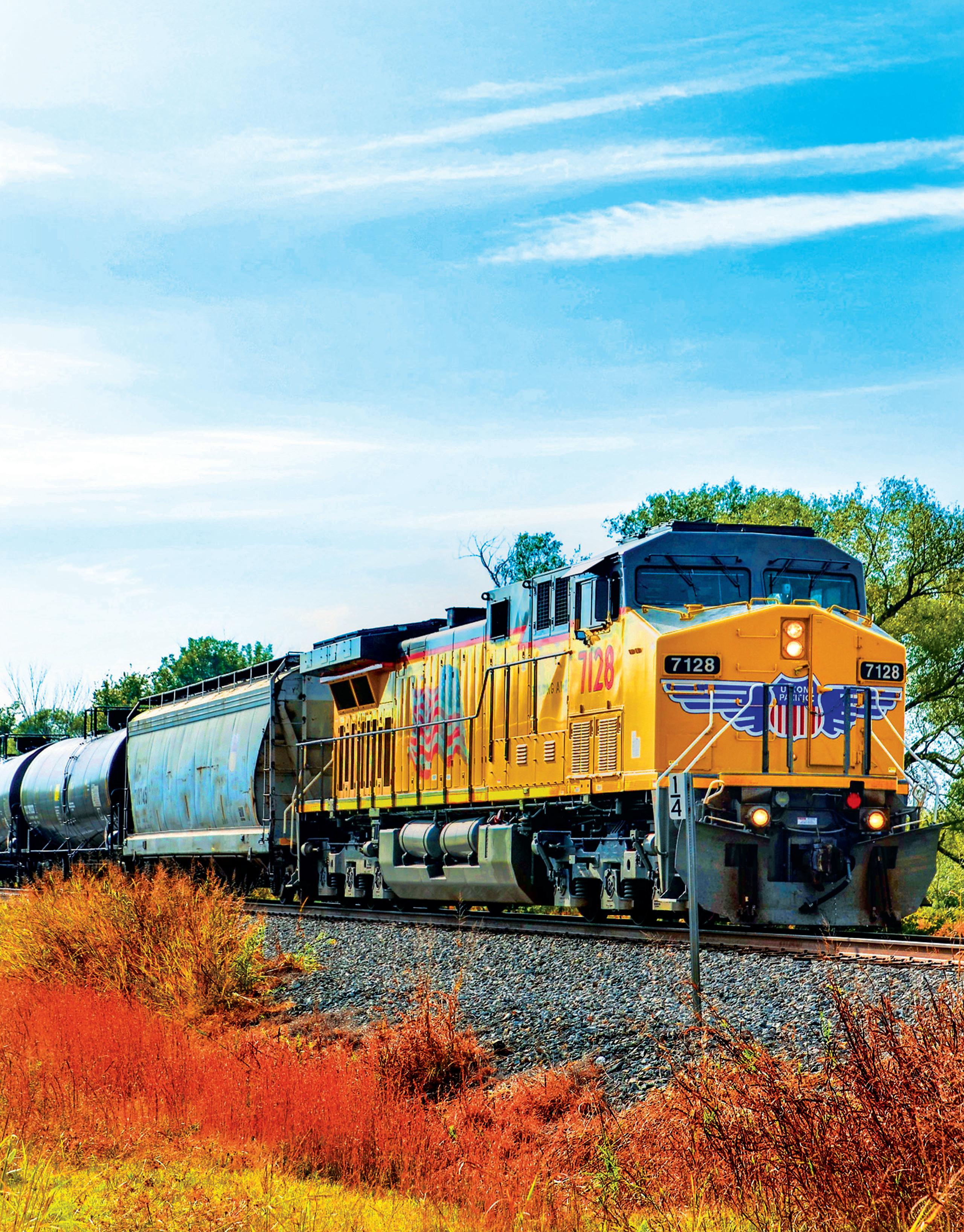
Our cover story profiles a new collaboration that seeks to run liquefied carbon by Union Pacific and Norfolk Southern rail lines to a carbon sequestration hub in Wyoming. Frontier Carbon Solutions LLC is leading the way, and Gevo and Verity, as well as Midwest Renewable Energy in Nebraska, are already “all aboard.” It’s yet another project with technology, infrastructure and partners in place that can take off now. Find out more on page 14.
Then, we pivot to business structure, highlighting the acquisition and merger of the co-located St. Joseph, Missouri, mill and ethanol plant. The LifeLine Group, owned by Turnspire Capital Partners, includes LifeLine Foods and LifeLine Biofuels, formerly ICM Biofuels. The facilities have always run together, but not always under the same management. Read more about the plants’ journey on page 20.
Starting on page 28, we explore new artificial intelligence features that can help gather traditionally siloed data and turn it into valuable action items. It could mean closing the gap in a yield range of 2.67 to 2.95 gallons per bushel, and an annual savings of $4.7 million, according to one technology developer. Given these capabilities, are ethanol producers underutilizing AI? See what the experts have to say.
Finally, the Distillers Technology Council has partnered with ASTM and industry to write a modern set of standards for laboratory testing procedures. With no updates to the standards since 2007, inconsistencies plague the industry and can cost money and customers. Whether in-house or third-party, labs need to align to ensure comparable results industry-wide. It starts on page 32.
Ethanol’s evolution spans many sectors, some we don’t generally consider. It’s proof that it is still a dynamic industry with an appetite for improvement.
-The Editors



Brian Jennings CEO
The American Coalition for Ethanol’s 15th annual Washington, D.C. Fly-In & Government Affairs Summit March 17–18 comes at a defining moment for ethanol, agriculture and rural America. With major decisions surrounding year-round E15 legislation, implementation of the 45Z Clean Fuel Production Tax Credit, and the future of the Renewable Fuel Standard (RFS), this year’s Fly-In carries added urgency. Grassroots advocacy is needed in Washington now more than ever so we can shape positive outcomes on several different issues.
Earlier this year, hard-won momentum toward finally passing year-round E15 in Congress—carefully negotiated with refining interests—was derailed. Instead, the House created the “E15 Rural Energy Council” to develop E15 and small refinery exemption (SRE) legislation for Congress to consider.
I was recently in DC working alongside our champions on this Council to push for a successful outcome, which is to-be-determined at the time this column was submitted to Ethanol Producer Magazine
Whether the House Council succeeds or not, rural America is coping with some of the toughest economic conditions in a generation, so Congress must meet the moment and finally make year-round E15 a reality before the summer driving season. It is a commonsense solution that can immediately boost demand for corn, strengthen farm income and save motorists money at the pump.
If Congress fails to act, we are going to need other solutions involving EPA emergency action or additional state-based opt-outs.
In February, Treasury released its much-anticipated proposal to implement the 45Z Clean Fuel Production Tax Credit and scheduled a public hearing for May 28. While it’s a step in the right direction, more clarity is needed.
Agricultural feedstocks account for roughly half of ethanol’s carbon intensity, making it essential that producers can monetize low-carbon practices to fully unlock the value of 45Z. Treasury must continue working closely with the U.S. Department of Agriculture and the Department of Energy to finalize key tools, including USDA’s Feedstock Carbon Intensity Calculator (FD-CIC) and DOE’s 45ZCF-GREET model.
ACE has played an active role in this process by peer-reviewing and beta-testing the FD-CIC and providing extensive data and feedback. We are also leading a USDA Regional Conservation Partnership Program (RCPP) project to generate real-world data on the carbon benefits of farming practices. This work is specifically designed to address the perceived need for more empirical data on the low-carbon benefits of farming practices to help improve the accuracy of modeling tools. We are hopeful the FD-CIC and 45ZCF-GREET model will reflect the feedback we provided and be finalized soon.
We also do not yet have final 2026 and 2027 RFS blending volumes, and EPA has not yet indicated how it will handle reallocation of SREs. EPA must act swiftly to get the RFS back on track and provide certainty to all parties.
The decisions made in Washington in the coming months will shape the future of ethanol and rural America for years to come. That’s why showing up, speaking up and advocating has never mattered more.

As dramatic geopolitical repositioning requires Europe to think more about its resilience, competitiveness and independence, there has never been a more important time for the EU to adopt policies that make the best use of strategic domestic assets.
This includes European ethanol biorefineries, which help the EU to realize its ambitions for climate change mitigation as well as energy independence, food security, and agricultural and industrial autonomy. But EU policies affecting crop-based biofuels, such as renewable ethanol, are inconsistent and counterproductive to achieving these goals. In fact, the European Commission’s own statistics every year confirm that uptake of renewables in transport is being hindered by unfounded discrimination against crop-based biofuels, leaving the EU needlessly over-reliant on fossil fuels.
Moreover, these policies—along with trade agreements such as EU-Mercosur—threaten an important market for European farmers, who are among the most productive in the world but cannot compete against countries where sustainability and environmental standards are less stringent than those of the EU.
There is a better way; one that valorizes the sustainable use of domestic biomass—multipurpose crops, waste and residues from European farms—into a variety of outputs that help build European autonomy and competitiveness while reducing the EU’s fossil-fuel use.
Renewable ethanol is a homegrown fuel that already achieves significant greenhouse gas reduction—79% on average compared to fossil gasoline—in the gasoline and hybrid cars that Europeans continue to favor.
European ethanol biorefineries are constantly innovating with the capture of biogenic CO2 from fermentation and the use of cogeneration so that the fuel they produce is nearing carbon neutrality.
The important climate benefits of renewable ethanol do not come at the expense of food security: European ethanol biorefineries produce more food and feed than fuel, as well as important quantities of domestically captured biogenic CO2, which replaces fossil CO2 in a variety of applications.
According to a new study from the Nova Institute, the use of agricultural biomass for food, renewable fuels and green chemicals guarantees important benefits for food security, biodiversity, agriculture and climate change mitigation.
Research has shown that there is space to increase domestic production from these biorefineries to meet demand for increased blending of renewable ethanol into gasoline to offset the need for imported oil. Allowing these fuels to be fully included among sustainable renewable fuels eligible under key EU regulations (e.g. CO2 standards for light duty vehicles, FuelEU Maritime and ReFuelEU Aviation) will accelerate the EU’s drive to de-fossilize transport, which is currently hampered by slow development and uptake of other technologies.
A flexible approach to road transport de-fossilization—allowing more solutions than just electrification and providing pathways to help de-fossilize the whole fleet, including existing vehicles—also has an important social dimension: It allows all Europeans to take part in the fight against climate change, not just those who can afford electric cars.
A technology- and feedstock-neutral approach to maritime and aviation de-fossilization equally including all sustainable feedstocks and renewable fuels would allow the EU to easily deploy widely available and scaled pathways with a proven emission reduction track record.
Europe’s reticence about using crop-based biofuels to achieve its strategic ambitions is an anomaly in the world; other developed countries are stepping up their domestic production—with no discernible impact on food availability or prices.
When it comes to achieving strategic goals such as climate change mitigation, food security and competitiveness, maybe it’s time for a European declaration of independence.
According to data released by the Census Bureau, 2025 U.S. ethanol exports through November totaled 1.96 billion gallons, already surpassing annual shipments of 1.94 billion gallons in 2024, which had smashed the previous record. With one month of data to go at the time of printing, calendar year 2025 exports were on pace to exceed 2 billion gallons for the first time, which would represent 13% of U.S. ethanol production, also a record.
CF Industries Holdings Inc., a global manufacturer of hydrogen and nitrogen products, and POET have launched a pilot project with major agriculture cooperatives to jointly develop a low-carbon fertilizer supply chain. The goal of the pilot is to demonstrate how the use of low-carbon nitrogen fertilizer can substantially reduce the carbon intensity of corn and enable the production of low-carbon ethanol for use in motor fuel and export.
The pilot includes WinField United—the crop inputs and insights business of Land O’Lakes Inc.—along with agricultural cooperatives NuWay-K&H, New Cooperative and Farmer’s Cooperative.
Vitol Inc. announced in mid-January that it has acquired full ownership of Mid America Agri Products/Wheatland LLC and its parent company Mid America Bio Energy & Commodities LLC.
MAAPW, a 50 MMgy ethanol plant in Madrid, Nebraska, was founded by late ethanol industry pioneer Robert “Bob” Lundeen. The facility began operations in 2007, producing corn ethanol and coproducts. The company in late 2017 received approval from the U.S. EPA to produce cellulosic ethanol from corn kernel fiber. MAAPW has continued to innovate, and in 2025 became the first
Canada remained by far the top destination for ethanol, accounting for over one-third of total exports. Through November, 726 million gallons of ethanol had been shipped to this vitally important market, which also was already a new annual record. Notably, U.S. exports to the European Union were on pace to roughly double from 2024, making it the second-largest market. Other top destinations included India, the United Kingdom and Colombia.

Participants will track the carbon intensity certification of the low-carbon fertilizer produced by CF Industries and sold from its distribution network through retail distribution channels and, ultimately, to corn growers across Iowa, Minnesota, Missouri and Nebraska. POET’s facilities will then utilize the corn produced using lower carbon-intensity fertilizer in Minnesota, Iowa and Nebraska for ethanol production. The consortium successfully completed the first distribution and applications of low-carbon ammonia fertilizer in the fall of 2025.

customer to deliver CO2 to Tallgrass’ Trailblazer Pipeline for permanent sequestration in Wyoming.
Vitol has been a shareholder in MAAPW and the exclusive marketer of MAAPW ethanol since 2018. According to the company, the acquisition reflects Vitol’s ongoing commitment to the renewable fuels sector and its confidence in the future of ethanol as a key component of the energy transition.
Chief Ethanol, Fluid Quip Technologies and Whitefox Technologies have announced a strategic partnership to revamp, modernize and innovate the equipment and process systems at Chief’s Hastings, Nebraska, ethanol plant. Under the partnership, FQT will serve as the primary engineering, integration and construction partner, delivering its proprietary Low Energy Distillation (LED) technology, while Whitefox will supply its Integrated Cartridge Efficiency (ICE) technology and advanced membrane-based platform as key components of the upgraded process systems.
U.S. Trade Representative Jamieson Greer signed a reciprocal trade agreement with Guatemala on Jan. 30. Under the agreement, Guatemala will implement an E10 blend mandate for on-road ethanol use and endeavor to purchase at least 50 million gallons of ethanol from the U.S. annually. The agreement also includes zero tariffs for U.S. agricultural products.
According to data published by the USDA Foreign Agricultural Service, Guatemala is not currently a significant importer
Over 40 farm and agricultural groups have launched the Agricultural Coalition for the United States-Mexico-Canada Agreement, underscoring the accord’s vital role as an economic engine for the U.S. farm economy and calling for its renewal with targeted improvements.
As part of the launch, the group unveiled a new website and kicked off an aggressive ad campaign in the nation’s capital, all of which is designed to promote the benefits afforded to the U.S.

According to Chief Ethanol, the collaboration reflects a longterm commitment to continuous improvement, operational excellence and leadership in ethanol innovation. Through this partnership, FQT and Whitefox are working together to provide a fully integrated distillation, dehydration and evaporation system that materially reduces energy demand while improving overall plant efficiency. A joint statement from the companies stated, “The integrated approach combines advanced process engineering with proprietary membrane technology to redefine what is possible in ethanol plant design and operation.”

of U.S. ethanol. The country imported only 7,305 gallons of U.S. ethanol in 2024, down from 28,937 gallons in 2023 and 49,282 gallons in 2022.
Ethanol industry advocates, including the Renewable Fuels Association, Growth Energy, the American Coalition for Ethanol and the U.S. Grains and Bioproducts Council, applauded the trade agreement.

food and agriculture sector under the USMCA as the administration approaches the 2026 mandatory review.
USMCA was signed by the U.S., Mexico and Canada in 2018 during President Trump’s first term and was implemented in 2020 to replace the North American Free Trade Agreement. The agreement has significantly increased U.S. agriculture exports to Canada and Mexico, provided more certainty among the three nations and created a mechanism for resolving trade disputes.
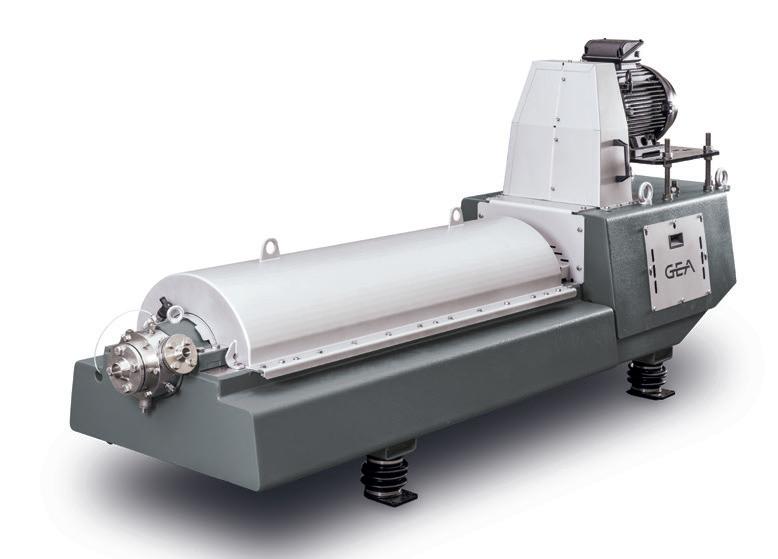
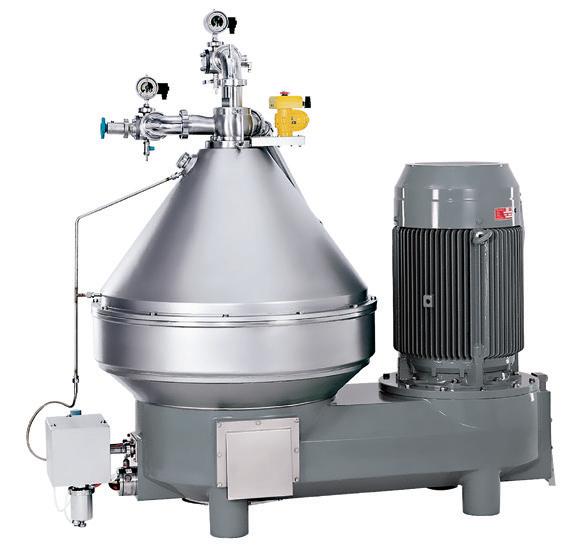
Trucent’s S-Series centrifuge offers ethanol producers a simple solution for solids fouling in caustic tanks.
By Katie Schroeder
Ethanol producers often encounter issues from solids buildup within their cleanin-place (CIP) system and tanks. A crucial component of the ethanol facility’s hygiene system, the sodium hydroxide (caustic) distributed through the CIP system eliminates organic material buildup and flushes heat exchangers, syrup lines, fermenters and more. Jason Hugie, North American technical sales manager with Trucent, explains that the CIP system often becomes fouled due to the residual mash and distillation solids, dirt, sand and gravel. Those solids accumulate in the caustic tanks, leading to operational problems throughout the production process, such as spray ball blockage and lower heat transfer rates.
“All that material ends up in your caustic tank, often resulting in required manual
cleaning, [where] you’ll need to drop your tank, lock it out and have personnel go in there to shovel out the solids,” he says.
Hugie has even seen some plants turn off the CIP system completely due to the amount of solids buildup in the tank, making the fermentation susceptible to infection from microbial growth. Trucent has applied its centrifugation expertise to this problem with its flagship industrial S-Series centrifuge—a simple, straightforward and reliable solution. Designed and built in Noblesville, Indiana, the S-Series has over 1,000 installations globally. This robust yet simple machine has been incorporated into a modular skid to serve as a “plug and play” option for ethanol producers, removing fine particulate from the CIP fluid and returning a cleaner solution to the tank.
In a trial run at an ethanol facility, the S-Series skid removed over 150 pounds of solids each day, improving heat transfer rates in heat exchangers and preventing spray ball clogging, Hugie explains. After the trial ended, the ethanol plant operators noted the negative impact of its absence within weeks and purchased their own S-Series centrifuge.
“It’s a smart, simple solution to solve solids issues with your CIP system,” Hugie says, listing the system’s benefits. “No more spray ball plugging, increased heat retention time across your heat exchangers, reduced foaming incidence, less fouling in your evaps and no more confined space entry into the tank.”


The future of the ethanol industry depends on decarbonization.


With proven technology and partners lining up to learn how they can participate, a new carbon-by-rail project is gaining momentum.
By Luke Geiver
To help ethanol producers manage captured CO2, Frontier Carbon Solutions LLC is full steam ahead with a carbon-by-rail logistics operation that could serve producers from Illinois to California. Robby Rockey, CEO of Frontier Infrastructure Holdings LLC, the Tailwater Capital-backed parent company of Frontier Carbon Solutions, says the rail-based network could be up and running by the end of 2027.
“Our rail option is months away, not years,” Rockey says. Once operational, Frontier will load CO2 captured and liquefied at ethanol plants into railcars, transport it to Wyoming and inject it into a sequestration well.
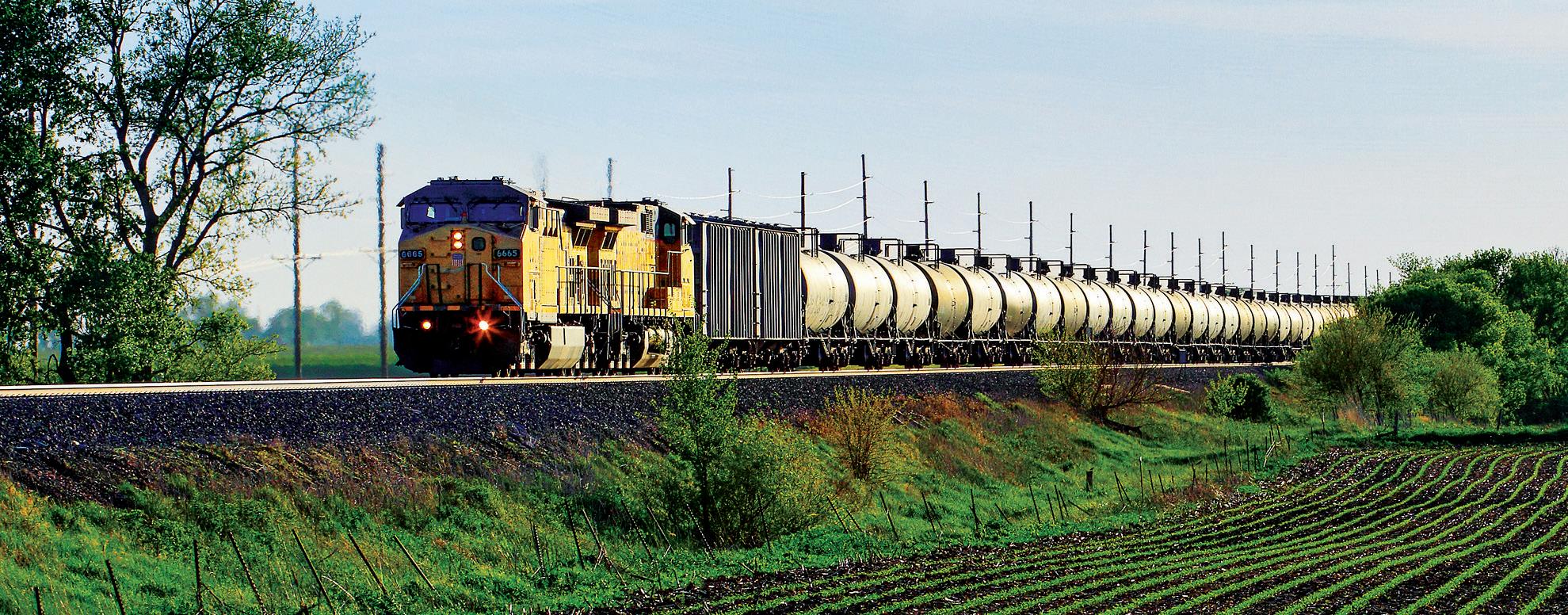
The carbon-by-rail approach relies on existing rail lines and providers like Union Pacific and Norfolk Southern, as well as CO2 liquefaction infrastructure, specialized insulated railcars and a geologically suited Class VI sequestration well capable of storing CO2. All of that, according to Rockey, already exists and is ready for implementation into Frontier’s logistics network.
“This is such a big opportunity,” says Steven Lowenthal, co-CEO at Frontier. Carbon by rail is
already happening across the country, he explains. “We can do this right now.”
Rockey and Lowenthal formed Frontier roughly four years ago. Rockey is an engineer by trade with extensive experience in enhanced oil recovery and high-volume CO2 processing and handling throughout Wyoming and other states. Lowenthal’s expertise is in finance, private equity, tax credits and carbon financing. The greater Frontier team has worked with the Global CCS Institute, the University of North Dakota’s Energy and Environmental Research Center, the Enhanced Oil Recovery Institute and the University of Wyoming’s School of Energy Resources.
When Rockey and Lowenthal recognized that CO2 was becoming a liability instead of a commodity back in 2021, they knew there was an opportunity to provide a solution based on their experience managing carbon. According to Lowenthal, moving carbon by rail is less risky than moving it by pipeline. Rail has a lower upfront cost for carbon management, but a higher operating cost over time. In most cases, a pipeline requires a 15-year commitment, at minimum, for a developer
to justify the buildout. With rail, that commitment can be as little as five years.
Although carbon by rail may be novel to ethanol-based carbon-management strategies, several industries have long relied on the concept, such as food and beverage, helium, mining and enhanced oil recovery. Lowenthal says equipment manufacturers in the space see carbon by rail as a promising and growing source of demand.
“Many are investing in this space,” he says.
Union Pacific, a long-time national rail line operator that serves 23 states and counting, has already partnered with Frontier.
Beth Whited, president of Union Pacific, says the rail giant’s network aligns geographically with permanent storage formations. “We are actively working with industry partners to develop future solutions,” she says.
Union Pacific even has a dedicated carbon-by-rail team now. According to the company, tank cars are the ideal solution for transporting liquid CO2, with a capacity of 80,000 metric tons of the inert, non-flammable gas.

Robby Rockey Co-CEO, Frontier Infrastructure Holdings LLC
“Crude by rail seemed like a wild idea 20 years ago,” Rockey says. “But today it is very normal.”
As recently as 2024, the Kleinman Center for Energy Policy, released a report outlining carbon by rail. The rail industry has safely transported liquefied CO2 for decades at an estimated 1.2 million tons annually, the report’s authors said. Rail also



has a low incident rate regarding CO2 release during transport, and (due to low volumes moved per tanker), rail has an ideal safety record for communities unfamiliar or concerned with CO2 transport.

Alina Ho, an author of the report, said rail transport has a meaningful and complementary role in carbon management supply chain logistics and, under the right conditions, “it should be considered the first option for CO2 transport—not a backup plan.”
The process of capturing carbon and



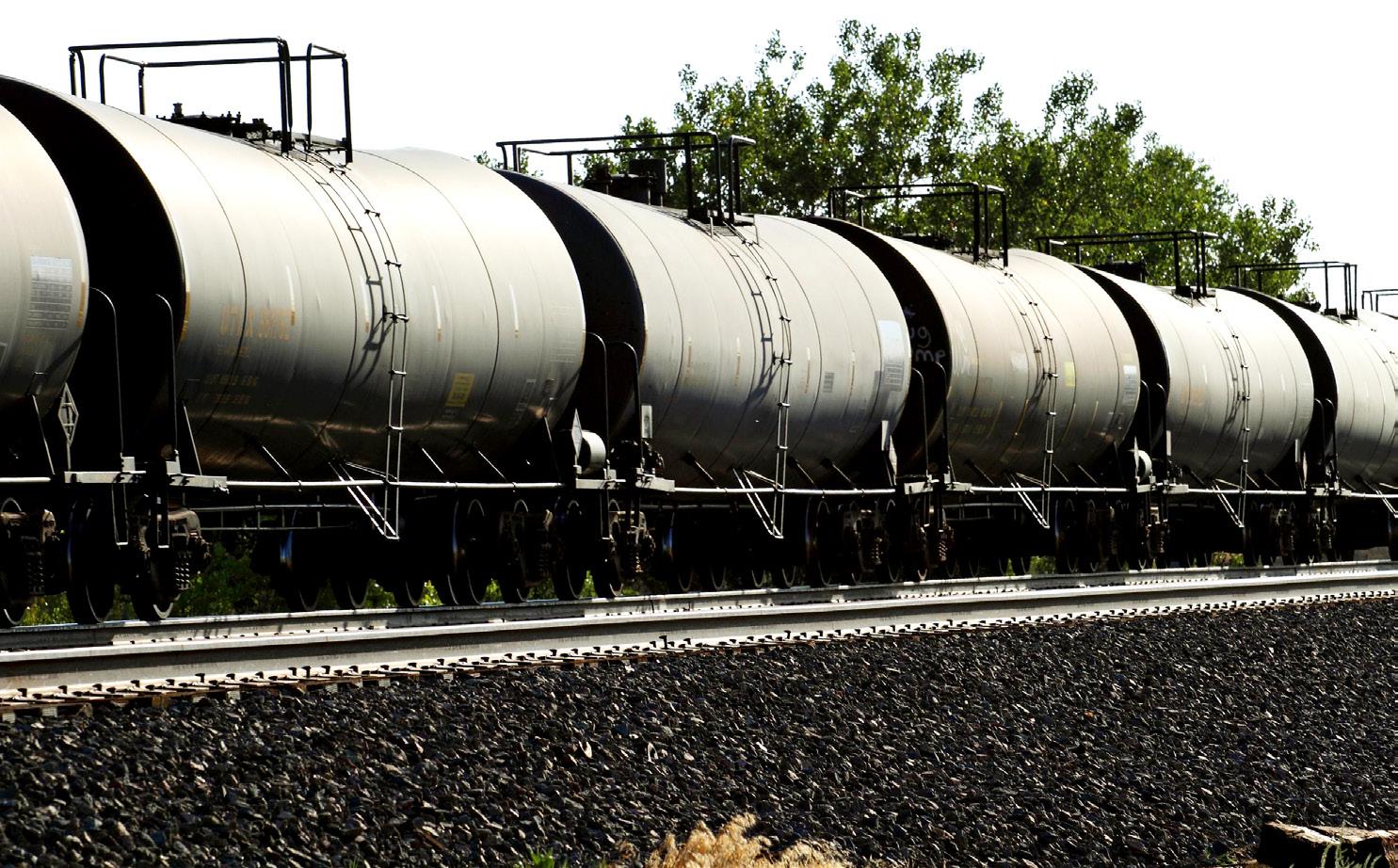
transporting it via rail is somewhat straightforward, Rockey says. Liquefaction skids are placed adjacent to a CO2 stack. The liquified CO2 is then stored in tanks prior to transfer to railcars. The U.S. Department of Transportation requires DOT-105 or DOT-112 railcars to move such gases. Either option is suitable for transporting liquefied compressed gases under pressure. The Railway Supply Institute says 105 or 112 cars already make up roughly 20% of the existing North American tank car fleet.
Frontier’s team is completing a massive, multi-purpose carbon storage hub in Southwest Wyoming called the Sweetwater Carbon Storage Hub. The hub has already obtained three Class VI underground injection permits. Once complete, it will store more than 350 million metric tons of CO2 across a 100,000-acre network. The SCS hub will offer the capacity to sequester 10 million tons annually.
To connect CO2 producers from across the Midwest and the west to the hub,
Frontier has also built the Granger Carbon Terminal in Wyoming. According to the

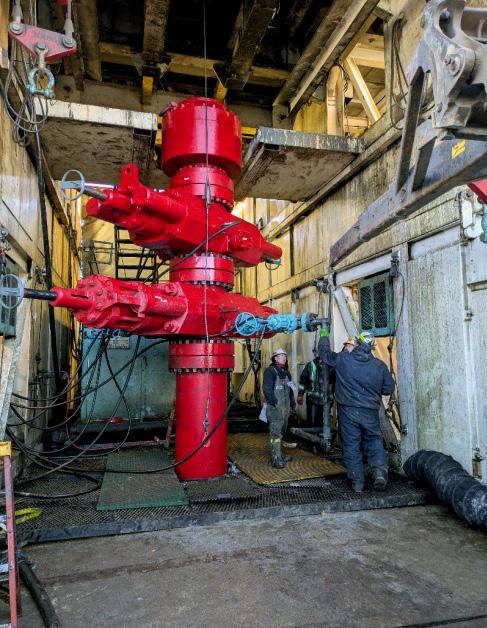

company, the terminal is the world’s first large-scale rail-to-sequestration offloading facility. If a CO2 emitter can capture CO2, transport it via rail to the Granger site, Frontier can then move the CO2 through Granger and sequester or store that carbon within its SCS hub.
Rockey says the communities of Southwest Wyoming where the SCS hub exists are using CO2 in a variety of industries from helium production to natural gas mining to enhanced oil recovery. CO2 brought there is welcome, he says.
When the Frontier carbon-by-rail system starts rolling in 2027, Rockey says the team would like to be in a seven- to eightday loaded transit to destination schedule.
“We are really good at moving the molecule and getting it into the ground,” Lowenthal says.
Determining if a plant can participate in Frontier’s system is relatively simple and
quick. Lowenthal and team need to know about existing liquefaction infrastructure and rail access.
“We can give you a pretty good read of viability in a day or less,” he says of potential ethanol clients.
Frontier is already adding ethanol producers to the network today. Some may need track upgrades or added liquefaction capabilities. The team will work with a producer in one of two ways. Through a transportation model, Frontier will provide a fee-for-service. Frontier will take the
liquified CO2 from the plant, transport it to Wyoming and store it. In a more involved approach, Lowenthal is also willing to explore funding a joint venture or establishing a shared investment with an individual producer.
Despite its focus on ethanol, Frontier has already gained support from other major names across industries. In addition to their formal work with Union Pacific, Frontier is also collaborating with Baker Hughes, a global oil and gas technology and services company; Prometheus Hyperscale,
and PureWest Energy. In addition, Frontier will supply 120,000 tons of carbon credits generated through bioenergy with CCS to Wild Assets, a global asset manager for CO2 removal credits. Gevo, along with its Verity platform used to manage and generate carbon tax credit monetization, is also working with Frontier.
“Our collaboration with Gevo and Verity eliminates the primary barriers facing ethanol producers in carbon management,” Lowenthal said at the time of the announcement in September last year. “By combining rail flexibility with proven sequestration and transparent tracking, we’re enabling facilities to start capturing value from their CO2 streams within 24 months rather than waiting years for alternate approaches.”
Some ethanol producers, such as Nebraska-based Midwestern Renewable Energy, have already gone public with their intent to use the Granger Carbon Terminal.
“This partnership fundamentally changes the economics and timeline for carbon management in the ethanol industry,” according to Jim Jandain, CEO of Midwest Renewable Energy. “Having rail transportation, permanent sequestration and Verity’s digital verification in one integrated solution means we can move from decision to implementation in under 24 months. For MRE, this is about securing our position in the low-carbon fuel market while that window is still open.”
When Rockey and Lowenthal first started building out Frontier Infrastructure four years ago, they admit ethanol wasn’t the main focus.
“Now, though, we’ve seen this as such a big opportunity and an industry that has a need that aligns with our skillset and offering,” Rockey says.
Frontier is in discussions with several other ethanol plants. “The thing that has
us excited about this is that it is all absolutely possible, and we can do it right now,” Lowenthal says.
Rockey believes in the experienced team behind the scenes, citing their time in CO2 sequestration. Lowenthal says the team’s ability to manage the 45Z portion of the process makes them ideal for CO2 management. When asked about expansion plans, both say they aren’t ruling out the day when full unit trains (100-plus rail cars) carry liquefied CO2 from places as far east as Illinois or as far west as California to southwest Wyoming for storage and sequestration. But until then, Rockey’s message about the near-term future of carbon by rail is clear.
“We are ready to go, and we are ready to open for business.”
Author: Luke Geiver writer@bbiinternational.com
An ethanol plant and food producer reunite, working to discover new opportunities and efficiency.
By Katie Schroeder
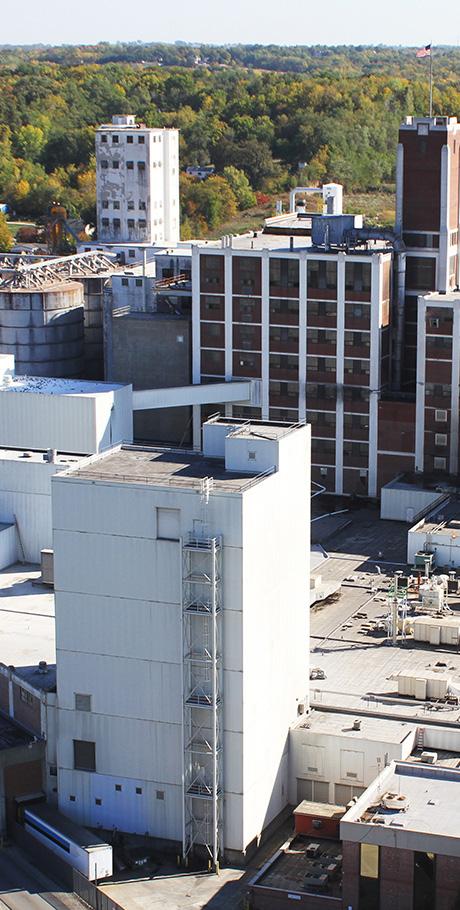
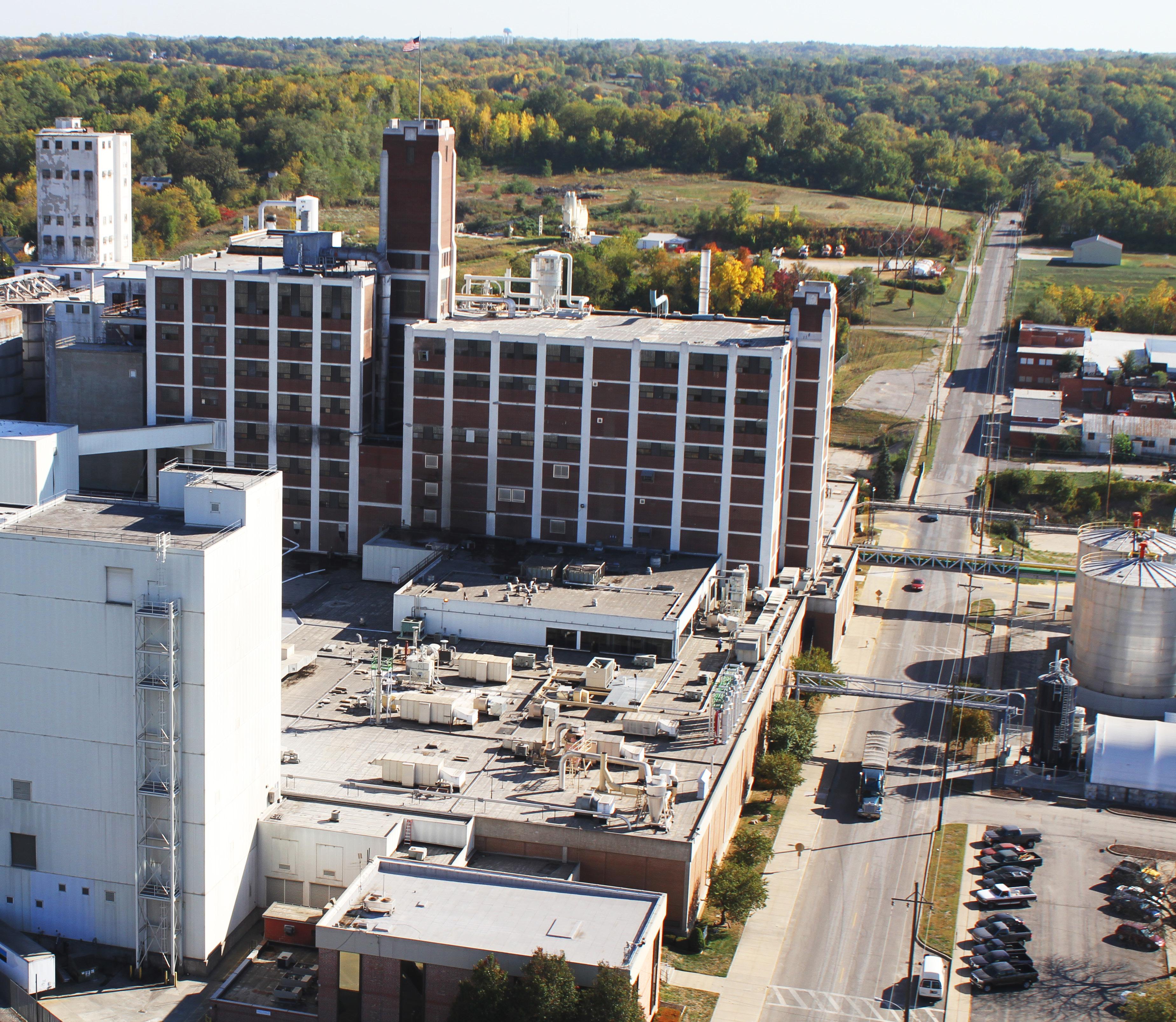
As a food mill and ethanol plant reunite under the same owner, the new combined company works to integrate the two parties’ operations by building on the legacy of utilizing corn to make fuel, flour, animal feed and more.
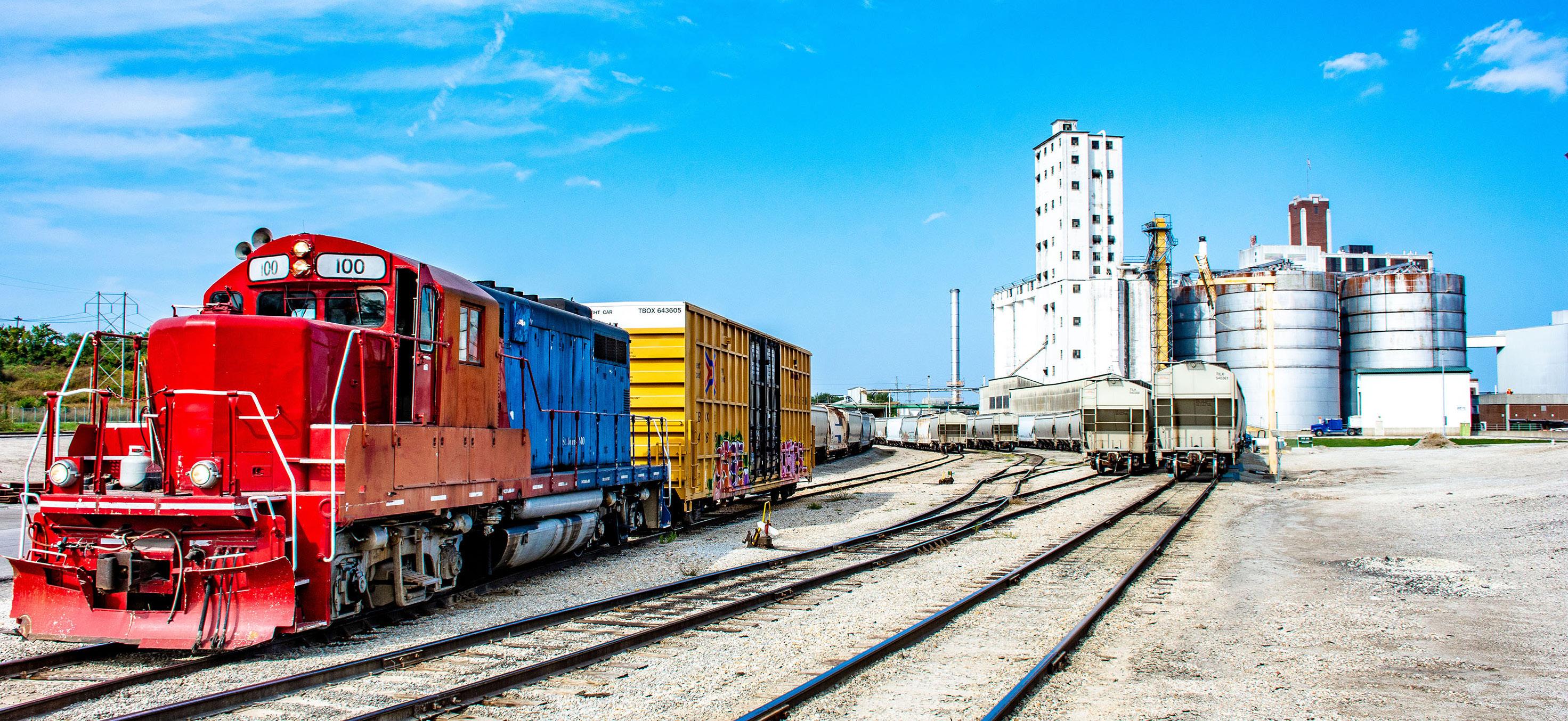
The LifeLine Foods mill has a long history in St. Joseph, Missouri. Originally owned by Quaker Oats, the facility’s design supported the processing of a variety of crops, including wheat, oats and corn. A farmer’s co-op, AgraMarke Quality Foods Inc., bought the vacant breakfast mill in 2001 and transformed it to focus solely on corn-derived food ingredients.
In 2005, LifeLine approached Dave VanderGriend of ICM about building an ethanol plant on its campus, situated next door to the mill and using the hominy waste stream as a feedstock. Since the ethanol plant’s startup in 2007, the connection between the two facilities allows food production with near zero
waste. The 50 MMgy ethanol plant was operated under the LifeLine name for several years but was leased to ICM in 2014. ICM operated the facility separate from LifeLine Foods, though the ethanol plant continued using the byproduct stream from the mill.
Turnspire Capital Partners LLC recognized the opportunity for improved operation by acquiring and recombining LifeLine Foods and ICM Biofuels. In June 2025, the company hired Jeremy Bezdek as a consultant to help with due diligence, and the transactions closed in November 2025.
After the combination, Bezdek accepted the position as CEO of the newly created The LifeLine Group—the new name encapsulating LifeLine Foods and ICM Biofuels into one company. The LifeLine Group employs 224 people, serving as a substantial employer for the St. Joseph area. The food products facility will keep the “LifeLine Foods” name,

but the ethanol plant’s name will change from “ICM Biofuels,” to “LifeLine Biofuels” to reflect the acquisition and merger.
In a written statement to Ethanol Producer Magazine, ICM says the ethanol plant played a key role in the commercial development of the company’s technologies. “The facility served as a first adopter and platform for validating and deploying ICM technologies, helping ensure solutions were proven at scale before being introduced more broadly to the industry,” ICM states. The company will now focus more on scaling and advancing process technologies and supporting customers.
This acquisition marks a new chapter for Turnspire as well, according to Bezdek. These two facilities are the firm’s first agricultural asset. As a new chapter begins, the opportunities for growth and development are plentiful. “What Turnspire saw was an opportunity to bring it under one ownership group, the whole business,” Bezdek adds. “And then invest in a significant way into not only reliability, but projects to grow the business and the financial footprint into the future.”
The roughly 600 farmers behind the AgraMarke co-op retain a minority share of LifeLine’s ownership and the facility remains farmer owned. “The farmers of course enjoy
having LifeLine here, it … elevates the price of their corn because there’s more demand here locally,” shares Michelle Clark, chief financial officer at The LifeLine Group. “But we’re very fortunate to have such a strong farmer commitment.”
As a Missouri native, Clark grew up 30 miles from the LifeLine campus. She started working at LifeLine Foods 13 years ago, before the company’s ethanol facility was leased to ICM. Upon joining the company, she tackled the job of finding a strategy to restructure debt and better the chances of securing fi-
nancing to expand and improve the corn mill.
In the end, leasing the ethanol plant separately from the milling business provided LifeLine Foods with consistent monthly income from the lease—an attractive factor in the eyes of a bank, Clark explains. This change enabled LifeLine to receive the loan needed to rebuild the corn mill. In 2018, LifeLine Foods added a second dry mill and expanded its product offerings further in 2020 with the addition of a different type of corn mill, one with the wet milling capabilities needed to make masa flour, used in tortillas and tortilla chips.







Babies cry when something’s wrong. Loudly
But how can your yeast get attention?
Say it’s not got the right nutrition? Or there’s an infection starting? How long before you know?
Well now yeast can trust in the IRmadillo™ IRmadillo measures the concentrations of multiple chemicals. Simultaneously. In real time. Sugars, acids, oxygen, FAN, PAN and more.
And if you always know exactly what’s going on in the ferm, out goes the guesswork.
And in comes immediate action to make your yeast happy again.
If only there was something similar for babies.
Scan the QR code to find out more.

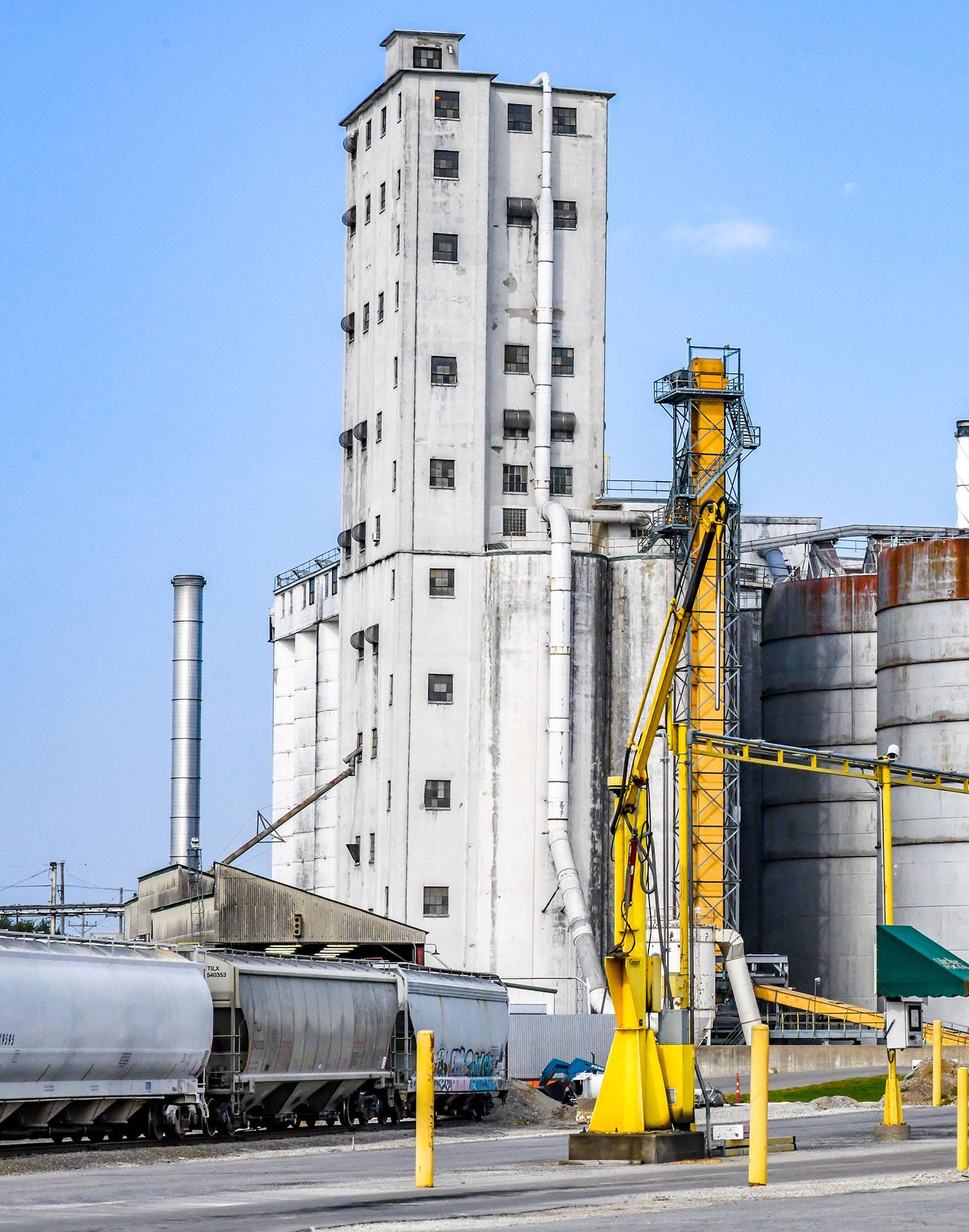
The ethanol side of the plant also changed and adapted throughout its time as a separate company. During ICM’s ownership, several of the new systems—such as its Fiber Separation Technology— where added to the production process, proving them at commercial scale. These additions remain “incredibly beneficial” to the ethanol facility’s operation, according to Clark. ICM still operates a pilot-scale testing site on LifeLine’s campus. “With the new ownership, ICM has established a good collaborative relationship and continues to operate the pilot plant site under a long-term lease, including adjacent offices,” ICM states. “The facility remains an integral part of ICM’s innovation efforts, supporting ongoing research, technology development and validation activities through a dedicated team and well-equipped infrastructure.”


IRmadillo.com
The LifeLine Group’s facilities foster local corn demand and turn millions of bushels of corn into a wide array of products. A core procurement team intakes the corn needed for both facilities. Situated in the heart of the corn belt, Missouri has the second-highest number of farms in the nation. The two facilities use 26 million bushels of corn each year in a region that produces 197 million bushels. The amount of corn available gives The LifeLine Group room to grow, Clark explains.
Multiple corn varieties—yellow, white and non-GMO—are purchased after testing for mycotoxins. The food ingredient facility uti-
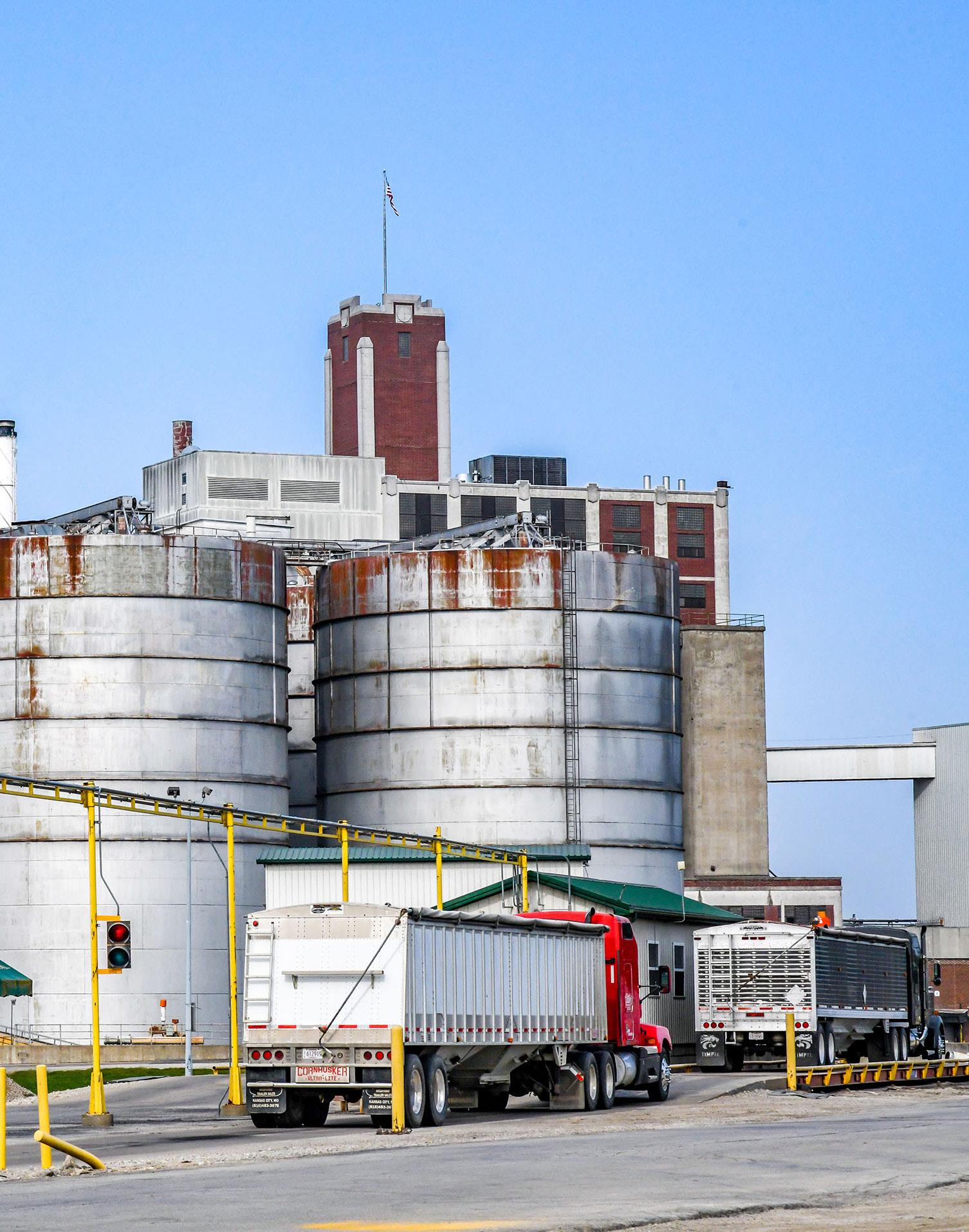
lizes all three types of corn, while the ethanol plant only takes yellow corn.
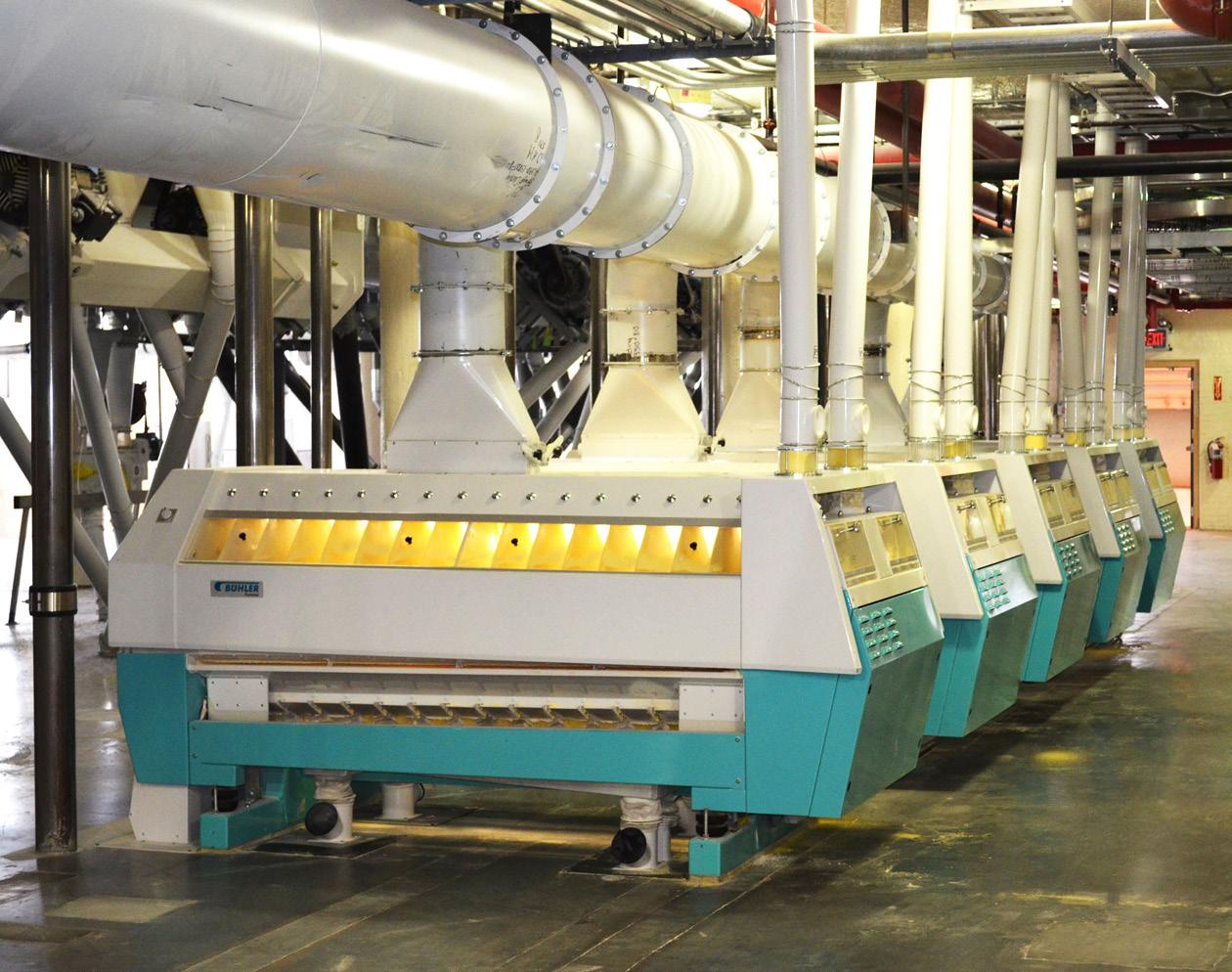
“We’re milling the starch down to various shapes and sizes, and that’s what creates the various different products,” Bezdek says. “Then our customers can take those products and produce the actual food products from them. We’re not, of course, making [snacks] and tortillas, but we’re making the flour that goes into those food products.”

More than 35 years of tackling the most dif cult silo cleanout projects in 30+ countries worldwide.
Professional service technicians are MSHA and OSHA-certi ed and adhere to a rigorous continuing education program.
We conquer the most dif cult cleanout projects in the world with our proprietary silo cleaning technology.
Alongside snack meal and masa flour, LifeLine Foods produces other starch-based products including brewer’s grits and a nonfood product used in the construction industry. “We … take a stream from the dry mills, and we run that through an extruder process and … make a corn [starch] binder product that could be considered a biochemical that goes into building materials well,” Bezdek says. “So a non-food product on the food side, but it comes from the milling process.”

As more products were added to the food ingredient process, less hominy waste

was sent to the ethanol plant, necessitating the addition of a hammer mill in the ethanol facility. Whole corn now makes up 65% of the ethanol plant’s feedstock, while the hominy waste constitutes the other 35%. Most food ingredients produced at LifeLine Foods are derived from the starch portion of a corn kernel, leaving behind the oil-rich germ in the hominy waste. The extra germ in the feedstock mix leads to higher-than-normal oil yields, Bezdek explains, with the ethanol plant’s oil production standing at about 20 million pounds per year.
LifeLine Fuels also produces dried distillers grains and wet distillers grains, which are sold as livestock feed. Both types of distillers grains are sold locally, but DDGs are distributed farther afield as well.
The two facilities provide over 200 jobs in the St. Joseph area, a predominantly bluecollar community with a strong background in manufacturing. Clark serves on the Chamber of Commerce board for the community



and assists in economic development efforts for the local area. “We’re one of the larger employers in the community, so I think it’s important for us to show that we also are supportive of our employees,” she adds.
Community engagement does not stop there; LifeLine works with technical college programs at local high schools, giving students hands-on experience in the trades. “We found if we can grow our own talent, then they’ll stay here and we can continue to develop,” Clark says.
Recombining the two facilities offers myriad opportunities, according to Bezdek. “We have the opportunity to go capture additional stream synergies across the various milling businesses and process units, he says. “[Some of those opportunities] were captured in the past, but I think now under one umbrella, we’re all incentivized to make the most valuable products for the entire campus,” he says.
Although the merger comes with some hurdles, such as harmonizing company policies and ensuring payday falls on the same day at both facilities, Bezdek sees value in the opportunity for staff to learn from one another.
“Being a foods plant requires certain permitting and registrations, being a fuels plant has different registrations and permits, but the learnings of how they apply those permits and registrations … we’ve already started to see some of the value there,” he says. “The opportunity to harmonize some of our capability [in] maintenance, health and safety, [and] environmental, where we’ve had two different programs, now we can bring those programs together to find synergies that allow us to be even better at how we perform from a safety standpoint, [and] how we perform from an environmental standpoint.”
Abundant growth options are available for multiple products, including masa flour production and extruded building material products, and several concepts are under con-
sideration, Bezdek explains. For the ethanol side of the company, process efficiency improvements and the resulting carbon intensity score reductions would better the plant’s profitability. “We do have some investments that we’re making there to improve the reliability of the plant as well as improve our cost position and our carbon position to be able to generate additional value for our owners,” Bezdek says.
Clark views new ownership as a door to potential innovations and development in the future. After over a decade with LifeLine, she’s looking forward to the new owner’s next steps. “I’m really excited for them to come in and continue … [the growth of the] company,” she says. “I mean, that’s what excites me; that’s why I wanted to stay and see this continue on … because they saw what was special, and I saw what was special.”
Author: Katie Schroeder katie.schroeder@bbiinternational.com






From fermentation optimizations to CI score reductions, industrial AI developers are serving ethanol producers with solutions meant to amplify human performance, not replace it.
By Luke Geiver
Industrial producers and manufacturers all face the same common problem: too much data and not enough clarity on what to do with it. Artificial intelligence (AI) can offer a solution to that sea of data, but only if the AI is set up to deliver something the end-user actually wants to see. At least that’s how the Golgix team views AI.
Based in Milwaukee, Golgix provides human-centric AI solutions that are fast to deploy, easy to use and can impact operational decision-making on a daily, weekly and yearly basis.
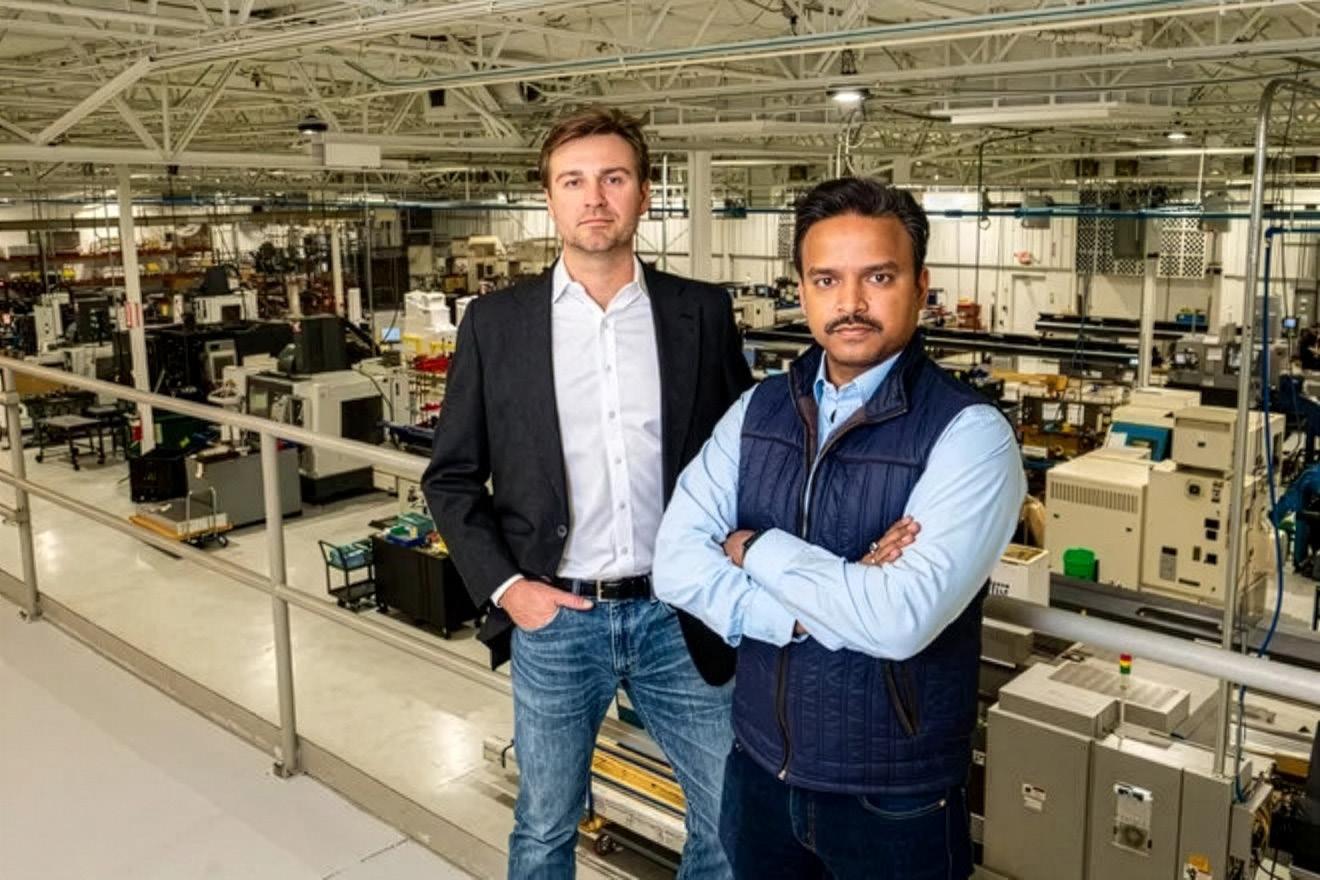
“Our goal is to help plant teams hit their operational and business goals, retain knowledge and make performance visible across the organization without adding more work for people on the floor,” says Jessica Morrison, vice president of sales and strategic growth for Golgix.
Nitin Ranjan, CEO, and Charlie Scott, chief revenue officer, founded Golgix after working and building industrial analytics and AI solutions for 20 years. To date, the company has received funding from Gateway Capital, Milwaukee Venture Partners and
others. In 2025, the company has tripled in size, says Scott. During their previous work developing AI for large enterprises, they realized their solutions (although highly successful) were complex, expensive and typically required teams of data scientists and Ph.D.s to deploy, interpret and maintain.
“At some point, we asked a fundamental question: what if we built industrial AI that empowers real production teams instead of data experts?”
Their answer was the foundation of Golgix. They had success working with the National Renewable Energy Lab to predict fermentation outcomes using AI. In fact, their solution outperformed all the others used, Scott says. In large-scale ethanol production, the company has made an early mark because of its ability to process the 52 million data entries created every day at a modern ethanol plant, Ranjan says.
“No human can process that amount of data,” he says.
While Golgix can customize its AI know-how for almost any need, the heart of the work revolves around unifying data to
provide operational and prescription-based intelligence.
Some producers use Golgix to analyze coproducts, Scott says. Others are focused on contamination issues. Increasingly, Scott says, carbon intensity reductions driven by the 45Z Clean Fuel Production Tax Credit are the focus.
In most ethanol plants, Ranjan says, data is siloed across departments. Labs, SCADA systems, utilities, fermenters, distillation columns and other major sections of the plant all have their own data. Golgix collects all of that data and puts it to work to create what it calls the “golden batch.”
Although all ethanol producers know what their peak yield possibilities may be, variability issues keep them from consistently maintaining those yields. Every 1% change in yield can mean a difference of $2 million in annual revenue, Ranjan says.
Golgix uses data collection, machine learning and predictive modeling to define a plant’s golden batch, then provides indicators and actions to achieve and maintain the golden level.
“This is especially critical given the concentration of expertise in producer organiza-
tions and the realities of today’s labor market,” Scott says.
For ethanol, Golgix can continuously analyze, predict, and validate levels of variables no human can, from temperature drifts to liquid volumes or pH levels and chemical mixes.
“There are patterns hidden in your data,” Ranjan says.
By unifying and analyzing data at the speed of AI, Golgix can pinpoint yield drivers, provide early warnings that production is moving away from that golden batch model or even provide prescriptions that will help sustain peak yield. In addition to boosting yields, Scott and his team have helped cut energy waste and lower carbon intensity.
Golgix’s basic approach to providing value to producers requires an eight-week deployment of its Core AI platform and FactFindr that will help reduce variability, boost yields and identify the golden batch. For example, Golgix analyzes nearly 270 fermentation batches (roughly six months of production data) to get a baseline of a plant’s current performance. The data may show a yield range that varies from 2.67 to 2.95 gallons per bushel. But, closing that gap could generate an additional annual feedstock savings of $4.7 million without capital investment, the company says.
Reducing variability in the fermentation process then improves predictability of steam and electrical load, which enables reductions in energy intensity and improvements in the plant’s CI score.
Golgix can also provide a weekly pulse report, a summary of chronic issues that need to be monitored or addressed in addition to a detailed review of general operating conditions. The reports include actionable recommendations for the next week or month, along with key success metrics to track for the same two time periods.
The weekly pulse reports are designed to give leadership and plant teams a simple, shared view of what happened, what’s changing and where attention is needed, Morrison says.

An immediate action noted in a weekly pulse report could be optimization of an F6 fermenter. The action might read: “F6 shows lowest average ethanol yield (13.632 units) with 0.126 unit gap vs F1. Investigate temperature control, nutrient distribution and agitation patterns to bring F6 performance in line with other fermenters.”
Another action might address temperature drops, reading: “Slurry temperature in week 4 dropped to 187.4 degree Fahrenheit from 191.5 degree Fahrenheit average. This 4 degree decrease may impact fermentation efficiency. Investigate heating system performance and implement temperature stabilization protocols.”
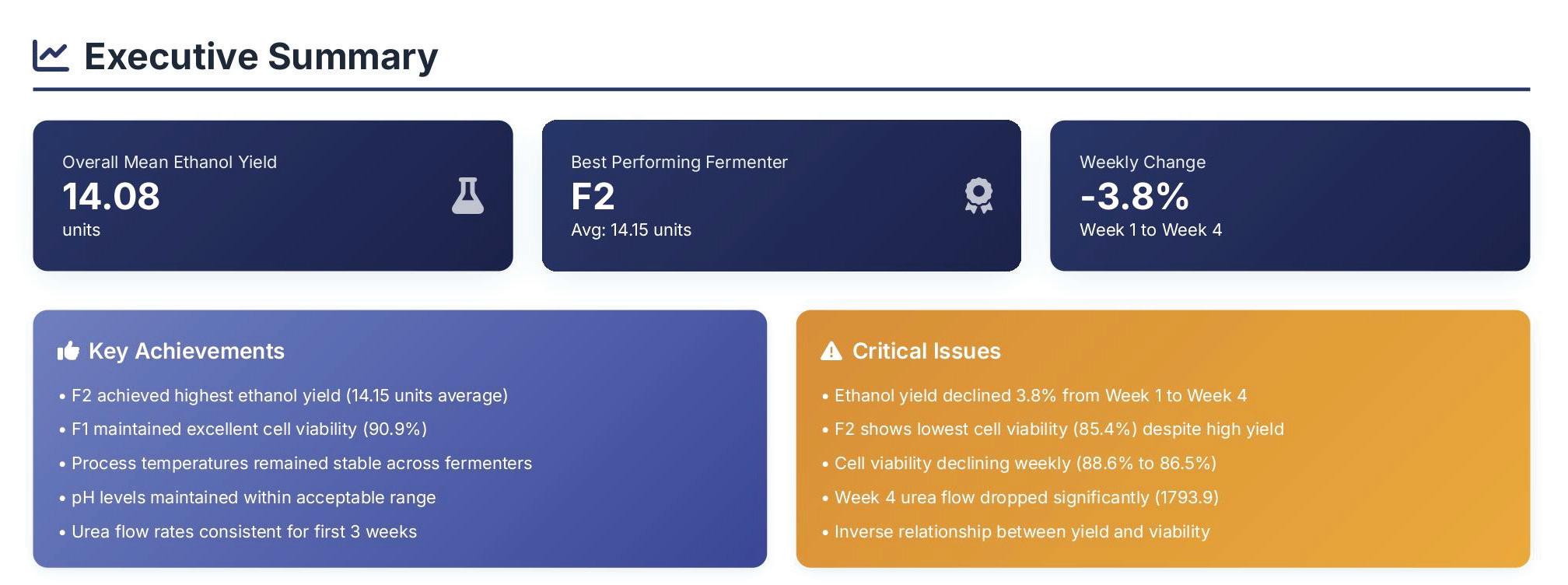
WEEKLY REPORT: Golgix customers receive a weekly pulse report that outlines issues and recommendations.
“You’ll see it highlights things like fermentation performance, yield drivers, drift and actionable recommendations for the week,” Morrison says. “It’s the layer that turns all of the underlying AI and data into something operators, engineers and executives can actually use.”
Scott says ethanol teams will be surprised how effectively Golgix captures real operator knowledge. For example, he explains, it’s common for experienced operators to notice patterns that happen when backset solids start to creep up after a corn source change, and certain tanks tend to acid out faster unless the plant adjusts how it manages the prop and early fermentation conditions.
“Traditionally, that insight lives in one person’s head. Our system learns it, remembers and applies it next time,” Scott says.
Golgix handles the data cleanup to establish the golden batch. Return on investment is three to four months, Scott says, but the company will show plants what they can expect for up to three years. Yields typically improve by 0.7% in the first year, and by 2% or more by year three.
“What we’re seeing is that true value from AI comes from delivering real decision intelligence,” Morrison says. “Every plant, batch and process behaves differently and we’ve built our technology to adapt to those differences, learn each process, and surface
problems and opportunities before they show up in production or quality losses.”
Scott adds, “We believe the future of AI in ethanol isn’t about replacing people or abstract optimization. It’s about giving production teams clarity, foresight and guidance that they can run stable, efficient operations every shift, every day.”
Imubit Inc. is a Houston-based company that has also developed AI specifically for industrial producers. The company serves clients like Citgo, Big West Oil and Arc Advisory Group.
Before Imubit ever deploys its AI, the team updates its platform with site-specific strategies, says Greg White, business consulting engineer. “Whether the goal is maximizing margin, balancing energy and emissions, managing upstream and downstream constraints, improving stability or supporting operator decision-making, these strategies can be evaluated in an open loop, aligned across stakeholders and then deployed to closed loop when the organization is ready,” he says.
Imubit deploys what it calls closed-loop AI optimization utilizing a dashboard of possible actions. The system is first built with a custom deep learning neural network shaped by actual conditions and historical data from a plant over time—not hypothetical operat-
ing parameters or basic variables often used in previous AI models. Next, Imubit integrates a process known as reinforcement learning, which is different from other AI methods that rely on real-time solvers.
“The Achilles heel of a real-time solver is the assumption of a perfectly accurate underlying prediction,” according to Imubit. “This assumption, made to ensure solution convergence, can produce unexpected or erroneous results in scenarios of model mismatch, where the model and reality diverge.”
Reinforcement learning teaches the controller (AI) optimal decision-making strategies rather than pattern recognition. The strategies are built from millions of historical data points that are modeled to show possible scenarios.
For ethanol producers, Imubit can show how a plant should run under different conditions while supporting front-end and fermentation performance, process understanding and decision support, energy and distillation optimization and open-loop and closed-loop execution. For process understanding or decision support help, for example, White says his team can provide what-if analysis, operator and engineer training and deeper process insight.
Common areas that Imubit can help with at a plant include dryer optimization, fermentation, steam system optimization and inferential models. To increase dried dis-
tillers grains (DDGs) yield, Imubit will evaluate natural gas rates as they relate to driers and the moisture content of DDGs. “When executed as a coordinated strategy, this can enable processing an additional 8 to 14 tons per day of DDGs,” White says, while reducing dryer energy usage by 18 to 28 MMbtu/ hr, which translates to meaningful energy savings and throughput gains.
Working in other production industries has taught White and the Imubit team several lessons he says apply to ethanol and its adoption of AI. The first is the need for clear operational ownership. Sustained value from AI and optimized systems only happens when plant teams remain accountable for how the system runs, he says. Another lesson is that value is captured fastest when optimization is framed around coordinated, plant-level strategies rather than isolated unit improvements.
“In refining and chemicals, Imubit has seen greater and more durable results when teams align on tradeoffs across units, such as yield versus energy or throughput versus constraints,” White says. “This same coordinated operating strategy approach applies well to ethanol facilities, where variability and interdependencies are part of daily operations.”
Ethanol plants are underutilizing AI in several areas, White says. AI is often thought of as something that produces insights offline, but its real value comes from learning how a process behaves over time, across different operating conditions, he says.
“Another gap is fully leveraging AI’s ability to learn non-linear behavior and distinct operating regimes directly from plant data,” he says.
Many plants still rely on simple assumptions or average behaviors, White adds. Data
ai172122621117_ICM4602 FOT Oil Recovery Ad_EPM_7.5x4.625 with .25 bleed .pdf 4 7/17/2024 9:23:32 AM
quality is always important, but AI can use inferential approaches to make up for data that isn’t always accurately recorded.
Finally, White says, many ethanol producers have not yet fully explored how AI can be used to coordinate tradeoffs across the plant, rather than optimizing individual units.
“When AI is embedded in a platform that emphasizes transparency, collaboration and operational ownership, it becomes a practical tool for helping teams understand tradeoffs, evaluate options and consistently execute better operating strategies over time.”
Author: Luke Geiver writer@bbiinternational.com






















A collaboration between the Distillers Technology Council and ASTM seeks to identify inconsistencies in testing among laboratories and align procedures under one set of standards.
By Lisa Gibson
It’s clear when speaking with Joe Ward, executive director of the Distillers Technology Council, that he is meticulous in his work, with an eagle eye for detail and protocol. It’s a requirement, in fact, for specialized lab work in the distillers industry. And it’s one of the many reasons Ward is the best person to lead the DTC’s lab proficiency program, aimed at writing standards for the procedures used in labs across the industry, in-house and third-party.
“I’m really proud of what the Distillers Technology Council is doing because it absolutely has a direct benefit for everyone in the
industry,” Ward says. “There are lots of bits and pieces out there and we are trying to get consolidation across modalities, across all companies, across all laboratories.”
The work is crucial, Ward says, as differences in something as seemingly small as sample particle size can mean large variances in results. Many labs, he adds, are unknowingly skewing their results. And the impact can be significant, leading to lawsuits, customer loss and, of course, revenue decreases for both farmers and ethanol producers.

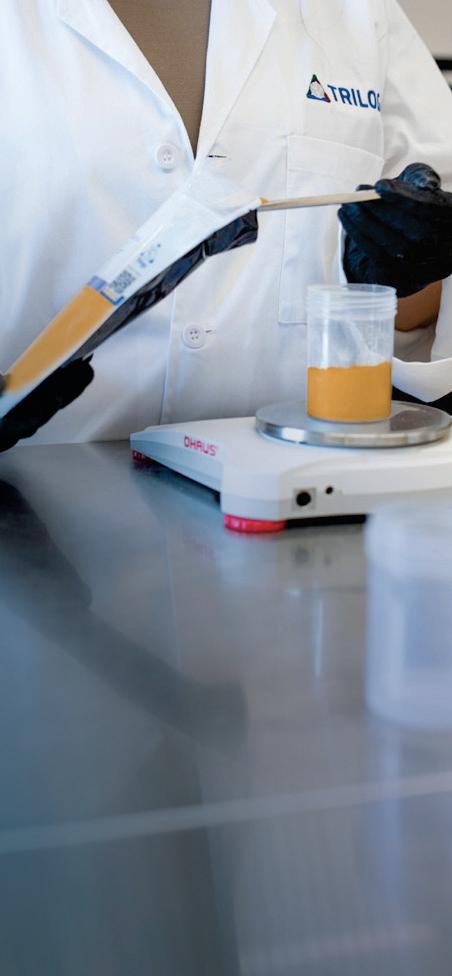
LAB ALIGNMENT: ASTM and the Distillers Technology Council are collaborating on a laboratory proficiency program that seeks to align all labs industry-wide on standards and procedures, including sample homogeny and particle size.
PHOTO: STOCK
Lab standards for distillers products were developed in 2007 by the American Feed Industry Association. But over time, the products coming out of ethanol plants have evolved. “It’s the nature of the beast,” Ward says. “We’re using different yeasts, different inputs.”
It’s past time to reevaluate and update, evidenced by mistakes Ward and his colleagues see in procedures. Mycotoxins are a prime example, and they’re hard to test for, Ward says. “You need a random sample and if not, you could get a false negative, when really
there’s a pocket that’s high in mycotoxin levels. Once they start to mix that, it becomes an issue for the producer.”
“There’s definitely a financial impact if the test result isn’t as accurate as it can be,” says Julie Brunkhorst, vice president technical division with Trilogy Analytical Laboratory, a participant in the lab proficiency program. “Ethanol producers have incoming grains, so they test that base corn and then produce the ethanol and all the byproducts from that. If the initial test on the corn is running high, the farmer that produces that gets docked.”
The concentration of vomitoxin in coproducts can be around three times the level in the corn feedstock. “Then they have to be
careful where they send those byproducts for feed ingredients, as some are more tolerant than others.”
Ward adds, “We’re extracting starch, protein, other things from that one pound of material and what’s left over is more concentrated and that mycotoxin is not destroyed. So when mycotoxin gets out the other end in form of corn fermented protein, or DDGs, or DDGS, that material has an elevated level of mycotoxin.
“It becomes really important that you know how to process that sample correctly going through that whole process.”
Even labs that get consistent results could be deviating from proper procedure in their analyses. They’re just consistently wrong, Ward says.
“Part of the issue is that everyone is trying to streamline the results, so oftentimes when samples are received, if they appear to be the right size, they’re not following the procedure in grinding to certain particle size before analysis,” Ward says. “There are times the labs are not doing that.”
Particle size has a big influence on the outcome, Ward says. “If that sample is not homogeneous—maybe fiber in there that’s not ground uniformly—you could be grabbing sample that doesn’t necessarily represent that material you’re testing, and you could be way off on your analysis.”
Ward has a decades-long history in the animal nutrition industry. “I got my first degree in 1975,” he says. “You would think that by now, we would have gotten this right.
“Our goal with this program is to get it right.”
“We took it upon ourselves to look at this and said, with the innovations going on in distillers coproducts, we need to revisit the procedures being used to analyze coproducts,” Ward says.
DTC’s lab proficiency program is composed of about 50 participants, including third-party labs, ethanol producers and marketers. “One of the things I think is im-
- Joe Ward, Executive Director, Distillers Technology Council
portant is that we didn’t limit who could be part of this process,” Ward says, adding that more are always welcome.
DTC partnered with ASTM, partly because of ASTM’s well-documented protocol for “moving from work item to standard item,” Ward says.
Chris McCullough, ASTM general manager of program development in laboratory services, says ASTM brings significant value to the lab proficiency program in two main areas: its international reach and its skill in developing standards.
“With our administration of the program, we could make it a global program, not just U.S., including labs at destination points for DDGs,” McCullough says.
“We have the opportunity to get everybody standardized by developing standard test methods,” he adds. “Once you’ve got that, it doesn’t matter which lab you send it to, you’re going to get the same result, so it really improves the industry and it really facilitates trade.”
Ward says he was very excited to be able to work with ASTM from the beginning of the program, with its systematic review and approval process.
“We are extremely pleased with our partnership with DTC,” McCullough says. “It’s been an absolute pleasure working with Joe and the board of directors.”
A recent program meeting in Houston focused on preparing samples for moisture analysis and revealed even more variations in procedures, Ward explains. “Because of the work we’re doing with the proficiency program, we’ve pointed out some real areas of issue. It has been an eye opener for me when we have had a number of individuals in the program that did not get the moisture analysis correct.”
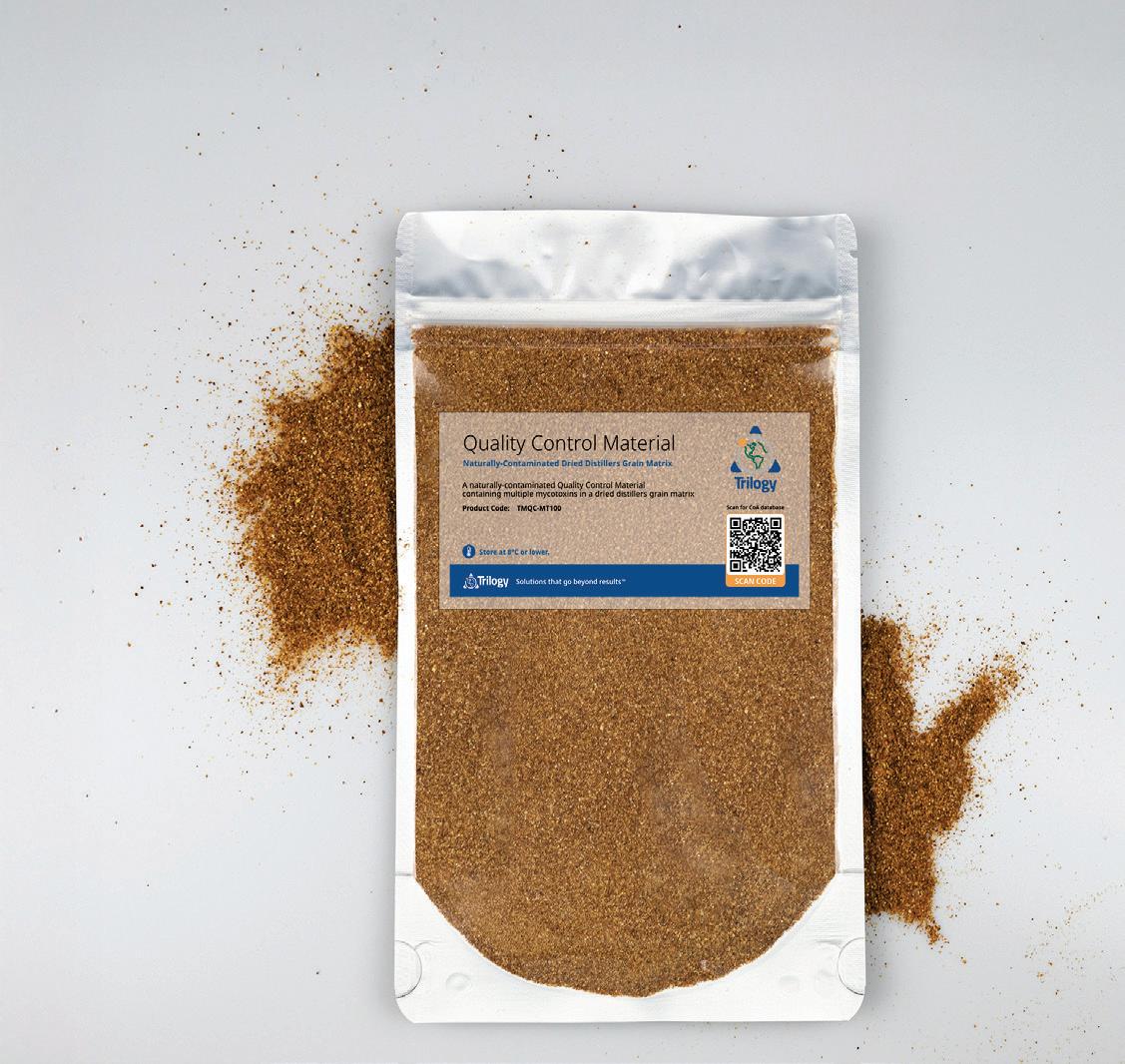
Brunkhorst says she has learned a lot through the proficiency program about how varied the industry’s results have been, as well as why. She says aside from proficiency testing, quality control is crucial to getting all labs on the same page. That includes control samples for corn, DDGs, etc., as a comparison for new test results.
“All of these things factor in with your daily analysis,” she says. “We try to have various quality control samples that we run with all of our samples. So, aside from the proficiency testing, it’s absolutely important
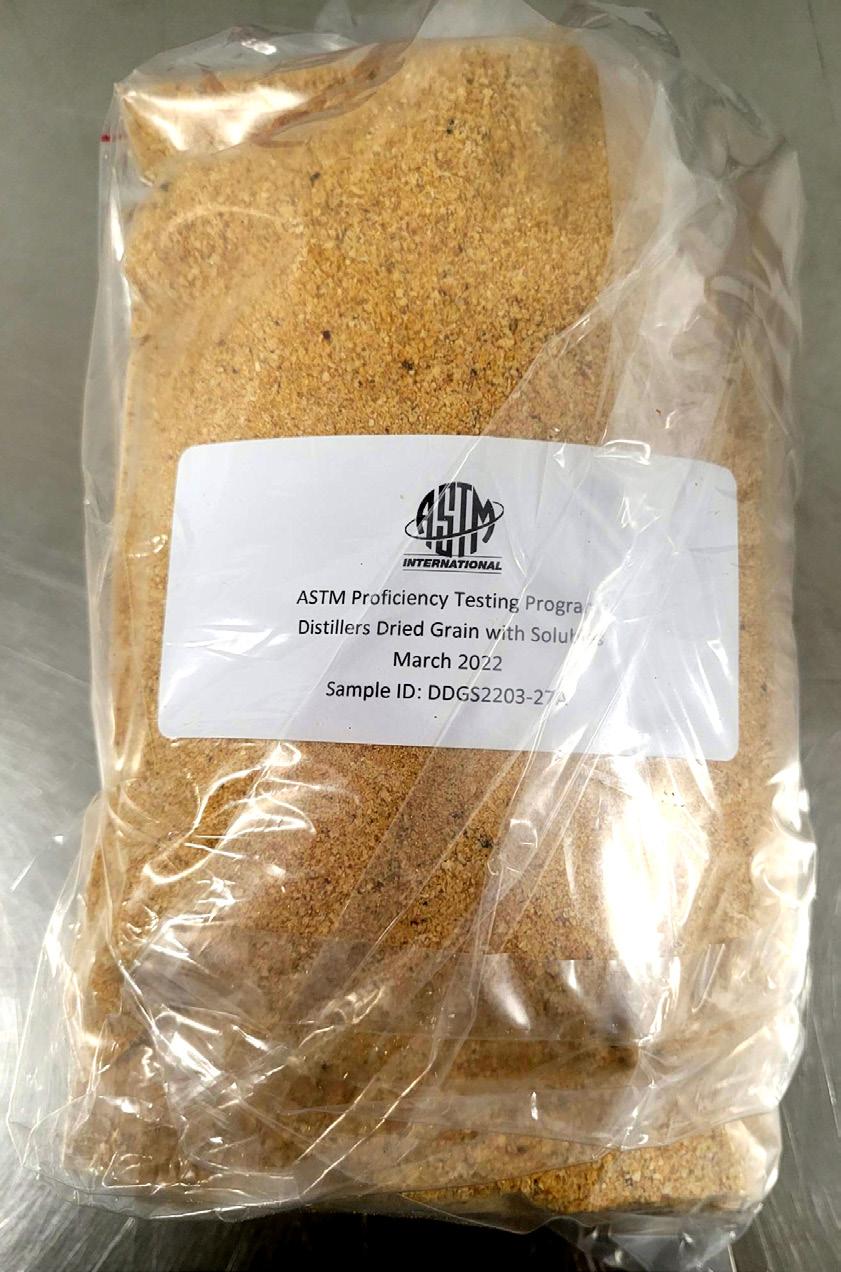
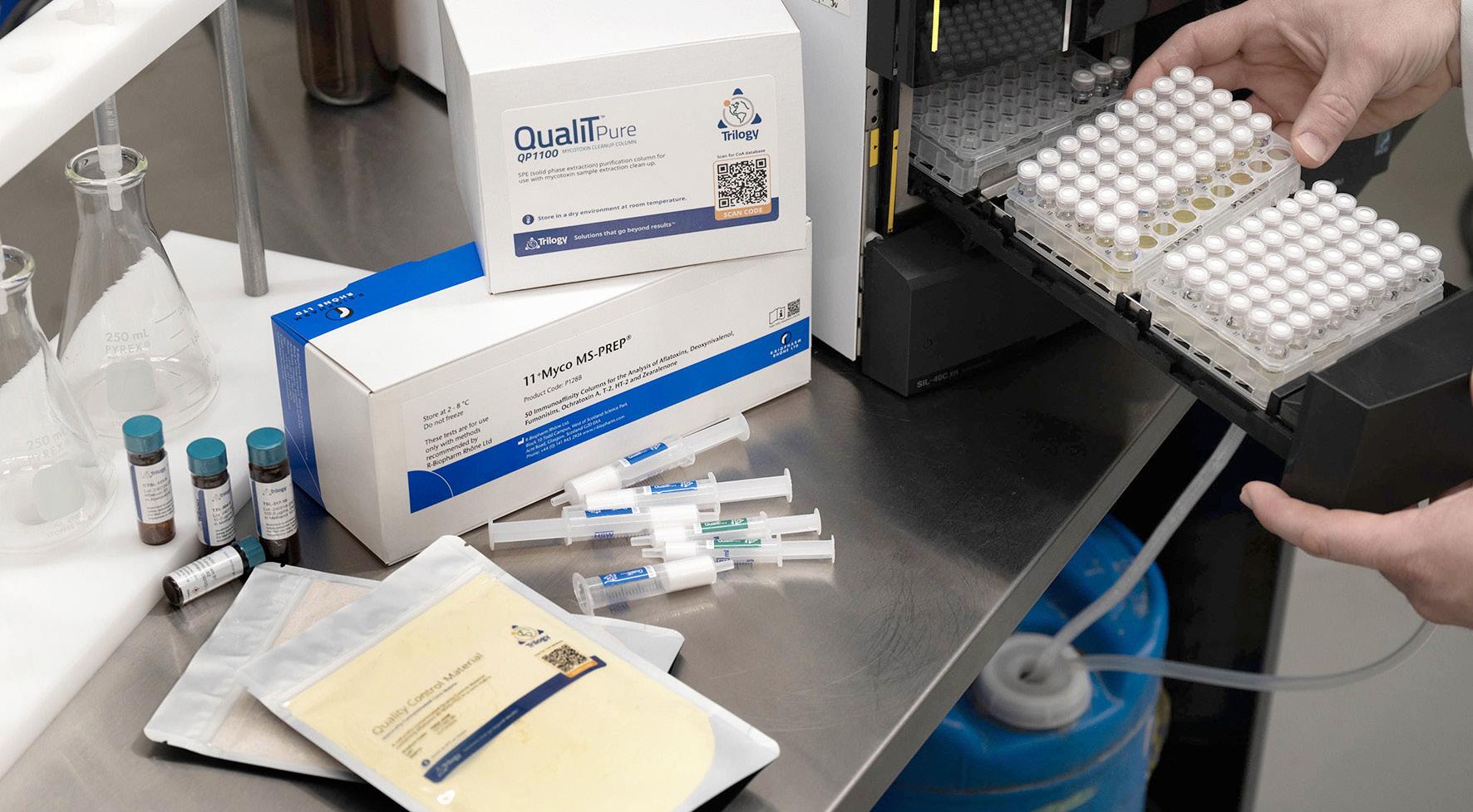
that they have quality control materials that they run with their samples.
“All of these little quality checks really made a difference with getting all of these laboratories on the same platform as far as having comparable results.”
Since the beginning of Trilogy’s participation in the program, Brunkhorst has seen vast improvements in results comparability across the industry.
The work is complex, though, and will take years to align and finish, Ward says. Then, it will be consistently reviewed and updated every two to five years.
“Once a standard is released, it’s not done,” he says. “These are living, breathing documents. They are constantly being reviewed and revised.”
McCullough adds that training will need to be developed and implemented for the new standards as well, another specialty of ASTM’s. “We have a very good training team doing everything from instructorled training to e-training modules on how to run tests.”
When the standards are ready “we have the team to start developing training content on how to run this test method,” he says.
Through the process, it’s been great to see the consistency in results start to develop and increase, Brunkhorst says. “Because ultimately, you want your clients to have the best result you can. It doesn’t matter if you’re competitors or not. We want to make sure that we can generate the same results as our competitors also. Because who are you if you cannot have that comparison?
“From a quality perspective, I think that this has really, really helped a lot,” she says of the program.
Ward aims to increase awareness of the laboratory proficiency program and illustrate the importance of following procedures. Participation continues to grow and Brunkhorst hopes all ethanol industry labs will eventually join.
“The key takeaway is that it’s really important to participate in these types of programs because, as a laboratory, it ensures that the results you’re doing daily for your clients are going to match the other laboratories,” she says.
Author: Lisa Gibson lisa.gibson@sageandstonestrategies.com
Fluid Quip Mechanical (FQM) delivers full mechanical support for ethanol plants, from field service to preventative maintenance planning.
99% uptime from our reliability team’s operations managers. 24/7 service from Fluid Quip–trained technicians and skilled tradespeople. Always ready to keep you online
Midwest-based warehouse stocked with OEM parts and next-day delivery*. When downtime occurs, we respond quickly
*In most cases
Your partner in plant uptime





By Roxby Hartley and Chelsa Oren

For ethanol producers investing in carbon capture and storage, Section 45Q, the U.S. tax credit for carbon dioxide (CO2) sequestration, remains a cornerstone incentive. At the same time, recent regulatory developments have introduced uncertainty around how producers will document compliance for calendar year 2025.
The issue is not whether the credit is available; it is how eligibility will be demonstrated.
It is also important to note that Section 45Q is not limited to geologic storage. CO2 used for enhanced oil recovery (EOR) or other utilization pathways may also qualify as eligible carbon capture under 45Q, provided the CO2 is securely stored or its lifecycle emissions are appropriately quantified and verified in accordance with U.S. Internal Revenue Service and U.S. Environmental Protection Agency requirements.
Historically, 45Q compliance for geologic storage has been closely tied to the EPA’s Greenhouse Gas Reporting Pro-
gram (GHGRP), specifically Subpart RR. Facilities captured CO2, injected it under approved permits, monitored storage performance and reported results annually through EPA’s electronic reporting system. Those reports formed the basis for certifying eligible CO2 volumes on IRS Form 8933.
In September 2025, the EPA proposed removing most GHGRP reporting requirements, including Subpart RR, after 2024. As of early 2026, the agency has not yet decided whether to discontinue reporting or to launch a revised electronic Greenhouse Gas Reporting Tool (e-GGRT) for 2025 data. Because existing U.S. Treasury regulations still reference EPA reporting as the mechanism for demonstrating secure geological storage, this lack of clarity has real implications for ethanol producers planning to claim the credit.
To address this gap, the IRS issued interim guidance in December 2025 (Notice 2026-1). The guidance outlines two compliance paths for calendar year 2025, depending on whether the EPA launches its reporting system by June 10, 2026. Producers should now prepare for both outcomes.
Under current rules, CO2 qualifies as securely stored for 45Q purposes only if injection and monitoring meet EPA standards. Subpart RR defines those standards. It requires mass-balance accounting of injected CO2, monitoring to confirm containment and annual reporting of results.
The IRS safe harbor does not change these technical expectations. What changes is the verification pathway if EPA reporting is unavailable. Instead of submitting data directly to the EPA, producers may rely on third-party technical certification. The underlying monitoring, documentation and
April 21-23, 2026 JW Marriott Mall of America, Minneapolis, MN
• Network with like-minded agribusiness professionals
• Hands-on training with industry leaders
• Located at the famous Mall of America

www.beyond.biz/bic • sales@beyond.biz

engineering rigor remain the same. This distinction is important. The safe harbor is not a simplified option. It is an alternative method for demonstrating compliance when the EPA’s reporting system is not accessible.

If the EPA launches the reporting system for reporting year 2025 by June 10, 2026, the safe harbor does not apply. In that case, ethanol producers must submit a complete Subpart RR Annual Report through the EPA system, consistent with prior practice.
All monitoring data, mass-balance calculations and supporting documentation must be reported electronically. Successful submission satisfies the regulatory requirement for secure geological storage and allows the taxpayer to certify eligible CO2 volumes on its federal tax return. Producers should assume this remains the default scenario until EPA confirms otherwise. Reporting accounts, credentials and internal workflows should remain active.
If the EPA does not launch the reporting system by June 10, 2026, Notice 2026-1 allows taxpayers to rely on a safe harbor for calendar year 2025. Under the safe harbor, the producer must still prepare a full Subpart RR–compliant Annual Report.
Content requirements are unchanged. What changes is who reviews and certifies the report. Instead of submitting the re-
port to the EPA, the taxpayer must provide it to a qualified independent engineer or geologist. The certifier must be licensed in at least one U.S. state and independent of the taxpayer and any credit claimant.

The certifier must attest, under penalties of perjury, that the project complies with Subpart RR as in effect on December 31, 2025, and that the report is accurate and complete. All documentation and certification must be finalized by the time the taxpayer files its federal income tax return. The materials are retained in the taxpayer’s records and must be available upon request.
For producers accustomed to EPAcentered compliance, this represents a shift. Responsibility for demonstrating compliance moves more directly to the project team and its technical advisors.
The most significant risk in the current environment is delay. Producers should continue operating as though Subpart RR reporting will be required. Monitoring systems, data collection protocols and internal quality controls should remain fully aligned with EPA requirements. The safe harbor does not excuse gaps in data or incomplete monitoring, and any deficiencies will surface during third-party certification.
Producers should also begin engaging qualified professional engineers or geologists now. Under the safe harbor, independent technical certification is mandatory. There is a limited pool of professionals with appropriate licensure and carbon
'Under current rules, CO2 qualifies as securely stored for 45Q purposes only if injection and monitoring meet EPA standards.'
storage experience, and demand is likely to increase as the June deadline approaches.
Early engagement allows time to review monitoring plans, validate data workflows and identify issues while corrective action is still possible. It also reduces the risk of certification delays that could interfere with tax filing deadlines.
In parallel, producers should begin assembling the structure of their 2025 annual report. Facility descriptions, permitting information, injection well details and monitoring methodologies can be drafted in advance. Treating the report as a working document reduces schedule pressure and improves defensibility.
Finally, producers should plan for dual compliance until the EPA provides clarity. Preparing both an EPA-ready submission and a safe harbor certification package may involve some duplication, but the cost is modest relative to the value of the credit and the risk of noncompliance.
Work with a third-party verification body on 45Q compliance, monitoring and verification program development, and third-party certification readiness. Whether EPA reporting proceeds or the safe harbor applies, the technical standard remains Subpart RR. Early involvement of quali-
fied engineers helps ensure that monitoring programs are aligned with those standards and that documentation withstands review.
June 10, 2026, is the key date. Producers should closely monitor EPA announcements, Federal Register notices and updates to the GHGRP program. Confirmation that e-GGRT is operational—or that Subpart RR reporting will not proceed—will determine which compliance path applies.
Additional IRS guidance is also possible. Notice 2026-1 is interim and limited to calendar year 2025. Revised regulations are expected for future years.
For now, the prudent approach is to:
• Prepare and maintain technical discipline
• Engage qualified professionals
• Build documentation early Producers that do so will be positioned to claim the 45Q credit with confidence, regardless of how EPA ultimately resolves its reporting program.


Authors: Roxby Hartley, Climate Risk Director EcoEngineers, an LRQA company rhartley@ecoengineers.us
Chelsa Oren, Ethanol and Biodiesel Service Director EcoEngineers, an LRQA company coren@ecoengineers.us