
Acknowledgement of Country Bayside Council acknowledges the Bidjigal Clan, the traditional owners of the land on which we meet and work and acknowledges the Gadigal people of the Eora Nation. Bayside Council pays respects to Elders past and present.

Acknowledgement of Country Bayside Council acknowledges the Bidjigal Clan, the traditional owners of the land on which we meet and work and acknowledges the Gadigal people of the Eora Nation. Bayside Council pays respects to Elders past and present.
The Long-Term Financial Plan (LTFP) is an important part of Council’s strategic planning process. This functions as a long-term planning and financial forecasting tool, aligning community priorities with sustainable funding.
The strategies from the LTFP will guide the delivery of actions by Council to achieve the following outcomes:
The LTFP highlights any projected cash and reserve shortfalls that Council must address to maintain long-term financial balance.
While Council has been investing significantly in new assets since being formed in September 2016, these have mainly been funded by external sources, including developer contributions and grants and there is no other funding source to provide for the increased maintenance, operating and future renewal of these assets.
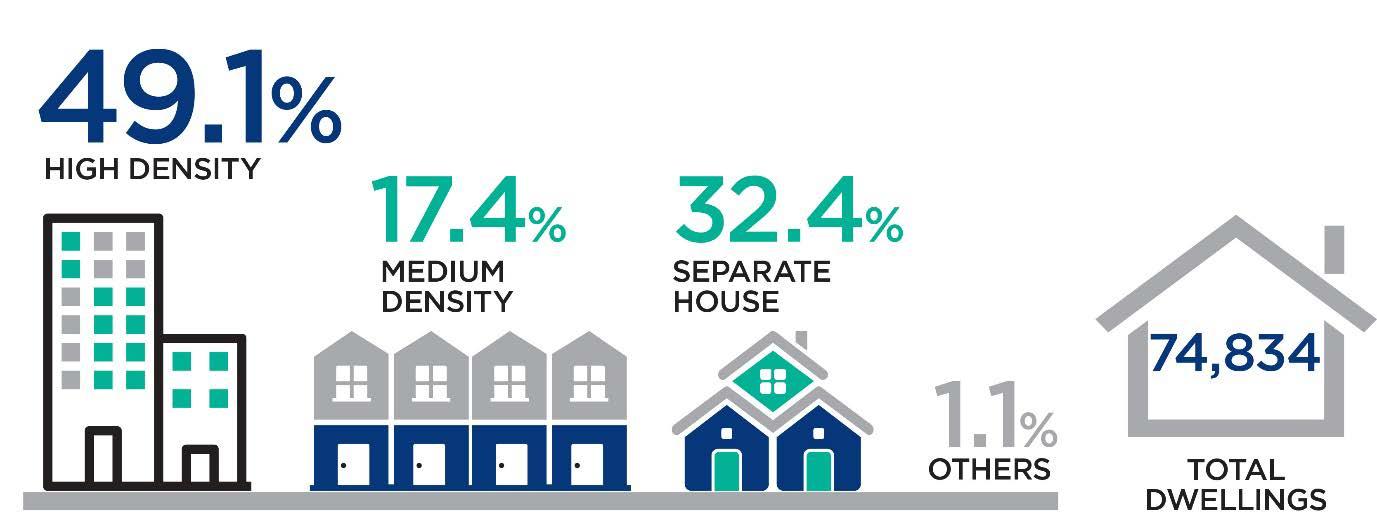
Bayside Council is forecasted to continue to have a high level of high-density residential housing development over the period of this LTFP and this will increase pressure to upgrade and expand existing infrastructure to provide services for our community.
The former Rockdale City Council area pays an Infrastructure Levy that provides a funding source for renewal of infrastructure assets, but these funds can only be spent in the area they were levied. Other areas of Council rely on internal reserves when they are available
The LTFP is a tool to aid decision making, priority setting and problem solving. It is a guide for future action, to be reviewed and updated annually, and addresses the following:
how Council will survive future financial pressures
opportunities for future income and economic growth
whether Council can afford what the community expects from the Community Strategic Plan
how Council can achieve outcomes agreed with the community.
The LTFP must be for a minimum of 10 years. it is a rolling plan that is reviewed annually.
It informs decision-making and demonstrates how the strategies of the Community Strategic Plan, the outcomes of the Delivery Program and the actions from the Operational Plan will be resourced and funded.
The LTFP captures financial implications of asset management and workforce planning. For example, by identifying how additional assets will be funded, or existing assets renewed or upgraded and what provisions are made for changes to service levels.
Projected income and expenditure, balance sheet and cash flow statement must be prepared in accordance with the current Code of Accounting Practice and Financial Reporting
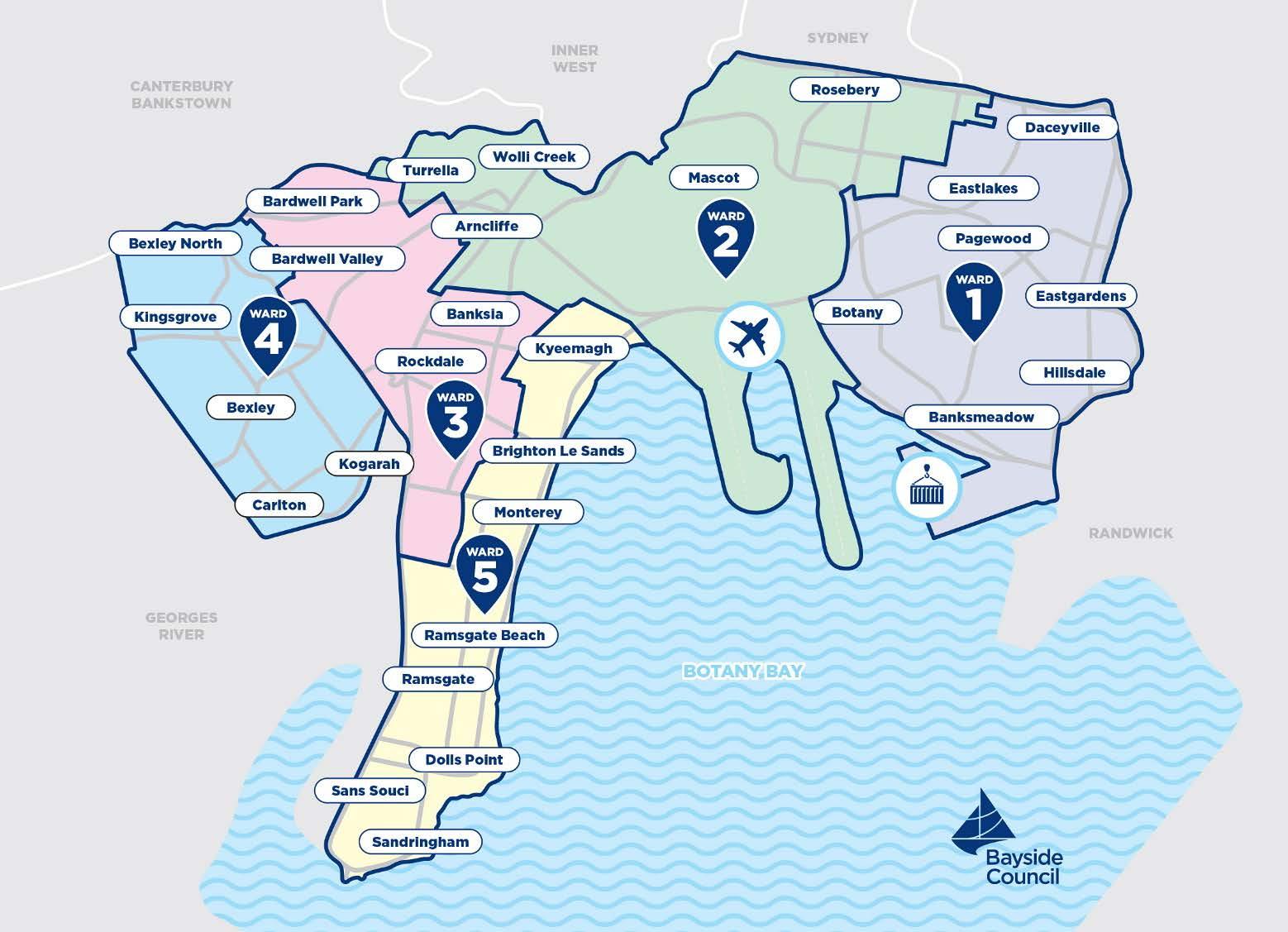
Located in the heart of Sydney, Bayside stretches over 29 suburbs including Bexley, Kingsgrove, and Carlton in the west; Banksmeadow, Hillsdale, Pagewood, Daceyville and Rosebery in the east; Wolli Creek and Turrella in the north; plus Rockdale, Mascot, Botany, Sydney Airport and Port Botany down to the coastal communities of Brighton Le Sands, Ramsgate, Dolls Point and Sandringham in the south.
We are very proud of our local area and all that it offers. With our many parks, sporting facilities and picturesque foreshore, as we surround Botany Bay (Kamay) with 8 kilometres of beach and parkland, we believe that Bayside is truly one of the best places to live in Sydney.
Bayside is well served with public transport with two main train lines and several busy bus routes. There are many great schools, boutique businesses, active laneways and precincts and a very vibrant mix of cultures.
Our significant wetlands provide important corridors for native flora and fauna, as well as places for our community to engage with natural surroundings.
Central to the area is the logistics core of NSW. Bayside has two major international transport hubs, the Sydney Kingsford Smith Airport in Mascot and Port Botany, the largest container port in NSW. These areas are significant as they enable people and products to travel around the world and to come to Australia. Goods arriving at our ports are transported right around the country and Sydney is the busiest airport in Australia. Our local economy will mature as innovation and growth takes advantage of these opportunities.
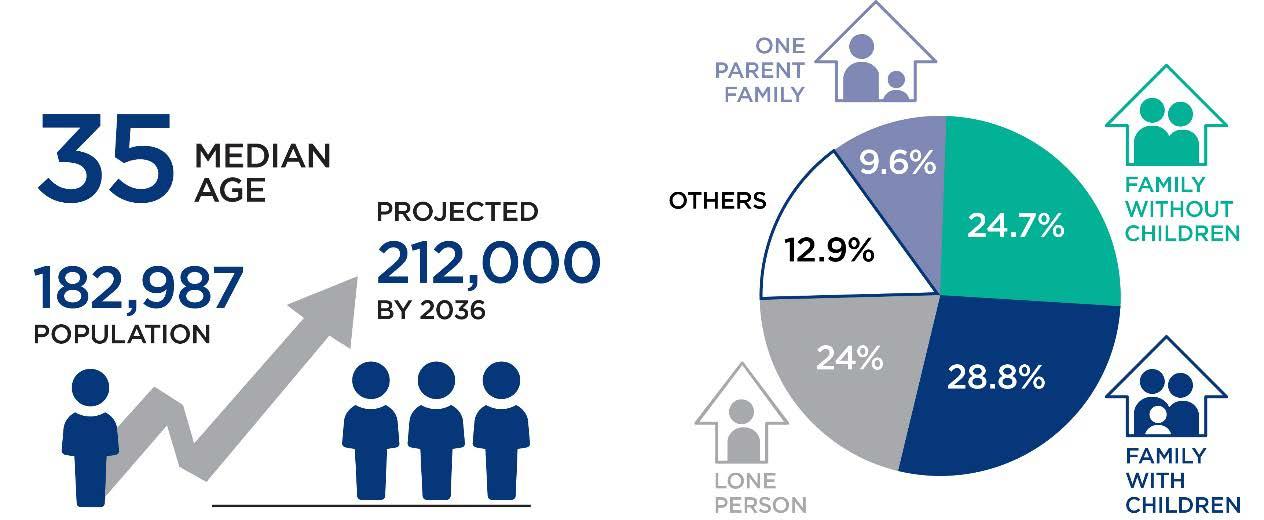
Almost 183,000 residents live in Bayside and this is expected to increase by 30,000 by 2036. Bayside is home to a diverse community from Australia and all over the world, with almost half born overseas. People of all ages enjoy life in Bayside; many speak a language other than English at home. First Nations people have lived on the shores of Botany Bay (Kamay) for tens of thousands of years.
All of these different cultures enrich our area with their traditions, celebrations and stories. Following are some statistics that demonstrate that diversity.
Living & Lifestyle
Work & Travel
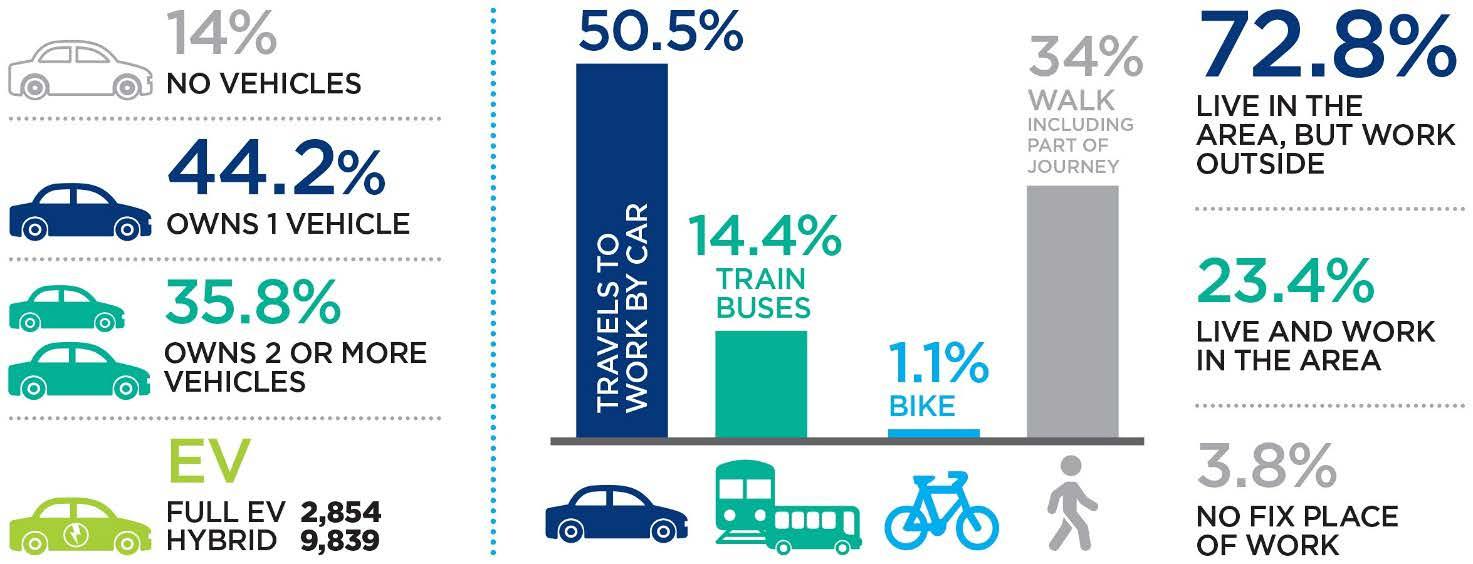
Source Profile ID, Australian Bureau of Statistics 2021 Census, Household Travel Survey 2019
Values guide us in our interactions and relationships with all our customers. Internally there are also identifying statements and highlighted behaviours that strengthen our understanding of the values and clearly set the organisations expectations.
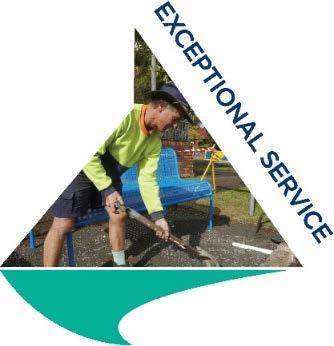

We go above & beyonddelivering an outstanding customer experience every time.

We are courageous & innovative - committed to making a difference in our work.
We are all leaders’ decisive, outward focused & forward thinking, setting the vision for Bayside Council today & into the future
Organisational Chart Council General Manager

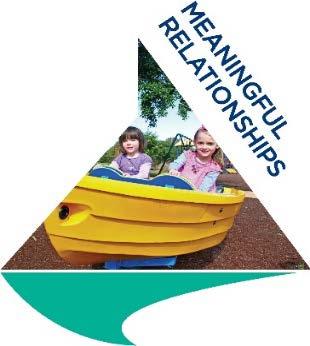
We support & invest in each other - creating a strong collaborative culture
A f inancially sustainable Council is one that can continue to deliver services and replace or renew its assets without relying on too much debt to fund operating expenses or unplanned increases in rates. Council has five key financial sustainabilit y principles:
Achieving a balanced budget Council must collect enough revenue to cover its operating costs, debt repayments, and asset depreciation.
Maintaining sufficient cash reserves Council must have enough cash set aside to cover short-term expenses.
Fully funded capital program The Council must secure funding for both renewing old assets and building new ones.
Maintaining its asset base Council must update or replace aging infrastructure and set aside funds for future assets that are needed for the community.
Intergenerational equity Council must make decisions that are fair to both current and future generations.
It is important to note that many Councils in NSW struggle to meet these sustainability goals as the accumulated costs of council's services exceed the Rate Peg increases. The Rate Peg set annually by IPART has not kept up with the rising costs of maintenance. Even with changes to the rate-setting methodology in 2024-25, Councils still face a funding gap that has built up over the past 40 years
The additional risks associated with delaying asset renewals is to contribute to increasing the cost of renewals and subsequently the cost of maintenance. To address this, Councils are using Integrated Planning and Reporting, which focuses on managing an asset’s entire life cycle, not just maintaining it. This approach helps Councils show the community the long-term costs of not renewing assets
Council will review its LTFP against key performance indicators as part of assessing the long-term financial health of the organisation and its capacity to fund the Delivery Program.
One of the biggest challenges for Council is addressing its long-term financial sustainability, specifically potential future deficits in operating results, excluding capital and reserve movements, as well as the forecasted shortfall of $19 million for asset expenditure over the next 10 years.
In noting the forecasted shortfall we have not included in this plan:
Improvements and efficiency in operations that have not yet been implemented
Rationalisation of capital projects where there may be insufficient capacity to expand our services due to land availability
Additional rates increases where the cost of services exceeds the rate peg assumptions
The future development and impact on the Rockdale Master Plan development
Allocated assets that have not been handed over to Council to manage
Arncliffe Community Hub operating costs
Council has already taken some steps to address this issue; however these won’t fully resolve the problem caused by historically low rate-pegs, resulting in a cumulative low-rate base.
To address the overall funding shortfall, Council may need to consider rebalancing the increasing rates or reduction in services provided to the community or both
One option could be a one-off rate increase beyond the recommended rate peg to readjust the rate base and/or the introduction of an infrastructure levy to the east side of Bayside. Council maintains one of the lowest average residential rates in our region and there is a capacity to consider small increases to avoid any changes to services.
Another option is asset remediation. A major factor contributing to this issue is the rise in Council’s depreciation expenses, which have increased due to the delivery of new, more functional and
environmentally friendly assets. While these assets offer benefits, they come with higher operating and maintenance costs and additional depreciation.
The analysis of the LTFP shows over the first six years, the program shows a positive position of $50 million, largely driven by elevated capital investment. This is followed by a $69 million shortfall in the subsequent four-year period. This results in an overall $19 million funding shortfall in asset expenditure over the next decade.
Addressing this funding shortfall is essential for Council to maintain long-term financial sustainability and continue providing services to the community (at an appropriate level); and achieve Council’s asset maintenance and renewal financial requirements
The funding deficit has notably reduced compared to previous projections, due to grant funding received. These grants have fuelled substantial renewals across Bayside in the last three years. Furthermore, the updated Capital Projects Program includes revised cost projections for key projects like the Boulevarde Carpark, Mascot Oval, Botany Aquatic Centre and Spring Creek Naturalisation project. Each of these projects includes asset renewals and have identified funding sources.
The third option is operational efficiency To address the financial challenge, Council has the following opportunities:
Increasing revenue
Reducing expenditure
Reviewing current asset holdings.
Council must continue with its improvement plan, which has already made progress in closing some of the funding gaps outlined in the plan. Over the past five years, there has been improvement in closing the infrastructure gap, however, to sustain this progress, Council must balance its spending with its income. This includes identifying operational efficiencies, managing grants wisely, and prudent allocation of funds toward new assets, with prioritising the maintenance and renewal of existing assets. It's also crucial for Council to manage community expectations around service levels, all of which will help address the financial sustainability challenges Council faces
When preparing the plan, many factors are taken into consideration noting that rates, annual charges and user fees and charges make up a significant portion of Council’s total revenue so capacity to pay is an important factor.
In the 2025-26 financial year there are 69,397 properties across Bayside rated as ‘Residential’. These properties include single dwellings, social housing, and multi-unit dwellings.
In Bayside, 52.4% of households were purchasing or fully owned their home, 36.9% renting privately, and 3.3% in social housing in 2021.
Analysis of the monthly housing loan repayments of households in Bayside Council area compared to Greater Sydney shows that there was a similar proportion of households paying high mortgage repayments ($2,600 per month or more), as well as a similar proportion of households with low mortgage repayments (less than $1,200 per month).
Analysis of household income levels in Bayside Council area in 2021 compared to Greater Sydney shows that there was a smaller proportion of high-income households those earning $3,000 per week or more) and a higher proportion of low-income households (those earning less than $800 per week).
Overall, 26.1% of the households earned a high income and 19.2% were low-income households, compared with 30.1% and 17.9% respectively for Greater Sydney.
The Bayside Council Socio-Economic Indexes for Areas (SEIFA) measure the relative level of socioeconomic disadvantage and/or advantage based on a range of Census characteristics.
SEIFA indexes are a good place to start to get a general view of the relative level of disadvantage in one area compared to others, but it is important to also look at these underlying characteristics as they
can differ markedly between areas with similar SEIFA scores and shed light on the type of disadvantage being experienced.
In 2021, Bayside Council had a SEIFA index score of 1,004 which is slightly higher than the NSW average of 1,000.
There are concessions available for rates and annual charges for eligible ratepayers who receive an aged or disability support pension under the provisions of the Local Government Act 1993.
Council recognises that from time-to-time certain ratepayers may have difficulty in paying their Council rates and charges. The Local Government Act allows Council to provide a range of assistance to these ratepayers in circumstances detailed in our Hardship Policy
The Bayside Council economy is part of a complex and diverse network of activities.






There are 4,957 properties across Bayside which are rated as ‘Business’ and account for around 6.7% of Council’s total rateable properties.
In the 2024-25 financial year, 105,880 Bayside residents were employed from a total population of 187,770 people. In the Bayside Council area, Transport, Postal and Warehousing is the largest employer, generating 27,543 Full Time Equivalents (FTE’s) in 2024-25
In addition to the legislated principles of sound financial management, Bayside Council has five financial objectives that it applies to its financial planning, control and management.
Deliver operating surpluses
Ensure that each year the budget has a healthy before capital revenue operating surplus, combined with strong budget management and control, to help deliver an operating surplus for Council.
Fund existing service levels
Ensure existing service levels that Council currently provide continue to be fully funded when preparing budgets and making financial decisions.
Fund infrastructure renewals
The funding allocated to annual capital projects programs is as per the Asset Management Program. This will ensure that Council meets the infrastructure renewals ratio benchmark each year.
Ensure financial stability
Council can guarantee its financial stability by maintaining a strong cash position, ensuring its ability to generate its own operating revenue and having sufficient assets to cover its liabilities.
Financial legacy
Ensure that every financial decision that is made, by both Council and Council management, creates and safeguards the financial legacy of Bayside Council - a legacy of being prudent and responsible.
This is reflected in Council’s commitment to maintain a conservative risk/return portfolio
The base year figures that have been used for operating revenue are those contained within the 202627 budget. In preparing the 2026-2036 LTFP, the following underpinning principles have been used:
Budgets will aim to maintain assets to at least the same condition as they were at the start of each financial year,
Management will continually look for ways to structurally realign resources and/or increase income opportunities without changes to service standards,
Services and Infrastructure in any new areas will be provided when they are needed,
Council will continue to improve its capacity to fund its recurrent operations and renew critical infrastructure through sustainable financial decision making.
Rates
Council’s ability to align rating revenues with the increased cost of providing Local Government services has been restrained by rate pegging (since 1977), a legislative instrument whereby the maximum increase in rating revenues is currently set by IPART.
For the rating year commencing 1st July 2026, IPART had determined that the rate peg limit will be 3.9%, including a population factor of 1%.
The number of properties subject to rating in 2026-27 is as follows:
Includes Local Area Rates, Community Safety Levies and Infrastructure Levies. Special rates are levied on identified residential and business properties to cover the cost of any works, services, facilities or activities carried out and for the benefit of specific local areas. Special rates increase annually in-line with the rate peg.
Section 496 of the Act requires Council to levy a domestic waste management service charge on each residential parcel of land for which the service is available, regardless of whether or not the garbage and recycling collection service is used. This charge will be recovered via the domestic waste admin fee. Almost a quarter of Council’s revenue is received through the levying of annual charges.
Section 502 of the Local Government Act 1993 allows Council to levy users of the service an annual waste charge dependent upon the number of waste bins being utilised.
Section 504 of the Local Government Act 1993 requires that the domestic waste management charges are calculated so that they do not exceed the reasonable cost to Council of providing those services. Therefore, the increases in these charges included in the plan are consistent with the increases applied to the operating expenditure incurred by the service.
There has been no increase assumed for the stormwater management annual charge. This charge is determined under clause 125AA of the Local Government (General) Regulation 2021 and has remained at the same level since its inception.
Council receives 7% of its annual operating revenue through user fees and charges, set under section 610D of the Local Government Act 1993. Fees and charges applied by Council for services such as the aquatic centres, childcare centres, commercial trade waste collection and the hire of community facilities such as Council’s sports fields and community halls. Some of these are set by statutory regulations and future increases are difficult to predict but have been assumed to be in line with the CPI index.
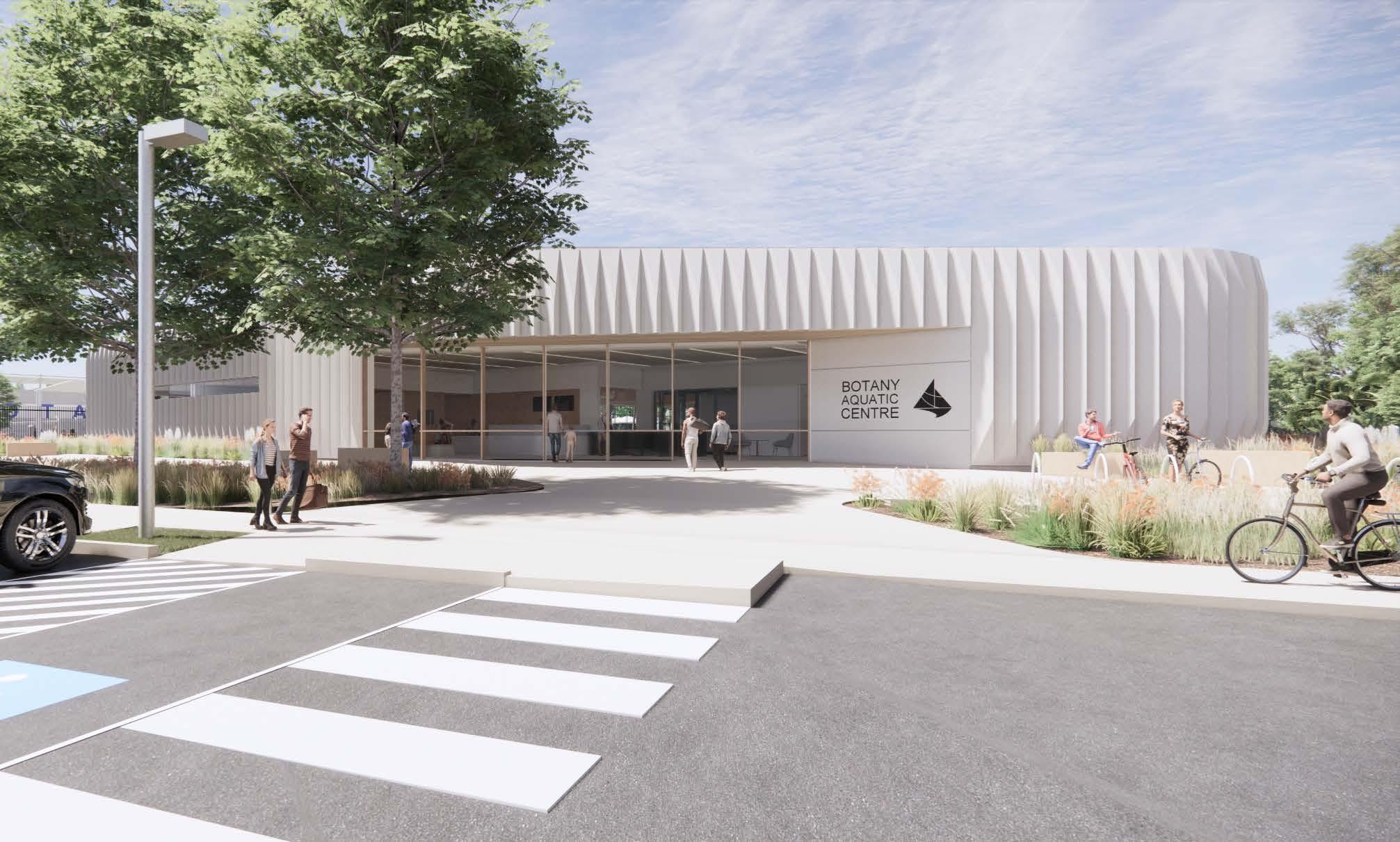
The forecast includes an assumption that the Botany Aquatic Centre will be completed by January 2028 and open early in 2028, resulting in an uplift in user chargers and fees in 2027-28.
Council receives 9% of its annual operating revenue through other revenue streams. This revenue is primarily through rent from commercial properties and affordable housing program, revenue associated with Sydney Airport Corporation Limited agreement and through the issuing of parking infringement notices.
The payments received by Sydney Airport Corporation Limited increase annually in-line with the rate peg. The forecast assumes that these services will increase in line with CPI.
The forecast includes an assumption that the Boulevarde Car Park redevelopment will be completed by 2030-31
Bayside Council has demonstrated a moderate degree of reliance on external funding sources such as grants and contributions. There has been no inclusion of any additional operating grants or contributions in the plan with only those non-speculative, existing, and recurring grants and contributions being included with a very modest increase assumed across the period of the plan.
Council receives development contributions from property developers which are used to fund community facilities and infrastructure.
The contribution a developer pays is capped by NSW legislation. The section 7.11 contributions received, and the infrastructure to be funded that are contained within this plan, are consistent with Council’s Section 7.11 Development Contributions Plan (2019). The assumptions in the LTFP include the commencement of the new development contribution plan to be in place from 2028-29.
Various grants are received by Council for capital projects. These grants are predominately for road construction and the number and value are determined by State or Federal Government programs. Due to the nature of their unpredictability, Council has adopted an assumption based on the average grants received over the past five years. Accordingly, the model includes annual capital grant funding of $10 million from Years 5 to 10 to assist in funding of future asset renewals
Council generates interest income from its term deposit investments. The return on investments is determined by the cash market which is strongly linked to movements in the official cash rate set by the Reserve Bank of Australia (RBA). The RBA increased the cash rate to 4.35% in May 2026. Interest rates are expected to remain around this range through to the end of 2027 before reducing to a neutral range.
Gains from the sale of Council’s plant and fleet assets are included in the plan. These disposals are in accordance with Council’s policy
The base year figures that have been used for operating expenditure in this plan are those contained within the forecasted 2026-27 budget.
Expenditure relating to Council’s workforce accounts for over 42% of total operating expenditure and is therefore one of the largest investments that Council makes on an annual basis.
The forecast wage increases from 2026–27 to 2028–29 are based on the proposed Local Government (State) Award 2026. As the proposed Award does not extend beyond 2028–29, Council has assumed that salary and wage growth will align with the upper threshold of the Reserve Bank of Australia (RBA) inflation target for the remainder of the LTFP period
Council’s superannuation expense is aligned to the payments required under the Superannuation Guarantee (Administration) Act 1992. The Superannuation Guarantee rate is set at 12%.
The forecast incorporates employee costs associated with the anticipated opening of the new Botany Aquatic Centre in early 2028
Materials and services costs include the costs associated with operating Council, including cost associated with the purchasing of raw materials, waste collection and disposal costs, utilities and other services.
The Reserve Bank of Australia (RBA) has an inflation target between 2 and 3%, however the headline inflation rate for the March 2026 quarter was 4.6%, while the trimmed mean inflation was 3.3%.
Australia’s inflation rate is forecast to hover between 4% to 5% in the near term, before returning to the RBA’s inflation target band by mid-to-late 2027. As materials and services includes a broad range of expenditure items and due to some external factors creating some uncertainty in the economy that could lead to inflationary pressure, the forecast is factoring material and services cost to increase at the upper RBA inflation target in 2027-28 to 2028-29, before returning to the midrange in subsequent periods.
Depreciation for Council’s assets is a non-cash expense that reflects the utilisation of Council’s assets and the degradation of their capacity to provide functionality over time.
Depreciation expense is an indicator used by the Office of Local Government to determine the level of asset renewals that Councils should be undertaking. Council’s depreciation is increasing over the period due to the costs associated with replacing outdated facilities with modern facilities that have more functionality to cater for a growing population across Bayside Council.
Bayside Council uses a straight-line method of depreciation which is very commonly applied to Local Government infrastructure.
Other expense primarily includes payments to other statutory bodies. Increases in the range of levies imposed by the State Government are hard to predict. Levies such as the State Emergency Services Levy, Fire Brigade Levy and Sydney Regional Development Fund contribution have grown significantly over the past few years and have been forecast to continue grow in line with inflation over the period.
The LTFP includes an assumption that Botany Aquatic Centre redevelopment will be completed by January 2028 and opening early 2028
The Boulevarde Car Park redevelopment has been incorporated into the forecast with the new development expecting to include some commercial precincts. The project is expected to be completed in 2030-31 financial year and be operational during the subsequent financial year.
The LTFP also includes an assumption of the full handover of the M6 contributed assets in 2026-27, with a forecast of the associated depreciation and operating costs from early 2027. Council is currently undertaking an external valuation of the contributed assets. Pending completion of that process, the LTFP adopts the valuation provided by Transport for NSW for modelling purposes.
The revised rental income assumptions for the golf driving range at Riverine Park is included in the LTFP forecast. It includes a modest increase in rental income in 2026-27 and 2027-28, followed by a
significant uplift from 2029-30, based on the assumption that the upgrade will be completed and the enhanced facility will be fully operational by that time.
The LTFP incorporates the implementation of an enhanced town centre and shopping centre cleaning and maintenance program to improve the presentation and upkeep of key retail and community precincts in the LGA. The forecast includes the additional employee establishments required to deliver the program, initial fleet acquisition costs, and the associated recurrent operating costs from 2026-27
The base year figures that have been used for all balance sheet items including cash and investments are those included in the audited financial reports for the 2024-25 year.
Council has several cash reserves both externally and internally restricted. The forecasted balances of cash and investments have considered the planned transaction of various reserves such as plant replacement, domestic waste reserve, employee leave entitlements, IT reserve, stormwater management, section 7.11 contributions reserve and others. Cash levels have been forecasted to ensure that adequate operational liquidity is maintained.
The balance of cash reserves which are considered funding sources in the budgeting process are based on the audited balances as at 30 June 2025 which amounts to $537 million.
The inventory that Council holds at its Depots and Community Nursery have remained stable over the past ten years. These levels have been forecasted to continue over the life of the plan.
Council has approximately $1.9 billion worth of infrastructure, property plant and equipment. The financial management of these assets are guided by the 2025-2035 Asset Management Strategy and Plans. The asset renewals and upgrades incorporated in the long-term financial plan are included in the Delivery Program 2025-29 and associated Operational Plans. The asset base maintained by Council has been subject to a program of revaluation cycles over the last 10 years and improvements in asset data information has been used to update financial plan and strategic asset management.
Council has made provisions for payment of employee leave entitlements which mainly consist of annual leave and long service leave. The balance of these provisions is governed by the Leave Policy and have been forecasted in line with its objectives. When determining the value of the provisions, considerations included projected increases in wages and salaries, forecasts for cash rates, and other factors influencing discount rates.
Council has several former landfill sites within Bayside resulting from past operations. These sites may require future restoration or remediation if contamination issues arise and provisions have been made for estimated future costs
Bayside Council does not have any external loans from 1 July 2026. No new loans have been included within the forecast period. Council’s capital program is expected to be funded through existing developer contributions, reserves and grant funding
Variations to assumptions applied in this plan may occur during the life of the plan and these variations could have a major or significant impact on the results of the financial modelling.
The plan contains a range of assumptions which are developed after reviewing information from a number of various sources. Council has ensured that these sources are reputable and are the bestknown available source for that data.
A conservative approach has been taken in the development of the plan, to ensure that the chosen option is more likely to succeed and exposes Council to the least amount of risk. Conservative financial planning is used as a tool to keep pressure on operating budgets, with any surpluses that eventuate being allocated towards infrastructure asset maintenance or capital expenditure.
The Reserve Bank of Australia (RBA) lowered the official cash rate during 2025 from 4.35% to 3.60%. due to a subdued inflation rate and slowdown in employment growth.
However, the RBA has increased the official cash rate during the first half of 2026 from 3.60% to 4.35% to combat persistent domestic inflationary pressures and mitigate a major global energy shock due to significant supply chain disruptions caused by the conflict in the Middle East.
The increase in interest rates has been factored into the returns that Council is currently receiving from its investments in term deposits. The majority of the major banks are forecasting no change in the cash rate for the remainder of 2026 and the financial markets are pricing a moderate chance of further monetary tightening. The expectation is that interest rates will return to a neutral setting by 2030.
The returns on investments in the forecast model reflect rates remaining steady over the next 12 months and gradually reducing by 2030. The impact is that Council is anticipating higher returns on its Term Deposits in the short term. It should be noted that the majority of Council's investments, approximately 80%, are externally restricted. Therefore, any earnings derived from investing these funds must adhere to the same restrictions as developer contributions and cannot be utilised for general operations.
Consumer Price Index (CPI) assumptions are heavily used throughout the plan and is an assumption used on both expenditure and revenue which mitigates substantial impact on the results of the financial modelling should there be any significant variance.
The Australian Bureau of Statistics (ABS), in their media release on 29 April 2026 indicated that the inflation rate for the March 2026 quarter increased 0.8% compared to the December 2025 quarter to 4.6%. The increase in inflation has been driven by a resurgence in global fuel and energy costs stemming from Middle East geopolitical conflict, the expiry of the Federal Government electricity rebates, and persistent domestic demand for housing and services. This means that inflation is above the RBA’s target inflation rate of 2 to 3 percent.
Inflation is expected to remain in the 4 to 5 percentage range until the end of 2027 before falling to the RBA’s target range in subsequent years.
The new Local Government (NSW) Award is the process of being finalised between all parties. Council has modelled employee costs using the most recent information available in relation these negotiations. The new award commencing in July 2026 includes a 4% annual increases in staff salaries for the next 3 financial years and has been factored into the LTFP. Council has assumed that staff costs will increases be within the RBA inflation range in subsequent years from 2030 onwards. Employee costs are major element of Councils cost base and any changes in wages assumptions will have an impact on Councils on-going financial performance
The Primary Model adopted in this plan has been developed to ensure that it meets Council’s five financial objectives, and the benchmarks and/or targets for an array of financial indicators which have either been internally or externally prescribed. There are a number of factors which affect the value and size of certain revenue, operating expenditure, and/or capital expenditure each financial year. However, the impact these variations have on the financial indicators are what should be measured.
The Primary Model has been developed so that its implementation will meet a set of financial indicators:
Balanced Budget
Operating Performance Ratio
Own Source Operating Revenue Ratio
Unrestricted Current Ratio
Debt Service Ratio
Asset Maintenance Ratio
Asset Renewal Ratio
Budget control and monitoring are paramount for Council achieving the outcomes of this plan. Budgets are monitored internally on an ongoing basis using Council’s financial information systems. Monthly Financial Reports and Quarterly Budget Reviews are reported to Council and illustrate the progress against its adopted budgets
Council’s budget has faced significant pressures including:
An increasing burden as a result of cost shifting from other levels of government,
Increases in the cost of procuring goods and services have been consistently higher than rate pegging increases as determined by IPART; and
Greater competition between Councils in the allocation of external funding such as Financial Assistance Grants.
The biggest single financial issue facing Council is the need to maintain and replace ageing assets, while providing new assets to meet the needs and expectations of the community. Council has invested significantly in new and upgraded assets, funded by developer contributions and grants since its formation in September 2016, however these are not able to be used to fully fund maintenance, operation costs or the renewal to these assets.
All the current scenarios reflect Council’s significant long-term financial sustainability challenges as follows:
Operating results: small changes in assumptions can have a significant impact over the long term. Council’s net operating result from continuing operations is positive for all modelled scenarios, however, the pessimistic model does go into deficit from 2029-30 when removing capital grants and contributions. These results are based on the statutory financial performance of Council. The results are quite different once you remove all restricted income in determining Council’s true operating result, which is a structural budget challenge that Council faces
Cash remains relatively strong, however a major proportion of cash held by Council is restricted by legislation and can only be used for specific activities. While the base case model has a good operating cash balance there are less funds available for internal reserves from 2028-29 due to funding for capital projects and on-going costs of running new facilities.
Council has a longstanding commitment to adopting balanced budgets. To achieve this budget outcome decisions are made around the level of asset maintenance and deferral of renewal to ensure that Council can fund the proposed budget A balanced budget is reflected in the optimistic and base scenarios, however unrestricted cash tracks into negative territory for the pessimistic scenario.
Council’s LTFP contains long-term projections based on specific assumptions. As it is difficult to accurately predict all future trends, alternative scenarios have been modelled to help provide an indication of Council’s future financial position under a variety of circumstances. These alternative scenarios are summarised below.
All scenarios use the 2026-27 draft budget as the base and the same forecasted capital projects program. The optimistic and base case models include an annual improvement plan that factor in transfers to the Infrastructure Maintenance Reserve with the intention to reduce the funding gap over the life of the plan.
Based on the average capital grants received over the past five years, the LTFP assumes annual capital grant funding of $10 million from Years 5 to 10 to assist Council in funding future asset renewals.
This is the business-as-usual scenario and includes the 3.9% rate peg published by IPART for 2026-27 and a population growth factor of 0.5 %. Employment costs are expected to increase by 4% for 2027-28 and 2028-29 then increase by 3% per annum over the next 8 years.
Council is expecting materials and services costs to increase between 2.5% to 3% per annum over the next decade from 2026-27, with the RBA inflation target falling within this range.
The base case includes assumptions in relation to the financial impacts from the M6 contributed assets and associated operating costs, the opening of the new Botany Aquatic Centre and Boulevarde Carpark redevelopment.
While the base case is financially sustainable there are pressures in the model that lower the availability of internal reserves and unrestricted cash. This impacts the ability of Council to keep up with the maintenance requirements of its infrastructure assets
This scenario uses a higher rate peg assumption compared to the base case (up 1 to 2%), as well as 1.5% population growth rate in population per annum over the next 10 years. It also includes employment costs increasing between 3 and 4% per annum over the next 10 years.
Council’s best-case scenario has assumed no changes to assumptions in relation to materials and services and other expenses from 2029-30 due to Council actively managing these expenses.
The capital projects program remains the same.
Rate revenue and employee costs are a large component of Council income and expenses. A small percentage change in these assumptions have a material impact on the anticipated financial performance of Council.
An environment levy has been included in the LTFP from 2027-28 for a period of 5 years. The proposed environmental levy is a special rate variation designed to provide a sustainable and dedicated funding source to deliver priority actions aligned with the Bayside Environment and Resilience Strategy 2024–2032. The levy responds to increasing environmental challenges such as biodiversity loss, coastal erosion, urban heat, and waterway health, which cannot be fully addressed within existing operational budgets. It aims to ensure long-term program delivery and avoid delays or cancellations due to funding constraints, while supporting initiatives that enhance environmental outcomes, climate resilience, and community liveability.
In this scenario, a lower rate peg has been assumed throughout the period and a lower population growth factor of 0.2%. Employment costs are expected to increase between 3.5% and 4% per annum over the decade.
Due to supply and demand pressure for materials and services, this model assumes these costs to increase above the 2.5% inflation target set by the RBA.
These 3 areas are the main drivers for the decline in the long-term financial sustainability of Council in this scenario. In this scenario Council would need to apply for a special rate variation to increase rateable income and look to reduce services provided to the community, as well as operational efficiencies to ensure that Council remained financially sustainable. The scenario provided does not include these measures, however it illustrates the impact on the financials if Council continues operating as per normal and these revenue and cost pressures occur.
It is assumed that the capital projects program is the same for all scenarios.
Base Case Income Statement
Debt Service Cover Ratio (Benchmark > 2x)
Debt Service Cover Ratio (Benchmark > 2x)
Pessimistic Income Statement
Net
Operating Performance Ratio (Benchmark >
Debt Service Cover Ratio (Benchmark > 2x)
Unrestricted Current Ratio (Benchmark > 1.5x)
Local government is the third level of government in Australia. It is an elected system of government directly accountable to the local community. Each Council is an independent, statutory body responsible for administering the Local Government area over which it has jurisdiction. Leadership is provided by Council, comprising the elected representatives, or Councillors, who work together to provide good governance for the benefit of the community.
The power of Local Government is controlled by Acts of State Parliament such as the Local Government Acts. Councils are concerned with matters close to our homes, such as building regulations and development, local roads and footpaths, parks and playing fields, libraries, local environmental issues, waste disposal, and many community services. These tasks would be difficult for a state government to manage because they are local issues. Councils can deliver services adapted to the needs of the community they serve.

At Bayside, the community is at the heart of everything we do, which is why community engagement is vital to our work and activities. We are dedicated to ensuring that the voices of our residents are heard and that they are kept informed about Council's projects, opportunities, and initiatives.
The goal of community engagement is to ensure that the perspectives of community members and stakeholders are not only heard but valued, shaping outcomes that directly impact their lives. Community engagement, also known as public participation, involves actively involving residents in decision making processes and the development of initiatives that affect them.
By engaging with the community, Council aims to align its services, solutions, and initiatives with the needs and values of Bayside residents, fostering positive relationships and building trust.
As the level of government closest to the community, Councils are dedicated to fostering social cohesion and a sense of belonging for all residents.
We believe that everyone should have the opportunity to fully participate in society without discrimination.
This commitment includes ensuring fair access to resources and services while fostering equitable treatment for everyone, regardless of their gender, race, ethnicity, class, age, marital or parental status, sexual orientation, disability, or religious beliefs
We integrate social justice principles into all our planning and decision-making processes, which are:
Equity - fairness in decision making, prioritising and allocation of resources particularly for those in need.
Access - fair access to services, resources and opportunities to improve quality of life.
Participation - the maximum opportunity to genuinely participate in decision making.
Rights - equal rights established and promoted for people from diverse linguistic, cultural and religious backgrounds to participate in community life.

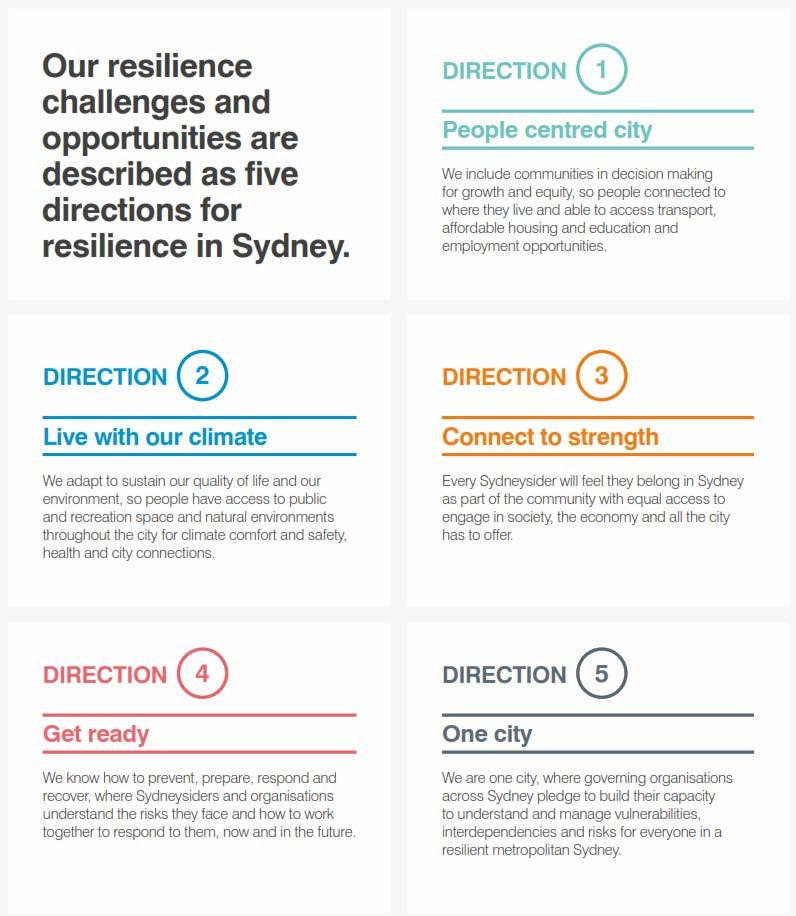
The City Resilience Framework, developed the Rockefeller Foundation, assesses the strengths and weaknesses of cities within 4 ‘dimensions’ and 12 ‘drivers’. The framework was adopted by metropolitan Sydney and Bayside Council applies this framework to all its medium and long term plans.
City resilience is the capacity of people, communities, businesses and systems within a city to survive, adapt and thrive no matter what kinds of chronic stresses and acute shocks they experience.
Acute shocks are sudden events that threaten a city and include heatwaves, floods, disease outbreaks and cyberattacks.
Chronic stresses weaken the fabric of a city on a day-to-day basis and include rising inequity, housing unaffordability, family violence and inadequate public transport.
The 4 dimensions are:
Health and Wellbeing - the essential city services that safeguard human health and diverse and secure livelihoods
Economy and Society - the social and financial systems that enable urban populations to live peacefully, and act collectively
Infrastructure and Environment - the way in which built and natural assets provide critical services and protect residents
Leadership and Strategy - effective leadership and management, empowered stakeholders and integrated planning.
People, organisations, businesses, communities and cities that survive disasters all show resilient behaviours and decision making. Metropolitan Sydney can learn from these experiences including from significant floods, fires, heatwaves, droughts, infrastructure failures, cyberattacks and a global pandemic. The strategy has the below 5 directions:
At Bayside we have an adopted Governance Framework that articulates the corporate approach to ‘governance’. It considers the range of governance issues under the 4 main elements:
Ethics & Values
Manage Risk
Decision Making
Monitor & review
Each issue includes the principles of good governance, as well as the policies and practices of Council to achieve those principles.
Good governance is achieved by having efficient and effective decision making processes and systems. The use of appropriate policy and accountability frameworks enable Councils to focus on strategic rather than operational issues.
Council’s Governance Framework articulates our practices in order to achieve good outcomes and includes reference to our ethics and values (ie Code of Conduct, Internal Reporting, Business Ethics, Conflicts of Interest), our approach to Risk Management (ie fraud and corruption prevention, internal audit, compliance and privacy), our decision making (ie roles and responsibilities, Code of Meeting Practice, delegated authorities, policies and procedures) and the way Council will monitor and review our business (ie integrated planning and reporting, performance management, complaints handling, registers and access to information).
A copy Council’s Governance Framework can be found on Council’s website via this link Bayside Governance Framework
Effective decision making demonstrates to the community and other stakeholders that Council is operating with transparency, probity, and in the best interests of all concerned. Sound decisions withstand scrutiny by regulators, courts, and the media.
Decision making occurs at many levels within Council – it is supported by various forums that comprise Councillors, staff, community members and/or independent specialists. Council strives to have effective decision making processes in place through its robust governance framework.
There are principally four groupings of meetings:
Council meetings
Statutory Committees (Local Planning Panel, Audit Risk & Improvement Committee (ARIC), Flood Plain Management and Traffic)
Committees (City Planning & Environment, City Services, City Works & Assets, and City Performance)
Administrative Committees (Executive and Leadership, Strategic Asset Management Committee, IT Steering Committee)
Attend our meetings in persons and/or watch online via Council’s YouTube Channel - Bayside Council - YouTube
Read the Business Papers (Agendas and Minutes) for the meetings, they are available on Council’s website via this link
Address Council and/or Committee meetings. You can address Council on a report that is on the agenda for that meeting prior to a decision being made by Council. Requests to address Council at Public Forum can be found on Council’s website via this link
Integrated Planning & Reporting (IP&R) is the framework developed by the NSW State Government to guide Councils in the planning, reporting and delivery of its community’s priorities.
IP&R enables Council to allocate resources to projects and activities based on the needs and direction provided by our community, and to ensure these align to the community’s values and vision for Bayside. It is where we Identify, Plan, Fund & Report on services and outcomes for our community.
Council also has an important role to play in advocating for, and partnering with, other agencies to achieve local outcomes.
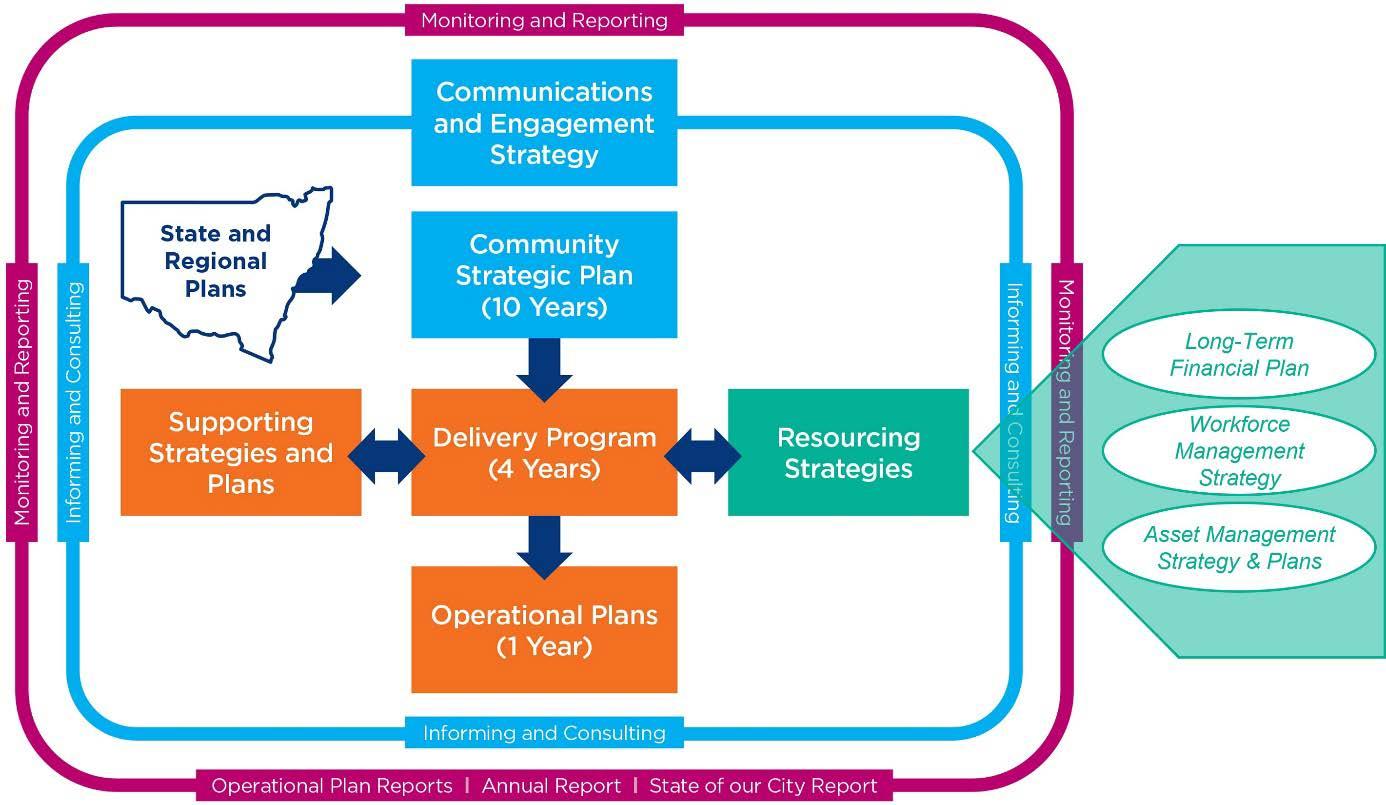
The key elements of the IP&R framework are a suite of documents described below:
Community Engagement Strategy Community engagement is at the heart of Local Government. It enables communities to be active participants in shaping their future. It is critical for Councils to open opportunities for the community to be involved in the strategic planning process. This strategy supports the development of all plans, policies, programs and key activities, demonstrates a commitment to genuine and inclusive engagement and is based on social justice principles.
Community Strategic Plan Identifies the main priorities, vision and aspirations of our community for the future. It includes the themes, outcomes and strategies Council plans to achieve them.
Delivery Program Council’s 4 year commitment to achieving the prioritised strategies and outcomes of the Community Strategic Plan during its term of office. It sets out the key priorities that Council will deliver and how our performance will be measured. All plans, projects, activities, funding, and resource allocations are directly linked to the Delivery Program. It is supported by strategies and plans developed to focus on areas of Bayside’s environment, people and other priorities.
Resourcing Strategies To support the Delivery Program, Council is required to develop Resourcing Strategies. The strategies ensure Council has the necessary people, funds and infrastructure available to deliver its commitments. Three interrelated documents make up the strategy: The LongTerm Financial Plan; Workforce Management Strategy and Asset Management Strategy.
Supporting Strategies & Plans Council has developed plans, strategies, codes and policies to set the standards and direction for the services and outcomes we deliver. These Supporting Strategies & Plans sit below the Community Strategic Plan in the IP&R hierarchy and reflect its principles, values and objectives. The supporting strategies, in turn, inform the Resourcing Strategy, Delivery Program and Operational Plan. Examples of the key strategies and plans are the Local Strategic Planning Statement; Customer Experience Strategy; Arts & Culture Strategy; Reconciliation Action Plan; Disability Inclusion Action Plan, Information Management & Governance Strategy; Land & Property Strategy; Environment & Resilience Strategies etc.
Operational Plans (& budgets) These specify the detailed actions and funding for each activity that will be delivered and reported on annually to achieve the priorities of the Delivery Program.
Reporting Council produces 3 main reports under this framework, 6 monthly Operational Plan reports, an Annual Report and at the end of every term of Council, a State of our City Report.
Online
Email - council@bayside.nsw.gov.au
Website - www.bayside.nsw.gov.au
Phone 1300 581 299 or +61 2 9562 1666
Visit our Customer Service Centres
MondaytoFriday8:30am–4:30pm
Rockdale Library - 444-446 Princes Highway Rockdale Westfield Eastgardens - 152 Bunnerong Road Eastgardens
Post
Bayside Council 444-446 Princes Highway ROCKDALE NSW 2216