DESIGN
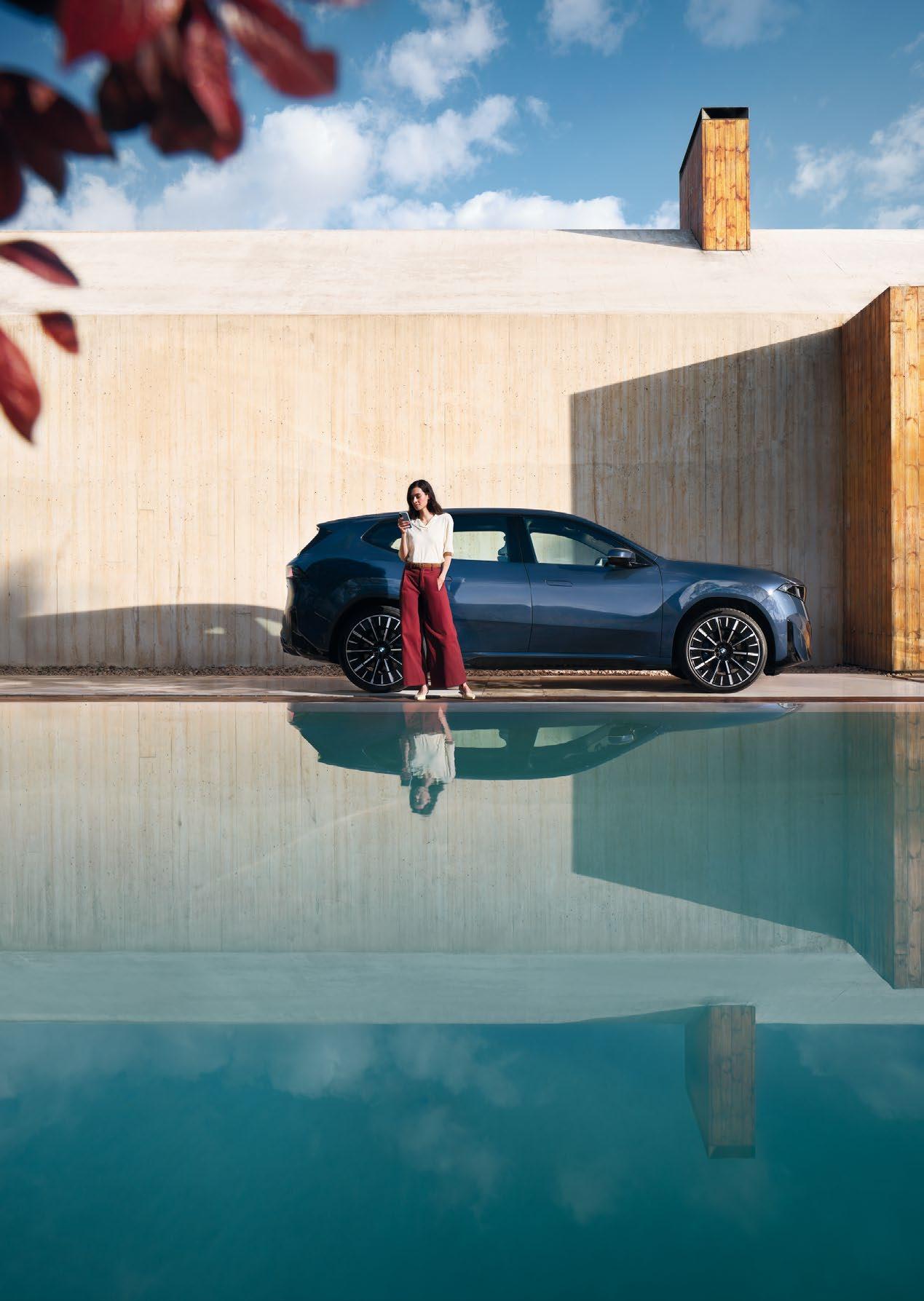
BMW GROUP IS PROUD PARTNER OF MCBW 2026.


EDITORIAL
Dear readers,
When was the last time you discovered something you weren’t even seeking? Tried something without knowing where it would lead? That’s precisely what this magazine is about: that state of mind where we become curious, experiment, and allow ourselves to be surprised.
From May 4 to 10, 2026, Munich will become a vibrant centre for design, innovation, and creative exchange for the 15th time. Fifteen years of mcbw—that’s a remarkable success story. It’s anything but a given that such a format can endure for so long and revitalise the city year after year. mcbw has become an integral part of the German design landscape—a place where tradition and innovation meet, where established voices and fresh perspectives converge. We are celebrating this anniversary with a motto that captures its essence: “ Playground of Possibilities.” These pages will accompany you through the week and beyond, always with one question in mind: How can we keep the joy of design alive in a world full of possibilities?
Here’s a paradox: we know that intelligence grows out of imagination, which is formed through free play. Our ability to solve complex problems and create unexpected connections is not fuelled by efficiency. Not by perfection. And yet we often organise our working world in precisely the opposite way: optimisation before openness, plan before process.
Play means self-efficacy. This is particularly evident in children: in play, they experience moments in which they possess full control and create their own worlds. The same applies to us as designers—we have the power to act, the opportunity to implement, and we witness a result. The process brings joy, as does the result.
The entrepreneurs and creative professionals featured in the following pages demonstrate precisely that: teams that believe in themselves. They understand design as an elegant choreography—as the conscious creation of transitions into new spaces. The protagonists of this magazine are deeply intertwined with the world and reveal what courage looks like in concrete terms: not as theory, but as lived practice.
The motto of mcbw 2026 unfolds in four principles: Empower. Explore. Act. Enrich. An interlocking attitude that remains curious and enthusiastic throughout the process, while acting with an alert sense of the world around us. As you read the articles, you will discover that finding passion for a cause does not mean chasing fleeting emotions, but discovering a deep strength that sustains you even in difficult times. It is precisely the uncertainty that opens up the space to understand the future as something that can be shaped. Be open to the desired side effects!
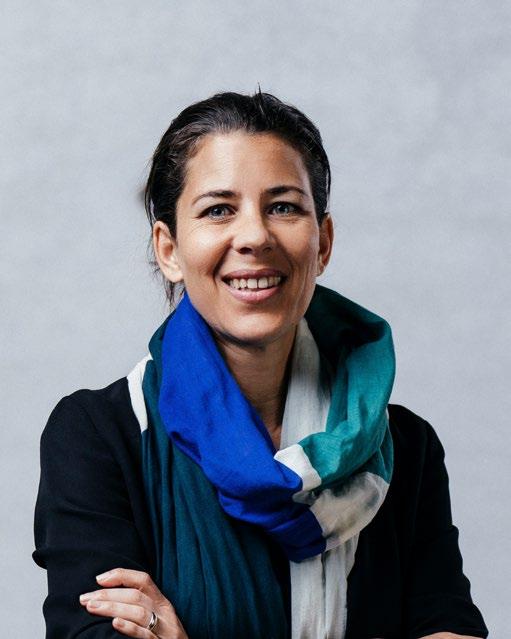
Nadine Vicentini and the bayern design team wish you much enjoyment reading— and playing!
EXPLORING THE CREATIVE FIELD
mcbw
The
The
TURNING IDEAS INTO ACTION
mcbw
Dr.
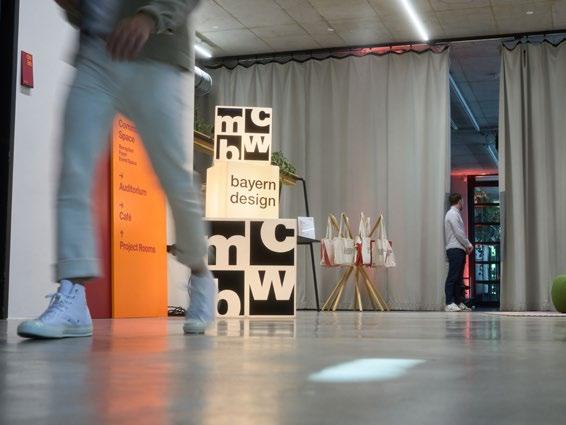
WELCOME
HUBERT AIWANGER
Bavarian State Minister of Economic Affairs, Regional Development and Energy and Deputy Bavarian Prime Minister
Under the motto “Playground of Possibilities”, the 15th munich creative business week invites you to recognise opportunities in a changing world. Let us view uncertainty not merely as an obstacle, but as a space for futureoriented design. We encourage you, as designers, to embrace this space with creativity and nurture ideas that look ahead. The implementation of new design solutions also carries great responsibility, as every shift in appearance, functionality, sustainability, and user-friendliness shapes our future. Do these changes truly address human needs? This year’s mcbw presents inspiring ideas and the chance to discover new perspectives, actively fostering interdisciplinary exchange.
DR. CHRISTIAN SCHARPF
Head of Labour and Economic Affairs for the City of Munich
Welcome to munich creative business week 2026! Under the motto “Playground of Possibilities”, you can anticipate a week rich in inspiration and original ideas. This event provides a unique platform for developing new projects and fostering synergies amongst visionaries, entrepreneurs, and creative minds. The cultural and creative industries play a vital economic role in Munich: they generate value, create jobs, attract talent, and drive innovation and competitiveness. Let us join forces to harness the potential that the 15th mcbw brings to our city, strengthening Munich’s position as a leading centre for design and cross-industry collaboration.
ROLF SCHIFFERENS
Chairman of bayern design forum e.V.
Design is far more than form and aesthetics—it shapes products, working environments, and the way we live together. For fifteen years, mcbw has served as a vibrant hub for design and innovation, offering unparalleled opportunities to exchange ideas, forge connections, and set new trends. Organisations that embrace design strategically create not only appealing products, but also enduring structures and inspiring workplaces. I look forward to a week brimming with creativity and meaningful encounters!













Design always reveals itself in its effect, in what it triggers, changes, and enables. The “Playground of Possibilities” stands for an attitude that is open and curious, yet also assumes responsibility. An attitude that takes pleasure in the process, even when outcomes remain uncertain. “People feel alive, motivated, self-effective and, yes, happy when they can take action,” writes sociologist Hartmut Rosa. Perhaps this has never been more vital than it is today.
Playground
of Possibilities – A new desire to create
After years of upheaval, a collective desire is emerging in the design industry: we want to act with foresight instead of merely reacting. We want to make a difference that is meaningful and touches people emotionally. We want to see challenges not as a burden but as an opportunity, and harness the diversity of our society as a force field from which new ideas emerge. This new creative drive stems on the one hand from necessity, and on the other from a new self-image: we don’t have to know everything to make a difference. We don’t have to solve all problems to improve something. The future cannot be planned, but it can be shaped. Futurologists refer to this attitude as “metamodernism”: it follows neither the naive belief in progress of modernism nor the paralyzing cynicism of postmodernism. It allows for both hope and doubt, longing and realism. Creativity in a world that remains contradictory and finds its strength precisely in this contradiction.
mcbw 2026 makes this attitude tangible through four principles—not as a linear process, but as a mindset:
Empowering the Creative Self –Courage to Begin
Every creative act begins with a leap. The decision to trust yourself, to take responsibility for what you shape, and to step into uncertainty. Creativity is more accessible than ever—through AI, open-source tools, and intuitive interfaces. But the question remains: for what purpose? New technologies open up unprecedented possibilities. Smart devices and intuitive tools accompany our everyday lives, while generative AI creates new possibilities for co-creation between humans and machines. These developments radically lower the barriers to entry and democratise creative work.
Breaking new ground always starts with trust—in yourself, in others, in the future. At the same time, this creates a new responsibility: if generative tools mean that anyone can design, then we need people who can provide guidance, sort things out, and evaluate. Creatives become mentors who point the way.
Exploring the Creative Field –Space to Play
Once you have gained confidence, you can let go. Creativity needs space—for experimentation, detours, mistakes, and new discoveries. Room to play opens up freedom in thinking, in teams, and in processes. Design is not only about solving problems. Those who only seek the shortest route will not find new paths. Those who understand creativity only as problem solving overlook its greatest potential: the unpredictable. In the realm of possibility, rules become flexible, ideas arise in the process. Here, you can build something just to see what happens; deliberate detours let you discover new things.
Creative play is not a game. It is perhaps the most serious approach to the new: radically open, emotionally charged, structured in chaos—and carried by the joy of discovering something together that no one planned.
Turning Ideas into Action –Time to Build
Ideas only unfold their power when they become visible. After exploration comes action—an attitude that starts boldly instead of waiting until everything has been thought through perfectly. Don’t run through all the eventualities, but start with what’s already there. Rapid creative sequences instead of lengthy planning processes. Today, this is easier than ever. Whether it’s 3D printing, on-demand production, or platform economics, the possibilities for quickly turning ideas into reality have become more diverse—from low-cost production methods to shared instructions to community support.
Doing means demonstrating what is possible. Testing, learning, improving, testing again. Many small steps often lead to the goal faster than a few large ones. Pragmatic and risk-taking simultaneously.
Creating Visions that Enrich –Visions that Last
In the end, it’s all about impact. The question is not only: What can we design? But also: What do we want to improve with it? For whom? This is where creativity acquires direction. It becomes a compass for quality of life, community spirit, and sustainability. Socially oriented technologies demonstrate how meaningful innovation can be—when it connects people and helps in concrete situations. Circular design approaches, upcycling initiatives, and zero-waste strategies shape not only products but also values: longevity, participation, and responsibility. Open-source projects prioritise sharing over ownership, platforms over property.
The power of design lies not in novelty, but in relevance. This is where design becomes socially, ecologically, and culturally significant—work that enriches life and shapes the futures we want to live in.
Empower. Explore. Act. Enrich.
These four principles fuel each other and together form the basis for a new design culture: open, courageous, meaningful, and collaborative. For the 15th time, mcbw 2026 invites you to enter this playground. For one week, Munich will become a living laboratory—a place where creative minds converge with heart, conviction, and genuine curiosity to make design visible as an attitude and a force.
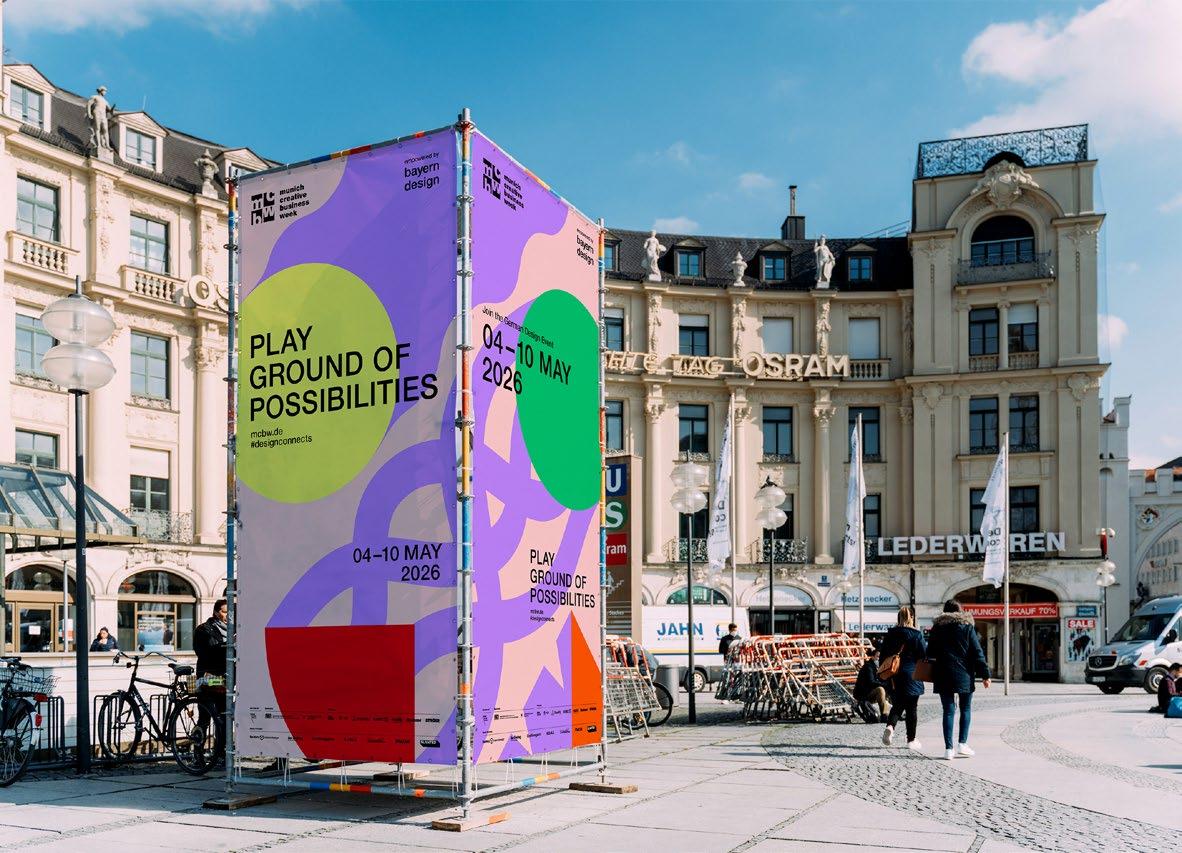
mcbw – The city’s annual design week
The mcbw takes place throughout the city of Munich – advertising in public spaces attracts attention to the design event. Photo: bayern design/hw.design
Fifteen years ago, we embarked on the inaugural munich creative business week, driven by a conviction that endures: design is far more than mere aesthetics. It is a social practice, a catalyst for transformation, and a means of collectively shaping the future.
In 2012, Facebook acquired Instagram for a billion dollars, and the iPhone 5 was heralded as revolutionary. Digital design was dominated by skeuomorphism—threedimensional buttons, apps echoing their analogue origins, interfaces crafted for familiar comfort. Meanwhile, industrial design relied heavily on materiality and manufacturing logic, remaining firmly rooted in the offline world. Fast forward fifteen years: smartphones are omnipresent, AI co-authors our creations, and the boundaries between digital and physical dissolve. Products become networked systems, spaces evolve into immersive worlds. Today, design springs from dynamic processes and vibrant ecosystems.
At bayern design, competence centre for design and organiser of mcbw, we are driven by the conviction that Munich is uniquely positioned to showcase the potential of design. Today, with some 65,000 visitors and more than 200 events, mcbw stands as Germany’s largest design event—supported by the Bavarian Ministry of Economic Affairs, the City of Munich, and a community that views design as a mindset. For us, mcbw is the annual litmus test—the moment we demonstrate design’s potential to shape society.
What makes mcbw
special: Openness as a principle
mcbw is intentionally structured to thrive on diversity, drawing strength from more than 200 partners—from global corporations to hidden champions, start-ups, universities, museums, galleries, agencies, and solo creatives. This heterogeneity is foundational: we provide a framework where a wide spectrum of actors can connect and cultivate fresh perspectives. Munich itself is a unique setting: its robust economy, dense university landscape, lively creative scene, and rich cultural infrastructure, from the Deutsches Museum to the Pinakothek der Moderne, foster collaborations seldom possible elsewhere. mcbw taps into this constellation, spreading across the city: from the Kunstareal and Viktualienmarkt to the Werksviertel, from the English Garden to Haidhausen. For Munich, Bavaria, and Germany, mcbw annually demonstrates that design is a force for innovation, an economic engine, and a tool
for shaping society—when the right minds converge. Over 15 years, we’ve built a network whose impact resonates far beyond a single week in May, elevating Munich’s profile as a design metropolis nationally and internationally.
mcbw 2026: Plans for the playground
We have big plans for our anniversary year. The motto “Playground of Possibilities” will be brought to life at various locations throughout the city – through the mcbw design summit (page 16), installations, workshops, exhibitions, talks and new formats that will take place for the first time at mcbw 2026.
mcbw hub & mcbw design shop – Central meeting point at Rindermarkt
The Ruffinihaus at Rindermarkt again becomes the central hub of mcbw—a place where information flows, connections spark, and the pulse of the week is felt. Here, visitors orient themselves and chance encounters flourish. New this year is the mcbw design shop, realised in collaboration with FrischesDesign. Select designers from across Bavaria will offer their work directly to a discerning audience—ranging from Anna Cerezo’s porcelain to furniture by Bally and Bally, Alessandra Pizzini’s jewellery to stationery by Herr & Frau Rio as well as textiles by Sylvie Ludwig. Designers will be present in person, either selling or sharing insights in short talks. The shop is more than a marketplace; it is a curated window into the richness of Bavarian design and the creative spirit of the region.
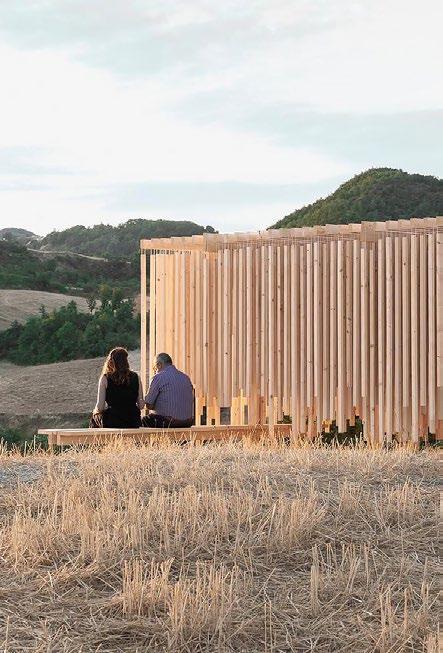
mcbw public space – The city as a playground
We’re activating public spaces throughout the city: Studio Carraldo crafts two wooden installations on the south lawn of the Alte Pinakothek—Cappella, a walk-in pavilion, and Delulu, a playfully shifting labyrinth. Both invite visitors to explore, linger, and interact, transforming the lawn into a vibrant gathering spot. Architecture studio adpa contributes inflatables and seating—temporary, flexible structures—inviting conversation and play, and turning urban spaces into accessible meeting points.
mcbw pop-ups – Making design visible
Collaboration with universities has long been integral to munich creative business week. We believe design is conceived, evolved, and tested where teaching and research intersect. Yet, academic ideas must face reality—real users, real spaces, genuine feedback. At Viktualienmarkt, the International University (IU), with lecturers Anders Herwig, Miriam Irle and Bettina Otto, brings the “Stories Around” concept to life in an exhibition container, transforming an everyday urban space into a stage for design discourse. A second container, from the Technical University of Nuremberg, features the “Light Up” project. These mobile exhibition spaces bring design directly into the city, offering students the chance to put theory into practice and making design visible where daily life unfolds.
mcbw masterclass – New format for young creatives
Nurturing young talent is a priority: in 2026, we introduce the mcbw masterclass, designed for school pupils, students, and young professionals with up to three years’ experience. Our aim is to offer a genuine glimpse into the world of established designers and foster direct dialogue about career pathways and creative perspectives. Each three-hour masterclass takes place in the studios of participating designers, featuring a deep dive into their work, daily routines, and training, followed by a Q&A session. Group sizes are intentionally small to encourage meaningful exchange; applicants are invited to submit a brief letter of motivation.
Capella Del Suono by Studio Carraldo from Innsbruck is one of two installations in public space.
Photo: Jonas Zauels
Events by partners bring the mcbw programme to life. Photo: Lérot
Creative director Mirko Borsche, illustrator Steffi Bauer, product designer Ana Relvão and designer Michael Geldmacher will be taking part. The mcbw masterclass exemplifies what is important to us: we bring generations together and highlight what it means to be a designer today.
mcbw base – Our office as an event venue
This year, we have settled into a new courtyard office on Gabelsbergerstraße, and we’re opening our doors for mcbw: mcbw base becomes a venue for selected partner events. Morning talks and curated sessions in the afternoon and evening will offer intimate spaces for in-depth discussion. Welcome to our new home!
BEDA – Welcoming the European design community
mcbw has always been internationally connected. As a member of BEDA—the Bureau of European Design Associations—we bring European perspectives to Munich and share Munich’s creative impulses across the continent, uniting designers, communication and advertising leaders, policymakers, and researchers from all over Europe. This year’s highlight: the BEDA Design Forum in Munich on May 8, 2026, exploring the dynamic intersections of design, politics, and accessibility through a full day of inspiring talks and knowledge exchange. Topics range from European design policy mapping and “extrability” in accessibility to advocacy on intellectual property, artificial intelligence, and ecodesign. Participation is free—a vital gesture that ensures design discourse remains open and accessible to all.
Design as social practice
Fifteen years on, our mission remains to make design tangible. mcbw is not simply a showcase; it is a living laboratory where theory meets practice, concepts are tested in real-world settings, and the true impact of design is revealed. Each year, we place design under scrutiny— in the heart of the city, before a real audience, through authentic interaction. When companies open their doors, designers share their process, or agencies host open panels, the possibilities of design come into focus: fostering encounters, shaping behaviour, and reimagining spaces. Each format asks: Does it work? Does it resonate? What happens when people engage with it? For bayern design, mcbw is when our year-round efforts— building networks, supporting processes, sharing knowledge—culminate in a public invitation: not only to observe design, but to experience it together.
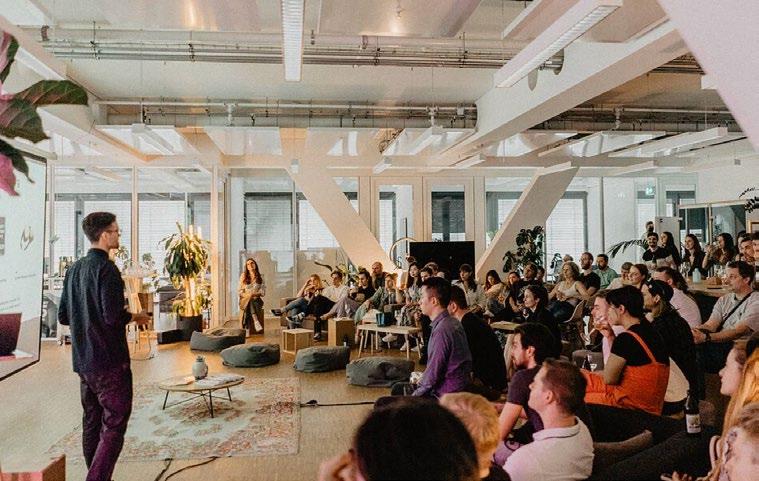
Future at play
Under the banner “Playground of Possibilities,” mcbw creates a space for thought and experience that invites experimentation, questioning, and creative risk-taking. At its centre stands the mcbw design summit, a one-day conference convening international voices who approach design from different vantage points: art criticism and food design, AI-driven multiperspectivity and architectural practice, systemic innovation and cultural theory. What unites them is a shared conviction—that design transcends problemsolving to become both an attitude and a methodology for reading, and ultimately rewriting, the world.
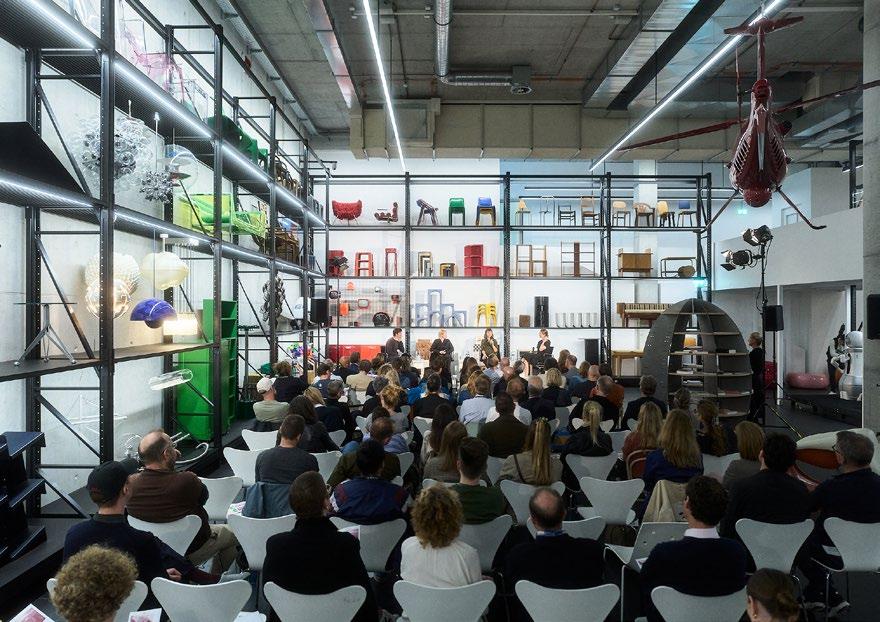
As in previous years, the summit takes place at Munich Urban Colab, a venue dedicated to interdisciplinary collaboration, innovation, and future-facing inquiry— once again serving as a nexus for international design discourse. Thought leaders from across the globe will illuminate the theme from diverse perspectives. The fullday program promises visionary impulses, critical reflection, and dynamic exchange, guided by moderators Leonhard Nima (Studio Nima) and Max Fraser (Dezeen), who bring journalistic precision and systemic insight to the proceedings.
“Our playground creates the framework—playful, experimental, charged with possibility,” says Verena Westernacher, who, as a project manager at bayern design, curated the design summit with her team.“What I anticipate most excitedly are the people whose perspectives and energy animate the summit. ” The mcbw design summit 2026 is structured around our four guiding principles, tracing a narrative arc—from the initial spark of creative confidence to the responsibility we bear for what we introduce into the world.
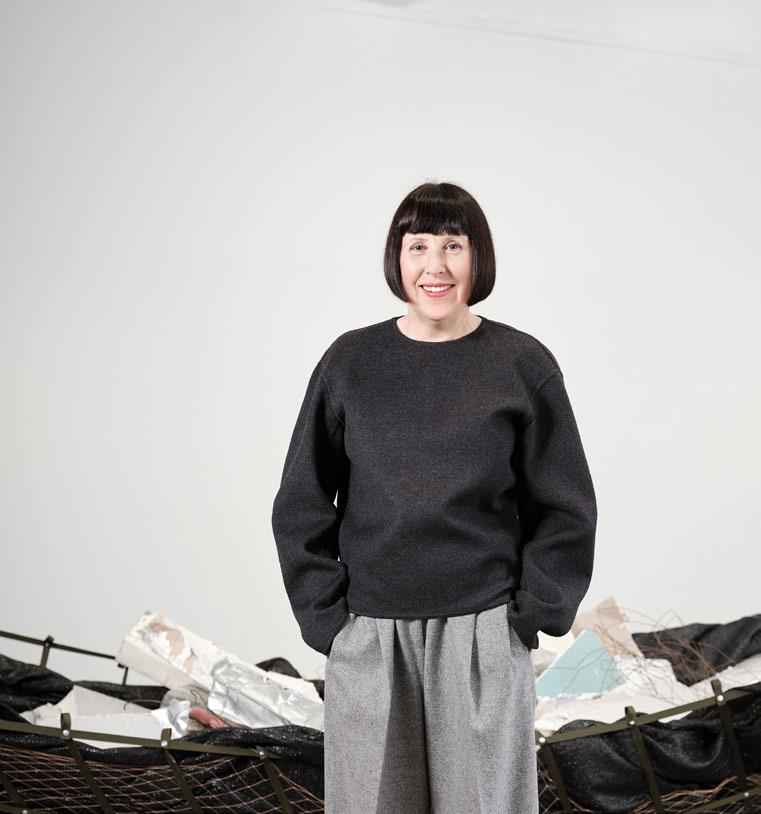
ALICE RAWSTHORN Design as a driver of change
Alice Rawsthorn ranks among the most influential design critics of our era. Her books “Design as an Attitude” and “Design Emergency” stand as seminal works on the social role of design. For many years, she wrote the design column for the New York Times and shaped the public discourse on design worldwide. For her, design is not an end in itself, but an instrument of social change.
“Design’s elemental role is as an agent of change that can help us to address changes of any type,—social, political, economic, cultural, technological, environmental, or whatever—to ensure that they affect us positively, not negatively,” says Rawsthorn. At the summit, she invites us to go beyond aesthetic questions and understand design as a cultural and political force.
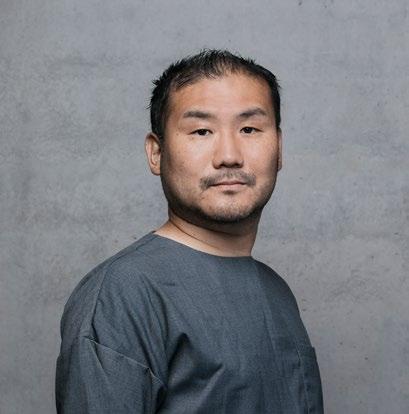
HIDEAKI OGAWA
Art as a laboratory for the future
As artistic director of the Ars Electronica Futurelab in Linz, Hideaki Ogawa leads one of the world’s preeminent platforms at the intersection of art, technology, and society. Here, projects emerge that transform uncertainty into creative possibility, conceiving the laboratory as a social space for experimentation.
“Possibility, by itself, means nothing,” says Ogawa. “The question is: possibilities for what—and for whom?” For him, art is a place where new visions can emerge beyond routine and predictability. As Director of the Sapporo International Art Festival and Creative Director of Civic Creative Base Tokyo, Ogawa embodies this ethos institutionally. His work reveals how artistic processes not only envision the future but render it tangible—as collective, open, evolving practice.
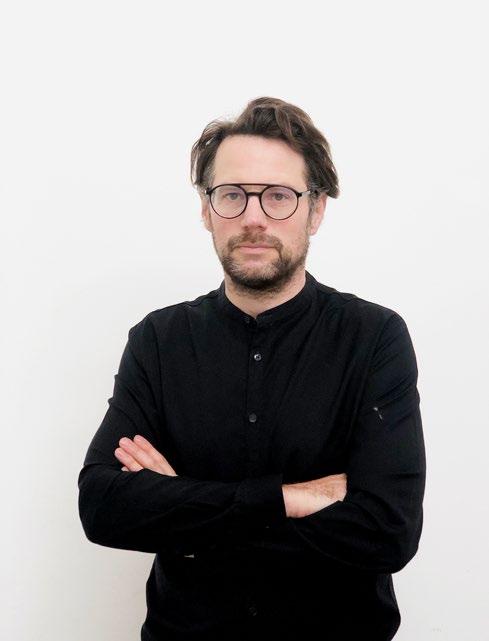
FRIEDRICH VON BORRIES
Multiperspectivity through AI
Prof. Dr. Friedrich von Borries is one of the most prominent voices in contemporary design theory. He has been teaching at the University of Fine Arts Hamburg since 2009, combining socio-political analysis with design practice.
Instead of viewing artificial intelligence as a threat, he advocates its thoughtful use as a tool for creative expansion. AI can help to reveal a diversity of perspectives and reduce polarisation. His platform getminds.ai pursues precisely this approach. “Many people are afraid of AI,” says von Borries. “But it definitely opens up new possibilities for creativity — and for a multiperspectivity that could overcome the dangerous polarisation currently dominating the discourse in digital spaces.” His work embodies a design philosophy that extends beyond products to encompass social systems. At the summit, he will show how technological innovation and humanistic values can be combined—with analytical clarity and social responsibility.
MARIJE VOGELZANG
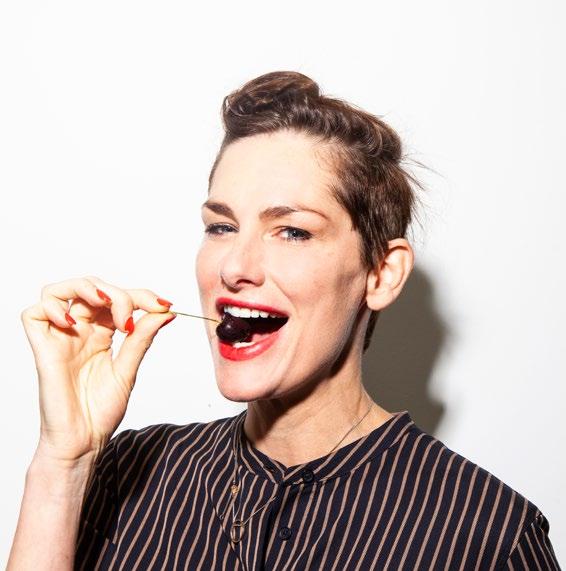
Food design as a playground
Dutch designer Marije Vogelzang stands among the pioneers of food design—a discipline that treats food as material, medium, and cultural practice. For years, she has orchestrated international exhibitions, performances, dinners, and workshops.
In 2025, she opened the Food Design Playground in Dordrecht—an experimental space for sensory experiences related to food, design, and community. “‘Playground of possibilities’ might sound like a lighthearted theme but in fact I believe playing and allowing for play are essential for creative research and for us to stay humble and humane,” says Vogelzang. Her work employs food as a starting point to address complex social questions: consumption, sustainability, embodiment, and social interaction. At the summit, she will demonstrate how everyday experiences can become instruments of design research and knowledge production.
PARK ASSOCIATI
From vision to built reality
The Milan-based firm Park Associati, founded in 2000 by Filippo Pagliani and Michele Rossi, ranks among the defining voices in contemporary architecture. The studio executes projects across work, residential, and urban development—consistently attentive to existing structures, context, and transformation. Michele Rossi will represent the firm at the summit, contributing the perspective of those who translate ideas into a livable reality. “We see our work as a playground of possibilities,” he explains, “an interdisciplinary team moving across creative fields with curiosity and drive to shape the built environment.” Architecture, design, and research become an integrated process here.
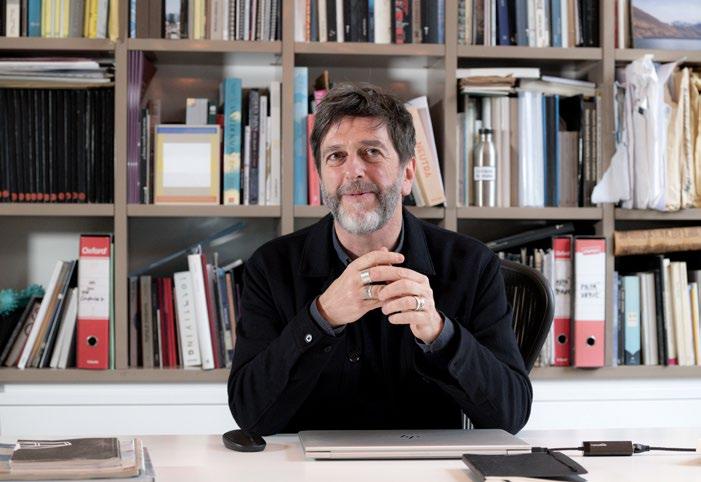
Park Associati begins not with tabula rasa but with what already exists. Existing structures are reinterpreted as new models of use—with attention to sustainability, quality of life, and enduring impact. Space thus becomes a prototype, a built idea, a visible responsibility.
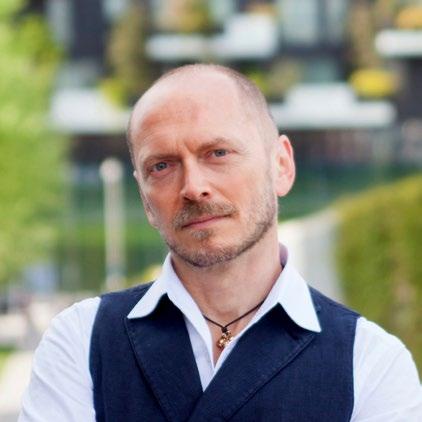
EMMI SALONEN
The creative ecosystem as a model for life
How might creativity be understood not as isolated achievement, but as integral to a comprehensive model for living? Since founding her London studio in 2005, Finnish designer, author, and happiness facilitator Emmi Salonen has cultivated an understanding of design that reaches far beyond conventional questions of form. Her concept of positive creativity examines how design can forge human connection, foster well-being, and underpin sustainable decision-making.
At the heart of this is her creative ecosystem: a model that understands creativity as an interdependent system influenced by movement, relationships, curiosity, and inner balance. “Creativity is interdependent on everything in our lives,” says Salonen. “To sustain our output, we need nourishing inputs.” She is not concerned with efficiency or self-optimisation. “My approach offers a simple framework for finding them in our day-to-day. It’s not a productivity tool or a to-do-list, but a way of being with yourself and the world around you.” As the author of the “Creative Wellbeing Handbook” and an RSA Fellow, she combines personal experience with scientific findings—including those from positive psychology. For her, empowerment begins with the question of how we can maintain our creative energy in the long term.
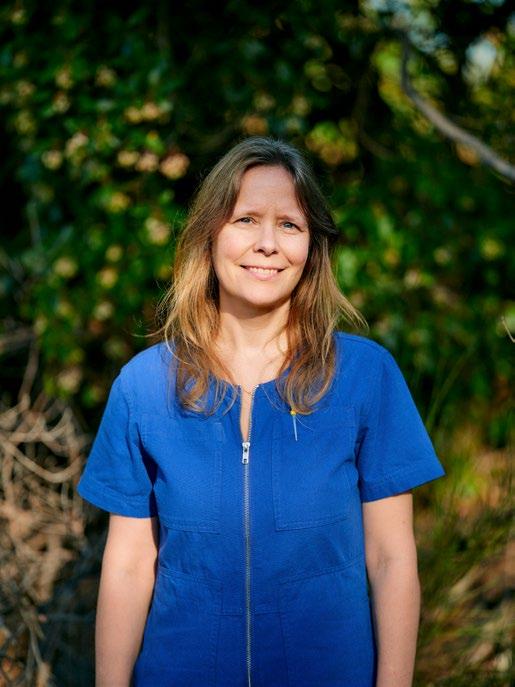
ROBERTO VERGANTI
Beyond userism — design as meaning making
Innovation researcher Roberto Verganti holds a professorship at the Stockholm School of Economics and lectures at Harvard Business School. His books rank among the most influential works in design-driven innovation.
Verganti calls for a change of perspective: design should not be reduced to user needs, but must create meaning. This ability is becoming increasingly important, especially in the age of AI. He argues that we must cease thinking of design merely as a problem-solving tool: “We need to focus on the most human of the capabilities: the creation of meaning.” His work illuminates how organisations can deploy design strategically to cultivate cultural relevance and lasting impact.
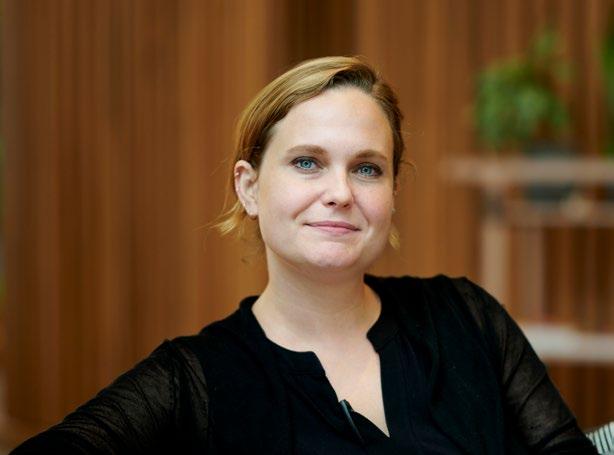
JESSIE STOREY
Design as the freedom to go off-script
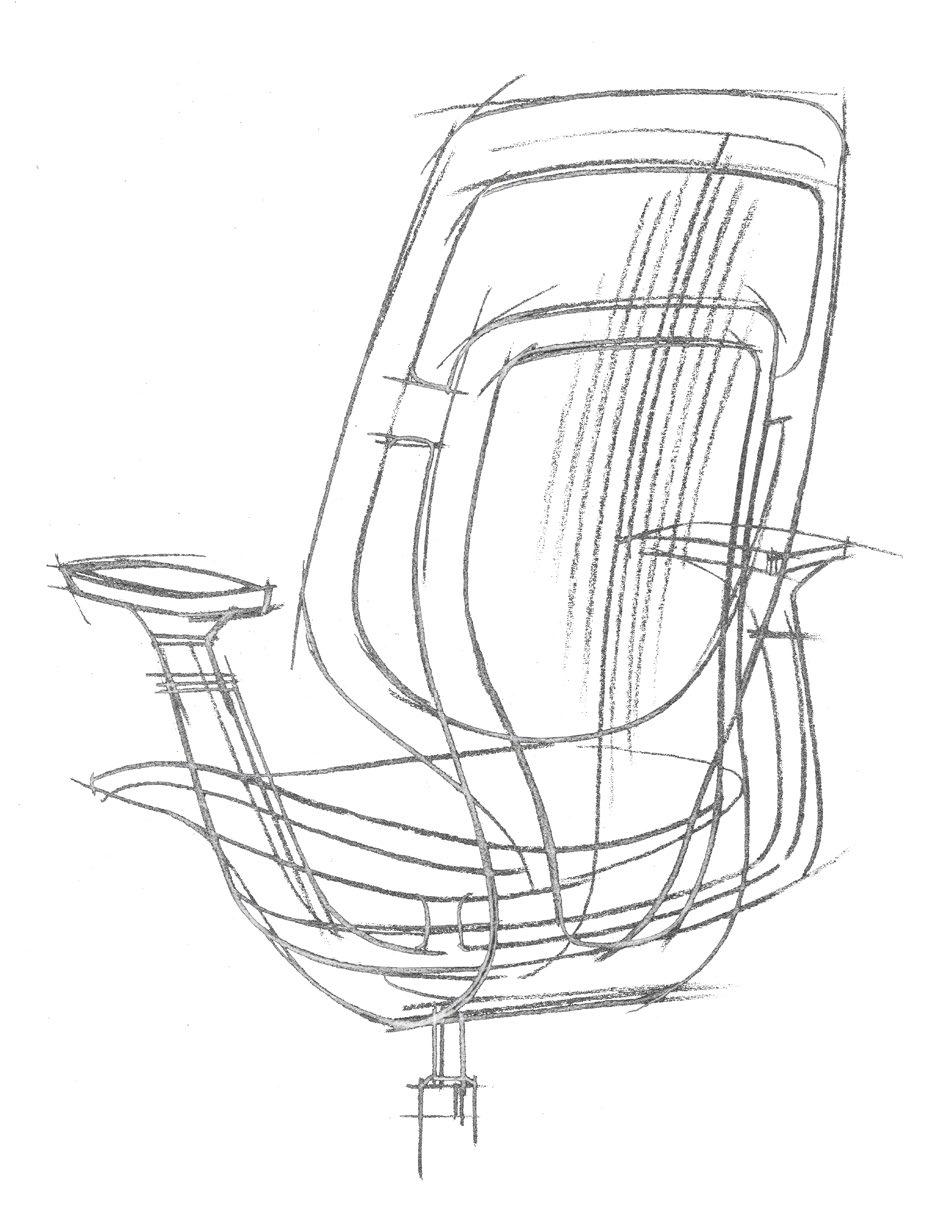
There is a particular seriousness that can only be reached through play. Jessie Storey, Director of Product Development & Design at Steelcase, leads product development across the EMEA region at the intersection of technology, behaviour, and space. But what drives her work is less a method than a disposition: the conviction that exploration is not a prelude to the real work – it is the real work.
For Storey, every tangible reality begins as a scribble, just good enough to make a possibility visible. What it becomes is decided not at the drawing board but in the act of sharing: “Momentum builds when that idea is shared, shaped with others, and evolves from one person’s scribble to a collective effort.” At the summit, she makes a case for the provisional, the voiced, the unfinished—as the most generative mode of thinking there is.
Following the day’s program, the exchange continues at the mcbw get-together, where speakers, participants, and organisers convene for drinks and conversation— a space for deeper dialogue, new connections, and collective reflection. The mcbw design summit 2026 is more than a conference. It is a living laboratory where different understandings of design meet, clash, complement each other, and evolve.
mcbw design summit 2026
May 4, 2026, Munich Urban Colab
Language: English (with simultaneous translation EN/DE)
The playground is open!
Embracing complexity: The work of the mcbw advisory board
No vision without debate—that’s precisely why the mcbw advisory board exists: as a source of inspiration that helps bayern design refine, question, and evolve mcbw year after year. Its composition follows a single principle: diversity of perspectives. Only when different viewpoints converge—museums and corporations, universities and politics, interior design and communication—can the various dimensions of mcbw be meaningfully examined.
Because mcbw is an open format with over 200 partners, the advisory board proves invaluable: it provides orientation without constraining diversity. The five members, namely Dr. Dewi Schönbeck, Boris Kochan, Hannes Ziesler, Prof. Dr. Angelika Nollert and Prof. Markus Frenzl, offer strategic counsel on critical decisions—from developing the annual motto to shaping content and international positioning. Simultaneously, they function as network nodes and ambassadors, carrying mcbw’s vision into their respective communities.
How do visions come about? A look behind the scenes
The functions of the advisory board are intertwined: it advises on everything from the development of the annual motto to the content orientation and international positioning. The members bring contacts from their respective networks and professional spheres, thus enabling new synergies between business, education, culture and politics. The five advisory board members bring different answers, but a shared attitude: design is more than beautiful objects, it is a method for understanding complexity and opening up spaces of possibility. The process of finding a motto is therefore a developmental process that draws on these different design concepts and a deep understanding of social phenomena to underpin the content of the sub-themes.
15 years of living the vision
On the 15th anniversary of mcbw, it is clear that the Playground motto is not just a metaphor, but a living practice—from museum work to product development to political positioning, which is why we decided to let readers delve deeper into the four principles of the motto in this magazine: Empowering the Creative Self (Prof. Dr. Angelika Nollert, page 26), Exploring the Creative Field (Hannes Ziesler, page 52), Turning Ideas into Action (Dr. Dewi Schönbeck, page 74), Creating visions that Enrich (Boris Kochan, page 98), and an outlook on the future of all four perspectives (Prof. Markus Frenzl, page 126).
Design begins with trust: in yourself, in others, in the process itself. Museums and cultural institutions demonstrate that meaningful work requires time for playfulness, the courage to resist efficiency-driven thinking, and the space to experiment. From this shift, new roles emerge: creatives become enablers, mentors, guides who understand design as a democratic practice extending from the museum into the wider community. Empowerment remains the essential first step.
EMPOWERING THE CREATIVE SELF
by I LIKE BIRDS
Installation
Side effects intended
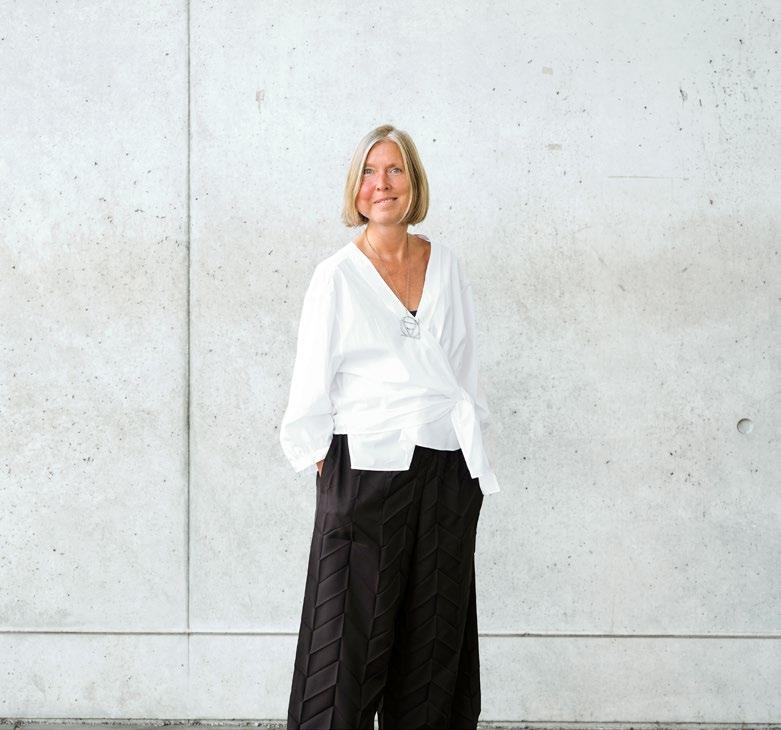
Ten years. That’s how long it took before a durable plastic could finally be developed for Verner Panton’s iconic cantilever chair. For Angelika Nollert, director of Die Neue Sammlung – The Design Museum, this patient evolution embodies some thing essential: a vision of design that doesn’t merely tolerate experimentation, but demands it. “Time is an important factor for playfulness,” she finds. “You have to say goodbye to the apparent idea of efficiency.”
Empowering the Creative Self: What does the mcbw motto mean to her?
“What I’m observing is an increasing openness – to the space, to the population, towards an accessible forum for everyone,” she notes. “I hope that the motto will encourage people to talk about design in the context of experimentation, trial and error, and prototyping.” Die Neue Sammlung – The Design Museum positions
Photo: Frank Hanewacker
itself as precisely such a space, most notably through student projects, digital services, or its third place FLUX. Playfulness, for Nollert, is hardly the opposite of rigour. She draws her parallels from the natural sciences: “You start with a problem. How could you solve it? I try to think of ten ways right away.” The method yields both intended solutions and serendipitous discoveries—what she calls a “calculated coincidence,” that many designers and artists employ. In times of crisis, this playful, experimental thinking acquires a political urgency, she says. “When I approach things with an open mind, it’s in the spirit of responsibility for the community, for democracy,” Nollert insists. “In a time marked by fears, it becomes all the more important to say: First and foremost, diversity and complexity are good things.”
It’s her belief that the munich creative business week can offer opportunities for anyone who is interested— across all generations and backgrounds.
Design demands experimentation and receptivity to outcomes—not as exception, but as essential condition.”
PROF.
DR. ANGELIKA NOLLERT Director Die Neue Sammlung –The Design Museum
Her wish for the next 15 years of mcbw
“Overall, the growing success of mcbw also reflects the increasing public interest in current design topics. I hope that mcbw will continue to be a role model for design education and that its visitors will integrate its content into their everyday lives.”
About Prof. Dr. Angelika Nollert
Angelika Nollert holds a doctorate in art history and has been director of Die Neue Sammlung – The Design Museum, one of the most renowned design museums in the world, since 2014. As a member of the mcbw advisory board, she contributes her expertise at the intersection of education and social reflection, aiming to promote an understanding of design not only through historical and contemporary artefacts, but also as an experimental process that impacts urban space and the population.
STEELCASE
Text by DAVID BARNWELL
The playground has rules
What does it take for people to feel safe enough to play, think, and create together? At Steelcase in Munich, Workplace Design Director Elena de Kan explains why uncertainty can be productive, why offices need cues as much as freedom, and why aesthetics are never just decoration.
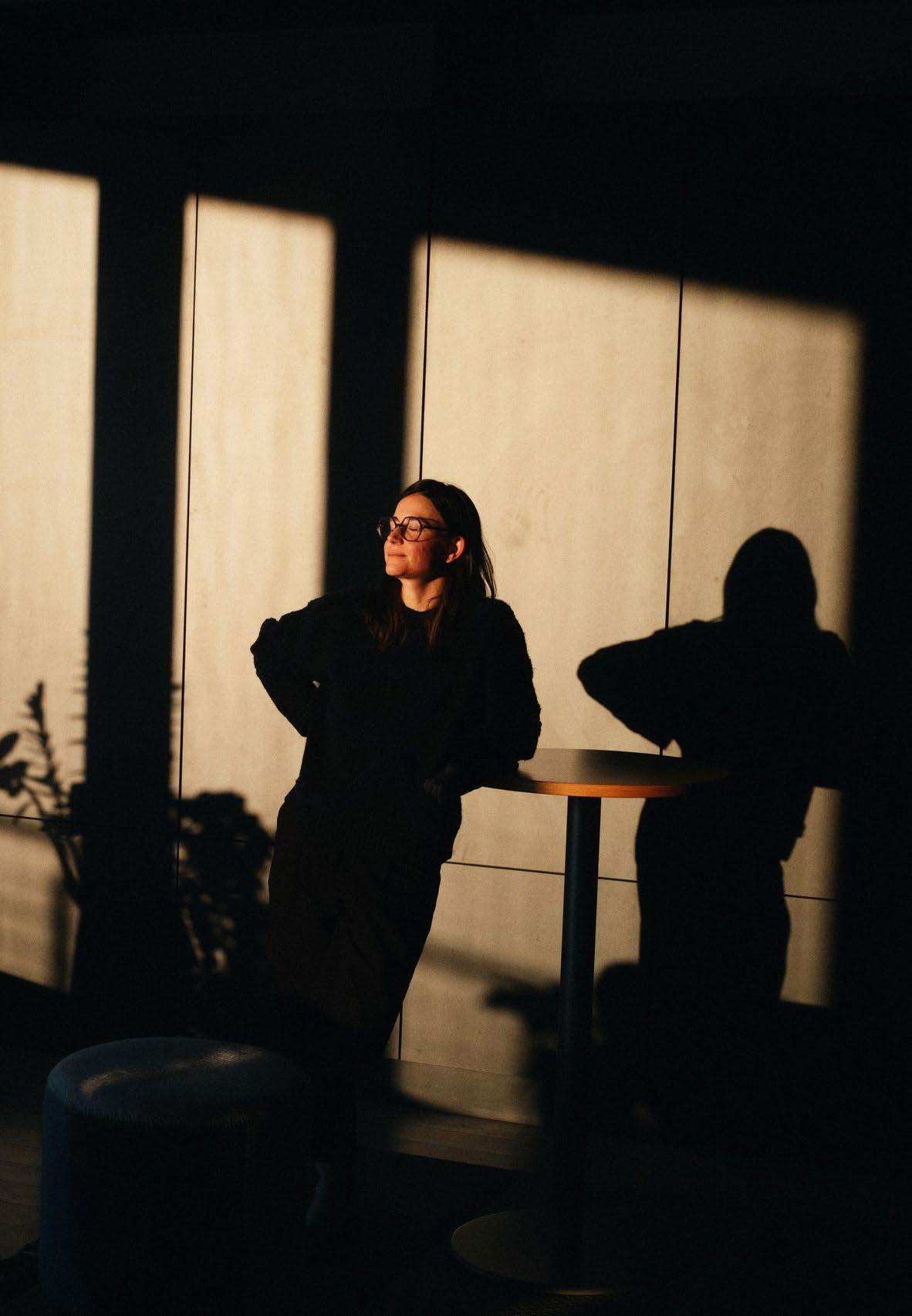
Aesthetics act as cues too, shaping memory, focus and emotional safety.”
ELENA DE KAN Workplace Design Director
Dream job: As Director Workplace Design & Consulting, Elena de Kan works every day at the intersection of space, culture and research.
Photo: David Barnwell
The Steelcase Learning + Innovation Center in Munich serves as a hub for all things workspace design and research.
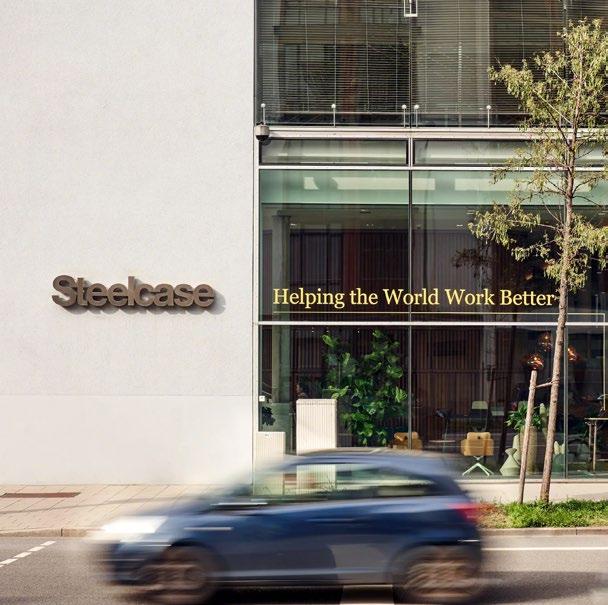
I first meet Elena de Kan, Director of Workplace Design and Consulting for EMEA at Steelcase, in Steelcase’s in-house café. It’s late afternoon, and I seem to be the last order of the day for de Kan, who appears relaxed and smiling before me as I down a welcoming espresso. “How was your day?” she asks. “Want to go somewhere else?”
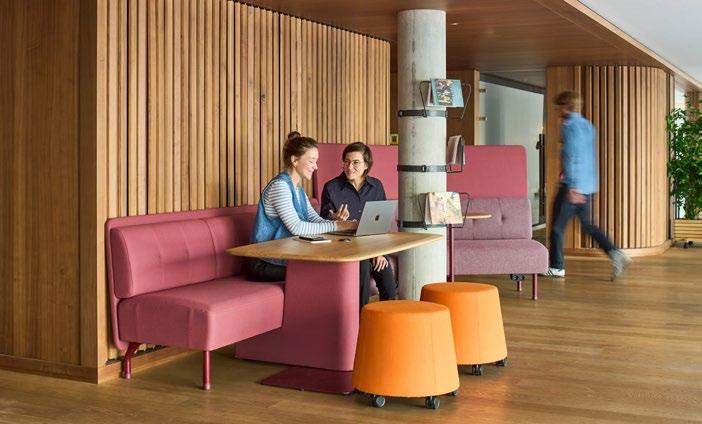
That “somewhere else” turns into a short walk through what feels like an entire city of workspaces at the Steelcase Learning + Innovation Center in Munich; colourful corners, booths, benches, boxes, semi-open rooms. A place that feels grounded and easily navigated, but with no obvious hierarchy. Which, as it turns out, is exactly the point.
De Kan, 36, trained as an industrial designer and design researcher, now leads teams across Europe, the Middle East and Africa, working at the intersection of space, culture and research. “I’ve always been interested in how space shapes behaviour,” she says. “From my bachelor thesis to now, that question never really changed. So yeah, this really is a dream job.”
Uncertainty as a starting point
It’s a fitting intro to our conversation: dreams. We dream, we create, we play. But how do we make sure that the places we choose to work in are up to par? And is there still such a thing as the professional playground? Are we, as this year’s theme suggests, witnessing a consciously optimistic response to years of instability across the creative industries? Are things, I ask, really
getting better? De Kan nods, but reframes the idea. “Better times is a big term,” she says. “What I do believe in is that uncertainty is the baseline for possibility. Freedom and certainty don’t exist in the same space. You gotta have some uncertainty to create something new.” But yes, she admits, she does sense a shift. “We’re past the initial fear of how developments like AI are shap ing work. Now creatives can take responsibility again, shaping what’s coming instead of just reacting.”
A playground is shared
So how does this impact her work, I ask. If things are shifting, then surely the places we work are too? “So, the biggest theme is wellbeing,” de Kan says. She is careful to define terms. “I don’t mean wellness as in perks or massages. I mean cognitive and emotional safety. Do your surroundings allow for your brain to feel at ease and actually focus?”
“Steelcase research shows declining wellbeing indicators across regions,” she continues. “Stress rising, focus falling. People are exhausted. And spaces have to counteract that. As for the playground metaphor: a playground is a space for exploration, yes, but it only works if it’s shared,” she says. “You don’t play alone. You play in a community. And to be part of a community, you have to feel welcome.” Details matter: being shielded from behind, access to daylight, softer materials. “These things have a measurable impact. If you don’t feel safe, you don’t play. And you don’t perform.”
Freedom needs structure
Play, she argues, does not mean chaos. “A playground has rules. Minimal rules, but rules nonetheless.” Some are unwritten, others embedded as cues. Sand invites building. Swings invite movement. Slides invite thrill. “That’s curated freedom,” she says. “A fine balance between giving people space to feel creative, yet it has to be somewhat controlled. There’s nothing worse in design than no briefing.” Workplaces work the same way. Cues dictate behaviour: Writable walls, movable furniture, different table heights and postures all invite different behaviours. “If your body moves, your brain switches modes,” she explains. “And transition creates ideas.” This thinking also explains why many open-plan offices failed. “They promised collaboration, but often removed control,” she says. People felt at a loss and without the ability to impact their environment.
Ultimately, freedom of choice matters. People have different needs, and even during the day, the place you work might need to change for you to perform. According to Steelcase research, the lowest wellbeing scores indeed do appear where openness meets lack of choice.
“The best environments,” she says, “are often those where people don’t have a fixed desk, but do have access to many types of spaces, and a clear home base. So, belonging and choice have to exist together.”
Hybrid is a system
In times where technology and new working models mean more choice than ever, this too becomes a challenge. Hybrid work, de Kan insists, is not solved by technology alone. “Tools, space, products and behavi-
Steelcase research shows that people work the best when they have plentiful settings and locations to choose from.
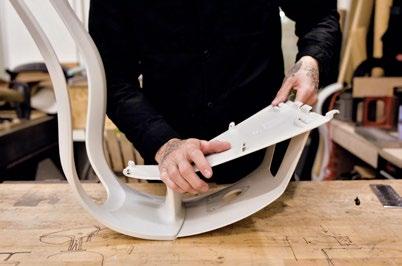
Cutting-edge furniture plays a huge role in work space design. More than simply being aesthetically pleasing or comfortable, they often serve as cues that promote creativity and play.
our all have to work together,” she says. “Fragment them, and it fails, no matter how good the tech is.” Table shapes, camera angles and screen sizes matter. But so does culture. “If sitting on a couch signals laziness in your company, no one will ever sit on your beautiful couch.”
Aesthetics are not optional
One misconception she wishes would disappear is the separation of aesthetics and functionality. “Especially in Germany, you still hear: ‘We don’t need something pretty, we need something functional.’ That doesn’t hold.”
Aesthetics act as cues too, she explains. They operate subconsciously, shaping memory, focus and emotional safety. “Our brains are constantly scanning for signals. If they scan danger, we shut down. If they scan possibility, we become curious.”
Asked what she hopes visitors take away from mcbw 2026, de Kan doesn’t hesitate. “Not naive optimism,” she says. “But the feeling that, even if you can’t control everything, there are things you can control.” Design is one of them. Connection is another. And somewhere between the café and the many corners, booths and benches of Steelcase, that idea feels less like a metaphor – and dare I say – more as a playground of many possibilites.









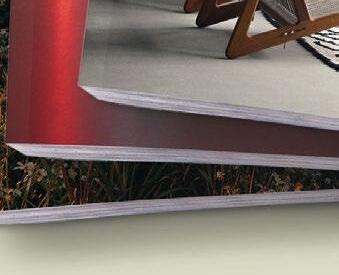

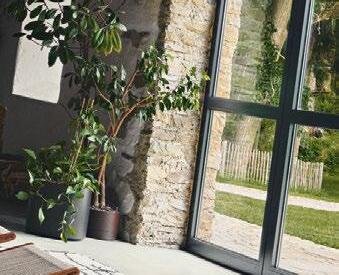
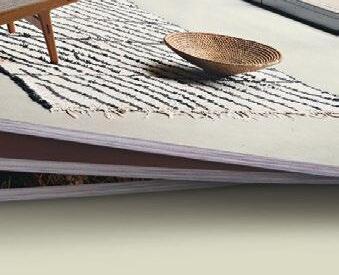











Encompassing approximately 2,500 standardised hues, the RAL colour chart has emerged as one of the world’s most essential colour standards.
Conceived in the 1920s to standardise industrial paints, RAL has since evolved into a definitive reference system spanning design, architecture, industry, and craftsmanship—a vast repository of possibilities that serves as the foundation for RAL’s role as mediator between technical precision and creative freedom.
Colour as a tool
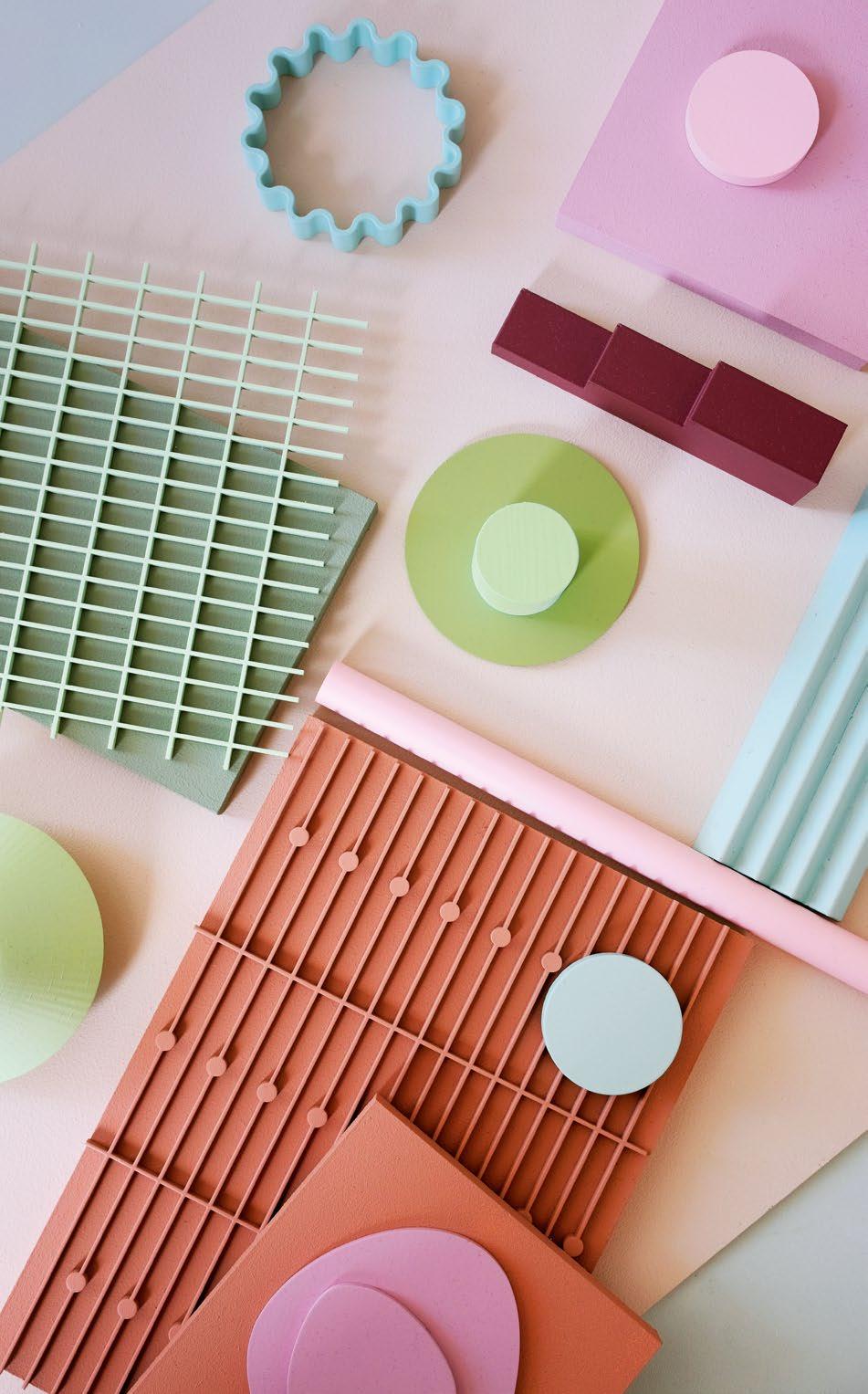
The colours in
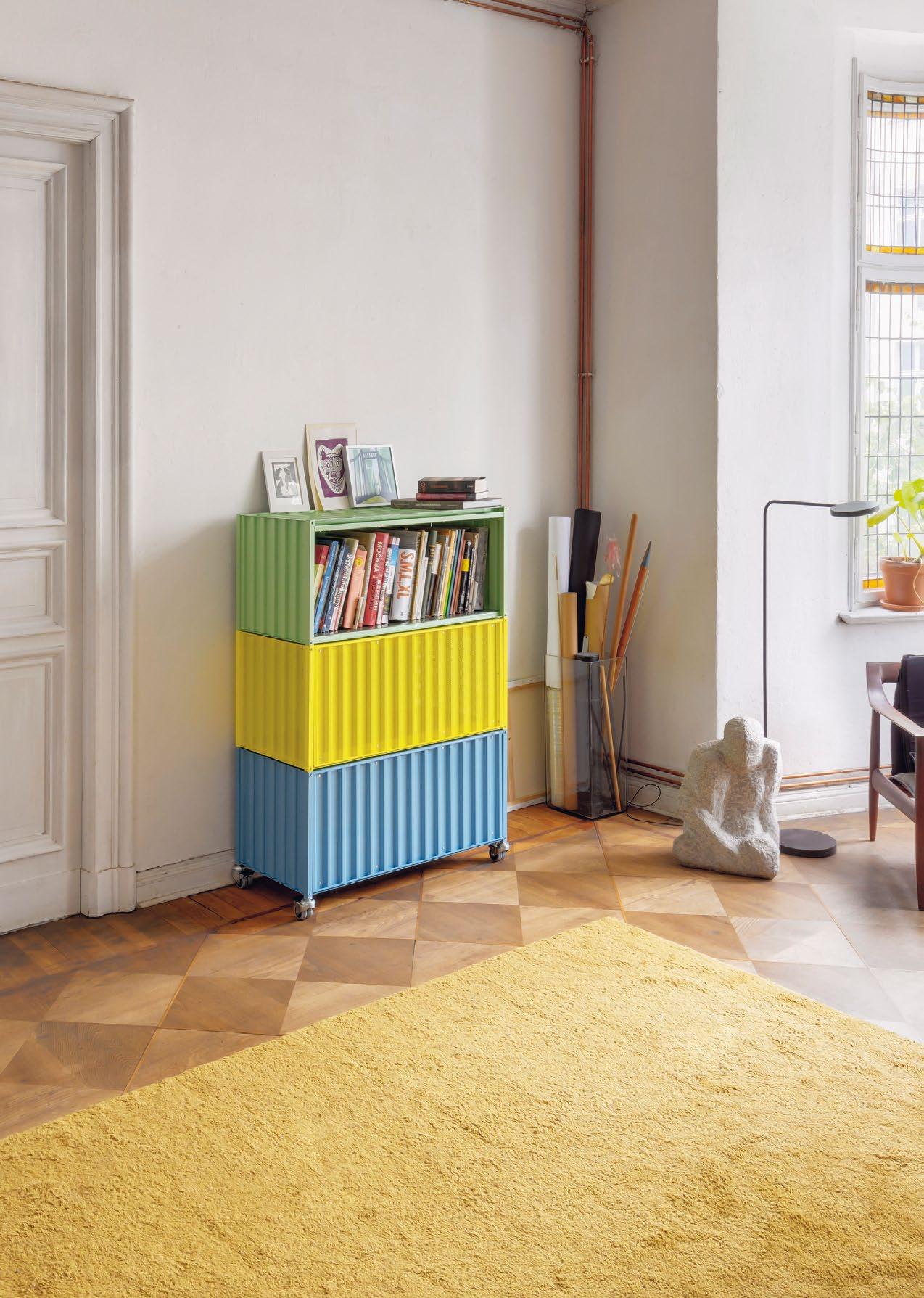
have been curated to create an infinite number of exciting combinations—from dynamic contrasts to subtle colour gradients.
RAL COLOUR FEELING
Photo: Timo Rieke
“You can’t not use colour in design,” observes Laura Kilian of RAL gGmbH—paraphrasing communication scientist Paul Watzlawick with characteristic wit. Every design decision invariably constitutes a choice for or against a particular colour; even deliberate omission conveys meaning. Colour is never neutral. “We conceive of colour not as a rigid set of prescriptions, but as an instrumental tool,” explains Markus Frentrop, head of the Colours division at RAL. “Our colours begin as abstract entities, only achieving their fullest expression through concrete application.”
Whether in architecture, interior design, product design, graphics, fashion, or mobility, colour serves as a unifying force across disciplines. RAL positions itself precisely at this intersection: between standard and expression, between technical reproducibility and individual signature. “We envision ourselves as the nexus between rigorous standards and creative design,” Frentrop notes. “Standards provide creative practitioners with certainty. Regardless of methodology, material, or stylistic approach, one knows what foundation exists for reference.” Thus, the paradox becomes integral to the mission: “We embody the standard—yet the possibilities it engenders are boundless.”
Not all blues are the same
“If we tried to describe 2,500 shades of colour using language alone, we would have a massive communication problem,” says Laura Kilian. “A ‘medium blue’ can mean something different to everyone. RAL 5015 sky blue, on the other hand, is unambiguous.” Standardisa tion creates understanding and a certain linguistic ability because it translates subjective perception into objective
references—and thus becomes the foundation of professional design. This precision is becoming increasingly important, especially in a globalised working world.
“Contemporary project teams are international, intercultural, and dispersed across time zones,” Kilian explains. “This amplifies complexity considerably. Never theless, colour must retain universal comprehension.” RAL ensures consistency throughout the entire value chain—from initial concept to serial production— not merely through colour standards, but through comprehensive training, consultation, and technical expertise.
There is often a long way between the digital design and the physical product. “How do I transfer a colour from the screen to metal, plastic, or textile? Does it even work? And if so, how reproducible is it?” This is exactly where RAL comes in: as a translator between vision and materiality.
Trends with depth
Sustainability has long constituted an integral component of the design mandate. Yet a chasm persists between aspiration and reality. “We observe that sustainability is demanded, yet few prove willing to bear its costs,” Frentrop remarks. “Public tenders particularly exemplify this contradiction—requiring environmentally conscious materials while insisting upon
RAL DESIGN SYSTEM plus grid: Working in the RAL DESIGN colour space between creativity and methodology
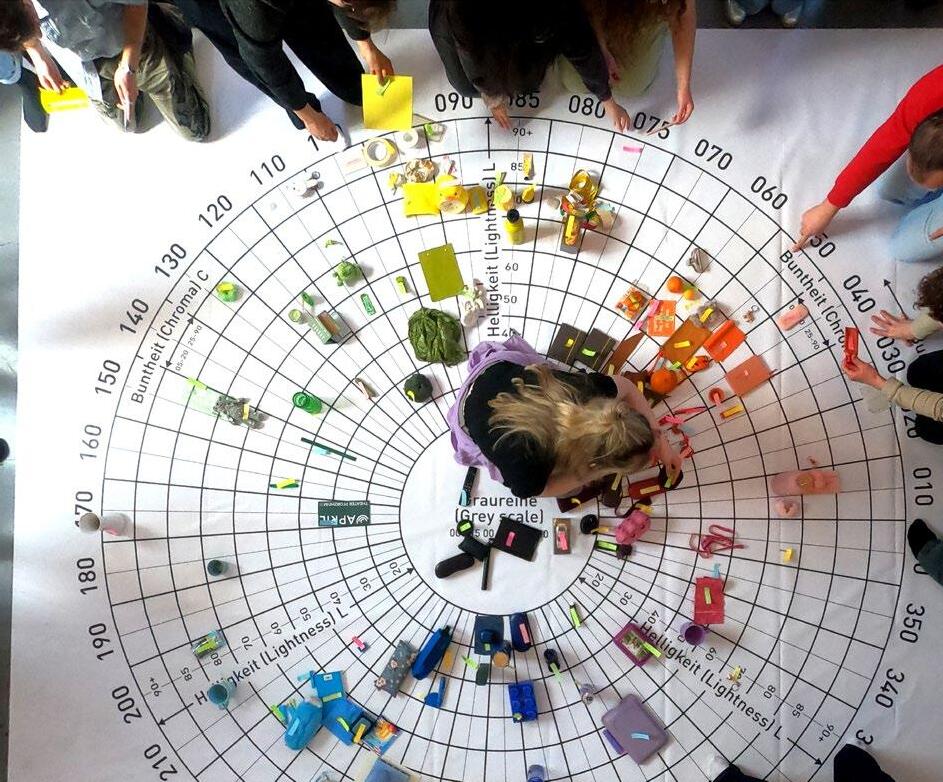
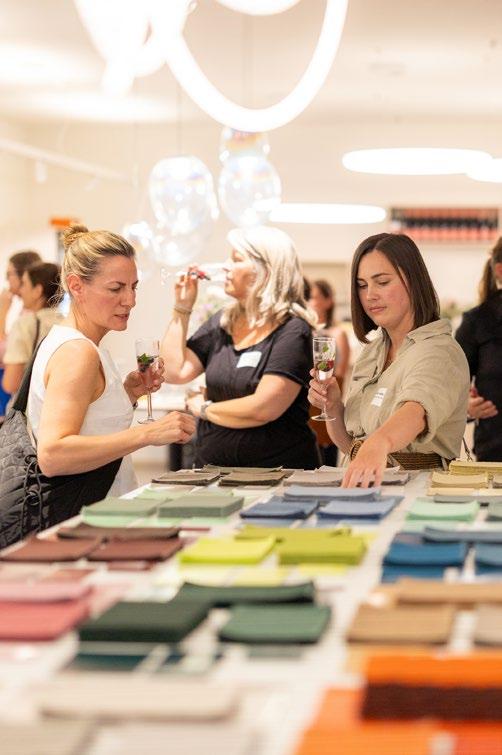
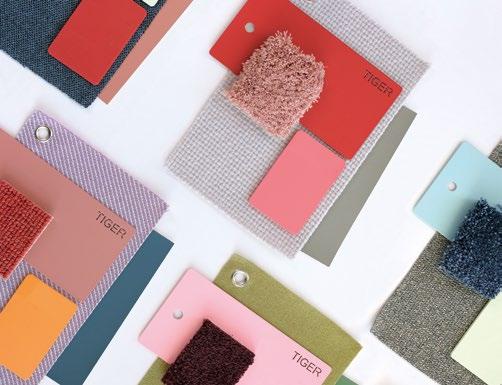
Colour and material workshops: experimenting, discussing, and thinking ahead together.
Photo: Angie Hagedorn
Material, colour, texture: The RAL Trendbox is a design tool that enables colour design and colour concepts that can be implemented consistently across different materials.
minimal expenditure.” This contradiction bears particular weight upon the creative industries. RAL has maintained decades of engagement in awarding eco-labels such as the Blue Angel and EU Ecolabel, cultivating intimate familiarity with these structural challenges. “This renders formats such as mcbw all the more vital,” Frentrop emphasises. “They sustain focus upon the issue, create spaces for meaningful discourse, and remind us that sustainable design represents not luxury, but a prerequisite for future viability.”
Regarding the future: while many brands annually proclaim a “colour of the year,” RAL pursues a distinctly different philosophy. No fleeting trends, no ephemeral marketing effects. “We cultivate a colour space comprising 15 shades that evolves organically over time,” Kilian explains. “Colours endure, undergo adaptation, receive supplementation, and achieve further refinement.” The annual RAL Colour Feeling Trend Report derives from rigorous social, technological, and cultural analyses, yielding thematic worlds and colour palettes designed for sustained application. “We seek to demonstrate that one may build upon existing foundations. Annual reinvention proves un necessary.” Simultaneously,
Laura Kilian underscores the primacy of context. “A colour never operates in isolation. It flourishes through interplay with material, light, space, and environment. This is precisely why reductive trend slogans prove inadequate.”
Come and Play: Learning through experimentation
As part of mcbw, RAL is hosting workshops entitled “Come and Play”—a deliberate reference to this year’s motto. “We want to encourage a playful approach to colour,” says Frentrop. “Without pressure to perform, without ready-made solutions.” In cooperation with material partner Gabriel, the colour standard is translated directly into the material. Participants experiment, combine, and test. “We want to create an open, relaxed atmosphere,” where the focus is not on the result but on the process. And here RAL returns to the essence of the colour chart: it is a system that translates complexity, provides orientation, and enables design. A toolbox for conscious decisions. “We open up the space of possibilities,” says Frentrop. “We expand it.”
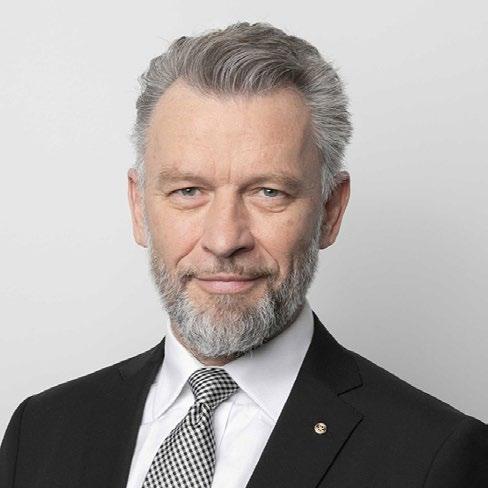
European Trademark and Design Attorney since 1996, Partner at WEICKMANN since 2004. Regularly organises mcbw workshops and translates complex IP law into practical strategies for creative professionals.
Creativity merits both respect and protection. Throughout mcbw, we provide creators with straightforward access to legal expertise, empowering them to safeguard their innovations from the outset and for the long term.”
DR. UDO W. HERBERTH, LL.M.
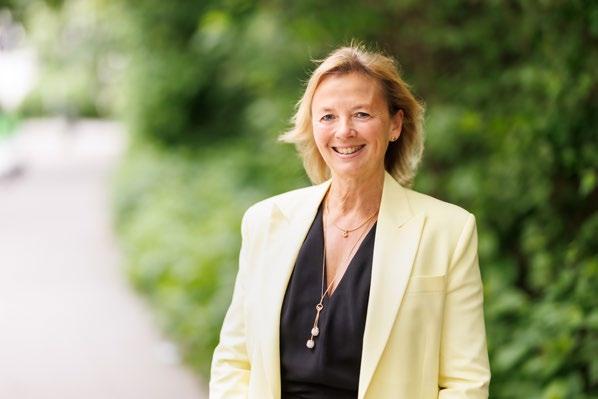
Change is not a risk, but an opportunity. By connecting, sharing ideas, and welcoming the new, we can shape the future for the better.”
CHRISTINE LANGE
Since mcbw’s inception, Christine Lange has united perspectives from business, technology, and the creative sector. As the organiser of the German Innovation Summit and founder of the cross-industry CIMT network, her work centres on exchange, openness, and interdisciplinary collaboration.
The German Innovation Summit stands as the net work’s annual highlight: a forum for fresh approaches, relevant ideas, and collaborative partnerships. mcbw’s anniversary underscores how vital these ongoing connec tions are to fostering an innovative and optimistic future.
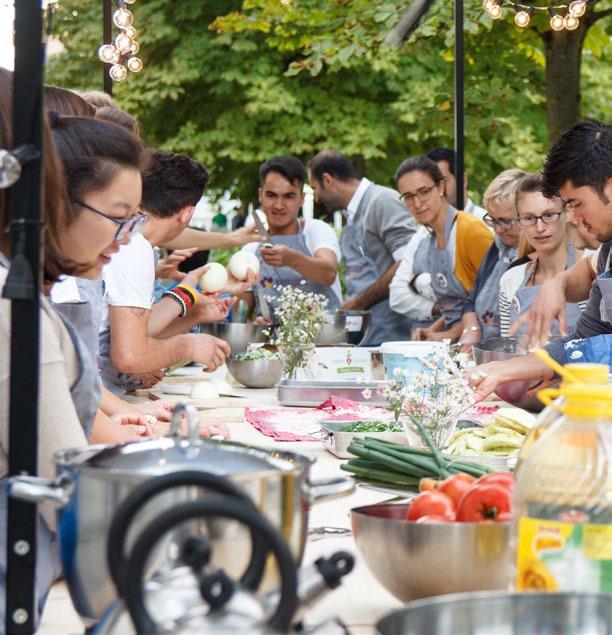
At a long table in Sendling, people are cutting vegetables, laughing, and discussing recipes. Some grew up here, others have been in Germany for only a few years. What connects them is that they are not alone this evening. To help address loneliness in urban areas, the Mars Wrigley Foundation supported the Über den Tellerrand kochen München e.V. project as well as the third place FLUX in the Kunstareal.
Where closeness grows
Text by SONJA PHAM
1 See Federal Ministry for Family Affairs, Senior Citizens, Women and Youth, Loneliness Barometer 2024.
2 See Markiewicz, Ewa: Third Places in the Era of Virtual Communities (2019), as well as Berlin Institute for Population and Development & Körber Foundation: Third Places. Meeting Places in the Age-Friendly City (2023), both of which show that informal meeting places (“third places”) are crucial for social closeness and community spirit in an increasingly digital society.
Interpersonal relationships are one of the strongest protective factors against loneliness.1 But even in an increasingly digital and individualistic society, there is a need for places where genuine closeness can develop. 2 These spaces are often located outside one’s own four walls and beyond the office—in so-called third places. American sociologist Ray Oldenburg coined this term for spaces between home and work: cafés, libraries, cultural centers, neighborhood meeting places. Places without pressure to consume, where chance encounters are possible, conversations arise, and relationships grow.
New community places for Munich
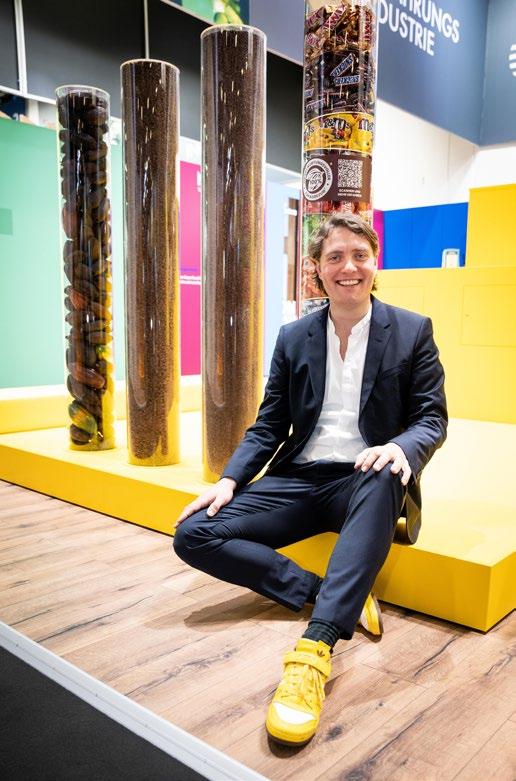
With its “Zusammen.Halt” initiative, the international family-owned company Mars, Incorporated, known for brands such as SNICKERS®, TWIX®, EXTRA®, M&M’S®, BE-KIND®, Ben’s Original™, CESAR® and SHEBA®, aims to bring people in Germany closer together, promote
MARS
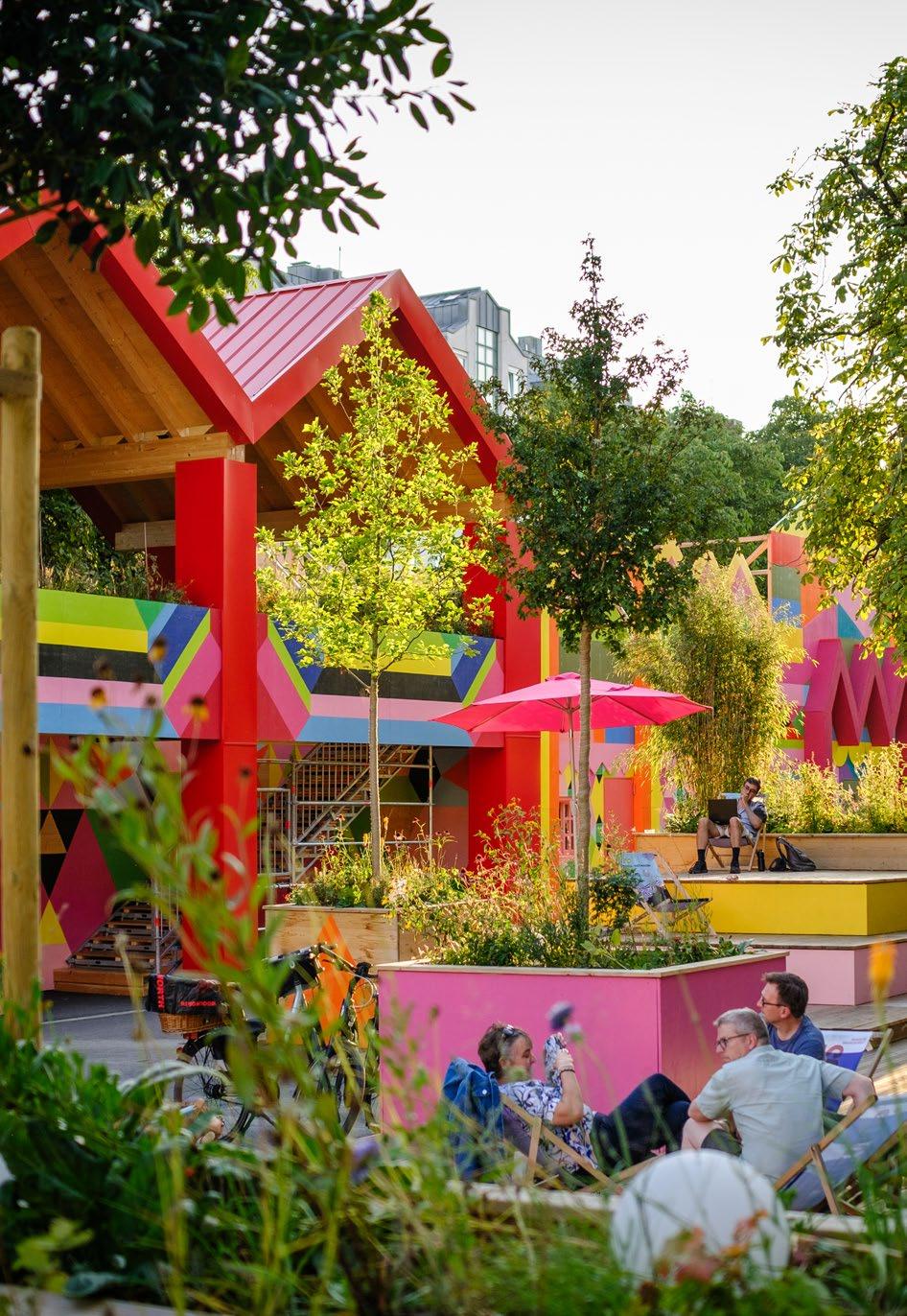
if only because of
The FLUX is impossible to miss,
the bright colours in Kunstareal. FLUX at the Pinakothek der Moderne, Morag Myerscough,
Photo: Marcus Kämpf
community and render social closeness more tangible. In the greater Munich area, this initiative is being strengthened by the Mars Wrigley Foundation, whose global “Community Connection” program supports community spaces that foster social connections while addressing local needs.
This is precisely where two Munich-based projects come in, both funded by the Mars Wrigley Foundation with a total of $100,000. They could hardly be more different—and that is precisely why they demonstrate how diversely community can be built.
Cooking as a social practice
Über den Tellerrand kochen München e. V. has operated on a simple truth since 2017: food connects people. The association brings people with and without refugee or migration experience together at the table. Cooking together sparks conversations on equal terms, encounters become natural, and diversity becomes part of everyday life.
Until now, the team has been active all across Munich, hosting cooking evenings, language cafés, and neighbourhood activities at different locations. Now, for the first time, a permanent location for the community is being created in Munich-Sendling: a kitchen hub with an open kitchen and a large communal table. In the future, up to 40 people will be able to gather in the approximately 100 square metre space. Participation is free of charge to enable as many people as possible to take part.
“For us, Über den Tellerrand München is more than just a project,” explains Lea Fellner, co-founder and board member. “It is a place of active community and an expression of our vision to help shape a society in which all people are equal members.”
The new community space is scheduled to open in spring 2026 and will reach over 3,000 people annually— not only in Sendling, but throughout the entire city. Collaborations with partners such as Young Caritas, the LUISE cultural center, the Munich Adult Education Centre, and the Westend Senior Citizens and Service Centre make the place a hub for the neighbourhood. What is being created here is not a traditional integration project, but a space where community is actively lived— through chopping, tasting, and sharing meals together.
Art in public space as an invitation
The second funded project, FLUX, speaks the language of art, architecture, and public space. Since the summer of 2025, an open meeting place has existed in the outdoor area of the Pinakothek der Moderne—independent of opening hours of the museum and freely accessible to all. The colourful installation by British artist Morag Myerscough combines art, nature, and community to
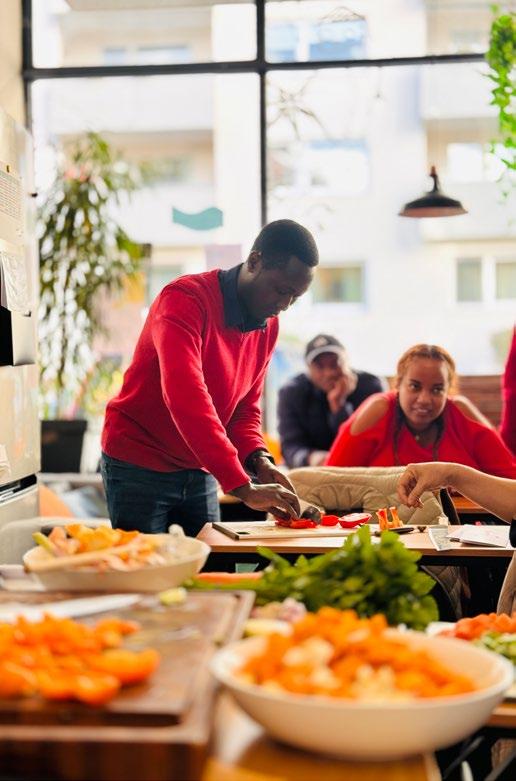
Über den Tellerrand kochen München e. V. brings people with and without migration experience together.
The new community space is expected to reach over 3,000 people annually.
Simon is committed to creating places where people can experience genuine community.
Carsten
Photos:
Über den Tellerrand kochen e.V. and Mars GmbH
create a place for students on their way to the library, families with children, residents of Maxvorstadt, and tourists from the art district to linger, exchange ideas, and participate in shaping the space. In the first six months, FLUX welcomed more than 60,000 visitors. Thanks to the funding, the site is now being further developed. A new irrigation system ensures that the plants in the outdoor area are supplied with water in a sustainable manner. The greenery not only creates an inviting atmosphere, but also improves the microclimate: it provides shade, cools the environment, and invites people to stay longer. In addition, a public, barrier-free drinking fountain is being built to provide everyone with access to clean drinking water—regardless of income or consumption.
“FLUX is an open meeting place, a space for calm and freedom that brings together people of all generations and cultures,” says Dr. Markus Michalke, Chair of the Board of Trustees of the Stiftung Pinakothek der Moderne. “This barrier-free access is only possible thanks to the support of our partners.”
Encounter as a design task
What unites both projects is their broad understanding of design—as the creation of spaces, routines, and relationships. The space in Sendling organizes proximity through the architecture of the open kitchen, through the rituals of cooking together, and through conscious low-threshold accessibility. FLUX uses colour, form, and function to create a place that attracts people and allows them to simply be there. “By supporting places like these, we create spaces where people can connect and experience community,” says Carsten Simon, Managing Director of Mars Wrigley DACH. “Such spaces can only be created when we act together. As we are deeply rooted in the Munich region, we are delighted that the Community Connection Grant will help bring people together and strengthen the community where we live and work.” The Mars Wrigley Foundation views its support as an investment in long-term social connections—not as a short-term initiative. Creating spaces for community is, therefore, also an investment in social cohesion.
Architecture as an open system
Three managing directors, one credo: architecture must inspire, not stage. At CSMM, they are convinced that nothing influences us more directly than the space that surrounds us. Architecture affects identification, well-being, motivation, and work processes, say Sven Bietau, Timo Brehme, and Malte Tschörtner, rendering it never neutral and always socially relevant.
Text by SONJA PHAM
“The definition of insanity is doing the same thing over and over again and expecting different results.” Sven Bietau quotes Einstein while discussing the future of construction. Outside the window of the CSMM office on Munich’s Atelierstraße, the team has witnessed the transformation of the Werksviertel district over ten years, eight and a half of which were spent as a construction site, says Malte Tschörtner with a laugh. “It’s pure masochism that now that it’s finished, we’re looking for the next place,” he says, referring to the upcoming move to Lindwurmstraße. Perhaps it is precisely this restlessness, this urge for change and development, that defines CSMM – architecture matters. An office with over 100 employees at six locations that is not content with merely designing buildings. That understands architecture as a social mission.
Managing partners
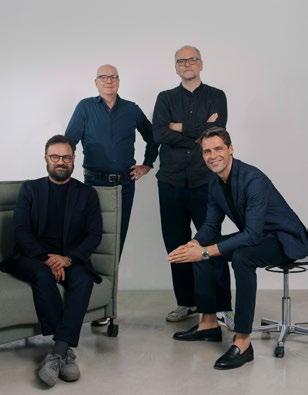
CSMM (from left to right): Sven Bietau, Timo Brehme, Reiner Nowak, Malte Tschörtner
From urban development to the kitchenette
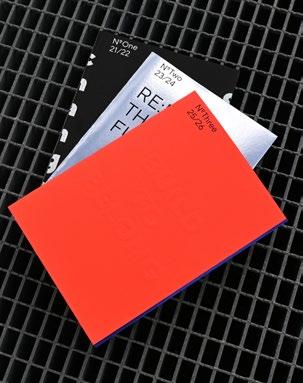
“Playground of Possibilities” could hardly describe more aptly how the managing partners Sven Bietau, Timo Brehme, and Malte Tschörtner work. Their current book azine, “Build to Belong,” which lies in front of us glowing red during the conversation, spans the spectrum from urban development to the kitchenette. Because it depicts current projects, it aptly summarises questions that underlie their work: What does it take for a place to have a beneficial effect and create identity? And what stands in the way of this development?
“Good architecture creates spaces of possibility; it anticipates change, as today’s requirements rarely match those of the future,” says Brehme, he notes that buildings are often constructed for users who are not yet known. “Sometimes, a development plan fails to meet current needs after just five years. We are seeing this now in Sugar Valley, Obersendling, where we serve as advisors. A former industrial site is being transformed into an urban quarter, and the demand for residential space has surpassed that for office space, contrary to initial expectations. This makes adapting to new needs a challenge.” It is this rigidity that CSMM is working against—the conviction that architecture is planned too deterministically. “We commit ourselves in urban planning: is this a residential building, an office, a hotel? And we fix that for good, so to speak,” Brehme criticises. “It cannot be the goal of architecture to put itself in such a straitjacket.”
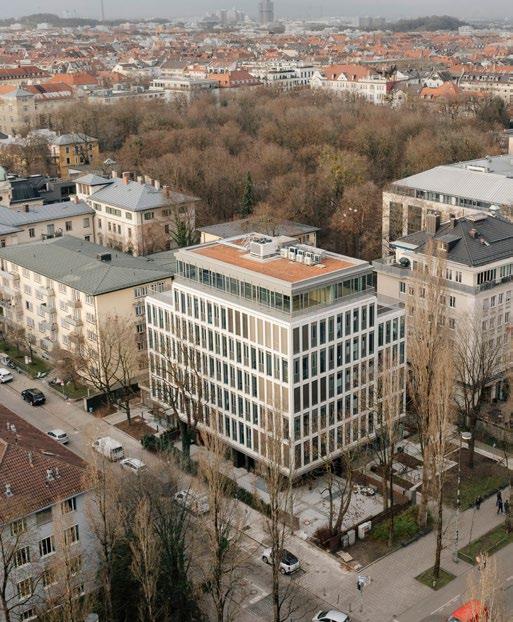
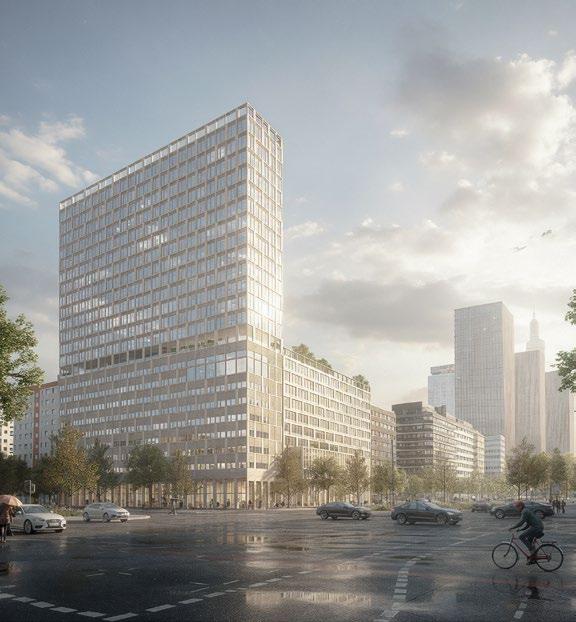
Projects such as the revitalisation of Mollstraße in Berlin or of Leopoldstraße in Munich show how CSMM puts this attitude into practice. It’s about holistic transformation—cultural, energetic, structural.
Consulting as the key
So how do you convince investors that flexibility makes economic sense? How do you plan for users who don’t even exist yet? “Consulting is very important to us,” emphasises Sven Bietau. “Before you even think about an architectural solution, you engage in discourse.” The client usually has only one image, one solution in mind. “Empowering your counterpart to develop something new in the discourse is one of the most crucial steps at the beginning. Once the parameters are fixed and the money is allocated, the train is rolling and in few cases can it still be stopped creatively.”
As an architect, his desire is to use good advice to influence the interface between space and behaviour. His terrain: workplace strategies, which have changed fundamentally for the working world since the pandemic. “Put simply, nothing is the same as it was before,” summarises Malte Tschörtner. “What is extremely positive for us is that the average office no longer stands
Revitalization of existing buildings: Leopoldstraße, Munich
Transformation & expansion: Mollstraße, Berlin
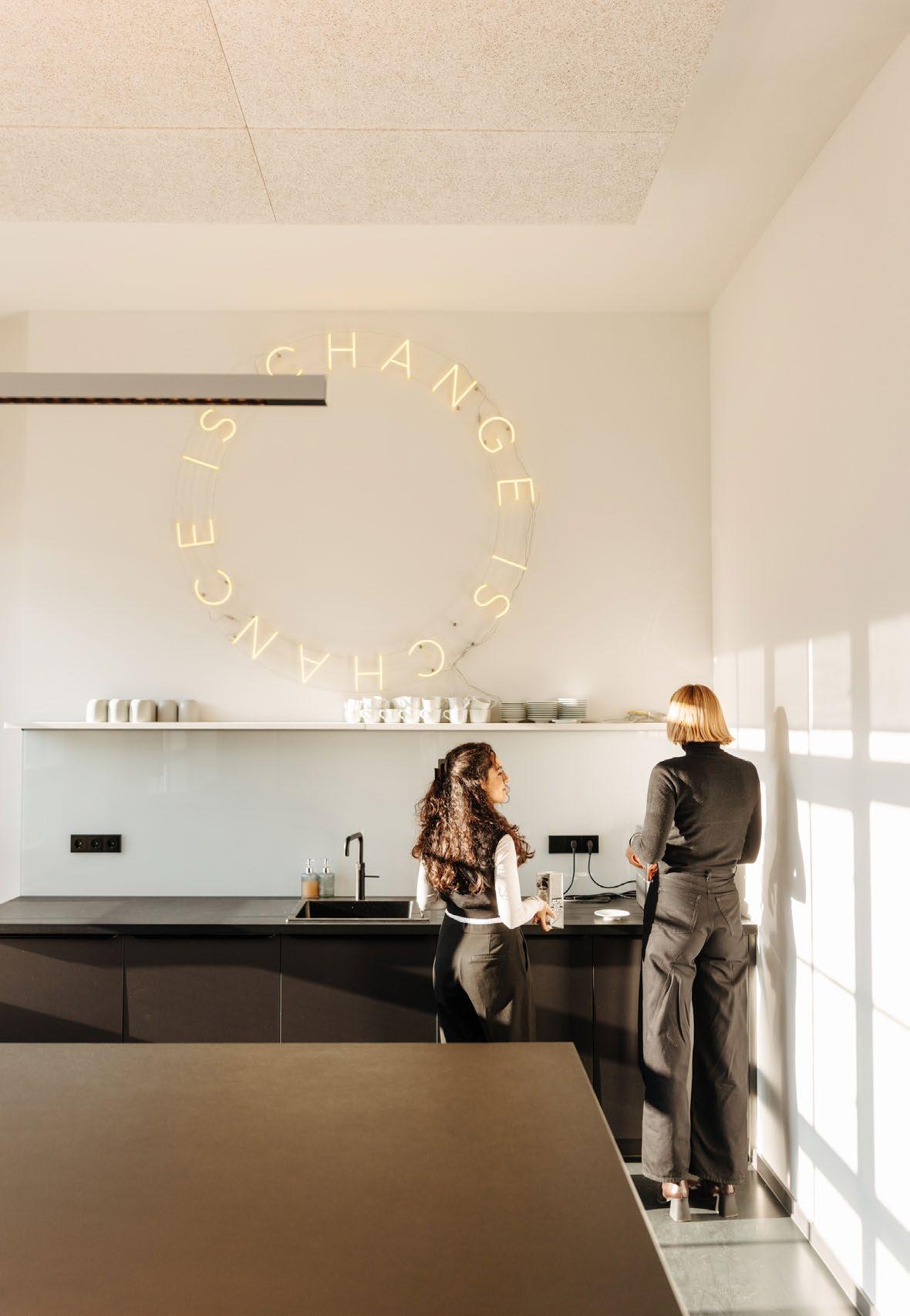
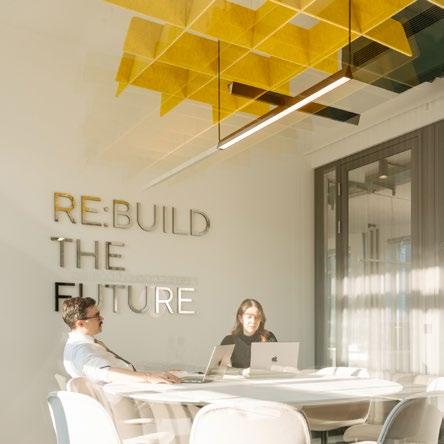
Workplace design: CSMM office, Berlin
a chance. The office must be a counterweight to the home office, a counterargument.” Tschörtner, w ho describes himself as a generalist, has perhaps remained most faithful to the original role of the architect.
All three agree that office spaces should no longer be about processing work but about inspiration. They should be places for coming together, communicating, and exchanging ideas: “70 per cent of the population needs the office to have a social connection to society. Work has a socialising function,” says Bietau. The danger that people working from home will become lonely and that creative processes will be lost is real.
The quality of togetherness
CSMM refers to “togetherness and belonging” as a social quality. But how do you plan for that? How do you create spaces that bring people together without forcing them? It’s all about balance, says Timo Brehme: Architecture must anticipate different needs and create options. CSMM conceives of buildings,
urban spaces, and interiors as open systems—as spaces of possibility that are conceived from what already exists and developed further for the future. Architecture does not emerge as a finished state but as a changeable, adaptive system.
“Creating structures with curiosity and respect that enable change rather than limiting it,” is how CSMM describes their approach. And at the same time, supporting togetherness and belonging as a social quality. Design plays a central role in this. It is about visualisation, about the capacity to make spaces of possibility visible. At the macro and micro levels, one needs the ppropriate planning tools to make projects tangible; only then can different scenarios be explored, options identified at an early stage, and flexibility anchored as the core of value retention.
“The mcbw is a significant institution among all creative professionals,” says Tschörtner. “With its open workshops and studios, it provides a vibrant platform for exchange between creative professionals and the urban community. Such formats are vital to urban vitality.”
www.design-perspectives.de
What are you most looking forward to at mcbw, and why do you think design weeks like this are relevant? Having an event like mcbw in the city is a true privilege, offering the chance to immerse yourself in a rich variety of events, lectures, and exhibitions throughout the week. What excites me most is the opportunity to explore diverse fields of design and connect with new people and fresh ideas. From an inspiring morning talk before work to a thought-provoking installation at lunch, and an evening spent at an exhibition or studio event—this creative influx is something I eagerly anticipate all year long.
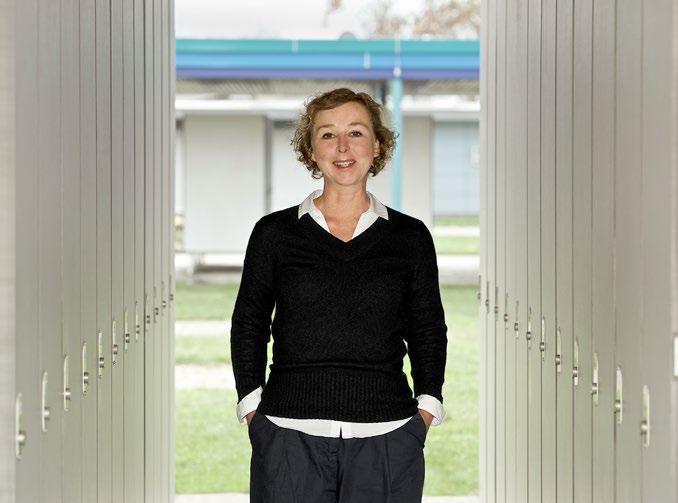
Christine Moosmann serves as editor-in-chief of Grafikmagazin, a bi-monthly publication devoted to communication and graphic design. Each issue provides practical insights into trends and highlights remarkable achievements in typography, illustration, corporate design, printing, and production, illuminating the creative minds and ideas that shape the field.
From your perspective as a special interest magazine, what makes live events particularly important, and how significant are they for exchange within the industry?
Anne Kaiser: As genuine encounters in the digital realm become ever rarer and social media grows increasingly AI-driven, our longing for authentic experiences intensifies. We yearn for shared moments, tactile impressions, and meaningful face-to-face conversations. In the creative industry, this live exchange is vital—not only for driving business forward, but also for nurturing the people and ideas at its core.
Stefan Lara Torres: In a constantly broadcasting industry, live events stand out as rare spaces where genuine listening, creative friction, and the collective joy of thoughtful exchange can once again truly thrive.
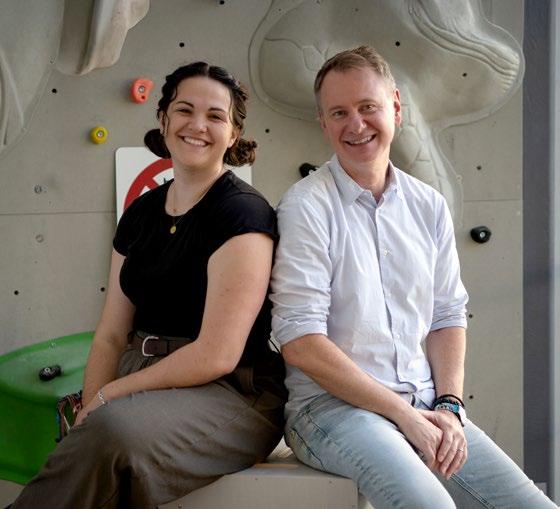
Anne Kaiser and Stefan Lara Torres are the joint editors-in-chief of PAGE, a specialist publication for the creative industry that shares expertise and enthusiasm for design – digitally, in print, on social media, and through academy courses and events. At its heart is an interdisciplinary community from all areas of the design industry, working together to shape the future of design.
Creativity demands freedom and the willingness to think non-linearly, embracing detours as essential to discovery. Large organisations face a fundamental tension: how to access the full creative field when institutional structures prize efficiency above all. The solution lies not in rigid planning but in cultivating an organisational mindset that recognises unique opportunities even amid economic pressure, and that extends to employees genuine transparency, trust, and creative autonomy.
EXPLORING THE CREATIVE FIELD
Installation by I LIKE BIRDS
Context over dogma
For Hannes Ziesler, Head of Design Communication, Media, Artwork at the BMW Group, the metaphorical playground is not a place of escape. It is a mindset. Perhaps even the only way to face reality: In conversation, he refers to design critic Alice Rawsthorn, who once wrote that meaningful progress happens when social change, technology, politics, and artistic impulses intersect. “That is the designer’s task. Not to invent from nothing, but to connect impulses into something new.”
Exploring the Creative Field: Recognising the field enables meaningful action
“Clients often see only the goal,” Ziesler observes. “Designers must see the whole terrain, despite constraints or pressure.” The mcbw establishes itself as precisely such a place—a space where the entire field becomes visible, and where different industries, disciplines, and perspectives intersect. At the BMW
Photos: BMW AG
principle: context over dogma. “Dogma is ‘We’ve always done it this way.’ Context is the world people live in now.” That shift in perspective shaped the development of the Neue Klasse. “We didn’t begin with ‘What should the next BMW 3 Series look like?’” Ziesler explains. “But with the question ‘What experience should someone have with this vehicle in the future?’”
But how do you bring a large organisation onto this new path? It takes three things: transparency, trust, and agency. “If people don’t understand why something is changing, they will defend the old dogma.” That is why context must be shared—openly and repeatedly. This only works with genuine trust. And with agency: the sense of being able to make a difference. “The worst culture,” Ziesler says, “is one where you carry responsibility but have no effect.” When goals are shared openly and people feel they can shape outcomes, momentum builds. Lightness, optimism, and curiosity are not romantic notions, he insists, but prerequisites: “These are the conditions under which designers can contribute meaningfully.”
Great things only happen when you believe in a vision and develop it continuously with passion and perseverance.”
HANNES ZIESLER
Head of Design Communication, Media, Artwork at BMW Group
Hannes Ziesler’s wish for the mcbw
“Great things only happen when you believe in a vision and develop it continuously with passion and perseverance. The mcbw has proven that. As a partner from the very beginning, we are now celebrating 15 years in which mcbw has established itself as an outstanding design week in Germany and internationally. The BMW Group is delighted to be part of this vibrant community and to actively shape the future of design together.”
About Hannes Ziesler
Hannes Ziesler is Head of Design Communication, Media, Artwork at the BMW Group. He translates design processes into meaningful narratives for both internal and external audiences and supports the strategic design discourse. As a member of the mcbw advisory board, he contributes perspectives at the intersection of design, communication, and societal relevance, shaped through BMW Group’s longstanding partnership with mcbw.
Alexander Stotz views outdoor media and OOH content as a “playground of possibilities” situated between democracy and digitalisation. We spoke with the CEO of Ströer Media Deutschland GmbH about what is perhaps the most inclusive of all media, the renaissance of a 170-year-old principle, and the manner in which digital advertising columns and screens serve to shape opinion in public spaces.
The newspaper of the street
Text by SONJA PHAM
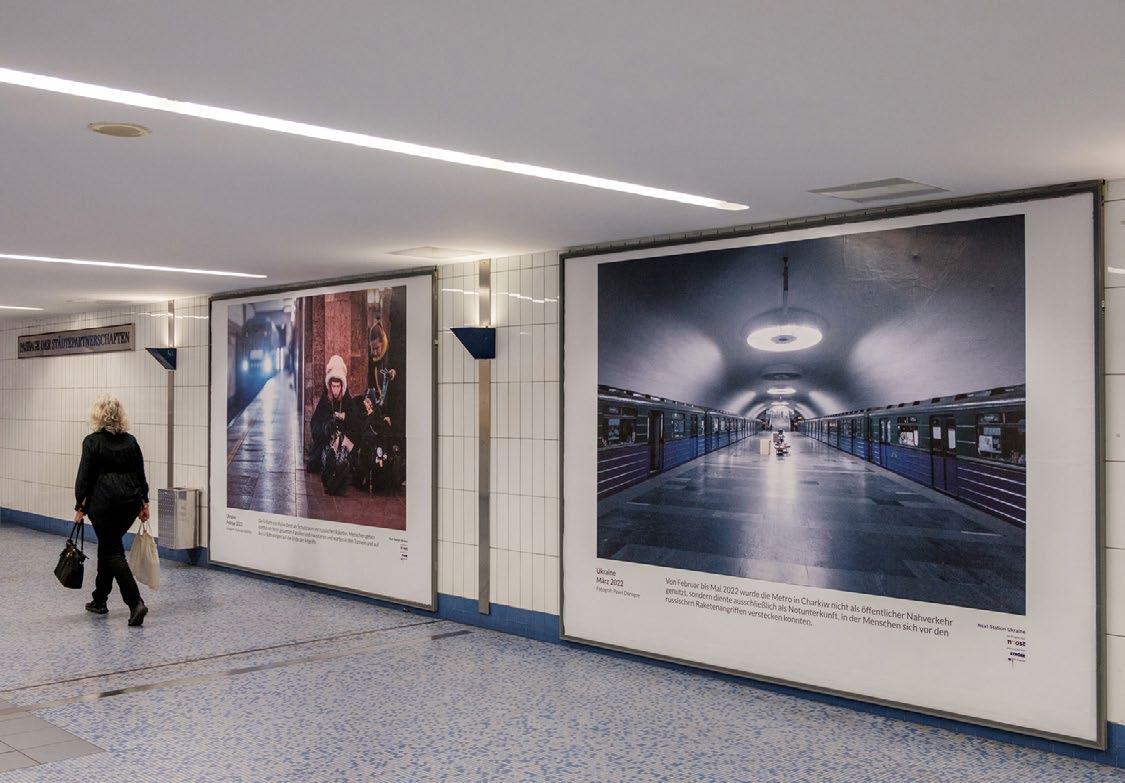
“Art and culture have always been both an expression and a tool for conveying important social issues,” says Alexander Stotz.
STRÖER
The story begins with Ernst Litfaß, the Berlin printer and publisher who found a solution to the chaos of the so-called “poster plague” in 1854. When three social developments converged at that time—freedom of trade, industrialisation, and the emergence of the party system—cities were littered with wildly plastered posters. Litfaß’s idea was revolutionarily simple: establish “advertising columns” on which posters could be displayed in an orderly fashion. “And that is essentially what we still do today,” says Alexander Stotz; the Litfaß principle has thus proven itself for 170 years. Today, of course, Ströer is far more than a poster sticker. With around 300,000 outdoor media installations in the out-of-home sector, the company is Germany’s leading outdoor advertiser and, as a versatile media company, equally at home in journalism—content from editorial offices such as t-online or Watson, which belong to the group, can now be found everywhere from bus stops to digital advertising columns.
Stotz speaks of a surprising development here: while digitisation has become an existential threat to newspapers and TV stations in some cases, it is proving
Photo: n-ost photo
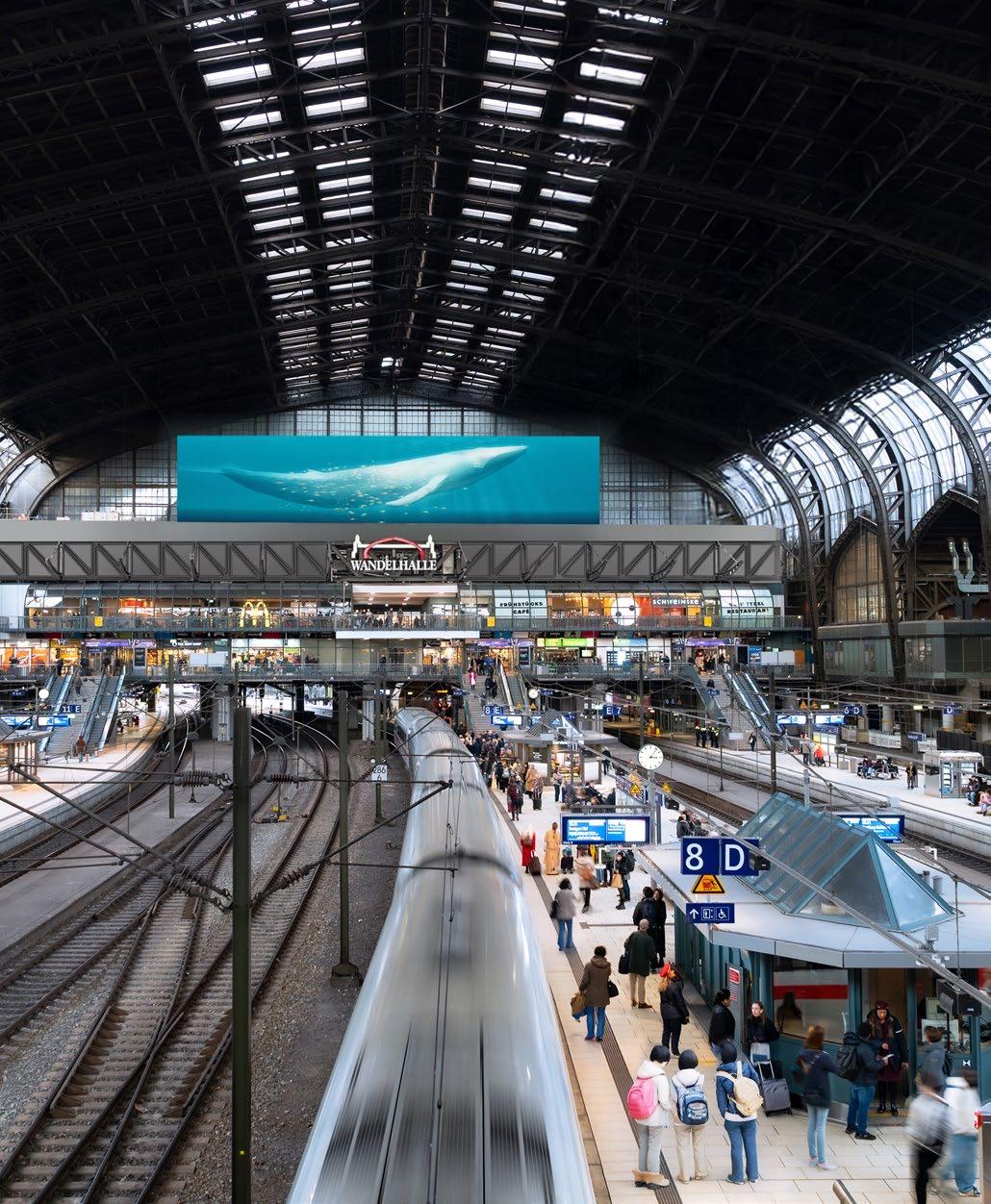
to be a catalyst for outdoor media. “For television, digitisation brought YouTube and Netflix as competitors,” explains Stotz. “For us, on the other hand, it creates additional capacity in the best locations.” The business stead of booking analogue media for a week—often well in advance—a bistro around the corner can now advertise its lunch menu specifically on Tuesdays and Thursdays from 9 to 11 a.m. Another example from programmatic marketing: “When pollen counts reach a certain level, pharmacies could precisely control the timing of their advertisements for allergy medications on screens.” Such data-driven approaches enable advertisers to place their messages more efficiently.
Content as a democratic duty
The network of screens enables precise, locally relevant content. “We think it’s important that cultural events and
The Whale in Hamburg, Germany’s largest OOH screen
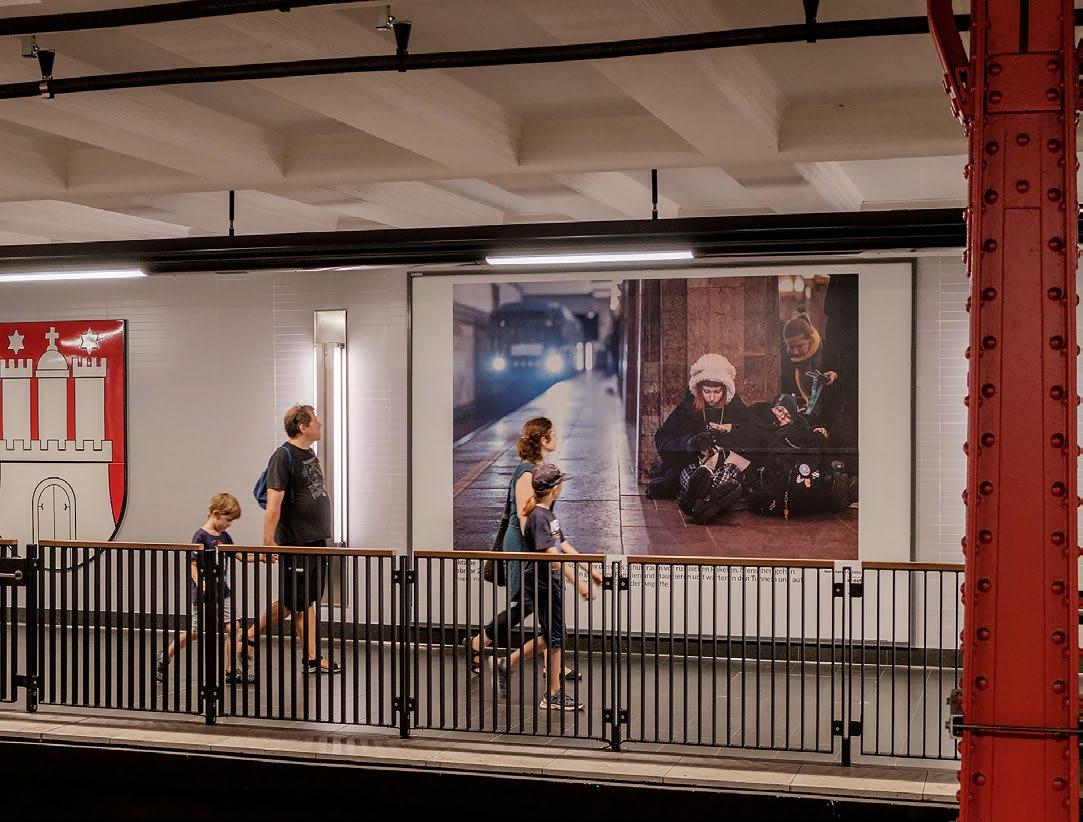
Insights into the photo exhibition “Next Station Ukraine.” Photo: n-ost photo
location-specific information play a major role here,” says Stotz. This approach has its roots in the historical genre of outdoor advertising: “In the past, when the posterer came to the pillar, he also posted urgent dispatches or official notices and read them aloud to the people because many could not read.” After World War II, when paper was unavailable and the legal situation for pub lishers remained unclear, outdoor advertising emerged as the first intact medium: “The occupying forces naturally needed a means of communicating with the population: When is curfew? Where can you get food?”
This elementary function is experiencing a renaissance thanks to digitalization. Since 2018, Ströer has had an agreement with the Federal Office of Civil Protection and is the official multiplier for warnings, which proved useful during the coronavirus pandemic. Nationwide, the crisis teams of the fire departments and the German Weather Service are connected to the system and can issue warning messages. For Stotz, this is the future of municipal communication: “If, as a city, I have to think about how to communicate with my citizens—and daily newspapers are selling less—then the only other option is American platforms.” Or digital
outdoor media as an alternative, with the city as the contractual partner: “Next week is the marathon. Attention: road closures! We are looking for campaign volunteers. The new waste collection calendar is here. In other words, everything I need to communicate to citizens.” The key difference to social media: “With us, you can reach everyone as long as people are mobile.” No social media bubble, no followers – just the reality of public space, without barriers to entry.
Stotz mentions another advantage: unlike media outlets that must compete for attention with sensational headlines, reach is not determined by ratings but simply by “the fact that you drive to work and someone has to go to school.” This freedom makes it possible to sustain a long-standing cooperation with UNICEF to support children’s rights or to showcase photojournalistic work from the subways in Kyiv.
The future of individualisation and campaigning
And what does the future hold? Stotz predicts that technological possibilities will continue to transform outdoor media. In the future, AI will not only identify the
right moment for a message but also individualise the message itself. “Even the motif could be adapted to the context of the environment.” This individualisation also has its price and could alter the perception of the medium. “Campaigns that we all remember—I’m thinking of Benetton’s great, critical campaigns from the past— also thrived on the fact that they were displayed throughout the city for a week.” Stotz is all the more delighted about the diversity and historical significance of outdoor media, which Ströer maintains in an archive in Munich—including the first poster motifs from 1870 and 1880. “It’s truly a treasure, a journey through graphic history at its finest, from artistic motifs to factual posters with instantly recognisable products. What I find particularly exciting are the party posters.” In some cases, he notes, they displayed slogans on topics such as equality over 100 years ago that we still must resolve today...
At the end of the conversation, the main takeaway is that OOH content is much more than colourful consumption in public spaces; it is dialogue marketing in its original sense—a mirror of what is on the public's mind. The advertising column may be 170 years old, but its principle is more relevant than ever: to create a place where information is accessible to everyone, without preconditions, without exclusions. “Deeply democratic” is a phrase that emerges several times in the conversation. And indeed, in an age when social media separates its users into echo chambers and paywalls determine what we see, the simple bus stop with its screen seems almost subversive. It is the opposite of algorithmic selection: public and accessible to all. The vision that Ernst Litfaß held 170 years ago—to bring order to chaos and create a reliable space for public information—lives on.
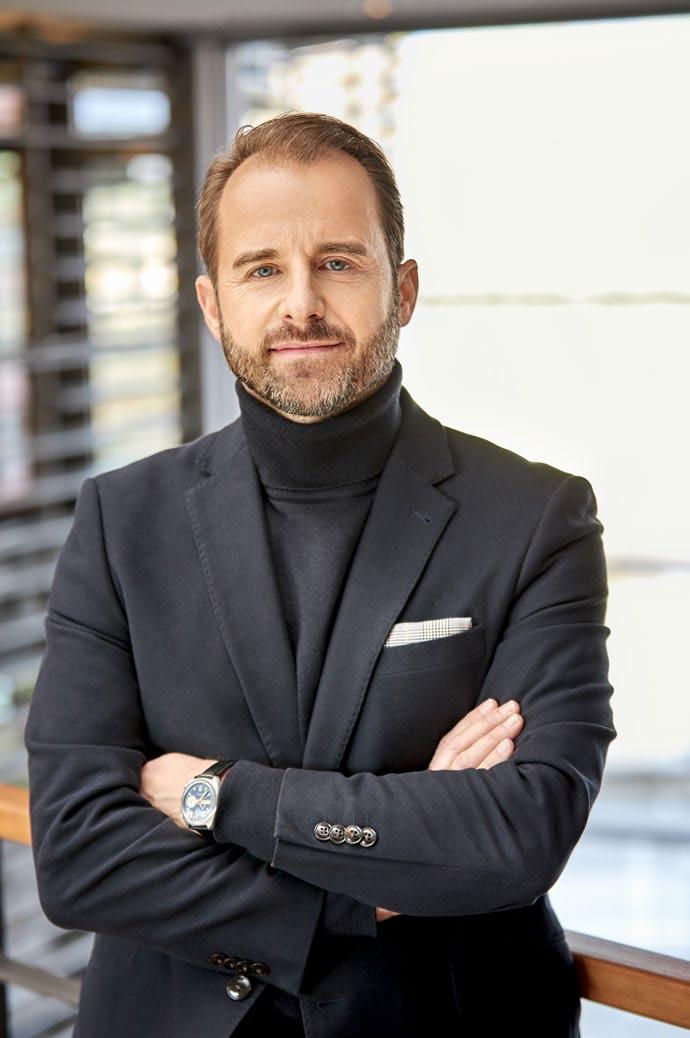
Public space is essentially the last place where communication still belongs to everyone.”
ALEXANDER
STOTZ CEO Ströer Media Deutschland GmbH
Photos: Ströer
Digital outdoor media combines information, posters, film, banners and social media in one. Nationwide or hyperlocal, online-controlled and extremely scalable. Because it reaches the heart of society in seconds.

The art of remaining open
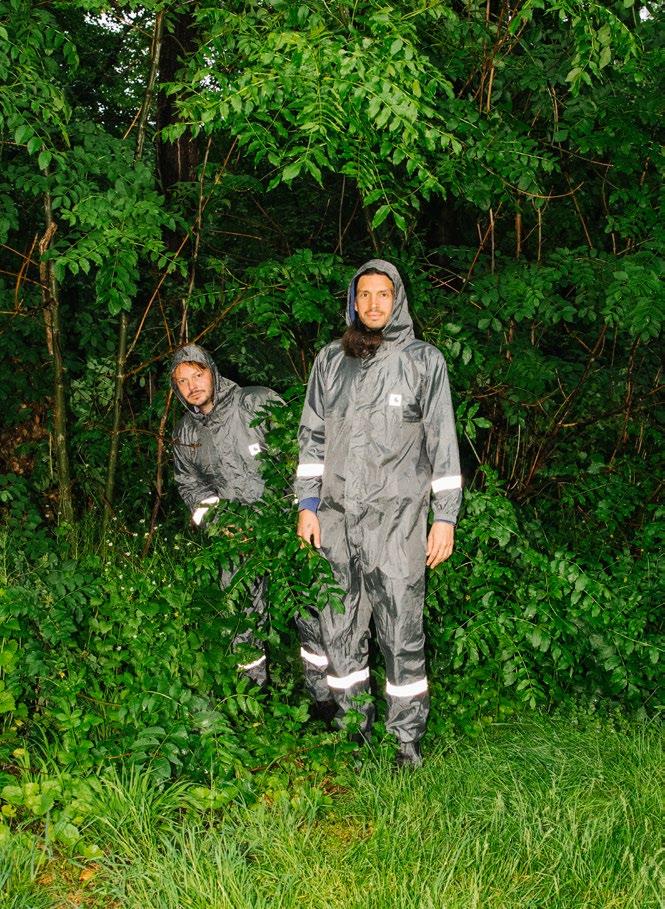
Public Possession is the brainchild of Valentino Betz and Marvin Schuhmann.
Photo: Nikolai Rusu
There are projects that resist categorisation. Is Public Possession a label? An agency? Or a cultural platform? “We’ve never been able to answer the question ‘What is Public Possession?’ properly,” say founders Valentino Betz and Marvin Schuhmann. What began over a decade ago as a DJ and party collective has evolved into a multifaceted organism that brings together music, graphic design, textile production, and curatorial work.
Text by SONJA PHAM
That the project is deliberately fluid aligns perfectly with the mcbw motto—a catalyst, as the creators call it, for everything that interests them: “Graphics, music, text, design, architecture, humour, history, education.” For years, Public Possession has been using the city as a testing ground to invent formats and bring people together. From vinyl releases to club nights to exhibitions at the Haus der Kunst, the collective moves nomadically through Munich’s cultural landscape, inhabiting venues as diverse as Charlie, the legendary Blitz Club, and the venerable museum on Prinzregentenstraße.
Flexibility
as a principle
This spatial flexibility is no coincidence, but rather part of the program. “Just as we work with different media— textiles, paper, objects, music—the variety of spaces we can use is also a totally important privilege,” explain the creators. “It helps us try new things and stay curious.” What sounds like playful ease is, of course, also a carefully considered strategy. Each space opens different possibilities, attracts a different audience, and demands different aesthetic decisions. In the club, the logic of the night, the body, and dance prevail. In the museum, conceptual and curatorial dimensions come
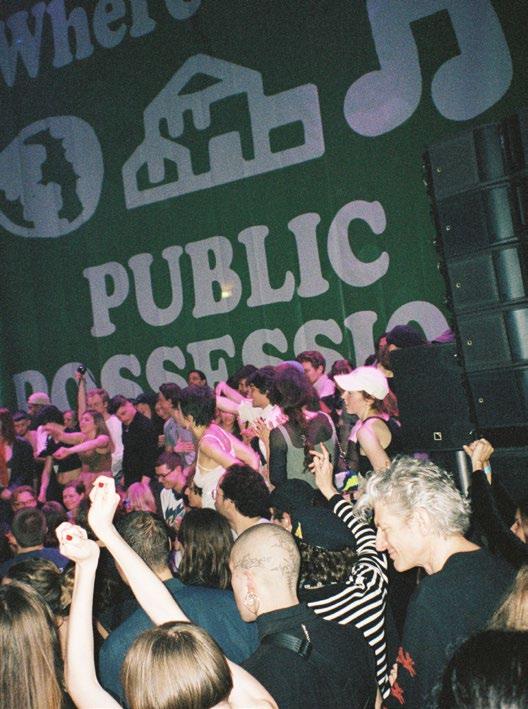
to the fore. This versatility keeps the project vital and protects it from perhaps the greatest danger of creative work: routine. Sometimes there is a major cutting party in the store with the client Victorinox, sometimes a T-shirt collection in collaboration with Uniqlo, sometimes a series of graphics and animations for the DLD Conference, for which they collaborated with the creatives at Wiegand von Hartmann.
Culture for all – at least in theory
Public Possession also places importance on the social dimension of its work. Admission is free to the monthly “BONUS” events at the Haus der Kunst, which take place every last Friday as part of the open house format. “In general, culture should absolutely be accessible to everyone,” emphasize the founders. At the same time, they remain realistic: “Of course, this doesn’t change the fact that you are often limited to a certain target audience. We think a lot about how we can look beyond our own horizons.”
This self-reflection is symptomatic of the collective’s attitude. They are aware of their own limitations and privileges, yet refuse to accept them as immutable. It’s about opening up spaces—not only physically, but also socially and culturally. The development of Public Possession reads like a story of organic growth: a record label emerged that now releases music by artists from
What began as a party collective has now evolved; but of course, the celebrations continue.
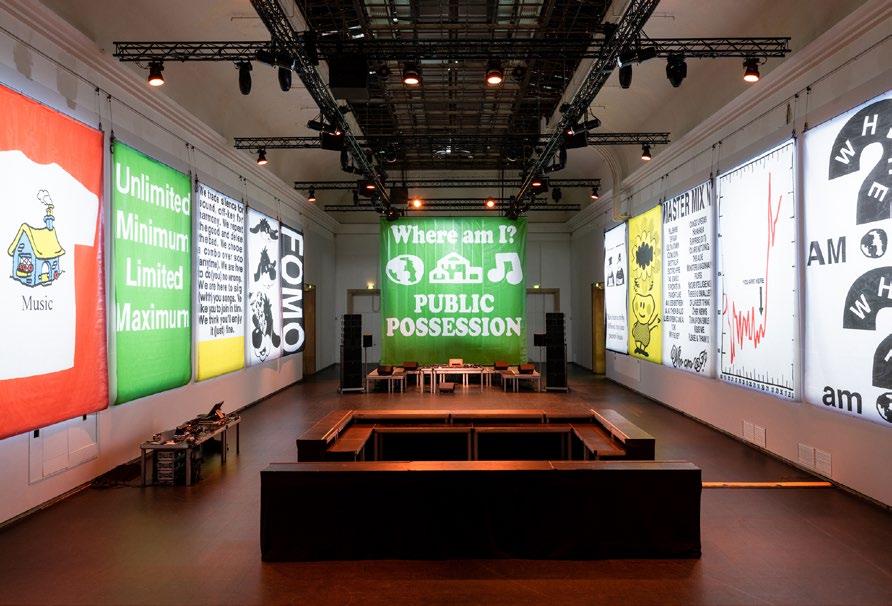
Photo: Nikolai Rusu
At the Haus der Kunst, Public Possession regularly curates formats for young and old alike. Photo: Hannes Rohrer
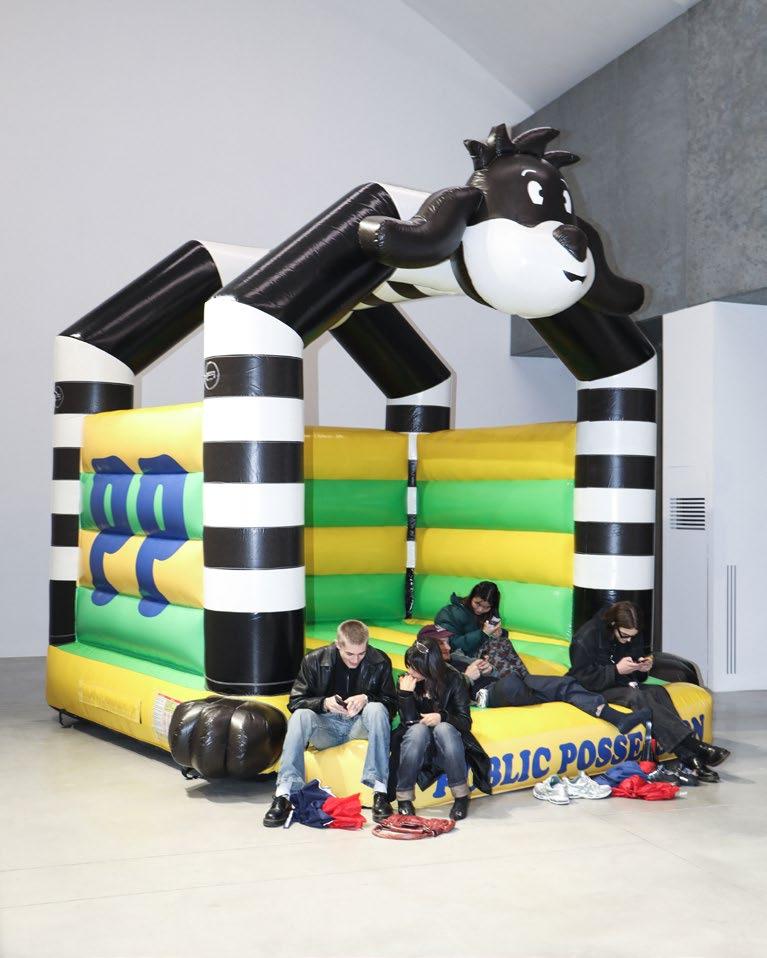
around the world, a design agency was formed, merchandising was added, curatorial projects followed. “Over time, something like an external mission developed,” explain the founders. “Because of the way our work is perceived, we are increasingly pleased that we can bring people together through P.P. activities.”
This point is central: Public Possession has not simply changed mediums but has translated its original mission—bringing people together, creating spaces for encounters—into different formats. “In a way, this brings us back to where we started. That’s exactly what we did as DJs and party organisers.”
The four phases of the mcbw motto, “Empower. Explore. Act. Enrich.”, capture the heart of creative processes; for Public Possession, exploration is particularly crucial. “It’s essential to take time for testing,” say the creators. “If it’s all about implementation and execution, deadlines, then it becomes bland.”
This attitude is almost radical in a highly commercialised creative industry where efficiency often takes precedence over experimentation. Public Possession insists that good work needs time and space to breathe.
“The core of our work at Public Possession has always been about being open. Taking advantage of opportunities as they arise. Trying new things. Then, in the best moments, the whole thing feels less like work and more like play.”
The city of Munich plays a distinctive role in this con stellation. On the one hand, it is not necessarily considered a hotspot for progressive club culture; on the other hand, Munich offers precisely this advantage: less competition, yet more opportunities to build independent structures. Public Possession has made productive use of this position and established itself as a hub between the local scene and international networks.
“We are very grateful for everything that exists here and try to connect as much of it as possible,” say the founders about the local creative scene. “Exchange is one of the most important things; it’s easy to be tempted to just do your own thing.” And there is considerable optimism in the scene itself: “What’s missing will come, someone will do it—intuitively!”
This serenity is fueled by a deep conviction: that culture is not imposed from above but developed from below. That the most interesting things often emerge where no one expects them. And that it is more important to remain open and curious than to pursue a finished master plan—whether as a label or community, cultural platform or experimental laboratory—what matters is being locally rooted and globally networked.
The central space can be effectively redesigned for presentations and customer events.
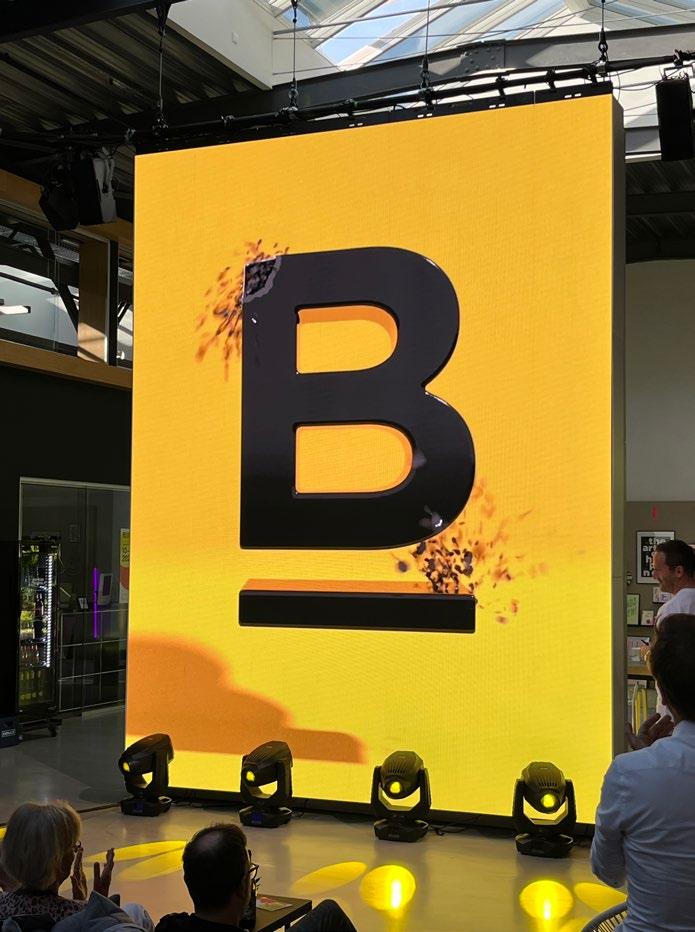
Much more than a workplace
“What a great topic,” exclaims Sabine Kraus when we ask her about this year’s mcbw theme, and Metin Seyrek adds: “For us, it’s a perfect fit.” Together with Katharina Kraus and Leif Geuder, the two run the BECC Agency. About a year ago, they moved their brand and design agency into an old railcar depot in the south of Munich and have since been experiencing what it means to create their own “playground of possibilities”—not only mentally but also physically.
Text by CHRISTINE MOOSMANN
They had actually intended to downsize, but when they discovered the Isarwinkel while searching for an office, it became clear that something significant could happen here. Just in time for mcbw 2025, the BECC creatives inaugurated the new premises and now recognize that nothing better could have happened to them. The 700-square-metre old railcar hall, idyllically situated in the countryside not far from the Isar River, proved to be a genuine playground with manifold possibilities. They hadn’t been seeking this, but Metin Seyrek says, “This place showed us that we can do much more with the agency than we have done so far.”
BECC AGENCY
Not only do the agency’s 40 or so employees now work in the Isarwinkel, but the rooms are also used for a wide variety of events and can be rented freely. BECC has been designing events for clients such as Vodafone, BMW, and Personio for many years, and now the agency can utilize its own premises as an event venue while also opening the space to others. This has added another dimension to BECC’s offering, as the brand agency is now also an event location. Yet what Sabine Kraus and Metin Seyrek find most compelling is what this space does for them, their team, and everyone who comes to Isarwinkel.
How a space changes people
“Even with the old agency, we wanted to be an open house,” says Metin Seyrek, “but in a classic office building, that’s naturally different than in this garden loft.” Above all, the long table and open kitchen invite people to talk, cook, be creative or not, discuss, argue, and laugh together. Thanks to the new premises, the agency is now much more than just a workplace.
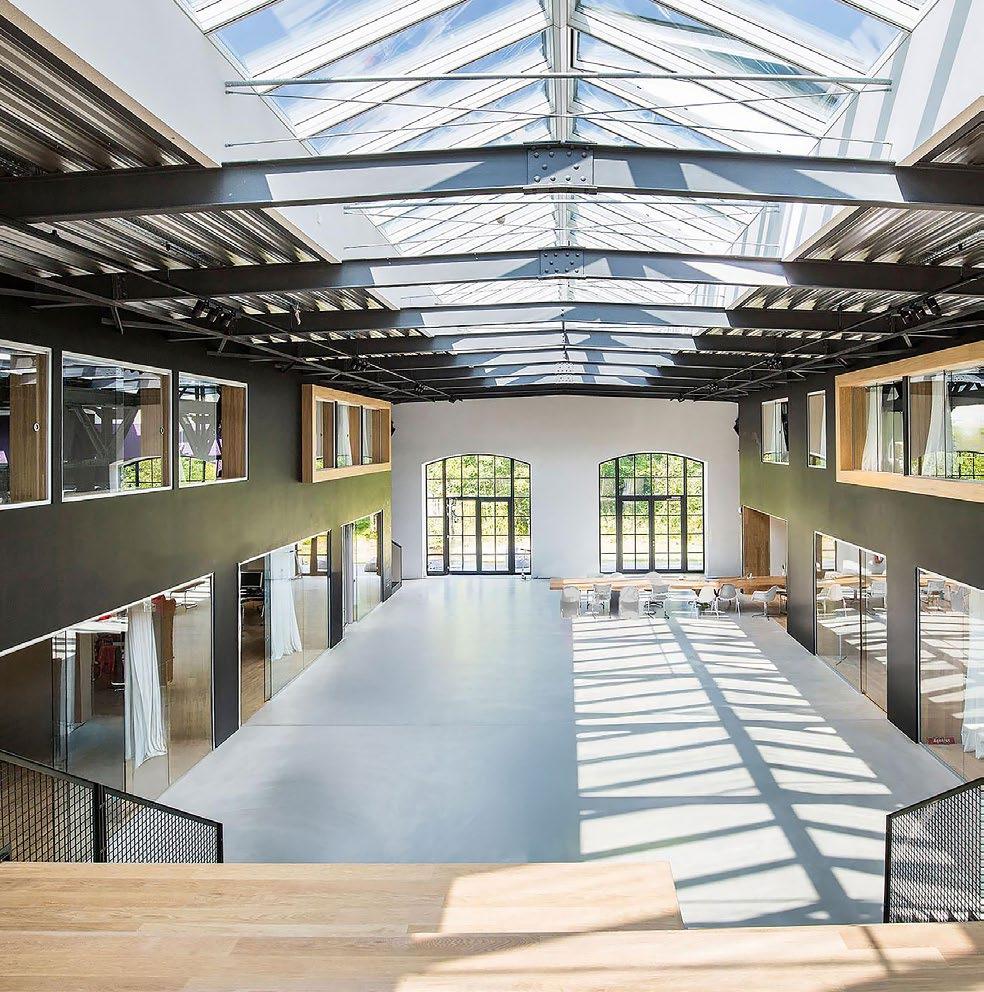
And how can you see that in concrete terms? “In the cheerfulness you notice in everyone who comes in,” the designer. “We feel this cheerfulness in ourselves and our customers. But walkers often come in spontaneously, and even the mail carrier likes to stay longer. The space conveys a cozy feeling and everyone feels welcome here without anyone saying ‘welcome.’” This feel-good effect has also greatly changed the relationship with customers; people now meet much more on an equal footing, and a stronger sense of togetherness has developed.
An environment that does you good
Sabine Kraus also confirms that everyone’s behaviour has changed dramatically. “People love coming here,” she says, “and they like to stay. We eat together with our customers; some come in the morning for an appointment and then just sit down somewhere to continue working with us until the evening.” It’s almost like a patchwork family, laughs Sabine Kraus. But it’s not just the interaction with customers that has taken on a different quality; there is now also a much more direct and friendly exchange with other agencies working on the same project. “It’s good,” confirms Seyrek, “when we agencies also join hands.”
For BECC Agency, the Isarwinkel has also had a significant impact on its own team. “The environment is more creative,” says Sabine Kraus, “and fosters a much
16.
mcbw or culinary community event –Isarwinkel is a real “Playground of Possibilities”.
Photos: BECC Agency & ISARWINKEL
The charm of an old industrial building meets the creative environment of BECC Agency in the south of Munich at Isarwinkel

This place has shown us that we can do much more with the agency than we have done so far.”
METIN SEYREK BECC Agency
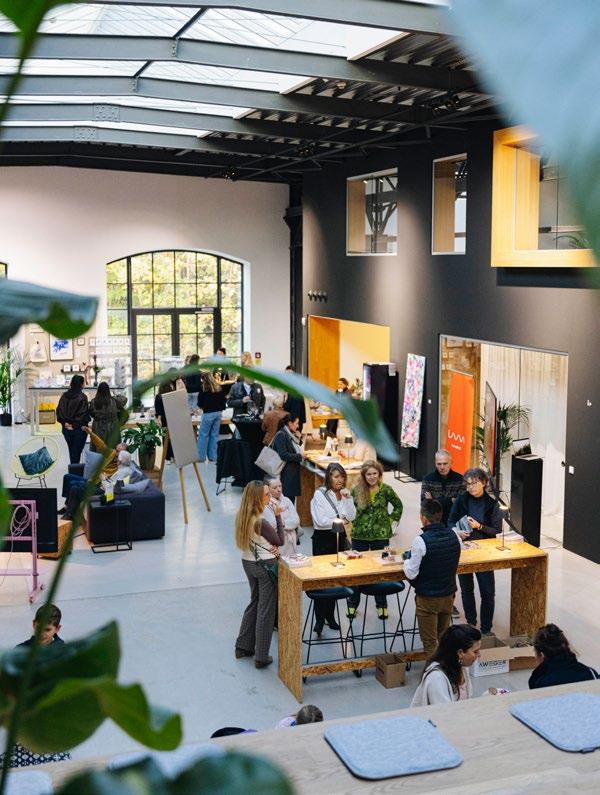
more open atmosphere. People don’t just sit in their home offices; they genuinely enjoy coming here, and so the teams have grown closer together again.”
How cooperation promotes creativity
“This place is truly a playground of possibilities,” says Kraus, “and the work has become a collective endeavour.” One very important team player is the coffee machine. Seyrek laughs that he fought for it for ten years, but now it makes a big difference because it has become natural for everyone who comes in to slip into the role of host. The open kitchen, the long table, the various rooms, the grandstand, and the sofas encourage mobility on the one hand and invite people to sit down together on the other. This is very good for creativity, as BECC has noticed. Instead of sitting at a fixed workstation, everyone moves around more and exchanges ideas. This benefits the younger employees in particular, who now also pick up on things that are happening in other groups and learn on the side. “The brainstorming and exchange of ideas that takes place between disciplines, but also between customers and employees, has become completely different,” summarises Sabine Kraus.
The courage to try new things
After Covid-19, entire business areas had temporarily collapsed, people had been working from home, and the new premises were intended to help the team grow closer together again. Looking back, BECC views this disruption as positive, as it made them more receptive to new approaches. “You can’t say, ‘I’ve always done it this way,’” says Sabine Kraus. “You have to move with the market and explore without fear, learn new things and see what can emerge from it.” Something truly special has indeed emerged in the Isarwinkel. Those who come here enjoy being here and feel inclined to interact with others beyond business.
BECC is particularly looking forward to mcbw. The creative minds want to hold back on grand topics; the focus should be on humanity and togetherness. Kraus and Seyrek appreciate that mcbw provides a framework for bringing so many diverse people to Munich, and with the Isarwinkel, BECC is now expanding its offerings to include a distinctive creative playground.
The architecture of movement
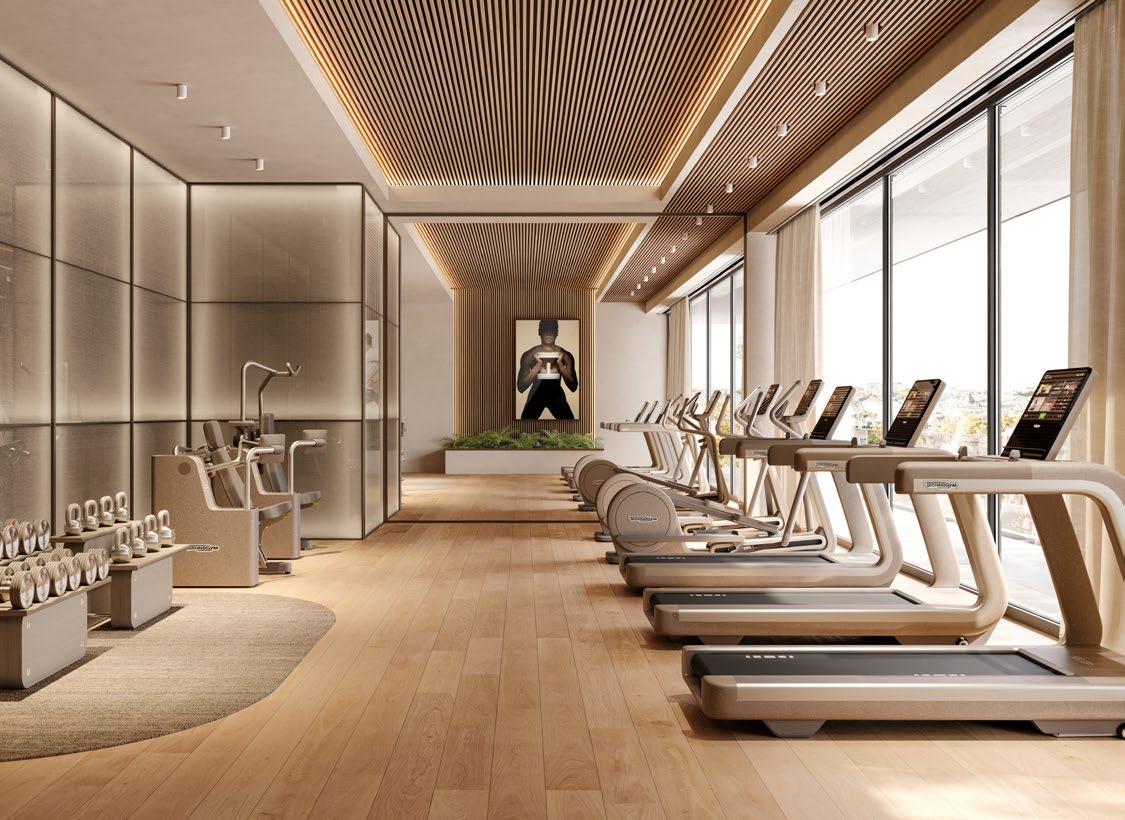
Fitness used to live in the margins
of architecture, hidden in basements, designed for function more than experience. Today, training spaces are moving into rooftops, hotels, workplaces, homes, and even cruise ships. As wellbeing becomes part of how we design everyday life, Technogym
is helping redefine the way we understand fitness as a whole.
Text by DAVID BARNWELL
Not so long ago, fitness was something we went to. You’d go to a room, somewhere away from everyday life, and you’d do a routine. Then you’d leave again. Now, it’s slowly becoming something we live with: embedded in the spaces where we work, travel, and socialise. The gym, in other words, is no longer a destination. It’s becoming part of where we live and breathe.
For Cristian Brugnoli, Architecture & Interior Design Director at Technogym, this shift is fundamentally architectural. “Architecture plays a powerful role in shaping how people relate to physical activity,” he explains. “A well-designed environment doesn’t just contain movement, but actively inspires and motivates it.”
It’s a simple but powerful take: When environments feel intuitive, comfortable, and energising, people move more. Not because they’re told to, but because it feels natural, Brugnoli explains: “When architecture aligns with both spatial needs and user needs,” he says, “it creates an atmosphere where movement feels natural rather than forced.”
Equipment as part of architecture
This is where Technogym’s philosophy diverges from traditional fitness design. Instead of treating equipment as something added at the end, it becomes part of the architectural concept from the very beginning.
“Selecting equipment that truly fits training goals enhances the whole experience,” Brugnoli says. “But the right tools, placed in the right environment, allow users to interact with the space in a seamless and efficient way. Almost as if the environment itself becomes part of the workout.” To enable this, Techn ogym
collaborates closely with architects and clients from the earliest project phase, balancing technology, user experience, design, and digital features as one system.
“This holistic approach is part of the Technogym ecosystem,” Brugnoli explains. “The equipment should enhance the architectural vision, not compete with it.”
From performance to wellbeing
One of the biggest shifts Brugnoli observes is how fitness spaces are evolving from performance-driven environments into holistic wellbeing destinations. “People, especially younger generations, are looking for spaces that are functional but also beautiful to live in,” he says. “They want training to feel emotionally engaging, not intimidating.”
Natural materials, warm tones, and tactile surfaces in this scenario play an important role. Technogym’s Sand Stone Collection reflects this direction. Inspired by Mediterranean sandstone, it introduces calm, naturedriven colours and refined finishes that blend with wood, stone, and architectural interiors. “Bringing natural elements indoors creates a warm, familiar atmosphere,” Brugnoli explains. “These spaces are no longer just gyms, they are social wellness hubs, where community and comfort matter as much as performance.”
Rethinking where fitness happens
The changing role of fitness is also visible in where these spaces are placed. Once hidden in basements, training areas are now moving into the most visible and desirable parts of buildings and everyday life:
“Fitness spaces used to be placed in secondary areas,” Brugnoli says. “Now they’re on rooftops, in premium locations, integrated into luxury zones.” Again, the logic is easy to follow, and indeed, very convincing. When training becomes visible and architecturally celebrated, people engage more, stay longer, and perceive fitness as part of their lifestyle rather than a separate obligation.
Experiences that last, and endure
It’s a philosophy that has a wider impact than one might immediately think. Because as people choose to spend more time in the gym, the equipment they use is also faced with new demands. They not only have to deliver on functionality, they also have to last longer. “Durability is fundamental,” Brugnoli explains. “Longlasting products reduce waste and ensure consistent performance over time.” At the same time, Technogym op erates in a deeply digital ecosystem. But Brugnoli is careful about how technology enters physical space.
“Digital integration must feel seamless,” he says. “Technology should enhance the experience, not overwhelm it.”
There’s an app for that
Such enhanced experiences nowadays are typically inherently digital. And with Technogym, this is no different. Through the Technogym ecosystem and app, users can maintain consistent training routines across locations: at home, in hotels, or in clubs around the world, all supported by intuitive, discreet interfaces.
Zooming out, Brugnoli sees fitness spaces taking on a broader social role. “They can become anchors of social connection,” he says. “They promote healthier lifestyles, create community hubs, and contribute to more active urban environments.”
Looking ahead, he sees the rise of social wellness clubs: hybrid spaces combining training, healthy food, recovery, and lifestyle. “Wellness will continue expanding into different environments,” Brugnoli says, adding what for an outsider seems to be his most powerful message of all: “The opportunity is to create meaningful wellness experiences wherever people live, work, or travel.”
And perhaps that is Technogym’s ambition: not to design better gyms, but to shape environments where movement quietly becomes part of everyday life.
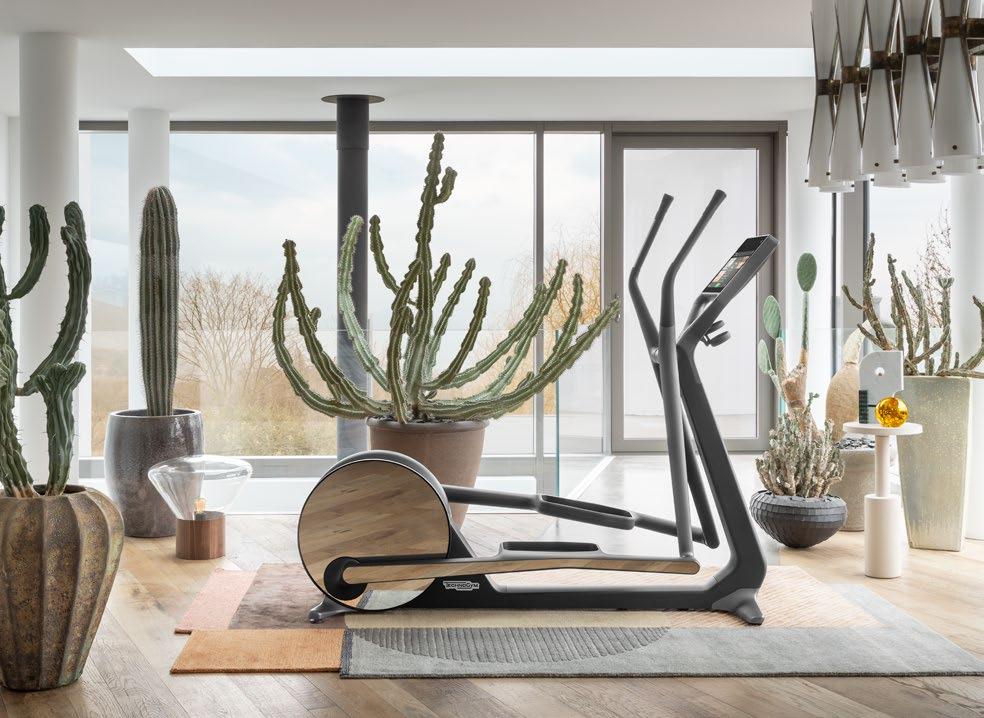
A natural fit: blurring the lines between exercise and lifestyle, one step at a time
Aesthetics meet function: Today, equipment and architecture go hand in hand shaping how people relate to exercise.
Cristian Brugnoli worked for a number of Italy’s most renowned luxury furniture brands before joining Technogym in 2018.
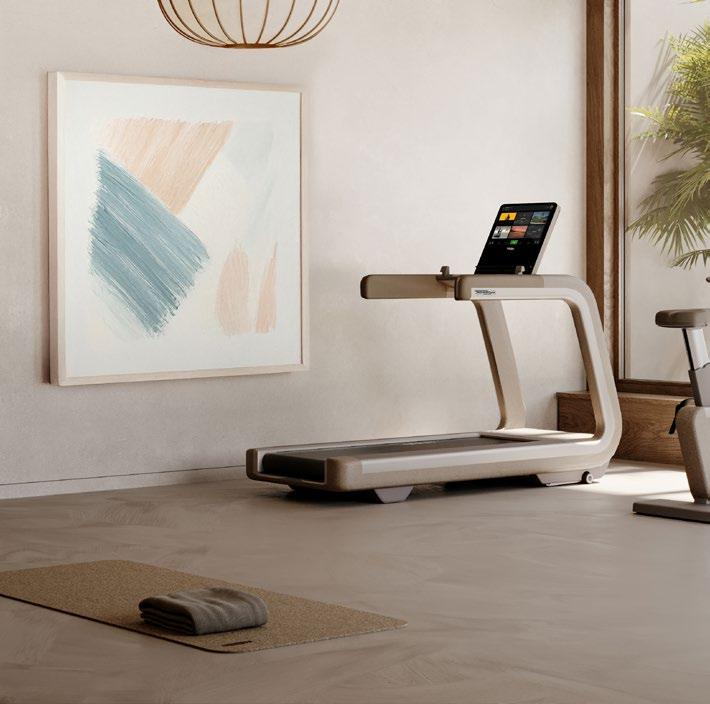
The opportunity is to create meaningful wellness experiences wherever people live, work, or travel.”
CRISTIAN BRUGNOLI Architecture & Interior Design Director Technogym
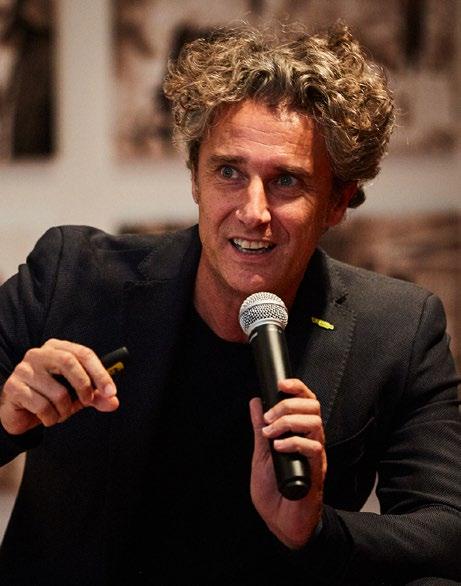
TURNING IDEAS INTO ACTION
Installation by I LIKE BIRDS
Ideas only realise their power when made tangible: through prototypes, pop-ups, micro-labels, or spatial interventions. At the intersection of design and business, one truth becomes evident—perfection at the outset matters less than making ideas visible to advance thinking. Today’s landscape enables unprecedented speed in experimentation, learning, iteration, and scaling. The essential challenge lies in bridging creative vision and economic reality, positioning design as demonstrable value for all stakeholders.
Approaching the world with genuine curiosity
“The motto ‘Playground of Possibilities’ means for me that companies must be willing to create opportunities— spaces where ideas are born, diversity is welcome, and open-mindedness counts,” says Dewi Schönbeck. The architect and Steelcase vice president lives this philosophy daily: at Munich’s Learning + Innovation Center, more than 200 employees from 24 nations inhabit what is deliberately conceived as a laboratory.
Turning Ideas into Action: mcbw as a bridge between design and business
“When we work on new products, we invite architects and designers to test our prototypes,” she explains. “This further develops the process.” The iterative approach mirrors the mcbw motto’s arc: from trust to scope to implementation. “It’s not about starting out perfectly, but about showing what’s there so we can
Photo: Steelcase
Workplaces and living spaces are not fixed structures, but dynamic environments for creativity.”
DR. DEWI SCHÖNBECK Managing Director Steelcase
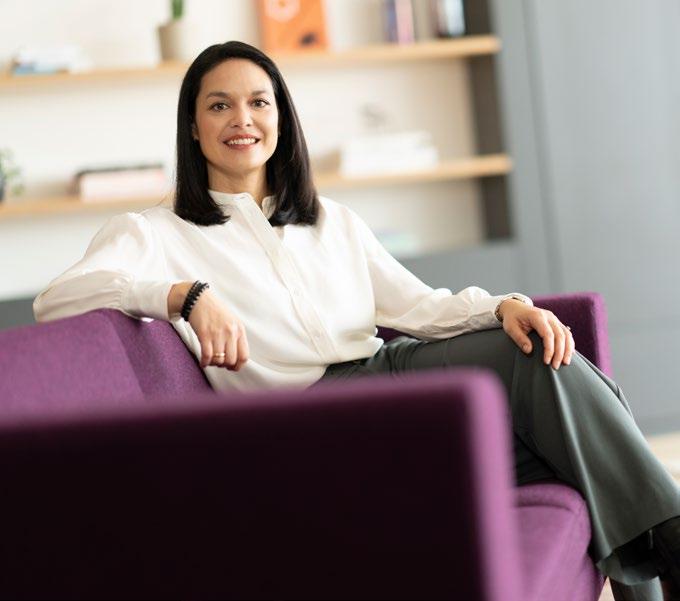
think further.” For Schönbeck, this embrace of incompleteness stands in direct opposition to a paralysing culture of perfection. “We need more courage to stumble, to try things out on a small scale. It’s only by doing that we really learn.” As a member of the advisory board, Schönbeck frames her mission plainly: “We can have the best designers, but if it’s not recognised or only remains in creative circles, then it’s a shame. How do you bring these worlds together in a way that adds value for both?” For her, mcbw serves as precisely this bridge. Space, for Schönbeck, is never neutral. Her approach draws on multimodality: “Good working environments are like cities with different districts. Employees have the choice and control—depending on the task or personal preference.” The stimulation comes through deliberate materiality: “Functional room settings that make work productive and promote the targeted use of materials enhance well-being and the desire to work.”
Dewi Schönbeck’s vision for mcbw
She hopes the mcbw motto will be understood not as abstraction but as invitation—something that opens up scope for action and, ideally, initiates change. “If visitors take away the idea that work and living spaces are not rigid places, but dynamic environments for creativity, then the motto has unfolded its power.”
About Dr. Dewi Schönbeck
Dewi Schönbeck holds a doctorate in architecture and is a director at Steelcase, one of the world’s leading providers of office furniture and workplace solutions. She designs working environments that promote creativity, and innovation. With her expertise at the interface of space, and design, she contributes to the development of mcbw.
Living systems
Interview by DAVID BARNWELL
In a world of global teams, endless channels, and accelerating cultural change, brands are no longer shaped by a single truth, but by many hands, often spread across markets and disciplines. We spoke with Patrick Hummel, Senior Product Designer at Frontify, about play as a mindset, orchestrating brand design, and why modern brand systems need to behave less like rulebooks and more like living systems.
mcbw’s theme for 2026 is “Playground of Possibilities.” What does that mean to you? It immediately takes me back to something very basic: childhood. I recently finished acting school alongside my design job, and in theatre there’s a strong belief that we are all still children, perhaps just with a slightly weakened imagination. Children accept ideas without resistance. They play things through, even when they’re impossible.
As a designer, that mindset is incredibly powerful. Play allows you to think ideas all the way through, even if they’re not realistic or technically feasible yet. A playground has rules, but only enough so people can play together. Within that, you’re encouraged to try, to fail, to be bold. Design desperately needs more of that again.
Design today is often driven by systems and frameworks. Is there still room for play?
You can only break rules meaningfully if you understand them in the first place. Good design often happens when someone consciously decides not to follow a rule, and knows exactly why. That’s how you create tension, character, and difference, even within structured systems. What becomes dangerous is following rules blindly, just because they exist. The more global and standardised brands become, the more important it is to make conscious, sometimes uncomfortable decisions.
Structure is not the enemy of creativity. The absence of intention is.
You told me that brands are “more than visuals”. What do you mean by that?
A brand is not what you see on a website. It’s what people tell each other about it over coffee. Brand is the experience people remember, not just the visuals they consume. We often forget that brand happens outside the channels we control.
That can be challenging, but it is incredibly powerful if you understand this and get it right. It also means everyone inside an organisation shapes the brand, not just designers or brand managers. A great brand today is like a living, breathing system. Always growing, always evolving.
You work on a platform that is itself a system. How does Frontify allow for these living systems to come to life?
We think of brands as orchestras. Many people play different instruments, but they need a shared understanding of the piece. Frontify is built around that belief.
Our goal is not control. It’s clarity. We want to make brand knowledge visible and accessible so people feel confident acting, not afraid of doing something wrong. A good brand system doesn’t tell you what not to do. It
Frontify helps brands stay coherent as they grow. The platform aligns people, tools, assets, and systems, for a shared understanding of what the brand stands for.
A single source of truth: Frontify offers a single destination where brand strategy, design systems, and assets live together, stay aligned, and evolve consistently.
The Frontify ecosystem brings brand strategy, design systems, and collaboration into one shared space— making it easier for teams to build, manage, and scale brands consistently.
helps you understand why things work. Real empowerment comes from understanding the brand DNA, not from enforcing rules. When people understand the core of a brand, they can experiment without losing it. Frontify helps you build this understanding and gives you the tools to cultivate and grow it.
Brand systems today need to scale globally, yet still feel local and human. Is that realistic? It has to be. Culture moves too fast for static guidelines. Formats change, platforms change, attention changes. What brands need now is not tighter control, but confidence, a deep understanding of who they are and what really makes up their identity. Consistency today doesn’t come from enforcement. It comes from shared under standing.
You speak a lot about cultural relevance. Why is it so critical right now, you think?
Attention is scarce. Brands are no longer just competing with each other, they’re competing with everything. Cultural relevance is not a nice-to-have anymore. It’s a survival skill.
What’s also important is that cultural relevance is no longer defined only by Western markets. We’re see ing powerful brands and identities emerging from South America, Africa, and Asia, often rooted in heritage and local culture. Global brands need to listen much more carefully than they used to in order to stay globally relevant.
Is there a risk in “playing” too much as a brand?
Of course. Experimentation always carries risk, but pretending is far more dangerous. Chasing trends that don’t align with your DNA can do real damage. In this sense, play only works when it’s grounded in authenticity. People sense immediately when something is fake. Brands should behave more like humans: curious, imperfect, sometimes wrong. But most of all they have to be honest.
If you could remove one rule from brand work tomorrow, what would it be?
I’d get rid of the endless approval loops. Every review smooths something out, I’ve seen so many great ideas go lost in processes. Sometimes it protects quality, but it can also remove the soul of an idea. Trust and ownership will always produce better work than consensus.
Finally: where do you personally go to play?
The theatre. Being on stage reminds me what it means to be human; we are ultimately all beautiful, awkward, flawed. There’s a beginning, an end, and a shared moment. That’s incredibly freeing, and helps me stay in touch with myself, and by extension, also my work.
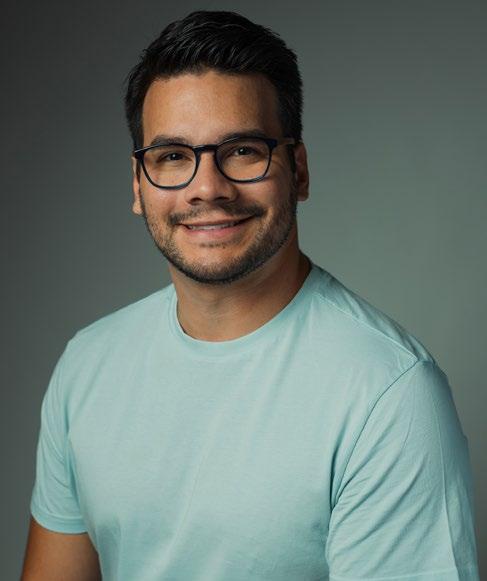
As responsible for product design and innovation at Frontify, Patrick Hummel works to connect brands, people, and cultures.
A brand is not what you see on a website. It’s what people tell each other about it over coffee.”
PATRICK HUMMEL Senior Product Designer
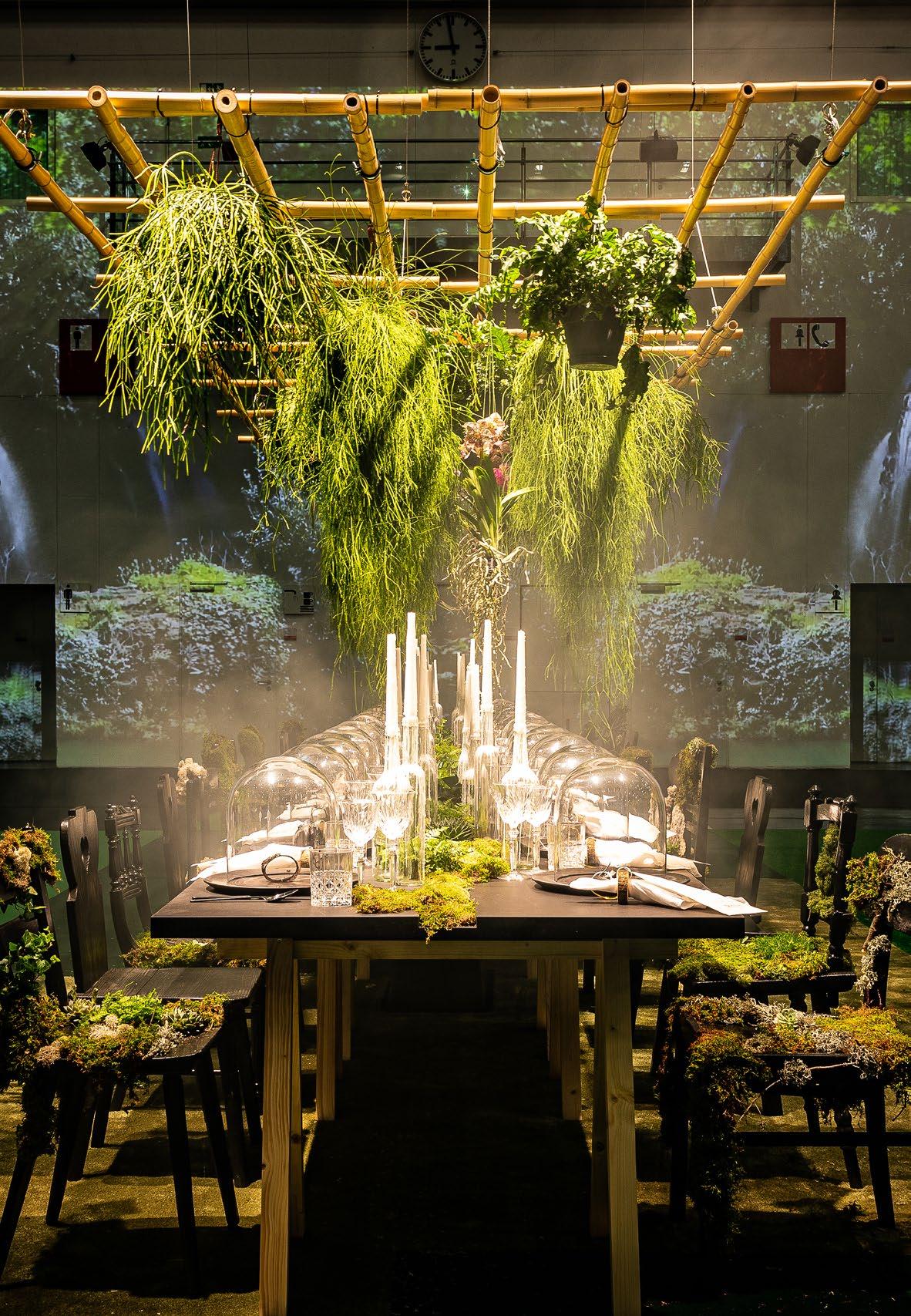
VIOX-DESIGN
Spectacular staging of a hospitality area for the Inhorgenta Munich trade fair
When courage becomes a new brand
Peter Haberlander, Mirka Nassiri, and Claus Neuleib run ViOX-Design as a trio.
Text by SONJA PHAM
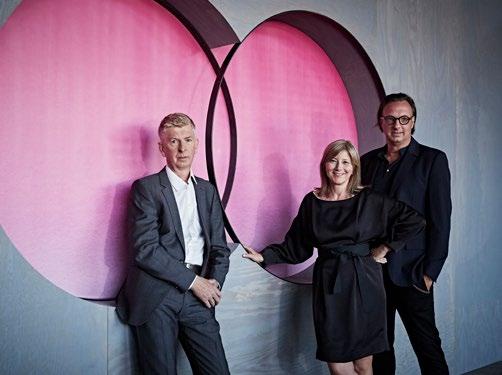
There are moments in the life of an agency that transcend a mere name change. When ARNODesign breaks away from its parent company after three decades and reinvents itself as ViOX-Design, it represents a renewed commitment to what has always been at the core of the team of architects and designers: the courage to break new ground.
“Trust is the basis of every creative process,” says Peter Haberlander, one of the three managing directors. “And creativity begins when we allow ourselves to venture into the unknown.” This attitude shapes not only the design agency’s projects but also its own history. Independence did not come overnight—it is the result of continuous growth that had long since established Munich as the operational heart of the company. The company headquarters on Bavariastraße near Theresienwiese, centrally located and easily accessible by subway, was expanded by another floor a few years ago—a visible sign of positive development.
Breaking the trade fair construction cliché
“When people hear the term ‘trade fair construction,’ they have a cliché in their heads—sometimes a negative one,” Claus Neuleib explains candidly. The team has been working for years to redefine this cliché. “Many people simply don’t know what’s possible,” adds Mirka Nassiri. “And we can best demonstrate that to customers here on site.” The new name is also a response to this perception: the diversity of what the
agency does—from classic trade fair stands to interior projects such as shops and showrooms to hybrid virtual reality solutions—no longer fits into the old pigeonhole.
That well-known companies from the fashion and industrial sectors rely on the Munich-based design agency speaks for itself. Whether Julius Blum, LEGO, or Messe München itself, the range of projects is impressive. “For me, every topic and every product, no matter how unsexy it is, can be presented perfectly,” says Neuleib. “With a large or small budget, indoors or outdoors, with abundant space or very little.”
Four letters, endless possibilities
ViOX is not a random acronym. Each letter stands for multiple associations: V for vitality and vision, i for innovation and inspiration, O for oxygen—“We want to bring in oxygen,” laughs Neuleib—and X for exposure and excellence. The little i with the dot above it? “That’s the dot on the i,” explains Mirka Nassiri. “At first we wanted to write it in capital letters, but then there was this dot—and that made all the difference.”
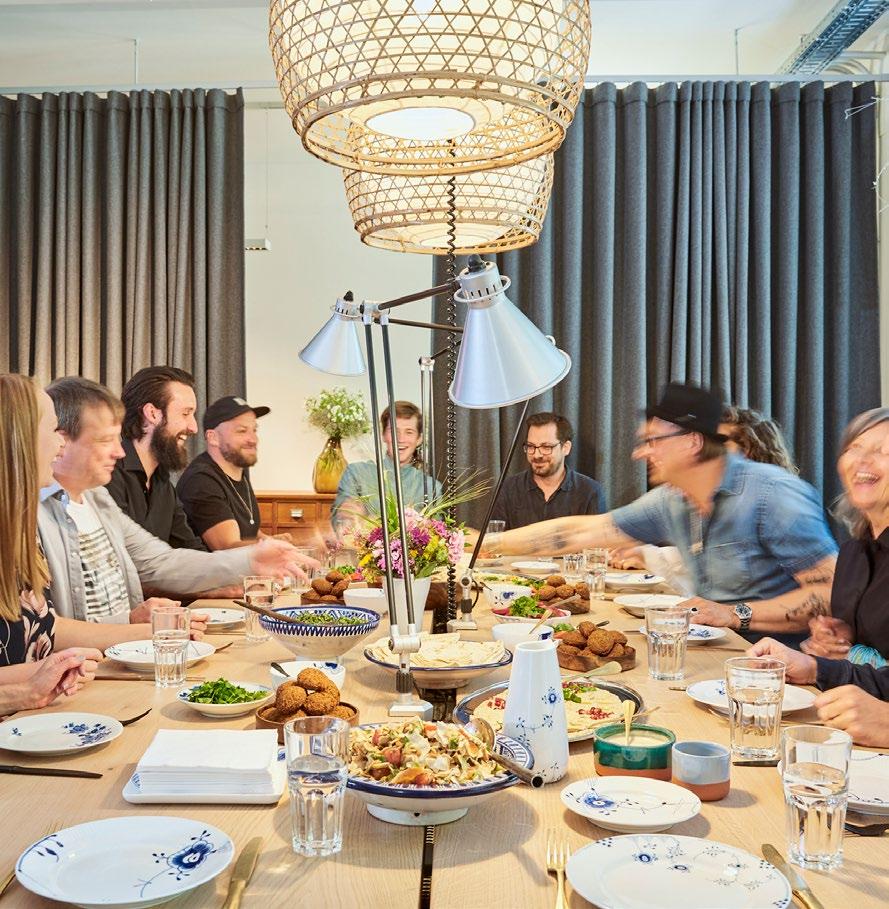
Team spirit in action at ViOX-Design
Scaffold installation at the West Entrance of the Munich Trade Fair Center
The four letters also represent the “four worlds” in which the design agency operates: trade fair design, expo development (individual hall construction), interior & spaces from offices to museums, and virtual environments (digital showrooms and hybrid formats).
“A design process can take place in many different worlds; there are no limits,” says Nassiri. These areas of activ ity are more than mere business fields—they are fields of experimentation.
“Trade fairs are always playgrounds”
“Trade fairs are playgrounds,” says Neuleib with conviction. The topic is clearly close to his heart; anyone who enters his office and is introduced to his impressive collection of the most famous cult fashion doll, which he meticulously collects from around the world and can tell a story about each one, immediately senses this. “You can do so much more at a trade fair than simply set up a booth. We genuinely enjoy this great freedom to play with formats and ideas.” The team consistently exploits this emotional and technical freedom—and transfers it to its own premises.
The flexibly furnished, bright office itself says it all, and the team also has a wide range of interests: “From surfers to crochet masters, we have everything here,” laughs Neuleib, “art, fashion, music—everyone has their own background, and it all flows into the work.”
The diversity of the team is reflected in the versatility of the designs. “We are all very different,” adds Peter Haberlander, “which automatically results in a versatility that few companies have.” After 30 years of working together, they can say this with confidence: “You can disagree on certain issues, and that's okay. Overall, however, the relationship is very harmonious.”
The crisis as a catalyst
The pandemic accelerated the development of hybrid solutions. “Today, we design all projects as hybrid,” explains Mirka Nassiri. “Virtual, social media—that works quite well. But of course, this development can continue indefinitely.” At the same time, she notes, there emerged a growing longing for physical experiences: “Networking, exchange—especially when it comes to decarbonization, the trade fair is a brainstorming arena.” Speaking of which, ViOX-Design’s positioning on sustainability is not a selling point but a lived practice. The principle of reuse has been part of its DNA from the very beginning. Certification according to ISO 14067 followed in 2025, and the 2050 climate strategy demonstrates the long-term orientation. “Every solution is automatically considered in terms of sustainability aspects,” says Nassiri. “We don't need any requirements from the customer; we do that independently.” Currently, the company is working on data security and digital sovereignty—topics of the future.
From the presentation straight to the party
For mcbw, the team has decided to open its office space on two afternoons—not for formal presentations, but for informal gatherings. “So far, it’s always ended with a little party,” says Neuleib cheerfully. It’s an excellent opportunity to discuss various projects that are to be presented using analogue pinboards or digital insights: “All visitors should feel comfortable and decide for themselves whether they want to engage in deeper conversation or simply enjoy a glass of wine.”
It’s an emotional moment for the agency, as its new baby, ViOX, is being officially presented to the public for the first time. “We’re really looking forward to this opportunity to talk to people face to face about this transformation,” says Peter Haberlander. “And that’s great, of course, because it has a completely different added value when done in person.”
With a fresh brand identity, a clear profile, and Munich as its strategic center, ViOX-Design is writing a new chapter—playful, responsible, and energized by a team more motivated than ever after 30 years.
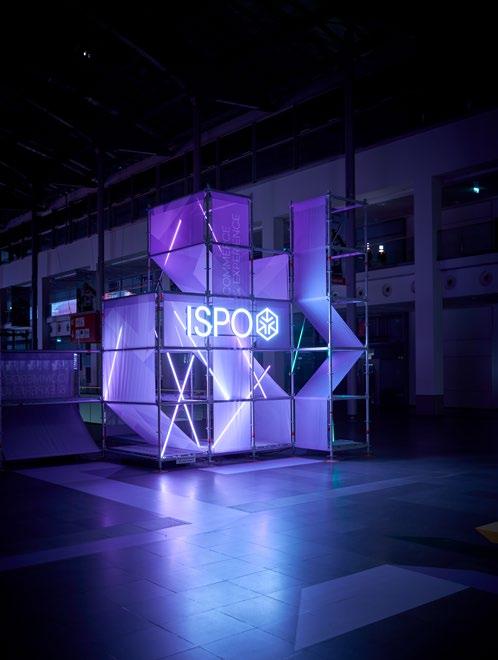
Playful responsibility
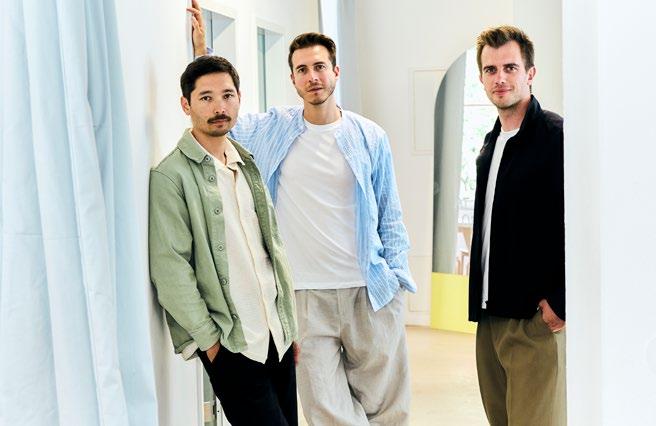
Interview by CHRISTINE MOOSMANN
At Studio adpa, founders Dominic Ahn, Matthew Dueck, and Lukas Prestele embrace a holistic approach where architecture and design are seamlessly interwoven. Every sight, sensation, and experience informs their concepts. Through playful experimentation, the seven-member team seeks to inspire others to look beyond the conventional.
Dominic Ahn, Matthew Dueck, and Lukas Prestele, from left to right.
Photo: Sophie Wanninger
3 F “Home Office.”
Photo: Lennard Zimmermann
adpa is a studio for architecture and design. What distinguishes you from others?
Lukas: Our true strength lies in our commitment to diversity. Each project is distinct, allowing us to contin ually embrace new challenges and approach them with fresh perspectives.
Dominic: What truly distinguishes us is our relentless pursuit of understanding and questioning every construction and design task. We constantly ask: does this approach make sense, or might there be better solutions? Our versatility enables us to bring a wide array of perspectives to the table.
Following your studies, each of you gained experience at renowned architectural firms abroad. What valuable insights did you gain from those experiences, and how do they influence your current practice?
Lukas: Large firms often function like machines, with each person fixed in their role. We have found that flatter hierarchies and open exchange yield far better results.
Matthew: At adpa, we are committed to seeing every task through from inception to completion. We guide projects from the initial sketch to construction and the finished building. Though our team is small, our expertise spans the entire spectrum.
Dominic: Nonetheless, we have gained invaluable lessons in navigating architecture—how to plan, structure, and execute large-scale projects, and how to think with an entrepreneurial mindset.
Matthew: Our experiences abroad have been invaluable, as each country offers a unique approach to architecture and urban space. We strive to bring these diverse typologies to Munich.
In what ways can German architecture continue to evolve and improve?
Lukas: Our horse stable project best illustrates how we introduce an external perspective. When the client arrived with a finished sketch on a notepad, we set it aside, reimagining the entire project together. By breaking new ground and experimenting boldly, we created a stable unlike any other, now drawing considerable attention in equestrian circles. As architects, our understanding of spaces, processes, and procedures allowed us to collaborate with the farmers to develop an unprecedented concept and architectural approach. The result is not only a novel method of horse keeping but also added value for the operators, riders, and the wider community.
Dominic: With this project, the process mirrored our experiences abroad. In China, Denmark, or Switzerland, clients often approach architects with a problem, seeking innovative solutions. In Germany, the process
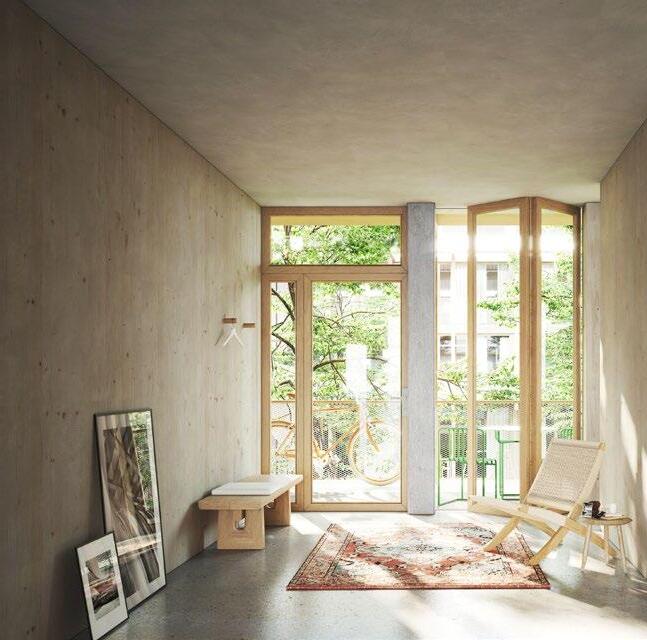
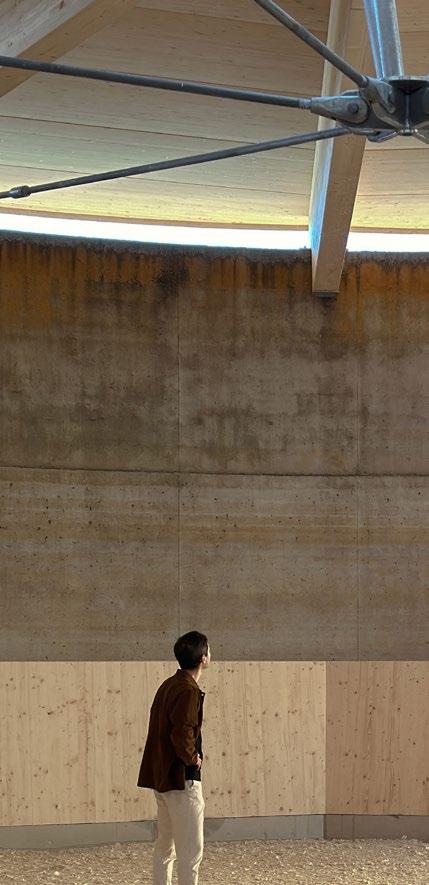
Hoffmann Quartier
Horse stable
Gut Angerhof
Photos: adpa
Hoffmann Quartier
tends to be more cerebral, yet our craft lies in expanding the client’s horizons.
Matthew: It’s not just us—many young architects today are striving for new approaches. We bring not only creative ideas but also the conviction to advocate for them and take responsibility for their realisation.
On the subject of responsibility: buildings often endure for decades, if not longer. How do you approach this responsibility in terms of sustainability?
Dominic: Precisely because buildings represent significant investments, architects must scrutinize in advance what will succeed and what will not. We draw on our experience and remain attentive to current developments.
Lukas: We rigorously test and validate our ideas to ensure they achieve the intended effect. We construct models and employ various visualizations, including VR technology, to assess whether we are on the right path.
Matth ew: We explore as many scenarios as possible, believing that the more deeply one engages with a task, the greater the likelihood of achieving a sustainable design.
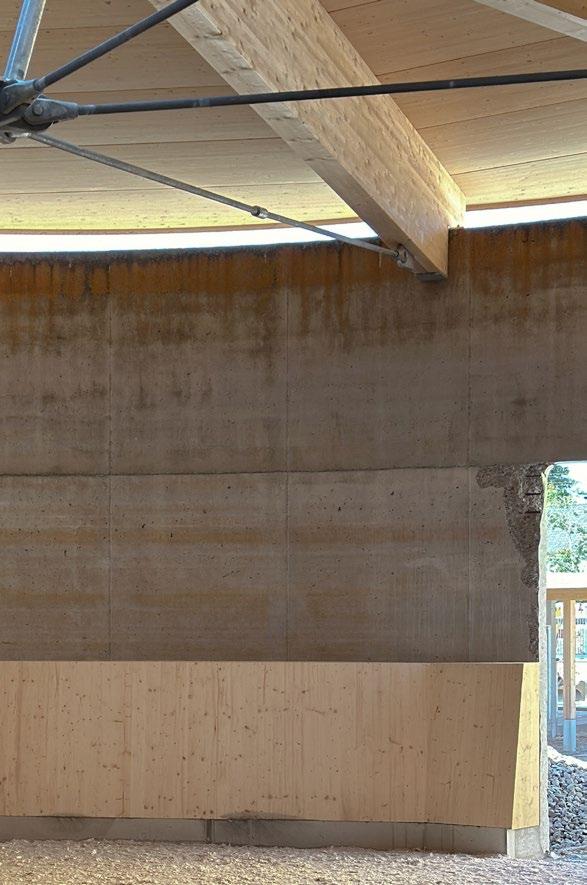
To what extent does playfulness—a key theme at mcbw—influence your work?
Lukas: We genuinely enjoy experimenting and our architecture reflects this spirit. Playfulness begins with curiosity, by pursuing many different directions, we often arrive at solutions no one had previously considered.
Matthew: We continually imagine how we would experience a space ourselves, allowing playfulness to naturally inform our projects.
Dominic: This approach enables us to encourage clients to be more adventurous. We can offer them tangible insights through 3D models and virtual reality, and our enthusiasm is contagious. Because we experiment so much, we are able to fully stand behind our solutions.
What do you hope to see in the next decade?
Matthew: Society faces numerous challenges, and I believe architecture and design can serve as powerful vehicles for genuine innovation—rethinking how we live, design urban spaces, and build our environment.
Dominic: While financial returns are important in construction, I hope greater emphasis will be placed on the human and civic value a project contributes—whether it genuinely enriches the city and its people.
Lukas: Germany excels in standards and regulations, yet the challenges we face today differ greatly from those of the past decades or centuries. The built environment must evolve in response.
Matthew: Modernism has passed, and perhaps a new era is dawning—one that will offer fresh answers to the challenges of our time.
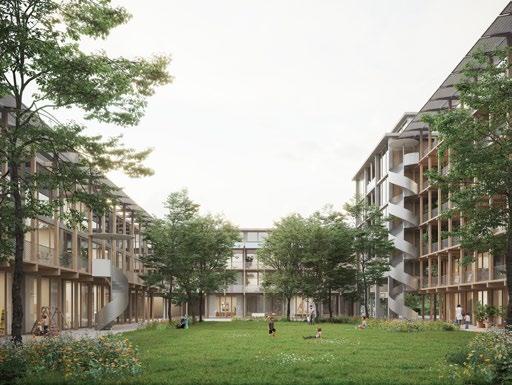
On a September evening in 2025, somewhere between São Paulo and Seoul, 906 designers worldwide answered questions about their work, their hopes, their fears. The result: Figma’s State of the Designer 2026 Report portrays a profession in transition—caught between breakthrough and uncertainty, between technological acceleration and the insistence on human creativity. As artificial intelligence revolutionises the tools, craftsmanship emerges as the crucial differentiator.
Craft as north star
Let’s dive in with a bunch of impressive numbers, shall we? 72 per cent of designers now regularly use generative AI tools, with nearly all (98 per cent) having intensified their usage over the past year. Among AI users, 89 per cent report working faster, 80 per cent collaborate more effectively, and a remarkable 91 per cent attest that AI improves the quality of their work. Yet amid this rapid technological change, a fundamental question emerges: What makes designers’ work valuable when anyone can create an interface with a prompt?
The answer may well lie in Figma’s own history and its dedication to craft—the care and attention behind every design decision. Founded in 2012 by Dylan Field and Evan Wallace, Figma revolutionised how design happens by moving it entirely into the browser. Unlike traditional tools that kept design locked on individual desktops, Figma made collaboration the default—
enabling product managers, developers, and designers to work together in real-time, without the friction of file-shuffling. What began as a web-based design tool has evolved into the platform where modern digital products are born, used by teams in corporations such as BMW and Siemens, as well as by agencies and freelancers. In 2022, Adobe attempted to acquire Figma for $20 billion, a deal that ultimately fell through due to antitrust concerns. Today, Figma operates independently and continues to push the boundaries of collaborative design—now increasingly with AI at its core, as reflected in the startups Figma has acquired recently.
What is craft – and why does it matter?
Around half of the surveyed designers define craft as “visual polish and attention to detail” or “thoughtful problem solving and systems thinking.” As one Indian designer puts it: “To me, ‘craft’ means skill, detail, and intentional effort. It is not just about creating something, but doing it with care, precision, and artistry.”
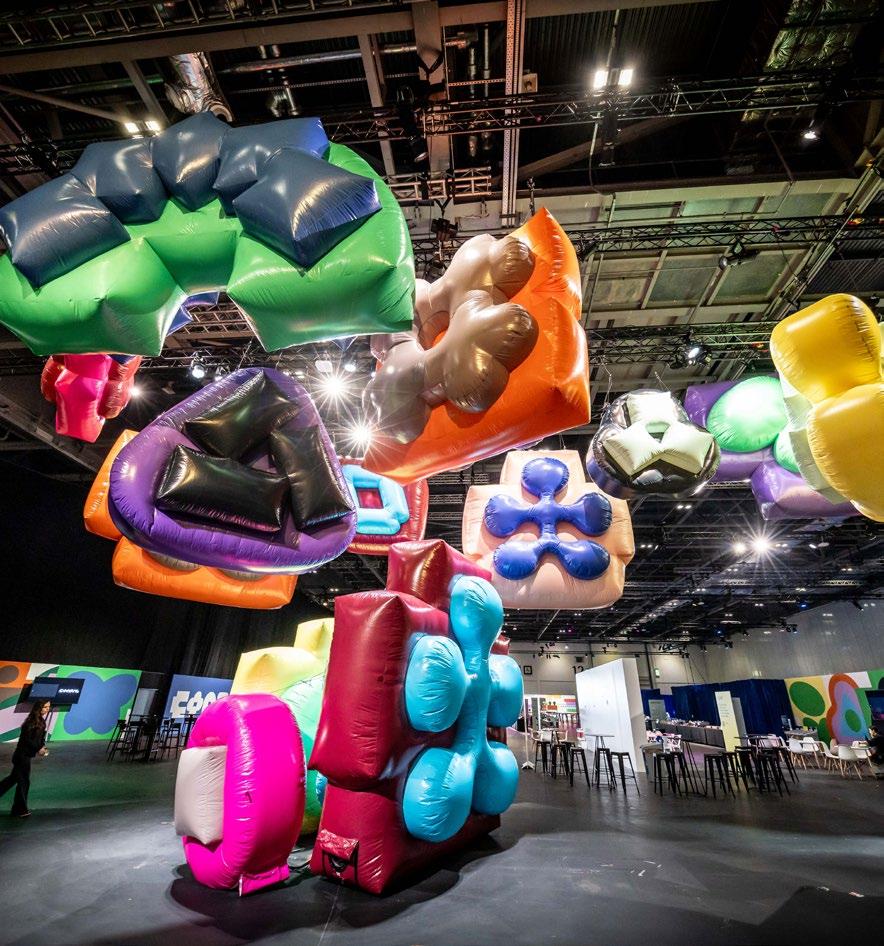
What proves crucial: designers who connect craft with emotional impact and visual quality are significantly more satisfied in their jobs. They experience their work as more visible, more valued—while those who understand craft purely analytically receive recognition less often.
“The craft has matured,” explains one Italian freelance designer. “AI has automated a lot of surface-level design work, so now the value lies in systems thinking and the ability to translate complexity into clarity.”
Collaboration, creativity, and forward thinking come together at the annual Config.
Figma CEO and co-founder Dylan Field discusses the role of design between precision, attitude, and new technology.
Haptics and analogue tools like screen printing remain relevant in the age of automation.
Photos: Figma
When leadership takes craft seriously
The strongest correlation in the study concerns the relationship between company leadership and design excellence. Designers are twice as satisfied when their companies focus on craft, with 60 per cent reporting greater satisfaction when leaders show genuine interest in design. In concrete terms, this means linking design to business outcomes, giving designers room for development, and creating a culture where they can be proud of their work.
The math adds up, companies that increasingly focus on craft grow faster than the industry average, according to their designers’ assessments. And their designers view the future of the profession more optimistically.
Herein lies the report’s most important insight: AI and creative excellence are not mutually exclusive—on the contrary. AI can accelerate exploration while leaving core creative decision-making to designers.
Designers who adapt to AI are 25 per cent more satisfied than those who hesitate, and their companies grow faster (41 per cent versus 33 per cent). Crucially, these gains don’t come at the expense of craft or autonomy. Meanwhile, 40 per cent of designers who aren’t increasing their AI usage report declining job satisfaction—more than twice as many as among those who
embrace AI (18 per cent). The numbers suggest that AI itself isn’t the problem, but rather the fear of it.
“For me, this report reflects what I’ve seen in teams everywhere. AI should expand our creative window, not shrink it. And real craft, the kind rooted in curiosity, intention, and iteration, is still ours,” says Loredana Crisan, Chief Design Officer at Figma.
Figma: platform and reflection space
In this transformation process, Figma plays a dual role: as a platform making design more accessible and, increasingly, as a research entity taking the pulse of the industry. Since its founding, the company has pursued the vision of bringing design out of the ivory tower and making it collaborative. The report suggests that the designers most likely to succeed in 2026 and beyond are those who understand AI as a catalyst for highervalue work while simultaneously viewing craft as their north star—as quality, intention, and emotional resonance.
The profession is in flux as designers actively recalibrate, experimenting with new tools while simultaneously affirming that their work is profoundly human. “The increase in the use of AI tools makes things much faster, but at the same time, makes everything seem too perfect and too generic,” observes one Brazilian designer. “The precise designer’s vision is what makes the difference.”
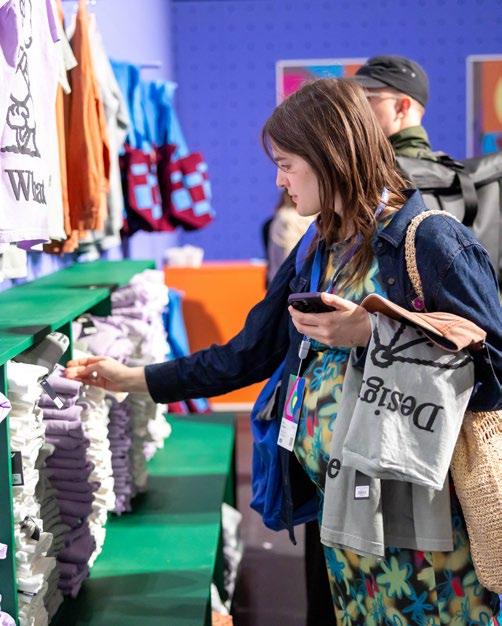





Open
Design Week
Frankfurt
RheinMain
05 to 14 June 2026
Frankfurt RheinMain is World Design Capital 2026. For one year, the region will highlight the social role of design. A key part of the programme is the Open – Design Week in June. The event makes design tangible where it is created. In studios, companies, workshops, and industrial halls, contributors from the region and abroad demonstrate how design in uences economic processes, drives innovation, and addresses societal issues. Visitors can experience current working methods, attitudes, and projects rsthand. Through talks, exhibitions, and open formats, new perspectives on democracy, social cohesion, and the future of work are revealed.


From Munich to Frankfurt RheinMain. Follow design: Join the Open – Design Week Frankfurt RheinMain.


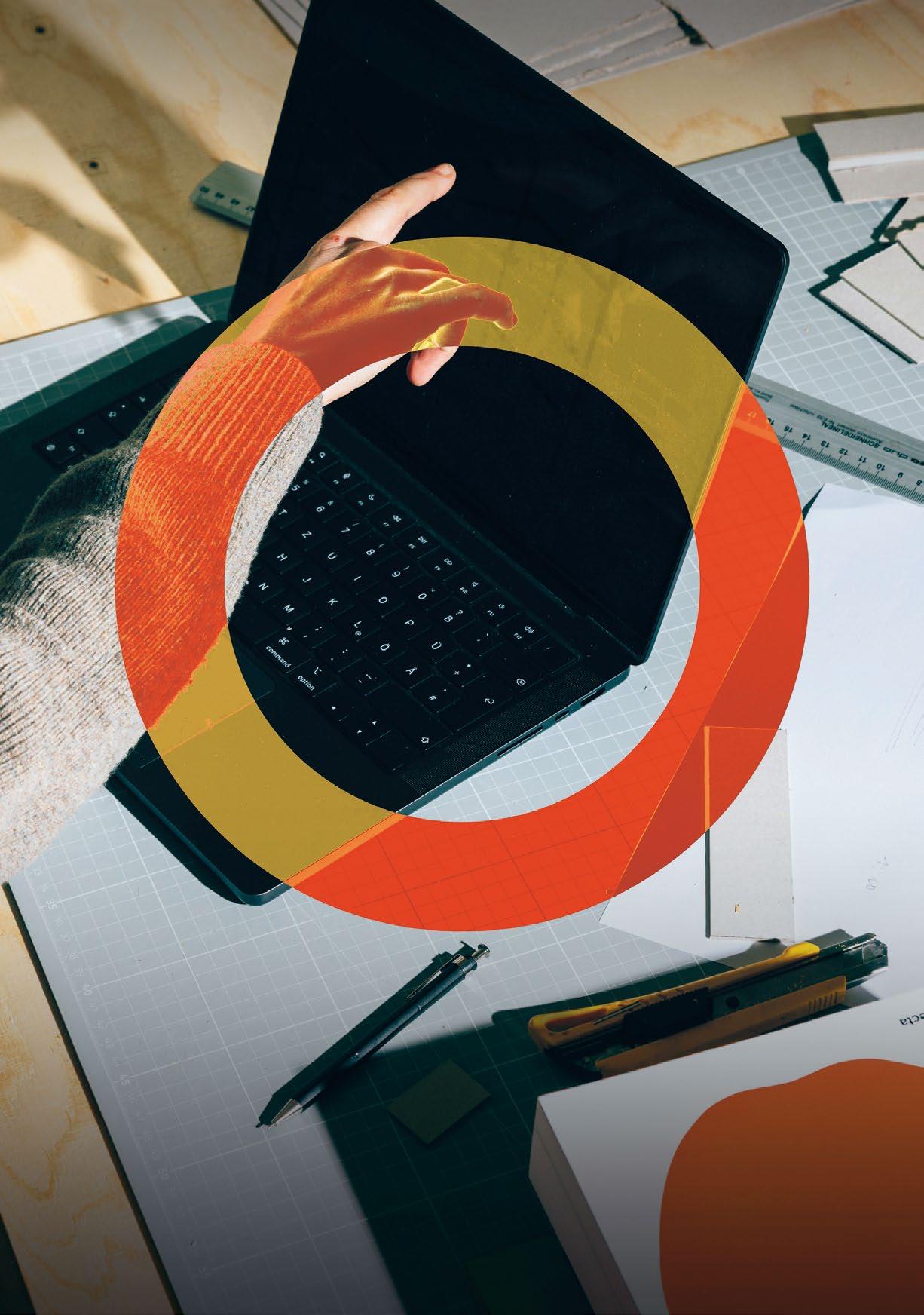
Mirko, is there a general advice you would give to design students?
Don’t hesitate to forge your own perspective and embrace mistakes along the way. Lasting design doesn’t emerge from fleeting trends, but from persistence, curiosity, and dedicated effort. Cultivate the art of listening, strive for genuine understanding, and resist the urge to reinvent everything at once.
What are your hopes for the masterclass?
I hope for an open dialogue—one focused less on readymade answers and more on collective inquiry, transparency of process, and the encouragement of independent thought. If, by the end, participants come away with a clearer sense of what the profession truly entails, the masterclass will have fulfilled its purpose.
Why are you looking forward to the masterclass?
I look forward to the masterclass because I see design as inherently vibrant and alive. I value honest dialogue, critical reflection on our field, and—above all—encouraging others to recognize and embrace their own potential. All of this takes place beyond the constraints of expectations, fears, and external opinions. Design demands courage, and that is what matters most to me.
What advice would you give to design students?
My advice to design students is to stay curious, explore widely, and avoid constant comparisons with others. Maintaining some distance from your own work can foster creative freedom. In my experience, strong design often emerges from emotion—and occasionally, it needs space and lightness to take clear shape. Be open and honest, especially with yourself, and resist the urge to force the process.
Mirko Borsche, an internationally acclaimed German graphic designer, creative director of ZEIT magazine and founder of Bureau Mirko Borsche, is known for editorial design and magazine layout.
Photo: Martina Borsche
Steffi Bauer is a Munich-based illustrator and textile designer whose work is characterised by vibrant colours and expressive forms, often capturing everyday moments and nature. Photo: Jana Geissler
Design transcends mere problemsolving. It shapes our collective imagination, revealing itself as a space of possibility with the power to transform lives. The Werkbund and Bauhaus traditions remind us that German design has long been inseparable from political engagement and social responsibility. The essential questions become not only “What is possible?” but “What impact will it have? Whom will it serve?” Creative responsibility means advancing with both enthusiasm and intention, recog-nising design communication as a potent instrument for meaningful change.
CREATING VISIONS THAT ENRICH
Installation by I LIKE BIRDS
Great results are born from a certain lightness
Boris Kochan has been with mcbw from the beginning— through his agency’s design work, through conference formats, and now as an advisory board member. This year’s motto captivates him precisely because it does what it says: it draws people in, inviting them to play, to act.
Creating Visions that Enrich: Moving forward with enthusiasm
“In recent years, design has been very much about responsibility and innovation,” Kochan observes. He says it’s important to focus on a playful approach now. All good designers are responsible people. But a certain light-footedness is also important in order to achieve good results. “We can only move forward if we do so with enthusiasm and communicate what we can do and the potential that lies in design.” For Kochan, mcbw serves as exactly this platform—a week that demonstrates how collective, proactive action can improve things. Kochan urges creatives to forge
Photo: Dominik Parzinger
For me, design is always the result of a group effort.”
BORIS KOCHAN Senior Advisor Kochan & Partner
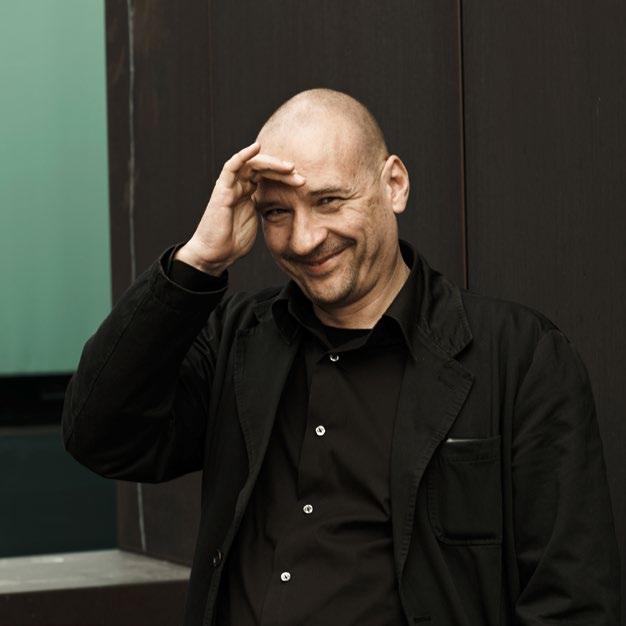
closer ties with other industries, clients, and politicians. He practices what he preaches, working across multiple fronts to improve conditions for the industry and secure design’s recognition as a vital element of government action. His advice to individuals is direct: “Get organised!”
Recognising one’s own influence and engaging politically, he argues, is essential. “Ever since the Werkbund and the Bauhaus, design in Germany has been linked to political engagement,” Kochan notes. “We can not only develop visions, but also have the ability to make them come true.” He sees potential in reflecting on this tradition and demonstrating the social impact of design—in an inspiring, lighthearted, and responsible way.
Boris Kochan’s vision for the mcbw
“I envision mcbw as a meeting place for the German economy and design, where the mutual added value of both sides is celebrated and where endless inspiration
is fostered. At the same time, the mcbw of the future will leverage Munich’s potential as a European hub for international tech companies such as Google, Apple, and OpenAI, enabling them to drive design-led innovation and social development in collaboration with world-leading designers. In essence, it will be the Davos of design and business.”
About Boris Kochan
Boris Kochan is a designer, entrepreneur, and expert in strategic communication and creative processes. He helps companies communicate complex ideas clearly and develop effective narratives. Additionally, he is also active as an author and curator. As president of Deutscher Designtag, an umbrella organisation for design professionals, he represents the interests of the creative industry in the political arena. As a member of the mcbw advisory board, he brings perspectives from design, culture, and social developments, strengthening the connection between creativity and strategic thinking.
Oliver Heilmer, Head of Design for BMW Compact Class, Neue Klasse and BMW M, on designing experiences, navigating complexity, and finding joy in new places.
Design in a world that won’t hold still
Text by DAVID BARNWELL
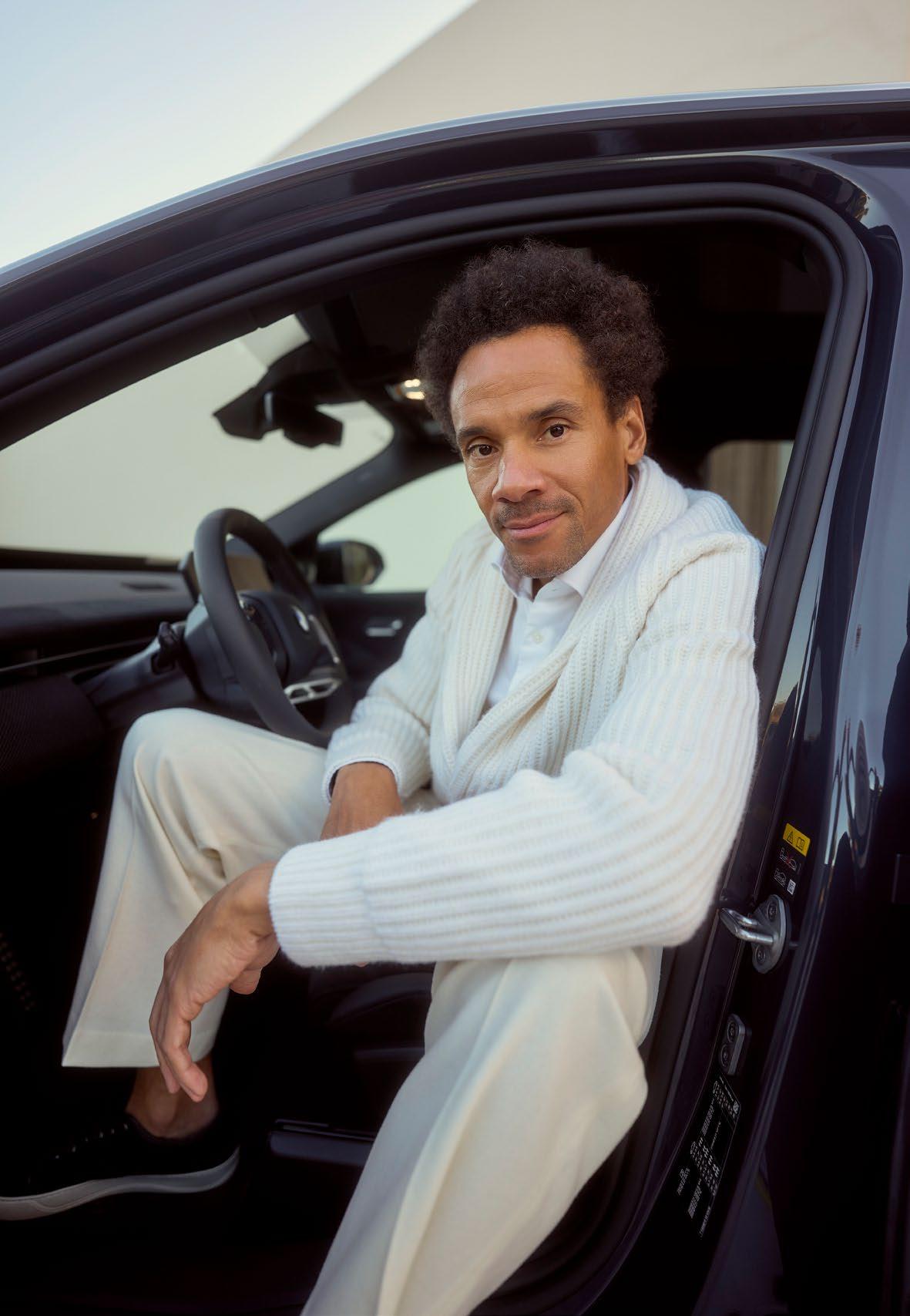
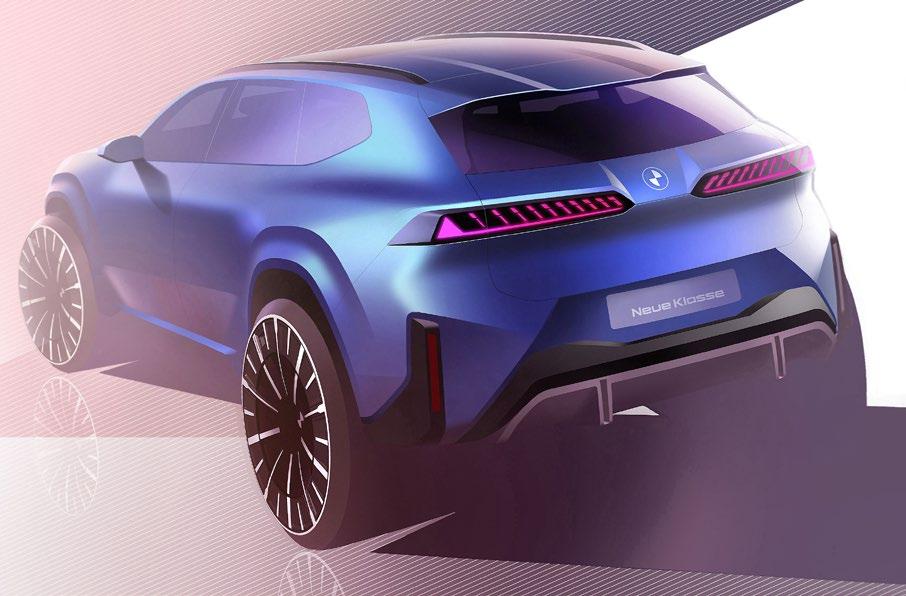
The design of the new BMW iX3 began with a a big question: how are drivers supposed to feel?
New interfaces help create digital moments for drivers every day, with clarity and purpose.
Early design sketches of the new BMW iX3 hint at a whole new design direction for the iconic brand.
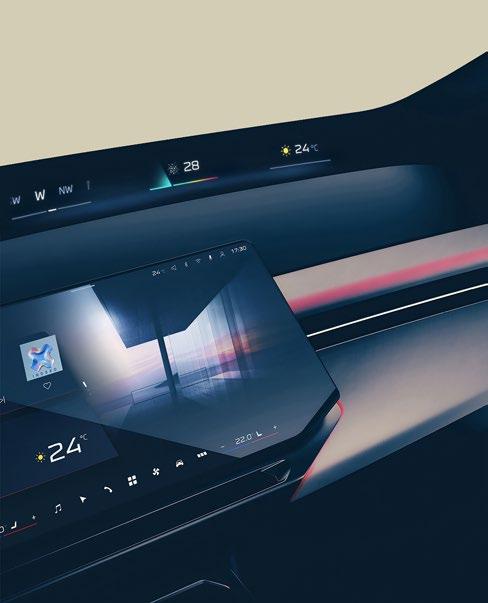
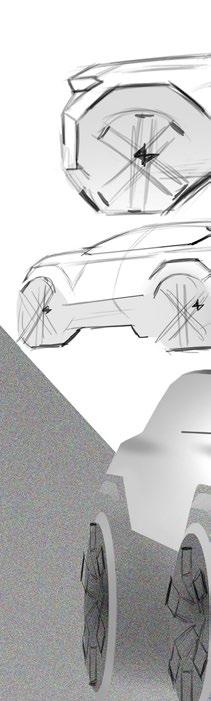
When Oliver Heilmer describes how automotive design has changed, he doesn’t, as you may perhaps expect, begin with aesthetics. Instead, he turns to the much bigger concept of “experience”.
“We used to design the object. Surfaces, lines, stance, details…” he says, as we meet to talk about design in an age of fragmentation, fast developing structural changes, and new challenges for designers and carmakers alike. “Today we design the experience around the car. Interaction, digital moments, clarity, atmosphere. People don’t separate materials from light or UX,” he says. “They experience everything as one reality. Today, it’s impossible to separate the physical and the digital. They define each other. And that changes how we work.”
From questions to experience
The Neue Klasse and the new BMW iX3 are powerful examples of this shift. Their design process, Heilmer reveals, began not with a stroke of a pen, but with a new set of questions: What should someone feel here? Where should effort disappear? What makes this calm, intuitive, and unmistakably BMW?
“Take the BMW Panoramic Vision,” he says. It has a clear, almost philosophical reason why it sits where
it sits. The windscreen is the best and most intuitive place to display information. And when it’s off, it isn’t just a dead display. It shapes the space, attention and orientation, not as a screen, but as part of the architecture.”
It sounds like a shift in method, but it’s really a shift in worldview. Ultimately, the task not to make things “look new”, but to redefine how BMW exists in a new reality. And by that, design becomes a matter of identity, in a world where a vehicle is no longer simply a product. “The brand’s memory is important,” he says. “But that memory must not restrict you.” The balance he seeks is continuity, without empty nostalgia. “The iX3 still feels unmistakably like a BMW, even if it introduces something completely new. There is less going on but also something else going on. What matters is that it is 100 per cent a BMW, even if we bend the definition of what that means.”
The evolving language of FREUDE
The unifying force behind that “something else” is however something refreshingly constant, even when looking back at the brand’s more than 100 years of history: FREUDE, meaning joy in German. “FREUDE today comes from the overall experience,” he stresses
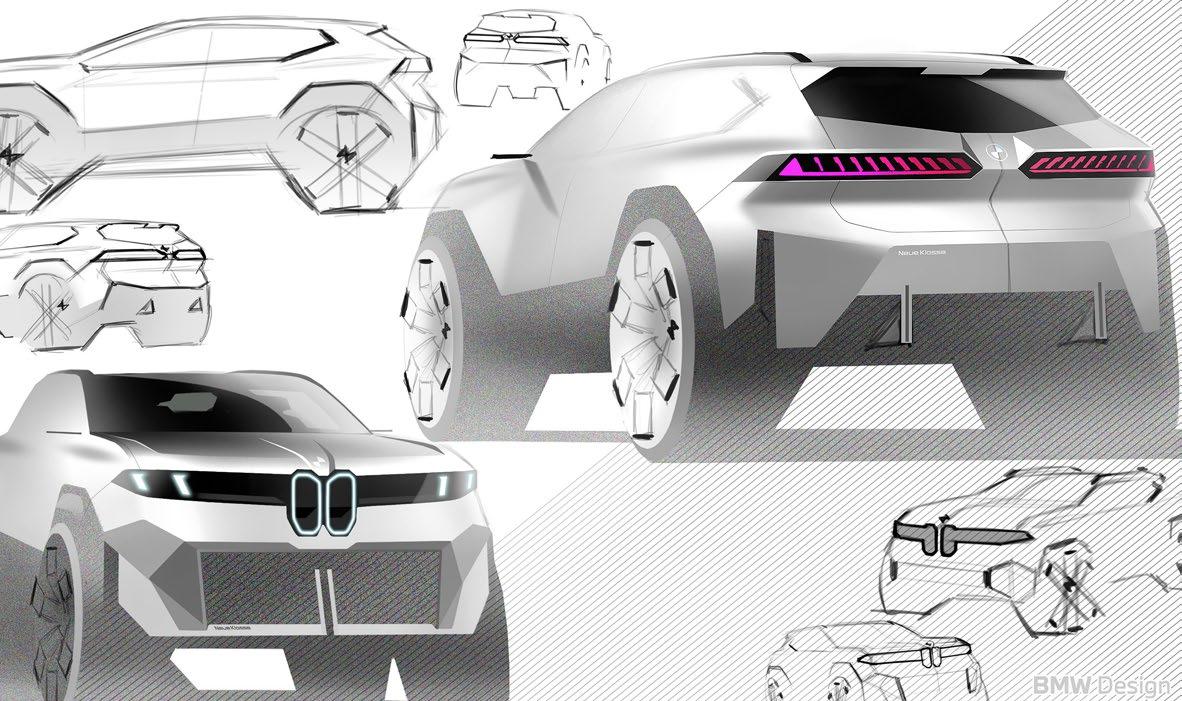
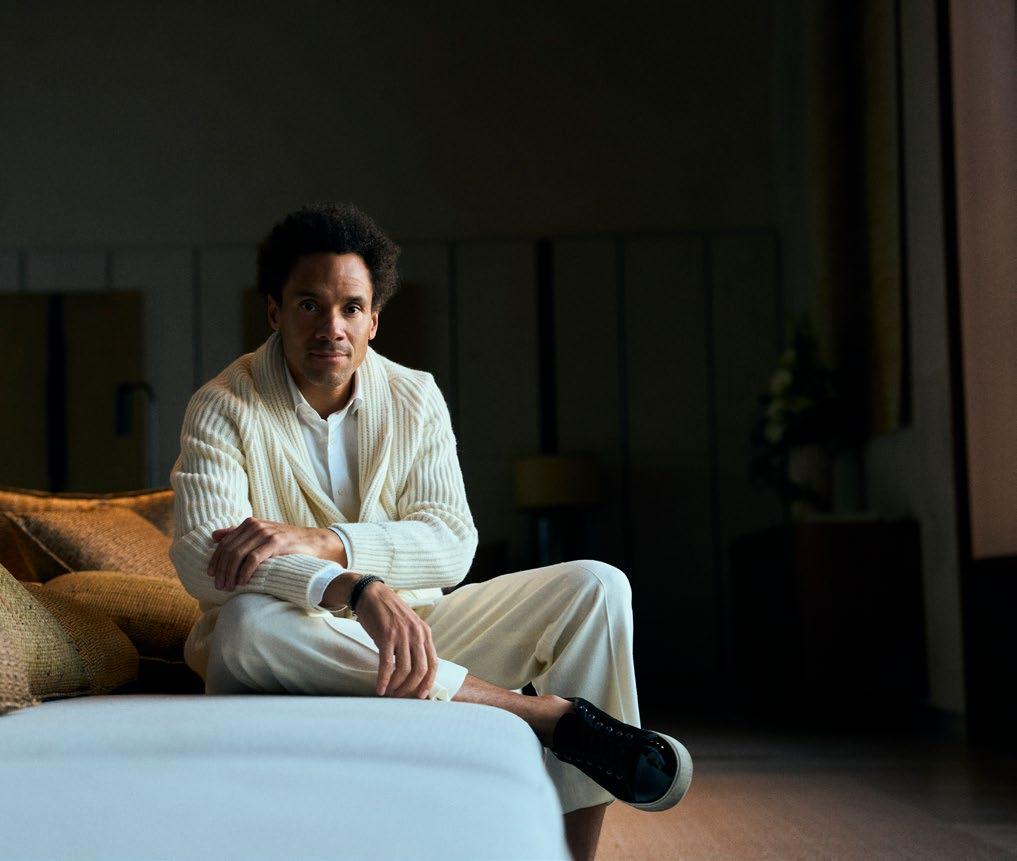
once again. “The little moments of joy that make the big diffence. It has a practical layer, too. Driving pleasure comes from things like better aerodynamics, and better range. But it still has to look and feel like a BMW. When the physical and the digital merge, we can design for that reality, with new opportunities to create FREUDE, even in the tiniest moment of interaction.”
A gesture on a screen, for example, can shape the perception of a material; a lighting animation can change the meaning of a form. Hardware and software are no longer parallel layers. Instead, they find them-selves in constant negotiation with each other, with the ultimate goal of redefining our very relationships with the car. In other words: The object matters, but the behaviour it inspires matters more.
It may sound simple, but of course it’s not. The launch of the Neue Klasse was a watershed moment for BMW, and it forced teams to rethink collaboration, too. UX informed proportion; engineering influenced light; brand identity shaped materiality. “We changed
Today, FREUDE, as in joy, comes from the overall
the game together,” Heilmer says when asked how design culture at BMW is being rebuilt.
Collaboration: The new creative engine
Ultimately, communication holds the key, he reveals. “If you don’t have the dialogue, everyone stays in their own lane. We needed to rethink how we work together, and we know we need a culture where rules are seen as possibilities, not limitations,” he says. Which brings us back to the Playground of Possibilities. The annual theme of mcbw suggests freedom, exploration, movement. But in Heilmer’s world, a playground is not the absence of rules. It is the informed, intentional shaping of them. It is the belief that design is not frozen in heritage, nor lost in innovation for its own sake, but alive in the shifting space between the two. “The future is ahead, not behind,” he says. “The question is not whether we protect what we have, but how boldly we move forward.
BMW Compact Class, Neue Klasse and BMW M
Photos: BMW AG
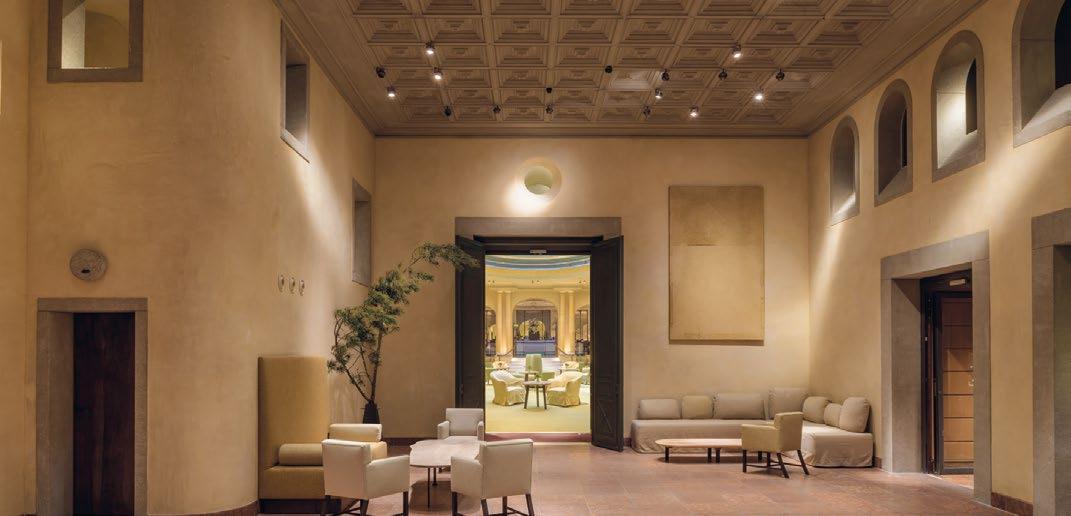
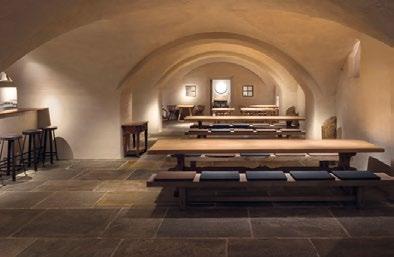
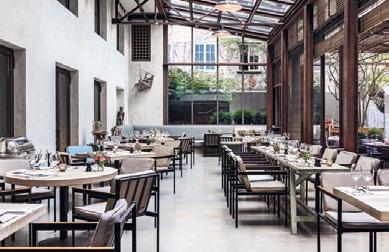


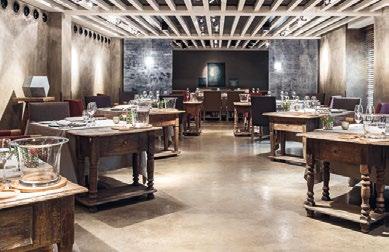


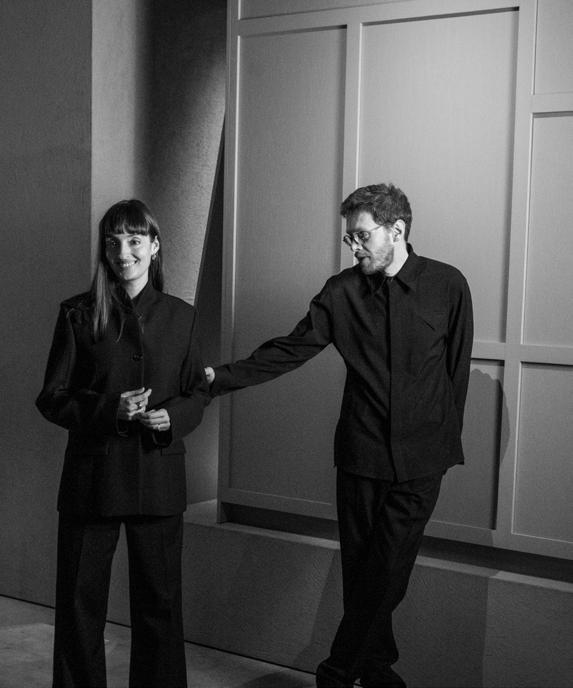
Ana, what advice would you give to design students nowadays?
Over the years, we’ve learned so many things through our office, and we’re always looking for ways to contribute to design education. By offering a behind-thescenes view into our practice, we hope to inspire design students to find their own voice and develop a position that goes beyond trends.
What you are looking forward to about the masterclass?
We’re looking forward to the conversations that emerge when students encounter the realities of design practice and begin to question them.
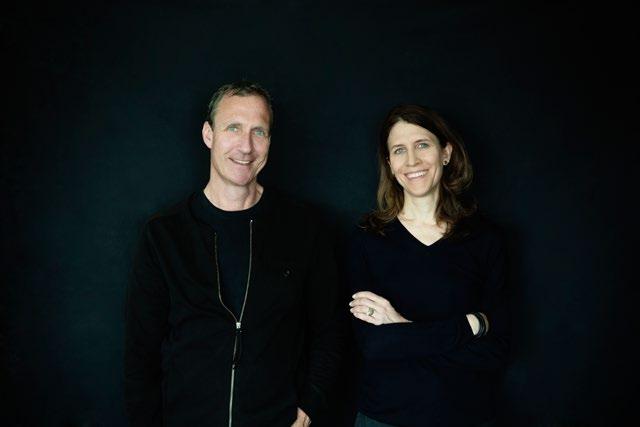
Michael, what particularly stuck in your mind from your own time as a student?
Neither Stefanie nor I recall any particularly remarkable anecdotes from our student days. What endures is not a single story, but a prevailing sense—a feeling that defined our time at the Royal College for her and at Munich University of Applied Sciences for me. It was a sense of devotion, of wholehearted immersion in our chosen fields, and in the vibrant life of the university itself.
This is precisely what we hope to impart through the masterclass: the captivating nature of such a journey, and the lessons it offers—not just about design, but about oneself and society at large. Our advice to students: immerse yourself, explore yourself, exhaust yourself.
2019. With international experience in industrial, furniture and strategic design, they combine functional thinking with an intercultural perspective and a collaborative approach.
Ana Relvão is a PortugueseGerman industrial designer who, together with her partner Gerhardt Kellermann, founded the Relvãokellermann studio, which develops design solutions with a social focus and collaborative processes.
Photo: Paul Seethaler
Michael Geldmacher and Stefanie Kubanek are the founders of the MUCNYC design studio, which was established in
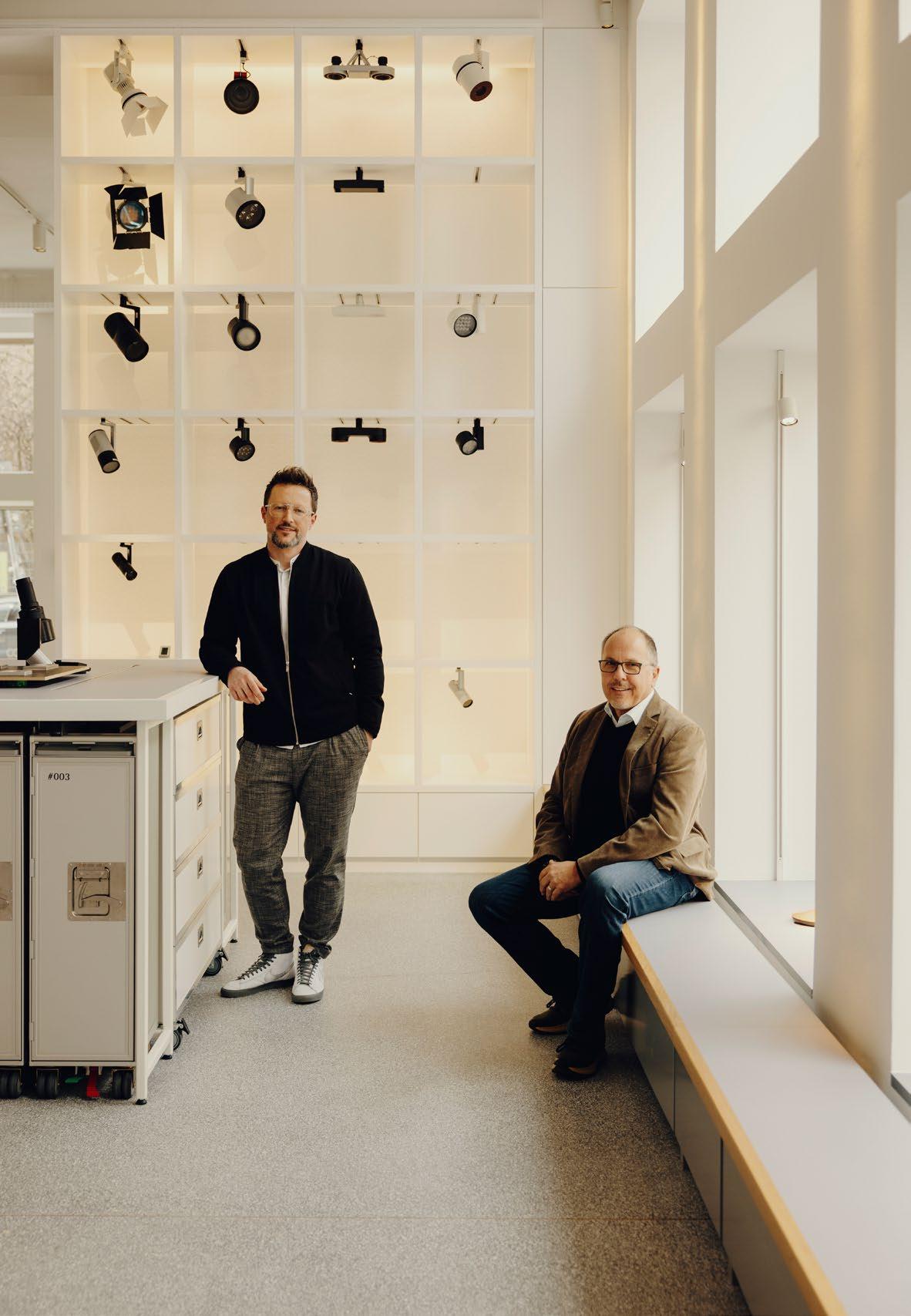
ERCO × JUNG
Photos by AMELIE NIEDERBUCHNER
A shared idea comes to life: Mariusz Furtak, Regional Manager at ERCO (left) and Jürg Meier, Regional Sales Director at JUNG, in the Munich showroom
Text by DAVID BARNWELL
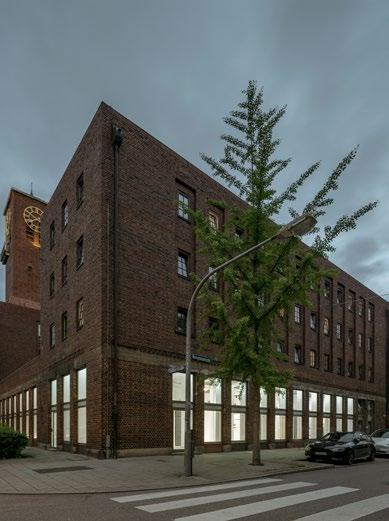
Better together
If you ring the bell at the bank branch in the Ledigenheim in Munich’s Westend today, you won’t find an ATM or tellers counting money. Instead, you step into a space where light, material, and human interaction come together. To find out what this feels like, we visited the showroom and experimental playground by ERCO, the globally leading specialist in architectural lighting and LED technology, and JUNG, the premium supplier of modern building and electrical installation solutions.
The new ERCO × JUNG showroom can be visited at the Ledigenheim in Munich’s Westend.
Photo: Henrik Schipper
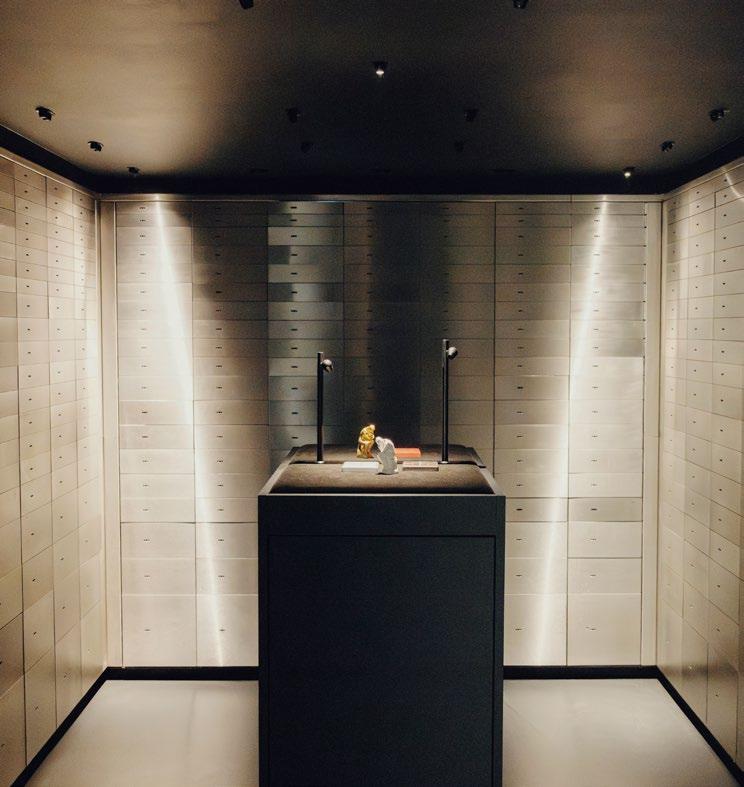
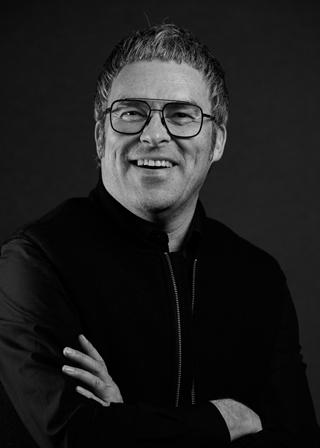
The basement of the old bank has been turned into a fully immersive lighting experience.
Becker, Head of Pre Marketing Management at JUNG
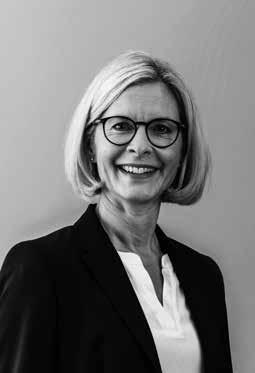
Tommy Rube, Head of Field Marketing at ERCO.
Deliberately playful: Guests to the showroom can’t ouch, feel and try solutions from both brands.
The showroom’s open floors and high ceilings feel like they were made for guest to explore.
Experimentation only works when there’s trust.”
Wiebke Becker
Head of Pre Marketing Management at JUNG
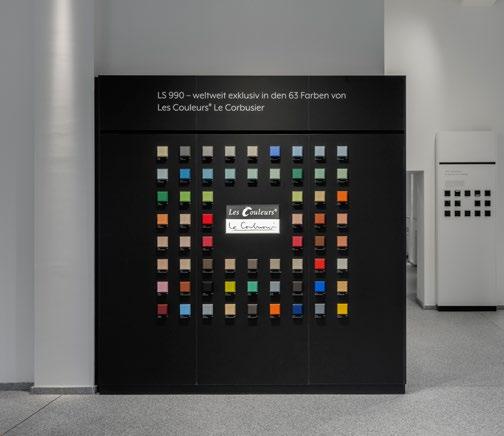
Photo: Henrik Schipper
Wiebke
Photo: Henrik Schipper
Photo: Henrik Schipper
The perfect match
The collaboration, which saw the building open its doors for the first time last fall, brings together two companies whose headquarters sit less than ten kilometres apart in Sauerland. Still, the partnership took time to mature. What now feels obvious (lights and switches: without one, there cannot be the other) is the result of a longer process of discovering shared values, building trust, and finding a willingness to think beyond individual brand experiences.
“We weren’t simply interested in showing our products in isolation,” says Tommy Rube, who leads Field Marketing at ERCO. “What mattered to both companies was the experience that emerges when everything comes together: space, light, control, and the people moving through it. That was the real opportunity. Something entirely new that we could only do together.”
Tactile triggers
Designed by Theodor Fischer in the 1920s, the Ledigenheim’s open floors, high ceilings and panoramic windows feel made for exactly this type of experience. The openness of the space simply feels perfect for its purpose. And it works. Neighbours wander in. Clients and partners gather for coffee. Curious passers-by drop by and ask questions. All are met with switches, dimmers, configurable lighting systems, installations, material samples, and more.
When it comes to discovering how lights and controls work together, exploration here is profoundly tactile. Switches are pressed. Scenes are triggered. Light changes character. We only walk around for a few minutes, but it feels like the options are limitless. And that’s exactly the point.
“We didn’t want to create any barriers,” says Jürg Meier, Regional Sales Director at JUNG. “If people feel welcome, they’re more willing to explore and to ask questions.”
A bright idea
What makes the Munich showroom distinct isn’t novelty alone. Many brands run showrooms and talk about collaborations. What’s different here is how deliberately experimentation is built into the concept.
Take the basement: the old bank vault, still complete with walls of personal safes. Now it serves as an immersive light environment. Guests are met with a range of light figurations and controls, allowing them to play, learn and discover how light changes mood and atmosphere.
Upstairs, a sealed-off scene with a simple installation as its anchor allows guests to play with lights, changing temperatures and directional framing. Overall, the space is created to play around, but with an aftert-
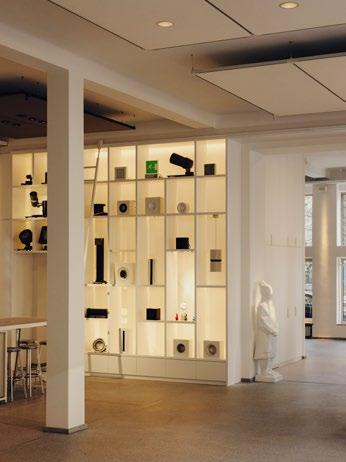
hought of what this kind of interaction can do for those who try it out. And for the way they connect with both brands.
“Experimentation only works when there’s trust,” says Wiebke Becker, who leads Pre Marketing at JUNG. “Not just between brands, but between people. You need openness, honesty, and the freedom to say: let’s try this and see what happens.”
In an age of speed, slow down
The conversation inevitably turns philosophical. In a world shaped by acceleration, AI, and screen-based abstraction, what role do physical spaces still play?
“Digital tools are essential,” says Mariusz Furtak, Regional Manager at ERCO. “But they don’t replace presence. You can describe light endlessly. But until you’ve experienced it, it remains theoretical.”
The showroom offers an antidote to how one might otherwise connect with brands and their products. The space asks for time and attention. In return, the tactile and immersive introduction stays longer with visitors. “People remember what they’ve touched,” Becker adds. “What they’ve felt. That’s what stays with them.”
Stay curious
Asked whether the collaboration makes both brands braver, the answer comes quickly: courage was always there. What has changed is how it’s come to life.
“We develop things together now,” says Rube. “Ideas get better through exchange. You challenge each other, respectfully, and arrive at stronger solutions.”
The Munich space may well inspire others. There are discussions, ideas, possibilities. But for now, the focus remains on what’s already happening: a place where light is not just shown but felt; where technology becomes an experience more than a tool; and where collaboration is less a strategy than a daily practice.
In the end, the success of the space doesn’t come down to square metres or systems. It comes down to people. And more than anything else, the desire to spark one of the few things that cannot simply be switched on and off: curiosity.
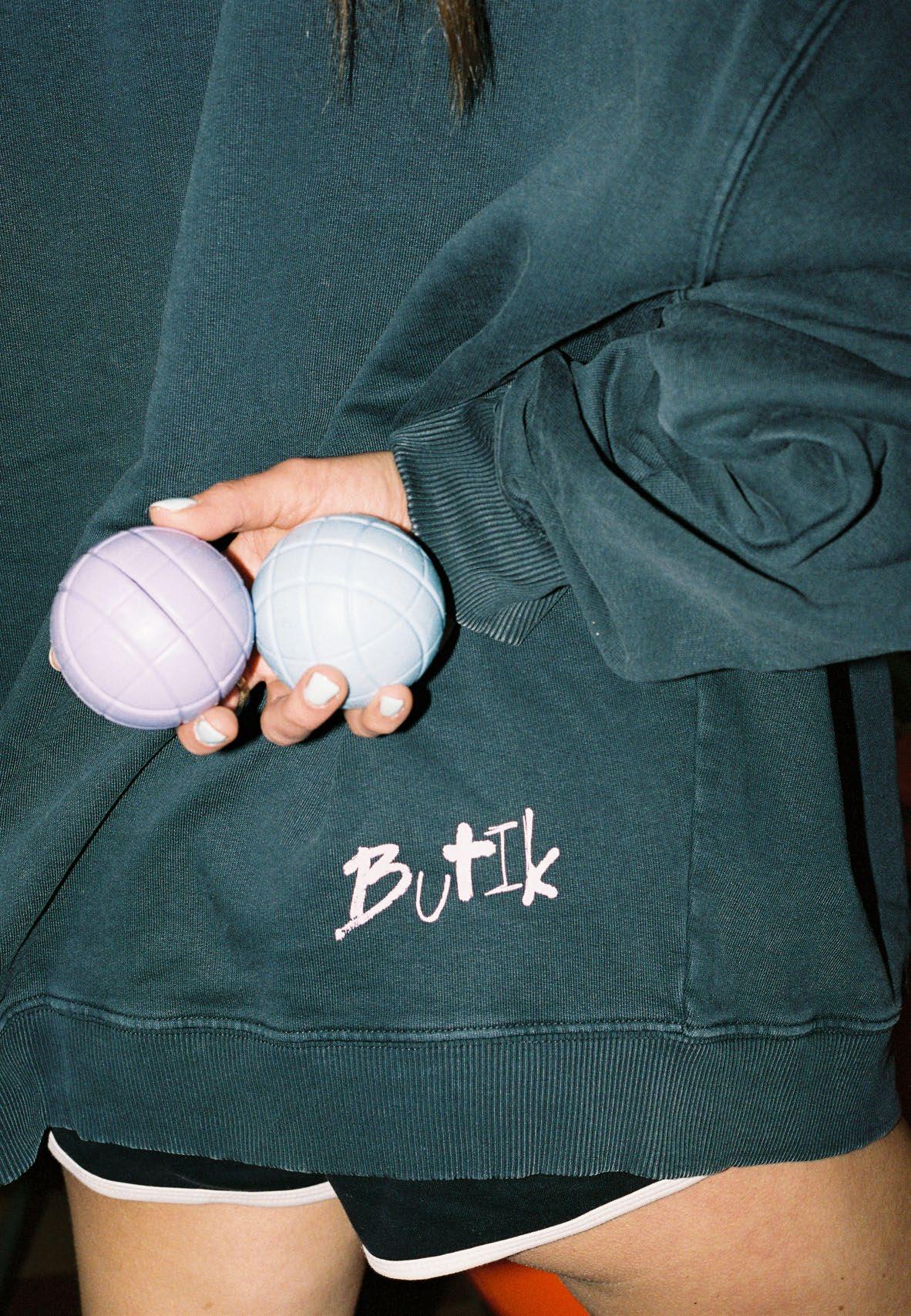
What inspiration do you hope people will draw from the events and gatherings at munich creative business week?
In this time of crisis, it’s easy to be despairing. It’s easy to talk about hope. It’s much harder to convert despair and hope into action. From the humble to the ambitious, I hope the audience will be inspired by those individuals and organisations at munich creative design week that are collaborating on meaningful change.
Why is it important to you to support mcbw as a media partner?
mcbw showcases design as a strategic catalyst for innovation and social transformation—an ambition we at the German Design Council wholeheartedly share. As a media partner, we support this platform because it fosters interdisciplinary dialogue and unites diverse perspectives. We amplify these impulses through our online magazine, Design Perspectives. It is a partnership of equals, offering tangible value to the design community.
What are you most looking forward to at mcbw?
Engaging with international thought leaders who embody the motto “Playground of Possibilities” is what I most anticipate. In times of significant change, we need spaces where ideas can converge and evolve. mcbw offers precisely this environment, providing vital momentum for the future of design.
Katharina de Silva is the Editor-in-Chief of Design Perspectives at the German Design Council, and writes freelance about design, art, and culture.
Photo: Maria Poursanidou
Max Fraser is the Editorial Director of Dezeen and has worked for over two decades as a design journalist, author, and curator. He has written several design books, and served as deputy director of the London Design Festival.
In Munich, we have to think creatively
Text by CHRISTINE MOOSMANN
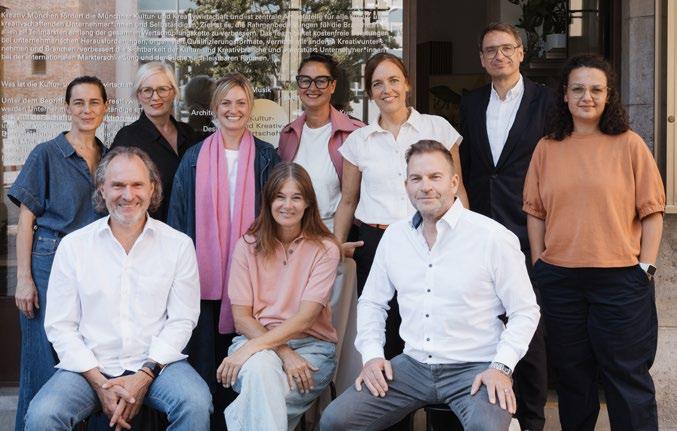
Team Kreativ München. Back row: Magdalena Matzinger (third from left) and Olaf Kranz (second from right). Photo: Anne Bonsack
The cultural and creative industries not only create value, growth, and jobs—they are also an important driver of innovation and enhance a city’s appeal. That is why Munich established an institution in 2014 to support cultural and creative professionals, one area where they urgently need support being affordable space.
“We at Kreativ München are a funding organisation specialising in the cultural and creative industries,” says Olaf Kranz, head of the competence team. “This industry is distinctive because it is where human creativity gives rise to cultural products that contribute to a city’s appeal and whose innovative achievements also benefit others.” Building expertise in this area therefore makes considerable sense, and Kreativ München has deliberately assembled a broad-based team with extensive expertise in municipal affairs and economic and cultural promotion. With this multi -
faceted expertise, Kreativ München supports an equally diverse industry, ranging from visual arts, music, and film to architecture, games, and design.
Affordable space is the be-all and end-all
KREATIV MÜNCHEN
Many cities are familiar with this problem, but Munich’s industry is particularly hard hit. “I would say that Munich is the city in Germany with the greatest shortage of long-term affordable space,” says Olaf Kranz. The city is geographically compact, the pressure on space is extreme, almost everything is built up, and there is scarcely any open space. Creatives often cannot keep pace with the high commercial rents, which is why some have reoriented themselves. Since 2016, Munich has lost 18 per cent of its self-employed individuals and companies in the cultural and creative industries. This represents a significant loss for the urban community, Kranz observes: “The self-employed and small businesses in this sector form a kind of creative humus and also put their creativity at the service of larger corporate structures. This positive spillover effect for the economy and the city is being lost. And when creative people leave Munich after graduating, the dynamic of starting new businesses slows down and there is a brain drain.”
The good news is that Kreativ München has recognised the problem and is actively working to counteract
it. With retail space that has been made available for temporary use for years, the team has created attractive experimental spaces and is constantly developing new concepts to provide space for the cultural and creative industries.
Creative ecosystems
In 2020, an incubator was established in a prime downtown location with the Ruffinihaus. Here, creative startups are provided with affordable and prestigious office space for two years, can network, and are supported through mentoring programs. In 2025, Kreativ München launched the Tumblinger Creative Hub—a pilot project that offers permanent space for creative professionals for the first time. The team collaborated with Munich’s markets and transformed over 600 square metres of office space into a creative hub, where 18 companies from 11 creative fields now work. Diversity played a central role here, as project manager Magdalena Matzinger explains: “For us, a creative hub is more than the sum of its parts; it is a creative ecosystem that enables exchange, inspiration, and co-creation.” To ensure the right mix, Kreativ
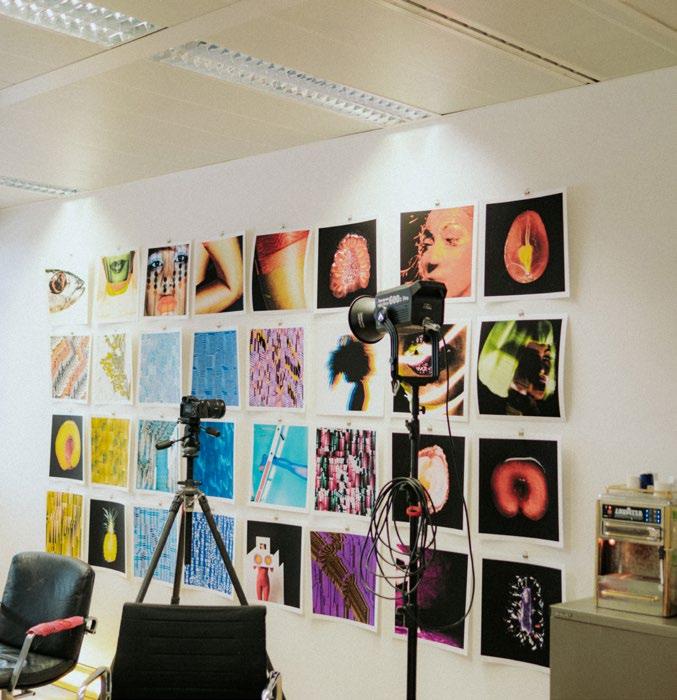
The presence of a strong creative milieu in a city has many beneficial effects.”
OLAF KRANZ Head of Kreativ München
Studio Seidel –stories, film, photography, digital content
pong & pengo e.V. –cultural education, socioculture, everyday spaces, urban development, concept & participation
BÜRO BÏEN – Design
Studio + Martin Steiner – Digital Product Design, at the Tumblinger Creative Hub
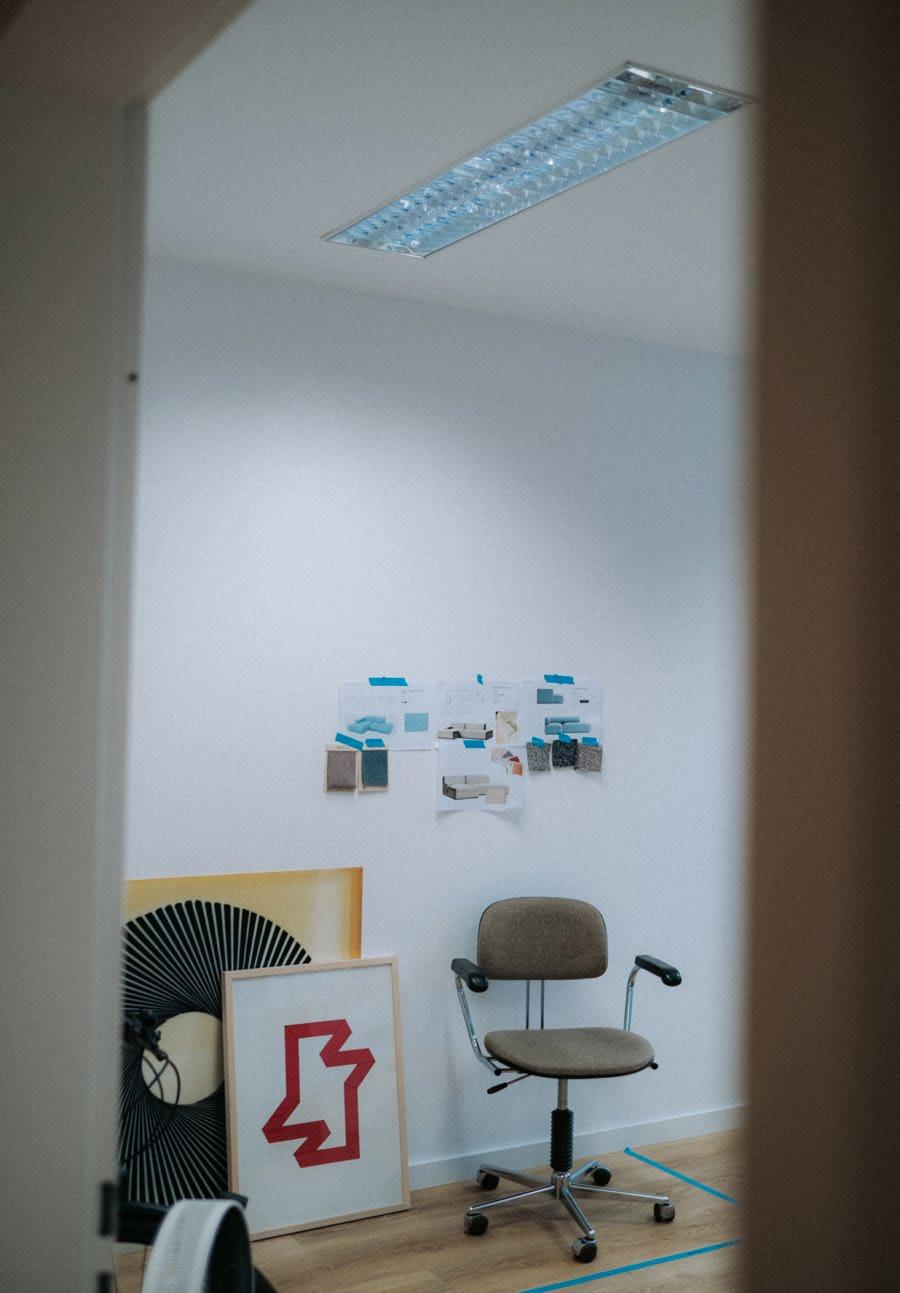
Photos: Marc Heinemann
München not only seeks tenants but also curates a community. For Matzinger, it is essential to get to know people personally, because while the Ruffinihaus has a community management team, the Tumblinger Creative Hub organises itself. From branding to interior design, from events to Weißwurst breakfasts—everything is done by the creative professionals on site themselves. This reduces costs but, above all, promotes cooperation and exchange.
“We still have a few irons in the fire.”
Kreativ München is currently intensifying its efforts to bring the real estate industry on board. While new luxury office space continues to be built in central locations, vacancies persist in the outskirts. So if the city centre is too expensive and buildings in the suburbs are standing empty, why not connect the dots? “We are looking for win-win situations,” says Olaf Kranz, “exploring whether there is an overlap of interests between real estate companies, ourselves, and the cultural and creative industries.”Kreativ München plays a mediating role in the planning of creative hubs in peripheral locations, because the real estate industry— at least so far—ticks very differently from the creative
industries. For example, it is customary to lease entire floors to general tenants, not to many individuals. Kreativ München is trying to win people over with models that reduce administrative costs and a free service that covers project management in advance. But even the cultural and creative industries do not find it attractive per se to move into faceless offices on the outskirts of the city. This is where the team can score points with its community promise and an inspiring environment. The new creative hubs—four are in the planning stage—are a promising solution to the space problem in Munich.
The positive effects of these projects are increasingly being recognized, say Kranz and Matzinger, because they are a win-win-win situation for cultural and creative professionals, the real estate industry, and urban society. In line with the motto for the year, Kreativ München has also created a “playground of possibilities,” and Magdalena Matzinger says, “Sometimes we fail, but we can use that to develop something new. And yes, a good part of our work is small-scale, but thinking and working together with so many different players is just fun.” The exciting and playful thing is to constantly rethink spaces, says Olaf Kranz—“where others see nothing, we see a creative hub.”
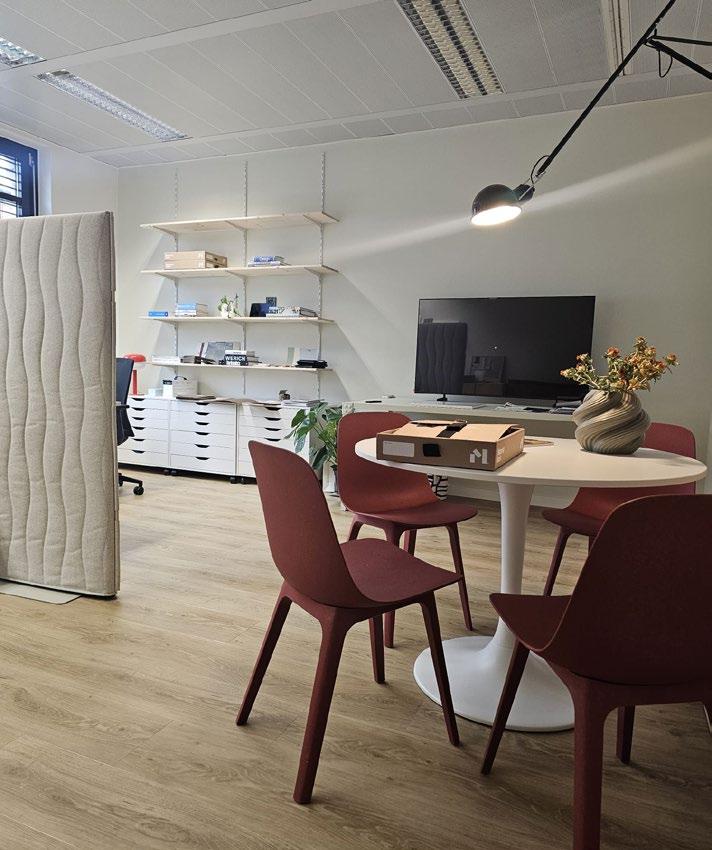
Dani Schneider Interiors design office and Atelier83 at the Tumblinger Creative Hub.
Photo: Dani Schneider
Architecture
Book
Visual Arts
Performing Arts
Film
Design
Press
Broadcasting
Music
Software /
Games
Advertising
For more information: kreativ-muenchen.de @kreativmuenchen
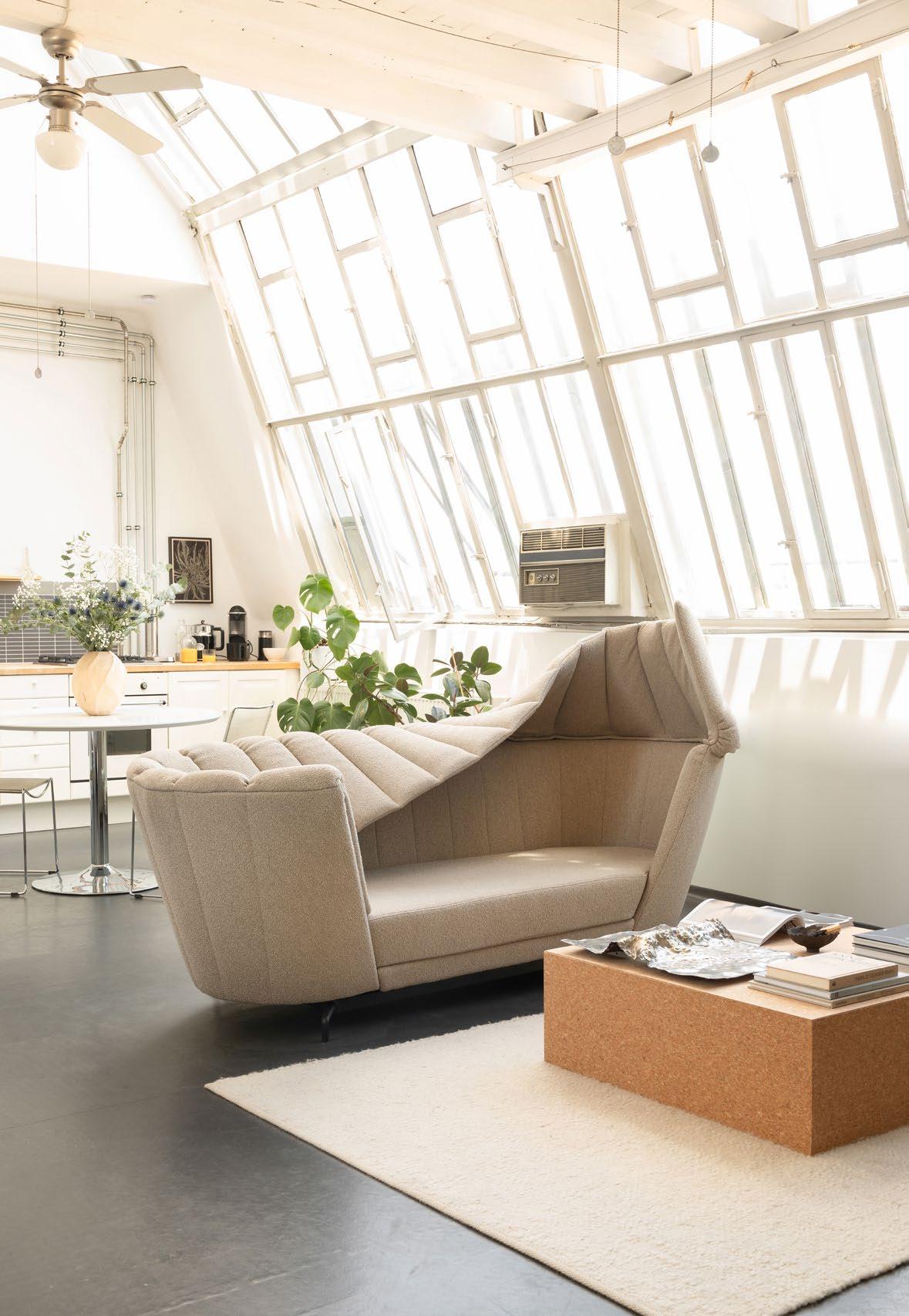
WAGNER
From chair to room
Making sitting and working not only ergonomic but also beautiful is the core of the WAGNER Living brand. In collaboration with renowned designers such as Stefan Diez, Hadi Teherani, and Steven Dahlinger, furniture such as the d2 system and the W-Lounge Nesting Sofa have been created that are not static objects but form interfaces between people and spaces.
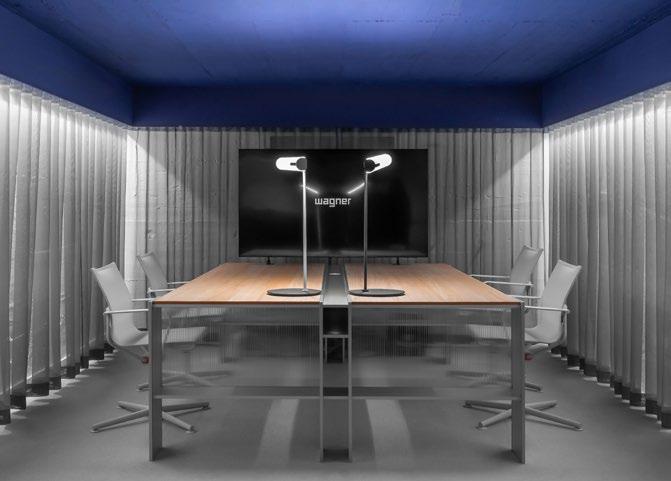
Text by SONJA PHAM
WAGNER
“It’s not about replacing sitting, but about reimagining it and integrating it more thoughtfully into spatial planning,” says Peter Wagner of WAGNER Living. Today, environments must foster movement, accommodate diverse uses, and intuitively encourage people to be more active. Instead of asking, “How does the chair move?”, we should ask, “How does the space move?” Wagner continues: “A space must bring people together and offer opportunities for interaction.”
WAGNER Living’s Moving Spaces concept centres on freedom and movement: uncluttered, open spaces— free from unnecessary storage—create room for activity, collaboration, and new ideas. The housing association project in Augsburg exemplifies the demands of contemporary work: “Often, the essentials are enough, and this is precisely what creates freedom for movement, exchange, and creative use.”
The “d2 bespoke interior system” embodies this principle: using minimal materials and offering maximum flexibility, the furniture creates open spaces adaptable to any need. Every room becomes a vibrant place that nurtures movement, creativity, and new possibilities. Movement is essential to health. When people move, they remain physically fit and mentally agile. That is why WAGNER Living prioritises less furniture, more free space, and movable seating with the unique Dondola® joint. Individually designed rooms enable distinctive working environments that are in harmony with both people and the environment.
Circulation instead of consumption
This commitment to reduction extends to materials at WAGNER Living: aluminium and cardboard—these are
Peter Wagner, partner responsible for brand and design at WAGNER Living, on the d1 by Stefan Diez
#wagnerdesignlab: A look inside the WAGNER Moving Space at the company’s headquarters in Langenneufnach
Design meets production technology: W3D – Design by Hadi Teherani printed, #wagnerdesignlab x Thorsten Franck
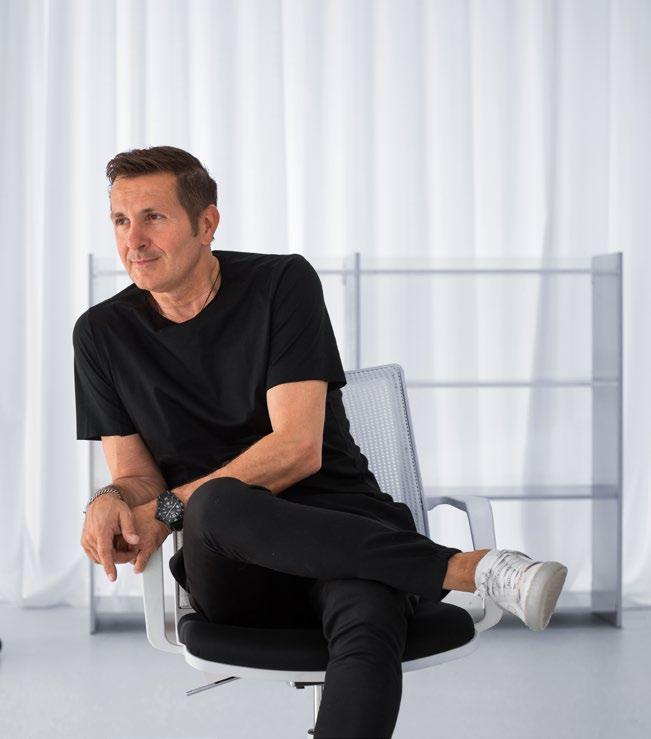
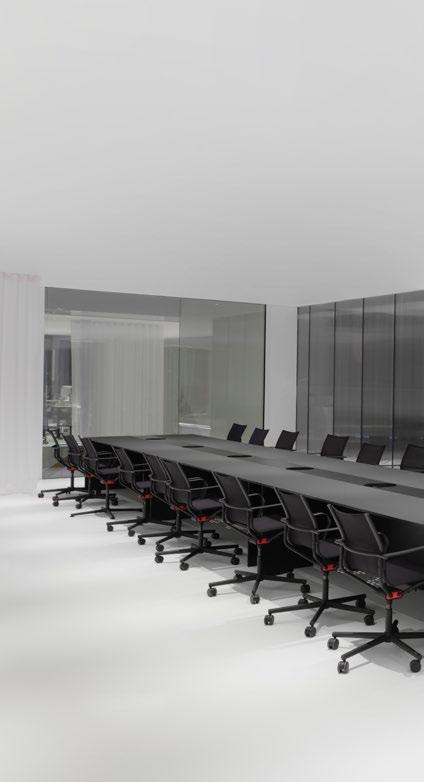
Fotos: WAGNER Living
all the d2 room system requires, aside from the patented connector designed by Gonzalez Haase AAS & Diez Office. As the d2 interior system is integrated into interior design, its aluminium panels or cardboard components can save up to 40 percent in materials.
A perfect illus tration is the 1960 Airstream Bambi, now fully outfitted with d2. “We can now completely remodel the space and reuse the material,” says Wagner. “We don’t use any adhesives or anything else; everything is plugged in.” This approach presents tremendous opportunities in the office sector, according to Wagner. To him, this is precisely where the opportunity lies: “Having a beautiful environment, feeling comfortable, a great atmosphere—this is what we create with our room concepts.” Post New Work means: stop romanticising and start flexibly shaping contemporary work culture.
Long-term values
Good design is fundamental to sustainability, as it renders products both functional and aesthetically pleas ing. When paired with high-quality materials, longevity is enhanced, yielding a positive environmental impact. The WAGNER team and designers regard design and sustainability as inextricably linked. Accordingly, Wagner describes mcbw as the ideal foundation for engaging with discerning, design-savvy individuals: “We define d2 as an infrastructure that we wish to make available so that others can plan.”
The WAGNER brand is present in Munich, Augsbug, Cologne, Berlin, Hamburg, and Milan. “We are constantly moving further into space”—this phrase captures a guiding philosophy. And so the journey continues.
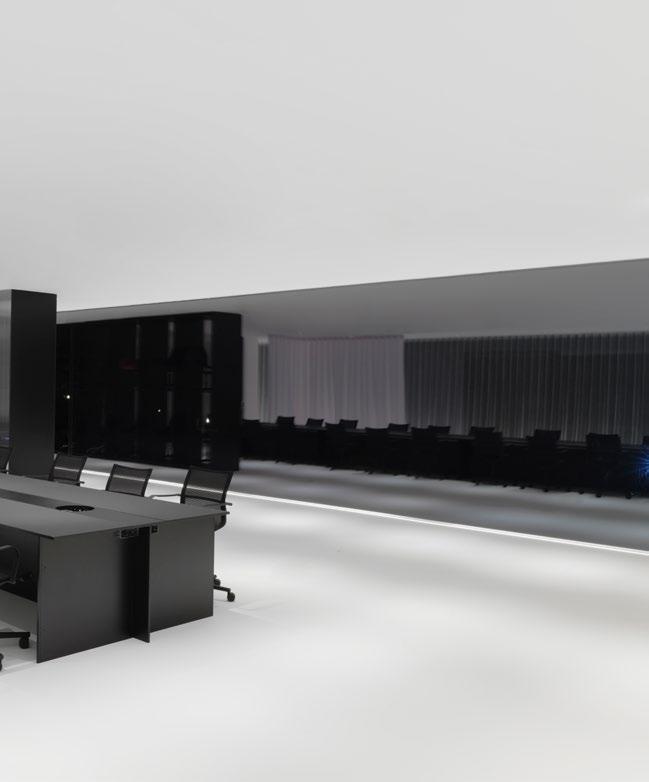
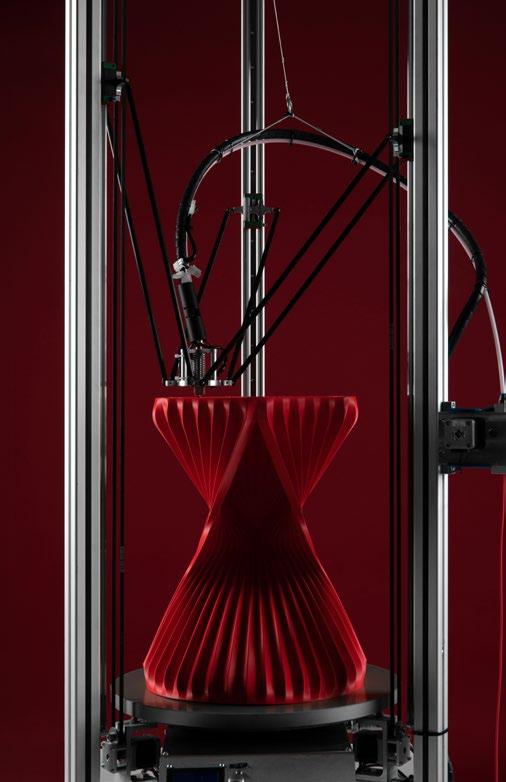
THE FUTURE OF PLAY: A VISION FOR WHAT’S AHEAD
The four principles of the mcbw motto represent not a checklist but a mindset: curious, courageous, and deeply engaged with process. This distinction becomes especially vital in education, where we too often focus on isolated details while losing sight of systemic transformation. Design, at its core, is about envisioning alternatives— the capacity to interrogate established systems and articulate desirable futures. The moment to enter the playground is now, driven not by anxiety about what’s coming, but by the conviction that the world remains ours to shape.
Expanding the contexts
Playfulness, experimentation run through design’s DNA. How much utility must be inherent in design, how much “play” is allowed, Mr. Frenzl?
Utility and function have traditionally dominated design discourse, though everyone understands that emotion and play are always present. Yet public perception remains paradoxical: the playful, the eccentric, the divergent aspects of design are seen as its essence, while its cultural and social significance remains largely overlooked.
Have creative people focused too much on utility and responsibility and forgotten the playful aspect to some extent?
I think the motto clearly signals: Let’s return to our playful roots and remember that a free, open approach can also lead to interesting results. The social relevance comes from what politics and public discourse can learn from design—the willingness to experiment. I would like to see politicians, in particular, say less often that “we have everything under control” and be more willing to experiment. And that is one of the great strengths of the discipline of design: iterative work, daring to try new approaches.
Photo: Ingmar Kurth
What skills do you try to impart to your students?
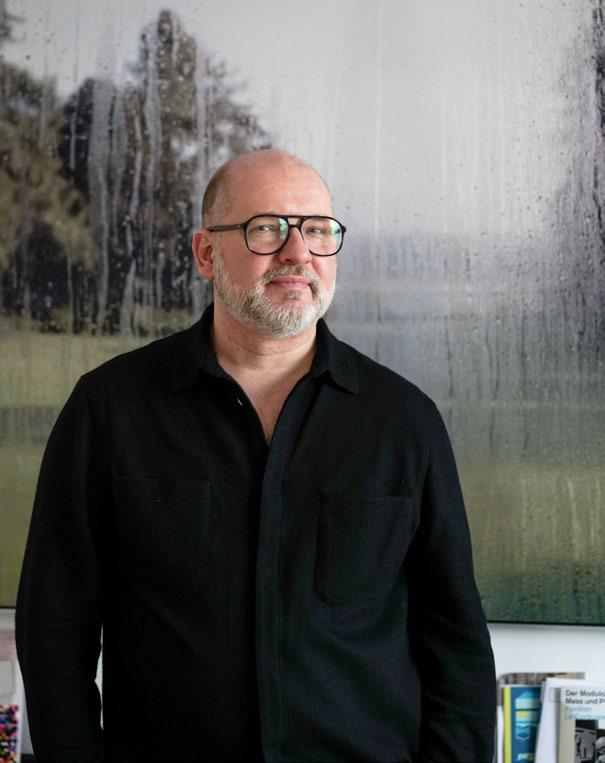
Annette Geiger coined the beautiful phrase, “Design is the fathoming of being-otherwise.” So it’s not just about making things look different, but about fundamentally thinking differently and redesigning processes. This fundamentally involves questioning systems, which is difficult because it requires a broader systemic context. At the same time, however, it is really exciting design work to think about larger contexts and to allow oneself to ask: What are desirable futures? How can we design things not only differently in terms of formal aesthetics, but in such a way that social processes and systems change?
What will be relevant in the future? What will mcbw focus on over the next 15 years?
In my opinion, no one can give a reliable prediction of what the market will look like in five years, but perhaps AI will enable us to rediscover what human and creative skills are all about. Content will certainly play a greater role in the future. AI is very good at reproducing work. But reinterpreting what already exists, developing new patterns, and fundamentally rethinking things—I believe
It is really exciting design work to think about larger contexts and to allow oneself to ask: What are desirable futures?”
PROF. MARKUS FRENZL Professor of Design and Media Theory
that human and creative skills will always be needed for this, and that is actually what we should focus on in our work.
About Prof. Markus Frenzl
Markus Frenzl is Professor of Design and Media Theory at the Munich University of Applied Sciences, Vice Dean, and Director of the Design Cultures Institute for Applied Design Research. His aim is to understand design not only as a formal discipline, but also as a method for fundamentally rethinking social processes and systems— from the smallest details to the big picture.
We are bayern design
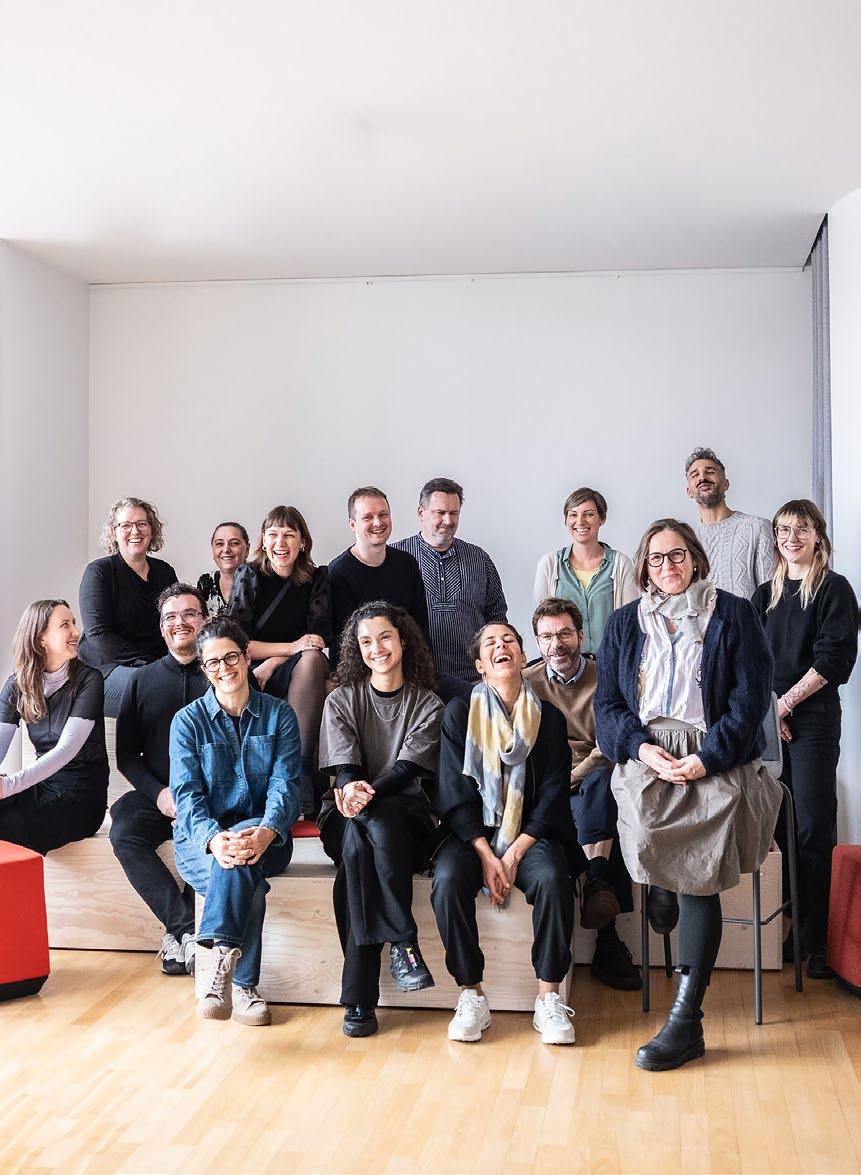
Team bayern design: back row, l.r. Barbara de la Jara, Natalie Beck, Verena Westernacher, Kilian Fabich, Marek Gornowicz, Lisa Braun, Christian Fayek, Patricia Biebrich.
Front row, l.r. Laura Kniesel, Sebastian Freudenberger, Nadine Kussinger, Marie Prötzsch, Nadine Vicentini, Thorsten Buch, Kathrin Schäfer, Annie Kuschel (not in picture)
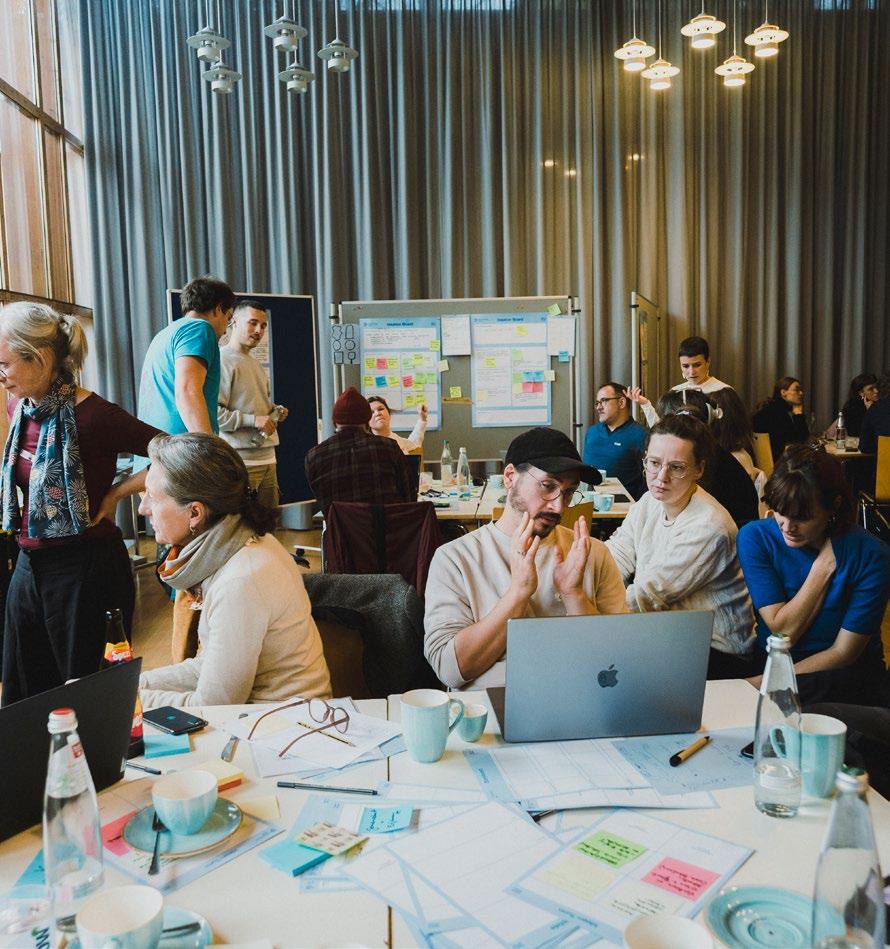
A designer works with a mechanical engineer on resource-saving production processes. A start-up develops new participation formats in collaboration with a city administration. A furniture manufacturer is reopening the discussion on social sustainability in its supply chains. Such encounters do not happen by chance. That is why we at bayern design deliberately create spaces where different perspectives can converge. This is where we come in: as infrastructure for collaboration, as a sounding board for new thinking, and as a place where design is tested in practice.
Jam Session at Social Design Days 2025 in Nuremberg. Photo: Sven Stolzenwald
Founded in 2001 on the initiative of the Bavarian State Ministry of Economic Affairs, we have continued to evolve. What began as a traditional funding institution has become an organisation that extends far beyond strengthening design. With locations in Nuremberg and Munich, we now position ourselves as a centre of excellence for knowledge transfer, networking, and strategic cooperation across business, politics, culture, and education. We understand design not as a purely formal concern, but as a mode of thinking, a tool, and an approach to addressing complex social challenges.
“What can design do” – exhibition, publication, knowledge transfer
A key moment in our self-image is the exhibition “Design connects – What can design do” at the Neues Museum Nuremberg. Since July 11, 2025, we have been demonstrating how design operates effectively in fields such as urban design, renewable energies, and healthcare environments. Through concrete projects—such as innovative mobility concepts—we make it clear that design extends far beyond aesthetic considerations. It addresses everyday issues as well as critical future challenges.
To accompany the exhibition, we have published a book of the same name. In it, experts from science, design, and practice illuminate the potential of design in transformation processes—from social innovations to sustainable business models. Our focus lies where design mediates, translates, and connects: between different interests, disciplines, and decision-making levels, with clear links to practice and politics.
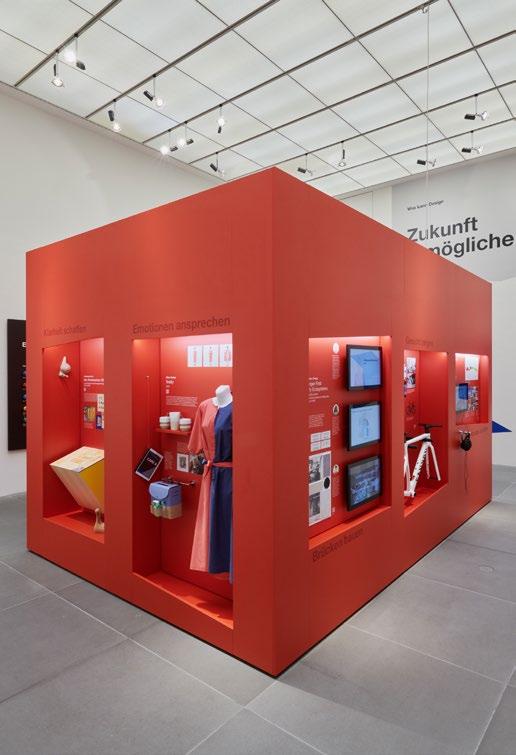
Good design elevates the success of products, services, and brands, paving the way towards a responsible and resource-efficient future.”
NADINE VICENTINI Managing Director bayern design
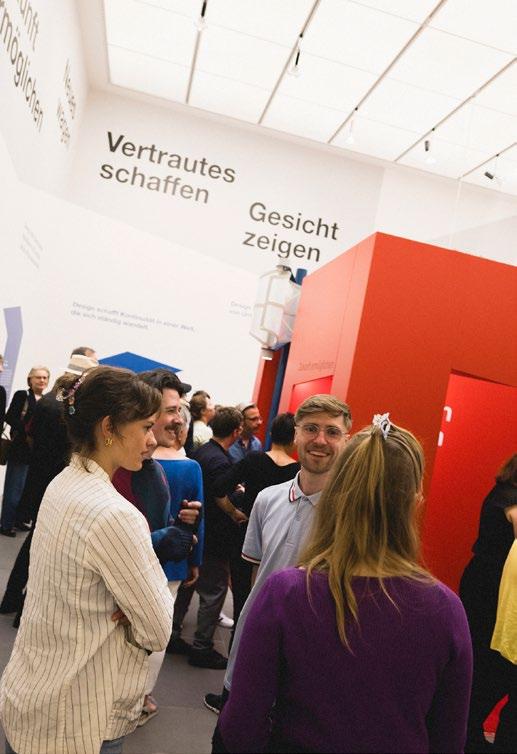
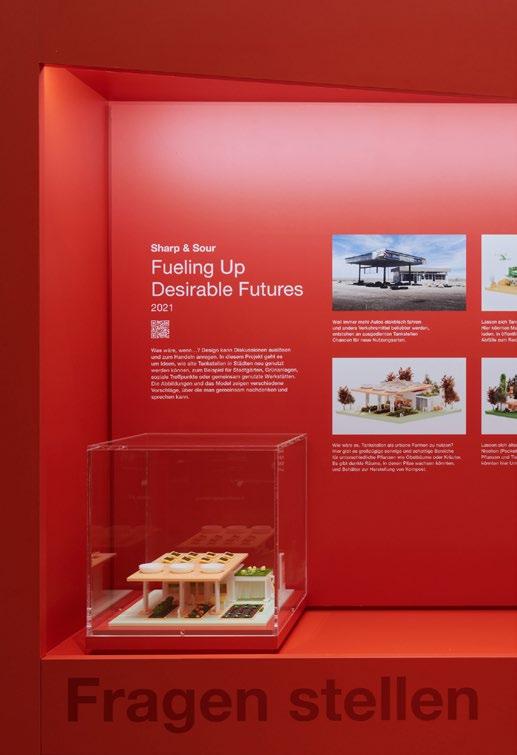
bayern design Academy – continuing education for decision-makers
Passing on knowledge is a central concern of our work. An important format for this is the bayern design Academy. It is aimed at professionals, managers, designers, and decision-makers from business and administration.
In compact seminars and webinars, we teach design methods as strategic tools—for organisational development, innovation processes, and future-oriented planning. Our content ranges from practical workshops on accessibility to methodological formats such as the Design Fitness Checks, which enable companies to develop their design expertise in a targeted manner. We combine theory with practice and create space for exchange, networking, and collaborative learning.
Exhibition “Design connects – What can design do” at Neues Museum Nuremberg.
Photo: Annette Kradisch
Opening celebrations for the special exhibition.
Photo: Maria Bayer
This project shows how old gas stations can be used, e.g. as parks or social meeting places.
Photo: Annette Kradisch
Design meets business –collaborations with the Chambers of Industry and Commerce
Another cornerstone of our work is our long-standing collaboration with the Chambers of Industry and Commerce. Together, we develop formats that bring companies, designers, and social innovators into dialogue.
One example is the Social Design Days, which we have been organizing annually in Nuremberg since 2023. The festival is dedicated to social innovation through design. In workshops, talks, and an interactive design jam, we address real social issues and develop solutions collaboratively. “The Social Design Days demonstrate impressively how design can drive economic and social innovation,” says Christian Fayek, responsible for project management. “With its #KeineWirtschaftOhneWir campaign, the DIHK highlights the important contribution made by people with a migration background to German prosperity—a key reason why we enjoy working with the Bavarian Chambers of Industry and Commerce, and in particular with the Nuremberg Chamber of Industry and Commerce, on the Social Design Days.”
The Social Design Days are deliberately conceived as a cross-innovation platform. We bring together actors from business, civil society, politics, and the creative industries to develop solutions collaboratively. Case studies are presented, experiences shared, and topics such as community, social participation, and innovation culture discussed—open to both experts and the general public.
Internationally networked – BEDA and mcbw: The design event in Munich
We are also active beyond Bavaria. As a member of the Bureau of European Design Associations (BEDA), we are networked across Europe and, together with other design institutions, position design as a strategic player in politics, business, and society.
BEDA promotes European exchange, identifies areas for political action, and raises awareness of design as a force for transformation—for example, through publications such as the European Design Report. We bring this international perspective back to Bavaria deliberately, linking local debates with global impulses.
As part of mcbw, the BEDA Design Forum will take place in Munich on May 8, 2026. The all-day forum—free of charge and open to all interested parties—will address topics such as design policy, accessibility, copyright, artificial intelligence, and eco-design. In this way, we create space for European perspectives and crossborder cooperation.
Even though many of our activities culminate in bayern design’s most visible format—mcbw—our real strength lies in our continuous work throughout the year. We build networks, initiate collaborations, teach methods, and spark debates. Liasions that have a long-term impact. In dialogue between business, social challenges, and cultural issues. And with real potential for change.
Ultimately, it is this attitude that sets us apart: we understand design not as a finished result, but as a shared process. As reflection. As experimentation. As redesign. As a practice that forms alliances—and makes the future shapeable.
At bayern design, we are committed to design because it fulfils people’s needs while also leaving a lasting mark on the economy, society, and the environment.”
NADINE VICENTINI Managing Director bayern design
to life.
bayern design Academy offers high-quality seminars for professionals, agencies and companies who want to expand their design skills in a targeted manner.
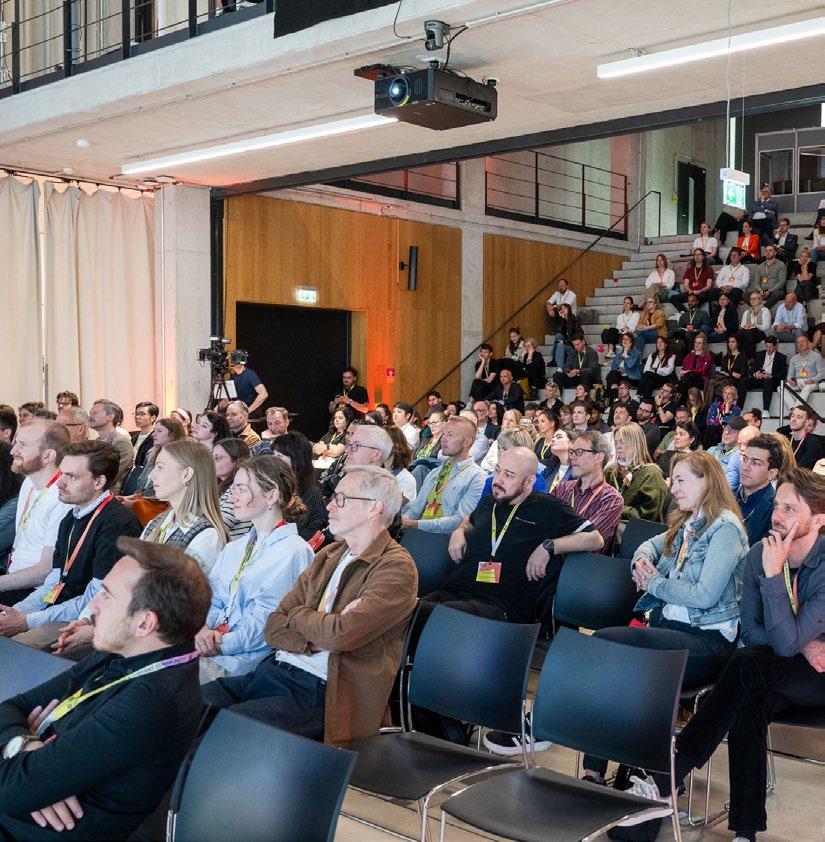
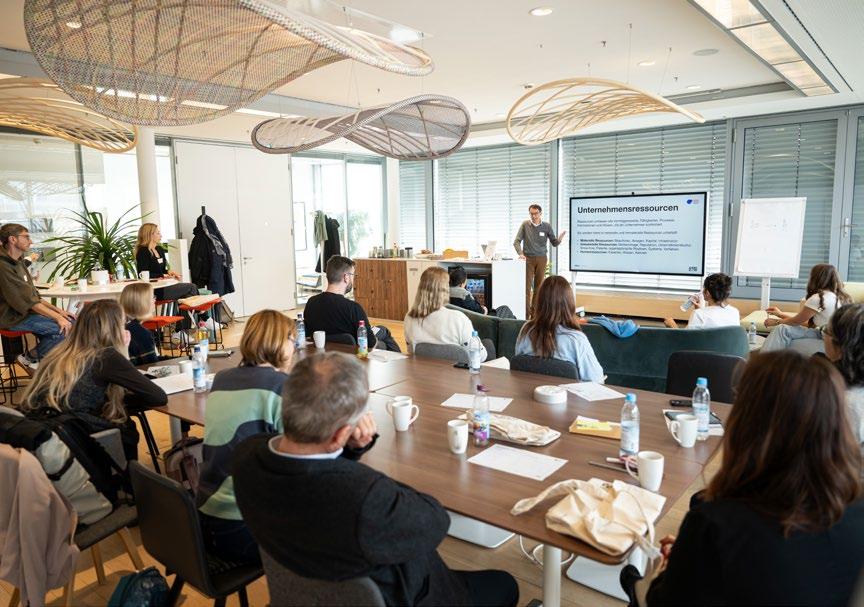
Photo: Lukas Barth
The mcbw design summit brings together internationally renowned speakers and brings design
Photo: Hannes Rohrer
publisher opinion leader networker books magazines
*latest edition #47

Discover more
Play the System
The interplay between structure and variation has defined the evolution of design. In “Play the System”, editor Heike Grebin transforms this enduring tension into a catalyst: inviting readers to consciously engage with the systemic intelligence of graphic design, approach digital tools with discernment, and uncover the invisible frameworks that underpin them.
At its heart lies the proposition that design is inherently systematic and governed by rules. Contemporary designers engineer the very systems from which their work springs—sometimes coding them independently, sometimes in collaboration with developers. Yet, regardless of method, they set parameters that allow form to evolve organically. “Play the System” elucidates this process, weaving together perspectives from figures such as Luna Maurer, Anja Groten, Frieder Nake, Tom Bieling, and Andreas Trogisch. Together, they interrogate foundational questions: In what ways do systems foster— or constrain—creativity? How do tools shape aesthetic choices? And how might design reflect or challenge prevailing social structures?
“Play the System” is more than a book, it’s a tangible translation of the website www.play-the- system.xyz, rendered as a visually rich archive that spans from medieval page layouts to the frontiers of responsive graphics. Through its pages, readers witness how basic rules can give rise to intricate, parameter-driven design processes—animated posters, self-programmed machines, and adaptive typography, all demonstrating the generative power of constraint. The result is a remarkable compendium of discourse, pedagogy, and practice—an invaluable resource for reference, reflection, and, above all, playful exploration.
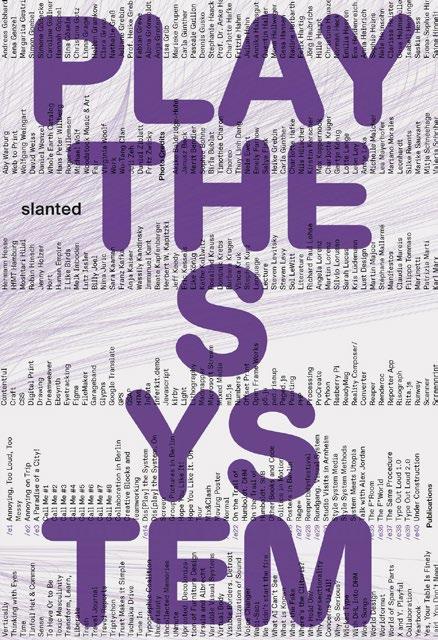
Play the System – Parametric Approaches in Graphic Design
Edited by Heike Grebin
Design: Finn Reduhn, Lukas Siemoneit, Andreas Trogisch
320 pages, 16,4 × 24 cm
Slanted Publishers, 2026
37 €
ISBN 978-3-948440-97-8
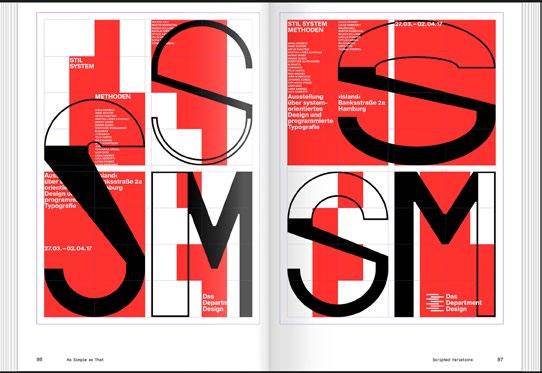
The Creative Wellbeing Handbook
In her handbook, the Finnish-British designer, author and educator Emmi Salonen draws on her own experience of burnout to explore how play can gently counteract exhaustion and rekindle creative energy. Rather than offering productivity hacks or rigid routines, she invites us to rethink creativity as a living ecosystem—one that thrives on care, balance, and curiosity.
Through inspiring prompts, reflective questions, and simple, accessible exercises, she shows how creative wellbeing can be cultivated in everyday life. The book introduces a holistic view of the creative “ecosystem,” highlighting the importance of rest, movement, connection, and wonder as essential sources of renewal. Small, playful shifts—taking meaningful breaks, engaging the body, nurturing supportive relationships, or consciously practicing awe—become powerful ways to sustain long-term creativity.
Warm, encouraging, and deeply practical, this handbook reminds us that a vibrant creative life does not grow from pressure, but from permission: permission to pause, to explore, to experiment, and to play. In doing so, it helps us rediscover energy, curiosity, and joy as the true foundations of sustainable creativity.
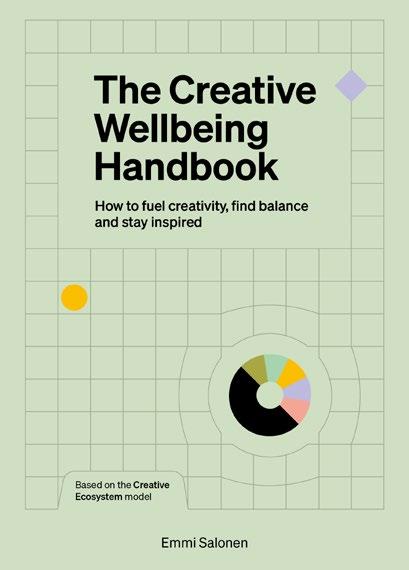
The Creative Wellbeing Handbook
Emmi Salonen 176 pages, 14,8 × 21 cm BIS Publishers, 2025 23,99 € ISBN 978-9-063698-67-6
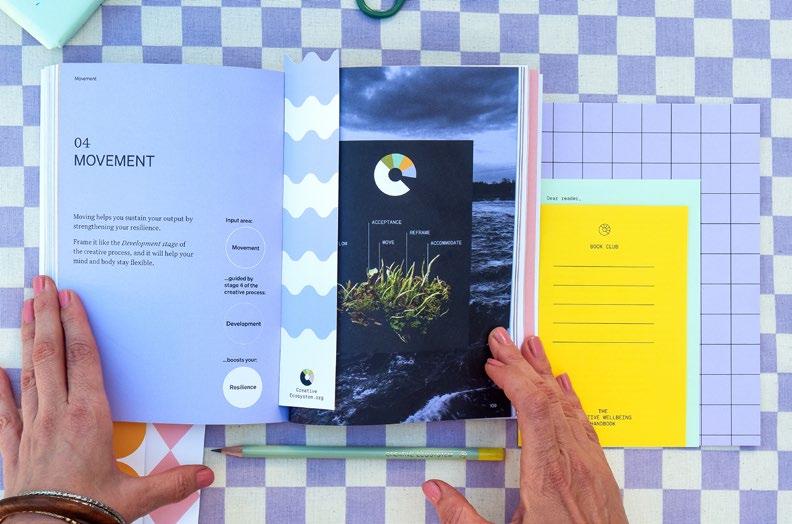
Photo: Catarina Seixas
mcbw flourishes through encounters—through individuals uniting to shape ideas and share in the conviction that collaborative creativity and meaningful dialogue can change the future. The same spirit animates this magazine, conceived for the 15th anniversary: it stands as a testament to the many exchanges among its contributors. Here is a glimpse behind the scenes.
Text by CHRISTINE MOOSMANN & SONJA PHAM
The sum of its parts
I Like Birds enjoys playing with design elements – perfect for this task.
Photo: I Like Birds
A true playground of possibilities
A magazine is, by nature, a collective endeavour—yet this edition is especially so, demanding a multitude of design choices around attitude, narrative, materiality, and rhythm. The visual foundation stems from the corporate identity crafted by Munich’s hw.design, the agency behind mcbw’s signature look. Their guidelines— shapes, colour palette, design language—served as the rules of a creative game: a visual system offering direction while inviting interpretation.
From the outset, it was clear that mcbw’s 15th anniversary warranted a magazine capturing its entire spectrum. To realise this vision, Grafikmagazin’s editorial team partnered with Studio Butik—a boutique agency specialising in branded storytelling—to frame design not merely as a discipline, but as a cultural force. Also participating in this creative process were seasoned freelancers like art director and designer João Telmo. This collaborative process unfolded through spirited discussions, careful consultation, and thoughtful image curation. Stories were revisited and refined, while interviews with partners and sponsors—the publication’s true heart—added depth and perspective. Our deepest gratitude goes to them, and to the dedicated team at bayern design for their unwavering support. Editor Markus Zehentbauer shepherded the process with a discerning eye for clarity and cohesion. Thanks are also due to Sweet Communication and 99needs for amplifying these stories to the public, and to Pheenetz for ensuring every article found its digital home.
This magazine came to life amid shifting schedules, approvals, layout iterations, and image selections—but, most importantly, through the interactions between people. It exists in the space between editing and design, between concept and realisation, between ideas and their tangible form. This year’s guiding theme captures this spirit: a playground is never complete, but always a space of possibility—brought into being by those who inhabit and shape it.
The charm of analogue
The design studio I Like Birds has earned a reputation for inventive, often whimsical visual concepts. The true allure of André Gröger and Susanne Kehrer’s work lies in the narrative woven into its making. While many of their animations, images, and illustrations may appear digitally produced, they are, in reality, rooted in
The corporate design by hw.design set the rules of the game — and at the same time gave us the freedom to interpret them.
Photo: David Barnwell
What looks like a screen is actually real handiwork at I Like Birds. Photo: I Like Birds
I Like Birds constructed the motifs as real installations — from laser-cut MDF boards, painted by hand, layer by layer. Photo: I Like Birds
meticulously crafted physical installations and models. This intriguing visual duality resonated with us for the mcbw magazine—especially in light of this year’s theme— prompting us to invite I Like Birds to bring the theme pages to life.
“For us, the theme suggests a freer approach and a spirit of play—qualities we deeply value in design,” explain Gröger and Kehrer. “The prospect of rendering everything entirely analogue, building handcrafted settings for each motif, suited both our philosophy and our working method. In an era of ubiquitous AI-generated imagery, we remain passionate advocates of ‘classic’ photo set production.” For this project, they treated the mcbw 2026 design system and language as playful guidelines, translating its forms into tangible, full-scale objects within the studio. These were crafted from lasercut MDF panels, which Gröger and Kehrer painstakingly painted by hand. Achieving the precise corporate colours with a flawless finish was crucial. “Some of the shapes were especially intricate,” recalls Gröger, “so we turned to spray cans, layering the paint gradually. The laser-cut edges left each piece with dark borders, and especially with lighter shades, it required patience to reach even coverage.” Assembling the motifs demanded painstaking precision—not least to ensure the heavy wooden components were securely anchored.
Yet for Gröger and Kehrer, the journey—from first sketch to final installation—was pure enjoyment. Bringing the theme “Playground of Possibilities” to life through a hands-on, analogue process proved both thrilling and deeply rewarding.
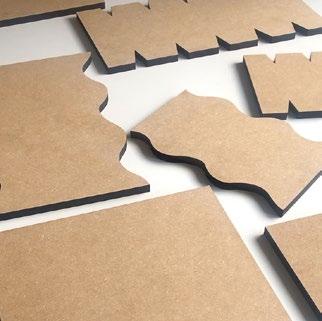
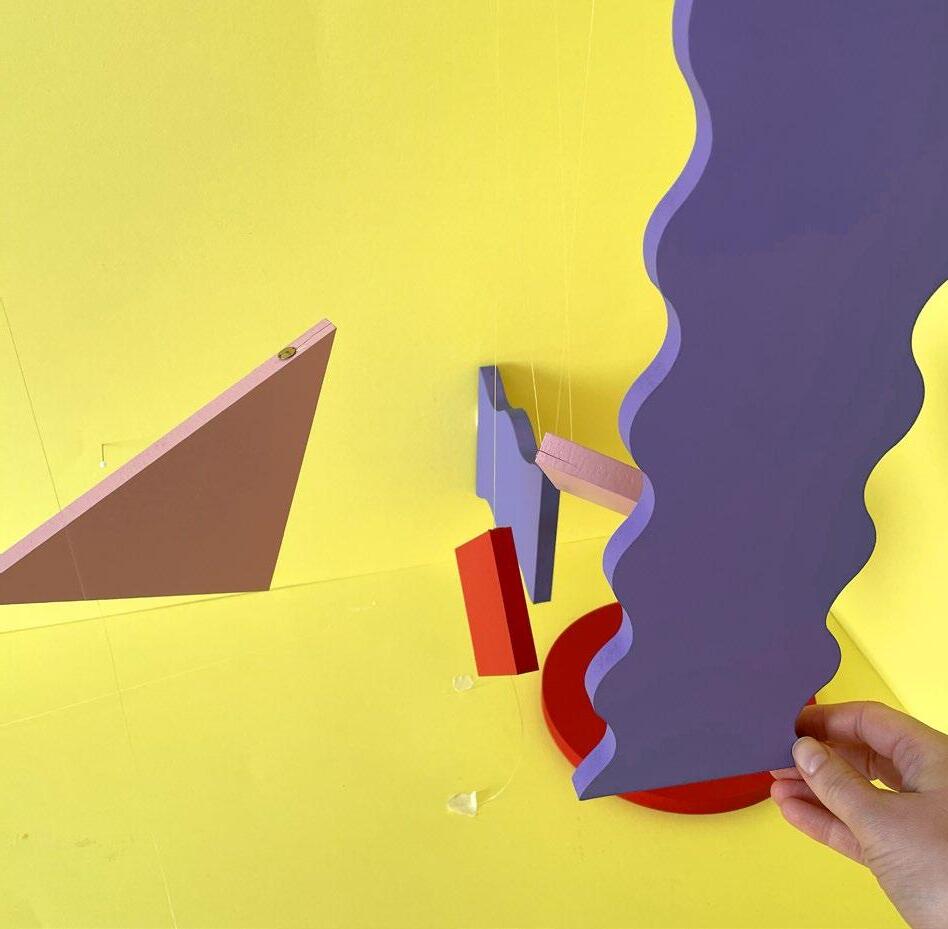
A noticeable plus
Even as our daily communication grows ever more digital, the printed magazine endures as a truly sustainable medium. Reading in analogue form engages all our senses, allowing content to be absorbed more deeply and remembered more vividly. There remains, therefore, a compelling case for print.
In crafting this magazine, we placed special emphasis on tactile experience, selecting an uncoated paper with a particularly inviting, warm feel. lona®jet from Ovol offers a natural yet refined appearance, and its matte finish imparts an understated authenticity to each page. Beyond its visual and sensory appeal, the paper delivers economic benefits through its 1.3-times greater volume, while its FSC certification and EU Ecolabel underscore its sustainability.
We hope you take pleasure in exploring this magazine—and that mcbw sparks fresh inspiration for your own creative pursuits.
Many discussions, consultations, image selections later the magazine shows that good design is a collaborative effort.
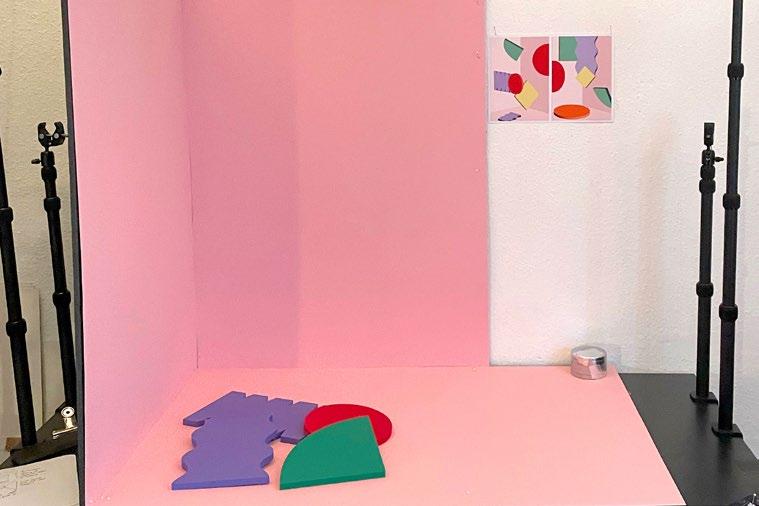
Photo: David Barnwell
The design language of mcbw 2026 was not interpreted, but taken literally.
Photo: I Like Birds
Paper Playground.
Ideas often start digitally –but they only come into their own when printed.
With powerful solutions in paper and printing substrates, packaging and large-format printing, OVOL brings brands to where they can be felt.
Our portfolio includes established brands and tailor-made solutions for the entire print value chain. We support companies across all industries with tailor-made products and services – and deliver ideas that enable the retail of the future.
Scan the QR code now and discover the OVOL world.

























IMPRINT
Organiser
The munich creative business week (mcbw) is organised by bayern design GmbH
Publisher Nadine Vicentini
Managing Director of bayern design GmbH
Authors
David Barnwell (Studio Butik)
Christine Moosmann, Sonja Pham (Grafikmagazin)
Creative direction
Franziska Goppold (Studio Butik)
Tobias Holzmann (Grafikmagazin)
Concept, editing and design
Grafikmagazin, www.grafikmagazin.de
Phoenix Verlag für Grafikdesign UG
Studio Butik, www.studiobutik.com
Artworks chapter pages I Like Birds, www.ilikebirds.de
Paper
Cover: lona®jet, 300 g/sm
Inner section: lona®jet, 120 g/sm
Exclusively available from OVOL Papier Deutschland www.ovol.de
Printing and binding
F&W Druck- und Mediencenter GmbH
Holzhauser Feld 2 83361 Kienberg
Proofreading
Markus Zehentbauer, www.markuszehentbauer.de
Translation
Sonja Pham
Press contact
Sweet Communication
Kolosseumstraße 1a 80469 München
Tel. +49 89 450 290-0
E-Mail contact@sweet-office.com
When using image and text data, please send us a link or a copy by post/PDF.
Website mcbw www.mcbw.de/en
Instagram mcbw www.instagram.com/munich_creative_business_week
LinkedIn mcbw www.linkedin.com/showcase/munich-creativebusiness-week
Info bayern design www.bayern-design.de/en
Instagram bayern design www.instagram.com/bayerndesignconnects
LinkedIn bayern design www.linkedin.com/company/bayern-design-gmbh
The German Design Event
mcbw.de/en #designconnects