

























OCT. 30, 2026
MYSTIC LAKE CENTER
THANK YOU SPONSORS








OCT. 30, 2026
MYSTIC LAKE CENTER
THANK YOU SPONSORS






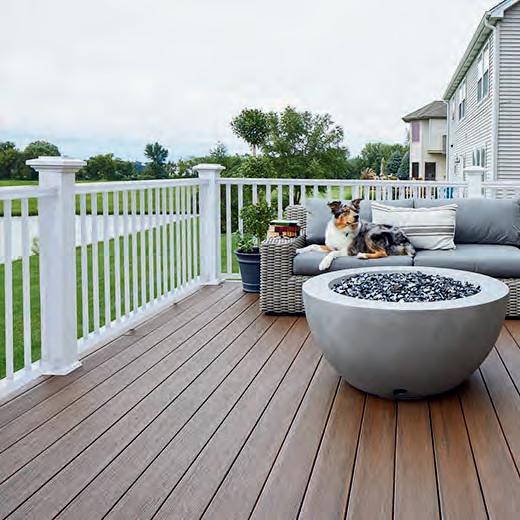
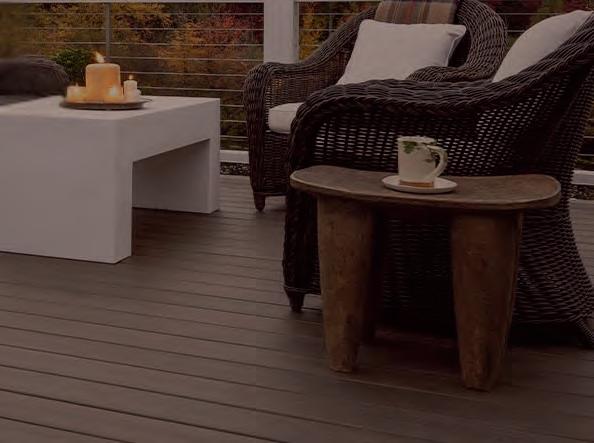
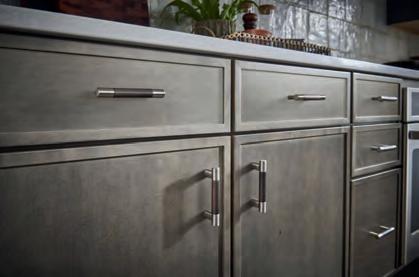

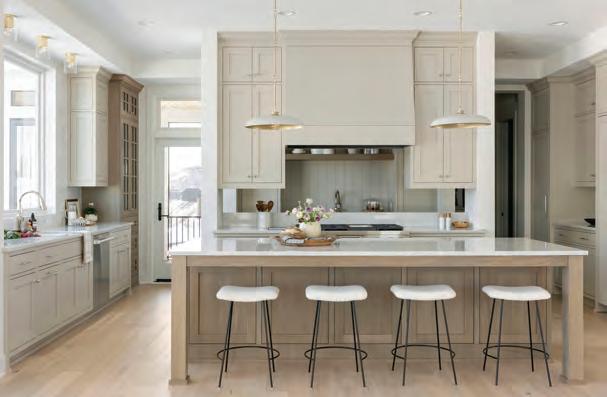
Connect with Lyman Companies today for expert guidance, endless options for your budget, and the largest inventory in the Upper Midwest.
Visit our showroom, pick up samples, and start your next project!
































































38

EXECUTIVE
BOARD CHAIR JOHN KRAEMER, John Kraemer & Sons, Inc.
BUILDER VICE PRESIDENT JAMIE THARP, Pulte Homes of Minnesota, LLC
IMMEDIATE PAST PRESIDENT ART PRATT, Pratt Homes
SECRETARY/TREASURER PETER MARTIN, Pella Windows & Doors
AT-LARGE MEMBER JENNIFER MCALPIN, McAlpin Marketing
AT-LARGE MEMBER REBECCA REMICK, City Homes, LLC
BOARD + COMMITTEE CHAIRS
PARADE OF HOMES COMMITTEE BLAKE SWANSON, Swanson Homes
ADVOCACY COMMITTEE ANDREW LEJEUNE, GlassArt Design
REMODELERS COMMITTEE ANDY MICHELS, Michels Homes
SMALL VOLUME BUILDERS COMMITTEE JOE BRAUN, Style & Structure
LARGE VOLUME BUILDERS COMMITTEE JOHN RASK, M/I Homes
AMBASSADOR COMMITTEE KATIE HRONSKI, Cambria
ARTISAN HOME TOUR COMMITTEE AMY HENDEL, Hendel Homes
HOUSING AFFORDABILITY INSTITUTE PETER COYLE, Larkin Hoffman
HOUSING FIRST MN FOUNDATION JEREMY LARSON, Hampton Construction, LLC
HOUSING FIRST MN NETWORK TONY WIENER, Cardinal Homebuilders, Inc.
CENTER FOR HOUSING CAREERS PAUL GRABOW, Robert Thomas Homes, Inc.
AT-LARGE MEMBER NATHAN CARLSON, Highmark Builders, Inc.
AT-LARGE MEMBER JIM FUSCHETTO, Lyman Companies
AT-LARGE MEMBER RYAN HANSON, Sustainable 9 Design + Build
AT-LARGE MEMBER MATT HOLMSTROM, Nor-Son Custom Builders
AT-LARGE MEMBER ALEX LELCHUK, Lelch
AT-LARGE MEMBER JARRETT PARKS, D.R. Horton, Inc. - Minnesota
AT-LARGE MEMBER RACHEL PAULOSE, Home Electronic Systems, Inc.
EXECUTIVE LEADERSHIP
CHIEF EXECUTIVE OFFICER JAMES VAGLE
ASSOCIATION STAFF
SENIOR DIRECTOR, MARKETING & COMMUNICATIONS KATELYN BLOOMQUIST
Foundation’s mission of providing safe, stable housing for Minnesotans in need.
MEMBER SERVICES MANAGER KIM CARTER
MEDIA RELATIONS MANAGER KRISTEN CROSSMAN
SENIOR DIRECTOR, HOUSING POLICY NICK ERICKSON
ART DIRECTOR MANDY FINDERS
VICE PRESIDENT, LEGISLATIVE & POLITICAL AFFAIRS MARK FOSTER
POLICY ASSOCIATE GRACE GREENE
SENIOR VICE PRESIDENT, GROWTH & ENGAGEMENT KATE GUNDERSON
SENIOR DIRECTOR, FINANCE TAMMI HALL
PROGRAM OPERATIONS MANAGER NIKKI HUBIN
FOUNDATION EXECUTIVE DIRECTOR SOFIA HUMPHRIES
FOUNDATION DEVELOPMENT & ENGAGEMENT MANAGER KRISTI JORGENSEN
EVENTS COORDINATOR GABRIELLE LANENBERG
SENIOR DIRECTOR, CLIENT STRATEGY & GROWTH DEVIN LEHNHOFF
DIRECTOR OF GROWTH TECHNOLOGY KRISTIN MARVIN
STYLE & COMMUNITY CONTENT COORDINATOR MOLLY MCCHESNEY
CHIEF OPERATING OFFICER JANICE MEYER
SENIOR DIRECTOR, EVENTS MARY CATHERINE PENNY
EVENTS COORDINATOR MORGAN RAY
CONTENT & PROJECT MANAGER ELIZABETH ROUBIK
CHIEF IMPACT OFFICER JESSICA RYAN
ENGAGEMENT ACCOUNT EXECUTIVE ALLYSON SAMPLE
OPERATIONS MANAGER CASEY SCOZZARI
GRAPHIC DESIGNER PA GAR VANG
CHIEF OF STAFF KATE WIGLEY
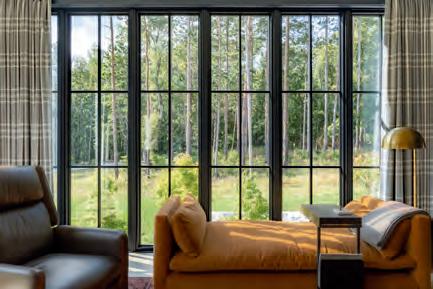
Envision your custom design with best-in-class products at the Marvin Design Gallery: A Window and Door Showroom by Shaw/Stewart
Two of the most established and well-respected companies in Minnesota are here to meet your window and door needs. When you combine the legacy of Shaw/Stewart Lumber Co. with the craftsmanship of Marvin, you get Minnesota’s premier showroom.
Shaw/Stewart Lumber Co. has been providing quality products and creative custom solutions to its customers since 1886. They serve luxury homebuilders and remodelers as well as commercial contractors in the Twin Cities area.
As a homebuyer or remodeling customer, you can depend on Shaw/Stewart to be the trusted source to provide your builder or remodeler with quality products, responsive service, and creative solutions for your project.
When you're ready to select windows and doors, join your contractor on a visit to the Marvin Design Gallery and confer with their professional design staff. You'll see the latest offerings from Marvin and feel the difference in quality, design, and craftsmanship.
All of the window and door displays are set in realistic vignettes, designed to help you imagine the possibilities for your own home.
SHAWSTEWARTLUMBERCO.COM 645 JOHNSON ST. NE MINNEAPOLIS 55413 612-378-1520 CONTACT US

BUILDING MATERIALS AND MILLWORK SOLUTIONS FOR CONSTRUCTION PROFESSIONALS
As another legislative session comes to a close, Minnesota once again missed an opportunity to take meaningful action on one of our state’s most pressing challenges: housing attainability.
Despite growing recognition that housing supply is at the heart of affordability, lawmakers were unable to advance the significant reforms needed to help close Minnesota’s housing gap. The consequences are felt every day by families, young professionals, seniors, and workers who are finding it increasingly difficult to afford a home in the communities where they want to live, work, and settle down.
While the outcome of this session is disappointing, it is important to recognize the progress that continues to build beyond the Capitol. Across Minnesota, support for housing solutions is growing. The Yes to Homes coalition continues to gain momentum as local leaders, employers, community organizations, and residents come together around a shared understanding: We need more homes. Housing is not a partisan issue—it is an economic issue, a workforce issue, and a community issue.
That growing coalition gives me confidence in the future. More Minnesotans are recognizing that expanding housing opportunities requires modernizing policies, reducing unnecessary barriers, and creating pathways for builders to meet the needs of our communities.
Housing First Minnesota remains committed to advancing practical, community-focused solutions that increase housing supply while preserving the quality of life that makes Minnesota such a great place to call home. This work requires persistence, collaboration, and a long-term commitment to change. Meaningful progress rarely happens overnight, but every conversation and partnership brings us one step closer to our goal.
On behalf of the Housing First Minnesota Board of Directors, thank you for your continued engagement, advocacy, and leadership. Together, we will continue working toward a future where every Minnesotan has greater access to housing opportunities and the dream of homeownership remains within reach.
Onward,
JOHN KRAEMER
2026 BOARD CHAIR, HOUSING FIRST MINNESOTA



Housing First Minnesota would not be as strong or successful without its Elite Sponsors. Thank you to our biggest associate supporters!






























Our sponsorship and advertisement opportunities enhance your ability to communicate your products and services to other members and engaged consumers. Your participation as a sponsor is a win-win opportunity: You gain exposure to your key markets, and Housing First Minnesota can continue offering high-quality programs to members, outreach to the community, and advocacy to create a healthy and vital industry.
FOR MORE INFORMATION, CONTACT Sales@HousingFirstMN.org

Stay up to date on the latest research, policy insights, and events from Housing Affordability Institute with this monthly enewsletter. From breaking down key affordability challenges to highlighting opportunities to get involved, it’s your go-to resource for staying informed and engaged.
SUBSCRIBE AT HousingAffordabilityInstitute.org



Become an industry leader with the Designated Green Path Builder program. Enjoy recognition in both building industry and consumer marketing and gain access to exclusive Designated Green Path Builder program benefits.
DETAILS AT MNGreenPath.org



Earn your continuing education credits through Contractor University’s online courses. With more than 50 courses available, you’ll
specialized classes that provide useful and practical knowledge to apply to your business.


The 2026 legislative session brought another challenging and unpredictable year at the Capitol. Budget pressures, competing priorities, and continued political division shaped much of the debate throughout session.
Yet, despite those headwinds, Housing First Minnesota members once again ensured that housing affordability, supply, and homeownership opportunities remained part of the conversation. Through testimony, grassroots advocacy, coalition-building, and direct engagement with lawmakers, Housing First Minnesota and its members continued advancing practical policy solutions designed to expand homeownership opportunities for Minnesotans and reduce barriers to housing development. While not every priority crossed the finish line this year, meaningful progress was made, and much of that progress happened because members stayed engaged.
Throughout session, Housing First Minnesota members played a visible and active role at the Capitol. Builders, remodelers, developers, and industry partners testified in committee hearings, met directly with legislators, responded to action alerts, and participated in advocacy efforts that helped keep housing issues front and center. That engagement mattered during a year when lawmakers faced numerous competing challenges.
“Housing affordability is quickly becoming one of the defining issues facing Minnesota families,” says Mark Foster, vice president of legislative & political affairs for Housing First Minnesota. “The challenge now is turning years of discussion into meaningful policy action.”
Housing First Minnesota’s advocacy team consistently emphasized the need to address regulatory barriers that continue driving up the cost of housing construction across Minnesota. Throughout session, members helped reinforce
a simple but important message: Every delay, mandate, and layer of uncertainty ultimately impact affordability for future homeowners.
One of the most significant housing discussions of the 2026 session centered on the Minnesota Starter Home Act. Although the legislation ultimately did not become law this year, the proposal generated substantial bipartisan discussion and helped elevate the statewide conversation around zoning modernization, housing supply, and affordability.
The legislation focused on reducing regulatory barriers that limit the construction of attainable starter homes—an issue Housing First Minnesota members know firsthand continues to impact communities across the state.
Nick Erickson, senior director of housing policy for Housing First Minnesota, remained one of the leading voices shaping those discussions throughout session. “I can tell you that there is 100% appetite for bipartisan housing reform,” Erickson said during session.
Lawmakers carrying the legislation reinforced that message. “In Minnesota, the median cost of a new single-family home is over $540,000, putting homeownership out of reach for many hardworking Minnesotans,” shares Sen. Jordan Rasmusson, chief Senate author of the Minnesota Starter Home Act. “By cutting red tape, we can empower the free market to build more homes and give firsttime buyers a fighting chance.”
Rep. Spencer Igo, lead House author of the bill, emphasized the growing bipartisan recognition surrounding Minnesota’s housing shortage. “This is not a partisan issue,” Igo said during committee discussions. “We are trying to meet in the middle and help address a housing shortage that is impacting communities across Minnesota.”
Another major success this session was the continued growth of the Yes to Homes coalition, which brought together housing advocates, builders, business organizations, community leaders, and other stakeholders around a shared message: Minnesota must build more homes to improve affordability.
For members, the coalition’s continued expansion demonstrates the growing recognition that housing supply impacts not only the housing industry but also workforce development, economic competitiveness, and long-term community growth.
“Whether we are talking to students trying to afford rent, young families trying to afford a home for the first time, or seniors looking to downsize, we hear the same thing from Minnesotans—housing costs too damn much,” Sen. Lindsey Port said while discussing the coalition’s agenda during session. “The status quo is not working.”
Even when legislation stalled, the coalition helped keep conversations moving forward and broadened support for housing reform beyond the industry itself.
In Minnesota, the median cost of a new single-family home is over $540,000, putting homeownership out of reach for many hardworking Minnesotans.”
SEN. JORDAN RASMUSSON
SENATE AUTHOR OF THE MINNESOTA STARTER HOME ACT
CHIEF
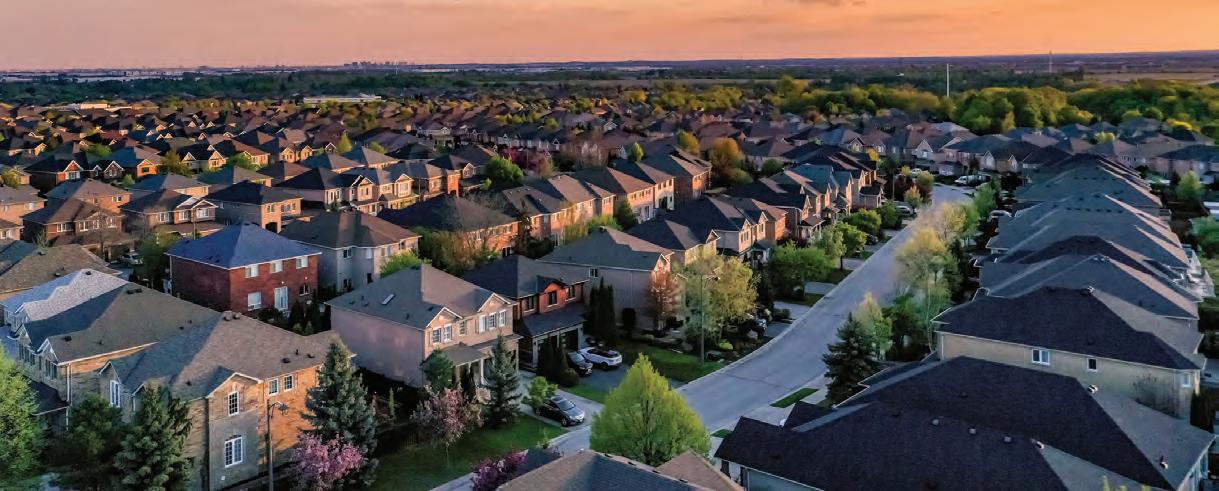
One of the most significant accomplishments for Housing First Minnesota members this year came through homeowners association (HOA) reform. After multiple years of engagement and negotiations, lawmakers advanced meaningful reforms related to HOA governance, transparency, and homeowner protections. Most notably, the session concluded with an important step forward in limiting the unnecessary use of mandatory HOAs as a condition for approving new residential developments.
Housing First Minnesota worked extensively with legislators and stakeholders throughout the process to help shape balanced reforms that protect homeowners while recognizing the realities facing housing developers and associations. The issue has become increasingly important as more local governments attempt to shift long-term infrastructure maintenance responsibilities onto homeowners through mandatory HOA requirements tied to new developments.
Housing First Minnesota consistently argued that these mandates can increase costs for homeowners, create additional long-term financial obligations, and become another barrier to housing affordability.
The reforms advanced this session establish important guardrails around local government authority while reinforcing that HOAs should not become a default mechanism for cities
to offload public responsibilities onto future homeowners.
This session also highlighted the growing tension between local growth restrictions and statewide housing affordability goals. Lakeville drew significant statewide attention after city leaders approved a temporary moratorium on certain new residential developments, citing concerns about infrastructure and rapid population growth.
The decision sparked broader conversations among lawmakers, housing advocates, and editorial boards regarding the consequences of restricting housing supply during a statewide affordability crisis. Housing First Minnesota and coalition partners raised concerns that actions like Lakeville’s risk worsening affordability challenges for future homebuyers.
The debate became a real-world example of many of the concerns members and advocates raised throughout session regarding local barriers to housing development and the importance of maintaining pathways for future growth.
As Minnesota moves toward the 2026 election cycle, housing affordability and supply are expected to remain major issues in legislative races. With an open governor’s race approaching and legislative control
again in play, Housing First Minnesota anticipates housing policy will continue becoming a larger part of campaign conversations across the state.
Throughout the election cycle, Housing First Minnesota will remain actively engaged by educating candidates on industry priorities and advocating for practical, pro-housing solutions that expand homeownership opportunities.
The Housing First Political Action Committee (PAC) will also announce political endorsements ahead of the 2026 elections, helping support candidates who understand the importance of addressing Minnesota’s growing housing challenges.
While not every housing priority became law in 2026, important progress was made. Housing affordability and supply remain pressing issues across Minnesota, and this session demonstrated that lawmakers, advocates, local officials, and the public are increasingly willing to engage in serious conversations about solutions.
Housing First Minnesota, the Yes to Homes coalition, and engaged members helped keep those conversations moving forward while continuing to advocate for policies that expand housing opportunities, reduce barriers to construction, and protect homeowners.
The conversation is far from over. Together, the industry will continue advancing policies that support homeownership opportunities and help ensure more Minnesota families can achieve the dream of owning a home.
Federal Reserve survey finds builders navigating softer demand, rising costs, and ongoing labor challenges
Residential construction businesses across the Ninth Federal Reserve District are facing a challenging business environment in 2026, according to the latest survey from the Federal Reserve Bank of Minneapolis. While some sectors of the construction industry continue to benefit from infrastructure and industrial investments, residential builders remain among the segments experiencing the greatest pressure.
The survey, which collected responses from 204 construction industry participants across Minnesota, the Dakotas, Montana, Wisconsin, and Michigan’s Upper Peninsula, found that overall construction activity declined compared to a year earlier. More than half of respondents reported decreases in activity, while only 23% reported increases.
For residential construction professionals, the findings point to a market defined by uncertainty, intense competition for projects, and continued pressure on margins.
Survey results showed residential and commercial construction experiencing significant declines in activity across the region. Data also showed a year-overyear drop in active residential projects, continuing a trend that emerged in 2025.
Residential builders reported declining backlogs, fewer requests for proposals, and reduced project activity compared with industrial sectors, which have remained comparatively stronger.
Federal Reserve economist Erick Garcia Luna noted that residential construction consistently ranked among the sectors reporting the greatest challenges. “The story you’re going to hear over and over is that commercial and residential construction are being hit the hardest,” he says.
As higher interest rates, economic uncertainty, and rising project costs continue to influence investment decisions, both businesses and households appear to be taking a more cautious approach to new construction projects. Respondents reported fewer projects entering the pipeline, creating increased competition among builders.
The survey also highlighted what one respondent described as a “stop-and-go”
environment, where projects begin moving forward only to be delayed, scaled back, or paused as owners reassess costs and economic conditions.
Even as activity slows in some sectors, labor availability remains one of the industry’s most pressing concerns. Nearly one-third of respondents reported increases in headcount, and many businesses continue hiring to meet demand in stronger market segments. However, labor shortages remain particularly acute in the skilled trades.
Wage pressures also continue to build. The survey found that skilled trade positions experienced some of the largest wage increases, with many employers reporting compensation increases exceeding 5%. At the same time, businesses experiencing slower activity have begun adjusting staffing levels. Roughly one-fifth of respondents reported reducing hours for existing employees, while a similar share reported reducing overall head count.
Construction businesses continue to face rising costs for materials, transportation, and other non-labor inputs.
Respondents reported widespread increases in non-labor input costs over
SURVEY SNAPSHOT
Fewer Projects
Higher Costs
Thinner Margins
the previous six months, with many citing increases between 1% and 10%. Rising fuel costs, transportation expenses, and petroleum-based products such as PVC were among the factors contributing to higher construction costs.
However, the survey revealed that many builders have been unable—or unwilling—to pass those costs fully on to customers. Instead, some businesses reported absorbing a portion of those increases to remain competitive in an increasingly price-sensitive market.
While activity levels remain weak, respondents expressed more positive expectations for the second half of 2026. Most businesses expect activity to remain relatively stable over the next six months, but uncertainty remains a dominant theme.
Respondents cited ongoing concerns related to tariffs, geopolitical developments, labor availability, and future project demand. Backlogs are expected to remain under pressure, and cost increases are likely to continue.
For residential builders, the message is clear: Market conditions remain difficult, but opportunities still exist for businesses that can manage costs, maintain workforce capacity, and remain competitive in a tightening marketplace.

INDUSTRY PROS SHARE THE STRATEGIES BEHIND SMOOTHER PROJECTS, STRONGER RELATIONSHIPS, AND HAPPIER HOMEOWNERS

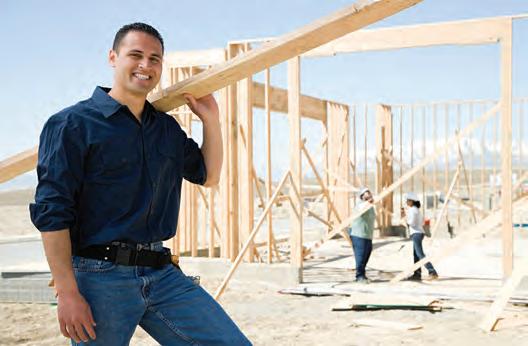
For builders, remodelers, and other industry professionals, the heart of any custom project is the client—their wants, needs, and goals. Whether learning about lifestyle priorities or navigating aesthetic preferences, every part of the process is ultimately shaped by the client. Because of this, success isn’t measured solely in square footage completed or quotas met but rather in the client’s satisfaction with both the process and the final result. Every client is different, and by creating a design-build process centered on
communication, trust, and clear expectations from the start, chances are you’ll walk away with a lifelong client—and perhaps even a friend, too.
Here, industry experts share the strategies they’ve found most essential to building strong, lasting client relationships.
For a custom builder, having a clearly defined process is essential to keeping projects on track and ensuring clients
At the end of the day, people are trusting us with something very important, and we take that seriously.”
JOHN KRAEMER
PRESIDENT, JOHN KRAEMER & SONS
remain informed from the beginning. At Gordon James, that process starts with an in-person meeting, where the team walks clients through what the project will look like from start to finish. “We clearly define expectations and outline who is responsible for each part of the process,” says John Quinlivan, founder and CEO. “That clarity is essential to a successful project.”
John Kraemer of John Kramer & Sons embraces a similar philosophy, noting that setting expectations early extends beyond the client relationship to subcontractors as well. “After 48 years of building homes, transparency and experience are two things we’ve learned matter most,” he explains. “We believe in being upfront about everything and making sure each subcontractor we work with reflects the same level of quality and professionalism we hold ourselves to.”
When clients sign on with a custom builder, the relationship can span anywhere from several months to multiple years, depending on the scale and scope of the project. Maintaining steady communication throughout that time is critical—not only for keeping projects moving smoothly but also for helping clients feel informed and supported. According to Kraemer, “Regular updates, site walks, transparency with timelines, and being proactive when challenges come up all help clients feel informed and confident every step of the way.”

For Quinlivan, in-person conversations remain one of the most valuable communication tools. “In-person meetings are the foundation, followed by detailed meeting notes,” he says. “Without follow-up, conversations can turn into, ‘I thought we talked about that.’ Clear documentation keeps everyone aligned and prevents unnecessary communication issues.”
Of course, setting realistic budget expectations is a crucial component of any major home project—and one of the most important conversations builders should have with their clients early on. At Gordon James, the team relies on real-time data from current projects to establish realistic expectations around cost. “We are very transparent and direct during budget discussions,” Quinlivan notes. “If we spend six to nine months working with a client and the project ends up 50% over budget, we lose the job, the time invested, and our credibility.”
To ensure clients remain informed and things stay on track, the firm breaks
down each project by division, allocating a budget for each one. “If a client is surprised by the numbers, that means we missed something, and that responsibility falls on us,” he adds.
Quinlivan also stresses the importance of educating clients on the relationship between price and quality. “When someone tells me they received a bid that’s 30-50% less than the others, I tell them to throw it away,” he says. “If you want cheap, you can find it, but you shouldn’t expect the same quality, materials, or craftsmanship.”
At the center of every successful client relationship is trust. Without it, even the most beautiful projects can become difficult or stressful experiences. “We are an open-book builder, meaning at any time during the process, [clients] can see exactly what we’re doing with the money they trusted us with,” Kraemer says. “At the end of the day, people are trusting us with something very important, and we take that seriously.”
Quinlivan agrees, describing trust as the bedrock of the entire building experience. “Construction is a long journey, and without complete trust, clients should find another builder,” he says. “Trust is built by consistently doing exactly what you say you’re going to do.”
When working closely with clients over long periods of time, showing the human side of your business matters just as much as managing schedules and budgets. According to Kraemer, that starts with building a company culture based on trust, communication, and service. “Ours is a family business, and that’s how we treat our employees, too,” Kraemer shares. “I think our clients feel that when they work with us.”
And often, those relationships continue long after construction wraps. Many clients become repeat customers, trusted referrals, and even friends. As Kraemer puts it, “We simply are who we say we are—and we have fun doing it.”


Tankless water heaters o er you and your homebuyers many advantages:
• Saves energy
• Continuous supply of hot water
• Space savings
• Longer life
• Tax credits
Here’s another bonus. A high-e iciency natural gas tankless water heater may also impact the gas savings of your participating High E iciency Home and that could mean a higher rebate.

Learn about more ways you can benefit from building with natural gas. Visit CenterPointEnergy.com/Builders or contact Jake Schwietering at 612-321-4386. *Must

There was a time when “tightening the budget” often meant cutting quickly and broadly. Pause hiring. Reduce marketing. Delay investments. Pull back until market conditions improve.
But after several years of instability, companies have learned survival is not just about reducing expenses. Protecting the parts of the business that create longterm strength while becoming more disciplined everywhere else is a distinction defining the way many builders, remodelers, and associate members are approaching 2027 budgeting conversations.
Businesses are forecasting more conservatively, watching pipelines more closely, building contingency into budgets, and paying sharper attention to cash flow. At the same time, many are continuing to invest intentionally in people, technology, customer experience, visibility, and operational systems that position them competitively long after a difficult cycle passes. That’s why the conversation is no longer centered on whether spending should shrink. The better question is where investment matters most—and which cuts might ultimately cost companies more in the long run.
The companies navigating this process most effectively are often the ones resisting emotional decision-making. Rather than building budgets around best-case optimism or worst-case fear, many are operating somewhere in the middle: cautious, disciplined, and highly scenario-oriented.
That balancing act is forcing many leadership teams to evaluate “overall efficiencies in every category of the business,” with a sharper eye than in years past, says Emily Thull of McDonald Remodeling, Inc. “Are the subscriptions/ monthly expenses we are paying necessary? Are there better systems available to support our process/employees?”
That reinforces a point not to be overlooked: Smart companies are not necessarily avoiding spending, but they are asking better questions about it. What actually drives growth and conversions? Which investments create long-term stability? Where are margins leaking?
Which systems support scalability, and which exist because “that’s how we’ve always done it”?
This process also requires recognizing that not every category should be treated equally during tighter cycles. While some operational spending may be reduced or reevaluated, certain funds are difficult to compromise.
For instance, people-related investments remain high on the list of protected priorities. Thull says positive culture, employee benefits, training, fair compensation, transparency in business goals, and flexibility are all critical to safeguard. Staffing instability is expensive. Losing experienced employees creates ripple effects across production, communication, morale, customer experience, and hiring. Many companies, for myriad reasons, spend years rebuilding teams and are reluctant to repeat that cycle unnecessarily.
The same philosophy is increasingly affecting conversations around marketing and visibility. Thull adds, “Marketing may seem like an ‘unnecessary expense’ when trying to balance everything, but it is one of the most important things to invest in during uncertain times.”
The instinct to reduce visibility during slower or more cautious markets is understandable—but often shortsighted, says Katelyn Bloomquist, senior director of marketing and communications at Housing First Minnesota.
“Marketing is often one of the
first things companies cut during uncertainty, but visibility matters even more in a cautious market,” she says. “If consumers stop seeing you, they’re going to stop considering you.”
The most holistic strategies tend to layer multiple forms of visibility: digital advertising, social media content, editorial placement, home tour participation, public relations, customer experience, and consistent brand messaging repeated over time. In housing especially, buying cycles are long, emotional, and heavily research-driven. Builders, remodelers, and suppliers are rarely competing for impulse decisions.
“In housing, the sales run is lengthy,” Bloomquist says. “The companies seeing results in 2027 are going to benefit from marketing investments they made six, nine, or even 12 months earlier. A strategic marketing plan keeps brands visible during longer decision-making periods and positions companies for growth when the market stabilizes.”
Technology is becoming part of that discipline as well. Many companies are investing more intentionally in tools that improve operational efficiency, communication, forecasting, estimating, and project management. AI, CRM systems, automation tools, estimating software, and workflow platforms are increas-
5 QUESTIONS TO ASK BEFORE FINALIZING YOUR 2027 BUDGET
WHAT ASSUMPTIONS ARE WE MAKING?
WHAT INVESTMENTS ACTUALLY DRIVE GROWTH? WHERE ARE MARGINS LEAKING? WHAT WOULD WE CUT FIRST—AND WHY?
DOES THIS BUDGET REFLECT WHERE WE WANT THE COMPANY TO GO?
ingly being evaluated less as experimental upgrades and more as infrastructure investments tied directly to productivity, scalability and efficiency.
There is no universal formula for building a successful budget—but the best ones are built around identity, not tools or line items alone. The budgeting process is forcing companies to clarify who they are, what kind of business they want to build, and which investments support that direction. In many cases, leadership teams are using the process as an opportunity to challenge outdated assumptions and eliminate spending habits that no longer align with company goals. In many ways, budgeting season should function as a strategic “reset”—a chance to build healthier, more resilient businesses for the future.












Luxury used to imply distance. Imported stone, overseas fixtures, specialty finishes shipped from either coast—these things carried a clear cachet in residential construction and design. They suggested access, they signaled reach, and they gave homeowners the sense that a project had pulled from everywhere to create something rare. But the industry has learned, albeit perhaps the hard way, that farther away does not always mean better.
Across Minnesota’s housing ecosystem, builders, remodelers, designers, and suppliers are taking a more strategic look at what can be sourced nearby. In fact, local sourcing has transcended being just a community-minded gesture or sustainability talking point—it’s becoming a practical business strategy sharpened by timelines, logistics, relationships, customization demands, and the growing need for predictability in an industry where anything but has become the norm.
The shift has been shaped by years of this uncertainty: extended lead times, freight volatility, product delays, pricing pressure, and scheduling challenges that have made even the most buttoned-up projects harder to control. In that environment, proximity has new power. When suppliers, fabricators, tradespeople, and project teams operate within the same regional network, communication tightens, problems surface sooner, and solutions move faster.
“The ability to be able to touch and feel and have experience with local suppliers who we have built long-term relationships
with is very important in our work,” says Pat Hegseth, director of sales at Brooklyn Park-based Scherer Bros. Lumber Co. “Even in this online, global world, relationships still matter.”
That idea—relationships as infrastructure—is becoming increasingly important across the housing industry. Local partnerships give builders and suppliers more direct access to one another, which can make a real difference when a project is in motion and decisions need to happen quickly. “The ability to be in front of our suppliers and customers at a local level is key,” Hegseth says. “A local squeaky wheel gets the grease!”
In an industry where one delay can ripple through multiple phases of work, responsiveness matters, too. Local sourcing can support easier replacements, more efficient site coordination, and faster troubleshooting. It also creates an accountability “loop” that is harder to replicate when products are sourced through distant or less-personal channels.
Mike Chambers, sales manager at Plymouth-based Hedberg Home Brick + Stone, sees value in both the schedule and the relationship. “Builders who source products strategically, closer to the project site, tend to cut down on transportation costs,” Chambers says. “[They] usually benefit from shorter lead times, keeping their project on schedule.”
That business case is becoming stronger as client expectations evolve. Today’s homeowners are not only choosing finishes and layouts, but they also
are asking better questions. They want to know where things come from, who made them, how they were produced, and whether their home can feel personal rather than pulled from a catalog.
Amy Leferink, founder and principal of Interior Impressions, says that desire for individuality has made local sourcing an increasingly important part of the design process. “People are craving homes that feel authentic and collected rather than overly mass-produced,” she says. “Local sourcing naturally creates more character and individuality within a space.”
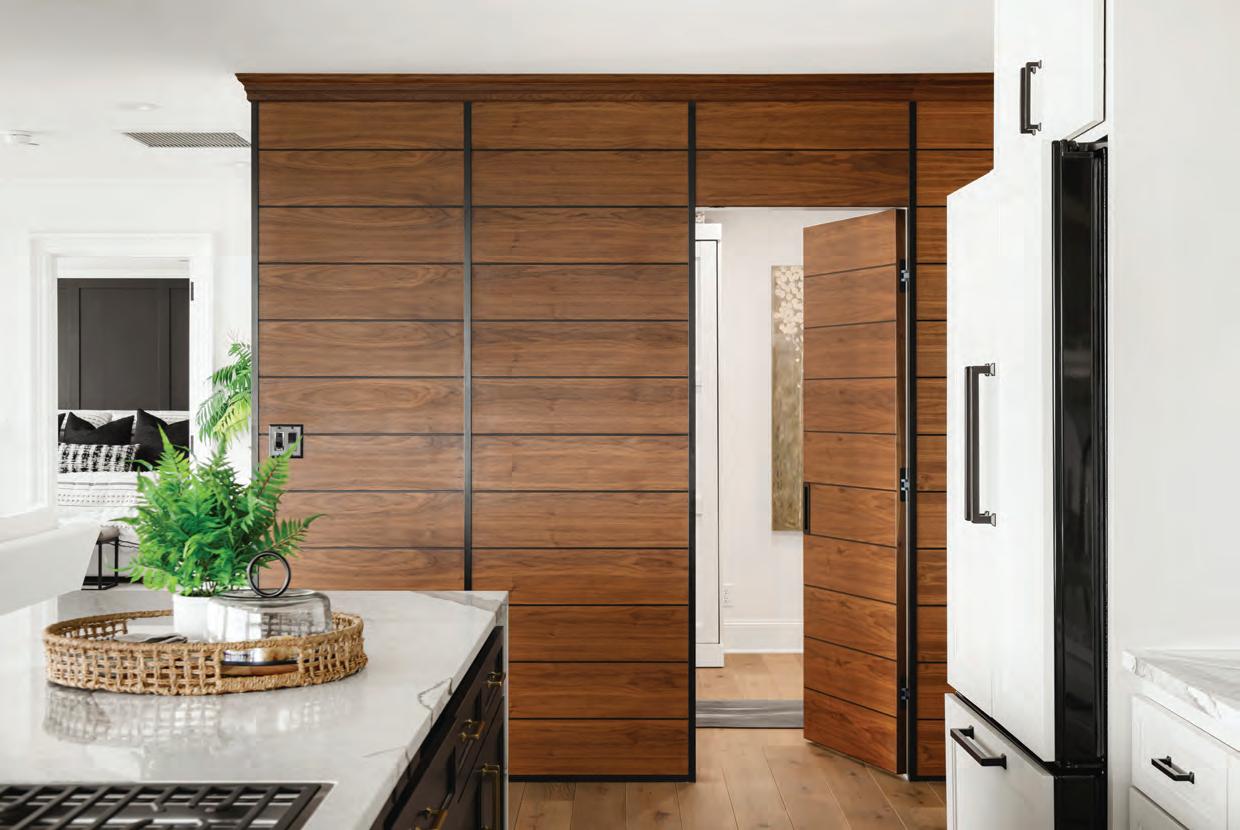
For Interior Impressions, that can mean working with regional craftspeople on custom millwork, locally fabricated countertops, Minnesota artists, upholsterers, installers, and trusted trades who help shape the details that give a project its depth. Those collaborations often create a more layered result because the process itself is innately more involved. “Working locally often allows for more customization, better communication, and a more hands-on process,” Leferink confirms. “There is comfort in knowing the people involved are accessible, invested, and nearby if adjustments or problem-solving are needed.”
That accessibility is part of what makes local sourcing feel less like a trend and more like an operating philosophy. This “luxury” is less about rarity in the traditional sense and more about specificity—a home that reflects the people who live there, the team that built it, and the place where it belongs.
Minnesota is particularly wellpositioned for this kind of collaborationdriven approach. The region already possesses a robust network of skilled craftspeople, suppliers, fabricators, and specialty trades capable of supporting highly customized residential work. For builders, remodelers, and designers willing to cultivate those relationships, the local market offers an ecosystem that Chambers says also protects the broader industry.
“Supporting local trades and suppliers helps stimulate the local economy in which they work and live,” he says. “If our tradespeople can’t find work locally, they have to travel or move elsewhere to continue their craft, which negatively impacts local builders’ resources and the overall community.”
Still, local sourcing is not a cure-all. Smaller makers may have limited capacity. Custom work often requires more planning. Pricing can be higher than mass-produced alternatives. Not every
product can—or should—be sourced regionally. Leferink says the true test is finding the right balance. “The biggest challenge is sometimes availability or scale,” she says. “Smaller makers may have longer lead times, limited inventory, or production capacity constraints compared to large national manufacturers.”
Hegseth also cautions against thinking too narrowly. “Sometimes, you can become limited if you allow your scope to be limited,” he says. “It is still important to research products and services, but once we do our due diligence, we are able to source what we need right in our own market.”
That attentiveness might be where the opportunity lies. Local sourcing requires companies to know their market more deeply, build stronger networks, and think beyond transactional vendor relationships. It asks builders, remodelers, designers, and suppliers to treat relationships as part of the project groundwork. And in many ways, the
industry might be circling back to what it once understood.
“I think local sourcing was the longterm standard in the industry,” Chambers says. “The internet and e-commerce, with its enhanced marketing strategies, have shifted homebuyers and builders into sourcing products from out of state and even overseas.”
Now, as project teams continue to balance client expectations with business realities, the value of close-to-home partnerships is becoming harder to overlook. Local sourcing is about creating more control, more connection, and more confidence in the overall building process—not turning away from innovation or limiting options.
After all, the strongest companies are not simply asking where a product comes from—they are asking who stands behind it, how quickly they can respond, and whether that relationship will make the project better. Increasingly, the smartest answer is nearby.





With Nick Erickson EXECUTIVE DIRECTOR, HOUSING AFFORDABILITY INSTITUTE
As housing affordability continues to take center stage across Minnesota and beyond, the conversation around policy, cost, and access continues to evolve. While many voices contribute to the discussion, insights from those working directly within the housing industry offer a critical, real-world perspective. Here, Nick Erickson, executive director of Housing Affordability Institute, shares insight into the organization’s work and its role in shaping the path forward.
Q. What is Housing Affordability Institute, and why was it created?
Founded in 2018 by Housing First Minnesota, Housing Affordability Institute is a housing policy think tank that focuses on advancing homeownership and housing affordability. Like Housing First Minnesota Foundation, the Institute is a 501(c)(3) nonprofit subsidiary of the association.
As the housing affordability issue became part of the national public discourse in the late 2010s, one voice was missing from the conversation: that of the industry. Being closest to the homebuyer, builders, developers, remodelers, and their trade partners are the best equipped to talk about the frontline challenges to housing production, affordability, and homeownership.
Recognizing the need for this perspective and the absence of organizations
representing it, the association’s Board of Directors established Housing Affordability Institute in 2018 to contribute a more grounded, experience-based voice to housing policy discussions.
Q. What types of insights or data does the Institute provide that members might not find elsewhere, and why should builders, remodelers, and industry experts pay attention to the work coming out of the Institute?
Through its programming, Housing Affordability Institute focuses on documenting and communicating the expertise and real-world challenges faced by the industry. These perspectives are not widely represented in broader housing
policy discussions. While this work may feel familiar to members, it often introduces new information to policymakers and other audiences who are less exposed to the day-to-day realities of housing production and affordability.
A recent example is the Institute’s April 2026 report on energy efficiency. We all know new homes are more efficient than older homes. We also know that older homes make up the majority of our housing stock, both locally and nationally. Yet, policymakers present solutions that treat new homes as the problem.
Q. Since its founding, how has the Institute evolved in terms of its research, influence, and reach?
Housing Affordability Institute was founded to highlight the growing
barriers to homeownership and new home affordability. Our commitment has not changed, but we have seen a broadening of our audience and increased demand from lawmakers and policycentric organizations across the country.
In the past year, we’ve expanded to bring in more external experts to assist with our programming. Housing Affordability Institute has released two reports from housing economist Elliot Eisenberg, Ph.D., in the past year. The first report highlighted the value of homeownership at both the individual and societal levels, while the second report, released in November of last year, examined the state’s declining homeownership rate.
Member firm ARCXIS also assisted with research and analysis on two recent reports, one of which highlighted the potential cost impacts of the state’s 2038 energy code mandate, and another that examined energy efficiency in five housing markets across several decades. We’ve also relied on data from the Minnesota Zoning Atlas to augment research on the limited availability of starter home lot options in Minnesota.

The Institute’s existence has attracted other groups at both the state and national level to participate in the housing reform discussion in Minnesota.
Q. How has the Institute’s work been used to inform policy discussions surrounding housing affordability?
Since its first report, Priced Out, in 2019, Housing Affordability Institute has helped shape the housing policy discussion in Minnesota. Beyond our original research, our single-subject policy briefings have been instrumental in raising the “housing IQ” of the media and lawmakers.
Due to our unique view, the Institute has emerged as a critical voice in the housing reform discussion beyond Minnesota. Several influential organizations developing model legislation have relied on the Institute’s expertise for examining potential state-level solutions to the housing crisis.
With policymakers in Washington, D.C., examining federal housing reform
earlier this year, the Institute had the unique opportunity to provide congressional staff a briefing on barriers to homeownership-centric construction.
Q. What are the Institute’s top priorities for the foreseeable future?
Since its founding, the Institute has focused on addressing the most critical barriers to housing production, new home affordability, and homeownership access. These issues will always be at the center of the Institute’s focus.
In Minnesota, like in many other states, the largest barriers are at the local level. With Minnesota ranking among the nation’s most over-regulated housing markets, the Institute is well positioned to highlight the challenges facing housing affordability in the state.
Building codes are emerging as a topic for policy experts nationally, yet few of the organizations examining the cost impacts of building codes have worked in building code development. Highlighting changes to both the development of model codes and local code adoption are areas in which the Institute can add value and expertise.
Reporting on state legislation is also a key priority, as there are good ideas being introduced in many state capitols. The Institute is one of only a few organizations compiling lists of the impactful work happening across the country. Lawmakers in several states, including Minnesota, have come to rely on our data and knowledge of what good ideas are being introduced nationally.
To learn more about Housing Affordability Institute, visit HousingAffordabilityInstitute.org
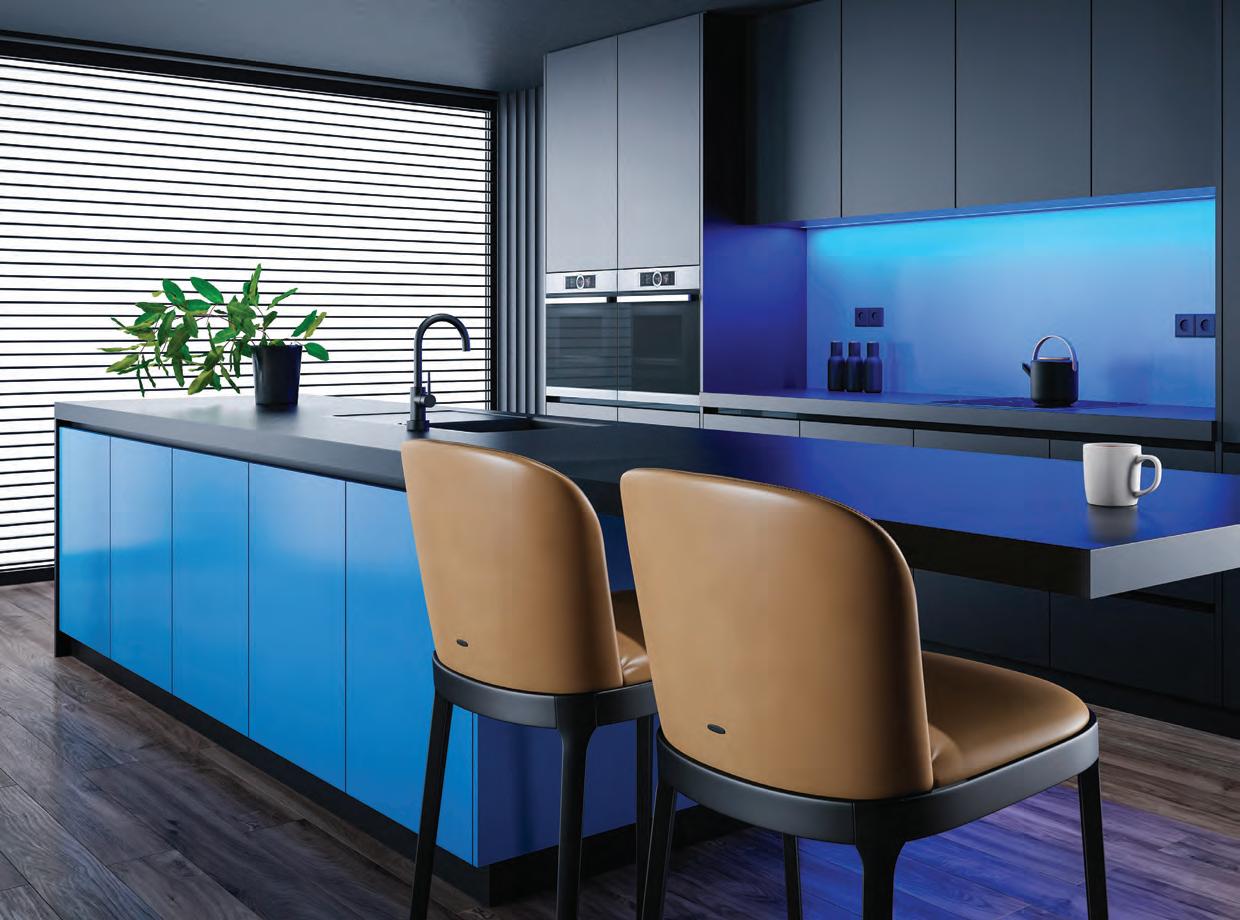
For decades, residential lighting was a simple equation: line‑voltage power, a wall switch, and a bulb. Today, that equation is changing to adapt to new technology and energy savings. Advances in low‑voltage lighting—driven by LEDs, smarter power electronics, and building‑energy research—are transforming homes.
According to a 2023 report by the U.S. Department of Energy (DOE), “The Potential of Whole Home Lighting Systems and Low Voltage Homes,” presented as part of its Building Benchmarking Research Network (BBRN), low‑voltage lighting is becoming an essential part of modern residential design and energy strategy.
LEDs are inherently low‑voltage devices and are a key part of energy efficiency. In a standard LED light bulb, electronics
inside the bulb convert 120 volt line level voltage to a lower voltage that the LED uses to generate light. That conversion also wastes energy.
Traditional homes convert 120 volt alter‑ nating current (AC) power to low voltage direct current (DC) at each light fixture. Modern low‑voltage lighting systems use centralized or semi‑centralized power supplies that serve multiple fixtures at once. Fewer AC to DC conversions means more energy saved. According to the DOE BBRN presentation, this approach can improve overall system efficiency while simplifying integration with emerging residential technologies. This shift mirrors broader DOE research in DC power systems for buildings, which aligns naturally with electronics, batteries, and solar energy, as these technologies already generate DC.
Because low voltage lighting systems operate well below standard 120 volt line‑voltage, they can reduce electrical risk and allow greater flexibility in where and how lighting is installed. Integrating centralized, low voltage lighting at the start of a new home build means you can use low voltage wiring for more of your fixtures. Low‑voltage systems can be easier to integrate into millwork, cabin‑ etry, and outdoor environments, where space is tight and safety considerations are heightened. Designers, in turn, gain freedom to use thinner fixtures, contin uous linear lighting, and architectural accents that are difficult to achieve with conventional wiring. The result is lighting that disappears into the architecture until it’s turned on.
Low‑voltage lighting’s evolution is tightly linked to smart‑home technology. LEDs respond instantly to digital controls, making them ideal for dimming, changing color temperature, and other aesthetic and efficiency automations. The DOE BBRN research emphasizes that correctly using these controls is critical to achieving real‑world energy savings. When lighting systems adjust auto matically, are dimmed during daylight hours, or are turned off in unoccupied rooms, homes can use less energy without asking occupants to think about it. Comfort improves and waste disappears quietly in the background. There’s material savings, too. With low voltage lighting, you can use higher gauge, thinner wires with less copper.
As homes become more efficient, lighting represents a larger share of total elec‑ tricity use. In high‑performance designs such as net‑zero or passive homes, every watt matters. As mentioned in the report, lighting systems are essential to meeting aggressive energy goals. Low‑voltage lighting also pairs naturally with rooftop solar and battery storage, both of which operate in DC.
Low‑voltage lighting may not grab head‑ lines, but its impact can be profound. For homeowners, the benefits are tangible: lower energy consumption, safer systems, and lighting that better adapts to how people actually live. For the housing industry, low‑voltage lighting is a glimpse of the future, already wired into today’s best homes.


CONGRATULATIONS TO OUR 2026 SPRING AWARD WINNERS!


For nearly 60 years, the Reggie Awards SM have stood as a beacon of excellence in residential design and construction, recognizing builders for the craftsmanship, innovation, and attention to detail showcased on the Parade of Homes. These awards celebrate not only standout houses but also the vision and expertise behind them—highlighting the industry’s ongoing commitment to raising the bar.
Likewise, the Trillium Awards SM recognize the associates and trade partners whose contributions help bring these projects to life, honoring the collaboration and skill that transform great designs into truly exceptional homes.

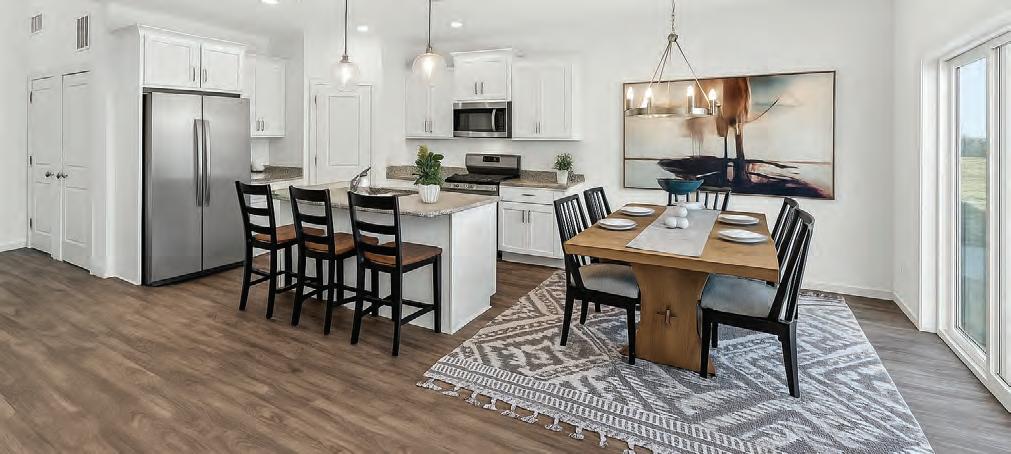
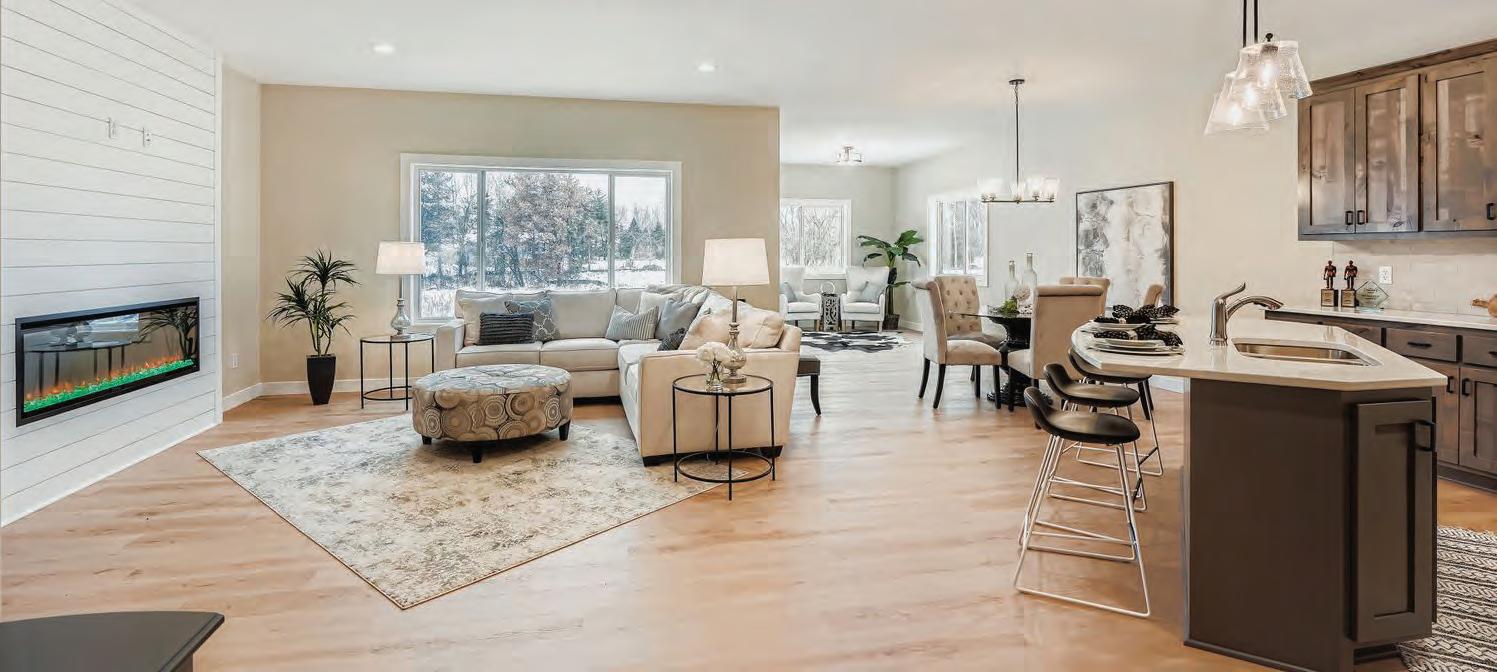
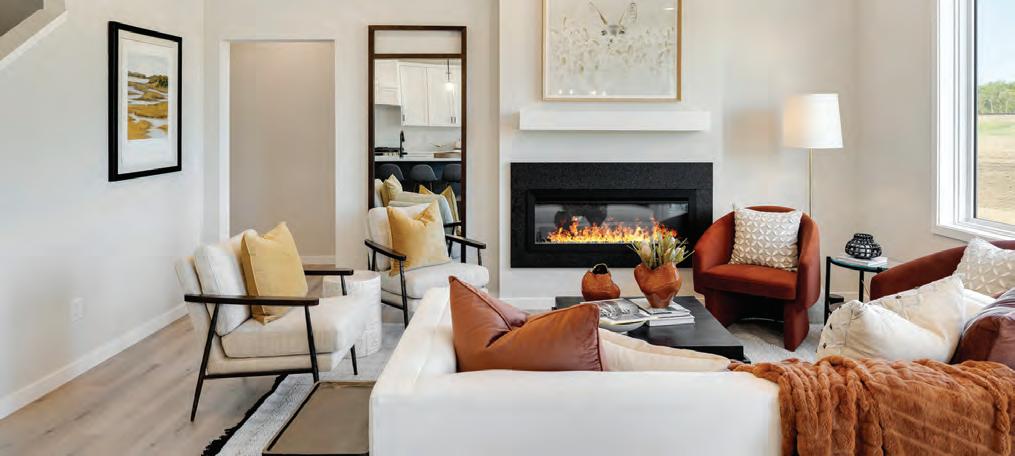
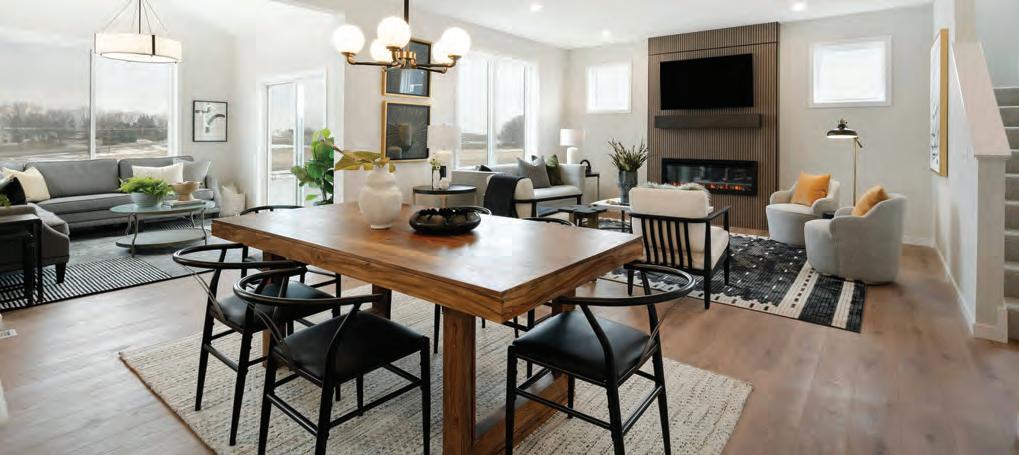
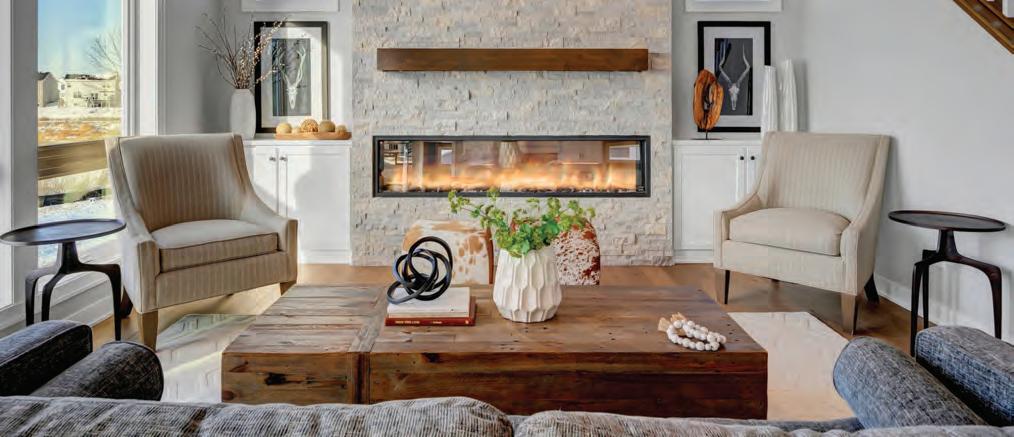
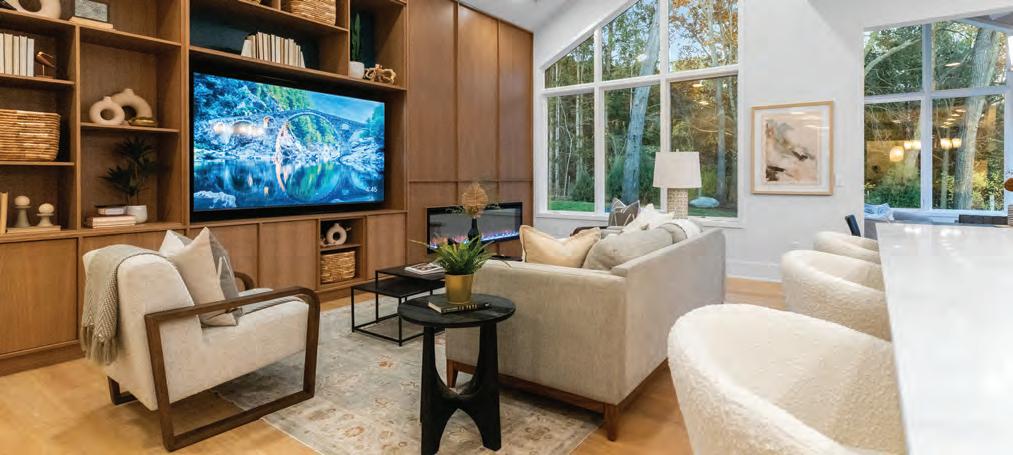
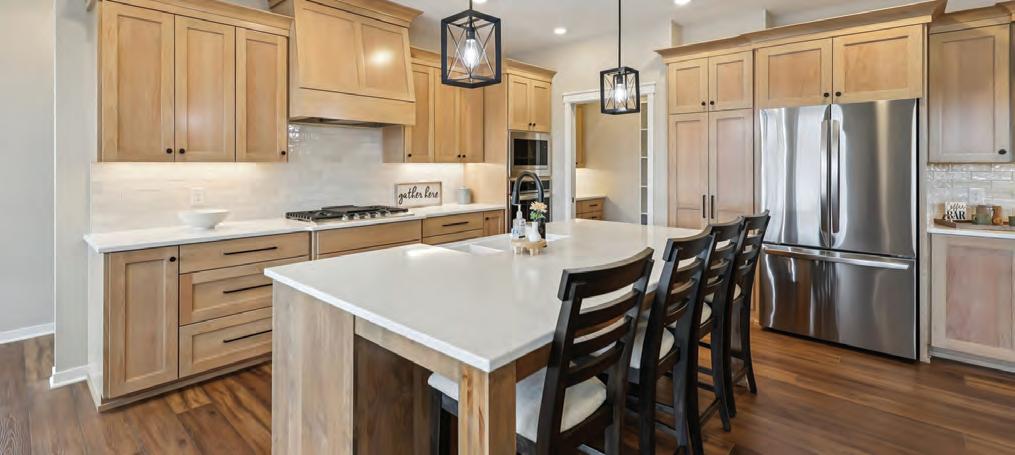
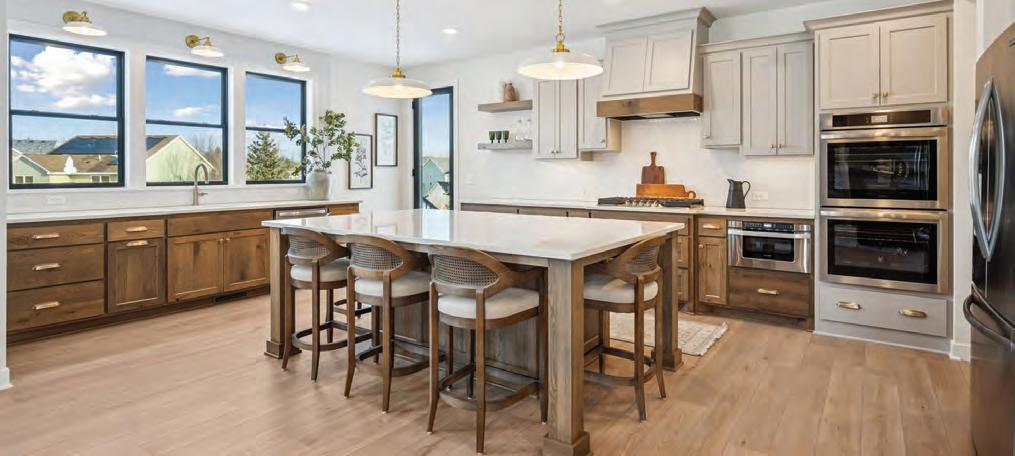
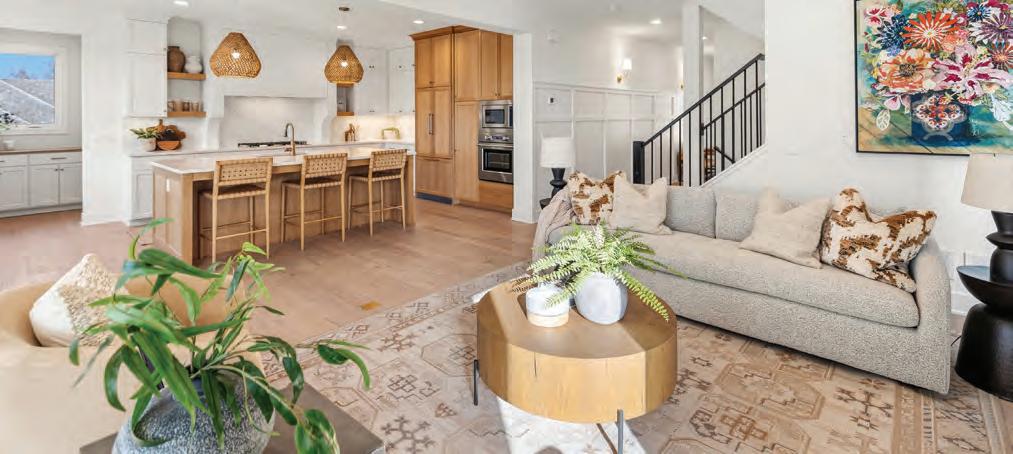
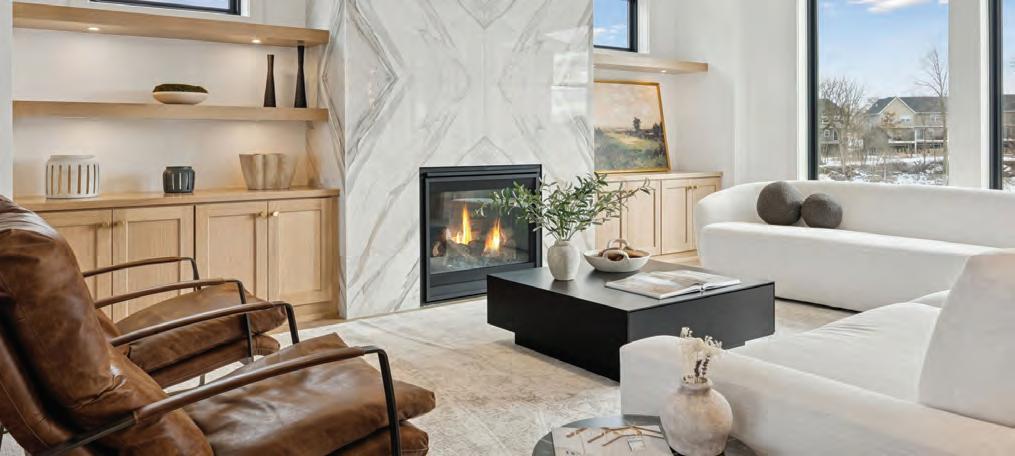
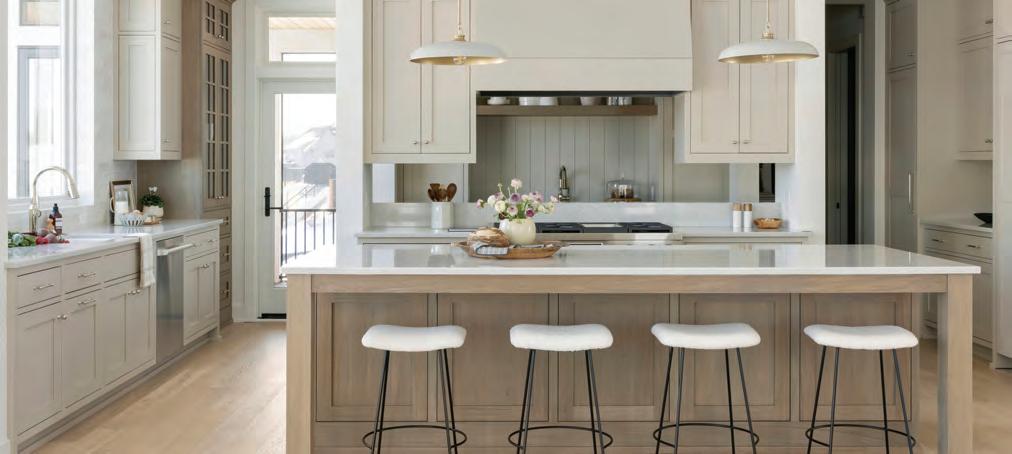

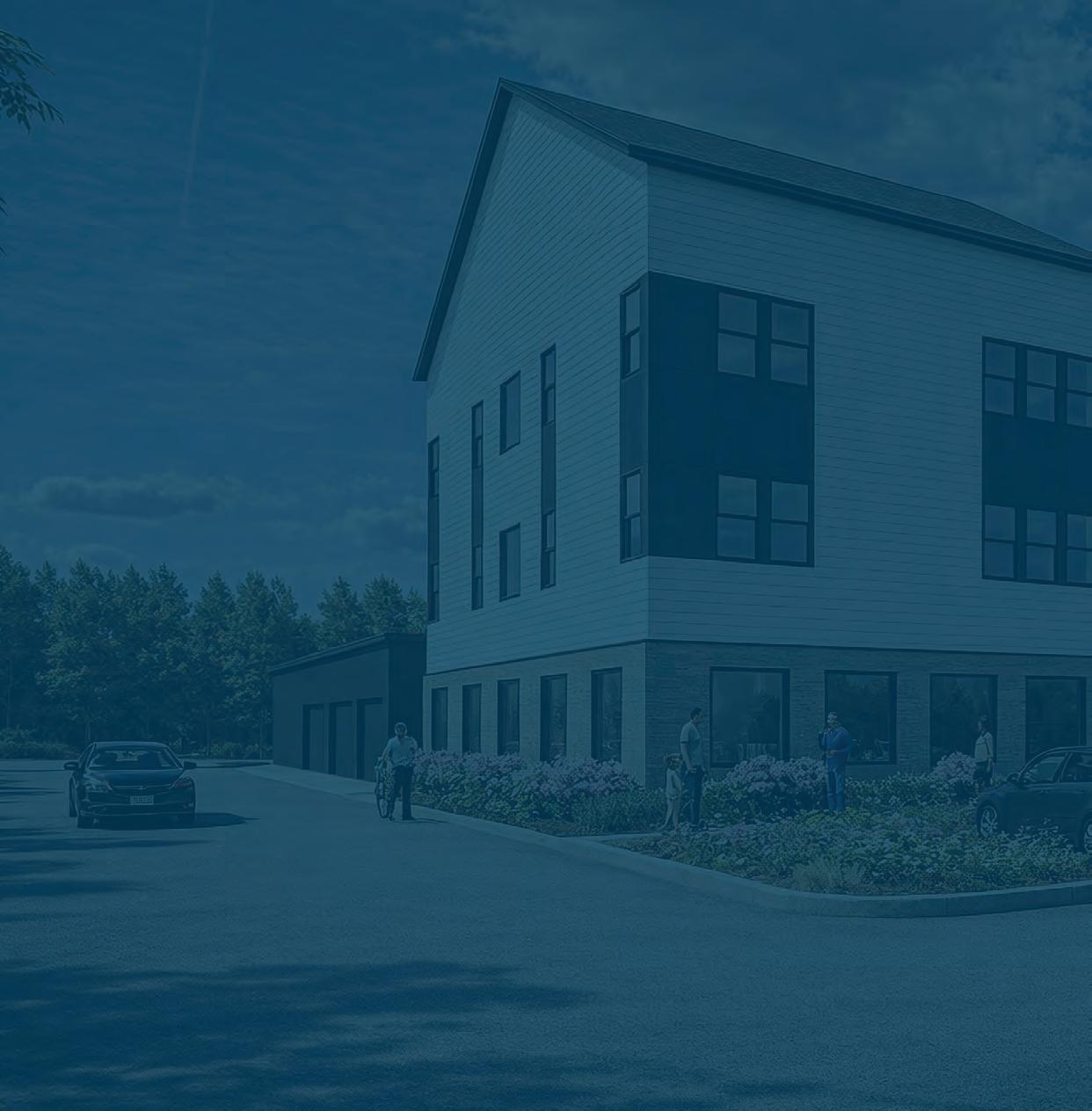
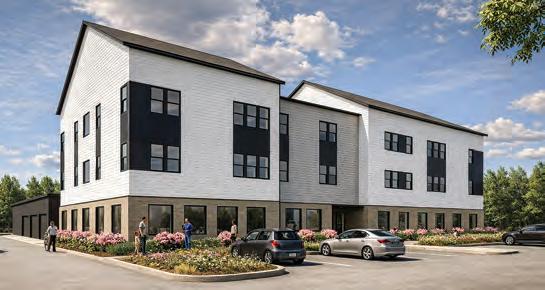
The Housing First Minnesota Foundation (HFMF), in partnership with 360 Communities, is advancing plans for a new 50-bed, apartment-style domestic and sexual violence shelter in Eagan—serving more than 600 individuals each year, half of whom are children.
As the only domestic and sexual violence shelter in Dakota County, this $14 million project will provide safe, stable housing and critical support services for survivors and their families. HFMF’s scope of work includes the finishing of residential apartment units for the project and other interior elements. This collaborative effort will create a secure, welcoming environment designed to foster healing, stability, and hope.


Your generous financial contributions will play a vital role in community build projects designed to support survivors of domestic and sexual violence at risk of experiencing homelessness, including our current housing industry-led initiative: Lewis House. We offer a range of donation options for both individuals and businesses that are eager to support our campaign efforts.
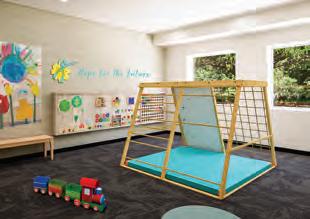
We happily welcome in-kind contributions of both labor and building materials to support this project. Donations of time, expertise, and product will directly offset construction costs, allowing us to maximize our collective resources and extend the overall impact of this effort. To learn more about how you or your organization can contribute and make a meaningful difference, please contact Sofia@HousingFirstMN.org.

Interested in being a larger partner on the project? Want to donate all of a product category, such as windows? Looking to contribute toward the cost of completion of multiple units? For more information on how you can directly impact this project, contact Sofia@HousingFirstMN.org.
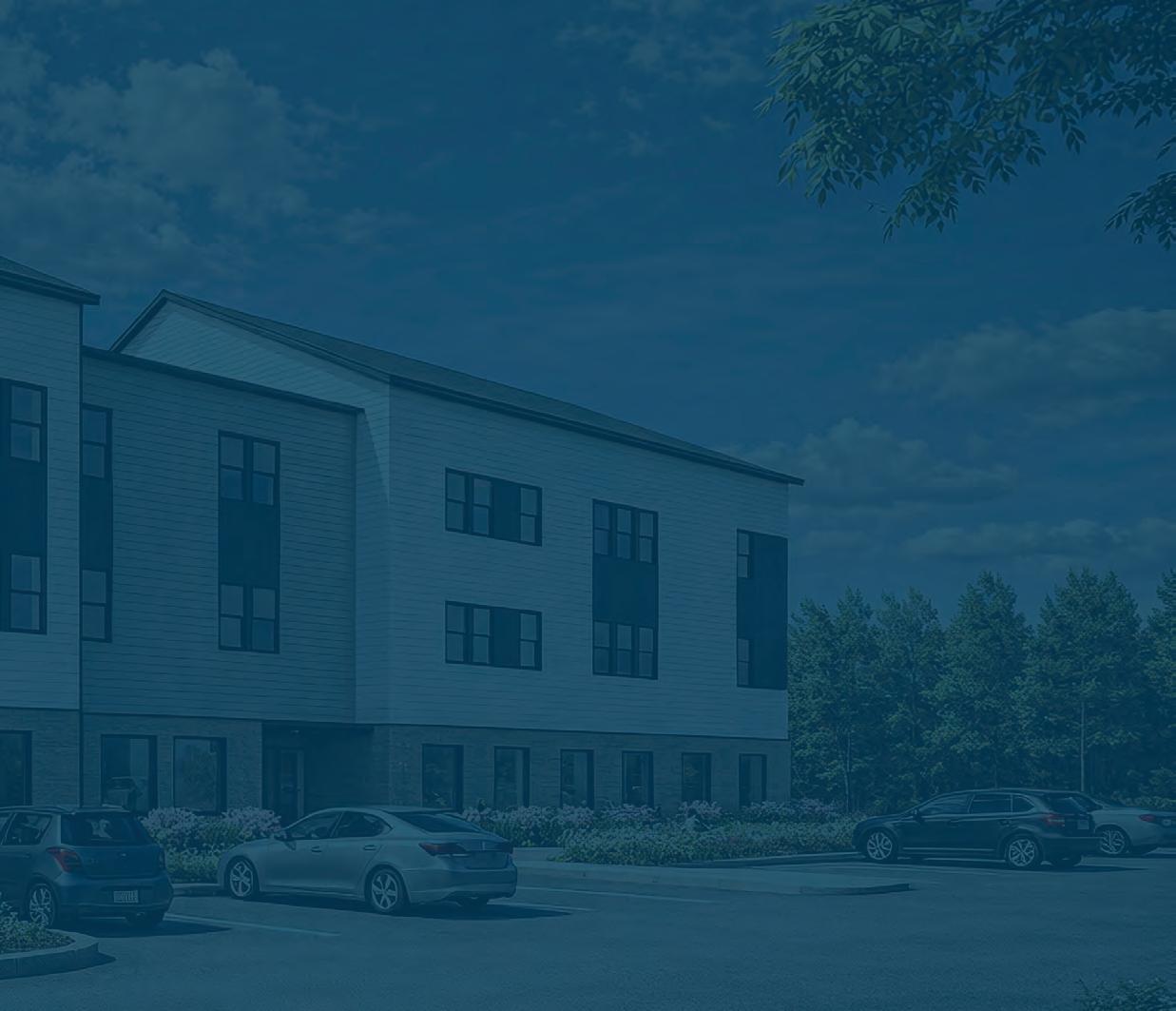
• Partnership among Housing First Minnesota Foundation, PulteGroup, Inc., Greiner Construction, and 360 Communities
• Development of a new 50-bed, apartment-style domestic and sexual violence shelter in Eagan
• Shelter will serve over 600 individuals annually, with roughly half being children
• Only domestic and sexual violence shelter in Dakota County
• $14 million project focused on safe, stable housing
• Includes a Survivor Support Center that will provide inclusive, life-changing services to shelter residents and nonresidents alike
• Housing First Minnesota Foundation and residential build partner PulteGroup, Inc. responsible for finishing residential units and interior elements
• Designed to create a secure, welcoming environment that fosters healing, stability, and hope through collaboration



SOFIA HUMPHRIES Executive Director Sofia@HousingFirstMN.org
KRISTI JORGENSEN Development & Engagement Manager Kristi@HousingFirstMN.org


A strong construction industry starts with a strong workforce pipeline. The TBG Education Foundation is committed to supporting that future through education, access, and opportunity.
A strong construction industry starts with a strong workforce pipeline. The TBG Education Foundation is committed to supporting that future through education, access, and opportunity.
A strong construction industry starts with a strong workforce pipeline. The TBG Education Foundation is committed to supporting that future through education, access, and opportunity.
Since 2015, the TBG Education Foundation has been dedicated to strengthening the future of Minnesota’s construction industry by partnering with industry leaders to financially support individuals exploring careers in the trades.
Since 2015, the TBG Education Foundation has been dedicated to strengthening the future of Minnesota’s construction industry by partnering with industry leaders to financially support individuals exploring careers in the trades.
Since 2015, the TBG Education Foundation has been dedicated to strengthening the future of Minnesota’s construction industry by partnering with industry leaders to financially support individuals exploring careers in the trades.
The Foundation’s Purpose & Mission: Committed to Education, Opportunity & Growth
The Foundation’s Purpose & Mission: Committed to Education, Opportunity & Growth
The Foundation’s Purpose & Mission: Committed to Education, Opportunity & Growth
ITS PURPOSE
ITS PURPOSE
ITS PURPOSE
The Foundation exists to increase awareness of skilled construction trade career opportunities, promote long-term career viability, and provide financial support through grants and scholarships.
The Foundation exists to increase awareness of skilled construction trade career opportunities, promote long-term career viability, and provide financial support through grants and scholarships.
The Foundation exists to increase awareness of skilled construction trade career opportunities, promote long-term career viability, and provide financial support through grants and scholarships.
ITS MISSION
ITS MISSION
ITS MISSION
The Foundation is driven by a mission to encourage students to pursue careers in Minnesota’s construction industry. Contributions help enable the Foundation to:
The Foundation is driven by a mission to encourage students to pursue careers in Minnesota’s construction industry. Contributions help enable the Foundation to:
The Foundation is driven by a mission to encourage students to pursue careers in Minnesota’s construction industry. Contributions help enable the Foundation to:
Invest in much-needed skilled-trade training programs in schools statewide
Invest in much-needed skilled-trade training programs in schools statewide
Invest in much-needed skilled-trade training programs in schools statewide
Promote a range of rewarding construction career opportunities to students
Promote a range of rewarding construction career opportunities to students
Promote a range of rewarding construction career opportunities to students
Help address Minnesota’s construction workforce shortages head-on
Help address Minnesota’s construction workforce shortages head-on
Help address Minnesota’s construction workforce shortages head-on

Real Impact in Minnesota Classrooms
Real Impact in Minnesota Classrooms
A recent example of the Foundation’s impact can be seen at Providence Academy. In 2025, the Foundation helped fund updated, industry-standard equipment, strengthening hands-on learning for students exploring careers in construction and skilled trades.
A recent example of the Foundation’s impact can be seen at Providence Academy. In 2025, the Foundation helped fund updated, industry-standard equipment, strengthening hands-on learning for students exploring careers in construction and skilled trades.
A recent example of the Foundation’s impact can be seen at Providence Academy. In 2025, the Foundation helped fund updated, industry-standard equipment, strengthening hands-on learning for students exploring careers in construction and skilled trades.
$1M
Through wood and metal shop programs, students move from design to build, gaining real-world experience with industry-standard tools. This hands-on approach builds practical skills, reinforces problem-solving, and introduces the mindset needed for success in construction-related careers.
Through wood and metal shop programs, students move from design to build, gaining real-world experience with industry-standard tools. This hands-on approach builds practical skills, reinforces problem-solving, and introduces the mindset needed for success in construction-related careers.
Through wood and metal shop programs, students move from design to build, gaining real-world experience with industry-standard tools. This hands-on approach builds practical skills, reinforces problem-solving, and introduces the mindset needed for success in construction-related careers.

JOIN US IN BUILDING WHAT COMES NEXT
Support the next generation of skilled professionals with a tax-deductible donation to the TBG Education Foundation.
Support the next generation of skilled professionals with a tax-deductible donation to the TBG Education Foundation.
Support the next generation of skilled professionals with a tax-deductible donation to the TBG Education Foundation.




$257K IN SCHOLARSHIPS AWARDED & MATCHED BY ASSOCIATION PARTNERS 53 GRANT RECIPIENTS SUPPORTED STATEWIDE $1M RAISED SINCE 2015
$303K IN GRANTS AWARDED +
$257K IN SCHOLARSHIPS AWARDED & MATCHED BY ASSOCIATION PARTNERS 53 GRANT RECIPIENTS SUPPORTED STATEWIDE
$1M RAISED SINCE 2015 $303K IN GRANTS AWARDED +

Registration for summer golf with Housing First is open!
Limited foursomes remain, so secure yours today! Sponsorship opportunities are available for all tournaments. Get Ready to Tee O !


BUILDING FUTURES GOLF CLASSIC
NEW THIS YEAR!
Hampton Companies Golf
July 27, 2026
North Oaks Golf Club | North Oaks HousingFirstMNFoundation.org/GetInvolved
PRESENTING SPONSOR
Housing First Minnesota Golf Open
Aug. 6, 2026
Majestic Oaks Golf Course | Ham Lake Two simultaneous afternoon shotguns HousingFirstMN.org/Events
PRESENTING SPONSOR
Housing First Minnesota Foundation
Building Futures Golf Classic
Sept. 15, 2026
The Wilds Golf Club | Prior Lake HousingFirstMNFoundation.org
PRESENTING SPONSORS







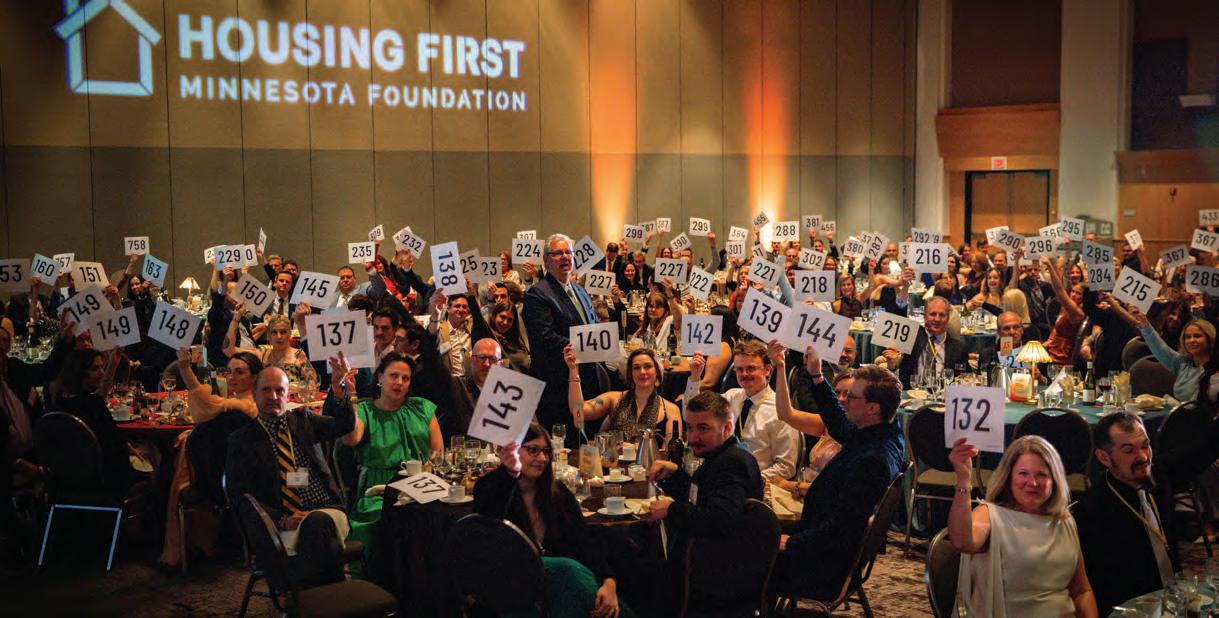


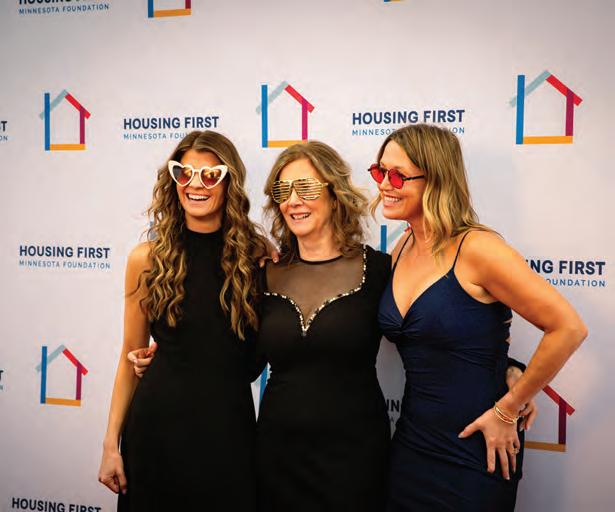
The 11th annual Foundation Gala was one for the books. Professionals from all corners of the industry donned their Friday best and gathered for an evening of inspiration, purpose, and meaningful impact. From heartfelt stories to memorable moments of celebration, the event served as a powerful reminder of what can happen when Minnesota’s housing community comes together in support of a shared mission.
april 17, 2026


CO-PRESENTING


Conversion-omics
Speakers & Consultants
Herregan Distributors, Inc.
ICC Restoration & Cleaning Services
Pulte Homes of Minnesota, LLC
Robert Thomas Homes, Inc.


Andersen Windows
Artful Living
Brandl Anderson Homes, Inc.
CenterPoint Energy
CHB Title, LLC
Edward Jones - Kelly Contreras (2026 Forbes|SHOOK® Top Women Wealth Advisors Best-in-State in Minnesota) Flooring, Inc.
Granite Bank
Hartman Homes, Inc.
Homes by Tradition, LLC
Boise Cascade Hampton Companies, LLC
Schwieters Companies, Inc.
St. Croix Wealth Management
The Builders Group BAR
Insulation, Inc.
Lakes Area Realty
Larkin Hoffman
Metropolitan Hardwood Floors
Pella Windows & Doors
Synergy Products
Urban Floor
Summergate Development, LLC

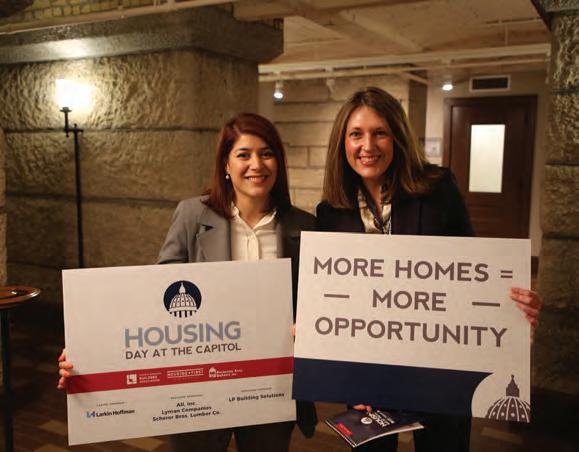
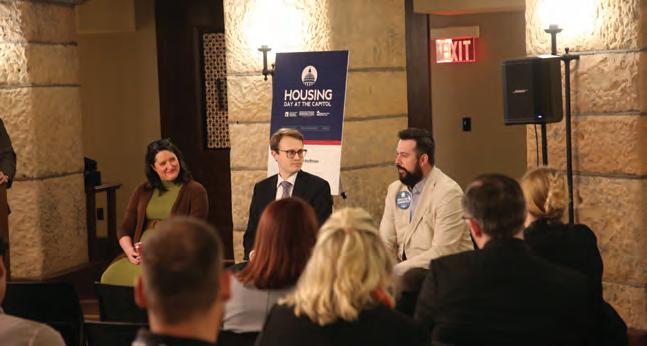
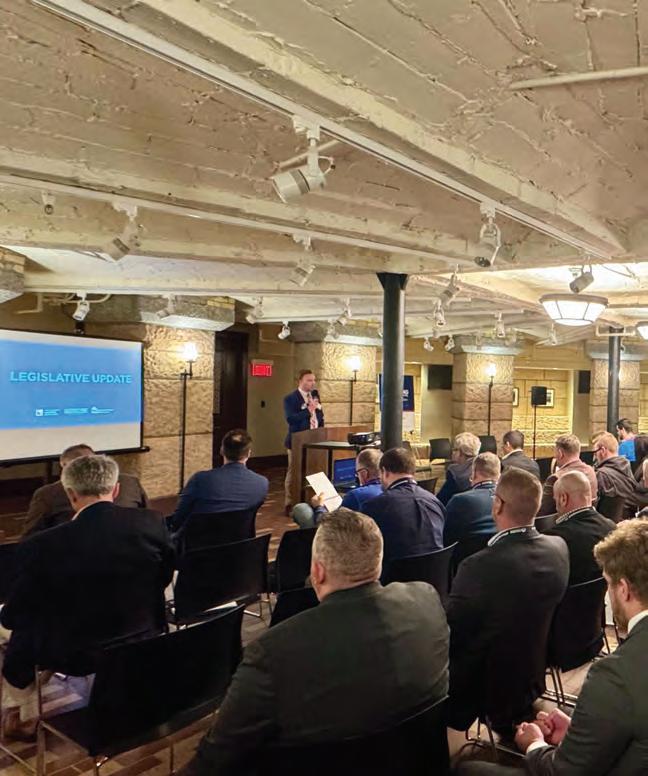
To close out the 2026 legislative session, builders, remodelers, and industry professionals gathered at the Capitol to advocate for homeownership opportunities across Minnesota. With housing affordability and supply continuing to challenge communities statewide, members met with lawmakers to share industry insight and reinforce the importance of policies that support attainable housing.
april 30, 2026









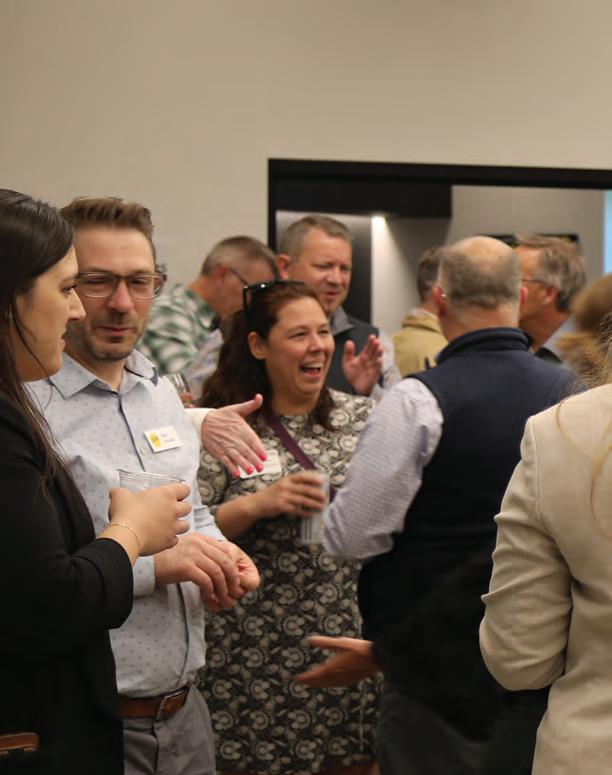
We kicked off the Summer Artisan Home Tour in style at Pella’s headquarters in Brooklyn Park. With live music, curated bites and beverages, and plenty of design inspiration, the evening set the tone for another exciting Artisan season celebrating exceptional homes, creativity, and craftsmanship.
may 7, 2026







On a warm (albeit slightly rainy!) May day, golfers teed up for an afternoon of friendly competition and camaraderie—all in support of the Housing First Minnesota Foundation. Industry professionals gathered on the course to connect with colleagues, make the most of the less-than-perfect weather, and help further the Foundation’s mission of building safe, dignified housing for Minnesotans in need.
may 18, 2026



CO-PRESENTING









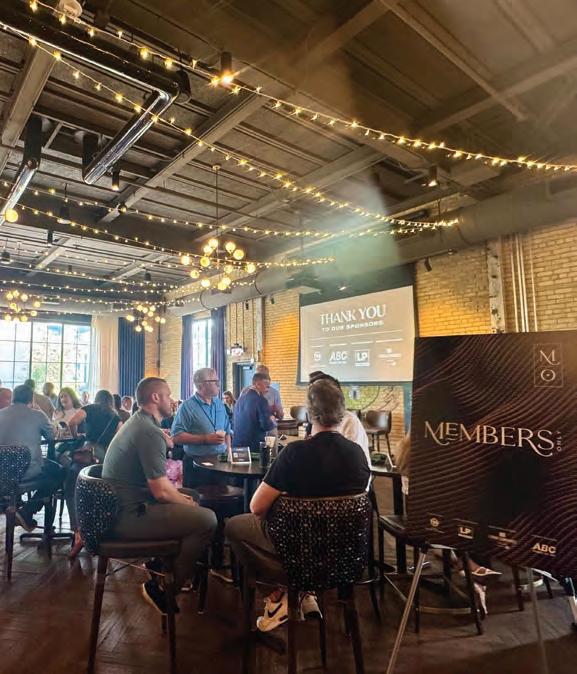
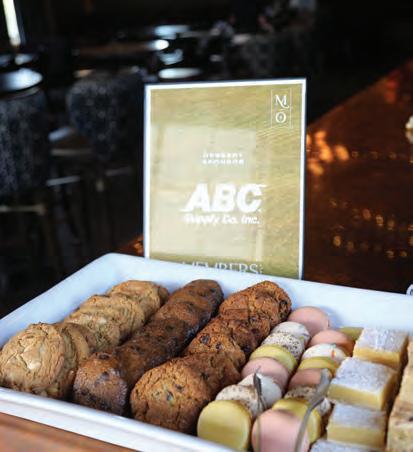


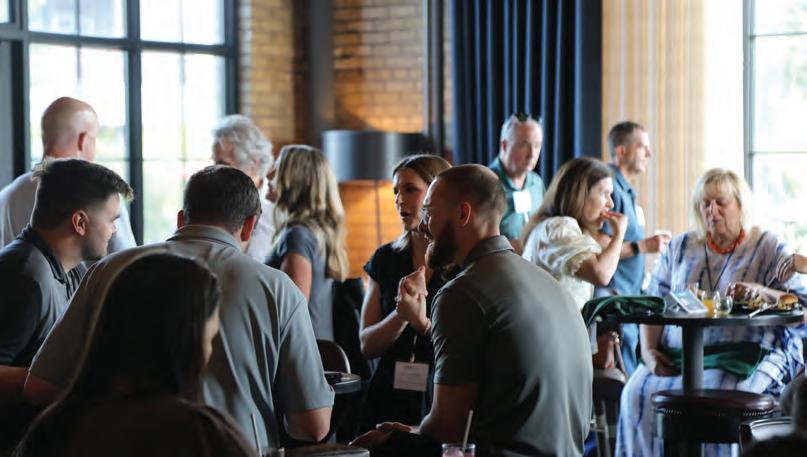
Our second Members Only event of the year tackled all things social media—from emerging trends and platform updates to the tools and tactics behind crafting stronger digital content. The expert panel explored the “how” behind effective online strategy, sharing practical insight into building trust, increasing visibility, and creating content that resonates with today’s audiences.
may 28, 2026
SPONSORS




Interior designers are the creative force behind the details that make a custom home feel truly unforgettable—and the residences featured on the Artisan Home Tour are no exception. During this insightful panel event, designers from the summer tour shared the inspiration behind their featured projects, offering attendees a closer look at how standout spaces are brought to life.
june 2, 2026


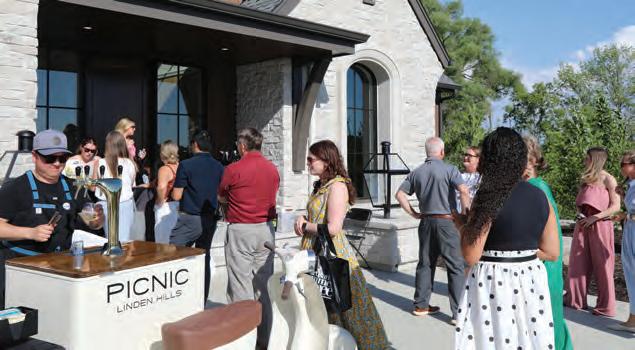
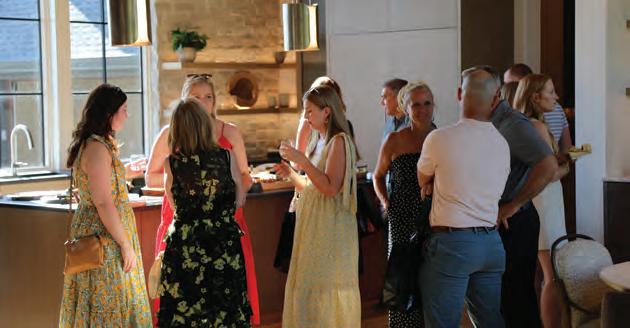
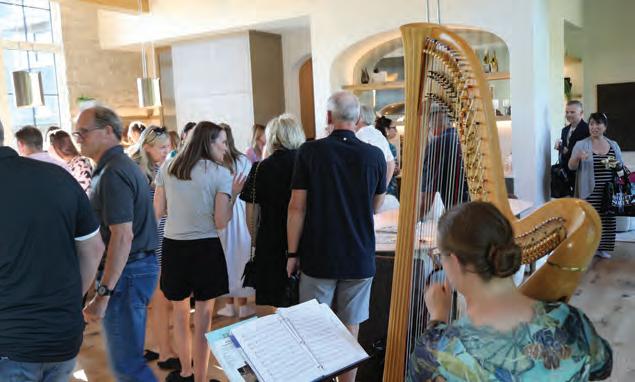
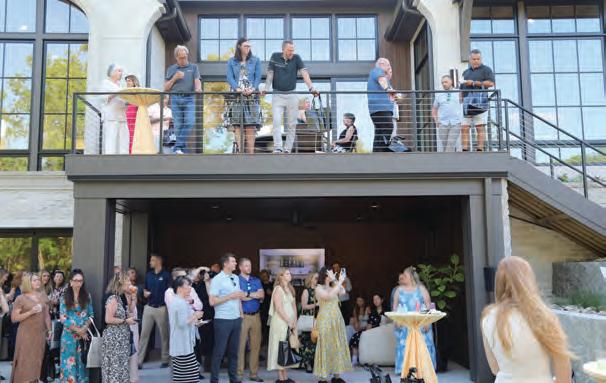
Set within a spectacular Medina new build by Swanson Homes, the Artisan Summer Soirée offered guests an evening of luxury, connection, and design inspiration. Attendees sipped handcrafted cocktails, enjoyed delectable hors d’oeuvres, and experienced the extraordinary beauty and craftsmanship of an Artisan home firsthand.
june 10, 2026


PRESENTED BY PRESENTING CATEGORY

EVENT PARTNERS



LOCAL COMMUNITY CONVERSATIONS, OUR
Homes being built in Lakeville are out of reach for first-time homebuyers. Any pause to the process will cause a rise in the cost of homes and will push homeownership further out of reach.”
SUNNY BOWMAN
2026 HOUSING FIRST MINNESOTA FOUNDATION PRESIDENT
PUBLICLY TESTIFYING AGAINST THE CITY OF LAKEVILLE’S RESIDENTIAL CONSTRUCTION MORATORIUM
The demand has been on the sideline; it has never gone away. We remain a heavily under-supplied market, and the only way out is to build our way out.”
JAMES VAGLE CEO OF HOUSING
FIRST MINNESOTA ON FINANCE & COMMERCE’S COVERAGE OF TWIN CITIES HOMEBUILDING ACTIVITY
At the end of the day, new homes in Minnesota continue to get more efficient without aggressive energy code adoption, but we continue to not look at where the greatest share of inefficiency lies, and that’s with existing homes.”
NICK ERICKSON SENIOR DIRECTOR OF HOUSING POLICY AT HOUSING
FIRST MINNESOTA
TESTIFYING IN SUPPORT OF LEGISLATIVE ACTION THAT WOULD EASE ENERGY EFFICIENCY REQUIREMENTS IN NEW HOMES



Ardmor Construction
Sarah Ahrendt 612-232-9705 ardmorconstruction.com
Benchmark Concrete Raising
Tate Carlson 952-295-0500 benchmarkconcrete.com
CARD Companies, Inc.
Tate Carlson 612-400-3197
eRoof
Garret Handeland 612-434-3052 eroofquote.com
Gallagher Keila Rone-Del Cid 662-812-7357 ajg.com
Gotcha Covered North Twin Cities
Melissa Volk 651-705-8073
Hanson Haven, LLC
Brittany Hanson 612-709-6432 linktr.ee/hansonhaven
Hanson Remodeling
Kelsi Holverson 612-655-4961 hansonremodeling.com
LX Hausys USA
Angelique Broin 651-238-9124 lxhausys.com/us
Marvel Sewer and Drain
Emily Smith
763-445-9005 marvelsewer anddrain.com
Proforma Colorwheel
Gerry Vagnone
612-701-4453 proformacolorwheel. proforma.com
Revolution Design and Build
Sid Levin 952-594-5037 revolutiondesign build.com
Roycroft Design
Jeremy Young 651-338-4349 roycroftarchitecture.com
STC Homes, LLC
Mark Strandlund 763-434-7962 stchomesmn.com
MARCH–MAY 2026
Sun-Up Fence, LLC
Nadine VanHoudt 507-995-6300 sunupfence.com
The House Dressing Co., Inc.
Michele Thacker 952-920-8301 housedressing company.com
W3 Construction, LLC
Nick Williams 507-210-1665 w3constructionmn.com
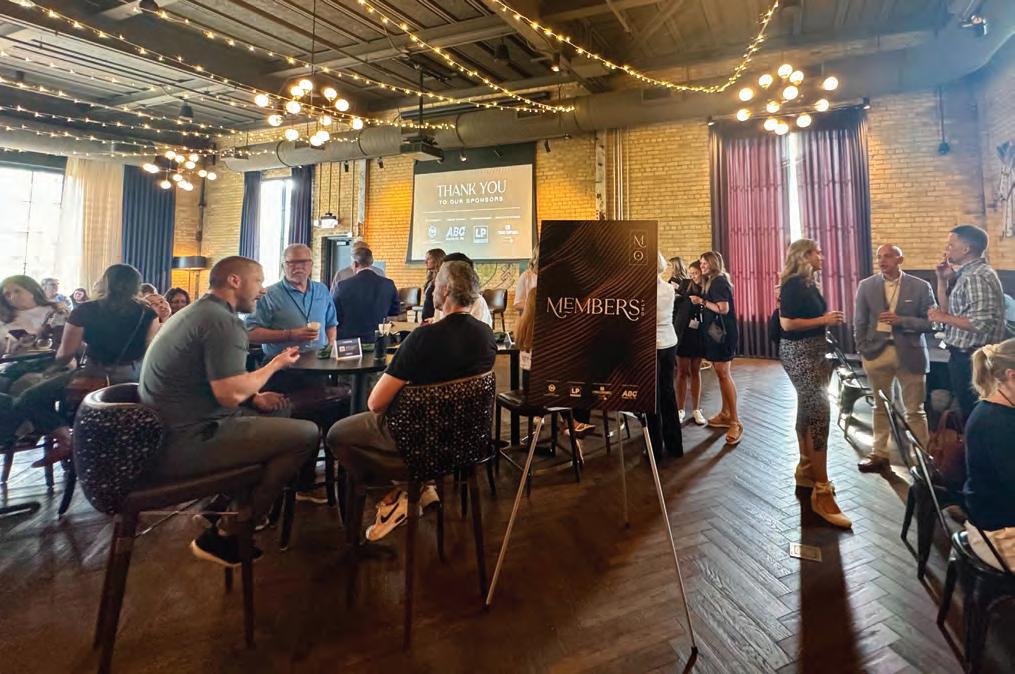


Housing First Minnesota has brought together an array of member-only benefits that positively impacts your bottom line. These companies thoroughly understand the building industry and provide products at rates generally not available to the public. Give these folks a chance to see what they can do for you.



HOMESPHERE
Join over 2,700 builders receiving incentives and rebates from building product manufacturers. Rebates often exceed the cost of your HFMN membership and it’s easily manageable!
Melissa Wolf 331-431-7433
MWolf@HomeSphere.com
NATIONAL PURCHASING PARTNERS (NPP) DISCOUNTS
• Airgas
• Cintas
• Projul
• Sherwin Williams
• Staples
• Verizon Business
• And MANY more!
NPP
800-810-3909
CustomerService@MyNPP.com






ASSOCIATION HEALTH PLAN
HOLIDAY STATIONSTORES / CIRCLE K
• Save 30 cents per gallon for the first 90 days (new applicants only)
• Save 6 cents per gallon all the time
Jayden Rosenfeld 952-921-5375
Jayden.Rosenfeld@CircleK.com
SPEEDWAY & 7-ELEVEN
• Business fuel card program
• Fuel rebates up to 5 cents off per gallon
• Mobile management tools
Avani Mehta 630-698-0118
Avani.Mehta@WexInc.com
Our Association Health Plan (AHP) helps small businesses in the residential construction market provide insurance to their employees. Fully insured by Blue Cross Blue Shield and managed by North Risk Partners, the AHP is a great way to recruit and retain employees with an average savings of 7-10% for participating companies.
Janice Meyer 651-697-7566
• Janice@HousingFirstMN.org
One



Seamless






































Elevating every detail, start to finish.

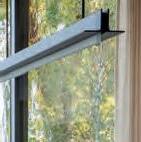









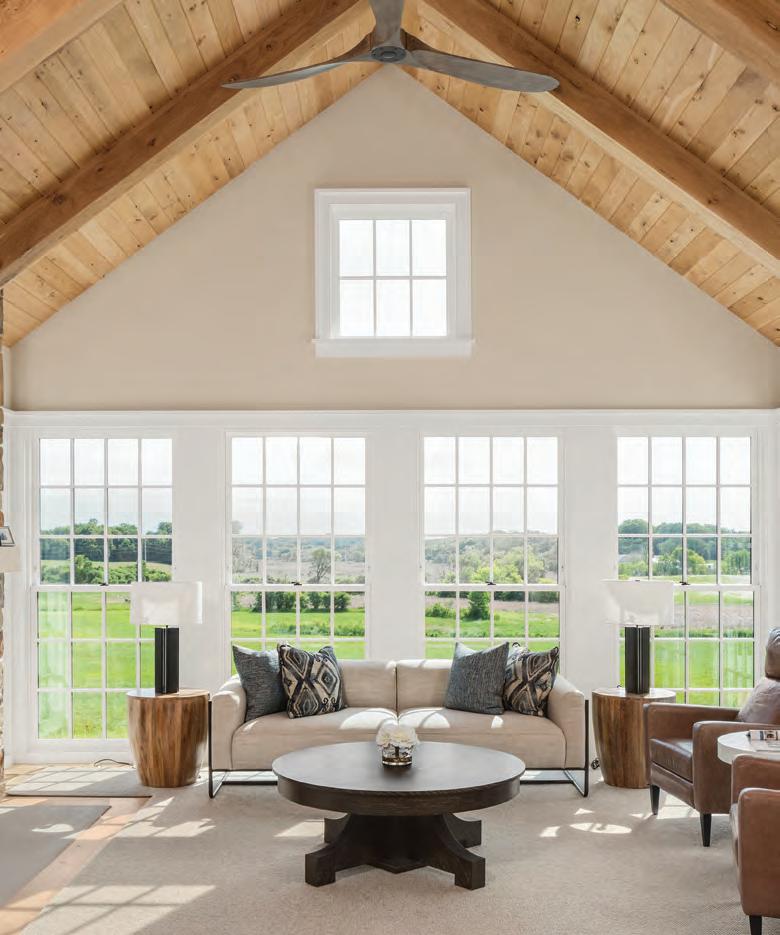
AT SYNERGY, we partner with builders, architects, and designers to shape exceptional residential spaces. Every detail is considered with intentionwhere design, performance, and execution come together seamlessly. From concept through installation, we bring a level of precision that elevates the entire build. Reach out to us today to transform your next project.