Housing Industry News Vol. 9 Issue 3 - September 2025
Minnesota housing market at midyear: Record prices, stubborn rates, and builder uncertainty
Halfway through 2025, Minnesota’s housing market is sending mixed signals. Prices continue to climb to record highs, mortgage rates have eased slightly but remain elevated and builders are navigating a cautious environment marked by uneven demand.
Prices reach new milestones
The cost of a home in Minnesota has never been higher. According to Minnesota REALTORS®, the statewide median sales price in June reached $370,000, a 4.2% increase from last year. In the Twin Cities metro, the median crossed the $400,000 mark for the first time. Single-family homes now average $449,000 in the metro, with newly built homes averaging more than $520,000.
The pace of appreciation has quickened. It took eight years for metro prices to climb from $200,000 in 2012 to $300,000 in 2020. But just five years later, the median has grown another $100,000, underscoring both persistent demand and ongoing affordability challenges.
Sales activity has been steady: pending sales rose 3.7% statewide in June, while existing-home sales in the Twin Cities increased 5.5%. Sellers in the metro continue to see strong offers, averaging 100.7% of list price.
Mortgage rates flat, but easing slightly
Mortgage rates have held in a narrow range for more than a year, staying between 6.5% and 7%. Recently, there has been some modest relief. Freddie Mac reported the average 30-year fixed rate at 6.58% in early August, the lowest levael since October 2024.
Minnesota lawmakers honored with Housing Leadership Awards
PAGE 8
Industry celebrates completion of Elevate Hope House
PAGE 14
Veteran Village builds momentum
PAGE 18
Energy code review leaves industry on edge
Despite record-high unaffordabilty, new Minnesota energy code could make housing more costly
For the past two years, the Department of Labor and Industry (DLI) has been working on the next residential energy code—the first energy code change since 2014. The state’s Technical Advisory Group (TAG) is expected to wrap up its work by early fall. This discussion comes after a law passed by the Minnesota Legislature in 2024 that requires greater energy efficiency, moving to a 70% increase in efficiency from 2006.
This law requires that beginning in 2026, the DLI commissioner will adopt the latest International Energy Conservation Code (IECC) or a more efficient standard every three years, with energy codes from 2026 to 2038 incrementally moving towards this goal.
Costly update expected
A lot has changed since Minnesota implemented an amended version of the 2012 IECC. While the state’s next residential energy code is far from finished, DLI cannot adopt any weakening amendments, giving a clear picture of the minimum changes that will be approved. Significant changes in the 2024 IECC and passed code change proposals include address-specific Manual JDS, continuous R-5 insulation (or equivalent total UA), a shift to 0.27 U-factor for windows in all climate zones, increased foundation insulation and automated lighting controls.
Industry members are beginning to worry about the cost, with estimates
of more than $7,500 for a townhome and more than $13,000 for a two-story home.
“We already have the most expensive new homes in the region,” said Nick Erickson, senior director of housing policy for Housing First Minnesota. “Adding another $13,000 in the middle of a housing crisis will grow the state’s housing deficit.”
Minnesota: Nation-leading in efficiency
According to RESNET, which tracks new home efficiency across the United States and Canada, Minnesota is the national leader in efficiency for states
Housing First Minnesota has filed a civil lawsuit in Hennepin County District Court challenging the City of Edina’s tree-related fees.
Under current city rules, builders, property owners or developers must submit a “tree protection plan” and deposit into escrow 110% of the value the city assigns to tree replacement. If replacement trees are not planted, the city may retain these funds without a requirement to
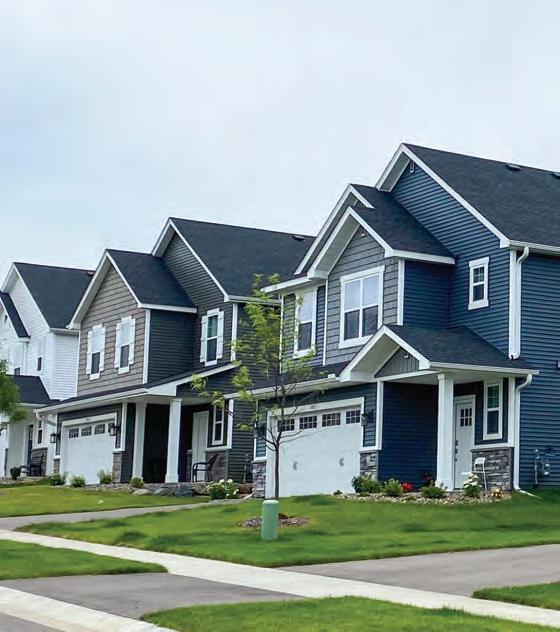
The newly adopted code could add an estimated $13,000 to the cost of a two-story home.
Industry leadership, community impact
In our industry, we understand that a home is far more than lumber, nails and concrete. A home is stability, dignity and the opportunity for a new beginning. I'm continually impressed by how deeply our industry invests in our communities throughout the state. This year alone, the Housing First Minnesota Foundation has advanced that vision in remarkable ways—demonstrating the leadership and generosity that define our profession.
What began years ago as a handful of Twin Cities projects has grown into a statewide movement. In 2025, the Foundation launched five major housing initiatives across Minnesota, each tailored to meet a critical need in its community:
• Winnebago: In partnership with APX Construction, Bravo Zulu House became the nation’s first sober-living home for veterans with PTSD.
• Eagan: With Lennar and MACV, Veteran Village is creating 22 homes for 36 veterans and families.
• Ham Lake: Elevate Hope House now provides stability for young mothers and
children, built alongside Lennar and Spring Lake Park High School students.
• Chanhassen: An eight-bedroom Hope House, developed with John Kramer & Sons, will open in 2026 for youth in crisis.
• Saint Paul: The 15th Housing for Heroes project in partnership with Lennar and MACV is underway, offering lasting housing for a veteran and their family.
Each project showcases what happens when our industry unites—builders, trade partners, students and donors working side by side. The results are not only homes, but futures restored, and communities strengthened.
For those of us in homebuilding, this work matters. It affirms our role as stewards of community well-being, demonstrating to policymakers and the public that our industry is committed to more than market demand. We are problem-solvers, innovators, and partners in addressing Minnesota’s most urgent housing challenges.
The need remains great, but our resolve is
Go to HousingIndustryNews.org for subscriber exclusives, breaking housing news and features.
Subscribe
stronger than ever. As we look ahead, we know the Housing First Minnesota Foundation will continue to expand its reach—driven by the skills, passion and purpose of this industry. Together, we are building more than homes. We are building hope.
Let's Build it Together,
Stay up to date on the latest housing news. Subscribe to our newsletter at HousingIndustryNews.org
Advertising
For advertising information, rates, editorial calendar and production specifications, contact: Sales@HousingFirstMN.org
News Tips
Have a story idea for our next issue? Contact Kristen Crossman at Kristen@HousingFirstMN.org
Follow Us
Be a part of the growing housing movement in Minnesota. Follow us @housingindustrynews_mn facebook.com/HousingIndustryNewsMN
Art Pratt Pratt Homes 2025 Board Chair
New report underscores the enduring value of homeownership
A new white paper by economist Elliot Eisenberg, Ph.D., underscores the critical role that homeownership plays in building financial stability, strengthening communities, and shaping the American identity.
The report, Homeownership’s Enduring Value, reveals that owning a home is far more than a personal milestone; it’s a key driver of economic security. Between 2019 and 2022, median net housing wealth in the U.S. surged by 44%, and aggregate homeowner equity grew by 37%. With housing representing roughly 16% of the nation’s GDP, the benefits ripple far beyond individual households, fueling local economies through construction jobs, tax revenues and sustained community spending.
Beyond the financial impacts, the paper highlights how homeownership fosters better health and educational outcomes. Children of low-income homeowners are 11% more likely to graduate high school than their peers in renting families. Additionally, homeowners report lower rates of chronic illness, particularly between ages 45 and 64.
The report also links homeownership to increased civic participation – owners are 25% more likely to vote – and highlights its lasting cultural importance, with 78% of Americans considering it still “very important” to their idea of the American Dream.
In Eisenberg’s view, promoting homeownership isn’t just housing policy; it’s an investment in the long-term prosperity, stability, and resilience of the nation. Eisenberg also points to the generational impact of homeownership, with equity often serving as a financial safety net for retirement, medical needs and educational expenses. Unlike other forms of wealth that can be depleted over time, home equity is frequently preserved and passed down, helping bridge opportunity gaps for the next generation.
From leveraging favorable tax treatment to providing a stable foundation during economic downturns, the paper concludes that homeownership remains one of the most effective tools for building personal wealth, fostering strong neighborhoods, and sustaining America’s economic engine. “Homeownership has long been a cornerstone of the American Dream,” said Eisenberg, “Homeownership generates wealth, contributes to financial security and builds communities. This report reinforces what we’ve long known –when more people have the opportunity to own a home, everyone benefits.”
Legislators honored with Housing Leadership Award
Housing First Minnesota has recognized 24 members of the Minnesota Legislature with the 2025 Housing Leadership Award, honoring their outstanding efforts to advance housing affordability and expand homeownership opportunities during the 2025 legislative session.
For the second year in a row, housing supply, land use and zoning reform were front and center at the State Capitol. In March, a bipartisan coalition of lawmakers introduced the “Yes to Homes” agenda – an ambitious effort to address the state’s worsening housing crisis by promoting the construction of more homes of all types and price points.
“Minnesota is currently more than 100,000 housing units short of what’s considered a healthy market,” said Mark Foster, vice president of legislative & political affairs at Housing First Minnesota. “The legislation introduced and advanced this session aimed to close that gap by allowing for a greater diversity of housing options. Many of these lawmakers worked tirelessly throughout the session to support policy changes that will strengthen Minnesota’s housing market.”
While none of the “Yes to Homes” agenda items were ultimately signed into law, Foster emphasized the importance of continued action.
“Though these specific measures fell short this year, the broad, diverse coalition behind them remains committed to meaningful reform,” said Foster. “We urge the legislature and Governor Walz to prioritize these urgently needed policy changes in 2026.”
Housing industry impacts from the federal budget bill
On July 4, the federal budget bill was signed into law. This legislation has several provisions that impact homebuilders, homeowners and construction workers.
45L Tax Credit
The 45L New Energy Efficient Home Credit, initially set to terminate in 2033, will now sunset on June 30, 2026. This tax credit provided incentives to eligible ENERGY STAR new homes of $2,500 for single-family or manufactured homes, and $500 for multifamily construction.
With the loss of this program and tax incentive, homes in Minnesota may become more expensive, making homeownership out of reach for even more families.
Construction Industry Workers
The bill expands the Pell grants student aid program from just full-time college students to those in workforce training programs. The bill also expands the use for 529 savings accounts, which is a tax-deferred savings account to be used for education-related expenses, to include skilled trade training programs. This expansion will make it more affordable for people to pursue a career in the trades, such as construction.
199A Tax Deduction
The 199A tax deduction from 2017 was set to expire later this year. This bill makes the deduction permanent and raises it from 20 percent to 23 percent. This deduction is for pass-through businesses, which the Associated General Contractors of America say includes most construction firms.
Low-Income Housing Tax Credit
The bill extends and expands the Low-Income Housing Tax Credit (LIHTC), which incentivizes development of affordable rental housing for lowincome households. The temporary 12.5 percent increase in LIHTC allocations was restored and extended through 2029. The requirement of government-issued bonds for developers to qualify was also lowered.
The accounting firm Novogradac that provides services for developers estimates that over 500,000 affordable rental homes could be financed between 2026 and 2035.
While this could have an impact on rental housing supply, homeownership may still remain out of reach for many Americans, especially in Minnesota where we are already experiencing such a large housing deficit.
State and Local Tax Deduction
The State and Local Tax (SALT) deduction allows taxpayers to deduct these types of taxes, including income and property taxes, from their federal tax bill. This deduction is raised to $40,000 from $10,000 in 2017.
While this is beneficial to homeowners who can now deduct their property taxes, it does not directly impact housing supply or barriers to homeownership.
Interest Rates
This bill overall adds $2.4 trillion to the national debt over the next decade. Economists warn that this could lead to higher interest rates, leading to fewer homes built and fewer people buying homes.
Recipients of the 2025 Housing Leadership Award
Rep. Larry Kraft (St. Louis Park)
Rep. Alicia Kozlowski (Duluth)
Rep. Katie Jones (Minneapolis)
Rep. Spencer Igo (Wabana Township)
Rep. Michael Howard (Richfield)
Rep. Jeff Dotseth (Kettle River)
Rep. Shane Mekeland (Clear Lake)
Rep. Jim Nash (Waconia)
Rep. Roger Skraba (Ely)
Rep. Kari Rehrauer (Coon Rapids)
Sen. Liz Boldon (Rochester)
Sen. Doron Clark (Minneapolis)
Sen. Gene Dornink (Brownsdale)
Sen. Rich Draheim (Madison Lake)
Sen. Steve Drazkowski (Red Wing)
Sen. Omar Fateh (Minneapolis)
Sen. Mark Johnson (East Grand Forks)
Sen. Andrew Lang (Willmar)
Sen. Lindsey Port (Burnsville)
Sen. Jordan Rasmusson (Fergus Falls)
Sen. Tou Xiong (Maplewood)
Sen. Eric Lucero (St. Michael)
Sen. Jason Rarick (Cloquet)
Sen. Susan Pha (Brooklyn Park)
With housing permits down, Central Minnesota cities seek creative fixes
A recent slump in single family building permits has prompted Central Minnesota community development directors to collaborate more closely in seeking creative solutions.
City planners for St. Cloud, Sartell, St. Joseph, Sauk Rapids and Waite Park realized over the summer that the number of single-family housing permits being requested among their communities has dropped off significantly. That realization resulted in
them looking for opportunities to act. Since their initial meeting, they have held two stakeholder meetings to explore new ways to boost home building.
"Realizing they have to act together to create change has been good, and there are a few items in the works that might lead to creative solutions,” reports CentraCare consultant Kathy Parsons, who is helping facilitate a community-wide housing initiative. Parsons notes they are also looking into
CHOOSE LAMPERT.
Lampert Lumber offers a wide selection of high-quality cabinetry to meet the needs of professionals in residential, commercial, and multi-family projects. Our expert designers are here to assist you and your customers with product selection, design support, and customization options to ensure the perfect fit for any space. With competitive pricing, top brands, and reliable service, Lampert Lumber is your trusted partner for cabinetry solutions that deliver style, functionality, and durability.
making their zoning more uniform across local communities.
St. Cloud, for example, has allowed more flexibility, helping advance some new affordable workforce housing projects in the city.
The Central Minnesota Builders Association (CMBA) co-hosted a major regional Housing Summit in April at St. Cloud State University. CMBA continues meeting quarterly with mayors of St. Cloud, Sartell, Waite Park, Sauk Rapids and St. Augusta, exploring
ways to be more flexible, streamline development, and reduce costs so we can build more workforce-affordable housing.
Like much of the state, studies have shown Central Minnesota is far behind in meeting the current demand for new housing, particularly in the price range affordable for our local workforce. Many factors, including costs of materials, labor, fees and regulatory burdens, have driven up home building costs.
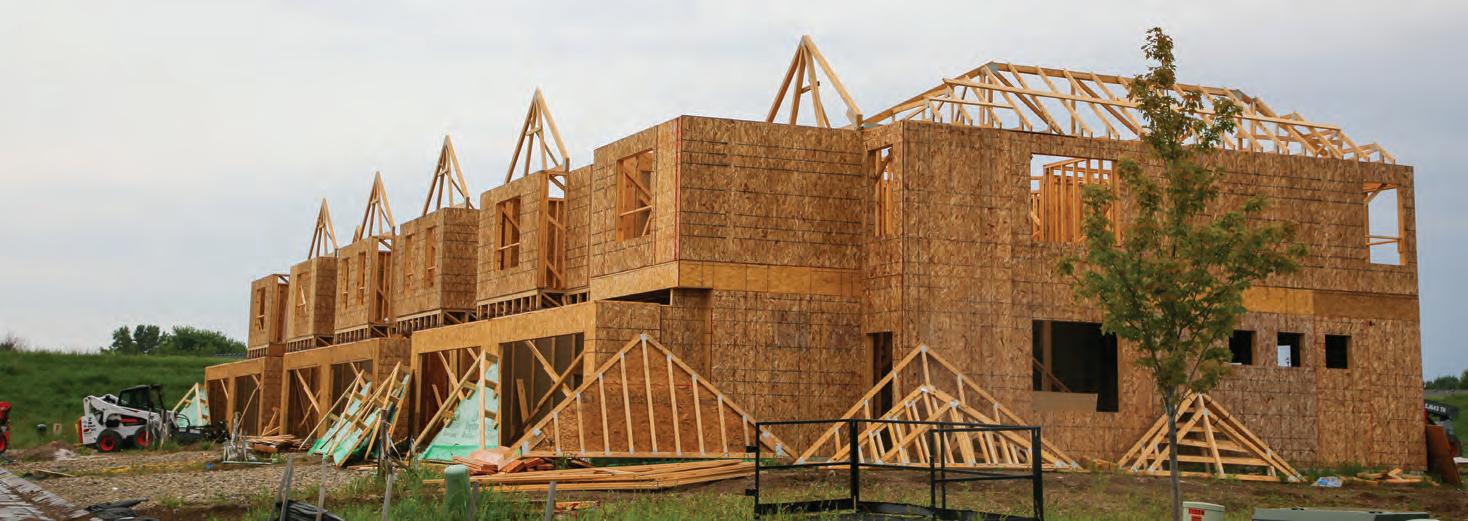
City planners in Central Minnesota seek to address the region's growing housing needs.
Housing market report
Homebuilding activity in the metro area was mixed for the month of July as single-family saw a healthy uptick, while multifamily projects dropped significantly. Metro builders pulled 503 permits for single-family homes in July – a 15% increase in year-over-year activity. Multifamily construction, however, reported just six permitted units during the month of July. This is the lowest level of activity in the multifamily sector since April 2024. Yearto-date, multifamily activity is only down 2% compared to the same time period last year.
Generational shifts shape homebuyer preferences
A new report from the National Association of REALTORS® highlights how different generations of homebuyers are approaching the housing market, with distinct priorities emerging across age groups.
Baby Boomers Lead the Market
Baby Boomers, ages 60 to 78, make up 42% of buyers and 53% of sellers. Many in this group are using home equity to purchase property outright, often bypassing mortgage financing. Their decisions are driven largely by downsizing, moving closer to family, and preparing for retirement. Preferences include single-level living, accessible floor plans, and low-maintenance features, along with proximity to family and healthcare.
Generation X and Multigenerational
Needs
Generation X, ages 45 to 59, is increasingly turning to multigenerational living arrangements. About 21% of Gen X buyers purchased homes designed to accommodate parents, adult children, or both. These households tend to seek flexible floor plans, such as in-law suites or private entrances, as well as soundproofing and additional storage.
Millennials Focus on Affordability
and Flexibility
Millennials, ages 26 to 44, account for 29% of all buyers. More than 70% of younger millennials are first-time buyers, often facing
affordability challenges tied to student debt and high home prices. Many prefer smaller, efficient homes with flexible layouts that allow for family growth. Energy efficiency and technology integration, such as smart home features, are also high priorities.
Generation Z Begins Entering the Market
Generation Z, ages 18 to 25, makes up about 3% of buyers. Nearly one-third of Gen Z buyers are single women, a notable demographic trend. Many in this group are purchasing older, more affordable homes, often with the intent to renovate. Compact homes in walkable neighborhoods, along with opportunities for customization, are key preferences.
For Minnesota’s housing industry, the data points to a market defined by generational variety. Baby Boomers continue to drive transactions with equity-funded purchases, while younger buyers highlight the importance of affordability, adaptability, and new technology. Meeting these preferences will be central to capturing demand in the years ahead.
CONTINUED FROM PAGE 1
Minnesota housing market at midyear: Record prices, stubborn rates, and builder uncertainty
The small decline has offered incremental affordability gains, though rates remain elevated compared with pre-2022 levels. Industry observers note that borrowing costs continue to weigh on purchasing power, leaving many buyers and sellers cautious until more significant movement occurs.
Builders cautious as confidence slips
On the construction side, signals are mixed. The Twin Cities saw single-family permits rise 15% in July compared with last year, according to the Keystone Report, suggesting demand for new homes remains solid despite higher costs. Multifamily, however, has slowed dramatically, with just six units permitted in July—the weakest month for that sector in more than a year.
National builder sentiment reflects these challenges. The National Association of Home Builders’ confidence index dropped to 32 in August, its lowest reading since late 2022. Roughly 37% of builders reported cutting prices, while two-thirds offered incentives such as mortgage rate buydowns, the highest share since the pandemic.
Industry leaders warn that continued weakness in multifamily development could ripple through the broader housing
A BRANCH BUILT FOR WINDOWS & DOORS
ecosystem, where demand for varied housing types remains strong.
Outlook for the remainder of 2025 Forecasts suggest price growth will cool but stay positive. Freddie Mac expects appreciation to moderate as more homes come to market, while Fannie Mae projects national prices will rise 3.5% this year, down from nearly 6% in 2024. Mortgage rates are forecast to end the year near 6.5%, with gradual declines into 2026.
For Minnesota, the months ahead may hinge on the Federal Reserve’s policy decisions. Economists say a potential rate cut this fall could give the market momentum, easing pressure on buyers and nudging more homeowners to list.
Until then, the market remains defined by contrasts: record-high prices and steady sales on one hand, affordability concerns and builder uncertainty on the other.
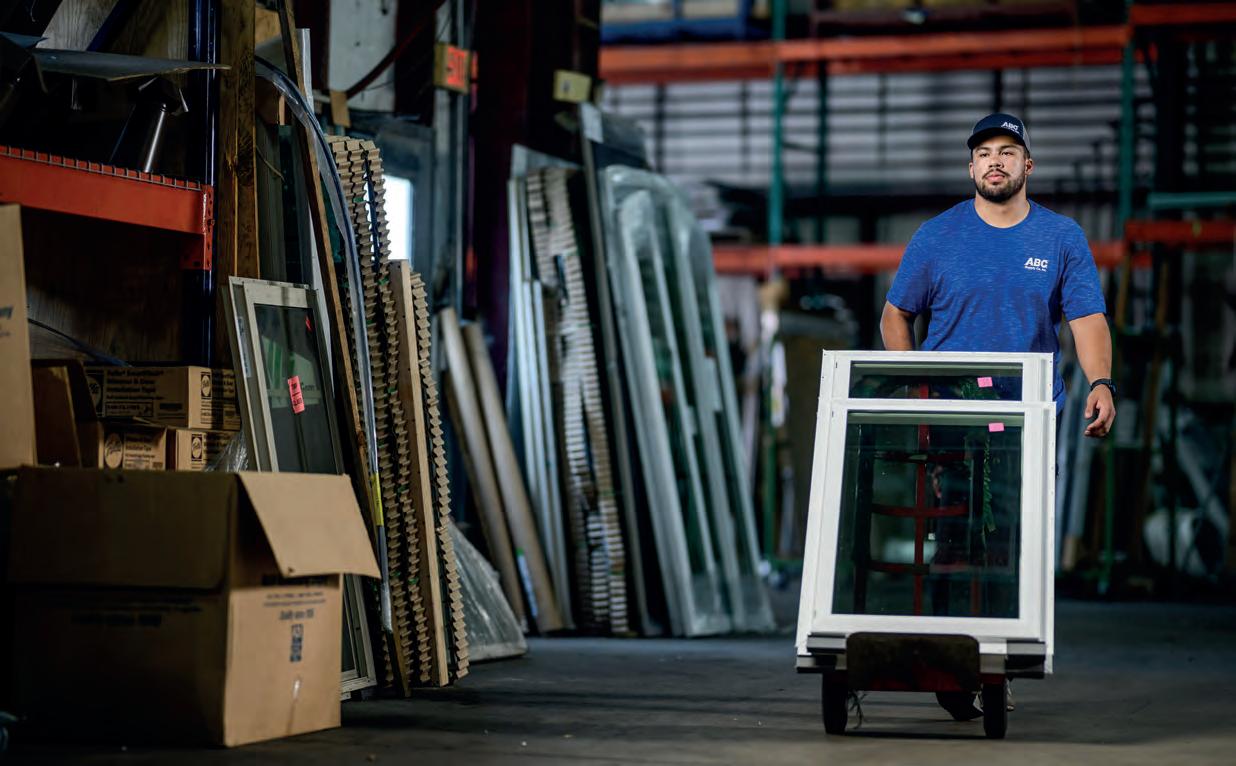
MINNESOTA’S ONLY WINDOW & DOOR-DEDICATED ABC BRANCH
We’ve brought together the metro’s top window experts—120+ years of combined experience—all in one location, built exclusively for window and door pros.
Specialized Focus: Only windows. Only doors.
Streamlined Service: From takeoff to final walkthrough.
Expert Team: Brand-certified support, no hand-offs.
Built to Serve: Dedicated equipment and warehouse space.
Over 30,000 Visits on the Summer Artisan Home Tour
The Summer Artisan Home Tour showcased Minnesota’s finest builders, designers, and remodelers, welcoming over 30,000 combined visits across three weekends. From June 6–22, attendees toured 16 exquisite new homes and five artisan-quality remodels, exploring the best in craftsmanship and design across the Twin Cities and into western Wisconsin.
Hosted by Housing First Minnesota, the Artisan Home Tour once again underscored the strength and creativity of the region’s homebuilding industry. Homes on the summer tour featured expansive layouts, elegant kitchens, spa-like suites, and breathtaking outdoor living spaces – all while showcasing the innovation and artistry that set artisan homes apart.
“Each year, the Artisan Home Tour offers a chance for Minnesotans to step inside some of the most thoughtfully designed and expertly crafted homes in our state,” said James Vagle, CEO of Housing First Minnesota. “This year’s event demonstrated not only the talent of our builders and designers, but also the enthusiasm of visitors eager to see what’s possible in luxury homebuilding.”
In addition to the self-guided tours, guests enjoyed special experiences throughout the month. Highlights included Wheelin’ with WINC, which brought more than 100 women from across the housing industry together for a day of networking and inspiration; the Artisan Summer Soirée, co-hosted with Mpls.St.Paul Magazine, which welcomed industry partners and supporters inside a featured home; and Inside the Design, where visitors heard firsthand from interior designers about their vision and process for artisan-level homes.
“Events like these help us connect the public with the artistry of our builders and the dedication of our industry,” said Kate Gunderson, senior vice president of growth & engagement for Housing First Minnesota. “They also provide opportunities to elevate conversations about design, craftsmanship and the future of homebuilding in Minnesota.”
The 2025 Summer Artisan Home Tour was presented by Pella Windows & Doors, with partial proceeds benefiting the Housing First Minnesota Foundation. The Foundation works to provide safe, dignified housing for Minnesotans in need, extending the impact of the event beyond the walls of the tour homes.
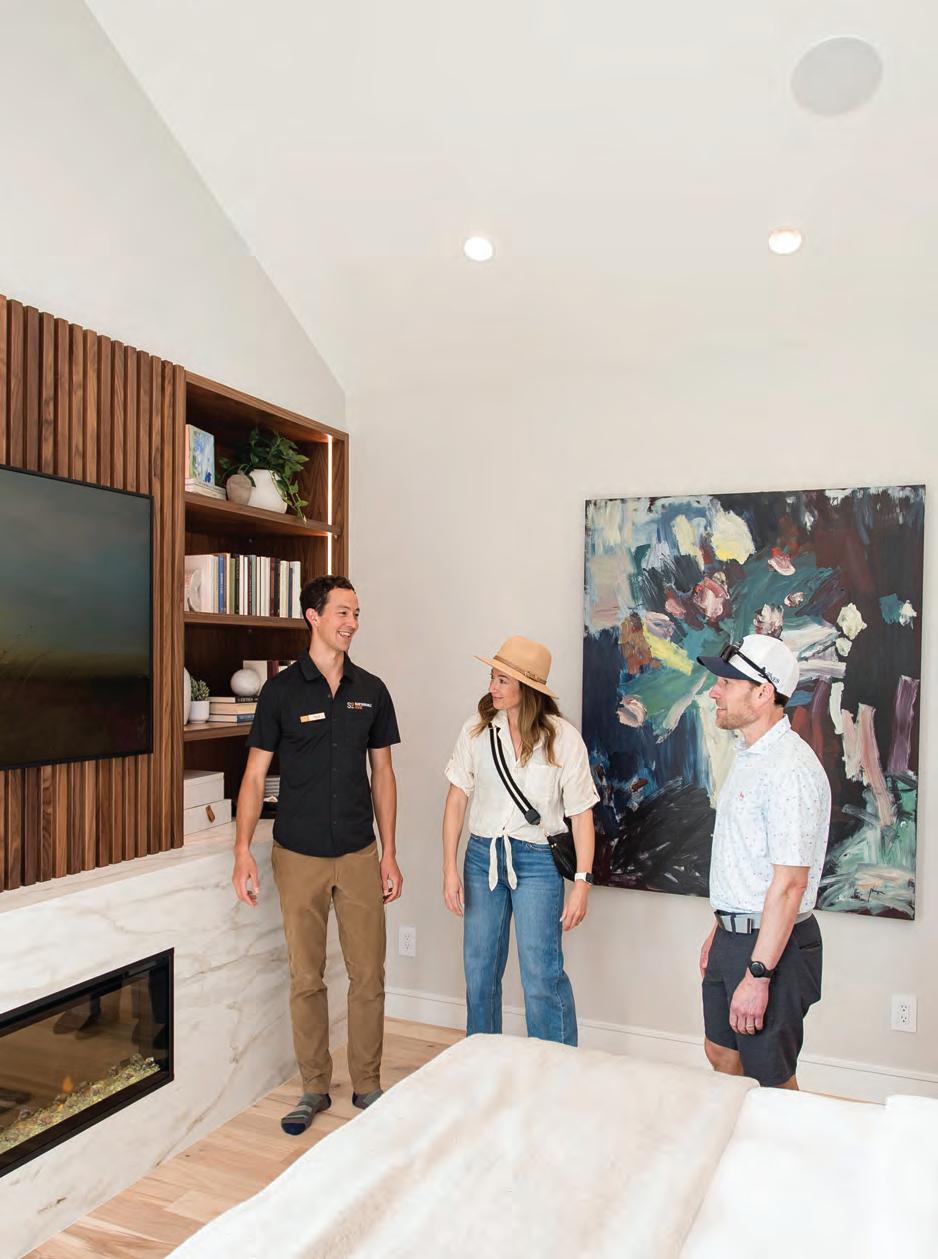
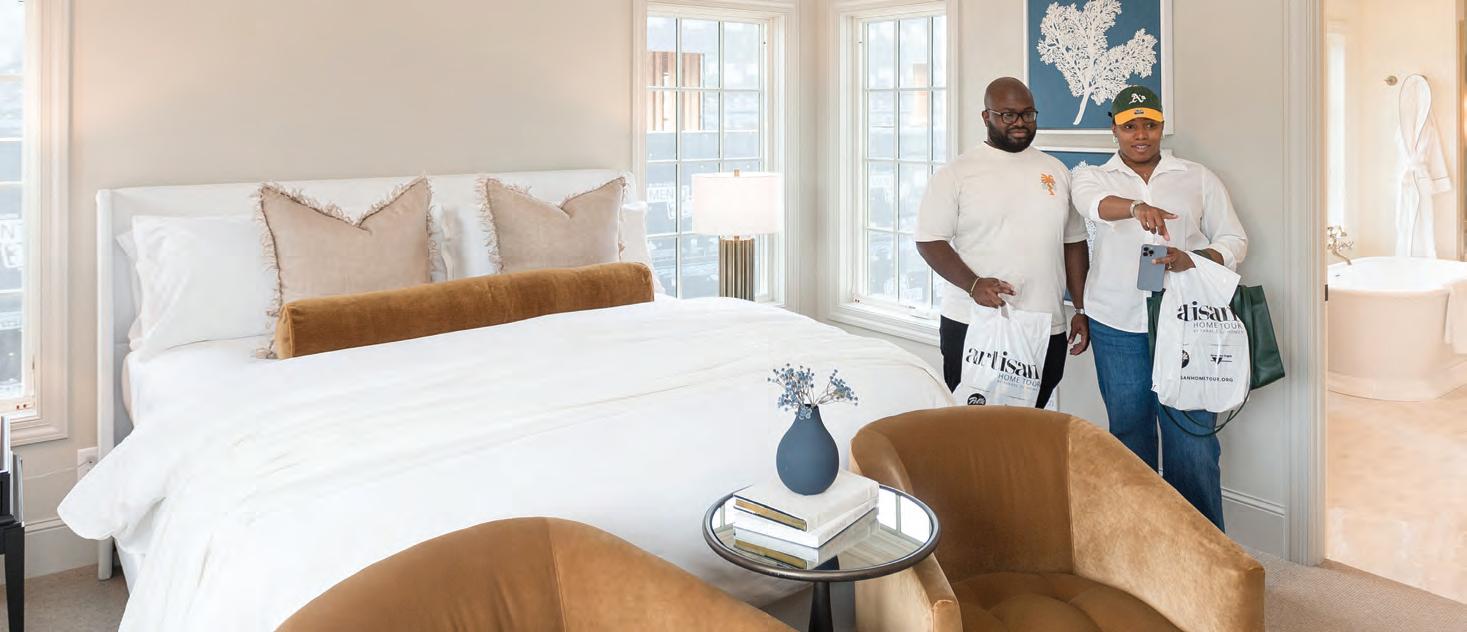
Tourgoers step inside over 20 homes across the Twin Cities metro and western Wisconsin as part of this summer's Artisan Home Tour.
THE FUTURE OF FRAMING IS NOW.
Stay Ahead of Schedule and the Competition with READY-FRAME®
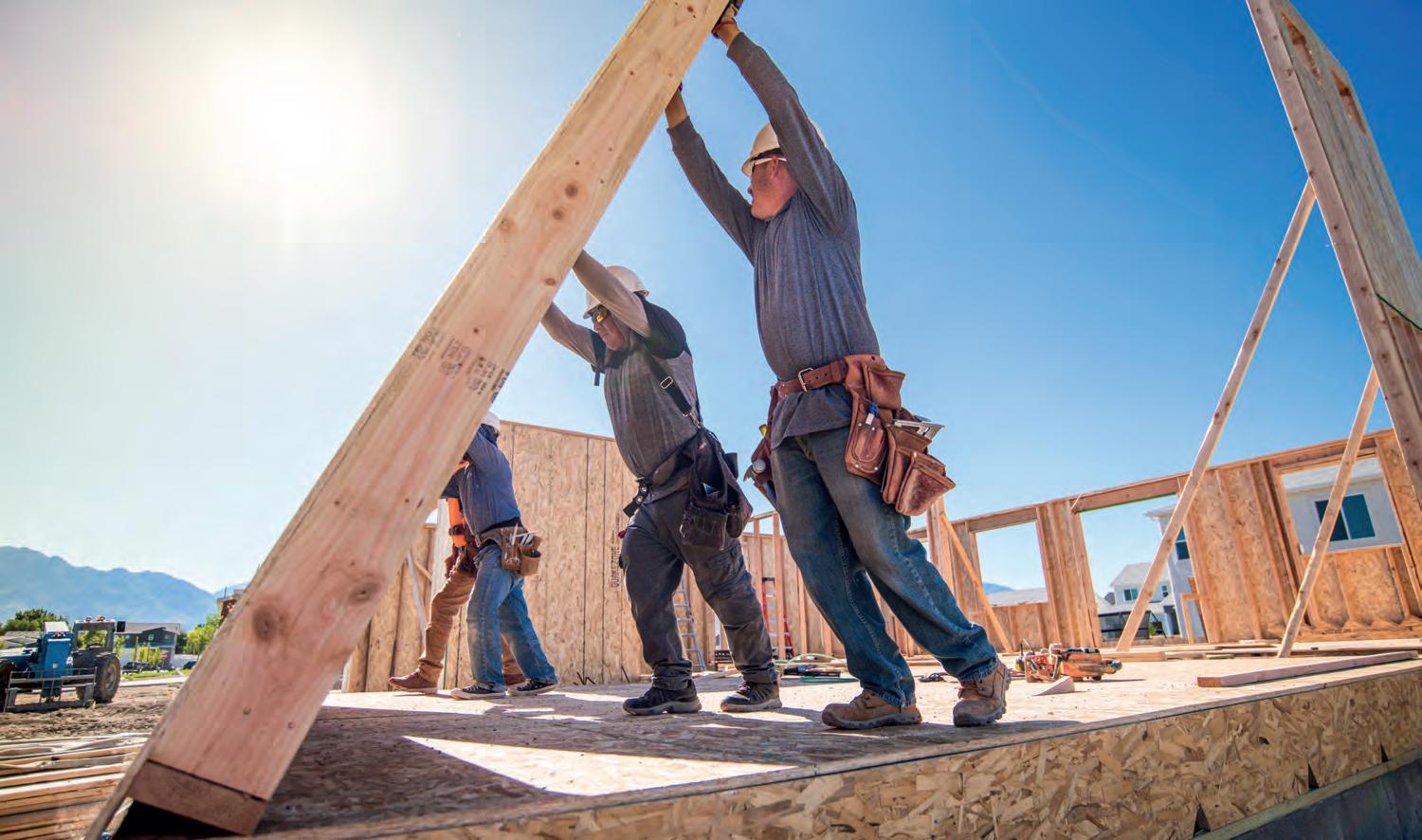
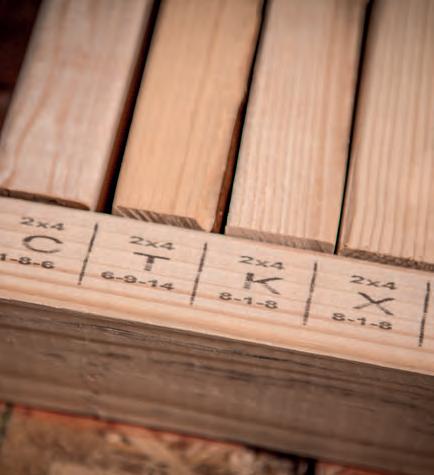
READY-FRAME® is our pre-cut framing package that makes framing better, faster, safer and greener. You give us your plans, and we cut everything you need, just how you need it. The system ships from our o site manufacturing facility Smart Bundled®, compact, pre-cut and labeled –ready for your framers to assemble on the jobsite.
Housing industry celebrates completion of Elevate Hope House in Ham Lake
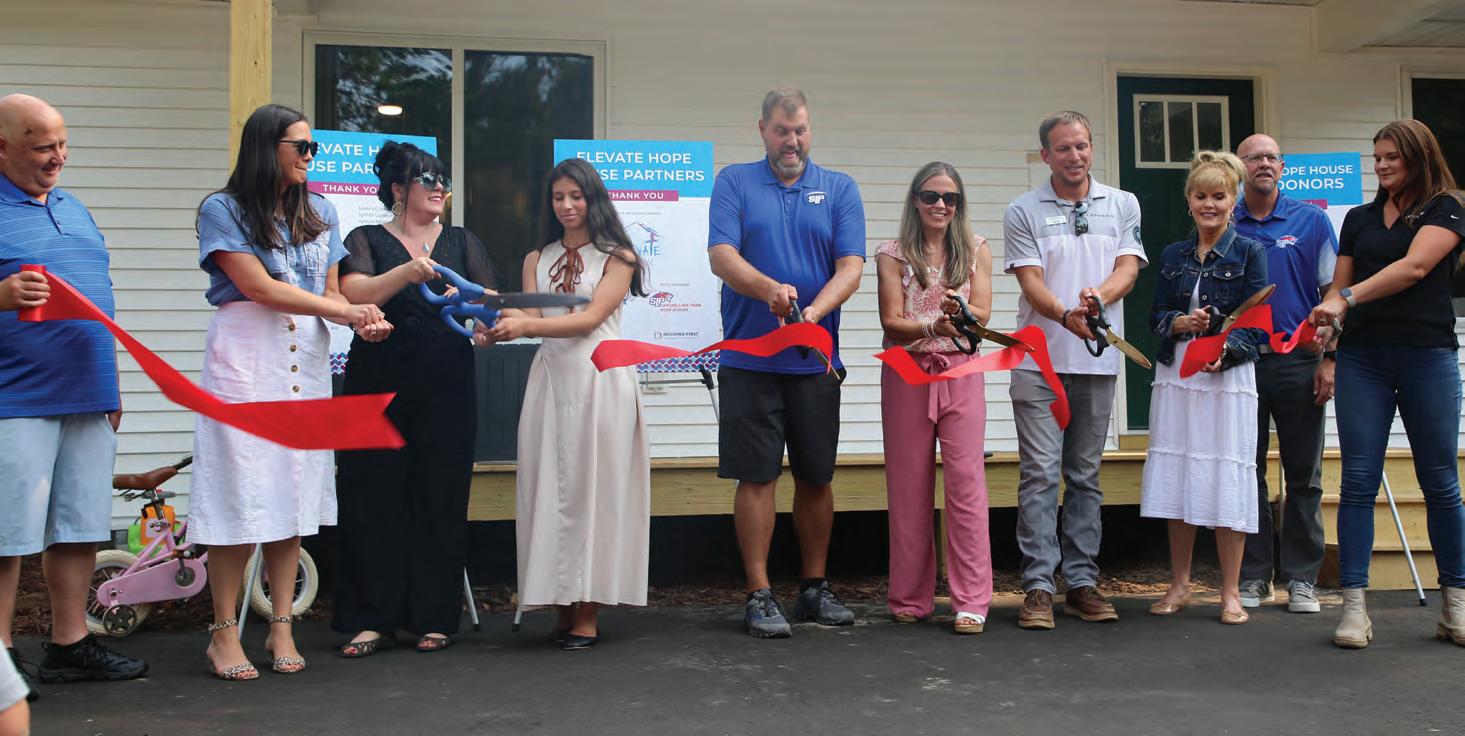
This past July, the Housing First Minnesota Foundation, alongside community and state leaders, industry partners, and students and teachers from Spring Lake Park High School, celebrated the completion of Elevate Hope House – Joanne’s Place in Ham Lake. This unique project combined professional expertise with hands-on student learning to create a life-changing resource for young, single mothers and their children.
Elevate Hope House, a 501(c)(3) nonprofit in Anoka County, empowers young, single mothers and their children in crisis by
providing safe, faith-based transitional housing. Since opening its first home in 2020, the organization has offered housing and programs that help families build self-sufficiency, restore dignity, and regain self-worth. With the ribbon cutting of Joanne’s Place – their first affordable housing bridge – Elevate Hope House expands its capacity to keep families in the community while they work toward long-term stability.
Joanne’s Place was made possible through a collaboration guided by Lennar and the Housing First Minnesota Foundation, with support from generous trade partners and suppliers.
Another key contributor was the Spring Lake Park High School Construction Trades Program. Under the guidance of teachers and industry professionals, students assembled the home in their school parking lot – framing walls, installing roofing, and other key components. This hands-on experience allowed them to apply classroom knowledge to a real-world project, preparing them for careers in the building trades while contributing to a cause with lasting community impact.
In May, the completed home was
Pulte Homes charity golf tournament marks $250K in donations for Minnesotans in need
Rain clouds and cool breezes couldn’t dampen the spirit at Dwan Golf Course as supporters teed off for the 15th annual Pulte Homes Charity Golf Tournament on July 16th, benefiting the Housing First Minnesota Foundation.
For well over a decade, Pulte Homes of Minnesota has been the driving force behind this tournament, hosting year after year to rally community members and industry partners around a shared cause: building and renovating supportive housing for veterans and Minnesotans experiencing homelessness.
O ver the course of the last 15 years, the annual Pulte Homes Charity Golf Tournament has raised an impressive $250,000 for the Housing First Minnesota Foundation – funds that go directly toward community build projects for Minnesotans in need.
This year’s tournament drew golfers of all skill levels, united by a passion for giving back. The afternoon kicked off with words of thanks to sponsors and participants before the shotgun scramble began. Between swings,
players enjoyed lighthearted competitions like the “Chip in the Throne” challenge, “Roll the Dice” game and an on-course photobooth.
As golfing began to wrap up, the program shifted from the green to the clubhouse, where guests enjoyed hors d’oeuvres, a lively raffle, spirited bidding during the live auction and the announcement of tournament champions.
"Pulte Homes of Minnesota has been a partner in every sense of the word," said Foundation Senior Director of Community Impact, Sofia Humphries. "Their dedication and consistency over the years have helped us expand our mission and reach more people in need."
The Housing First Minnesota Foundation expresses deep gratitude to everyone who played, volunteered, sponsored, and contributed—and especially to Pulte Homes of Minnesota for their steadfast generosity. Planning is already underway for the 16th Annual Pulte Homes Charity Golf Tournament next July, where once again, golf swings will help build brighter futures.
transported from the school to its permanent site in Ham Lake.
Joanne’s Place is a powerful example of what happens when industry leadership, educational opportunity, and community need come together. By blending professional expertise with student interest, the project delivered more than a home – it built skills, confidence, and a blueprint for future collaborations that strengthen both the workforce and the communities they serve.
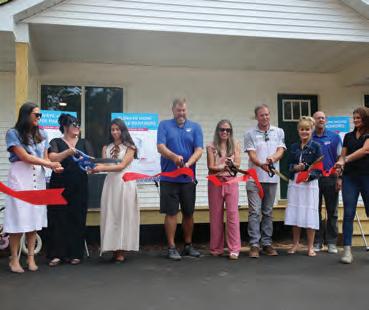
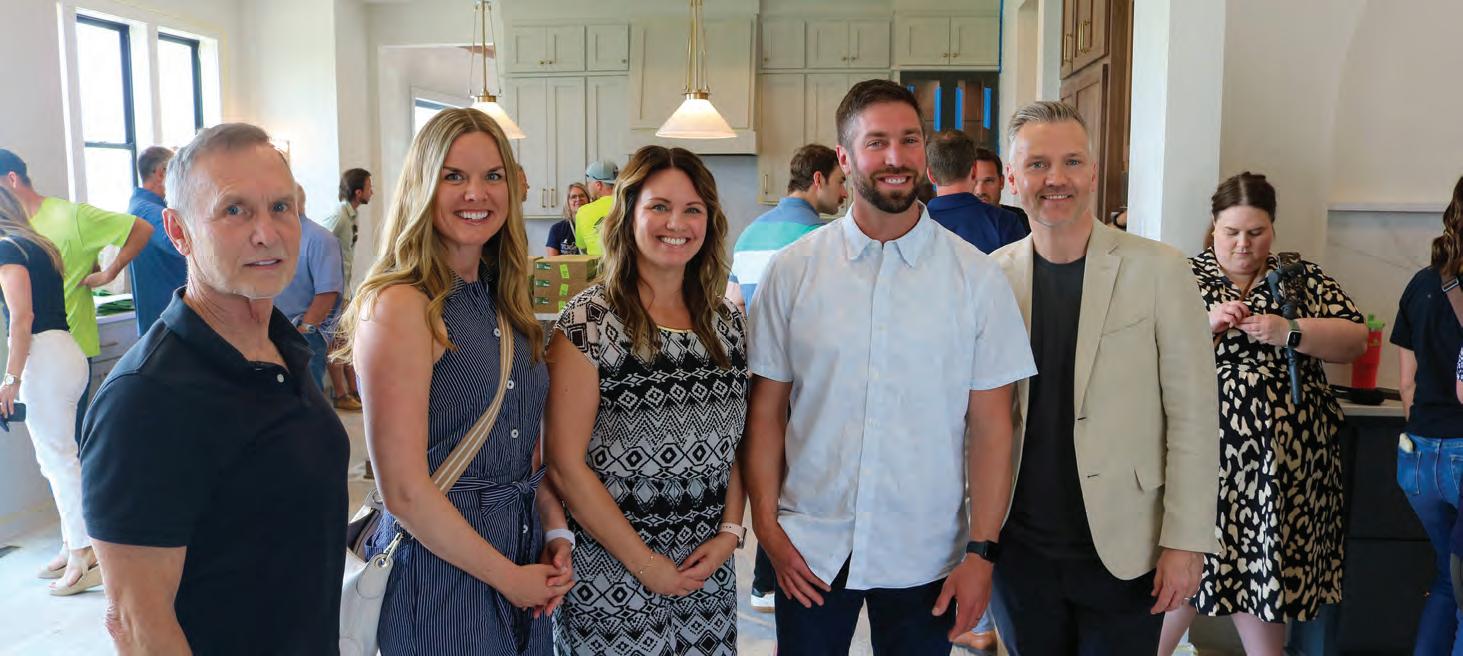
Representatives from the Housing First Minnesota Foundation, Elevate Hope House and Spring Lake Park High School gathered to celebrate the completion of the project.
Members of Minnesota's housing industry hit the golf course this summer to raise money for those in need.
HOMEOWNERSHIP BRING BACK STARTER HOMES
a bill for treatment, travel, food or housing as they undergo
Construction began in November 2024, and the home debuted to the public as a featured Dream Home in the Fall Parade of Homes.
Dubbed the “Sutton Sport” model, the 6,000-plus-square-foot home will offer five bedrooms, six baths and a four-car garage, with standout features including 10-foot ceilings, exposed wood beams, a vaulted sunroom with a
fireplace and a chef’s kitchen with a prep pantry and a built-in coffee machine.
Upstairs, the owner’s suite, Jack-and-Jill bedrooms, and a step-down bonus room provide comfort and style, while the lower level boasts
an 862-square-foot sport court, family room and game area.
“We’re building a house, but we’re also building hope,” said JD Hanson, president of Hanson Builders.
AIMING FOR PASSIVE HOUSE
DEK: A Smart Move for Builders and Homeowners Alike
As energy efficiency continues to gain traction, forward-thinking builders and homeowners are starting to explore the Passive House building standard. Originally developed in Germany, this building standard was adopted for North America by the non-profit Phius organization. (Before a rebrand, Phius stood for Passive House Institute US.) This building standard focuses on the home as a system to create energy efficiency, comfort and durability. It’s a compelling case for anyone planning a new build or major renovation that wants to maximize comfort and limit energy consumption. Even if Passive House certification isn’t your end goal, employing the principles of Passive House can make a home significantly more efficient than a standard code-built home.
What is Passive House?
Passive House is a science-based standard, verified with modeling and real-world testing, that dramatically reduces a building’s energy consumption. Homes built to this standard use up to 90% less heating and cooling energy than conventional buildings. This is achieved through five principles: superinsulation, air-tight construction, high-performance windows, thermal bridgefree design and balanced ventilation with heat recovery.
For builders, Passive House offers a competitive edge. As energy codes evolve and buyers become more eco-conscious, offering Passive House-certified homes can help a builder stand out. The standard is performance-based, meaning it can be applied to any architectural style or building type— from single-family homes to apartment complexes and commercial buildings. Moreover, Passive House construction often leads to fewer callbacks and warranty issues. The emphasis on airtightness and moisture control details reduces the risk of mold, drafts and structural damage, leading to happier clients and fewer post-construction headaches. For homeowners, the benefits can be immediate and long-lasting. First and foremost, these homes are very comfortable. Passive Houses can maintain a consistent indoor temperature year-round due to their well-insulated and air-sealed building shell. When a home is so well-sealed, ventilation is critical, and the ventilation system filters out pollutants, allergens and excess humidity.
An Efficient Investment
A certified Passive House is an upfront investment that yields long-term results. While Passive House construction may cost 10% or more upfront, homeowners may see significant long-term savings on energy use, even in cold climates such as Minnesota. Over time, that energy savings can offset the initial investment. Building to Passive House standards aligns with many local and national sustainability goals, and in some areas, incentives or rebates are available for certified projects. Whether you’re a builder looking to future-proof your business or a homeowner seeking comfort, savings, and sustainability, Passive House is a smart, forward-looking choice. It’s not just about building better; it’s about building smarter. Learn more at highefficiencynewhomes.com and phiusmn.org.
completed,
Veteran Village builds momentum: A community’s mission to house our heroes
Veteran Village, an ambitious community build project dedicated to bringing an effective end to veteran homelessness, has made impressive strides toward completion. What began as a vision to provide safe, dignified homes for those who have served is quickly becoming a reality, with construction progressing across the site.
Every milestone reached at Veteran Village is made possible thanks to the Minnesota Assistance Council for Veterans; build partner Lennar; the Lennar Foundation; as well as generous donors, trade partners, and supporters.
Brick by brick: Veteran Village nears key milestones
This summer brought a flurry of activity to Veteran Village, moving the project closer to its goal of welcoming veterans home. Building One reached major milestones with all four units seeing cabinets installed, and the first two units receiving flooring and final trim. The building’s exterior stonework was also completed. Crews worked quickly to grade and prepare the grounds for utilities, sidewalks, asphalt paths, landscaping, irrigation, and sod.
Building Two was insulated and prepared for drywall and siding, while Building Three
neared completion of mechanical roughins ahead of inspections. Building Four progressed with backfilling, underground plumbing, and freshly poured concrete slabs, with framing next on the list.
Buildings Five and Six had footings poured and were awaiting foundation walls before framing began. Across the site, the large retaining wall was completed, with power and gas installations scheduled to follow.
From hard hats to open doors
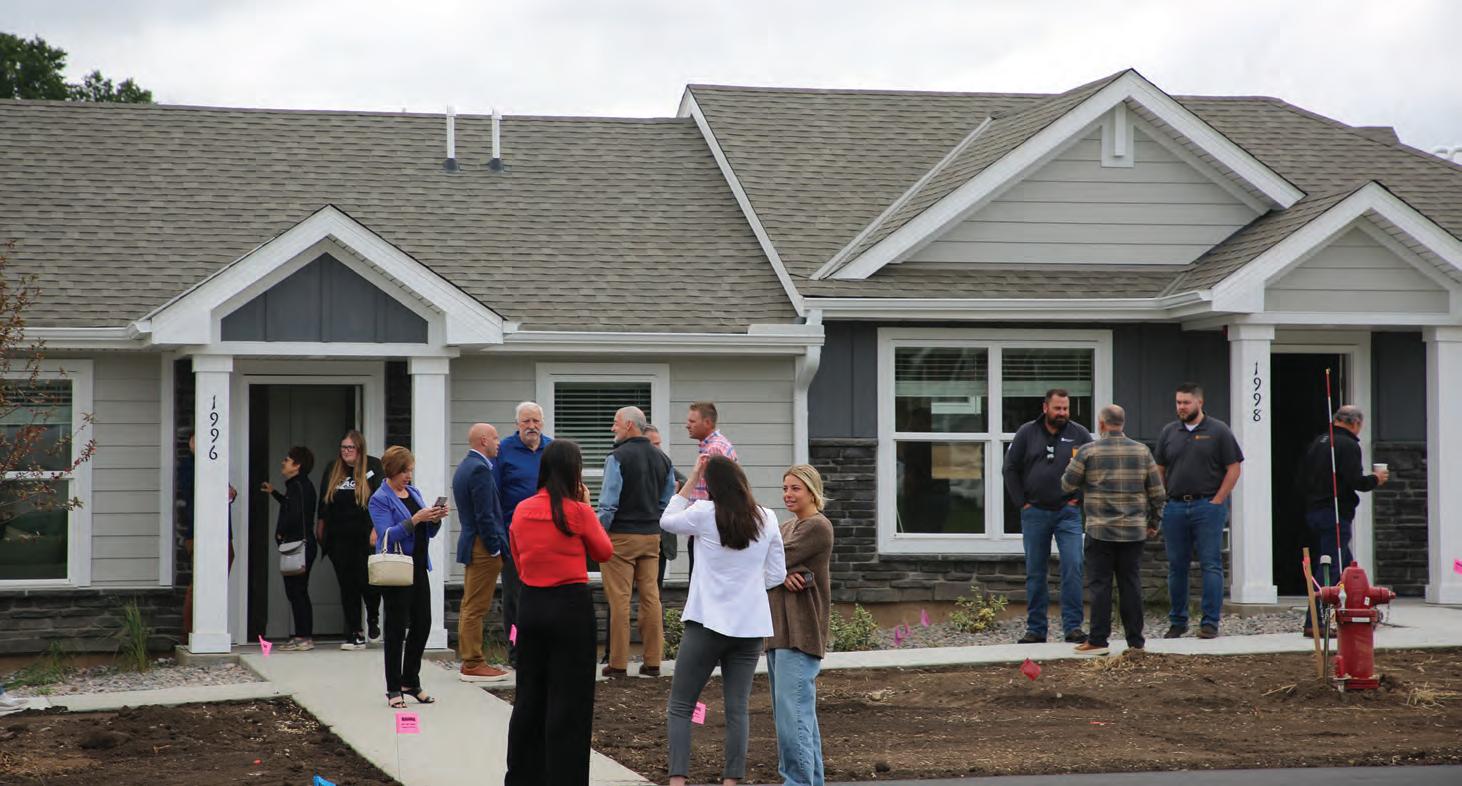
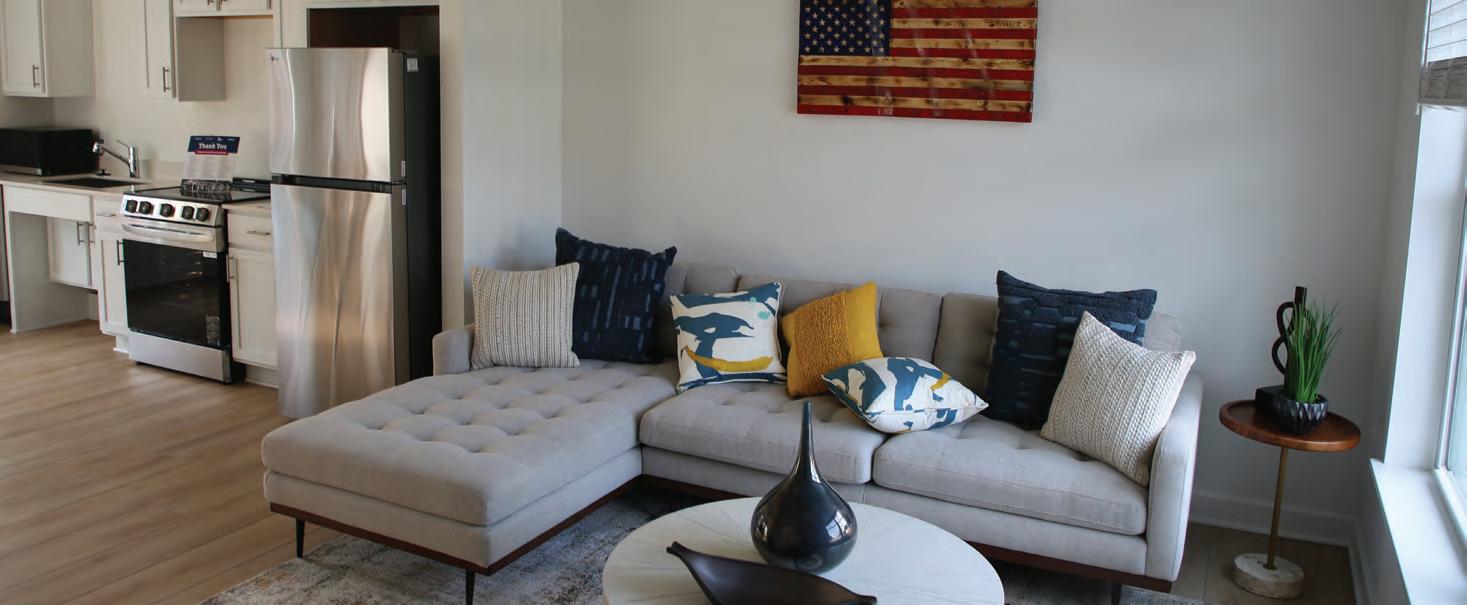
Supporters and partners of the Veteran Village project were given their first look inside the completed Building One during a
special open house on September 3. The event provided an exclusive preview for those who contributed to the project, just days before its public unveiling as a Dream Home during the Fall Parade of Homes.
A special Parade of Homes pop-up event took place at Veteran Village on September 6, featuring a coffee cart, puppies from The Bond Between, and informational tents from MACV and the Housing First Minnesota Foundation. The event brought together tourgoers, project supporters, and Eagan residents for a day of community connection.
When
Veteran Village will be able to house and serve over 30 veterans experiencing homelessness.
A quick recap of housing news and development updates
Lennar proposes 454 single-family homes in northwest Rochester
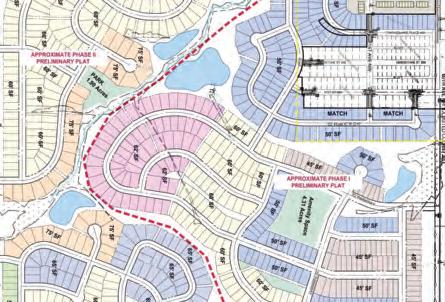
Lennar has submitted plans to the Rochester City Council for approval of a proposed subdivision in northwest Rochester. The development would encompass 185 acres—part of a broader 470-acre site—and include up to 454 new single-family lots. The site is planned on land designated as part of the Pebble Creek development, which was initially approved in 2003 and currently includes 112 homes built across 21 acres.
Lennar’s proposal requests annexation of 326 acres of the larger parcel (approved in June, pending state review) and seeks modifications to the original plan in order to introduce more diverse lot sizes—from 45 to 75 feet wide— and offer housing suited to first-time buyers as well as residents aged 55 and older.
Metro area commuters have experienced an especially disruptive summer as MnDOT intensified infrastructure projects across the region. An estimated 180 active projects are underway, including paving, bridge work and safety enhancements, that will continue through November. While the volume of projects may feel overwhelming, MnDOT officials stress that the number remains consistent with typical summer activity; what’s contributing to the strain is the close scheduling of major closures at once. Commuters are being urged to adjust work hours, work remotely when possible or use alternate routes thoughtfully to manage the traffic disruption until the end of the construction season. Twin Cities traffic grinds as major roadwork projects continue into fall
Boom for ‘active adult’ rentals reshapes Twin Cities housing landscape
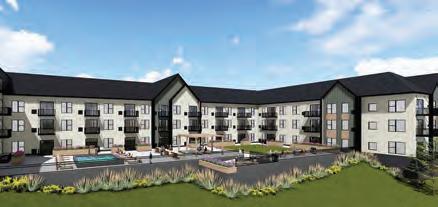
The Twin Cities region is witnessing a notable shift in the rental market as seniors are increasingly choosing to downsize, spurring a surge in rental construction tailored to older demographics. A 2023 report by Point2Homes shows that seniors now make up over 15 % of renters in the Twin Cities, a trend contributing significantly to the region’s apartment-building boom. New developments like The Reserve at Arbor Lakes in Maple Grove are being designed with amenities such as game rooms and golf simulators to attract both older residents and visiting grandchildren. Despite this increase in senior-focused rentals, the dominant renter group remains younger adults aged 25–34, accounting for around 30.5 %. Meanwhile, condominium construction continues to lag. The long-term impact of this trend could be a gradual reshaping of housing markets across suburban areas, freeing up single-family homes for younger families while redefining rental offerings.
SOURCE: AXIOS,
SOURCE: AXIOS
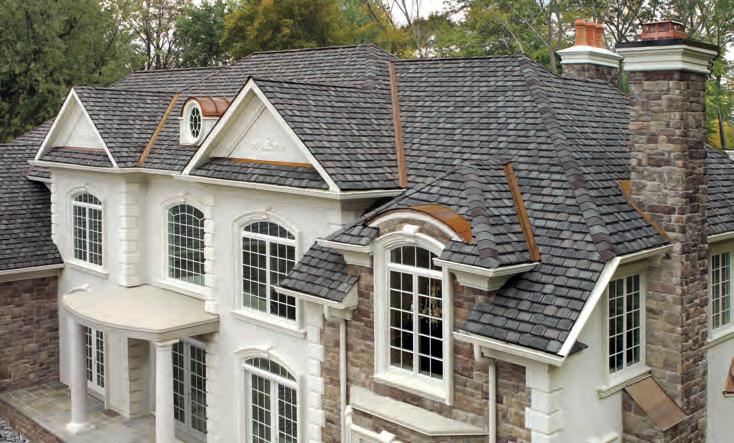
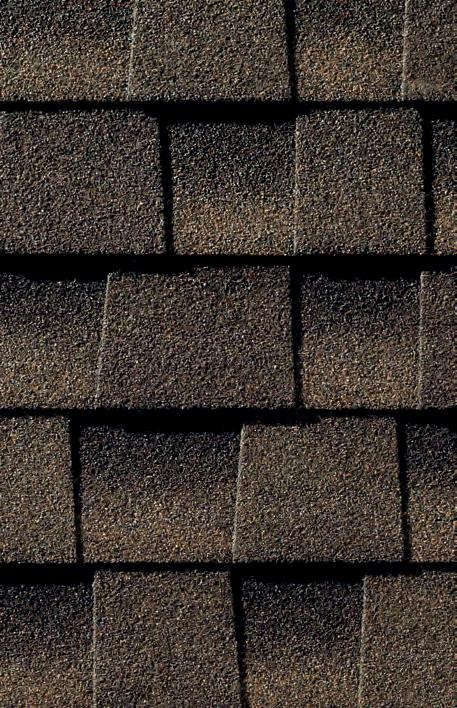
At Lyman Companies we specialize in what we know and love, which means we understand the roofing business inside and out. Our roofing specialists bring decades of experience to the table and are dedicated to getting material to you correctly and on time to keep your jobs moving.Whether your project is residential, commercial, or multi-family, we have the expertise, products, and services you need to get the job done right.