The Philippines Traditional Dress: A Guide to Filipino Style

Page 1


The PhilippinesTraditional Dress:A Guide to Filipino Style

Barongs ‘R Us

There's something really special about Filipino clothing. It's colorful, graceful, and tells a lot about where it came from. If you've never explored filipino fashion clothing before, you're in for a treat.

The Philippines has over 7,000 islands, and each region has its own way of dressing. So there's no one single "Filipino look" - it's a mix of many styles and traditions, all beautiful in their own way.
The Baro't Saya - The Classic Female Look

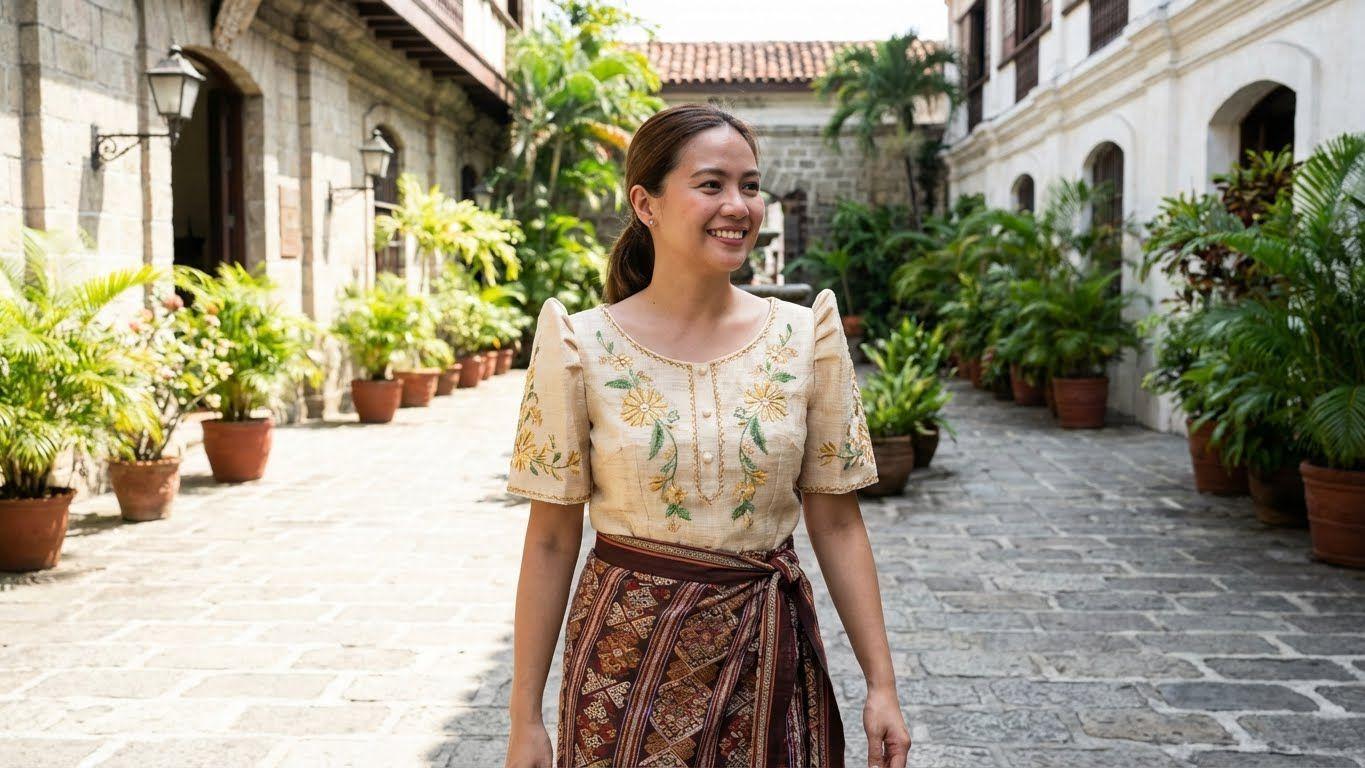
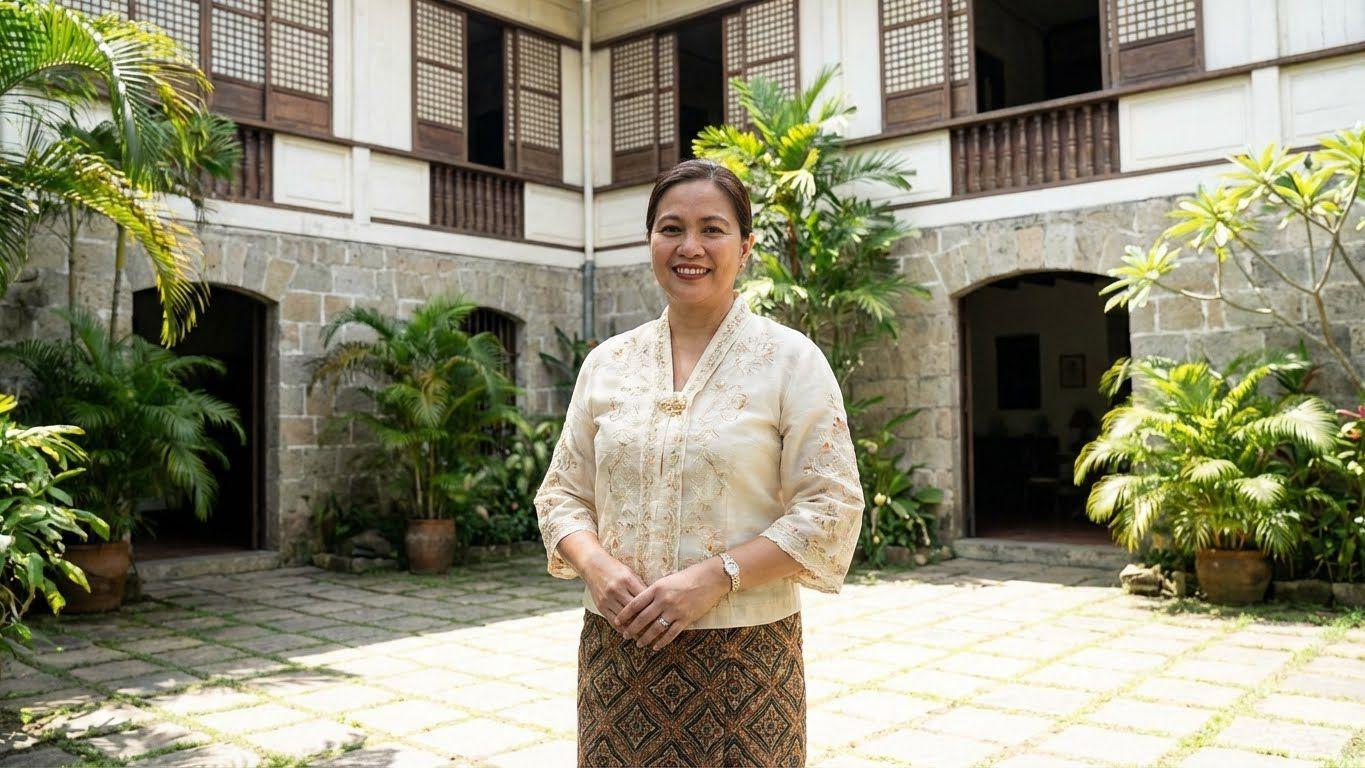
The most well-known filipino costume for female is the Baro't Saya. It's a two-piece outfit - a blouse on top called the baro, and a long skirt at the bottom called the saya. Simple, right? But the details are what make it stunning.

The blouse usually has wide, butterfly-like sleeves. Some say it looks like wings, and honestly, that's not far off.The fabric is often made from pineapple fiber (called piña) or silk, which gives it a light, almost see-through quality.

Women wear this to fiestas, weddings, and big family events. It's formal but still feels warm and personal.

The Terno -AMore Polished Version

The Terno is basically a more structured version of the Baro't Saya.The blouse and skirt are sewn together as one piece, and those signature butterfly sleeves are even more dramatic. It became really popular in the mid-1900s and is still worn at formal events today.

Think of it like the Filipino version of a ball gown - elegant but rooted in culture.

Regional Styles Worth Knowing

The Malong is a tube of colorful fabric worn by women in Mindanao and other southern regions. It can be worn as a skirt, a dress, or even a baby carrier. It's incredibly practical and just as beautiful.

Up north, the Cordillera women wear woven skirts with geometric patterns.The colors are bold - red, black, white - and every pattern has meaning tied to the weaver's community.

Why It Still Matters

Filipino dress isn't just for museums or old photographs.Young designers are mixing these traditional styles with modern cuts, and people are wearing them to events all across the US - especially in cities with large Filipino communities.

If you ever get the chance to wear or even just see a philippines traditional dress up close, pay attention to the small details.The weave, the color, the sleeve shape - there's a whole story in there. It's fashion, yes. But it's also history, identity, and pride all in one outfit.

Turn static files into dynamic content formats.

Create a flipbook