Primary Principal Mrs Sarah McCormack samc@patana.ac.th
Vice Principal, Pastoral
Vice Principal, Learning and Curriculum
Director of Admissions
Ms Carol Battram caba@patana.ac.th
Ms Rachel Preston raps@patana.ac.th
Ms Rachel Jones rajo@patana.ac.th
The content of this booklet was accurate at the time of publication (December 2023). The curriculum is forever evolving, and during the course of the coming year, aspects may be developed or amended. Any amendments will be communicated to parents through the regular Year group newsletters.
Cover artwork by Whole Class 2N
WELCOME FROM THE HEAD OF SCHOOL
Our school family is united by a common purpose bequeathed to us from our founder: to provide a first-rate education for our children.
The pioneer Rosamund Struetzel arrived in Thailand in 1938 and her ambition to remain here with her family led to the founding of Bangkok Patana school in 1957. A British based correspondence course was chosen as the curriculum that enabled children living in remote locations all over the world to be taught by adults who were not qualified teachers.
The world has changed, so too the curriculum we teach children. Seventy years of service, development and thinking by countless world class educators has led to what we do today. It is as ambitious today as the first pioneers who wanted young people to develop their knowledge, understanding and skills in readiness for their futures.
Ask our generations of Alumni who have spent longer in our school than any job they have had since. Their curriculum has enabled them to achieve highly, develop their purpose, progress to study with world leading academics; most of all, they have been able to meet the demands of any future job that is yet to be thought of. This is our curriculum, the written and unwritten legacy which generations of educators and learners continue to weave.
We look forward to meeting you, to understanding your child’s interests and talents, to adapt to their needs as they become themselves, to see them make use of our incredible learning resources, and; for them to feel rooted in this caring community.
Chris Sammons Head of School
“Our faculty prepare learning that allows students to explore factual and debatable knowledge, as well as making connections to the concepts which exist between different domains of knowledge.”
Chris Sammons, Head of School Co
PRIMARY SCHOOL OVERVIEW
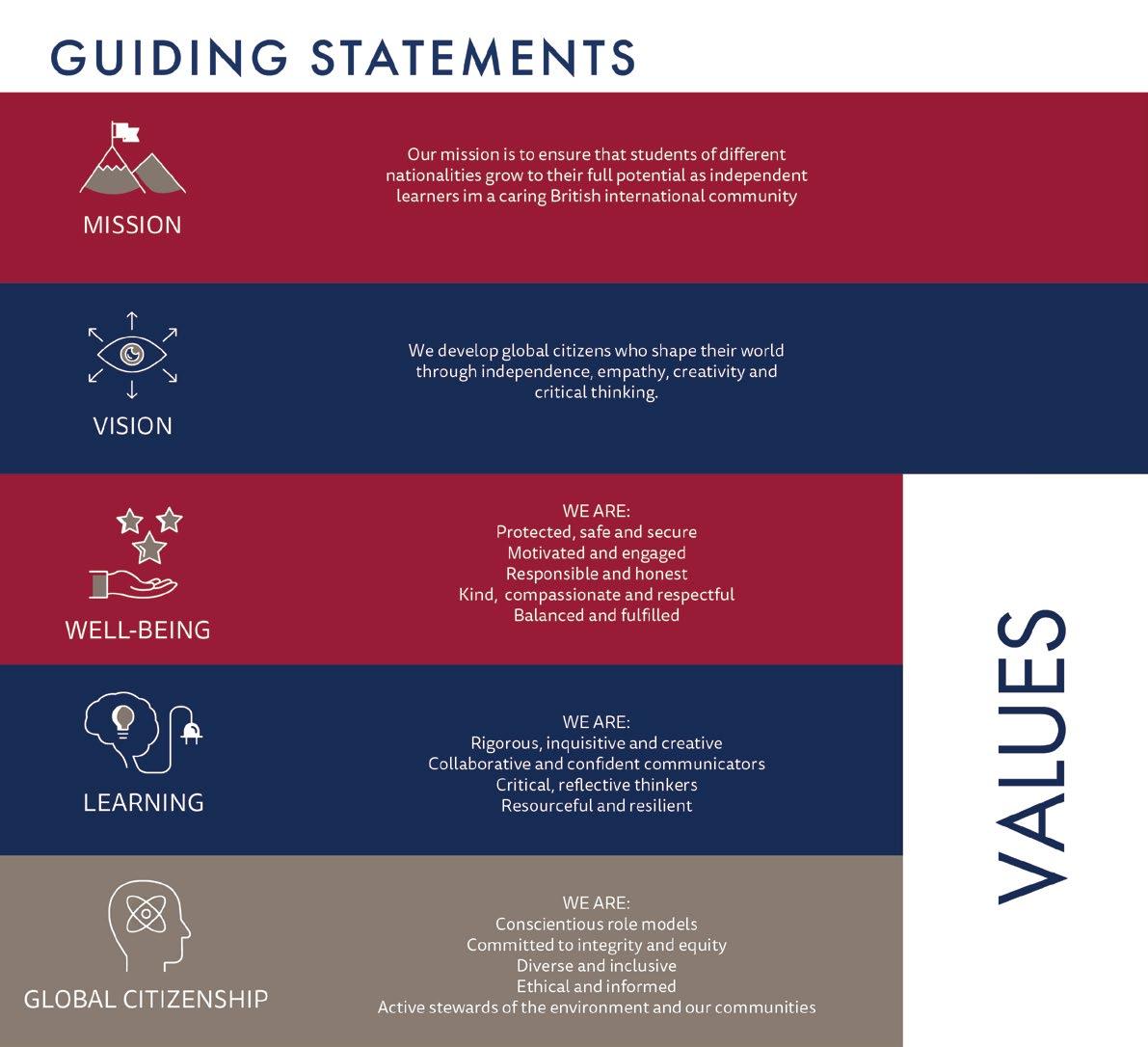
AtBangkok Patana Primary School, our curriculum is shaped by three core values: Well-Being, Learning, and Global Citizenship. We put learning at the heart of everything, helping students fulfil their potential in all aspects of life. Our aim is to nurture children who feel safe and secure, are independent and inquisitive, and develop a strong sense of who they are in a global context.
The curriculum follows the expectations of the UK National Curriculum, adapted to meet the needs of our international student body. Through a topic-based approach, we connect knowledge across subjects, making learning engaging and meaningful. We encourage students to take risks, learn from mistakes, and grow in confidence.
Beyond academics, we focus on developing the whole child. Opportunities to learn outside the classroom, work with experts, and participate in practical, open-ended activities help students become thoughtful, ethical, and diverse thinkers. We want every child to lead a safe, healthy, and fulfilling life, ready to make a positive contribution to society as responsible global citizens.
PRIMARY YEAR GROUPS
The Primary School and the Secondary School together form Bangkok Patana School and share many of the facilities on our spacious and purpose-built campus and both have their own Principal. The Primary Principal is supported by two Vice Principals and two Assistant Principals, who are responsible for ensuring student safeguarding and welfare, the implementation of the curriculum, and fostering learning across the school.
The Primary School takes children from age 2+ in the Nursery through to age 11+ in Year 6.
Foundation Stage Nursery, Foundation Stage1 and Foundation Stage 2 (Reception)
Key Stage 1
Key Stage 2
Year 1 and Year 2
Year 3, Year 4, Year 5 and Year 6
Each Year group is led by a Pastoral Year Group Leader, a Curriculum Year Group Leader and an Assistant Leader. Outlined below are the ages of our children in Key Stage 1:
Year 1 (ages 5+ to 6+)
Year 2 (ages 6+ to 7+)
8 classes
8 classes
In line with UK practice, students are placed in Year groups by age, with a cut-off date of 31st August. All children in Year 1, for example, will have reached their 5th birthday by 1st September. Great care is taken to ensure there is a balance of students within each class in a Year group, so maintaining a mix of gender, ability, nationality and personality. To ensure this balance is maintained, the classes are mixed at the end of Nursery, FS1 and FS2, and again at the end of Year 3.
LEARNING
CURRICULUM
Our curriculum is the planned framework for learning that shapes what children experience every day in school. It sets out the knowledge, skills and dispositions that enable children to make strong academic progress while developing socially and emotionally. We base our curriculum on the English National Curriculum, which is introduced in Year 1 and continues throughout the Primary School. To ensure smooth transition, we align approaches across the early years and primary phases, using consistent phonics progression and the White Rose Maths scheme and philosophy so that children build confidence and continuity in core learning.
In the Foundation Stage, we follow Birth to Five Matters, a core document that groups learning into seven areas and supports teachers to plan responsively. This approach combines planning in the moment with directed sessions tailored to children’s developmental needs, ensuring that learning is purposeful and child-centred from the very start. These principles underpin progression across subjects and year groups, creating a coherent journey for every learner.
While the curriculum provides structure, it is not static. We view it as a living process that evolves to meet the needs of our learners and the demands of an ever-changing world. We incorporate future-ready skills such as digital literacy, adaptability, and critical thinking so children can navigate opportunities in an increasingly digital age. As Mary Myatt reminds us, “The curriculum is a never-ending story.” We embrace this mindset because curriculum work is ongoing and collaborative.
Beyond the classroom, extra-curricular opportunities enrich children’s experiences and broaden their horizons. These activities, whether in sports, arts, leadership or service, complement academic learning and help develop confidence, creativity, and community spirit. Our guiding principle is clear: if the curriculum we use to teach our children does not connect in positive ways to the culture young people bring to school, it is doomed to failure. We design learning that is meaningful, inclusive, and connected to the world our children inhabit.
CHARACTERISTICS OF EFFECTIVE LEARNING
The Characteristics of Effective Learning describe the behaviours children use to learn well. They are introduced in the Foundation Stage and continue to be developed through to Year 6, helping children become confident, motivated, and thoughtful learners. We believe learning should be meaningful so that children can use what they know and apply it in new situations.
These characteristics are grouped into three areas:
• Playing and Exploring (Engagement): finding out and exploring, playing with what they know and being willing to have a go.
• Active Learning (Motivation): being involved and concentrating, keeping on trying and enjoying achievement.
• Creating and Thinking Critically (Thinking): having their own ideas, making links, and choosing ways to do things.
Together, these attitudes and skills support children to approach learning with curiosity and persistence, laying strong foundations for progress across the curriculum.
WALKTHRUS
At BangkokPatana, teaching is grounded in research-informed practice and a shared commitment to consistency, belonging and engagement. Our approach draws on the work of Tom Sherrington and is supported by a strong coaching culture. Teachers work collaboratively in communities of practice and through coaching sessions to refine strategies that make learning purposeful and inclusive.
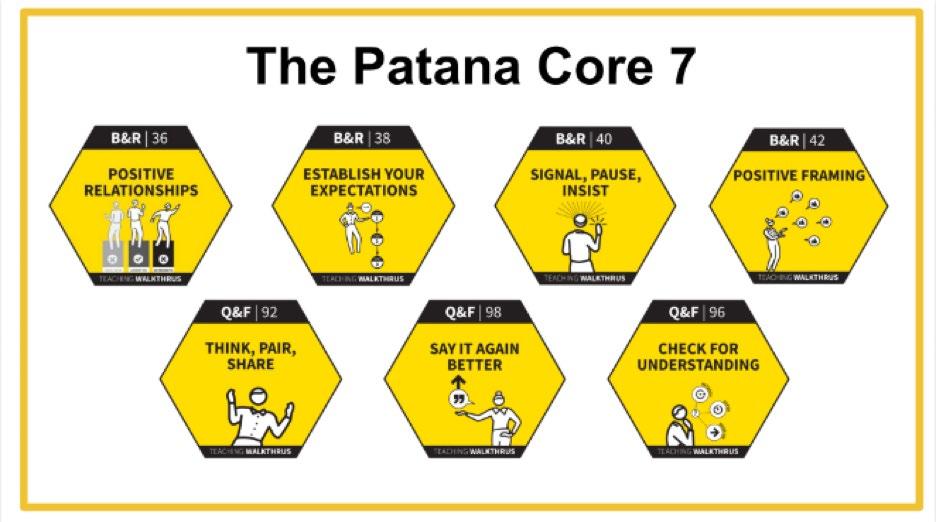
Central to this is our Teaching and Learning Framework, which focuses on four key quadrants: Fostering Belonging, Portraying the Curriculum, Ensuring Participation, and Informing Learning. These principles guide classroom practice and are underpinned by the Patana Core 7, a set of strategies that promote clarity, challenge, and active engagement.
Teachers use bite-sized “Walkthrus” to embed effective techniques and share ideas with colleagues. Lessons are designed to be participatory and dynamic, using questioning, drama, games, collaboration, and critical thinking to deepen understanding. Through these approaches, teachers gain insight into each child’s next steps and create learning experiences that are vibrant, inclusive, and intellectually challenging.
WELL-BEING
At Bangkok Patana, the holistic wellbeing of every child is the foundation of our approach. We believe academic progress is rooted in pastoral care and that children learn best when they feel safe, valued, and connected. Fostering belonging is central to this, and our curriculum reflects a broad range of voices and perspectives, so every child sees themselves represented. Our enriched Well-Being curriculum and IDEA threads woven through learning units, such as exploring fair trade when studying chocolate or linking migration to the Sustainable Development Goals in Year 6, help children understand fairness, diversity and global responsibility.
We listen to students through regular check-ins, including feelings pots in Key Stage1, and use visual and digital tools to strengthen student voice. Safeguarding is a priority, with robust yet reassuring procedures. Teachers follow up on concerns promptly and maintain open communication with parents because partnership matters. Families know our staff are always ready to talk and work together to support every child’s wellbeing. Children are encouraged to listen to others, welcome different viewpoints, and use reflection and discussion to grow their understanding. Respect, kindness, consent and personal responsibility are emphasised throughout.
GLOBAL CITIZENS
We believe that education should prepare children not only for academic success but for life in a connected world. One of our core values is to nurture global citizens who are conscientious role models, committed to integrity and equity, diverse and inclusive, ethical and informed, and active stewards of the environment and our communities. These principles shape our curriculum and our approach to teaching and learning.
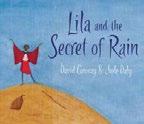
Our curriculum adapts the English National Curriculum to broaden horizons and reflect our diversity, recognise our host nation of Thailand, and prepare students for learning, wor, and life on a global stage. We explore multiple perspectives across subjects. For example, in Year 1, children learn about life in rural Kenya and urban Nairobi through Lila and the Secret of Rain, and when studying seasons and climates, they compare temperate patterns with tropical ones. In history, we include figures from beyond the UK context, ensuring representation and relevance.
Global citizenship is embedded through IDEA threads in curriculum units, such as fair trade when learning about chocolate or the Sustainable Development Goals when exploring migration in Year 6. Every Year group engages in service projects, fundraising and connecting with charities to foster empathy and responsibility. Skills for the future, including environmental stewardship and digital responsibility, are reinforced through our code of conduct and classroom practice.
This work is supported by our Teaching and Learning Framework, particularly the quadrants of Fostering Belonging and Ensuring Participation, and by the Patana Core 7 strategies that promote active engagement and critical thinking. Teachers design learning that is participatory and collaborative, encouraging children to question, reflect and act with purpose. Through these experiences, our students grow as informed, ethical and compassionate global citizens.
KEY STAGE 1
Year 1 and Year 2 are known collectively as Key Stage 1 (KS1). This is in-keeping with the English National Curriculum terminology.
Students attend a combination of one-hour and half-hour sessions. Students attend in Year group, flexibly grouped sets for phonics for 30 mins four times a week. Art is taught by a combination of the Primary Art Teacher and the Class Teacher. All other subjects taught by a specialist are highlighted.
Curriculum Themes
Our Primary curriculum is built around Big Ideas and Driving Questions that help children make sense of their learning. Teachers link subjects such as History, Geography, Science, Art, and Writing so learning feels connected and purposeful. These links allow children to see relevance, find meaning, and make connections across different areas.
Specialist subjects such as Music, PE and Languages are taught separately to ensure depth and progression. Where appropriate, links are made to enrich themes. For example, during the Year 2 Pirates topic, children
EXAMPLE LEARNING THEMES
LEARNING THEME DRIVING QUESTION
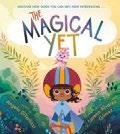
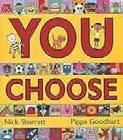
This is me! What makes me unique? The Magical Yet You Choose!
LITERACY
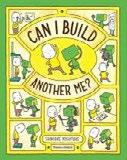
Can I build another me?
All Around the World! What is it like in different parts of the world?
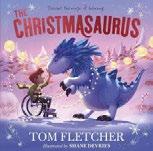
The Christmasaurus
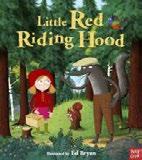
Once Upon a Time How have things changed? Little Red Riding Hood
MATH
Place Value (10) Addition and Subtraction (10)
Place Value (50) Position/Direction Addition & Subtraction Measures (+/) Multiplication & Division 3D Shape
Place Value (100) Fractions Addition & Subtraction (20) Money Time Year 1
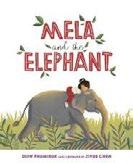
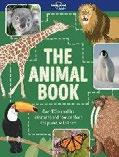
Amazing Thailand What makes Thailand special? Mela and the Elephant The Animal Book (Lonely Planet
Place Value (20) Addition & Subtraction (20) Shape
Lila and the Secret of Rain
Baba Yaga (Oral Storytelling)
SCIENCE
Animals including Humans
Identify and name a variety of common animals including fish, amphibians, replies, birds and mammals.
Identify and name a variety of animals that are carnivores, herbivores and omnivores
Describe and compare the structure of a variety of common animals (including pets)
Identify, name, draw and label the basic parts of the human body and say which part of the body is associated with which sense.
HUMANITIES
History
Develop an awareness of the past, using common words and phrases relating to the passing of time
Understand how we find out about the past and different ways it’s represented
Chronological order
Observe changes across the different seasons
Observe and describe weather associated with seasons
Atomic Theory
I can read the periodic table to find an element’s atomic number and its name
I can explain how the elements on the periodic table are arranged (by weight)
I can explain that the periodic table is like the alphabet, and you can make different molecules using the elements
I can show that the world is made of invisible atoms that can be rearranged
Materials
Distinguish between an object and the material from which it is made
Identify and name a variety of everyday materials, including wood, plastic, glass, water and rock
Describe the simple physical properties of a variety of everyday materials
Compare and ground together a variety of everyday materials because of their properties
Geography (World)
Name and locate the 7 continents and 5 oceans
Understanding geographical similarities and differences
Look at weather in the world in relation to the equator
Use maps, atlases and globes as well as simple directions and positional language (NSEW, near, far, left, right etc).
ART
Self Portraits
Can I explore mixing colours? Can I draw an oval? Can I mix colours to create my skin tone? Can I use observational drawing to add facial features? Can I use materials to make a simple collage?
Plants
Identify and name a variety of common wild and garden plants including deciduous and evergreen trees
Identify and describe the basic structure of a variety of common flowering plants inducing trees.
I can describe how H2O, CO2 and O2 are important to photosynthesis
History
Learn about the lives of significant individuals who have contributed to international achievements and significant events. Learn about changes within living memory.
Geography
Use basic geographical vocabulary to refer to key physical features (beach, forest, hill, mountain etc) and key human features (city, village, farm, port etc.)
Use maps, atlases and globes as well as simple directions and positional language (NSEW, near, far, left, right etc).
Geography (Thailand)
Name and locate the 7 continents and 5 oceans
Understanding geographical similarities and differences
Look at weather in relation to the equator
Use maps, atlases and globes as well as simple directions and positional language (NSEW, near, far, left, right etc).
Use basic geographical vocabulary to refer to key physical features (beach, forest, hill, mountain etc) and key human features (city, village, farm, port etc.)
African inspired Patterns
Can I use a variety of printmaking techniques? Can I look and talk about examples of simple print simple print designs? Can I explore warm and cool colours to create a background?
Can I look at and talk about my work, the work of others and art prints composed of simple shapes?
Clay Pots
Can I explore clay as a medium? Can I make a clay pinch pot and manipulate the shape with my fingers? Can I add detail using mixed media? Can I add colour using paint?
Elephant Drawing
Can I explore and experiment with a range equipment? Can I sketch basic shapes? Can I add and blend value? Can I add finishing details?
CORE AREAS OF LEARNING
CORE SUBJECTS
Literacy
Our Literacy curriculum is a blended, bespoke approach derived from the CLPE Power of Reading and Writing units. This text-based model uses high-quality anchor texts to inspire a wide range of writing opportunities, genres, and creative tasks. Each unit begins with an immersive phase, where children engage deeply with the text through drama, role play, and interactive experiences, such as transforming the Year 1 shared area into a Kenyan village when exploring Lila and the Secret of Rain. These experiences build oracy, imagination, and confidence. Storytelling underpins narrative writing: once children internalize a story structure, they learn to adapt and innovate, building a repertoire of language patterns that enrich their writing. Text selections are mapped out across the school to ensure a range of voices and coverage from across the globe to meet our IDEA goals.
This approach is combined with an objective-driven framework, enhanced from the National Curriculum, ensuring progression in the four key strands: Punctuation and Grammar, Handwriting, Spelling and Composition. Grammar and punctuation are taught in context within each bespoke writing unit. Children move from exploration and oral storytelling to drafting and publishing final pieces, which are shared and celebrated across the school and in a range of multi-media formats.
Our curriculum draws on the awe and wonder of Humanities and Science themes, creating meaningful links between literacy and a knowledge-rich understanding of the natural world. Oracy is central, with drama and performance opportunities supporting social, emotional, and linguistic development.
Phonics is taught through four focused sessions each week to secure word recognition skills. Reading is developed through high-quality texts, guided group sessions, and individual teaching. Children take home levelled books and visit the library weekly.
Writing tasks are purposeful and often linked to other curriculum areas. Handwriting is taught discretely but reinforced through spelling and composition activities.
Mathematics
At Key Stage 1, our Maths curriculum is designed to give every child a secure and deep understanding of number, which is essential for later success in mathematics and everyday life. This approach is strongly supported by the UK 2025 Curriculum and Assessment Review, which states:
“There should be a stronger focus on developing fluency in the fundamentals of number at Key Stage 1… Without secure foundations in number, pupils are restricted in their ability to reason in everyday contexts.”
We use an adapted version of the White Rose Maths curriculum. Our teachers carefully tailor the curriculum to reflect our international and Thai context; for example, when children learn about money, they work with Thai baht rather than British pounds. We also enrich every unit with regular opportunities for children to tackle meaningful, nonroutine problems, ensuring that maths is both relevant and challenging.
Our curriculum steps and progression are rewritten to empower students to access resources independently and to build confidence as problem solvers. In practice, this means we prioritise fluency in the fundamentals of number - especially number bonds, addition, and subtraction. This gives children time to build confidence and flexibility with numbers. Lessons are carefully sequenced so that children can engage deeply with core concepts.
From the earliest years, children are introduced to strategies that lay the groundwork for the Bangkok Patana Problem Solving Approach - an eight-strategy model that is formally developed in Key Stage 2. In Key Stage 1, children are encouraged to ‘show (their) thinking’, both orally, physically and on paper and to embrace the first of these strategies: Act it Out.
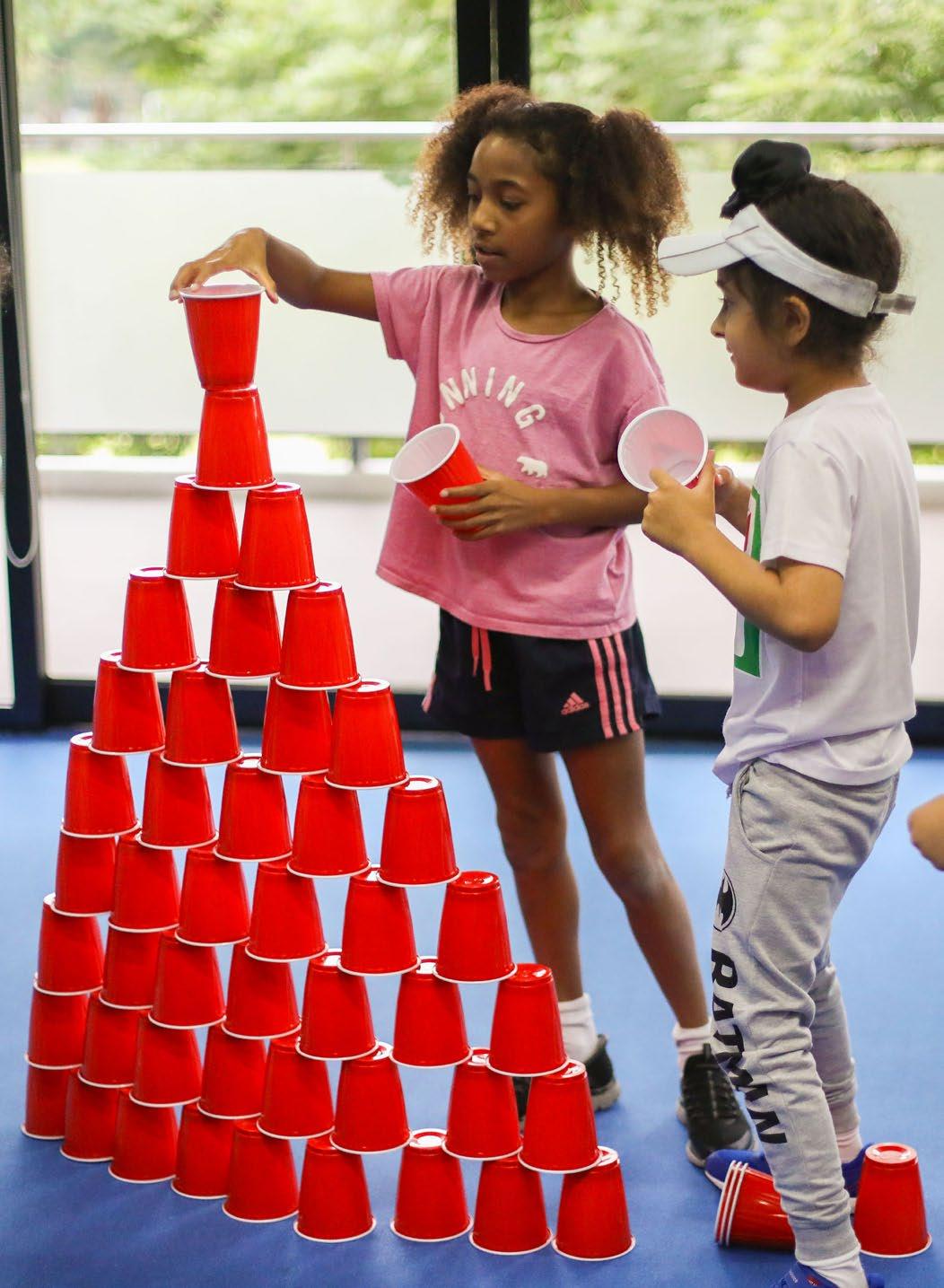
Every unit balances our tripartite approach of fluency, reasoning, and problem solving, helping children apply their knowlede in real-life and unfamiliar situations. Students are encouraged to explain and justify their thinking, using scaffolded ‘sentence stems’ and collaborative or guided group tasks. Manipulatives and visual models are used to help children understand and explain their thinking, and while number is our focus, children also explore shape, measurement, and statistics, with plenty of opportunities for challenge and creativity.
By building these strong foundations in Key Stage 1, we ensure every child is ready to reason, solve problems, and thrive as a mathematician in later years.
Science
Science at our school is practical and interactive. In Year 1, children learn through Playful Learning, with classroom stations that encourage guided discovery and hands-on exploration. By Year 2, students begin to engage more explicitly with taught content, while still learning through experience. Activities such as planting seeds and exploring the outdoor environment keep science inspiring and memorable.
We follow the UK National Curriculum’s emphasis on Scientific Enquiry. Children balance learning key facts, such as forces in motion, with developing the skills and curiosity needed to design fair tests and investigate the world around them. By combining big scientific ideas, a spaced and connected curriculum, and a commitment to practical enquiry, we help every child develop the knowledge and skills to think like a scientist: curious, creative, and confident to ask questions about the world.
At Bangkok Patana, we believe that even our youngest learners can grasp science’s biggest idea: the atom. Research shows that children as young as four can understand and enjoy learning about atoms, and our curriculum embraces this opportunity. Our long-term plan introduces atomic theory as a “Big Idea” in Key Stage 1, then revisits and deepens this understanding in alternating years throughout Key Stage 2. This spaced approach helps children build secure, connected which they link to their wider learning, such as understanding what makes each material structurally unique when identifying and sorting materials in Year 1.
“Research from the University of Southern Queensland shows thatPrimary students can readily understand atomic theory and internalise it when their imaginations are fresh and enthusiastic.”
- Ian Stuart
OTHER AREAS IN KEY STAGE 1
FOUNDATION SUBJECTS
Well-Being
Our Well-being (Personal, Social, Health and Economic) curriculum is built around three themes, helping every child feel they belong and are welcomed, represented, and celebrated. These are:
• Safe: everyone is cared for and protected, both in school and online.
• Curious: everyone has opportunities to explore, question and discover.
• Kind: everyone shows compassion, respect, and responsibility for others.
From the start of school, children begin to develop early skills in understanding themselves, others, and their community. For example, in Year 1, children learn about personal privacy, making friends, naming, and managing simple feelings, developing healthy routines, and looking after the places they live and learn in. In Year 2, this progresses into recognising hurtful behaviour, understanding risks in different environments, managing a wider range of feelings, and noticing similarities and differences within their community.
Humanities
Geography and History form the foundational pillars of our thematic, topic-based curriculum approach. Awe and wonder at the natural world and those who came before us are enhanced by Literacy units, and drawn upon, where relevant, by Specialist teachers. Our curriculum is a bespoke blend of the UK National Curriculum for History and Geography, along with a specific focus on Thailand as our host country.
Design & Technology
As with Humanities, Design & Technology is linked closely to our topic-based work. Students in Year 2 collaborate to create scaled models of our school when developing their field work skills and learning about Bangkok Patana School past and present. Students in Year 1 build upon their Foundation Stage junk modelling as they learn to secure connections when designing and building a fairytale castle as part of their ‘Once Upon a Time’ unit.
SPECIALISTS
Music
At Bangkok Patana, our specialist music teachers aim to instil and sustain a love and appreciation for music from an early age so that our children will find in music a lifelong source of enjoyment and fulfilment. We believe music is a practical subject and as such, most lessons comprise a mixture of; singing, playing instruments, moving to music, composing, and actively listening to a range of different styles. Aspects of music theory, such as notation skills, are also gradually introduced as student move through the primary school.
Physical Education
At Bangkok Patana School, our specialist Sports teachers, through our concept-based curriculum, develop students fundamental motor skills through fun and engaging lessons. As they progress through the school, children learn to apply these skills and build their tactical awareness within more competitive games. This is further enriched by the wide range of extra-curricular sports and academies on offer.
Our annual Sports Festivals give all children the opportunity to showcase their learning through a blend of competitive events and fun activities.
Swimming
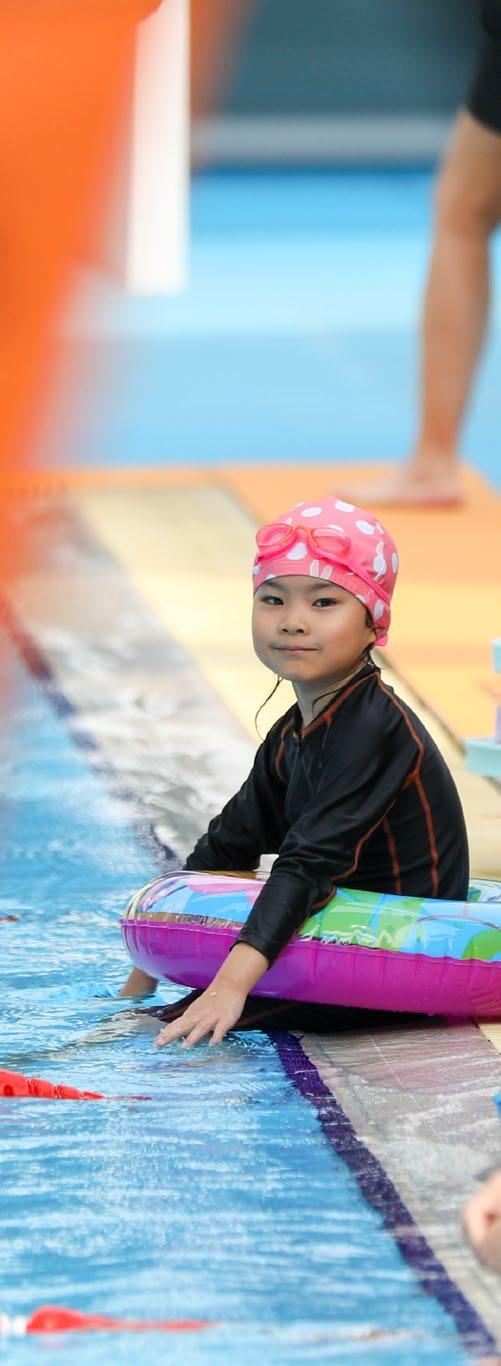
At Bangkok Patana School, swimming lessons are offered to all Primary students from FS1 to Year 6. Our lessons take place in a fun and safe environment where students learn the fundamental skills of swimming in our specially designed learner pool. As students progress through the Primary School and master these essential foundations, they are introduced to a wider range of aquatic disciplines such as lifesaving, water polo, and aquathlon.
Each year, students from FS2 to Year 6 take part in a class swimming gala that blends traditional swimming races with a variety of fun events. For those swimmers wishing to compete at a higher level, our Swimming Academy provides opportunities to take part in both domestic and international competitions.
Art
At Bangkok Patana School we strive to develop an innate love of art through learning technical skills, connected learning, and the knowledge of art movements linked to famous artists. Pedagogy in primary art centres around drawing, painting, sculpture, printmaking, and textiles-
collage.
In Year 1, the art curriculum is delivered by class teachers, who guide pupils through core practices such as drawing, painting, sculpture, printmaking, textiles, and collage. Building on this foundation, progression is introduced in Year 2, where students continue their classroom-based art learning and, for half of the year in half-termly blocks, benefit from the expertise of a specialist art teacher. These discrete lessons provide deeper exploration of artistic techniques and enrich the creative journey begun in Year 1.
Technology
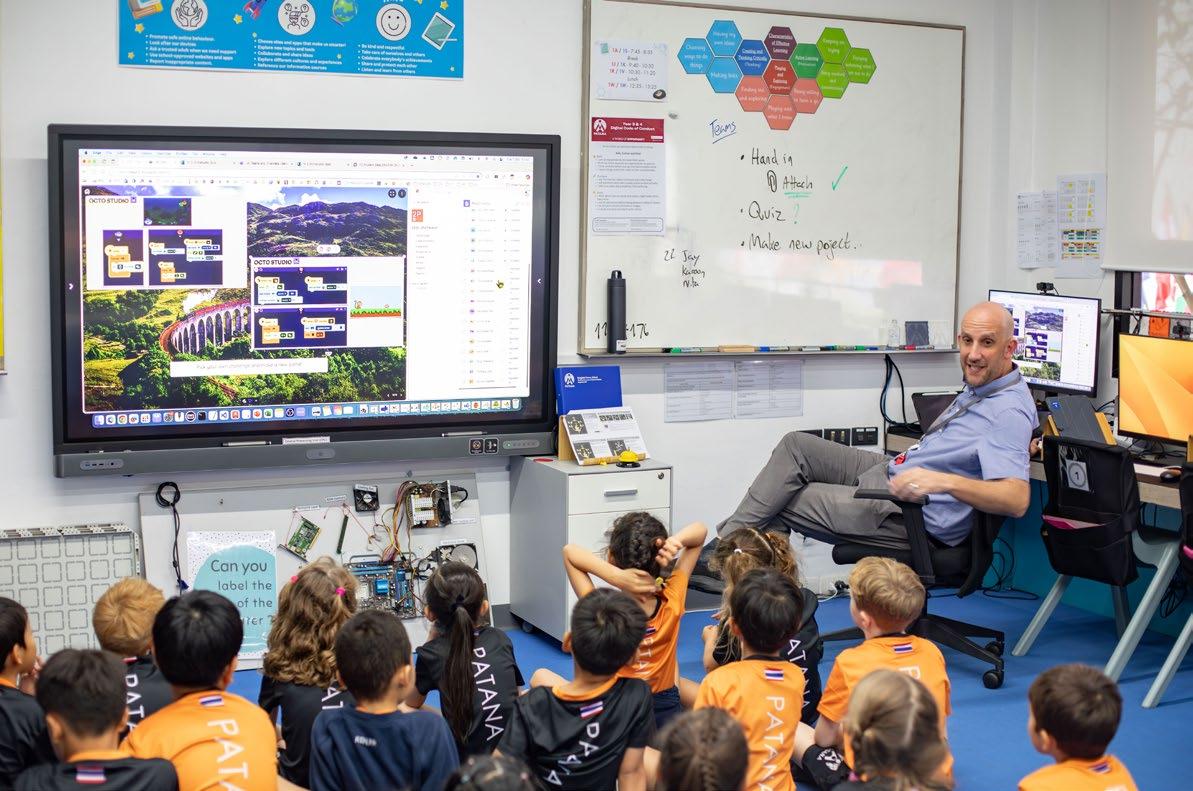
Our Technology curriculum in Key Stage 1 is taught by specialist teachers who separate it into three main strands of learning: Digital Literacy, Computer Science and Creativity (IT). Additionally, Digital Citizenship is constantly revisited in both the Technology and Well-Being curriculum.
Thai Language and Culture
Thai is a specialist subject provided to all Primary students at Bangkok Patana School. The programme aims to develop students’ foundational Thai language skills while deepening their understanding and appreciation of the host country’s culture. There are 3 courses:
Thai Studies (For Non-Thai Registered Students, Year 1 - 6)
Thai Studies is designed for students who are not registered as Thai nationals and are learning Thai as a foreign language. The course focuses on developing basic communication skills, essential vocabulary, and cultural awareness. Students learn through practical activities, simple conversations, and exposure to everyday Thai language used in school and community contexts.
Thai Language and Literature (For Thai National Students, Year 1–6)
Thai Language and Literature is offered to Thai national students and provides a comprehensive programme from Year 1 to Year 6. The course strengthens students’ reading, writing, speaking, and listening skills in alignment with the Thai Language and Literature curriculum. Students engage with a variety of texts, practise accurate spelling and grammar, and develop their ability to express ideas clearly and coherently in Thai.
PARENT PARTNERSHIP, ASSESSMENT AND REPORTING
ASSESSMENT AND REPORTING
All students are regularly assessed, through a range of different methods, to ensure that progress is being made and that our teaching is accurately pitched. Assessment is both summative (such as through testing), and formative (daily and weekly check-ins to support teachers’ responsive planning). Assessment is built into the curriculum throughout the academic year, is flexible, fluid, ongoing, and embedded within and across regular learning routine for our students.
Reporting to Parents
Primary School Reports are shared with parents twice each year, at the end of Term 1 (Mid-Year Report) and at the end of Term 3 (End of Year Report). These reports share subject grading for Attainment and Progress.
Parent Teacher Meetings and Conferences
Alongside reports parents are invited to two Parent Teacher Meetings, one which occurs in Term 1 and another in Term 2. These meetings provide an opportunity for ongoing discussions about a student’s learning and progress.
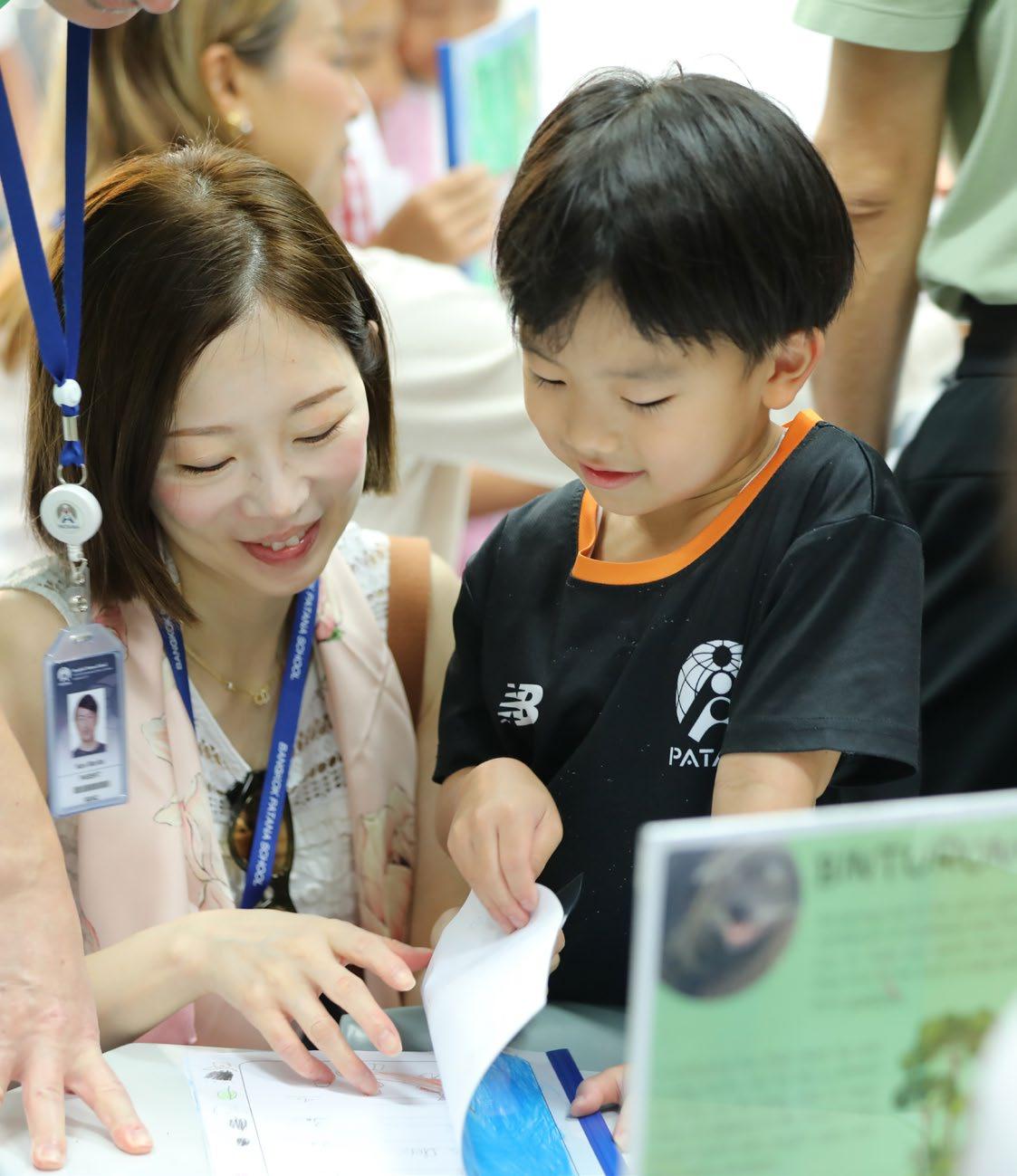
A 3-Way Conference (Student- Teacher – Parent) takes place at the end of the academic year. During the conference students showcase and celebrate their learning by sharing pieces of learning and demonstrating their skills through activities.
Home Learning
We believe that education continues beyond the classroom and value the key role families play in supporting their child’s learning. At Bangkok Patana, we do not set formal homework. Instead, we celebrate the time children spend reading at home and encourage parents to engage with class blogs, discussing posts and activities with their child. Sharing books and talking about daily experiences together helps children develop a love of learning and strengthen family connections. We also introduce spelling and mathematical activities and games that can be played at home in Key Stage 1.
Support for Learning
Bangkok Patana Primary School offers a program that allows children with a range of abilities to reach their full potential. Class teachers ensure quality-first, responsive teaching that tailors learning to meet individual needs
and strengths. As well, the Primary School has a Support for Learning department with a team of twelve, specially qualified staff that work in consultation with class teachers to provide adaptive resources, materials, and strategies to support.
At the Admissions stage, students may already have an identified need, or as they progress through school, parents or teachers may express a concern. After discussing these together, each year-group has a designated Support for Learning or Enrichment teacher who can provide additional advice, strategies or resources to both class teachers and parents.
If indicated, a student may be offered individualised, inschool support. The amount and nature of this is flexible, frequently reviewed, and dependant on student need. It may take the form of in-class support, pull-out Focus groups, implementation of recommendations from outside specialists, additional tools, and materials, or adapted learning goals and resources.
In addition, students requiring speech and language therapy may be referred to our school speech and language therapist who, with parental permission, will assess a child’s needs and then provide a programme of therapy if appropriate. Extra fees can apply for this service.
In rare cases where a child requires a level of support that we cannot provide, or if a child’s progress causes significant concern, an alternative more appropriate school placement may be recommended.
English as an Additional Language (EAL)
EAL staff support children whose first language is not English to become proficient English language users, both in social and academic areas. All children for whom English is not their primary language are required to take a language assessment before admission to the school. A decision is then made as to whether EAL support is required. EAL support starts in Key Stage 1.
Direct support is provided mostly through in-class support as well as in small groups and one to one instruction where appropriate. Additionally, indirect support is provided by EAL staff who plan closely with the class teachers by recommending strategies and selecting resources to suit the learning needs of the individual children.
EAL children come to us with a variety of different experiences in terms of primary language skills. Our EAL team believes that a close relationship with parents can help the children succeed in learning English as an Additional
Language. The progress of the children is continually monitored and assessed. Once the children reach a level of English proficiency whereby they no longer need extra EAL
support, they then exit the programme.
A fee is charged for the first six terms of the EAL.
CURRICULUM ENRICHMENT
Throughout the year, many activities are organised to both enrich the curriculum and enhance the students’ understanding of our key school values of Learning, Well-being, and Global Citizenship. These events form an integral part of school life and add an extra dimension to our provision. Some annual events, such as International Day, involve the whole school. Year groups also organise special days and invite parents into school so that the children can share their learning.
Extra-Curricular Activities (ECAs)
Our Key Stage 1 Extra-Curricular Activities (ECA) programme offers young learners a vibrant and enriching range of opportunities beyond the classroom. Running across four blocks each year, students can explore new interests, develop emerging talents, or continue with year-long pathways in areas such as sport, music, languages, drama, art, and STEAM.
Our academies begin as early as Foundation Stage, with weekend activities available for our youngest learners. From Year 1 onwards, children can participate in the full ECA programme. Some activities are open to all, while others form part of our academy pathways where you will find age-appropriate entry points to give students opportunities to participate in festivals, performances, friendly fixtures, citywide competitions, and weekend events.
Language learning is also supported within the programme through our Home Languages ECAs, enabling students to maintain and develop fluency in their native language while
engaging in a broad range of other interests.
Each block offers a refreshed menu of activities to reflect the needs and passions of our diverse community. Families can view block options and book activities through the Parent Gateway, with places allocated using an algorithm that promotes fairness and balance, ensuring all students have equitable access to the programme.
Key Stage 1 Educational Day Visits
Educational visits are planned around the Units of Learning and Year 2 students also have a sleepover in school during Term 3 as their first experience of our Key Stage 2 Residential Visit Programme. Costs of Educational Day Visits are included in the fee structure.
Counselling Services
We are fortunate in the Primary School to have our own counsellors. They work throughout the whole school from Nursery to Year 6. The counsellors are available to offer support and guidance to students and their parents. This will be when a child is experiencing difficulties of an emotional, personal, or social nature. Referrals to the counsellor can be made through the class teacher. Parents may also contact the counsellors directly to request counselling support.