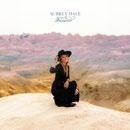





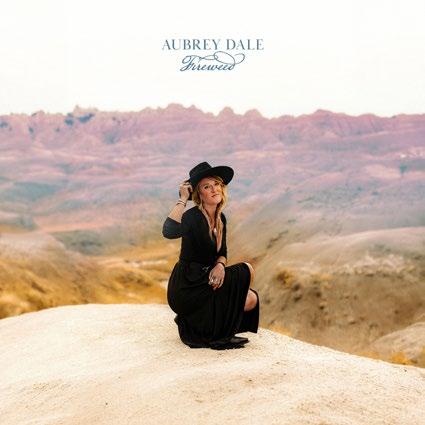
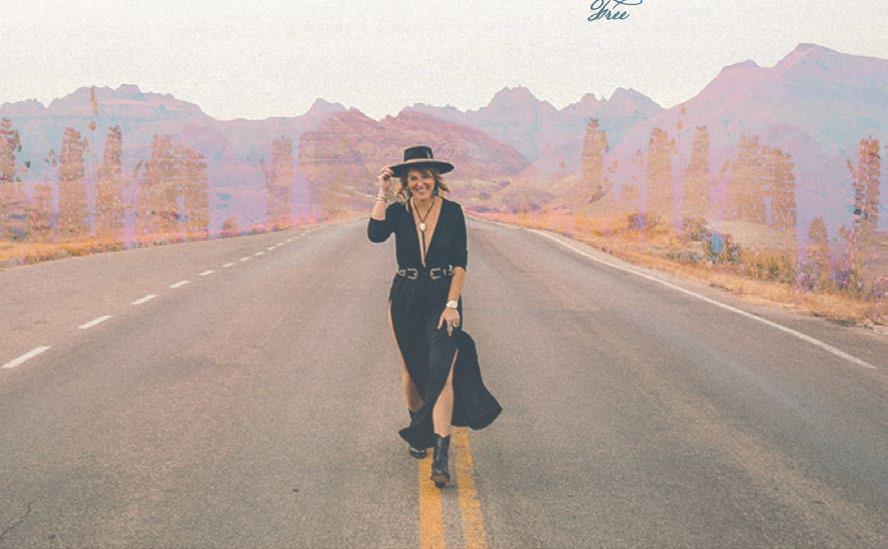
Colorado has never had a shortage of artists trying to split the difference between country tradition and something newer. Aubrey Dale actually pulls it off. Her debut full-length, Fireweed, lands somewhere between classic traditions and a production sensibility that doesn’t feel beholden to Nashville. It’s a record that earns your attention quietly, and keeps it.
Side A establishes the tone with confidence and range. The opener sets an unhurried brightness that gives way to something warmer and more guardian on “Should’ve Been Mine,” a track that sits with you after it ends. “Dear South Dakota” is where Dale fully opens up, its open dynamics and steady churn making it one of the stronger moments on the record. Then “Better Than You” pulls the tempo all the way back, closing the side slowly. It’s a quiet gut punch, and the choice to end there shows the discipline of the songwriter. Side A could stand alone as a complete statement.
Side B makes it clear it isn’t interested in coasting. “Anyway” opens the flip with a deliberate jolt, one of the loudest and most
driving moments on the album, and it repositions everything that follows. The title track arrives at B2 and earns its place as the emotional center of the record. “Fireweed” carries the widest dynamic range here, a bright textured sound that cuts through the mix with a momentum that justifies the title. After that, “California Sober” follows with the energy of a song that knows exactly what it wants to say and doesn’t waste a second saying it.
“If Church Was a Bar” is worth flagging. It sits noticeably quieter and more compressed than everything around it, and that contrast turns out to be the point. Its deliberate intimacy reads as a late-night campfire moment, and the kind of song that asks you to lean in rather than turn it up. It’s the most distinct production choice on the record, and it mostly lands. “Free” follows as a measured, warm resolution, closing things with the same quiet confidence that defined the best moments on Side A. It earns the ending.
Dale is working in well-mapped territory, but Fireweed doesn’t feel derivative. The writing is grounded, the sequencing is intentional, and the production mostly stays out of the way of the songs rather than trying to elevate them artificially. There’s a maturity to the pacing here that you don’t always hear on a deputy, a sense that Dale knows what kind of artist she is and isn’t in a hurry to prove it to anyone. That kind of restraint is harder to pull off than it sounds.
This is a debut to take seriously.




When The Underground Music Showcase announced it was ending its tenure as one of Colorado’s most beloved music festivals after 25 years, it felt like a massive hit to the local music community. Seeing it end while tickets costs for big national acts went through the roof felt like the little guy was getting squeezed out.
Yes, UMS is back now, relocating to the RiNo district and doing just fine. But its departure from Broadway created enough of a panic in the Colorado music scene that local musicians did what they always do: start their own music festival.
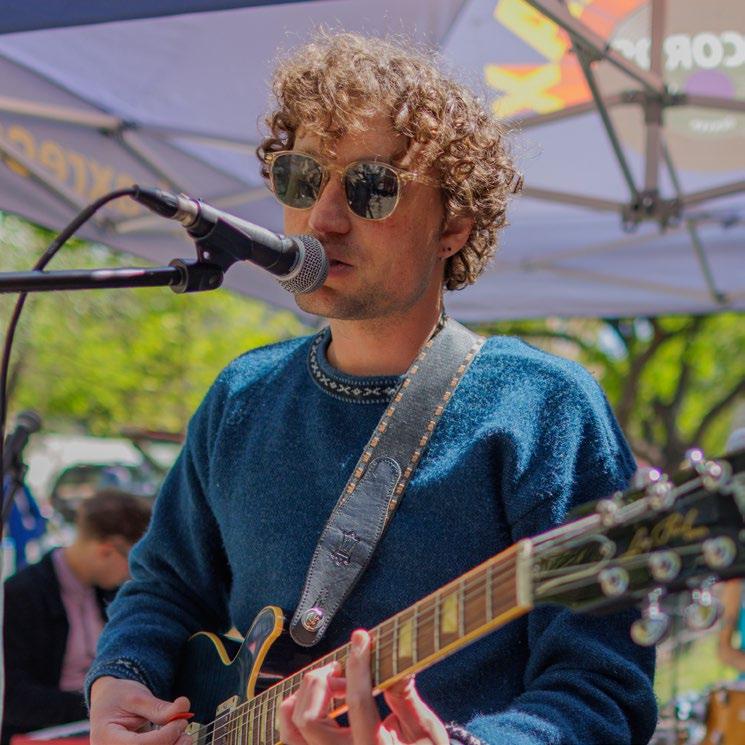
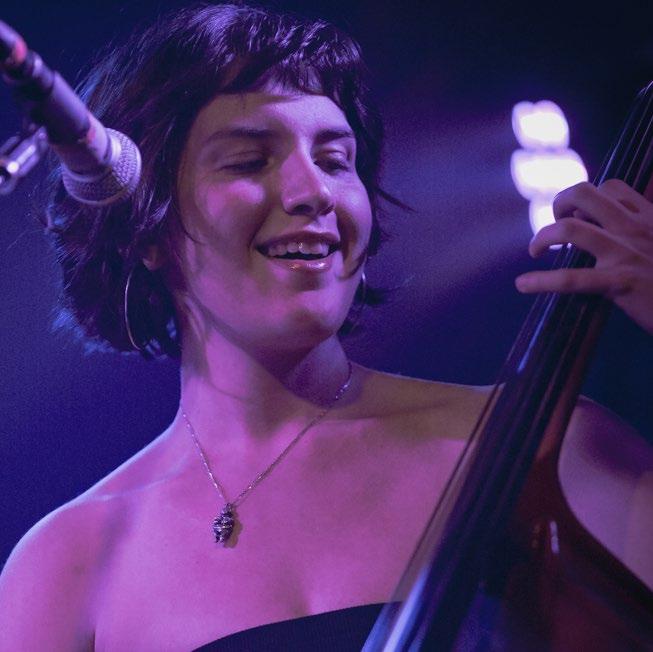
“At the time, most of us believed this long-standing tradition was coming to an end,” said Gillian Pasley, one of the lead organizers of Blucifer’s First Rodeo, a four-day music festival stepping into UMS’s old spot on South Broadway at the end of July. “People were bummed and musicians started texting amongst themselves, thinking, you know ‘we could just do this ourselves.’”
For Pasley and fellow lead organizer Mike Young, there was a unique challenge in filling the space UMS left behind on South Broadway, but also a natural fit. After 25 years, the local businesses were used to a large music
BY JED MURPHY
event each summer, so Pasley and Young found their idea for a festival of their own was met with open arms.
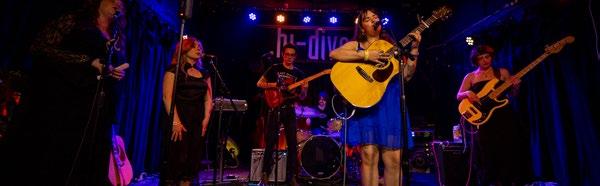
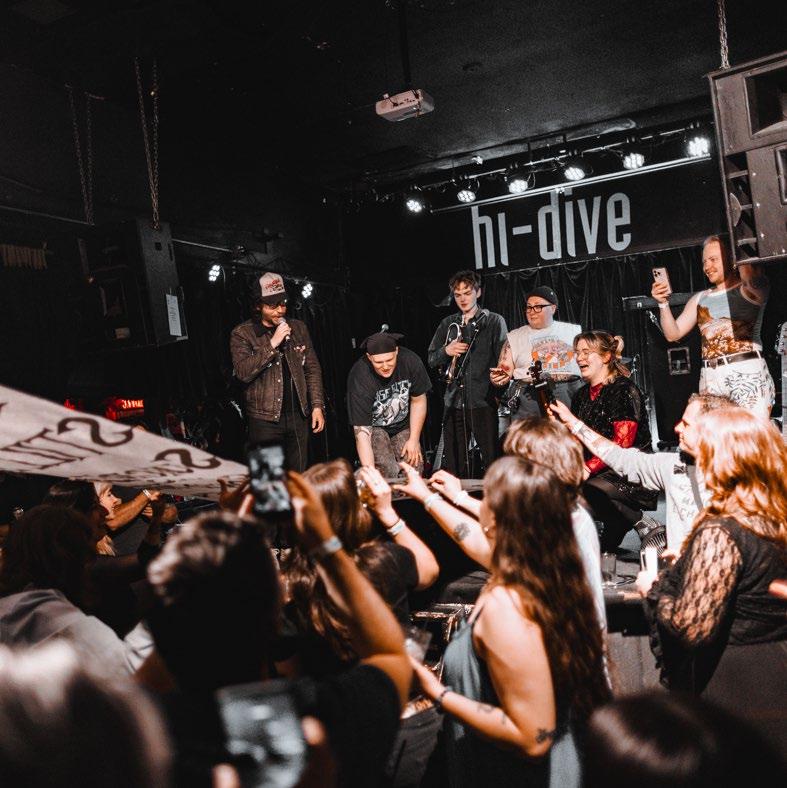
Prior to Blucifer’s First Rodeo, Pasley and Young put together Last Minute Last Waltz at Hi-Dive in Denver, an event paying tribute to the iconic Martin Scorsese documentary “The Last Waltz,” with performances from over 40 musicians from 25 local bands. That success planted the seed for Blucifer’s First Rodeo as they began looking for their next challenge. Then UMS announced it was ending.
Along with some friends they began brainstorming ideas for a festival and, in a stoke of branding genius, channeled the nickname for Mustang, the 32-foot-tall red-eyed blue horse that greets visitors at Denver International Airport.
“We just think it’s a cool name and we’re not trying to make fun of the horse,” Young said. “We think it’s really amazing and we respect how cool and weird it is. We want Denver to be more like the horse.”
What started as a simple idea among friends has since turned into a four-day event featuring more than 200 local bands.
Pasley and Young are focused on com-
munity building, dedicating all revenue after expenses directly to the artists involved. That DIY ethos has generated a tremendous amount of community support.
“Just meeting a lot of people and the amount of, ‘hell yeah let’s go’ that we’ve encountered really speaks to what we were feeling last summer,” Young said. “So many of us feel this frustration with the larger music industry and the larger ways that culture and capitalism intersect right now.”
Once the festival was taking shape, UMS announced it would be returning, relocating to the RiNO district in downtown Denver and again taking place at the end of July. From an outside perspective, it can look like two local festivals competing for the same audience, but reality is more nuanced than that.
“I think there’s sometimes a competing festival narrative that gets pushed,” Pasley said. “I think, as far as I know, we’re doing things on a slightly different scale.” That’s an understatement. The Blucifer team has capped tickets at 1,600, while UMS typically aims to sell 10,000.
“If Austin and New Orleans can handle multiple festivals on one day why can’t Denver?” Young said.


BY NATE WILDE
As history has shown time and again, dramatic shifts from the mainstream are inevitable. Alternative rock pushed hair metal off the top of the mountain in the early 1990s, gangster rap overtook bubblegum hip hop and R&B around the same time, and disco met its unceremonious end in the late 1970s. All are notable chapters in the music history books.
In recent years, a similar trend has emerged in country music with the explosion of Red Dirt Country, a subgenre rooted in honest storytelling that borrows musical elements from traditional country, outlaw country, and guitar-driven southern rock.
Spearheaded by outfits like Cross Canadian Ragweed, Turnpike Troubadours and Zach Bryan, the subgenre has found a natural home in Colorado, a state defined by landmarks like Red Rocks and Garden of the Gods and the red, muddy waters of the Colorado River, which gave the state its name.
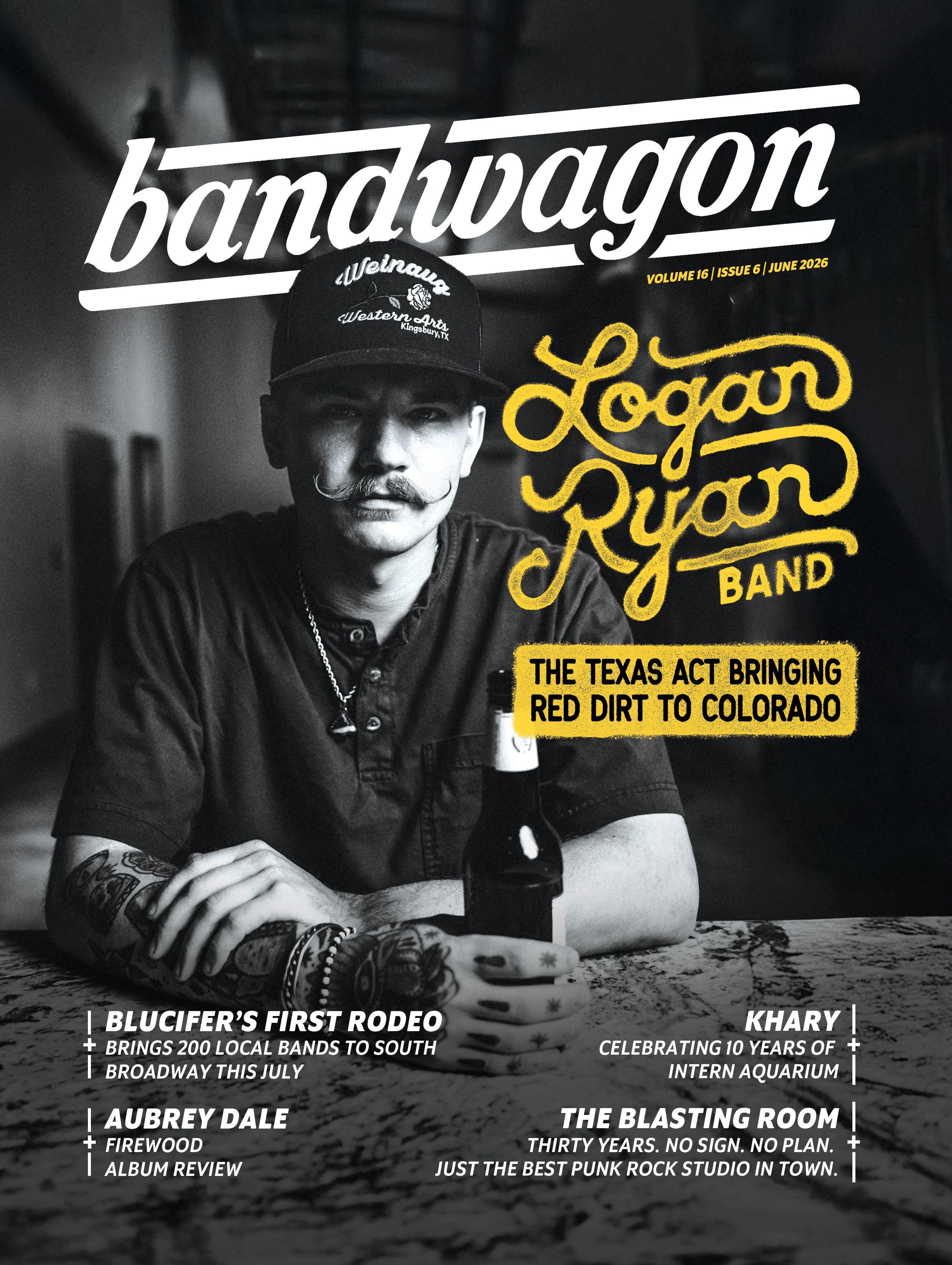
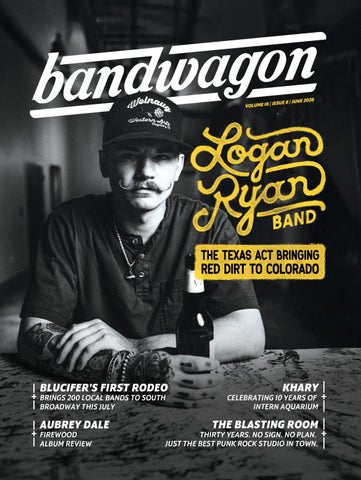
One outfit quickly climbing the red dirt hill is the Logan Ryan Band, which will be bringing its Texas roots to the Centennial State in a big way behind the band's recently released debut full-length, Kamikaze.
Released this past January, Kamikaze captures the sound and energy the Logan Ryan Band has been delivering to stages across Texas for some time. The record opens with the title track and, fittingly given the title and lyrical content, introduces the listener to a guitar mimicking the sound of a plane in freefall. The lyrics conjure images of a pilot in an uncontrolled descent, a metaphor for self-destruction and losing control after chasing "cheap thrills," all while projecting an attitude of no regrets.
Beyond the lyrics, the album's visual identity is equally deliberate. The cover art features an airplane rendered in a vintage poster style, the same aesthetic used on the band's previous singles, which played a significant role in putting the Logan Ryan Band on the map.
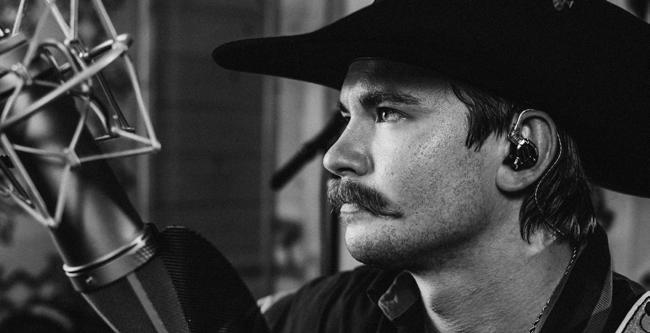
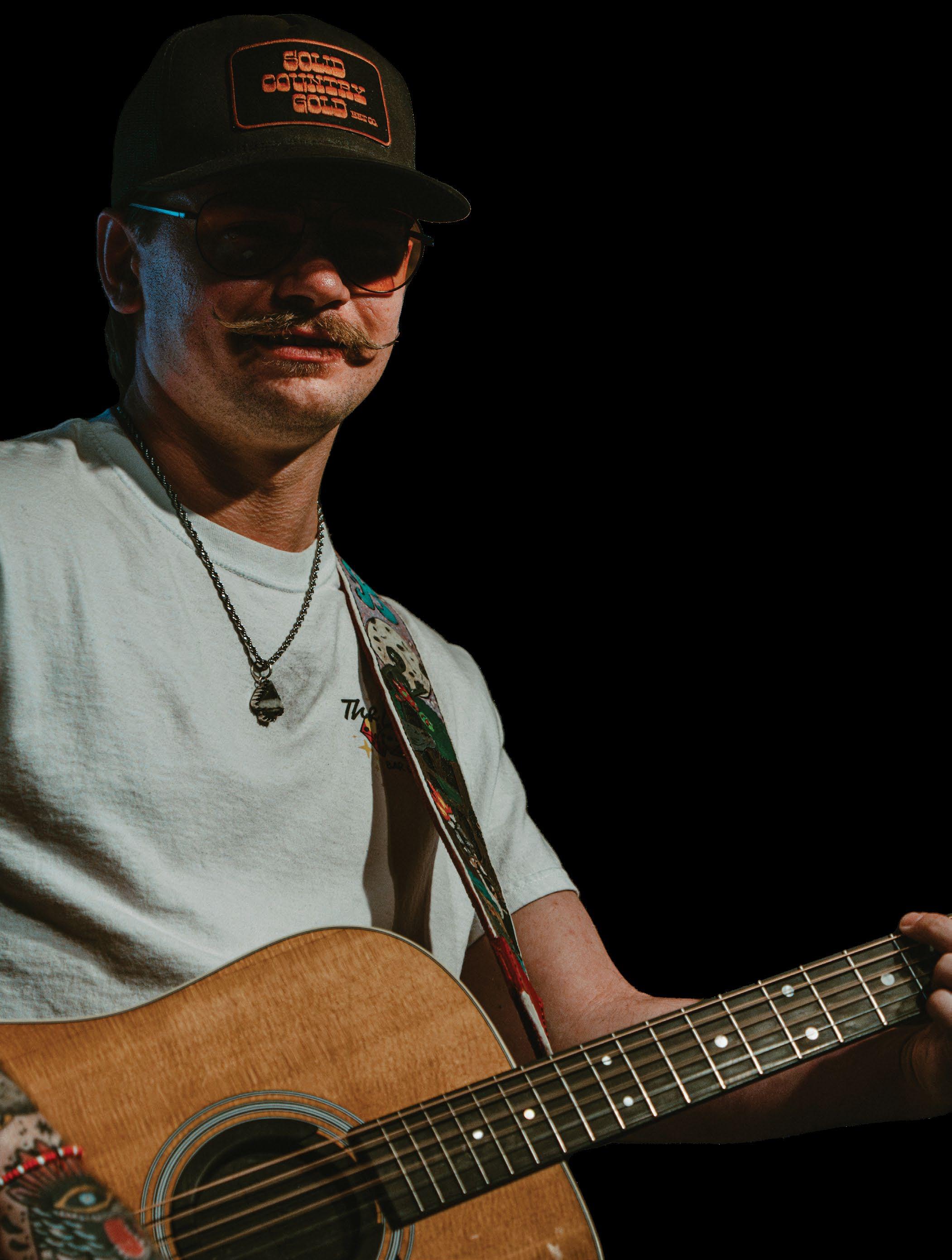
Backed by drummer Brent Riedel, guitarists Garret McKinley and David Elder and bassist Leo Morales, vocalist and guitarist Logan Ryan opens up across the record with the honest lyricism the genre is known for. At its core, Kamikaze reads like a window into the frontman's soul, laying out heavy emotions and the experiences that shaped him into the mustachioed presence fans have come to know from the stage, the car stereo, and the turntable.
Themes of love and the nomadic life of a touring musician surface frequently. The reflective "When We Were Young" is a light yet somber meditation on watching life pass by while chasing a dream, and "Cheyenne's in Carrizo" echoes a similar sentiment. But not every love song on the record leans into sadness.
Ryan shifts to lighter ground with "Pretty Devil," a playful love song that builds instrumentally throughout; "Texas Cinderella," a rollicking classic country number that conjures images of an old western dance hall, tall cowboy hats, and tight jeans; and "Can't Help Falling in Love," a gritty country rock track about forbidden love driven by overdriven guitar, organ, and a fun mid-tempo groove.
One of Kamikaze's most remarkable qualities is how it transports the listener through lyrical storytelling. "Cheyenne's in Carrizo" is
set in a trailer park, "Texas Cinderella" drops you into an old western bar, "When We Were Young" finds you in a hotel room, and "Lucille" conjures a barroom gambling scene.
The record's most vivid storytelling, though, arrives with "Bandit's Ballad." Featuring fellow Texas artist Presley Haile on vocals, the song is a wild west tale of an outlaw dreaming of escaping his life on the lam for a quieter one with his family in Mexico, only to have those dreams cut short in a shootout with the law.
While emotions run high throughout, Kamikaze reaches its most vulnerable moment with "Dad's Song," a warm yet heartbreaking tribute to the narrator's father, who lost a battle with cancer. The lyrics navigate grief and mourning alongside visions of a onetime mechanic singing old country songs in heaven "with the boys," all while the narrator reckons with fatherhood and the weight of filling his own father's boots.
On the surface, Kamikaze is a quintessential modern Red Dirt Country record. But it reaches further than that, moving across musical styles and through varied settings, themes, and emotions while showcasing sharp instrumentation throughout. The result cements the Logan Ryan Band as one of the premier up-and-coming Texas Red Dirt acts working today.
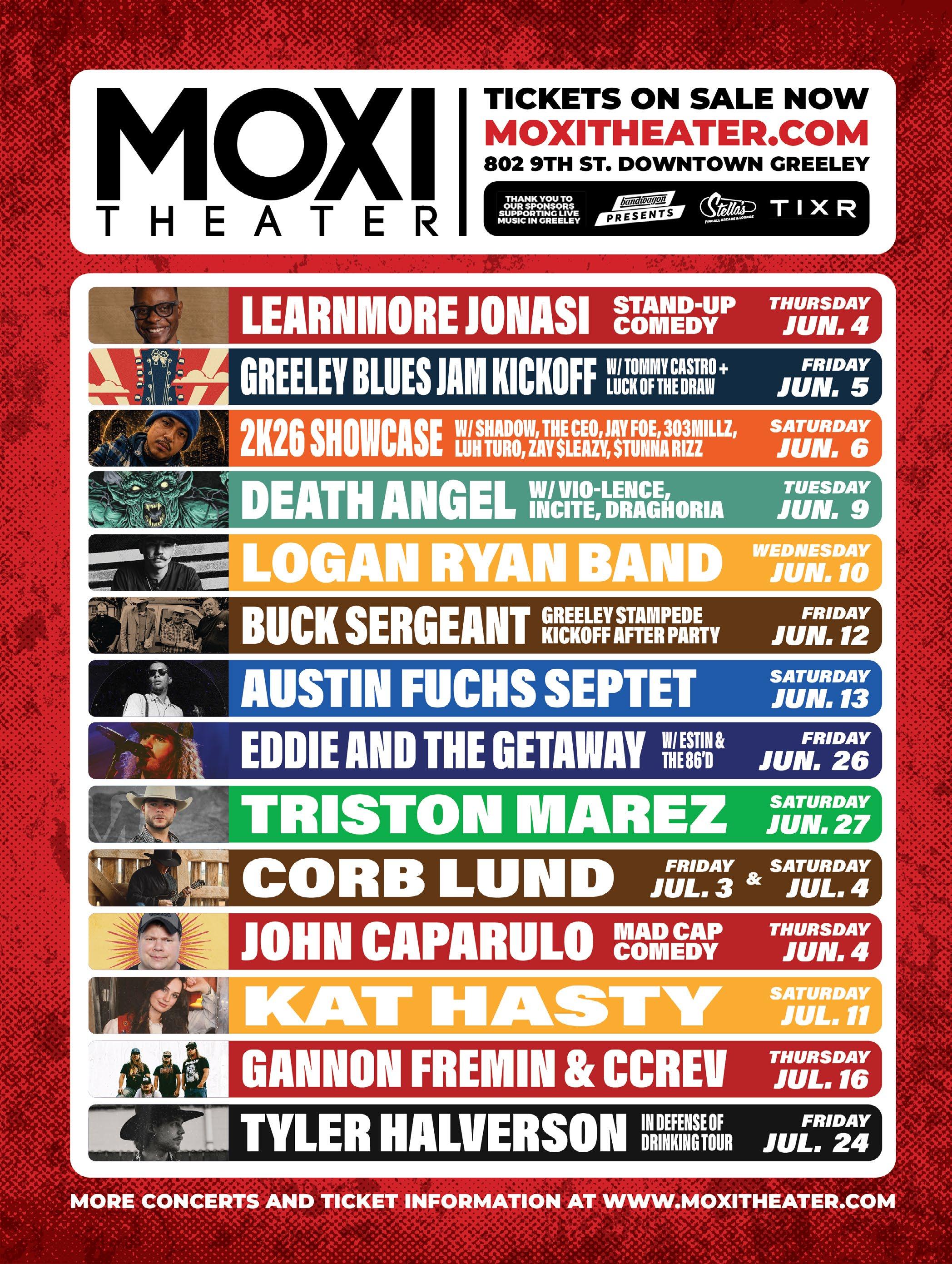
The Logan Ryan Band will make several stops in Colorado in 2026, including an appearance at the Moxi Theater in Greeley on June 10.

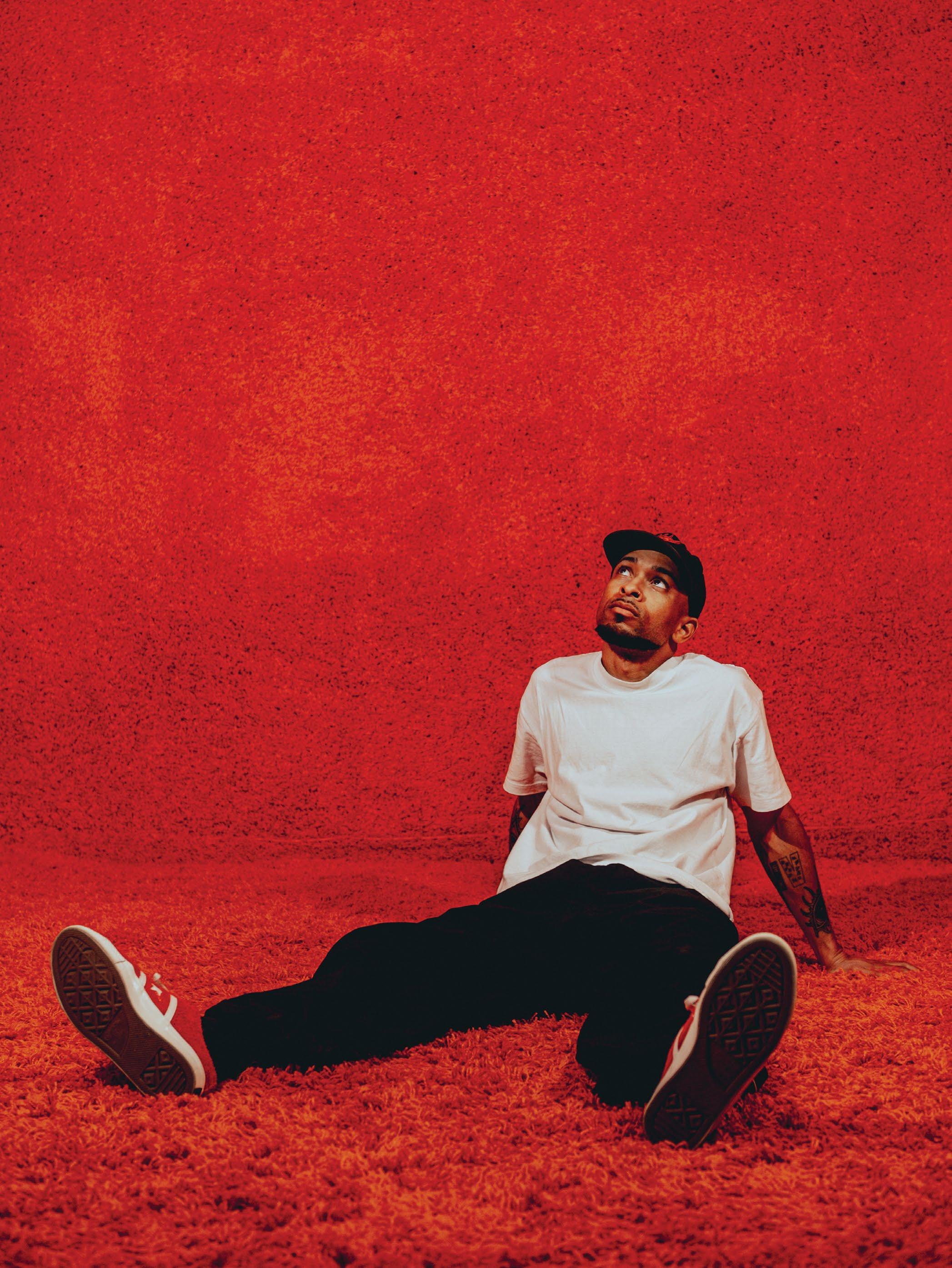
A DECADE AFTER THE HIS BREAKOUT PROJECT, KHARY IS FINDING PEACE, TOURING DIY, AND GEARING UP FOR HIS NEXT MAJOR RELEASE: ALPHA MALE PODCAST
BY LANDON UNGERMAN
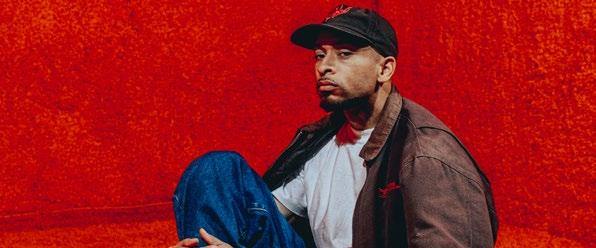
We are all keeping an eye on gas prices. But for an independent artist on a DIY tour, when the number at the same station jumps from $3.60 to $4.40 inside a week, it cuts a little deeper. Khary has been watching that math from behind the wheel, driv-
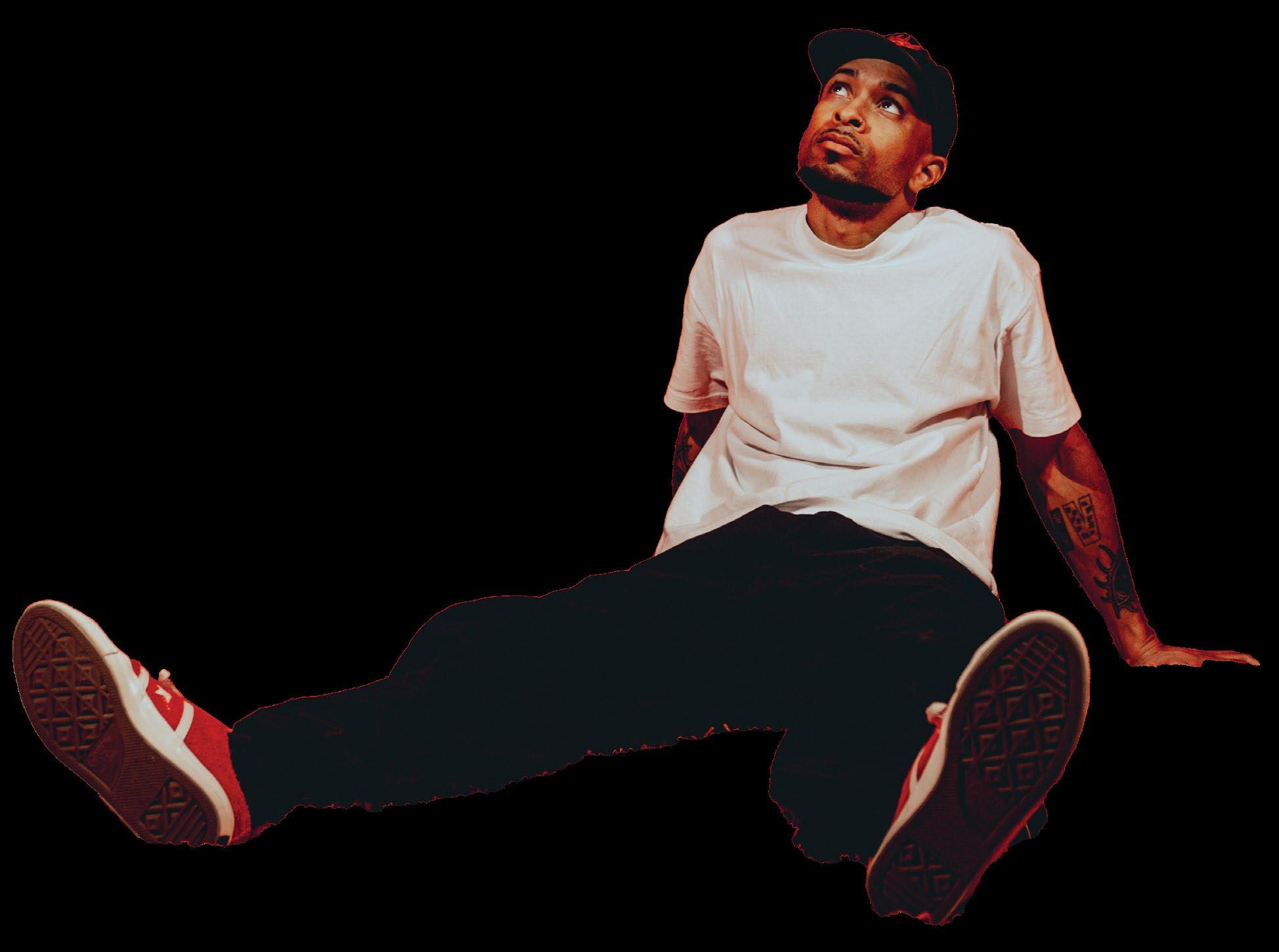
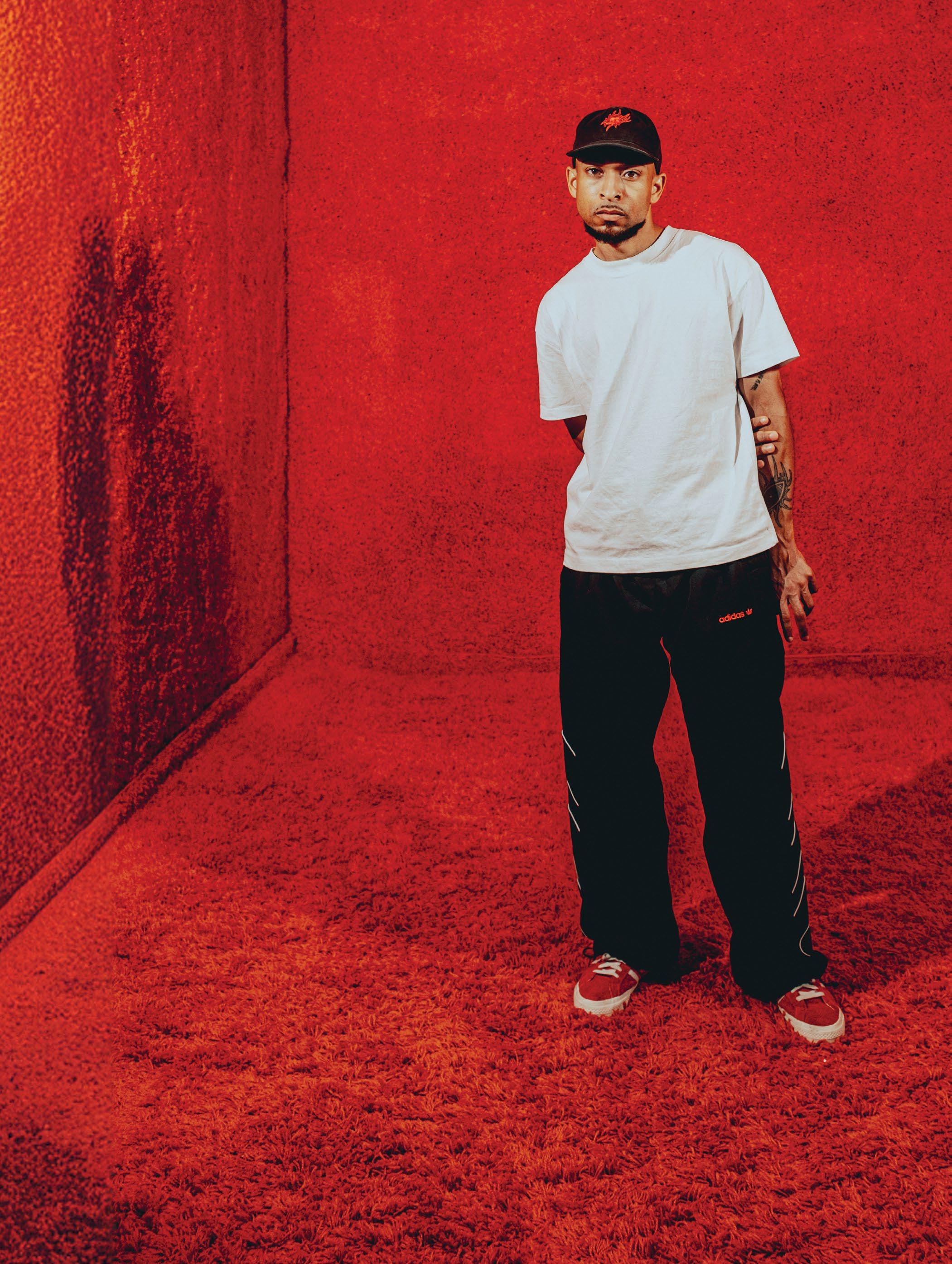
why they exist in the first place. The people defining that conversation are mostly doing it on podcast couches and Twitch clips. Khary wanted it to live somewhere else.
The album's first two singles mark the poles of the territory he is mapping. "Horse Sh*t" plays the obsessed version of the man, the one in too deep. "Can't Take Anymore" plays the opposite, the one too checked out to feel any of it. Read together, it's a timeline. Read separately, two sides of the same coin. "I've mixed so much of myself into these songs," he says. The album earns its 360-degree examination because he has lived 360 degrees of it. He traces the impulse back to a 2018 breakup. He didn't go to his older brothers. One of them had always just naturally gotten girls. He opened YouTube instead, typed in "how to get over an ex," and fell into a corner of the internet he hadn't known existed. Alpha Male Podcast may be the end of that rabbit hole.
Staying in it that long is consistent with how he works. The throughline of Khary's career is patience. He is patient with the outcome because to him, art is never really done. "Deep Conversations," a track he dropped in 2022, went viral in 2024, two full years after release. It was good. It was meaningful. And he never stopped talking about it. That is the model. He has posted more than a hundred videos for "Big Man," another song that lands on the new album, and he is not done with it. "I think songs are forever," he says. "If they mean something to you, you don't get tired of promoting it, and it'll find its audience when it needs to." In an era where artists abandon a song the week it underperforms, Khary refuses. He moves on from the release date. He does not move on from the song.
That patience extends past the music too. Four years ago, Khary picked up skating again, after a stretch where he felt like he didn't have any hobbies. He hurt his wrist so onthe morning of our interview. "Picking up skating was like reconnecting with someone I lost," he says. The practice became a kind of meditation, a puzzle he solves with his body. The culture spoke to him too, because the culture knows what it is. "Skating is a unique counter culture in that it has rules that protect and maintain its core," he says. "It's sometimes gatekeepy, for the better of the culture." Skating also opened him up to other people who have just figured themselves out. One of them is Dan Corrigan, a mid30s YouTube skater Khary stumbled into in LA. Corrigan skates with whoever, documents what he does, and does it all because he loves it. As Khary puts it, "To age gracefully doing what you love is where it's at. It's the ultimate goal."
He has been working on that for years. Intern Aquarium just turned ten. The 2016 mixtape was a staple of a remarkable era in hip-hop, and the project that put him on. It is also the one he had to live inside of for a decade.
"There was a time I felt like I was living in its shadow," he reflects. The comments still tell him to go back to it. He is not that kid anymore. He has evolved past the version of himself that wanted to grind his way to the top, but in a lot of ways, Khary still feels like that intern. If you feel far from a goal, put on Intern Aquarium. It is a top-notch, nostalgic soundtrack for the way there. The project plays like a battle between the production and the rapping. They escalate each other, push boundaries, and both come out on top. It is definitely worth revisiting before the show.
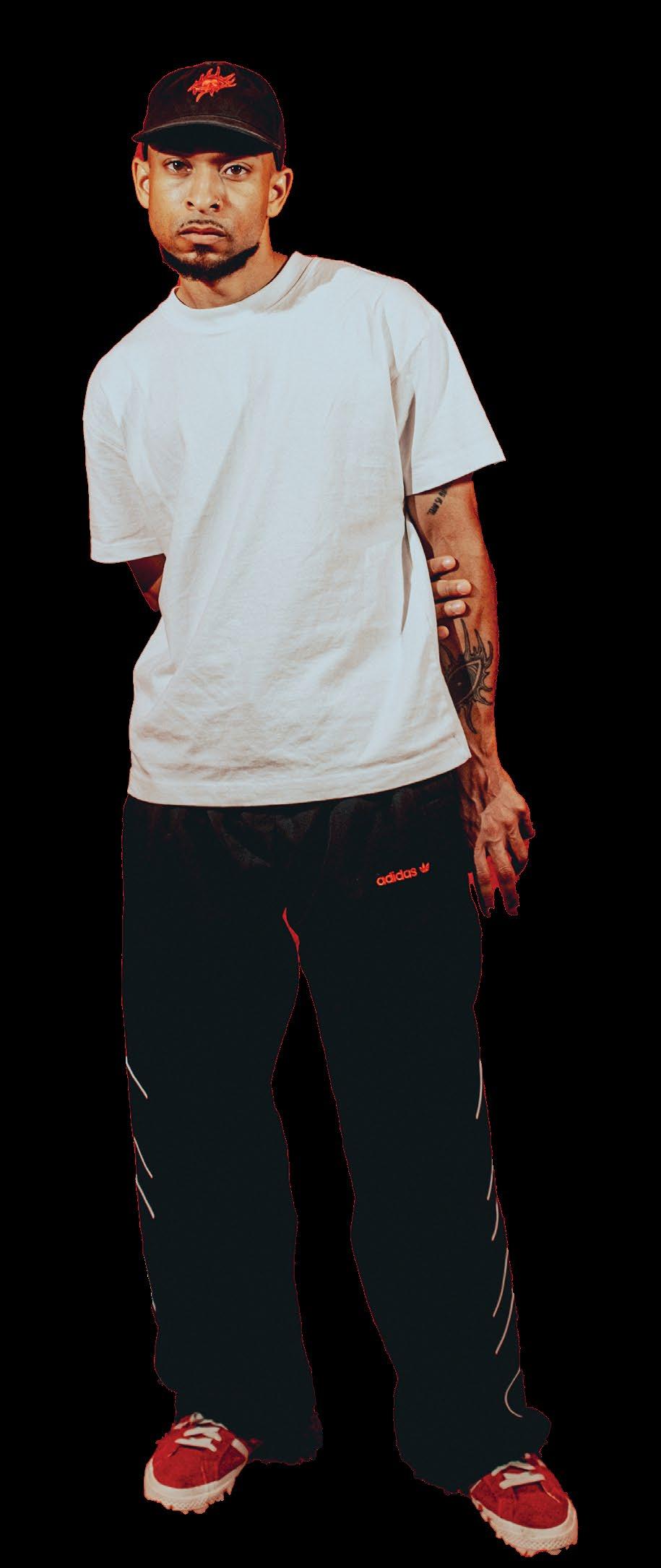
KHARY PLAYS THE BLACK BUZZARD IN DENVER ON JUNE 20, WITH JORDAN BURGETT, RESRFACE, AND ASON YUGEN ON THE BILL. NO MATTER HOW HIGH GAS PRICES GET, HE WILL BE IN THE ROOM. YOU SHOULD BE THERE TOO. GET TICKETS AT THEBLACKBUZZARD.COM.















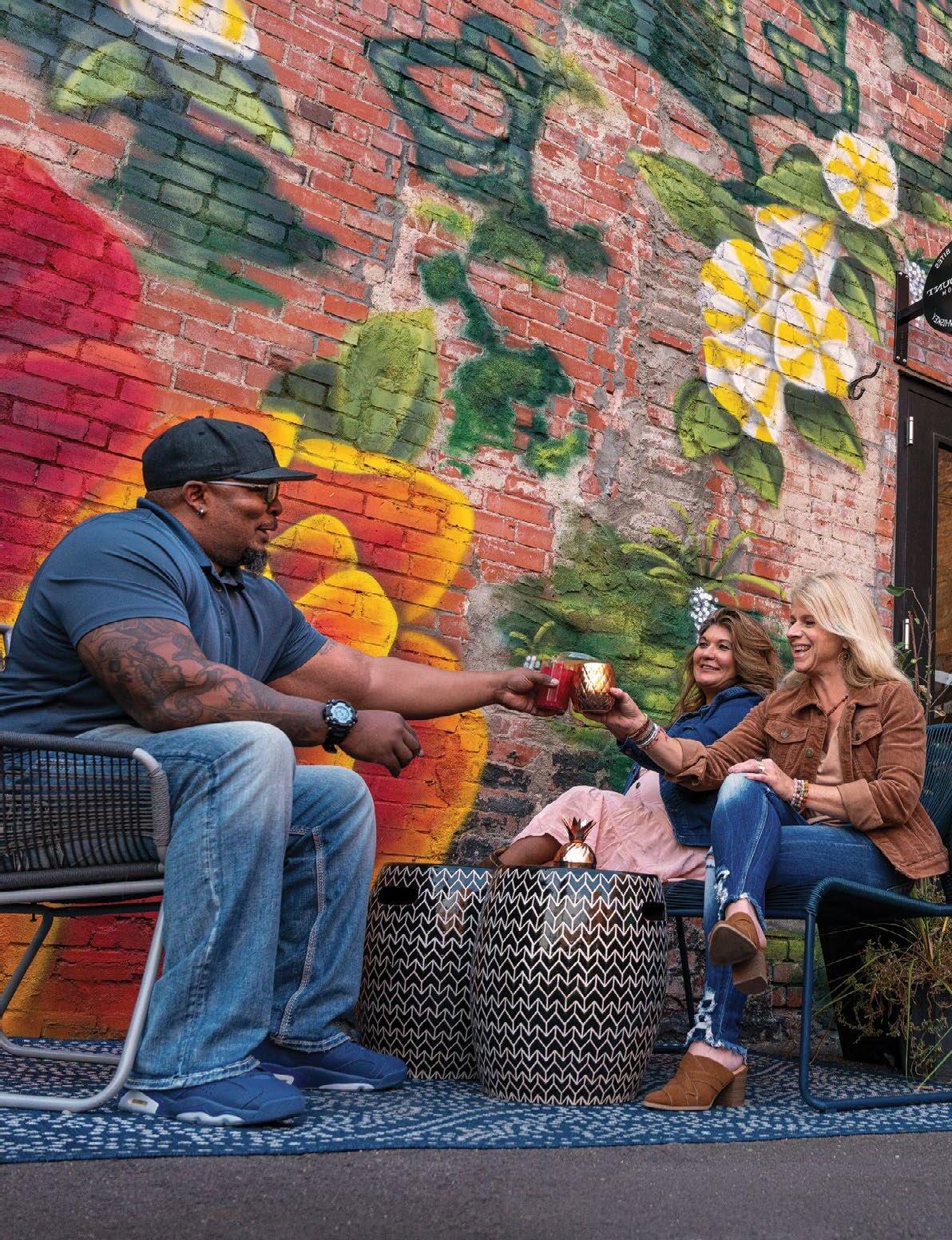
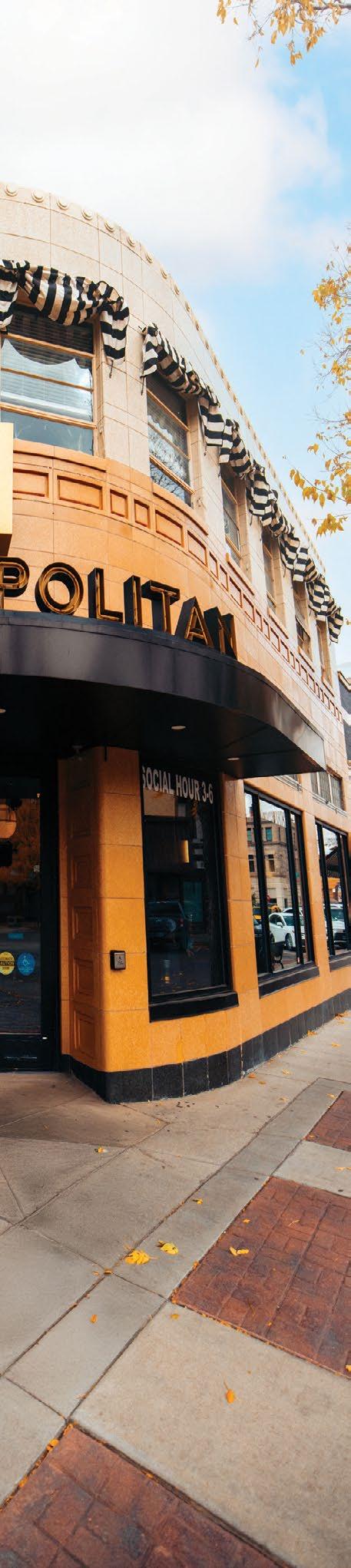



You can still hear the echo of boots on boardwalks, but now they’re headed downtown for happy hour.
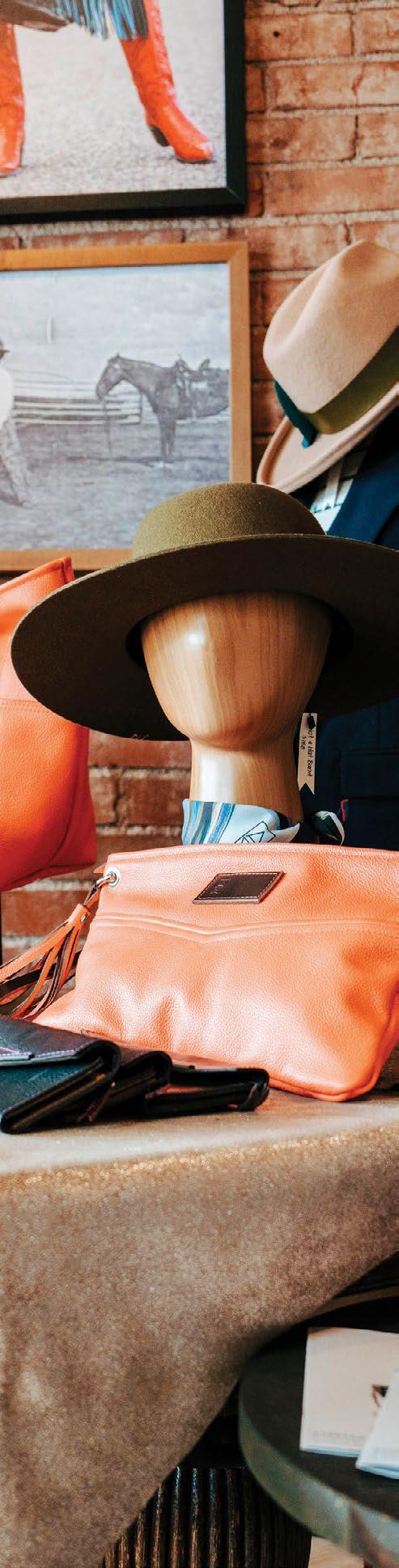
Today in Cheyenne, murals pop, cocktails clink, and makers turn grit into something downright gorgeous.
STAY AWHILE. WE CLEAN UP NICE.

THIRTY YEARS. NO SIGN. NO PLAN. JUST THE BEST PUNK ROCK STUDIO IN TOWN. IF YOU KNOW YOU KNOW
BY AVA HARRIS
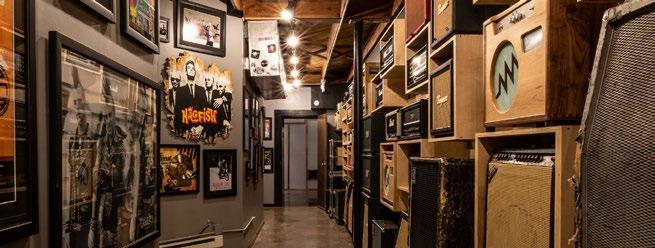
No sign out front. No marquee, no logo, nothing on the building at Laporte Ave that tells you what happened inside. Rise Against cut their first album here. Bad Religion came through. Offspring recorded in these rooms. A Grammy from a Mexican rock band was won in Northern Colorado by a guy who had spent the afternoon before it happened alone with mariachi music on iTunes, trying to reverse-engineer a genre he'd never touched.
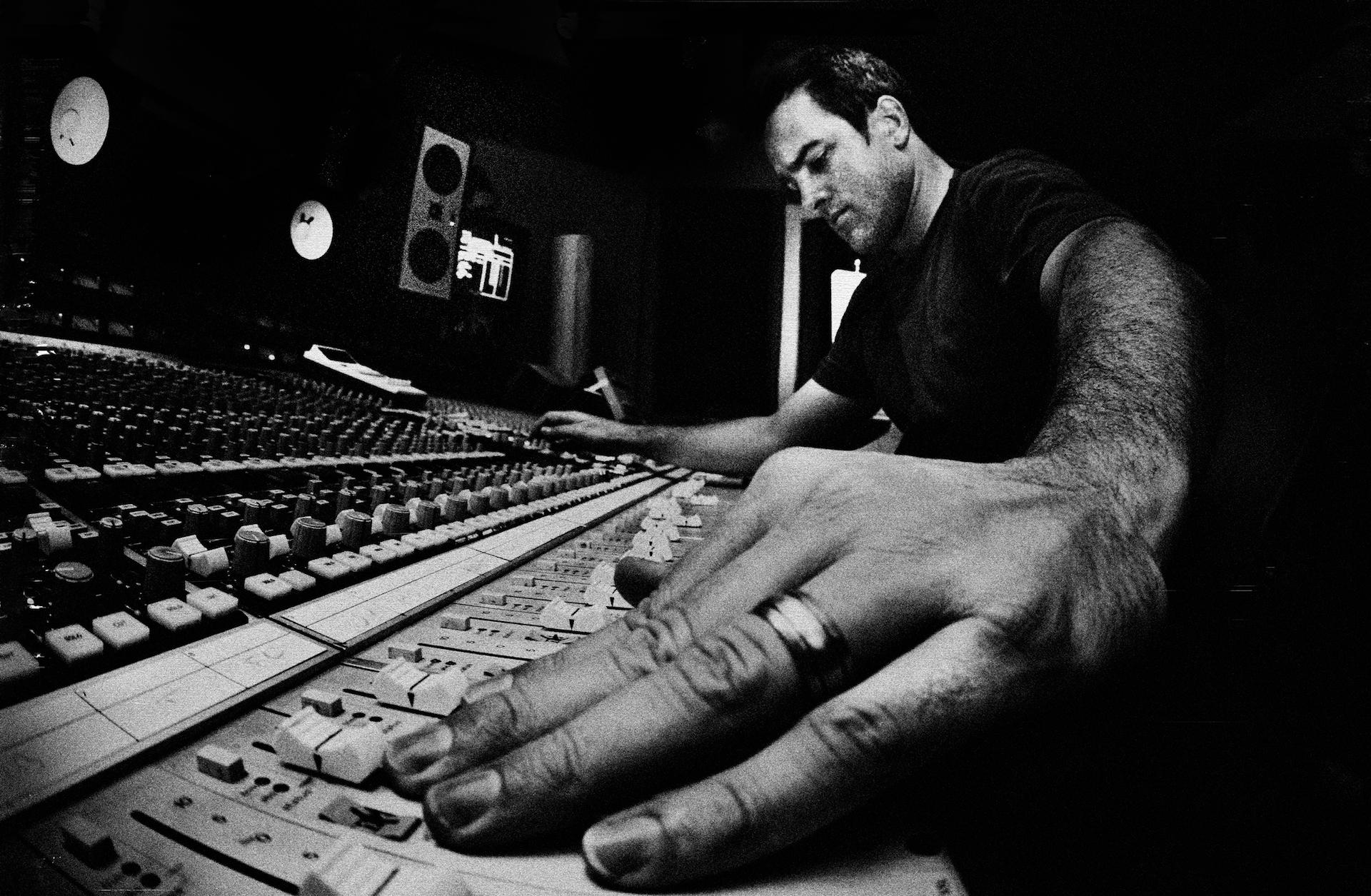
His name is Jason Livermore. He has been at The Blasting Room for 30 years and he will tell you he never had a plan. That's not modesty. It's just true.
"We built this place as a place to hang out and make records," Livermore said.
"Somehow we got lucky and we're still here doing it."
Legendary studios in LA have folded because the land became worth more than the music being made on it. The Blasting Room's rent in 1994 was around $1,000 a month. They own the building now. That's not luck. That's what happens when you stay somewhere long enough that the place becomes yours.
The question worth asking is why they stayed at all.
Livermore showed up at 23 because a friend pointed him north. He had just gotten out of college,
was playing in a band, and going nowhere at a job where everyone around him was in their 30s and 40s and very comfortable. He was not. A manager named Don Robertson, who handled both Livermore's band and the punk group All, pointed him toward Fort Collins, where All's drummer, Bill Stevenson, was building a studio instead of spending his Interscope advance on someone else's room. Stevenson wasn't just a drummer. He co-founded Black Flag. He played with The Descendants. And he was done asking permission.
Don told Livermore: Fort Collins. You should come.
"I paid off all my debts and moved out here basically," Livermore said.
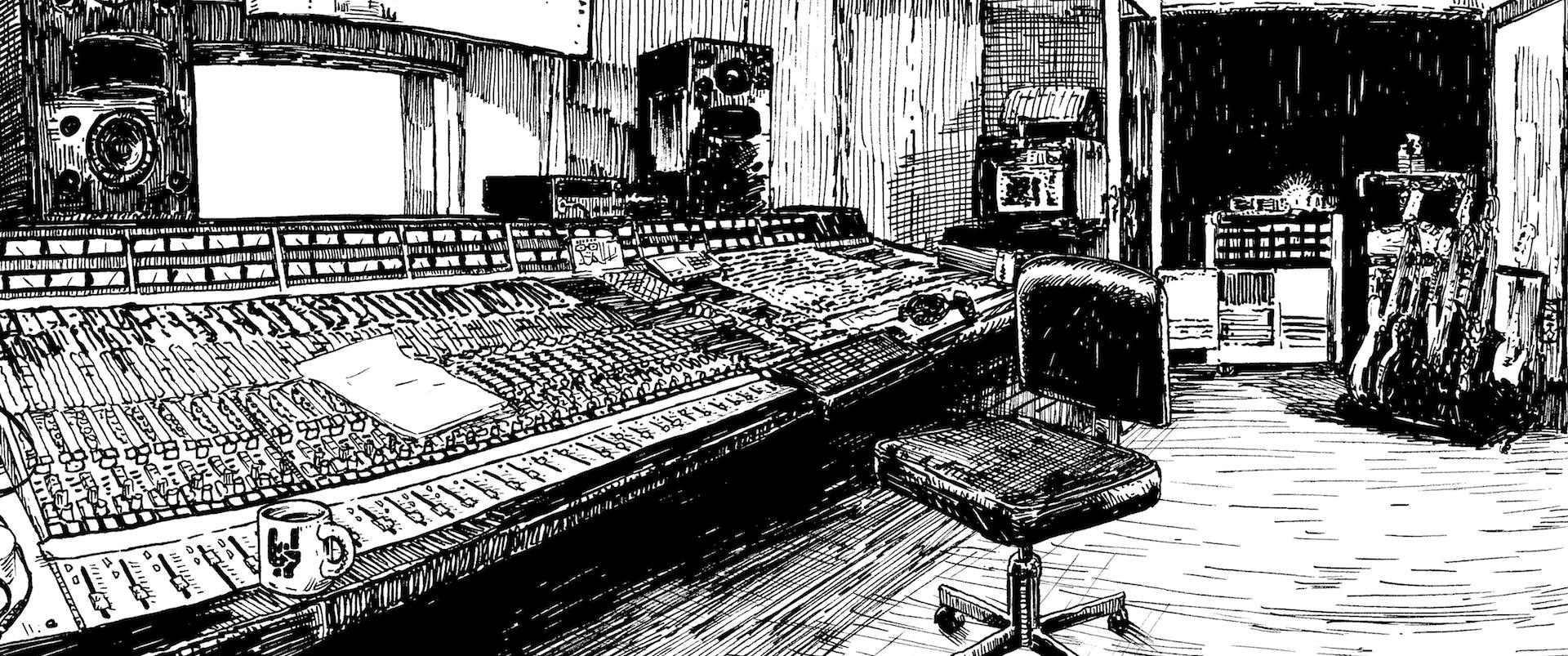
His first impression was not encouraging. He landed at DIA, drove north, found country music on the radio and big stretches of nothing. He grew up in Northern California. This was not that. "I was almost like, 'I'm not gonna do this.'" A few days, some bars, some time to breathe. He changed his mind and never changed it back.
His entry into engineering happened sideways. He was Chad Price's roommate, Price sang for All, which meant Stevenson would keep him late to record backing vocals, small stuff at first, enough to learn the shape of the thing. Then came a tour with Bad Religion, The Supersuckers, and Samiam, 2,000 to 4,000 people a night, learning monitors on the fly. Eventually Stevenson pulled him back. Stay in the studio. Get good at this.
The moment it clicked came during a mixing session in New York. The Descendants had recorded there, and they brought in Andy Wallace to mix it. Wallace was, at the time, the best mixer alive. Nirvana. Rage Against the Machine. Jeff Buckley. System of a Down. Slayer. Livermore sat in the room and watched him work. "That sort of changed my life," Livermore said. It didn't rewrite everything overnight, but something locked in. He came back to Fort Collins and kept going.
"It's kind of like painting a picture," Livermore said, "except the paint is the musicians. You have to take what they give you and arrange it the way you want. Many different people can make many different pictures out of the same set of paint."
Through the late '90s and into the early 2000s, The Blasting Room ran almost entirely on the network Stevenson had built through decades in punk. Bands came because they knew Bill. Blink-182 was supposed to record their first album here. Offspring came through. Rise Against came through and kept coming back, a relationship now 23 years old. Between roughly 1999 and 2010, Livermore was working 80-hour weeks, no days off, finishing one record on day 25 and starting a new band on day 26. He was spending $30,000 to $40,000 of his
own money every year on gear, buying microphones and equipment the studio didn't have because he couldn't help himself. The studio was becoming his whether he meant it to or not. By the time Stevenson made him a co-owner, Livermore owned as much of the room as the room did.
"We didn't need anyone to know where we were or what we did," Livermore said. "Because we had so much business."
Nobody outside Fort Collins was paying attention, and that turned out to be the whole point. While studios in LA were burning through advances and watching their neighborhoods gentrify around them, The Blasting Room was just working. The relationships Stevenson had built in punk kept the calendar full. The rent stayed low. The work stayed good. And then one of those relationships took a turn nobody saw coming.
It started with a Mexico City band called Finde, whose drummer had once rehearsed in The Blasting Room's back room. That connection got Livermore a mixing job around 2005. The record turned out well. The singer from Finde, Pepe, eventually became one of the most powerful promoters and label figures in Mexico, and he kept sending Livermore work, including a track for a solo pop artist named Mario Bautista.
"It was basically like mariachi light," Livermore said. "I said, 'Pepe, why did you send me this? I do punk rock.' He said, 'You'll figure it out.'" So Livermore spent a day on iTunes listening to mariachi, reverse-engineering a genre he'd never touched, and mixed it. That song now has around 60 million views on YouTube.
From there, Pepe brought Livermore into something bigger: the reunion of Molotov, a legendary Mexican rock band. The band had already attempted a comeback album, but when Livermore listened to the result, both he and Pepe agreed they could do better. Molotov booked a week at The Blasting Room. They recorded one song. By the time they heard it back, the decision was made: start over. They rerecorded the whole album
in seven days, mixed it all in Fort Collins, and eventually won a Grammy.
A Grammy. In Northern Colorado. In a building with no sign out front.
The Blasting Room has always attracted a certain kind of visitor. There was the time an Australian band called Frenzal Rhomb came through and their drummer decided he didn't like the patio bar, a wooden fixture a previous band had built and named after themselves. He dragged it into the creek. Jonathan Lugenbill winched it out. They came back a second time and the drummer burned it, reducing it to a wheelbarrow full of ashes. Lugenbill put the ashes in an urn, labeled it "RIP No Trigger Ba," and set it in the kitchen. It's still there. When Livermore texted the drummer a photo, the response was immediate: "I'm gonna snort that thing the next time I come there."
That urn in the kitchen might be the most accurate symbol of what The Blasting Room actually is. Not a legacy institution. Not a museum to punk rock. Just a place where strange, specific things happen to people who showed up and never left.
The Blasting Room today is looser, wider, stranger than it ever was. Andrew records folk artists, Gregory Alan Isakov has made two albums here. There's an engineer for metal, one for indie rock. Bill's son Miles, plays in a local band and records the younger Fort Collins scene because he knows everyone. Jonathan Lugenbill, the everything guy, built one of the studios by himself, maintains the gear, the website and even the security cameras. "He's kind of brought us up to the 21st century," Livermore said. "Bill and I are a little bit more bare bones. We're punk rockers."
At some point, life took shape. Family. Friends. A city that became familiar the way only 30 years can make a place familiar.
The building still has no sign out front. It probably never will. Fort Collins has one of the best recording studios in American punk rock sitting quietly inside its city limits for three decades.