Baltic Transport
bimonthly-daily companion
REPORT
Baltic transport 2025 highlights
ECONOMY
Trade in transition. How to prepare for a patchwork world order
SUSTAINABILITY
An end-to-end trial reveals that on-board carbon capture works – and how it can work better MARITIME
Challenges, enablers, and drag chains in the development of offshore wind energy in the Baltic
The Port of Opportunities
The Port of HaminaKotka is a multipurpose seaport serving trade and industry. This major Finnish port is an important hub in Europe and in the Baltic Sea region.
Welcome to the Port of HaminaKotka!
Dear Readers,

Year 2026 has set off to a particularly peculiar welcome by filling the days (and the Baltic Sea and its ports) with unusually low temperatures and snow falling more than expressively. Kids, that is how winter looked in my youth (and I’m not that old!)! But no worries! We have got something to keep you warm and fuzzy – the latest and greatest issue, fresh from the oven!
Traditionally, the opening edition hosts a round-up of Baltic transport highlights from the previous year, a wholesome set of events that together coalesced into a few trends shaping our region. This 16-page mini-report will take you through bioLNG, wind power (for ships to burn less bunker) and wind energy (for ports to help with switching what ‘ignites’ that electric spark in your socket), electrification (here, too, on- and offshore), future fuels (‘cause not everything can be electrified – yet), and carbon capture (‘cause not everything can be electrified or switched to low/zero fuels – yet).
Speaking of capturing that carbon, Sustainability ’s Closing the loop(s) article analyses the world’s first end-to-end trial of an on-board carbon capture system, revealing that it actually works – and how it could work (far) better. Having mentioned wind, the Colliding winds piece goes through the challenges, enablers, and drag chains of delivering more offshore wind energy production capacity in the Baltic. Regional ports, it seems, have caught up with gusto through infrastructural investments, and now it’s the regulatory/ political side of things that keeps clutching the brake lever.
Since we’ve opened that can of worms, Infrastructure delayed is transport denied not only provides you with key (and grim) takeaways from the European Court of Auditors’ (ECA) update on TEN-T mega-projects, it does so without shying away from making several op-ed remarks. This examination also includes some rather disturbing insights into the setup of Rail Baltica in Latvia, but hey, it was ECA in the first place that gave this project an investigative look! ‘Admirers’ of the Fehmarn Belt fixed link will find something worthy of attention for themselves too (supporters of the Helsinki-Tallinn underwater tunnel may feel a bit let down, though).
For less sensitive reads (joking!), Economy has the Boston Consulting Group dissecting the patchwork world order we are increasingly heading towards, another Sustainability article goes onto explaining why this year will redefine shipping’s path to net-zero (spoiler alert: not by some future fuel boom and certainly not by delivering a global fuel accord), and, of course, Technology couldn’t be spared a read about AI.
Warmest and sunniest from the defrosting Central Pomerania!
Przemysław Myszka

Baltic Transport Journal
Publisher
BALTIC PRESS SP. Z O.O. Address: Aleja Zwycięstwa 96/98 81-451 Gdynia, Poland office@baltictransportjournal.com
www.baltictransportjournal.com www.europeantransportmaps.com
President of the Board BOGDAN OŁDAKOWSKI
Managing Director
PRZEMYSŁAW OPŁOCKI
Editor-in-Chief
PRZEMYSŁAW MYSZKA przemek@baltictransportjournal.com
Proofreading Editor EWA KOCHAŃSKA
Contributing Writers
JOY BASU, APARNA BHARADWAJ, DOMINIC DESAPIO, MARC GILBERT, PHILIPPOS IOULIANOU, NIKOLAUS LANG, KASEY MAGGARD, MACIEJ MATCZAK, MICHAEL MCADOO, LINDA SØRENSEN, MELANIE TERNE, PETER ULLRICH, ANDRZEJ URBAŚ, ENRIKA UUSITALO
Art Director/DTP DANUTA SAWICKA
Head of Marketing & Sales
PRZEMYSŁAW OPŁOCKI po@baltictransportjournal.com
If you wish to share your feedback or have information for us, do not hesitate to contact us at: editorial@baltictransportjournal.com
Contact us:
PRZEMYSŁAW OPŁOCKI tel.:

[Fragment] Fox Hunting for Rats by Bruno Liljefors; photo: Artvee

3 REGULAR COLUMNS
3 Editorial 8 BTJ calendar of events
9 Safety news
10 Market SMS
12 What’s new?
14 Map news
16 Venture forth
18 What’s in the Cabinet
19 Chart of the issue: DNV’s Net-zero guide. Practical approaches for global shipping companies
72 Who is who

36 ECONOMY
36 Trade in transition
– How to prepare for a patchwork world order by Aparna Bharadwaj, Marc Gilbert, Nikolaus Lang, Kasey Maggard, Michael McAdoo, and Peter Ullrich
42 Infrastructure delayed is transport denied – Key takeaways from ECA’s update on TEN-T megaprojects – and a few op-ed remarks by Przemysław Myszka
50 SUSTAINABILITY

50 Closing the loop(s)
– An end-to-end trial reveals that on-board carbon capture works – and how it can work better by Ewa Kochańska
56 Decarbonisation by revolution systems engineering – Why 2026 will redefine shipping’s path to net-zero by Philippos Ioulianou
58 Off the fence
– Unlocking near-term decarbonisation with emulsion fuels by Linda Sørensen
20 Baltic transport 2025 highlights by Przemysław Myszka

The Port of Oxelösund is growing. With expanded capacity for 10.5 million tons of goods every year, we are now Sweden’s largest port for bulk handling.
It’s all part of Oxchange, our transformation journey that’s redefining our role in Baltic logistics. Higher capacity from ship to shore. A new quay, expanded storage areas and modernized yards.
Discover how our port can become your platform for growth.
60 Securing supply chains with reliability, scalability, and competitiveness
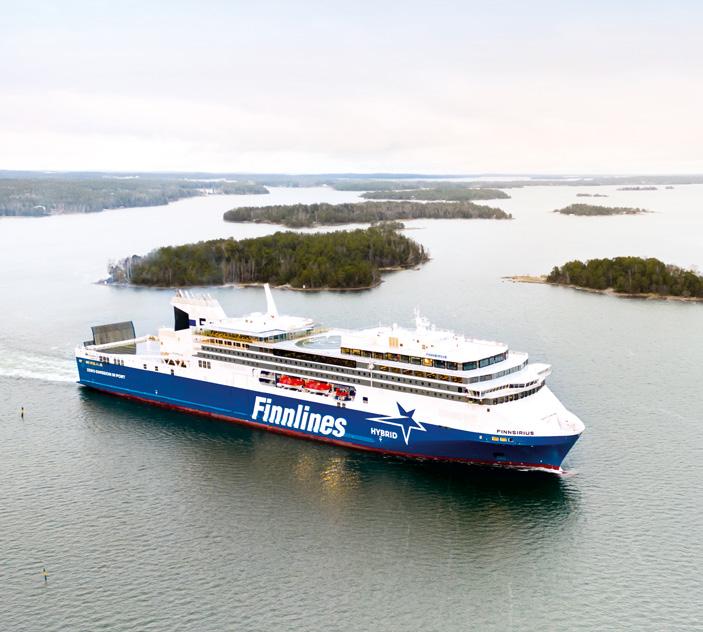
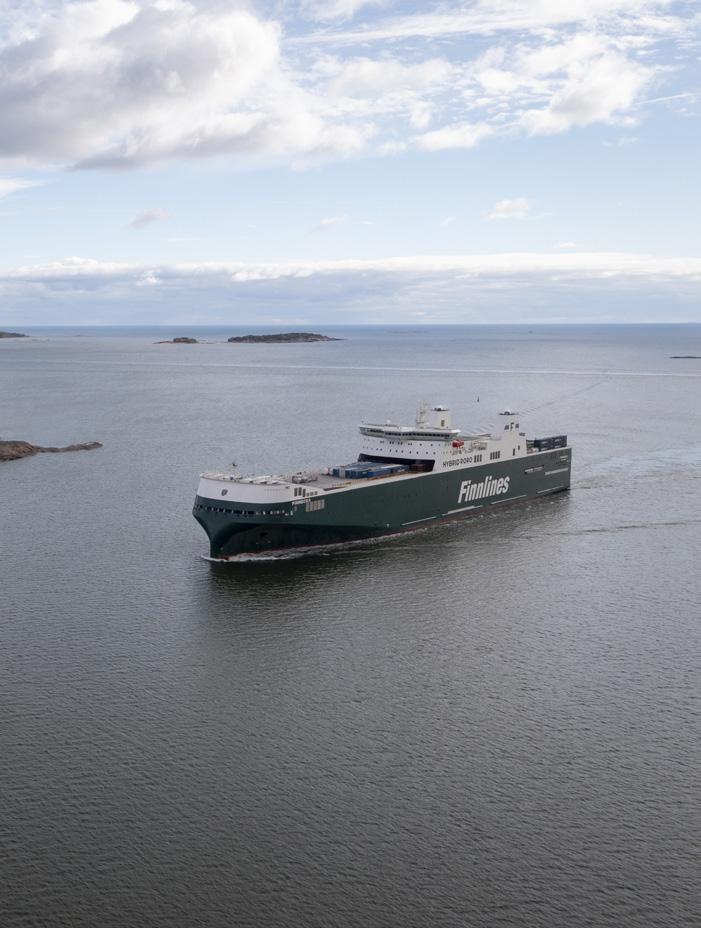
– Interview with Blasco Majorana, Line Manager, Finnlines by Przemysław Opłocki
62 Colliding winds
66 Baltic ports leading the way: the DeCoInter project and the future of green energy by Maciej Matczak
67 Interview with Björn Boström, the outgoing MD of the Port of Ystad, a longtime friend of BPO, and troubleshooter for hire by Andrzej Urbaś
– Presenting the M-AIR network by Melanie Terne 60 MARITIME
– Challenges, enablers, and drag chains in the development of offshore wind energy in the Baltic by Enrika Uusitalo
68 TECHNOLOGY

68 Chapter sealed – The year when digital transformation goes from optional promises to profitable deliveries by Joy Basu
70 Trustworthy industrial AI in intralogistics




Transport Week 2026 , 18-19 March 2026, PL/Gdynia, transportweek.eu
ESPO 2026 , 7-8 May 2026, PL/Gdańsk, espo.be/events
TOC Europe , 19-21 May 2026, DE/Hamburg, tocevents-europe.com
ECG General Assembly & Spring Congress 2026 , 4-6 June 2026, TR/Istanbul, ecgassociation.eu/activities/events
Baltic Ports Conference 2026 , 2-4 September 2026, FI/Turku, balticportsconference.com

ECG Conference 2026 , 15-16 October 2026, DK/Copenhagen, ecgassociation.eu/activities/events
IAPH World Ports Conference 2026 , 3-5 November 2026, GB-ENG/London, iaphworldports.org
EUROPEAN MARITIME SAFETY REPORT 2025 – PUBLISHED
The European Maritime Safety Agency (EMSA), with support from the European Commission (COM), has released the second EMSAFE Report , an analysis of the maritime safety landscape in the EU (including specific technical areas). Issued three years after the initial release, the new publication is based on data collected from several internal & industry databases and stakeholder consultations. “This second edition covers the period from 2019 to 2023 and depicts the far-reaching impacts of recent global events on the maritime sector. The impact of, and recovery from, the COVID-19 pandemic, the economic and logistical impacts of Brexit, and the cascading effects of global conflicts have significantly influenced maritime traffic,” EMSA detailed in a press release. The Agency added, “Within this context, the report highlights how the maritime community strives to maintain
ALARM
safety levels while adapting to an evolving regulatory landscape and addressing additional challenges such as the ageing of the fleet, digitalisation, decarbonisation and the need to retain and attract a qualified workforce.” COM also shared in its press brief, “The report confirms that the European maritime safety framework continues to be one of the most robust in the world, even as seaborne trade volumes and passenger numbers increase. It confirms the strong performance of the port state control system at Member State level, with more than 14,000 vessel inspections carried out each year in EU ports. This regime is complemented by legislative initiatives, like the specific EU survey regime for ro-pax and high-speed craft, and the obligation for Member States to report and monitor accidents centrally, both for analysis and for the development of preventive actions.”
OVERLOAD
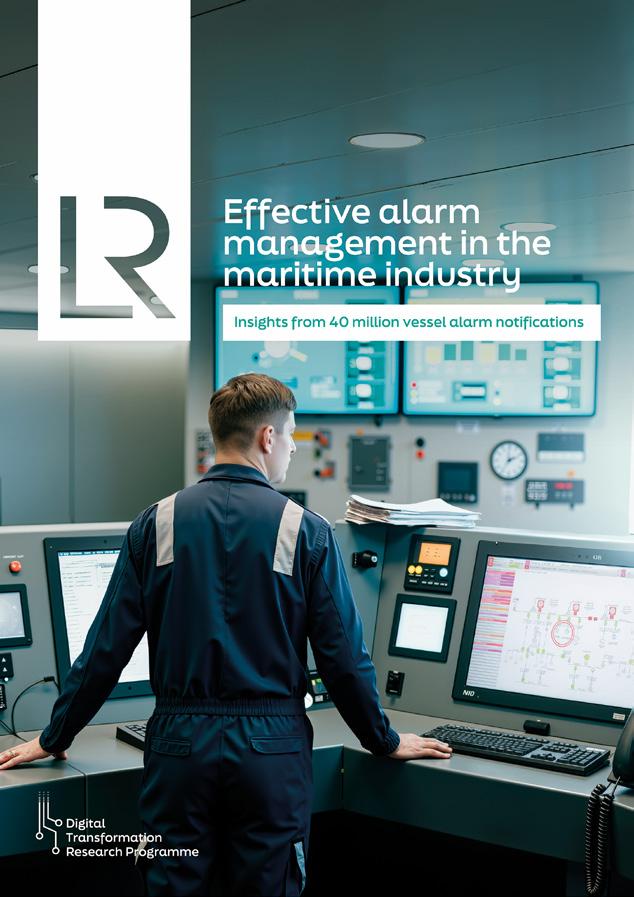
Lloyd’s Register (LR) has analysed over 40 million alarm-related events, collected from 11 operational vessels and spanning over 2,000 days, revealing that excessive and nuisance shipboard alarm systems are routinely overwhelming crews and, many times, actively undermining safety at sea. “The result is widespread alarm fatigue, disrupted rest periods, and a growing erosion of trust in systems that are intended to protect both crews and assets,” LR underscored in a press brief. The professional services group furthered, “The research applied recognised industrial best practice, including IEC 62682 and EEMUA 191, to maritime operations for the first time at this scale. It found that fewer than half of the vessels studied met the recommended benchmark of fewer than 30 alarms per hour, while on ships with unattended machinery spaces, alarms disrupted 63% of rest periods. In some cases, cruise ships experienced up to 2,600 alarms per day, with peak rates reaching 4,691 alarms in just 10 minutes. Crews, overwhelmed by the volume of alerts, are forced to silence alarms without acknowledgement or physically bypass alarm circuits, normalising unsafe practices and eroding trust in critical safety systems.” At the same time, LR highlighted one of its pilot projects on an operational cruiser, where the total number of alarms was reduced by almost 50% over six months. This was achieved without new technology or major system redesign, with improvements “[…] delivered through traditional marine engineering interventions, including correcting valve installations, replacing faulty sensors, and tuning existing systems.” LR’s analysis also demonstrated that addressing the 10 most frequent alarms could reduce overall loads by nearly 40%. The report calls for greater adoption of objective alarm performance assessment, stronger consideration of human factors in system design and operation throughout a vessel’s life cycle, and regulatory frameworks that support consistent, enforceable standards. “Without decisive industry action, alarm fatigue will continue to undermine situational awareness and increase the likelihood of serious incidents,” urged Duncan Duffy, LR’s Global Head of Technology. “If the maritime industry is serious about safety, it must commit to continuous performance measurement, objective evaluation, and a human-centred approach to alarm system design. Only then can alarm systems fulfil their intended purpose – supporting crews, safeguarding lives, and ensuring safer voyages for all.”
JOINT DEVELOPMENT PROJECT TO ENHANCE BATTERY SAFETY THROUGH ADVANCED SIMULATION – LAUNCHED
The American Bureau of Shipping (ABS) and Siemens Energy have partnered to advance the understanding of thermal runaway in lithium-ion batteries through modelling and simulation. The collaboration aims to create new insights into how such battery systems behave under extreme conditions, ultimately enhancing design verification, safety assurance, and risk mitigation for future applications. “By combining ABS’ experience in safety standards with Siemens Energy’s advanced modelling capabilities, we are
helping the marine and offshore industries move forward with greater confidence in the design and operation of next-generation energy storage technologies,” said Michael Kei, ABS’ VP Technology. Siemens Energy’s Technology Manager Battery Systems, Lars Barstad, added, “Introducing advanced modelling and simulation of battery solutions is an important step towards a safer and cleaner future. It will help us in optimising design and operational requirements for battery systems used in marine and offshore applications.”
The Port of HaminaKotka:
13.18 million tonnes handled in 2025 (+0.2% yoy)
Whereas imports in international traffic contracted by 15.3% year-on-year to 3.84 million tonnes, exports grew by 8.4% yoy to 9.34 mt. The Finnish seaports also handled 39.6 thousand tonnes in domestic traffic, down 69.9% yoy. HaminaKotka’s container traffic advanced by 7.4% yoy to 614,873 TEUs.
Öresundslinjen:
6.37 million passengers served in 2025 (+3.9% yoy)
Apart from the new overall-traveller record, the ferry company also welcomed an all-time high number of foot passengers, 3.36 million (+7.1% year-on-year). Simultaneously, Öresundslinjen’s ferries transported 1.04 million private vehicles on the Helsingborg-Helsingør crossing, an increase of 2.0% yoy.
The Port of Klaipėda:
1,307,690 TEUs handled in 2025 (+22.3% yoy)
The Lithuanian seaport also saw 254,961 ro-ro cargo units going over its quays, an increase of 5.8% on the 2024 result. In total, the Port of Klaipėda took care of 39.04 million tonnes last year, up 10.9% year-on-year. The seaport also welcomed more passengers, 383.4 thousand (+3.4% yoy), comprising 306.7k ferry (+0.1% yoy) and 76.7k cruise (+19.3% yoy) travellers.
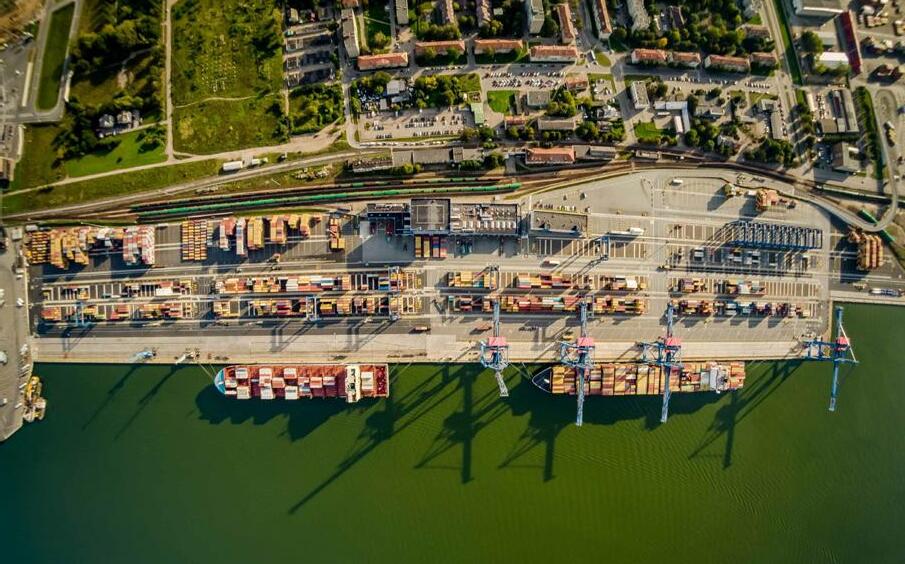
The Port of Gothenburg:
934,000 TEUs handled in 2025 (+3.5% yoy)
The Swedish seaport noted its new all-time container traffic high, which also includes a record number of rail-borne TEUs – 529,000 (+4.8% yearon-year). Gothenburg’s ro-ro traffic climbed 0.2% on the 2024 result, totalling 525,000 cargo units. The finished vehicle logistics segment, on the other hand, contracted by 2.3% yoy to 251,000. With 1,406,000 travellers, the 2025 passenger season gained 1.2% yoy. The Port of Gothenburg also handled 20.7 million tonnes of liquid bulk (energy products), a decrease of 5.0% yoy. “Record volumes are proof that the port has become even more attractive as a logistics hub,” Claes Sundmark, VP Sales & Marketing at the Port of Gothenburg, commented on his seaport’s container traffic. “We see several drivers behind this growth: the port’s range of deep-sea services has expanded significantly with two new direct services to Asia. The port’s rail system, Railport Scandinavia, is a stable and unique global network that continues to grow, providing efficient access to the port for all of Sweden.” He also noted, “On top of that, other major ports in Europe have struggled with capacity challenges during the year, while the Port of Gothenburg’s terminal operators have been able to handle both existing and additional volumes.”
The Port of Helsinki:
486,240 TEUs handled in 2025 (+9.5% yoy)
Tonnage-wise, the Finnish capital seaport took care of 3.7 million tonnes of containerised freight, up 7.5% on the 2024 result. On the whole, the Port of Helsinki handled 13.36mt last year (-4.7% year-on-year), of which 13.2mt in international (-3.7% yoy) and the remaining 163.3kt in domestic traffic (-49.6% yoy). Helsinki’s prime trade, unitised freight, totalled 12.05mt (-1.2% yoy), including 8.35mt of wheeled (ferry & ro-ro) cargo (-4.6% yoy). Handling of dry bulk amounted to 795kt (-33.4% yoy) and that of break-bulk –386.7kt (-25.9% yoy). A total of 639,852 trucks & trailers went through Helsinki’s quays (-4.7% yoy). At the same time, the seaport’s ferry traffic advanced by 0.9% yoy to 9.45 million passengers (who, however, brought with them fewer vehicles, down 2.0% yoy to 1.4 m). The Tallinn connection saw 7.52m travellers (+0.4% yoy), followed by Stockholm – 1.69m (+2.7% yoy), Travemünde – 166.5k (-1.6% yoy), and Mariehamn – 36k (+0.9% yoy). Passengers labelled as ‘others’ totted up to 42.6k (+43.5% yoy). Helsinki’s 2025 cruise season ended with welcoming 175,221 guests, an increase of 26.4% on the previous one.
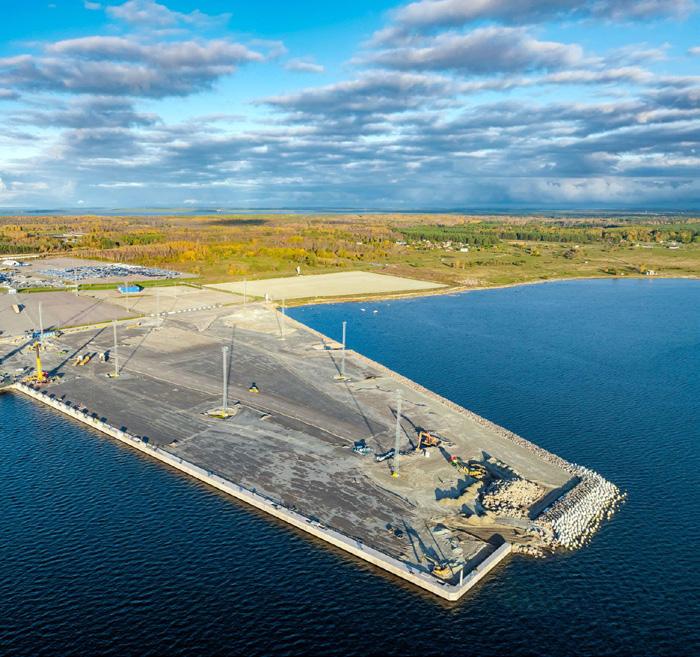
Photo: Port of HaminaKotka
Photo: Port of Klaipėda
Tallink:
5.53
million ferry passengers served in 2025 (-0.9% yoy)
While the Estonia-Finland area grew by 1.8% year-on-year to 3.61 million ferry travellers, Finland-Sweden lost 2.4% yoy down to 1.38 m and Estonia-Sweden marked a decrease of 12.5% yoy to 542.5 thousand. Individual quarters also proved to be a mixed bag for the Estonian ferry line: Q1 saw 12% yoy fewer passengers (down to 970k), Q2 and Q3 rose by, respectively, 2.5% and 3.0% yoy (up to 1.49m and 1.77m), and Q4 marked a 0.3% yoy downtick (to 1.31m). The company’s ferries also transported 760.5 thousand private vehicles in 2025, a decrease of 2.2% yoy. With 245,004 ro-ro units, cargo transports were down across the board (-19.2% yoy). The Estonia-Finland trade lost 20% yoy, totalling 179,370 trucks & trailers; Estonia-Sweden decreased by 11.5% yoy (35,881), and Finland-Sweden shrank by 22.8% yoy (29,753).
Viking Line:
139,484 ro-ro cargo units carried in 2025 (+3.9% yoy)
Apart from its new all-time freight high, the company’s ferries also served 4,608,573 travellers last year, a 0.8% downtick vs the 2024 result. The Turku-Mariehamn-Stockholm crossing saw a decrease of 1.9% year-on-year to 1,944,798 ferry passengers, the Helsinki-Tallinn service gained 0.2% yoy to 1,823,917, and the Helsinki-Mariehamn-Stockholm link rose by 12% yoy to 808,787. Passenger traffic labelled as ‘other special cruises’ contracted by 74.4% yoy to 31,071. On the other hand, Birka Gotland (jointly operated with Destination Gotland) welcomed 570,513 cruise guests over the 2025 season (+30% yoy).
Advertisement
The Port of Tallinn:
13.8 million tonnes handled in 2025 (+5.1% yoy)
Whereas ro-ro & ferry traffic, the Estonian seaport’s main trade, contracted by 2.1% year-on-year to 6.43 million tonnes, other cargo segments advanced, most notably liquid bulk – by 46.7% yoy to 2.0 mt. Dry bulk handling was up 5.2% yoy to 2.71mt, as was the turnover of break-bulk (+0.4% yoy to 489 thousand tonnes) and of goods classified as ‘non-marine’ (+150% yoy to 57kt). Containerised freight noted a 0.1% yoy downtick to 2.11mt. Container traffic lost 0.9% yoy, down to 259,398 TEUs. Tallinn’s passenger traffic gained 1.0% over the 2024 result to a total of 8.3 million ferry & cruise travellers. The Helsinki ferry route finished 2025 with 7.3m passengers (+1.3% yoy), followed by the Stockholm crossing with 495 thousand (-12% yoy), and the Muuga-Vuosaari link with 195k (-3.3% yoy). Tallinn’s 2025 cruise season saw 190k guests (+25.3% yoy). Passengers labelled as ‘other’ added the remaining 77k (+41.8% yoy). The port’s domestic ferry subsidiary, TS Laevad, served 2.5 m passengers (+1.2% yoy) and transported 1.2m private vehicles (+3.5% yoy) on the Saaremaa and Hiiumaa routes. “In the fourth quarter, we saw an increase in the number of passengers and cargo volume for the third quarter in a row. We are pleased that, in addition to liquid bulk, which led the increase in cargo volume this year, the volume of ro-ro also increased, reaching the highest level in the last four years in the fourth quarter,” highlighted Valdo Kalm, the Port of Tallinn’s CEO. He also noted, “The number of winter cruise calls that started last year was even higher this year, which made a good contribution to the increase in the number of passengers. There were slightly fewer ship visits, but at the same time, the ships that visited our ports were larger.”
BTJ’s on issuu.
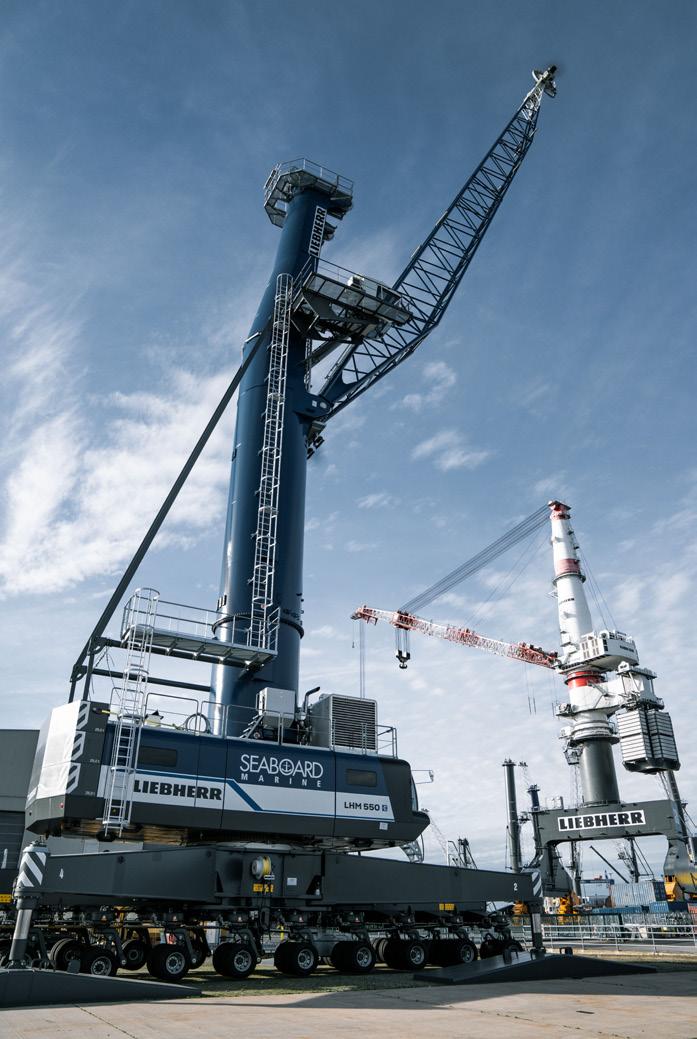
Seaboard Marine buys electric Liebherrs
Three LHM 550 mobile harbour cranes will be shipped from the manufacturer’s Rostock site to the ports of Miami and Houston. The high-rise configuration, hydrostatic drive machines, equipped with custom pads, will offer an outreach of 54 metres and a 104-tonne lifting capacity. The three LHM 550s will join Seaboard Marine’s other eight Liebherr cranes.
Wibax takes over Neste’s terminal in Hamina
The chemical & bio-oil company from the Swedish Piteå has grown with 100,000 m 3 of tank storage in the Port of Hamina, upping its total capacity across Estonia, Finland, and Sweden to over 800,000 m 3 . The transaction also includes ship and rail loading/unloading equipment and related infrastructure. Three Neste employees will also join Wibax’s staff following the deal. The 16-hectare terminal was established in the 1960s but has been recently underutilised, according to Wibax’s press brief. The company plans to bring the area up to speed in phases over the coming years. Before the purchase, Wibax already operated a tank storage of 73,100 m 3 in Hamina (plus 50,600 m 3 in the sister Port of Kotka). “It has been rewarding to follow the growth of our operations in Finland in recent years, and the Hamina terminal transaction is another important step in establishing our position in the Finnish market. As demand increases, we need to keep up with the growth,” Jonas Wiklund, CEO of the Wibax Group, commented.
Grieg Connect acquires Wellamo Data…
The Oslo-based provider of digital solutions for ports and maritime actors extends its footprint to Finland by taking over a developer of port management and maritime information systems. “Wellamo Data is a Finnish PMIS [port management information system] provider with long operational experience and established customer relationships within the Finnish port sector. The acquisition provides a stronger foundation for Grieg Connect’s work in Finland and supports the company’s strategy of building a unified Nordic PMIS offering,” Grieg Connect shared in a press brief. The company furthered, “The acquisition marks a long-term commitment to Finland. Grieg Connect will build a local presence, recruit a Finnish team, and develop PMIS services in close cooperation with Finnish ports as Finland becomes one of our home markets in the Nordic region. As part of the acquisition, company founder Atte Rotko will join Grieg Connect in a leading role with responsibility for operations and for ensuring solution delivery for Finnish ports.” Rotko commented, “This creates a long-term Nordic foundation for PMIS development in Finland. Grieg Connect brings broad Nordic experience and a solid platform for further development. I look forward to contributing to the next phase of digital development for Finnish ports.” Espen Ranvik, CEO of Grieg Connect, added, “Finland becomes one of our main bases going forward. With more than 20 years of experience delivering PMIS solutions to ports, this acquisition gives us a strong starting point to support Finnish ports with continuity and experience from across the Nordic region. This is a longterm investment for us, and Finland will have a dedicated local team.”
…and strikes a deal with Saarte Liinid
The Estonian port company, tasked with managing 18 cargo & passenger harbours throughout the country’s mainland coast, islands, and lakes, has picked the Norwegian firm’s cloud-based Port Management Information System (PMIS) to digitalise its operations. The implementation, marking Grieg Connect’s entry into the Baltics and which started in late 2025, had begun with core operational processes, including port calls, operational reporting, and cargo information handling. The solution also enables future expansion with additional capabilities. “We wanted a solution that helps us standardise our port call management, improve data quality, and lower the administrative burden. Grieg Connect presented a system with a clear structure and a strong fit for how we operate. In the evaluation, the public API also stood out. It gives us a path to a futureproof setup where we can connect our systems and external actors in a controlled way,” Ahti Paju, IT Manager at Saarte Liinid, commented. Dan Steinnes, Grieg Connect’s Chief Sales Officer, also shared, “Even though Saarte Liinid is in a new geographic area for us, the workflows are wellknown from other ports we work with. That gives us confidence that we can deliver a swift implementation and add immediate value to their team across their locations. We look forward to a long-term cooperation where the system can evolve in line with their operational needs.”
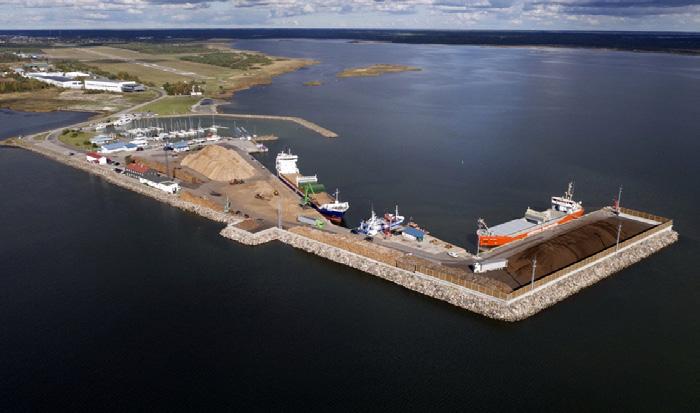
Photo: Saarte Liinid
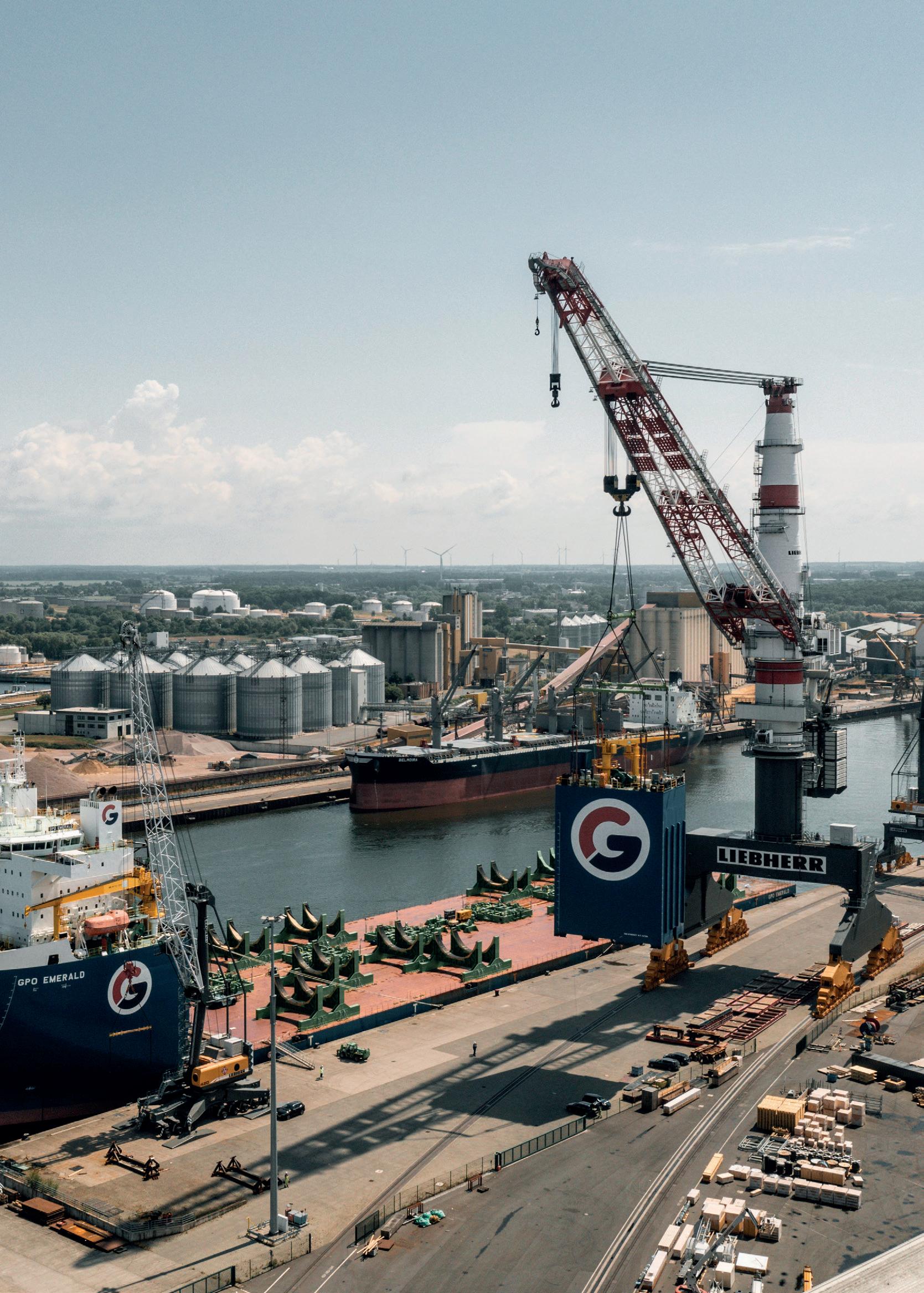
Photo: Liebherr Maritime Cranes
Meriaura orders a new open-deck carrier
The Jiangsu Zhenjiang shipyard has been entrusted with constructing the 120-by-21.6-metre, 6,800-deadweight (dwt), 1A Ice Class, DP2 vessel, scheduled for delivery by the beginning of 2028. Designed in co-op with Deltamarin, with the ship designers also tasked with carrying out the basic design, the newbuild will be optimised for transporting project cargo as well as other special shipments. “The ship will be equipped with three main engines, two of which will be manufactured in Finland. These engines are medium-speed, 4-stroke marine engines designed for easy upgrades to operate on future low- or zero-carbon fuels [including the biofuel made by Meriaura],” the shipping company from Turku highlighted in a press release. The carrier will also be battery-ready “[…] via a plug-and-play setup.” Jessica Saari, Meriaura’s Business Development Director, said, “Meriaura’s open deck carriers are market leaders in several heavy cargo segments in Northern Europe, but there is still significant untapped potential in regional short-sea shipping activities. The newbuilding both complements the existing fleet and increases the business opportunities in present core segments due to improved capacity and capabilities.” The company’s CEO, Beppe Rosin, added, “This order is a remarkable milestone in our ongoing fleet renewal programme and marks our commitment to both our segments. An ice-classed, Finland-flagged, opendeck carrier is also a valuable asset for ensuring Finland’s security of supply. With a slightly bigger vessel size, as with the Eco Traders currently being built [105-m-long, 6,750-dwt], we want to respond to customers’ needs even better, with greater flexibility and across a wider area.”
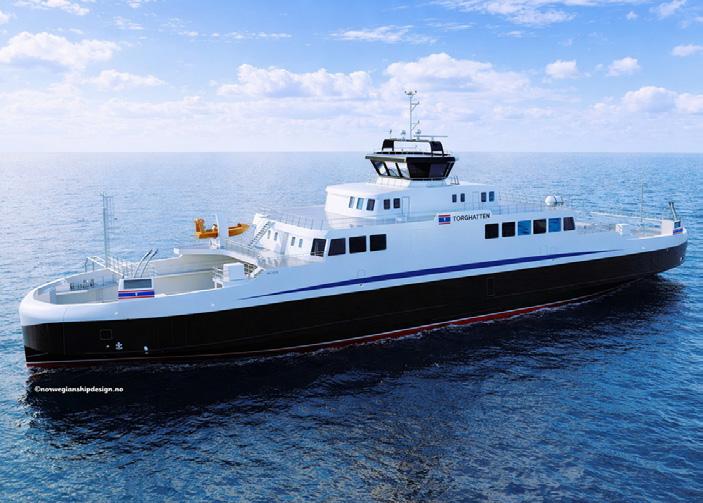
Remontowa to build a hybrid ferry
Torghatten Midt, a subsidiary of the Norwegian shipping company Torghatten, has contracted the Polish shipyard to deliver a doubleended ro-pax, set to sail between the islands of Dønna and Herøy in Norway. The vessel, with room for 249 passengers and space for 91 vehicles (including up to six trucks), will be powered by four generators able to run on 100% renewable diesel. The ferry will also house an aircooled battery pack for peak shaving (which, within a few years, will be replaced by water-cooled batteries to enable all-electric operations). Remontowa Shipbuilding is expected to hand over the newbuild in Q2 2028. It will be the tenth ferry constructed by the shipyard for Torghatten. The ferry was designed by The Norwegian Ship Design Company.
RMC to build ASCs for the US
The U.S. Coast Guard has tasked the Finnish shipbuilders from Rauma Marine Constructions (RMC) to deliver two Arctic Security Cutters (ASC). These medium polar icebreakers, designed by Seaspan Shipyards in collaboration with Aker Arctic Technology, are slated for completion in 2028. The vessels will be built in cooperation with Bollinger Shipyards from the US. The Satakunta University of Applied Sciences is taking part in the project as a training partner. Sakari Puisto, Finland’s Minister of Economic Affairs, commented, “Finnish shipyards build the world’s best icebreakers and the largest cruise ships. Securing the icebreaker order for RMC’s shipyard is excellent news for Finland and for our entire maritime industry. The order strengthens the position of Finnish companies in the global value chain, increases Finland’s competitiveness, and increases export income.” The ASC order falls within the Icebreaker Collaboration Effort (ICE Pact) framework of Finland and the US.
Steel cut for Sirius Shipping-Gasum LNG
bunker vessel
The steel-cutting ceremony for the FLEXI LNG 7800 M3 – HYBRID project took place at the Turkish RMK Marine shipyard. The 112.9-by-19-metre, 1A Ice Class, battery-equipped vessel is scheduled to start serving customers in the summer of 2027. “Celsius will be different from other LNG bunker vessels since it will have a gas combustion unit [2,000 kg/h of CH4/27.7MW and 0-100% N2] on board to assist with cool downs and gassing up. A unique service that will be offered to vessels either carrying LNG or powered by LNG,” Sirius Shipping underscored in a press release. Gasum’s CEO, Mika Wiljanen, also shared, “Shipowners are now seeing that switching to LNG and bioLNG is one of the best ways of reducing emissions in maritime logistics already today, instead of waiting for other technologies that have not yet reached maturity or the required scale or infrastructure.”
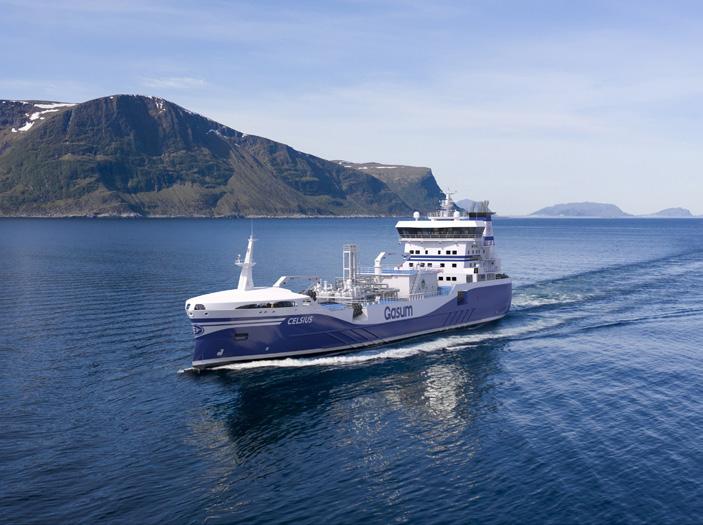
RIKON goes to Africa
The Latvian company has won a tender put out by Marsa Maroc to transport a double jib level luffing crane. The machinery, of German production, will be shipped fully assembled through the Strait of Gibraltar between the Moroccan ports of Nador and Safi. “We are particularly pleased that this first African contract of its kind for RIKON comes precisely after our active engagement at TOC Africa 2025. It is always rewarding when dedicated efforts translate into a tangible result and the trust of such a significant industry leader. This success validates our strategy and opens a new chapter for our activities on the continent,” RIKON shared in a press brief.
Photo: Sirius Shipping
Photo: The Norwegian Ship Design Company
Jantar Unity enters service…
The brand-new ferry of POLSCA (an umbrella company of the Polish Polferries and Unity Line) started plying between the ports of Świnoujście and Trelleborg as of 20 January 2026. The 195.6-by-32.2-metre vessel, one of three sister ships constructed by Remontowa’s shipyard in Gdańsk, offers 4,100 lane metres for cargo and room for 400 passengers. Jantar Unity is equipped with dual-fuel (gas-run) engines plus a battery pack.
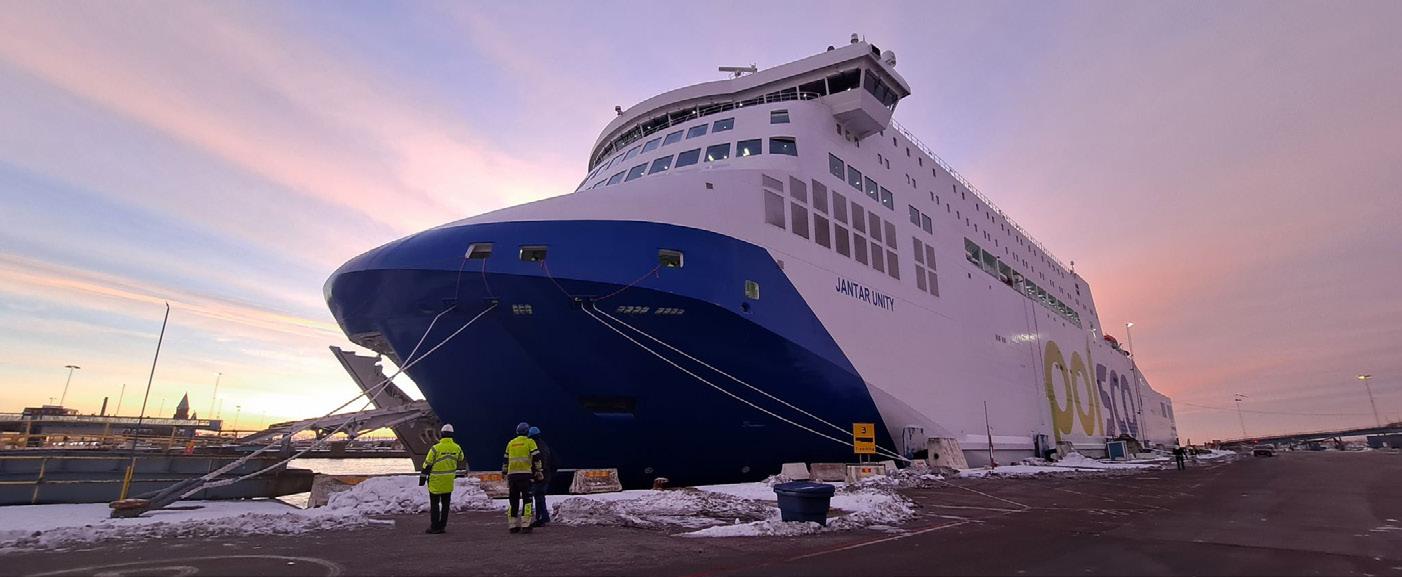
…and so does Tyrfing (after a one-and-a-half-month delay)
Initially set to commercially sail on 1 December 2025, Molslinjen finally put its second all-electric ferry on its subsidiary Samsølinjen’s route between Ballen and Kalundborg. The 116.8-by-18.2-metre ship, offering room for 600 passengers and 188 vehicles, features a battery pack of 3.8MWh. Following the ferry’s deployment, her sister ship, the 3.1MWh Nerthus, shifted to her destined Bøjden-Fynshav service of Alslinjen (earlier working on the Ballen-Kalundborg crossing). Both vessels were constructed at the Turkish Cemre Shipyard.
New Baltic-North Sea container loop
As of 28 January 2026, Ellerman City Liners’ 14-day-rotation Baltic Express (BALTEX) service connects the ports of Riga, Gdynia, Teesport, Tilbury, Rotterdam, and Oslo. The 803-TEU Kristin Scheper and 966-TEU Nova serve the connection.
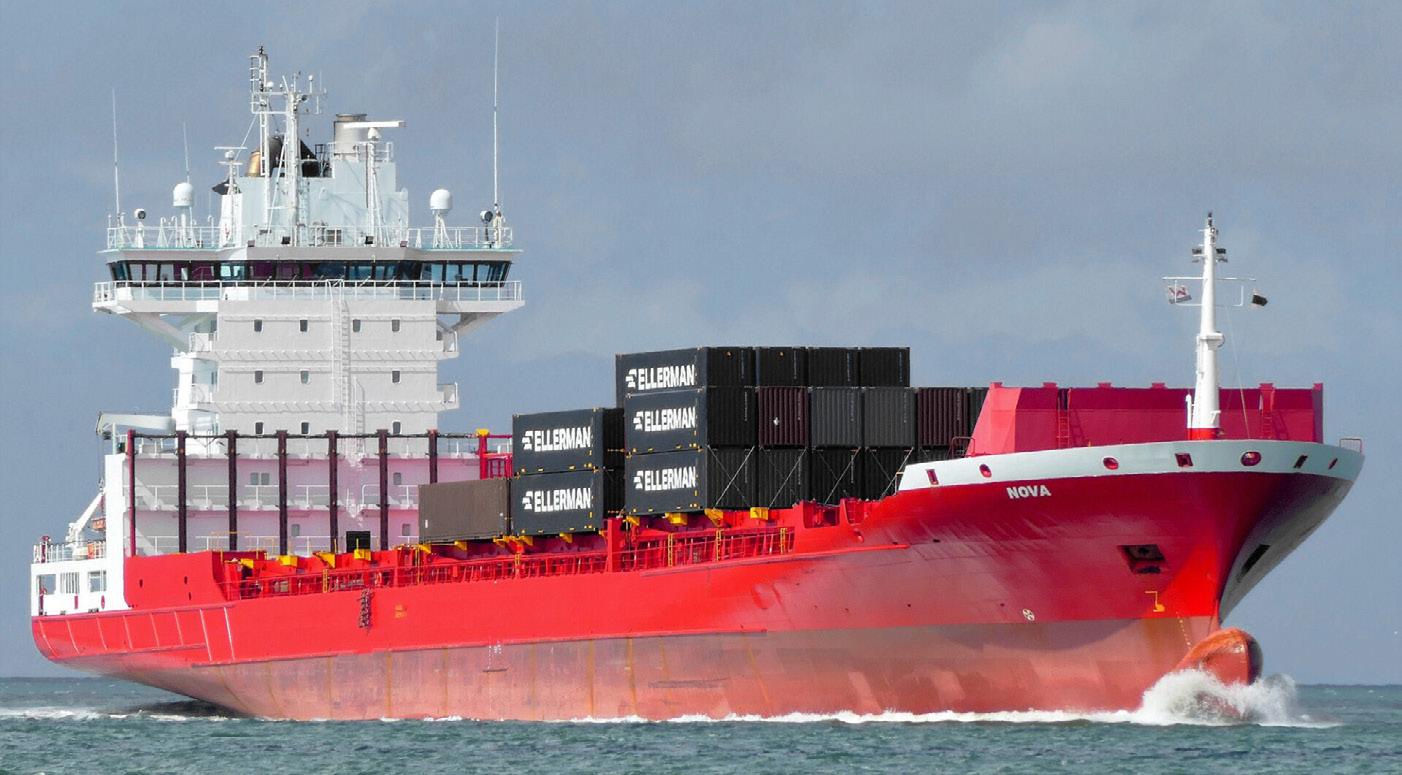
Photo: Ellerman City Liners
Photo: Unity Line
A new Poland-Sweden ferry service – in the making
POLSCA, which brings the Polish Polferries and Unity Line under one banner, is working to establish a new connection between the ports of Gdańsk and Karlshamn later this year. Two vessels will serve the 13-hour crossing six times per week, with one ferry dedicated to carrying freight, while the other will be more passenger-focused. The deal struck between Polferries and the Port of Karlshamn spans three years. The service is said to kick off as soon as the infrastructure on the Swedish side gets adapted to welcome the ships.
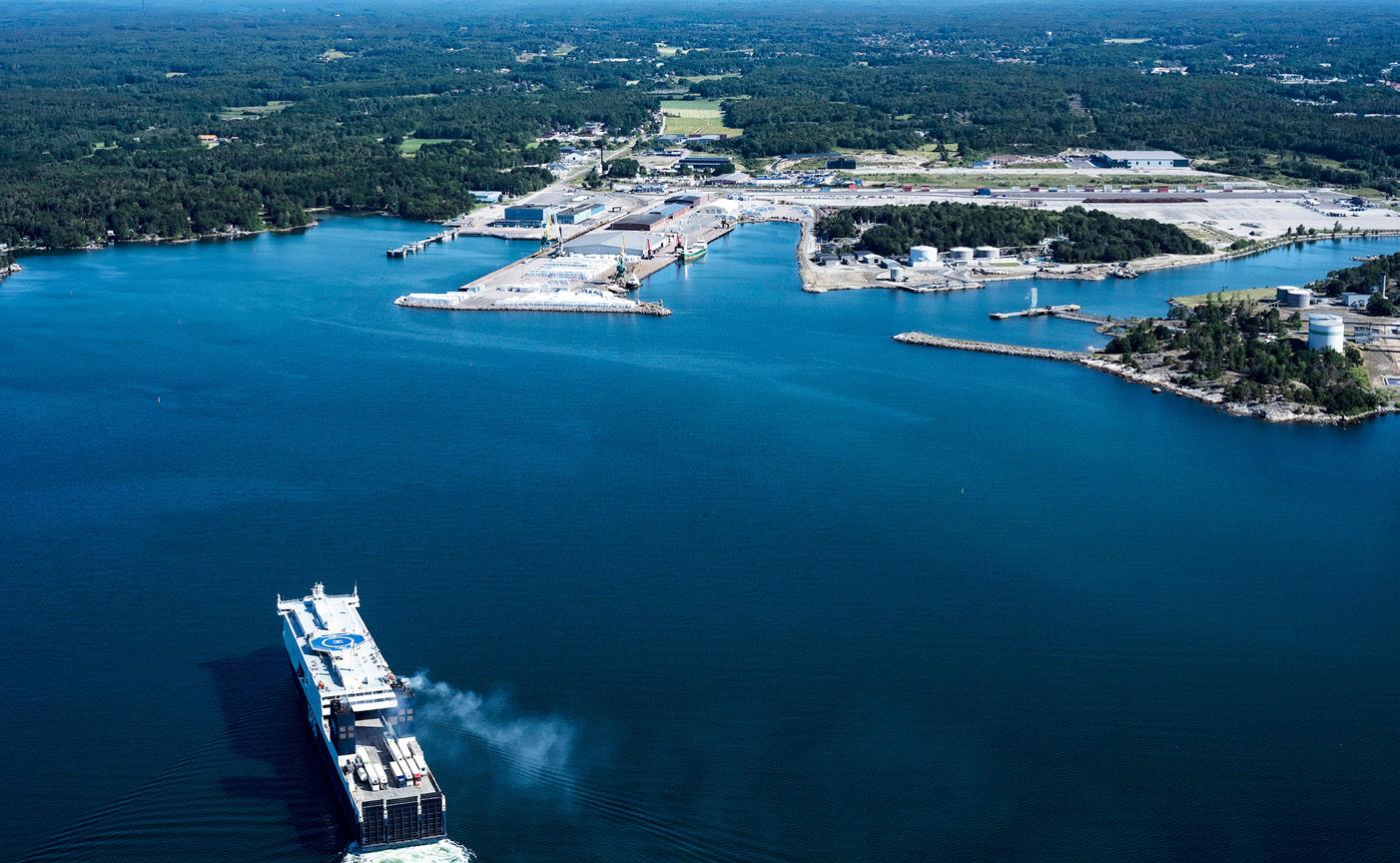
The Grenaa-Halmstad ferry service – terminated
The Stena Nautica ferry of Stena Line will ply on the crossing between Denmark and Sweden until 30 April 2026. “The reason for this decision is that we have faced significant challenges in achieving profitability on the route over a long period of time,” outlined Niclas Mårtensson, Stena Line’s CEO. “[…] This has not been an easy decision, but it is necessary in order to future-proof our business and continue to build a strong network of ferry connections as an important part of Sweden and Europe’s infrastructure.” His company also underscored in a press brief, “Strong competition from the fixed bridge connections to and within Denmark, a strained cost environment, and challenging market conditions due to global uncertainty and a weak economic climate are the main reasons why the Halmstad-Grenaa connection is now being discontinued.” Christina Bromander, Trade Director for Stena Line’s Denmark routes, commented, “The Halmstad-Grenaa route has been an important part of Stena Line’s network, and over a period of time, we have worked hard and tried various measures to reverse the trend. However, without a sufficient customer base, this has not been possible, and we have therefore chosen to take this difficult and regrettable decision. We would like to thank our partners in municipalities, regions, and the business community, on both the Swedish and Danish sides, for the good and valuable cooperation during the years we have operated traffic between Halmstad and Grenaa.” She furthered, “Our ambition is to offer continued employment within Stena Line to as many affected employees as possible. Customers impacted by the closure will be offered a good alternative on the Frederikshavn-Gothenburg route.” In 2024, the Grenaa-Halmstad ferry crossing handled 32,230 ro-ro cargo units and served 97,659 passengers.
Molslinjen’s third e-catamaran – inked
The Danish ferry company has contracted Incat Tasmania to deliver another battery-electric highspeed ferry in a total investment worth DKK3.5 billion (about €469 million, with DKK180m/€24m backing from Denmark’s Investment Support Fund). The first 129-by-30.5-metre, 45,000 kWh, 40+ knots catamaran, accommodating 1,483 passengers and 500 vehicles, is expected in 2027, the second in mid-2028, and the last in the spring of 2029. “By building all three ferries at the same [Incat’s Hobart] shipyard, we gain clear advantages and valuable learning from the first to the last vessel. Our owners and we are taking the lead and trying to show the way forward in the green transition using technology that, until recently, simply did not exist,” Kristian Durhuus, CEO, Molslinjen, commented.
New Baltic Germany-Benelux rail service
The Lübeck-based European Cargo Logistics (ECL) has set in motion the Luxembourg Shuttle, offering three weekly intermodal round trips between the Port of Lübeck and Bettembourg.
Photo: RWE
AURORA BOTNIA’S BATTERY UPGRADE – COMPLETED
• Wasaline’s ferry’s pack grew from 2.2 to 12.6MWh, which is expected to cut the ship’s energy use by approximately 10,000MWh/year. The installation of AYK Energy’s lithium iron phosphate batteries was carried
out by Tallinn Shipyard, while dry-docking works took place at the Turku Repair Yard (both part of BLRT Grupp). •
TWO NEW OPS STATIONS IN TRELLEBORG…
• Berths 10 and 11 have been furnished with onshore power supply (OPS), making it now possible for four of TT-Line’s ferries to draw electricity from the shore while calling at the Swedish seaport. Trelleborg’s two
wind turbines feed the new installations with green energy. The port’s latest OPS addition has been co-financed by the EU’s Alternative Fuels Infrastructure Facility through the Baltic Green NET project. •
…SOON TO BE FOLLOWED BY A HEAVY-DUTY BATTERY STORAGE
• The Swedish seaport has commissioned Takorama Elteknik to install a 4.0 MWh power bank near its ferry berth 8. Completion of the project is expected by 1 December 2026 at the latest. The Port of Trelleborg generates its own electricity through two wind turbines, some 15 million kWh/year, plus another half a million from the 2,200 m2 photovoltaic farm. The stored energy will be used to cut power peaks, e.g., when multiple vessels connect to the seaport’s onshore
power supply (OPS). Following the recent addition of two OPS stations, up to six ferries now have the possibility to cold iron simultaneously. “The Port of Trelleborg is at the forefront and is doing something that many others will also need to do to meet future EU requirements for shore power and sustainable operations. We look forward to delivering a solution that combines high technical quality with concrete climate benefits,” highlighted Mikael Johansson, CEO of Takorama Elteknik. •
E-MAR GETS EU MONEY
• The €10.6 million initiative – a joint proposal by the Municipality of Norrköping and the ports of Norrköping and Södertälje – with €3.17m support from the EU, will see the installation of five onshore power supply (OPS) points in the Port of Norrköping, purchasing of an electric reachstacker together with a charging station, erecting a new transformer station, and setting up of a photovoltaic (PV) system. The Port of Södertälje will also get an OPS (in the South Harbour for ro-ro traffic) and an e-reachstacker with a charging station. The electrical grid will be upgraded, including a 2.0MWh battery storage (in the Energy Harbour) linked to the seaport’s PV farm. •
ECKERÖ LINE BUYS TWO CHARGELINKS
• ShoreLink will deliver the 6.5MVA chargers to be installed in the ports of Helsinki and Tallinn between which the Ålandic ferry line plies with the soon-to-house-batteries Finlandia. “To ensure smooth operations, a reliable shore-based charging infrastructure is crucial. ShoreLink’s ChargeLink system has been selected to provide a fully automated and dependable interface between the ship and the port. The unit operates at 11kV AC and provides shore power up to 6.5MVA with a rated current of 350A. The system automatically adapts to changing water levels and
vessel movements in all directions. ChargeLink enables consistent, safe, and hands-free charging, helping to maintain predictable turnaround times and support efficient port operations,” ShoreLink shared on its LinkedIn profile. Finlandia will feature a 1.4MWh battery pack (96 modules put inside a fire-resistant shipping container) purchased from Wärtsilä. The system will replace one of the ferry’s four diesel generators. Eckerö Line expects to cut its yearly fuel consumption by around 3.0% thanks to the hybridisation project (some 500-600 tonnes of bunker). •
UK-SWEDEN CO-OP MOVES HIGHWAY58 FORWARD
• Progressive Energy and Pipe58 have signed a memorandum of understanding for the joint advancement of Highway58, a crossborder carbon capture, storage and utilisation network in the Baltic Sea region. In Phase 1, potentially online in the early 2030s, Highway58 will comprise an offshore pipeline backbone of around 1,000 km, with the annual capacity to transport some 20 million tonnes of CO2 for storage or utilisation (e.g., in fuel production). “With approximately two-thirds of Sweden and Finland’s CO2 emissions being biogenic, the region is uniquely positioned to deploy carbon capture at scale and deliver net-negative outcomes,” the parties
highlighted in a press brief. Pipe58 adds on its website, “Industries around the Baltic Sea emit over 100 million tonnes of CO2 annually. Many of these emissions cannot be abated without carbon capture and storage (CCS). By providing shared, cost-efficient transport infrastructure, Highway58 will reduce costs and risks, making CCS projects possible that would otherwise not happen.” The Swedish company also underscored, “According to the Nordic Carbon Removal Association, the Nordics could deliver up to 160 million tonnes of CO2 removals per year by 2050, with an annual economic contribution to GDP of €17 billion and 148,000 jobs.” •
STEP CLOSER TO PRODUCING HYDROGEN ON THE LATVIAN COAST
• CIS Liepaja, an umbrella organisation gathering Norwegian and Latvian companies, and Vindr Latvia, a developer of onshore wind energy projects, have signed a memorandum of understanding to explore long-term energy supply for a new green hydrogen production facility in Liepāja. The investment, valued at €550 million, will produce around 150,000 tonnes of green hydrogen annually. Vindr Latvia is to connect 150 megawatts from its current 900-MW portfolio to feed the production.
Overall, CIS Liepaja aims to attract more than €1.2 billion in EU investment, while projected revenues upon full project development will exceed €600m per year. “Green hydrogen is not just an energy carrier – it is becoming one of the cornerstones of the green transition. Global interest in renewable resources is growing, and this opens opportunities for Latvia to play an important role in the future clean-energy economy,” underscored Tor Arne Pedersen, CEO and Board Member of CIS Liepaja.•
EU MONEY FOR CCUS IN THE ØRESUND
• Interreg Øresund-Kattegat-Skagerrak will provide project financing (up to €740,000) for the three-year €1.2 million project led by Ocean Valley, an innovation hub of Copenhagen Malmö Port (CMP). Following a pre-project focused on mapping specific areas of action, the new initiative wants to create a centre of excellence that will help speed up the production of marine and aviation fuels by combining captured biogenic CO2 with green hydrogen. The project will, among others, scrutinise synergies in the carbon capture, utilisation and storage (CCUS) value chain to develop the Øresund region into a CCUS hub. CMP will, in particular, provide land and infrastructure for testing CO2 handling (including intermediate storage and integration with green energy production). “Based on the initial analyses, joint strategies and action plans will be developed for areas such as value chain synergies,
CO2 commercialisation, political coordination, international branding, and financing,” CMP added in a press brief. The new project will run along CMP’s other initiatives, such as the establishment of a CO2 hub in Malmö and the collaboration with Green2x on a large-scale, portlocated biomethane plant. “With the EU funding, we can bring together stakeholders across borders and systematically move from isolated national initiatives to exploring how we can best support a coordinated, cross-border ecosystem for CCUS and renewable energy. The goal is to translate knowledge, strategies, and collaboration into concrete regional results that accelerate CCUS development in the region. The centre of excellence can become the permanent collaboration platform that supports implementation and scalability in the long term,” commented Kristoffer Møller Vendelbo, Project Manager for Ocean Valley.•
POTOPS GETS EU MONEY
• The Port of Tallinn has secured co-financing of up to 30% of its €39.7 million Port of Tallinn Onshore Power Supply (PoTOPS) project, which will see two Old City Port cruise quays furnished with OPS stations. The three-year project will include the construction of a connection to the Estonian main power grid, a 100/10kV substation, and cold ironing infrastructure at quays 26 and 27. The installation will have enough capacity to feed two cruisers with electricity as well as meet the needs of future hybrid/fully electric ferries. “Cruise tourism is important for the business of the Port of Tallinn, but not
only – it also creates jobs and economic value for the entire tourism sector. If we want cruise ships to visit Tallinn in the future, we have to be ready to offer them a modern and environmentally friendly onshore power solution by 2030,” Valdo Kalm, the Port of Tallinn’s CEO, commented. His company added in a LinkedIn post, “The shore power system will use electricity generated exclusively from renewable energy sources, allowing cruise ships to operate with zero emissions while at berth. This supports the Port of Tallinn’s goal of achieving climate neutrality by 2050.” •
GASUM-ELENGER-TALLINK BIOLNG DEAL
• According to the agreement, Gasum will provide a bio version of liquefied natural gas to Elenger via its terminal in the Port of Pori for bunkering Tallink’s ferry MyStar. The ship will become a ‘compliance generator,’ creating surplus greenhouse gas reductions that Gasum
will allocate to participants of its FuelEU Maritime pool. Tallink plans to fully replace LNG with the bio version on MyStar and Megastar in 2026. Gasum says its bioLNG is produced from renewable raw materials and holds sustainability certification. •
VENTSPILS’ FIRST OPS – CONTRACTED
• A consortium formed by RP Infra and Industry Service Partner will carry out the approx. €4.0-million-worth project at berth 16 that houses Stena
Line’s ferry terminal. The onshore power supply (OPS) station will have a total capacity of 4.0 megawatts. •
FINANCIAL CLOSE FOR OCEAN WINDS’ BC-WIND
• The 50/50 JV of EDP Renewables and ENGIE has secured around €2.0 billion for the construction & operation of its first offshore wind energy farm in the Baltic, the 364/390-megawatt BC-Wind off the Polish coast. The European Investment Bank will contribute close to one-third of the entire project finance, with the Spanish Official Credit Institute and 13 commercial banks supplying the rest. Construction will kick off this year, starting with onshore works: substation and export cable route, to be carried out by P&Q, while
Tele-Fonika Kable will design and install the cables. Meanwhile, Ocean Winds will set up a service base in Władysławowo on the Polish coast. Świnoujście will serve as the marshalling harbour for foundations, while Gdańsk – for the wind turbines (26 units, each with 14MW of capacity, plus the power boost feature that will make it possible to increase their output to 15MW). Once up and running in 2028, BC-Wind will deliver electricity to nearly half a million households in Poland. •
MADE-IN-GOTHENBURG GREEN HYDROGEN
• Pending a final investment decision, likely to be made in 2027, the Norwegian company Hydrogen Solution (HYDS) eyes the setup of a 5.0-10-megawatt electrolyser facility at the Port of Gothenburg. Once up & running in 2029, the plant will produce 2.0-4.0 tonnes of hydrogen/day (equivalent to replacing up to 20,000 litres of diesel, hence cutting CO2 emissions by around 60 tonnes). “In 2021, the Port of Gothenburg and the Norwegian energy company Statkraft signed an agreement to investigate the conditions for hydrogen production within the port area. Since then, the project has progressed, including the completion of the permit processes required for the construction of the electrolyser,” the Swedish seaport shared in a press brief. Following
Statkraft’s decision to divest its hydrogen portfolio, HYDS has taken over the project, including the SEK 37.4 million (about €3.5m) support from the Swedish Environmental Protection Agency’s Climate Leap (Klimatklivet) initiative. The Swedish seaport noted, “The Port of Gothenburg is working systematically to establish an infrastructure where several fossil-free fuels are made available to meet different transport needs. Within the port area, the hydrogen company Hydri already operates a public hydrogen refuelling station serving hydrogenpowered vehicles and machinery. As plans for the electrolyser now progress, this means the port will have complete hydrogen infrastructure – from production to distribution and end use.” •
€600+ million for energy projects
The EU has selected 70 projects that will be granted money to electrify and decarbonise road, maritime, inland waterway, and air transport along the Trans-European Transport Network. The envelope covers electric recharging & hydrogen refuelling stations, and ammonia & methanol bunkering facilities across 24 EU countries. The money will also go into electricity supply, including onshore power supply (OPS) in the block’s ports. In the Baltic, the seaports of Aalborg, Aarhus, HaminaKotka, Norrköping, Södertälje, and Tallinn will receive support. “This significant EU
PROJECT NAME COORDINATOR
OPS for cruise and ro-pax vessels in the Port of Tallinn Port of Tallinn
Deployment of onshore power supply in the Port of HaminaKotka
Electrification of ports in the Stockholm-Mälar region Municipality of Norrköping
RECOMMENDED ELIGIBLE COSTS
support for public and private organisations will accelerate the transport sector’s transition towards a sustainable future. With these new projects, more than €2.5 billion in EU grants has been allocated to alternative fuels projects through AFIF [the Alternative Fuels Infrastructure Facility, part of the Connecting Europe Facility Transport] since 2021. This demonstrates the EU’s ambition to make zero-emission mobility an everyday reality,” commented Paloma Aba Garrote, Director of the European Climate, Infrastructure and Environment Executive Agency.
Install an onshore power supply (OPS) facility for large and medium-sized container vessels at a new container terminal in the Port of Aarhus. The project will involve the expansion of the transformer station’s capacity from 12MW to 16MW, laying of a high-voltage sea cable between the container terminal and the Omniterminal, installation of a new cable management system, and adaptation of the public electricity grid through upgrading a substation in the port territory.
Deploy a publicly accessible hybrid, modular, and mobile onshore power supply infrastructure for maritime vessels and port transshipment equipment, allowing simultaneous supply to three receivers (either via a new transformer station connected to the grid and the mobile OPS unit with cables; or via a battery-powered mobile OPS connected to the OPS unit and charged with renewable energy generated by a photovoltaic system in the port area or with power from the grid if required; or via both). The project will also see the setup of the necessary grid connection (including transformer station installation).
To establish the capability to provide onshore power supply at the (cruise) quays 26 and 27 in Tallinn Old City Harbour. A 11/6.6kV substation and a 60/50Hz converter station will be constructed near the quays, plus a new connection from the 110kV grid.
To deliver OPS connections, including eight fixed points – two on each berth of Quay C in the Mussalo Harbour, plus the OPS infrastructure, including one 20kV and four 6.6kV switchboards, transformers, and frequency converters.
Deploy zero-emission infrastructure, equipment, and synergistic elements (clean energy production and storage) in Norrköping and Södertälje.
‘Military Schengen’
The European Commission (COM), which last year published the White Paper for European Defence – Readiness 2030, has presented the military mobility package, the aim of which is to make moving troops and military equipment across Europe faster, safer, and better coordinated. To that end, COM proposed removing regulatory barriers (by introducing the first-ever EU-level harmonised rules on military mobility, and setting clear rules and procedures for crossborder military movements, with a maximum three-day processing time and streamlined customs formalities); creating an emergency framework (new European Military Mobility Enhanced Response System for fast-track procedures and priority access to infrastructure by EU and NATO armed forces); enhancing the resilience of transport
infrastructure (by upgrading key EU military mobility corridors to dual-use standards and protecting strategic infrastructure with a new resilience toolbox; targeted investments will also strengthen cyber & energy security, and readiness in both peace and crisis); pooling and sharing capabilities (by enhancing preparedness, solidarity, and availability of military mobility capabilities for the EU Member States by introducing a Solidarity Pool and the possibility to create a Military Mobility Digital Information System); and strengthening governance and coordination (a new Military Mobility Transport Group and an enhanced Trans-European Transport Network Committee will guide implementation and monitor readiness, supported by National Crossborder Military Transport Coordinators in each EU Member State).
Norway signs the Joint Declaration of Baltic Sea Security
The Declaration – which builds on the Helsinki joint statement of Baltic Sea NATO Allies (from January 2025) and on the MoU on Protection of Critical Underwater Infrastructure (signed in mid-May last year in the Estonian Vihula) – is a political-defence commitment originally signed by defence ministers of the eight EU Baltic Sea states to increase stability and security in the region (especially in view of geopolitical tensions and threats from Russia – including to EU’s infrastructures below and above the sea). Its goals are, among others, to strengthen military cooperation between the regional countries to improve defence preparedness by improving interoperability, conducting joint exercises, and adding to mobilisation capacity. The Declaration was also endorsed by
Kongsberg Discovery. Arne Rinnan, the company’s EVP for Strategy and Technology, shared, “This is a positive and the right move for securing the maritime domain in the Baltic Sea.” He also underscored, “We have experienced great interest in the Oslofjord Test Bed that was opened in June [2025]. I see this Declaration as a goal to pursue additional measures. We’ve had significant attention and visits from government officials, both abroad and at home, who are interested in our technology.” The Oslofjord Test Bed integrates subsea autonomy, land-based and satellite sensor surveillance, traffic monitoring, real-time advanced analytics, and decision support into one scalable system, with the aim of redefining how nations and industries protect their underwater infrastructure.
the Port of Aarhus
Hybrid onshore power system at Port of Aalborg Port of Aalborg
DNV’S NET-ZERO GUIDE. PRACTICAL APPROACHES FOR GLOBAL SHIPPING COMPANIES
A n overview of alternative fuels, onboard
HFO, heavy fuel oil; VLSFO,
Baltic transport 2025 highlights
by Przemysław Myszka
Undoubtedly, the not insignificant uptake of bio liquefied natural gas (bioLNG) as marine bunker by many shipping lines trading in the Baltic was one of the brightest transport & logistics highlights of 2025. It was followed by several developments in carbon capture, utilisation and storage, as well as in wind energy. Electrification was also high on the agenda, both on- and offshore, and so were future fuels. Apart from these, there were a few other memorable port investments, either already completed or announced, like the commissioning of the T3 expansion of Baltic Hub (36.4 hectares, another 1.5 million of yearly TEU handling capacity) or Oxelösund’s upcoming (H1 2027) SEK700 million (€62.1m) port upgrade (quay lengthening, dredging, adding yard space, railways, and a marshalling yard).
We are kicking off the summary with the announcement made early last year that Gotland Company would produce its own bioLNG. Together with Andion CH4 Renewables and Equitix New Generation Fund , Gotland Company shared it’d erect a biogas production plant near Eskilstuna (with Eskilstuna Biogas responsible for the construction works). The bulk of the 5,400 tonnes/year output from the scheduled for commissioning in 2026 facility is earmarked for Destination Gotland ’s two gas-run ferries (currently sailing on a blend of LNG and its bio version). Gotland Company said that it had already secured the feedstock supply so that biogas production could start in Q2 of this year. Within a decade, replacing LNG with bioLNG will reduce the ferry line’s CO2 footprint by some 100,000 tonnes. “We are pleased that we could take another step towards our goal of offering climate-neutral transport between Gotland and the Swedish mainland by 2045 at the latest. Access to fossilfree bunker is today far too little for the transition of both sea shipping and other transport modes. Through this business we’re contributing to an increased production of high-quality biogas, securing up to 10% of Gotland traffic’s demand,”
Håkan Johansson , back then Gotland Company’s CEO, said. Marcus Risberg , at that time Destination Gotland’s CEO, added, “Bunker is the single biggest operational cost for our company, likewise stands as our largest impact on the environment, and we’re securing a considerable volume of high-quality biogas for a 10-year period. The business forms part of our preparatory work for those regulations that are entering into force, such as FuelEU Maritime.”
But it wasn’t until the other half of summer that the bioLNG piñata had finally cracked open. It was then the FinnishSwedish Wasaline signed a contract with Gasum for the delivery of biogas, plus entered a FuelEU Maritime pool with Stena Line. The bunker deal now sees Wasaline’s Aurora Botnia using biofuels only, which made it possible to check off the company’s goal of becoming carbon-neutral before the initial 2030 deadline. This also granted the Umeå-Vaasa ferry crossing the title of the world’s first operationally green shipping corridor. “We have attended many seminars where shipping companies are talking about the growing costs with the EU Emission Trading System and focusing on how to get exceptions from the rules. We have instead focused on the opportunities,” noted Peter
Ståhlberg , Managing Director of Wasaline. He furthered, “We have constantly worked with the possibilities to reduce our greenhouse gas emissions and environmental footprint, and we have seen the coming rules as an opportunity for our traffic between Finland and Sweden. With this unique collaboration with Stena Line and Gasum, Wasaline can achieve carbon neutrality already now as a forerunner for the industry. This also means that all cargo and passengers travelling with Wasaline are sustainable with no additional extra charges for being carbon-neutral.” Niclas Mårtensson, CEO of Stena Line, commented on the co-op, “By integrating Aurora Botnia into Stena Line’s FuelEU Maritime pool, we gain access to biogas previously unavailable for Stena Line, which enables further emission reductions for the entire pool, lowers fuel costs, and strengthens our strategic position as biofuels become increasingly scarce under more stringent regulations.” It turned out that more was in fact on the table (or back then under it). Later in the autumn, Stena Line revealed its purchase of NLC Ferry, operating under the Wasaline banner, from Kvarken Link (owned 50/50 by the cities of Umeå and Vaasa). Once the deal is sealed (most probably early this
bioLNG
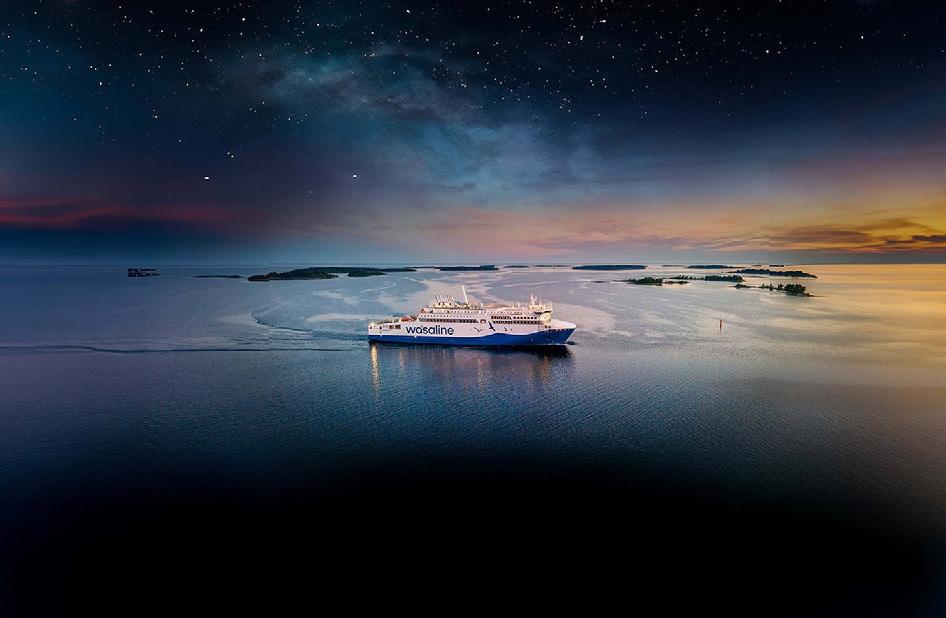
year), Stena Line will take over the operations between the ports of Umeå and Vaasa . That said, Aurora Botnia remains in the hands of Kvarken Link, chartered for a decade to Stena Line (with an option
for 10 more years). Frans Villanen, Chair of the City Council of Vaasa , shared the motive behind the sale, “We are very proud of how brave we were, in both the City of Vaasa and Umeå Municipality, when we
decided that the ferry connection across the Kvarken was essential. The growing number of passengers and freight volumes each year shows it was the right decision. Now, it is time to bring in a larger operator with the knowledge, expertise, and resources that the cities themselves do not possess. We are very pleased to have found a shared vision with Stena Line.” It seems that the Swedes have indeed fed two birds with one scone here – added a feasible service to Stena Line’s portfolio and secured the FuelEU Maritime surplus, a more than sound business nowadays if what LNG bunker suppliers tell is taken at face value.
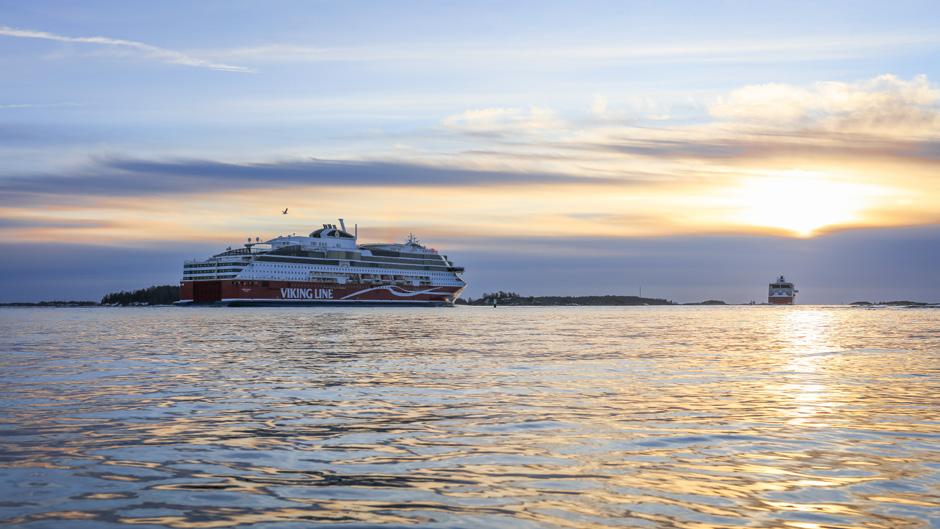
Also in the summer of last year, Viking Line decided to up its bioLNG game. The ferry company from the Åland Islands increased its purchases of the eco-fuel sixfold, from around 600 tonnes in 2024 to 3,800. The bunker, delivered by Gasum and made from food and agricultural waste, powers the Viking Glory and Viking Grace cruise ferries on the StockholmTurku crossing (with standard LNG used as a complement). For an additional fee, passengers, conference guests, and cargo customers can make their journeys fossil-free. Viking Line expects the LNGto-bioLNG switch to axe its greenhouse gas emissions by 17,000 tonnes. “We have worked with others to create the market for biogas. Supply has now increased to a level that enables the use of renewable fuel to a significant extent. We have now been able to agree on our purchases through to October [2025], and our goal is to continue at the same level. Moreover, the amount of bioLNG used will increase thanks to the fossil-free maritime journeys that our customers purchase,” commented Dani Lindberg , Head of Sustainability at Viking Line. The ferry company’s outgoing CEO, Jan Hanse s, also noted, “We want to be among the pioneers when Finnish maritime transport shows the way to a fossilfree future for the rest of the world. Major investments in sustainable solutions require predictability in operations and good collaboration both throughout the maritime cluster and with public sector actors.”
At the break of summer and autumn, Furetank , a Swedish tanker company, shared it’d be operating its EU-based fleet on Europe-produced biogas – thanks to securing a large-scale mass-balanced biomethane agreement with Cargill and Titan Clean Fuels. “Accessing biogas in large volumes has long been a bottleneck for Furetank and other shipping companies that chose gas propulsion as the fastest route towards renewable fuels,” the shipping line
Photo: Viking Line
Photo: Rauma Marine Constructions
Photo: Wallenius SOL
from Donsö said in a press brief. “With the FuelEU Maritime Regulation, in force since the start of this year [2025], it is now possible to account for mass-balanced biogas – meaning certified biogas can be injected into one end of the European gas grid and withdrawn at the other, just as has long been done with green electricity. Furetank has now signed an agreement securing all the biogas required to operate all wholly and partly owned gas-propelled vessels trading in the EU during 2025. Most vessels have now been bunkered and the transition is taking place.” Viktoria Höglund , Sustainability Strategist at Furetank, also underscored, “This was our target when we converted our first vessel to gas propulsion in 2015. It is remarkable that we have finally reached the point we have worked for and talked about for so long. At last, the right incentives are in place to make the business case possible. We have found partners
who can deliver the volume and quality of gas we have been looking for, with a very significant CO2 reduction.” Furetank said the purchased biomethane provides a 150200% reduction in greenhouse gas emissions on a well-to-wake basis. Biomethane produced from feedstock such as manure, “[…] prevents the potent greenhouse gas methane from being released into the atmosphere during natural decomposition of waste, while also replacing fossil fuels in vessel operations. In addition, residues from the biogas process return carbon to the soil as organic fertiliser, avoiding emissions from the production of synthetic fertilisers.” Furetank had also shared it tested the switch from marine gas oil to HVO100 renewable diesel (supplied by ScanOcean) as pilot fuel (covering some 10% of operations that cannot be powered by biomethane). Together with running cargo pumps on electricity drawn from the shore, “[…]
this means we have done everything currently possible to enter the fossil-free era. In this way, we demonstrate that the 2050 targets are within reach in the immediate future, through the incentives put into force,” Höglund summed up.
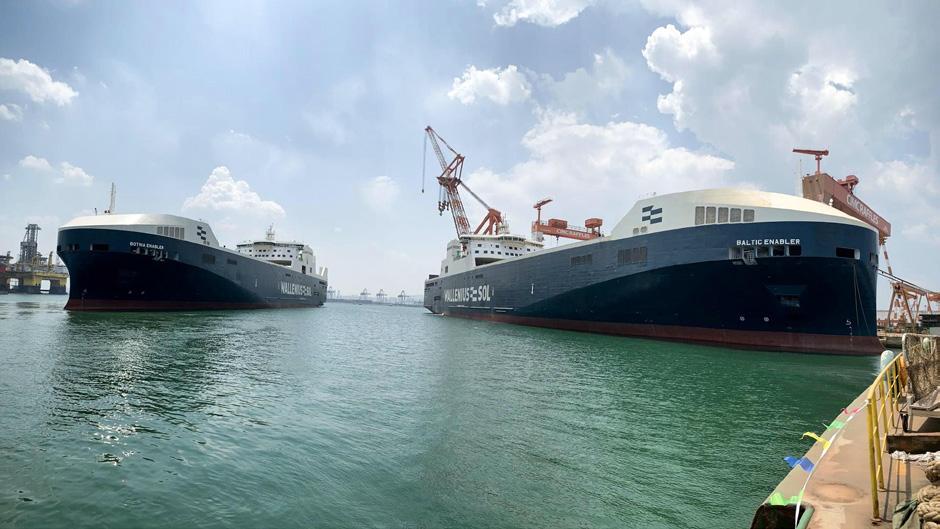
The autumn of 2025 brought the news of Gasum striking another bioLNG co-op, this time with Wallenius SOL . According to it, as of October 2025, the ro-ros Baltic Enable r and Botnia Enabler run on the bio instead of the traditional version of LNG (the supplied bioLNG is produced from Nordic residual streams, agriculture and food production, certified under RED III and traceable via ISCC). The switch is part of Wallenius SOL’s Climate Roadmap, a pathway to operate entirely on renewable fuels by 2035 towards no harmful environmental impact a decade later. “The transition from LNG to bioLNG is an important milestone for Wallenius SOL. It shows that renewable fuels are not a distant solution but something we can use here and now. Switching to bioLNG for the Enablers is clear proof that our Roadmap is delivering, and that we are investing in our customers’ climate goals,” underscored Rebecca Tagaeus , Sustainability Officer at Wallenius SOL.
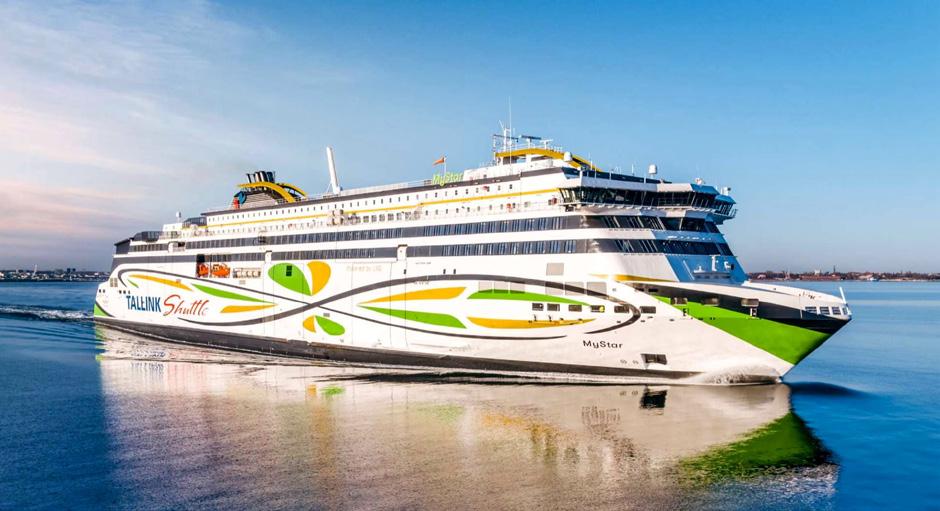
Next, there was the inking of the GasumElenger-Tallink bioLNG deal. According to the agreement, Gasum will provide (certified, produced from renewable raw materials) bioLNG to Elenger via its terminal in the Port of Por i for bunkering Tallink’s ferry MyStar. The ship will become a ‘compliance generator,’ creating surplus greenhouse gas reductions that Gasum will allocate to participants of its FuelEU Maritime pool. Tallink shared that MyStar was already
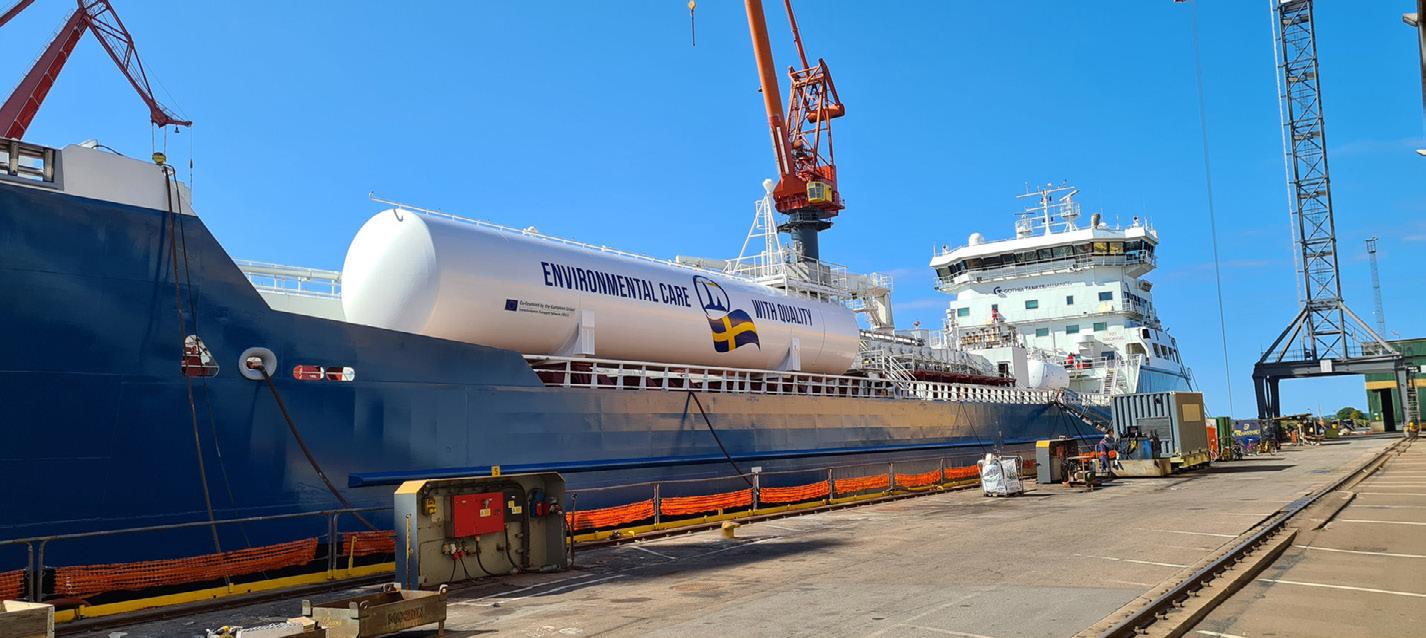
Photo: Tallink
Photo: Furetank
bunkered six times with bioLNG by Elenger in 2025. Tallink plans to fully replace LNG with the bio version on the ferry as well as on Megastar this year.
The winter of 2025 also saw a new LNG player entering the Baltic market. AXEGAZ T&T, a French LNG & bioLNG solutions provider, coordinated the liquefaction of biomethane, supplied by Cargill, and subsequent transfer of it from KN Energies’ floating storage regasification unit (FSRU) Independence in the Port of Klaipėda onto Avenir LNG’s bunker vessel Avenir Ascension. The company said in a press release, “The expansion reflects the shared confidence of AXEGAZ T&T, Cargill, and Avenir LNG in the growth potential of the LNG and bioLNG in the maritime sector supported by recent regulatory developments in Europe. Measures such as FuelEU Maritime and the inclusion of shipping in the EU ETS are increasing the need for lower-emission fuels that can help operators meet compliance requirements. BioLNG, in particular, is gaining traction due to its significantly reduced –and in some certified pathways, even negative – carbon intensity.”
Worth mentioning is also the made-inSweden biomethane bunkering that took place on Sweden’s western shores in the spring of last year. St1 and St1 Biokraft provided the fuel to Terntank ’s Tern Ocean at Quay 519 in the Port of Gothenburg ’s Energy Harbour. “In order to accelerate
the maritime sector’s transition, it is essential that all actors across the value chain pull in the same direction, cooperate, and translate ambitions into practice. We are pleased to have all of this in place at the Port of Gothenburg,” said Therese Jällbrink , Head of Renewable Energy at the Port of Gothenburg. She furthered, “Liquefied biomethane is an important part of the fuel palette that must be available to support the shipping industry’s transition. It is one of the fuels the Port of Gothenburg is working with within the framework of green shipping corridors, aimed at creating the conditions for fossil-free logistics chains. This bunkering operation brings us another step closer to our ambition of becoming Scandinavia’s primary bunkering hub for alternative fuels.” In 2026, Nordion Energi will build a liquefaction facility for biomethane at the Swedish seaport, connected to the West Sweden gas grid. “Once the liquefaction plant is completed, we will have a solid solution in place at the Port of Gothenburg. This is a strategic step towards our goal of scaling up and offering competitive liquefied biomethane to the shipping sector, thereby taking a leading position in this segment,” commented Ted Gustavsson, Head of Value Chain at St1 Biokraft.
Now – one could ask – what about traditional LNG? Worthwhile news included the start of dredging for the FSRU terminal in Gdańsk in the summer of 2025. Van Oord ’s Vox Alexia began working at the 656,000-m2
site that will house Poland’s first such facility (currently under construction in South Korea) and its second large-scale LNG import terminal. Dredging, to be carried out in four phases, was preceded by clearing metallic objects from the seabed. Once commissioned at the turn of 2027/28, the FSRU, alongside onshore in-process storage and regasification infrastructure, will be able to handle over 6.0 billion m3 of natural gas per year. The preparatory works are grantsupported (up to €19.6 million) through the EU’s Connecting Europe Facility.
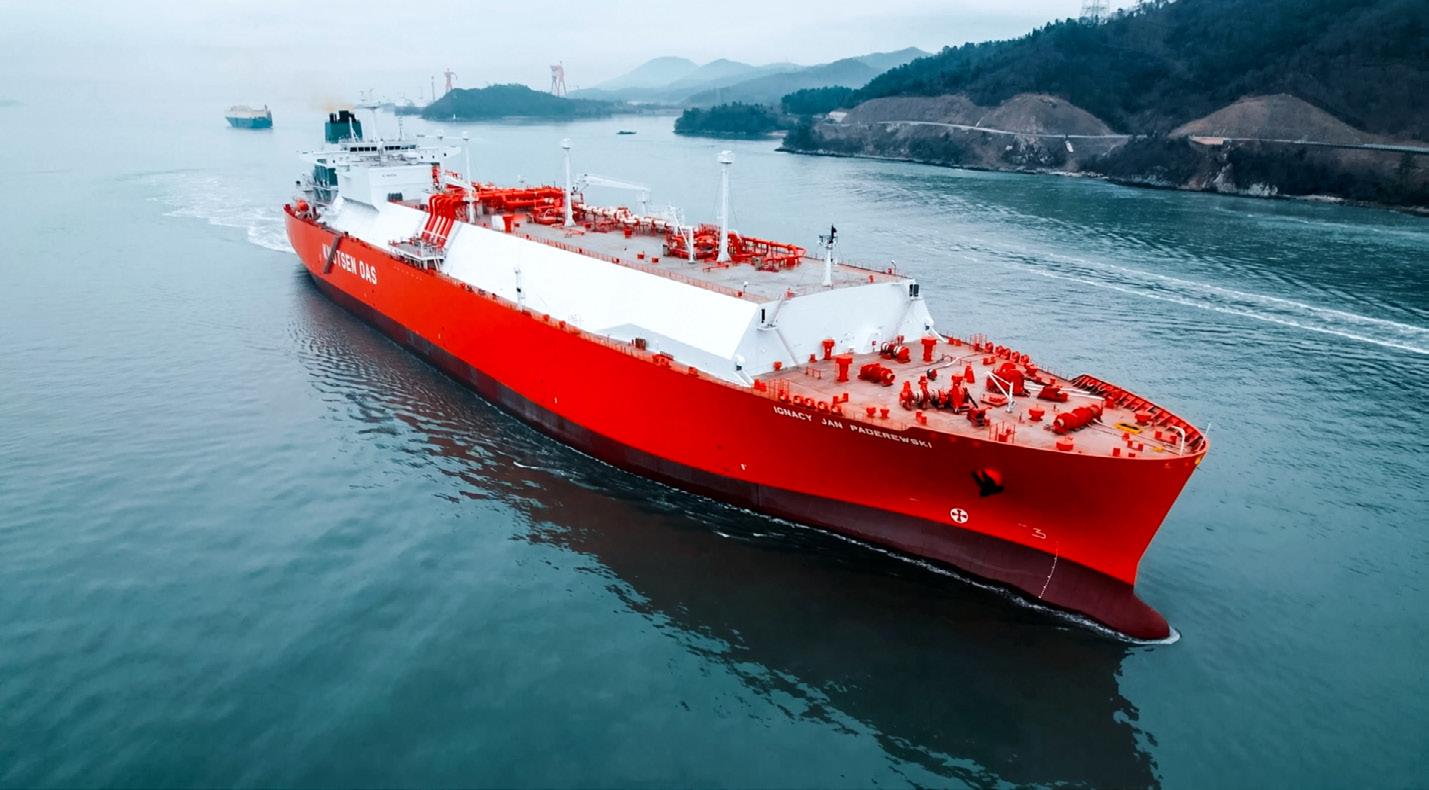
Speaking of Poland’s LNG infrastructure, on 10 November 2025, GAZSYSTEM’s Świnoujście LNG Terminal completed its first commercial LNG loading following a Connecting Europe Facilitybacked expansion. On the next day, Avenir Ascension of Avenir LNG supplied TT-Line’s ferry Peter Pan with the bunker, marking the first ship-to-ship LNG bunkering in the Port of Świnoujście (and the addition of a third gas-tanking port to TT-Line, after Trelleborg and Travemünde). Alike others mentioned in this section, the German ferry company also increasingly started sailing on bioLNG. Lastly in 2025, the fleet of the Polish stateowned energy company ORLEN grew with two LNG carriers, Józef Piłsudski and Ignacy Jan Paderewski. Built by Hyundai Samho Heavy Industries , each vessel is capable of transporting up to 70,000 tonnes. The carriers will charter-ply for ORLEN for at least 10 years.
Photo: ORLEN
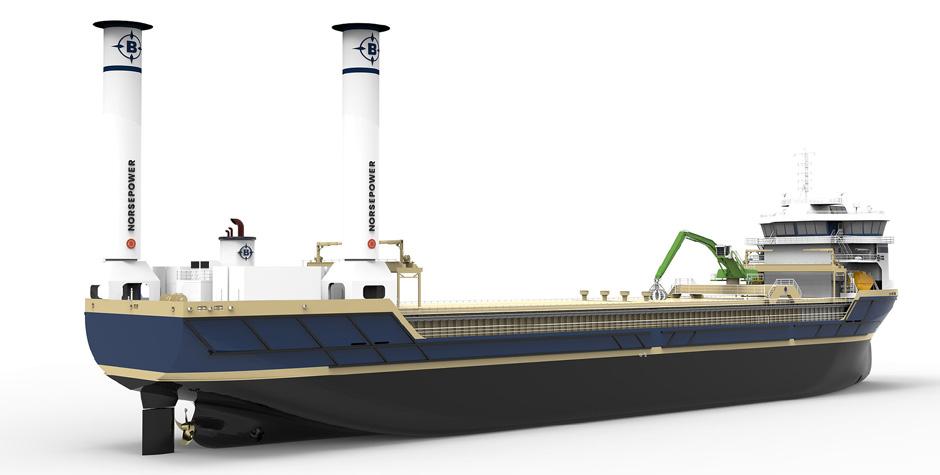
Similar to 2024, the Finnish auxiliary wind propulsion manufacturer from Finland, Norsepower, won several contracts for its Flettner rotor systems. First was for Berge Rederi , the Norwegian shipping line’s bulk carrier BRF Froan , to be constructed by Jiangsu SOHO Marine Heavy Industry, will house a pair of 24-metre-tall and 4.0-metre-indiameter cylindrical sails (the vessel will also feature a battery pack of 23.5MWh, a shaft generator, photovoltaic panels across 1,000 m 2 , and shore power connectors). “This project was designed for the extreme conditions of the North Sea, and we are proud that Berge Rederi chose Norsepower as their partner. Our product has been in use in tough sea conditions for more than a decade now […]” commented Marcus Sannholm , Head of Sales at Norsepower. Berge Rederi expects BRF Froan to cut CO 2 emissions on the 230-nautical-mile-long BrønnøyElnesvågen route by 9,000 tonnes/year. The project has received backing and support from the Norwegian NOX Fund and Enova ; the development process has additionally been guided by the GSP Service Centre for Green Fleet Renewa l.
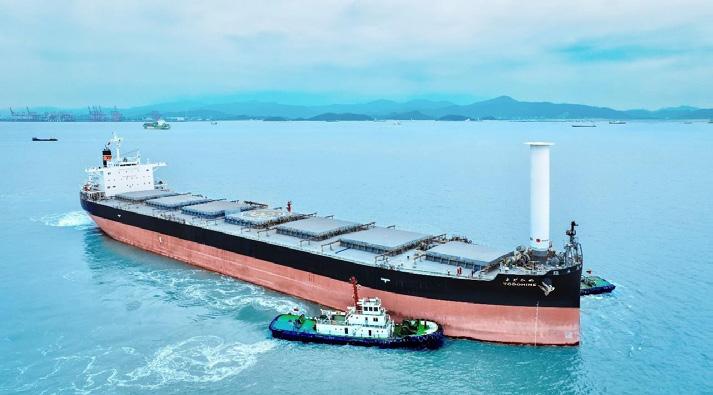
Next, towards end-January 2025, Norsepower shared it had fitted the dry bulker Yodohime, on commission by IINO LINES and J-Power, with one 24-metre-tall and 4.0-in-diameter Rotor Sail. The machinery, installed on the forecastle deck, utilises artificial intelligence to automatically control the rotation, direction, and speed of the rotor, using real-time meteorological information from sensors (such as wind direction and speed). In combination with a voyage optimisation system, Yodohime ’s rotor is expected to reduce fuel consumption and CO2 emissions by approximately 6.010%. It is IINO LINES’ second Norsepower retrofit (the very large gas carrier Oceanus Aurora received her two 20-by-4.0 sails in November 2024) and J-Power’s first.
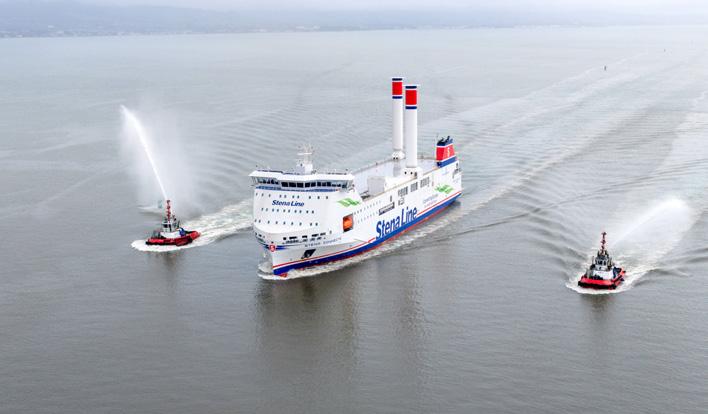
Before the spring of last year, Stena Line contracted Norsepower to furnish the underconstruction Stena Connecta (at Jinling Weihai Shipyard) with two 28-metre-tall and 4.0-in-diameter Rotor Sails. The 147-metrelong Belfast-Heysham freighter is projected to save up to 9.0% on fuel thanks to the wind auxiliary propulsion system (manufactured by Norsepower at its facility in the Chinese Yancheng). Stena Connecta’s sister ship, Stena Futura, will be delivered rotor-ready.
In June 2025, GEFO, a shipping company from Hamburg, revealed that six of
Wind power/energy
its newbuilds, constructed by Nantong Xiangyu Shipbuilding & Offshore Engineering , would be fitted with Norsepower’s Rotor Sails. Each of the four 3,850-deadweight (dwt) chemical tankers will be equipped with one 20-metre-tall
and 4.0-m-in-diameter rotor, while the two 7,900 dwt chemical carriers will get the 28-by-4.0 version. All six rotors will feature Norsepower’s EX-compliant design, certified for use on vessels transporting flammable cargoes. GEFO will
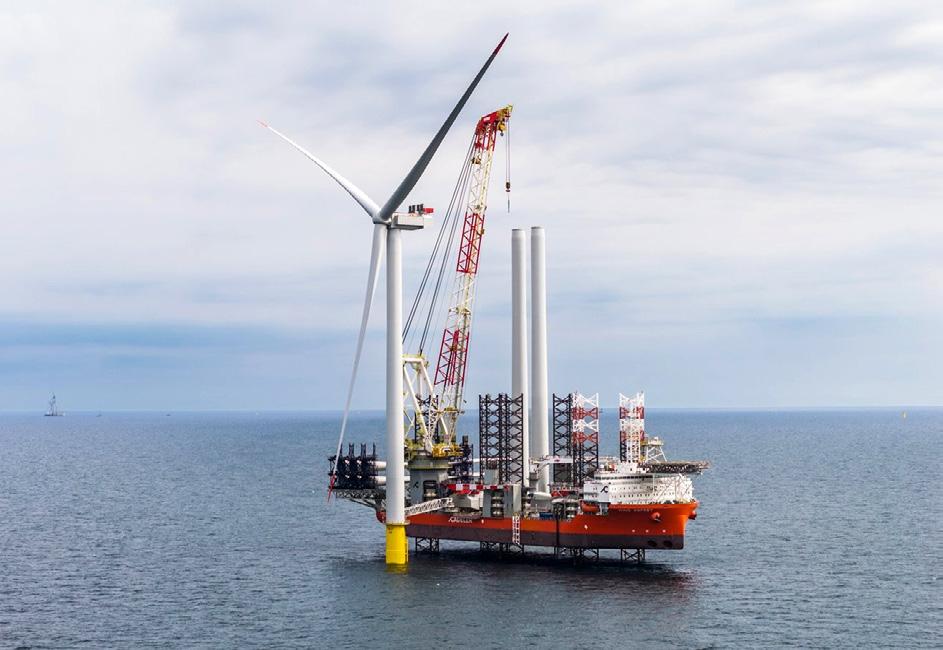
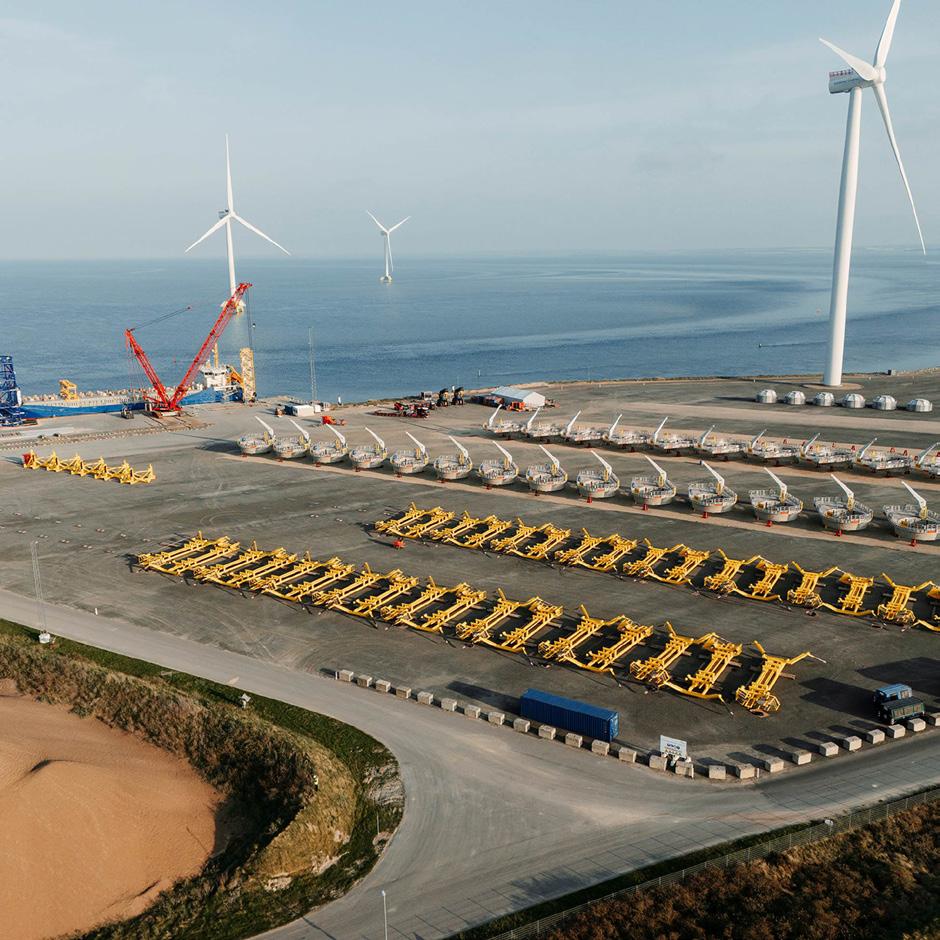
Photo: Northland Power
Photo: Port of Thyborøn
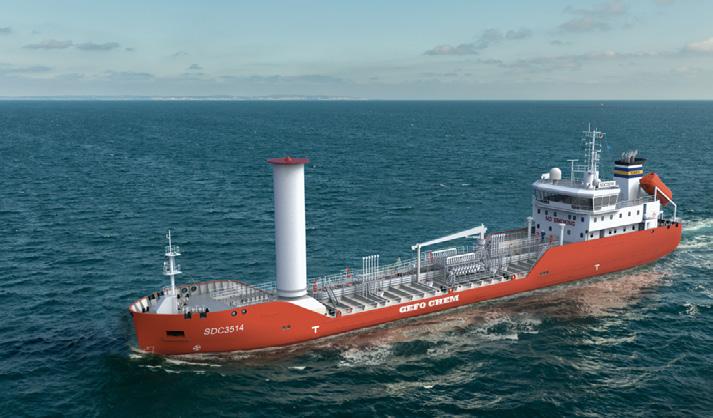
also have access to the Norsepower Digital Dimension, including the AI-powered Norsepower Sentient Control for realtime performance optimisation, predictive maintenance, and full transparency on emission savings. The sails will be manufactured at Norsepower’s Yancheng site, delivered to the yard already tested, fully assembled, and installation-ready. GEFO’s newbuildings are scheduled for commissioning in 2026-28. Heikki Pöntynen , CEO of Norsepower, underlined, “This is a landmark agreement for Norsepower, not just because it involves two new customers and six vessels – but because it signals a fundamental shift in how wind propulsion is perceived in commercial shipping. We are no longer talking about one-off pilot installations; we are now securing full fleet commitments. That is a clear sign we have not only opened the market, but we are now leading it – both in terms of proven delivery capacity and customer trust.” Worth underscoring is also that GEFO received support for their new chemical tankers from the German Government’s Namkue Fund , a financial instrument aimed at promoting sustainable coastal shipping and accelerating decarbonisation technologies.
In the winter of 2025, another Japanese company, Idemitsu Tankers (the shipping arm of Idemitsu Kosan, a Japanese petroleum company), announced that two of its
new very large crude carriers (VLCC; to be built by Japan Marine United Corporation and Nihon Shipyard) would be fitted with Norsepower’s ‘flettners.’ Each tanker will be equipped with two 35-metre-tall and 5.0-m-in-diameter, explosion-proof rotors. The first vessel is scheduled to set sail in 2028. “By equipping our new VLCCs with the Norsepower Rotor Sail, we are not only investing in fuel savings and emission reductions but also taking a decisive step towards the decarbonisation of longhaul shipping. This project reflects our philosophy of combining reliable operations with innovation to serve global energy needs responsibly,” Idemitsu Tankers said in a press brief. Alike the previous orders,
this one will also include the optimisation software provided by Norsepower.
On the topic of wind energy, in early 2025, Van Oord ’s upgraded heavy-lift installation vessel Svanen put in place the first foundation, consisting of a monopile fitted with a transition piece, of ORLEN and Northland Power’s 1.2-gigawatt offshore wind energy (OWE) Baltic Power farm 23 km off Poland’s coast. In total, Van Oord will transport and install 78 foundations for mounting 15-megawatt turbines. To make the installation possible, Van Oord had to extend Svanen’s crane by 25 metres, which according to the company made her the largest vessels of such type in the world. Cadeler’s Wind Osprey, also upgraded with
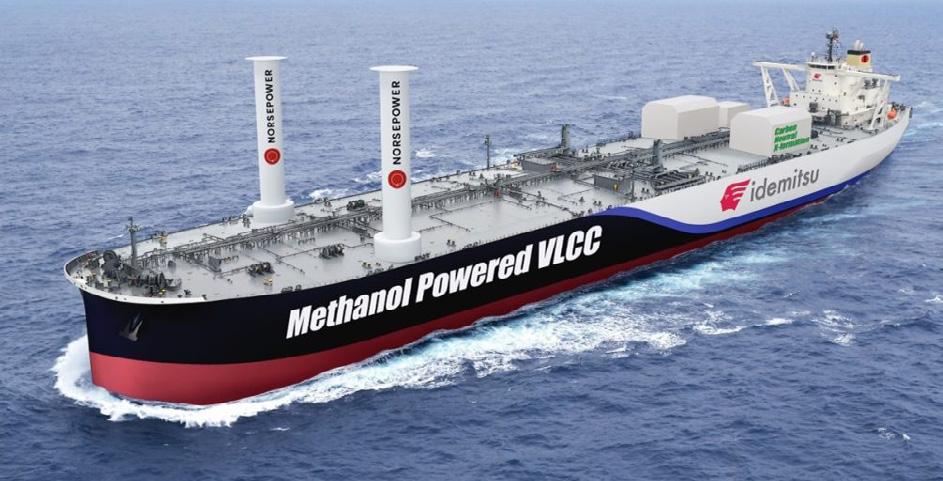
Photo: Norsepower
Photo: J-Power
Photo: Norsepower
Photo: Stena Line
Photo: Port of Trelleborg
new main cranes (now sporting a lifting capacity of 1,600 tonnes), mounted the first V236 turbine from Vestas in the summer of 2025. Baltic Power is expected to be completed this year. Once online, the OWE farm will generate electricity for over 1.5 million households in Poland (equivalent to 3.0% of the country’s electricity demand). Meanwhile, the farm’s service base was opened in the Port of Łeba in April 2025 to support the Baltic Power’s operations and maintenance activities (the installation is being carried out from the Port of Rønne).
In March 2025, Siemens Gamesa started using its new storage area in the Port of Aalborg by transporting the first blades from the company’s factory to the 400,000 m 2 yard, which the Danish seaport was developing in its East Harbou r since 2023. “The preparation has included bringing in huge amounts of sand and granite chippings – to ensure that the former farmland can withstand the load of the huge blades – as well as establishing new infrastructure and erecting fencing all around,” the Port of Aalborg shared in a press brief. Its CEO, Kristian Thulesen Dahl, added, “Siemens Gamesa’s commissioning of the blade site is further proof that the wind energy industry is growing rapidly in Aalborg. And we are both pleased and proud to see the result of several years of close collaboration with Siemens Gamesa, which is one of the companies driving growth here in the port area.”
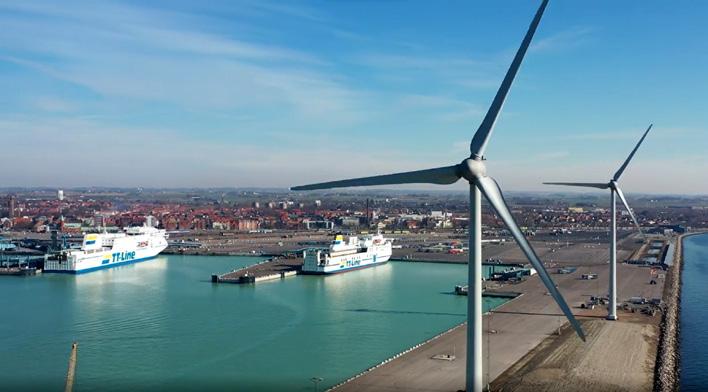
Also that month, the Port of Trelleborg’s two 120-metre-tall wind turbines started producing energy, expected to generate some 15 million kWh/year, i.e., three times more than the Swedish seaport consumes. “With the setup of our own wind farm, the Port of Trelleborg is self-sufficient in energy production, which will cover the seaport’s future demand for, among others, shore power supply for berthed vessels,” the port highlighted. Excess energy is fed to the grid.
The Port of Trelleborg also houses a photovoltaic system that spans over 2,200 m 2 , producing another half a million kWh/year.
In April last year, Euroports and Noatun signed a letter of intent to develop the Port of Hanko’s Koverhar Harbour into an OWE hub for the 250-turbine-big, 4.0-GW-strong Noatun Åland North farm. “Unlike a greenfield development, the Koverhar Harbour already possesses the fundamental infrastructure needed for the offshore wind logistics. With limited adaptations and targeted investments, it can be quickly optimised to serve the industry, making it a highly efficient and cost-effective solution,” the parties said in a press release. As such, the co-op outlines a framework for evaluating storage, assembly, and logistical needs. It also includes an option for using Koverhar in setting up Noatun Åland South (4.7GW). In addition, the Port of Hanko and
Euroports have a separate exclusive agreement to explore the long-term development of Koverhar to meet the growing demands of the general OWE market. “This agreement cements the Koverhar Harbour’s role as a vital node in the offshore wind supply chain in the Baltic. Our expertise in port operations and logistics will be instrumental in ensuring the seamless execution of these projects, and we look forward to working alongside OX2 to bring this vision to life,” said Frédéric Platini, CEO & Vice Chairman of Euroports. Juha Känkänen, Business Area Director (Energy Funds), Ålandsbanken Funds, also underscored, “The Port of Hanko will be an important aspect of the construction of the Noatun North project, which brings vital green electricity to where it is most needed, Southern Finland, to enable new industry establishment and business growth for the region.”
In the summer of 2025, RWE became to first to use the Port of Thyborøn’s new heavyduty quayside storage by handling components for the 72-turbine-strong, 1.0GW+ offshore wind farm Thor (located 22 km off Jutland’s west coast). At the time of breaking the news, some 110,000 m2 of the 190,000 m2 in total area, sitting in the Danish seaport’s South Harbour, were already taken (with large secondary steel components –work platforms, boat landings, and internal cassettes for the foundations – having arrived in the spring of 2025). Granite chippings, some 221,000 tonnes, were sourced from Norway and laid out over the new drained area to provide sufficient load-baring capacity. Buss Ports, its Danish chapter,
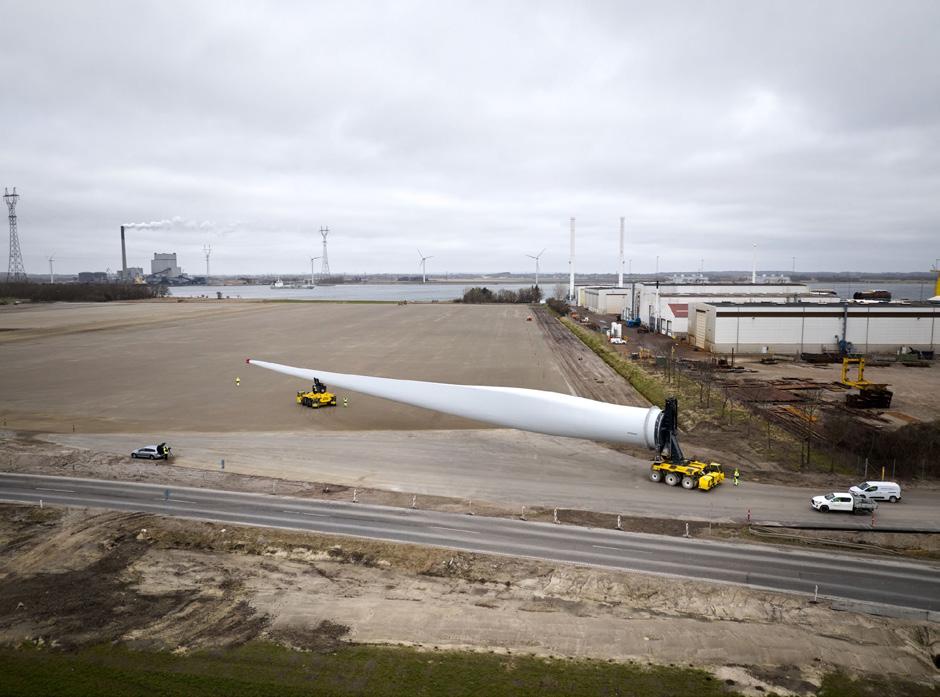
Photo: Berge Rederi
Photo: Port of Aalborg
and Mammoet Danmark were in charge of handling the components at the new storage site. “In addition to the benefits deriving from being able to gather components at a single location, the continuous unloading of main components ensures the components are available in time for installation. This guarantees being able to keep pace with the installation vessel during the installation work, which reduces the risk of waiting time,” the Port of Thyborøn highlighted in a press brief. The Danish seaport also underscored, “The fact that RWE is the first to store offshore wind turbine components at the new heavy-duty storage areas greatly supports the future development of more capacity at the Port of Thyborøn. The installation of the wind farm is generating considerable activity as well as boosting local development.”
Then, towards end-2025, Ocean Winds, a 50/50 JV of EDP Renewables and ENGIE , secured around €2.0 billion for the construction & operation of BC-Wind, its first OWE farm located in Polish waters. The European Investment Bank will contribute close to one-third of the entire project finance, with the Spanish Official Credit Institute and
Let’s start with what increasingly wags the port industry’s tail (because of environmental excitement or incoming-2030-EU-regulationinduced anxiety) – onshore power supply (OPS). In early 2025, the Port of Fredericia as well as the ports of Lübeck and Trelleborg shared they would receive funds from the Connecting Europe Facility’s Alternative Fuels Infrastructure Facility for setting up cold ironing stations. The Danish seaport’s project would receive just over €2.05 million, while the joint initiative of the two other ports – €2.23m. “We are of course very happy to receive this announcement and get a hearing for another environmental investment. This will be an extension of our wind turbines that can now supply our customers’ vessels with fossil-free electricity. Through the project, we contribute to a green shipping corridor in the Baltic Sea between Sweden and Germany,” commented the Port of Trelleborg’s Ulf Sonesson. As such, just before last year came to its conclusion, the Swedish seaport’s berths 10 and 11 got furnished with OPS stations. It is now possible for four of TT-Line’s ferries to draw electricity from the shore while visiting Trelleborg.
In March, the Port of Klaipėda said it plans to have four OPS stations up & running this year, three at the Klaipėda Central Terminal for ferry traffic and one at the Klaipėda Container Terminal.
13 commercial banks supplying the rest. Construction will kick off in 2026, starting with onshore works: substation and export cable route, to be carried out by P&Q, while Tele-Fonika Kable will design and install the cables. Meanwhile, Ocean Winds will set up a service base in Władysławowo on the Polish coast. Świnoujście will serve as the marshalling harbour for foundations, while Gdańsk – for the wind turbines (26 units, each with 14MW of capacity, plus the power boost feature that will make it possible to increase their output to 15MW). Once up and running in 2028, BC-Wind will deliver electricity to nearly half a million households in Poland.
Kacper Kostrzewa , Managing Director for Poland, Ocean Winds, commented, “Reaching financial close for BC-Wind is not only a milestone for the project but also a milestone for the Polish offshore wind industry. It confirms that Poland is ready to deliver large-scale offshore wind projects with local expertise, technology, and determination. Together with our Polish suppliers, we are entering the next phase – the construction of a new wind farm in the Baltic Sea. This cooperation strengthens the development of
Electrification
The about €11 million project is partly financed (€8.6m) through the Connecting Europe Facility. “The electrification of quays is not only a modern technology but also a clear commitment to the city, the community, and the environment. Imagine: vessels mooring at quays no longer emit smoke or noise – they use green electricity instead of fuel,” underscored Algis Latakas, the Port of Klaipėda’s Director General. By 2028, Klaipėda also plans to offer shore power to cruisers and its own port fleet.
local content and supports the integration of Polish companies into the offshore wind supply chain. This is not just an investment in energy – it’s an investment in a revitalised, competitive industry in Poland.”
Lastly, the construction of the Paldiski Offshore Wind Terminal, developed by the Port of Tallinn, bumped into a delay. The commissioning of the 13.5-metre-deep, 310-m-long quay, 10-ha (200-400kN/m 2 bearing capacity) storage area (plus adjacent 15 ha), equipped with a 9,000-kN ro-ro ramp, was expected to take place before end-2025 (and the construction works actually did end last year; the operating permit was issued in February 2026). Additional geological surveys conducted during the initial phase of the works indicated that, to continue in the safest and most costeffective manner, a different construction technique should be used to eliminate the risk of a general subsidence at the base of the barriers. This change also increased the contract costs, projected now at €61.2 million (€8.0m more than originally estimated; the contract allows for indexation, which could increase costs to as much as €63.9m).
A month passed and the Port of Gothenburg became the third in the world and the second in the Baltic to enable tankers to draw electricity from the shore (back in November 2023, another Swedish seaport, Gävle, made it possible for tankers to cold iron; the Port of Long Beach was the very first at BP Terminal’s Pier T). Terntank ’s Tern Island was the first to plug in – while berthed at quay 520 (519 and 521 also offer shore power). “The connection is part of the Green Cable – OPS for Tankers project,
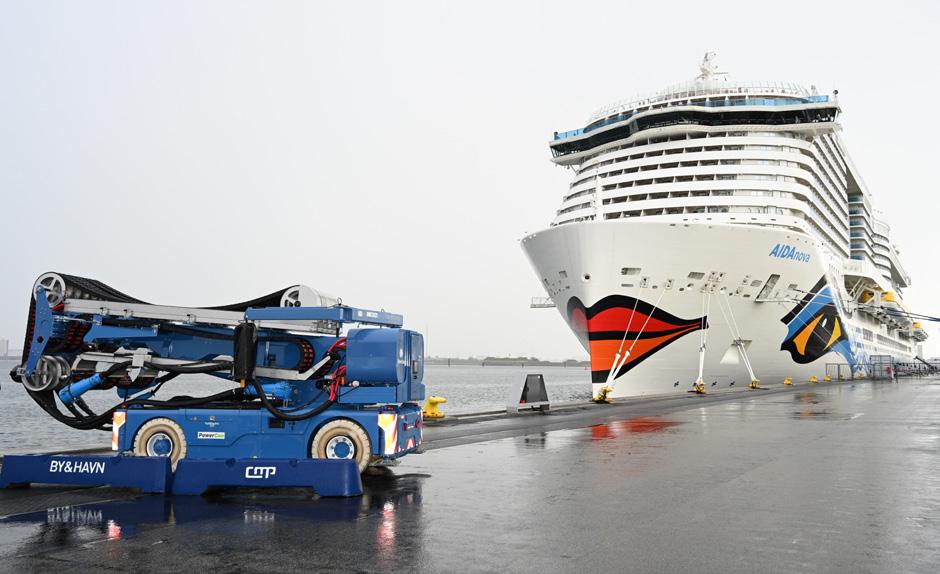
Photo: Copenhagen Malmö Port
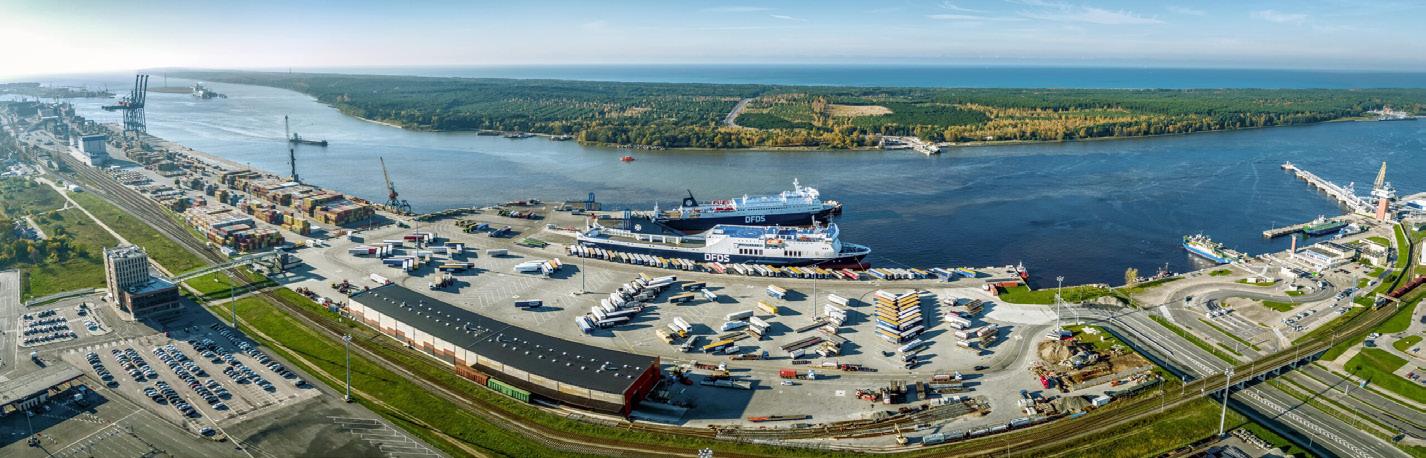
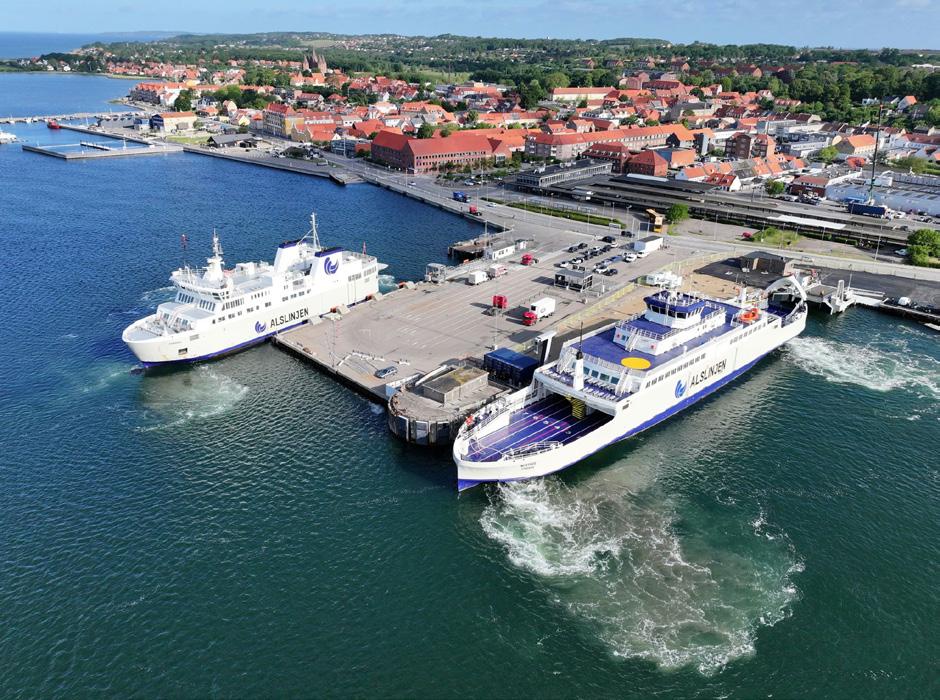
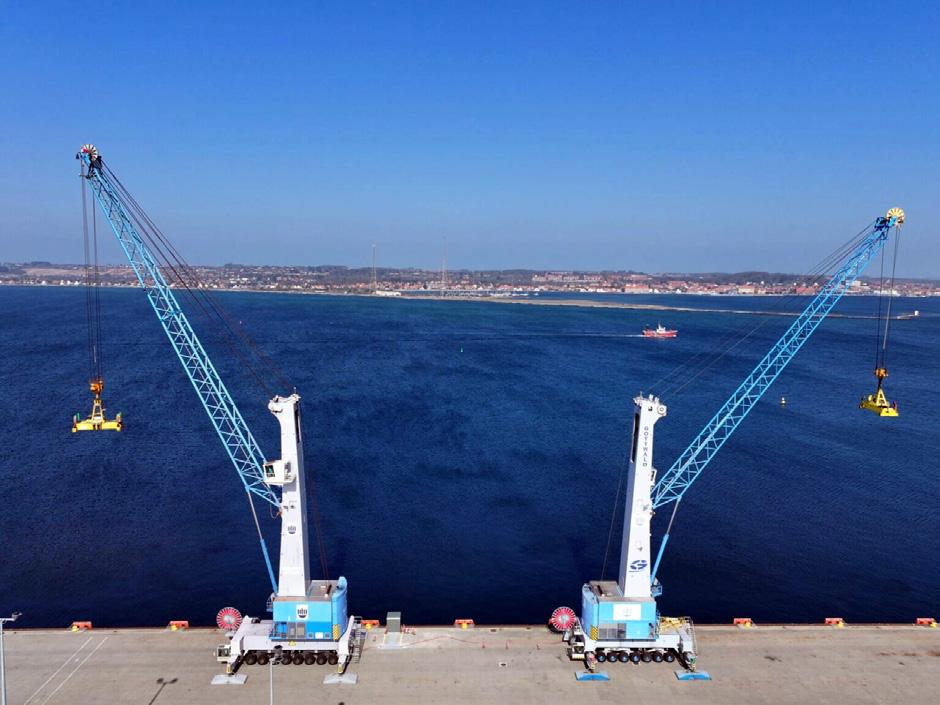
a groundbreaking initiative in which the Port of Gothenburg, together with shipping companies and industry players in tanker shipping, has developed a safe and flexible solution tailored for vessels transporting energy products,” the Port of Gothenburg underscored.
Staying in Gothenburg, the seaport also saw a two-week trial where Stena Line’s two ferries drew electricity from a hydrogenpowered generator connected to the company’s OPS facility at its Germany Terminal. Hitachi Energy developed the hydrogen generator, while the PowerCell Group supplied the power modules and shared its expertise in fuel cell integration. Linde Gas provided the 100% green hydrogen for testing. “We are very pleased with the results of the latest collaboration with Stena Line, the PowerCell Group, Linde Gas, and the Port of Gothenburg. We value working with these industry players to continue exploring new application areas for HyFlex and to demonstrate its broad potential – from construction sites to port terminals – to accelerate the energy transition,” said Tobias Hansson, Managing Director of Hitachi Energy in Sweden. The mentioned HyFlex was already used (in March 2024) to run a Volvo excavator during the construction of Gothenburg’s Arendal 2.
Gothenburg is also investing in a new transformer station. AF Gruppen Sweden’s AF Bygg Väst began setting up the 56-by18-metre, 19-megavolt-ampere (MVA) facility in Q2 2025, with works scheduled for completion in March 2027. The SEK129 million project (about €11.4m), supported by the Connecting Europe Facility with SEK90m, is being constructed to enable cold ironing at the Port of Gothenburg’s five container and two ro-ro/vehicle berths. Once completed, Gothenburg will be able to offer up to 4.0MVA per berth (with the option to combine two outputs into one connection with double capacity). By connecting container vessels alone, the Swedish seaport
Photo: Klaipėda Central Terminal
Photo: Port of Kalundborg
Photo: Port of Kalundborg
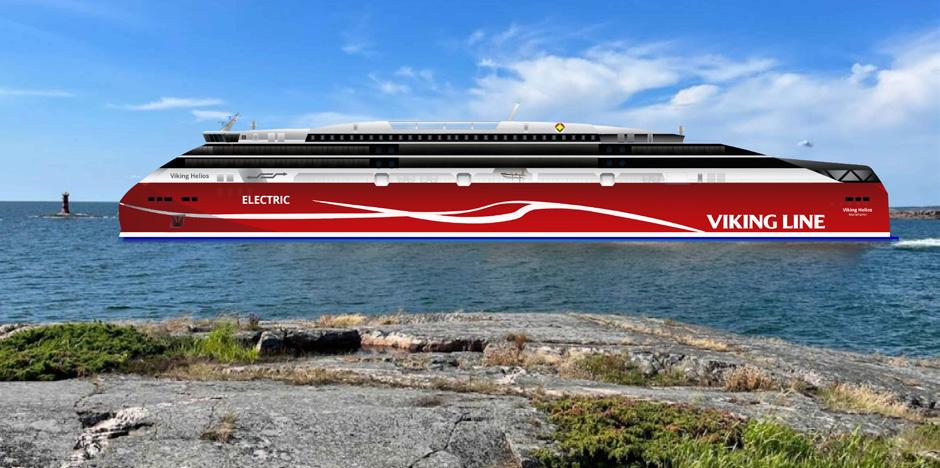
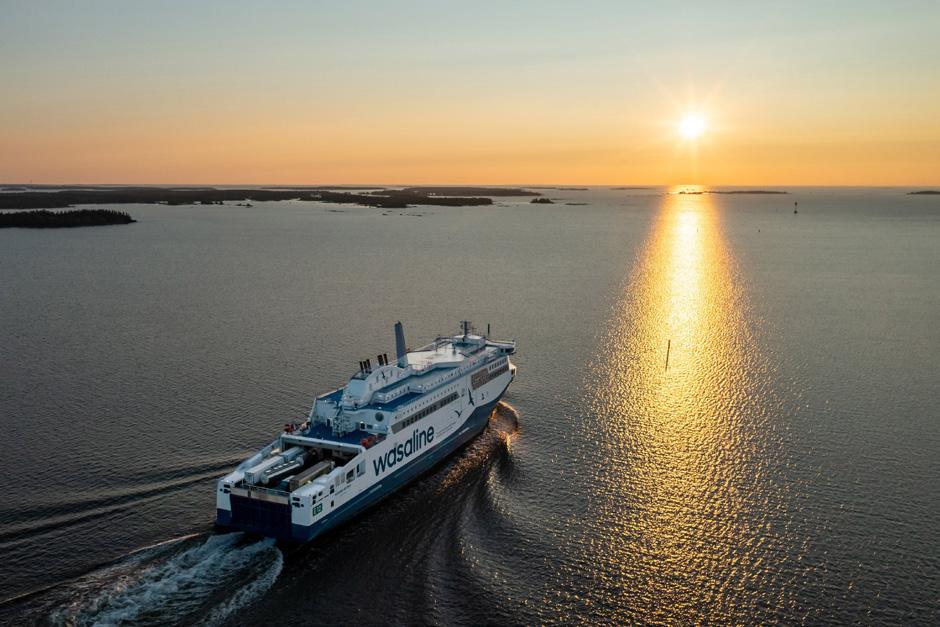
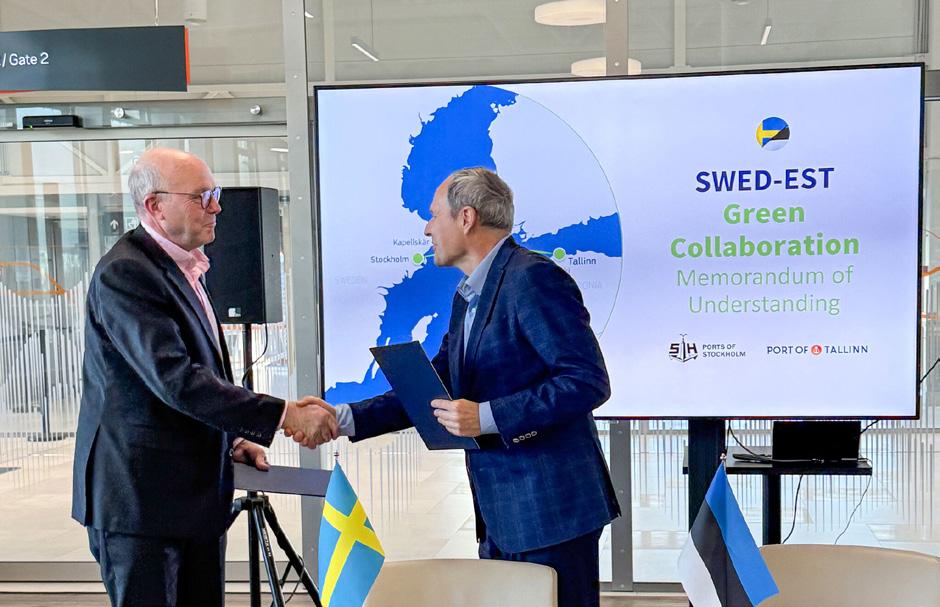
expects to lower CO2 emissions by at least 5,600 tonnes/year. The total OPS investment across Gothenburg’s container and ‘wheeled’ terminals, including cable installations and
switchgear for the seven berths, is estimated at around SEK600m (€52.8m).
In the summer of 2025, the €45-million Hansalink 3 project of the ports of Helsinki
and Lübeck-Travemünde secured EU funds (€22m) for, among others, installing OPS stations (to prepare for the deployment of Finnlines’ Hansa Superstars cruise ferries in 2028-29). “The significant EU support [€12m for the Finnish seaport] will enable measures in ports to improve the competitiveness of the Helsinki-Travemünde corridor and develop maritime transport in line with sustainable development goals. I am glad that we have been able to collaborate closely with the Lübeck Port Authority to build a project that supports the development of the unit cargo and passenger vessel fleet on this route and ultimately serves the needs of North European companies and consumers,” Vesa Marttinen, the Port of Helsinki’s VP Cargo, connected the competitiveness-sustainability dots.
Also last summer, Copenhagen Malmö Port ’s OPS for cruisers went online, when AIDAnova of AIDA Cruises became the first vessel to cold iron at the new facility at Oceankaj. Once fully developed by 2028, the station (built by By & Havn) will be able to cater to five ships simultaneously (at three piers of Oceankaj and two at Langelinie; currently two cruisers can ‘plug in’), with the port authority expecting an annual CO2 reduction of 17,000 tonnes.
In the autumn of 2025, the Port of Tallinn and the Ports of Stockholm penned a memorandum of understanding aimed at promoting sustainable and fossil fuel-free maritime activities between Estonia and Sweden. One of the Swed-Est Green Collaboration’s goals is to install OPS stations in Tallinn’s Paldiski South Harbour and in Stockholm’s Kapellskär by 2030. “This partnership provides both ports with a strategic advantage, making us more attractive to shipowners, passengers, and cargo operators who are looking for sustainable travel and transport solutions. It also opens up opportunities for developing new business models in fossil fuel-free maritime transport, for joint scientific and applied studies, and for applying for EU and other funding programmes,” commented Valdo Kalm, CEO of the Port of Tallinn. He furthered, “We have already made significant progress with our FIN-EST Green Corridor initiative together with the Port of Helsinki and ferry companies, and we are very pleased to extend that valuable experience now to our collaboration with the Ports of Stockholm.”
Winter last year, the European Climate, Infrastructure and Environment Executive Agency selected the E-MAR project – a joint proposal by the Municipality of Norrköping and the ports of Norrköping and Södertälje – to proceed to the final grant agreement phase within the Alternative Fuels
Photo: Viking Line
Photo: Wasaline
Photo: Port of Tallinn
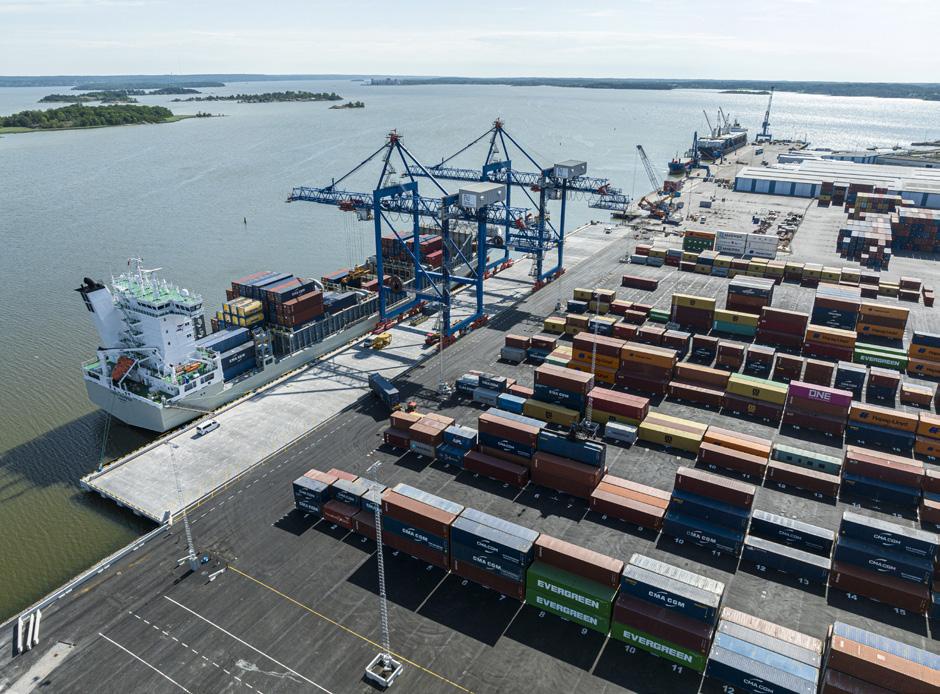
Infrastructure Facility. The €10.6 million initiative, with €3.17m support from the EU, will see the installation of five OPS points in the Port of Norrköping (plus purchasing an electric reachstacker together with a charging station, erecting a new transformer station, and setting up a photovoltaic system).
The Port of Södertälje will also get an OPS – in the South Harbour for ro-ro traffic (and here also an e-reachstacker with a charging station will be procured; the electrical grid will be upgraded, too, including with a 2.0MWh battery storage in the Energy Harbour linked to the seaport’s solar farm).
The end of 2025 also witnessed a consortium formed by RP Infra and Industry Service Partner to carry out the Port of Ventspils’ first OPS investment – the approximately €4.0-million-worth project at Berth No. 16 that houses Stena Line’s ferry terminal. The OPS station will have a total capacity of 4.0MW. “The electrification of the ferry terminal in Ventspils marks a significant milestone in our objective of sustainable maritime transport in the Baltic Sea. As one of the leading ferry operators in Europe, Stena Line is proud to support initiatives that reduce emissions and promote cleaner operations in ports. This investment not only strengthens Ventspils as a key gateway between Latvia and Sweden but also demonstrates how collaboration between ports, industry partners, and the EU can accelerate our shared journey toward more sustainable future,” commented Liene Lemane, Trade Director Business Region Baltic Sea North at Stena Line.
Meanwhile, other electrification projects took place off our region’s coast, so to speak.
First, Wasaline contracted the marine battery specialists from AYK Energy to up their Aurora Botnia ferry’s system of 2.2MWh by an additional 10.4MWh. Thanks to the upgrade, Wasaline expects to cut the ship’s greenhouse gas emissions by 23%/axe energy use by approximately 10,000MWh/year. Chris Kruger, Founder of AYK Energy, commented, “This is the largest battery retrofit on a vessel to date, and we are extremely proud to be partnering with Wasaline as the provider of this advanced battery solution. The transition to electric and hybrid vessels is accelerating, and the AYK-Wasaline partnership is an excellent example of how working together strategically can make the change happen.” The retrofit project was ticked off before 2025’s end, with the installation of the lithium iron phosphate batteries carried out by Tallinn Shipyard (dry-docking works took place at the Turku Repair Yard, both part of BLRT Grupp).
In mid-2025, the Viking Helios concept saw the light of the day. With the help of Rauma Marine Constructions and other research partners, Viking Line unveiled the early design of an all-electric (85-100MWh) ferry for the Helsinki-Tallinn service. The 195-by-30-metre ship will offer room for 2,000 passengers likewise 2,000 lane metres for cargo. With a speed of 23 knots, Viking Helios will complete the crossing between the two capital seaports in two hours. “Helios heralds a new era in maritime transport, just like the first sail, steam, and motor ships did in their time,” Jan Hanses, retiring CEO of Viking Line, leaned on a parallel. “The concept proves that large-scale emission-free
maritime transport is no longer a utopia. The world’s largest fully electric passenger-car ferries could be in operation as early as the beginning of the next decade. We are strongly committed to realizing the ambitious vision that Helios represents.” He furthered, “[…] there is strong demand […] for connections between Finland and the Baltics. EU emission trading fees and tightening regulations place an ever larger burden on fossil fuel-based maritime traffic every year, but emissionfree technology would enable us to increase capacity on the route. Our goal is to order two electric ships for the route, which would double our current capacity year-round.” The concept will serve as a basis for continued planning and for the invitation to shipyard tenders. Viking Line also submitted a funding application to the EU’s Innovation Fund for the construction of the ferry.
While Helios is yet to rise from beyond the horizon, the all-electric Nerthus is already plying in the Baltic. She was put together by the Turkish Cemre Shipyard for one of Molslinjen’s subsidiaries. Nerthus’ battery system (supplied by Echandia) is 3.1MWh-big. The 116.8-by-18.2-metre ferry offers room for 600 passengers and 188 vehicles. Meanwhile, Nerthus’ sister ship, the bigger battery (3.8MWh) Tyrfing, although she arrived in the Baltic in 2025, saw her commercial start delayed by a month and a half, with the first sailing taking place on 16 January this year. Though all-electric, the duo also houses back-up generators designed to run on hydrotreated vegetable oil (which, apparently, does come in handy as evidenced by the Herjólfur ferry that connects the Icelandic ports of Landeyjahöfn and Vestmannaeyjar; here, the grid manager has increased the electricity transmission fee in the latter harbour so much that charging Herjólfur ceased being feasible; as such, the ferry, already facing issues with running solely on batteries in the harsh environment, now sails on marine gas oil for the most part, using stored electricity from Landeyjahöfn for peak shaving or in-port operations; it is a cautionary example of an electrification project getting derailed when one of the actors pulls its piece of puzzle from the picture).
Having mentioned Molslinjen, in the middle of last year it entrusted Incat ’s shipyard in Tasmania with constructing two battery-powered high-speed ferries. Each e-catamaran will have 45MWh battery packs, enabling 40+ knot speeds. The first 129-by-30.5-metre ferry, able to transport 1,483 passengers and 500 cars, will enter Danish waters around the turn of 2027 and 2028. Apart from new tonnage,
Photo: Fredrik Schlyter/Port of Norrköping
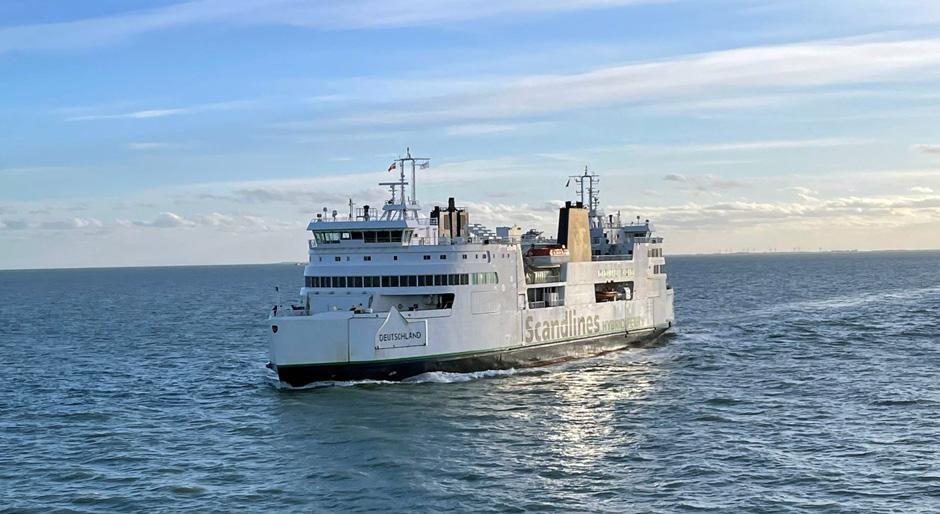
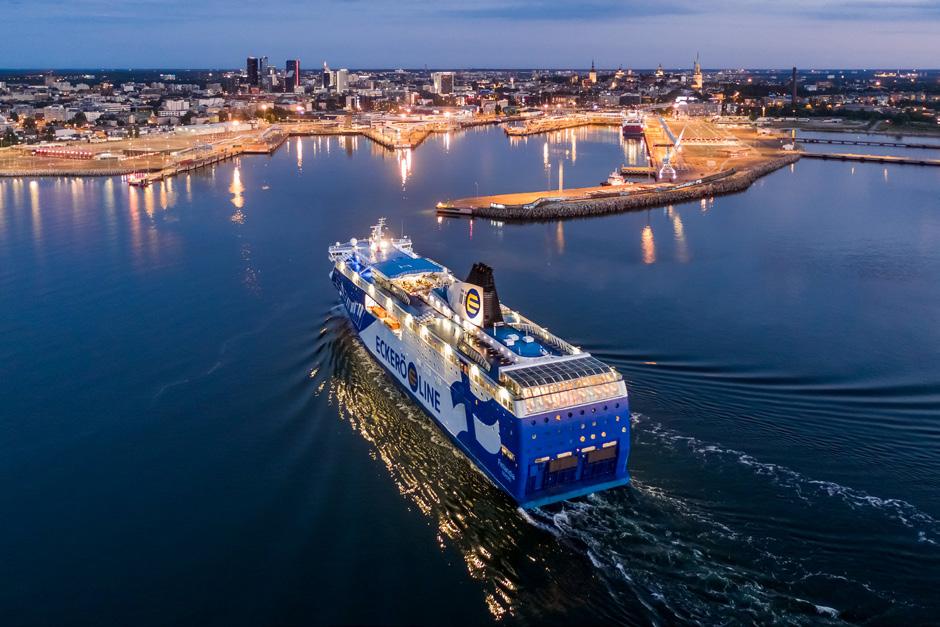
the DKK3.5 billion (€470 million) investment involves associated onshore infrastructure. Charging the ferries will be possible both in the Aarhus and Odden ports. When plugged in, a single catamaran will charge with 15kV AC at 55MW for 30 minutes – receiving an average of 25MWh of energy before its next journey (enough to power an electric car for a 150,000-km drive). “We are among Denmark’s five largest CO2 emitters, and with support from the fund [Investeringsfonden/Investment Fund], we and the government now have a chance to remove 132,000 tonnes of CO2 emissions from Denmark’s climate footprint each year,” outlined Kristian Durhuus, CEO of Molslinjen. While initially probing the general shipbuilding market, winter of 2025 brought news that the Danish shipping company contracted Incat to deliver a third battery-electric high-speed ferry.
A bit earlier, at the beginning of summer of last year, Scandlines shared it’d hybridise two
of its ferries. BLRT Repair Yards’ Western Shiprepair will convert the ships serving the Puttgarden-Rødby service with 5.0MWh battery systems. The €31 million project will also see both seaports fitted with charging facilities, with 12 minutes needed to charge the batteries up to at least 80% of the energy needed for the crossing. The conversion of the first vessel was expected to start in August 2025, while the other in December. The hybridisation is slated for completion in early 2026. “By electrifying two of our Fehmarn Belt ferries, we are moving much closer to our goal of making the route direct emission-free by 2030 [Scandlines’ overall ambition is to become a direct emission-free company by 2040]. This is what our customers want, and it will significantly strengthen our competitiveness,” said Michael Guldmann Petersen, Scandlines’ COO. The German Ministry of Transport awarded the project financial support that would cover up to 40% of the conversion expenses.
Speaking of hybridisation, later in autumn, Eckerö Line shared that its ferry Finlandia would be retrofitted with a battery pack during her early 2026 dry-dock. The investment is expected to cut the ship’s yearly bunker consumption by around 3.0% (some 500-600 tonnes of fuel). “Our goal is to fully transition to electric shipping in the future,” stated Björn Blomqvist, CEO of the Rederi Ab Eckerö Group, Eckerö Line’s parent company.
To end the electrification thread, let’s switch our attention to what connects ships with shore. In early spring of 2025, the Port of Kalundborg ended retrofitting two Gottwald cranes, used for container handling in the New West Harbour, to run on electricity instead of diesel. The conversion, part of the Green Zealand Gateway project carried out in co-op with APM Terminals, also saw the set-up of a transformer station and other necessary electrical infrastructure. “With the electrification of our cranes, we are taking our green promises seriously and showing that we are an ambitious partner in maritime sustainability. Electric gantries are an important part of reducing our environmental impact, because the cranes no longer have to burn diesel for hours. We increase our competitiveness by setting a high standard for more sustainable container handling,” highlighted Bent Rasmussen, the Port of Kalundborg’s CEO. “Carbon neutrality is an important priority for many of the port’s customers, and it is therefore a necessity for the seaport to be able to offer services that are both environmentally friendly and efficient. This helps to ensure that the Port of Kalundborg remains an attractive and competitive partner in the market,” the Danish seaport said in a press brief. Rasmussen added to that, “Our customers’ need for sustainable solutions is increasing steadily, and our ambition level is not only to meet their current needs, but to help them meet future ones.” The retrofitting was executed with the help of Port-Trade, which supplied the technical solutions, and Brix Elteknik, in charge of establishing the electrical infrastructure. But alike Nerthus and Tyrfing, Kalundborg’s e-Gottwalds can still run on diesel if need be. Rasmussen explained, “In times of uncertainty, it’s essential that we, as a port, can maintain our operations in the event of sabotage to the power grid. The ability to switch to diesel if the power goes out gives us the necessary flexibility and security to meet both environmental requirements and operational needs.” At the beginning of this year, the Green Zealand Gateway project added three e-reachstackers to Kalundborg’s heavy-duty machinery park.
Photo: Vivian Baens/Scandlines
Photo: Kaupo Kalda/Eckerö Line
We start in Klaipėda this time, with two hydrogen developments. First, in a deal worth €1.4 million, the MT Group contracted Nord Steel to design, manufacture, and deliver three advanced hydrogen storage tanks to the Lithuanian seaport. The contract included a 40-bar hydrogen buffer tank and two hydrogen storage tanks capable of withstanding pressures of 550 and 1,000 bars. Algis Latakas, Director General of the Port of Klaipėda, underscored, “This project, which we undertook with a clear vision for the future, is not only an important step in the development of Klaipėda Port’s infrastructure, but also a significant investment in long-term sustainable solutions that will shape a more modern, cleaner, and innovative transport and industrial ecosystem. Moreover, this project demonstrates Lithuania’s industrial capability not only to adapt to global changes, but also to actively participate in shaping them, demonstrating a high level of competence, professionalism, and a responsible approach.” Klaipėda’s (made-in-Italy) polymer electrolyte membrane electrolyser facility, expected to come online this year, will produce up to 127 tonnes of hydrogen/year. The €12m project is supported by the NextGenerationEU Recovery and Resilience Facility with around €6.0m. Part of the plant’s output will be consumed by the authority’s 400 m3 waste reception ship, developed by the Lithuanian Western Shipyard Group (in co-op with Baltic Workboats). Early 2025 saw the floating of the 42-by-10-metre tanker, featuring two electric motors powered by 2,000kWh batteries and a hydrogen fuel cell system. Depending on the intensity of the work, the ship will be able to operate in Klaipėda’s waters for up to 36 hours without additional charging.
Also at the beginning of last year, Liquid Wind and Turun Seudun Energiantuotanto (TSE) signed a memorandum of understanding as a step towards establishing a 100,000 tonnes/year e-methanol production plant to be located in the former Neste harbour area. The facility – for which the final investment decision is expected in 2026, ahead of operations commencing in 2029 – will sit next to TSE’s Naantali 4 power plant, which will feed the e-fuel production with 160,000 tonnes of biogenic CO2 and which will, in return, receive process and waste heat for district heating. “[…] we aim to support the transition by allowing our offtakers to shift from fossil fuels to low-carbon e-fuel produced at this facility,” Claes Fredriksson, CEO and Founder of Liquid Wind, highlighted.
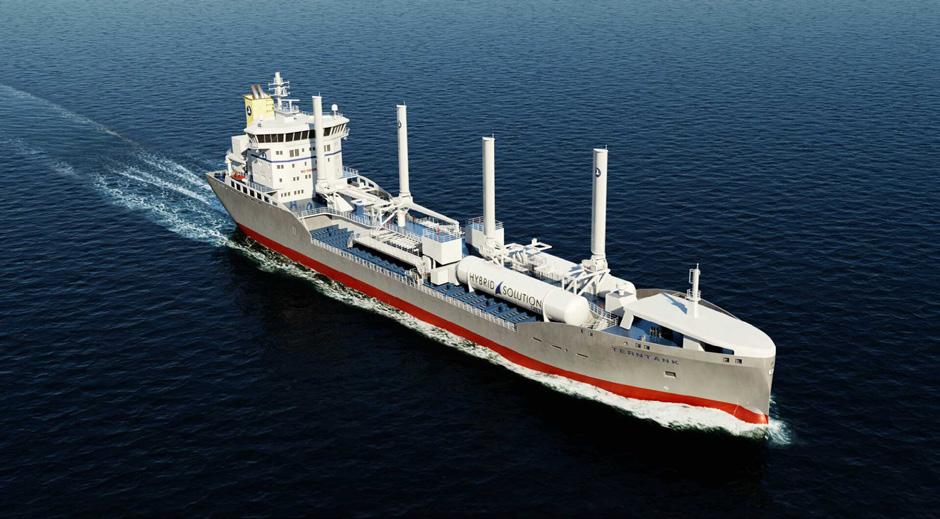
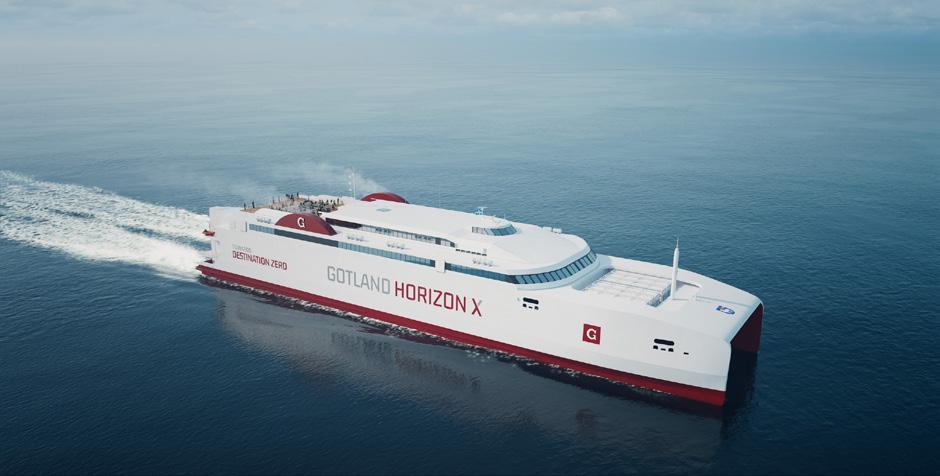
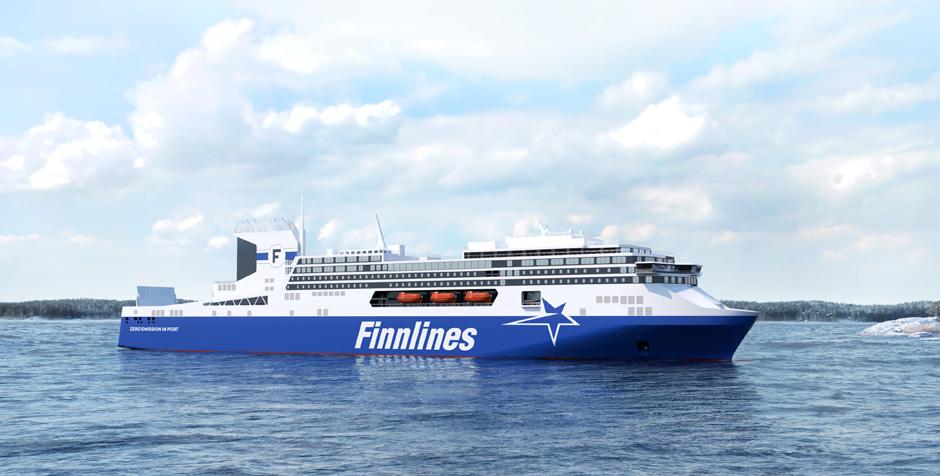
Also in early 2025, the Land and Environmental Court in Umeå gave its green light for the development of Liquid Wind ’s e-methanol production facility that will be connected to the Dåvaverket cogeneration plant of Umeå Energi . The site, expected to be up & running in 2027, will be able to capture 230,000 tonnes of CO2/year, using it to produce up to 130,000 tonnes of e-fuel. Here also Claes Fredriksson shared
his thoughts, “The received permit marks a significant milestone in our journey and ambition to reduce dependency on fossil fuels in the hard-to-abate sectors such as shipping and aviation.”
A month passed and another Liquid Wind-news broke out. The company shared it intends to bring back the Örnsköldsvik e-fuel project to life – together with Övik Energi. The two partnered to set up the
Photo: Terntank
Photo: Finnlines
Photo: Destination Gotland
production plant, formerly known as FlagshipONE (bought by the Danish Ørsted in December 2022 and shelved in the summer of 2024), additionally doubling its yearly capacity to 100,000 tonnes of e-methanol. Liquid Wind said it’d start developing the project in the spring of 2025. Övik Energi is tasked with supplying the biogenic CO2 (130,000 tonnes/year) for e-fuel production. Its cogeneration plant will also provide steam and water for the e-methanol production process, while excess heat will be fed back into Örnsköldsvik’s district heating network. Here, too, Claes Fredriksson underscored, “We see a very strong desire from customers and fuel users to transition to sustainable fuels, something our facility in Örnsköldsvik will contribute significantly to. Our new e-fuel project is already underway, and we are looking forward to bringing it to reality.” Then again, it was exactly the lack of interest from the market, including shipping, that convinced the Danes from Ørsted to abandon the project altogether…
Notwithstanding the above, it appears that Gotland Company trusts, albeit cautionary, in a secure supply of green bunker in the future. In February last year, the company entrusted the shipbuilders from Austal to design and construct the 130-metre, combined cycle, multi-fuel, hydrogen-ready highspeed catamaran, named Horizon X, that will connect Gotland with the Swedish mainland (speeding up to 29 knots, she’ll cover the distance in around three hours). The ship, to offer room for 1,500 passengers and 400 vehicles, will be the largest vessel ever constructed by Austal. Construction at the company’s Philippines shipyard will commence in H1 2026, to be completed in mid-2028. The contract is valued at A$265-275 million (€161.5164.5m). The h-catamaran will feature a combined cycle propulsion system that includes both gas and steam turbines, a “[…] unique propulsion system arrangement that re-purposes engine exhaust to contribute to vessel propulsion and reduce emissions,” the parties highlighted in a press brief. Horizon X will also be constructed with the use of ‘green aluminium,’ with around 60% of the metal produced used renewable energy. “Horizon X is an incredibly exciting project that is going to re-define commercial ferry capabilities, with a multi-fuel and hydrogen-capable combined cycle power-plant and a class-leading, efficient hull design. The flexible fuel technology demonstrated in Horizon X is leading the transition to decarbonisation of commercial ferries, and we’re proud to be at the forefront, partnering with Gotland Company, to deliver this industry-leading new ferry,” commented Paddy Gregg, CEO, Austal.
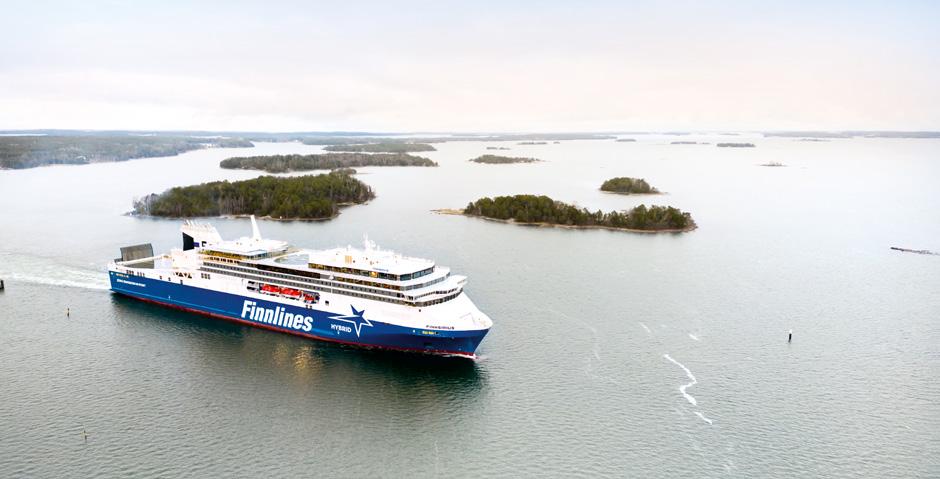
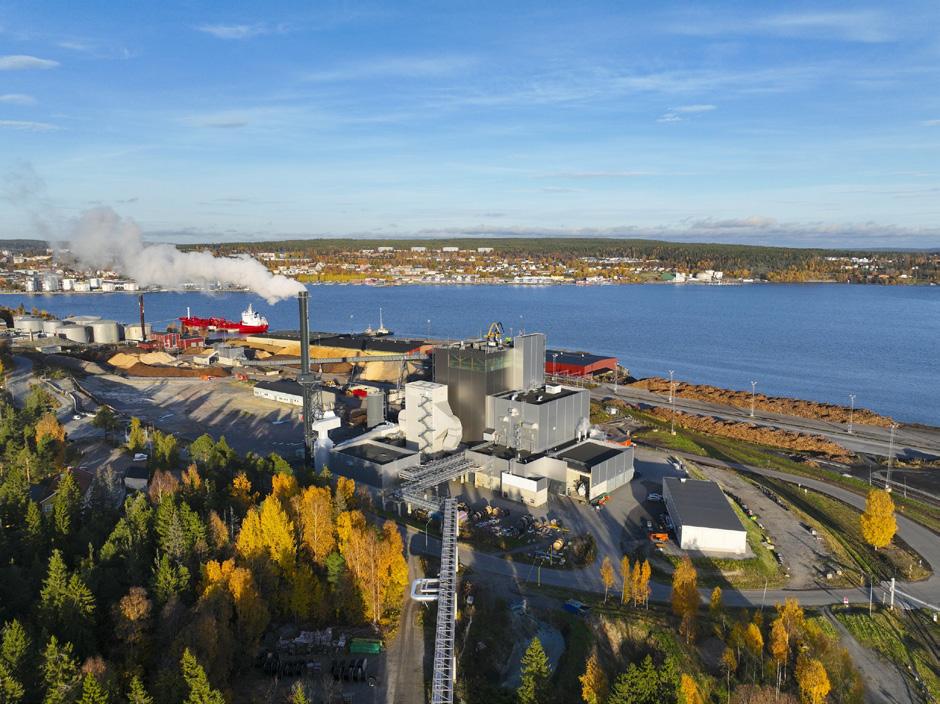
“Access to fossil-free bunkers will continue to be a challenge, likewise there’ll be high uncertainty concerning their prices. With this here type of technology we can blend fuel depending on availability and price. At the same time, we’re working on developing the concept for our passengers to even further improve and modernise the on-board experience,” shared the back then Destination Gotland ’s CEO, Marcus Risberg. Next, targeting the marine & aviation sectors as its customer base, Business Finland backed P2X Solutions’ e-fuel plant project. The 40-megawatt green methanol production facility, to be erected in the Iiksenvaara industrial area in Joensuu , received an investment grant of €60 million. In 2022, the European Commission (COM) added the Joensuu plant to the Important Projects of Common European Interest list, which enabled providing the grant through the COM’s Recovery and Resilience Facility (allocated
by a national funding mechanism managed by Business Finland). If the project gets a green-light final investment decision, it’ll be constructed next to a bio-power plant of Savon Voima, from which it’ll source biogenic CO2 for combining it with renewable hydrogen into e-methanol (in return providing waste heat transferred to the Joensuu district heating network). “This investment grant will significantly promote the development of the European and Finnish synthetic fuels market and move us closer to the investment decision of the Joensuu plant. In addition, it is an important step in strengthening the vitality of Eastern Finland and the hydrogen value chain. We are proud to be pioneers in developing the production of e-methanol in Finland through a trailblazing circular economy cooperation with Savon Voima,” commented Herkko Plit , P2X Solutions’ CEO. His company, together with Oulun Energia , is also exploring the
Photo: Liquid Wind
Photo: Finnlines
possibility of building a green hydrogen up-to-100MW-capacity production plant in Oulu. Meanwhile, P2X Solutions’ 20MW Harjavalta site opened before end-March 2025. In October last year, Gasgrid issued Finland’s first guarantees of origin to the green hydrogen produced at Harjavalta (up to 400kg H2/hour using renewable electricity, translating to 9.6t/day at maximum continuous operation).
Alike its Swedish counterpart, also Finnlines wants to switch to eco-bunker with their newbuilds. In a deal worth €1.3 billion, the parent company Grimaldi Group entrusted China Merchants Jinling Shipyard (Weihai) with delivering nine brand-new ferries, six of the Next Generation Med and three of the Hansa Superstar class (the latter designed by Deltamarin). All are scheduled for delivery in 2028-30, with four flying the Italian flag and plying for Grimaldi Lines, two under the Greek flag and working for Minoan Lines, and the remaining three sailing under the Finnish flag for Finnlines between Helsinki and Travemünde. Equipped with engines capable of running on methanol, as well as with a suite of eco-solutions (among others, optimised hull & propeller designs, on-board power management systems, cold ironing connectors, silicon-based hull coatings), the carbon footprint of the new ro-paxes per transported cargo unit will be axed by at least half vs the vessels currently operating on the same routes, says the Grimaldi Group. The Hansa Superstars will be 240-metre-long and offer 5,100 lane metres for cargo and room for 1,100 passengers. Emanuele Grimaldi, Managing Director of the Grimaldi Group and Chairman of Finnlines’ Board of Directors, commented, “The new Next Generation Med and Hansa Superstar classes are the result of a thorough study of our customers’ needs and, more broadly, those of shipping. Today, more than ever, the latter requires quality, efficiency, and environmental sustainability to remain a key mode of national and international freight and passenger transport.
In particular, the exceptional performance in CO2 emission reduction and the use of methanol as an alternative fuel bring our Group even closer to the global goal of netzero emissions, further solidifying our position as a leading player in short-sea transport in the Mediterranean and Baltic regions.”
In May 2025, Finnlines introduced a new concept of shipping – called Green Lane –both for freight & passengers, who could now choose to sail fully electric or with biofuel in place of fossil bunker. The 100% electricity-powered cargo shipments are available between Naantali and Kapellskär, with the crossing’s two 5.0MWh cruise ferries greencharged while connected to onshore power supply in the Finnish and Swedish seaports. “Our utmost goal is to reduce emissions and we are already seeing concrete results. With the introduction of our new vessels, Finnsirius and Finncanopus, we have entered the hybrid era and can now offer our customers even more efficient and sustainable sea transport services. Although the cargo capacity of the vessels operating on the NaantaliKapellskär route has increased significantly, yet absolute carbon dioxide emissions per nautical mile have decreased by 22%,” underscored Antonio Raimo, Line Manager at Finnlines. The biofuel Green Lane option for freight is available on the Naantali-Kapellskär, Malmö-Travemünde, Malmö-Świnoujście, and Hanko-Gdynia services. “Use of biofuels [derived from renewable sources] can reduce well-to-wake greenhouse gas emissions of transport by up to 90% compared with conventional fossil fuels,” Finnlines highlighted in a press release. The company’s Commercial Director, Merja Kallio-Mannila, added, “We want to offer our customers concrete solutions to help them achieve their decarbonisation targets. Both solutions ensure low emissions; for example, using biofuel can reduce carbon dioxide emissions by up to 700kg per trailer on the Hanko-Gdynia route.” Green Lane is also available for passengers on the Naantali-Långnäs-Kapellskär, HelsinkiTravemünde, Malmö-Travemünde, and Malmö-Świnoujście crossings. “If passengers
choose this option, Finnlines will consume renewable biofuels to replace the corresponding volume of fossil fuels and the emissions per passenger on the route will decline,” the company said.
Having mentioned methanol, Terntank ’s Tern Dal was delivered before 2025’s end. China Merchants Jinling Shipyard (Yangzhou) Dingheng handed over the third 15,000-deadweight Hybrid Solution Plus tanker to the Skagen-based shipping company, which then long-term chartered her to Neste. The 147-by-22-metre vessel, designed for transporting renewable feedstocks and bio-based products, is equipped with a methanol-ready engine, a battery pack, a shore-power connector, and four foldable sails (VentoFoils from Econowind; this wind-assisted propulsion is expected to lower the tanker’s CO2 emissions by 8.0% vs the company’s Avic-class ships). “Tern Dal represents more than another vessel delivery – it’s a symbol of progress. Each ship in the Hybrid Solution Plus series brings us closer to fossil-free operations and demonstrates what collaboration can achieve," Tryggve Möller, Rigmor Möller, John Sten, and Annika Kristensson, Terntank’s owners, said. The Hybrid Solution Plus fleet will comprise five tankers in total.
Switching back to the supply side, the winter of 2025 saw CIS Liepaja, an umbrella organisation gathering Norwegian and Latvian companies, and Vindr Latvia , a developer of onshore wind energy projects, penning a memorandum of understanding to explore long-term energy supply for a new green hydrogen production facility in the Liepāja Special Economic Zone (which also functions as the authority for the Port of Liepāja). The investment, valued at €550 million, will produce around 150,000 tonnes of green hydrogen annually. Vindr Latvia is to connect 150MW from its currently 900-MW portfolio to feed the production. Overall, CIS Liepaja aims to attract more than €1.2 billion in EU investment, while projected revenues upon full project development will exceed €600m per year.
It wasn’t until well into the spring of 2025 that a notable news surfaced in this category. It was then the Port of Esbjerg , the Esbjerg Municipality, and INEOS Energy hosted the groundbreaking ceremony for a terminal, part of what is hailed as the first full value chain for carbon capture and storage in the EU. Once operational, the facility of Project Greensand will be able to handle up to 6,000 tonnes of CO2 at
a time. In the first phase, some 400,000 tonnes/year are predicted for handling, up to 8.0 million tonnes of biogenic & fossil CO2 in the future (including from Sweden’s Öresundskraft , some 210,000 tonnes/ year). Project Greensand said it expects investments of $150+ million across the Greensand CCS value chain to scale storage capacity (with CO2 ultimately stored offshore in the North Sea). At the same time,
INEOS and Royal Wagenborg launched the first made-in-Europe (at the Dutch Royal Niestern Sander shipyard) offshore CO2 carrier, Carbon Destroyer 1, for Project Greensand. The 149.95-by-15.9-metre ship features eight tanks, altogether able to store around 5,000 tonnes of CO2 . “This launch is a defining moment for Wagenborg. It combines over a century of maritime experience with a forward-looking vision of
Carbon capture
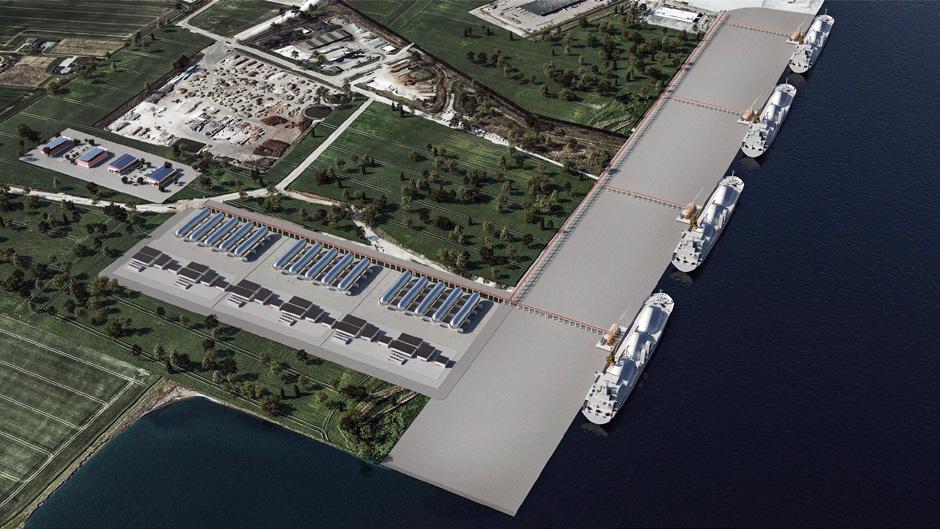
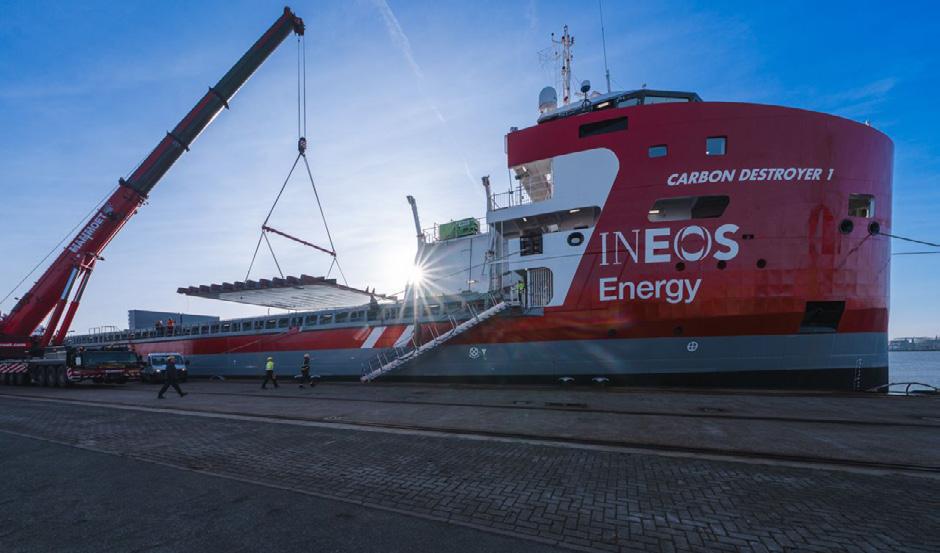
sustainability. As the first European-built offshore CO2 carrier, this vessel positions us – and our partners – at the forefront of the energy transition in Europe,” commented Egbert Vuursteen, CEO of Wagenborg. Sir Jim Ratcliffe , Chairman of INEOS, also said, “The launch of Carbon Destroyer 1 is an important next step for carbon capture and storage in Europe. We are demonstrating that carbon storage is commercially viable and a far better way to decarbonise Europe without its deindustrialisation.”
The start of commercial CO2 injection into the Nini West and Nini Main depleted oil fields is expected for this year.
In the summer of 2025, Inter Terminals Sweden (ITS), in co-op with the Port of Södertälje , initiated a front-end engineering design study for an open-access intermediate storage facility in the Swedish port for regionally captured CO2 . The terminal, expected to be operational by 2030, will see the CO2 exported by sea either for permanent storage or further use, e.g., in the production of e-fuels. “This initiative
marks an important milestone for Inter Terminals, positioning us as a key enabler in the emerging CO2-logistics market in Mälardalen. The objective is to offer an open and accessible solution for all regional companies aiming to capture CO2 and seeking efficient solutions for storage or for reuse,” said Johan Zettergren, Managing Director of ITS. Måns Frostell, the Port of Södertälje’s CEO, also commented, “This joint initiative further strengthens Södertälje Port’s position as a hub for sustainable freight logistics and the future infrastructure for energy management in the Stockholm region.”
Also around that time, the Port of Aalborg and Fidelis New Energy’s Norne Carbon Storage Hub signed a 30-year exclusive agreement that will see the setup of reception infrastructure for on- and nearshore storage of CO2. A new 500-metrelong quay will be erected in the Port of Aalborg, corresponding to an area of 60,000 m 2 of wharf space. Norne has already completed the front-end engineering and design
studies for both the CO2 reception facility, with an initial yearly capacity of 15 million tonnes, and a connecting pipeline to nearby CO2 storage. In 2023, the EU granted Norne the project of common interest status. The project also received a grant from the energy envelope of the Connecting Europe Facility (DKK80m/about €10.7m). These funds will co-fund the development and construction of the new quay. Kristian Thulesen Dahl, CEO of the Port of Aalborg, said, “We are very excited to continue the work we have done with Fidelis and Norne since 2021 to make the Port of Aalborg a key CO2 hub enabling economical and safe storage of CO2 onshore and nearshore. In addition, we are excited to be able to provide decarbonisation services to attract new industries to the Port of Aalborg. We therefore see the collaboration with Norne as an important business development differentiator as we continue to expand the port’s role in helping to decarbonise Denmark and the EU.” Norne aims to begin operations as of mid2027, with the CO2 transported from the emitter by pipeline or ship to the reception facility, where it will be forwarded to one of the existing natural underground storage structures for injection in new, dedicated CO2 wells. Norne has the ambition to store more than 30 million tonnes of CO2/year by 2030 (equivalent to over half of Denmark’s yearly emissions). Summer of 2025 also saw Munck Havne & Anlæg winning the Port of Aalborg’s tender for the construction of the quay in question.
In mid-September 2025, PaxOcean Zhoushan delivered Martta , the last in the series of three 150-by-27-metre, 1A Ice Class, 1,200-TEU (290 reefer plugs) container ships for Langh Ship (Martta’s sisters, Ingrid and Lene, were all delivered in 2025). Each vessel is equipped with a hybrid scrubber system developed by the sister firm Langh Tech, which is also ready for installing an onboard carbon capture system (also made by Langh Tech and said to deliver proven CO2-emission reduction of up to 50%; the solution also produces sodium carbonate, which can be sold for diverse applications in other industries such as glass and detergent manufacturing). “By commissioning a full series with integrated scrubber and carbon capture systems, Langh Ship demonstrates how owners can move beyond compliance and take decisive steps toward net zero,” the shipowner from the Finnish Piikkiö underscored in a press release. The company’s CEO, Laura Langh-Lagerlöf, added, “With this vessel series, we had a vision of pushing the energy efficiency and emission reduction further than before.”
Photo: Fidelis New Energy
Photo: Royal Wagenborg
How to prepare for a patchwork world order
by Aparna
Trade in transition
Bharadwaj, Managing Director & Senior Partner; Global Leader, Global Advantage Practice, Dominic DeSapio, Director, Geopolitics & Trade Impact, Marc Gilbert, Managing Director & Senior Partner; Global Lead, Center for Geopolitics, Nikolaus Lang, Managing Director & Senior Partner; Global Leader, BCG Henderson Institute; Global Vice Chair, Global Advantage Practice, Kasey Maggard, Center for Geopolitics Executive Director, Michael McAdoo, Partner & Director, Global Trade & Investment, Morten Seja, Principal, and Peter Ullrich, Managing Director & Partner, Boston Consulting Group (BCG)
As the multilateralism dissolves, a new order seems to be emerging in which goods are traded under different sets of rules. BCG created four scenarios for the next decade, and sees momentum for a multinodal trade patchwork. In the patchwork scenario, trade would be managed through four main nodes, each with distinct rules and approaches: a group of ‘Plurilaterist’ nations, the US, China, and the other BRICS+ nations. Overall trade would remain resilient, expanding slightly faster than global GDP for the next ten years, but the routes many goods travel would change. As a group, the Plurilateralist nations would see above-average growth among themselves and most of the Global South. The US share of global trade would fall, while China would deepen its trade with other BRICS+ nations and the rest of the Global South.
After a year of big trade policy shifts, global business leaders are left with a dilemma. Despite the prospect of continued uncertainty over tariffs and other policies, at some point they must move beyond tactical maneuvers, like stocking more inventory, and take important structural decisions. But when and where?
Multi-nodal trade patchwork
The best way to plan in an unpredictable context is to think in terms of scenarios. BCG has built four for global trade. Under current trends, we see low momentum toward the two extreme scenarios –a spiral of retaliatory trade actions and growing trade conflict, and a return to the
open trade regime of previous decades.
Within the more moderate scenarios, the momentum is behind a ‘multi-nodal trade patchwork’ scenario, in which trade flows gravitate toward four main nodes employing distinct approaches.
On one extreme, the new era could evolve into one defined by self-sufficiency, as isolationism and protectionism escalate, leading to a collapse of the trade system as we’ve known it. On the other end of the spectrum, the world could gravitate toward the old status quo of rules-based trade, where tariffs stabilize, tensions ease, and rules generally hold. A more plausible scenario is that the world could divide into regional strongholds as nations in the Americas, Europe,
and Asia-Pacific strengthen preferential trade ties among them.
We see the greatest momentum toward a multi-nodal trade patchwork. In this scenario, trade in goods would flow between four main nodes – the US, China, the Plurilateralists, and BRICS+ (excluding China) – each setting rules and engaging with the rest of the world to suit their national and collective interests. The rest of the world would navigate between the four main nodes.
Under the trade patchwork scenario, the US and China would continue to play by their own rules. The latter, however, would attach a higher importance to trade as a growth engine. The Plurilaterists are a diverse group spanning five continents
Four Potential Scenarios for the Future of Trade
Widespread protectionism
Onshoring of supply chains
Tariffs, export controls, and investment screening
North America, Europe, Asia-Pacific deepen internal markets
· “Insider” free trade agreements boost intrabloc flows
Outsiders face higher trade barriers
Free trade-oriented countries seek to deepen trade
· US and China prioritize domestic objectives
BRICS+ (excluding China) deepen trade
Rest of world tries to strike balance
· Tensions ease; tariffs are gradually reduced
· WTO and Most-FavoredNation principle generally persists
Trade institutions are not reformed
Source: BCG analysis.
that includes advanced economies, such as the EU, Canada, and Japan; middleincome economies such as Mexico and Peru; and developing economies like Vietnam that are all adhering to deep trade agreements. The BRICS+ grouping consists of emerging markets that see
trade as a growth driver but want to retain more sovereignty over the terms of trade than the Plurilateralists.
For the past five years, BCG has been modeling changes in bilateral trade flows of goods ten years out based on new developments. Given current circumstances,
this year we modeled world trade over the coming decade under the trade patchwork scenario. Overall global trade would remain remarkably resilient, expanding by around 2.5% annually slightly above global GDP. But the routes many goods travel would change. The Plurilateralists group
Four Nodes Would Anchor Global Trade in a Patchwork Scenario
United States China
Plays by its own rules, follows an “America First” policy approach
Plurilateralists
Enable consistent rulesbased trade via deep free trade agreements and clear standards for market access
Prioritize national sovereignty over integration; look to trade as a vehicle for growth
Emphasis on self sufficiency; prioritizes access to markets and supplies of key materials
Source: BCG analysis. 1EFTA
2034 Momentum Trade Scenario
Weakened
as a whole is projected to see above-average trade growth among themselves and most of the Global South through 2034. China’s goods trade would increase more than 40% faster than the US, but slower than the global average. China would deepen ties with the Global South, including the other BRICS+ nations. While US trade in services would remain robust, its share of global goods trade would decline as it focuses on narrowing its trade deficit and increasing domestic production; its trade is projected to grow by only around 1.5% annually. A patchwork world trade order would have major implications for companies and governments.
How a trade patchwork scenario is gaining momentum
The world free-trade system began fragmenting well before the US changed its tariff policies in 2025 – and appears unlikely to return to its old form. Economic nationalism and statecraft have gained force around the world as governments double down on self-reliance and national security. By our analysis, industrial policy measures motivated by national and economic security have increased more than sixfold since 2022. Nations increasingly are deploying policy tools such as subsidies, technology controls, and investment screening in sectors that are mission-critical for industry and their militaries, such as semiconductors, metals, and rare-earth elements. The World Trade Organization’s (WTO) role in resolving disputes has been weakened. Struggling attempts at trade liberalization among all WTO members have given way to targeted, rules-based deals among smaller coalitions, such as the Comprehensive and Progressive Agreement for Trans-Pacific Partnership (CPTPP), which is attracting such new members as the UK.
The pace of change, moreover, has accelerated. Rather than acting after months or years of consultation, deliberation, and negotiation, the US, for example, has often announced and swiftly implemented tariff increases, export controls, and other policies. In 2025, the US raised its average applied tariff rate by sixfold, to 16%, impacting virtually every trading partner and product category. Due to the complexity of global supply chains and desires for policy certainty, however, it can take a long time for such shifts to alter international commerce.
One reason overall global trade is projected to continue growing faster than
How Trade Flows Could Look in 2034 in a Patchwork Scenario
Sources: S&P Global Trade Analytics Suite; BCG analysis.
1Plurilateralists include members of the EU, the European Free Trade Association, the Comprehensive and
Partnership,
The US Remains a Major Trade Economy but Loses Relative Importance
Sources: S&P Global Trade Analytics Suite; BCG analysis.
1Plurilateralists include members of the EU, the European
Partnership, Costa Rica, Morocco, and South Korea.
China’s Growth Is Focused on the Global South
Sources: S&P Global Trade Analytics
1
Plurilateralists Deepen Engagement Among Themselves
BRICS+ (Excluding China) Deepen South-South Trade
Sources: S&P Global Trade Analytics Suite; BCG analysis.
Plurilateralists include
Rest of World Grows in Importance While Seeking Strategic Neutrality
example, agreed to implement improvements in labor standards to gain access to the CPTPP as a developing economy. BRICS+ includes original BRICS members Brazil, Russia, India and South Africa, and nations that joined later, such as Egypt, Ethiopia, Indonesia, Iran, and the United Arab Emirates. We exclude China because of its own dominant global position. BRICS+ countries have been working to collaborate with each other on trade, which they see as a driver of growth. But their approach to trade differs, with some negotiating deals with other groupings and some not. And BRICS+ nations typically prioritize sovereignty and retaining policy flexibility rather than entering deeper integration frameworks.
We group nations outside these four nodes into the ‘Rest of World’ category. Most are Global South economies in Asia, Africa, the Middle East, and Latin America that seek strategic neutrality. These free agents, however, will become increasingly important in the future, both as markets and suppliers of goods and services.
Future trade patterns under a patchwork scenario
Sources: S&P Global Trade Analytics Suite; BCG analysis.
1Plurilateralists include members of
trade excludes intra-EU trade.
global GDP through the next decade despite higher US tariffs is that the US in 2024 accounted for only 16.5% of global goods imports (this share excludes trade within the EU from total global imports). And so far, at least, the US tariff hikes have not triggered widespread retaliatory tariffs. Perhaps more importantly, other nations have remained committed to their trade agreements and have not withdrawn from the Most Favored Nation principle and the WTO, whose rules still govern more than 70% of world trade. As of now, though, momentum is on the side of our trade patchwork scenario.
The US has adopted an ‘America First’ strategy. The country is also using industrial policy intervention in an effort to boost domestic production while it regulates imports and exports on its own terms on a transactional, country-by-country basis. Tariffs are only the tip of the iceberg. The US is also using a range of other policy tools, such as technology controls, investment screening, and local content rules, to advance economic security and other strategic objectives.
The Chinese government emphasizes self-sufficiency by supporting domestic industries while placing a high priority
on maintaining access to foreign markets for its own imports of raw materials and exports of final goods. This focus is partly driven by China’s decelerating domestic growth and industrial overcapacity. China remains committed to some multilateral trade agreements. It is one of 15 AsiaPacific nations belonging to the Regional Comprehensive Economic Partnership, for example. But China selectively participates in global rules and norms based on national priorities.
The Plurilateralists: this diverse set of both advanced and emerging economies remains committed to rules-based trade. While they do not constitute a formal bloc, each belongs to one or more plurilateral trade agreements (those among at least three nations). It includes all EU members; the four European countries belonging to the European Free Trade Association; the original 11 CPTPP members (Australia, Brunei, Canada, Chile, Japan, Malaysia, Mexico, New Zealand, Peru, Singapore, and Vietnam) and the UK; South Korea; plus smaller free-trading economies such as Costa Rica and Morocco. These economies agreed to sacrifice some of their national agendas to cooperate through multilateral institutions. Vietnam, for
Looking at the world in terms of our four nodes provides a very different picture of how trade could unfold over the next decade. Total trade of goods will grow a bit faster than global GDP, expanding from around $23 trillion annually in 2024 to nearly $30 trillion in 2034. Although the pace will be slower than what we predicted before 2025’s tariff changes, trade will be more resilient in most lanes than many had expected given the mounting frictions. But the trade lanes those goods travel in will be dramatically reshaped.
We looked at what this global trade map could look like in ten years in a trade patchwork scenario. The green lines represent above-average growth, yellow indicates below-average to average growth, and red indicates decline.
We forecast that the Plurilateralist group will see above-average trade growth in many lanes. These economies could deepen relationships among themselves, with 3.0% CAGR through the coming decade, due to their shared commitment to norms and as they continue to lower trade barriers and seek to diversify away from the US and China. Trade with BRICS+ economies will see 2.5% CAGR for the coming decade and 3.0% CAGR with the rest of the world.
The US’s share in the value of global trade of goods is projected to decline as it
Winning Moves for Thriving in a Global Trade Patchwork
Embed geopolitics in business decisions
Critical input for growth and resilience objectives
Strengthen supply chains
Build transparency and shift configurations as needed
Business Leaders Policymakers
Drive cost productivity
Leverage new technologies, such as AI, automation, and robotics
Source: BCG analysis.
maintains its America First focus, which favors domestic production over imports. Higher tariffs and other barriers would be big reasons: the share of US imports covered by tariffs has grown from 13% to 61% since January 2025. Slower growth in trade does not necessarily mean slower GDP growth if there is a boost in consumption and domestic production. Twoway trade growth with the non-China BRICS+ nations, with whom US tariffs average 27.5% at the time of this writing, is projected to grow by only 1.5% annually – as would US trade with the Plurilateralists.
We project that China’s trade growth would continue to rise as it surpasses the US as a trade partner with the Global South. Our model projects a particularly strong 5.5% CAGR over the next decade with other BRICS+ nations and 3.0% CAGR with the rest of the world. China’s trade growth with the Global South would be driven by its increasing need for energy, foods and industrial inputs, as well as new markets for its finished goods.
The nations in the BRICS+ node would deepen their trade relationships with the Global South as well as with China. They would also see 3.0% CAGR with the rest of the world and average trade growth among themselves.
Developments over the next few years, of course, could significantly alter our trade patchwork scenario. For example, negotiations on reviewing the US-MexicoCanada Agreement are expected to conclude in 2026. The result could determine
whether the US becomes more isolationist or committed to integration with its North American neighbors, which would support an alternative scenario of alignment into stronger regional strongholds.
What’s more, there could be greater reverberations in the years ahead as other nations come to terms with the dramatic change of course by the US, including its de facto withdrawal from the foundational Most Favored Nation principle of the WTO. China’s trade with the Global South, while growing, could encounter future challenges if its trading partners erect barriers to address imbalances. Most Plurilateralist nations, for example, have expressed an intent to further diversify their trade away from both the US and China, often quite explicitly.
The implications of a shifting world order
A patchwork world trade system under the scenario we have outlined above would have profound implications for global companies. With the right strategies and capabilities, however, they can achieve greater resilience without sacrificing growth. Business and government leaders can factor the following themes into decision-making.
First, business leaders could embed geopolitics in business decisions. To compete successfully in a trade patchwork world, companies would need to build geopolitical muscle into strategic decisions and capital allocation – not only to mitigate risk but also to boost growth.
Reconfirm competitive advantage in new context
Define aspirations for country’s role in strategic value chains and ecosystems
Define trade partnership strategy
Quantify node vs. independent advantage; choose anchor hubs and bridge corridors
Adopt business-friendly enablers
Accelerate and simplify business approval processes to unlock investment and talent for opportunity areas
Scenario planning is a key tool to combat uncertainty. These skills will enable companies to build stronger resilience and the agility to capture emerging growth opportunities, such as alternative markets for their products. Geopolitical acumen will also help companies navigate the complexities of operating in Global South markets, which requires a thoughtful, market-bymarket approach.
Second, strengthen supply chains. In a patchwork world, companies would need to provide greater transparency into their supply chains to ensure they comply with new rules, detect geopolitical risks, and manage costs. Different, and perhaps creative, supply-chain configurations may be needed for serving customers in the US, China, Plurilateralist nations, and BRICS+ (excluding China) nations, as well as for sourcing from these destinations. Companies would also need to assess their exposure to pressures on mission-critical supply chains that will experience geopolitical pressures, such as for semiconductors and rare-earth elements.
Third, drive cost productivity. Higher tariffs and other trade barriers will inevitably lead to higher costs for companies and/or consumers. The art of cost resilience will therefore become a critical source of competitive advantage. Companies should pursue a multipronged strategy, starting with making operations as cost-efficient as possible, particularly by deploying artificial intelligence, automation, and robotics.

Winners will have sophisticated trade compliance operations that are skillful at minimizing tariff exposure under different sets of rules in different markets for different products. Companies will also fine-tune their pricing strategies, striking an optimal delicate balance between absorbing higher costs and passing them along to customers and suppliers to preserve both margins and market share.
And here are some actions for policymakers. First, reconfirm competitive advantage in the new context. Policymakers can consider reassessing areas where their nation can truly differentiate within shifting global value chains and strategic ecosystems. This means defining mission-critical ambitions – whether in advanced manufacturing, energy, digital infrastructure, or critical technologies – in consultation with key business leaders. Policymakers could then better decide which levers they want to pull to drive this priority.
Next, define and establish a trade partnership strategy. Governments might evaluate the benefits and risks of aligning with major global nodes versus maintaining greater strategic independence. This may include exploring new trade agreements that align with both economic and political objectives, and identifying anchor hubs as well as trade corridors that will be core bridges in business supply chains.
On top of that, unlock business-friendly enablers. To help industries navigate fragmented trade policies and capture emerging opportunities, policymakers might streamline permitting, modernize regulations, and reduce administrative friction.

A strong logistics sector can support trade objectives. Accelerating these enablers can help create the environment businesses need to invest confidently and scale up in a more complex global trade landscape.
Time is over
The past year has been nothing if not disruptive for global leaders. The time for waiting to see how the trade landscape unfolds is over, however. While traditional trade lanes have grown more challenging, others are becoming more attractive. Competitive advantage will be seized by companies that can best navigate and adapt to the complex new landscape and move quickly to capture new opportunities as they arise.
BCG is a global consulting firm that partners with leaders in business and society to tackle their most important challenges and capture their greatest opportunities. Since its founding in 1963, the Boston Consulting Group has been a pioneer in business strategy. Today, we work closely with clients to empower their organizations to grow, build sustainable competitive advantage, and drive positive societal impact. Head to bcg.com to discover more.
Photo: Canva
Key takeaways from ECA’s update on TEN-T mega-projects
Infrastructure delayed is transport denied
by Przemysław Myszka
The European Court of Auditors (ECA) has released an update to its 2020 special report that inspected eight so-called ‘transport flagship infrastructures’ (TFIs) – mega-projects of the Core part of the Trans-European Transport Network (TEN-T). That publication and its latest update share the same conclusions: taken together, the TFIs are (seriously) delayed and cost (far) more than initially calculated. While the 2020 report considered meeting the 2030 deadline for the Core Network to be at serious risk, the update does not beat about the bush: the EU’s most fundamental transport infrastructure won’t run at full capacity come the next decade.
Most of the eight TFIs are cross-border projects, probably best exemplified by Rail Baltica, which crosses the Baltic States (and, symbolically, also history as it sports the European 1,435 mm gauge). Others, like the E59 railroad that goes all the way from north to south of Poland or the west-east A1 motorway in Romania, address the particular country’s vitally missing links; links of both domestic as well as transit traffic potential.
But mega-projects don’t bear their name only because they involve the setup of hundreds of kilometres of railways (and associated infrastructure) or digging a tunnel beneath the Baltic Sea (which, interestingly, has given birth to a purposebuilt seaport in Denmark, Rødby Tunnel Port, for the construction of the Fehmarn Belt fixed link; it handled 1.01 million tonnes in 2024, that’s a not insignificant 43.7% year-on-year increase, of which boulders, sand, and gravel accounted for
869,000 tonnes). Projects are also ‘mega’ because they, ECA’s paper reads, “[…] often experience significant changes in scope between the time of their original design and conception, and the time construction work starts or even during completion. This, together with unexpected project complexity and unplanned events […], often leads to cost increases compared to original estimates.”
Money pit(s)
The 2020 special report noted an overall real (net of inflation) cost increase of 47% for the eight TFIs regarded as a whole vs the original estimates. The update takes that figure to 82%, with +24% increase over the last five years. Though this number does injustice to two mega-projects, the mentioned E59 and A1, the cost of which actually went down compared to their original estimates. On the other hand, Rail Baltica (+291%), Canal Seine Nord Europe (+225%), and
the Lyon-Turin rail link (+127%) are the real culprits (that is not to say a 52% increase for the Fehmarn Belt fixed link can be shrugged off just like that).
In the update, ECA gave Rail Baltica an investigative look. The official cost estimate for the project was €5.8 billion (in 2017 values). The 2020 report spoke of a risk-adjusted total of €7.0b (in 2019 values). A 2024 analysis by Rail Baltica’s project promoter brought the estimated cost of the full TFI to €23.8b (at 2023 prices). The keyword here is ‘full.’ The analysis was based on mature design studies, which sounds reassuring, but these covered only one-third of the railroad. This brings us to the second word that deserves special attention, namely ‘road’ – as in ‘one’ rail line. The original ambition of Rail Baltica, to be a twotrack railway, was downgraded to a single track, presumably ready for the 2030 deadline at the expense of €15.3b (project promoter’s evaluation). No wonder that
Figure
1 |
Total estimated cost and allocated EU co-funding for the eight TFIs
EU support allocated at time of audit in 2020
EU support allocated as at September 2025
Total estimated cost
The total estimated cost is planned to be funded by a combination of EU funds and national resources
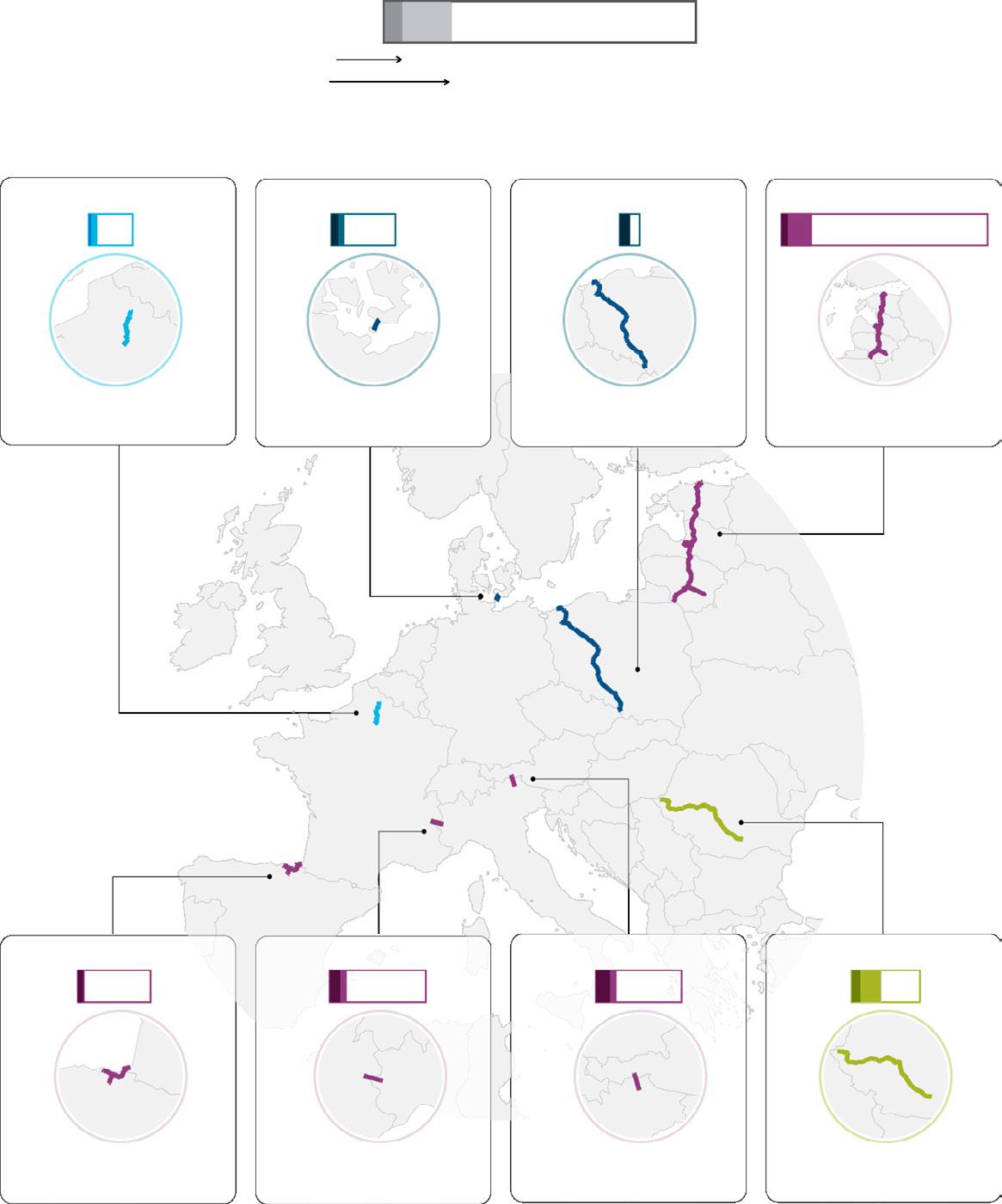
Note: All amounts are in billions of euros. Total cost amounts are the latest available official cost estimates. Such estimates can be based on different reference years
The colour of the TFIs reflects the respective modes of transport involved: purple for rail, light blue for inland waterways, green for road and blue for more than one mode of transport.
Source: ECA based on information from the Commission, national authorities, and project promoters.
ECA concluded the Rail Baltica thread by saying, “Due to the prolonged timeline for the works, it is likely that, after completion of the second phase [adding
the second rail track], the cost of the TFI will be higher than €23.8 billion.” That, or maybe we may very well see pigs flying first (with their tails forward).
The main reasons behind this inflated inflation? “[…] the lack of maturity and detail of the previous estimates (which accounted for around half of the increase)
Canal Seine Nord Europe
Rail Baltica
Notes:
All cost figures have been reindexed at 2019 values using the year-appropriate price deflator from the Commission’s AMECO database
1 The original estimate is the earliest existing one for each TFI, which can correspond to a different scope or level of maturity of its design. As an example, the Lyon-Turin rail link was initially envisaged as a single-tube tunnel and afterwards designed as a two-tube tunnel; similarly, the estimate presented for the Canal Seine Nord Europe was identified before feasibility studies were conducted.
2 The revised estimate refers to the completion of the entire TFI by 2030. The project has since been split into phases (Box 1).
3 The estimate was not revised by the project promoter since our 2020 special report. The different new value reflects only the indexation.
4 Costs excluding the Świnoujście-Szczecin section as in our 2020 special report.
Source: Commission, national authorities, and project promoters.
and changes in the project scope and design.” Also, “[EU] Member States did not use cost-benefit analyses effectively as decision-making tools for entire projects, undermining transparency and reliability.” The update also speaks of “overly optimistic” traffic forecasts,
which might be a bit puzzling since none of the analysed TFIs have yet flipped their status to online. But perhaps that’s the reason behind down-scaling Rail Baltica: damage control. Still, according to Rail Baltica’s website, the route is expected to serve over 15 million passenger trips/
year, plus more than 9.0 million tonnes of (commercial) cargo/year (and up to 55,000 tonnes of military shipments/day if need be). That is a lot on its own (Baltic) terms, and a rather hard row to hoe given the fact that traditionally the Baltics handled east-west cargo trade (chiefly
Table 2 | Delays affecting each TFI
railway
A1 motorway varies by section
Notes:
As the implementation timelines of the E59 railway line and A1 motorway TFIs vary by section, we did not compute delay figures at the level of the TFI.
1 The original plans are the earliest that exist for each TFI, which can correspond to a different scope or level of maturity of its design. As an example, the original estimated opening year for the Canal Seine Nord Europe was identified before feasibility studies were conducted.
2 While the Commission has indicated to us 2030 as likely completion date, information from the project promoters points to a 2035 completion date.
3 No estimated opening year is available for the full TFI. The first phase of the TFI is estimated to open in 2030.
Source: Commission, national authorities, and project promoters.
bulk goods in trade with Belarus and Russia). Except for the Tallinn-Helsinki trade lane, other regional ro-ro services are also horizontal, with Finland already connected to continental Europe by well-established shipping routes. Geographically, shipments of containerised freight are what links the Baltics with Europe that’s south-west of them.
Following the loss of east-west cargo, (state-owned) rail companies in Estonia, Latvia, and Lithuania are struggling to reinvent themselves (and dissecting their pain points would itself require a talkingthe-hind-leg-off-a-donkey article).
I remember talking to one Latvian transport & logistics expert, who shared a few fascinatingly disturbing stories
about and around Rail Baltica, including an unfinished bike ramp that’s supposed to connect to a new (also unfinished) bridge over the Daugava River, two RB works done, at least partially – but most importantly, carried out ahead of confirming Rail Baltica’s layout in Riga. That very first support and street overpass (south of the existing rail bridge) was erected at
Figure 2 | Likely state of implementation of the TFIs by 2030
Assessment is as at November 2025
High likelihood
Medium likelihood
likelihood
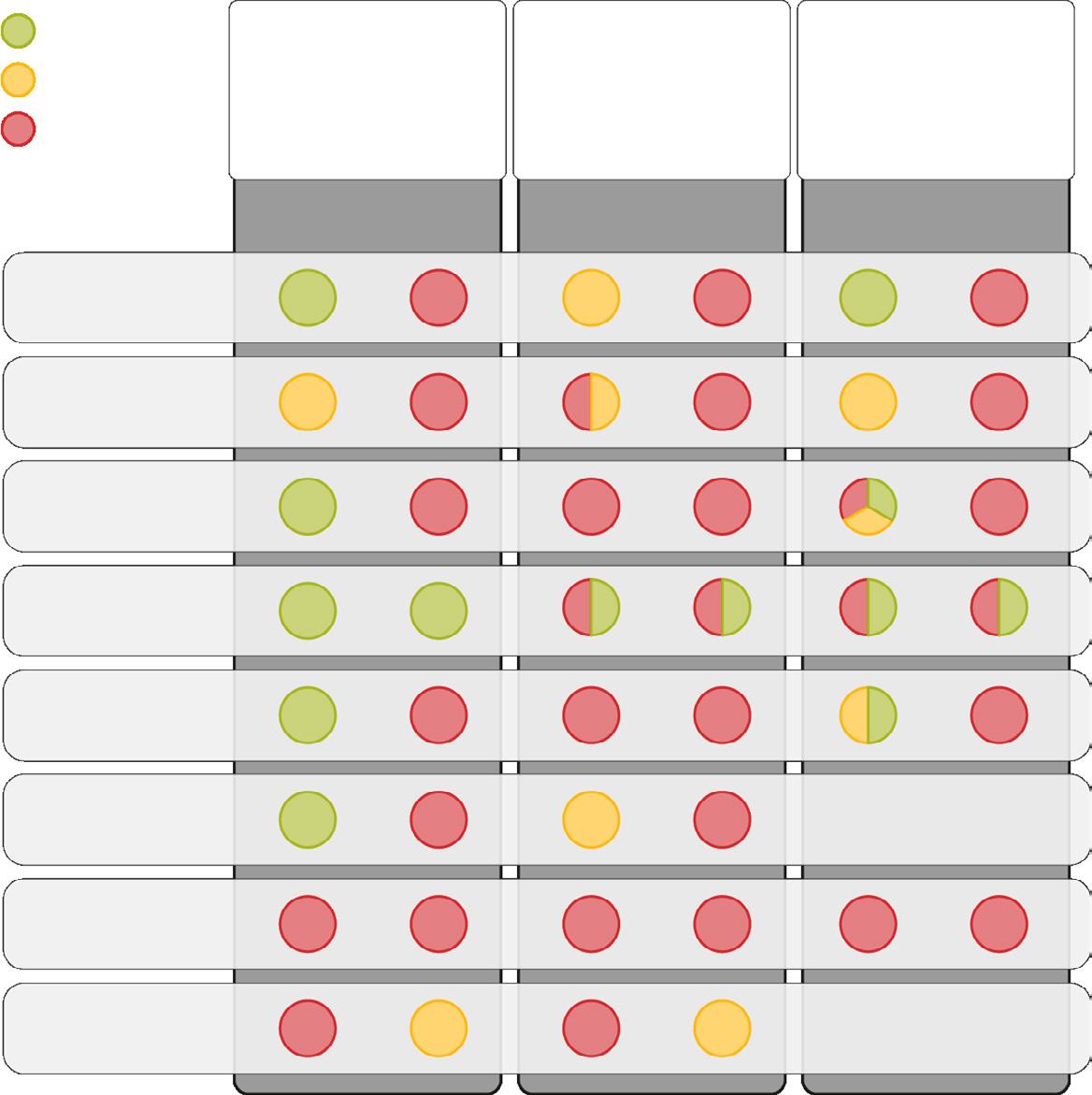
TFI fully in service by 2030
TFI and connecting infrastructure fully in service by 2030
TEN-T rail freight requirements fulfilled by 2030, incl. connecting infrastructure
Rail Baltica
Lyon-Turin rail link
Brenner Base Tunnel
Fehmarn Belt fixed link
Basque Y
Canal Seine Nord Europe
E59 railway line
A1 motorway, Romania
¹ We assessed a low likelihood for the section of the infrastructure in France and a medium likelihood for that in Italy.
² We assessed a low likelihood for the section of the infrastructure in Italy, a medium likelihood for that in Germany and a high likelihood forthat in Austria.
³ We assessed a low likelihood forthe section ofthe infrastructure inGermany anda high likelihood forthat in Denmark. We maintain this assessment for the update.
⁴ We assessed a low likelihood for the section of the infrastructure in Germany and a high likelihood for that in Denmark. We maintain this assessment for the update.
⁵ While theCommissionhas indicated to us 2030 as likely completion date, information from the project promoters pointstoa completion date onlyin 2035.
⁶ We assessed a medium likelihood forthe section ofthe infrastructure inFrance anda high likelihood forthat in Spain.
Note: TEN-T requirements include electrification, at least 22.5 tonne axle load, minimum speed of 100 km/h, at least 740 m train length, 1 435 mm track gauge, and use of the European Rail Traffic Management System
Source: ECA, based on Commission, national authorities, and project promoters.
the expense of €26.5 million (north of the bridge lies another lonely support, the leftover of a bridge destroyed in 1918). A few heavy-duty infrastructures have also been
erected to connect Riga Airport with Rail Baltica. The issue with all of that? As things stand today, there’s a firm decision that RB won’t connect to Riga… And a tram line
to/from the airport would probably cost less and get rolling without (and ahead of) Rail Baltica. There is also a recent, from February 2026, procurement for
directors and officers liability insurance, its coverage spanning back to 2014 (which, my contact noted, might involve affairs worthy of criminal charges; no wonder the procurement is mocked as seeking to buy indulgence – as perhaps only a higher being might qualify for fulfilling the tender’s requirements). And there was also a botched procurement, concerning cars for managers, written in such a way that they would get nothing but Audi Q5s –with all-wheel drive and heated steering wheels. Fortunately, public outrage scorched that ‘tender’ to ash. More worryingly, my informant told me, there is no proper investigation into the inner workings of setting up Rail Baltica in Latvia –which involves spending the country’s as well as the EU’s money.
And I can still recall the media coverage of the Baltics kicking a fuss over who would do what, when, where, and for how much – all in the rather grim atmosphere that the project could be abandoned altogether. Speaking of which, ECA hosted a press brief about the update in mid-January this year – and I asked whether there is a risk of an investment getting scrapped
in order not to mutate from a mega- into a zombie-project. With a courtesy smile, the ECA representative responded that it’s a legitimate question – but for the European Commission (COM) to address.
Over and over again
The bill keeps getting bigger also because of the delays. The 2020 report identified an average delay of 11 years for the eight TFIs. Fast forward five years, and the average grew to 17 years vs the original plans. This number, however, excludes the E59 and A1. That said, it’s a questionable consolation given the delays in the 11-22year range for the remaining mega-projects. Because Rail Baltica’s second track has no timeline yet, the hold-up limit can be further stretched… On a positive note, ECA reports, “For one TFI, the A1 motorway in Romania, on the contrary, the outlook had improved: all sections are now expected to have been opened before 2030.”
The EU auditors also surfaced an interesting cost-adding factor. “[…] the Fehmarn Belt fixed link, where the contract signed by the Danish authorities with the project promoter allowed the promoter
to claim certain contractual fees (such as running costs of the consortia or change in material prices) in case the start of the work had to be delayed due to a lack of permits.” As this TFI did actually run into a delay, 11 years vs the starting implementation timeline, “[…] the clause was applied to avoid the need to dissolve the contracts and launch a tendering procedure to conclude new contracts.” It cost the European Climate, Infrastructure and Environment Executive Agency some €14.8m, which is probably less than going through the tendering-contract commotion over and over again.
Stacked against global mega-projects, ECA found that “[…] the majority of the projects had smaller deviations between actual costs and their estimated budgets than the global average.” Others doing worse than the EU – phew, what a relief! “However, most of the six projects experienced, on average, longer delays than comparable projects worldwide.” Well, the universe had to, it seems, find balance somewhere for the COM (or rather COMs throughout all these years) not to rest on its (their) laurels.
Photo: Jevgenijs Safarevics/CONSULT SIA
Annex III – Follow-up of ECA recommendations in SR 10/2020
Recommendations to the Commission


Level of acceptance: accepted; partially accepted; not accepted.
Level of implementation: fully; in most respects; in some respects; not implemented.
(1) Revise and apply the current tools to enforce long-term planning
(1a) Put forward proposals to include better enforceable legal tools, including an extension of the perimeter for adopting implementing acts, so as to address any significant delays in starting or completing work on the core network
(1b) Put forward proposals to reassess the relevance of the technical requirements of the core and comprehensive network, taking into account the remaining time frame and lessons learnt from the problems observed in relation to the delivery of past and ongoing projects
(1c) Put forward proposals to introduce provisions to strengthen the coherence between national transport plans and the TEN-T commitments, in order to ensure the proper enforcement and implementation of the TEN-T regulation
(1d) Follow-up on its “streamlining proposal”, by supporting the Member States in their planning and procurement and in setting up of one-stop shops to reduce administrative burden. For cross-border TFIs, it should promote the use of common tendering procedures
(2) Require better analysis before deciding to provide EU co-funding for megaprojects (similar to TFIs)
(2a) For direct management, require a sound, comprehensive and transparent overall socio-economic cost-benefit analysis for individual megaprojects as a whole (similar to TFIs), in addition to the detailed section-specific ones. Such cost-benefit analyses should look at a higher strategic level than the individual project or section being implemented and also cover ancillary infrastructure
(2b) For shared management expenditure, advocate to managing authorities the adoption of the same requirements before providing EU support to megaprojects


to the Commission
(3) Strengthen the Commission’s management of EU co-funding for actions that are part of megaprojects (similar to TFIs)
(3a) Prioritise actions that are part of megaprojects which are missing links and bottlenecks that have been established as key priorities in the Corridor Work Plan
(3b) Steer the selection of actions that are part of megaprojects so as to increase the management efficiency and avoid artificial competition with other projects. To ensure coherence and consistency, the Commission should promote, for each megaproject, a single grant agreement per multi-annual financing period. Such an agreement should include all actions which are mature enough to be implemented in full within the multi-annual financing period
(3c) Address the weaknesses identified in the TFI implementation by the Member States and increase the effectiveness of EU co-funding; make early and proactive use of all available tools to ensure timely completion of the network, and set up dedicated competence centres to assess the quality of the documents prepared by project promoters and to coordinate efforts in steering and guiding them
(4) Build on the experience of implementing decisions, and strengthen the role of the European Coordinators
(4a) Further develop the new implementing decision tool, by proposing such an implementing decision for each cross-border TFI to be co-funded in the 2021-2027 period. These decisions should clarify the rules and the responsibilities of all parties including the Commission; include a statement of expected results (e.g. modal shift, traffic forecast objectives) and milestones, and a commitment on the part of all member states to share ex post evaluation results with the Commission
(4b) After the new legal base suggested in Recommendation 1 (a) is adopted, also propose an implementing decision for each TFI with “cross-border impact”
(4c) Propose strengthening the role of the European Coordinators by enhancing the enforcement of the Corridor Work Plans; by allowing their presence at key meetings of management boards; and by improving their role in terms of communication of the TEN-T policy objectives
Source: ECA.

Slight improvement (no category change)
Distant oversight
So, one could ponder: if we’re dealing with the EU’s flagship projects, surely its executive would step in and sort things out? Because taxpayer money shouldn’t be spent without sufficient prudence, right? That is why ECA produces its audits and hands them over to COM – to right the wrongs? “In our 2020 special report, we highlighted the limited legal tools at the Commission’s disposal to react to delays in the implementation of the EU Core Transport Network. We also pointed out the Commission had still not made use of the tools available […]”
One instrument is the Article 56 of the 2013 TEN-T Regulation, through which COM can inquire EU Member States about the reasons behind significant delays in completing Core TEN-T, “[…] and then start a consultation with a view to resolving them.” The 2020 report noted a perfectly round zero use of Article 56. Not to be outdone, the update had only to dust off that figure. “Overall, the Commission has used this procedure since our 2020 special report only once for another mega-project in France.”
The new TEN-T Regulation from 2024 sparked light in the tunnel by introducing new requirements and legal provisions for COM to oversee TEN-T completion by the EU Member States. Specifically, it added muscle to COM’s Implementing Acts. “These are binding legal documents addressed to [EU] Member States and include provisions on the timelines and governance of specific projects.” Whereas in the past Regulation, these could be targeted at cross-border projects only, the 2024 revision made them cover entire transport corridors, so they “[…] can focus on sections or projects along the Core Network depending on need.”
Another 2024-TEN-T-Regulation addition was the introduction of a legal obligation for EU Member States to align their national transport plans with the bloc’s priorities. It is indeed mysteriously interesting why this wasn’t part of the original legislation. After all, the EU aimed to create a trans-European transport network. As such, “National transport plans must take into account the European coordinators’ work plans and any adopted Implementing Act. [EU] Member States are required to submit these plans to the Commission, which will then issue a formal – although non-binding – opinion.” It reminds me of the upcoming EU Port Strategy, which will also be an ‘opinion,’ a – brace for it –COM policy initiative, a so-called strategic communication, an expression of policy
direction (read: not a Regulation, Directive, Decision, or Delegated/Implementing Act).
Not part of the 2024 TEN-T Regulation but tied to it is the 2021 EU Directive on streamlining permit-granting measures. “The Directive requires [EU] Member States to reduce the burden of permits for projects along key sections of the EU Core Network, by appointing a single contact point for project promoters, simplifying procedures, and establishing a maximum timeframe for issuing a decision (with limited exceptions).” Since it’s a Directive, it needs to be transposed into national legislation. “At the time of this update, the Commission had infringement procedures opened with five [EU] Member States in connection with the transposition of the Directive.” As with probably any law, its effectiveness will be a function of its execution. Even the best regulation or directive can be deader than disco if it stays on paper only.
The 2020 report also saw ECA putting forth a set of four recommendations, subdivided into 12. Of these, COM accepted six, of which four were implemented either completely or substantially. The two others were only partially completed. The six subrecommendations COM did not accept were consequently sucked into the void.
“The Commission’s oversight of the completion of the Core Network Corridors by the [EU] Member States remained distant, focusing largely on outputs rather than on results or long-term sustainability,” the EU’s auditors summed up the state of affairs in the update.
Outperformed
It is pretty self-explanatory that blowing a project’s budget and timetable is hardly welcome news. Naturally, life happens –including a global pandemic, Russia’s ongoing war of aggression against Ukraine, or the inflation crisis of 2021-23 – so that plans require diligent recalibration.
Then again, over the years, I’ve grown somewhat sceptical towards COM’s transport arm. Who, if not the Transport Commissioner, should wield the sharpest double-edged blade of actionable knowledge and will? Reality, like megaprojects’ costs and time horizons, blows up in your face. Many a year ago, I was stubbornly inquiring then Transport Commissioner Violeta Bulc about the fate of the British part of TEN-T come Brexit. I never received a simple ‘it stays/leaves,’ as if admitting either option in a loud and straightforward way would tear open a cosmic portal for a demonic invasion…
There was also the bewildering experience of attending one edition of TEN-T Days. A trade fair, in theory, in practice, it couldn’t be further from it for anybody who partook in, say, transport logistics. The personal highlight was when Commissioner Bulc visited the stand of the Baltic Ports Organization at which, it so happened, I was present. “I hope you get the rail,” was what we heard. Pole-axed, the booth’s staff and I couldn’t muster a response. But the Commissioner was already off to another stand, for good or ill. Baltic = Baltics, of course, hence Rail Baltica, never mind ports (the railover-seaport mindset is well embedded in Brussels, given how much Connecting Europe Facility money goes to the former –and how little in comparison to the latter). The next invitation to TEN-T Days was abruptly cancelled because of a lack of funds – on the inviter’s side, COM, that is… I take comfort in the notion that maybe those few euros went instead towards completing a TFI. Then again, there are internal divisions within the world of transport & logistics. Just ask a ferry company plying between Denmark and Germany what it thinks about the Fehmarn Belt fixed link; about the taxpayer money that goes into drilling a mega-tunnel instead of supporting zero-emission shipping (according to the Femern project developer, some 2.25 million tonnes of CO2-equivalent emissions will result over the full build-out; that’s roughly what city proper of Copenhagen was emitting annually in the early 2020s). Imagine those €7.63b (in 2019 values) spent on ports & shipping! No wonder that the Helsinki-Tallinn underwater tunnel remains a project with no construction start, no approved financing, and no intergovernmental agreement (but it had its own stand at that miserable edition of TEN-T Days!). Its feasibility studies show the tunnel is technically and economically possible (€15-20b) – the latter a dark joke in the light of ECA’s TFI reports.
The same Latvian friend who shared the air-hanging bike ramp et al. anecdotes also brought my attention to history. The Baltic Railway Company set up the 317-kmlong Tallinn-St. Petersburg Railway in two years (1868-70). The St. Petersburg-Moscow Railway was constructed in eight years (1843-51). Combined, they more or less covered the same distance as the 870-km Rail Baltica, the transport symbol of the Baltics’ westwards pivot. My liaison did not fail to mention that it’s quite troubling that the 21st-century EU is being outperformed by the 19 th-century Russian Empire…
An end-to-end trial reveals that on-board carbon capture works – and how it can work better
Closing the loop(s)
by Ewa Kochańska
Project CAPTURED, conducted last year by the Global Centre for Maritime Decarbonisation, produced the world’s first end-to-end demonstration of a maritime carbon value chain based on real operational data. By capturing CO₂ on a container vessel, then transferring and transporting it across ship and land for utilising in industrial processes, the study attempted to prove the technical and operational viability of linking ship-based carbon capture with downstream utilisation. The project took into account energy penalties and different CO₂ end pathways to produce various life cycle assessment (LCA) scenarios for on-board carbon capture and storage (OCCS) options.
The study’s objective was to find out if OCCS can be connected to industrial use on land, cutting emissions from shipping in the mid-term on the path to a longterm zero-carbon maritime future. OCCS’ real climate value becomes clear when emissions are measured across the entire carbon chain – from fuel production through capture, transport, and final use or storage of the CO₂ Therefore, an LCA is essential to show whether reductions achieved on board are genuinely beneficial or simply shifted elsewhere.
The study was conducted in June 2025. First, CO₂ was captured on board Evergreen’s container carrier Ever Top (368-by-51-metre, gross tonnage of 146,700, 13,808-TEU capacity) on her way from Port Klang to Yangshan Deepwater Port, using a full-scale amine-based carbon capture system. In Shanghai,
the captured CO₂ was liquefied and ship-to-ship (StS) offloaded to another vessel, Dejin 26 . Next, the liquefied CO₂ was transferred from ship to truck (StT) in Zhoushan (Zhejiang Province). It was then transported by road for over 2,200 kilometres to Baotou (Inner Mongolia). Finally, at Baorong Environmental’s facility, the CO₂ was used as an input to recycle steel slag, producing post-carbonated slag (PCS) and low-carbon precipitated calcium carbonate (PCC). The produced PCC was marketed as a high-value additive for use in paper, coatings, plastics, and construction products, while the PCS was reused as sintering feedstock at a nearby steel plant (beyond steelmaking, PCS could in theory serve as a supplementary material in concrete to reduce cement use, although the underlying chemistry of cement production places practical limits on how far this substitution can go).
Same CO₂ – different math
The study examined several life cycle scenarios to understand what actually happened during the pilot and what could happen if the system was improved and scaled. Each scenario represents a different way the captured CO₂ could be handled and assessed.
Scenario 1 reflects the real pilot as it was carried out. The CO₂ was captured on Ever Top and eventually mineralised at Baorong’s plant, where it was turned into PCS and PCC. The former was sent back to the steel plant that originally produced the slag and reused in the sintering process, reducing the need for fresh iron ore, limestone, and dolomite. In turn, the latter replaced the conventional PCC used in construction materials, chosen specifically because this use ensures the CO₂ remains locked away for the long term. To measure the climate impact, the
1. Demonstration of the world’s first end-to-end carbon value chain for onboard captured CO2
The
Port of Rotterdam
The Ever Top began its voyage
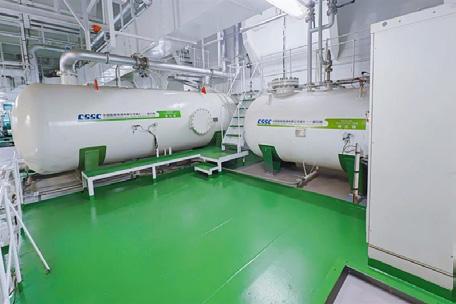
SMDERI-QET’s OCCS system was activated
CO2 captured and stored enroute from Malaysia to China
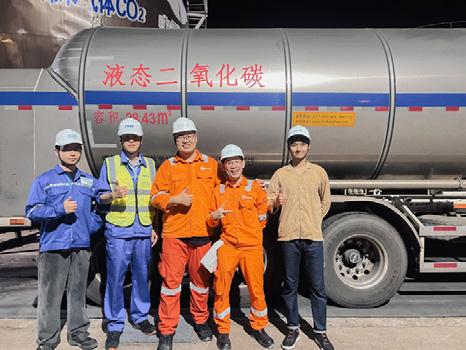
sequence of events 1 2 3 4 5 6 7 1
The Ever Top moored at berth with the Dejin 26 for StS transfer
25.4 MT of captured CO2 offloaded
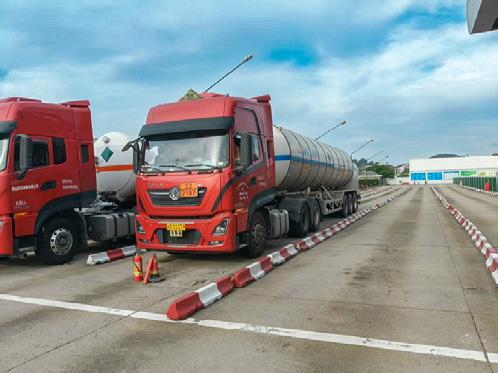
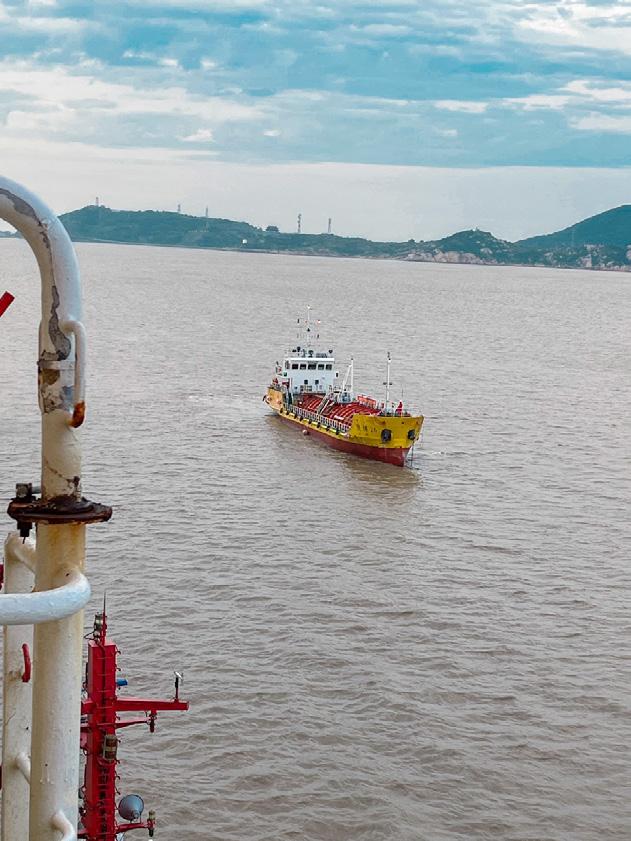
Captured CO2 offloaded from the Dejin 26 to a tank truck
CO2 reclassified from “hazardous waste” to “hazardous cargo”
The tank truck transported captured CO2 overland
Travelled 2,200 km across several provinces
Baorong used captured CO2
First demonstration of using onboard captured CO2 as feedstock
Figure 1: Demonstration of the world’s first end-to-end carbon value chain for onboard captured CO2
Yangshan Deepwater Port
Baotou
Fig.
Sintering materials +
Sintering materials +
analysis compared this setup with a reference case where no on-board capture takes place and conventional materials are produced instead. The emissions savings come from avoiding the production of those conventional materials.
Scenario 2 is a ‘what-if’ case that assumes the whole chain works more efficiently than in the pilot. It removes the operational inefficiencies observed in Scenario 1 and also assumes shorter transport distances for CO₂. This scenario is split into two options. In 2a, the PCS is still used in steel sintering, as in the pilot, but under optimised conditions. In 2b, it is instead used as a supplementary material in concrete, partially replacing cement, which could further reduce emissions from cement production.
Scenario 3 looks at a completely different endpoint. Instead of using the captured CO₂ in production, it is transported and permanently stored in an offshore geological reservoir. Because no products are made in this case, there are no emissions savings from replacing conventional materials. The assessment focuses only on the emissions directly associated with capture, transport, and storage.
In addition, two different LCA approaches were applied depending on the scenario. Consequential LCA was used where products made from captured CO₂
replace conventional ones, as it captures wider system effects and avoids emissions. Attributional LCA was used to examine the carbon footprint of individual parts of the chain, such as the ship or the Baorong plant, and to compare CO₂-based products with their conventional equivalents. For products made at Baorong’s facility, emissions were shared between PCC and PCS based on their market value.
Also, the mineralisation process relies on steel slag, which is a by-product of steelmaking and is mostly unused in China, often ending up in stockpiles that can cause environmental problems. To keep the study focused, steelmaking itself was not included in the system boundary. Instead, steel slag was treated as a lowvalue by-product with an assigned share of the steel plant’s emissions, calculated using an economic allocation method.
Finally, the analysis was based on realworld operational data wherever possible. Measurements from ship trials, CO₂ offloading, transport, and utilisation during the pilot were combined with recognised life cycle databases and published literature to fill any gaps. Standard Intergovernmental Panel on Climate Change climate factors were used to calculate emissions, and the quality of the data was checked and independently verified.
Slips in the chain
Operational data for the OCCS aboard Ever Top were collected during a sea trial to check performance under real conditions. It showed that the system captured about 10.7% of the vessel’s CO₂ while operating continuously, using an advanced amine solvent. Steam for solvent regeneration was supplied by an auxiliary boiler burning marine gas oil, while electricity for capture and liquefaction came from generator sets running on heavy fuel oil. As is typical for amine-based systems, solvent degradation required periodic addition of fresh amine, and the process produced two outputs: liquefied CO₂ stored on board and a corrosive waste sludge that had to be landed ashore for incineration.
Transferring the liquefied CO₂ from ship to shore also caused issues. CO₂ was vented during hose purging and after transfers to avoid contamination and dry ice formation, with further emissions arising from fuel and electricity use by ships, trucks, pumps, and the Baorong plant. Although the StS transfer relied on pressure differences rather than pumps, pumping was required for StT transfer and again at the plant. Some CO₂ also remained trapped as liquid heel or vapour in tanks during cooling and transport.
Figure 6: LCA scenarios considered in the study
Fig. 2. LCA scenarios
CAPTURED study
Yangshan Deepwater Port (Shanghai)
Huihao Jetty (Zhoushan)
Baifeng Jetty (Zhoushan)
Baorong plant (Baotou)
LCO2 terminal
utilisation plant
Reservoir (East China Sea Basin)
Terminals and jetties
utilisation plant
Even though this CO₂ was not released to the atmosphere, it was treated as lost to the value chain because it never reached the end-user.
7: Value chain scenarios included in the LCA
At Baorong’s facility, the CO₂ was mineralised using steel slag from a nearby steel plant. After vaporisation, the CO₂ reacted with the slag to form PCC and PCS. The assessment considered plant energy use, start-up and shut-down phases, reagents, fuel gas for drying, and supporting operations such as slag grinding and wastewater treatment. Based on mass balance, around 65% of the incoming CO₂ was permanently fixed in the products, while the remaining 35% was released during processing. The low-carbon PCC was compared to a conventional limestone-based one, with laboratory testing confirming comparable quality.
The study also followed the CO₂ mass at each transfer step. Of the 25.4 tonnes offloaded from Ever Top, losses during StS and StT transfers reduced the amount reaching Baorong to 15.8t, with only 10.3t ultimately fixed into products. About 2.4t were released during transport and handling, while more than 7.0t remained trapped in tanks along the chain. These results highlight how critical tank conditioning, transfer efficiency, and filling
practices are for on-board carbon capture to deliver meaningful climate benefits.
Piloting optimisation
The study looked at how the full CO₂ value chain performed in practice during the pilot and how it could improve if optimised. For the pilot case, the results were independently verified by DNV and reflect what actually happened on board Ever Top and downstream.
With the OCCS system capturing 10.7% of the ship’s exhaust CO₂, the net greenhouse gas reduction of the entire chain was 7.9% vs normal ship operation. This modest gain was largely due to the capture system having to rely on additional fuel for heat and power (no exhaust heat recovery was installed). As a result, the fuel penalty was around 5.0%, and more than half of the potential emissions savings from captured CO₂ were used up by the energy required to run the system. Almost all of these operational emissions came from extra fuel use, with only a small share linked to solvent production and waste handling. In wellto-wake terms, capturing one tonne of CO₂ avoided about 420 kilograms of emissions. Offloading and transport turned out to be a major weak point in the pilot. By the time the liquefied CO₂ reached the
Baorong plant, emissions from moving it had almost cancelled out the benefits of capturing it. The longest leg – the 2,200+ km truck journey (that’s roughly the distance between Gdańsk and Barcelona) –accounted for more than half of all transport-related emissions. Another big issue was venting during transfers, especially from leftover liquid CO₂ in hoses. In addition, the receiving vessel burned a relatively large amount of fuel to transport a small batch of CO₂, which increased emissions per tonne moved (a purposebuilt CO₂ carrier would have a payload of roughly 3,500-4,000 tonnes per voyage). At the utilisation stage, turning CO₂ into PCC and PCS also generated emissions, mainly from reagent supply, electricity use at the plant, and the fraction of CO₂ that was not fixed and escaped during processing. Even so, the products made from captured CO₂ displaced conventional PCC and sintering materials. According to Project CAPTURED, these avoided emissions more than compensated for the emissions from the mineralisation process itself. PCC delivered the largest benefit because conventional PCC production from limestone is highly carbon-intensive. Overall, when capture, transport, and utilisation were all considered together, each tonne of CO₂
Figure
Table 10: LCA results of the hypothetical value chain. Orange denotes the changes in GHG emissions with the application of hypothetical values. GHG emissions are expressed per MT of CO2 captured and offloaded from the Ever Top. Credits for captured CO2 and avoided emissions from
1 Orange denotes the changes in GHG emissions with the application of hypothetical values.
2 GHG emissions are expressed per MT of CO2 captured and offloaded from the Ever Top.
3 Credits for captured CO2 and avoided emissions from displaced products are not included.
captured resulted in about 840 kg of emissions being avoided, giving the net 7.9% reduction observed for the pilot.
The study then explored what would happen if the value chain elements were properly optimised. A key improvement would be recovering waste heat from the ship’s exhaust and engine jacket water to supply the capture system. In theory, this heat could fully cover the reboiler demand, sharply cutting the fuel penalty and the associated emissions. Road transport is another area for improvement, as replacing long-distance trucking with a shorter pipeline connection would almost eliminate emissions from CO₂ overland transport. Better hose draining, single-step transfers, and improved tank pre-conditioning would also reduce venting losses to insignificant levels. Moving larger CO₂ volumes that match the capacity of the transport vessel would further improve efficiency and lower emissions per tonne transported.
On the utilisation side, higher mineralisation efficiency and cleaner electricity at the plant would further improve performance. When all these measures are combined, emissions from offloading and
transport drop dramatically, and the overall value chain emissions decrease by over 50% compared with the pilot. Under these optimised conditions, net greenhouse gas savings increase from 7.9% to nearly 18% at the same capture rate.
The analysis finds that using captured CO₂ to make PCC and PCS reduces emissions more than just storing the CO₂ permanently. With a 40% capture rate, permanent storage can cut emissions by about 21% compared to a ship without OCCS. But using CO₂ in production can achieve even greater reductions – up to 70% with an optimised value chain (depending on whether PCS is used in steel sintering or as a cement substitute). This shows that system design, waste heat recovery, and downstream logistics are key to making on-board carbon capture effective.
Carbon accounting
The Project CAPTURED report underscores some challenges when it comes to emission reporting under current laws and regulations. From a regulatory point of view, greenhouse gas accounting in shipping is still mostly attributional, which means that emissions are assigned
step by step rather than after considering wider system effects. When on-board carbon capture is added, this accounting boundary has to extend beyond the ship to include what happens to the captured CO₂ afterwards. If the CO₂ is permanently stored, it can be treated as a waste stream from fuel combustion, and the shipowner simply accounts for the emissions from transporting and storing it. Utilisation is more complicated because the CO₂ becomes a raw material for another industry, making it harder to decide whether the ship burning the fuel or the plant using the CO₂ is the ‘owner’ of the emissions and/or any emission savings.
Looking at the results from the shipowner’s perspective helps illustrate this problem. Using attributional LCA and real pilot data, on-board capture with utilisation actually increases reported emissions, because the emissions from CO₂ processing are counted – but the avoided emissions from displaced products are not. Even with an optimised value chain, the savings are marginal. If the system boundary is narrowed to ship operations plus CO₂ offloading and transport, the picture improves, and the emissions reduction is similar to that of a permanent
storage pathway. When capture rates are higher, this contrast becomes even more obvious. Permanent storage consistently reduces reported emissions, all the while utilisation pathways appear to increase them under attributional rules, even though they deliver real-world benefits when assessed consequentially. This points to a mismatch between current International Maritime Organization-style accounting and how CO₂ utilisation actually works in practice.
From the CO₂ user’s perspective, attributional LCA is more familiar and is used to compare product footprints. At Baorong, PCC made from captured CO₂ has a significantly lower carbon footprint than conventional PCC, and this advantage becomes much larger if credits for
• All captured CO2 losses
• All emissions associated with CO2 transport up to final storage, including injection.
• Excludes CO2 utilisation
What’s being accounted?
• Within and outside EU, all captured CO2 losses
• Within EU, all emissions associated with CO2 transport up to the final storage, including injection, including CO2 utilisation for construction materials only
captured CO₂ are included. PCS, on the other hand, has a higher attributed footprint than the materials it replaces, even when CO₂ credits are applied, largely because of the energy and materials needed for mineralisation.
In the end, assigning emissions and credits across the CO₂ value chain involves multiple parties, from shipowners to endusers, and how these impacts are shared will depend on future regulations and contractual arrangements designed to prevent double-counting.
Room for improvement
Project CAPTURED supplied realworld data that combining OCCS with CO₂ utilisation delivers greater emissions
benefits than permanent storage. Although emissions from capture, offloading, and transport are substantial, they are offset by avoided emissions from replacing veryhigh-carbon-footprint conventional PCC and sintering materials.
The pilot analysis shows opportunities to improve performance, particularly by recovering waste heat on board, reducing CO₂ losses during transfer, moving larger CO₂ volumes over shorter distances, and improving utilisation efficiency. According to the Global Centre for Maritime Decarbonisation’s project, when these improvements are combined and capture rates rise to 40%, total emissions savings could reach around 68-71% compared with a conventional ship powered by heavy fuel oil.
Figure 27: Accounting for GHG emissions from OCCS along the carbon value chain
Fig. 4. Accounting
Figure 14: Mass balance of offloading, transport and utilisation of LCO2
Fig. 5. Mass balance of
Decarbonisation by revolution systems engineering
by Philippos Ioulianou, Managing Director, EmissionLink
If 2025 was supposed to be the year shipping accelerated decisively towards a clean-fuel future, it never truly left the starting blocks. Instead, the industry closed the year in familiar territory: ambitious targets, nuclear routes, uneven enforcement, and a (regional vs global) mismatch between the regulatory agenda and fuel supply chains, port infrastructure, and commercial reality.
But 2026 will not simply be another year of delay. It will redefine the direction of shipping’s decarbonisation path, not through a breakthrough fuel, but through a structural shift in how compliance, investment, and operational decisions are made. Rather than a technology-led transition, this year will mark the start of a systems-led transition: one driven by regulation, digital infrastructure, commercial pressure, and compliance economics.
A sip of realpolitik tea
The International Maritime Organization’s (IMO) net-zero ambition will remain intact in principle, but the timeline will continue to slip beyond the ‘one-year-delay’ narrative currently circulating. This is not primarily a failure of climate ambition – it’s ‘just’ the reality of the structure of global governance.
The IMO is not a fiscal regulator like the EU. It can set direction, but it cannot impose uniform enforcement across states with vastly different economic pressures, governance capacity, and political priorities. Integrating every flag state into one binding system requires consensus across economies that are not aligned on risk, cost, or urgency. Consequently, further IMO meetings are unlikely to deliver a single global fuel rulebook. Rather, they will produce politically workable compromises, incremental adjustments, and broad direction-setting – but sadly not operational clarity.
For operators, this creates a dangerous illusion of progress. Targets exist, strategies are published, but the mechanisms that
would make global decarbonisation predictable and investable remain fragmented. The current year will therefore be heavy on regulatory signals, but light on certainty. In the Baltic, this disconnect is felt even more sharply. Regional operators are fully exposed to EU regulation, while global frameworks remain unresolved, creating a compliance environment where Europe moves fast, and the global system moves slowly.
Where theory ends and operations begin
Unlike global policy frameworks, FuelEU Maritime (FEUM) and the EU Emission Trading System (EU ETS) are not theoretical. They are operational realities, and in the Baltic and North Sea trades, they are unavoidable.
FEUM has already changed behaviour. Emissions reporting has shifted from compliance planning to daily operational decision-making. Biofuels are being trialled (with demand for bioLNG as a marine bunker blasting off with gusto), pooling structures are forming, and slow steaming has re-established itself as the default lowCAPEX decarbonisation lever. The Baltic Sea Region’s (BSR) ferry sector even saw one company takeover as a means of securing a FEUM ‘compliance generator.’
But 2026 will push this further. Compliance will no longer be something managed annually; it will be handled voyage by voyage. As a result, this will accelerate the shift towards digital optimisation. Predictive emissions tracking, powered by digital twins of vessels and voyages, will
become essential for managing FEUM exposure. Secure, audit-ready monitoringreporting-verification (MRV) data will no longer be a reporting obligation but a core operational requirement. Therefore, compliance becomes a control system, not a report.
Emissions as market currency
Decarbonisation pressure in 2026 will not be driven primarily by regulation but by contracts. Who pays for FEUM and EU ETS exposure will become a central commercial battleground between owners and charterers, testing long-standing charterparty structures and risk allocation models.
As this tension grows, vessel selection will change. Charterers will increasingly evaluate ships not only on freight rates but also on emissions performance, data transparency, the predictability of regulatory exposure, and the credibility of reported emissions data.
In the Baltic trades, where short-sea density, frequent port calls, and regulatory exposure are high, this shift will happen faster than in deep-sea markets. This creates a structurally different market: vessels with verified, transparent, compliance-ready emissions profiles gain commercial advantage; those without them become higher-risk assets.
Politically contested but commercially relevant
Whilst this won’t be a surprise, it is worth noting that 2026 will not deliver a clean global fuel consensus. Governments face rising fiscal pressure, defence spending growth, and, altogether, budget constraints. Carbon pricing

offers politically acceptable revenue, which reshapes decarbonisation policy around fiscal logic as much as climate logic.
This will intensify disputes over fuel eligibility, credits, and classification. Liquefied natural gas (LNG), its bio version, and transitional fuels will remain politically contested but commercially relevant. At the same time, scope-3 reporting will speed up uneven decarbonisation pressures. In the BSR, forest products, steel, energy, agricultural bulk, and consumer goods supply chains are already under customer and investor scrutiny. These cargo owners need reductions now – not 2035+ narratives.
This does, in turn, drive demand for certified biofuels, pooling mechanisms, operational savings, and demonstrable emissions performance rather than theoretical future pathways. On a gloomier note, this may very well end in the closure of certain shipping services, particularly those already struggling to bring home the bacon (and operated by tonnage that remembers the Soviet Union) – as was also witnessed by the (Danish-Swedish part of the) Baltic ferry market quite recently.
Risk economics over abstract aspirations
So, all things considered, how does 2026 redefine shipping’s decarbonisation path? Not through fuel transformation, that’s for certain, but through behavioural change. The industry is moving away from bold fuel bets and long-term visions, towards smarter compliance strategies. Companies are moving in the direction of tighter
short-term control and predictive management instead of backwards-looking reporting, combined with a more practical focus on risk economics over abstract aspirations.
For Baltic shipping companies, the practical strategy becomes one of optionality where operators should consider measures such as pooling to manage regulatory exposure; selective biofuel use where supply is reliable; LNG and bio-LNG where rules and infrastructure allow; relentless operational efficiency; and digital compliance systems that enable predictive decision-making. This is not decarbonisation by revolution; it’s decarbonisation by systems engineering.
Transition engine
In this environment, emissions management must move beyond spreadsheets and after-the-fact reporting, especially in highregulation regions like the Baltic; operators need to shift from reactive compliance to proactive control.
By combining real-time vessel data, predictive modelling, and secure MRV infrastructure, EmissionLink allows owners, managers, and charterers to model regulatory exposure before operational decisions are made. This enables predictive FEUM and EU ETS exposure modelling, as well as gives access to audit-ready, regulatorgrade MRV data, smarter pooling strategies,

emissions-aware routing and speed optimisation, and commercial transparency in chartering and contracting. In practical terms, emissions become a managed operational variable, not an unpredictable cost. Europe is already collecting significant revenue through the EU ETS and FEUM. For the Baltic region, the credibility of decarbonisation policy will depend on whether this capital flows back into fuel supply chains, port infrastructure, retrofit programmes, or alternative fuel availability. If it does, the system becomes a transition engine. If it does not, it becomes a cost layer without a viable pathway.
Stop waiting for perfection
This year will not be the year of ammonia. It won’t be the year of methanol. Alas, it will not be the year of the global fuel accord. But 2026 will be the year shipping’s decarbonisation path is redefined. Not by fuel choice but by systems, data, contracts, and compliance economics. The future will belong to operators who stop waiting for the perfect fuel and start building resilient, flexible, compliance-safe operating models. This year, and for the foreseeable future, decarbonisation will no longer depend on what fuel you plan to use; it will be about how well you control risk, data, exposure, and decision-making.
EmissionLink is a digital emissions intelligence and compliance platform built specifically for the operational realities of maritime shipping. Designed to support shipowners, managers, and charterers in a fragmented regulatory landscape, EmissionLink transforms emissions compliance from a reporting burden into a controllable business function. Sail to emissionlink.com to learn more.
Photo: Canva
Unlocking near-term decarbonisation with emulsion fuels
Off the fence
by Linda Sørensen, Head of Marine, Quadrise
The shipping industry is undergoing a decisive transformation, but the pace of change is mismatched with the tools available to deliver it. Practical progress remains constrained by uncertainty over fuel availability, infrastructure readiness, and the escalating cost of regulatory compliance. Shipowners are being asked to decarbonise faster than the supply chain can support, and the gap between ambition and operational reality is widening.
The sector’s caution around alternative fuels is unavoidable. Green ammonia, methanol, and e-fuels are central to long-term decarbonisation plans, but today they remain limited in supply, expensive to scale, and reliant on infrastructure that will take decades to build. Safety frameworks and certification pathways are advancing, but not fast enough to give the market the confidence to commit. Meanwhile, compliance obligations continue to rise.
Nowhere near sufficient
Regional regulation is now accelerating the industry’s exposure to carbon costs. FuelEU Maritime (FEUM) and the EU Emissions Trading System are reshaping compliance planning by tying greenhouse gas (GHG) intensity directly to fuel choice and requiring owners to show measurable emissions reductions every year. FEUM’s introduction in 2025 has already pushed operators to re-evaluate fuel strategies, integrate efficiency technologies, and quantify the financial impact of every percentage point of GHG performance. The EU ETS compounds those pressures by adding a rising
carbon-price obligation that cannot be offset without some change to fuels.
This is forcing owners to make strategic decisions on their own transition pathways before the global regulatory pathway is fully settled. And in October 2025, the International Maritime Organization’s Marine Environment Protection Committee added another layer of uncertainty by postponing adoption of a mandatory Net-Zero Framework for shipping until October this year. That delay extends the period in which shipowners must make high-stakes fuel and compliance decisions without clarity on the long-term structure of global rules. It reinforces the commercial need for practical options that cut emissions immediately, reduce exposure to carbon costs, and remain compatible with future regulations – regardless of which long-term fuel pathway ultimately dominates.
At the same time, the physical capacity to convert the global fleet to alternative fuels is nowhere near sufficient. Lloyd’s Register estimates only 16 shipyards worldwide possess the expertise and facilities required, with a combined annual capacity of just 300 conversions, located primarily in China
and the Middle East. By the mid-2030s, this capacity is expected to support as little as 10% of projected demand. Furthermore, conversion lead times are already lengthy, averaging 18 months according to Everllence (formerly MAN Energy Solutions); in 2024, only three vessels were converted to run on methanol, highlighting the significant challenges in scaling alternative fuel adoption. In such an environment, near-term decarbonisation solutions are essential.
Tested & ready to scale
Emulsion fuel technologies have emerged as one of the few pathways capable of delivering immediate emissions reductions at scale without requiring new engines, newbuilds, or disruption to established bunkering processes.
The Quadrise MSAR® and bioMSAR™ fuels are at the forefront of this opportunity. By converting heavy fuel oil (HFO) into a low-viscosity oil-in-water emulsion, they deliver measurable emissions reductions and compliance benefits through existing systems and at significantly lower cost than alternative-fuel adoption. MSAR® reduces CO 2 emissions by up to 9.0% compared to HFO.
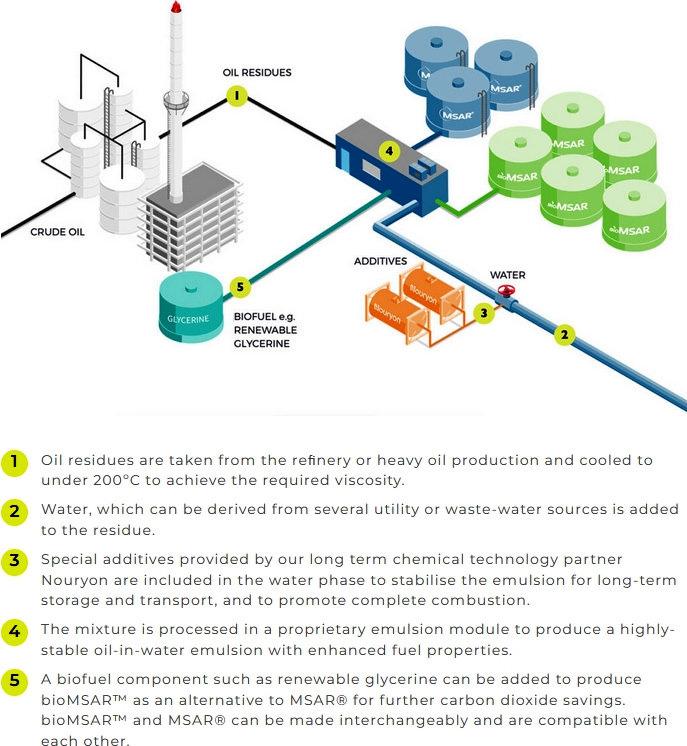
bioMSAR™, which incorporates renewable bio-components, achieves over 20% emissions reductions. Both fuels cut NOX emissions by up to 45% and eliminate visible particulate soot, while improving combustion efficiency.
This performance is already compatible with over 40% of the world’s installed
marine diesel engine capacity. Production can be scaled rapidly using modular, containerised units deployable at refineries and

SUSTAINABILITY
terminals in months – not years – and at a fraction of the cost associated with building green fuel infrastructure.
In recent years, Quadrise has collaborated with leading maritime partners to test and prove the viability of MSAR® and bioMSAR™ in a live operational environment. Our company conducted a 1,500-hour operational trial with Maersk aboard the 48,788-gross tonnage Seago Istanbul, using fuel produced at Cepsa’s San Roque refinery in Spain, which demonstrated MSAR’s™ end-to-end performance capabilities, from refinery production to bunkering and combustion. A successful trial has also been undertaken on a MAN 4-stroke engine for Sparkle Power in Panama, expanding the fuels’ application potential, and further trials are planned for Morocco in collaboration with the OCP Group.
On the front foot
A mix of transitional and transformative solutions will ultimately shape shipping’s decarbonisation. But meeting longterm goals depends on the choices made now, not the fuels that might become available in the 2030s or 40s.
With regulatory pressure rising, carbon costs increasing, and global rules still taking shape, the industry is entering a period where delay carries its own operational and financial risk. Geopolitical uncertainty – be it shifting tariffs, evolving trade patterns, and the impact of conflicts on voyage routes – adds further pressure on owners’ bottom lines, making costly investments even harder to justify. This is the moment and opportunity for owners to come off the fence – not by locking into a single fuel pathway, but by adopting solutions that deliver immediate, verifiable progress while preserving strategic flexibility.
Emulsion fuels provide that option; they lower emissions today, reduce exposure to carbon pricing, and avoid dependence on infrastructure that does not yet exist. Quadrise’s technologies give shipowners and refiners a practical, scalable way to stay ahead of regulation, protect competitiveness, and maintain freedom of choice as the long-term fuel landscape evolves.
Acting now is not about choosing winners. It is about ensuring the industry remains on the front foot while the future of global fuel regulation and supply continues to take shape.
Quadrise is an energy technology provider whose solutions enable the production of cheaper, cleaner, simpler, and safer alternatives to fuel oil and biofuels, proven in real-world applications. Go to quadrise.com to learn more.
Photos: Quadrise
Interview with Blasco Majorana, Line Manager, Finnlines
Securing supply chains with reliability, scalability, and competitiveness
by Przemysław Opłocki
From end-June 2025, Finnlines’ Finnecos, each of these modern ro-ros offering 5,800 lane metres for cargo, started also visiting the Port of Gdynia on their way from Southern Finland via Baltic Germany and Belgium to Northern Spain. Half a year into the new rotation, we sat with the company’s Blasco Majorana to ask about the service’s performance. We also talked about the Green Lane concept, trade post-Brexit, and how Finnlines’ network ties to that of the Grimaldi Group.
Can you describe your role and involvement pre- and post the inclusion of the Port of Gdynia into the North Sea & Biscay Line??
As Line Manager, I’m responsible for securing the service performance and ensuring its long-term sustainability and development. The inclusion of the Port of Gdynia followed a strategic evaluation aimed at strengthening our value proposition in the market and enhancing synergies with Finnlines’ other services, including the wider Grimaldi Group network. Access to that network is a unique opportunity for Finnlines’ customers: with a single transhipment via the Port of Antwerp, it is possible to reach most corners of the world, and the network continues to expand with new connections added regularly. We value this opportunity highly, and it represents a strategic pillar of our market offering. Flexibility is another asset. Take, for example, Brexit, which has certainly added complexity, requiring service and
rotation adjustments as well as customer adaptability. Nevertheless, we believe the current setup minimises the impact on intra-European trade and continues to support the line’s development.
Did you encounter any operational challenges during the first half of the year? Are you satisfied with the volumes going via Gdynia – or is there room for improvement?
Quite the opposite! We were already very familiar with the Port of Gdynia through the direct thrice-a-week ro-ro link with the Finnish Hanko. We have an established relationship with both the port authority and the OT Port Gdynia terminal management, and we maintain a constructive dialogue to promptly address any issues.
Finnlines entered Gdynia with the objective of offering a sustainable ro-ro alternative in a largely containerised market. We specialise in liner services and intermodal connections, and we aim to
convince as many forwarders and cargo owners as possible to use our service by leveraging schedule reliability, capacity flexibility, and the lowest carbon footprint per unit transported. While we have already received significant interest from many players considering rerouting their cargo through our services, we believe we are still in an early phase and that the full volume potential has yet to materialise. We are keen to see this corridor developing as robustly as the Malmö-Świnoujście ferry service we put in motion not so long ago. On that note, since January this year, we have included the Port of Hanko in the regular rotation, strengthening the Poland-Finland bridge even more. This increased the frequency from three to four weekly connections.
Which customer segments have adopted the new connection most rapidly? What message would you give to (Polish) shippers who are still evaluating the new connection? Also, what are the top risks to the route’s development?
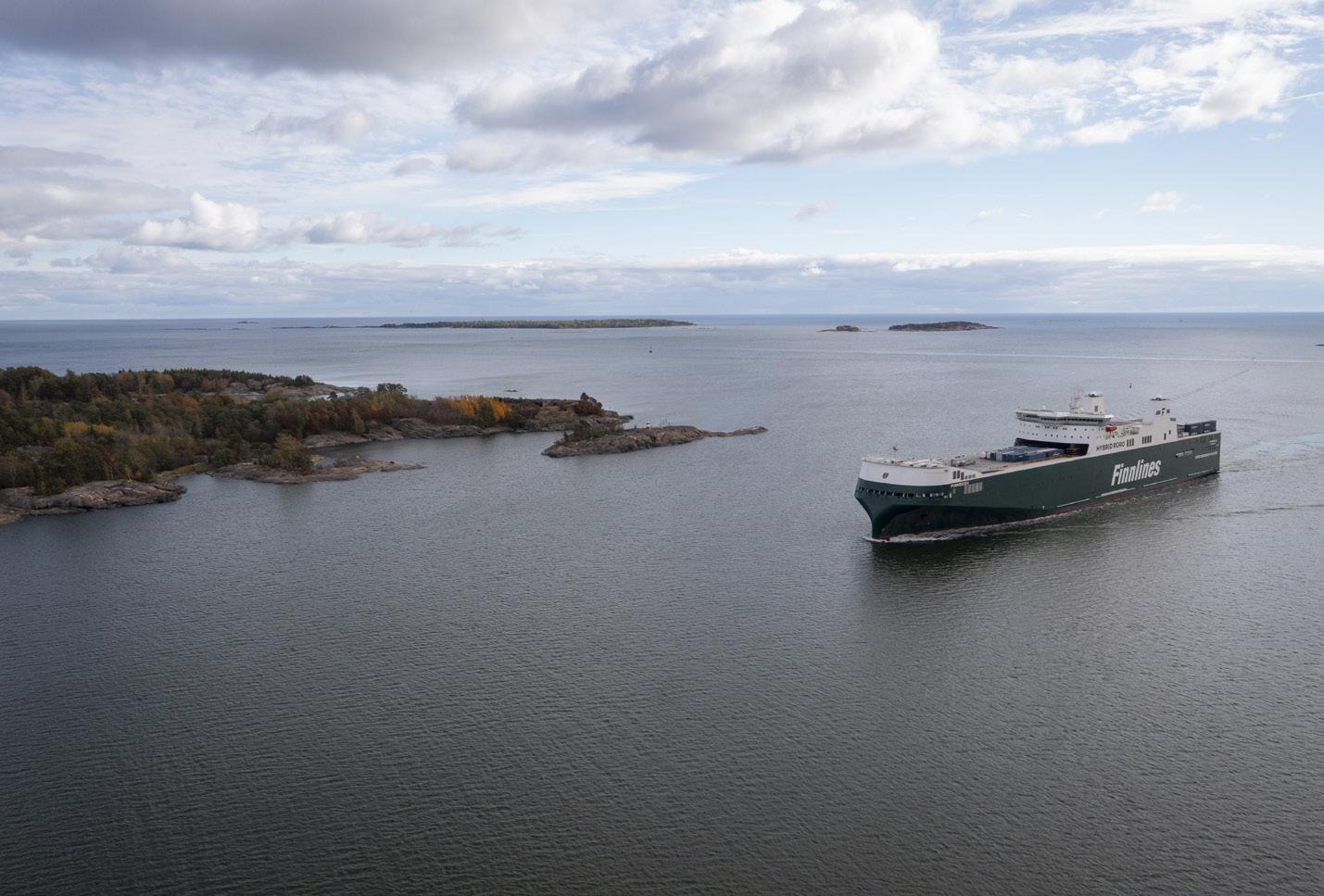

Currently, the main commodities moved are containers and project cargo. However, we aim to expand our product portfolio by strengthening our presence in the automotive, machinery, and rolling cargo segments, including trailers. The Finneco ro-ros offer flexible and versatile cargo configuration options, making them an ideal solution to support a broad range of market segments.
I would encourage potential clients by saying to take advantage of this opportunity to secure their supply chains with a service that offers reliability, scalability, and competitiveness. Given the current geopolitical situation, the market is highly volatile, affecting volume development and, consequently, the long-term sustainability of the service. We therefore closely monitor market
conditions and continuously balance the cost structure to maintain service performance. Notwithstanding, the service has the potential to become a reference point for industrial customers looking for sustainable transport solutions. The Finnecos are outstanding assets and have significantly strengthened our sustainability programme. Besides innovative on-board technologies – air lubrication, battery packs, photovoltaics, waste heat recovery – that reduce fuel consumption, their large capacity and flexible cargo configuration support higher utilisation even in unbalanced market conditions. This helps reduce emissions and enables transport with a very low carbon footprint per unit carried.
Beyond the already low-emission levels achieved by the service, we recently introduced the Green Lane option that allows customers to purchase green transport with up to a 90% reduction in emissions. We believe this will be a strong option going forward, although the significant cost increases linked to environmental policies, such as the EU Emissions Trading System and FuelEU Maritime, are currently making the market more cautious.
Photo: Finnlines
Challenges, enablers, and drag chains in the development of offshore wind energy in the Baltic
Colliding winds
by Dr. Enrika Uusitalo, Founder & CEO, EU Imperium Consulting
The Baltic offshore wind narrative is often expressed and calculated in gigawatts installed (or at least planned). Even more so, it will be industrial logistics, executed under narrow permitting and seasonal constraints, that will define the coming decade. Plans of transmission system operators for Baltic offshore grids speak of the scale of change: reaching roughly 27GW by 2030 implies some 3.0GW/year of installations in the second half of the 2020s. At the same time, the market is facing tender failures and revised subsidy models across Europe, making revenue design and auction conditions central to bankability. In the Baltic, factors above are amplified by port limitations, special installation vessels and handling assets in short supply, and seasonal ice conditions that may narrow construction-work windows.
Furthermore, turbine growth in size and installation complexity must be presented as a planning part instead of an already installed, desired baseline. Several environmental impact assessments for projects in the Baltic indicate 10-25-megawatt maximum turbine ratings, supporting the claim that consenting and layout studies increasingly assume 20-25MW upper plans. However, connected offshore turbines in Europe averaged ~10.1MW in 2024, while that year saw an average of ~14.8MW in orders, pointing to a scaling transition rather than a desired 20-25MW standard.
Third, foundations and seabed types should be understood as a portfolio of engineering solutions instead of separate factors. Monopiles remain central to fixed-bottom projects (especially off the Polish coast). Jackets and gravity-based
foundations (GBF) stand as important alternatives where depth, soil, and noise constraints set different requirements. Lastly, projects in the north of the Baltic face seasonal ice constraints, which requires sitespecific design and scheduling.
Tomorrow’s offshore wind is a systematic energy transition project that requires substantial infrastructural investment. And in the Baltic Sea, two elements will weigh in on the ultimate success: port (network) development and regulatory coordination.
The
south | north divide
The Baltic Sea is often seen as a single development area. From an engineering standpoint, it is far from it. In the southern and central Baltic – including Estonian, Latvian, Lithuanian, Polish, and parts of Swedish waters – sea depths typically range between 20 and 50 meters. The seabed is
predominantly sandy and clay, with sedimentary formations. These geotechnical conditions are suitable for jacket foundations, particularly for turbines in the 15-20MW range, which are now becoming standard in the region.
Jacket foundations comprise a steel lattice structure fixed to the seabed using driven or drilled piles at each leg. Installation typically involves transportation by a heavy-lift ship or barge, putting in place with dynamic positioning vessels, pile driving or drilling through sediment layers, and grouting and structural fixation. This process requires stable weather windows and precise marine operations (fortunately, sedimentary seabeds facilitate penetration and anchoring).
In contrast, the northern Baltic and the Bothnian region (particularly along the Finnish and Swedish coasts) presents a very different set of conditions. Water depths are
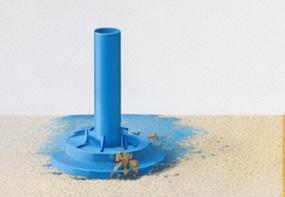
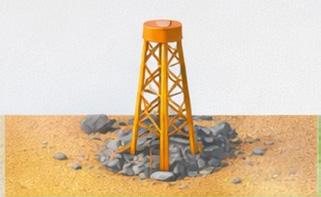

often shallower (10-35 m), but the seabed is mainly rocky or glacial till-based. Although monopiles remain dominant in many markets, GBFs are becoming more technically viable. These are concrete structures (given seabed up to 80 m in the Northern Bothnia region and desired turbine size, a GBF could weigh up to 7,000 tonnes/piece), placed directly onto prepared seabed surfaces. They rely on weight and friction rather than pile penetration. Installation typically includes seabed levelling and preparation, transportation of prefabricated concrete structures, float-out and controlled ballasting, and bottom-fixing via gravitational load. This type of installation reduces pile-driving noise and is better suited for a rocky seabed. However, it requires extensive onshore casting facilities and large port lay-down areas for prefabrication and curing (if components are made on-site).
So, even before logistics can start spinning, the Baltic Sea already has foundation strategies split into two: jackets in
sedimentary southern zones and GBFs in rocky northern areas. But that’s not all. Unlike the North Sea, the Baltic is seasonally affected by ice, particularly in the Gulf of Finland and the Bothnian Bay. The ice period typically spans from January to March, though variability is increasing due to climate fluctuations. Ice thickness can reach 40-70 cm in severe winters. More importantly, ice movement, driven by wind and currents, generates pressure loads on installed foundations. As for offshore wind, this brings additional requirements for structural reinforcement, increased foundation design loads, more precise installation windows, and the need for ice-class vessels for logistics. Installation windows must therefore be carefully sequenced around seasonal constraints. Ports supporting northern projects must maintain ice-management capabilities and winter navigation strategies. Though the Nordic maritime industry has decades of ice navigation experience, and though ice and winter challenges are
detectable and, with good preparation, can be solved, they add complexity that must be integrated early into project planning.
Opportunity understood
Contrary to some simplified narratives, Baltic ports are not unprepared as of 2026. Many ports across Estonia, Finland, Latvia, Lithuania, and Poland are actively investing in infrastructure upgrades. For example, in Klaipėda (a 21-hectare-big, 12-mdeep terminal with a bearing capacity of up to 40t/m²); Paldiski (13.5-m-deep, 310m-long quay, 10-ha of 200-400kN/m² bearing capacity storage area, plus adjacent 15 ha, equipped with a 9,000kN ro-ro ramp; the facility obtained its operational permit this February); and Gdańsk (the 21-ha offshore/ro-ro extension of the Baltic Hub container terminal). ORLEN’s Offshore Wind Terminal in the Port of Świnoujście came online in mid-2025, offering 12.5 m of quay depth across two berths (one 250-m-long for handling incoming components, the other
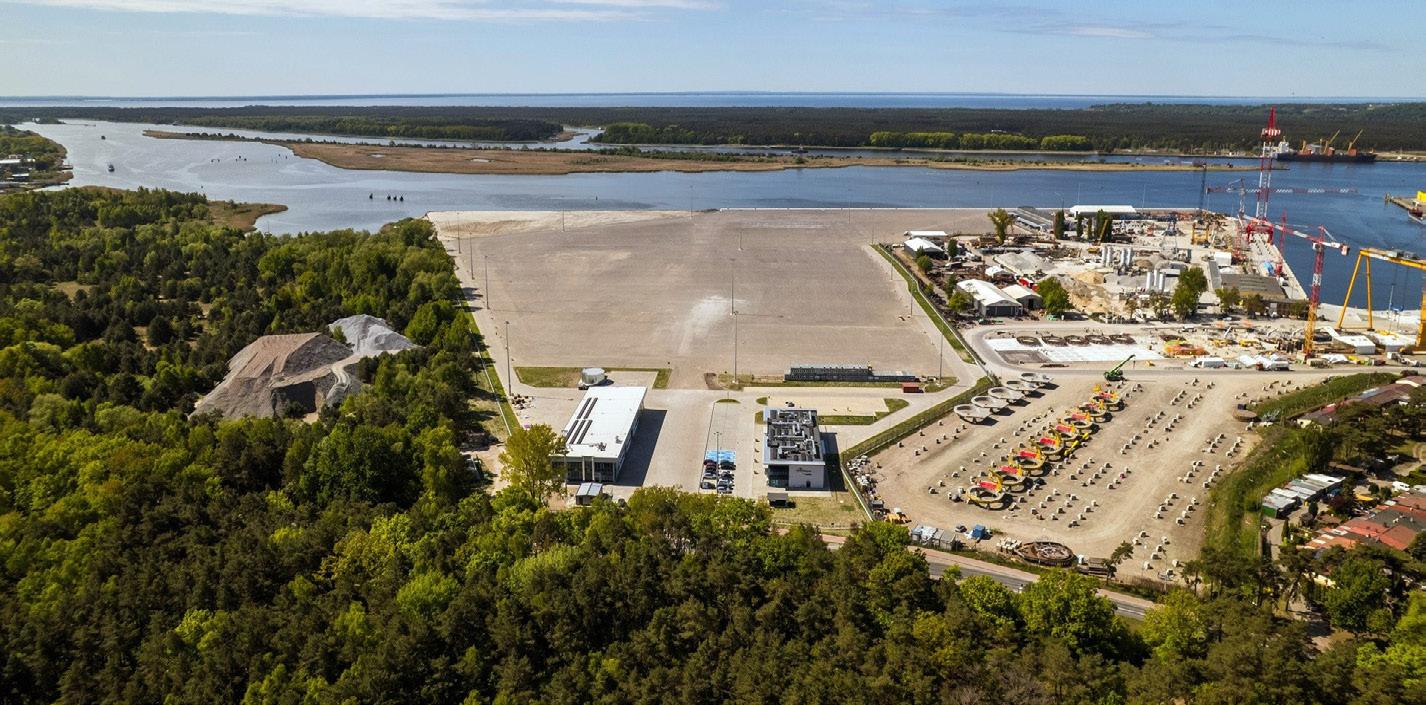
Photo: Świnoujście Offshore Terminal/ORLEN
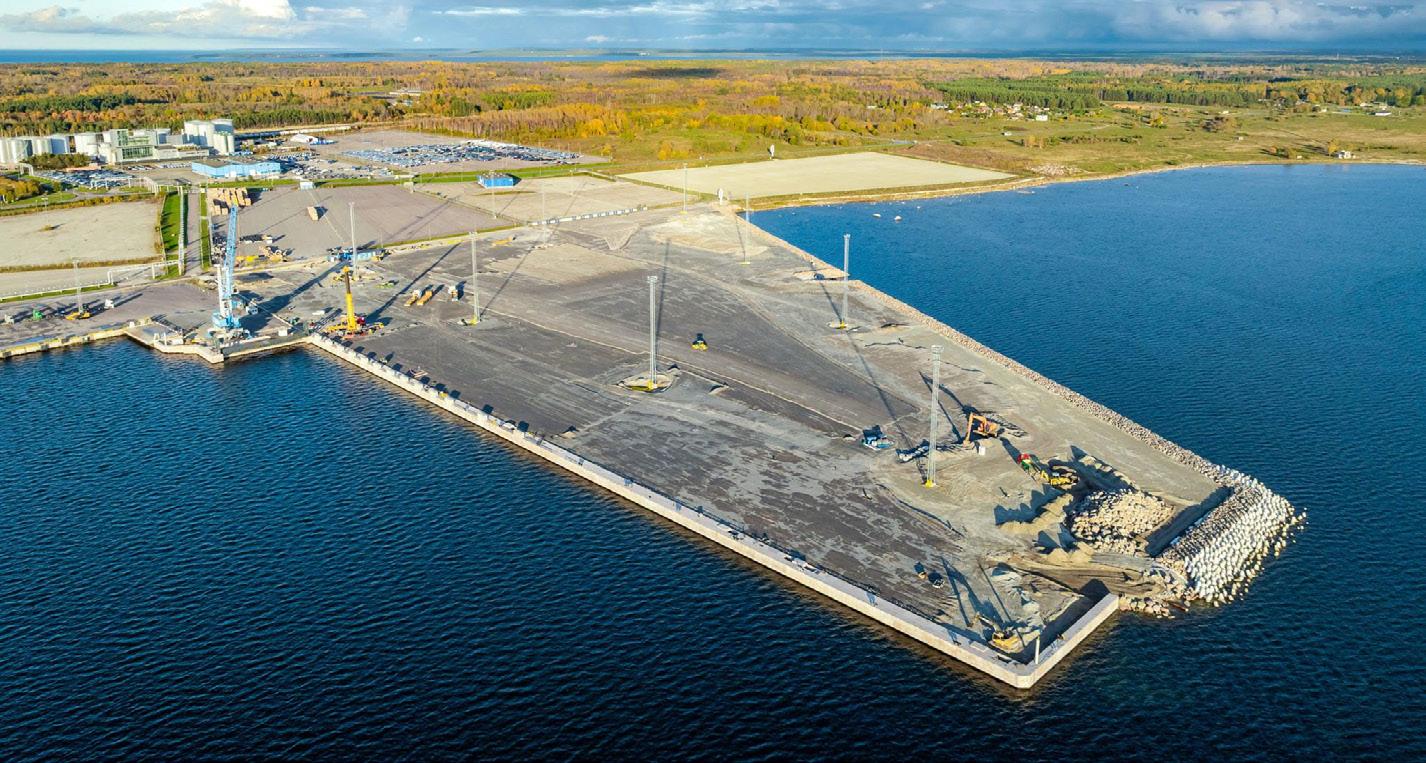
246-m-long for loading partly assembled turbines), 16 ha of storage yard, and up to 50t/m² of bearing capacity.
In parallel, the Port of Raahe is actively positioning itself for North Bothnia offshore wind developments, advancing heavy-load quay reinforcement, plans for a marshaling area, and ice-resilient operational concepts to support bottom-fixed foundations and regional logistics integration in the Gulf of Bothnia. An important logistics point is that different strategies can allow shallower ports to participate: a major supply chain analysis notes that ~12-m-berth depth is often a reasonable starting point for fixed-bottom marshaling operations and that feeder barges can access shallower berths, reshaping Baltic port network capacities.
Seaports have understood the opportunity that lies in offshore wind development. Most of them managed to create strong business cases and find financing tools to prepare the infrastructure. They are positioning themselves openly as marshaling hubs, operations & maintenance bases, or component handling/storage harbors. Worth mentioning is that several ports/terminals are also faring well in serving the onshore wind energy market.
One port to build them all?
From a map-design perspective, competitiveness could also be defined by network density. A competitive Baltic-Nordic marshaling scope usually requires tier-1 hubs (marshaling and integration) spaced
approximately 300-450 km apart (tightening to 250-350 km in the ice-affected Bothnian corridor), complemented by tier-2 (feeder or satellite) ports every 150-250 km. Such spacing allows for at least two port options remaining within 200-250 km of sailing distance of each major development site.
Offshore wind projects in the Baltic are growing in turbine size and installation complexity, which will require bigger areas and upgraded infrastructure for heavy components. If several projects are being executed in parallel and across different countries in the region, port capability issues may arise, especially when installation timelines are not regionally combined during the planning phase.
Moreover, foundation type differences (jackets vs. GBFs) require different staging solutions. The former projects demand steel storage, pile handling, and heavylift transfer interfaces. The latter require concrete casting yards and massive storage areas. Not all ports can support both models simultaneously.
Another misconception is that each offshore wind project will depend on a single marshaling harbor. In practice, Baltic offshore wind logistics are often distributed across multiple seaports, depending on foundation type, vessel interface requirements, quay capacity, access conditions, and whether operations rely on ro-ro interfaces, heavy-lift load-out, or are delivered from marshaling ports for offshore installation by vessels/barges. As such, foundation
fabrication may take place in one country, the production of secondary steel and transition pieces in another, turbine pre-assembly in a third, and final marshaling – altogether closer to the site.
Barge-assisted transportation may be more suitable for calmer wave heights in the Baltic compared to the North Sea, particularly for shorter offshore distances (often 20-80 km from shore in many Baltic zones). Rather than concentrating operations in a single location, multiple ports could integrate into the supply chain, allowing for broader regional economic development. Such a setup, however, requires regulatory alignment and early cooperation.
The structural bottleneck has shifted over the past two years from a lack of willingness and infrastructural disadvantage to the development of large-scale capability across the Baltic. This progress should be all the more applauded given the kaleidoscopic regulatory pressure.
Regulations-of-indifference
Whereas ports are investing and industry is mobilizing, regulatory frameworks across the Baltic region remain nationally separated. Considerable differences affecting the entire supply chain span from auction schedules, volume timelines, and lease areas to allocation processes. Grid connection models, too, vary significantly across the region. Environmental permitting further separates the countries. Support mechanisms and contract-for-difference
Photo: Argo Viikvald/Port of Tallinn
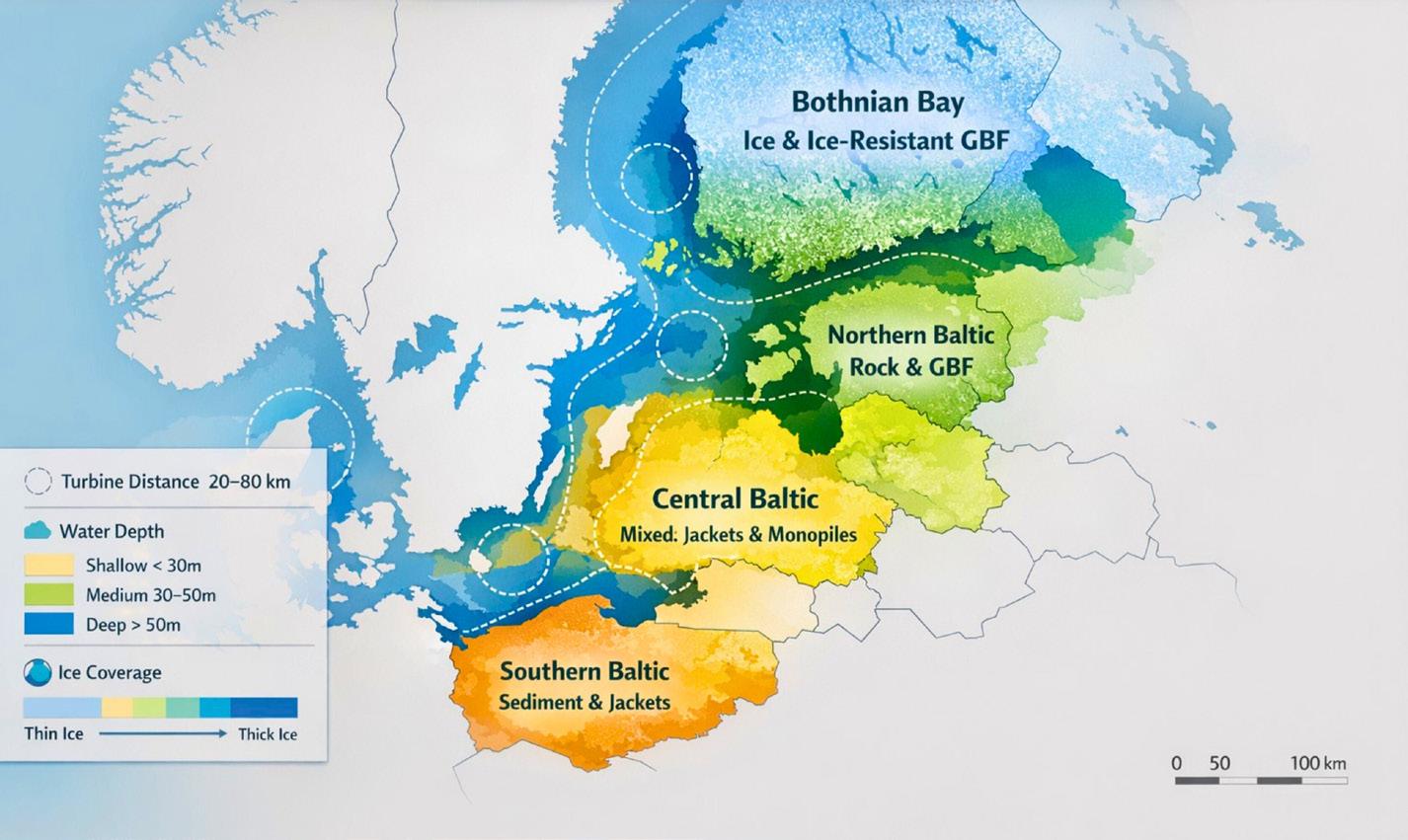
structures also differ substantially, adding another layer of complexity/uncertainty to investment decisions.
Consequently, investors must investigate country by country, a challenge for forecasting regional pipelines. Supply chains cannot scale capacity precisely when auction volumes are irregular or politically delayed. As per the latest example, Sweden rejected 13 Baltic Sea applications on (allegedly) defense grounds (according to WindEurope, however, the move was in reality motivated by appeasing one antiwind government coalition member, plus to give the cabinet’s financial arm time to rewrite the law to start banking on concessions). In September 2024, Vattenfall paused the 640MW Swedish Kriegers Flak (originally expected to generate power in 2028), citing “unviable investment prerequisites in Sweden“ (read: grid-connection uncertainty). Lithuania’s second tender was annulled after receiving only one bid. Though the European Commission approved the €2.6 billion state aid to boost the construction of Estonian offshore wind farms, the country’s cabinet canceled the scheme. No wonder that Japanese partners stepped back from a Latvia-Estonia crossborder project in such an uncertain business climate. In Finland, several offshore wind projects in its exclusive economic zone were paused after authorities declined
exploitation-rights applications, leaving a multi-gigawatt pipeline awaiting a clearer legal and auction framework. By contrast, Poland’s first competitive auction is framed as a test case because it offers long-duration, fixed-price visibility, aligning investors’ needs with supply-chain feasibility. Just outside the region’s border, Norway is aiming to combine ambition (30GW by 2040) with subsidies, with a recent tender allowing for up to NOK35 billion ($3.45b) in support for a single project (interestingly, the Norwegians are chiefly preoccupied with floating wind farms).
It seems that talking about a single Baltic market from the regulatory angle is also a bit of an overstretch. Clearly, a more coordinated and united regional offshore wind framework would significantly improve investment attractiveness, simplify processes, and present the region as more attractive to (foreign) investors, asset owners, and service providers. Such coordination could include indicative multi-year regional auction calendars that would go in line with lease durations and construction timelines throughout the region. Going to environmental impact assessment –standardized seabed investigation requirements and coordinated environmental data sharing could be regulated, integrating common platforms and shared digital platforms and twin-based planning tools.
Another missing key-to-success factor is cross-border grid-integration planning; the region isn’t so big that governments can’t sit down and devise a more united way of approaching grid integration. And the last step – clear decommissioning and re-powering policies. The North Sea has already shown the power of coordinated basin-level planning. The Baltic could, too, benefit from a similarly structured strategy.
Known knowns
True enough, the Baltic offshore wind story is different geographically, seasonally, and politically, with many developments being ‘first-times.’ Yet, there is no reason offshore wind couldn’t put down (monopile/jacket/GBF) roots in the region – and do it tomorrow more robustly than it does today. Success is a list of known knowns: alignment between geology and foundation design; installation windows and ice cycles; port investment and project sequencing; and the most important alignment – between national regulatory frameworks. If the Baltic Sea shifts toward coordinated offshore wind governance, jointly planned auctions, and shared infrastructure planning, it can become one of Europe’s most resilient and cost-efficient offshore wind regions. The coming decade will determine which path the Baltic Sea region chooses.
Baltic ports leading the way: the DeCoInter project and the future of green energy
by Maciej Matczak, Associate Professor, Gdynia Maritime University’s Department of Logistics & Transport Systems
The Baltic Sea region (BSR) is taking a decisive step towards a sustainable maritime future through the Decarbonization of the Maritime Sector and its Impact on Green Energy Transition (DeCoInter) project. This EU-funded initiative brings together key stakeholders to rev up the energy transition within port ecosystems. Several BPO member ports are playing a pivotal role in this transformation, serving as hubs for innovation and strategic development.
An international initiative spanning Denmark, Germany, Lithuania, Poland, and Sweden, DeCoInter’s ambition is to support the transformation of ports into active contributors to the green energy transition by promoting renewable energy sources and alternative fuels in line with the European Green Deal. By combining research, digital tools, and pilot initiatives, the project will build the capacity of port authorities, energy providers, and academia to develop sustainable strategies that leverage seaports as energy hubs – for storage and distribution, as well as for innovation.
BPO member ports’ involvement will be central to the project’s success. The Port of Szczecin-Świnoujście is working on an energy transition programme, including the development of an onshore power supply system. Cold ironing is also the
Port of Rønne’s central thread, plus the Danish island seaport supports knowledge-exchange seminars targeted at harmonising the procedures for bunkering green fuels. The Port of Klaipėda’s focus is on identifying transition needs and adapting energy strategies to meet the complex challenges of both port operations and the surrounding hinterland. Together, they are blueprinting the green port of tomorrow, which will include creating a digital mapping and prioritisation tool that supports location plans for renewable energy sources and alternative fuels infrastructure. These efforts will culminate in detailed implementation reports and strategy modules, ensuring a robust framework for future transhipment activities.
Operating under the Interreg South Baltic Programme 2021-2027, the project focuses on promoting the green and blue economy. With a total budget of
€2,134,730 (including €1,707,784 in cofinancing from the European Regional Development Fund), the initiative officially launched on 1 January 2025 and is scheduled to run until 31 December 2027. This cross-border cooperation ensures that port authorities, regional policy-makers, logistics companies, the energy sector, and local municipalities across the South Baltic region benefit from a coordinated transition towards green energy.
Be the expert voice of the green future!

Your professional input will be invaluable in ensuring that the outputs of the DeCoInter project are aligned with the actual needs of the maritime industry. Help shape the tools and strategies developed by the initiative by taking just a few moments to complete our industry survey –your expertise will directly influence the roadmap for energy transition in the BSR. We count on you!
Interview with Björn Boström, the outgoing MD of the Port of Ystad, a longtime friend of BPO, and troubleshooter for hire
by Andrzej Urbaś, External Consultant, Actia Forum
After an impressive 17-year tenure, Björn Boström is stepping down as the Managing Director of the Port of Ystad. As a valued member of the Baltic Ports Organization (BPO), Björn has shown exceptional leadership and commitment to both the port and the wider maritime community. Join us as we sit down with him for a pinpoint conversation and wish him fair winds in his future ventures beyond the seaport he so successfully guided, while concurrently picking his brain on current issues driving the maritime sector.
From your perspective, how is the current global and regional geopolitical situation reshaping the role and competitiveness of Baltic seaports?
Everything in the world affects us in one way or another. Naturally, looking at our surroundings, the closer the event, the greater the impact. The world economy has a huge influence on trade, as seen with the current ‘tariff war’ initiated by the US. In our vicinity, the Baltic region also suffers from global events, as the economy and trade are inherently interconnected. Currently, the Russian war of aggression against Ukraine affects Baltic seaports significantly, as Ukraine is traditionally a major exporting country. Trade volumes are now lower, which is visible in the reduced number of trucks and trailers crossing the Baltic Sea. The manufacturing industry has been discussing reshoring factories from Asia to Europe for some time, driven mainly by security and preparedness rather than purely economic reasons. Baltic seaports will remain vital not only for regional trade but also for global logistics. When the war ends, we expect to see a growing logistical pattern as Ukraine will need supplies for rebuilding and export opportunities to strengthen its economy.
How do security considerations – beyond purely military aspects – affect investment
decision-making processes at the board level in today’s port authorities?
Security matters have always been an important issue for ports, but this has intensified specifically since 2001. The International Ship and Port Facility Security Code shifted our view on security somewhat, and now, global instability impacts even board meetings, as we are all part of a volatile world. With new laws in effect, ports must consider how to protect their operations – a challenge not faced to this extent since the Cold War. This impacts multiple sectors, including staffing, IT systems, electricity, fencing, and access control, with a particular focus on the operational redundancy required to address disruptions to standard procedures. When considering investments, security implications are becoming increasingly significant, necessitating the integration of robust protective measures. However, we will not see fewer investments, as all investments are driven by need. New, often larger vessels require adjustments to port infrastructure, and we’ll still have international trade and transportation to handle.
In an era of geopolitical volatility and growing global uncertainty, what role do organisations such as BPO play in strengthening cooperation and resilience among ports?
BPO is a key player in ensuring ports are heard and recognised. Within the Organization, we can gather and share information regarding both problems and solutions. BPO can open doors in legislative bodies, not least in the EU, and together we can approach decisionmaking authorities – both national and international – to explain the conditions under which ports operate and foster a better understanding of the terms governing our business. We are simply stronger together.
Looking back at your career in the port industry, which moment or experience has stayed with you the most, and why?
Well, after 17 dynamic years, I have naturally experienced a great deal. It is not easy to pick just a few examples, as everything we do provides us with experience, knowledge, increased competence, and satisfaction. Throughout my years, I have been blessed with supportive owners and supervisory boards that have allowed me to lead the company alongside my competent staff. If I had to point out something specific, I would say it is the experience of witnessing how port operations track global development, and how much seaports mean to society, industry, and ultimately, to the individual who needs food on the table. Regarding my role at the Port of Ystad, the growth in volumes over time, the major investments we have made in port infrastructure, and the support of our partners – along with their willingness to share both good and bad times with us – have meant a lot to me.
After stepping down from the executive role, how do you see your professional future, and what areas or initiatives would you like to focus on next?
I am starting my own consulting business, being open to both short- and long-term assignments. This could involve roles in board membership, interim management, organisational development, marketing, and much more. Hopefully, my experience, spanning more than 40 years in the ferry industry and the port business, can contribute to anyone requiring support. This February, I will already be part of the Ferry Shipping Summit team, maintaining contact with the industry. But there is room for more – for you too!
The year when digital transformation goes from optional promises to profitable deliveries
Chapter sealed
by Joy Basu, CEO, Smart Ship Hub
The maritime industry should brace itself for a defining moment in 2026. This will be the year digital transformation stops being discussed as an aspiration and starts being proven as a commercial necessity. The argument is no longer about whether the industry should digitise, but how fast companies can capture the value already on the table.
Technology adoption across fleets and the broader maritime value chain will speed up sharply in 2026, not because of hype but because the economics now work. Owners, operators, and charterers are demanding a measurable return on investment (ROI), real-time intelligence, and enterprise-grade AI. Digital tools are finally delivering on all three.
By the end of the year, roughly 30% of owners, operators, and charterers will have launched pilot programmes. Crucially, many of these will not remain trials for long. They will scale into production deployments as data-driven intelligence proves its value in daily operations. What’s different this time is that mid-sized and smaller maritime companies are joining the movement. Falling technology costs and compelling value outcomes have removed the historical barriers to entry. Digital advantage is no longer reserved for the largest fleets. Customers no longer pay for technology itself; they pay for the future value it unlocks. That means the end state must be articulated as clearly as the path to reach it. Vague promises will fail. Platforms that can show how data translates into better decisions, lower costs, and faster execution will win.
A technical financial conversation
This year will also see a steep change in the use of high-frequency sensor data, combined with AI and machine learning. Most organisations will begin with one highimpact use case – and that will be enough. More than half of these deployments will generate clear outcome statements: accurate insights, multi-variable analysis, and predictive intelligence that directly supports sustainability, business continuity, profitability, and value creation. Standardisation will quietly become one
of the most powerful enablers of progress. Wider adoption of ISO 19847:2024 (ships and marine technology – shipboard data servers for sharing field data at sea) and 19848:2024 (ships and marine technology – standard data for shipboard machinery and equipment) will accelerate data exchange between ship and shore. Common schemes and application programming interfaces (APIs) will reduce custom integration work, allowing data providers and last-mile users to connect faster and cheaper. This is how digital scale is achieved – not through bespoke projects, but through shared foundations.
The strongest digital momentum in 2026 will come from measurable ROI frameworks. These will need to be clearly defined, mutually agreed upon, and tied to hard key performance indicators. Narratives without metrics will be dismissed. Owners, operators, charterers, insurers, ports, and manufacturers all need an unobstructed benefitline of sight: time savings, increased agility, fewer intermediaries, and direct bottom-line impact. Digitalisation is now a financial conversation, not a technical one.
Value regardless of regulations
The International Maritime Organization’s delayed Net-Zero Framework has created policy uncertainty. However, this is not a setback; it’s a window of opportunity. Rather than delaying, it advances digitalisation. Companies now have time to strengthen data foundations, modernise workflows, and adopt fuel-agnostic digital platforms that simplify compliance while protecting margins. In uncertain regulatory environments, digital transformation is the smartest strategic choice available.
The green transition is non-negotiable, but it will only pay back through smarter systems. Fuel transition carries short-term costs, and emerging technologies will determine how quickly those expenses are recovered.
A technology-first approach in this period of uncertainty will disrupt legacy processes and reward organisations that move early. Platforms that can automate compliance, monitor performance, and remain fuelagnostic will be preferred because they deliver value regardless of regulatory outcomes.
What makes this transformation particularly compelling is its capital efficiency. Digital platforms deliver agility, data syndication (delivering accurate service/product information), and cost savings without requiring immediate fuel transitions or vessel overhauls. This low-CAPEX, high-impact model is reshaping the market and broadening adoption.
What will ultimately separate leaders from laggards in 2026 is execution speed. The technology is ready; the economics are proven; and the operational pain points are well understood. The only remaining variable is organisational willingness to act. Companies that continue to delay under the guise of ‘watching the market’ will find themselves structurally disadvantaged, not just technologically behind.
Core infrastructure
Digital maturity will increasingly influence commercial competitiveness. Charterers will favour operators that can provide transparent performance data, emissions visibility, and reliable estimated-time-of-arrival (ETA) intelligence. Insurers and financiers will price risk more precisely, rewarding fleets with demonstrable operational control and penalising those that rely on manual reporting and fragmented systems. Ports and terminals will integrate faster with digitally enabled vessels, reducing delays and inefficiencies. In this environment, digital capability becomes a commercial credential.
There will also be a shift in how digital initiatives are governed internally. Successful organisations will move ownership away
from siloed IT teams and place accountability with operations, commercial, and safety leadership. Digital transformation will be treated as core infrastructure, not an innovation side project. This cultural shift will matter as much as the technology itself.
Another defining change will be the convergence of operational, commercial, and compliance data. Historically, these domains have been managed separately, creating blind spots and inefficiencies. In 2026, integrated platforms will enable a single source of truth, allowing organisations to optimise voyages, manage emissions, forecast costs, and support regulatory reporting from the same data foundation. This convergence will unlock decision-making speed that legacy systems simply cannot match.
Finally, expectations will rise permanently. Once organisations get their hands on realtime visibility, predictive alerts, and automated workflows, there is no return to manual processes. Crews, shore teams, and partners will demand the same level of intelligence across all operations. Digitalisation will cease to be a differentiator and instead become the baseline for participation in the market.
Those who act/hesitate
This year will, therefore, not be remembered as a time of experimentation but as the point at which maritime decisively crossed from digital exploration to digital nativeness. Those who act now will shape the standards, partnerships, and operating models of the next decade. Those who hesitate will be forced to catch up at far greater cost and with far fewer strategic options.
Innovation will quicken further through low-cost edge gateways, plug-and-play
sensors, and high-frequency data streaming from engines, shafts, bridges, flow meters, and cameras. These technologies will drive retrofits across older vessels while enabling situational awareness, predictive insights, and real-time decision support. As costs continue to fall, data-driven intelligence will be democratised across the industry.
Integrated systems will mature rapidly. Unified platforms combining machinery data, video feeds, human inputs, and vibration monitoring will enable remote fleet performance management, safety oversight, condition monitoring, and real-time alerts. These are no longer experimental capabilities; they are becoming operational standards.
AI and robotic process automation will also move from isolated tools to embedded enterprise systems. Digital twins will enable collaboration across owners, ports, charterers, brokers, and agents. Use cases such as emissions forecasting, performance benchmarking, procurement prediction, and scenario modelling will become routine. AI, supported by rule engines, will be trusted for real-time risk profiling, vessel health assessment, and remote inspections, delivering tangible value to owners, insurers, and port authorities alike.
For AI to deliver results, it must be contextspecific and trained on real maritime data. Historical sensor data, transactional records, documents, manuals, and reports will form
the foundation of accurate models. Predictive intelligence, once expensive and exclusive, is rapidly becoming affordable and mainstream. ETA planning, fuel optimisation, emissions forecasting, machinery life prediction, port coordination, and commercial decision-making are already being transformed.
The wider impact will be profound. AI will embed itself across on-board operations, shore-based workflows, safety management, and regulatory compliance. Automation, interoperability, Internet-of-Things gateways, and API-driven data exchange are already reshaping how ships, ports, insurers, and classification societies interact.
No longer the privilege of a few
The industry has entered a decisive phase. Owners and operators no longer tolerate vague promises. They demand proof – and digitalisation is now delivering it. Time savings, agility, reduced intermediaries, and data-driven execution are strengthening both top and bottom lines.
The winners of 2026 will not be those with the most technology, but those who can clearly articulate value and show exactly how digital tools lead to smarter operations. These innovations will democratise data and ensure that advanced insights are no longer the privilege of a few, but the foundation of a more resilient, profitable, and future-ready maritime industry.
Smart Ship© Hub is a ready-to-deploy, cloud-based platform to help manage vessel & fleet performance, fuel utilisation, compliance, maintenance through condition & health monitoring, charter party terms, CII ratings, and a host of other areas. Shipowners, operators, charter parties, and insurers use the platform to gain on-demand actionable intelligence into vessel & voyage optimisation. Head to smartshiphub.com to learn more.
Photo: Smart Ship Hub
Presenting the M-AIR network
Trustworthy industrial AI in intralogistics
by Melanie Terne, Cluster Mobility & Logistics Regensburg
The Cluster Mobility & Logistics Regensburg, operated by TechBase Regensburg, provides the organisational and strategic framework for a broad range of innovation activities spanning mobility, logistics, industrial automation, software, and artificial intelligence (AI). Within this ecosystem, the Multimodal AI for Adaptive Intralogistics and Robotics (M-AIR) network represents a focused R&D initiative that’s tasked with sparking research impulses through the Cluster’s technological depth and methodological rigour.
Established under the German ZIM programme (Zentrales Innovationsprogramm Mittelstand /Central Innovation Programme for SMEs), M-AIR follows its core principles: pre-competitive collaboration, clear R&D character, and the deliberate acceptance of technological risk. The network does not aim to deliver short-term market solutions; instead, it addresses unresolved questions around the use of multimodal AI in industrial production, intralogistics, and robotic systems, where probabilistic AI approaches must be reconciled with deterministic, safety-relevant processes.
The M-AIR network brings together a broad ecosystem of companies and academic institutions active in AI, robotics, and industrial systems. The overall network comprises various SMEs and several universities that are involved
in workshops, thematic exchanges, and early-stage ideation processes. Within this broader ecosystem, individual R&D activities are carried out by smaller, dedicated core consortia, formed according to the ZIM framework. This structure allows M-AIR to combine openness and diversity at the network level with focus, feasibility, and research depth at the project level.
Effective R&D
A central research challenge addressed by M-AIR lies in the tension between non-deterministic AI behaviour and the requirements of industrial systems. Questions of explainability, verifiability, and controllability are critical wherever AI outputs directly influence machines, processes, or safety-relevant decisions. Exploring how AI systems can be embedded into such environments in a reliable
and transparent manner clearly falls within the scope of experimental development as defined by the ZIM guideline.
A defining characteristic of M-AIR is its long and structured build-up phase. Since December 2024, the network has been shaped through a series of moderated workshops, bilateral technical discussions, and joint consolidation phases. These formats were explicitly designed as working sessions rather than presentation platforms. The focus lay on aligning terminology, clarifying system boundaries, identifying genuine research risks, and distinguishing research questions from implementation tasks.
This extended preparation has proven its value by enabling the partners to move beyond generic AI narratives towards developing shared problem definitions that are both scientifically grounded and

industrially relevant. By the time the network structure was consolidated, roles, interfaces, and research objectives were not only defined but mutually understood – an essential prerequisite for effective R&D collaboration under the ZIM framework.
Research impulses
The intensive exchange within M-AIR has already led to the identification of several potential project directions. These ideas reflect the current state of discussion within the network and illustrate the breadth of topics that could be further explored or deepened in future R&D activities.
First, speech-based mission definition for mobile robots, aiming to simplify the formulation of complex tasks and translate them automatically into precise machine commands. Second, intelligent path planning for autonomous systems, combining sensor data, digital plans, and user input to enable more flexible and safer navigation. Third, adaptive binpicking systems using multimodal AI,
extending automation in warehouse and production environments through integrating computer vision, robotics, and language models. Fourth, AI-supported grasp point detection in robotics, improving manipulation performance even for unknown or variable objects.
Next, generative planning of industrial layouts, exploring how AI models could automatically generate and evaluate factory or intralogistics layouts to speed up planning processes. Sixth, digital remodelling of existing plants, focusing on the automated transformation of 2D plans or scans into 3D models for modernisation, simulation, or optimisation. Seventh, automated safety assessment of technical systems, investigating how AI could support risk evaluation when machines or plants are modified. Finally, AI-supported

product compliance management, addressing the automated interpretation of international standards and labelling requirements in global value chains.
Though not yet active projects, these research impulses have emerged from the structured dialogue within the network. They illustrate the exploratory character of M-AIR and underline its role as a platform for early-stage, high-risk technological development.
To initiate, structure, and sustain
Within the broader activities of the Cluster Mobility & Logistics, M-AIR represents a small but highly visible pillar of excellence. It demonstrates the capability to initiate, structure, and sustain demanding research processes across disciplinary and organisational boundaries.
In the age of electromobility and IT logistics – including AI – TechBase Regensburg’s Cluster Mobility & Logistics, holder of the European Cluster Excellence Initiative Gold Label, works together with its partners and members to find innovative, intelligent, and sustainable solutions to upcoming societal and technological challenges. Visit mobilitylogistics.de/en to discover more.
Photo: Canva

JULIAN
HAGENSCHULT
CDO, CargoBeamer
Joining from the German chapter of PwC, where he worked as Head of Digital & AI Advisory for Capital Projects, Infrastructure and Real Estate, Hagenschult will fill the newly created post of Chief Digital Officer at the intermodal transport solutions provider from Leipzig. The business administration alumnus of Aarhus Business College and a MSc holder in information systems from the University of Münster, also worked for, i.a., Accenture, Siemens Technology India, and CBRE.
DAVID VALENTIN HELLSTEDT
Business Development, Port of Norrköping
Hellstedt joins the Swedish seaport from Toyota Material Handling Manufacturing Sweden, where he was Category Manager –Transport & Logistics, a post he also held earlier at Saab. In his rich career, Hellstedt was with, among others, Siemens Sweden (Regional Commodity Manager – Transport & Logistics), iDeal Of Sweden (first as Supply Chain Manager, then Executive), and Stokvis Tapes Benelux (Procurement Manager).
VERONIKA LEO
Managing Director, Port of Ystad
The Swedish seaport’s up-to-date Financial Manager has been selected by the Supervisory Board to succeed Björn Boström after his 17-year tenure. An alumna of the University of Cincinnati (BBA in accounting and management), Leo joined the Port of Ystad from Michelsens Bil, where she was also Financial Manager. Earlier, she worked for Riksbyggen (a Swedish housing company), Sveaskog (the largest forest owner in Sweden), and the Skåne Regional Council.
EIJA ROSSI
CEO,
Port of HaminaKotka
The Finnish seaports’ up-to-date Commercial Director and Managing Director of Kotkan Satamatalot (HaminaKotka’s subsidiary in charge of renting office, warehouse, and repair shop premises) was entrusted with the helm. Rossi, an alumna of LUT University with a master’s in economics, worked in the past for DHL Freight (incl. as Head of Customer Experience), Hamina Multimodal Terminals, TBE System, North Euroway, and HOPE Finland.
SUSANNA HEIKKINEN
Commercial Director, Port of HaminaKotka
Having earned a Bachelor of Engineering in logistics from the Kymenlaakso University of Applied Sciences, from which she also holds an MBA in international business management, Heikkinen joins the Finnish seaports from Neste, where she most recently filled the post of Team Manager Land Logistics EMEA. Heikkinen also worked for Oiltanking Finland as Commercial Manager, Nurminen Logistics Services as Section and then Sales Manager, and for John Nurminen as Forwarder and Section Manager.
PATRICK KRAWUTSCHKE
Managing Director, HPC
Holding a bachelor’s degree in industrial engineering and business management from NORDAKADEMIE, Krawutschke joins Hamburg Port Consulting from Kombi-Transeuropa Terminal Hamburg, where he was CEO. Earlier, Krawutschke spent almost 14 years working at HHLA Container Terminal Altenwerder, joining it as Executive Assistant to the Managing Director and leaving as the company’s MD. He also worked at HHLA Intermodal as Project Manager.
PATRICK OESTREICH
CEO, MOSOLF Group
Following Dr Jörg Mosolf’s retirement in mid2026 (who will still serve as Managing Director of MOSOLF Port Logistics & Services), the automotive logistics company from Kirchheim unter Teck will have a new chief exec in the person of up-to-date’s CCO of Hellmann Worldwide Logistics. Throughout his illustrious career, Oestreich was also employed by XPO Logistics as SVP Strategic Sales & Account Management and by DB Schenker in various executive roles.
GUILLAUME SAUZEDDE
Regional Managing Director – Europe, Maersk
A graduate of Université Paris Dauphine –PSL (in applied mathematics and in logistics, materials and supply chain management), Sauzedde has moved within the Danish company from the post of Regional Head Logistics & Services – Europe. Previously, he worked for CEVA Logistics, first as Cluster Managing Director for Eastern Europe, then as Region MD for the Middle East & Africa. Sauzedde was also with Kuehne + Nagel for almost a decade.
The Nordic-Baltic Maritime Forum: Helsinki
23
- 26 March 2026 | Finland
Teamwork: How Nordic-Baltic maritime innovation is rising to the global environmental sustainability challenge
Spanning a week of engaging, informative, and dynamic activities, the Forum’s aim is to bring international industry stakeholders to Helsinki to learn firsthand about the region’s strong maritime capabilities, technological excellence, and proactive approach to innovation and sustainability.
The Forum will highlight innovation in marine energy (conventional and alternative fuels), shipbuilding and technology, and ports and terminals, with a key focus on Finland’s contributions to these sectors.
REGISTER NOW
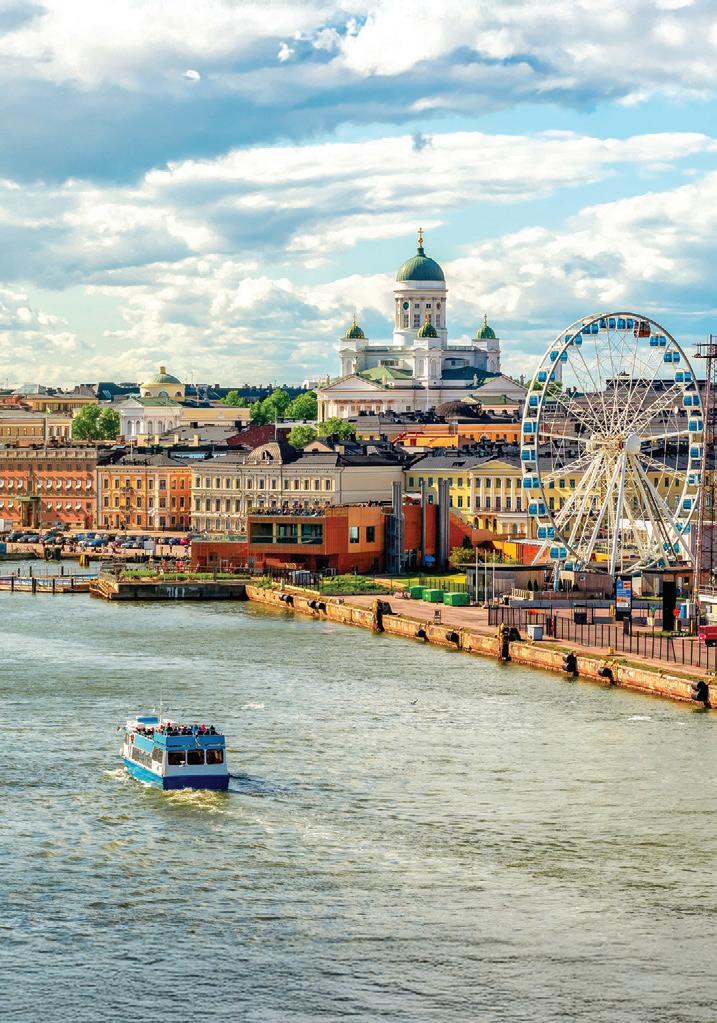
Thank you to all our sponsors and supporters







BALTIC GREEN MAP 2025
Overview of products, infrastructure, Overview of products, infrastructure, services, and many more greenstuff services, and many more greenstuff in one place – on your wall, in one place – on your wall, computer, or phone! Plus the digital computer, or phone! Plus the digital BALTIC GREEN MAP BALTIC GREEN MAP

CATALOGUE with plenty of CATALOGUE with plenty of wholesome details! wholesome details!