Supporting Your Child’s Maths
A Guide for Parents Booklet
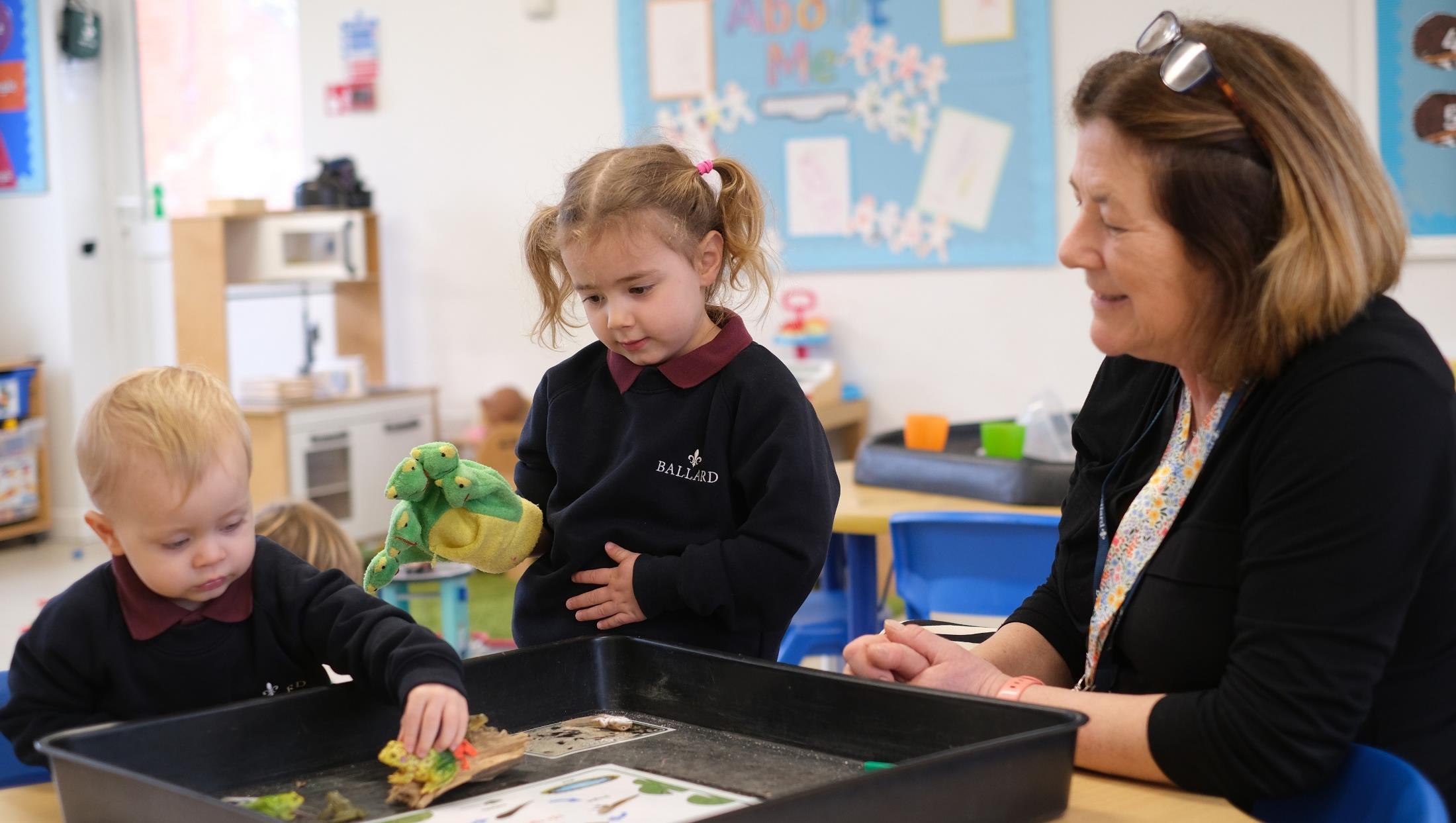

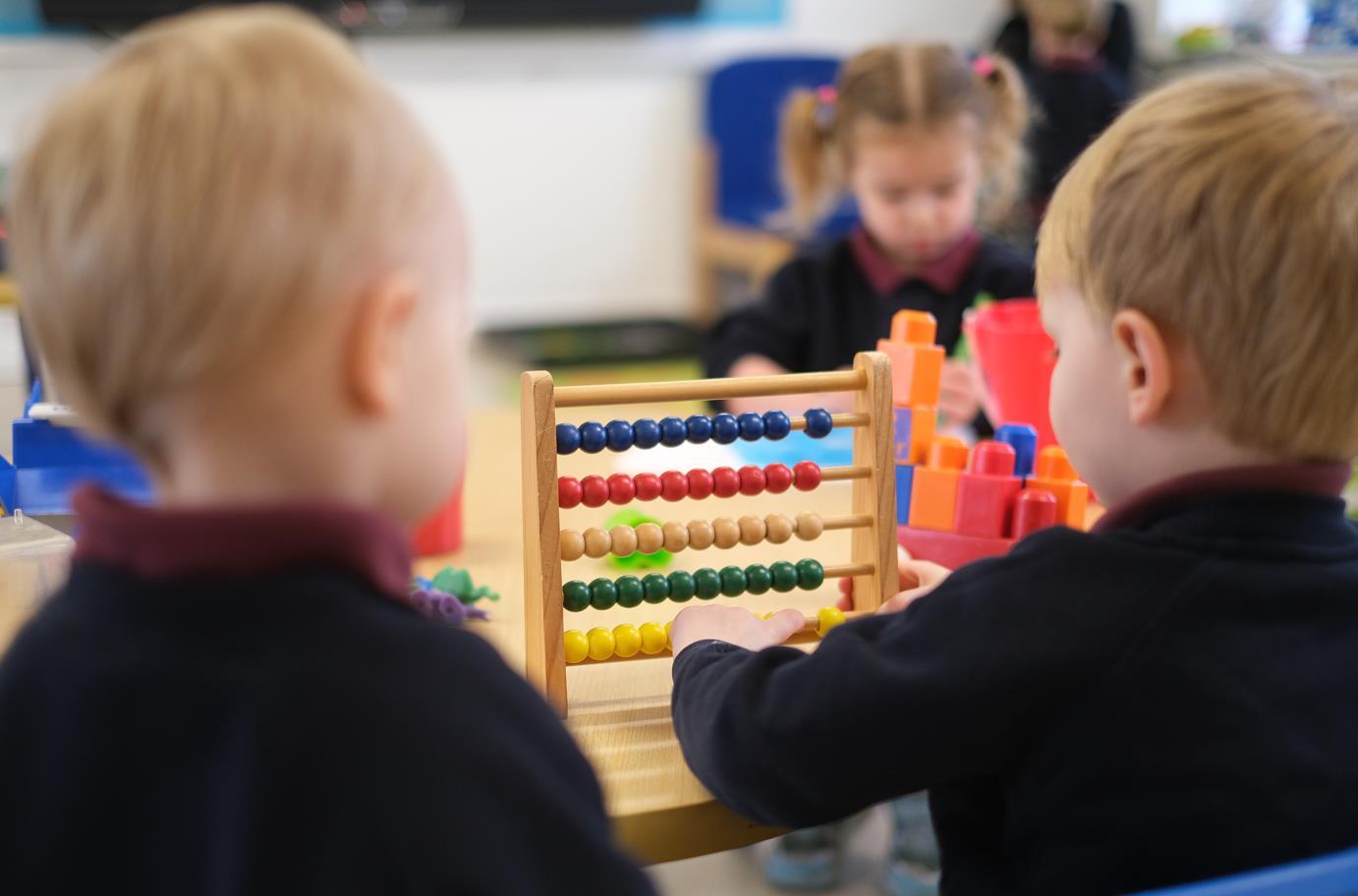
Maths is an important area of development within Early Years. Building a strong foundation in maths helps children develop essential life skills, such as problem solving, reasoning and confidence with numbers, which they will use throughout their lives.
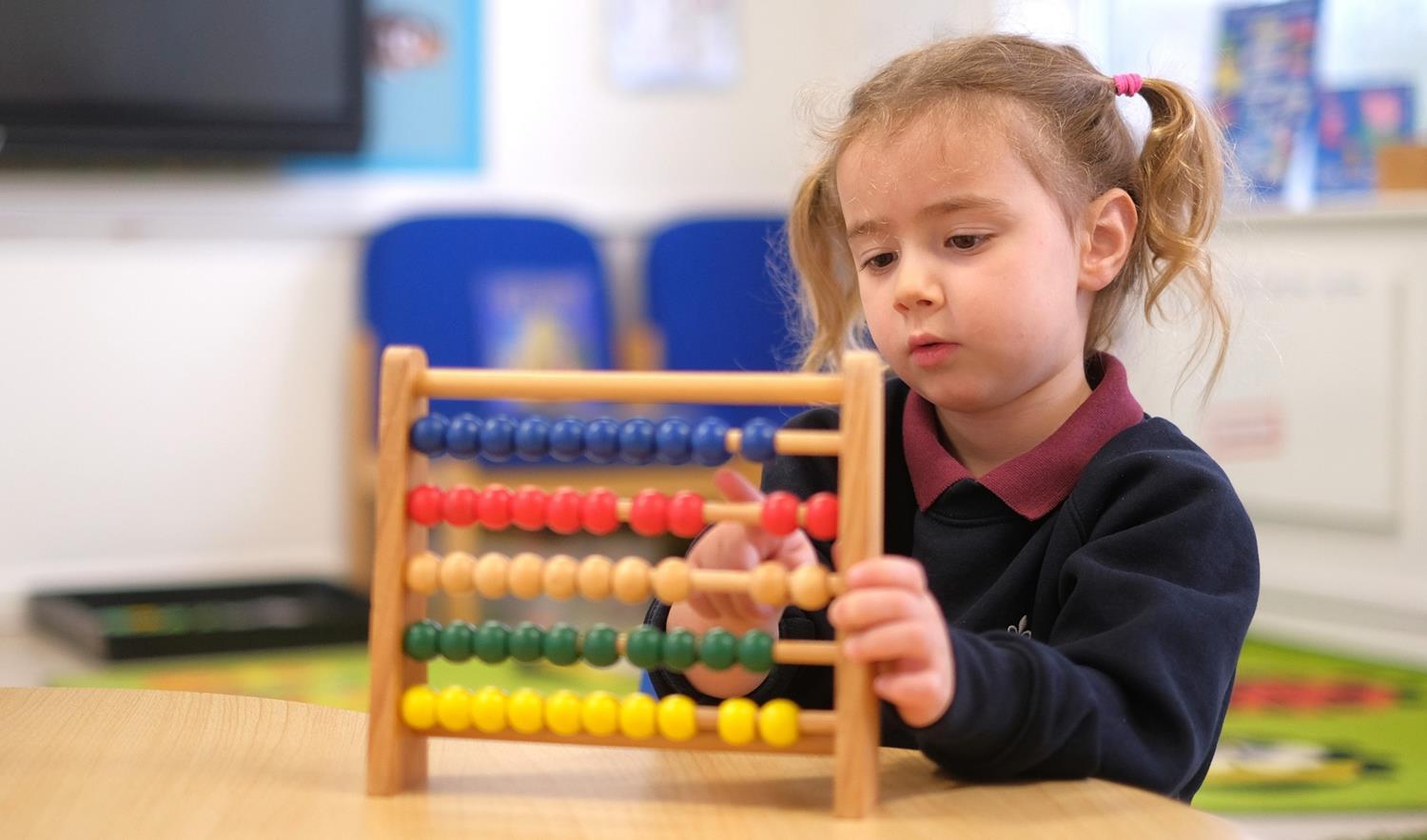
• Play is essential for teaching and strengthening mathematical understanding.
• Many of the maths objectives within Development Matters are best developed through free play.
• Play enables children to explore maths independently while remaining curious, confident and motivated.
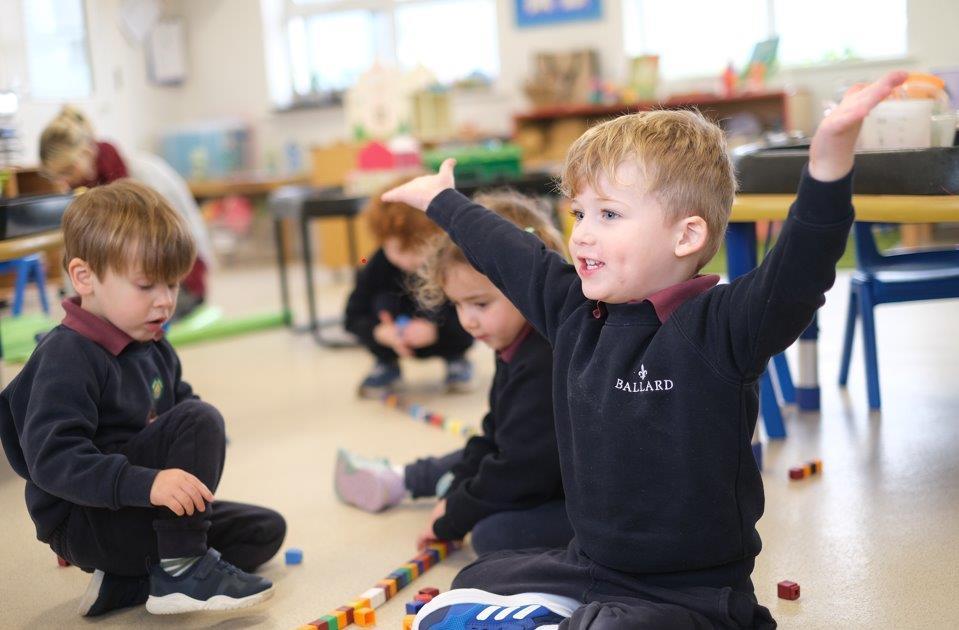
• We use a wide range of maths language throughout the day, such as more than, less than, same as, big, small, wide, thin, tall, short and large.
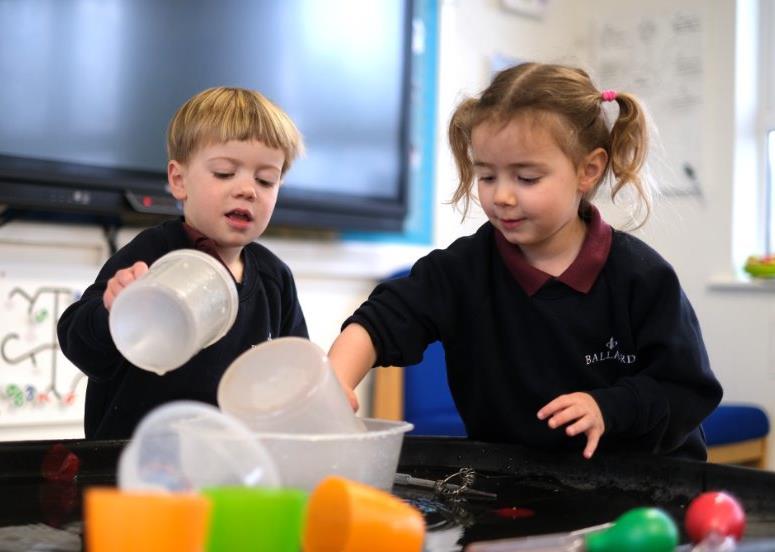
• Children are encouraged to explore maths through comparing amounts, size and weight. We model and reinforce language such as lots, more, fewer, same, bigger, smaller, high, low, tall, heavier, lighter, full, half full and empty.
• Children are encouraged to use positional language such as in front, behind, under, over, first and last. Adults model this language during authentic play experiences, when children’s learning is so much more effective.
• Parents can support their children’s learning at home by using positional language during everyday activities and play.
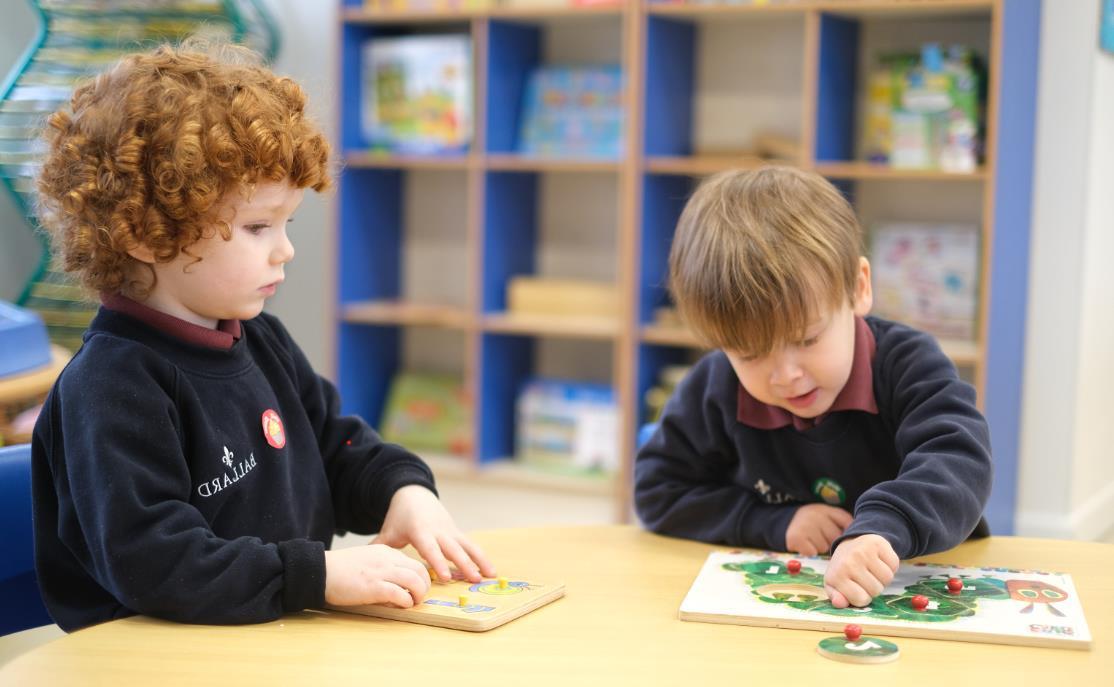
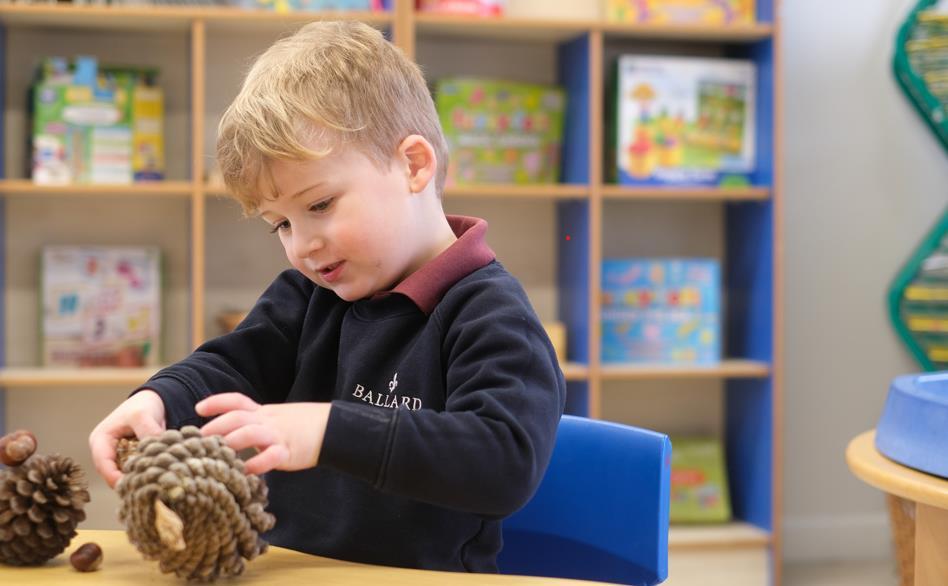
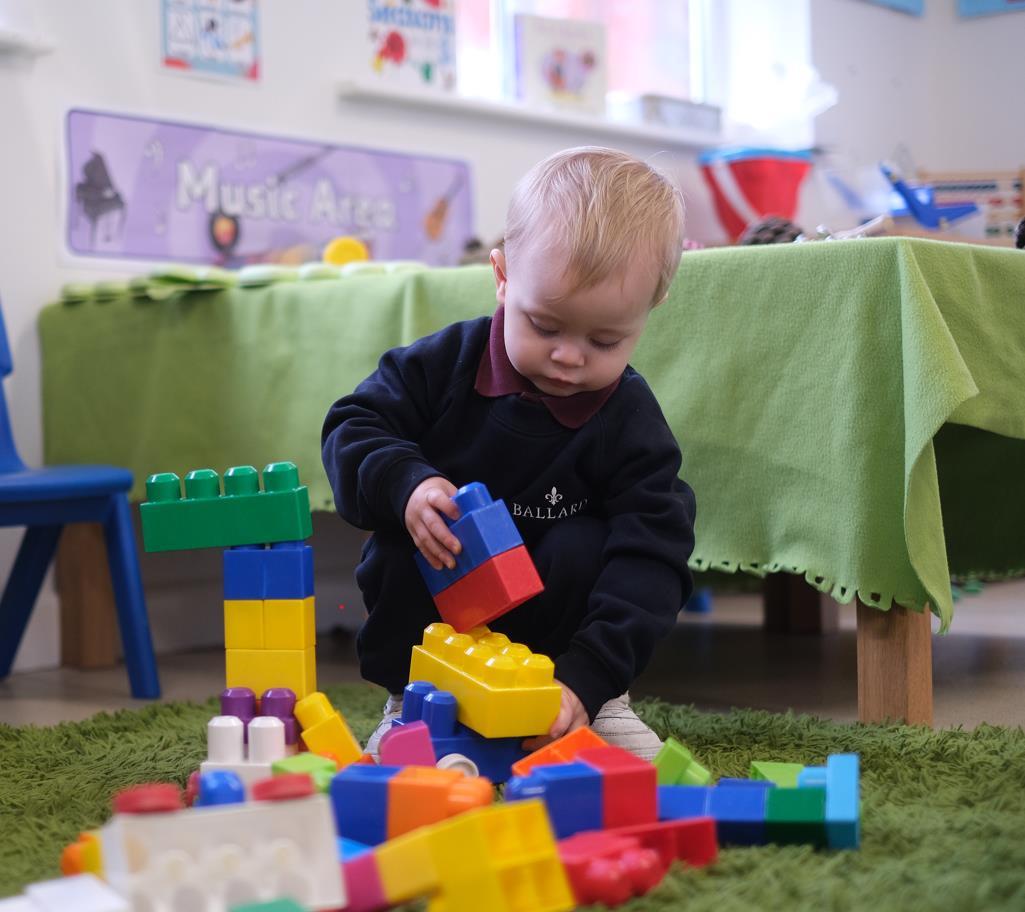
• Using loose parts encourages children to think creatively, solve problems and develop reasoning skills, while also supporting pattern making.
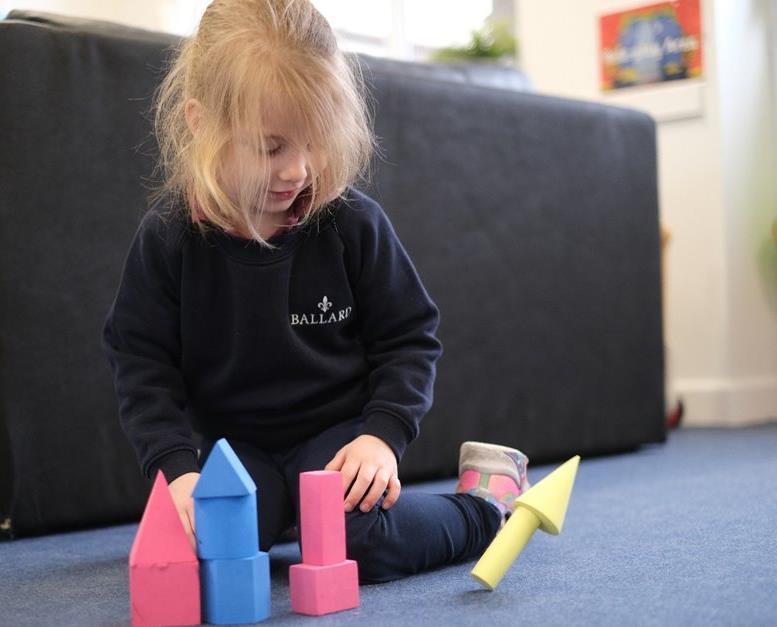
• Construction activities help children practise these skills through hands on exploration and purposeful play.
• Building and construction
• Play dough
• Weighing scales
• Role play
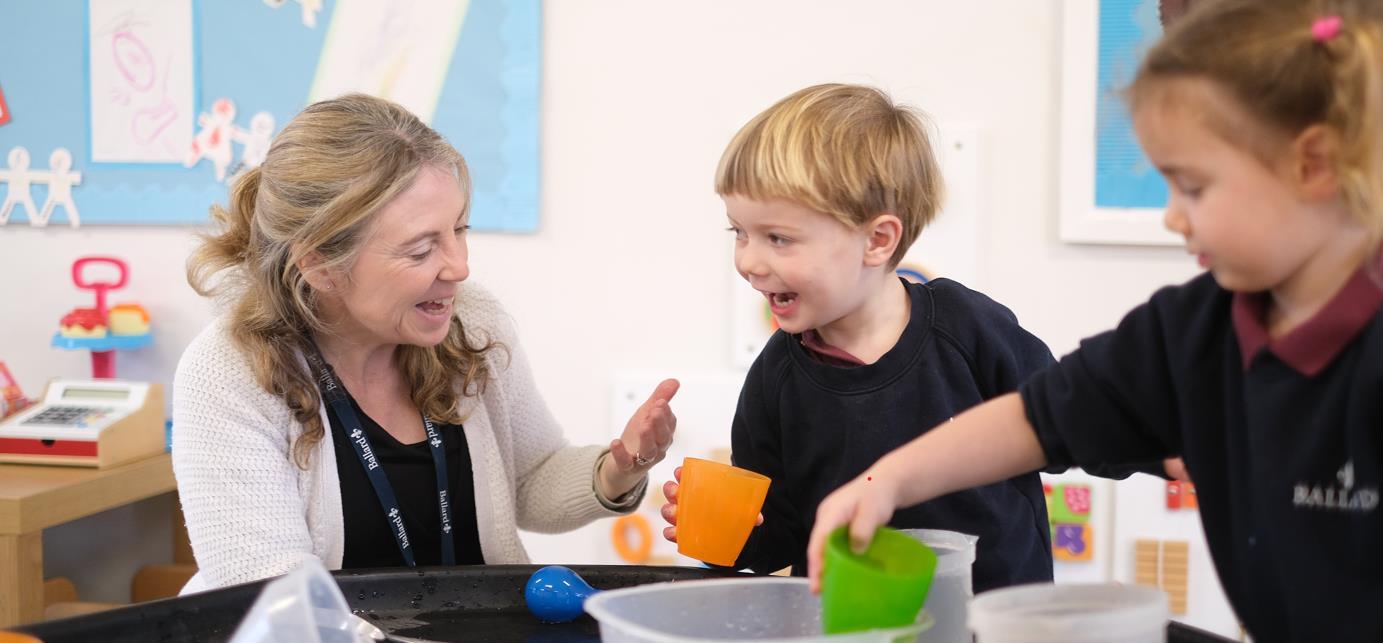
• Sensory play
• Cooking activities
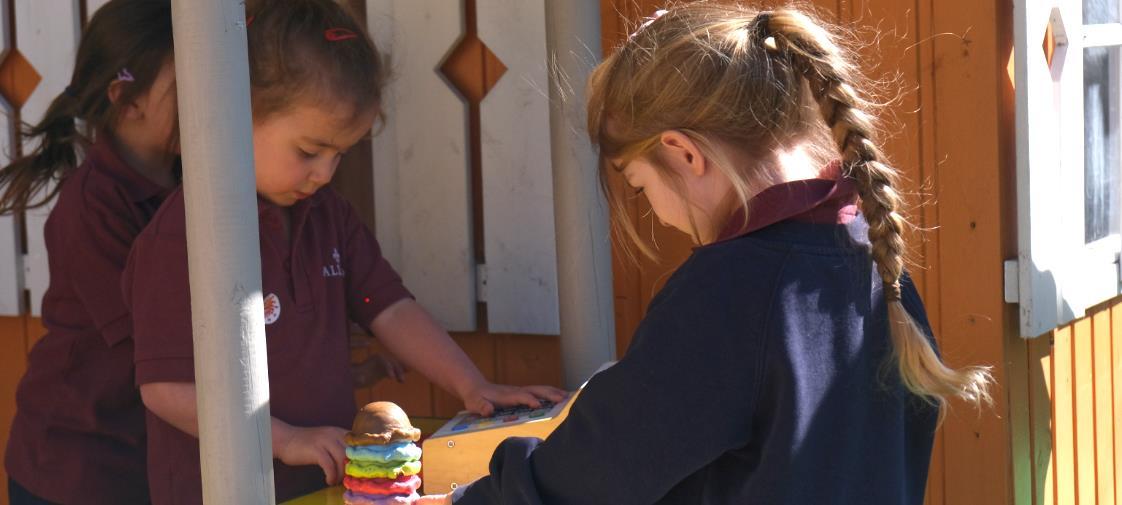
Children learn about money most effectively when they use it in purposeful, meaningful ways through role-play experiences such as a shop, ice -cream parlour and garden centre. Any opportunities for children to help with shopping at home, such as paying at the till or talking about coins and prices, will further support and embed this learning.
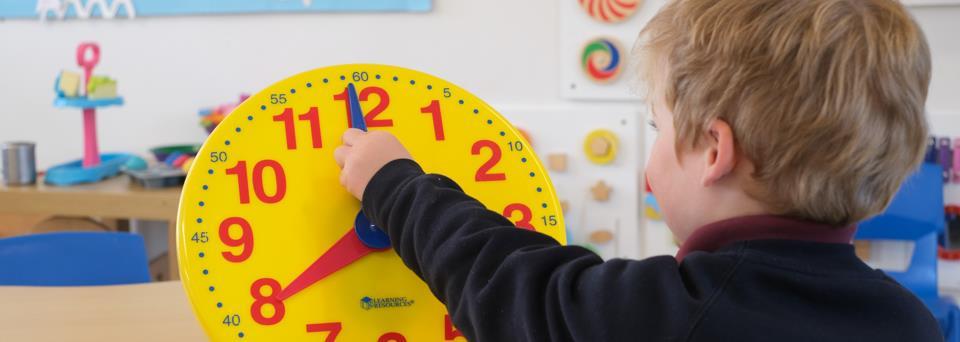
• We encourage children to explore time every day through practical activities. For example, children measure how long running races or toy cars take to travel along the ground. They are encouraged to estimate which car will go the fastest or furthest and how long it will take, before using a sand timer to check their predictions.
• We use a visual timetable to help children understand the order of the day, using language such as now, next, later, earlier and then. We also talk about different times of the day, including lunchtime, playtime and home time.
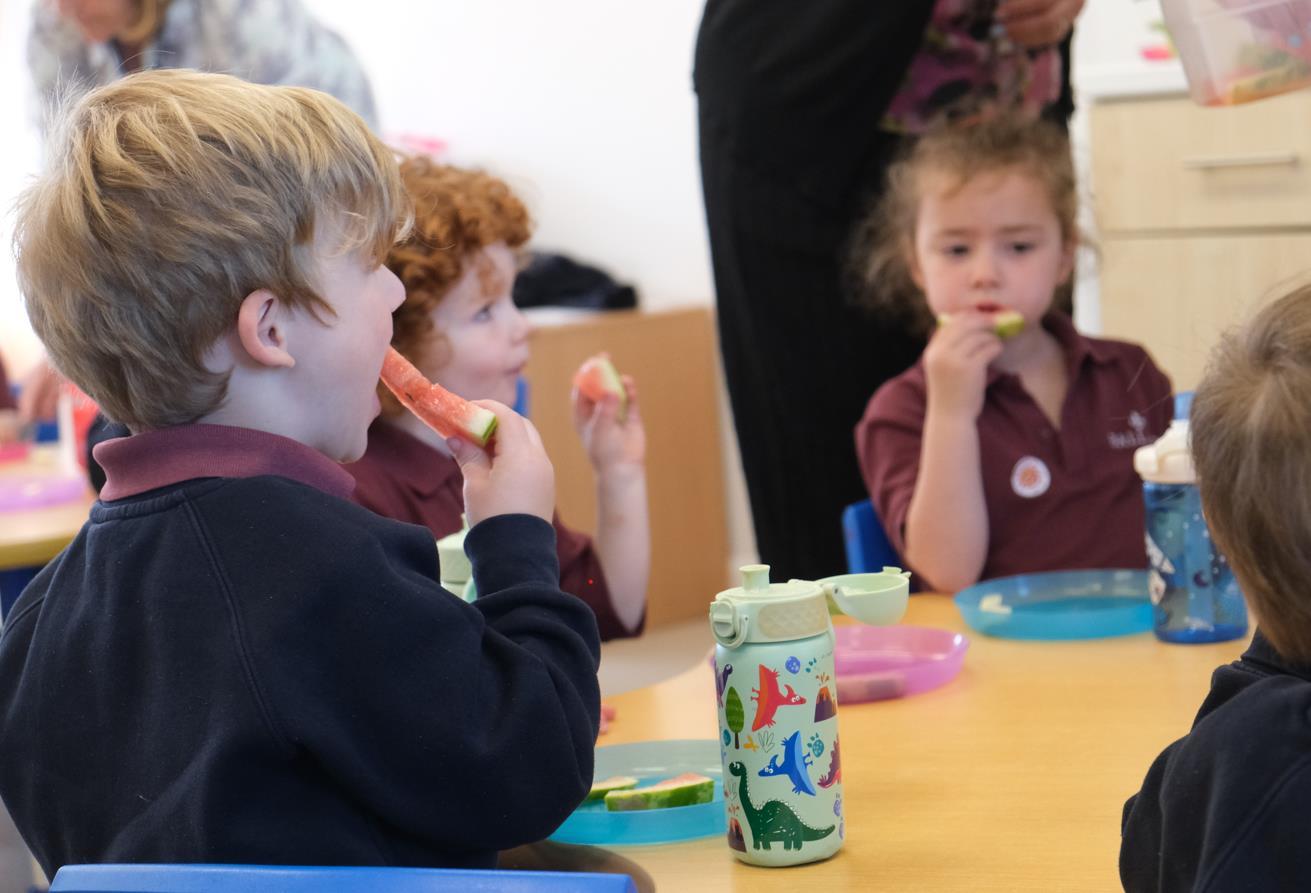
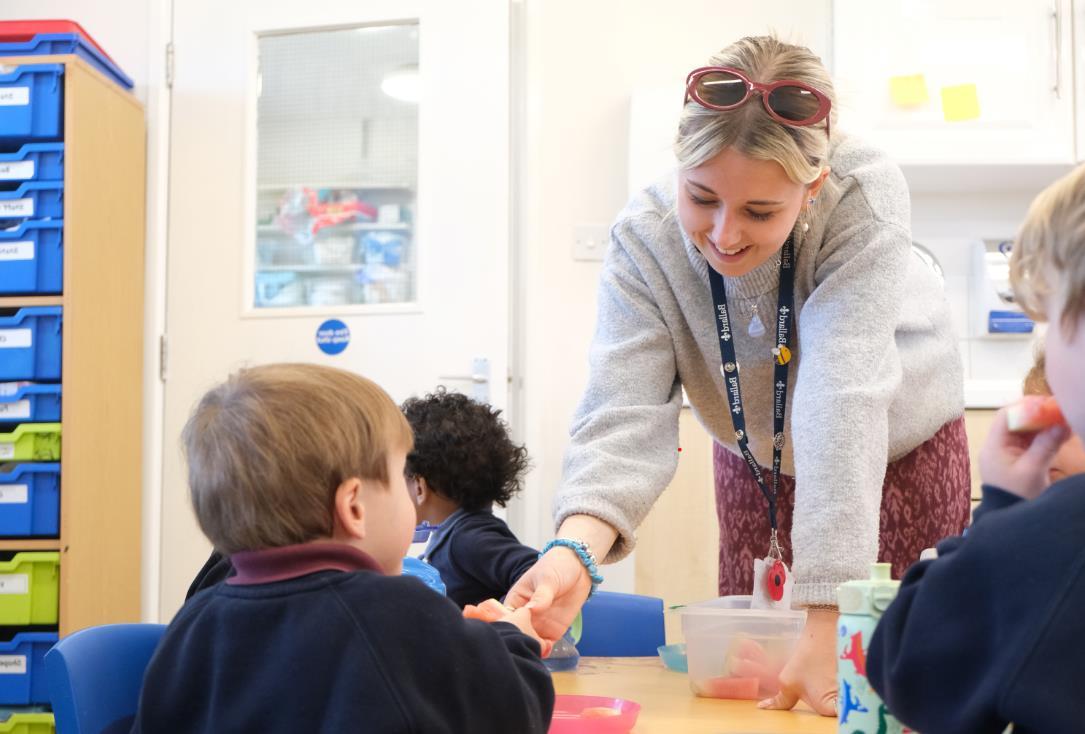
Food offers rich, everyday opportunities for children to explore maths through counting, measuring and comparing during real life experiences.
• Alongside learning through play, children take part in daily maths sessions led by an adult. These are short, focused 10-minute sessions taught in small mixed groups.
•Our guided maths activities are practical, highly engaging and sometimes a little messy, helping children to learn through real hands -on experiences.
•Playboard games such as Orchard games
• Sing number songs and Nursery Rhymes
• Engage in imaginative play with your child.
• Go on a number or shape hunt at home.
• Talk about signs or numbers whilst walking/ driving .
If you would like any more information on this or any other topic you may wish to learn more about please contact our friendly registrar on registrar@ballardschool.co.uk .