THE CARDINAL




Dear Readers,


As the editors of The Cardinal, we want to celebrate the incredible creativity and ideas of the Bishop Allen Community. Thank you to our amazing teacher moderator, Ms. Conroy and all those who submitted their wonderful and inspired work. This issue contains various eloquent prose pieces, beautiful poems, some fantastic photos and artworks, and a series of informative book reviews from the BA Book Club.
We as the editors are proud to present this issue of The Cardinal, and invite you all to submit even more fabulous pieces for the next issue.

Sincerely,
The Executive Editorial Team
Charlize Stanley-Archibald, David Di Giovanni, Emily Farmer, Gwyneth Salisny, and Victoria Gribe




Artwork
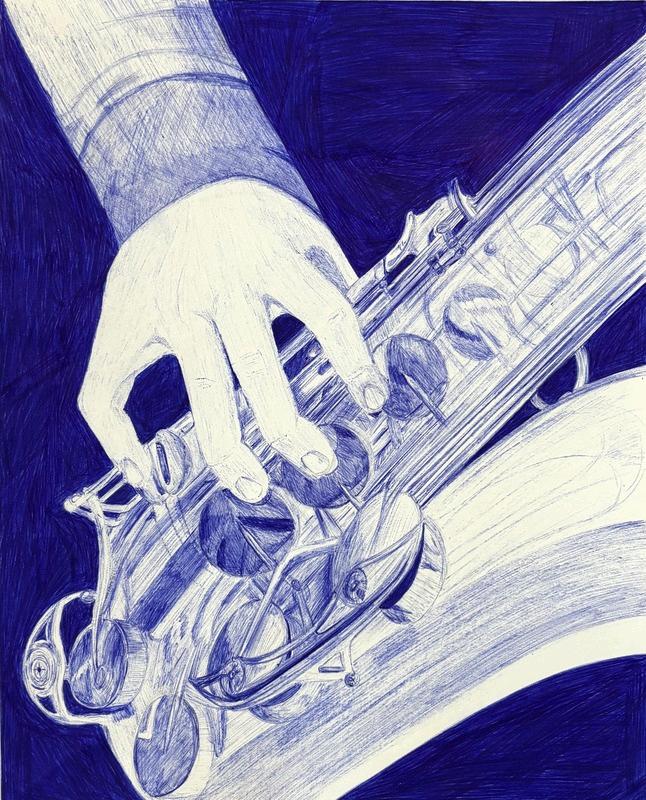
Yutong Liu - Cover Art
Alica Svandova - page 8
Nina Marinovic - page 11
David Di Giovanni - page 14
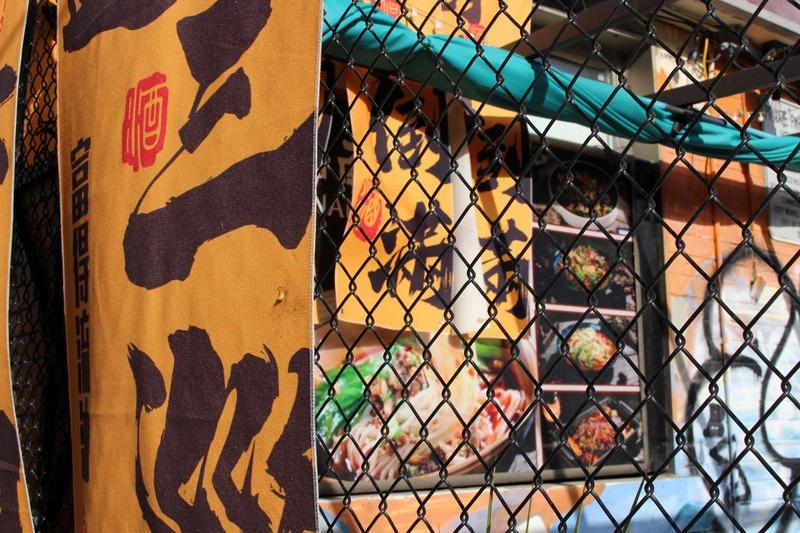
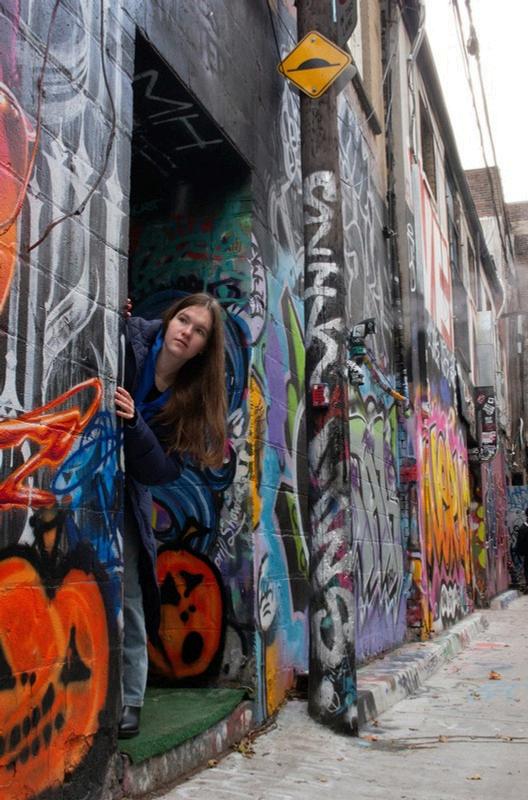
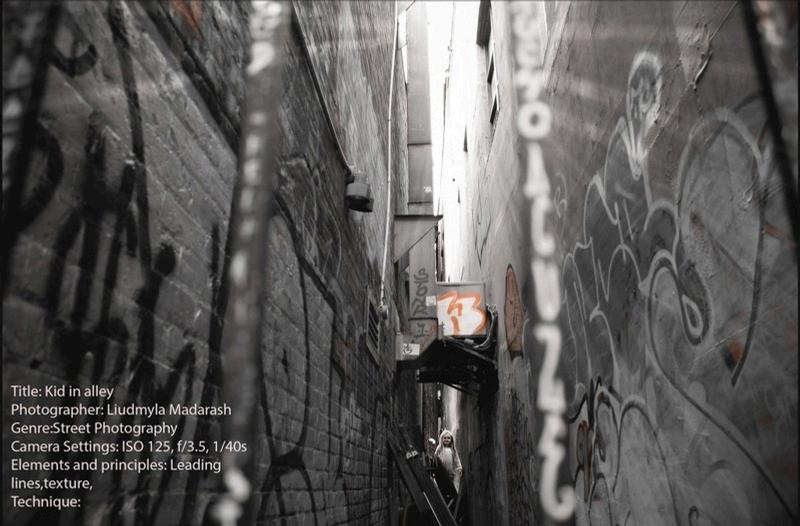
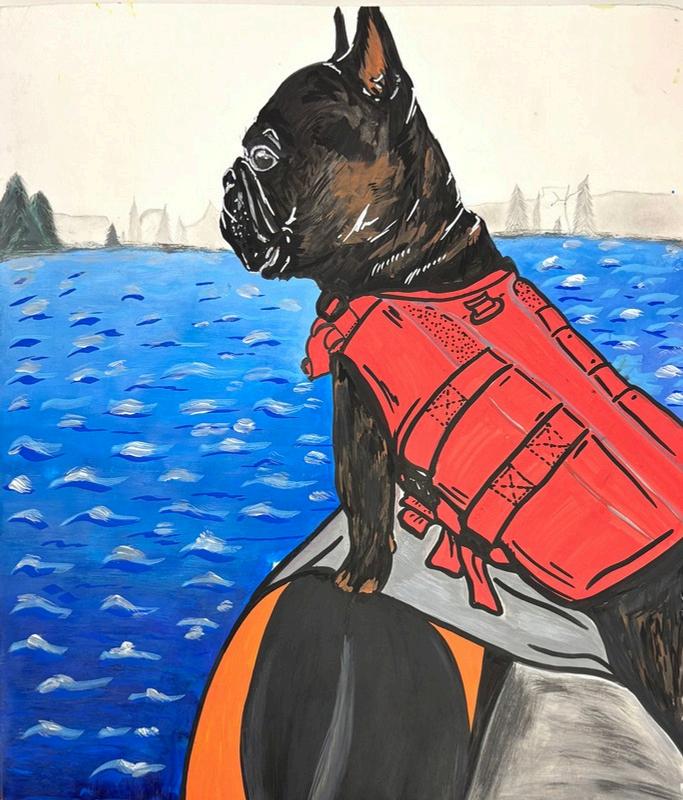
Roana Par, Liudmyla Madarash, Siena Carvalho - page 17
Yelyzaveta Chechel - page 18
Roana Par - page 21
Elizabeth Roccosanto, Margot Carey, Selena Cristini, Sophia Leopold-Muresan - page 24
Book Reviews
BA Book Club’s September Pick - page 3
BA Book Club’s October Pick - page 4
BA Book Club’s November Pick - page 5
BA Book Club’s Recommendations - page 6
Every Falling Star Letter Essay - page 9
All the Bright Places Letter Essay - page 10
The Beginning of Everything Letter Essay - page 12
Angel and Demons Letter Essay - page 13
The Outsiders Book Review by Maria Tobin - page 21 Poetry
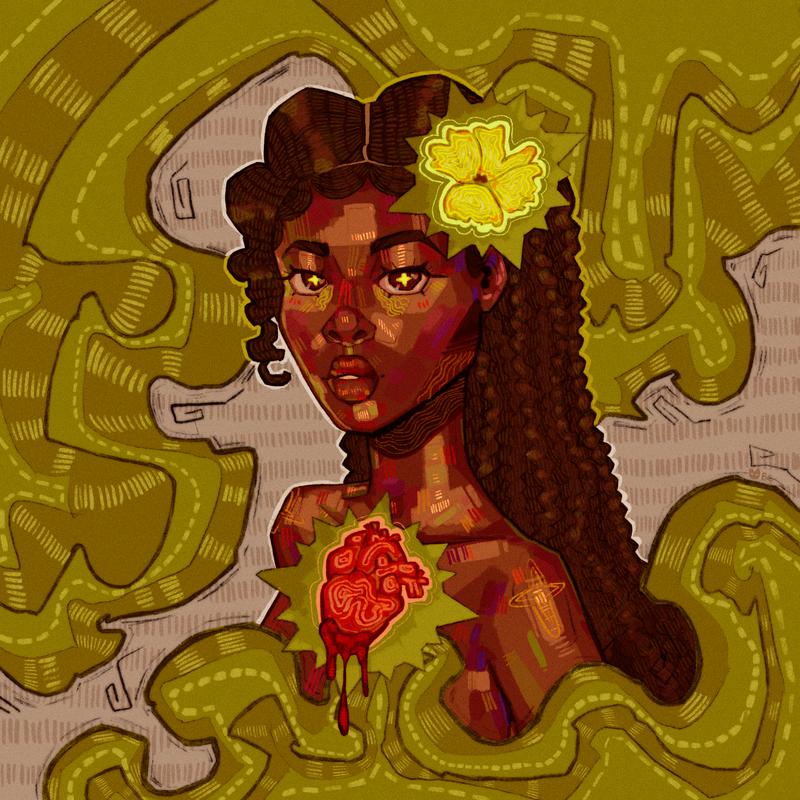
“Sleeping Among the Stars” by Zen Andrade-Pinter - page 2
“Crimson Hemisphere” by Zen Andrade-Pinter - page 20 Prose
“The Day It Snowed” by Isabella Ciaccia - page 1
“The Romanticization and Glorification of Female Suffering” by Isabella Dedda - page 7
“A Dream to Remember” by Isabella Ciaccia - 15
“Thin Snow, Thick Skinned” by David Di Giovanni - page 19

by Isabella Ciaccia
She looked out the window and saw all the snow… or rather, she looked out the window and was blinded by all the snow. It covered every inch of every single thing that dared to go outside, blanketing it all in one continuous layer of white, glistening snow.
Eleonora ran down the stairs and called out to her parents, “Mamma! Papà! It snowed—it finally snowed!”
Her parents did not even look up, did not even flinch at the sound of her voice. Papà had his head in his hands. Mamma, looking equally devastated, had one arm wrapped around his shoulder.
“Papà? Mamma?” Eleonora asked, carefully approaching her parents. Suddenly, the bright pink pyjamas she wore felt out of place. “What’s wrong?”
“Nora,” Mamma said, trying to keep her voice steady, “it is better if you do not know. You are too—”
Eleonora cut her off. “Do not say ‘too young,’ because we both know that, even though I am only twelve years old, I can name all the countries in the world for you, solve advanced math problems, and give a detailed description of the state of our world, right now. That’s why I got a scholarship to Crestwood Academy. That's why we uprooted our lives in Milano to come to America, remember?”
Mamma sighed, then clicked a button on the television remote. The TV came to life, and the room filled with the voice of Erin Burnett. “We are just now getting confirmation of exactly how many bombs were dropped, and where. The first one was in London, followed by Geneva, and finally Milan. At the moment, we are unsure why Russia targeted these specific locations, but—”
Mamma turned off the TV. Eleonora understood why her parents were devastated. She and her parents had moved from Milano roughly two months ago, so Eleonora could attend a prestigious boarding school here in America. What the Murano family did not know was that the goodbye they gave their family was their final goodbye.
“Dio mio,” Eleonora said, sinking into the couch beside Papà, “what has our world turned into?”

by Zen Andrade-Pinter
It lies right at the center of darkness, each twilight bound existence ever stretching towards its center.
Enveloping shadows take hold of its radiant exterior, yet enormous warmth expels outwards, proof of its undying breath.
Love, care, and insurmountable beauty is shared throughout its children.
One of which bears fruit, fruit of many sorts and sizes: ingenuity, divinity, belief, and jurisdiction. Conscience bred wonder, heart, and intuition. Faith, righteousness, flare, verses of depravity enacting despair.
All of this wrapped in a little green and blue package, which remains, sleeping among the stars.


I Am Not Jessica Chen
by Ann Liang
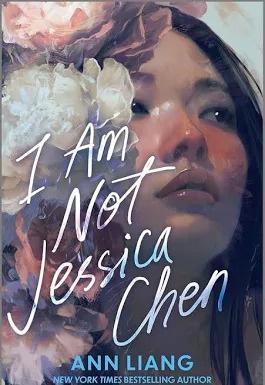
I Am Not Jessica Chen is a novel about Jenna Chen, a girl who feels invisible next to her "perfect" cousin,, Jessica Jenna makes a wish to become Jessica, which comes true, but she soon discovers the immense pressure and dark secrets behind her cousin's flawless life The story follows Jenna's journey to find selfworth and acceptance, exploring themes of academic pressure, and self-love
by Reagen Revort
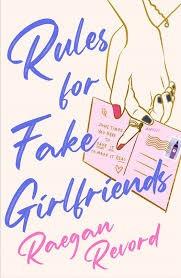
College freshman Avery Blackwell, arrives in Brighton, England, to attend her late mother's university and to follow a scavenger hunt her mother left behind On the train, she meets Charlie and agrees to be her pretend girlfriend to make Charlie's ex jealous In return, Charlie will help Avery with the scavenger hunt
by Holly Black
A fantasy novel about Jude, a mortal girl who was taken to the treacherous High Court of Faerie with her sisters after her parents were murdered Determined to belong, she becomes entangled in the dangerous politics of the fey, particularly with the cruel Prince Cardan, and must navigate palace intrigue, betrayal, and her own capacity for violence to protect her family
You Started It by Jackie Khalilie
A Good Girl’s Guide to Murder by Holly Jackson
Curious Tides by Pascale Lacelle
The Five People You Meet in Heaven by Mitch Albom
Something Borrowed by Emily Griffin
Six of Crows by Leigh Bardgo
Magnus Chase: The Sword of Summer by Rick Riorden
This Time It’s Real by Ann Liang
If You Could See The Sun by Ann Liang
Deception Point by Dan Brown
Loneliest Girl in The Universe by Lauren James
By:IsabellaDedda
You’veprobablyheardtheterm“femalerage”onsocialmedia. Oftentimes,it'spairedwitheditsfrommovieclipsdepictingangrywomen. Thesevideoshavedominatedsocialmediaandleadmetoacritical question:Hastheglorificationofragechangedsocialperceptionsofangry women?
Asagirl,Iquicklylearnedthatthatwordcamewithitslimitations.Girls aresupposedtobeclassy,neatandpolite.Growingup,Iwastaughtto cleanupaftermymalecousinsand“sitlikealady”.Growingupasagirl waslearningalltherulesofthepatriarchalworldinwhichwelive.Girlsare toldnottobeangry,nottotalkback,nottotakeupspace.
Byscientificdefinition,angerisaprimitiveemotionrootedinourfightor flightresponse,preparingthebodyforactioninthefaceofdanger. Growingup,themediaandmembersofmyfamilytoldmethatangry womenaretheresultofhysteriaoritbeing“thattimeofthemonth.”While women’sangerhasbeendismissedforgenerations,socialmediatrends showadramaticshiftinhowfemalerageisbeingperceived.Femalerage isoftenromanticizedasitisshownaspowerful,poeticandevenbeautiful. Societyisturningwomen’sangerintoanaestheticratherthanchallenging thesystemsthatcauseit.Bydistinguishingthisrageas“female”,weare perpetuatingtheideathatangerisanemotionuncharacteristicto women.
Ultimately,angercanbearallyingforce,avoicedemandingjustice. Insteadofromanticizingthefemalerangeinthemedia,wemustrecognize thatfemalerage,despiteitstragicbeauty,issimplyrage.
Dear Reader,
I just finished reading Every Falling Star by Sungju Lee, and I’m stuck between a 1/5 and 5/5 rating. The memoir follows Lee's physical and emotional hardships in North Korea, and as a true story, it is not specifically designed for the reader's entertainment. The memorable message about how a personal truth can develop through different situations was hard to grasp
Throughout the whole memoir, Sungju goes back and forth between two worlds, never fully sticking to either As a street boy, neither world fills the gap shaped by being ignorant of his country’s injustices for so long The conflict between the false narratives of his youth and reality is especially prominent when he begins stealing food, which conflicts with his original morals:
I was in the middle, the middle of somewhere between them, trying to find my way out of a murky bog, no longer believing in a lot that Our country has told me, but also not wanting to believe yet, that life was the survival of the strongest street boy…I wanted to believe That something higher and good was also at play (Lee 90)
This passage sums up the controversial feelings Lee faces and his journey to try to find a truth that gives him as much hope and happiness as the government once did It hints at the fact that personal beliefs, either based on politics or family, often change with experience
Although the message was clear, it was hard to apply it directly to the text; from the way Lee recorded his story, it seemed like he had difficulty remembering everything. The plot was repetitive. Some moments felt unnecessary, while others deserved more attention than they were given. Lee should have taken more literary liberty in order to make the story more attention-grabbing and less choppy
This leads me to my next point: the tone and diction that Lee used were not as raw and emotional as the events themselves As my fellow book club simply put it, “If a book is written well enough, I will cry If it is not, then I won't ” Lee’s writing failed to truly capture the confusion and spiraling of the characters, but rather offered a watered-down version of their ordeals A more expressive tone would have better illustrated the characters' emotions when challenged
Both of these points come together to make the memoir feel like a fever dream, as if it is all made up. How could these people possibly be real? They were so young, and the broadness of the story seeped into the numbness and trauma of the characters, making it hard to truly grasp the experience of a third-world teenager When Lee referred to one of the characters of the book as an actual person in the acknowledgments, it was like a slap across the face
Don't get me wrong, the story of his escape was truly inspiring and gratifying I just wish it could have been more literally satisfying Either way, I think Lee’s memoir can make anyone second-guess what they think is true, false, wrong, and right To conclude, the mix of a great story with an unsatisfying structure and tone pushes me to go about in the middle, and give it a solid 3/5.
In quiet awe and slight frustration,


Dear Reader,
I finished All the Bright Places by Jennifer Niven, and only now do I feel composed enough to write you this letter This book is filled with tears and love – an explosive combination It made me ride an emotional rollercoaster, every page making me contemplate the value of life and the ripple you can cause in the lives of others.
The story focuses on the inner battles of two teenagers, Finch and Violet, as they teeter on the edge of destruction They meet, they fall in love, and eventually, they break each other's hearts Finch doesn't have a choice – or maybe he does – but he still leaves Violet with too many questions and only riddles for answers Like many who are left to cope, Violet struggles with feelings of responsibility and regret:
Look at all the blank days, too many to count, that I didn't mark off because these days were days I had with Finch. I think:
I hate you. If only I’d known. If only I’d been enough. I let you down. I wish I could have done something. Why is it my fault? Why wasn’t I enough? Come back. I love you. I’m sorry. (Niven 343)
What Finch isn't accepting is that when he goes under the water for the last time, he affects Violet and his family; he is so distracted by the wrong that he doesn't see the right He tried so hard to be enough for Violet, to put on a smile, to wander and to change himself to find the Finch that would stay, but he couldn't
The plot and everything built around the story is what made the ending so gut-wrenching: the simple but extraordinary wanders, Finch running miles on the highway to buy Violet flowers, and their many insightful chats on top of places too high for their own good. All of Finch’s dazed monologues and efforts for Violet inspire the reader to shed a tear.
If I had known that this book would break me from the inside out, I don't know if I would have chosen it In contrast to the story, the book’s cover and title appear inviting and light This ultimately adds to the reader’s experience by mimicking how most suicides affect people: they seem fine and happy on the outside, but on the inside, their bright places get drowned out by the dark places, which is what leaves the ones in their wake so guilt-ridden, like Violet
Even with the ending being so cruel, I still found it satisfying, making it deserve a 5/5 It ended how it was supposed to: “Theodore Finch - [he] was alive. [He] burned brightly. And then [he] died, but not really” (378) and Violet was alive but reimagined. It was the only possible ending. With that, if you don't want to stare at your ceiling and rethink your life, don't read this book. If you want a mind-numbing experience, please do
“Good luck to those who remain” (270),




Dear Reader,
The Beginning of Everything by Robyn Schneider was everything for which I hoped – a witty romance – and everything I didn't expect – surprisingly insightful That doesn't necessarily mean it had a satisfying ending, but it did display the changes a single event can have on someone ' s perspective on life Ultimately, it helped me learn and appreciate living in the moment, beyond the bubble most of us create for ourselves
In this book, a teenager named Ezra faces a tragedy that flips his world around The story focuses on the confusion and contemplation that he confronts as he goes back to school with a limp and without his popularity After hanging out with his new friend Cassidy however, he reflects on the fact that those things don't matter:

I’m not certain I can pinpoint the exact moment when I became irreparably different These days, I think it wasn't a moment at all but a process…I was no longer Ezra Faulker, golden boy, and maybe I hadn't been for a while, but the more time I spent with Cassidy, the more I was ok with it (Schneider 204)
Before this moment in his journey, his idea of living was conflicting, sadly consisting of being a jock, having a girlfriend, and going to parties. With the help of new friends and parties in different locations, he realizes that his old persona was not real, just an image he created for others I think this message hits home for all teens, to see beyond the standards and expectations of others and to help us realize we can live outside of them
It wasn't only Cassidy who helped Ezra, but also his entire new friend group, who are stand-up comedians compared to his old crew They had witty banter and jokes that cracked me up Their dialogue mimicked what typical teenage day-to-day life conversations are like: filled with eye-rolling, insults, and inappropriate jokes The characters had both unique senses of humor and deep, meaningful conversations, creating an unlikely harmony.
All these points add to Ezra's personal development with his old and new feelings towards people and things For example, as a typical teenager, he didn't feel drawn to his old girlfriend, Charlotte; he simply dated her because she asked and because he “liked her” On the contrary, Ezra constantly expresses his admiration for Cassidy, sometimes being a bit much.
When they finally get together, his description of her is sickeningly sweet: “She tasted like buried treasure and swingsets and coffee She tasted the way fireworks felt, like something you can come close to but never really have for yourself”(179) It's beautiful and slightly disturbing at the same time
I rate The Beginning of Everything a 3 5 out of 5 Its score is that low only because of the ending, which left me enraged and dumbstruck It completely changed the trajectory the story was heading for, but it would be a crime for me to spoil it I guess now you don't have a choice but to get it Hurry, because there is much to discuss
Till then,
Dear Reader,
Angels and Demons by Dan Brown is an adrenaline rush filled with puzzles, twists, and fun facts about the age-old conflict between science and religion It took me on an adventure in Rome, guiding me through the secrets of its history and the Illuminati while displaying the different lengths to which religious figures and scientists will go to defend their beliefs.
The story's most climactic moment is when the camberlego –the priest in charge– and the head of CERN -a scientific organization- confront each other about both parties' ideologies This reveals the effects that the opposing matter had on their lives, adding passion to their dialogue:
“And so you had Leonardo Vetra killed!”
“For the church! For all of mankind! The madness of it! Man is not ready to hold the power of creation God in a test tube? A droplet of liquid that can vaporize an entire city! He had to be stopped!” (Brown 526)
This passage shows the desperation of the character, added on to the urgency brought by the ticking antimatter bomb Both sides contradict fundamental morals; the scientists build weapons, while the church puts Vatican city in danger However, they fail to acknowledge the impact either side can have on the world
The story’s sensory details make it come alive; the detailed descriptions of the deaths and the characters’ reactions allow me, as a reader, to visualise what happened Brown’s diction evokes deep emotion,, such as when the camerlengo learns that the Pope broke his vow: “the truth drilled into the camerlengo’s heart with such force that he staggered backwards out of the Pope's office and vomited in the hallway” (540). Through Vittoria’s attitude towards the antagonists, the author depicts the complications of person vs person conflicts: “She was overwhelmed by the unexpected images of personal revenge that had dominated her all day, even as a sworn lover of all life she wanted the executioner dead” (246)
On top of having great fictional descriptions, the story also has truth Brown’s novel is amazingly realistic As he states in his author’s note,“[r]eferences of art, tombs, tunnels and architecture in Rome are entirely factual (as are their exact location) The brotherhood of the Illuminati is also factual”. Throughout the book you learn and appreciate Rome's secrets, true historical facts about Catholicism, and the protagonist Langdon's vast knowledge of symbology.
With detailed descriptions and historical accuracy, this novel feels like it could actually happen, especially since the conflict between religion and science is an ongoing fight
To conclude, I give it a rating of 4 8 out of 5 Angels and Demons has something for everybody: mystery, romance, murder, and most importantly it could be relevant to today and tomorrow
Wishing you a good read,



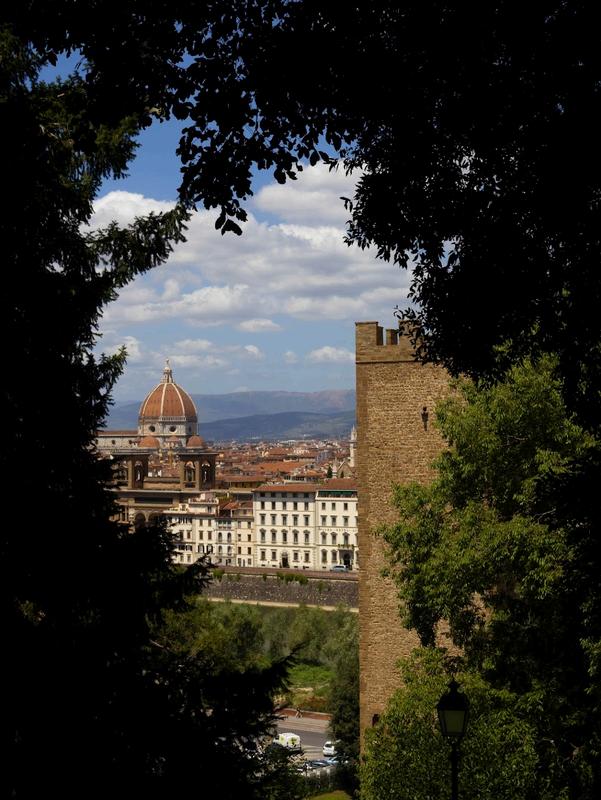
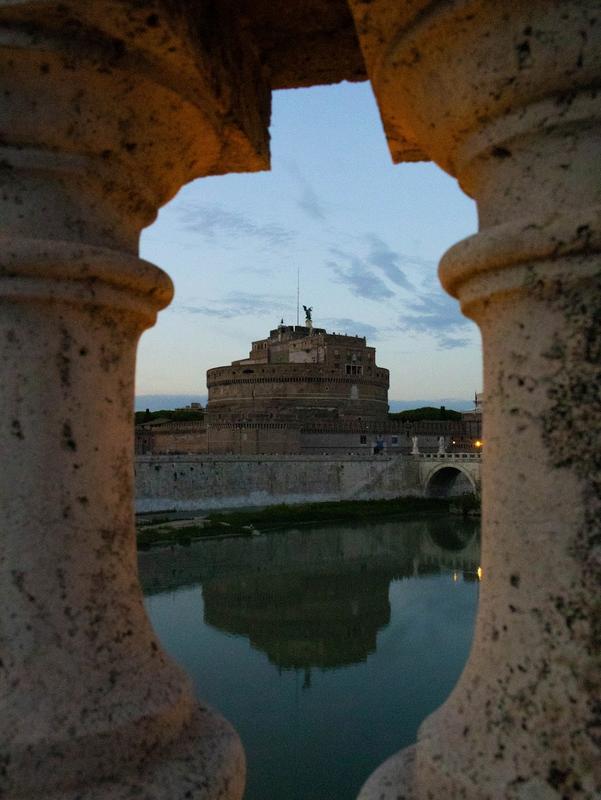

by David Di Giovanni

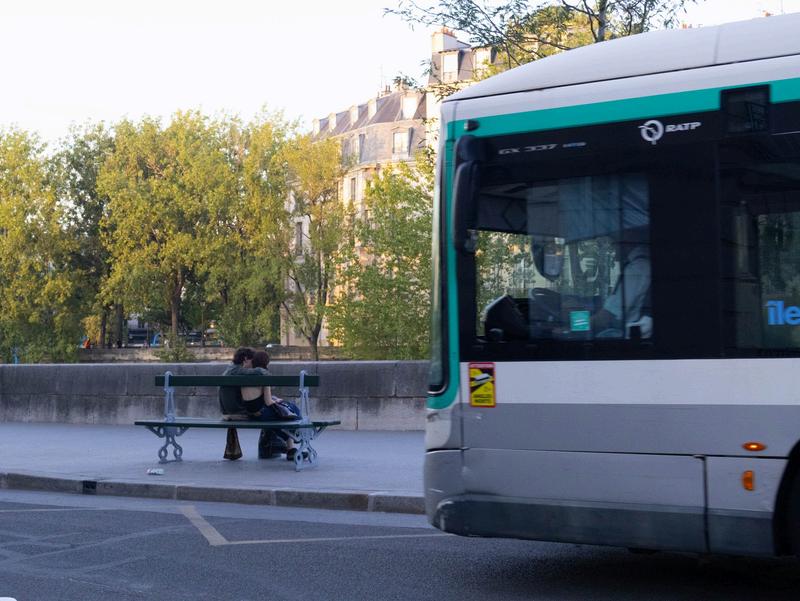
by Isabella Ciaccia

I have been having dreams about the same boy from 1950s Italy for the past month. What’s even weirder is that the boy, Vito, looks oddly familiar. Dream by dream, I watch Vito grow up, and tonight, I watch his family find out that his dad died.
Vito is in his living room, next to the side table that holds their few family pictures. In one picture, Vito is standing beside his father. Both wear black suits, his father a black top hat. Next to the pictures are a couple of antique vases with wilting flowers.
A man in a uniform is at the door speaking to Vito’s mother, Maria. I am not sure what Vito hears, but I hear everything: his father began working in Venezuela to make money, barely two months passed by before he was shot to death.
Tears pool in Maria’s eyes, but none actually spill out. I suppose she keeps it together for Vito. The dream ends before I can see Vito’s reaction.
I jolt upwards, then fall back into my bed. However sad that was, Vito’s life is simply a figment of my imagination. Something my brain invents to keep things interesting, right?
“Winifred!” my mom yells from downstairs. “Come down! We have to be at the Caforas’ house in fifteen minutes.”
Reluctantly, I get out of bed and join my mom in the kitchen. I rub my eyes. “But mom,” I say, “I was going to go to the mall with my friends.”
“That’s too bad,” she replies. “Hurry up, eat something.”
When I get to the Caforas’ house, my mom and Mrs. Cafora leave to go to the store.
Great. She’s making me skip hanging out with my friends, just so I can help my neighbour—whom I barely know—take down a couple of picture frames.
I find Mr. Cafora standing beside the window, watching my mom and Mrs. Cafora leave. True to my mom’s word, there is barely anything left to pack, save for a couple of picture frames on the wall. I start taking them down, but I pause at one in particular.

It’s a photograph of a man and a boy, probably Vito and his father. Both are dressed in black suits. The man his father sports a black top hat.
Why does this look familiar? I wonder. It’s not until I look closer at the boy that I understand why.
The boy in this photo is the same person from my dream. The same person to whose life I had first-row tickets for the past month.
“What the hell,” I mutter under my breath.
Mr. Cafora turns around, adjusting his hearing aids. “Did you say something? Sorry, my hearing is not the best these days, especially in English.”
“I’m sorry your dad died like that,” I blurt out, immediately regretting the words as they leave my mouth.
“What do you mean? I know I was only sixteen, but it wasn’t uncommon for someone to get sick and die on a boat, especially since we had no money for vaccines back then,” he says.
What?! If my theory is right, then Mr. Cafora is Vito, the boy whom I’ve been following in my dreams. Vito’s dad was killed, but Mr. Cafora said his dad died from sickness. That makes no sense, unless…
“Oh,” I say. By now, Mr. Cafora looks utterly confused.
Vito’s mother must have lied to him about how his dad died to protect him from such a cruel reality.
A story is already forming in my mind. I will tell him that I misspoke, that I confused him with someone else. Mr. Cafora doesn’t need to know. His mother told him that lie for a reason. It isn’t my decision, isn’t my… no, I will tell him the truth. He has gone on too long like this.
“Winifred?” he asks.
I take a deep breath. “Sir, there’s something you should know.”
I tell him everything.
He doesn’t interrupt me, doesn’t even question my story. He merely nods along, tears pooling in his eyes, just like his mother.
When I finish, he says, “I always knew my mother was hiding something from me. Thank you, Winifred.”
Before I can respond, the door opens, and Mrs. Cafora enters. “Winifred, your mother is waiting in the car for you. She said something about going to the mall? And don’t worry about the rest, I’ll deal with that.”
I nod, bid them goodbye, and shut the door behind me.
That night, I don't dream at all.


by David Di Giovanni

I’m 14 on a ski trip with my family to Blue Mountain. I freely rise above the icy slopes. On my own I sit, on the ski lift. The wind is slowly freezing my face, so cold I can’t find the air to breathe. It’s freezing, even for a Canadian winter. I sit anxiously as the lift creeps up its track. Ahead of me were all courses much harder than anything I had ever attempted The exhilaration is terrifying My dad and my sister are at the green hill, comfortably skiing down the straightforward slopes, as they do every winter. Yet, I wanted to push myself. For one of the first times, I can remember wanting to shatter my point of comfortability and reach for a challenge.
I size up the hills as I rise. Beneath me are two twin white hills, flat and wide in length, with no trees or obstacles, but a sharp drop off of the edges if one were to fall. I look even closer and see that the white snow is thin, and under looked to be black ice. I try to convince myself I saw otherwise. The lift continues on and over a forest valley. The ground straying further away from my seat as the valley deepened, creating an uneasiness in my stomach The evergreen trees coated in snow and the creeks frozen in ice are an unknown space beneath me, and the paranoia of falling creeps in. Thankfully, the lift soon ended. I hop off of the seat and make my way onto the pathway. The snow at the top of the hill is thick, and I start down the hill, joining a crowd of other skiers that soon dissipates. Just behind the fence I see a beavertails shop. I consider buying one, but I simply continue down the hill.
The beginning of the hill is easy, not steep at all, wide paths and turns, views of trees and fences. The lack of wind rushing against my face makes the cold bearable. As I descend down the hill I feel the snow brushing less and less against my skis as the powder becomes grainy and thin. The hill becomes slowly steeper as I continue down. I look at the snow-covered blue signs and see that I need to turn right for my desired hill, but for a moment I stop and look past the sign. Behind, there is a beautiful view from the top of the mountain. Georgian Bay reaching across the skyline, lighthouses and windmills standing in the distance, and in the foreground, the colourful collection of houses that make up the Blue Mountain village. I look forwards, joyful, as the true start of the hill begins.
I stop at the edge, looking down at the sharp shift to a steep slope, and I simply go. Instantly, I realize that I have no control over myself. The ground is completely made of ice. I realize I’ve gained far too much momentum to slow down. On the outside I stay composed and bend my knees, trying to keep any semblance of balance that remains My mind is panicking, certain of a painful fall in my future. The wind flies into my face at this breakneck speed, and my bones start to shiver, my feet freezing through their boots. I notice through goggles that the hill is only halfway over.
All I can do is pray. I’m going fast enough to reach the bottom quickly, but I start to wonder what will happen once I get to the end. How I could possibly stop with such little space before the sharp wooden fence? This pondering distracts me for a second, but in that time I hit a patch of ice and fly into the air. The adrenaline hits my whole body. I feel myself falling. I react in the shortest of moments, and feel my feet touch the ground again I bend my knees so far that my shins are parallel to the icy hill, and by some divine feat I perfectly absorb the force of my fall. I don’t have time to admire the feat, because I’m now rapidly approaching the end of the hill. My feet are telling me it’s impossible to stop, so the very moment the hill becomes flat ground I lean far to the right, my feet stretching themselves in my ski boots. I put all of my momentum into a singular sharp turn. My speed carries me past the lift lineup, past the ski lift, and comically far, all the way to the edge of the stairs that lead to the parking lot. Upon coming to a precarious stop, I take off my skis and fall to the ground, shocked and impressed with my miraculous and unlikely survival.
by Roana Par


byZenAndrade-Pinter
Crimsonhemisphere, stonetextureeverywhere, allcoordinated,“togetherfromnowuntilforever”.
Itspeoplemarch,onebyone, totheendoftherednation’sdignity.
Eachperson’swillwillsoar, beingcarriedonlybytheirworkingfeet. Yetthosewhorisetopowerfindpleasureforever after.
Crimsonchainswillnotholdthem; tothetop,theywishtoseek.
Allwhostaybelowremainbound, bytheuniteddeceit.
by Maria Tobin
The Outsiders by S. E. Hinton is a compelling and heartfelt novel that explores the complexities of social divide, identity and connection. The immersive storytelling keeps readers engaged through the rollercoaster of emotions, culminating in a gut wrenching finale. The story follows the life of a highly sensitive fourteen year old named Ponyboy Curtis and his fight against the socialites. However, one of his best qualities, his sensitivity, causes him to lack physical strength when fighting, which often places him at a disadvantage in the violent confrontations between the Greasers – his gang –and the Socs. Ponyboy’s intelligence and empathetic nature add depth to his character, giving him the stability to survive alongside the Greasers. Though many regard this novel highly and still enjoy the captivating narrative, only 19 years after its release in 1967, it was banned for its portrayal of gang violence, strong language and underage drinking, amongst other varying reasons. What I enjoyed most about this novel was its ability to connect to the reader and portray emotions. S. E. Hinton’s writing and storytelling allows you to grow to love the characters and their adventures, rooting for their success and mourning their misfortunes. Although the novel effectively illustrated the emotionally striking side of Ponyboy’s life, I wish that it also included different characters’ perspectives. Characters such as Dally and Johnny have captivating personalities that I would love to better understand, in addition to their mysterious and complex relationship. I would recommend this book to people of all ages who enjoy a heartfelt story.