

With a pragmatic approach as a strategic commercial partner and resilient manufacturing hub, Mexico’s business community has remained resolute in its commitment to the United States, navigating tariff threats and political turbulence.
When President Trump secured a return to the White House in 2025, the business community on both sides of the U.S.-Mexico border braced for another round of tariffs, tightened trade policies, and nationalist rhetoric. Yet in Mexico, the reaction among industry leaders was neither panicked nor defensive. Instead, many companies doubled down on a message of reliability and long-term partnership with the United States.
“We have always maintained that Mexico is a strategic partner for the U.S., not just a neighbor,” said Gustavo Almaraz, CEO of Grupo Estrategia Política, a leading public affairs consultancy. “Even when the rhetoric gets heated, business between our nations continues to thrive because the fundamentals are too strong to ignore.”
A Trade Partnership Built on Integration
Mexico is the United States’ largest trading partner, with over $860 billion in goods exchanged annually, according to U.S. Census data. Decades of integration through NAFTA and now the USMCA have created deeply intertwined supply chains, particularly in the automotive, electronics, and agricultural sectors.
Felipe Villarreal, CEO of Alian Plastics, a Monterrey-based plastics injection molding company specializing in the automotive sector, emphasized that the connection between Mexican manufacturers and U.S. clients is robust and highly sophisticated. “We know the American market well, its standards, its expectations,” said Villarreal. “That’s why we’ve been able to
diversify beyond automotive into sectors like HVAC and home appliances.”
This diversification has become essential, especially as tariff threats resurface. Villarreal noted that although new investment decisions are momentarily slower due to political noise, long-term confidence remains because Mexico offers what U.S. manufacturers need: proximity, talent, and competitive costs.
Investment Keeps Flowing
The strategic positioning of Mexico continues to attract investment despite the tariff headwinds. Santiago Carús, Managing Director of Euromex Logistics, a logistics provider specializing in the import of industrial and food-grade liquids, highlighted that international clients still view Mexico as the optimal hub for North American operations.
“The value proposition remains unchanged,” said Carús. “We offer efficient logistics, cross-border expertise, and compliance with international standards, all critical for sensitive industries.”
Furthermore, Mexico’s commitment to improving infrastructure bolsters this positioning. Investments in ports, highways, and customs modernization continue, enabling faster, more reliable movement of goods. The Mexican government and private sector have increasingly collaborated to upgrade border facilities, minimizing delays that could disrupt supply chains.
they can operate in Mexico without fear of regulatory pitfalls, thanks to digital solutions and expert support, they stay, and they grow,” he said.
This emphasis on transparency and modernization is critical as foreign investors demand greater visibility into their operations abroad. By adopting digital platforms that streamline compliance, companies can focus more on strategic growth rather than administrative hurdles.
Legal and Strategic Guidance for Foreign Investors
Miguel Peregrina, founding partner of Punto Fino Abogados, echoed this sentiment from the legal perspective. His firm specializes in litigation and digital legal services for foreign investors. “Our clients from the U.S., Europe, and Asia come to us not just to solve problems but to prevent them,” said Peregrina. “We offer transparent, digitally-driven services that allow clients to manage legal matters remotely, which is essential when navigating a foreign market.”
Peregrina added that strategic contract structuring and preventive legal audits can safeguard against many of the uncertainties introduced by fluctuating trade policies. This proactive approach is especially valuable when political conditions shift rapidly, as businesses require legal frameworks that provide stability and predictability.
Beyond Trade: Building Cultural and Economic Bridges
To further this alignment, various educational institutions and industry associations in Mexico are actively fostering talent development tailored to international business needs. This ensures a continuous supply of qualified professionals ready to meet the demands of global industries.
A Message of Resilience and Opportunity Despite the political noise, the core message from Mexico’s business community is one of resilience and optimism. Humberto Elizalde, CEO of Industrial & Chemical Solutions (ICS), a distributor of peroxides and other chemicals for the polymer industry, pointed out that innovation continues to flourish. “We’re investing in customized materials and exploring strategic partnerships with U.S. and European suppliers to strengthen local supply chains,” said Elizalde.
Pablo Martinez-Matosas CEO Javier Madero
Regional Director
Yuliana Gonzalez
Project Director
Maria Filippova
Project Director
Maricruz Rojas Felix
Creative Director and Designer
Matias Godoy
Chief Editor
Giangina Orsini
Writer STAFF
Additionally, global companies from Asia and Europe continue to show interest in establishing production bases in Mexico, ensuring access to the North American market under favorable trade conditions. This momentum is complemented by a skilled workforce and the country’s growing technological capabilities.
Reinforcing Trust Through Compliance and Technology
For companies like Konesh Soluciones, a leader in digital fiscal compliance solutions, the focus has been on ensuring foreign investors can navigate Mexico’s complex regulatory environment. “The Mexican tax system can be intricate, but our role is to turn compliance from a burden into an opportunity,” said CEO Héctor Gutiérrez. Konesh specializes in helping multinational firms integrate into Mexico’s electronic invoicing and tax reporting frameworks, leveraging big data and AI for transparency and efficiency.
Gutiérrez stressed that these capabilities are not just for meeting obligations but for building investor confidence. “When companies see that
While trade figures often dominate headlines, industry leaders recognize that the Mexico-U.S. relationship is also cultural and human. Raúl Galván, CEO of Amisa Group, a company specializing in relocating manufacturing plants from the U.S. and Canada to Mexico, stressed the importance of protecting the North American economic zone.
“We need to think of North America as one integrated market,” said Galván. “This is not about competing with China on their terms but about strengthening our regional capabilities. We advocate for policies that shield our trilateral market from external pressures.”
This perspective resonates across sectors. Mariana Raphael, Director General of Connecting Mexico, an organization that facilitates cross-border business development, highlighted the enduring commitment of Mexican businesses to their U.S. partners. “We are aligned with U.S. standards and expectations, not just in manufacturing but in ethics and business culture,” said Raphael. “That alignment is what makes us the ideal partner.”
Moreover, Manuel Aguilar, Managing Partner of Baker Tilly Mexico, emphasized the country’s macroeconomic stability. “For more than 25 years, Mexico has maintained a stable macroeconomic environment, with controlled inflation and an open market economy,” said Aguilar. “These fundamentals give investors confidence that despite political shifts, the business environment remains favorable.” Aguilar also highlighted the importance of resilience within the Mexican workforce and the adaptability of local companies. This agility, combined with favorable economic policies, positions Mexico as an enduringly attractive destination for foreign direct investment.
Conclusion: The Future is Regional
While tariffs and political shifts may alter the tone of bilateral discussions, the reality on the ground in Mexico is clear: the country remains open for business and committed to its role as a key player in North American prosperity.
This forward-looking attitude, grounded in pragmatism, positions Mexico not as a casualty of trade wars, but as a resilient, indispensable partner in the global economy. The combination of strategic location, talent, regulatory modernization, and infrastructure development ensures that Mexico will continue to play a central role in shaping the future of regional and global trade.
“If you’re not investing in Mexico now, you risk missing out on the evolution of the entire North American market,” said Almaraz of Grupo Estrategia Política. “We are not just weathering the storm, we are building the future.”
Amid fresh threats of tariffs from the Trump administration, Mexico is doubling down, positioning itself as a reliable, innovative, and strategic ally to the U.S. while continuing to welcome investment and uphold open-market policies.
A Long-Standing U.S.–Mexico Alliance
For well over a century, Mexico and the United States have maintained a deep economic interdependence. Two-way trade between the countries has soared, reaching nearly $798 billion in goods in 2023. The USMCA, which replaced NAFTA in July 2020, codified this interdependence by eliminating withdrawal risks, strengthening labor and environmental standards, and bolstering regional supply chains. Intra-regional trade and services under USMCA supported 17 million jobs in 2022, with Mexico accounting for a remarkable 9 million of them.
Despite these strong foundations, Mexico has recently faced fresh headwinds. On the table are proposed U.S. tariffs of up to 25% on imports from Mexico—ostensibly aimed at addressing border and fentanyl issues—a move that threatens to disrupt trade and rattle investor confidence. Mexico responded de-cisively: its administration initiated high-level dialogues with Canada and the U.S. to safeguard the USMCA framework and shore up the trilateral pact. Trade experts and business leaders in northern Mexico have expressed confidence that the region’s integration with Canada remains solid, though they caution that continued diplomatic engagement is necessary to mitigate risks.
This enduring relationship is underpinned by a broad-based integration that spans multiple sectors, from automotive to electronics and beyond. NAFTA’s implementation in 1994 catalyzed a manufacturing boom that fostered deep supply chain ties. Car parts, aerospace components, and electronic devices often cross the border several times during production, a testament to the tightly woven industrial fabric of North America. These ties have allowed the region to present a unified front against competition from Asia and Europe, creating a robust ecosystem that benefits all parties involved.
Beyond trade, the two countries share critical energy infrastructure, such as pipelines and electricity grids, further cementing their economic linkage. The integration has also extended to education and research collaborations, with numerous U.S. universities partnering with Mexican institutions to advance technology and workforce skills relevant to the industrial sectors flourishing under USMCA.
The strategic alliance is not only economic but also geopolitical. As global power dynamics shift, particularly with tensions between the U.S. and China, Mexico’s geographic position becomes even more advantageous. It serves as both a manufacturing hub and a geopolitical buffer, aligning closely with U.S. interests in maintaining regional stability and supply chain security.
Felipe Villarreal, CEO of Alian Plastics, summed it up: “Mexico is not just a neighbor; we are partners in production, innovation, and progress. Our role in the North American economy is indispensable, and we are prepared to strengthen this position further.”
In this context, Mexico’s message to the world is clear: despite political noise and periodic policy shifts, the country is unwavering in its commitment to fostering a resilient, mutually beneficial partnership with the United States. This enduring alliance continues to offer fertile ground for investment, innovation, and shared prosperity, making Mexico a pivotal player in the evolving global economic landscape.
Business as Usual Despite the Noise
Faced with potential tariffs, Mexico’s response has been nuanced and proactive rather than reactionary. Negotiations with U.S. officials remain ongoing, while Mexico quietly reassures investors that trade and business continuity are preserved under USMCA’s protective exemptions.
Carlos Arguimbau, CEO of telecommunications provider IENTC, emphasized that Mexico sees itself as a strategic commercial partner: “U.S. financial partners offer ideal conditions for infrastructure financing... we connect key data centers in the U.S. like Los Angeles, Phoenix, McAllen... It’s very inter-esting how partners in the U.S. work for us,” said Arguimbau. That connectivity spans 29 of Mexico’s 32 states, reaffirming the country’s readiness both operationally and geopolitically. IENTC’s expansive fiber network, which integrates rural and urban regions alike, has
made the company a vital player in Mexico’s digital infrastructure push, especially as global demand for data-intensive industries continues to surge.
Grupo Estrategia Política’s CEO Gustavo Almaraz added that Mexico under President Sheinbaum is “playing more with the U.S. than with China.” He described Mexican diplomacy as strategic, business-centric, and “proactive,” working closely with Washington and Canadian counterparts on trade, mi-gration, and fentanyl containment. He noted that Mexico now engages CEOs and business councils directly to align interests with theirs.
Ethical Innovation and Patient-Driven Growth
In the healthcare sector, companies like Stendhal Pharma are showing how Mexico can leverage its market opportunities to build ethical innovation and patient access in Latin America, driven by sustained double-digit growth and a bold, tailor-made strategy.
The company puts patient outcomes at the center of its mission, expanding across 14 countries with a model built on flexibility and trust. “Changing patients’ lives is what drives everything we do,” says Rodrigo Ruiz Mingramm General Manager for Mexico and Latin America.
Stendhal has gained global recognition for its ethical business practices and operational excellence, earning a place among the most ethical companies in Mexico. “There’s no other way of doing business for us,” Ruiz adds.
Strategic partnerships with leading global innovators have allowed Stendhal to maintain an “unlimited pipeline,” identifying breakthrough molecules in late-stage development and tailoring market strategies for each partner. “We design a custom go-to-market model for every alliance,” Ruiz explains.
With two to five product launches annually, the company continues to strengthen its presence in high-impact areas such as oncology, rare diseases and central nervous system disorders. “We aim to bring solutions to needs that remain unmet for doctors and patients alike,” Ruiz explains.
Stendhal measures success not by the size of its portfolio, but by the number of patients who can access its therapies. “Our products save lives—and that’s the only metric that matters,” Ruiz concludes.
USMCA’s Stabilising Role
The USMCA remains the bedrock of Mexico’s economic narrative. With 83.5% of Mexican exports destined for the U.S. in 2019 and a combined North American economy representing about 30% of global GDP, the pact solidifies Mexico’s role in a massive integrated market. From 2020 to 2023, Mexico attracted approximately $50 billion in U.S. investment and $10 billion from Canada, much of it driven by nearshoring trends aimed at reducing reliance on China.
Even amid sporadic tariff threats, experts suggest the risks are mitigated by USMCA safeguards. UBS has noted these tariffs may not apply to goods substantially transformed within North America. Morgan Stanley analysts also argue markets tend to absorb tariff risk when the broader economic fundamentals remain intact.
Yet, uncertainty has arrived. According to Baker McKenzie, tariffs have led some private equity firms to pause nearshoring deals until the policy picture clarifies. Still, the U.S.–Mexico trade corridor remains structurally strong, and firms continue to recognize Mexico’s proximity, labor efficiencies, and cost advantages. Furthermore, USMCA has instilled a greater sense of legal and regulatory predictability, which is crucial for multinational firms planning long-term investments. The agreement introduced new chapters on digital trade, intellectual property protections, and labor rights, modernizing the framework to address 21st-century commerce. This modernization has been particularly attractive to industries like pharmaceuticals, technology, and advanced manufacturing, which depend on clear IP protections and seamless digital exchanges. Miguel Peregrina, founding partner of Punto Fino Abogados, noted that “the legal stability offered by USMCA is a major reassurance for foreign investors. It provides a solid dispute resolution mechanism and clarity in

contractual obligations, which helps mitigate perceived risks in Mexico.”
Similarly, Mariana Raphael, Director General of Connecting Mexico, highlighted the impact on logistics and cross-border services: “USMCA has not just preserved but enhanced the fluidity of trade across borders, particularly for SMEs looking to scale their operations in North America. It simplifies procedures and reduces costs, which is vital for competitiveness.”
Strategic Corporate Confidence
Multinational companies across sectors—from food to tech—are doubling down on Mexico. Leading baker Grupo Bimbo announced a $2 billion investment across seven states through 2028, with its executives confidently stating that potential tariffs would not derail their strategy. Similarly, Unilever committed $1.5 billion through 2028, including a new factory in Nuevo León to create 1,200 jobs. And Mercado Libre pledged a massive $3.4 billion investment in Mexico during 2025, reflecting continued trust in its ecommerce and fintech landscape. Domestic innovators and global technology leaders alike are reinforcing their presence in Mexico. German automation specialist KUKA is investing €19 million in a new R&D center in Nuevo León, boosting advanced manufacturing capabilities and creating over 400 jobs. Meanwhile, Bosch reaffirmed its commitment with a $100 million investment to celebrate 70 years in the country, further embedding its role in Mexico’s industrial landscape.
Héctor Gutiérrez, President of Konesh Soluciones—a leader in fiscal-tech software— stressed that Mexico’s early adoption of electronic invoicing since 2005 has paved the way for digital compliance ecosystems, helping attract U.S. and European investors seeking regulatory clarity. “We have 2 to 3 billion fiscal documents in our system and work with companies like PepsiCo, Palacio de Hierro, and Louis Vuitton,” said Gutiérrez.
Mexico as a Competitive Gateway Mexico illustrates a rising manufacturing powerhouse. Audi, BMW, Tesla, Ford, and other automakers increasingly diversify their supply chains to Mexico, attracted by skilled labor, favorable logistics, and OEM-grade quality, as confirmed by Felipe Villarreal, CEO of Alian Plastics. He highlighted the country’s rising labor costs relative to Asia but emphasized the “nearshoring” effect had hinged on superior quality standards, evidenced by the influx of global automakers to Nuevo León and the Monterrey region. He described how foreign-established teams bringing European and U.S. formulas are fostering rapid local supplier integration.
In the chemicals sector, ICS, a distributor of organic peroxides vital to polymer industries, is developing custom materials branded “Corpol” and targeting ISO 9001. President Humberto Elizalde noted their first U.S. expo was a showcase: “We’re building the distribution filter across Mexico, Central and South America... Looking at strategic alliances,” said Elizalde. ICS is preparing to support new market entrants amid the next wave of manufacturing investment.
Additionally, Mexico’s government and private sectors have invested heavily in logistics infrastructure. Expansions in key ports like Manzanillo and Veracruz, along with new rail connections linking industrial hubs to the U.S. border, strengthen Mexico’s appeal as a continental logistics hub. The Trans-Isthmic Corridor project, aiming to connect the Pacific and Atlantic coasts via rail, positions Mexico to compete with the Panama Canal for specific shipping routes.
The development of specialized industrial parks tailored for sectors like aerospace in Querétaro, automotive in Guanajuato, and high-tech in Guadalajara further illustrate the country’s strategic foresight. These zones offer state-of-the-art facilities, streamlined customs procedures, and dedicated workforce training programs, enhancing Mexico’s competitiveness in attracting foreign direct investment.
Mariana Raphael of Connecting Mexico pointed out that “logistics and infrastructure improvements are key differentiators for Mexico. Investors see not only the cost advantag-

es but also the growing efficiency in moving goods quickly across borders.”
Innovation: From Startups to Industry 4.0 Mexico’s appeal extends beyond manufacturing; it is carving a reputation in innovation. Startups across fintech, software, and proptech attracted 26% higher investment in 2024 compared to the previous year, outpacing European and Southeast Asian growth.
Meanwhile, industrial players are embracing automation. Felipe Villarreal’s injection-molding factories are embedding Industry 4.0 systems to monitor machine performance, predict maintenance issues, and manage cycle times. “We are investing a lot in robots that are taking parts inside the machine to the outside… we improve cycle times and avoid human risk,” said Villarreal.
Querétaro has emerged as Latin America’s fastest-growing aerospace hub, hosting Airbus, Delta, Bombardier, and FAMEX, the continent’s largest aerospace fair. Tesla’s planned gigafactory near Monterrey—potentially a $15 billion investment—underlines Mexico’s central role in North American electric vehicle production.
Supporting this ecosystem, Mexico’s education sector is aligning closely with industry demands. Monterrey Institute of Technology and Higher Education (ITESM), one of Latin America’s premier universi-ties, has partnered with global tech firms to develop curricula tailored to advanced manufacturing, AI, and robotics. “We want to move towards a more value-added economy by contributing to innovation,” said David Garza, President of ITESM. “That means building an ecosystem where academia, companies, and startups collaborate to solve real-world challenges.”
The government’s backing of innovation clusters, particularly in Jalisco’s “Silicon Valley of Mexico,” has attracted tech giants like IBM, Oracle, and Intel, which are expanding their research and development operations in the region. This confluence of academia, private sector, and government support is creating a vibrant innovation ecosystem that enhances Mexico’s global competitiveness.
Governance, Policy and Innovation Alignment
Mexico’s “Plan México” strategy under President Sheinbaum seeks to reposition the country as a resilient, sustainable, and innovative economy. Through mechanisms like Circular Economy Development Poles (PODECIBI), Mexico is offering tax benefits to ESG-focused investors.
Further bolstering confidence, BBVA announced a historic six-year investment of over 100 billion pesos ($5 billion) to drive customer experience, financial inclusion, and sustainability.
Meanwhile, Baker Tilly Mexico’s Managing Partner Manuel Aguilar reaffirmed Mexico’s macroeconomic stability: “Mexico and the U.S. have a long-standing business relationship… we will keep growing because the relationship has demonstrated mutual benefits,” said Aguilar. He emphasized that Mexico remains a free-market economy with open capital flows—attributes that are increasingly rare in emerging markets.
A Message of Confidence
Despite periodic political uncertainties, Mexican business leaders exude steady optimism. ILEMCE leaders emphasize flexibility. “We need to move… if you stick with your vision from January 1, you will be out of business,” warned Felipe Villarreal. The message is echoed by Humberto Elizalde, who believes Mexico’s agility is part of its DNA: “We’re prepared to adapt, to bring in technology, to grow with our partners. This is not just rhetoric, it’s business,” said Elizalde.
Reading the Road Ahead
Hostile headlines may grip global markets, but Mexico continues to invest in its strengths. With a top-tier trade pact in USMCA, a talent base steeped in engineering, a proactive innovation ecosystem, and a proven ability to adapt, the country positions itself not as a secondary choice but as a strategic North American hub. The message is clear: Mexico stands open for business, ready for the next wave of world-class investment.
As cross-border investment into Mexico grows, Punto Fino Abogados is reshaping the legal experience for international clients with a techpowered, trust-first approach.
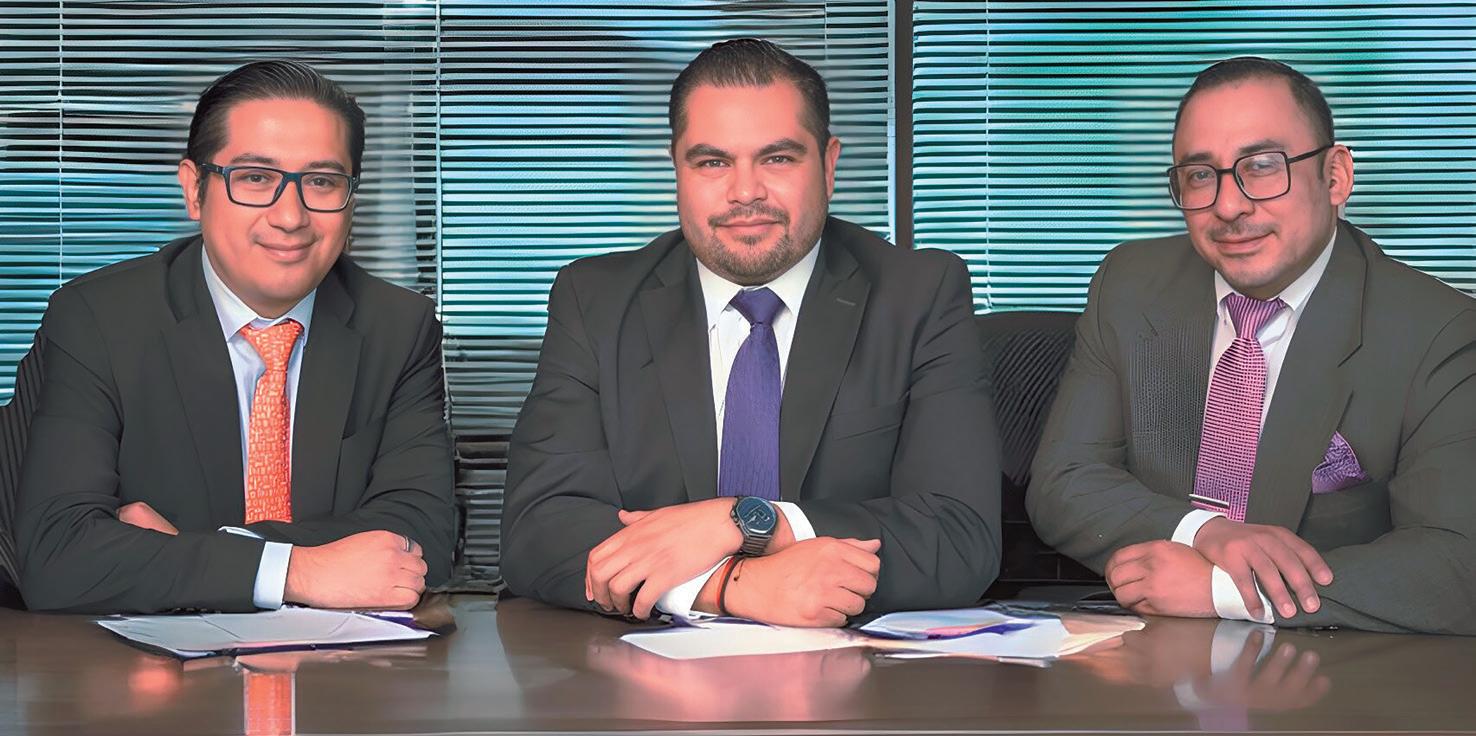
In an industry often marked by opacity and sluggish responsiveness, Mexico-based law firm Punto Fino Abogados is quietly redefining how international clients engage with legal services. With a presence that spans from Spain to Japan and clients ranging from individual investors to multinational companies, the three founding partners of Punto Fino Abogados—Miguel Peregrina, Erik Rivera, and Adrián Sánchez—are proving that legal trust and transparency can be digitally built and globally sustained.
Specializing in litigation, the firm stands out not just for its results but for its method: remote evaluations, personalized guidance, and a 24/7 availability model supported by modern communication tools. “Most of our clients never even have to travel to Mexico. Everything— from consultations to court participation—can be handled digitally,” says Peregrina. Initial contact typically begins via WhatsApp Business, followed by a digital contract and strategy session, often without a single in-person meeting.
One of the firm’s most distinctive traits is its approach to risk-sharing. Instead of requiring upfront legal fees, they often defer payment until after a successful outcome, particularly in insurance litigation and contract enforcement cases.
“We understand that clients who come to us have already lost money—whether to a failed medical claim or a business dispute—so we align ourselves with their goals,” Rivera explains.
But their competitive edge extends beyond accessibility and financial flexibility. Punto Fino
is investing in technological transformation with the development of Dana, an AI-driven digital legal assistant designed to provide real-time updates on ongoing cases, answer legal questions in plain language, and allow clients to download case files securely. Dana is being built not with generic online legal content, but with the firm’s internal expertise, fine-tuned to mirror the voice and judgment of the partners themselves. “We don’t see AI as replacing lawyers—it enhances the way we serve our clients, translating legal complexity into practical clarity,” says Sánchez. Their forward-thinking approach is also attracting new partnerships. The firm is actively seeking collaborators in other markets to expand its services and streamline cross-border legal operations. At the core, however, remains their belief that Mexico continues to be a vital commercial ally for the United States—despite reputational challenges. “We tell foreign investors: don’t just bring your contracts—bring your questions. Let us protect your investment before problems begin,” Peregrina says.
For clients seeking a reliable legal ally in Mexico, Punto Fino’s hybrid of personal accountability and technological innovation offers a new blueprint for cross-border legal services.

IVEMSA, a seasoned shelter company based in Mexicali, is leveraging four decades of cross-border expertise to anchor foreign manufacturing operations in Mexico with full regulatory compliance and long-term vision.

With more than 42 years of experience, IVEMSA has carved out a strategic niche as a trusted partner for international companies establishing operations in Mexico. Founded and led by Sergio Tagliapietra, the company provides end-toend shelter services, from employment and tax compliance to facility management and regulatory assurance.
“Our role is to bring foreign investment into Mexico and land it with legal certainty,” said Tagliapietra. “We handle 100% compliance — formal employment, taxes, everything — so our clients can focus on manufacturing.”
At IVEMSA, focus is on supporting and guiding companies that are evaluating and planning to launch their own operations in Mexico. Through their shelter business model, companies can operate with minimized legal risk and exposure, while maintaining full control over their operations, production processes, intellectual property, and quality standards. Additionally, their clients typically achieve labor cost reductions of 20% to 30% in their Mexico-based management and can become fully operational within approximately three to four months. “We provide the safest, fastest, and most cost-effective path to establishing operations in Mexico,” said Tagliapietra.
IVEMSA’s diversified strategy spans the medical, aerospace, automotive, plastics, metal-mechanical, and construction industries. But its diversification, Tagliapietra insists, “was never accidental, it was born out of necessity. We moved from electronics to other sectors because we needed stability, not market volatility.”
Recent developments include an expansion in medical manufacturing. In a cleanroom facility de-
Euromex Logística Intl is redefining bulk liquid transport through innovation, scalability, and strategic global alliances.
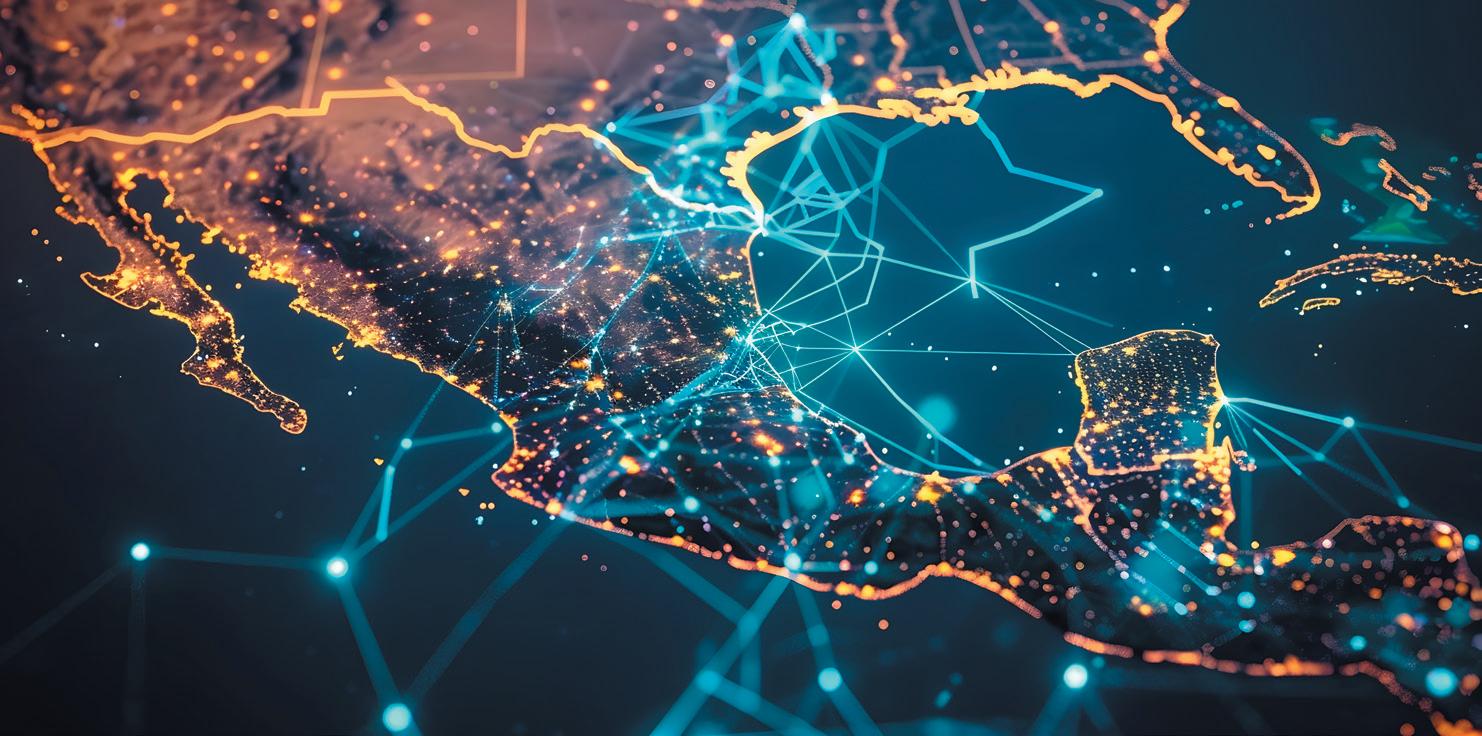
As global trade recalibrates toward more diversified, sustainable supply chains, Mexico-based Euromex Logística Intl is emerging as a key player in the logistics sector, particularly in the specialized transport of liquid bulk materials.
In the last two years, Euromex has achieved a remarkable 228% growth in its isotank liquid import segment, positioning itself as a leader in the Mexican market. “We’ve consolidated our presence as a vital link in the country’s supply chain, importing raw materials that major industries transform into essential products,” said Santiago Carús, Managing Director of Euromex Logística Intl.
Looking ahead to 2025, Euromex’s strategic focus is clear: to become the most reliable operator in Mexico for transporting industrial and food-grade liquids safely and efficiently. The company continues to expand its fleet of isotanks and offers what it describes as “the safest flexitank in the global market” for non-hazardous bulk liquids like vegetable oils and mineral oils. Innovation plays a critical role in this trajectory. “We’re investing in emerging technologies that enhance operational safety, reduce costs, and help us anticipate client needs,” Carús explained. He emphasized that data-driven logistics and environmental compliance will be central to longterm success: “We’re building a company prepared for an interconnected world governed by digital standards and sustainability requirements. The logistics of the future has already begun—and at Euromex, we’re setting the pace.”
To strengthen its logistics footprint, Euromex is also enhancing inland transport operations between

go
and secure
infrastructure.
is in talks with European and Asian partners to broaden its reach. “We’re forming agreements with global chemical and industrial players who require specialized logistics providers that meet the strictest international standards for handling sensitive materials,” Carús noted. These partnerships not only support current operations but ensure Euromex’s long-term scalability and competitiveness. As global investors search for reliable, efficient logistics hubs, Euromex offers a compelling proposition. “Mexico is ready to lead the new era of global trade,” Carús affirmed. “With our strategic location, skilled workforce, and commitment to innovation, we invite the international community to view Mexico not as a transit point, but as a true hub for smart, scalable operations.”
In the heart of Mexico City, a historic hotel is breaking records, expanding fast, and reshaping expectations for luxury travel in Latin America.

scribed by Tagliapietra as “a beautiful investment,”
IVEMSA is producing catheter extrusions and exploring biodegradable plastics for tubing and hearing protection. “We’re moving towards sustainability. We’re already testing biodegradable resins, and although the final solution isn’t here yet, we’re committed,” he said.
The company is also positioning for opportunities in semiconductors, aligning with U.S. reshoring trends. “There’s growing demand for security-based supply chains. While major fabs are going to Phoenix, our region is ready to support the broader ecosystem,” Tagliapietra said, referencing Mexicali’s former Silicon Border initiative.
Located near the U.S. border, IVEMSA plays an active role in cross-border alliances and binational dialogue. Tagliapietra, who previously served as Baja California’s Secretary of Economic Development, has long championed institutional cooperation. “Our goal is always the same: bring investment to Mexico first, then state, city, and company. That’s the chain of strategy.”
With a young, educated workforce and strong engineering programs, Mexicali offers unique advantages. “English isn’t a barrier. Engineering isn’t a problem. Our location is unbeatable,” he said. While infrastructure remains a challenge in parts of Mexico, Tagliapietra sees these gaps as future opportunity.
“Mexico has a border with the largest consumer market in the world. That will never change. It’s a permanent asset, and we are here to help others take advantage of it.”
The InterContinental Presidente in Polanco is having its best run in nearly five decades. In 2024, the hotel posted its highest-ever annual performance. In 2025, revenue is already up 19.8% over that record year. “We’re not just ahead, we’re way ahead,” said General Manager Álvaro Rey. “This isn’t just recovery. It’s transformation.” A bold renovation plan launched in 2023 turned skepticism into success. Despite limited funds in the aftermath of the pandemic, the hotel invested in its facilities and international outreach. That strategy delivered: InterContinental Presidente has since hosted global events like Miss Universe and Bloomberg’s first-ever Latin American summit, requiring full buyouts of its nearly 700 rooms and all eight restaurants. “When Bloomberg left, they told us they were struggling to find another location that could compare,” Rey recalled.
Mexico City’s post-pandemic openness played a key role. With skies and hotels reopened earlier than in many countries, international travelers who previously knew only Cancún or Tulum discovered the capital’s value. The hotel responded by promoting not just rooms but curated cultural experiences and short-format packages linking guests to nearby cities like Puebla or Valle de Guadalupe.
The hotel’s culinary offering has become a key attraction. Three new restaurants —including a Japanese speakeasy and a Mediterranean concept— joined long-standing icons like Au Pied de Cochon and Alfredo di Roma. InterContinental Presidente is also home to the most important wine cellar in Latin America, housing over 44,000 bot-
tles. “We call it the gastronomic hub of Mexico City,” said Rey. “There’s nothing else like it in the region.” Infrastructure investment continues in 2025. A new ballroom with a terrace overlooking Chapultepec Park will break ground in December, and more suites are being added to meet rising demand. Behind the scenes, systems are being upgraded to streamline operations and training.
sion to the guest experience. “We’re not just giving tours, we’re building futures,” said Rey. With advance bookings through 2028 and a growing pipeline of global events, InterContinental is positioning itself as more than a hotel, it’s a gateway to Mexico City and a benchmark for luxury hospitality across Latin America. “Fifteen years ago, people thought investing in Latin America was risky,” said Rey. “Now, the question is: who will get in first?”
As global competition for technological leadership intensifies, Mexico is stepping up as a rising hub for research, development, and innovation. No longer just a manufacturing powerhouse, the country is attracting multinationals and startups alike to its growing network of R&D centers, innovation clusters, and academic partnerships, strengthening its role as North America’s engine for advanced industry.
Mexico is steadily cementing its status as a global hub for research and development (R&D), coupling its manufacturing prowess with cutting-edge innovation capabilities. As multinational corporations deepen their roots in the country, Mexico’s appeal now extends far beyond lowcost labor and proximity to the United States. Instead, it offers a dynamic ecosystem of R&D centers, innovation clusters, and collaborative industrial-academic partnerships, making it a fertile ground for investors eyeing the next frontier of technology and production.
A Maturing Innovation Ecosystem
Over the past decade, Mexico has evolved from being primarily an assembly-line destination to a nation driving technological innovation. In cities like Querétaro, Monterrey, Guadalajara, and Mexico City, R&D investments are transforming industrial landscapes. Querétaro, for instance, has become Latin America’s fastest-growing aerospace hub, hosting major players like Airbus, Bombardier, and Delta’s MRO services. This regional cluster is bolstered by academic collaborations with the Aeronautical University in Querétaro (UNAQ), which tailors its curriculum to meet industry needs.
Similarly, Monterrey, home to the prestigious Monterrey Institute of Technology and Higher Education (ITESM), has emerged as a nucleus for industrial innovation. The institute collaborates with industry giants like Siemens, which operates a research center in the region dedicated to automation and digitali-
zation. “Mexico has a strong manufacturing tradition, but now we need to leverage that foundation to move towards a more innovation-driven economy,” said David Garza, President of ITESM. “That’s why we’re creating ecosystems where applied research, startups, and corporations can converge to address real-world challenges.”
Felipe Villarreal, CEO of Alian Plastics, attests to this shift. “We’ve moved beyond just producing components; our facilities are embedded with Industry 4.0 technologies. Our teams are trained to monitor machine performance in real-time, predict maintenance needs, and optimize cycle times through data analytics,” he said. This adoption of smart manufacturing processes reflects broader trends in Mexican industry, where traditional production is increasingly augmented by sophisticated R&D.
Multinational Commitments to Mexican R&D
Major multinationals are also scaling up their innovation footprints in Mexico. General Motors, Ford, and Continental have all invested in R&D centers focused on automotive technology, including electric vehicles (EVs) and autonomous driving. Ford’s Global Technology and Business Center in Naucalpan represents one of its largest facilities dedicated to engineering, product development, and innovation outside the U.S. Tesla’s decision to build a gigafactory near Monterrey, representing a potential $15 billion investment, further cements Mexico’s
role in North America’s EV supply chain. This project is expected to include not only manufacturing but also engineering and design functions, deepening the R&D component of Mexico’s industrial base.
The chemicals sector is similarly advancing. ICS, a Mexican distributor of organic peroxides, is developing its proprietary Corpol materials, tailored to specific customer requirements. “We’re not just importing solutions; we’re innovating locally to meet the unique demands of our clients across polymers and composites,” said Humberto Elizalde, ICS CEO. The company is also pursuing ISO 9001 certification to standardize quality in custom material production.
Legal and Digital Innovation
Innovation in Mexico isn’t limited to manufacturing and materials science. The legal sector is modernizing to facilitate international investment and collaboration. Punto Fino Abogados has adopted a fully digital onboarding process, enabling seamless support for U.S. and European clients.
“Digitalization reduces friction in cross-border operations. Our clients need quick, transparent legal processes, especially when investing in sectors with heavy R&D requirements,” said Erik Rivera, co-founder of Punto Fino. This modernization reflects the broader digitization wave sweeping through Mexican services, enabling them to match global standards.
Academic-Industry Synergies
Mexico’s universities play a pivotal role in sustaining the country’s R&D momentum. ITESM collaborates with global tech firms to develop curricula aligned with emerging technologies like AI, robotics, and advanced manufacturing. In Guadalajara, often dubbed Mexico’s “Silicon Valley,” institutions like the University of Guadalajara partner with tech giants such as IBM, Oracle, and Intel, which have established R&D operations in the region.
This academic-industry synergy is critical for maintaining a skilled workforce capable of supporting advanced research initiatives. Mariana Raphael, Director General of Connecting Mexico, underscored this point: “The alignment between universities and industries ensures that the talent pipeline remains robust. This is key for investors looking to establish not just factories but innovation hubs.”
Moreover, regional governments are increasingly supporting these collaborations through public policy and investment incentives. States like Jalisco, Nuevo León, and Querétaro have implemented programs that offer tax breaks, grants, and infrastructure support for R&D-intensive industries.
IENTC is transforming connectivity across Mexico and into Central America through rural expansion, cross-border infrastructure, and AI-driven innovation.
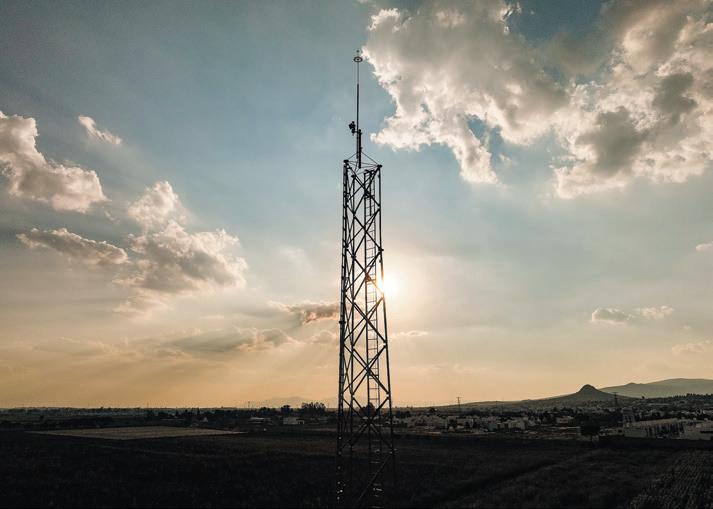
From the dense data hub of Querétaro to the underserved villages of Oaxaca, IENTC is redefining digital infrastructure in Mexico. Under the leadership of CEO Carlos Arguimbau, the company has accelerated its growth trajectory by connecting over 500 government-backed cell towers and expanding its fiber presence to 29 of Mexico’s 32 states— reaching 37 new markets in the process.
“This work is part of the CFE project, which brings wireless internet service to rural communities,” said Arguimbau. “It also enabled us to grow our national infrastructure in a truly strategic way.”
A highlight of 2025 includes IENTC’s deployment of ultra-high capacity 800-gigabit waves connecting Querétaro—now recognized as Latin America’s rising data center hub—with McAllen, Texas. “This long-distance route helps hyperscalers keep costs down,” he explained, “and positions us as a key player in the regional digital supply chain.”
The company’s infrastructure not only spans most of Mexico’s territory but also underpins the bandwidth needs of next-generation technologies and enterprise cloud services. With rising demand from logistics, education, and fintech, robust and low-latency fiber is becoming indispensable—and IENTC is well-positioned to meet that need.
From Wholesale Core to Regional Reach
Originally focused on wholesale operations, IENTC’s model serves other internet providers that sell directly to end users. This gives the company a unique role in bridging gaps where fiber access remains sparse or cost-prohibitive.
“Our strategic priority now is to extend fiber to more rural communities—especially in places like Oaxaca, where fiber is limited and services are expensive,” Arguimbau said. The company is building a new fiber link from Toluca to Oaxaca to address exactly that. This new corridor will lower broadband costs in one of Mexico’s least connected states, while also enabling educational and public service platforms to expand.
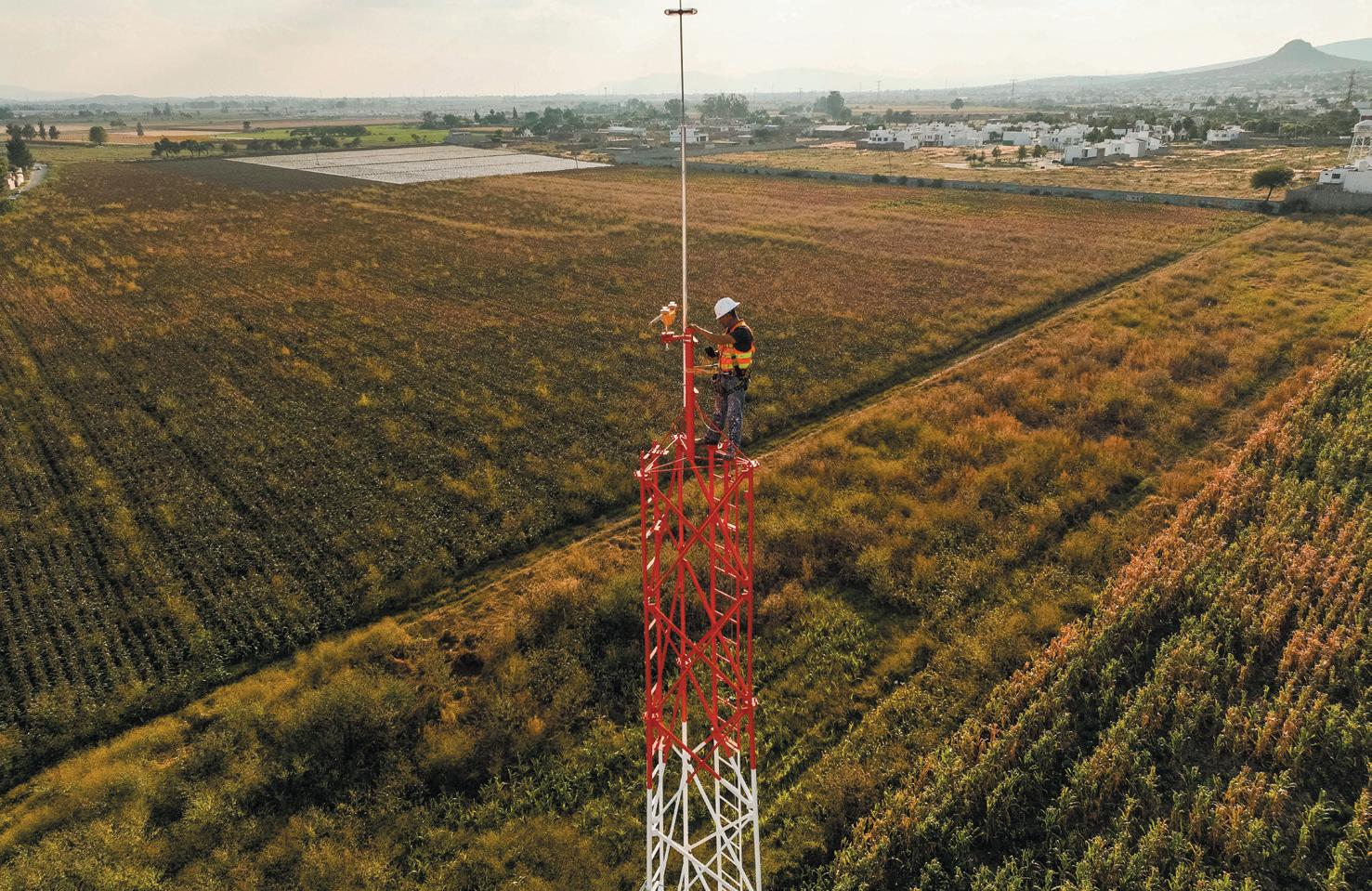
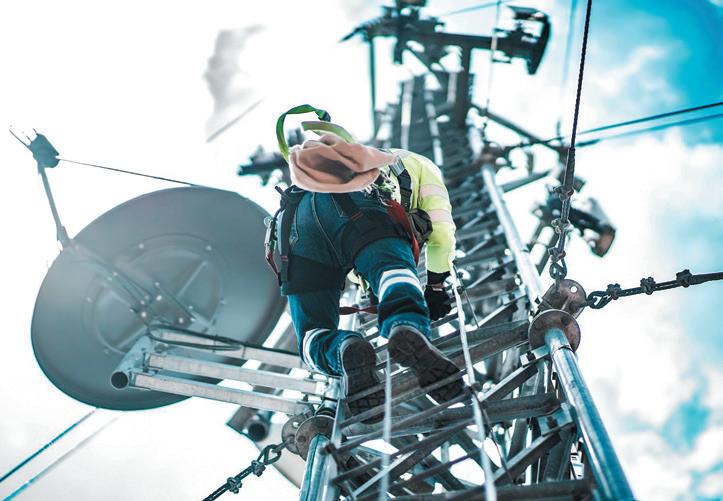
The momentum doesn’t stop at Mexico’s southern edge. “We’re opening our first international operation in Guatemala,” he shared. The project will offer terrestrial internet service from Querétaro, bypassing traditional submarine cable reliance that keeps regional bandwidth prices high. “It’s a game-changer for Central America,” Arguimbau added, with plans to expand further into Panama already under consideration. Beyond immediate commercial goals, this expansion reflects a broader vision: building a truly regional network that brings secure, reliable, and affordable internet to territories long neglected by legacy carriers.
AI-Powered Efficiency Innovation plays a central role in IENTC’s operations, particularly through the use of artificial intelligence. “AI has been a super interesting tool for us,” Arguimbau said. “Our first application was using it to analyze and grade customer service calls. Now we use it to interact directly with customers via chat, WhatsApp, and voice.” Currently, first-level customer support is entirely AI-driven, with human agents stepping in only when complex issues arise. “It’s fast, effective, and far more cost-efficient than traditional support models,” he explained. AI is also used for predictive maintenance, identifying potential network failures before they happen—saving money and improving reliability.
Startups and Emerging Tech
Startups form another vital pillar of Mexico’s innovation landscape. In 2024, investment in Mexican startups surged by 26% compared to the previous year, surpassing growth rates in Europe and Southeast Asia. The fintech, proptech, and healthtech sectors are particularly vibrant.
Sergio Tagliapietra, CEO of IVEMSA, a shelter services provider, noted that this burgeoning startup ecosystem is drawing international attention. “We’re seeing more inquiries from tech investors and venture capitalists who are not just looking at Silicon Valley or Asia but now see Mexico as a viable innovation hub,” he said.
Furthermore, the government’s emphasis on digital transformation has led to nationwide efforts to improve internet connectivity, foster e-commerce, and promote digital literacy, critical factors in sustaining a healthy startup ecosystem.
Strategic Alliances and Future Prospects Mexico’s R&D capacity is also bolstered by strategic international alliances. Companies like Konesh Soluciones, led by CEO Héctor Gutiérrez, specialize in digital transformation solutions that help multinational clients navigate Mexico’s regulatory and fiscal landscape. “We’re not just service providers; we act as strategic partners guiding firms through their digital and compliance transformations,” Gutiérrez explained. This expertise is invaluable for firms establishing R&D operations that must comply with Mexican fiscal and legal frameworks.
Additionally, Mexico’s integration into North America’s supply chain, underpinned by USMCA, provides a stable foundation for longterm R&D investments. The treaty’s provisions on intellectual property, digital trade, and innovation-friendly policies offer reassurance to foreign investors.
Grupo Estrategia Política’s CEO, Gustavo Almaraz, highlighted Mexico’s balanced diplomatic approach: “We’re aligning more closely with the U.S. in terms of trade and technological cooperation while remaining open to other global partners. This makes Mexico a versatile and attractive destination for R&D.”
As the world continues to pivot towards technological sophistication, Mexico’s combination of manufacturing excellence, a maturing innovation ecosystem, robust academic partnerships, and supportive public policies positions it as a formidable player on the global R&D stage. For investors seeking not just cost efficiencies but also a strategic base for innovation, Mexico offers an increasingly compelling proposition, a country where R&D isn’t just an addon but an integral part of the industrial fabric.
«We’re building a truly regional network that brings secure, reliable, and affordable internet to territories long neglected by legacy carriers.»
CARLOS ARGUIMBAU
These systems also allow IENTC to scale its services without proportionally increasing headcount or cost. “AI lets us grow smartly,” he said. “We’re seeing higher customer satisfaction and lower downtime, even as our network expands rapidly.”
Cross-Border Integration and U.S. Investment
IENTC’s close ties with the United States extend beyond data flows. The company operates through major U.S.-based data centers in Los Angeles, Phoenix, McAllen, Dallas, and Ashburn, Virginia, enabling seamless interconnectivity for content and cloud providers.
“Our U.S. partners are vital—not just technically, but financially,” Arguimbau noted. “They provide the capital we need to keep building infrastructure. And the financing terms are excellent compared to what’s available locally.”
With North American nearshoring trends reshaping supply chains and digital backbones, IENTC finds itself in a strategically critical position. “Mexico is becoming more essential for U.S. companies, and telecom is at the heart of that shift,” said Arguimbau. These partnerships also reinforce regulatory confidence and technological interoperability between the two nations, positioning IENTC as a connector not just of cables, but of cross-border digital ecosystems.
A
Despite global economic turbulence, IENTC remains bullish on Mexico’s potential. “We’ve grown the company nearly 100-fold in three years with support from U.S. investors,” Arguimbau said. Proof of confidence in Mexico’s long-term viability are major foreign investments like Amazon’s $15 billion data center project in Querétaro.
“The government here is business-oriented,” he emphasized. “There may be political noise, but the fundamentals for telecom investment remain strong.”