

FOSTER HOME ACKNOWLEDGEMENT PACKET
All items must be reviewed prior to verifica on and at biannual assessment.
Access to Case Records and Client Policy - process for how a foster parent or client can gain access to review their file
Behavior Interven on Policy - appropriate and inappropriate strategies and techniques for discipline
Computer Privacy Policy - process for privacy and protec on of Protected Health Informa on/Electronic Protected Health Informa on
Foster Home Closure Procedure - process for voluntary and involuntary closure of a foster home
Foster Parent and CPA Rights and Responsibili es - DFPS form lis ng the rights and responsibili es of the foster parent and The Bair Founda on (link above)
Grievance Procedure - process for filing a grievance with The Bair Founda on
Individual Service Plan Policy - explana on of types of service plans and me frames for comple on as well as informa on to be included and requirements for involvement and par cipa on
Ombudsman Posters - posters (both English and Spanish) must be posted in the foster home (link above)
Social Media Policy - expecta ons for foster parents and children in care regarding use of social media and privacy for children in care
Substance Use Policy - expecta ons and requirements regarding tobacco, alcohol and drug use for and around children in care
The Bair Founda on Disaster Plan - process and procedures for no fica ons, maintaining communica on, and protec ng children, families and staff during emergencies
THSteps Brochures:
Don't Miss a Beat Brochure - explana on of what Texas Health Steps is and what they provide
Checkups Help Children Stay Healthy Pamphlet - list of required Well Child Check appointments for children
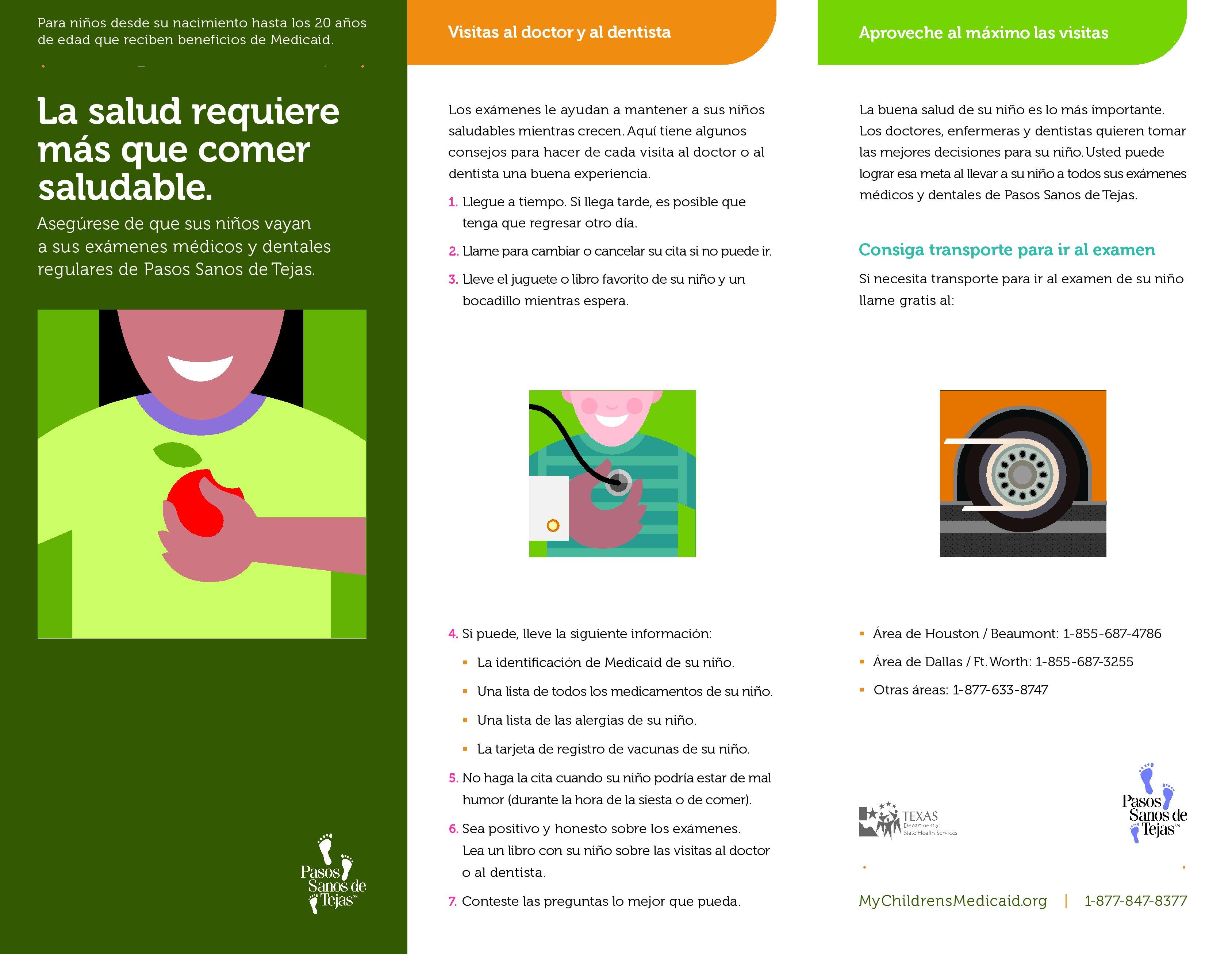
Good Health Takes More Than an Apple a Day Pamphlet - how to make the most out of each visit with the doctor/den st
Case Management Pamphlet - how to obtain a case manager, if needed, to help secure needed services
Medicaid Medical Transporta on Program Brochure - transporta on that is available for medical/dental appointments for children in care
Medical Transporta on Memo - clarifica on on when and how to u lize the Medical Transporta on Program

CLIENT ACCESS AND CONTRIBUTION
ACCESS TO CASE RECORDS AND CLIENTS
The Bair Foundation recognizes that clients and families have a right to access their case records. If a client (childor designatedlegal representative)orfamily wishes to reviewtheirpersonalorfamily records, a request must be made in writing to the Director of Social Services (DSS) stating the specific portion of the case record that he or she wishes to view. The DSS will then copy the pertinent section(s) of the file and depersonalize any identifying information that would breach confidentiality of persons involved. The review of file information must be conducted in the presence of designated TBF staff and on The Bair Foundation’s premises.
Clients are also permittedto contribute to the record. If the client wishes to add astatement to the record regarding a problem or services received he or she may do so. If an employee of The Bair Foundation adds any responses to the client’s statement in the case record the client must be notified of this action.
The client may not take possession of the de-identified copy. After supervised review, the copied records must be shredded.
REFUSAL TO SHARE INFORMATION
The Bair Foundationmay refuse to share information with a client, or with a client’s guardian, on the basis of perceived harm to the client, information considered harmful to the client must be documented as such by the child’s therapist or legal guardian. Such refusals of information must be reviewed and approved in writing by the Executive Director, Executive Vice President, or Texas State Director.
Under extreme circumstances when a child is denied access to his or her case record because information containedtherein has beendeemedharmfulto the child. The childmay implement the chainofcommand as outlined in the grievance procedure. At any point during the grievance procedure, or following the exhaustion of the grievance procedure, The Bair Foundation may choose to appoint a qualified professional, with the child’s consent, to access the record on behalf of the child. This professional must sign a statement that information previously deemed harmful to the client will not be shared with the client.
STAFF AND OTHER ACCESS
The Bair Foundation personnel are authorized to see specific case record information on a“need to know” basis. Others outside the organization may have access to case record information if permitted by law and a release of information is obtained according to The Bair Foundation policy. DFPS personnel and other court appointed individuals may have access to both foster children and children’s records once appropriate identifying documentation is verified. Such appropriate identifiers are:
Court orders
DFPS employment badge
CASA employment badge
CASA notification letter of volunteer assignment (and court order)
Listed on Child’s approved Contact List (completed by Managing Conservator)
Page 1 of 2 TBF-TX Pol-05 Org.(9/1/11) Rev(10/1/13,12/1/13,9/1/14) https://thebairfoundation.sharepoint.com/sites/bair/TexasDocuments/NationalAdministrativeManual(Policies-Procedures)/StateOnly Policies-Procedures/AccesstoCaseRecordsandClients.docx
TBF will ensure that access by the Department to visit with the children in care is allows for privacy, without any Caregivers or staff present, and that during this time the Child is not monitored by an open intercom, video, or other monitoring system.
Problems with readily identifying any individual seeking access to either case records or foster children need to immediately be taken to the child’s CPS caseworker and/or Chain of Command prior to granting access.
If the child is of Indian descent, current information about the child’s placement should be made available to tribal representatives.
ARCHIVING RECORDS AND FILE MANAGEMENT
Files will contain the most current information for at least the previous 12 months. All other documentation will be expunged and kept in an archived file to help manage and maintain files effectively
The Foster Home File Table of Contents Archive and Foster Child File Table of Contents Archive will highlight forms/documents that can be expunged into an archive file.
Archived documentation will be filed in folders in the same order as the table of contents and kept in the file room for access as requested.
Once the child has been discharged and all the discharge paperwork has been completed and turned in, TBF staff will collect the Archive files and break down along with the child’s file into a discharge folder. The child’s discharge file will remain in the local office for 2 years.
2 of 2
TBF-TX Pol-05 Org.(9/1/11)
Rev(10/1/13,12/1/13,9/1/14)
https://thebairfoundation.sharepoint.com/sites/bair/TexasDocuments/NationalAdministrativeManual(Policies-Procedures)/StateOnly Policies-Procedures/AccesstoCaseRecordsandClients.docx

BEHAVIOR INTERVENTION POLICY
Policy: The Bair Foundation (TBF) has an on-going responsibility to protect foster children from unnecessary, abusive, inappropriate, or ineffective use of discipline and to encourage the use of less-restrictive behavior interventions. Caregivers are expected to be consistent in disciplinary measures and use the least restrictive and less intrusive emergency behavior interventions as preventative measures.
Procedure: The foster parent is the principal agent of change in a child’s life therefore behavior management training and techniques include measures for positive responses and guidance to appropriate behavior. All behavior has a purpose; looking behind the behavior to identify that purpose offers an excellent chance to facilitate change through addressing the root cause. All foster parents will be trained in Trauma Informed Care and any discipline of children will reflect these principles.
Less Restrictive Forms of Behavior Intervention Allowed:
Effective Instructions
Praise and Encouragement
Positive Reinforcement
Building Relationships – talking through things
Affirmation
Validation
Active Listening/Reflective Listening
Reframing/I-messages
Redirection
Quiet Time
Providing choices or alternatives
Focus on solutions and build self-esteem
Discussing possible consequence for inappropriate behaviors
Time Out
Natural and Logical Consequences
Daily Check-Ins
Family Meetings
Behavior Contract
Temporary denial of products (phone, tv, computer, video games, etc.)
Temporary denial of privileges (free time with friends, school events, sleepovers, etc.)
Arrange environment for safe testing of limits
If discipline is needed, caregivers and staff will be trained in utilizing the least restrictive interventions as possible, emphasizing the importance of nurturing behavior, stimulation, and promptly meeting the child’s needs. Caregivers and staff are encouraged to use positive responses to appropriate behaviors. Discipline of any kind is not allowed for infants (0-17 months).
Only a caregiver known to and knowledgeable of a child may discipline the child. Each disciplinary measure must be consistent with The Bair Foundation’s discipline policies:
Not be physically or emotionally damaging to the child
Be individualized to meet each child’s needs
Be appropriate to the child’s level of understanding, age, and developmental level
Be appropriate to the incident and severity of the behavior demonstrated
The goal of each disciplinary measure must be to teach the child acceptable behavior and self-control. The caregiver must explain the reason for the disciplinary measure when the caregiver imposes the measure.
Prohibited Forms of Discipline:
Personal restraints
Use or threatened use of corporal punishment – the infliction of physical pain on any part of the child’s body as a means of controlling or managing the child’s behavior:
o Hitting or spanking a child with a hand or instrument
o Forcing or requiring the child to perform any form of physical exercise (i.e. running laps or doing situps/push-ups)
o Holding a physical position (i.e. kneeling, squatting, wall sits)
o Any form of “unproductive work” – work that serves no purpose other than to demean the child (i.e. moving rocks from one pile to another; digging a hole and then filling it in). This does not include work that corrects damage that the child’s behavior caused (i.e. requiring a child who defaces a fence or wall to repaint it - this example is a logical consequence and an effective behavior management tool)
Physical punishment inflicted on the body (i.e. pinching, pulling hair, biting, shaking the child, thumping any part of a child, putting anything in/on the child’s mouth, grabbing the face, etc.)
Ridiculing verbal abuse or threats, or derogatory or humiliating remarks directed at either the foster child or his/her biological family
Punishment for bedwetting or actions related to toilet training
Delegation of punishment/discipline to another child, group of children or someone unknown to the child
Denial of food, water, shelter, sufficient sleep, clothing, or bedding
Denial of any elements of the Individualized Service Plan
Denial of mail, communication, or visits with their biological family (unless approved by the treatment team and documented in the child’s treatment plan)
Requiring the child to remain silent for long periods of time
Placement of a child in a locked room or confinement to a highchair, box or other similar furniture/equipment
Group punishment for the misbehavior of an individual child
Threatening the placement of the child in the foster home
Using or threatening to use emergency behavior intervention
Emergency Behavior Interventions Allowed:
Short Personal Intervention (one minute or less)
Escorts
Prohibited forms of Behavior Intervention:
Any type of physical restraint on a child
Face down with pressure on back (take down)
Restraints that obstruct the caregivers view of the child
Restraints that restrict the child’s ability to communicate
Restraints that obstruct the airway or free breathing of the child
Seclusion
Emergency Medication
Chemical restraint
Mechanical Restraints
The application of Behavior Management interventions by another child or by any other person
The use of personal restraint on any pregnant foster child
Protective and supportive devices, used appropriately, are not considered emergency behavior interventions. A protective device protects a person from involuntary self-injurious behavior or permits wounds to heal and does not prohibit a person’s mobility (i.e. helmets, elbow guards, mittens, wheelchair seat belts, etc.). A supportive device is used to support a person’s posture, to assist a person who cannot obtain/maintain normal physical functioning to improve mobility/independent functioning or as an adjunct to proper care and treatment (i.e. physical therapy).
The Bair Foundation has zero tolerance for the use of any form of prohibited disciplinary measures. Foster parents who engage in the use of inappropriate discipline will receive corrective action up to/or including closure of their foster home.
Emergency Behavior Intervention Training Requirements:
All new agency caregivers and applicable agency staff must complete 8 hours of the agency’s pre-service training curriculum in behavior intervention before having unsupervised access to a child in care. The training covers the early identification of potential problem behaviors, strategies/techniques of less restrictive and less intrusive interventions, and de-escalation techniques permitted by agency policy. Foster parents and caregivers are required to complete an 8-hour refresher course annually thereafter . Each training segment is instructor-led and offered in a group setting.
Prior to or at admission, each child and parent(s) or managing conservator will be provided with a personal copy of the behavior interventions allowed by the agency. (See TBF’s Behavior InterventionChild Orientation). In addition, the agency’s policies and practices on the use of behavior interventions will be explained to the child based on his/her level of functioning and comprehension.
Short Personal Intervention (one minute or less):
Generally, short personal intervention (using an escort) is used in urgent situations, such as:
To protect the child from external danger that causes immanent significant risk to the child, such as preventing the child from running into the street or coming into contact with a hot stove. The restraint must end immediately after the danger is averted
When a child over 5 years of age demonstrates behavior disruptive to the environment or milieu, such as disrobing in public, provoking others that creates a safety risk, or to intervene to prevent a child from physically fighting; or
When a child is significantly damaging property such as breaking car windows or putting holes in walls
An escort is the use of physical force to move or direct a child to another location
Reminders:
If a child is restricted to the foster home for more than twenty-four hours, the restrictions must be recorded on the Home Visit Log each month. These logs will be placed in the foster child’s file.
Food may not be used as a reward or punishment according to the DFPS Minimum Standards. If children earn tokens or coins as part of a point system attached to rewarding positive behaviors and then those same children spend their money on food, this is okay, as the food is considered a “secondary reward” in this situation.
TBF does not allow the discharging of a child or otherwise retaliating against an employee, client, or someone on behalf of a client for filing a complaint, presenting a grievance, or otherwise providing in good faith information relating to the misuse of emergency behavior intervention as TBF Staff or foster home.
In the event that a child is restrained for any reason, it must be reported to TBF immediately.

Privacy Practices Notice
THIS NOTICE DESCRIBES HOW MEDICAL INFORMATION ABOUT YOU MAY BE USED AND DISCLOSED AND HOW YOU CAN GET ACCESS TO THIS INFORMATION. PLEASE REVIEW IT CAREFULLY.
TheBairFoundationisrequiredbylawtoextendcertainprotectionstoyourPrivateHealthInformation(PHI)andtogiveyouthis noticeaboutourprivacypracticesthatexplainshow,whenandwhywemayuseordiscloseyourPrivateHealthInformation(PHI). ExceptinspecifiedcircumstanceswemustuseordiscloseonlytheminimumnecessaryPHItoaccomplishtheintendedpurpose oftheuseordisclosure. Wearerequiredtofollowtheprivacypractices describedinthisnoticethoughwereservetherightto changeourprivacypracticesandthetermsofthisnoticeatanytimeandtomakethenewnoticeeffectiveforallPHIwemaintain. Uponrequest,wewillprovideanyrevisednoticetoyou.
How we may use and disclose your protected health information
WeuseanddisclosePHIforavarietyofreasonsandhavealimitedrighttodosofortreatment,payment,orforourhealth care operations. For uses beyond that we must have your written authorization unless the law permits or requires us to make the disclosurewithoutauthorization. Youmayrevokeauthorizationinwritingatanytime. Uponreceiptofthewrittenrevocation, we will stop using or disclosing PHI about you, except to the extent that we have already taken action in reliance on the authorization. IfwediscloseyourPHItoanoutsideentitytoperformafunctiononourbehalf,wemusthaveawrittenagreement withthatentitytoperformafunctiononourbehalf,wemusthaveawrittenagreementwiththatentitythatwillextendthesame degreeofprivacyprotectiontoyourinformationthatwemustapply.
Uses and disclosures relating to treatment, payment or healthcare operations
Generally,wemayuseordiscloseyourPHIasfollows:
• For Treatment: WemaydiscloseyourPHItodoctors,nurses,andotherhealthcarepersonnelwhoareinvolved inprovidingyourhealthcare. YourPHImayalsobesharedwithoutsideentitiesperformingancillaryservices relatingtoyourtreatment,suchaslabwork,orforconsultationpurposes,ortoagenciesinvolvedintheprovision orcoordinationofyourcare.
• For Payment: WemayuseordiscloseyourPHIinordertobillandcollectpaymentforyourhealthcareservices. Wemaycontactyouremployertoverifyemploymentstatusand/orreleaseportionsofyourPHItothe agencies associatedwithpaymentofyourtreatment,and/oraprivateinsurertogetpaidfortheservicesdeliveredtoyou. WemayreleaseinformationtotheOfficeoftheAttorneyGeneralforcollectionpurposes.
• For Health Care Operations: WemayuseordiscloseyourPHIinthecourseofprovidingyoutreatment. For example,wemayreleaseyourPHIforthepurposeofevaluatingthequalityofservicesand/ortotheaccounting anattorneyforauditingpurposes. WemayreleaseyourPHItostateagenciestodetermineyoureligibilityfor publiclyfundedservices. AndwemayreleaseyourPHIwithinourownsystemtodesignatedstaffinother programs. Finallyunlessyouprovideuswithanalternativemethod,wemaysendmaterialstoyourhomeviathe postalservice.
Thelawprovidesthatwemayuse/discloseyourPHIfrommentalhealthrecordswithoutyourauthorizationorconsentinthe followingcircumstances:
• Whenthelawrequiresthereportofabuseorsuspectedabuse/neglectordomesticviolenceorinresponsetoa courtorder.
• Whenwearerequiredtocollectinformationaboutdiseaseorinjuryorreportvitalstatisticstothepublichealth authority.
• ForthepurposesofmonitoringtheMedicaidprogram.
• Forthepurposesofreportingorinvestigatingmajorunusualincidents.
• Toprovideinformationrelatedtoadeathtothecoroner’sormedicalexaminersforinquiryintothecauseof death.
• Toavertathreattopublicsafetyorintheeventthatathreathasbeenmadetocommitacrimeonthepremise oragainstprogrampersonnel.
Complaints: AnindividualmaylodgeaformalcomplainttoTheBairFoundationandtotheSecretaryoftheDepartmentofHealth andHumanServicesifyoubelieveyourprivacyrightshavebeenviolated. ComplaintstoTheBairFoundationshouldbesubmitted in writing to the local Bair Foundation office director. The Bair Foundation will not retaliate against the individual for filing a complaint.
Your Rights Regarding Your Protected Health Information
Youhavethefollowingrightstoyourprotectedhealthinformation: 1. To obtain a paper copy of The Bair Foundation Notice of Privacy Practices
Page1of2
Approved4/3/2003,4/1/2020
9/26/06,4/30/09,2/18,12/2019
Uponrequest,evenifyoupreviouslyagreedtoacceptthenoticeelectronicallyviaTheBairFoundation’swebsite.
2. To request restrictions on disclosures
YouhavetherighttorequestadditionalrestrictionsonouruseordisclosureofPHIaboutyoubysendingawrittenrequest toThe BairFoundationlocaloffice. Wearenotrequiredtoagreetothoserestrictions.
3. To choose how we contact you
Forinstance,youmayrequestthatwecontactyouaboutmedicalmattersonlyinwritingoratadifferentresidenceorpostoffice box. TorequestconfidentialcommunicationofPHIaboutyou,youmustsubmitarequestinwritingtoTheBairFoundationlocal office. Yourrequestmuststatehoworwhereyouwouldliketobecontacted. Wewillaccommodateallreasonablerequests.
4. To inspect and request a copy of your PHI
YouhavetherighttoaccessandcopyPHIaboutyoucontainedinyourrecordforaslongasTheBairFoundationmaintainsthePHI. ToinspectofcopyPHIaboutyou,youmustsendawrittenrequesttoTheBairFoundationlocaloffice. Wemaychargeyouafeefor thecostsofcopying,mailingandsuppliesthatarenecessarytofulfillyourrequest. Wemaydenyyourrequesttoinspectandcopy incertainlimitedcircumstances. IfyouaredeniedaccesstoPHIaboutyou,youmayrequestinwritingthatthedenialbereviewed. Send this written request to the local Bair Foundationoffice director andyourdenial will be reviewed by a licensed health care professional.
5. To request amendment of your PHI
If you feel that PHI we maintain about you is incomplete or incorrect, you may request that we amend it. You may request an amendmentforaslongaswemaintainthePHI. Torequestanamendment,youmustsendawrittenrequesttoTheBairFoundation localoffice. Youmustincludeareasonthatsupportsyourrequest. Incertaincases,wemaydenyyourrequestforamendment. If wedenyyourrequestforanamendment,youhavetherighttofileastatementofdisagreementwiththedecisionandwemaygive arebuttaltoyourstatement.
6. To receive an accounting of disclosures of PHI
YouhavetherighttoreceiveanaccountingofthedisclosureswehavemadeofPHIaboutyouafterApril14,2003,formostpurposes otherthantreatment,paymentorhealthcareoperations. Theaccountingwillexcludecertaindisclosures,suchasdisclosuresmade directly to you, disclosures you authorize, disclosures to friends or family members involved in your care, and disclosures for notificationpurposes. The rightto receive an accounting is subject to certainother exceptions, restrictions, andlimitations. To requestanaccounting,youmustsubmitarequestinwritingtoTheBairFoundationlocaloffice. Yourrequestmustspecifythetime period,butmaynotbelongerthansixyears. Thefirstaccountingyourequestwithina12-monthperiodwillbeprovidedfreeof charge,butyoumaybechargedforthecostofprovidingadditionalaccountings. Wewillnotifyyouofthecostinvolvedand you maychoosetowithdrawofmodifyyourrequestatthattime.
TheNoticeofPrivacyPracticesiseffectiveApril13,2003. Thenameandaddressofthepersonsyoushouldcontactregarding TheBairFoundationprivacypracticesareasfollows:
LocalOfficeDirector: Address: Phone:
Client/ChildName
PrivacyOfficer: CarmenNaugle
Address: 441FriendshipRoad,Suite101,Harrisburg,PA 17111
Phone: 717.985.6450
IhavereceivedacopyofTheBairFoundation’sNoticeofPrivacyPractice.
Signature(CustodialAgencyRepresentative) Date
Printname(CustodialAgencyRepresentative)
*Ifsignaturewasnotobtainedonplacementdateduetoemergencytreatmentsituation,documentemergencysituation below.
Page2of2 BoardApproved4/3/2003,4/1/2020
9/26/06,4/30/09,2/18,12/2019

Voluntary Home Closure:
FOSTER HOME CLOSURE PROCEDURE
1. Complete an addendum to the home study documenting why the home was closed
2. Complete Statistical Sheet (printed from CARROT)
Involuntary Home Closure:
In addition to all of the above, the following steps will be followed:
1. While under investigation, TBF staff will continue to offer support to the family and explain to them the investigation process.
2. Once results of an investigation are received, the DSS will call the foster parents and set up a time to discuss any cites with the family. This meeting will be with the DSS or the RD. At this time, the family can review the results from the RCCL letter but will NOT be allowed to have a copy. During this meeting, TBF staff will issue a training plan if applicable. It is important to remind the family how the RCCL process works, how TBF was cited by RCCL for their home and how we are held responsible for ensuring compliance moving forward. DSS will collect items listed below during this meeting.
3. If the investigation is returned with cites that would warrant a closure request, TBF staff will let the family know of this process and that they will be notified by phone, followed by a certified letter once a decision is made by the committee. The family should be asked if they would like to submit any documentation for the committee to consider and give them a deadline to get it turned in.
4. TBF Staff will complete the Criminal History Review Committee Home Closure Recommendation and submit packet to the committee.
5. TBF must receive the Home Closure approval before closing the home.
6. TBF Staff will call the family to give them the results.
7. TBF Staff will mail a certified letter with receipt outlining the decision to close the home and include a copy of the Grievance Procedure.
8. The foster parents have 3 business days from receipt of the certified letter to submit a grievance before the home will be closed.
Upon closing a foster a home, the following items need to be collected from the home/foster parents:
Foster Parent Handbook (given at verification)
Any computer disks
Verification license
Any other Bair documentation from the agency or for a specific child
Medication Lock Box (if purchased by Bair)
Page 1 of 1 TBF-TX
Pro-10 Org.Date(6/1/12)
https://thebairfoundation.sharepoint.com/sites/bair/TexasDocuments/NationalAdministrativeManual(Policies-Procedures)/StateOnlyPoliciesProcedures/FosterHomeClosureProcedure.docx

It shall be the practice of The Bair Foundation:
GRIEVANCE PROCEDURE
1) To ensure that applicants, foster/adoptive parents and foster children receive fair and equitable treatment, 2) To provide applicants, foster/adoptive parents, and foster children with an easily accessible procedure for expressing dissatisfaction, and 3) To foster sound relations through communication and ultimate reconciliation.
This entire grievance procedure will be completed within 30 days.
Procedures:
Step 1 The applicants, foster/adoptive parents, or foster child must present a written grievance statement to the Director of Social Services involved in the grievance within three (3) days of the incident or notice. This step of review will consist of calling or meeting with the applicants, foster/adoptive parents, or foster child and agency worker in an effort to resolve the problem within three (3) days. The Director of Social Services will present a written statement of his/her ruling to the person filing a grievance within two (2) days of the phone call or meeting.
Step 2 Any appeal of Step 1 ruling must be presented in writing to the Regional Director within two (2) days of the ruling. The Regional Director at this step may choose to review the written grievance or conduct a hearing with the applicants, foster/adoptive parents, or foster child to resolve the problem within five (5) days. The Regional Director will present a written statement of his/her ruling to the person filing a grievance within three (3) days of the hearing.
Step 3 Any appeal of Step 2 ruling must be presented in writing to the State Director, within three (3) days of the ruling. The State Director at this step may choose to review the written grievance or conduct a hearing with the applicants, foster/adoptive parents, or foster child to resolve the problem within five (5) days. If the State Director conducts a hearing, the Vice President will be involved by teleconference. The State Director will present a written statement of her ruling to the person filing a grievance within four (4) days of the hearing.
TBF Contacts Chain of Command
Director of Social Services: ________________________________________
Regional Director: ________________________________________
State Director: Jennifer Maldonado – jmaldonado@bair.org
Vice President:
INDIVIDUAL SERVICE PLAN POLICY
To ensure that foster children placed with The Bair Foundation (TBF) are receiving appropriate care and treatment to meet their needs, an Individualized Service Plan will be developed for each child. All service plans for children must be developed using Trust-Based Relational Intervention (TBRI) principles to ensure trauma-informed, attachment-centered care that promotes healing and long-term well-being.
Preliminary Service Plan
Addresses the immediate needs of the child, such as enrolling the child in ECI, preschool, or school, obtaining needed medical care therapy, services, and clothing.
Completed by a TBF staff person for each child placed in one of our foster homes.
An Initial ISP
Developed within 30 days of placement for children within all service packages.
The ISP will address the child’s behavior, treatment, and care needs and provide a description of how the child’s needs will be met.
ISP Meetings
ISP meetings will be conducted for every child in care within 30 days of the child’s placement.
ISP meetings will be conducted every 60 days for children who are Treatment Foster Family Care Support Services.
ISP meetings will be conducted every 90 days for children who are Substance Use Support Services, Mental and Behavioral Health Support Services, Complex Medical Needs or Medically Fragile Support Services, Human Trafficking Victim/Survivor Support Services and Intellectual or Developmental Disability/Autism Spectrum Disorder Support Services.
ISP meetings will be conducted every 180 days for children who are Basic Foster Home Support Services.
Children who are Short-Term Assessment Support Services will have an initial ISP at 30 days and an ISP review 30 days after that.
All members of the child’s treatment team will be invited to attend and provide input into the development of the Individual Service Plan.
TBF Staff will actively engage with each child's identified family/support network throughout the placement with Bair. Engagement will include invites to each ISP meeting to discuss all services/needs of the child. Engagement efforts will be documented and revisited regularly to ensure appropriate inclusion and support. All outreach and engagement efforts must be documented in the client’s electronic record and will include:
Date, method, and outcome of contact attempts.
Names and roles of engaged individuals.
Summary of input or contributions from the family/support network.
Notes on barriers to engagement and steps taken to address them.
Treatment team members will include all of the following as applicable:
o Foster Parent(s)
o Child
o Managing Conservator
o The Bair Foundation Representative
Page 1 of 4
o Biological Parents
o Physicians/nurses
o Special Education School Personnel
o CASA
TBF-TX
Org.Date(10/03)
Rev(3/1/15,9/1/15,7/23/25)
https://thebairfoundation.sharepoint.com/sites/bair/TexasDocuments/NationalAdministrativeManual(Policies-Procedures)/StateOnlyPoliciesProcedures/IndividualServicePlanPolicy.docx
o Therapist
o Probation Officer
ISP Meetings discuss and review the following:
o Family/Sibling Contacts and Visitation
o Permanency Goals and progress
o Psychological and Psychiatric Assessments and updates
o High-Risk behaviors/Critical Incidents
o CANS scores and recommendations
o Behavioral goals
o Developmental needs, goals and progress
o Discipline, Behavior Management
o Family outreach and engagement
o Lawyers (for child and/or parent)
o Supervision (including supervised and unsupervised activities)
o Education needs, goals, and progress
o Medical, Dental and Medication needs, goals and progress
o Therapeutic needs, goals and progress
o Living Skills
o Social Skills
o Recreational Goals (including normalcy activities as determined by the foster parents)
o Cultural and Vocational Needs
Children will be assessed to determine need for medical personnel to provide routine and 24-hour/oncall medical, nursing and psychiatric services to ensure appropriate child specific plans are developed and incorporated in the child’s ISP.
Frequent and intense services that help a person keep, learn or improve skills and functioning for daily living, therapeutic, and medical interventions will be individually designed, as necessary and appropriate, to stabilize the child’s condition.
Interventions consistent with the child’s culture, traditions, faith, and tribe will be utilized to the greatest extent possible and as appropriate. These culturally focused interventions will ensure the child’s cultural identity is preserved.
Resources available through a Native American child’s tribe or local Indian organization will be considered when developing the ISP. Whenever possible, Native American children should receive services from professionals with knowledge of tribal customs and experience working with the tribe.
When developing ISPs for Indian Children, a representative from the child’s tribe or local Indian organization must be included on the child’s treatment team.
The roles of professional services providers in service planning include:
Treatment Service
Emotional Disorder and Pervasive Development Disorder
Roles in Service Planning
A) Reviewing the child’s diagnosis;
B) Reviewing the identified needs and the plan for treatment based on the child’s diagnoses;
C) Reviewing the techniques, strategies, and therapeutic interventions that are planned for the child to improve adaptive functioning;
D) Reviewing any medications prescribed for a child with special review of psychotropic medications; the presence or absence of medication side effects, including the effects of the medications on
Page 2 of 4
TBF-TX Pol-26
Org.Date(10/03)
Rev(3/1/15,9/1/15,7/23/25)
https://thebairfoundation.sharepoint.com/sites/bair/TexasDocuments/NationalAdministrativeManual(Policies-Procedures)/StateOnly Policies-Procedures/IndividualServicePlanPolicy.docx
Mental Retardation
Primary Medical Needs
the child’s behavior; laboratory findings; and any reason the child should not use a medication
A) Assessing the child’s educational needs and progress toward meeting those needs;
B) Ensuring coordination between educators, caregivers, operation employees, and other professionals involved in the child’s treatment;
C) Providing information to the education system on the strategies and techniques used with the child in the agency
A) Reviewing medications prescribed for a child;
B) Recommending special equipment needed by a child;
C) Reviewing special instructions and training to caregivers for the daily care of the child
o Participation of professional service providers will be documented by signature on the ISP Signature Page with name and date. If the provider disagrees with any portion of the plan, the provider must document the issue of contention prior to signing.
ISP Sections
Treatment Services
o The Treatment Services section of the ISP will be completed with the ISP for all children meeting the criteria for treatment services per Minimum Standards.
o This section addresses the child’s emotional, behavioral, and physical conditions, what must be achieved to function in a less restrictive setting, needed professional treatment, normalization plan, sensory stimulation, career planning, and recommendations for treatment services.
Attachment A – Transition to Independence
o Completed with the first ISP following the youth’s 14th birthday and updated with each ISP for all children in care age 14 and older.
o Addresses development of basic life and social skills for maximizing opportunities to learn through use of basic life skills activities (including living independently, nutrition education, financial literacy, access to records, and ongoing support).
o Results of the Casey Living Skills Assessment and the CPS Transition Plan (when applicable) will be utilized in the development of Independent Living goals on Attachment A.
o Attachment A is an ongoing plan that is developed according to the child’s age, needs, and progress on an ongoing basis.
ISP Addendums
Addendums to ISPs will be developed by the TBF Social Service Worker to address any changes in the child’s needs when a review is not due at the time of the change.
Addendums will be developed for major changes associated with the following:
o Communication restrictions
o Permanency
o Education
o Supervision
o Psychological evaluation
o Service level
o Placement
o Emotional/behavioral concerns
o Socialization and recreation
o Medical/dental needs
o Daily routine
o Living skills
Page 3 of 4
TBF-TX Pol-26
Org.Date(10/03)
Rev(3/1/15,9/1/15,7/23/25)
https://thebairfoundation.sharepoint.com/sites/bair/TexasDocuments/NationalAdministrativeManual(Policies-Procedures)/StateOnly Policies-Procedures/IndividualServicePlanPolicy.docx
All ISPs will be reviewed by the CPMS.
ISPs for children in Substance Abuse Support Services, Mental and Behavioral Support Services, Human Trafficking Victim/Survivor Support Services and Treatment Foster Family Care Support Services will be reviewed by the Clinical Director and Program Director.
ISPs for children in Complex Medical Needs or Medically Fragile Support Services will be reviewed by the Program Director and Treatment Director (RN).
ISPs for children in Intellectual or Developmental Disability/Autism Spectrum Disorder Support Services will be reviewed by the Program Director and Treatment Director (RN).
Service plans will be implemented as soon as all of the service planning team members have reviewed and signed the plan, but no later than 10 days after the date of the service planning meeting. Copies of the ISP will be sent to the managing conservator or Chain of Command and foster parents within 10 days of the ISP meeting and the ISP Signature Page will be date stamped. The ISP will also be shared with the Child. If it is not shared with the child, justification for not sharing with the child will be documented in the child’s file.
TBF-TX
Org.Date(10/03)
Page 4 of 4
Rev(3/1/15,9/1/15,7/23/25)
https://thebairfoundation.sharepoint.com/sites/bair/TexasDocuments/NationalAdministrativeManual(Policies-Procedures)/StateOnly Policies-Procedures/IndividualServicePlanPolicy.docx
¿Tienes alguna pregunta o problema con tu colocación bajo cuidado temporal?
Como joven bajo cuidado temporal, tienes el derecho de hacer preguntas o de presentar quejas ante el Ombudsman para el Cuidado Temporal si alguien ha violado o ignorado tus derechos. Nadie puede castigarte ni amenazar con castigarte por presentar una queja, y tienes el derecho de presentar una queja anónima si lo prefieres. Si no sabes cómo te podemos ayudar, llámanos.
PURPOSE
Social Media Policy
The emergence of Social Media and its prevalence in society necessitates that The Bair Foundation provide guidance to Bair Foundation foster/kinship parents in regard to foster/kinship child usage and understanding of social media.
SCOPE
This Policy applies to all Bair Foundation current and potential foster children, current and potential foster/kinship parents and potential adoptive parents.
DEFINITIONS
“Social Media” includes but is not limited to any Internet-based media created through social interactions such as blogs, Facebook, MySpace, Twitter, Flickr, YouTube, LinkedIn, PlayStation Network, Xbox Live, Game Center apps, etc. This policy also includes governing in the use of TV, e-mail, smart phones, videogames, tablets, and general internet usage. This policy holds with respect to foster child online activities whether they are executed in the course of doing school work or personal use.
POLICY
Personal Use of Social Media by Foster/Kinship/Adoptive
Parents:
You are personally responsible for any of your online activity. What you publish on personal online sites should never be attributed to The Bair Foundation and should not appear to be endorsed by or originated from The Bair Foundation.
Refrain from commenting on The Bair Foundation, its services or its competitors’ services, or public policies, laws, regulations or other public issues that affect or may affect The Bair Foundation on blogs or social media sites without disclosing your identity and identifying your relationship with The Bair Foundation. In addition, make it clear that the views you express are your own and do not reflect the views of The Bair Foundation.
Do not mention the name or write about another person in a manner that would constitute disparagement, defamation, harassment or retaliation. Do not post anything that is obscene, profane, discriminatory, hateful, abusive or threatening. All aspects of The Bair Foundation’s Anti-Harassment Policy and Confidentiality Policy apply. You may not post any information about any current or former clients (foster children).
You may not take or post photos of any client (foster/kinship children)
Do not post anything that is false, misleading, defamatory, libelous or embarrassing to another person or entity.
Do not share confidential information, proprietary information or material, non-public information about The Bair Foundation, its clients, staff, vendors, or competitors. (All aspects of The Bair Foundation CONFIDENTIALITY POLICY apply). Confidentiality Policy can be found on the Portal or in the Foster Parent/Kinship Manual. You may not use The Bair Foundation’s logo on such sites.
Do not post content on anything related to Bair legal matters, internal investigations, or litigation.
Page 1 of 3
TBF-TX Pol-25 Orig.5/6/11
Rev(10/15/13,12/1/13,9/1/14)
https://thebairfoundation.sharepoint.com/sites/bair/TexasDocuments/NationalAdministrativeManual(Policies-Procedures)/StateOnly Policies-Procedures/SocialMediaPolicy.docx
For your own and The Bair Foundation’s protection, it is critical that you show proper respect for laws governing copyright and fair use of copyrighted materials owned by others including Bair’s own copyrights.
Foster/Kinship Parents (current & potential) are encouraged to report any observed or suspected policy violations to The Bair Foundation IT Department. Questions about this Policy should be directed to the Human Resources Department.
Use of Social Media by Foster Children:
Children who are permitted access to social media will have a plan of supervision developed in their treatment or safety plan. The recommendations listed below are tools to guide family and workers in developing the supervision plan. Treatment or safety plans are reviewed monthly therefore specific safeguards will be evaluated during those reviews.
Recommendations:
The following items relating to computers and their usage must be enforced in the care givers home:
1. Parental controls on all computers that are accessible to the internet.
2. Computers, smart phones, Ipads, internet accessible gaming systems are utilized by children in a public place.
3. Each home will have written rules regarding the usage of the computer and electronic technology (including time limitations).
4. Each home will have identified consequences when rules are disregarded.
5. A monitoring plan for using social media will be detailed in the treatment or safety plan.
Tips for Foster/Kinship Parents:
It is essential that all current and potential foster, kinship and adoptive parents educate themselves on the websites that foster children are using. This can be a learning experience time for both you and the foster child. You will not be able to assist your foster child in navigating the internet if you are not familiar with it yourself.
Try to remain positive about social media. This is the world of electronics and is no different than meeting their friends at the community pool or hanging out in the lunchroom cafeteria. If children only hear criticism about the cyber community they will be less likely to come to you if there is cyber bulling taking place or even worse, if they decide to talk with a stranger online or even trying to decide if they should meet in person. Try to see it from their prospective then they will be more likely to come to you with questions.
Set rules that are developmentally appropriate to the age and ability of your foster child. Often children are given tools to use way before they are mature enough to use them appropriately. In addition set consequences that are also meaningful and appropriate when rules are broken. Use of cyber space and electronics is no different than when children fail to follow curfew, getting caught going somewhere other than an approved house or skips school. The reason this is important is because it helps to guide them in their decision making. If they know you are going to check their cell phone messages and that an inappropriate text message means that you will keep their cell phone for a week then they will think before they press send.
It is imperative that foster/kinship/adoptive parents know how to monitor and limit cyber space and electronic usage. You are the eyes and ears of children placed in your care to ensure safety and
Page 2 of 3 TBF-TX Pol-25 Orig.5/6/11
Rev(10/15/13,12/1/13,9/1/14)
https://thebairfoundation.sharepoint.com/sites/bair/TexasDocuments/NationalAdministrativeManual(Policies-Procedures)/StateOnly Policies-Procedures/SocialMediaPolicy.docx
protection against any potential danger. It is important to ensure that we monitor the use of these resources not because we don’t trust them but because we don’t trust other people in the world that many have alternative intentions. Limiting the use of technology also helps to give families time to build personal relationships with one another in an atmosphere free from technological distractions. Have a family night that involves putting away all devices and focusing on a group activity that everyone can engage in.
Educate your foster child as soon as they come into your home about electronic usage in your home. The online world is merely an extension of the real world and as you talk about stranger danger you need to include use of the computer. It is important for foster parents to remain knowledgeable about what our children face in the world we live in. The internet is very much a part of their everyday life as they go to school and connect with their peers.
Recommendation for cell phone and facebook account is 13 years of age and older.
Photographs of clients
TBF/FP may release or otherwise use a photo or image of a foster child after the following conditions:
It is in the best interest of the Child, poses no threat to the Child’s health or safety, and the use is not for any commercial use, publicity, pecuniary benefit, or similar gain for TBF/FP or any other party;
No reference is made to the fact the Child is in the conservatorship of DFPS, and the use does not stigmatize the Child in any way;
The Child, if old enough and developmentally able to read and write, approves of the release or use; and
TBF is not required to receive prior written permission from the Caseworker or Caseworker’s Chain of Command in the following situations:
The photo or image is released or otherwise used by the Child or Caregiver to the Child’s friends or to the Caregiver’s friends or family, including but not limited to school pictures traded with peers or a family photo sent in a holiday card;
The photo or image is released by the Child or Caregiver to the Child’s biological family; or
The photo or image is used as a normal part of school or extracurricular activity, including but not limited to photos published in the school yearbook or a church newsletter, photos of Honor Roll students published in the local newspaper, a group photo of a scout troop distributed to all the troop members and posted on a community youth center bulletin board, photos of the sports team posted in a school showcase, or other similar publication
Permission for uses other than those listed above must be in writing by the Caseworker or Chain of Command
Page 3 of 3
TBF-TX Pol-25
Orig.5/6/11
Rev(10/15/13,12/1/13,9/1/14)
https://thebairfoundation.sharepoint.com/sites/bair/TexasDocuments/NationalAdministrativeManual(Policies-Procedures)/StateOnly Policies-Procedures/SocialMediaPolicy.docx

SUBSTANCE USE POLICY
Policy: The Bair Foundation will adhere to the limitations established in the Texas Health and Safety Code – Public Health Provisions governing tobacco and tobacco products as well as the Texas Criminal and Vehicle Handbook that places legal limitations regarding alcoholic beverages and minors.
Procedure: Bair Foundation staff and foster parents are expected to adhere to the following:
Staff members, foster parents, and other members of the foster family are prohibited from selling, giving, or causing to be sold or given a cigarette or other tobacco product to a person younger than 18 years of age.
No child in the care of The Bair Foundation may possess or use tobacco products.
Caregivers and other adults may only smoke/vape outside.
No one may smoke/vape in a motor vehicle while transporting children in care.
Any person under the age of 21 is prohibited from consuming, possessing, misrepresenting one’s age, or importing into the state of Texas any alcoholic beverage while living in the residence of a Bair Foundation foster family.
Staff persons, foster parents, other members of the foster family residence are prohibited from purchasing, giving, or with criminal negligence making available an alcoholic beverage to a person under the age of 21.
No person under 18 years of age is permitted to be employed by a person in a capacity requiring the minor to sell, prepare, serve, or otherwise handle liquor, or assist in doing so.
Staff persons, foster parents, and other members of the foster family residence are prohibited from consuming alcohol or illegal substances in front of or while caring for foster children.

Disaster Emergency Plan
In order to comply with the DFPS Residential Child-Care Contract, SSCC Contracts, The Bair Foundation of Texas (TBF) has developed a Disaster Emergency Plan to safeguard the children, foster parents, and employees of the agency. The plan is in place to also ensure that the Texas Department of Family and Protective Services (DFPS) and Single Source Continuum of Care (SSCC) are aware of the policies and procedures, as well as communication between TBF and DFPS/SSCCs to be maintained in case of emergency through natural disaster, chemical/hazardous material spills, critical equipment failure, weapons of mass destruction events and acts of terrorism. Regardless of the type of emergency threat or incident, it is the commitment of TBF to provide for the well-being of all clients, employees and foster parents of the agency.
Mandatory/Emergency Evacuations/Quarantine: All staff will follow the directions of local, state or federal mandates on evacuations in a timely and prompt manner. Once evacuated to the designated evacuation point, the staff or foster parents will contact the Director of Social Services (DSS) or assigned office administrator as previously designated in each individual office. The administrator notified will then contact the Texas State Director or the emergency on call number for the Texas State administrator responsible for handling the emergency (see below for phone contact information). The emphasis is that all evacuations/emergency communication will be maintained through the office of the Texas State Director. In the event of a disaster in the Texas State Director office, planning will be coordinated through TBF National office, which can be contacted via toll free number 1-800-543-7058.
Disaster Planning: All agency staff have been oriented to the Disaster Emergency Plan and will be updated when revisions are made. This information is located on the agency website that staff have access to. This information should also be reviewed by each office director on a regular basis with their staff, to ensure proper procedures are known and followed. All office staff participate in annual safety (office and driving) training as well as refresher courses. This annual and orientation training also includes safety training on handling hazardous materials or spills. TBF is compliant with OSHA standards and requirements. All foster parents are required to complete a Foster Home Disaster Plan prior to verification and reviewed at least quarterly for any changes as documented on the Home Assessment. Foster parents complete a new plan during the Foster Home Evaluation. TBF maintains copies of all current Foster Home Disaster Plans in the Bair Trax electronic database.
Arrangements for Adequate Provision of:
• Staffing: Each office will ensure proper staffing of each Bair Foundation Office. In cases of emergencies in which the offices must close, the National Office in Pennsylvania must be contacted, and approval given by the Executive Director. In cases of workplace emergencies in which the office is closed, a temporary worksite will be sought (i.e. a local church). Social Service Workers (SSWs) and Management personnel can work from home until adequate office space is located and obtained. Office personnel will remain in regular, direct contact with their office administrator or their assigned office administrator to ensure proper communication continues through the emergency.
• Shelter: Foster parents will designate an appropriate emergency shelter or family/friend home in which they will evacuate to (must be outside the evacuation area). All information, including telephone (cell and home) numbers, addresses and any other pertinent locating information, will be provided to the assigned office administrator. This information will be passed on to DFPS/SSCCs by TBF Staff to ensure communication continues through the emergency. Foster parents will identify specific procedures for evacuating children who are under 24 months of age, who have limited mobility, and who otherwise need assistance during an emergency (i.e. children with mental, visual, or hearing impairments or medical conditions) as necessary based on the composition of their home.
Page 1 of 3 TBF-TX
Org. Date (9.1.06)
• Food: Foster parents will be responsible for obtaining emergency provisions of food. Foster parents should ensure proper provisions are present in the foster home and available should an emergency occur and evacuations or other emergency situations arise. The homes should be equipped with canned food, bottled water and can openers.
• Transportation: Foster parents will be responsible for transporting children to any designated emergency site. Should any questions arise regarding transportation, the foster parent is to contact an administrator (either office or state) to determine a proper plan of action.
• Medication: Foster parents should have any necessary medications (including prescription and over the counter) prepared and ready to be taken with them in case of an emergency. They will be responsible for continued allocation of the medication while away or during event of an emergency. Foster parents will identify specific procedures for ensuring medications and equipment will be made available to children with special needs or medical conditions.
• Supplies/Emergency Equipment: Foster parents should have supplies in their home (including, but not limited to): first aid materials, battery-powered radios, flashlights and extra batteries, extra blankets and warm clothing, bottled water, and a disaster kit for their vehicles. Foster parents should also maintain contact with American Red Cross facilities to ensure supply needs are met. Additionally, foster parents are responsible for ensuring that they have all medically necessary equipment and supplies, or access to these items for the children in their care.
• Services: Foster parents will need to contact TBF office administration should the need for any additional services be necessary.
Contact Information for the Child’s Caseworker and the Caseworker’s Supervisor: Foster parents will be responsible for ensuring that they have in their possession at all times the contact information of the CPS caseworker and the caseworker’s supervisor, for every child in their home. This same contact information will be kept on file in the Bair Trax electronic database.
Identification, location and tracking of children: TBF will remain responsible for the children placed by DFPS/SSCCs, as well as Juvenile Probation placements. TBF will secure from foster parent’s locations and phone numbers of emergency contact numbers to ensure that the children are safe. Information on the location and condition of the children will be passed to DFPS/SSCCs via the toll-free abuse hotline number, 1-800-252-5400 or via website (www.dfps.state.tx.us) as soon as the children reach their evacuation destination safely. TBF Staff will make contact with all families affected within 24 hours of evacuation.
Protection of Client Records: TBF will make every effort to safeguard client records in the event of an emergency. The DSS, in consultation with the assigned office administrator and Texas State Director, will communicate and devise a plan in case of emergency (including but not limited to the protection of electronic and print records). Data maintained on an electronic basis can be recovered from backups.
Provision of Services: TBF will ensure that children receive the appropriate counseling services should the need arise and will coordinate this effort through the local and regional Bair Foundation offices. Children’s therapists will be notified in the event that crisis counseling is determined via the treatment team and/or the Texas State Director and/or the National Executive Director. It is the mission of TBF to ensure that children receive any and all needed therapeutic services in the case of an emergency. Children will also receive any medical treatment as needed should an emergency arise. Such incidents may include the use of an emergency room in a hospital or a walk-in clinic if necessary. Foster parents will ensure that any necessary medications that a child is prescribed (such as asthma medication or insulin, psychotropic medications, etc.) are brought to any emergency site with them. TBF is committed to continuing services outlined through the child’s Individualized Service Plan or services mandated by the court system during and after the disaster.
Page 2 of 3 TBF-TX
Org. Date (9.1.06)
Contact Information:
• In case of emergency, the staff at TBF of Texas can be reached at (210) 494-3415 between the hours of 8:30 a.m. and 4:30 p.m. Please contact the assigned office administrators at the numbers below:
Jennifer Maldonado (210) 428-8739
Caitlin Delcambre (508) 414-5583
Matthew Ware (210) 750-2605
Amarillo Office (806) 355-3882
Dallas Office (972) 957-0030
Harlingen Office (956) 674-4328
Lubbock Office (806) 797-2247
San Antonio Office (210) 494-3415
Tyler Office (903) 939-2247
These individuals can be reached in case of emergency by DFPS/SSCCs at any time.
• DFPS/SSCCs will be notified immediately by TBF administration should an emergency occur. The case worker will be notified (or supervisor if case worker cannot be reached). TBF will utilize any online reporting features available on the DFPS website. In extreme situations in which the DFPS/SSCC worker, supervisor or Program Director cannot be reached, the Statewide Intake line (1-800-252-5400) will be utilized to report the whereabouts of children. CPS will be notified once per day by TBF (as per DFPS policy) to provide information concerning the children in our care until all children are accounted for. Foster parents are provided a copy of this TBF Disaster Emergency Plan on an annual basis as well as the DFPS contact information is provided on the Foster Home Disaster Plan.
Post Disaster Activities: TBF will remain in regular contact with foster parents and employees, through office administration and the assigned office administrator responsible for that particular office. Any concerns or questions regarding emergency power, food, water and transportation, should be referred to the assigned office administrator for coordination with the office of the Texas State Director.
Plans for Returning After Evacuation: Foster Parents will be permitted to return to an evacuated area once local, state and/or federal officials deem an area safe to return. Damages will be assessed, and communication will continue with the Texas State Director to ensure safety of the children in care. Once the foster parents are safely back at home, they will need to contact their office administration to report in and so that the condition of the children in care are known by Bair Foundation staff.
Disaster Emergency Plan Implementation: On an annual basis, the administration will review the Disaster Emergency Plan through regular communication with the assigned office administrators, who will then be responsible for each region they supervise. Foster parents will be made aware of this plan through state-wide training and must be able to fulfill their role as a subcontractor. Any changes to the plan will be rolled out and implemented accordingly by the DSS. Any changes in emergency phone numbers will be sent out on an as needed basis. TBF will continue to work in accordance with DFPS/SSCCs as necessary. Copies of each individual foster family’s disaster plan will be kept in the foster home file.
Page 3 of 3
TBF-TX
Org. Date (9.1.06)
For children birth through age 20 who have Medicaid
Don’t miss a beat.
Make sure your children get their regular Texas Health Steps medical checkups.
What is Texas Health Steps?
Texas Health Steps is health care for children birth through age 20 who have Medicaid.
Texas Health Steps gives your child:
§ Free medical checkups starting at birth.
§ Free dental checkups starting at 6 months of age.
Call 1-877-847-8377 (1-877-THSteps) to find out how
Texas Health Steps can help your child stay healthy.
Checkups and a Whole Lot More!
If your child’s doctor or dentist finds a health problem during a checkup, your child can get the care they need:
§ Eye exams and glasses.
§ Hearing tests and hearing aids.
§ Other health and dental care.
Finding a Ride to the Checkup
If you need a ride to get to your child’s checkup, call us toll-free:
Checkups:
§ Find health problems before they get worse and harder to treat.
§ Prevent health problems that make it hard for your child to learn and grow.
§ Help your child have a healthy smile.
Call Texas Health Steps if You:
§ Need help finding a doctor or dentist.
§ Need help setting up a checkup.
§ Have questions about checkups or Texas Health Steps.
§ Need a case manager to help you find and get other services.
§ Houston / Beaumont area: 1-855-687-4786.
§ Dallas / Ft. Worth area: 1-855-687-3255.
§ All other areas: 1-877-633-8747 (1-877-MED-TRIP).
Para niños desde su nacimiento hasta los 20 años de edad que reciben beneficios de Medicaid.
Escuche bien.
No se
pierda un
examen.
Asegúrese de que sus niños vayan a sus exámenes médicos regulares de Pasos Sanos de Tejas.
¿Qué es Pasos Sanos de Tejas?
Es atención médica y dental para niños desde su nacimiento hasta los 20 años de edad que reciben beneficios de Medicaid.
Pasos Sanos de Tejas ofrece:
§ Exámenes médicos gratis desde el nacimiento.
§ Exámenes dentales gratis desde los 6 meses de edad.
Llame al 1-877-847-8377 para saber cómo
Pasos Sanos de Tejas puede ayudarle a su niño a mantenerse saludable.
¡Exámenes médicos y mucho más!
Los exámenes médicos:
§ Encuentran problemas de salud antes de que empeoren y sean más difíciles de tratar.
§ Evitan problemas de salud que pueden hacer difícil el aprendizaje y el crecimiento de su niño.
§ Ayudan a que su niño tenga una sonrisa saludable.
Llame a Pasos Sanos de Tejas si:
§ Necesita ayuda para encontrar un doctor o dentista.
§ Necesita ayuda para hacer cita para un examen.
§ Tiene alguna pregunta acerca de los exámenes o sobre Pasos Sanos de Tejas.
§ Necesita un administrador de casos para ayudarle a encontrar y obtener otros servicios.
Si el doctor o dentista de su niño encuentra algún problema de salud durante un examen, su niño puede obtener la atención médica que necesite:
§ Exámenes de la vista y anteojos.
§ Exámenes del oído y audífonos.
§ Otros servicios médicos y dentales.
Consiga transporte para ir al examen
Si necesita transporte para ir al examen de su niño llame gratis al:
§ Área de Houston / Beaumont: 1-855-687-4786
§ Área de Dallas / Ft. Worth: 1-855-687-3255
§ Otras áreas: 1-877-633-8747
| 1-877-847-8377
Texas Health Steps
Checkup Schedule
Pasos Sanos de Tejas
Plan de exámenes regulares
¡Los exámenes ayudan a sus niños a mantenerse saludables!
El programa Pasos Sanos de Tejas ofrece exámenes médicos y dentales para bebes, niños y jóvenes hasta los 20 años de edad que reciben beneficios de Medicaid.
Sus niños necesitan exámenes de Pasos Sanos de Tejas a estas edades:
Primer año
Hasta 5 días de nacido
2 semanas de nacido
2 meses de edad
4 meses de edad
6 meses de edad
9 meses de edad
12 meses de edad
Segundo año en adelante
15 meses de edad
18 meses de edad
2 años de edad
2½ años de edad
*Los niños de 3 años de edad y mayores necesitan exámenes de Pasos Sanos de Tejas una vez al año.
Checkups help children stay healthy!
Los niños necesitan exámenes dentales cada 6 meses comenzando a los 6 meses de edad.
Texas Health Steps offers medical and dental checkups for babies, children, and teens—everyone age 20 and younger who has Medicaid.
Children need Texas Health Steps medical checkups at these ages:
1st Year
Up to 5 days old
2 weeks old
2 months old
4 months old
6 months old
9 months old
12 months old
2nd Year and Beyond
15 months old
18 months old
2 years old
2½ years old
*Children 3 years and older need Texas Health Steps checkups once a year.
Children need dental checkups every 6 months starting at 6 months old.
You can get your child’s vaccines at no cost through Texas Health Steps!
They need different vaccines as they grow.
¡Sus niños pueden recibir vacunas gratis a través de Pasos Sanos de Tejas!
Ellos necesitan diferentes vacunas durante su crecimiento.
En cada examen, pregúntele al doctor cuáles vacunas necesita su niño.
Llame gratis a Pasos Sanos de Tejas al 1-877-847-8377 O visítenos por Internet en: MyChildrensMedicaid.org
¿Necesita transporte? ¡Llámenos gratis!
Si no puede llevar a su niño a su examen, Medicaid podría ayudarle. Los niños que reciben beneficios de Medicaid y su padre o madre pueden recibir transporte hacia y desde el doctor, dentista, hospital o farmacia.
At each checkup, ask the doctor what vaccines your child needs. Need a ride? Call
If you can’t get your child to the checkup, Medicaid may be able to help. Children with Medicaid and their parent can get rides to and from the doctor, dentist, hospital, or drug store.
§ Área de Houston / Beaumont: 1-855-687-4786.
§ Área de Dallas / Ft. Worth: 1-855-687-3255.
§ Todas las demás áreas: 1-877-633-8747.
§ Houston / Beaumont area: 1-855-687-4786.
§ Dallas / Ft. Worth area: 1-855-687-3255.
§ All other areas: 1-877-633-8747 (1-877-MED-TRIP).





Niños
¿Necesita ayuda para encontrar y obtener servicios ?
Un administrador de casos podría ayudarle .
¿Q u i é n p u e de c on s e g u i r u n
¿Quién puede conseguir un a dm i n i s t r a d or de c a s o s? administrador de casos?
Niños (desde su nacimiento hasta los 20 años de edad) y mujeres embarazadas que reciben beneficios de Medicaid y:
Tienen problemas de salud.
Están en riesgo de tener problemas de salud.

¿Q u é h ac e u n a dm i n i s t r a d or de c a s o s?
¿Qué hace un administrador de casos?
Un administrador de casos hablará con usted y luego:
Buscará los servicios que necesita.
Buscará servicios cerca de donde vive.
Le enseñará como encontrar y obtener otros servicios.
Se asegurará que está recibiendo los servicios que necesita.
¿Qu é t ip o de ay u da p u edo consegu ir?
¿Qué tipo de ayuda puedo conseguir?
Los administradores de casos pueden ayudarle a:
Obtener servicios médicos y dentales.
Obtener equipos y artículos médicos.
Cómo trabajar con sus problemas en la escuela.
Recibir otros servicios.
¿C ómo p u e d o c on s e g u i r u n
¿Cómo puedo conseguir un a dm i n i s t r a d or de c a s o s? administrador de casos?
Llame gratis a Pasos Sanos de Tejas al 1-877-847-8377, de lunes a viernes, de 8 a.m. a 8 p.m.
Para más información vaya a www.dshs.state.tx.us/caseman
NEED A RIDE TO THE DOCTOR? CALL MEDICAID.
If you or your child can’t get to the doctor or dentist, Medicaid may be able to help. Children with Medicaid and their parent can get free rides to get to and from the doctor, dentist, hospital, or drug store. Some adults with Medicaid can get free rides, too.
TWO WAYS TO GET TO THE DOCTOR
12
Don’t have a car? Don’t know anyone who can drive you?
Medicaid can pay for your ride on the bus or with a ride sharing service.


TO FIND OUT IF MEDICAID CAN PAY FOR YOUR RIDE, CALL US TOLL FREE:
Live in the Houston/Beaumont area? Call 1-855-687-4786.
Live in the Dallas area? Call 1-855-687-3255.
Everyone else can call 1-877-633-8747 (1-877-MED-TRIP).
Or, go to www.HHSC.state.tx.us and click on “Questions about your benefits?”
OTHER SERVICES

Have a car or know someone who can drive you?
Medicaid might pay back you or your driver by the mile to take you to the doctor and back home. e person can be anyone that has a Social Security number and an up-to-date:
• Driver’s license
• License plate
• Inspection sticker
• Car insurance policy

Parent or Adult
Need to go with your child? Medicaid can pay for a parent or adult’s transportation with a child age 18 or younger who has a Medicaid visit.



Meals and Lodging
Does your child have to travel out of town for a Medicaid visit? Medicaid might pay for a place to stay and meals for the child and their parent or guardian.

¿NECESITA TRANSPORTE
AL DOCTOR?
LLAME A MEDICAID.
Si usted o su hijo no puede llegar donde el doctor o dentista, Medicaid tal vez pueda ayudar. Los niños con Medicaid y sus padres reciben transporte gratis de ida y vuelta al doctor, dentista, hospital o a la farmacia. Algunos adultos con Medicaid pueden recibir transporte gratis también.
DOS MANERAS DE LLEGAR DONDE EL DOCTOR
OTROS SERVICIOS
¿No tiene carro? ¿No conoce a nadie que pueda llevarlo?
Medicaid puede pagar su transporte en autobús o por medio de un servicio de transporte compartido.
¿Tiene un carro o conoce a alguien que pueda llevarlo?
Es posible que Medicaid le pague a usted o a su chofer las millas recorridas para viajar de ida y vuelta al doctor. El chofer puede ser cualquier persona que tenga un número de Seguro Social y los siguientes artículos vigentes:
• Licencia de manejar
• Placas del carro
• Calcomanía de inspección
• Póliza de seguro de automóvil
PARA SABER SI MEDICAID PUEDE PAGAR SU TRANSPORTE, LLÁMENOS GRATIS:
¿Vive en el área de Houston o Beaumont? Llame al 1-855-687-4786.
¿Vive en el área de Dallas? Llame al 1-855-687-3255.
Los demás pueden llamar al 1-877-633-8747.
O vaya a www.HHSC.state.tx.us y haga clic en “Español” y luego en “¿Tiene preguntas sobre sus beneficios?”
Padre o adulto
¿Necesita ir con su hijo? Medicaid puede pagar el transporte de uno de los padres o de un adulto que viaja con un niño de 18 años o menos que tiene una cita de Medicaid.
Comidas y alojamiento
¿Tiene que viajar su hijo fuera de la ciudad para una cita de Medicaid? Es posible que Medicaid pague por un lugar donde quedarse y las comidas del niño y de uno de sus padres o tutor.

COMMISSIONER
TEXAS DEPARTMENT OF FAMILY AND PROTECTIVE SERVICES
Anne Heiligenstein
To: Residential Contractors
From: Audrey Deckinga
Assistant Commissioner, Child Protective Services
Subject: Medical Transportation Program
Date: May 26, 2009
The purpose of this letter is to clarify that all Medicaid-eligible children in DFPS conservatorship placed with your operation or agency are eligible for the Texas Medicaid’s Medical Transportation Program (MTP) when no other means of transportation is available. MTP will provide transportation for the child and one caregiver to and from a Medicaid-allowable healthcare service (i.e., all medical, dental, vision, behavioral health, and pharmacy services that are covered by Medicaid or provided by STAR Health). This eligibility applies regardless of the license-type of your operation [i.e., child placing agency (CPA), general residential operation (GRO), or residential treatment center RTC)].
MTP Benefit
The MTP benefit is limited to situations when no other means of transportation is available at the time of the healthcare appointment. Examples of the MTP benefit include, but are not limited to, the following and apply to CPAs, GROs, RTCs:
• A child has an appointment in another town or a long distance away. Your vehicles are being used for other purposes, so you do not have one available to transport the child to the health care appointment;
• A child has an appointment that occurs daily or several times a week. Your vehicles are being used for other purposes, so do not have one available to transport the child to the health care appointment;
• A child has an appointment or needs to be hospitalized in another town or a long distance away. No funding to pay for transportation, overnight lodging, or meals for the child and a caregiver is available;
• Your operation or a foster parent is managing multiple children with a number of healthcare appointments. You do not have a vehicle available to transport all of the children to their appointments; or
• A child has an appointment at a local clinic. Your vehicle is not available because it is being used for an emergency or it is in need of repairs.
Note: MTP requires advanced notice in order to arrange transportation.
Services Provided by MTP
MTP services include prearranged vehicle pickup and public transportation. Foster parents may also be eligible for mileage reimbursement when providing transportation for a child to a medical appointment that has been approved by MTP in advance; however, GROs and RTCs are NOT eligible for mileage reimbursement.
In some cases MTP may pay for overnight lodging and meals for children younger than 21 years and the person with whom they are traveling.
For children enrolled in STAR Health, the child’s service coordinator or service manager may help foster parents or a representative from your operation or agency set up services with MTP. A foster parent or a representative from your operation or agency may also call the MTP toll-free number, 877-633-8747, between 8 a.m. and 5 p.m., Monday through Friday. The foster parent or representative provides the following information:
• The child’s Medicaid and Social Security numbers;
• The medical provider's name, address and phone;
• The date and time of the healthcare appointment; and
• The healthcare service being provided.
For more information on the services available through the Medical Transportation Program, visit the HHSC website at http://www.hhsc.state.tx.us/QuickAnswers/index.shtml#Get_Ride
Services Not Provided by MTP
The following are examples of transportation not covered by MTP.
• Transportation to a non-medical or non-dental visit including, reunification with immediate or extended family, or placement with a new operation or agency;
• Transportation of deceased children;
• Use of public transportation for other children in a home who do not have a healthcare appointment but are traveling with a child who has a health care appointment and his/her caregiver;
• Transportation of children to services that are not covered by Medicaid; and
• Emergency or non-emergency ambulance service
For additional information about MTP benefits, please see the HHSC website at http://www.hhsc.state.tx.us/QuickAnswers/index.shtml#Get_Ride.
Thank you for serving our children. If you have any questions, please contact one of the following Residential Contracts staff:
Kathy Teutsch 512/438-4164
Kathy Keenan 512/438-5048