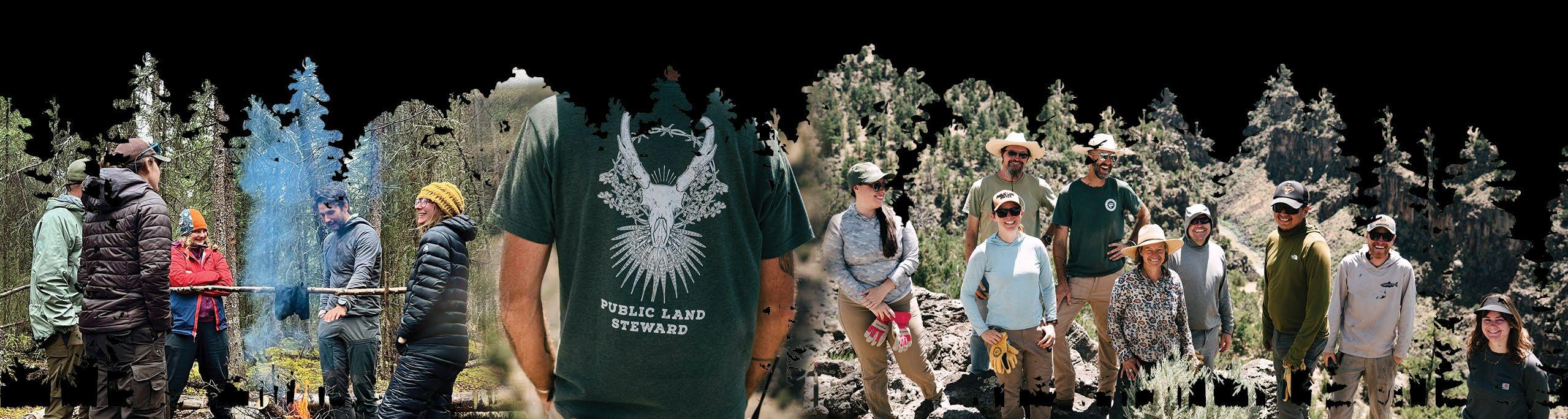
At Backcountry Hunters & Anglers, conservation means speaking up for public lands and waters and showing up to care for them firsthand.
In 2025, BHA worked alongside federal, state, tribal, and local partners nationwide to expand workforce capacity, accelerate project timelines, and deliver measurable conservation outcomes across diverse landscapes. From grasslands and sagebrush steppe to forests, rivers, and coastal wetlands, BHA improved the health and resilience of fish and wildlife habitat on public lands and waters and helped enhance access to those places for current and future generations of hunters, anglers, and outdoor recreationists.
2025 Stewardship at a Glance
1,798 volunteers engaged nationwide
13,102 volunteer hours contributed
451 tires and 17+ tons of trash removed through the onX Pack Out partnership program
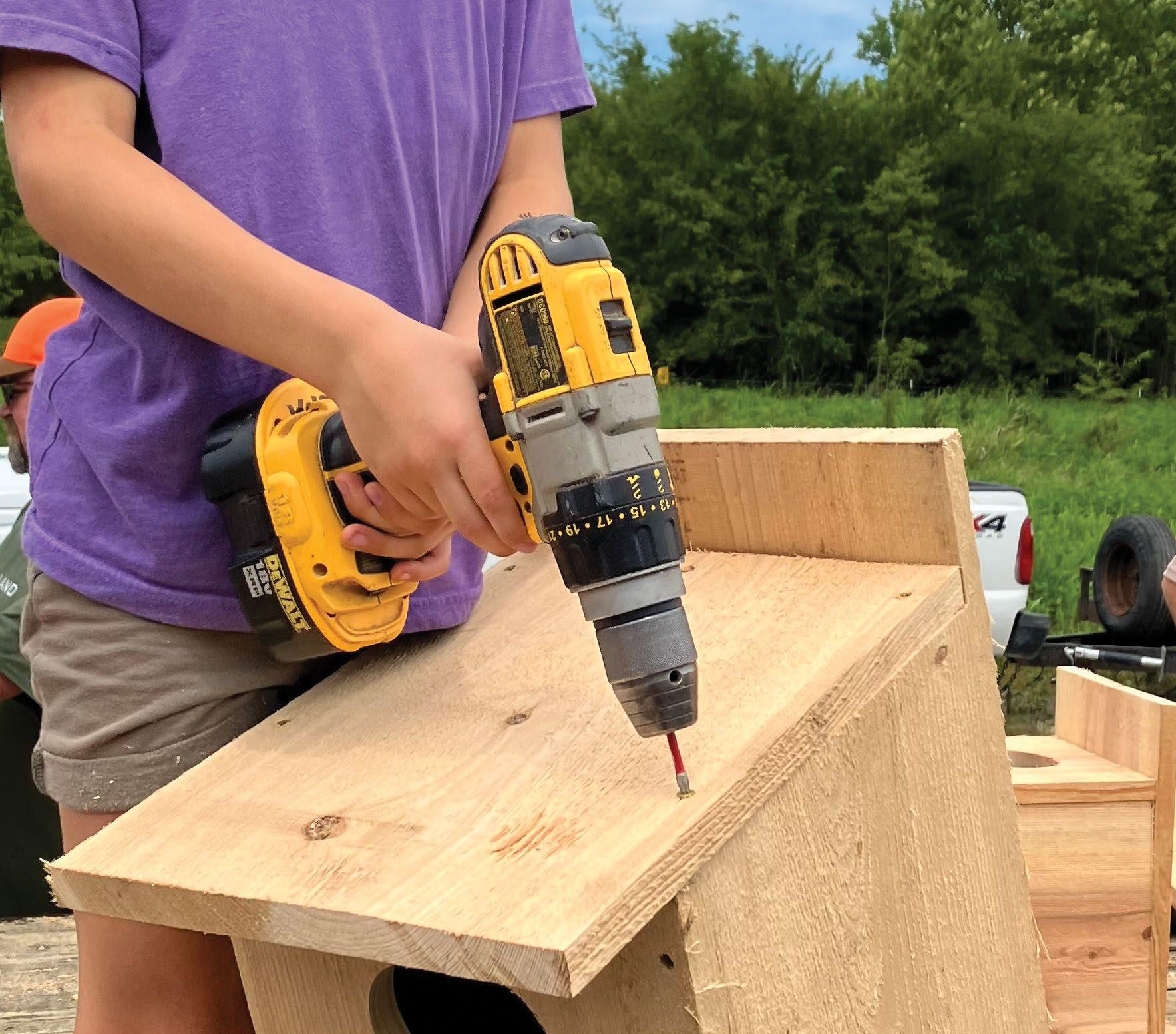
29 bird boxes, 17 Zeedyk structures, 15 oyster‑reef wire units, and new wildlife guzzlers installed
Installed 100 signs to encourage responsible motorized use on public lands
Wildlife surveys conducted for bighorn sheep, mountain goats, and wild turkey
350.5 gallons of native seed collected
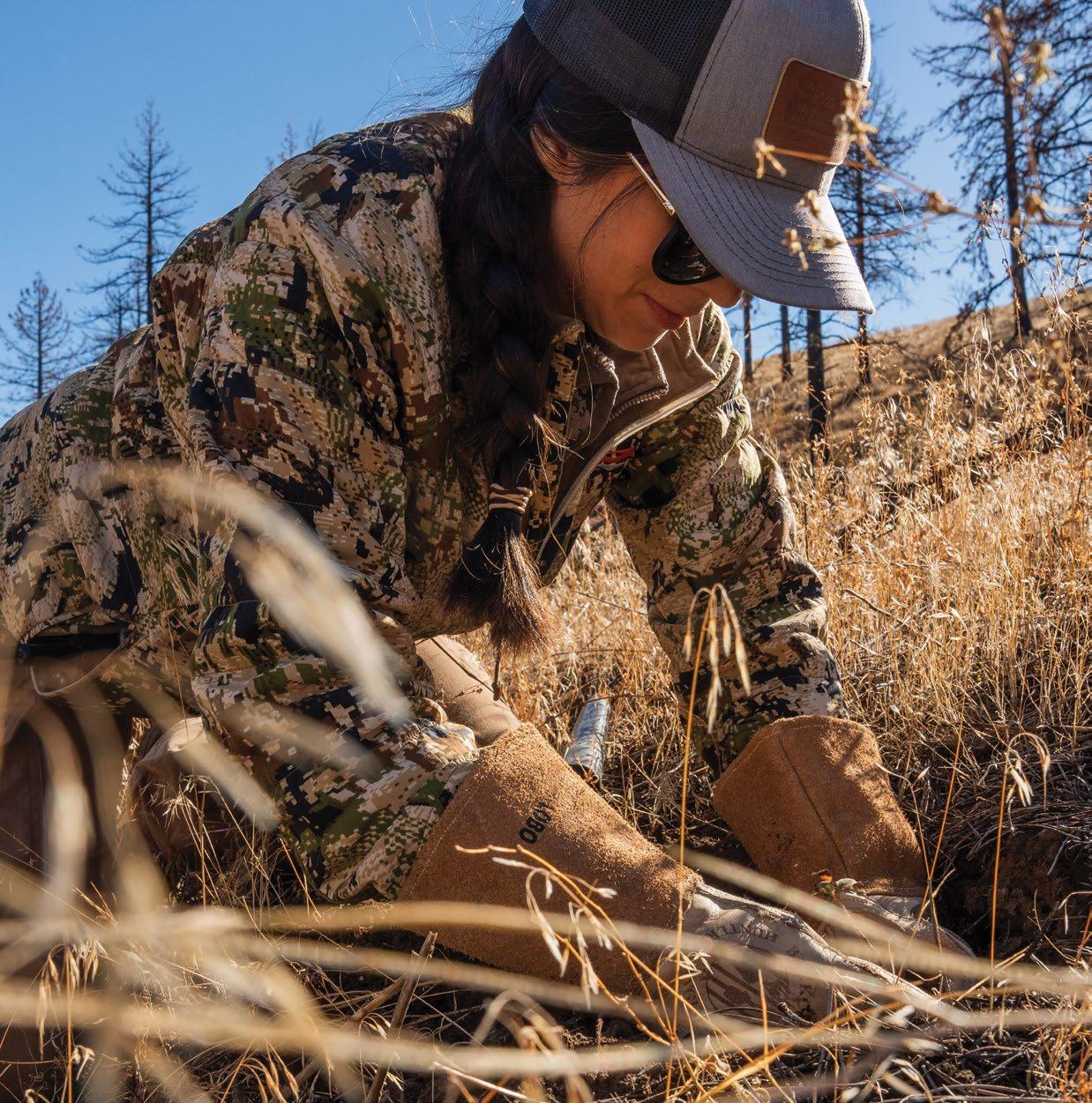
1,348 native trees, shrubs, and forbs planted
904 acres treated for invasive or hazardous vegetation
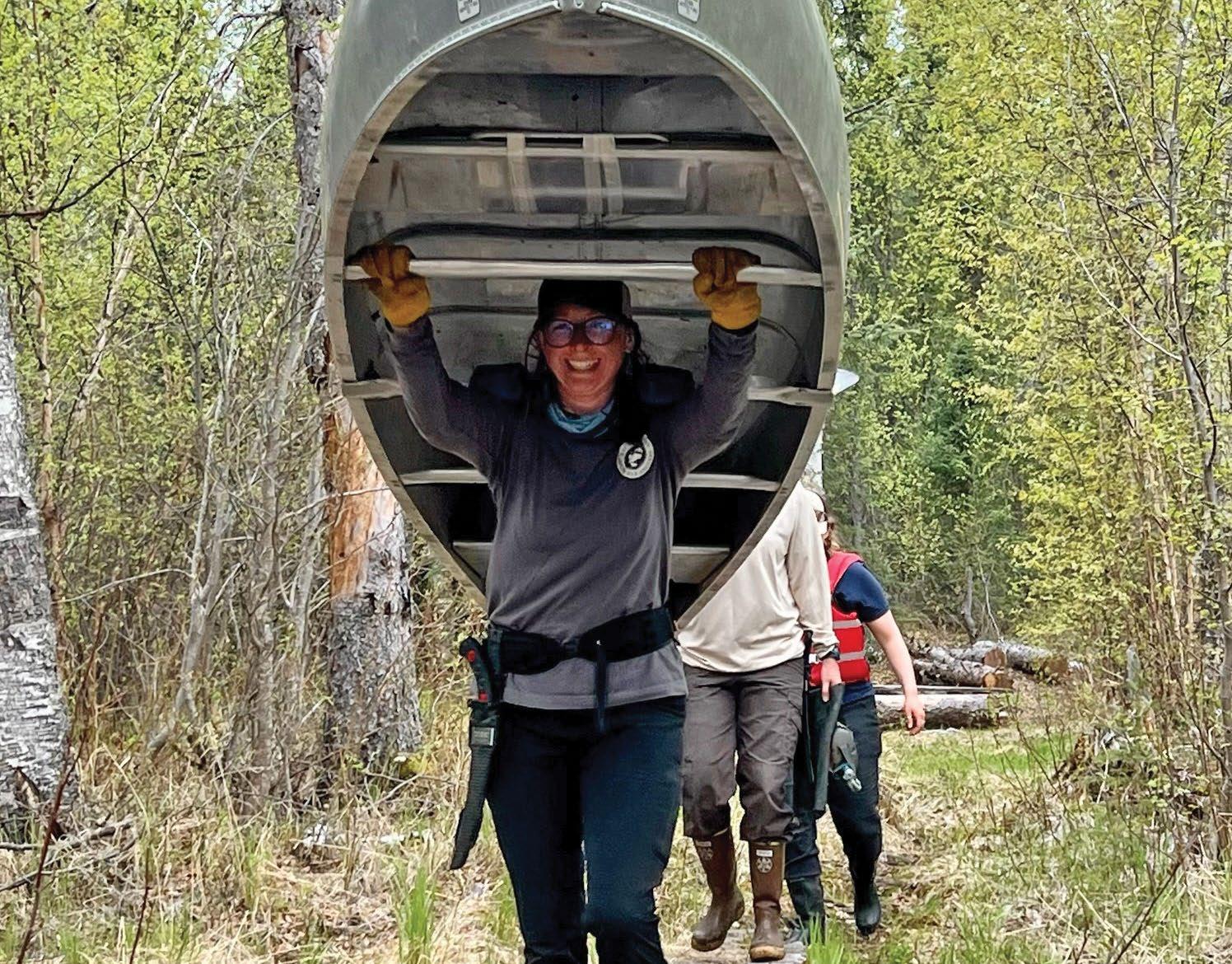
Cleared 52.5 miles of aquatic and terrestrial trails
“Habitat conservation is our end goal, but without the volunteers, agency partners, and funding, that can’t be achieved.”
Bard Edrington
V, BHA Habitat Stewardship Coordinator
DON'T FENCE ME IN:
RESTORING OPEN RANGE ON AMERICA’S PUBLIC LANDS
2025 Fencework Impacts:
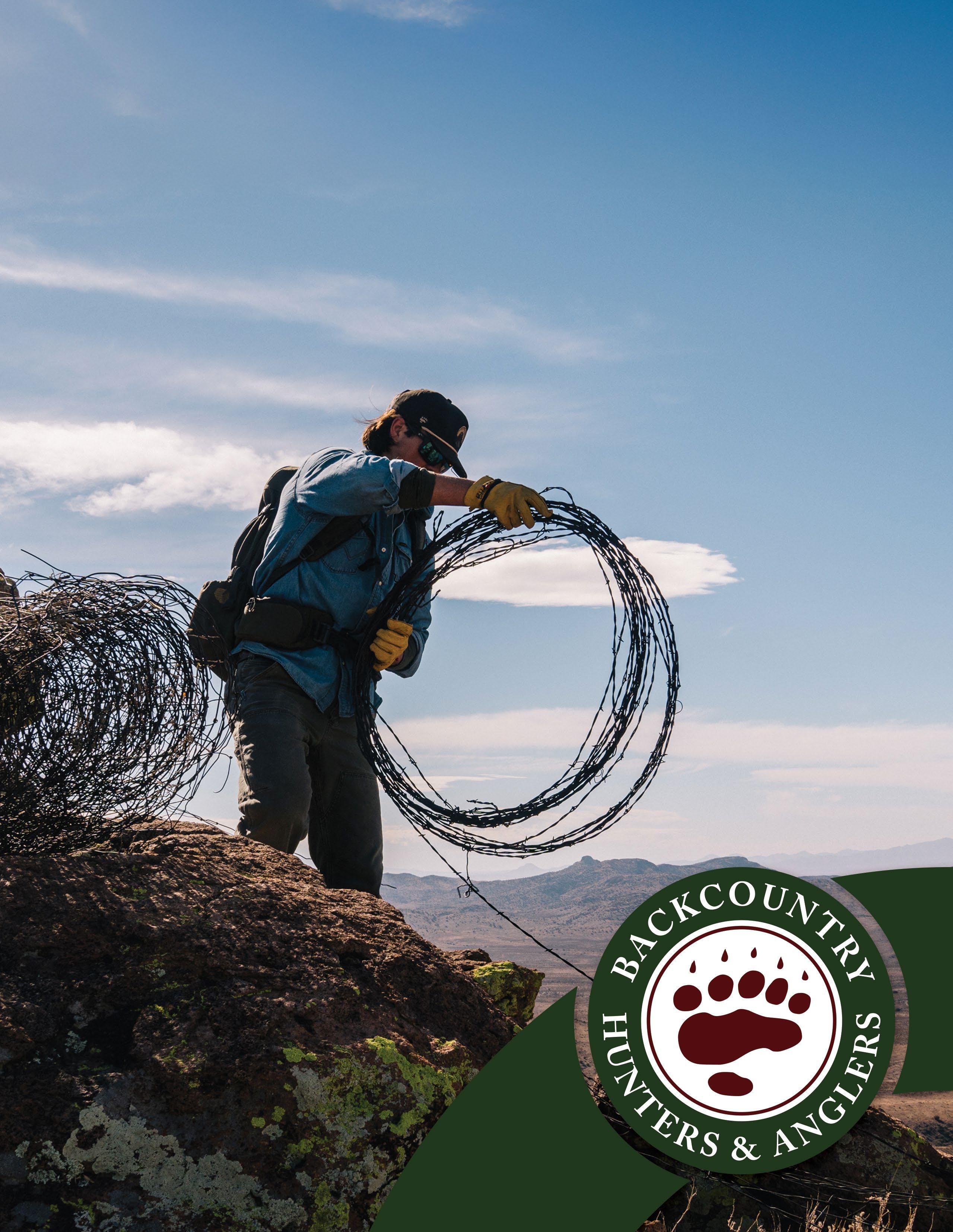
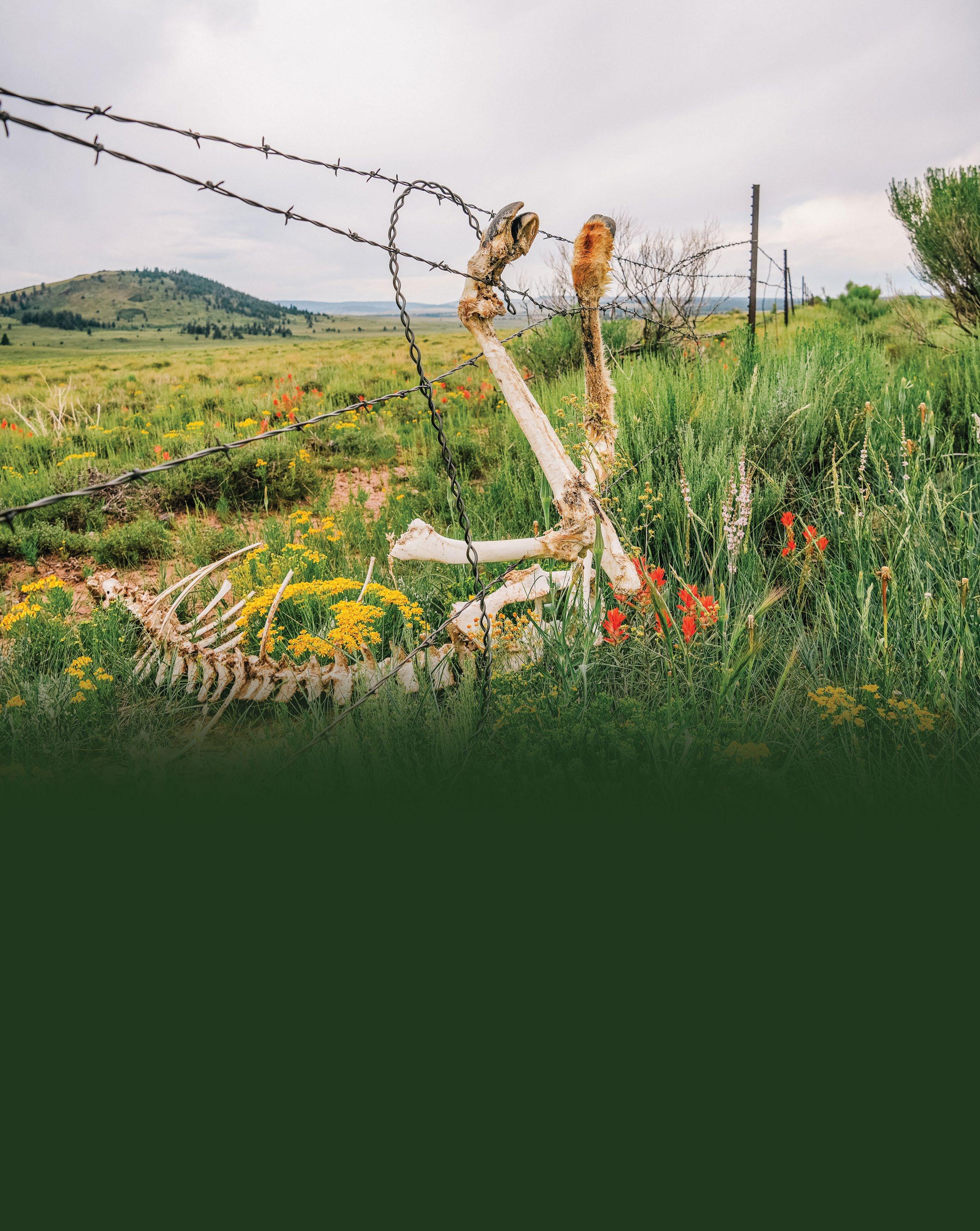
Outdated fencing remains one of the most widespread barriers to wildlife movement on public lands. In 2025, BHA volunteers and partners delivered large‑scale improvements to habitat permeability through fence removal, modification, inventory, and emerging technology. Many of these projects are made possible thanks to funding opportunities through federal agencies and partners including the Bureau of Land Management, U.S. Fish & Wildlife Service, National Fish & Wildlife Foundation, and more.
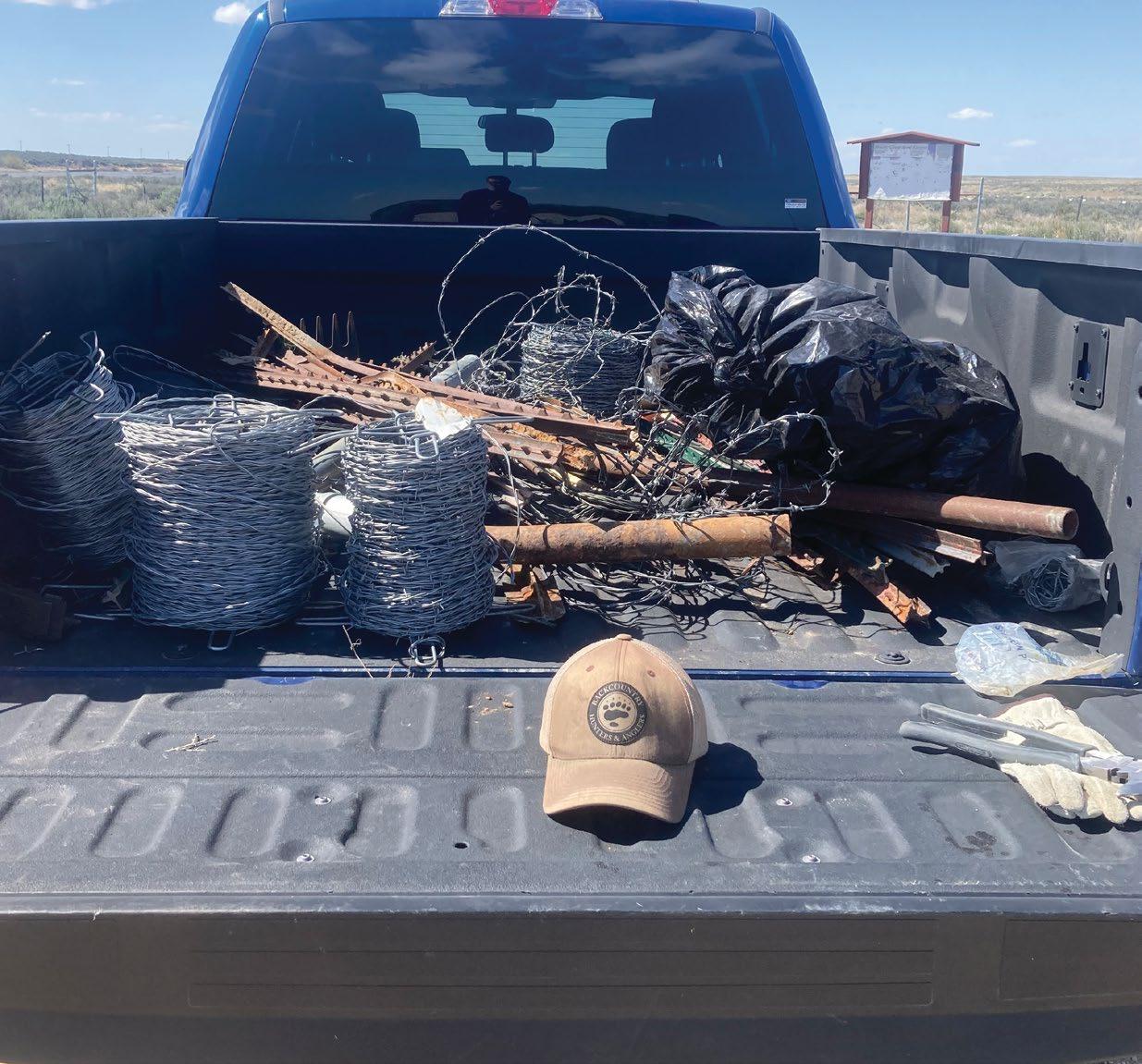
43.83 miles of barbed and net‑wire fencing removed
81.13 miles of fencing inventoried
7.70 miles modified to wildlife‑ friendly standards
5 virtual fencing towers installed
Rio Grande del Norte
National Monument
New Mexico
Spanning more than 240,000 acres in northern New Mexico, the monument provides critical winter range and migration habitat for pronghorn, elk, deer, bighorn sheep, and numerous non‑game species. Extensive grazing‑allotment fencing, including netwire from historical sheep grazing, impedes big game movement and increases the risk of injury and mortality.
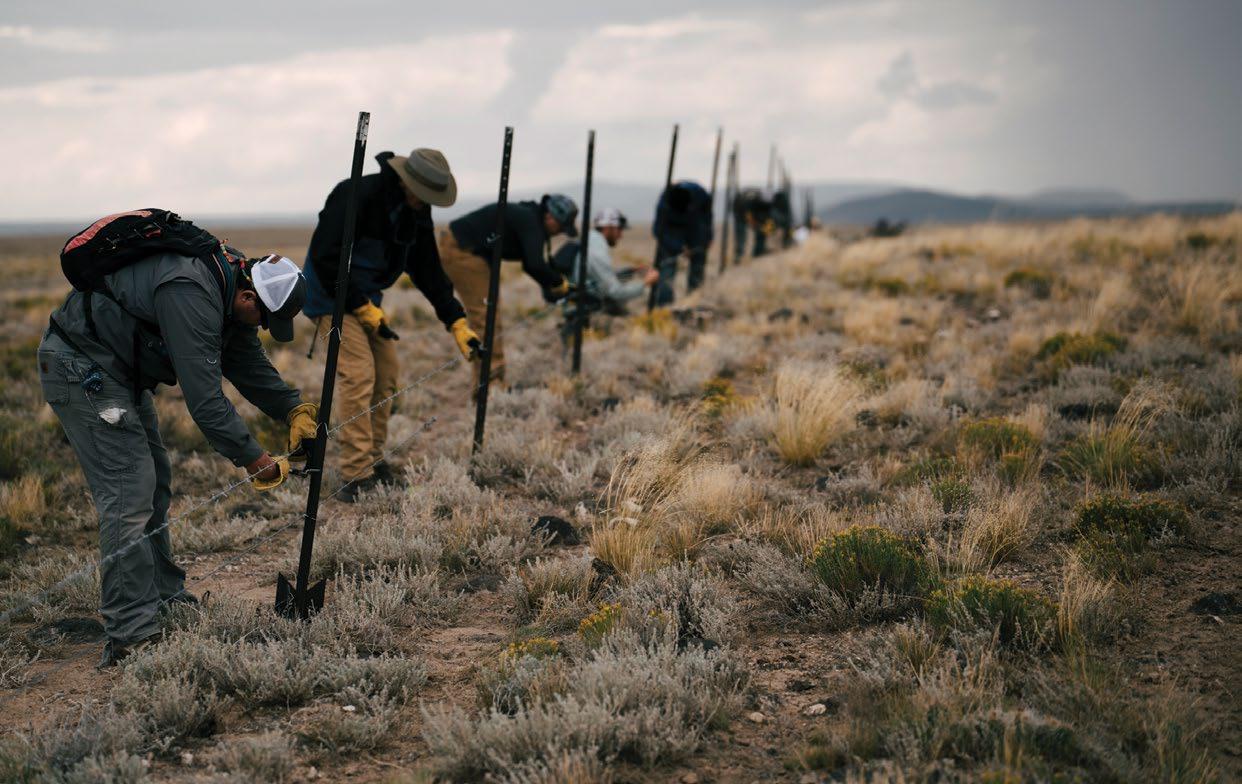
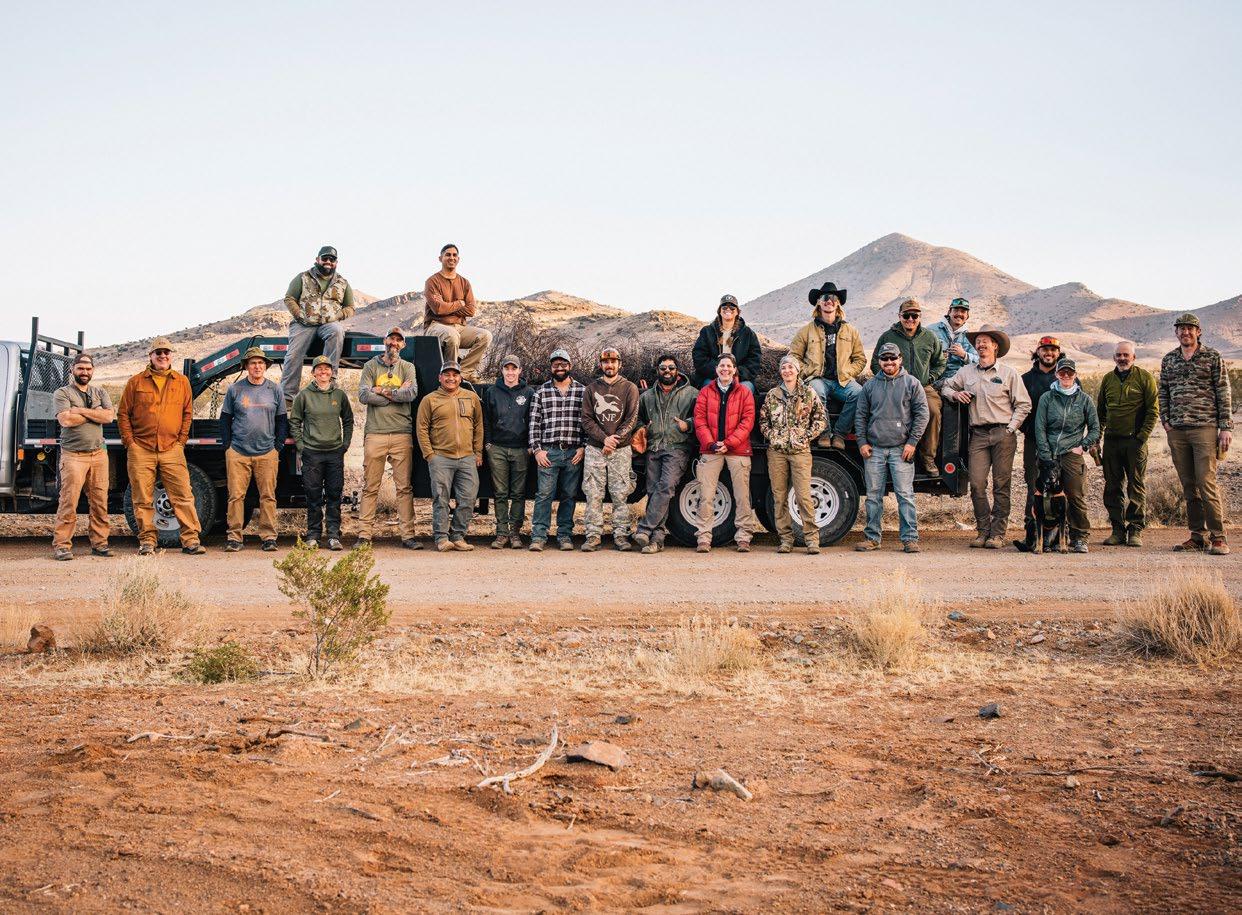
During the 2025 field season, BHA volunteers worked alongside BLM and New Mexico Department of Game and Fish staff and community partners like the Friends of the Rio Grande del Norte to remove, modify, and inventory fencing in priority areas to restore connectivity and reduce wildlife entanglement.
“Volunteering your time is giving back a part of your life. Ensuring these opportunities exist for future generations requires hands‑on solutions.”
Kyle Klain, New Mexico BHA Board Member and photographer
2025 Project Achievements:
74 volunteers engaged
7.4 miles of net‑wire and barbed‑wire fence removed
1 mile of fencing modified to wildlife‑friendly standards
35 miles of fencing inventoried to inform future BLM and NMDGF improvements
Paunsaugunt Plateau
Utah
Utah’s Paunsaugunt Plateau supports one of the West’s most iconic mule deer herds. Each fall, approximately 5,200 deer migrate nearly 80 miles south to winter range near the Utah–Arizona border.
In 2025, Utah BHA led a collaborative “Miles for Muleys” project with Wildlands Network, Mule Deer Foundation, Utah Division of Wildlife Resources, and Arizona BHA to remove high‑priority fence segments identified through radio‑collar data and volunteer‑led inventory efforts.
2025 Project Achievements:
7 miles of grazing‑allotment fencing removed
Belmont Creek Montana Creek Boise River Wildlife Management Area
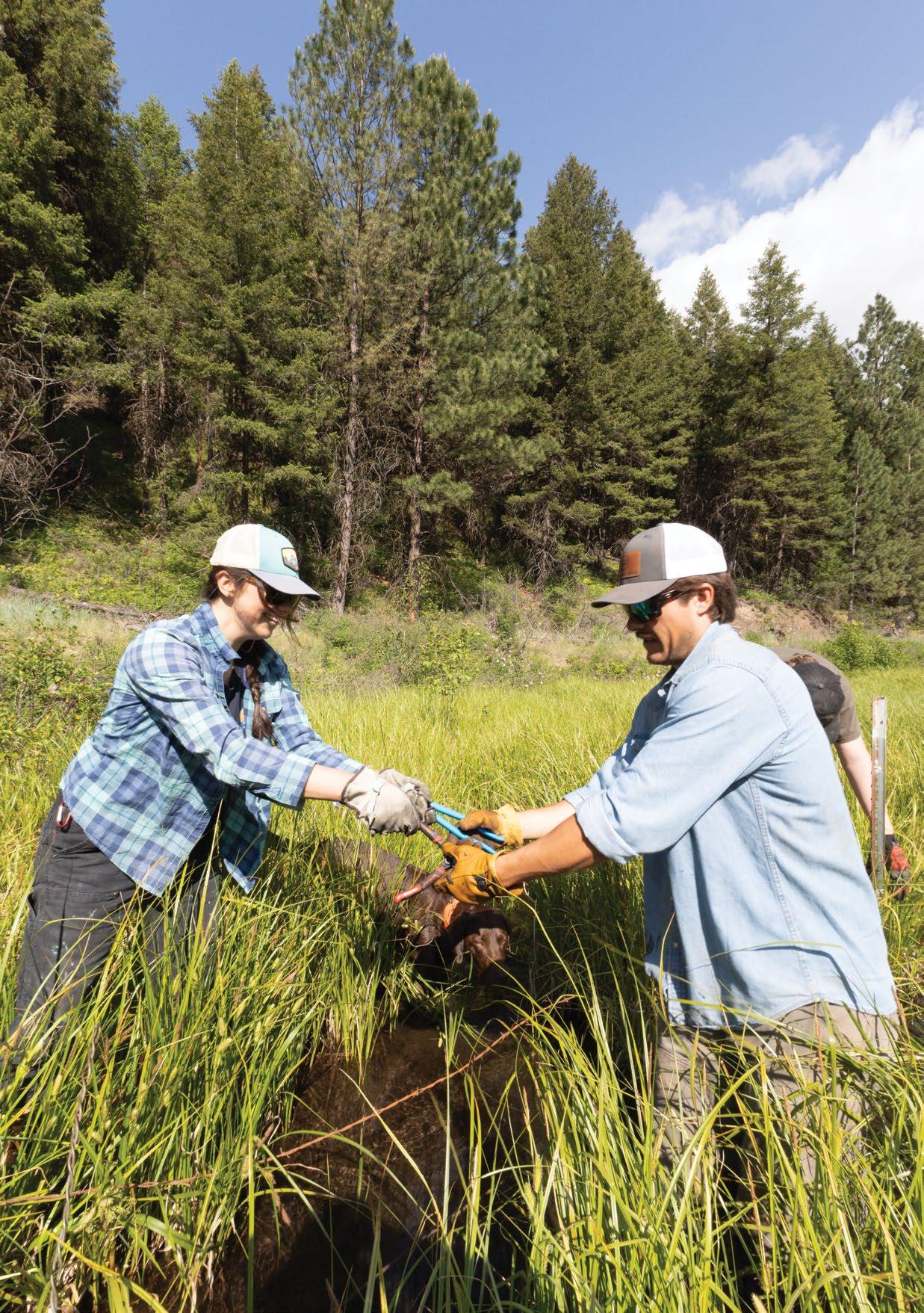
Belmont Creek, an overlogged drainage managed by the BLM, is important winter range for big game species north of the Blackfoot River. While significant ecological recovery has been initiated through beaver reintroduction and beaver dam analog projects, but legacy fencing remnants continued to restrict wildlife movement across this recovering landscape.
In 2025, BHA staff and volunteers removed obsolete fencing to further enhance habitat connectivity and support long‑term ecological resilience.
Project Achievements:
1.2 miles of obsolete fencing removed
Idaho
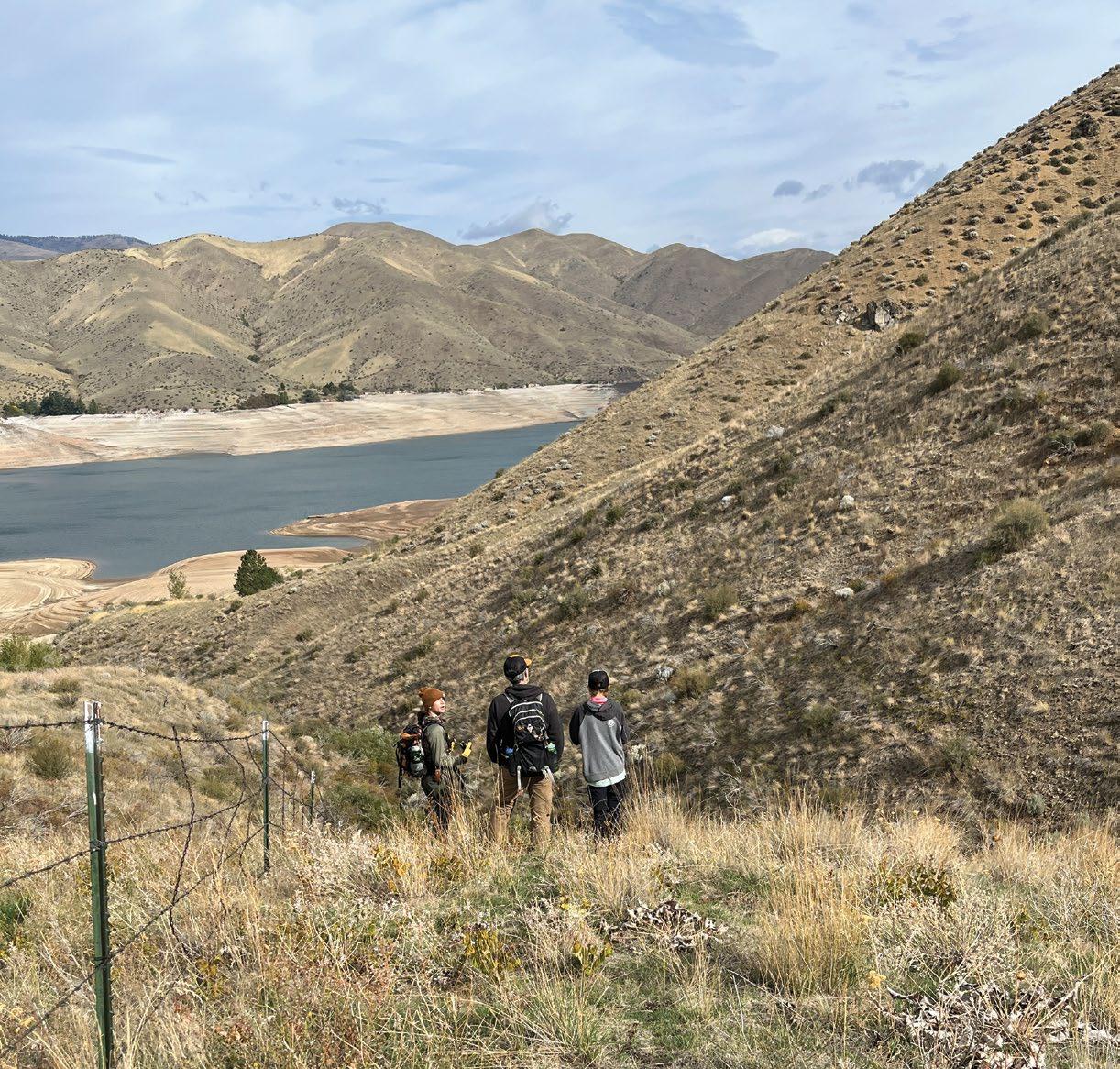
The Boise River Wildlife Management Area encompasses more than 34,000 acres of critical mule deer winter range. Following the 2024 Valley Fire, land managers identified a need to better understand the condition and placement of fencing infrastructure to support post‑fire restoration and wildlife movement.
In 2025, BHA’s Armed Forces Initiative coordinated with multiple agencies including Idaho Fish & Game, BLM, USACE, USFS and other local partners to plan a series of volunteer projects to inventory fencing across the WMA.
“This WMA serves as a major migratory route through the Boise foothills, especially with the recently installed wildlife corridor on the highway bordering the WMA. This project is a key focus for the greater Boise area due to the accessibility for volunteer involvement, low cost input, and high impact on habitat quality.”
Hunter Whitten, Idaho BHA Armed Forces Liaison
2025 Project Achievements:
More than 20 miles of fencing inventoried during 3 volunteer projects
Post‑fire restoration priorities identified for agency planning
Actionable data supplied to agency partners
Kiowa & Rita Blanca
National Grasslands
New Mexico, Texas
The Kiowa and Rita Blanca National Grasslands represent one of the largest intact shortgrass prairie ecosystems in the Southern Plains, spanning northeastern New Mexico and portions of Texas and Oklahoma. Widespread barbed wire fencing demarcates property boundaries and facilitates cattle grazing for 140 individual permit holders while also presenting a significant barrier to pronghorn movement.
Since 2021, New Mexico BHA has led annual stewardship projects to verify, modify, and remove fencing while working collaboratively with the U.S. Forest Service and state wildlife agencies. Texas BHA organized several complimentary work weekends, bolstering regional impact.
Total Project Achievements
110+ miles of grazing‑allotment fencing verified or modified
0.75 miles of obsolete fencing removed
Arapaho National Wildlife Refuge
Colorado
In northern Colorado, BHA partnered with the USFWS’s Arapaho National Wildlife Refuge and the BLM’s Kremmling Field Office to implement virtual fencing technology, which reduces the need for physical fencing while allowing land managers to respond dynamically to wildlife movement, seasonal habitat needs, and riparian protection goals.
2025 Project Achievements:
4 permanent and 1 mobile VENCE virtual fencing towers installed
100 cattle collared across BLM and USFWS allotments
2.87 miles of exclosure fencing improved
Habitat connectivity enhanced across 30,000+ acres of shortgrass prairie
34 miles of fencing mapped and assessed
6 miles of fencing identified for future removal or modification
Axial Basin
Colorado
The Axial Basin near Meeker, Colorado supports expansive sagebrush‑steppe habitat used by migratory ungulates and greater sage grouse, amongst other wildlife. In partnership with the U.S. Fish and Wildlife Service and Colorado Parks and Wildlife, BHA advanced efforts to remove outdated fencing and prepare sites for future wet‑meadow restoration.
2025 Project Achievements:
6.7 miles of obsolete fencing removed
6 miles of fencing surveyed for future action
Wet‑meadow restoration sites prepared in priority habitat areas
Chesapeake Bay Maryland, Virginia
Members of BHA’s Armed Forces Initiative partnered with the Chesapeake Bay Foundation for five days of hands‑on oyster reef restoration in Maryland and Virginia thanks to the generosity of the Sitka Ecosystems Grant Program. This priority landscape project engaged active‑duty service members, veterans, and guardsmen in conservation work, delivering water‑quality benefits across the Chesapeake Bay watershed.
2025 Project Achievements:
9 AFI participants engaged over 5 days
2.5 million recycled oyster shells processed
3.5 million oysters generated for reef construction
Estimated 175 million gallons of water filtered daily once reefs mature
Multi‑Year Investments on the CA/NV Border Increase Habitat Resiliency
In 2025, BHA concluded a multi‑year restoration effort at Hallelujah Junction Wildlife Area near the California–Nevada border following the 2020 Loyalton Fire. This landscape‑scale project focused on restoring critical winter range for migratory ungulates by planting 20,000 bitterbrush plants, grown by the Sagebrush in Prisons program and local nurseries from seeds collected on site by volunteers. During this project BHA also worked with the Washoe Tribe to incorporate culturally significant plants into our restoration efforts.
BHA volunteers from Santa Barbara, CA to Elko, NV and everywhere in between joined forces to invest in the future of our public lands.
BHA also launched a new wildfire fuel reduction effort in this region in 2025, focused on juniper thinning across adjacent BLM lands, reducing the risk of catastrophic wildfire and ensuring that the sagebrush doesn’t have to compete with these quick growing juniper. In year one, 553 total acres were treated on this landscape.
Bass Pro Shops and Cabela’s Outdoor Fund at Work
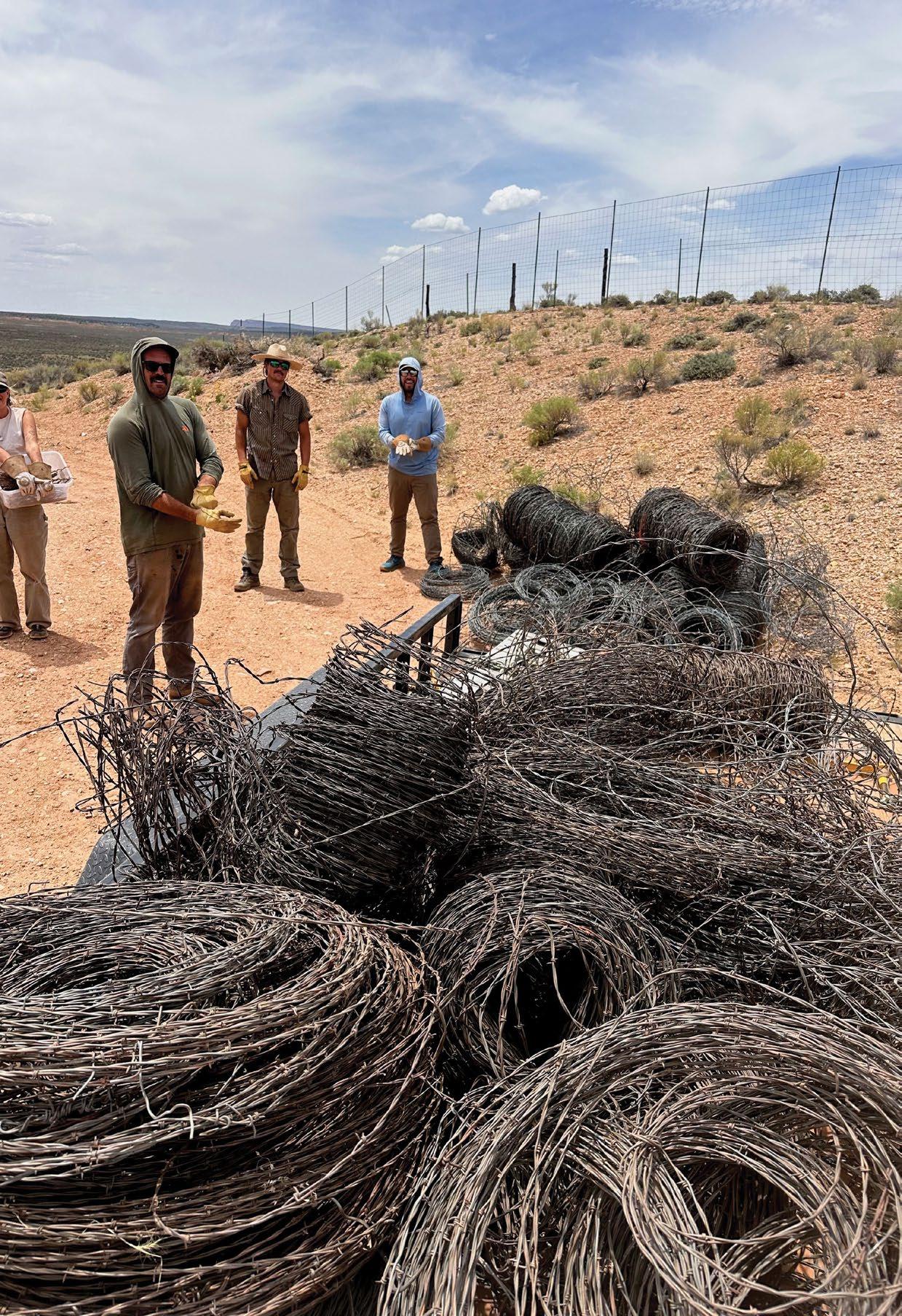
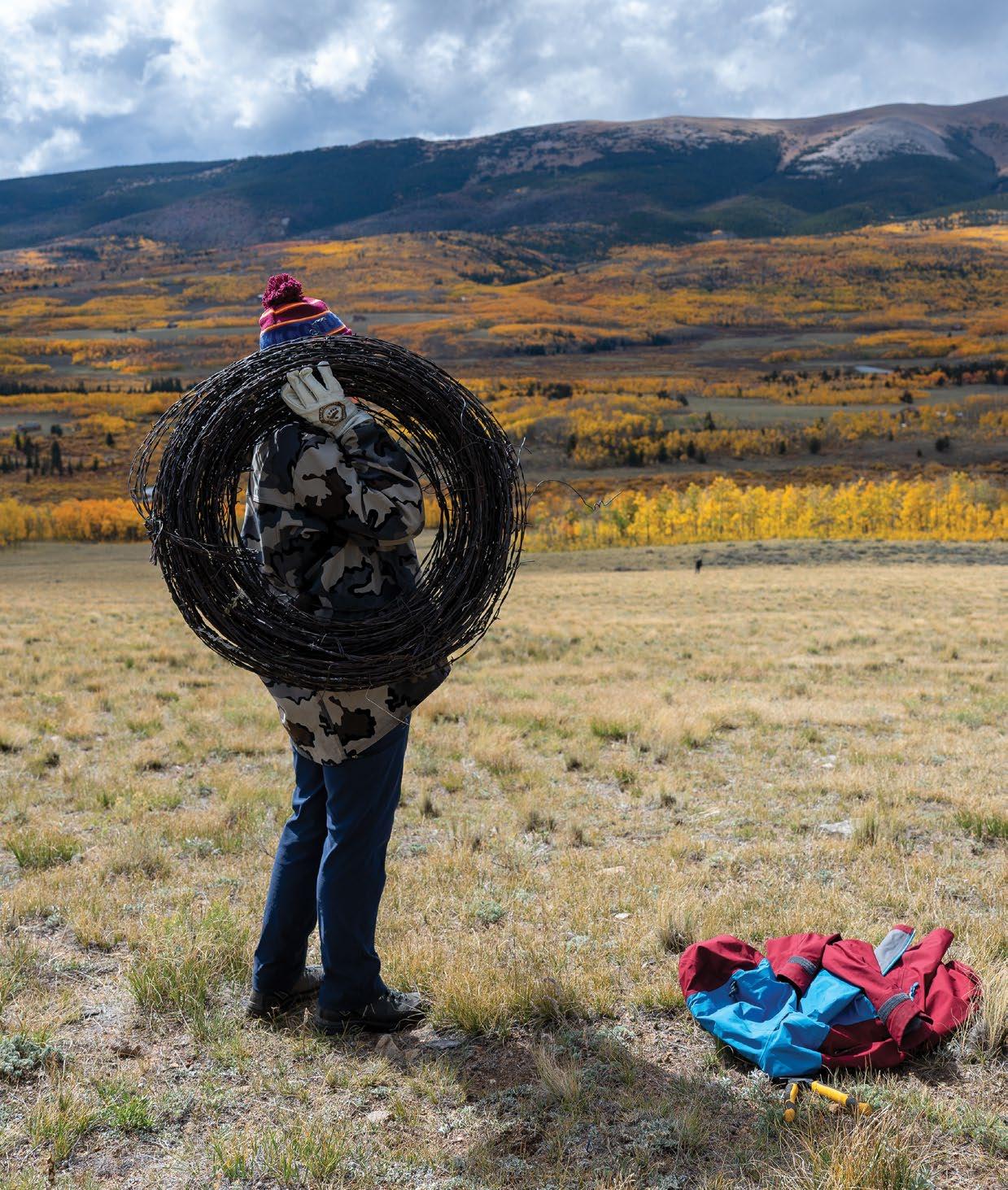
From hauling 1.7 miles of dilapidated barbed wire fencing from a US Forest Service/private land boundary in a Montana blizzard to clearing the canoe portages on Alaska’s Kenai National Wildlife Refuge, many of BHA’s aquatic and terrestrial trail cleaning efforts were made possible due to a generous grant from the Bass Pro Shops and Cabela’s Outdoor Fund.
Thanks to our generous partners, BHA completed projects across public lands and waters from Alaska to Florida and everywhere in between.
JE Roush Wood Duck Box Day Huntington, Indiana
Since 2019, Indiana BHA has been working on habitat improvements in partnership with the Indiana Department of Natural Resources by installing wood duck boxes, removing trash, planting seeds for pollinators, and more. BHA volunteers have built and installed upwards of 60 wood duck boxes to provide habitat for migrating waterfowl.
“Working with Mississinewa and JE Roush Lake over the years has been incredibly rewarding. Each project has given me the opportunity not just to improve the landscape, but to strengthen habitat quality, develop relationships with the property staff, and support long term conservation goals. ”