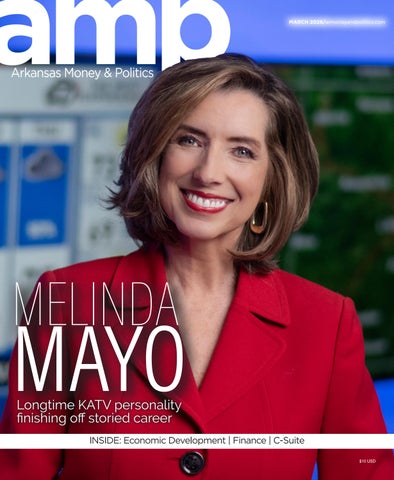

MELINDA MAYO
Longtime KATV personality finishing off storied career

Congratulations to our C-suite! Your vision and grit are redefining the industry – and we’re proud to stand behind your bold leadership.

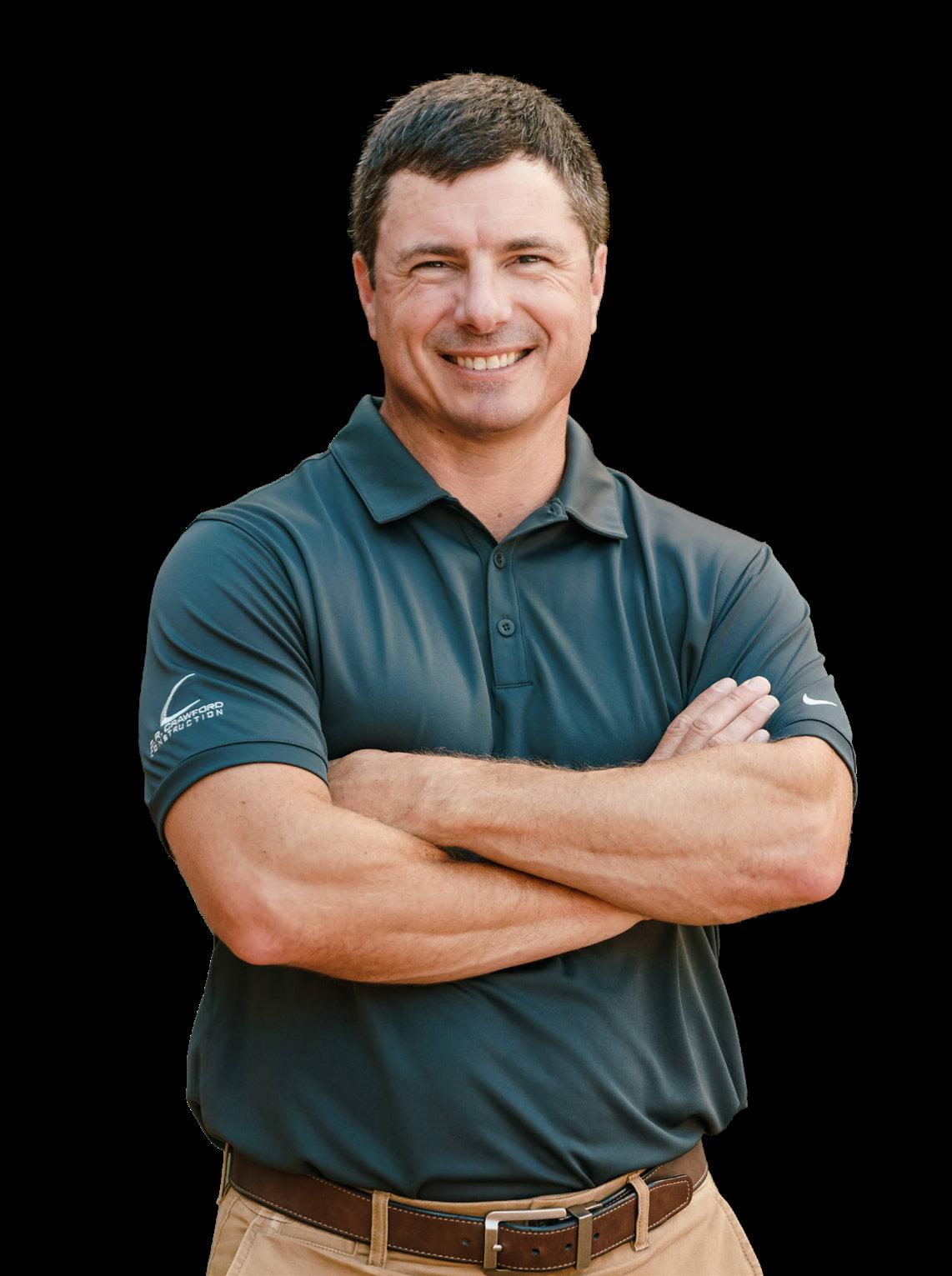





CODY CRAWFORD Founder/CVO
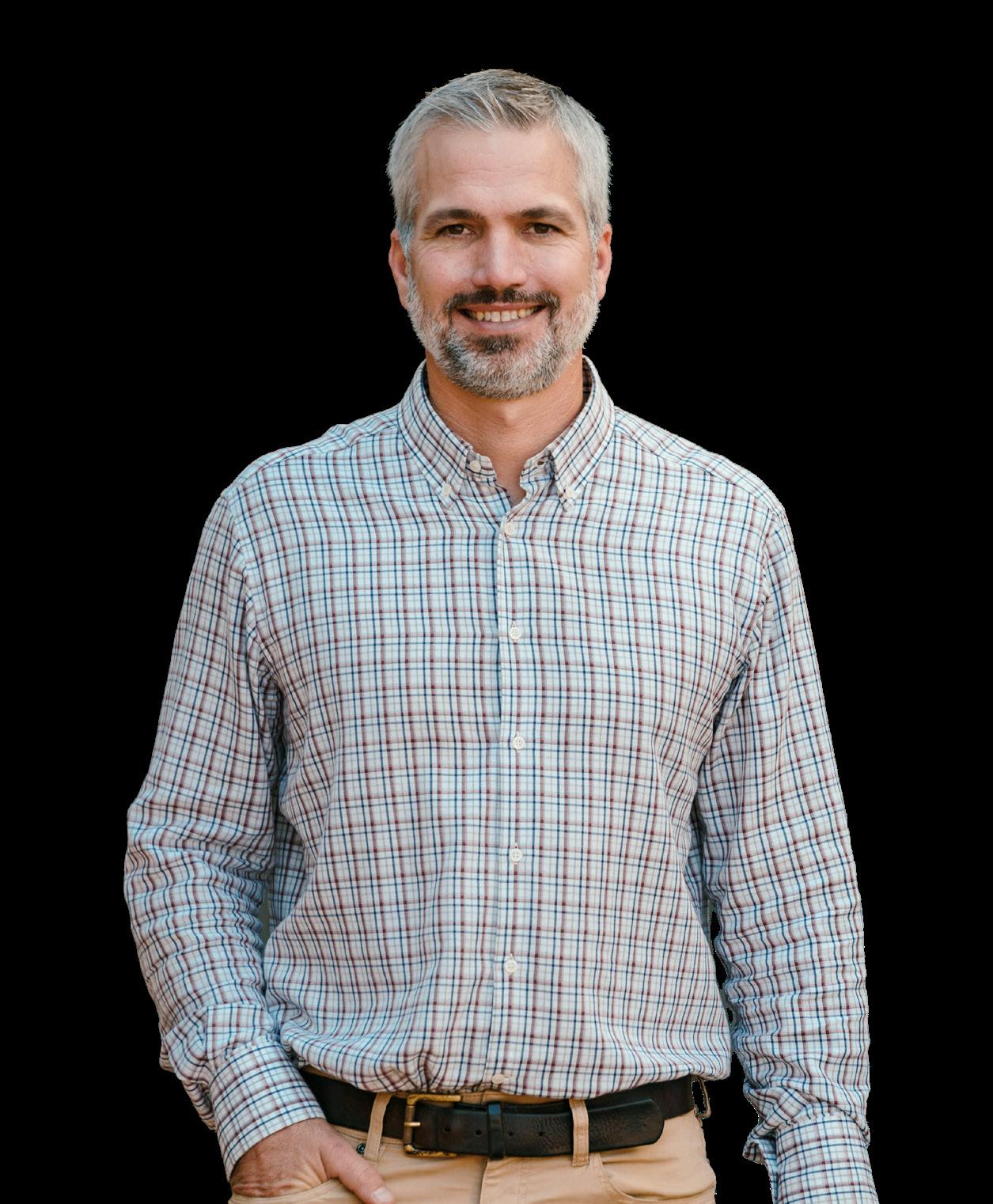
AARON MCDONNEL COO
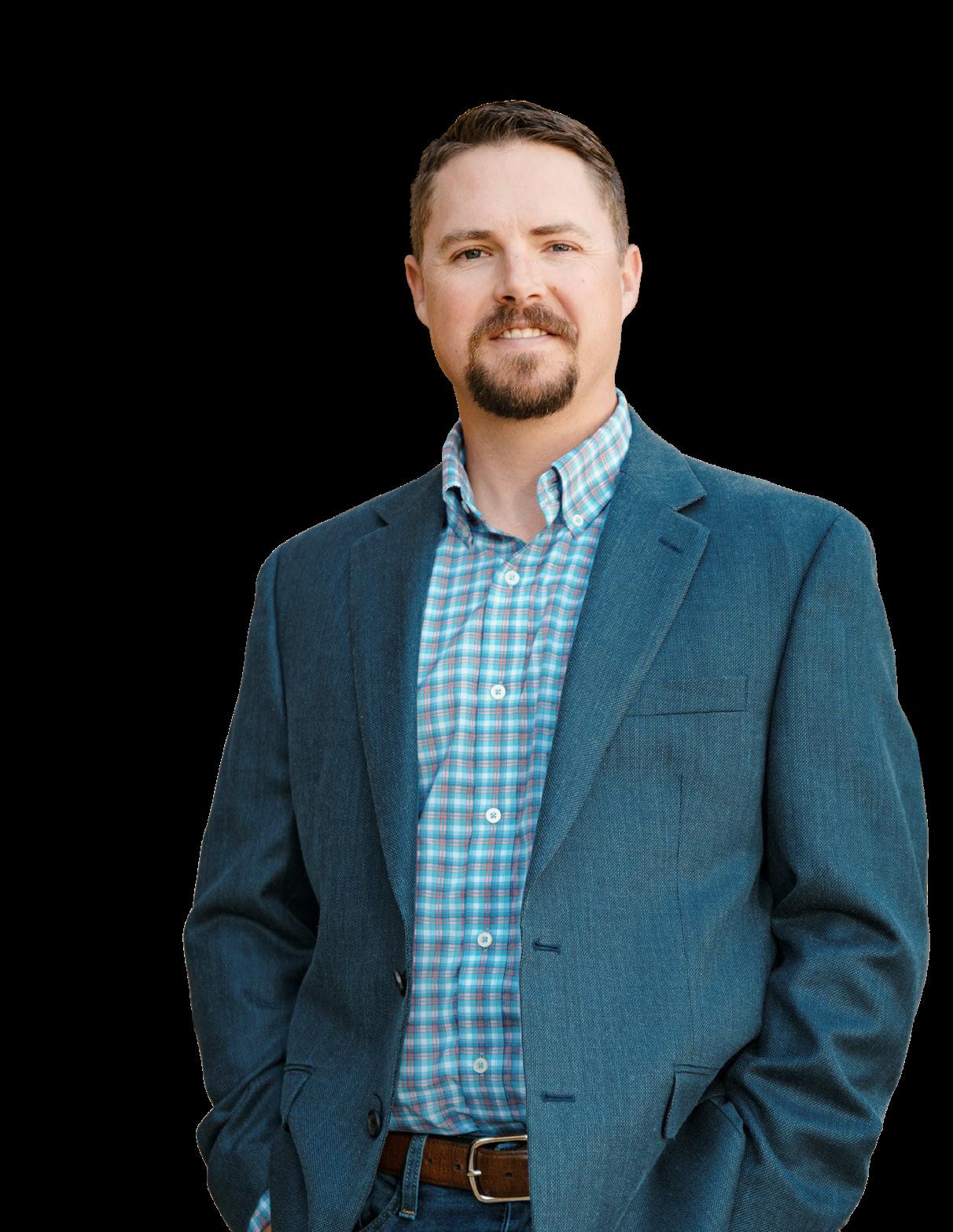
JASON EVINS CFO
JOHN TEETER CEO/President
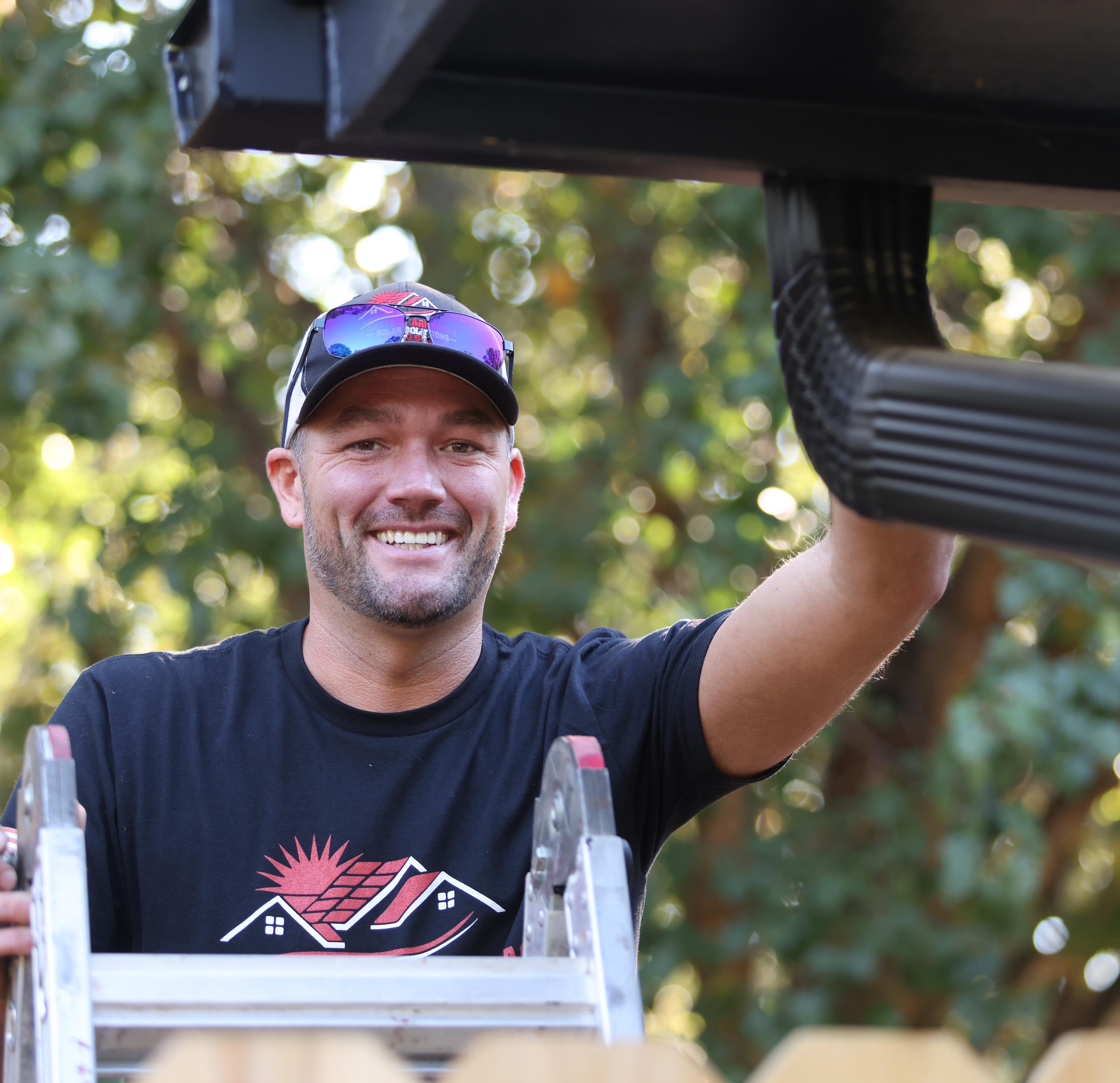


Jeff Hatfield, owner
Leadership Built to Last

Stephens is proud to celebrate our Co-CEOs, COO, and CFO being recognized among Arkansas’s top financial executives—a reflection of the leadership that has shaped our firm for more than 90 years.
Since 1933, we’ve remained family-owned and relentlessly clientfocused, guided by prudent management and a long-term perspective.
At Stephens, our commitment is clear: lead with integrity, invest in our people and make a lasting difference in the communities we call home.
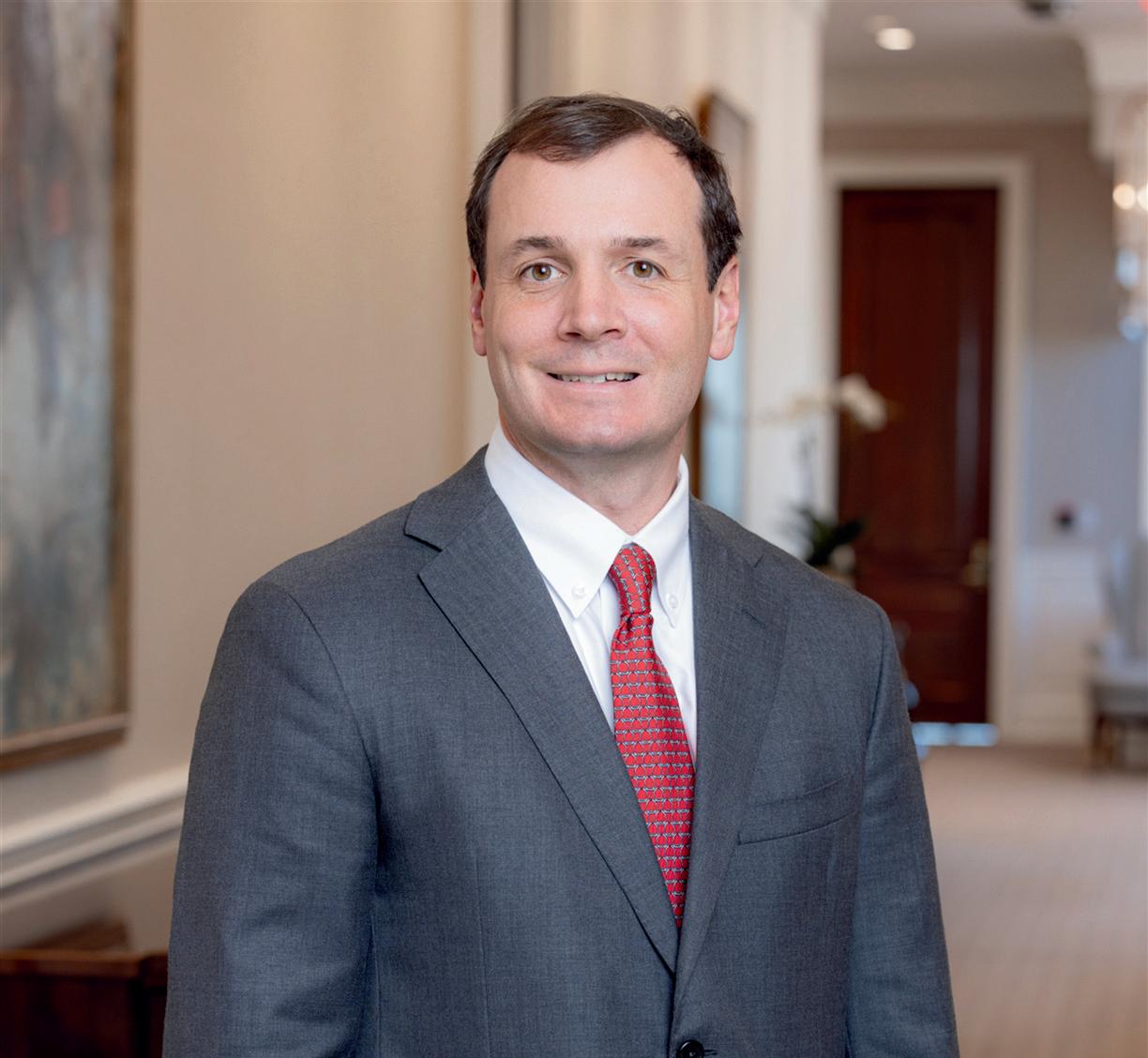
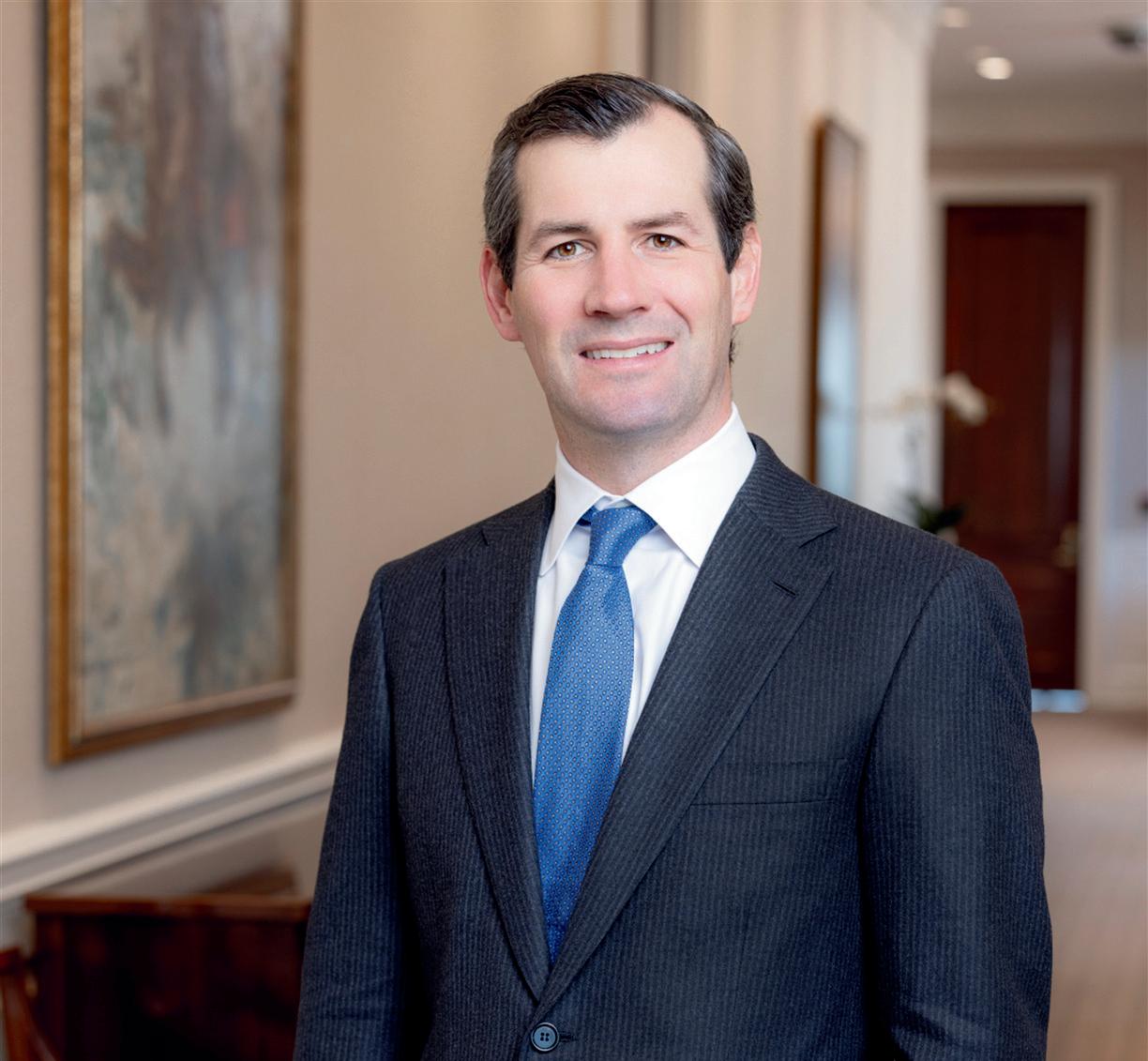
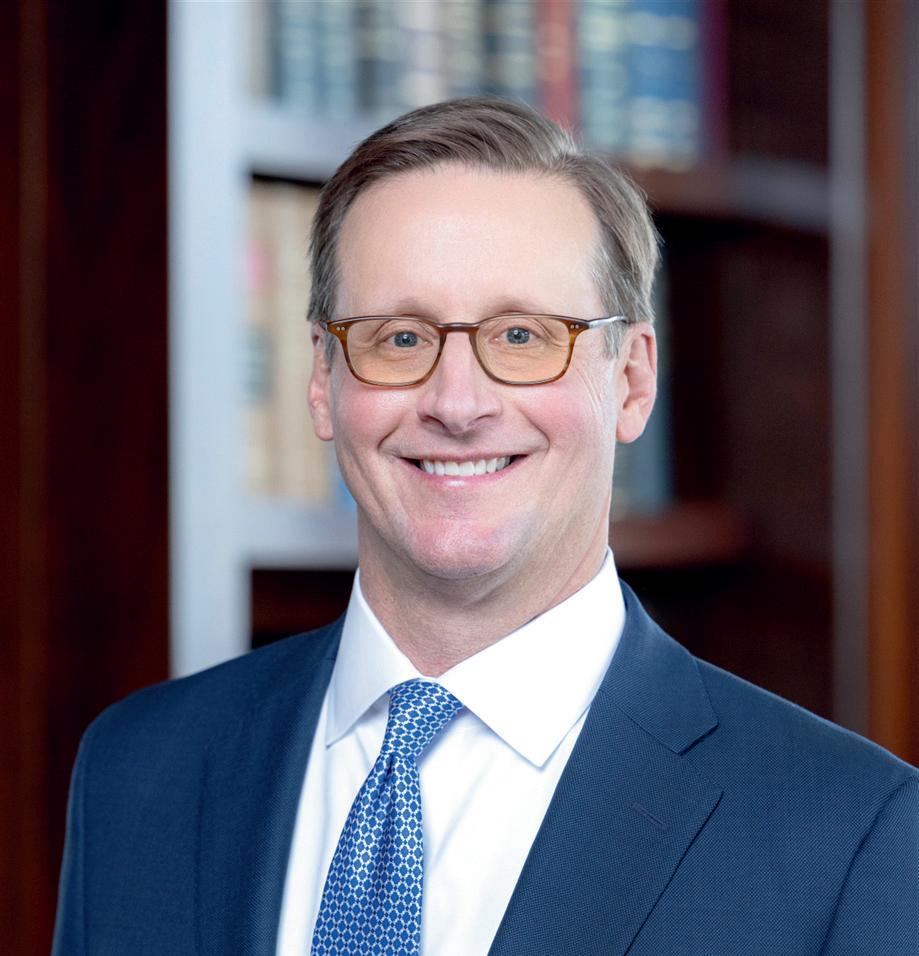
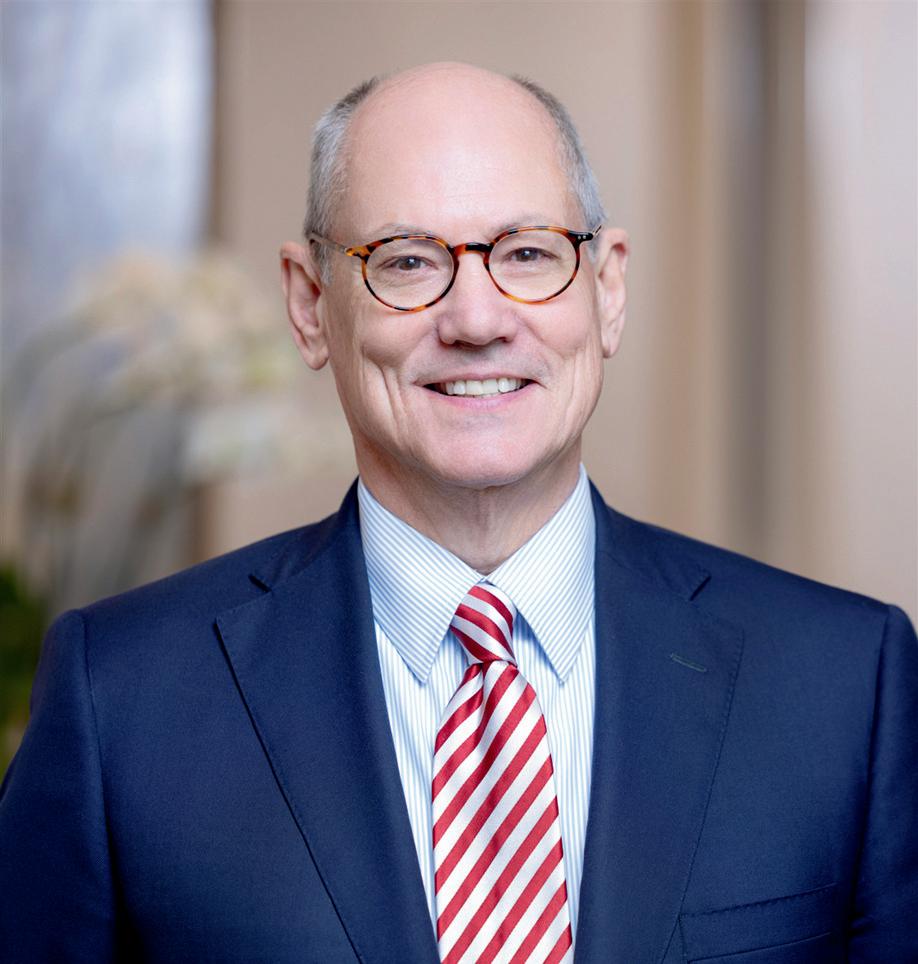



Miles Stephens, Co-CEO
Brad Eichler, COO
Mark Doramus, CFO
John Stephens, Co-CEO

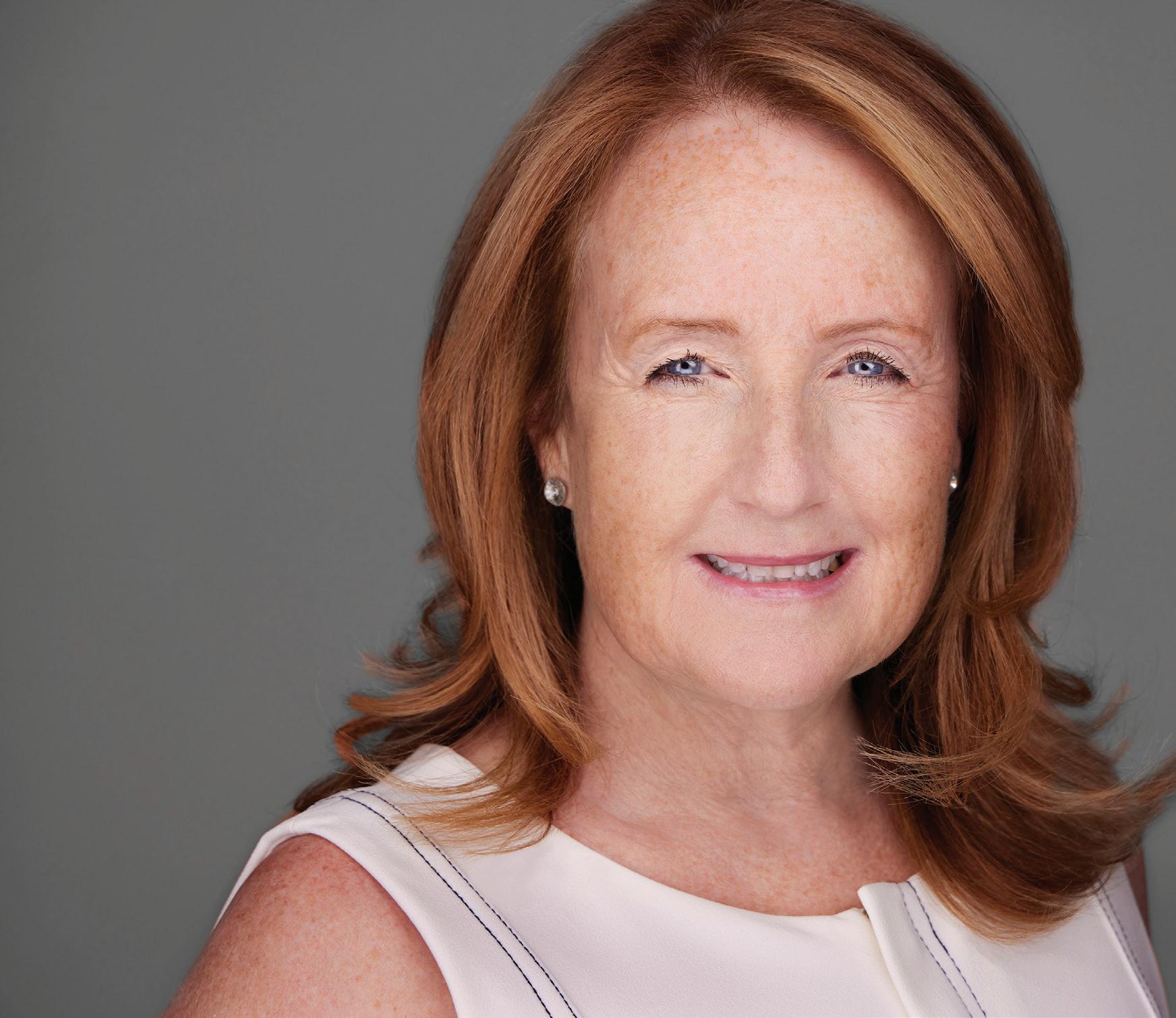
Setting the standard for executive leadership.
Congratulations to Jay Brogdon, President and Chief Executive Officer, and Ann Madea, Chief Information Officer, for being recognized on the Arkansas Money & Politics C-Suite List.
Their strategic leadership and forward-thinking approach exemplify what it means to lead with purpose. As Arkansas continues to grow and evolve, leaders like Jay and Ann play a critical role in shaping its future.
Jay Brogdon
Ann Madea
FEATURES MARCH 2026

THE FUTURE OF MONEY
First, it was pennies on the chopping block. Now the days of other coins and maybe even paper currency all together seem numbered.

GOING GLOBAL
The Natural State is home to some import/export heavy hitters, but due to tariffs and ever-changing geopolitics, they have had to adapt quickly.

HONORING LEGACIES
Former Razorback great Alex Collins, who died in 2023, heads the list of 2026 inductees into the Arkansas Sports Hall of Fame.

March 2026
TIME-TESTED BUSINESSES
To borrow one of rock ‘n’ roll’s most in-depth lines, “only time will tell if we stand the test of time.” The businesses featured in this special section have stood that test.
160 | The Last Word
HOT SPRINGS CHAMBER AWARDS
KATV meteorologist Melinda Mayo, popular host of Daybreak, and a staple of Arkansas television, is hanging up the teleprompter.
The Greater Hot Springs Chamber of Commerce honored its annual award winners including Woman of the Year, Man of the Year and more.
AMP sits down with AEDC’s Clint O’Neal to talk about Arkansas’ big economic development year, which saw ribbon cuttings from Camden to Corning.
Prices are up. So are interest rates. The world continues to heat up on the geopolitical stage. Why is the economy still rolling along?
CBM Construction celebrates half a century in business this year. The firm was founded by Clark McGlothinand is now led by two of his closest mentees.
Nonprofits and local business owners are working to bring back the prominence and cultural significance of Little Rock’s Ninth Street Corridor.
AMP joins banking and finance leaders from across the state to discuss the lay of the land in 2026 and what to expect in the new year.
Are high school graduates still choosing two-year colleges more often? AMP looks into how these schools are remaining competitive.
Two-year technical schools and colleges are partnering with private industry to train the workforce of tomorrow.
AMP readers shared with us their favorite top executives in Arkansas companies, those leaders who occupy spots in the C-suite.
Ryan Silverfield brought a new coach and new staff to the Hill, but those close to the program say he brought a new attention to detail as well.
PRESIDENT & PUBLISHER
Heather Baker | hbaker@armoneyandpolitics.com
EDITOR-IN-CHIEF
Dwain Hebda | dwain@armoneyandpolitics.com
SENIOR EDITOR
Mark Carter | mcarter@armoneyandpolitics.com
ASSOCIATE EDITOR
Mak Millard | mmillard@armoneyandpolitics.com
EDITORIAL COORDINATOR
Darlene Hebda | darlene@armoneyandpolitics.com
COPY EDITOR
Sarah DeClerk | sdeclerk@armoneyandpolitics.com
STAFF WRITERS
Doug Crise | dcrise@armoneyandpolitics.com
Alex Hardgrave | ahardgrave@armoneyandpolitics.com
Mary LeSieur | mlesieur@armoneyandpolitics.com
MANAGING DIGITAL EDITOR
Kellie McAnulty | kmcanulty@armoneyandpolitics.com
ONLINE WRITER
Kilee Hall | khall@armoneyandpolitics.com
PRODUCTION MANAGER
Mike Bedgood | mbedgood@armoneyandpolitics.com
GRAPHIC DESIGNERS
Jerry Cordova | jcordova@armoneyandpolitics.com
Lora Puls | lpuls@armoneyandpolitics.com
Lee Smith | lsmith@armoneyandpolitics.com
SENIOR ACCOUNT EXECUTIVES
Greg Churan | gchuran@armoneyandpolitics.com
Michelle Daugherty | michelle@armoneyandpolitics.com
Mary Funderburg | mary@armoneyandpolitics.com
Karen Holderfield | kholderfield@armoneyandpolitics.com
Ryan Parker | ryan@armoneyandpolitics.com
Carrie Sublett | carrie@armoneyandpolitics.com
EXECUTIVE ASSISTANT
Jessica Everson | jeverson@armoneyandpolitics.com
ADVERTISING ASSISTANT
Katie Beth Smith | ksmith@armoneyandpolitics.com
PRODUCTION & AD OPERATIONS MANAGER Jay Danzy | ads@armoneyandpolitics.com
PRODUCTION & AD OPERATIONS
Lara Keck | ads@armoneyandpolitics.com
CIRCULATION
circulation@armoneyandpolitics.com
ADMINISTRATION
Marissa Porter | ayoffice@armoneyandpolitics.com
CEO | Vicki Vowell
TO ADVERTISE call 501-244-9700 email hbaker@ armoneyandpolitics.com
TO SUBSCRIBE armoneyandpolitics.com/subscribe
CONTRIBUTORS
Kim
Jane

Boyd,
Colclasure, Andrew Hutchinson, Emily James, Steve Lewis, Susannah Marshall, Lori Sparkman, Terra Wallin
WHY DO WE INVEST?
Obligation. We invest because we have a duty to. We were lifted up by people and places that believed in us – and now we carry that forward. We seek out those with the character, grit, and potential to do the same for others, knowing that real impact compounds when it’s rooted in purpose. When we invest in the right people, we don’t just grow businesses – we grow legacy.






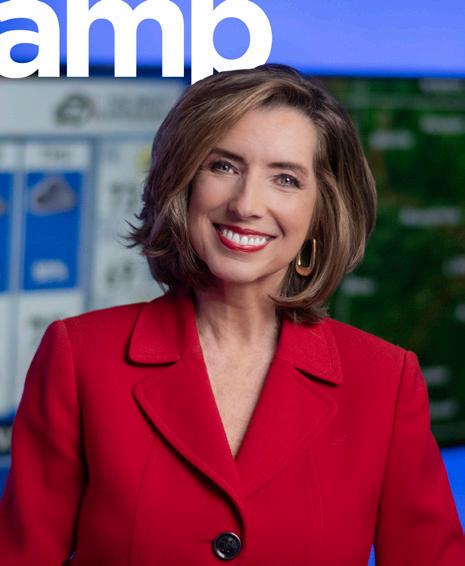
ON THE COVER
Lori Sparkman photographed KATV personality
Melinda Mayo in the Channel 7 studios in Little Rock. Mayo is retiring after a long and successful career. Coverage starts on page 14.
FEEDBACK
We’re huge fans of AMP! Heather Baker’s leadership and creative vision are truly outstanding, and Ryan is always incredibly responsive, insightful and spot-on with every interaction. The team genuinely understands our company’s vision and consistently delivers fresh ideas that add real, measurable value. Working with them feels like having an extension of our own team — one that not only meets our goals but helps us exceed them every time.
Rachel Batson
STATE GRANTS APPROVAL FOR ARKANSAS CASINOS TO PARTNER WITH DRAFTKINGS, FANDUEL
Interesting development for Arkansas. It’ll be worth watching how this impacts tourism and local partnerships around the casinos.
Scott Lauck
AMP BLACK TRAILBLAZERS: DERON HAMILTON
Congratulations Deron. Great recognition for a great guy.
Wade Partridge
ARKANSAS TALENT GROUP EXPANDS WITH LAUNCH OF TEMP & CONSULTING DIVISION
Thank you Arkansas Money & Politics for picking up our press release announcing our new company!
Chris Chunn
NAVIGATING THE NEW FRONTIER: CLINTON SCHOOL LAUNCHES AI IN PUBLIC SERVICE COURSE
Thank you so much for highlighting our new course! Clinton School of Public Service
UA LITTLE ROCK RAISES $500K EARLY IN ENDURING OPPORTUNITY CHALLENGE
For the city of Little Rock to reach its full potential, there has to be a strong university to educate the regional workforce, and UA Little Rock is doing a fantastic job of providing that. Go Trojans.
Guy Choate
TOP ONLINE ARTICLES
Feb. 3 — March 3
1 Arkansas Visionary: Steve Landers Sr.
2 New ownership announced for Sonny Williams’ Steak Room
3 OrthoArkansas breaks ground on new surgery center
4 Colony South in SW Little Rock sold for $6.5M
5 Arkansas survivor Lara Blume McGee speaks out about Epstein files
6 Need to know: Early voting in Arkansas
7 2026 AMP Fifty Over 50
8 ArDOT receives $105.5M in federal funding for six projects
9 Arkansas bank part of major fintech deal
10 First-ever Arkansas Fitness Professionals Hall of Fame class to be inducted

A major redevelopment on the north side of Bentonville Square now has a name: The Hart on Main
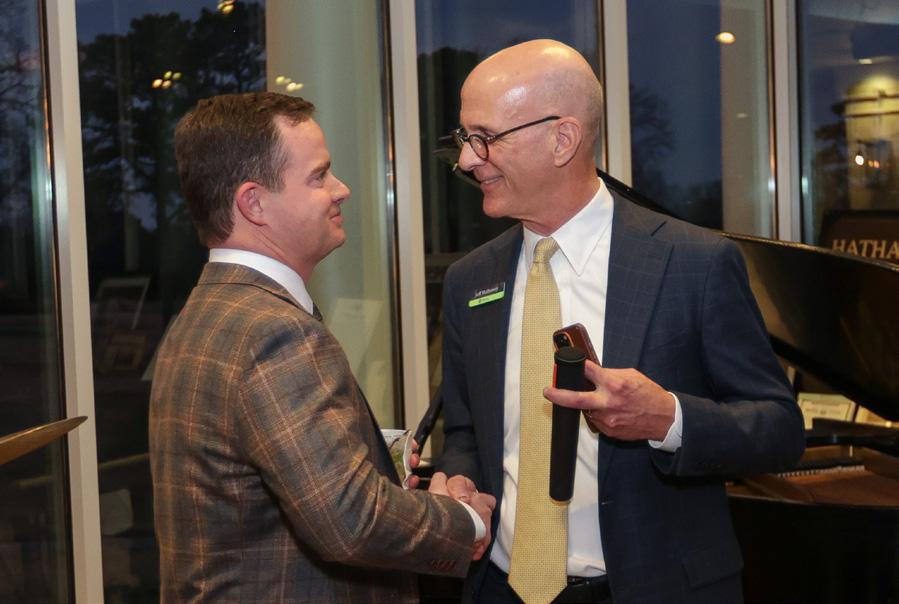
Hathaway Group celebrates 50th, announces Wes Martin promotion
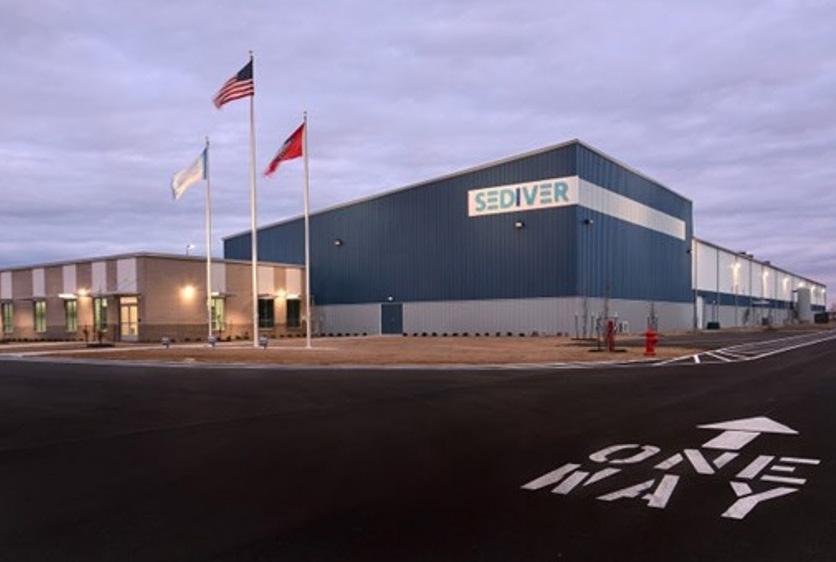
Sediver to add 40 jobs with West Memphis expansion
By Mark Carter
SHARKANSAS, YOU BITE DEEP INTO ME
Sharkansas Women’s Prison Massacre is an actual movie released in 2016.
Not surprisingly, it was a directto-DVD release, but it did get some run on the Syfy channel — and very much surprisingly, one reviewer concluded that it could have been a “hugely entertaining exploitation flick, but it just plays things way too safe.”
(I’m no filmmaker and confess to being completely out of my depth here, but when making B movies, isn’t the idea to NOT play it safe?)
The title pretty much provides all the necessary info. Aside from it and the Razorback student section at Bud Walton dressing up in shark costumes during the Muss era — and billing itself as “Sharkansas” — there has really never been much to connect the Natural State and sharks — unless, of course, it’s Shark Week, when Arkies and all Americans are connected to them.

Regarding this supposed disconnect, we’ll defer to Coach Lee Corso: Not so fast, my friend.
The Natural State, turns out, is very much connected to sharks. Students and researchers from Cal Poly Humboldt have been focused on the Fayetteville Shale, looking not for oil or gas but for fossilized sharks. Their study was published in Geobios, and the results of their finds showcased at Phys.org.
PUBLISHER’S LETTER
LTurns out, dozens of rare, 3D shark skeletons — more than 300 million years old — have been discovered at geological sites throughout the Fayetteville Shale play in northwest Arkansas.
Because the fossils were formed on the low-oxygen, acidic seafloor of the ocean that once covered the area, the shark cartilage was preserved. Normally, they would have decayed long before being fossilized. Most have been found in the upper reaches of the White River.
“The fossils provide a glimpse into shark anatomy unparalleled for this period of time anywhere in the world,” said author Allison Bronson, a biological sciences professor at Cal Poly Humboldt.
More from Phys.org:
Their findings show that the Fayetteville Shale’s unusual chemistry — low oxygen levels and high acidity — slowed bacterial decay, helping to preserve cartilage, while degrading bone and shell. That explains why the formation contains an abundance of shark fossils but very few bony fish, even though bony fish were widespread globally at the time.
The result, Bronson explains, has produced one of the most important sites in the world for studying shark evolution. “Sharkansas,” as these scientists call it, has some of the best-preserved Paleozoic shark skeletons to date, including species that have improved our understanding of fish evolution, like Ozarcus mapesae, Cosmoselachus mehlingi and Carcharopsis wortheni.
A suggestion for the folks in charge next time northwest Arkansas spits out another new high school. And surely one will come eventually to east Fayetteville, which is very close to where the White River begins its 722-mile flow to the Mississippi.
The Fayetteville White River High Sharks, anyone?
By Heather Baker
MARCH-ING AHEAD
ooks like we’ve survived all that Old Man Winter had to throw at us, although I wouldn’t put it past him to throw us a late March frozen curveball.
At Arkansas Money & Politics , we’re putting winter in the rear-view mirror and March-ing forward. March means a look inside the C-suite, along with packages on economic development, finance and twoyear colleges.
This year’s C-suite section — sponsored by Arkansas Talent Group in Little Rock — once again focuses on some of the very best to be found inside the state’s executive corner offices. Honorees were nominated by readers, and the full list is available inside, along with pull-out profiles of a select few execs, such as Scott Hambuchen, CEO at First Orion; Dale Cole chairman, president and CEO at First Community Bank; and Seth Rusner, president

Heather Baker
and CEO at Fort Smith-based ArcBest.
Economic development in Arkansas has caught momentum of late, and this month, AMP looks at how the state recently secured some of the biggest deals in its history — the Google data center planned for West Memphis and a possible $21 million AI investment in Little Rock — plus the continued growth of the steel industry in Mississippi County, a major Lockheed Martin expansion at Camden and lots more.
Our finance package asks the experts what money will look like in the near future and what to expect as the economy keeps rolling, and AMP checks in to see if more high school graduates are still trending toward trade schools and workforce development over traditional college paths.
All this and much, much more inside. As always, thanks for reading. Hit me up with comments or story ideas at hbaker@ armoneyandpolitics.com.
THE COMPLETE PACKAGE Converting worthless waste into valuable material
By AMP Staff
Many may think they are unfamiliar with expanded polystyrene, but they likely know it by its more common name, Styrofoam, which has been used as a popular insulator since its invention in 1941.
While Styrofoam and other EPS materials are inexpensive and effective packing materials, they have several downsides, including that they are nonbiodegradable and largely nonrecyclable. As a result, EPS materials overburden landfills and can break down into potentially harmful microplastics.
Ali Ubeyitogullari and his research team at the University of Arkansas Division of Agriculture are working on a more sustainable packaging material using one of Arkansas’ most prevalent low-value byproducts: rice hulls, a rice-milling byproduct often burned or used in low-value applications. The scale of Arkansas’ rice industry helps explain why that matters.
In 2024, Arkansas harvested about 1.43 million acres of rice and produced roughly 109 million hundredweight, a unit of measurement used for commodities, for a reported value of about $1.48 billion. Using standard rice-milling byproduct ratios, that production implies the order of 1 million tons of rice hulls in a single year, creating a significant in-state opportunity to convert a low-value byproduct into higher-value materials.
“We have not found a high-value use for rice hulls,” Ubeyitogullari said. “Sometimes rice hulls are repurposed as animal bedding, but most of it is simply burned away.”
Ubeyitogullari’s Little Rock lab uses a process called supercritical CO2 drying, a precise, low-temperature method for removing liquids from delicate materials without causing structural collapse due to surface tension. Using the process, his team can create high-performance, sustainable materials by converting rice hull components into ultraporous, ultralight aerogels. Aerogels are typically made with expensive, highly purified materials and are used in aerospace and other high-performance applications. Rice hulls and rice hull ash are also documented as precursors for engineered silica and porous materials, which helps support the broader technical potential of the approach.
“The goal is to create a material that provides all the benefits of Styrofoam without the drawbacks,” said Ubeyitogullari, who is teaming up with Riceland Foods to help move the research toward real-world validation and scale. Working with an Arkansas rice processor is an important early step because mills control the byproduct stream needed for testing and eventual scale-up.
Arkansas’ leadership in rice production also gives this work significance beyond the state — according to Arkansas Extension re-
porting cited in the research review, Arkansas accounted for roughly half of U.S. rice production and acres planted in 2024.
Ubeyitogullari said the impact of his rice hull-based material could extend beyond packaging.
“This material can serve as a filter or absorbent,” he said. “It can be used to remove dyes and contaminants in wastewater.”
The bio-based, highly porous aerogel may also have longer-term potential in delivery systems for fat-soluble micronutrients such as vitamin D.
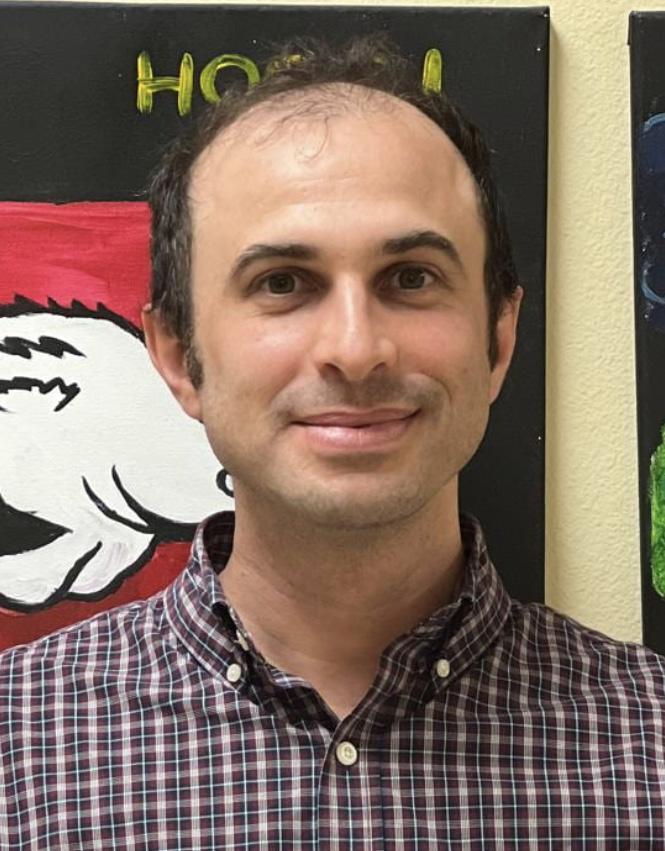
Ali Ubeyitogullari
Ubeyitogullari’s research is further supported by an ARA Impact Grant from the Arkansas Research Alliance, which supports science that is highly applicable to the state’s economy. The project’s Arkansas roots matter: The state’s rice production base, milling infrastructure and university-industry partnerships create a practical setting for testing whether an agricultural byproduct can become a new manufacturing input. The research review also notes that Arkansas has identifiable rice-linked milling and warehouse infrastructure that supports the logic of in-state pilot supply and future co-location strategies if the technology advances.
“Commercialization is definitely the goal,” Ubeyitogullari said. “I am very interested in creating a startup.”
He added that he believes the supercritical CO2 process is scalable and is pursuing patent protection for the rice hullaerogel technology.
If the technology can be scaled economically, it could help Arkansas capture more value from an existing agricultural byproduct stream while creating potential opportunities in processing, quality assurance, packaging conversion, logistics and advanced materials manufacturing. Those outcomes will depend on scale-up economics, market fit and successful validation with industry partners, but the potential to build more value in-state from a major Arkansas crop is clear.
In the meantime, Ubeyitogullari maintains a busy schedule of writing grants, managing projects, securing funding and teaching classes.
“That is the life of a faculty member,” he said.



HOW THE STOCK MARKET GAME BRINGS ECONOMICS TO LIFE
By Susannah Marshall
For many of us, the first time we encountered economics was in a textbook, defined in terms of supply and demand — accurate, yes, but not exactly inspiring. Across Arkansas today, students as early as fourth grade are discovering a more engaging way to learn about economics through The Stock Market Game.
Since 1999, Economics Arkansas has facilitated the national program of the Securities Industry and Financial Markets Association Foundation in Arkansas. The game equips students with a virtual $100,000 to invest in stocks, bonds and mutual funds. The program is open to all grade levels but is most often used in grades 4-12 and includes competitions at the regional and statewide level for students and teachers. Competitions each semester and throughout the year let students test their strategies and compare results with peers across the state. What may sound like just a classroom exercise is one of the most effective ways to bring economics to life.
In 2025, more than 17,000 Arkansas students participated, joining hundreds of thousands nationwide. Thanks to a public-private sponsorship between the Arkansas Securities Department and the Walton Family Foundation, participation in Arkansas is free for every team that signs up. The support allows classrooms in every region of the state to access the program, from rural elementary schools to large, urban high schools.
What do students gain from the experience? Every principle of economics. They see how markets respond to world events, how diversification reduces risk, why interest compounds and what it means to invest for the short term versus the long haul. They also gain vocabulary such as stocks, bonds, dividends and market capitalization that will serve them for a lifetime. Most importantly, they experience decision-making with real stakes, even if the money is virtual. Programs such as The Stock Market Game show the power of education to connect theory with practice, making classroom lessons meaningful long after students leave school.
One of the first lessons emphasized is that students should play the game differently than they will live their financial lives. The short-term competition rewards quick gains, but real investing requires patience, discipline and long-term planning. The game’s rules reinforce sound investing practices, including diversification and risk management. Understanding that distinction prepares students to make informed decisions about saving and investing later in life.
Teachers often share that the program transforms their classrooms. Fourth graders researching companies they recognize, such as Apple or Starbucks, suddenly connect their daily lives to the global economy. Middle and high school students begin to see the relevance of current events and economic policy in ways no textbook alone could convey. That is the value of education at its best. Students are not memorizing definitions; they are practicing real-world applications that prepare them for college, careers and citizenship.
The program also fosters collaboration. Students work in teams, debating trades, researching financial news and presenting strategies. They develop critical thinking, communication and technology skills alongside financial literacy.
Each semester, first-place teams from six Arkansas regions are recognized at a statewide awards luncheon with cash prizes for students and teachers. Yearlong winners at each grade level are also honored. While the awards provide motivation, students leave the program able to define economics and apply it to their own lives.
The program also connects to writing and critical thinking through the InvestWrite competition, for which students craft essays about their strategies and lessons learned, encouraging reflection and communication skills that extend well beyond economics.
With traditional pensions becoming increasingly rare, young people must take ownership of their financial futures. That requires understanding saving, investing and risk long before they enter the workforce. The Stock Market Game fills that gap, preparing students not just to pass a test but to navigate life.
It is no surprise that Arkansas consistently has strong participation. Students who experience the program are better equipped to succeed whether they choose careers in business, health care, technology or education. Economics is the study of choices, and every student, regardless of path, will make economic decisions daily.
As a board member of Economics Arkansas, I see firsthand how The Stock Market Game inspires students and supports teachers. Each year at the awards luncheon, I am thrilled to witness the significant and positive impact the program has had on their education, and I am always impressed with their results. It is more than a simulation; it is a window into the real world and a bridge between classroom learning and lifelong skills.
The spring 2026 competition runs Jan. 5 to April 10, and the yearlong competition will conclude April 17.
Susannah Marshall is Arkansas bank commissioner and Arkansas securities commissioner, for which she oversees the regulation of banks and a wide range of financial industries across the state. She has worked on behalf of the state of Arkansas since 1995 and is committed to advancing effective investor education and financial literacy. She also serves on the board of directors of Economics Arkansas, along with several other financial and education-focused organizations.
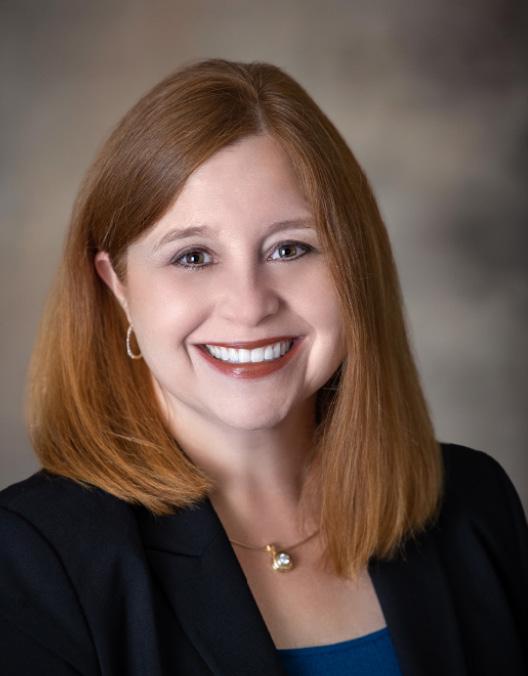
Susannah Marshall
FROM CLASSROOM TO CAREER STREAMLINING ARKANSAS’ TALENT PIPELINE
By Terra Wallin
Across Arkansas, employers are grappling with today’s workforce shortages. The most pressing question: Where will our next generation of skilled workers come from, and will they be ready?
The answer will not be found in one program, one school district or one training initiative alone but instead in building a coherent, high-quality system that aligns education, training and workforce programs beginning in K-12 classrooms. Once a solid foundation is set, career-aligned learning must continue through postsecondary education programs and extend into adult upskilling and reskilling programs. Too often, we treat these efforts as discrete priorities when, in reality, they all play essential roles in meeting employer needs.
Understandably, employers often focus on immediate needs. When positions need to be filled quickly, they prioritize upskilling or reskilling current workers, using short-term credentialing programs or recruiting from other regions to quickly move people into jobs — and those efforts often meet short-term goals.
But meeting immediate needs alone will not secure Arkansas’s long-term economic competitiveness. That requires building a coherent system that reaches down to schools to ensure that all middle and high school students have access to high-quality career and technical education pathways aligned with high-demand, highwage careers, all while being informed by real employer input. When students can see a clear connection between what they are learning and the future opportunities available in their communities, engagement increases and outcomes improve.
Across northwest Arkansas and statewide, strong examples are already in place. The state now has a chief workforce officer who is actively working to address workforce development and the need for a comprehensive system. At the Rogers Launch Career Center, students can pursue welding or automotive training or earn the credentials to become a pharmacy technician or a certified nursing assistant.
At Springdale Public Schools, designated administrators and coaches help students and families understand and select meaningful career pathways, including programs integrated with local technical colleges to create smoother transitions into postsecondary education or directly into the workforce. Bentonville Schools’ Ignite Professional Studies program has demonstrated what is possible when schools and employers collaborate intentionally around workforce needs.
Beyond K-12, organizations are helping to train and retrain adults to meet the changing demands of the workforce. Apprenticely coordinates apprenticeships by connecting employers, educational institutions and prospective candidates while sharing costs and providing wraparound support. Upskill NWA is expanding access to health care careers through employer partnerships that lower training costs and create clear employment pathways. These models demonstrate what is possible when education and training programs are designed to meet employers’ specific needs.
The efforts show that Arkansas is not starting from scratch, so replication is possible. They also highlight that our system works best when its partners are connected.
Today, workforce efforts across the northwest Arkansas region served by the Walton Family Foundation are headed in the right direction, but there is limited regional vision or strategy to reduce duplication and ensure we are meeting the needs of all employers and their potential employees. One school district may design a pathway without knowing that a neighboring district is doing the same. An employer may launch its own training initiative rather than plug into an existing program. A training program may not be helping participants see how their training connects directly to further education or direct employment.
The result is not a lack of commitment. It is a lack of coordination.
A more coordinated, less siloed approach could reduce duplication, simplify employer engagement and ensure students across districts have access to high-quality opportunities. That kind of collaboration is essential if Arkansas wants to compete not only for today’s jobs but for the industries of the future.
When career pathways connect directly to in-demand occupations and teach participants the skills and competencies that employers need, learners at every stage can see a path forward in Arkansas’ economy. Employers gain a more predictable talent pipeline, and communities benefit from stronger local industries and higher wages.
Over the months ahead, we plan to release updated research examining how northwest Arkansas’ K-12 career and technical education pathway completion rates align with high-demand occupations. We are also working with the Northwest Arkansas Council to launch a workforce intermediary. But the broader lesson is already clear — workforce development cannot be an either/or conversation between K-12 education and adult training. It must be both.
Building a durable workforce pipeline requires shared investment and shared accountability. School districts, higher education institutions, training organizations, employers, philanthropy organizations and state leaders each have a role to play.
If we focus on a comprehensive CTE continuum and commit to working together across sectors, we will do more than fill today’s open jobs. We will build the talent foundation that keeps Arkansas competitive for decades to come.
Terra Wallin is a senior program officer at the Walton Family Foundation.
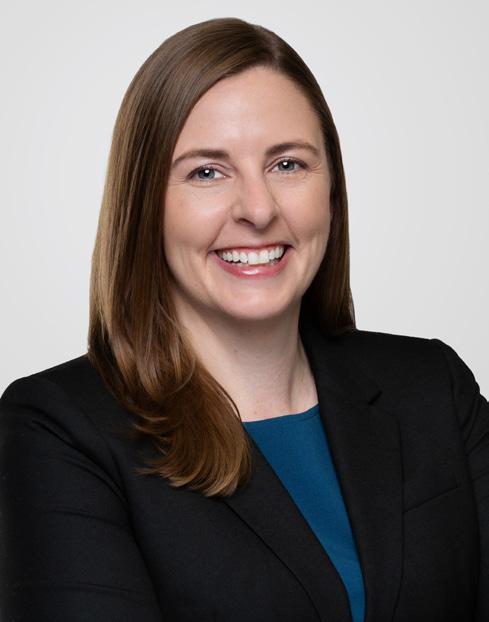
Terra Wallin


Change Weather in the

Melinda Mayo, pioneering Arkansas meteorologist, soon to sign off
By
Dwain Hebda | Photo by Lori Sparkman
Melinda Mayo stood in the muddy March air, staring down at what Mother Nature was capable of at her worst. She had finished a shift at KATV Channel 7 and already returned home when the sirens went off.
Little Rock’s 2023 cyclone flirted with EF4 power, and Mayo felt every bit of that in the soggy aftermath, the humidity so thick it formed a halo on the camera lens and settled as mist over the wreckage. It was enough to put a faint yet perceptible wobble into her voice as she broadcast against a backdrop of utter devastation set to a soundtrack of emergency vehicles.
“I had never gotten to a tornado scene so quickly,” she said. “When I heard the tornado siren here at my house, that’s all hands on deck. I just looked at my husband and said, ‘I’ve got to go. I’ve got to go find a photographer and get live somewhere.’ We were able to get to the businesses that had been hit, as well as the Colony West neighborhood, where people were still just getting out of their homes.
“People were literally walking up the street with suitcases, trying to figure out where they were going to stay that night. You could still smell natural gas in the air. I think that’s what probably affected me so much. I was there so quickly, and it was so fresh.”
Even as Mayo recounts the event and those like it, all lived as part of a 39-year career in media, her retirement clock continued to tick down. For the first half of her life, she did not chase the weather. Like the rest of us, the weather found her. One of her earliest memories was watching her father activate the time-honored “Dad method” of gauging a storm.
“Back in the day, when it was on a night that would have that juicy feeling to the air, Tom Bonner and Ron Sherman were on TV, doing their best to pinpoint the rotation, which was so elementary compared to what we have now,” she said. “[Dad] would go outside and look up at the sky, and when he felt like the time was right, he would say, ‘OK, let’s go.’ That meant we all got in the family station wagon, and we would drive to my grandmother’s house south of Pine Bluff because they had a storm cellar.
“We would all go down in the storm cellar with Grandma’s canned peaches and purple hull peas and stay down there until Dad and my grandfather thought it was safe for us to come out. Now I know that was the worst thing we could have possibly done, get in the car and drive 20 minutes away, but back then, you just didn’t know what you didn’t know.”
By her teens, Mayo had developed a love for writing and, upon graduating from Pine Bluff High School, was bound for Ouachita Baptist University in Arkadelphia, Trinity Foundation Scholarship
in hand. Eschewing an early thought of premed, she studied communications under the late William David Downs Jr., “my teacher, mentor and friend,” as she described the professor in a blog post commemorating his 2019 passing.
“He taught me so much as a journalist, ‘Trust no one. Assume nothing,’ and as an interviewer, ‘Melinda, QUIT TALKING,’ which was a lesson in shutting up and helping my subject open up.”
Finishing her Bachelor of Arts in broadcast journalism at the University of Arkansas at Little Rock, she started hustling to find a job, landing a spot at KARK Channel 4 as an overnight photographer. Her career began with an ear glued to the scanner, listening for fire calls or police actions, to which she would lug the equipment to the scene.
“For a little 21-year-old girl who couldn’t even carry the big cameras we had back then, that was not an easy job to do,” she said. “I think they were testing me to see how much I really wanted this career, but it was a foot in the door.”
Mayo moved into various production roles from there, including editing video and producing stories. Then, as weekend producer in 1990, the weather again crossed her path.
“In 1990, a flood hit downtown Hot Springs that sent cars just rolling down the street,” she said. “It was like 10, 10:30 at night when that started happening. I looked at one photographer, and he looked at me, and he said, “We’re the only ones here. We better go,’ so we went, and I covered that — stayed up for two days straight, telling the stories of these businesses and homes that had been flooded.”
days covering former President Bill Clinton’s run to the White House and how, later, when he came back to visit former Sen. David Pryor in the hospital following surgery, she got the drop on the entire media pool.
“The whole press corps was there when he came out, and they’re yelling questions, probably about Monica Lewinsky and who knows what else,” she said. “I just kept saying, ‘How’s the senator?’ because I knew he would want to talk about David Pryor. He finally heard me, looked straight at me and gave me his little grin and a thumbs up and said, ‘He’s doing well.’
“I said, ‘What did you tell him?’ and he said, ‘I told him that we love him, we’re praying for him, and we’re working for him to have a better Arkansas when he gets out,’ and he shut the car door
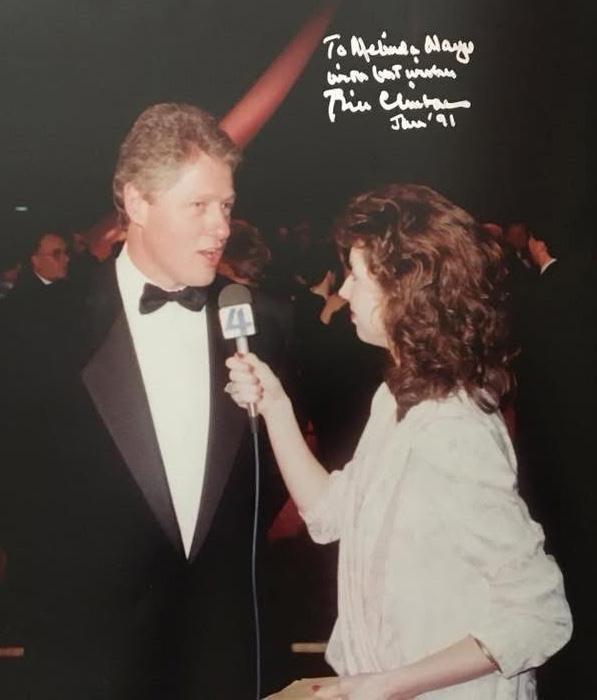
Mayo still did not jump to weather. Having earned a spot-news reporting award from the Associated Press for the Hot Springs story, she was now living a life on-air. She remembers the heady
The whole press crowd stopped and looked at me like, ‘Who is this local girl who gets the interview? ’
and took off. The whole press crowd stopped and looked at me like, ‘Who is this local girl who gets the interview?’”
She pulled the same maneuver during a memorable encounter with Johnny Cash at a press event publicizing the singer’s proposed theater venue in Branson. At its conclusion, Cash headed for
Photo courtesy of Melinda Mayo

I said, ‘Johnny! Mr. Cash! Do you want to say hello to Arkansas?’ He said, ‘Yeah, I want to say hi to Arkansas,’ and he stopped and talked to me for a little bit.
his getaway car while Mayo broke ranks from the press corral and sprinted across a grassy lot to get within earshot.
“I said, ‘Johnny! Mr. Cash! Do you want to say hello to Arkansas?’” she said. “He said, ‘Yeah, I want to say hi to Arkansas,’ and he stopped and talked to me for a little bit. We talked about Branson and why he wanted to be there. We talked about country music and why it’s important. By then, some of
the other reporters hijacked the interview, but here again, being someone from Arkansas sometimes works for you.”
Eventually, however, the seed idea of becoming a meteorologist finally began to take root leading Mayo to take correspondence courses through Mississippi State University. While taking the three-year course, she started doing the weather in 1995, a transition Mother Nature showed up to congratulate her for dressed as Hurricane Opal. Mayo was on vacation in Florida when the storm made landfall, and she reported live on the evacuation and storm damage from the scene.
“We don’t get a lot of hurricanes in Arkansas,” Mayo told AY About You magazine in 2023. “It was exciting to experience the storm and warn people.”
In early 1996, Mayo joined KATV, where she would firmly solidify herself as Arkansas broadcasting royalty. Finishing her MSU coursework in 1998, she became the first female broadcast meteorologist to appear on Arkansas television. Her gig with Channel 7’s weekday morning show, Daybreak, ran for 26 years making her the longest-running morning show personality in the state’s television history. She said it was an easy transition going from reporting on weather events’ aftermath to forecasting them in advance, and her roots in reporting helped her develop a voice that was different from others around the dial.
“I began as a storyteller, and that’s something I love,” she said. “I just started seeing things happening in the weather and thought, ‘Wait a minute. I can really tell this story well too. If I can explain school desegregation cases, I can explain why it’s going to rain.’”
That brings the tale back to 2023, the year of the Little Rock tornadoes, by which time Mayo was already talking about retirement, saying the hours and demands were finally starting to get to her. The decision was hastened and ultimately solidified by a diagnosis of mild early multiple sclerosis that was beginning to infringe upon her work.
“That started a new kind of journey for me about two years ago, when I started noticing some
Photo courtesy of Melinda Mayo
I began as a storyteller, and that’s something I love. I just started seeing things happening in the weather and thought, ‘Wait a minute. I can really tell this story well too. If I can explain school desegregation cases, I can explain why it’s going to rain.’
hoarseness in my voice,” she said. “Then, about six months ago, I started feeling little twitches, sort of like when your eyelid will twitch when you’re tired and nobody else notices or sees it, but you know it’s there. When that started happening, I said, ‘Eh, better go check it out and see what a neurologist has to say,’ so after a couple of months of testing and lumbar punctures and all kinds of fun stuff like that, they diagnosed me.
“I’m very positive about it. I’ve started medication, but one of the things needed is good rest.

Like, your brain needs a whole night’s sleep, so my husband and I sat down, and we were thinking [retirement] was close anyway, and he said, ‘You know what? Let’s just take better care of you,’ so that’s what I’m going to do. That’s No. 1 on the list is to start taking better care of myself.”
Mayo will be a youthful 60 when she signs off for the last time in April and was far too modest to refer to herself as a pioneer in the market. Yet, given her status as the first female television meteorologist in Arkansas — and the longest-tenured, at that — plus all the awards, headlines, community service work and lives touched over nearly 40 years, no other term feels adequate. Besides, if such an accolade represents not only saving people in harm’s way through her work but inspiring other little girls and young women to follow in her footsteps, it is a title she’s happy to have.
“I’m not the kid who wanted to be a meteorologist from 5 or 6 years old. I didn’t think about doing meteorology for years because I didn’t see other women doing it,” she said. “In that respect, I’m proud that I’ve been able to encourage girls to think of jobs they didn’t think about 20, 30 years ago. It’s not just boys who are good at math and science; girls are, too, and for any girl out there who thinks this is what you want to do, then go for it.
“That was how I ultimately decided back then that this is where I needed to be. The weather was my lane — I’d just detoured a little bit through news first. If I have been an encouragement to girls in STEM saying, ‘Hey, these science- and technology-type jobs? You absolutely can do that,’ then I’m so glad I did.”
Mayo’s run at KATV, starting in 1996, made Arkansas TV history.
YOUR FAVORITE EVENT PLANNER’S FAVORITE VENUE
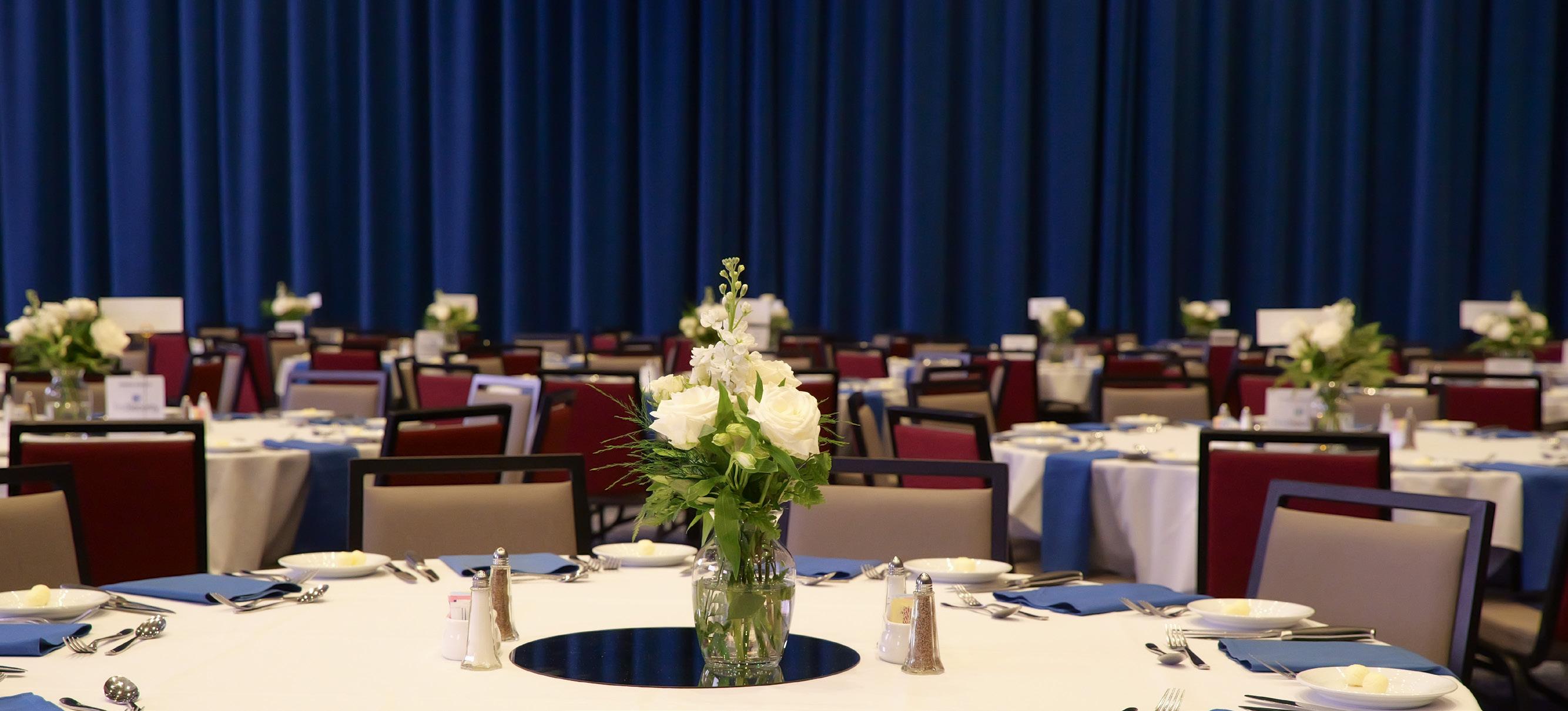
Oaklawn Hot Springs delivers unforgettable meeting experiences in a venue like no other
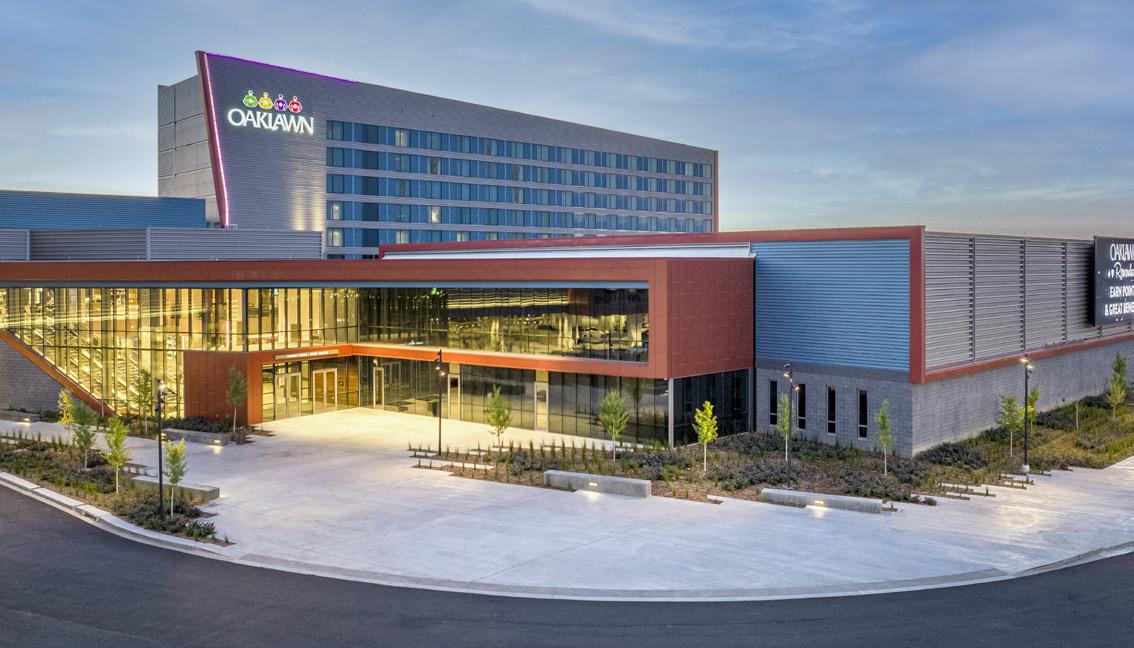
Just five years removed from the opening of its event center as part of a historic $100 million expansion, Oaklawn Hot Springs is among the youngest of its conference-hosting counterparts across the state.
Luckily, being Arkansas’ only racing casino resort and home to a Forbes-recommended hotel, restaurants and spa — not to mention boasting a reputation for hospitality excellence spanning more than a century — makes it easy to stand out from even the most experienced venues.
Arkansas Money & Politics caught up with Director of Sales Anna Oberste to learn more about what has allowed Oaklawn Hot Springs to hit the ground running as the setting of choice for conferences, conventions and events of all sizes.

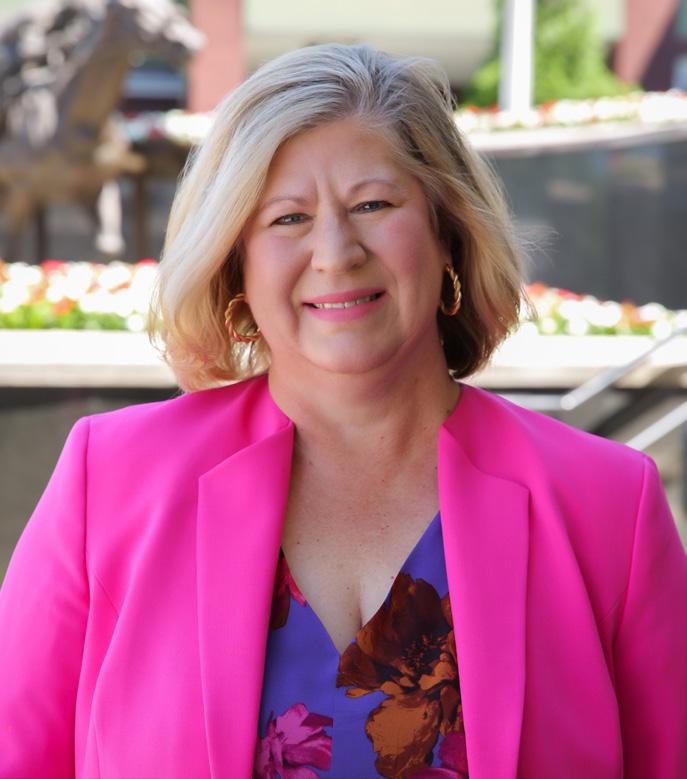
AMP: Can you give us an idea of the kinds of groups hosting events at Oaklawn?
Oberste: We are seeing everything from small associations hosting a board meeting to 300-person, multiday conferences. State associations are huge in central Arkansas, so we are a great place for them to travel a short distance and still have a wonderful conference.
AMP: Why does Oaklawn appeal to such a wide range of organizations?
Oberste: We are more than just a place to host a meeting. We bring so much more to the table that nobody else in the state can do. When you can bring your executive board team for a multiple-day retreat and, during racing season, go
on a barn tour and feed peppermints to nationally ranked horses, it’s something you can’t get anywhere else but Oaklawn.
AMP: How are you all able to accommodate so many different kinds of events?
Oberste: We have more than 18,000 square feet of event space. In our ballroom, we have a full-size presentation and entertainment stage. We have had guests that will host game shows there, and we’ve had groups that have brought in their own live entertainment. The stage has a beautiful, breathtaking LED wall, and it has state-of-the-art video capabilities.
One of the other things that we hear most often is about our banquet culinary team. To be able to serve the food that we serve to 800 people is beyond short


of a miracle. We have a top-of-the-line culinary chef who transforms fine dining menus into banquet menus. Then our banquet team is able to add their experience in Forbes-level banquet service to make someone’s event as extraordinary as possible.
AMP: Can you tell us more about the quality of your events team?
Oberste: It takes a village, and our village works very well together. That is part of what makes Oaklawn what it is. We’re not just three or four different teams on the property. We know that any one of us can make or break an event. We sell, we plan and we execute all together.
Anna Oberste
AMP:How do Oaklawn’s amenities give it an advantage over comparable venues?
Oberste: Groups hosting a multiday event here can buy out our Mainline Sports Bar, where they can swing at a golf ball or a hockey puck or do ax-throwing. Enjoy fine dining at the Forbes-recommended OAK room & bar and The Bugler. During the racing season, they can host a day at the races in the Oaklawn Jockey Club, or they could host a private event in the Arkansas Room.
Our marketing team also has this really cool thing that they do with a bank of slot machines where they can run a up to a 240-person slot tournament. Along with that, we are offering groups Table Games 101 and Sports Betting 101 classes. Those fill up quickly.
In addition to the Forbes-recommended hotel, the Astral Spa also just got its consecutive Forbes four-star rating. That is an experience like no other in the state. You just have to be here to understand how fabulous it is.
AMP: What return on investment do organizations see from hosting events at Oaklawn?
Oberste: When you have attendees that are energized, engaged, having fun and enjoying their time, they’re going to be more apt to come back to your conference year after year. We have groups that see upward of a 30- to 35-percent attendance increase when they host their events at Oaklawn. As we are building our business, we’re helping them build theirs.
AMP: How do Oaklawn’s event planning professionals make things easier on corporate event planners?
Oberste: The thing about Oaklawn is that we go the extra mile. We are an extension of the corporate or association planners, and we give each group everything we possibly can. Once we’ve hosted an organization one time and we really get to know the ins and outs of who they are and what their expectation is for the event, it makes it easier for us to do it year after year.
AMP: Speaking of hosting events year over year — what does hosting the Broyles Award ceremony say about Oaklawn’s caliber as a venue?
Oberste: We hit it out of the ballpark not only the first year but this year for their 30th anniversary. We’ve helped them take this one-day luncheon, basically, and turn it into a three-day experience. For two years now, attendees — normally a finalist or a coach from out of state — will tell us, “Look, we go all over the country. We are never treated anywhere as good as we are treated here.” That’s pretty important.
“We are more than just a place to host a meeting. We bring so much more to the table that nobody else in the state can do.”
AMP: Where do you go from here?
Oberste: Our heart is with the state of Arkansas, the people who trust us with their events and their attendees. In the last year, the events that we have hosted and the recognition that we have gotten on the regional and national stage just makes us elevate what we do even more. For those of us on the sales and events team, it’s in our blood. It is important to us as Southern hospitality people for everyone to have a great experience. When we are able to get people to Oaklawn and let them slow down, take a breather, and enjoy everything that we have to offer, they always want to come back.

Open for Business
AEDC touts accomplishments in attracting, growing corporate community
By Dwain Hebda
It is a good time to be Clint O’Neal, executive director at the Arkansas Economic Development Commission. Last year, the state continued what has become an annual parade of new projects from inmigrating companies and expansion by homegrown firms that ranks in multiple billions of dollars.
The prosperity is literally border to border. Steel is the new cotton in northeast Arkansas, where mill after new mill is popping up almost overnight, and the promise of untold lithium prosperity lies under the ground in El Dorado. Everywhere in between has something positive to report, as well.
Beyond that, the AEDC celebrated major wins in last year’s legislative session, which is expected to make the state even more competitive in growing, attracting and retaining companies creating jobs and providing opportunity for Arkansans statewide.
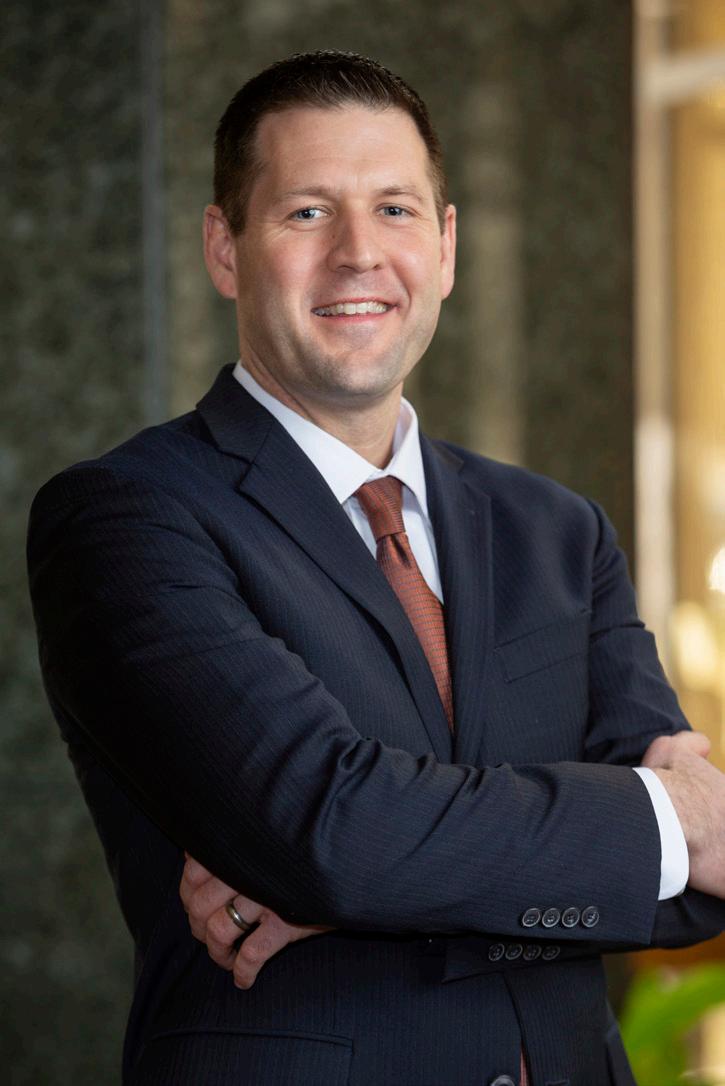
Arkansas Money & Politics sat down with O’Neal recently to get some insights into the state’s hot streak of late.
Arkansas Money & Politics: You’ve been very vocal about the gains made by the 2025 legislative session. How did the commission prepare and mobilize for communicating its agenda before lawmakers?
Clint O’Neal: We put together what we call IMPACT, Improving Markets, Promoting Arkansas Commerce and Trade, which is basically an umbrella for several incentive programs, and it was very successful. We broke out the working group into three subcommittees. It was small business and entrepreneurship, traditional economic development, and site development. A lot of hard work went into that from community leaders across the state to create a lot of incentive programs that are going to be helpful.
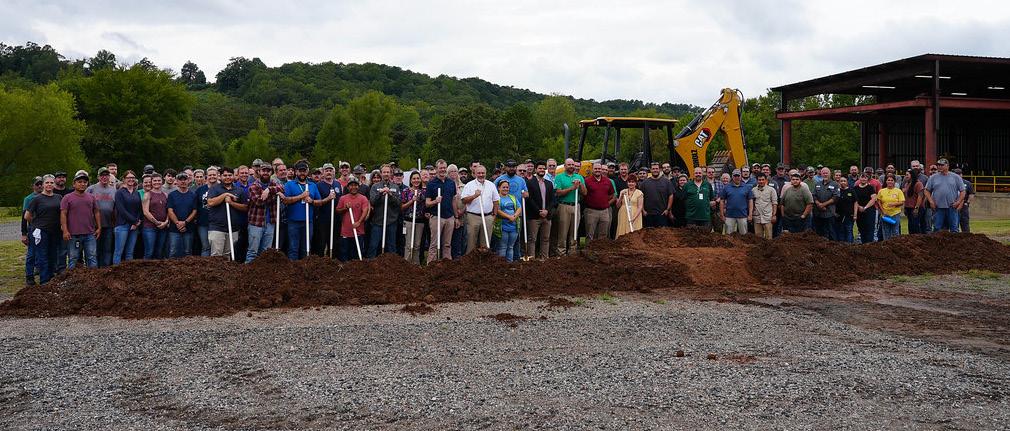
Ribbon cuttings for NIDEC and Green Bay, opposite page, showed Arkansas indeed was open for business in 2025. (Photos provided by AEDC)
Clint O’Neal

For example, we noticed that we’re behind other states when it comes to site development. The reality of economic development projects are if you’re not investing in your facilities today, you might be closing them down five or 10 years from now. Other states set aside a pot of money to strengthen industrial sites to prepare the way for projects, and they have spent a whole lot of money on sites. We got our start in site development in 2023, at the beginning of the [Gov. Sarah Huckabee] Sanders administration. The governor’s office was in favor of this, and we had $10 million in that first year as a pilot program. We did 13 grants around the state across a pretty good geographic spread in small towns and in larger communities.
In the ‘25 session, the legislature passed $50 million, $25 million per year for the next two fiscal years, and this has really accelerated what we can do. We want communities in all corners of the state to be successful, we want to win projects everywhere, and I would say this modernization incentive will ultimately fulfill that.
AMP: The headliner industries for incentive programs recently have been data centers and the budding lithium industry. What were some other beneficiaries that maybe didn’t get as much publicity?
O’Neal: The incentive working group decided we have great incentives, but we need more. We need to do more for existing Arkansas companies that have been loyal to the state. Maybe they have a multistate footprint, and they’re thinking of making a major expansion at one of their facilities. How do we incentivize those companies to make those investments here rather than somewhere else? We modernized the program to provide up to a 5-percent tax credit that can be used to offset sales or income tax on capital investment projects of $25 million-plus.
We also did a corporate headquarters relocation incentive. We have reduced taxes many times, three times in the Sanders administration, but until we get to the point where we’re at zero, there’s still going to be people that say, “Well, Texas is more favorable,” or “Tennessee’s more favorable.” With this, if there’s a corporate headquarters that’s looking to relocate, we want to create an even playing field where, at least for the first five years, there’s no corporate income tax liability and then a sliding scale after that.
AMP: Economic development is a multifaceted term that can be applied internally and externally to a variety of business factors.
How does the AEDC maintain a balance among those elements?
O’Neal: We boil down what we do at AEDC, really, to two main customer groups: helping communities and helping companies. On the company side, it’s a three-legged stool of entrepreneurship, existing companies and recruiting new ones. On the community side, it’s things like site-development program funds that we can deploy to help communities make their industrial sites more attractive, extending infrastructure site prep. We want prospects to come in and find more attractive sites than they do in other states so that they’ll move forward and create jobs.
We also help communities with things like rural development grants, general-assistance grants. We’re training local leaders how to provide services to entrepreneurs. We’re putting half a dozen communities through a thing called Retail Academy with retail strategies. Although we do not incentivize retail projects, we still want our communities to have the tools to be able to recruit retail operations.
We always try to think of the short game and the long game in economic development. In the short game, of course, I want to be on a stage tomorrow, announcing new jobs and momentum and all that, but it’s also about the long-term view of economic development. We’ve got to make sure that we’re not looking up 10 years from now, and a company is saying, “We’re closing this facility,” and we trace that back to something we maybe could have done about that.
AMP: States — sometimes cities, but definitely states and collections of states — over time, get known for something. The Rust Belt is a good example. Silicon Valley is another good example. What is Arkansas becoming the state of choice for? Is there an industry that is particularly well suited to be here? O’Neal: Steel, aerospace and defense, forestry, and ag tech continue to be the industries where we see growth. Mississippi County is the largest steel-production county in America. I think the same could be said for timber and ag tech, with projects like Green Bay Packaging announcing a $1 billion-plus project in Conway County and Weyerhaeuser announcing a $500 million project outside Monticello.
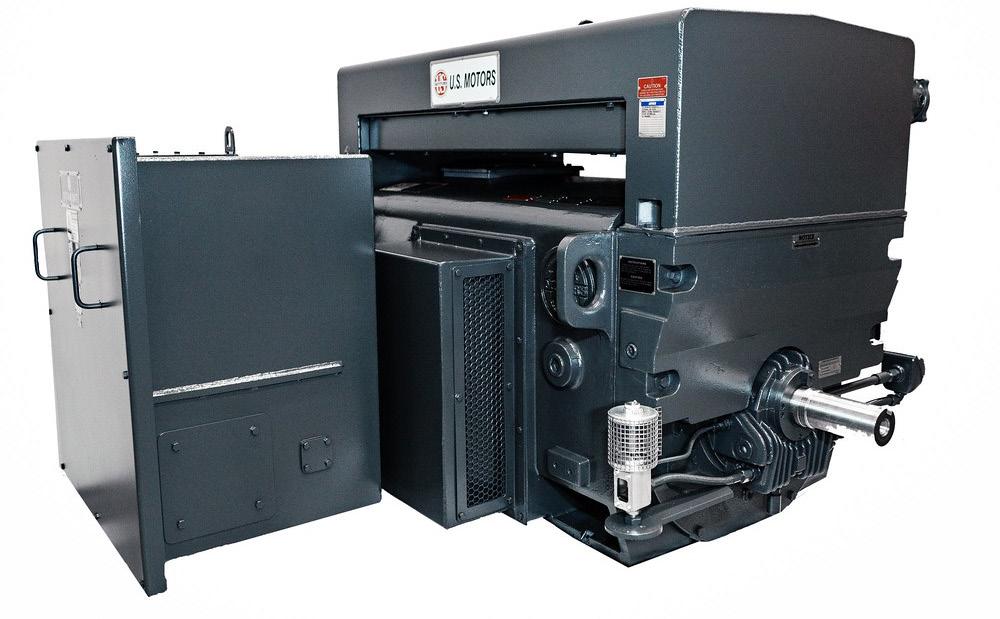
Motor manufactured by NIDEC.
Unfortunate world conflicts lead to demand for [defense] products that need to be made somewhere, and many products involved in the Ukraine conflict or assisting the U.S.’ partners, such as Israel, are made right here in Arkansas at the Highland Industrial Park in Camden. Some of the expansions down there, I think, have really given us a name in aerospace and defense, and you can combine that with aviation and the work that Falcon Jet’s doing.
Then there are emerging industries like lithium. The Smackover Formation runs through Texas, Arkansas, Louisiana and Mississippi, but Arkansas has really jumped out there as a leader between setting royalty rates, the work of the Arkansas Oil and Gas Commission, and we’ve had two lithium innovation summits. The last one hosted over 900 from nine countries and 28 states.
RIBBON CUTTING = ARKANSAS JOBS
AMP: Arkansas appears to be benefiting from a general migration of companies from larger metropolitan areas to smaller, more rural states. What is the attraction for them to do that, be it a smaller state in general or Arkansas in particular?
O’Neal: I’ll start with the steel industry. David Burritt, the CEO of U.S. Steel, made the comment when he was in Little Rock a couple years ago that when they acquired Big River Steel, they were actually slated to do a major project in their home state of Pennsylvania. He said they could permit, construct and start making steel in the state of Arkansas before he could get the same project permitted in the state of Pennsylvania. I mean, of course we have to have sound environmental permitting processes, but you can still give great customer service and move quickly.
Gov. Sanders has definitely made it clear that we’re charging towards lowering taxes but doing it in a way that companies can have confidence that we also have healthy reserves and a balanced budget to go with it. That sends this signal that we are able to provide services to the public, as we should in state government, and we can also afford responsible cuts to our taxes. There’s some other states out there that are kind of flirting on the line of being able to provide services, and they’ve got to make up for it somehow, and that invariably is by raising taxes. That’s not the direction that we’re going in Arkansas.
All of that makes up an overall business-friendly climate not just in terms of tax climate [but] in terms of doing the right things in economic development, workforce development. It’s a holistic view of championing business rather than taking the mindset of regulating business that we have here. That’s a big part of it.
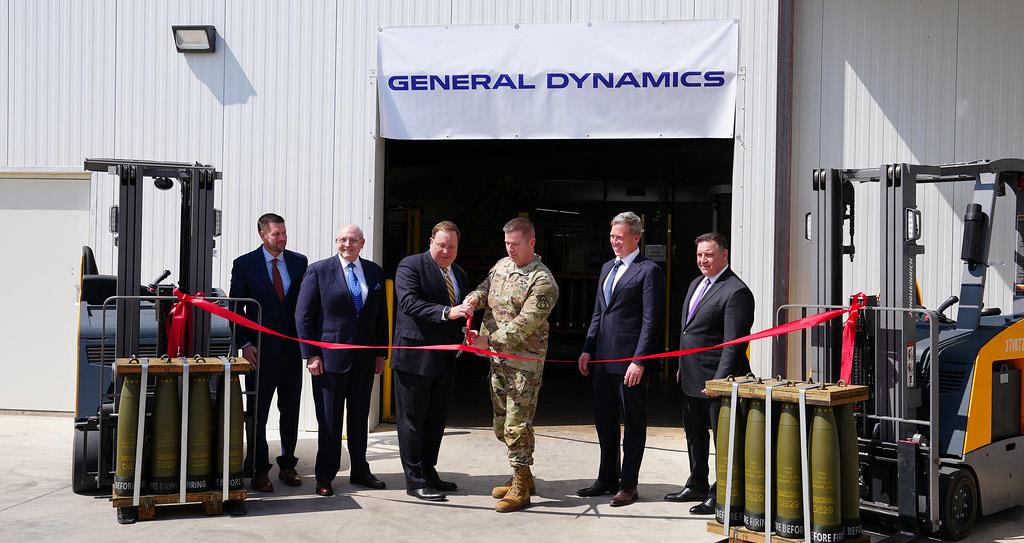
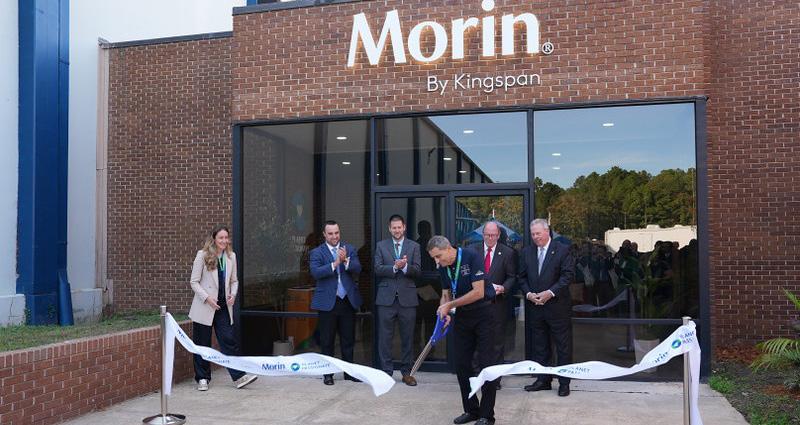
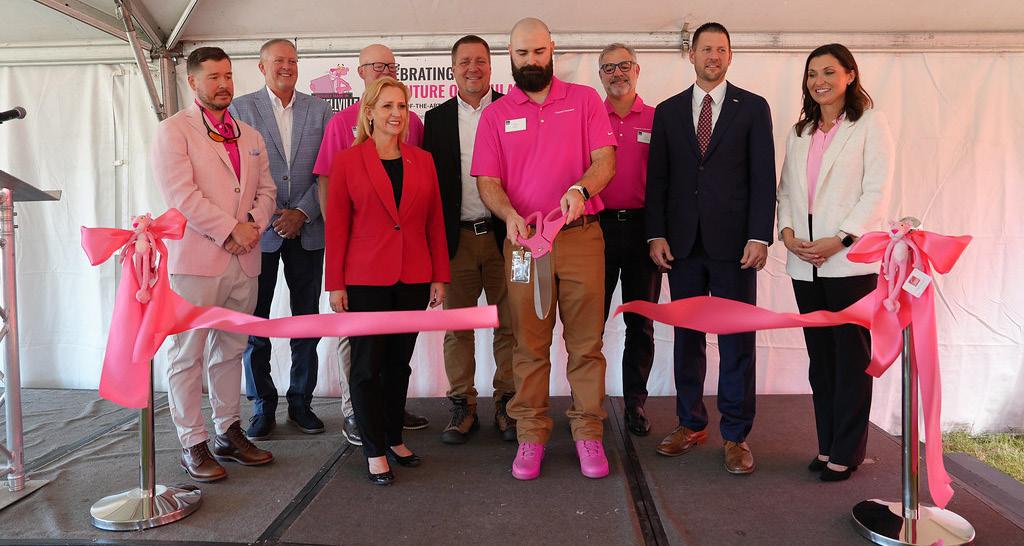
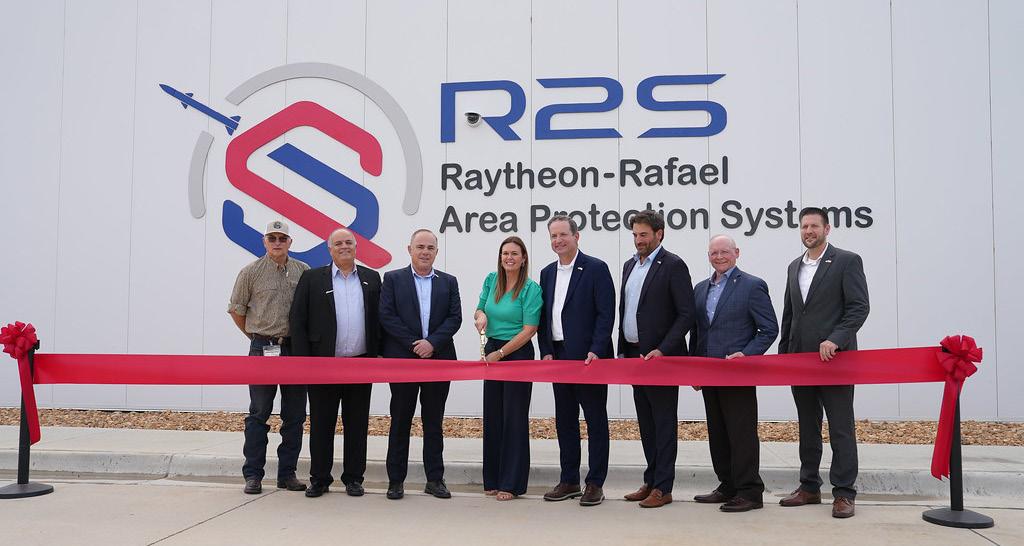
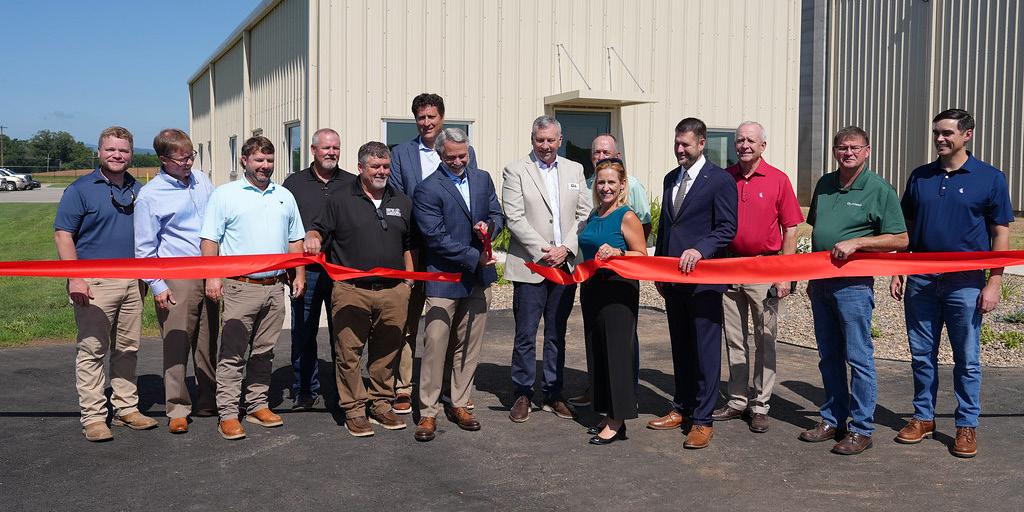
More ribbon cuttings recognizing new growth and expansion in 2025 were held for (in order from top) General Dynamics, Morin, Owens Corning, Raytheon and Wayne Sanderson.

Team Effort
Public-private partnership draws Google to West Memphis How They Did It
Ateam effort helped Arkansas secure the $4 billion data center that Google is building in West Memphis, part of an overall planned $10 billion investment.
Ground was broken last October for the center, Google’s first in Arkansas and one of the cornerstones for the future “Digital Delta,” a name that state leaders in Arkansas, Tennessee and Mississippi are using to describe Google’s investments in the region.
To ensure Arkansas’ position in the Digital Delta, public and private partners played key roles in ensuring that West Memphis was selected as the site.
The West Memphis facility will focus on cloud and artificial intelligence infrastructure and run off of the energy produced by a 600-megawatt solar project Entergy is building on the Google campus.

By Mark Carter
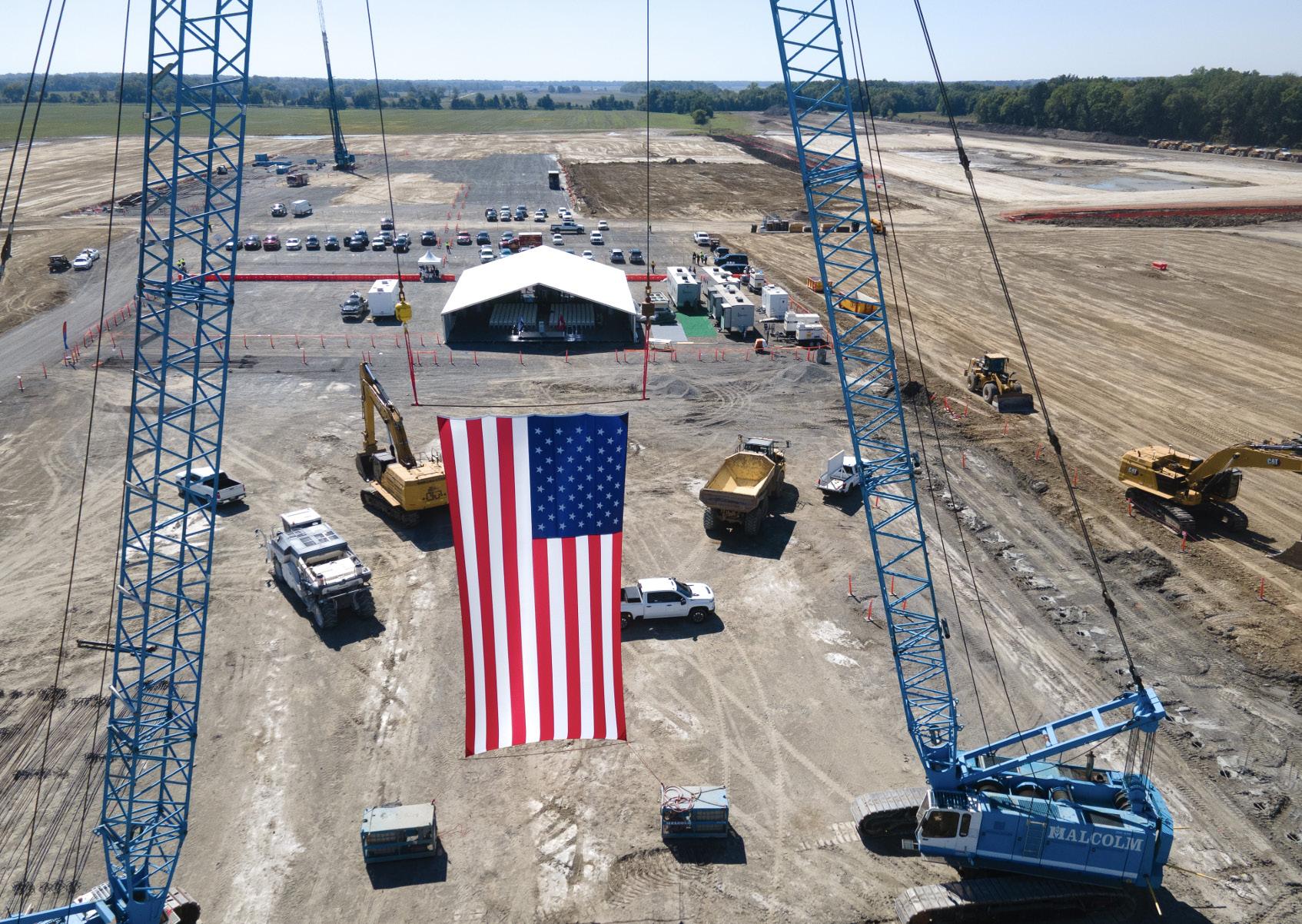
Located just south of Bollinger Road on 1,200 acres, site plans reveal five planned data centers, a central office, a water treatment facility and a 26-acre substation connecting to the West Memphis grid.
The solar array will be backed by Entergy’s new 350 MW battery storage system, Cypress Solar, in Jefferson County. It is expected to be completed in December 2028.
Google, which also agreed to make undisclosed payments in support of the solar project, will cover all energy costs associated with the center, which will total more than $1.1 billion in net benefits over the life of the contract. Electric grids operate on economies of scale, so when large customers establish service to power a major new project, they help spread the utility’s fixed costs to operate and maintain the grid over a wider customer base, driving down electricity prices for everyone.
“We’re proud to be partnering with Google to bring unprecedented economic opportunity to Arkansas. Google’s $4 billion investment in its new facility, its $25 million Energy Impact Fund, and its investment in the future of our students demonstrates what lasting community impacts a project of this magnitude can have,” said Entergy Arkansas CEO Laura Landreaux. “Entergy Arkansas is committed to powering growth and building a stronger, more vibrant future for the next generation and has found a partner in Google who shares this same vision.”
The facility will be powered by Entergy’s existing portfolio and transmission grid, which will be bolstered by Cypress Solar. Google will cover the cost of the resource.
The project got a huge assist from the state in 2025, when the General Assembly passed the Arkansas IMPACT legislative package. It included two measures that allow utility companies to make strategic infrastructure investments and establish a sales and use tax exemption for data centers.
The legislation also lowered the permitting approval time for new energy projects to six months. Approval had previously taken 12 to 18 months.
The city, meanwhile, pulled its weight, approving a payment-in-lieu-of-taxes incentive based on the planned $10 billion investment that has the potential to deliver as much as $50 billion in personal property tax abatements over the life of the deal. In return, the city will receive thousands of construction jobs and hundreds of permanent, high-paying tech jobs, as well as a high-end anchor tenant that could help draw other companies to town.
“Large industrial and technology companies are increasingly looking at our state because we offer reliable power at affordable rates, and we plan to keep it that way,” Landreaux said. “Large customers such as Google help support investments in infrastructure additions that not only help power their facilities but also result in improved grid reliability that benefit all customers.”
The Google job site in West Memphis (Phoito provided by Entergy)

“Elevating businesses with expert support in Accounting, HR and Finance.”

FLEXION POINT
“From bookkeeping to CFO-level insights, we provide the expertise you need to bridge the gap between talent, strategy and growth.”
.
How They Did It
Box Clever Collaboration yields Green Bay Packaging reinvestment in Morrilton community

EBy Sarah DeClerk
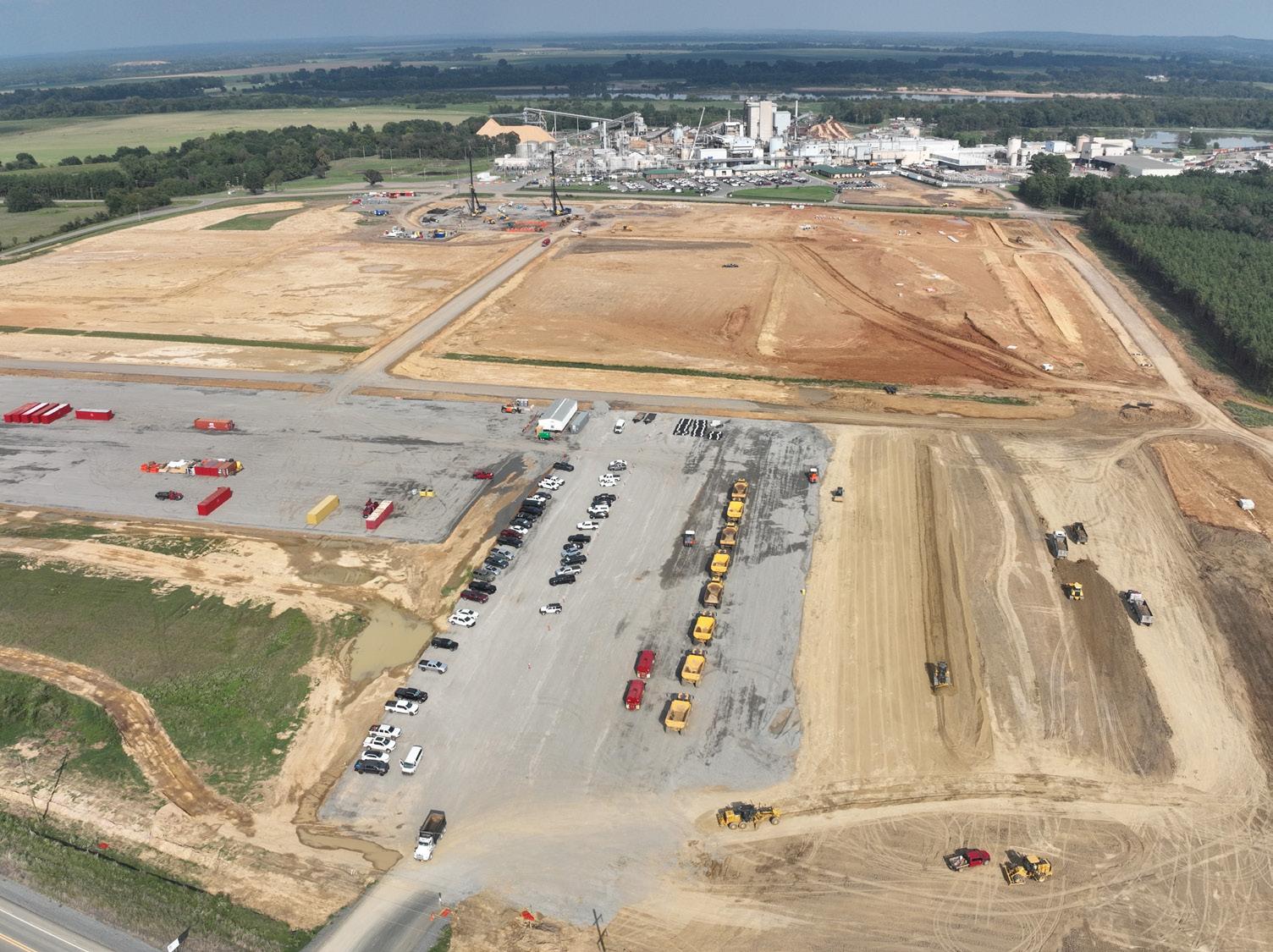
conomic development is not just about recruiting new companies to town; retaining existing employers can be just as important. When Green Bay Packaging was looking to upgrade its existing Arkansas Kraft Division Facility in Morrilton, city, county and state governments, chambers of commerce, and others partnered with the company to chart a path forward.
The result was a $1 billion multiyear expansion, the largest capital investment project in the history of central Arkansas.
“The regional approach we took, everyone trying to help them make it successful, that, I think, led, in many ways, for Green Bay to be able to say that, yes, we are going to go forward with this major investment in our facility here in Morrilton and Conway County,” said Donnie Crain, president and CEO of the Morrilton Area Chamber of Commerce and the Conway County Economic Development Corp.
Collaborative efforts included relocating Arkansas 113, which bisected the mill campus, hampering safety and efficiency. Crain said the city and multiple counties worked with the Arkansas Department of Transportation and Green Bay for more than a year to open a new highway and reclassify the existing roadways.
In addition, Crain said, state Rep. Rick Beck worked with the Arkansas legislature to adjust an incentive for Arkansas wood energy products and forest maintenance so that the incentive would better fit with Green Bay’s planned expansion.
“A lot of times, sometimes to their detriment, communities will constantly chase new businesses, new industries and different ones and maybe not pay the attention that they need to to their existing businesses and industries to make sure they’re successful,” Crain said. “This was a great example of our local community and the surrounding ones really taking care of what has always been a long-term, great partner here locally.”
According to a press release, the expansion will enhance the facility’s infrastructure and replace key components, such as the recovery boiler and biomass boiler. In addition, the company will install an electric turbine generator to reduce greenhouse gas emissions.
The project also includes the acquisition of about 300 acres for future investment. The expansion is set to create 35 new jobs in addition to the more than 620 existing employees in Conway County.
“This project reflects our ongoing commitment to quality and sustainability, as well as our dedication to our employees, customers, and the communities in which we live and work,” said Matt Szymanski, vice president of mill operations, said in a press release.. “We are truly excited for the future.”
Green Bay has been in the area more than 60 years, Crain said, adding that the community has come to feel a sense of ownership about the mill.
“They’ve worked in it for decades and generations, and so we’ve got a great workforce related to that — good, hardworking folks who deliver for an industry like that,” he said. “Over the years, it’s also become generational. Our people here locally feel like that mill is their mill, and they want to see it successful.”
Citing the latest data from the Arkansas State Data Center, Crain said Conway County leads central Arkansas in population growth and shows year-over-year sales tax increases of more than double some of its neighbors. With the Green Bay expansion, Crain said he expects continued growth in the future.
“Others are seeing what Green Bay is doing here locally. It also brings more confidence in others who are maybe looking to invest here locally, whether its existing businesses and industries looking to expand or maybe new ones looking to locate,” he said. “When a company invests $1 billion into a community, that says something very positive about that community and what it offers, so we’re seeing secondary benefits to that already.”
Arkansas Craft Paper Mill (Photo provided by Morrilton Area Chamber of Commerce/Conway County Economic Development Corp)
How They Did It
America’s Arsenal
In Camden, defense industry big and getting bigger
By Mark Carter

Lockheed Martin was already heavily invested in Arkansas, but conflict on the other side of the planet is resulting in bigger business for the defense contractor’s Camden operations.
For the global defense contractor, demand is high. The company’s growth in Camden, though, is more about taking advantage of existing assets. Lockheed employs more than 1,000 workers in Camden and operates more than 2.2 million square feet over roughly 2,400 acres.
So far this year, Lockheed has signed agreements with the U.S. Department of War to drastically increase its production of missiles and missile-defense systems. At Camden, Lockheed will boost its production of Terminal High Altitude Area Defense, or THAAD, interceptors from 96 to 400 per year, as well as its production of PAC-3 Missile Segment Enhancement missiles — fired from the Patriot missile launcher — from 600 to 2,000 annually.
Though the agreements were for seven years, production goals for both the THAAD and PAC-3 are expected to be met by 2030.
The production will support U.S. forces, as well as allied and partner nations. The deal is part of the Department of War’s Acquisition Transformation Strategy, which introduces long-term demand certainty to help the industry invest in its workforce, infrastructure and suppliers while improving efficiency and reducing costs.
“We appreciate the Department of War’s leadership in advancing acquisition reform,” said JamesTaiclet, president and CEO of Lockheed Martin. “This first-of-its-kind approach builds on years of advocacy and collaboration to bring commercial practices to major acquisition programs. We will create unprecedented capacity for PAC-3 MSE production, delivering at the speed our nation and allies demand while providing value for taxpayers and our shareholders.”
To accommodate the new orders, Lockheed broke ground
in February on its munitions acceleration center in Camden.
“We have incredible workforce sourcing here locally in south Arkansas, and it is a pipeline for those people to get into the workforce and get them giving back to the warfighters across the world,” Kaleigh Phillips, Lockheed Martin’s senior project manager for the PAC-3, told reporters at the groundbreaking.
The event even drew Taiclet from the company’s suburban D.C. headquarters. Taiclet said the munitions center is part of the company’s multibillion-dollar investment to increase production.
Lockheed’s Arkansas workforce also makes the Guided Multiple Launch Rocket System surface-to-surface missiles and M270 Multiple Launch Rocket System and M142 High Mobility Artillery Rocket System, the latter of which are made exclusively in Camden.
“Over the next three years, we will add more than 20 new facilities or improved capacity in states like Arkansas, Alabama, Florida, Massachusetts and Texas,” Taiclet said.
The munitions acceleration center will train new employees to build some of the most advanced air defense missiles in the world. The planned world-class facility will crank out THAADs, PAC-3s and more using advanced manufacturing, robotics and digital technologies, company officials said.
The U.S. currently faces an urgent need for THAAD interceptor missiles, according to the Defense Express watchdog website.
During a 12-day period in the conflict between Iran and Israel last June, U.S. forces reportedly fired around 150 THAAD interceptors, the site reported — more than 1 1/2 times the highest annual production rate. To meet demands, stock must be replenished.
“I would say the increased production rate is to save lives across the world,” Phillips said at the groundbreaking. “The PAC-3 interceptor is a proven interceptor piece of hardware that is seen in combat across the world.”
(Photo provided by Lockheed Martin)
Natural The Abroad State
Arkansas companies talk tariffs, trade
By Alex Hardgrave


The world has become increasingly globalized in recent decades, and because of that, many Arkansas companies have to think globally to succeed in today’s market. However, due to tariffs and ever-changing geopolitics, companies have had to adapt quickly to stay competitive on the global stage.
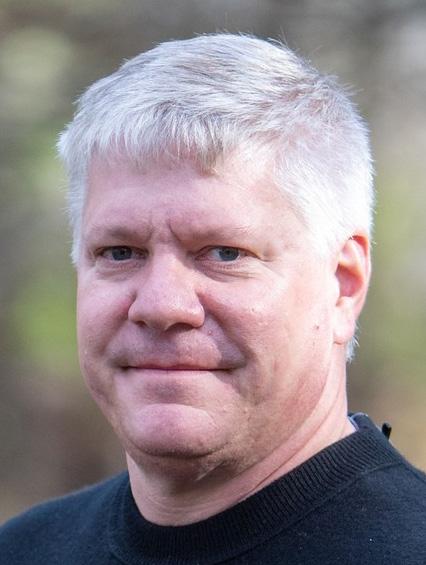
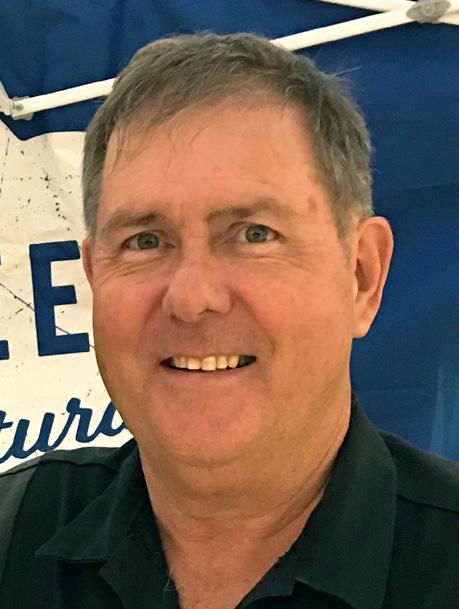
“Export has been a key part of our business for over the 30 years that I’ve been here and decades before that,” said Walter Burgess, co-CEO of Power Technology in Alexander.
PTI, which was founded in 1969, designs, develops and manufactures lasers for defense, medical instruments and technology, among other uses. Today, the company exports its lasers to about 35 countries.
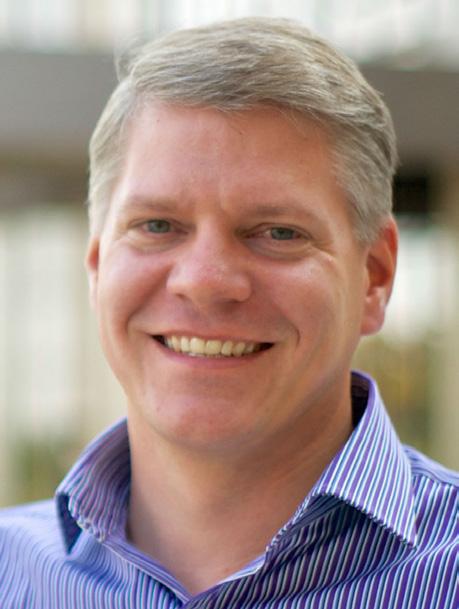
As the business has grown, Burgess and his twin brother/co-CEO, William Burgess, could have moved it to one of the coasts but decided to stay in Arkansas for a few factors, mainly the business-positive incentives in the state and the work ethic of the state’s workers.
“We can overcome minor obstacles,” Walter Burgess said. “I think that’s our culture in the state.”
One obstacle that hit during the COVID-19 pandemic was supply chain issues, but PTI recovered from that, William Burgess said.
Diamond Bear Brewery in North Little Rock has also seen effects of the global market.
“[COVID-19] made cans harder to get and expensive, but since then, that has calmed down some,” said Russ Melton, owner.
Additionally, he said the cost of shipping his product has deceased in the last year and remains fairly moderate. More recently, the obstacles have involved the impact of tariffs.
Jonathan Bricker, chair of the Arkansas District Export Council, said tariffs have greatly affected the agricultural industry in Arkansas the hardest, causing soybean exports to drop about 50 percent.
Walter Burgess
Russ Melton
William Burgess
Overall, exports have been down in Arkansas, Bricker said, but only moderately, which he chalks up to global competition.
“When we are not able to produce goods as quickly or less expensive than our competitors, then you’re going to see companies going to the competitors,” he said.
Steve Jenkins, CEO of Jenkins Enterprises, a full-service designer, importer and distributor of gifts, souvenirs, novelties and collegiate merchandise based in North Little Rock, said countries have become competitive, created their own products and have realized “there is not a fence around the world.”
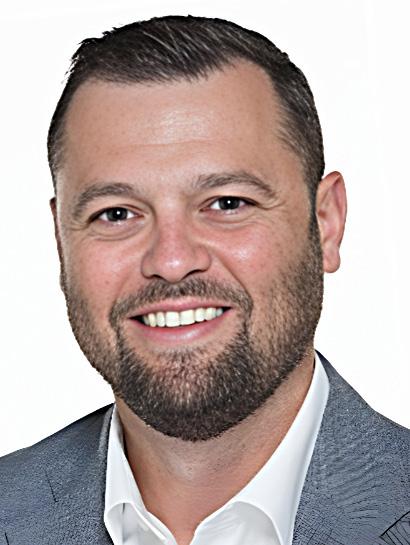
Jenkins Enterprises’ primary product line is licensed college products, such as cups and keychains. The primary suppliers for the items that it puts college logos onto are China and sometimes Mexico and India. Jenkins said tariffs caused prices of the goods that his company buys from China to balloon. He said 2025 was an “absolute nightmare” due to the tariff situation.
“It has not been as bad as when it initially started because, at first, President [Donald] Trump’s tariffs were an additional 145 percent,” he said. “How do you deal with that, and then how do Americans deal with that? If we know what we’re going to have to do, if we know what we’re getting into, then we can deal with that, but when you don’t know, you just don’t hire new people. You don’t put on new production lines. You don’t build new warehouses.”
Jenkins said tariffs have caused his product’s affordability to suffer, and he wonders at what point customers will decide not to buy the college logo coffee mug.
“Seventy-two percent of all imports into the U.S. are components that we can’t get domestically,” Bricker said. “When you’re putting tariffs on that, that is where our price increase is coming from on the import side.”
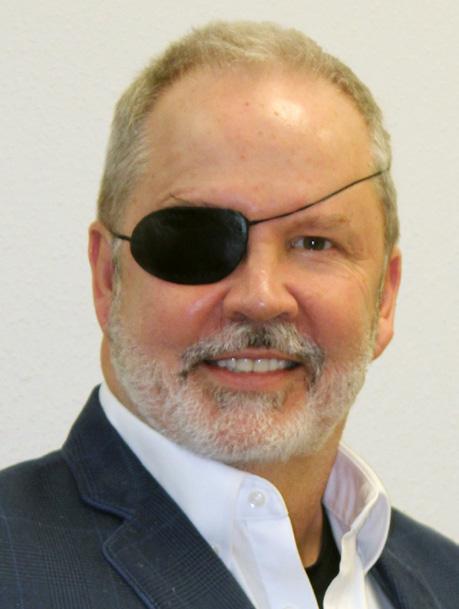

Melton has also felt affordability pressures for his products.
“There has been price pressure in the market for sure,” Melton said. “The market has been very competitive. We’ve tried to hold our price as much as we can.”
William Burgess said it took about six months for PTI to understand the full financial impact, and in the end, that impact amounted to six figures.
“Ultimatley, we did have to pass [the cost] along to our customers,” he said. “Luckily, a lot of that has quieted down a bit. It has settled and there is not as much volatility.”
Bricker said he has seen some success in what the tariffs were working to do when it came to increasing domestic trade. He said
Steve Jenkins
Jonathan Bricker

Seventy-two percent of all imports into the U.S. are components that we can’t get domestically. When you’re putting tariffs on that, that is where our price increase is coming from on the import side.
— Jonathan Bricker, Chair, Arkansas District Export Council
the district export council has been working with companies that have been wanting to set up facilities in Arkansas to sell goods to companies such as Walmart and shorten the supply chain to avoid tariffs.
“Now that they know the rules, now that they know the game, they can play it,” Bricker said.
Right now, what concerns the Burgess brothers most of all is the changing sentiment internationally toward American-made products. They said they attended a domestic trade show recently, and a large contingency of international players either chose to not show up or could not due to visa issues. While there, they met with some of their international distributors and the feedback was overall pushback on American-made products.
“We don’t know if that’s a permanent thing or a temporary thing,” he said.
Bricker said he has been closely watching the headlines about Canada and China’s growing trade relationship, since Canada is one of the state’s top export trading partners.
“Personally, I am worried about it,” Bricker said.
Even though the global market has been volatile in recent years and sentiment toward American-made products may be changing, Bricker said the ADEC is going to keep working to get more companies in Arkansas to export out of the U.S. because it is good for those companies’ business.
“Ninety-four percent of the world’s market place is outside of the United States, so if you’re only selling domestically, you have really limited yourself to a small market,” he said.
Editor’s note: The sources in this story were interviewed before the Supreme Court ruling against Trump’s tariffs.
How They Did It
By
Steel Will Recruitment efforts pay off in Mississippi County
The closure of the Eaker Air Force Base in Blytheville in 1992 was just one of numerous hits the Mississippi County economy took during the 1990s.
In addition to the roughly 9,000 jobs at the base, the county lost a Fruit of the Loom factory that employed about 3,000 people, along with employers such as BorgWarner and Milwaukee Tool, not to mention numerous car dealerships and farm equipment stores, said Clif Chitwood, president of Mississippi County Economic Development.
“It not only changed the workforce,” he said. “It changed the civics of the county because if your family owned the Ford dealership in Blytheville, then your family was intrinsically interested in the future of Blytheville.”
Officials in Osceola and Blytheville hit back hard in 2001, uniting to form the Great River Foundation with Chitwood at its helm. That year, Chitwood succeeded in recruiting Denso Manufacturing Co., in part because the mayor of Osceola put about $3 million into buying and developing the land.
“That made the lesson seem pretty clear,” Chitwood said. “In 2002, we went to the people and asked them to vote on a 1/2-cent sales tax countywide, the proceeds of which would be used for economic development, and they passed it by 65 votes.”
The foundation then tried — and failed — to recruit a steel mill run by John Correnti and David Stickler. However, it succeeded in recruiting Zekelman Industries, which has since expanded twice in Mississippi County.
When Correnti and Stickler returned to the area years later, the local economic development community was ready. The foundation offered up about $14.5 million to buy the land for the mill, and the state government chipped in tax rebates and recycling tax credits to boot.
“We won the project,” Chitwood said. “It was a tremendous lift to the county.”
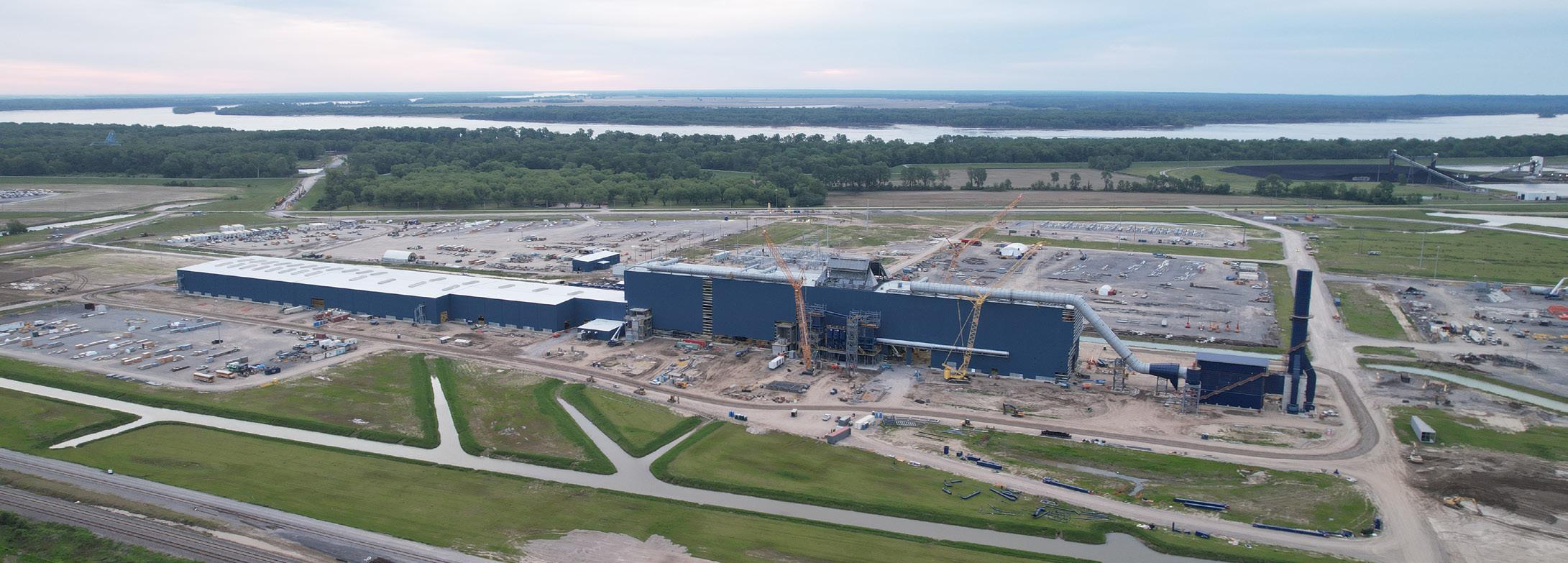
Big River Steel broke ground in Osceola in 2014, joining the existing Nucor-Yamato and Nucor Hickman mills in Blytheville. Big River opened a second mill at the site
soon after, and yet another mill, Hybar, celebrated its grand opening in Osceola last year.
If the county strikes the right balance between a welleducated, motivated workforce and good companies with high-paying jobs, its economy will continue to grow, Chitwood said.
Arkansas Northeastern College in Blytheville partners with the steel industry for its steel tech academy, providing an ample supply of trained workers, and Mississippi County has also implemented a “work here, live here” program to draw more residents to the area.
Chitwood said recruiting companies to Mississippi County is a lot easier these days.
“I used to go to steel shows all over the world, trying to sell this first site, where Big River 1 landed, and people would look at me and say, ‘Why? Why would anybody go there?’” he said. “Now they’re calling us, wanting to know, ‘Do you have any sites left with river frontage?’”
Stickler, now CEO of Hybar, told Arkansas Money & Politics last year Mississippi County offers benefits that include a robust workforce, supportive local officials and convenient infrastructure.
“We liked the work ethic in northeast Arkansas. There’s a lot of people who aren’t afraid to work hard, work with their hands, tend to be mechanically inclined,” he said. “We’ve got supportive government officials from the county and local government organizations. We’ve got the mighty Mississippi. We’ve got a great company for the power-providing perspective in Entergy. You have the [Burlington Northern Santa Fe] Railroad.”
He added that Arkansas is a great place to do business, but it is a “really, really great place” to do steel business.
“Arkansas is being discovered by a lot of the rest of the country and the rest of the world,” he said. “We’ve got a lot of good things going for us. We just need to be prepared to take full advantage of them, and we need to help more of our young people realize that if you’re looking for economic opportunity, it’s staring you in the face if you’re in Arkansas.”
(Photo provided by Hybar)




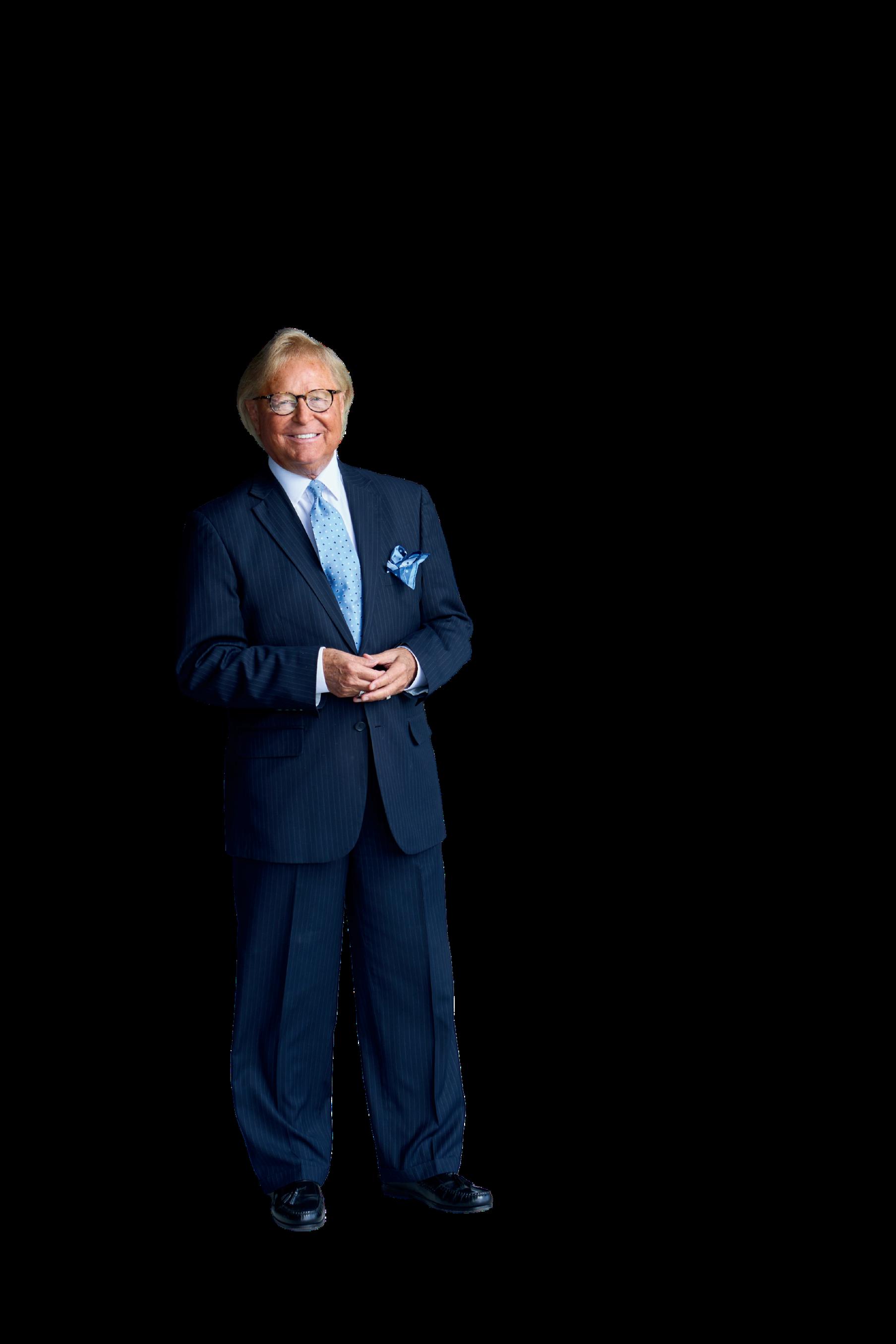

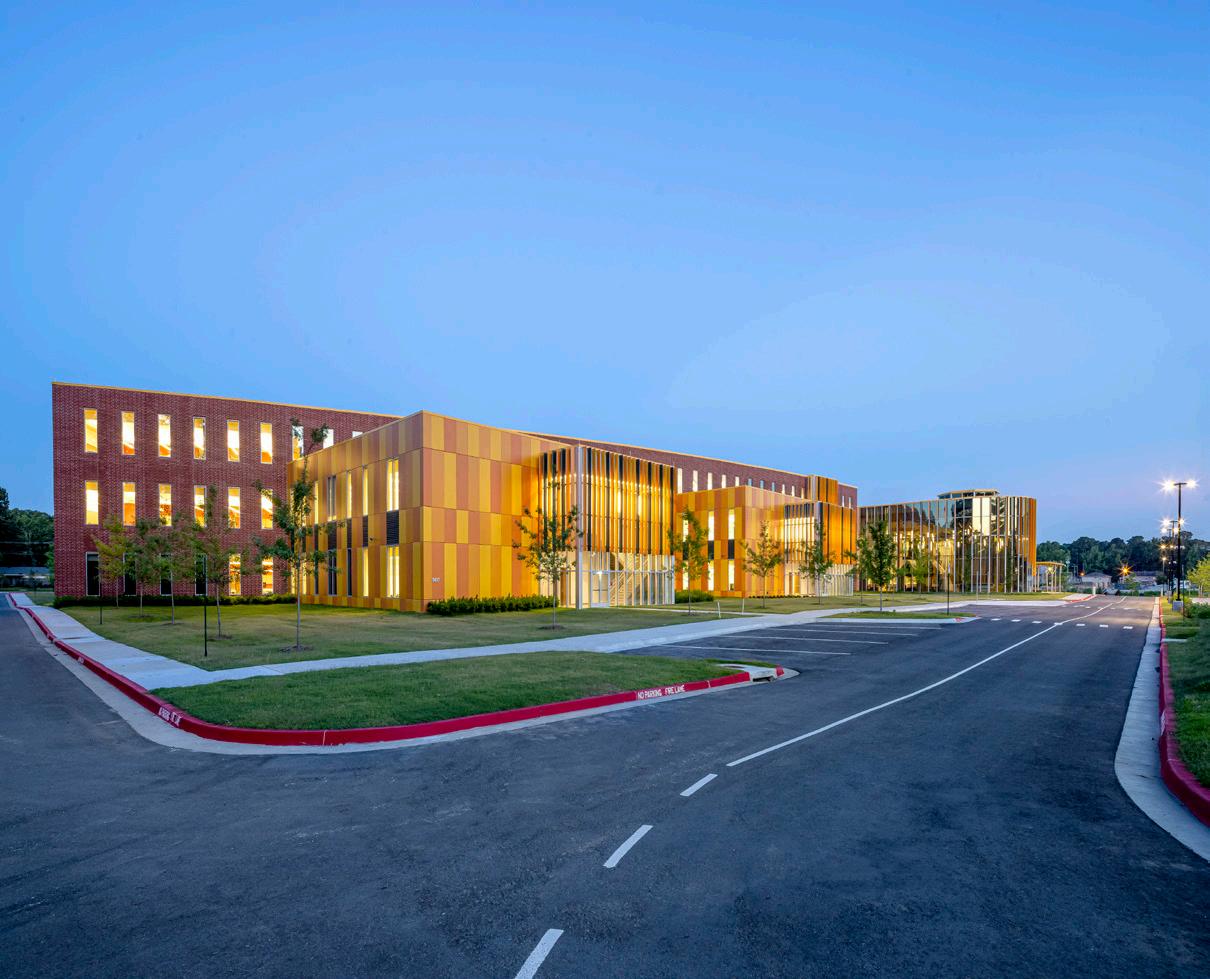
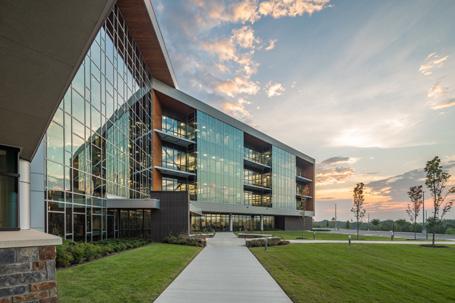
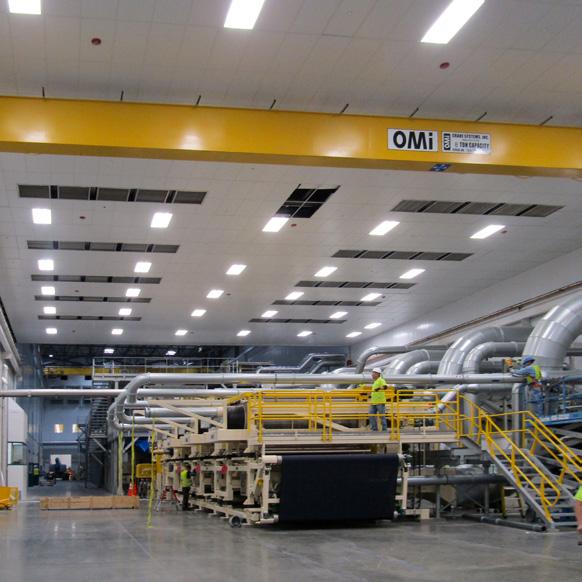

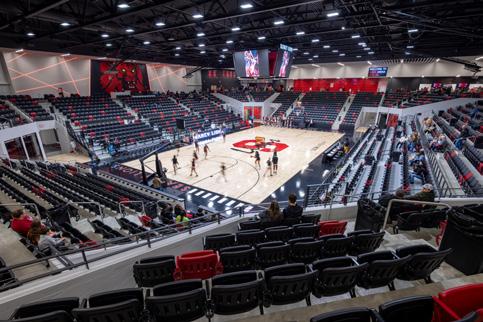
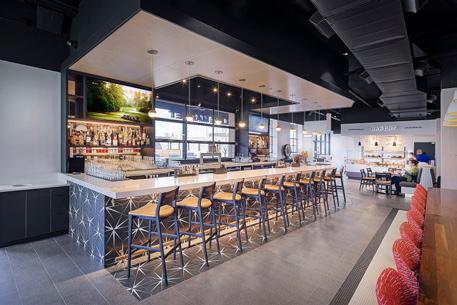
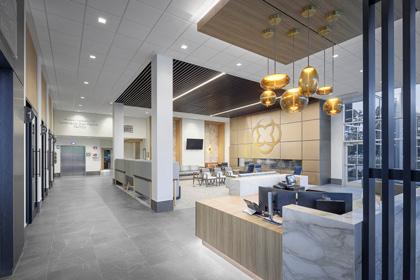
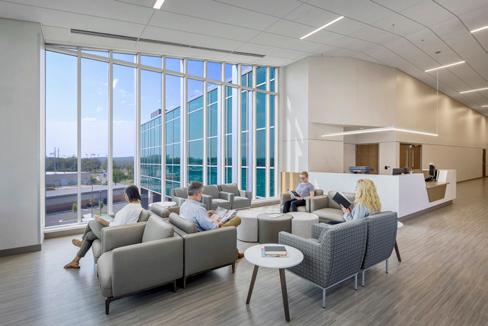

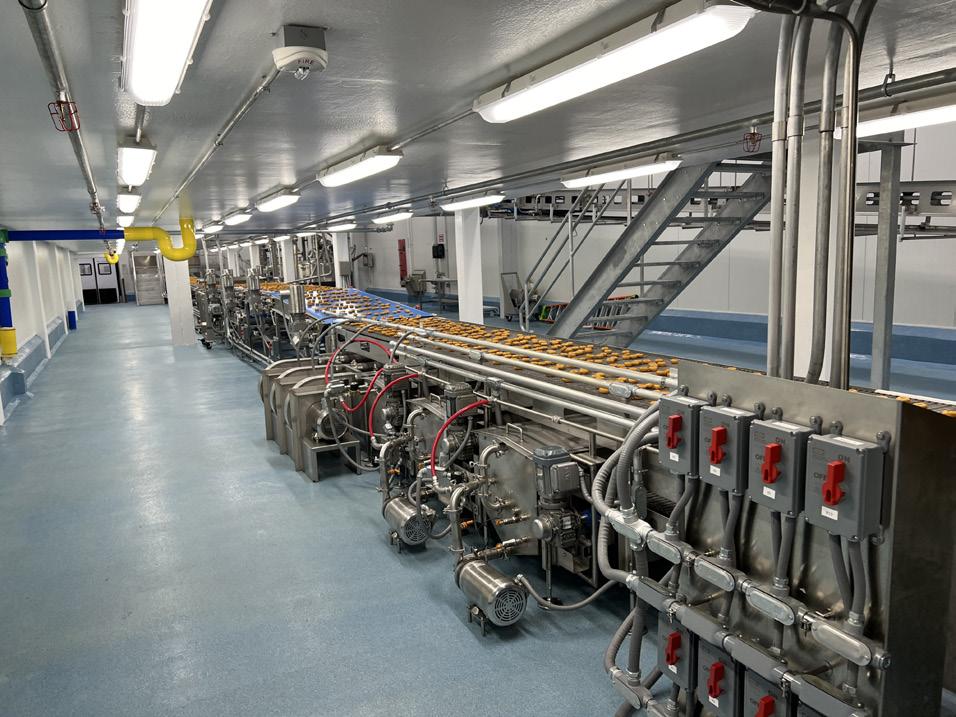
- Randy Allison SunStar Insurance of Arkansas
How They Did It
By
A Well-Oiled Machine
Intentional planning key to
landing
Maumelle distribution center
When it comes to economic development, it pays to think ahead. For communities across Arkansas, recruiting a major employer can be essential to ensuring stability and continued growth. So it was with no small celebration that Maumelle hosted the grand opening of its Tractor Supply Co. distribution center in 2024.
“Across the country, many Americans are struggling right now,” Gov. Sarah Huckabee Sanders said at the event. “Prices are higher, but paychecks are staying the same. There’s only a few times in the past when so many Americans feel so badly about our country’s national economy. Here in Arkansas, though, we’re bucking that trend, and Tractor Supply’s just one of many companies that have decided to make a major investment in our state in the past couple of years.”
The company did not land in Maumelle by mere happenstance, however. Courtney Dunn, community engagement director, said it was an effort three years in the making that required close collaboration with the city, Entergy Arkansas, the Arkansas Economic Development Commission and local landowners.
“The city of Maumelle recruited this investment through years of intentional planning, strong partnerships and a commitment to being truly ready when opportunity arrived,” she said. “We worked hand in hand with Entergy Arkansas and its business and economic development team through the Select Site program, as well as with the Arkansas Economic Development Commission, to make sure the property was not just available but genuinely shovel ready.”
The Select Site certification process helped capitalize on the site’s potential while addressing challenges headon, she said. The property underwent rigorous reviews of environmental, historical, cultural and geotechnical considerations, along with detailed land surveys, legal research and site-control verification, to ensure appropriate utility access, right-of-way readiness and fewer unknowns for future occupants.
The city also coordinated infrastructure planning, including early site improvements starting in 2017, and ensured the property aligned with zoning and longterm land-use goals, she said. By 2019, the property had achieved Select Site certification, signaling that it was ready for development.
“That preparation proved critical when TSC’s site
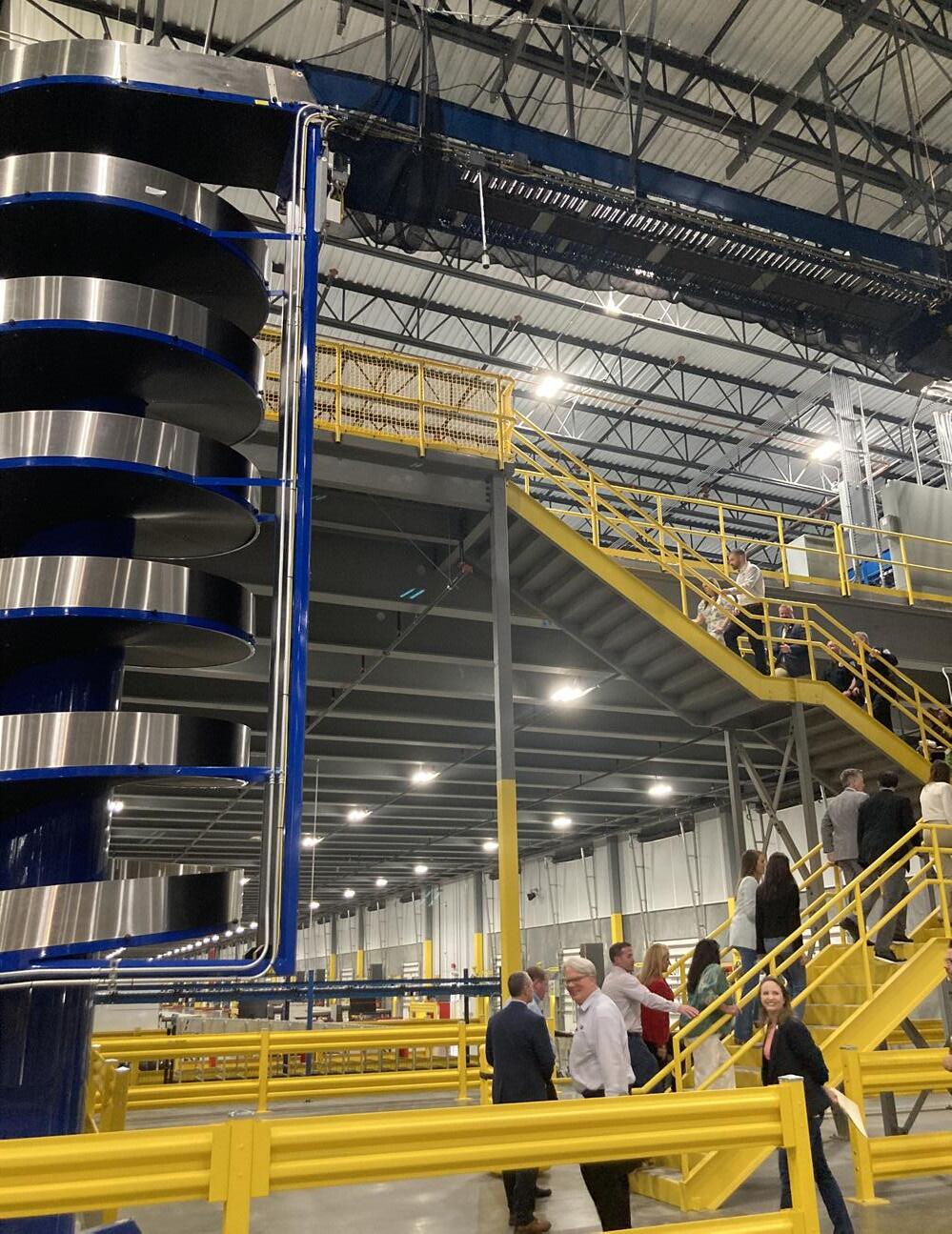
selection consultants, JLL, approached AEDC in fall 2019, seeking a location for a 900,000-square-foot distribution center,” Dunn said. “Because of the prior work, Maumelle could respond quickly and confidently.”
The site was an ideal fit for the company’s needs for scale, zoning, transportation access and construction readiness, she added. Over several months, the city, state and utility partners worked closely with JLL and Tractor Supply Co., conducting meetings, site walkthroughs and even a helicopter flyover.
In 2022, the company publicly announced that Maumelle would be the site of its 10th distribution center.
Cody Ritchson, general manager, said Tractor Supply Co. chose Maumelle because of its strategic location, workforce availability and readiness to support the growing store network.
“The Maumelle facility allows us to efficiently serve stores across the region while strengthening our supply chain capabilities,” he said.
Having a development-ready property also encouraged Tractor Supply Co. to move forward quickly and confidently, building a state-of-the-art distribution center that reflects the company’s commitment to efficiency, long-term growth, and bringing new jobs and investment to central Arkansas, he said.
“Maumelle also offers a high quality of life, which matters to us as we attract and retain team members,” he added. “Its preparation, collaboration and access to a strong workforce made it a natural fit for this milestone investment as Tractor Supply continues to grow and support our stores and customers.”
Dunn said the city plans to utilize the same proactive approach when attracting additional investment.
(Photo by Sarah DeClerk)
How They Did It
By Mark Carter

Welspun Big on Little Rock
Pipe maker investing more in central Arkansas
It is safe to say Welspun is big on Little Rock.
The global pipe manufacturer, headquartered in India, has offices around the world. Its focus of late, however, has been on Little Rock.
Welspun has operated a pipe and coating plant at the Port of Little Rock since 2007 and last year announced plans for a new $150 million facility at the port.
The new plant will produce Welspun’s longitudinally submerged arc-welded line pipes and apply coating. The news came on the heels of an October 2024 announcement that Welspun would invest $100 million to upgrade its existing high-frequency induction-welded pipe manufacturing facility, adding 175 jobs. Upgrades are expected to be complete within the first quarter of 2026.
The new facility, set to be up and running later this year, is expected to create 300 jobs.
Vipul Mathur, managing director and CEO at Welspun Corp., said the new plant will be one of the most unique facilities in the country.
“Under one roof, we will be covering just about every single diameter of pipe that is going to be used,” he said at the press conference announcing the investment. “It is a one-stop solution.”
Welspun has now made four significant investments totaling more than $400 million in Little Rock since opening at the port.
“In 2007, Welspun took a chance on the Port of Little Rock and located their manufacturing operation here in our community,” said Bryan Day, executive director at the Little Rock Port Authority. “Welspun quickly became one of the port’s flagship partners and has continued to expand their operations. Today, we are celebrating their fourth investment in our community. We are proud to have Welspun as our partner and we wish them the best of luck with this new endeavor.”
The new facility is expected to enhance Welspun’s
capability to serve multiple diverse sectors, including carbon capture, LNG export, oil and gas, and hydrogen pipelines, company officials said.
Gov. Sarah Huckabee Sanders said the latest investment from Welspun is evidence that countries around the world are realizing that “Arkansas means business.”
“Whether their priority is low taxes, low cost of living, low cost of energy, ease of doing business, a quality workforce or easy access to global markets, companies like Welspun are choosing the Natural State time and again,” she said. “It’s an honor to join Welspun Tubular for their second major expansion announcement in less than a year, and I’m thankful to their team for continuing to invest in Arkansas. The Port of Little Rock is quickly becoming the center of economic development for our region, and today’s groundbreaking is only going to continue that.”
B.K. Goenka, chairman of Welspun World, said the company’s partnership with Little Rock and Arkansas has only gotten stronger over the years. He added that the expansion will position Welspun as the only facility in the United States capable of manufacturing line pipes ranging from 6 inches to 56 inches and meeting the complete specifications required for both the oil and gas and infrastructure sectors.
“We are proud to take a significant step forward with the expansion of our Little Rock facility to include a state-ofthe-art LSAW line pipe mill and coating facility,” he said at the announcement. “This investment is not only creating new jobs — it is a commitment to the Made in America vision by strengthening domestic manufacturing and reducing reliance on imports. We are grateful to the state of Arkansas for its friendly policies. The leadership of Gov. Sanders has played a pivotal role in creating an environment where global companies like Welspun can invest with confidence and thrive. We look forward to continuing our journey here and contributing meaningfully to the region’s economic growth.”
Welspun at the Port of Little Rock
(Photo provided by Port of Little Rock)

HOLDING $TEADY
The economic outlook for 2026 offers stability, though few major upswings
By Doug Crise
hen it comes to the economy both in Arkansas and nationwide, even the best outlooks come with a substantial dose of caution.
Jeremy Horpedahl knows this better than most. When not serving as the director of the Arkansas Center for Economic Research, Horpedahl works as an assistant professor of economics at the University of Central Arkansas in Conway and authors the accurately titled financial blog Economist Writing Every Day.
Years spent monitoring fiscal trends means Horpedahl knows each crumb of optimistic economic data must come with a caveat, just as each prediction of doom and gloom must come with restraint.
“Most of the macroeconomic indicators look good and have been stable in 2024 and 2025,” Horpedahl said. “The unemployment rate remains under 4.5 percent, which is strong by historical standards, even though it has risen gradually over the past two to three years. Gross domestic product remains strong but not overheated, with growth around 2 to 3 percent in recent quarters. All of these are for the past, but I think the most likely scenario is that these continue into 2026.”
There is some good and some bad to that. Horpedahl has crunched the numbers behind key economic drivers such as unemployment rate, private sector job growth and the S&P 500 return. While those factors have technically indicated growth, there is also little difference between 2024 and 2025 when it comes to economic data.
What does that mean? Put simply, growth is happening, albeit slowly. And just about every piece of promising news comes with a caveat.
“At the national level, the data suggests the economy remains on solid footing in 2026,” said Matthew Hill, associate dean of graduate programs and research and associate professor of finance at Arkansas State University in Jonesboro. “Growth has been steady, the labor market continues to produce jobs, and inflation has moderated meaningfully from its peak. That said, consumer confidence reflects some lingering caution, which is worth watching as we move through the year.”
As is often the case when tracking the nation’s financial data, bite-sized statements about the economy being “good” or “bad” rarely tell an accurate story.
“If you’re looking at the overall economy, headline
numbers like [gross domestic product], it certainly looks like the economy is rolling along,” said Mervin Jebaraj, director of the Center for Business and Economic Research at the University of Arkansas Walton College of Business in Fayetteville, “but if you poke a little deeper, you would see that certain sectors are doing a lot better than other sectors, and so that’s sort of helping the overall economy look better.”
In Arkansas, there is no better example than manufacturing. Long one of the most vital parts of the state economy, manufacturing is in the midst of a miniature boom thanks in part to the steel industry in northeast Arkansas and companies such as U.S. Steel, Majestic Steel, Nucor-Yamato and Hybar.
“Steel manufacturing in northeast Arkansas is already contributing to the state’s economy, primarily through its impact on employment, income and GDP,” said Michael Pakko, chief economist and state economic forecaster at the University of Arkansas Little Rock Economic Development Institute. “Its expansion will bring additional growth, particularly if that growth spurs investments in infrastructure.”
None of that is news to Hill, whose position at Arkansas State’s Jonesboro campus gives him a front row perch to the waves of industrial change in the region.
“Investment in steel and advanced manufacturing in northeast Arkansas should be a meaningful tailwind for the state’s economy,” Hill said. “Companies such as Big River Steel, U.S. Steel and Nucor provide high-wage jobs and create spillover effects that support suppliers, logistics and related industries.”
There is a catch, however. Manufacturing technology is advancing at warp speed with little sign of throttling down. That sounds fine and good except that
Jeremy Horpedahl
Matthew Hill
Mervin Jebaraj
Michael Pakko
the cornerstone of manufacturing technology is automation, and automation comes with the prospect of replacing what used to be flesh-and-blood jobs.
“Steel and manufacturing are highly automated industries these days, so they don’t bring a lot of jobs,” Horpedahl said. “They can still generate some economic growth, but it hasn’t produced much recently.”
According to Horpedahl, manufacturing output in Arkansas grew by only 2.8 percent between 2021 and 2024. By contrast, the finance/insurance/real estate sector grew by 7.7 percent, and the health care sector grew by 7.8 percent over the same time period.
The rise of automation dovetails with the emergence of artificial intelligence, a divisive topic to put it mildly. It is hard to imagine the emergence of AI not having an impact on employment and therefore the economy, but parsing through the projections and predictions for AI can feel like trying to get a sip of water from a firehose. Plenty of businesses are going bullish on AI, but the current obsession carries with it more than a whiff of the dot-com bubble that burst during the early 2000s.
If the economy suddenly has to absorb an uptick in joblessness due to AI, that is a problem, but if AI somehow falls short of some of the more giddy projections being made about how it will change business, that is a problem too.
“We’re not seeing factors directly pointing to any correction just yet,” Jebaraj said. “I think the warning signs are the amount of leverage, how much these companies are sort of dependent on each other’s investments.”
It helps to view the issue through the lens of what Jebaraj calls “circularity,” what occurs when companies invest in one another. By example, Jebaraj pointed to microchip companies, software companies and AI companies, all of which can crossinvest with the other. That creates a high amount of leverage, which, in turn, can breed risk.
“If the returns from all these investments don’t pan out or if they’re smaller than what these companies expect, that’s when you have a correction,” Jebaraj said. “Right now, the market
doesn’t think that’s true, but perceptions change.”
Horpedahl said he sees some similarities between the AI boom and the dot-com calamity, especially when it comes to the rapid growth in revenue and surging stock prices of many AI companies, but, there are major differences, beginning with the nature of the companies involved. Part of the dot-com crash came due to a flood of startup operations that, with the internet still a fledgling technology, overestimated consumer demand.
AI, conversely, has time on its side. For instance, Nvidia, one of the largest AI companies, began making microchips in the 1990s and became a publicly traded company in 1999. There has simply been more staying power demonstrated by the AI sector, as opposed to all the dot-com startups sprouting up more than two decades ago.
“The dot-com bubble wasn’t a purely speculative bubble driven by irrational expectations,” Pakko said. “Rather, markets dropped sharply when more realistic expectations took hold. Something similar could happen again, but it’s not a sure thing.”
Yet not all the news is unclear. While far from invincible, the housing market has shown strength. For those who remember the 2008 housing bubble, during which credit defaults and toxic assets sank not just real estate but the American economy as a whole, that is no small relief. The market may be stable but that does not make affording a home any easier.
“The housing market has been through some upheavals in the last few years,” Pakko said, referencing both the impact of the COVID-19 pandemic and the sharp rise in interest rates that began in 2022. Even with the Federal Reserve later slashing interest rates, affordability remains the prime obstacle for home ownership.
“Home affordability is improving, but a longer-run shortfall in housing construction is keeping prices high,” Pakko said. “That’s good for the equity positions of existing homeowners but can be an obstacle for first-time buyers. Nevertheless, economists who focus on real estate markets expect 2026 to be a year of more activity than 2025.”

INVESTING FOR A RICH LIFE
Realizing what you value.
Financial/Personal Investment Services
Charley Gardner serves as Director of Retirement Plan Services at Meridian Investment Advisors, where he leads one of the firm’s largest and fastestgrowing practice areas. He advises plan sponsors on qualified retirement plans, including 401(k), Profit-Sharing, 457 and 403(b) plans, providing strategic guidance, fiduciary support and investment oversight. Charley plays an integral role in strengthening client relationships and advancing the continued growth and development of Meridian’s retirement plan services. Administering retirement plans can be taxing for executive and HR teams. Charley’s hands- on approach emphasizes simplicity, allowing clients to stay focused on their most important goals.
As a Little Rock native, Charley earned his degree in Accounting from UCA. He and his wife, Jassa, live in Conway with their three children Remy Jo, Grady and Annie. Faith, family and finances are some of his favorite topics to engage on and if possible, while playing a round of golf.

Mixed Bag
Experts: Financial picture generally optimistic despite world events, midterms
By Dwain Hebda

There is little investors like less than uncertainty, yet nowhere does it factor bigger than in the financial markets. This year is no different, said Arkansas financial professionals, between shift-on-the-fly world events, impending midterm elections, a roaring stock market and higher prices at home.
Those factors and more are providing more than a few mixed messages for investors, savers and borrowers alike and keeping the state’s financial industry on its toes.
“These are very strange times, with all the uncertainty with policies and different things going on in the world,” said Rush “Buddy” Harding IV, managing director at Carty, Harding & Hearn in Little Rock. “Historically, the markets don’t like uncertainty, but the stock market continues to hit all-time highs, and you’ve also got gold and silver and commodities hitting all-time highs, as well. At the same time, you don’t know what the Trump administration’s policies are going to do. It’s a strange environment.”
kansas investors tend to lead with common-sense strategies that seek value and diversification.
“I think, for the most part, [Arkansas investors] are opportunistic and willing to buy in the general market as opposed to staying in close with only bonds that are issued in the state of Arkansas,” he said. “There are some individuals in Arkansas that just want to invest in bonds that are issued in Arkansas or stick with the names that they know and they’re familiar with, but for the most part, they’re willing to step out and buy value.”

Harding also said a quieting of the market typically occurs in an election year, and with contentious midterms likely this fall, 2026 is expected to follow suit.
“I think [elections] make a lot of investors hesitant, and they might pause a little bit and wait and see and not do as much in the secondary and primary markets as they usually would,” he said.
A booming market means stock prices are up across most if not all industries, but with research and the help of a good investment representative, there is still value to be found. Harding said Ar-
John Sidery, founder and wealth adviser at Olympus Wealth Strategies in Little Rock, said while many people narrowly define their optimism or pessimism regarding the nation’s financial picture, such as by the price of gas or interest rates, a broader view always lends context.
Sidery
“One measure I always look at — and I know this isn’t necessarily reported on the news every night — is how’s our gross domestic product doing? Are we growing or are we not growing nationally?” he said. “I think that’s something that doesn’t get looked at enough, but it’s a baseline measure of, ‘Are we growing above inflation? Are we growing above expectations, or are we kind of flatlined here?’
“There’s always other variables at play that are making headlines that the average Arkansan or American talks about when we’re all having coffee together — interest rates going up and down, grocery prices going up or down, prices at the pump up or down. Those are all important, don’t get me wrong, but looking at GDP says, ultimately, as a country, are we growing, and if we are, usually things are pretty steady.”

“There’s always other variables at play that are making headlines that the average Arkansan or American talks about when we’re all having coffee together — interest rates going up and down, grocery prices going up or down, prices at the pump up or down.”
— John Sidery, Olympus Wealth Stragegies
Rush “Buddy” Harding IV
John

That said, Sidery joined a chorus of voices that pointed out the myriad issues that continue to swirl that can make reading the financial tea leaves a daunting task of late.
“There’s a bunch of levers to pull, and I know we say this every year in the business, but it just feels like this year, there’s just so much to be watched,” he said. “Look at the tariff situation and how that impacts consumers here domestically, how that impacts inflation, how that impact jobs.
“Then, going a little broader with precious metals, how does that all come together when you look at the strengthening or weakening of the dollar? We just saw a big move in the strengthening of the dollar recently since the administration nominated a new [Federal Reserve] chair. We feel like we’ve got our head down quite a bit in a lot of different topics instead of just one hot button we’re looking out for.”
That is not to say that there is not plenty to feel good about. Joey Small, private wealth adviser and president of Small Wealth Management, which has offices in Little Rock and Hot Springs, said he sees optimism from clients, guarded though it may be given all of the complexity going on.
“I do think there’s optimism, but it’s tampered down a little bit,” he said. “We’re still dealing with some trade issues, and typically, midterm years tend to be a little bit more volatile because there’s a bit more uncertainty about what will happen as we get into November. However, we’re very positive on earnings, and what I really like seeing are interest rates coming down across the market. We had some Fed rate cuts last year, and we expect maybe a couple more this year.
“That also led to bonds being productive in the last couple years versus the last 20 years. Being more diversified across the spectrum is a lot different than what we’ve seen for the last 10 or 11 years.”
Small said new clients are more conversant in terms of finances but still need help putting elements into context and understanding how one factor in the market contributes to or detracts from the whole. He also said the president’s recent moves to emphasize saving, as articulated in the recent State of the Union address, is a positive step for millions of people.
The president stated he wants to fix a “gross disparity” in America’s retirement system by creating new accounts for the roughly 56 million Americans who lack an employer-sponsored savings plan. The ideas include opening the Thrift Savings Plan offered to federal workers to others with the U.S. government providing a match of up to $1,000 per year, and the Trump Account, a new, custodial-style traditional IRA for minors, which was created under federal law in 2025.
“I think what that will do is really help a certain economic class of people, giving them an opportunity to see how the markets perform,” he said. “Most people, especially if they jump jobs a lot, don’t save a lot in their 401(k)s historically, so this gives them the opportunity to see what money can do in compounding interest.
“I really like what he’s done giving the $1,000 to the kids so they can see that growth and their parents can start to teach them what that growth looks like. We try to do that with our clients, to get their kids started early in order to understand the power of that money and compounding interest. It’s not how
Joey Small
Gary Head
“The opportunities here [in Arkansas] are really good. If you’ve got a good idea, you’re going to be able to get the money you need.”
— Gary Head, Signature Bank of Arkansas

much you put in, necessarily, but what it can do for you over time. I think [these measures] give different parts of the country an opportunity to see how their money can work for people versus people always having to work for their money.”
Of course, not unlike politics, the most pressing financial conditions are local. Gary Head, chairman and CEO at Signature Bank of Arkansas, said on the whole, there is plenty to be upbeat about in the Natural State, but that optimism looks different from region to region.
“I’ve been loaning money in northwest Arkansas since February of 1983, and I can say it’s a great time. This is a good spot to be in from an opportunity perspective,” he said. “We don’t manufacture much in northwest Arkansas, most of the economy is related to vendor jobs or Walmart jobs or Tyson jobs, and none of these people are worrying about their paycheck. They’re a little braver [borrowing] when they’re working for someone that is exceptionally strong.
“We’re in the Jonesboro market now, and they’ve got a little
different situation with ag being tough because it’s such an ag area. That creates some hesitation there. We’ve got a bank in Brinkley — same situation. Meanwhile, our bank in Harrison is somewhere between the two because it’s a different market, but it’s an expanding market because people are starting to figure out about the Buffalo River and all the cool stuff to do.”
Those vagaries aside, Head called current economic conditions “probably one of the better markets we’ve ever experienced,” noting that for companies that take good care of traditional business fundamentals, there is no shortage of institutions ready to lend them the funds to fuel their enterprises.
“The opportunities here [in Arkansas] are really good. If you’ve got a good idea, you’re going to be able to get the money you need,” he said. “There are always businesses that fail, but it’s not always about cash flow; sometimes people get into a business that just doesn’t work. What I tell people is if you’ve got a sound business idea and if you are willing to work hard, you’ve got a good chance to be successful.”









We help individuals, families, business owners, executives, professionals, and non-profits navigate complex wealth management challenges. At Olympus Wealth Strategies, we provide the information, resources, and personalized strategies that empower you to make informed, confident financial decisions.
Thanks for nominating us for Best Investment Advisor and Investment Firm. Vote at aymag.com through March 11.
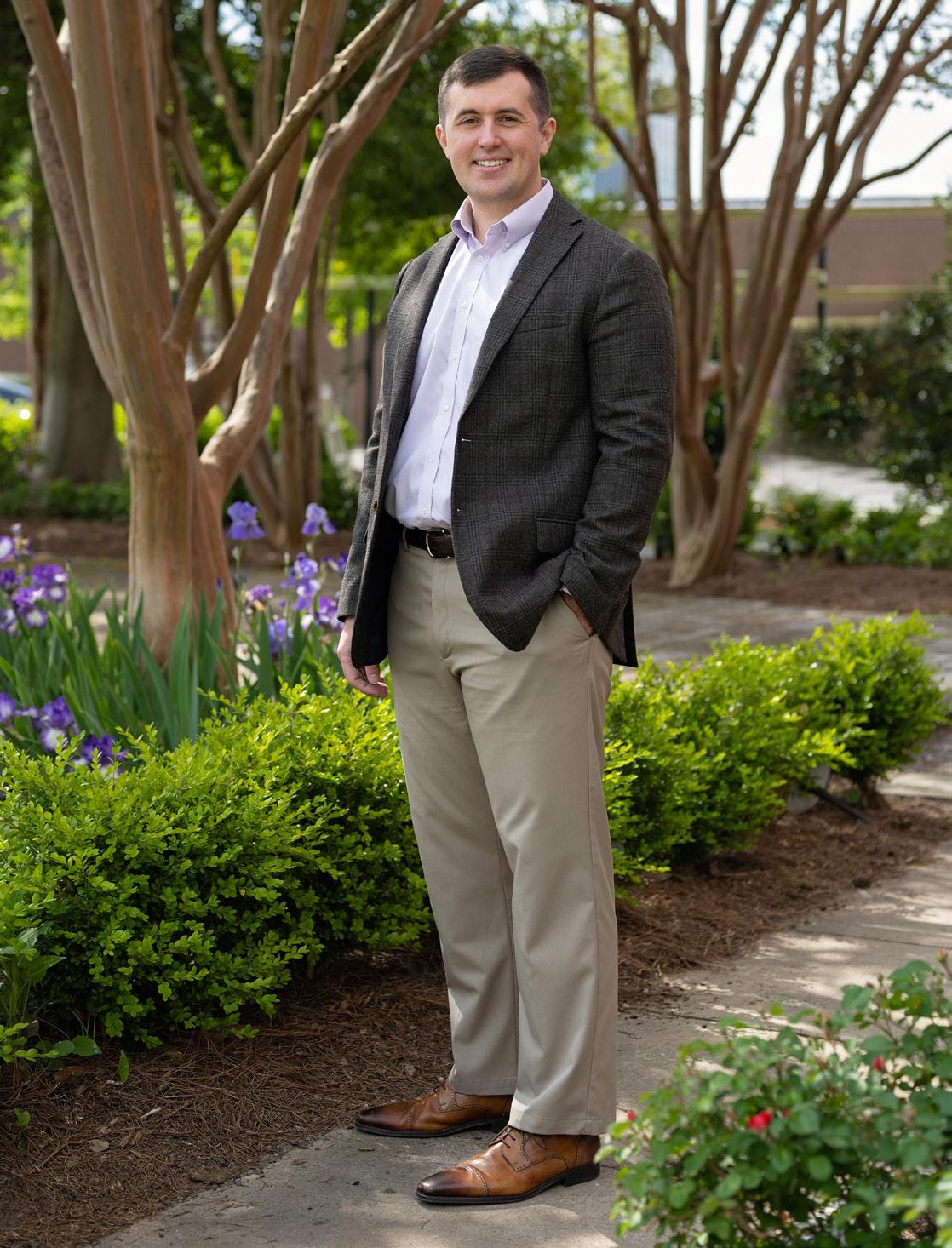
John Sidery, CFP®,CPWA®
My mission is to guide my clients through life’s financial complexities, providing clarity and peace of mind.
— John Sidery, Founder & Fiduciary Financial Advisor

Arkansas financiers talk future of cash money Digital Pennies from Heaven

By Mark Carter
The U.S. government no longer mints pennies, those copper shekels representing the lowest face value of any unit of American currency.
The one-cent piece — the term “penny” is actually British — remains legal tender and in circulation, but the U.S. Mint stopped making new ones in late 2025. The return on investment simply did not justify their continued production, but they are still minted for collectors.
The use of pennies began to decrease over the last half of the 20th century — inflation did not spare gumballs — and by the time the world went digital, the copper coin had slipped largely into irrelevancy.
As the technology behind digital currency evolves and fintech becomes further acculturated, many believe the nickel and dime are on the clock. After that, could dominoes start to fall?
Ryan Herget, co-managing partner at Southern Block Capital, a Bitcoin mining investment firm based in Little Rock, does not believe paper currency is going anywhere soon, and he built a career on businesses that rely on the digital flow of funds.
He launched Little Rock’s Chef Shuttle in 2014 before selling the successful food-delivery service to Bite Squad just three
years later. He went on to co-found medical marijuana mammoth Good Day Farm, which opened its first dispensary in Little Rock in 2021 and, by 2023, had expanded to multiple locations in four neighboring states.
Herget said he believes paper currency may never disappear, since it continues to play a role in certain situations. Those that do require transactions of coin or paper are few and far between, but the cultural hold physical currency maintains on society remains strong.
“What’s clearly shifting is reliance on it,” he said. “Digital payments are becoming the default for many transactions, and that trend will continue. Over time, physical cash may become less central to daily life, but it’s unlikely to vanish altogether.”
One of the primary arguments for keeping paper currency in the system relates to privacy. Once a digital transaction goes through, the name on the card is forever associated with whatever was purchased.
Just 16 percent of Americans surveyed in 2023 by the Cato Institute supported the adoption by the U.S. government of a central bank digital currency. Thirty-four percent opposed a central digital bank, and 49 percent indicated it did not yet have an opinion.
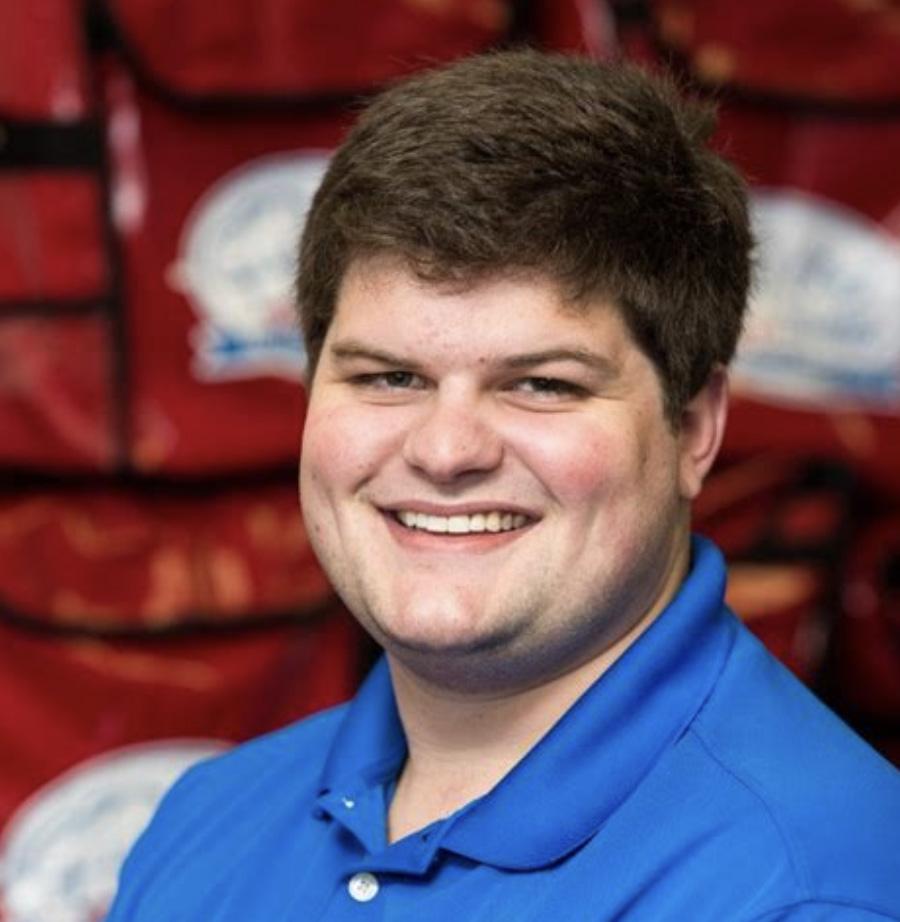
For Herget, comfort tends to follow usage.
“As people grow accustomed to digital payments through mobile apps, online transfers or peer-to-peer platforms, the concept of digital currency feels far less abstract,” he said. “That said, trust remains essential. One of the strengths of blockchain technology is its transparency; transactions are publicly verifiable, immutable and auditable in real time. That level of visibility combined with reliability and clear rules will continue to shape both the pace and breadth of adoption.”
Society continues to inch closer to full digital adoption. The federal GENIUS
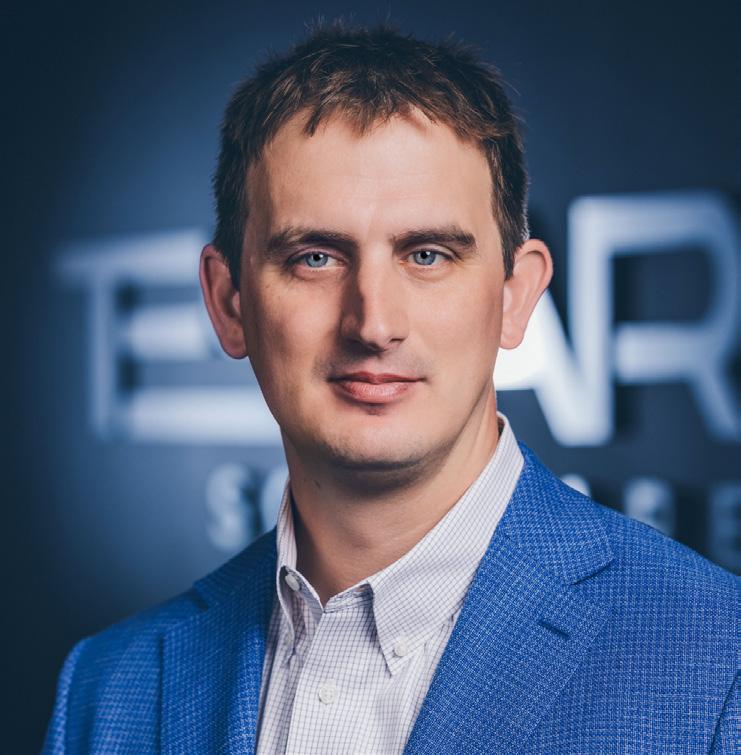
Act — Guiding and Establishing National Innovation for U.S. Stablecoins — passed last summer creates a comprehensive regulatory framework for stablecoins, a type of cryptocurrency backed by stable assets such as a national currency or commodity.
Joe Ehrhardt, CEO of Bentonville fintech firm Teslar Software, said the GENIUS Act and other factors put into motion the inevitability of some version of digital currency covered by Federal Deposit Insurance Corp. insurance being introduced into the mainstream banking industry.
Also, the Senate Agriculture Committee led by Arkansas Republican John
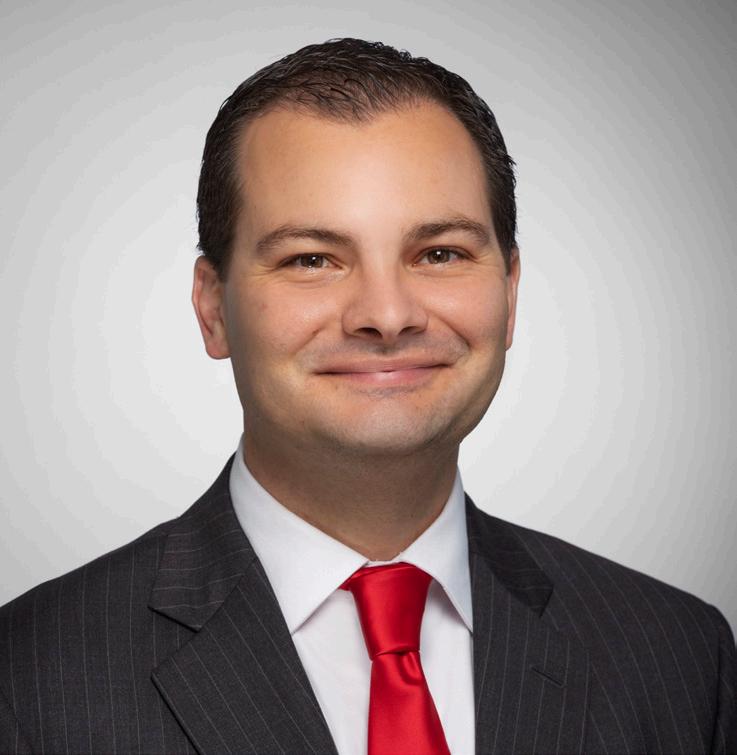
Boozman recently advanced the Digital Commodity Intermediaries Act, establishing clear regulatory authority for digital commodities and clarifying the Commodity Futures Trading Commission’s role in regulating digital commodities and related transactions.
The long-term solution, Ehrhardt added, is not decentralized currency or private-entity stablecoins or currency.
“Long term, I see real digital currencies, not just speculative assets, to be controlled by the government and one per every global currency that there is today,” he said. “The reason is simple — insurance. When things fail, everything fails. A

“As people grow accustomed to digital payments through mobile apps, online transfers or peer-to-peer platforms, the concept of digital currency feels far less abstract. That said, trust remains essential.”
— Ryan Herget, co-managing partner at Southern Block Capital
Ryan Herget
Joe Ehrhardt
Joshua Jensen
FINANCE

few more large crypto or digital failures,

lation and protection. In today’s banking world, that is FDIC insurance for banks or [National Credit Union Administration] insurance for credit unions. I think large losses to these funds by private stablecoins or other digital assets will force the insurance funds to back only governmentbacked currencies, as it is today.”
Ehrhardt said a switch to digital currency could have little impact on Teslar and fintech.
“If the industry can fully adopt it and it’s protected by FDIC insurance, then it would have little impact on Teslar, as it’s just another way to move money,” he said. “However, if the banking industry does adopt digital-only currency or in some way causes the banking industry to lose business and shrinks the banking system faster than the current rate of consolidation, then that would have a major impact. Banks should be cautious but not miss the boat on digital currency.”
For Ehrhardt, one of the best things about digital currency, its portability, also represents the worst — its susceptibility to fraud. He said Regulation E of the federal Electronic Funds Transfer Act, the law’s consumer-protection component, needs to be revisited.
“It is a fraudster’s dream,” he said. “For digital currencies to work, there will be a large investment in fraud prevention, and I personally think there will need to be more changes to Regulation E than already proposed to protect consumers from losses.”
Joshua Jensen, executive vice president and chief deposit officer at Simmons Bank, said steps are being taken today that could make an official government conversion to
digital a reality within the next generation.
He noted the GENIUS Act for its creation of a framework and pathway for mainstream acceptance. If and when that time comes, the financial industry will evolve, as it always has, he added.
“Traditional bank models would adapt and shift to the change, just as they have with the implementation of the ATM, use of credit cards and other payments,” he said. “A key feature would be less time spent on operational tasks like counting physical cash and instead more capacity to spend directly with clients, offering financial guidance, service and consultative expertise on how to improve their financial well-being.”
In essence, people already live in a digital currency society. Credit and debit cards have been around for decades, but as long as there are concession stands at local ballgames and yard sales, cash will flow — payment apps such as Square and others be darned.
However, what once was a cash tsunami has dwindled to a cash trickle.
“Further adoption of digital payments is certainly going to continue,” Jensen said. “We as consumers use a variety of digital methods today to pay for things. More recently, peer-to-peer transactions such as Zelle have also made it easier to pay a friend back for lunch without having to get physical cash. Generally, digital payments are more convenient, safer and reduce the risk of fraud versus payment types like checks, so overall, it’s a win-win for any consumer who shifts to digital payments over physical cash.”
As conversion slowly advances, what happens to all those coins? To borrow from Roy Scheider’s character in Jaws,
society will need a bigger change jar.
“Likely, these would phase out and no longer be accepted,” Jensen said. “Other governments, when eliminating certain currency, like the penny in Canada [in 2012], allow a timeframe to deposit these coins at the bank. After that time, the currency is no longer accepted and essentially becomes a collector item for those looking to capture a piece of banking history.”
Because of credit card processing fees, some businesses do offer discounts for paying with cash or add a fee for paying with a card. Paying with cash, however, is not a right guaranteed in the U.S. Constitution. Businesses can choose which forms of payment to accept. If they make a bad choice, the market will reflect it.
American consumers seem increasingly comfortable going digital. According to research shared by Capital One, the share of cashless American consumers — those who do not use cash in a typical week — rose to 51.6 percent in 2025, up from 24 percent in 2015 with increases each year. Sixty-nine percent of Americans surveyed used cash for few, if any, purchases over the past 12 months.
Other nuggets from Capital One:
63.9 percent of Americans expect a cashless future.
44.3 percent believe a cashless society is likely.
Point-of-sale transactions were 85-percent cashless in 2024.
POS transactions are expected to be 90-percent cashless by 2028.
Of course, concerns over volatility and fraud remain roadblocks to full adoption, but Jensen said the number of cashless businesses will only increase as digital payments continue to evolve and gain more acceptance. He added that Simmons will be ready to adapt to whatever comes down the pike.
“We have and will continue to evaluate the market and industry trends, ensuring that we provide the right services, payments and value for our clients,” he said. “We are dedicated to our clients and the communities that we serve and will continue to support those needs with any evolution in the financial industry.”
Inside an Interstate Holdings cryptomine in Arkansas (File photo)

The entrepreneurs behind Southern Block Capital, a Bitcoin mining investment firm based in Little Rock, are optimistic that their second fundraising round will build on the success of the first.
Ryan Herget, the man behind Arkansas startup uber-success stories Chef Shuttle and Good Day Farm, said he expects the recent launch of the firm’s Fund II to build on the strong foundation of the first fundraising round, which he said is performing ahead of schedule. Herget launched Southern Block Capital with Steve Landers Jr. and Dustin Curtis of Interstate Holdings.
“Things are going very well,” Herget said. “Our first fund was built around a clear thesis: utilizing Bitcoin mining as a reliable, capital-efficient way to monetize contracted power profitably while preserving optionality in how that power can be utilized over time. By operating at the low end of the cost curve, the model is designed to perform across market cycles — benefiting from higher prices when markets are strong and capturing a greater share of transaction fees as less efficient operators exit during downturns, helping protect revenue when prices soften.”
Fund I demonstrates that Bitcoin mining provides dependable cash flow today while keeping future pathways open as power markets evolve, he said, adding that its success is the primary reason Fund II was launched just months after the first.
Southern Block Capital Focusing on Bitcoin as It Rides Digital Wave
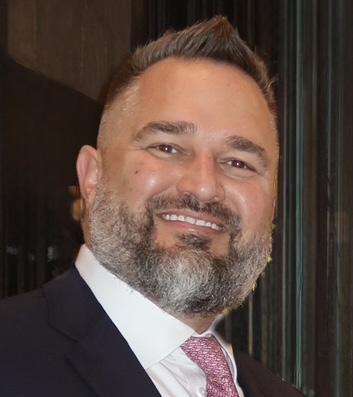
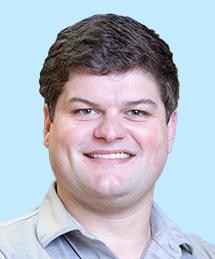
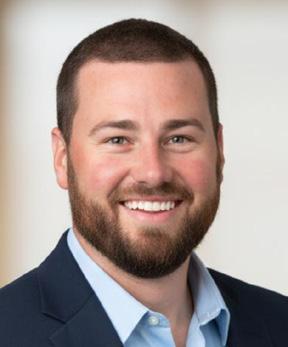

“The second fund builds directly on the strong foundation of the first, using the same proven operating approach and equipment profile,” Herget said. “We officially kicked off Fund II this week and are currently in the process of raising capital. Even at this early stage, we’ve received significant commitments from Fund I investors while also selectively engaging a small number of outside investors to give them exposure to what we’re building. We are targeting full operations for Fund II by the end of May. Our focus remains unchanged: disciplined deployment, reliable infrastructure and repeatable execution. This fund is meaningfully larger than the first, reflecting robust investor interest and the scalability of the model.”
As the world slips ever closer to a fully digitalized banking system, Herget said he believes cryptocurrency and blockchain will be “a seamlessly integrated part of everyday life, operating largely in the background but enabling faster, more efficient systems across finance and beyond” in five years.
“Blockchain has applications well beyond digital assets, from recordkeeping to infrastructure coordination,” he said. “Crypto enables real-time, global transactions that can occur anytime without relying on traditional institutions to process or settle them. Over time, users won’t focus on the terminology. They’ll simply expect systems that are instant,
transparent and always available. A good comparison is online banking or payment apps today. Most users don’t think about the underlying mechanics. They just expect speed, reliability and constant availability. That’s the direction this technology is heading: less novelty, more everyday utility.”
Potential roadblocks to the continued advancement of digital assets include the critical role of infrastructure and, of course, volatility. That is why Southern Block Capital focuses on infrastructure, building and operating mining facilities rather than simply holding or trading digital assets, Herget said.
“Think of it this way: When you wire money, your bank maintains the ledger, processes the transaction and charges a fee,” he said. “Bitcoin works similarly but without a central intermediary. Instead, a decentralized network, powered by our miners, handles hundreds of thousands of transactions daily and keeps the ledger accurate and secure. Our machines run 24/7 to perform that essential work, validating transactions and securing the network. In return, we earn compensation in Bitcoin, much like a bank earns wire fees. We do convert some Bitcoin to cash to cover power bills and operating expenses, but we also hold a meaningful portion of Bitcoin on our balance sheet because we believe in Bitcoin’s long-term role and value.”
Dustin Curtis Steve Landers Jr. Ryan Herget
UPGRADE YOUR CAREER WITH AN MBA
Advance your career on your terms with flexible scheduling, applied coursework, and programs built for working professionals.
We also offer dual-degree options:
• JD/MBA — combine your law degree and MBA to prepare for leadership roles in legal practice, policy, compliance, and business.
• MD/MBA & PharmD/MBA — pair medical training with business expertise for careers in healthcare administration, practice management, and clinical innovation.
Expect More with an MBA from UA Little Rock at ualr.edu/MBA.




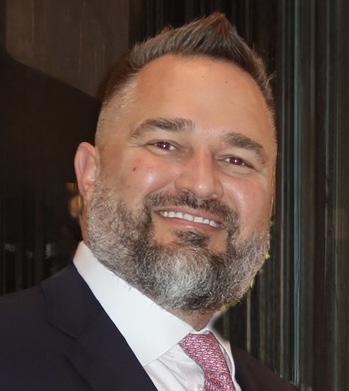
Who We Are
Southern Block Capital is an infrastructure-focused investment firm built around acquiring, controlling, and monetizing reliable, low-cost power, with Bitcoin mining serving as the initial use case.
What We Do
Southern Block Capital focuses on building and operating energy-backed infrastructure. Our strategy begins with securing reliable, low-cost power and pairing it with flexible, energy-intensive applications that can scale efficiently.
Today, that application is Bitcoin mining; an always-on, location-agnostic workload that allows us to monetize power immediately while maintaining optionality for future uses as energy markets and technology evolve.
Alyssa Rather JD/MBA
Evan Hicks MD/MBA
Dustin Curtis
Steve Landers Jr.
Ryan Herget
The C-suite entails more than just the corner office. It is as much a metaphorical place as it is a tangible one. Business does not get done without the worker bees, but C-suite executives ensure that work counts. From overseeing a company’s finances, security, information technology or operations to spearheading strategy and guiding development, C-suite execs represent the face of business in the community. Arkansas Money & Politics once again asked its readers to tell us about their favorite C-suiters, and their preferences are chronicled in the pages that follow.

Sponsored by

Arkansas Talent Group
proudly sponsors
Arkansas Talent Group Expands Again
Firm now offering client options for business needs in C‑suite, temp and direct hire
By AMP Staff
Arkansas Talent Group is not your typical recruitment firm, and it is comfortably filling a specific niche in the Arkansas business market.
Founded in 2024 by Chris Chunn and Stephanie Shine, each with more than a decade of executive recruitment experience for a Fortune 500 company, Arkansas Talent Group combines the professionalism and connections of the big firms with the personal touch and expertise of a local shop who are engrained in the community.
Relationships drive all business, and it is much easier to develop them when the recruiter is local and appreciates a client’s history and understands its needs.
“At Arkansas Talent Group, relationships, not transactions, are at the heart of everything we do and are what set us apart,” Shine said. “That is why we decided to leave our Fortune 500 recruitment jobs, to get away from the pressure and drive of corporate numbers to simply focus on doing recruitment better.”
Chunn added that the firm’s success “comes from a very intentional mix of deep Arkansas roots, white-glove service and more than 50 years of combined local recruitment experience among our team of seven.”
“Our recruiters live here, work here and know the industries in which we work,” he said. “We’ve built trusted networks in ac-
counting, finance, HR and leadership, and we use a proven search process focused on long-term fits, not quick placements.”
The firm recently expanded its services with the addition of a temp and consulting division, Arkansas Talent Group Temp & Consulting. ATG now offers a full scope of services for staffing Arkansas’ businesses and employing top talent. From permanent placement to temp and project-based consulting, ATG can now support almost every hiring scenario clients may have.
“We’re a true one-stop shop for every hiring need for our clients in Arkansas, from direct hire to temp, temp-to-perm and project-based consulting,” Shine said. “No matter the scope, our mission remains the same — to connect top talent with exceptional companies in the state of Arkansas.”
success of placements both for candidates and clients. Every business is in it to make a profit, she said, but at ATG, what truly matters is the relationships built and doing right by clients.
“We’re a true one‑stop shop for every hiring need for our clients in Arkansas, from direct hire to temp, temp‑to‑perm and project‑based consulting.”
“What sets us apart is our commitment to excellence, partnership, our passion, integrity and our communication,” she said. “We’re not a Fortune 500 firm trying to maximize revenue and placements as quickly as we can; we’re a specialized, consultative partner built for Arkansas’s small and midsized organizations to help them thrive. We have a vested interest in ensuring the success of local businesses and talent and truly have a passion for what we do and think it’s vital to Arkansas’s continued growth.”
For Shine, satisfaction comes not from the number of positions filled but by the quality and longevity of the relationships built with clients and candidates and the
Arkansas Talent Group specializes in the accounting, finance and human resources fields and has also become known in Arkansas as the go-to firm in the C-suite space via efforts led by Chunn. Most clients have had to go to out-of-state firms to find executive talent in the past, often with low
success rates due to a lack of a local talent focus. ATG offers a new, local option: a personalized approach, reduced fees, quicker timelines and a focus on hiring local talent first before going national.
“Arkansas Talent Group is positioned as the firm that knows the Arkansas community, talent and market trends better than anyone else, which is a clear differentiator from national firms with lighter local presence,” Shine said. “Our firm offers a collaborative, culture-first approach. We devote time to vetting opportunities and candidates for not only a skills fit but also a culture and personality fit, as well, enabling clients and hires to hit the ground running on day one.
“We became the go-to for C-suite searches because Arkansas leadership knows us and our work already. After years of recruiting in this market, CEOs and boards turn to us when the stakes are highest; our executive placements and extended guarantees speak for themselves.”
ATG executes searches for key C-suite and leadership positions, including C-suite senior management and executive-level roles in accounting, finance, HR and other C-suite roles with a distinct Arkansas focus.
“Our executive search team runs a discreet, end-to-end process, from defining the leadership profile, backed by a six-month guarantee on retained searches, led by our very own co-founder/partner, Chris Chunn,” Shine said. “We have the local expertise but also national recruitment capabilities. We look inside the state first, then branch outwards. Our focus is to employ Arkansans first and foremost and to find the perfect fit for both company and candidate.”
Most executive searches wrap up with a focused slate of highly vetted candidates, Chunn noted, but corporate searches are subject to the type of role, client requirements and availability of talent — and can be much quicker than many expect.
“We have been able to cut the search time in about half from national firms timelines due to our touch on the market and quick ramp up,” he said. “We primarily recruit for roles based in Arkansas, where our network is deepest, but can tap talent beyond the state when a client’s needs call for it.”
ATG launched its temp and consulting division Feb. 23, after having soft-launched the month prior for key clients, expanding its services beyond permanent placement
and executive searches to include flexible, on-demand talent solutions for Arkansas employers. From its first month, the division has been positioned as a game-changing local resource: a reliable, Arkansas-based source for fully vetted, high-quality temporaries, contractors and project professionals who can step in quickly, keep work moving and uphold the same standards as permanent hires.
“From day one, our clients have asked for more flexible staffing solutions, alongside our permanent and executive search services,” Chunn said. “This launch allows us to thoughtfully introduce temp, contract and consulting options while maintaining the same first-class, high-touch experience they’ve come to expect from ATG.”
Through the new division, Arkansas Talent Group supports clients with short-term project needs, interim coverage and specialized consulting engagements across the accounting, finance and HR fields. By extending beyond permanent placement and executive search, the firm can now provide agile talent solutions that help Arkansas companies respond quickly to growth, transition and seasonal demand — without sacrificing quality or fit.
In 2023, Chunn and Shine launched the Arkansas Talent Podcast to help business owners and candidates in the firm’s specialized fields.
“We started the Arkansas Talent Podcast to help business owners and candidates in the accounting, finance and human resource fields learn and grow,” Chunn said. “This has allowed us to help ourselves and others learn more about career choices in these fields, how others have found success and what challenges leaders in these fields face. We also discuss trending topics
like burnout, remote work, career search tips, and general economy and job market updates. It was important to us to be involved in the industry and to be a place for knowledge sharing.”
AY Media Group has been aware of ATG’s potential to impact the market from its launch. In addition to features on the firm, Chunn graced AY About You’s “Men of Distinction” list in 2024. That same year, Chunn and Shine were named one of Arkansas Money & Politics’ “Dynamic Duos,” and last year Shine was recognized as one of AMP’s “Power Women” and one of AMP’s “Top 100 Professionals.” The firm was also voted by AMP readers as best recruitment firm in the state for 2024 and 2025 and is widely thought of as Arkansas’ recruitment firm of choice.
In addition to Chunn and Shine, the firm’s seven-person team includes senior talent recruiters Jennifer Thompson, Bailey Clark and Sam Swensen; talent recruiter Laura Slay; and Anna Emerson, director of marketing and executive support.
ATG is located at 11311 Arcade Drive, Suite 210, in west Little Rock. For more information, visit arkansastalentgroup.com, email contactus@arkansastalentgroup. com, or call 501-301-0655.

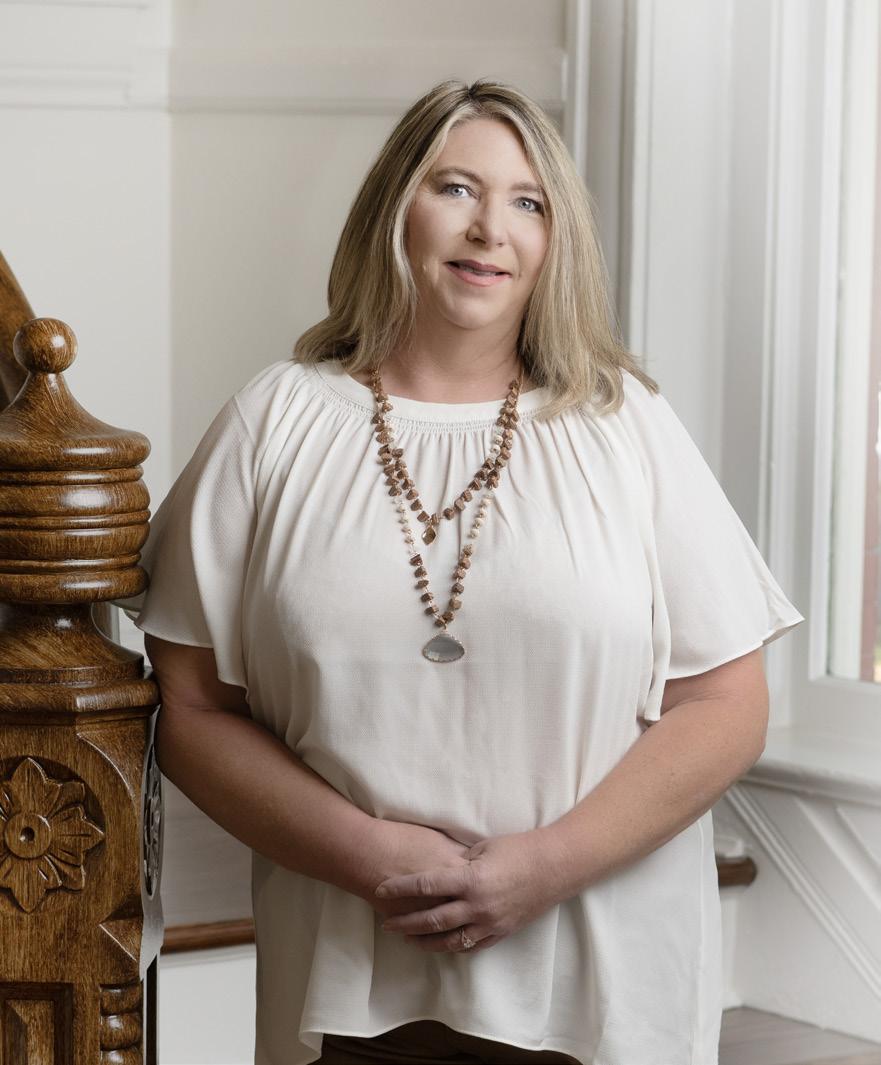
THE BUSINESS OF FUN JANIS ALEXANDER
NORTH LITTLE ROCK TOURISM COO

By Doug Crise

The idea of a good time is seeing other people have a good time, according to Janis Alexander.
“I started out working the front desk of a hotel, working hospitality for many, many years,” said Alexander, chief operating officer at North Little Rock Tourism. “Then I kind of transitioned over to accounting for a while.”
Hospitality and accounting may sound like two totally disparate courses of study, but for Alexander, they fit hand in glove. Her position, which includes overseeing North Little Rock’s Argenta Plaza and Downtown Riverside RV Park, is very much about giving people the right amount of bang for their buck.
“I use both of those assets for the position I hold now,” Alexander said.
Yet it’s the hospitality side of things that truly comes through when talking to Alexander. There is passion in her voice when she talks about her time at North Little Rock’s tourism arm. Since taking the job in 2018, Alexander has seen the area bloom, becoming not just a tourist destination but a favored spot for folks in central Arkansas to gath-
er and enjoy food, the arts or just an evening outdoors.
There are few aspects of the North Little Rock experience that do not bear Alexander’s fingerprints. Part of her job includes overseeing Argenta Plaza, the $5.36 million outdoor event space right along Main Street that has hosted everything from private parties to farmers markets to professional networking events.
“There’s so much that we’re excited for,” Alexander said. “The rejuvenation of the Argenta area has been fabulous for North Little Rock. It’s safe. It’s walkable.
“Now, with the addition of an event center and two new hotels coming in, it’s creating this great vibe in North Little Rock. We’re just very excited about the momentum we have at this time.”
Alexander’s own story is tied deeply to the kind of experiences that are becoming so common for the North Little Rock area. She grew up in Cabot and attended Arkansas State University-Beebe, and she knew enough to consider North Little Rock as a place to shop and enjoy dining out. Like many, her eyes opened to just how much else was becoming available in the area.
Neither Alexander nor the city itself has rested since. More is on the way, including a May groundbreaking for what will become a music pavilion and museum area.
“It’s going in right next to Argenta Plaza,” Alexander said. “That’s a local private-public partnership that’s going to be happening there.”
Alexander may love the unveilings of new attractions, but she also seems to treasure the everyday process to get there. The entire North Little Rock Tourism staff plays a role in not just attracting events but making sure those events are running smoothly. It is a far, far more intense process than manning the front desk at a hotel, a process Alexander was born for.
“The one thing I learned is how to implement and really plan events,” Alexander said. “That was a huge learning curve for me. There’s a lot of moving parts. I’ve definitely become more comfortable with it. We’ve got such a great team here, such a creative and collaborative team.”
A BOLD VISION A STA
Over five decades our mission has grown, but our purpose has remained the same: to make trusted cancer care accessible for every patient we serve. In 2018, CARTI began radically expanding access to care in the form of comprehensive cancer centers throughout the state, bringing trusted, expert care directly to the communities that need it most.
This strategic transformation has redefined access to oncology care, breaking down geographic barriers, strengthening local communities, and setting a new standard for how cancer care is delivered statewide.
As an independent, multi-disclipinary care network, CARTI now offers medical, surgical and radiation oncology, research, imaging and urology through 18 locations across Arkansas, including the state’s first cancer-focused surgery center.
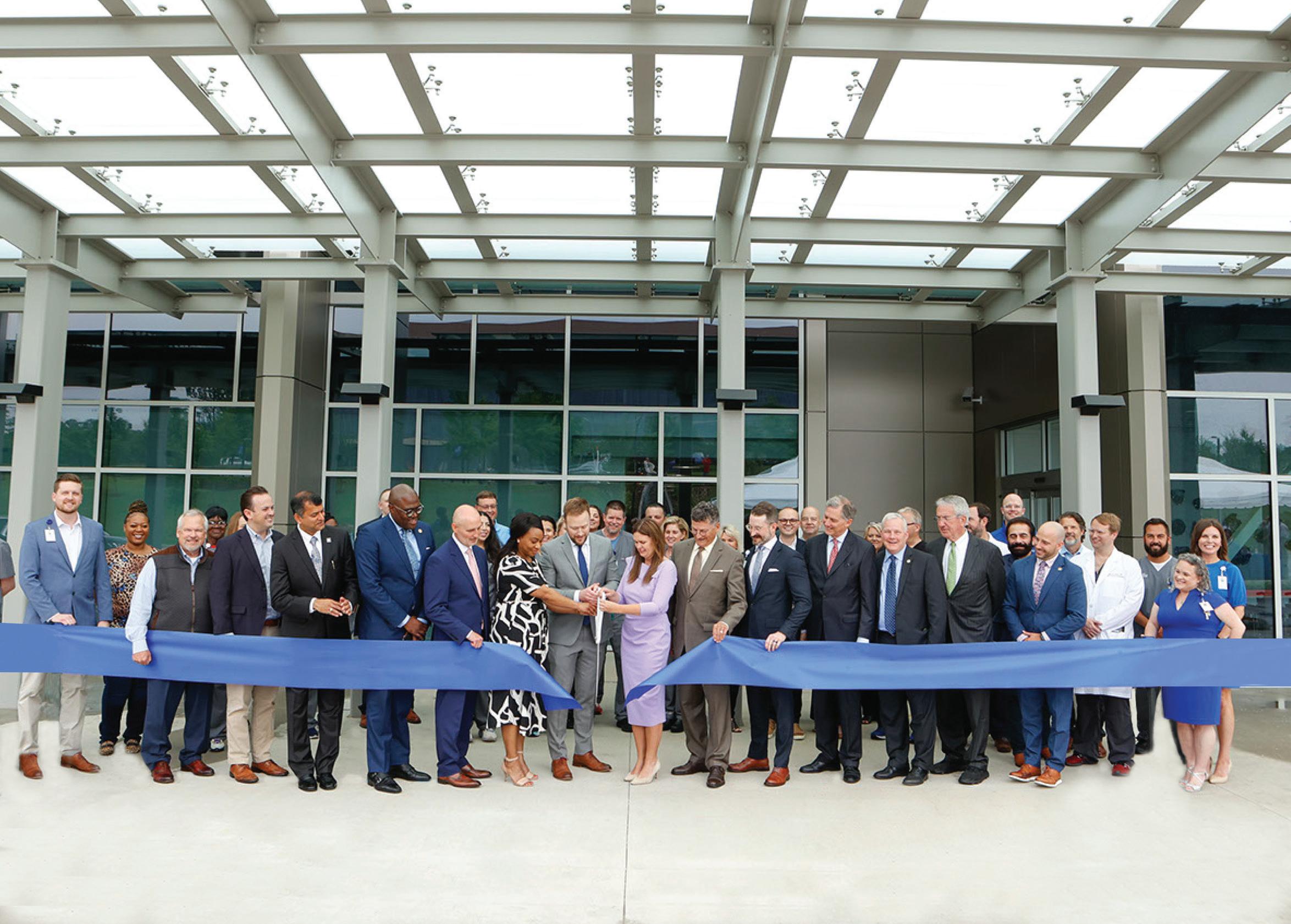
Jim Acuff Executive Director of Finance & Nonlegal Operations
Attorney’s Title Group
Janis Alexander COO
North Little Rock Tourism
Shannon Anastosopolos Founder & CEO
Granted, Viriya Consulting
Lauren Anderson Chief Revenue Officer
Arkansas Hospitality Association
Steve Arrison CEO
Visit Hot Springs

Sponsored by

Eliza Borné Chief Development Officer
Central Arkansas Library System
Char Boulch CEO
Saline Memorial
Elizabeth Bowles President & Chairman
Aristotle Unified Communications
Jay Brogdon President & CEO
Simmons Bank
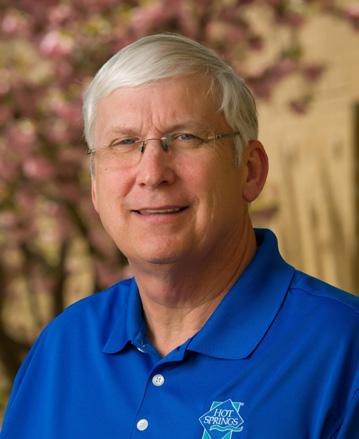
As CEO of Visit Hot Springs for the last 27 years, Steve Arrison is responsible for the creation and implementation of the advertising, promotion and marketing program for the city of Hot Springs. His duties include operating the Hot Springs Advertising and Promotion Commission, which manages Visit Hot Springs; the Hot Springs Convention Center; Bank OZK Arena; the Northwoods Biking and Hiking Trails System; and the Majestic Park baseball complex. Under Arrison’s direction, the A&P commission oversees the organization’s $15 million annual budget, which annually attracts more than 3.6 million overnight visitors to the city.
James Baird CFO
Signature Bank of Arkansas
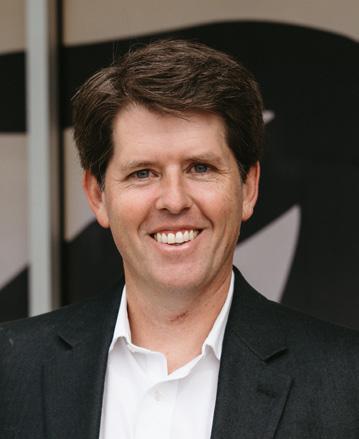
James Baird is chief financial officer at Signature Bank of Arkansas. Since joining the bank as controller in 2021, he has played a key role in strengthening financial reporting, driving strategic planning and supporting the bank’s continued growth. Known for his analytical mindset and steady leadership, Baird is committed to operational excellence and long-term value creation. Baird earned two Bachelor of Science in Business Administration degrees from the University of Arkansas in Fayetteville and has his Certified Public Accountant licensure. His deep expertise in financial institutions was initially honed during his time as an auditor with BKD. Outside the office, Baird lives in Fayetteville with his wife and their three young daughters. He can often be found on the tennis court, embracing the same competitive spirit he harnesses in the workplace.
Levi Bauer CEO
OrthoArkansas
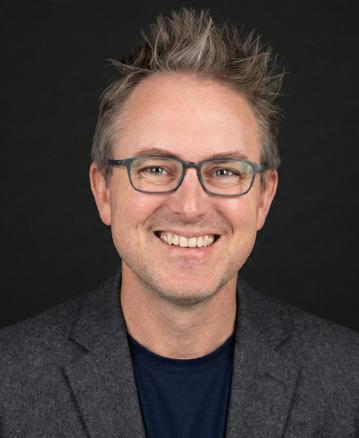
Levi Bauer is CEO at OrthoArkansas, Arkansas’ largest physician-owned orthopedic practice. Since stepping into the role in 2019, he has focused on helping the organization grow in the ways that matter most to patients and physicians, bringing teams together through a major merger, expanding specialized services and strengthening the systems that support care across the state. Bauer’s career has centered on the operational and financial leadership of musculoskeletal, spine and neurosciences service lines with an emphasis on aligning strategy with a consistently strong patient experience. Under his leadership, OrthoArkansas has continued to invest in physician-led, independent practice, expanding its footprint through purpose-built facilities, advanced technology and coordinated care designed to improve efficiency and keep expert orthopedic care close to home. He has a bachelor’s degree in economics from the University of Nebraska-Lincoln and a Master of Business Administration from the University of Nebraska-Omaha, and he has dedicated his professional life to elevating health care standards across Arkansas.

Jay Brogdon became president and CEO at Simmons First National Corp. and Simmons Bank Jan. 1, 2026. Previously, Brogdon served as president since January 2023, overseeing all revenue lines, finance, operations, information technology and corporate strategy. Prior to joining Simmons in 2021 as chief financial officer, Brogdon worked at Stephens for more than 13 years. There, he served as managing director in the investment banking division. Prior to Stephens, he served four years at Deloitte. Brogdon has a Bachelor of Business Administration with a concentration in accounting and business management from Harding University in Searcy.
Chris Brown VP & CFO
Arkansas
Colleges of Health Education
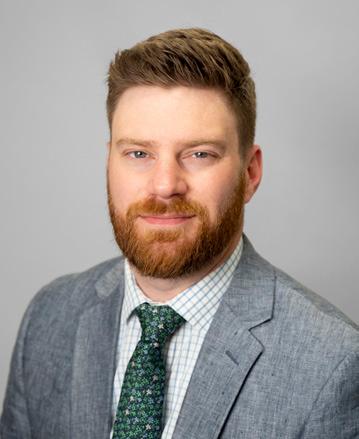
Chris Brown serves as vice president and chief financial officer at the Arkansas Colleges of Health Education in Fort Smith, where he oversees the institution’s financial strategy and operations. Since joining ACHE in 2021, Brown has helped guide the college’s continued growth, bringing both financial expertise and a people-centered leadership style to his role. He was promoted to CFO in January 2022. A licensed certified public accountant in Arkansas, Brown began his career in public accounting at Landmark CPAs in Fort Smith, where he advanced to audit manager. A graduate of Arkansas Tech University in Russellville with a degree in accounting, he has been recognized for his professional achievements, including the Arkansas Society of CPAs Emerging CPA of the Year, Arkansas Tech’s 19 in 9 award and selection to the American Institute of Certified Public Accountants Leadership Academy.
Darren Brown President & CEO
Arkansas Air Flow
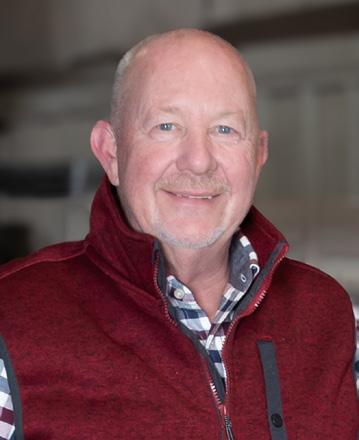
Darren Brown is president and CEO at Arkansas Air Flow, a Sherwood-based HVAC, plumbing, and sheet metal contractor serving clients across Arkansas and beyond. With more than 25 years of industry experience, Brown is certified by the Environmental Protection Agency and known for his hands-on leadership style and commitment to delivering high-quality, affordable solutions to customers. He has worked on projects statewide but remains deeply rooted in central Arkansas, where he focuses on investing in his team and supporting the community through volunteer efforts. Under his leadership, Arkansas Air Flow continues to emphasize service excellence, workforce development and steady, sustainable growth.


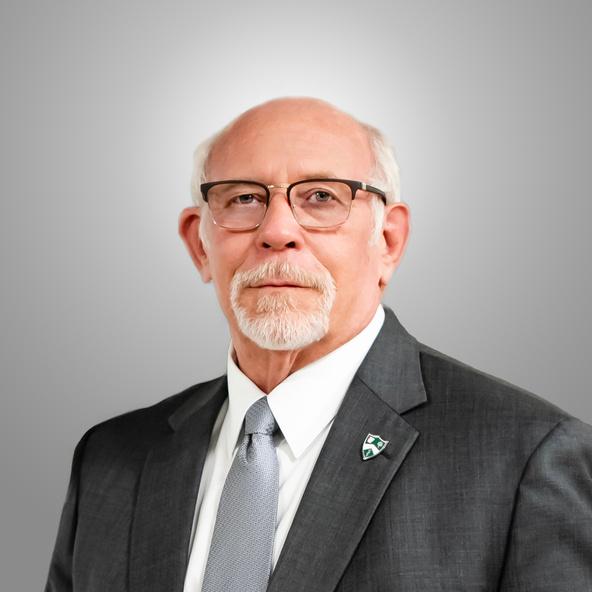

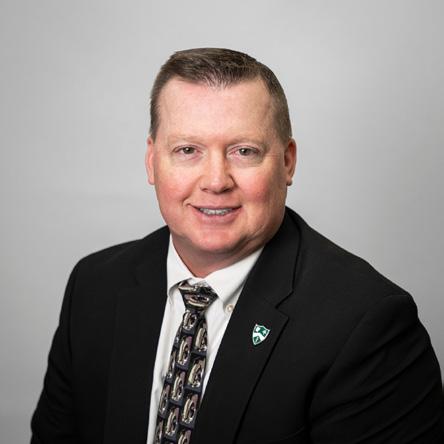
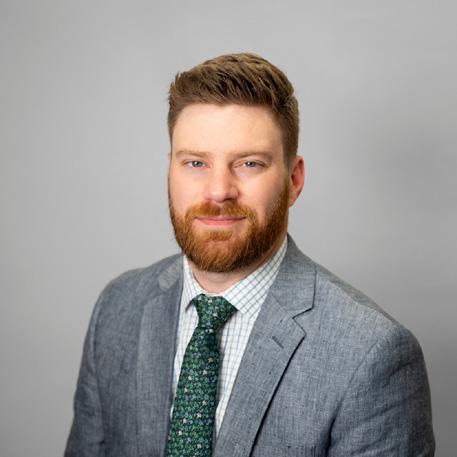


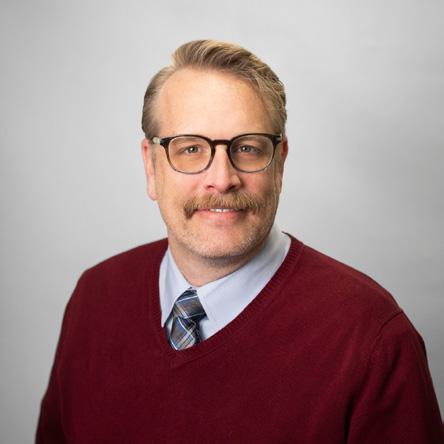





Kyle D. Parker, J.D.
Les W. Smith
Chris Brown, CPA
Joel Webb, MS President & CEO Senior VP & COS VP & CFO VP & CTO


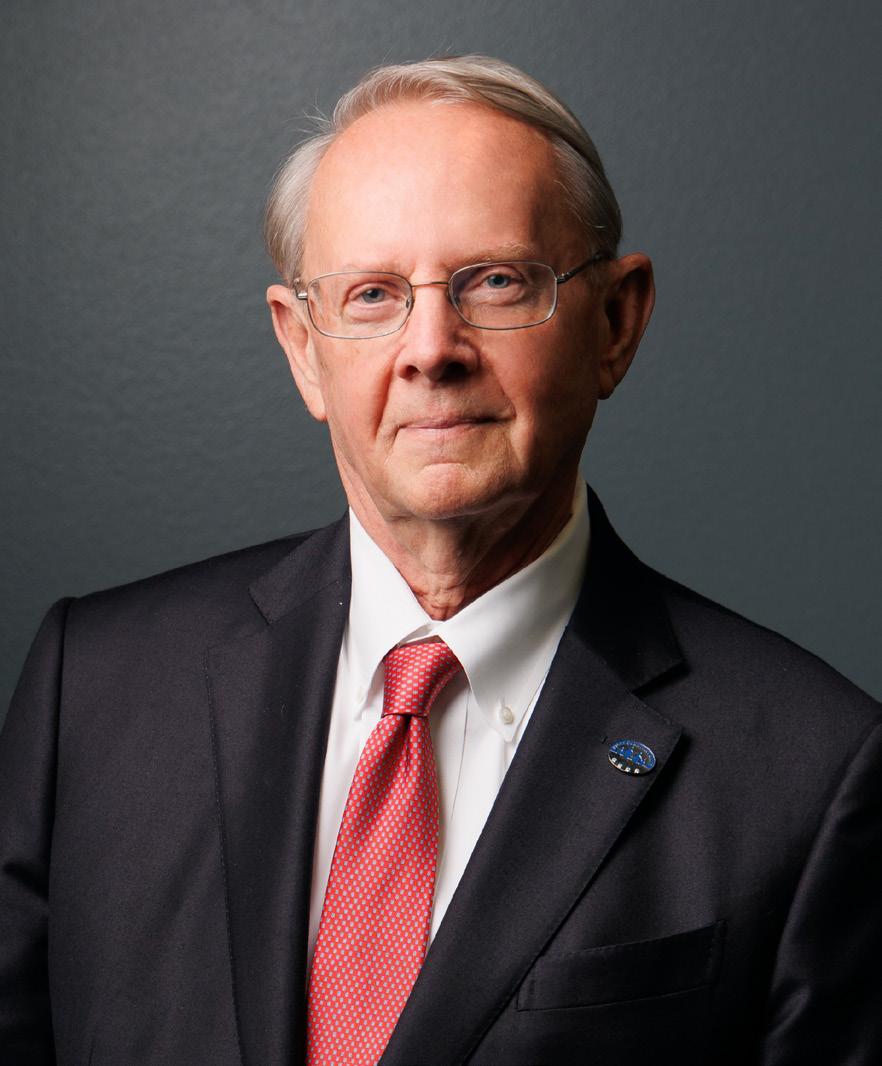
Dale Cole opened First Community Bank with a mission beyond building wealth. As chairman and CEO, Cole’s mission has remained steadfast: “To serve our customers with integrity, personal service and genuine care.”
After attending the University of Texas in Austin, Cole began working with his father in real estate, but after welcoming his children, Jonathan and Catherine, Cole shifted from his real estate career to a career in banking. Starting at a smaller bank, Texas Banking Trust, in 1974 is what Cole called “getting his feet wet.”
Cole navigated different roles with several Texas banks; however, he received a call in 1997 that would bring him and his family to the Natural State, where he would start and open First Community Bank as one of the organization’s founding members.
First Community Bank opened its doors in 1997, operating out of a Batesville location that soon grew to more than 30 locations across Arkansas and Missouri employing 575 professional bankers.
During the years of exponential growth, Cole said the bank’s mission was to create an atmosphere where banking was done differently.
“From the beginning, we focused on building
MORE TO THE MISSION
DALE COLE
FIRST COMMUNITY BANK CHAIRMAN & CEO
By Mary LeSieur
strong relationships, operating with honesty and accountability, and being deeply invested in the communities we serve,” Cole said. “Our goal was never to be the biggest bank — it was to be the most trusted.”
Banking is not a one-size-fits-all industry, and First Community emphasizes customized care for each of its communities. Using a client-first approach not only builds loyalty with customers but also strengthens communities and creates long-term partnerships, Cole said.
“We want our customers to know they can rely on us not just for financial services but for guidance and support at every stage of life,” he added.
Across its many locations, Cole has created a familial feel to every office. Cole said fostering a business with dedicated members is an integral part that truly makes a difference.
“We take the time to understand our customers’ needs,” Cole said. “Our local decision-making and relationship-based approach set us apart.”
In his role, Cole defines his leadership style as leading by example and participatory management. By implementing open communication, he has created an environment where employees feel valued and encouraged to grow.
“I try to nurture, care and push my employees every day,” Cole said. “I did that when we started the bank. I knew I would be successful if I could hire the right people.”
He added that among First Community Bank’s many strengths, accountability and honesty are the most important.
Since 1997, Cole has seen many changes and new beginnings that have cultivated his approach to challenges. To Cole, how one navigates the hurdles is how one’s brand differentiates itself.
“I believe in facing issues head on, staying grounded in our values and working collaboratively to find solutions,” he said. “We rely on experience, sound judgment and teamwork to navigate difficult situations while keeping our long-term vision in mind.”
Outside of the lengths he goes to when caring for his customers, Cole said implementing community connections is at the heart of the bank. Alongside his team, he pursues partnerships that pour into education, nonprofits, chambers of commerce and community organizations through sponsorships and volunteerism.
“Our employees are encouraged to be involved where they live and work,” he said. “We believe strong communities create strong businesses, and giving back is simply the right thing to do.”
Cole has accumulated more than 50 years of experience in finance and banking, and during his career, he has found a simple truth: “Banking is ultimately about trust and relationships.”
“When you treat customers like family, you naturally prioritize their best interests,” he said.




Bryan Bruich CFO
Nabholz
Bryan Bruich’s 25 years of accounting and finance experience combined with his license with the Arkansas Board of Public Accountancy positioned him as corporate controller at Nabholz in 2008. In 2014, he was promoted to Nabholz’s chief financial officer, for which he oversees the company’s accounting, human resources, legal and risk-management groups, as well as Nabholz’s surety and banking relations, investments and real estate developments. Over his 12 years as CFO, Nabholz has experienced exponential financial success, bringing in revenue of approximately $1.8 billion in fiscal year 2025.
Kendra Cain Chief Compliance Officer
Arvest Wealth Management
Kendra Cain is chief compliance officer at Arvest Wealth Management, for which she oversees investment and insurance compliance across four states. With more than 20 years of industry experience, Cain has held leadership roles, including chief compliance officer, at various financial institutions before joining Arvest in 2023. She specializes in navigating complex regulatory landscapes for dually registered investment advisors and broker-dealers. Cain holds the Financial Industry Regulatory Authority Certified Regulatory and Compliance Professional designation, is an Accredited Investment Fiduciary, and maintains Series 7, 66, 24 and 53 registrations. She has been an active member of the Bank, Insurance, and Securities Association for several years and is currently serving a threeyear term on the FINRA South Regional Committee.
Kelly Carney VP of Human Capital & Chief People Officer
Southwest Power Pool
Bret Carroll CEO
Conway Corp.
Will Carrouthers CFO
Southern Bancorp
Jim Carter Associate Vice Chancellor & CIO
University of Arkansas at Little Rock
The University of Arkansas at Little Rock is proud to welcome alumnus Jim Carter as associate vice chancellor and chief information officer. With more than 35 years of information technology leadership — including CIO roles at the Arkansas Department of Health and CARTI — Carter brings a deep expertise in high-stakes infrastructure and data center operations. A veteran U.S. Air Force intelligence officer, his career is defined by a commitment to public service and technical excellence. Carter’s vision focuses on collective impact, driven by three pillars: fostering a culture of candor, accelerating system growth and establishing robust knowledge sharing. By aligning cutting-edge technology with the university’s research mission, he ensures that when UA Little Rock’s people succeed, the entire university community thrives.
Joe Carter CEO Everbranch Capital Group
Joe Carter is the CEO of Everbranch Capital Group in Little Rock, where he leads strategic, financial and operational direction while shaping the firm’s long-term vision. With more than 20 years of experience as a stakeholder-focused operator and CEO, Carter has led Inc. 5000 companies, completed three successful exits, and built scalable merger and acquisition and integration platforms. A longtime business leader in Arkansas, he serves on the board of the Arkansas State Chamber of Commerce, previously chaired its political action committee, and formerly served on the board for Ronald McDonald House Arkansas & North Louisiana. He is a graduate of the University of Arkansas at Little Rock, has a Master of Business Administration from the University of Oxford in England and is an alumnus of the Harvard Business School in Boston, having completed its owner/president management program.
Lyndsay Carter Chief People Officer Farmers & Merchants Bank
Lyndsay Carter is chief people officer at Farmers & Merchants Bank of Stuttgart, where she leads the human resources and growth and impact departments. In her role, she focuses on strengthening the bank’s culture, supporting employee development and enhancing the overall team member experience across all markets. Carter joined Farmers & Merchants Bank in 2016 as a corporate executive assistant and was later promoted to chief legal officer. Her leadership background and deep understanding of the organization position her to align people strategies with the bank’s longterm vision. Carter earned a political science degree from the University of Arkansas in Fayetteville and a law degree from the University of Arkansas at Little Rock William H. Bowen School of Law. She is completing another program at the Graduate School of Banking at the University of Wisconsin.
Mike Chalenburg VP of Information Systems & Technology and CIO Harding University
Bailey Clark COO Flexion Point

Bailey Clark is chief operating officer at Flexion Point in Little Rock. With more than 15 years of experience in accounting, finance and operations, Clark combines technical expertise with a passion for building high-performing teams and scalable business processes. She began her career in public accounting and went on to serve as controller for an Arkansas-based construction company before joining Flexion Point to grow and manage daily operations. As COO, Bailey oversees strategy execution, team development and client operations, ensuring the firm delivers exceptional results while maintaining its core values of relationships first, executing relentlessly and leading with integrity. She takes pride in being a trusted local resource for Arkansas business owners, working to find creative solutions to help them succeed no matter their business need.
Dennis Clay CEO
Crews & Associates



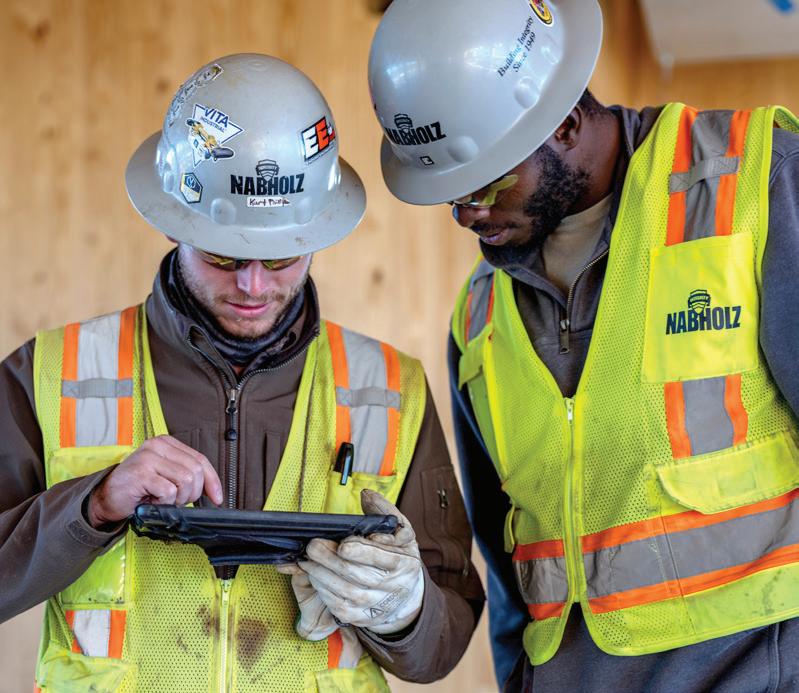
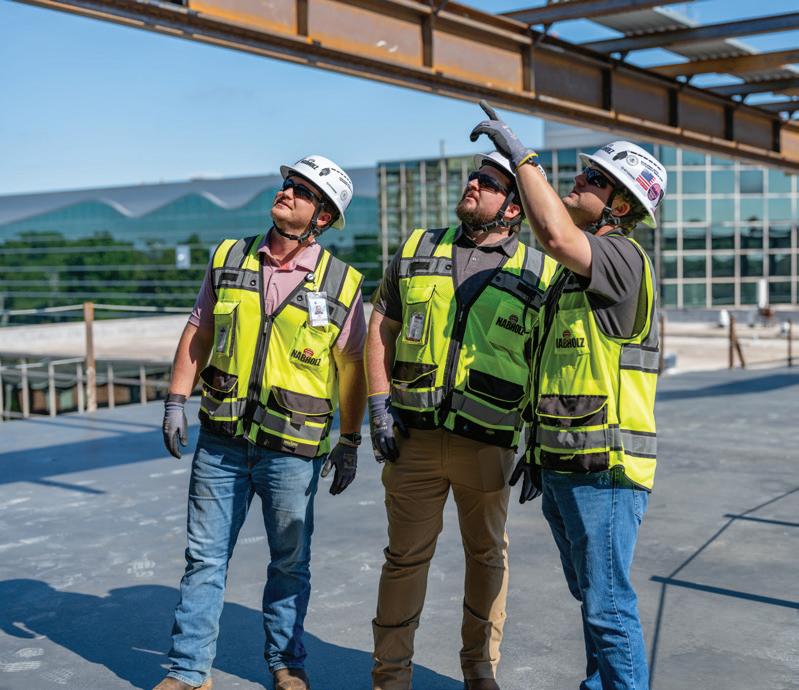
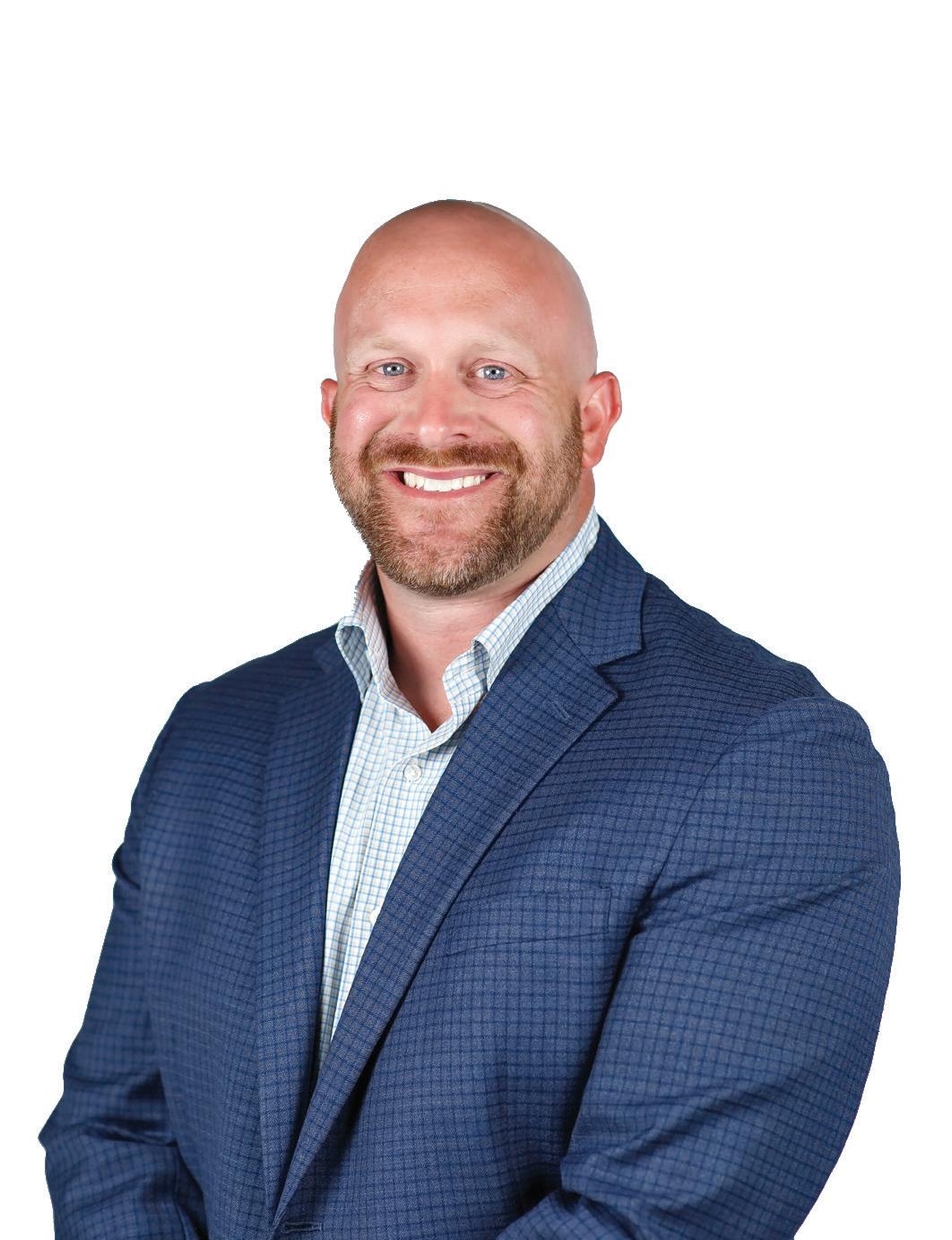

WE BUILD
Greg Cockmon CEO
Cromwell Architects Engineers

Greg Cockmon is CEO of Cromwell Architects Engineers, where he leads one of Arkansas’ most established design firms with a focus on innovation, service and strategic growth. A graduate of Southern Arkansas University Tech in Camden and the University of Arkansas Fay Jones School of Architecture and Design in Fayetteville, Cockmon joined Cromwell as an intern in 1989 and has helped shape the firm for more than 35 years. After 12 years as president, Cockmon has led a period of consistent growth; the firm is on pace to exceed 100 percent growth since he became CEO in 2020. He has expanded Cromwell’s geographic reach, including a fast-growing Charlotte, N.C., office, and recruited key team members to strengthen the firm’s position in core markets nationwide and abroad. He remains active in professional and community leadership initiatives across Arkansas.
Dale Cole Chairman & CEO
First Community Bank
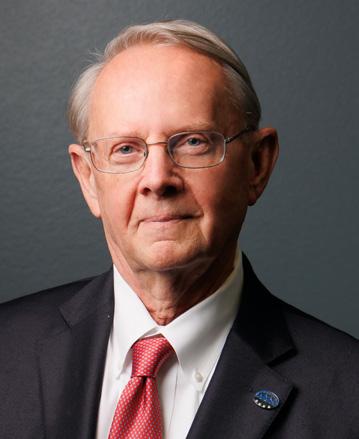
Dale Cole is the chairman and CEO of First Community Bank, a locally owned and managed financial institution that opened in 1997 in Batesville and currently operates 34 full-service branches in Arkansas and Missouri. Cole’s career in banking began in 1974 at Texas Bank and Trust Co. in Dallas. He then worked with First National Bank in Marshall, Texas, and became president of Bank of Texas in McKinney in 1983. Cole and his family relocated to Arkansas in 1988, when he was named chairman and CEO of Worthen Banking Corp. in Batesville. Nearly 10 years later, he joined with 153 local investors to form First Community Bank. First Community Bank opened for business at 710 St. Louis St. in Batesville with 14 employees and $3.5 million in capital. Today, it has grown to 650 employees and is proud to be the eighth-largest bank chartered in Arkansas. Cole previously served on the board of trustees at the Barret School of Banking in Memphis, the board of visitors at the University of Arkansas Community College-Batesville, the board of the chamber of commerce and economic development foundation in Batesville, Lyon College Advisory Counsel in Batesville, and the board of White River Medical Center and Future Fuel Chemical Co. in Batesville. Cole and his wife, Gayle, have two children, and their pride and joy are their two grandchildren.
Dr. Steven Collier Founder & CEO Arcare
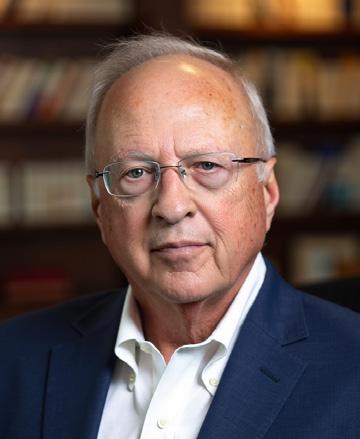
Dr. Steven Collier serves as CEO of Arcare. A native of Augusta, he earned his medical degree from the University of Arkansas for Medical Sciences in Little Rock and returned home in 1981 to establish White River Rural Health, the foundation of Arcare. A community physician at heart, Collier built the organization on a simple but powerful vision: accessible health care for every patient, regardless of circumstance. Under his leadership, Arcare has grown to more than 100 locations across Arkansas, Kentucky, Mississippi and Tennessee. He has also served in numerous leadership roles statewide and nationally, advocating for community health and improved access to care.
Andrew Covington CFO Arkansas Surgical Hospital
Cody Crawford Founder & Chief Visionary Officer
C.R.
Crawford Construction
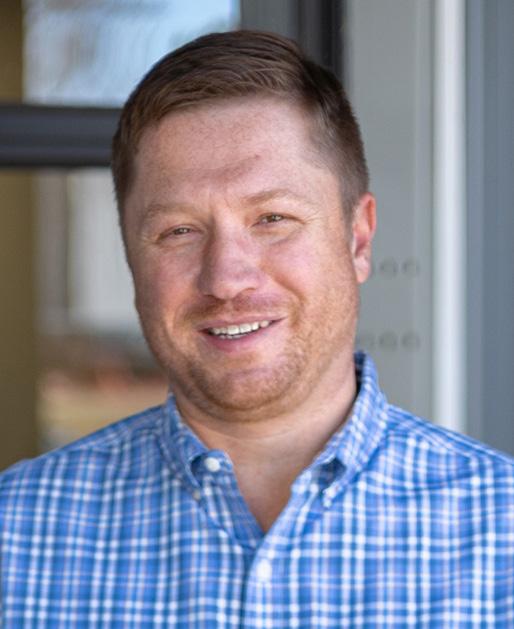
Drawing on years of experience in the commercial construction industry, Cody Crawford launched C.R. Crawford Construction in Fayetteville in 2006 to deliver a more personalized, client-focused experience. Grounded in integrity, dependability and clarity, he has led the firm’s growth into an industry-leading organization. Now celebrating 20 years in business, C.R. Crawford has completed more than 975 projects across the United States. “This kind of growth takes grit and determination, and I credit it to an exceptional team,” he said. “We built this company to redefine the industry through service and performance. This year is our 20-year milestone, and it’s a testament to the relationships we’ve built and the trust our clients place in us every day.” As chief visionary officer, Crawford drives strategic growth, strengthens client relationships, and champions innovation that benefits employees, partners and owners alike. He has a Bachelor of Science in construction management with a minor in finance and real estate from the University of Arkansas at Little Rock.
M. Lane Crider, CEO
Beaver Water District
Kelly Davis Chief Trust Officer
Farmers & Merchants Bank
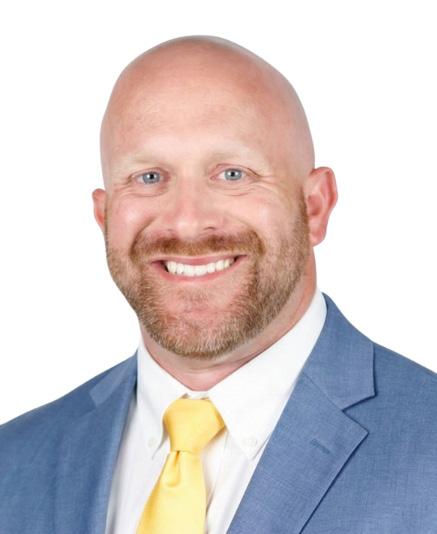
Kelly Davis serves as chief trust officer at Farmers & Merchants Bank of Stuttgart, leading the trust and wealth management department from the Morrilton branch. In his role, he oversees fiduciary services and works closely with families and businesses to help protect and grow their financial legacies. Davis brings nearly 15 years of financial services experience, including a decade at the Arkansas State Bank Department, where he most recently served as certified bank examination manager-trust supervisor. His background also includes experience in trust and brokerage operations, as well as time as a licensed financial adviser. A Batesville native, Davis earned a finance degree from the University of Central Arkansas in Conway and lives in Fayetteville.
William “Cody” Decker Vice Chancellor for Student Affairs & Chief Data Officer
University of Arkansas at Little Rock
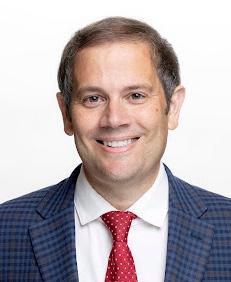
William “Cody” Decker serves as vice chancellor for student affairs and chief data officer at the University of Arkansas at Little Rock, providing executive oversight of enrollment management, financial aid, student services, auxiliary operations and institutional analytics. Since 2020, Decker has helped achieve the university’s first enrollment increase in more than 15 years, boosting freshmen, transfer and overall undergraduate enrollment through data-informed strategies, cutting-edge recruitment initiatives and new corporate partnerships. Decker is a member of the Arkansas Academy of Computing, serves on the board of the EAST Initiative and is a graduate of Leadership Arkansas Class XVII. He has a Ph.D. in integrated computing, a master’s in information quality, a Master of Business Administration and multiple industry certifications.
Kerrie Diaz CEO
Snyder Environmental
Marcy Doderer President & CEO
Arkansas Children’s



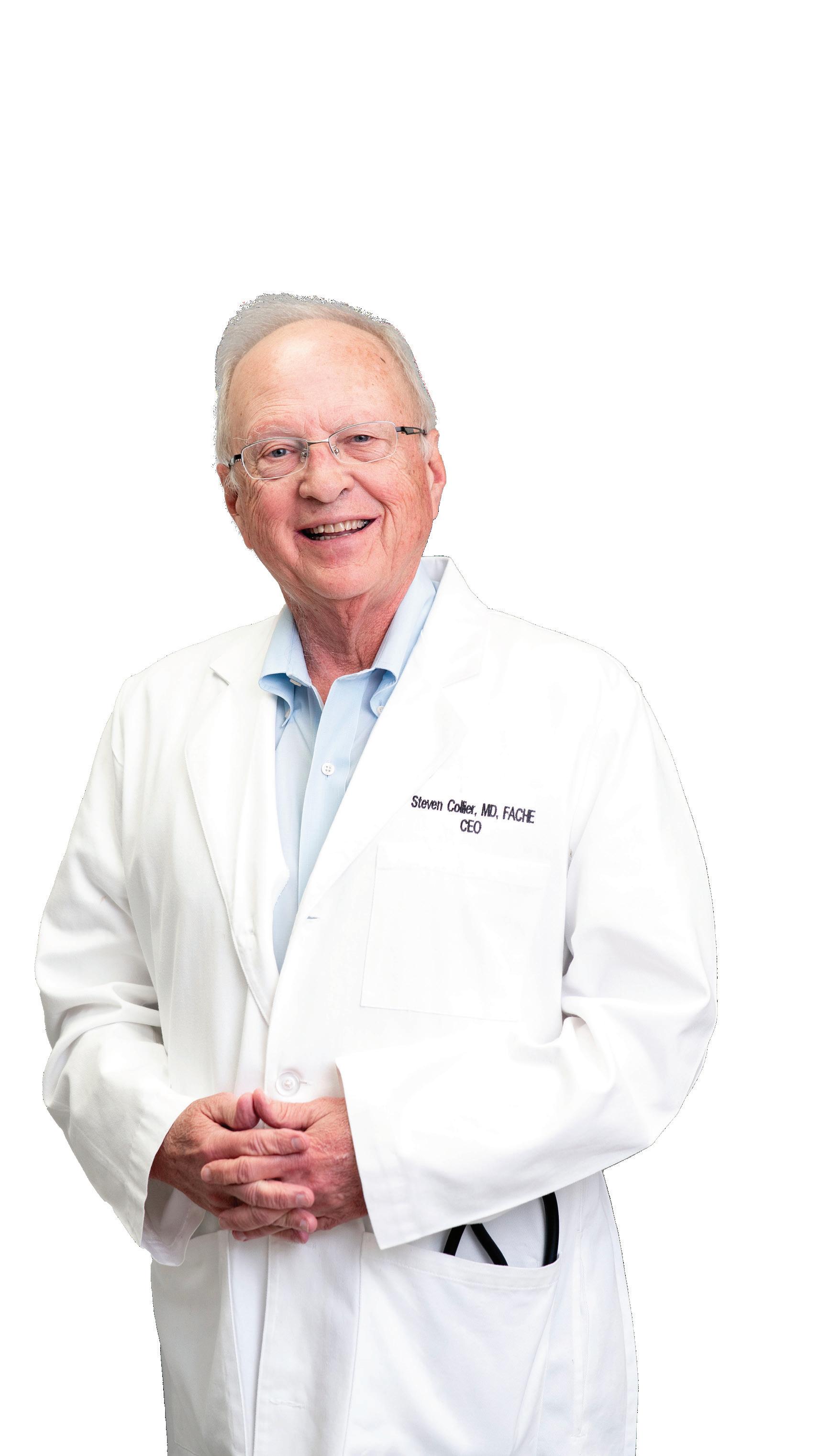
Mark Doramus CFO
Stephens
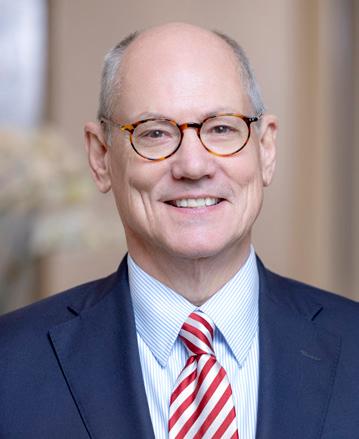
Mark Doramus is chief financial officer at Stephens. He began his career as a certified public accountant at Arthur Andersen & Co. in Dallas in 1980. He joined Trammell Crow Co. in Dallas in 1983. In 1988, he joined the corporate finance department at Stephens and, in 1996, was named chief financial officer. He graduated from Rhodes College in Memphis with a degree in economics/business and received his master’s in real estate from Southern Methodist University in Dallas.
Maegan Dyson Chief Development Officer
Conway Regional Health System
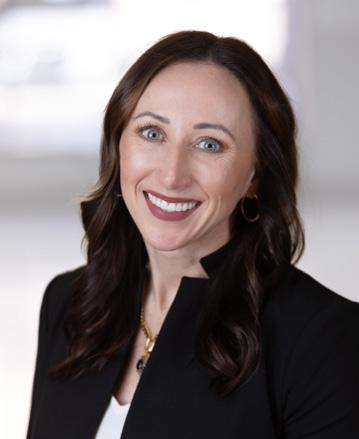
Maegan Dyson is the chief development officer for Conway Regional Health System, where she is responsible for leading the Conway Regional Health Foundation, the organization’s fundraising arm. The foundation serves central Arkansas by funding the needs of the community through advocacy, strategic relationships and financial support of the Conway Regional Health System. As CDO, Dyson oversees all aspects of the organization’s fundraising efforts and manages the foundation’s relationship with the health system through her role on the executive administrative team. Dyson joined Conway Regional in 2022, coming from the University of Central Arkansas in Conway, where she served as assistant vice president for development. In total, she has 15 years of experience in development work, including annual giving and events, major gift fundraising, grant writing and management. She is an alumnus of the Conway Area Leadership Institute and the Arkansas State Chamber of Commerce Leadership Arkansas program. She earned her Bachelor of Arts in marketing and a Master of Business Administration from the University of Central Arkansas and obtained her Certified Fund Raising Executive certification in 2020.
Steve Edwards CEO GES
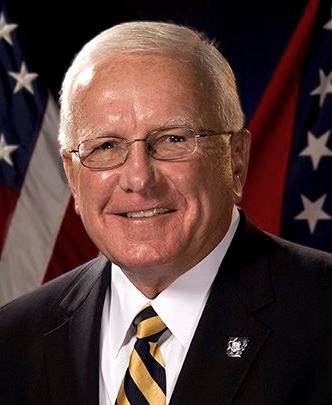
Steve Edwards is chairman and CEO at GES, the Marianna-based company behind Edwards Food Giant and Edwards Cash Saver stores. Steve’s father, Oral Edwards, entered the grocery business as assistant manager of a store in Tennessee in 1959 and, within three years, became part owner of Liberty Supermarket in Forrest City, after which he and his partners opened several more stores, consolidated under the GES umbrella in 1968. Steve started as store manager in 1975 after graduating from Arkansas State University in Jonesboro. His wife, Laura, is also involved with the company, as is his son, Steve Jr., and son-in-law, Paul Rowton. Steve Edwards has led the company to incredible growth; down to only three stores at one point in its history as the supermarket landscape shifted to accommodate the rise of industry giants, GES now has 15 locations between its Food Giant and Cash Saver brands. After expanding to Little Rock during the 2010s, Edwards opened or remodeled 12 locations over 15 years.
J. Bradford Eichler COO Stephens
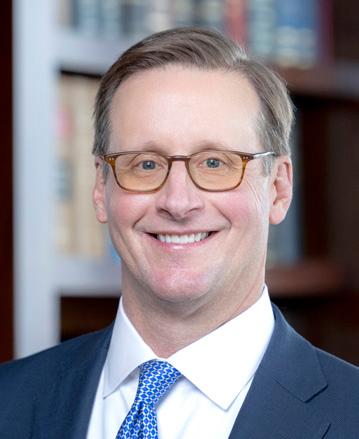
Brad Eichler is chief operating officer at Stephens, where he oversees the firm’s business divisions, which include Stephens Capital Management, fixed income sales and trading, institutional equities and research, investment banking, private wealth management, and public finance. Eichler works directly with Miles and John Stephens, the company’s CoCEOs, and serves on the firm’s executive committee. He brings 33 years of experience and a deep appreciation of Stephens’ culture to the role. Prior to his appointment as COO in 2023, Eichler headed Stephens Investment Banking division from 2007. During his tenure, he helped grow Stephens Investment Banking to more than 260 professionals across nine major markets in the U.S. and launched Stephens Europe Limited in London and Frankfurt. Eichler joined Stephens in 1991 as an associate in the firm’s research department. In 1993, he became an analyst covering the property and casualty insurance industry. In 1999, he began to focus on building the firm’s research effort in information technology and services and was named director of research in 2006. He began his career with Merrill Lynch Capital Markets. He has a Bachelor of Business Administration in finance from the University of Arkansas at Little Rock and earned the designation of Chartered Financial Analyst in 1995. Eichler serves on the board of directors for the Securities Industry and Financial Markets Association.
Doug Elms Founder SafeHaven Security Group
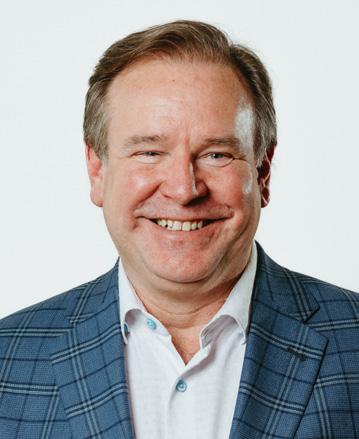
Doug Elms is an expert in behavioral threat assessment and management, executive protection, keeping people safe, and protecting clients’ brands. As a former police officer in what has been known as “the most dangerous small city in America,” Elms gained extraordinary experience understanding violent behavior while managing thousands of violent crime investigations and arrests. Elms was recognized by White House agencies for his work in protective intelligence and dignitary protection during Bill Clinton’s presidential campaign in Little Rock. Elms founded the Risk Intelligence Sharing Consortium and the Violence Prevention Conference of Mid-America. In 2024, Gov. Sarah Huckabee Sanders appointed Elms as a commissioner to the Arkansas Judicial Discipline and Disability Commission.
Julie Embry CEO & COO EngageMED
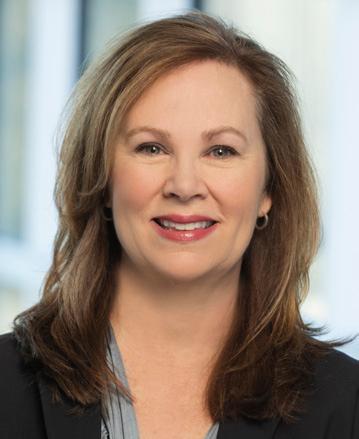
Julie Embry serves as chief operating officer at EngageMED in North Little Rock, a physician practice management company focused on helping practices operate more effectively and sustainably. With more than 25 years of experience in health care management, Embry brings a thoughtful, collaborative approach shaped by work across a wide range of care settings. Since joining EngageMED in 2013, Julie has worked closely with physicians and internal teams to support the organization’s steady growth and strengthen client relationships. Under her leadership, EngageMED provides management services, revenue cycle support and operational guidance designed to meet the practical day-to-day needs of today’s health care practices. Her experience includes primary care, specialty and hospital-affiliated environments with particular focus on change management, team development and aligning operational structures with physician priorities.
Congratulations JULIE EMBRY-CEO on being recognized by AMP for your leadership. Thank you for your commitment to providing excellent service to our providers and their practices.
5410 Northshore Ct., North Little Rock 501-224-1690 | engagemed.com
EngageMEDInc | engagemed
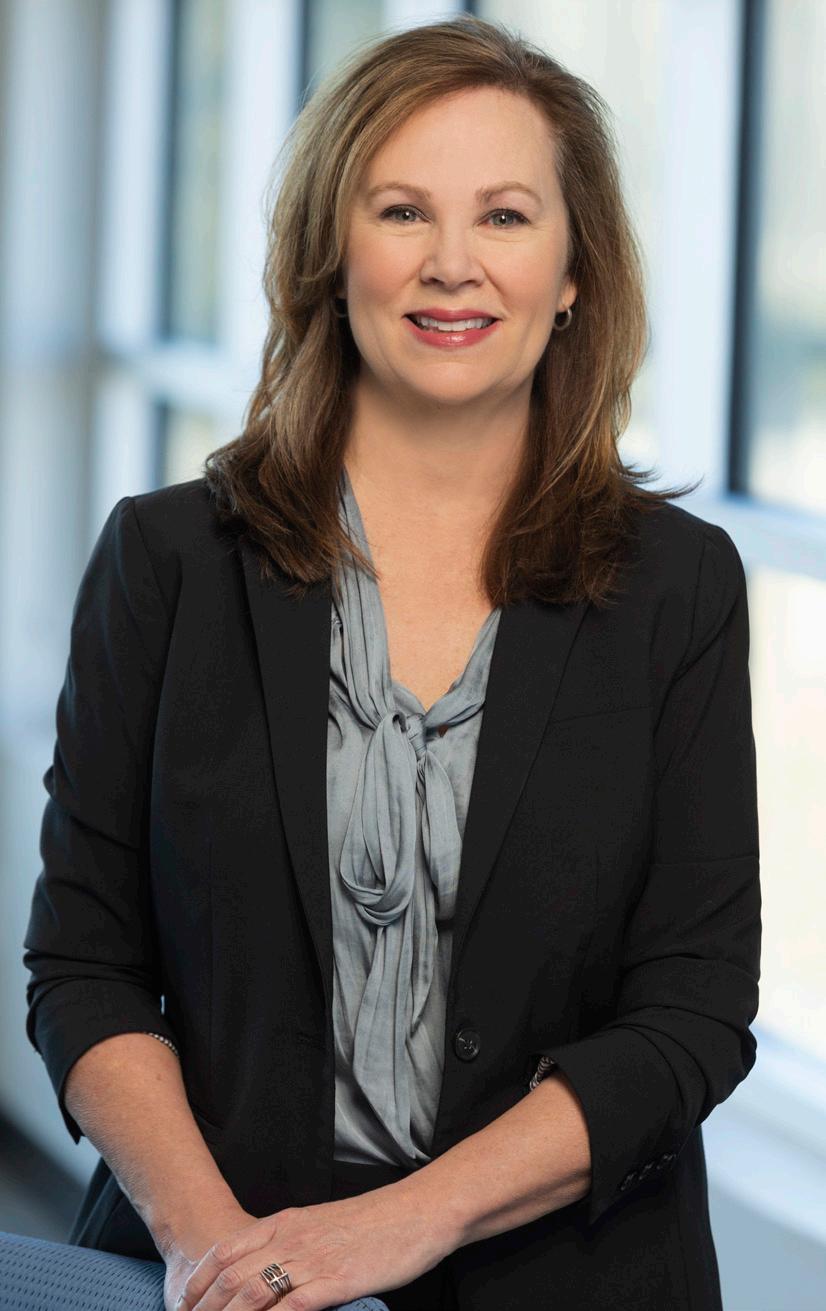

Doug Elms is an expert in behavioral threat assessment and management, executive protection, in keeping people safe, and protecting clients’ brands. As a former police officer, in what is known as “The Most Dangerous Small City in America”, Doug gained extraordinary experience understanding violent behavior while managing thousands of violent crime investigations and arrests. Doug was recognized by White House agencies for his work in protective intelligence and dignitary protection during Bill Clinton’s presidential campaign in Little Rock.
During his 24-year career at the world’s largest company, Doug was personally responsible for the protection of three CEO’s, executives, and board members in the U.S. and during travels in over 60 countries.
Doug founded the Risk Intelligence Sharing Consortium (RISC), the Violence Prevention Conference of Mid-America, and in 2024 Governor Sarah Huckabee Sanders appointed Doug as a Commissioner to the Arkansas Judicial Discipline and Disability Commission.


Kim Eskew Chairman & CEO
Harps Food Stores
Chris Evans President & CEO
Arvest Mortgage

Chris Evans is the president and CEO at Arvest Mortgage Division, a role he stepped into in 2024. With over 25 years of experience in the finance industry, he joined Arvest Bank in 2006 and previously served as director of finance for Arvest for more than a decade. During his tenure, he has led numerous strategic growth initiatives across the organization, including building the bank’s process improvement and intelligent automation program. Evans is a graduate of Oklahoma State University and is a certified public accountant. He also obtained the Certified Strategic Financial Leader designation from Stanford University Graduate School of Business in California.
Boyd Evert CEO
Harvest Revenue Group
Jason Evins CFO
C.R. Crawford Construction
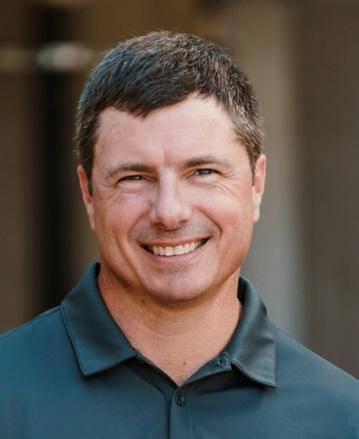
Jason Evins brings more than 20 years of financial, real estate and operational leadership experience to C.R. Crawford Construction in Fayetteville. Since joining the company in 2016, he has played a pivotal role in its tremendous growth, helping position CRCC as the largest construction company headquartered in northwest Arkansas. Under Evins’ financial stewardship, the company has remained debt free, substantially increased bonding capacity, and maintained workforce stability, even during periods of economic uncertainty. Known for his ethical, analytical and people-centered leadership style, Evins ensures the company remains both financially strong and strategically agile. He holds accounting and Master of Business Administration degrees from the University of Arkansas in Fayetteville and is active in regional civic and alumni leadership organizations. Evins serves as a board member of the Northwest Arkansas Land Trust and is a member of the University of Arkansas Walton College MBA Alumni Advisory Board.
Rebekah Fincher Chief Administrative Officer
Conway Regional Health System
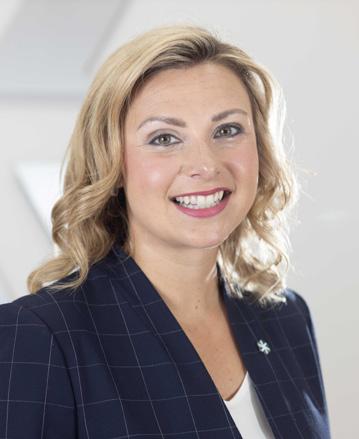
Rebekah Fincher serves as the chief administrative officer at Conway Regional Health System, where she leads strategic growth and business development. She plays a key role in fulfilling the health system’s mission to provide quality health care in central and north central Arkansas. Fincher has helped recruit numerous physicians and led acquisitions, including three primary care clinics and specialty centers in neurology, orthopedics, gastroenterology and maternal-fetal medicine. She also oversees Conway Regional’s graduate medical education programs, offering training opportunities to more than 30 physicians annually. She was named 2019 C.E. Melville Young Administrator of the Year and was recognized as part of AY About You’s “Intriguing Women” in 2020. A community leader, she is involved in multiple civic organizations and has served in leadership roles with the University of Central Arkansas in Conway and Delta Zeta.
Ryan Flynn President Network Services Group
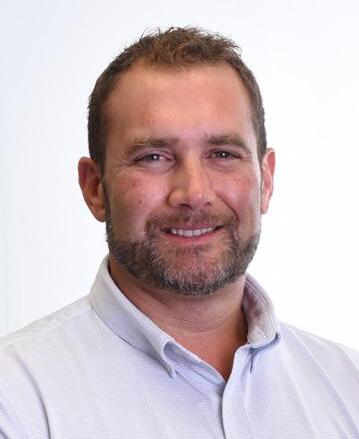
In 2013, Ryan Flynn was named president of Network Services Group, a company that provides information technology support and voice over internet protocol telephone solutions for many businesses across the state. Under Flynn’s leadership, NSG has grown from 11 employees and a single location in North Little Rock to more than 75 employees and three locations in Arkansas. Flynn also has served as president of the Cabot Rotary Club, two terms on the city council of Cabot, on the Cabot Parks and Recreation Commission, and on the Lonoke County Election Commission.
Greg Fogle COO Nabholz
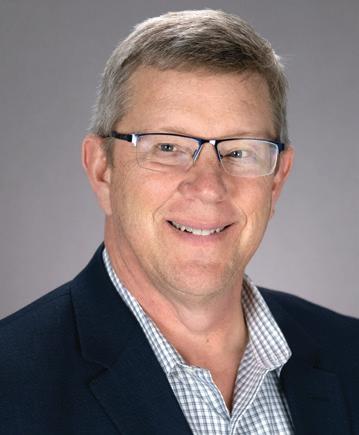
Greg Fogle joined Nabholz in 2004 as vice president of project management in Rogers. Over the years, he transitioned to executive vice president of operations and then to regional president. In 2018, he was named chief operating officer. He is a member of the Design Build Institute of America, Associated General Contractors, and Associated Builders and Contractors. A firm believer in community service, Fogle has served as a member of the YMCA of northwest Arkansas, the Bentonville Chamber of Commerce and the board of trustees for the United Methodist Church of Bentonville.
Brian Fowler CEO Arkansas Surgical Hospital
Traci Fox COO
OrthoArkansas
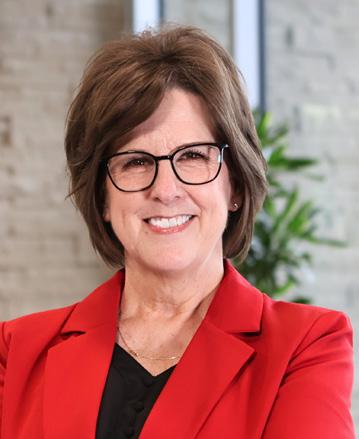
Traci Fox is chief operating officer at OrthoArkansas, Arkansas’ largest private orthopedic group. With 37 years of health care experience — primarily in orthopedics — she has built her career through a commitment to growth and operational excellence. Beginning on the clinical side, she developed a strong foundation in patient care before expanding into reimbursement and revenue cycle operations. Her passion for learning and leadership guided her ascent to executive leadership. Over her tenure, she has seen two mergers, expanded service lines, opened new locations and, recently, watched as OrthoArkansas broke ground on a new ambulatory surgery center.
Charley Gardner Director of Retirement Plan Services
Meridian Investment Advisors
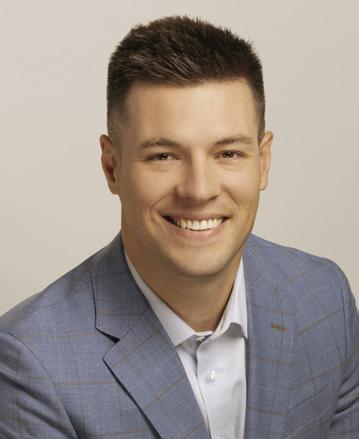
Charley Gardner serves as director of retirement plan services at Meridian Investment Advisors in Little Rock, where he leads one of the firm’s largest and fastest-growing practice areas. He advises plan sponsors on qualified retirement plans, including 401(k), profit sharing, and 457 and 403(b) plans, providing strategic guidance, fiduciary support and investment oversight. Gardner plays an integral role in strengthening client relationships and advancing the continued growth and development of Meridian’s retirement plan services. Administering retirement plans can be taxing for executive and human resources teams. Gardner’s hands-on approach emphasizes simplicity, allowing clients to stay focused on their most important goals. A Little Rock native, Gardner earned his degree in accounting at the University of Central Arkansas in Conway.

FUNDAMENTALLY INNOVATIVE
SCOTT HAMBUCHEN
FIRST ORION CEO

By Mark Carter
chief product officer, said he relies on the same core skills in his new role.
“In many ways, I continue to leverage the same core skills I relied on as chief product officer: problem-solving, innovation, customer engagement and clear communication with employees,” he said. “Those fundamentals don’t change. What has expanded significantly is the scope of responsibility. As CEO, I am deeply involved in setting company-wide goals, defining financial targets, engaging with our board, and representing the company externally through interviews and industry discussions. The most important shift, however, has been the heightened emphasis on people leadership. Ensuring alignment across the organization, communicating vision and priorities clearly, and fostering a strong culture are paramount. Leadership at this level is about enabling others to succeed.”
Before joining First Orion in 2011, Hambuchen worked under Morgan for 18 years at Conway-based Acxiom, including several years in London as managing director of Acxiom’s European operations. Now going on 15 years with First Orion, Hambuchen has been a part of some meaningful innovation. He even spearheaded the launch of First Orion’s office in Dubai.
Asked to describe the success and growth of his company, CEO Scott Hambuchen called First Orion a “17-year overnight success.”
Founded as PrivacyStar by former Acxiom CEO Charles Morgan in Little Rock and now based in North Little Rock’s Argenta Arts District, the awardwinning telecom technology provider has grown to more than 300 employees in three countries through its call-authentication and spam-protection services.
Growth aside, the firm continues to operate with the energy and mindset of a startup and a focus on fundamentals, Hambuchen said. A 2021 deal to help provide caller ID and other call data on T-Mobile phones helped, he added.
“We are constantly looking ahead, listening carefully to our customers and partners, identifying emerging needs, and innovating to meet them,” Hambuchen said. “That entrepreneurial spirit has remained central to our growth. It’s not just about scale; it’s about staying agile, customer focused and forward thinking as the communications landscape continues to evolve.”
Given the ever-changing world of phone tech, staying lean is key to that evolution. The Conway native and graduate of the University of Arkansas in Fayetteville, who was promoted to CEO in late 2024 after serving as

The First Orion social media team has dubbed him “Spam Slayer.” Innovation he has overseen includes the launch of INFORM, the company’s brand-calling solution that enables businesses to display their name, logo and reason for call; SENTRY, an authentication and spoof-proofing service; the ENRICH branded messaging solution; and, of course, the collaboration with T-Mobile.
“Collaboration has always been at the core of our success,” he said. “All these launches further our mission to restore trust and transparency in the communications space while protecting businesses and their consumers.”
In between Acxiom and First Orion, Hambuchen served as president of Boston-based Gryphon Networks, a risk-management product and service provider. He said every past experience has helped shape how he leads but noted that his time at Acxiom had a profound influence on how the team at First Orion operates.
“Many members of our team also built their careers there, which created a shared foundation and understanding of disciplined execution and customer focus,” he said. “We adopted many of the strengths from that environment while refining and improving processes based on the needs of our own organization. At the same time, we’ve introduced new ways of working shaped directly by employee input. First Orion’s culture is built by its people.”
Looking ahead, First Orion is exploring how best to leverage artificial intelligence in its space.
“Our focus remains on enabling businesses to secure and brand their communications, whether through voice or messaging, in ways that build trust and improve engagement,” Hambuchen said.
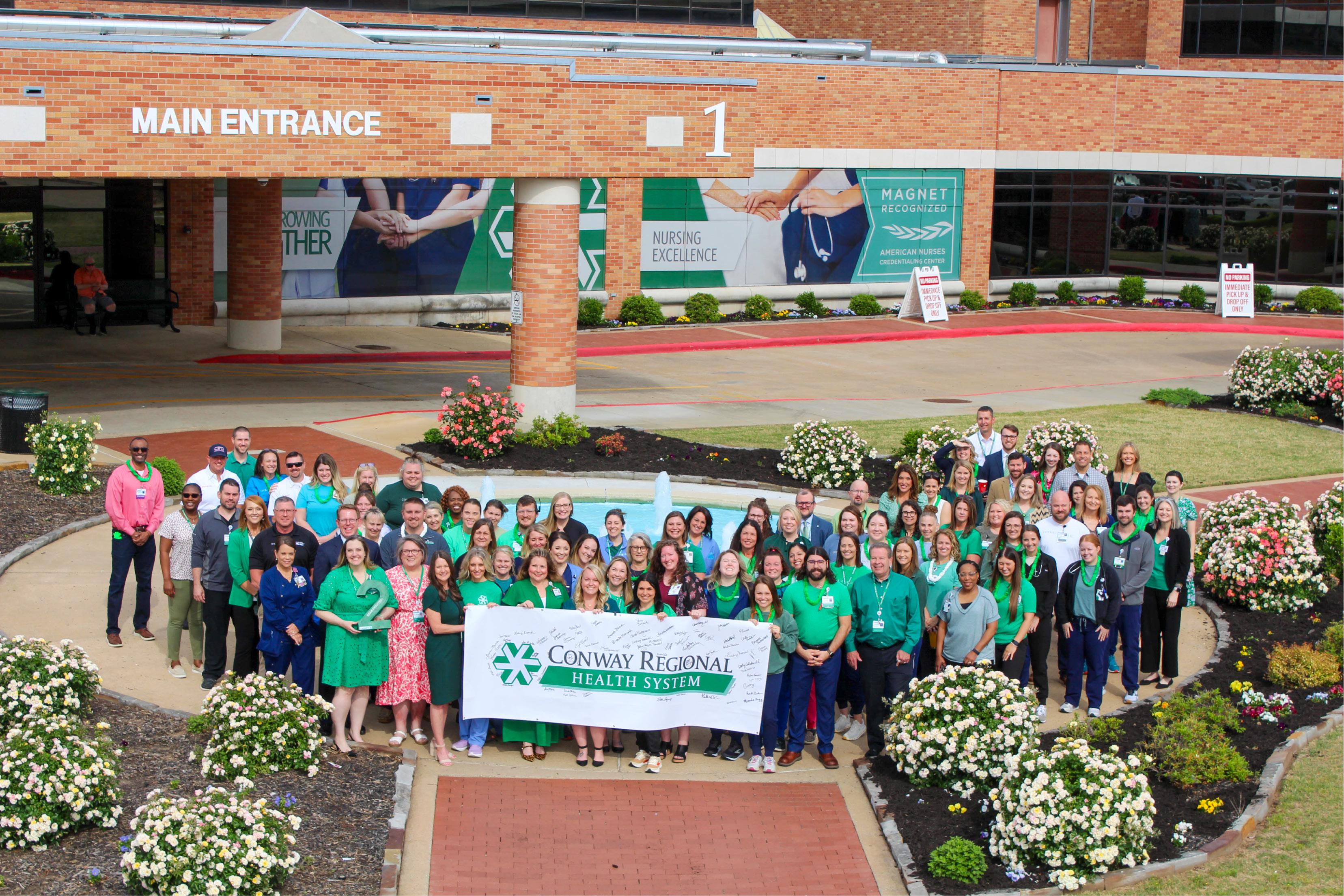
Built on Community. Defined by Care. At Conway Regional, our culture thrives on connection, compassion, and community. We're not just seeking exceptional skills—we're looking for compassionate hearts committed to creating refreshingly personal patient experiences. Here, healthcare is never mass-produced. It's intentionally curated, blending familiarity with fierce commitment. Visit ConwayRegional.org/Jobs for information on opportunities to join the Conway Regional family.
Scott Gardner CFO
ACC Capital
Stephanie Gardner Provost & Chief Strategy Officer
University of Arkansas for Medical Sciences
Grant Garrett CEO
Garrett Excavating
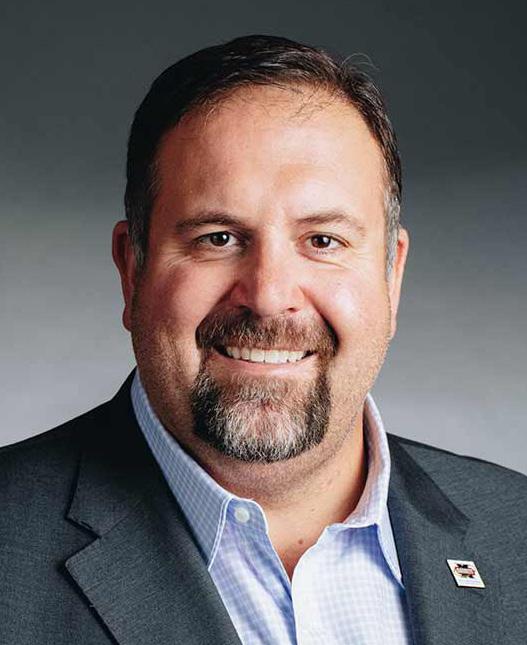
Grant Garrett is CEO of Garrett Excavating, a company founded in 1950 in Hot Springs by his grandfather Irvin Garrett. Working alongside his grandfather and father for many years, Grant honed his operational skills, demonstrating his potential to lead the company into the future. After a football career with the Arkansas Razorbacks and a stint in the NFL, Grant and his father, Gilbert Garrett, revived the business in 1999 after Gilbert sold the company in 1997. In 2015, Grant purchased his father’s shares of the business, and as of 2024, Grant and his two partners have rebuilt the culture within Garrett Excavating while expanding the company’s footprint with locations in Benton and Rogers.
Erin K. Gattis CHRO
ArcBest
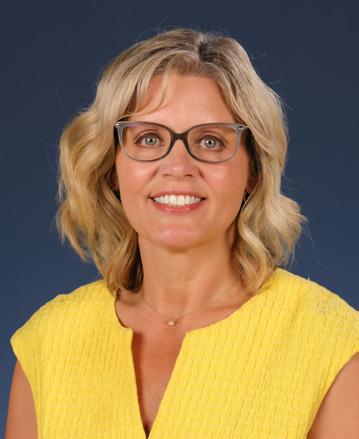
Erin Gattis is the chief human resources officer at ArcBest. With more than 25 years of experience, she leads the teams responsible for the company’s learning and development and succession planning programs, talent acquisition, employee experience, HR, payroll, benefits, compensation and workforce analytics. She also champions the company’s total well-being and belonging programs. Various corporate governance responsibilities also fall under her leadership. Under Gattis’ guidance, the people at ArcBest have an opportunity to achieve tremendous personal and professional growth, and the company’s customers, partners and other stakeholders benefit. Her dedication to strengthening the company’s values-driven culture has made ArcBest one of the best companies to work for in the nation; career mobility across the company has increased, while turnover remains significantly lower than logistics industry averages.
Bryan Gibbs Chief Support Officer
Conway Regional Health System
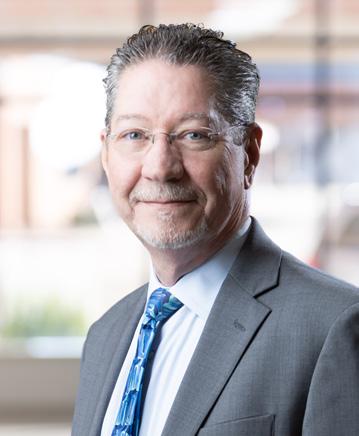
Bryan Gibbs, a highly accomplished professional and veteran of the U.S. Navy, brings a disciplined, mission-driven approach to health care administration at Conway Regional Health System as chief support officer. Gibbs began his career at Conway Regional in 2001 as director of materials management. He now oversees supply chain, plant operations, environmental services, safety and security, telecommunications, food and nutrition services, clinical engineering, property management, and all construction and renovation initiatives. Through his extensive experience and steady leadership, Gibbs has played a pivotal role in advancing operational efficiency, supporting organizational growth and enhancing the overall effectiveness of Conway Regional Health System.
William Giles CEO
Magnolia Regional Medical Center
Chris Gosnell President & CEO
Farmers Bank & Trust
Gerald Gregory CEO
Songbyrd Development Enterprises
Veronica Gregory CFO
Songbyrd Development Enterprises
Donna Hall SVP & CFO
Bank of Little Rock
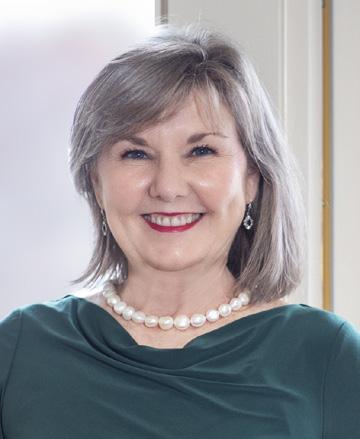
Donna Hall is senior vice president and chief financial officer at Bank of Little Rock, where she oversees financial strategy, regulatory reporting, accounting, human resources and the bank’s asset-liability and interest rate riskmanagement efforts. She has been a key leader in the bank’s multiyear balance-sheet restructuring, guiding the bank’s capital strategy and long-term financial planning while working side by side with her colleagues to support the bank’s future growth. Hall’s work and leadership were recognized statewide in 2025, when she was named one of Arkansas Money & Politics’ “Top 100 Professionals,” honored as an “Influencer of the Year” recipient and selected for other accolades.
Tammy Hall CFO
Harding University
Jerry Halsey Jr. President & CEO
Halsey Real Estate
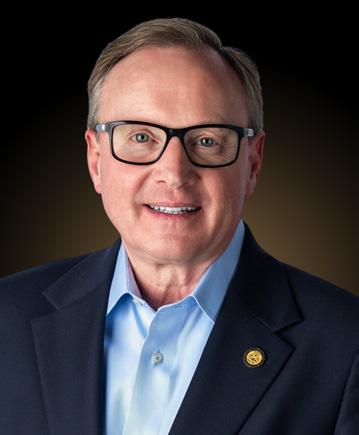
Jerry L. Halsey Jr. is president and CEO at Halsey Real Estate, a fourth-generation family business based in Jonesboro. A graduate of Arkansas State University, Halsey recently completed his term on the Arkansas Real Estate Commission, serving as chairman in 2025. He was also appointed to a 10-year term on the Arkansas Highway Commission, where he focuses on strengthening infrastructure and supporting economic growth across the state. Jerry and his wife, Cheri, have two daughters, Taylor and Olivia.
Scott Hambuchen CEO
First Orion
Russ Hannah CFO & Vice Chancellor for Finance & Administration
Arkansas State University
Jon Harrell CEO & Chairman
Generations Bank
Lynn Hawkins Chief Membership & Engagement Officer
Arkansas Rural Health Partnership
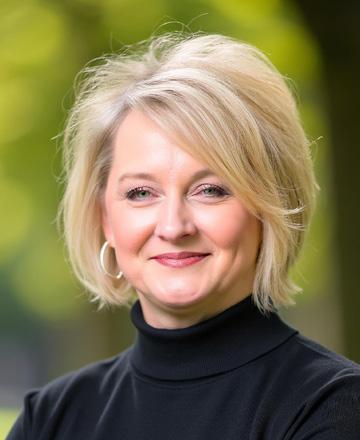
Lynn Hawkins serves as chief membership and engagement officer at the Arkansas Rural Health Partnership, where she is known as one of the organization’s most trusted relationship builders and champions for health care collaboration across Arkansas. Her connection to ARHP runs deeper than a job title. Since 2005, Lynn has worked alongside founder and CEO Mellie Boagni in rural health network development, helping lay the foundation for what ARHP is today. Her loyalty to the organization’s mission, its member organizations and the people behind the work has remained steadfast for two decades. Hawkins leads ARHP’s membership engagement strategy and manages 19 professional roundtables that connect health care leaders statewide, creating trusted spaces for collaboration and shared problem-solving. Known for her humility, consistency and ability to bring people together, Hawkins has spent more than two decades building the relationships that make collaboration possible — and ARHP is stronger and continues to grow because of her leadership.

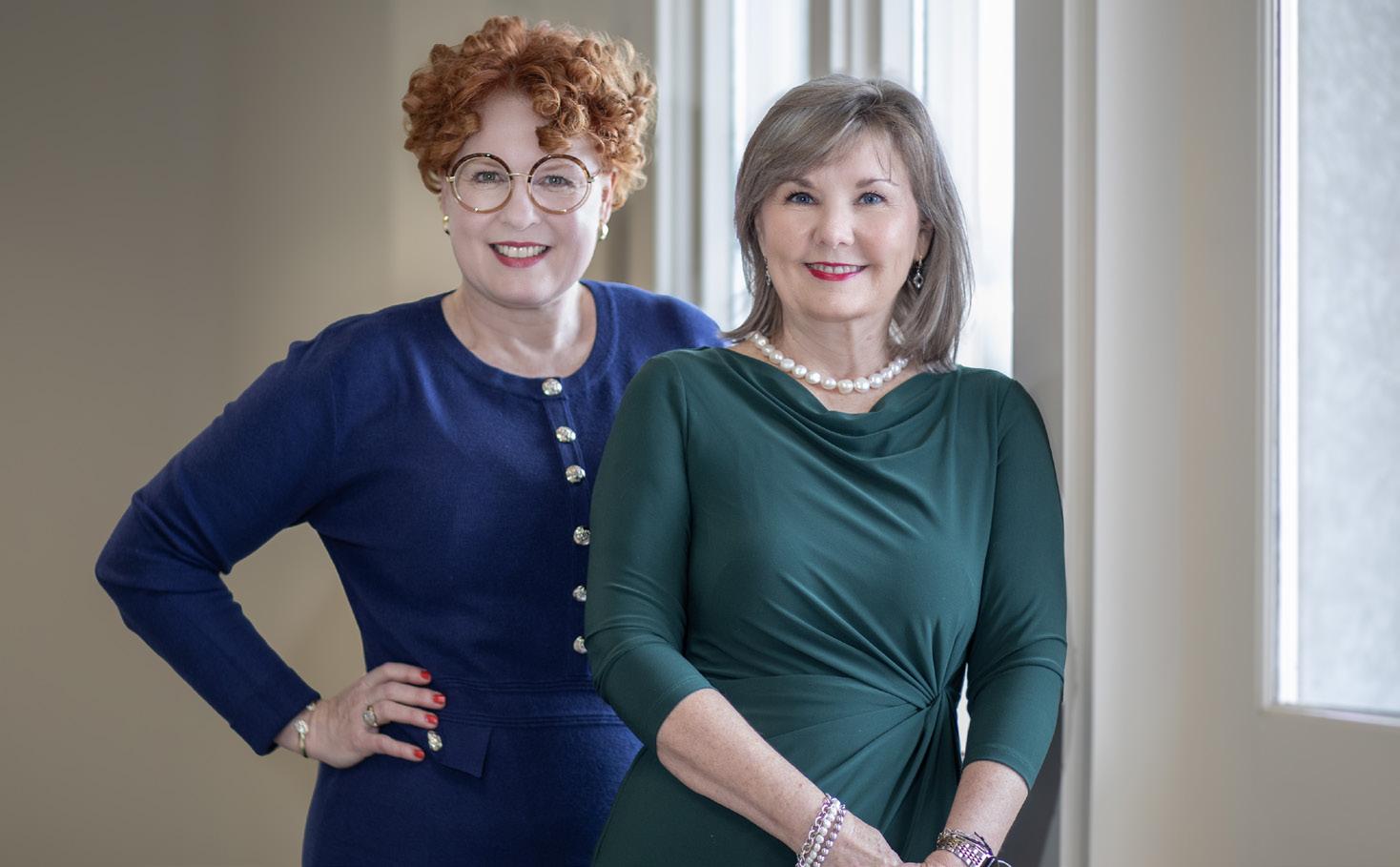

Congratulations to Kimberly Markland-CEO, and Donna Hall-CFO on their 2026 selection as C-Suite Executives for AMP.

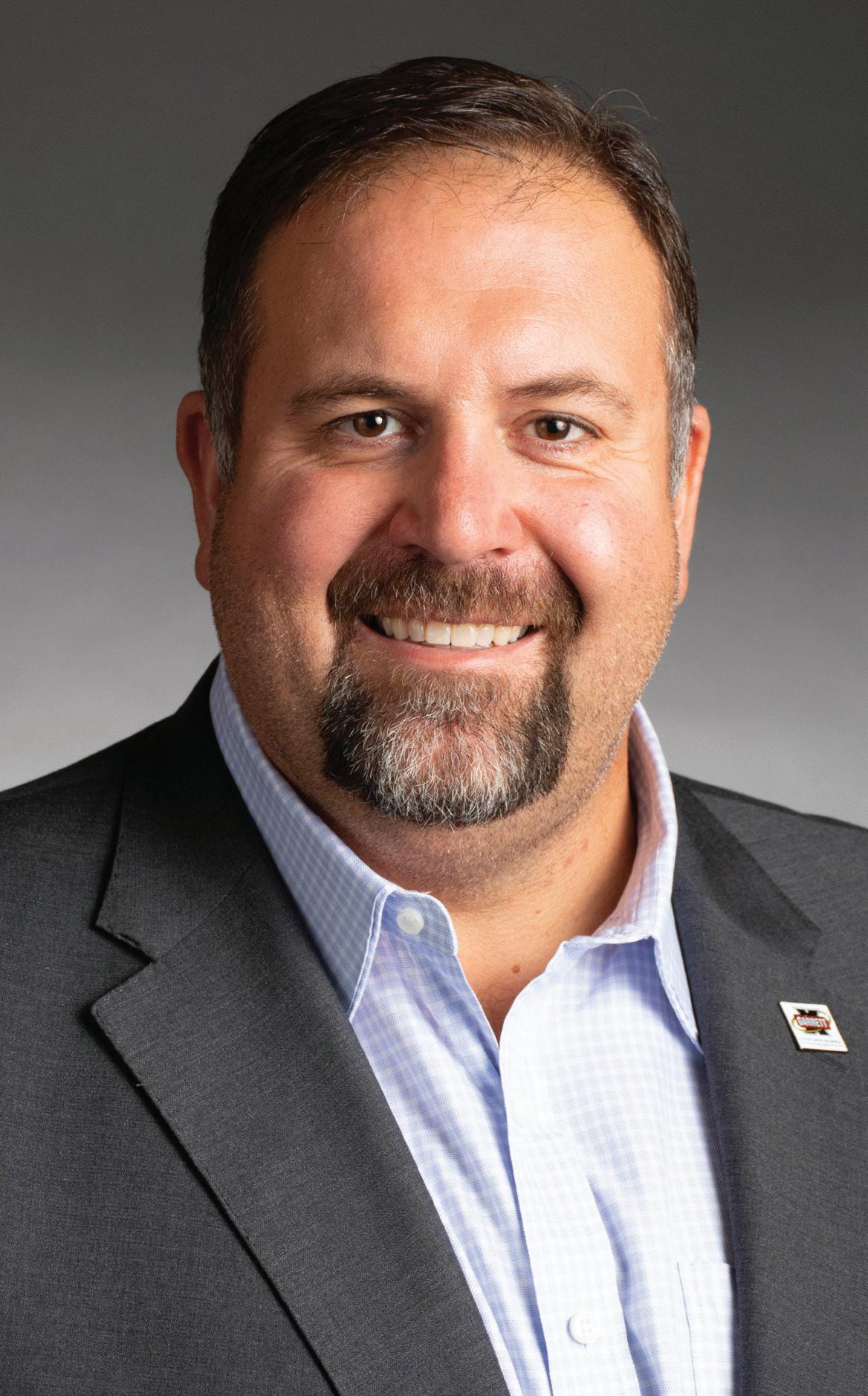
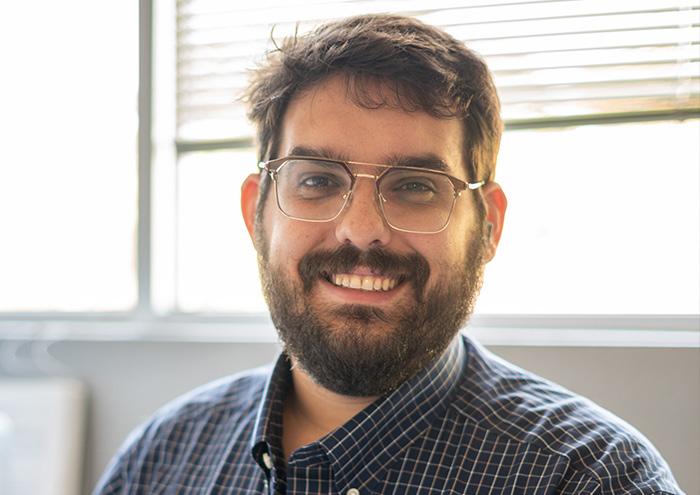
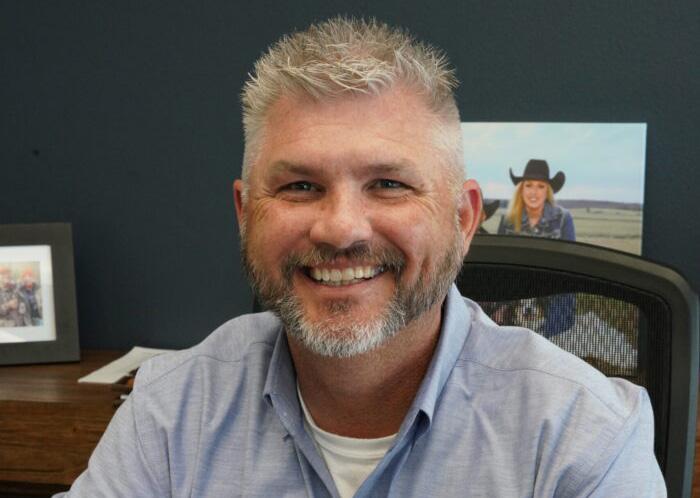

Grant Garrett, Chief Executive
Dylan Lamprecht, Chief Financial Officer
Ricky Lattin, Chief Operating Officer

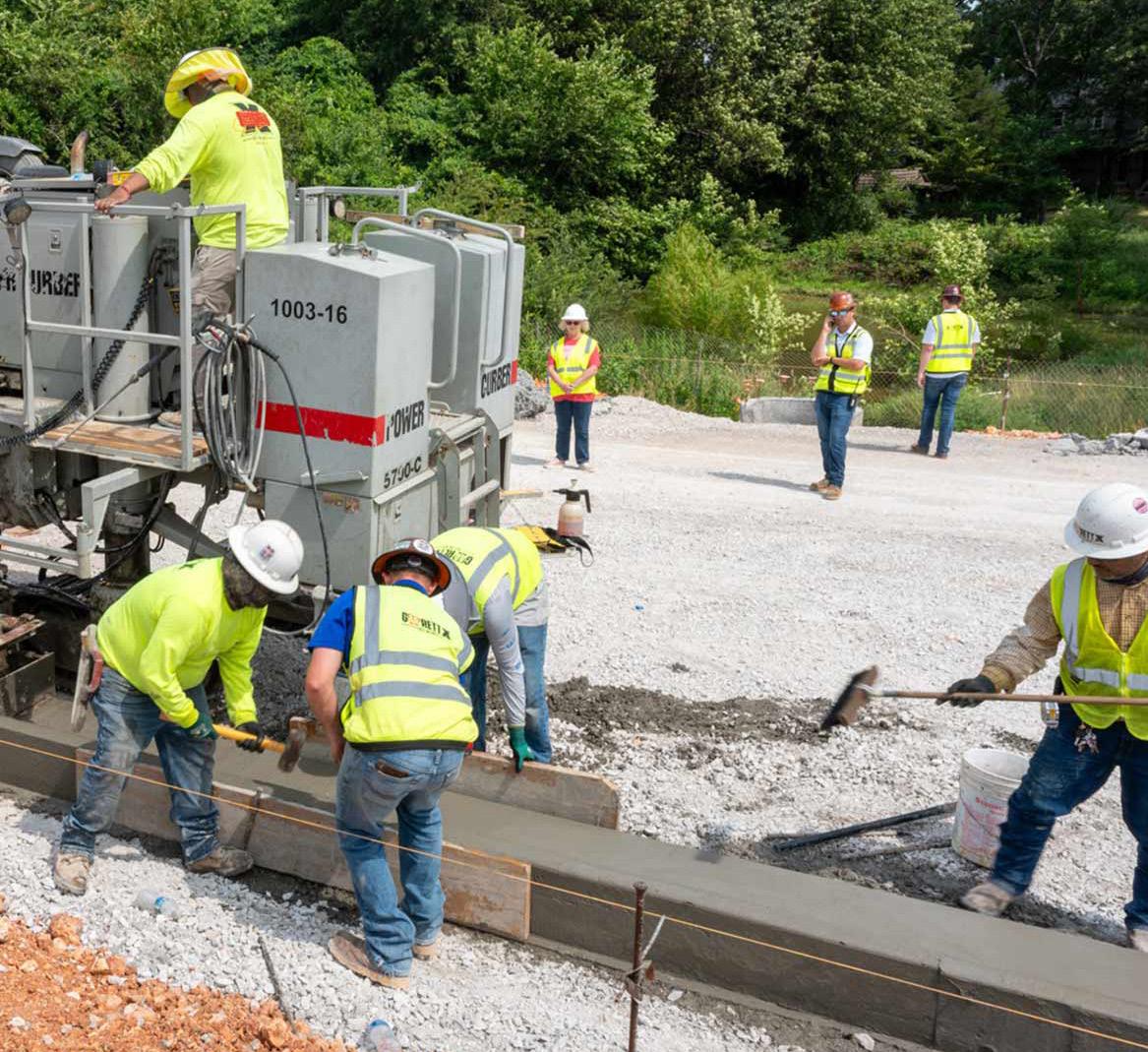
CONGRATULATIONS GARRETT EXCAVATING
FOR HAVING YOUR ENTIRE C-SUITE RECOGNIZED BY AMP





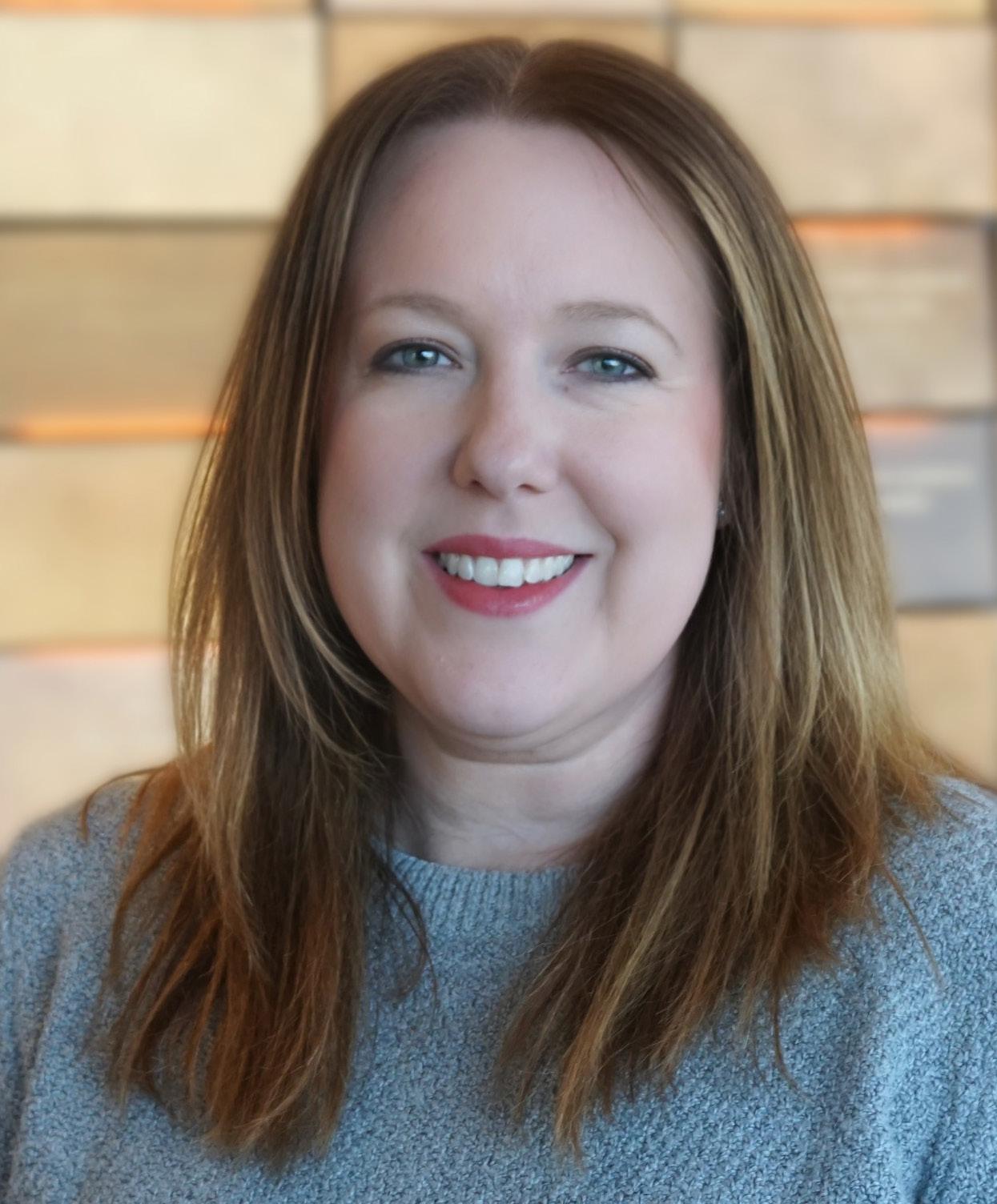
For a history buff, there is no place in the U.S. quite like Washington D.C. The seat of government and the cradle of the Great American Experiment, museums and monuments lie around nearly every corner.
So when Leslie Higgins, who came to the nation’s capital to complete a graduate degree in museum education, packs up and leaves a place like that, it has to be for a darn good reason. Turns out it was — to join the staff of the U.S. Marshals Museum in Fort Smith
“When I finished graduate school at George Washington University in 2008, it was right around the time that the economy was collapsing, and I was having trouble finding a job,” she said. “I went back home to Russellville, and while I was there, I just happened to see an ad in the newspaper that said there was going to be someone from this new museum that was being built in Fort Smith speaking to the Polk County Historical Society.
“I went and took my resume with me and gave it to her at the meeting. That was the fall of 2008, and she called me in January of 2011 to tell me that they had an opening if I was still interested.” Higgins, who was back in Washington by the
SHINING STAR LESLIE HIGGINS
UNITED STATES MARSHALS MUSEUM CHIEF PROGRAMS OFFICER
By Dwain Hebda
time, serving as a tour guide at the U.S. Capitol, did not hesitate, catching a plane back to Arkansas, where she interviewed and was hired the same day.
While many may not think trading Pennsylvania Avenue and the Smithsonian for Sebastian County on the state’s western border a fair trade, Higgins, a native of the River Valley, does not see it that way.
“You just don’t get the opportunity to build a new museum, to be a part of that process, very often,” she said. “It was a great opportunity to come back and have the opportunity to do that but also to be a part of something like this for the state of Arkansas.”
It would be years before the museum officially opened, and in that time, Higgins, as director of education, expanded the organization’s educational programs from two to 10, building the additional curriculum from the ground up.
“Having the freedom to build those programs and implement opportunities for people was very rewarding,” she said. “Even though we were a museum without walls at that point, we were able to offer educational programs ranging from kids programs to our speaker series for adults to an educational resource that is now all online but at the time was a physical packet. We distributed those to over 500 educational organizations in 24 states around the country.
“To be able to build all of that and be able to build and evolve as the building was evolving was a great opportunity, as well.”
In 2022, Higgins was promoted to her current role of chief programs officer, which gave her the opportunity to lead education, exhibit and curatorial staff, provide fundraising support, and cultivate the more than 30 professional partnerships the museum maintains with various entities, among other duties.
Asked what is new or forthcoming at the museum, Higgins said events surrounding the nation’s 250th birthday celebration have been headliner projects and will include several special presentations and events.
“We have some new programs we’re calling ‘Historic Decisions,’” she said. “These are designed to introduce people to the idea that history is not a given. It wasn’t a given that we were going to separate from Britain and become the United States. There were all these decisions that were made, and one little different decision could have changed things drastically.
“We’re also planning on having a special tour this summer that will use our exhibits to talk more generally about American history and walk people through some of that history. We say a lot of times that the history of the Marshals is really just the history of America because they’ve been there through all of these major events. These programs among many others will give people an incredible opportunity to learn and grow.”


Opened July 1, 2023, the U.S. Marshals Museum is a national destination dedicated to exploring justice, service and the people who shaped American law enforcement. Through five immersive galleries, interactive exhibits and powerful storytelling, visitors journey from 1789 to today—experiencing frontier law enforcement, historic civil rights moments, fugitive investigations and modern witness protection operations.
With engaging programs for all ages—including the Jr. Marshals Program, field trips, camps and adult events like True Crime Tonight. The museum brings history to life in meaningful ways.

Beyond its exhibits, the museum also serves as a dynamic venue for weddings, meetings and conferences, offering flexible spaces for gatherings large and small.
Mission and Vision:
The mission of the U.S. Marshals Museum is to serve as a national center of heritage and legacy, disseminate knowledge and foster appreciation for the accomplishments of the U.S. Marshals Service. Its vision is to inspire Americans—now and in the future—to live by the service’s core values: justice, integrity and service.

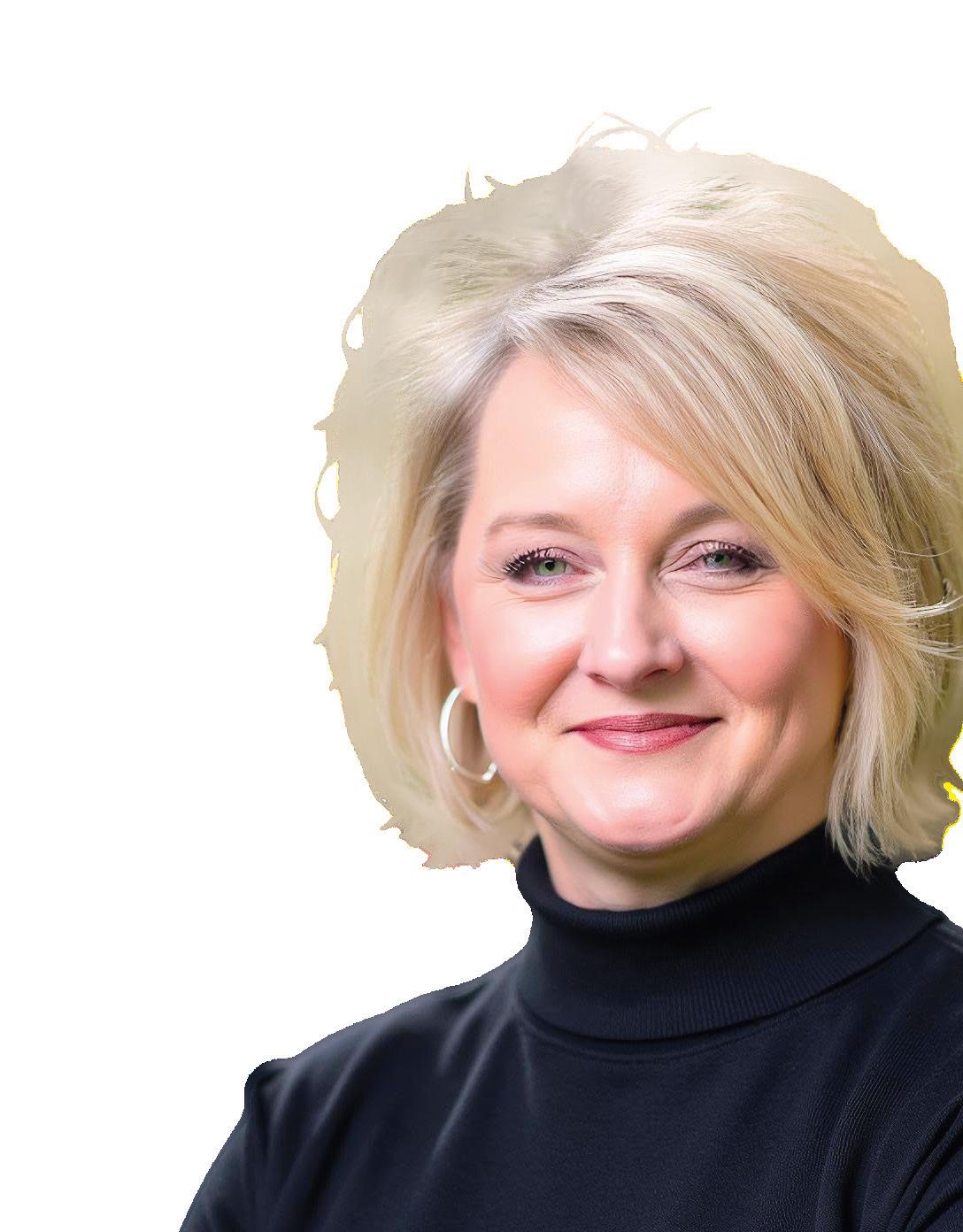
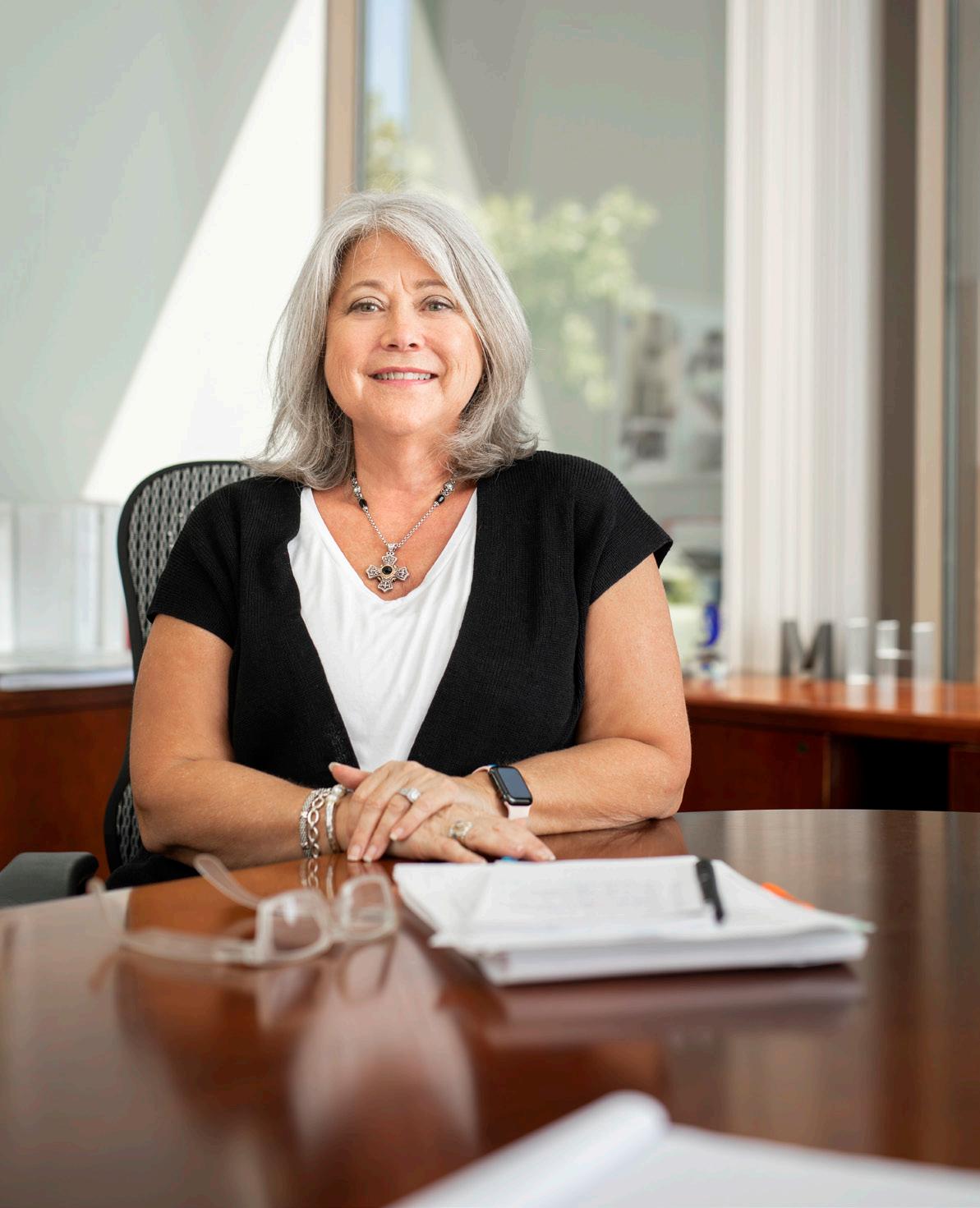
Adam Head President & CEO
CARTI
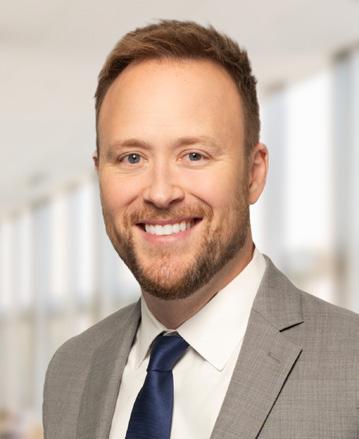
Adam Head joined CARTI as president and CEO in 2017. He has served in health care leadership roles for over 20 years, including four as an officer in the U.S. Army Medical Service Corps. During his time at CARTI, the organization has experienced an unprecedented statewide expansion, particularly in areas with limited cancer services. As part of its mission to “make trusted cancer care accessible for every patient we serve through compassion, innovation and purpose,” CARTI has grown to 18 locations. Since November 2018 alone, CARTI has opened six cancer centers in Conway, Russellville, North Little Rock, El Dorado, Pine Bluff and Heber Springs, as well as the state’s first cancer-focused surgery center in Little Rock in 2023. He has also overseen the addition of specialty clinics that include CARTI Urology, CARTI Audiology, CARTI Dental, The Breast Center at CARTI and Cancer Genetics and Risk Management, along with enhanced patient support services at The Bridge. Head is passionate about fostering strong teams, shaping a positive culture and improving organizational systems to better serve patients.
Leslie Higgins Chief Programs Officer
U.S. Marshals Museum
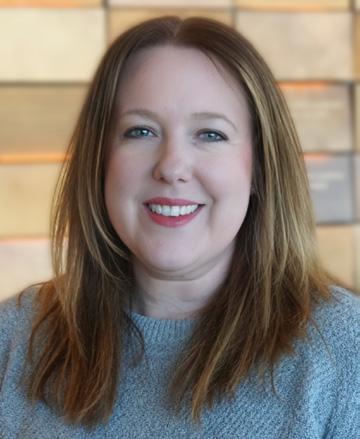
Leslie Higgins is the chief programs officer at the U.S. Marshals Museum in Fort Smith and has been with the museum since 2011. She is responsible for overseeing the programs department, including education, exhibits and curatorial, as well as admissions and museum store staff and operations. She has almost 20 years of experience working in museums, including work at the National Archives and Records Administration and the United States Capitol in Washington, D.C. Higgins received her Bachelor of Arts degree in history and political science from Arkansas Tech University in Russellville in 2003 and her Master of Arts degree in history from Arkansas Tech University in 2006. She also received a Master of Arts in teaching in museum education from The George Washington University in Washington, D.C., in 2008.
Kassidy Hill-Howard CEO, Founder & Owner
DJL Health Strategies
Maggie Hogan CFO
Kelley Commercial Partners
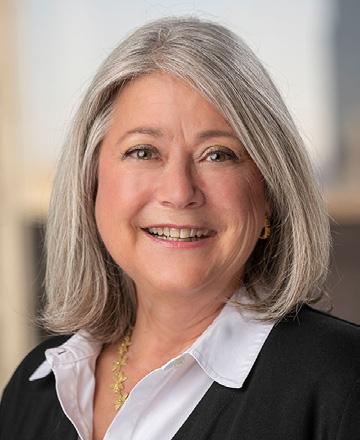
Maggie Hogan joined Kelley Commercial Partners in 2006 as a property manager and soon earned her Certified Property Manager designation. Over the years, her portfolio expanded to include commercial and residential assets, including high-profile retail properties. A partner with the firm, Maggie also serves on KCP’s leadership team and as secretary/treasurer of the corporation. She assumed the role of chief financial officer in 2018 and remains an asset manager on several properties. Most recently, Maggie has led KCP’s receivership assignments, utilizing her accounting and management expertise as court-appointed receiver for a large group of residential properties, including approximately 150 singlefamily homes, and an industrial mining operation. In both matters, she managed operations, accounting, reporting and disposition activities to comply with court orders, including monthly financial preparation, cash flow and expense management, and regular reporting to the court.
Michael Hoggard CFO
Generations Bank
Nicholas “Nic” Horton Founder & CEO
Opportunity Arkansas
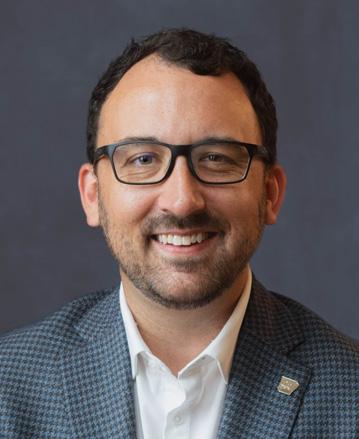
Nicholas “Nic” Horton is the founder and CEO of Opportunity Arkansas, a family of nonprofits on a mission to renew the Land of Opportunity by simplifying government and solving generational problems. Since its launch in late 2022, OA has secured 55 policy wins, including more than $1 billion in income tax cuts, the repeal of the state grocery tax and education freedom for nearly 50,000 students. Arkansas’ fastest-growing conservative organization, OA has also earned three national awards for communications and policy achievements. Horton was named to the Arkansas Money & Politics “C-Suite” in 2024 and was honored as the Voice of the American Dream by the Club for Growth Foundation in 2025, among other accolades.
Brock Hoskins President & CEO
Garver
Eric Howerton Chief Growth Officer & Co-Founder
AdFury.ai
Ashley Huneycutt CEO & Co-owner
Beyond Wellness
As CEO and co-owner of Beyond Wellness, Ashley Huneycutt has overseen the founding and expansion of one of the state’s premier health and wellness providers alongside husband and co-owner Matt. Huneycutt’s own experiences with the transformative power of holistic health and root-cause medicine inspired her to leave a stable career in education for the chance to help others as a health care entrepreneur. Beyond Wellness is an all-encompassing health and wellness option for both men and women and offers a full spectrum of personalized services. The Huneycutts opened their first clinic in Lonsdale in 2022 and have since opened two locations in Little Rock, as well as a Rogers clinic coming soon.
Jeff Hunnicutt CEO
Highlands Oncology Group
Quincy Hurst VP & COO
Superior Senior Care
Kevan Inboden COO
Beaver Water District
Amanda Irby CNO
Conway Regional Health System
Amanda Irby brings 26 years of nursing experience, 24 of those years spent at Conway Regional. She earned her Bachelor of Science in nursing from Harding University in Searcy in 1998 and her Master of Health Care Administration from the University of Phoenix in 2023. Throughout her career, Irby has excelled in various roles. She has served as a clinical nurse in the emergency department, followed by director of emergency and critical care services, the outpatient interventional unit and the progressive care unit. Irby was instrumental in implementing and leading the trauma and stroke program at Conway Regional and also served as interim director for women’s and infants’ services. She played a key role in the development of critical care units and served as interim chief nursing officer before officially stepping into the CNO position in 2024. As CNO, she oversees all nursing divisions, guiding directors and managers while also managing financial matters, improving quality outcomes and enhancing patient care.

Land of Opportunity: Nic Horton, Opportunity Arkansas

Fueled by a love for his home state and a calling to create real change, Nic Horton, Founder and CEO of Opportunity Arkansas, has spent the last three years building an organization that reflects his unwavering commitment to what was once called the “Land of Opportunity.” Through his organizations, Horton and his team work daily to educate Arkansans about the state’s generational challenges and map out new solutions for old problems.
“Problem-solving 101 is identifying the problem, figuring out what’s causing it and then innovating,” he said, “but we’ve been trying the same thing over and over for decades and acting surprised when things don’t change.”
After the sudden death of his father in 2021, Horton found himself questioning how he could leave the state better than he found it. A father of two, he imagined a future in which his children and the next generation of Arkansans could prosper without the burdens of age-old issues and complex government systems.
As any young conservative change-maker might, Horton utilized his background in communications and research to found a policy-focused nonprofit. Opportunity Arkansas launched in 2022 and published its first Roadmap to Opportunity and legislative scorecard soon after, all with the goal of educating Arkansans about the state’s generational problems and advancing solutions for real change.
“We know what’s holding Arkansas back — a tax code that punishes job creators, a welfare system that punishes work, an education system that doesn’t prepare our kids for the workforce,” Horton said. “If we want different results, we have to have different policies — and that’s exactly where Opportunity Arkansas comes in.
“Every single day, we study generational problems, we educate

Arkansans on the impact of those problems, and then we develop solutions and work with policymakers to chart a new course. This is the best place on earth to live, but our government has not always reflected that.”
Over the last three years, the organization has notched 56 policy wins and counting. Those wins include the reduction of state income taxes by nearly $1 billion, the passage of the Protect Arkansas Act, changes to the state’s welfare system, and the enactment of the LEARNS Act.
“Arkansans deserve better than the life that long-term government dependency offers them,” he said. “We’re a state that has nearly one in three Arkansans trapped in welfare, and we think we can do better. We must do better.”
Opportunity Arkansas continues to promote its vision for the state in a variety of ways, and Horton said his work is far from finished. He and his team are still working toward a number of different policy goals, such as fully eliminating the state income tax.
“We are surrounded by two states that have no state income tax at all — and two states that have put automatic phase-downs in place,” Horton said. “We’re in an active race, an active competition with states around us — for jobs, for workers, for economic growth — and a huge obstacle to that is the state income tax.”
In light of the organizations’ growth over just a few years, it seems the momentum is building. At the end of the day, Horton said, his goal is to leave the state better than he found it, just like his father taught him, and make Arkansas a real Land of Opportunity for the next generation.
Nic Horton
Phillip Jett CEO
Encore Bank
Kyron Jones CEO (incoming)
Academics Plus Charter Schools
Steve Landers Jr. President
Interstate Holdings Blockchain
The Academics Plus Charter Schools Board of Trustees has named Kyron Jones as its next CEO effective July 1. A lifelong educator, Jones has served as chief operating officer since 2018 and brings nearly three decades of experience supporting students, teachers and families. He began his career as a classroom teacher and has since served as a mathematics specialist, assistant principal, principal and state-level school improvement leader. Jones is a proud alumnus of Arkansas State University in Jonesboro, where he earned multiple degrees. He believes strong, positive relationships are at the heart of student success and that every child deserves meaningful opportunities and genuine encouragement and should be surrounded by adults who are fully invested in their growth.
Lenesha Jones SVP of Human Resources & Chief People Officer
Goodwill Industries of Arkansas
William “Gerry” Jones Chief Medical Officer
CHI St. Vincent
Vic Kennett Founder & CEO Kerusso
Michael Kirkpatrick CEO Kirkpatrick Creative
Dylan Lamprecht CFO
Garrett Excavating
Dylan Lamprecht joined the team at Garrett Excavating in 2020 and rose swiftly to the leadership position of chief financial officer. He drives the company’s financial strategy with a keen eye for sustainability and growth. His expertise in financial planning and dedication to operational excellence ensure that every decision GarrettX makes builds a stronger, more resilient future for the company and its clients. Lamprecht received his Bachelor of Science in Business Administration, Accounting from the University of Arkansas in Fayetteville. With his attention to detail, Lamprecht has a keen eye for streamlining financial operations and securing future financials. In his downtime, Lamprecht enjoys riding horses and spending time with his wife and dogs.
Jennifer Lancaster Founder Cornerstone Law Firm
Jennifer M. Lancaster is the founder and managing partner of Cornerstone Law Firm, a fullservice firm specializing in areas such as bankruptcy, estate planning, family and business law. Additionally skilled in civil rights law and election law, Lancaster is best known for successfully suing Hunter Biden for child support and representing President Donald Trump in challenging the 2020 election results. Lancaster has been recognized as a “Rising Star” by Super Lawyers magazine, “Woman of the Year” by Women’s Own Worth and Top 10 in Client Satisfaction by the American Association of Personal Injury Attorneys, in addition to being listed among Arkansas Money & Politics’ “Power Women.” She is also the founder of the Lancaster Animal Project, as well as founder and CEO of conservative nonprofit Arkansas 1st.
Little Rock native Steve Landers Jr. is the owner and president of Interstate Holdings Blockchain, which is based in Bryant and Sarasota, Florida. Interstate’s portfolio includes multiple blockchain and crypto mine operations in Arkansas, the award-winning Warfield Distillery in Idaho, Cowboy Chevrolet GMC in Hot Springs, Leis Creek Cattle Co., bitcoin mining fund Southern Block Capital, and various real estate investments. He and his wife, Karmen, have been married for 25 years and have three children.
Ricky Lattin COO
Garrett Excavating
Ricky Lattin joined as a partner and chief operating officer at Garrett Excavating in 2022. He helps drive growth and operational excellence with his strategic vision and industry expertise, ensuring GarrettX consistently exceeds standards across both regions. As COO, Lattin assists in finding innovative solutions that strengthen the company’s capacity to deliver exceptional projects and boost community impact. Lattin has racked up a lengthy and impressive list of achievements and qualifications including 6 Sigma & Lean Green Belt, as well as completing the CAT Executive Leadership Program. Outside of work, Lattin enjoys spending time with his wife, Sandy, on their farm. Oftentimes, he can be found riding horses with his wife and enjoying the outdoors.
Jeremy Lawson Co-CEO
Luxury Pool & Spa
Shane Lawson Co-CEO
Luxury Pool & Spa
Tameka Lee Chief Communications & Engagement Officer
Central Arkansas Library System
Jennifer Lester COO
Moses Tucker Partners
Tabi Lipscomb President & CEO
Arvest Trust
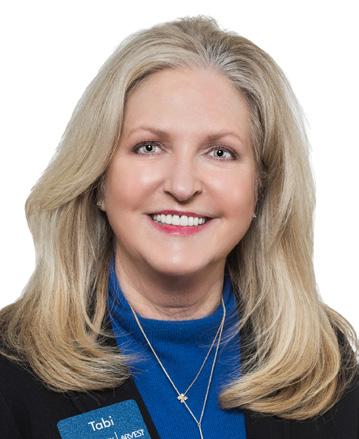
Tabi Lipscomb is the president and CEO at Arvest Trust. She also serves as Arvest Trust’s chief fiduciary and risk officer, bringing more than 30 years of experience to her role. She joined Arvest in 2008 and previously served as chief fiduciary and risk officer and regional trust manager for Arvest Wealth Management locations across Arkansas and Missouri. Lipscomb is a graduate of Arkansas Tech University in Russellville and the University of Arkansas School of Law in Fayetteville. She is also a graduate of Cannon Trust School and holds the Certified Trust and Fiduciary Advisor designation, as well as her Accredited Estate Planner designation awarded by the National Association of Estate Planners and Councils.
Veronica Love CEO
Home Health Care Agency of Arkansas

Congratulations Kyron Jones
Academics Plus Charter Schools has named Kyron Jones as its new CEO. He will succeed Rob McGill, who is retiring.
Jones will assume his new role on July 1.
Jones, 52, has been the Chief Operating Officer for Academics Plus since 2018. He previously served as the school-improvement grant site director for the Arkansas Department of Elementary and Secondary Education from 2011 to 2018.
(501) 803-9730 www.academicsplus.org
600 Edgewood Dr, Maumelle, AR 72113

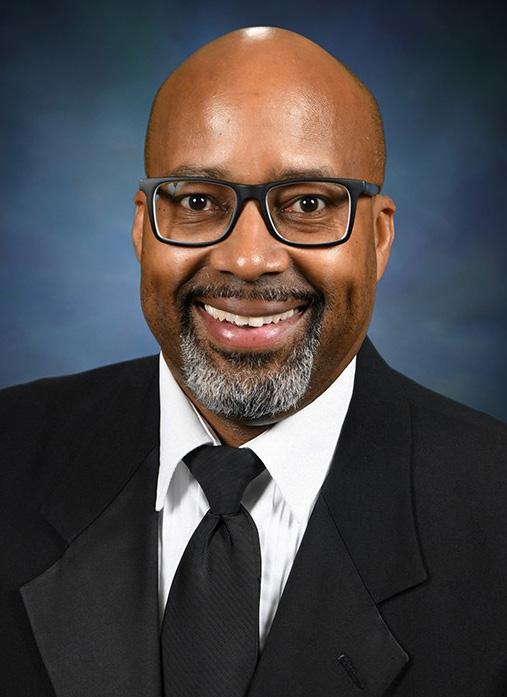

Congratulations to Steve Landers Jr. on being named one of AMP ’s C-Suite Executives for 2026
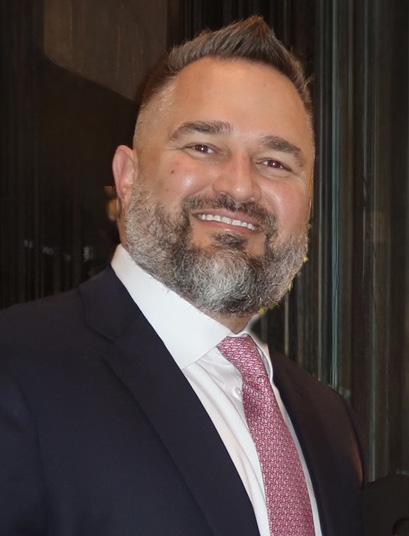
ABOUT INTERSTATE HOLDINGS
Interstate Holdings is a growth investment firm with a diverse portfolio across consumer retail, real estate, blockchain, media and more. We embrace complexity and challenge conventions to foster growth and innovation. Our team of experienced professionals is dedicated to supporting visionary founders from startup to market leadership. Steve
Ann Madea EVP & CIP
Simmons Bank
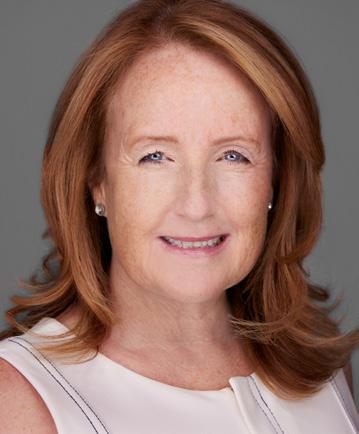
Ann Madea serves as executive vice president and chief information officer at Simmons Bank and is responsible for the bank’s overall information technology strategy and operations. With more than 25 years of experience in banking and technology, Madea has held numerous leadership roles, primarily focusing on strategy, execution, operational agility, emerging technology and business transformation. Prior to joining Simmons in 2021, Madea worked at HSBC, one of the world’s largest banking and financial services organizations, where she served as executive vice president and U.S. chief information officer. Madea has a Bachelor of Science from the University of Illinois at Chicago.
Kimberly Markland President & CEO
Bank of Little Rock

Kim Markland serves as president and CEO at Bank of Little Rock, where she leads with a people-first approach and a deep commitment to strengthening community banking in Arkansas. With more than three decades of experience, Markland has helped guide the bank through a period of meaningful transformation, working closely with her leadership team to reshape the balance sheet, reinvest in technology, and deliver a banking experience that blends high-tech convenience with hightouch service. Markland’s dedication to the industry and her community has been recognized across the state. She serves on the boards of the Arkansas Community Bankers Association and Barret School of Banking in Memphis.
Brian Marsh President & CEO
Goodwill Industries of Arkansas
Janet Marshall Chief Development Officer
Baptist Health Foundation
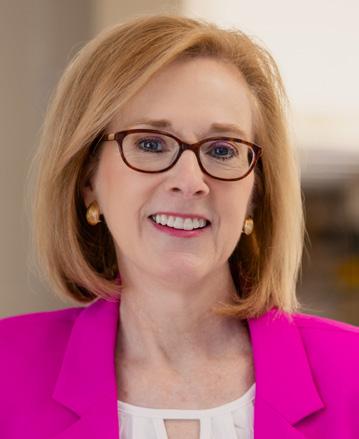
Janet Marshall, a native of Wynne, earned a Bachelor of Science degree from Baylor University in Texas. She began her professional fundraising career with Baptist Health Foundation and has worked as vice president of development at Easter Seals Arkansas; executive director at Central Arkansas Radiation Therapy Institute; vice president of development at The Methodist Foundation of Arkansas; and membership administrator at the Arkansas Bar Association before returning to BHF in 2023. She became chief development officer in December 2024. Marshall is a member of the P.E.O. Arkansas Chapter and Chapter AL, as well as the Arkansas alumnae chapter of Alpha Chi Omega, having served on the executive committee of both organizations and on the state board of P.E.O. Arkansas Chapter. She is a member of Rotary Club 99 in Little Rock.
Aaron McDonnel COO
C.R. Crawford Construction
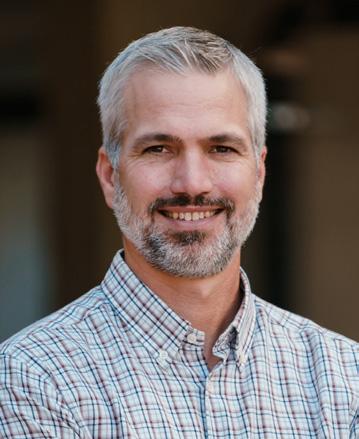
Aaron McDonnel is the driving force behind the operational excellence and rapid market expansion at C.R. Crawford Construction in Fayetteville. Since joining the company in 2021, he has leveraged deep expertise in preconstruction and general contracting to streamline project lifecycle and exceed aggressive delivery benchmarks. Known for his steady, collaborative leadership style, McDonnel aligns people and processes to ensure clarity, accountability and seamless project transitions from
bidding to completion. His focus on quality, efficiency and relationship building has helped position the company for continued growth, and he has a commitment to turning every client into a repeat client. McDonnel has a Bachelor of Science in construction management from the University of Arkansas at Little Rock.
Kevin McGilton President & CEO
Riceland Foods
Stuart McLendon CEO
Flexion Point
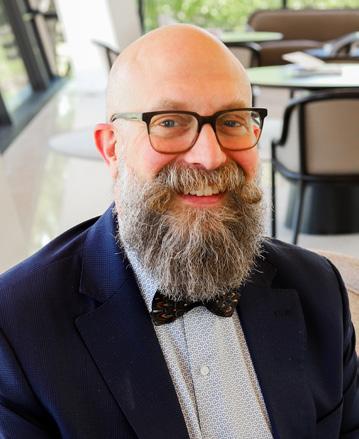
A central Arkansas native, Stuart McLendon has spent his professional career helping other leaders achieve their goals through specialized support in leadership, finance and accounting. While serving as chief financial officer at DYNE Hospitality Group, McLendon recognized a widening gap between the number of open finance and human resources positions and the talent available to fill them. Taking a cue from successful fractional staffing approaches in areas such as information technology and marketing, he founded Flexion Point in Little Rock to address the growing demand in his own area of expertise.
Ron Meijerink SVP & COO
Goodwill Industries of Arkansas
Chris Meyer President & CEO
James A. Rogers Excavating, McHenry & Meyer Companies
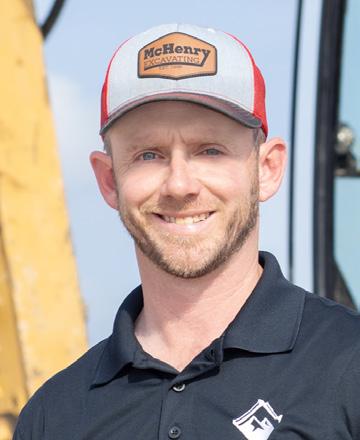
Chris Meyer has served as president and CEO of James A. Rogers Excavating since purchasing the company from his grandfather, James A. Rogers Sr., in 2016. Founded in 1962, the company has always striven for perfection, and that same spirit is at the root of the company’s ideology today. The third generation of company leadership, Meyer got his start in the field with the James A. Rogers team in 2006. Under his leadership, the business has expanded around the state, acquiring Hot Springs quarry operation McHenry Companies, now McHenry & Meyer Companies, and utilities infrastructure company NOEC Construction. Meyer sits on the industry advisory board for construction management at the University of Arkansas at Little Rock and is a highway division member for the Associated General Contractors of Arkansas.
Fran Miceli CFO
Small Wealth Management
Tina Miles CFO
Cushman & Wakefield | Sage Partners
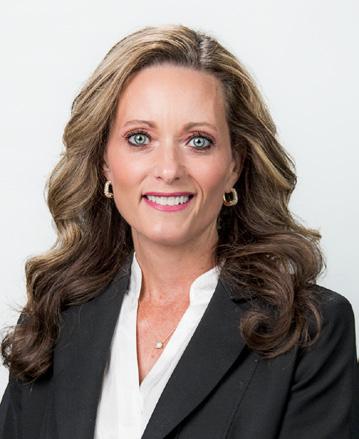
Tina Miles has more than 25 years of accounting and financial leadership experience across private business, manufacturing, service and nonprofit sectors. As chief financial officer at Cushman & Wakefield | Sage Partners, she leads the company’s financial strategy, reporting, and operational performance, supporting one of the region’s leading commercial real estate firms through continued growth and expansion. Her disciplined, forward-looking approach ensures strong fiscal stewardship and longterm stability. Prior to joining Cushman & Wakefield | Sage Partners, Miles spent 10 years as CFO at BioBased Technologies and began her career as an auditor at Schneider Downs in Pittsburgh.
In your corner
Jennifer Lancaster, Cornerstone Law Firm

It would be a story worth telling on its own if all Jennifer Lancaster had done was found her own successful legal practice right out of law school.
To do so and follow it up with stints serving as the representation of choice for some of the country’s highest-profile cases, among other accomplishments — suffice it to say there is a clear reason clients of all backgrounds and walks of life want Lancaster backing them in the courtroom.
Setting Lancaster and Cornerstone Law Firm in Little Rock apart is a depth of experience matched by breadth of expertise. The practice serves clients across a range of needs, and Lancaster is widely respected for her knowledge in such diverse areas as elections, civil rights and even animal law. Having fought for clients, often against powerful opponents, in some of the biggest legal arenas in the nation, Lancaster has demonstrated a tenacity and dedication that she brings to cases of all sizes.
for Lunden Roberts in her child support and custody suit against Hunter Biden.
At Cornerstone Law Firm, one of Lancaster’s focuses is helping families navigate fraught legal waters such as bankruptcy, estate planning and family law, in addition to complex journeys such as adoption. An entrepreneur herself, Lancaster is likewise highly sought-after for her business law services. She brings a firsthand knowledge and perspective to helping business owners start, grow and sustain their ventures.
At Cornerstone, every client matters, every voice deserves to be heard and every case is handled with the utmost care and integrity.
After several years in private practice, Lancaster served as a staff attorney to the Arkansas Supreme Court under conservative Justice Barbara Webb, where Lancaster assisted in the review and analysis of cases before the state’s highest court. She then made a splash on the national stage challenging the 2020 election results as part of President Donald Trump’s legal team. Far from Lancaster’s only experience with highly scrutinized clients and cases, she also served as counsel
cornerstonear.law
501-776-2224
400 W. Capitol Ave. 117 S. Market St. Little Rock Benton
Cornerstone Law Firm, PLLC

At the heart of Lancaster’s practice are her faith and a deeply rooted belief in bettering the community she serves. Those twin motivations are visible in her leadership and activism outside of the office, as well. She is the founder and a board member of the Lancaster Animal Project, where she advocates for animal welfare protections and policy reform. She also continues to hold power to account through Arkansas 1st, an initiative focused on civic leadership and informed public engagement across the state.
In law as in life, success depends on a strong foundation. Few are those who stand as steadfastly as Lancaster and Cornerstone Law Firm.
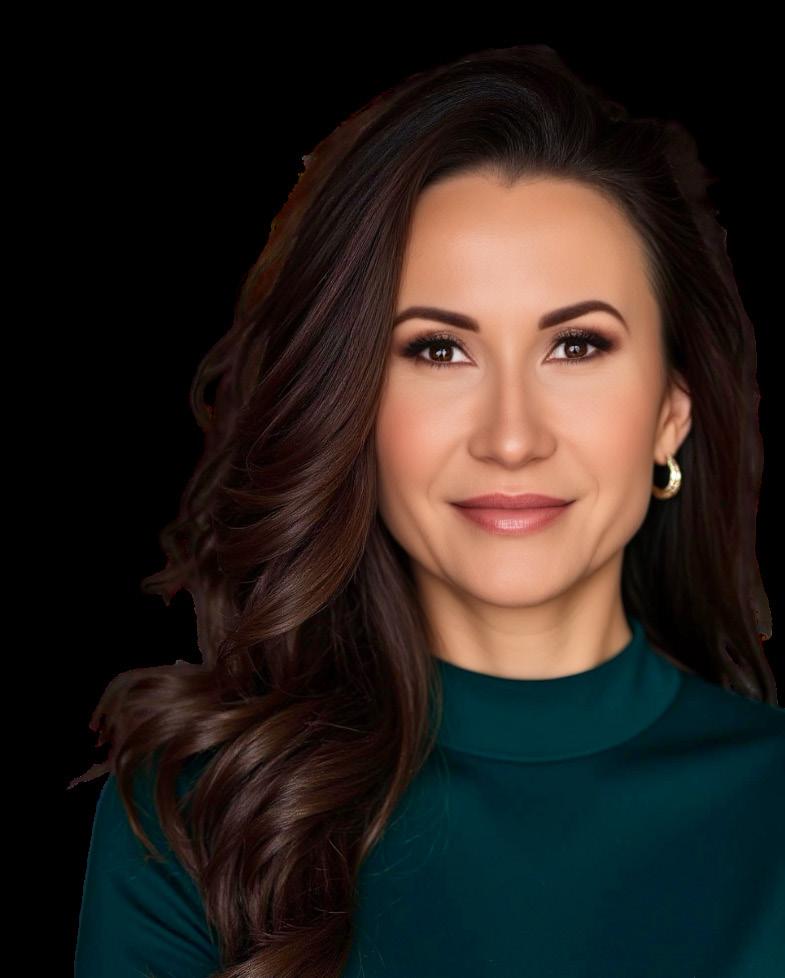
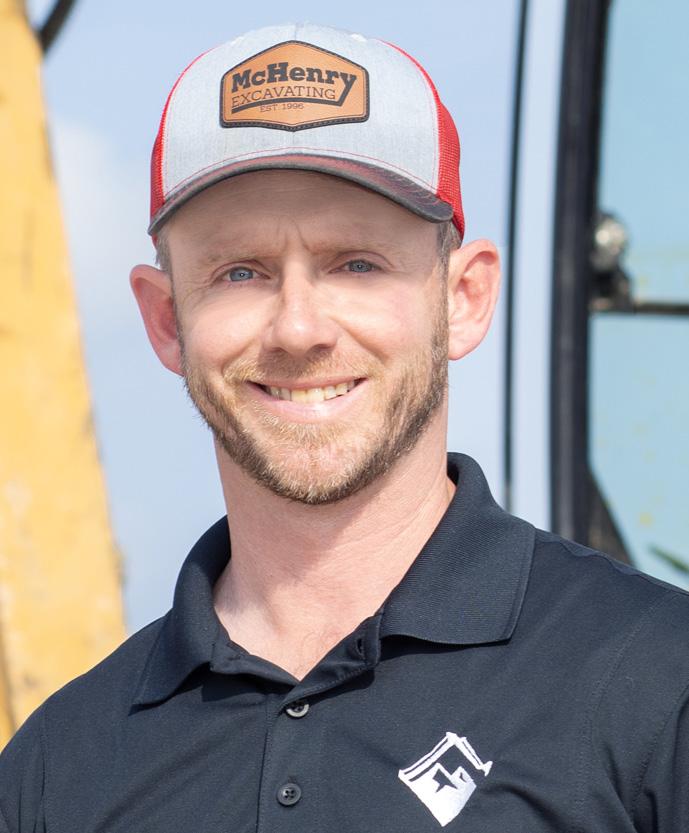
DIGGIN’ IT CHRIS MEYER
JAMES A. ROGERS EXCAVATING CEO & PRESIDENT

By Mak Millard
me and allowed me to start running my own projects.”
Meyer bought the business from his grandfather in 2016 and has been at the helm as president and CEO ever since. Still, the learning curve to fulfilling those roles was a steep one. While the work ethic and industry expertise picked up in the field would certainly be helpful from his new place in the CEO’s chair, they were hardly a substitute for the basics of business management.
“This business is not for the faint of heart,” Meyer said. “It is truly one of the most competitive, most rewarding but most stressful jobs I think there is. One split-second can change the outcome of an entire situation.”
Meyer’s was far from a running start, and he soon found himself courting disaster twice over. Failure would mean steering not just the company into the ground but his family’s legacy along with it. One crucial point in Meyer’s column, though, was a penchant for staying cool under pressure.
Chris Meyer’s introduction to the company founded in 1962 by his grandfather, James A. Rogers Sr., was on the ground level. James A. Rogers Excavating had by then already become a respected name in central Arkansas construction. Meyer learned the excavation trade under the tutelage of experienced equipment operators and became well versed in the kind of quality work expected of the operation.
“My first day on the job in 2006 put me behind a flag, flagging traffic on Maumelle Boulevard,” Meyer said. “That day taught me more than just getting out of the way of a moving vehicle. It taught me awareness, and I had to learn to multitask quickly. Once I started running equipment, it only amplified.”
Becoming the third generation to lead the company after that was no matter of simple inheritance, however. Meyer earned the right to head the James A. Rogers team just as he had earned his place among them — in other words, through hard work.
“As time went on, I was able to start making quick, sound decisions accurately,” Meyer said. “I believe that my grandfather saw this in

“I had to learn to slow down and really understand the situation before I reacted,” he said. “I am by no means perfect in my decisionmaking, but I try to do my best during those tough moments.”
Meyer procured enough small jobs to buy the company — not to mention himself — time to set things right. After that, James A. Rogers Excavating found its footing again and then some. Meyer’s decade in the C-suite has seen the company expand well beyond central Arkansas, including a growing presence in the northwest part of the state and a team of talented professionals growing right alongside.
“With my newfound responsibilities, I have always kept my team in mind and respected them,” Meyer said. “This business does not work with just one person. It takes a team of people to have a successful project.”
Smart acquisitions, such as quarry operation McHenry Companies — now McHenry & Meyer Companies, LLC — and utilities infrastructure stalwart NOEC Construction, have allowed James A. Rogers to extend its lineup of services and position itself as a capable partner for projects of all kinds, from residential site prep to complex highway and municipal work. The company has likewise deepened its industrial capacity, public-works investments and infrastructure modernization to ensure it remains at the forefront in supporting statewide development. A reputation for quality going back six decades certainly does not hurt when it comes to bidding for jobs either.
“My vision for this company is to continue servicing Arkansas the best way we can,” Meyer said. “We’re pouring time into our employees and creating value not just in the workplace but in their personal lives.”


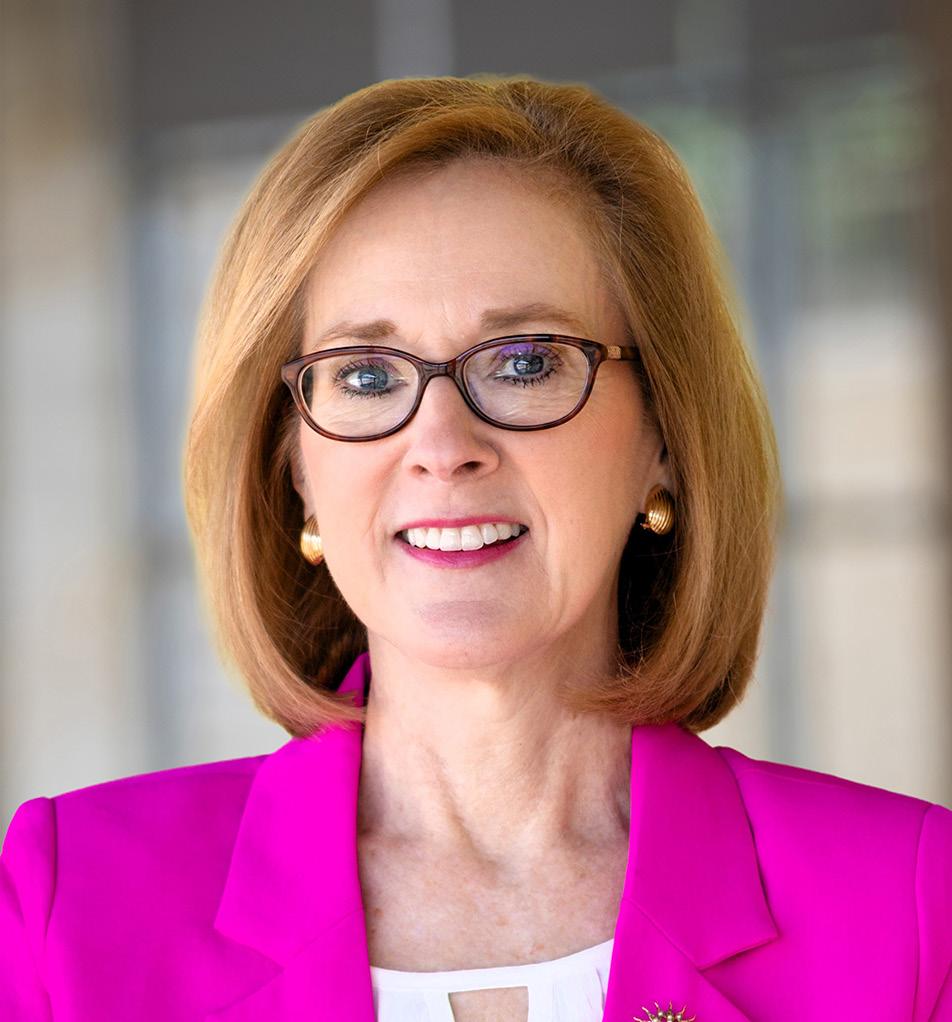
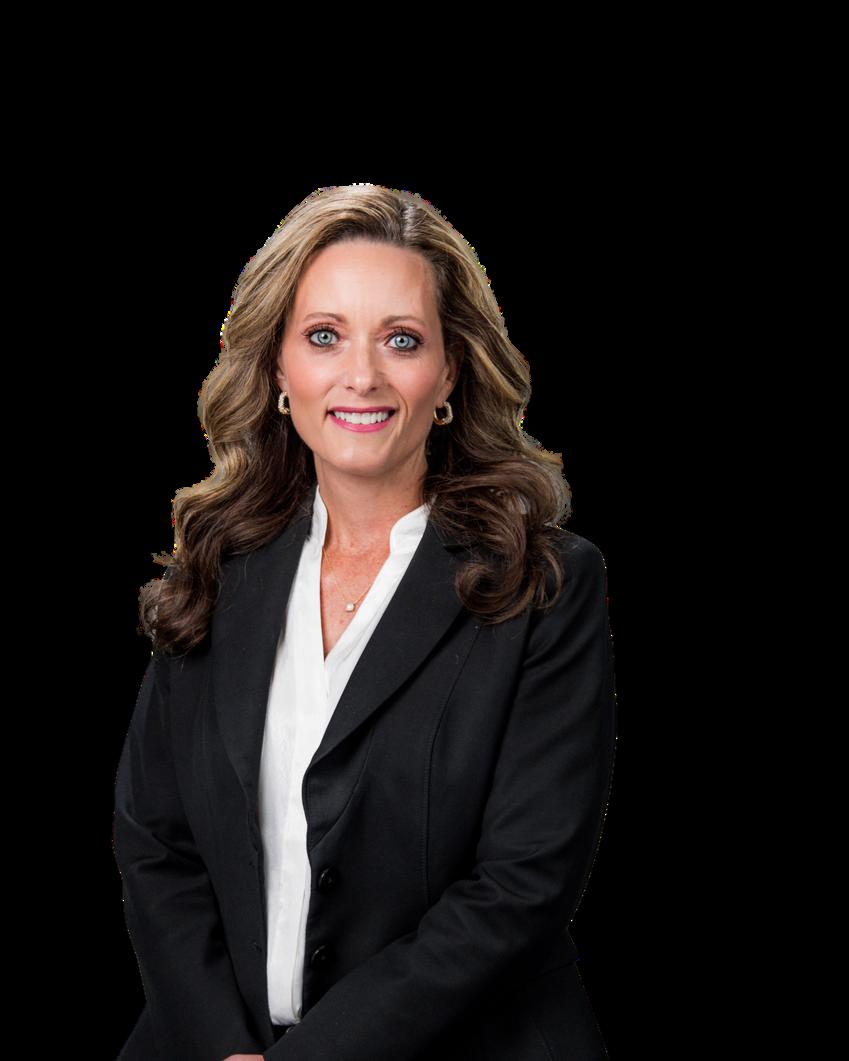

James A. Rogers Excavating:
Leadership from the ground up since 1962
When James A. Rogers Sr. founded his eponymous excavation company in 1962, he asked just one thing of both his team and himself — perfection. That might sound like a high bar, but in striving toward it for more than six decades, James A. Rogers Excavating has solidified its place as an irreplaceable cornerstone of the Arkansas construction industry.
James A. Rogers began as a modest, family-run excavation service focused on foundational work — literally and figuratively — at residential and commercial sites. The company’s robust portfolio now spans site preparation, land clearing, city streets, highway projects and complex infrastructure support.
Under the leadership of third-generation President and CEO Chris Meyer, James A. Rogers has expanded its presence around the state and grown the staff from 24 to more than 100. The company has also made strategic acquisitions to deepen its capabilities and position itself as a leading name in Arkansas construction and development efforts.
McHenry & Meyer Companies, LLC, is a Hot Springs quarry operation that, alongside James A. Rogers, allows for a blend of excavation expertise with aggregate supply and site services. NOEC
Construction, led by Meyer and Company President Matt Usery, builds and maintains the utility infrastructure that keeps Arkansas connected and powered. Projects range from new-line construction and fiber deployments in expanding neighborhoods to emergency storm response, routine maintenance and underground utility infrastructure.
Thanks to the combined experience and diverse strengths of each company, James A. Rogers brings a comprehensive approach to every job and has set itself apart as the project partner of choice in an increasingly competitive industry. An eye for innovation, a foundation of traditional craftsmanship and an unrelenting drive for excellence keep the company at the top of clients’ lists for projects of all kinds.
At the heart of that impressive body of work is a lineup of talented construction professionals with more than 150 years’ worth of combined experience. Whether from the driver’s seat, the jobsite or the office, James A. Rogers Excavating is a team of leaders — all of whom continue to hold themselves to the standard set down by James A. Rogers Sr. on day one.
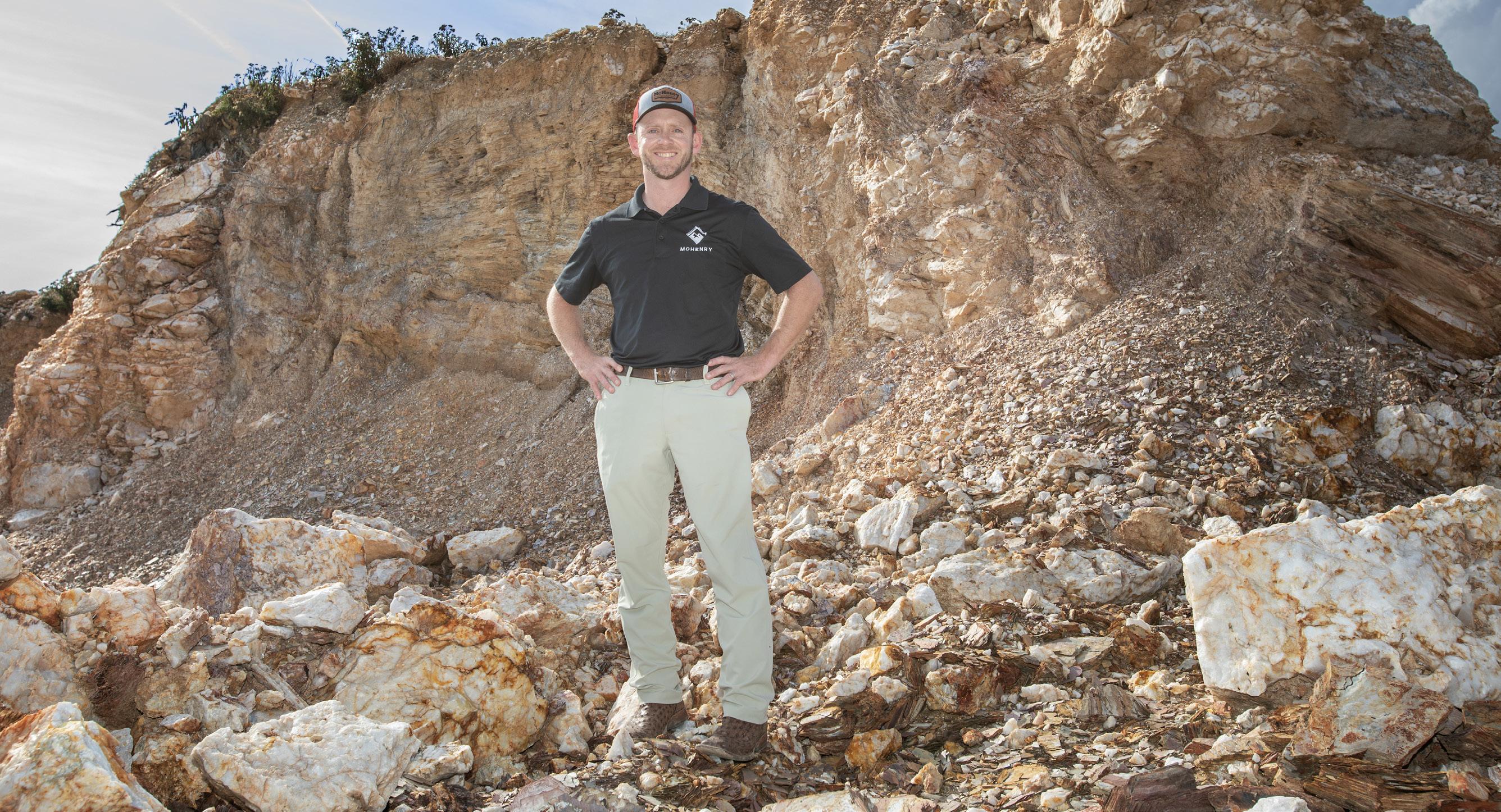
Chris Meyer President/CEO
James A. Rogers brings a comprehensive approach to every job and has set itself apart as the project partner of choice in an increasingly competitive industry
Arkansas Money & Politics
“Best of 2025”
Best
Best

Equipment
Arkansas Money & Politics
“Most
“Companies




Jim Minor VP & COO
Baldwin & Shell Construction Co.
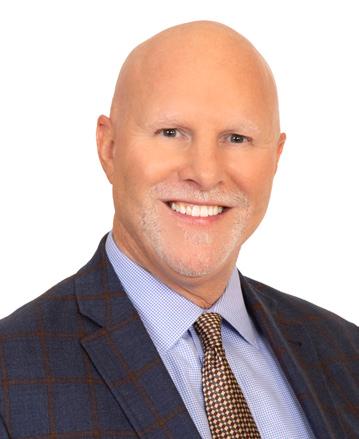
Jim Minor has been part of Baldwin & Shell Construction Co. since 1994, although his connection to the company began much earlier through his father’s long history with Baldwin & Shell dating back to the late 1940s. Minor has served as a project coordinator, project manager and senior project manager, later becoming vice president of the northwest Arkansas team and joining the board of directors in 2016. In 2018, he was named corporate vice president and chief operating officer. What stands out most about Minor is his genuine and encouraging personality. Even in senior leadership, he remains approachable and easy to talk to. He treats everyone with respect and makes each person feel valued.
Janet Moore COO
Stone Bank
ing model that accelerates decision making and maximizes impact for patients, providers and staff. Committed to fostering a culture of innovation, collaboration and personal growth, he champions people as the company’s greatest asset and data as its second. Embracing automation and artificial intelligence as strategic enablers, he has helped the company streamline administrative tasks without any workforce reduction. Guided by the motto, “We serve those who serve our patients,” Nyatee’s dual-benefit approach returns time to providers so they can prioritize patients, ultimately raising patient volumes, enhancing net promoter scores and creating a future-ready organization.
Tim O’Donnell CFO
Northwest Arkansas National Airport
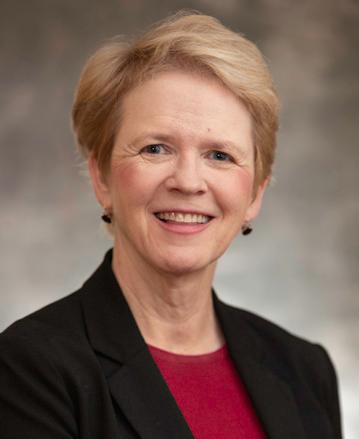
Janet Moore joined Stone Bank in 2019 and now oversees deposit operations, loan operations and treasury management. She is a career banker dating back to 1979 after graduating from the University of Tennessee. In 2024, she oversaw a bank core conversion and the physical relocation of the company’s corporate office in Little Rock. Despite unexpected “curveballs” along the way, she worked to ensure an effective transition while minimizing disruption in service. Moore is all about the team and stays focused on leading and retaining her staff.
Chuck Morgan President & CEO
Relyance Bank
Chris Moses President &CEO
Moses Tucker Partners
Jake Nabholz CEO
Nabholz
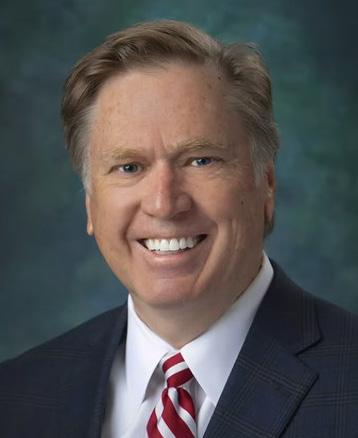
Tim O’Donnell joined the Northwest Arkansas National Airport in Bentonville in 2019 as chief financial officer. Previously, he served as vice chancellor for finance and administration at the University of Arkansas in Fayetteville. He was a member of the chancellor’s executive committee and had oversight of a total budget of more than $800 million. Prior to joining the UA in 2013, O’Donnell was vice president and treasurer of Southwestern Energy Co. in Fayetteville until the company relocated to Houston. He spent 22 years at Southwestern and had numerous financial positions with the company. He has also worked in commercial real estate and public accounting in his career. He is an inactive certified public accountant and a member of both the American Institute of Certified Public Accountants and Arkansas Society of CPAs. O’Donnell was formerly on the board of the Walton Arts Center Foundation and Washington County Historical Society, and is currently on the board of The University of Arkansas Foundation. He has a Bachelor of Business Administration in accounting from the University of Iowa.
Dan Oberste President & CEO
BSR REIT
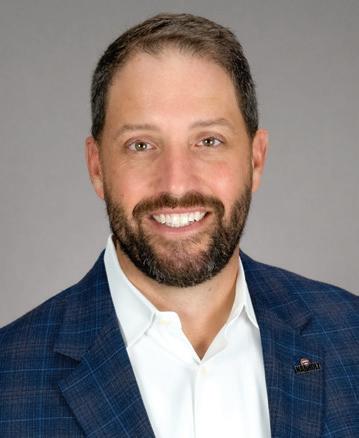
As Nabholz’s CEO for the past four years, Jake Nabholz has encouraged the company’s growth across its regional footprint, while still maintaining its core values. Nabholz is employee- and family-owned, a trait that he preserves by emphasizing the growth of every employee. He puts training and professional development at the forefront to ensure that the people of Nabholz are growing right alongside the company. Nabholz is also passionate about the growth in his community, currently serving on the boards for Arkansas Children’s Foundation, Conway Development Corporation and First Security Bank. He previously served on the board of directors for ACANSA Arts Festival, Rotary Foundation, Conway Corp. and Broken Arrow Economic Development. He has also served on the University of Arkansas Community College at Morrilton Board of Visitors and the board of trustees at Philander Smith College in Little Rock.
Abhi Nyatee CFO & Chief Transformation Officer
Rock Dental Brands
Abhi Nyatee joined Rock Dental Brands in 2025 to lead strategic operational improvements across its 110 clinics. Serving as both chief financial officer and chief transformation officer, Nyatee integrated business intelligence, financial planning and analysis, and information technology, creating a data-driven operat-
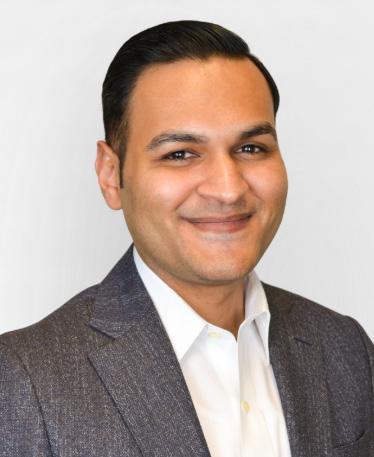
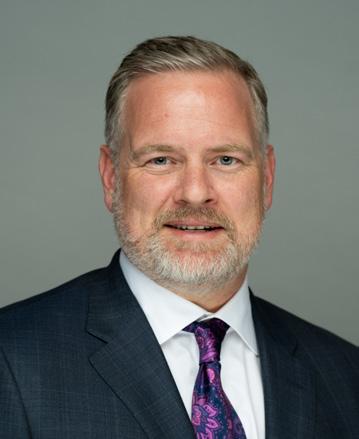
Dan Oberste serves as president and CEO at BSR REIT. Prior to his current role, Oberste served as president and chief investment officer at BSR and its predecessor, BSR Trust. Oberste earned his undergraduate degree from the Sam M. Walton College of Business at the University of Arkansas in Fayetteville and his Juris Doctor from the University of Arkansas School of Law. He recently served as chairman of the University of Arkansas-Pulaski Technical College Foundation in North Little Rock and chairman of the board at Good Shepherd Community in Little Rock. Last year, Oberste orchestrated the second-largest business deal in the state of Arkansas, a $618.5 million transaction with AvalonBay Communities in which BSR sold a third of its apartment portfolio and reinvested the proceeds into newer apartment communities in highgrowth Texas markets.
Beau Odom CEO
Professional Computer Services Inc.
John Olaimey President & CEO
Southern Bancorp Bank


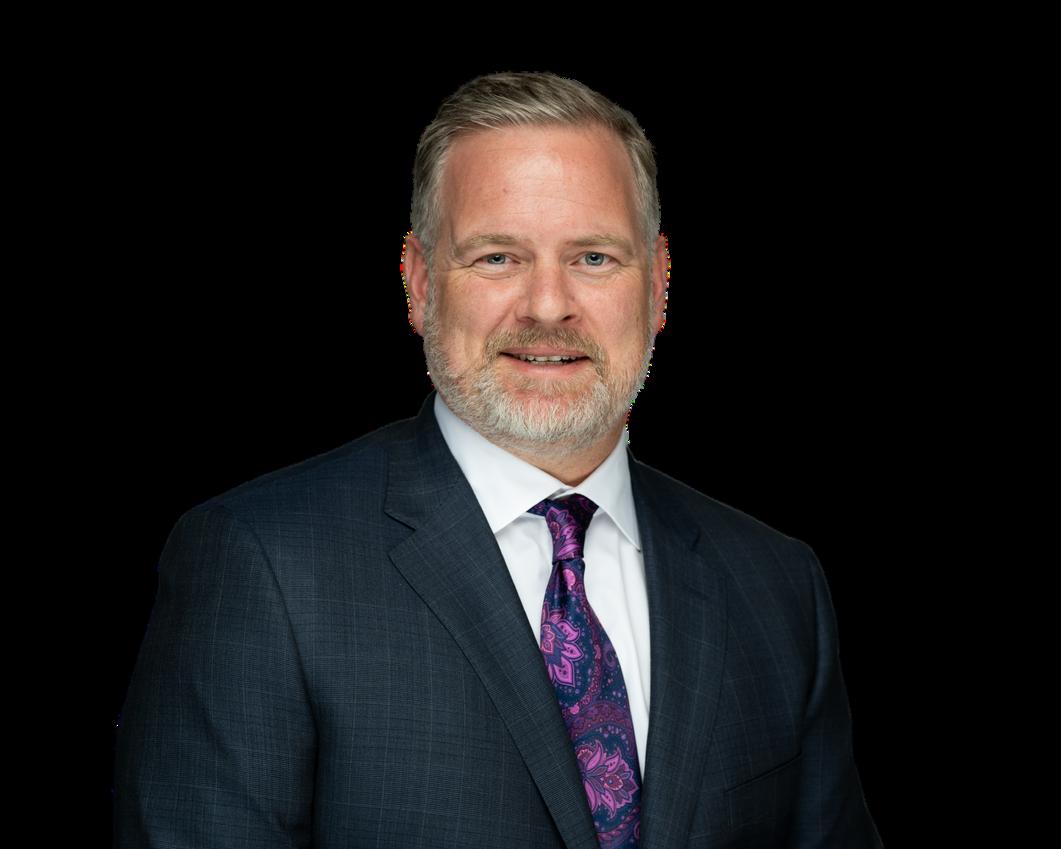

Kyle Parker President & CEO
Arkansas Colleges of Health Education
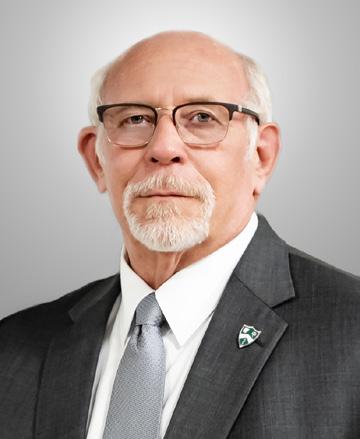
Kyle Parker, who has a Juris Doctor, is president and CEO of the Arkansas Colleges of Health Education in Fort Smith and the visionary behind its rapid growth into a nationally recognized health sciences institution. He led the creation of ACHE’s academic programs, a 542-acre health and wellness park, the mixed-use Heritage community, and the ACHE Research Institute Health & Wellness Center, advancing an integrated model of education, health care and community development in Fort Smith. A pioneer in legal technology before entering higher education, Parker developed the first artificial intelligence software copyrighted for the legal profession, launched the first legal CD-ROM, and founded loislaw.com, one of the earliest searchable legal research websites. As founder and CEO of Law Office Information Systems, he took the company public on NASDAQ before its acquisition by Wolters Kluwer. Throughout his career, Parker has been recognized nationally for innovation, entrepreneurship and transformative leadership across technology, business and higher education.
Carrie Phillips CCMO University of Arkansas at Little Rock
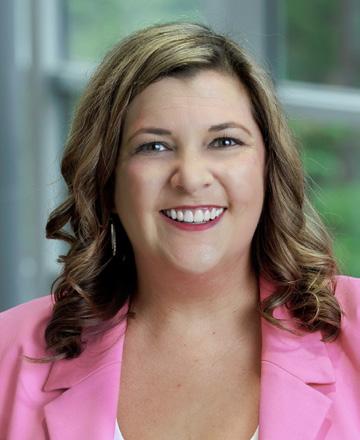
Carrie Phillips serves as chief communications and marketing officer at the University of Arkansas at Little Rock, where she provides strategic leadership for the university’s brand, reputation, and enrollment marketing efforts. Since joining the institution, she has helped guide a comprehensive repositioning that contributed to the university’s strongest enrollment in 15 years, reversing a long-term decline. She has led enterpriselevel initiatives including a full website transformation, modernization of crisis communications, expanded national media visibility, and alignment of marketing strategy with a historic comprehensive campaign now nearing $240 million. Under her leadership, UA Little Rock strengthened its brand clarity, increased statewide and national presence, and advanced messaging centered on student success and workforce impact. Phillips is known for pairing bold vision with disciplined execution to drive measurable institutional growth.
Mike Preston CEO CDI Contractors
Carrie Price SVP & Chief Marketing Officer
First Community Bank
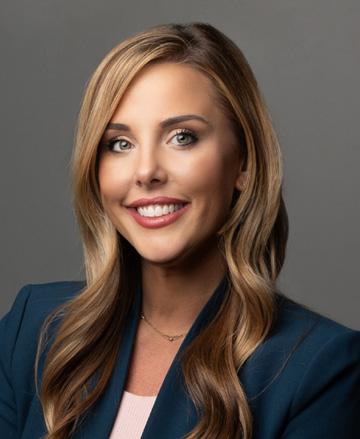
Carrie Price is senior vice president and chief marketing officer at First Community Bank, where she leads strategic marketing, branding and communications across the bank’s multistate footprint. She has 21 years of experience in banking, marketing, public relations and community development. Since joining First Community Bank in 2021, Price has led efforts to strengthen the bank’s brand strategy, support growth in both existing and new markets, and align messaging with the bank’s community-first focus. During her tenure, the bank’s assets have grown from $1.81 billion to $3.42 billion. Price serves on the University of Arkansas Community College-Batesville Foundation Board and the Independence County Education Foundation. She is an avid supporter of parent-teacher organizations and athletic programs at her children’s schools, as well as local nonprofits, and is a tireless volunteer in various community outreach efforts. She earned a bachelor’s degree in communication from the University of Arkansas in Fayetteville.
Gary Proffitt VP & COO GES
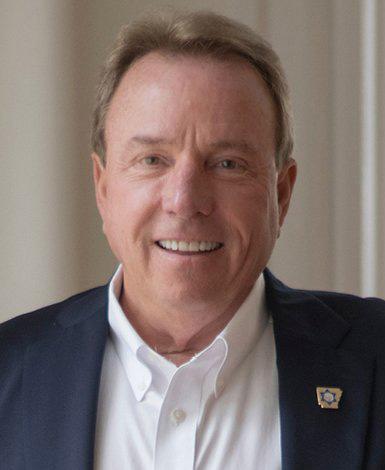
Gary Proffitt of Cabot has been promoted from vice president of operations to vice president and chief operating officer at GES, the parent company of Edwards Food Giant and Edwards Cash Saver. Proffitt has spent 30 years at GES and played a key role in the company’s expansion into central Arkansas. Proffitt began his grocery career at age 16, gaining experience at independent grocers before joining Food 4 Less, where he advanced to store manager and later led Little Rock’s Megamarket. He was recruited by wholesaler Malone & Hyde, which became Fleming Foods, where he served as a retail counselor working with grocery operators to improve store performance. While calling on GES in that role, Proffitt was hired in 1996 as the company’s store supervisor. His combined retail and wholesale expertise helped guide GES’ growth from three to 15 supermarkets across Arkansas. Proffitt currently serves as a board member and chairman of the Arkansas Tobacco Control Board and has contributed to several city of Little Rock advisory committees focused on combating hunger and eliminating food deserts. He is also a former board member and past president of the Central Arkansas Executives Association and has been named as one of AY About You’s “Men of Distinction.”
Trisha Rackley CEO Arkansas Extended Care Hospital
Cindy Reed CFO CBM Construction
James Reed CIO
Conway Regional Health System
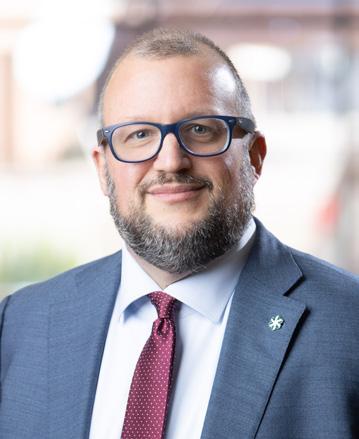
James Reed is chief information officer at Conway Regional Health System. A highly accomplished professional, Reed earned his Doctor of Pharmacy in 2002 and his Master of Business Administration in 2011. He is also a fellow of the American College of Healthcare Executives. Reed has been a dedicated member of the Conway Regional team since 2012, though his association with the health system began in 1997 when he worked as a pharmacy technician. In his current role, Reed oversees the operations of the information technology department and manages several clinical areas, including pharmacy, respiratory therapy, lab, radiology, quality and risk management. His extensive experience and leadership have significantly contributed to the advancement and efficiency of Conway Regional Health System’s operations.
JimBob Reynolds EVP & Chief Credit Officer
AgHeritage Farm Credit Services
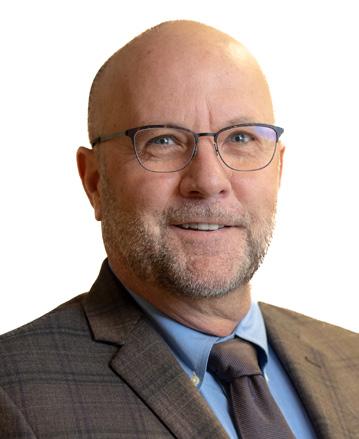
JimBob Reynolds is executive vice president and chief credit officer at AgHeritage Farm Credit Services. Reynolds grew up on a family farm in Dalhart, Texas. He has a Bachelor of Arts in agricultural economics and finance from Texas Tech University and a Master of Business Administration from the University of Texas at San Antonio, and he has completed the Graduate School of Banking at Texas Tech. He has a total of 32 years in banking, and 15 of those years have been within the Farm Credit System. Reynolds is married to his wife, Thedra, and has two daughters and five grandchildren.
Amy Rice CFO
Saline Memorial
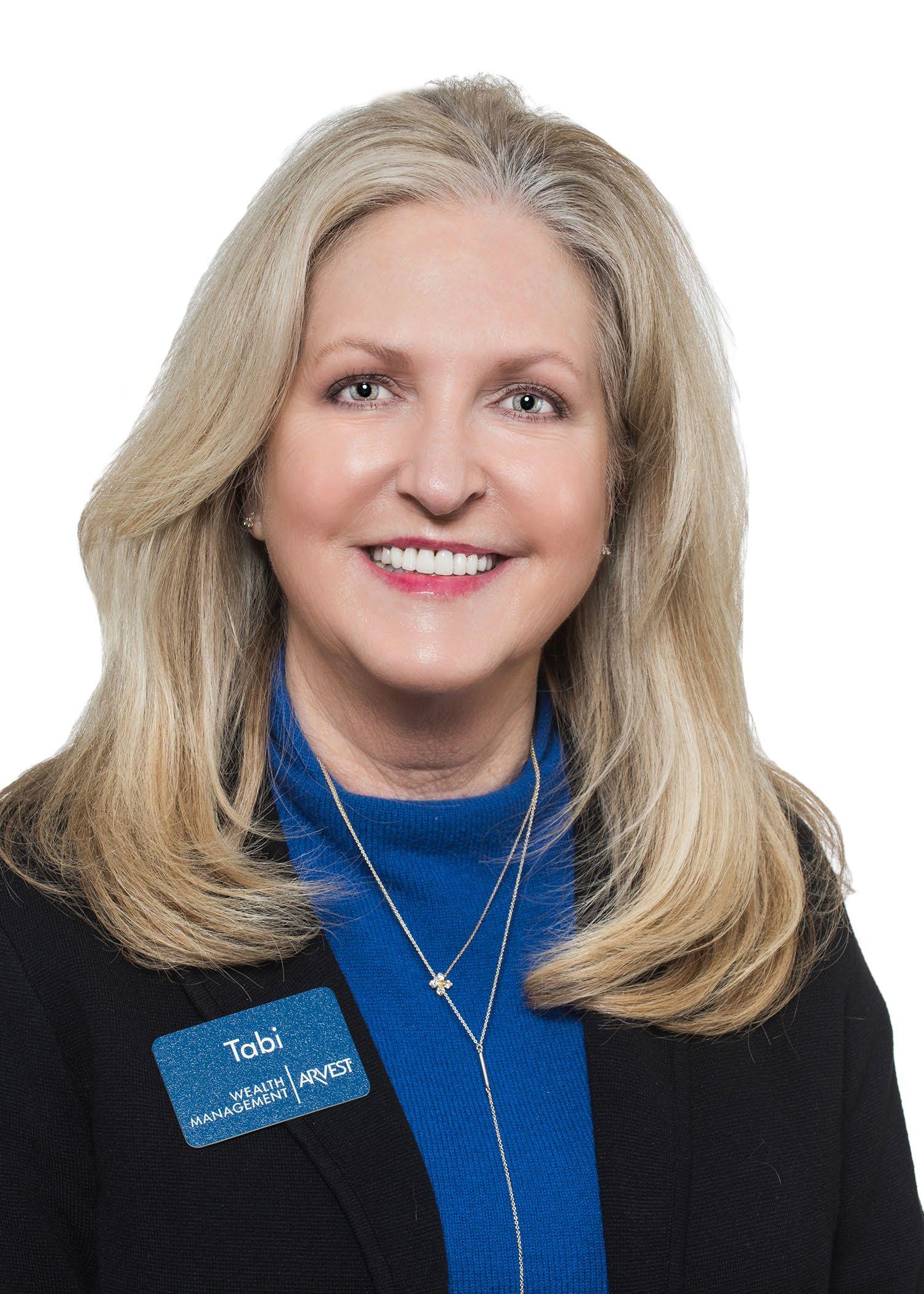
Butch Rice CEO
Stallion Transportation Group
Paul Rowton President GES
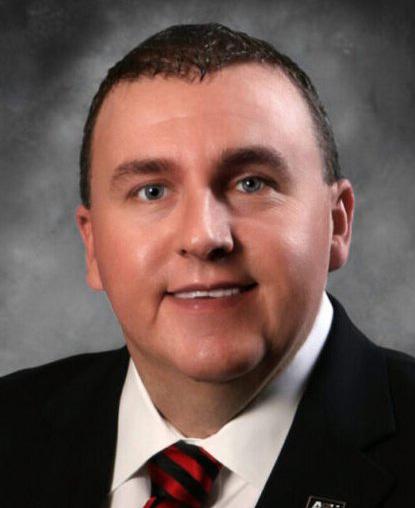
Paul Rowton of Harrisburg was named president of GES, the parent company of Edwards Food Giant and Edwards Cash Saver, after most recently serving as executive vice president and chief financial officer. A graduate of Arkansas State University in Jonesboro, Rowton has built a distinguished career in both business and community leadership. He currently serves on the board of trustees of the Arkansas State University System and the Baptist Memorial Health Care System and is a board member of the National Grocers Association. Rowton has also served six terms as chairman of the Arkansas Retailers Association. Rowton is a graduate of Leadership Arkansas Class I, sponsored by the Arkansas State Chamber of Commerce, and has been recognized in numerous local publications. His community involvement includes service as a board member and former president of the Harrisburg Rotary Club, where he is also a Rotary International Paul Harris Fellow. Rowton joined GES in 2002 as a store manager in Harrisburg after working as a district sales manager at Hershey Foods. His leadership and operational expertise helped propel him quickly through the company’s ranks.
Seth Runser President & CEO
ArcBest
Sanders earned a Bachelor of Science degree in nuclear and chemical engineering from the University of California, Berkeley, and a Master of Business Administration from the University of Chicago Booth School of Business.
Colleen Sarkar CFO
Beaver Water District
Fred Scarborough EVP & Chief Development Officer
Arkansas Children’s
Janell Schmidt CHRO
Lexicon
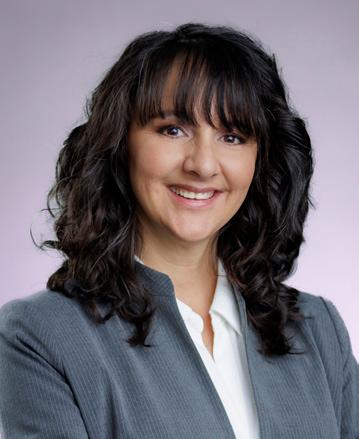
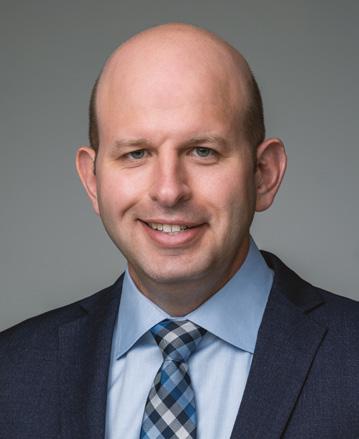
Seth Runser is president and CEO at ArcBest. With nearly two decades of experience, he brings deep operational expertise and a customer-led approach to driving growth, efficiency and innovation across the organization. Focused on building better supply chains, Runser leads strategic initiatives that simplify logistics, improve service performance, and create long-term value for customers and shareholders. Runser began his career at ArcBest in 2007 as an ABF Freight Management Trainee and advanced through key operations and leadership roles. He was named president of ABF Freight in 2021 and president of ArcBest in 2024, guiding teams through disruption and modernizing operations. He became CEO and was appointed to the ArcBest Board of Directors effective Jan. 1, 2026. Runser serves on several industry and community boards and has a bachelor’s degree in marketing from Kent State University in Ohio.
August Rusher Chief Credit Officer
Generations Bank
Scott Sanders EVP & CFO
Summit Utilities
Scott Sanders is executive vice president and chief financial officer at Summit Utilities, where he leads the company’s financial strategy, planning and performance. Sanders has more than a decade of experience in investment banking, advising and raising capital for clients in the utilities and renewables sectors. He began his career as a regulator at the California Public Utilities Commission, working as an electric and natural gas utility policy advisor to the commission president. Prior to joining Summit, he co-founded New Infrastructure Advisors, a boutique financial advisory firm focused on the renewable energy sector. Sanders has served as a senior member in the Power Group in investment banking at Citigroup. In addition to investment banking, he has consulting experience, having worked for Deloitte Consulting’s utility practice.
Janell Schmidt is chief human resources officer at Lexicon, one of Arkansas’ largest private companies, boasting more than 3,000 employees nationwide. She oversees talent recruitment, workforce development and employee engagement across Lexicon’s multisite operations. With 25 years of industrial HR experience, including 15 at Fortune 500 companies, Schmidt has a proven record of building strong cultures and high-performing teams. Since joining Lexicon in 2024, she has led initiatives to enhance employee well-being, expand benefits and launch the company’s Strong as Steel: Building Mental Might campaign. A veteran of the U.S. Army and the Kansas Army National Guard, Schmidt is also a champion for the skilled trades workforce — the backbone of Lexicon’s industries — ensuring employees’ contributions and voices are recognized.
Jeremy Schreckhise VP & CIO
Summit
Utilities
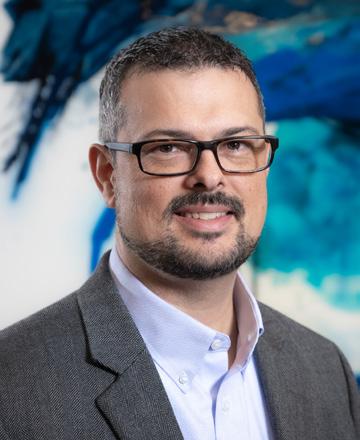
Jeremy Schreckhise is vice president and chief information officer at Summit Utilities. He has more than 25 years of experience guiding organizations through growth, transformation and operational modernization in highly regulated, infrastructure-intensive environments. Schreckhise has a Bachelor of Science in computer information science from Arkansas Tech University in Russellville and a Master of Business Administration in leadership and ethics from John Brown University in Siloam Springs. He has served in long-standing advisory and governance roles and multiple committees within national natural gas industry associations. His professional credentials include Certified Information Systems Security Professional, Certified Information Security Manager, CompTIA Advanced Security Practitioner, and Certified Ethical Hacker. Alongside his executive career and lifelong pattern of leadership, Schreckhise has served as an adjunct faculty member and curriculum developer, designing and teaching undergraduate and graduate-level courses in programming, database management, financial mathematics and technology.
Patrick Schueck CEO Lexicon
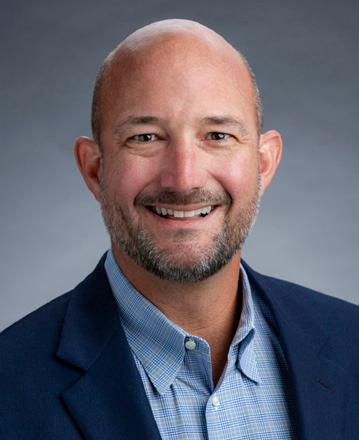
Patrick Schueck is CEO of Lexicon, a leading provider of construction management, fabrication, erection, mechanical installation, golf course construction and plant management services. Under his guidance, Lexicon was named to Engineering News-Record’s prestigious 2025 “Top 600 Specialty Contractors” rankings. Lexicon ranked No. 40 in overall specialty contractors and No. 3 in steel. Schueck is very active in his civic and industry affairs, sitting on a number of boards both locally and nationally. In 2025, Schueck guided Lexicon’s transition to an employee stock ownership plan. He is married to Jessica Crowson Schueck and has four children.

Hey Heather,
Thank you ma'am, for the incredibly kind and thoughtful note. It truly means a lot to me and to everyone at NOEC to hear that our appreciation was received in the spirit it was intended. I think Chris and I have a passion for this industry the same way you both do for yours.
The respect is absolutely mutual. What you all do at AY Magazine and Arkansas Money & Politics goes far beyond marketing, you help tell real stories, you believe in the people and companies you represent, and you do it with integrity. That matters to us, and it’s probably a big reason why Chris has valued this partnership so highly.


Michelle truly is something special. Her passion, responsiveness, and genuine care for our company show in everything she does. It’s rare to find someone who not only understands our vision for a industry she doesn’t technically work in but actively champions it the way she does. We’re incredibly grateful for her and for the entire team that supports her. We’re proud to be associated with a group that represents the best of Arkansas and helps shine a light on the people building it every day. We don’t take that lightly, and we’re thankful to be part of your story as much as you are part of ours.
Thank you again for the trust and the encouragement. We’re excited for what’s ahead and truly appreciate all that you both do for NOEC.
v/r Matt Usery President NOEC Construction






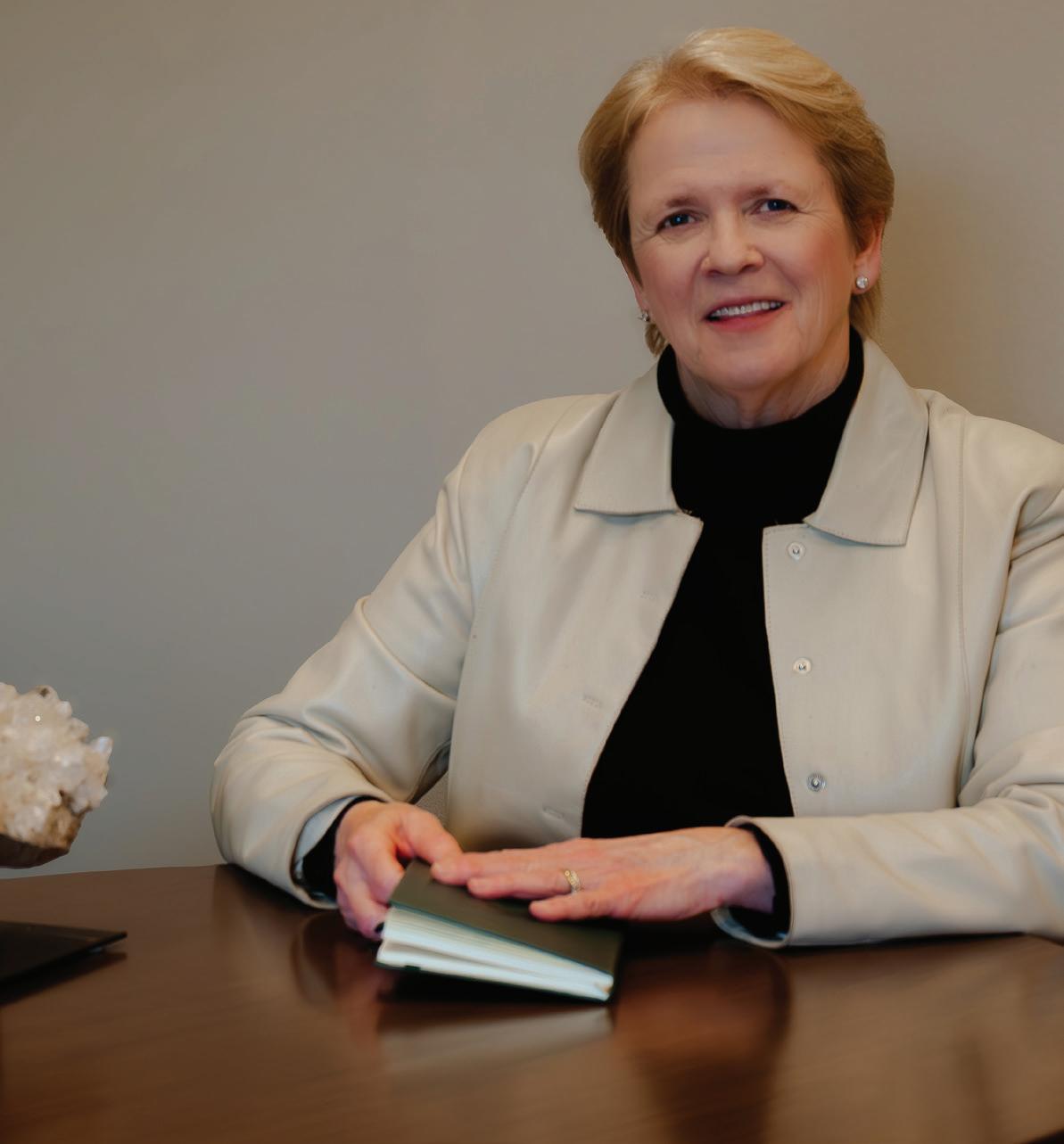
PEOPLE POWER SETH RUNSER ARCBEST CEO

By Sarah DeClerk
As president of ABF Freight, he helped prioritize safety while shepherding the carrier service through the COVID-19 pandemic. He also spearheaded a long-term facility enhancement and growth roadmap to increase capacity, launched an optimization roadmap to improve efficiency, and secured a five-year agreement with the International Brotherhood of Teamsters.
When he became president of ArcBest in 2024, he embarked on a listening tour, meeting with everyone from the management team to customers and investors to find ways to boost growth and efficiency.
In addition, he has guided the implementation of artificial intelligence solutions that have streamlined operating procedures and is preparing to launch ArcBest View, a new customer platform Runser described as an industry-leading tool centered on quoting, booking and tracking.
SethRunser became CEO at Fort Smithbased logistics company ArcBest this year, replacing longtime CEO Judy McReynolds, but that does not mean he is holed up in a corner office. On the contrary, Runser said he strives to be an approachable, hands-on leader as he works to deliver on the company’s strategic goals.
“The people at our company work so hard,” he said. “Every role is so important to our success. I’ve worked in a lot of roles in our company, and I’ve learned that.”
An Ohio native, Runser joined ArcBest right out of college at Kent State University. He started as a management trainee in 2007 and worked his way up to becoming president of ABF Freight in 2021.
“I always personally focused on doing the best I could do in the job I was in, so I focused heavily in areas that I wasn’t proficient in,” he said. “We do yearly development plans each year for employees, and I really took those development plans seriously. Ultimately, I wouldn’t be in this position without working with some amazing leaders and mentors who helped me along the way.”

“We’ve made a lot of changes, but if there’s anything this industry has taught me, [it’s] that change is constant,” he said. “We know how to adapt to our customers’ preferences, and staying close to our customers is why we change. It’s been well received so far, so I’m sure there’ll be more in the future as things develop.”
As he worked with McReynolds during his transition to CEO, he also hosted an investor day last fall to announce the company’s 2028 targets and discuss ArcBest’s three strategic pillars of growth, efficiency and innovation.
Responsible for 14,000 employees across 250 locations, Runser said he aims to be a “humble servant leader” who listens to the people on the front lines and encourages employees to speak up if they disagree with an idea, regardless of his C-suite title.
“If someone leaves an interaction feeling heard, respected and valued, then I’m doing something right,” he said. “That’s kind of the way I look at it, and I also believe strongly in being a leader of presence. I like to visit our locations, see our people, our customers, spend time in each area to see what they need to be more successful.”
He encouraged those looking to follow in his footsteps to get involved in their communities, learn new skills and always do the right thing, even when no one is watching.
“I personally always treated every role like that’s where I was going to retire from, whether that was my first role at the company or where I am now,” he said. “If you’re constantly looking for the next step versus focusing being great on the role you’re in, I feel like you’re likely going to stumble. I think that’s a key point because a lot of people are thinking about, ‘How do I get to the next step?’ but if you’re great in your role, good things will generally happen, so focus on what you are responsible for today.”
Congratulations Seth Runser and Erin Gattis on being named to AMP’s 2026 C-Suite List!
Seth, you listen closely to our teams and customers to understand what really matters, guiding the next steps to building better supply chains. Erin, you champion our people and values-driven culture every day while shaping an environment where employees can thrive.
Thank you both for your leadership and impact on ArcBest.
is a multibillion-dollar integrated logistics company that leverages our technology and full suite of shipping and logistics solutions to meet our customers’ supply chain needs. Using our technology, expertise and power of scale, we help our customers find the best mix of solutions for their needs — from ground, air and ocean transportation to fully managed supply chains — serving as a single logistics resource. We’re a trusted advisor. We listen, put ourselves in our customers’ shoes and constantly look for opportunities to optimize. And with innovation as a pillar of our strategy, we develop intelligent solutions that create operational efficiencies and help move the global supply chain forward.

Daryl Seaton President & CEO
Sowell Management
Vince Signorelli Founder & CEO
Vulcan Pickleball
Brad Sikorski President & CEO
Excellerate Foundation
Todd Simmons CEO & Co-vice Chair
Simmons Foods
Shelley Simpson CEO
J.B. Hunt
Jim Sliker CEO
Central States
Jim Smith President & CEO
Keith Smith Co.
Les W. Smith SVP & Chief of Staff
Arkansas Colleges of Health Education
Les W. Smith serves as senior vice president and chief of staff at the Arkansas Colleges of Health Education in Fort Smith, where he plays a key leadership role in institutional strategy, operations and growth. Since joining ACHE in 2019 as chief business strategy officer, Smith has helped guide the organization’s continued expansion and was promoted to his current role in 2024. Prior to ACHE, Smith built a more than 20-year career at Arvest Bank, beginning as a college teller and rising through the organization to executive vice president and loan manager. His extensive experience in finance, lending, construction and real estate provides strategic insight that supports ACHE’s long-term development initiatives. He serves on several community boards, including the board of directors for Mercy Health Fort Smith Communities. He has a Bachelor of Science in finance from the University of Arkansas in Fayetteville and a graduate banking and finance degree from Louisiana State University.
Payton Smith COO
Metro Disaster Specialists

Payton Smith is chief operating officer at Metro Disaster Specialists, a family-owned and locally operated restoration and reconstruction company based in North Little Rock. A thirdgeneration leader, he helps carry forward the company’s 47-year legacy of serving all 75 Arkansas counties as a licensed general contractor. Payton began working at Metro in high school and college and advanced into leadership before becoming COO in 2018. He holds the Certified Restorer designation and oversees the restoration division and marketing department. He served as the 2025 chairman of the North Little Rock Chamber and on several statewide industry and community boards.
Taylor Speegle President & CEO
Northwest Arkansas Food Bank
Jo Spencer CFO
Central Arkansas Library System
Katie Spencer Owner
The Polish Agency
Katie Spencer is owner of The Polish Agency, a woman-owned, full-service marketing firm specializing in brand development, social me dia strategy, website design and paid advertis ing. Since taking the reins, Spencer has led the agency’s growth into a five-person team serving more than 30 ongoing clients across Arkansas and beyond. Under her leadership, Polish operates as both a strategic partner and, for many businesses, a fully outsourced marketing department, coordinating campaigns, managing multilocation brands, and ensuring every touchpoint is polished, cohesive and results driven. Spencer is a proud alumna of Arkansas State University in Jonesboro and is deeply committed to in vesting in northeast Arkansas. She regularly sponsors local events and donates services to initiatives that strengthen the business communi ty and help the region thrive. Her commitment to growth extends to downtown Jonesboro, where she purchased a historic building with a long-term vision in mind. She is thoughtfully redeveloping the space to bring the Polish approach to life — creating something vibrant, lasting and community centered that contributes to the continued revitalization of downtown and offers a place the entire community can enjoy.
John Stephens Co-CEO Stephens

John Stephens was appointed Co-CEO at Stephens in January 2025. Stephens most recently served as a managing director and member of the family advisory services group at Stephens. Prior to that role, he was an associate director of Stephens Europe, where he has served on the management committee since 2019, and previously had been part of the consumer investment banking team at Stephens in New York. He began his career as an equity analyst for Stephens Investment Management Group, based in Houston. As an analyst, he assisted four portfolio managers across all industry sectors in their research of small and mid-cap domestic growth equities. Stephens is a graduate of the University of Pennsylvania and received his Master of Business Administration from Columbia Business School in New York. He serves on the investment committee for Firethorn Trust, a London-based real estate firm. Stephens also earned the designation of Chartered Financial Analyst.
Miles Stephens Co-CEO Stephens
Miles Stephens was appointed Co-CEO at Stephens in January 2025. Stephens had been the president and CEO of Stephens Insurance before becoming Co-CEO at Stephens. Prior to his role at Stephens Insurance, Stephens served as a senior vice president in the investment banking division of Stephens, where he advised mid- to large-sized businesses with a focus on the energy and auto retail sectors. Before joining Stephens, he served in research positions at Hotchkis & Wiley Capital Management and Lehman Brothers. Stephens is a graduate of Dartmouth College in New Hampshire and received his Master of Business Administration from Columbia Business School in New York. He is currently a director at Vanguard Truck Centers.
Christine Tan COO SupplyPike



Jason Taylor EVP & CFO
First Community Bank
Jason Taylor serves as executive vice president and chief financial officer at First Community Bank, bringing more than 24 years of dedicated service to the organization. In his role, Taylor oversees the bank’s financial strategy, reporting, and long-term fiscal planning, helping ensure continued strength, stability and responsible growth across all markets. Under his financial leadership, the bank’s total assets have grown to $3.42 billion as of Dec. 31, 2025. Taylor earned his Master of Business Administration from the University of Arkansas in Fayetteville in 1999 and his Bachelor of Arts in psychology in 1996. He is also a graduate of the Barret School of Banking in Memphis and the Moore Graduate School of Bank Investments and Financial Management, reflecting his commitment to ongoing professional development and excellence in financial leadership. Throughout his career, Taylor has played a key role in supporting First Community Bank’s mission of serving customers with integrity, sound judgment and personalized service. His steady leadership and deep institutional knowledge have contributed significantly to the bank’s sustained success. Outside of work, Taylor enjoys spending time with his wife and cheering on their children, Kennedi and Steele, at sporting events.
Wes Taylor CEO
NWA Steel
John Teeter President & CEO
C.R. Crawford Construction
Since being named president and CEO in 2021, John Teeter has led C.R. Crawford Construction in Fayetteville with a disciplined, client-centered approach that has fueled company growth and strengthened market position. He joined the company in 2017 as vice president of project management, drawing on his engineering background and deep technical knowledge to ensure precision, performance and long-term value for clients. Under his leadership, the company expanded operations, elevated standards and fostered a culture of accountability and excellence, earning national recognition including ranking in the Engineering News-Record “Top 400 Contractors” list. As the company enters its 20th-anniversary year, Teeter continues to provide steady direction and strategic focus that positions CRCC for sustained growth and long-term success. A civil engineering graduate of the University of Arkansas in Fayetteville, he is a registered professional engineer and Leadership in Energy and Environmental Design Accredited Professional. His leadership is grounded in a commitment to developing strong teams and advancing the success of the individuals and organizations in his sphere of influence.
Lenore Trammell
Chief Administrative Officer, Chief Compliance Officer & General Counsel
Big River Steel
countable for legal matters affecting the organization and its other North American affiliates. Her responsibilities included serving as a trusted advisor for legal matters having a direct impact on the course of business, including the management of day-to-day corporate expansion and supervision of outside counsel. Trammell also managed contract drafts, negotiation and implementation of a $1.3 billion capital expenditure program, including a $100 million capital equipment purchase contract, and saved the company more than $5 million by negotiating business solutions for potential liability claims. She was also named director of maintenance, repair and operations procurement, managing a team that supported operations in excess of $100 million in MRO spend annually.
Matt Troup President & CEO
Conway Regional Health System
Matt Troup has served as president and CEO at Conway Regional Health System for more than 10 years. Under his leadership, Conway Regional achieved an 83rd-percentile employee engagement score in 2025 and maintained a voluntary turnover rate of just 9.88 percent with physician engagement reaching 4.34 out of 5. Conway Regional has also seen historical growth in net revenue that remained above 20 percent from 2020 to 2022. Troup views health care as a faith-driven calling — reflected in how he interacts with his team daily. Staff from every facet of the health system are inspired to be bold, exceptional and to answer their calling to help others. Conway Regional has earned best-place-to-work honors for nine consecutive years in Arkansas and eight consecutive years nationally. Troup has been married to his wife, Melissa, for 33 years, and together, they have four sons: Bucky, Barrett, Duncan and Gabriel.
Gary Troutman President & CEO
Greater Hot Springs Chamber of Commerce,
Hot Springs Metro Partnership
Gary Troutman is president and CEO at the Greater Hot Springs Chamber of Commerce and Hot Springs Metro Partnership. He serves as the Arkansas director for the Southern Economic Development Council and is a board of regent for the U.S. Chamber of Commerce’s institute at the University of Arizona. Troutman leads one of only four five-star chambers in Arkansas and one of only two accredited economic development organizations in the state. He was named the Chamber Executive of the Year in 2025 by AEDCE, and the Hot Springs chamber is the two-time reigning Chamber of the Year by AY About You
Jim Tull Chief Strategy Officer
Crafton Tull
Richard Tyler CHRO
Conway Regional Health System
Lenore Trammell joined Big River Steel in 2014, as chief compliance officer and general counsel. In 2019, while maintaining her other roles, she was elevated to chief administrative officer. Trammell also serves on Big River Steel’s executive committee and is the executive sponsor for the employee resource group, NextGen. Trammell’s career in metals began in sales and pricing at Rouge Steel. After serving in the pricing and sales area, she was appointed assistant general counsel. As the company became Severstal Dearborn, Trammell was ac-

Richard Tyler has more than 43 years of human resources experience, including 18 years as chief human resources officer at Conway Regional Health System. He is a senior professional in human resources and a licensed attorney with 33 years of experience focusing on employment discrimination law. He earned a Bachelor of Arts from Hendrix College in Conway, as well as a Master of Public Administration and Juris Doctor from the University of Arkansas at Little Rock. Tyler is a past president of the Arkansas Healthcare Human Resources Association and the Arkansas Industry Liaison Group and remains active in professional and community service organizations.
LEADERSHIP THAT SETS THE STANDARD


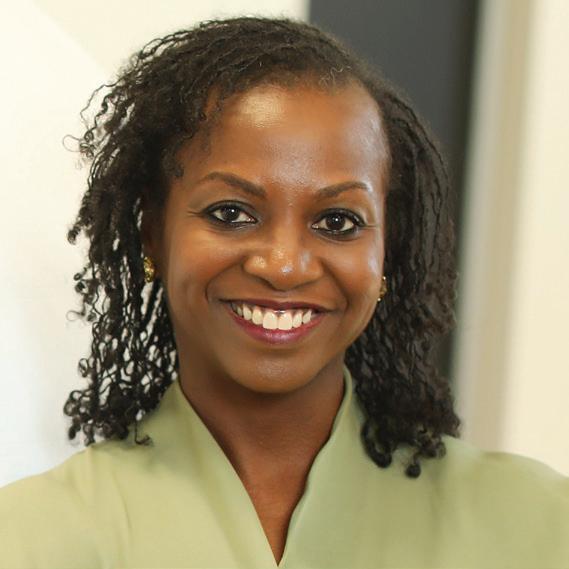





Kris Upton President & CEO
RPM Group
Stephan Van Der Merwe President & CEO
iHawl Land Specialist
Stephen Wallace CIO
University of Arkansas Community College at Morrilton
Chad Ware CFO
Central States
Doug Wasson CEO
Kinco Constructors
Joel Webb VP & Chief Technology Officer
Arkansas Colleges of Health Education
Joel Webb serves as vice president and chief technology officer at the Arkansas Colleges of Health Education in Fort Smith, where he leads the institution’s long-term technology strategy and ensures technical excellence across campus. With more than 25 years of experience, Webb brings deep expertise in infrastructure, cloud technologies, cybersecurity and disaster recovery to support ACHE’s continued growth and innovation. Before joining ACHE, Webb was information technology director at USA Capacity Solutions, where he delivered advanced technology solutions that supported continuous operations across North America. He also served in key technology roles at the United States District Court and as federal public defender for the Western District of Arkansas, where he led strategic next-generation infrastructure initiatives. Webb has a Master of Science in information technology management from Western Governors University and a Bachelor of Science in business information systems from John Brown University in Siloam Springs. He maintains multiple industry certifications, including Microsoft, Dell, Cisco, VMware and ITIL, reflecting his commitment to technical excellence and forward-looking leadership.
Steven Webb President & CEO
White River Health
Casey Willis CEO
St. Mary’s Regional Health System
Sarah Willis CNO
Arkansas Surgical Hospital
Jennifer Wilson-Harvey CFO
Attorney’s Title Group
Kecia Wolf President & CEO
Southwest Arkansas Electric Cooperative/Four States Fiber
Jennifer Yarberry CNO
Pinnacle Pointe Hospital
Randy Zook President & CEO
Arkansas State Chamber of Commerce
Associated Industries of Arkansas
Randy Zook is president and CEO at the Arkansas State Chamber of Commerce/Associated Industries of Arkansas. A few of his accomplishments during his tenure include strengthening the brand of the state chamber, increasing membership, leading two successful ballot issue campaigns and refocusing attention on the workforce development system in the state. He is currently serving on the boards of the Arkansas Public School Resource Center, Economics Arkansas, McGehee Farm & Real Estate Co., and the Arkansas Economic Development Foundation. He was recently appointed by Gov. Sarah Huckabee Sanders to the 2030 Complete Count Committee.
Steven Webb is president and CEO at White River Health, an independent nonprofit health care system serving north-central Arkansas. As a fellow of the American College of Healthcare Executives, Webb brings nearly 20 years of operational leadership experience and a strong commitment to improving health care access in rural communities. Webb earned a bachelor’s degree from East Texas Baptist University and a master’s degree in health service administration from the University of Arkansas at Little Rock. Webb prioritizes treating others with respect, building strong teams and delivering high-quality results. In his role as president and CEO of White River Health, Webb focuses on advancing access, strengthening clinical services and supporting teams dedicated to delivering reliable, patient-centered care across the region each day while promoting the values of the organization. His leadership has consistently produced positive outcomes in finance, quality, patient satisfaction and outreach.
Mindy West President & CEO
Murphy USA
Amber White CEO & Principal Broker
White Stone Real Estate
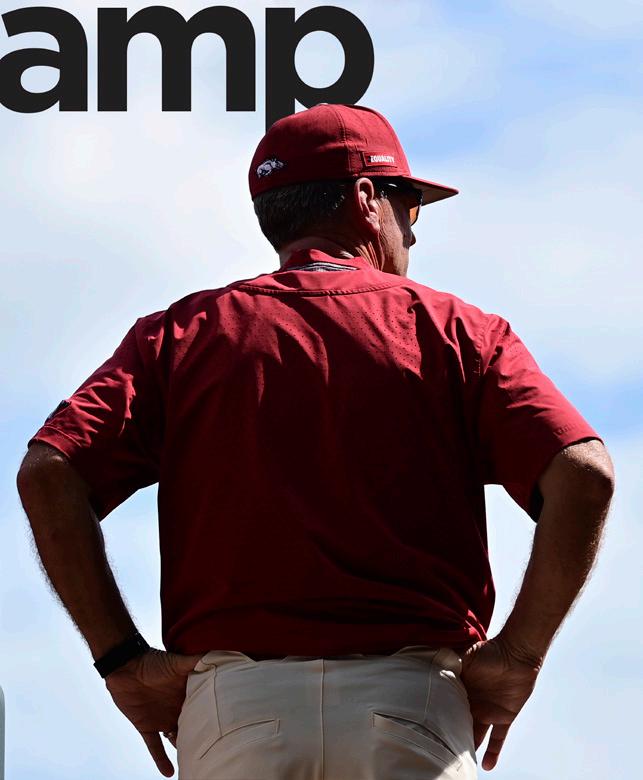
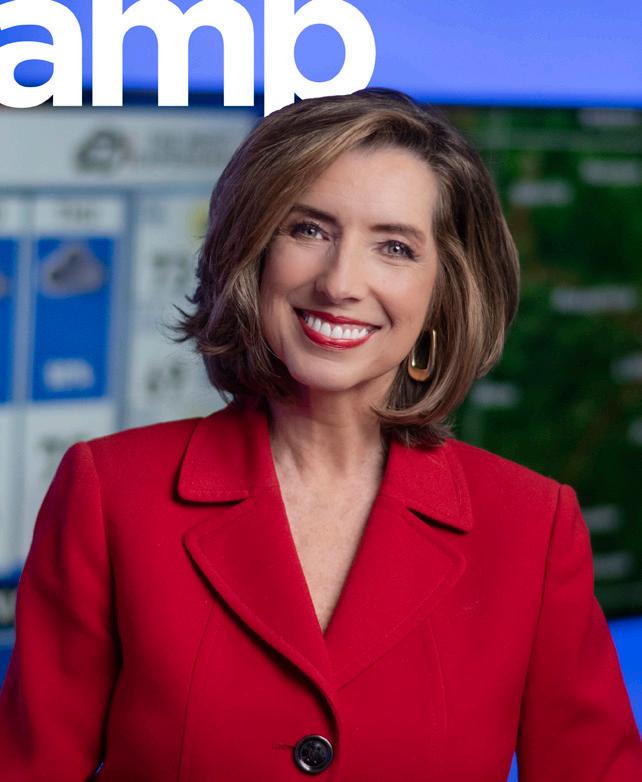


TIME-TESTED BUSINESSES
What follows is a list — not comprehensive — of companies in Arkansas that have been doing business for more than 20 years. If you know of a company that was launched more than 20 years ago, let us know about it by emailing us at press@aymag.com.
At Arkansas Money & Politics, we salute businesses that have stood the test of time.
COMPANY
Albright Ideas
Anthony Timberlands
Arkansas Democrat-Gazette


Blackmon Auctions
Bruno’s
C.C.
Dillard’s
Duffield Gravel Co.
Feltner’s Whatta-Burger

Ferstl
First
Five




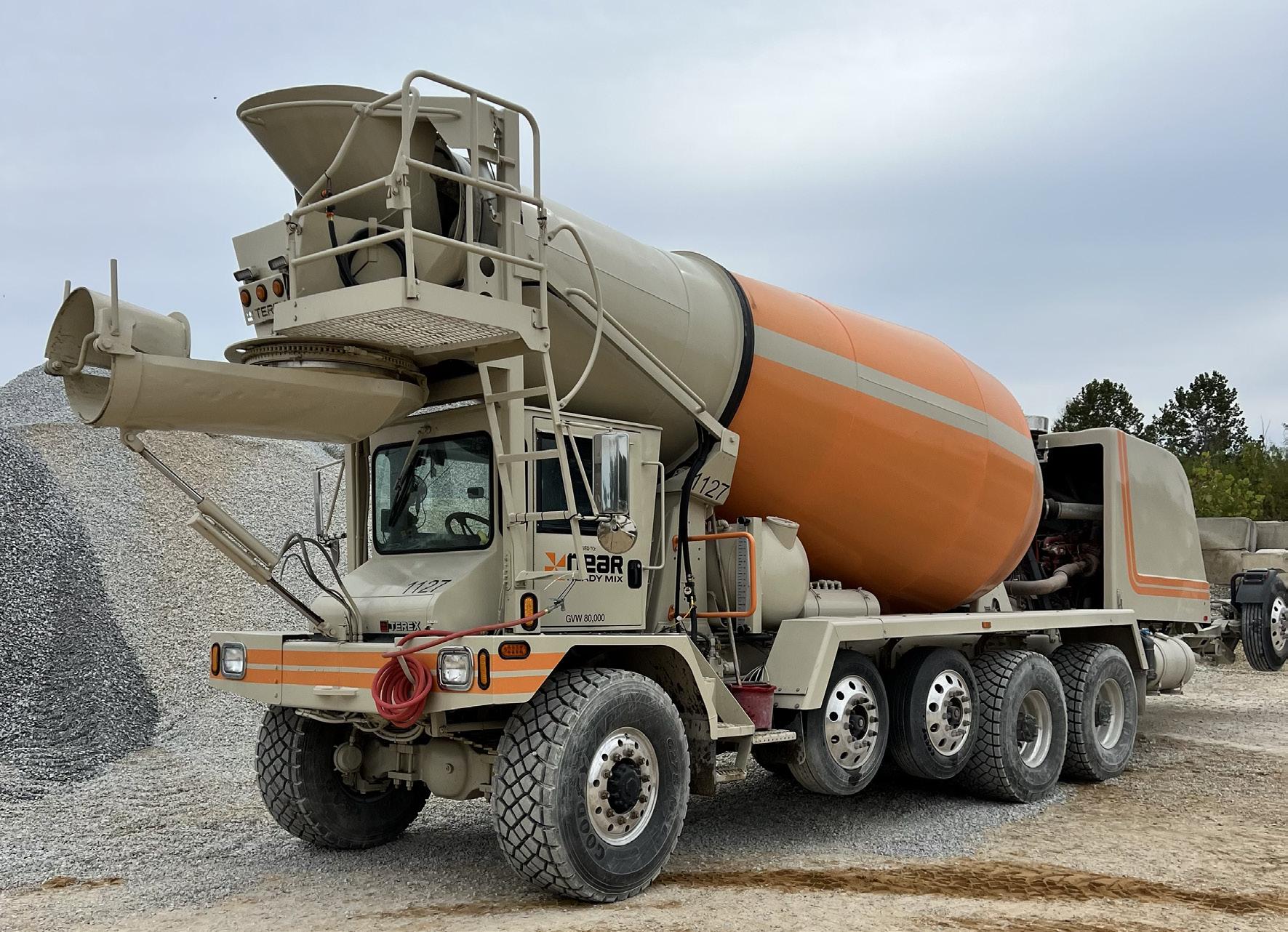
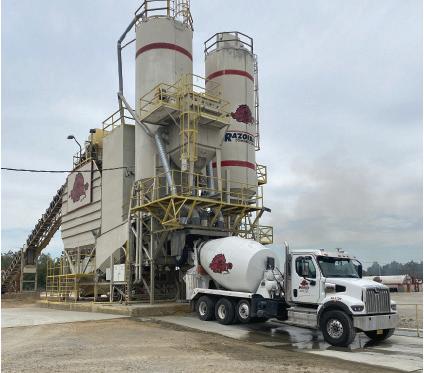

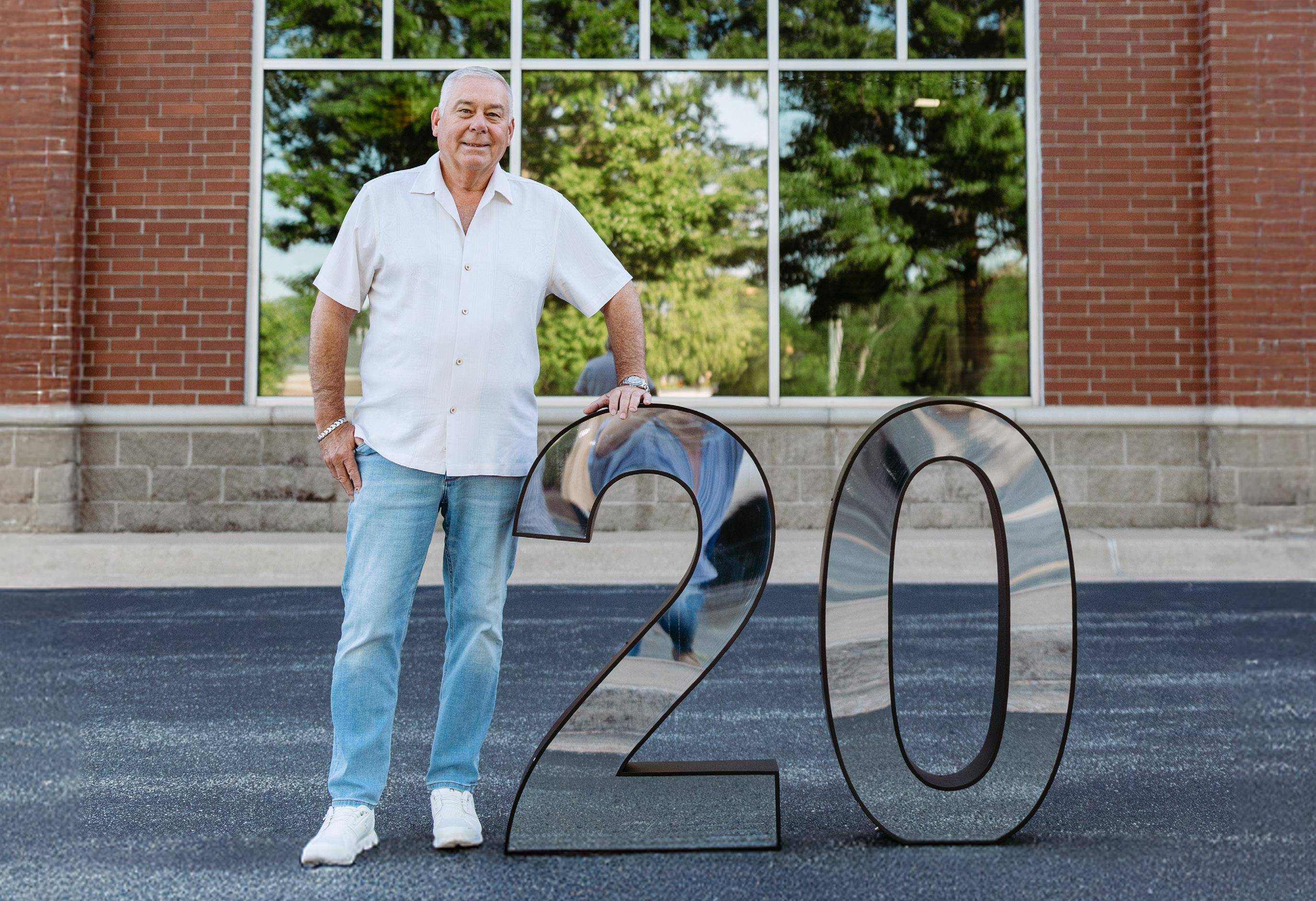



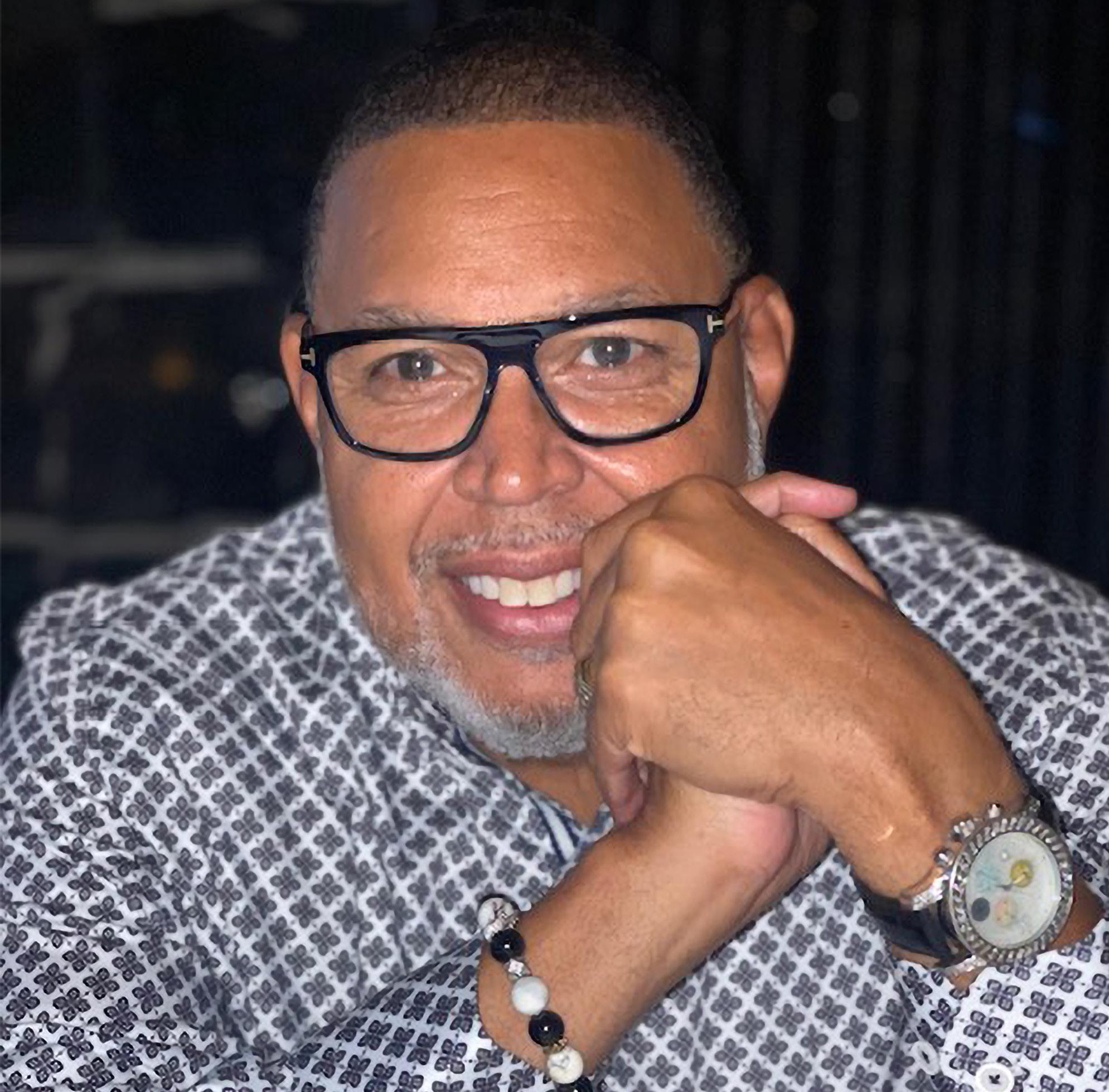
ARKANSAS VISIONARY
SUPER-SIZED SUCCESS
Darryl Webb Sr. grew from lean times to entrepreneurial mastery
By
Dwain Hebda | Photos provided by Darryl Webb Sr.
In the 2013 motion picture The Wolf of Wall Street, fasttalking stock sharp Jordan Belfort, played by Leonardo DiCaprio, seals a sale to a cold-call chump with the line, “I never ask my clients to judge me on my winners. I ask them to judge me on my losers because I have so few.”
Darryl Webb Sr. is about as far from the sleazy Belfort as one can get, yet when it comes to the heart of that quote — that failure in life is instructive of the person living it — a curious parallel can be made. Webb, too, asks to be judged on his career’s down times as much or more than for his success in the corporate world, the pastorate and entrepreneurism. It is there, during those dark times of life, that he feels true character has the opportunity to shine through.
It is also why his recently released autobiography, Who’s on Fries? My Journey From Fry Cook to C-Suite, reads so real, including as it does the struggles of an impoverished youth, the challenges of having married early and several unflattering episodes of his life, right down to declaring bankruptcy. Many people would shirk the chance to air such experiences, but when asked about it, Webb asserted the missteps and disappointment were crucial to the still-unfolding story of his life and, with luck, serve as an example to others.
“I’m actually glad you started there, and I’ll tell you why,” he said. “For me, the reason that I wrote the book is really about those down periods. I’m a preacher, right, and one of the things that I say a lot is that people see you in your glory, but they don’t know your story. One of the things that I’ve tried to do is to share with people that success oftentimes is a bumpy road. You don’t just wake up one day and you’re successful. There’s ups and downs. There’s setbacks and comebacks.
when his father left his mother for another woman. The fallout, both emotional and financial, left a psychic imprint he feels to this day.
“Looking at the hurt, what I know now as the trauma, in my mom’s face when my dad said to her, ‘I want a divorce,’ and everything that transpired after that, was devastating,” he said. “I never wanted to see my mom experience that kind of pain again, and it shaped who I was as a person. It affected my drive. It affected my motivation. It affected my resilience early on that I was going to do everything that I could to make sure my mom didn’t experience that again.”
On the day he turned 16, Webb’s mother picked him up from school and drove him to the department of motor vehicles, where he got his leaner’s permit, and then took him around to several places to apply for a job. Burger King bit first, installing the eager teenager at the fry station.
“My first paycheck was seventy-two dollars after taxes,” the book reads. “For the first time I could ease Mama’s financial burden. … I felt genuinely useful and grown up.”
DARRYL WEBB SR. ON EXCELLENCE
“Excellence is a decision. Strive for excellence in everything you do, big or small. Be the best fry person anyone has ever seen. Whatever was placed in my hands, I chose to master it. That mindset opened every door I’ve ever walked through. Stop waiting for the perfect role; lead in the one you have. Excellence attracts opportunity every time.”
“It was those down seasons of my life that I hope help people understand that you can overcome, you can come back from setbacks, and difficult moments don’t have to define you in a negative way. You can use those difficulties to propel you forward. You can get up. You can dust yourself off. Failure is not fatal because failure is not final. That’s really been the essence of my ministry, and it’s been the essence of my story.”
Webb’s story begins in St Louis as the middle of four children, including three boys, born to a factory worker father, who later worked for the post office and as a public transit driver, and a mother who worked as a domestic. Though material things were in short supply, Webb remembered his childhood for being gifted until it wasn’t,
Where many of his peers regarded time in fast food as a necessary means to an end, Webb’s circumstances made that first job an important training ground, enhanced by the attention paid him by his first boss and an important mentor, Bill Miller. Miller liked what he saw out of the fry station, so much so that Webb advanced to different responsibilities quickly. With each advancement, his confidence and pride in his work grew, and in time, he would follow his former boss’ example in positions of leadership to bring out the best in others.
“The more responsibility that [Miller] gave me, the more that I took that responsibility and performed. Excellence became my brand; I wanted to do everything with a level of excellence,” he said. “I believe it was that excellence, that drive, that hard work and that ability to work and connect with people that got people older than me to respect me and follow me.
“To this day, I operate with that mentality of paying it forward, finding individuals that recognize that this is more than a job, it’s an opportunity, and leaning into those people, sharing my story and making sure that I developed people and brought people along the way others brought me along.”
Barely out of his teens, Webb had a new wife and an old dilemma — that of having advanced as far as he felt he could go at work. A colleague had moved to rival McDonald’s and
told Webb about the advancement opportunities and training the company offered to help employees build a career.
Changing from Team Whopper to Team Golden Arches began a process of learning and advancement that would eventually lead Webb to become the CEO and managing director of McDonald’s South Africa. While there, he was invited to dinner with the late Nelson Mandela, an experience that to this day gives him difficulty putting into words.
By the end of the encounter, during which Mandela thanked him for bringing jobs to areas that desperately needed it, Webb had been invited to partner with the Nobel laureate to help bring economic opportunity to the country’s rural areas. Seeing the legendary figure among his people left Webb spellbound.
“To have the opportunity to personally and directly not just interact but work directly with and alongside President Nelson Mandela and to travel with him to the rural parts of Africa was the most rewarding thing that I’ve ever done in my life,” he said. “When word came that he was coming to a village, people traveled for a week or 10 days just to get there and to see him.
“He introduced me as his friend and that we were going to be able to do good things together to bring water and sewer and sanitation and schools and books, etc., etc. In my biggest
DARRYL WEBB SR. ON COURAGE
“Whether you’re at the fry station, behind a desk, leading a team or rebuilding after a fall, your leadership story is already unfolding. You don’t need a title, a corner office, a degree or a platform. You need willingness, humility, dedication, discipline, vision and faith. If you commit to growing, serving and staying faithful through every season, you will rise again and again.”
dreams, that would’ve never been something that I thought was possible. Culturally, it meant everything, and it was very, very rewarding personally because we had the opportunity to lead this company, to lead this brand and to make a difference in the lives of South Africans.”
Webb came down off of that pinnacle experience hard. Returning to the states and after 24 years of employment, Webb was muscled out of his corporate role, leaving him hurt and embittered. He landed on his feet and began a life of entrepreneurism only to be knocked into Chapter 7 bankruptcy by the global financial crisis of 2008. Swallowing his pride, he started over in a midlevel management position at Olive Garden, well below the prestige and pay that comes with running an international territory.
Still, with an eye open for opportunities and a soul open to grace, his familiar formula of hard work, optimism and pouring into others had a familiar effect on the eight restaurants assigned to him — rising guest satisfaction, boosted employee morale and new opportunities. As time went on, he succeeded in
DARRYL WEBB SR. ON ADVERSITY
“When our business collapsed and I had to start over at Olive Garden, my ego took a serious hit. I went from global executive to overseeing eight restaurants. That season humbled me deeply, but it taught me one of the most valuable lessons of my life. Humility rewired my identity. It taught me to listen again, learn again and lead from gratitude instead of entitlement. Humility isn’t weakness; it’s the doorway to reinvention.”
senior executive roles at Darden Restaurants, Bloomin’ Brands and Golden Corral.
Nearly six years ago, the family moved to Little Rock, where Webb and his wife, Kim, would launch Kimco Family Restaurants, through which they successfully operated five McDonald’s locations of their own. Recently divesting himself of that, he launched Kimco Family Enterprises, a real estate holding company with more than 50 residential and commercial properties and the goal of expanding to at least 250 over the next five years.
After all these years, Webb is at peace not for avoiding all the wrong turns and other travails of business life but for how he has come through them intact, wiser and still moving forward.
“I think what I’m most proud of is that I’ve always operated with the spirit of excellence,” he said. “I tried to run my stores very well. I tried to run the cleanest restaurants, have the fastest service, have the best people and the highest level of customer satisfaction. As a real estate owner, I want my tenants to know that I’m going to be a great landlord. I’m going to operate at a high level of integrity.
“I think when it’s all said and done, what I want people to know is that this is a man who loved his family, who loved God, that treated people well, and always strived to operate with the highest level of integrity and excellence. That’s really what I want to be known for.”
Advice taken from Who’s on Fries. Learn more about Who’s On Fries at whosonfries.com.
DARRYL WEBB SR. ON LEADERSHIP
“My greatest joy wasn’t becoming CEO. It was seeing families find employment [and] mentoring leaders. Leadership demands integrity, courage, accountability, resilience, consistency, vision and empathy. Above all, it demands character, not comfort. Leadership doesn’t give you power; it gives you responsibility.”

HOT SPRINGS Chamber Awards
By Mak Millard and Mary LeSieur | Photos by Emily James
With no shortage of dining, entertainment and recreation on offer — and a rich history to boot — it seems Hot Springs has never had an issue attracting visitors. It is one thing to bring in a crowd, however, and another entirely to see to it that more than a few folks actually stick around.
Making the city the kind of place in which entrepreneurs can open up shop and new residents can set down roots is the mission of the Greater Hot Springs Chamber of Commerce. If the pace of economic development in the city is any indicator, the chamber’s efforts to showcase Hot Springs as an ideal place to live and do business have certainly gained
SMALL BUSINESS OF THE YEAR NEW HOPE THERAPY
Atthe risk of sounding like a truism, it can hardly be denied — most everyone could use a little hope these days. Since 2018, physical therapist Nicki Sessions and her husband, Brandon, have been leading a growing team of talented therapy professionals whose goal is to bring just that to the people of Garland County and beyond.
New Hope Therapy provides physical, occupational, speech-language and mental health therapy for individuals of all ages, offering expertise in pediatrics, adolescents and adults. The New Hope team has grown to more than 40 staff members over the past eight years and serves from multiple locations in Garland and the surrounding counties.
momentum in recent years.
This year’s Chamber of Commerce Awards banquet honored some of the hardworking business owners and professionals who have contributed to that growth. At more than 900 members strong, newcomers and longtime locals alike have been able to share their business success with their friends, families and neighbors by giving back.
Some are hometown heroes, and some are tireless volunteers. Others came with the intention of starting a family, as well as a business. No matter the industry, size or sector, all of them share a commitment to leaving Hot Springs better than they found it.
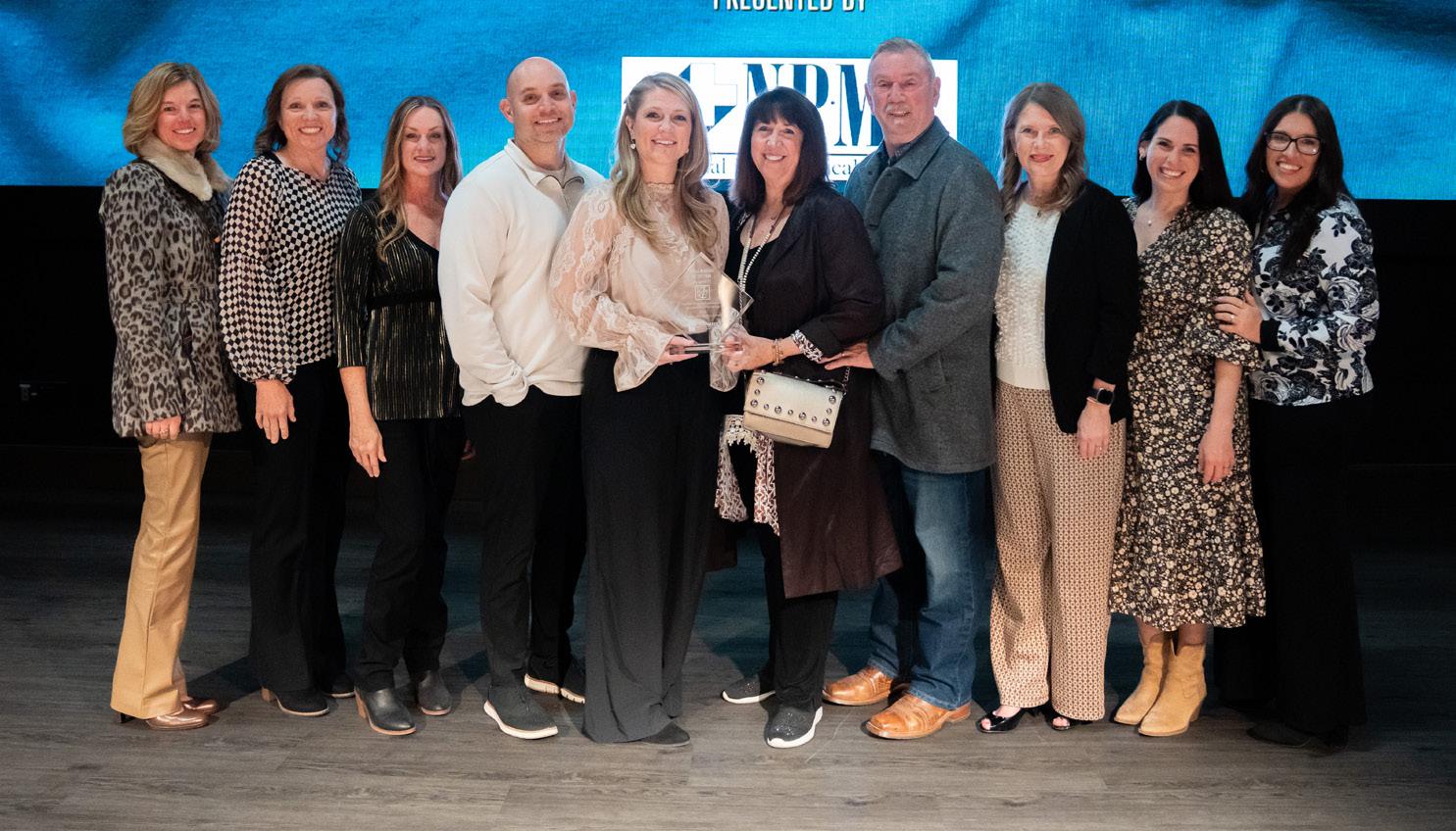
“New Hope Therapy is built on more than services,” Sessions said. “We are built on relationships and providing hope. The work we do each day matters, but just as important is how we care for the families who trust us during seasons that can feel overwhelming or uncertain.”
The clinic’s multifaceted success as a provider, a business
and an indispensable community partner gave the Greater Hot Springs Chamber of Commerce ample reason to select New Hope Therapy as its 2026 Small Business of the Year.
“Being recognized by the Hot Springs chamber is truly meaningful to us,” Sessions said. “One of the foundational principles New Hope was built on is a deep commitment to community. This award affirms that we are living out that mission — not simply operating as a business but intentionally investing in and
serving the community we’re blessed to be a part of.”
One of the benefits of chamber membership, Sessions said, is that it has expanded New Hope’s connections far beyond the medical community. Business leaders and organizations across a wide range of industries throughout Hot Springs and Garland County are able to cooperate, share insights and ultimately strengthen their collective ability to improve the place they all call home.
“We are committed to providing excellent, evidence-based care while also creating an environment where patients feel known, supported and encouraged,” Sessions said. “At the same time, we are passionate about investing in Hot Springs and Garland County in ways that extend beyond our walls. Whether through partnerships, volunteer efforts or simply showing up consistently, our goal is to be a steady, positive presence in this community.”
To see the deep ties of service New Hope’s team cultivates outside the clinical sphere, calling its presence a positive one is an understatement. In addition to overseeing the clinic, Sessions volunteers as the CEO of Anchored619 in Allegiance, a nonprofit with four pillar programs that support a wide range of therapeutic and educational needs in the community. Brandon, while serving as co-owner of the clinic, also coaches multiple league and travel baseball teams, and both he and Sessions are actively involved in their church. The couple also supports other business owners through mentorship and advising.
“For us, serving in these ways is a natural extension of our faith,” Sessions said. “We strive to be the hands and feet of Jesus by showing up, giving back, and caring for our neighbors in meaningful and tangible ways.”
That philosophy infuses every aspect of the clinic, including the ways in which New Hope staff give back, such as volunteering for events, giving generously and supporting a variety of local causes. Many employees are involved with initiatives under the umbrella of Anchored619 in Allegiance, Sessions said. Some serve as directors and have even launched their own programs. Others serve on volunteer boards or give their time at events throughout the year.
“At New Hope, community and service are truly pillars of our foundation,” Sessions said. “Those values are deeply personal to us as owners, and we naturally attract team members who share that same passion for serving others.”
Partnerships also run the gamut. New Hope’s footprint of services and donations — not to mention plenty of helping hands — can be found everywhere from local daycares, schools and churches to charity 5K races and nonprofit fundraising events throughout the year.
“Our team members are advocates both formally and informally, using their voices and their time to make a meaningful difference for the populations they care about,” Sessions said. “That shared commitment to service has allowed us to grow in
a way that remains sustainable and firmly rooted in our core values.”
A state-of-the-art wellness clinic has served as New Hope Therapy’s headquarters since 2024. In line with the team’s vision of holistic care for mind, body and spirit, the space includes expanded diagnostic services for autism and literacy, fully accessible therapy rooms, and simulated environments such as a kitchen, bedroom and office to help patients regain independence and prepare for life after injury or illness.
“We started looking into this opportunity in 2020, when we decided to purchase land and then started working with Chris Shepherd [at] Taylor Kempkes Architects and architect Jaime Correa Velez on building plans,” Sessions said. “They took the vision, hopes and dreams to make it a reality when we opened [the] doors of our very own location. God paved the way for this opportunity, and we feel truly blessed that he has gone before every season over these eight years.”
The move marked a major milestone for the business, which has been able to hire additional team members who further elevate the level of care New Hope provides. Staff members old and new regularly sharpen their skills through additional certifications, continuing education and specialized training. As leaders, Sessions said her and her husband’s goal has never been to chase financial success but to do right by the people they serve and work with daily.
“At New Hope, we strive to cultivate a person-first culture for both our employees and our patients,” Sessions said. “That means recognizing that before we are clinicians, leaders or administrators; we are people. We want our team to feel seen, valued and supported not just for the work they do but for who they are. Part of that culture also includes humility in leadership. We allow our staff to see us as human. We are not perfect, and we do not pretend to be. We make mistakes, we grow, and we lead with transparency and grace.”
With integrity and faith at the center of every step, Sessions said New Hope’s vision for 2026 is to remain steadfast in its support of health and wellness in Garland County and the surrounding areas. The clinic has already launched partnerships with Sunshine Therapeutic Riding Center and COMPACT Family Services, in addition to working with Royal Sanctuary Therapy Farm, to provide for the community’s therapeutic needs well beyond the clinic walls.
“We hope to continue to have God open doors [to] ways that we can reach the next adult, child or family [and] how we can impact them with hope for whatever season of life or circumstance they are in,” Sessions said. “Ultimately, we are grateful for the trust families place in us, grateful for the team we get to work alongside each day and grateful to serve a community that continues to support and believe in what we do to provide hope.”
ORGANIZATION OF THE YEAR
OUACHITA BEHAVIORAL HEALTH & WELLNESS
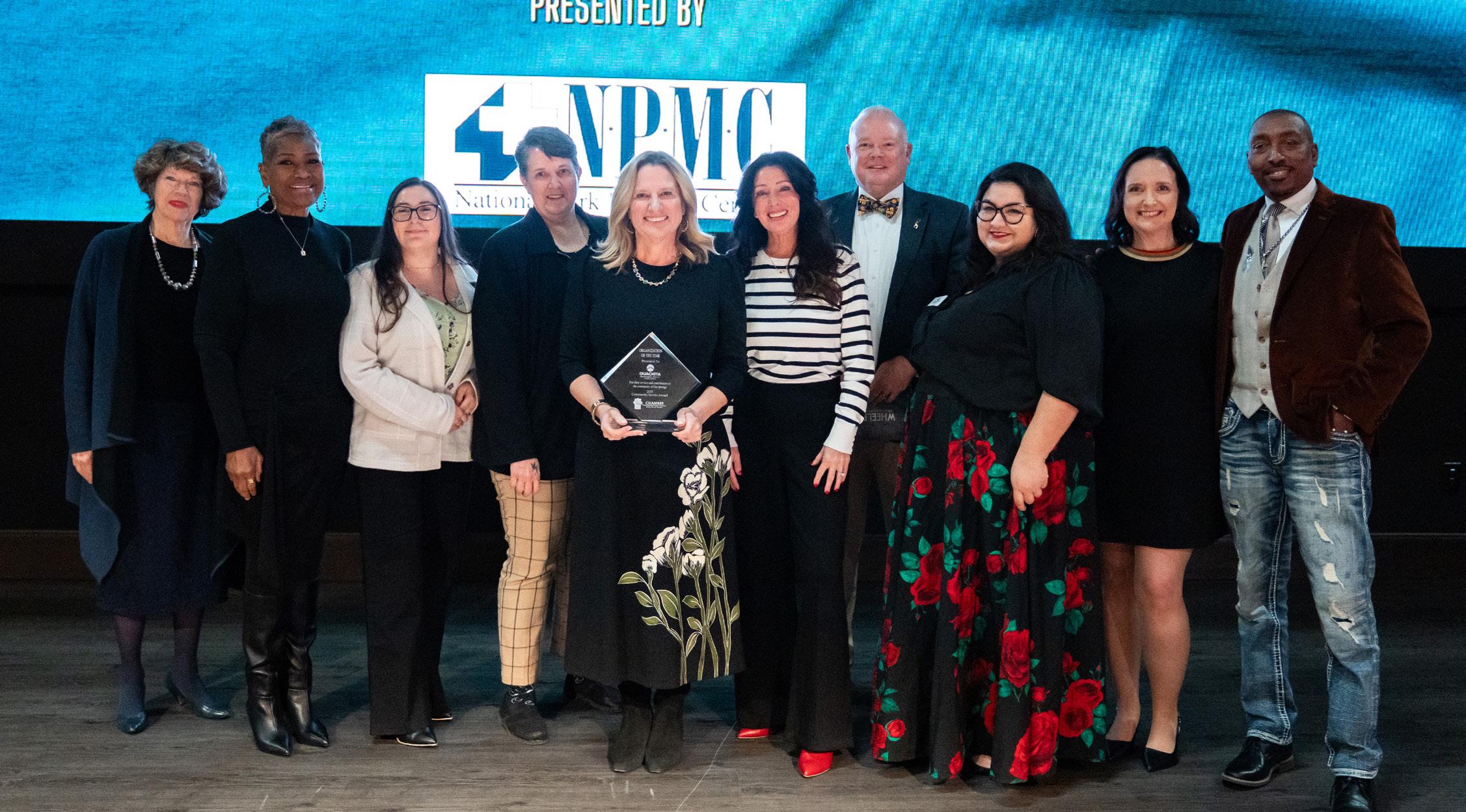
In the nonprofit world, it is all too easy for even the most noble causes to collapse under the weight of their own ambitions. For Ouachita Behavioral Health and Wellness, by contrast, it has been consistency — not only a literal presence but a sustained excellence in service of its mission — that has set the organization apart as a cornerstone of mental health care in southwest Arkansas.
A reputation spanning half a century with no signs of slowing down has earned OBHAW nominations for Organization of the Year from the Greater Hot Springs Chamber of Commerce every year since 2019 and, this time around, the award itself.
“Being recognized by the Hot Springs Chamber is deeply meaningful to all of us at OBHAW,” said Susan Smith, CEO and licensed professional counselor. “It affirms not only the work we do but also the values we stand on and the commitment we have to this community. The chamber represents the heart of Hot Springs — its businesses, its leaders, its families, and the people who make this city vibrant and resilient. To receive recognition from an organization that is so central to the life of our community is both an honor and a reminder of why we do what we do.”
The accolade additionally reinforces the importance of partnership, Smith said. OBHAW’s success is vitally dependent on the relationships it has built within sectors such as education, health care and law enforcement. While the nonprofit works behind the scenes much of the time, its influence across a fivecounty service area — supporting mental health, stabilizing families, reducing homelessness, improving school outcomes, strengthening public safety and saving local systems hundreds of thousands of dollars — has not gone unnoticed.
“OBHAW is setting an example of what a modern nonprofit can be: innovative, accountable, collaborative, mission driven, financially responsible, community centered and rooted in strong values,” Smith said. “We’re showing that when nonprofits invest in their people, embrace innovation and stay aligned with their mission, they can create lasting change one life and one community at a time.”
One key to longevity lies in building conscious momentum rather than relying on the inertia of early success. The OBHAW team has taken a proactive approach to shaping its trajectory from the inside out. Pivotal to that journey, Smith said, has been
the decision to unify the organization around a shared identity and clear direction. Known within OBHAW as “One Vision. One Voice,” it is both a mindset shift and a rallying cry that informs every facet of the group’s work.
“We made the conscious decision to step back, look honestly at who we were and then intentionally define who we wanted to become,” Smith said. “That meant revisiting our vision and values, reshaping our performance evaluations, and aligning our goals across every department. It meant building a culture rooted in openness, accountability, collaboration and integrity, and it meant recognizing that every person on our team contributes to the experience we deliver as an organization.”
To that end, OBHAW has concentrated its efforts on various improvements. Heightened investment in leadership development; an embrace of technological tools; a commitment to transparency; and redoubled efforts to become both a great place to work and a great place to receive care. Each of the pursuits is meant to help the organization grow sustainably and stay responsive to the evolving needs of the region it serves.
“It was pivotal not just because it changed our processes but because it strengthened our identity,” Smith said. “It gave us clarity, confidence and purpose.”
While 2025 was not without its challenges, Smith described it as a year of alignment, innovation, measurable impact and program growth. “Measurable” is perhaps putting it lightly. OBHAW’s work touched 7,570 people in 2025 through therapy, crisis services, school-based programs, emergency response, housing supports and community initiatives. Among its clientele are those most in need; 83 percent come from low- to moderate-income families, and 53 percent are covered by Medicaid.
According to its own figures, OBHAW’s emergency services team completed 944 crisis screenings on individuals at hospitals or jails who may have required inpatient care, successfully diverting 237 individuals to appropriate outpatient services. Collaborating with CHI St. Vincent, the group was able to place a mental health therapist and care coordinator in the hospital’s emergency department and has also embedded staff within the Hot Springs Community Resource Center.
That is to say nothing of OBHAW’s extensive efforts in partnership with the Arkadelphia, Hot Springs and Malvern school districts in 2025 — where the group provided 469 children and their families with therapy directly at school and the Arkansas Department of Human Services — where OBHAW’s drug and alcohol safety program helped 551 individuals meet court-ordered requirements following DWI, DUI or minor-in-possession offenses. Through the Project for Assistance in Transition from Homelessness, or PATH, OBHAW supported a further 259 people with treatment, case management and referrals for services.
“We have been able to expand our programs, partnerships and community reach because we grow intentionally, guided by data, grounded in our mission and anchored in our core values,” Smith said.
Maybe those are exactly the kinds of settings in which one expects to find such an organization as OBHAW. The area’s oldest and largest community mental health provider did not get to be that way by sticking to the expected, however. The group has demonstrated a commitment to — and aptitude for — spearheading wellness efforts that go well beyond the walls of any office, school or hospital in order to reach the wider community.
“We believe community health extends beyond our clinics,” Smith said. “By participating in volunteer work, partnerships and community events, we reduce stigma and normalize conversations about mental wellness.”
Most prominent of OBHAW’s recent initiatives is the Hispanic Heritage Festival, which, in 2025, celebrated its second year. Produced in coordination with sponsors, performers, other local organizations and plenty of volunteers, the festival serves as a nexus for multiple pillars of OBHAW’s work. Most straightforwardly, the gathering gives attendees the chance to connect with local resources and learn about available mental health services in a more casual, approachable setting. Proceeds also support the nonprofit’s programs for even longer-lasting positive impacts on children and families.
The Hispanic Heritage Festival functions on a deeper level, as well, and one which OBHAW was just as mindful of when planning the event. According to the group’s own description, the festival fosters connection, cultural pride and access to support, and “by bringing families together to celebrate shared heritage through music, dance and community engagement, the event strengthens social bonds and reduces isolation, which are key factors in emotional well-being.”
“Community engagement and collaboration ensures that we are not only service providers,” Smith said. “We are community partners.”
OBHAW is poised in the year ahead to make significant gains in terms of decisive, community-centered impact. The organization is looking to further strengthen its partnerships, bolster donor development strategies, launch new programs and services, and modernize its operations and efficiency through digital tools.
Of course, the surest indication of success is reflected in the feedback received from the people whose opinions matter most. The group’s client satisfaction surveys reveal an exceptionally positive experience; respondents consistently feel accepted and respected in their care, and an overwhelming majority indicated they would “confidently recommend OBHAW to friends and family” — fitting, to say the least, for the Greater Hot Springs Chamber of Commerce 2026 Organization of the Year.
“Being honored by the chamber strengthens our resolve,” Smith said. “It inspires us to continue raising the bar, expanding our reach, and staying true to our mission of bringing hope and health to our communities one life at a time. It’s a moment of pride for our entire organization and a reminder that when a community stands together, real change is possible.”
LARGE BUSINESS OF THE YEAR
WINCHOICE
“Making a difference in one’s hometown” is the kind of nebulous, feel-good statement of intent that is more likely to be found plastered across a city council campaign mailer than brought to fruition in any meaningful sense. That might be what makes the story of WinChoice founders Morgan Wiles and Shaun Keefe such a powerful case study in the art of the follow-through.
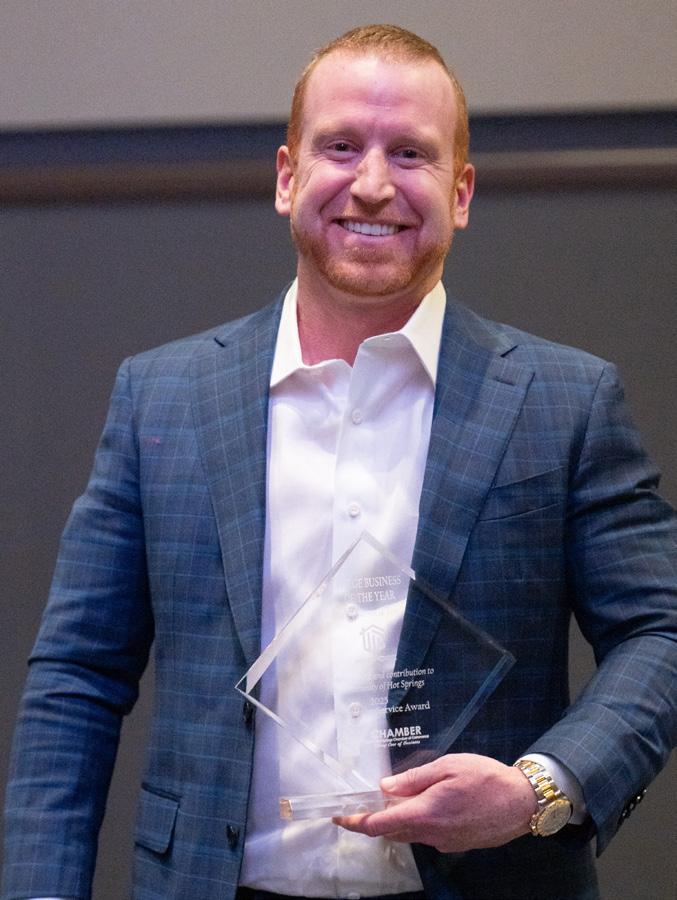
“We are a home exterior company committed to helping homeowners improve, protect and add value to their homes,” Keefe said. “While we are known for manufacturing and installing high-quality windows, we also install roofing systems and continue expanding our services to better serve families across the region. Our goal is to provide solutions that homeowners can trust backed by ethical business practices and local accountability.”
Named Large Business of the Year by the Greater Hot Springs Chamber of Commerce in February, WinChoice was founded in 2012 and has spent more than a decade becoming a regional industry leader, bringing jobs and opportunity back to the Garland County community in which Wiles and Keefe were born and raised.
“It truly means everything because this is home,” Wiles said. “WinChoice was built by two kids from Mountain Pine who believed life could be bigger than their circumstances.”
Mountain Pine was established in the 1920s in service of the Dierks Lumber and Coal Co. mill. After then-mill-owner Weyerhaeuser closed the lumber operation in 2006, the community faced the prospect, familiar to so many others, of slowly fading into the annals of Arkansas history. With Wiles having only recently returned home from service in the U.S. Army, he and Keefe saw firsthand the strain of 300 lost jobs in a town of fewer than 700.
In terms of pure business strategy, the writing on the wall might have convinced the pair to avoid Mountain Pine and instead focus on growing their company in a larger city. Neither man was the type to turn his back on a difficult situation,
though, so when it came time to bolster WinChoice’s manufacturing capabilities, Wiles and Keefe set their sights on the very plot of land that had caused so much pain all those years earlier.
“It was personal,” Wiles said. “It shifted WinChoice from being a growing company to being a mission-driven one.”
WinChoice purchased the former lumber mill and, in 2017, announced a $3.8 million investment in expanding the company’s operations. Opened in 2019 after a year and a half of construction and remodeling, the facility’s significance was much deeper than a simple real estate transaction — it was 50,000 square feet worth of Wiles and Keefe putting their money where their mouths were.
“We hope we are proving that you do not have to leave your hometown to build something nationally competitive,” Keefe said. “If there is an example we are trying to set, it is this: Dream big. Grow boldly. Build where you are planted.”
Today, WinChoice is a multistate operation employing more than 250 team members, many from the local community, in addition to being one of only six FlexScreen manufacturing partners in the United States. The company announced a further $3 million expansion project in 2025 to meet growing demand for its windows. What is more, it also reached a record $101 million in sales.
Needless to say, business is booming — so much so, in fact, that WinChoice landed on the 2025 Inc. 5000 list of the fastestgrowing private companies in America.
“We stay rooted by remembering why we started,” Keefe said. “Expansion does not mean disconnecting from home. It means bringing what we have built here to other communities. We manufacture here. We employ here. We invest here. Even as we expand into more states, Mountain Pine remains the heartbeat of the company.”
Rapid growth has not come at the expense of company culture either. WinChoice notched yet another accolade in 2025, this time from the Better Business Bureau of Arkansas, earning the group’s Torch Award for Ethics, which is awarded to businesses in recognition of their “integrity, transparency and a commitment to doing business the right way,” according to the award announcement.
“In the early days, everyone did everything — unloading trucks, answering phones, solving problems,” Wiles said. “That mindset still exists. We cultivate a culture where no task is beneath anyone and leadership leads from the front. We believe employees should have the chance to choose growth, choose responsibility and choose a better future. That is what WinChoice means. Customers win, and employees win too. Integrity is central to who we are.”
It would be hard to fault Wiles and Keefe if such impressive economic impact was all they had contributed to Mountain
Pine over the course of a decade. That said, the duo have worked hard to ensure WinChoice’s service to the community goes well beyond job creation. The company has a range of partnerships aimed at improving the lives of those in Garland County, such as donating two wishes through the Make-a-Wish Foundation every year since 2016 and contracting with Abilities Unlimited to provide meaningful, sustainable employment opportunities for adults with disabilities.
In addition to ongoing financial and material support for the local Habitat ReStore, WinChoice also donates all the windows for every Habitat for Humanity build in the county. The company recently partnered with the Jackson House, a crisis intervention center in Hot Springs, to replace all the windows in the facility, as well as donating a van to support daily operations.
“This is not just where we do business. It is where we went to school, played football and built our lives,” Wiles said. “Revitalizing Garland County is not a strategy; it is personal.”
With expansion already in the works — adding more than 100 new jobs, broadening the company’s service offerings and preparing to build a new headquarters — 2026 is shaping up to be another very successful year for WinChoice. The vision, Wiles said, is simple: become a nationally recognized brand while staying firmly rooted in Arkansas.
“At its core, WinChoice is still the story of two lifelong friends who believed in something bigger,” Keefe said. “It is about risk, resilience and reinvesting back into the community that shaped us. We are growing, but our mission remains the same: Create opportunity. Serve with excellence. Help people win.”
RISING STAR
NOELLE STEPHENS
InHot Springs, reputations travel by word of mouth, and for Noelle Stephens, that is exactly the point. In an industry built entirely on referrals, the State Farm agent has spent years investing in her community in ways beyond insurance.
Stephens became a good neighbor in 2021, and later opened her own State Farm office in Hot Springs. Stephens’ leap of faith challenged
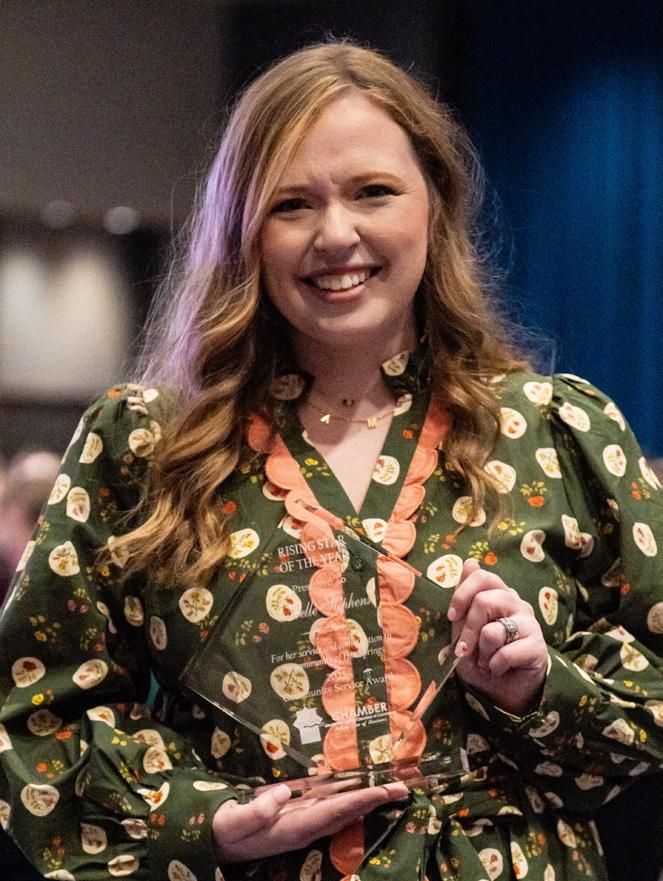
her in many ways, yet that pivotal moment pushed her to not only pursue a new unknown but also to serve her local community.
“This decision reinforced my dedication to building strong relationships, giving back and continuously growing — not just as a business owner but as a member of the Hot Springs community,” Stephens said. “It set the foundation for everything I’ve accomplished since.”
Her initiative to serve is what stands out about Stephens’ business, from cultivating client relationships to creating new ways to give back to her community. That personal commitment is shown through her clients’ trust and meeting the unique needs of each individual.
Being a deeply involved member of the community is also a passion of Stephens’, which led her to join the Greater Hot Springs Chamber of Commerce.
“Joining the Hot Springs chamber was a key step in that journey,” Stephens said. “Through the chamber, I have built many friendships and strong business referral partnerships. Today, my business is 100-percent referral based within the community, which has been a goal I’ve worked toward from the very beginning.”
Stephens defines success as the reputation she cultivates within her community as measured by the level of trust and respect her clients and community members have for her business. With more than 250 Google reviews, her brand is a reflection of the intention, values and hard work she has consistently poured into her office.
“These reviews tell the story of how I prioritize customer care, integrity and personalized service,” Stephens said. “Ultimately, the way people view and experience my business is the most meaningful and lasting measure of success because it shows that I am making a positive impact in the lives of those I serve.”
This year, Stephens plans to broaden her outreach by partnering with local nonprofits. Most notably, Stephens is partnering with the Miss Arkansas organization, organizing an Adopt-A-Highway program, setting up a blessing box drop-off and donating $5 to a local cause for every Google review her office receives.
As the recipient of the Greater Hot Springs Chamber of Commerce Rising Star of the Year award, Stephens said the award showcases the love she has earned within her region.
“Receiving this award from the Hot Springs Chamber is a deeply meaningful honor for me both personally and professionally,” Stephens said. “Personally, it feels like a recognition of the commitment and passion I have for giving back to the community, a promise I made when I moved here to start my agency. Professionally, it affirms that the work I do, often behind the scenes, is making a positive impact. This award encourages me to continue striving to support and contribute to Hot Springs in meaningful ways.
AMBASSADOR OF THE YEAR
ADAM MCBRAYER
ToAdam McBrayer, leading local business owners is second nature. As the primary mentor at the Greater Hot Springs Chamber of Commerce, McBrayer’s service is rooted in the promise to connect other businesses and create meaningful connections in his community.
His leadership as a chamber ambassador reflets an undying devotion to the organization, and with his consistent effort, integrity and focus, McBrayer transformed the ambassadors into a cohesive, well-led group that supported every ideal of the chamber’s mission.
“My success leading the ambassadors is a direct result of the collaborative spirit found throughout the Hot Springs community,” McBrayer said. “Local business owners and civic leaders have been invaluable partners, offering the resources and engagement necessary for our programs to thrive. This culture of mutual support provided the essential foundation for my growth, allowing me to lead with confidence knowing I was backed by a passionate and resilient network.”
As the recipient of the Ambassador of the Year award from the Greater Hot Springs Chamber of Commerce, McBrayer said the award is deeply personal and a professional honor that highlights the time and effort invested.
“It validates the time, energy and heart I’ve invested in representing the Greater Hot Springs Chamber of Commerce,” McBrayer said. “It values the connection with others in meaningful ways. Professionally this award reinforces my commitment to leadership, collaboration and excellence. It’s a reminder that consistent effort, integrity, and focus on service can have a real impact.”
The award also recognizes the mentoring aspect of McBrayer’s role. While an aspect of his work was event-based planning and general oversight, McBrayer was called to lead his fellow members and foster positive partnerships.
“It also motivates me to continue growing, mentoring others and fostering positive partnerships. Ultimately, this recognition means more than just an award,” he said. “It symbolizes
trust, teamwork and the shared success of everyone who has contributed to the journey.”
McBrayer added that he can see the importance of his work through the tangible growth and confidence of the ambassadors he leads.
“I define success not just by the number of events we host,” McBrayer said. “For me, success is found in the moments when our team transitions from following a script to authentically connecting with local business owners. It is measured by the strength of the relationships we build and the seamless way our organization supports the chamber’s mission. Ultimately, I see success as leaving behind a more structured, empowered and unified group that feels truly invested in the future of Hot Springs.”
Outside of his commitment to the chamber, McBrayer is the owner of the Spa City staple Evilo Oils & Vinegars. Looking ahead, McBrayer said his next steps are to open a new location in Boulder, Colorado, and join the Boulder Chamber of Commerce.
“My goal is to integrate fully into that vibrant ecosystem by joining the Boulder chamber and actively collaborating with their local business community,” McBrayer sai. “While I am eager to apply the leadership skills I’ve honed here to this new expansion, my commitment to Hot Springs remains steadfast. I plan to continue supporting and helping grow the Hot Springs community, maintaining the deep-rooted connections that have been so fundamental to my journey thus far.”
WOMAN OF YEAR KAREN GARCIA
From humble begin
nings to a lifelong promise of service, Karen Garcia, board member at the Hot Springs Advertising and Promotion Commission, leads with a helping hand and a servant heart. As the director representing District 5, Garcia has spent her years as a board member mastering the art of listening to and caring for her community.
Garcia’s climb to her position included
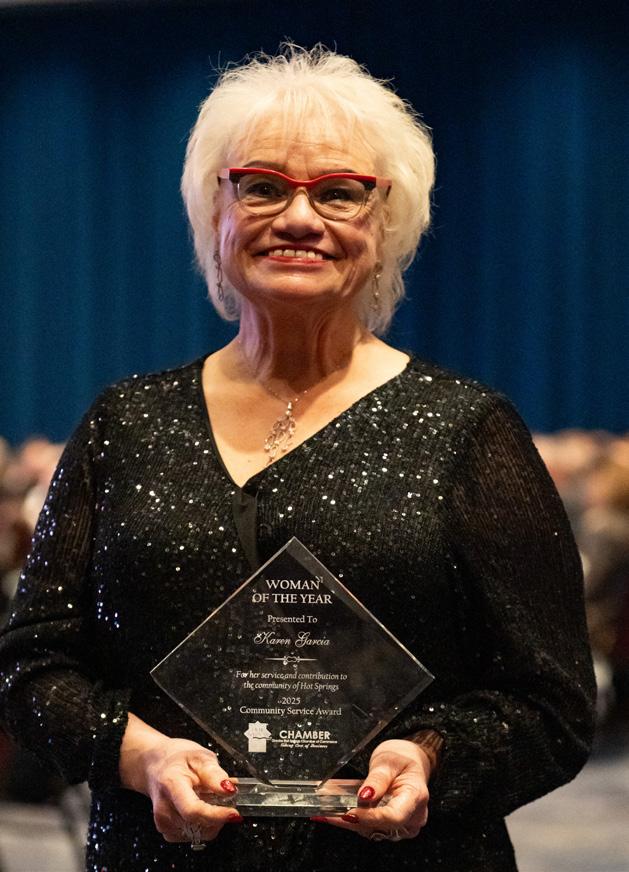
(Photo provided by chamber)
studying at Henderson State University in Arkadelphia for her undergraduate and graduate degrees, followed by a 28-year career at Weyerhaeuser. In her current role, Garcia sees the unique identity of Spa City every day, which she said makes her job not only a privilege but also an honor.
“The city of Hot Springs has many attributes that contribute to the unique identity that sets it apart from other cities in Arkansas,” Garcia said. “The city has a vibrant local economy that includes a mix of tourism, health care and service industries. Its unique offerings draw visitors year-round, making it a key destination in Arkansas. The people of Hot Springs are our greatest asset.”
Garcia has accomplished much during her professional career, and she said developing her potential and confidence came through familial support.
“Regardless of circumstances, my mother always encouraged me to achieve my goals. She helped me obtain self-confidence when I didn’t have any,” Garcia said. “She was what I refer to as the Proverbs 31 woman and was an excellent role model of a woman who maintained perspective of what was really important in this life. Since my mother’s passing, my sister Rhonda continues that encouragement on an ongoing basis.”
Garcia upholds a simple philosophy when it comes to her success: living by God’s truth, glory and faithfulness. Garcia said that wealth and status cannot compete with the faith she holds so close to her heart.
“I am following the purpose God has assigned to me, using any skills or talents to serve,” Garcia said. “When we walk with God, our work, goals and desires find their true purpose.”
Garcia added that her journey also came with the philosophy of JOY: Jesus first, others second and yourself last. Joy is what she recommended to any mentee, and she said joy is a crucial component of a professional career.
“As you advance in your journey, turn around and help others up the ladder of success, be a mentor, and help others in the workplace and in the community,” Garcia said. “ Be the best you can be in every aspect of life. The community can always use more volunteers. Find what speaks to your heart. Keep joy in your life.”
Named the Hot Springs Chamber of Commerce’s Woman of the Year, Garcia said the recognition means more than its name; it reminds her of the community she loves, serves and celebrates.
“Reflecting on my journey since receiving this recognition, I am filled with gratitude for the continued support and encouragement from our vibrant community,” Garcia said. “This award is not just a personal achievement; it serves as a reminder of the importance of community service for all ages. Engaging in acts of kindness and service enriches our lives and strengthens the bonds within our community. I believe that no matter our stage in life, we can all contribute positively to those around us.”
VOLUNTEER OF THE YEAR
VIRGINIA LALIBERTE
By day, Virginia Laliberte creates a community for cancer survivors across the Natural State, and in her free moments, she finds new ways to volunteer and contribute to a community she is proud to call home.
For Laliberte, 2025 brought on many challenges, successes and new beginnings, yet one accolade was surprising: being named the Greater Hot Springs Chamber of Commerce Volunteer of the Year.
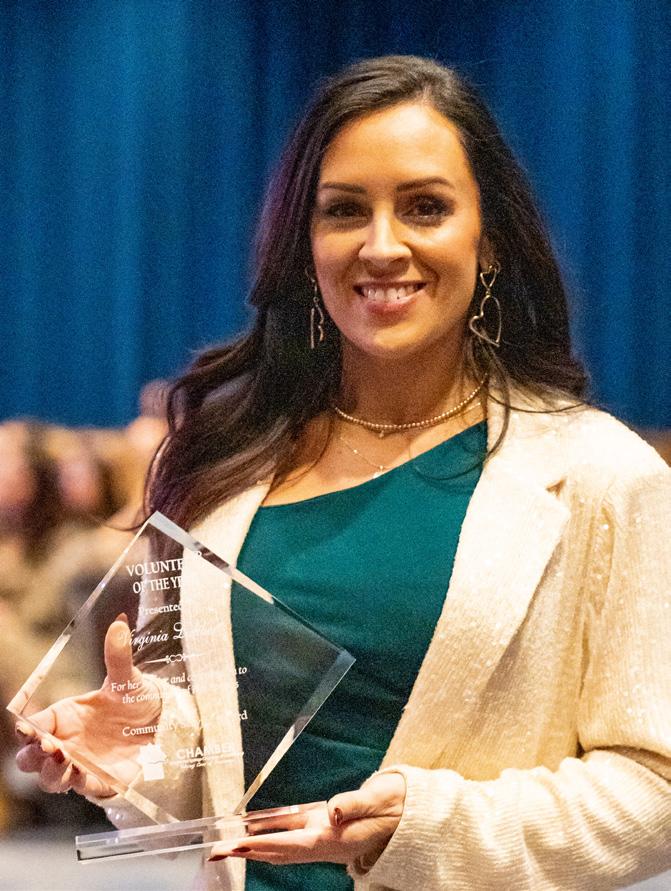
“The Chamber of Commerce is involved in just about every aspect of our community, so to be recognized by them is a huge honor,” Laliberte said. “It’s probably one of the most meaningful awards I can imagine receiving because it reflects impact across so many different areas of Hot Springs.”
As an advanced oncology-certified nurse practitioner, her passion for community health and oncology care led her to not only work in the medical field but also led to her creating the Cancer PALS Foundation, which offers education, support and advocacy for diagnosed individuals and their families. Alongside her nonprofit, Laliberte is a provider at the Genesis Cancer and Blood Institute and Vitality Aesthetics and Wellness in Hot Springs.
Early in her life, Laliberte was faced with several crossroads, including managing being a student and a single mother. The journey for Laliberte was strenuous, yet in her selfdetermination, she took those crossroads as pivotal moments.
“Even as recently as last summer, when I felt like I was running in circles, it forced me to reassess my priorities and realign my efforts with what deeply mattered to me,” Laliberte said. “Looking back, each of those moments shaped my growth and direction in a different way.”
As a nonprofit founder and as a professional, Laliberte said that the integral nature of her job is to be meticulous and provide individualized care. It may take extra time, but she believes it leads to better outcomes.
“Everything we do is highly customized,” Laliberte said. “We don’t use generic templates or blanket approaches. My hope is that every individual we work with feels like their care was truly about them because someone took the time to make it the right move for them specifically.”
A key contributor to her success is Laliberte’s ability to work with others. Alongside her cohesive nature, Laliberte said that support from her community allows her to make a difference every day.
“No one accomplishes anything alone,” Laliberte said. “It truly takes people working together to make a difference. I’ve had support from elected officials, other volunteers, colleagues, friends and especially my family. They’ve stepped in, picked up pieces when I needed help and showed up when I needed them.”
MAN OF THE YEAR
JUSTIN NICKLAS
ForJustin Nicklas, president and CEO of Gross Funeral Home and Cremation Centre in Hot Springs, being named Man of the Year by the Greater Hot Springs Chamber of Commerce is more of a statement on his upbringing and coworkers.
Last year, Nicklas was named winner of the chamber’s Chairman Award, recognizing a member who “goes above and beyond in both service to the community and support of the chamber.”
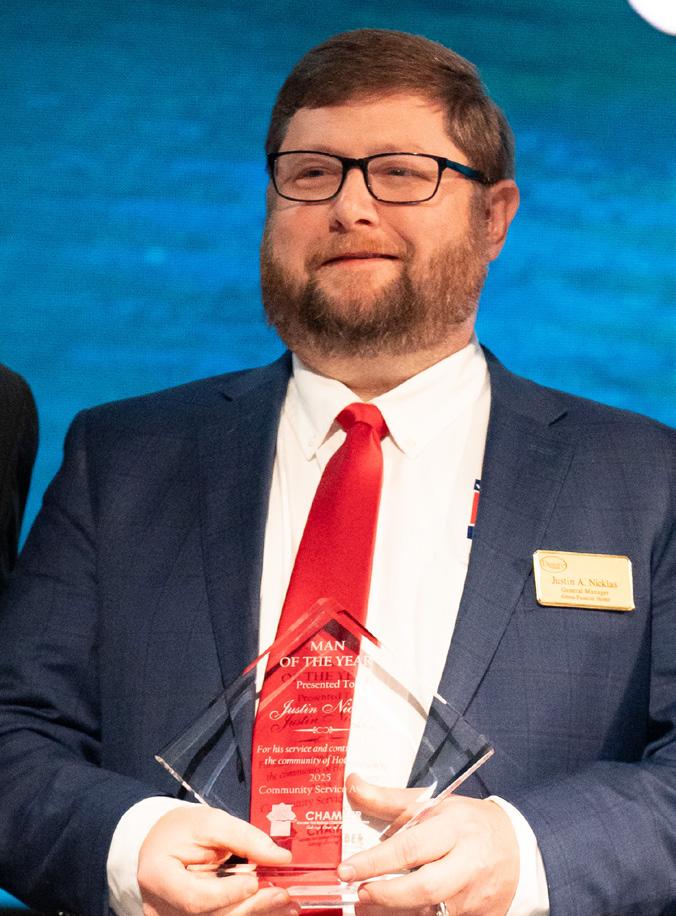
“Receiving Man of the Year is deeply humbling,” Nicklas said. “Personally, it represents the values I was raised with — faith, service and community. Professionally, it reflects the collective effort of the people I work alongside every day. No one earns something like this alone. It’s a testament to the relationships, partnerships and shared commitment to making Hot Springs stronger.”
In fact, Nicklas credits the Spa City itself with his success. Originally from Texarkana, Hot Springs is his adopted
hometown — and to hear him tell it, Hot Springs has been good to the Nicklas family and their business.
“Hot Springs is built on relationships,” Nicklas said. “This community has embraced my family and me, supported our business and encouraged civic involvement. From Rotary to nonprofit boards to faith-based initiatives, the people here believe in investing in one another. That culture of collaboration has played a major role in anything I’ve been able to accomplish.”
Over the past year, Nicklas said he has relied on the city’s support.
“This year required resilience and balance,” he said. “Serving more than 300 families while continuing to lead, mentor and invest in our team takes emotional strength. There were moments that tested endurance — not just operationally but personally. In a profession centered around loss, you learn quickly that leadership requires steadiness. That perspective makes this recognition especially meaningful.”
That steady leadership and “compassion paired with professionalism” are parts of what helps set Nicklas and his team at Gross apart.
“We combine clinical knowledge and technical expertise with heartfelt service, but what truly sets us apart is our team culture — a commitment to excellence, accountability and treating every family with dignity and respect,” he said. “Growing up, I watched my father serve as a coroner and funeral director. He showed me that leadership isn’t about recognition — it’s about responsibility. That example shaped my understanding of service. Later, stepping into leadership at Gross Funeral Home challenged me to grow not only as a professional but as a community leader.”
For Nicklas, any measurement of success must begin with how one impacts his or her community.
“It’s knowing that you served with integrity, led with humility and made a difference in someone’s life, especially when they needed it most,” he said. “Titles fade. Impact lasts.
“Show up consistently. Do what you say you’ll do. Guard your reputation, and invest in people. The strongest leaders aren’t focused on climbing — they’re focused on lifting others.”
In 2026, Nicklas said, he is looking forward to investing more in his team and his adopted hometown.
“We’re enhancing our facilities, expanding opportunities for community engagement and continuing to raise the standard of care in our profession,” he said. “I’m also passionate about mentoring young professionals and helping develop the next generation of servant leaders.
“This recognition belongs to my wife, Rachel, and our boys as much as it does to me. Leadership requires sacrifice, and they are my foundation. I’m grateful to serve in a community that values faith, family and service — and I don’t take that responsibility lightly.”




BLACK and BLUE
Arkansas Blue Cross and Blue Shield takes punches, keeps fighting
By
Dwain Hebda | Photos by Jane Colclasure
Everyone loves a comeback story, and there is arguably no bigger one than what leadership insists is happening at Arkansas Blue Cross and Blue Shield. The not-for-profit health insurer, ranked among the state’s largest companies, has faced myriad challenges both internally and externally, from flagging revenue and job loss to rowing against negative tides in the marketplace.
Curtis Barnett, president and CEO, does not shy away from discussing the company’s struggles over the past few years, a strategy he has taken with leadership and frontline employees alike as the company works to regain momentum. His candor about things CEOs generally do not like to talk about is striking and intentional; one cannot change a circumstance one does not understand, and to that end, he is forthright to the point of blunt when laying out what lies ahead, the good and the bad, be it to his workforce or to the press.
“We’re over 75 years old. I’ve been with the company 32 years now,” he said. “I’ve seen a lot in those 32 years, and I’ve never seen an environment like the one that we’re working in right now.
“We’ve taken our organization from A to Z and looked at every aspect of that, looking at our technology stack, looking at our vendor contracts, looking at where there’s opportunities to save. We’ve done a number of things there to try to make sure that we’re operating just as efficiently and effectively as we possibly can, and we’re going to continue to do that going forward.”
Barnett’s plainspoken style when discussing the company’s challenges does nothing to dilute the enormity of issues before it.
Arkansas Blue Cross and Blue Shield lost $226.2 million in 2024 and, in the wake of that, cut its workforce by 75 positions. The company suffered additional bad press for a healthy rate hike last year, as well — a 25.5 percent increase savaged by Gov. Sarah Huckabee Sanders.
“Arkansans are tired of getting outrageous bills from multibillion-dollar insurance companies, and my administration will not allow them to take advantage of our people,” she said in an August statement. “Nothing justifies year-over-year premium increases of this scale.”
“We’ve viewed this as a multiyear effort, and only some of it’s been on the revenue side,” he said. “We’ve had to get revenue where it covers claims cost, which resulted in some bigger-than-normal increases for a lot of our customers. They feel that pain, and we feel that pain as a result of that, so that’s been part of it.
Curtis Barnett
“But a lot of that’s been on the cost-management side, as well, both on the claims cost piece of that, as well as our administrative cost and so on. The claims cost, I think we’re doing a much better job identifying high-dollar claimants earlier, managing those, trying to make sure that we’ve intervened where it’s appropriate to get them either to a lower-cost setting or that they’ve got the follow-up care they need.”
Barnett was quick to point out that the company is not unique among its peers and that all are suffering under the weight of health care costs and other market pressures that border on the existential. That’s not just individual insurance companies talking, either, but the findings of third-party ratings services.
“Like every industry, we have credit-rating agencies that study the industry and companies and make evaluations based on strength and outlook and things like that,” he said.
“Two come to mind immediately; one is AM Best, and the other is Fitch and Fitch. In the last few months of 2025, they gave their outlook for 2026, and both downgraded the industry. I think AM Best went from stable to negative, and I think Fitch went from neutral to deteriorating.
“We’re over 75 years old. I’ve been with the company 32 years now. I’ve seen a lot in those 32 years, and I’ve never seen an environment like the one that we’re working in right now.
— Curtis Barnett, Arkansas Blue Cross and Blue Shield
Barnett said the company’s continued progress, which last year saw the firm claw its way back into break-even territory, is tied to more than the cost of premiums despite what headlines and negative publicity have to say.
“They really pointed to three main factors. One is just the elevated cost trends that we’re seeing in our industry right now across the board — all lines of business, all companies, all payers. A second one is really around instability in the government markets, and a lot of that was being shaped by the debate that we’ve heard so much around the enhanced tax subsidies of the Affordable Care Act individual marketplace.
“The third one is around regulatory and policy uncertainty in general. A good example of that would be CMS releasing their payment rates for Medicare Advantage plans that are private companies basically providing policies that replaced Medicare Part A and Part B. It’s been a growing marketplace, and last year, it was nearly a 6-percent adjustment in the payment rate, which is basically flat, so CMS is saying no increase in an environment where we’re seeing the average cost increase by 8.5, 9.5 percent.”
In addition to the national trends, variances by state also come into play, Barnett said. Arkansas’ poor position among states for things such as obesity, smoking and poverty affect insurance carriers as more people put off medical issues due to economics, resulting in higher-cost treatment versus lower-cost prevention and wellness options. In 2024 alone, Barnett said, the company saw a 15-percent uptick in claims exceeding $1 million.
“I don’t think there’s any question that those things put additional pressure not only on our company as a payer who predominantly works in the state of Arkansas but also the providers here, as well. That puts pressure on the entire system,” he said. “People with not only just one chronic condition but multiple chronic conditions in many cases are experiencing other social needs, whether it be food insecurity or housing or maybe education levels, all of which are things that can complicate health issues. All those things play into some of these challenges that we’re facing.
“Something that I would like people to know is that the mission of Arkansas Blue Cross Blue Shield is to improve the health, financial security and peace of
mind of the members and communities we serve. How can we keep our members healthier and not just finance their health care? How can we work in partnership with delivery systems to improve? We’re working through that right now.”
“I will give our leadership and our employees strong marks for resilience in a time of a very turbulent industry.”
One aspect the company is pursuing to meet challenges is through partnerships.
The company announced in November it had signed a definitive agreement to form a strategic affiliation with Cambia Health Solutions in Portland, Oregon. The move, subject to approval by the Arkansas Insurance Department, brings Arkansas Blue Cross Blue Shield into a Cambia network that includes other state Blue Cross affiliates. That will mean shared cost and reduced expenses, as well as other competitive benefits, Barnett said.
“We began about three years ago, coming out of the [COVID-19] pandemic,” he said. “We said, ‘OK, what’s the future going to look like?’ We could see some of the pressures that we’ve been talking about, although we may not have completely predicted the full impact or the timing of when they would hit. We recognized then that we were probably going to have to make some changes to our business model to be able to continue to serve Arkansas and to serve the members that we take care of in the way that they need us to.
“We began thinking about how scale is going to be needed. We’re not a proponent and believer that bigger is always better, but we do feel like in some cases, more is necessary, especially in the environment that’s emerged. Cambia is already a multistate company today. They operate in four states, and so they had a multistate model. We found an affiliation model was the best fit for us.”
Under the agreement, nothing changes as far as customers interfacing with Arkansas Blue Cross and Blue Shield, which will retain its brand identity, governing board and own its own assets yet benefit from greater efficiencies and the ability to participate in larger deals than it might have as a standalone.
“Health care is local, and problems are still going to have to be solved at a local level,” he said. “This will allow us to be that strong local company while also allowing us to be able to work and to share in the scale of a larger organization where those types of resources are needed.”
Barnett said he appreciates the stress that comes with the level of change that has come the company’s way over a very short period of time and the effect that could potentially have on employees and policy holders alike. On the plus side, he said, the company’s path forward, like the steps achieved in 2025, is in the hands of a capable team.
“I will give our leadership and our employees strong marks for resilience in a time of a very turbulent industry,” he said. “I think the work that we’re doing now, the work we’ve done over the last few years, is more consequential than perhaps any time in the history of our company. I think they deserve credit for that.”
Barnett is leading Arkansas Blue Cross into a partnership with Cambia Health Solutions.
Golden Jubilee
Little Rock’s CBM Construction celebrates 50th anniversary
By Sarah DeClerk
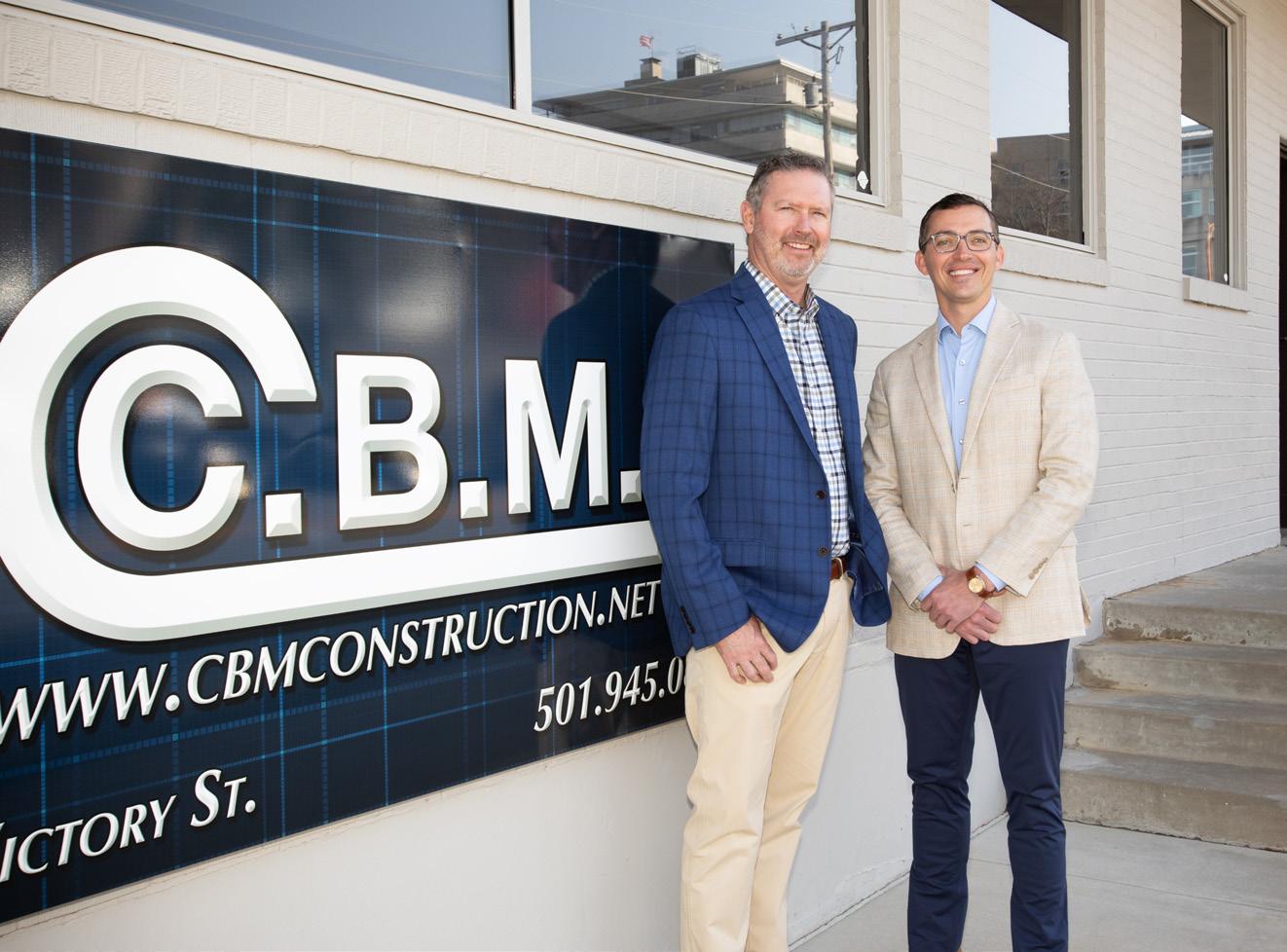
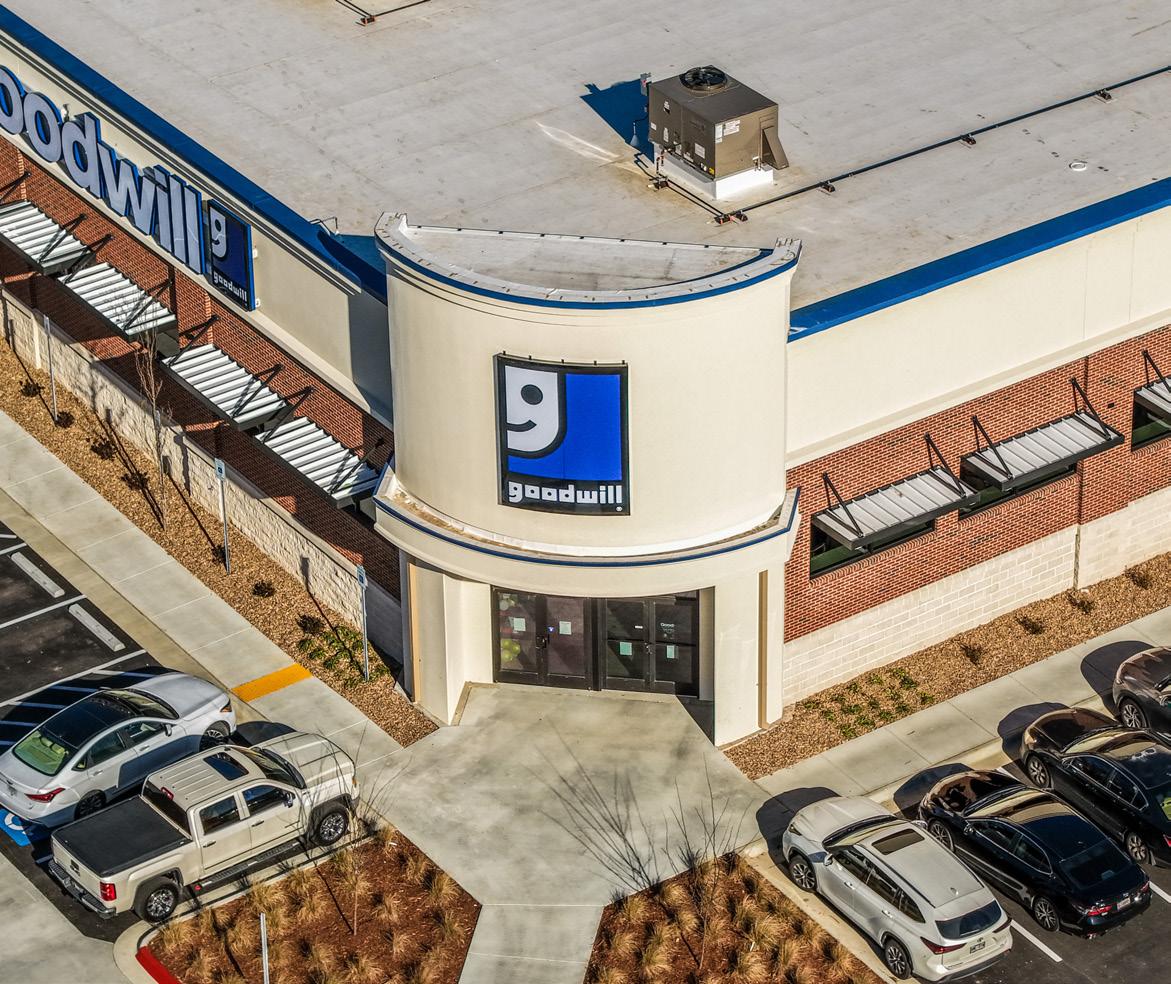
Some folks celebrate their 50th anniversary with gold. CBM Construction in Little Rock will likely mark the occasion with concrete and rebar as it continues building the structures that define central Arkansas.
“CBM’s never had a tagline. I think 50 years kind of is the tagline,” said Matt Gray, vice president. “Anybody that can maintain anything for 50 years is pretty special, in my opinion. No matter what you’re doing or who you are, 50 years is a long time.”
Kevin Newton, company president, agreed that it is a landmark year for the company.
“It feels great,” he said. “We’ve come a long way.”
Although CBM Construction officially started in 1976, the legacy of founder Clark McGlothin’s family dates back even further, to 1921, when his great-grandfather, W.E. Clark, opened W.E. Clark and Sons Masonry in North Little Rock.
W.E. Clark’s sons and grandsons — Henry Clark, Jimmy Clark, Bill McGlothin and Jack McGlothin — inherited the company in 1959. In 1975, the partners started an additional company, The McGlothin Co. General Contractors, with Jack McGlothin as president.

Jack’s son, Clark McGlothin, was hired on as a trainee in 1976. Following the death of Jimmy Clark, Clark McGlothin, Jack McGlothin and Henry Clark bought out all their heirs and partners, and the name of the company was changed to Clark McGlothin’s initials — CBM.
In 1981, Clark McGlothin bought Henry Clark’s stock, becoming president and managing partner. His sister, Michelle McGlothin Esentan, became partner a year later. Jack McGlothin died in 2013, after 64 years of work, leaving all of his stock to the two siblings.
The company moved to its current location at 401 S. Victory St. in Little Rock in 2010, following the Great Recession. As the economy began to thaw, Clark McGlothin hired his son-in-law, Newton, as vice president of marketing and public relations to help with a reboot of the company.
“I had been in telecom for 17 years, and he approached me on vacation and said, ‘Hey, would you want to come work for me?’” Newton said. “I said, ‘I don’t know much about construction,’ and he said, ‘Well, you can learn it,’ and so I came on board in 2013, and it’s been great ever since.”
Kevin Newton, company president, and Matt Gray, vice president (Photo by Jane Colclasure)
Goodwill building in west Little Rock (Photo provided by CBM Construction)
Gray was hired as project superintendent in 2016. In 2018, McGlothin became CEO, Newton became president, and Gray became project manager. Newton and Gray bought the company a year later.
Gray said he considers McGlothin to be like an adoptive father.
“I think when Clark started the company at CBM, he really based it on he wanted to be the guy that paid his bills on time and that people wanted to work for,” he said. “The reputation that Clark built and the way he set everything in place with how he conducted the business, the reputation’s what kind of coasted it to 50 years to where we’re the kind of contractor that people want to use.”
Newton added that developing close relationships with customers in the community has allowed the company to grow from three to 27 employees and from a business worth a few million dollars into a multimillion-dollar operation.
“We started as a small commercial contractor, getting small jobs here and there,” he said. “Through our relationships that we have with our municipalities and churches and different commercial groups, we’ve grown our business tenfold from what it was in 1976.”
The company works on a variety of commercial projects, from tenant finish work to ground-up construction. Most clients are composed of medical, church, fast-food and commercial office projects that help shape the built landscape of central Arkansas, including some of the most impactful structures in the area.
One of the company’s most recognizable projects to date is Pleasant Ridge Town Center, the landmark shopping destination in west Little Rock developed by Lou Schickel and opened in 2006.
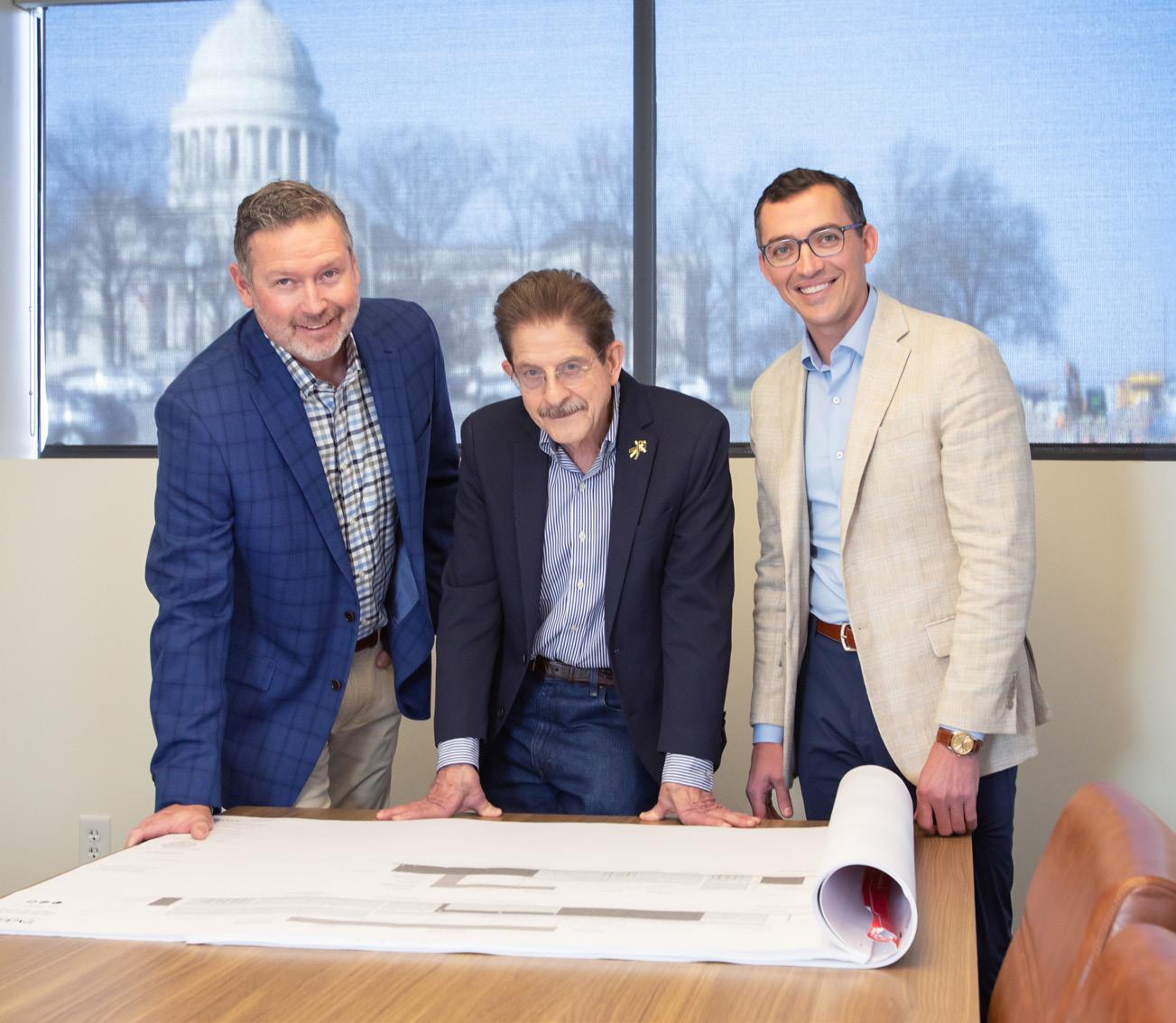
“We’ve had that relationship with Lou and his family for a long time,” Newton said. “We continue to do work out there with the different variety of shops that they have.”
Gray added that the project was a milestone not only for his company but for the entire community.
“I think that was one of the first staples not only for a contractordeveloper but for central Arkansas and Little Rock as a whole, that Town Center being a town center and still being the town center it is today,” he said. “It’s one of the nicest places in Little Rock.”
CBM Construction has also completed a variety of projects for the city of North Little Rock and is currently working on the highly anticipated 31,000-square-foot North Little Rock Event Center on Main Street. Also in the works is the new emergency hospital in west Little Rock. CBM Construction previously worked at the emergency hospitals in Cabot and Fort Smith.
“I think when they get those microhospitals in areas that need them, it definitely shapes the landscape around us,” Gray said.
In addition, CBM has worked extensively with Goodwill Industries of Arkansas and recently finished a flagship retail store in west Little Rock. Newton said CBM gives back to the community by supporting Goodwill and other charitable organizations.
“I’ve been working with them for eight years, so I really see the ins and outs of what they do and the second-chance programs and the career development, career navigator and the school programs that they do,” Gray added. “I think that Goodwill Industries of Arkansas has a very, very big impact in the whole state of Arkansas that no one really sees.”
Gray said he and Newton have worked to take on different kinds of projects since becoming owners.

Shopping stores at Pleasant Ridge Town Center (Photo by Sarah DeClerk)
Newton, Clark McGlothin and Gray (Photo by Jane Colclasure)
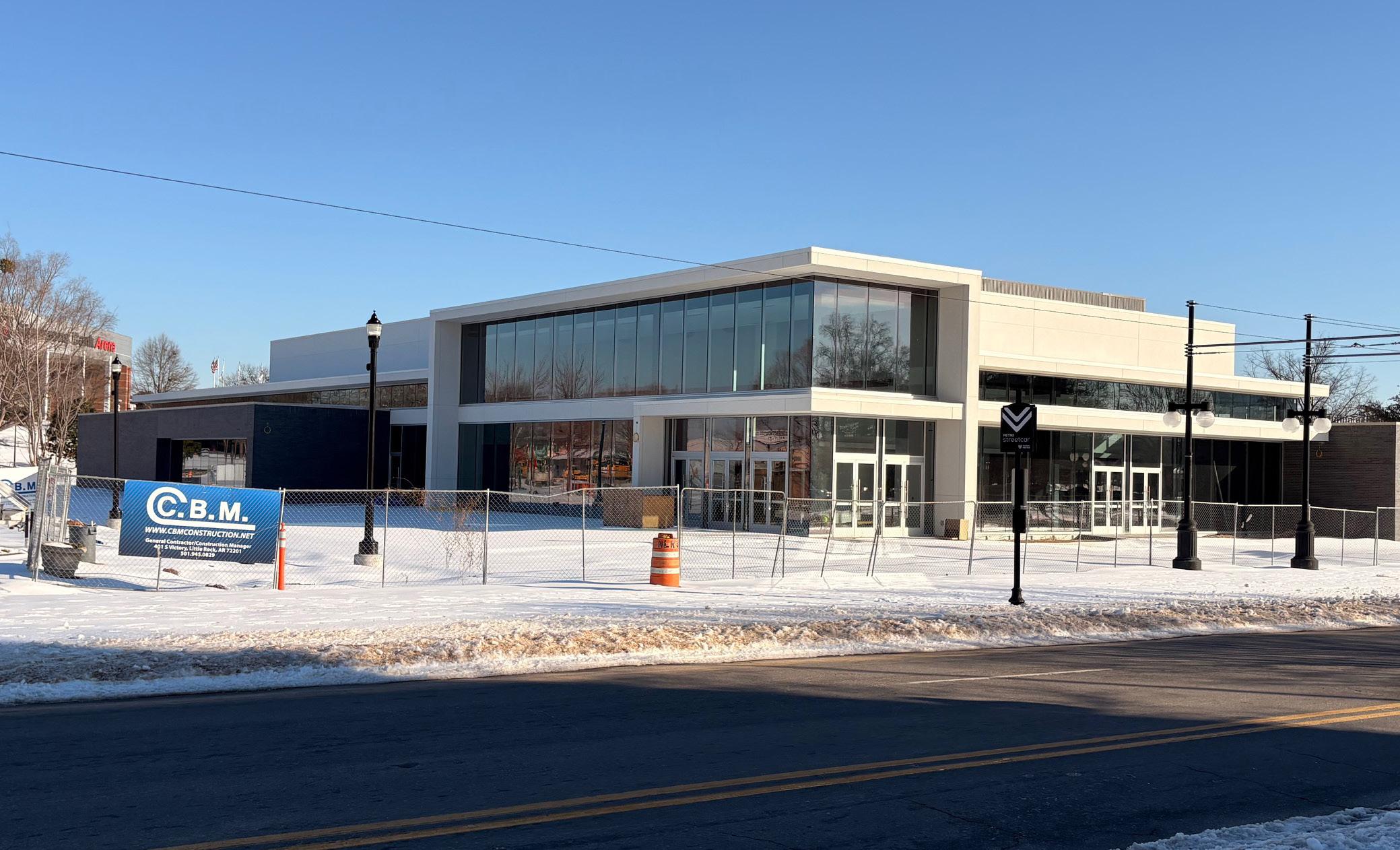
“Kevin and I, we’re never comfortable being comfortable, so we’ve kind of expanded and broadened the type of jobs we do, the jobs we kind of go after, and we’ve grown it in the aspect of medical work and ground-up construction instead of just the same routine, same customers — the comfortable,” Gray said. “We kind of got comfortable being uncomfortable with the projects we’re willing to take.”
“On time and on budget” is a recurrent slogan in the construction world, but Newton said the words are more than just a phrase at CBM.
“We really do it,” he said. “We work with the owners to really stay within their budget and really get their building done as quick as possible. We’re pretty good at doing that, and we’ve got good workers and good subs that allow us to do that.”
That work ethic has garnered the company return customers that have been integral to CBM’s growth.
“Relationships are really important to us,” Newton said. “I would say probably relationships, for any company, are the key to success, but we really keep our customer base and have repeat customers that continually come to us year after year and do business with us.”
None of it would be possible, he added, without a dedicated, hardworking team.
“Our staff and our boots on the ground

are what differentiates CBM from our competitors,” he said. “We have a lot of great contractors in Little Rock and Arkansas, but we tend to think we have some of the best in the city and the state.”
As it reaches the half-century mark, CBM Construction must navigate its share of industry challenges, among them a shrinking labor pool and higher material costs.
“We spend a lot of time value-engineering jobs and getting them on budget,” Newton said. “It’s just common practice now.”
He added that he and Gray are working to integrate new technologies into the company and teach staff members the same values they were taught by McGlothin.
“We just instill in our people to work hard and get the job done,” he said. “Clark did a good job of training us and being a mentor for us to do things like he did them, and it’s worked.”
Gray said maintaining the reputation McGlothin cultivated is something that he takes personally.
“The last thing I want to have happen is let something fail that someone that I care about built, knowing how hard they worked to build it,” he said. “I think we’re trying to go above and beyond, you know what I mean? Where Clark started it, we don’t want to be the ones to run it down.
We want to be the guys that keep it up for another 50 years.”
As he watches his namesake company reach the 50-year mark, McGlothin, now retired, said he is “thankful to our lord and savior for all the blessings.”
He added that the company’s longevity has allowed it to grow a business philosophy and tradition rooted in attention to detail, speed, organization, quality and accountability.
“The implementation and consistent application of those tenants inspires confidence in customers and employees, allowing the organization to be a contributor to the economy on all levels,” he said.
Gray said he hopes the company remains true to itself so that when people need a contractor, they continue to think of CBM.
“We know who we are. We like who we are. We’re comfortable with who we are,” he said. “We’re not trying to impress anybody. We’re not trying to be the biggest. We’re trying to do a good job for our customers, do right by their money and put out buildings that we’re proud of.”
Newton added that he looks forward to another five decades of constructing buildings that, like CBM, stand the test of time.
“There’s no better feeling for a contractor than to build a project and then be able to roll by that project and say, ‘Man, I did that project,’ or my daughter can be in the car with me and be like, ‘Dad, didn’t you build that?’” he said. “There’s just a sense of pride knowing that all of us, my whole team, built something and can be proud of it.”
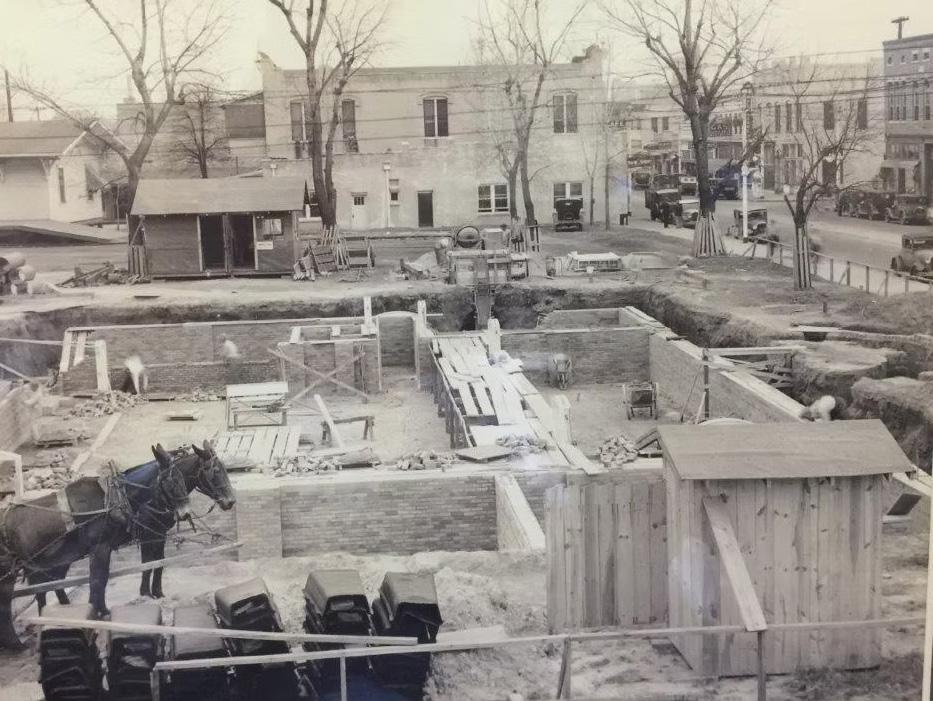
North Little Rock Event Center
(Photo provided by CBM Construction)
The old Argenta Library by Clark & Sons Masonry (Photo provided by CBM Construction)
New Blood, High Expectations
Mike Preston brings a unique background to CDI Contractors
By Doug Crise | Photos provided by CDI Contractors
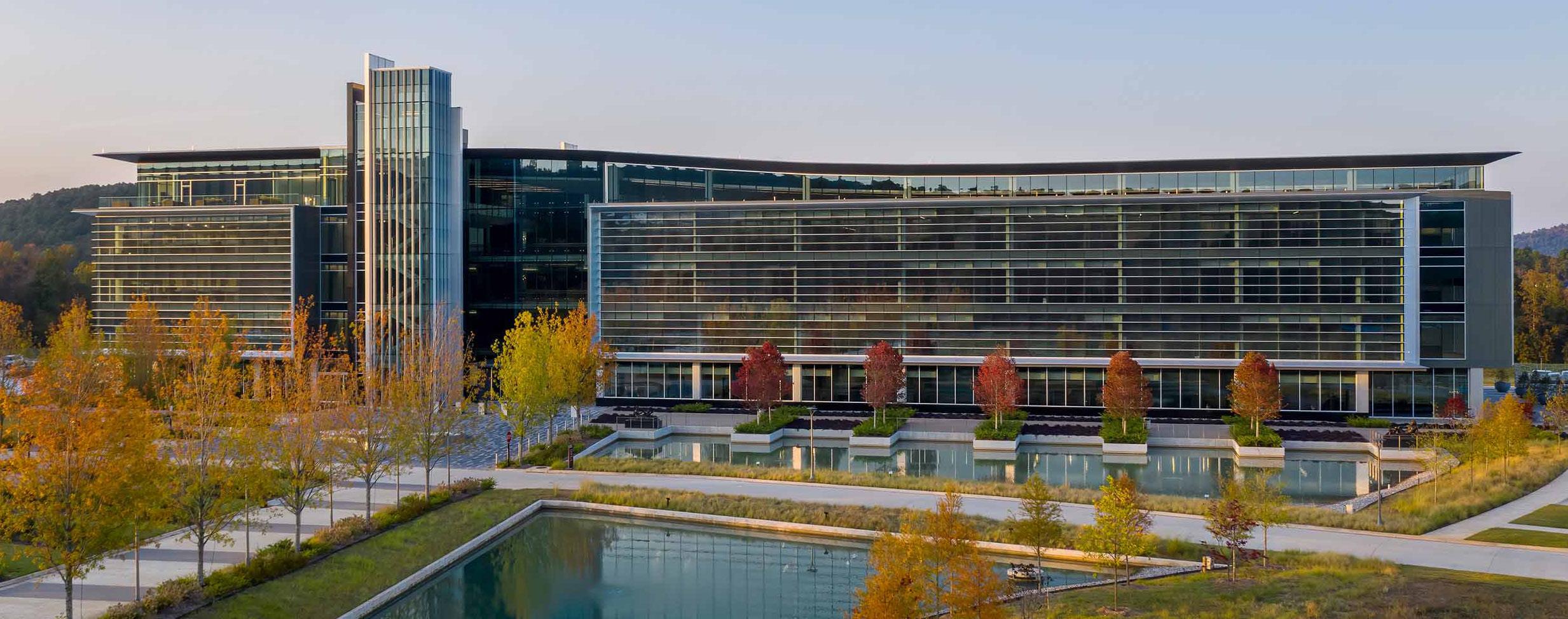
Big or small, a business cannot grow through the same old thinking. That goes double for those in a crowded field. Breaking away requires risk and a healthy dose of nonconformism, even if the company in question has been around for decades. Today more than ever, failure awaits those who do what has always been done.
All of that was more than likely on the mind of Dillard’s President Alex Dillard in September, when he named former Arkansas Secretary of Commerce Mike Preston CEO at CDI Contractors. A subsidiary of Little Rock-based retail giant Dillard’s, CDI was founded in 1987 as a means of constructing Dillards’ own facilities. What began then as a kind of in-house project for retail has bloomed into a multibillion-dollar company with a net cast over 45 states.
Stepping into that is Preston, who may be new to construction but is not new when it comes to building visions into fruition.
Along with serving as commerce secretary, Preston also functioned as executive director of the Arkansas Economic Development Commission and would serve as a managing director at Stephens. Prior to coming to Arkansas, Preston was vice president for government relations for Florida’s economic development group Enterprise Florida.
Preston spent the past three years serving on CDI’s board of directors, which helped lead him into his new line of work. The challenge Preston faces as he settles into his first full year running the company is not so much about rebuilding or bringing about change as it is continuing the positive momentum that has made CDI a leader in its field.
“I think our reputation of building quality projects and having satisfied clients has been a huge driver for us to establish ourselves in the market as a preeminent leader,” Preston said.
Not all Arkansans may be familiar with CDI, but chances
Bank OZK headquarters in west Little Rock
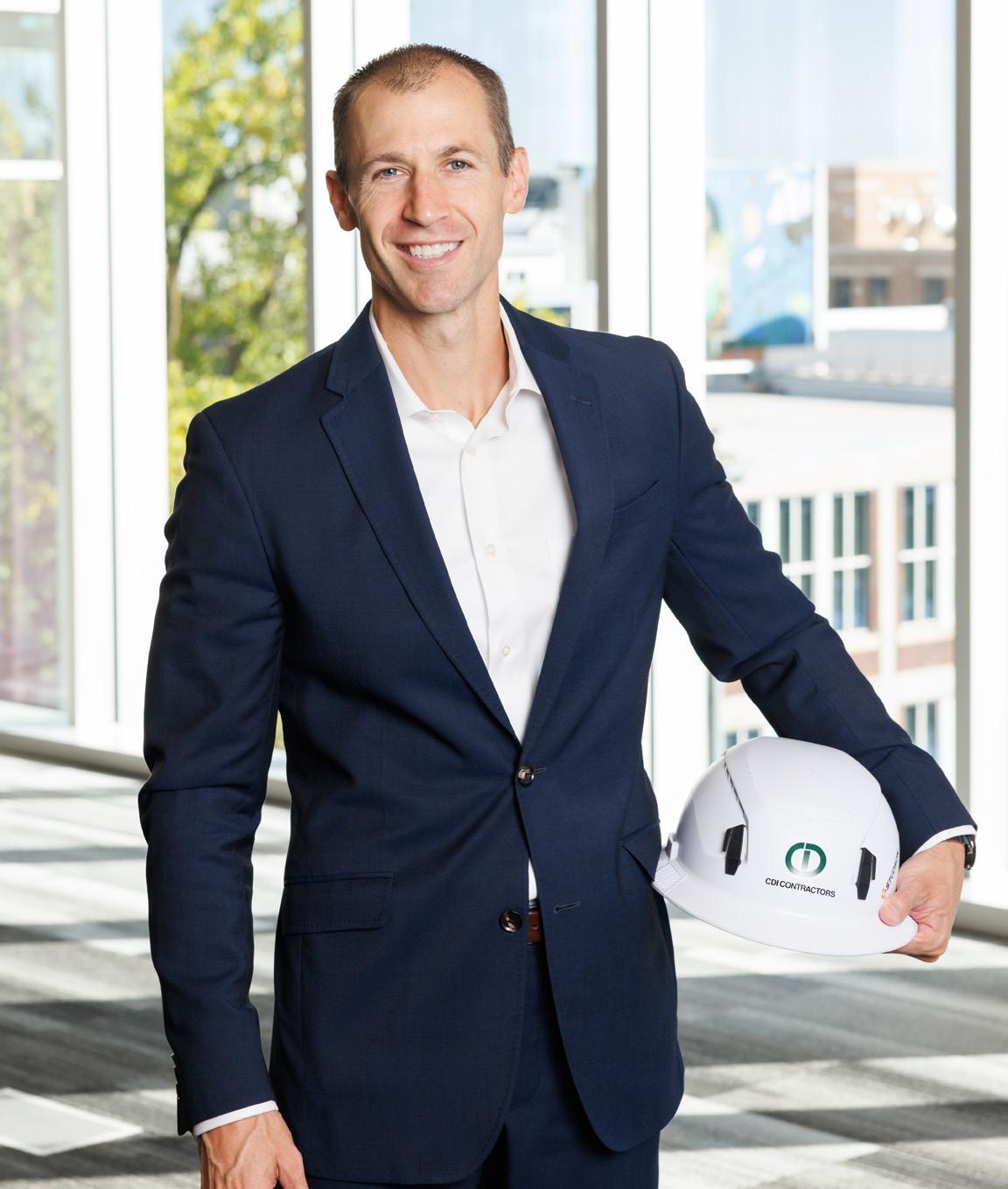
are, they are familiar with its work. Most notably, CDI worked with architecture firm Polshek Partnership to bring about the Clinton Presidential Center and Park, a 150,000-square-foot museum, archive, education and public policy center that is among the state’s most notable landmarks. Further north, CDI played a central role in the University of Arkansas’ renovation of the Old Main Plaza and Senior Walk in Fayetteville.
Gorgeous, complex buildings are a hallmark of CDI’s technical know-how and professionalism, but there is vast ground to cover before a single hammer meets a nail. Success in commercial contracting requires constant communication, healthy partnerships with architects and other stakeholders, and the ability to absorb change quickly. Those concepts sit squarely in Preston’s wheelhouse thanks to his multifaceted experience and ability to connect across multiple disciplines.
“You can talk to any one of our clients that we’ve worked with, the owners of our projects in the past, and they’re all going to say it was a great experience and that we come to the project with an open mind,” Preston said. “We look for ways to always help our clients and achieve success, which, to them, is usually on-time and on-budget projects.”
One aspect of the contracting business Preston learned quickly is that so much
success or failure can occur while a project is still little more than a tract of dirt and a handful of ideas. The completed buildings speak for themselves, but they are also a testament to all that goes into getting a major project off the ground. The more that is anticipated, be it specific equipment requirements or possible delays, the more time and money can be saved on the front end.
All of that can involve everything from cost analysis to prefabrication to feasibility research.
“It’s a collaboration to figure out exactly what they want to build,” Preston said. “What are the key drivers for their project? We can come in and start looking at the preconstruction process and developing their project, and we know what their budget is. Maybe there’s times throughout the project where they run into budget constraints, so it’s, hey, let’s be collaborative and figure out ways to save you money as a client.”

Porch view from Bank OZK headquarters
Mike Preston
Rooftop of the Main Library in downtown Little Rock
Of course, all of that sounds quite well and good on paper. It is quite another matter to be able to effortlessly pivot to meet the situation when at the helm of a company with projects in 45 states and overseen by three separate offices, not to mention the overall stewardship from the Dillard’s organization.
“It’s a tightrope, and it’s important,” Preston said. “Like all companies, we want to see ours continue to grow, and we’re very well positioned to do so with Dillard’s behind us and supporting us. They give us the tools and resources that allow us to do that, but you have to take it as an approach where we are very strategic in the projects that we go after.”
If Preston is sure of anything, it is that CDI’s No. 1 resource must continue to be its people. Coming from a multifaceted professional background that involved a heavy share of relationship building, Preston is a fervent believer in the art and science of finding the right personnel. It is far too easy to reduce people to preset parameters of background and experience. Preston’s goal at CDI is not so much to hire as it is to invest, to find people of high character who can grow with the company itself.
“We can be strategic about what we’re looking at, and that allows us to really
grow our talent,” Preston said. “We pride ourselves in hiring really talented people, but also, coming out of college, we give them the opportunity to come work for us very green, going in and learning some of these projects under senior leadership to see how it’s done and then giving them tools and resources. You want to approach it in a way that you want to continue to grow, which we are and will continue to do so.”
Yet growth without direction can become a problem, especially when it comes to larger businesses. Preston is keenly aware of that, and he is clearly not about to institute change for the sake of change. For him, 2026 will be a year of hitting the ground listening, whether it be to employees or clients.
“This is a job that will continue to evolve and grow because we’re an evolving and growing company each and every day,” Preston said. “I learn a lot. I learn so much every day from the folks around me. Going through this process of learning day in and day out, I’m just more amazed with the team and the work that we’re able to do.”
Pinnacle Mountain State Park Visitors Center
UA Senior Walk
UA Institute for Integrative and Innovative Research


MEDICAL BILLING
Founded by Bethany Abbott — an industry executive with over 25 years of leadership experience at some of the nation's top medical insurance payers - claimSTAT LLC is the first company to successfully specialize in billing medical insurance for all categories of dental services.
By bridging the longstanding gap between dental and medical billing, claimSTAT empowers providers to deliver medically necessary dental care while unlocking new reimbursement opportunities.
WHAT SETS US APART
Empowering Providers to Deliver Services Without Financial Barriers
Pioneering Model: First-to-market solution for comprehensive dental-to-medical billing
End-to-End Support: Full service billing, documentation review, and claims management

Deep Industry Expertise: Led by a veteran in payer operations, compliance, and reimbursement strategy
Mission-Driven Impact: Expanding access to care and increasing practice revenue through medically necessary services
OUR MISSION
At claimSTAT, we are proud to be the first in the industry to introduce a first-to-market solution for comprehensive oral care billing— bridging the longstanding gap between medical and dental services. As the boundaries between medical and dental care continue to evolve, dental providers are increasingly required to navigate the complexities of medical insurance reimbursement. This process is often confusing, timeconsuming, and unrewarding—leaving both providers and patients underserved. claimSTAT was created to change that.
Our mission is to redefine what’s possible in medical billing for the dental sector by delivering a ull-service, end-to-end solution that ensures medical insurance covers all levels of dental restoration. We are dedicated to helping providers receive fair, timely, and complete compensation for their services—while improving access to medically necessary oral care for patients.
Backed by a skilled team of medical review analysts, claim coders, and documentation specialists, claimSTAT delivers a boutiquestyle experience with enterprise-level results. Every claim is handled with the highest level of detail and care, ensuring maximum reimbursement and outstanding patient outcomes.
At claimSTAT, we don’t just follow industry standards—we set them.
TAKING A OUT OF PAYMENTS BITE
claimSTAT founder cracks code on streamlining dental reimbursement

By Dwain Hebda
When most people think of innovation in health care, they often immediately think of a new laser, robot or other technological wizardry that speeds healing in a space age manner. Few people would likely group “billing and payments” and “revolutionary advancements” into the same sentence.
Yet it is within that mundane and essential element of the health care industry that Bethany Abbott, founder of claimSTAT, has quickly built a thriving business seeking to turn a multibillion-dollar problem on its ear. In doing so, she cracked a code that much larger predecessors failed to, proving ingenious innovation can
happen anywhere, even in Searcy, Arkansas.
“An insurance company is not going to stand out there and wave a big shiny red flag and say, ‘This is how you get us to pay for things,’” she said. “Many people have tried to do [what we’re doing]. Many companies nationwide have tried, but we’re the first to market with a full solution.
The company makes it possible for people to use their medical insurance to pay for dental work, coverage that often reimburses at higher rates than their dental policies. The barrier that has confounded the industry for years is medical coding, the universal
Bethany Abbott and the claimSTAT team, inset. (Photos provided by claimSTAT)
system that identifies covered procedures, upon which insurance reimbursement is based.
The labyrinth of codes did not line up between medical and dental care, Abbott found, which made filing a claim akin to having access to a room with a safe in it but not having the right combination to open it. claimSTAT’s end-toend system fixes the coding gaps, thus allow ing patients to tap into the dental benefits within the medical insurance policy they are paying for.
Cracking that formula, Abbott recognized a mammoth business opportunity, even if it meant selling the dental industry on getting reimbursed through insurance in a whole new way. This she did by analog means, knocking on doors and languishing in waiting rooms on sales calls, winning over new clients one practice at a time. Today, the bulk of the company’s customers are still of the Main Street variety.
“Most of them are individual dental practices. We do have a couple of chains,” she said. “Another side of our business is we develop oral ambulatory sur gical centers. We have lots of oral surgeons. We try to stay away from [dental support organizations] or any type of private equity because it’s just not in the best interest of the doctor. I would say that 90 percent of our clients are individually owned.”
icaid services out of Washington, D.C. I was director of implementation for Molina Healthcare right before I left to do claimSTAT.”
Given all that, Abbott was the last person to simply shrug off the dental office interaction as something to be accepted, versed as she was on the vagaries of reimbursement across all health care specialties.
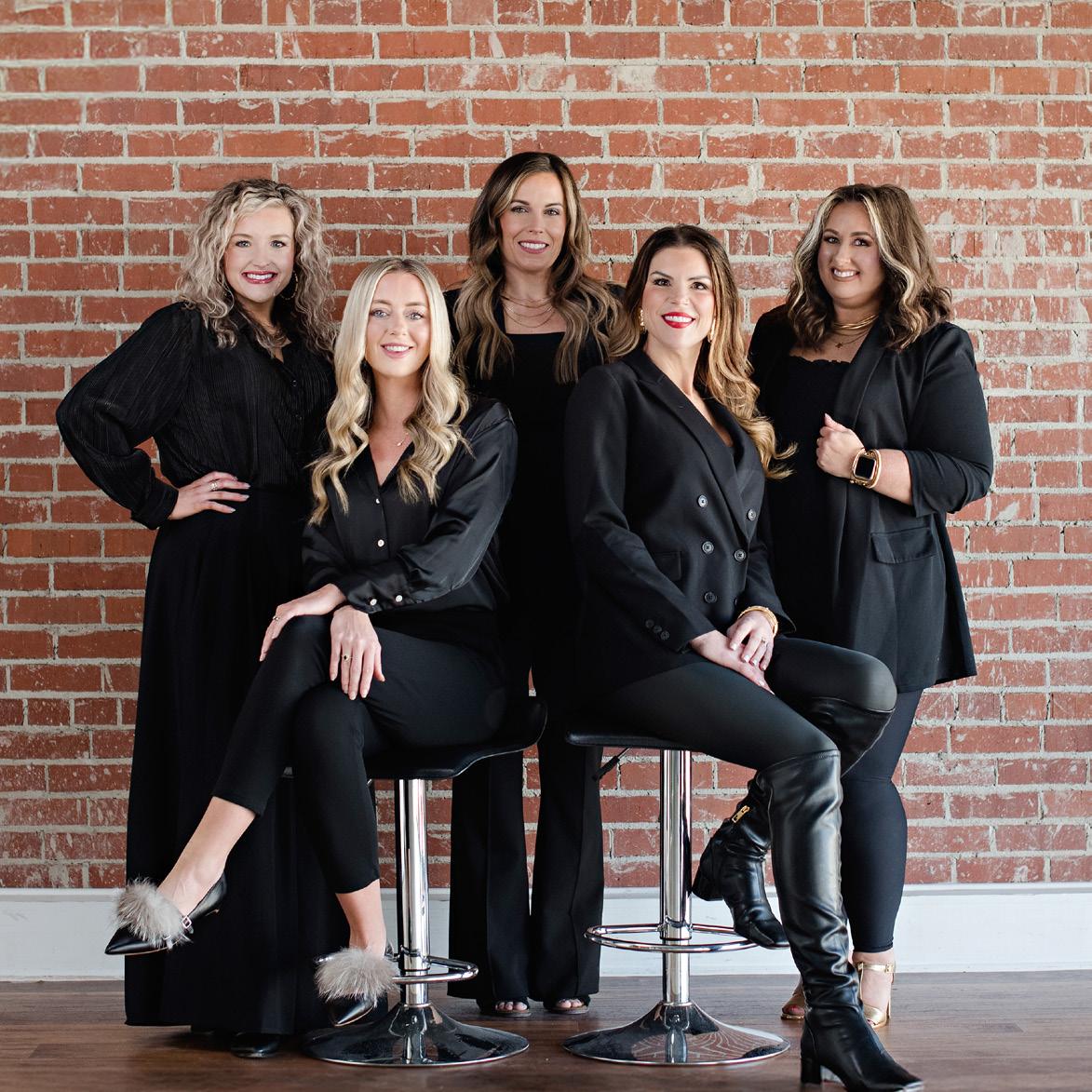
“Dental insurance started back in the 1950s,” she said. “Back in the ‘50s, you could get a significant amount of care for $1,500. Well, they haven’t updated those rates more than just a little bit in 30 years. Somehow big dental convinced doctors that they weren’t worthy of the reimbursement and pay that other doctors are.
“When my husband needed those services, I went back and made sure I was right before I argued. Sure enough, we got his whole reconstructive case completely paid for.”
The experience not only vindicated Abbott personally; it inspired her to create a solution that would actually do something about the problem. After several years in development, she knew she had crafted a reliable solution that did not load extra work on client practices.
Like many great companies, claimSTAT began by recognizing an industry’s service bottleneck and, in this particular case, a personal one, experienced by Abbott during an encounter at the local dental office. Stepping up to the counter to pay for her husband’s procedure, she was shocked to learn the practice would not take her medical insurance.
“I gave him our insurance card, and I was basically laughed out of the office,” she said. “The office manager at the dental office was like, ‘Oh, we don’t accept medical. We’re a dental office.’”
The comment reached the wrong set of ears, as Abbott was not just another patient. A native of Huttig, Abbott started her career at Blue Cross and Blue Shield of Arkansas, through which she was able to graduate from college. Over the next three decades, she also gained experience from government work and aerospace.
“I ended up working for Arkansas Blue Cross and Blue Shield off and on through the years and then moved to different payers. I built many, many, many claims systems,” she said. “I was senior director of project management at Dassault Falcon. I built a fraud detection system for Medicare and Med-
“I built the entire coding system and the claim system that are used. Our service is completely turnkey,” she said. “One of the hurdles that I met at these dental offices was they’re like, ‘Oh my gosh, we have to fight tooth and nail to get paid pennies from dental insurance. We can’t do this.’ Well, we do it all. We handle everything. We establish a secure, HIPAA-compliant VPN tunnel where we get into their system, we pull the data, and that’s it.
“I’m hard-headed. I knew this could work. I stepped down from everything I was doing to launch claimSTAT, and I haven’t looked back since.”
Over just five years, the company has grown to more than 20 remote employees and handles more than $100 million in claims volume per month. As impressive as that is, Abbott considers it just a scratch on the surface of where she plans to take the company.
“I’m trying to change the face of dentistry. I’m the Wolf of Wall Street for dentistry, if you will, in a legal way,” she said. “I would love to continue expanding to new clinics because not only does that grow claimSTAT, but it gets service to more patients and removes that payment barrier. Not only that, if I can put my executive hat back on, from the medical payers’ point of view, it reduces their risk management because a patient’s health and wellness care starts in the mouth.”
Bringing the Past to Life
Monthlong event to recreate a historic stretch of downtown Little Rock

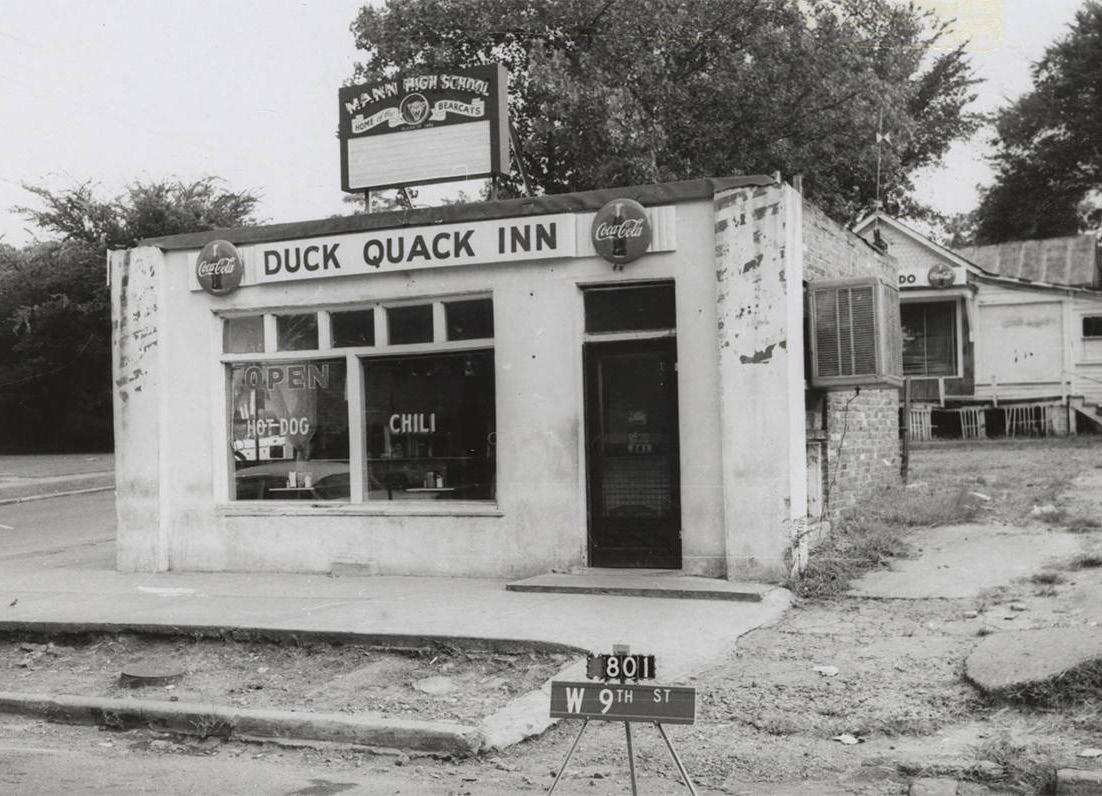
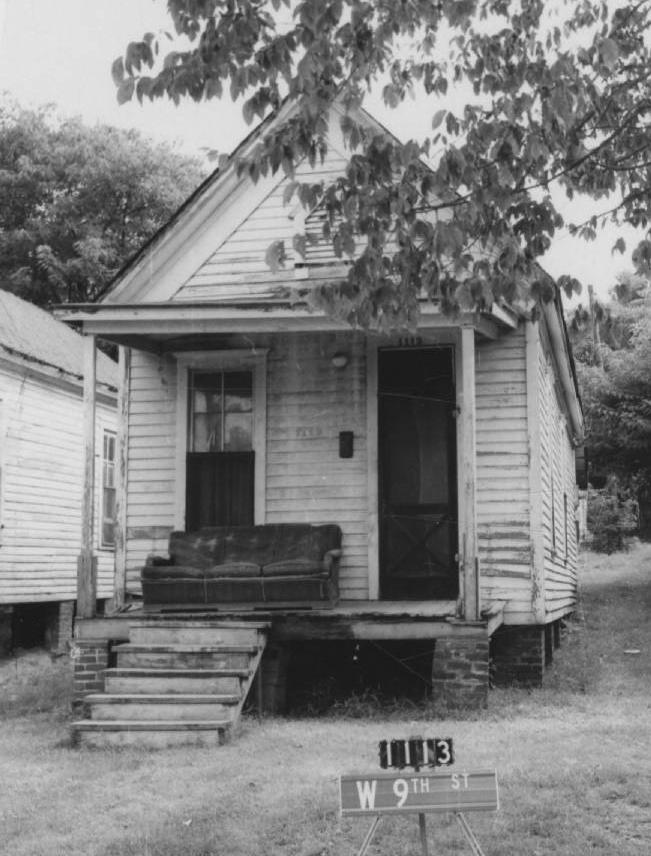
By Dwain Hebda

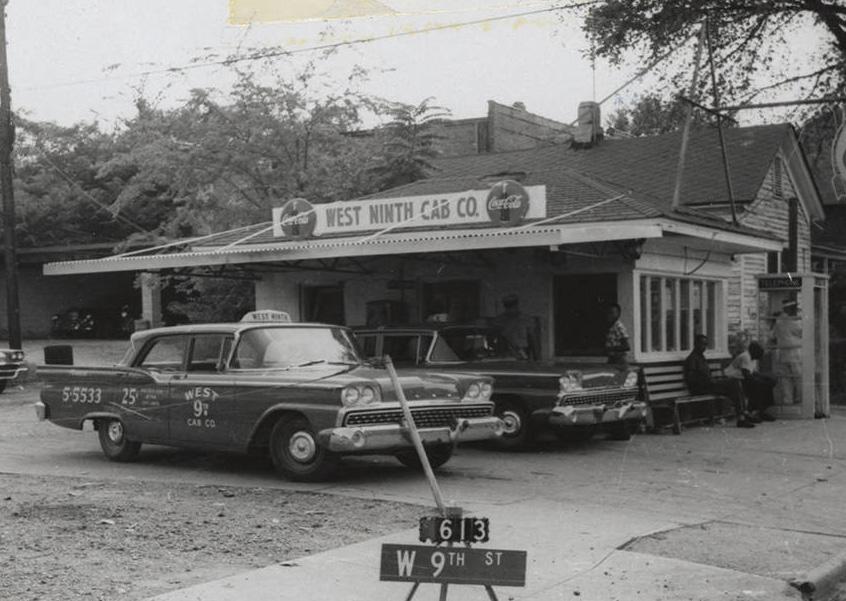



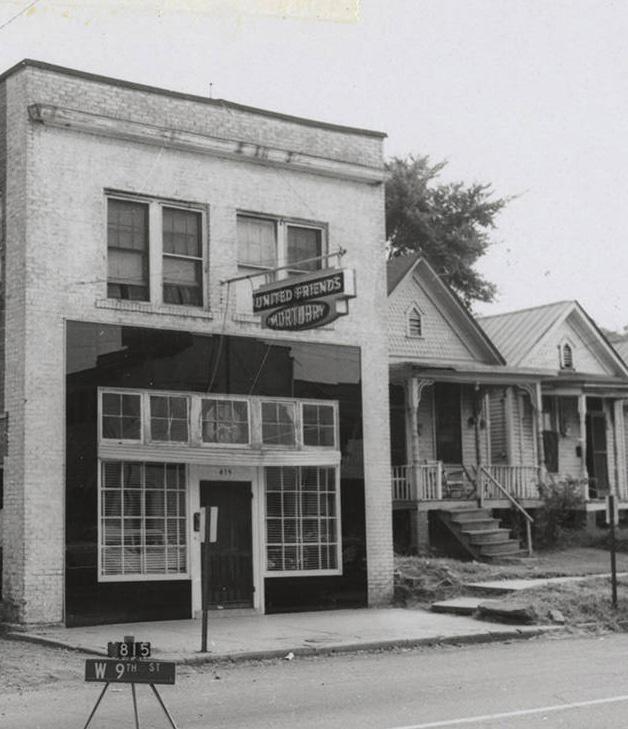
Imagine walking in a downtown neighborhood clogged with pedestrians and families visiting this store or that. Retail of every description hunches next to cafes and offices as people go about their business. At night, the sound of jazz and blues pours out of doorways and floats into the street, and on Sunday, stately churches gather in congregants, some of whom are revelers from the previous night.
Such were the scenes of daily life on one of the most culturally significant urban stretches in the South, and it did not reside in Memphis or Selma or Birmingham but historic West Ninth Street, one rib of downtown Little Rock. While not much is left to speak of the corridor’s illustrious history, a new project seeks to take one important step toward resurrecting it.
An exciting new month-long demonstration, Beyond the Divide: Reconnecting West Ninth Street to the Hearts of Little Rock, is the latest effort in bringing back one of the city’s most historically and culturally significant downtown corridors.
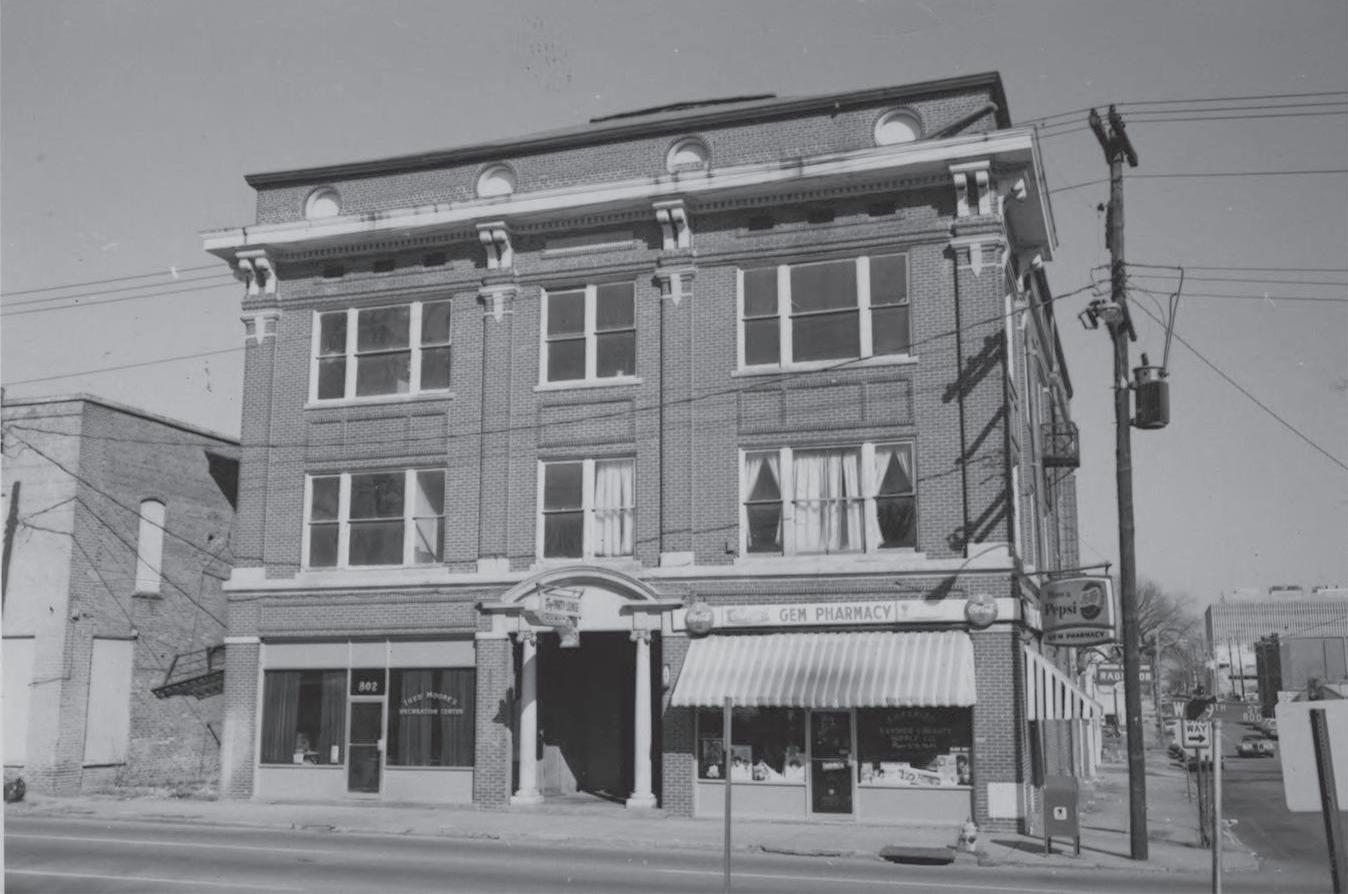
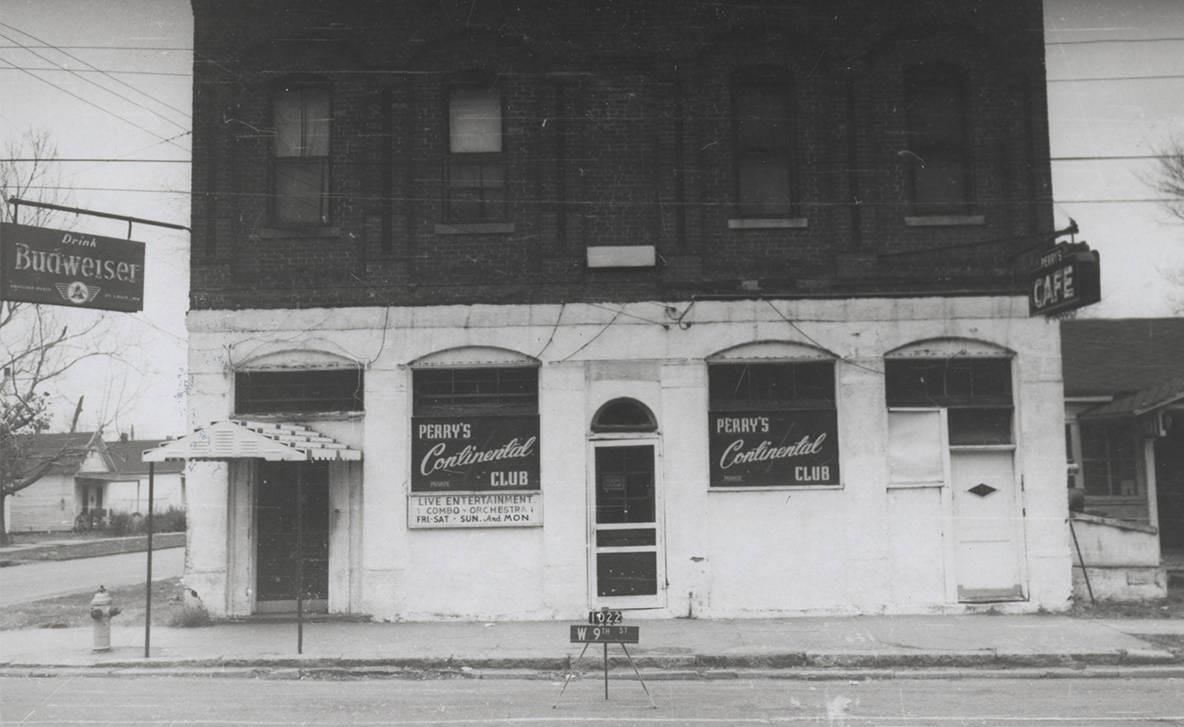
“The Downtown Little Rock Master Plan identified West Ninth Street as an area of focus and

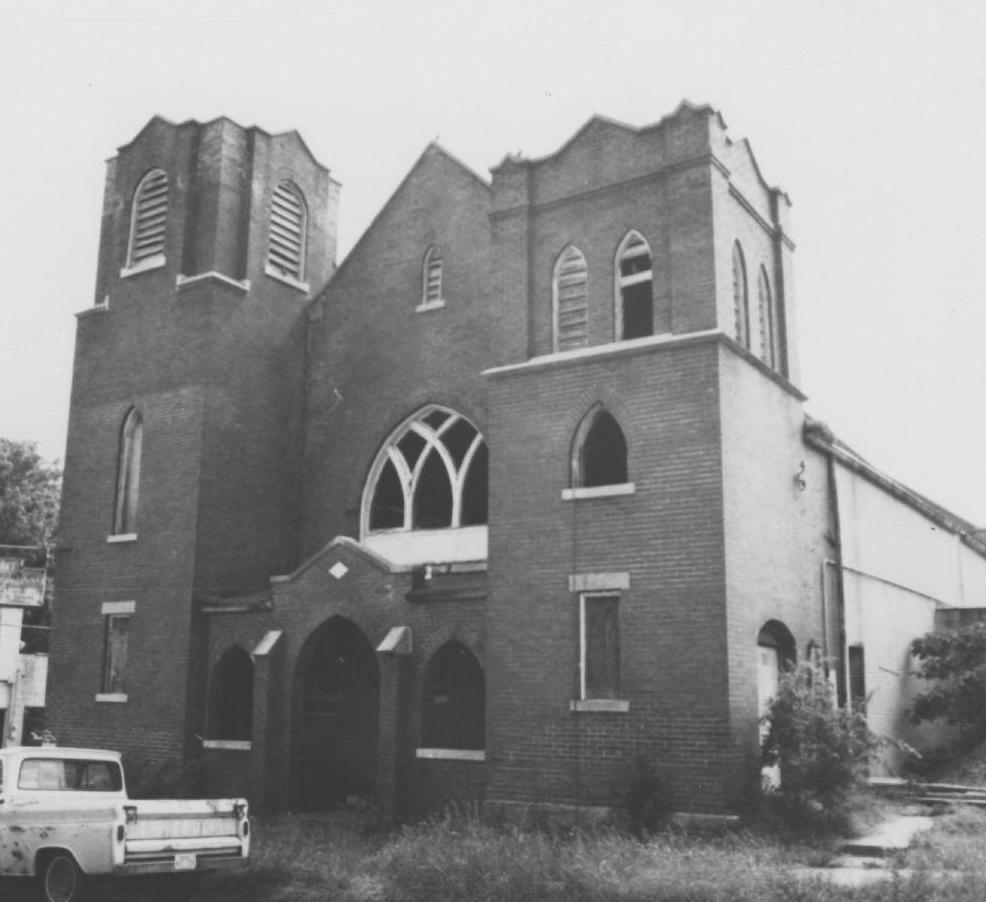
The West Ninth Street corridor in downtown Little Rock was once considered one of the most culturally significant urban stretches in the South.
(Photos provided by Quapaw Quarter Association)

to bring Black businesses back to West Ninth Street like there was historically but in a new and modern way.”
Ernest Banks, Polk Stanley Wilcox Architects
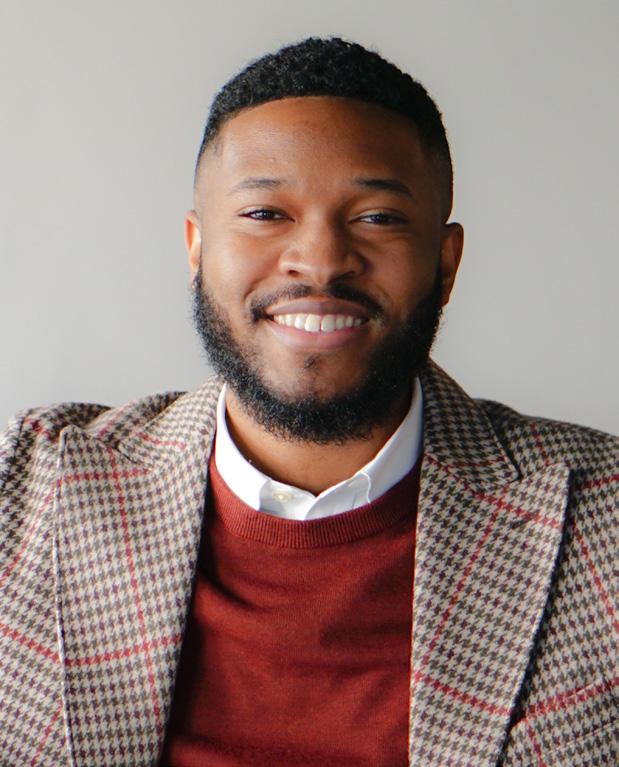
Wilcox Architects. “Historically, West Ninth Street used to be a hub of Black economic wealth and development. It is not that any longer.
“The objective is to put in place and implement transformative ideas that bring people to West Ninth Street and reactivate it into a cultural, historical and arts corridor. We’re trying to bring Black businesses back to West Ninth Street like there was historically but in a new and modern way.”
Banks is one-third of the triumvirate leadership team behind Beyond the Divide, a visionary event being produced in partnership with the nonprofit studioMAIN. The month-long demonstration project will give people a taste of how vibrant and essential the stretch of West Ninth Street between Broadway and State streets once was and could again be.
“What it truly is is a 30-day demonstration project, and by demonstration, I mean studioMAIN and other local partners are going to use quick-build techniques to transform West Ninth Street into this corridor of potential and greatness like we know it’s capable of,” Banks said.
“We are planning to actually help implement that using shipping containers
to create temporary storefronts for small businesses to inhabit along West Ninth Street for this project. The containers are a very quick way to set up brick and mortar without actually having to build foundations and actual structures. We hope that will create a new West Ninth Street business model for small businesses.”
Banks is joined at the head of the project by Chloe Chapman, executive director of Our Little Rock, and Antwan Phillips, at-large city director. Funding for the event comes via a $25,000 grant from Smart Growth America and $20,000 in technical assistance from the Smart Growth America Community Connectors program. Little Rock is one of only three places nationwide to receive the grant, the others being Akron, Ohio, and Baltimore County, Maryland.
“It’s a national nonprofit organization focused on creating walkable, more accessible communities that uplift the people that live there,” Banks said. “Chloe reached out to me about this national grant opportunity that was focusing on communities across the country that have been impacted by interstate infrastructure.
“I-630 is that piece of infrastructure in terms of the history of Little Rock, and its impact is in an area of downtown that has been on the periphery and overlooked in recent years. It was just the perfect situation. We applied with the support of city director Phillips, and luckily, we received a grant.
Hugg & Hall Mobile Storage will provide much of the manpower and the shipping containers that will line the street. A growing list of other project partners includes the city of Little Rock, the Downtown Little Rock Partnership, Philander Smith University, Dunbar Historic Neighborhood Association, Velocity Graphics and the Dreamland Ballroom/ Taborian Hall Museum. Another partner, the Clinton School of Public Service, will play a critical role in sustaining the
momentum after the demonstration.
“We have a capstone student, Ali Dunbar, working along with us who is basically tasked with all of the postevaluation process and study for this entire project,” Banks said. “She helped us create surveys and a postevaluation plan where we’re going to create a document that will detail the impacts of this project on the community. We are going to package it in a way where it’s not just going to be delivered to the city in a report that gets shoved into a desk and is never heard from again.
“What it truly is is a 30-day demonstration project, and by demonstration, I mean studioMAIN and other local partners are going to use quick-build techniques to transform West Ninth Street into this corridor of potential and greatness like we know it’s capable of.”
Ernest Banks, Polk Stanley Wilcox Architects
“We plan on taking all the results from this project, all the feedback, all the imagery, all of the quantitative data and qualitative data and preserving that public memory on a platform that can be viewed by people long after the project is completed. Not only that — we plan on creating an implementation task force to hold the city accountable and see how we can all come together to envision what a West Ninth Street could be for the future of Little Rock.”
The demonstration, which will run the

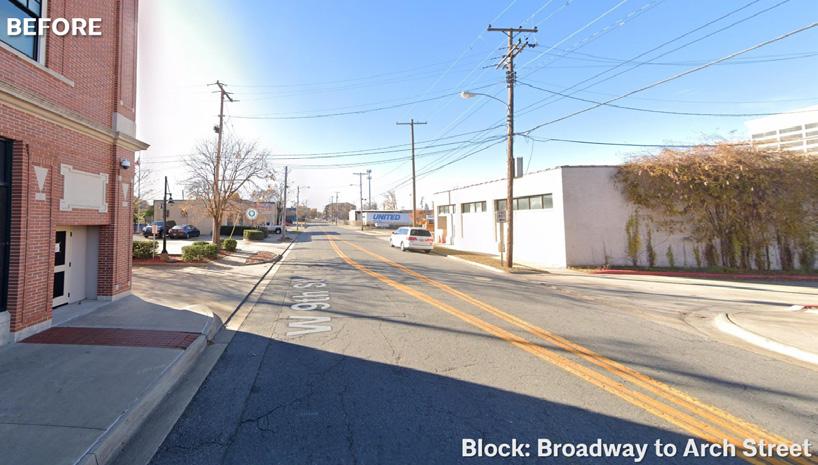
month of April, will also create a temporary gateway to the famed neighborhood to help locals better identify the confines of the district, as well as provide plenty of public art created especially for the event.
“We’re trying to bring more foot traffic to the area because, honestly, if you talk to people on the street about, ‘Hey, do you know the history of West Ninth Street in the context of Little Rock?’ 9 times out of 10, most people won’t be able to tell you what it was,” Banks said. “Even driving past it, besides the Mosaic Templars Cultural Center on the corner, you don’t really know what used to exist there.


“It’s something that this particular area of Little Rock has been needing for a long time. For so many people whose grandparents and great-grandparents used to operate on West Ninth Street, it’s something that they’ve been hoping for. By building this temporary gateway structure, it’s a monumental placemaking device that tells people, ‘Hey, this used to be the historic West Ninth Street. Welcome. Come in. Come and experience the history.”

‘UNSUNG
HEROES’
Two-year colleges give students on nontraditional paths chances to build bright futures
By Alex Hardgrave
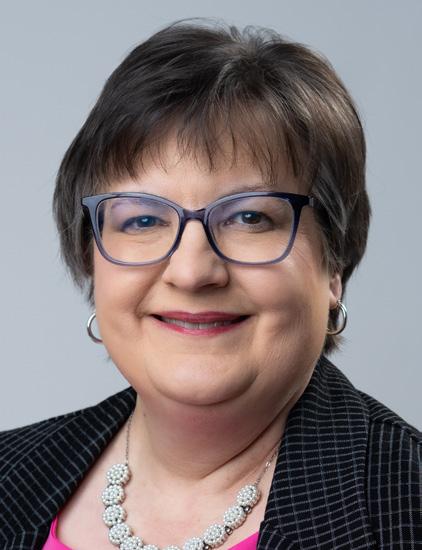
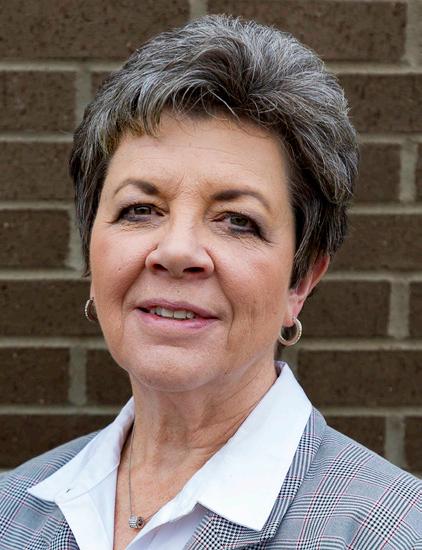

They are the ones in the careers one may overlook in day-today life — the person behind the wheel of the semitruck one passes on the highway, the welder who helped build the bridge one drives over on the way to a doctor’s appointment or the nurse who takes one’s blood pressure at that appointment.
All those skilled technicians keep the world running — literally — and it is thanks to strong educational programs in the state that people in those careers have a place to learn and train.
The number of students enrolling in undergraduate certificate and associate degree programs, which are what is needed for many technical careers, is growing at a faster pace than bachelor’s program enrollment, the National Student Clearinghouse Research Center’s 2025 enrollment insights report states. Since fall 2021, technical education has seen a 28.3 percent increase in students.
Growth in undergraduate enrollment was driven by communitycollege enrollment, which saw a 3-percent increase. Meanwhile, public 4-year colleges saw a 1.4-percent increase in enrollment over the past year.
One institution seeing that growth is Baptist Health College Little Rock. Last year, the institution saw its highest enrollment numbers in five years, said Karen James, interim president.
She attributed the growth to the fact that there is such a need for workers in the sector.
“People are looking for more of a stable career,” she said. “Jobs in health care are plentiful.”
James said the employment rate of Baptist’s students is above 85 percent, adding that 50 to 60 percent of those students stay and work within the Baptist Health system itself.
She said 80 percent of Baptist’s students complete their programs thanks to wraparound services that support the students, including financial aid, counseling, tutoring, financial aid, a food pantry and a chaplain.
Many of the students are on a nontraditional school path or may be working a full-time job while attending school. The average age of students at the college is about 27, and many come to Baptist in search of a second career.
“We really try to take care of the whole student,” she said, “not just teaching them.”
The thing all students need to have in common is a drive to help others and a passion to learn, James said.
“The ideal student is somebody that has a desire to be in health care, that has a desire to learn, a desire to care for people and to be a graduate of one of our great programs,” James said.
Karen James
Cheryl Wiedmaier
Derrick Holobaugh
Andrew Parker
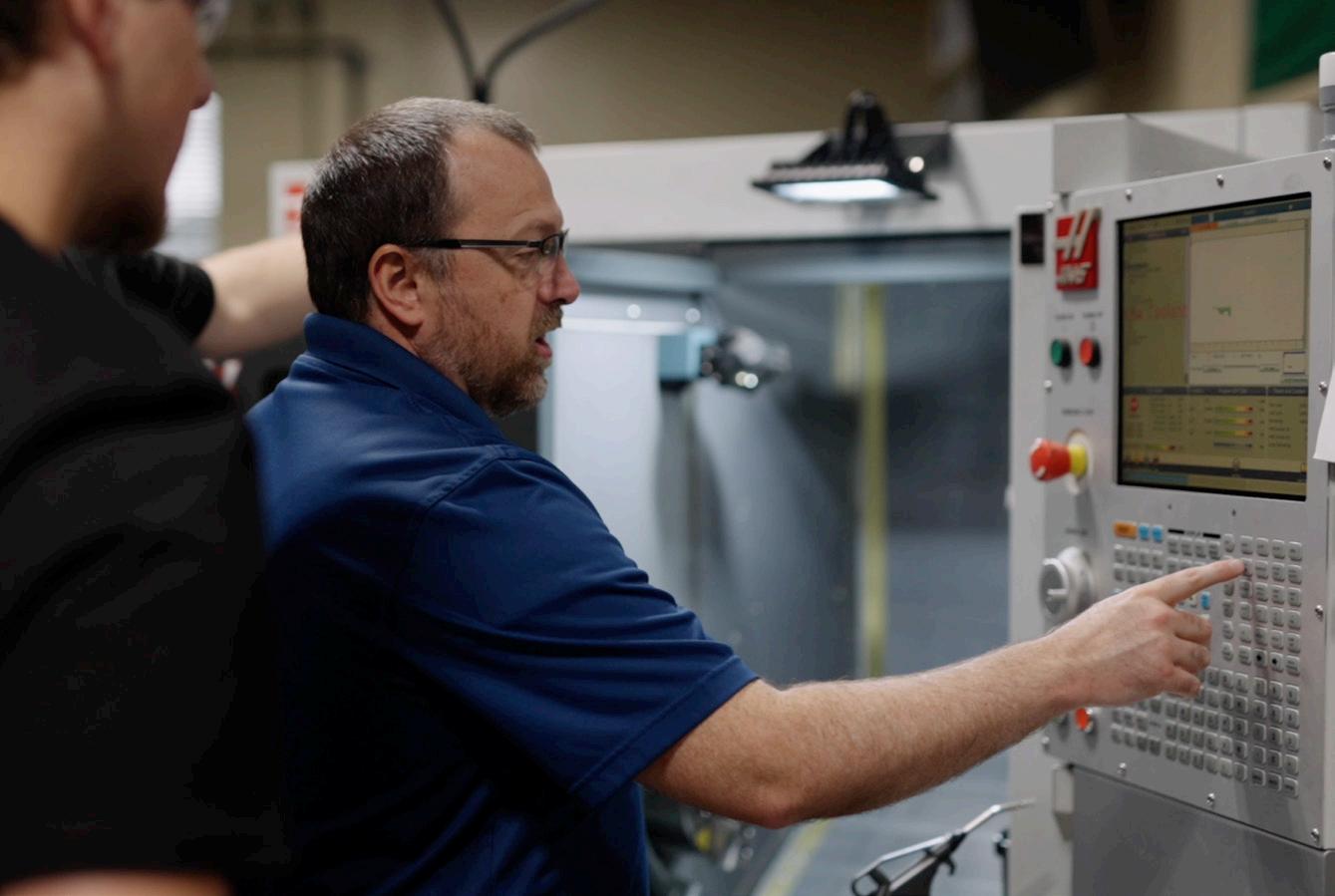
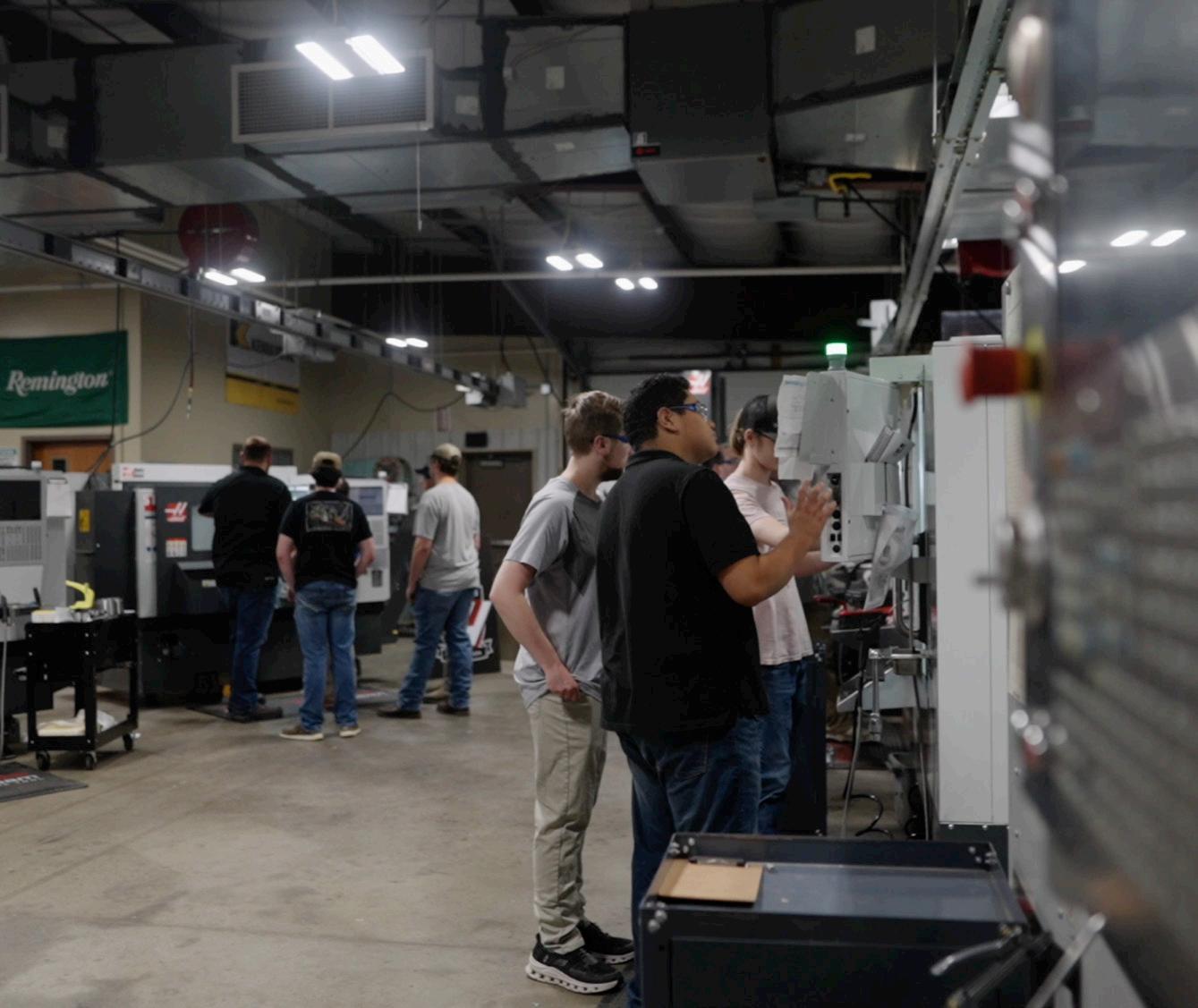
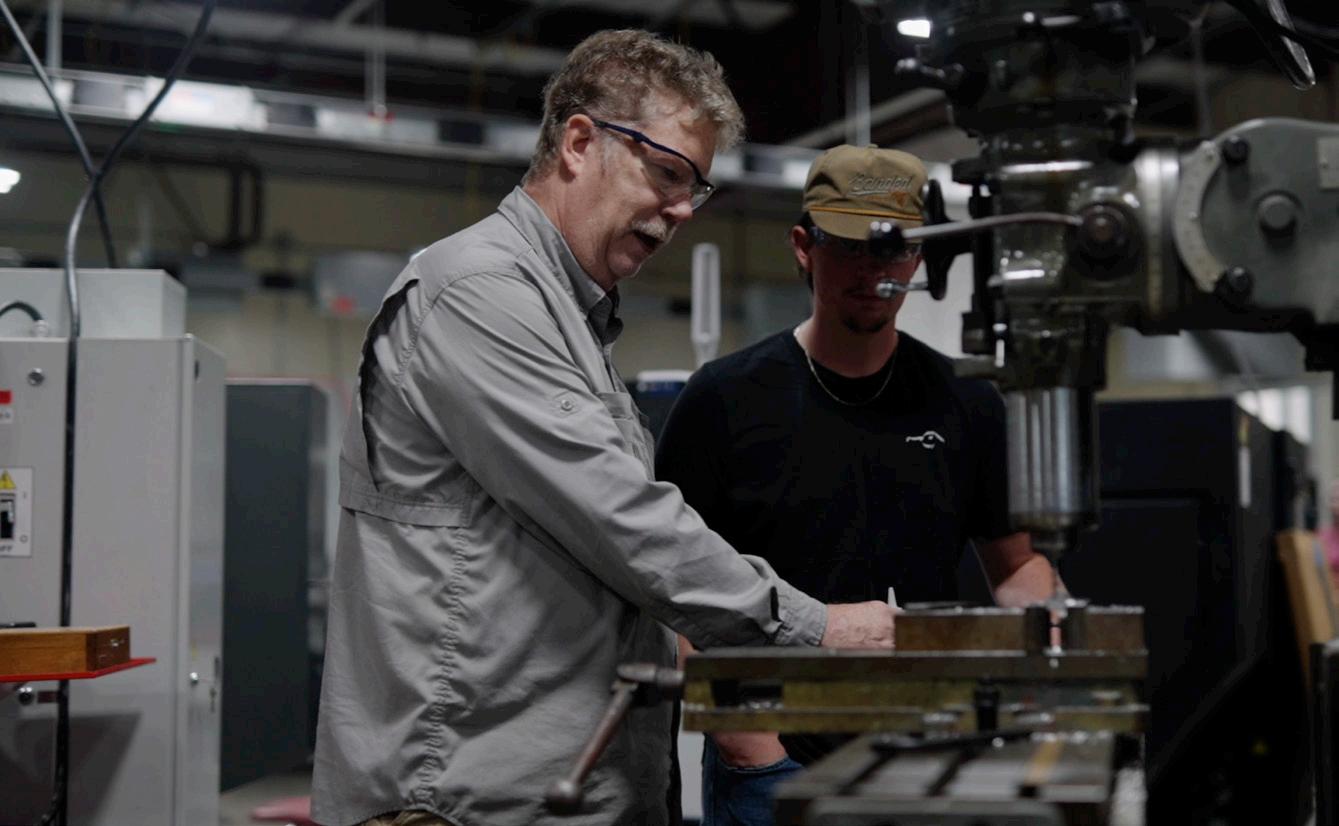
ASU-Beebe allows students to earn class credits while still in high school.
(Photos courtesy of ASUB)
Baptist Health offers a traditional nursing track, which takes 1 1/2 years to complete, as well as an accelerated oneyear track for students who are already licensed practical nurses and certified paramedics. The accelerated program is offered as a hybrid model, so students can continue to work while completing their education.
Other programs include practical nursing, patient care technicians, medical laboratory science, radiology and surgical technology.
James said the college’s nine different program options help ensure there is something for everyone, whether they wish to interact directly with patients or would rather be in a more behind-the-scenes role.
Meanwhile, Arkansas State University-Beebe offers associate degrees and certificates in a wide range of technical careers. The school has campuses in Beebe, Searcy, Heber Springs and at the Little Rock Air Force Base
Cheryl Wiedmaier, dean of career education, said the school has seen an uptick in enrollment in recent years in all of its programs, especially for night classes. She said that is in part so that people already working in these industries can attend class to upskill, which they are wanting to do as they see artificial intelligence and robotics changing their fields.
She also attributed the trend to the aging workforce.
“People are going to be retiring en masse, and some of the younger workers are thinking, ‘This is going to be opening up; I need to prepare myself,’” she said. “We’re trying to help that pipeline of workers to keep people working in those industries.”
Searcy campus faculty member Derrick Holobaugh said job placement in the computerized-machining technology program he teaches in, as well as others, is very high.
“If you want a job, you can get a job,” he said.
Programs such as Be Pro Be Proud have been helping to build a pipeline from middle and high school to colleges’ technical professional fields such as commercial truck driving, construction services, welding, electrical and more.
Be Pro Be Proud, created by the Arkansas State Chamber of Commerce, brings a mobile workshop to schools to teach students about the careers and open their eyes to the possibilities of working in such industries.
Due to an ongoing shortage of skilled workers, it is as important as ever that students know about those

opportunities and break the stigma around pursuing these careers, said Andrew Parker, executive director of the AIA foundation and leader of the Be Pro Be Proud initiative.
“It has never been unimportant,” he said. “We have spent a long time minimizing or not presenting these jobs in a favorable way.”
Parker said this year, Be Pro Be Proud is focusing on the idea of “history in the making,” meaning that if individuals look back on the history of the country, they will see it was built by people working in the technical careers of today.
“They are sort of the O.G. of unsung heroes,” he said.
Factors such as skilled workers aging out of fields and retiring, as well as market expansion and changing technology, are all contributing to the need.
“All of these things are colliding, and it’s creating a shortage that is having acute impacts on a lot of people’s organizations large and small,” Parker said, “but it’s also a real opportunity.”
Along with Be Pro Be Proud, ASU-Beebe has also been working to change old-school ideas about what technical jobs are by encouraging parents to come check out the programs their students are interested in.
“The machine shop and the automotive shop are not their dad’s shop or their granddad’s shop,” Wiedmaier said.
Along with the mobile workshop, Be Pro Be Proud started hosting annual draft days across the state to connect interested students with postsecondary education providers and companies that are hiring.
ASU-Beebe similarly recruits to its programs by getting high schoolers interested early and allowing them to start earning class credits at the school while still in high school.
“I think demand is going to continue to grow and the opportunity is going to continue to grow,” Parker said. “It is a good time to want to be a plumber.”
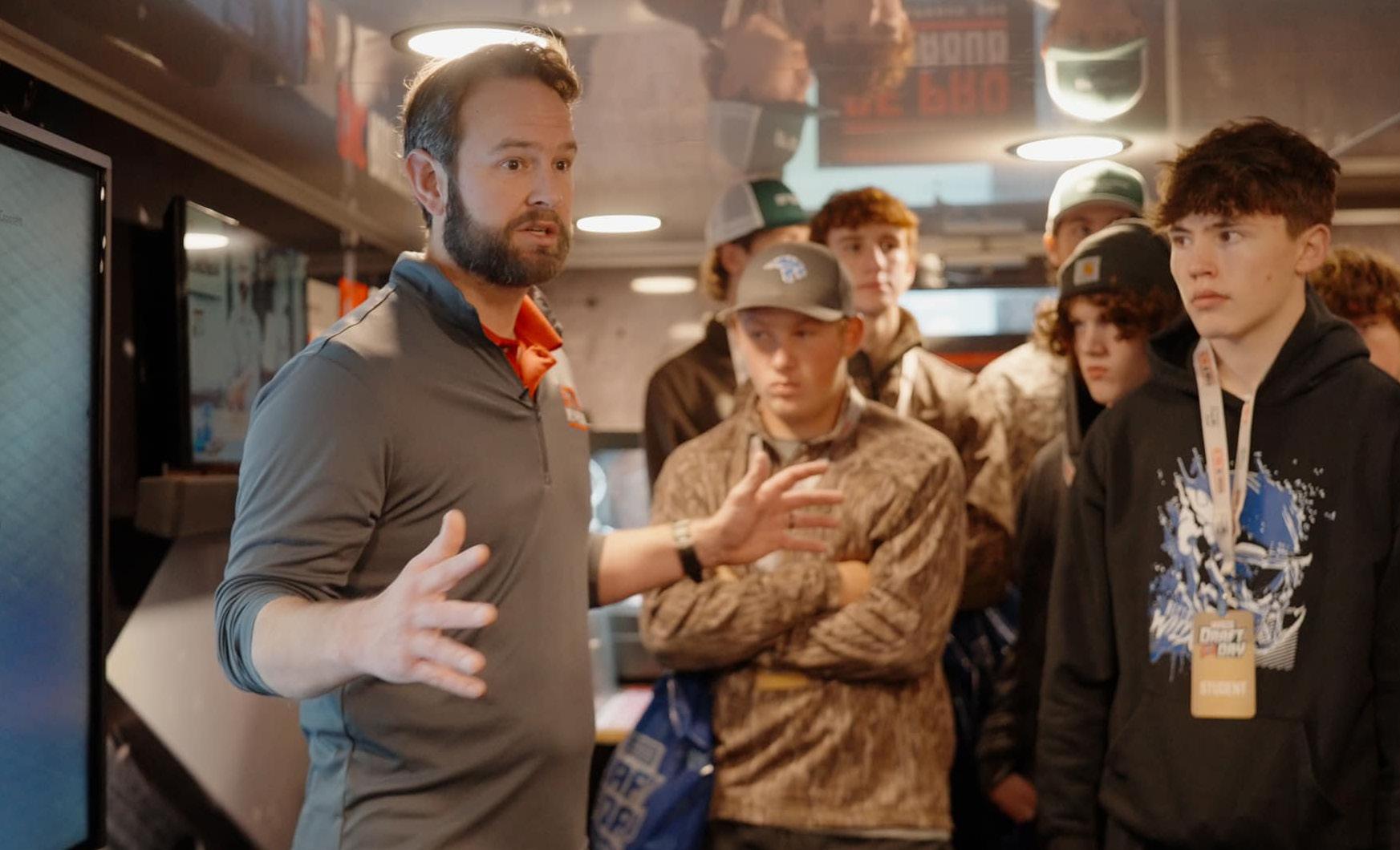
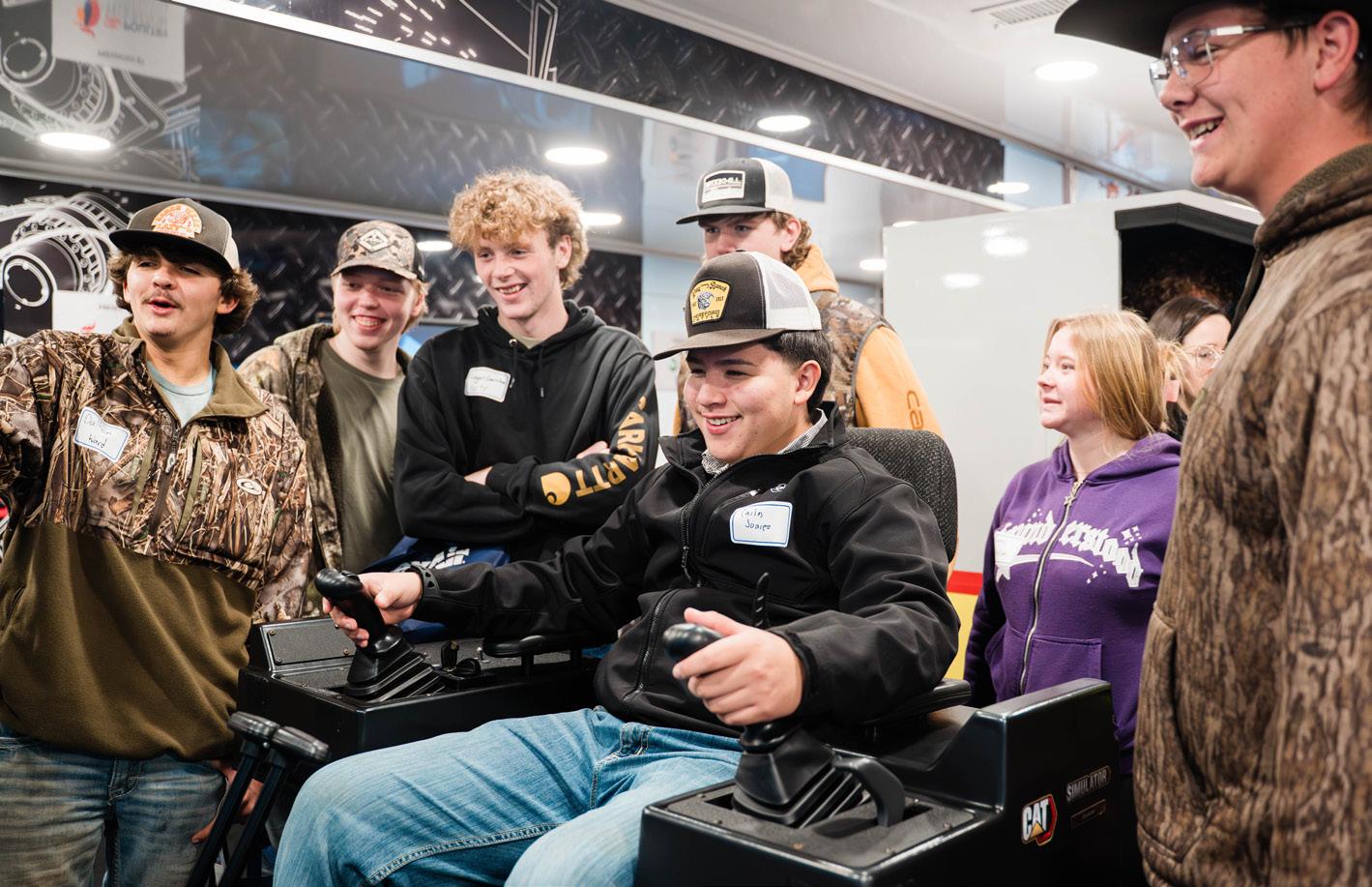
Be Pro Be Proud brings its mobile workshop to schools across Arkansas. (Photos courtesy of Be Pro Be Proud)
TWO-YEAR SCHOOLS
GOOD LIVES GOODWILL CREATES
Organization’s services give people new start, career success
By Alex Hardgrave | Photos provided by Goodwill

Goodwill is all about second chances — second chances for clothing and household items but also second chances for people. Through three different programs, Goodwill Industries of Arkansas helps people to earn a high school diploma, get a job after being incarcerated or gain important skills to get into a successful career, all equating to a chance at a better life for themselves and their families.
“We’re the first ‘yes’ a lot of people get,” said Edie Stewart, senior vice president and chief missions officer.

Through the transitional employment opportunity program, participants gain marketable skills in a 16-week paid job training program, as well as help with resume writing, career planning and connections to other community resources.
Additionally, Goodwill runs two accredited adult high schools, one in Little Rock and one in Springdale, which are free to any Arkansas adult who did not finish high school for any reason. It is not just limited to Goodwill employees. About 10 percent of Arkansas adults do not have a high school diploma, the Arkansas Division of Workforce Services states, and Goodwill’s Excel Center helps shrink that number. Last year, the center graduated 61 students, its largest class yet.
By offering services such as life coaching, on-site childcare and flexible class schedules, Goodwill helps students graduate high school and set up their lives for success. Students can attend full time or part time, and Goodwill also works to transfer credits that students may have previously completed when they attended school.

In addition to the Excel Center, Goodwill has The Academy, a program licensed through the Arkansas State Board of Private Career Education that provides training needed to help people secure new jobs with a living wage.
Through flexible schedules and accelerated programs, students who are working full-time while attending can complete the courses quickly.
The Academy offers courses in health care training such as pharmacy technician and certified clinical medical assistant; computer training courses such as information technology support, cybersecurity, e-commerce and digital marketing; and technical courses such as general carpentry, welding and Occupational Safety and Health Administration certifications.
The courses are held at Goodwill headquarters in Little Rock, which offers a fully equipped welding lab, medical training lab, computer labs and more, all on-site in the 570,000-square-foot warehouse. Courses are designed to be the first step to even more advanced careers, Stewart said.
“They get their foot in the door,” she said.
Beyond giving students hands-on job training, Goodwill stresses job placement through partnerships with companies in related industries, as well as resume help, mock interviews and other services through its Goodwill career centers.
The affordable tuition at The Academy makes the classes more accessible than a traditional college may be. Also, if a student is a Goodwill employee or an Excel Center graduate, they can attend The Academy for free.
“It’s some life-changing stuff,” Stewart said. “The sky is the limit.”
Aaron Cendejas
Emmanual Mensah
Paradise Littlejohn

TRAINING GROUNDS
Two-year colleges partnering with local industry

By Mary LeSieur
As consumers continue to ponder the return on investment of a traditional four-year college education, Arkansas two-year colleges have heard the cry of high school graduates ready to hit the workforce right away.
While Arkansas is seeing its manufacturing base grow like kudzu, employers need able-bodied, skilled workers to meet the demand, and more young adults are opting for high-level skills training and workforce development.
By partnering with local youth, twoyear schools are creating job pipelines for Arkansans, sometimes before students even receive a high school diploma.
SAU TECH
Southern Arkansas University Tech in Camden has been rooted in the same mission since its opening in 1968: to teach skill sets that meet educational, training and cultural needs in the communities it serves.
The two-year public institution is well known for its diverse degree pathways, such as aerospace defense manufacturing, aviation maintenance, welding, and heating, ventilation and air conditioning, and is poised to become an important player in what is expected to be the state’s upcoming lithium boom in and around El Dorado.
The Camden school was recently awarded a $20 million federal grant to build and operate a new defense manufacturing center of excellence, and it will continue to be an important source of workers for the many aerospace firms and defense contractors with facilities in Camden. Lithium, however, is expected to take center stage in the next few years, and the state’s
LiTHIUMLEARNS initiative provides a regional workforce pipeline through a partnership with SAU Tech and its mother institution, Southern Arkansas University in Magnolia.
The initiative was funded through 2024’s Arkansas HIRED program, which distributed $48 million in grants across the state, including $5 million to SAU Tech. LiTHIUMLEARNS partners with local school districts, businesses and colleges to provide science, technology, engineering and math education, certification and technical training for students and workers.
“We’ve been working with SAU and their LiTHIUMLEARNS grant as a part of that to build out a combined credential that can be completed between the three institutions,” said Valerie Wilson, vice chancellor for academics and planning at SAU Tech.
The curriculum spans manufacturing, electrical and industrial skills. SAU Tech Chancellor Jerry Thomas said the college serves a supplementary role and relies on feedback from its industry partners.
“What we’ve been really laser focused on is working with our K-12 partners, our industry partners and our economic development partners to understand the foundational skills that students need to meet the established job demand,” Thomas said. “We’ve just been trying to provide our students with those backbone skills that are applicable to any job in the park right now.”
This initiative is offered to students both in and out of college, and some enrolled students are still working on their high school diplomas. The program is in its second cohort, and the response from industries in the region is actively proving its validity.
“Industries actually interview those students as seniors in high school and consider them for positions in the park,” Wilson said. “Almost half of those students obtained employment by one of the industries in the park. Those industry partners encourage those employees to come back and complete a degree with us because it provides them an opportunity for advancement.”
ANC
Mississippi County has long-standing ties to the steel industry. Christopher Heigle, president of Arkansas Northeastern College in Blytheville, said he knew exactly how to integrate industry and collegiate studies. After becoming president in 2023, his campus-wide mission has
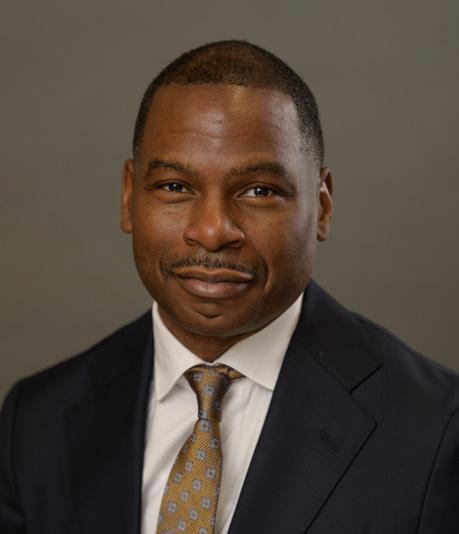
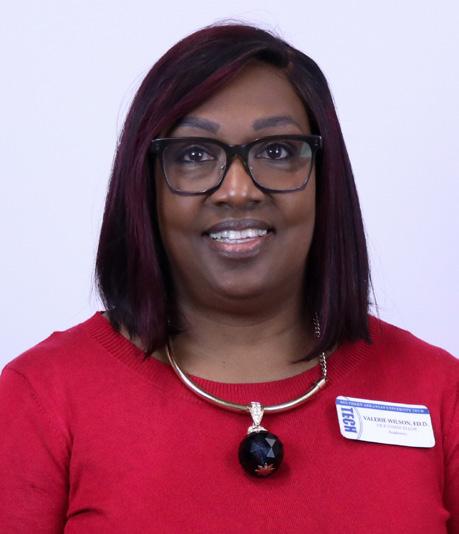
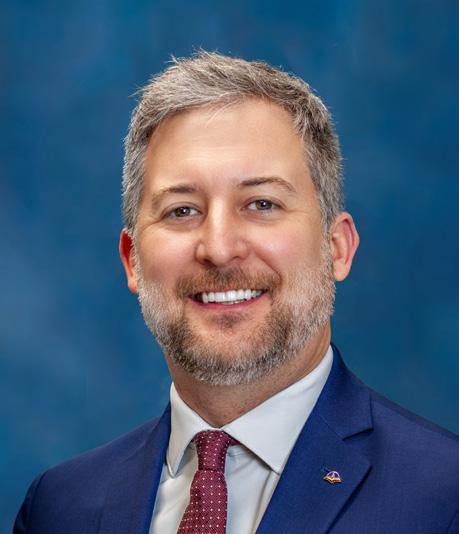
been connecting students with employers long before graduation.
In the late 1980s, Nucor-Yamato Steel formed a partnership with the institution to offer collegiate studies to existing staff and provide a pipeline to students at ANC. This partnership has now blossomed into an opportunity for students seeking careers in advanced manufacturing fields.
“The Nucor-Yamato relationship has been a tremendous value to the college, and we hope that we’re also adding value to that relationship,” Heigle said. “It really is a cultural thing for us to see the county agree that the county needs to focus on advanced manufacturing, and that that is the key to changing the economic prosperity for at least this section of the Delta.”
Heigle added that the Nucor-Yamato partner-
BY PARTNERING WITH LOCAL YOUTH, THESE TWOYEAR SCHOOLS ARE CREATING JOB PIPELINES FOR ARKANSANS, SOMETIMES BEFORE STUDENTS EVEN RECEIVE A HIGH SCHOOL DIPLOMA.

A rendering of the Defense Manufacturing Center of Excellence at SAU Tech. (Photo provided by SAU)
Jerry Thomas
Valerie Wilson
Christopher Heigle
ship allows for students to be placed directly into jobs when they become available.
“As somebody’s retiring, we really try to get that person on our staff so that we can give them a place to continue to work and add value to steel manufacturing in general, steel production in general, but also the county.”
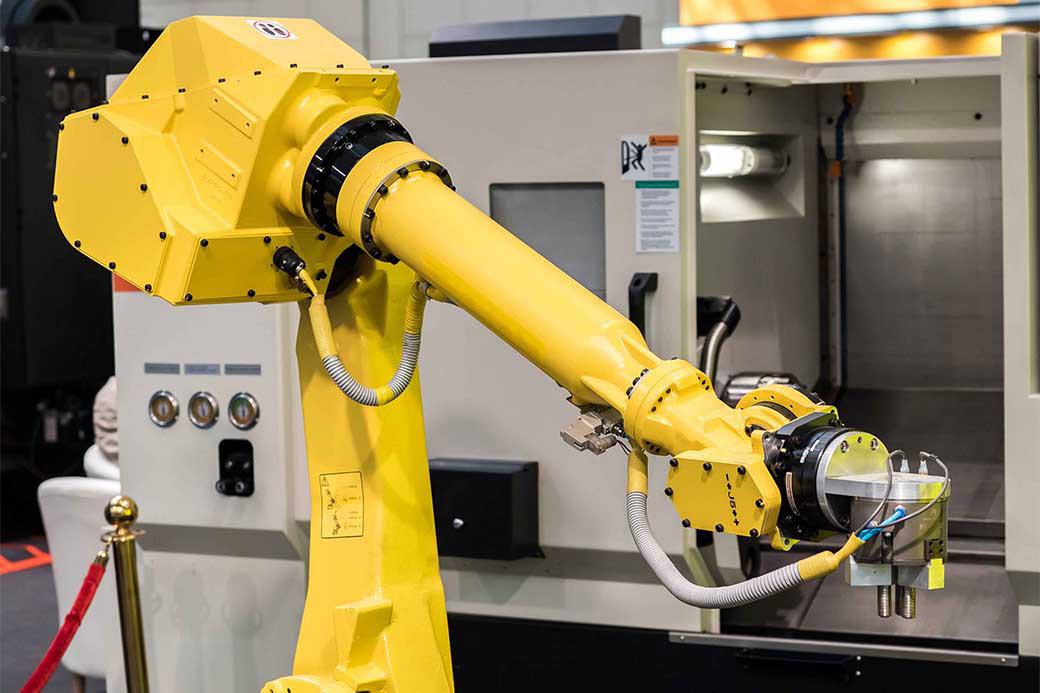
ANC began expanding its programs beyond steel and advanced manufacturing in 2024.
“We changed the curriculum based on the input,” Heigle said. “Mississippi County has learned that it’s not healthy to go 100 percent in any industry.”
The focus now includes agriculture and aviation in addition to steel.
Heigle believes ANC’s vocational programs provide a strong return on investment.
“The value proposition is what students are looking for,” Heigle said. “There is no institution in Arkansas that is graduating students who, after five years, are earning as much as our students. We are the top-earning college or university in Arkansas after five years postgraduation.”
UA-PTC
The state’s only program specifically dedicated to avionics was launched in 2025 by the University of Arkansas-Pulaski Technical College in North Little Rock.
The program was created through a $2.5 million grant originating from the Arkansas Workforce Initiative Act of 2015. UA-PTC is partnering with the Arkansas Aerospace & Defense Alliance, Dassault Falcon Jet, Arcturus Aerospace, and the Arkansas Economic Development Commission.
Computer numerical control and machining students at UA-PTC can train at Dassault’s Little
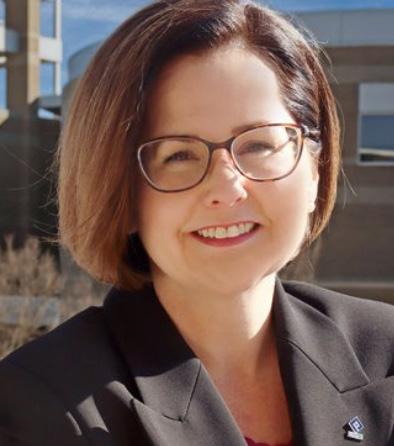
“This is the only avionics program in the entire state of Arkansas.”
— Summer DeProw, UA-PTC Chancellor

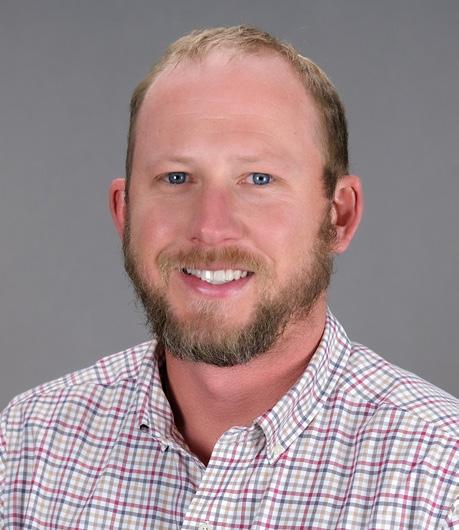
Rock facility.
The school made the announcement last fall from its Aerospace Technology Center at the North Little Rock airport. The program is considered a major addition to the state’s aviation workforce pipeline.
“This is the only avionics program in the entire state of Arkansas,” said UA-PTC Chancellor Summer DeProw. “We’re very excited about the opportunity to lift up central Arkansans into some great jobs.”
Bruce Thomas, director of technical services, said the program currently has 16 machining students and 12 CNC students, including many apprentices from Dassault.
“The demand for this information is just growing,” he said. “This is a massively booming industry right now. The need for employees with this skill set is hard to meet. We can’t guarantee them a job, but upon a successful interview, they’re almost guaranteed a job because they have a skill set that’s unique and difficult to find.”
UACCM
Conway-based Nabholz, one of the state’s oldest and most prominent construction services firms, has long placed strong emphasis on its internship program.
The program has included many of the construction technology students at the University of Arkansas Community College at Morrilton, for which Nabholz has been involved with multiple construction projects.
“Nabholz has a humongous focus on reaching out to not just higher education but also high schools and generating that interest with kids that are in high school,” said Paul Jones, senior project manager at Nabholz. “Not every kid wants to go to college. Some kids want to get in the trades immediately after. There’s quite a few different avenues that kids can take to get involved with us and have an impact on projects like UACCM.”
Jones said the partnership with UACCM affords students the opportunity to be involved in projects from the ground floor up, including being involved in the budget.
“We are always looking for opportunities to get the younger generation involved because the guys that have been here for 40 years are starting to retire and roll off,” he said. “We need good, qualified people to backfill those positions.”
Bruce Thomas
UA-PTC offers training in advanced manufacturing technology.
(Photo provided by UA-PTC)
Paul Jones
ARKANSAS TWO-YEAR COLLEGES
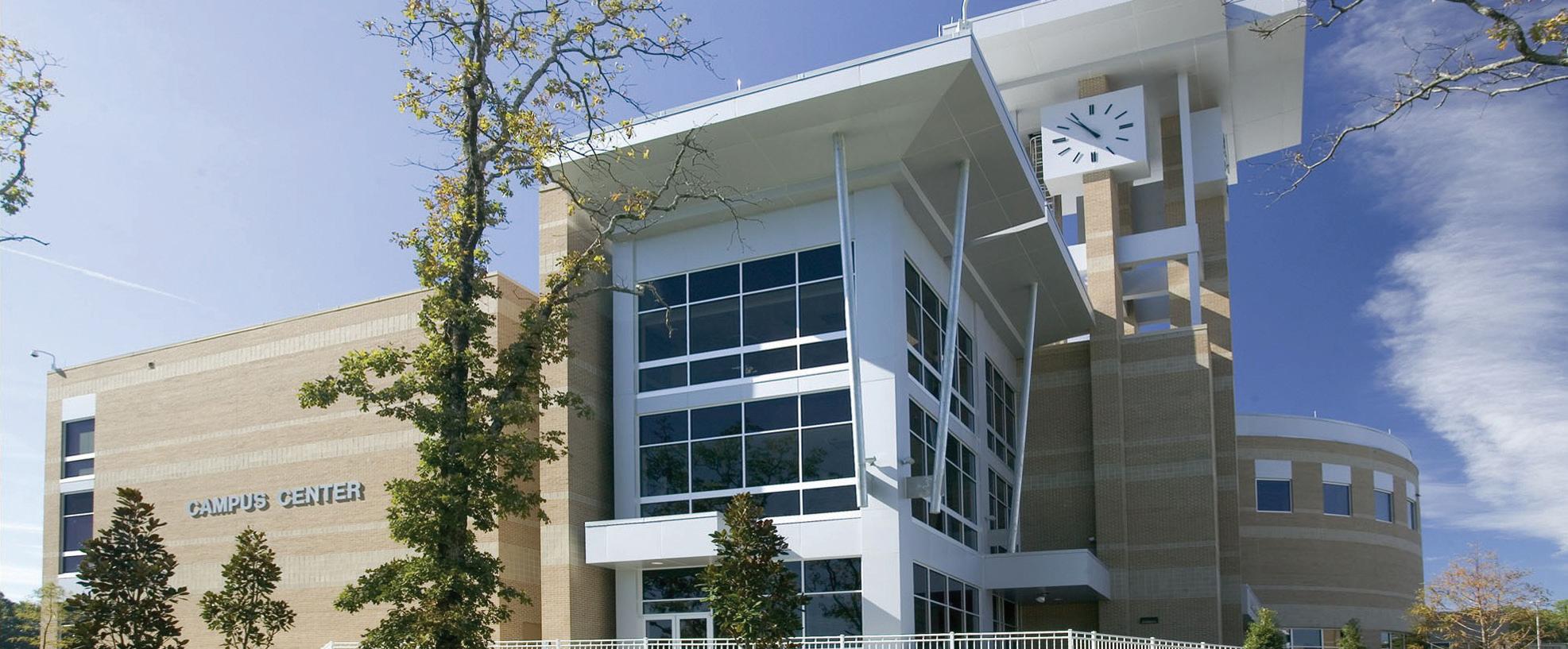
UA-Pulaski Tech
Keeping the
LIGHTS ON
Utilities, president reassure public about data center power usage
By Dwain Hebda
Aspan of about 100 days closing out 2025 and into the opening stanza of 2026 will likely go down as one of the most remarkable in the history of Arkansas business. Between Oct. 2, 2025, and Jan. 12, 2026, two projects were announced in the state that represented a combined $10 billion in initial investment and promised to create hundreds of jobs.
The windfall, provided by Google’s forthcoming data center in West Memphis and a first phase of AVAIO Digital’s data center to be built in Little Rock, was undeniably good news for the state, as such centers have been for communities across the country, harbingers of what some in the tech industry are calling the “Fourth Industrial Revolution.”
Such operations also represent a mammoth energy drain that even industry supporters acknowledge is a consideration that communities must weigh carefully when recruiting such entities.
According to a report of the Congressional Research Service of the U.S. Library of Congress, data centers’ annual energy use in the U.S., not accounting for cryptocurrency, was approximately 176 terawatt-hours in 2023. To lend context, a terawatt represents 1 million watts of juice, the same drawn by 10 billion 100watt lightbulbs all operating at the same time.


The total represents about 4.4 percent of U.S. annual electricity consumption that year, a report by Lawrence Berkeley National Laboratory states. Usage forecasts have projected that to double or triple just two years from now to somewhere around 12 percent of U.S. electricity usage.
The CRS noted about half of the power consumption is for operating equipment, and the rest is used for cooling, since that many servers operating continuously generate a considerable amount of heat. The service also noted an analysis by the Electric Power Research Institute that estimated that in 2024, artificial intelligence directly consumed 10 percent to 20 percent of data center energy.
This, in no small way, is contributing to the nation’s increase in power demands generally. In its 2025 Data Center Power Report, Bloom Energy reported demand for power in the U.S. is growing at an unprecedented rate. Last year, power needs were expected to increase by 83 terawatt-hours “equivalent to powering an additional 7.7 million homes.”
“Data centers are the largest driver of this growth,” the report states. “The U.S. is expected to see the highest share of new data centers outside China. Since 2020, the U.S. colocation data center


Public Service Commission.
Specifically, the plan calls for a 450-megawatt natural gas facility at the Ironwood Power Station in Hot Spring County, expected in 2028 and a 750-megawatt natural gas facility at the Jefferson Power Station in Jefferson County, expected in 2029. In addition, improvements to the Arkansas Cypress facility in Jefferson County, with capacity of approximately 600 megawatts of solar generation and 350 megawatts of battery storage, is expected to come online in 2028.
The improvements are joined by licensing renewal and equipment upgrades at the Arkansas Nuclear One facility, which produces approximately 1,800 megawatts of electricity.

market alone has doubled, driven by digitization, cloud and AI.”
Here at home, a spokesperson for Entergy said the utility is well prepared for the additional demands of the forthcoming data centers.
“We’re always doing long-term resource planning. We’re looking at what generation we need to be bringing online,” said David Palmer, vice president of regulatory.
Palmer specifically referenced several impending improvements to the state’s electrical supply that he said will be sufficient to meet the power needs of Arkansas and then some. Announced in December, the company’s comprehensive Next Generation Arkansas plan will see the company invest in approximately 2,600 megawatts of new generation and repower about 1,600 megawatts of existing generation, subject to approval by the Arkansas
speech Feb. 24, President Donald Trump said the administration has told technology companies they must build their own power plants for their data centers to protect consumers from rising bills.
“Tonight, I’m pleased to announce that I have negotiated the new rate-payer protection pledge. You know what that is? We’re telling the major tech companies that they have the obligation to provide for their own power needs,” he said.
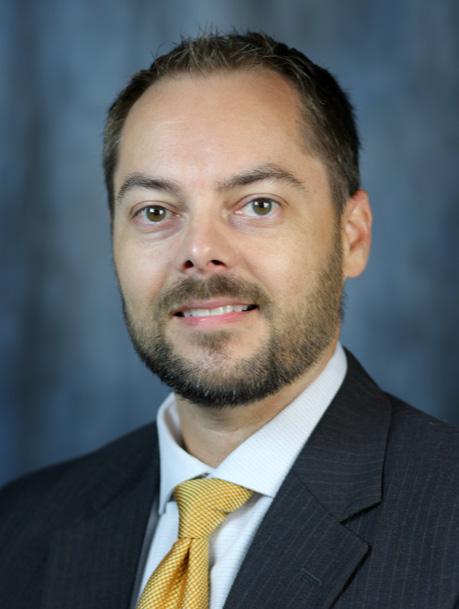
“We’ve got sufficient generation in our existing plan to accommodate [the centers]; we didn’t have to change any of our generation plans because we always factor in some level of load growth as we make those decisions,” he said. “The Arkansas Cyprus solar project, which would be built across the river from our Jefferson Power Station, is a 600-megawatt solar facility, which is quite large for solar, and I believe it’s going be the state’s largest battery energy storage system, as well.
“It will operate like a simple cycle gas plant; you don’t expect it to run very often, but when you need some extra capacity on the grid, you can discharge those batteries for a few hours and then charge them back later on.”
Ratepayers are understandably concerned about the impact of all of the Entergy improvements on their electric bill, concerns that have been heard all the way to the White House. In his State of the Union
David Palmer
“We have an old grid. It could never handle the kind of numbers, the amount of electricity that’s needed, so I’m telling them they can build their own plant. They’re going to produce their own electricity. It will ensure the company’s ability to get electricity while at the same time lowering prices of electricity for you.”
Details about the statement are as-yet unclear because the president did not disclose which companies he elicited the agreement from. Therefore, it is unknown how — or if — it will impact the two Arkansas projects. The Arkansas agreements have separate provisions built in that specify Google and AVAIO pick up certain costs, downshift power use during peak times and invest in programs designed to lessen the impact on ratepayers and Google officials recently pledged to comply with the president’s demands for providing power onsite as well.
According to Reuters, PJM Interconnection, the largest power grid operator in the U.S., last month unveiled a plan where new large power users either bring their own new generation to the grid or limit usage when the system is stretched. Companies such as Anthropic and Microsoft have also announced initiatives to limit the impact of data centers on consumer energy prices.
hall of SPORTS

Arkansas Sports Hall of Fame to induct 2026 class in April
By Dwain Hebda
Ten outstanding figures from the world of sports will take their places in the Arkansas Sports Hall of Fame April 10 at the organization’s 68th annual induction banquet. The event is slated for the Oaklawn Event Center Ballroom in Hot Springs. The 2026 class, which includes three posthumous inductions, boasts luminaries from the world of coaching, thoroughbred racing, football, basketball and tennis.
“One of the things we always try to look at is we want a diverse representation of Arkansas sports history and legends,” said George Burks, senior vice president of sales and account management at USAble Life Insurance and incoming president of the Arkansas Sports Hall of Fame. “That’s one of the things we pride ourselves on is making sure every sport is represented and represented well, from football to horse racing to tennis to swimming, and really highlight who’s been the best of the best in this state.”
Incorporated in 1958, the Arkansas Sports Hall of Fame honors and preserves the history of individuals and teams that have brought honor, prestige and fame to the state of Arkansas through outstanding achievement, accomplishments and con-
tributions in amateur and professional sports.
The initial board of directors roster, helmed by construction executive Jack Pickens from 1958 to 1971, also included Milton Green as vice president, Cliff Shaw as treasurer, Warren Wood as legal counsel and Allan Berry as secretary, as well as Arkansas Secretary of State C. G. “Crip” Hall. They were joined by a who’s who of Arkansas sportswriters, including Orville Henry of the Arkansas Gazette, Jack Keady of the Arkansas Democrat, Jim Atkinson of the Pine Bluff Commercial and Joe B. McGee of the Log Cabin Democrat in Conway.
When the board expanded a year later, it included additional titans U of A Athletic Director John Barnhill, for whom Barnhill Arena in Fayetteville is named; legendary Central High coach Earl Quigley; and Ray Winder, co-owner of the Arkansas Travelers. In time, all three of the latter dignitaries would themselves be inducted into the hall of fame.
The first inductees consisted of Bill Dickey of Kensett, who played professional baseball for the New York Yankees; Jim Lee Howell of Lonoke, who played professional football for the New York Giants, and Ivan Grove, longtime coach and administrator
Photos provided by Arkansas Sports Hall of Fame
at Hendrix College in Conway. Hazel Walker, an Ashdown native who became one of the greatest Amateur Athletic Union basketball players in history, and Wear Schoonover of Pocahontas, who won 10 varsity letters for football, basketball, track and baseball at the University of Arkansas in Fayetteville, rounded out the inaugural class. Today, 206 individuals make up the hall, not counting the 2026 honorees, the hall’s website states.
Also enshrined are six teams, including three from basketball: the 1994 University of Arkansas Men’s NCAA National Champions; Arkansas Tech in Russellville women’s teams of 1992 and 1993, which won back-to-back NAIA national titles; and the All-American Red Heads women’s all-star team, founded in 1936. Football teams so honored include the 1964 National Champion Arkansas Razorbacks, 1970 National Champion (Small College) Arkansas State University in Jonesboro and the 1991 NAIA National Champion University of Central Arkansas in Conway.
Louis Cella —
Thoroughbred Racing
A prominent figure in the world of thoroughbred racing, Louis Cella carries on the legacy of the Cella family, the clan behind Oaklawn, the premier thoroughbred racetrack and gaming resort in the United States. He represents the fourth generation of family ownership, succeeding his late father, Charles, as president of Oaklawn Jockey Club in 2017. In 2026, Cella joins his father in the Arkansas Sports Hall of Fame.
SPORTS
“To me, the Hall represents sports history in Arkansas,” Burks said. “I think it’s a good opportunity for us to be able to call people out and immortalize them. Our goal is to fulfill that — keep that legacy going. It’s a well-rounded organization that represents all Arkansans.”
The banquet is one of two annual fundraisers for the Sports Hall of Fame, the other being a golf tournament. Additional sources of funding come via three levels of membership. Burks said in addition to maintaining the hall itself — located in the lower level of Simmons Bank Arena in North Little Rock, its official home since 2007 — the induction event also helps fund scholarships. Since 2019, the organization has presented 10 of the scholarships annually to deserving student-athletes.
The 2026 induction banquet event begins with a separately ticketed cocktail reception at 5:30 p.m. at the Mainline Sports Bar inside Oaklawn Casino. Doors to the ballroom open at 6 p.m., followed by the festivities at 6:30 p.m.
This year’s inductees include:
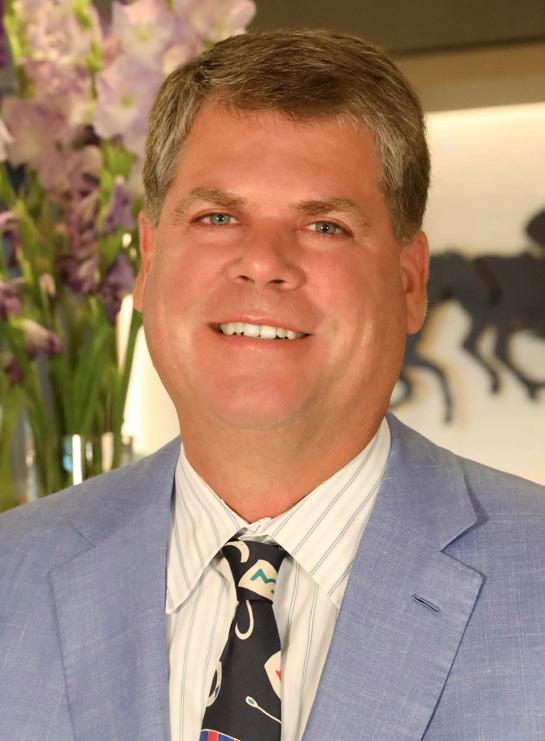
“Well, obviously, it is a great honor,” he told Arkansas Money & Politics of his induction. “You look back at the folks that have been inducted, and it’s a little shocking to get in. Obviously I look at Dad as being deserving of that, but I scratch my head a little and think, ‘Why the hell are they


including me?’ In all seriousness, it is humbling. It is an honor.”
A 1990 graduate of the University of Arkansas Law School, Cella is also the third Cella behind his father and grandfather, John G. Cella, to serve on the board of the Thoroughbred Racing Association. He also serves as a director of the Thoroughbred Racing Protective Bureau and was elected to The Jockey Club, an organization responsible for establishing recommended standards for the thoroughbred horse racing industry. Cella contributes to industry oversight and research through membership on the Equibase Management Committee and as director of the Grayson-Jockey Club Research Foundation. His influence extends further, joining the board of the National Museum of Racing and Hall of Fame in 2018
In support of his beloved home state, Cella’s contributions to Arkansas tourism can be seen in his leadership of Oaklawn Hot Springs. On his watch, the resort has become one of the most prominent tourist attractions in the state, welcoming more
than 3 million visitors annually thanks to a transformative $100 million expansion, one of the largest hospitality investments in Arkansas history. Completed in 2021, the property now includes a luxury hotel, multipurpose event center, an expanded casino, the Forbes four-star Astral Spa and Forbesrecommended dining venues. The company generates annual direct taxes of more than $40 million to the state, city and county, and its Oaklawn Foundation, created in 2006, has given more than
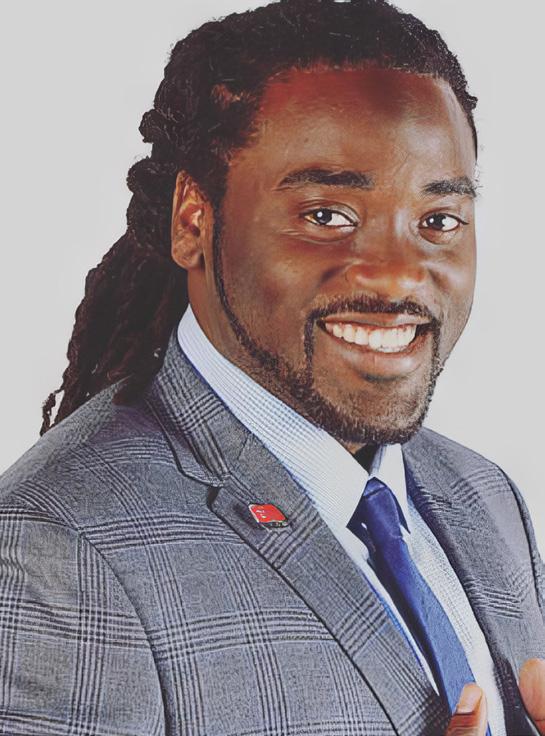

$14 million since its inception to benefit health and education programs in the community.
Cella’s contributions to racing and the state’s tourism industry landed him in the Arkansas Tourism Hall of Fame in 2022 and garnered honors that include 2019 Arkansas Press Association Headliner of the Year and 2020 Arkansas Democrat-Gazette Sportsman of the Year.
As an Arkansas Alumni Association Johnson Fellow (2025), Cella visits classrooms and lecture halls sharing his knowledge of hospitality, tourism, thoroughbred husbandry and racing, legal aspects of business, and real estate.
Alex Collins — Football (1994-2023)
In a program famous for producing great running backs, Alex Collins stood tall among the best Razorbacks of all time. The first freshman in Southeastern Conference history to rush for 100 yards in each of his first three games, he finished his inaugural campaign with a total of 1,026 rushing yards plus SEC Freshman of the Year and Freshman All-America recognition. Collins returned to rush for 1,100 yards as a sophomore.

The Razorbacks’ primary running back as a junior in 2015, he racked up 1,577 rushing yards, second only to Darren McFadden in Arkansas history. That season, Collins broke a 46-year-old school record by scoring 20 rushing touchdowns and achieved 10 games with at least 100 rushing yards, tying the singleseason school
record en route to consensus second-team AllSEC honors.
Over his Arkansas career, Collins joined McFadden and Georgia’s Herschel Walker as the only players in SEC history to rush for 1,000 yards in each of their first three collegiate seasons. All told, he recorded 3,703 rushing yards and 17 games with at least 100 rushing yards, ranking second only to McFadden in school history. His 36 career touchdowns place him fourth all-time at Arkansas.
Collins was selected by the Seattle Seahawks in the fifth round of the 2016 NFL Draft, helping the team to a win over Detroit in the NFC Wild Card game. In 2017, he landed with the Baltimore Ravens, where he led the team in rushing yards with 973 and entered the 2018 season as the starter, amassing 506 all-purpose yards and eight total scores in 10 games before being sidelined with a foot injury. He returned to Seattle in 2020 and re-signed in 2021, finishing that season with six starts, 108 carries for 411 yards and two scores, and nine receptions for 87 yards.
On Aug. 13, 2023, Collins died in a motorcycle accident at age 28, his tragic passing eliciting tributes from teammates and coaches alike.
Former Seahawks quarterback Russell Wilson wrote on X, “To one of my favorite teammates: You brought joy to every huddle. Keep dancin’ in heaven. Love you AC. Forever missed.”
D. Wayne Lukas — Thoroughbred Racing (1935-2025)
Widely regarded as the most accomplished horse trainer in American racing history, D. Wayne Lukas’ induction into the Arkansas Sports Hall of Fame resides alongside membership in the U.S. Racing Hall of Fame (1999), the National Museum of Racing and Hall of Fame (1999), and the American Quarter Horse Hall of Fame (2007). He is the first individual inducted into both the thoroughbred and quarter horse halls of fame.

Lukas began his career training quarter horses in California in 1968, producing 24 world champions before transitioning to thoroughbreds in 1978. Following his 1980 breakthrough Preakness Stakes win with Codex, Lukas achieved victories in all three Triple Crown races, including four wins at the Kentucky Derby, seven at the Preakness Stakes and four at the Belmont Stakes. In 1995, he swept all three with two different horses — Thunder Gulch (Kentucky Derby, Belmont) and Timber Country (Preakness) — the first trainer to accomplish the feat in a single season.
By 2013, Lukas surpassed James Edward “Sunny Jim” Fitzsimmons with a record 14 Triple Crown race
victories. In addition, he won a record 20 Breeders’ Cup races and his fillies captured the Kentucky Oaks four times.
The first trainer to surpass $100 million in purse earnings, he topped the annual money-winning trainer list 14 times reflecting consistent excellence and dominance. He received five Eclipse Awards for his accomplishments and his horses garnered 25 year-end Eclipse Awards, including three Horse of the Year titles for Lady’s Secret (1986), Criminal Type (1990) and Charismatic (1999). He was further recognized in 2013 with the Eclipse Award of Merit and the 1988 Golden Plate Award from the American Academy of Achievement.

Jim
Haney — Basketball
During a remarkable career from 1965 to 1968, Jim Haney earned First Team All-Arkansas Intercollegiate Conference (All-AIC) honors in 1966, 1967 and 1968 as he rewrote the state’s basketball record books.
Playing for Arkansas College, now Lyon College in Batesville, he amassed point totals that still rank in the state’s top 10 alltime. Those marks include fourth in career points (1,892) and third and sixth places on the list of most points scored in a single season (639 in the 1967-1968 season and 616 points in 1966-1967).
Haney’s contributions and achievements have been recognized with his induction into the Arkansas College

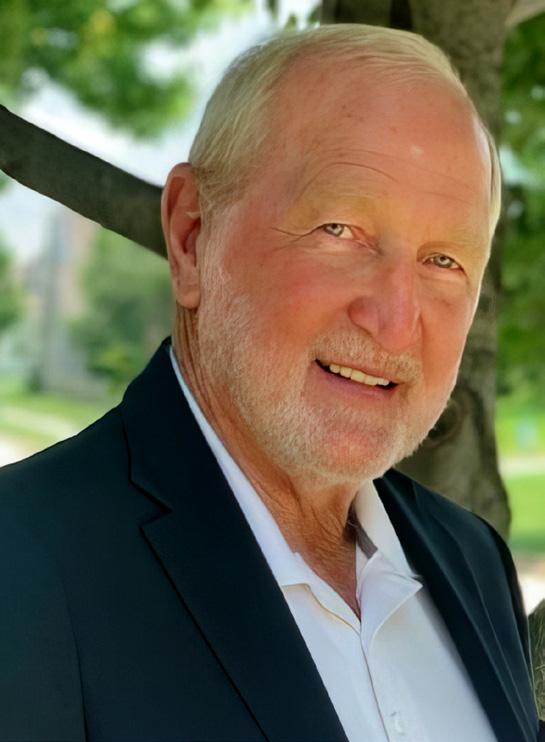
Athletic Hall of Fame in 1984 and the Batesville Area Athletic Hall of Fame in 1998. Beyond his collegiate career, he played in the National AAU Basketball Tournament in 1968 with Carder Buick, showcasing his talent at a national level. He also competed in the National Semi-Pro Baseball Tournament in Wichita, Kansas, representing the Batesville team.
Following his playing days, Haney transitioned into coaching, serving as head basketball coach at Salem, Jonesboro, and Highland high schools, further impacting the sport through leadership and mentorship.
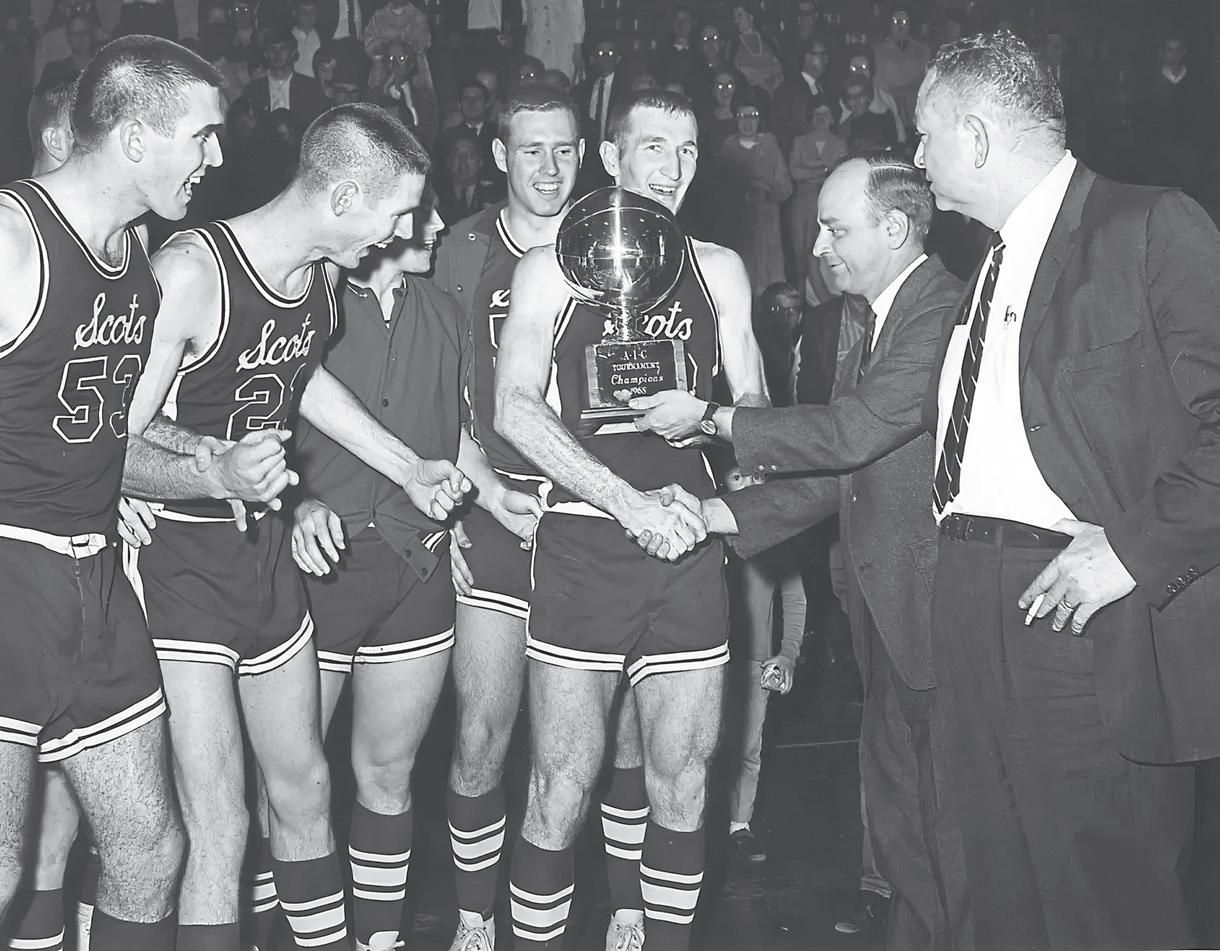
In 2025, Van Compton entered her 38th season as head coach of the University of Arkansas at Little Rock volleyball program, marking an extraordinary coaching career spanning a total of 45 seasons. Her career record stands at 659592 (.527), with a 587-512 (.534) record at Little Rock. Under her direction, the Trojans have captured four regular season Sun Belt Conference championships and five conference tournament championships and made six postseason appearances, including five NCAA Tournament berths, reaching the second round in 2014.
Compton ranks the eighth winningest active Division I coach in career wins and is the all-time winningest coach in Sun Belt Conference history. She concluded her tenure in the league with a 261-180 (.592) record in Sun Belt play following Little Rock’s transition to the Ohio Valley Conference in 2021. She coached the Trojans to three consecutive conference tournament titles, the only program to have achieved that feat.
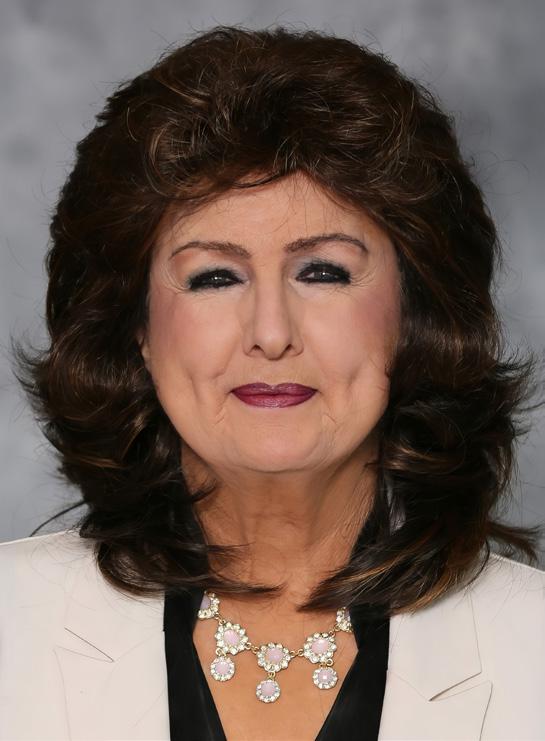
In 1996, Compton led the team to its first-ever Sun Belt Conference tournament title and a subsequent NCAA Tournament appearance. The following year, despite
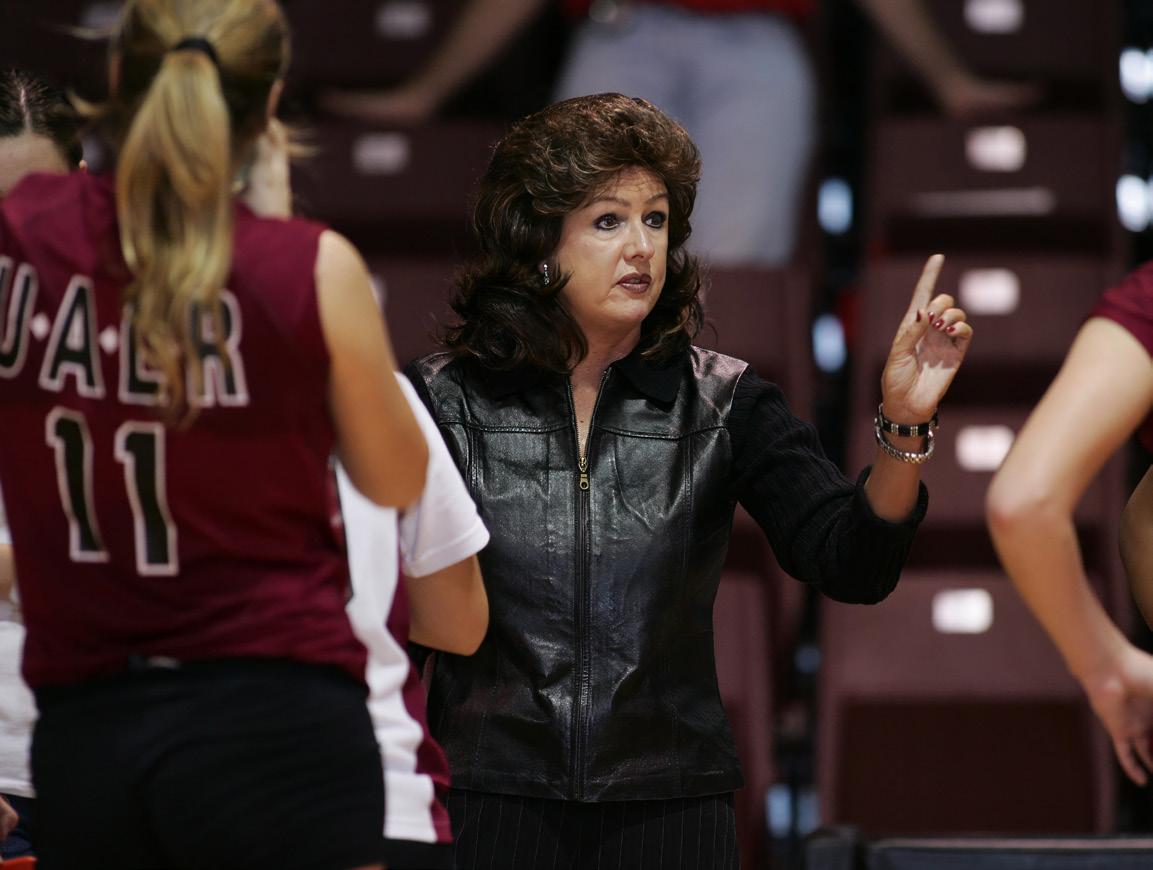
numerous team injuries, the squad captured its first regular season title and a second consecutive tournament title, advancing again to the NCAA Tournament. In 1998, Little Rock made Sun Belt history with a third straight tournament title and another NCAA appearance. In 1999, the team shared the regular season title and, in 2000, won both regular-season and tournament titles, advancing to the NCAA Tournament in Gainesville, Florida.
Throughout Compton’s tenure, Little Rock reached the conference tournament 23 out of 25 seasons in the Sun Belt. She was recognized in 1993 as Sun Belt Coach of the Year.
Erica Leak — Basketball
The pride of Wheatley, Arkansas, Erica Leak distinguished herself as an outstanding basketball player from an early age. In 2001, she garnered numerous accolades, including Gatorade Player of the Year, Parade All-America honors and Arkansas All-Star MVP. That same year, her leadership and skill propelled Palestine-Wheatley to a state championship, cementing her status as one of the top high school athletes in the state.
Leak was selected to play on the 2000 USA U19 Qualifying Olympic Team, where she was coached by the legendary Geno Auriemma, 12-time national champion coach at the University of Connecticut. Continuing her basketball career at the collegiate level, she played for Louisiana Tech, where she was recognized as the Western Athletic Conference

Lee Hardman —
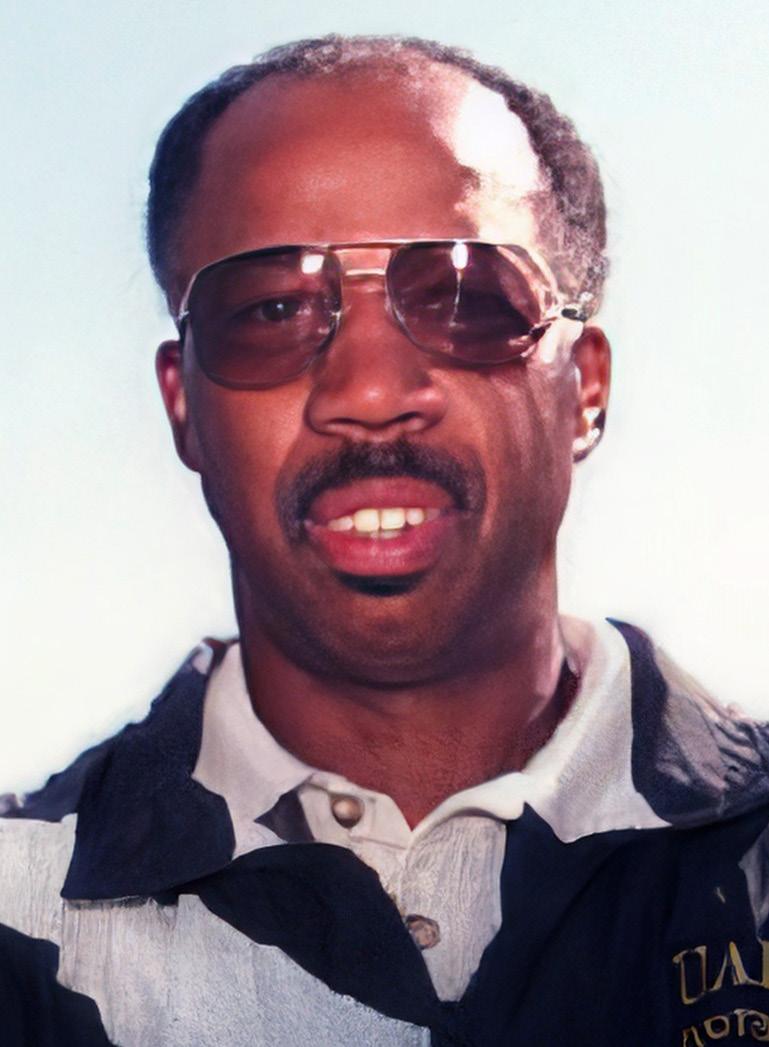
A native of Stuttgart, Lee Hardman made his mark as a standout defensive back at the University of Arkansas at Pine Bluff from 1968 to 1971. Following his collegiate career, Hardman moved into coaching, where he established an extraordinary legacy at Pine Bluff Dollarway High School. Under his tutelage, the program became one of the most dominant dynasties in Arkansas prep football history, winning four state championships. During his final five seasons at Dollarway, Hardman’s teams compiled an astonishing 63-1 record, highlighted by an impressive 51-game winning streak. In 1992, Hardman was approached by his alma mater, UAPB, to take over as head
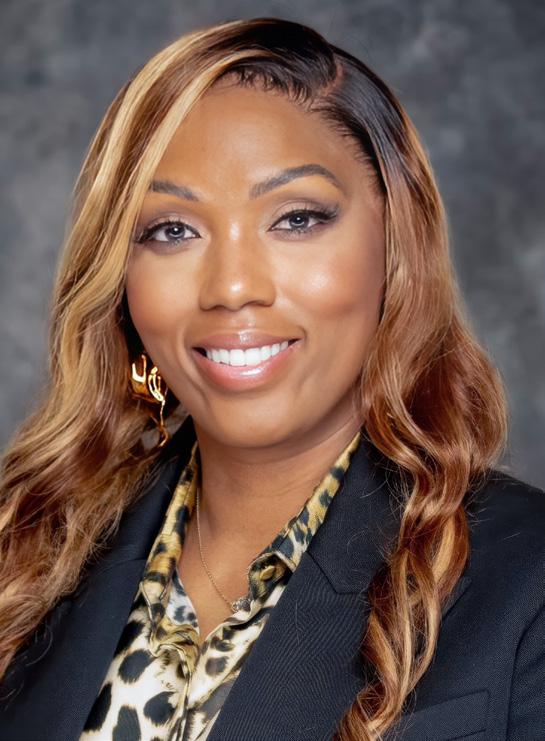
Freshman of the Year. Throughout her four seasons, she played a pivotal role in the team’s success, helping Louisiana Tech capture four consecutive WAC Championships and secure four NCAA Tournament appearances. Her professional

Jerry “Buck” James — Coaching
Jerry “Buck” James boasts a distinguished career in high school football coaching. A former four-year letterman at offensive tackle for the University of Arkansas at Monticello (1983-1987), he began his coaching journey at Monticello High School. From there he advanced to head coaching roles at Star City, Camden Fairview, Bryant and Conway High Schools, amassing a remarkable record of success.
Over the course of his career, his teams have won a combined seven championship titles with Camden Fairview (along with three state runner-up trophies) and five titles with Bryant. All told, James’ coaching career stands at 13
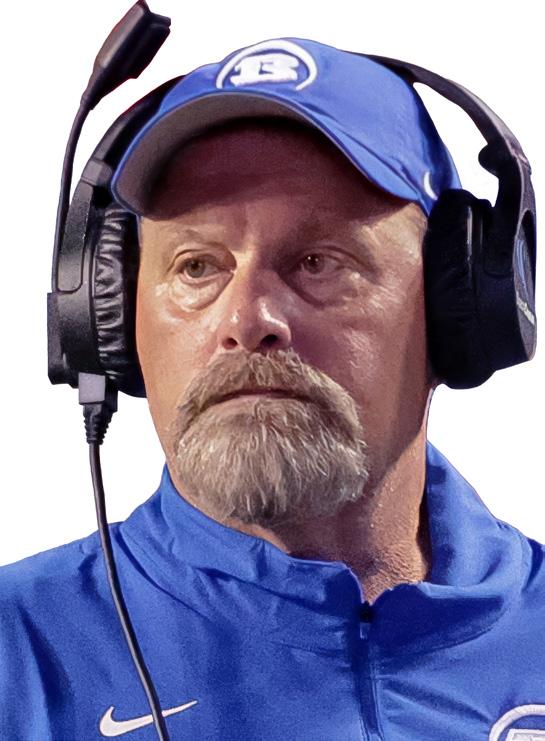
conference championships and nine state championship appearances overall — and counting — per his hall of fame nomination.
His run of state titles includes five consecutive state championships at the 7A classification, the highest division in the state.
During his decorated career, he has also overseen a 54-game in-state winning streak and a 68-9 mark over six years at Bryant before leaving in 2023 to take over as head coach at Conway.
His individual accolades include 14 conference Coach of the Year awards, Little Rock Touchdown Club Coach of the Year, three-time Hooten’s Coach of the Year, the Lowell Manning Award, KATV/Red River Dodge Coach of the Year, KATV/Coleman Dairy Coach of the Year, and AAA Coach of the Year recognition. He was inducted into the University of Arkansas at Monticello Hall of Fame in 2015.
Nathan Brown — Football
A native of Russellville, Nathan Brown made a significant impact on the football program at the University of Central Arkansas in Conway both as a player and a coach. Currently the Bears’ head football coach, Brown has guided the Bears to four of the top six offensive seasons in school history with the added distinction of being the starting quarterback during the other two seasons.
During his tenure at UCA, Brown contributed to three Southland Conference championships, including as a player during the 2008 championship and as an assistant coach in both the 2012 and 2017 title campaigns. Brown’s postseason experience is equally impressive, having played a role in all four of UCA’s NCAA postseason playoff victories resulting in two Division II wins and as a coach in two FCS victories.
As a collegian, Brown was a three-time All-American and set records among collegiate quarterbacks in Arkansas of 10,558 passing yards and 100 touchdowns. His individual accolades include 2007 and 2008 Southland Conference Offensive Player of the Year and a finalist for the 2008 Walter Payton Award. Brown holds school records for the most touchdown passes in a single game (seven) and most yards of total offense in a game (490). Before UCA’s transition to Division I in 2006, Brown was honored as 2005 Gulf South Conference Freshman of the Year. He also was UCA’s first player to earn an invitation to the Senior Bowl AllStar game in the NCAA Division I era and was selected to participate in the East-West Shrine Game and invited to the Senior Bowl. He was inducted into the UCA Sports Hall of Fame in 2016.

Peter Doohan —
(1961-2017)

A trailblazer in University of Arkansas tennis, Peter Doohan was the first player to earn four consecutive All-America honors (1980-1983), indicative of an extraordinary collegiate career. While he achieved individual success, including Southwest Conference titles at No. 2 singles in 1981 and No. 3 singles in 1982, the bulk of his accolades came in doubles play with two SEC No. 1 doubles crowns in 1980 and 1983.


Paired with Pat Serret, Doohan secured the NCAA doubles championship in 1982, making the duo one of only two UA doubles teams ever to attain the nation’s top ranking. Their success came on the heels of finishing as national doubles runners-up
the year before, in 1981.
Doohan’s legacy is underscored by his top position on the UA career doubles winning percentage chart (.780) and his third-place ranking for career doubles victories with 96 wins. His remarkable single-season doubles winning percentages — .857 (30-5) in 1980 and .840 (21-4) in 1981 — remain among the best in school history, ranking as the third- and fifthhighest marks respectively. During his time on the Hill, the Razorbacks compiled a dual match record of 105-25 and made four consecutive appearances in the NCAA Tournament.
Following his stellar collegiate career, Doohan turned pro, where, at Wimbledon in 1987, the world 70th ranked Hog defeated two-time defending Wimbledon champion Boris Becker in the third round. In doubles, Doohan reached the semifinals at Wimbledon in 1984 and was a finalist at the Australian Open in 1987.
Inducted into the UA Sports Hall of Honor in 2004, Doohan died of ALS in 2017. He was posthumously inducted into the Southwest Conference Hall of Fame in 2018.
Top Razorback Booster Already Sees KEY DIFFERENCE Between Pittman, Silverfield
By Andrew Hutchinson
It is no secret that Arkansas football has been behind the eight ball since NIL entered the equation in the summer of 2021. While schools like Miami, Ole Miss and Texas Tech used it to propel themselves into national relevancy and the College Football Playoffs, the Razorbacks have fallen further and further behind.
Things bottomed out last fall, as Sam Pittman was fired amid a 2-10 campaign marred by athletics director Hunter Yurachek’s infamous early season comments at the Little Rock Touchdown Club.
His remark that Arkansas was “not set up to win a national championship” on the gridiron did not go over well in the state, but it was not necessarily false either. Yurachek eventually admitted that he did not believe Pittman had the resources to succeed in the SEC.

coach Ryan Silverfield has been a massive boost to those fundraising efforts. The 45-year-old has brought new energy to that area, since he had plenty of experience beating the bushes for booster support from his time at Memphis.
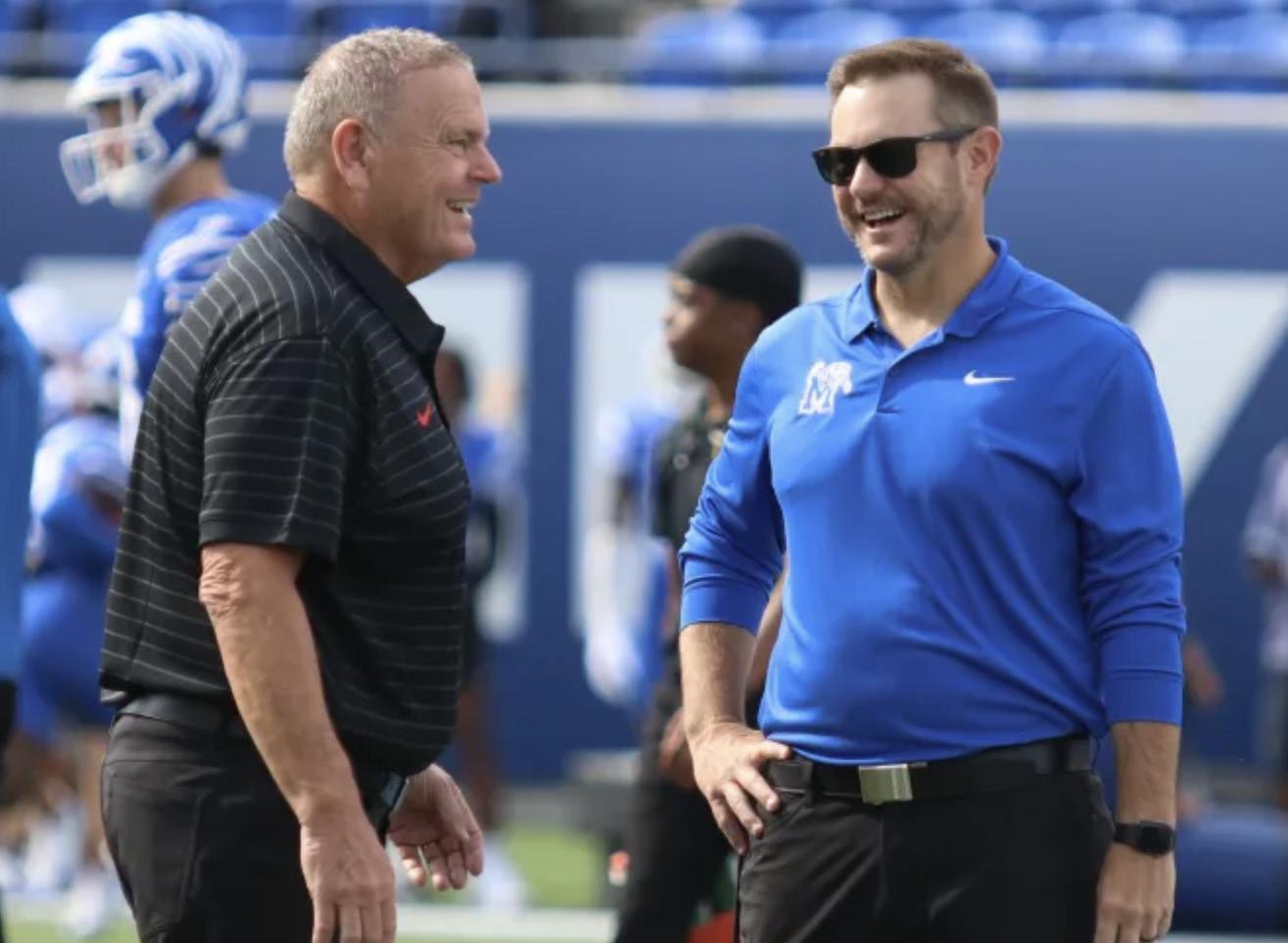
Ever since, the AD has been furiously trying to correct that problem. He has pulled numerous levers — some more popular than others — to increase the funds for the football team and close that gap.
It turns out that one of those moves came in the form of hiring Pittman’s replacement.
About three months into the job, new Arkansas football
There are numerous examples of that playing out already, and another one popped up during a recent edition of Morning Mayhem on 103.7 The Buzz.
Former Arkansas linebackerturned-radio personality David Bazzel mentioned that co-host Roger Scott has several friends who have already been personally contacted by Silverfield, who is “looking for support financially.”
“He is working the phones,” Bazzel said. “He comes across as very personable.”
They were joined by Frank Fletcher, who owns the car dealership from which they were broadcasting and is a prominent Arkansas booster. While Silverfield has already reached out to him, the Little Rock businessman has not yet met with the new coach face to face but agreed with Bazzel’s assessment of his personality.
It is a stark contrast to Silverfield’s predecessor, since multiple sources have indicated to Best of Arkansas Sports that the 64-yearold Pittman was not the most aggressive when it came to raising money. Fletcher himself echoed that Friday morning.
Former Arkansas coach Sam Pittman, left, and current head Hog and then-Memphis coach Ryan Silverfield before the Hogs’ 2025 game at Memphis. (Photos provided by Arkansas Athletics)
He is working the phones. He comes across as very personable.
— David Bazzel
“Sam didn’t really ask a lot of people for money that I know of,” Fletcher said. “I’m not on the inside with that, but obviously, they didn’t ask enough people. The new deal is to go out and try to get help.”
Silverfield has been a visible figure at multiple Arkansas basketball games, sitting courtside and rubbing elbows with big-monied folks, and Razorback Foundation Executive Director Ryan White has praised him profusely for how much he has helped in the fundraising department.
“He’s got a motor on him, and he’s very likable,” White told BoAS. “He is very relatable to people, whether that’s a 25-year-old student — you saw him at the basketball game, chest bumping — or with somebody who might be in their 70s or 80s. From my seat, it’s a dream. You love to have a coach like that.”
In addition to developing relationships with boosters, Silverfield has also been busy mending them with former players and coaches who have not felt very close to the program in recent years.
Former running back Peyton Hillis, for instance, was skeptical of the coach when he first arrived from Memphis but has been won over by Silverfield’s earnestness to build bridges with past Razorbacks.
At a minimum, it is a great look for the new coach to greet those players back with open arms, but Silverfield is also unlocking a potential compounding effect in doing so.
For one, some of them are current or potential boosters. Beyond that, though, they have their own networks they can tap into.
Houston Nutt is a prime example. In an interview with Pig Trail Nation, the former coach and Hogs quarterback revealed that Silverfield is the
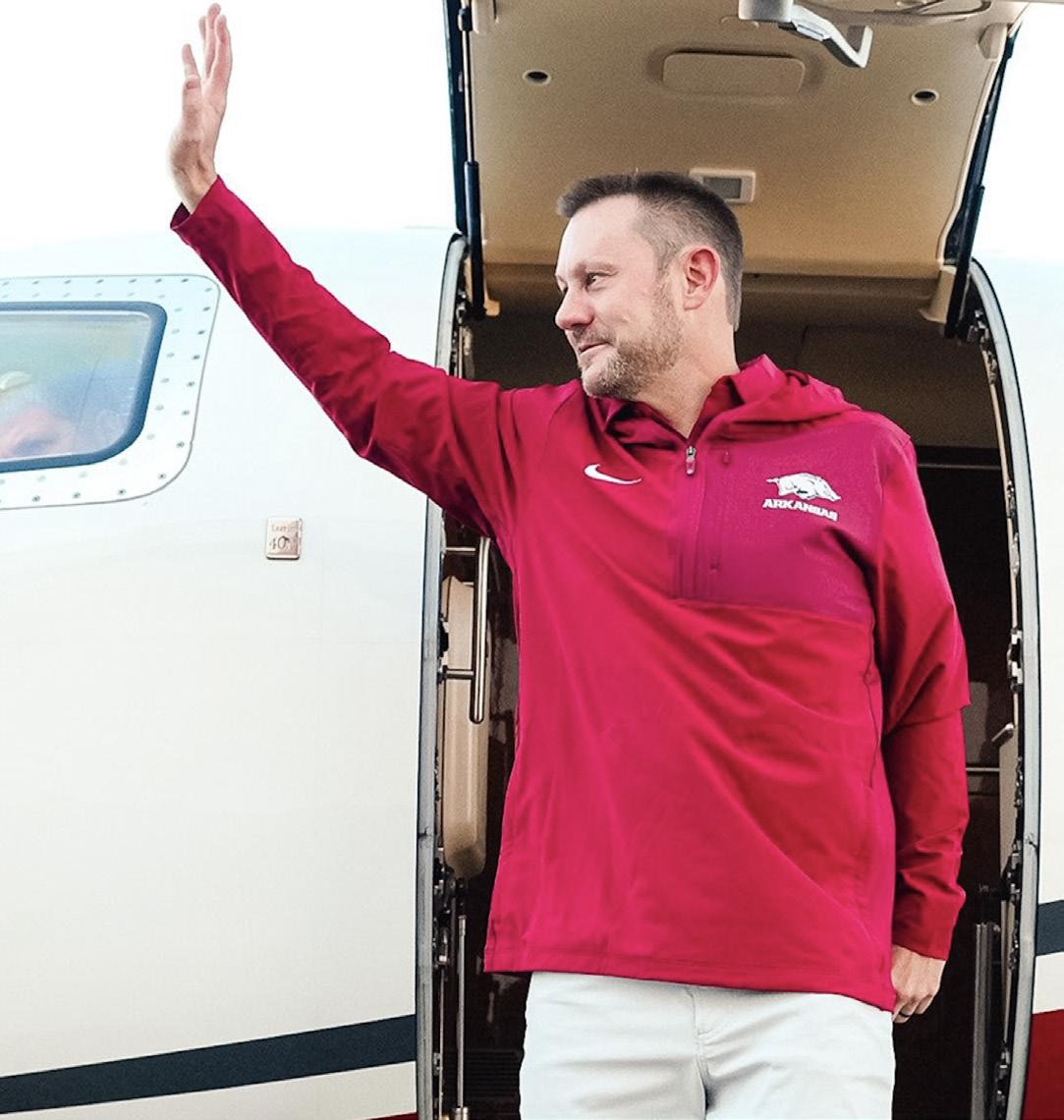
Silverfield, shown deplaning at Drake Field in Fayetteville after his hiring was announced, has stressed attention to details.
first Arkansas football coach to contact him since his own stint on the Hill ended in 2007.
The possibilities of a Nutt-Silverfield relationship may extend beyond just two coaches chatting every once in a while, considering Nutt previously told BoAS that he would be interested in a Razorback fundraiser position if such a job was ever offered.
Even if Nutt never works for the UA in an official capacity again, his potential as an unofficial ambassador is obvious. That goes for many of the charismatic former Razorbacks who have found success in a variety of fields following their playing days.
2026 Schedule
SAT. SEP. 5
North Alabama
SAT. SEP. 12 at Utah
SAT. SEP. 19
Georgia
SAT. SEP. 26
SAT. OCT. 3 at Texas A&M

Tulsa
SAT. OCT. 10 Tennessee
SAT. OCT. 17 at Vanderbilt
SAT. OCT. 31 Missouri
SAT. NOV. 7 at Auburn
SAT. NOV. 14
South Carolina
SAT. NOV. 21 at Texas
SAT. NOV. 28
LSU
The 2026 Red-White game is scheduled for Saturday, April 25.
This column first appeared at bestofarkansassports.com.
History House
Lakeport Plantation provides a glimpse into the past
By Mark Carter
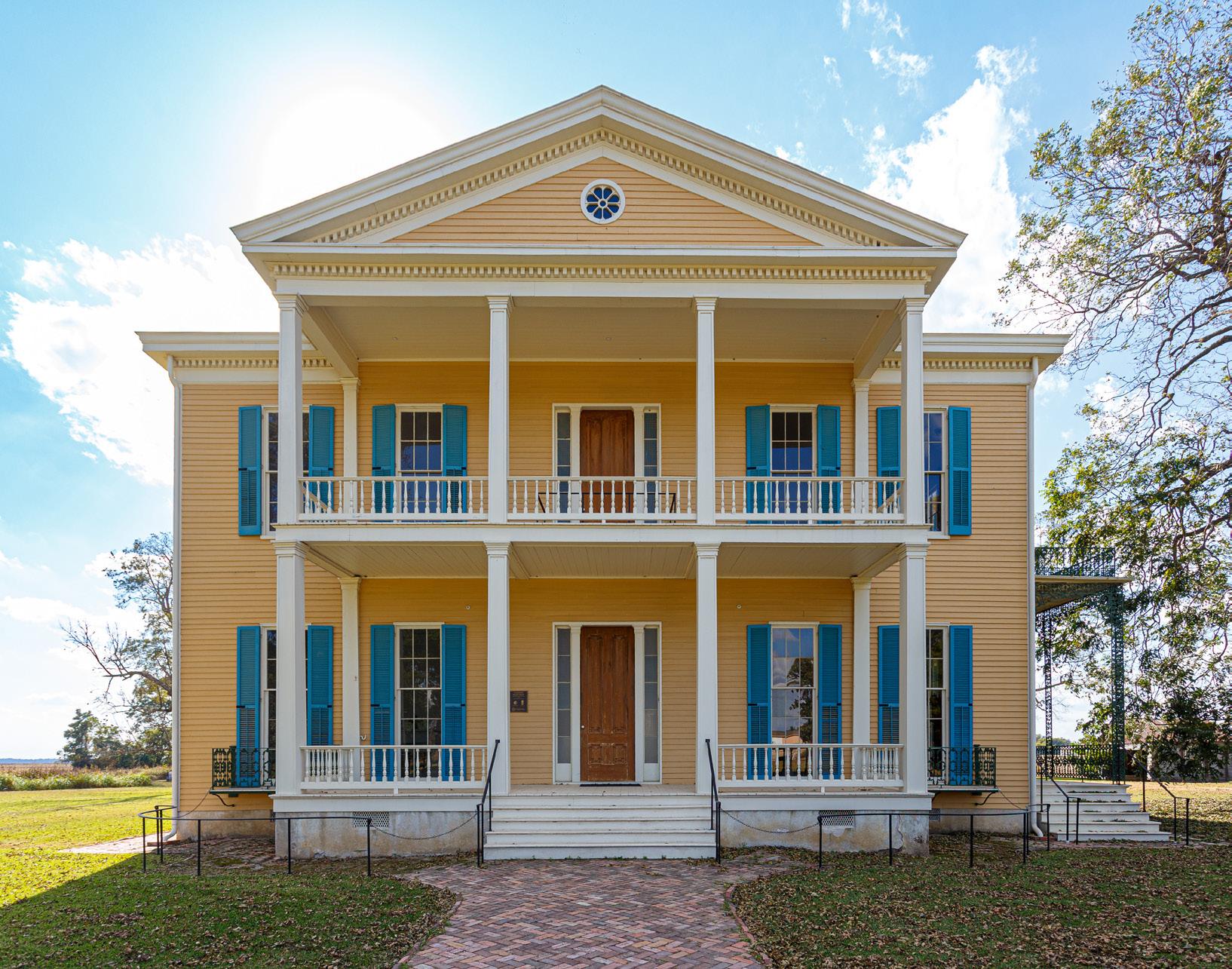
The Lakeport Plantation on the Mississippi River just outside of Lake Village in Chicot County is surrounded by fields of white cotton on all sides.
Cotton that was, of course, worked and picked by African American slaves. Lakeport stands as a vivid reminder of a dark time in American history: enslaved workers toiling in the fields while wealthy landowners benefited from their labor behind beautiful facades such as Lakeport.
The plantation house itself is considered the state’s best remaining example of antebellum Greek Revival architecture, plus it is the last one in Arkansas on the
river. The Lakeport in its name refers to its close proximity to the southern oxbow of what is now known as Lake Chicot, which was called Old River Lake at the time the plantation was established.
Though the plantation was established in 1831 by Joel Johnson, a prominent Kentucky planter who moved to Arkansas with his 23 slaves in tow, the plantation house was not built until the 1850s. Historians believe it was finished in 1858 or 1859. Historian Tom DeBlack at Arkansas Tech University in Russellville wrote for the Encyclopedia of Arkansas that the plantation house was considered a showplace of the state’s cotton aristocracy.
The house was listed on the National Register of Historic Places in 1974, and in 2001, then-owner Sam Angel donated the plantation house to Arkansas State University in Jonesboro. ASU’s Delta Heritage Initiative took over and began renovating the property. The restored house was opened as a museum and educational center in 2007.
Restoration was funded through grants from the Arkansas Natural and Cultural Resources Council, the National Endowment for the Humanities, and the Save America’s Treasures program.
The museum’s mission is to research and interpret the people and cultures that shaped plantation life in the Mississippi River Delta, focusing on the Antebellum, Civil War and Reconstruction periods.
Exhibits and online programming explore the westward push for new agricultural lands that was so prevalent in the U.S. at the time; the pivotal role of African Americans in the agricultural development of the region and its culture; differences and similarities in plantation architecture and lifestyles in the Arkansas Delta as opposed to other areas of the Delta and other Southern states; the skills, techniques and issues involved in preservation of historic structures; and the historical ongoing struggle to tame the river, clear swampland and convert it to farms.
The two-story L-shaped house was built
Lakeport Plantation, Chicot County. (Photos courtesy of ASU)
facing the river, mostly from local cypress trees and on a 4-foot elevation to account for the area’s flooding. It contains 17 rooms and comes out to roughly 8,000 square feet.
The exterior was painted the color of straw and the window shutters painted teal. A two-story portico is supported by tapered white columns. The entryway includes an 11-foot-high wood-paneled front door flanked by glass sidelights, and the entry hall is 26 feet long by 16 feet wide. It included a chandelier hanging from its 14foot ceiling and was large enough to host parties with dancing.
The first floor has 10 rooms, including two parlors, a formal dining room with adjoining butler’s pantry, a music room/ library, the kitchen and cook’s room, a commissary, and two more rooms that historians speculate were used as drawing or sitting rooms. The ground floor had back-to-back fireplaces with Greek Revival mantels.
An unusual quirk for the time was the inclusion of the kitchen inside the house. Most kitchens of the time were kept separate from the main house as a protection against fire. The Lakeport kitchen was located in an ell — a part of a building that extends out at right angles from the main structure — and featured a large cast-iron range encased in brick.
On the second floor, visitors will find three large bedrooms, a dressing room and nursery. The central second-floor hallway had 14-foot ceilings and provided access to the second-floor porch. All up-
stairs doors were made with rosewood-grain finish and had adjustable overhead transoms — horizontal crosspieces — for air circulation, the Encyclopedia of Arkansas states.
The upstairs hallway on the north side of the house was opposite the entry hall on the first floor to allow for private access to the second floor. That made it possible for private family functions to continue if the house was hosting a public function.
The Civil War, of course, meant the beginning of the end for plantations. Chicot County was home to much guerilla fighting during the later stages of the war. Soldiers from both armies roamed the county, foraging and taking what they needed. That eventually included all the mules, horses and cattle at Lakeport Plantation, taken by Union soldiers in 1863 or 1864.
The plantation remained in private hands through the decades, though it would never again house wealthy slaveowners. It continued to harvest cotton with the help of many former slaves and still functions as a farm today.
ASU’s restoration efforts prioritized the house as historical artifact; the restoration team opted not to create
another “pretty house” museum, the school states. Instead, the focus has always been on interpreting the lifestyles and relationships of the people who lived at Lakeport — slaves, slaveowners, tenant farmers and landowners.
On April 25, Lakeport will host a reading retreat in honor of America 250. The two books being read are Songs of America: Patriotism, Protest, and the Music That Made a Nation by Jon Meacham and Tim McGraw, and Twain’s Feast: Searching for America’s Lost Foods in the Footsteps of Samuel Clemens by Andrew Beahrs.
In the former, the authors explore the musical legacy of the history of the United States from the American Revolution through today. The latter explores forgotten American dishes beloved by Mark Twain.
Participants will receive copies of both books to read at their convenience. The retreat takes place April 25. A discussion of Songs of America begins at 10:30, followed by lunch at noon and a discussion of Twain’s Feast
The cost is $60. Registration includes copies of the two books and lunch. Visit lakeport.astate.edu to register. More information is available by calling 870265-6031 or emailing roloughlin@astate. edu.
Located at 601 Arkansas 142 in Lake Village, the plantation house is open for guided tours 10 a.m. and 2 p.m. Monday through Friday.
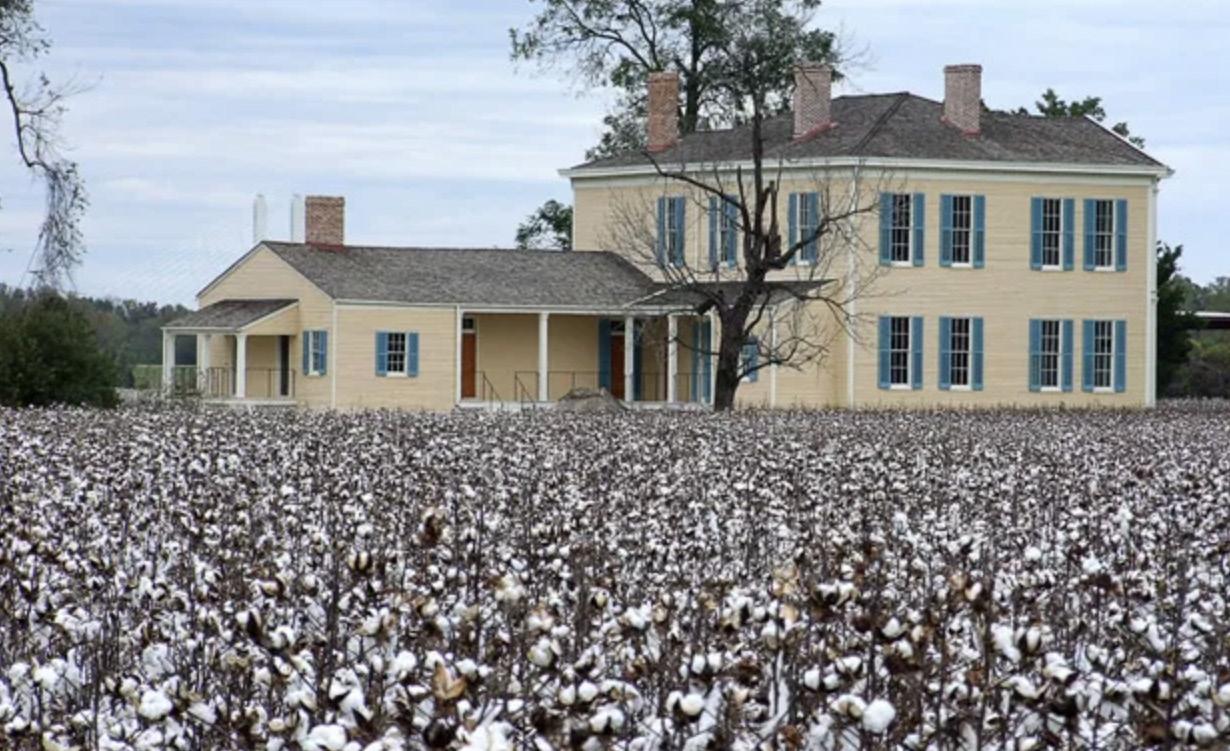
Lakeport is open for guided tours 10 a.m. and 2 p.m. Monday through Friday.
The plantation house in 1925.
THE BUZZ OF MECHANICAL POLLINATION
By Mary LeSieur
High school extracurriculars often amount to resume boosters and future talking points in various college application essays, but after the victorious waltz across any collegiate stage — diploma in hand — we forget our teenage strides in the civics club or our argumentative techniques perfected in a debate club.
Maybe a certain club or activity led to a future professional career, or maybe it unleashed an inner calling; whatever one lays claim to, the spectrum is vast.
When I was in school, I became attached to a small-scale, underrepresented club — a honey bee club. My infatu ation with the club led to a long-term interest in all things bee.
You might laugh at a high school bee club because how often do we find ourselves thinking about the buzzing insects? It may come as a shock, or you have possibly been graced with the knowledge from Jerry Seinfeld’s Bee Movie the yellow-and-black critters do more than we can fathom for our ecosystems.
creases, which are happening all across the U.S., contributing factors range from Varroa mites and habitat loss to chemical exposure and pesticides. Many studies will follow, but experimental technology has led to a new narrative that could alleviate the damage from losing bees.
Until recent years, the general consensus had been that humans could not survive without bees, but robotic bee prototypes have been underway at Harvard University in Massachusetts and the Massachusetts Institute of Technology, promising a new alternative while managing bee losses. Led by the Wyss Institute at Harvard, the small but mighty machines might be able to offset a long-term inevitable.

Bees account for more than 80 percent of our flowering plants, including fruits, vegetables and nuts. If that does not resonate, 1 in 3 bites of a meal was pollinated by bees. The small insects generate more than $18 billion in annual revenue for U.S. crop production, which contributes to approximately $34 billion in U.S. agricultural production.
They do more than we can comprehend, yet a new variable has emerged in the pollinating equation: our friendly pollinators are dropping like flies, pushing local and commercial beekeeping companies into ruin.
As reported by the Honey Bee Health Coalition, humanity might now be seeing a glimpse into the future of a world with fewer natural pollinators.
An average colony loss of 56 percent across all hobbyist, sideliner and commercial beekeepers has shocked environmentalists nationwide. The loss is nearly 1.6 million colonies that contribute to store-bought honey and products that come from pollination. That equates to nearly $600 million in production losses.
With the largest recorded loss in the United States from January to March 2025, the decrease in honey bee colonies caused ripple effects felt by everyone from commercial companies to consumers.
While the HBHC is still identifying all the causes of the hive de-
Separated by three components — the brain, the body and the colony — Wyss researchers have created RoboBees. Models can fly at 35 centimeters per second, perform 360-degree flips and navigate using artificial intelligence to track paths. Some models can transition from swimming underwater to flying, as well as “perch” on surfaces by using static electricity.
MIT researchers have also created tiny robots that mimic pollinators and are capable of carrying out the simple tasks of a bee, developing a robotic instrument that could swarm from mechanical hives and perform artificial pollination. The insect-inspired robots can manage hive health and analyze environmental factors.
The MIT research created several different models, some with as many as eight wings and some with four wings, yet the researchers have not yet bridged the extra-wings gap. Powered by artificial muscles, the tiny actuators are made from lightweight materials that flutter similar to the wings of a bee.
MIT’s most recent model is much larger than the Wyss models, yet both face the same barriers. Like most any mind-boggling advancement in technology during its early stages, the prototypes are not fully functional yet.
Due to the small size, battery life only extends to 17 minutes of hovering, and as reported by both research teams, the bug-sized robots are no match when it comes to natural pollinators’ endurance, speed and maneuverability.
After researching the autonomous microaerial vehicles, it would be a disservice to the masterminds behind them if I explained the future of these prototypes, but the question surrounding this engineering still remains the same: Is it time to say goodbye to the buzz?
Chris Meyer President/CEO

CONGRATULATIONS
Chris Meyer purchased James A. Rogers Excavating from his grandfather in 2016 and has worked to build upon the foundations laid by James A. Rogers Sr. back in 1962. Over the course of 63 years, the family-run operation has grown into an established industry name, and Meyer’s goal is to uphold the company’s reputation for excellence as president and CEO.
Building Utility Solutions
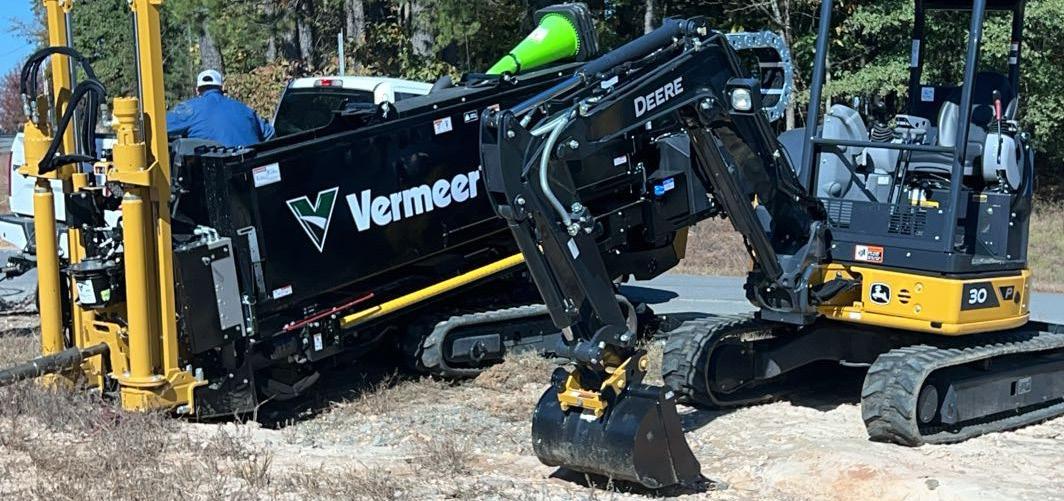


McHenry Companies is a family
McHenry Aggregates has been in operation since 2006 and McHenry Excavating, Inc. since 1996.

Not mas health c
Curated c
At Conway Regional, our team brings together key service lines, providers, and technologies to create patient experiences that are highly intentional and refreshingly personal. Our Neuroscience Center takes a compassionate, multidisciplinary approach to support individuals with memory-related conditions through advanced neurocognitive evaluations, medications to slow cognitive decline, and state-of-the-art diagnostics. Dr. Keith Schluterman blends access with excellence to provide high-quality, compassionate healthcare.