BLACK TRAILBLAZERS
Former Razorback Muskie Harris gives back to his community
INSIDE: Fifty Over 50 | Startups | Hog Baseball

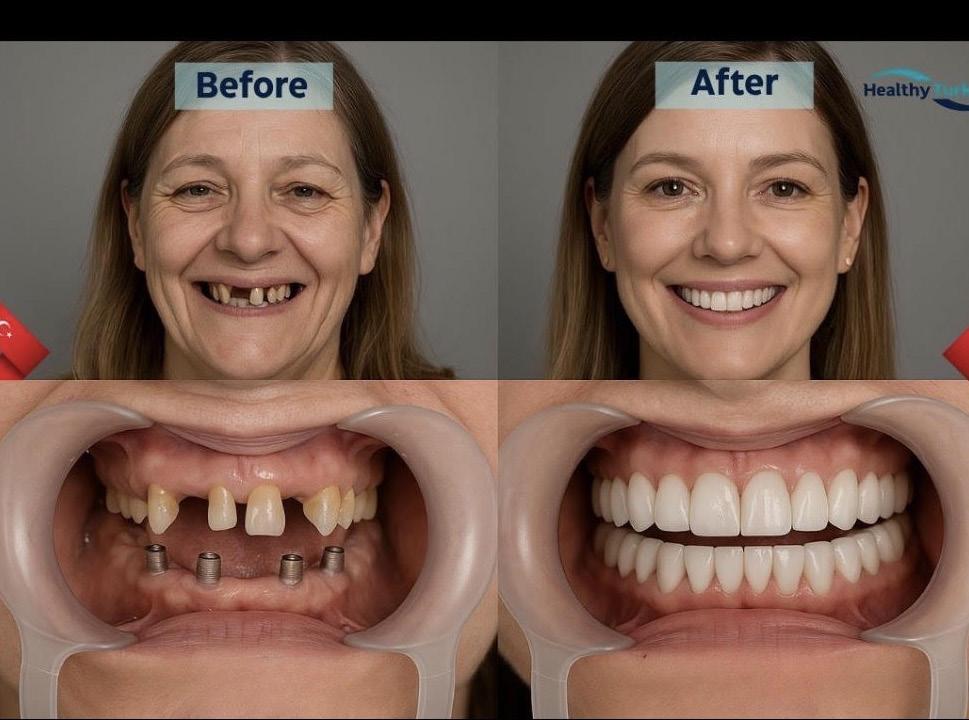

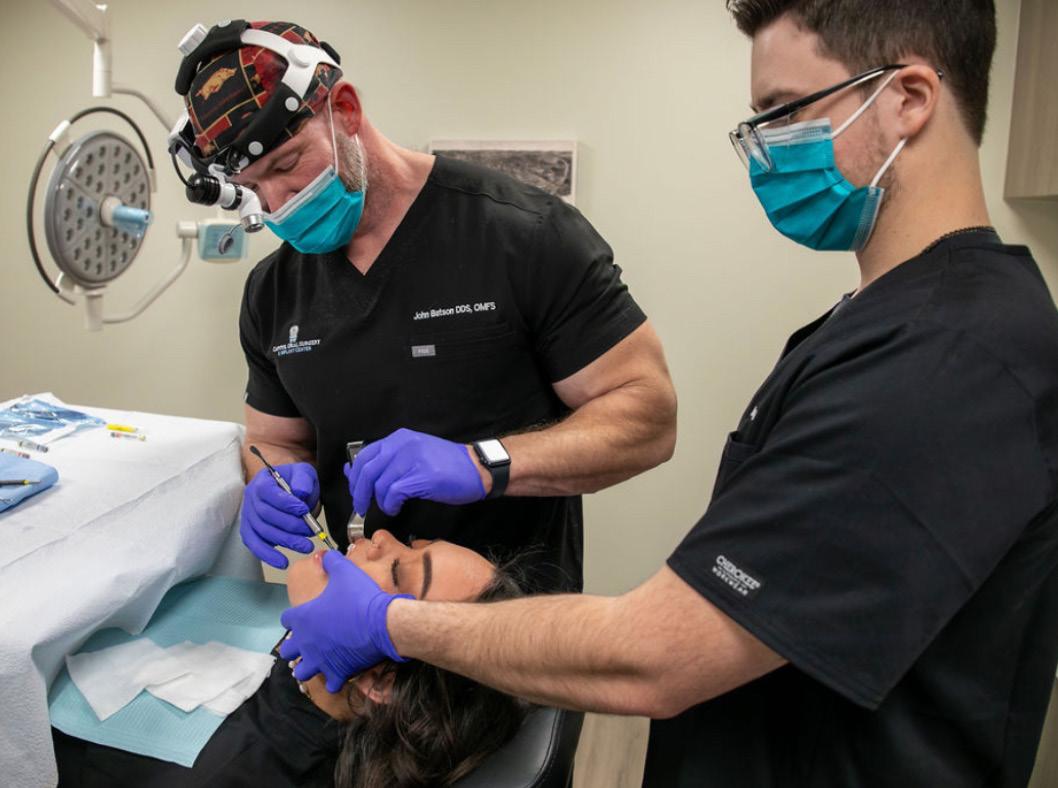
The Only Oral Surgery ambulatory surgical center in Arkansas


We have an in-house lab and are a veteran-owned business.
Monday - Friday: 7am - 4pm
501-904-8136 | capitolosiar
601 W. Capitol Avenue Suite A, Little Rock Our Services
•Oral Surgery •Dental Implant •Corrective Jaw Surgery
•Pathology •Trauma •Wisdom Teeth

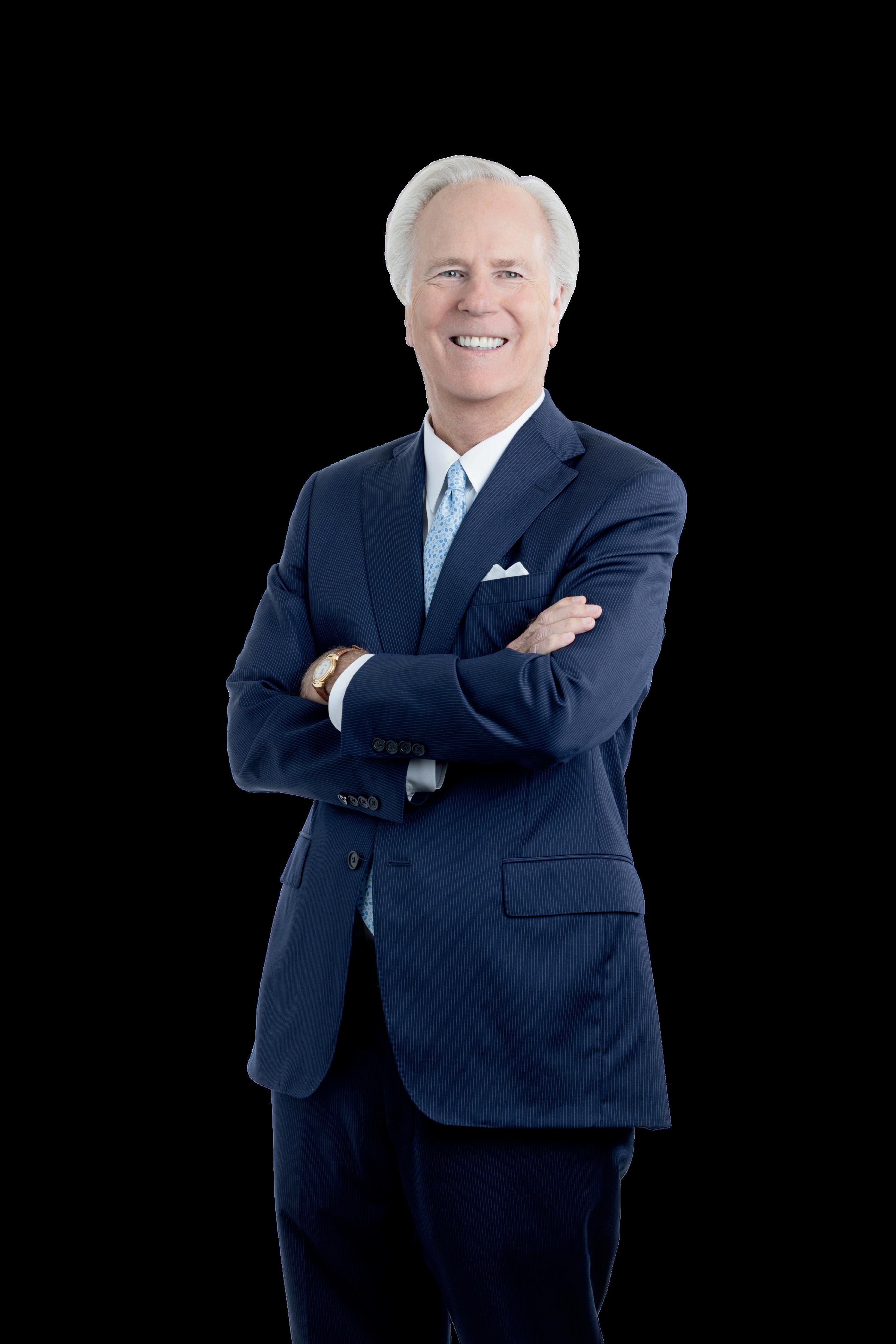
CONGRATULATIONS, Warren Simpson
Selected by Arkansas Money & Politics for the 2026 Class of Fifty Over 50, honoring decades of leadership, integrity, and lasting impact at Stephens and across the state of Arkansas.

Warren Simpson Executive Vice President Head of Stephens
Capital Management


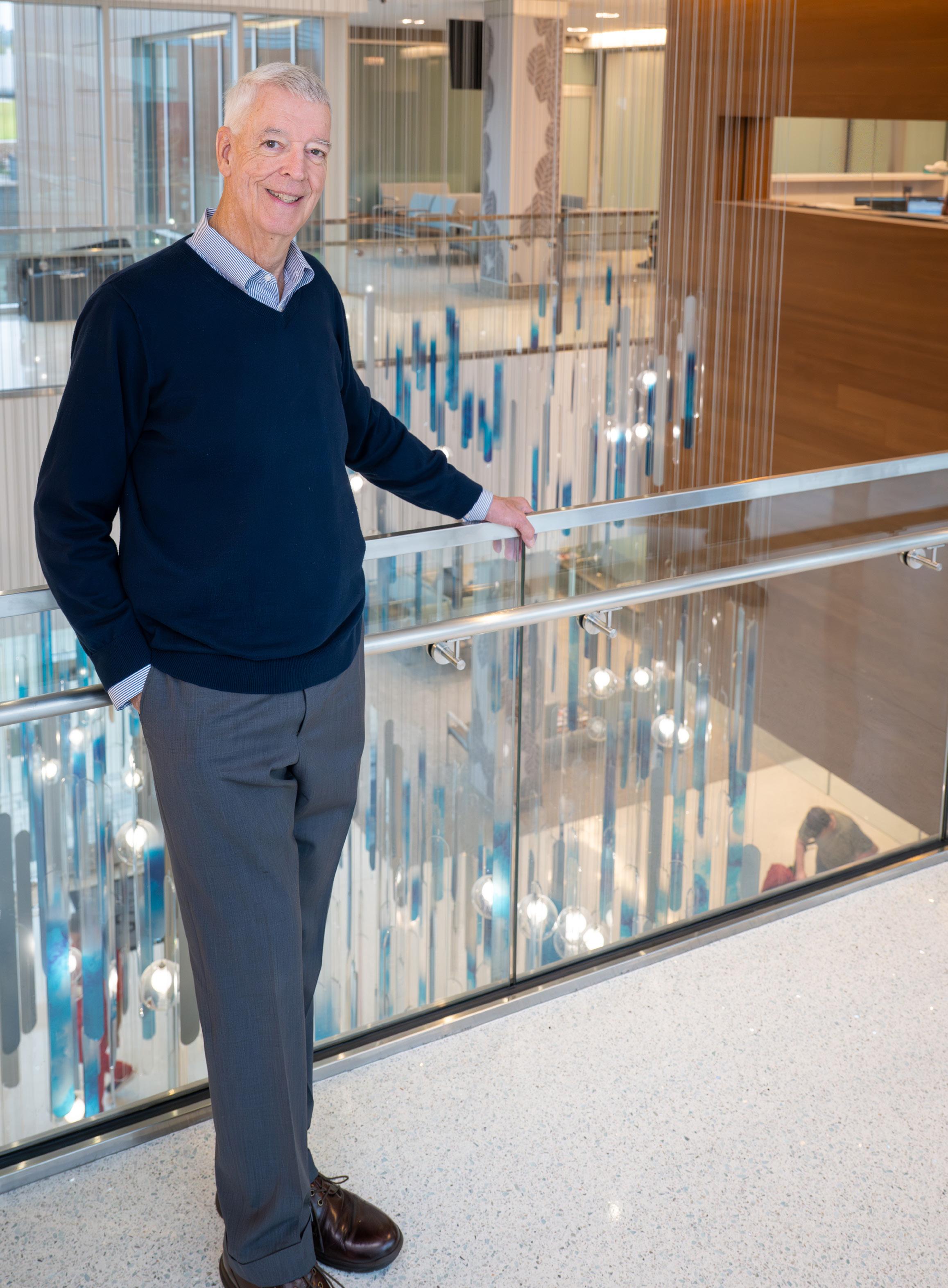
A FAMILY PHYSICIAN’S CANCER FIGHT
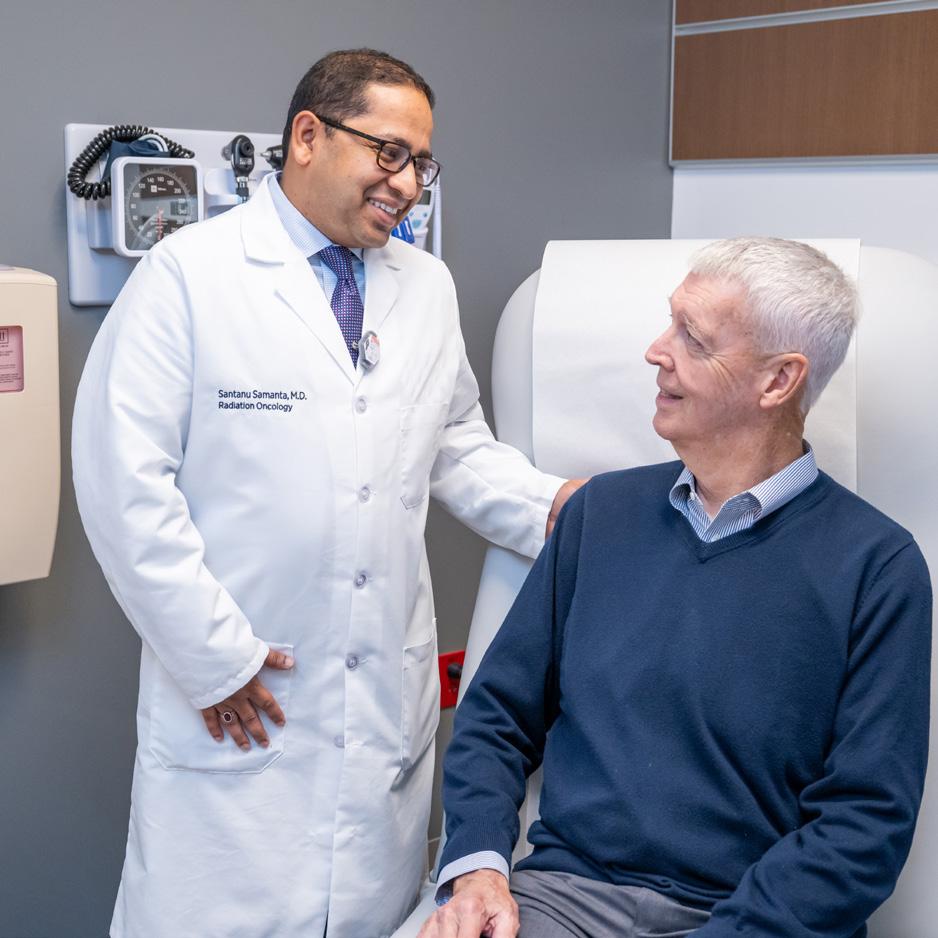
Why Proton Therapy Was the Right Choice
When Dr. Mahlon Maris, a retired family physician, was diagnosed with stage 3 larynx cancer, his treatment options came with serious risks. Surgery would have cost him his voice. Standard X-ray radiation risked permanent nerve damage and difficulty swallowing.
To avoid those risks, Dr. Maris chose the Proton Center of Arkansas, where cutting-edge proton therapy successfully treated his cancer while protecting surrounding critical structures.
The Proton Center of Arkansas is the state’s first and only proton therapy center and a collaboration of UAMS Health, Baptist Health, Arkansas Children’s and Proton International.
FEATURES FEBRUARY 2026

READY, SET, LAUNCH
Whether the goal is to upscale an existing small business or to launch a new one, there are far more sources of funding available than ever.

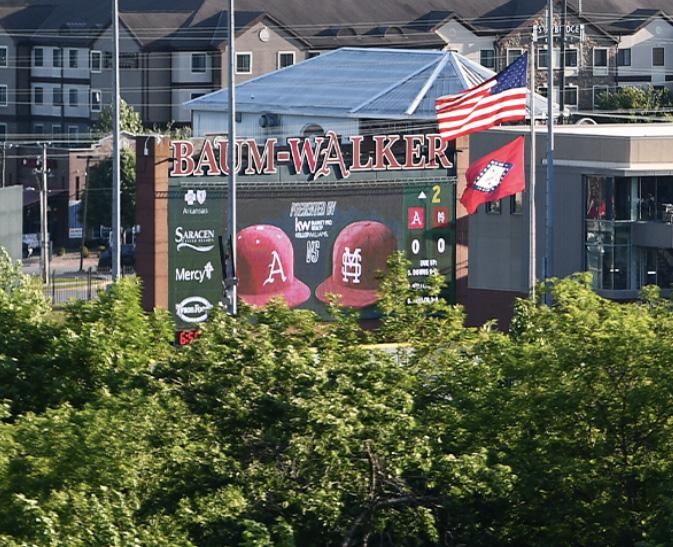
BATTER UP 2025 delivered another successful baseball season in Fayetteville — 50 wins, a deep Omaha run — but once again, the Hogs are seeking that elusive national title.
GIRLS IN WHITE DRESSES
Tiffanee Miller-Stroud has a dress-buying problem. As owner of Vogue Veil in Cabot, she has about 300 of them at her disposal — Size 00 to 36.

February 2026
COMPANIES OF DISTINCTION
In this special sales section, AMP takes a moment to highlight its 2026 “Companies of Distinction” as they create jobs, serve customers and continue to be cornerstones in their communities.
PROFESSIONAL ASSOCIATIONS
Professional associations provide their members with a long list of benefits and services, including advocacy both at a state and federal level.
AMP celebrates the wealth of knowledge and accomplishment represented by members of its annual “Fifty Over 50” class, and 2026 is no exception.
STARTUPS
About 20 percent of businesses fail in their first year, and by the five-year mark, 50 percent are likely to have closed, according to Bureau of Labor Statistics research.
When Marcus Johnson asks young men what they want to be when they grow up, the answers he hears most often are athlete and entrepreneur.
At its heart, investment banking remains all about the idea — and for seven short years, Little Rock’s Foxden Capital has been a fulcrum for turning ideas into reality.
Misti Staley’s invention, FreeArm Tube Feeding Assistant, provides an “extra hand” for caregivers who need a patient’s feeding tube to be held in place.
Several of Arkansas’ professional associations are coming off a very brisk general session, underscoring the critical role lobbying plays.
Through individual grit, collective effort and sheer time spent putting in the work, these Arkansans have become leaders and examples of the state’s best.
While the school building located in the small town of Paron is no longer a school, within its walls people are still learning and bettering themselves.
A typical ribbon-cutting ceremony signals the opening of a new venture and opportunities that could follow, yet for Tate, it marked a strategic investment.
Making everything work when it is expected to work is a full-time job in and of itself. Yet AECC is so much more than a faceless organization keeping its eye on the power grid.
PRESIDENT & PUBLISHER
Heather Baker | hbaker@armoneyandpolitics.com
EDITOR-IN-CHIEF
Dwain Hebda | dwain@armoneyandpolitics.com
SENIOR EDITOR
Mark Carter | mcarter@armoneyandpolitics.com
ASSOCIATE EDITOR
Mak Millard | mmillard@armoneyandpolitics.com
EDITORIAL COORDINATOR
Darlene Hebda | darlene@armoneyandpolitics.com
COPY EDITOR
Sarah DeClerk | sdeclerk@armoneyandpolitics.com
STAFF WRITERS
Doug Crise | dcrise@armoneyandpolitics.com
Alex Hardgrave | ahardgrave@armoneyandpolitics.com
Mary LeSieur | mlesieur@armoneyandpolitics.com
MANAGING DIGITAL EDITOR
Kellie McAnulty | kmcanulty@armoneyandpolitics.com
ONLINE WRITER
Kilee Hall | khall@armoneyandpolitics.com
PRODUCTION MANAGER
Mike Bedgood | mbedgood@armoneyandpolitics.com
GRAPHIC DESIGNERS
Jerry Cordova | jcordova@armoneyandpolitics.com
Lora Puls | lpuls@armoneyandpolitics.com
Lee Smith | lsmith@armoneyandpolitics.com
SENIOR ACCOUNT EXECUTIVE
Greg Churan | gchuran@armoneyandpolitics.com
Michelle Daugherty | michelle@armoneyandpolitics.com
Mary Funderburg | mary@armoneyandpolitics.com
Karen Holderfield | kholderfield@armoneyandpolitics.com
Ryan Parker | ryan@armoneyandpolitics.com
Carrie Sublett | carrie@armoneyandpolitics.com
EXECUTIVE ASSISTANT
Jessica Everson | jeverson@armoneyandpolitics.com
ADVERTISING ASSISTANT
Katie Beth Smith | ksmith@armoneyandpolitics.com
PRODUCTION & AD OPERATIONS MANAGER
Jay Danzy | ads@armoneyandpolitics.com
PRODUCTION & AD OPERATIONS
Lara Keck | ads@armoneyandpolitics.com
CIRCULATION
circulation@armoneyandpolitics.com
ADMINISTRATION
Marissa Porter | ayoffice@armoneyandpolitics.com
CEO | Vicki Vowell
TO ADVERTISE call 501-244-9700 email hbaker@ armoneyandpolitics.com
TO SUBSCRIBE armoneyandpolitics.com/subscribe
CONTRIBUTORS
Jane Colclasure, Isabella Hancock, Lori Sparkman, DeWaine Duncan, Ryan Parker, Clay Ramey
(ISSN 2162-7754)
and material contained herein may not be copied or reproduced in any manner without the written permission of the publisher. Articles in AMP should not be considered specific advice, as individual circumstances vary. Products and services advertised in the magazine are not necessarily endorsed by AMP. Please recycle this magazine.

Employers are choosing to help employees save for education through after-tax direct deposits into their Arkansas Brighter Future 529 account.
So little by little, with each paycheck, employees can build their education savings. Best of all, offering this innovative benefit requires no
added costs, systems or contracts. Bottom line: it’s a win-win for you and your employees.
Look into adding the Arkansas Brighter Future 529 Plan to your benefits package today. It is a great way to show current and potential employees you support their dreams.
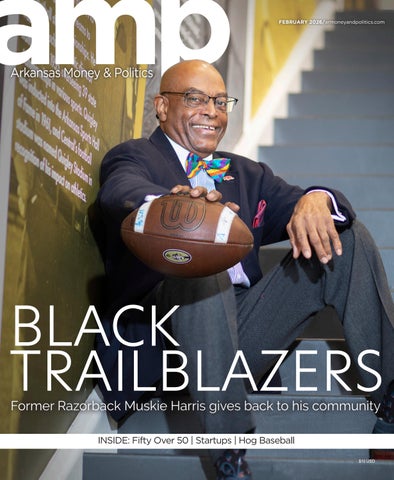
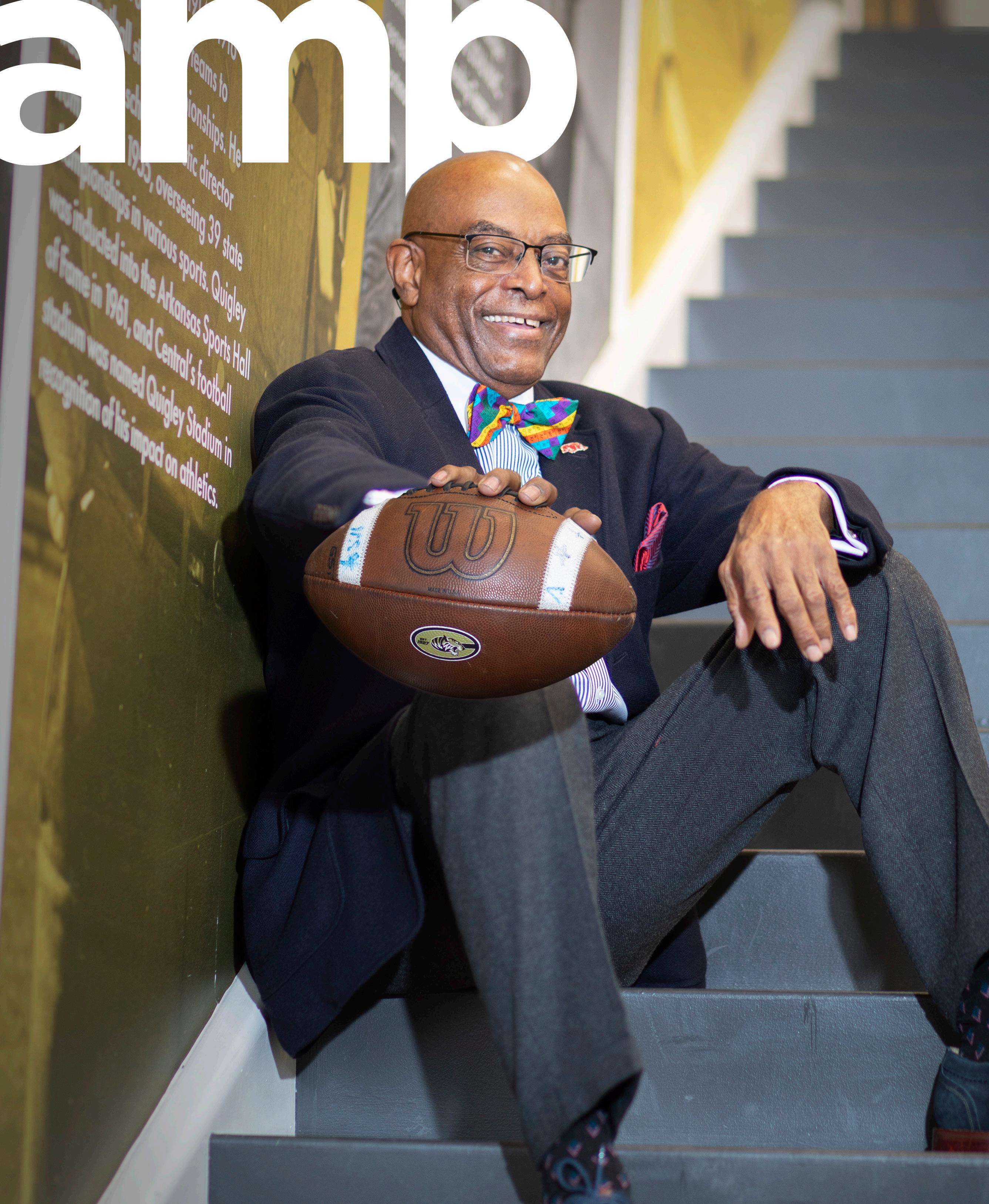
ON THE COVER
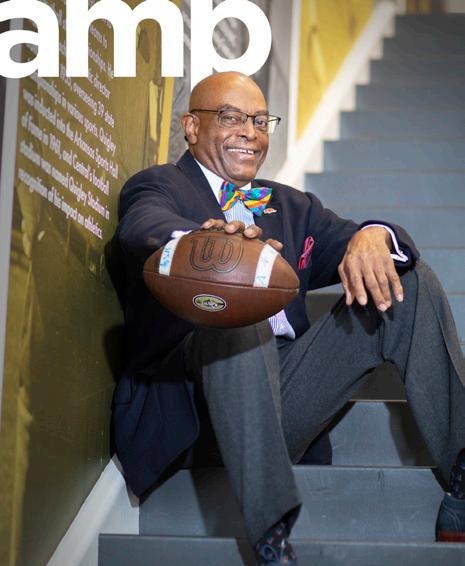
Kenneth “Muskie” Harris finds a lot of things to love about life; not least among them is the telling of a good story. Harris was photographed for AMP’s cover at Little Rock Central High School by Jane Colclasure. His story starts on Page 78.
BLACK TRAILBLAZERS
FEEDBACK
CHANGING THE NARRATIVE: HOT SPRINGS ENTREPRENEUR SUCCEEDS ON HER TERMS
Wow! Hi! I am blown away by this article. Mary did an expert interview, and this is a piece I will cherish. Thank you for capturing my version of the entrepreneurial journey and for naming me an AMP Influencer.
Charlene Simon, Bathhouse Soapery & Caldarium
CARE AT THE CORE: COPPER WELL RETREAT FOLLOWS OWN PATH THROUGH BOOMING WELLNESS INDUSTRY
I am feeling incredibly grateful to be featured in an article in Arkansas Money & Politics . This piece highlights not just my work and vision but the growing role Arkansas is playing in the wellness industry as a whole — and that part means a lot to me. Wellness is often seen as a “nice extra,” but this article treats it as what it truly is: a meaningful, evolving industry with real impact on people, communities and the future of our state. I’m proud to see Arkansas recognized as a serious contender in that conversation. Huge thanks to Alex Hardgrave and the AMP team for telling this story with care and to everyone who has supported, trusted and grown alongside me over the years. This moment reflects so much collective effort, and I’m deeply appreciative. 2026 is looking to be a massive year of growth for CWR, and we are thrilled to be announcing some big projects coming soon!
Our ‘Natural State’ is a place for everybody.
Dawn Eick, Copper Well Retreat
LIKE FULLER, LIKE SON: FULLER AND SON HARDWARE & LUMBER BUILDS ON LEGACY
Thank you so much Arkansas Money & Politics for this great feature on us. Felt like this really captured what we are all about.
Fuller and Son
BRANNON PACK NAMED VP OF MARKETING FOR EXPERIENCE FAYETTEVILLE Congratulations! Love working with him! Huge asset for the region.
Kalene Griffith, Visit Bentonville
UCA LAUNCHES PLANS FOR INNOVATION CAMPUS
We are so excited for our new home in the fall!
Kendra Koehler
TOP ONLINE ARTICLES
Jan. 6 — Feb. 2
1 Saracen Casino Resort CFO Jim Burns dies at age 58
2 Edwards Food Giant operator strengthens leadership team
3 2026 AMP Influencers of the Year
4 Arkansan Latriece Watkins named CEO of Sam’s Club US
5 Haag Brown acquires downtown Bentonville property with plans to redevelop
6 Ole Miss QB Trinidad Chambliss calls a Hog in lawsuit against NCAA
7 Lockheed Martin to Build New Munitions Center at Camden
8 Changing the narrative: Hot Springs entrepreneur succeeds on her terms
9 Record-breaking $1.8B Powerball prize claimed by Arkansas winner
10 $6B data center campus planned for Pulaski County
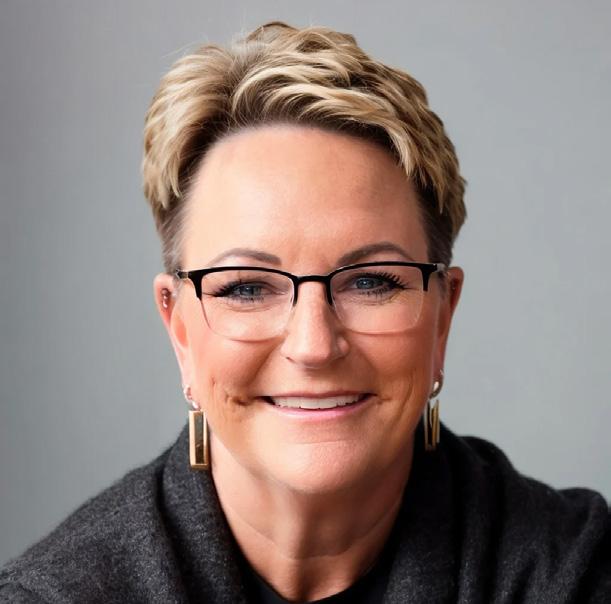
Dr. Carolyn Henry has been named dean of the Lyon College School of Veterinary Medicine effective March 1.
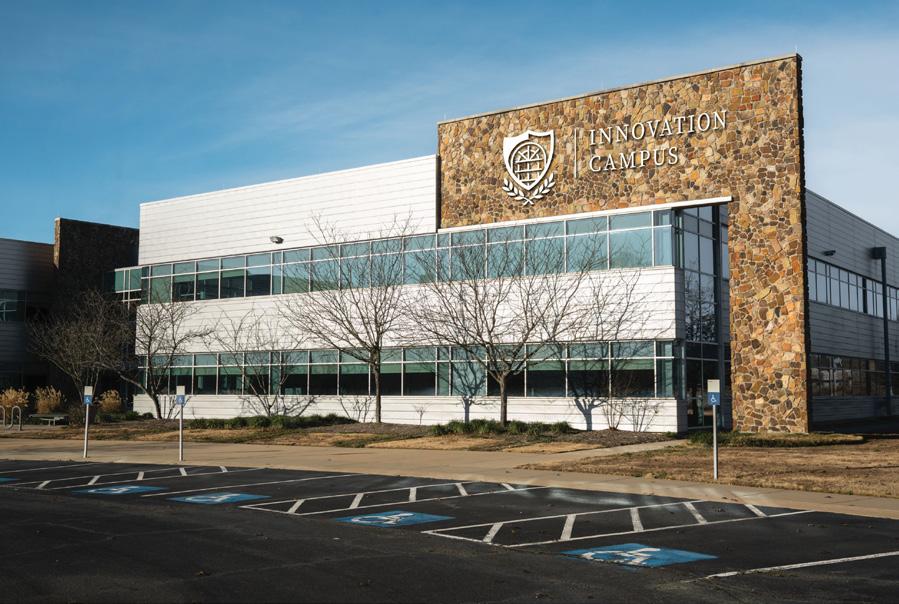
The University of Central Arkansas in Conway is developing an innovation campus designed to strengthen workforce readiness and support economic growth in the state.
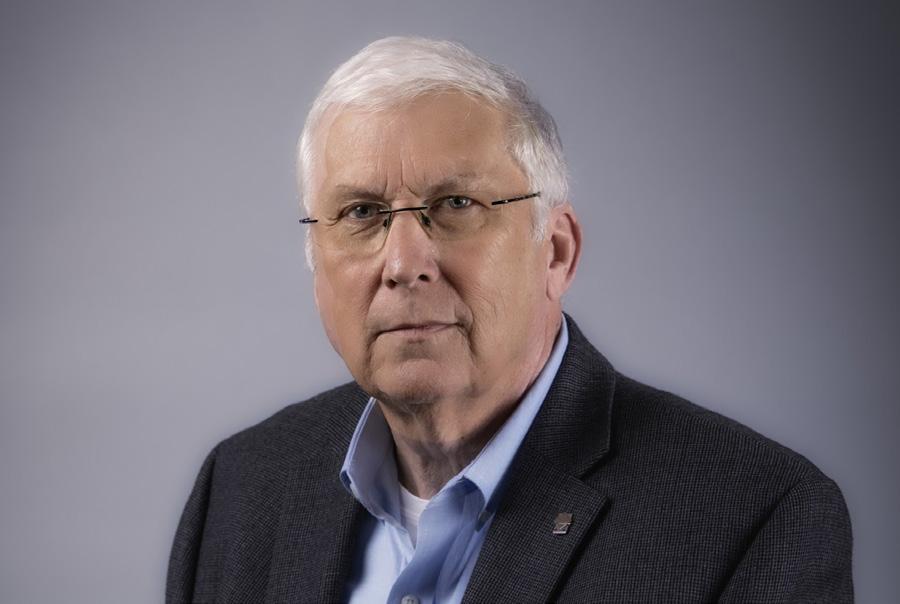
Steve Arrison, the longtime CEO of Visit Hot Springs and one of Arkansas’ most recognizable tourism leaders, is set to be inducted into the Arkansas Tourism Hall of Fame during the 53rd Arkansas Governor’s Conference on Tourism and Outdoor Recreation in Little Rock.
Razorback Muskie Harris

WE BELIEVE
in serving the industries that serve Arkansas.
Our firm has a deep bench of attorneys experienced in administrative, regulatory and compliance matters. We provide thorough analysis, drafting and advocacy on agency regulatory policy, as well as representation in administrative proceedings. WLJ’s government relations and
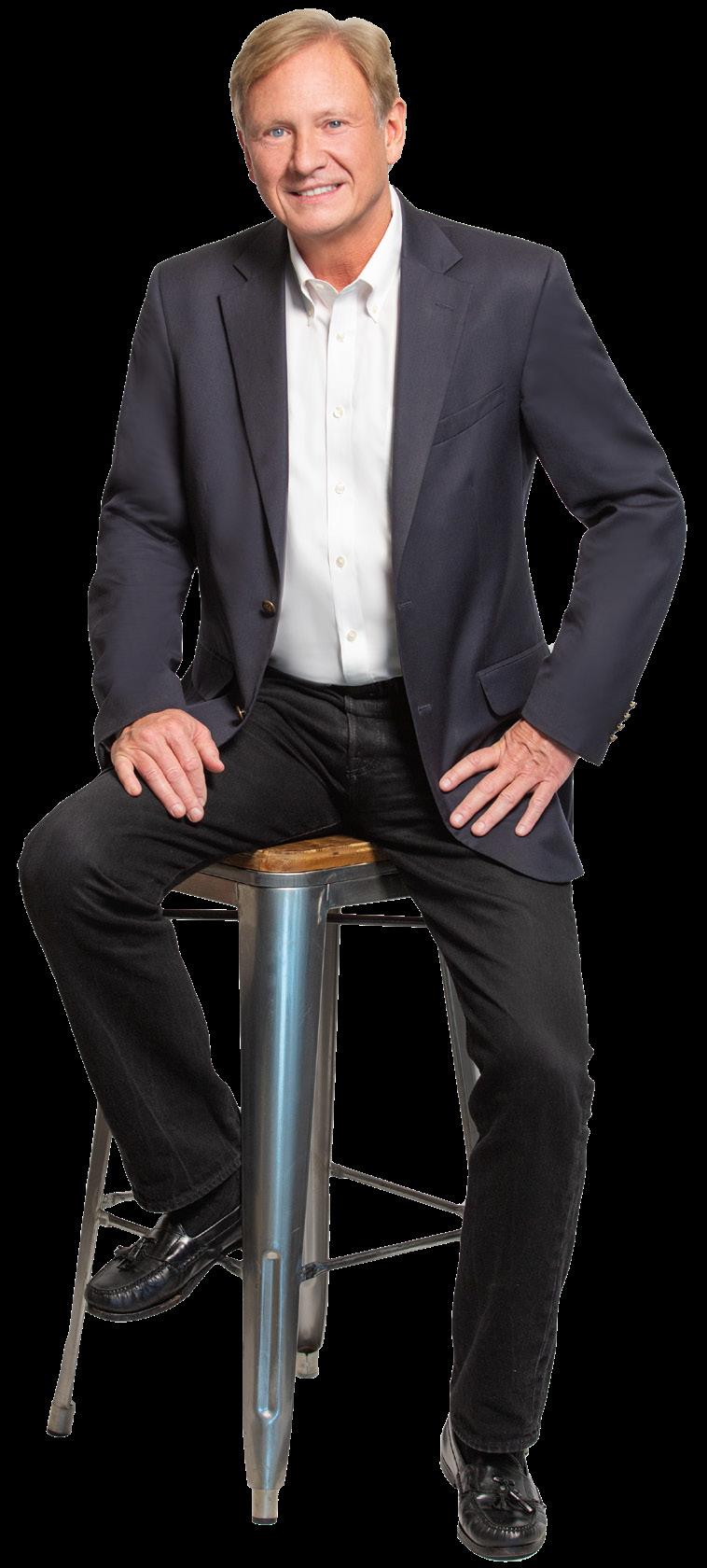

lobbying team has the relationships and credibility to craft practical, innovative and effective solutions - from the Capitol to the commission meeting. There is no term limit to good counsel. WLJ’s strategic and aggressive advocacy makes us a valuable ally for our clients.

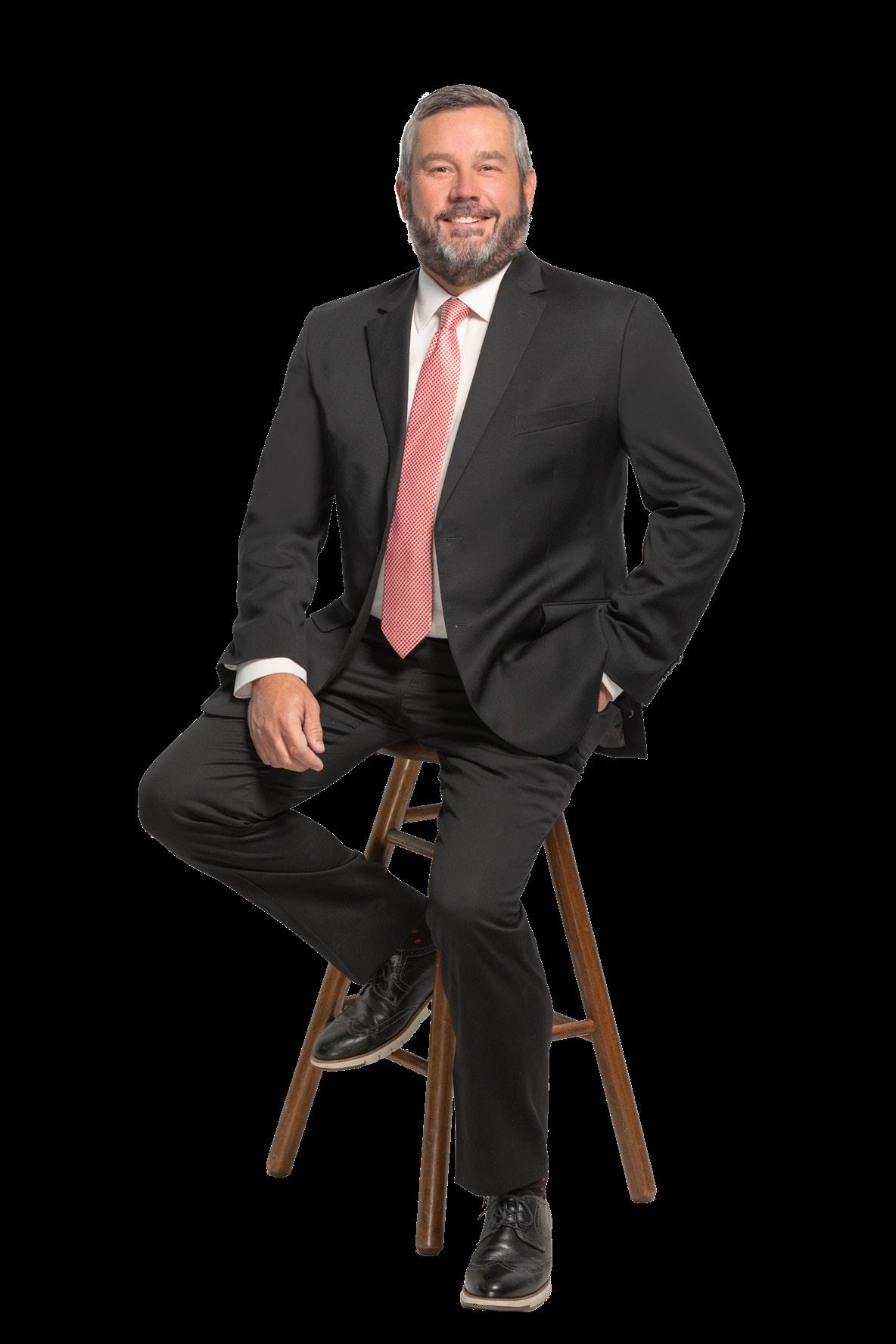
Randy Bynum Eli Bauer
Patrick Wilson
Justin Allen
Jennifer Smith
By Mark Carter
Having relatives in and around New Orleans almost my entire life, I’ve spent many hours on Delta back roads — as a kid, in the back seat praying not to get car sick, and as an adult, praying for a Kum & Go entry into the Mississippi market.
Mississippi State Highway 1, which mimics the Big Muddy for roughly 130 miles between Lula and Rolling Fork with Greenville in the middle, offers some unique, underthe-radar looks at many Delta nooks and crannies.
DELTA NOOKS
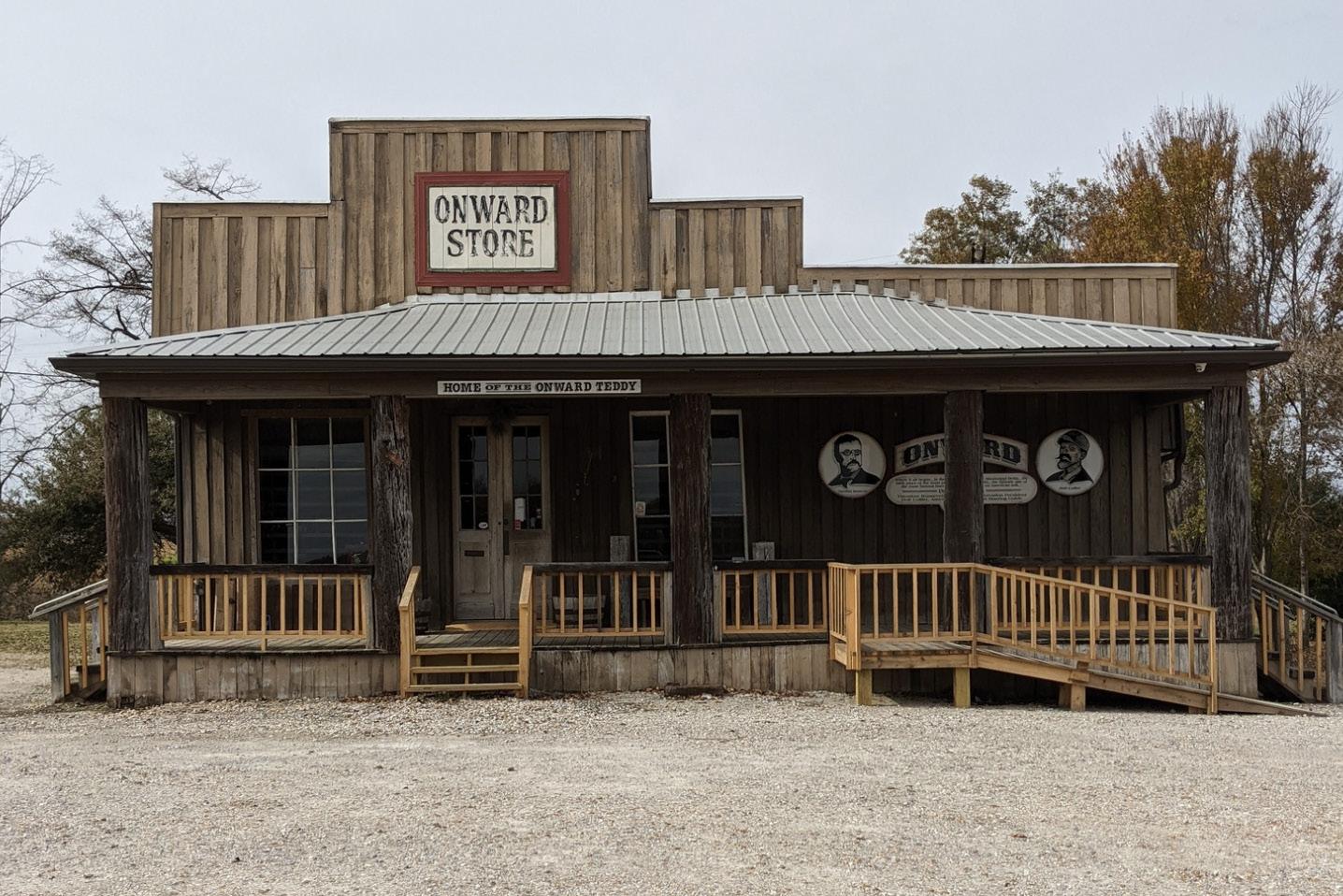
One of those highlights is the old country store in the tiny oxbow community of Onward. It was closed the last time we drove by a couple of years ago, but perhaps a fresh-faced young masochist — er, I mean, enthusiastic young entrepreneur — has thrown a hat in the ring and reopened it.
While it’s best known for its burgers, malts and desserts — a Mississippi Cotham’s or maybe even a Delta version of the Oark Cafe — it is best known as the birthplace of the teddy bear story.
Onward is whereabouts former President Theodore “Teddy” Roosevelt inadvertently created the teddy bear. The Onward store, opened in 1913, certainly celebrated the tale’s birthplace. Even if the Onward store never reopens, a stuffed Onward bear (now donning a Razorback button) sits in my study as a record of my attendance for posterity.
For those readers not familiar with the story, here is the CliffsNotes version:
Roosevelt traveled to Mississippi in 1902 to help settle a border
PUBLISHER’S LETTER
Ldispute. Given the president’s acclaimed predisposition for hunting, Gov. Andrew Longino invited him to the Delta to hunt for black bear. (Given the setting, my guess is the border dispute involved Louisiana, the Mississippi River and an oxbow lake.)
Allegedly, the guides asked Roosevelt to remain at camp until a bear was cornered out of fear for his safety. Considering the president’s previous hunting experience, which included African safaris, that seems odd, but the story goes that a small black bear was cornered by the party’s dogs, beaten until it was subdued and tied to a willow tree. Roosevelt was called to come in and make the kill.
Upon seeing the bear and putting two and two together, Roosevelt was disgusted and refused to shoot but ordered the animal killed to end its suffering.
The press back in D.C. got wind of the incident, and the Washington Post published a political cartoon from Clifford Berryman that still resonates today. A shopkeeper in Brooklyn had his wife sew a stuffed bear to sell in his store and wrote to Roosevelt — back when one could just pen a letter to the pres — for his blessing in calling it a “teddy bear.” Despite the fact that he hated being called Teddy, the president gave his blessing.
The rest, as they say, is history. Here’s hoping future Delta travelers on Highway 1 find the Onward store open once again.
By Heather Baker
LEADERS AND ACHIEVERS
eaders are all around us, in every organization, company and community in the Natural State, creating jobs, serving families and making our state the great place it is.
Every edition of Arkansas Money & Politics showcases leaders in some form or fashion and, in this month’s issue, particularly so. Inside, find our annual “Fifty Over 50” honorees, people who, with five decades of life under their belt, are just hitting their stride. We also showcase Kenneth “Muskie” Harris, former Razorback great and a driving force in addiction recovery services in Arkansas.
We also preview the Chocolate Fantasy Ball benefiting Ronald McDonald House Charities of Arkansas & North Louisiana, an organization that serves families of critically ill children. Plus, check out our feature articles this month on outstanding companies, startups and
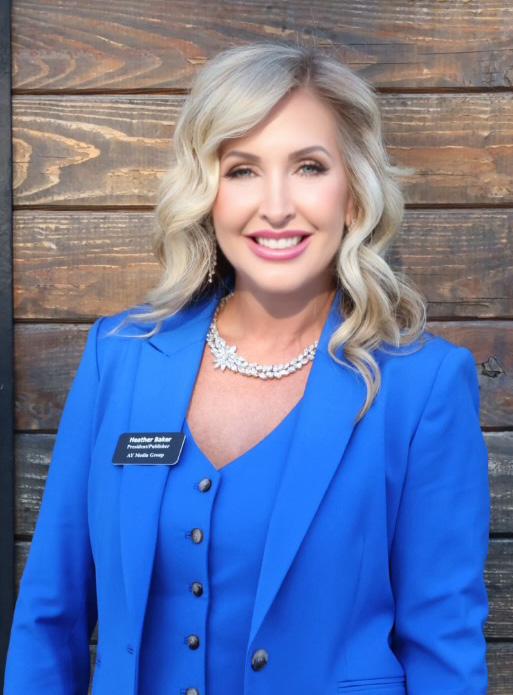
Heather Baker
entrepreneurs bringing the American Dream to life.
Readers will also want to check out our “Visionary” article this month, which profiles a business leader who needs no introduction: auto titan Steve Landers Sr. Razorback fans will also want to read Senior Editor Mark Carter’s preview of this year’s Diamond Hogs as they once again begin their quest to capture that elusive College World Series championship ring.
We all can name a leader who motivated us, set us straight or gave us our first big break. I know I have had my share, and I continue to be blessed by the leaders I come in contact with today. As this month’s AMP proves, leaders come in all shapes, sizes, ages and backgrounds — one only needs to look for them to be inspired!
Hit me up with story ideas at hbaker@ arkansasmoneyandpolitics.
Celebrat in g our state ’ s leader s who shape our f ut ur e. Con grat ulat ion s to
We’r e pr ou d to be a par t of the A rk an sa s c ommunit y and c elebrate the c ont r ibut ion s of the se leader s who ar e shapin g our state ’ s f ut ur e. We’r e honor ed to r ec og nize our own , Bill Dillard I I, for hi s inclu sion on thi s li st.
NANO-GUIDED CANCER FIGHTERS
UA Little Rock research develops disease-fighting nanoparticles
By AMP Staff
You likely know someone with cancer who has used chemotherapy drugs. Perhaps that person is you, in which case you understand firsthand how great a physical toll the therapy can take on the body.
Beyond the human cost, cancer care is also a major and growing economic burden for patients, employers, insurers and public health systems. National cancer care costs in the United States were estimated at $190.2 billion in 2015, the National Cancer Institute states, and are projected to rise based on population change alone, other analyses projecting total cancer care costs exceeding $245 billion by 2030.
Chemotherapy, while proven effective at treating cancer, can also have serious complications, including damage to the heart, kidneys, lungs and liver. The drugs can affect bone marrow, resulting in low blood counts. In extreme cases, chemotherapy toxicity can result in death. Treating secondary conditions adds cost to an already expensive course of care and can pull patients away from work and normal life.
“We have to use chemotherapy drugs because they’re so effective in eliminating the tumor,” said Dr. Noureen Siraj, Arkansas Research Alliance Impact Grant recipient and associate professor of chemistry at the University of Arkansas at Little Rock. “One of the most popular drugs is called doxorubicin, and it’s a very good drug. However, we see patients who use this drug lose considerable weight and lose their hair. Worse yet, approximately 21 percent of patients exposed to these drugs develop cardiovascular disease.”
Siraj said the challenge with doxorubicin and other chemotherapy drugs is the nonselectivity toward the tumor and the large dosage required for treatment — but what if doxorubicin could be targeted directly to the tumor, both reducing dosage and leaving healthy cells untouched?
Such precision would not only improve patient recovery, but, also, the total cost of treatment could substantially decline through reduced drug dose and preventing expensive downstream complications. That is why cardiovascular toxicity from cancer treatment has become a major focus for leading heart and cancer organizations.
Siraj and her team have combined doxorubicin with special dyes that absorb nearinfrared light. When exposed to light, the dyes allow the drug to heat up, helping kill cancer cells more effectively. Siraj uses a simple synthesis method in which the drug and the dye are attached together and form tiny nanoparticles, which kill cancer cells more effectively than doxorubicin alone, even at lower doses — up to seven times lower, according to in vitro studies.
“This is a simple and inexpensive process,” she said. “Treating cancer is costly for patients, hospitals and insurers. Having to treat chemo-related cardiovascular diseases on top of that can be a terrible financial burden. Our nanoparticles not only improve the quality of life, but they can also help make health care far more affordable for cancer patients.”
Siraj believes that the special nanoparticles could lead to a biotech startup company headquartered in the Natural State. Oncology is a multihundred-billion-dollar global market; global spending on cancer medicines alone was $223 billion in 2023 and is projected to reach $409 billion by 2028. Some market forecasts for oncology drugs project the sector approaching roughly $484 billion by 2030. Arkansas has the resources, talent and infrastructure to compete in the space, but there are hurdles and barriers to overcome. Among those challenges is transferring technology from lab to market.
“I still must secure a [Small Business Innovation Research] grant to open a company and move toward clinical trials,” Siraj said. “I’ll take advice from anyone who can provide any help or any opportunity which can help me to move forward in this direction.”
SBIR is a well-established pathway used nationwide to help small businesses commercialize innovations derived from federally supported research and development.
For Arkansas, success in that process can mean more than a single breakthrough. It can help retain talent, attract outside investment and build high-wage jobs in fields where intellectual property and specialized expertise drive long-term growth.
Fortunately, there are people and institutions in Arkansas that recognize the value of research and its potential benefit to the state. For example, the Arkansas Research Alliance helps talented scientists such as Siraj connect with industrial partners, entrepreneur support organizations and government agencies to bring research out of the lab and work for the public good.
In the meantime, Siraj and her team at UA Little Rock are moving forward with her nanoparticle research, which extends beyond applications to treat cancer. She and her team are developing a composite cathode to improve energy density and battery cycle life, science that is supported through a recently awarded an ARA Impact Grant.
“If we’re successful, you may one day never have to replace the battery in your car again,” she said.
Those kinds of spillover advances are part of why research investment can deliver compounding returns for Arkansas by building expertise and tools that translate across health, energy and advanced manufacturing.
SHIPPING WITH CONFIDENCE
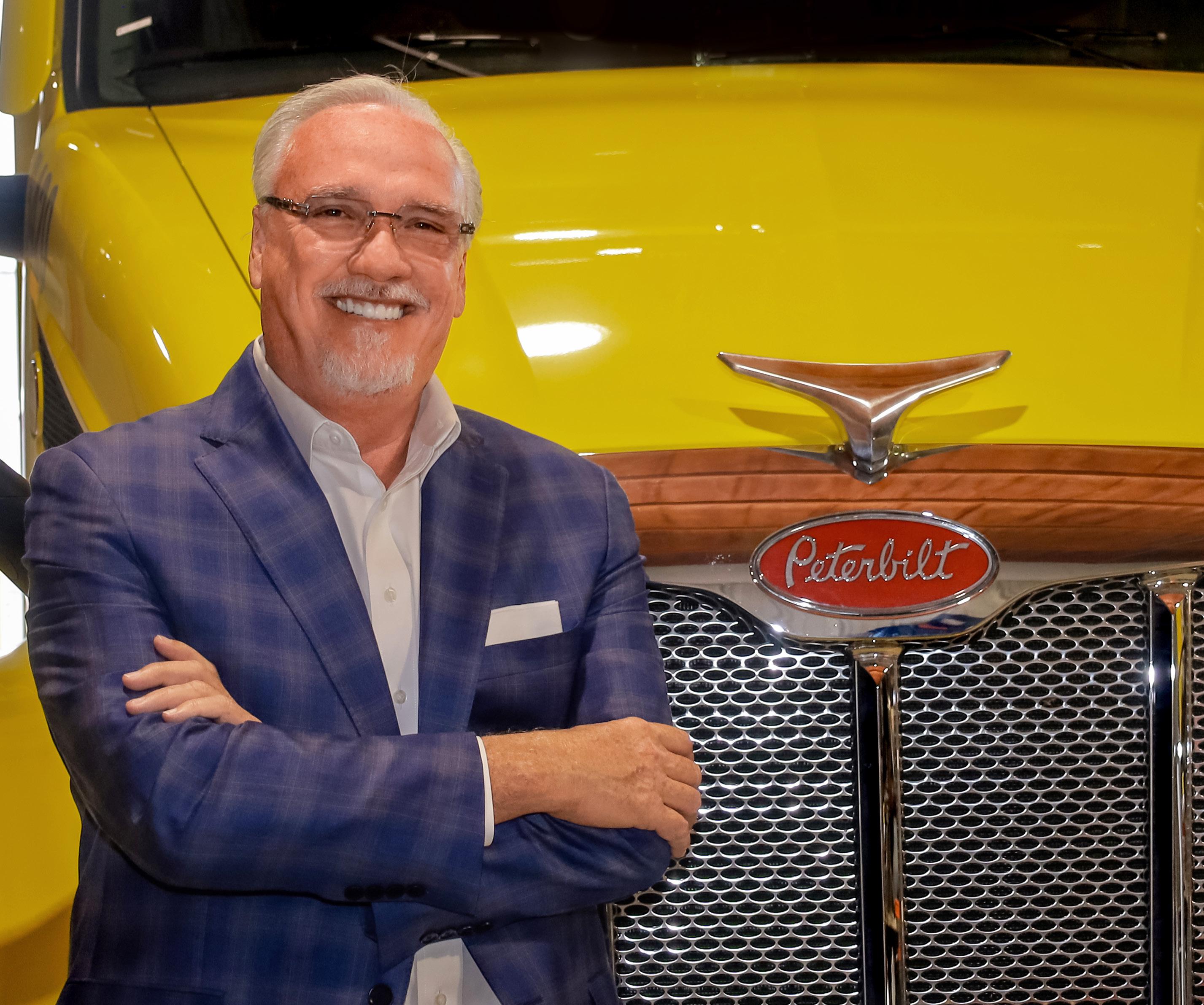
Started
Thank you to everyone involved for making this

LEARNING TO SCROLL SMARTER HOW SOCIAL MEDIA SHAPES TEEN HEALTH
By Isabella Hancock
When I first joined the Arkansas chapter of the Academy of Pediatrics Youth Advisory Committee, I thought I had a pretty good understanding of the information I was seeing online.
Like most teens, I spent hours scrolling through social media every day, believing most of what I saw, but through my time on the committee, I have learned how much misinformation is out there and how easily it can shape what young people believe about their bodies, their health and their worth.
Social media can be an incredible tool for connection and creativity but it also has a darker side. According to data shared with us by the Arkansas chapter of the Academy of Pediatrics, as of 2024, 41 percent of teens who spend a high amount of time on social media struggle with severe mental health problems. That statistic does not surprise me.
afraid to talk to their parents or even seek accurate information from their doctors.
The misinformation is especially dangerous in states such as Arkansas, which has one of the highest teen birth rates in the country. When young people are getting their medical advice from TikTok influencers instead of a medical professional, the consequences are real. It can lead to more unplanned pregnancies, more fear and confusion, and fewer teens making informed decisions about their health.

Online, people often post the best parts of their lives using filters, angles and narratives that make everything look perfect, but most of those stories are not reality. For many young people, comparing themselves to fake images and moments can lead to anxiety, depression and body-image issues such as body dysmorphia or eating disorders.
The surge of diet culture swipe-ups on social media makes that even worse. It feels like every other video promotes a supplement, detox tea, powder or patch claiming to help people lose weight fast. Many of the products are not approved by the U.S. Food and Drug Administration, yet they are advertised directly to teens who may not realize how harmful or misleading such claims can be. The videos do not promote health — they feed on insecurity.
Then there is the problem of “Instagram versus reality.” Some influencers present themselves as completely “natural” while relying on editing tools and filters. When teens see the images, they start to believe perfection is normal. That pressure can isolate people and damage relationships with family and friends as youth struggle to meet impossible standards.
Social media is also a major source of health misinformation, especially about sensitive topics such as vaccines and birth control. I have seen countless videos spreading false claims that birth control causes infertility, cancer or extreme mood changes. Others incorrectly suggest “natural methods” are just as effective at preventing pregnancy. Those myths spread fast, making teens
Before joining the youth advisory committee, I was guilty of doomscrolling. I would watch video after video without thinking about whether the information was true. Now I pause before believing or sharing anything. I look it up. I check credible sources such as published studies and trusted organizations, including the American Academy of Pediatrics. Learning how to fact-check has made me more confident and less anxious because I can tell the difference between opinion and evidence.
The committee has also taught me about the importance of balance. Teens are already under immense pressure from school, work, extracurricular activities and social expectations. When social media becomes another source of stress, it can push that balance to the breaking point. Research shows that limiting social media use to no more than two hours a day can significantly reduce mental health problems and self-image issues. Setting limits is not about punishment; it is about protecting one’s peace.
Pediatricians can play a vital role in helping teens navigate this world. By asking about screen time, mental health and online habits during checkups, doctors can open the door to honest conversations about what young people see online. They can also guide families toward reliable information about nutrition, reproductive health, vaccines and more.
For teens like me, awareness is key. When we learn to question what we see, verify what we hear and limit how much time we spend scrolling, social media can be a positive space again. The internet will always be part of our lives but it does not have to control them.
Isabella Hancock is a high school senior and member of the American Academy of Pediatrics Youth Advisory Council Arkansas Chapter.
A CAPITAL REAWAKENING MOMENTUM BUILDS IN ARKANSAS’ COMMERCIAL REAL ESTATE MARKET
By Clay Ramey
After several years defined by volatility, commercial real estate is entering a new phase — not a broad-based rebound but a disciplined capital reset. Today, interest rates are stabilizing, liquidity is improving and transaction activity is beginning to reemerge. As national outlooks by CBRE, JLL, Colliers and others have highlighted, capital is steadily returning to the market with greater selectivity.
Investors are increasingly focused on markets and property assets with durable fundamentals rather than speculative growth. It is a shift I believe will favor midsize regions such as Arkansas.
Nationally, the commercial real estate landscape remains uneven. Major urban cores continue to work through office oversupply, while industrial markets are normalizing following years of record demand and new development. As a result, underwriting has shifted toward greater emphasis on cost basis, tenant quality and long-term functionality. What does it all mean? In the current environment, capital is gravitating toward assets that align with how companies operate today and where their employees want to be.
At Tempus Realty Partners, we are seeing consistent demand for Class A office space located in vibrant, mixed-use environments, particularly in secondary and suburban growth markets such as northwest Arkansas. The trend is evident at our Uber Freight building in Rogers, which sits within an active transportation corridor and is surrounded by established retail, expanding multifamily development and everyday, indemand amenities that support employees and employers.
It is a dynamic further reinforced by nearby speculative office development. We see the same investment pattern at Crosspoint Plaza in Fishers, Indiana, a market that closely mirrors Rogers. When we acquired the property in 2019, it was nearly vacant. Yet despite COVID-19-pandemic-era headwinds, it has since been leased to 100 percent occupancy. These projects reflect the broader shift of companies selecting locations close to where their employees live. Businesses, like their team members, favor environments with strong retail access, modern amenities, and connectivity, such as extensive trail networks.
Industrial demand, while moderating nationally, also remains strong in regions that are strategically located for regional distribution, advanced manufacturing and, increasingly, large-scale digital infrastructure. In Arkansas, our central location, talented workforce and affordability continue to attract traditional industrial users, while robust power access
and supportive utility partners are helping us compete in the rapidly growing data center and artificial intelligence infrastructure market.
Over the past several months alone, Arkansas has announced two of the largest investments in its history. The projects include the $6 billion AVAIO Digital campus near Little Rock and the $4 billion Google data center campus in West Memphis. The record-breaking investments underscore the importance of power availability and regional scale in today’s site-selection decisions.
Despite the bright spots, 2026 will not be without challenges for commercial real estate. Office vacancy remains uneven in certain markets, particularly those that overbuilt prior to 2020, and it will take time for these properties to right-size and normalize. Rising warehouse vacancies also serve as a reminder that real estate is inherently local. As we do at Tempus, investors must temper broad optimism with rigorous marketby-market analysis, grounded in asset-level performance, tenant behavior and micromarket dynamics.
Is 2026 the time to invest in commercial real estate? Most experts agree that capital will continue returning to the market with greater discipline, prioritizing quality, functionality and assets that reflect how people work, do business and live today. Tempus Realty Partners has followed that commonsense approach since our founding a decade ago, focusing on long-term value creation and reliable outcomes for tenants and investors alike.
As we embark on a new year, I believe a disciplined strategy that leans into Arkansas’ strengths can — and will — position our state to benefit meaningfully from the ongoing reawakening of the commercial real estate market.
Clay Ramey is a partner and vice president of capital markets for Little Rock-based Tempus Realty Partners, an investor-centric real estate investment partnership that has acquired more than $1 billion worth of property across 25 states since its founding 10 years ago. Email him at cramey@tempusrealty.com.
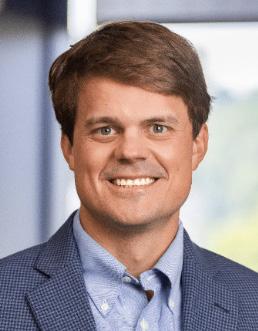
Clay Ramey
Chris Meyer President/CEO

At James A. Rogers Excavating, “third time’s the charm” when it comes to the leading names in Arkansas construction.
Site Excavation Services in Central Arkansas, Northwest Arkansas and Hot Springs
In Arkansas’ evolving construction and infrastructure landscape, a new generation of builders is redefining what it means to shape the state’s future. From quarry operations to community projects, three locally rooted enterprises — James A. Rogers Excavating, McHenry & Meyer Companies, and NOEC Construction — have brought a new meaning to commitment and skill.
Theirs is a story of generational legacy and strategic growth, embodied in the leadership of Chris Meyer, president and CEO of James A. Rogers Excavating and McHenry & Meyer Companies. Built on a foundation laid in 1962 by James A. Rogers Sr., the business has grown from a small family operation into a regional force.
James A. Rogers Excavating began as a modest excavation service focusing on foundational work, literally and figuratively, across residential and commercial sites. More than six decades later, the company’s work has touched everything from site preparation and land clearing to city streets, highway projects and complex infrastructure support.
“What sets James A. Rogers Excavating apart is our deep-rooted commitment to quality, reliability and integrity, values that have guided us for over 60 years,” Meyer said. “As a third-generation family-owned business, we bring decades of experience and personal investment to every project we take on.”
When Meyer took the reins in 2016, he found himself at the helm of not just equipment and contract books but of a legacy. Early in his leadership, Meyer said he faced a steep learning curve. Pivoting from field expertise to executive management was easier said than done, and
he nearly steered the company into peril before refocusing on financial discipline and operational clarity. Today, the wisdom gained from that experience fuels the company’s steady growth and diversified portfolio.
“I buckled down and bought us more time by getting about a million dollars’ worth of small jobs, and that gave me a little bit of time to change some things internally to where I would never let that happen again,” he said. “A lot of praying went on during this time of my life.”
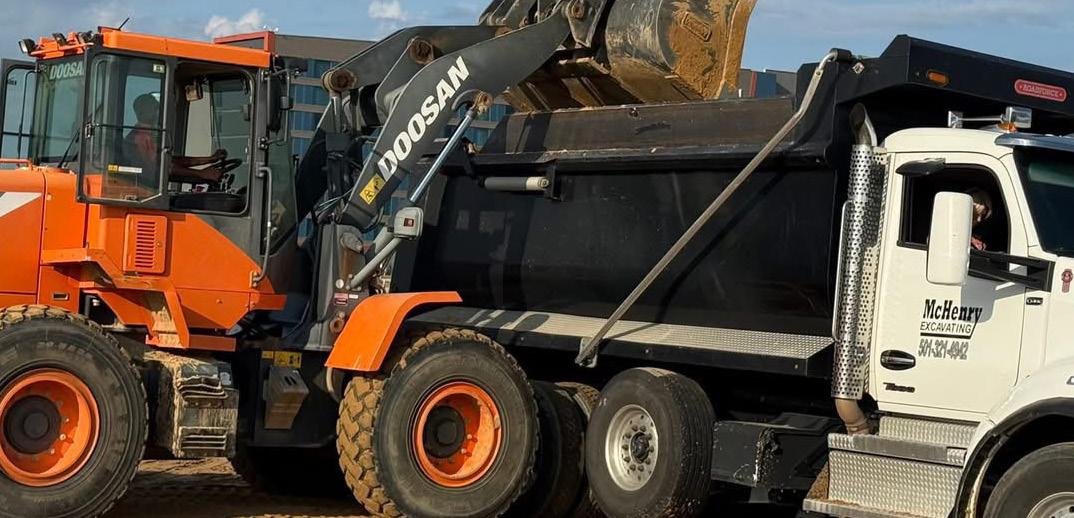
Under Meyer’s leadership, the company expanded its footprint beyond Little Rock to include Hot Springs and Springdale, scaling its workforce from roughly two dozen employees to more than 100. A landmark moment came with the strategic acquisition of McHenry Companies in Hot Springs — a move that broadened operations to include quarry services and enhanced materials capabilities for regional infrastructure projects.
“This strategic growth not only enhances our operational capacities but also strengthens the family, uniting a dedicated team of employees who share deep commitment and pride in their work,” Meyer said. “By leveraging the unique strengths of both companies, these family-owned businesses continue to deliver exceptional service and build lasting relationships within the community.”
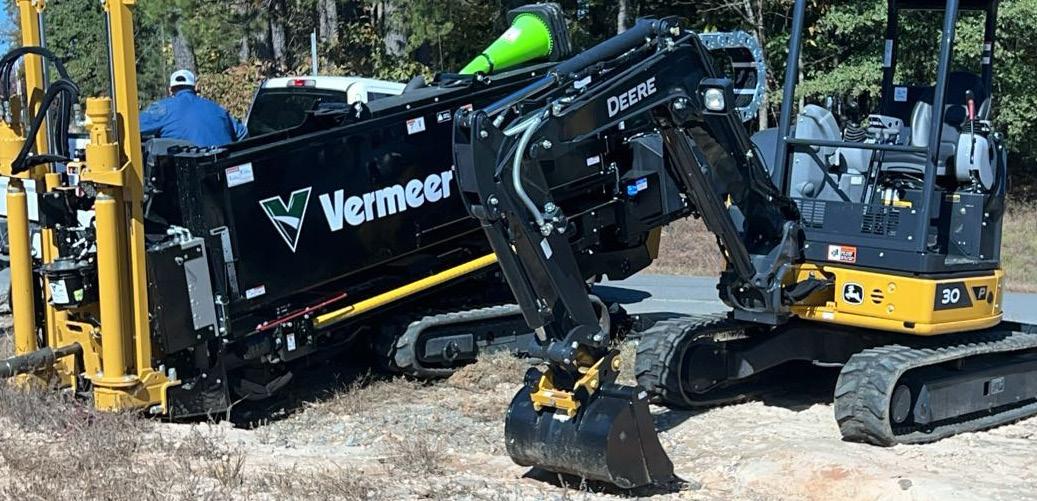
This integration of Rogers and McHenry & Meyer offers a thoughtful blend of capabilities: excavation expertise paired with aggregate supply and site services. Together, they support a broader range of construction needs and deliver more integrated solutions to designers and developers.
For James A. Rogers Excavating, the phrase “moving earth” understates the complexity involved. According to Meyer, excavation work goes far beyond shovels and bulldozers; it involves careful planning, safety coordination and an understanding of civil engineering principles.
“Excavation work requires specialized machines and tools to dig, grade and move earth,” Meyer said. “Accidentally hitting underground utilities, damaging nearby properties or failing to properly slope a site for drainage can cause costly delays at best and a lawsuit or fines at worst.”
“At James A. Rogers, we don’t just invest in our machines; we also invest in continued safety training for our employees. As a fully licensed and insured company, our team is made up of experts who know how to use their equipment effectively while staying safe, on schedule and on budget.”
That comprehensive expertise is a key reason the company continues to secure contracts across residential, commercial and government sectors. Whether clearing a plot for a new school or grading a highway, the teams demonstrate an operational excellence rooted in decades of accumulated know-how.

While James A. Rogers Excavating and McHenry & Meyer anchor the state’s construction base, NOEC Construction, under the leadership of Meyer and company president Matt Usery, carries a different kind of mission — namely, building and maintaining the utility infrastructure that keeps Arkansas connected and powered.
“It’s not just physical labor; it’s creating the backbone that communities depend on,” Usery said. “Seeing our team proud to work at NOEC makes it all worthwhile.”
At NOEC, the approach to utility construction transcends brute force. The work involves careful planning, Usery said, not to mention coordination with multiple agencies and a keen focus on safety. Projects at NOEC range from new line construction and fiber deployments in expanding neighborhoods to emergency storm response, routine maintenance and underground utility infrastructure.
Together, the three companies represent a broader narrative: Arkansas’ construction sector is a veritable hub of innovation. Through multigenerational leadership, strategic expansion and deep community ties, organizations such as James A. Rogers Excavating, McHenry & Meyer and NOEC Construction are building much, much more than infrastructure.

Building Utility Solutions
16800 W. Baseline Road, Little Rock 501-455-2439
info@jamesarogersexc.com






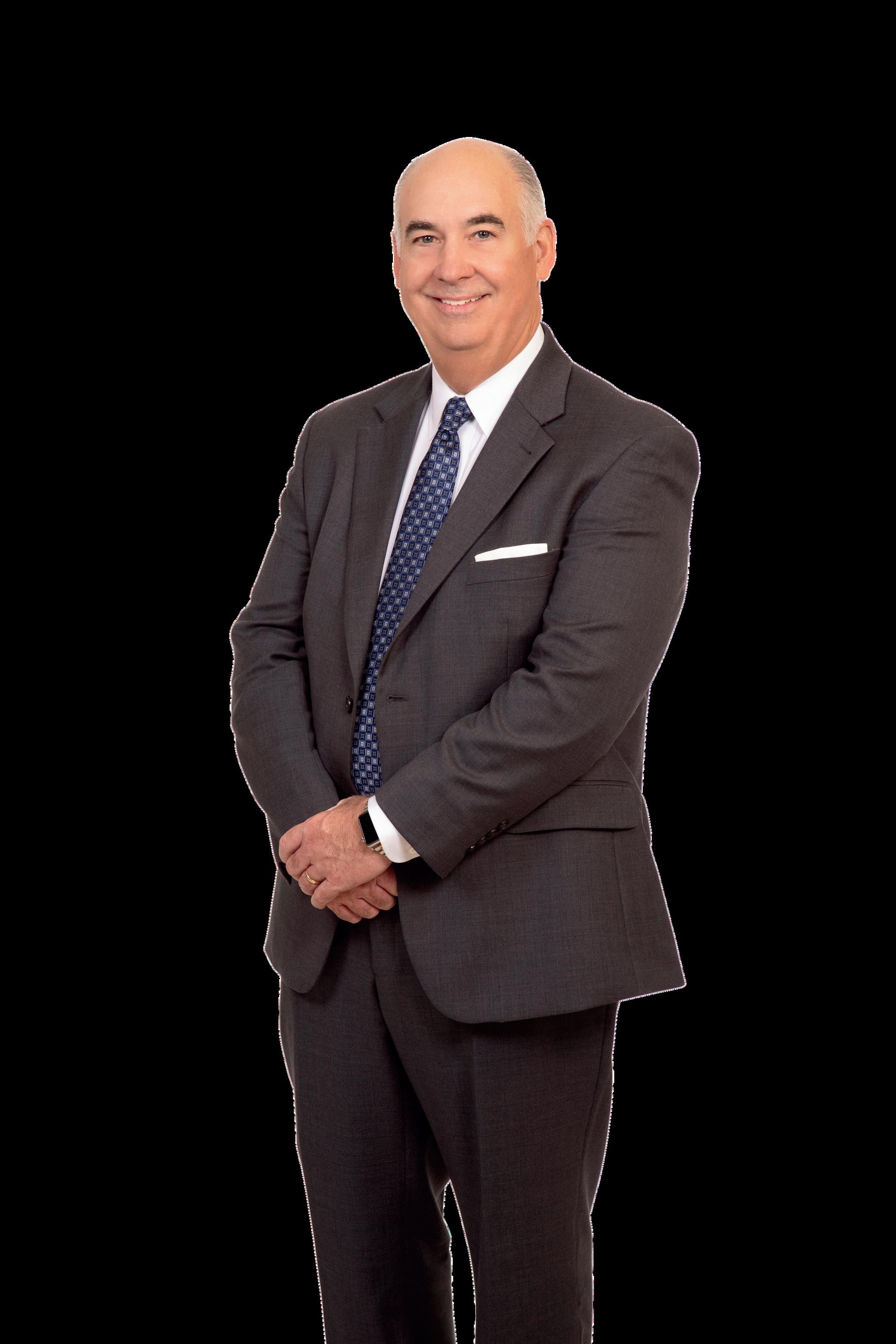


50 the new
Time was when hitting the big 5-0 signaled the beginning of the end of one’s professional career. People crossing the five-decade threshold who did not sit in the corner office — and a few who did — were often considered long in the tooth, out of touch and easy targets come cost-cutting time. Many had little to look to on the horizon but a gold retirement watch, assuming they made it that far.
Statistics show such attitudes staining the workplace are stubbornly hard to wash out. Even as the national labor market continues to stretch its tent ropes to cover yawning vacancies left by departing baby boomers, 50-somethings are finding themselves increasingly on the outs when it comes to landing, holding or advancing in the workplace. In fact, FinanceBuzz reported that a quarter of 50- and 60-year-olds in the 2016 workforce have been let go over the past decade.
Happily, there are signs that all is not lost for the Fab 50s, a demographic represented by all but the last four years of Gen X. In a February 2025 piece, Fortune shared why workers older than 50 are highly desirable, praising the groups’ adaptability, creativity and expertise gained over time while dismissing their supposed technology aversion and general crustiness as mere myth.
Fake news? Well, consider the people who found wild success after the age of 50 — original influencer Martha Stewart, Geico founder Leo Goodwin Sr., The Home Depot scion Bernie Marcus, and HuffPost maven Arianna Huffington, among notable examples — thanks to accumulated professional and life experiences, including, as comes to all, periods of setback and failure.
Arkansas Money & Politics, through its annual “Fifty Over 50” honors, celebrates the faithful goldendoers of the Natural State in myriad fields and areas of accomplishment. The wealth of knowledge and accomplishment represented by recipients every year is considerable, and 2026’s class is no exception. Banking, retail, health care, law, real estate, finance and many other industry sectors have all benefited mightily from the contributions of this year’s honorees, contributions which have grown companies, created jobs and advanced the prosperity of Arkansas.
They say 40 is the new 20, but for the distinguished achievers showcased on the following pages, 50 fits just fine.
Dennis Adkins
President, Owner
Adkins and Associates
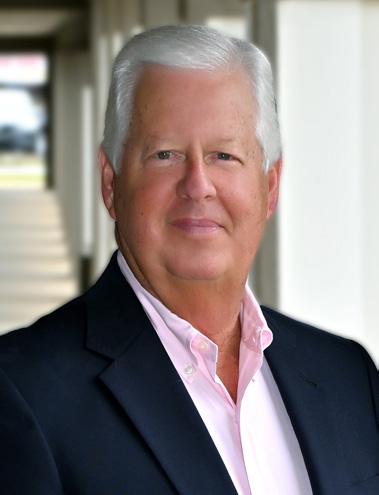
It is fair to say Dennis Adkins’ entire life has been real estate. Since starting in 1972, Adkins has put together more than five decades of service to the clients of Adkins & Associates in Little Rock, producing millions of dollars in sales while cementing a reputation for integrity and character. Today, Adkins & Associates maintains a vast portfolio of both property buyers and sellers. A member of the Little Rock Executive Association, Adkins is a lifetime member of the Little Rock Board of REALTORS® Million Dollar Club. When he is not busy serving clients, Adkins enjoys spending time on his farm and pursuing outdoor activities such as duck hunting.
Justin Allen
Partner
Wright Lindsey Jennings
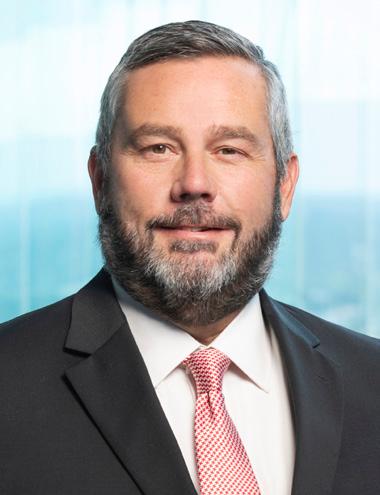
Justin Allen leads Wright Lindsey Jennings’ government-relations practice, assisting clients in working with state and local government on matters of policy, regulation and legislation. Allen previously served the Arkansas attorney general’s office as chief deputy attorney general, for which he was responsible for legal, legislation and policy matters. Allen is a graduate of the Arkansas State Chamber of Commerce’s Leadership Arkansas. He is recognized for his work by Mid-South Super Lawyers and The Best Lawyers in America. Allen is an active member of the board of directors for the Arkansas State Chamber of Commerce, the board of visitors at Arkansas State University Three Rivers in Malvern, and the Sheridan Parks & Recreation Board in his hometown.
Tom Allen
President, Principal Cushman & Wakefield | Sage Partners
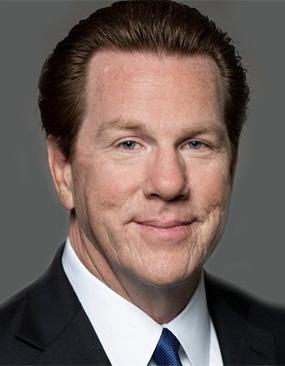
A graduate of the University of Arkansas in Fayetteville, Tom Allen began his commercial real estate career in 1998 as a real estate manager with Walmart where he led a team to identify new sites for Supercenters, Sam’s Clubs and Neighborhood Markets. He joined Hunt Ventures in 2006 and was instrumental in negotiating the merger of the asset services division of Hunt Ventures with Sage Partners and Capitol Properties in 2016. Today, Allen works with corporate, private and public clients in many phases of the commercial real estate industry. A member of Leadership Rogers Class 1996, his community involvement includes serving as board member for Rogers-Lowell Area Chamber of Commerce and United Bank and chairman of the finance committee of Benton County Quorum Court.
Lee Beasley
Co-owner
McClard’s Bar-B-Q
Real estate developer, restaurateur and Hot Springs native Lee Beasley has been involved with a number of Spa City eateries over the years, including the landmark McClard’s Bar-BQ. Beasley has been making a name for himself in the investment and restaurant industries for the last 30 years. His namesake Beasley Properties portfolio of restaurants currently includes McClard’s, Sunset Grill on Lake Balboa and Rod’s Pizza Cellar.
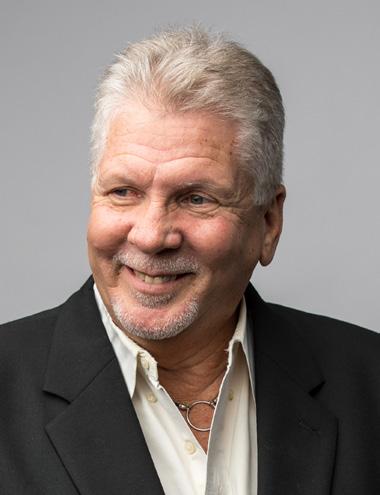
Brennan Bosley
Co-Owner, Vice President
Bosley Construction
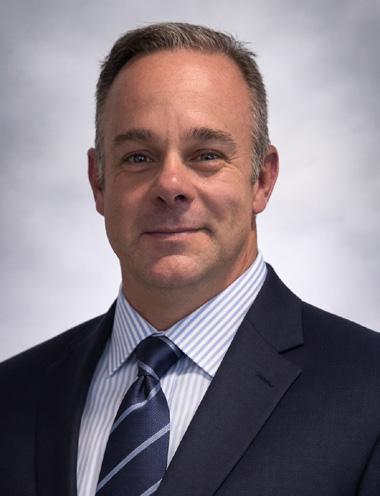
Brennan Bosley is co-owner and vice president of Bosley Construction, a third-generation residential and custom homebuilder in central Arkansas. He and his brother expanded the family business and led projects ranging from high-end homes to neighborhood development, including The Preserve at the Woodlands. Bosley grew up in the construction industry, working on jobsites from a young age, and continues hands-on leadership in design, development and building quality homes. Under his direction, the company emphasizes craftsmanship, timeless design and strong client relationships, helping sustain a legacy of trusted local construction expertise.
Rob Brothers
Co-founder, CEO
TekTrendz
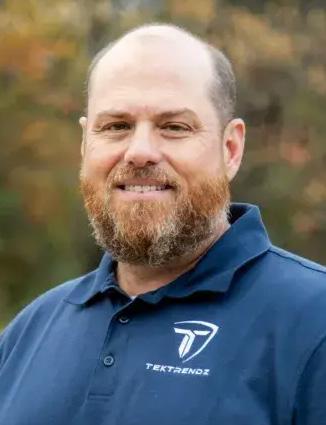
Rob Brothers is the co-founder and CEO of TekTrendz, a managed information technology service provider in Bentonville, established in 2007 with business partner Sam Bridges. Together, they deliver innovative IT management solutions with a strong focus on enterprise-grade cybersecurity, proactive maintenance and 24/7 monitoring, helping small and medium-sized businesses stay secure and efficient. Brothers grew up in Rogers and was guided by values instilled by his parents to work hard and do what is right. He earned a degree in computer information systems and quantitative analysis from the University of Arkansas in Fayetteville before beginning a career in the transportation and logistics industry, where he supported complex information systems and gained hands-on IT management experience.
Dr. Michael Devlin
Cosmetic Surgeon
Devlin Cosmetic Surgery
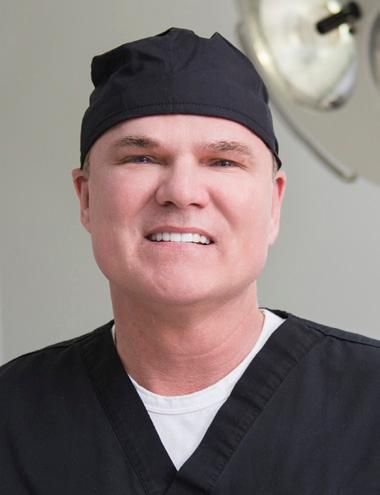
Dr. Michael Devlin is a board-level cosmetic surgeon in Little Rock and founder of Devlin Cosmetic Surgery. He earned a Bachelor of Science in physiology from the University of California-Davis and his medical degree from Loma Linda University School of Medicine in California, followed by surgical training at Loma Linda University Medical Center and a fellowship in general cosmetic surgery in Little Rock. Since opening his solo practice in 2010, Devlin has provided personalized aesthetic and reconstructive procedures, served on surgical faculty, and trained other surgeons. He is a fellow of the American Academy of Cosmetic Surgery and active in multiple professional societies.
William T. “Bill” Dillard II
Chairman, CEO
Dillard’s
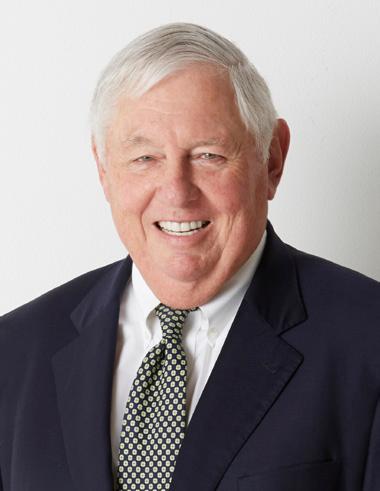
William T. “Bill” Dillard II, the son of William T. Dillard, founder of Dillard Department Stores, is a native of Nashville, Arkansas. He graduated from the University of Arkansas’ Sam M. Walton College of Business in Fayetteville with a Bachelor of Science in Business Administration as an accounting major. He followed that with a Master of Business Administration from Harvard University in Massachusetts, returning to the family business in 1967 and joining the company’s board of directors the same year. From 1977 to 1998, Dillard served as president and chief operating officer. He then succeeded his father as CEO in 1998 and was named chairman in 2002. Among his many professional and civic contributions and accolades, Dillard was inducted into the Arkansas Business Hall of Fame in 2016.
Katherine Eldridge
Owner
Doe’s Eat Place
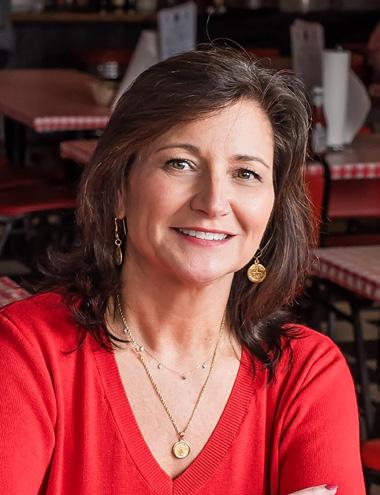
As owner of legendary Doe’s Eat Place in Little Rock, Katherine Eldridge has forged a reputation as Arkansas’ queen of steaks. The no-frills dining landmark is a generational dining experience where heads of Arkansas government, including a future U.S. president and local and national celebrities, rub shoulders with the common person over heaping platters of flawlessly prepared high-quality steaks aged 21 to 30 days and sold by the pound. The concept was brought to Arkansas in 1988 by restaurateur George Eldridge, who wanted to replicate the original Greenville, Mississippi, location, his favorite steak place. Under Katherine’s leadership, the downtown Little Rock hub has remained a beloved favorite thanks to long-tenured staff and a commitment to quality in every respect.
Doug Elms
Founder
SafeHaven Security Group

Doug Elms’ unique background has made him a standard-bearer in the field of corporate security. As founder of SafeHaven Security Group in Rogers, Elms brings experience as both a police officer and a leader in the business sector, and that allows him to provide proven and effective strategies in the field of corporate security. He managed thousands of violent-crime investigations and arrests and gained extensive experience in understanding violent behavior and protective intelligence, as well as dignitary protection during Bill Clinton’s presidential campaign. Elms founded SafeHaven Security Group in 2016 and is celebrating 10 years in business this year. SafeHaven Security Group specializes in uniformed security officers, corporate security, threat assessment and management, and executive protection.
Brant Foster
Owner, Lead Financial Advisor
Foster
and Associates
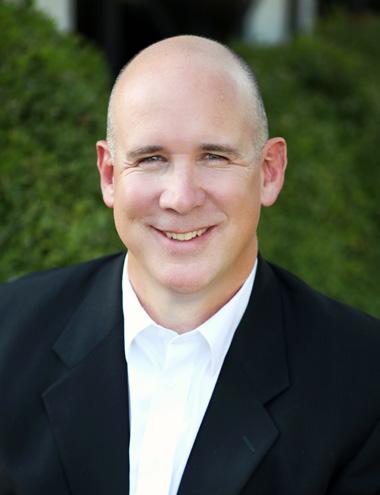
Brant Foster is owner and lead financial advisor of Foster and Associates in Little Rock. He has been a financial advisor in Little Rock for 29 years. He started with IDS Financial after graduating from the University of Arkansas in Fayetteville in 1996. After IDS became Ameriprise Financial, Brant started Foster and Associates, where he has been named a Forbes Best-in-State Wealth Advisor five times. His strong personal relationships with clients are a major part of his long-term success. Brant is involved in the central Arkansas community. He is on the board of Camp Aldersgate in Little Rock and enjoys volunteering with the Arkansas Foodbank and Habitat for Humanity. He is a member of Pulaski Heights United Methodist Church in Little Rock, where he serves on the finance committee.
Jerry Gibson
President of Sales, Co-owner
Omega Solar Energy
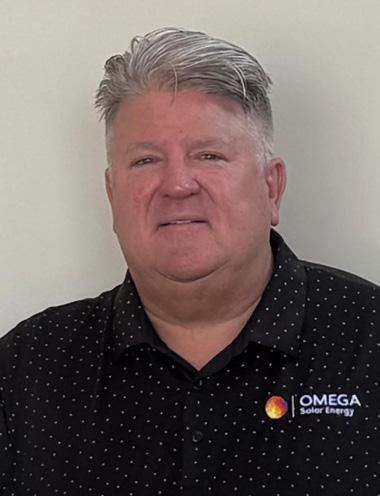
Jerry Gibson is co-owner and president of sales at Omega Solar Energy, a residential and commercial solar sales, service and installation provider serving the entire state of Arkansas. He studied at Arkansas Tech University in Russellville and brings more than three decades of proven sales and leadership experience, having owned and operated multiple new and used car dealerships before transitioning into the solar energy industry. At Omega Solar Energy, Gibson plays a key role in driving business growth and strengthening customer relationships while helping homeowners and businesses across Arkansas adopt reliable, cost-effective solar solutions. The company is proud to be fivestar rated on Google, reflecting Omega’s commitment to transparency, quality workmanship and exceptional customer service.
Bobby Gosser Jr.
President, CEO
Baldwin & Shell Construction Co.
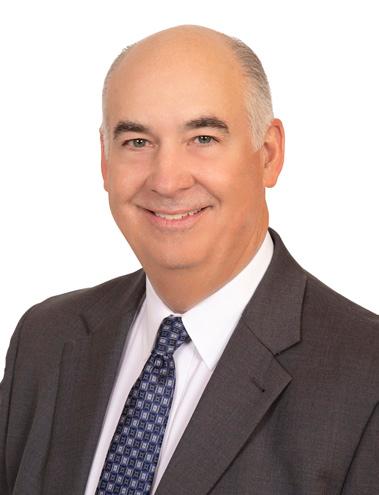
Bobby Gosser Jr. joined Baldwin & Shell Construction Co. in 1987. He’s only the fourth president and CEO in the company’s 80-year history. His notable achievements include Arkansas Money & Politics’ “Fifty Over 50” list, Estimator and Recruiter of the Year from the American Society of Professional Estimators, and Chairman of the Year from the Associated General Contractors. Gosser is a member of the American Society of Professional Estimators, Associated Builders and Contractors, and Associated General Contractors. He is also chairman of the board of directors of the Academies of Central Arkansas Foundation. Gosser is active civically, including Goodness Village in Little Rock, Ouachita Baptist University in Arkadelphia, Fifty for the Future, Baptist Health Bolo Bash, and the Little Rock and North Little Rock chambers.
Brennan Bosley A Firm Foundation
Owner // Bosley Construction
Every time Brennan Bosley goes for a drive through his native Benton — or other communities scattered throughout an hour’s radius from there — he can see examples of his family’s business at work.
As a matter of fact, he is quick to note, everyone can, which is why every building project Bosley Construction builds is done with the same care and commitment to quality. Bosley said treating every current job as a resume for the next build is what has sustained the company for four generations.
“We take a lot of pride in what we do, and we put a lot of pressure on ourselves as a result of that,” Bosley said. “I drive through some of the subdivisions that my granddad developed, that my dad developed, and my brother, Chip, and I developed, and it's a great feeling to see that we provided homes for all these people.
“We really strive to stay up on the things that matter buildingwise. We want to produce a product that's going to stand the test of time. I want my grandkids to drive down the road, just like I do, and say, ‘Hey, my granddad built that house.’”
By Dwain Hebda
Over the years, the company has expanded from residential construction and the occasional commercial job to remodeling work to go with the new builds. The brothers have also formed a development company, Bosley Brothers Development, which is in the process of developing The Preserve at the Woodlands in Saline County.
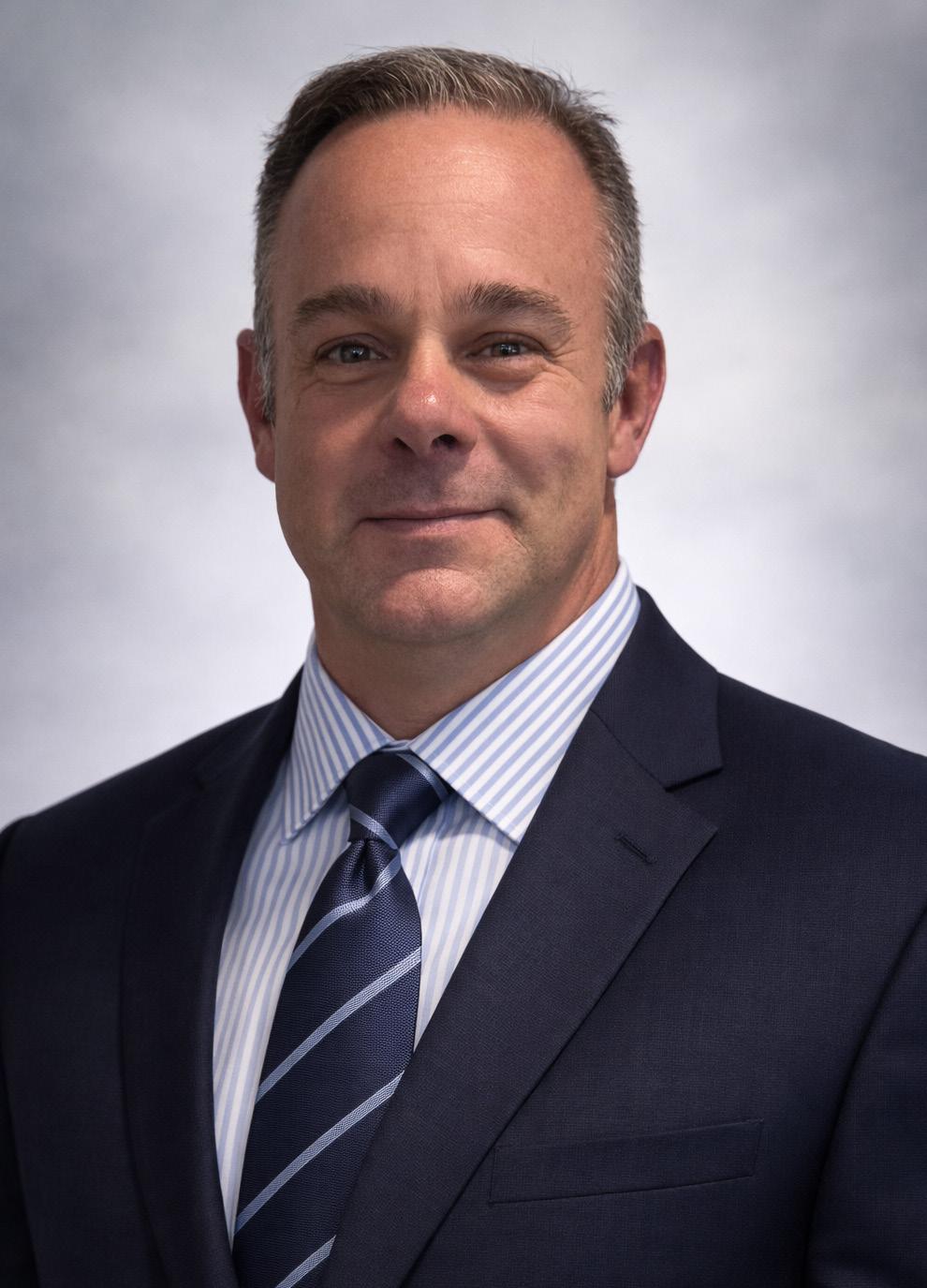
Bosley was born into his career. His grandfather started a construction company in Little Rock, a firm Bosley’s father relocated to Benton under its current name. Brennan grew up doing various jobs through the family business before heading to the University of Arkansas in Fayetteville. He and his brother took over ownership of the family firm in about 2010 — but not before Brennan had a successful run in another profession.
“I spent 10 years as a touring professional fisherman, spending a couple hundred days a year on the road,” he said. “Every day I was not on the road, I was on a jobsite, working. When Dad got to where it was time for him to retire and my family started growing, it was time for me to be home a little bit more, so I hung up the fishing rods.”
Each new chapter in the company’s story is approached conservatively, Brennan said, the better to withstand the market swings that make construction a volatile industry.
“Our grandfather pounded it into our heads, and Dad did, as well,” he said. “The construction industry is up and down and always has been. You've got to prepare for the bad times even in good times because sooner or later, the bad times are going to get here.
“We try to maintain a certain type and a certain number of projects at a time, and we try to plan for the hard times by having stuff to fall back on. I will say Arkansas has really been very fortunate; we’ve never been hit really bad like some other parts of the country, and that's kept the business rolling even when times were tough elsewhere.”
Through the years, the business has also attracted more family members, including Brennan’s wife and his nephew, who represents the company’s fourth generation. Brennan said working with kin is as much art as it is science.
“There's no doubt working with family can be tough. We've all had to learn to agree to disagree on some things, but I wouldn’t have it any other way,” he said. “Difference of opinion and different points of view can be a really good dynamic in business. We’ve learned how to carry a certain amount of respect for each other, and that’s kept us a really close-knit family.”
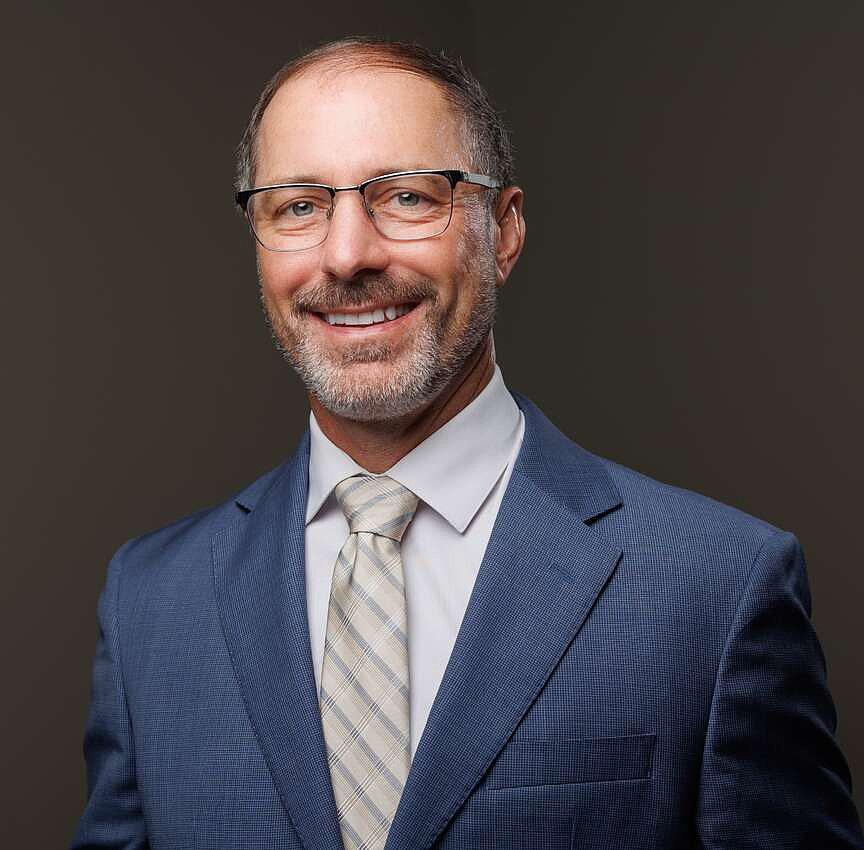







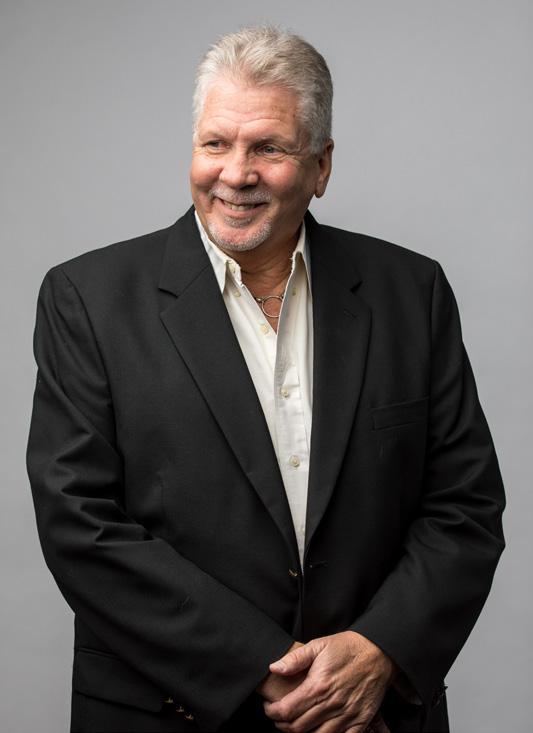

Photo © Eli Vega
Dr. KingBrock
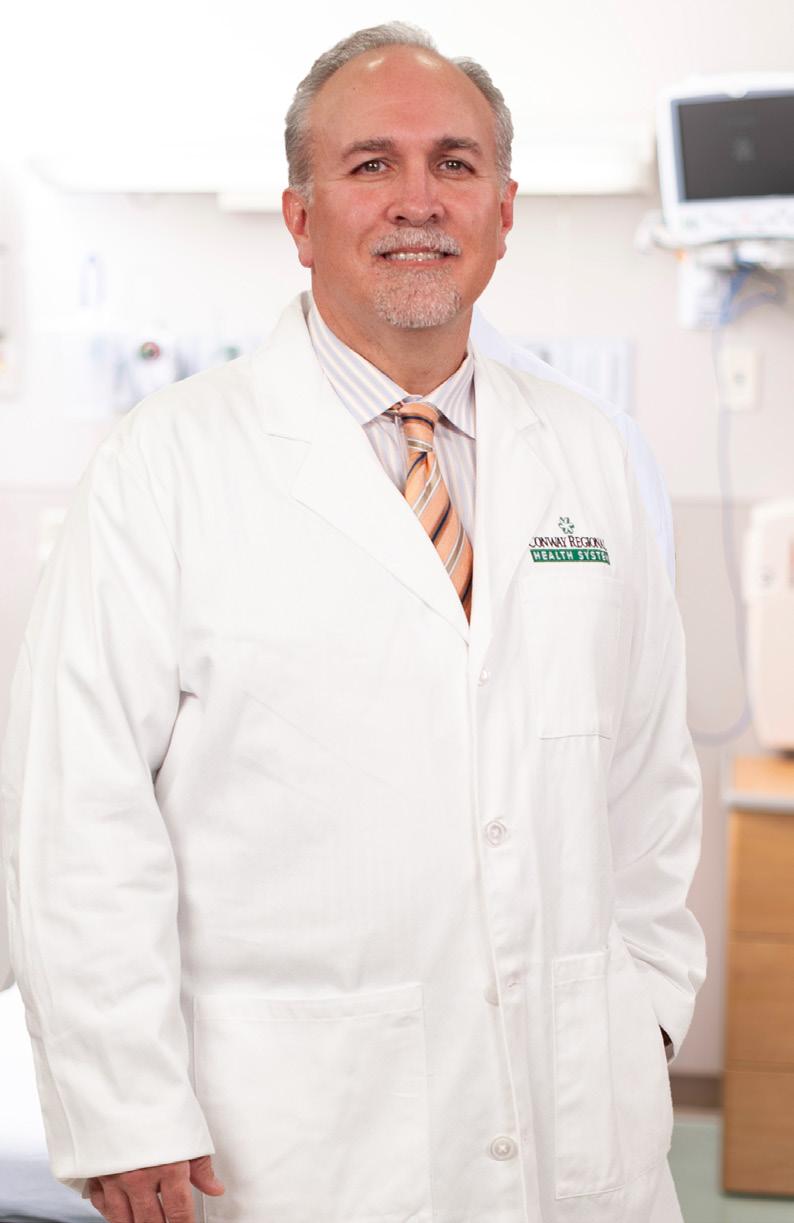
General Surgeon // Conway Regional Medical Center
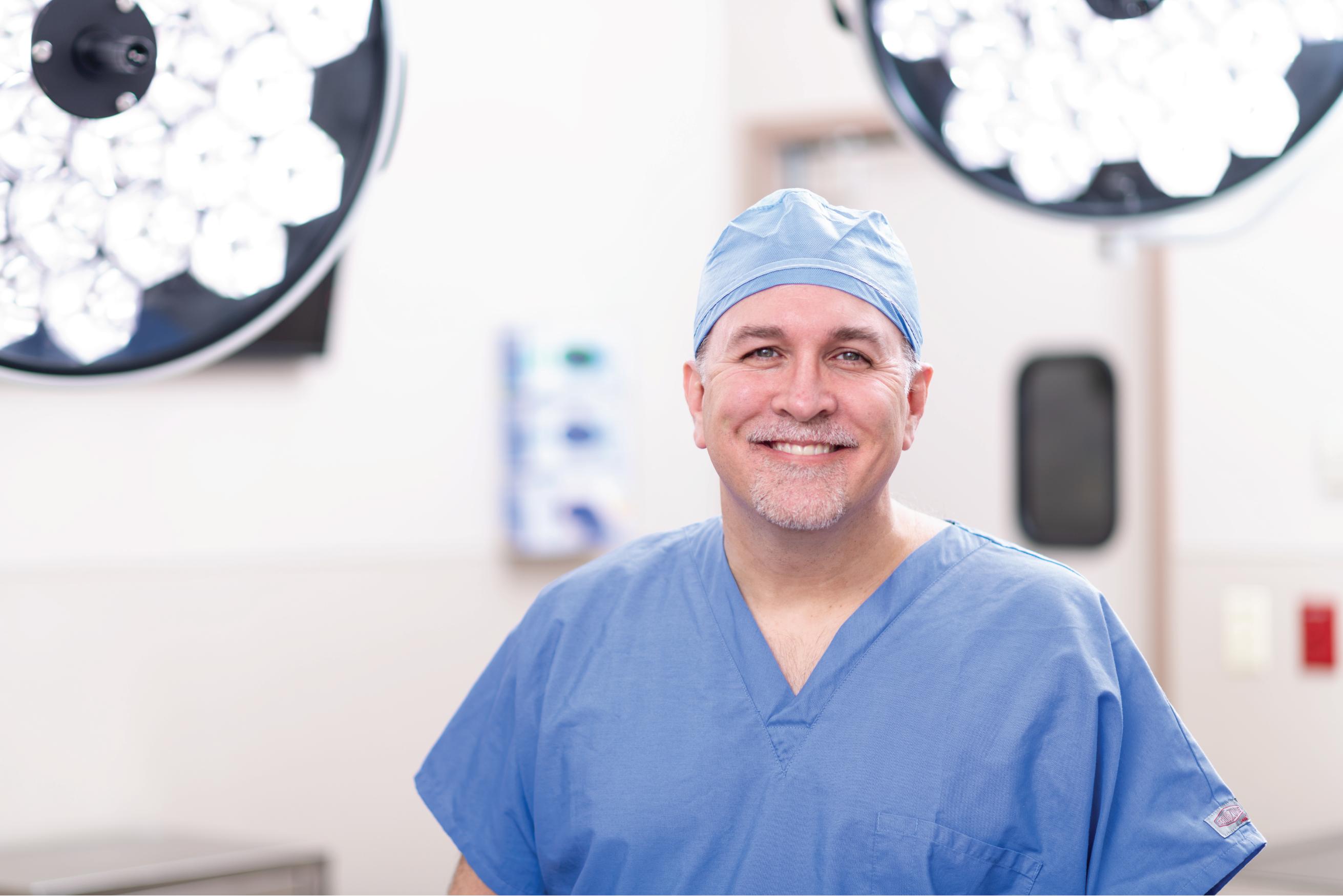
Dr. Brock King, general surgeon at Conway Regional Medical Center, is Conway to the core.
He grew up in town, graduating from Conway High School and Hendrix College. Following graduation from the University of Arkansas for Medical Sciences in Little Rock and completion of his residency at the University of Tennessee Health Science Center in Memphis, King returned home to launch his practice in 2000.
King said he knew things were going to plan from the moment he started his first surgery rotation.
“I always excelled in science and had this idea that meant I should become a doctor and spend my life helping people,” King said. “I really enjoyed every clinical rotation that I worked on until I started my surgery rotation. That was when I realized that I had found my place. I love the fast pace and the variety of pathology encountered daily. At the end of the day, it is all about using what God gave me to help others.”
Right at Home
By Mark Carter
was the first bariatric program to perform our sleeve gastrostomies robotically,” he said. “My two partners and I have performed over 500 cases with great clinical results.”
King said the most common surgeries he performs are gall bladder removal, hernia repair, anti-reflux surgery, colon resections and gastric sleeve resections for weight loss.
“I have been doing laparoscopic surgery since most general surgeons started performing it in the 1990s,” he said. “More recently, everything laparoscopic is now performed robotic. Over the last few years, I have performed over 1,100 robotic surgeries.”
He also performs bariatric surgeries.
“Our program at Conway Regional Medical Center
Robotics has indeed changed the game when it comes to surgery. King said it has made the biggest impact on health care since he has been practicing.
“The next big technological advancement will most likely come from using [artificial intelligence] to help create patient care models by reviewing computerized data points, analyzing those data points, then creating patient care protocols that improve outcomes for at-risk patients,” he said. “I expect that someday, when AI has learned thousands of surgeries, that care may eventually transition to an AI robotic-supported model of care.”
King likes where he is at Conway Regional, at the heart of one of the state’s fastest-growing cities. Why go anywhere else?
“We use state-of-the-art technology, working with physicians and surgeons that have been trained in toptier university medical centers, bringing that knowledge back to a small-town atmosphere,” he said. “My favorite thing about what I do is getting to use my knowledge, judgement and physical skills to help people through the health trials in their life.
“My goal is simple: I want to continue helping people until I am too old to practice anymore.”






Daniel “Banks” Hamby III
Vice
President, Sales
Sigma Supply of North America
Working in the family business from a young age, Daniel “Banks” Hamby III oversees the sales operations of Sigma Supply of North America. In that role, he applies an in-depth knowledge of what it takes to maintain excellence in salesmanship. He is also a co-owner and co-breeder of the 2024 Kentucky Derby winner Mystik Dan.
Tim Hicks
Chief Financial Officer
Bank OZK

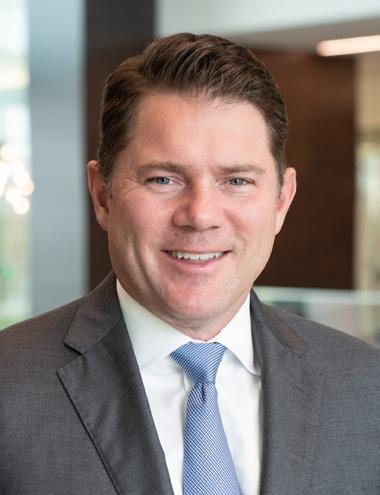
Tim Hicks joined Bank OZK in 2009 and has served in various leadership roles during his 16 years with the bank. Currently, he serves as the bank’s chief financial officer, for which he oversees investor relations and capital planning, and leads the finance team that provides support to the bank’s various lines of business, including community banking, corporate and institutional banking, the real estate specialties group, and trust and wealth. Prior to joining Bank OZK, Hicks served as director of investor relations and assistant treasurer of a publicly traded telecommunications company and held various positions at a big-four public accounting firm. Hicks is an inactive certified public accountant and has a Bachelor of Arts in business and economics from Hendrix College in Conway.
Kristi Imbro
General Manager
Party Time Rental and Events
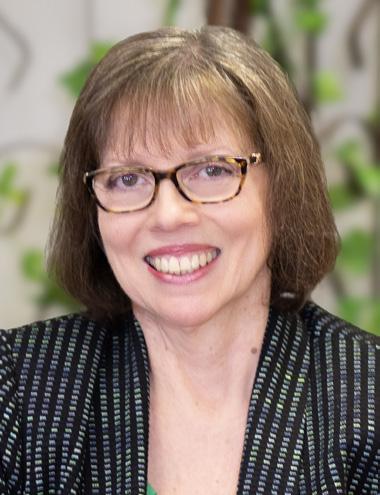
In 2002, a corporate move expected to last for only a few years brought Kristi and Ray Imbro to Little Rock. They fell in love with the city and felt that it was the best place for them to live and raise their family. In 2005, they purchased Party Time Rental and Events and made Little Rock their forever home. For the past 20 years, they and their team have helped individual, corporate, charitable and municipal clients all over the state enjoy stress-free events. From standout rentals to seamless planning assistance, Party Time Rental and Events helps every client have the event of a lifetime.
Matt Jeter
Principal
Gilliland Jeter Wealth Management
Dana Kellerman REALTOR®
Coldwell Banker RPM Group
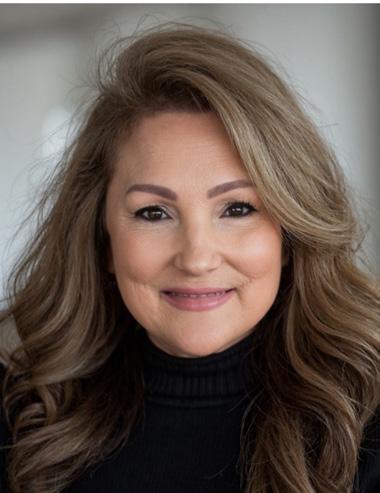
With 35 years in real estate and more than $100 million in sales, Dana Kellerman has built her career on service, integrity and a deep love for helping people. Clients who spend any time with her will quickly hear two things: “At your service,” and “I love what I do.” As an Arkansas native, former builder and longtime investor, Kellerman’s knowledge of central Arkansas is unmatched. She has been honored as a Top Producing Agent, Double Diamond Award recipient, Global Luxury REALTOR®, one of Arkansas Money & Politics’ 2025 “Power Women,” and one of AY About You’s “Best Realtors.” She also mentors new agents while championing professionalism and ethics. After 38 years in Maumelle, family remains her greatest joy and motivation.
Hank Kelley
CEO, Partner, Executive Broker
Kelley Commercial Partners
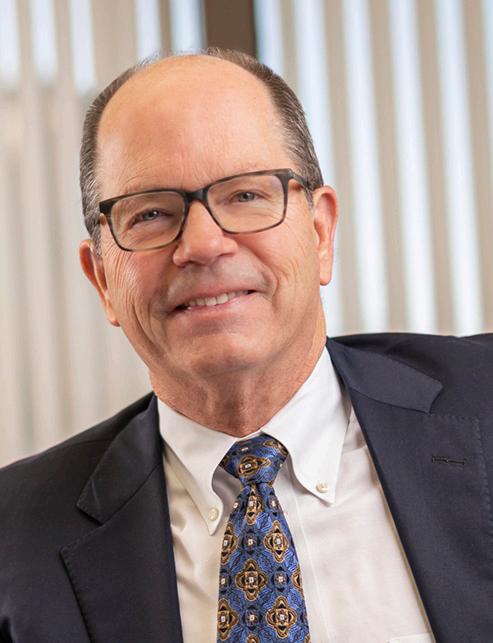
Hank Kelley began his commercial real estate career while still in college and joined the firm that would become Kelley Commercial Partners in 1984. With 40-plus years of experience, he is known for long-standing client relationships, leadership of KCP and his family, including his wife Stephanie, their four children and 10 grandchildren. Kelley has earned recognition from leading professional organizations, including The Counselors of Real Estate, as a Certified Property Manager, and the Society of Industrial & Office Realtors. Under his leadership, Kelley Commercial Partners joined ChainLinks, a national network of retail advisors and brokers. Kelley has represented individual owners and major clients, including Target, Costco, the Port of Little Rock and Heifer International.
Dr. Brock King
General Surgeon
Conway Regional Surgical Associates
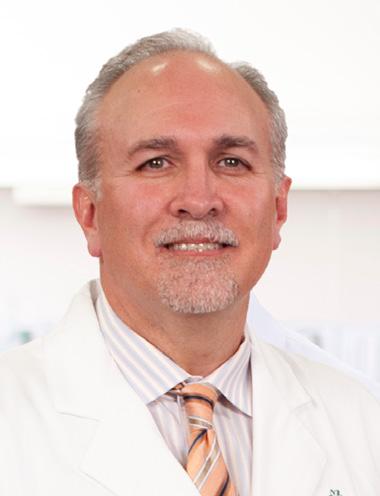
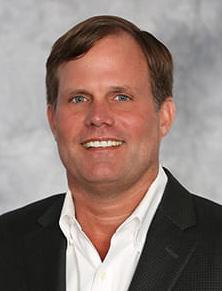
Matt Jeter began his career in the financial services industry in 1994 and has built a reputation for thoughtfully guiding business owners and entrepreneurs as they grow their companies and accumulate long-term wealth. He works closely with partners Clay Gilliland and Cole Morgan on all investment decisions and financial planning with a shared focus on removing the burden of asset management allowing clients to devote their time to their businesses, families and passions. Jeter’s investment philosophy was shaped early, after receiving stock in a small Texas bank and watching it grow through a series of acquisitions — an experience that reinforced his belief in owning strong companies for the long term. Known for his ability to see the big picture, he brings a disciplined, patient perspective to identifying opportunities he believes may be undervalued.
Dr. Brock King is a general surgeon with more than 20 years of experience caring for patients across central Arkansas and practices at Conway Regional Surgical Associates. King specializes in general and bariatric surgery with expertise in procedures that include colon surgery and weight-loss surgery. He performs robotic surgery using the da Vinci Surgical System, a state-of-the-art platform that allows surgeons to perform complex and delicate procedures through small incisions with enhanced precision and control. He earned his medical degree from the University of Arkansas for Medical Sciences in Little Rock and completed his residency at the University of Tennessee Health Science Center.
Kirk Lane
Director
Arkansas Opioid Recovery Partnership
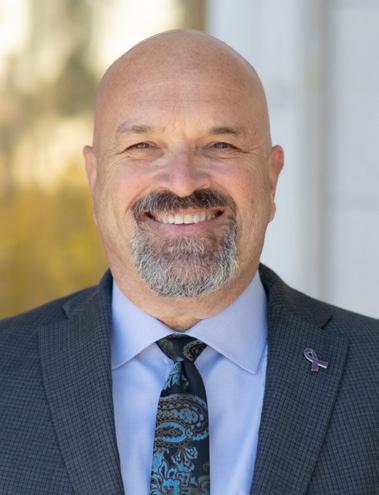
Kirk Lane is director of the Arkansas Opioid Recovery Partnership, where he leads efforts to distribute settlement for substance abuse prevention, treatment and recovery across Arkansas. With more than three decades of law enforcement experience, including serving as Arkansas’ state drug director from 2017 to 2022, Lane brings deep insight into the opioid epidemic’s impact on individuals, families and communities. His leadership at ARORP focuses on building sustainable, community-centered solutions that restore hope to affected families throughout the state. Known for his commitment to service, Lane encourages future leaders to “roll up your sleeves and lead with your heart.” A longtime Arkansan, he is a graduate of the FBI National Academy.
Ricky Lattin
Chief Operating Officer
Garrett Excavating
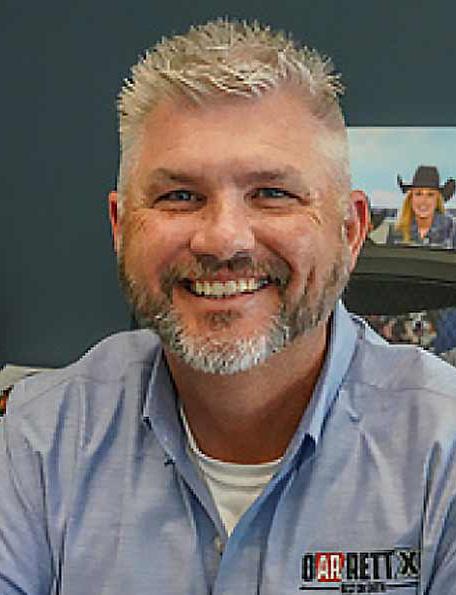
Ricky Lattin joined Garrett Excavating in 2022 as chief operating officer, and he continues in that role today, bringing additional leadership and industry knowledge to a company that has been a leader in the field since its founding in 1950. In his role, Lattin helps to oversee operations in both GarrettX’s Benton and Bentonville offices. Lattin is a graduate of the CAT Executive Leadership Program and enjoys spending time with his wife, Sandy, and doing outdoor activities on his farm.
Eugene “Lee” Maris Jr.
Senior Vice President, Founder Little Rock Mortgage Corp.

Eugene “Lee” Maris Jr. is senior vice president and founder of Bank of Little Rock Mortgage Corp., bringing more than 30 years of experience to the mortgage banking industry. An entrepreneur at heart, Maris launched the mortgage company and helped build it into a consistent top-performing lender in the central Arkansas market. His leadership has shaped a business known for service, stability and helping families achieve homeownership. Maris earned his Bachelor of Science in Business Administration in business management from the University of Arkansas in Fayetteville and continues to contribute to the region’s mortgage and business community through his experience, innovation and entrepreneurial drive.
Brian Marsh
President, CEO
Goodwill Industries of Arkansas
Melody Martens
Bentonville Market President
Signature Bank
Melody Martens has served as market president for Signature Bank since 2013 and has had a hand in the banking industry for more than 27 years. Martens also serves as chair of Signature’s Bentonville board of directors and was named to Arkansas Money & Politics’ 2019 “Power Women” list. She is involved with Bentonville Garden Club and Excellerate Foundation and is a board member for City Sessions.
Scott Thomas McGehee
Chef, Founding Partner
Yellow Rocket Concepts
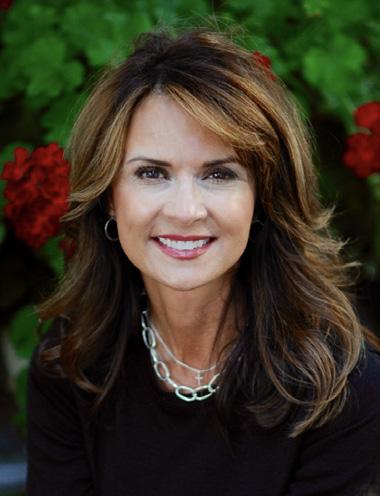

Scott McGehee’s success began with opening his first restaurant, Boulevard Bread Co., in Little Rock in 2000. McGehee has been a founding partner, creator and executive chef of many restaurants over the past 30 years, including Boulevard Bread Co., ZAZA Fine Salad & Wood Oven Pizza Co., Big Orange, Local Lime, Taco & Tamale Co., Lost Forty Brewing, and Camp Taco. Scott was an early inductee in the Arkansas Food Hall of Fame and has achieved Best Chef and Best Restaurant awards in multiple publications. McGehee donates a significant amount of his time and energy towards helping several hunger relief organizations in Brooklyn, New York and across Arkansas. He also helps with disaster relief through World Central Kitchen.
Kevin McGilton President, CEO Riceland Foods
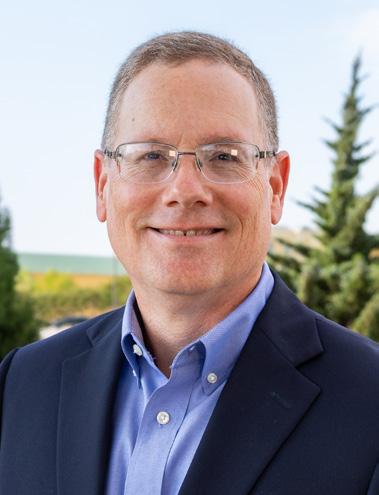
Kevin McGilton is president and CEO of Riceland Foods in Stuttgart. McGilton joined the farmer-owned cooperative in 2003, working in export sales and, later, as vice president of international rice sales. Most recently, he served as chief of staff and vice president of government affairs. He previously worked for the USA Rice Federation in Washington, D.C. Originally from Hamburg, McGilton graduated from the University of Arkansas at Monticello and serves as an executive council member of the National Council of Farmer Cooperatives, director of the National Oilseed Processors Association and on the government affairs committee at the USA Rice Federation. He is past vice chairman of the Arkansas Rice Federation and past chairman of the Stuttgart Chamber of Commerce.
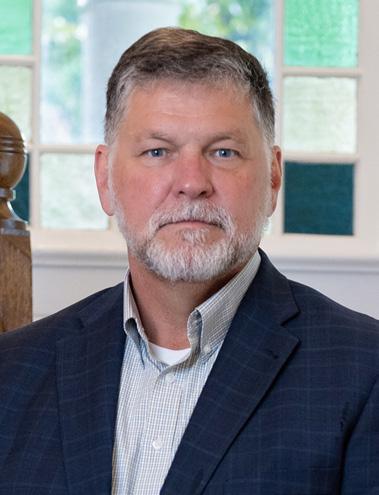
Brian Marsh joined the Goodwill team in 2013 and became president and CEO of Goodwill Industries of Arkansas in 2017. Since then, he has worked tirelessly to shine light on the life-changing work the nonprofit organization does. Among Marsh’s accomplishments are his almost 40 years of marriage and his three children. He is also proud to have helped work with legislators to change laws in Arkansas that enabled adults to earn a school diploma, which resulted in the launch of The Excel Center, an adult high school program, in central and northwest Arkansas.
Bill Miller Retired R&E Supply
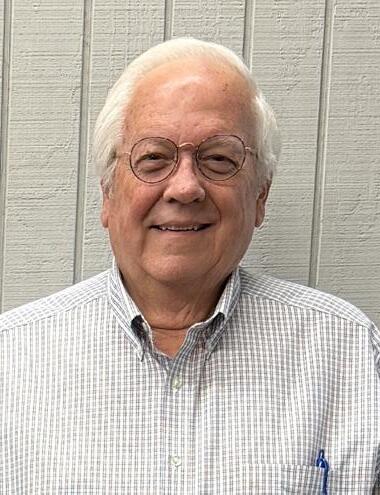
Experience can mean everything in business, and it is likely nobody knows that better than Bill Miller. Miller’s father, Carl, founded R&E Supply in Little Rock in the 1930s, and Bill came into the fold shortly after graduating from what was then Hall High School in 1962. Together with his brother, Carl Jr., Bill Miller helped oversee R&E’s transition from the electrical supply business and into heating, ventilation, air conditioning and refrigeration. Miller took on full ownership of the company in 2010 and recently stepped down to hand the reins of the business to his son, Cory.
Kirk Lane Progress Not the Goal
Director // Arkansas Opioid Recovery Partnership
Kirk Lane, director of the Arkansas Opioid Recovery Partnership, sees some progress in the struggle against the opioid epidemic — but progress is not the goal for the former law enforcement official.
“Some trends over the last few years have been moving in the right direction, but we should be working collectively to zero overdoses and zero overdose deaths instead of what is acceptable,” he said. “We see some trends on opioid prescribing beginning to go in the wrong direction due to the relaxation of prescribing values based on the lack of opioid prescribing education and prescriber buy-in to solving the problem.”
Lane spent more than 33 years at the Pulaski County Sheriff’s Office and as chief of police in Benton before serving as Arkansas’ state drug director from 2017 to 2022. Over the decades, he believes, people essentially looked the other way as more Americans became addicted to opioids.
“Society relaxed its values of safety/prevention,” he said. “We started pointing the finger at others to cure the issues instead of coming together to solve the problem. We were not innovative in seeking a remedy for the carnage based on old habits and profit.”
By Mark Carter
“I benefited from my law enforcement experiences,” he said. “I try to base decisions not on incarceration but a reality of what is good for families that are struggling.”
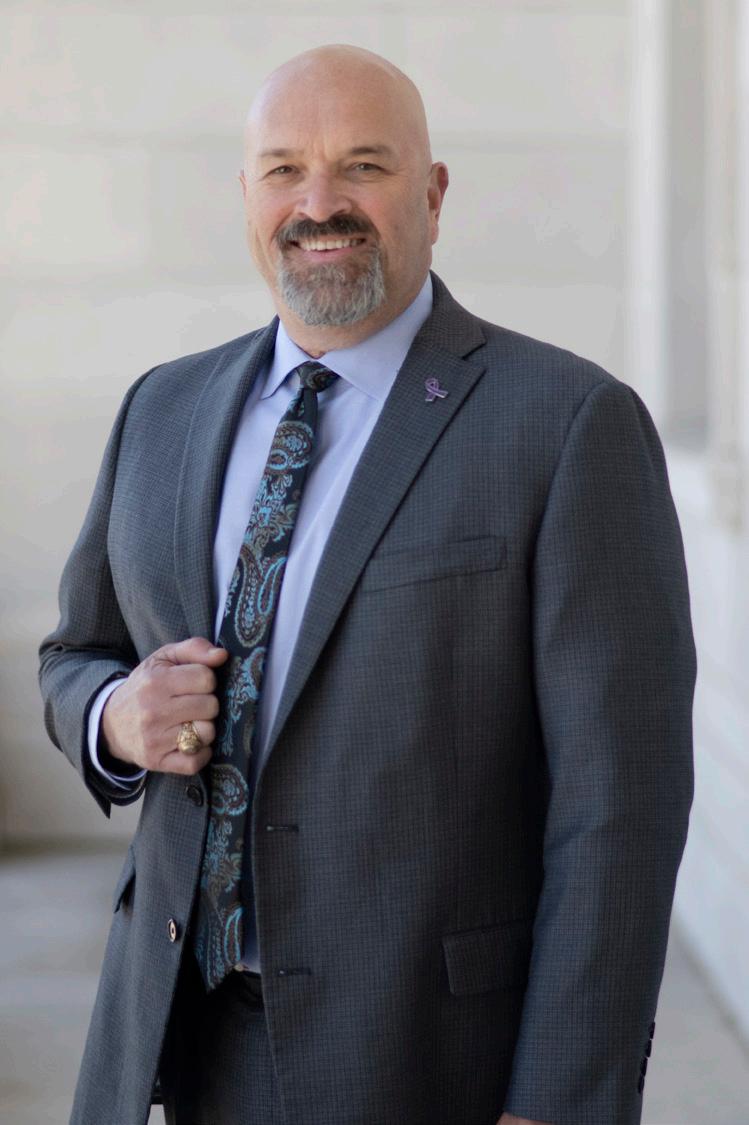
ARORP is making progress. Working through the Association of Arkansas Counties and Arkansas Municipal League, the partnership has funded projects in all 75 Arkansas counties. Awareness is key, he said, and sometimes that means forcing the issue into the forefront of the collective public consciousness.
“We have to believe in our hearts that we can solve this problem and defeat the greed and stigma that is conflicting with the resolve,” Lane said. “We need to temper every decision with what is good for our families, be willing to bring about change based on evidence-based practices.”
Lane is appreciative yet somewhat skeptical of “Narcan vending machines,” the automated dispensers that look just like vending machines typically filled with snacks but are filled with free naloxone, the life-saving medication that reverses opioid overdoses.
“Addiction does not discriminate” is a common theme running through the playbooks of recovery specialists such as Lane. Substance abuse impacts families of all colors and stripes, of all creeds and income-tax brackets. Lane said fixing the problem will require everyone to buy in.
“We need all parts of society to get involved,” he said, “especially our business communities and faith-based communities, to help defeat the stigma around drug use and engage in solving the overdose problem and promote recovery. We need them to realize that prevention is key.”
Lane said he believes his background as a cop has helped him understand the stigma associated with addiction — and recovery.
Local and state governments across the U.S. have placed such machines on college campuses and other places where users can get easy access.
“I am strong on the values of naloxone distribution from an educated distribution as a prevention tool but not so much for the vending machine concept, which seems to be more about promoting safe use in a time where we have a poisoned drug supply,” he said. “Availability is key with targeted educated distribution.”
His job may seem like a downer, but for Lane, the good days cannot be beat.
“Seeing the reality of effectively funding programs to the benefit of families and communities is a win-win for us,” he said. “So is getting to see the heart of some of our partners really weigh into the issue to make it better.”
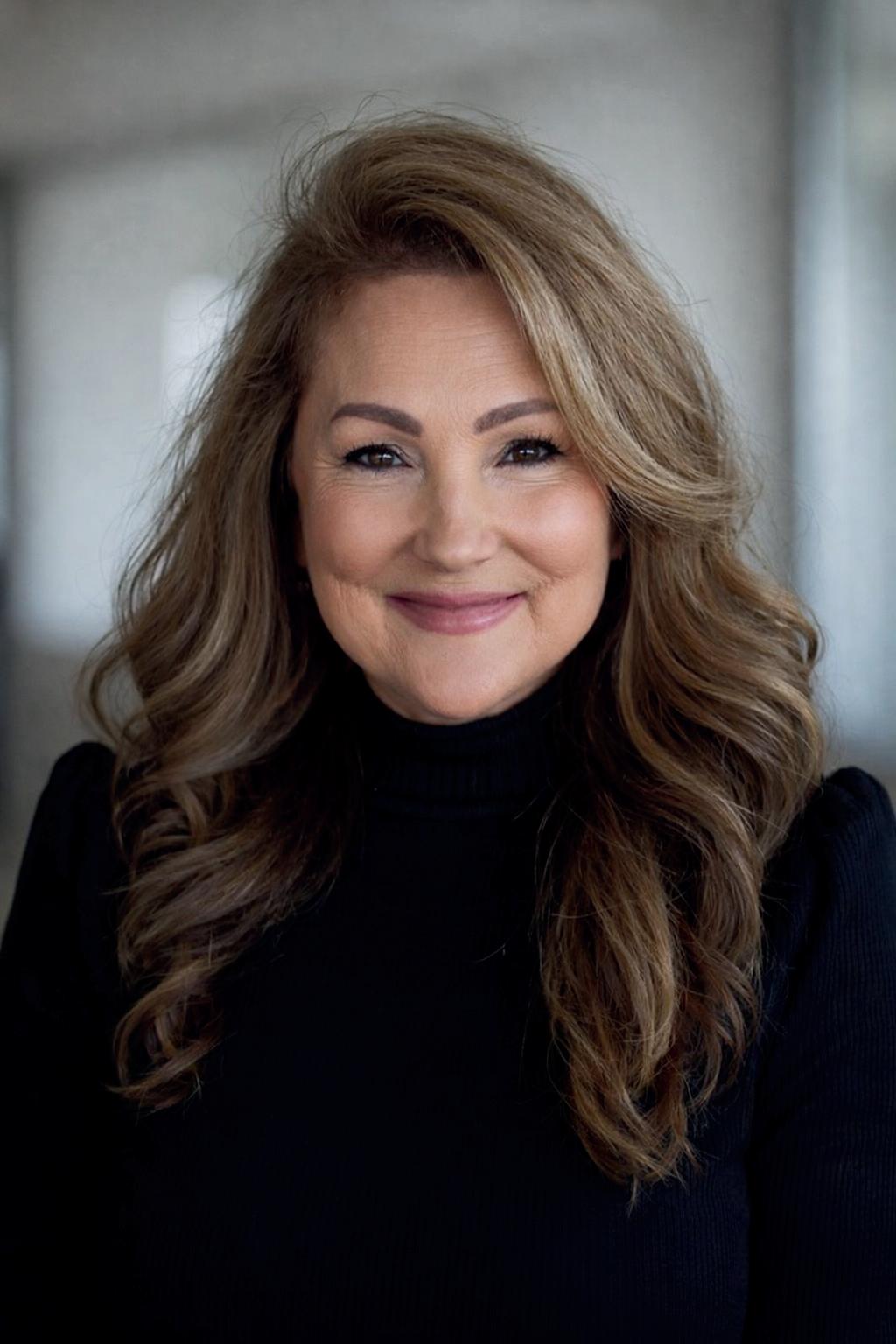

CONGRATULATIONS
BEING NAMED ONE OF AMP’S FIFTY OVER 50 2026
With more than 35 years in real estate and over $100 million in closed sales, Dana Kellerman has built a career defined by service, integrity, and a genuine love for helping others. Clients quickly learn two things about Dana: her approach is always “at your service,” and she truly loves what she does.
An Arkansas native, former builder, and longtime investor, Dana brings deep, practical knowledge of the Central Arkansas market. Her commitment to excellence has earned her recognition as a Top Producing Agent, Double Diamond Award recipient, Global Luxury Realtor, 2025 AMP Power Woman, and AY Magazine’s Best Realtor.
Dana proudly leads The Kellerman Team, working alongside her husband, Barry, and daughter, Kara, to deliver a thoughtful, high-touch client experience built on trust and long-term relationships. She is also deeply committed to mentoring new agents, generously sharing her experience and setting a high standard for professionalism and ethics within the industry.
After 38 years in Maumelle, family remains Dana’s greatest joy. She is the proud mother of four, with a daughter-in-law and son-in-law, and five grandchildren—an anchor in her life and the foundation behind the care and dedication she brings to every client.

Ricky Lattin
Chief Operating Officer // Garrett Excavating
AMoving Heaven and Earth
few minutes of conversation with Ricky Lattin is all it takes to reveal the secret ingredients of the 52-yearold’s successful career.
There is the unfailing work ethic, handed down from a career truck driver/diesel mechanic father. There are the refined customer service skills, inherited from an entrepreneurial mother, a successful insurance agent. There is the initiative to excel that started in high school and his first professional chapter that started as a teenage do-everything gopher and ended in the vice president’s chair.
Finally, there is the unyielding faith that guides his steps and oversees his efforts leading one of the great corporate success stories in Arkansas, something to which he gives more credit for his success than anything else.
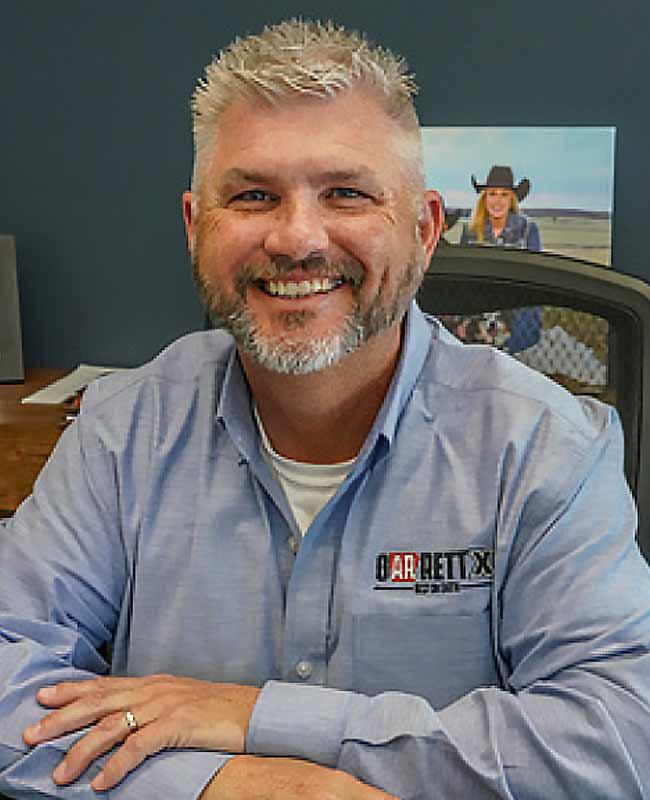
“Everything I've learned, I have learned through God giving me the ability and giving me the opportunities and the people that I have worked around who were willing to teach me,” he said. “Anything that I've done, it's not me. It's all him.”
Lattin’s journey began in southwest Little Rock where, at age 16, a quest for a summer job led him to Riggs Cat, a local heavy equipment dealer.
“I mowed lawns. I cleaned bathrooms. I swept floors,” he said. “Then, the day after I graduated high school, I started at Riggs, and I spent 31 years there.”
During his tenure, Lattin became good friends with coworker Sean O’Keane, who eventually became company president. After O’Keane left for Garrett Excavating, Lattin felt the need for a change of scenery, as well, so he called his pal for assistance.
“I called Sean up one day, and I said, ‘Hey, I'm maybe looking for a career change. Can you write me a recommendation
By Dwain Hebda
letter?’” Lattin said. “He said ‘Sure, I can, but have you ever thought about coming and working with me again?’ Well, I told him I didn’t really know a lot about the construction industry, but he said I could learn the processes and procedures. It was my leadership ability that they needed there. That piqued my interest.”
Lattin came aboard GarrettX four years ago without so much as a job title, but O’Keane’s assessment of his potential was spot-on, and two years later, Lattin was promoted to chief operating officer. Over his four-year tenure, the company has solidified its position as a leading provider of earth-moving, concrete, underground utility and asphalt services, roughly doubling annual sales to about $120 million and growing to 440 employees. Lattin noted the firm could hire 30 more workers tomorrow, if it could find ones with the right combination of skill and work ethic, just to keep up with demand.
Lattin said equally exciting things await on the company horizon as leadership continues to weigh expansion opportunities, looking for the right scenario to add to its physical locations in Benton and Bentonville. Even if — or, more likely, when — that happens, Lattin said his fundamental first goal, that of developing people to their fullest, will not change. In fact, he called it the best part of his job.
“If I was to pinpoint my greatest fulfillment, it would be being a leader to young people in this industry,” he said. “Teaching them about our industry, teaching them how to lead are things that God's called me to do. It's not about the amount of dirt that we move or the amount of money that we make; it's about the next generation and the people that we're able to develop.
“One of my philosophies that I talk to the guys about a lot is leadership is not a sprint. Leadership is a journey, and you're always going to be on that journey. Just when you think you've got it figured out, you realize you're just beginning, and you need to keep working at it.”
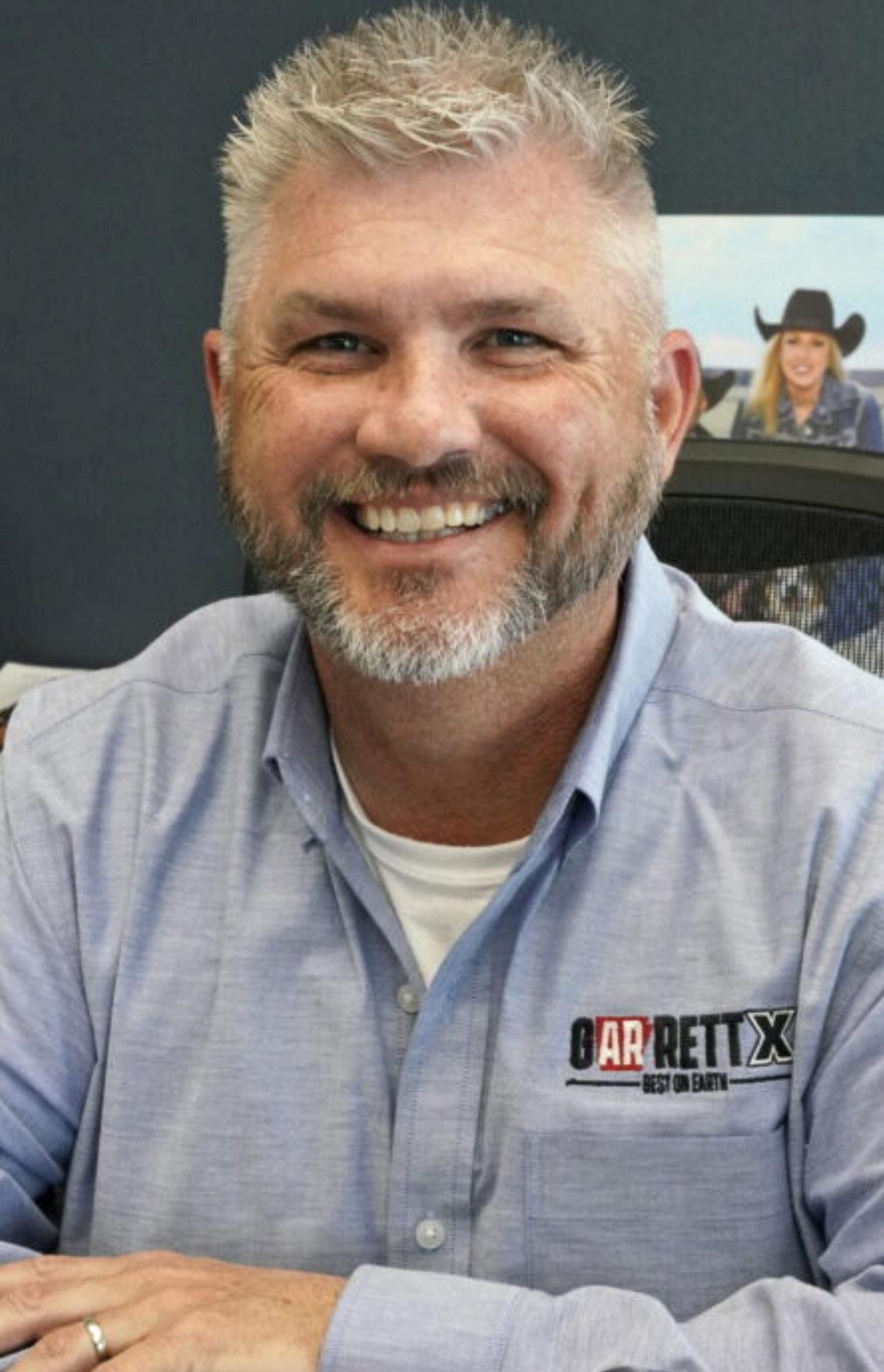

Ricky Lattin
2026AMP50Over50
Ricky joined as a partner and Chief Operating Officer of Garrett Excavating in 2022. He helps drive growth and operational excellence with his strategic vision and industry expertise, ensuring GarrettX consistently exceeds standards across both regions. As COO, Ricky assists in finding innovative solutions that strengthen our capacity to deliver exceptional projects and boost community impact.

Saddiq Mir
Owner
J&S Hospitality Group
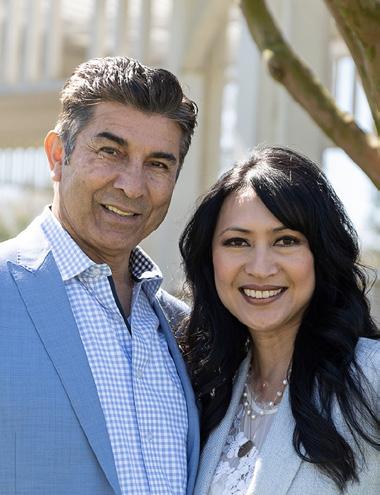
Saddiq Mir, alongside his wife Jeannie, are Spa City institutions when it comes to hospitality and brand growth. Under the Mirs’ company, J&S Hospitality Group, they have opened and cultivated several Hot Springs hotspots, including J&S Italian Villa, The Ohio Club, Copper Penny Pub, and, most recently, Mueller’s Bistro & Bakery. Saddiq studied extensively in France and Germany and later opened several fine-dining five-star hotels across the U.S. The Mirs are committed to treating local and out-of-town guests to the ultimate culinary experience; meals that showcase the skill of the chef while celebrating the unique ambiance and local flavors of Hot Springs itself. The Mirs’ true calling is to create meaningful connections with their community, which they are proud to call home.
Earl Mott
Director of Field Services
Garver
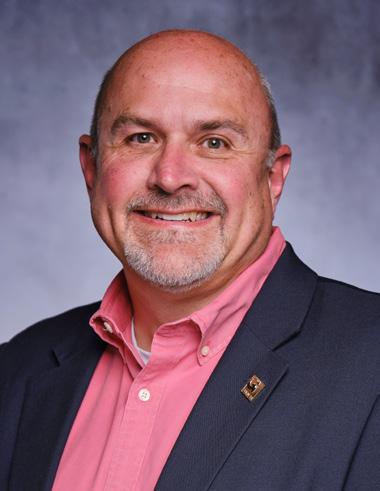
Growing up, Earl Mott watched his father serve on Garver’s survey team, which prepared Mott for his own 30-year career at the firm. After graduating from the University of Arkansas in Fayetteville, he joined Garver’s aviation team and was named to Garver’s management committee as the director of field services in 2022. He served as project manager for Garver’s role in the Arkansas Department of Transportation’s 30 Crossing Project, which improved Arkansas’ most traveled corridor and marked the agency’s largest effort in its history. Next, his team will work with Smith Seckman Reid and TYLin on the replacement of the Interstate 55 Mississippi River Bridge connecting Arkansas and Tennessee at Memphis with a new, 1,400-foot bridge, a joint project for the Tennessee Department of Transportation and ARDOT.
Ted Oury
Owner Diamond Medical Equipment & Supply
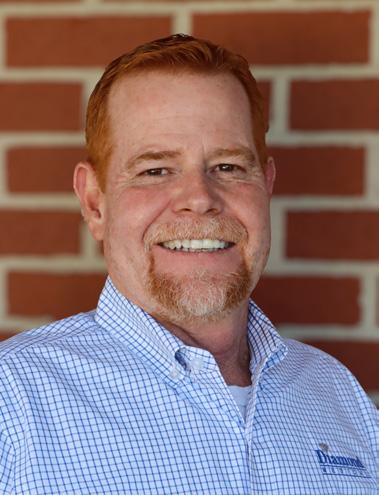
Ted Oury, owner of Diamond Medical Equipment & Supply in Little Rock, has spent the past 28 years navigating various medical sales and managerial positions across Arkansas. After attending the University of the Ozarks in Clarksville, he spent 10 years at National Medical Rentals and American HomePatient, five years at Apria Healthcare, and four years at Kimlor Medical and DonJoy. He has been at Diamond Medical Equipment & Supply since 2011. Throughout his professional career, he has developed an impressive skill set in health care and sales management, health care information technology, market development, and sales operations. From the large corporate settings to the small mom-and-pop businesses, Oury has built a career on perseverance and determination through evolving markets.
James “Toddy” Pitard
Owner Murphy-Pitard Jewelers
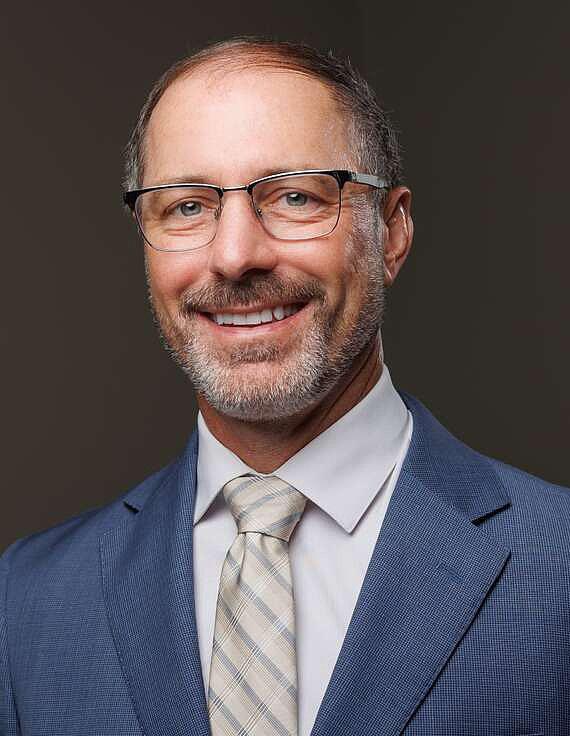
James “Toddy” Pitard comes by his career choice honestly, having started working in the jewelry business as a 15-year old growing up in El Dorado. From there, Pitard worked at every level in the industry, including errand runner, engraver, master jeweler and now owner of Murphy-Pitard jewelers in El Dorado and Lauray’s The Diamond Center in Hot Springs. Pitard is also on the board of directors at Citizen’s Bank and serves on the board of directors for the Greater Hot Springs Chamber of Commerce, as treasurer and secretary of El Dorado Works Board, and as chairman of the El Dorado Civil Service Commission.
Garland “Butch” Rice III
Owner, CEO
Stallion Transportation Group
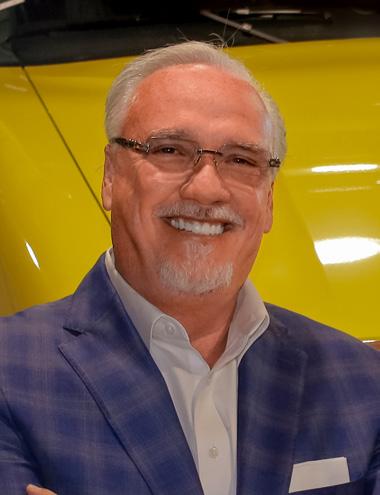
A native of North Little Rock, Garland “Butch” Rice III launched Stallion Transportation Group, now in Beebe, with two employees in 1992. He has served a wide range of civic, professional and leadership posts, including serving on the boards of Special Olympics of Arkansas, Hunger Relief Alliance, Career Education and Workforce Development, the Arkansas State University-Beebe Development and Advisory Committee, the White County Community Foundation, the Arkansas Trucking Association, and the Arkansas Commercial Truck Safety and Education Program. He is also a former member of the Beebe Public School Board and past chairman of the Beebe Chamber of Commerce.
Rob Seay
Executive Vice President
Cromwell Architects Engineers
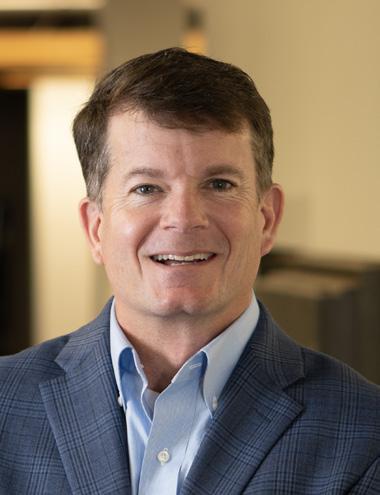
Rob Seay serves as executive vice president at Cromwell Architects Engineers. As a member of the senior leadership team, he plays a significant role in strategy and operations for the company. He is responsible for overseeing all design engineering efforts, including team coordination, scheduling, development of engineering concepts and talent development. In addition to his technical leadership, he plays a significant role in managing and strengthening relationships with industrial clients nationwide. Seay’s recent project experience includes complex aerospace and energetics facilities, food processing, and general manufacturing in multiple sectors. Much of the work has a significant impact in bringing new industry and jobs to Arkansas.
J. Larry Shackelford
CEO
Washington Regional Medical Center
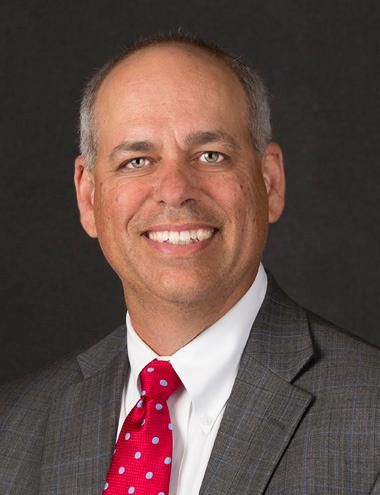
J. Larry Shackelford became president and CEO of Fayetteville-based Washington Regional in 2017 and has been employed by Washington Regional since 2010. Prior to joining Washington Regional, he served as CEO at Medical Associates of Northwest Arkansas. Shackelford earned a bachelor’s in business administration from the University of Arkansas in Fayetteville and worked for the accounting firm Baird, Kurtz & Dobson before entering health care administration. Shackelford is an inactive certified public accountant and a fellow in the American College of Medical Practice Executives. He is a member of the Arvest Bank Board-WA County, the dean’s executive advisory board for the Walton School of Business at the University of Arkansas, the Northwest Arkansas Council, and the Arkansas State Chamber of Commerce Board. He is past president of the Fayetteville Chamber of Commerce.
Debbie Shamlin
Co-owner
C&C Tree Service
Owner
Mid South Realty
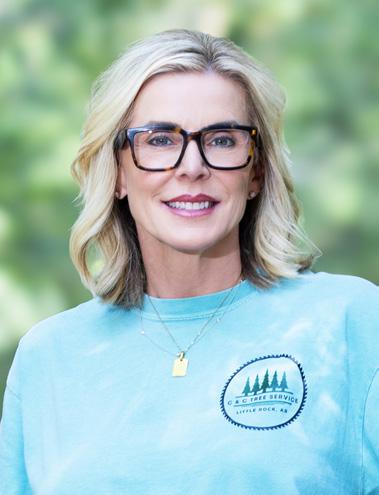
Debbie Shamlin is co-owner of C&C Tree Service in Little Rock and a real estate agent and owner of Mid South Realty in Little Rock. She was born and raised in south Arkansas and has lived in central Arkansas for more than 30 years. Prior to working in real estate, she worked as a nurse. She enjoys helping others and making a positive impact on the lives of the people around her, whether she is helping people find their forever homes or helping homeowners maintain the trees on their property.
Dr. Robert Silzer
Neurologist
Baptist Health Neurology Clinic
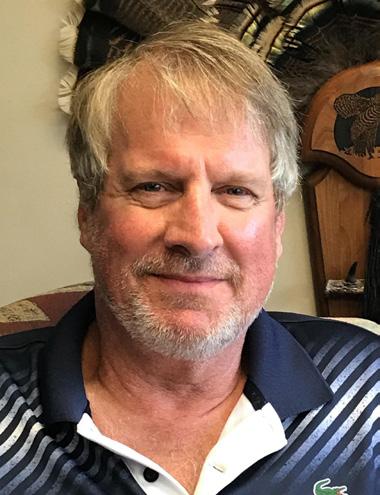
Dr. Robert Silzer is a neurologist at the Baptist Health Neurology Clinic in Little Rock. He has more than 35 years of experience in the medical field. Prior to joining Baptist Health, he worked at the CHI St. Vincent Little Rock Diagnostic Clinic. Silzer has extensive experience in neurodegenerative disorders and in treating Parkinson’s disease, multiple sclerosis and Alzheimer’s disease, among other conditions. He graduated from the University of Arkansas in Fayetteville, and he earned his medical degree from University of Arkansas for Medical Sciences College of Medicine in Little Rock in 1988. He completed his fellowship training in both neurology and neuromuscular diseases at the University of Kansas Medical Center
Joseph “Warren” Simpson
Executive Vice President, Head of Stephens Capital Management
Stephens
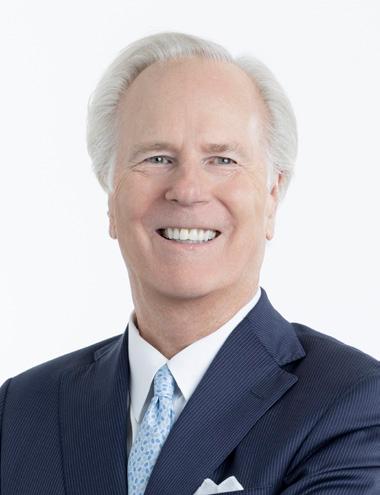
Joseph “Warren” Simpson serves as executive vice president of Stephens, head of Stephens Capital Management and member of the StephensChoice Investment Committee. After graduating from Catholic High School for Boys in Little Rock, he went on to earn a Bachelor of Business Administration degree from Southern Methodist University in Dallas, as well as a Master of Business Administration from the University of Arkansas in Fayetteville. The Little Rock native has built his reputation in the investment business since 1982 and has been a part of Stephens since 1987. From 1990 to 1994, he served as the company’s director of investments for Stephens Sports Management. He is a FINRA Registered Representative (Series 7 & 63), a General Securities Principal (Series 24) and a Registered Investment Advisor Representative (Series 65).
Joey Small
President
Small Wealth Management
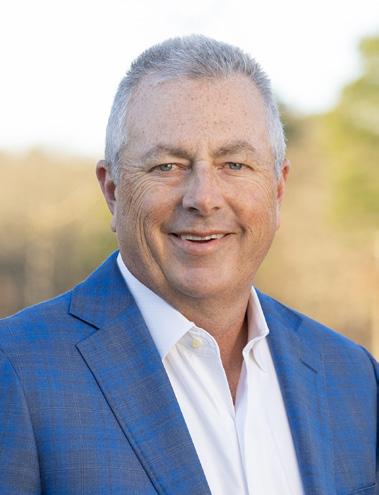
Joey Small is a private wealth adviser and president of Small Wealth Management in Little Rock, a private wealth advisory practice of Ameriprise Financial Services. With more than two decades of experience, he leads the firm’s mission to deliver thoughtful, personalized financial strategies that help individuals and families plan for the future with confidence. He founded the practice in 1999 and has guided it through multiple market cycles, industry changes and seven successful acquisitions. Small specializes in comprehensive retirement planning, investment management and wealth-preservation strategies tailored to each client’s goals. His approach blends technical expertise with a strong commitment to long-term relationships, ensuring clients feel supported through life’s biggest financial decisions. As president, he fosters a culture of collaboration and integrity, guiding the Small Wealth team in providing exceptional service across Arkansas and beyond.
Wayne Smith
General Manager
Oaklawn Hot Springs
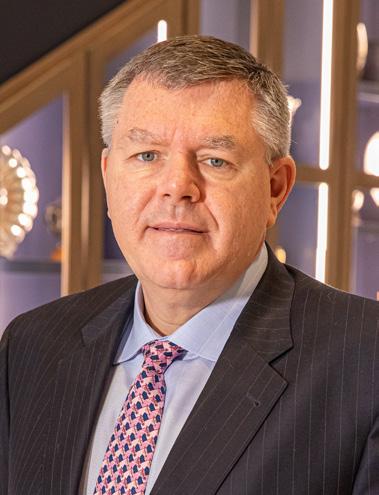
Wayne Smith, a Rhode Island native and graduate of Northeastern University in Boston, began his career in accounting and finance before moving into hospitality with ITT Sheraton. He later had senior management roles with MGM Grand Las Vegas, MGM Grand Detroit, Caesars Entertainment, Empire City Racing and Gaming in New York, and Penn National in Illinois. In 2017, Smith was named general manager at Oaklawn Hot Springs, becoming only the sixth person to hold the position in the property’s 122-year history. He has since overseen a major expansion featuring an expanded casino, Arkansas’ only Forbes four-star spa, a Forbes-recommended hotel, two Forbes-recommended restaurants and a multipurpose event center. Smith serves on the boards of the Arkansas State Chamber of Commerce and the Arkansas Sports Hall of Fame and is chairman of the Hot Springs Advertising and Promotion Commission.
Melody Martens No Limits
President // Signature Bank-Bentonville
In a lot of ways, Melody Martens’ skill set mirrors that of many other successful bankers. An excellent communicator with an engaging personality, she has built an impressive career in the industry, one that led her to become president of Signature Bank-Bentonville.
The path she took to get there, however, is an increasingly rare journey. Not only did she excel in what was at the time the prohibitively male-dominated world of banking, but she did it without the usual precursor academic chits many of her peers had.
In short, she did it her way and on her terms by outdoing the competition in work ethic and servicing the customer and never allowing herself or others to regard her as less than.
“I found banking early and was fortunate enough to find a career that was a natural fit with me,” she said. “I’ve been in a lot of boardrooms where the majority of people there were men. It was a man’s world for sure back then, but I didn't even really notice it. I think I just felt like I had a purpose, and with a lot of hard work and determination, I continued to find opportunities and make the most of them.”
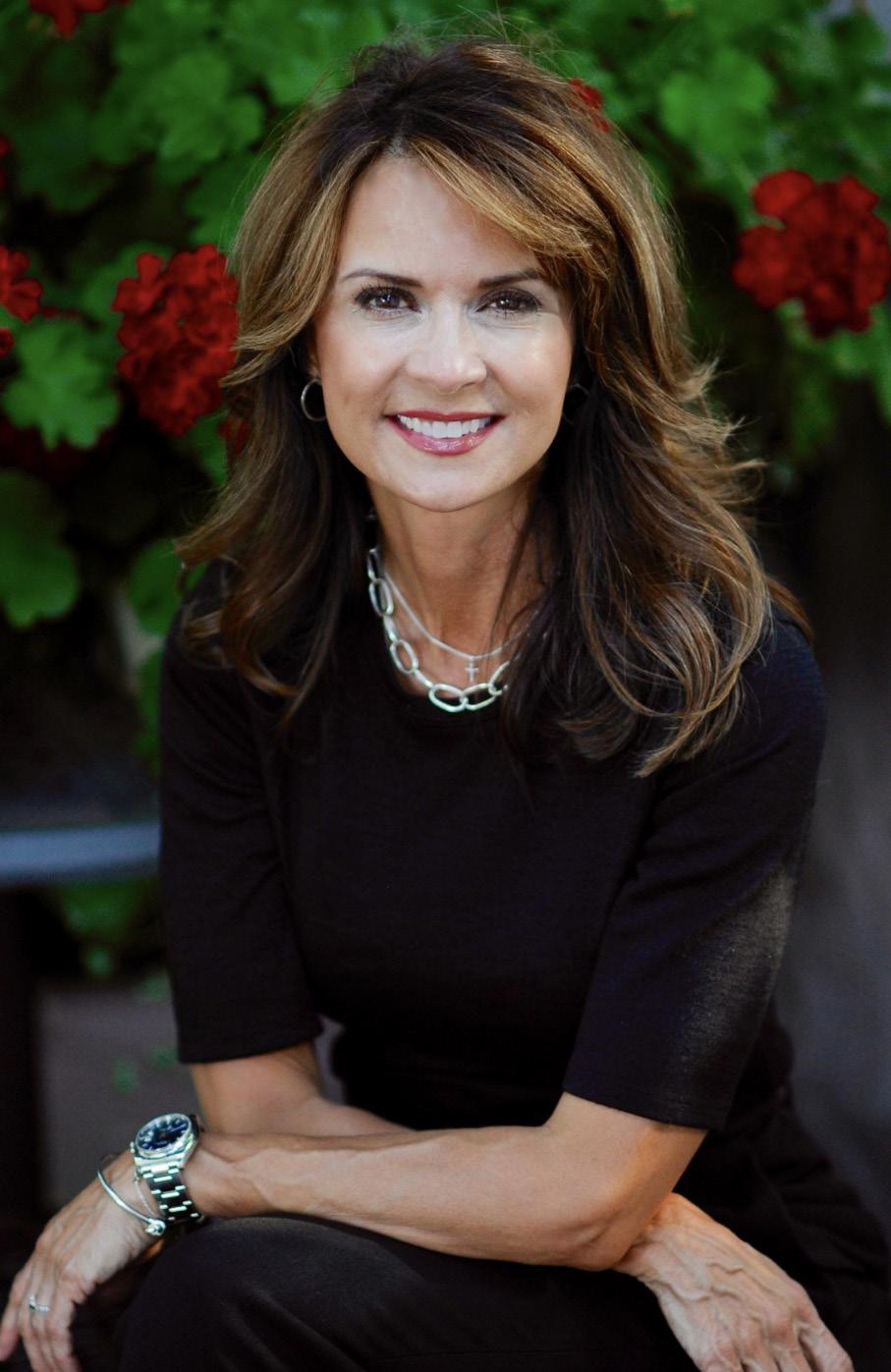
By Dwain Hebda
Born in Bruno, she was raised until the fifth grade in Chicago, where her father worked for Kodak. Her considerable drive developed early, for which she credited her father as an important early catalyst. She also pointed to her desire to play basketball in high school, a goal she reached with distinction despite being severely undersized.
“My dad always said, ‘You can do whatever you want to do. If you have a desire and you want to do it right, do it,’” she said. “Well, when I was in high school, I wanted to play basketball. I'm 5-2, and that’s usually not a good thing if you want to make the main team, but I was determined.
“Probably in seventh or eighth grade, I had a coach tell me, ‘Melody, you are fast, but you need to be faster. You can dribble amazingly with your right hand, but you’ve got to be just as good with your left. You’re going to get fouled a lot, so you've got to master your free throws.’ That was so impactful for my life at that time, and I ended up playing on the main team in high school. To this day, I just don't see obstacles.”
Martens took that attitude headlong into banking, first at Superior Federal in Harrison and then Community First Bank, which would become Signature Bank, in 2002. She finally landed in Bentonville in 2013. Over her career, she has soaked up industry acumen like a sponge, excelling across a variety of departments and roles, including marketing, mortgage lending, business development and, ultimately, being tasked with opening the bank’s Pea Ridge location.
Along the way, she has received many accolades, notably being named to Arkansas Money & Politics’ “Power Women” in 2019 and twice to AMP's “Women in Banking” in 2020 and 2021.
She has been in her current role in Bentonville since 2013, and while she is as connected to her community as she has ever been, she also derives great pleasure in taking the opportunity to mentor others in their own banking career.
“The easiest thing about this business, to me, has always been the personal side,” she said. “I love relationships. I love developing people. I have tellers who I can't wait to get them into other areas of the bank, just see where their interest is like I got to do. I love showing people different lanes they can occupy and watching them discover where they fit best. The relationships side of things has always been what I love most about what I do.”
For more than three decades, Garver’s Director of Field Services Earl Mott has helped build the infrastructure that supports Arkansas communities every day. His dedication, expertise, and leadership continue to pave the way for a stronger future.
Congratulations on your Fifty Over 50 honor, Earl!
GarverUSA.com
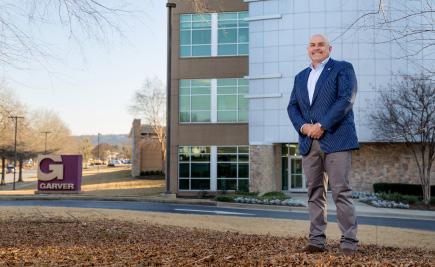
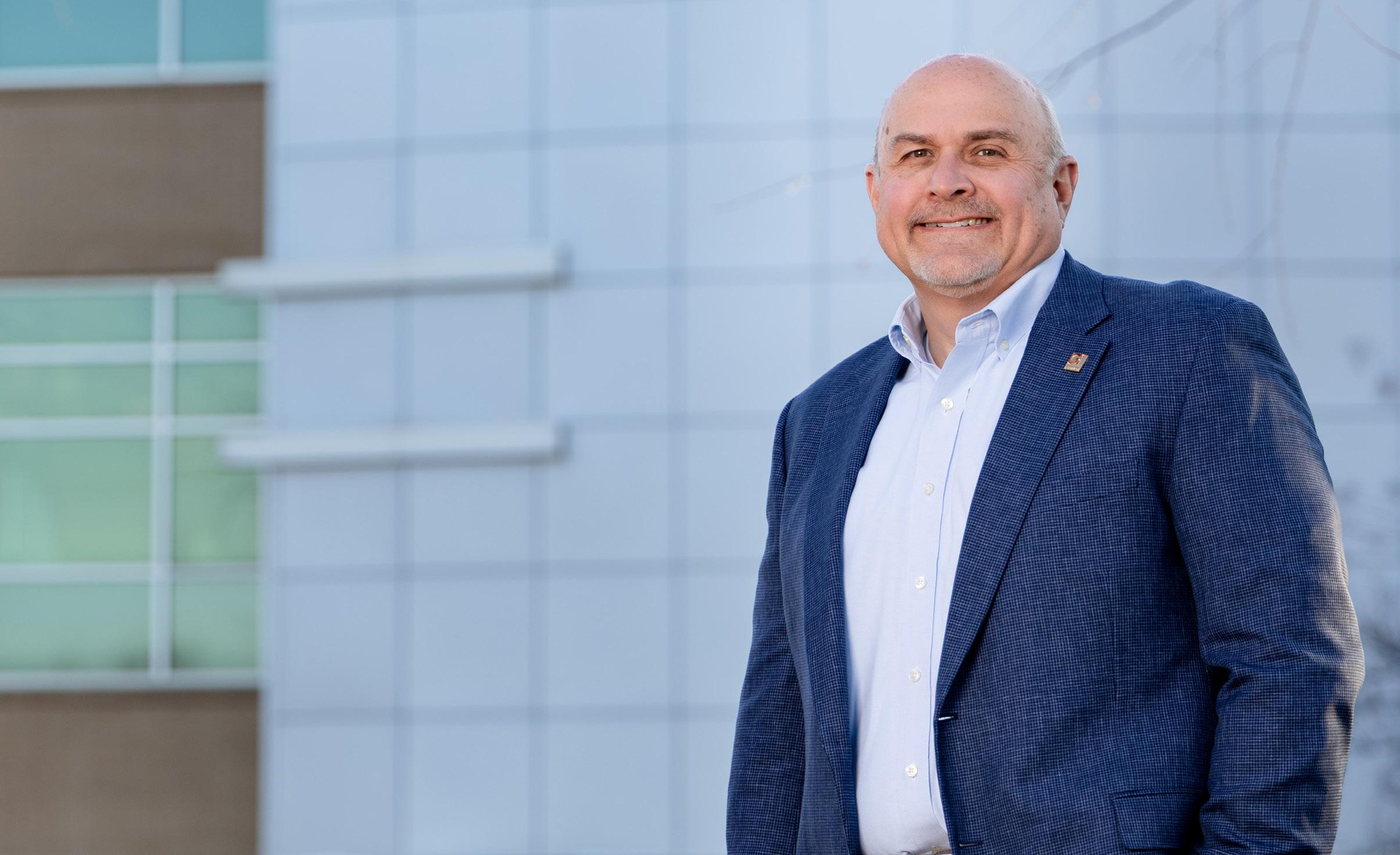

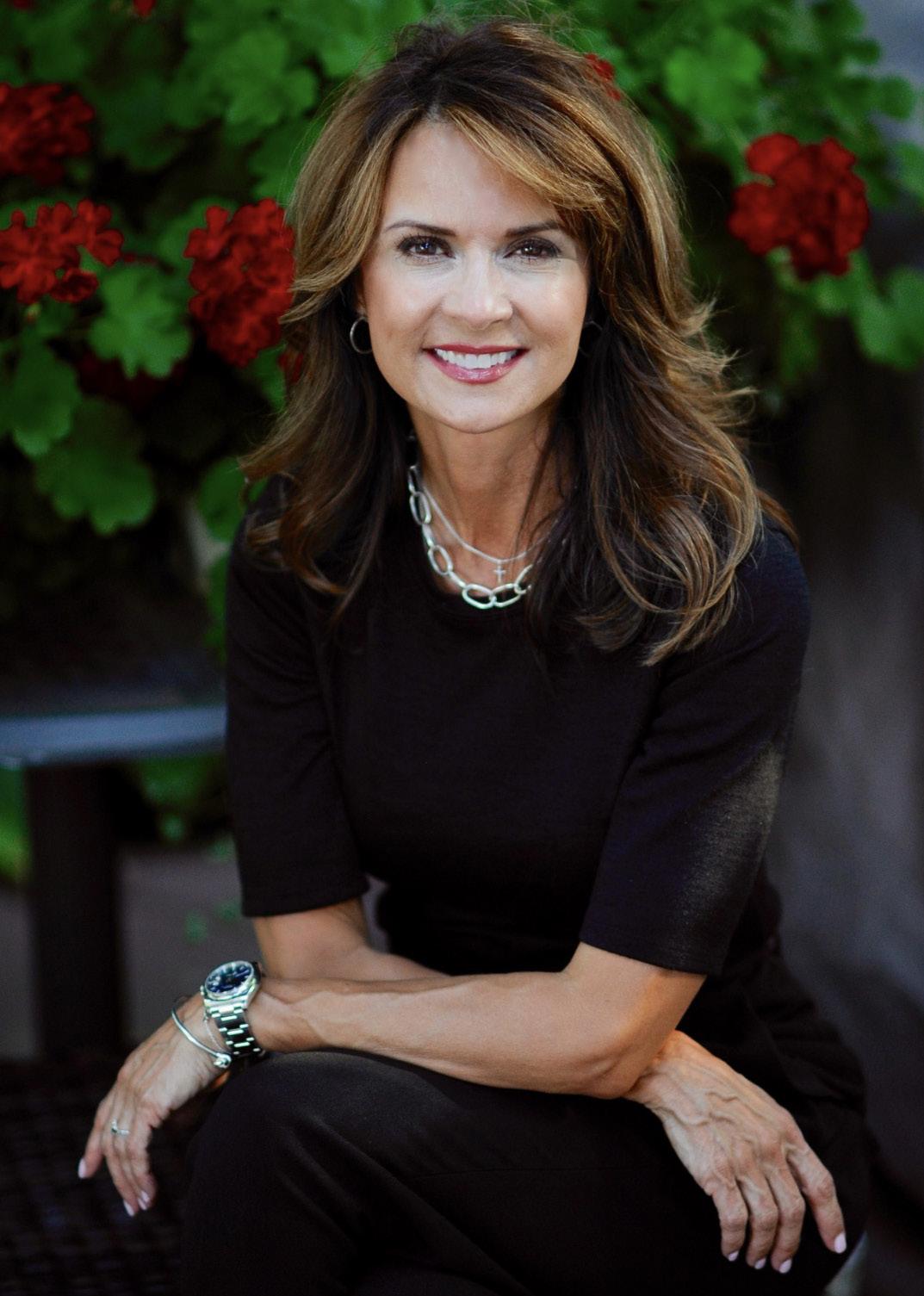
Debbie Shamlin Step Out on That Limb
Co-owner // C&C Tree Service Owner // Mid South Realty
Should Dos Equis decide to introduce a female counterpart to its iconic “Most Interesting Man in the World” advertising campaign, which captivated American television viewers from 2006 to 2018, a worthy candidate could be found in central Arkansas.
Debbie Shamlin is a veritable vocational hat rack. She worked as a registered nurse for more than 30 years before going into business with her husband and son to launch a tree services company, and following a 2020 breast cancer diagnosis that led to a double mastectomy, Shamlin said her “insides were not settled.” The subsequent soul searching culminated in her real estate license.
Her current ventures — Little Rock’s C&C Tree Service, for which she partners with her husband, “thirdgeneration timber guy” Chuck, and son, Chase, and Mid South Realty — satisfy her desire to help people.
“I know that’s what I was put here for,” she said. “I still help people just in a different manner.”
By Mark Carter
lation, brush hogging and skid steer mulching — whatever is needed to transform a property.
The tree service business sometimes dovetails nicely with Shamlin’s other hustle, that of real estate agent. She became a milliondollar producer her first year, selling and listing properties from Benton to Sherwood.
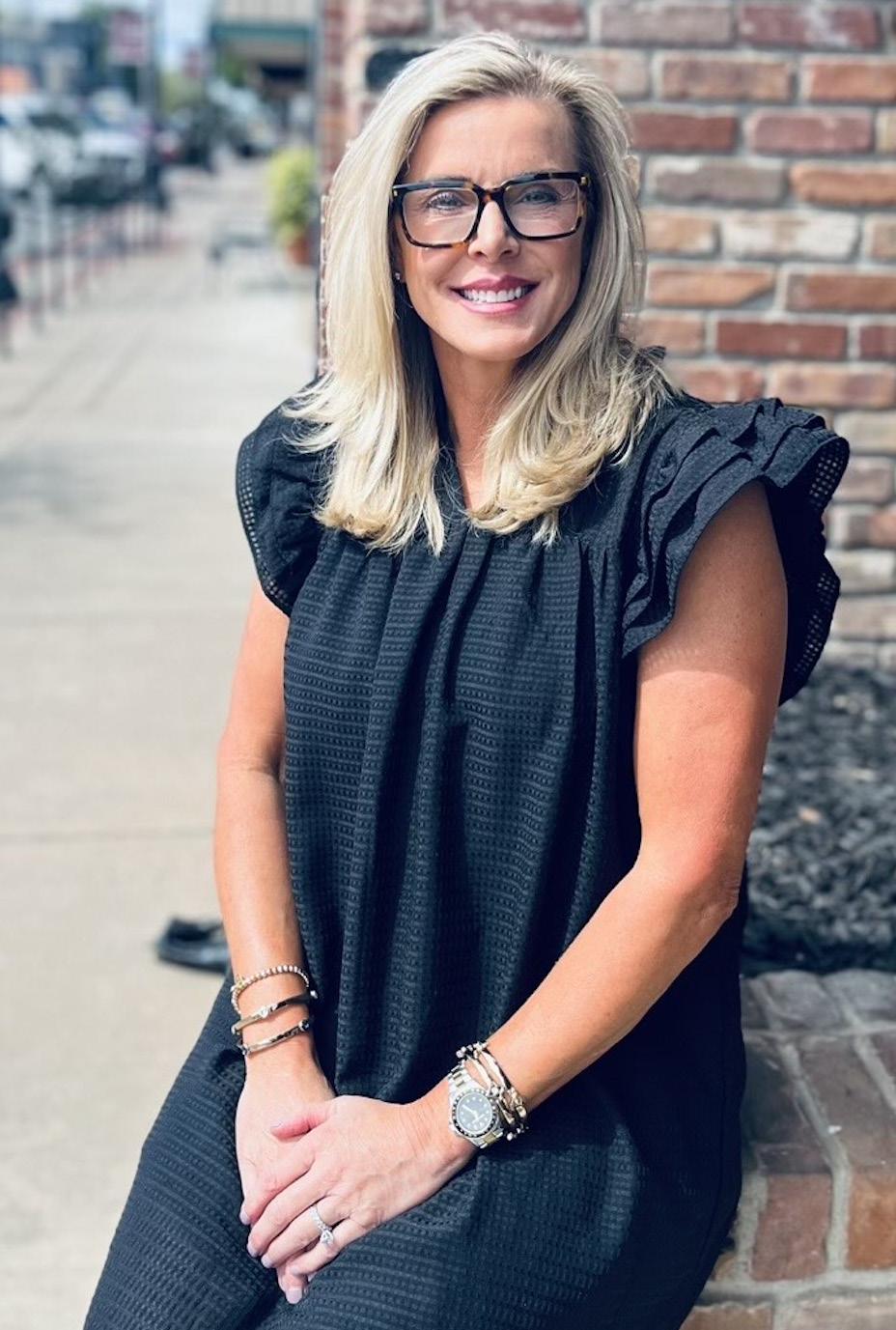
Shamlin said her battle with cancer gave her the resolve to take a leap of faith and “step out on that limb.” She and Chuck helped launch C&C to establish Chase. Debbie does all the billing and invoicing and even provides quotes and estimates when needed.
It is a fitting venture, she said — Chase is a fourth-generation tree man, after all — and, so far, a successful one. C&C’s focus is residential, but its client list includes Baptist Health and all of the health care system’s central Arkansas properties.
In addition to tree services, C&C offers limb removal, land clearing, storm clean-up, gravel spreading, driveway instal-
“It definitely can go hand in hand,” Shamlin said of her latest two ventures. “There is opportunity quite often. I always let [clients] know up front that this is my son’s business and he’s available to provide an estimate.”
For Shamlin, whether she is caring for a patient in a hospital or clinic setting, providing an estimate for a tree removal, or selling clients a dream home, it all boils down to people and relationships.
“I miss my patients. I miss the ability to make a difference in their health,” she said, “but everything I do still comes down to helping people.”
Shamlin cut her nursing teeth at the old St. Vincent Doctors Hospital in Little Rock. Her nursing experience entails OB-GYN, women’s and children’s care, and a stint at Baptist Health’s psychiatric hospital, formerly Southwest Hospital in Little Rock. She also worked as a nurse for a home infusion company.
She does not, however, miss the red tape of health care or going toe to toe with insurance companies.
“I do not miss the shape our health care system is in,” she said.
Shamlin said regardless of which hat she has worn throughout her career, she always benefited from a network of friends and colleagues that helped her advance along the way.
“Interacting with a strong network of people who all enhance each other has really helped develop me into who I am and even who my children are,” she said. “I just love to help people. I know that’s what I was out here for.”
CONGRATULATIONS
Debbie Shamlin for being one of Arkansas Money & Politics’ Fifty Over 50 of 2026
Balancing the family business, C&C Tree Service, with her work as a real estate agent, Shamlin’s mission is to help people however she can. It helps that Shamlin is a natural in both fields, helping C&C find wide success while becoming a million-dollar producer within a year of obtaining her real estate license. Utilizing the skills honed over the course of more than 30 years in the nursing field, Shamlin has never met a challenge she was not up for — a trait for which both clients of C&C Tree Service and soon-to-be homeowners are grateful.
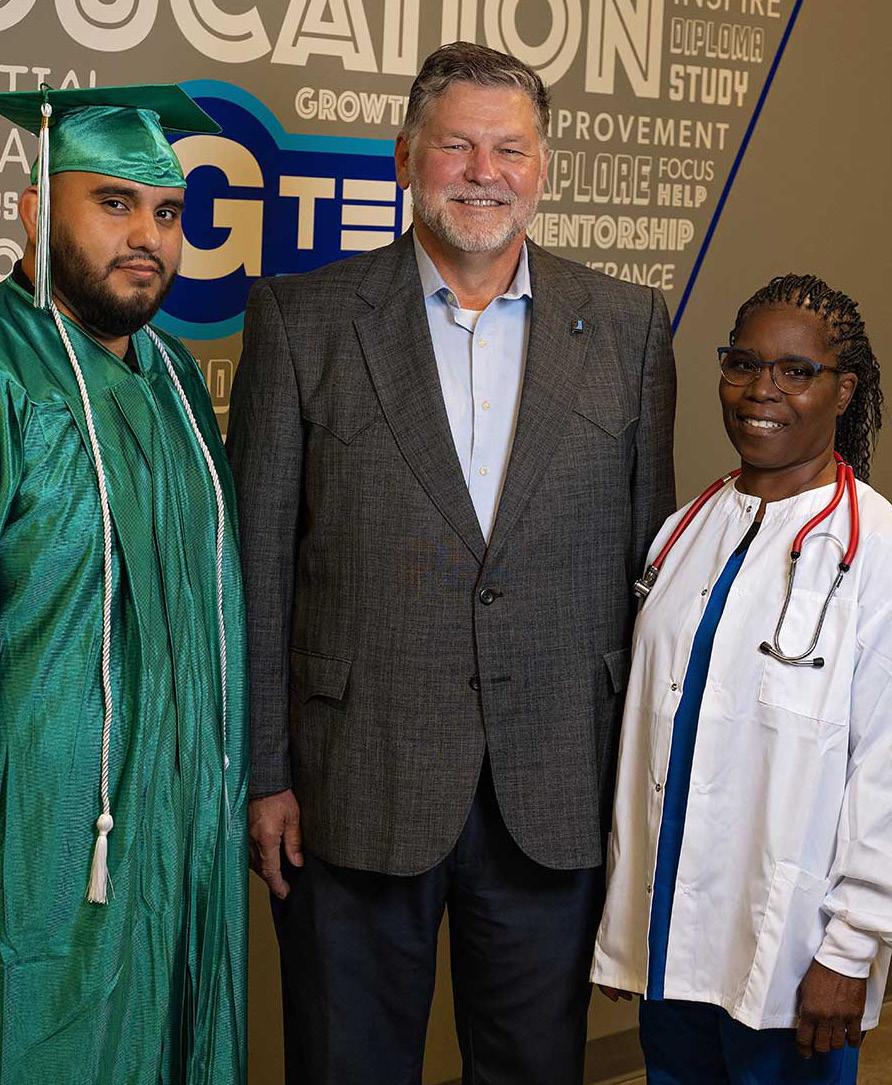


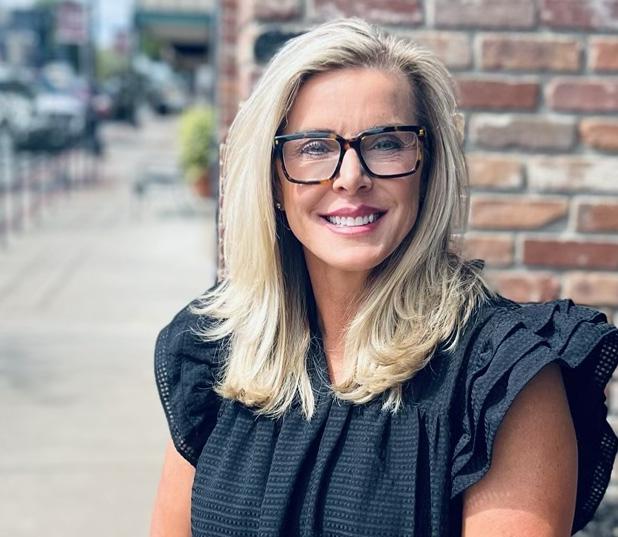
Brian Marsh
At Goodwill Arkansas, we remove barriers and empower Arkansans through education, training and employment. Congratulations to our president and CEO, Brian Marsh, on being named one of AMP’s 2026 Fifty Over 50 — proof that purpose-driven leadership changes lives and communities.
Dr. Matthew Steliga
Thoracic Surgeon
University of Arkansas for Medical Sciences
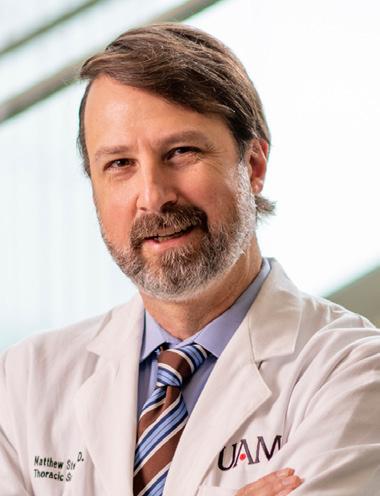
At the University of Arkansas for Medical Sciences in Little Rock, Dr. Matthew Steliga specializes in thoracic oncology with an emphasis on lung cancer, esophageal cancer and other tumors of the chest and is experienced in minimally invasive thoracic surgery. A graduate of the Medical College of Wisconsin, Steliga completed his internship and residency in general surgery at the University of Tennessee Health Sciences Center. He also served as a resident in cardiothoracic surgery at the Texas Heart Institute. Specializing in thoracic oncology with an emphasis on lung cancer and esophageal cancer, Steliga previously served as an instructor in the department of thoracic and cardiovascular surgery at MD Anderson Cancer Center in Houston.
Kimbro Stephens
Managing Attorney, Co-founder Jurist Law Group
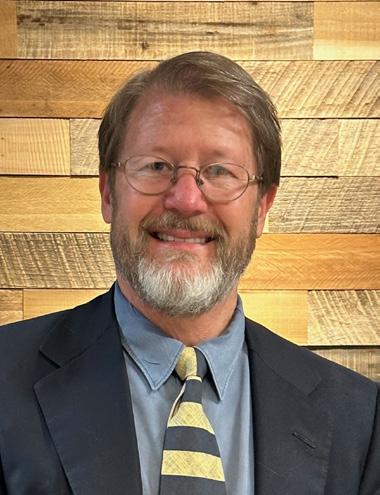
Kimbro Stephens grew up in Conway, the son of a pioneering mother in the medical field and a well-known football coach father who inspired him to want to help others. Ever since graduating from Harvard University in Massachusetts cum laude with a degree in economics and then earning a Juris Doctor from the University of Arkansas School of Law in Fayetteville in 1988, he has done just that, first in health care administration then in elder law. As a health care executive, he established many programs for the delivery of medical services and served in various capacities, including CEO and general counsel. He co-founded Jurist Law Group in Little Rock in 2015.
Dr.
Tacy M. Sundell
Dentist
Woodard and Sundell
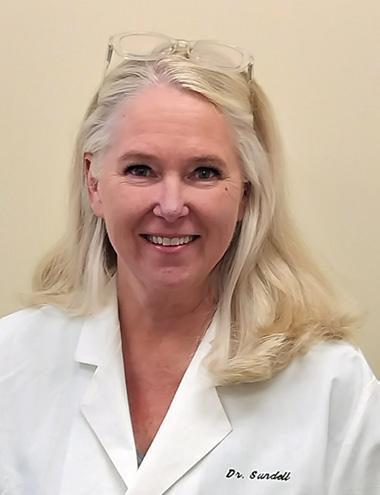
For more than 13 years, Dr. Tacy M. Sundell has been setting a standard in periodontics in the central Arkansas area. Sundell earned her Bachelors of Science in microbiology from the University of Arkansas in Fayetteville in 1992. She attended the University of Tennessee College of Dentistry and graduated fourth in her class in 1998, earning a Doctorate in Dental Surgery. In 2001, she completed a periodontal residency, earning her specialty certificate. Sundell is a member of the American Academy of Periodontology, the American Dental Association and the Arkansas State Dental Association.
Fred Teague
Mayor Russellville
Joel Tvedten
Principal Broker, Owner
River Rock Realty Co.
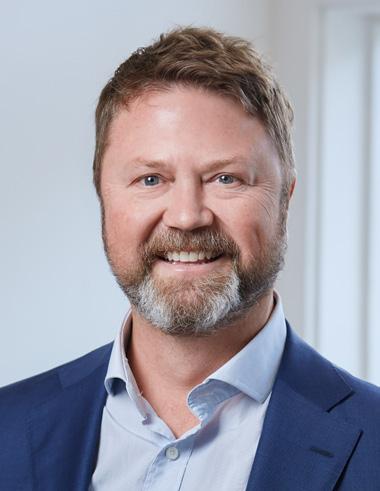
Joel Tvedten is a devoted real estate agent who proudly serves central Arkansas, leveraging more than two decades of experience helping clients buy and sell homes with confidence. As owner and principal broker of River Rock Realty Co. in Little Rock, Tvedten brings deep market knowledge, leadership and a client-first approach to every transaction. An annual multimillion-dollar producer, he delivers proven results backed by experience and strategic insight. Born and raised in central Arkansas, Tvedten intimately knows the area — its neighborhoods, market trends and hidden opportunities. He truly loves where he lives, drawn to the abundant outdoor activities, lakes, trails and natural beauty that define the region. Tvedten recognizes that central Arkansas offers a rich diversity of neighborhoods and home styles, creating exceptional opportunities for buyers and sellers alike.
Wesley Walls
Architect
Polk Stanley Wilcox

A native Arkansan, Wesley Walls has been captivated since childhood by both the natural and built environment. With a strong commitment to design, he has helped elevate Polk Stanley Wilcox to a higher standard of excellence. Under his direction, the firm has been recognized for its architecture through numerous state, regional and national design awards. Having served as both a juror and speaker for American Institute of Architects chapters, his innovative approach to design is both collaborative and exploratory, showing a relentless commitment to both placemaking and relationship building. With more than 30 years of experience, his award-winning portfolio of work has primarily focused on large, academic commissions, including his most recent work on the campuses of Little Rock Central High, Hendrix College in Conway and the new Alice L. Walton School of Medicine in Bentonville.
Darrin L. Williams
CEO
Southern Bancorp
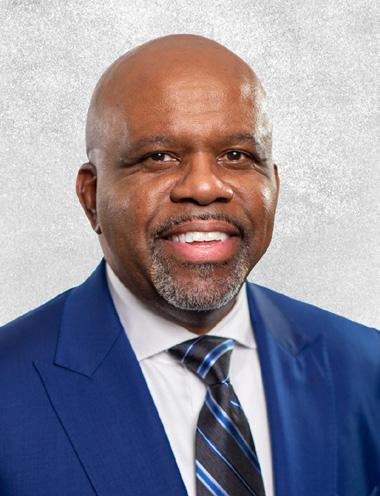

Russellville native Fred Teague has served as mayor of his hometown since 2023, but his record of service to the city began well before that. Along with his wife of 34 years, Pam, he has built three successful businesses as well as cofounding and continuing to oversee Russ Bus, an organization dedicated to helping local homeless find shelter, stability and learn life skills. For nearly two years, he served as director of housing and homeless prevention with ARVAC and continues to volunteer as an associate pastor at Journey Church.
Darrin L. Williams is the CEO of Southern Bancorp, one of America’s oldest and largest community development financial institutions. Boasting more than $4.7 billion in assets and 66 locations serving under-resourced communities across five states, Southern Bancorp focuses on the net-worth building strategies of homeownership, entrepreneurship and saving, believing that pathways to these American Dreams should be within reach of everyone. A graduate of Hendrix College in Conway, Vanderbilt University School of Law in Nashville and Georgetown University Law Center in Washington, D.C., Williams is active in many organizations, including as immediate past chairperson at the Community Development Bankers Association and board member at the St. Louis Federal Reserve’s Little Rock branch.

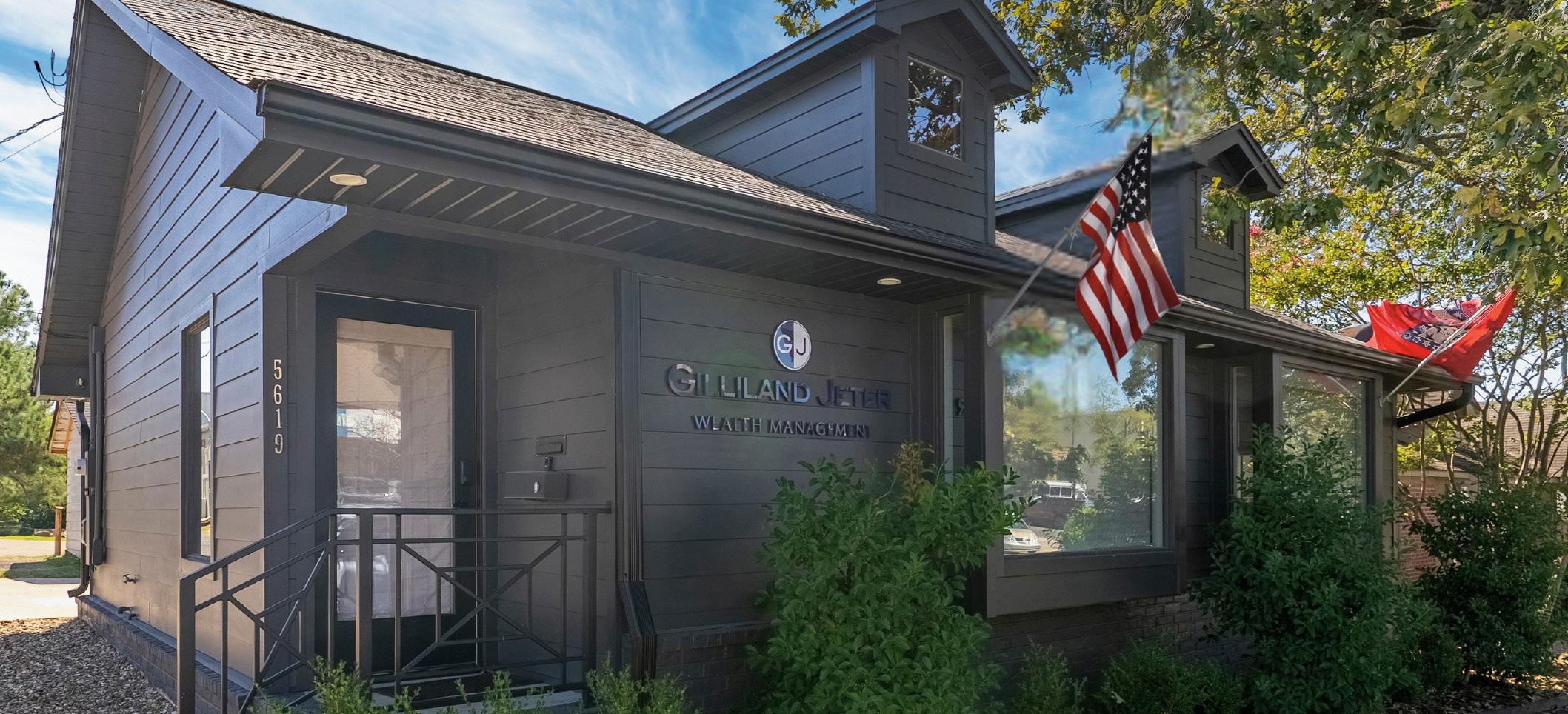

Dr. Jeff Wisener
Dentist
Wisener, Cooper, & Fergus
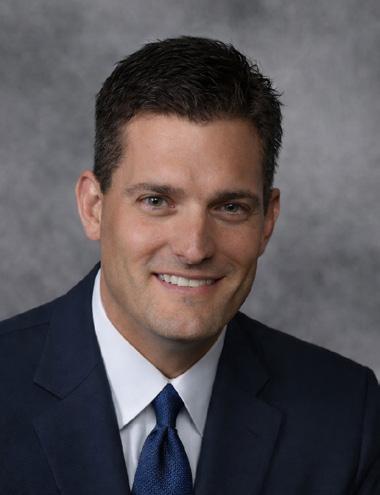
Dr. Jeff Wisener was raised in Warren and DeValls Bluff, Arkansas. He earned his undergraduate degree from the University of Arkansas in Fayetteville and went on to receive his Doctor of Dental Surgery from the University of Tennessee College of Dentistry. For nearly three decades, Wisener has practiced dentistry in Rogers, where he has built a reputation for excellence in cosmetic, reconstructive and implant dentistry. His commitment to precision, innovation and patientcentered care has defined his practice for 29 years. Deeply grounded in his faith, family and a lifelong love of the outdoors, Wisener has devoted significant time to service and leadership. He has served on numerous boards, including the Northwest Arkansas Fellowship of Christian Athletes, the Arkansas State Board of Dental Examiners, and the Arkansas Game and Fish Foundation, among others.
Chad Young
President, CEO
WDD Architects


Chad Young is president and CEO at WDD Architects. The sixth president in WDD’s 107year history, he has been with the firm for 30 years, beginning as an intern in 1995. He became a partner in 2001 at age 29, making him the youngest principal in firm history, and has led the design charge on high-profile projects throughout his career as director of design. He is active in civic leadership, serving as chairman of the
Cabot Planning Commission since 2017 and on the executive boards of the Cabot Panther Foundation and Little Rock Air Force Base Community Council in Jacksonville. He is part of the Arkansas State Chamber Leadership Class XX, a graduate of Leadership Greater Little Rock Class XXV and serves on the board of Arvest Bank. Chad and his wife, Shana, live in Cabot and have three children — Eden, Grayson and Stratton. He enjoys spending time with family, weight training, running and designing custom homes.
Robert Zunick
Financial Advisor
Wells Fargo
Robert Zunick moved to historic Hot Springs in the early 1980s and has since become a respected leader in both his profession and his community. With more than three decades of experience as a financial advisor, he has been recognized through multiple industry awards. Beyond his professional work, Zunick is deeply engaged in civic life, serving on numerous nonprofit and philanthropic boards that support education, the arts and community development. In 2013, he helped spark the revitalization of downtown Hot Springs by investing in the historic Thompson Building, transforming it into The Waters Hotel and Rooftop Bar. He is currently seeking the office of justice of the peace for District 6 in Garland County, continuing his long-standing commitment to local service and leadership.
ROCK IT
Shop local at the River Shop Saturdays | 10 a.m.–4 p.m.
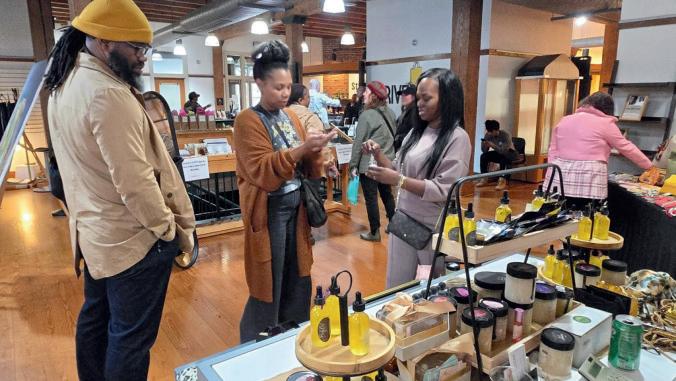

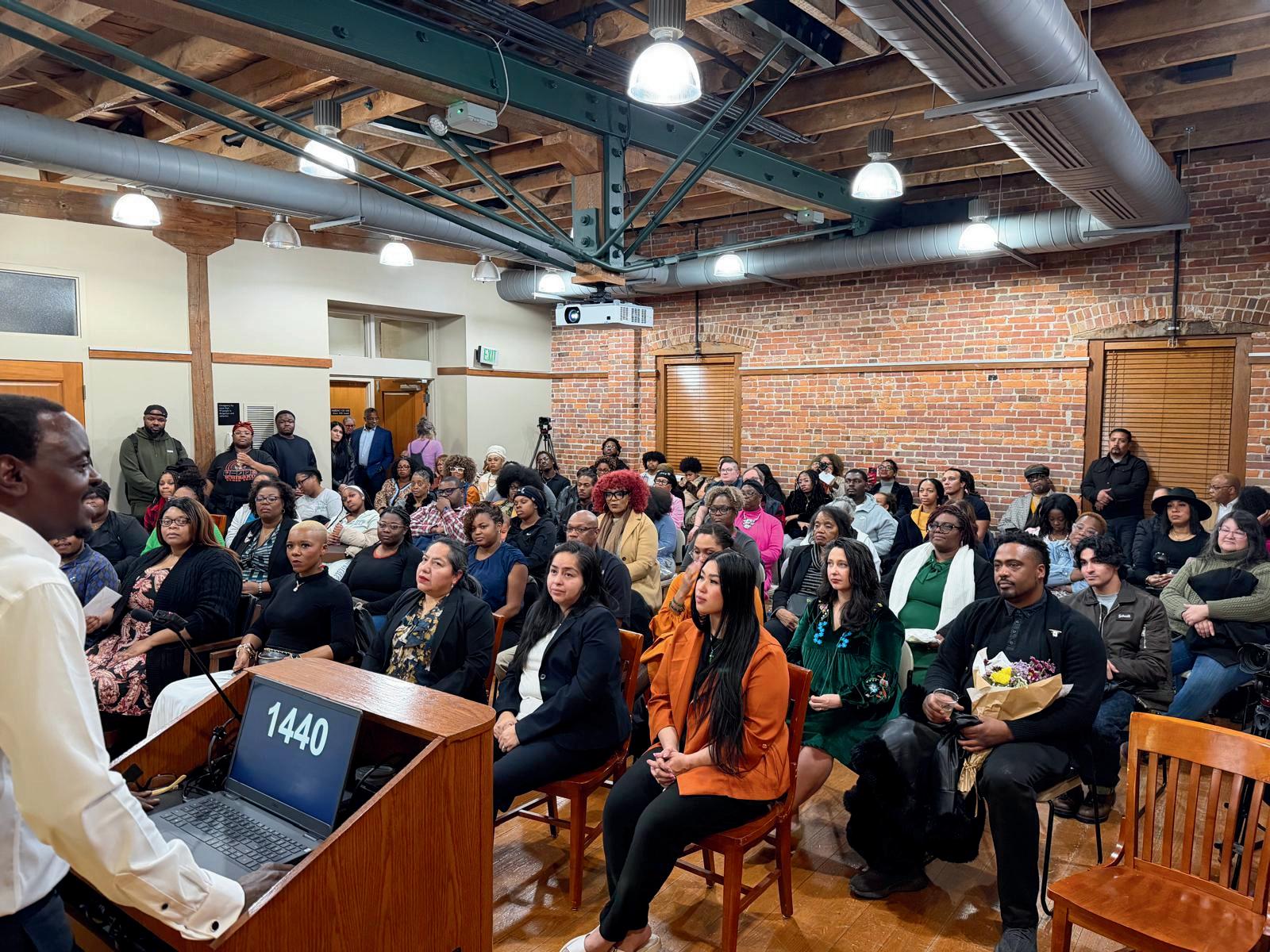



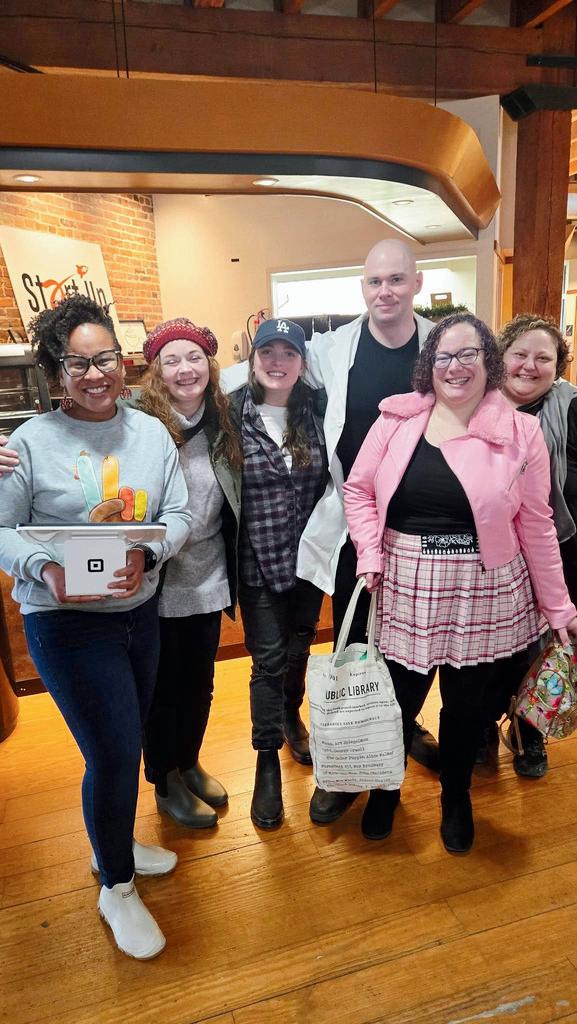

‘Ripple Effect’
About 20 percent of businesses fail in their first year, and by the fiveyear mark, 50 percent are likely to have closed, according to Bureau of Labor Statistics research.
Those sobering numbers can be chalked up to a few main factors and common pitfalls, which can be avoided if entrepreneurs utilize support networks and resources set aside for them. In Arkansas, some of those resources include The Venture Center in Little Rock, Rock It! Lab in Little Rock, The Conductor in Conway, Fayettevillebased Startup Junkie and the Little Rock Technology Park.
The organizations work to connect entrepreneurs with other founders at the same stage of business development, as well as mentors and consultants, to help show the entrepreneurs how to grow and sustainably scale their ventures.
At Rock It! Lab, a partnership between Advancing Black Entrepreneurship and the Central Arkansas Library System, under-resourced entrepreneurs are offered free training, one-on-one guidance, tools and a twice-annual incubator program to help their businesses grow.
“In addition to being support, [the Rock It! Lab staff] each have our own lived experiences being a business owner,
Resources for entrepreneurs, startups create change
By Alex Hardgrave
so being able to help entrepreneurs is a very personal endeavor,” said Rock It! Lab coordinator Leah Patterson.
Patterson owns a makeup business and also ran a salsa dancing studio.
“Someone that has traveled the road before you can help you navigate some of the terrain,” she said.
Viktoria Capek, communications and engagement manager at The Venture Center, said mentorship opportunities and accelerator programs at the center help entrepreneurs feel less alone on their journeys.
Rock It! Lab
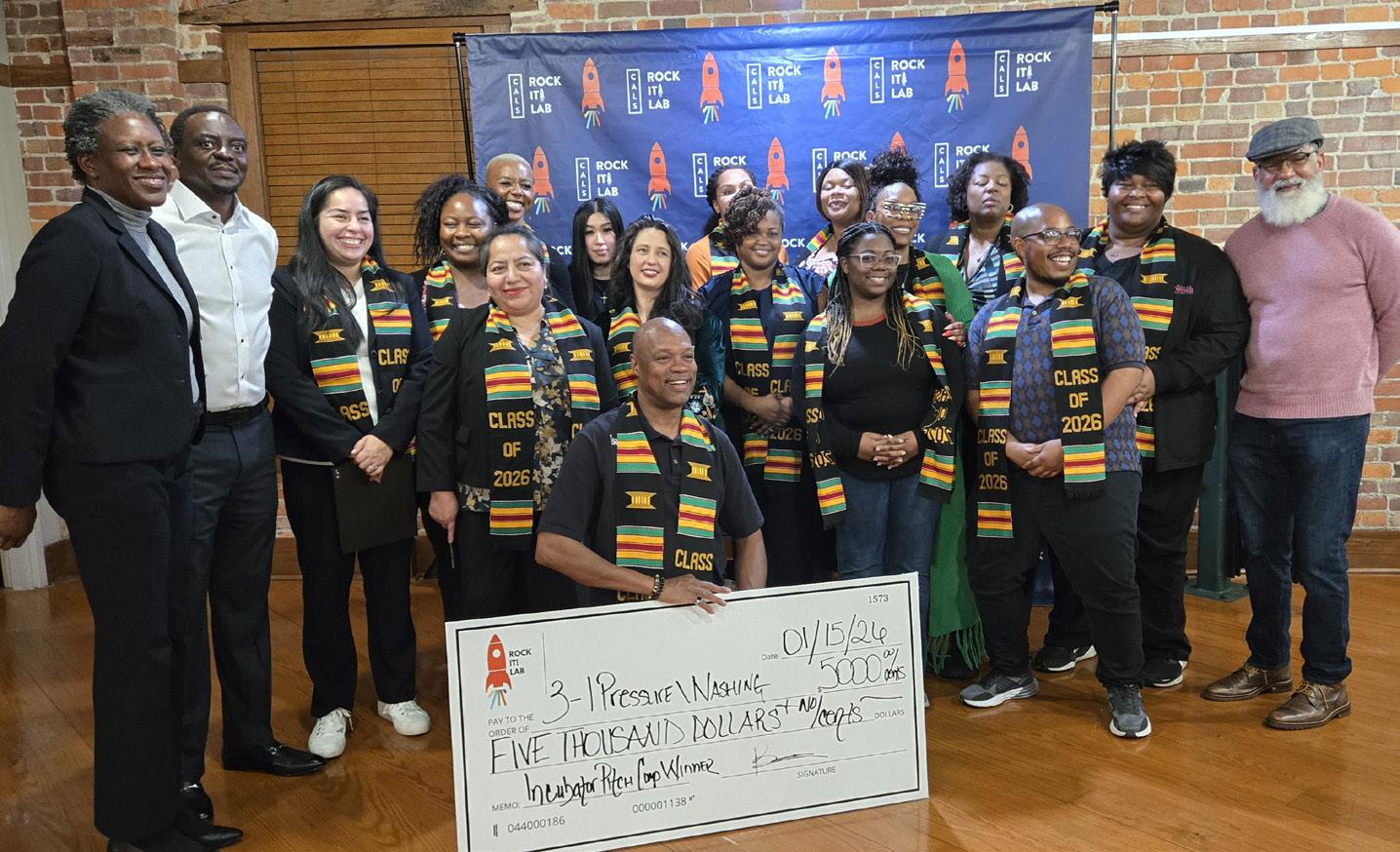
Rock It! Lab is a partnership between Advancing Black Entrepreneurship and the Central Arkansas Library System. (Photos provided)
Leah Patterson
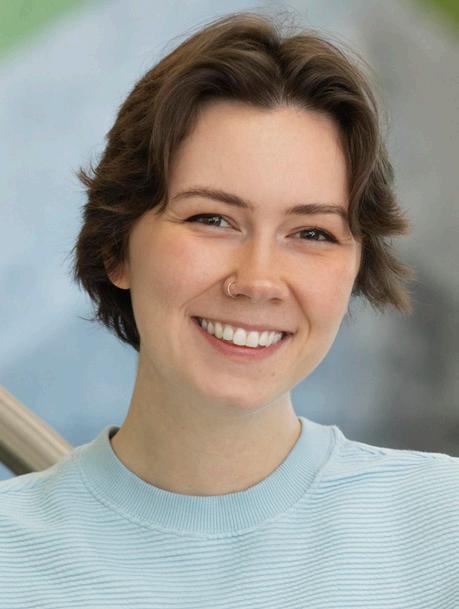

“Being a founder, being an entrepreneur is one of the most isolating things that can happen out there,” she said. Many programs at The Venture Center focus on different demographics, such as the Veteran-Owned Small Business Accelerator and AAPI Achieve, which focuses on Asian American and Pacific Islander entrepreneurs.
“You have to remember an entrepreneur or founder is not one size fits all,” she said. “[These events] put people in the room together who understand the same hurdles that they might jump through, and it removes this additional level of loneliness that they might feel.
“We as humans are designed to find our communities. There are people like you and there are people like you in Arkansas, as unlikely as it may seem.”
Startup Junkie asks entrepreneurs to interview random people about the problem they want to solve and come to a conclusion about their ideas.
The Venture Center
Patterson said especially with recent cuts to some funding for diversity programming, it has been even more important to support the Rock It! Lab entrepreneurs. This past year, Patterson focused a lot of programming on the mental resilience it takes to be a successful entrepreneur.
“In various aspects of life, [these entrepreneurs] are receiving the message that they don’t deserve, that it’s not available, that they can’t access something, so being able to access [Rock It! Lab] can actually help propel not just themselves but can help create generational wealth,” Patterson said.
Patterson said creating generational wealth in a community causes a “ripple effect.”
“It’s a feel-good social issue, but it also absolutely supports the bottom line and
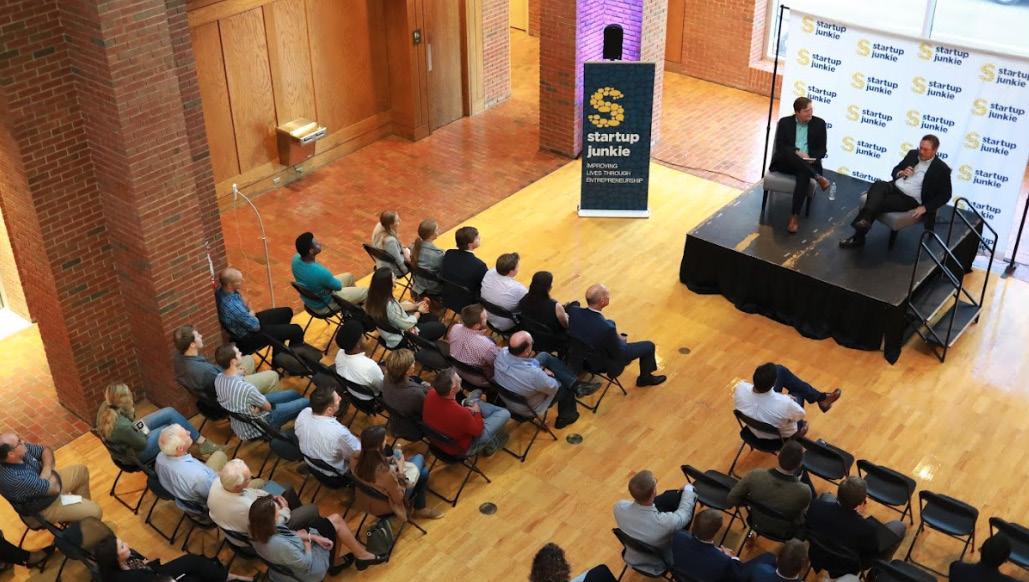
Startup junkie
Many programs at The Venture Center focus on different demographics, such as the Veteran-Owned Small Business Accelerator and AAPI Achieve.
the economic stability and growth of our state,” Patterson said.
Capek also talked about how supporting one founder can support a whole community.
“Getting rid of loneliness is going to allow for more innovation and economic growth in our state for individuals and for anyone who could feel a ripple effect from any of those things,” she said.
Startup Junkie also connects innovators with resources such as consulting, workshops and accelerator programs depending on what stage of the business process the entrepreneur is in.
“We do about 200-plus events over the course of a year,” said Caleb Talley, executive director at the Startup Junkie Foundation. “Those are intended to build community, educate and inspire. Entrepreneurship can be a lonely journey, and so through this portfolio of events, we’re giving entrepreneurs or aspiring entrepreneurs the opportunity to get out of that a little bit and see that there are other folks in the trenches with them,” he said.
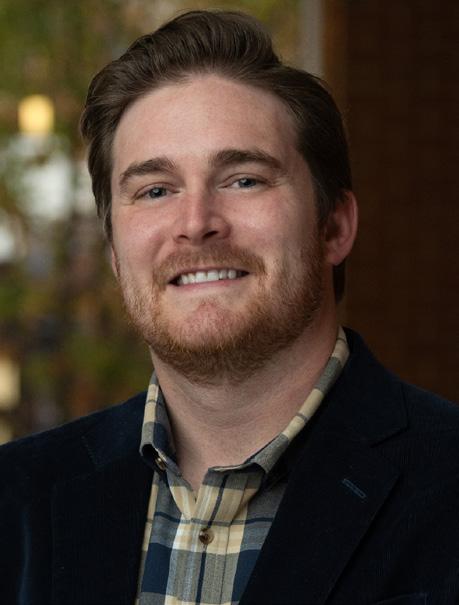
Caleb Talley
The vast majority of the businesses Startup Junkie serves are still at the idea stage, Talley said.
“We try to help illuminate that path
Viktoria Capek
Little Rock Technology Park
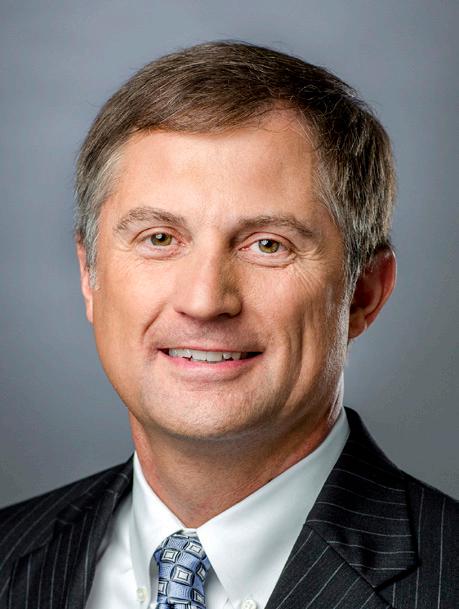
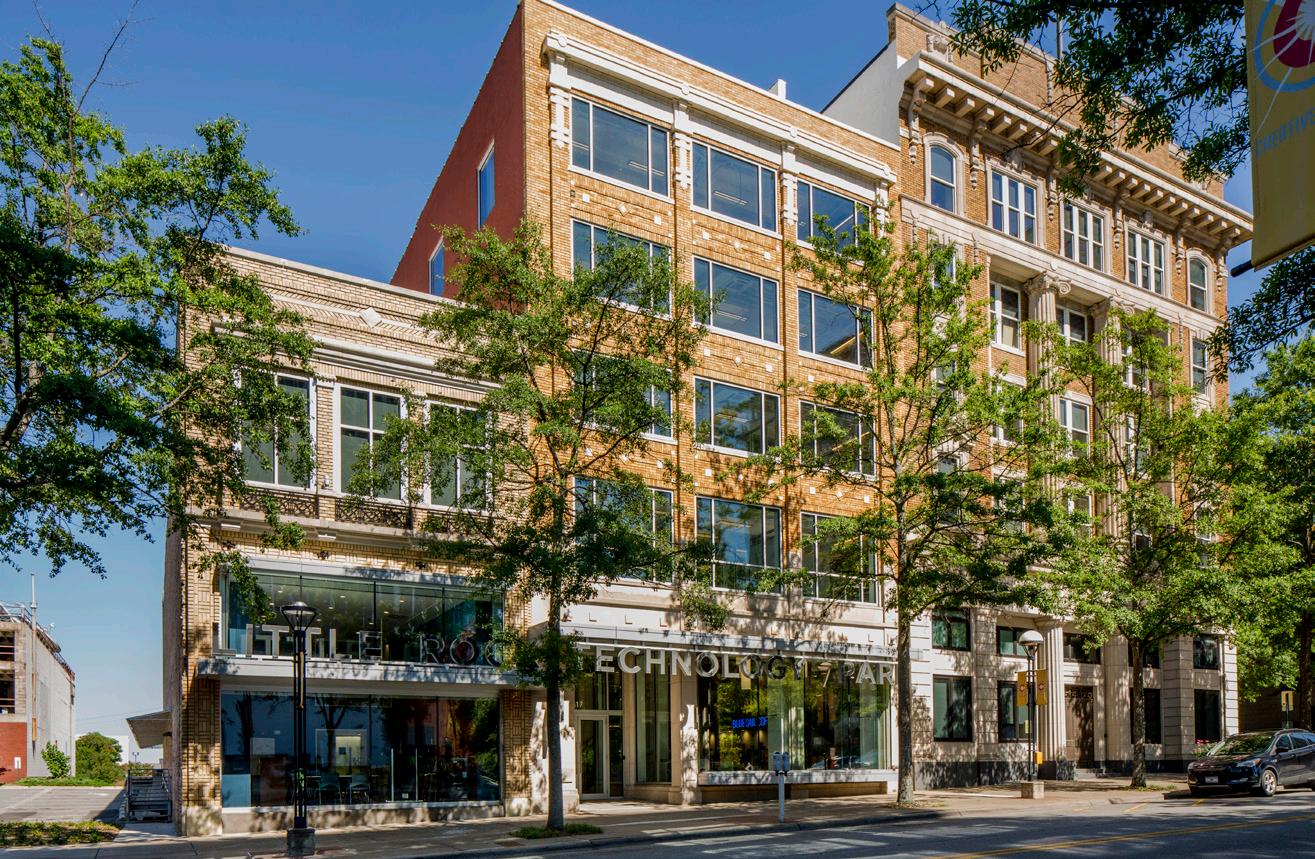
and help guide them to that conclusion or that realization or that resource in an effort to help them best succeed and, at the end of the day, eliminate the barriers that would trip up someone on their path,” he said.
Talley noted a key to helping startups is making sure that they have ideas that are marketable.
“The No. 1 reason a startup fails is not funding, but it is because no one wants what they’re selling,” he said.
Jeff Standridge, managing director at The Conductor, said it this way:
“We tell them, ‘Fall in love with the problem, not the solution,’” he said.
To help businesses that are at the idea stage, Standridge said The Conductor essentially gives them “homework” to do.
Talley said Startup Junkie’s leaders ask entrepreneurs to interview random peo-
The conductor
ple about the problem they want to solve and come to a conclusion about their ideas that way. He said sometimes if entrepreneurs get feedback that an idea is not a good idea, they will go back to the drawing board or, other times, move on entirely.
“Don’t be discouraged because think about all the time and money you just saved not trying to deploy some product or service,” Talley said. “One notion we lean into is to fail faster. Failure is always the best teacher. Folks that are able to fail faster and move and go with the flow to the next thing, they are going to be more successful.”
Many of the startup resources also give the entrepreneurs somewhere to work physically.
Rock It Lab! offers a makerspace in its basement complete with a T-shirt press, a 3D printer and sewing machines.
The Little Rock Technology Park, in
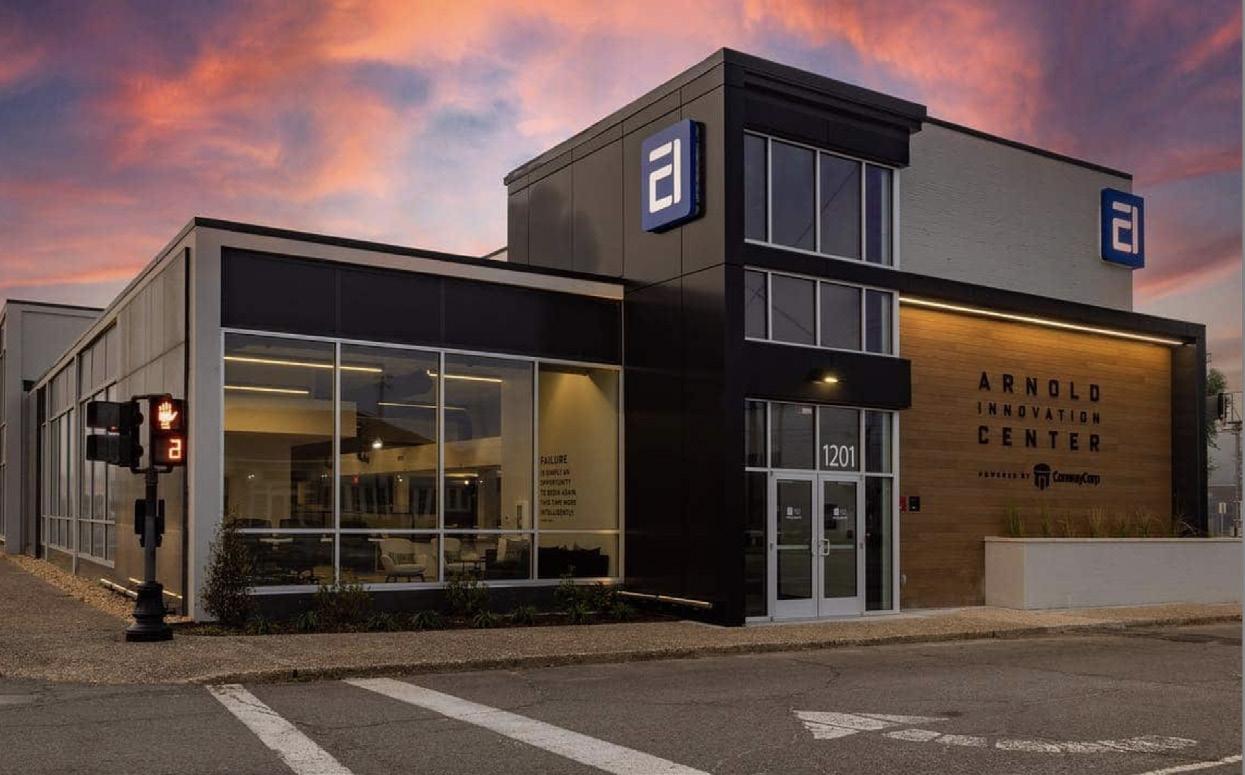
The Little Rock Tech Park provides entrepreneurs with space to work for a flexible price.
which the Venture Center is located, provides entrepreneurs with space to work for a flexible price.
“The ability to be around like-minded individuals to collaborate and learn from one another is also a key feature of the space,” said Brent Birch, Little Rock Tech Park’s executive director.
Roughly 100 tech-focused workers across 30 companies are in the space currently, he said.
“The saying goes that your city is only as strong as your downtown, and our project is proud to catalyze some of the redevelopment downtown,” Birch said.
The Conductor operates in and also offers space for rent within the Arnold Innovation Center.
Once entrepreneurs have a network, a viable idea and a space, then it is about getting the money to support the idea.
The Conductor and Startup Junkie use a platform called Kiva, which works similar to Kickstarter, where people can choose to fund an idea or product. The entrepreneur can get up to a $15,000 loan with zero interest funded from Kiva.
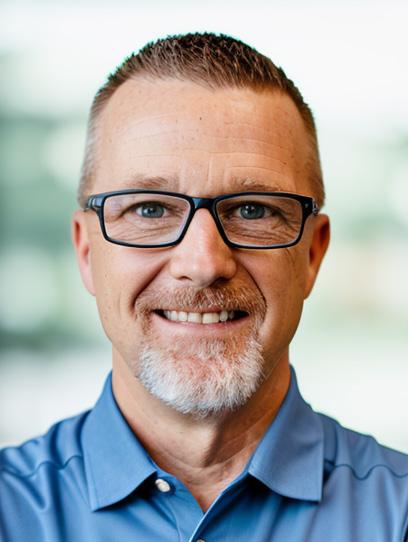
“It can really be the difference between some entrepreneurs getting their ideas off the ground or not,” Standridge said.
Rock It! Lab can also help connect entrepreneurs who are ready with something called the Imani Fund, which uses the underwrit-
Jeff Standridge
The Conductor is located inside the Arnold Innovative Center in downtown Conway.
Brent Birch
ing process that values an individual’s character and the business model’s potential rather than credit score. The fund provides loans between $5,000 and $25,000 to businesses.
Despite there being many of these resources and programs in the state, Tally said there is no competition between the organizations who serve entrepreneurs, nor does he often see it between entrepreneurs themselves.
“There’s enough opportunity for everybody, and I think most people embody that,” he said.
The No. 1 reason a startup fails is not funding, but it is because no one wants what they’re selling.
— Caleb Talley Startup Junkie
With the myriad obstacles to starting a business, these organizations are important to the entrepreneurs they serve and to the future growth of Arkansas.
“I think Arkansas, on so many levels, is underestimated,” Capek said. “People in Arkansas deserve to know that their ideas are strong and that their ideas are not far out of reach. There are resources here that can help make their ideas a reality and not just succeed but really thrive in the state and across the country and world.”
COMMUNITY MEMBERS, CHAMBER START DOWN PATH TO BRING BACK INNOVATION HUB
At the corner of North Poplar Street and East Fourth Street in North Little Rock sits a building that once teemed with technology and tools to make most anything people could think of. Now it sits vacant with both the future of the building and the organization it housed, the Arkansas Regional Innovation Hub, unclear.
The Arkansas Regional Innovation Hub had been providing makers with a space to work and tools to use since 2014, but a unanimous vote by the North Little Rock Public Library on Nov. 17 determined the Innovation Hub would close its doors in 2026. The library had been running the hub for about a year.
On Dec. 12, people using the space were asked to be fully moved out in order to give Innovation Hub staff enough time to prepare inventory, pack and move materials before turning the building back over to its owner, Winrock International, on Dec. 31.
The North Little Rock Chamber of Commerce put out a statement Dec. 2 that stated the chamber was setting up a committee to help bring back the hub, noting the committee initiated conversations with Winrock International to “ensure that the facility continues to serve its intended purpose.”
“This building represents a significant community investment, and its purpose
is bigger than any single organization,” Derrell Hartwick, CEO of the North Little Rock Chamber of Commerce said in the statement. “Our goal is to preserve that investment and ensure this facility continues to serve the people, businesses and students who built its legacy.”
Since then, members of the public have also been working to save the Innovation Hub, notably North Little Rock resident Scott Shellabarger. Shellabarger told a group that gathered on Jan. 15 to discuss options to save the hub, an audience that included community members, as well as former Innovation Hub workers and members, that he recently launched a website, savethehub.org, detailing ways the Innovation Hub could come to fruition once again.
He said the first steps would be to create a nonprofit and also find a space that can house the hub, whether that be the organization’s former location or somewhere new.
“It’s my idea of how things can progress,” he told the crowd.
It was also discussed at the meeting whether the hub’s former location had already been sold, though that was not confirmed. An update at the website noted Shellabarger submitted a letter of interest to Colliers, the listing agent, for the property.
Another document on the website said
“Our goal is to preserve that investment and ensure this facility continues to serve the people, businesses and students who built its legacy.”
— Derrell Hartwick
North
Little Rock Chamber of Commerce
50 percent of funding for the new Innovation Hub would come through earned income from a tiered membership model. That would eliminate the need to rely on as much grant revenue, which in the new plans detailed online would only make up about 28 percent of operating funds and foundation support would make up another 18.5 percent of the projected budget.
As of late January, next steps also included forming working groups and committees to continue the process of bringing back the Innovation Hub, the website states. There is also an ongoing online fundraiser led by the North Little Rock Chamber of Commerce trying to raise $1 million to “relaunch the hub.”
More information and updates can be found at savethehub.org.
A Foot in the Door
When it comes to securing funding, preparation is half the battle

By Doug Crise

Whether the goal is to upscale an existing small business or to find the resources necessary to get a startup up and running, the good news is there are far, far more sources of funding than there have ever been.
Yet being spoiled for choice brings its own set of issues. How does one find the right fit? Just how time tested is the advice being given? Perhaps most importantly, who can protect business owners from what they do not know?
There is way more involved than just a handshake and a check.
“There’s how it has gone, then there is how it will go,” said Joe Carter, CEO of EverBranch Capital Group in Little Rock.
A business founder may need investment, but advice and resources carry just as much value. That can be true whether just starting out or deciding to scale up, since both have pitfalls that can collide with even the bestlaid business plans.
“Most people that come to us already have an existing business, and it’s to the point where they’ve been trying to scale it, and they run into problems, which are usually good problems,” said Marshall Butler, director of commercial services at Pinnacle Advisors.
“They have too much work, and they can’t figure out how to finance it on the front end and get capital to hire new people and have marketing plans.”
Butler knows plenty about the financial side of commercial growth. He joined Pinnacle in 2020, having worked in both banking and as a fiscal adviser. Yet there are very few aspects of the traditional money man when it comes to Butler. An amiable, gifted communicator and a deep thinker, Butler loves figuring out the hows and whys behind each business and each potential client, even if it involves things that stay off the ledger.
All of that dovetails to the foundational value of securing outside investment — come armed with a plan.
“That business plan is important,” Butler said. “I think a lot of people kind of feel things like business plans and mission statements, all of those are superfluous. I have found in my career that, actually, those are pretty important. It turns out they’re super important. If you don’t know what you’re trying to do, you’re going to have a real hard time doing it, and you’re going to have a much harder time convincing anybody to help you do it, especially if we’re talking about putting money on the line.”
Adriene Brown, the Arkansas director at the U.S. Small Business Administration, agreed. A comprehensive plan — both for startup businesses and existing operations looking to grow — provides a framework for investment. Not everything about a proposal has to ring true from the start of the process until the end, but a working familiarity with every nook and cranny of a business provides a foundation and cuts down on factfinding questions.
“The SBA is a federal government agency,” Brown said. “We have basically outsourced some technical capabilities to the Arkansas Small Business and Technology Development Center, as well as the Arkansas Women’s Business Center, to help small startups in Arkansas. What they do is help them put together a business plan.”
That can come as a relief to an aspiring entrepreneur who has a plan in mind but is not completely sure how to get there. The Arkansas Small Business and Technology Development Center offers one-on-one consultations, planning tools and market research. The Small Business Administration operates in a similar capacity while also connecting startups to lenders.
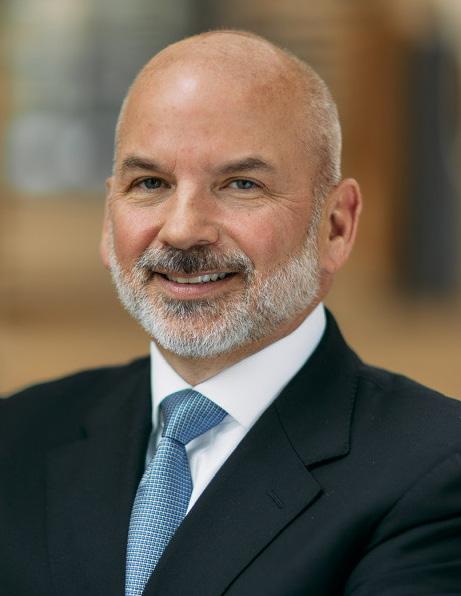
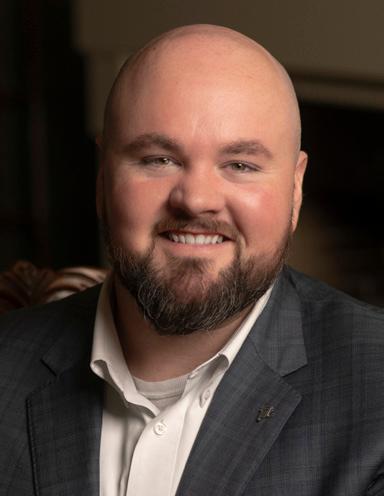
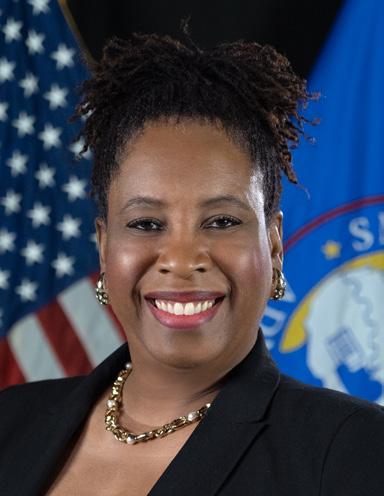
Adriene Brown
Joe Carter
Marshall Butler
Most people that come to us already have an existing business, and it’s to the point where they’ve been trying to scale it, and they run into problems, which are usually good problems.
— Marshall Butler Pinnacle Advisors
“That business plan is their roadmap,” Brown said. “Then the startup is able to go before a lender, and we have multiple types of lenders that the SBA uses. They take that plan before the lender, and the lender can make a determination on whether or not they qualify for a SBA loan. They want to know the entrepreneur has a viable business because we want people to succeed. We don’t want them to take on any debt that they won’t be able to repay.”
There is so much more to finding and clicking with the right lender than just ample cash on hand and good credit. What matters just as much is knowing what to do with it.
“They’re going to need to show what their cash flow is,” Brown said, “their financial projections, how much they expect to make in the next five or however many years, what they’re going to use the money for, what the plan is for paying it back. Those are all important items that will go into the business plan.”
Having ample data and thought presented in a business plan also helps find the right investing relationship in what can be a crowded field. Some lenders enjoy the process of getting in on the ground floor with a startup, while others work primarily with upscaling small businesses. There is truly no set of marching orders and no paint-bynumber guides to finding that right connec-
tion. While demonstrating cash flow and credit plans can be a largely objective exercise, intangibles still play a large role.
“For us, the character of founders is paramount,” Carter said. “It’s important to know that integrity, in my view, involves at least two very important components. One is the moral code of protecting your reputation and doing what you say you’re going to do. The second is the professional competence necessary to understand what you’re saying when you make that commitment. For us, when we evaluate character, we’re looking at those things.”
Carter is also interested in budgets, especially whether or not a potential business owner has made previous budget forecasts and done so accurately.
“There will be other elements that we look for,” he said. “What is the past performance relative to budgets? If you’ve developed a budget, how close were you? How close were you not? Why? How did you adjust? How has your performance been since then?”
Another question, simple and old fashioned as it may sound, is whether or not someone looking to get a business off the runway really knows all that goes into it. It is great to have a vision, but the person proposing that vision is also probably going to be the person still grinding away in an office after everyone else has gone home. Leadership is more than just leading meetings and speaking boldly — it is spending whatever time is necessary to make sure those bullet points in the business plan become a reality.
“I think there are so many startups out there now where people are more interested in work-life balance than organizational success,” Carter said, “and I think shareholders can get left in the lurch when somebody says, ‘I only want to work 30 hours a week.’ There are real-world consequences for that. I think, for us, we’ll be looking at how you perform in the real world, not just Pollyanna pro forma.”
Having a business plan is important, but so is having a history of following through.
“I think there is sort of a sobering-up of the concept of what’s necessary to succeed and overcome uncertainty,” Carter said. “That’s true across all platforms of funding.”
WHY DO WE INVEST?

Obligation. We invest because we have a duty to. We were lifted up by people and places that believed in us – and now we carry that forward. We seek out those with the character, grit, and potential to do the same for others, knowing that real impact compounds when it’s rooted in purpose. When we invest in the right people, we don’t just grow businesses – we grow legacy.






Tomorrow’s LEADERS
Arkansas organizations help grow the next generation of entrepreneurs
By Sarah DeClerk
When Marcus Johnson, chapter president at 100 Black Men of Greater Little Rock, asks young men what they want to be when they grow up, the answers he hears most often are athlete and entrepreneur.
“Most of them playing sports, they see the glam life of celebrities or athletes, and they want to do that,” he said. “With entrepreneurship, I think most of them are getting to the point in their life where they don’t want to work for anyone. … Most of them say, ‘I don’t want to work for anybody. I want to work for myself. I take pride in owning something.’”
It is a far cry from when he was growing up, he added.
think when I was coming up young, it was always, ‘Get a job, get your 401(k), and work,’ but now it’s like, ‘Produce, and make your own money.”
Serving young men ages 13 to 18, the mission of the chapter is to improve the quality of life within the communities it serves through mentoring, education, health and wellness, and economic development. Johnson said mentorship is a hallmark of the organization.
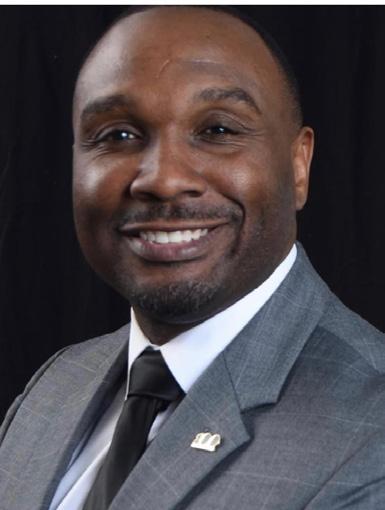
“I think it’s a different generation now,” he said. “I
“One of our mottos is, ‘What they see is what they’ll be,’ so what we try to do is gear each one of them up,” he said. “We try to find a career that they are excited about, that they want to do. What we try to do is each member has a particular mentee, and that mentee kind of wants to go toward that career field, so we’ll come in, let them do small internships, create avenues for them if they want to do something bigger.”
That mentorship not only helps young entrepreneurs gain practical skills such as marketing but also helps them develop their confidence, communication skills and professional network, he added.
Marcus Johnson
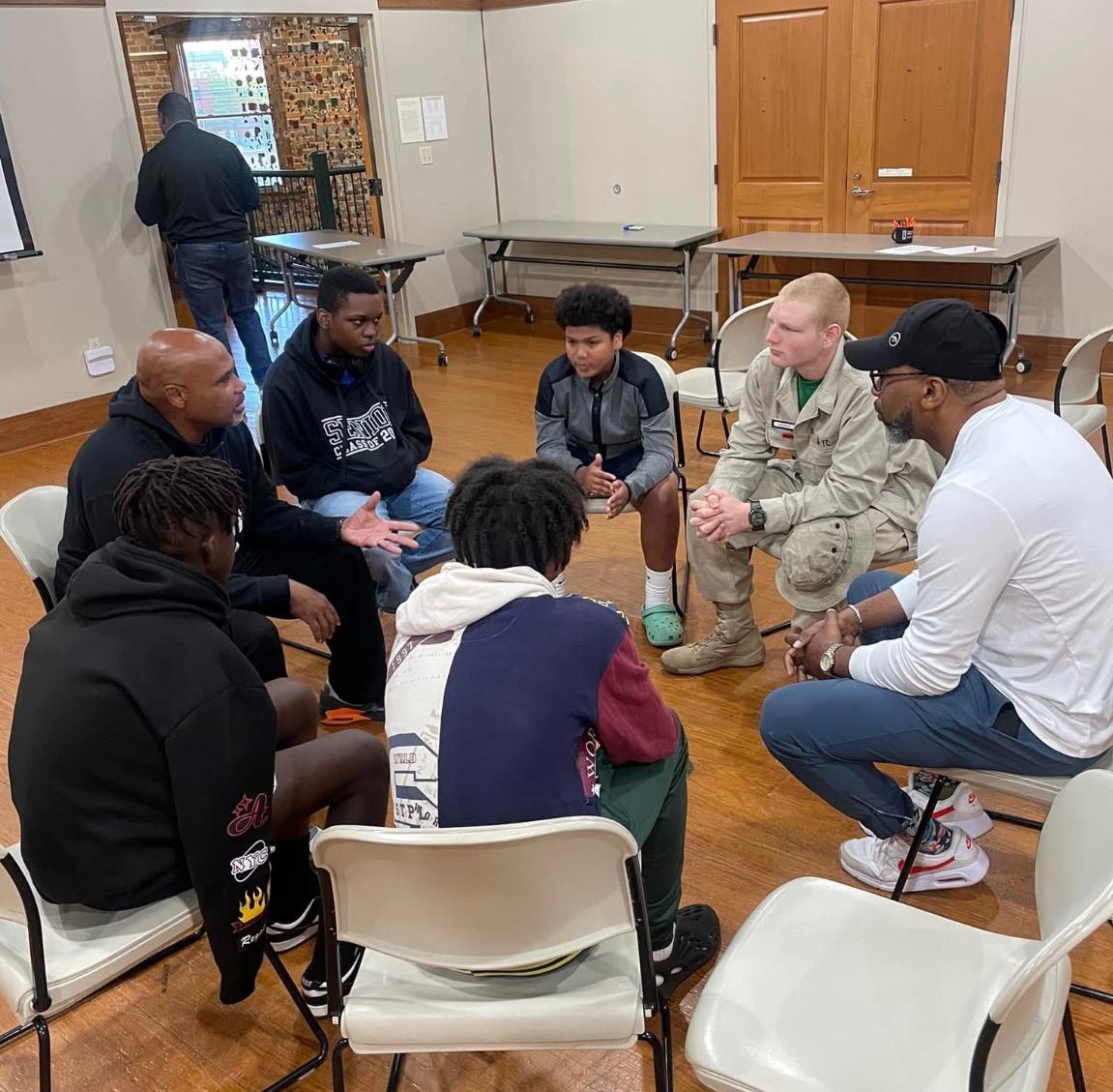
Little Rock philanthropist Rush Harding, a longtime supporter who was honored by the organization several years ago, said 100 Black Men of Greater Little Rock does an outstanding job of mentoring African American youth.
“To see the impact 100 Black Men is making in our community was impressive,” he said. “They are teaching discipline and responsibility to generations of young Black men, and the adult mentors exhibit those same attributes as they lead their families and their community. I am honored to support their meaningful effort, and I have seen firsthand the good work that they are doing.”
Meanwhile, at Jacksonville High School, senior Stacy Holt is closing in on his dream of becoming a professional chef by getting hands-on experience at the school’s student-run cafe, Simply Delicious.
“I always wanted to be a chef,” he said. “When I realized that Jacksonville had a culinary pathway, I decided to come to Jacksonville.”
Chef Saige Teague, culinary instructor at the University of Arkansas-Pulaski Technical College Culinary Arts and Hospitality Management Institute in Little Rock, which the high school partners with for the program, said the cafe is a longestablished part of the school and once functioned as a sitdown restaurant.
These days, the cafe focuses on to-go orders and catering while teaching students foundational skills for the culinary industry, allowing them to leave high school with culinary certifications. Holt said he has received his ServSafe Food Handler and Manager certificates.
“I think it’s going to benefit me more if I go to a restaurant because I am already more qualified than other people who are also wanting the job, especially at my age,” he said.
Senior Yahaira Carter said she joined the program because she needed more hobbies.
“I think it’s been going pretty well,” she said. “We haven’t really got much business, I would say, maybe, from Christmas to now, but people come in every now and then, asking us what we’re making, and I think it’s really good.”
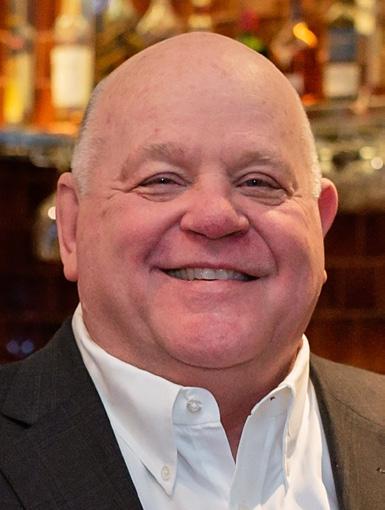
She added that although she is not yet sure what her next steps are after graduation, she probably will not have to work in fast food and can pursue work at a more elevated restaurant if she wants. That said, she added that she used the cafe as a reference when she applied for a job at Taco Bell.
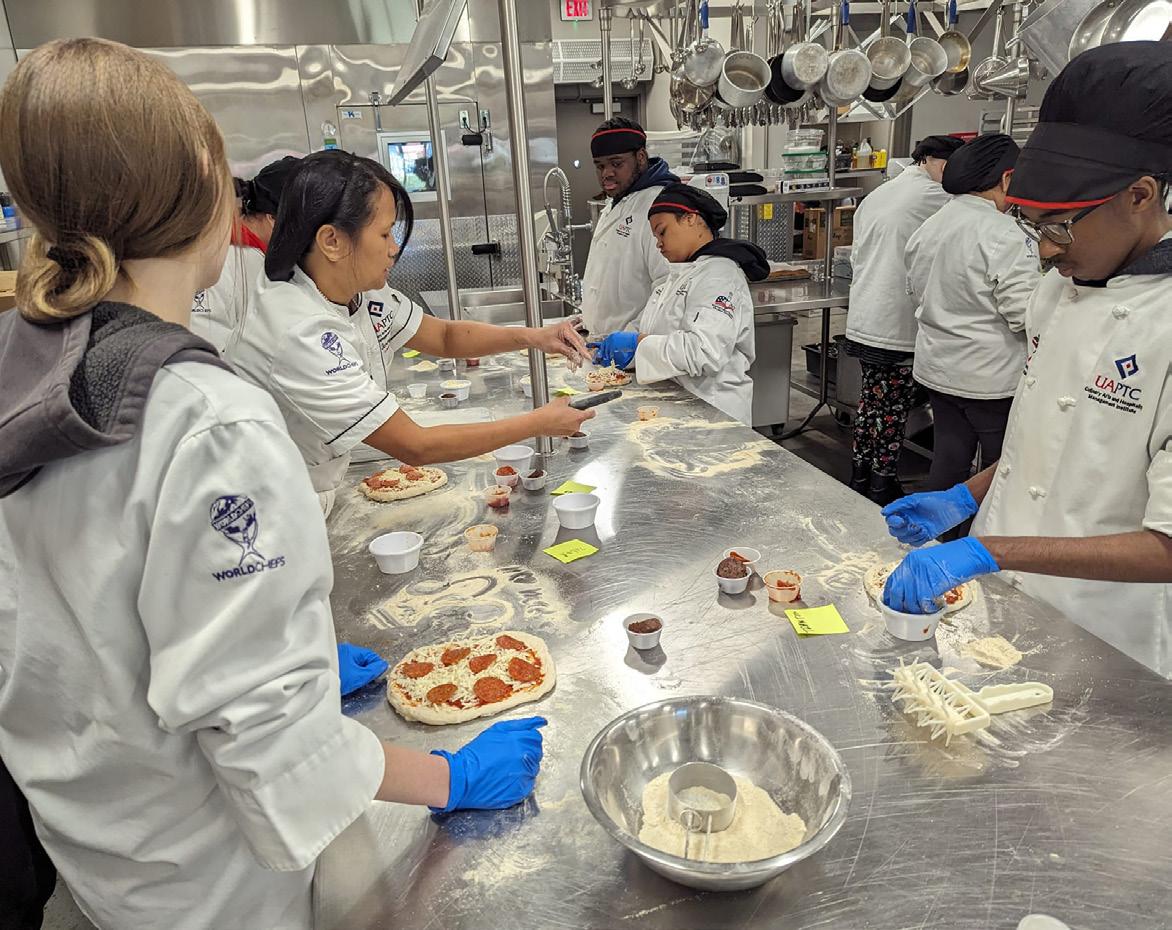
Students at Jacksonville High School’s student-run cafe, Simply Delicious, learn the basics of both culinary arts and business management. (Photo courtesy of Jacksonville High School)
Rush Harding
Saige Teague
Mentorship is a key focus of 100 Black Men of Greater Little Rock. (Photo provided by 100 Black Men of Greater Little Rock)
Teague called the cafe a “foundational job” and said she encourages students to list it on their resumes.
“This is a good experience because the majority of kids that leave our program, they might not go to college and pursue culinary, but they are going to have a job somewhere to provide for themselves,” she said. “Not only that, but you’re going to need to know how to eat, you know? You need to know how to eat and supply for yourself, and sometimes kids don’t know how to do that straight out of high school.”
While neither Holt nor Carter is set on becoming a restaurant owner, Teague said many students are interested in starting their own restaurants.
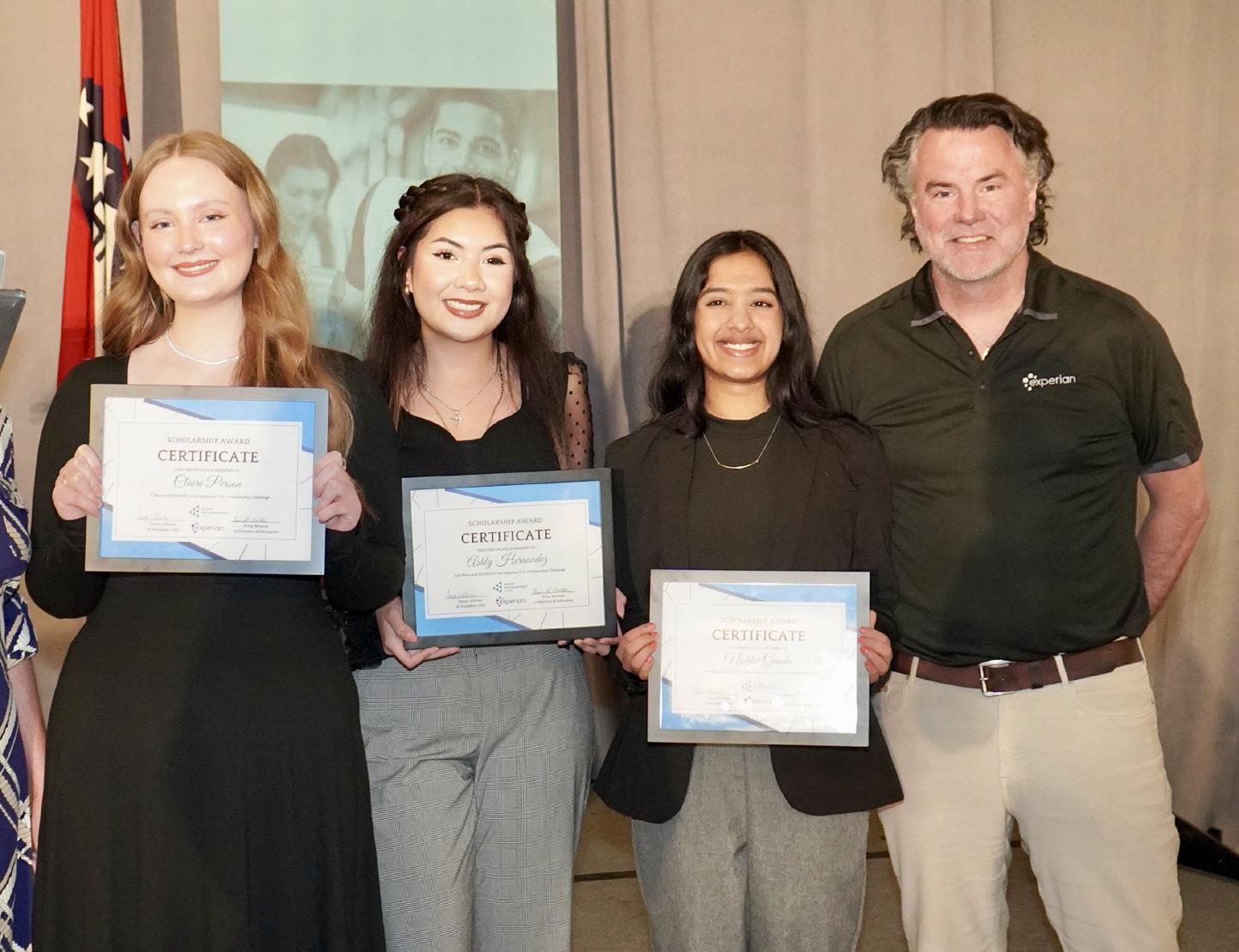
“They want to figure out if this is the industry that they want to do,” she said. “Just last year, we had three or four students, actually, move from our program over to the college, and it’s actually a very easy transition. … A lot of students do pursue their own restaurant, or even food trucks are a big thing right now.”
Junior Achievement of Arkansas provides another way for students across the state to receive hands-on,
“Entrepreneurship education isn’t just about starting a business; it’s about building confidence, creativity and problemsolving skills that prepare young people for success in any career.”
— Tonya Villines
Junior Achievement of Arkansas
experiential business education. Founded in 1987 by Sheffield Nelson, Thomas “Mack” McLarty and Jerry Jones, JA works to provide real-world education about financial literacy, entrepreneurship and workforce readiness.

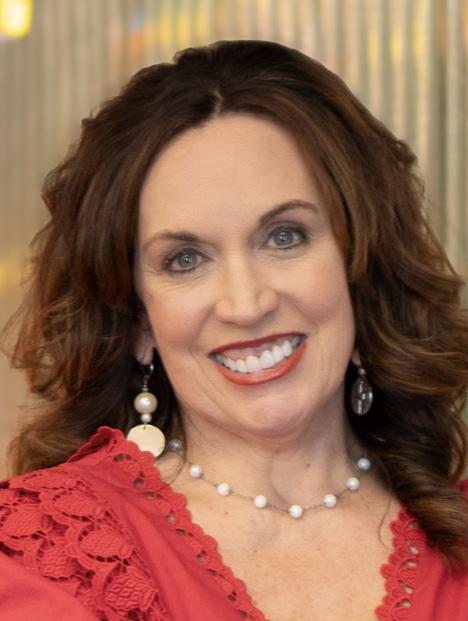
“Our strength lies in community partnerships and volunteer engagement,” said Tonya Villines, president and CEO. “We collaborate with leading Arkansas employers — such as Walmart, banks and local businesses — to bring real-world expertise into classrooms. Volunteers don’t just teach; they inspire students by sharing their own career journeys. This hands-on approach helps students connect education to opportunity.”
JA gives students the chance to think like business owners, solve realworld problems, and understand what it takes to start and grow a business through programs such as the JA Company Program, for which students create and run their own businesses.
“We also connect students with volunteer mentors from the business community, giving them real-world insights and role models,” Villines said. “Entrepreneurship education isn’t just about starting a business; it’s about building confidence, creativity and problem-solving skills that prepare young people for success in any career.”
The programs also help break cycles of poverty and open the doors to economic mobility, she added. JA’s signature event, the Hall of Fame Business Luncheon, celebrates outstanding business leaders across the state who serve as role models for the next generation.
Junior Achievement of Arkansas scholarship recipients Claire Person, from left, Ashly Hernandez and Nishka Gandu pose with David Fort. (Photo courtesy of Junior Achievement of Arkansas)
Tonya Villines
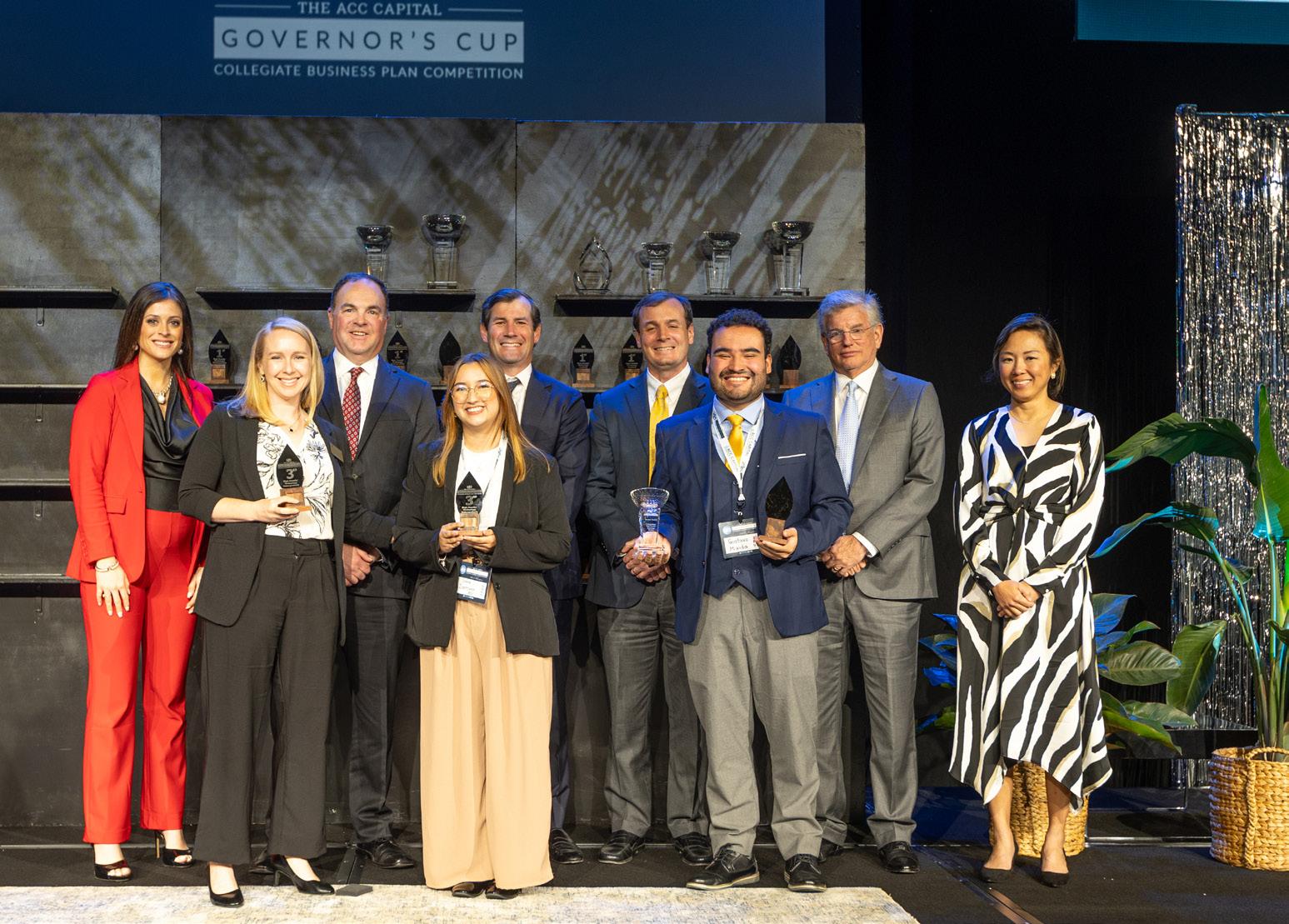
“When students learn to think like entrepreneurs, they develop confidence to take initiative, adapt to change and turn ideas into action,” Villines said. “These skills are critical for the future workforce. Whether they become business owners, innovators within a company or community leaders, entrepreneurial thinking equips them to thrive in a rapidly changing economy.”
ACC Capital Foundation helps develop young entrepreneurs through the Arkansas Governor’s Cup, a business pitch competition for college students now in its 26th year. Of all Governor’s Cup finalists, 18 percent have gone on to start a company after the competition, said Tiffany Henry, executive director.
“While we are very proud of that number, the intent of the Governor’s Cup is to provide an experiential learning opportunity for students and not necessarily to start businesses,” she said. “That’s why when we award them their prize money, they can use it however they want. They can use it for their company, or they can use it for school.”
Seeking to have an even greater impact, the foundation created the Education to Develop and Grow Entrepreneurs, or EDGE, Initiative and hosted the third-annual EDGE Summit last year. The summit helps college faculty build entrepreneurship into their programs by sharing best practices, networking opportunities and action items.
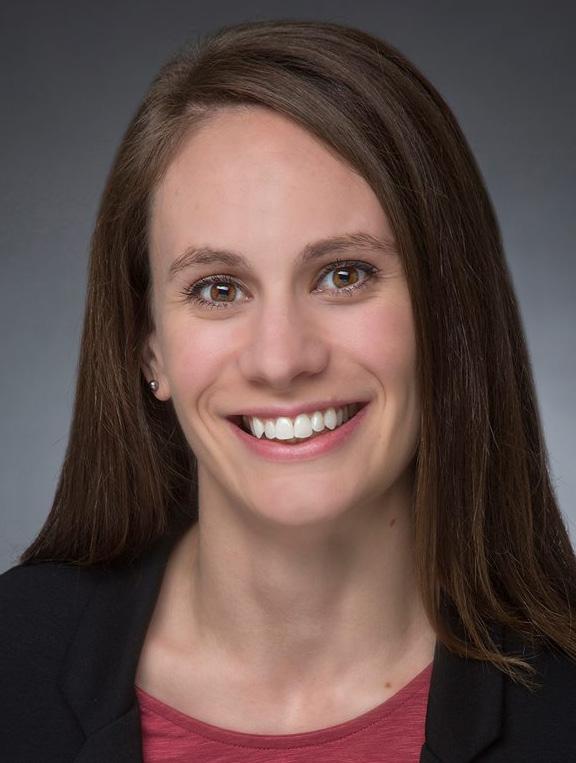
Henry said the summit is particularly impactful for faculty outside the colleges of business.
“If they are curious about entrepreneurship but no one else in their field is, it can be a lonely place to be, and it can be difficult to bring some of those tenants into that classroom,” she said. “Providing an op-
“To see the impact 100 Black Men is making in our community was impressive. They are teaching discipline and responsibility to generations of young Black men, and the adult mentors exhibit those same attributes as they lead their families and their community.”
— Rush Harding philanthropist
portunity for these faculty to connect with each other, there’s a realization that they’re not alone, that there are other people in other disciplines that are also wanting to explore these opportunities.”
Her priority now is closing what she calls the “EDGE loop” by providing more resources to help students take their ideas out of the classroom and into the market.
“Entrepreneurship is a skill that will serve you no matter where you go,” she said. “Our hope is that it will result in new small businesses being created because of the impact that small business has in Arkansas’ and America’s economy. We are a capitalistic society, and we want to support the continuation of that, but regardless of what we do, the skills of entrepreneurship will serve you.”
The team from John Brown University in Siloam Springs poses with their awards at the 2025 Governor’s Cup.
(Photo courtesy of ACC Capital Foundation)
Tiffany Henry
A Little Bit of Everything
Foxden Capital draws on founder’s diverse experience to create opportunities

By Doug Crise
ACHARACTER, LEADERSHIP AND RELATIONSHIP BUILDING STILL REMAIN VITAL BOTH FOR BUSINESSES LOOKING FOR INVESTORS AND INVESTMENT FIRMS LOOKING TO WORK WITH BUSINESSES.
t its heart, even in today’s blink-andyou-miss-it financial world, investment banking remains all about the idea — and for seven short years, Little Rock’s Foxden Capital has been a fulcrum for turning ideas into reality.
“I think it’s important to get with somebody that can help you build a really good business plan,” said Todd Denton, owner and CEO, “a thesis for why your idea is a good one and what value it brings, what problem it solves, the competition around that area and who your competitors will be — the total addressable market.”
Put another way, a successful investor needs to be one of the smartest people in the room. For some, the idea of an investment firm brings to mind images of a finance whiz crunching numbers, and that’s part of it, but knowledge and broad experience — two things easily said but hard to define — are the fuel that powers mutually beneficial investment opportunities.
Even in a crowded market, it is hard to outdo Denton when it comes to experience. He grew up in a small corner of south Arkansas, attending now-defunct Sparkman High School before graduating from Ouachita Baptist University in Arkadelphia with a degree in business administration and finance. Then he went to work.
One of Denton’s first stops was the insurance
sector with an eventual emphasis on commercial insurance in the trucking and logistics industry. That bloomed into the field of risk management, a natural evolution toward investment.
Meanwhile, in 2002, Denton and his wife, Amy, started Pediatrics Plus, a pediatric care provider offering a robust field of occupational, speech and physical therapies to go along with behavioral treatment. What began in the Dentons’ home soon blossomed into a nearubiquitous presence in Arkansas, Oklahoma and Texas with more on the way.
Being able to pivot between different fields and backgrounds is not just Denton’s skill set; it is the driving force behind Foxden Capital’s success. In less than a decade, Foxden has built a stunning portfolio that includes homegrown and ever-expanding health spa Beyond Wellness, onboard software and parking technology for logistics, motor technology, and a host of beloved restaurant businesses, including The Purple Cow and U.S. Pizza Co.
Denton and his team know a good idea when they see one. That said, the brutal fact of the business world is that even a good idea can turn ephemeral and disappear if it is not backed up by time-tested planning, market knowledge and, of course, adequate fiscal capital.
For a business to find a home with an investor,
frank and difficult conversations are a must, and planning is nonnegotiable. The more variables a potential client can cover while looking for outside investment, the easier it can be for investors to assess what is being presented.
“If you’re going to sit down and talk with professional investors about an idea, they’re going to have some really smart questions,” Denton said. “You need to sit down with somebody who helps to consult on business operations or an ex-business operator of some sort and anticipate those questions and build them into your presentation.”
That is much easier said than done, of course, but the more facts and information that are brought to the table, the more a potential investor can see how a given proposal may or may not work.
“When you sit down, there’s no way you will come up with all of the answers and questions they might have for you,” Denton said, “but if you can get the majority of the major ones, then it will help you. It will make you look more organized.”
Has the investment scene changed over the years? Absolutely. It does not seem too long ago that developing a business plan could feel like the Wild West — or, perhaps put better, a massive field with no clear-cut path to the other side.
“In the past, somebody might have an idea, and they’re just driving around, talking to different people that might be interested,” Denton said. “That’s one thing I see that’s changed, and that’s a really good thing.”
Entrepreneurs themselves are arriving in today’s market armed with not just ambition but also the type of soft-skills skill set that used to be relegated to the old adage of, “You either have it, or you don’t.” That does not cut it anymore, and entrepreneurs are now armed with more direction than ever before. Better yet, educational institutions are rising to the occasion. By way of example, the Neil Griffin College of Business at Arkansas State University in Jonesboro offers a minor in entrepreneurship and Bachelor of Arts program in strategic communications, both of which are helping students learn how to craft proper messaging and engage with potential future stakeholders.
“A lot of the schools now have entrepreneurial degrees,” Denton said. “People are being taught in school how to build a presentation and how to formulate an idea and develop it and get advice from others, so there’s a kind of much better-or-
ganized approach than it was 20 years ago.”
It does not hurt for entrepreneurs to be aware of what they do not know. An entrepreneur can graduate with honors and have a thoroughgoing idea for building widgets only to quickly find out that the manufacturing and selling aspect is only one slice of a very large pie.
“The amount of money that somebody needs to start a business, they usually underestimate it,” Denton said. “We usually figure out what we need and then double it. I do think most people really don’t understand how much money they need to get something going and get it up and running. They get that first amount of money, and they may need more money after that. Then they need to borrow money, which is something a lot of people have never done before and don’t know how to do.”
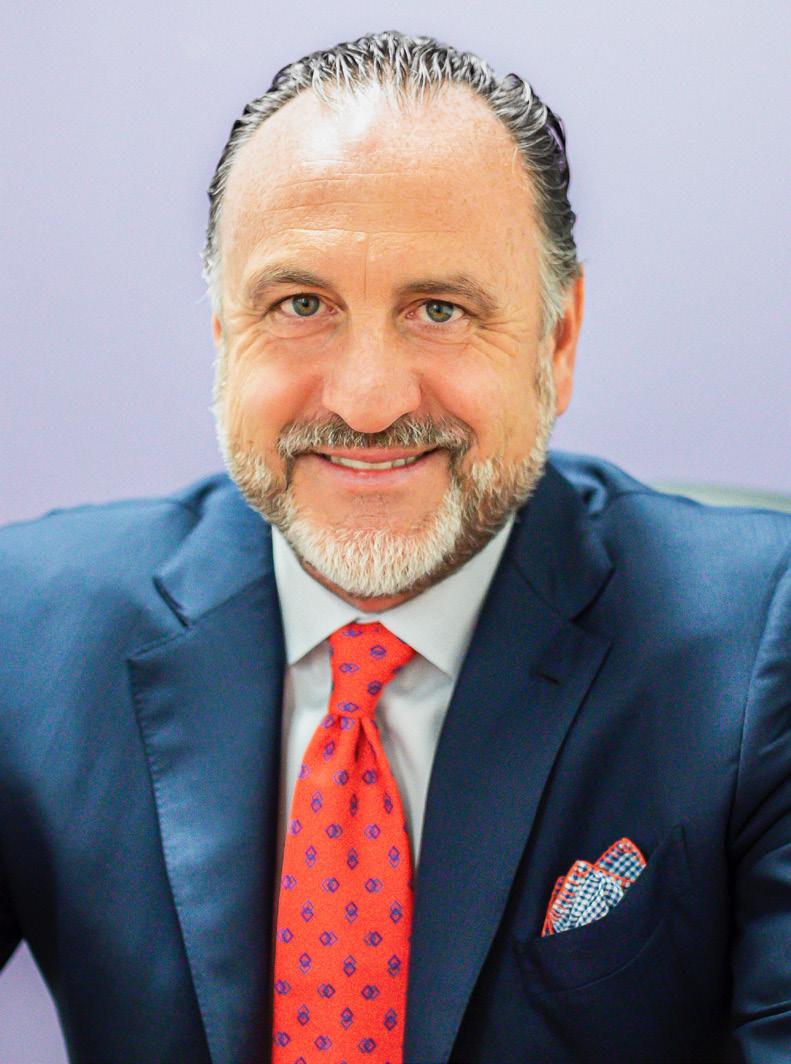
Todd Denton
Suffice it to say there is not a singular path — not for entrepreneurs and not for investors. Just as no set plan of operation is guaranteed to work for every business, there is no unimpeachable set of rules to guarantee success as an investor. Foxden Capital has grown with its own way of doing things — Denton said it typically does not invest in startups — and has amassed a record of success in a comparably short time. Even now, with more and more metrics and analytic tools available, not to mention the rise of artificial intelligence, investing still involves the sort of interpersonal knowledge that can never be quantified.
Character, leadership and relationship building still remain vital both for businesses looking for investors and investment firms looking to work with businesses. Denton has held fast to those timeless values his entire life, and they remain a gilding principle as Foxden’s portfolio continues to grow and expand.
“I think leadership of people is one thing that folks underestimate as a founder,” Denton said. “You really have to study that and get good at it and learn how to pick the right people.”
“
A lot of the schools now have entrepreneurial degrees. People are being taught in school how to build a presentation and how to formulate an idea and develop it and get advice from others.

house Money
Arkansas
entrepreneur finds business success through a poker mentality
There was so little the doctors could do for Misti Staley’s baby.
Staley had carried her pregnancy to full term with little in the way of complications and inconveniences. All signs pointed to her son, Freeman, having a healthy, normal birth and then being carried home shortly thereafter.
That was when Staley was told there was something amiss with little Freeman’s lungs. The diagnosis was persistent pulmonary hypertension of the newborn, a condition that occurs when the blood vessels in a newborn fail to relax, affecting oxygen levels and creating high blood pressure. Freeman stayed in a neonatal intensive care unit for 3 1/2 months as doctors worked to repair his lungs. Then he was home for five weeks before being admitted to a pediatric intensive care unit.
It was there that Freeman lost his battle with the condition after 10 months. Over the weeks and months that passed, Staley began thinking about the feeding tube that was used by the doctors and nurses to keep Freeman and other critically ill children alive.
As she and her husband, Will, worked through their grief, Misti could not help but think of those early months in the NICU with Freeman, who required both a gravity-borne feeding tube and a pump-operated feeding tube. Along with dealing with the very real trauma of a critically ill newborn, Misti and Will had the added challenge of adding medications to Freeman’s feeding tube and performing basic therapies — all while keeping a firm hold on both the infant and his feeding tubes.
It was the most awful sort of juggling imaginable, and the Staleys were not alone.
“What surprised me was not just tube feeding itself but how inconsistent and labor-intensive it was both in the hospital and at home,” Staley said. “I saw nurses taping feeding and venting syringes to cribs, parents holding syringe feeds for hours each day or trying to drag IV poles around their house. There wasn’t a standardized way to deliver something as critical as nutrition.”
It has been a little more than 10 years since Freeman’s birth, and Staley stands now as a successful medical entrepreneur. Her invention, FreeArm Tube
ByDougCrise
Feeding Assistant, provides an “extra hand” for caregivers and families who need a patient’s feeding tube to be held in place, allowing for more freedom of mobility.
The process began in Staleys’ home with Misti Staley navigating the sometimes exhausting process of getting her invention approved for medical use. Today, FreeArm is a Food and Drug Administration-registered device billable for insurance companies and available for use in hospitals, homes and schools.
“What started as a personal solution turned into something bigger,” Staley said.
For a quick mental break, Staley would join her friends and her 8-year-old goddaughter, Ari, for casual hourlong games of poker. For Staley, it was not exactly a case of mastery at first sight.
“I learned very quickly that Ari was better than me,” Staley said.
Yet the more Staley played, the more she connected with the game’s core principles, principles that dovetailed directly with her new life as an entrepreneur.
“Poker isn’t gambling the way people assume,” Staley said. “It’s about being comfortable with incomplete information, decision-making under pressure and emotional control. That mirrors entrepreneurship. You never have perfect data. You make the best decision you can with what you know, manage risk and stay in the game long enough for good decisions to compound. You don’t play every hand, and folding or pivoting is strategy, not failure.”
All forms of gambling, with real money or pretend and for high stakes or for a casual good time, are not the same. There is, to be sure, not a lot of human control over various games of chance. For slot machines, the player cedes control right upon pulling the lever, creating a wait-and-hope scenario. Similarly, a gambler can do little to alter the course of a roulette wheel’s tiny ball or ensure that a sports team covers the point spread.
“In
my grant application, I focused on two things, the measurable impact of FreeArm and how comparing poker strategy to business strategy is helping me become a more disciplined and strategic decision-maker as a founder.
I didn’t pitch
perfection; I pitched resilience.”
— Misti Staley
But for other pursuits, a bit more autonomy exists, and therein lies opportunity.
“The average blackjack player has maybe 1.2 percent or 1.5 percent advantage over the house,” said Little Rock’s Jeff Duncan, who authored the book Ask Dr. Blackjack under the pseudonym Sam Barrington. ”Actually, baccarat is the favorite, and then craps and blackjack are right there, but if you don’t play properly, that 1.5 percent chance is gone.”
In poker, Staley saw more than a 1.5 percent chance. She saw an advantage for the player who understands the situation and who, most importantly, can hold to their strategic principle through the ups and downs of the game. It was about then that Staley discovered Poker Power, a website dedicated to the thought processes of poker and how those processes can help in other situations, such as running a business.
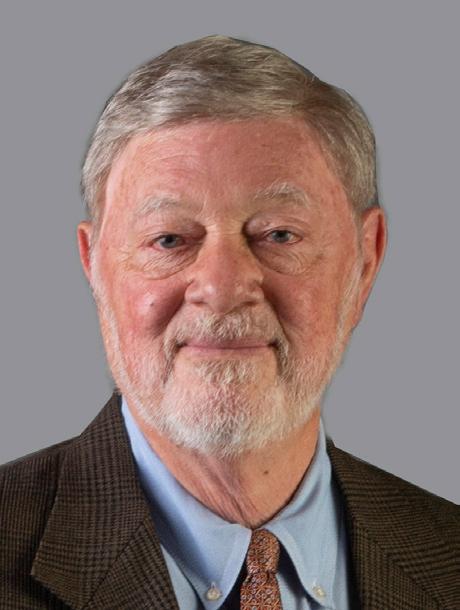
Jeff Duncan
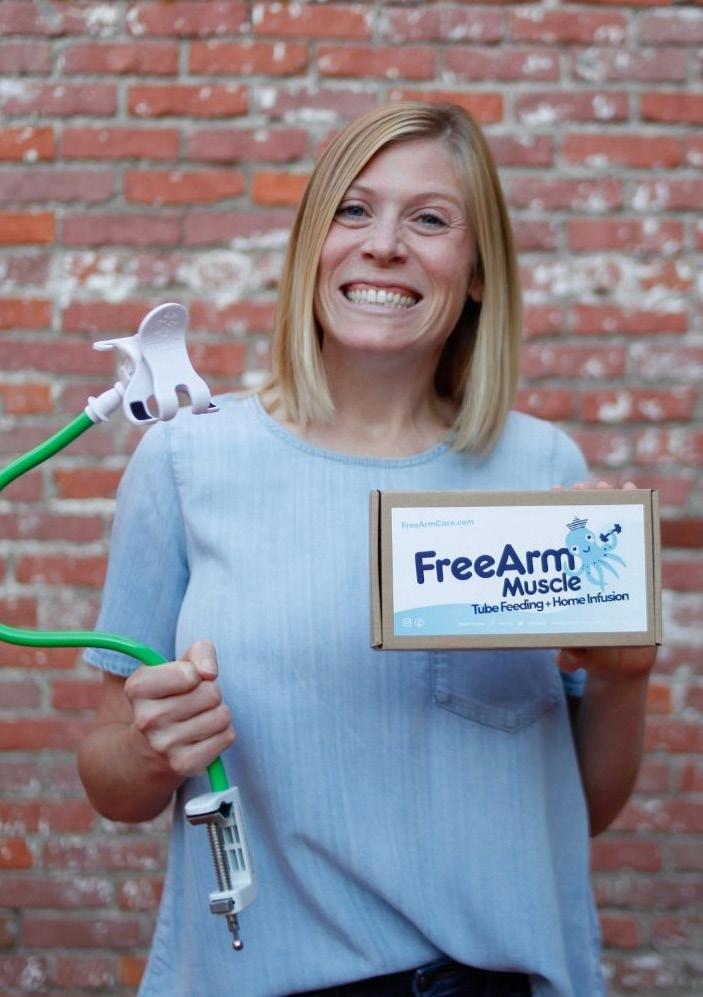
how powerful patience can be. Sometimes the best move is folding and waiting; not quitting, but preserving chips or resources for the right moment.”
Having spent years trying to perfect blackjack, Duncan agreed. While his book offers a delightful mix of advice, personal anecdotes and humor, his message is the same: Understand the probabilities, make decisions based on those probabilities, and hang tight to the plan even if things get bumpy.
“Blackjack is percentages,” Duncan said. “That’s it. It’s not so much counting cards as it is just knowing the situation and what your percentage of success is based on that situation.”
For somebody growing a business, it clicked.
“The learning curve was humbling,” Staley said. “I realized how much emotion and bias I brought into everyday decisions, wanting certainty and fearing mistakes. Poker forces you to confront that quickly. I learned how to slow down and assess probabilities. I also learned
That approach has changed Staley’s life. Not only has FreeArm been a resounding success, but Staley was recently awarded with a $100,000 grant from Poker Power that will allow her to continue exploring opportunities with the mindset she began learning in those casual games with friends.
“I’ve always enjoyed games and friendly competition, and the idea of pairing poker strategy with business leadership felt like the most engaging accelerator I could imagine,” Staley said. “In my grant application, I focused on two things: the measurable impact of FreeArm and how comparing poker strategy to business strategy is helping me become a more disciplined and strategic decision-maker as a founder. I didn’t pitch perfection; I pitched resilience.”
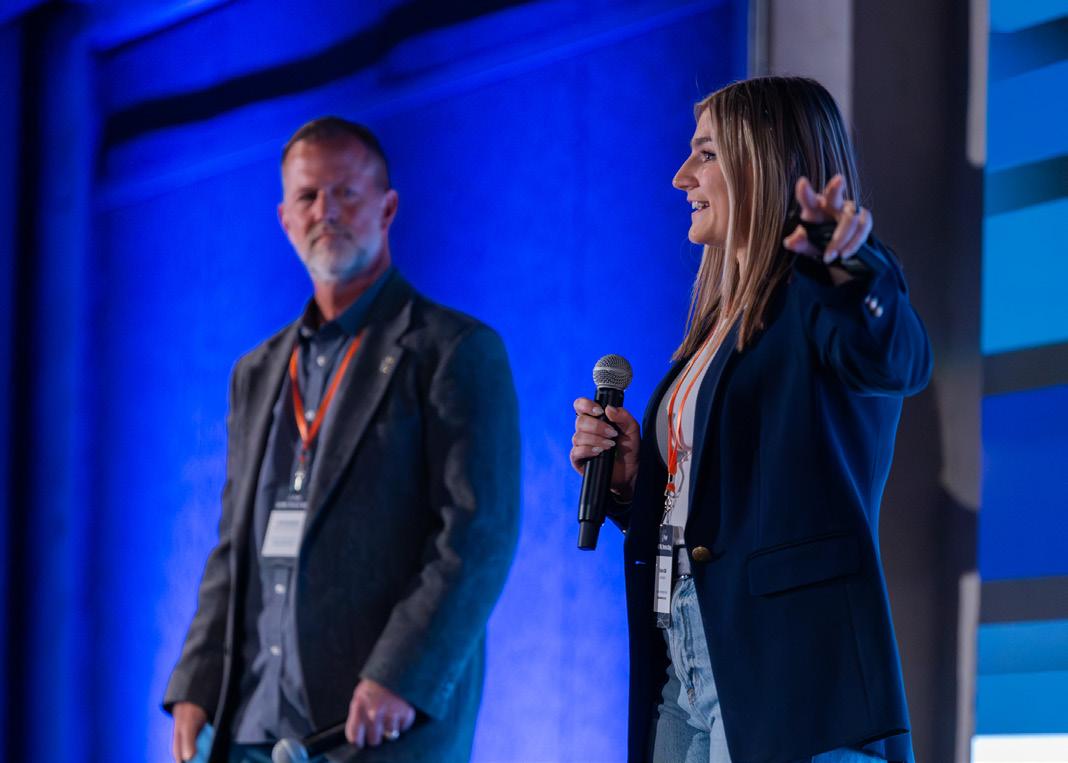
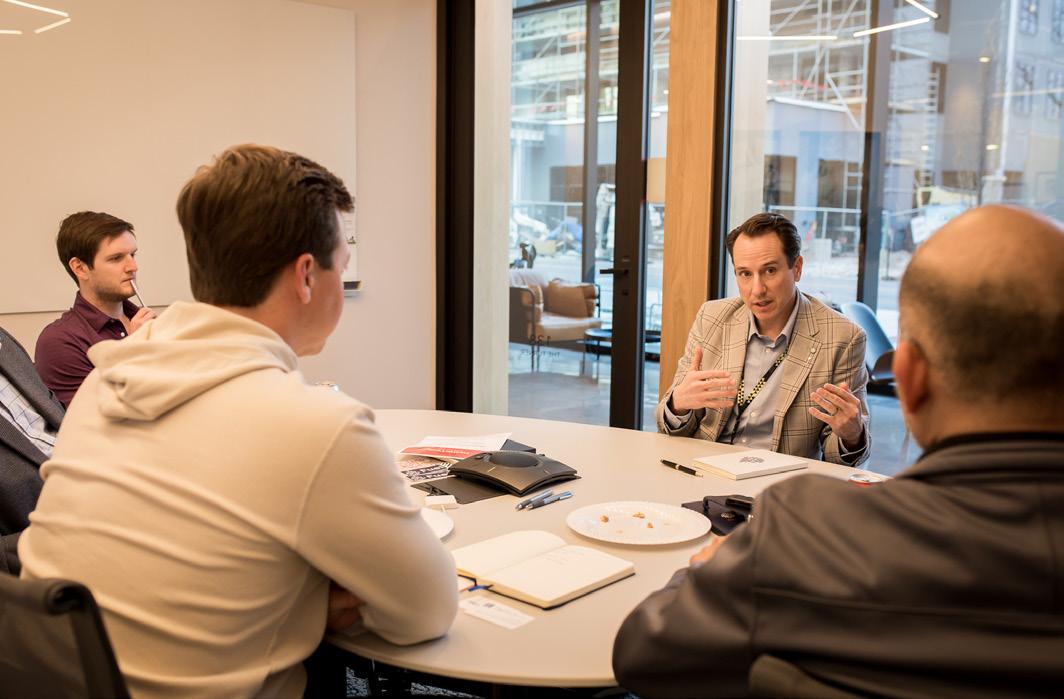
Fueling Healthtech Innovation with Real Economic Impact
Fuel Accelerator is Arkansas’ flagship equity-free, enterprise-ready accelerator for founders building scalable ventures and a Startup Junkie program proven to drive economic development. Since its launch, Fuel has supported upward of 90 startups from more than 20 states and 11 countries across 11 cohorts, program alumni having raised more than $250 million, established dozens of new offices in Arkansas and created nearly 200 jobs statewide.
In March, Fuel will kick off its next Healthtech cohort, welcoming companies working across health care delivery, patient access, data and analytics, artificial intelligence-enabled tools and operational efficiency. Founders develop solutions designed to operate inside real health care systems, enterprises and clinical environments.
Fuel accelerates the path from innovation to implementation by connecting founders with experienced operators, clinicians, enterprise leaders and hospital systems. Partners gain early visibility into emerging technologies, opportunities for collaboration, and access to teams solving operational and clinical challenges.
The program is a highly curated, 10-week, cohort-based experience built around hands-on mentorship, honest feedback and meaningful connections. Mentors do not just advise; they engage. Enterprise partners do not merely hear pitches; they help shape stronger products and more investable companies.
Fuel is actively welcoming mentors, health care leaders and enterprise partners interested in supporting founders, exploring collaboration and strengthening Arkansas’ Healthtech economy.


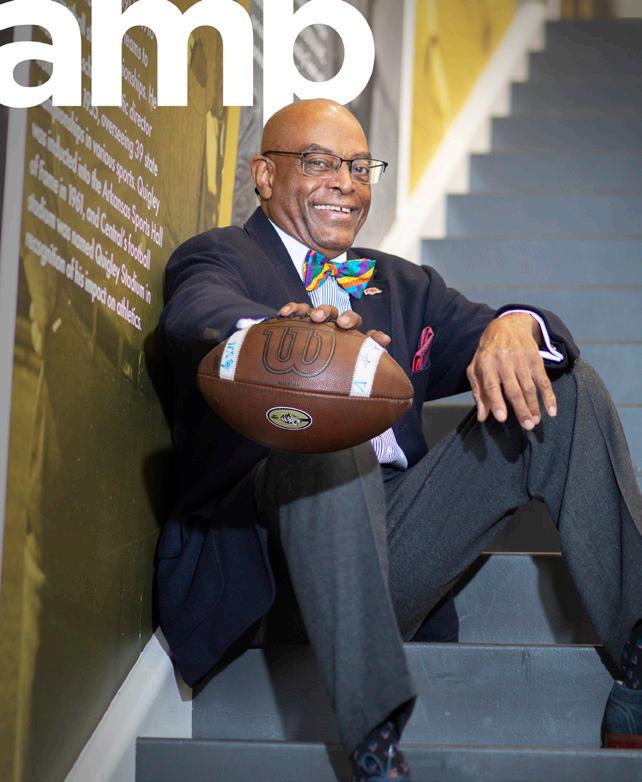



Here at Arkansas Money & Politics, we have always known there is something special about businesses in the Natural State.
Whether it is the decades-old shop still holding down its beloved corner of Main Street or the Fortune 500 headliners fueling industries such as retail, food, energy and logistics, companies of all sizes and stripes know there is a place for them in pro-business Arkansas. This month, AMP takes a moment to highlight our 2026 “Companies of Distinction” as they create jobs, serve customers and continue to be cornerstones in their communities.
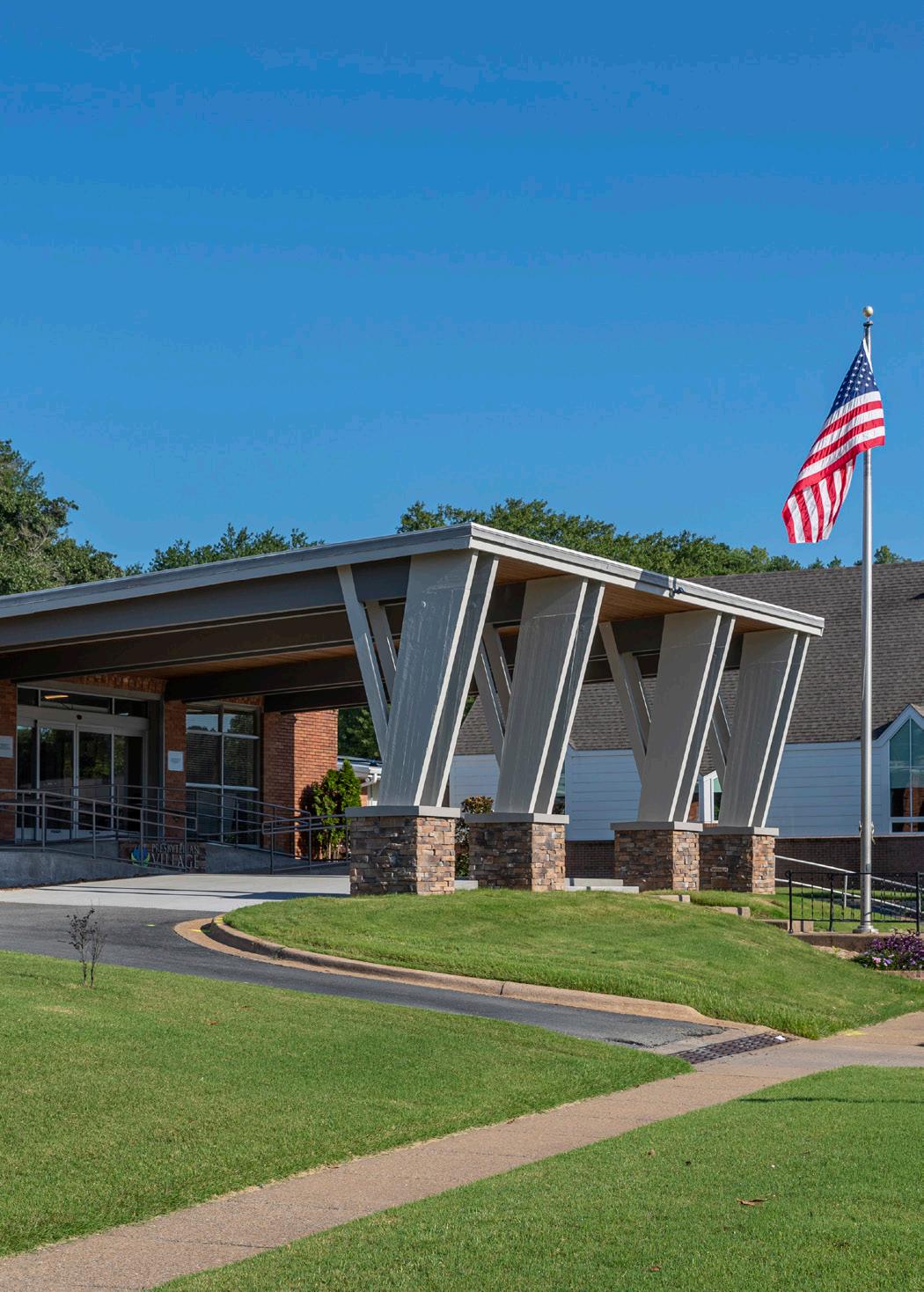
COMPANIES OF DISTINCTION
PRESBYTERIAN VILLAGE
Since 1965, Presbyterian Village in Little Rock has provided high-level quality of life for individuals 55 and older by creating a family-like community that nurtures residents’ minds, bodies and spirits. One of the first continuing care retirement communities in Arkansas, Presbyterian Village offers one- and two-bedroom cottages, a lodge, assisted living, rehabilitation, and a health care facility that provides skilled nursing care.
Well known for its home-like atmosphere, Presbyterian Village has a number of long-term staff members, which allow residents the convenience of stable caretakers who truly get to know them. Nursing and rehabilitation programs feature a high staff-to-resident ratio and levels of care designed to meet residents’ individual needs. Residents benefit from a wide variety of services, from transportation and religious services to beauty salons and wellness activities.
The Presbyterian Village board of directors and administration is always looking toward the future and working to enhance the services the community provides. Presbyterian Village responded to the growing need for dementia care by opening The Vista in 2023 and The Oasis in 2025. Presbyterian Village became licensed through the state of Arkansas to provide assisted living services in 2024. Fees are calculated on a nonprofit basis designed to give the best care for the lowest cost. Through all its offerings, Presbyterian Village aims to create a living environment that fosters personal dignity and independence.
501.225.1615 • 500 N. Brookside Drive, Little Rock presbyvillage.org • Presbyterian Village Little Rock
COMPANIES OF DISTINCTION
FIRST COMMUNITY BANK
Established in Batesville in 1997, First Community Bank has spent nearly three decades investing in long-term relationships and deep community ties for a banking experience that is straightforward, responsive and personal. Customers work directly with professional bankers who take the time to understand their goals and provide guidance tailored to their needs.
“We strive to be leaders in each community — for the entire community,” said Chairman and CEO Dale Cole. “Whether customers are navigating major financial decisions or managing everyday needs, our goal is to be a trusted partner they can rely on. As we continue to grow, we remain committed to investing in our people, supporting our customers and serving our communities today and in the years ahead.”
That culture starts from within. First Community Bank cultivates an environment based on respect, accountability and service, in addition to promoting from within and fostering opportunities for professional growth and achievement. Team members take that people-first ethos outside the walls of the bank, as well, through numerous community involvements, including volunteering, sponsorships and financial education initiatives. First Community Bank teams actively support local schools, nonprofits, civic organizations and economic development efforts throughout the markets they serve.
“As we look ahead, we continue to grow in areas such as digital banking capabilities, leadership development and operational efficiency, ensuring we’re prepared to meet the needs of customers today and in the future,” Cole said. “In 2026 and beyond, we plan to build new branches in both existing and new markets, allowing us to better serve customers while creating additional opportunities for our employees and strengthening our community impact.”
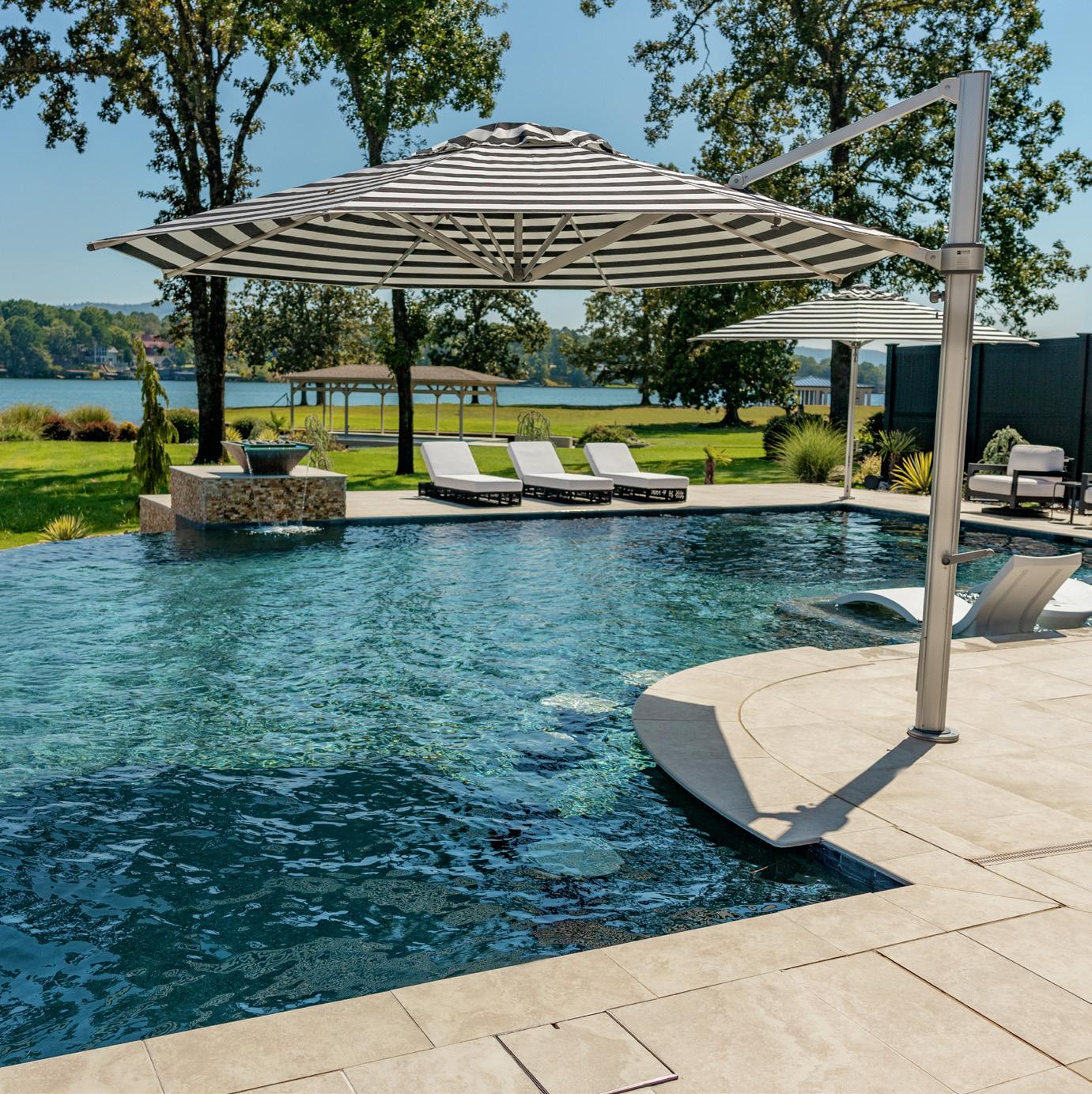











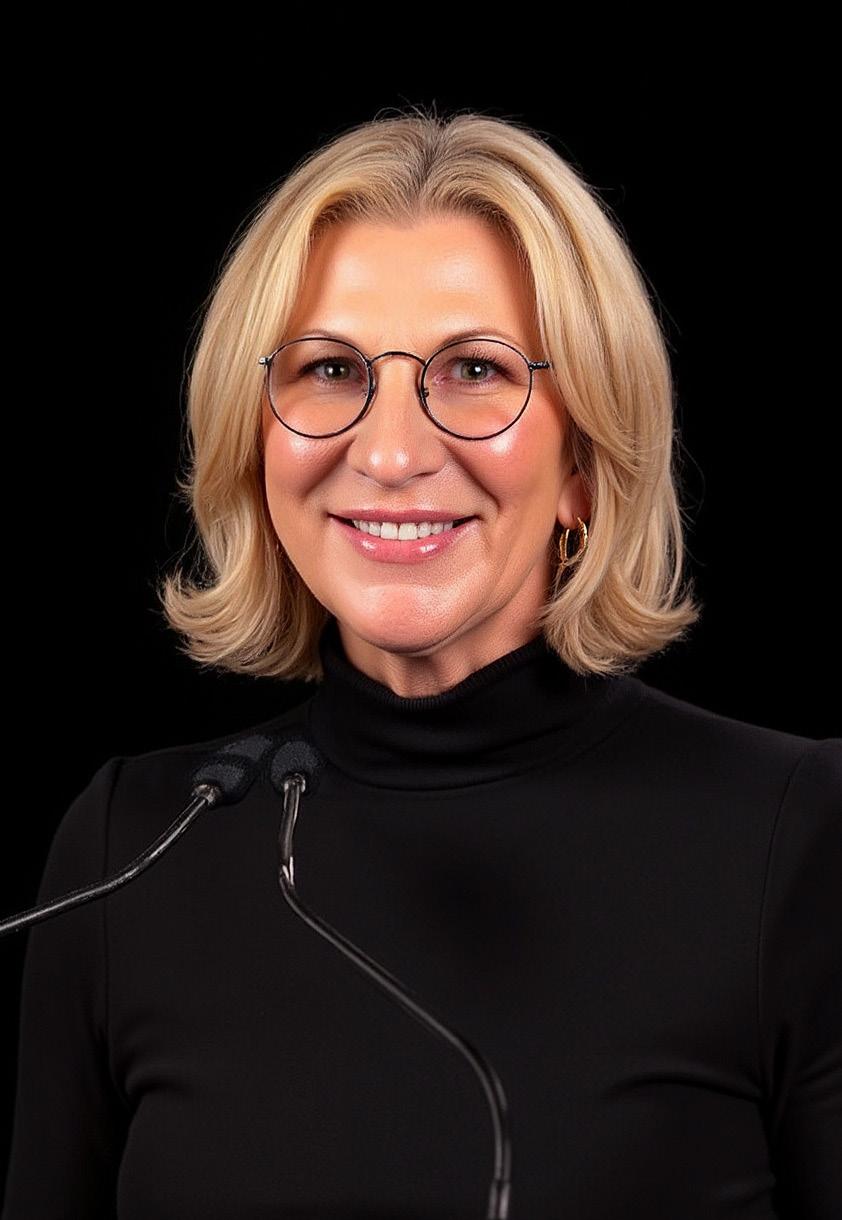

COMPANIES OF DISTINCTION
ARKANSAS RURAL HEALTH PARTNERSHIP
Established by founder and CEO Mellie Boagni in 2008, Arkansas Rural Health Partnership has grown into one of the largest rural health care networks in the country and is nationally recognized for its work in rural health transformation. ARHP began in southeast Arkansas with just five rural hospitals and has grown organically alongside the communities it serves.
“Much of our work focuses on rural health programs that are critically important but not traditionally reimbursable — workforce pipelines, community health workers, prevention, behavioral access and regional collaboration,” Boagni said. “Sustaining these programs requires creativity, persistence and a willingness to advocate for rural communities while navigating funding uncertainty.”
Rural health care is facing unprecedented challenges, including workforce shortages, financial instability, service access gaps, and increasing regulatory and operational complexity. ARHP addresses those challenges through collaboration and innovation to develop shared solutions, strengthen regional systems and align local needs with statewide strategies. In short, ARHP helps rural health care organizations adapt, stabilize and continue serving their communities.
“Our guiding belief is simple: We are all in this together,” Boagni said. “Organizations come to us when they are ready to collaborate, contribute and take a seat at the table to work collectively toward a stronger rural health system in Arkansas.”
111 North Court St., Lake Village • 4747 Dusty Lake Road, Pine Bluff 870.632.7299 • arruralhealth.org
CAPITOL GLASS CO.
Capitol Glass Co. is a Little Rock institution that has seen three generations of the Grimes family at the helm over the years. Owner Glenn Grimes grew up watching his father, Jack Grimes, as he helped found and later became sole owner of the business. Glenn joined the company full time in 1972 and became owner upon Jack’s retirement in 1990. Glenn’s son, Aaron, now runs the company’s day-to-day operations. Over the course of seven decades, Capitol Glass has cultivated a reputation for quality and service that is hard to find anywhere else.
“When you call our shop, you are going to talk to an actual person who is experienced and extremely knowledgeable about auto glass,” Aaron said. “There is a reason we do almost all of the glass work for Little Rock’s luxury car dealerships.”
The introduction of advanced driver assistance systems has changed the automotive glass industry significantly. Various safety features have brought with them a bevy of new sensors, cameras and systems that have to be carefully recalibrated when replacing a windshield. That causes complications on both the repair and the insurance sides, but Capitol Glass has worked tirelessly to adapt while never compromising its high standards.
“The strength of our company is our experience, knowledge, and commitment to quality work and customer service,” Aaron said. “Since our biggest competitors are large global chains, our biggest challenge is being able to keep up with and invest in the newest technologies that keep us on the cutting edge of the rapidly changing automotive industry.”
COMPANIES OF DISTINCTION
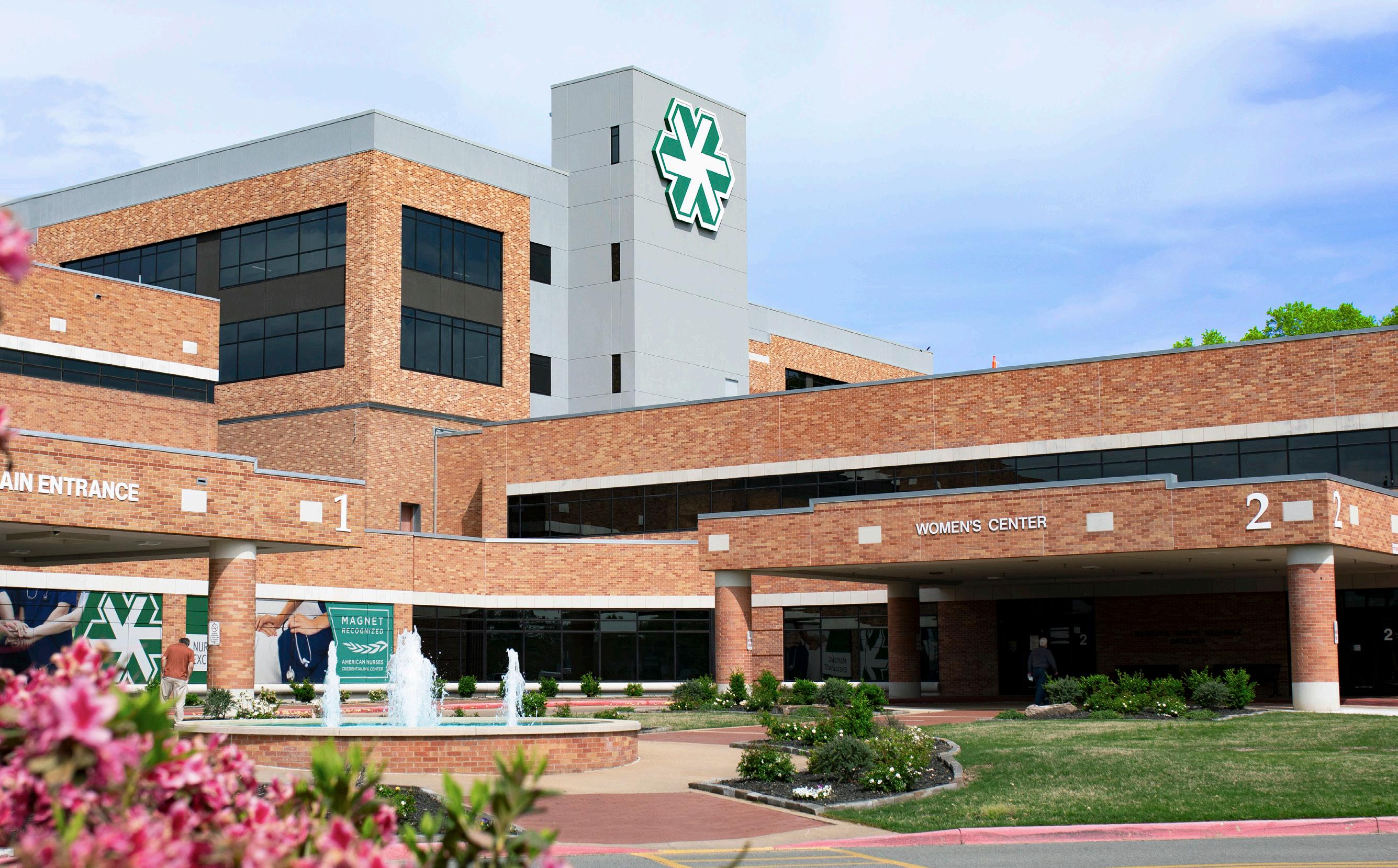
CONWAY REGIONAL HEALTH SYSTEM
With more than 100 years of experience serving central Arkansas, Conway Regional Health System has been the trusted name in health care for generations of Arkansas families. The health system’s approach involves more than just treating patients; Conway Regional employees are friends, neighbors and engaged members of the communities they serve.
Centered on a 180-bed medical center, the health system provides a wide range of services and operates an expansive physician enterprise that includes 10 primary care clinics and 17 specialty clinics. The organization’s leadership cultivates a vibrant, supportive and inclusive culture that empowers clinical staff and promotes exceptional service at every level. Frameworks such as the shared governance council and the accountable clinical management model encourage staff participation and place employees in leadership roles, fostering a collaborative, purpose-driven environment.
The Conway Regional team serves patients through a set of values known as iCARE — integrity, compassion, accountability, respect and excellence. Those core values shape every interaction, whether it is between physicians and patients or among colleagues and coworkers. Uncompromising standards of honesty, safety and empathy ensure the health system delivers the highest level of care every day.
Innovation and forward thinking go hand in hand with Conway Regional’s legacy of care, and there is always an opportunity to expand access for those who need it most. The graduate medical education
program, for example, has more than 30 family medicine, internal medicine and rural-track medical residents learning to become critical thinkers, compassionate providers, skilled clinicians and future leaders in medicine. The organization continually expands its specialty services, and specialty providers regularly visit primary care clinics throughout central Arkansas and the River Valley to bring patient care closer to home.
Conway Regional promotes health and wellness in other ways, as well. A comprehensive athletic training program provides care to local high school athletes during games and practices. The dedicated, multidisciplinary sports medicine team includes surgeons, specialists, therapists and athletic trainers with a wealth of experience both on and off the field. Conway Regional also sponsors local 5K and 10K runs, cosponsors the annual Biketoberfest event with the Conway Area Chamber of Commerce, and partners with initiatives such as Kids Run Arkansas and Get Moving Arkansas.
For Conway Regional, being a true company of distinction means more than just providing high-quality, compassionate health care. It involves cultivating an outstanding organizational culture, building strong community relationships and upholding the highest standards of integrity in everything it does. Prioritizing employee satisfaction, deep community involvement and operational excellence — all while consistently honoring its commitments and staying true to its core values — have been the cornerstones of more than a century of success at Conway Regional Health System.
501.506.2747 • conwayregional.org
COMPANIES OF DISTINCTION

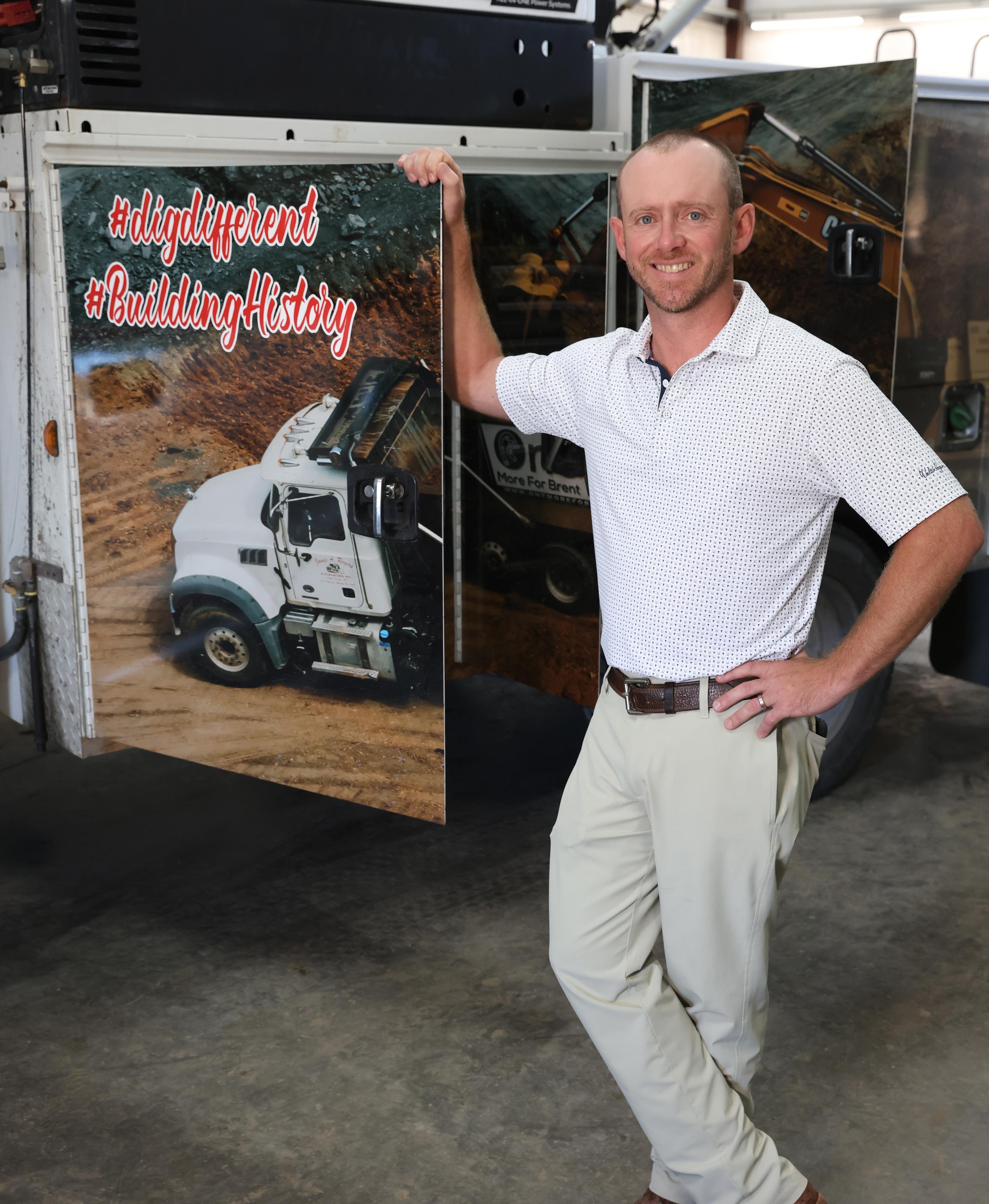


Chris Meyer President/CEO

JAMES A. ROGERS EXCAVATING
James A. Rogers Excavating in Little Rock began as a small, family-run operation and has grown over the course of six decades into a respected and established name in the Arkansas construction and excavation industry. Chris Meyer purchased James A. Rogers Excavating from his grandfather in 2016 and has been hard at work building upon the foundations laid by James A. Rogers Sr. back in 1962.
Combining a traditional work ethic with modern technology, James A. Rogers Excavating uses advanced equipment to deliver precise, efficient results. The team of more than 100 skilled professionals is known for handling projects of all sizes — from residential site prep to complex highway and municipal work — with a focus on safety, timeliness and customer satisfaction.
Under Meyer’s leadership, the company has expanded not only its employee base, but its footprint in the state. In addition to a presence in northwest Arkansas, the company acquired McHenry Companies in Hot Springs, adding the quarry operation to the company’s range of services. The organizational talent lineup also includes NOEC
Construction, a specialized division focused on drilling, underground utilities, power services, energy infrastructure reliability and more.
James A. Rogers has continued to expand its industrial capacity, public-works investments and infrastructure modernization to ensure the company remains at the forefront not only in excavation but in supporting multidivision statewide development. The company strives to provide a comprehensive evaluation of each project during the bidding process. The estimating team communicates with engineers and general contractors to try to fix any problems before starting the job, which helps the company finish each project on time and on budget.
James A. Rogers has been continually recognized for its excellence in multiple areas, including as Best Arkansas Company, Best Construction Company, Best Excavation Company and Best Place to Work of 2025 as voted by readers of Arkansas Money and Politics.
The company was also among AMP’s “Most Admired Companies” for 2025 and was a finalist for the 2021 Contractor of the Year award in Equipment World
NOW and Later

Professional associations educate current, future members to strengthen Arkansas
By Alex Hardgrave
Professional associations provide their members with a long list of benefits and services, including advocacy both at a state and federal level and opportunities to rub elbows with other professionals in the same industry. However, one pillar of associations that not only benefits current members but future ones is education. It is through education, as well, that these associations help shape and strengthen Arkansas’ future.
One organization building a large part of its programming around education is the Arkansas chapter of Associated Builders and Contractors. ABC is a national construction industry trade association that represents more than 23,000 members, its website states. That translates to 305 member companies in the Arkansas chapter, which includes contractors, specialty contracts, suppliers, and industry professionals such as insurance, banking and accounting firms.
has programs to help upskill the current workforce, as well as an apprenticeship program for various fields, including plumbing, electrical, ironworking, heating, ventilation and air conditioning, and more.
“It’s really neat to work with these young men and women on helping them find a career in the construction industry,” he said.
“One thing I realized early on was that if we were going to attract new members to ABC or if we’re going to retain current ones, it’s by offering them education and training for their employees,” said Bill Rochelle, chapter president.
The chapter offers training programs for professionals at the association’s office multiple nights a week, Rochelle said. ABC
Not only does ABC Arkansas help with attraction and retention, but it also helps build the workforce of tomorrow and help with construction workforce labor shortages.
“A lot of our members are needing employees, so we try to help them find folks that can fill their workforce shortages,” Rochelle said.
A recent news release from ABC said the construction industry must attract an estimated 349,000 new workers in 2026 to “meet demand for construction services.” That number is expected to grow to 456,000 in 2027.
ABC has programs for students as young as high school and middle school to attract them and teach them about jobs in the construction industry. An event Arkansas ABC does every year is called Build My Future. At the event, ABC member companies bring demonstrations and hands-on activities for students so they can learn more about trade professions. ABC hosts two
versions of this event annually, one in northwest Arkansas and one in central Arkansas. Students travel several hours to attend them, Rochelle said.
“[The kids] are in their community, and they may not see that there is a world outside,” he said. “It’s important that we’re able to connect the kids with the employers and the employers with the kids. We’ve had a couple kids on our preapprenticeship program that we’ve helped get jobs with some of our local employers, and that’s just a good feeling.”
In addition to that program, ABC Arkansas offers one to homeschooled children.
“These young men and women are really eager to learn, and a lot of those kids are looking at going into the trades, so it’s neat to see them be able to get in and do some hands-on stuff,” he said.
Another heavy-hitting Arkansas-based association working to educate both current and future members is The Poultry Federation. This trade organization represents the poultry and egg industry in Arkansas, Missouri and Oklahoma.
“The federation has always been a very impactful organization, and the impact, in large part, is driven by the impact of the Arkansas poultry industry, which is foundational to our state’s success,” said Blake Rollins, federation president.
While advocacy work is often the federation’s main focus, education is one of its main three pillars, Rollins said.
For current members, the federation offers a food safety con-
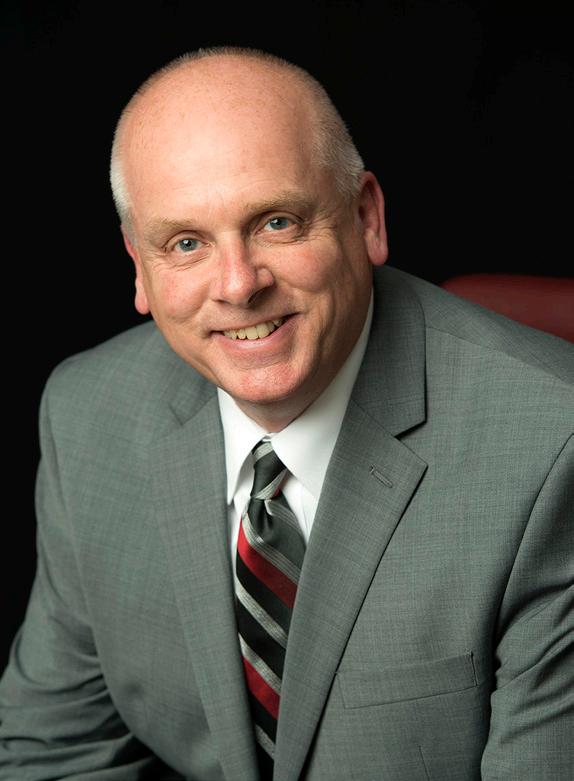
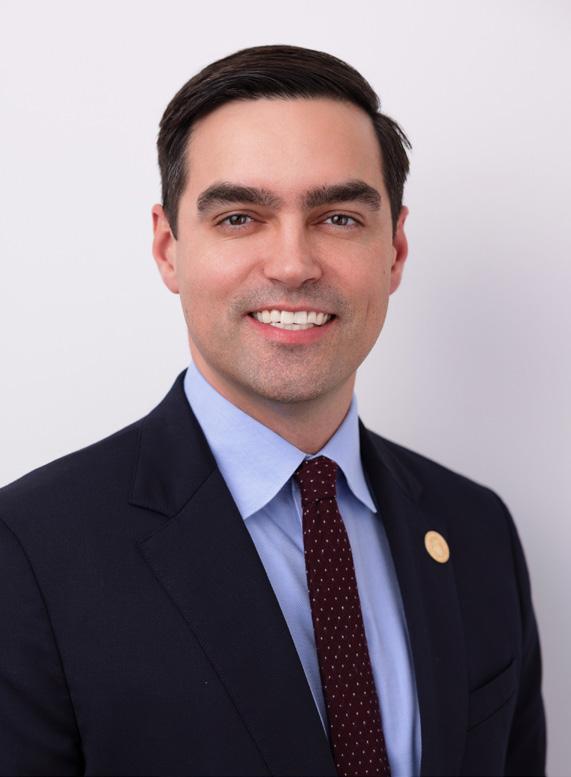
ference, a nutrition conference, a poultry symposium for live production and the annual Poultry Festival.
All the events are set up to teach the members the latest information about the given topic and give them opportunities to network and celebrate the poultry industry’s successes, Rollins said.
While the federation has many offerings for current members, it also focuses on connecting with people who will work in the industry in the future by supporting FFA and 4-H programs across Arkansas, Missouri and Oklahoma.
“The industry recognizes we need to continue to build the workforce of the future to feed the future,” he said.
The federation also supports scholarship programs and has a partnership with Be Pro Be Proud, an organization that helps students explore skilled professions pathways and works to inspire them to join the workforce.
“We need every profession in our industry,” Rollins said. “They can go to law school. They can be an engineer. They can be in computer science. Direct and indirect, more than 175,000 jobs in Arkansas are connected to the poultry industry, so there are all manner of opportunities.”
Leaders at the Arkansas Hospital Association help the workers at their membership hospitals stay up to date on continuing education hours, which are necessary for keeping their licenses.
“We try not to just educate the C-suite — the CEOs, the [chief
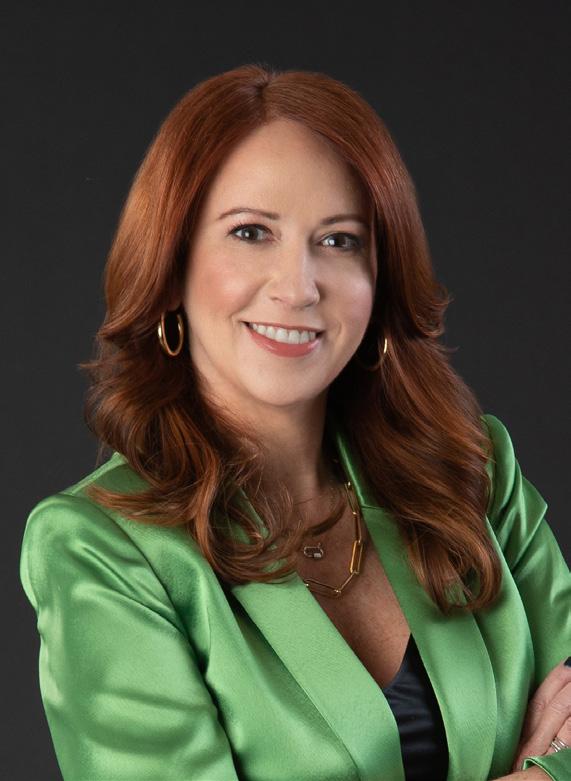


“We need every profession in our industry. They can go to law school. They can be an engineer. They can be in computer science. Direct and indirect, more than 175,000 jobs in Arkansas are connected to the poultry industry, so there are all manner of opportunities.”
— Blake Rollins, president, The Poultry Federation
Bill Rochelle
Bo Ryall Lorrie Trogden
Blake Rollins
“We try not to just educate the C-suite — the CEOs, the [chief operating officers] — we also want to educate the people who work in hospitals, such as the nurses, the human resource department, the engineers. There’s a lot of educational products we offer to our members.”
— Bo Ryall, president, Arkansas Hospital Association

operating officers] — we also want to educate the people who work in hospitals, such as the nurses, the human resource department, the engineers,” said Bo Ryall, AHA president. “There’s a lot of educational products we offer to our members.”
Those include multiple virtual events and webinar offerings every month covering a wide range of topics such as acute care, cybersecurity, documentation and infection control. AHA also hosts an annual meeting every year where health care professionals gather to advance their skills and network. AHA also sends out educational newsletters and a magazine.
The AHA helps to connect its 105 member hospitals with staff because “there is just a lot of need for health care
workers,” he said.
One way to get more medical workforce in Arkansas is to get them to remain in-state after they have completed their residency in Arkansas. That could mean placing them at rural hospitals, but those hospitals need the money for that.
Ryall said the AHA is working to ensure money recently allocated to the state from the new Rural Health Transformation Fund is used to help rural hospitals, allowing them to hire and retain more talent, therefore giving Arkansans better medical care.
The Arkansas Bankers Association also focuses heavily on educating its members, which is important because regulations shift and change often in the banking field.

“We have first-class education, and it covers the entire bank, anywhere from the frontline teller all the way up to the bank’s CEO,” said Lorrie Trogden, ABA president. “If it is a job within the bank, then we have education for them. It’s our job to stay on top of those hot topics and then make sure our members are educated when they’re making decisions on how to best assist their customers.”
The association has four major conferences every year, as well as many smaller ones and webinars.
“If there is a job in banking, we have training on it,” she said.
The main events are the Women in Banking Conference, the group’s annual convention, a bank management seminar and the Ascending Bankers Leadership Conference.
“Ascending Bankers is for our new leaders or up-and-coming leaders in banking, and it’s a chance for them to get together and network,” Trogden said.
Making sure the banks are strong, in turn, makes Arkansas communities strong because it means banks are able to offer farm loans, business loans and mortgages, which all build the economy, she added.
“That’s what keeps our Arkansas economy thriving and makes this a really great place to live,” Trogden said. “Arkansas is doing well, and people want to be here.”

knowledge ♦ training ♦ skills ♦ education

“We have first-class education, and it covers the entire bank, anywhere from the frontline teller all the way up to the bank’s CEO. If it is a job within the bank, then we have education for them.
It’s our job to stay on top of those hot topics and then make sure our members are educated when they’re making decisions on how to best assist their customers.”
— Lorrie Trogden, president, Arkansas Bankers Association
The Messengers
Associations’ lobbying efforts bring industry concerns before lawmakers

By Dwain Hebda
Several of Arkansas’ professional associations are coming off a very brisk general session last year, underscoring the critical role lobbying plays in the business of bringing member and industry concerns to the attention of lawmakers.
“I would describe the 2025 session as one of our more active sessions,” said Shannon Newton, president of the Arkansas Trucking Association. “We had several pieces of legislation that we were proactively advocating for, and we had some pieces of legislation that were introduced where we had to educate lawmakers that we were opposed to.”
Newton pointed to several measures that were most significant for the trucking industry that came out of the session. The first, HB 1204 signed into law as Act 28, limited damages a plaintiff could receive as being on par with actual costs, such as medical care.
The law, called a “major win for small-business owners and for Arkansans” by National Federation of Independent Business State Director Katie Burns, is the state’s latest effort to put brakes
on runaway lawsuits across the board. Newton said the ATA was part of a coalition of industries backing the measure, but it hit particularly close to home for Arkansas trucking companies.
“If you look at the issue of litigation reform and the cost of insurance and the cost of claims and the litigious nature of society in general and the ever-present threat of some sort of bad set of circumstances being portrayed as something greater than what they are, that’s a threat our members live under all the time,” she said. “I don’t know that average citizens understand the predatory nature of it. We all see the billboards; you can’t drive from one exit to another without seeing more than one billboard about a trucking accident or a trucking company.
“The consequences of that are trucking companies are paying more in claims. They’re paying more for insurance. Obviously, I’d like to think that our members are better than average and doing the right things, but inevitably, accidents happen, even for those who are doing everything right. We’re all absorbing rate increase after rate increase after rate increase.”

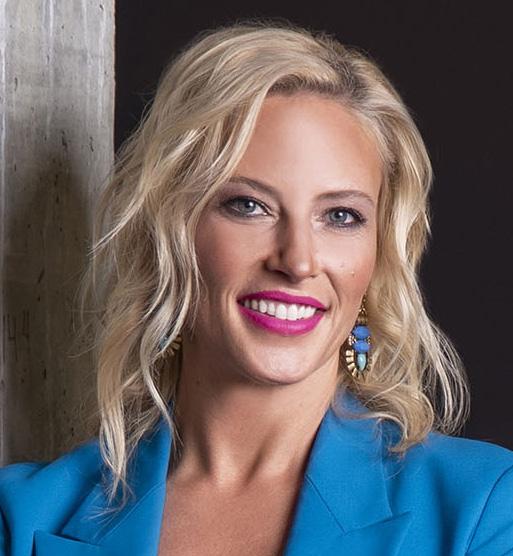
Newton’s other highlighted measure was more specific to the industry itself. The ATA backed reforming state statutes regarding towing to root out predatory towing practices by some unscrupulous companies that can hold a vehicle — and, in trucking’s case, cargo — essentially hostage until exorbitant and arbitrary fees are paid. The new guidelines address those scenarios and creates a mechanism for consumer complaints against companies operating contrary to state law.
“All that’s really important to us, but tangentially, it benefits consumers, as well,” Newton said. “I don’t think people understand, in the event of an accident, whether it’s our fault or not, that equipment gets towed. The cargo in it, whether it’s [the consumer’s] truck, refrigerator or package, is all held hostage until the insurance and the tow company come to terms.
“That puts the shipper in a place where they’re either going to have to go to their customer and say, ‘Sorry, your load is tied up, and it’s not going to be delivered
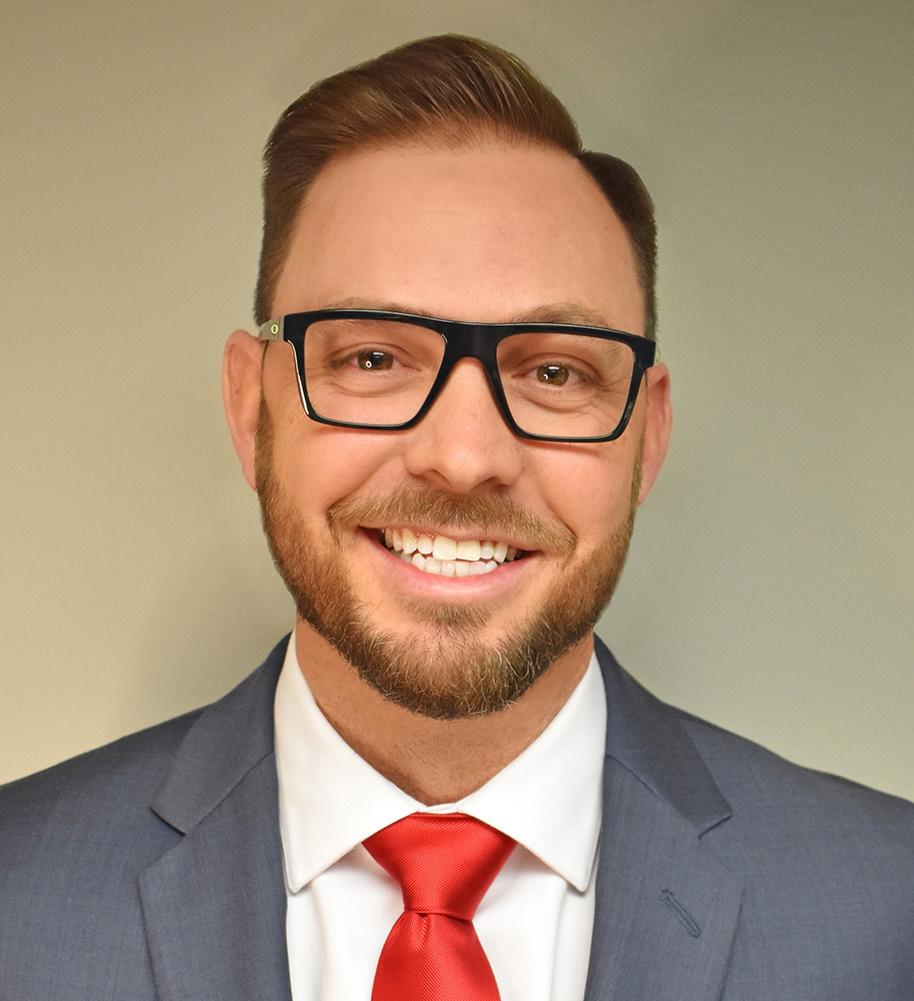
on time,’ or overpay in order to keep the freight moving. That’s a cost that is absorbed by the supply chain.”
Associated General Contractors’ CEO Brad Spradlin said his group also had a brisk session last go-round.
“We play a lot of defense when it comes to legislation,” he said. “We have a legislative committee meeting every Monday during session, and there were 70 bills that we discussed. Out of those 70, I believe there were 40-something that we had a stance on, whether it be support, oppose or stay neutral.”
Spradlin said one of the primary bills the association opposed was to amend workers’ comp guidelines on the basis that such changes would lay additional regulatory burden and cost on the backs of business owners across all industry sectors. Just how much it would affect business owners was not fully articulated by the bill’s proponents, he said, which was a primary reason for AGC opposing the measure.
“They’re in an interim study right now
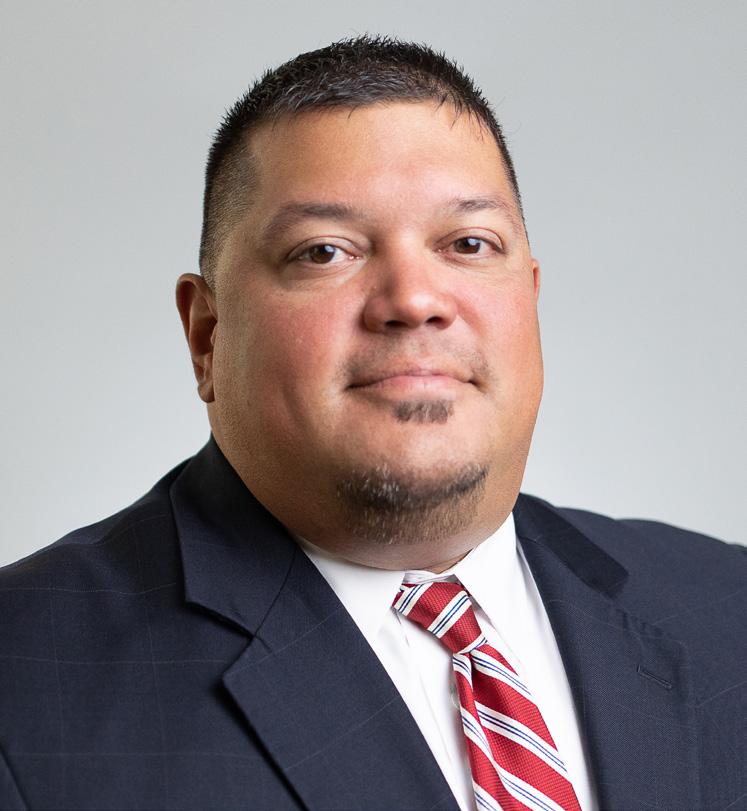
because there was no real dollar amount attached to them, just speculation. There were reports out that this could have cost us thousands of dollars a month,” he said. “Arkansas is one of the best states for work comp policy right now, and this would’ve put us at the bottom, would’ve moved us to the worst. Now that they got put into interim study, [the measure] will probably come back up next session, but we’re hopeful that it doesn’t.”
Specific legislation aside, Spradlin said the association is consistently involved in advancing and improving general areas of concern to its members. One such area, labor, has been a problem for years, but through innovative thinking and cooperation from government, industry and the state’s education system, the industry is finally starting to see signs of improvement.
“We’ve seen baby steps. We’re getting there,” he said. “We’ve got a lot of great apprenticeship programs, workforce programs throughout the state. We
Shannon Newton
Brad Spradlin
Jarrod Yates
“We have had on the state books for a long time that farmers and ranchers are sales tax exempt for certain inputs, such as materials that they use. The confusion comes into play as to who is a farmer and therefore eligible. Our Farm Bureau members were coming to our legislative staff, saying a lot of retailers won’t honor that exemption because they have no way of verifying if [the customer is] telling the truth or not, and so many farmers were going without the exemption and weren’t able to benefit because they couldn’t necessarily prove they were eligible.”
—Jarrod Yates, Arkansas Farm Bureau

have one where we’ve partnered with Arkansas Construction Education Foundation that fought really hard last session to get apprenticeship programs access to Arkansas Scholarship Lottery funds.
“We had some pretty big support on that legislation, but it got taken out at the last second. I think we’re probably going to work next session to try and get that put back in there to get access to those funds for young people going through those programs.”
Representing the state’s agricultural industry, Arkansas Farm Bureau also saw some substantial legislative wins last session. Of its seven identified legislative priorities, six were signed into law, including House Bill 1594/Act 62, which created a farmer sales tax identification card, that went into effect Jan. 1.
“We have had on the state books for a long time that farmers and ranchers are sales tax exempt for certain inputs, such as materials that they use,” said Jarrod Yates, the group’s executive vice president. “The confusion comes into play as to who is a farmer and therefore eligible. Our Farm Bureau members were coming to our legislative staff, saying a lot of retailers won’t honor that exemption because they have no way of verifying if [the customer is] telling the truth or not, and so many farmers were going without the exemption and weren’t able to benefit because they couldn’t necessarily prove they were eligible.
“There are other states in our region — Oklahoma comes to
mind — that have dealt with this before Arkansas, and it’s allowed a little bit of certainty for the retailer and some certainty for the farmer or rancher who’s trying to seek these exemptions. Hopefully, this will solve the problem and give retailers a little peace of mind while staying within the law. It should be a winwin for both the retailer and the farmer or rancher.”
Another win was gaining appropriate funding for the University of Arkansas Division of Agriculture to enable it to be more competitive in attracting the best minds to the state to spur innovation in the development of farm practices and new products.
“Arkansas farmers and ranchers really rely on the University of Arkansas Division of Agriculture’s research services that they provide all around the state through their extension agents and through their extension service,” Yates said. “A lot of these ag schools around the SEC are highly competitive for researchers and for grant funding. I would say that Arkansas has somewhat fallen behind in the SEC as it relates to our level of investment.
“Because of that, we have tried, as an advocacy organization whose members are dependent upon the research and services, to advocate on [Division of Agriculture’s] behalf that they receive some increased funding. It’s really a bidding war when you try to get a specific researcher who impacts something like rice. Arkansas’s the No. 1 producer for rice, and we don’t want that rice expert researcher going to Louisiana. We need them in Arkansas.”












Associated General Contractors of Arkansas
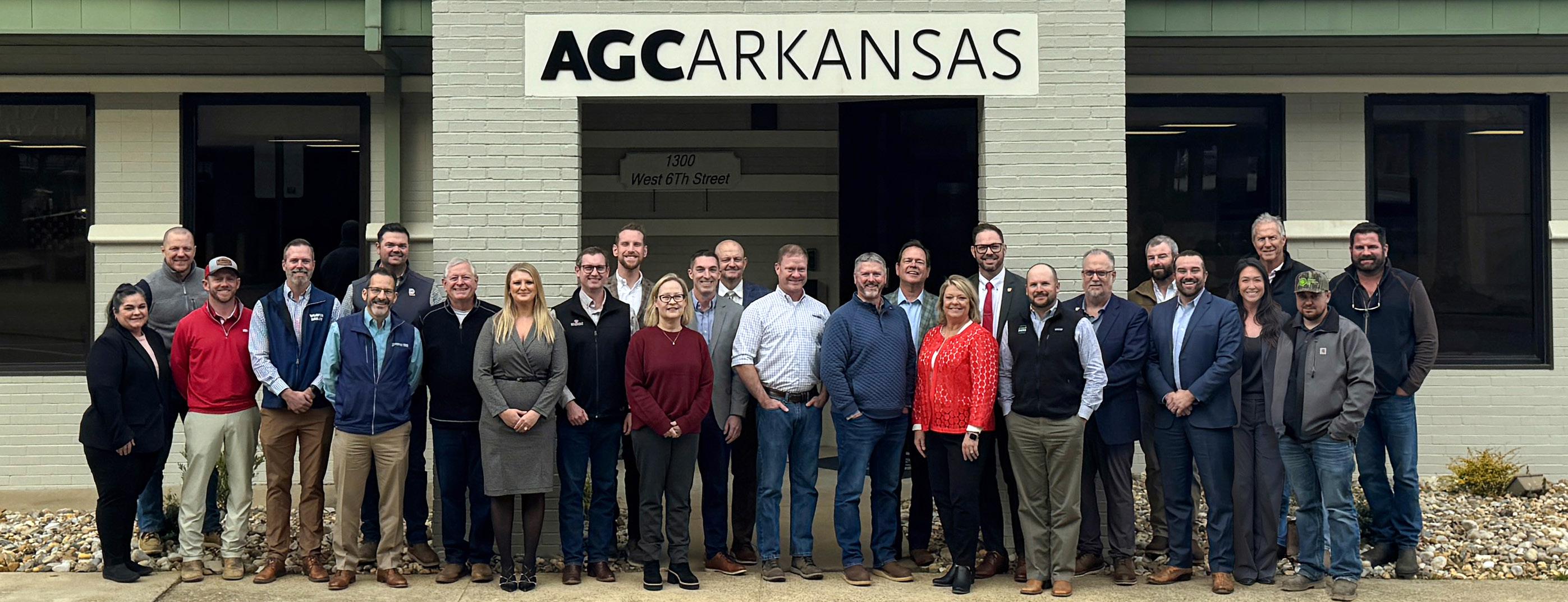
While construction firms are hard at work in every corner of the Natural State, they have an association working just as hard on their behalf in the halls of the state Capitol and beyond. The Associated General Contractors of Arkansas is the largest and longest-operating construction association in the state and is composed of all commercial construction companies operating in Arkansas, including building, highway and utility contractors, as well as subcontractors, suppliers and industry associates.
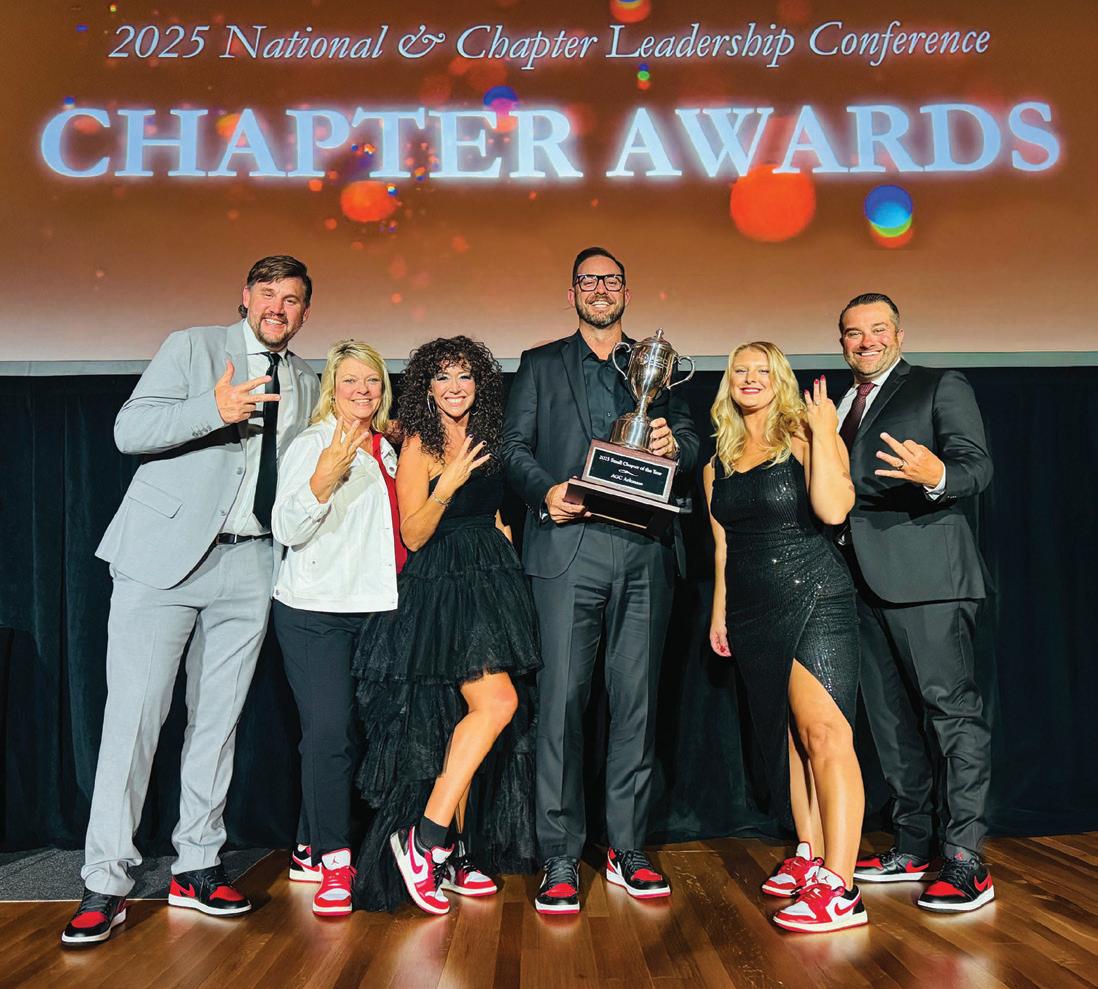
As the voice of the construction industry in Arkansas for more than 90 years, AGC Arkansas has a full-time lobbying team, a legislative committee and state agency liaison committees, all of which are committed to protecting the industry’s interests both locally and nationally. During the 2025 legislative session, AGC Arkansas took formal positions on a wide range of legislation, with all supported measures passed and all opposed bills defeated. The association does not only play defense but also vigorously works for its members by initiating legislation.
In addition to robust representation in front of lawmakers, membership in AGC Arkansas includes networking events with major commercial vertical building, highway and utility contractors, as well as other industry associates and partners, such as the Occupational Safety and Health Administration, the Arkansas Department of Transportation, the Arkansas Construction Education Foundation, and the ACE Mentor Program of Arkansas. Members also receive deeply discounted safety and training classes, leadership development, and industry-specific educational opportunities, as well as other benefits, such as a captive insurance program and 401(k) program.
What is more, the association is a leader in the push to grow the state’s construction workforce. As part of those efforts, AGC Arkansas has exclusive partnerships with the ACEF — the largest and most comprehensive apprenticeship program in the state — as well as
The AGC chapter at the University of Arkansas in Little Rock was recognized as the AGC National Emerging Student Chapter of 2025, and the association itself has also made history as three-time back-toback winners of AGC of America’s National Small Chapter of the Year Award.
AGC Arkansas hosts more than 75 events for members each year, and those gatherings include meaningful service projects across the state working with organizations such as Camp Aldersgate and Our House in Little Rock and Arkansas Foodbank in both central and northwest Arkansas. 2026 promises to be a year of even more growth and impact for the group, which recently moved into a more spacious new office and training facility just 2 blocks from the state Capitol.
AGC Arkansas also welcomed its first ever female chairperson, Cindy Williams, president of Time Striping — the second-largest femaleowned construction company in Arkansas.
At its core, the organization’s mission is to build stronger and safer communities through advocacy, outreach and education. Not only the state’s largest and oldest association and not merely the group with the strongest voice at the Capitol, AGC Arkansas is one of the three best AGC chapters in the nation — and indeed, the hardworking folks who make up Arkansas’ construction industry deserve nothing less.
Main Office
1300 West Sixth St., Little Rock
Northwest Arkansas Office
3608 N. Steele Blvd. Suite 105, Fayetteville
501-375-4436
agcar.net
AGC Arkansas

Be Pro Be Proud and Skills USA.
Three consecutive national chapter wins
Board of directors
Staying on Message
Expert: Industry groups increasingly adopting hybrid arrangements for lobbying
Agrowing number of professional associations today are adopting a hybrid model when it comes to getting their messages before lawmakers. Scott Pace, partner at Little Rock-based Impact Management Group, said industry groups are increasingly combining staff personnel with third-party lobbying groups to ensure members’ concerns are heard in the statehouse.
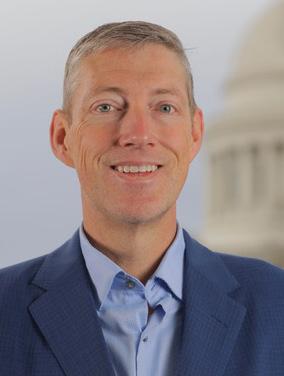
By Dwain Hebda Scott Pace
“There are really three models that can exist in the association world,” said Pace, former CEO of the Arkansas Pharmacists Association. “You’ve got the model where the association just outsources all of its advocacy to a lobbying group, which makes sense for super-small organizations that don’t have the resources to have somebody full time in-house. Then there is the model where the association does it all themselves and has all of the expertise and lobbying activity in-house.
“Then there’s the hybrid, which is how it was when I was at the Pharmacists Association and how they still operate today. They have both in-house government relations people, but they also use contract lobbying, as well. I think that’s the most common today.”
Pace said the popularity of the hybrid model starts with the experience and strategy that third-party lobbyist firms offer. Working together with on-staff subject matter experts, the firms generally provide a solid track record of results that have created needed connections with lawmakers along the way.
“I think the key word is relationships,” Pace said. “People don’t just need relationships when they need something; they need to maintain relationships all the time to know where all the pieces fit together. The dynamics of state government are changing daily, and having someone who understands those relationships and the dynamics that are going on within the legislature or within the agencies or within the executive branch is just very, very valuable.
“You can’t get up to speed on that in a timely manner very easily if you’re in the middle of fending off an issue or trying to advance an issue. It’d be like asking a surgeon to go and perform a procedure that they’ve never done before or haven’t done in four or five years without understanding how things have
Part of what we do is to try to help tweak the client’s wants within the framework of what we think is achievable, what legislators are interested in or what the executive branch is interested in.
changed. That’s really what we do; we monitor the landscape on issues, on personalities, on relationships. That’s what a good lobbying team will do.”
As for the work itself, Pace said while individual strategies vary according to the issue and goals, the way such lobbying is carried out often follows some tried-and-true steps.
“Some of the general processes are the same [among clients] because the process of creating a piece of legislation is the same,” he said. “It’s still Schoolhouse Roc k — you know, how a bill becomes a law. You have to have an idea, you have to have a draft, and you have to go through the process. Those things are static.
“What informs those processes is unique to each individual client, so, for example, if a client comes in and says, ‘We want to accomplish X no matter what,’ it could mean our No. 1 job is to help people understand what is possible under whatever framework currently exists. The political climate changes day to day, and what issues are of highest importance changes over time, as well. Part of our job is to help folks understand what the climate is and how their issue fits into that climate.”
Pace said just like in the marketplace, the more flexible and nimble a client is in adapting to changing legislative winds, the better they can adjust when inevitable hurdles appear.
“What you might want to have happen for your company may be possible but not in the way that you want it to happen,” he said. “Part of what we do is to try to help tweak the client’s wants within the framework of what we think is achievable, what legislators are interested in or what the executive branch is interested in.
“That’s not to say that happens 100 percent of the time, but the most effective lobbying efforts are when the client is willing to be malleable to on-the-ground intelligence to help shape their request into something that is not just sellable but is something that is meaningful for the members.”
PROFESSIONAL ASSOCIATIONS IN ARKANSAS
Agricultural Council of Arkansas
American Academy of Family Physicians
American Academy of Pediatrics
American Association of Veterinary State Boards
American Institute of Architects
Arkansas Advanced Energy Association
Arkansas Asphalt Pavement Association
Arkansas Association of Educational Administrators
Arkansas Association of Nurse Anesthetists
Arkansas Automobile Dealers Association
Arkansas Bankers Association
Arkansas Bar Association
Arkansas Broadcasters Association
Arkansas Cattlemen’s Association
Arkansas Community Colleges
Arkansas Credit Union Association
Arkansas District Export Council
Arkansas Economic Developers & Chamber Executives
Arkansas Education Association
Arkansas Environmental Federation
Arkansas Farm Bureau
Arkansas Forestry Association/AFA Education Foundation
Arkansas Good Roads Foundation
Arkansas Health Care Association
Arkansas Homefurnishings Association
Arkansas Hospital Association
Arkansas Hospitality Association
Arkansas Land Title Association
Arkansas Manufactured Housing Association
Arkansas Medical Society
Arkansas Nurse Practitioner Association
Arkansas Nurses Association
Arkansas Optometric Association
Arkansas Pawnbrokers Association
Arkansas Pharmacists Association
Arkansas Pork Producers Association
Arkansas Press Association
Arkansas Public School Resource Center
Arkansas Ready Mixed Concrete Association
Arkansas REALTORS® Association
Arkansas Recycling Coalition
Arkansas Residential Assisted Living Association
Arkansas Rice Federation
Arkansas School Boards Association
Arkansas Sheriffs’ Association
Arkansas Society of Certified Public Accountants
Arkansas Society of Professional Lobbyists
Arkansas State Chamber of Commerce/Associated Industries of Arkansas
Arkansas State Dental Association
Arkansas State Employees Association
Arkansas State Police Foundation
Arkansas Telecommunications Association
Arkansas Timber Producers Association
Arkansas Transit Association
Arkansas Trial Lawyers Association
Arkansas Trucking Association
Associated Builders and Contractors
Associated General Contractors of Arkansas
Association of Arkansas Counties
Beef Alliance
Global Ties Arkansas
Heart of Arkansas Travel Association
HomeCare Association of Arkansas
Hospice & Palliative Care Association of Arkansas
Independent Insurance Agents of Arkansas
Mortgage Bankers Association of Arkansas
National Electrical Contractors of Arkansas
Pulaski County Medical Society
The Poultry Federation

Source: Arkansas Society of Association Executives

Black TRAILBLAZERS
Difficult as effective leadership may be in the first place, harder still is the climb faced by Black professionals and entrepreneurs specifically. An analysis of federal data by the Pew Research Center revealed that while Black-owned businesses have grown significantly in the U.S. in recent years, they still make up a small share of overall firms and revenue. According to its annual business survey, the U.S. Census Bureau and the National Science Foundation found an increase in majority Black ownership across the country from 124,004 firms in 2017 to 194,585 in 2022. Gross revenue at those firms jumped 66 percent from an estimated $127.9 billion in 2017 to $211.8 billion in 2022. Still, majority Black-owned businesses made up only about 3 percent of all U.S. firms that year, according to Pew, and they accounted for just 1 percent of gross revenue from all classifiable companies that year. By comparison, in 2022, roughly 14 percent of all Americans were Black. Elsewhere along the corporate ladder, 2023 research from Pew about how Americans view their jobs found that Black workers were more likely than white, Hispanic and Asian American workers to report that they have experienced discrimination or unfair treatment in hiring, pay or promotions at some point in their careers. Some 41 percent of Black workers reported race- or ethnicity-based workplace discrimination in the study compared to the next-highest group, Asian Americans, at 25 percent. How crucial, then, to have a light to follow that proves any obstacle can be faced and overcome. Civil and children’s rights activist Marian Wright Edelman is most often quoted as saying, “You can’t be what you can’t see.” Variations of the mantra abound, from Billie Jean King’s, “You have to see it to be it” — in reference to her inspiration, Althea Gibson — to Viola Davis explaining that, “There is something about seeing someone who looks like you that makes it more tangible.” The value of cultivating a culture where success comes in all shapes, sizes, stories and settings is all but inestimable. Arkansas Money & Politics salutes the Black Trailblazers who serve as role models to the next generation.
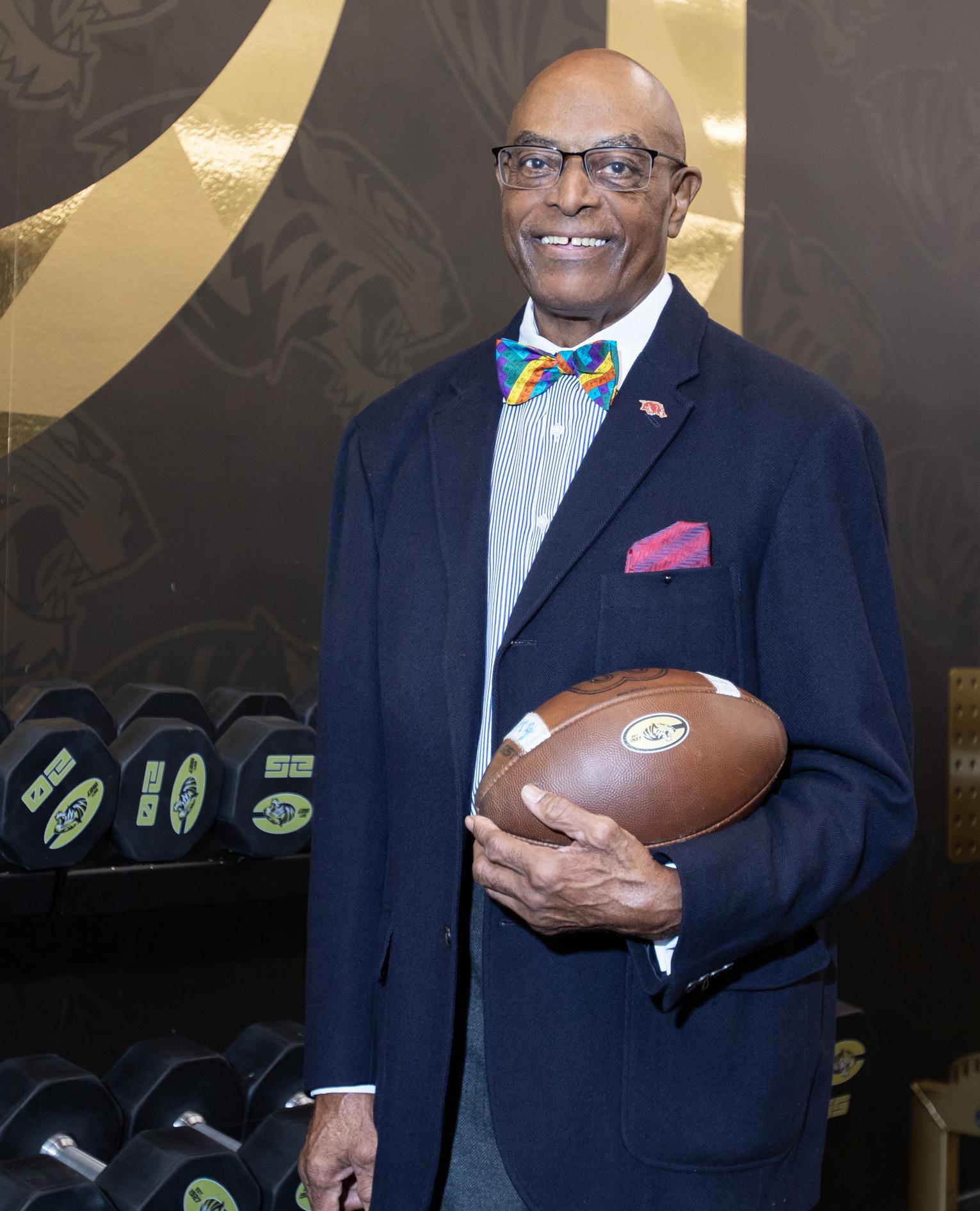
Never YIELD
By
Sarah DeClerk and Dwain Hebda | Photos by Jane Colclasure
Muskie Harris, who broke barriers on the field, now helps people overcome them in life
Kenneth “Muskie” Harris finds a lot of things to love about life; not least among them is the telling of a good story. Fortunately, his has been a life that has yielded more fascinating tales, interesting characters and had-to-be-there experiences than one man should be allowed.
Among Harris’ favorites, the retelling of which yields both laughter and wisdom, came during his playing days on the University of Arkansas Razorbacks football team in Fayetteville and involved one of his life’s most significant mentors, Frank Broyles, the Hogs’ late head coach.
“We’re all in that meeting, and he said, ‘Men, you are ICs, and if you don’t become RGs,’ and he pointed to the door,” Harris said. “We’re sitting there looking around, you know, what the hell does this mean? Well, he stepped out, and Coach Lon Farrell stepped up and said, ‘I know all y’all are standing there, trying to figure out what the hell he just said. He said you’re independent contractors, and if you don’t become revenue generators, your ass is out of here.’”
After letting loose his trademark laugh — almost no conversation with Harris fails to include at least one — Harris leaned into the enduring moral of that statement. Life demands results, and a life well lived demands results of the kind that go beyond one’s own self-interest. Harris has never forgotten that message or another important learned lesson of his life’ journey — the realization that while everyone physically comes into the world the same way, moments of birth can occur several times during a person’s life, even — and often — at someone’s very lowest.
With that measurement, Harris has lived a very full life, indeed, of cheering crowds, business success, a fall from grace into addiction, subsequent recovery and renewal, and his latest and most sustained chapter, helping others overcome and achieve.
Harris’ origin story deviates sharply from other Black youths with whom he grew up or lined up against on the football field. While many of them lacked a strong male role model, Harris grew up under the strict discipline and expectations of his mother, Juanita, and, especially, his father, Thessalonia.
“I come from a handicapped man. My dad had one arm and no education, never went to school in his life,” Harris said. “He lost his arm in a sawmill saw before any of us kids were born. After that, he was a janitor for Independent Linen Service down there on Woodrow. He had to learn how to compensate and use the other arm to manipulate things. He did that and worked there for 29 years.
“I never had a coach who came close to my dad. My dad was very intimidating, and let me tell you this — I grew up in the whip-ass era, so being raised like that, when all the football coaches yelled and screamed, I said, ‘I’m used to getting hit.’”
Harris was exposed to the hospitality industry — and the pervasive alcohol use that comes with it — early in life while working at his family’s nightclub. There, he met musical greats Albert King, Rufus Thomas, Little Milton, Denise LaSalle, Betty Wright and Al Bell. It was a world away from his junior high school, where most of his classmates did not know about his double life.
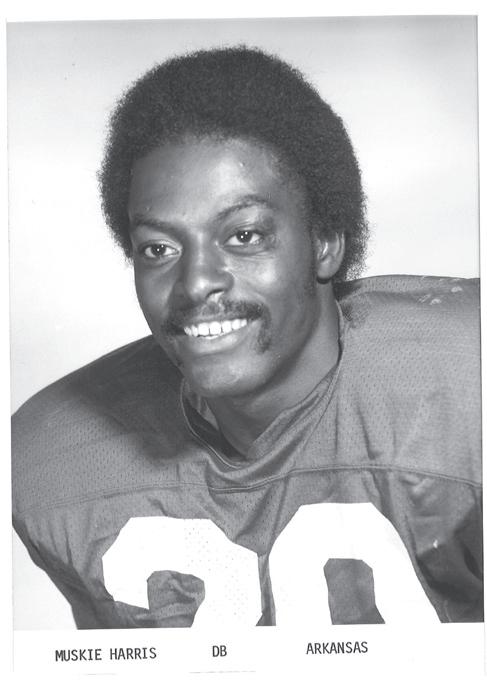
“If you have never been locked up in your life, and you get locked up for 120 days, you can see how a person can lose their mind,” he said. “Me and the Lord had a total understanding of my spiritual growth while sitting locked up in that room. Every morning at 2:30, I’d wake up and just reflect on what I’ve been through, and I’m going, ‘Oh, my God, you were right here with me the whole time. My faith wasn’t as strong as it should have been.’ Once I did that, I was solid.”
Harris played for the Hogs in the early 1970s. (Photos courtesy of Arkansas Athletics)
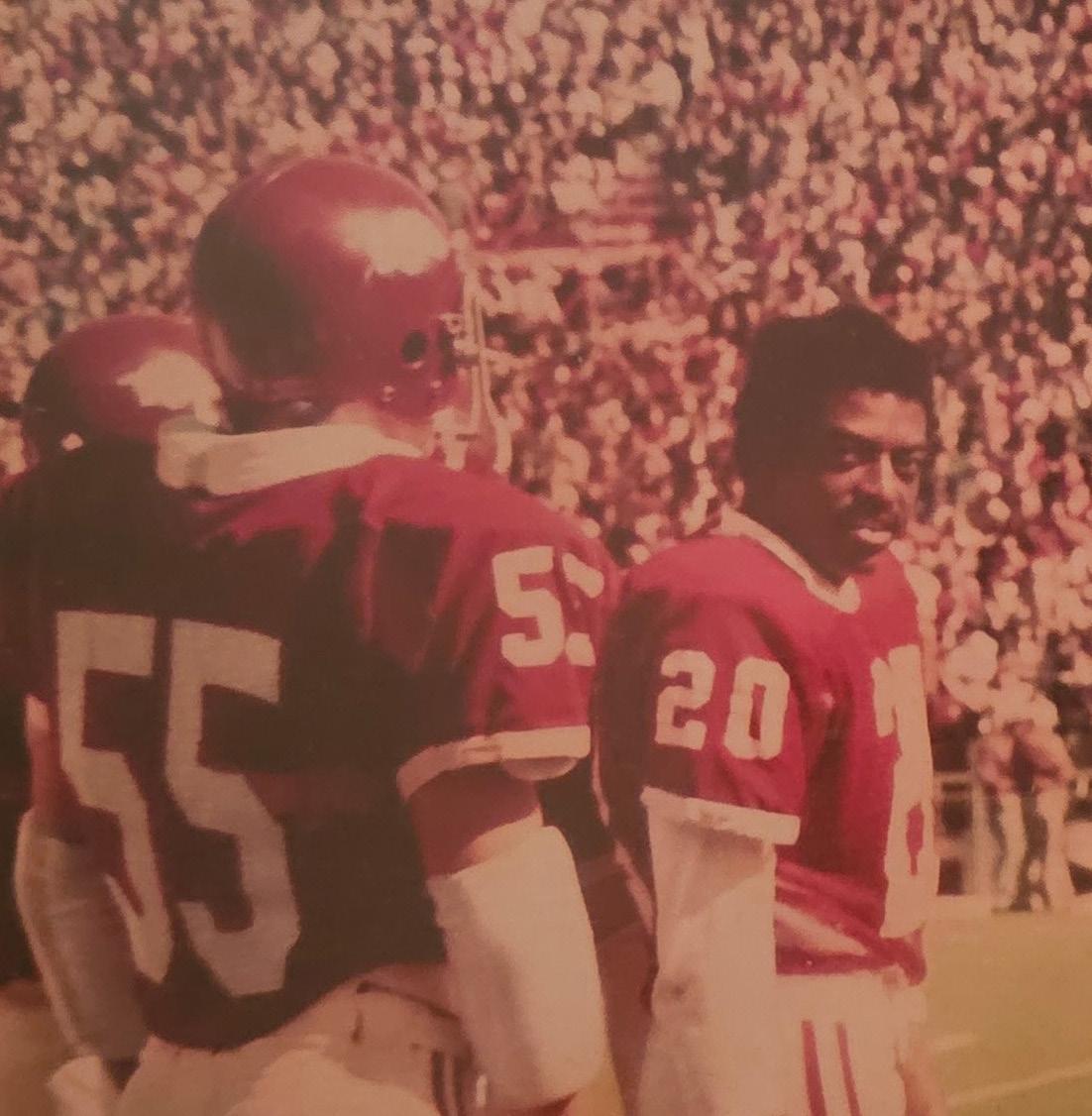
You can always reach your dreams if you live with patience.
His parents ran their household with strict discipline, so much so that Harris now uses the letters of the word “discipline” to describe them: determined, intelligent, sanity, courage, inspirational, patient, love, independent, natural and enthusiastic.
“Growing up in the Harris house started with common sense toward everything,” he said. “You better make the right decision. Consequences could be an ass whipping.”
He and his siblings attended two churches, he said, adding that his mother “did not play around about going to church.”
“Only something like measles or chicken pox kept you out of church,” he said.
As the middle child, Harris was trusted with certain responsibilities at home and, by age 12, was expected to contribute to the household, but that did not mean he did not make the occasional mistake.
“I got caught trying to smoke my dad’s pipe. That whipping has lasted a lifetime for me. I don’t smoke today — my dad stamped it out of me,” Harris said. “I was, like, the chosen child to be trusted to go pay bills, go to the stores downtown for mother’s perfume at Blass or M.M. Cohn.”
Although opportunities were short or out of reach for the Little Rock native, he eventually became the first young African American man from Central High School to attend UA on an athletic scholarship.
“My friends were talking about going to college. I didn’t know how I could go to college, so I started lying about I was going,” he said. “I did not know the open door for me to go to college was my athletic talent. You can always reach your dreams if you live with patience.”
big title behind your name,” he said. “Jon Richardson prepared me. He said, ‘Muskie, I’m from Horace Mann, and my history stops there. You’re from Little Rock Central. You represent the whole community.’”
Nevertheless, Harris said he never experienced any problems during his time on the Hill.
“We didn’t have any racial issues on the team. We all were Razorbacks,” he said. “It was like we just didn’t see color.”
Harris’ decorated football career rode shotgun with another goal he had for his life, that of earning his degree. He said while it took a period of 15 years, he always knew he would walk the graduation stage as a promise kept to his parents.
“When you come from a man that can’t read and write, and my mother was educated, it’s pencil, pens all in this house, books. Education was very important,” he said. “At the University of Arkansas, the only way a football team is on the wall is you win a championship. For most, to know they passed this way is to leave your name on the [alumni] sidewalk. Otherwise, no one ever knew that you went through the University of Arkansas.
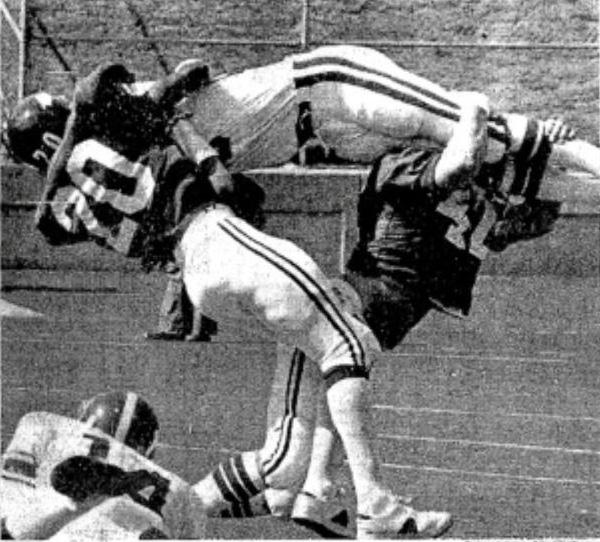
As a defensive back, Harris was lethal, possessing the speed to run down nearly any pass and strength enough to blow receivers out of their cleats. While not the first to break the football color barrier at Arkansas, done a few years earlier by the late Darrell Brown, nor the first Black athlete to play on the varsity squad, that honor going to Jon Richardson, Harris still played at a time when racial diversity in the athletic department was relatively uncommon.
“If you know about Little Rock Central, you know you carry a
“That haunted me, man, trying to finish that. My job was very demanding, and I just couldn’t fit it in until, one day, I said if I had to go to University of Texas to get this degree, I’m going to get it. That’s my special pride, to be on the walk. I promised my mom I’d do it, and I did.”
After his playing days, Harris found success in real estate and even took a run at governor but came up short in the general election. Life was good until it wasn’t; the combination of a soured business deal costing him $50,000 and his father’s battle with dementia led him to a fateful decision in the mid-1990s.
“I got depressed. The great Muskie Harris got depressed,” he said. “I was angry over losing that commission, and my dad was going through dementia, so I just told the world, ‘[Expletive] it,’ and went home and took care of Dad and just kind of left the world alone.
“My friends came by and said, ‘Hey man, come on out of the house,’ and they exposed me to [drugs]. Like anyone will tell
The defensive back was swift, but he could not outrun the addiction that later upended his life. (Photo courtesy of Arkansas Athletics)
you, you get exposed to crack, the thing about it — it’s so good. It’s just too good. Anything that good can’t be good for you in your life. I’m talking about it was like a rocket. I’m not lying, I kept going, going, going, going.”
Hooked, Harris’ life devolved into behaviors that led only one direction and did so with a speed even the fleet-footed former athlete could not outrun.
“Man, it don’t know time,” he said. “I mean I just started lying, stealing, manipulating and cheating, lying, stealing, manipulating and cheating. Those four behaviors are what addiction’s all about, and they never leave you, even when you’ve got sobriety. You’ve got to keep those behaviors under control at all times because they’re in it.”
Three decades later, Harris has made the best of that dark chapter of his life. As owner, director and court liaison at Muskie Harris Rehabilitation Services, he is a lifeline for men dealing with substance abuse as he works with the judicial system, specializing in cases in which defendants can benefit from drug rehabilitation.
“As court liaison, my schedule changes daily depending on what court I am required to attend or for what other agency or program,” he said. “In the beginning, 1997 to 2015, I traveled the entire state, working through the prosecutor districts — all 28. I am the only court liaison that traveled that far from Little Rock.”
Any given week, he could be in Paragould on Monday, West Memphis on Tuesday, Pine Bluff on Wednesday, Russellville on Thursday and Camden on Friday. He connects with judges, prosecutors, private attorneys and public defenders to ensure defendants in cases with alternative sentencing orders have access to his program.
“My favorite part of any day is winning the client’s case through rehab, the joy-thrill to see the individual get another chance, family bonding, unity,” he said. “Skills for the job are being real 24/7 inside yourself. Dedication to the business is required. I have had this entire judicial system helping me.”
It is a rewarding career, if not the easiest. Harris said Arkansas needs more beds at treatment facilities, as well as more money allocated for court-ordered rehabilitation.
“The system gives district and circuit judges power with no money,” he said. “I believe every judge needs a half-million budget for district courts and $2 million for circuit courts to use for alternative sentencing.”
Helping others takes its own kind of toll. Harris said it can be difficult to maintain sanity in such a personal business, adding that when he has his trust broken, he needs time to heal. However, his proudest moments are when former clients call to tell him they have a child after getting back on their feet through his services. Harris said he is now “Uncle Muskie” to 26 children.
“If you choose to work in the social service field, you need to have your own life in order,” he said. “You cannot be effective if you are not real with the time you put in the field.”
Looking back over his life, Muskie sees a bittersweet story,
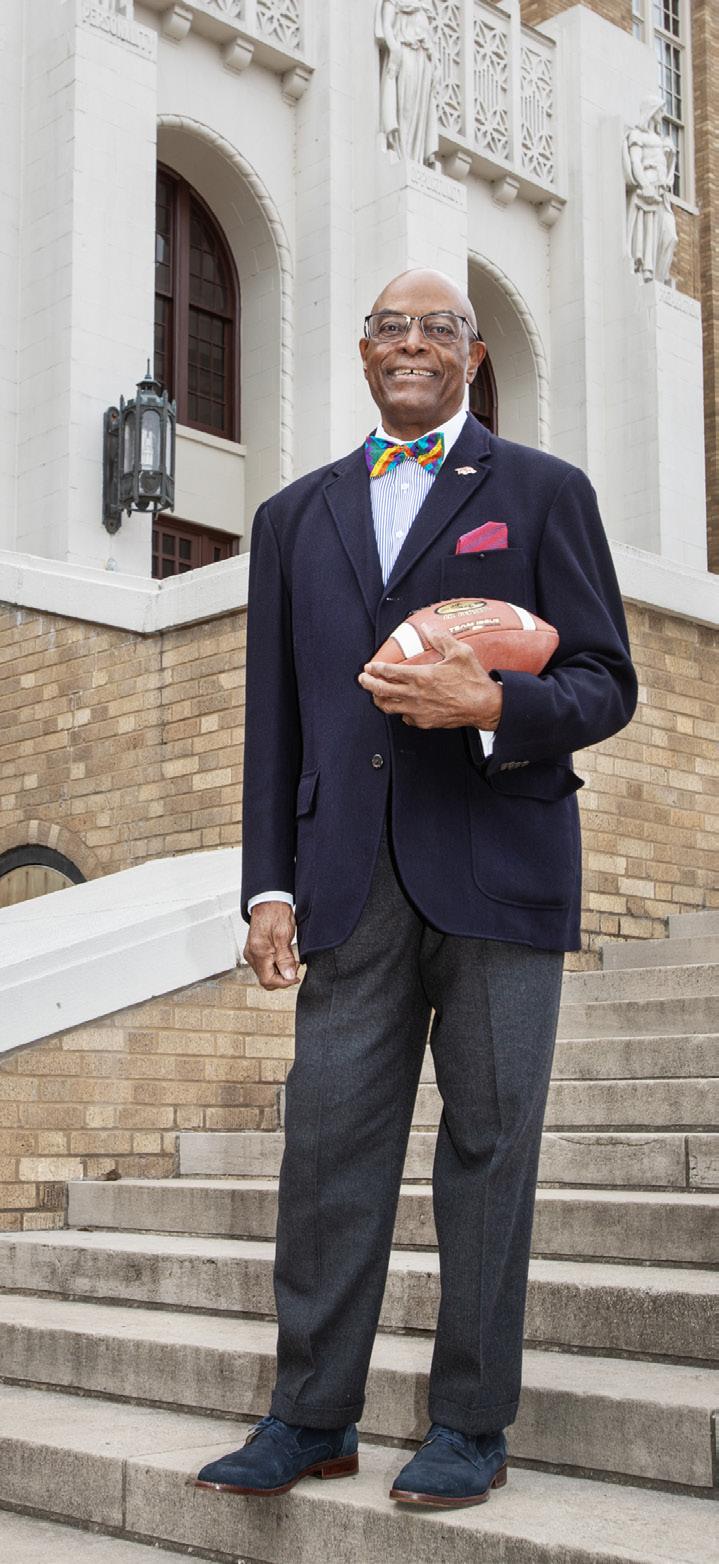
On any given day, Harris could be anywhere in Arkansas, helping others overcome addiciton.
one in which he is still trying to infuse enough light and positivity in others to bring his own books into balance. Time and experience have given him many ways to do so — cajoling here, motivating there and doling out some Thessalonia-grade reality checks to those who need to hear it, all in the name of turning independent contractors into revenue generators of their own worth and happiness.
“I tell all my clients, ‘Read my card. Does it say adolescent?’” he said. “They go ‘No,’ and I say, ‘That’s right.’ People gave me my life right back in my hand. Then it was up to me. That’s what I do for my clients; I put their life right back in their hands, and they’re either going to accomplish it, or they can fake it to make it. I’ve got obituaries for those that were five and six years clean who went back out there and tried it one more time. You can’t do that. That’s death.
“I just try to continue being me — I mean, just natural, straight me. They all see that I’m not BS-ing with them. If you want to get your life together, I’ll fight to the end with you. We used to have a sign in the locker room that said ‘one play, one day.’ Sometimes people try to make amends too fast, and they lose focus and get confused because they want acceptance like nothing ever happened. Well, you can’t change your past, so like I tell them, don’t ever let that leave out of your head — one play, one day.”
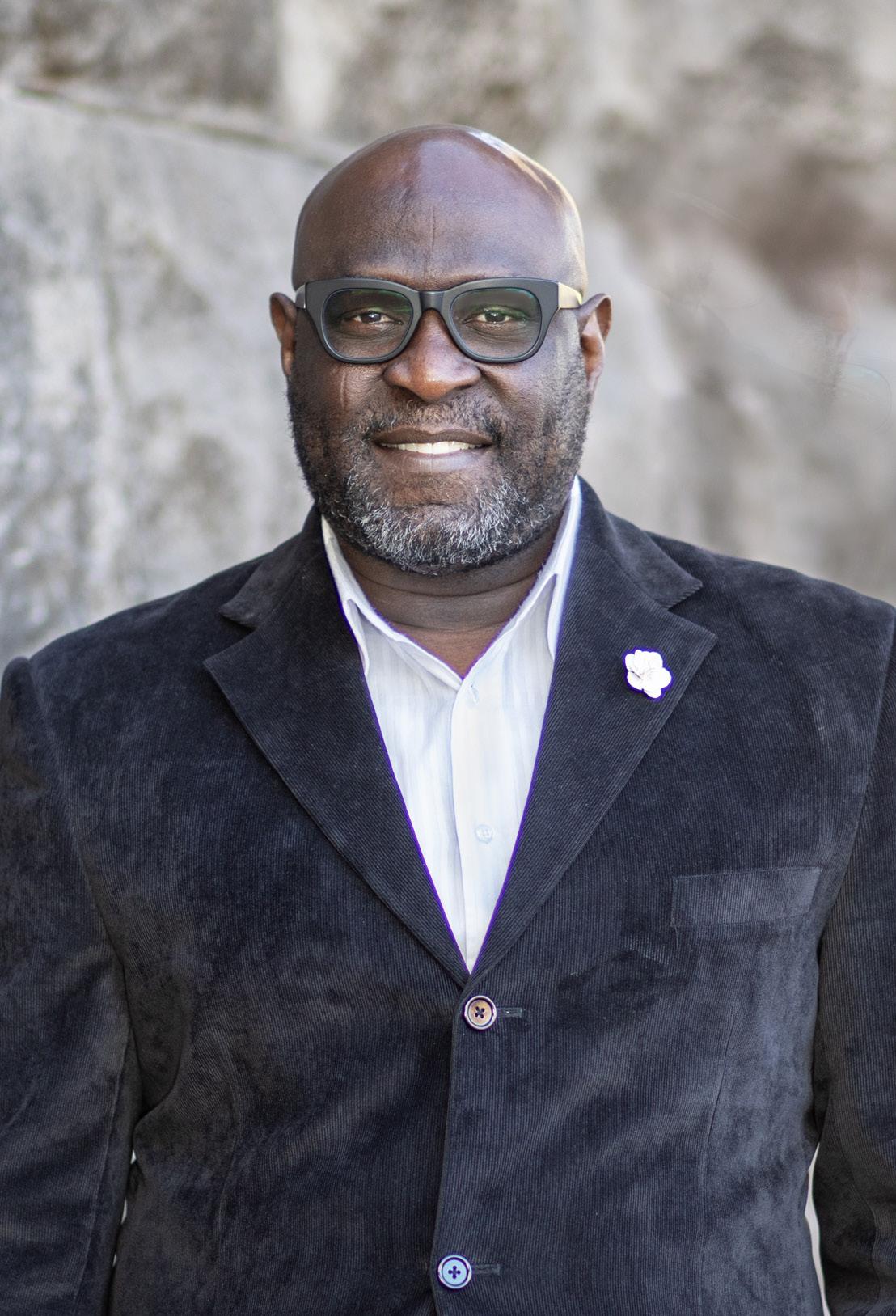
SUNDAY ADEBAYO
Owner
Adebayo Cleaning Services
From the basketball court to the business arena, Sunday Adebayo is well-versed in the art of taking a chance. Adebayo, owner of Adebayo Cleaning Services, has spent his career taking pride in the small things — an approach that can often make for unexpected doors opening. “Someone took a chance on me, and I worked hard to honor that opportunity,” Adebayo said. “I never imagined it would lead me to where I am today.”
Born and raised in Benin City, Nigeria, Adebayo spent his collegiate
years in the United States impressing on basketball courts across the South and Midwest, starting out at Three Rivers College in Missouri before heading to Fayetteville to play for the Razorbacks. After a brief stint with the Memphis Tigers, Adebayo returned to finish out his NCAA days at Arkansas. Stops in Germany and Australia rounded out a professional playing career, and upon returning to the Natural State, Adebayo set out to conquer a very different industry. Luckily, many of the skills he had developed as an athlete came in handy for the budding entrepreneur.
“In commercial cleaning, the details matter,” Adebayo said. “If you build good habits early — showing up on time, doing the job thoroughly, communicating well and treating people with respect — you set yourself up for long-term success. This industry rewards reliability and strong work ethic, and those who commit to learning every aspect of the job grow quickly.”
From construction and deep office cleaning to window and carpet work, Adebayo has learned the art of a job well done, not to mention the importance of leading from the front.
”
IF SOMETHING NEEDS TO BE DONE, I’M WILLING TO ROLL UP MY SLEEVES. WHEN MY TEAM SEES THAT, IT MOTIVATES THEM AND SHOWS THEM THAT I RESPECT THE WORK THEY DO.
“I’ve developed a deep understanding of every aspect of commercial cleaning because I’ve done the work myself,” Adebayo said. “There’s nothing I ask of my team that I haven’t done personally, and I think that builds trust and credibility. If something needs to be done, I’m willing to roll up my sleeves. When my team sees that, it motivates them and shows them that I respect the work they do.”
Moving away from the urge to do everything himself and focusing his efforts instead on building a strong team, Adebayo said, changed the direction of the entire business. Now as not only the owner of a successful company, but the head of an empowered team of talented individuals, Adebayo gladly embraces the responsibility that comes with his role.
“To me, being a Black Trailblazer isn’t about titles or attention,” Adebayo said. “It’s about the responsibility to make things better than you found them. It’s choosing to show up, work hard, and break barriers, quietly or loudly, so that someone else’s journey is easier because of the work you’ve done. I’m here to challenge the norms, deliver real value and prove that thoughtful work still stands out in a crowded world.”
Photo by Jane Colclasure
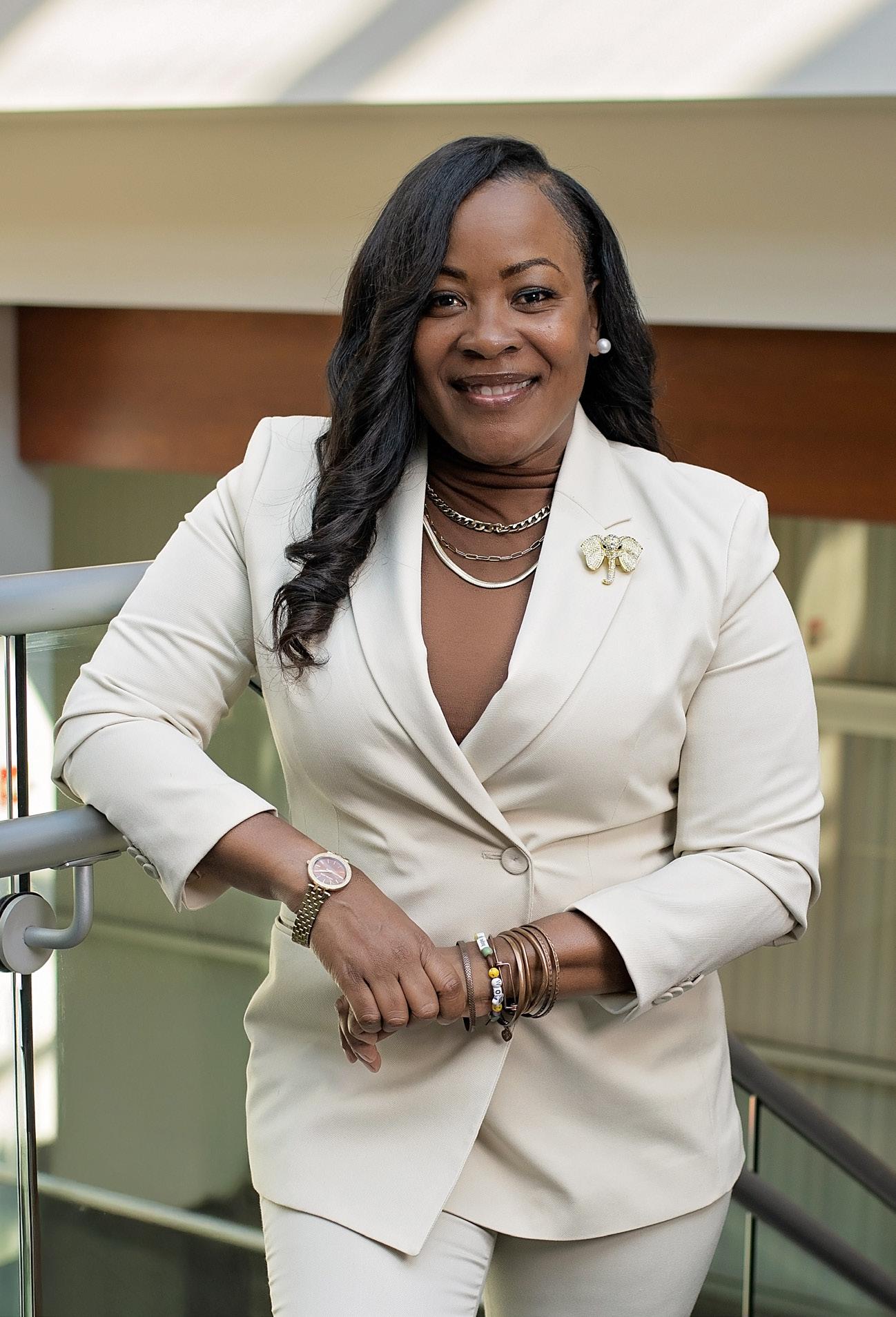
TENESHA BARNES
Deputy Director
Arkansas Opioid Recovery Partnership
Some would say Tenesha Barnes was born to fight for life, to promote compassion for all and, perhaps most certainly, to advocate for those who cannot advocate for themselves. The native of Strong was born two months early, weighing in at only 3 pounds — an early obstacle that gave her a fighting spirit she has carried all her life. That deeply rooted sense of determination later blossomed into a career rooted in service and advocacy.
“My passion led me to roles where I could help shape systems, influence
policy, and ensure people, especially those often overlooked, had access to prevention, treatment and recovery resources,” Barnes said. “These high heels are not just made for walking; they’re made for standing firm, leading boldly and moving forward even when the ground feels uneven.”
After an 18-year-long career with the Arkansas Department of Human Services, Barnes joined the Arkansas Opioid Recovery Partnership in 2022. As deputy director of ARORP, Barnes helps shape new beginnings for those recovering from the effects of substance use disorder. Her mission, she said, is simple: Create change and restore hope.
“The most challenging part is navigating systems that were not built with equity or compassion at the center,” Barnes said. “The most rewarding part is seeing real change, communities strengthened, lives saved and hope restored.”
Her primary focus is on policy development and strategic planning for service delivery and outcomes for the new initiative. She aids in the development and implementation of comprehensive prevention, treatment and recovery strategies at city, county and community levels.
”
THE MOST REWARDING PART IS SEEING REAL CHANGE, COMMUNITIES STRENGTHENED, LIVES SAVED AND HOPE RESTORED.
“You have to lead with your heart and have genuine compassion for people. What distinguishes me is that I lead with both strategy and soul. I believe in people even before they believe in themselves.”
Along the way, Barnes attributes many lessons learned to the art of patience, collaboration and listening. As a mother, she said that her daughter, Justice, has also been one of her greatest teachers.
“I knew I could never look her in the eyes and tell her to become all she was meant to be if I wasn’t willing to do the same,” Barnes said. “She became my motivation to push harder, dream bigger, and live in a way that shows her she can be and do more than she ever imagined.”
Barnes has held a wide range of leadership roles statewide and nationally outside of her commitment to ARORP. Through all of her boards and committees, Barnes has made it clear that she develops people, not tasks.
“This fight is bigger than me,” she said. “Arkansas is being called to stand up, to confront opioid addiction with courage, compassion and action. Every community, every leader and every citizen has a role to play. Together, we can choose to be strong for our families, for our neighbors and for the future of this state.”
Photo by Jamie Lee
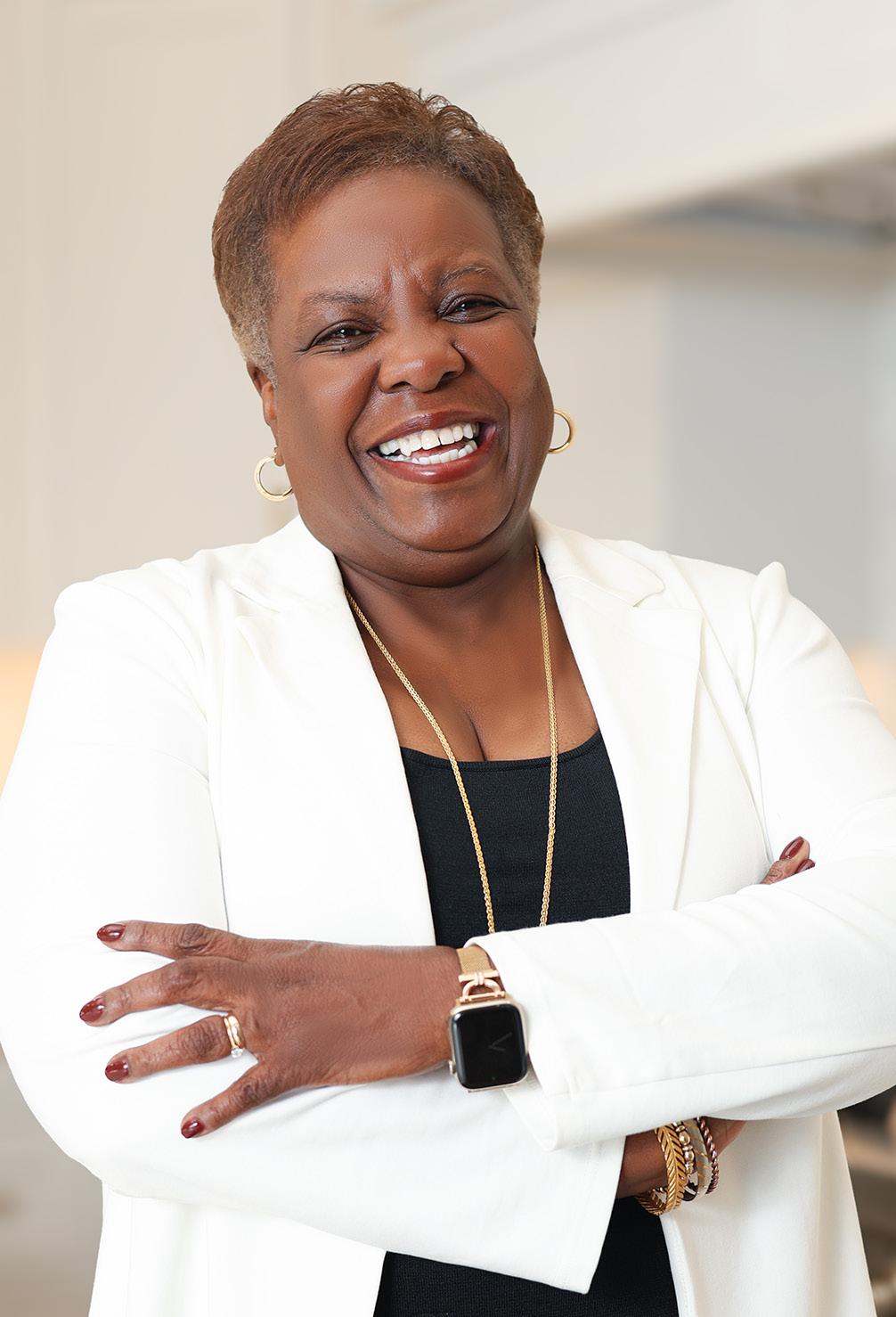
BECKY FINNEY
Executive Broker, Team Leader
Keller Williams
Few are lucky enough to cultivate relationships that span generations, but for Becky Finney, executive broker and team leader at Keller Williams Realty, those kinds of deep connections are a way of life. Such long-lasting loyalty stems from Finney’s deep-rooted passion for a people-first approach — because, she said, purchasing a home is about much more than a simple transaction.
“I place a strong emphasis on personal attention,” Finney said. “Many clients have returned to me two, three and even four times over
the years, and today, they’re referring their children and extended family. That level of trust is something I value deeply.”
The Hot Springs native attended Lincoln University in Jefferson City, Missouri, where she studied psychology. After starting her family, Finney found a calling outside psychology, one still oriented toward serving others. She found while working with people that her greater passion was in helping get them into homes. A home stabilizes families, helps children in school and builds generational wealth, she said.
At a time when Black professionals were largely absent from higher-end real estate transactions and at leadership level positions, Finney entered the industry determined to build a practice grounded in expertise, credibility and long-term client relationships. Her career has spanned economic cycles, housing booms, downturns, technology and rapid changes in consumer expectations.
”
MANY CLIENTS HAVE RETURNED TO ME TWO, THREE AND EVEN FOUR TIMES OVER THE YEARS, AND TODAY, THEY’RE REFERRING THEIR CHILDREN AND EXTENDED FAMILY.
Through it all, Finney adapted without compromising her standards. Today, she is widely respected not only for her production but for her depth of experience. After more than 43 years, Finney still finds joy in the profession that shaped her life. She has helped families build generational wealth through home ownership and advised clients on strategic investments with long-term implications.
Finney’s role as a Black Trailblazer extends beyond her own success. She has become an advocate for professionalism and mentorship in the real estate industry overall, particularly for newer agents navigating an increasingly complex marketplace. Her team of four works closely with her and benefits from her decades of experience while helping to manage showings, listings and administrative work. She has built credibility in spaces where access was not assumed, quietly expanding expectations around who leads and advises in real estate. Her passion, dedication and people-first approach are impossible to miss.
“I’m grateful for the opportunity to know my clients deeply,” Finney said. “I don’t form surface relationships. I love being a part of their world, watching their lives change and learning from them along the way.”
Photo provided

Photo by Lori Sparkman
EVE “STARR” GEIGGAR
Founder, CEO
Made to Manifest
The thing about blazing a trail is that the full path often becomes clear only in hindsight. Having now stepped into her role as a women’s empowerment leader and life coach, Eve Geiggar said her path into the work was divinely led from the start. She became the founder and CEO of Made to Manifest to help women and organizations walk boldly into who and what they were created to be. For Geiggar, faith is the foundation of the journey, serving as its source, its medium and its message.
“When I recently revisited my journals from nearly 10 years ago, I saw I
had written about owning my own business, helping people, and giving back the tools and skills God had blessed me with,” she said. “Even then, I knew there was a bigger purpose in my life. I just hadn’t yet discovered the form it would take. Made to Manifest became the answer to prayers I didn’t yet know how to articulate.”
Geiggar founded Made to Manifest in 2021 to provide guidance, tools and inspiration to individuals and groups seeking to realize their full potential, whether through motivational speaking, events and retreats, staff development, or one-on-one coaching. She has also worked diligently to hone skills that complement and deepen her work. Currently, Geiggar is pursuing a doctorate in change leadership at the University of Central Arkansas in Conway.
“Being in the second year of my doctoral journey is an accomplishment I don’t take lightly,” Geiggar said. “I’m grateful for every milestone, every lesson and every step toward becoming Dr. Eve ‘Starr’ Geiggar. The journey itself has been just as rewarding as the destination will be.”
Of course, a clear calling does not mean an easy path.
”
EVEN WHEN FACING FINANCIAL UNCERTAINTY OR UNFAMILIAR TERRITORY, I RETURN TO GOD’S PROMISES AND STAND FIRMLY ON WHO HE SAYS I AM.
There have been moments when Geiggar questioned her qualifications and capabilities even in spaces she knew God had opened for her. When doubt and fear crept in, however, she knew where to turn — an approach that mirrors the very tools she offers others as they walk intentionally and authentically in their own lives.
“I journal, pray and intentionally speak over my life what God has already spoken about me regardless of how I feel in the moment,” Geiggar said. “Even when facing financial uncertainty or unfamiliar territory, I return to God’s promises and stand firmly on who he says I am.”
As Geiggar remains open to wherever her future leads, she is committed to building a legacy rooted in faith, service, empowerment and transformation. As a Black Trailblazer, she believes her work includes paving the way for other women and men of color, especially young men and women, to see what is possible. More than simply breaking barriers, Geiggar believes a true trailblazer is called to build bridges.
“What God has placed within you is unstoppable,” she said. “Tap into who he has called you to be, and walk it out boldly. No one can do what you’ve been uniquely gifted to do. Show up even when you don’t feel like it. Be present. Stay faithful — and enjoy the journey as God unfolds it step by step.”
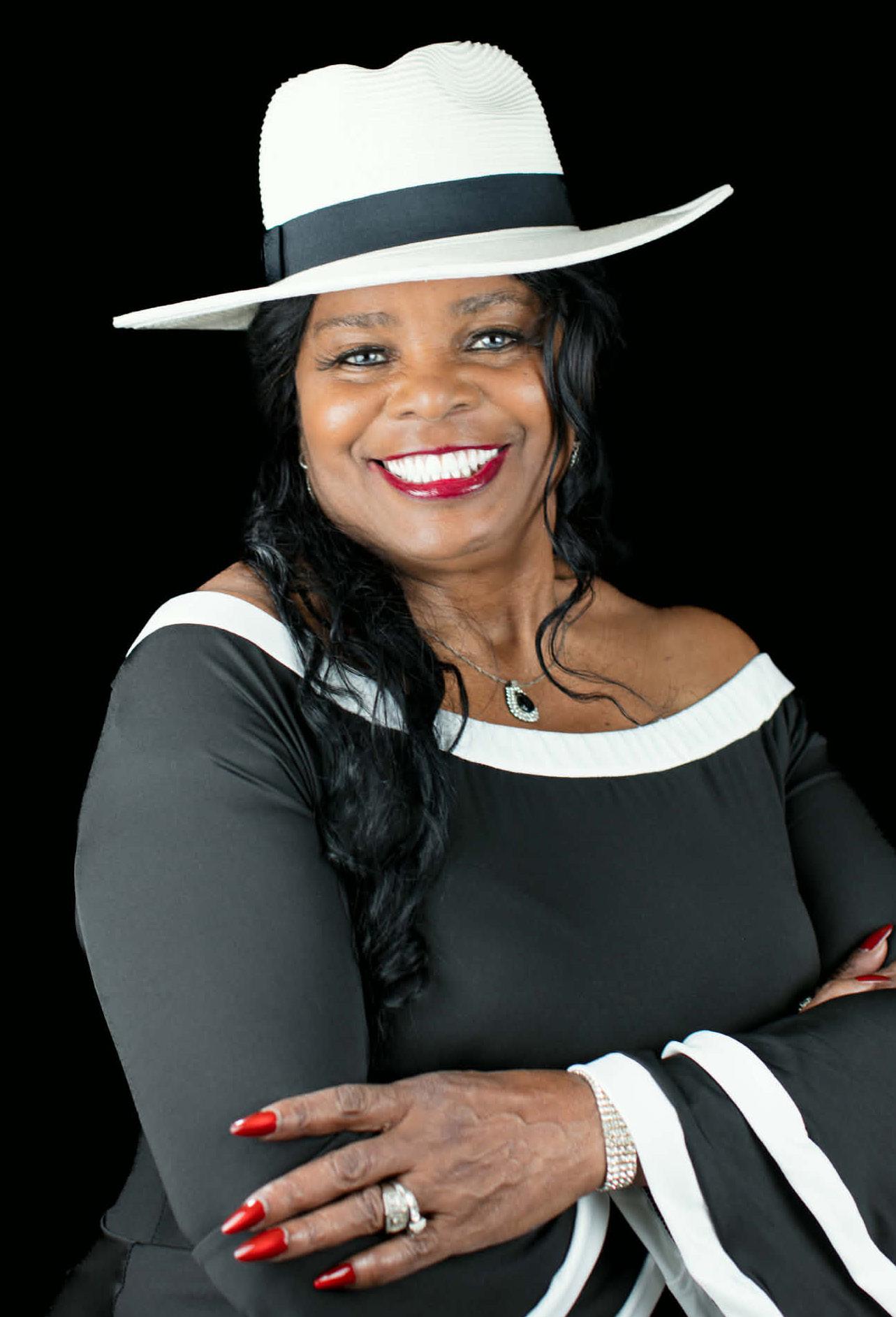
ROSEMARY GREEN
Owner
The Green Rose H.E.L.P. Community Outreach,
Rosemary’s Closet Plus+
Connect Leader
Christian Women in Media Association
Entrepreneur
Rosemary Green has always been guided by a deep desire to serve, to create and to uplift others. Encouraged early on by her mother to explore varied interests across art, dance, athletics and community involvement, Green found she excelled in many areas. In high
school, she founded a dance group, The Black Pearls, and formed another after her family moved to the Texas Hill Country. That team, called C.H.O.I.C.E. — Children Helping Others in Choosing Eternity — traveled around, opening for professional gospel artists.
“Continuing my journey in the arts, I wrote, produced and directed a play production called Buried Alive: The Devil’s Funeral at a local performance art theater in Garland, Texas,” she said. “The show played to a sold-out crowd — a truly memorable achievement.”
Green later served as vice president of outreach at the North Central and East Texas area board of Aglow International, an evangelistic fellowship organization. After eight years in the role, she felt the need to seek divine direction in the next season of her life and resigned. Green then recruited the help of fellow “prayer warriors” in discerning her future steps, and to her surprise, many felt the same need for spiritual renewal. Before she knew it, Green said, more than 30 people had gathered to seek answers and connection.
” IN ALL THAT I’VE DONE AND ACCOMPLISHED, I GIVE GOD ALL GLORY ALL THE TIME. MY FAITH IS AT THE HEART OF EVERY SUCCESS AND ENDEAVOR IN MY LIFE.
What began as an impromptu gathering turned out to be the inaugural The Green Rose H.E.L.P. Women’s Retreat in Azle, Texas. The event has since been held in Texas, Seattle and Arkansas. In that time, Green also once again felt the calling to create, this time publishing her first book, One Woman’s Cry is Another Woman’s Answe r — a testimony, she said, to overcoming doubts and obstacles the enemy said she would never conquer.
“In all that I’ve done and accomplished, I give God all glory all the time,” she said. “My faith is at the heart of every success and endeavor in my life.”
Now based in Hot Springs, Green continues in her mission to strengthen the community around her through initiatives that include The Green Rose H.E.L.P. Community Outreach and her business, Rosemary’s Closet Plus+. She serves as the Arkansas connect leader for the Christian Women in Media Association, which brings together Christian women in film, podcasting and other disciplines. That role allows her to learn from, support and inspire women across the state, she said.
“I want to provide mentorship, skills training and real opportunities for growth and self-discovery,” Green said. “I hope that those we’ve helped will, in turn, sow their gifts back into our communities, creating a powerful ripple effect of hope and positive change.”
Photo by AnneMarie Photography
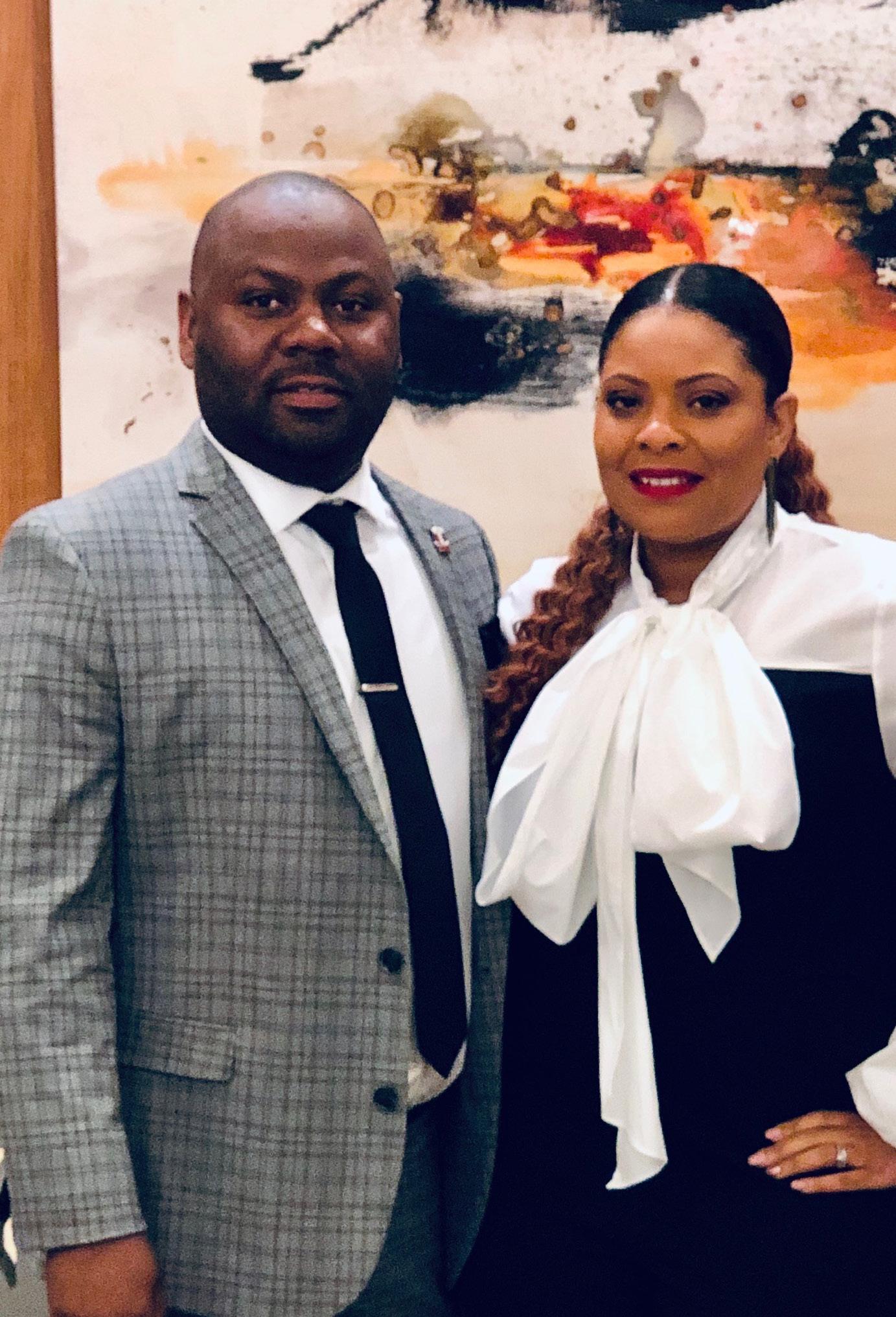
GERALD GREGORY
Owner
Songbyrd Development Enterprise
An architect’s eye is a powerful thing — all the more so when that vision extends beyond mere structures and into the very heart of one’s community. Through Songbyrd Development Enterprise and alongside partner Veronica, Gerald Gregory is building positive spaces designed to outlast him both literally and figuratively.
“Being from the community and actively a part of it changes how you approach the work,” he said. “Every decision matters more because you are accountable to the same community you live in, not just a contract or a timeline.”
Gregory’s lifelong appreciation for art and history, paired with a deep curiosity for how projects come together, led him to the architecture program at the University of Arkansas in Fayetteville. A first-generation college graduate, Gregory faced numerous barriers as he worked his way up in the construction industry.
“I worked my way through college while managing a family at an early age, which forced me to develop discipline, adaptability and resilience early on,” Gregory said.
Every insight Gregory gained prepared him to take on more. After a stint managing large-scale vertical construction projects at one of the top construction firms in the state, he landed a C-suite role at a small excavation company. There, he played a key role in restructuring, scaling and rebranding the organization into one of the leading industry players in central Arkansas.
” WE ARE BUILDING FOR THE NEXT GENERATION, FOR PEOPLE WHO DESERVE THE SAME PRIDE AND OPPORTUNITY IN THEIR NEIGHBORHOOD THAT ANYONE ELSE DOES.
Songbyrd Development Enterprise leverages both Gregory’s experience across design, construction, operations and business strategy, as well as Veronica’s creative background and real estate industry expertise. Taking full ownership of projects in neighborhoods close to his heart forced Gregory to be intentional not only as a builder but as a community leader and decision maker. More than homes, the Gregorys realized they were building trust, opportunity and long-term value in places long overdue for all three.
“Rebuilding an underserved area carries a responsibility to respect its history, understand its needs and create spaces that uplift rather than displace,” Gregory said. “We are building for the next generation, for people who deserve the same pride and opportunity in their neighborhood that anyone else does.”
In proving to themselves and others that ambition and family are not competing priorities but complementary ones, the Gregorys have created something meaningful, sustainable and rooted in love — not unlike what they are building for countless others every day.
“Visual representation reshapes narratives and encourages future generations of what is possible even when faced with adversity,” Gregory said. “It means boldly stepping into spaces where Black voices have historically been marginalized or overlooked and having the courage to turn obstacles into opportunities. Ultimately, being a Black Trailblazer is about legacy and understanding that success is measured not only by milestones reached but by those empowered along the way.”
Gerald and Veronica Gregory Photo provided
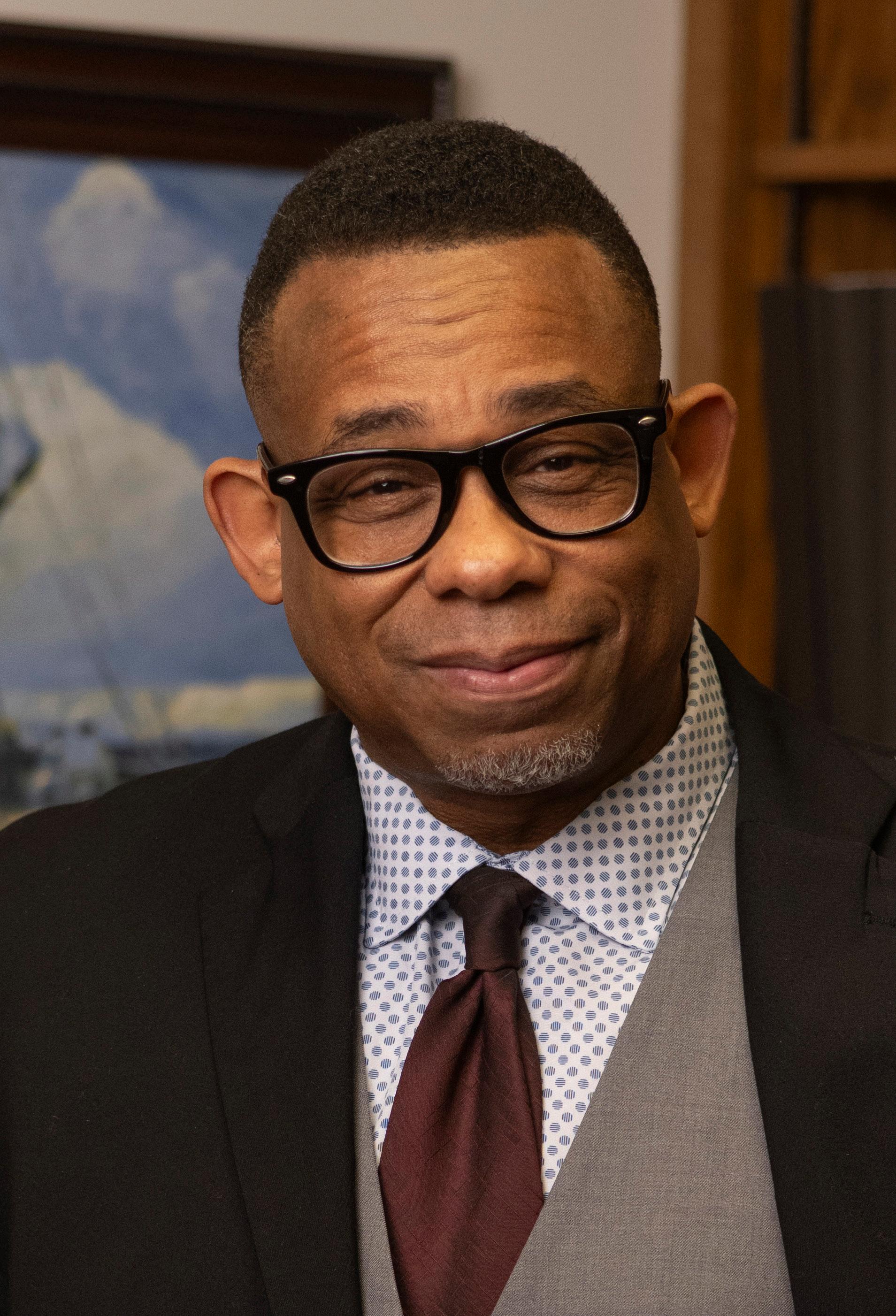
DERON HAMILTON
There is no telling just how far the kindness of a teacher can reach, and Deron Hamilton is living proof.
“I was a junior at Parkview High School [in Little Rock], and I took an accounting class from an amazing teacher, Mrs. Jennings,” Hamilton said. “She presented accounting in such a way that it connected with me on a level where I knew this was what I wanted to do.”
Just how much good came of that single high school class, Hamilton is still tallying up. As co-owner of Denman, Hamilton & Associates in Little
Rock, Hamilton gets to do something he loves on a daily basis, something that has allowed him to build a life with his wife, Felecia, and the couple’s two children.
If it all stopped there, Hamilton would surely still consider himself blessed. Yet he runs on a different engine, one built on feelings of gratitude and a strong walk in his faith.
“I have been blessed to have several good influences to sow into my life and be an example of excellence while making a difference in this world,” Hamilton said.
Following in those footsteps, he has also made a difference. He works extensively with Little Rock Kappa League, an organization led by the Little Rock alumni chapter of the Kappa Alpha Psi fraternity to help young men between eighth and 12th grade forge a path towards leadership development. Hamilton also serves on the board of Fuse, a Little Rock organization that works to equip people experiencing homelessness with the skills needed to turn their lives around.
Hamilton is also on the board of the Arkansas Human Development Corp., where he works to empower those in need with health education and career skills, all while remaining active as a teacher and treasurer at his church, Covenant Family Church Ministries in North Little Rock.
” I HAVE BEEN BLESSED TO HAVE SEVERAL GOOD INFLUENCES TO SOW INTO MY LIFE AND BE AN EXAMPLE OF EXCELLENCE WHILE MAKING A DIFFERENCE IN THIS WORLD.
It is absolutely no surprise when Hamilton equates being known as a Black Trailblazer to a call to service — for his family, for his church, for his business and for those in need.
“It’s a commitment to serving others with excellence, living a lifestyle based in love, walking in your purpose, empowering business owners to impact those they serve and helping others create wealth,” Hamilton said.
Hamilton has nailed the “helping others create wealth” part through his work as a certified public accountant, and he hopes that equipping others for financial success will, in turn, spur more people to give back to the communities that support them.
Mrs. Jennings created quite a ripple effect.
“Operate from a place of serving others and being a problem solver while having character of high integrity, trust and excellence,” Hamilton said. “Effective communication and follow-through are extremely important, and you have to put in the work to increase your knowledge and constantly add value to those you serve.”
Photo provided

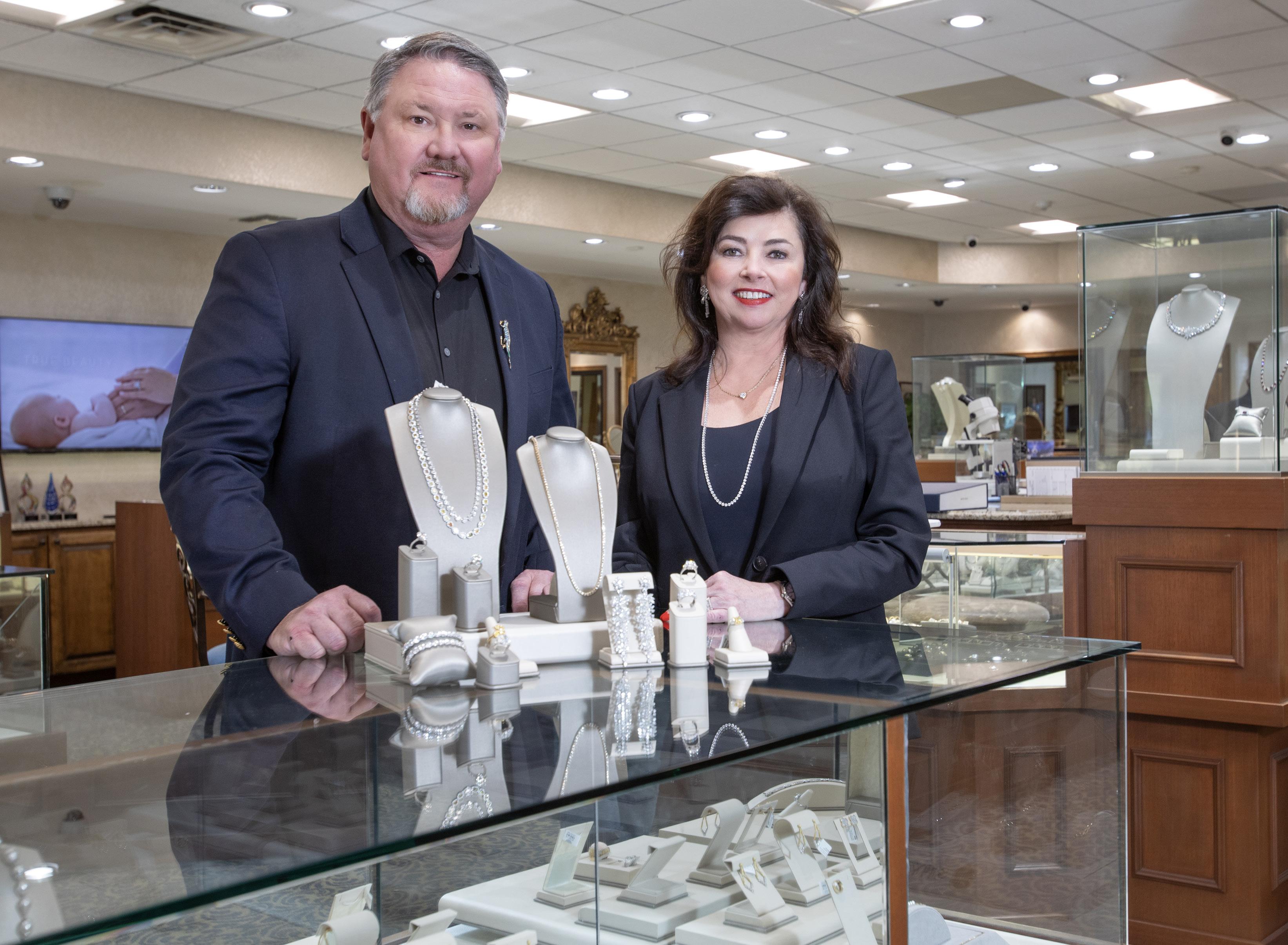
Chocolate Diamonds and
Sissy’s Log Cabin to be honored at 2026 Chocolate Fantasy Ball
By Dwain Hebda
Longtime Ronald McDonald House supporters Bill and Sharri Jones of Sissy’s Log Cabin, which will be honored at the 2026 Chocolate Fantasy Ball.
Photo by Jane Colclasure
Bakersfield, Missouri, perches on Arkansas’ shoulders, a place many people just 50 miles away have likely never heard of, much less been to. Tucked into the Ozark hills, the village flirted with reaching 300 people in population in 1990 but now hovers below 200 souls, per the 2020 census, residing just a mile and a half from the Arkansas border.
The size and pace of the place may not be what it is elsewhere, but the joys and challenges of life are every bit as real as in larger towns and big cities. Just ask Shala and Brett Foster, who welcomed their twin daughters Millie and Mazie. Like new parents anywhere, they marveled at the miracle of new life, yet they soon faced with the sobering news that the babies required additional care. Moreover, the best place to get that care was in Little Rock, nearly 200 miles away, which put the couple in the dilemma of being there throughout the children’s treatment and still carrying on life responsibilities three hours away.
Enter Ronald McDonald House Arkansas & North Louisiana, an organization formed for just such families as the Fosters. The organization provides no-cost lodging options through its various facilities, including four standalone and hospitalintegrated houses, another under construction, and two family rooms plus one to come, embedded in selected hospitals in two states.
Each location offers accommodations plus either hot meals or snacks, access to laundry, and quiet spaces to help parents process the stress of dealing with treatment decisions, hospital environments, and the seemingly endless rounds of physician and nurse consultations.
Families are able to stay free of charge for as long as their children are in the hospital. In the Fosters’ case, that meant 111 days so far.
“Being able to stay at the Ronald McDonald House meant everything to our family during an incredibly overwhelming time,” Shala Foster said. “It relieved a tremendous financial burden and allowed my husband and me to stay close to the hospital. More than that, it gave us a peaceful place to rest and regroup so we could focus entirely on Millie and Mazie.
“The warm meals, comfortable space, and constant kindness from staff and volunteers reminded us we weren’t alone, and that support made it possible for us to be present for our girls when they needed us most.”
Serving families such as the Fosters with love and compassion is all in a day’s work for the caring staff and many volunteers that make the organization go. At any given time, groups, churches and individual families can be found at the facilities, augmenting the staff’s work, providing home-cooked meals, drop-
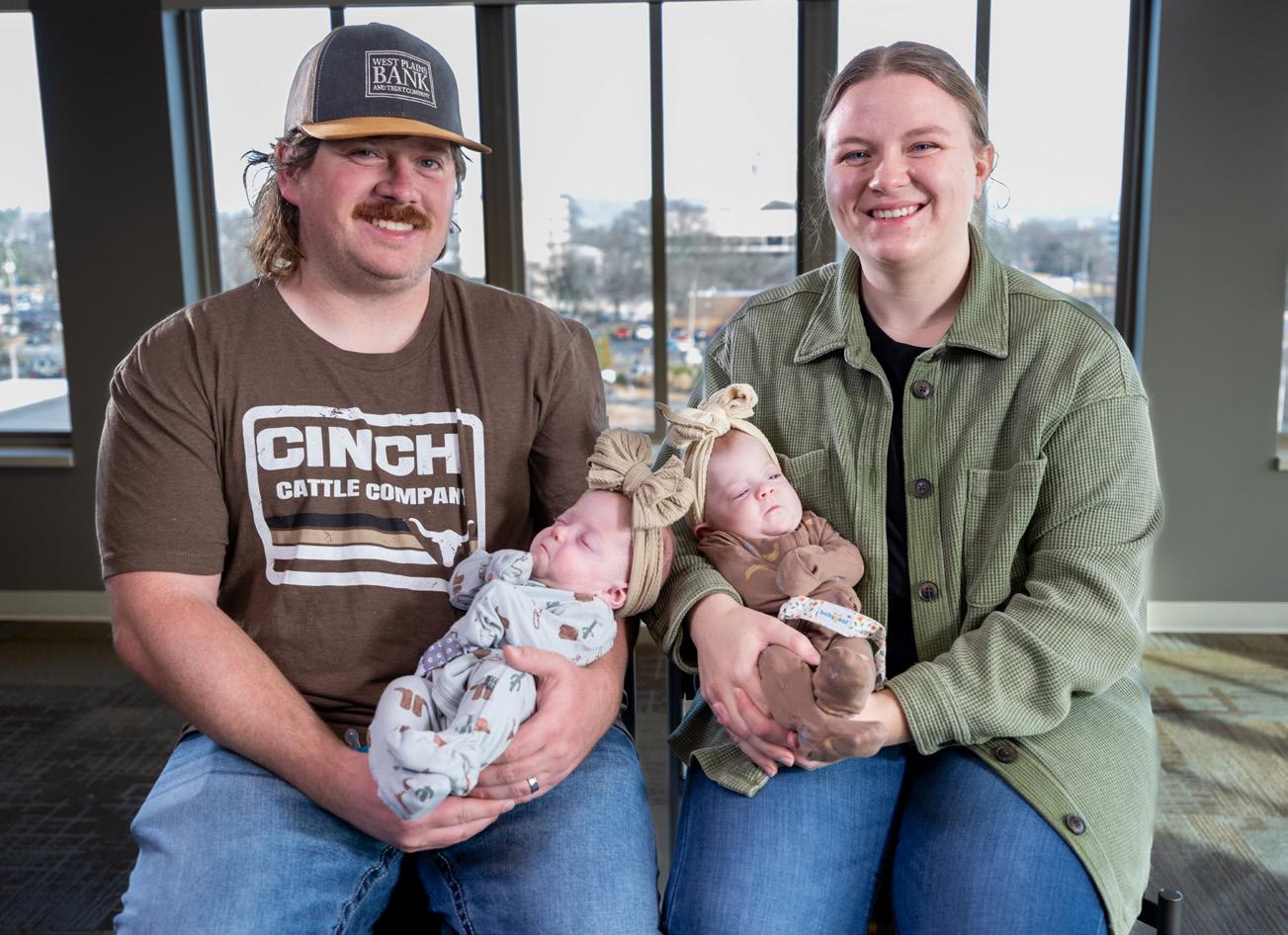
ping off donations, or offering a smile and supportive words to families exhausted by their situation. Some children are in treatment for so long they and their parents and siblings quickly start to feel like extended family members, people the staff celebrates with when healing children are released and grieves with over the precious angels who simply go home.
Equally important to the mission are financial donors, people and organizations that, along with various benefits held during the year, help make the organization’s services possible to the tune of millions of dollars annually to operate the various Ronald McDonald Houses, Ronald McDonald House Family Rooms and the group’s mobile dental clinic, which brings professional pediatric dental care to communities at no cost to patients.
Foster said the impact of such financial support is hard
Being able to stay at the Ronald McDonald House meant everything to our family during an incredibly overwhelming time. It relieved a tremendous financial burden and allowed my husband and me to stay close to the hospital. More than that, it gave us a peaceful place to rest and regroup so we could focus entirely on Millie and Mazie.
– Shala Foster
Shala and Brett Foster with their daughters Millie, at left, and Mazie. Photo by Chris Cranford
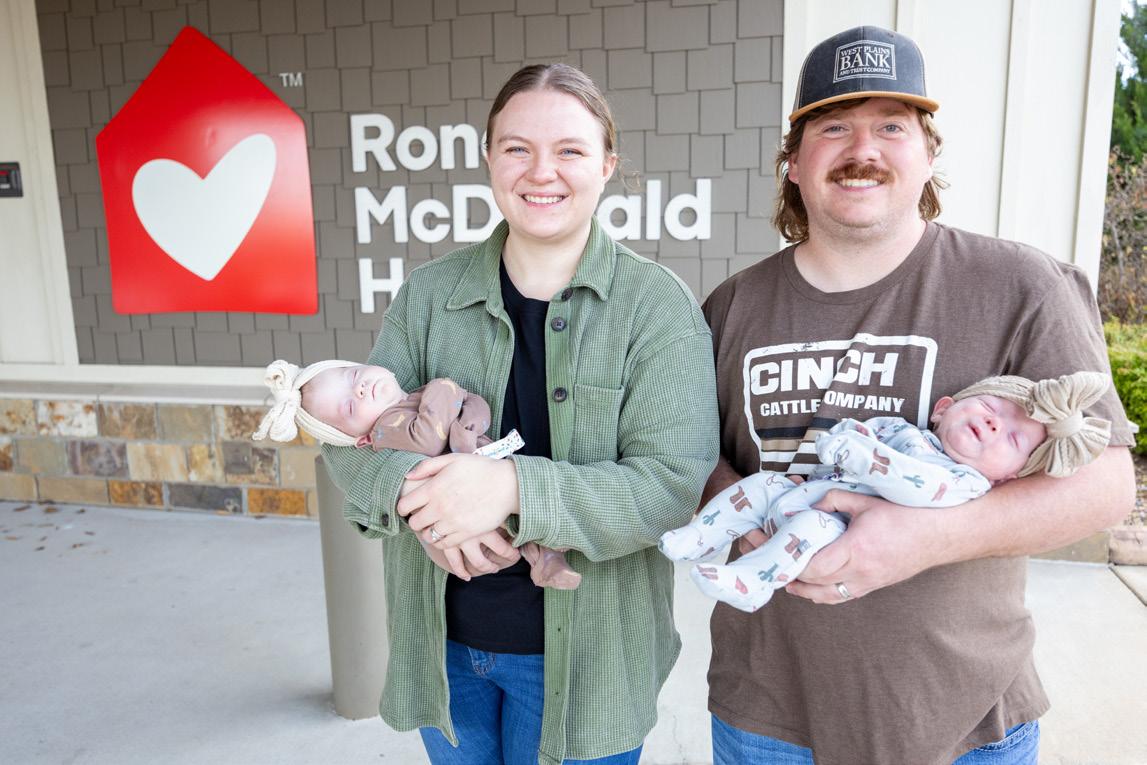
To the donors that have supported the Ronald McDonald House throughout the years, your support has meant far more to our family than words can fully express. Because of your generosity, we’ve felt hope, stability and the reassurance that we are not facing challenges alone.
– Shala Foster
to put into words because it allows many families to stay close by and present who would otherwise not be able to afford to.
“To the donors that have supported the Ronald McDonald House throughout the years, your support has meant far more to our family than words can fully express,” she said. “Because of your generosity, we’ve felt hope, stability and the reassurance that we are not facing challenges alone. The impact you’ve made goes beyond the dollars raised — it has truly changed lives, including ours, and we are deeply grateful for your commitment and compassion.”
For those who go above and beyond in their support of Ronald McDonald House, the organization reserves its biggest stage, the annual Chocolate Fantasy Ball gala, as a fitting way to recognize their generosity.
This year’s event, slated for Feb. 28 in Little Rock, will honor Sissy’s Log Cabin and its founding owners, the Jones family, for sustained generosity in support of Ronald McDonald House and its programs.
“When we were talking about who to honor this year, the Jones family of Sissy’s Log Cabin was the first thought we had,” said Janell Mason, the nonprofit’s CEO. “They’ve given such incredible support through donations of jewelry over the years. I think back to when I first chaired Chocolate Fantasy Ball in 2009. They gave a beautiful piece of jewelry that we auctioned off during the live auction.
“Over the years, their contributions have totaled more than $300,000 to our organi-
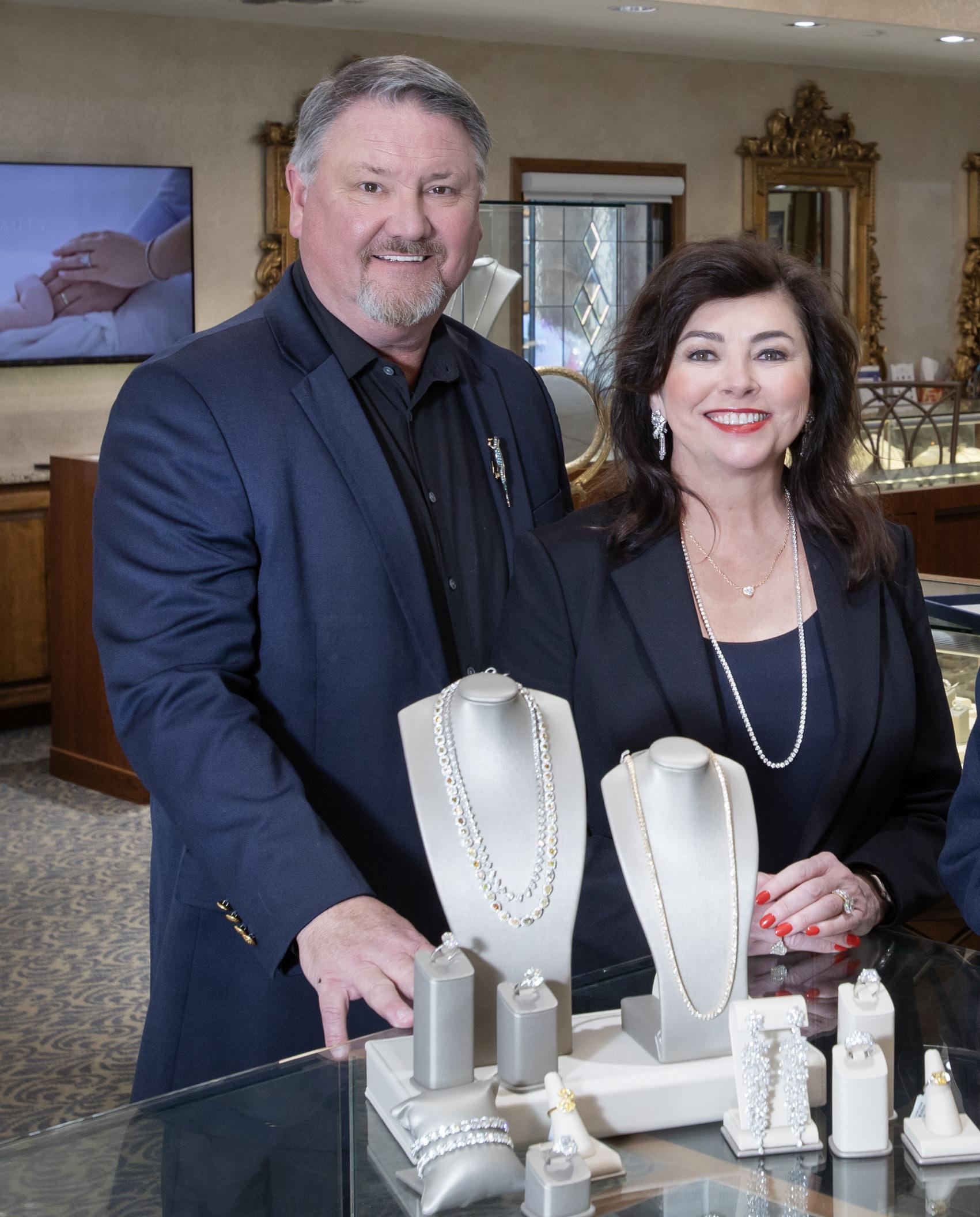
zation. That translates to Sissy’s Log Cabin sponsoring over 30,000 nights for families. It is incredible to think about how much worry and stress that has alleviated in families.”
Gov. Sarah Huckabee Sanders lent her congratulations and thanks to the Jones family for their long participation in support of Ronald McDonald House.
“For my good friends Bill and Sharri Jones, giving back has always been about stepping up when it matters most. Their generosity ripples far beyond these walls; it strengthens families, it lifts burdens, and it reminds the community what compassion in action really looks like,” Sanders said, adding her compliments to the entire Sissy’s organization for carrying its culture of giving forward.
“Thank you to the entire Sissy’s Log Cabin team for standing behind this mission and making generosity part of who you are,” she said. “Because of you, families can focus on what matters most — being there for their child.”
Bill and Sharri Jones expressed gratitude for the recognition at the event but said the true honor was having the opportunity to help families facing unfortunate medical situations.
“I say Ronald McDonal House is like the church
Ronald McDonald House makes it possible for families to remain close to their children during treatment.
Photo by Chris Cranford.
Janell Mason, CEO of Ronald McDonald House Arkansas and North Louisiana, said the Jones’ have donated more than $300,000 through the family business, Sissy’s Log Cabin.
by Jane Colclasure
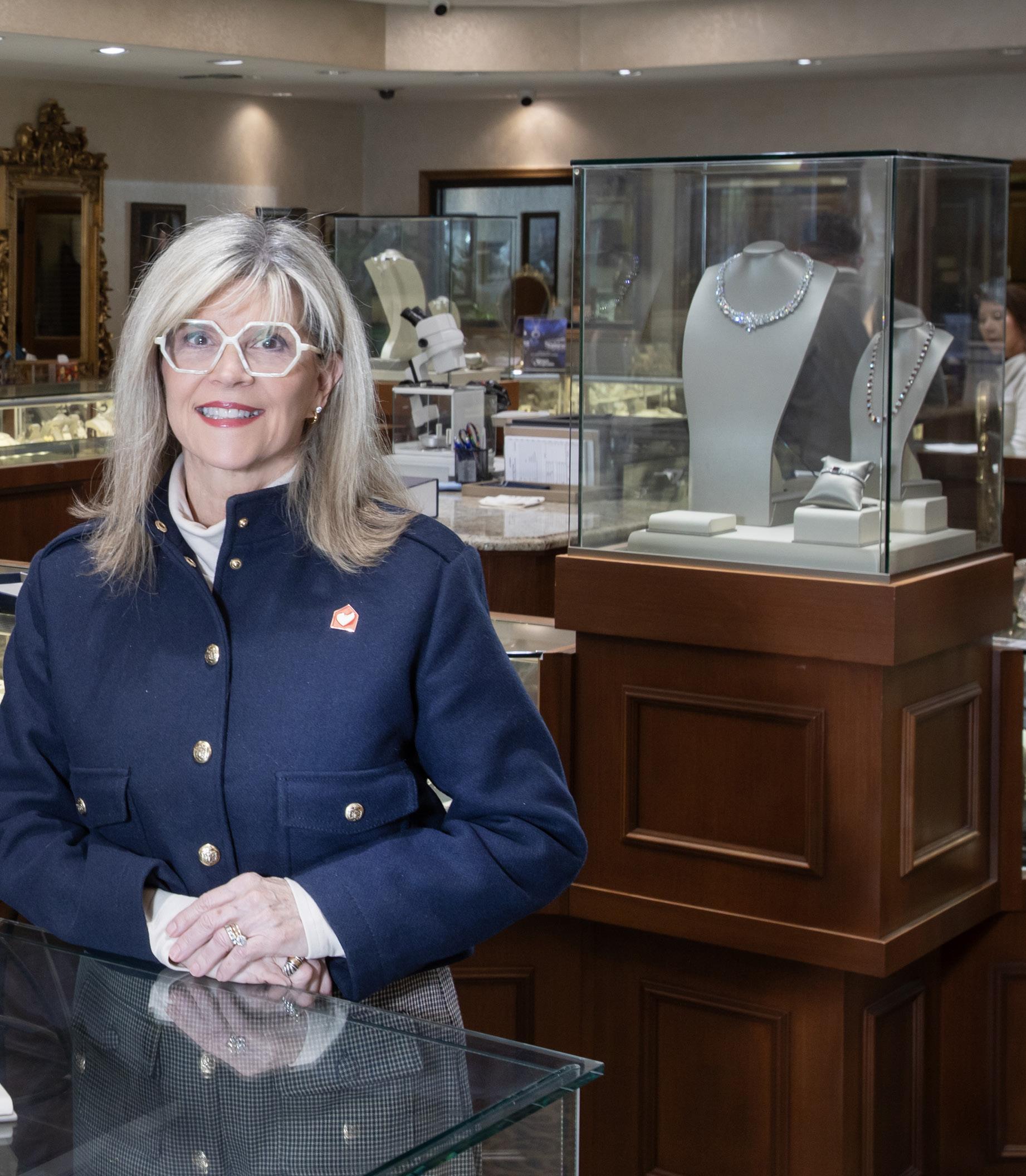
nursery; you don’t know you need it until you need it,” Sharri said. “When you’re suffering with a sick child, the last thing you need to be worried about is where you’re going to sleep, what you’re going to have for dinner or where you can get a little rest. This provides a shelter, a very nice place to be where there are other people around who understand what you’re experiencing. It’s a support system.
“Children are innocent, and parents will do anything they possibly can to support their children. We need a safe place for families to be able to go, to be right there for their child anytime of the day or night. Ronald McDonal House is there to take care of these families who need to be upheld and heard. All the people that work there are very special people who have a special calling.”
Bill Jones echoed the sentiment, saying it was humbling to be recognized by an organization that has been such a good steward of money and resources.
“There have been some great companies that have been involved with this organization and honored like this in the past. We’re just very thrilled about it and to be among them,” Bill said. “We’re particularly honored to have been involved with this organization specifically through the years. It’s important to any donor to know that the majority of any money given is going to go directly to the mission, and Ronald McDonald House has an excellent record of doing just that.”
Mason was quick to point out that despite the organization’s
recent expansion from serving just central Arkansas to most of the state and into Louisiana, funds raised via the Chocolate Fantasy Ball stay local. She said in addition to regular operations, the group has plans on the books for various improvements to the Little Rock house, located across the street from Arkansas Children’s Hospital, both in physical upgrades and in expanded services.
“We are finalizing program details to support families through creation of a new psychosocial support program,” she said. “Our guest families arrive with needs that existed even before their child became ill or injured. We are hiring a licensed social worker and a support team that will allow us to assess families when they arrive, support them during their stay and ensure that they are connected to muchneeded resources when they return home.
“Research shows programs like these significantly improve the overall hospital experience and lead to better outcomes for children by enhancing family coping skills, reducing perceived pain and promoting more effective recovery. Eventually, we will offer this in all of our Ronald McDonald House programs.”
The Chocolate Fantasy Ball is the very definition of a good time held in support of a good cause. Offering a dessert-first menu and chocolate goodies galore, the gala has regularly been voted among the best fundraising events in the state. Chocolate Fantasy Ball was voted Gala of the Year in 2018 and from 2021 to 2023, as well as Best Charity Event in 2025, by AY About You readers and “Best of 2023” Charity Event in Arkansas Money & Politics in 2023. AY Media Group is the Toast of the Night Sponsor for the 2026 Chocolate Fantasy Ball, to be delivered by President and Publisher Heather Baker.
Ronald McDonald House Arkansas & North Louisiana operates programs through standalone houses in Little Rock, Fort Smith and Shreveport; a house built inside Washington Regional Health Center in Fayetteville; and another under construction inside Baptist Hospital in Little Rock. It also operates Ronald McDonald House Family Rooms inside the University of Arkansas for Medical Sciences in Little Rock and Mercy Hospital in Rogers plus another one to open this year inside St. Francis Medical Center in Monroe, Louisiana.
The needs of families in medical situations stretch the capacity of this extensive network of programs most days, underscoring the vital importance of Ronald McDonald House and the people who support its ability to continue leaving on a porch light to welcome them.
“When a child is in the hospital, what families need most is support and the ability to be close, and that’s exactly what Ronald McDonald House provides,” Sanders said, “It’s more than a place to stay; it’s a lifeline for families walking through some of the hardest days of their lives.”
Photo
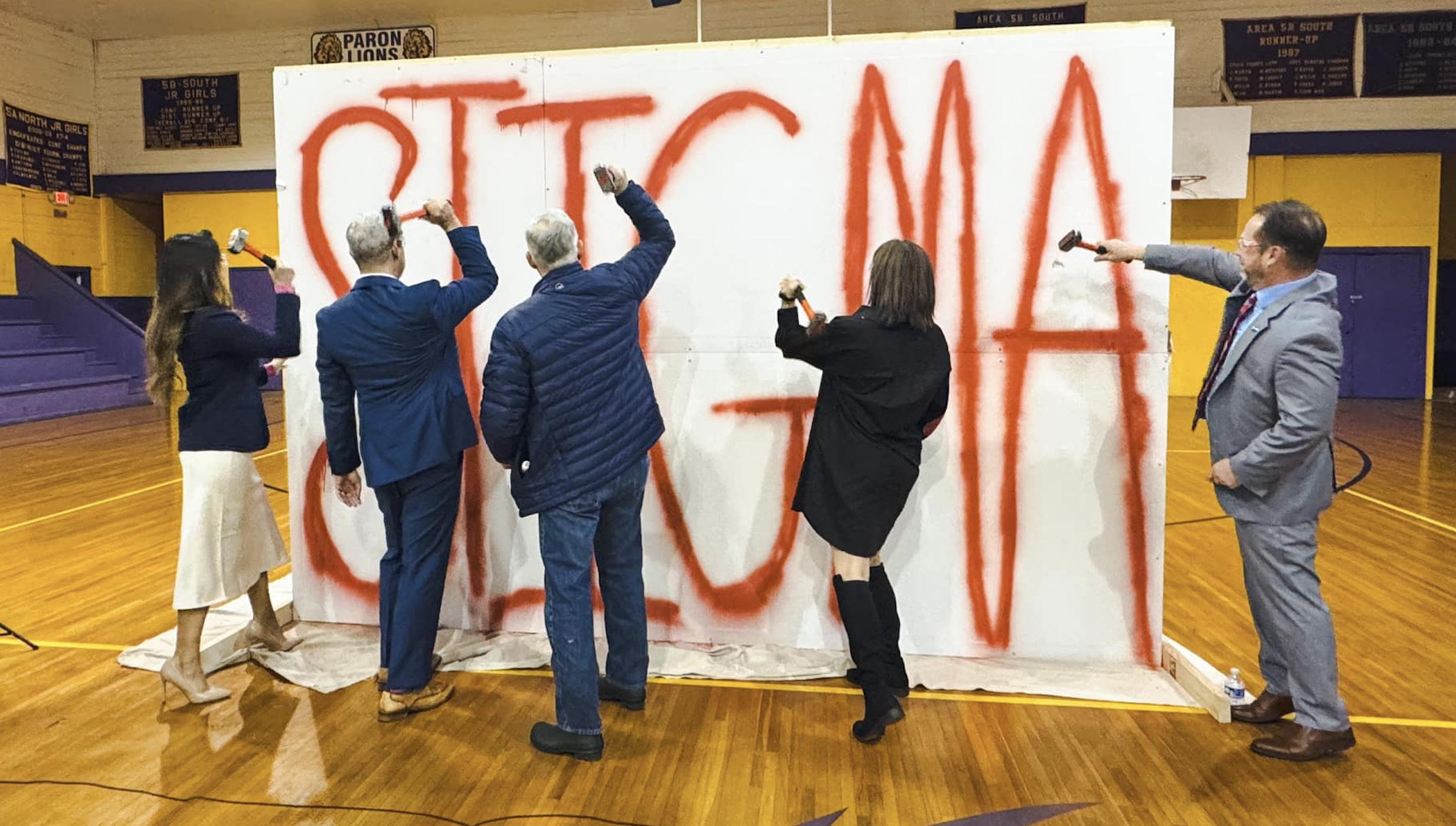
S mashing the Stigma
Peek into Peak State Recovery reveals different approach to addiction treatment
By

Alex Hardgrave | Photos by DeWaine Duncan
Peak State and local officials performed a symbolic “breaking the stigma” at the opening.
(Photo courtesy of Peak State Recovery)
While the school building located in the small town of Paron is no longer a school, within its walls people are still learning and bettering themselves. Peak State Recovery, an addiction detox and rehab center, opened its doors in July 2025 after a series of renovations on the long-abandoned school’s campus.
“The bones of the building were really good,” said Chris Dickie, founder and CEO of Peak State Recovery.
Ground was broken on the facility in February 2025 with speakers such as Arkansas Attorney General Tim Griffin and a “breaking the stigma” ceremony.
For the ceremony, the word “stigma” was painted on a wall in big red letters, and attendees smashed it with hammers to symbolize the work the center is doing to break the stigma surrounding substance use disorders and getting treatment for them.
That work started with Dickie himself, who overcame addiction and has been sober 18 years. For a long time before entering into the recovery industry, he stayed quiet about his story.
“We weren’t recovering out loud back then,” he said.
However, Chris’ wife, Nicole, put it this way: “Addiction doesn’t discriminate.”
One day, when Chris saw a colleague’s son struggling with addiction, just as he had done, he helped him.
That led to Chris wanting to help others recover, and he soon discovered gaps in treatment options in central Arkansas.
In 2018, he left his path in academia behind and founded Natural State Recovery Centers. He moved on and tried his hand at consulting, but nothing sparked his passion like working in a “brick-and-mortor” recovery setting, Nicole said.
That led to creating Peak State Recovery, which opened its doors in July 2025. At the center, the couple and the rest of the staff work to do things differently from the traditional in-patient recovery center model, reframing how people can recover by focusing on the individual and their “mind, body and soul,” Chris said.
In January, the center had about 25 clients staying in-house, but usually, there are about 30. The facility can accommodate up to 44, and most stay for 25 to 50 days.
The rural location of the center also helps to reach an underserved population, the next closest facility for which would be about 40 minutes away. Peak State offers transportation, as well — it picks up anyone who needs a ride to the facility, helping decrease one of the traditional barriers of access to treatment.
Some parts of the center look similar to what they did as a school, such as the “cafetorium” and the art therapy room, though there are plans to continue renovating those areas to match the newly redesigned parts, Nicole said.
Clients are served healthy food, so not only are they healing from drug use, but they are being fueled for wellness. That is one aspect of the holistic approach Peak State takes to treatment, Nicole said.
In one of the buildings is the medical detox area, which is where someone first goes when they come to the center. There, the patient is under the watch and care of a skilled nursing staff 24/7.
Nicole was the brains behind designing and decorating the new spaces, and she said everything from the blankets on the beds to the art on the walls and the aromatherapy in the rooms was intentional.
“I didn’t want the rooms to be cold,” she said. “It’s the little things that make a big difference.”
In the detox section of the campus, there are also two wellness rooms featuring massage chairs and saunas to help patients
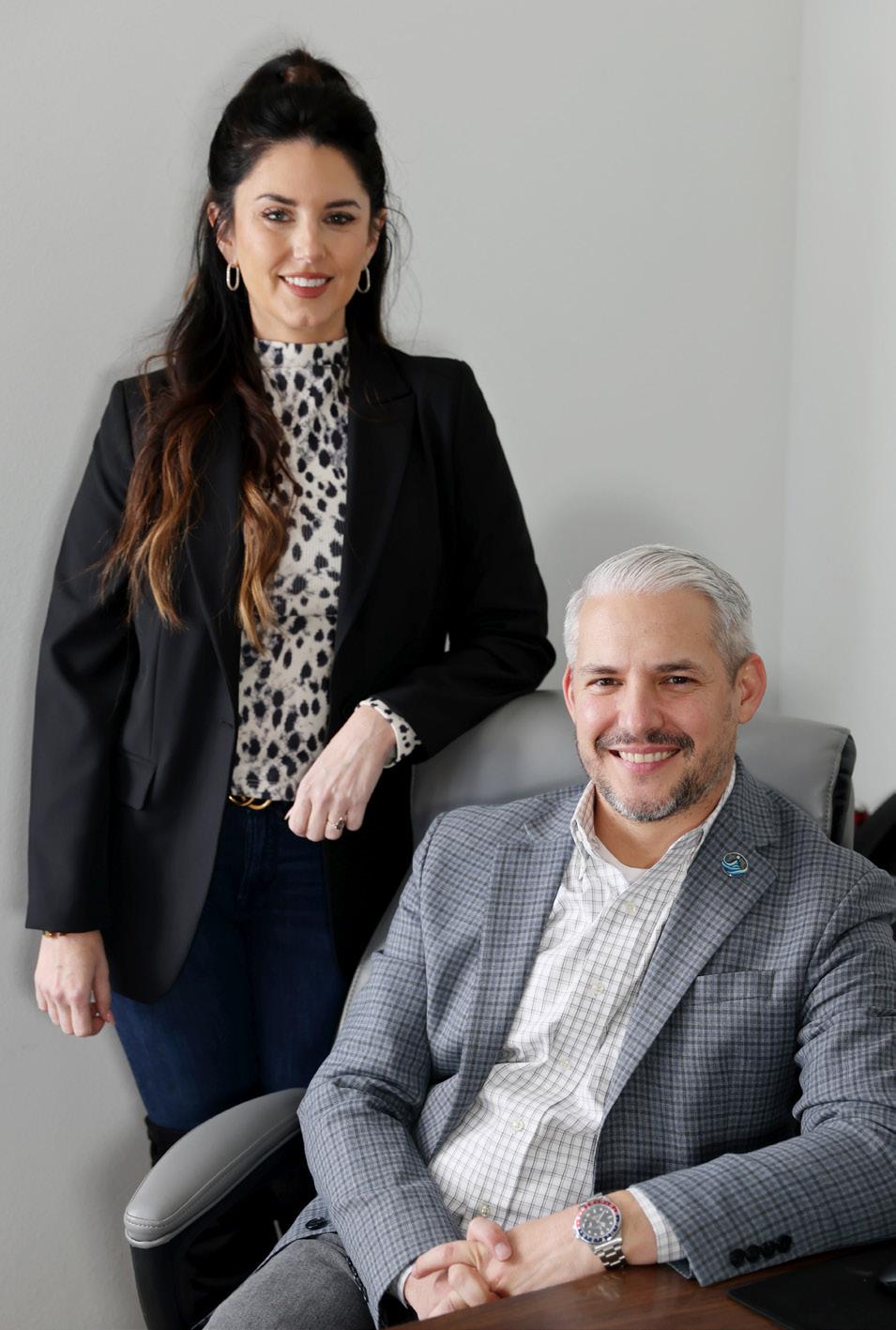
Nicole and Chris Dickie
“We’re creating breakthroughs. We equip people so they don’t get stuck in the revolving door of treatment.”
— Chris Dickie, founder and CEO, Peak State Recovery
feel comfortable, especially while detoxing, which can be a very uncomfortable experience, Nicole said.
In a nearby room, group discussions and meetings are held, sometimes with outside speakers. Another thing that sets Peak State apart from other treatment centers is how the sessions run, Chris said. There is an emphasis on moving one’s body when trauma arises and discussions become difficult.
“Motion creates emotion,” Nicole said. “It’s very different.”
Chris said they work to help clients reach their “peak state,” which is where the name of the facility comes from.
“We’re creating breakthroughs,” he said. “We equip people so they don’t get stuck in the revolving door of treatment.”
Two other buildings on the campus house the residential areas where people go after detoxing. Both the men’s and women’s residential areas have library areas, a common room and large bedrooms. The walls, furniture and decorations in those areas are all bright colors.
“The decor is meant to energize them in their day-to-day life,” Nicole said.
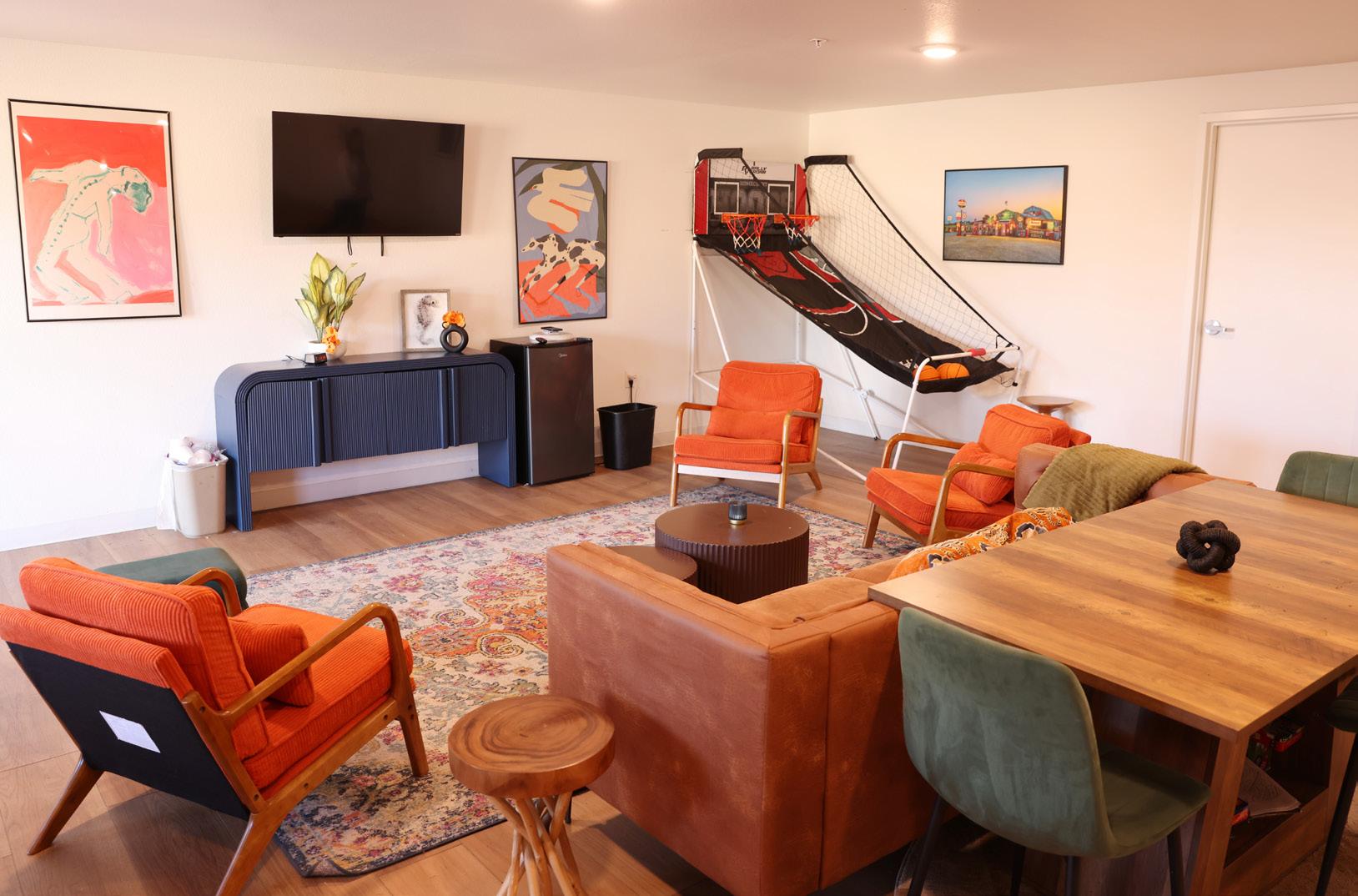
Nicole Dickie said she designed the center to feel less sterile and more like home.
She said she wanted to make sure there were not a lot of white colors so that the facility did not feel like a sterile hospital environment but like a home.
“Everything has an intent,” Chris said. People staying there also have access to the old-school basketball court and a weightlifting room. Dickie said he sometimes plays basketball with clients.
“They need to see sobriety and also have fun,” he said.
In addition to athletic time, clients take yoga classes in a fully immersive yoga room. The yoga room is equipped with multiple projectors, so residents are transported to anywhere from a forest to an ocean while doing yoga.
Peak State also has a licensed art therapist on staff who leads sessions in the facility’s dedicated art therapy room. Chris said art therapy not only helps people staying at the center discover a new skill they may have never tried before, but it also helps them communicate hard feelings.
“It’s like they need to scream without a mouth,” Dickie said. “Their voice will come out messy at first.”
Through art therapy, residents are able to find their clear voice “from the inside out,” he said.
In addition to working to change the type of care people with substance use disorders receive, the Dickies have also been working with lawmakers to change laws related to the care that is allowed to be administered at treatment centers. Last session, they worked with Rep. Mary Bentley (R-Perryville) to pass a bill that allowed treatment facilities to have emergency medical kits on-site.
Prior to that, if someone was having a medical emergency and the necessary medicine had not been prescribed, the nurses at the facility could not administer that drug to the person having the medical emergency. That meant the facility would have to wait for an ambulance to arrive instead, which could take a while — especially for locations in rural areas such as Paron.
It is victories like those that are helping to change the narrative about addiction. Chris noted that there is less stigma surrounding addiction these days, but it is still there.



At Peak State, clients have access to the old Paron High School gym, a weight room, comfortable living quarters and more.
According to the National Alliance on Mental Illness, 34.5 percent of U.S. adults with mental illness also have substance use disorders.
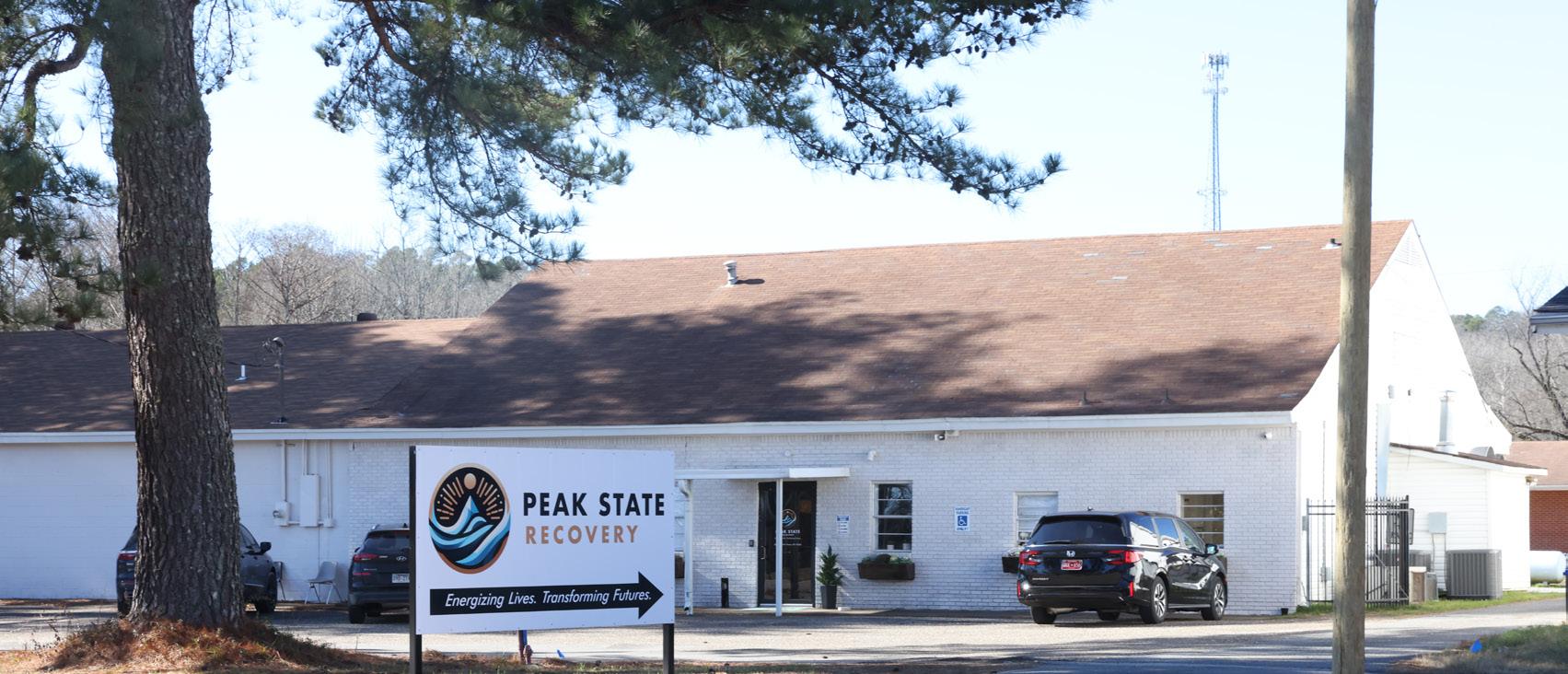
Addiction is an ongoing battle in Arkansas and beyond because there are so many factors that can contribute to someone’s situation, including traumatic events that have occurred in their lives, how they were raised and other illnesses they may have, such as depression or anxiety.
According to the National Alliance on Mental Illness, 34.5 percent of U.S. adults with mental illness also have substance use disorders.
“If we had one cause, we’d have a cure,” Chris said.
LR Oral Surgeon Prefers Flying Solo
By Mark Carter | Photos provided
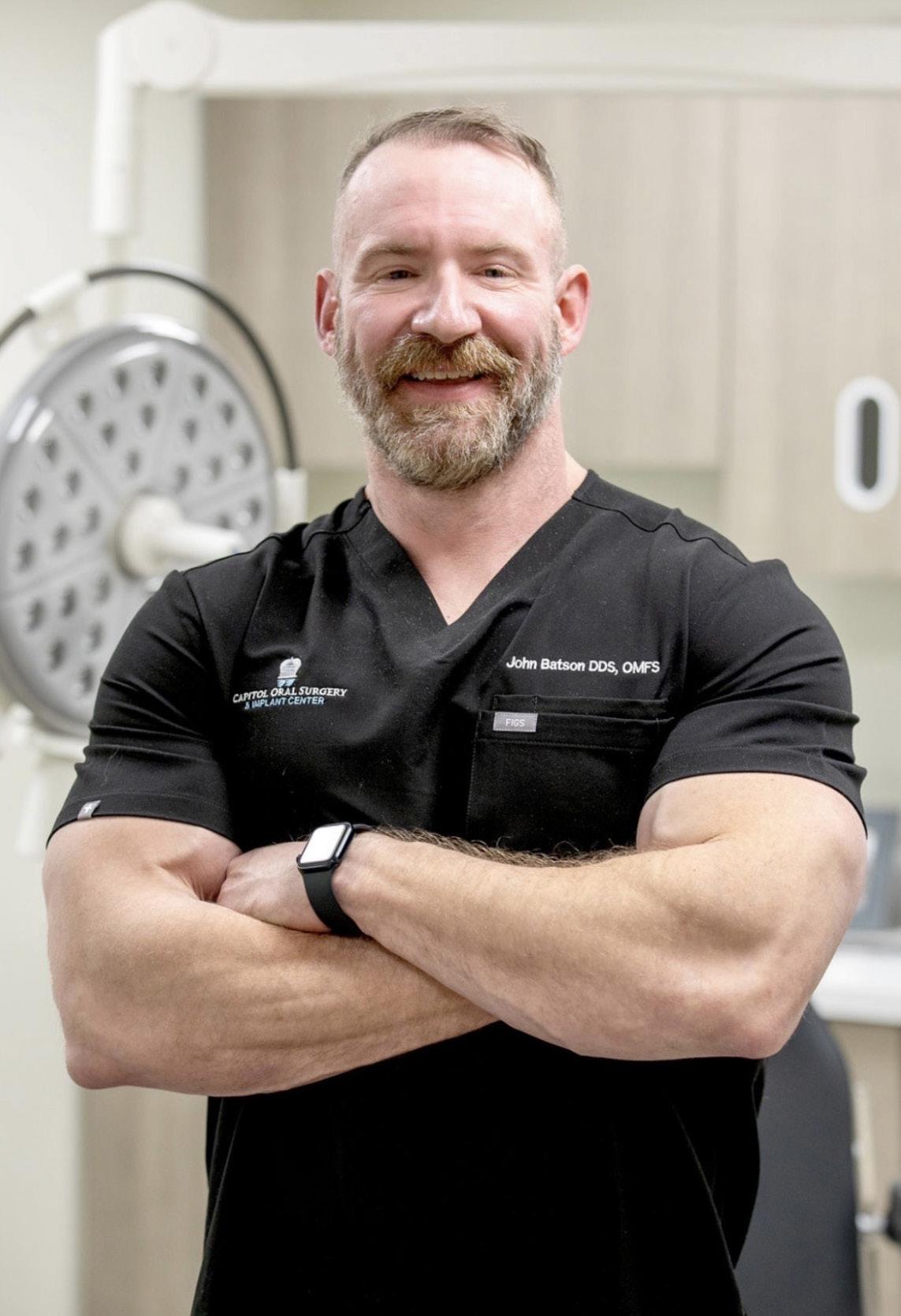
Dr. John Batson, Little Rock oral surgeon, has practiced with a partner, been a part of a dental service organization and now, at Capitol Oral Surgery & Implant Center, is flying solo.
In today’s crazy world of health care, Batson finds that striking out on his own has afforded him the flexibility to adapt.
“The benefits of owning your own practice are multifaceted,” he said. “The autonomy you get as a private-practice owner is extremely satisfying. You make all the calls on what software you use, decide on the instruments and supplies you want, and are not subordinate to a corporate hierarchy or arrangements that have been made with vendors before you arrived.”
Batson prefers the flexibility afforded him by his solo practice. DSOs, for example, have extensive managerial teams with multiple layers that often make it difficult to get things done, he added.
“They are slow to change if the market suggests new trends and quick to point out that you are not, in fact, the owner,” Batson said. “These contracts are often incredibly long treatises of legal jargon that heavily favor them. From restrictive covenants to potential lengthy contractual obligations, they definitely put the corporate entity above the doctor.”
Batson said DSOs do have an upside in today’s environment, however.
“They allow young doctors fresh out of school an entry point into a practice so that they can begin to pay back their massive levels of debt incurred during their training,” he said. “This is more of an indictment against the insane cost of education than an endorsement of DSOs. If these young doctors were not so burdened with financial hardship, they would feel more empowered to take out a small-business loan to begin their own clinics.”
Batson said the use of digital-flow technology and advances in biological repair, “working in tandem with surgical skill,” represent the current trends in oral and maxillofacial surgery.
Dr. John Batson
“Digital imagery, virtual surgical planning and artificial intelligence are allowing surgeons to optimize treatment for their patients faster and safer,” he said. “Also, the use of stem cell technology and hyperbaric oxygen therapy allow patients to heal at faster rates with less pain and downtime.”
Batson said advances in tech are leading more people to seek treatment, but he noted that oral surgeons are most accessible now.
“More people are seeking treatment as technology advances, but it’s not just from a surgical perspective,” he said. “Social media has dramatically extended the ability of surgeons to reach a larger patient base and provide more information with multiple treatment options. The materials are getting better every day, and patients are finding out about all these new things faster and faster.”
Batson’s practice offers extensive jaw reconstruction, such as upper and lower jaw advancements or setbacks; chin and cheek augmentation; bone grafting; wisdom-teeth removal; sinus lifts; ridge augmentation; full-mouth implants; snapin implant dentures; single-tooth implant bridges and more.
A Little Rock native, Batson graduated from Central High School, the University of Arkansas at Little Rock, where he played for a year on the Trojans baseball team, and the University of Missouri at Kansas City School of Dentistry. The U.S. Army paid for dental school, and he received further training at Fort Campbell, which straddles the Tennessee-Kentucky border, not to mention during two deployments to Iraq.
Batson said he never had a burning desire to go into dentistry or medicine. He was happy playing college baseball, but his priorities changed after he met his future wife, Rachel, on campus.
An injury shortened his baseball career, and Batson’s focus immediately shifted to providing for Rachel and the three children she told him she planned on having.
Ultimately, a conversation with his old family dentist convinced Batson to give dentistry a try.
“I talked to my family dentist, and he said he was super happy,” Batson said. “He said he’d recommend dentistry to anyone. It was just kind of fate intervening.”
At dental school, Batson’s performance on board exams opened many possibilities to him. Oral surgery appealed to him, he said, because of its earning potential.
At Fort Campbell, the oral surgery bug bit.
“That’s where I got the bug for oral surgery,” he said. “It was really cool. You’re putting people’s faces back together.”
Eventually, Batson had to choose between staying in the mili-
The benefits of owning your own practice are multifaceted. The autonomy you get as a privatepractice owner is extremely satisfying.
— Dr. John Batson “
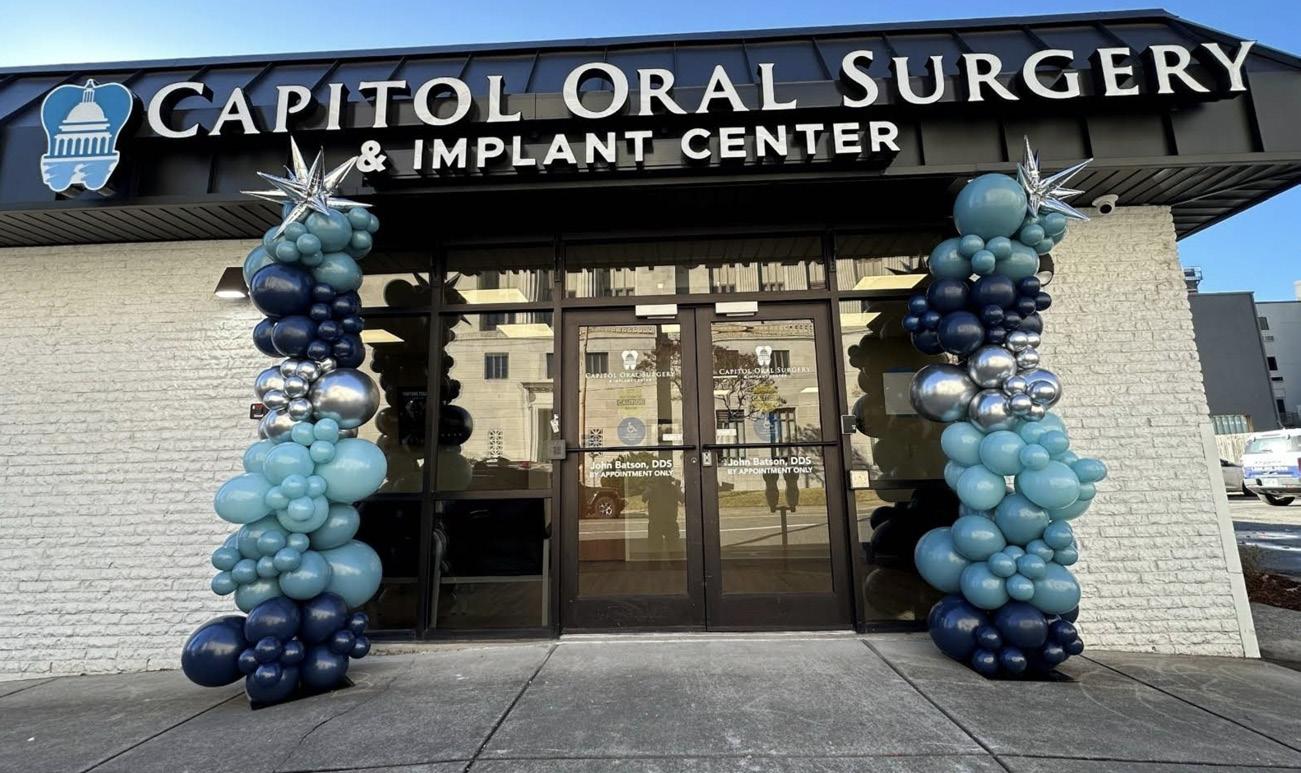
tary or going out on his own. Batson and his wife were ready to settle down, and, in 2017, the family moved back to Arkansas after both John and Rachel’s fathers died.
Batson opened his solo practice in downtown Little Rock, where he hopes to contribute to a planned revitalization of the Capitol Avenue corridor before he opens a new clinic on the CHI St. Vincent campus.
The 20-hour days of medical residency at Fort Campbell and Fort Bragg in North Carolina helped him appreciate downtime with family. Back home, he had time to be a husband and father.
“Again, sometimes fate intervenes to make your decision,” he said. “I never had this burning desire to go into dentistry or medicine. If you asked me what I wanted to be in high school, I would have said a professional baseball player, but I love helping people and making a difference in their lives, and I’m able to do that.”
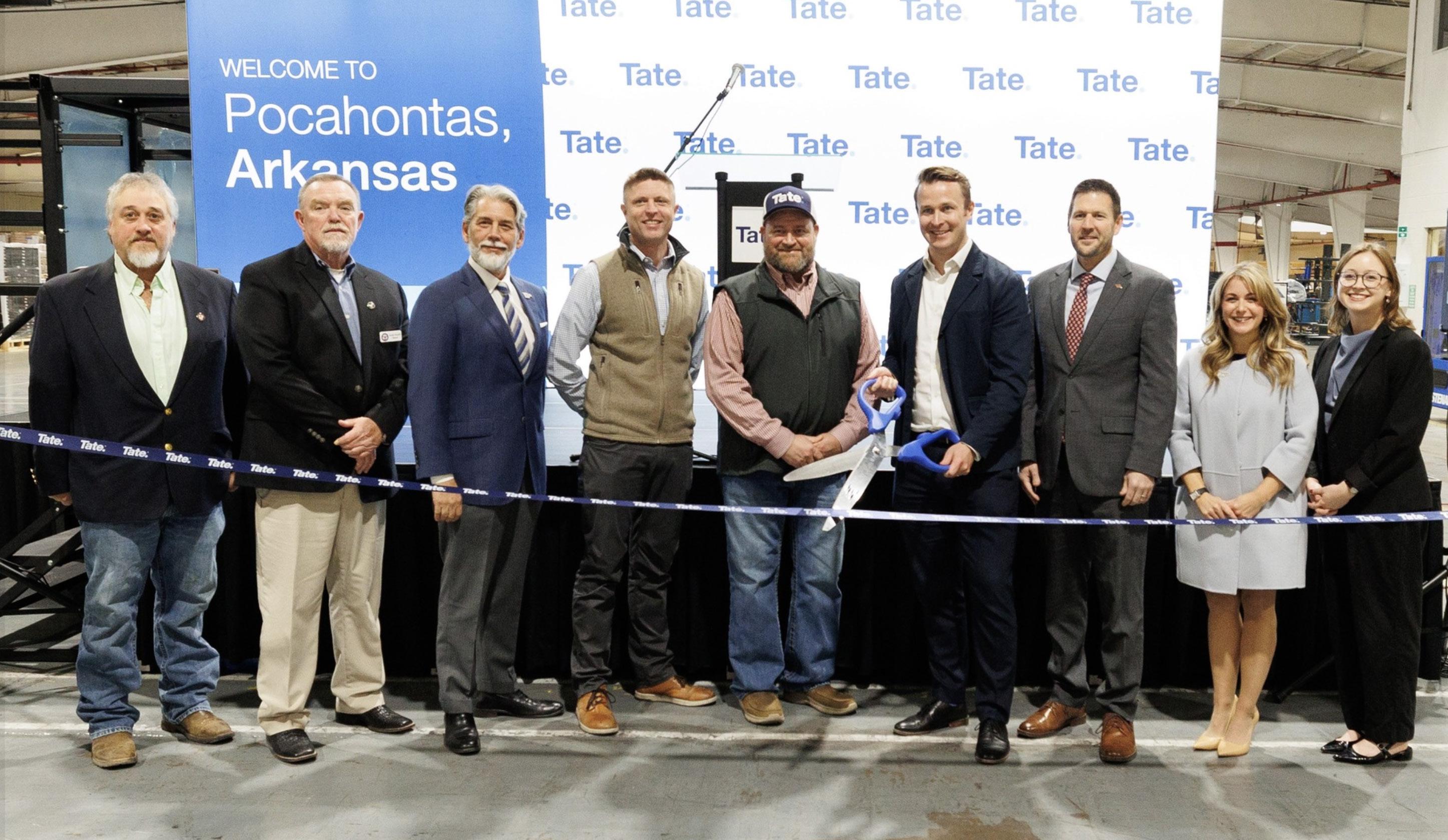
TATE TAKES FLIGHT
Global brand bolsters rural community in newest venture
By Mary LeSieur | Photos provided by Tate
Atypical ribbon-cutting ceremony signals the opening of a new venture and the opportunities that could follow, yet for Tate, a ribbon cutting marked the strategic investment that will grow Arkansas’ footprint in powering the ever-evolving digital economy.
As demand for data centers surges nationwide, Tate’s investment in Pocahontas will not only leave lasting impacts on the community but also position Arkansas as a key contributor to the new era of infrastructure.
Since 1962, Tate has spent decades refining systems that enable data centers to operate efficiently and reliably. The Maryland brand has rapidly expanded to 21 facilities worldwide, most recently to Pocahontas in northeast Arkansas.
The expansion includes the addition of a new product line and a $4 million investment to support growing demands in the data center sector. This 420,000-square-foot facility has created 52 new jobs, bringing Tate’s Pocahontas workforce to 200 employees.
“With this new facility, we’re strengthening our ability to deliver the next generation of data-center solutions while creating meaningful opportunities for the community,” said Daniel Kennedy, global president of cloud solutions and innovation at Tate.
One of the company’s most important offerings is liquid-cooling technology. As data centers evolve to handle increasingly dense computing requirements, traditional air-cooling systems are often insufficient.
Tate designs and manufactures liquid-cooling manifolds that help regulate infrastructure temperatures, allowing servers to operate without overheating. Tate President Conor Moloney said that type of technology is extremely crucial for artificial intelligence workloads.
In addition to liquid cooling, Tate creates structural systems that manage airflow in data centers, separating hot and cold air streams. The systems ensure heat is removed and recycled, improving energy efficiency and sustainability.
Sustainability is a critical component of Tate’s mission, and the organization strives toward zero-waste operations through its Planet Passionate program. The Planet Passionate program is Tate’s global initiative aimed at lowering carbon emissions, reducing waste and protecting natural resources.
“When you choose Tate, you get products designed with lower embodied carbon, independently verified through [environmental product declarations],” said Peter Kelly, Tate’s divisional director of sustainability.
In 2020, the brand eliminated all waste sent to landfills, whether from offices or manufacturing sites, and achieved that goal by reusing materials, recycling and energy generation. It also reported that nearly 82 percent of companyowned cars were eco-friendly.
While Tate’s roots in the United States are predominantly on the East Coast, the company’s expansion into Pocahontas was shaped by operational needs. A preexisting facility in Pocahontas met those technical requirements, allowing Tate to begin operations without construction.
“First and foremost, we needed to get off the ground quickly,” Moloney said. “We needed a building that was already constructed, with the size and ceiling height required to manufacture large, integrated systems.”
Moloney added that although ground had already been broken, the final decision was made based on the community leaders with whom he and his team met. Since the December ribbon cutting, Moloney said the Arkansas team has been a great addition to the global brand.
“What really sealed the decision was the people we met along the way,” Moloney said. “The support from the local community and the workforce reinforced that this was the right place. They take a huge pride in what they do. The culture at the Pocahontas site has really set the tone, and we’re just supporting that. Every time you go down there, you leave with a smile on your face. Everyone is passionate about what they do, and it’s been brilliant to be part of that.”
The Pocahontas development has been reinforced through partnership with regional institutions, including Black River Technical College. The collaboration will focus on technical and manufacturing needs, including welding, tube bending and operating specialized machinery.
“Our partnership with Black River Technical College has
Our partnership with Black River Technical College has been extremely successful. They’re helping train people in the exact skills we need, which creates a pipeline of talent that carries into the future.
— Conor Moloney Tate president
been extremely successful,” Moloney said. “They’re helping train people in the exact skills we need, which creates a pipeline of talent that carries into the future.”
As data center demand continues to rise, Tate views its presence in Arkansas as a long-term commitment. The company plans to continue delivering high-quality products on time while expanding local capabilities and investing in workforce skills that will support future growth.
“Arkansas is a long-term investment for us,” Moloney said. “This site is a core part of our U.S. manufacturing footprint and will play a major role in serving the South and Southeast.”
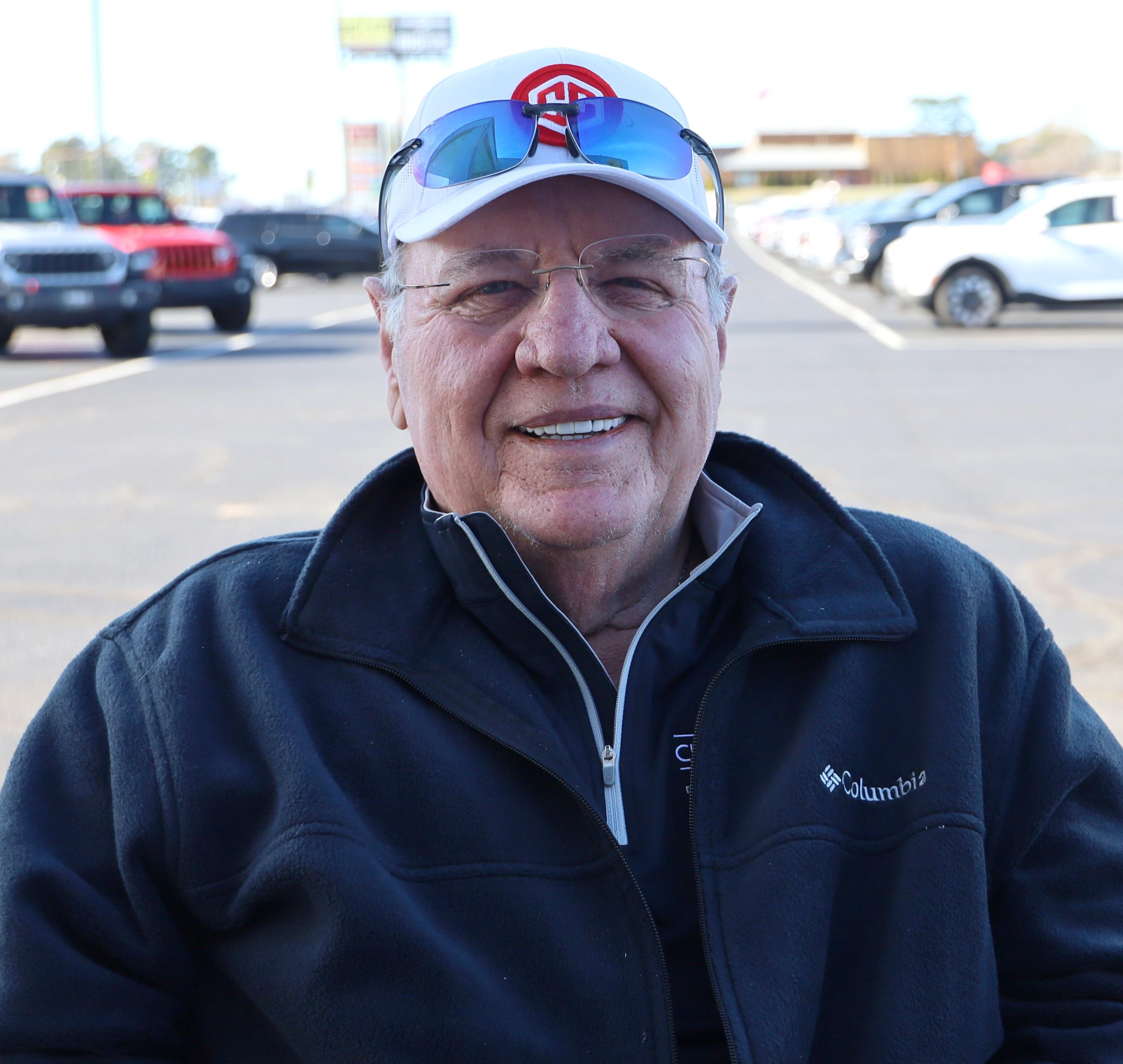
FULL THROTTLE ARKANSAS VISIONARY
Steve Landers Sr. cannot get business out of his blood
By Dwain Hebda / Photo by Dwain Hebda
When Steve Landers Sr. crossed the Benton High School graduation stage, he was met by an English teacher who uttered one of the most famous sentences in the history of Arkansas auto sales, a single parting shot that would forever change the face of an industry and the fortunes of a family.
“She looked at me and said, ‘You’re not going to ever amount to anything,’” Landers said, the memory still sandpaper in his mind. “I said to myself, ‘I’m going to show her — and everybody — that I know how to get there.’”
Had he said his thoughts out loud, it might have come off as mere idle bluster. After all, the encounter was just one indignity he would suffer that day, the other being opening his diploma cover to come face to face with a blank piece of paper informing him he had failed one class and would have to retake it to get the official document. That one class? Advanced English, taught by the aforementioned instructor.
What the teacher and the administration did not know then — what the world did not know — was how deep Landers’ hunger for success ran, buttressed by a potent combination of confidence beyond his years, an unstoppable work ethic and God-given ability enough to sell the shine off a doorknob.
“The first morning, I sold a new car about 30 minutes after I hit the floor. It just kind of moved on from there,” he said. “There were 50 grown men there, and I was 51st on the board. Was I the best salesman? No. I didn’t know how to sell yet, but I was the best worker there.
“I convinced myself that if you aren’t the best at one thing, you can be the best at something else, and it will overcome any shortcomings you have, so if I outwork all these old men, I could make something happen for me.”
STEVE LANDERS SR. ON PURPOSE
“My wife asks me every morning, ‘Why are you doing this? Why are you going to work?’ I tell her it gives me something to get up for. I’ve had 55 years in the car business, and after all this time, [the team] kind of looks up to me. I don’t know if it’s strength or endurance or just having gone through all the issues that you have in this business. Whatever it is, I want to give them something to look up to. I want to give them something where they say, ‘Let me follow this, and maybe I can get to where he is.’ I want them to get there. I like to say to these kids, ‘I started below you. I started out washing cars. If it can happen to me, it can happen to you if you work hard enough.’”
Nowhere do those elements coalesce more neatly than in the story of how he landed his first job as a car salesman in 1970, at 18 years of age. It would only be his second gig in the industry, the first being a car washer for another lot starting when he was 14, but it gave all who witnessed it a taste of the Landers who was to come.
“When I first started selling, my wife was 17, and I was 18. We’d gotten married, and I had to have a job,” he said. “I went to a Ford store in Little Rock and asked for a job. Well, he said no the first day, so I came back the next day, and he said no again. I came back seven times for that job, and after the seventh time, he said, ‘Go get a haircut and come back. I’m going to try you out because you’re the most persistent guy I’ve been around.”
At that, Landers let the best part of the story dangle long enough to allow a self-satisfied grin cross his face.
Landers adopted a career philosophy few were willing to follow then or now. Six days a week, he showed up for work at 7:30 a.m., a half hour before the dealership opened, and stayed there until 10 p.m. On Sunday, he went around town, handing out business cards to drum up customers for the following week. It was an all-consuming drive to provide and excel that paid off. At 90 days, things really started to click, and within six months, he led the board en route to becoming the youngest guy to make the Ford 500 Club.
“I didn’t have quit in me,” he said. “I learned early on in my career that success wasn’t owned. It’s rented, and the rent’s due every day, so I worked my butt off every day, and I still do today.”
Landers’ success more than paid the bills; it also allowed him to keep promises he had made to himself and others. Shortly after he started in the car business, he took a lunch break to spend with his young wife, Sandy, who had taken a job as a clean-up girl at a local florist. Landers arrived to find her in tears, having endured some harsh words from the rest of the shop’s personnel, at which he led her out of the store, telling the owner, “She doesn’t work here anymore.”
“I took her out, and I sat her down in the car, God as my witness,” Landers said. “I looked her in the eye, and I said, ‘As long as you’re married to me, you will never have to work again.’ She’s never had to work since.”
A few years after that, Landers reached another long-awaited milestone while selling a car to a local woman, the same one who derided him at graduation.
“She cried, and she apologized to me for saying that,” he said. “She said, ‘I’m sorry. I shouldn’t have said that.’ I hugged her neck, and I said, ‘No, you
did me the best favor you could have ever done for anybody.’”
Landers was such a force of nature that it was probably inevitable he would graduate from salesman to owner. He and his father opened a used car lot in Benton in 1973, landed their first new-car franchise with Jeep in 1989, and added Dodge-Chrysler-Plymouth soon after.
ARKANSAS VISIONARY
STEVE LANDERS SR. ON LOSS
“My life hasn’t been easy. I lost my son six years ago, and I’d have given both my legs or my life if he’d have stayed, but I lost him. That’s the worst thing that’s ever happened to me. When they took my leg off, I told them losing a leg is a piece of cake compared to that. Things changed in my life when I lost my son. I thought he would outlive me. The days I had with him, the time I spent with him, the last time I saw him, I think about that over and over in my head. Things mean more to me now, things I took for granted. Losing him, it just never leaves you, you know? It’s been hard on my wife and me. I’ve tried to be the strong one of our family, but it does stay with you. I feel sorry for anybody that goes through it because it’s a terrible thing. It’s a bad club to be in.”
“Five years later, we were leading the world in Dodge, Chrysler and Jeep sales,” Landers said, “not the U.S. but the world over. I mean, nobody was beating us.”
Comprehending the thousands upon thousands of units it takes to be No. 1 on the planet boggles the mind. Landers said the store’s one-day sales record was 220 vehicles, and the dealership eventually came to move 1,000 cars a month, all from the sleepy Interstate community of Benton.
Landers said for as remarkable as the results were, the strategy behind the sales was not hard to grasp.
“What we had created was a kind of mystique,” he said. “If you wanted to buy a car, if you wanted to get the best deal, this is where you could get it. That mystique traveled through customer after customer after customer.
“You know, if you treat people fair, that’s the ticket. Treat customers like you want to be treated. My dad and I were in the used car business, and my dad instilled the idea that if you take care of your customers, they’ll take care of you.”
a mentor to me. He’s probably the smartest guy I know, and I learned a lot from him,” he said. “Anyway, right after they bought us, we’re flying to Detroit on his private jet, and he said, ‘Steve, listen, I want you to go to work for me.’ Well, I had a pocket full of money, and I said, ‘I don’t know if that’s something I want to do right now.’
“I said, ‘I think I’m going to take a little time and see what my next career is.’ He said, ‘Well, I’m going to pay you this much,’ and I said, ‘Where do I sign?’ I worked with him side by side for nine years.”
Landers became head of the corporation’s south central region before buying back one of his former dealerships from Penske with the intention of settling back into the role of owner. Shortly thereafter, he joined forces with Arkansas businessman and former Clinton White House Chief of Staff Thomas “Mack” McLarty and Robert Johnson, the billionaire entrepreneur who started Black Entertainment Television, to form an auto group. Talking about it, it is clear Landers considers the partnership a dream team.
“Everybody had their part to play in that one,” he said. “I was the ground-pounder, the infantryman,
STEVE LANDERS SR. ON DETERMINATION
“I grew up playing football all the way through school, and I knew that to compete, to win, you’ve got to beat the guy in front of you. That taught me to stick it to them, to not quit, you know? I’ve been in tough spots in my career, I didn’t do everything right my whole life. I’ve made many bad decisions and got burned many times in this business. My grandson’s in the car business now, and I tell him every day, ‘You’re going to make mistakes. If you make mistakes and don’t learn, that’s a problem.’ In my career, when I got burned, I learned.”
In 1995, Landers sold his dealership to what would become Roger Penske’s United Auto Group for “$40-some million” in Landers’ words, a sum princely enough for him to join Sandy on the list of people who never had to work again. As it turned out, Landers, then in his mid-40s, had far too much tread left on him to just watch the world go by.
“I’m on the airplane with Roger Penske, who’s been
maybe a little bit of a Gen. [George] Patton type. I’m the guy that’s going to push people to get where we need to go.”
As many people who worked for Landers know, the comparison to Patton, famously nicknamed Old Blood and Guts, is apt. Landers himself admitted to being tough to work for, possessing high standards and an
unrelenting drive to improve that made him who he was but was often tough for others to follow.
“Tough? Yeah, I was pretty tough,” he said. “I’m a lot milder, a lot calmer now. These days, I’m about creating opportunities for others, which I’ve always done. I’ve got so many guys that came through me who are now owners, running their stores, have been in auto groups. I feel good about that. I feel good that I’ve taught somebody something that I had to learn the hard way.”
Landers’ undeniable business success did not insulate him from losses and setbacks, some more tragic than others. He lost his son, Scott, in 2020 due to a heart attack at just 35 years old, a loss that is still as fresh today as it was shocking then.
STEVE LANDERS SR. ON SALES TALENT
“One of the best guys I’ve ever hired was a beer guy. I had stores over in Memphis at the time. I was at 7-Eleven, and he pulled in, and he was whistling and smiling and happy. He had a click to his walk, and he moved in a way that I saw was energetic, so I said, ‘What time did you get up this morning to run your route?’ He said, ‘Well, I was on the route at 3 this morning, and I get through about 2 in the afternoon.’ I said, ‘What’d you make last year?’ He said $42,000 or something, and I said, ‘Well, I’m going to get you a job that you will double what you’re making if you work as hard as you’re working right now.’ I handed him my card, and he came and saw me in about a week. His first year, he made $200,000.
These days, he is officially an executive advisor but more so the acknowledged elder statesman, a man who has forgotten more about selling cars than most people know and whose expertise is sought and shared freely on any given day. At 72, he is in the far turn of a remarkable life, one he is still determined to squeeze for every last drop.
Last year, Landers developed a septic infection in one knee that was spreading and required amputation below the knee to save his life. In true Landers fashion he tackled his situation with gusto, even returning to work at Chris Crain Dodge Jeep Ram in Benton after, he joked, the honey-do list became too much to take at home.
“Most guys keep that phone in front of their face all day. They watch their phones, and they can’t wait to get off work, whereas I can’t wait to sell the next car, you know? As soon as I’m out there, I’m going to go sell a car, and that’s how that guy was. It really is a mindset, you know?”
“When I get in the store these days, I’m a different guy, you know?” he said. “Yeah, I’m going to push and push and push because that’s all I’ve ever done, but I’m nicer about it. I tell these guys, ‘Look, my expectations for you are greater than what you have for yourself, so I’m always going to push you. In fact, when I stop pushing you, that’s when you know you’re in trouble.’ That’s when you’re in the NFL — you know, ‘not for long.’
“I told the guys this morning, I said if you’re going to spend 10 hours a day here or eight hours a day here, away from the people you love, make something of it. Do something. Don’t just come here and exist, you know? Make something happen. With enough hard work, a guy can do just about anything.”
STEVE LANDERS SR. ON SUCCESS
“You’ve got to have the heart of a mountain lion if you want to succeed. You have to take care of your business, take care of your customers. You don’t have customers, you don’t have anything, so I always took care of my customers really well. I’ve got so many customers, I can’t get rid of them, you know? I tried to give them to my sons, and I try to give them to my salespeople now, but they still come back to me, so I still take care of them.
“I always treated everybody the same, whether it be the guy who runs a garbage truck or the guy that’s the president of the bank. Little things like, ‘Thank you. Appreciate your business. Come back and see me,’ go a long way. I didn’t differentiate because of what a guy did. I made sure everybody was treated fairly. If you treat the customer fairly, that’s about as good as you can get.”
TGirls in WHITE DRESSES

Cabot bridal shop owner falls in love with making women feel special
iffanee Miller-Stroud has a dress-buying problem. As owner of Vogue Veil in Cabot, she has about 300 of them at her disposal. Size 00 to 36, sleek satin or elegant lace, ballgowns, mermaids, sheaths and shorts line the walls of her pint-sized shop, all with one goal — to make the wearer’s face light up when she finds “the one.”
“I just want to make people feel beautiful and have an experience where they find what they love at an affordable price but also feel like they’re seen,” Miller-Stroud said.
By Sarah DeClerk
Back then, there were a lot of things she did not know about the future. She did not know that she would eventually leave her career in special education to open up a bridal store of her own. She did not know that she and her first husband, Ryan Miller, would have a son, Hays, now .
It might come as a surprise that Miller-Stroud does not identify as a dressy person. A Cabot native, she described herself growing up as a tomboy who would rather play a game of basketball than flip through the pages of a fashion magazine. For her first wedding, she walked into a bridal store that was going out of business and bought the first dress she tried on.
Photos provided by Vogue Veil
7, conceived through in vitro fertilization.
She did not know that, in 2020, her husband would be diagnosed with cancer and succumb to the disease the following year.
The tragedy was not the first in Miller-Stroud’s life. Growing up with parents who struggled with addiction, she said her family faced homelessness at times. Her brother died of an overdose, and her father died unexpectedly right before her husband. Later, her grandmother, for whom Miller-Stroud was caretaker, died during the leadup to Miller-Stroud opening Vogue Veil.
There is more sunshine in her voice and in her story than one might imagine, however. Just as Miller-Stroud could not have predicted her first husband’s death, she also could not have predicted falling in love with his best friend, the best man at their wedding, and becoming a bride yet again.
It was that bridal experience that led to MillerStroud opening Vogue Veil and becoming a fast favorite among Arkansas brides. After the engagement, she and her friends visited a bridal shop in Springfield, Missouri, where Miller-Stroud found “the one” for a second time. More importantly, she found out what the dress-buying experience could truly be.
“It was private, and I just remember thinking the whole time, ‘All of this is for me? This is so exciting,’” she said. “I didn’t want to be, at the time, a 32-year-old on another pedestal with someone’s grandma pointing at me, saying, ‘Oh, I hope she doesn’t buy that one.’”
It was an experience that stuck with her long after she said “I do” to her second husband, Matt Stroud.
“It just kept playing in the back of my mind how special I felt,” she said. “I just kept thinking, ‘Could I do that? Could I bring that here?’”
With no knowledge of fashion and no experience as a small-business owner, Miller-Stroud took the plunge and started Vogue Veil using the money she had in her savings account. Having never leased commercially before, finding the right space proved difficult, however. Discouraged, Miller-Stroud said she asked God for a sign she was on the right path.
“I walk in here, and our landlord says to me, ‘I don’t know why I’m saying this to you, but it just feels like a God thing that you’re here,’” she said. “Instantly, I was like, ‘I’ll take it.’”
A few months later, in April 2025, she welcomed her first bride to choose from her inventory of 20 dresses.
As the shop has grown, Miller-Stroud said she works to provide a curated selection of dresses unlike those brides might have seen at other stores. She offers several lines that can only be found at Vogue Veil within the central Arkansas area, as well as a private label
“It just kept playing in the back of my mind how special I felt. I just kept thinking, ‘Could I do that? Could I bring that here?’”
— Tiffanee Miller-Stroud, owner, Vogue Veil i i
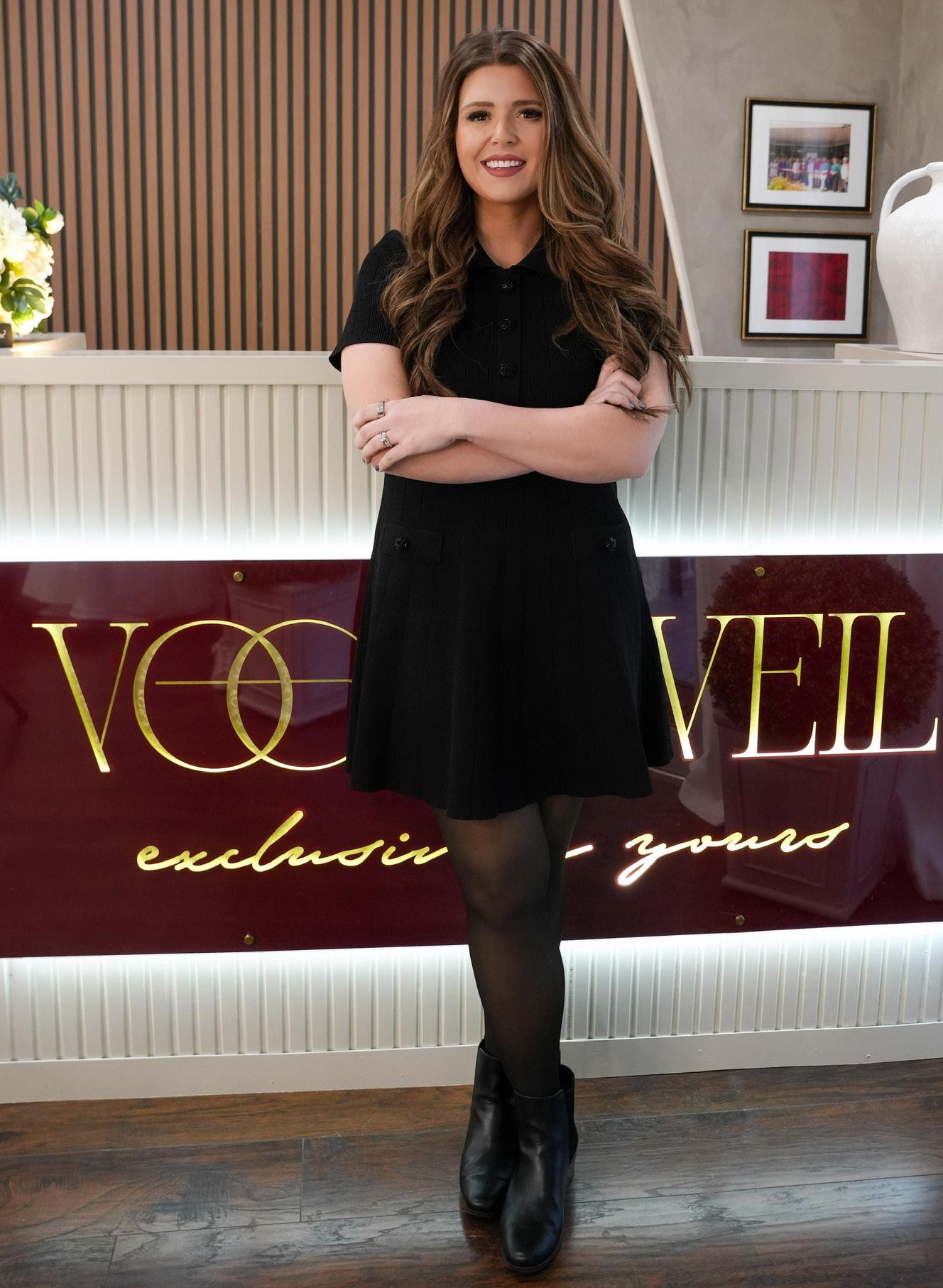
exclusive to the shop she said allows her to fast-track a completely custom dress within four weeks.
“People will come in all the time and be like, ‘I’ve never seen a dress like that. I’ve never seen lace like that,’” she said. “When I started my business plan as far as what’s going to set me apart, I can’t compete with years of experience, I can’t compete with 20,000
lighting at the wedding venue. Miller-Stroud also takes pictures of the bride in the dresses and AirDrops the photos to a display screen so the bride can be sure she likes the way the dress photographs.
The high-end, luxury feel often leads visitors to believe the dresses start at $4,000, she said, but in fact, that is close to the upper limit of her pricing, and some of her gowns are priced in the $500 range.
“I want brides to know, regardless of their story or regardless of how pretty they feel or what background they come from, they’re welcome here,” she said. “If your budget’s $1,000, if your budget’s no budget, I want people to just feel seen — and not be seen because of what they can afford. I want them to feel seen because they are a bride.”

square feet, but what I can do is I can carry vendors that you can’t find anywhere else in Arkansas.”
Concierge service distinguishes the shop, as well. Each visit is completely private. After the bride and her party arrive, Miller-Stroud closes the curtains, locks the door, puts on music of the bride’s choice, pours some champagne, if desired, and begins pulling dresses based on what she was able to discern about the bride’s tastes prior to the visit.
“I’ll start pulling a few, but then as they are on the pedestal, I’ll say, ‘Tell me what you love. Tell me what you hate. Dresses don’t have feelings,’” she said. “The more transparent and honest you are with me, the better we can narrow down your dream dress.”
The store even has a ring light that can be programmed to simulate the
The shop has a 98 percent close rate — Miller-Stroud said the industry average is 40 percent — which she attributes to actually listening to what brides want.
Having served about 100 brides so far, Miller-Stroud has big goals for the future, including more space, an inhouse seamstress and a bridal consignment aspect, but her main goal is to make each bride feel beautiful.
As a widow herself, she said it is important to her not to judge brides by what she sees on the outside because she does not know what they might be carrying around inside.
“You never know what their story is to get to the altar. You never know what that story was to get to the altar again,” she said. “People don’t usually say, ‘Oh, I’ve already done this once,’ or ‘I’m divorced,’ or ‘I’m a widow.’ That’s not usually something people say, so I always remember that I’m seeing them for the first time, typically, either excited or nervous, but I don’t know what all has happened to get them to where they’re walking through my door.”
Furthermore, she said, losing so many loved ones throughout her life has taught her that nothing is promised. If brides finish their appointments early, she does not rush them out of the shop; she encourages them to enjoy the time with their friends and family members. If party members do not want to be in pictures after a bride finds “the one,” Miller-Stroud encourages them to be in the photos anyway.
“To lose so many people so close to me, at the end of appointments, I’ll be like, ‘Do y’all want to take a photo?’ and the grandma will be like, ‘I look terrible,’” she said. “I’m like, ‘Listen, sometimes it’s all we have left. We’re taking photos, OK?’”




Lady Liberty
Jan Morgan sounds rallying cry for personal freedoms, accountability in government
By Dwain Hebda
Photos provided byJan Morgan
A30-something woman grasped the semiautomatic 9 mm pistol in both hands and took a deep breath. Earlier in the day, she flinched at the mere thought of handling the sidearm she had bought herself months earlier, but now the piece felt good in her hands.
Taking a comfortable stance, she focused her mind on the target several yards in front of her as an instructor offered quiet assurance and gentle correction. Then a smooth squeeze, and the handgun barked, again and again, a controlled staccato.
After firing several rounds, she put the gun down as the instructor reeled in the target into which the bullets had punched a smattering of holes. The woman, a single mother of two small children, beamed.
“Good job,” the instructor purred before placing another fresh target.
The woman reloaded the magazine and picked up the gun, the fear she once felt replaced by a swelling of pride. She was ready to go again.
It is a scene Jan Morgan never tires of witnessing. Ever since she and her husband founded The Gun Cave, a shooting range in Hot Springs, in 2013, she has had the chance to see people literally wrap their hands around their constitutionally guaranteed birthright. Many are women, thousands of them, and Morgan’s favorite students,


especially the ones who arrive literally scared of the pistol on the table before them and who leave with new understanding of and confidence with the weapon.
There is no way to tell how many of them will ever have to use the handgun as intended. In a perfect world, none of them would, but as Morgan and her students well know, the world is not perfect, even the slice of it that is America, a place where the rule of law and the average citizen’s grip on basic rights feels more frayed by the day.
So it is here, in deep red Arkansas, that Morgan defends one of the most important liberties American citizens have, provided by the Second Amendment to the U.S. Constitution, one classroom at a time.
“World history proves an armed citizenry is the best tool for keeping tyranny at bay,” she said. “Gun control has never been about guns; it was always about control. The right to keep and bear arms is a right, not a privilege.”
Morgan has lent the considerable weight of her convictions to articulate presentations and speeches beyond the gun range, seeking to rouse the electorate from a slumber that American prosperity and political propaganda has lulled many into. Like Paul Revere, her goal is to sound the alarm of encroaching oppresion — in her case, not from occupation by landed foreign troops but from a powerful ruling elite seeking to erode personal liberties bit by bit, right out from under a disengaged populace.
“Too many Americans are not active, informed or involved in vigilant oversight of our government, which has become a cesspool of corruption,” she said. “Our government is now our enemies’ best weapon in the war against liberty, steadily trampling our Constitution and Bill of Rights, legislating away our liberty with law upon law, taxing the people into poverty and enslaving the citizens with entitlements.
“Our government has shifted from its role of protector to predator, dismantling the foundation of liberty to feed its increasing addiction for power and absolute control.”
Morgan grew up in a home that gathered around the table at dinnertime without fail. There, her father engaged his children in conversations about morality and ethics, employing the time-honored Socratic method to lead them to their own conclusions.
“Dad was one of those guys where we all had to
sit down at the table together at dinner, and we’d all sit and talk,” she said. “He would often pick a subject and say, ‘Well, Jan, how does that make you feel?’ He wanted me to think through an issue and then respond. Sometimes he would play devil’s advocate, even though he agreed with me.
“Sometimes I would say what I thought my dad wanted me to say instead of saying what I really felt. He worked me through those issues and said, ‘You know, you need to always stand up for what you believe in.’ Both of my parents taught us, from an early age, integrity and being honest are everything. Your character is everything.”
Despite that upbringing and her father’s deeply held conservative leanings, the political activism that would come to be Morgan’s trademark was decades off — and, despite much of what is said about Texas, so was her affinity for and expertise with firearms.
“The catalyst for me was the same as most women today — feeling unsafe and needing a way to protect myself and protect my daughter,” she said. “After I had a child, I really started paying attention to, OK, now I’m responsible for her safety, not just mine. I’m walking out the door without a way to protect this little girl. I mean, what am I going to do? Try to talk somebody out of taking her? So for me, it was wanting to learn how to use firearms to be able to protect my family.”
Morgan’s own experience learning about guns gave her a front-row seat to the flaws in the gun training programs of the National Rifle Association and other organizations when it came to teaching women to be responsible gun owners. Over
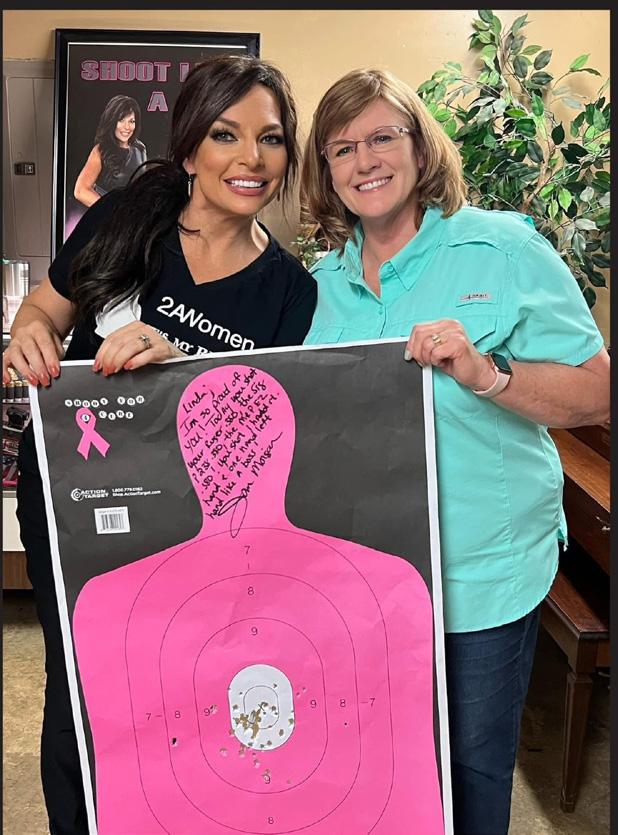
“When I first became interested in firearms myself, which led to me becoming an instructor, there was a cookie-cutter approach to many of these training programs. That cookie-cutter approach was discouraging to women because, in my era, certainly, women didn’t have anything to do with guns, whereas men generally grew up around firearms.”
Morgan’s firearm training programs for women are being taught in seven states.
time, she wrote her own curriculum to address those deficiencies, resulting in a methodology so effective it is now taught in seven states.
“When I first became interested in firearms myself, which led to me becoming an instructor, there was a cookie-cutter approach to many of these training programs,” she said. “That cookie-cutter approach was discouraging to women because, in my era, certainly, women didn’t have anything to do with guns, whereas men generally grew up around firearms.
“I recognized that as a woman taking basic firearms classes myself, trying to learn how to use a handgun, an AR-15, a shotgun, whatever. A lot of women in those classes would just sit there with a deer-in-the-headlights look. Women are not men; we’re different. Women were created to be nurturers and lovers and caregivers, and so placing a lethal weapon in a woman’s hands is a terrifying thing.”
Morgan’s approach starts with leading students through a fundamental shift in thinking about the purpose of the firearm and then builds on that with a thorough understanding of how a weapon works. Range work follows classroom work, each student having an instructor by their side throughout.
“We approach the whole firearm concept differently,” she said. “Guns are out of most women’s range of normal, everyday thought processing. It’s changing a mindset from guns kill people to guns save lives. You’re not learning about guns so you can go kill people. You’re not learning about guns so you can be a sharpshooter. You’re learning about guns so you can save lives. That’s why you’re here. Teaching women from that perspective, we’ve been very successful.”
It would be enough if Morgan’s only legacy was wrapped up in the tens of thousands of women from 19 countries who have taken the class, taught by a growing roster of instructors she has certified in her methodology. It would be enough to know her life’s work nourished one of the most fundamental freedoms Americans have, the right to
keep and bear arms. Witnessing what she considers a coordinated assault on gun rights, however, led Morgan to do more.
“I’ve been in 25 or 30 states, speaking on Second Amendment issues,” she said. “That led to me being referred to as the First Lady of the Second Amendment. That’s still what people are calling me today.”
Speaking in favor of gun rights opened Morgan’s eyes to other ways the political system had gorged itself on special interests, enabled by the people’s lack of engagement, which ranges from merely laissez faire to openly apathetic. A political late bloomer herself, she started paying closer attention to elected officials’ actions versus their campaign promises. In doing that, she saw in many of them more charisma than character.
“I look at our government, and it’s infuriating what’s happening, and so many people are living in la-la land about it, like I was,” she said. “For most of my life as an adult, I was not paying attention to politics. I remember walking through the house, and Barack Obama was delivering a speech at the Democratic National Convention. I heard him speaking, and I stopped, and I just stood and watched him work the crowd. He was a dynamic speaker, and he connected with people. I mean, I was mesmerized.
“I looked at my husband, and I said, ‘I don’t know who he is, but he is going to be the leader of the free world one of these days,’ which was scary to me because I didn’t even know who he was. That’s when I started paying attention to politicians.”
Morgan’s activism started with gun rights and then quickly expanded to other elements of government largesse and corruption. Running up repeatedly against the political machine, she became a well-known fly in the ointment of any elected official but particularly those on the right who, through their actions or inaction, betrayed the conservative principles they were elected on.
Ultimately and perhaps inevitably, it would lead her to run for office, first unsuccessfully challenging sitting Gov. Asa Hutchinson then in a failed bid to unseat Sen. John Boozman. Her platform was a familiar litany long espoused by the conservative movement — peace through military strength, secure borders, fiscal sanity, prolife, fair elections and, of course, protecting the Second Amendment. What set her apart was she meant those planks to her core, and her strength of character drove her to try to correct what she saw as broken, not just complain about it.
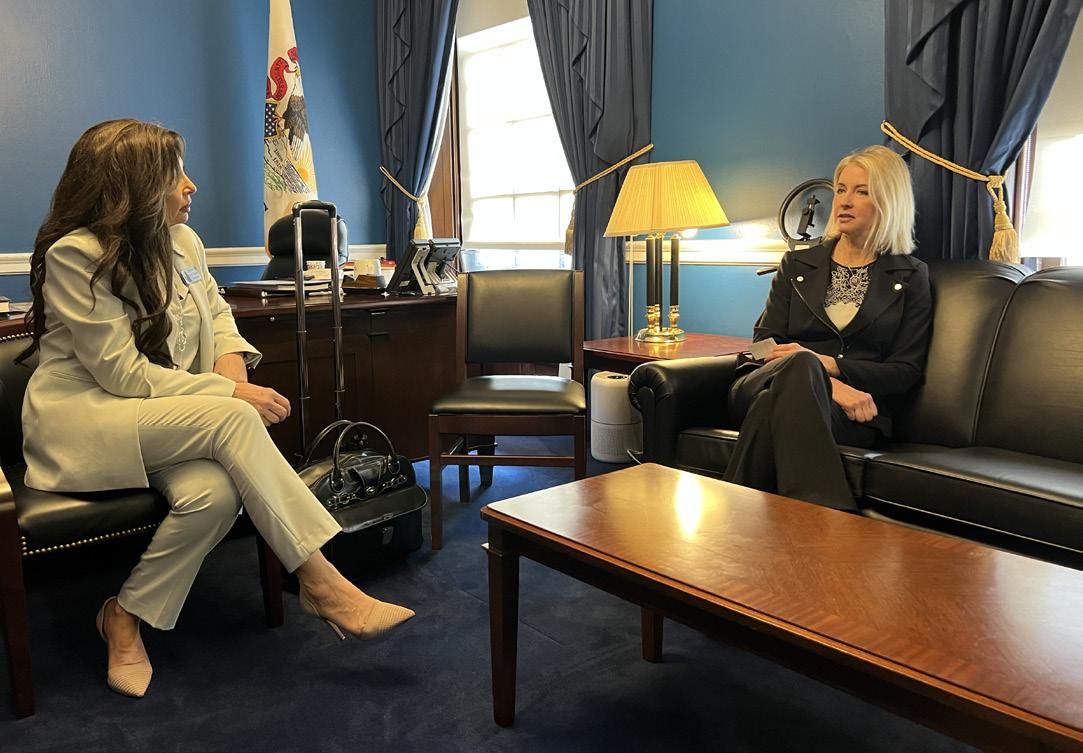
“I tell people all the time: It’s not the politicians. It’s the people of this country who are responsible for what has happened,” she said. “We don’t pay attention to the people who run our government. The government is our business, and it would not exist without our tax dollars. Yet we only pay attention at election time, when we elect people based on their promises, and then we hand them the keys and the bank account and walk away.
“Unfortunately, that’s what I did most of my life until 2016, 2017. I mean, I was fighting for the Second Amendment, but I didn’t realize the level of corruption in our government. Until the rest of the people wake up, we’re
Elected officials such as Rep. Mary Miller of Illinois, pictured, get the straight story when Morgan’s in town.
going to continue to be victims of our own government. Everything that we’re suffering through right now is our own fault because we were not minding the store.”
Falling short at the ballot box has taken none of the bite out of Morgan’s message nor dimmed her dream of one day seeing limited government rooted in working-class common sense. She likes the progress that has been made in some areas at the state and federal levels and continues to take aim at those elements that need to be exposed and rooted out on both sides of the aisle.
“I’m paying, through my taxes, for politicians to represent me, so I’m going to call you. I’m going write you. I’m going to ask, ‘Do you understand that this is going to increase taxes and decrease liberty? The Republican Party platform says you’re supposed to work on taking away regulatory burdens and lowering taxes, so how can you hold a position that doesn’t do that?’
“I will call everybody on a committee, and if I don’t get them to understand and see the right side of an issue, then I’m coming up there, and if I come up there, I’m already mad. I’m not exaggerating. You see legislators looking at their watches and getting on their cell phones when I walk in. Uh oh, wonder who she’s after this time.”
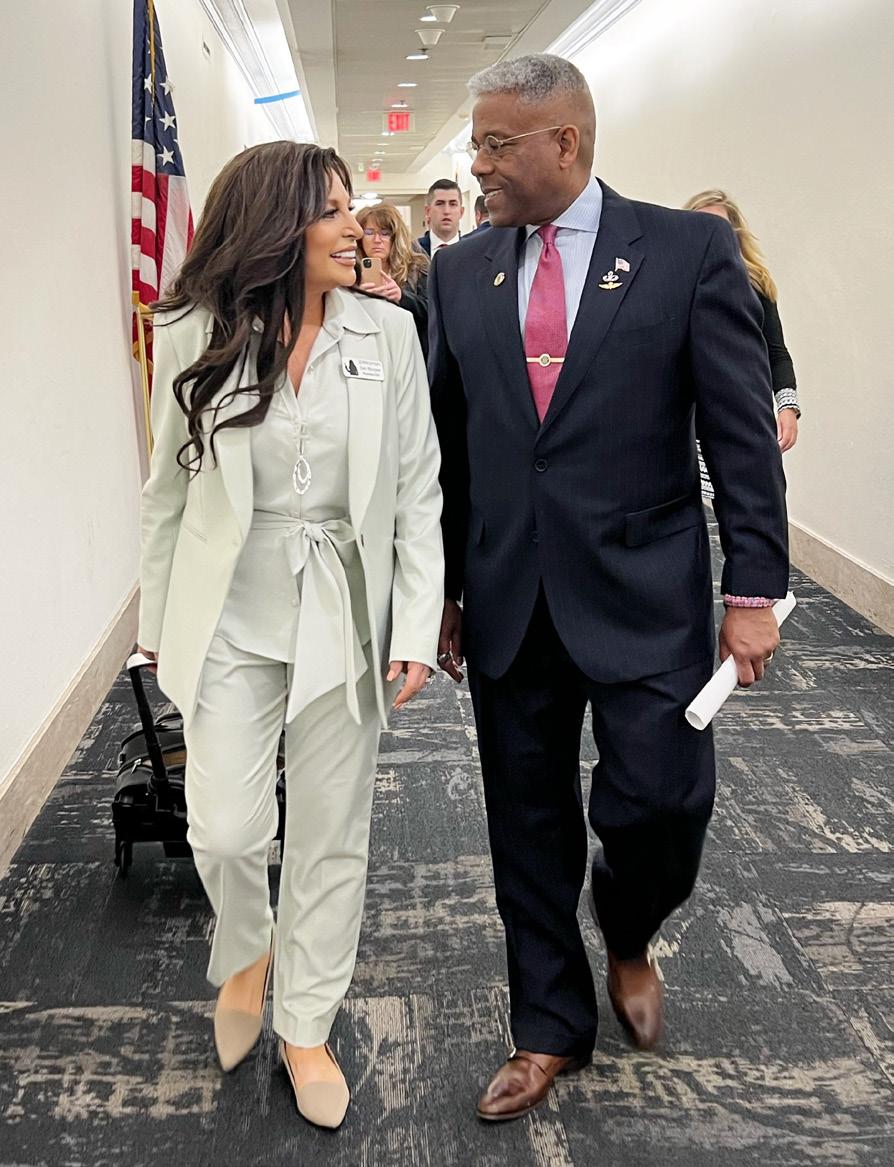
Morgan afforded herself a grim chuckle. Satisfying though it is to see elected officials run for cover, it is not the end goal she’s after. A few years back, she penned a piece for Breitbart that summed up her dream for America and the issues that time and conscience will not let her leave to others despite multiple death threats and every slur imaginable hurled her way in print and on the campaign trail.
In part, it reads, “Most people might describe the American Dream in terms of career success, monetary wealth or accumulation of things. For me, it is not that simple. My American Dream is to wake up one day to discover I no longer have to fight. My dream is a victorious end to the constant attacks on our Constitution and Bill of Rights by our own citizens and an out-of-control government.”
“I didn’t grow up saying I wanted to be governor one day or I
A Helping Hand for Hounds
wanted to be a senator one day. I’d love to stick my head in the sand, but unfortunately, I can’t do that,” Morgan said. “When you ask me, ‘What’s next?’ my focus is on educating people and trying to wake them up and helping them understand that we can no longer elect someone and then not hold them accountable.
“I also make it clear to so-called conservative politicians: If you vote in line with this platform and in line with the Constitution, you won’t have any problems from me. If you don’t, I’m going to expose you. I’m going to tell everybody what you’re doing. I might even run against you. If you want to know the difference between the good guys in government and the bad guys, just ask them how they feel about Jan Morgan. The good guys love me. The bad guys hate me. That’s it in a nutshell.”
In between promoting gun rights, training responsible gun owners and putting the fear of God into elected officials, Jan Morgan’s other passion is animal rights, prosecuting acts of animal cruelty and promoting expanded spay-neuter programs in Arkansas to help control the pet population.
“Spaying and neutering is an education problem,” she said. “We also have an overbreeding problem going on. There’s much that needs to be done legislatively to start trying to deal with this. I’m hoping that that’s going to happen and focusing on spaying and neutering would be a great start.”
As with her other causes, she is not content to merely preach on such issues. Two years ago, upon learning on Facebook about some puppies being dumped in the cold of winter, she drove two hours in the middle of the night to scoop them up — all 12 of them — fluffers she has raised and trained ever since. She has found loving homes for four of them and said she would love to find forever homes for the others. Interested parties may inquire at 501-767-9944 or via message on The Gun Cave Facebook page.

Morgan isn’t shy about taking her message to the halls of power. Here she chats with Lt. Col. Allen West.

“In this world, nothing can be said to be certain except death and taxes.”
That well-known phrase, popularized by American founding father Benjamin Franklin, is one of the most famous idioms regarding the nature of society. In fact, it is true to the point of irony, since Franklin did not coin the phrase as is widely credited; it first appeared in a comedic play some 70 years before Franklin penned it in a 1789 letter. Regardless, the message remains as fundamental as ever, describing the inevitability of Father Time and the taxman.
Wage and salary earners know well the latter half of the duo. Each year at this time, millions of American workers and companies are knee-deep in the often-arduous task of gathering materials and making the trek to a tax preparer or certified public accountant for an annual rite of spring.
While the requirement to file affects roughly the same percentage of the working public as in past years — any person making $15,750 or more for single filers
Addition by Deduction
From the new to the overlooked to the simply weird, deductions are out there
By Dwain Hebda
with higher earnings thresholds for head of household, 65 and older, or married taxpayers filing jointly, the Internal Revenue Service states — the manner in which people are complying is changing fast.
Last year, almost half of the people filing electronically, which is about 93 percent of filers overall, prepared their own returns, according to Next Gen Personal Finance. Younger earners making less led the way — 67 percent of people ages 18 to 24 prepared their own returns, well ahead of every other age group. While that obviously comes at a cost savings, it also opens up the amateur to missing out on certain deductions compared to working with a live, trained professional.
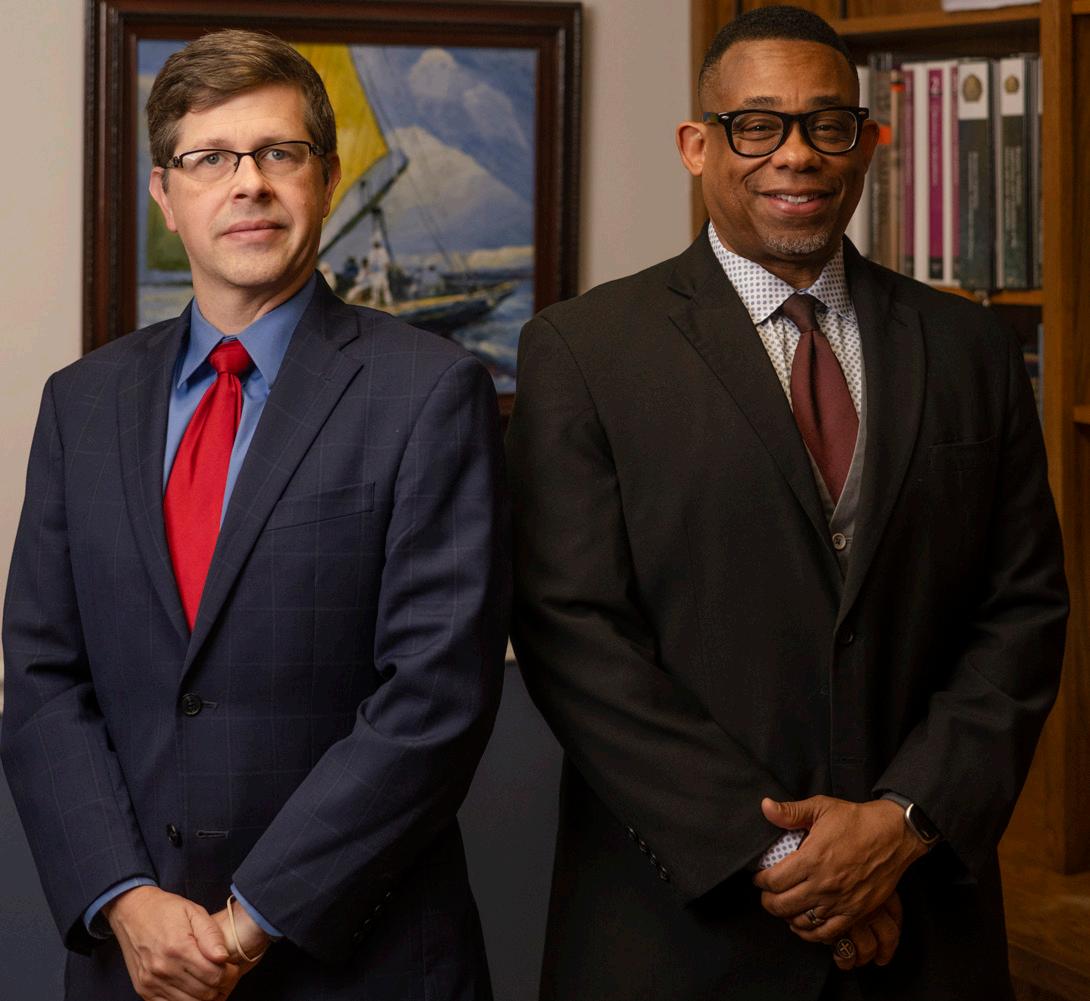
That is especially true in 2026, when various elements of the One Big Beautiful Bill Act kick in, said Deron Hamilton, who, with Neil Denman, founded Denman, Hamilton & Associates in Little Rock.
“From my perspective, this is going to be one of those tax years that it’s advantageous to get with a
Neil Denman, left, and Deron Hamilton

professional,” he said. “People need someone who understands this new Big Beautiful Bill, along with a lot of the other things that are available to individuals and business owners.”
Hamilton specifically noted several elements of the tax code, starting with cessation of taxes on tips and overtime.
“This is new and, I think, really interesting,” he said. “There’s an exemption on tip income up to $25,000, and that’s a big deal. However, there are some phase-outs if a person’s income is over certain levels, so it’s important to know that in order to know if you qualify.
“As far as tax on overtime, historically all income has been subject to income tax, but one of the new things in the One Big
“From my perspective, this is going to be one of those tax years that it’s advantageous to get with a professional. People need someone who understands this new Big Beautiful Bill, along with a lot of the other things that are available to individuals and business owners.”
— Deron Hamilton, Denman, Hamilton & Associates
Beautiful Bill is there is certain overtime that is actually exempt from taxes. For example, I make $20 an hour, and then I work an extra 15 hours at $30 an hour, at time and a half. Well, that extra overtime now would be exempt, meaning you can take that as a deduction even if you use the standard deduction versus being itemized.”
Hamilton also pointed out changes to the state and local tax deductions, those levied on such things as real estate and personal property. Again, an income-based phaseout applies to that perk but for the taxpayers who qualify, the change represents potentially big savings.


“For the last few years, we’ve been limited to the amount of those types of taxes that we can deduct on an itemized tax return to $10,000,” he said. “For this year, that deduction actually went up to $40,000, so that is what I would consider a major win for the taxpayer. I’m a big fan of this.”
Another easily missed change is a rule affecting the ability to deduct interest on an auto loan.
“A long time ago, this used to be a staple deduction. Then, for quite a while, they disallowed deducting car loan interest,”
“For
Hamilton said. “Well, this year, there’s actually a rule in place where you can deduct up to $10,000 of auto loan interest. It’s an above-the-line deduction, meaning you can deduct this whether you use the standard deduction or you itemize.”
Hamilton said working through an experienced tax professional is not only crucial to knowing about such deductions but knowing their caveats and limits. For example, to qualify for the auto loan interest deduction, the taxpayer must have purchased an auto assembled in the U.S. Note that does not automati-
the last few years, we’ve been limited to the amount of those types of taxes that we can deduct on an itemized tax return to $10,000. For this year, that deduction actually went up to $40,000, so that is what I would consider a major win for the taxpayer.
I’m a big fan of this.”
— Deron Hamilton, Denman, Hamilton & Associates
cally mean a U.S.-based automaker but where the vehicle was put together. Thus would the driver of a Nissan Titan pickup assembled at the Japanese company’s Mississippi plant qualify for the tax break, while the driver of Detroit-based Ford’s Ranger, assembled in Argentina or Nigeria, would not.
On the other side of the coin, Hamilton said going through a reputable tax professional can also prevent a taxpayer from getting too aggressive when it comes to deductions, which is a surefire way to trigger an audit. He said that applies equally to personal and business returns.
“Usually I consider it questionable activity when I see an excessive amount of expenses with a very small amount of income. A business that generates $1,000 in retail sales but has 17,000 business miles is a red flag,” he said. “Same thing with business meals and travel, which comes down to intent. A family goes to Orlando, goes to Disney World for a week, it’s a $20,000 trip, and they bring that in to me and say, ‘I used my business credit card. I want to write it off as a business expense.’
“The question becomes, well, what did you do in Orlando that would make this a business expense? Just thinking about your business while you’re there isn’t enough. The key concept is intent. Same for business meals; if you have the intent to conduct business, engage clients or engage the team you’re working with, that is a deductible business expense, but even then, documentation and external sup-

port outside of a receipt, like a meeting notice, is critical if you ever get audited and you have to back up your claim.”
DON’T TAKE OUR WORD FOR IT: This article is intended to provide general information on a tax-related subject and does not constitute actual tax advice. Consult a qualified tax professional for the best strategy for your individual situation.



Would You Believe?
In 1913, the IRS 1040 form was comprised of a three-page worksheet and one page of instructions. The tax code has grown substantially more complex since then and, with it, brought some strange twists both to what is taxable and what deductions can be claimed.
Uncle Sam will always get his cut — Tax Freedom Day is April 16 this year, meaning the average American works 4 1/2 months just to break even with last year’s tax bill — but there are ways to take some of the edge off. The following is a collection of some of the stranger deductions that are completely legit as of 2025.
SHAKE YOUR MONEYMAKER
Breast implants and other cosmetic surgery can be deducted as a business expense for certain jobs, such as exotic dancers and other adult entertainment performers, if it can be shown said enhancements can be reasonably claimed to increase earning potential. (Investopedia)
FUR BABIES
Some pet-related deductions include cat food purchased to attract stray cats to keep a business property rodent-free; food and vet expenses for dogs kept to guard a commercial property; and costs associated with pets during a family’s move to a new residence. (Investopedia)
THAR SHE BLOWS
The good news: Captains of whaling ships can deduct up to $10,000 of ship repairs and equipment purchases. The bad news: Whaling is banned in the U.S. outside of very narrow exceptions for some Native cultures. (Intuit TurboTax)
VIRTUE PERKS
Looking for a financial incentive to get healthy? You may be able to deduct smoking cessation materials; residential swimming pool costs if swimming is prescribed by a physician; yoga if prescribed by a physician; and a variety of other items, under doctor’s orders, to reduce cholesterol, improve cardiovascular function or drop weight as a medical necessity. (Intuit TurboTax)
ONE DEDUCTION NOW VERSUS SEVERAL LITTLE ONES LATER
The cost of one’s condoms may be deducted as a medical expense. (Investopedia)
CLARINET THERAPY
Kids’ teeth jacked up? The answer may lie with clarinet lessons; both the lessons and the instrument are deductible under a 1962 provision adopted after orthodontists affirmed playing the clarinet can assist in correcting an overbite, making it a medical expense. (Intuit TurboTax)
AUGUSTA RULE
The Masters, professional golf’s first major tournament of the year, has grown to so overwhelm the city of Augusta, Georgia, that residents flee the city ahead of the crowds in droves, many renting their properties to golf patrons. The Augusta Rule grew out of the phenomenon and allows people to rent a property for up to 14 days a year without paying income tax on the proceeds. (Investopedia)
By Doug Crise
MORE THAN LIGHT Arkansas’ electrical co-ops embrace their community role
The ice and snow blanketing Arkansas had still refused to retreat an inch on a late-January morning, but Buddy Hasten was still on the job. The state had, for the most part, managed to dodge a frigid bullet, electricity still humming along in most areas. Yet Hasten, president and CEO of the Arkansas Electric Cooperative Corp., stayed vigilant. His entire life has been about power one way or another, and he knew it was not yet time to exhale.
“I’m just thanking divine providence that all the really bad stuff that comes with these winter storms sort of avoided Arkansas,” Hasten said. “Unfortunately, it hit our neighbors in Louisiana, Mississippi and Tennessee, but for our members and folks in Arkansas, we’re glad it didn’t hit here. At least what did hit, we were prepared for, and we really did have minimal outages over the storm.”
Hasten knows better than most just how delicate and fraught with uncertainty these things can be. He has been following electrical currents ever since he was young, starting with his time as an undergrad at Auburn University in Alabama, where he majored in electrical engineering. After graduating, Hasten signed on to the Navy and spent 20 years working on nuclear submarines before returning to his native state of Iowa, where he was regional director of generation for Alliant Energy.
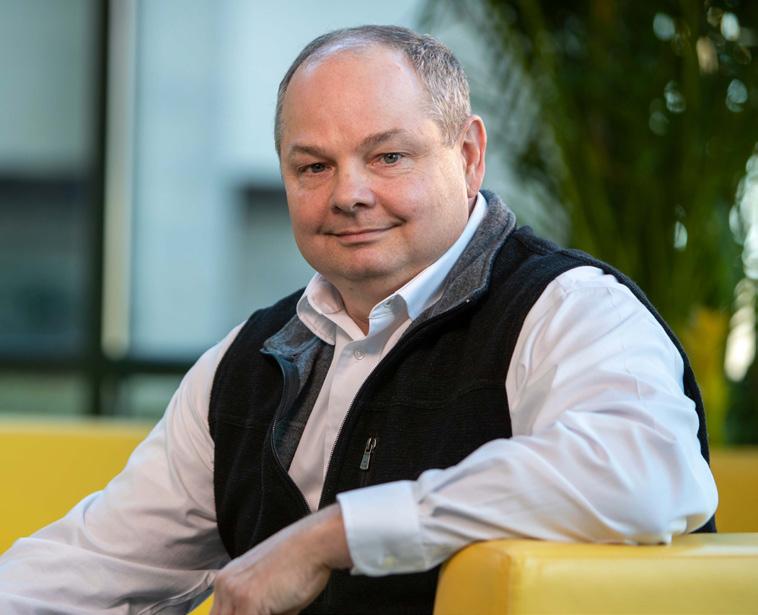

Today, Hasten oversees the generation and delivery of power for more than 1 million members of the state’s electrical distribution cooperatives.
“We are a ‘G and T,’ which stands for generational and transmission cooperative,”
Hasten said. “We are owned by the 17 distribution co-ops of Arkansas, so we have 17 members. The 17 distribution cooperatives in Arkansas all own AECC, and I work for them.”
Think of it this way: Those 17 cooperatives pool their respective resources together to form a company that provides wholesale electrical power at the distribution level, which then can be made available to the actual members of the cooperatives.
“We own the transmission, and we own the generational assets,” Hasten said. “We operate the power plants and the transmission system, and then that power goes out to delivery points all across the state to our 17 members. That really is the function of AECC, to do the wholesale power and transmission service for our 17 members.”
Yet there is so much more to all of it than just making sure the juice is still flowing. To begin with, many of those 17 cooperatives scattered across the state serve significant rural populations, which present their own challenges when it comes to connection, generation and power restoration.
“I think I would say there’s challenges for sure,” Hasten said, “just the geography alone and the sheer volume of what we do, plus we go through some pretty tough territory, but we’ve been doing this a long time. I think cooperatives in Arkansas have been around about 80 years, so we value our members.”
Making everything work when it is expected to work is a full-time job in and of itself. Yet AECC is so much more than a faceless organization keeping its eye on the power grid. AECC prides itself on investing in the communities it serves, especially when it comes to making science, technology, engineering and mathematics education available to area students.
AECC partners with 4-H for SeaPerch, an underwater robotics program that gives teachers and students resources to build remotely operated underwater vehicles, and sponsors youth trips to Washington, D.C. The state’s electrical cooperatives are also active in teaching electrical safety to young children and help sponsor the state spelling bee and the Arkansas Farm Family of the Year awards.
“The electrical co-ops are not for profit,” said Rob Roedel, director of corporate communication for the Electric Cooperatives of Arkansas. “We exist to serve our members, and
Buddy Hasten
many of the people in those communities are electric co-op members, so we reinvest in our communities. We’re local. We still operate local offices all throughout the state. People often say, ‘We’re your friends and neighbors.’ Well, we really are your friends and neighbors.”
That is not just a canned sentiment — the state’s electrical cooperatives take community seriously. Because several of the areas they serve are rural and not always easily accessible, workmanship and preventative measures are not just buzzwords — they are vital. If an electric cooperative can provide better equipment and better measures for areas that are harder to reach when the weather goes south, they will do it.
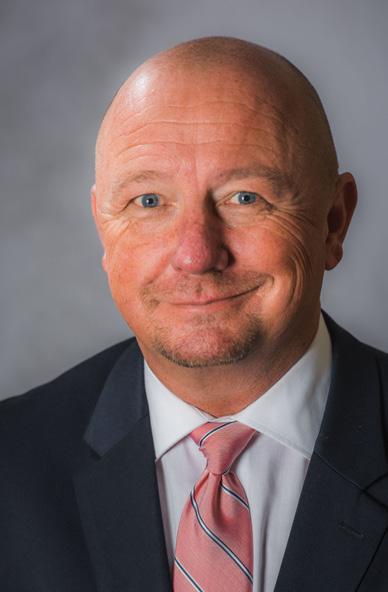
“‘Hardening’ is the word they use,” Roedel said. “They’ll increase the pole size. They’ll shorten the span of the lines. They’ll increase the size of the wire or conductor. All of that can ensure the lines don’t come down in a storm quite as often.”
Transparency blended with a sense of community is a big part of the overall mission. Through multiple mediums, AECC provides constant outreach to the areas it serves, whether it be reporting on local events, investing in educational initiatives, or keeping members and residents abreast of ways to prepare for a possible power outage.
“We provide transformers, poles, wires, regulators, insulators — all the kind of stuff you see out there on the electrical grid,” Hasten said. “Another part of the business is that we do construction work, so we build distribution systems, we build transmission systems, we also do repairs for people, and then we have a clearing business that goes out and trims the trees and gets all the vegetation off the electrical system so that when storms do happen, hopefully it doesn’t take the power out.”
If all those extra services are a surprise to some, Hasten is perfectly fine with that. As a general rule, people tend to not think about electrical services unless they are paying a bill or the power suddenly goes out. AECC’s objective is to make the path of electricity seamless and to anticipate anything that could be disruptive, but there is also the mission of embracing and serving member communities through education, communication and philanthropy.
There is a lot of good being done that goes well beyond keeping the lights on.
“It’s really ingrained into the DNA of electrical co-ops all across the country,” Hasten said. “This isn’t unique just to Arkansas, but we take great pride that we are a member-owned organization. We exist solely to provide reliable, affordable and responsible power and services for our members.”

“We
exist to serve our members, and many of the people in those communities are electric co-op members, so we reinvest in our communities. We’re local.”
—
Rob Roedel, Electric Cooperatives of Arkansas
Rob Roedel
WASH, RINSE, REPEAT
Diamond Hogs once again expected to compete for titles

By Mark Carter | Photos courtesy of Arkansas Athletics
Arkansas baseball enters 2026 in a familiar position.
The Razorbacks spent virtually the entire 2025 season ranked among the top teams in the land, won 20 games in the SEC — 50 overall — and finished third at the College World Series in Omaha.
For most of the season, Dave Van Horn’s Hogs were considered among the best two or three teams in the country. On the road to Omaha, Arkansas took the No. 3 national seed and wiped away two years of postseason frustration at home by winning the Fayetteville Regional and Super Regional.
A slow-starting but streaking LSU team once again proved the Hogs’ undoing in Omaha though. The Tigers won their last eight games to claim the 2025 national title, including that inexplicable, wild win over Arkansas to send them to the final.
The Hogs open 2026 in most top 10s and are expected to once again compete for SEC and national titles. Is this the year DVH finally gets his natty? Why not? Though the Hogs lost much to the MLB draft — four Hogs were taken in the first
round, and the 11 Arkansas players selected in the draft matches the most ever taken from a single school — Van Horn and his staff reloaded.
Gone after the first round were right-hander Gage Wood, the Batesville pit bull whose no-hitter against UCLA in Omaha caught the nation’s attention, taken with the 26th pick by the Phillies; shortstop Wehiwa Aloy, the SEC Player of the Year and the Hogs’ third Golden Spikes Award winner of the past decade, taken at 31 by Baltimore; southpaw Friday night starter Zach Root, who threw 20 K’s and gave up just five earned runs in 19.2 innings pitched in the NCAA tournament, taken by the Dodgers with the 40th overall pick; and outfielder Charles Davalan, the dependable leadoff hitter who hit .346 for the year with 12 homers and just 13 strikeouts, taken by the Dodgers at 41.
The Hogs also saw RHP Christian Foutch taken during Round 5 by Boston; RHP Aiden Jimenez taken later in the same round by the Royals; LHP Landon Beidelschies, selected in the sixth round by Atlanta; third baseman Brent Iredale, taken in
the seventh round by Pittsburgh; while RHP Ben Bybee went to San Francisco in the eighth; OF Justin Thomas Jr. to the Astros in the 11th; and LHP Parker Coil — who did not sign and is returning to Fayetteville — to Milwaukee in round 16.
The new name-image-likeness/portal age of college sports, however, has made reloading easier but also more essential. Entering his 24th season as head Hog, Van Horn has turned the Arkansas program into a blueblood in every metric aside from actually winning a national title.
The Hogs brought in a top 20 class for the 11th straight year for ’26, and the portal once again delivered some experienced starters from other programs who are expected to contribute right away.
Four starters are back from the ’25 Omaha run: catcher Ryder Helfrick; 2B Kuhio Aloy, was DH last season; first baseman Reese Robinett; and utility infielder Camden Kozeal.
Also back is junior infielder Nolan Souza, one of four native Hawaiians to play for the Hogs. Souza was an all-star in the making before a torn labrum in his throwing shoulder suffered in

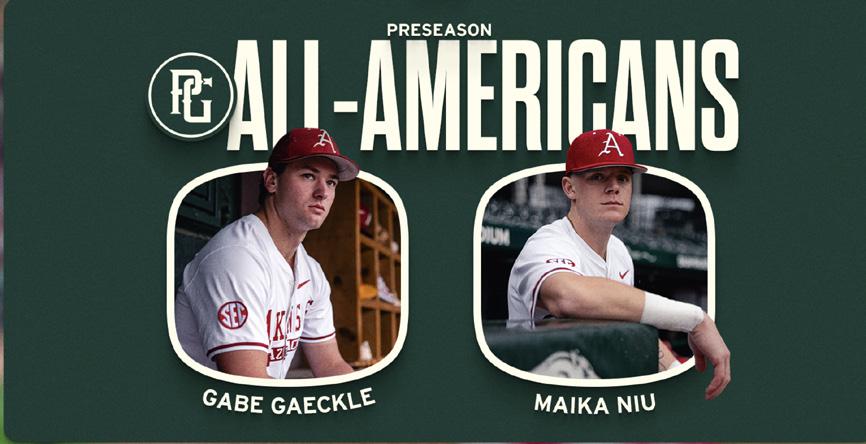
2026 RAZORBACK BASEBALL SCHEDULE
SEC baseball will be its usual bully self, with five teams ranked in D1 baseball’s preseason top 10 (Hogs are No. 7) and roughly half the entire top 25 made up of SEC clubs.

April at Georgia ended his season. Though he was not able to practice until January, expect to see him back at second base — Van Horn said he had planned to move Souza to short had he stayed healthy.
There is also junior high-ceiling RHP Gabe Gaeckle, who last year began the season as the staff ace. Consistency problems led to his providing crucial relief work in the NCAA tournament, where he posted a 1.93 ERA and had 23 K’s over 14 innings of work. Once he was moved to the pen midseason, Gaeckle thrived, posting a 2.06 ERA over 35 innings in relief.
Gaeckle is expected to get another shot at establishing himself as the Friday night starter, and he will be joined by 6-2 sophomore leftie Cole Gibler, who made 20 appearances in relief in ’25 with a 3-2 record, 3.99 ERA, 57 K’s in 29.1 innings and a strikeout percentage of 44.5; 6-3 junior southpaw Colin Fisher — 16 appearances, five starts, a 3-0 record and held batters to a .220 average; and powerful 6-4, 250-pound Vanderbilt transfer Ethan McElvain, another leftie.
Pitching coach Matt Hobbs will have plenty of other options. Coil is back, as is promising 6-0 sophomore RHP Steele Eaves from Lonoke.
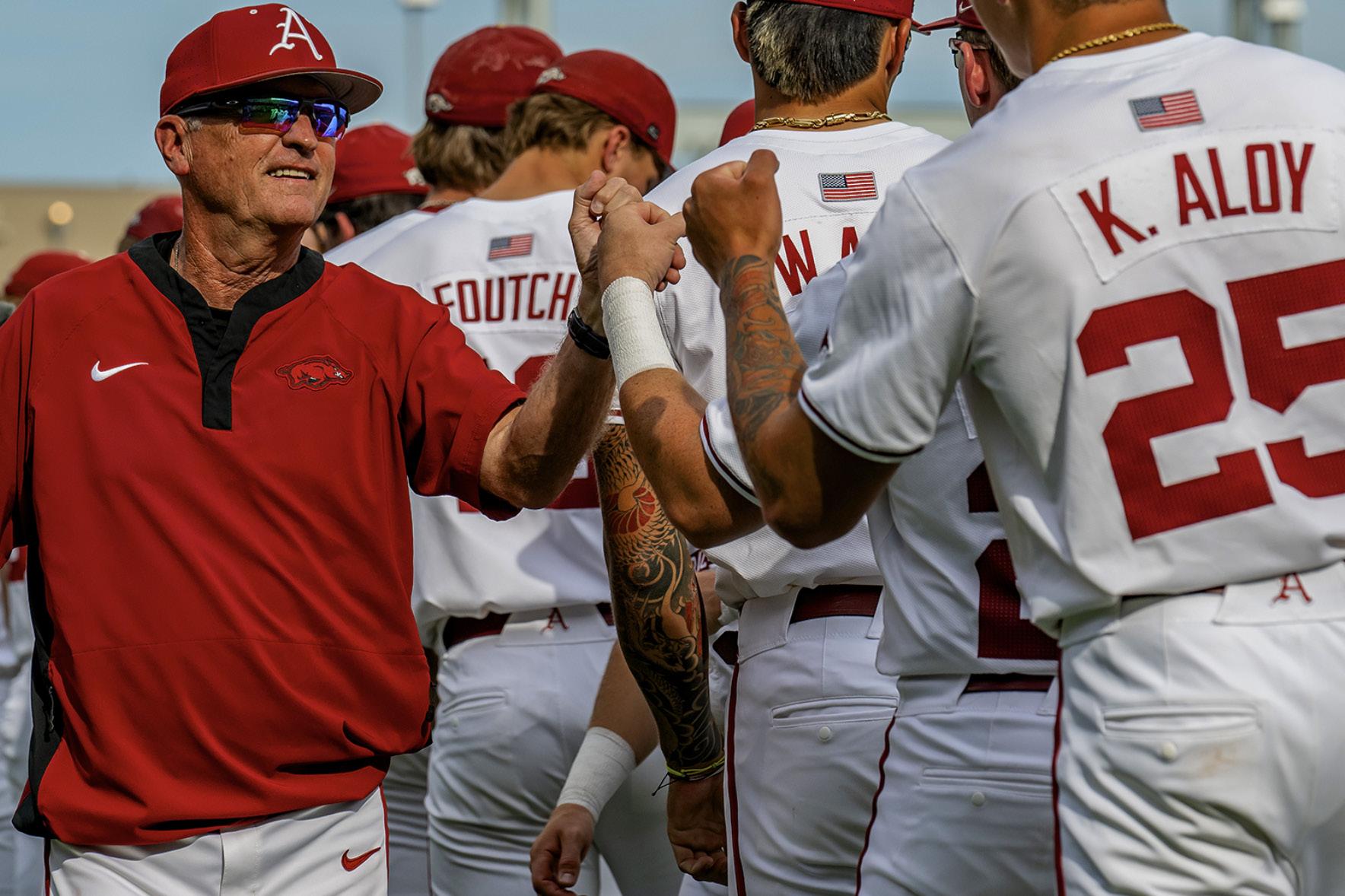
In the field, Helfrick will captain the team from behind the plate, the latest in the program’s run of talented backstops. He finished the season hitting .305 with a .616 slugging percentage.
Robinett is back at first, his 6-3 frame providing reliable reach. Though he batted just .260 for the year, his bat heated up late and provided several timely hits. Kozeal, the former Commodore, is expected back at second, where he will likely split time with Souza. Shortstop and the hot corner likely will be manned by much-heralded true freshman, Carson Brumbaugh from Edmond, Oklahoma, a potential two-way player, and Texas Tech junior transfer TJ Pompey, who hit .348 last season for the Red Raiders.
Many national writers consider Brumbaugh to be the nation’s best incoming freshman.
And don’t sleep on 6-1 redshirt freshman 1B/RF Tyler Holland, who made noise in fall scrimmages.
Marshall senior transfer Maika Niu (.276, Cape Cod League MVP) is the probable starter in center with junior Aloy (.317, 70 RBI) likely slated to start in right and senior Missouri State transfer Zack Stewart, junior Lamar transfer Damian Ruiz (.388) and talented true freshman Christian Turner from Haughton, Louisiana, vying for playing time in the outfield, as well.
As has become semitradition, the Hogs opened the ’26 campaign at the home of the Texas Rangers in Arlington. Arkansas started off with Oklahoma State Feb. 13 before taking on TCU, Texas Tech and Tarleton State over the following three days.
SEC baseball will be its usual bully self, with five teams ranked in D1 baseball’s preseason top 10 (Hogs are No. 7) and roughly half the entire top 25 made up of SEC clubs. The Hogs, however, get something of a break compared to their usual gauntlet, though it is still no pushover.
The regular season SEC slate features no LSU, no Texas, no Texas A&M. The home series will include rejuvenated Mississippi State, Florida, Georgia, Ole Miss and Oklahoma. The Hogs will visit South Carolina, Auburn, Alabama, Missouri and Kentucky.
Razorback fans hope this is the year Van Horn and his crew can claim that elusive national title.


That ‘Other’ State Capital
HISTORIC WASHINGTON STATE PARK REMEMBERS DAYS OF YORE
Many Arkansans — OK, probably most of them — likely do not know that four separate locales have claimed the designation of state capital for the Natural State, and that is not counting the Old State House in Little Rock.
There is Little Rock, of course, current state capital, the state’s largest city and arguably still its cultural center. (The current capitol building, finished in 1915, replaced the Old State House, which had served as the seat of state government since 1836, when Arkansas was admitted as a state.)
There is Arkansas Post, the first territorial state capital that now exists mostly as a national memorial marker situated
By Mark Carter
among the bayous that surround the confluence of the White and Arkansas rivers in Arkansas County.
There is Hot Springs. Yes, the not-quite-yet Spa City served very briefly as the state’s temporary Confederate capital during the immediate aftermath of the Union capture of Little Rock in 1863.
Then there is the Hempstead County village of Washington. Later that same year, the CSA state government settled on Washington, then a major way station on the historic Southwest Trail, as the “permanent” replacement capital of Confederate Arkansas.
“Old” Washington, as it was known for years in Arkansas,
Photos provided by Arkansas State Parks, Southwest Arkansas Regional Archives, Library of Congress
Courthouse
served as the Confederate state capital from 1863 until the war’s end in 1865.
Eventually, the “old” in the name was replaced with the more enlightened “historic,” and Historic Washington State Park lives on in southwest Arkansas as a preserved 19th-century village, complete with a replica of James Black’s old blacksmith shop. It was there that he forged the Arkansas Toothpick, otherwise known as the Bowie knife, for famed frontiersman and Texas martyr-to-be James Bowie.

Bowie and many of his compatriots — Davy Crockett and Sam Houston, among others — were frequent visitors to Washington, since the Southwest Trail served as the preindustrial Interstate 30. The trail connected St. Louis to Fulton, located strategically on the Red River just south of Washington. If one was headed to Texas from parts northeast during the mid-1800s, one likely went through Washington, established in 1824.
During the 1830s, many Americans traveled through south Arkansas on their way to help fight for Texas’ independence from Mexico.
Before the outbreak of the Civil War, Washington had become a regional hub for area planters, merchants and pioneers. As the state capital, the town was threatened by Union troops during the spring of 1864, according to the Encyclopedia of Arkansas. Union forces under the command of Maj. Gen. Frederick Steele were headed south toward Washington on their way to Shreveport
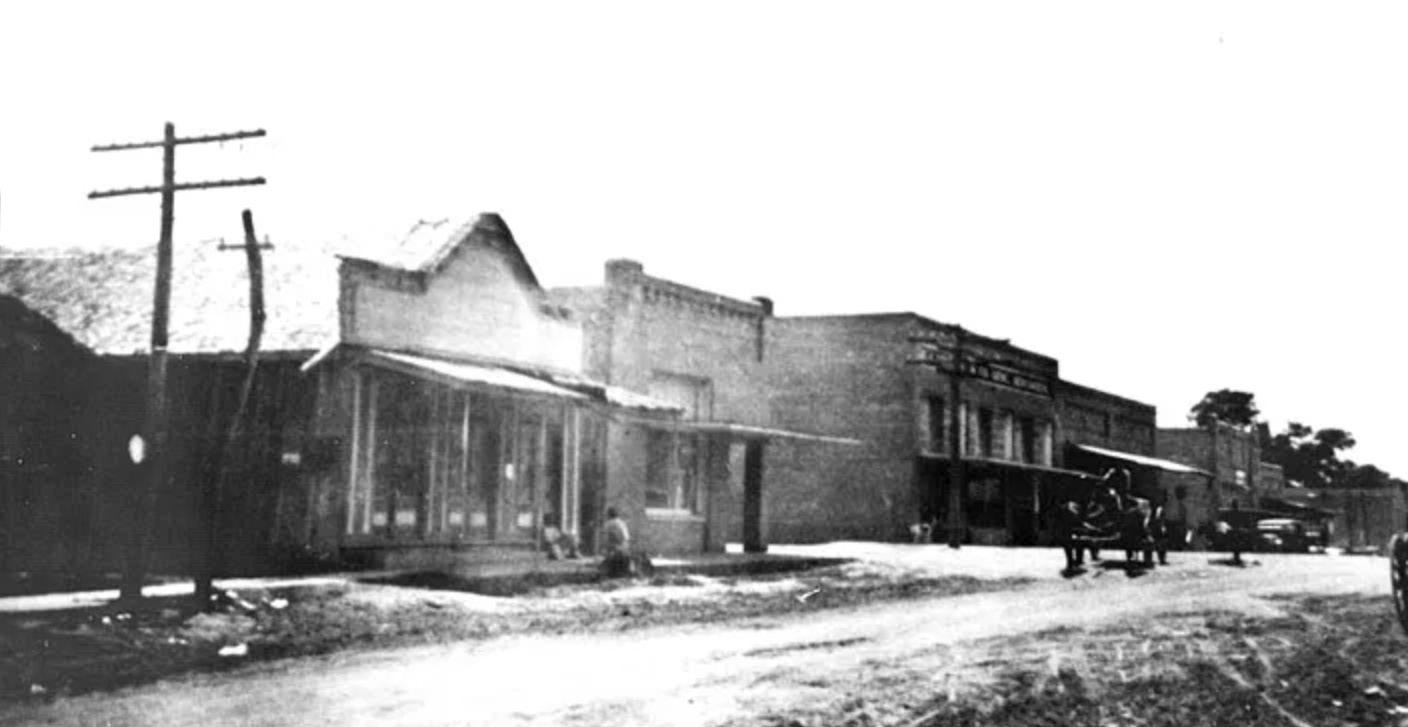
but were intercepted by CSA troops under the command Maj. Gen. Sterling Price about 14 miles north of town.
The Union advance was halted and Washington saved — for the time being. The encounter is known to history as the Skirmish at Prairie D’Ane.
Though the Yankees never made it to town, the writing was on the wall for Washington. Following the war, industrialization and the railroads turned Hope a little further south into a more strategic location, and eventually, the county seat was moved from Washington.
An 1875 fire destroyed a good chunk of the Washington business district, and another in 1883 drove many remaining businesses to Hope. In 1958, the Historic Washington Foundation was created to recognize “the unique collection of 19thcentury structures existing in Washington and … to interpret the history of this historically significant town,” according to Arkansas State Parks.
The Bowie knife, top; the only portrait of James Bowie while he was alive, c. 1820; Washington street scene, c. 1900.
Arkansas State Parks has maintained Old Washington’s pastoral, colonial setting.
The foundation, which now goes by the Historic Washington Foundation, is the state’s oldest preservation organization.
In 1973, a state park was established at Washington to help preserve its historic significance. Arkansas State Parks maintains the site as a preserved 19th-century village. Multiple buildings remain from Washington’s peak as the de facto capital of southwest Arkansas.

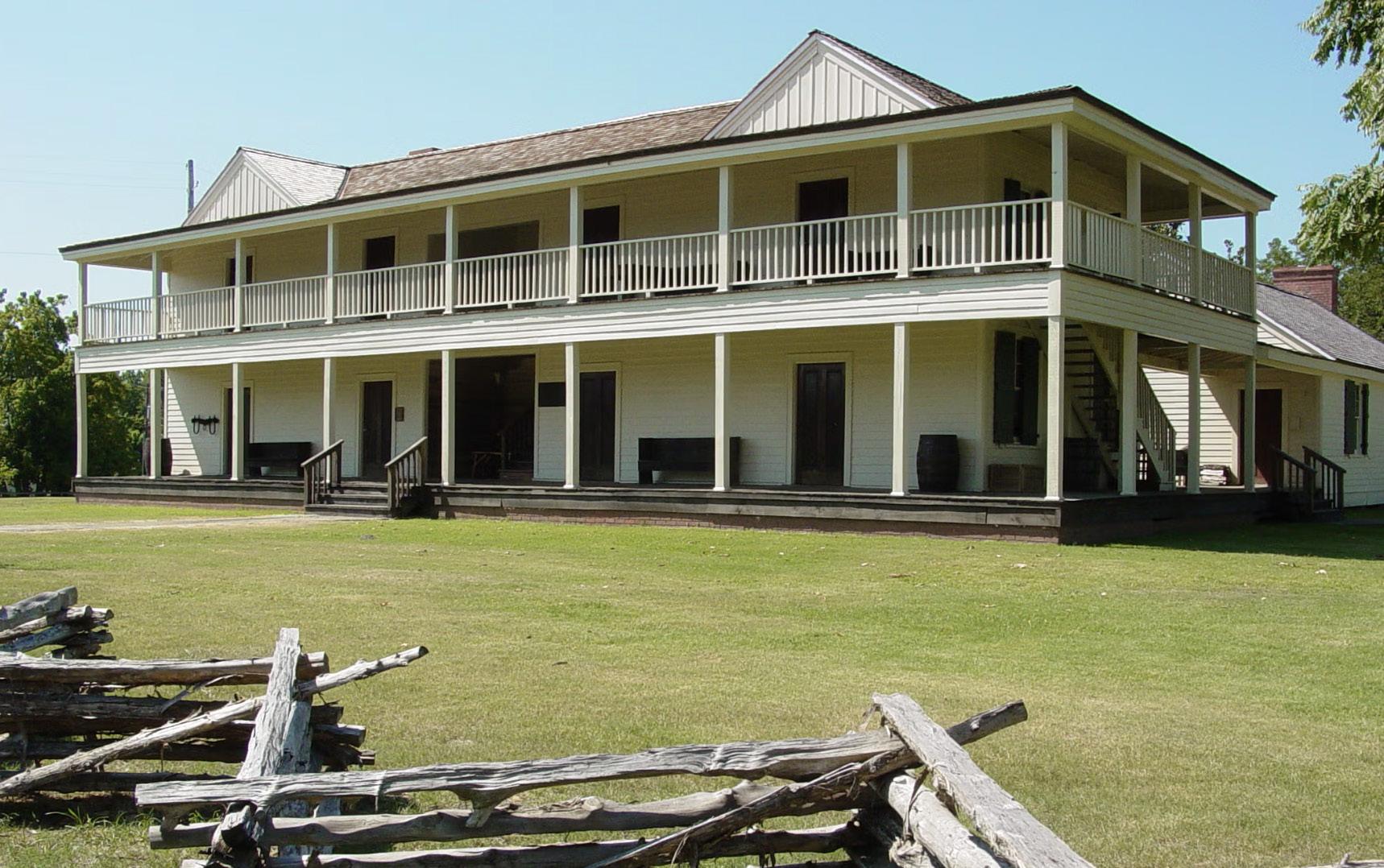
Washington’s “new” 1874 courthouse serves as the park’s visitors center. Visitors can also tour the “old” 1836 courthouse, which served as Confederate capital; Black’s blacksmith shop, birthplace of the Bowie knife and featured on the popular blade-smithing cable TV show Forged in Fire; a period weapons museum and a print museum; several original residences and churches; the Morrison Tavern, dating back to the 1830s and reconstructed on its original site by the foundation; the 1914 schoolhouse (Washington operated its own schools through the 1970s); and the 1832 Williams Tavern Restaurant, which serves daily lunches.
Some of the more historically significant properties, with descriptions from Arkansas State Parks, include:
1874 Hempstead County Courthouse
Begin the tour at Old Washington here. This grand, circa 1874 building was the county courthouse for Hempstead County from 1874 to 1939. It was the last courthouse to be built in Washington. It now serves as the Historic Washington State Park’s visitor center and gift shop.
Sanders House and Farmstead
Simon T. Sanders, county clerk from 1839 to 1869, lived here with his family until the late 1870s. Sander’s position as county clerk placed him at the center of Washington’s social and political life. The classic Greek Revival home, built in 1845, inter-
prets the lifestyle of the 1850s through an interior restoration conducted in 1991. Recent additions to the Sanders House site based on archeological and photographic evidence include a detached kitchen, a barn, a garden area and multiple outbuildings, making the Sanders House one of Washington’s premier living history sites.
Print Museum
This particular museum interprets the printing techniques and equipment from the 19th and early 20th centuries. Printing presses and linotype machines can be viewed as visitors learn the history of printing in the United States.
Morrison Tavern
This reconstruction of an 1830s inn was built by the Historic Washington Foundation in 1960 using a donation from William and Lucille Hart King. Its look was based off an original 19th-century building that once stood at this same location.
1874 Hempstead County Courthouse
Sanders House Blacksmith Shop
Morrison Tavern

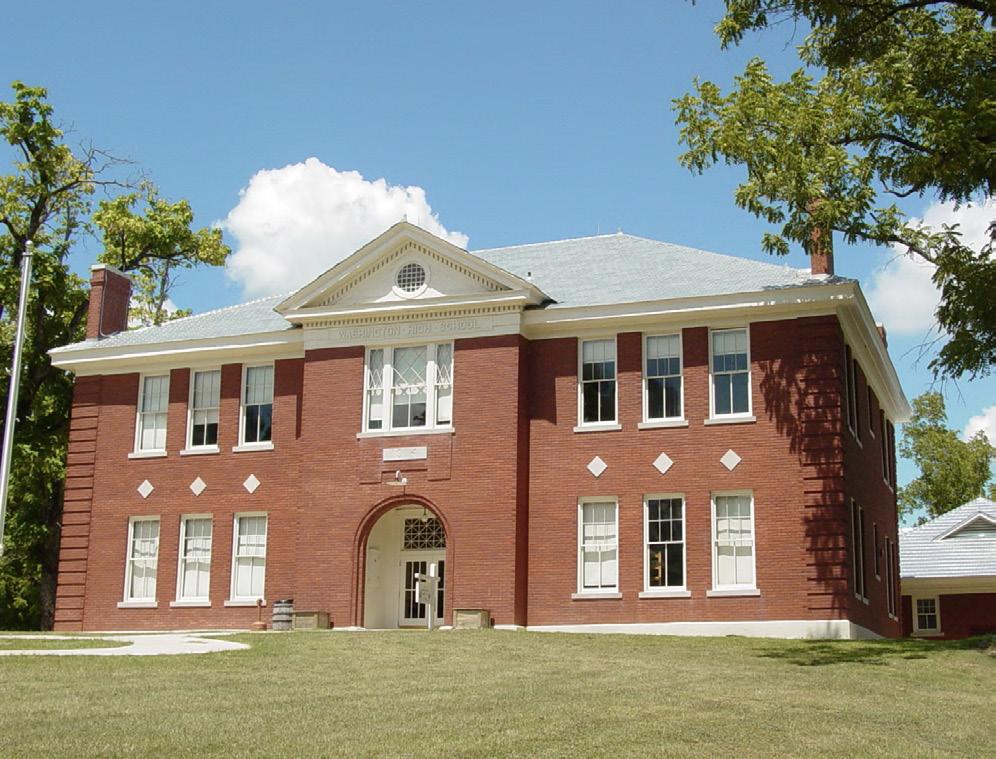
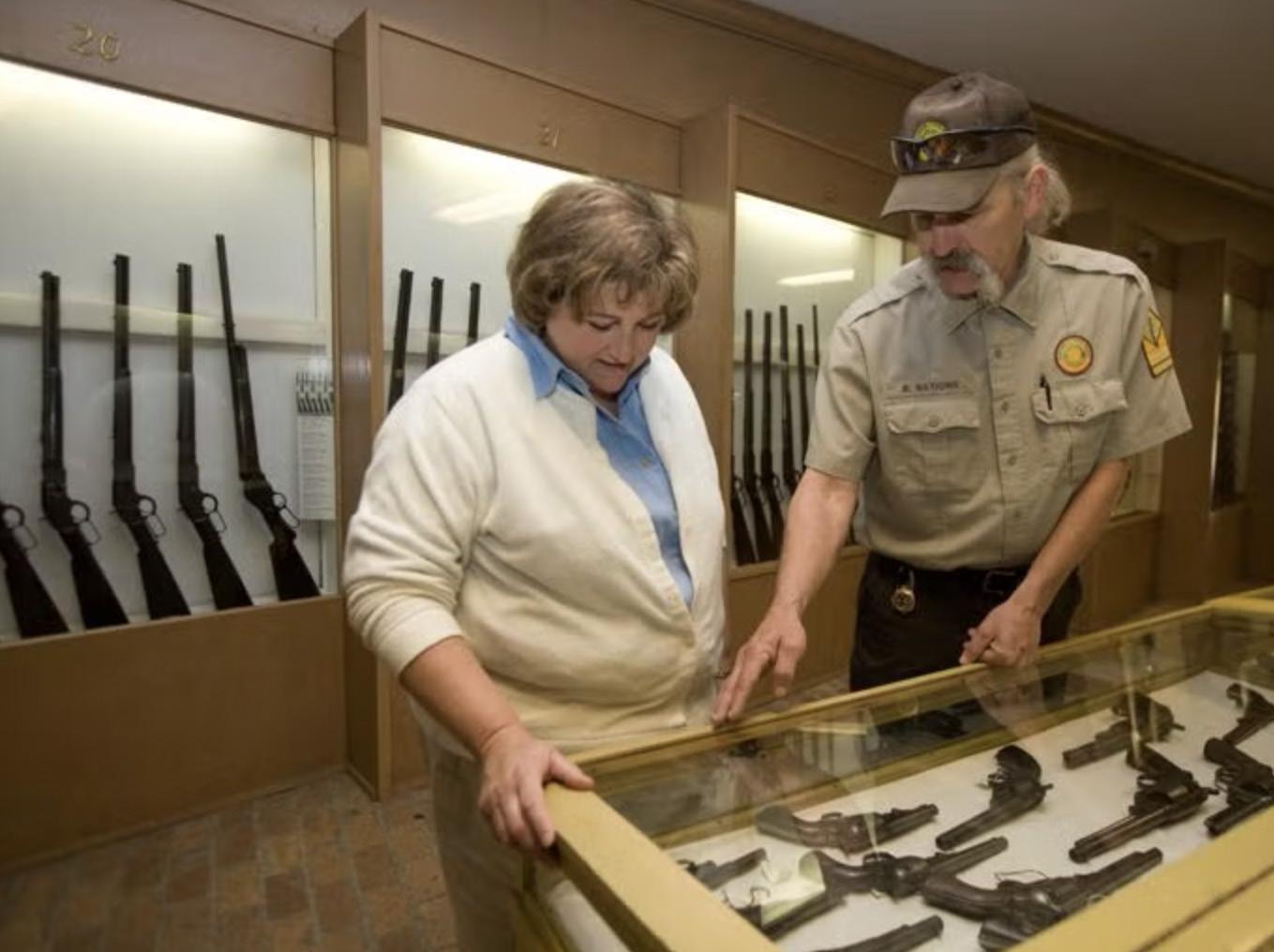
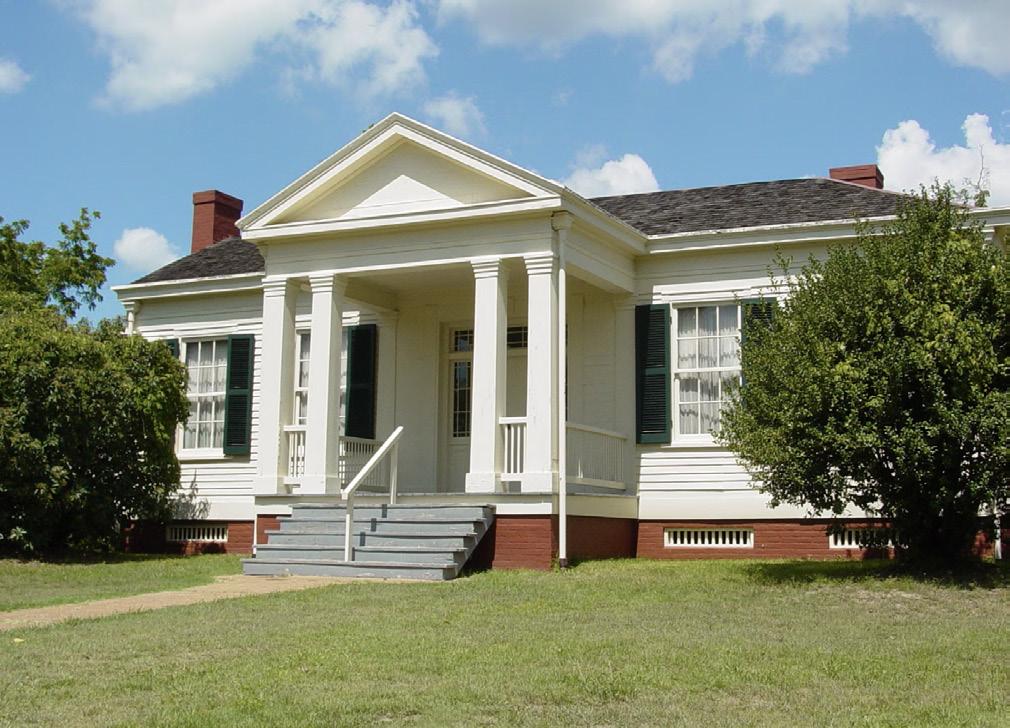
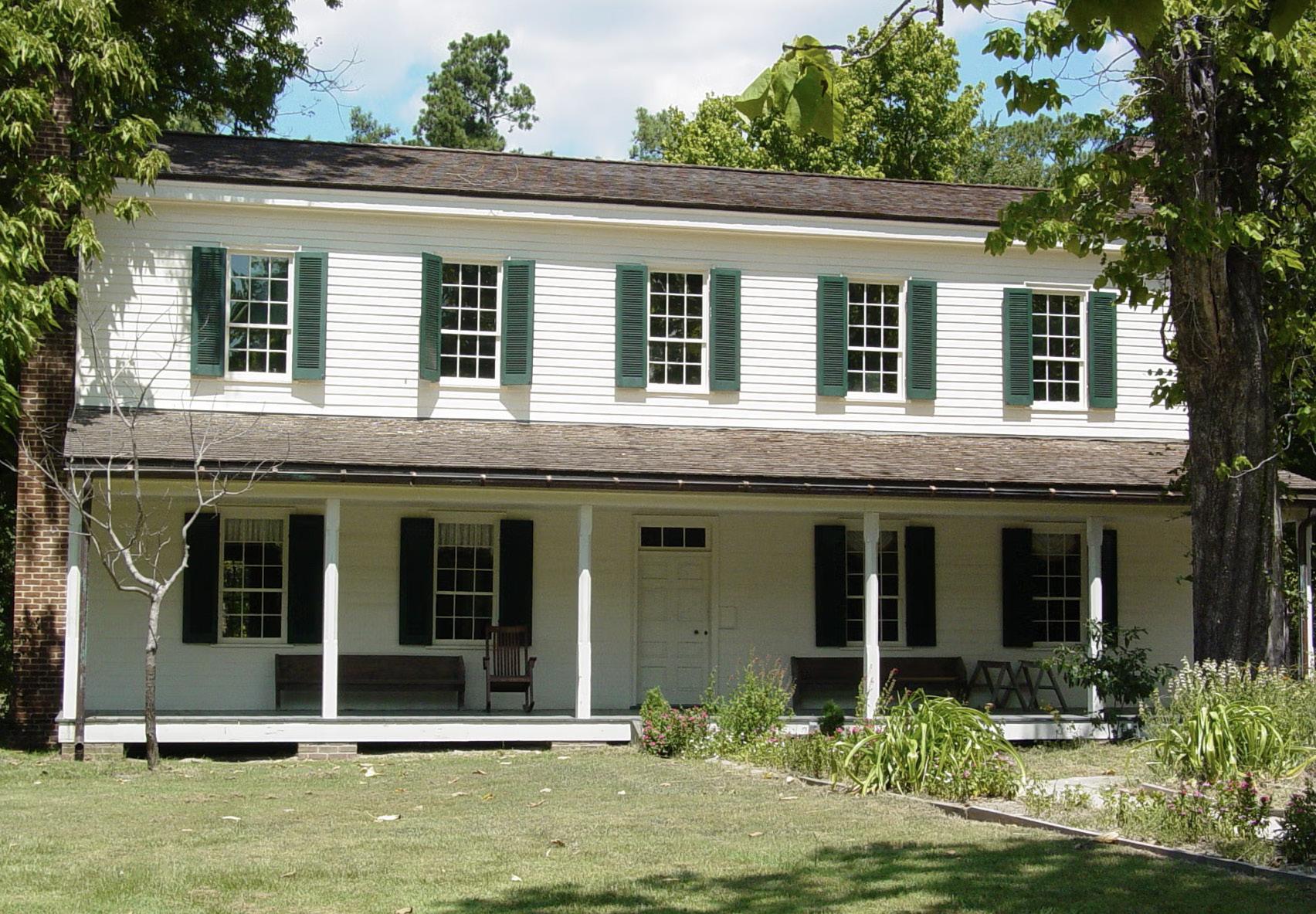
Blacksmith Shop
Built by the Historic Washington Foundation in 1960, the blacksmith shop is an interpretative center with two working forges. Washington’s most famous blacksmith, James Black, is credited with forging one of the original Bowie knives for James “Jim” Bowie in the early 1830s.
1914 Schoolhouse
Built in 1914, this building served as the second public school building for the town of Washington. Today, it is available for rent by the public for various events and group activities. Bunk rooms are available for overnight lodging.
1836 Hempstead County Courthouse
The first historic structure in Arkansas to be restored with state funds in 1929, this courthouse was built for Hempstead County in 1836. During the Civil War, Arkansas Governor Harris Flanagin chose this county courthouse as the Confederate Capitol of Arkansas following the capture of Little Rock in September 1863. The reconstructed clerk’s office serves as restroom facilities.
B.W. Edwards Weapons Museum
This former bank houses a large weapons exhibit, including matchlocks, flintlocks, muskets, rifles, shotguns, revolvers and Bowie knives. The majority of the items were collected by the late B.W. Edwards, a building contractor in Hope. Edwards donated his lifetime collection of more than 600 weapons so others could enjoy them on exhibit.
Block-Catts House
Built by Abraham Block in 1832, this house is one of the few Federal-style structures remaining in southwest Arkansas. Block was the first documented Jewish settler in Arkansas, arriving during the late 1820s. He started a prosperous mercantile business in the region. In 1959, the house was the first restoration project undertaken by the Historic Washington Foundation. The exterior was later returned to its original design in 1987.
Trimble House
This home was built in 1847 by John D. Trimble, a local merchant in Washington. In 1978, the John D. Trimble heirs donated their family home and furnishings to the Historic Washington Foundation. The home interprets three generations of Trimble family history. It is owned by the Historic Washington Foundation.
1914 Schoolhouse
Block-Catts House
Trimble House
Weapons Museum
LIKE A PHOENIX
By Doug Crise
Iam not a crier.
Never have been, not even when objects moving at high velocity have collided with sensitive areas of my body. (You’d be amazed, after 45 years, how often this has happened.) Not even when I was told that my cancer had not only returned but had spread throughout my body.
Let me step back for a sec. When you are undergoing cancer treatments, your body clock can go clear out the window. For me, this meant my eyelids blasting open nightly in the hours past midnight. Chemotherapy can also mess with your taste buds, turning your favorite foods and beverages right against you. Suddenly, my three supreme loves — sleep, coffee and beer — had abandoned me. (Strangely enough, I developed a killer craving for bloody Marys, but you try telling friends who drive you to chemo to stop at the liquor store on the way home and see how far that gets you.)
I was wide awake at 3 a.m., watching live coverage of the Formula One Grand Prix of Bahrain (look up the time difference and figure it out) when the car of French driver Romain Grosjean clipped another car, veered off into a trackside crash barrier and exploded into flames.
(I’m not going to bore you with the knowledge that comes with a lifetime of motorsports fandom. Just roll with me when I tell you that, in the 21st century, fire in auto racing is an extremely rare occurrence.)
a general preference regarding being alive. I have walked with severe depression throughout my life, and since childhood, I have lived with a persistent voice assuring me that life would be better without me in it.
Now, in this strange 3 a.m. gumbo of tears and cars and fire, I had reached a decision. So did Grosjean, who was pinned inside the burning cockpit by flaming debris. By his own account, after struggling and failing to free himself, he had resigned himself to the fire.
“There is a moment when my body starts to relax,” Grosjean said

in an interview. “I’m at peace with myself, and I’m going to die.”
The car had split in two, rupturing the fuel tank while the part of the car that contained Grosjean wedged itself between the barriers. Something inside me split in two, as well. Maybe it was the lack of sleep. But as Grosjean’s car burned on my television with Grosjean trapped inside, every single raw and real emotion I had worked so hard to suppress after my diagnosis, all the wisecracks and shoulder shrugs and assurances to everyone in my life that I was just fine, broke into pieces just like that car.
I sobbed. Great heaving breaths and a record stuck on repeat — don’t die, don’t die, please don’t die. It was for Grosjean. It was for me. It was raw, unalloyed fear, fear for myself and fear for this French racing driver whom I barely knew. Fear of death and fear of fire and fear of cancer and fear of losing control and fear of being trapped. For every single thing I had done and said since getting sick, the truth was that right up until then, I was not entirely sure if I had more than
Grosjean, who still races to this day, has said in multiple interviews that it was in those flames that he saw his two young children. That he decided, as he put it, “It cannot end like this.” And so, with rescue workers unable to reach him through the intense heat, Grosjean put his hands in the fire. As his racing gloves turned from bright red to black, as the protective fireproof material gave way and his hands burned hot enough to require surgery and skin grafts afterward, Grosjean reached into the flames and pulled one foot from the burning cockpit. Then another.
I would love to say life has been peachy since then. It hasn’t, and unlike cancer, finding peace with my mental health will be a lifelong proposition. But I can tell you one thing that’s changed since that early morning watching a race. I keep a gratitude list. On my phone.
And when feelings of depression and abandonment and inadequacy rear their ugly head, I take out my phone and read from a list I’ve titled “Reasons to Reach Through the Flames.”


Conway Regional is central Arkansas' trusted provider of bariatric surgery, o ering the rst DaVinci robotic-assisted bariatric program that combines advanced technology and specialized expertise to support lasting weight loss. With a new law requiring private health insurance plans in Arkansas to cover bariatric surgery, more patients now have access to care designed for long-term success through our nationally accredited program. See what curated looks like for you.