VISION
Greater comfort for you,
Greater comfort for your hens ,
Higher-quality cleaner eggs .
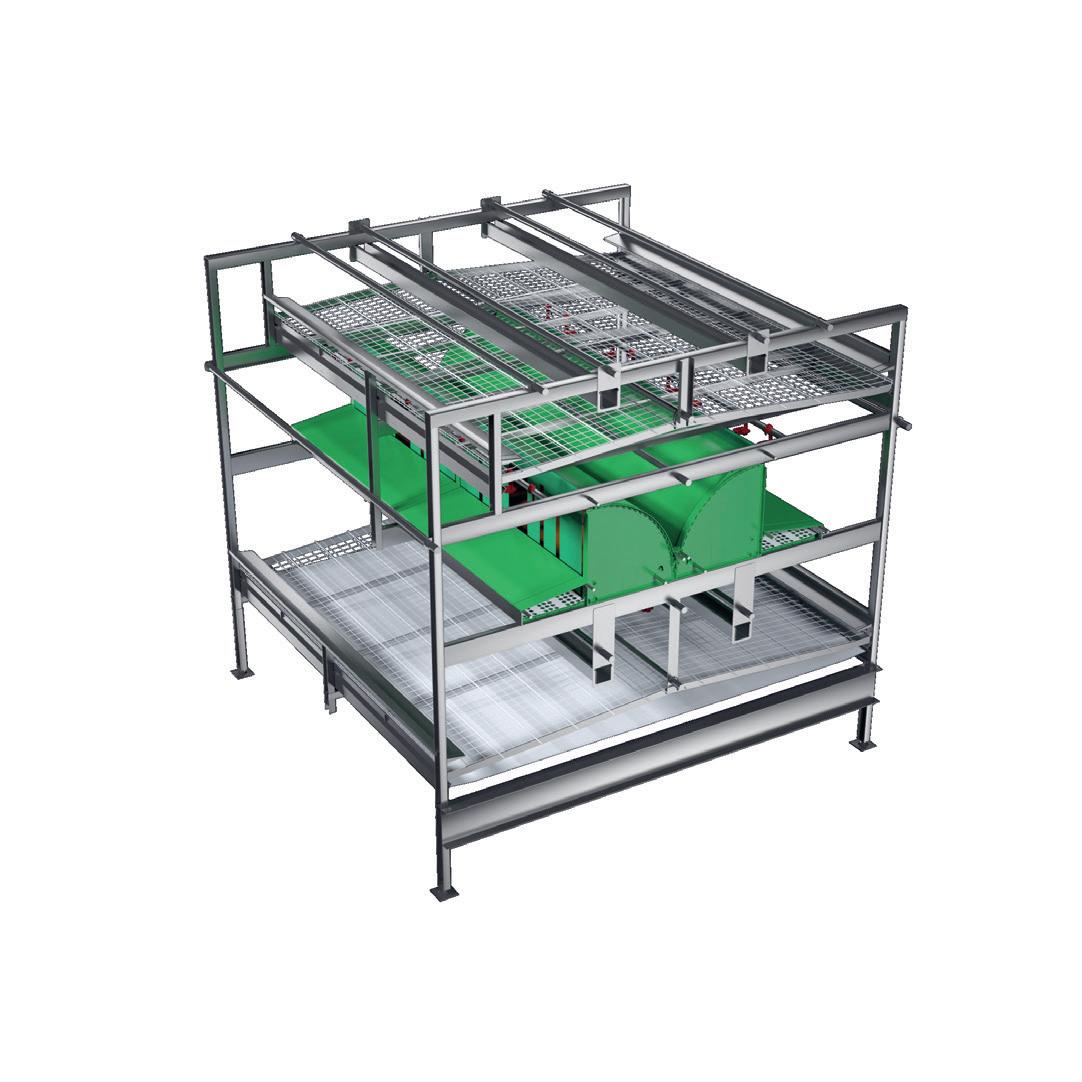
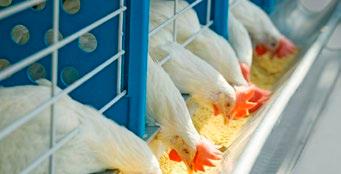
Its intuitive structure allows the layers to adapt easily from the very beginning.
The open deign enables quick and direct visual inspection of the birds, eggs, and nests.
The egg collection belts have greater capacity, and the entire system has been designed for easy installation and hassle-free maintenance. Efficiency and practicality in a single aviary.
INNOVATION, COLLABORATION AND NEW CHALLENGES IN GLOBAL POULTRY PRODUCTION
The poultry industry continues to move through a period of rapid transformation, shaped by technological innovation, sustainability goals, animal health challenges, and changing market dynamics. Across all regions, producers and companies are being pushed to adapt faster than ever while maintaining efficiency, productivity, and profitability.
One of the highlights of recent months has been the strong international activity within the sector. The first edition of incubaForum Asia 2026 successfully brought together hatchery and incubation professionals from across Asia, reinforcing the importance of technical knowledge exchange and international collaboration in one of the fastest-growing poultry markets worldwide. Meanwhile, this special issue also coincides with VIV Europe 2026, one of the industry’s key global meeting points, where innovation, networking, and new business opportunities continue to drive the future of animal production.
Technology remains one of the major drivers of change in poultry production. In this edition, Ricky Thaper explores how artificial intelligence tools can support more sustainable growth by improving decisionmaking, optimizing production systems, and helping companies increase operational efficiency.
Precision in hatchery management is also becoming increasingly important. Rasel Ahmed examines the hidden risks associated with egg condensation in hatcheries and its potential impact on embryo development, hatchability, and chick quality, a topic that highlights how small environmental variations can significantly affect final performance.
Animal health and workforce management continue to be critical priorities for the industry. In this issue, Dr. Edgar Oviedo reviews the ongoing impact of reovirus infections in broiler production, while also addressing one of the sector’s growing concerns worldwide: labor shortages and the potential solutions that automation, training, and improved management strategies may offer.
At aviNews International, we remain committed to delivering technical, practical, and forward-looking content that helps poultry professionals navigate the challenges and opportunities shaping the global industry. We hope you enjoy this special edition.
Enjoy the reading!
EDITOR
GRUPO DE COMUNICACIÓN AGRINEWS SL
ADVERTISING
Luis Carrasco +34 605 09 05 13
lc@agrinews.es
Diego Carrasco +34 635 45 82 93 sales@grupoagrinews.com
CUSTOMER SUPPORT
Sònia Sastre +1 786 669 7313 contabilidad@grupoagrinews.com
EDITORIAL STAFF
Dr. Magida Corby
Arief Fachrudin
Isa Tan
Valerie Nguyn
José Luis Valls
María de los Angeles Gutiérrez
Nicole Carletti Ramírez
Héctor David Corredor Martínez
TECHNICAL DIRECTION
Edgar Oviedo


info@grupoagrinews.com avinews.com grupoagrinews.com
Subscription
Eduardo Cervantes Images: Noun Project / Freepik/Dreamstime
CONTENTS
04

From chat to farm insight: bridging the social data gap in indonesian broiler farming
Setiawan Guntarto Naraflow, Indonesia
Transforming everyday WhatsApp reporting into structured farm data for real-time operational insights

Egg Condensation in Hatcheries A Hidden Risk for Embryo Development, Hatchability and Chick Quality
Rasel Ahmed Incubation Specialist
Egg condensation happens when moisture forms on the eggshell surface. This usually occurs when eggs that are cold are suddenly exposed to warmer and humid air. Small water droplets appear on the eggshell.
Labor shortage in the poultry industry potential solutions 12

Edgar O. Oviedo-Rondón
Prestage Department of Poultry Science, North Carolina State University. Raleigh, NC
The poultry production chain is still considered “labourintensive” despite the rapid adoption of technology for most commercial companies worldwide.
Egg size versatility in nick chick 28
H&N Technical Team
A recent trial with Nick Chick layers explored the effect of four dietary protein and amino acid levels while maintaining constant energys.
Reovirus infections in the broiler industry
Edgar O. Oviedo-Rondón
Prestage Department of Poultry Science, North Carolina State University. Raleigh, NC
Reovirus infections in broilers are mainly related to two clinical syndromes: malabsorption and arthritis/tenosynovitis.
Newcastle Disease

Global Poultry Marketing Director at Ceva 44 36
One Hundred Years On, Why Transmission Control Matters More Than Ever
Mustafa Seckin Sandikli
A century after its discovery, Newcastle disease remains a defining challenge for poultry health worldwide
When algorithms start to control feed composition 50

Henri E. Prasetyo DVM, M.Vsc Poultry Practitioner and Nutritionist at PT Dinamika Megatama Citra (DMC)
There is no hotter topic in the poultry industry than feed. For every farmer and integrator, feed is the lifeblood of the business.
A comparison of soybean meal from different origins in terms of nutrient composition, amino acid profile, and protein quality

Güner Gövenç
Bursa Uludağ University
Institute of Science Department of Feeds and Animal Nutrition , Nilüfer, Bursa TURKEY
Global projections indicate that the world population will reach 9.7 billion by 2050, and that demand for animal protein will increase by 14% and egg consumption by 39% as a result.
INTERVIEW
INTERVIEW
Khaled Abdel Nasser Awwad 64

Khaled Abdel Nasser Awwad Broiler Breeding Consultant
Bird distribution is a decisive indicator; an even spread across the floor signifies a healthy thermal balance, whereas clustering or excessive spacing suggests an imbalance.

When the supply chain breaks: poultry prices and the economics of maritime disruption in the Middle East
Dima Chatila
MA in Economics | Management Consultant, Infrastructure Innovation & Strategic Transformation, Middle East | Riyadh, KSA
The 2026 maritime disruption in the Middle East has done more than interrupt oil flows. It has exposed a structural fragility at the heart of regional food systems: a region that imports up to 85% of its food, feeds its poultry on imported grain, and routes the majority of that grain through the Strait of Hormuz - a single 21 - nautical mile chokepoint.
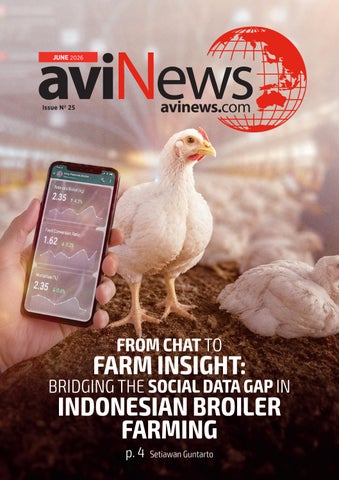
FROM CHAT TO FARM INSIGHT
BRIDGING THE SOCIAL DATA GAP IN INDONESIAN BROILER FARMING
TRANSFORMING EVERYDAY WHATSAPP REPORTING INTO STRUCTURED FARM DATA FOR REAL-TIME OPERATIONAL INSIGHTS
Setiawan Guntarto Naraflow, Indonesia

The Invisible Data Problem in Poultry Farming
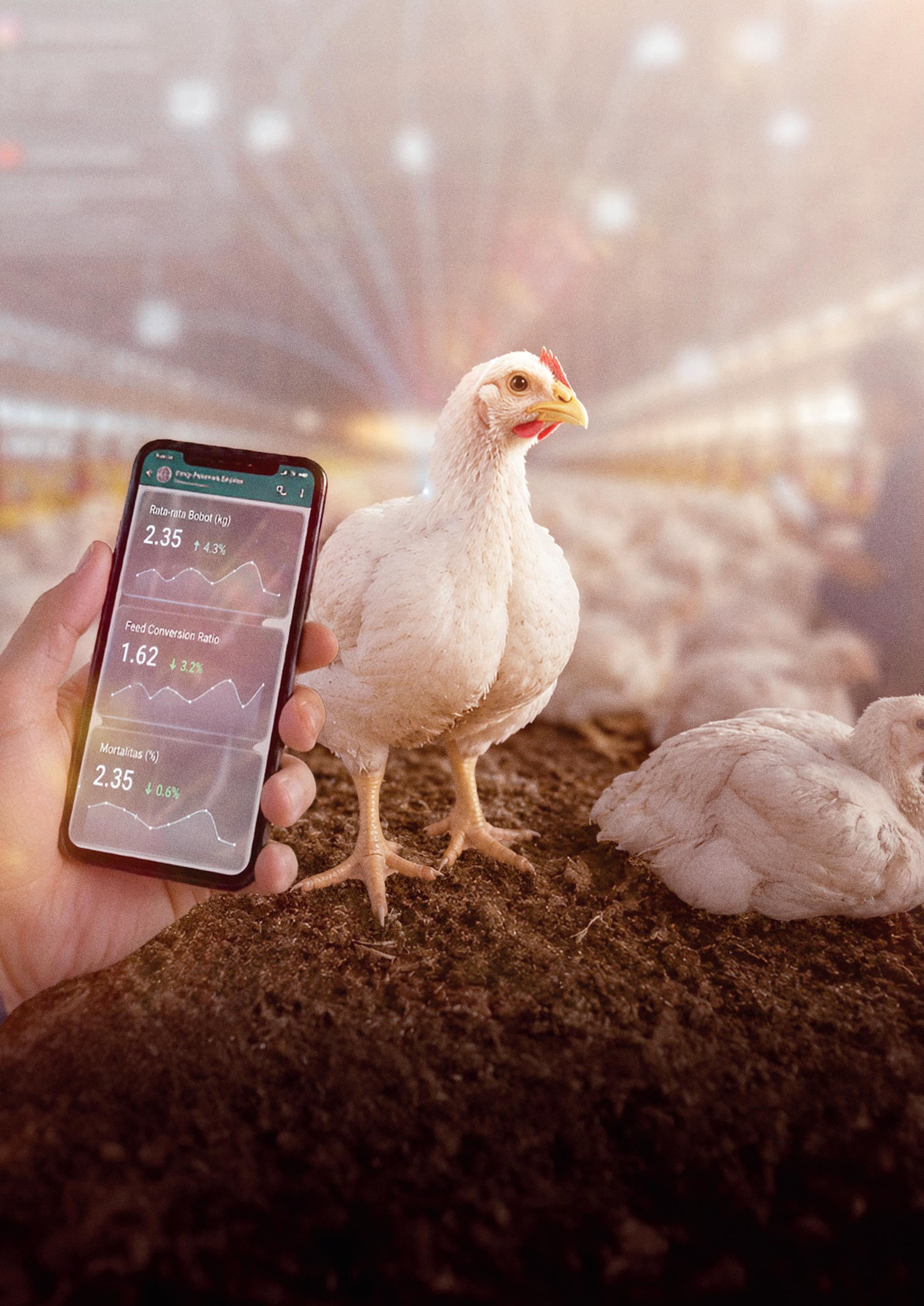
Modern poultry production is increasingly datadriven. Metrics such as Feed Conversion Ratio (FCR), mortality rate, and average body weight are the lifeblood of operational decision-making. Integrators and farm managers rely on these indicators to monitor flock performance and respond quickly to production risks. However, in Indonesia—an archipelagic nation where broiler production is dominated by smallholder farms— collecting reliable operational data remains a significant challenge.



Much of the industry operates under the kemitraan (partnership) model, where production responsibilities are distributed between companies and independent farmers.
Integrators typically supply dayold chicks (DOC), feed, veterinary inputs, and technical guidance, while farmers provide housing, labor, and daily farm management.
Field officers, known as Petugas Penyuluh Lapangan (PPL), supervise multiple farms and serve as the primary link between farmers and company management.
This decentralized system allows poultry companies to scale production efficiently, but it also creates a complex data collection environment.
While management teams in Jakarta or Surabaya rely on precise analytics, the raw operational data originates in rural poultry houses spread across provinces such as Central Java and West Java.
Under the kemitraan partnership model, many broiler farms operate as decentralized production units managed by independent farmers. Field officers supervise multiple farms, while daily operational data—such as feed consumption, mortality, and body weight—is typically recorded manually at the farm level before being reported to company management.
At the farm level, daily operational indicators are typically recorded manually during the production cycle. Farmers or farm helpers track information such as flock age, feed consumption, mortality (deplesi), body weight sampling, and remaining bird population using handwritten recording sheets. Figure 1 shows a typical example of this type of manual farm record.
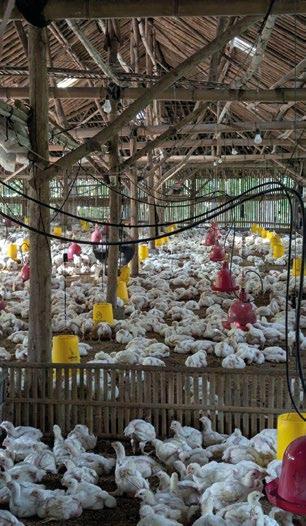
Figure 1. Typical open-house broiler farm in Indonesia’s smallholder poultry system. Under the kemitraan partnership model, many broiler farms are operated by independent farmers using open-house housing systems like the one shown here. Field officers (PPL) supervise multiple farms, while daily production indicators - such as feed consumption, mortality, and flock performance -are typically recorded manually at the farm level before being reported to company management.
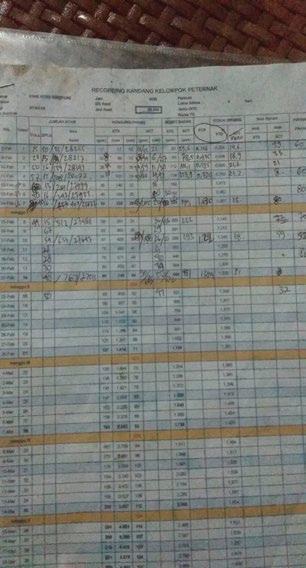
Figure 2. Example of a handwritten broiler farm recording sheet used by smallholder farmers. Daily operational indicators such as mortality, feed consumption, body weight, and flock population are recorded manually during the production cycle. While this method captures essential production data, the information typically remains offline and must later be transcribed into spreadsheets or company systems, creating delays and increasing the risk of transcription errors.
Although these records contain the core indicators required for production monitoring, they often remain disconnected from company-wide data systems. A field officer might receive a WhatsApp message such as: “Day 2, feed 6 bags, mortality 44.” This short message already contains three critical indicators for flock monitoring. Yet unless someone manually transfers that information into a spreadsheet or reporting system, the data remains trapped in chat histories.
Over time, this creates a familiar operational pattern.
Field officers collect updates from multiple farms through messaging applications, administrative teams later compile the information manually, and company management receives the data only after several layers of transcription.
This manual relay introduces delays, inconsistencies, and transcription errors.
The result is a paradox: the poultry industry generates enormous volumes of operational data every day, yet only a fraction of it becomes structured information that can support realtime decision-making.

The Reporting Bottleneck in Partnership Systems
The decentralized nature of Indonesian poultry farming creates a unique reporting bottleneck. Unlike vertically integrated facilities, partnership farming relies on a manual flow of information between farm helpers (ABK), farmers, field officers (PPL), and administrative teams. Several structural factors contribute to this:
WhatsApp as the Default OS: In Indonesia, WhatsApp is not just an app; it is the primary infrastructure for coordination. However, unstructured chat is difficult to audit or aggregate.
The “Manual Relay”: Data moves from a notebook in the pen to a PPL’s phone, then to an admin’s spreadsheet. Each step is a point of failure.
Geographic Barriers: With farms spread across vast distances, physical data collection is slow. By the time a report reaches the office, the window for corrective action has often closed.
Rahayu: Using WhatsApp as Data Infrastructure
Recognizing that farm workers are unlikely to adopt complex, rigid management software, the Rahayu system was designed to meet them where they already are: on WhatsApp.
Instead of a rigid command structure, Rahayu utilizes Flexible Conversational Logic. It allows an ABK to report production updates using natural language. Behind the scenes, an AI-assisted parsing engine extracts key indicators—flock age, feed usage, and mortality—without requiring the user to navigate complex menus or forms.
Send
Send Daily Data Open Farm Cycle
Rahayu Chatbot Interpret Chat Message
Summarize Report
User Confirmation (Check Data Accuracy)
Save Record
Structured Farm Data (Google Sheets / Database)
View Reports
Figure 3. Conversational workflow of the Rahayu system. The reporting process is designed to feel like a standard chat. The AI interprets the message and immediately sends a summary back for confirmation. This “human-in-the-loop” step ensures that the data is validated at the source before it ever reaches the database.
Farm Helper
Daily Report via WhatsApp Admin Manage Farm Cycle
Turning Conversations into Structured Records
The core innovation is the ability to turn a natural Indonesian sentence into a machine-readable record. A typical interaction follows these steps:
Reporting: An ABK sends a message: “Umur 2 hari, pakan 6 sak, mati 44.”
AI Interpretation: The engine extracts the variables (Age: 2, Feed: 6, Mortality: 44).
Confirmation: The system replies: “Confirming: Age 2, Feed 6 bags, Mortality 44. Correct?”
Data Structuring: Upon confirmation, the data is automatically logged into a centralized dataset accessible via live dashboards.
This approach removes the “Software Barrier.” From the farm worker’s perspective, they are simply chatting. From the company’s perspective, they are receiving clean, structured, and real-time data. Much of this production takes place in open-house poultry farms managed by independent farmers across rural areas.

Figure 4: The Conversational Reporting Interface. The “Human-in-the-Loop” interface. By utilizing a familiar chat environment, the system ensures data is verified at the point of origin by the farm workers themselves.
Field Evidence: The Pilot Implementation
A pilot implementation was conducted in partnership with an Indonesian broiler integrator across several units in Central Java and Yogyakarta. The goal was to demonstrate how digital workflows could replace manual reporting in a high-pressure partnership farming environment, feeding real-time data directly into sustainability metrics.
Case Study: Unit Jogja & Magelang
In these units, field officers (PPL) and farm helpers (ABK) used the system to record daily production data.
The results highlighted several operational breakthroughs:
Real-Time Visibility: Administrative teams in the Head Office could monitor mortality and feed usage daily through a live spreadsheet, without waiting for weekly recaps.
Data Consistency: By using role-based templates, the reporting became standardized across different farms, regardless of the individual worker’s technical literacy.
Verification: By tracking daily inputs, the system could flag anomalies—such as mortality counts that exceeded population limits—providing an immediate layer of quality control.
The operational impact of conversational reporting becomes clearer when compared with traditional reporting workflows commonly used in smallholder poultry systems.
Aspect
Data capture
Reporting process
Time to visibility
Risk of transcription errors
Reporting consistency
Administrative workload
Written in notebooks or informal messages
Farm helper → field officer → manual spreadsheet entry
Often several days or weekly summaries
High due to manual data transfer
Varies between farms and field officers
High manual compilation required
Recorded directly through WhatsApp messages
Farm helper → WhatsApp → automated structuring
Available immediately after confirmation
Reduced through automated parsing and confirmation
Standardized through automated data structuring
Significantly reduced through automation
By shortening the data relay process, conversational reporting allows operational information to move directly from the poultry house to management dashboards with minimal manual intervention.
Table 1. Traditional reporting vs conversational reporting workflow
Operational Insights and Sustainability Implications
The availability of continuous operational data creates new opportunities for poultry management. When production indicators such as mortality, feed usage, and flock age are captured daily, managers can detect patterns that would otherwise remain hidden in weekly summaries.
For example, sudden mortality increases can be investigated earlier, allowing field officers to identify potential environmental stress, disease pressure, or management issues before they escalate.
Similarly, continuous reporting improves visibility across multiple farms, enabling integrators to compare performance and respond more quickly to operational anomalies.
Beyond operational monitoring, structured farm data also supports broader sustainability assessments. Frameworks such as Social Life Cycle Assessment (S-LCA) aim to evaluate the social impacts of agricultural production systems, including labor conditions, workload intensity, and the economic resilience of smallholder farmers.
Traditionally, these assessments rely on periodic surveys or interviews.
However, conversational reporting systems generate continuous operational records that can complement such studies.
By linking daily production data with social indicators, poultry companies gain a more realistic picture of how operational events affect farm workers and smallholder livelihoods.
In this way, improved farm data infrastructure can support both better operational management and more transparent sustainability monitoring.
Key Takeaways for the Industry
Adapt to Behavior: Technology is most successful when it fits into existing habits. WhatsApp is where the work happens; that is where the data should be captured.
Simplicity is Scalable:
Conversational AI lowers the barrier to entry for digital transformation in smallholder systems.
Continuous Data is Better Data: Real-time, daily recording provides far more insight into social and operational risks than periodic audits ever could.
Conclusion
The path to a more sustainable poultry industry is paved with better data.
By bridging the gap between grassroots communication and global sustainability frameworks, we can create a more transparent, fair, and efficient value chain.
Conversational workflows prove that sometimes, the most sophisticated solution is a simple conversation.
From Chat to Farm Insight: Bridging the Social Data Gap in Indonesian Broiler Farming DOWNLOAD PDF







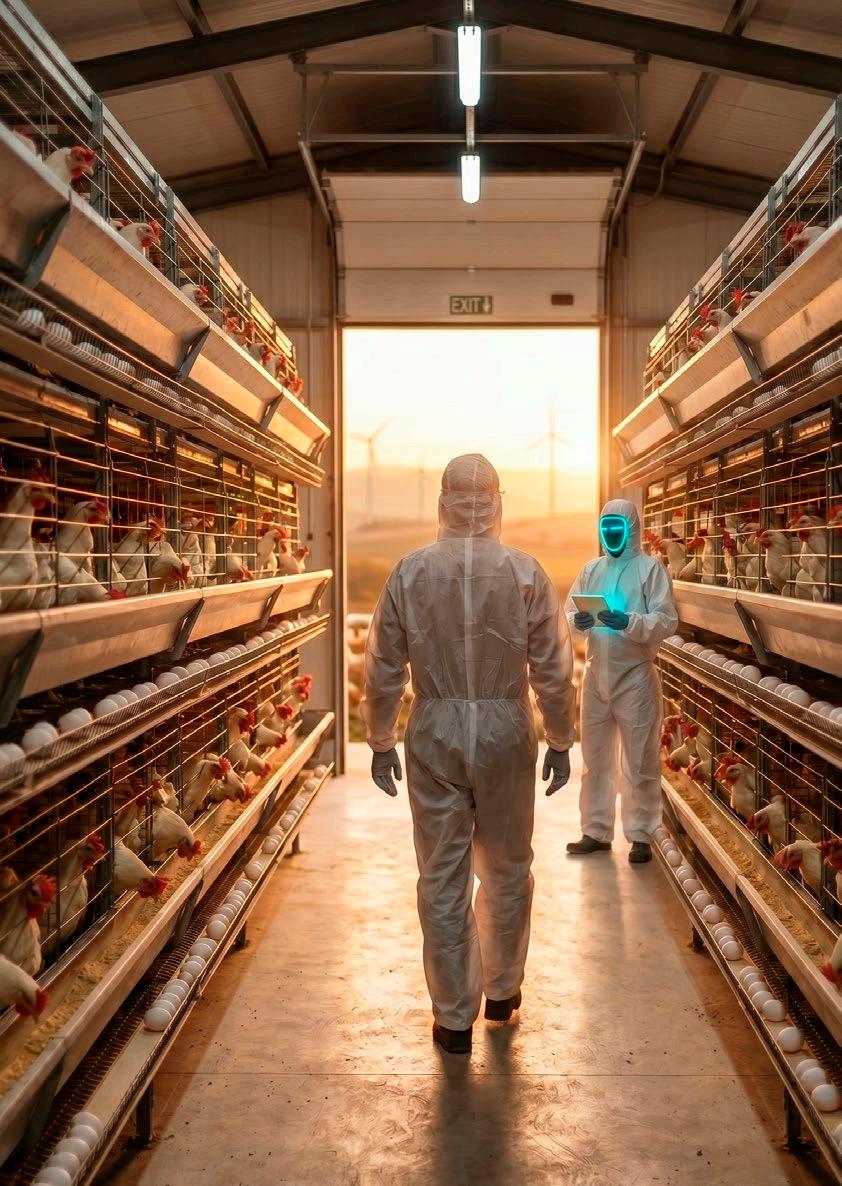
LABOR SHORTAGE IN THE POULTRY INDUSTRY
POTENTIAL SOLUTIONS
Edgar O. Oviedo-Rondon
Prestage Department of Poultry Science, North Carolina State University. Raleigh, NC
The poultry production chain is still considered “labour-intensive” despite the rapid adoption of technology for most commercial companies worldwide. Modern poultry production has adopted significant automation, reducing the overall demand for labor per bird compared to older systems. However, around the world, the poultry industry faces severe labor shortages in both processing plants, farms, and hatcheries.
This shortage is driven by an aging workforce, and the physically demanding and time-consuming nature of the work.
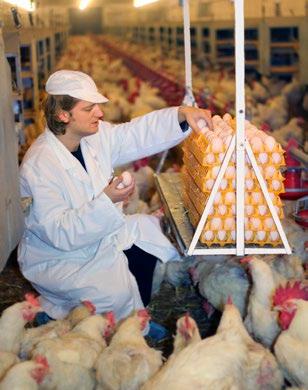
Farm activities need to be performed every day independently of being a weekend or holiday.
Major activities in hatcheries and processing plants are conducted during times not considered regular office hours and often conflict with modern standard family or social
TURNOVER RATES
The turnover rates in poultry processing plants are very high. High turnover industries can exceed 50%, but in many countries poultry companies are observing over 60% of workers in slaughterhouses quitting within 90 days. “Healthy” labor turnover rates for any production sector are around 10%. Higher levels indicate poor work conditions, poor management, low compensation and morale.
The US Bureau of Labor Statistics indicates by November 2024 the manufacturing sector in the USA had 2.4% turnover rates, construction 3.6% and hospitality 5.4%.
Experts in human resource management indicate that 42% of the labor turnover is preventable by companies, but maybe this does not apply to the poultry industry anymore due to the competition for human capital with other types of businesses. Consequently, the production system may need to be modified to cover the lack of workers.
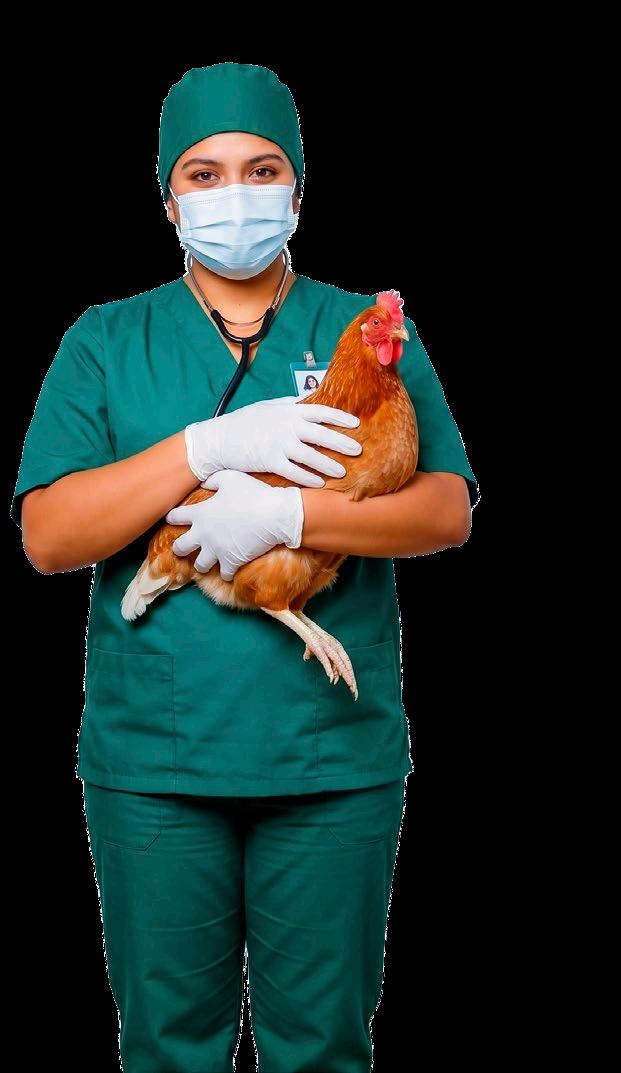
NEED FOR SKILLED WORKERS
Poultry production demands stable and consistent labor and skilled personnel are necessary for the success of the process. Compared to other agricultural sectors that require temporary or seasonal workers that may have low impact on productivity, poultry can be greatly
Poultry farms often need to monitor automated feeding, drinking behavior, make decisions about feeding amounts, feed and other supplies inventory and orders, climate control, equipment maintenance, and rapid disease detection and interventions in large flocks of several thousand birds.
Hatcheries, feed mills, and processing plants require skilled to manage and maintain properly the specific equipment of those facilities. Even aspects such as feather sexing and subcutaneous vaccination of newly hatched chicks require abilities, attention, and experience to obtain high accuracy
Poultry workers are frequently needed in
The definition of high density is related to the large numbers of birds produced or processed and high density of equipment and workers present in most facilities. Then, poultry workers require higher technical abilities and team-work skills than those people who work with other animal species or other
ADDITIONAL CHALLENGES FOR POULTRY WORKERS
Labor in poultry processing plants characterized by high-speed, repetitive, and physically demanding work. The risks of injuries, including carpal tunnel syndrome and knife and sharp tools accidents, slips and falls due to wet floors, and exposure to hazardous cleaning chemicals is higher than in other meat processing sectors. Another common issue reported among poultry workers is the respiratory irritation from the ammonia and small particle matter or dust in farms.
The Covid-19 pandemic increased the issues observed for more than a couple of decades.
Once workers exited industry, a great majority did not return, and the evident issues became better known making the poultry sector less appealing than other sectors.
The broiler and turkey industries grapples with a scarcity of workers for tasks ranging from bird catching on the farms to processing within the plants. Processing plants are cold, damp, loud, and often dangerous conditions. Consequently, it is a difficult environment, and workers tend to seek other jobs rather than working in the poultry plants This industry has relied heavily on immigrant and minority labor for many years. However, governmental policies in several countries are limiting immigration, creating a bigger challenge for the poultry industry.
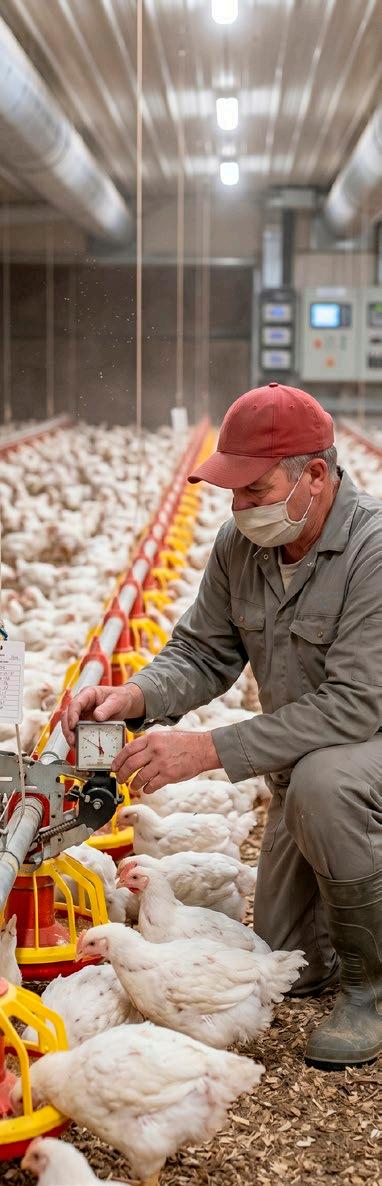
STRATEGIES TO ATTRACT AND RETAIN POULTRY WORKERS
Poultry producers will have to make a bigger effort to minimize turnover rates, attract and retain skilled workers. Some of the strategies may include:
Ensuring wages and benefits match or exceed standards of the local industries.
Benefits often include transportation, recreational and social activities for the employees and their families.
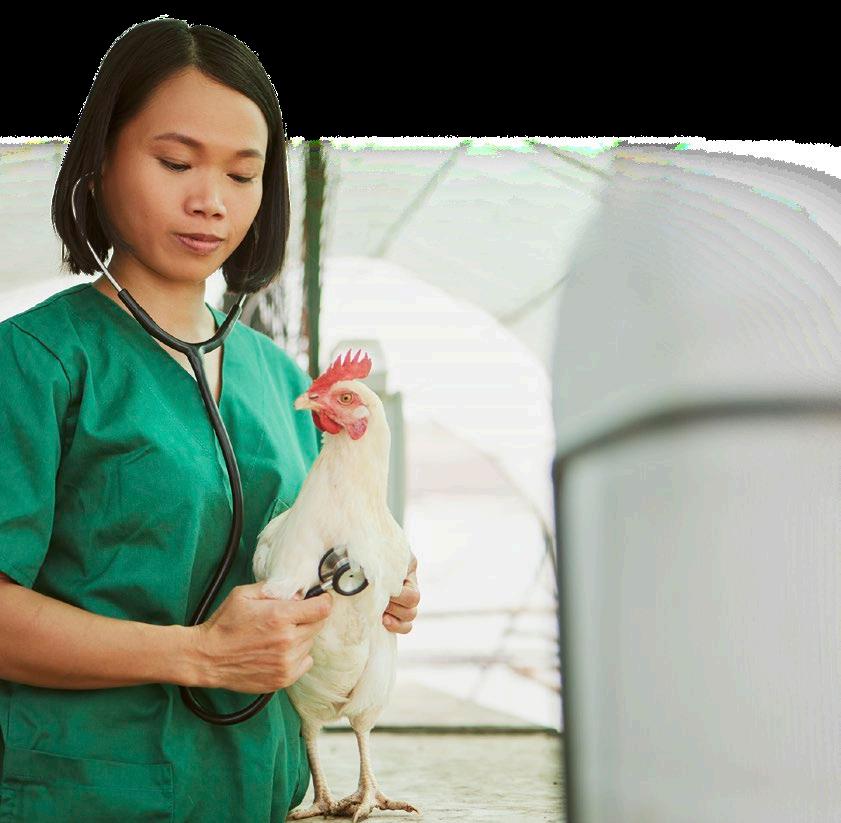
Improving company culture to provide career growth and enhancing training for managers to become coaches and motivators able to contribute to the group morale.
Enhancing the onboarding process to get them involved in the diverse processes and sectors of the job and interested in staying in the company.
Improving working conditions in breakrooms, restrooms, clothing, personal protective equipment.
Implementing automation to reduce reliance on manual labor to create less physically demanding roles.
AUTOMATION, ROBOTICS AND AI TO ADDRESS LABOR SHORTAGES
Automation, robotics, and use of sensor technology have become increasingly important in poultry production. Using machine vision and artificial intelligence many robots can develop tasks that for years were limited to humans since standard machines and robotic arms could not have the ability to make modifications when conditions change in farms, hatcheries or processing plants.
In hatcheries, robotic arms have been able to minimize labor in loading and unloading eggs and chicks, de-stack, restack, and transfer trays and crates, and wash trays, baskets, and racks. Equipment can set eggs in trays, identify the correct egg positioning, remove eggs with broken or dirty shells, remove non-viable embryos or contaminated eggs, conducte vaccination and sexing In-Ovo, and transfer to machines with minimum human assistance. New systems can automatically feather sex, provide accurate eye vaccination, and classify day-old chicks by quality.
In farms, sensors help with house environmental management, monitoring and reporting issues, robots can already help collect floor eggs, detect dead birds, and facilitate body weight collection, grading, and classification.
The use of humanoids can soon help to improve these activities, act to solve the issues, pick and dispose mortality, and make these processes more efficient.
The automatic lines in processing plants take care of almost all steps in primary processing, cutting parts, and most of deboning. Machine vision helps to detect carcasses for reprocessing and condemnation. Humanoids also have the potential to take care of some of

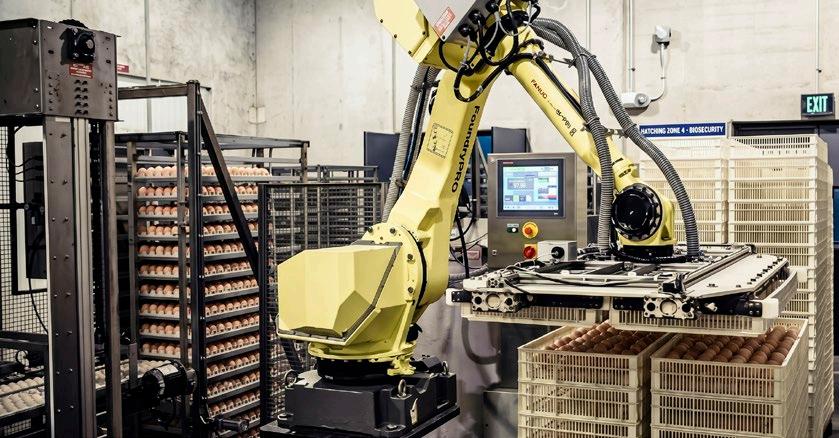
Robotic arm stacking and de-stacking trays and hatching baskets in a hatchery
Nevertheless, people still need to manage this equipment, robots, and computer systems. In the years to come, people will be necessary to help in the development of these technologies until these machines and robots reach a reliable level of independence.

Humanoid under training for poultry tasks at North Carolina State University in the labs of Dr. Ramesh Bist (BAE) and Dr. Edgar Oviedo
There are many robotic applications under development and variable levels of implementation worldwide.
But all the experiences indicate that machines can only replace partially poultry workers.
The challenge with animal production is that there are so many factors involved that require periodic intervention of humans to analyze conditions, make decisions, and take actions.
We are very far from having totally automated poultry production.
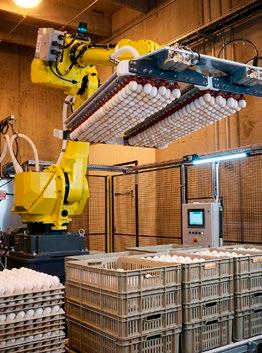
Robotic arm transferring eggs from setter trays to hatcher baskets in a hatchery
When more automatization, sensors, data and technology are involved it is often necessary that technical and highly skilled personnel are available to intervene anytime independently of being out of the office hours, weekends, holidays, and many times conflicting with personal or family time. This big conflict with common time preferences of workers and professionals is one of the biggest challenges that poultry and animal professionals will still face because birds require constant attention. This trait of animal production differs from factories and offices that can close activities at specific times, at night, and during weekends and holidays.
SHORTAGE OF POULTRY VETERINARIANS
There is a shortage of food-animal veterinarians in general in many countries. Despite being one of the sectors better paid in veterinary medicine worldwide, new generations of veterinarians have low interest in food-animal production. In many schools and colleges of veterinary medicine the number of professors specialized in food-animal production has been reducing. There are only six poultry science departments in the USA at this moment, when in the 1940s, there were 45 universities offering this area of knowledge. In many countries, poultry production professors are a minority and classes specifically related to the sector are not taught anymore.
Despite being one of the most common meats consumed globally, commercial poultry production has been receiving criticism from non-governmental groups due to welfare, environmental impact, and working conditions. Those negative comments have been influencing the perception of the public, the work force, and potential students. The interest in animal and poultry production among veterinary students has decreased dramatically in the past decades. Potential solutions to attract more veterinary students to this sector include:
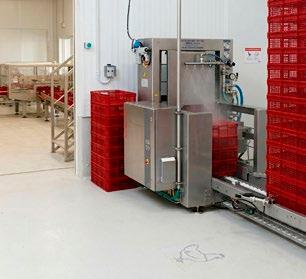
Automatic washer line for chicken baskets
Reducing the costs of studying veterinary medicine for those interested in animal production.
Involve veterinary students in technical and professional poultry meetings. Include more poultry training opportunities in the curriculum of veterinary schools to provide more awareness about the diverse and exciting opportunities of this business, and its high technical and ethical level.
Human resources are pivotal to the success of any production system. We are living in times of societal and educational changes. The poultry industry must adapt to those changes, take advantage of the new technological developments, adopt them quickly, and reconfigure the work force to face the new realities of production.
Labor Shortage in the Poultry Industry: Potential Solutions DOWNLOAD PDF

EGG CONDENSATION IN HATCHERIES
A HIDDEN RISK FOR EMBRYO DEVELOPMENT, HATCHABILITY AND CHICK QUALITY
Rasel Ahmed
Incubation Specialist & Hatchery Management Consultant
INTRODUCTION
In commercial hatcheries, producing strong and healthy chicks depends on many factors. Temperature control, egg hygiene and correct handling of hatching eggs are all very important. However, one problem that is often ignored is egg condensation, also known as “sweating eggs.”
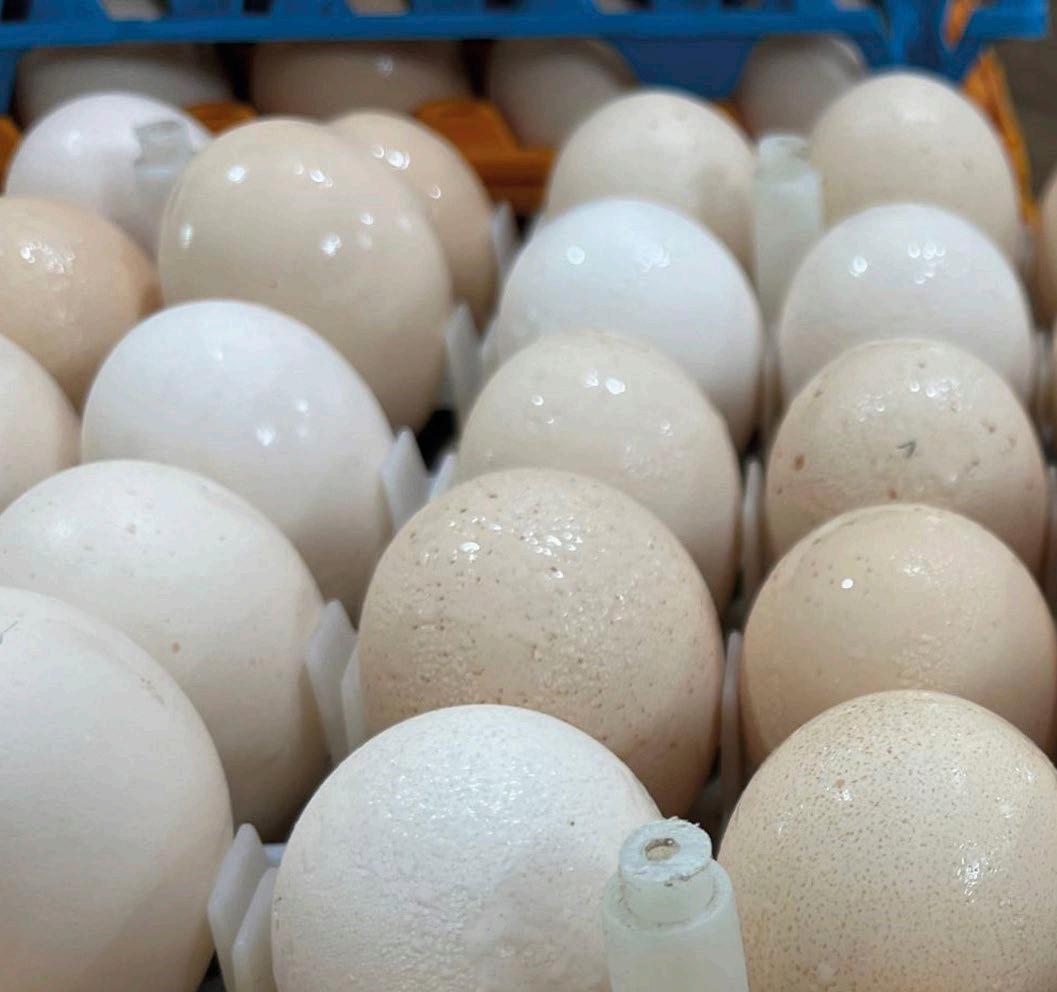
Egg condensation happens when moisture forms on the eggshell surface. This usually occurs when eggs that are cold are suddenly exposed to warmer and humid air. Small water droplets appear on the eggshell.

At first glance this may look harmless. But in reality, condensation can create serious problems in the hatchery. It can increase bacterial contamination, reduce hatchability and negatively affect chick quality
Because incubators operate in warm and humid conditions, they provide an ideal environment for bacteria to grow. If contaminated eggs enter the incubator, they may spread bacteria and affect many other eggs.
For this reason, preventing egg condensation is an important part of good hatchery management and biosecurity
HOW EGG CONDENSATION HAPPENS
Condensation is a simple physical process. It occurs when warm humid air touches a cooler surface
If the temperature of the eggshell is lower than the dew point of the surrounding air, moisture from the air changes into water droplets on the shell surface.
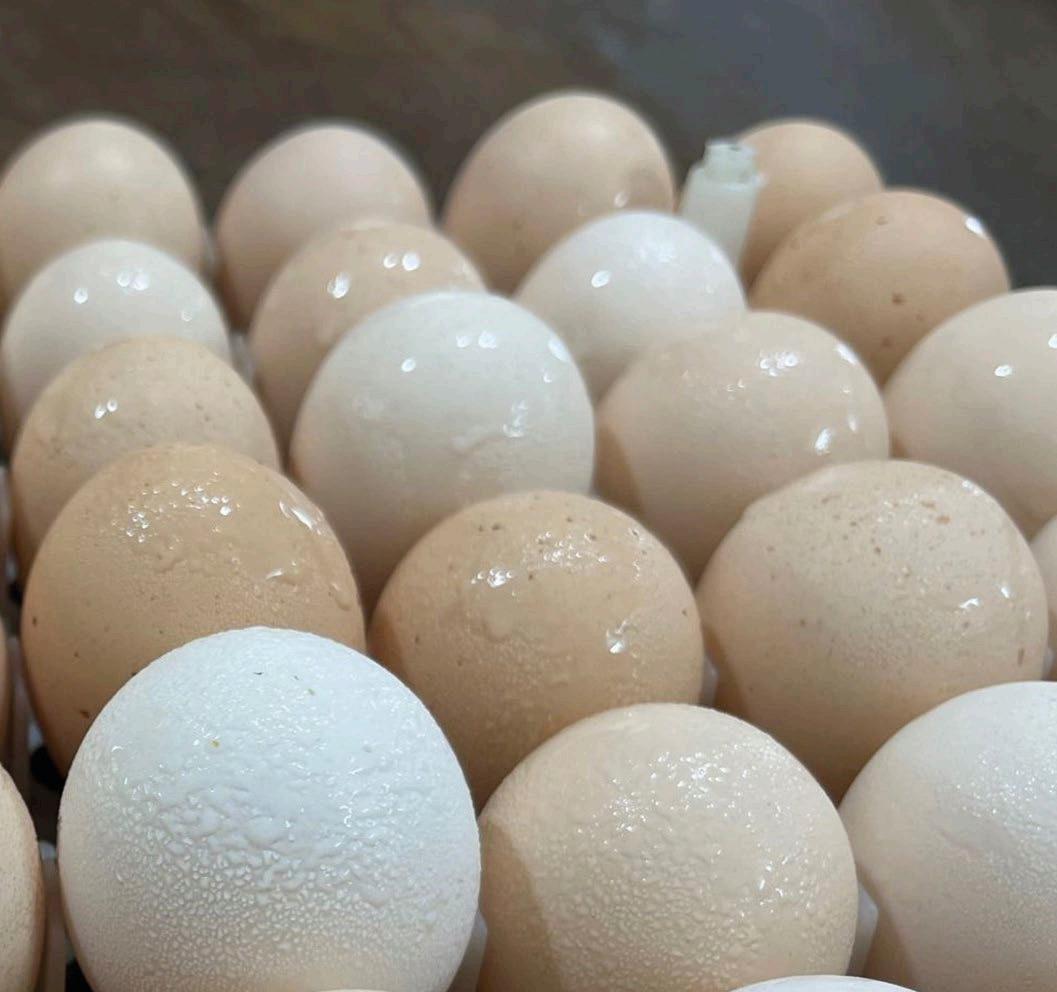
In hatcheries, condensation usually occurs in situations like:
Moving eggs from cold storage to a warm room
Placing eggs directly into the setter without pre-warming
Transporting eggs under unstable temperature conditions
High humidity in egg handling rooms
For example, hatching eggs are normally stored at about 16–18°C. If these eggs are moved directly into a room with 26–28°C temperature and high humidity, condensation will quickly appear on the eggshell.
The water droplets that form on the eggshell create a moist environment where bacteria can easily grow
Hatchery
WHY THE EGGSHELL
IS IMPORTANT
The eggshell protects the embryo but also allows gas exchange. A chicken eggshell contains thousands of very small pores. These pores allow oxygen to enter the egg and carbon dioxide to leave during incubation.
Normally the eggshell has several natural protection systems:
The cuticle layer, which helps block bacteria
The shell membranes, which filter microorganisms
Natural antimicrobial substances inside the egg
But when condensation occurs, this protection can be weakened.
Water droplets on the shell can dissolve dirt and bacteria that are present on the eggshell surface. This creates a thin liquid layer that helps bacteria move across the shell and enter the pores.
When the egg warms up again, the pressure inside the egg may pull contaminated water through the pores and into the egg. This increases the risk of infection.
CONDENSATION AND BACTERIAL CONTAMINATION
Eggshells are never completely clean. During laying, collection and transport, eggs can pick up bacteria from the environment.
Common bacteria found on eggshells include:
Escherichia coli
Salmonella
Pseudomonas
Staphylococcus
When condensation forms on the eggshell, bacteria can multiply quickly in the moisture.
The incubation environment makes the situation worse. Incubators usually operate at about 37.5-37.8°C with high humidity, which is ideal for bacterial growth.
If contaminated eggs enter the incubator, several problems may occur:
Embryo infection
Egg rots
Exploder eggs
Spread of bacteria inside the incubator
Contamination of the hatchery environment
Once bacteria enter the egg and reach the embryo, they can cause embryonic death or serious infection.

EFFECTS ON EMBRYONIC DEVELOPMENT
Egg condensation can affect embryo development in several ways.
Reduced Gas Exchange
Water droplets can partially block the pores of the eggshell. When this happens, the movement of oxygen and carbon dioxide becomes less efficient.
The embryo may receive less oxygen, which can lead to:
Slower growth
Weak embryos
Higher embryo mortality
Embryos in the later stages of incubation need more oxygen, so they are especially sensitive to this problem.
Temperature Stress
Condensation usually happens when eggs experience sudden temperature changes.
Early embryos are very sensitive to temperature stress. Rapid temperature changes during the first days of incubation can affect cell division and organ development.
This may lead to:
Reduced embryo survival
Developmental problems
Early embryonic mortality
Higher risk of infection
When bacteria enter the egg, they may infect the embryo and cause diseases such as:
Embryonic septicemia
Tissue inflammation
Egg rots
These infections can significantly reduce hatchability.


Hatchery
IMPACT ON HATCHABILITY AND CHICK QUALITY
The effects of egg condensation do not stop at embryo mortality. They can also influence the quality of the chicks that hatch
Lower hatchability
Bacterial contamination and embryo stress often lead to higher levels of:
Early dead embryos
Mid-stage embryo mortality
Late dead embryos
As a result, the total hatchability of fertile eggs decreases.
Poor chick quality
Chicks that hatch from contaminated eggs may show several problems, such as:
Weak vitality
Poor navel closure
Yolk sac infection (omphalitis)
Dehydration
Lower body weight
These chicks usually perform poorly on the farm and may show higher mortality during the first week of life.
For broiler producers, this means lower performance and reduced profitability.
HOW HATCHERIES CAN PREVENT EGG CONDENSATION
Preventing condensation is mainly about good temperature management and proper egg handling
Pre-warming the Eggs
One of the best ways to prevent condensation is gradual pre-warming
Eggs should be slowly warmed before being placed in the setter.
Typical recommendations are:
Storage temperature: 16–18°C
Pre-warming temperature: 24–27°C
Pre-warming time: 6–12 hours
Gradual warming allows the eggshell temperature to adjust slowly and prevents condensation.
Control room temperature and humidity
Egg handling rooms and setter rooms should maintain stable environmental conditions.
Recommended conditions are:
Temperature: 20–22°C
Relative humidity: 50–60%
High humidity increases the chance of condensation and should be avoided.
Egg Sanitation
Reducing bacteria on the eggshell is also important.
Common egg sanitation methods include:
Formaldehyde fumigation
Hydrogen peroxide spraying

Avoid sudden temperature changes
Eggs should never move directly from cold storage to warm incubators.
A good hatchery workflow should follow this order:
Egg storage → Pre-warming room → Setter
This step-by-step process helps prevent sudden temperature differences.
Maintain good transport conditions
Temperature fluctuations during egg transport from the breeder farm to the hatchery can also cause condensation.
To prevent this:
Use insulated transport vehicles
Maintain stable temperatures
Protect eggs from cold and humid environments
UV disinfection systems
Sanitation should be done soon after egg collection to reduce bacterial contamination.
Strong hatchery biosecurity
Good hatchery hygiene further reduces the risk of contamination.
Important practices include:
Cleaning and disinfecting egg trays regularly
Maintaining good airflow in the hatchery
Separating clean and dirty areas
Monitoring bacterial levels in the hatchery

Hatchery
CONCLUSION
Egg condensation is a small problem that can lead to big losses in hatcheries. When moisture forms on the eggshell, it creates conditions that allow bacteria to grow and enter the egg. This can damage embryo development, reduce hatchability, and produce weak chicks.
Because incubators provide warm and humid conditions, contaminated eggs can quickly spread bacteria inside the hatchery.
For this reason, preventing condensation should be a key part of hatchery management.
By using proper egg pre-warming, stable temperature control, careful transportation, and good sanitation practices, hatcheries can greatly reduce the risk of condensation and improve both hatchability and chick quality.
Good control of egg handling conditions helps ensure that hatcheries produce healthy chicks with strong performance on the farm
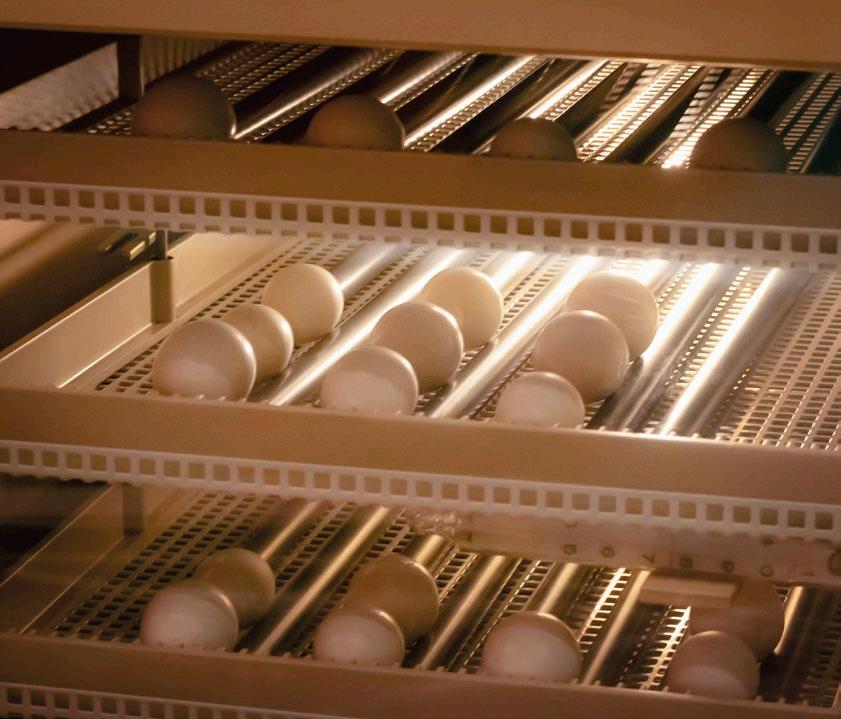
Hatcheries: A Hidden Risk for Embryo Development, Hatchability and Chick Quality
Egg Condensation in Hatcheries: A Hidden Risk for Embryo Development, Hatchability and Chick Quality DOWNLOAD PDF
Hatching the future
Predictable | Traceable | Uniform


Achieving uniformity means keeping precise control over every stage of incubation – exactly where UniStreamer™ excels. Its full traceability gives you the data insights needed to optimize every production cycle.
Your gain? Predictable, traceable output of uniform, high‑quality chicks. Every time.
EGG SIZE VERSATILITY IN NICK CHICK
PART I
H&N Technical Team
At H&N International, we continuously evaluate how nutrition strategies impact laying performance, egg size, and overall flock efficiency.
A recent trial with Nick Chick layers explored the effect of four dietary protein and amino acid levels while maintaining constant energy.
MATERIAL AND METHODS

Nick Chick hens were housed (368 birds, 72 cages) at 16 weeks of age and light stimulated at a body weight of 1,250 grams. All hens were offered the same feed the same feed until the trial started at 26 weeks of age.
Trial diets were formulated by the H&N nutrition team and produced in a local facility. Raw material analysis was conducted with the support of EVONIKand the diets were a combination of corn, soya bean meal, wheat bran, and soya oil (Table 1).

Diets were formulated to achieve a feed intake of 110g.
The treatment diets consisted of different amino acids levels and were defined as: Very Low (VL), Low (L), High (H), and Very High (VH).
The ideal protein ratio remained constant for all diets, as did energy (2,810 kcal).
Nutrient spefications
Neutral detergent fibre (%)
acid (%)
Digestible Lys poultry (%)
Digestible Met poultry (%)
Digestible M+C poultry (%)
Digestible Thr poultry (%)
Digestible Trp poultry (%)
Digestible Arg poultry (%)
Digestible Val poultry (%)
Digestible Ileu poultry (%)
Calcium (%)
Total Phosphorus (%)
Phytic Phosphorus (%)
Available Phosphorus (%)
Digestible Phosphorus poultry (%)
Table 1: Diets and nutritional specifications. for treatments defined as Very Low (VL), Low (L), High (H), and Very High (VH) amino acid levels.
RESULTS
LAYING RATE
Hens fed the Very Low amino acid diet showed a significant decrease in rate of lay when compared to the other three treatments.
Rate of lay was numerically increased for hens fed the Very High diet, but their performance remained statistically similar to the Low and High groups.
Laying rate (%) by Treatment (25-56 weeks)
EGG WEIGHT
There was a clear progression of egg size based on the levels of amino acid intake.
Significant differences were noted between the VL, L, and VH diets, confirming that higher amino acid intakes are associated with increases in egg size.
Interestingly, the Low treatment produced an egg size similar to the Nick Chick standard.
Egg Weight by Treatment (25-26 weeks)
Graph 1: Laying rate (%) as influenced by diets of different amino acid levels, from Very Low (VL), Low (L), High (H) to Very High (VH).

TOTAL EGGS PER HEN HOUSED (EHH)
There was a clear and significant effect on the number of EHH depending of the diet. This parameter was defined by the significant effect of the % of lay shown in Graph 1 and the non significant effect of the mortality.
Body weight was also not significantly different between treatments, however a numerically higher body weight was noted for the treatments which produced the highest egg weights (H and VH).
(Graph 4).
ranging from Very Low (VL), Low (L), High (H) to Very High (VH).
Average hen body weight as influenced by dietary amino acid levels defined as Very Low (VL), Low (L), High (H) to Very High (VH). FEED INTAKE AND
Graph 3: Total eggs per hen housed and livability as influenced by dietary amino acids levels
Graph 4:
COST ANALYSIS OF EGG PRODUCTION
It is important to understand the cost implications of using all these diets in different scenarios. Based on the cost of feed at the time of the trial and applying the same feed intake, the cost per egg was not significant different (Table 2).
However there was a numerically higher cost associated with the increase egg production.
This analysis does not include the price producers can receive for the different egg sizes produced by each treatment, which could help offset production costs.
Feed consumption for the period 30 week x 7 days x 111 grams = 23.31 kilograms
Cost / egg = Feed cost × Feed consumption
Eggs Hen housed
Table 2: Comparison between costs associated with diets
and egg production.
PRACTICAL TAKEAWAYS

AMINO ACIDS DRIVE EGG SIZE
Increasing digestible Lys from 0.56% to 0.79% raised average egg weight by 3 g.
EFFICIENCY MATTERS
While differences in laying rate were modest for the 26 - 56 week trial period, in a longer production cycle higher level of amino acids can further influence the number of eggs produced.
ECONOMIC BALANCE
The Very High diet had the highest feed cost and best production compared to the lower amino acid treatments.
However producers must weigh feed cost against production costs and their market’s preference for larger eggs to decide which diet is best for them.
Producers must weigh the added feed cost against gains and market preference for larger eggs.

CONCLUSION FOR NICK CHICK SUPPORTERS
Nick Chick hens respond positively to different levels of amino acids.
The versatility of Nick Chick allows egg producers to aim for different egg markets with the same bird.
REOVIRUS INFECTIONS IN THE BROILER INDUSTRY
Edgar O. Oviedo-Rondon
Prestage Department of Poultry Science, North Carolina State University. Raleigh, NC
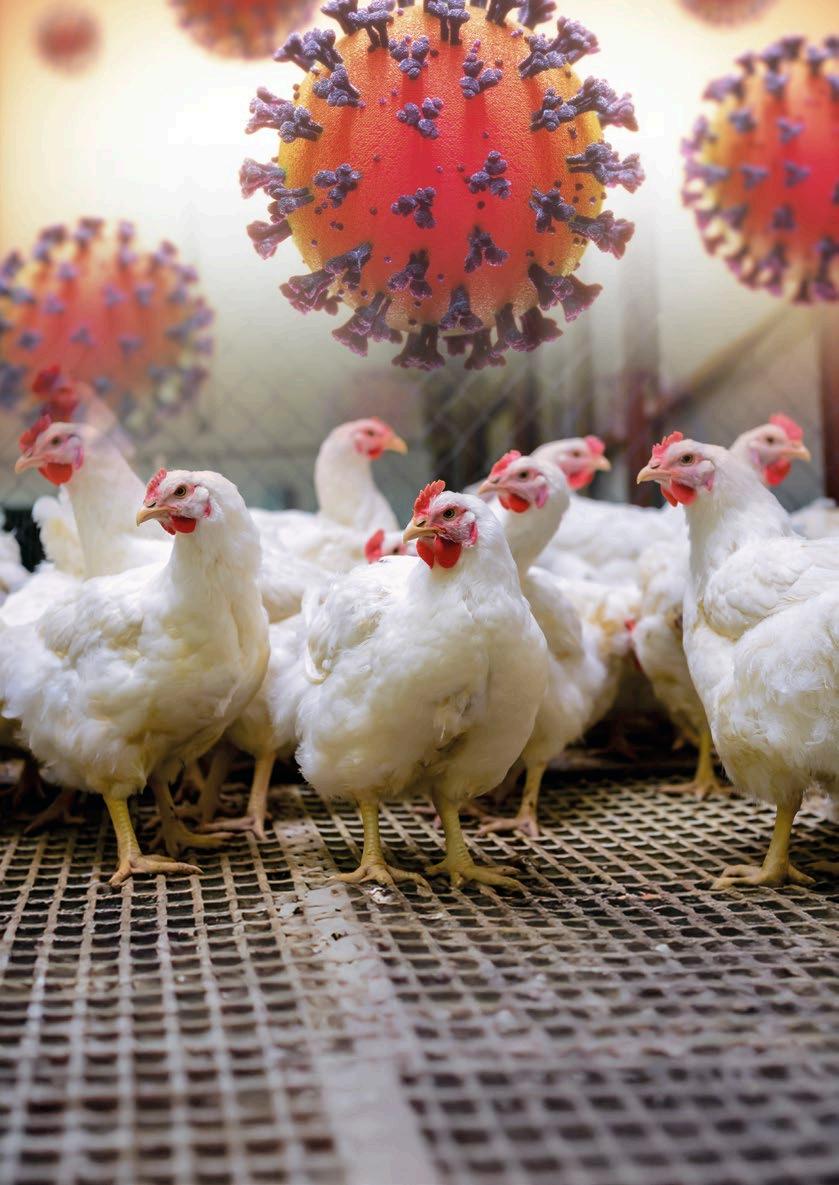
Reovirus infections in broilers are mainly related to two clinical syndromes: malabsorption and arthritis/tenosynovitis. However, they are also involved together with other viruses in cases of immunosuppression, enteric disease, hepatitis, myocarditis, malabsorption, and runting-stunting syndrome.
These viruses represent a significant economic burden on the broiler industry worldwide due to their widespread prevalence and potential pathogenicity.
CLASSIFICATIONANDVIRUSEPIDEMIOLOGY
The avian orthoreoviruses (ARV) belong to the Reoviridae family, subfamily Spinareoviridae, order Reovirales, and are double-stranded RNA viruses with multiple tropisms in tendons, heart, and liver.
The phylogenetic analysis revealed the existence of at least six major genotypes of ARV based on the σC gene coding (Figure 1).
Genotypes I and IV appear to have the greatest distribution worldwide.
Genotype I is frequently isolated from birds with respiratory disease, and genotype IV is frequently isolated from arthritis/tenosynovitis lesions, while genotype VI has been identified in a wide range of lesions (arthritis/tenosynovitis to malabsorption).
Reovirus have a heterogeneous geographical distribution and genetic diversity that complicates control measures with vaccination. The four strains frequently isolated from intensively raised broilers and against which vaccination is carried out are S1133, 1733, 2408, and 2177. However, due to the antigenic disparity between the commercially licensed vaccines and contemporary field strains, these vaccines offer limited protection against current ARV challenges.
Reovirus infections are a relevant issue worldwide, but publications about challenges and isolations are more frequent in China, Brazil, and the USA. In all these countries, recent reports indicate that most prevalent ARV strains have undergone significant genetic mutations compared to traditional vaccine strains (Figure 2). These viruses are extremely resistant to the environment and disinfectants. The ARV can remain viable even after exposure to 50 oC. They can be inactivated by alcohol (70%) and iodinated compounds.
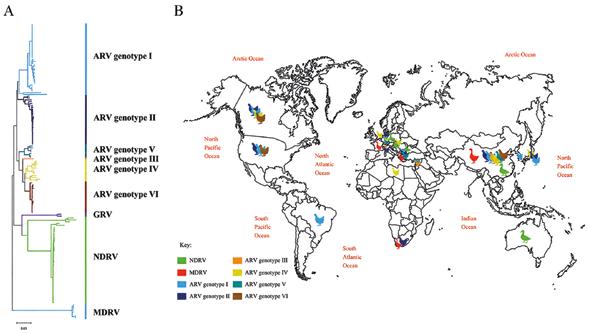
Figure 1. Phylogenetic and global distribution analysis of avian reoviruses. (A) Maximum likelihood tree based on σC gene sequences, constructed using MEGA-X with 1,000 bootstrap replicates. The SD416 strain is indicated by a green triangle. (B) Global distribution of avian reovirus genotypes. Colors correspond to NDRV, MDRV, and ARV genotypes I–VI. (Source: Wang et al. 2026. Frontiers in Microbiology).
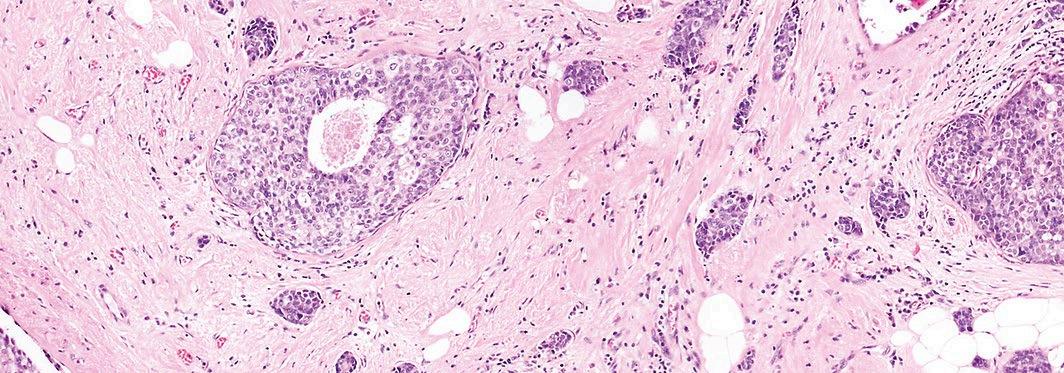
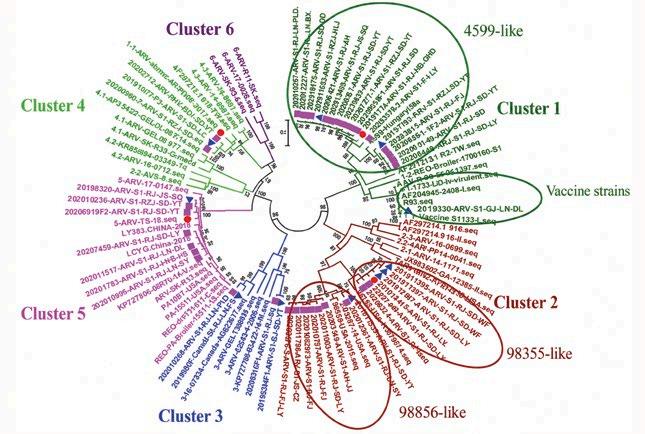
Figure 2. Phylogenetic tree of Avian reovirus virus strains isolated in outbreaks based on the σC sequence variability and compared with the vaccine strains. (Source: Liu et al., 2023. Vaccines).
INFECTION
Infections increase in the spring and autumn and reduce in winter and summer conditions. The horizontal transmission route is the most important through fecal/oral contact, respiratory transmission or contact of viral particles with skin lesions. Vertical transmission is also possible
Wild birds are a natural reservoir, and vector of transmission. Chickens under two weeks of age are the most susceptible to ARV infection.

LESIONS
The ARV infections can cause lesions in the gastrocnemius and digital flexor tendons, tendon rupture (Figure 3), causing swollen hock joints, hemorrhages, and leg discolorations called green legs at processing age.
The subclinical nature of ARV infections can lead to reduced weight gain, flock desuniformity, suboptimal feed conversion rates, increased lameness-related condemnations in processing plants, and compromised animal welfare.
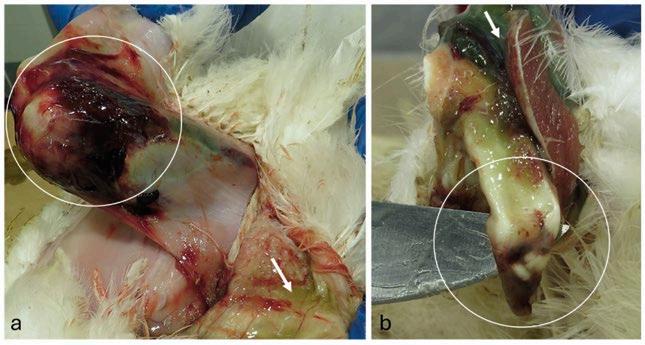
Figure 3. Hemorrhage and tendon rupture in the pelvic limb of broiler breeder chickens. (a) Severe hemorrhage surrounding the femorotibiotarsal joint (circled), with subcuticular edema (arrow).
(b) Rupture of the flexor tendons at the level of the intertarsal joint (circled), with hemorrhage and edema extending into the surrounding muscle (arrow), which has been removed for visualization of tendon pathology (Source: Nour and Mohanty, 2024. Viruses).
A B
Reovirus causes viremia in the first 24 hours post infection and distributes in all tissues in less than four days. The σC gene is an attachment or binding protein and responsible for initiating the ARV replication cycle (Figure 4). Chickens become lethargic, sit and move using their hocks, and crowd near the feeding areas.
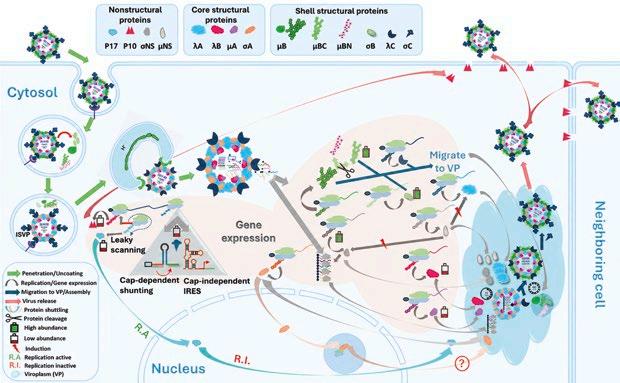
Figure 4. A diagrammatic representation of the avian reovirus replication cycle. Virus morphogenesis and release. (Source: Nour and Mohanty, 2024. Viruses).
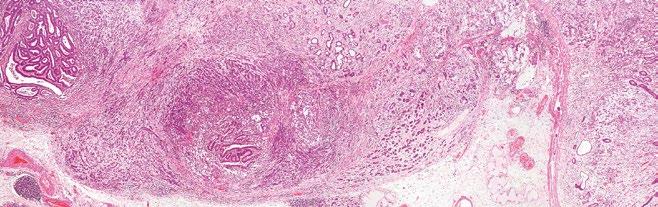
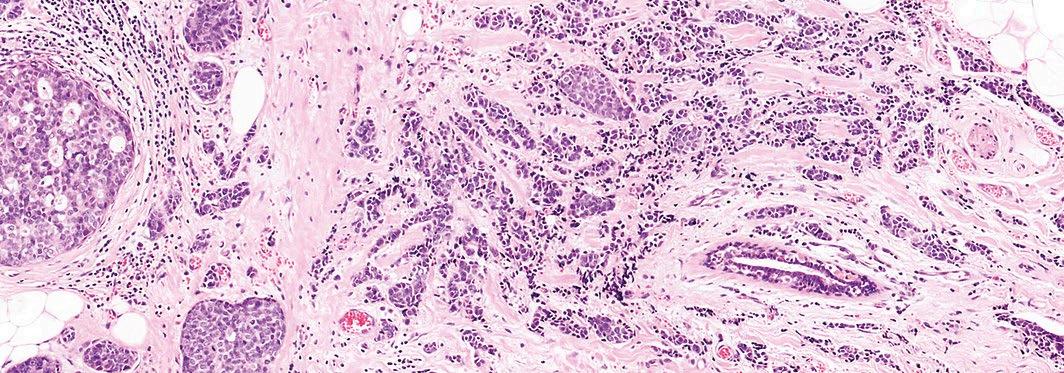
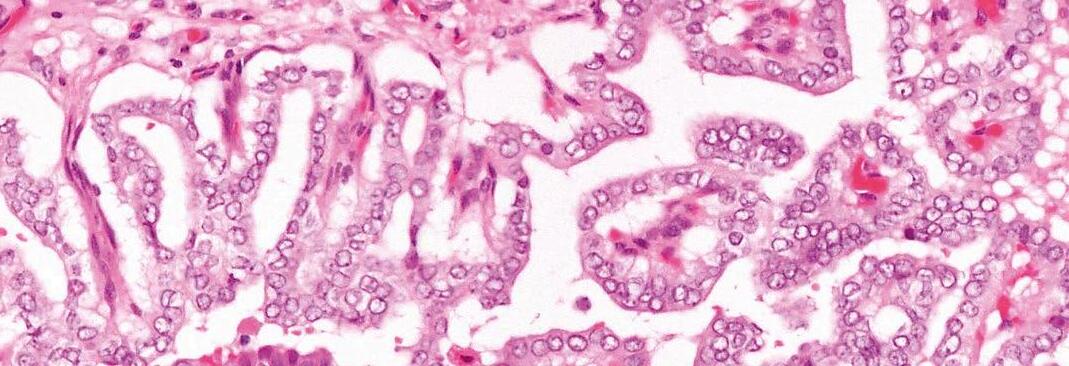
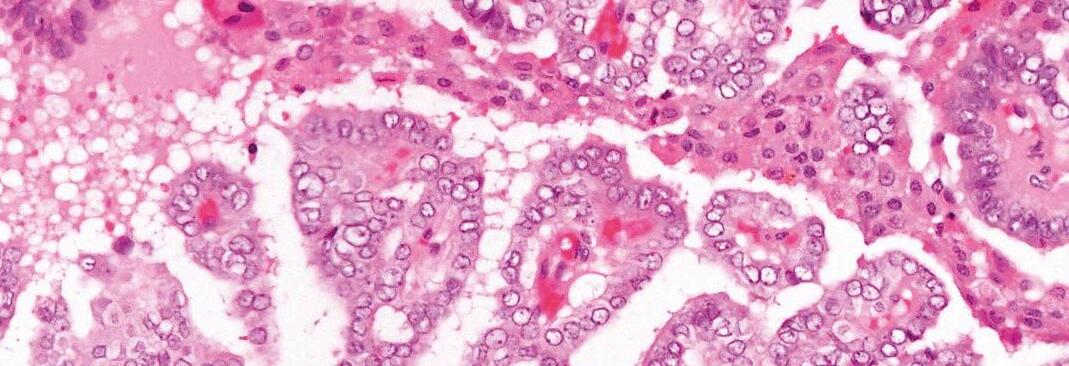
The inflammation of the synovial sheaths causes aplomb deformities, swelling of the limb joints, chronic inflammation, and lameness. There is hyperplasia of the synovial membrane and in the periarticular subcutaneous tissue with infiltration of macrophages, lymphocytes, plasma cells, and numerous lymphoid aggregates. Inflammation can become exudative or fibrinous in the synovial cavity.
Muscles and tendons can have necrosis and resorption of fibers accompanied by cellular infiltrate rich in macrophages, plasma cells, lymphocytes and rare heterophils.
In case of enteric infections, chickens show persistent diarrhea, poor feed conversion and slow growth rate. The abnormal feathering of primary feathers due to ARV infection is referred to as helicopter wing feathers due to their ruffled and discolored patterns.
DIAGNOSIS
Almost 80% of ARV isolates are considered non-pathogenic and can be isolated from clinically healthy birds. Most of the time, ARV infections are mixed with other viruses. Then, their presence is not indicative of infection or the cause of a disease. Over 94% of commercial broiler flocks are seropositive for ARV based on ELISA testing. However, the presence of antibodies is not always associated with clinical signs or specific lesions of the disease.
The presumptive diagnosis is based on epidemiological conditions, clinical signs, and lesional aspects.
Confirmation requires virus isolation and identification using cultivation on cell lines, detection of viral RNA and amplification of the σC gene via PCR and RT-PCR, genomic sequencing, ELISA for determining serum antibodies, and immunohistochemical examination to identify viral antigens in the tissues.
Virus isolation is conducted in embryonated eggs inoculated into the yolk sac of SPF embryos. The virus is later inoculated to liver of embryos to record cytopathic effects.
Next-generation sequencing (NGS) allows for comparative metagenomic analysis of gut contents from healthy/clinical birds, without the need for virus cultivation or prior knowledge of the target sequence, making it ideal for metagenomic studies and the identification of new and emerging pathogens. The main steps of the NGS technique involve sample collection and processing, viral DNA/RNA extraction, genome amplification, genomic library construction, actual sequencing, and bioinformatic analysis.



PREVENTION,CONTROL,ANDVACCINATION
The ARV are ubiquitous. Rigorous biosecurity with cleaning and disinfection of affected facilities reduce infection prevalence. Reovirus control starts with breeder vaccination to induce high levels of neutralizing antireovirus antibodies. These antibodies are passively transferred from the breeder hen to the chick through the yolk sac to provide temporary protection to the progeny. The level of protection afforded by these antibodies is influenced by various factors, including serotype similarity, virus virulence, host age, and antibody titer.
Broiler breeders are generally vaccinated with 1 to 3 live attenuated vaccines up to 12 weeks of age, followed by 1 to 3 inactivated vaccines. The S1133 strain is frequently used for breeders. In contrast, the S1133 strain disrupts the functionality of the gastrointestinal tract in young chicks, leading to poor feed conversion and reduced weight gain. Furthermore, maternally derived antibodies transmitted to chicks from breeder hens vaccinated with the commercial S1133 strain have failed to prevent infection with the live-modified S1133 strain in broilers.
Vaccination with live classical commercial attenuated strains, such as S1133 and 2177 (Reovirus genotype 1) has become ineffective in multiple countries. The inactivated vaccines contain combinations of S1133, 1733, 2408, and Miss B strains. A recent vaccine includes the antigenic variant reovirus serotypes 1/4455, 2/4455, and 3.

It has been proposed that vaccines must contain all six genotypes of ARV to ensure total immunization.
However, these have not been developed yet.
Due to the multitude of ARV strain variants, autogenous vaccines have become the most effective control method.
These autogenous vaccines require regular updates to maintain efficacy against evolving viral genotypes.
The efficacy of vaccines must be evaluated by continuous virological and serological monitoring. The efficacy of reovirus vaccines is commonly assessed through a challenge model involving footpad inoculation of day-old chicks with a virulent autogenous virus. While this method can be informative, interpretation of results can sometimes be challenging.
Recombinant poultry vaccines on viral vectors, such as fowlpox virus, and turkey herpesvirus have been developed and commercialized. Other vaccine technologies under development include lipid nanoparticle (LNP)-encapsulated mRNA vaccines, chimeric vaccines created from a known virus with antigens from a pathogen, baculovirusbased vaccines, and recombinant vaccines expressed in plants or bacterial vectors. The baculovirus are a double-stranded DNA viruses that specifically infect insects and arthropods. These experimental vaccines have demonstrated protective efficacy in broilers, but there are not available in the market yet.

IMMUNITYANDIMMUNOEVASIONMECHANISMS
Chickens can generate humoral, cell-mediated, and mucosal immune responses against ARV. However, the ARV also have several immunoevasion mechanisms. The mucosal responses are mediated mainly by the production of IgA in the respiratory and digestive tracts of chickens. The ARV with higher multiplication rates generates elevated levels of pro- and anti-inflammatory cytokines (IL-6, IL-10 and IFN-γ). These viruses can also cause generation of anti-nuclear and anti-collagen antibodies which can be linked to their autoimmune responses.
The cell immunity initially is related to macrophage activation, followed by lymphocyte proliferation. The CD8+ T cells during acuate infection.
In the subacuate response CD4+ and IgM+ B cells tend to play a role, and in the chronic infections mainly CD4+ T cells are present with limited B-cell activity.
This immunological profile is indicative of an autoimmune disease. The ARV can suppress lymphocyte proliferation, which is the main cause of clinical immunosuppression. The ARV encode the protein σA to bind the doublestranded RNA and avoid triggering the antiviral response.
There is still a lot to learn to minimize the evasion of the virus to the immune response and stimulate specific immune responses with long-lasting protection. In the same way, it is necessary to develop advanced diagnostic tools to monitor virus evolution to adapt the vaccines timely.
Reovirus Infections in the Broiler Industry DOWNLOAD PDF
NEWCASTLE DISEASE: ONE HUNDRED YEARS ON, WHY TRANSMISSION CONTROL MATTERS MORE THAN EVER
Mustafa Seckin Sandikli
Global Poultry Marketing Director at Ceva
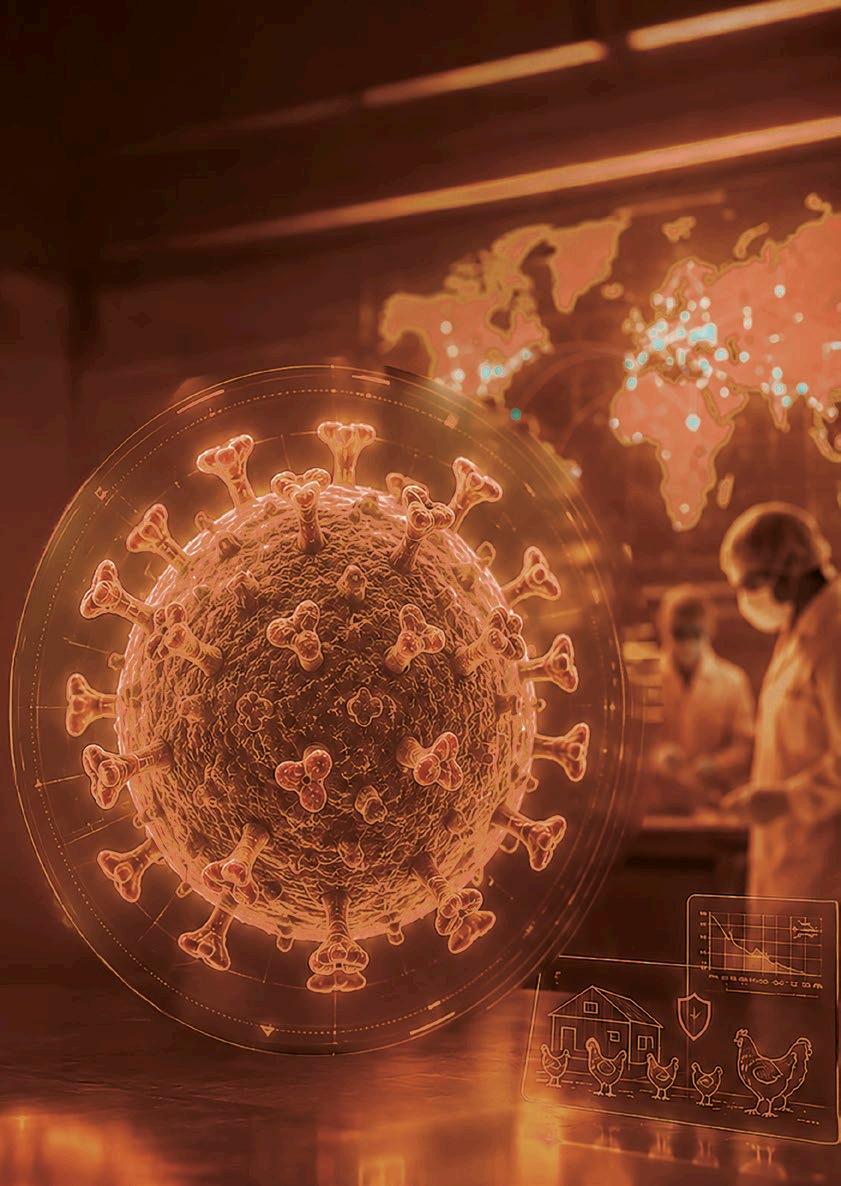
Acentury after its discovery, Newcastle disease remains a defining challenge for poultry health worldwide
Newcastle disease (ND) was first described in 1926, almost simultaneously in Java (Bogor, Indonesia) and in the United Kingdom.
One hundred years later, the disease is still present on all continents where poultry is produced, causing outbreaks, especially in Europe nowadays.
Despite major advances, Newcastle disease continues to remind the industry that control is never static.
What has changed over the past century is not the importance of the disease, but the way it is understood and managed. Today, the focus is no longer limited to preventing mortality.
The key question has become whether poultry systems can limit virus circulation and transmission, reducing the likelihood that an introduction will escalate into a large‑scale outbreak.

A Virus with One Serotype—but Many Faces
Newcastle disease is caused by avian paramyxovirus type 1 (APMV‑1). While the virus exists as a single serotype, it displays extensive genetic diversity.
This diversity explains why outbreaks can look very different from one situation to another, even though the disease name remains the same.
A CRITICAL FACTOR IS VIRULENCE
Decades of research have shown that virulence is closely linked to the molecular structure of the fusion (F) protein, particularly the amino-acid sequence at the cleavage site
Viruses with multiple basic amino acids at this site are able to spread systemically in infected birds, leading to severe clinical disease
Genotypve VII is the dominant genotype globally
In the last decade, Genotype VII has emerged and become dominant globally. Due to its virulence, it has been causing severe outbreaks with high mortalities.
In addition, the reason for its widespread is due to its shedding capabilities as well.
Recent scientific studies have shown that Genotype VII can spread much more than the other genotypes. Therefore, it is essential to have not only effective solutions to protect but also to have a vision to take control of transmission.
Live Vaccines: Strengths and Constraints
Modified live vaccines can significantly reduce transmission when high flock immunity levels are achieved. However, reaching consistently protective antibody levels across all birds is challenging in practice, particularly in broilers.
This molecular mechanism helps explain why some Newcastle disease viruses cause high mortality with neurological signs, while others result in milder disease—or no visible signs at all.
Importantly, not all APMV‑1 viruses meet the international definition of Newcastle disease, a distinction that is essential for diagnosis, reporting, and trade.
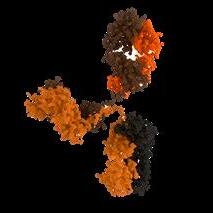

antibodies, uneven administration, and field variability make the theoretical performance of live vaccines difficult to reproduce consistently at scale.

Less virulent strains tend to remain restricted to the respiratory or intestinal
Why Vector (Vectormune ND) Vaccines Changed the ND Control Landscape
Vaccination has been central to Newcastle disease (ND) control for decades, yet the limits of traditional live and inactivated vaccines became increasingly evident as poultry production systems intensified.
While conventional vaccines remain valuable tools, their performance can be influenced by maternal antibodies, variability in application, and inconsistent virus pressure in the field.
Beyond Survival: The Importance of Shedding
Virus shedding—both oro nasal and cloacal— is a primary driver of ND spread. Reducing shedding is therefore central to lowering r.
Data from challenge studies show that vaccination strategies inducing strong cell-mediated immunity can drastically reduce virus excretion, including complete prevention of cloacal shedding in some cases.
This has direct implications for environmental contamination and onward transmission. Vector vaccines induce all immune channels (humoral, mucosal and cell mediated immunity).
Vector vaccines emerged not as replacements, but as a new generation of tools designed to address real‑world constraints:
Long duration of immunity
Early life protection
Hatchery level consistency

Measurable impact on virus transmission
Among these, herpesvirus of turkey (HVT)–based vector vaccines have taken a central role in modern ND prevention programs.
Why Transmission Control Has Become the New Benchmark
Traditionally, Newcastle disease vaccines were evaluated primarily on their ability to prevent mortality and clinical signs. While this remains important, it is no longer sufficient.
Modern poultry production is highly interconnected. When virus circulation is not adequately controlled, even subclinical infections can maintain infection pressure within and between flocks.
This has led to a shift toward transmission‑focused control strategies.
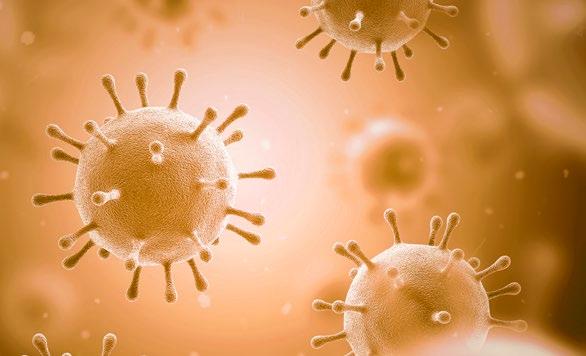
What Transmission Control Means
In epidemiological terms, the objective is to reduce the effective reproduction number (r) to below 1.
When r is below 1, each infected bird infects fewer than one other bird on average, and the outbreak gradually dies out rather than expanding.
Reducing the amount of virus shed
VACCINATION CAN CONTRIBUTE TO THIS BY:
Lowering the susceptibility of contact birds
Shortening the duration of shedding
Controlled transmission experiments described in recent research show that properly designed and applied vaccination programs can significantly reduce virus transmission—even when birds have maternally derived antibodies.
This represents an important step toward population‑level control rather than individual protection alone.
The scientific study made by Utrecht University in 2020 is clearly demonstrating the capability of Vectormune ND vaccine to take control of transmission of Genotype
Hatchery Execution as a Control Point
One of the strongest insights from transmission focused research is the importance of hatchery precision. Because vector vaccines do not spread bird to bird, every chick must receive a full, correct dose.
Under dosing or uneven administration delays onset of immunity and opens a window for virus circulation—especially in high pressure environments.
Measuring Protection: From Assumption to Evidence
One of the major advances in Newcastle disease control has been the ability to measure what actually happens in the field.

Molecular diagnostics such as RT- qPCR allow rapid detection and quantification of virus shedding via oropharyngeal and cloacal routes.
Sequencing provides further insight by distinguishing field viruses from vaccine -related signals and tracking virus evolution over time.


Serological tools remain essential for monitoring immune responses, but interpretation requires understanding of what is being measured.
Antibody levels, timing of seroconversion, and vaccine -induced immune profiles all influence how results should be read.
In this context, DIVA‑oriented approaches (Differentiating Infected from Vaccinated Animals) add value by helping identify whether a serological signal reflects vaccination only or exposure to field virus. For regions aiming at freedom from disease—or maintaining trade status—this distinction is increasingly important.
Pathology




Field Reality: Newcastle Disease in Modern Poultry Systems
Despite strong scientific progress, recent outbreaks in different parts of the world confirm that Newcastle disease remains a real operational risk.
Investigations consistently identify similar contributing factors:
Uneven vaccination coverage,
Low immunity levels in non‑commercial or backyard flocks,
Biosecurity breaches linked to vehicles, personnel, or equipment,
Movement of live birds and poultry products.
These findings reinforce a critical principle: risk is not uniform. Control strategies must be adapted to local production systems, poultry density, and interfaces with wild or non‑commercial birds. A strategy that works well in one region may be insufficient in another.
Looking Forward: From Control to Resilience
As global poultry production continues to expand, especially in regions where Newcastle disease is endemic, the challenge is no longer whether the disease can be controlled—but how sustainably and consistently that control can be maintained.
Key Lessons from a Century of Experience
After one hundred years of research and field experience, several conclusions are clear:
Newcastle disease remains capable of re‑emerging, even in advanced systems.
Virulence is strongly influenced by viral genetics, particularly the fusion protein.
Vaccination is indispensable but depends on execution quality.
Controlling transmission is as important as preventing mortality.
Surveillance and diagnostics make control measurable and proactive.
Integration—between vaccination, biosecurity, monitoring, and training—is essential.
As global poultry production continues to expand, especially in regions where Newcastle disease is endemic, the challenge is no longer whether the disease can be controlled—but how sustainably and consistently that control can be maintained.
Redefining Success
A century after Newcastle disease was first described, success is no longer defined by survival alone. It is defined by control—measurable, sustained, and repeatable control.
The next phase of Newcastle disease management will rely
Vaccination programs designed with transmission in mind
Robust monitoring to verify real-world outcomes
diagnostics to detect early
Transmission control is not an academic ambition. It is the logical evolution of ND prevention in modern poultry production. And, we have the proven reference Vectormune ND vaccine for this important objective.
WHEN ALGORITHMS START TO CONTROL FEED COMPOSITION
Henri E. Prasetyo DVM, M.Vsc
Poultry Practitioner and Nutritionist at PT Dinamika Megatama
Citra (DMC)
There is no hotter topic in the poultry industry than feed. For every farmer and integrator, feed is the lifeblood of the business.
In many production systems, feed costs can account for more than %70-60 of total production costs.
Therefore, every percent of efficiency gained, no matter how small, can have a significant impact on profit margins.
However, feed formulations do not mix ingredients according to a table. Variations in corn quality between regions, differences in air content, storage processes, or even the age of the chickens can make an ideal formulation on paper but suboptimal in the field.
This is where artificial intelligence (AI) is starting to attract the attention of nutritionists.
AI is no longer just a digital trend. It is now a strategic tool for understanding nutritional complexity, processing crosssource data, and designing formulations that are truly precise – tailored to the chickens’ needs, not just averages.
FROM ‘NUTRITION TABLES’ TO ‘LIVE DATA’
For decades, traditional formulation systems have used a raw material composition table approach: a single number for each ingredient, assumed to represent its overall nutritional value.
The problem is these statistical tables, while the real world is dynamic.
Metabolizable energy content of corn can vary by up to 300 kcal/kg between batches, lysine levels of soybean can differ by 5-8%, even the same enzyme can produce varying results depending on the phytate level and calciumphosphorus ratio in the ration.
AI can bridge this gap by combining thousands of data sets—from laboratory test results, in-vivo digestibility tests, farm performance data, to omics (microbiome and metabolomics).
Through machine learning algorithms, AI systems learn patterns of relationships between feed composition, chicken response and economic outcome.
Thus, formulations are no longer based on ‘assumptions’, but on live, continuously updated data.
THREE PILLARS OF AI IN MODERN FEED FORMULATION
Metadata synthesis & meta-analysis
AI begins its work by collecting metadata. Data from raw material test results, digestion results, journal publications, and farm data.
Through meta-analysis and machine learning regression, the system can reflect the effects of various factors (e.g., enzyme type, phytate level, or processing temperature) on nutrient digestibility.
For example, if there are 100 studies on the effects of phytase, AI can calculate the average digestible phosphorus release contextually. So, nutritionists know how realistic matrix values to use.
Nutrient matrix modeling
Nutrient matrices have become a key concept in modern feed optimization.
Additives such as enzymes, probiotics, or organic acids are now considered not just ‘supplements’, but rather as nutrient sources that can predict decline.
AI, using a hybrid Bayesian-empirical model, can calculate conditional matrix values. For example, how much phosphorus digestibility can be restored by phytase in a high-phytate corn diet, or how much energy can be saved by using the NSP enzyme in -28day-old broilers.
As a result, formulation becomes much more accurate and efficient. Nutrition is no longer excessive but remains safe and optimal.
Precision formulation & adaptive feeding
The highest level is precision formulation system, where AI adjusts the formula based on real-time data from the barn.
IoT sensors record temperature, humidity, feed consumption, and weight gain; the system then provides automatic recommendations for changing energy density, amino acid content, and even feed phase.
For example, when environmental temperature rises and feed intake falls, the system will recommend increasing the energy per kg of feed to maintain growth targets without overfeeding.
This is what is called ‘AI coming to the barn’, making nutrition adaptive to realworld conditions.

CONCRETE BENEFITS FOR INDUSTRY
IMPROVED FEED EFFICIENCY AND PERFORMANCE
Meta-analyses have shown that when matrix values and field conditions are incorporated into the model, chicken performance improves significantly.
Feed conversion ratio (FCR) can increase by 3-2 points simply due to more precise formulation.
COST SAVINGS AND RAW MATERIAL PREDICTION
AI can predict raw material variability based on supplier data and previous batches.
This allows formulators to reduce the safety margin that has historically been a source of over-formulation.
Furthermore, AI systems are capable of procurement forecasting: when to purchase certain ingredients or when to substitute alternatives based on predicted price and quality.
ENVIRONMENTAL IMPACT AND SUSTAINABILITY
With more precise nutrition, nitrogen and phosphorus excretion decreases. This means less waste pollution, cleaner air, and reduced regulatory pressure on livestock emissions.
Several global companies, such as Adisseo (with Adict/Nestor) and DSM (with the PNE system), are already using this approach to support lowcarbon feed strategies.
BETWEEN HOPES AND CHALLENGE
Despite its tremendous potential, implementing AI in feed formulation is not as simple as pressing the ‘run model’ button. There are several real challenges, including:
Data quality: AI is only as strong as the data we input. Laboratory data must be standardized, sensors must be calibrated, and farm records must be consistent.
Transparency and trust: Overly complex (black box) AI models are sometimes difficult for nutritionists to trust. The solution is a hybrid model that combines biological logic with algorithmic predictions.
Initial investment: Implementing AI requires expensive infrastructure (software, sensors, human resources). However, long-term ROI typically recovers the initial costs within 2-1 years.
Field validation: Each model needs to be tested in real-world settings. Controlled trials and commercial validation are key to the acceptance of this technology by regulators and industry.


COLLABORATION: WHEN NUTRITIONISTS AND DATA SCIENTISTS WORK TOGETHER
AI DOES NOT REPLACE HUMANS BUT RATHER EXPANDS THEIR CAPACITY.
Experienced formulators remain the ‘navigators’, while AI acts as a ‘copilot’, providing rapid analyses and simulations.
Collaboration between nutritionists, data scientists, and feed technologists will determine the direction of this industry’s progress.
In fact, in some large companies, new positions have emerged, such as Feed Data Engineer or Digital Nutrition Manager, indicating that the future of feed formulation will become increasingly digital.
RESEARCH AND FUTURE DIRECTIONS
Several research priorities are being pursued, such as standardization of raw material databases. A global metadata format is needed to enable data transfer between laboratories and feed mills.
Microbiome and metabolomics integration: The relationship between nutrition, microbiome, metabolites, and chicken performance will be a new frontier in precision nutrition.
Causal AI & explainable models: Developing AI models that can explain why and how recommendations are made, not just the result.
Field validation and economic simulation: Measuring the real impact of AI on FCR, mortality, uniformity, and margin over feed cost at the commercial level.
Reflection: Precision nutrition as the future
The application of AI in poultry feed formulation is no longer a futuristic concept. It is already happening today in various feed mills and integrators worldwide. Amidst volatile raw material prices, margin pressures, and sustainability demands, AI is a strategic solution that offers efficiency, accuracy, and sustainability all at once.
However, success does not come from technology alone. A new mindset is needed that feed formulation is not simply the art of mixing ingredients, but the art of managing data – data that ‘speak’ to the chickens, ingredients, and housing conditions.
As algorithms begin to penetrate the cage, the future of poultry nutrition will no longer be determined by static tables, but by data that continuously learn.
AI is ushering in a new era where every gram of feed can be calculated, predicted, and optimized to deliver optimal performance with minimal environmental impact.
AI is not a replacement for nutritionists. It is a new partner that helps them understand chickens better than ever before.
“Precision formulation is not just about calculating nutrients but reading the language of data. So, chickens grow optimally, businesses are efficient, and the planet remains sustainable.”

A COMPARISON OF SOYBEAN MEAL FROM DIFFERENT ORIGINS IN TERMS OF NUTRIENT
Güner GÖVENÇ
Bursa Uludağ University
Institute of Science
Department of Feeds and Animal Nutrition
Nilüfer, Bursa TURKEY
E-mail: guner.govenc@hotmail.com
INTRODUCTION
Global projections indicate that the world population will reach 9.7 billion by 2050, and that demand for animal protein will increase by 14% and egg consumption by 39% as a result.
This massive increase in demand is further deepening dependence on key feed raw materials such as corn and soybeans.
Therefore, the quality of soybean meal in animal feed is a critical issue (Ravindran et al., 2014).
SOYBEAN PRODUCTION STATISTICS
World Total Annual Soybean Production (2000-2024)
450000000,00
400000000,00
350000000,00
300000000,00
250000000,00
200000000,00
150000000,00
100000000,00
50000000,00
0,00
Figure 1. Continuous upward trajectory in global soybean production. Based on FAOSTAT data, an all-time production high was achieved in 2024. This momentum continued into 2025, with U.S. Department of Agriculture figures indicating that global output surged to a new record of 428.15 million metric tons. Driven by steadily climbing market demand, this pattern of annual growth is projected to persist.
THE IMPORTANCE OF SOYBEANS IN ANIMAL FEED
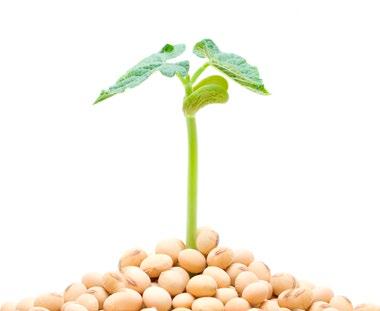
The most important characteristic of soy is that it provides more protein per unit area and at a lower cost compared to other plant and animal feed sources.
Soy protein is the protein closest to animal protein and has a very high biological value.
For this reason, by-products derived from soybeans (primarily soybean meal) are used as a protein source in rations for poultry and small ruminants, as well as dairy and beef cattle (Anonymous, 2019; Tüfekçi, 2019).
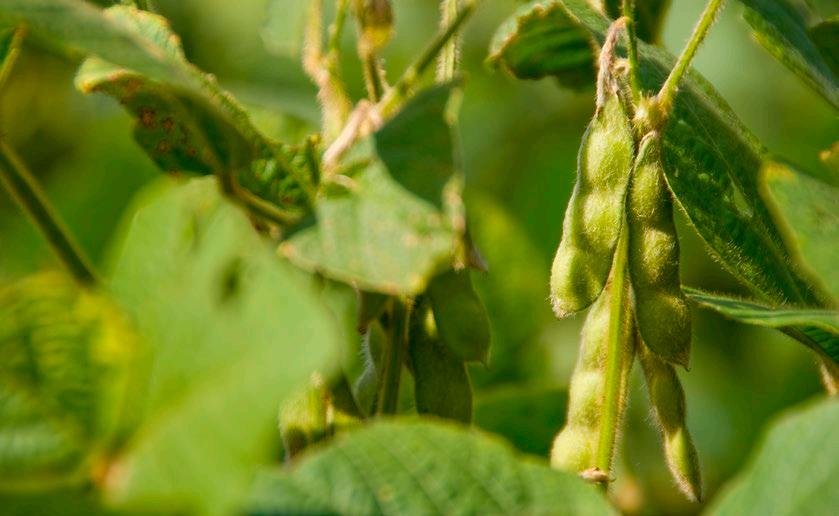
The protein content of soybean meal is influenced by several factors, including soybean variety, tillage, soil properties, climate, harvest, and processing conditions (Grieshop et al., 2003; Thakur and Hurburgh, 2007; de Coca-Sinova et al., 2008; Frikha et al., 2012; Ravindran et al., 2014; García-Rebollar et al., 2016; Lagos and Stein, 2017).
The protein content of raw materials is one of the parameters routinely

From this perspective, even small 1% changes in the use of protein sources during ration formulation can ultimately result in significant financial implications.
The factors determining economic value are not merely the amount of crude protein, but rather the precise biochemical analyses of the digestible amino acids and metabolic energy included in the ration matrix.
LABORATORY ANALYSES
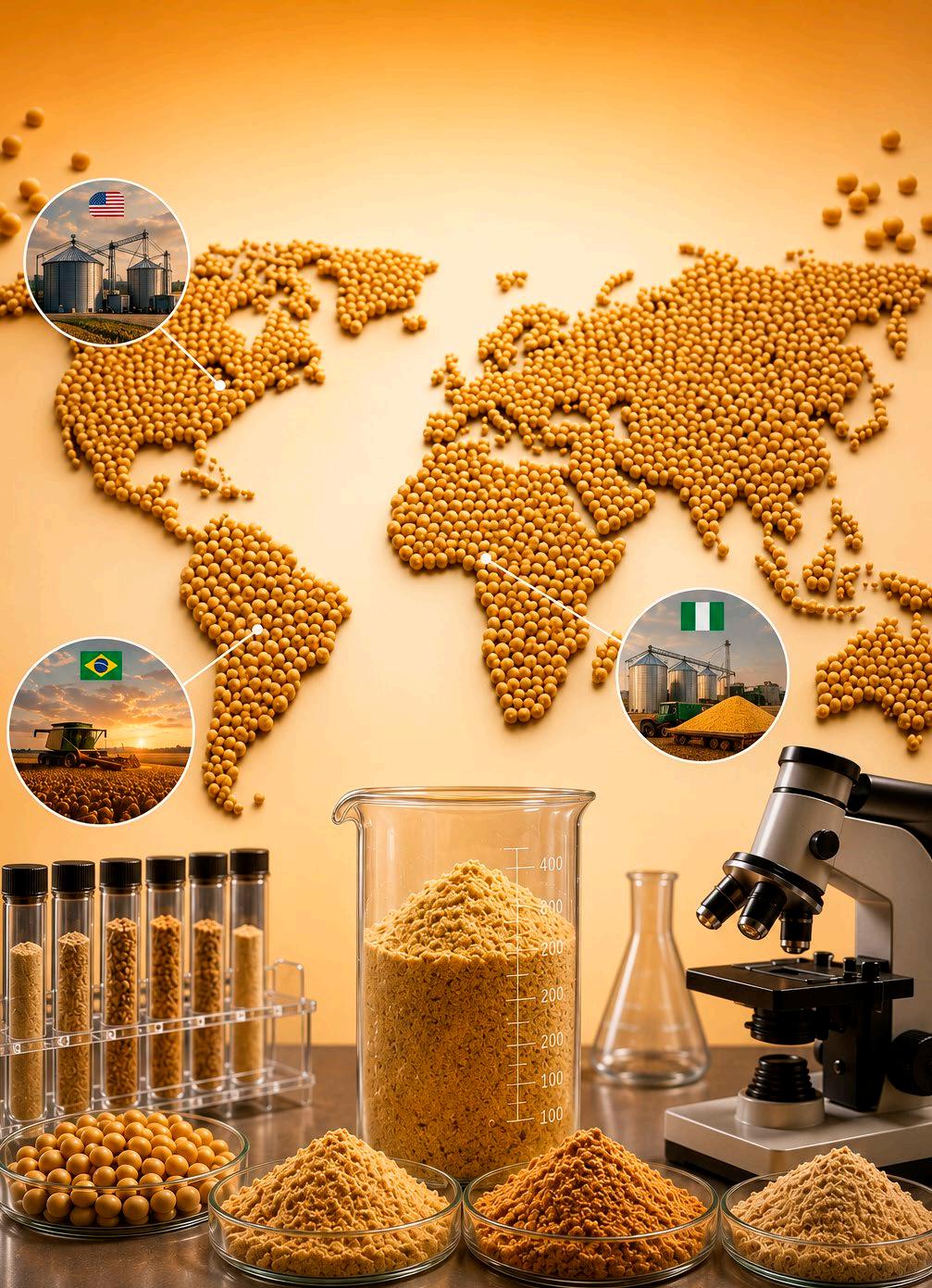
The objective of this project is to determine the differences in the nutrient composition, amino acid profile, and protein quality of soybean meal imported from various countries and used in feed production for animal nutrition.
Soybean meal imported from five different countries—the United States, Brazil, Nigeria, Ukraine, and Uruguay— was used as the study material.
The levels was calculated using the obtained data and were determined in these meals, and the metabolic energy value for poultry
To determine protein quality, analyses were conducted regarding the amino acid profile, urease activity, protein distribution index, protein solubility in potassium hydroxide, and trypsin inhibitor activity.
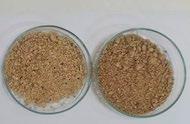
2. Soybean meal from different origins (in order: the United States, Brazil, Nigeria, Ukraine, and Uruguay)
In this study, soybean meal was used as the material, and meal imported from five different countries was utilized. As shown in Figure 2, meal from various origins—including the United States, Brazil, Nigeria, Ukraine, and Uruguay—was obtained from a private supplier.
Figure
Dry matter
Crude ash
Crude fat
Crude protein Starch
Sugar
Crude fiber
Digestible crude protein


Because good breeders... also listen



SEM: Mean standard error . a,b,c: Different letters in the same row indicate statistical significance. (P<0.05)
The differences observed in the table are consistent with the results of previous studies; the variations in nutrient values can be attributed to differences in the genotype of the seeds used (Zarkadas et al., 2007), variations in bean-growing areas across countries (Wilcox and Shibles, 2001; Karr-Lilienthal et al., 2005), and environmental conditions during the growing and harvesting seasons (Rotundo et al., 2016; Pfarr et al., 2018).
The results of a study conducted by Ibáñez et al. (2020) highlighted that the crude protein content of soybean meal may be related to the latitude of the country of origin (day length, humidity, and temperature conditions), and even emphasized that the protein content in meal derived from soybeans grown in regions closer to the equator is higher.
The findings of our study are consistent with these results. The higher protein content of the soybean meal from Brazil compared to that from soybeans grown in the other four countries was found to be consistent with the literature.
Data regarding the nutrient content of soybean meal are presented in Table 1. As shown, the nutrient contents of the samples examined, with the exception of starch content, differed significantly from one another (P<0.001).

It was determined that the dry matter content was higher in soybean meal from Brazil, with an average value of 11.71%, while the crude ash content was higher in soybean meal from the United States and Nigeria, with average values of 7.19% and 7.14%, respectively.
Crude protein content was highest in soybean meal from Brazil (47.12%) and lowest in that from Ukraine (44.96%).

Similarly, the crude fat content was found to be higher in soybean meal from Ukraine compared to the others (1.20%).
On the other hand, it was observed that meal from the United States (21.38% and 7.79%) and Brazil (21.38% and 7.61%) had higher levels of both sugar and cellulose content.


Table 1. Comparison of nutrient content in soybean meal from different origins

Mean standard error
The average protein digestibility values for soybean meals sourced from different countries are presented in Figure 4. Based on this parameter, it was determined that the meal from Nigeria had the highest digestibility (74.48%) and the meal from Uruguay had the lowest (60.64%) (P < 0.001).
Figure 3. Protein digestibility
Table 2. Amino acid profile of soybean meal from different sources

Data on the amino acid profiles of soybean meal are presented in Table 2. It was found that the alanine and arginine content in the Nigerian soybean meal was higher than in the other meals, at 2.28% and 3.29%, respectively (P<0.05).
It was also determined that the Brazilian and Nigerian meal samples contained higher amounts of aspartic acid and glutamic acid compared to the other meal samples (P<0.05).
CONCLUSION
In conclusion, it has been demonstrated that the country of origin of soybean meal affects its protein quality through its nutrient content and amino acid profile.

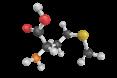
In the analysis of methionine content, it was found that the Brazilian meal had a higher content (0.31%) while the Uruguayan meal had a lower value (0.19%) (P<0.001).

It was found that the Nigerian meal had a richer content of ornithine, phenylalanine, proline, and tyrosine (P<0.05).
In addition, there are research findings suggesting that the protein level of the meal also affects the amino acid profile (Medic et al., 2014; Mourtzinis et al., 2017; Pfarr et al., 2018).

Among the soybean meals examined, the Brazilian meal was found to have the highest crude protein, metabolizable energy, and methionine content.
In terms of methionine, the soybean meal from Brazil was found to have a higher content.
The soybean meal from Nigeria was observed to have the highest digestibility, while urease activity was found to be at the lowest level in the soybean meals from the United States and Ukraine.
The amino acid profile of soybean meal observed in this study is similar to the results reported by Goldflus et al. (2006), Thakur and Hurburgh (2007), Medic et al. (2014), and Lagos and Stein (2017), and the geographical characteristics of the growing region and cultivation conditions are among the factors determining the amino acid content of the meal.
In light of all these findings, it was determined that the soybean meal of Brazilian origin is more advantageous in terms of protein and methionine content,
While the soybean meal of Ukrainian origin is more advantageous in terms of protein quality (urease activity, protein distribution index, protein solubility in potassium hydroxide, and trypsin inhibitor activity).
Therefore, it was concluded that when using soybean meal of different origins in commercial feed production, different nutrient matrices should be employed based on these criteria.
Built for every poultry farm. Proven for 60 years.
One
partner, endless expertise
No two poultry farms are the same and neither are our solutions. For nearly six decades, Roxell has developed feeding, drinking, nesting, heating, ventilation and control systems for poultry houses worldwide.
From broiler to layer, from turkey to duck
Whether you’re raising broilers, broiler breeders, commercial layers, turkeys or ducks: Roxell has a solution built around your birds, your house and your operation.
360° means nothing is left to chance
Our complete poultry portfolio means you work with one trusted partner, from day-old chick to full-grown bird, with equipment precisely tuned to optimise feed conversion, protect egg quality and improve animal welfare. Season after season.
360° solutions for your farm visit roxell.com

KHALED ABDEL NASSER AWWAD
INTERVIEW
The aviNews Arabic team had the opportunity to interview Khaled Abdel Nasser Awwad, engineer and consultant specializing in broiler poultry farming. Through this interview, the team gained further insight into the critical importance of environmental management during the first week of a broiler chicken’s life.
Why is the first week of a broiler chicken’s life considered the most sensitive stage in the production cycle?
The first week is considered an extremely sensitive stage because it represents the period of the bird’s complete physiological establishment. At this stage, the chick does not yet possess a fully developed system for regulating its body temperature. Consequently, it relies primarily on its surrounding environment to maintain thermal equilibrium.
Concurrently, the bird undergoes rapid development of its digestive and immune systems - a period during which the yolk sac is absorbed, and intestinal absorptive efficiency is gradually established. Furthermore, during this period, the bird relies predominantly on its innate immunity.
Any environmental imbalance during this critical stage, whether it’s related to temperature, ventilation, or humidity, leads to reduced feed intake, delayed yolk sac absorption, and a compromised immune response. These adverse effects directly impact growth rates, feed conversion ratios, and flock uniformity. Most importantly, these repercussions are often irreversible later in the cycle, making the first week a decisive factor in the overall efficiency of the production cycle.
What are the most significant errors in environmental management during the first few days? And how do they subsequently impact performance?
The most significant errors can be summarized across three main points:
Firstly, focusing solely on temperature while neglecting ventilation, which is a common mistake, particularly during the winter season. This leads to the accumulation of harmful gases such as ammonia and carbon dioxide, causing respiratory irritation and reduced oxygen exchange efficiency, which consequently results in diminished activity levels and feed intake.
Secondly, a lack of uniform heat distribution within the poultry house creates distinct cold and warm zones. This results in behavioral disparities among the birds, causing them to cluster in specific areas, a phenomenon that negatively impacts flock uniformity and growth rates.
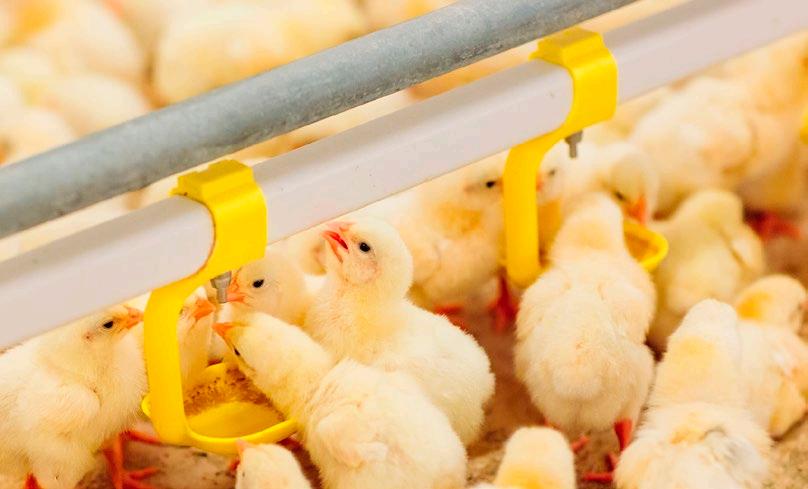
Thirdly, poor humidity management, whether characterized by excessively high or low levels, poses significant problems. High humidity leads to litter deterioration and increased ammonia production, whereas low humidity increases dust levels and adversely affects the respiratory system.
These errors do not only have immediate consequences; they also induce early physiological stress, which subsequently manifests as a poor feed conversion ratio, reduced final body weight, and increased susceptibility to disease.

How can an ideal thermal balance be achieved within the poultry house?
Bird behavior serves as the most critical indicator for assessing thermal balance; one should not rely solely on readings from monitoring devices.
Temperature sensors must be positioned at an appropriate height of 10 to 20 cm above bird level in floor-rearing systems, and 30 to 60 cm in cage (battery) systems. It is also advisable to utilize precise monitoring devices positioned at chick level, and to distribute measurement points throughout the house to ensure thermal uniformity.
Bird distribution is a decisive indicator; an even spread across the floor signifies a healthy thermal balance, whereas clustering or excessive spacing suggests an imbalance.
Additional behavioral indicators include general activity levels, feed and water intake, and crop fill status: aiming for a fill rate of 90–95% within the first 24 hours. It is important to recognize that “effective temperature” does not depend solely on the temperature reading itself. It rather is the result of the interaction between temperature, ventilation, and humidity.
How does temperature fluctuation impact birds compared to stable temperatures?
Temperature fluctuation is considered one of the most critical factors affecting birds, as it induces a state of chronic stress resulting from the repeated transition between heat stress and exposure to cold. This prevents the occurrence of natural physiological adaptation.
Conversely, a bird can adapt to suboptimal temperatures provided they remain relatively stable.
Fluctuation, however, disrupts feed and water intake, impairs digestive efficiency, and increases the secretion of stress hormones, thereby compromising immunity and heightening susceptibility to disease.
These effects manifest as reduced growth rates, a deterioration in feed conversion ratios, and poor flock uniformity, which are cumulative losses that are difficult to rectify later on.
What is the relationship between humidity and temperature, and how are they managed in an integrated manner?
Humidity and temperature are inextricably linked within the concept of “effective temperature.”
When humidity levels rise (exceeding 70%), a bird’s ability to dissipate body heat diminishes, thereby intensifying its sensation of heat stress. Conversely, low humidity levels (below 50%) lead to the drying out of respiratory membranes and an increase in airborne dust within the poultry house.
Furthermore, high humidity contributes to the deterioration of the litter and increases the production of ammonia and microbial activity, all of which negatively impact respiratory health and productive performance.
Therefore, temperature and humidity must be managed concurrently by implementing minimum ventilation from day one, thereby ensuring air exchange without heat loss.
What are the most common mistakes made when implementing ventilation programs during the first week?
The most prominent error is reducing ventilation in an effort to conserve heat - particularly during the winter - which leads to a deterioration in air quality.
Moreover, failing to consistently apply minimum ventilation in addition to poor air distribution within the poultry house constitutes common mistakes. These issues result in the formation of stagnant zones where harmful gases accumulate.
Furthermore, it is crucial to establish a link between ventilation and humidity, as poor management of these two dependent parameters leads to litter deterioration and increased ammonia levels. It must be emphasized that ventilation is not merely a means of cooling, but rather an essential tool for improving the environmental quality within the facility.
How does air quality affect early immunity in chicks?
Elevated ammonia levels irritate the mucous membranes of the respiratory tract, which is the body’s first line of defense against pathogens, thereby facilitating susceptibility to infection.
Additionally, high carbon dioxide levels compromise the efficiency of oxygen exchange and reduce the bird’s overall activity. Continuous exposure to these gases triggers the release of stress hormones, which act as potent immunosuppressantsa particularly critical issue given the bird’s reliance on innate immunity during this developmental stage. Consequently, this increases the likelihood of disease outbreaks and impairs productive performance.

What is the importance of dark periods in modern lighting programs?
Dark periods play a crucial role in regulating hormonal secretion, particularly that of melatonin, the hormone responsible for governing the bird’s biological rhythms.
These periods help enhance immune system efficiency, regulate feeding activity, and ensure adequate rest.
This allows the bird to channel its energy toward growth rather than expending it on adapting to environmental stressors. When lighting programs are implemented correctly, improvements are observed in feed conversion efficiency, growth rates, and flock uniformity.
What are the key behavioral indicators for assessing environmental quality within the poultry house?
Three primary indicators can be relied upon:
Flock Distribution: As mentioned before, a balanced, even distribution of the flock indicates a suitable environment, whereas clustering together or scattering widely suggests an environmental imbalance.
Activity Level: Normal activity levels characterized by active engagement with feed and water reflect a healthy environment, whereas lethargy or inactivity signals physiological stress.
Early Feed Intake (Crop Fill): This serves as a precise indicator of the bird’s response to its environment; the crop fill rate should reach 90–95% within the first 24 hours.
These indicators reflect the quality of temperature, ventilation, and humidity management, serving as a practical tool for assessing the environment without relying solely on automated monitoring equipment.
This interview underscores that the success of a broiler production cycle does not originate with feeding programs or treatment protocols, but rather with the meticulous management of the environment from the very moment the chicks arrive. The balance between temperature, ventilation, and humidity, coupled with continuous monitoring of bird behavior, constitutes the cornerstone for achieving exceptional production performance. Investing in a proper understanding of these factors and applying them in practice not only leads to improvements in growth rates and feed conversion ratios but also contributes to enhancing flock health and ensuring long-term production sustainability.
Interview with Khaled Abdel Nasser Awwad DOWNLOAD PDF

WHEN THE SUPPLY
CHAIN BREAKS
POULTRY PRICES
AND THE ECONOMICS OF MARITIME DISRUPTION IN THE MIDDLE EAST
Dima Chatila
MA in Economics | Management Consultant, Infrastructure Innovation & Strategic Transformation, Middle East | Riyadh, KSA
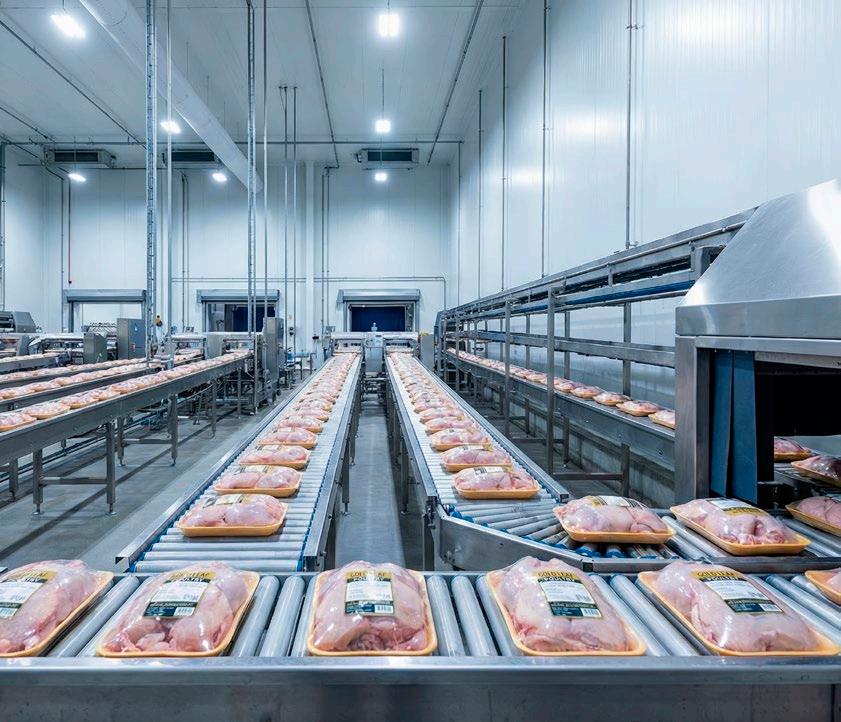
The 2026 maritime disruption in the Middle East has done more than interrupt oil flows.
It has exposed a structural fragility at the heart of regional food systems: a region that imports up to 85% of its food, feeds its poultry on imported grain, and routes the majority of that grain through the Strait of Hormuz - a single 21 - nautical mile chokepoint.
This article traces the economic transmission chain from blocked straits to rising chicken and egg prices and identifies three forces that make this episode more complex than a simple shipping disruption.

GCC food imported WEF, 2025 85%
CBE live data +10.4%
Egypt poultry prices, Mar 2026
Urea price surge, Feb-Mar 2026 World Bank +46%
Sources: WEF https://www.weforum.org/stories/2025/02/gulf-food-security-innovation/ | Asafi https://asafi.com/news/foodsecurity-in-the-gcc-how-dependent-is-the-region-on-imported-food-and-what-happens-if-supply-stops/ | CBE - Daily News Egypt https://www.dailynewsegypt.com/2026/04/18/cbe-explains-march-2026-inflation-uptick-amid-rising-food-servicecosts/ | World Bank-EBC https://www.ebc.com/forex/the-2026-food-crisis-318-million-hungry-governments-at-risk
A region running on imported grain…
The GCC imports up to 85% of its food. That number is well known.
Less understood is the specific mechanism through which maritime disruption translates into poultry price inflation and how quickly it happens:
A broiler chicken raised in Saudi Arabia or the UAE is, in economic terms, a machine for converting imported feed grain into protein. Feed accounts for 65–75% of total broiler production costs in the Middle East, with the typical blend running 60% corn and 40% soybean meal.
Both are sourced overwhelmingly from South America and the Black Sea region, both travel by sea, and approximately 81% of the GCS’s rice imports - along with a substantial share of corn and soybean shipments - transit the Strait of Hormuz.
When commercial shipping through the strait fell by approximately 95% between February and March 2026, according to UNCTAD, the cost shock was not gradual.
Container spot rates on Gulf-linked corridors rose by 300-400% and war-risk insurance premiums tripled. Emergency bunker surcharges reached $3,000 per forty-foot equivalent unit (FEU).
Vessels rerouted via the Cape of Good Hope added 10 to 14 days and thousands of nautical miles per voyage. For a production system where feed is already %70 of cost, these freight increases land hard and fast.

“Ship transits dropped from around 130 per day in February to just 6 in March - a collapse of about 95%.”UNCTAD, April 2026
Three
forces make this worse than a shipping crisis…
The current episode is not simply a freight cost problem. Three converging forces make it structurally more serious than the headline shipping numbers suggest.
HPAI has already thinned global flock supply 1
The Hormuz disruption lands on top of a global poultry sector already constrained by Highly Pathogenic Avian Influenza (HPAI). Between September 2025 and February 2026, nearly 5,000 HPAI H5N1 detections were recorded across Europe alone, affecting domestic flocks in 32 countries.
As of early 2026, the ongoing HPAI outbreak that began in February 2022 has surpassed 200 million total bird losses in the US, affecting over 2,000 flocks. Costs related to the response have exceeded $1.8 billion, driven by massive depopulation of egg-laying hens and turkey.
US retail egg-prices rose by over 20% as a direct result. The Middle East has been partially insulated from this specific wave, but the effect on global flock availability is real: there is less surplus supply to draw on precisely when the region most needs import flexibility.
The interaction of disease pressure and logistical disruption is materially worse than either factor in isolation.
2
The fertilizer feedback loop
Here is the dimension most poultry market analyses miss. The GCC is not only a food importer; it supplies approximately 43% of global seaborne nitrogen fertilizer exports. The World Bank reported urea prices surging over 45% month-on-month between February and March 2026.
This matters for poultry economics because fertilizer prices directly affect the input costs of corn and soybean farmers in Sub-Saharan Africa, South Asia, and Latin America - the regions that grow the feed grains the Gulf imports. A Hormuz closure simultaneously disrupts food imports and inflates the input costs of the crops that will be harvested next season.
Even with the strait reopening in 2026, feed grain prices face upward pressure into 2027 from disrupted spring planting cycles already underway.
3
Live market data confirms the transmission is already active
Egypt’s Central Bank reported on April 18, 2026 that urban poultry prices rose 10.4% in March alone, a third consecutive monthly increase. In the UAE, it is reported that smaller farms in Sharjah and Ras al-Khaimah are already suspending operations due to feed shortages, with industry sources noting that only the largest integrated players are able to absorb the current disruption.
These are not forecast numbers. They are the leading indicators for the risk that Saudi Arabia, Jordan, and Iraq might face over the following months.

Egypt’s 10.4% single-month poultry price spike is not an outlier - it is the leading indicator for what the rest of the region might face over the next period. The global feed industry news confirm that a number of small-medium UAE farms are already halting production.

The figures indicate three possible price scenarios…
Calibrated against Egypt’s March data and the feed cost transmission pathway, three scenarios can be mapped for GCC retail poultry prices, using pre-crisis 2025 baselines of approximately SAR 22/kg for broiler chicken and SAR 20 per 30-egg tray.
SCENARIO
BASELINE < 3 MONTHS SAR 23.5–24.0 SAR 21.5–22.0
Sources: Author scenario model | Base prices: Saudi Agriculture Overview http://saudi-agriculture.com/overview/ | Egypt CBE data: https://www.dailynewsegypt.com/2026/04/18/cbe-explains-march-2026-inflation-uptick-amid-rising-food-service-costs/ | Rabobank ME Poultry https://www.rabobank.com/knowledge/q011517247-how-the-crisis-in-the-middle-east-could-impact-the-local-and-global-poultry-industry
These are not marginal movements. Chicken accounts for 83% of total Middle East poultry consumption and is the default protein for low- and middle-income households across the region, priced 40–50% below beef or mutton (FAO). A 20–25% price spike under the severe scenario does not represent a market adjustment for these households.
It represents a direct reduction in protein access. Historically, food price shocks of this magnitude in the MENA region are reliable predictors of government market intervention: export restrictions, price controls, and emergency procurement mandates. Industry participants should treat regulatory intervention as a base-case scenario, not a tail risk.
Three things the industry can act on now…
Hedge feed grain for 2–3 production cycles immediately. The cost of forward purchasing corn and soybean meal today is lower than the cost of price volatility in 90 days. Large integrated producers in Saudi Arabia - Al Watania, Tanmiah, NADEC - have the balance sheet to do this. Smaller operators should explore cooperative purchasing arrangements urgently.
Audit breeding stock and parent flock replacement schedules. Day-old chicks and parent stock travel by air from European genetics houses. Air cargo capacity through the Gulf has been reduced by approximately 20% (BCG) due to hub disruptions and jet fuel surcharges. If the crisis extends beyond Q3 2026, replenishing parent flocks becomes the next production bottleneck - one with a lead time measured in months, not weeks.
Diversify feed grain sourcing corridors now, not after reserves deplete. South African corn via Cape Town, Australian grain, and Eastern European alternatives routed outside the Suez/Hormuz corridor are all viable but require lead time to establish. The IFIF estimates that strategic ingredient diversification can reduce supply disruption risk by up to 40%. The window to act ahead of reserve depletion - estimated at 3–6 months for most GCC governments - is open, but not indefinitely.
The Saudi buffer and its limits
Saudi Arabia’s Vision 2030 investment in domestic poultry production is meaningful in this context. Chicken self-sufficiency rose from 45% in 2016 to 68% in 2022 and to over 70% in 2025, with near full self-sufficiency targeted by 2030.
The Kingdom is already self-sufficient in eggs and exports surplus to GCC neighbours. The September 2025 commissioning of Tanmiah’s new feed mill in Dahna and Al Watania’s expanded processing capacity represent exactly the kind of vertical integration that reduces vulnerability in a crisis.
But the limit is important to state clearly: self-sufficiency in birds does not mean self-sufficiency in the grain those birds eat. Every broiler in Saudi Arabia still depends on imported corn and soybean meal. The Vision 2030 agricultural programme is heading in the right direction, but the feed dependency is the residual vulnerability that no amount of farm expansion resolves without a parallel investment in diversified, crisis-resilient grain supply chains.
ABOUT THE AUTHOR
Saudi Arabia’s Vision 2030 trajectory - from 45% to nearly 100% chicken selfsufficiency - is the right playbook. But self-sufficiency in birds is not the same as self-sufficiency in feed. The grain dependency is the last mile of vulnerability.
Conclusion
The economics of this crisis follow a logic that is blunt and fast-moving: feed is 70% of the cost; feed requires imported grain; imported grain requires open sea lanes; sea lanes are severely disrupted.
Egypt’s March 2026 data show that the transmission is already active. UAE farm suspensions show that there is already a structural impact on smaller operators. The fertiliser feedback loop means that the price pressure does not disappear with the strait reopening; it continues into the next planting and harvest cycle.
The baseline scenario, assuming resolution within this year, limits retail price increase to 7–9%. The severe scenario, assuming a prolonged disruption, implies 20–25% increase across the region’s most affordable protein.
The difference between those two outcomes is not just an economic question. It is the difference between a manageable market adjustment and a meaningful reduction in household protein access for tens of millions of people across the Middle East. The industry window to act - on hedging, on genetics supply, on sourcing diversification - is open right now.
When the Supply Chain Breaks: Poultry Prices and the Economics of Maritime Disruption in the Middle East DOWNLOAD PDF
Dima Chatila is an Associate Director in Economics, Infrastructure Innovation and Strategic Transformation. She has 15+ years of experience in applied economics, financial planning & analysis, infrastructure advisory and strategic consulting across major projects & programmes in multiple industries in the Middle East.
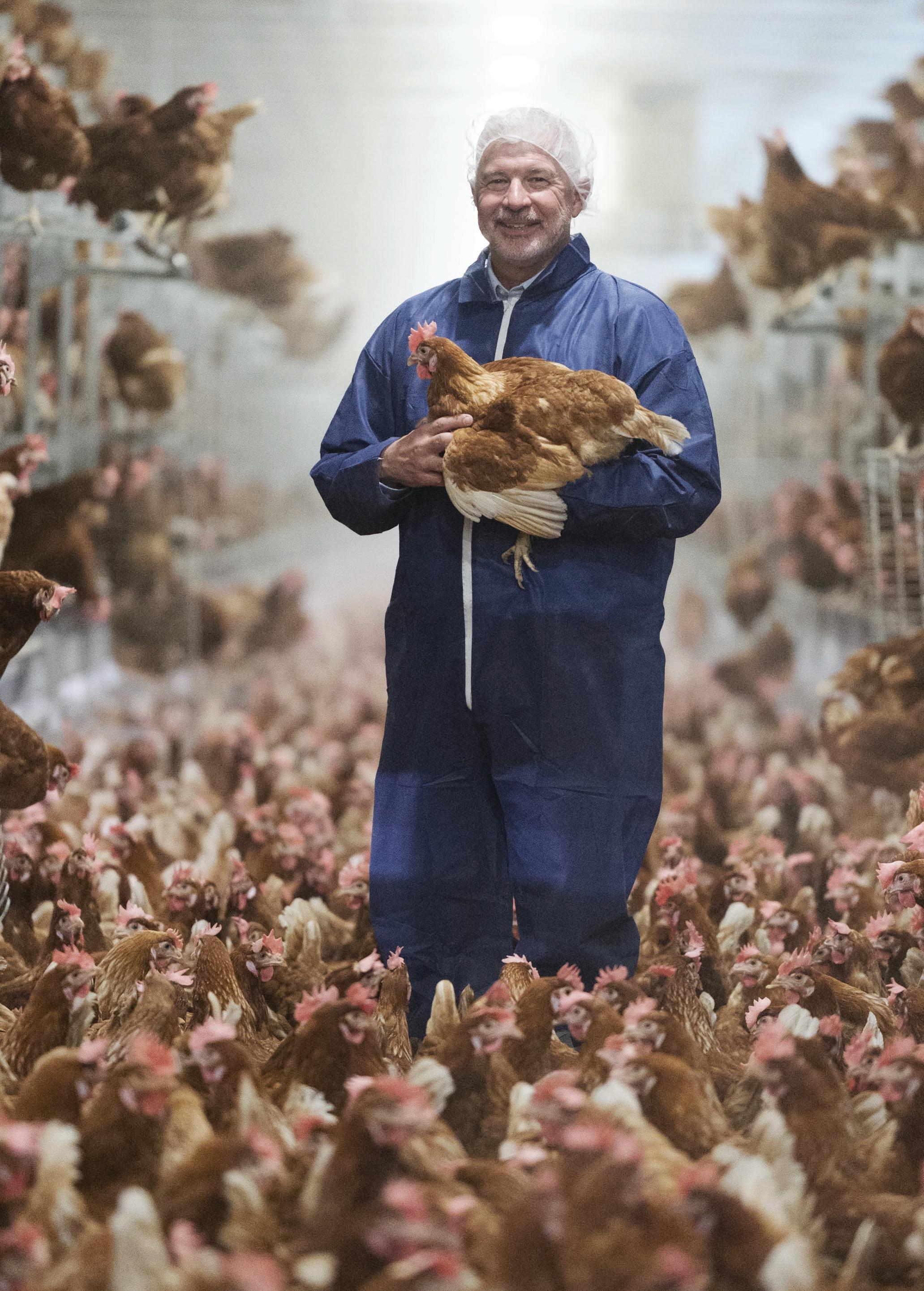


SINCE 1967
Solutions for the ideal climate.

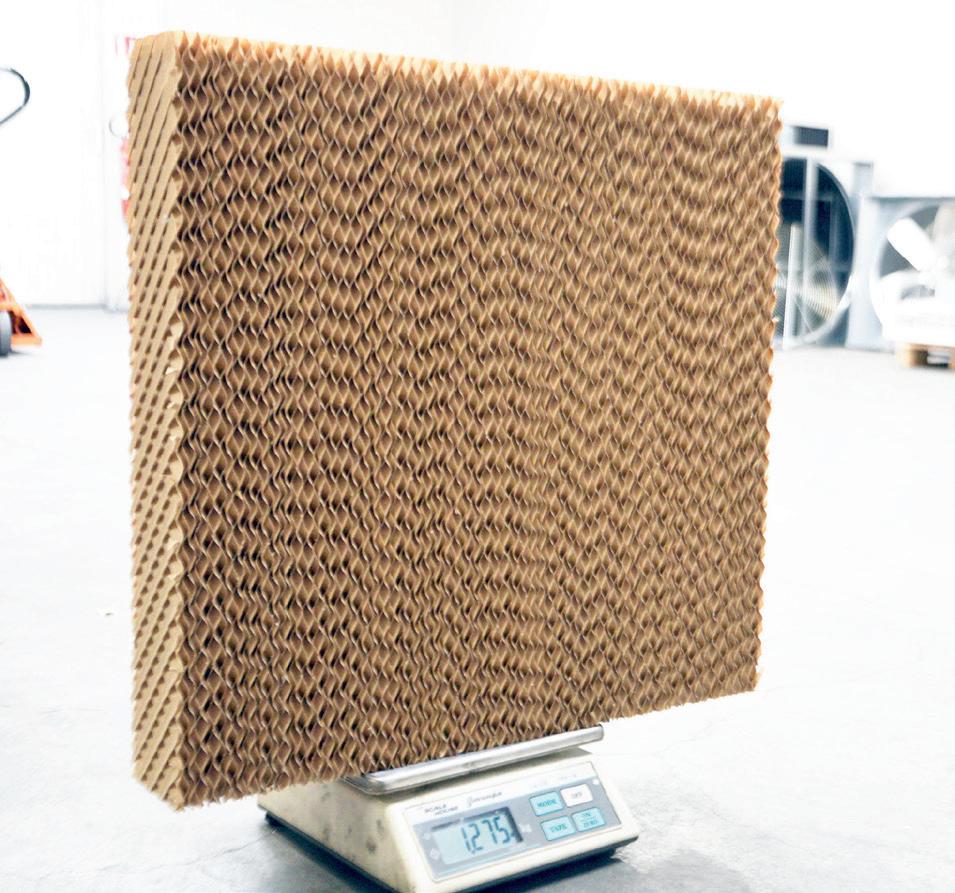

Available in a wide range of heights, thickness, and angles
Anti-vegetative surface treatment
AAT (optional)
Extensive water absorption capability
Exceptional light reduction
High cooling efficiency
No water spillage
Evaporative cooling pad
Darkening cooling pad