

Recognize Excellence. Celebrate Impact. Inspire the Future.
Every day, professionals in vascular access are improving patient outcomes, advancing practice, and leading innovation.
Now is your chance to recognize them.
1 Highlight leaders shaping the future of vascular access
2 Elevate best practices across the field
3 Recognize innovation, research, and clinical excellence
4 Inspire others to raise the bar
Award Categories
1 Excellence in Vascular Access – Highest honor recognizing outstanding contributions
2 Impact Award – Measurable difference through leadership and practice change
3 Scholarly Excellence – Advancing neonatal and pediatric vascular access research
4 Call to Action Recognition – Programs improving patient outcomes
5 NEW: Innovation Award – Bold ideas transforming vascular access practice
1 A clinical expert others rely on
2 A leader driving meaningful change
3 A researcher advancing the field
4 An innovator doing things differently—and getting results
Submit your nomination today: www.avainfo.org/page/awards
Don’t Wait. If nominations aren’t submitted, deserving individuals may never be recognized. Let's make sure the right people get the spotlight this year.
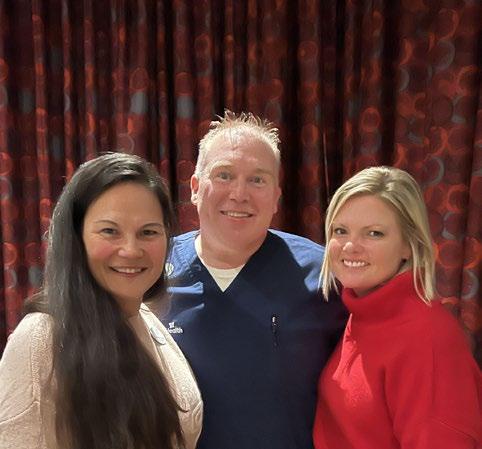
PRESIDENT DAVID MARKLE, BSN, RN, VA-BC™
TREASURER AMANDA PIERCE BSN, RN, VA-BC™
PRESIDENTIAL ADVISOR MEAGAN CAPEN, APRN, CPNP-AC, MSN, VA-BC™
President David Markle, RN, VA-BC™
Treasurer Amanda Pierce BSN, RN, VA-BC™
President David Markle, RN, VA-BC™
Presidential Advisor Meagan Capen, APRN, CPNP-AC, MSN, VA-BC™
Treasurer Amanda Pierce BSN, RN, VA-BC™ Presidential Advisor Meagan Capen, APRN, CPNP-AC, MSN, VA-BC™
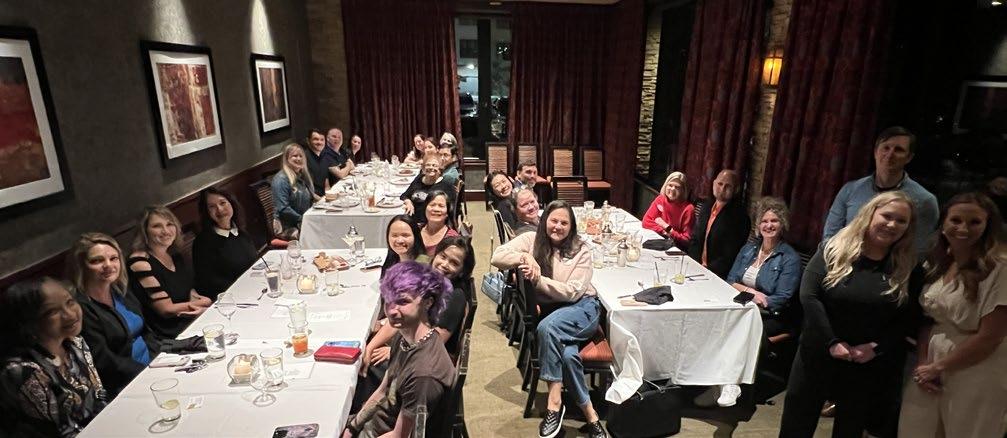
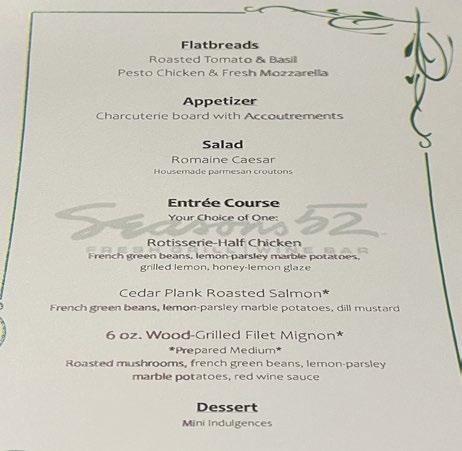
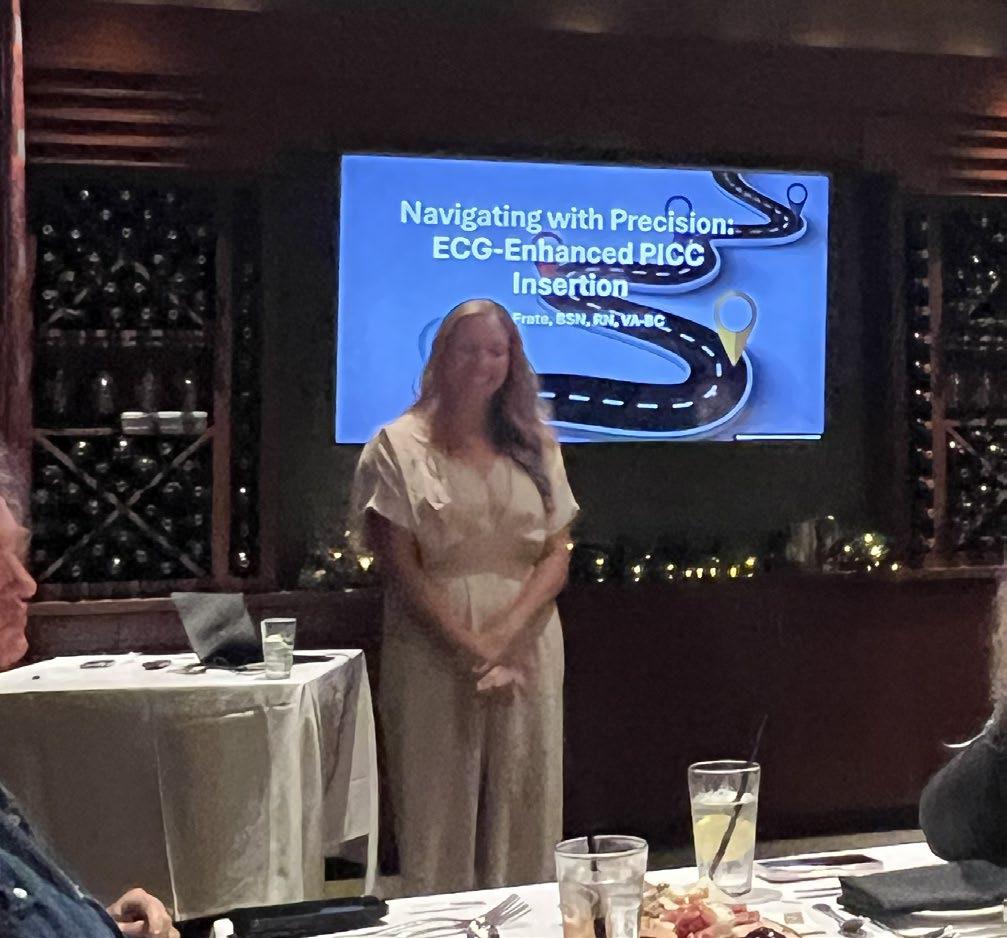
Ending 2025 with a great group, FLAVAN hosted a dinner meeting December 2, 2025 in Jacksonville sponsored by Spectrum Vascular! Katie Frate BSN, RN, VA-BC TM presented Navigating with precision: ECG-Enhanced PICC insertion . Our members enjoyed a Season’s 52 meal while gaining insight on improving insertion success rates and reducing malposition with use of intracavitary ECG.
President David Markle, RN, VA-BC™
Treasurer Amanda Pierce BSN, RN, VA-BC™
Presidential Advisor Meagan Capen, APRN, CPNP-AC, MSN, VA-BC™
Ending 2025 with a great group, FLAVAN hosted a dinner meeting December 2, 2025 in Jacksonville sponsored by Spectrum Vascular! Katie Frate BSN, RN, VA-BC presented Navigating with precision: ECG-Enhanced PICC insertion. Our members enjoyed a Season’s 52 meal while gaining insight on improving insertion success rates and reducing malposition with use of intracavitary ECG.
Ending 2025 with a great group, FLAVAN hosted a dinner meeting December 2, 2025 in Jacksonville sponsored by Spectrum Vascular! Katie Frate BSN, RN, VA-BC presented Navigating with precision: ECG-Enhanced PICC insertion. Our members enjoyed a Season’s 52 meal while gaining insight on improving insertion success rates and reducing malposition with use of intracavitary ECG.
FLAVAN BOD has continued to collaborate with GulfVAN to provide virtual CE opportunities for our members as well. March 5th, 2026 we had a virtual ZOOM CE eventDrainage at the Exit Site: Is it Lymp? presented by Casey Schuller BSN, RN, VA-BC TM . This event was also open to CEPAVAN, PeachVAN and NELAVAN!!! The event was sponsored by Toledo Vascular and GulfVAN.
We are excited to have 3 upcoming in-person dinner meetings on the books this year and are looking forward to the 2026 AVASM in Texas… YEE HAW!!!
Ending great group, dinner December sponsored Vascular! BSN, RN, Navigating ECG-Enhanced insertion enjoyed meal on success malposition with use of intracavitary ECG.
FLAVAN BOD has continued to collaborate with GulfVAN to provide virtual CE opportunities for our members as well. March 5th, 2026 we had a virtual ZOOM CE event- Drainage at the Exit Site: Is it Lymp? presented by Casey Schuller BSN, RN, VA-BC This event was also open to CEPAVAN, PeachVAN and NELAVAN!!! The event was sponsored by Toledo Vascular and GulfVAN.
We are excited to have 3 upcoming in-person dinner meetings on the books this year and are looking forward to the 2026 AVASM in Texas… YEE HAW!!!
FLAVAN BOD has continued to collaborate with AN
For more FLAVAN news and upcoming events please visit our website by clicking the link FLAVAN and don’t forget to like and follow us on Facebook!
For more FLAVAN news and upcoming events please visit our website by clicking the link FLAVAN and don’t forget to like and follow us on Facebook!
FLAVAN BOD has GulfVAN to provide members as well. ZOOM CE eventLymp? presented VA-BC This event PeachVAN and NELA sponsored by Toledo
We are excited to dinner meetings looking forward YEE HAW!!!
For more FLAVAN please visit our website and don’t forget
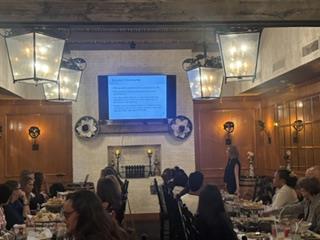
The Florida Gulf Coast Vascular Access Network (GulfVAN), an AVA network serving Florida’s Gulf Coast region, recently hosted an educational dinner meeting at Besito Mexican restaurant. The evening featured Michele Biscossi, who delivered an engaging presentation focused on advancing knowledge and clinical practice in vascular access .
The event was generously sponsored by BD, whose support helped create an opportunity for clinicians to gather, learn, and strengthen professional connections. GulfVAN remains committed to bringing AVA’s mission to the local level through education, sharing best practices, patient safety, and improved vascular access outcomes.
The Florida Gulf Coast Vascular Access Network (GulfVAN), an AVA network serving Florida’s Gulf Coast region, recently hosted an educational dinner meeting at Besito Mexican restaurant. The evening featured Michele Biscossi, who delivered an engaging presentation focused on advancing knowledge and clinical practice in vascular access.
GulfVAN is grateful to Michele Biscossi, BD, and all attendees for supporting an evening of meaningful education and collegial engagement.
The event was generously sponsored by BD, whose support helped create an opportunity for clinicians to gather, learn, and strengthen professional connections. GulfVAN remains committed to bringing AVA’s mission to the local level through education, sharing best practices, patient safety, and improved vascular access outcomes.
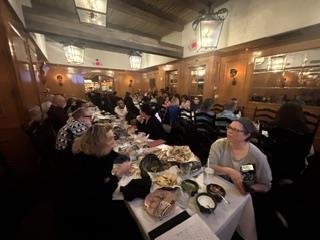
GulfVAN is grateful to Michele Biscossi, BD, and all attendees for supporting an evening of meaningful education and collegial engagement.
#GulfVAN #VascularAccess
#AVA #NursingLeadership
#ClinicalExcellence
#ProfessionalCommunity
The 40th Annual Scientific Meeting brings together vascular access professionals from around the world for three days of innovative education, meaningful connection, and evidence-based practice that advances patient care.
October 2-4 Premeeting October 1
Gaylord Texan Resort & Convention Center Grapevine, Texas
Learn. Connect. Lead. Shaping the future of vascular access

Cutting-Edge Education
Hands-on labs, lectures, and sessions led by global experts.
Peer Connection
Network with colleagues who share your passion.
Innovation in Practice
Discover new tools, techniques, and perspectives.
Inspiration & Impact
Leave energized to elevate patient care and drive change.


Over the past few months, the AVA Clinical Practice Guidelines have been on the move, showing up in conference halls, conversations, and clinical discussions well beyond our own community. From GOVAN to INS to WoCoVA, one thing has become increasingly clear: the opportunity and the responsibility to expand the reach of the CPG extends far beyond vascular access teams.
At GOVAN, we were among colleagues who share a deep understanding of vascular access practice. The language was familiar, the challenges recognizable, and the commitment to improving patient care unwavering. These are our people, those who believe in the importance of vascular access.
INS offered a different perspective. While there is significant overlap with AVA, it highlighted an important point: vascular access does not exist in a single setting. Ambulatory care, home infusion, oncology, and outpatient environments all bring unique challenges and constraints. The variability we often associate with disciplines is just as present across care settings. If the CPG is going to reduce harm and improve outcomes, it must be relevant to all of them.
Then came WoCoVA. On an international stage in Valéncia, the conversation expanded even further. Different countries, different healthcare systems, different resources, and yet the same fundamental challenges. Variation in practice and barriers to implementation. The need for evidence-informed decision-making that translates into real-world care. What stood out most was not the differences, but the alignment. Across disciplines. Across settings. Across borders.
We may approach vascular access from different roles and environments, but we share a commitment to getting it right for patients. At the end of the day, we are all working toward the same goal, even if we come at it from different directions.
The AVA Clinical Practice Guidelines were never intended to stay within AVA. They were developed to support clinicians wherever vascular access care happens. Publication is only the first step. The next is dissemination, engagement, and application.
Removing silos is not just about collaboration between disciplines. It is about ensuring that evidence reaches every setting where vascular access decisions are made.
Now it is your turn! We want to hear from all of you!
The AVA Clinical Practice Guidelines are on the move, reaching clinicians across disciplines, care settings, and even across the globe. We know many of you are already doing this work.
You are presenting the CPG to new audiences. You are introducing it into ambulatory care, home infusion, oncology, emergency services, and beyond. You are removing the silos that have been built between specialties, departments, and disciplines.
We are inviting AVA members to submit a short story (250–500 words) describing how you have used or presented the CPG to:
• reach a new discipline
• expand into a different care setting
• influence practice outside traditional vascular access teams
If available, include a photo that helps tell your story.
These submissions will be featured in upcoming issues of Intravascular Quarterly as part of our ongoing effort to highlight how the CPG is being used to remove silos and improve patient care.
Send your stories to JAVAeditor@avainfo.org
Subject line: CPG on the Move
LORI KACZMAREK, MSN, RN, VA-BC™, AVA PRESIDENT
At the 9th World Congress on Vascular Access (WoCoVA), held in April 2026 in Valéncia, Spain, it was my honor and privilege to represent the Association for Vascular Access (AVA) in a dedicated session focused on the evolving role of clinical guidelines and professional standards in shaping safe, effective, and consistent vascular access practice worldwide. This
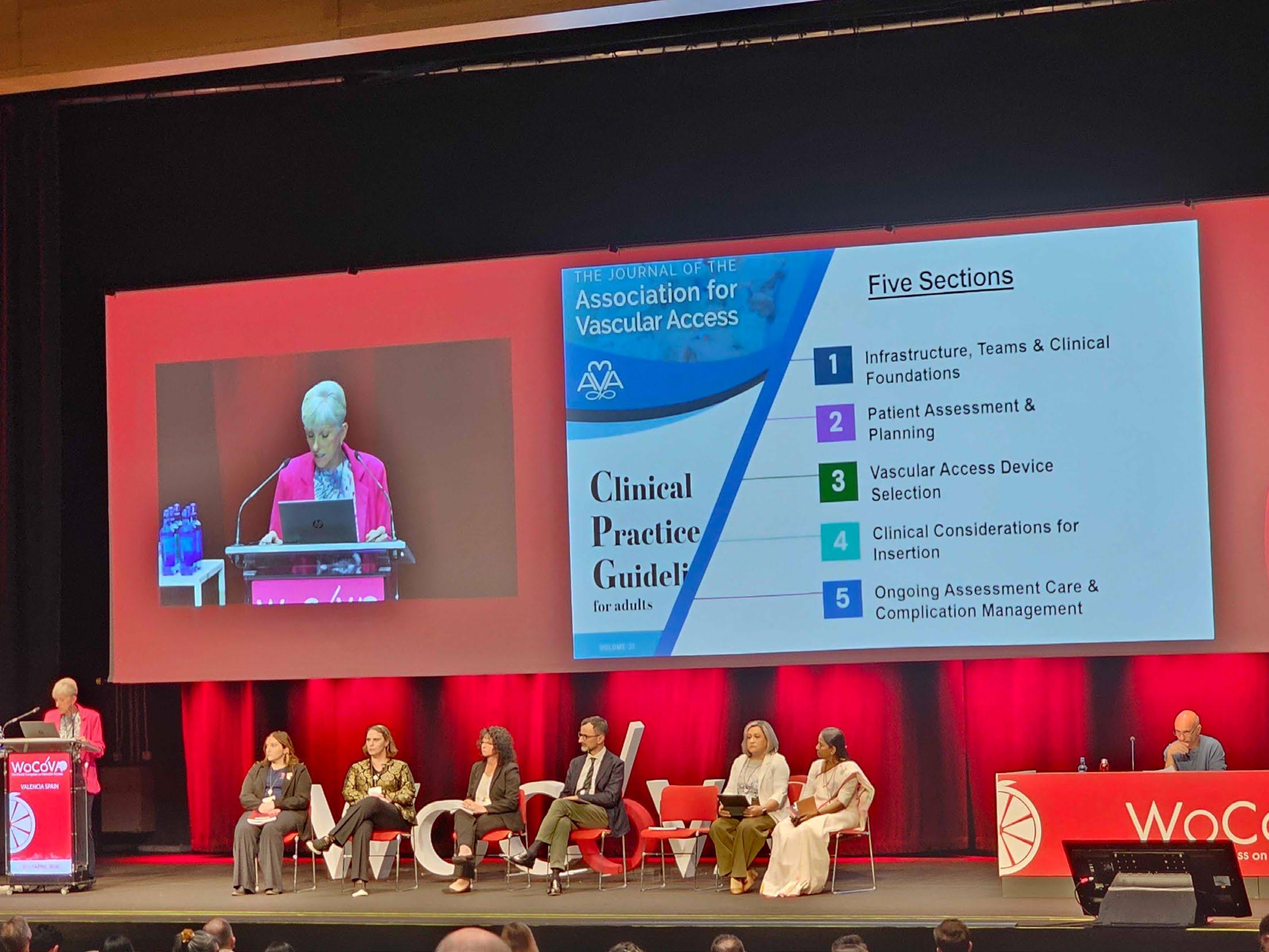
Moderated by WoCoVA chairs from Spain, Australia, and the Netherlands, the panel discussion included representatives from the US, Belgium, Canada, Italy, Mexico, and India, emphasizing that clinical guidelines and standards serve as the foundation for high quality vascular access care, offering a structured framework for device selection, insertion, maintenance, and complication prevention. Speakers highlighted how international guidelines help reduce variation in practice, advocate for the use of evidence and support for clinical decisionmaking, and provide a shared language across professions and healthcare systems. In an increasingly complex landscape of vascular access technologies, adherence to guidelines and standards was positioned as critical for maintaining patient safety.
A key theme of the session was the dynamic nature of guidelines. Presenters underscored that guidelines must evolve in response to emerging evidence, new devices, and changing patient populations, including vulnerable groups such as neonates, pediatrics, and critically ill adults. The importance of regularly reviewing and updating recommendations to reflect real world data and implementation outcomes was reinforced, particularly as practice environments differ globally.
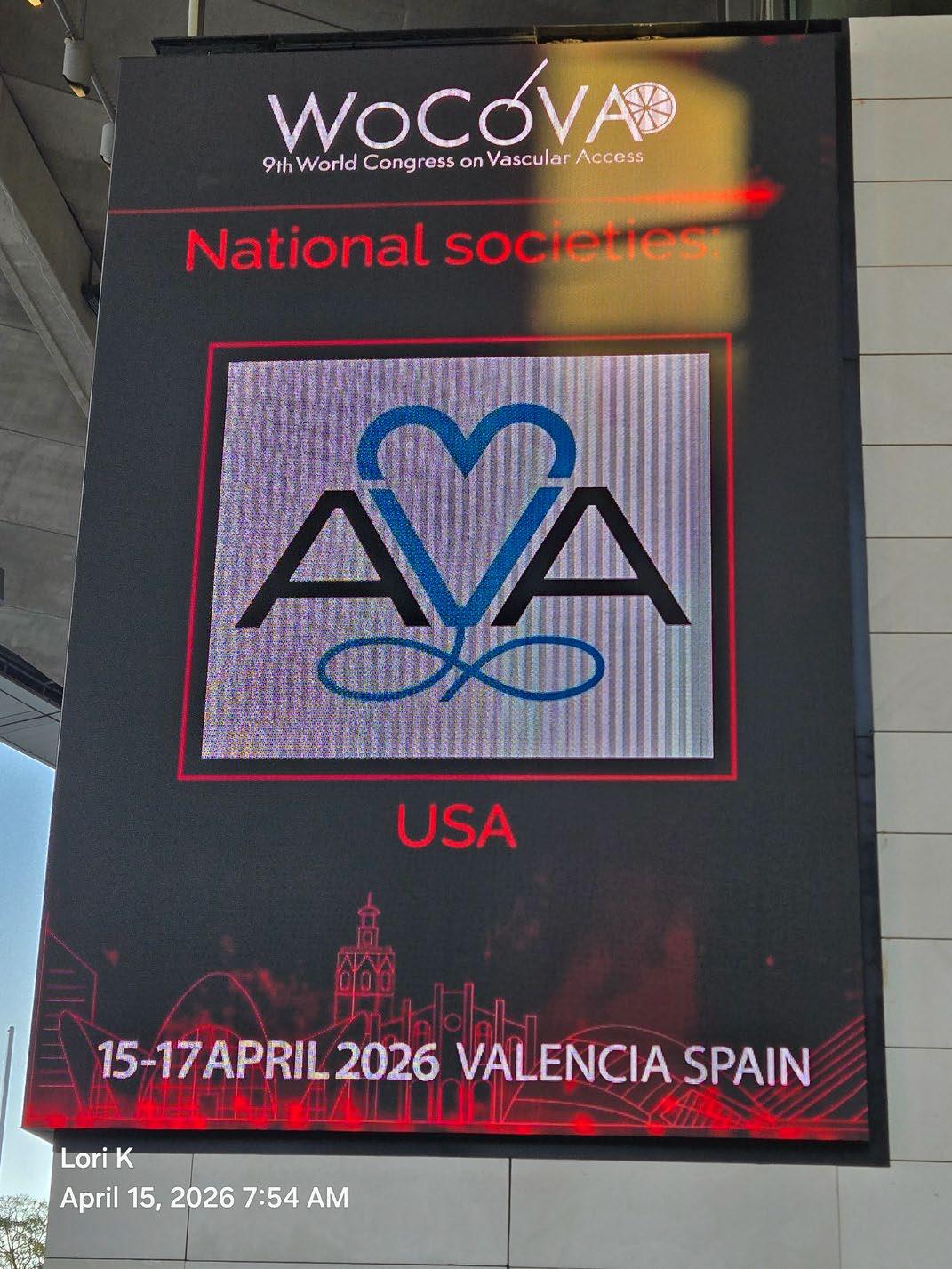
The session also addressed the gap between guideline development and bedside implementation. Barriers such as language barriers, resource variability, educational gaps, and inconsistent organizational support were acknowledged. Speakers emphasized the role of education, interdisciplinary collaboration, and leadership engagement in translating published standards into daily practice. WoCoVA’s global platform was highlighted as an essential venue for harmonizing perspectives and fostering consensus across regions and disciplines.
Overall, this session reinforced the idea that guidelines and standards are not static documents but active tools that require engagement, education, and continuous evaluation. By sharing and aligning clinical practice with evidence-based standards, the vascular access community can strengthen patient safety, improve device outcomes, and support sustainable, high-value care worldwide—core objectives that remain central to vascular access organizations.
Hi everyone,
TONYA HUTCHISON , CAE CHIEF OPERATIONS OFFICER OF AVA
I’ve been with AVA for over 25 years, yes… I know, that’s dating me a bit. I’ve truly grown up in this organization.
While I’m not a clinician, I deeply believe in AVA’s mission. I had the privilege of knowing Suzanne Herbst, AVA’s founder, and I still hear her words often: “AVA is the organization for everyone who wants better outcomes for patients.”
And she was right.
If you’re a patient, you’ve had a vascular access device.
If you’re a clinician, you’ve worked with one.
If you’re a representative from industry, you’ve either been a clinician or are dedicated to learning about them.
AVA was built as a community for all of us to learn from each other.
Every year at the conference, I hear some version of this:
“I attended an AVA meeting, learned something, went back to my facility, made a change— and now I’m here presenting how it improved patient care.”
That’s what this is all about.
I’m kicking off a new series where I answer real questions I’ve received over the years. If one person is asking it, chances are others are thinking the same thing.
With registration now open and the schedule being released, let’s tackle a few of the most common questions about the AVA Annual Scientific Meeting:
Why did you choose that location?
Most associations select conference venues 5–10 years in advance. Why?
• To secure space before it’s gone
• To negotiate better contracts
• To plan long-term
But let’s be real; things change.
Several of AVA’s recent venues were selected before COVID. Since then, costs and circumstances have shifted dramatically across healthcare and events.
So, what do we do?
We make the best decisions we can with the information we have at the time and adjust when needed.
We also rely heavily on your feedback. Post-event surveys play a big role in:
• Where we go
• What we prioritize
• What we improve
How are sessions and speakers chosen?
This process is more rigorous than most people realize.
• The call for abstracts opens during the current year’s meeting
• Submissions are blinded (no names, no institutions)
• Each abstract is reviewed and scored by three members of the D-Team
Reviewers evaluate:
• Content and learning objectives
• Audience level
• Relevance and originality
Only after scoring do they see who submitted.
And yes, it can be surprising:
• Well-known speakers don’t always rank highest
• New voices sometimes rise to the top
From there, the team builds a balanced program that considers experience levels, topics, research, and overall flow.
Add in variations in venue space and scheduling limitations, and it becomes a very competitive process!
If your favorite speaker isn’t presenting, or your abstract wasn’t selected, please know the decisions are thoughtful and not easy.
And if you’re submitting next year:
Take the time to make your abstract strong. It truly matters.
There are so many sessions, and I can’t attend them all!
You’re right - you can’t. And that’s actually okay.
With your full conference registration, you’ll have access to recorded sessions after the meeting. So, if you choose a breakout on research, you won’t miss the one on new technology.
Shortly after you return home, you’ll receive access to the recordings, meaning you can catch up on what you missed from the comfort of your own couch.
Even better, you can claim up to 20 additional CE credits through those recordings. That means your registration can provide access to 24 total credits, and even more if you attend a pre-meeting workshop.
Why aren’t beverages (especially coffee) and snacks available all day?
Fair question, and one we hear often.
The short answer: cost.
We aim to keep you energized while also being mindful of registration rates. Offering continuous food and beverage service significantly increases costs, and we work hard to strike the right balance.
Here’s what is included:
• Morning coffee/tea service each day (and some mid-day service)
• Lunch every day of the main meeting (including industry-supported symposia on Day 1)
• Exhibit Hall reception with appetizers and drinks on the first evening
• Additional breakfast opportunities noted in the schedule
And here’s a pro tip from someone who’s been to a few of these: pack a few granola bars or your favorite snacks in your luggage and toss them into that conference bag you’ll get at registration. Throw in a water bottle, too; there are water stations throughout the venue to keep you fueled and hydrated all day.
Send them my way: thutchison@avainfo.org. I may feature them in an upcoming post.
More questions are coming soon in this series. In the meantime, I hope to see you at this year’s Annual Scientific Meeting.
Tonya
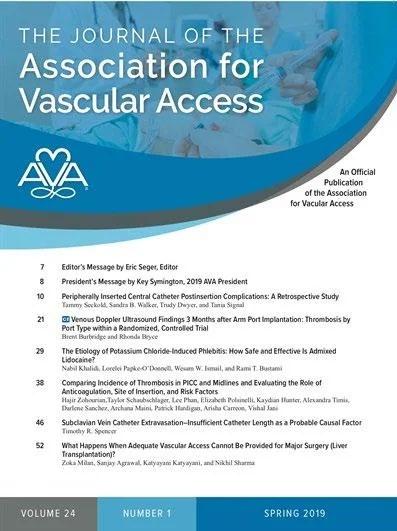
We invite you to submit original manuscripts that may improve patient outcomes and our understanding of the vascular access specialists’ role in the healthcare system. Manuscripts could include:
• Clinical Practice
• Patient Education
• Clinician Education
• Promoting & Sustaining Change
• Vascular Access Research
• Legal perspectives
• Financial Considerations
• Anything to move AVA’s mission forward.
For complete instructions, go to Information for Authors at www.avajournal.com
If you would like some mentoring help, email AVAFoundation@avainfo.org. The AVA Foundation board can match you with free mentoring for AVA members on research and publication.
If you have general questions or don’t know where to start, contact the JAVA editor at: javaeditor@avainfo.org.

BAILEY ELLIS, AAS
ADMINISTRATIVE ASSISTANT AND
MEMBER COORDINATOR
Bailey joined AVA in late February 2026 where she plays an integral role in supporting both the internal team and the broader networks. She helps coordinate and set up events for AVA and its partner networks, ensuring smooth execution from planning through completion. As the first point of contact for network leaders and members, Bailey provides consistent communication and support, while also assisting members with general inquiries, membership questions, and issue resolution. She is dedicated to creating a seamless and positive experience for everyone connected to AVA.
With a degree in computer science, she enjoys designing and building custom DC electronic projects, programming them herself to ensure they function as intended. One of her favorite projects to date is a three-stage fully electronic puzzle box created as a birthday gift for her father, requiring him to “work” to unlock the real gift. Now equipped with a 3D printer, she plans to expand her capabilities by creating custom-fit housings for her electronic builds. She also has a strong lifelong interest in both animal and human medicine, having previously pursued a DVM path and proudly embracing her status as a dedicated cat enthusiast(crazy cat lady, if you will). She has a continual drive to learn and create, her favorite programming languages include Java, Javascript, HTML/CSS, Python, and C/C++. She believes most problems can be solved with enough curiosity—and maybe a soldering iron, though she is also known to build things unnecessarily complicated simply because it’s more fun that way.

PEYTON OLESEN, BS, ICP-MKG, PMC-1 MARKETING STRATEGIST
Peyton Olesen recently joined AVA as an independent contractor focused on multi-channel marketing strategy and execution for the association. With over ten years of marketing, communications and design experience in the healthcare sector, Peyton has built a reputation for driving tangible customer success via focused storytelling, target audience segmentation and authenticity. Peyton most recently led Premier, Inc.’s B2B e-commerce strategy and platform, with prior roles at Premier as Director of Growth Marketing and Director of Operations in supply chain services. Prior to Premier, Peyton worked in healthcare consulting at Capgemini.
Peyton is passionate about supporting purpose-driven organizations, recently leading website and collateral development for her local community center. She is also committed to innovation and continuous learning, contributing healthcare and marketing expertise to help train and evaluate large language AI models.
Peyton holds a Bachelor of Science in Biology and Anthropology from Duke University and a Certificate in Business Essentials from UNC Kenan-Flagler Business School. She is certified by ICAgile in Agility in Marketing, bringing a data-driven, flexible mindset to her work that drives efficiency and achieves results. Peyton enjoys photography, scuba diving, crocheting and traveling with her husband. Last year she completed a half marathon in Antarctica, now preferring quiet walks on local greenways instead. Peyton resides in the greater Charlotte, NC metro area.


BY RACHEL LILLEY, RN, EXECUTIVE DIRECTOR & EMILY STROUSE, RN
Overview:
Star Home Health Agency is located in rural Ohio, about an hour from Columbus. As a locally owned and operated organization, we provide skilled services to Knox County and the surrounding areas. In addition to these services, we also assist with the management of peripherally inserted central catheters (PICC).
Home health organizations continue to face numerous barriers in providing care for patients with PICC lines. The challenges both our patients and staff encounter include maintaining continuity of care across facility-based settings, transportation issues, the need for teachable caregiving, and adapting to the home environment. A significant barrier for our clients is the lack of a support system willing to assist with infusions, as well as inadequate transportation options. Home health services help alleviate transportation challenges, allowing clients to avoid traveling to and from outpatient infusion centers. According to the National Home Infusion Foundation (NHIF) Infusion Journal, 30 percent of clients reported having unreliable means of transportation if not for home health services.1
Another challenge that arises for clients transitioning home with infusions is insufficient education provided before discharge. Clients must receive thorough education while still in a facility-based setting to ensure they are properly prepared before being discharged to home health. Once at home, home health staff continue to educate the patient and monitor the peripheral line until the long-term medication is discontinued. However, institutions often do not adequately prepare clients for success by failing to initiate initial education while they are still hospitalized.
Additionally, the living environment presents a significant barrier for both our staff and clients. Nurses enter clients’ homes with permission to educate, demonstrate, and assist clients in learning how to properly manage and administer their lines and medications. Unfortunately, the conditions in which clients live can complicate these efforts, particularly when it comes to maintaining a clean and sterile procedure.
Client Perspective:
Our organization had the privilege of serving and interviewing a second-generation local farmer. Star Home Health Agency provided care to this client, who required a PICC line and antibiotics, for approximately six weeks. The client appreciated the convenience of receiving home health support to monitor the PICC line and administer antibiotics in the comfort of their own home. The client shared with our nurse that he had previously attempted oral antibiotics; however, these caused persistent upset stomach, nausea, vomiting, and weight loss, leading to continued hospitalizations.
The client provided positive feedback regarding his home health experience, noting that it was ‘less time’ and ‘less hassle’ compared to commuting to outpatient infusion services. Nurses from Star Home Health educated the client and his wife on administering antibiotics via the PICC line, in accordance with policy and physician orders. The client’s wife emphasized that home health played a vital role in the client’s well-being. The nurses were able to effectively communicate with both the client and his family, answer questions in a timely manner, and perform wound care and lab tests, all from the comfort of the client’s home. The client and his family expressed that they would recommend using a PICC line and short-term IV antibiotics to anyone in need. The client is now back to work on his farm, doing what he enjoys most.
Nurse Perspective:
It takes a special kind of nurse to enter a client’s home and assist with their care. Nurses must respect the client’s environmental, social, and emotional needs to create a safe environment for treatment and education. The organization’s administrative team must have a sound foundation and staff who have met all competencies pertaining to peripheral therapy.2
A home health nurse managing a PICC line evaluates it for signs of infection, performs dressing changes, and obtains lab samples as ordered. Occasionally, our nursing staff must overcome various challenges within the client’s home, such as environmental clutter, pets, dim lighting, and the client’s physical limitations that may affect dressing changes and lab draws. As a home health nurse, one learns to adapt to different environments while consistently providing safe, quality, and effective care.
Conclusion:
Studies show that clients’ overall satisfaction, both clinically and personally, with home infusions is 80% higher than that of patients receiving facility-based infusions.1 Home health nurses face many challenges; however, our nurses recognize that providing care in the client’s home results in the best holistic outcomes.
References
1. National Home Infusion Association. Infusion Journal. 2026;5(1). Accessed April 30, 2026. https://nhia.org/nhif/infusion-journal/
2. Gorski LA. Update: The 2024 infusion therapy standards of practice. Home Healthc Now. 2024;42(4):201.
BY: DUSTIN MASON, EMT | VA-BC™ ZACHERY PROCTOR, EMT-P | BHA
About us:

We both currently work at the University of Florida Health Jacksonville on the Vascular Access Specialties (VAS) Team. Our team provides coverage to almost every department within our institution, including the emergency department. While most traditional Vascular Access Teams are made entirely of Registered Nurses, our unique team utilizes both Registered Nurses and Emergency Medical Technicians/Paramedics. Our previous experience as emergency medical technicians (EMTs), combined with our current position on a VAS Team, gives us both perspectives from the vascular access standpoint. We will discuss how vascular access standards and guidelines should be utilized in both the pre-hospital setting and in the emergency department.
How the implementation of standards and guidelines can be translated to the emergency department:
At the center of every standard and guideline, the use of ultrasound for achieving vascular access is mentioned. I would like to hit on the important aspect of training. Using the AVA Clinical Practice Guidelines for Adults it states: “For all peripheral vascular access device (PVAD) insertions, clinicians should select an appropriate device length for the target vessel and ensure that a sufficient portion of the catheter resides within the vessel to promote stability and reduce the risk of infiltration, dislodgement, and early catheter failure”.1 This specific section of the guidelines is without a doubt the most essential. If there is insufficient education or discipline on the part of the clinician performing the ultrasound-guided device insertion, it can lead to catastrophic outcomes. Frequently seen complications that can change the patient’s care plan if admitted include computed tomography (CT) contrast extravasations, infiltrations, and even extravasations from time-critical medications such as vasopressors.
Vascular access (VA) decision-making across the emergency care continuum reflects two distinct clinical environments, prehospital emergency medical services (EMS) and the emergency department (ED), that nonetheless share responsibility for the safety and durability of infusion therapy. For EMTs and paramedics, vascular access is performed under conditions defined by urgency, environmental limitations, and the absence of a closed feedback loop. Once care is transferred to the ED, prehospital clinicians rarely receive information regarding the catheter’s performance, such as infiltration, early failure, or the need for device replacement. This lack of outcome visibility reinforces a pragmatic “get it where you can” culture, despite national standards like the Infusion Nurses Society (INS) Infusion Therapy Standards of Practice, which emphasize vessel preservation, minimizing venipunctures, and aligning device selection with anticipated therapy.2
In the prehospital setting, clinicians must balance these standards against real-world constraints, including poor lighting, limited equipment, patient positioning challenges, and transport-related movement. They must also recognize when early escalation to intraosseous access is appropriate to prevent delays in life-saving interventions. Increasingly, EMS systems are adopting ultrasound-guided peripheral IV insertion to improve first-attempt success and reduce prehospital device failure, reflecting a shift toward alignment with contemporary vascular access standards.
In contrast, the ED operates in a more controlled, guideline-driven environment, enabling greater adherence to best practices. Clinicians can select large, proximal veins for highrisk infusates, escalate to central access for prolonged therapies, and perform ongoing site assessments to identify complications early. The administration of vasopressors highlights this contrast: EMS clinicians may initiate vasopressors through any functional access during resuscitation, whereas ED practice typically requires short, large-bore catheters placed in proximal veins, defined limits on peripheral vasopressor duration, and immediate availability of extravasation antidotes.
These differences underscore the need for stronger alignment between EMS and ED practice through shared education, expanded access to ultrasound, and the development of formal feedback mechanisms that provide EMS clinicians with downstream outcome data. A unified approach to vascular access decision-making across the continuum of care would promote safer, more durable access and improve overall infusion therapy outcomes.
References
1.Hawes ML, Sochor A, Davis LN, McGlauflin W, eds. Clinical practice guidelines for adults. J Assoc Vasc Access. 2026;31(1 suppl):1-158. doi:10.2309/JVAD-2026-SUPPLEMENT.
2.Nickel B, Gorski L, Kleidon T, et al, eds. Infusion therapy standards of practice. J Infus Nurs. 2024;47(1S suppl 1):S1-S285. doi:10.1097/NAN.0000000000000532
BY: Tonja Stevens, AGACNP-BC, MSN, RN,VA-BC™
Peripherally inserted central catheters (PICCs) are widely used for intermediate and long-term vascular access. Despite their utility, PICCs are associated with preventable complications, including central line–associated bloodstream infection (CLABSI), catheter-related thrombosis, and long-term vessel damage. Current insertion practices often prioritize speed and convenience over vein preservation and exit-site optimization. Bedside tunneling of PICCs is an underutilized technique that offers a practical, evidence-based strategy to reduce infection risk, decrease thrombotic complications, and preserve vessel health, while remaining feasible in clinical practice.1,2,3,4
PICCs are typically inserted through the skin near the venipuncture site, often in the upper arm, where moisture, movement, and skin flora increase the risk of catheter colonization and dislodgement. The literature demonstrates that catheter exit-site location and stabilization play a significant role in the risk of infection and thrombosis.3,4,5 Tunneling, creating a subcutaneous pathway that separates the venous entry site from the skin exit site, has long been standard practice for tunneled central venous catheters but has not been routinely applied to PICCs.
Emerging evidence and expert consensus suggest that tunneled PICCs may reduce microbial migration along the catheter tract, improve securement, and decrease mechanical irritation of the vessel.1,2,4,5 Additionally, tunneling allows clinicians to select a healthier vein for access and position the exit site in an area with better skin integrity and lower risk of contamination. With advancements in bedside tunneling devices and techniques, this practice can now be safely performed by trained vascular access clinicians without the need for fluoroscopy or procedural suites.
Non-tunneled PICCs may contribute to higher rates of CLABSI and catheter-related thrombosis through several mechanisms.3,4,5 First, a short catheter tract allows skin organisms easier access to the bloodstream. Second, exit sites near joints or high-motion areas increase catheter movement, leading to endothelial irritation and thrombus formation.2 Third, repeated PICC placements in the same upper-arm veins accelerate vessel depletion, limiting future access options for patients with chronic or complex conditions.
Bedside tunneling addresses these issues by increasing the distance between skin flora and the bloodstream, improving catheter stabilization, and reducing pistoning at the venous insertion site.3,4,5 Studies evaluating tunneled PICCs have demonstrated lower infection rates and fewer or comparable thrombotic complications than non-tunneled PICCs.3 Importantly, tunneling preserves vessel health by enabling optimal vein selection and facilitating a more gradual catheter or needle guide entry into the vein, thereby supporting vessel integrity and reducing the risk of vascular injury.6
From an operational standpoint, bedside tunneling can be incorporated into existing vascular access workflows with appropriate training, competency validation, and institutional policy support. When performed under ultrasound guidance and sterile technique, tunneling does not significantly increase procedure time and may reduce downstream costs associated with complications.
Healthcare organizations should strongly consider incorporating bedside tunneling of PICCs into standard vascular access practice for appropriate patients, particularly those requiring long-term therapy, those at high risk for infection or thrombosis, and those with limited venous access. Recommendations include:
1. Policy Development: Establish clear institutional guidelines supporting PICC tunneling within the scope of practice of trained vascular access clinicians.
2. Education and Competency: Provide formal education and competency assessment for bedside tunneling techniques and devices.
3. Patient Selection: Utilize tunneling for patients with anticipated prolonged dwell times, a history of catheter complications, or a need for vein preservation.
4. Quality Monitoring: Track outcomes, including CLABSI, thrombosis, and catheter dwell time, to evaluate the impact of tunneled PICCs.
By adopting bedside PICC tunneling as a proactive strategy, clinicians can improve patient safety, reduce complications, and preserve vessel health, aligning vascular access practice with evidence-based, patient-centered care.1,2,3,4,5,6
References
1. Vineet Chopra, et al. The Michigan Appropriateness Guide for Intravenous Catheters (MAGIC). Ann Intern Med.2015;163(6 Suppl):S1-S40.
2. Infusion Nurses Society. Infusion therapy standards of practice, 9th ed. J Infus Nurs. 2024;47(1 Suppl 1):S1-S285. doi:10.1097/NAN.0000000000000532
3. Li X, Zhang Y, Wang Z, et al. Complications of tunneled and non-tunneled peripherally inserted central catheter placement in chemotherapy-treated cancer patients: a meta-analysis. Front Surg 2024;11:1469847.
4. Association for Vascular Access. Adult Clinical Practice Guidelines. J Assoc Vasc Access. 2026;31(Suppl 1). doi:10.2309/JVAD-2026-SUPPLEMENT
5. Shim DJ, Kim ET, Lee JH, et al. Tunneled peripherally inserted central catheters and bloodstream infection: a systematic review and meta-analysis. Cardiovasc Intervent Radiol. Published online December 2, 2025. doi:10.1007/s00270-025-04289-z
6. Lu T, et al. Comparison of tunneled vs traditional PICCs in cancer patients: a propensity scorematched study. J Infus Nurs. 2025;48(6):422-432. doi:10.1097/NAN.0000000000000616

AVA's electronic newsle/er Intravascular Quarterly (IQ), keeps vascular access professionals up to date on important AVA news and the latest technological and educa;onal informa;on. IQ is published quarterly as a professional benefit. AVA offers the current issue available as free access. PDF version can be downloaded and shared!
Wri;ng for IQ means presen;ng per;nent informa;on in a brief fun, and crea;ve way. Share your stories - product evalua;on, quality improvement, living with vascular access, case reports, the student experience, the crea;ve educator, etc.
CLICK HERE to submit your ar5cle today!
Case Stories are another great way to share pa;ent cases without the rigor of medical case studies. Your case story should be between 25-750 words. Be sure to submit using the online form link below following the modified "SBAR" format.
CLICK HERE to submit or to review the Case Stories submission form today!
IQ will be published in February, May, August, and November 2026. A special issue of IQ will be published in September to celebrate AVA's Annual Scien;fic Mee;ng and will highlight sessions, speakers, exhibitors and much more. If you have an ar;cle to be published in IQ, please by the dates below. If you have ques;ons, call us at 1-877-924-AVA1.
Ar5cles are due by the dates below:
• May issue: theme - Pre and Post Acute Care (Ambulance to Homec are) - submit articles no later than May 1st
• August issue: theme - Educa5on and Simula5on - submit ar5cles no later than August 1st.
• November issue: theme - Innova5on - submit ar5cles no later than November 1st.
Click here for Adver;sing opportuni;es in IQ
CLICK HERE for advertising opportunities in IQ.