



Find time for continuing education with AVA!
Check out all the educational courses & continuing education credits offered:
Free CEs for AVA Members!
Procedural courses: Ultrasound Guided
Peripheral Intravenous Catheter
Insertion, Intro to Midline Catheters using MST

PIV Curriculum - 6 CEs available for PIV Essentials Bundle!
Previous ISAVE that Line webinar events and AVA Conference Presentations. & many more!
plete a short AVA Academy to AVA CE credit


PRESIDENT DAVID MARKLE, BSN, RN, VA-BC™
TREASURER AMANDA PIERCE BSN, RN, VA-BC™
PRESIDENTIAL ADVISOR MEAGAN CAPEN, APRN, CPNP-AC, MSN, VA-BC™
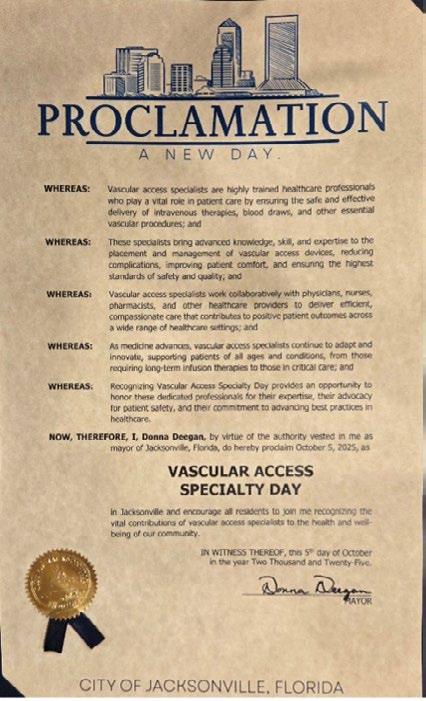
Celebrating Vascular Access Specialty Day in Jacksonville, Florida
FLAVAN is thrilled to share an exciting milestone for our profession. The City of Jacksonville, Florida has officially proclaimed October 5th as Vascular Access Specialty Day, recognizing the vital work of vascular access clinicians. This honor highlights our specialty’s impact on patient safety, quality care, and improved outcomes. We are proud to see our profession celebrated and elevated in such a meaningful way.
FLAVAN, in collaboration with GulfVAN & CEPAVAN, recently hosted a virtual event titled “It’s Not Black & White: Addressing Health Inequities” presented by Kelly Vogt, MPH, BSN, RN and sponsored by B. Braun. The session was well attended and allowed members to engage in the current state of health equity in the U.S., the factors influencing it, emerging research on patient and provider perceptions related to peripheral IV catheters, and practical solutions to reduce inequities in care.
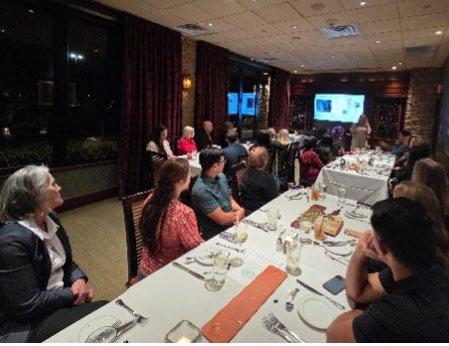
FLAVAN hosted a Jacksonville Dinner meeting in December “Navigating with precision: ECG-Enhanced PICC Insertion” presented by Katie Frate, BSN, RN, VA-BCTM and sponsored by Spectrum Vascular. Our members enjoyed a lovely Season’s 52 dinner and excellent presentation that gave our members the opportunity to discuss how intracavitary ECG guides accurate PICC tip placement, when ECG-based navigation is indicated in pediatric and adult patients, and how this technology improves success rates while reducing malposition.
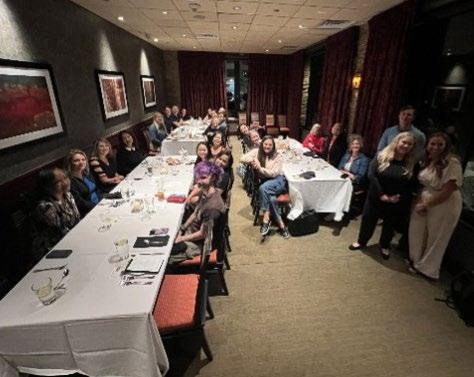
We are actively planning upcoming virtual and in-person meetings for 2026 —stay tuned for more details!
For more FLAVAN news and upcoming events please visit our website by clicking the link FLAVAN and don’t forget to like and follow us on Facebook!
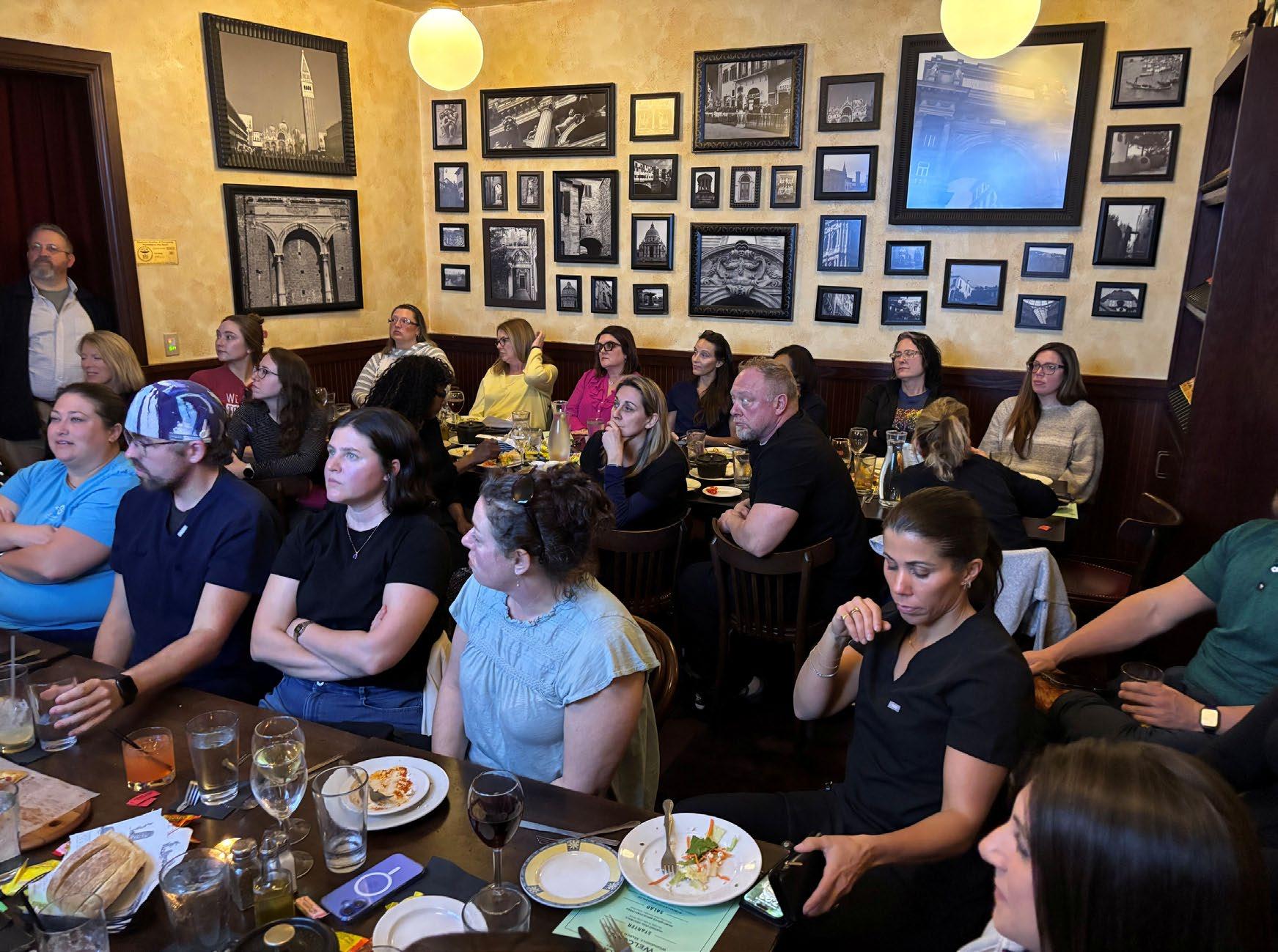
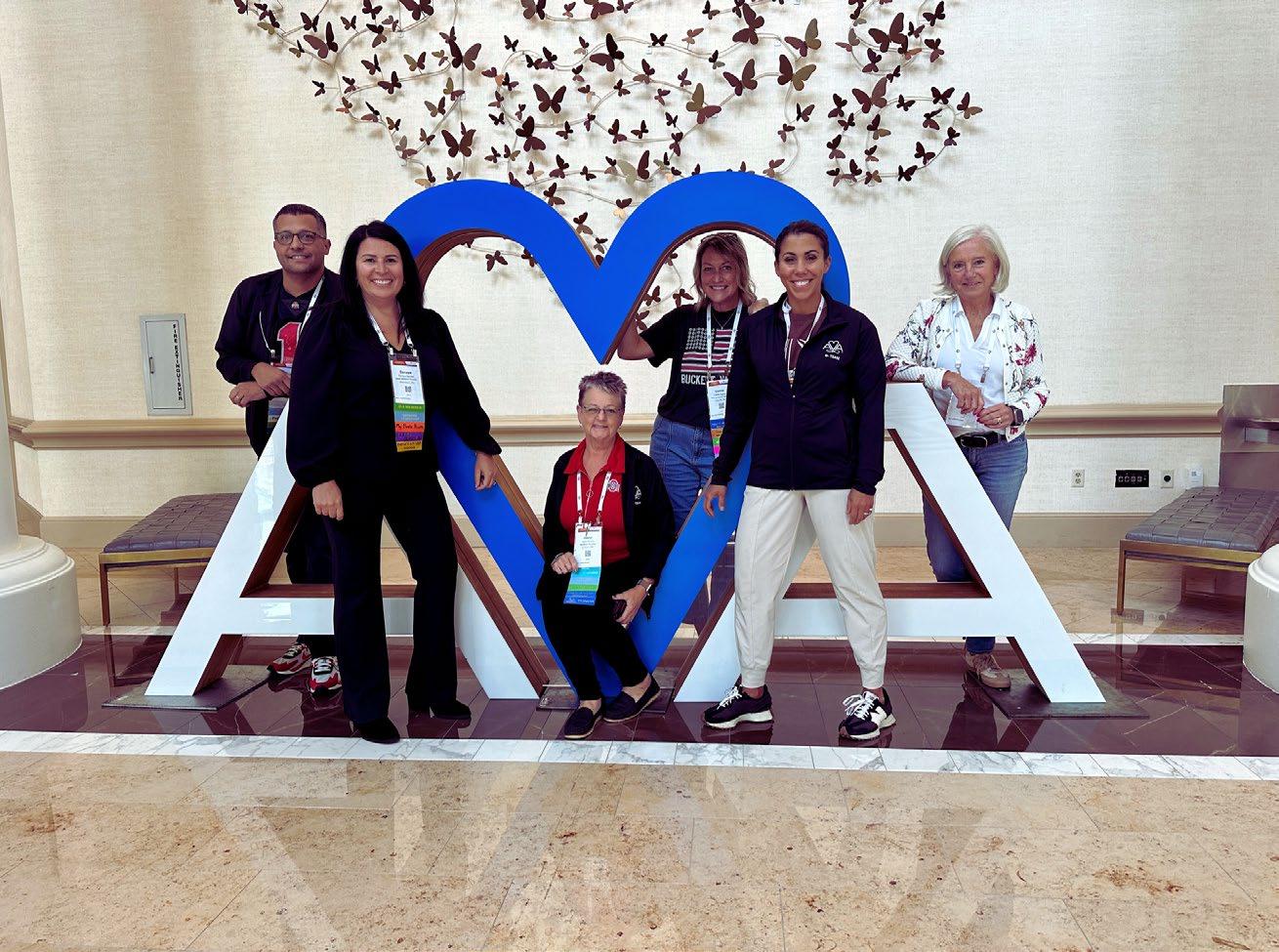
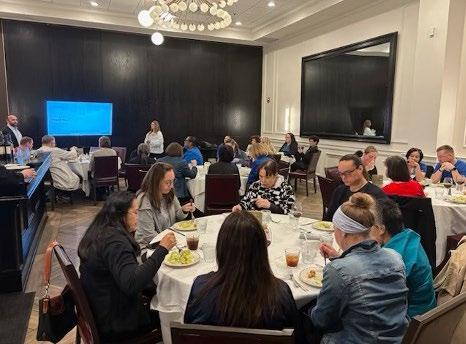
A great turnout for our GulfVAN January event titled “Catheter Related Bloodstream Infections in Hemodialysis Patients with Central Venous Catheters” at Maggiano’s!
It was energizing to see such strong engagement from clinicians across the region and to experience the meaningful dialogue that makes these gatherings so valuable. Events like this highlight the power of connection, shared expertise, and a collective commitment to advancing vascular access practice.
A sincere thank you to CorMedix Therapeutics and Jonathan Grey, PharmD, for your support and partnership in making the evening a success. Your investment in education and collaboration within the vascular access community is truly appreciated.
Looking forward to continuing this momentum at future GulfVAN events. Our next event will be a virtual meeting with Casey Schuller, BSN, RN, VA-BCTM on March 5th. His presentation is titled “Drainage at the Exit Site- Is It Lymph?” The meeting is sponsored by Toledo Vascular & GulfVAN. Information can be found on our website at https://gulfvan.wildapricot.org.
#GulfVAN #VascularAccess #AVA #NursingLeadership #ClinicalExcellence #ProfessionalCommunity
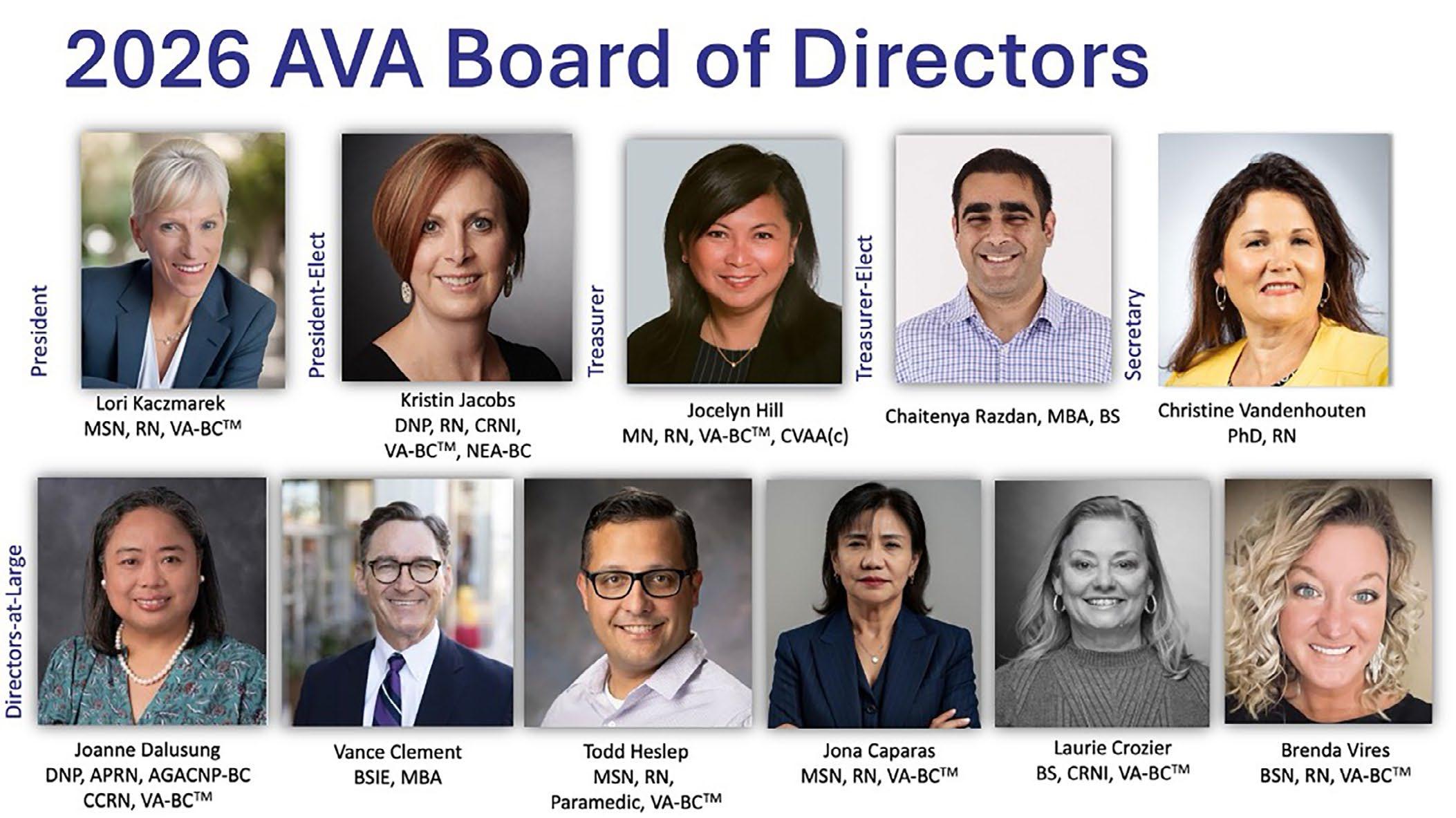
Over the weekend of January 16–18, 2026, the Association for Vascular Access (AVA) Board of Directors gathered in person to align on priorities, strengthen governance, and chart a clear course for the year ahead. This meeting was both purposeful and energizing— grounded in stewardship and fueled by a shared commitment to advancing the art and science of vascular access.
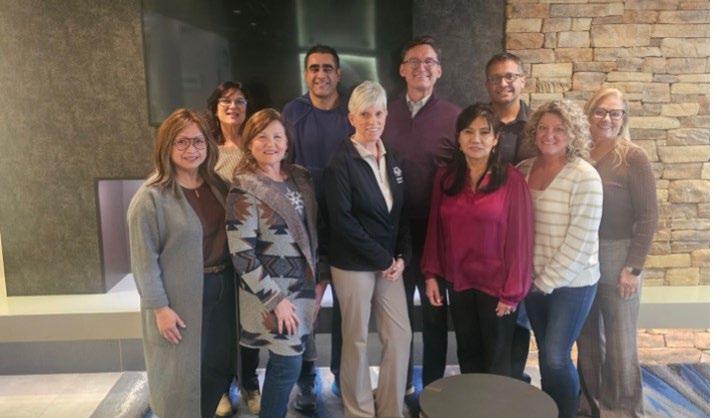
A major focus of our time together was AVA’s transition from an association management company (AMC) structure back to an independent operating model. This shift reflects a strategic decision to increase agility, strengthen accountability, and align resources more directly with member needs and organizational priorities. Transitions of this magnitude require careful planning, clear governance, and disciplined execution—and the Board is committed to approaching this change in a way that is thoughtful, transparent, and sustainable.
As AVA prepares for this next chapter, the Board reinforced the fundamentals of strong governance, including professional standards for confidentiality, conflict of interest, and responsible organizational decision-making.
We also acted on key infrastructure items that support sound stewardship and operational readiness, including approval of a Fixed Asset Capitalization Policy. These actions may seem behind the scenes, but they are essential to ensuring AVA is equipped to operate independently with integrity and fiscal responsibility.
The Board also reviewed our current committee and task force structure and made decisions to streamline where appropriate—reducing complexity and improving clarity around roles, deliverables, and accountability. This is part of a broader commitment to ensure volunteer engagement remains meaningful, productive, and aligned with measurable outcomes.
AVA is powered by its members, and our weekend together reaffirmed the strength of our volunteer leadership. Across the organization, members contribute time, expertise, mentorship, scholarship, and practical solutions that elevate vascular access practice and strengthen patient outcomes. As we move forward, AVA will continue to support structures that elevate member expertise and expand opportunities for involvement across the organization—because our impact is strongest when we build it together.
One of the most important achievements to celebrate this year is the launch of AVA’s inaugural Clinical Practice Guidelines. This landmark work represents the best of who we are: a community committed to evidence-based practice, patient safety, and clinical excellence. The guidelines reflect rigorous scholarship and dedicated volunteer effort, and they advance AVA’s role as a professional leader in vascular access care.
As clinicians, we understand that guidelines are more than a document—they are a practical tool that supports decision-making, standardization, and better outcomes. As an organization, they signal AVA’s maturity and readiness to lead at the highest level, while also strengthening what we can offer members: relevant resources that translate directly into bedside practice and systemlevel improvement.
Looking ahead, the Board dedicated meaningful time to strategic priorities tied to AVA’s flagship convening- the AVA Scientific Meeting. We discussed opportunities to expand engagement through a regional scientific meeting concept for 2027, and the Board moved to create a charter for a task force charged with planning this initiative.
Regional engagement is not a replacement for our national meeting—it is a potential extension of AVA’s reach, allowing us to meet clinicians where they are and strengthen community throughout the year.
We also took action to create a task force focused on experiential learning opportunities for the 2026 Scientific Meeting—recognizing that adult learning, professional connection, and conference value are increasingly shaped by meaningful experiences, not only lecture-based sessions. Ideas discussed ranged from wellness and service-based activations (e.g., blood donation or hydration initiatives) to interactive vendor-hall experiences and innovation-centered programming— including a SONSIEL nurse innovation “hack-a-thon” concept. The intent is clear: AVA will continue to raise the bar for what our scientific meeting delivers—clinically, professionally, and culturally.
The January Board meeting was not simply a set of motions and minutes—it was a strategic reset, grounded in stewardship and focused on forward momentum. AVA is entering a period of focused growth and refinement. We are strengthening governance to enable timely progress, building volunteer structures that better amplify member expertise, and enhancing educational and community experiences that reinforce AVA as the professional home for vascular access clinicians.
As we move through this transition and continue to grow, I invite you to stay engaged—attend a meeting, share your voice, and consider volunteering. AVA’s strength has always been memberdriven, and the next chapter of our work will be shaped by clinicians who are willing to lead, collaborate, and build the future of vascular access together.
In the coming months, you will see continued progress in strengthening AVA’s operational foundation, expanding pathways for member engagement, and advancing the educational and professional value AVA delivers. Thank you for the work you do every day at the bedside and across health systems. Your practice, your leadership, and your commitment to excellence are why AVA exists—and why our future is bright.
With appreciation,
Kristin Jacobs, DNP, RN, CRNI, VA-BC, NEA-BC
President-Elect, Association for Vascular Access (AVA)
We invite you to submit original manuscripts that may improve patient outcomes and our understanding of the vascular access specialists’ role in the healthcare system. Manuscripts could include:
• Clinical Practice
• Patient Education
• Clinician Education
• Promoting & Sustaining Change
• Vascular Access Research
• Legal perspectives
• Financial Considerations
• Anything to move AVA’s mission forward.
For complete instructions, go to Information for Authors at www.avajournal.com
If you would like some mentoring help, email AVAFoundation@avainfo.org. The AVA Foundation board can match you with free mentoring for AVA members on research and publication.
If you have general questions or don’t know where to start, contact the JAVA editor at: javaeditor@avainfo.org.
Pediatric and Neonatal CVC Guidelines Published
PediNeoSIG has completed final edits on the Pediatric and Neonatal Best Practice Guidelines for Central Venous Access Devices. These guidelines are designed to support safe, consistent, and evidence-based care for pediatric and neonatal patients and are available for purchase in the AVA Online Store: Peds and Neonates.
The Pediatric Exchange
Pediatric & Neonatal Webinar Series

The Pediatric Exchange is a quarterly pediatric and neonatal vascular access webinar series hosted by the PediNeoSIG, designed to foster meaningful dialogue, shared learning, and collaboration among clinicians caring for our most vulnerable patients.
Each session brings together experienced pediatric and neonatal vascular access clinicians to discuss the most relevant, timely, and practice-impacting topics in pediatric and neonatal care. Conversations focus on evidence-based practice, evolving standards, real-world challenges, and practical strategies that clinicians can apply immediately at the bedside.
Rather than traditional lectures, this series emphasize interactive discussion, peer exchange, and clinical insight, creating a space for clinicians to learn from one another, ask questions, and explore how best practices translate across diverse care settings.
Watch for next event details in your email and social media.
AVA 2026 Pre-Conference Workshop – October 2, 2026- Grapevine, TX
PediNeoSIG will be leaning on participant feedback from last year’s Pre-Conference Workshops to guide the development of the 2026 Beginner and Advanced programs. Post-conference survey results were carefully reviewed to identify opportunities to strengthen content, and your learner outcomes. These insights have informed a refined workshop design with greater emphasis on applied clinical discussion, expanded hands-on skills stations, and structured opportunities for peer connection. The 2026 workshop is intended to provide relevant, practicefocused education that reflects the needs and priorities of clinicians caring for pediatric and neonatal patients.
Meet Our Newest Member
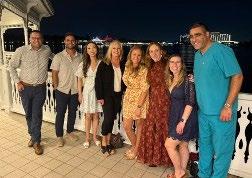
Members of PediNeoSIG Executive Leadership Council (left to right): Todd Heslep MSN, RN, Paramedic, VA-BC, Luis Cipriano, BSN, RN, VA-BC, Kacey Wiseman, MSN, RN, CPN, VA-BC, NE-BC, Melissa Stebel, MSN, CNS, VA-BC, CPEN, Katie Frate, BSN, RN, VA-BC, Rebecca Tafaro Boyer MSN, RN, CNL, CPHON, VA-BC, Angela Alderman, BSN, RNC-NIC, VA-BC, Chaitenya Razdan
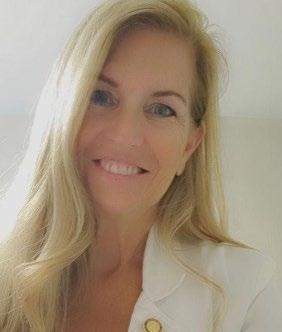
Constance (Connie) Girgenti, MSN, RN, VA-BC, has dedicated her nursing career to pediatric and neonatal vascular access. She is a transformative nurse leader and currently serves as a National Clinical Nurse Educator for Vygon USA. She was a founding member of the Illinois Vascular Access Network (IVAN) and was honored as one of the inaugural recipients of the AVA Impact Award in 2016. Connie remains actively engaged with the Association for Vascular Access at both the local and national levels and is a strong advocate for the development and use of national comparative vascular access data to improve patient outcomes. Connie will serve the PediNeoSIG as Secretary.
1. I enjoy ocean kayaking
2. I love off-roading with my Jeep
3. I am one of the founding members of IVAN, Chicagoland, and Southwest Florida Nurse Honor Guard and am the Florida Nurse Honor Guard Coordinator
MICHELLE L. HAWES, DNP, CRNI®, VA-BCTM , ACRP-CP
EDITOR-IN-CHIEF & DEVELOPMENT LEAD
The publication of the first edition of the AVA Clinical Practice Guidelines for Adults represents a defining milestone for our specialty and our association. This achievement was made possible through the commitment of volunteer authors dedicated to advancing vascular access care. This accomplishment reflects the strength of a professional community that contributed its time, expertise, and scholarly discipline in service to clinicians and the patients they support. Developing the first guideline at this scope required collaboration and a sustained, long-term effort. Our authors met that challenge with professionalism and generosity.
Together, this work establishes an evidence-based foundation to support clinical decisionmaking across care environments. It reflects AVA’s commitment to providing trusted resources for the multiple disciplines within the vascular access community..
To every author who helped bring this landmark publication to life, THANK YOU!!!
Your contributions will influence practice, education, and patient safety for years to come. This work also establishes a strong foundation for future editions as evidence and clinical practice continue to evolve.
With gratitude,
Mickey
Amy Bardin-Spencer, EdD, EMBA, MSc, RRT, FAARC, VA-BC™
Belinda Bordeaux, BSN, RN, VA-BC™
Cheryl Campos, DNP, NPD-BC, CPHQ, VA-BC™
Peter J. Carr, PhD, MMedSc, BSc, HDip, RN
Chris Cavanaugh, MSN, RN, CRNI®, VA-BC™
Carmen Cernusca, MScN, RN, HIN, CVAA©
Joanne Dalusung, DNP, APRN, AGACNP-BC, CCRN, VA-BC™
Lois N. Davis, MSN, RN, VA-BC™
Emily DiLoreto, MS, PA-C, VA-BC™
Lori Ewalt-Hughes, BSN, RN, VA-BC™, CIC
Joseph Hommes, BSN, RN, VA-BC™
J. Blake Hotchkiss, MSN, MBA, RN, VA-BC™
Kristin Jacobs, DNP, MBA, RN, CRNI®, VA-BC™, NEA-BC
James Joseph, MPH, BSN, RN, VA-BC™
Karen Laforet, MClSc-WH, RN, VA-BC™, CCHN©, CVAA©, DAPWCA
Vicki Mabry, MNSc, APRN, ACNS-BC, VA-BC™
Warren McGlauflin, BS, RN, VA-BC™
Nancy Moureau, PhD, BSN, RN, CRNI®, CPUI, VA-BC™
Nadine Nakazawa, BSN, RN, VA-BC™
David Paje, MD, MPH
Carey Prather, MSHI, BSN, RN, PCCN, VA-BC™
Amy Rissler, BSN, RN, VA-BC™
Paloma Ruiz-Hernandez, PhD, MSN, BSN, RN, CPUI
Elaine Schuessler, MSN, RN, AGACNP-BC
Antonia Sochor, BSN, RN, VA-BC™


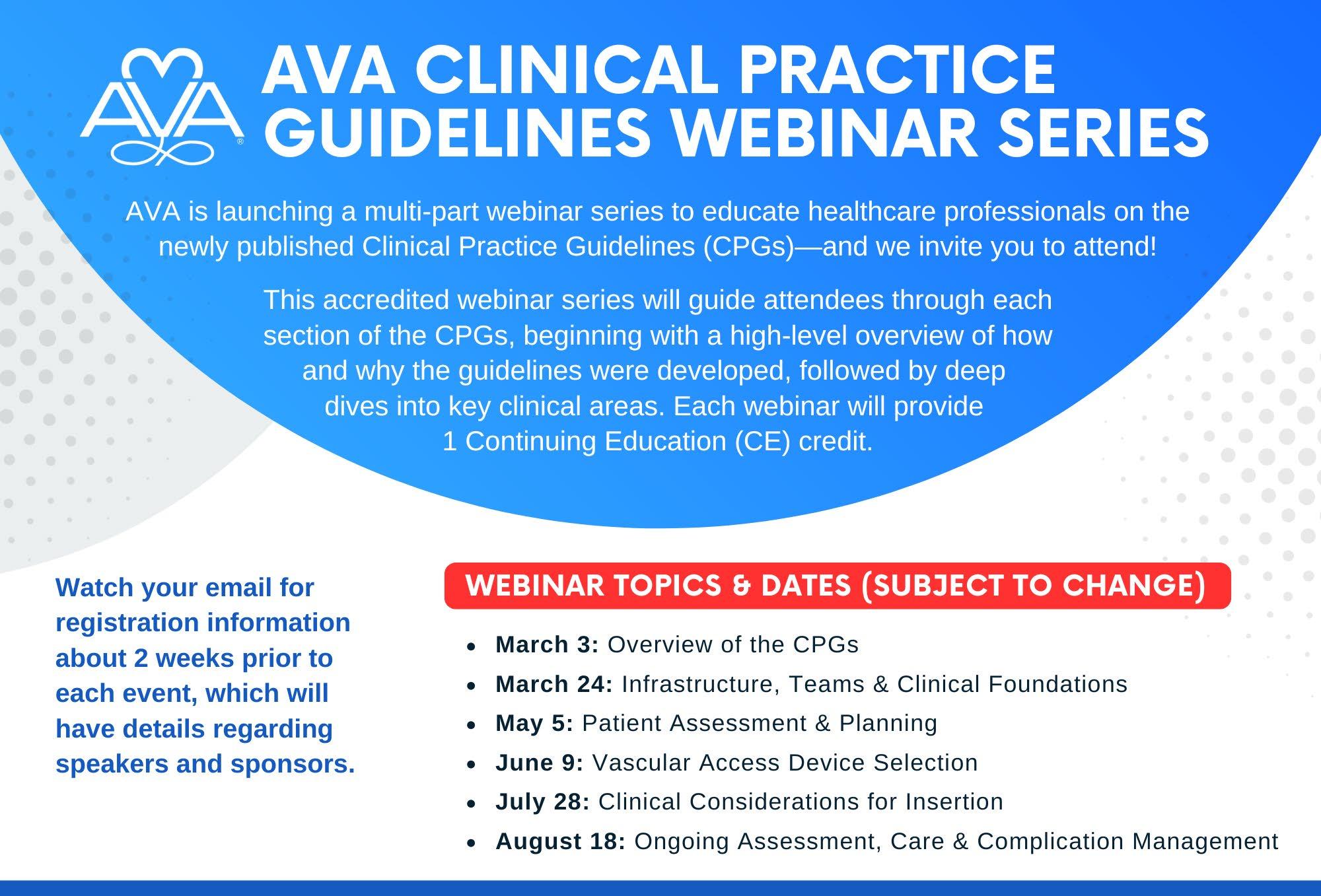
Clinical Practice Guidelines (CPGs) are evidence-based recommendations that offer practical, multidisciplinary guidance for bedside caregivers, vascular access teams, educators, and facilities without specialists.
Don't miss the opportunity to lead with knowledge, improve care quality, and elevate the role of vascular access in every healthcare setting!
Standardization of Vascular Access Practice - Provides an evidence-based framework to reduce variability in assessment, insertion, and management, improving consistency across diverse care settings in conjunction with previously established and published guidance.
Patient-Centered Care - Emphasizes individualized assessment of physiologic, psychosocial, and environmental factors to guide device selection , optimize outcomes, and minimize complications.
Complication Prevention and Management - Offers practical, evidence-driven strategies to reduce device-related risks.


BY BETH GORE
I have cared for my son for more than 14 years with a central line. It is his only source of hydration, nutrition, and medication. I do all of his care. Connecting and disconnecting with aseptic technique. Drawing labs. Dressing changes. Supply management. Clinical-level decisions. All while knowing there is zero room for error, especially preventable ones.
It is a heavy load.
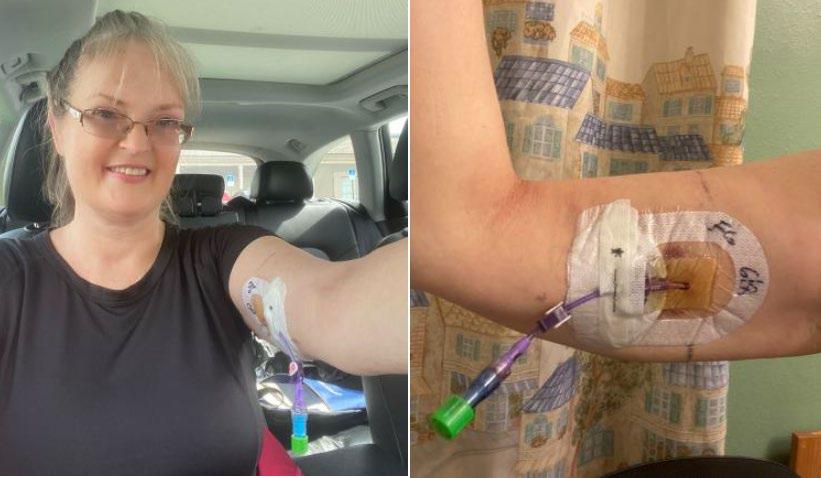
In June 2026, I got my very own central line. It stayed in for 222 days. Now that it is out, here are a few reflections and thoughts about my experiences.
Early on, it was scary. How much can I lift? How far can I move my arm? Is this feeling normal? That slight pause before it flushes or gives blood return makes your heart flutter in a very specific way. I was also surprised by the strange sensory things. How flushing can leave a taste in your mouth. Why saline TASTES the way it does, but heparin tastes like nothing at all?
Learning the physical setup for the medication I was on came with a learning curve. It was completely different from the parenteral nutrition I was used to managing for my son. Gravity drip turned out to be its own thing to learn. And we did. Being tied to one spot for long stretches several times a day, for weeks, was more challenging than I expected.
Then came the issue of access, or more accurately, my inability to access and deaccess independently. Where the line was placed, I simply could not manage it on my own. It takes two hands, and I can’t bend my right arm enough to make that work. Suddenly, something routine meant depending on someone else every single time. That loss of independence was surprisingly frustrating. But we figured it out.
Then came the first dressing change.
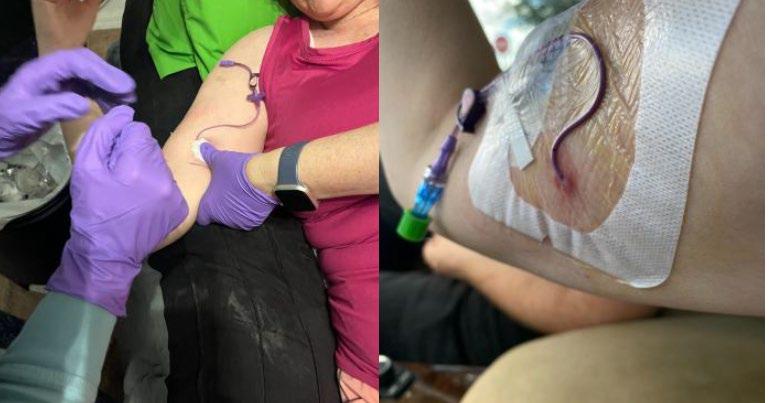
The nurse was kind, but it quickly became clear she did not know what she was doing. She accidentally pulled the catheter out about three inches. While I was lying there, unaware, she pushed it back in as much as she could. I only knew this because my daughter was photo recording the process. Not to catch anyone doing something wrong, but simply to document it for me.
After the nurse left, I noticed the hub no longer sat close to the insertion site. When I was examining it, my daughter said casually, it came out a lot and she pushed it back in. She had no idea that was a serious problem. I had not seen it happen.
That led to the decision tree. Do I go to the hospital to verify placement? Do I wait and monitor? Do I assume the risk and stay hypervigilant for signs of complications or CLABSI? That story is for another day.
When it was time for the next dressing change, I fought to do it myself and I won. I never reported what happened. Yes, it was the same agency that provides my son’s parenteral nutrition, which made it a careful balancing act. I used the facts. Nursing was an out-of-pocket expense for me. I had done this for my son for over 14 years without a single CLABSI. Clearly, I knew what I was doing. They agreed.
That led to training my young adult daughters to help with dressing changes. I could assist a little with my left hand, but it is still strange to do this to your mom but they took it all in stride and learned quickly.
Over time, I developed a clear sense of which dressings irritated my skin more than others and which protocols caused the least MARSI. There are wounds that do not look bad at all but feel like they go straight to the nerves. Others look awful and barely hurt. One small-looking skin injury one day felt like fire shooting through my arm during and after the dressing change. I could barely move my arm for days without triggering pain. Sleeping had to change so I did not brush against it. There was no bleeding, no oozing, and yet that tiny spot nearly took me out early on. I stopped using that dressing and it never happened again.
I tried nearly every product designed to keep PICCs dry. No offense to the manufacturers, but none of them kept all moisture out, no matter how careful I was. That leads to the constant question of how wet is too wet. I timed showers around dressing changes and took far fewer showers than usual because some days it simply was not worth the effort.
We are told not to take baths, but I found I could control water exposure more precisely in the tub than in the shower. Sitting still allowed me to direct water away from my arm. To me, the guidance should be no submersion, not no bath.
When I did shower, I worked hard to keep my entire right arm out of the stream. Even water hitting my shoulder would run down toward the line. This was much harder than I expected.
The hardest part, though, was washing my hair. I have mid-back-length hair. I never figured out how to wash it effectively with my left arm while holding my entire right arm and shoulder up in the air. This was the one thing I could not solve. My hair was washed less often and less thoroughly than I wanted, and my arm got wetter than I was comfortable with. I must have done an adequate job because I never looked homeless and I never got a fever.
Because there was no clear end point to therapy and no definitive answer about whether I would need the line again, we decided to leave it in until it caused a problem.
After 222 days, it did.
So we removed it.
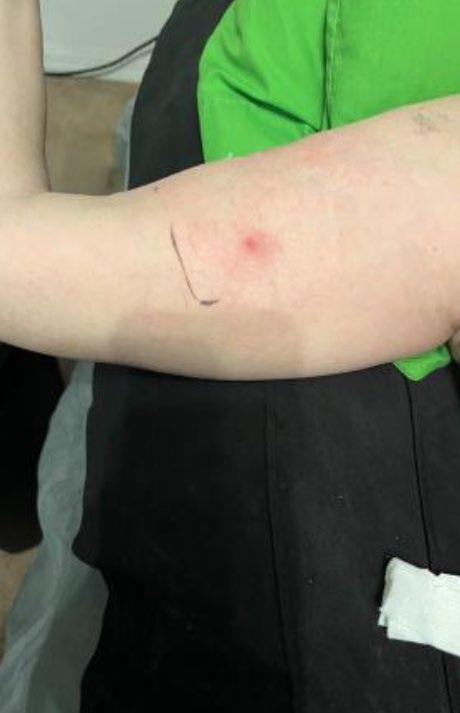
My arm is still bandaged for the 48 hours postremoval. There are zero signs of MARSI or other skin issues. It already looks like there was never a line there at all.
What I am left with is the experience and some unexpected feelings. I thought I would feel relief. Instead, I feel a strange vulnerability. What if I need that access again? I know that sounds odd, but it is real.
I am sure that soon I will be washing my hair without thinking twice and rarely reflecting on this chapter. For now, I am sitting with it. I am grateful for the experience. Not because it taught me something new or made me a better advocate or caregiver for my son. But because it reminded me, again, how much of this life is shaped by the small, daily realities that most people never see.
And yes, my son loved that we were twins for a while.

AVA's electronic newsle/er Intravascular Quarterly (IQ), keeps vascular access professionals up to date on important AVA news and the latest technological and educa;onal informa;on. IQ is published quarterly as a professional benefit. AVA offers the current issue available as free access. PDF version can be downloaded and shared!
Wri;ng for IQ means presen;ng per;nent informa;on in a brief fun, and crea;ve way. Share your stories - product evalua;on, quality improvement, living with vascular access, case reports, the student experience, the crea;ve educator, etc.
CLICK HERE to submit your ar5cle today!
Case Stories are another great way to share pa;ent cases without the rigor of medical case studies. Your case story should be between 25-750 words. Be sure to submit using the online form link below following the modified "SBAR" format.
CLICK HERE to submit or to review the Case Stories submission form today!
IQ will be published in February, May, August, and November 2026. A special issue of IQ will be published in September to celebrate AVA's Annual Scien;fic Mee;ng and will highlight sessions, speakers, exhibitors and much more. If you have an ar;cle to be published in IQ, please by the dates below. If you have ques;ons, call us at 1-877-924-AVA1.
Ar5cles are due by the dates below:
• May issue: theme - Pre and Post Acute Care (Ambulance to Homec are) - submit articles no later than May 1st
• August issue: theme - Educa5on and Simula5on - submit ar5cles no later than August 1st.
• November issue: theme - Innova5on - submit ar5cles no later than November 1st.
Click here for Adver;sing opportuni;es in IQ
CLICK HERE for advertising opportunities in IQ.