Supporting Young PediatricMinds: Therapy






Understanding Pediatric Autism Therapy
Pediatric therapy for autism focuses on helping children develop essential communication, social, behavioral, and daily living skills. These therapies are tailored to each child’s unique strengths and challenges, ensuring personalized and effective support during critical developmental years.
Early Intervention and Its Importance
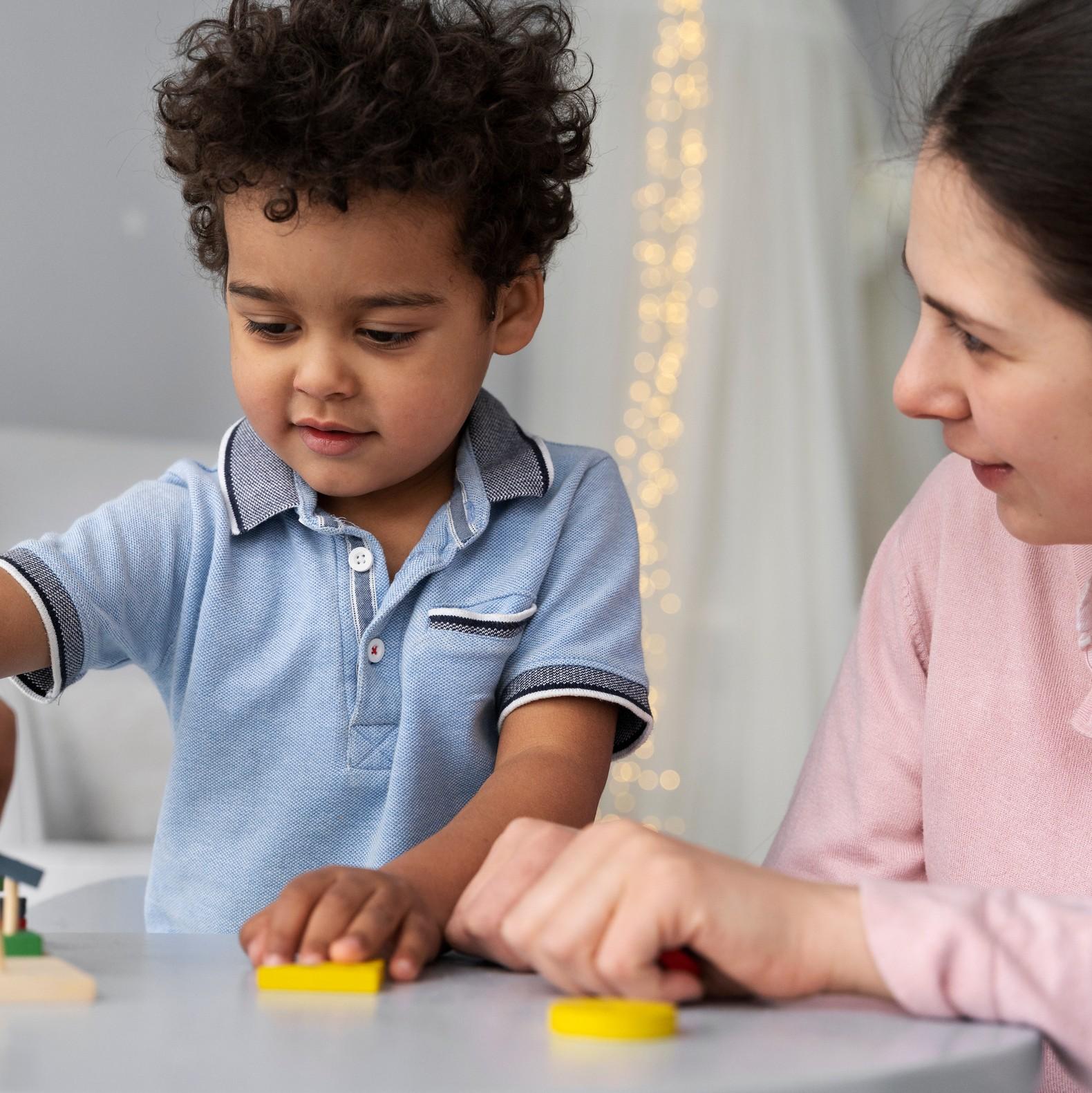
Early pediatric therapy plays a vital role in improving long-term outcomes for children with autism. Starting therapy at a young age supports brain development, enhances learning abilities, and helps children build foundational skills that promote independence and confidence.



Pediatric autism therapy may include ABA therapy, speech therapy, occupational therapy, and social skills training. Each therapy addresses specific developmental areas, working together to support the child’s overall growth and functional
Types of Pediatric Therapies for Autism
Family-Centered Therapy Approach
Successful pediatric therapy involves active family participation. Therapists collaborate with parents and caregivers, providing guidance and strategies to reinforce skills at home, school, and in the community, ensuring consistency and lasting
Long-Term Benefits of Pediatric Autism Therapy
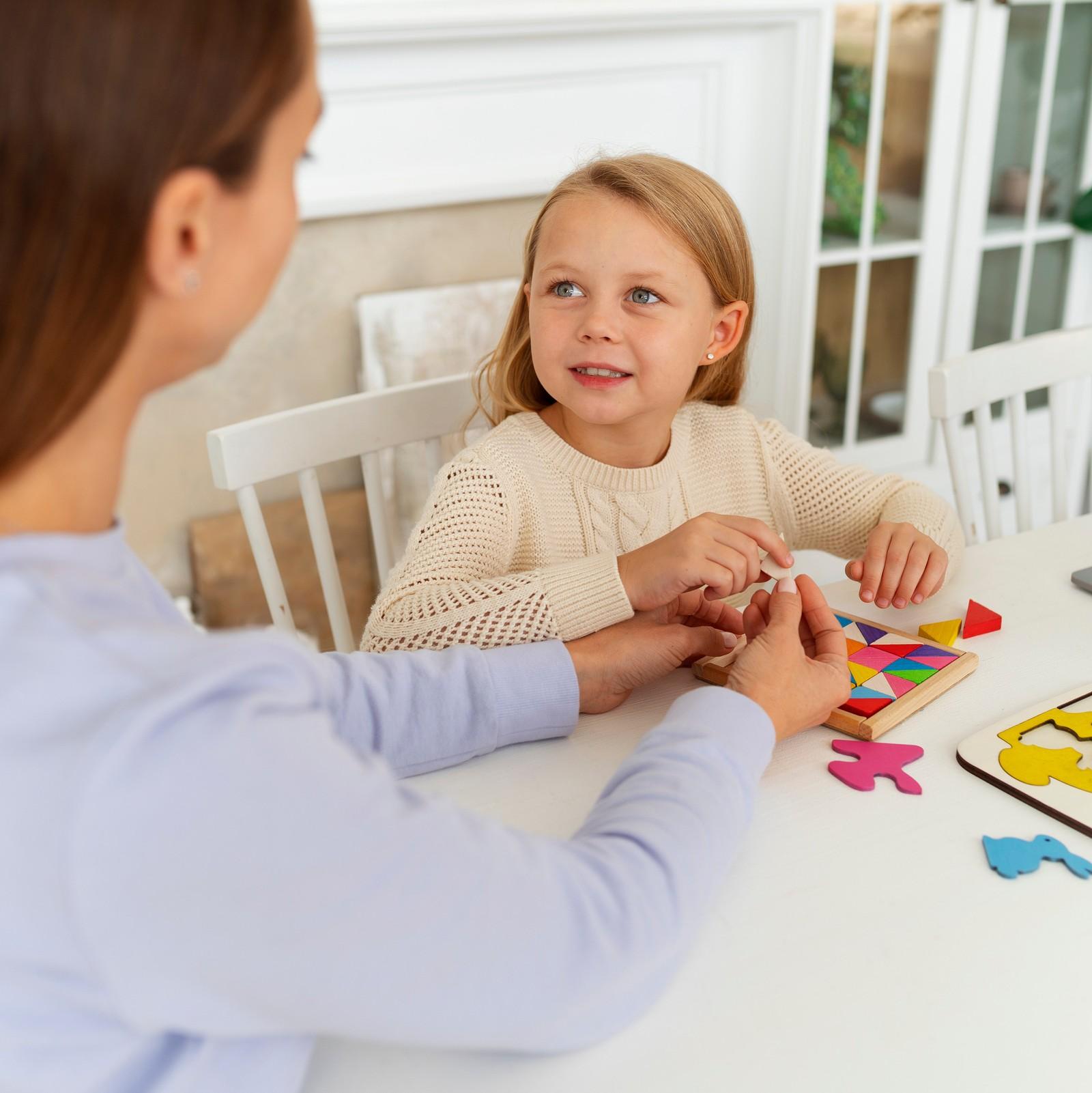
With consistent therapy, children with autism can improve communication, behavior regulation, and social interaction. Pediatric therapy helps children reach their full potential, empowering them to navigate daily life with greater independence and improved quality of life.